


Product Monograph - Prenatal/Postpartum Vitamin-Mineral Supplement Folic 1.1mg
SUMMARY PRODUCT INFORMATION
Table 1 – Prenatal/Postpartum Vitamin-Mineral Supplement Folic 1.1mg and Prenatal Vitamin-Mineral Supplement Folic 5mg Summary Product Information
| Route of Administration | Dosage Form / Strength | Clinically Relevant Non-medicinal Ingredients | ||||||||
| Oral | Each pink (a.m.) tablet contains | PrPrenatal/ Postpartum Vitamin-Mineral Supplement Folic 1.1mg | Pr Prenatal Vitamin-Mineral Supplement Folic 5mg | None For a complete listing, see Dosage Forms, Composition and Packaging section. | ||||||
| Beta-Carotene | 2 mg | 2 mg | ||||||||
| Vitamin B1 (thiamine mononitrate) | 3 mg | 3 mg | ||||||||
| Vitamin B2 (riboflavin) | 3.4 mg | 3.4 mg | ||||||||
| Niacinamide | 20 mg | 20 mg | ||||||||
| Pantothenic Acid (calcium pantothenate) | 6 mg | 6 mg | ||||||||
| Vitamin B6 (pyridoxine HCl) | 10 mg | 10 mg | ||||||||
| Vitamin C (ascorbic acid) | 120 mg | 120 mg | ||||||||
| Vitamin E (dl-alpha tocopheryl acetate) | 13.5 mg ATa | 13.5 mg ATa | ||||||||
| Copper (cupric oxide) | 2 mg | 2 mg | ||||||||
| Iodine (potassium iodide) | 0.15 mg | 0.15 mg | ||||||||
| Iron (ferrous fumarate)b,c, | 35 mg | 35 mg | ||||||||
| Magnesium (magnesium oxide) | 50 mg | 50 mg | ||||||||
| Zinc (zinc oxide) | 15 mg | 15 mg | ||||||||
| Each blue/dark blue (p.m.) tablet contains | None For a complete listing, see Dosage Forms, Composition and Packaging section | |||||||||
| Folic Acid c | 1.1 mg | 5 mg | ||||||||
| Vitamin B12 (cyanocobalamin) | 12 mcg | 12 mcg | ||||||||
| Vitamin D3 (cholecalciferol) | 600 IU | 600 IU | ||||||||
| Calcium (calcium carbonate)b, | 300 mg | 300 mg | ||||||||
a. The quantity of vitamin E is expressed as milligrams (mg) of RRR-α-tocopherol (AT).
b. The purpose of taking the two tablets at different times is to prevent calcium inhibition on the absorption of iron.
c. The purpose of taking the two tablets at different times is to prevent folic acid from interacting with iron resulting in their decreased intestinal absorption.
INDICATIONS AND CLINICAL USE
Prenatal/Postpartum Vitamin-Mineral Supplement Folic 1.1mg is a vitamin-mineral supplement specially formulated for use in women at least 2-3 months prior to conception, throughout pregnancy and during the postnatal period.
Prenatal Vitamin-Mineral Supplement Folic 5mg is a prenatal high dose folic acid vitamin-mineral supplement formulated for use in women who are planning pregnancy or are pregnant and have had a previous pregnancy affected by a neural tube defect (NTD), who have a family history of neural tube defects, have diabetes or malabsorption disorders, (e.g., inflammatory bowel disease), who are taking folic acid antagonists (e.g., methotrexate) or anticonvulsant drugs (e.g., carbamazepine, phenobarbital, phenytoin, primidone, valproic acid), or who require a high dose folic acid supplement in the opinion of their physician. Women are to take one pink (a.m.) and one dark blue (p.m.) Prenatal Vitamin-Mineral Supplement Folic 5mg tablet daily at least 2-3 months prior to conception, continuing up to 10 to 12 weeks after the last menstrual period, or throughout pregnancy, if, in the judgment of the attending physician, the benefits of continued high dose folic acid supplementation outweigh potential risks.
Women who have poor folate status from multifactorial dietary and environmental conditions, including poor eating habits, stringent dieting for weight loss, drug and alcohol abuse, and cigarette smoking should discuss folate supplementation with their physician.
Oral contraceptive users may also have lower folate concentrations than non-users as estrogen and progesterone could lower plasma and erythrocyte folate levels. Supplementation with folic acid may theoretically reduce the occurrence of maternal folic acid deficiency.
The physiological changes of pregnancy call for extra nutrients and energy to meet demands of expanding blood supply, growth of maternal tissues, developing fetus, loss of maternal tissues at birth, and preparation for lactation. During pregnancy, special attention should be given to folate, calcium, vitamin D and iron intakes because there is a potential for inadequate intakes in some groups of women.
Taking vitamin and mineral supplements does not eliminate the need for balanced nutrition.
Prenatal/Postpartum Vitamin-Mineral Supplement Folic 1.1mg and Prenatal Vitamin-Mineral Supplement Folic 5mg are both formulated as two tablets in order to optimize the absorption of iron, calcium and folic acid; one pink (a.m.) tablet (with iron) is to be taken in the morning and a distinctly different blue/dark blue (p.m.) tablet (with calcium and folic acid) is to be taken in the evening. The rationale for this two tablet approach is to enhance bioavailability of iron; adjust the iron content so that it reduces adverse effects such as nausea, constipation, fatigue, diarrhea and headache associated with supplements containing higher levels of iron (60 mg) and; therefore increase compliance to Prenatal/Postpartum Vitamin-Mineral Supplement Folic 1.1mg and Prenatal Vitamin-Mineral Supplement Folic 5mg. Calcium is provided separately from iron to avoid calcium inhibition of iron absorption from the gastrointestinal tract. A higher dose of vitamin C is also present in the morning tablet to facilitate iron absorption. Manganese was purposely excluded from these tablets so as not to affect iron absorption.
Concurrent ingestion of folic acid and iron may result in the formation of stable complexes. Folic acid is provided separately from iron to prevent their decreased intestinal absorption.
CONTRAINDICATIONS
These products are contraindicated in patients with known hypersensitivity to any of the ingredients in the formulation or component of the container. For a complete listing, see the Dosage Forms, Composition and Packaging section of the Product Monograph.
WARNINGS AND PRECAUTIONS
General
Although it has been suggested that high doses of folate may mask manifestations of vitamin B12 deficiency, a study by Metz et al. (2004) could not demonstrate that high serum folate levels masked the macrocytosis of cobalamin deficiency whether the serum folate was low, normal or high.
To address potential concerns regarding the masking of vitamin B12 deficiency and the potential precipitation or exacerbation of the progression of neurological complications associated with vitamin B12 deficiency, the use of folic acid in conjunction with vitamin B12 as a supplement should be recommended. Vitamin B12 levels may be monitored if, in the opinion of the healthcare professional, it is warranted.
Keep this product out of the reach of children. Accidental overdose of iron-containing products is a leading cause of fatal poisoning in children under 6. In case of accidental overdose, call a regional poison control centre immediately (See
OVERDOSAGE).
Do not exceed the recommended dose.
Dependence/Tolerance
There is no information to indicate that abuse or dependency occurs at the concentration of vitamins and minerals found in Prenatal/Postpartum Vitamin-Mineral Supplement Folic 1.1mg and Prenatal Vitamin-Mineral Supplement Folic 5mg.
Hematologic
Folic acid should be used in conjunction with vitamin B12 in order to avoid potential neurologic complications. Any dose of folic acid over 1 mg per day may require monitoring for vitamin B12 deficiency by a healthcare provider.
Neurologic
Women with seizure disorders controlled on anticonvulsant medications (e.g., carbamazepine, phenobarbital, phenytoin, primidone, valproic acid) may have exacerbation of seizures when folic acid is taken.
Special Populations
Pregnant Women:
Although the use of a folic acid supplement during the periconceptional period reduces the number of NTDs, they cannot be completely avoided through folate supplementation due to their multifactorial origin.
Taking vitamin and mineral supplements does not eliminate the need for balanced nutrition.
Baseline Risk:
The background baseline risk of major malformations for all pregnancies is approximately 1-3%. This is the risk of having a child with a birth defect when no teratogenic exposure occurs in pregnancy. This underlying risk may be increased due to maternal age, medical or family history, or exposures to certain drugs, chemicals or levels of radiation known to cause birth defects.
Each year, a quarter of a million pregnancies worldwide result in the birth of an infant with a neural tube defect (NTD) or an abortion performed because of such defect. In a recent study, a total of 2446 subjects with NTDs were recorded among 1.9 million births from 1993 to 2002 in seven Canadian provinces. The prevalence of NTDs was 0.86 per 1000 births.
Nursing Women:
Prenatal/Postpartum Vitamin-Mineral Supplement Folic 1.1mg is specifically indicated in the postpartum period. The decision to continue use of Prenatal Vitamin-Mineral Supplement Folic 5mg during lactation should be made by a healthcare professional.
The passage of vitamins and minerals into breast milk can be expected. Folic acid is actively excreted into breast milk. Accumulation of folate in milk takes precedence over maternal folate needs. Levels of folic acid are relatively low in colostrum but as lactation proceeds, concentrations of the vitamin rise. Folate levels in newborns and breast-fed infants are consistently higher than those in mothers and normal adults. In Japanese mothers, mean breast milk folate concentrations were 141.4 ng/mL, resulting in a total intake by the infant of 14-25 mcg/kg/day. Much lower mean levels were measured in pooled human milk in an English study examining preterm (26 mothers, 29-34 weeks) and term (35 mothers, 39 weeks or longer) patients. Preterm milk folate concentrations rose from 10.6 ng/mL (colostrum) to 30.5 ng/mL post-natal (16-196 days), whereas term milk folate concentrations increased during the same period from 17.6 to 42.3 ng/mL.
In one study, maternal serum and red blood cell folate levels increased significantly after 1 mg of folic acid/day for 4 weeks, but milk folate levels remained unchanged. Investigators gave well-nourished lactating women a multivitamin preparation containing 0.8 mg of folic acid. At 6 months postpartum, milk concentrations of folate did not differ significantly from those of controls who were not receiving supplements. Other investigators measured more than adequate blood folate levels in American breast-fed infants during the 1st year of life. The mean milk concentration of folate consumed by these infants was 85 ng/mL.
In a study of lactating mothers with megaloblastic anemia treated with 5 mg/day of folic acid for 3 days, breast milk folate rose from 7-9 ng/mL to 15-40 ng/mL 1 day after treatment began. The elevated levels were maintained for 3 weeks without further treatment. Nine lower-socioeconomic status women were treated with multivitamins containing 0.8 mg of folic acid and were compared with seven untreated controls. Breast milk folate was significantly higher in the treated women. In another study of lactating women with low nutritional status, supplementation with folic acid, 0.2-10.0 mg/day, resulted in mean milk concentrations of 2.3-5.6 ng/mL. Milk concentrations were directly proportional to dietary intake.
Monitoring and Laboratory Tests
To address potential concerns that high doses of folate may mask manifestations of vitamin B12 deficiency, signs or symptoms of vitamin B12 deficiency should be considered before initiating folic acid supplementation if doses are greater than 1.0 mg. Vitamin B12 levels may be monitored before and during Prenatal/Postpartum Vitamin-Mineral Supplement Folic 1.1mg and Prenatal Vitamin-Mineral Supplement Folic 5mg therapies if in the opinion of the healthcare professional it is warranted.
Monitor folate level when drugs known to interact with folic acid are taken concomitantly (See Table 2, DRUG INTERACTIONS).
ADVERSE REACTIONS
Adverse Drug Reaction Overview
Allergic sensitization has been reported following both oral and parenteral administration of folic acid.
At high doses (e.g. 15 mg/day) folic acid has been associated on rare occasion with various gastrointestinal symptoms and CNS effects such as sleep disturbances, difficulty concentrating, irritability, hyperactivity, excitement, mental depression, confusion, and impaired judgment. In general, adverse reactions associated with iron supplements whether alone or in a multivitamin are: constipation, nausea, fatigue, diarrhea and headache.
Clinical Trial Adverse Drug Reactions
Because clinical trials are conducted under very specific conditions the adverse reaction rates observed in the clinical trials may not reflect the rates observed in practice and should not be compared to the rates in the clinical trials of another drug. Adverse drug reaction information from clinical trials is useful for identifying drug-related adverse events and for approximating rates.
A randomized, crossover open labelled study in 138 pregnant women attending outpatient clinics was conducted to compare tolerability and compliance with Prenatal/Postpartum Vitamin-Mineral Supplement Folic 1.1mg (a.m. and p.m. tablets) versus a supplement with high iron content in pregnant women. An equal number of pregnant women suffering from nausea and vomiting of pregnancy (NVP) and pregnant women without NVP were randomized to receive either Prenatal/Postpartum Vitamin-Mineral Supplement Folic 1.1mg or a supplement with high iron content for one month. The primary end point of interest was the mean rate of adverse events including decreased compliance. The mean rate of adverse events was collected for nausea, constipation and other adverse drug events and is illustrated in Table 2. Incidence of nausea was approximately 9% in Prenatal/Postpartum Vitamin-Mineral Supplement Folic 1.1mg group versus 10% in the supplement with high iron content group (p=0.71); incidence of constipation was 22.5% in Prenatal/Postpartum Vitamin-Mineral Supplement Folic 1.1mg group versus 34.8% in the supplement with high iron content group (p=0.03) and for other adverse events, the average number of events was 10.4 for the Prenatal/Postpartum Vitamin-Mineral Supplement Folic 1.1mg group versus 9.9 for the supplement with high iron content group (p=0.95).
Table 2 - Overall Study Results, Comparing Prenatal/Postpartum Vitamin-Mineral Supplement Folic 1.1mg (Low Iron) to a Supplement with a High Iron Content over a Month Administration in a Cross-Over Design.
| Adverse events (n=138) | Prenatal/Postpartum Vitamin-Mineral Supplement Folic 1.1mg (SD) | Supplement with high iron content (SD) | p value |
|---|---|---|---|
| Adverse events (%) | 17.6 ± .24 | 20.3 ± 24 | 0.14 |
| Nausea (%) | 9.3 ± 19 | 10.1 ± 18 | 0.71 |
| Constipation time length (%) | 3.1 ± 8 | 4.7 ± 11 | 0.05 |
| Other adverse events | 10.4 ± 21 | 99.9 ± 20 | 0.95 |
| Nausea rate (%) | 41.3 (57/81) | 45.7 (63/75) | 0.54 |
| Constipation Rate (%) | 22.5 % (31/107) | 34.8 % (48/90) | 0.03 |
In a single-dose crossover pharmacokinetic study conducted with the Prenatal/Postpartum Vitamin-Mineral Supplement Folic 1.1mg blue (p.m.) tablet in 6 healthy non-pregnant women (18-45 years), no adverse reactions were reported.
In another study of similar design, 12 healthy women were administered high iron and calcium and low iron without calcium [Prenatal/Postpartum Vitamin-Mineral Supplement Folic 1.1mg pink (a.m.) tablet] separately on two different occasions. No adverse reactions were reported.
Abnormal Hematologic and Clinical Chemistry Findings
None reported.
Post-Market Adverse Drug Reactions
Prenatal/Postpartum Vitamin-Mineral Supplement Folic 1.1mg and Prenatal Vitamin-Mineral Supplement Folic 5mg have the same medicinal ingredients and strengths with the exception of the amount of folic acid (1.1 mg vs. 5 mg). Spontaneous adverse reactions reported for these products are summarized in Table 3. Reactions are presented by MedDRA System Organ Class (SOC) and Preferred Terms (signs, symptoms and diagnosis) from spontaneous notification.
Table 3 – Cumulative Summary of Prenatal/Postpartum Vitamin-Mineral Supplement Folic 1.1mg and Prenatal Vitamin-Mineral Supplement Folic 5mg Adverse Reactions from Spontaneous Reports to Duchesnay Inc. and Regulatory Authority (Health Canada) from Launching Date to September 30th, 2008.
| MedDRA Preferred Term | Prenatal/Postpartum Vitamin-Mineral Supplement Folic 1.1mg Spontaneous Reports | Prenatal Vitamin-Mineral Supplement Folic 5mg Spontaneous Reports |
|---|---|---|
| SOC: Eye disorders (n=2) | ||
| Eye pruritus | 1 | 0 |
| Visual impairment | 0 | 1 |
| SOC: Gastrointestinal disorders (n=45) | ||
| Nausea | 10 | 4 |
| Vomiting | 8 | 1 |
| Constipation | 3 | 0 |
| Diarrhea | 3 | 0 |
| Stomach discomfort | 2 | 1 |
| Abdominal pain upper | 2 | 0 |
| Dyspepsia | 2 | 0 |
| Abdominal distension | 1 | 1 |
| Infrequent bowel movement | 1 | 1 |
| Cheilitis | 1 | 0 |
| Heartburn | 1 | 0 |
| Lip dry | 1 | 0 |
| Retching | 1 | 0 |
| Abdominal pain lower | 0 | 1 |
| SOC: General disorders and administration site conditions (n=7) | ||
| Feeling abnormal | 2 | 0 |
| Asthenia | 1 | 0 |
| Fatigue | 1 | 0 |
| Hunger | 1 | 0 |
| Pyrexia | 1 | 0 |
| Thirst | 1 | 0 |
| SOC: Metabolism and nutrition disorders (n=4) | ||
| Decreased appetite | 2 | 0 |
| Dehydration | 1 | 0 |
| Hyperglycemia | 1 | 0 |
| Table 3 – Cumulative Summary of Prenatal/Postpartum Vitamin-Mineral Supplement Folic 1.1mg and Prenatal Vitamin-Mineral Supplement Folic 5mg Adverse Reactions from Spontaneous Reports to Duchesnay Inc. and Regulatory Authority (Health Canada) from Launching Date to September 30th, 2008. (cont’d) | |||||||||
|---|---|---|---|---|---|---|---|---|---|
| MedDRA Preferred Term | Prenatal/Postpartum Vitamin-Mineral Supplement Folic 1.1mg Spontaneous Reports | Prenatal Vitamin-Mineral Supplement Folic 5mg Spontaneous Reports | |||||||
| SOC: Musculoskeletal and connective tissue disorders (n=1) | |||||||||
| Myalgia | 1 | 0 | |||||||
| SOC: Nervous system disorders (n=5) | |||||||||
| Headache | 1 | 1 | |||||||
| Dizziness | 1 | 0 | |||||||
| Lethargy | 1 | 0 | |||||||
| Migraine | 0 | 1 | |||||||
| SOC: Pregnancy, puerperium and perinatal conditions (n=2) | |||||||||
| Vomiting in pregnancy | 2 | 0 | |||||||
| SOC: Psychiatric disorders (n=4) | |||||||||
| Insomnia | 2 | 1 | |||||||
| Nervousness | 1 | 0 | |||||||
| SOC: Renal and urinary system disorders (n=5) | |||||||||
| Chromaturia | 3 | 2 | |||||||
| SOC: Respiratory and thoracic disorders (n=2) | |||||||||
| Dyspnea | 1 | 0 | |||||||
| Throat tightness | 1 | 0 | |||||||
| SOC: Skin and subcutaneous tissue disorders (n=2) | |||||||||
| Urticaria | 1 | 0 | |||||||
| Rash macular | 0 | 1 | |||||||
DRUG INTERACTIONS
Overview
No formal vitamin/mineral-drug interaction studies have been performed with Prenatal/Postpartum Vitamin-Mineral Supplement Folic 1.1mg or Prenatal Vitamin-Mineral Supplement Folic 5mg.
Iron supplements may decrease absorption of thyroid hormone medications. Therefore, iron supplements whether alone or as part of a prenatal supplement, should not be taken at the same time as levothyroxine or other thyroid hormone medications (Synthroid®, Eltroxin®, Levo-T®, Levothroid®, Levoxyl®, Euthroid®, Thyrolar®, etc.). Allow at least four (4) hours between taking iron and thyroid hormones. Calcium can also interfere with the absorption of thyroid drugs. Allow at least four (4) hours between taking calcium and thyroid hormones.
Due to the inhibitory effect of calcium on iron absorption, women should be encouraged to take these supplements at different time. A high intake of iron can interfere with zinc absorption therefore; 15 mg of supplemental zinc should be taken when elemental iron supplementation exceeds 30 mg per day. When supplemental zinc is taken, concurrent supplementation with 2 mg copper is advised.
Concurrent ingestion of folic acid and iron may result in the formation of stable complexes with iron, resulting in their decreased intestinal absorption.
Several other drugs have reduced bioavailability when ingested with iron preparations. These include carbidopa, ciprofloxacin, levodopa, methyldopa, penicillamine, and tetracyclines. A large number of drugs form stable complexes with iron, however, little is known about the clinical consequences of this binding. Further investigation is required to determine the clinical interactions between iron and drug molecules.
Drugs including, antibiotic therapies, bisphosphonates, carbidopa, fluoroquinolone antibiotics, levodopa, methyldopa and penicillamine should be taken at least two (2) hours apart from Prenatal/Postpartum Vitamin-Mineral Supplement Folic 1.1mg and Prenatal Vitamin-Mineral Supplement Folic 5mg.
Drugs including, cholestyramine, colestipol, levothyroxine and mycophenolate mofetil should be taken at least four (4) hours apart from Prenatal/Postpartum Vitamin-Mineral Supplement Folic 1.1mg and Prenatal Vitamin-Mineral Supplement Folic 5mg.
Vitamin/Mineral-Drug Interactions
Table 4 - Vitamin/Mineral- Drug Interactions for Prenatal/Postpartum Vitamin-Mineral Supplement Folic 1.1mg and Prenatal Vitamin-Mineral Supplement Folic 5mg
| Vitamin/Mineral | Drugs | Effect | Clinical comment |
| Vitamin/Mineral | Drugs | Effect | Clinical comment |
| Vitamin/Mineral | Drugs | Effect | Clinical comment |
| Vitamin/Mineral | Drugs | Effect | Clinical comment |
Folic acid Folic acid (cont’d) | Antacids | Can reduce folic acid absorption. | |
| Antibiotic therapy | Can disrupt the normal gastrointestinal (GI) flora, interfering with absorption of folic acid. | ||
Antiepileptic drugs (carbamazepine, phenobarbital, phenytoin, primidone, valproic acid) | Antiepileptic drugs can reduce serum folate levels, occasionally leading to megaloblastic anemia. Folic acid supplements have also decreased seizure control in some people with epilepsy. | Seizure activity should be monitored closely. Monitor folate levels, particularly in pregnant women, who are at risk of reduced folate. | |
| Chloramphenicol | May antagonize some effects of folic acid on the blood (hematopoietic system). | ||
| Cholestyramine | When administered together, there may be reduction or delay in folic acid absorption. | If concomitant therapy is required, folic acid should be administered at least one (1) hour before or four (4) to six (6) hours after cholestyramine. | |
| Colestipol | Can interfere with absorption of folic acid, and reduced serum folate levels may occur. | ||
Dihydrofolate reductase inhibitors (sulphasalazine, triamterene, trimethoprim) | Inhibit absorption and metabolism of folic acid. | Monitor serum and red blood cell folate levels. | |
| H2 blockers (cimetidine, famotidine, nizatidine, ranitidine) and proton pump inhibitors (esomeprazole, lansoprazole, omeprazole, pantoprazole, rabeprazole) | Folic acid absorption from the small intestine is optimal at pH 5.5 to 6. The increased pH associated with H2 blockers may therefore reduce folic acid absorption. | Monitor for folate deficiency. | |
| Malaria drugs (sulfadoxine-pyrimethamine) | Prevent conversion of folic acid to its active form. | Monitor for folate deficiency. | |
| Methotrexate | Methotrexate is a folate antagonist which prevents conversion of folic acid to its active form, and lowers plasma and red blood cell folate levels. | Monitor for folate deficiency. | |
| NSAIDs (ibuprofen, indomethacin, naproxen, sulindac) | Folate-dependent enzymes have been inhibited in laboratory experiments by certain NSAIDs.Error! Reference source not found. | Monitor for folate deficiency. | |
| Pancreatic extracts (Cotazym®, Creon®, Pancrease®, Ultrase®, Viokase®) | May possibly reduce folic acid absorption. | Folate levels should be checked in patients taking pancreatic enzymes for prolonged periods. | |
| Pyrimethamine | Pyrimethamine is a folate antagonist that prevents conversion of folic acid to its active form. | Monitor for folate deficiency. | |
Iron Iron (cont’d) | Acetohydroxamic acid | Iron supplements may cause medication to be less effective. | |
| Iron (cont’d) | Bisphosphonates (alendronate, etidronate, risedronate, tiludronate) | Iron can decrease absorption of bisphosphonates by forming insoluble complexes. | Take bisphosphonates and iron at least two (2) hours apart. |
| Allopurinol | May cause an increase in iron storage in the liver. | Do not use allopurinol with iron supplements. | |
| Aminosalicylic acid | May cause malabsorption syndrome (including iron depletion). | ||
| Antacids | May reduce iron absorption and reduce efficacy. | Separate the doses of antacids and iron. | |
| Antibiotic therapy (doxycycline, methacycline, oxytetracycline, tetracycline) | Forms iron-drug complexes reducing the extent of drug absorption. | It is recommended to take iron supplements and these drugs at least two (2) hours apart. | |
| Aspirin and NSAIDs | Can cause mucosal damage and bleeding throughout the gastrointestinal tract. Chronic blood loss may contribute to iron deficiency. Iron supplements may also irritate the gastrointestinal tract. | ||
| Carbidopa, levodopa | Forms iron-drug complexes reducing the extent of drug absorption. | It is recommended to take iron supplements and these drugs at least two (2) hours apart. | |
| Chloramphenicol | Can reduce the response to iron therapy in iron deficiency anemia. | ||
| Cholestyramine, colestipol | May bind iron in the gut, reducing its absorption. | Take cholestyramine or colestipol at least four (4) hours apart. | |
| Fluoroquinolone antibiotics (ciprofloxacin, levofloxacin, ofloxacin) | Iron decreases absorption of fluoroquinolone antibiotics. | Take fluoroquinolone antibiotics and iron at least two (2) hours apart. | |
| H2 blockers (cimetidine, ranitidine, famotidine, nizatidine) and proton pump inhibitors (esomeprazole, lansoprazole, omeprazole, pantoprazole, rabeprazole) | Gastric acid is important for the absorption of iron. | ||
Levothyroxine (e.g. Synthroid) (Please also see Calcium-Levothyroxine interaction) | Iron reduces the absorption of thyroid hormones. | It is recommended to take iron supplements and levothyroxine at least four (4) hours apart. Thyroid levels should be monitored regularly during pregnancy and in the first few months postpartum. | |
| Methyldopa | Forms iron-drug complex reducing the extent of drug absorption. | It is recommended to take iron supplements and methyldopa at least two (2) hours apart. | |
| Mycophenolate mofetil | Iron can markedly reduce absorption of mycophenolate mofetil. | Iron should be taken at least four (4) to six (6) hours before, or two (2) hours after mycophenolate mofetil. | |
| Pancreatic enzymes (Pancrease®, Cotazym®, Viokase®, Creon®, Ultrase®) | Can reduce iron absorption, possibly by binding iron or altering pH. | ||
| Penicillamine | Forms iron-drug complex reducing the extent of drug absorption. | It is recommended to take iron supplements and penicillamine at least two (2) hours apart. | |
| Calcium | Levothyroxine (e.g. Synthroid) (Please also see Iron-levothyroxine interaction) | Calcium supplements reduce the effectiveness of levothyroxine. | It is recommended to take calcium supplements and levothyroxine at least four (4) hours apart. Thyroid levels should be monitored regularly during pregnancy and in the first few months postpartum. |
| Tetracycline | Calcium interferes with absorption of tetracycline. | It is recommended to take tetracycline one (1) hour before or two (2) hours after calcium supplements. |
Vitamin/Mineral-Food Interactions
Interactions with food have been established with iron and calcium.
Iron
Factors that enhance non-heme iron absorption include: meat, poultry, fish and vitamin C. Factors that inhibit non-heme iron absorption include: polyphenols in tea, coffee; phytate in legumes, soybeans, whole grains; oxalate in spinach, chard, beet greens, rhubarb, sweet potato and calcium in both food and supplements.
Due to the inhibitory effect of calcium on iron absorption, women should be encouraged to take these supplements at different times.
Calcium
Compounds such as oxalate and phytate reduce calcium absorption. These compounds are found in foods such as legumes, grains, spinach, chard, beet greens, sweet potatoes and rhubarb.
Absorption of calcium carbonate can be improved when food has increased gastric acid levels.
Vitamin/Mineral-Vitamin/Mineral interactions
Vitamin/mineral-vitamin/mineral interactions are important for the Prenatal/Postpartum Vitamin-Mineral Supplement Folic 1.1mg and Prenatal Vitamin-Mineral Supplement Folic 5mg formulations, the dosing regimen itself [pink a.m. and blue/dark blue p.m. tablets at least four (4) hours apart] as well as the timing of administration of external sources of vitamins and minerals.
Concurrent ingestion of folic acid and iron may result in the formation of stable complexes with iron, decreasing their intestinal absorption. Vitamin C is known to increase the absorption of iron. Calcium has an inhibitory effect on iron absorption. Manganese also interferes with iron absorption. Vitamin D metabolites enhance calcium absorption.
These same interactions are seen with external sources of vitamins and minerals including supplements.
High intake of iron can interfere with zinc absorption. For this reason, 15 mg per day supplemental zinc should be taken when elemental iron supplementation exceeds 30 mg per day. When supplemental zinc is taken, concurrent supplementation with 2 mg copper is advised.
Table 5 - Vitamin/Mineral - Vitamin/Mineral Interactions for Prenatal/Postpartum Vitamin-Mineral Supplement Folic 1.1mg and Prenatal Vitamin-Mineral Supplement Folic 5mg
| Vitamin/Mineral | Vitamin/mineral | Effect | Clinical comment |
| Folic Acid | Iron | Forms stable complexes with iron and decreases intestinal absorption of iron. | Take at different times in the day. |
| Iron | Zinc Manganese Vitamin C | Iron inhibits absorption of zinc. Inhibits absorption of iron. Facilitates iron absorption. | Take 15 mg per day supplemental zinc when elemental iron supplementation exceeds 30 mg per day. When supplemental zinc is taken, concurrent supplementation with 2 mg copper is advised. |
| Calcium | Iron Vitamin D | Calcium inhibits absorption of iron. Vitamin D metabolites enhance calcium absorption. | Take at different times in the day. |
Vitamin/Mineral-Herb Interactions
Interactions with herbal products have not been established.
Vitamin/Mineral-Laboratory Interactions
Interactions with laboratory tests have not been established.
DOSAGE AND ADMINISTRATION
Recommended Dose and Dosage Adjustment
For Prenatal/Postpartum Vitamin-Mineral Supplement Folic 1.1mg or Prenatal Vitamin-Mineral Supplement Folic 5mg take one pink (a.m.) tablet in the morning and one blue/dark blue (p.m.) tablet in the evening at least four (4) hours apart. The purpose of taking


the two tablets at different times is to prevent calcium inhibition on the absorption of iron and to prevent folic acid from interacting with iron resulting in their decreased intestinal absorption.
For Prenatal/Postpartum Vitamin-Mineral Supplement Folic 1.1mg, take at least 2-3 months prior to conception, throughout pregnancy and during the postnatal period.
For Prenatal Vitamin-Mineral Supplement Folic 5mg take at least 2-3 months prior to conception, continuing up to 10-12 weeks after last menstrual period, or throughout pregnancy, if, in the judgment of the attending physician, the benefits of continued high dose folic acid supplementation outweigh potential risks.
It is preferable to take the Prenatal/Postpartum Vitamin-Mineral Supplement Folic 1.1mg/ Prenatal Vitamin-Mineral Supplement Folic 5mg pink (a.m.) tablet on an empty stomach with a glass of water and to wait at least one (1) hour before taking any food to optimize iron absorption, and to take the Prenatal/Postpartum Vitamin-Mineral Supplement Folic 1.1mg/ Prenatal Vitamin-Mineral Supplement Folic 5mg blue/dark blue (p.m.) tablet close to the evening meal (before or after), i.e. within one (1) hour of the evening meal, to optimize calcium absorption.
The schedule may be individualized according to a woman’s specific condition:
- For women taking calcium rich food for breakfast, the Prenatal/Postpartum Vitamin-Mineral Supplement Folic 1.1mg/ Prenatal Vitamin-Mineral Supplement Folic 5mg pink (a.m.) tablet may be taken two (2) hours or more after breakfast. Following administration of the pink (a.m.) tablet a wait of one (1) additional hour is recommended before eating in order to optimize the absorption of iron.
- For women suffering from nausea and/or vomiting in the morning where it is difficult to take vitamin-mineral supplements on an empty stomach, the Prenatal/Postpartum Vitamin-Mineral Supplement Folic 1.1mg/ Prenatal Vitamin-Mineral Supplement Folic 5mg pink (a.m.) tablet may be taken two (2) hours or more after breakfast. Following administration of the pink (a.m.) tablet a wait of one (1) additional hour is recommended before eating in order to optimize the absorption of iron.
- For women taking levothyroxine hormone in the morning, it is recommended to take the Prenatal/Postpartum Vitamin-Mineral Supplement Folic 1.1mg/ Prenatal Vitamin-Mineral Supplement Folic 5mg pink (a.m.) tablet at least four (4) hours apart to optimize the absorption of levothyroxine hormone. For women taking levothyroxine hormone at bedtime, it is recommended to take the Prenatal/Postpartum Vitamin-Mineral Supplement Folic 1.1mg blue (p.m.) or Prenatal Vitamin-Mineral Supplement Folic 5mg dark blue (p.m.) tablet at least four (4) hours apart to optimize the absorption of levothyroxine hormone.
There is no specific recommendation to support a different dosage of vitamin-mineral supplement in multiple pregnancies.
Missed Dose
When a dose has been missed, it should be taken as soon as possible: one pink (a.m.) and one blue/dark blue (p.m.) tablet should be taken within a 24 hour period. It is recommended that Prenatal/Postpartum Vitamin-Mineral Supplement Folic 1.1mg/ Prenatal Vitamin-Mineral Supplement Folic 5mg pink (a.m.) and blue/dark blue (p.m.) tablets be taken at least four (4) hours apart in order to optimize the absorption of nutrients.
The prescribed dosing schedule should then continue as directed by physician or healthcare professional.
Administration
Prenatal/Postpartum Vitamin-Mineral Supplement Folic 1.1mg/ Prenatal Vitamin-Mineral Supplement Folic 5mg tablets are to be taken orally.
Tablets are not intended to be crushed, chewed or split. No stability and absorption data is available for crushed, chewed or split Prenatal/Postpartum Vitamin-Mineral Supplement Folic 1.1mg/ Prenatal Vitamin-Mineral Supplement Folic 5mg tablets.
OVERDOSAGE
For management of a suspected drug overdose, contact your regional Poison Control Centre.
Accidental overdose of iron-containing products is a leading cause of fatal poisoning in children under 6.
Prenatal/Postpartum Vitamin-Mineral Supplement Folic 1.1mg and Prenatal Vitamin-Mineral Supplement Folic 5mg are supplied in a 30-day blister pack containing 30 oval, pink (a.m.) tablets and 30 oval, blue/dark blue (p.m.) tablets. Each Prenatal/Postpartum Vitamin-Mineral Supplement Folic 1.1mg/ Prenatal Vitamin-Mineral Supplement Folic 5mg pink (a.m.) tablet contains 35 mg of elemental iron. No iron is contained in the Prenatal/Postpartum Vitamin-Mineral Supplement Folic 1.1mg blue (p.m.) tablet or Prenatal Vitamin-Mineral Supplement Folic 5mg dark blue (p.m.) tablet. The amount of elemental iron in one box or a 30-day supply of Prenatal/Postpartum Vitamin-Mineral Supplement Folic 1.1mg/ Prenatal Vitamin-Mineral Supplement Folic 5mg is 1050 mg.
ACTION AND CLINICAL PHARMACOLOGY
Mechanism of Action
Prenatal/Postpartum Vitamin-Mineral Supplement Folic 1.1mg/ Prenatal Vitamin-Mineral Supplement Folic 5mg provide a supplement of vitamins and minerals in an immediate release dosage form. Administration of the pink (a.m.) and the blue/dark blue (p.m.) tablets at two different times helps to maximize the absorption of iron, calcium and folic acid.
Clinical Pharmacology
Folic acid, also known as folate, pteroylglutamic acid or vitamin B9, is a water-soluble B complex vitamin. After absorption from the gastrointestinal tract, folic acid is converted in the liver to tetrahydrofolic acid, which is a cofactor in the biosynthesis of purines and thymidylates of nucleic acids. An exogenous source of folic acid is necessary for the synthesis of nucleoproteins and maintenance of normal erythropoiesis. There is strong evidence that prophylactic therapy with folic acid, prior to and during pregnancy, can reduce the risk of fetal neural tube defects (NTDs). NTDs result from improper development and closure of the neural tube during the third and fourth weeks of gestation. Pregnancies affected by an NTD may result in a miscarriage or stillbirth, and children born with an NTD may have mild to severe disability or die in early childhood. NTDs include spina bifida, anencephaly and encephalocele.
Although the use of a folic acid supplement during the periconceptional period reduces the number of NTDs, they cannot be completely avoided through folate supplementation because of their multifactorial origin. For women who had prior history of NTDs, the recurrence rate is
2-3%. Consuming 5 mg of folic acid daily has the potential of reducing the incidence of another NTD pregnancy by up to 72%, i.e., down to 1%.
There is evidence that an increase of 0.4 mg/day of folic acid would reduce the risk of neural tube defects for all women planning a pregnancy by about 36%, 1 mg per day would reduce the risk by about 57%, 1.1 mg per day would reduce the risk by about 59% and the use of a 5 mg tablet daily would reduce the risk by about 85%.
Pharmacokinetics
Prenatal/Postpartum Vitamin-Mineral Supplement Folic 1.1mg and Prenatal Vitamin-Mineral Supplement Folic 5mg are both multivitamin-mineral preparations containing the same active ingredients in a pink (a.m.) and blue/dark blue (p.m.) tablet presentation. The pink (a.m.) tablets are exactly the same for both preparations. In the blue and dark blue (p.m.) tablets, the amount of folic acid is different: Prenatal/Postpartum Vitamin-Mineral Supplement Folic 1.1mg blue (p.m.) tablets contain 1.1 mg of folic acid and Prenatal Vitamin-Mineral Supplement Folic 5mg dark blue (p.m.) tablets contain 5 mg of folic acid.
The absorption of iron following the administration of Prenatal/Postpartum Vitamin-Mineral Supplement Folic 1.1mg/ Prenatal Vitamin-Mineral Supplement Folic 5mg pink (a.m.) tablets was measured in twelve healthy, non-pregnant women. The area under the concentration-time curve (AUC) for serum iron was 79.1 ± 36.0 µM·h. Upon standardizing the AUC for dose, the relative absorption over the 8-hour time period was 2.3 ± 1.0 µM·h/mg.
There is no evidence of circadian rhythm variation in folate pharmacokinetics. In a crossover design, six healthy, non-pregnant women were randomized to receive 1 Prenatal/Postpartum Vitamin-Mineral Supplement Folic 1.1mg blue (p.m.) tablet, containing 1.1 mg of folic acid, in the morning or evening. Serum folate levels were measured over 10 hours. The area under the concentration-time curve (AUC) was used to compare the extent of absorption between the two time periods. The mean AUC values for serum folate after administration of the
Prenatal/Postpartum Vitamin-Mineral Supplement Folic 1.1mg blue (p.m.) tablets were 334.5 ± 119.6 nM·h and 283.1 ± 64.3 nM·h for morning and evening, respectively (p=0.17). The morning and evening peak serum folate concentrations (Cmax) were also similar (135.3 ± 41.7 nM and 130.3 ± 14.2 nM, respectively) (p=0.75). There was no difference in the time to peak concentration (Tmax) for the morning (1 ± 0.5 hour) and the evening (1 ± 0.4 hour) administration. Folic acid contained in the Prenatal/Postpartum Vitamin-Mineral Supplement Folic 1.1mg blue (p.m.) tablet was absorbed similarly whether administered in the morning or in the evening.
A study comparing folic acid pharmacokinetics was completed where serum folate levels of single dose Prenatal/Postpartum Vitamin-Mineral Supplement Folic 1.1mg and Prenatal Vitamin-Mineral Supplement Folic 5mg were measured pre-dose and up to 10 hours post dose in healthy non-pregnant fertile women between the ages of 18 and 45 years. The mean area under the curve (AUC) of 1.1 mg and 5 mg folic acid were 147.6 ± 52.8 (ng/mL)∙hr and 997.5 ± 271.9 (ng/mL)∙hr, respectively (p<0.0002). An approximate 5-fold difference was detected in the peak concentrations (Cmax) between the 2 groups (p<0.0005), alongside a slight difference in the times to peak (Tmax) (p=0.02). The estimated steady-state serum folate concentrations produced by 1.1 mg and 5 mg folic acid were 6.2 ± 2.2 ng/mL and 41.6 ± 11.3 ng/mL, respectively (p<0.0002), prior to its summation with initial (baseline) steady-state levels. Single dose administration between 1.1 mg and 5 mg folic acid demonstrated linear pharmacokinetics, with approximately a 5-fold difference between the 2 doses in serum folate contribution to steady-state levels, under ideal adherence.
The study results are summarized in Table 6 below:
Table 6 - Single Dose Pharmacokinetic Comparison of Prenatal Vitamin-Mineral Supplement Folic 5mg (5 mg) versus Prenatal/Postpartum Vitamin-Mineral Supplement Folic 1.1mg (1.1 mg) Folic Acid Ingestion, Among Non-Pregnant Women of Childbearing Age
5 mg folic acid
(n=6)
- 1.1
mg folic acid (n=6)
p-value
(Student’s t-test)
Baseline (fasting) serum folate concentration, at time=0 (ng/mL)
11.2 ± 3.9
13.2 ± 4.0
0.41
Area under the curve, AUC [(ng/mL)·hr]
997.5 ± 271.9
147.6 ± 52.8
<0.0002
Cmax, peak serum folate concentration (ng/mL)
273.3 ± 56.3
59.7 ± 18.4
<0.0005
Tmax, time to achieve peak concentration (hr)
1.8 ± 0.4
1.2 ± 0.4
0.02
Apparent clearance (mL/min)
91.7 ± 37.2
143.6 ± 66.6
0.13
Estimated steady-state serum folate concentration produced by supplemental folic acid (ng/mL)
41.6 ± 11.3
6.2 ± 2.2
<0.0002
Overall estimated steady-state serum folate concentration¶ (ng/mL)
52.8 ± 12.6
19.3 ± 4.2
<0.0001
Note: Data presented as mean ± standard deviation
¶ Overall estimated steady-state serum folate concentration = baseline concentration + estimated steady-state serum folate concentration produced by supplemental folic acid.
Special Populations and Conditions
Race: No data is available on differences in the pharmacokinetics of either Prenatal/Postpartum Vitamin-Mineral Supplement Folic 1.1mg/ Prenatal Vitamin-Mineral Supplement Folic 5mg pink (a.m.) or blue/dark blue (p.m.) tablet in different races.
Hepatic Insufficiency: No data is available on differences in the pharmacokinetics of either Prenatal/Postpartum Vitamin-Mineral Supplement Folic 1.1mg/ Prenatal Vitamin-Mineral Supplement Folic 5mg pink (a.m.) or blue/dark blue (p.m.) tablet in patients with hepatic insufficiency.
Renal Insufficiency: No data is available on differences in the pharmacokinetics of either Prenatal/Postpartum Vitamin-Mineral Supplement Folic 1.1mg/ Prenatal Vitamin-Mineral Supplement Folic 5mg pink (a.m.) or blue/dark blue (p.m.) tablet in renal insufficiency.
Genetic Polymorphism: No data is available on differences in the pharmacokinetics of either Prenatal/Postpartum Vitamin-Mineral Supplement Folic 1.1mg/ Prenatal Vitamin-Mineral Supplement Folic 5mg pink (a.m.) or blue/dark blue (p.m.) tablet in patients with genetic polymorphism.
STORAGE AND STABILITY
Store at room temperature (15 to 30ºC).
Protect from moisture. Contact with moisture may produce surface discoloration or erosion of the tablet.
Keep in a safe place out of reach of children.
SPECIAL HANDLING INSTRUCTIONS
No special handling instructions are required.
DOSAGE FORMS, COMPOSITION AND PACKAGING
Prenatal/Postpartum Vitamin-Mineral Supplement Folic 1.1mg and Prenatal Vitamin-Mineral Supplement Folic 5mg are supplied in a 30-day blister pack containing 30 oval, pink (a.m.) tablets and 30 oval, blue/dark blue (p.m.) tablets.
Tablets are imprinted with the pink image of a pregnant woman.



The indicia of the pregnant woman serves as a method to diminish the concern over erroneous ingestion by pregnant women or erroneous dispensing by pharmacists of therapeutic agents not prescribed or labelled for pregnant women. Noncompliance in the use of prescription medications is common among pregnant women owing to fear over fetal exposure and safety even in the case of drugs with appropriate safety data.
An observational, prospective cross-sectional study was conducted by the manufacturer to determine the teratogenic risk perception of pregnant women when viewing a plain tablet and a tablet imprinted with the image of a pregnant woman. The difference in teratogenic risk perception was highly significant (p<0.0001). In the survey group of 132 pregnant women the mean perception of teratogenic risk was decreased by 23.4% when viewing tablets imprinted with the image of a pregnant woman. By reducing the perception of teratogenic risk by pregnant women the pregnancy indicia may increase patient compliance and thus the effectiveness of the treatment.
Medicinal Ingredients:
Each oval shaped, pink (a.m.), film-coated, immediate release tablet contains:
Prenatal/Postpartum Vitamin-Mineral Supplement Folic 1.1mg
Prenatal Vitamin-Mineral Supplement Folic 5mg
Beta-Carotene
2 mg
2 mg
Vitamin B1 (thiamine mononitrate)
3 mg
3 mg
Vitamin B2 (riboflavin)
3.4 mg
3.4 mg
Niacinamide
20 mg
20 mg
Pantothenic Acid (calcium pantothenate)
6 mg
6 mg
Vitamin B6 (pyridoxine HCl)
10 mg
10 mg
Vitamin C (ascorbic acid)
120 mg
120 mg
Vitamin E (dl-alpha tocopheryl acetate)
13.5 mg
AT†
13.5 mg
AT†
Copper (cupric oxide)
2 mg
2 mg
Iodine (potassium iodide)
0.15 mg
0.15 mg
Iron (ferrous fumarate)
35 mg
35 mg
Magnesium (magnesium oxide)
50 mg
50 mg
Zinc (zinc oxide)
15 mg
15 mg
† The quantity of vitamin E is expressed as milligrams (mg) of RRR-α-tocopherol (AT).
Each oval shaped, blue/dark blue (p.m.), film coated, immediate release tablet contains:
Prenatal/Postpartum Vitamin-Mineral Supplement Folic 1.1mg
Prenatal Vitamin-Mineral Supplement Folic 5mg
Folic Acid
1.1 mg
5.0 mg
Vitamin B12 (cyanocobalamin)
12 mcg
12 mcg
Vitamin D3 (cholecalciferol)
600 IU
600 IU
Calcium (calcium carbonate)
300 mg
300 mg
Nonmedicinal Ingredients (organized by order of importance):
Prenatal/Postpartum Vitamin-Mineral Supplement Folic 1.1mg pink (a.m.) tablet contains:
Acacia gum, alginate, ammonium hydroxide, calcium silicate, carnauba wax, D&C Red #27 Aluminum Lake, FD&C Blue #1 Aluminum Lake, FD&C Blue #2 Aluminum Lake, FD&C Red #40 Aluminum Lake, FD&C Yellow #6 Aluminum Lake, fish gelatin, hydroxypropyl methyl cellulose, isopropyl alcohol, macrogol/PEG 3350, magnesium stearate, microcrystalline cellulose, mono and diglycerides, n-butyl alcohol, pea starch, polyvinyl alcohol, pregelatinized starch, propylene glycol, shellac glaze, silicon dioxide, simethicone, sodium croscarmellose, sodium lauryl sulfate, talc, and titanium dioxide.
Prenatal/Postpartum Vitamin-Mineral Supplement Folic 1.1mg blue (p.m.) tablet contains:
Acacia gum, ammonium hydroxide, carnauba wax, citric acid, D&C Red #27 Aluminum Lake, dl-alpha-tocopherol, FD&C Blue #2 Aluminum Lake, isopropyl alcohol, macrogol/PEG 3350, magnesium stearate, modified starch, n-butyl alcohol, polyvinyl alcohol, pregelatinized corn starch, propylene glycol, shellac glaze, silicon dioxide, simethicone, sodium croscarmellose, sodium lauryl sulfate, sucrose, talc, titanium dioxide, triglycerides, and trisodium citrate.
Prenatal Vitamin-Mineral Supplement Folic 5mg pink (a.m.) tablet contains:
Acacia gum, alginate, ammonium hydroxide, calcium silicate, carnauba wax, D&C Red #27 Aluminum Lake, FD&C Blue #1 Aluminum Lake, FD&C Blue #2 Aluminum Lake, FD&C Red #40 Aluminum Lake, FD&C Yellow #6 Aluminum Lake, fish gelatin, hydroxypropyl methyl cellulose, isopropyl alcohol, macrogol/PEG 3350, magnesium stearate, microcrystalline cellulose, mono and diglycerides, n-butyl alcohol, pea starch, polyvinyl alcohol, pregelatinized starch, propylene glycol, shellac glaze, silicon dioxide, simethicone, sodium croscarmellose, sodium lauryl sulfate, talc, and titanium dioxide.
Prenatal Vitamin-Mineral Supplement Folic 5mg dark blue (p.m.) tablet contains:
Acacia gum, ammonium hydroxide, carnauba wax, citric acid, D&C Red #27 Aluminum Lake, dl-alpha-tocopherol, FD&C Blue #1 Aluminum Lake, FD&C Blue #2 Aluminum Lake, isopropyl alcohol, macrogol/PEG 3350, magnesium stearate, modified starch, n-butyl alcohol, polyvinyl alcohol, pregelatinized corn starch, propylene glycol, shellac glaze, silicon dioxide, simethicone, sodium croscarmellose, sodium lauryl sulfate, sucrose, talc, titanium dioxide, triglycerides, and trisodium citrate.
PART II: SCIENTIFIC INFORMATION
PHARMACEUTICAL INFORMATION
Drug Substance
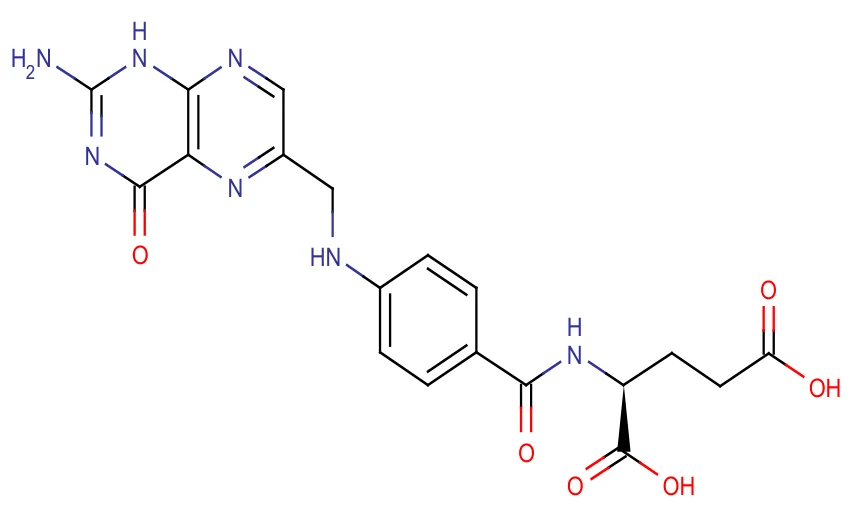
Proper name: Folic acid
Chemical name: N-[4-[[(2-Amino-1,4-dihydro-4-oxo-6-pteridinyl)-methyl]-amino]benzoyl]- L-glutamic Acid
Molecular formula and molecular mass: C19H19N7O6 441.40
Structural formula:
Physicochemical properties: Yellow-orange crystalline powder. Soluble in water. Insoluble in alcohol, ether, acetone.
Other Drug Substances:
| Drug Substance | Proper Name | Chemical Name | Molecular Formula and Molecular Mass | Physicochemical Properties | |
|---|---|---|---|---|---|
| Drug Substance | Proper Name | Chemical Name | Molecular Formula and Molecular Mass | Physicochemical Properties | |
| Drug Substance | Proper Name | Chemical Name | Molecular Formula and Molecular Mass | Physicochemical Properties | |
| Drug Substance | Proper Name | Chemical Name | Molecular Formula and Molecular Mass | Physicochemical Properties | |
| VITAMINS | |||||
| Beta-Carotene | Beta-carotene | (all-E)-1,1’-(3,7,12,16-Tetramethyl-1,3,5,7,9,11,13,15,17-octadecanonaene-1,18-diyl)bis[2,6,6-trimethylcyclohexene] | C40H56 536.88 | Occurs in the pure state as red crystals when re-crystallized from light petroleum. Practically insoluble in ethanol, glycerin and water. Susceptible to oxidation. | |
| Vitamin B1 | Thiamine mononitrate | Thiazolium, 3-[(4-amino-2-methyl-5-pyrimidinyl)methyl]-5-(2-hydroxyethyl)-4-methyl-, nitrate (salt) | C12H17N5O4S 327.36 | White to yellow-white crystals. Practically non-hygroscopic. Soluble in water. Slightly soluble in alcohol. | |
| Vitamin B2 | Riboflavin | 7,8-dimethyl-10-(D-ribo-2,3,4,5-tetrahydroxypentyl) isoalloxazine | C17H20N4O6 376.36 | Yellow to orange-yellow, crystalline powder. Soluble in water, alcohol, dilute alkalis. | |
| Niacinamide | Niacinamide | 3-Pyridinecarboxamide | C6H6N2O 122.12 | White crystalline powder. Soluble in water and alcohol. | |
| Pantothenic Acid | Calcium pantothenate | β-Alanine, N-(2,4-dihydroxy-3,3-dimethyl-1-oxobutyl)-, calcium salt (2:1), (R)- | C18H32CaN2O10 476.53 | Slightly hygroscopic, white powder. Stable in air. Soluble in water and glycerin. Moderately soluble in alcohol. | |
| Vitamin B6 | Pyridoxine hydrochloride | 3,4-Pyridinedimethanol, 5-hydroxy-6-methyl-, hydrochloride | C8H11NO3∙HCl 205.64 | White, crystalline powder. Soluble in water and alcohol.Insoluble in ether. | |
| Vitamin B12 | Cyanocobalamin | 5,6-dimethylbenzimidazolyl cyanocobamide | C63H88CoN14O14P 1355.37 | Dark red crystals. When exposed to air may absorb water. Soluble in water and alcohol. Insoluble in acetone, chloroform and ether. | |
| Vitamin C | Ascorbic acid | L-Ascorbic acid | C6H8O6 176.12 | White or slightly yellow crystals. Soluble in water, alcohol. | |
| Vitamin D3 | Cholecalciferol | 9,10-secocholesta-5,7,10(19)-trien-3-ol, (3β, 5Z, 7E)- | C27H44O 384.64 | White crystals. Insoluble in water. Soluble in alcohol, chloroform, and fatty oils. Oxidized and inactivated by moist air within a few days. | |
| Vitamin E | dl-α -tocopheryl acetate | 2H-1-Benzopyran-6-ol, 3,4-dihydro-2,5,7,8-tetramethyl-2- ((4R,8R)-4,8,12-trimethyltridecyl)-, acetate, (2R)-rel- | C31H52O3 472.75 | Colorless to yellow or green-yellow, clear, viscous oil. Unstable in the presence of alkalis. Insoluble in water. Soluble in alcohol. Miscible with acetone and oils. | |
| MINERALS | |||||
| Calcium | Calcium carbonate | Carbonic acid calcium salt (1:1) | CaCO3 100.09 | White powder or crystals. Insoluble in water and alcohol. Soluble in dilute acids. | |
| Copper | Cupric oxide | Copper oxide | CuO 79.55 | Steel-grey to black. Slightly soluble in alkalis, soluble in acids and ammonia. Insoluble in water. | |
| Iodine | Potassium iodide | Potassium iodide | KI 166.00 | Colorless or white, cubical crystals, white granules or powder. Becomes yellow in moist air. Soluble in water and alcohol. | |
| Iron | Ferrous fumarate | 2-Butenedioic acid, (E)-, iron(2+)salt | C4H2FeO4 169.9 | Red-orange to red-brown powder. It is soluble in water and alcohol. | |
| Magnesium | Magnesium oxide | Magnesium oxide | MgO 40.30 | White, bulky, odorless powder. Practically insoluble in water. Soluble in dilute acids. Insoluble in alcohol. | |
| Zinc | Zinc oxide | Zinc oxide | ZnO 81.39 | White or yellowish powder. Insoluble in water and alcohol. Soluble in dilute acetic or mineral acids, ammonia, ammonium carbonate, fixed alkali hydroxide solutions. | |
CLINICAL TRIALS
Studies indicate that periconceptional use of supplements containing folic acid may substantially reduce the risk of occurrence (first affected pregnancy) and recurrence (additional affected pregnancies) of neural tube defects (NTDs).
The Society of Obstetricians and Gynaecologists of Canada (SOGC) recommend that women who could become pregnant be advised to take a multivitamin containing 0.4 mg to 1.0 mg of folic acid daily and that women in intermediate- to high-risk categories for NTDs (NTD-affected previous pregnancy, family history, insulin dependent diabetes, epilepsy treatment with carbamazepine, phenobarbital, phenytoin, primidone or valproic acid) be advised that high-dose folic acid (4.0 mg–5.0 mg daily) supplementation is recommended.
Efficacy and safety of Prenatal/Postpartum Vitamin-Mineral Supplement Folic 1.1mg and Prenatal Vitamin-Mineral Supplement Folic 5mg formulations are supported by a large body of published literature addressing prenatal multivitamin-mineral supplementation in general and folic acid supplementation specifically.
A tolerability and compliance study was conducted with Prenatal/Postpartum Vitamin-Mineral Supplement Folic 1.1mg versus a supplement with high iron content, in pregnant women. This randomized, crossover open labelled study was conducted in 138 pregnant women attending outpatient obstetric clinics in Ontario and Quebec. An equal number of women suffering from nausea and vomiting of pregnancy (NVP) and pregnant women without NVP were randomized to receive either Prenatal/Postpartum Vitamin-Mineral Supplement Folic 1.1mg or a supplement with high iron content for one month. The women were instructed to keep a diary and record any adverse events, severity of their NVP, changes in their diet, use of medications and adherence to the study drug. One month later, the women were given the alternative product and asked to record the same information in the diary for the following month. The primary end point of interest was the mean rate of adverse events including decreased compliance.
A total of 138 patients completed the study and were included in the data analysis. There was a significantly higher incidence of reported constipation (34.8% for the supplement with high iron content versus 22.5% for Prenatal/Postpartum Vitamin-Mineral Supplement Folic 1.1mg, p=0.03) and significantly longer duration of constipation (4.7% for the supplement with high iron content versus 3.1% for Prenatal/Postpartum Vitamin-Mineral Supplement Folic 1.1mg, p=0.05) when taking a supplement with high iron content versus Prenatal/Postpartum Vitamin-Mineral Supplement Folic 1.1mg. This suggests that pregnant women may experience less constipation when taking Prenatal/Postpartum Vitamin-Mineral Supplement Folic 1.1mg. These results are attributed to the lower iron dose contained in Prenatal/Postpartum Vitamin-Mineral Supplement Folic 1.1mg versus the supplement with a high iron content (35 mg versus 60 mg). Both products demonstrated similar compliance rates. However, it was found that non-compliance with the supplement with high iron content was related to the severity of nausea and vomiting of pregnancy. This may be explained by a substantially larger tablet size as compared to Prenatal/Postpartum Vitamin-Mineral Supplement Folic 1.1mg and a direct effect of the higher iron content. Therefore, Prenatal/Postpartum Vitamin-Mineral Supplement Folic 1.1mg may confer an advantage to women suffering from NVP due to higher tolerability as a result of lower iron content and smaller tablet size.
Additional data regarding the effect of folate and the associated risk reduction of NTDs have been derived from studies in literature. These studies are presented below in Table 7.
Table 7 - Summary of Data from Literature Studies
| Study Reference/ Citation | Study Objective | Design Type & Size | Result & Conclusion |
|---|---|---|---|
| Wald et al., 2001 | To specify the dose-response relationship between folic acid intake and risk of NTD according to background blood folate concentrations. | Review: 14 studies Dosage & Duration: Up to 1 mg /day between 3 and 24 weeks. | Result: For every 0.1 mg/day rise in folic acid, serum folate increased by about 1 ng/mL in women of childbearing age compared with 2.5 ng/mL in the older group (p<0.0001). Conclusion: A rise in serum folate associated with an increase in intake of folic acid over the range of doses is considered additive, while the relationship between the change in serum folate and change in NTD risk is proportional. |
| Study Reference/ | Study Objective | Design Type | Result Conclusion |
| Wald et al., 2004 | To specify the dose-response relation between extra folic acid and the reduction in the risk of NTDs. | Analysis of two studies: Wald et al. (2001) and Medical Research Council (MRC) study. | Result: A 0.2 mg/day folic acid would reduce the risk of NTDs by about 23%, a 0.4 mg folic acid daily intake would reduce the risk by 36%, 1.0 mg per day would reduce the risk by about 57% and the risk of NTDs could be reduced by 85% by taking 5 mg of folic acid daily. Conclusion: A public health policy should be implemented with mandatory fortification of flour and recommend that all women planning a pregnancy take 5 mg of folic acid per day before pregnancy and during the first trimester. |
DETAILED PHARMACOLOGY
Pharmacokinetics:
A study using Prenatal/Postpartum Vitamin-Mineral Supplement Folic 1.1mg was conducted to compare iron absorption of a regular prenatal multivitamin supplement containing both calcium (250 mg) and iron (60 mg) to that of another multivitamin (Prenatal/Postpartum Vitamin-Mineral Supplement Folic 1.1mg) containing a lower iron dose (35 mg) without calcium. This was a crossover study conducted with a supplement with high iron content and Prenatal/Postpartum Vitamin-Mineral Supplement Folic 1.1mg [pink (a.m.) tablet] in 12 healthy non-pregnant women. Blood samples were drawn at baseline and 1, 2, 3, 4, 6 and 8 hours post-dose. The mean group AUC values for serum iron were 79.1 ± 36.0 µM·h for Prenatal/Postpartum Vitamin-Mineral Supplement Folic 1.1mg and 91.4 ± 50.4 µM·h for the supplement with high iron content (p=0.37). Upon standardizing the AUC for dose, the relative absorption over the 8 hour time period for Prenatal/Postpartum Vitamin-Mineral Supplement Folic 1.1mg was significantly higher (2.3 ± 1.0 µM·h) than the supplement with high iron content (1.5 ± 0.8 µM·h) (p=0.021). The absorption of iron from Prenatal/Postpartum Vitamin-Mineral Supplement Folic 1.1mg (a low-iron-containing supplement that delivered iron separately from calcium) was similar to that from the supplement with high iron content with almost twice the amount of iron. Hence, iron had a higher relative bioavailability in the Prenatal/Postpartum Vitamin-Mineral Supplement Folic 1.1mg formulation. This was likely due to exclusion of calcium and manganese from the pink (a.m.) tablet with low iron as well as lower amounts of other inhibitors of iron absorption (zinc) and possible preferential enhancement of iron absorption by ascorbate (vitamin C) in the Prenatal/Postpartum Vitamin-Mineral Supplement Folic 1.1mg pink (a.m.) tablet formulation which had a substantially higher relative amount of ascorbate (vitamin C) to iron.
A crossover study was conducted in 6 healthy non-pregnant women (18-45 years) to determine whether a circadian rhythm of folate pharmacokinetics exists in humans. This is important particularly in the context of Prenatal/Postpartum Vitamin-Mineral Supplement Folic 1.1mg with folic acid given in the evening. After a six hour fast, the women were randomized to receive either one Prenatal/Postpartum Vitamin-Mineral Supplement Folic 1.1mg blue (p.m.) tablet in the morning (8:00 a.m.) or one blue (p.m.) tablet in the evening (6:00 p.m.). Serum folate levels were determined from blood samples that were obtained at the start of the study and 1, 2, 3, 4, 6, 8 and 10 hours after ingestion of the tablet. A standardized meal was given 4 hours after dosing, containing 40 mcg of folate. The meal chosen was to minimize the amount of folate given and to exclude any molecules known to inhibit the absorption of folate. The mean AUC values for serum folate after the administration of a Prenatal/Postpartum Vitamin-Mineral Supplement Folic 1.1mg blue (p.m.) tablet were 334.5 ± 119.6 nM·h for morning and 283.1 ± 64.3 nM·h for evening (p=0.17). Cmax values were 135.3 ± 41.7 nM for morning and 130.3 ± 14.2 nM for evening (p=0.75). The Tmax for morning was 1 ± 0.5 hour and 1 ± 0.4 hour for evening. No circadian variation in folate pharmacokinetics was seen. Folic acid contained in the Prenatal/Postpartum Vitamin-Mineral Supplement Folic 1.1mg blue (p.m.) tablet was absorbed similarly whether administered in the morning or in the evening.
A study comparing folic acid pharmacokinetics was completed where serum folate levels of single dose Prenatal/Postpartum Vitamin-Mineral Supplement Folic 1.1mg and Prenatal
Vitamin-Mineral Supplement Folic 5mg were measured pre-dose and up to 10 hours post dose in healthy non-pregnant fertile women between the ages of 18 and 45 years. The mean area under the curve (AUC) of 1.1 mg and 5 mg folic acid were 147.6 ± 52.8 (ng/mL)∙hr and 997.5 ± 271.9 (ng/mL)∙hr, respectively (p<0.0002). An approximate 5-fold difference was detected in the peak concentrations (Cmax) between the 2 groups (p<0.0005), alongside a slight difference in the times to peak (Tmax) (p=0.02). The estimated steady-state serum folate concentrations produced by 1.1 mg and 5 mg folic acid were 6.2 ± 2.2 ng/mL and 41.6 ± 11.3 ng/mL respectively (p<0.0002), prior to its summation with initial (baseline) steady-state levels. Single dose administration between 1.1 mg and 5 mg folic acid demonstrated linear pharmacokinetics, with approximately a 5-fold difference between the 2 doses in serum folate contribution to steady-state levels, under ideal adherence.
The study results are summarized in Table 8 below:
Table 8 - Single Dose Pharmacokinetic Comparison of Prenatal Vitamin-Mineral Supplement Folic 5mg (5 mg) versus Prenatal/Postpartum Vitamin-Mineral Supplement Folic 1.1mg (1.1 mg) Folic Acid Ingestion, Among Non-Pregnant Women of Childbearing Age
5 mg folic acid
(n=6)
1.1 mg folic acid
(n=6)
p-value
(Student’s t-test)
Baseline (fasting) serum folate concentration, at time=0 (ng/mL)
11.2 ± 3.9
13.2 ± 4.0
0.41
Area under the curve, AUC [(ng/mL)·hr]
997.5 ± 271.9
147.6 ± 52.8
<0.0002
Cmax, peak serum folate concentration (ng/mL)
273.3 ± 56.3
59.7 ± 18.4
<0.0005
Tmax, time to achieve peak concentration (hr)
1.8 ± 0.4
1.2 ± 0.4
0.02
Apparent clearance (mL/min)
91.7 ± 37.2
143.6 ± 66.6
0.13
Estimated steady-state serum folate concentration produced by supplemental folic acid (ng/mL)
41.6 ± 11.3
6.2 ± 2.2
<0.0002
Overall estimated steady-state serum folate concentration¶ (ng/mL)
52.8 ± 12.6
19.3 ± 4.2
<0.0001
Note: Data presented as mean ± standard deviation
¶ Overall estimated steady-state serum folate concentration = baseline concentration + estimated steady-state serum folate concentration produced by supplemental folic acid.
SUPPORTING PRODUCT MONOGRAPHS
- 1. Pregvit & Pregvit folic 5, Vitamin-Mineral Supplement Tablets For Prenatal/Postpartum Use & Vitamin-Mineral Supplement Tablets High Dose Folic Acid for Prenatal Use, control no. 286691, product monograph, Duchesnay Inc. (2025-08-15)