


Product Monograph - Proglycem
RECENT MAJOR LABEL CHANGES
| 7 WARNING AND PRECAUTIONS | 04/2025 |
|---|---|
| 8 ADVERSE REACTIONS | 04/2025 |
TABLE OF CONTENTS
Sections or subsections that are not applicable at the time of authorization are not listed.
RECENT MAJOR LABEL CHANGES ............................................................................................ 2
TABLE OF CONTENTS .............................................................................................................. 2
PART I: HEALTH PROFESSIONAL INFORMATION ...................................................................... 4
1 INDICATIONS ............................................................................................................... 4
1.1 Pediatrics ................................................................................................................ 4
1.2 Geriatrics ................................................................................................................ 4
2 CONTRAINDICATIONS ................................................................................................. 4
4 DOSAGE AND ADMINISTRATION ................................................................................. 4
4.1 Dosing Considerations ............................................................................................ 4
4.2 Recommended Dose and Dosage Adjustment ....................................................... 4
4.4 Administration ........................................................................................................ 5
4.5 Missed Dose ........................................................................................................... 5
5 OVERDOSAGE .............................................................................................................. 5
6 DOSAGE FORMS, STRENGTHS, COMPOSITION AND PACKAGING ................................. 5
7 WARNINGS AND PRECAUTIONS .................................................................................. 5
General ............................................................................................................................. 5
Cardiovascular .................................................................................................................. 6
Endocrine and Metabolism .............................................................................................. 6
Hepatic/Biliary/Pancreatic ............................................................................................... 6
Monitoring and Laboratory Tests ..................................................................................... 6
Ophthalmologic ................................................................................................................ 6
Renal ................................................................................................................................ 6
Serious skin reactions ....................................................................................................... 7
7.1 Special Populations................................................................................................. 7
7.1.1 Pregnant Women ............................................................................................. 7
7.1.2 Breast-feeding .................................................................................................. 7
7.1.3 Pediatrics .......................................................................................................... 7
7.1.4 Geriatrics .......................................................................................................... 7
8 ADVERSE REACTIONS .................................................................................................. 8
8.1 Adverse Reaction Overview .................................................................................... 8
8.5 Post-Market Adverse Reactions ............................................................................. 9
9 DRUG INTERACTIONS .................................................................................................. 9
9.4 Drug-Drug Interactions ........................................................................................... 9
9.5 Drug-Food Interactions ........................................................................................... 9
9.6 Drug-Herb Interactions ........................................................................................... 9
9.7 Drug-Laboratory Test Interactions ........................................................................ 10
10 CLINICAL PHARMACOLOGY ....................................................................................... 10
10.1 Mechanism of Action ...................................................................................... 10
10.2 Pharmacodynamics ........................................................................................ 10
10.3 Pharmacokinetics ........................................................................................... 10
11 STORAGE, STABILITY AND DISPOSAL ......................................................................... 11
PART II: SCIENTIFIC INFORMATION ....................................................................................... 11
13 PHARMACEUTICAL INFORMATION ............................................................................ 11
14 CLINICAL TRIALS ........................................................................................................ 11
15 MICROBIOLOGY ........................................................................................................ 11
16 NON-CLINICAL TOXICOLOGY ..................................................................................... 11
PATIENT MEDICATION INFORMATION .................................................................................. 14
PART I: HEALTH PROFESSIONAL INFORMATION
1 INDICATIONS
PROGLYCEM (diazoxide) is indicated for the management of hypoglycemia due to hyperinsulinism associated with the following conditions:
- Adults: Inoperable islet cell adenoma or carcinoma or extrapancreatic malignancy.
- Infants and Children: Leucine sensitivity, islet cell hyperplasia, nesidioblastosis, extrapancreatic malignancy, islet cell adenoma, or adenomatosis. PROGLYCEM may be used pre-operatively as a temporary measure and post-operatively if hypoglycemia persists.
PROGLYCEM should be used only after a diagnosis of hypoglycemia due to one of the above conditions has been definitely established. When other specific medical therapy or surgical management either has been unsuccessful or is not feasible, treatment with PROGLYCEM should be considered.
1.1 Pediatrics
Pediatrics (birth – up to 18 years): Based on the data submitted and reviewed by Health Canada, the safety and efficacy of PROGLYCEM in pediatric patients has been established. Therefore, Health Canada has authorized an indication for pediatric use (see Cardiovascular).
1.2 Geriatrics
Geriatrics: No Specific data are available for geriatric use.
2 CONTRAINDICATIONS
- The use of PROGLYCEM for functional hypoglycemia is contraindicated.
- The drug should not be used in patients hypersensitive to diazoxide or to other thiazides or to any ingredient in the formulation, including any non-medicinal ingredients, or component of the container. For a complete listing, see 6 DOSAGE FORMS, STRENGTH, COMPOSITION AND PACKAGING.
4 DOSAGE AND ADMINISTRATION
4.1 Dosing Considerations
The dosage of PROGLYCEM must be individualized based on the severity of the hypoglycemic condition and the blood glucose level and the clinical response of the patient. The dosage should be adjusted until the desired clinical and laboratory effects are produced with the least amount of the drug. Special care should be taken to assure accuracy of dosage in infants and young children.
4.2 Recommended Dose and Dosage Adjustment
Adults and Children
The usual daily dosage is three to eight (3–8) mg/kg, divided into two or three equal doses every eight or 12 hours. In certain instances, patients with refractory hypoglycemia may require higher dosages. Ordinarily, an appropriate starting dosage is 3 mg/kg/day, divided into three equal doses every eight hours. Thus, an average adult would receive a starting dosage of approximately 200 mg daily.
Infants and Newborns
The usual daily dosage is 8 to 15 mg/kg, divided into 2 or 3 equal doses every 8 or 12 hours. An appropriate starting dosage is 10 mg/kg/day, divided into 3 equal doses every 8 hours.
4.4 Administration
Proglycem should be taken orally. Patients should be under close clinical observation when treatment with PROGLYCEM is initiated. The clinical response and blood glucose level should be carefully monitored until the patient’s condition has stabilized satisfactorily; in most instances, this may be accomplished in several days. If administration of PROGLYCEM is not effective after two or three weeks, the drug should be discontinued.
4.5 Missed Dose
If a dose of Proglycem is missed, it should be taken as soon as possible. However, if it is almost time for the next dose, the missed dose should be skipped, and the regular dosing schedule followed. Doses should not be doubled.
5 OVERDOSAGE
An overdosage of PROGLYCEM causes marked hyperglycemia which may be associated with ketoacidosis. It will respond to prompt insulin administration and restoration of fluid and electrolyte balance. Because of the drug’s long half-life (approximately 30 hours), the symptoms of overdosage require prolonged surveillance for periods up to seven days, until the blood sugar level stabilizes within the normal range. One investigator reported successful lowering of diazoxide blood levels by peritoneal dialysis in one patient and by hemodialysis in another.
| For management of a suspected drug overdose, contact your regional poison control centre. |
|---|
6 DOSAGE FORMS, STRENGTHS, COMPOSITION AND PACKAGING
Table 1 – Dosage Forms, Strengths, Composition and Packaging
Opaque white capsules, packaged as blister of 100 capsules (5 strips of 20 capsules).
Composition of the capsule shell: gelatin, titanium dioxide (E171).
7 WARNINGS AND PRECAUTIONS
General
Treatment with PROGLYCEM should be initiated under close clinical supervision, with careful monitoring of blood glucose and clinical response until the patient’s condition has stabilized. This usually requires several days. If not effective in two or three weeks, the drug should be discontinued.
| Route of Administration | Dosage Form / Strength/Composition | Non-medicinal Ingredients |
| Oral | Capsule 100 mg | Lactose monohydrate, magnesium stearate |
Cardiovascular
Pericardial effusions have been observed infrequently in patients without structural heart disease receiving oral diazoxide in the post-market setting. Cases have been mostly observed in pediatric patients, including infants.
In some cases, resolution of pericardial effusion was observed upon diazoxide discontinuation. Some cases required pericardiocentesis.
Pericardial effusions are serious conditions that have the potential to progress to cardiac tamponade. Patients should be observed for signs and symptoms of pericardial effusion.
Endocrine and Metabolism
Ketoacidosis and non-ketotic hyperosmolar coma have been reported in patients treated with recommended doses of PROGLYCEM usually during intercurrent illness. Prompt recognition and treatment are essential (See 5 OVERDOSAGE) and prolonged surveillance following the acute episode is necessary because of the long drug half-life of approximately 30 hours. The occurrence of these serious events may be reduced by careful education of patients regarding the need for monitoring the urine for sugar and ketones and for prompt reporting of abnormal findings and unusual symptoms to the health professional.
In the presence of hypokalemia, the hyperglycemic effects of diazoxide are potentiated.
Hepatic/Biliary/Pancreatic
PROGLYCEM may possibly displace bilirubin from albumin; this should be kept in mind particularly when treating newborns with increased bilirubinemia.
Monitoring and Laboratory Tests
Prolonged treatment requires regular monitoring of the urine for sugar and ketones, especially under stress conditions, with prompt reporting of any abnormalities to the health professional.
Additionally, blood sugar levels should be monitored periodically by the health professional to determine the need for dose adjustment.
Tachycardia, palpitations, increased levels of serum uric acid, particularly in patients with hyperuricemia or a history of gout, thrombocytopenia with or without purpura, and neutropenia have been observed. Patients at risk should be monitored for these conditions and blood tests for hematological abnormalities should be conducted periodically (See 8.1 Adverse Reaction Overview).
Ophthalmologic
Transient cataracts occurred in association with hyperosmolar coma in an infant and subsided on correction of the hyperosmolarity. Cataracts have been observed in several animals receiving daily doses of intravenous or oral diazoxide.
Renal
Since the plasma half-life of diazoxide is prolonged in patients with impaired renal function, a reduced dosage should be considered. Serum electrolyte levels should also be evaluated for such patients.
The antidiuretic property of diazoxide may lead to significant fluid retention, which in patients with compromised cardiac reserve may precipitate congestive heart failure. The fluid retention will respond to conventional therapy with diuretics.
It should be noted that concomitantly administered thiazides may potentiate the hyperglycemic and hyperuricemic actions of diazoxide (See 9.4 Drug-Drug Interactions and 16 NON-CLINICAL TOXICOLOGY).
Serious skin reactions
Post-market cases of Drug Reaction with Eosinophilia and Systemic Symptoms (DRESS), a serious, life-threatening skin reaction, have been observed in patients taking PROGLYCEM®, including a case with faster onset and greater severity of DRESS upon re-exposure to PROGLYCEM®. DRESS signs and symptoms usually occur within the first month of treatment. Patients should be advised of the signs and symptoms and monitored closely for skin reactions. PROGLYCEM® should be discontinued at the first appearance of skin rash, mucosal lesions, or any other sign of hypersensitivity. Rechallenge should not be undertaken.
7.1 Special Populations
7.1.1 Pregnant Women
PROGLYCEM should not be used in women of child-bearing age except in life-threatening situations. Reproduction studies using the oral preparation in rats have revealed increased fetal resorptions and delayed parturition, as well as fetal skeletal anomalies. Evidence of skeletal and cardiac teratogenic effects in rabbits has been noted with the intravenous administration. The drug has also been demonstrated to cross the placental barrier in animals and cause degeneration of the fetal pancreatic beta cells (See 16 NON-CLINICAL TOXICOLOGY). Since there are no adequate data on fetal effects of this drug when given to pregnant women, safety in pregnancy has not been established.
When the use of PROGLYCEM in pregnant women is considered, the indications should be limited to those specified above for adults (See 1 INDICATIONS) and the potential benefits to the mother must be weighed against possible harmful effects to the fetus.
7.1.2 Breast-feeding
Diazoxide may pass into the breast milk of nursing mothers.
7.1.3 Pediatrics
Pediatrics (birth – up to 18 years): Based on the data submitted and reviewed by Health Canada, the safety and efficacy of PROGLYCEM in pediatric patients has been established. Therefore, Health Canada has authorized an indication for pediatric use (see Cardiovascular).
7.1.4 Geriatrics
No specific data are available for geriatric use.
8 ADVERSE REACTIONS
8.1 Adverse Reaction Overview
Sodium and fluid retention is most common in young infants and in adults. It may precipitate congestive heart failure in patients with compromised cardiac reserve and it usually responds to diuretic therapy (See 9.4 Drug-Drug Interactions).
Diabetic ketoacidosis and hyperosmolar non-ketotic coma is an infrequent but serious adverse reaction that may develop very rapidly. Conventional therapy with insulin and restoration of fluid and electrolyte balance are usually effective if instituted promptly. Prolonged surveillance is essential in view of the long half-life of PROGLYCEM (See 5 OVERDOSAGE). Pulmonary hypertension in neonates, infants, and children has also been noted; in most reported cases, pulmonary hypertension improved upon discontinuation of diazoxide.
Other frequent adverse reactions include hirsutism of the lanugo-type, mainly on the forehead, back and limbs, occurs most commonly in children and women. It subsides on discontinuation of the drug.
Hyperglycemia or glycosuria may require reduction in dosage in order to avoid progression to ketoacidosis or hyperosmolar coma.
Gastrointestinal intolerance may include anorexia, nausea, vomiting, abdominal pain, ileus, diarrhea, transient loss of taste. Tachycardia, palpitations, increased levels of serum uric acid are common.
Thrombocytopenia with or without purpura may require discontinuation of the drug (See Monitoring and Laboratory Tests). Neutropenia is transient, is not associated with increased susceptibility to infection and ordinarily does not require discontinuation of the drug. Skin rash, headache, weakness, and malaise may also occur.
Less common adverse reactions per system organ class (SOC) include:
Cardiac disorders: Hypotension, transient hypertension, chest pain.
Eye disorders: Transient cataracts, subconjunctival hemorrhage, ring scotoma, blurred vision, diplopia, lacrimation.
Gastrointestinal disorders: Acute pancreatitis/pancreatic necrosis.
General disorders and administration site conditions: Fever, lymphadenopathy.
Hepatobiliary disorders: Increased aspartate aminotransferase (AST), increased alkaline phosphatase.
Infections and infestations: Monilial dermatitis, herpes.
Investigations: Eosinophilia; decreased hemoglobin/hematocrit; excessive bleeding; decreased IgG.
Metabolism and nutrition disorders: Gout.
Musculoskeletal and connective tissue disorders: Advance in bone age. Nervous system disorders: Anxiety, dizziness, insomnia, polyneuritis, paresthesia, pruritus, extrapyramidal signs.
Renal and urinary disorders: Azotemia, decreased creatinine clearance, reversible nephrotic syndrome, decreased urinary output, hematuria, albuminuria.
Reproductive system and breast disorders: Galactorrhea, enlargement of lump in breast.
Skin and subcutaneous tissue disorders: Loss of scalp hair.
8.5 Post-Market Adverse Reactions
Cardiac disorders: Pericardial effusion (See Cardiovascular).
Gastrointestinal disorders: Necrotizing enterocolitis, including fatal cases.
Skin and subcutaneous tissue disorders: drug reaction with eosinophilia and systemic symptoms (DRESS) (See 7 WARNINGS AND PRECAUTIONS)
9 DRUG INTERACTIONS
9.4 Drug-Drug Interactions
The drugs listed in this table are based on either drug interaction case reports or studies, or potential interactions due to the expected magnitude and seriousness of the interaction (i.e., those identified as contraindicated).
Table 2 - Established or Potential Drug-Drug Interactions
| [Proper/Common name] | Source of Evidence | Effect | Clinical comment |
| Antihypertensive agents | Not available | Increased antihypertensive effect | Concomitant administration with antihypersensitive agents should be monitored. |
| Chlorpromazine | Not available | Enhanced hyperglycemic action of diazoxide | Glucose levels should be monitored. |
| Diphenylhydantoin | Not available | Loss of seizure control | Concomitant administration of diphenylhydantoin should be monitored. |
| Diuretics | Not available | Potentiated hyperglycemic and hyperuricemic actions of diaxoxide | Concomitant administration of thiazides or other commonly used diuretics should be monitored. |
| Coumarin or its derivatives | Not available | Protein Binding, potentiation of hypoprothrombic action | Dosage of anti-coagulant may require reduction, although there has been no reported evidence of excessive anticoagulant effect. |
9.5 Drug-Food Interactions
Interactions with food have not been established.
9.6 Drug-Herb Interactions
Interactions with herbal products have not been established.
9.7 Drug-Laboratory Test Interactions
Interactions with laboratory tests have not been established.
10 CLINICAL PHARMACOLOGY
10.1 Mechanism of Action
Diazoxide administered intravenously, intraperitoneally and orally produces hyperglycemia in animals.
Biochemical studies have shown that diazoxide suppresses insulin secretion and inhibits the conversion of cyclic 3’, 5’ AMP to 5’ AMP. The hyperglycemia from diazoxide is also increased in potassium deficiency. Tolbutamide can reverse the insulin blockade of diazoxide. In the dog, diazoxide has been reported to increase the release and turnover of free fatty acids (FFA) and to increase coronary blood flow. Dogs receiving 160 mg/kg diazoxide intraperitoneally showed, in addition to hyperglycemia, statistically significant increases of the serum lactate and pyruvate levels. Alpha and beta adrenergic receptors have been variously involved with the metabolic effects of diazoxide.
It has been shown that diazoxide antagonizes noradrenaline, angiotensin and serotonin induced contractions in aortic strips. Experiments suggest diazoxide exerts its vasodilator action by direct competition for calcium receptor sites. It inhibits spontaneous uterine motility and abolishes ureteral peristalsis. Electrophysiological studies show diazoxide inhibits spontaneous electrical activity in isolated rabbit anterior mesenteric veins, in guinea pig tenia coli and in the stilbestrol treated rabbit uterus.
Retention of water and electrolytes, particularly sodium has been observed following administration of diazoxide to dogs and other animals. The drug also limits the excretion of excessive quantities of water by water-loaded animals, exerting an antidiuretic action by several mechanisms, primarily direct action on the renal tubules.
10.2 Pharmacodynamics
Orally administered diazoxide produces a prompt dose-related increase in blood glucose level, due primarily to an inhibition of pancreatic release of insulin, and also to an extrapancreatic effect.
Diazoxide decreases sodium and water excretion, resulting in fluid retention, which may be clinically significant.
The effects on blood pressure are usually not marked with the oral preparation.
Other pharmacologic actions of diazoxide include increased pulse rate; increased serum uric acid levels due to decreased excretion; increased serum free fatty acid levels; decreased chloride excretion; decreased para-aminohippuric acid (PAH) clearance with no appreciable effect on glomerular filtration rate.
10.3 Pharmacokinetics
The information on which the original indication was authorized is not available.
11 STORAGE, STABILITY AND DISPOSAL
Store at room temperature (15°C to 30°C).
Disposal of any unused PROGLYCEM capsules should be in accordance with recommendations governing the disposal of pharmaceutical waste. Patients should be instructed to not dispose medication in wastewater or household waste.
PART II: SCIENTIFIC INFORMATION
13 PHARMACEUTICAL INFORMATION
Drug Substance
Proper name: diazoxide
Chemical name: 7-chloro-3-methyl-2H-1,2,4-benzothidiazine 1,1-dioxide
Molecular formula and molecular mass: C8H7ClN2O2S and 230.67
Structural formula:
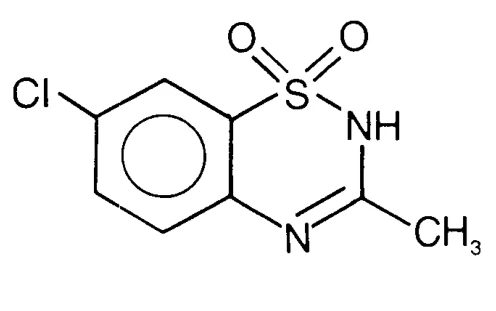
Physicochemical properties: Melting Point is 327–329 °C
Product Characteristics:
PROGLYCEM (diazoxide) is a benzothiadiazine derivative.
14 CLINICAL TRIALS
The clinical trial data on which the original indication was authorized is not available.
15 MICROBIOLOGY
No microbiological information is required for this drug product.
16 NON-CLINICAL TOXICOLOGY
General Toxicology: In acute toxicity studies, the LD50 for oral diazoxide suspension is > 5000 mg/kg in the rat, > 522 mg/kg in the neonatal rat, between 1900 and 2572 in the mouse and 210 mg/kg in the guinea pig. Although the oral LD50 was not determined in the dog, a dosage of up to 500 mg/kg was well tolerated.
In subacute oral toxicity studies, diazoxide at 400 mg/kg in the rat produced growth retardation, edema, increases in liver and kidney weights and adrenal hypertrophy. Daily dosages up to 1080 mg/kg for 3 months produced hyperglycemia, an increase in liver weight and an increase in mortality.
In dogs given oral diazoxide at approximately 40 mg/kg/day for one month, no biologically significant gross or microscopic abnormalities were observed. Cataracts, attributed to markedly disturbed carbohydrate metabolism, have been observed in a few dogs given repeated daily doses of oral or intravenous diazoxide. The lenticular changes resembled those which occur experimentally in animals with increased blood sugar levels.
In chronic toxicity studies, rats given a daily dose of 200 mg/kg diazoxide for 52 weeks had a decrease in weight gain and an increase in heart, liver, adrenal and thyroid weights. Mortality in drug-treated and control groups was not different.
Dogs treated with diazoxide at dosages of 50, 100, 200 mg/kg/day for 82 weeks had higher blood glucose levels than controls. Mild bone marrow stimulation and increased pancreas weights were evident in the drug treated dogs; several developed inguinal hernias, one had a testicular seminoma and another had a mass near the penis. Two females had inguinal mammary swellings. The etiology of these changes was not established. There was no difference in mortality between drug-treated and control groups.
In a second chronic oral toxicity study, dogs given milled diazoxide at 50, 100 and 200 mg/kg/day had anorexia and severe weight loss, causing death in a few. Hematologic, biochemical and histologic examinations did not indicate any cause of death other than inanition. After one year of treatment, there is no evidence of herniation or tissue swelling in any of the dogs.
When diazoxide was administered at high dosages concomitantly with either chlorothiazide to rats or trichlormethiazide to dogs, increased toxicity was observed. In rats, the combination was nephrotoxic; epithelial hyperplasia was observed in the collecting tubules. In dogs, a diabetic syndrome was produced which resulted in ketosis and death. Neither of the drugs given alone produced these effects.
Reproductive and Developmental Toxicology: Pregnant rats were treated with oral diazoxide at dose levels of 50, 100, 200 and 300 mg/kg. Each dose level group was subdivided in two subgroups, one receiving the drug on a specified day basis, from day 6 to day 10 of pregnancy, the other group being treated daily from day 6 to day 16. There were no significant clinical or autopsy findings. Pre-natal mortality was not different from control group mortality. The body weights of the offspring were unaltered as was the litter size. In a litter of 14 from a dam having received 300 mg/kg at day 7, one offspring was found to have the ulna of the left foreleg missing arid only two toes. The ossification centers of the sternum were split and disorganized and it had an extra rib.
In another reproduction study, rats receiving diazoxide orally at 30 mg/kg and 100 mg/kg daily dose levels for 14 days prior to mating and continuing through pregnancy and lactation. No differences between groups (including a control group) could be found in behaviour, appetite or appearance. The litter sizes were not significantly different and although parturition was delayed to the 23rd day in 44% (7/16) of the 100 mg/kg group and 31% (5/16) of the 30 mg/kg group vs. 20% (3/15) of the control group, these differences did not reach a statistically significant level. Conception rate was not significantly different between the 3 groups. At birth, the offspring weights were not different statistically, but at day 4, the 30 mg/kg group weighed significantly more than controls. On day 21, the 100 mg/kg group was found to weigh significantly less than controls while the 30 mg/kg group was no longer different from the control group.
To determine the effect of diazoxide during late pregnancy, the drug was given intravenously to rats daily from day 18 to day 22 (inclusive) to gestation. Dose levels were 10 mg/kg, 30 mg/kg and 100 mg/kg. A saline control group was used. Each group contained 20 animals. No difference was observed between the control and 10 mg/kg group of dams. At 30 mg/kg, one rat died but all survivors had normal behaviour and appearance. All animals in the 100 mg/kg group died after the second or third injection. There was no significant difference in the number of offspring between controls and the 10 mg/kg and 30 mg/kg groups. The four day neonatal survival rates were lower in the 10 mg/kg and 30 mg/kg groups relative to controls but the difference was attributed to agalactia occurring in two dams of the 30 mg/kg group and one of the 10 mg/kg group. Gross external and visceral examination of the offspring revealed no abnormalities.
A study was made to determine the effect in the rabbit of intravenous diazoxide at dose levels of 7 to 21 mg/kg administered once daily from day 6 to day 18 of gestation. Analysis of variance showed no significant difference in litter size between the 3 treatments (7, 21 mg/kg and control, 13 individuals per group). High dose offspring weighed significantly less than controls. Among the 88 offspring of the 21 mg/kg group, one major abnormality occurred in one of the litters. It consisted of a dead fetus with ectocardia; it also had severe cardiac malformation, no radius in both front legs and only three metacarpals. Its five littermates were normal. Among the other offspring in the 21 mg/kg group, three were found to have an abnormal distribution of sternal ossification nuclei. There is scientific evidence from experiments carried out in sheep and goats that diazoxide crosses the placenta. Diazoxide blood levels in the fetuses were approximately half those found in maternal blood while fetal blood glucose levels rose significantly within 30 minutes of administration. Histologic examination of the pancreas of the newborn showed vacuolization degeneration of the islet cells of Langerhans.
According to Finnerty, there was no unusual incidence of prematurity, perinatal mortality or abnormality in the children born to 75 eclamptic or pre-eclamptic women treated with diazoxide intravenous for hypertension. In 13 (17.3%) of these cases, the administration of diazoxide was followed by a cessation of labour which responded to oxytocics. Published reports also confirm that the use of diazoxide in the treatment of eclampsia is not incompatible with the delivery of normal infants.
In a Milner study, four infants were born to women treated with oral diazoxide for the last 19 to 69 days of pregnancy. Maternal plasma levels of diazoxide in the five days before delivery were related to the intake of the drug and varied between 11 and 43 μg/mL. At delivery, the umbilical p1asma diazoxide level was lower than that in the mother and was 6.5 to 24 μg/mL. At the age of 24 hours, the plasma diazoxide level in the infants had not altered appreciably. Diazoxide was present in the amniotic fluid and was excreted in the urine in the first week of life. Urinary diazoxide excretion was greatest on days two and three and had fallen to low or undetectable levels by 6 and 7. No effect of diazoxide was noted on the blood pressure or blood sugar levels of the infants in the first 24 hours. The glucose tolerance of two of the infants was normal at 24 hours but that of the other two whose mothers had diabetes, was impaired. Each of the infants developed alopecia and one had hypertrichosis lanuginosa. Abnormal hair growth was first noted at the age of one week and persisted when the infants were last seen at the age of five months to one year. The bone age of three was normal at a chronological age of five to seven months but the fourth, when aged one year, had retarded ossification in the wrist. No abnormalities were detected in blood counts, immunoglobulin levels, or ocular development.