


Product Monograph - Rasilez HCT
SUMMARY PRODUCT INFORMATION
| Route of Administration | Dosage Form / Strength | Nonmedicinal Ingredients |
| oral | tablet 150 mg/12.5 mg, 150 mg/25 mg, 300 mg/12.5 mg and 300 mg/25 mg | Cellulose, microcrystalline, crospovidone, hypromellose, iron oxide black (E172), iron oxide red (E 172), iron oxide yellow (E172) lactose monohydrate, macrogol, magnesium stearate, povidone, silica colloidal anhydrous, talc, titanium dioxide (E 171) and wheat starch. |
INDICATIONS AND CLINICAL USE
RASILEZ HCT® is indicated for the treatment of mild to moderate essential hypertension in patients for whom combination therapy is appropriate.
RASILEZ HCT® is indicated as replacement therapy in patients already receiving aliskiren and hydrochlorothiazide from separate tablets at the same dose levels. RASILEZ HCT® is not indicated for initial therapy.
Geriatrics (> 65 years of age):
Of the total number of patients receiving RASILEZ HCT® in short-term controlled clinical studies, 529 (18.3 %) were ≥65 years and 71 (2.5%) were ≥75 years. No additional safety findings were observed with RASILEZ HCT® in older patients compared to those under age 65. However, as with other antihypertensive agents, a greater sensitivity in some older patients cannot be ruled out. Appropriate caution in dosing these patients is recommended.
Pediatrics (<18 years of age):
Safety and efficacy in children and adolescents have not been established. Therefore, RASILEZ HCT® is not indicated in this patient population.
CONTRAINDICATIONS
RASILEZ HCT® (aliskiren and hydrochlorothiazide) is contraindicated in:
- Patients who are hypersensitive to aliskiren, hydrochlorothiazide or to any of the excipients of RASILEZ HCT® (see DOSAGE FORMS, COMPOSITION AND PACKAGING).
- Patients who are hypersensitive to other sulfonamide-derived drugs.
- Patients with a history of angioedema with aliskiren or other drugs, including agents acting on the renin-angiotensin system (RAS) (i.e. angiotensin converting enzyme (ACE) inhibitors and angiotensin receptor blockers (ARB)) (see WARNINGS AND PRECAUTIONS, Immune, Anaphylactic reactions and angioedema).
- Patients with hereditary or idiopathic angioedema.
- Patients with diabetes mellitus (type 1 or type 2) or moderate to severe renal impairment (GFR <60 mL/min/1.73 m2) who are taking ARBs or ACE inhibitors (see WARNINGS AND PRECAUTIONS, Cardiovascular, Dual Blockade of the Renin-Angiotensin System (RAS) and Renal, and DRUG INTERACTIONS, Drug-Drug Interactions, Dual Blockade of the Renin-Angiotensin System (RAS) with ARBs, ACE inhibitors or aliskiren).
- Patients with anuria, severe progressive renal disease and if increasing azotemia and oliguria occur during treatment.
- Patients with hyponatremia, hypercalcemia, symptomatic hyperuricemia, and conditions involving enhanced potassium loss (refractory hypokalemia), for example salt-losing nephropathies and prerenal (cardiogenic) impairment of kidney function.
- Pregnant women (see WARNINGS AND PRECAUTIONS, Special Populations, Pregnant Women)
- Nursing women (see WARNINGS AND PRECAUTIONS, Special Populations, Nursing Women)
- Pediatric patients less than 2 years of age (see WARNINGS AND PRECAUTIONS, Special Populations, Pediatrics and TOXICOLOGY, Juvenile animal studies).
- Patients with rare hereditary problems of galactose intolerance, the Lapp lactase deficiency or glucose-galactose malabsorption
WARNINGS AND PRECAUTIONS
Information to be Provided to the Patient
Pregnancy: Female patients of childbearing age should be told about the consequences of second- and third-trimester exposure to drugs that act on the RAS, and they should also be told
Serious Warnings and Precautions
Drugs that act directly on the renin-angiotensin system can cause fetal and neonatal morbidity and death when administered to pregnant women. When pregnancy is detected, RASILEZ HCT* should be discontinued as soon as possible (see WARNINGS AND PRECAUTIONS: Special Populations: Pregnant Women).
that these consequences do not appear to have resulted from intrauterine drug exposure that has been limited to the first trimester. These patients should be asked to report pregnancies to their physicians as soon as possible.
General
Concomitant use with potent P glycoprotein inhibitors
The concomitant use of aliskiren with potent P glycoprotein inhibitors, such as cyclosporine or itraconazole, is not recommended (see Drug Interactions, Drug-Drug Interactions).
Carcinogenesis and Mutagenesis
Non-melanoma skin cancer:
An increased risk of non-melanoma skin cancer (NMSC) [basal cell carcinoma (BCC) and squamous cell carcinoma (SCC) of the skin] after hydrochlorothiazide therapy was reported in some epidemiological studies. The risk may be higher with increasing cumulative use (see ADVERSE REACTIONS, Post Market Adverse Drug Reactions). The photosensitizing action of hydrochlorothiazide may be a possible mechanism for NMSC (see TOXICOLOGY, Carcinogenicity – Hydrochlorothiazide).
Patients taking hydrochlorothiazide should be informed of the potential risk of NMSC. They should be advised to regularly check their skin for new lesions as well as changes to existing ones, and to promptly report any suspicious skin lesions. Patients should also be advised to limit exposure to sunlight, to avoid the use of indoor tanning equipment, and to use adequate protection (e.g. a broad spectrum sunscreen with a SPF of 30 or higher, clothing, and a hat) when exposed to sunlight or UV light to minimize the risk of skin cancer.
Alternatives to hydrochlorothiazide may be considered for patients who are at a particularly high risk for NMSC (e.g., light coloured skin, known personal or family history of skin cancer, ongoing immunosuppressive therapy, etc.) (see ADVERSE REACTIONS, Post Market Adverse Drug Reactions).
Cardiovascular
Risk of symptomatic hypotension
In placebo-controlled clinical trials, dizziness and vertigo occurred in 1.5% of the patients on placebo or aliskiren monotherapy, in 2.5- 4.0% of the patients on hydrochlorothiazide (HCTZ) monotherapy, and in 1.1- 6.7% of the patients on aliskiren/HCTZ therapy.
Hypotension is more likely to occur in patients with an activated RAS, such as volume- or salt-depleted patients (possibly as a result of treatment with a diuretic), or in patients on dialysis or with fluid loss through diarrhea or vomiting, or with the combined use of aliskiren with other agents acting on the RAS, such as angiotensin receptor antagonists (ARBs) or angiotensin converting enzyme (ACE) inhibitors (see DRUG INTERACTIONS, Drug-Drug Interactions). This condition should be corrected prior to administration of RASILEZ HCT®, or the treatment should start under close medical supervision.
If symptomatic hypotension occurs, the patient should be placed in the supine position and, if necessary, given an intravenous infusion of normal saline (see DOSAGE AND ADMINISTRATION). A transient hypotensive response is not a contraindication to further treatment, which usually can be continued without difficulty once the blood pressure has stabilized. However, lower doses of RASILEZ HCT® should be considered when symptoms re-occur.
Dual Blockade of the Renin-Angiotensin System (RAS)
Hypotension, syncope, stroke, hyperkalaemia, and deterioration of renal function (including acute renal failure) have been reported when co-administrating aliskiren with an ARB or an ACE inhibitor in patients with diabetes mellitus (type 1 or type 2) and/or moderate to severe renal impairment (GFR < 60 mL/min/1.73m2). Therefore, the use of RASILEZ HCT® in combination with ARBs or ACE inhibitors is contraindicated in these patients (see CONTRAINDICATIONS).
Further, co-administration of aliskiren with other agents blocking the RAS, such as ARBs or ACE inhibitors, is generally not recommended in other patients, since the dual use of agents acting on the RAS is associated with an increased incidence of hypotension, hyperkalemia, and deterioration of renal function compared to monotherapy.
Renal
Patients with pre-existing renal impairment or disease conditions predisposing to renal dysfunction
As a consequence of inhibiting the RAS, changes in renal function have been seen in susceptible individuals. In patients whose renal function may depend on the activity of the RAS, such as patients with bilateral renal artery stenosis, unilateral renal artery stenosis to a solitary kidney, or severe congestive heart failure, treatment with agents that inhibit this system has been associated with oliguria, progressive azotemia, and rarely, acute renal failure and/or death. In susceptible patients, concomitant diuretic use may further increase risk.
Use of RASILEZ HCT® should include appropriate assessment of renal function.
Severe renal impairment: In clinical studies, aliskiren has not been studied in hypertensive patients with severe renal dysfunction (creatinine ≥150 µmol/L for women and ≥176.8 µmol/L for men and/or eGFR <30 ml/min/1.73m2), a history of dialysis, nephrotic syndrome, or renovascular hypertension. Other drugs blocking the RAS can potentially increase serum creatinine and blood urea nitrogen (BUN). In addition, because of the HCTZ component, the use of RASILEZ HCT® is contraindicated in patients with severe renal impairment (GFR <30mL/min/1.73m2) (see CONTRAINDICATIONS).
Mild to moderate renal impairment: RASILEZ HCT® should be administered with caution in patients with mild to moderate renal impairment (30 ml/min/1.73m2 ≤ GFR < 60 ml/min/1.73m2). Periodic monitoring of BUN, creatinine and uric acid is recommended.
Use of RASILEZ HCT® with another agent acting on the RAS, such as an ARB or an ACE inhibitor, is contraindicated in patients with moderate renal impairment (GFR <60ml/min/1.73m2) (see CONTRAINDICATIONS).
Aliskiren:
Worsening of renal function may occur in patients receiving aliskiren and NSAIDs concomitantly, or in those with pre-existing renal disease, diabetes mellitus or with other conditions pre-disposing to renal dysfunction such as hypovolemia, heart failure or liver disease (see DRUG INTERACTIONS, Non-steroidal anti-inflammatory drugs (NSAIDs)).
Hydrochlorothiazide:
Thiazide should be used with caution.
Thiazide diuretics may precipitate azotemia in patients with chronic kidney disease. Cumulative effects of the drug may develop in patients with impaired renal function. If progressive renal impairment becomes evident, consider withholding or discontinuing diuretic therapy.
Gastrointestinal
In the event of severe and persistent diarrhea, aliskiren therapy should be stopped (see CLINICAL TRIALS ADVERSE DRUG REACTIONS).
Immune
Anaphylactic reactions and angioedema:
Allergic reactions such as anaphylactic reactions and angioedema or symptoms suggestive of angioedema (swelling of the face, lips, throat and/or tongue) have been reported during treatment with aliskiren (see ADVERSE REACTIONS). Anaphylactic reactions and angioedema may occur at any time during treatment and may be life threatening. Special caution is necessary in patients with a predisposition for hypersensitivity. Patients should be informed to report to the physician any signs suggesting allergic reactions (in particular, difficulties in breathing or swallowing, swelling of face, extremities, eyes, lips or tongue).
If an anaphylactic reaction or angioedema occurs, RASILEZ HCT® should be discontinued immediately, and the patient should be treated appropriately in accordance with accepted medical care, and carefully observed until complete and sustained resolution of signs and symptoms has occurred. Angioedema associated with laryngeal involvement may be fatal. Where there is involvement of tongue, glottis, or larynx, likely to cause airway obstruction, appropriate therapy (including, but not limited to 0.3-0.5 ml of subcutaneous epinephrine solution 1:1000) should be administered promptly.
In patients who experience angioedema, future administration of RASILEZ HCT® is contraindicated (see CONTRAINDICATIONS).
Hypersensitivity Reaction
Sensitivity reactions to HCTZ may occur in patients with or without a history of allergy or bronchial asthma.
Skin
Severe cutaneous adverse reactions, including Stevens Johnson syndrome and toxic epidermal necrolysis, have been reported with aliskiren (see ADVERSE REACTIONS, Post-market Adverse Drug Reactions).
Photosensitivity
Photosensitivity reactions have been reported with the use of thiazide diuretics.
If photosensitivity reactions occur during treatment with hydrochlorothiazide-containing drugs, treatment should be stopped.
Systemic Lupus Erythematosus
Thiazide diuretics have been reported to cause exacerbation or activation of systemic lupus erythematosus.
Hepatic/Biliary/Pancreatic
Patients with hepatic impairment
HCTZ should be used with caution in patients with impaired hepatic function or progressive liver disease, since minor alterations of fluid and electrolyte balance or of serum ammonia may precipitate hepatic coma.
Due to the HCTZ component, RASILEZ HCT® should not be used in patients with severe hepatic impairment (see DOSAGE AND ADMINISTRATION, hepatic impairment, and ACTION AND CLINICAL PHARMACOLOGY, Pharmacokinetics).
Endocrine and Metabolism
Serum electrolyte changes
Aliskiren:
As for other agents that act on the RAS, aliskiren may increase potassium, serum creatinine and BUN. Increases in serum potassium may be exacerbated by the concomitant use of NSAIDs, including selective cyclooxygenase-2 inhibitors (COX-2 inhibitors) (see DRUG INTERACTIONS, Drug-Drug Interactions). Patients with diabetes mellitus are at an increased risk of hyperkalemia during aliskiren therapy.
Hydrochlorothiazide:
Thiazide diuretics can precipitate new onset hypokalemia or exacerbate pre-existing hypokalemia.
Thiazide diuretics are contraindicated in patients with conditions involving enhanced potassium loss (refractory hypokalemia), for example salt-losing nephropathies and prerenal (cardiogenic) impairment of kidney function (see CONTRAINDICATIONS).
All patients receiving thiazide diuretics should be monitored for imbalances in electrolytes, particularly potassium.
When HCTZ was administered with aliskiren, the reduction in serum potassium was less pronounced than observed under HCTZ monotherapy (see ADVERSE DRUG REACTIONS, Abnormal Hematologic and Clinical Chemistry Findings).
Thiazide diuretics can precipitate new onset hyponatremia and hypochloremic alkalosis or exacerbate pre-existing hyponatremia. Hyponatremia, accompanied by neurological symptoms (nausea, progressive disorientation, apathy) has been observed in isolated cases. Regular monitoring of serum sodium concentrations is recommended.
RASILEZ HCT®:
Consistent with standard medical practice, close monitoring of serum electrolytes to detect possible electrolyte (potassium) imbalances should be performed at initiation of therapy with RASILEZ HCT® and periodic monitoring thereafter.
Warning signs or symptoms of fluid and electrolyte imbalance include dryness of the mouth, thirst, weakness, lethargy, drowsiness, restlessness, muscle pains or cramps, muscular fatigue, hypotension, oliguria, tachycardia, and gastrointestinal disturbances such as nausea and vomiting.
Concomitant therapy with potassium supplements, potassium sparing diuretics, salt substitutes containing potassium, or other drugs that may increase potassium levels should be used with caution.
Other metabolic disturbances
Hydrochlorothiazide:
Like other diuretics, HCTZ may raise the serum uric acid level due to reduced clearance of uric acid and may cause or exacerbate hyperuricemia and precipitate gout in susceptible patients. Thiazides are contraindicated in patients with symptomatic hyperuricemia (see CONTRAINDICATIONS).
Thiazides decrease urinary calcium excretion and may cause mild elevation of serum calcium in the absence of known disorders of calcium metabolism. Since HCTZ can increase serum calcium concentrations, it is contraindicated in patients with hypercalcemia (see CONTRAINDICATIONS).
Pathological changes in the parathyroid gland of patients with hypercalcemia and hypophosphatemia have been observed in a few patients on prolonged thiazide therapy. If hypercalcemia occurs, further diagnostic clarification is necessary and thiazides should be discontinued.
Thiazides may decrease serum protein-bound iodine (PBI) levels without signs of thyroid disturbance. Thiazides have been shown to increase excretion of magnesium; this may result in hypomagnesia.
Increases in cholesterol, triglyceride and glucose levels may be associated with thiazide diuretic therapy, including HCTZ.
Ophthalmologic
Acute Myopia and Secondary Angle-Closure Glaucoma
Hydrochlorothiazide, a sulfonamide, can cause an idiosyncratic reaction resulting in acute transient myopia and acute angle-closure glaucoma. Symptoms include acute onset of decreased visual acuity or ocular pain and typically occur within hours to weeks of drug initiation. Untreated acute-angle-closure glaucoma can lead to permanent vision loss.
The primary treatment is to discontinue hydrochlorothiazide as rapidly as possible. Prompt medical or surgical treatments may need to be considered if the intraocular pressure remains uncontrolled. Risk factors for developing acute angle-closure glaucoma may include a history of sulfonamide or penicillin allergy.
Special Populations
Pregnant Women:
RASILEZ HCT®: Drugs that act directly on the RAS, such as aliskiren, can cause fetal and neonatal morbidity and death when administered to pregnant women. When pregnancy is detected, RASILEZ HCT® should be discontinued as soon as possible. RASILEZ HCT® is contraindicated in pregnant women (see CONTRAINDICATIONS).
The use of drugs that act directly on the RAS during the second and third trimesters of pregnancy has been associated with fetal and neonatal injury, including hypotension, neonatal skull hypoplasia, anuria, reversible or irreversible renal failure, and death. Oligohydramnios has also been reported, presumably resulting from decreased fetal renal function; oligohydramnios in this setting has been associated with fetal limb contractures, craniofacial deformation, and hypoplastic lung development. Prematurity, intrauterine growth retardation, and patent ductus arteriosus have also been reported, although it is not clear whether these occurrences were due to exposure to the drug. These adverse effects do not appear to have resulted from intrauterine drug exposure that has been limited to the first trimester. Mothers whose embryos and fetuses are exposed to a renin inhibitor during the first trimester should be so informed. Nonetheless, when patients become pregnant, physicians should have the patient discontinue the use of RASILEZ HCT® as soon as possible.
There is no clinical experience with the use of RASILEZ HCT® in pregnant women. Infants with histories of in-utero exposure to a renin inhibitor should be closely observed for hypotension, oliguria, and hyperkalemia. If oliguria occurs, attention should be directed toward support of blood pressure and renal perfusion. Exchange transfusion or dialysis may be required as means of reversing hypotension and/or substituting for disordered renal function. Aliskiren is not removed by hemodialysis.
Aliskiren: Animal data: Reproductive toxicity studies did not reveal any evidence of embryofetal toxicity or teratogenicity with aliskiren at oral doses ≤600 mg/kg/day in rats or ≤100 mg/kg/day in rabbits. Aliskiren was present in the placenta, amniotic fluid and fetuses of pregnant rabbits. In rats, there were no adverse effects on fertility, early embryonic development or reproductive performance of the F1 generation.
Hydrochlorothiazide: Thiazides cross the placental barrier and appear in cord blood. The routine use of diuretics, including HCTZ, in otherwise healthy pregnant women is not recommended and exposes mother and fetus to unnecessary hazard including fetal or neonatal jaundice, thrombocytopenia and possibly other adverse experiences which have occurred in the adult. Diuretics do not prevent development of toxemia of pregnancy and there is no satisfactory evidence that they are useful in the treatment of toxemia.
Nursing Women: RASILEZ HCT® is contraindicated during lactation (see CONTRAINDICATIONS). HCTZ is excreted into breast milk. It is not known whether aliskiren is excreted in human milk. Aliskiren was secreted in the milk of lactating rats. Because of the potential for adverse effects on the nursing infant, a decision should be made whether to discontinue nursing or discontinue the drug, taking into account the importance of the drug to the mother.
Pediatrics (< 18years of age): The safety and effectiveness of RASILEZ HCT® in children and adolescents have not been established. Therefore, RASILEZ HCT® is not indicated in this patient population. Aliskiren is a P-glycoprotein (Pgp) substrate, and there is a potential for aliskiren overexposure in children with an immature Pgp drug transporter system. The age at which the transporter system is mature cannot be determined (see ACTION AND CLINICAL PHARMACOLOGY and TOXICOLOGY). Therefore, RASILEZ HCT® is contraindicated in children less than 2 years of age and should not be used in children 2 to less than 6 years of age. Limited safety data are available from a pharmacokinetic study of aliskiren treatment in 39 hypertensive children 6 to 17 years of age (see ACTION AND CLINICAL PHARMACOLOGY). Use of RASILEZ HCT® in this age group is not indicated.
Geriatrics (> 65 years of age): Of the total number of patients receiving RASILEZ HCT® in short-term controlled clinical studies, 529 (18.3 %) were ≥65 years and 71 (2.5%) were ≥75 years. No differences were observed in the safety of RASILEZ HCT® in older patients compared to those under age 65. However, as with other antihypertensive agents, a greater sensitivity of elderly patients cannot be ruled out.
ADVERSE REACTIONS
Adverse Drug Reaction Overview
The safety of RASILEZ HCT® has been evaluated in 9 clinical trials with >3900 patients, including >700 treated for >6 months, and 190 for >1 year. The incidence of adverse events (AEs) showed no association with gender, age, body mass index, race or ethnicity. Treatment with RASILEZ HCT® at doses ≤300 mg/25 mg had an overall incidence of adverse experiences similar to placebo. AEs were generally mild and transient in nature and only infrequently required discontinuation of therapy (in short-term controlled studies 2.9% of patients on RASILEZ HCT® discontinued therapy due to an AE versus 4.1% for placebo). The most frequent adverse drug reaction with aliskiren/HCTZ was diarrhea.
Clinical Trial Adverse Drug Reactions
Because clinical trials are conducted under very specific conditions the adverse reaction rates observed in the clinical trials may not reflect the rates observed in practice and should not be compared to the rates in the clinical trials of another drug. Adverse drug reaction information from clinical trials is useful for identifying drug-related adverse events and for approximating rates.
The following AEs occurred in the short-term, placebo controlled clinical trials in patients treated with RASILEZ HCT® at a rate of ≥ 1% over that of placebo-treated patients (see Table 1).
Table 1. Number (%) of patients with frequent AEs (≥1% over placebo in any group) by preferred term – Placebo controlled, short-term studies (Pooled safety population)
| Preferred term | Placebo (N= 193) n (%) | Ali/HCTZ 150/12.5mg (N= 184) n (%) | Ali/HCTZ 150/25mg (N= 188) n (%) | Ali/HCTZ 300/12.5mg (N= 181) n (%) | Ali/HCTZ 300/25mg (N= 173) n (%) |
|---|---|---|---|---|---|
| Influenza | 3 ( 1.6) | 1 ( 0.5) | 6 ( 3.2) | 2 ( 1.1) | 7 ( 4.0) |
| Vertigo | 1 ( 0.5) | 1 ( 0.5) | 3 ( 1.6) | 3 ( 1.7) | 5 ( 2.9) |
| Diarrhea | 1 ( 0.5) | 1 ( 0.5) | 6 ( 3.2) | 6 ( 3.3) | 3 ( 1.7) |
| Dizziness | 2 ( 1.0) | 6 ( 3.3) | 3 ( 1.6) | 9 ( 5.0) | 3 ( 1.7) |
| Edema peripheral | 1 ( 0.5) | 2 ( 1.1) | 1 ( 0.5) | 3 ( 1.7) | 3 ( 1.7) |
| Abdominal pain upper | 1 ( 0.5) | 3 ( 1.6) | 4 ( 2.1) | 1 ( 0.6) | 2 ( 1.2) |
| Asthenia | 0 ( 0.0) | 1 ( 0.5) | 3 ( 1.6) | 2 ( 1.1) | 2 ( 1.2) |
| Cerumen impaction | 0 ( 0.0) | 0 ( 0.0) | 0 ( 0.0) | 0 ( 0.0) | 2 ( 1.2) |
| Dry mouth | 0 ( 0.0) | 1 ( 0.5) | 0 ( 0.0) | 2 ( 1.1) | 2 ( 1.2) |
| Rash | 0 ( 0.0) | 2 ( 1.1) | 0 ( 0.0) | 1 ( 0.6) | 2 ( 1.2) |
| Somnolence | 0 ( 0.0) | 0 ( 0.0) | 0 ( 0.0) | 1 ( 0.6) | 2 ( 1.2) |
| Tendonitis | 0 ( 0.0) | 0 ( 0.0) | 0 ( 0.0) | 0 ( 0.0) | 2 ( 1.2) |
| Cough | 1 ( 0.5) | 2 ( 1.1) | 4 ( 2.1) | 2 ( 1.1) | 1 ( 0.6) |
| Influenza like illness | 0 ( 0.0) | 0 ( 0.0) | 2 ( 1.1) | 2 ( 1.1) | 1 ( 0.6) |
| Myalgia | 0 ( 0.0) | 2 ( 1.1) | 0 ( 0.0) | 0 ( 0.0) | 1 ( 0.6) |
| Non-cardiac chest pain | 0 ( 0.0) | 2 ( 1.1) | 2 ( 1.1) | 2 ( 1.1) | 1 ( 0.6) |
| Palpitations | 3 ( 1.6) | 2 ( 1.1) | 5 ( 2.7) | 2 ( 1.1) | 1 ( 0.6) |
| Pyrexia | 0 ( 0.0) | 1 ( 0.5) | 0 ( 0.0) | 2 ( 1.1) | 1 ( 0.6) |
| Rhinitis | 0 ( 0.0) | 0 ( 0.0) | 2 ( 1.1) | 2 ( 1.1) | 1 ( 0.6) |
| Sinusitis | 1 ( 0.5) | 1 ( 0.5) | 0 ( 0.0) | 3 ( 1.7) | 1 ( 0.6) |
| Dyspnea | 0 ( 0.0) | 1 ( 0.5) | 2 ( 1.1) | 0 ( 0.0) | 0 ( 0.0) |
| Eczema | 0 ( 0.0) | 2 ( 1.1) | 0 ( 0.0) | 0 ( 0.0) | 0 ( 0.0) |
| Flushing | 0 ( 0.0) | 2 ( 1.1) | 0 ( 0.0) | 0 ( 0.0) | 0 ( 0.0) |
| Hypokalemia | 0 ( 0.0) | 0 ( 0.0) | 1 ( 0.5) | 2 ( 1.1) | 0 ( 0.0) |
| Migraine | 0 ( 0.0) | 1 ( 0.5) | 2 ( 1.1) | 1 ( 0.6) | 0 ( 0.0) |
| Pain in extremity | 0 ( 0.0) | 0 ( 0.0) | 3 ( 1.6) | 2 ( 1.1) | 0 ( 0.0) |
| Preferred term | Placebo (N= 193) n (%) | Ali/HCTZ 150/12.5mg (N= 184) n (%) | Ali/HCTZ 150/25mg (N= 188) n (%) | Ali/HCTZ 300/12.5mg (N= 181) n (%) | Ali/HCTZ 300/25mg (N= 173) n (%) |
|---|---|---|---|---|---|
| Pharyngolaryngeal pain | 0 ( 0.0) | 1 ( 0.5) | 2 ( 1.1) | 3 ( 1.7) | 0 ( 0.0) |
| Urinary tract infection | 3 ( 1.6) | 3 ( 1.6) | 0 ( 0.0) | 5 ( 2.8) | 0 ( 0.0) |
Ali = aliskiren; HCTZ = hydrochlorothiazide
The following AEs of special interest occurred in 2 long-term open-label studies (Table 2).
Table 2 Number (%) of patients with AEs of interest (≥2% for any group) by preferred term in long term open-label studies (safety population)
| Preferred term | Mono Ali N=1955 n (%) | Ali/HCTZ 300/12.5 mg N=843 n (%) | Ali/HCTZ 300/25 mg N=454 n (%) | All Ali/HCTZ N=871 n (%) |
|---|---|---|---|---|
| Dizziness | 75( 3.8) | 21( 2.5) | 11( 2.4) | 31( 3.6) |
| Back pain | 68( 3.5) | 22( 2.6) | 5( 1.1) | 28( 3.2) |
| Headache | 153( 7.8) | 12( 1.4) | 10( 2.2) | 22( 2.5) |
| Arthralgia | 36( 1.8) | 8( 0.9) | 11( 2.4) | 19( 2.2) |
| Cough | 30( 1.5) | 15( 1.8) | 4( 0.9) | 19( 2.2) |
| Diarrhea | 69( 3.5) | 12( 1.4) | 6( 1.3) | 18( 2.1) |
| Fatigue | 41( 2.1) | 10( 1.2) | 2( 0.4) | 12( 1.4) |
| Nausea | 42( 2.1) | 0( 0.0) | 5( 1.1) | 5( 0.6) |
Ali = aliskiren; HCTZ = hydrochlorothiazide
Additional information on the combination
Diarrhea: Diarrhea is a dose-related adverse drug reaction for aliskiren. In controlled clinical trials, the incidence of diarrhea in RASILEZ HCT®-treated patients was low and not more than that in aliskiren- or HCTZ treated patients.
Serum potassium: In a placebo controlled, 8-week study of various doses of aliskiren/HCTZ, hyperkalemia (K+ >5.5 mmol/l) occurred in 0.6% of the patients on placebo, and in 0 -1.4% of the patients receiving aliskiren/HCTZ at doses varying between 75 mg/6.25 mg and 300 mg/25 mg. Hypokalemia (K+ < 3.5 mmol/l) occurred in 1.3% of patients on placebo and between 0.7 -3.4% in patients on aliskiren/HCTZ. No patients discontinued based on extreme potassium values.
Additional information on individual components
Aliskiren:
Aliskiren use was associated with a slightly increased incidence of dry cough, but less so than with ACE inhibitor use. In controlled, short-term clinical trials the incidence of cough was similar in patients taking placebo (0.6%) or aliskiren (1.1%).
In a short-term active controlled trial, peripheral edema occurred in 3.4% of patients treated with amlodipine 5 mg, 11.2% of patients treated with amlodipine 10 mg, and 2.1% of patients treated with the combination of amlodipine 5 mg and aliskiren 150 mg. In other controlled short-term clinical trials, the incidence of edema was similar in placebo- (0.6%) and aliskiren-treated patients (0.8 -1.0%) except at a dose of 600 mg (2.0%).
Uncommon cases of hypersensitivity were reported in clinical trials.
Cases of dizziness (common), hypotension (uncommon), hyperkalemia (common), renal impairment (uncommon), renal failure (rare), were reported in clinical trials with aliskiren.
Other AEs that occurred in short-term, controlled clinical trials of patients treated with aliskiren (>0.5% aliskiren patients) are listed below. It cannot be determined whether these events were causally related to aliskiren.
Digestive: abdominal pain, dyspepsia, nausea
Musculoskeletal: arthralgia, muscle spasms, neck pain, pain in extremity, shoulder pain
Neurologic and Psychiatric: insomnia, vertigo
Respiratory: bronchitis, epistaxis, pharyngolaryngeal pain
Urinary: urinary tract infection
Diarrhea was reported by 2.3% of patients at 300 mg, compared to 1.2% in placebo patients. In women and the elderly (age ≥ 65 years) increases in diarrhea rates were evident starting at a dose of 150 mg daily, with rates for these subgroups at 150 mg comparable to those seen at 300 mg for men or younger patients (all rates about 2.0-2.3%). Other GI symptoms included abdominal pain, dyspepsia, and gastroesophageal reflux, although increased rates for abdominal pain and dyspepsia were distinguished from placebo only at 600 mg daily. Diarrhea and other GI symptoms were typically mild and rarely led to discontinuation.
Rare cases of colonic cancer (0.05%) were reported in the clinical trials with aliskiren. The incidence is consistent with the expected prevalence rates of 0.1-0.3% in this patient population.
Angioedema
Angioedema, including edema of the larynx, has occurred during treatment with aliskiren (see WARNINGS AND PRECAUTIONS, Immune, Angioedema). In short-term controlled clinical trials, angioedema occurred rarely during treatment with aliskiren with rates comparable to treatment with placebo or HCTZ.
Abnormal Hematologic and Clinical Chemistry Findings
In short-term, controlled clinical trials, clinically relevant changes in standard laboratory parameters were rarely associated with the administration of aliskiren. In multiple dose studies in hypertensive patients, aliskiren had no clinically important effects on total cholesterol, HDL, fasting triglycerides, fasting glucose, or uric acid.
Blood Urea Nitrogen, Creatinine
Minor increases in BUN were observed in <7% of patients with essential hypertension treated with aliskiren alone vs. 6% on placebo. Aliskiren alone increased creatinine slightly (by ~1µmol/L), but this effect increased (to 2.4µmol/L) with co-administration of HCTZ.
In an active controlled, double-blind 1-year clinical trial, 13.4% of aliskiren-treated patients compared to 15.8% of HCTZ-treated patients experienced >50% increases in BUN. In another active controlled, double-blind trial, >50% increases in BUN occurred in 15.5% of aliskiren-treated patients and 16.0% of ramipril-treated patients. Increases in serum creatinine (>50%) were less frequent, occurring in 2.7% of aliskiren-treated patients in the 1-year study compared to 1.1% of patients treated with HCTZ, and 1.7% of aliskiren-treated patients and 1.4% of ramipril-treated patients in the other trial.
Hemoglobin and Hematocrit
Small decreases in hemoglobin and hematocrit (mean decreases of approximately 0.8 g/L and 0.16 volume percent, respectively) were observed with aliskiren monotherapy. These decreases led to slight increases in the rate of anemia with aliskiren: 0.1% for any aliskiren use, 0.3% for aliskiren 600 mg o.d., vs. 0% for placebo). No patients discontinued therapy due to anemia. This effect is also seen with other agents acting on the RAS, such as ACE inhibitors and ARBs, and may be mediated by reduction of angiotensin II which stimulates erythropoietin production via the AT1 receptor.
Serum Potassium
In short-term placebo controlled clinical trials, increases in serum potassium were minor and infrequent in patients with essential hypertension treated with aliskiren alone (1.2% patients had serum potassium levels >5.5 mmol/L compared to 1.1% with placebo). However, when used in combination with an ACE inhibitor in a diabetic population, increases in serum potassium were more frequent (5.5%). The use of aliskiren with an ACE inhibitor is contraindicated in patients with diabetes (see CONTRAINDICATIONS).
Monitoring of electrolytes and renal function is indicated when using aliskiren (see WARNINGS AND PRECAUTIONS).
In an active controlled, double-blind, 1-year clinical trial in patients with essential hypertension, increases in serum potassium (> 5.5 mmol/L) occurred in 36/550 (6.5%) of patients on aliskiren compared to 20/535 (3.7%) on HCTZ and decreases in serum potassium (< 3.5 mmol/L) occurred in 5/550 (0.9%) patients on aliskiren compared to 96/535 (17.9%) on HCTZ. In another active controlled, double-blind trial, increases in serum potassium (> 5.5 mmol/L) occurred in 8/412 (1.9%) of aliskiren-treated patients compared to 4/417 (1.0%) on ramipril and decreases in potassium (< 3.5 mmol/L) occurred in 22/412 (5.3%) on aliskiren compared to 19/417 (4.6%) on ramipril.
Creatine Kinase
In the short-term, placebo-controlled clinical trials, increases in creatine kinase (CK) of >300% were found in 22/2233 (~1%) patients on aliskiren monotherapy vs. in 4/746 (0.5%) of patients on placebo. The effect, suggesting to be dose-related, seemed more common in men, and at ages <65 years. No cases were associated with renal dysfunction.
In an active controlled, double-blind, 1-year clinical trial, 21/543 patients (3.9%) on an aliskiren regimen and 9/535 patients (1.7%) on an HCTZ regimen had > 300% increases in CK. This increase was seen more often in men than in women. In another long term study almost no elevations in CKs were seen in patients (0.5%) on an aliskiren regimen vs. in 1.3% of the patients on a ramipril regimen
Hydrochlorothiazide
HCTZ has been extensively prescribed for many years, frequently in higher doses than those contained in RASILEZ HCT®. The following additional adverse reactions have been reported in patients treated with thiazide diuretics alone, including HCTZ:
Very common: mainly at higher doses, blood lipids increased (total cholesterol and triglycerides), hypokalemia.
Common: decreased appetite, hypomagnesemia, hyponatremia, hyperuricemia, impotence, mild nausea and vomiting, orthostatic hypotension, which may be aggravated by alcohol, anaesthetics or sedatives, urticaria and other forms of rash.
Rare: abdominal discomfort, arrhythmia, cholestasis or jaundice, constipation, depression, diarrhea, dizziness, glycosuria, headache, hypercalcemia, hyperglycemia, paresthesia, photosensitivity reaction, sleep disorder, thrombocytopenia, sometimes with purpura, visual impairment and worsening of diabetic metabolic state.
Very rare: agranulocytosis, bone marrow failure, cutaneous lupus erythematosus-like reactions, hemolytic anemia, hyperchloremic alkalosis, hypersensitivity reactions, leukopenia, pancreatitis, reactivation of cutaneous lupus erythematosus, respiratory distress including pneumonitis and pulmonary edema, toxic epidermal necrolysis, vasculitis necrotizing.
Post-Market Adverse Drug Reactions
Non-melanoma skin cancer
Some pharmacoepidemiological studies have suggested a higher risk of squamous cell carcinoma (SCC) and basal cell carcinoma (BCC) of the skin with increasing use of hydrochlorothiazide. A systematic review and meta-analysis undertaken by Health Canada suggested that, with important uncertainty, the use of hydrochlorothiazide for several years (>3 years) could lead to:
- 122 additional cases (95% CI, from 112 to 133 additional cases) of SCC per 1000 treated patients compared with non-use of hydrochlorothiazide (meta-analysis of 3 observational studies);
- 31 additional cases (95% CI, from 24 to 37 additional cases) of BCC per 1000 treated patients compared with non-use of hydrochlorothiazide (meta-analysis of 2 observational studies).
Aliskiren: Other adverse reactions reported in post-marketing use include: peripheral edema, vomiting, increase in blood creatinine, hepatic enzyme increased, renal impairment including rare combined cases of renal failure and acute renal failure, hyponatremia and liver disorder (isolated cases of liver disorder with clinical symptoms and laboratory evidence of more marked hepatic dysfunction). Cases of hypersensitivity have been reported, many of them being serious.
Cases of anaphylactic reactions and urticaria in patients treated with aliskiren have been reported.
Angioedema (involving swelling of the larynx and glottis causing airway obstruction and/or swelling of the face, lips, tongue and/or pharynx) have been reported in patients treated with aliskiren (cases of fatal outcome have been reported, however a causal relationship has not been clearly established).
Severe cutaneous adverse reactions, including Stevens Johnson syndrome and toxic epidermal necrolysis, have been reported with aliskiren (see WARNINGS AND PRECAUTIONS, Skin). Cases of pruritus and erythema have also been reported.
RASILEZ HCT®: The following adverse drug reactions have also been identified based on post-marketing experiences. Because these reactions are reported voluntarily from a population of uncertain size, it is not always possible to reliably estimate their frequencies. Therefore, the frequency assigned is “not known”: acute angle-closure glaucoma, acute renal failure, aplastic anemia, asthenia, erythema multiforme, muscle spasm, pyrexia, hyponatremia.
DRUG INTERACTIONS
Overview
Aliskiren: Aliskiren has low potential for drug interactions. In-vitro studies have shown that aliskiren does not inhibit the CYP450 isoenzymes (CYP1A2, 2C8, 2C9, 2C19, 2D6, 2E1, and CYP3A) or induce CYP3A4. As CYP3A4 is the major enzyme responsible for the metabolism of aliskiren, complete inhibition may be expected to result in increased plasma levels of aliskiren (see ACTION AND CLINICAL PHARMACOLOGY, Pharmacokinetics). In vitro studies indicate that MDR1 (Pgp) is the major efflux transporter involved in absorption and disposition of aliskiren. The potential for drug interactions at the Pgp site will likely depend on the degree of inhibition of this transporter.
Co-administration of aliskiren with amlodipine, digoxin, metformin, ramipril and valsartan did not result in clinically significant changes in aliskiren exposure.
Co-administration of aliskiren did not affect the steady-state pharmacokinetics of amlodipine, digoxin, metformin, ramipril, ramiprilat or valsartan.
Hydrochlorothiazide: No relevant pharmacokinetic interactions have been reported between HCTZ and other drugs and, particularly, no drug interactions of HCTZ via CYP450 enzymes have been observed. Since HCTZ is excreted largely unchanged into urine, no significant effect on HCTZ pharmacokinetics is expected by inhibitors of metabolism or biliary excretion.
RASILEZ HCT®: Co-administration of aliskiren and HCTZ does not cause meaningful changes in the steady-state pharmacokinetic exposure (AUC) and the maximum concentration (Cmax) of both components in healthy volunteers.
Drug-Drug Interactions
ALISKIREN
Table 3 Established or Potential Drug-Drug Interactions for Aliskiren
| Proper Name | Ref. | Effect | Clinical comment |
|---|---|---|---|
| Furosemide | CT | Oral co-administration of aliskiren and furosemide had no effect on the pharmacokinetics of aliskiren but reduced exposure to furosemide. When aliskiren (300 mg/day) was co- administered with oral furosemide (20 mg/day) in healthy subjects, the AUC and Cmax of furosemide were reduced by 28% and 49%, respectively. | In patients treated with both aliskiren and oral furosemide, it is recommended that the effects of furosemide be monitored when initiating or adjusting the dose of furosemide or aliskiren. |
| Non-steroidal anti-inflammatory drugs (NSAIDs) | CT | In patients who are elderly, volume-depleted (including those on diuretic therapy), or with compromised renal function, co-administration of NSAIDs with agents acting on the RAS, such as aliskiren, may result in deterioration of renal function, including possible acute renal failure, which is usually reversible. Concomitant administration of NSAIDs may attenuate the antihypertensive effect of agents acting on the RAS, including aliskiren. | Monitor renal function when initiating or modifying treatment in patients on aliskiren who are taking NSAIDs concomitantly. |
| Pgp substrates or weak inhibitors | CT | No relevant interactions with atenolol, digoxin, amlodipine, and cimetidine have been observed. When administered with atorvastatin (80 mg), steady-state aliskiren (300 mg) AUC and Cmax increased by 50%. | No dose adjustment for aliskiren is necessary. |
| Proper Name | Ref. | Effect | Clinical comment |
|---|---|---|---|
| Moderate Pgp inhibitors | CT | Co-administration of ketoconazole (200 mg) with aliskiren (300 mg) resulted in an 80% increase in plasma levels of aliskiren (AUC and Cmax). Preclinical studies indicate that aliskiren and ketoconazole co-administration enhances aliskiren gastrointestinal absorption and decreases biliary excretion. In healthy volunteers, co-administration of a single oral dose of 300 mg aliskiren with 240 mg verapamil increased AUC and Cmax of aliskiren by ~2-fold. | The change in plasma levels of aliskiren in the presence of ketoconazole or verapamil is expected to be within the range that would be achieved if the dose of aliskiren were doubled; aliskiren at doses ≤600 mg, or twice the highest recommended therapeutic dose, have been found to be well tolerated in controlled clinical trials. As a result no dose adjustment for aliskiren is necessary. |
| Potent Pgp inhibitors | CT | A single dose drug interaction study in healthy subjects has shown that cyclosporine A (200 and 600 mg) increases Cmax of aliskiren 75 mg by approximately 2.5-fold and the AUC by approximately 5-fold. In a randomized study, itraconazole (100 mg bid) was administered for 5 days in healthy subjects and a single dose of aliskiren (150 mg) was administered on Day 3. Itraconazole was shown to increase the AUC0-∞ and Cmax of aliskiren by 6.5-fold and 5.8-fold, respectively. | The concomitant use of these potent PgP inhibitors, such as cyclosporine A and itraconazole, with aliskiren is not recommended (see Warnings and Precautions, Concomitant use of potent P glycoprotein inhibitors). |
| Proper Name | Ref. | Effect | Clinical comment |
|---|---|---|---|
| Potassium and potassium sparing diuretics | CT | Based on experience with the use of other drugs that affect the, concomitant use of aliskiren with the following medicines may lead to increases in serum potassium: potassium-sparing diuretics, potassium supplements, or salt substitutes containing potassium. | If co-medication is considered necessary, caution is advisable. Close monitoring of serum electrolytes to detect possible electrolyte (potassium) imbalances is advised at initiation of therapy with RASILEZ HCT® and periodic monitoring thereafter. Treatment adjustment or discontinuation should be considered if benefit/risk becomes adverse. |
| Dual Blockade of the renin-angiotensin- system (RAS) with ARBs, ACE inhibitors or aliskiren-containing drugs | CT | The concomitant use of aliskiren with other agents acting on the RAS such as ACE inhibitors or ARBs is associated with an increased risk of hypotension, hyperkalemia, and deterioration of renal function (including acute renal failure) compared to monotherapy. Therefore, dual RAS blockade is generally not recommended. Dual RAS blockade is contraindicated in patients with diabetes and/or moderate to severe renal impairment (GFR <60 ml/min/1.73m2). | (See CONTRAINDICATIONS and WARNINGS AND PRECAUTIONS, Cardiovascular, Dual Blockade of the Renin-Angiotensin System (RAS)). |
CT = Clinical Trial
HYDROCHLOROTHIAZIDE
Table 4 Established or Potential Drug-Drug Interactions for Hydrochlorothiazide
| Proper Name | Ref. | Effect | Clinical comment |
|---|---|---|---|
| Alcohol, barbiturates, or narcotics | C | Potentiation of orthostatic hypotension may occur. | Avoid alcohol, barbiturates or narcotics, especially with initiation of therapy. |
| Amantadine | C | Coadministration of thiazide diuretics (including hydrochlorothiazide) may increase the risk of adverse effects caused by amantadine. | Monitor for adverse effects of amantadine. |
| Amphotericin B | T | Amphotericin B increases the risk of hypokalemia induced by thiazide diuretics | Monitor serum potassium level. |
| Antidiabetic agents (e.g. insulin and oral hypoglycemic agents) | CT | Thiazide-induced hyperglycemia may compromise blood sugar control. Depletion of serum potassium augments glucose intolerance. | Monitor glycemic control, supplement potassium if necessary, to maintain appropriate serum potassium levels, and adjust diabetes medications as required. |
| Antihypertensive drugs | CT | Hydrochlorothiazide may potentiate the action of other antihypertensive drugs (e.g. guanethidine, methyldopa, beta-blockers, vasodilators, calcium channel blockers, ACEI, ARB, and direct renin inhibitors). | |
| Antineoplastic drugs, including cyclophosphamide and methotrexate | C | Concomitant use of thiazide diuretics may reduce renal excretion of cytotoxic agents and enhance their myelosuppressive effects. | Hematological status should be closely monitored in patients receiving this combination. Dose adjustment of cytotoxic agents may be required. |
| Proper Name | Ref. | Effect | Clinical comment |
|---|---|---|---|
| Bile acid sequestrants, eg. cholestyramine | CT | Bile acid sequestrants bind thiazide diuretics in the gut and impair gastrointestinal absorption by 43-85%. Administration of thiazide 4 hours after a bile acid sequestrant reduced absorption of hydrochlorothaizide by 30-35%. | Give thiazide 2-4 hours before or 6 hours after the bile acid sequestrant. Maintain a consistent sequence of administration. Monitor blood pressure, and increase dose of thiazide, if necessary. |
| Calcium and vitamin D supplements | C | Thiazides decrease renal excretion of calcium and increase calcium release from bone. | Monitor serum calcium, especially with concomitant use of high doses of calcium supplements. Dose reduction or withdrawal of calcium and/or vitamin D supplements may be necessary. |
| Carbamazepine | C | Carbamazepine may cause clinically significant hyponatremia. Concomitant use with thiazide diuretics may potentiate hyponatremia. | Monitor serum sodium levels. Use with caution. |
| Corticosteroids, and adrenocorticotropic hormone (ACTH) | T | Intensified electrolyte depletion, particularly hypokalemia, may occur. | Monitor serum potassium, and adjust medications, as required. |
| Cyclosporine | C | Concomitant treatment with cyclosporine may increase the risk of hyperuricemia and gout-type complications. | Monitor serum uric acid. |
| Diazoxide | C | Thiazide diuretics may enhance the hyperglycemic effect of diazoxide. | Monitoring serum glucose might be needed. |
| Digitalis glycosides | C | Thiazide-induced hypokalaemia or hypomagnesemia may occur as unwanted effects, favouring the onset of digitalis-induced cardiac arrhythmias. | Close monitoring of electrolytes and digoxin levels might be needed. Add potassium supplements or adjust doses of digoxin or thiazide if necessary. |
| Digoxin | CT | Thiazide-induced electrolyte disturbances, i.e. hypokalemia, hypomagnesemia, increase the | Concomitant administration of hydrochlorothiazide and |
| Proper Name | Ref. | Effect | Clinical comment |
|---|---|---|---|
| risk of digoxin toxicity, which may lead to fatal arrhythmic events. | digoxin requires caution. Monitor electrolytes and digoxin levels closely. Supplement potassium or adjust doses of digoxin or thiazide, as required. | ||
| Drugs that alter GI motility, i.e., anti-cholinergic agents, such as atropine and prokinetic agents, such as metoclopramide, domperidone | CT, T | Bioavailability of thiazide diuretics may be increased by anticholinergic agents due to a decrease in gastrointestinal motility and gastric emptying. Conversely, prokinetic drugs may decrease the bioavailability of thiazide diuretics. | Dose adjustment of thiazide may be required. |
| Gout medications (allopurinol, uricosurics, xanthine oxidase inhibitors) | T, RCS | Thiazide-induced hyperuricemia may compromise control of gout by allopurinol and probenecid. The co-administration of hydrochlorothiazide and allopurinol may increase the incidence of hypersensitivity reactions to allopurinol. | Dosage adjustment of gout medications may be required. |
| Lithium | CT | Thiazide diuretics reduce the renal clearance of lithium and add a high risk of lithium toxicity. | Concomitant use of thiazide diuretics with lithium is generally not recommended. If such use is deemed necessary, reduce lithium dose by 50% and monitor lithium levels closely. |
| Medicinal products affecting serum potassium level | CT, | The hypokalemic effect of diuretics may be synergetically aggravated by concomitant administration of kaliuretic diuretics, corticosteroids, ACTH, amphotericin B, carbenoxolone, penicillin G, salicylic acid derivatives or antiarrhythmics, β2-agonists, pseudoephedrine, ephedrine, chloroquine, and antibiotics. | Monitoring of serum electrolyte balance is recommended. Simultaneous administration of potassium supplements may be necessary. |
| Proper Name | Ref. | Effect | Clinical comment |
|---|---|---|---|
| Methyldopa | C | There have been reports in the literature of haemolytic anaemia occurring with concomitant use of hydrochlorothiazide and methyldopa. | Mechanism is unknown. |
| Nonsteroidal anti-inflammatory drugs (NSAIDs) | CT | NSAID-related retention of sodium and water antagonises the diuretic and antihypertensive effects of thiazides. NSAID-induced inhibition of renal prostaglandins leading to decreases of renal blood flow, along with thiazide-induced decreases in GFR may lead to acute renal failure. Patients with heart failure may be at particular risk. | If combination use is necessary, monitor renal function, serum potassium, and blood pressure closely. Dose adjustments may be required. |
| Pressor amines (e.g. norepinephrine) | T | Hydrochlorothiazide may reduce the response to pressor amines such as norepinephrine. | The clinical significance of this effect is not sufficient to preclude their use. |
| Selective serotonin reuptake inhibitors (SSRIs, e.g. citalopram, escitalopram, sertraline) | T, C | Concomitant use with thiazide diuretics may potentiate hyponatremia. | Monitor serum sodium levels. Use with caution. |
| Skeletal muscle relaxants of the curare family, eg., tubocurare | C | Thiazide drugs may increase the responsiveness of some skeletal muscle relaxants, such as curare derivatives | |
| Topiramate | CT | Additive hypokalemia. Possible thiazide-induced increase in topiramate serum concentrations. | Monitor serum potassium and topiramate levels. Use potassium supplements, or adjust topiramate dose as necessary. |
Legend: C = Case Study; RCS = Retrospective Cohort Study; CT = Clinical Trial; T = Theoretical
Drug-Food Interactions
Following oral administration of RASILEZ HCT® with food , mean AUC and Cmax of aliskiren are decreased by 60% and 82%, respectively; mean AUC and Cmax of HCTZ increased by 13% and 10%, respectively.
Drug-Herb Interactions
The interaction of aliskiren-HCTZ with herbal medications or supplements has not been studied.
Drug-Lifestyle Interactions
There are no physical restrictions for patients who receive RASILEZ HCT®.
DOSAGE AND ADMINISTRATION
Dosage must be individualized. RASILEZ HCT® is not for initial therapy. The appropriate dose of RASILEZ HCT® should be determined by titration of the individual components aliskiren and hydrochlorothiazide (HCTZ).
The recommended dose is 1 tablet per day. RASILEZ HCT® may be used over a dosage range of 150 mg/12.5 mg to 300 mg/25 mg administered once daily.
The antihypertensive effect is substantially present within 1 week and the maximum effect is generally seen within 4 weeks.
The use of RASILEZ HCT® in combination with ACE inhibitors or ARBs is contraindicated in patients with diabetes mellitus (type or type 2) or moderate to severe renal impairment (GFR <60 ml/min/1.73 m2) (see CONTRAINDICATIONS). Combination use in other patients is generally not recommended (see WARNINGS AND PRECAUTIONS, Cardiovascular, Dual Blockade of the Renin-Angiotensin System (RAS)).
RASILEZ HCT® may be administered with or without food, although a high fat meal decreases the absorption of aliskiren significantly. Patients should establish a convenient daily schedule of drug-intake and maintain a steady temporal relationship with food intake.
Patients not adequately treated on monotherapy
A patient whose blood pressure is not adequately controlled on either aliskiren or HCTZ monotherapy may be switched to the combination therapy with RASILEZ HCT® using the lowest dose of the added component. When clinically appropriate, direct change from monotherapy to RASILEZ HCT® fixed combination may be considered.
Patients receiving diuretics
In patients receiving diuretics, aliskiren therapy should be initiated with caution, since these patients may be volume-depleted and thus more likely to experience hypotension after adding another anti-hypertensive agent. Whenever possible, diuretics should be discontinued 2-3 days prior to the initiation of RASILEZ HCT® to reduce the likelihood of hypotension. If this is not possible because of the patient’s condition, RASILEZ HCT® should be initiated with caution and the blood pressure monitored closely.
Patients adequately treated with separate tablets of aliskiren and hydrochlorothiazide
For convenience and optimal compliance, patients already receiving aliskiren and HCTZ from separate tablets may be switched to a single tablet of RASILEZ HCT® containing the same component doses.
Renal impairment
No adjustment of the initial dose is required for patients with mild to moderate renal impairment. Due to the HCTZ component, RASILEZ HCT® is contraindicated in patients with severe renal impairment (creatinine clearance < 30 mL/min) and anuria (see CONTRAINDICATIONS).
Hepatic impairment
No adjustment of the initial dose is required for patients with mild to moderate hepatic impairment (see ACTION AND CLINICAL PHARMACOLOGY, Special Populations and Conditions, Hepatic Insufficiency). Due to the HCTZ component, RASILEZ HCT® is not recommended in patients with severe hepatic impairment (see WARNINGS AND PRECAUTIONS).
Elderly patients (>65 years)
No adjustment of the initial dose of RASILEZ HCT® is required for patients ≥65 years, although some may be more sensitive to the drug combination (see ACTION AND CLINICAL PHARMACOLOGY, Special Populations and Conditions).
Missed Dose
If one or several doses of RASILEZ HCT® are missed, patients should be advised to take the dose as soon as they remember. If it is almost time for the next dose, patients should skip the missed dose and go back to their regular schedule. Patients should not increase the dose of RASILEZ HCT® to compensate for the missed dose(s).
OVERDOSAGE
No data is available related to overdosage in humans. The most likely manifestation of overdosage would be hypotension. If symptomatic hypotension should occur, supportive treatment should be initiated.
In a study conducted in patients with end stage renal disease receiving hemodialysis, dialysis clearance of aliskiren was low (<2% of oral clearance). Therefore dialysis is not adequate to treat aliskiren over-exposure.
| For management of a suspected drug overdose, contact your regional Poison Control Centre. |
ACTION AND CLINICAL PHARMACOLOGY
Mechanism of Action
Aliskiren
Aliskiren has a novel mechanism of action which differs from that of ACE inhibitors, ARBs, aldosterone blockers, beta blockers, alpha blockers, diuretics and calcium channel blockers.
Aliskiren is an orally active, nonpeptide, highly specific and potent direct renin inhibitor. Aliskiren targets the RAS at its point of activation by binding to the renin enzyme. Renin is secreted by the kidney in response to decreases in blood volume and renal perfusion. This response initiates a cycle that includes the RAS and a homeostatic feedback loop. Renin cleaves angiotensinogen to form the inactive decapeptide angiotensin I (Ang I). Ang I is converted to the active octapeptide angiotensin II (Ang II) by ACE and non-ACE pathways. Ang II is a powerful vasoconstrictor and leads to the release of catecholamines from the adrenal medulla and prejunctional nerve endings. It also promotes aldosterone secretion and sodium reabsorption.
Together, these effects increase blood pressure. Chronic increases in Ang II result in the expression of markers and mediators of inflammation and fibrosis that are associated with end organ damage.
Aliskiren is a direct renin inhibitor that inhibits the production of Ang I, Ang II by acting at the point of activation of the renin cycle, inhibiting the conversion of angiotensinogen to Ang I and Ang II. This action suppresses the entire system, resulting in a reduction in plasma renin activity (PRA), Ang I, Ang II and aldosterone.
All agents that inhibit the RAS suppress the negative feedback loop and lead to a compensatory rise in plasma renin concentration. When this rise occurs, it is accompanied by increased levels of PRA. However, treatment with aliskiren neutralizes the feedback loop effects. As a result, despite an elevation of the plasma renin concentration, PRA, Ang I and Ang II are all reduced, whether aliskiren is used as monotherapy or in combination with other antihypertensive agents.
Hydrochlorothiazide
HCTZ is a thiazide diuretic. Thiazides affect the renal tubular mechanism of electrolyte reabsorption, directly increasing excretion of sodium and chloride in approximately equivalent amounts. Indirectly, the diuretic action of HCTZ reduces plasma volume with consequent increases in plasma renin activity, aldosterone secretion and urinary potassium loss, and decreases in serum potassium. Co-administration of aliskiren with HCTZ tends to reverse the potassium loss associated with thiazide diuretics. HCTZ is useful in the treatment of hypertension. It may be used alone or as an adjunct to other antihypertensive drugs. HCTZ does not affect normal blood pressure.
Pharmacodynamics
RASILEZ HCT®
In placebo-controlled clinical trials, PRA was decreased (54-65%) with aliskiren monotherapy and increased (4-72%) with HCTZ monotherapy. Treatment with RASILEZ HCT® resulted in PRA reductions ranging from approximately 46-63% in various doses, despite the increase in PRA with HCTZ treatment.
In a placebo-controlled, 8-week study, plasma renin concentration (PRC) was found increased on average 1.3-fold in patients on placebo. Average 1.1- to 2.1-fold increases were found in 3 dose groups of patients on HCTZ, 2.6- to 4.5-fold in 3 dose groups on aliskiren, and 3.0- to 13.1-fold in 8 dose groups on aliskiren/HCTZ. Individual changes in PRC in a group of 38 patients on aliskiren/HCTZ 300/25 mg in this 8-week study varied between 0.7-fold and 86.3-fold. 34.2% of these patients had a >20-fold increase in their PRC levels.
While rises in PRC have been observed with ACE inhibitors and ARBs without recognised detrimental effects, the potential consequence of long-term exposure to high levels of plasma renin is presently unknown, but under investigation. There is no evidence that the increase in PRC leads to loss of efficacy over time. In a 1 year open-label study, RASILEZ HCT® use was associated with sustained blood pressure reduction.
Aliskiren
Treatment with aliskiren decreases PRA and increases PRC in hypertensive patients. In clinical trials, PRA reductions ranged from approximately 50%-80 and occurred with aliskiren monotherapy or when aliskiren was combined with other antihypertensive drugs. There was no rebound increase in PRA or blood pressure either acutely or over a 4-week period after aliskiren discontinuation. There was a weak correlation between the magnitudes of PRC elevation and blood pressure reduction.
Antihypertensive effect
RASILEZ HCT®
RASILEZ HCT® combines two antihypertensive compounds to control blood pressure in patients with essential hypertension. The combination of these substances with complementary mechanisms of action provides an additive antihypertensive effect, reducing blood pressure to a greater degree than either component alone. In hypertensive patients, once-daily administration of RASILEZ HCT® provided dose-dependent reductions in both systolic (SBP) and diastolic blood pressure (DBP) that were maintained over the entire 24-hour dose interval. The antihypertensive effect is largely manifested within 1 week and the maximum effect is generally seen within 4 weeks. The blood-pressure-lowering effect was sustained during long-term treatment, and was largely independent of age, gender, body mass index and ethnicity. The antihypertensive effect of a single dose of the combination persisted for 24 hours.
Aliskiren
In hypertensive patients, once-daily administration of aliskiren at doses of 150 mg and 300 mg provided dose-dependent reductions in both SBP and DBP that were maintained over the entire 24-hour dose interval (maintaining benefit in the early morning) with a mean trough to peak ratio for diastolic response of ≤98% for the 300 mg dose.
Cardiac electrophysiology
The potential of aliskiren to affect cardiac conduction and repolarisation was studied in a randomized, double-blind, placebo and active-controlled (moxifloxacin), repeat dosing, parallel group study, conducted for 7 days in 283 subjects. Twelve lead Holter ECGs were monitored over the entire dosing interval. No effect of aliskiren on the QT interval was seen.
Hydrochlorothiazide
Onset of the diuretic action following oral administration occurs in 2 hours and the peak action in about 4 hours. Diuretic activity lasts about 6-12 hours.
Pharmacokinetics
RASILEZ HCT®
Following oral administration of RASILEZ HCT® combination tablets, the median peak plasma concentration time are within 1 hour for aliskiren and 2.5 hours for HCTZ.
The rate and extent of absorption of RASILEZ HCT® are equivalent to the bioavailability of aliskiren and HCTZ when administered as individual monotherapies. Similar food effect was observed for RASILEZ HCT® as for the individual monotherapies.
Aliskiren
Absorption: Following oral administration, peak plasma concentrations of aliskiren are reached within1-3 hours. Aliskiren is poorly absorbed, its approximate bioavailability is 2.6%. In vitro studies indicate that MDR1 (Pgp) is the major efflux transporter involved in absorption and disposition of aliskiren. Peak plasma concentrations (Cmax) and exposure (AUC) are expected to increase 2.6-fold and 2.4-fold when doubling the dose of aliskiren. When taken with food with a high fat content, mean AUC and Cmax of aliskiren are decreased by 71% and 85%, respectively, and t max is delayed by 1 h. Steady state plasma concentrations are reached within 5-7 days after starting once daily administration, and steady state levels are approximately 2-fold greater than following a single dose.
Distribution: Aliskiren is evenly distributed systemically after oral administration. Following intravenous administration, mean volume of distribution at steady state is approximately 135 L indicating that aliskiren distributes extensively into extravascular space. Aliskiren plasma protein binding is moderate (47%-51%) and independent of concentration.
Metabolism: Aliskiren is predominantly eliminated via the feces (91% of an oral dose), mainly as unchanged drug (86% of an oral dose as adjusted for extraction efficiency). CYP3A4 of the cytochrome P450 system is the major enzyme responsible for the metabolism of aliskiren (see DRUG INTERACTIONS, Moderate Pgp inhibitors). Only 1.4% of the total dose is metabolized by CYP3A4. Metabolism accounted for ≤20% of the absorbed dose in the systemic circulation. The amount of absorbed dose metabolized is unknown.
Excretion: Following oral administration, approximately 0.6% of the dose is recovered in urine. However, a quarter of the absorbed fraction in the systemic circulation is excreted unchanged in the urine. Following intravenous administration, the mean plasma clearance is approximately 9 L/h. The mean elimination half-life is about 40 hours (range 34-41 hours).
Hydrochlorothiazide
The absorption of HCTZ, after an oral dose, is rapid (Tmax about 2 h).The increase in mean AUC is linear and dose proportional in the therapeutic range. Concomitant administration with food has been reported to both increase and decrease the systemic availability of HCTZ compared with the fasted state. The magnitude of these effects is small and has little clinical importance. Absolute bioavailability of HCTZ is 70 % after oral administration.
The distribution and elimination kinetics have generally been described as a bi-exponential decay function. The apparent volume of distribution is 4-8 L/kg. Circulating HCTZ is bound to serum proteins (40-70%), mainly serum albumin. HCTZ also accumulates in erythrocytes at approximately 3 times the level in plasma.
HCTZ is eliminated predominantly as unchanged drug. HCTZ is eliminated from plasma with a half-life averaging 6-15 hours in the terminal elimination phase. There is no change in the kinetics of HCTZ on repeated dosing, and accumulation is minimal when dosed once daily. There is >95 % of the absorbed dose being excreted as unchanged compound in the urine.
HCTZ crosses the placental but not the blood-brain barrier and is excreted in breast milk.
Special Populations and Conditions
Pediatrics (<18 years of age): The pharmacokinetics of aliskiren-HCTZ have not been investigated in patients < 18 years of age. In a pharmacokinetic study of aliskiren treatment in 39 pediatric hypertensive patients aged 6 to 17 years, given daily doses of 2 mg/kg or 6 mg/kg aliskiren, administered as mini-tablets (3.125 mg/mini-tablet), pharmacokinetic parameters were similar to those in adults. The results of this study did not suggest that age, body weight or gender have any significant effect on aliskiren systemic exposure.
Results from in vitro MDR1 (Pgp) human tissue study suggested an age and tissue dependent pattern of MDR1 maturation. A high inter-individual variability of mRNA expression levels was observed (up to 600-fold). Hepatic MDR1 mRNA expression was statistically significantly lower in samples from fetuses, neonates, and infants up to 23 months.
There is a potential for aliskiren overexposure in children with an low MDR1 mRNA expression (see CONTRAINDICATIONS and TOXICOLOGY).
Geriatrics (≥65 years of age): No adjustment of the initial dose of RASILEZ HCT® is required for elderly patients, although some may be more sensitive to the drug combination (see DOSAGE AND ADMINISTRATION). Limited data suggest that the systemic clearance of HCTZ is reduced in both healthy and hypertensive elderly subjects compared to young healthy volunteers.
Gender: Males have slightly lower AUC (24%) for aliskiren than females. This difference is not clinically significant.
Race: The pharmacokinetics of aliskiren do not differ significantly among different races and ethnicities (Blacks, Caucasians, Hispanics, and Japanese).
Diabetes: The pharmacokinetics of aliskiren were similar between type 2 diabetics and healthy volunteers.
Hepatic Insufficiency: The pharmacokinetics of aliskiren and HCTZ are not significantly affected in patients with mild to moderate liver disease. Consequently, adjustment of the starting dose is not required in patients with mild to moderate hepatic impairment (see DOSAGE AND ADMINISTRATION). However, because of HCTZ, RASILEZ HCT® is not recommended in patients with severe hepatic impairment.
Renal Insufficiency: The pharmacokinetics of aliskiren have been evaluated in patients with varying degrees of renal insufficiency. Relative AUC and Cmax of aliskiren in subjects with renal impairment ranged between 0.8- to 2-fold those observed in healthy subjects following single dose administration and at steady state. These observed changes, however, did not correlate with the severity of renal impairment.
No dose adjustment is required for patients with mild to moderate renal impairment (see DOSAGE AND ADMINISTRATION). No data are available for RASILEZ HCT® in patients with severe renal impairment (creatinine clearance < 30 mL/min). Because of the HCTZ component, the use of RASILEZ HCT® is contraindicated in patients with severe renal impairment (GFR <30mL/min/1.73m2) (see CONTRAINDICATIONS).
In patients with moderate to severe renal impairment, mean peak plasma levels and AUC values of HCTZ are increased by 2.27-fold and 8.46-fold, respectively, and the mean cumulative urinary excretion rate is reduced by 35% as compared to baseline (51% of the oral dose). In patients with mild to moderate renal impairment, the mean elimination half-life is almost doubled. The renal clearance of HCTZ is also reduced to a great extent compared with the renal clearance of around 300 mL/min in patients with normal renal function.
However, as expected for a compound which is cleared almost exclusively via the kidneys, renal function has a marked effect on the kinetics of HCTZ.
STORAGE AND STABILITY
Do not store >30ºC. Protect from moisture.
DOSAGE FORMS, COMPOSITION AND PACKAGING
RASILEZ HCT® is available for oral administration as film-coated tablets and supplied in blister cards of 28 tablets.
RASILEZ HCT® 150/12.5: supplied as a white biconvex ovaloid tablet. Tablets are imprinted with LCI on one side and NVR on the other side.
RASILEZ HCT® 150/25: supplied as a pale yellow biconvex ovaloid tablet. Tablets are imprinted with CLL on one side and NVR on the other side.
RASILEZ HCT® 300/12.5: supplied as a violet white biconvex ovaloid tablet. Tablets are imprinted with CVI on one side and NVR on the other side.
RASILEZ HCT® 300/25: supplied as a light yellow biconvex ovaloid tablet. Tablets are imprinted with CVV on one side and NVR on the other side.
Medicinal Ingredients
RASILEZ HCT® 150/12.5: contains 150 mg of aliskiren (as aliskiren fumarate) and 12.5 mg of hydrochlorothiazide
RASILEZ HCT® 150/25: contains 150 mg of aliskiren (as aliskiren fumarate) and 25 mg of hydrochlorothiazide
RASILEZ HCT® 300/12.5: contains 300 mg of aliskiren (as aliskiren fumarate) and 12.5 mg of hydrochlorothiazide
RASILEZ HCT® 300/25: contains 300 mg of aliskiren (as aliskiren fumarate) and 25 mg of hydrochlorothiazide
Non-Medicinal Ingredients
All dosage forms contain the following non-medicinal ingredients: crospovidone, hypromellose, lactose monohydrate, macrogol, magnesium stearate, microcrystalline cellulose, povidone, silica colloidal anhydrous, talc, titanium dioxide (E 171), wheat starch.
The different dosage forms also contain the following specific non-medicinal ingredients:
RASILEZ HCT® 150/25: iron oxide red (E 172), iron oxide yellow (E 172)
RASILEZ HCT® 300/12.5: iron oxide black (E 172)
RASILEZ HCT® 300/25: iron oxide red (E 172), iron oxide yellow (E 172)
PART II: SCIENTIFIC INFORMATION
PHARMACEUTICAL INFORMATION
Drug Substance
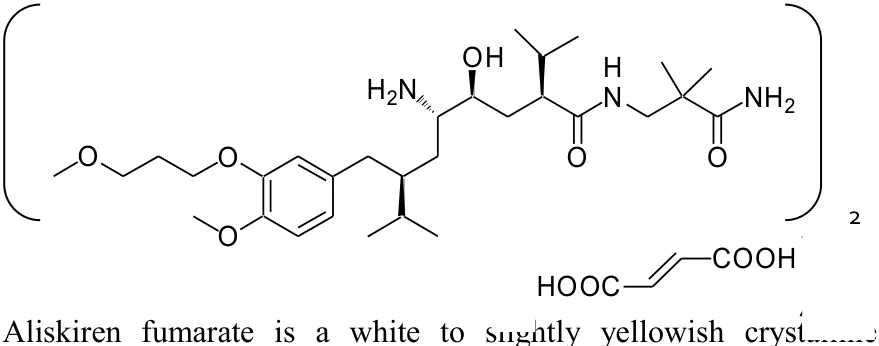
| Common name: | Aliskiren fumarate |
| Chemical name | Bis (2S, 4S, 5S, 7S)-5-amino-N-(3-amino-2,2-dimethyl-3-oxopropyl)-4-hydroxy-7-[4-methoxy-3-(3-methoxypropoxy) benzyl]-8-methyl-2-(1-methylethyl)nonanamide] (2E)-but-2-enedioate |
| Molecular formula: | (C30H53N3O6)2 • C4H4O4 |
| Molecular mass: | 1219.6 (salt/base ratio=1.1051) |
| Structural formula: | |
| Physicochemical properties: | Aliskiren fumarate is a white to slightly yellowish crystalline powder. It is soluble in phosphate buffer, n-Octanol, and highly soluble in water. |
| Common name: | Hydrochlorothiazide |
| Chemical name | 6-chloro-3,4-dihydro-2H-1,2,4-benzothiazidine-7-sulfonamide 1,1-dioxide |
| Molecular formula: | C7H8ClN3O4S2 |
| Molecular mass: | 297.74 |
| Structural formula: | 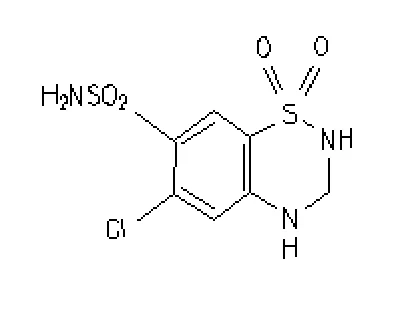 |
 |
| Physicochemical properties: | White, or practically white, crystalline powder. It is slightly soluble in water; freely soluble in sodium hydroxide solution and dimethyl sulfoxide, sparingly soluble in methanol and ethanol; practically insoluble in diethyl ether. |
CLINICAL TRIALS
Over 3,900 hypertensive patients received RASILEZ HCT® (aliskiren and hydrochlorothiazide (HCTZ)) once daily in clinical trials.
In hypertensive patients, once-daily administration of RASILEZ HCT® provided dose-dependent reductions in both systolic (SBP) and diastolic blood pressure (DBP) that were maintained over the entire 24-hour dose interval. The antihypertensive effect is largely manifested within 1 week and the maximum effect is generally seen within 4 weeks. The blood-pressure-lowering effect was sustained during long-term treatment, and was independent of age, gender, body mass index and ethnicity. Upon withdrawal of the aliskiren treatment (aliskiren with or without HCTZ add-on), the return of BP towards baseline was gradual (3-4 weeks) with no evidence of the rebound effect.
In long-term follow-up studies (without placebo control) the effect of the combination of aliskiren and HCTZ was maintained for >1 year.
Parallel-group factorial trial
The safety and efficacy of RASILEZ HCT® were evaluated in patients with mild-to-moderate hypertension in an 8-week, randomized, double-blind, placebo-controlled, parallel-group, 15-arm factorial trial (n=2762). Patients were randomized to receive various combinations of aliskiren (75 mg to 300 mg) plus HCTZ (6.25 mg to 25 mg) once daily (without titrating up from monotherapy) and followed for BP response. The combination of aliskiren and HCTZ resulted in additive placebo-adjusted decreases in SBP and DBP at trough of 10-14/5-7 mmHg at doses of 150-300 mg/12.5-25 mg, compared to 5-8/2-3 mmHg for aliskiren 150 mg to 300 mg and 6-7/2-3 mmHg for HCTZ 12.5 mg to 25 mg, alone. BP reductions with the combinations were greater than the reductions with the monotherapies as shown in Table 5.
Table 5: Placebo-Subtracted Reductions in Seated Trough Cuff Blood Pressure in Combination with Hydrochlorothiazide
| Hydrochlorothiazide, mg | ||||||||||||||
| Aliskiren, mg | Placebo mean change | 0 | 6.25 | 12.5 | 25 | |||||||||
| Placebo-subtracted | Placebo-subtracted | Placebo-subtracted | Placebo-subtracted | |||||||||||
| 0 | 7.5/6.9 | -- | 3.5 p /2.1 p | 6.4 p /3.2 p | 6.8 p /2.4 p | |||||||||
| 75 | -- | 1.9 /1.8 p | 6.8 pha /3.8 pha | 8.2 pa /4.2 pa | 9.8 pha /4.5 pha | |||||||||
| 150 | -- | 4.8 p /2 p | 7.8 pha /3.4 p | 10.1 pha /5 pha | 12 pha /5.7 pha | |||||||||
| 300 | -- | 8.3 p /3.3 p | -- | 12.3 pha /7 pha | 13.7 pha /7.3 pha |
| p = statistically significant vs. placebo (p <0.05) h = statistically significant vs. component monotherapy HCTZ dose (p <0.05) a = statistically significant vs. component monotherapy aliskiren dose (p <0.05) | |||||
Efficacy in patients not adequately responding to HCTZ monotherapy
Study 2333 was an 8-week, randomized, double-blind, parallel group, multicenter study comparing the efficacy and safety of the combination of aliskiren/HCTZ 300/25 mg and 150/25 mg to HCTZ 25 mg alone, in patients with essential hypertension who did not adequately respond to HCTZ monotherapy (msDBP ≥ 90 mmHg and < 110 mmHg after a 4-week treatment with HCTZ 25 mg).
In this study, both aliskiren/HCTZ 300/25 mg and aliskiren/HCTZ 150/25 mg combination groups showed a statistically significant greater msDBP and msSBP reduction than the HCTZ 25 treatment group (Tables 5 and 6). More patients in the aliskiren/HCTZ 300/25 mg group and aliskiren/HCTZ 150/25 mg group showed BP response as compared to the HCTZ 25 mg group, and each comparison was statistically significant (Tables 7). The 2 aliskiren/HCTZ combination groups had statistically significant higher BP control rates than the HCTZ 25 mg group at endpoint (Table 8).
| Table 6 | Change from baseline in msDBP at endpoint Study 2333 | ||||||
| Treatment group | N | LSM change from baseline (SE) | |||||
| HCTZ 25 mg | 244 |
| |||||
| Aliskiren 150 mg/HCTZ 25 mg | 242 |
| |||||
| Aliskiren 300 mg/HCTZ 25 mg | 232 |
| |||||
| LSM difference in | |||||||
| Pairwise comparison | change from baseline | 95% CI for LSM difference | P-value | ||||
| Ali 150 mg/HCTZ 25 mg vs. HCTZ 25 mg |
| (- 5.02, - 2.43) | <0.001* | ||||
| Ali 300 mg/HCTZ 25mg vs. HCTZ 25 mg |
| (- 7.24, - 4.63) | <0.001* | ||||
| SE = standard error, LSM = least squares mean, CI = confidence interval | |||||||
| Ali = aliskiren; HCTZ = hydrochlorothiazide | |||||||
| Least squares means, confidence intervals, and p-values were from an ANCOVA model containing treatment, region and baseline. | |||||||
| P-values and treatment comparisons were evaluated at the average baseline level. | |||||||
| * indicates statistical significance at 0.05 level. | |||||||
| Table 7 | Change from baseline in msSBP at endpoint Study 2333 | ||
| Treatment group | N | LSM change from baseline (SE) | |
| HCTZ 25 mg | 244 |
| |
| Aliskiren 150 mg/HCTZ 25 mg | 242 |
| |
| Aliskiren 300 mg/HCTZ 25 mg | 232 |
| |
| LSM difference in |
| Pairwise comparison | change from baseline | 95% CI for LSM difference | P-value | ||
| Ali 150 mg/HCTZ 25 mg vs. HCTZ 25 mg |
| ( - 8.11, - 3.63) | <0.001* | ||
| Ali 300 mg/HCTZ 25mg vs. HCTZ 25 mg |
| (- 11.90, -7.36) | <0.001* | ||
| SE = standard error, LSM = least squares mean, CI = confidence interval; | |||||
| Ali = aliskiren; HCTZ = hydrochlorothiazide | |||||
| Least squares means, confidence intervals, and p-values were from an ANCOVA model containing treatment, region and baseline. | |||||
| P-values and treatment comparisons were evaluated at the average baseline level. | |||||
| * indicates statistical significance at 0.05 level. | |||||
| Table 8 | Between treatment comparison for BP response at endpoint Study 2333 | |||||||||
| Treatment comparison A vs. B | Treatment A | Treatment B | p-value | |||||||
| n / N (%) | n / N (%) | |||||||||
| Ali 300 mg/HCTZ 25 mg vs. HCTZ 25 mg | 182/232 | 78.45 | 115/244 | 47.13 | <0.001* | |||||
| Ali 150 mg/HCTZ 25 mg vs. HCTZ 25 mg | 163/242 | 67.36 | 115/244 | 47.13 | <0.001* | |||||
| Blood pressure response is defined as achieving at endpoint a msDBP <90 mmHg or a ≥ 10 mmHg reduction from baseline. | ||||||||||
| p-values were from a logistic regression model with treatment and region as factors and baseline msDBP as a covariate. | ||||||||||
| Baseline is the Week 0 value. | ||||||||||
| n = number of patients with response | ||||||||||
| N = Number of patients with baseline and endpoint msDBP values. | ||||||||||
| * indicates statistical significance at 0.05 level. | ||||||||||
| Ali = aliskiren; HCTZ = hydrochlorothiazide | ||||||||||
| Table 9 | Between treatment comparison for BP control at endpoint Study 2333 | |||||||||
| Treatment comparison A vs. B | Treatment A | Treatment B | p-value | |||||||
| n / N (%) | n / N (%) | |||||||||
| Ali 300 mg/HCTZ 25 mg vs. HCTZ 25 mg | 135/232 | 58.19 | 63/244 | 25.82 | <0.001* | |||||
| Ali 150 mg/HCTZ 25 mg vs. HCTZ 25 mg | 118/242 | 48.76 | 63/244 | 25.82 | <0.001* | |||||
| A patient with control in BP is defined as having a msDBP <90 mmHg and a msSBP <140 mmHg. | ||||||||||
| The control rate was analyzed by using a logistic regression model with treatment and region as factors and baseline msDBP as a covariate. | ||||||||||
| Baseline is the Week 0 value. | ||||||||||
| n = number of patients with control | ||||||||||
| N = Number of patients with baseline and endpoint msDBP values. | ||||||||||
| * indicates statistical significance at 0.05 level. | ||||||||||
| Ali = aliskiren; HCTZ = hydrochlorothiazide | ||||||||||
Efficacy in obese population
In an active-controlled clinical trial, the efficacy and safety of RASILEZ HCT® were assessed in 122 obese hypertensive patients who did not respond to HCTZ 25 mg (baseline SBP/DBP 149.4/96.8 mmHg). In this population, RASILEZ HCT® provided a BP reduction (SBP/DBP) of 15.8/11.9 mmHg compared to 15.4/11.3 mmHg for irbesartan/HCTZ, 13.6/10.3 mmHg for amlodipine/HCTZ and 8.6/7.9 mmHg for HCTZ monotherapy, with similar safety to HCTZ monotherapy.
DETAILED PHARMACOLOGY
Effects of aliskiren in double transgenic rats (dTGR) expressing human renin and angiotensinogen
Double transgenic rats exhibit fulminant hypertension and end-organ damage as a result of an over-stimulated RAS. Because these animals express human genes for renin and angiotensinogen, they are well suited to test human renin inhibitors for organ protective effects. Accordingly, aliskiren was tested in dTGR for its ability to inhibit renal and cardiac damage that ensues in this model.
Antihypertensive effects of aliskiren in dTGR
The dose-response profile for the antihypertensive effects of aliskiren was defined in dTGR. Two methods of continuous, direct BP monitoring in conscious, unrestrained animals were utilized: (i) radiotelemetry, and (ii) chronic catheterization of the femoral artery and vein. In the latter model, the femoral vein was also chronically catheterized for infusion of test agents and withdrawal of blood. Aliskiren induces a dose-dependent reduction in mean arterial pressure (MAP) following single i.v. and p.o. doses administration. Responses to aliskiren under various dosing regimen were compared to those for the ARB valsartan and/or the ACE inhibitor enalapril(at) in dTGRs. Aliskiren administered i.v. was approximately equipotent with i.v. valsartan and enalapril, whereas with po administration, aliskiren was less potent due to the lower oral bioavailability of aliskiren compared to the two other agents.
Effect on albuminuria
The 24-hour mean urinary albumin excretion (UAE) before randomization averaged 2.0 ± 0.2 mg/day in all dTGR groups. This level of UAE reflects a significant elevation (p<0.05) compared to historical values seen in normal Sprague-Dawley control rats (0.2 ± 0.05 mg/day).
At 7 weeks of age, UAE in vehicle-treated dTGR was increased to 36.4 ± 4.6 mg/day. In contrast, in the 0.3 and 3 mg/kg/day aliskiren treated groups, albuminuria decreased at 9 weeks (p<0.05) to 1.6 ± 0.6 mg/day or 0.4 ± 0.2 mg/day, respectively.
Effect on left ventricular hypertrophy
In the dTGR model, cardiac hypertrophy and left ventricular wall thickness were significantly (p< 0.05) reduced in the aliskiren-treated groups (0.3 and 3mg/kg/day) and in the valsartan 10mg/kg/day group compared to the low dose valsartan group (1mg/kg/day). Tissue Doppler measurements showed improved early and late diastolic inflow quotient (Ea/Aa) in both aliskiren groups and in the 10 mg/kg/day valsartan group, demonstrating improved diastolic filling.
Effect on renal fibrosis
The effect of aliskiren on the renal fibrosis observed in dTGR was assessed by immunostaining for collagen IV in kidney sections. Semi-quantitative evaluation showed that both aliskiren doses (0.3 and 3mg/kg/day) and valsartan 10 mg/kg/day suppressed collagen IV immunostaining of
Bowman’s capsule and tubular basement membranes relative to that observed in the valsartan 1 mg/kg/day group.
Renal inflammation, evidenced by the infiltration of macrophages and T-cells, is typically present in the kidneys of dTGR. Aliskiren 0.3 and 3mg/kg/day and valsartan 10mg/kg/d completely prevented the renal accumulation of these inflammatory markers, presumably by inhibiting the formation of Ang II at the local (tissue) level.
In a separate study, 4 weeks old dTGR were treated with aliskiren (3 mg/kg/day, subcutaneous osmotic mini-pumps) or losartan (10 mg/kg/day in the diet) for 3 weeks. During the progression of hypertension, untreated dTGR exhibited increases in serum and renal inflammatory markers: serum C-reactive protein, renal TNF-α, and various components of complement, including the membrane attack complex C5b-9. Aliskiren as well as losartan suppressed the expression of these markers of inflammation, as assessed by immunostaining.
TOXICOLOGY
Aliskiren-Hydrochlorothiazide
Sub-chronic and Chronic Toxicity
The aliskiren and hydrochlorothiazide (HCTZ) combination was generally well-tolerated by rats. There were no toxicological findings observed of relevance to human therapeutic use. The findings observed in 2 and 13-week toxicity studies were attributable to the exaggerated pharmacological effects of each component.
Aliskiren
Acute Toxicity
No adverse findings were noted at doses of 1000 or 2000 mg/kg. It was concluded that the acute oral toxicity (LD50) of aliskiren in rats is >2000 mg/kg.
Sub-chronic and Chronic Toxicity
Exposure to aliskiren at the no-observed-adverse-effect levels (NOAEL) in the repeat dose toxicity studies was generally similar to or less than that in humans at 300 mg. The doses in rodents were limited by local respiratory irritation following aspiration of the dosing solutions. In marmosets, altered kidney function and early deaths as a result of marked hypotension were the main dose-limiting effects during the chronic toxicity studies but these were attributable to the expected pharmacology of aliskiren. These limitations prevented the animal toxicology studies from obtaining high multiples of human exposure. Nevertheless, no target organ toxicities relevant for human use were observed during the chronic toxicity studies at doses ≤600 mg/kg/day in rats or ≤50 mg/kg/day in marmosets which correspond to systemic exposures based on mean AUC of approximately 3- and 46-fold higher, respectively than those observed in humans at the dose of 300 mg.
Aliskiren-Hydrochlorothiazide
Repeated dose toxicity studies in rats revealed no toxicities that would be prohibitive for use of aliskiren-HCTZ in humans.
Aliskiren
Carcinogenesis
Carcinogenic potential was assessed in a 2-year rat study and a 6-month transgenic mouse study. No carcinogenic potential was detected. Inflammatory and proliferative changes were observed in the lower gastro-intestinal tract at doses of 750 or 1500 mg/kg/day in both species. These findings were attributed to the known irritation potential of aliskiren. One colonic adenoma and one cecal adenocarcinoma also recorded in rats at the dose of 1500 mg/kg/day were not statistically significant. Safety margins based on local, intra-intestinal exposure obtained in humans at the dose of 300 mg during a study in healthy volunteers were 9- to 11-fold based on fecal concentrations, and 6-fold based on rectal mucosa concentrations compared to exposures at a dose of 250 mg/kg/day in the rat carcinogenicity study. On a systemic exposure (AUC 0-24hr) basis, 1500 mg/kg/day in the rat study resulted in plasma levels 4- to 5-fold higher than those following the maximum recommended human dose of 300 mg o.d.
Mutagenesis
Aliskiren fumarate was devoid of any mutagenic potential in the in vitro (bacterial and mammalian cells) and in vivo (rats) mutagenicity studies.
Reproduction and Teratology
Reproductive toxicity studies did not reveal any evidence of embryofetal toxicity or teratogenicity at doses ≤600 mg/kg/day in rats or ≤100 mg/kg/day in rabbits. These doses result in plasma levels 3- and 5-fold higher than those following the maximum recommended dose in humans (300 mg).
Fertility, pre-natal development and post-natal development were unaffected in rats at doses ≤250 mg/kg/day, resulting in plasma levels comparable to those following the maximum recommended dose in humans.
Juvenile animal studies
Toxicity studies in rats indicated that excessive aliskiren exposure (>400 fold higher in 8-day-old rats compared with adult rats) and toxicity were caused by low intestinal MDR1 mRNA expression in juvenile rats. This suggests that in pediatric patients with low MDR1 expression, there is a potential for aliskiren overexposure and associated toxicity (see ACTION AND CLINICAL PHARMACOLOGY, Pharmacokinetics, Pediatrics).
Hydrochlorothiazide
Carcinogenicity
According to the experimental data available, hydrochlorothiazide revealed inconsistent evidence of carcinogenic activity in rats and mice, with conflicting evidence of hepatic adenoma in male mice at the highest dose and adrenal pheocytochroma in one rat study but not in another. Current evidence is inadequate to draw a clear conclusion for a carcinogenic effect of hydrochlorothiazide in animals.
The mutagenic potential was assessed in a series of in vitro and in vivo test systems. While some positive results were obtained in vitro, all in vivo studies provided negative results. Hydrochlorothiazide enhanced the UVA-induced formation of pyrimidine dimers in vitro and in the skin of mice following oral treatment. It is therefore concluded that although there is no relevant mutagenic potential in vivo, hydrochlorothiazide could enhance the genotoxic effects of UVA light. This mechanism of photosensitization could be associated with a higher risk for non-melanoma skin cancer.
Preclinical evaluations to support the administration of HCTZ in humans included in vitro genotoxicity assays and reproductive toxicity and carcinogenicity studies in rodents. Extensive clinical data are available for HCTZ and these are reflected in the relevant sections.
REFERENCES
| Drummond W, Munger MA, Essop MR, et al. Antihypertensive efficacy of the oral direct renin inhibitor aliskiren as add-on therapy in patients not responding to amlodipine monotherapy. J Clin Hypertens 2007; 9: 742-750. |
| Gradman AH, Schmieder RE, Lins RL, Nussberger J, Chiang Y, Bedigian MP. Aliskiren, a novel orally effective renin inhibitor, provides dose-dependent antihypertensive efficacy and placebo-like tolerability in hypertensive patients. Circulation 2005; 111(8):1012-8. |
| Nussberger J, Wuerzner G, Jensen C, Brunner HR. Angiotensin II suppression in humans by the orally active renin inhibitor Aliskiren (SPP100): comparison with enalapril. Hypertension 2002; 39(1): E1-8. |
| Oh BH, Mitchell J, Herron JR, Chung J, Khan M, Keefe DL. Aliskiren, an oral renin inhibitor, provides dose-dependent efficacy and sustained 24-hour blood pressure control in patients with hypertension. Journal of the American College of Cardiology 2007; 49 (11): 1157-1163. |
| Pilz B, Shagdarsuren E, Wellner M, Fiebeler A, Dechend R, Gratze P, Meiners S, Feldman DL, Webb RL, Garrelds IM, Jan Danser AH, Luft FC, Muller DN. Aliskiren, a human renin inhibitor, ameliorates cardiac and renal damage in double-transgenic rats. Hypertension 2005; 46(3):569-76. |
| Weir MR, Bush C, Anderson DR, et al. Antihypertensive efficacy, safety, and tolerability of the oral direct renin inhibitor aliskiren in patients with hypertension: a pooled analysis. Journal of the American Society of Hypertension 2007; 1(4):264-277. |
| Wood JM, Schnell CR, Cumin F, Menard J, Webb RL. Aliskiren, a novel, orally effective renin inhibitor, lowers blood pressure in marmosets and spontaneously hypertensive rats. J Hypertens 2005; 23(2):417-26. |