


Product Monograph - Ratio-Valproic - Ecc 500mg
ACTION AND CLINICAL PHARMACOLOGY
ratio-VALPROIC (valproic acid) has anticonvulsant properties. Although its mechanism of action has not yet been established, it has been suggested that its activity is related to increased brain levels of gamma-aminobutyric acid (GABA). The effect on the neuronal membrane is unknown.
PHARMACOKINETICS
Valproic acid is rapidly absorbed after oral administration. Peak serum levels occur approximately one to four hours after a single oral dose. The serum half-life (t1/2) of valproic acid is typically in the range of six to sixteen hours. Half-lives in the lower part of the above range are usually found in patients taking other anti-epileptic drugs capable of enzyme induction. A slight delay in absorption occurs when the drug is administered with meals but this does not affect the total absorption. Nonetheless, any changes in dosage administration, or the addition or discontinuance of concomitant drugs should ordinarily be accompanied by close monitoring of clinical status and valproate plasma concentrations.
Valproic acid is rapidly distributed throughout the body and the drug is strongly bound (90%) to human plasma proteins. Increases in dose may result in decreases in the extent of protein binding and variable changes in valproic acid clearance and elimination. The therapeutic plasma concentrations range is believed to be from 50 to 100 mcg/mL. Occasional patients may be controlled with serum levels lower or higher than this range.
A good correlation has not been established between daily dose, serum level and therapeutic effect.
The plasma protein binding of valproate is concentration dependent and the free fraction increases from approximately 10% at 40 mcg/mL to 18.5% at 130 mcg/mL. Protein binding of valproate is reduced in the elderly, in patients with chronic hepatic diseases, in patients with renal impairment, in hyperlipidemic patients, and in the presence of other drugs (e.g., aspirin). Conversely, valproate may displace certain protein-bound drugs (e.g., phenytoin, carbamazepine, warfarin, and tolbutamide). (See PRECAUTIONS, Drug Interactions for more detailed information on the pharmacokinetic interactions of valproate with other drugs).
Due to the saturable plasma protein binding, the relationship between dose and total valproate concentration is nonlinear; concentration does not increase proportionally with the dose, but rather increases to a lesser extent. The kinetics of unbound drug are linear.
Valproate concentrations in cerebrospinal fluid (CSF) approximate unbound concentrations in plasma (ranging from 7 to 25% of total concentration).
Valproate is metabolized almost entirely by the liver. In adult patients on monotherapy, 30-50% of an administered dose appears in urine as a glucuronide conjugate. Mitochondrial (beta)-oxidation is the other major metabolic pathway, typically accounting for over 40% of the dose. Usually, less than 15-20% of the dose is eliminated by other oxidative mechanisms. Less than 3% of an administered dose is excreted unchanged in urine.
Mean plasma clearance and volume of distribution for total valproate are 0.56 L/hr/1.73 m2 and 11 L/1.73 m2, respectively. Mean plasma clearance and volume of distribution for free valproate are 4.6 L/hr/1.73 m2 and 92 L/1.73 m2, respectively. These estimates cited apply primarily to patients who are not taking drugs that affect hepatic metabolizing enzyme systems. For example, patients taking enzyme-inducing antiepileptic drugs (carbamazepine, phenytoin, and phenobarbital) will clear valproate more rapidly. Because of these changes in valproic acid clearance, monitoring of valproate and concomitant drug concentrations should be intensified whenever enzyme-inducing drugs are introduced or withdrawn.
Elimination of valproic acid and its metabolites occurs principally in the urine, with minor amounts in the feces and expired air. Very little unmetabolized parent drug is excreted in the urine.
Special Populations
Neonates/ Infants
Within the first two months of life, infants have a markedly decreased ability to eliminate valproate compared to children and adults. This is a result of reduced clearance (perhaps due to delay in development of glucuronosyltransferase and other enzyme systems involved in valproate elimination) as well as increased volume of distribution (in part due to decreased plasma protein binding). For example, in one study, the half-life in neonates under 10 days ranged from 10 to 67 hours, compared to a range of 7 to 13 hours in children greater than 2 months.
Pediatrics
Patients between 3 months and 10 years have 50% higher clearances expressed on weight (i.e., mL/min/kg) than do adults. Over the age of 10 years, children have pharmacokinetic parameters that approximate those of adults.
Elderly
The capacity of elderly patients (age range: 68 to 89 years) to eliminate valproate has been shown to be reduced compared to younger adults (age range: 22 to 26). Intrinsic clearance is reduced by 39%; the free fraction is increased by 44%. (See DOSAGE AND ADMINISTRATION).
Effect of Gender
There are no differences in unbound clearance (adjusted for body surface area) between males and females (4.8 " 0.17 and 4.7 " 0.07 L/hr per 1.73 m2, respectively).
Effect of Race
The effects of race on the kinetics of valproate have not been studied.
Hepatic Dysfunction
See CONTRAINDICATIONS, and WARNINGS for statements regarding hepatic dysfunction and associated fatalities.
INDICATIONS AND CLINICAL USE
ratio-VALPROIC (valproic acid) is indicated for use as sole or adjunctive therapy in the treatment of simple or complex absence seizures, including petit mal, and is useful in primary generalized seizures with tonic-clonic manifestations. Valproic acid may also be used adjunctively in patients with multiple seizure types which include either absence or tonic-clonic seizures.
In accordance with the International Classification of Seizures, simple absence is defined as a very brief clouding of the sensorium or loss of consciousness (lasting usually 2-15 seconds), accompanied by certain generalized epileptic discharges without other detectable clinical signs. Complex absence is the term used when other signs are also present.
CONTRAINDICATIONS
ratio-VALPROIC (valproic acid) should not be administered to patients with hepatic disease or significant dysfunction.
It is contraindicated in patients with known hypersensitivity to the drug.
Valproic acid is contraindicated in patients with known urea cycle disorders (see WARNINGS).
WARNINGS
Serious Skin Reactions
The dose of lamotrigine should be reduced when co-administered with valproate. Serious skin reactions (such as Stevens Johnson Syndrome and toxic epidermal necrolysis) have been reported with concomitant lamotrigine and valproate administration (see Lamotrigine Product Monograph for details on lamotrigine dosing with concomitant valproate administration).
Serious or Fatal Hepatotoxicity
Hepatic failure resulting in fatalities has occurred in patients receiving ratio-VALPROIC (valproic acid). These incidences usually have occurred during the first six months of treatment with valproic acid. Caution should be observed when administering valproate products to patients with a prior history of hepatic disease. Patients on multiple anticonvulsants, children, those with congenital metabolic disorders, those with severe seizure disorders accompanied by mental retardation, and those with organic brain disease may be at particular risk.
Experience has indicated that children under two years of age are at a considerably increased risk of developing fatal hepatotoxicity, especially those on multiple anticonvulsants, those with congenital metabolic disorders, those with severe seizure disorders accompanied by mental retardation, and those with organic brain disease. The risk in this age group decreased considerably in patients receiving valproate as monotherapy. Similarly, patients aged 3 to 10 years were at somewhat greater risk if they received multiple anticonvulsants than those who received only valproate. Risk generally declined with increasing age. No deaths have been reported in patients over 10 years of age who received valproate alone.
If valproic acid is to be used in children two years old or younger, it should be used with extreme caution and as a sole agent. The benefits of seizure control should be weighed against the risk. (See PRECAUTIONS, Use in Pediatric Patients).
Serious or fatal hepatotoxicity may be preceded by non-specific symptoms such as loss of seizure control, malaise, weakness, lethargy, facial edema, anorexia and vomiting. Patients should be monitored closely for appearance of these symptoms. Patients and parents should be instructed to report such symptoms. Because of the non-specific nature of some of the early signs, hepatotoxicity should be suspected in patients who become unwell, other than through obvious cause, while taking valproic acid.
Liver function tests should be performed prior to therapy and at frequent intervals thereafter especially during the first six months. However, physicians should not rely totally on serum biochemistry since these tests may not be abnormal in all instances, but should also consider the results of careful interim medical history and physical examination. Caution should be observed when administering valproic acid to patients with a prior history of hepatic disease. Patients with various unusual congenital disorders, those with severe seizure disorders accompanied by mental retardation, and those with organic brain disease may be at particular risk.
In high-risk patients, it might also be useful to monitor serum fibrinogen and albumin for decreases in concentration and serum ammonia for increases in concentration. If changes occur, valproic acid should be discontinued. Dosage should be titrated to and maintained at the lowest dose consistent with optimal seizure control.
The drug should be discontinued immediately in the presence of significant hepatic dysfunction, suspected or apparent. In some cases, hepatic dysfunction has progressed in spite of discontinuation of drug. The frequency of adverse effects (particularly elevated liver enzymes and thrombocytopenia) may increase with increasing dose. The therapeutic benefit which may accompany the higher doses should therefore be weighed against the possibility of a greater incidence of adverse effects. (See PRECAUTIONS).
Pancreatitis:
Cases of life-threatening pancreatitis have been reported in both children and adults receiving valproate. Some of the cases have been described as hemorrhagic with a rapid progression from initial symptoms to death. Some cases have occurred shortly after initial use as well as after several years of use. The rate based upon the reported cases exceeds that expected in the general population and there have been cases in which pancreatitis recurred after rechallenge with valproate. In clinical trails, there were 2 cases or pancreatitis without alternative etiology in 2416 patients, representing 1044 patient-years experience. Patients and guardians should be warned that abdominal pain, nausea, vomiting, and/or anorexia can be symptoms of pancreatitis that require prompt medical evaluation. If pancreatitis is diagnosed, valproate should ordinarily be discontinued. Alternative treatment for the underlying medical condition should be initiated as clinically indicated.
Urea Cycle Disorders (UCD)
Valproic acid is contraindicated in patients with known urea cycle disorders. Hyperammonemic encephalopathy, sometimes fatal, has been reported following initiation of valproate therapy in patients with urea cycle disorders, a group of uncommon genetic abnormalities, particularly ornithine transcarbamylase deficiency. Prior to initiation of valproate therapy, evaluation for UCD should be considered in the following patients:
- 1) those with a history of unexplained encephalopathy or coma, encephalopathy associated with protein load, pregnancy-related or postpartum encephalopathy, unexplained mental retardation, or history of elevated plasma ammonia or glutamine;
- 2) those with signs and symptoms of UCD, for example, cyclical vomiting and lethargy, episodic extreme irritability, ataxia, low BUN, protein avoidance;
- 3) those with a family history of UCD or a family history of unexplained infant deaths (particularly males);
- 4) those with other signs or symptoms of UCD. Patients receiving valproate therapy who develop symptoms of unexplained hyperammonemic encephalopathy should receive prompt treatment (including discontinuation of valproate therapy) and be evaluated for underlying urea cycle disorders (see CONTRAINDICATIONS and PRECAUTIONS).
Somnolence in the elderly
In a group of elderly patients (mean age= 83 years old, n= 172), valproate doses were increased by 125 mg/day to a target dose of 20 mg/kg/day. Compared to placebo a significantly higher number of valproate-treated patients had somnolence, and although not statistically significant, a higher number of valproate-treated patients experienced dehydration. Discontinuations for somnolence were also significantly higher in valproate-treated patients compared to placebo. In approximately one-half of the patients with somnolence, there was also associated reduced nutritional intake and weight loss. In elderly patients, dosage should be increased more slowly and with regular monitoring for fluid intake, dehydration, somnolence, urinary tract infection and other adverse events. Dose reductions or discontinuation of valproate should be considered in patients with decreased food or fluid intake and in patients with excessive somnolence (See DOSAGE AND ADMINISTRATION).
Usage in pregnancy
According to published and unpublished reports in the medical literature, valproic acid may produce teratogenic effects, such as neural tube defects (e.g. spina bifida) in the offspring of human females receiving the drug during pregnancy. There are data that suggest an increased incidence of congenital malformations associated with the use of valproic acid during pregnancy when compared with some other antiepileptic drugs. Therefore, valproic acid should be considered for women of childbearing potential only after the risks have been thoroughly discussed with the patient and weighed against the potential benefits of treatment.
Multiple reports in the clinical literature indicate an association between the use of anti-epileptic drugs and an elevated incidence of birth defects in children born to epileptic women taking such medication during pregnancy. The incidence of congenital malformations in the general population is regarded to be approximately 2%; in children of treated epileptic women, this incidence may be increased two- to three-fold. The increase is largely due to specific defects, e.g. congenital malformations of the heart, cleft lip and/or palate, and neural tube defects. Nevertheless, the great majority of mothers receiving antiepileptic medications deliver normal infants.
The data described below were gained almost exclusively from women who received valproate to treat epilepsy. The incidence of neural tube defects in the fetus may be increased in mothers receiving valproic acid during the first trimester of pregnancy. Based upon a single report, it was estimated that the risk of valproic acid exposed women having children with spina bifida is approximately 1 to 2%. This risk is similar to that which applies to non-epileptic women who have had children with neural tube defects (ANENCEPHALY AND SPINA BIFIDA).
Other congenital anomalies (e.g., craniofacial defects, cardiovascular malformation and anomalies involving various body systems), compatible and incompatible with life, have been reported. Sufficient data to determine the incidence of these congenital anomalies is not available.
The higher incidence of congenital anomalies in antiepileptic drug-treated women with seizure disorders cannot be regarded as a cause and effect relationship. There are intrinsic methodologic problems in obtaining adequate data on drug teratogenicity in humans; genetic factors or the epileptic condition itself, may be more important than the drug therapy in contributing to congenital anomalies.
There have been reports of developmental delay in the offspring of women who have received valproic acid during pregnancy.
Patients taking valproate may develop clotting abnormalities. A patient who had low fibrinogen when taking multiple anticonvulsants including valproate gave birth to an infant with afibrinogenemia who subsequently died of hemorrhage. If valproic acid is used in pregnancy, the clotting parameters should be monitored carefully.
Hepatic failure, resulting in the death of a newborn and of an infant have been reported following the use of valproate during pregnancy.
Antiepilepetic drugs should not be abruptly discontinued in patients to whom the drug is administered to prevent major seizures, because of the strong possibility of precipitating status epilepticus with attendant hypoxia and risks to both the mother and the unborn child. With regard to drugs given for minor seizures, the risks of discontinuing medication prior to or during pregnancy should be weighed against the risk of congenital defects in the particular case and with the particular family history. In individual cases where the severity and frequency of the seizure disorder are such that the removal of medication does not pose a serious threat to the patient, discontinuation of the drug may be considered prior to and during pregnancy, although it cannot be said with any confidence that even minor seizures do not pose some hazard to the developing embryo or fetus.
In summary, current best practice guidelines should be considered in order to provide the optimal counsel to patients regarding the teratogenic risks associated with valproic acid.
Epileptic women of child-bearing age should be encouraged to seek the counsel of their physician and should report the onset of pregnancy promptly to him. Where the necessity for continued use of anti-epileptic medication is in doubt, appropriate consultation is indicated.
If valproic acid is used during pregnancy, or if the patient becomes pregnant while taking this drug, the patient should be made aware of the potential hazard to the fetus.
Tests to detect neural tube and other defects using current accepted procedures should be considered a part of routine prenatal care in childbearing women receiving valproate.
Animal studies have demonstrated valproic acid induced teratogenicity, and studies in human females have demonstrated placental transfer of the drug. Increased frequencies of malformations, as well as intrauterine growth retardation and death, have been observed in mice, rats, rabbits, and monkeys following prenatal exposure to valproate. Malformations of the skeletal system are the most common structural abnormalities produced in experimental animals, but neural tube closure defects have been seen in mice exposed to maternal plasma valproate concentrations exceeding 230 mcg/mL (2.3 times the upper limit of the human therapeutic range for epilepsy) during susceptible periods of embryonic development.
Administration of an oral dose of 200 mg/kg/day or greater (50% of the maximum human daily dose or greater on a mg/m2 basis) to pregnant rats during organogenesis produced malformations (skeletal, cardiac and urogenital) and growth retardation in the offspring. These doses resulted in peak maternal plasma valproate levels of approximately 340 mcg/mL or greater (3.4 times the upper limit of the human therapeutic range for epilepsy or greater). Behavioural deficits have been reported in the offspring of rats given a dose of 200 mg/kg/day throughout most of pregnancy.
An oral dose of 350 mg/kg/day (approximately 2 times the maximum human daily dose on a mg/m2 basis) produced skeletal and visceral malformations in rabbits exposed during organogenesis. Skeletal malformations, growth retardation, and death were observed in rhesus monkeys following administration of an oral dose of 200 mg/kg/day (equal to the maximum human daily dose on a mg/m2 basis) during organogenesis. This dose resulted in peak maternal plasma valproate levels of approximately 280 mcg/mL (2.8 times the upper limit of the human therapeutic range for epilepsy).
Nursing mothers
Valproic acid is secreted in breast milk. Concentrations in breast milk have been reported to be 1 to 10% of serum concentrations. As a general rule, nursing should not be undertaken while a patient is receiving valproic acid. It is not known what effect this may have on a nursing infant.
Fertility
Chronic toxicity studies in juvenile and adult rats and dogs demonstrated reduced spermatogenesis and testicular atrophy at doses greater than 200 mg/kg/day in rats and 90 mg/kg/day in dogs. Segment 1 fertility studies in rats have shown that doses up to 350 mg/kg/day for 60 days have no effect on fertility. The effect of valproic acid on the development of the testis and on sperm production and fertility in humans is unknown.
Dose-related Adverse Reactions: Thrombocytopenia
The frequency of adverse effects thrombocytopenia (see PRECAUTIONS) may be dose-related. In a clinical trial of divalproex sodium as monotherapy in patients with epilepsy, 34/126 patients (27%) receiving approximately 50 mg/kg/day on average, had at least one value of platelets #75 x 109/L. Approximately half of these patients had treatment discontinued with return of platelet counts to normal. In the remaining patients, platelet counts normalized with continued treatment. In this study, the probability of thrombocytopenia appeared to increase significantly at total valproate concentrations of $ 110 mcg/mL (females) or $ 135 mcg/mL (males). The therapeutic benefit which may accompany the higher doses should therefore be weighed against the possibility of a greater incidence of adverse effects.
Carcinogenicity
Long-term animal toxicity studies indicate that valproic acid is a weak carcinogen or promoter in rats and mice. The significance of these findings for humans is unknown at present.
PRECAUTIONS
Hepatic dysfunction: See CONTRAINDICATIONS and WARNINGS.
General
Hyperammonemia has been reported with valproate therapy and may be present despite normal liver function tests. In patients who develop unexplained lethargy and vomiting or changes in mental status, hyperammonemic encephalopathy should be considered as a possible cause and serum ammonia level should be measured. If serum ammonia is increased, valproate therapy should be discontinued. Appropriate interventions for treatment of hyperammonemia should be initiated, and such patients should undergo investigation for underlying urea cycle disorders (see CONTRAINDICATIONS and WARNINGS, Urea Cycle Disorders and Hyperammonemia and Encephalopathy Associated with Concomitant Topiramate Use).
Asymptomatic elevations of ammonia are more common and, when present, require close monitoring of serum ammonia levels. If the elevation persists, discontinuation of valproate therapy should be considered.
Because valproic acid may interact with other anti-epileptic drugs, periodic serum level determinations of concurrently administered anti-epileptics are recommended during the early part of therapy (see Drug Interactions). There have been reports of breakthrough seizures occurring with the combination of valproic acid and phenytoin.
Valproic acid is partially eliminated in the urine as a ketone-containing metabolite which may lead to a false interpretation of the urine ketone test.
There have been reports of altered thyroid function tests associated with valproic acid: the clinical significance of these is unknown.
Suicidal ideation may be a manifestation of preexisting psychiatric disorders, and close supervision of high risk patients should accompany initial drug therapy.
Patients with Special Diseases and Conditions
There are in vitro studies that suggest valproate stimulates the replication of the HIV and CMV viruses under certain experimental conditions. The clinical relevance of these in vitro data is unknown.
Thrombocytopenia
Because of reports of thrombocytopenia and inhibition of the second phase of platelet aggregation, and abnormal coagulation parameters (e.g. low fibrinogen) platelet counts and coagulation tests are recommended before instituting therapy and at periodic intervals. It is recommended that patients receiving ratio-VALPROIC (valproic acid) be monitored for platelet count and coagulation parameters prior to planned surgery. Clinical evidence of hemorrhage, bruising or a disorder of hemostasis/coagulation is an indication for reduction of valproic acid dosage or withdrawal of therapy pending investigation. (See also WARNINGS, Dose-related Adverse Reactions: Thrombocytopenia).
Hyperammonemia and Encephalopathy Associated with Concomitant Topiramate Use
Concomitant administration of topiramate and valproic acid has been associated with hyperammonemia with or without encephalopathy in patients who have tolerated either drug alone. Clinical symptoms of hyperammonemic encephalopathy often include acute alterations in level of consciousness and/or cognitive function with lethargy or vomiting. In most cases, symptoms and signs abated with discontinuation of either drug. This adverse event is not due to a pharmacokinetic interaction.
It is not known if topiramate monotherapy is associated with hyperammonemia.
Patients with inborn errors of metabolism or reduced hepatic mitochondrial activity may be at an increased risk for hyperammonemia with or without encephalopathy. Although not studied, an interaction of topiramate and valproic acid may exacerbate existing defects or unmask deficiencies in susceptible persons (see CONTRAINDICATIONS and WARNINGS, Urea Cycle Disorders (UCD) and PRECAUTIONS, General).
Multi-organ Hypersensitivity Reaction
Multi-organ hypersensitivity reactions have been rarely reported in close temporal association to the initiation of valproate therapy in adult and pediatric patients (median time to detection 21 days; range 1 to 40). Although there have been a limited number of reports, many of these cases resulted in hospitalization and at least one death has been reported. Signs and symptoms of this disorder were diverse; however, patients typically, although not exclusively, presented with fever and rash associated with other organ system involvement. Other associated manifestations may include lymphadenopathy, hepatitis, liver function test abnormalities, hematological abnormalities (e.g., eosinophilia, thrombocytopenia, neutropenia), pruritis, nephritis, oliguria, hepato-renal syndrome, arthralgia, and asthenia. Because the disorder is variable in its expression, other organ system symptoms and signs, not noted here may occur. If this reaction is suspected, valproate should be discontinued and an alternative treatment started. Although the existence of cross sensitivity with other drugs that produce this syndrome is unclear, the experience amongst drugs associated with multi-organ hypersensitivity would indicate this to be a possibility.
Hepatic Dysfunction
See CONTRAINDICATIONS and WARNINGS.
Renal Impairment
Renal impairment is associated with an increase in the unbound fraction of valproate. In several studies, the unbound fraction of valproate in plasma from renally impaired patients was approximately double that for subjects with normal renal function. Accordingly, monitoring of total concentrations in patients with renal impairment may be misleading since free concentrations may be substantially elevated whereas total concentrations may appear to be normal. Hemodialysis in renally impaired patients may remove up to 20% of the circulating valproate.
Use in Pediatric Patients
Experience has indicated that children under the age of two years are at a considerably increased risk of developing fatal hepatotoxicity, especially those with the aforementioned conditions (See WARNINGS). When valproate is used in this patient group, it should be used with extreme caution and as a sole agent. The benefits of therapy should be weighed against the risks.
Above the age of 2 years, experience in epilepsy has indicated that the incidence of fatal hepatotoxicity decreases considerably in progressively older patient groups.
Younger children, especially those receiving enzyme-inducing drugs, will require larger maintenance doses to attain targeted total and unbound valproic acid concentrations. The variability in free fraction limits the clinical usefulness of monitoring total serum valproic concentration. Interpretation of valproic acid concentrations in children should include consideration of factors that affect hepatic metabolism and protein binding.
Use in the Elderly
Alterations in the kinetics of unbound valproate in the elderly indicate that the initial dosage should be reduced in this population. (See DOSAGE AND ADMINISTRATION and ACTION AND CLINICAL PHARMACOLOGY, Special Populations, Elderly).
The safety and efficacy of valproate in elderly patients with epilepsy has not been systematically evaluated in clinical trials. Caution should thus be exercised in dose selection for an elderly patient, recognizing the more frequent hepatic and renal dysfunctions, and limited experience with valproate in this population.
A study of elderly patients revealed valproate-related somnolence and discontinuation of valproate therapy for this adverse event (See WARNINGS- Somnolence in the Elderly). The starting dose should be reduced in elderly patients, and dosage reductions or discontinuation should be considered in patients with excessive somnolence (See DOSAGE AND ADMINISTRATION).
Monitoring Valproate Concentrations
Protein binding of valproate is reduced in the elderly, in patients with renal impairment, and in the presence of other drugs (e.g., aspirin). Accordingly, measurements of plasma levels of valproate may be misleading in these patients, as actual drug exposure may be higher than measured values. See PRECAUTIONS, General, Thrombocytopenia, and Drug Interactions.
Driving and hazardous occupations
Valproic acid may produce CNS depression, especially when combined with another CNS depressant, such as alcohol. Therefore, patients should be advised not to engage in hazardous occupations, such as driving a car or operating dangerous machinery, until it is known that they do not become drowsy from the drug.
Drug Interactions
Drugs that affect the level of expression of hepatic enzymes, particularly those that elevate levels of glucuronyl transferases, may increase the clearance of valproate. For example, phenytoin, carbamazepine, and phenobarbital (or primidone) can double the clearance of valproate. Thus, patients on valproate monotherapy will generally have longer half-lives and higher concentrations than patients receiving polytherapy with antiepilepsy drugs.
In contrast, drugs that are inhibitors of cytrochrome P450 isozymes, e.g. antidepressants, may be expected to have little effect on valproate clearance because cytochrome P450 microsomal mediated oxidation is a relatively minor secondary metabolic pathway compared to glucuronidation and beta-oxidation.
The concomitant administration of valproic acid with drugs that exhibit extensive protein binding (e.g., aspirin, carbamazepine, dicumarol, warfarin, tolbutamide, and phenytoin) may result in alteration of serum drug levels.
Since valproate may interact with concurrently administered drugs which are capable of enzyme induction, periodic plasma concentration determinations of valproate and concomitant drugs are recommended during the early course of therapy and whenever enzyme-inducing drugs are introduced or withdrawn.
The following list provides information about the potential for an influence of several commonly prescribed medications on valproate pharmacokinetics. The list is not exhaustive nor could it be, since new interactions are continuously being reported. Please note that drugs may be listed under specific name, family or pharmacologic class. Reading the entire section is recommended.
Acetaminophen
Valproate had no effect on any of the pharmacokinetic parameters of acetaminophen when it was concurrently administered to three epileptic patients.
Alcohol
Valproate may potentiate the CNS depressant action of alcohol.
Amitriptyline/Nortriptyline
Administration of a single oral 50 mg dose of amitriptyline to 15 normal volunteers (10 males and 5 females) who received valproate (500 mg b.i.d.) resulted in a 21% decrease in plasma clearance of amitriptyline and a 34% decrease in the net clearance of nortriptyline.
Rare post-marketing reports of concurrent use of valproate and amitriptyline resulting in an increased amitriptyline and nortriptyline levels have been received. Concurrent use of valproate and amitriptyline has rarely been associated with toxicity. Monitoring of amitriptyline levels should be considered for patients taking valproate concomitantly with amitriptyline. Consideration should be given to lowering the dose of amitriptyline/nortriptyline in the presence of valproate.
Antacids
A study involving the co-administration of valproate 500 mg with commonly administered antacids (Maalox, Trisogel, and Titralac – 160 mEq doses) did not reveal any effect on the extent of absorption of valproate.
Aspirin
A study involving the co-administration of aspirin at antipyretic doses (11 to 16 mg/kg) with valproate to pediatric patients (n=6) revealed a decrease in protein binding and an inhibition of metabolism of valproate. Valproate free fraction was increased 4-fold in the presence of aspirin compared to valproate alone. Caution should be observed when valproate is administered with drugs affecting coagulation, (e.g., aspirin and warfarin).
Benzodiazepines
Valproic acid may decrease oxidative liver metabolism of some benzodiazepines, resulting in increased serum concentrations (see Diazepam and Lorazepam).
Carbamazepine/carbamazepine-10,11-Epoxide
Concomitant use of carbamazepine with valproic acid may result in decreased serum concentrations and half-life of valproate due to increased metabolism induced by hepatic microsomal enzyme activity. Monitoring of serum concentrations is recommended when either medication is added to or withdrawn from an existing regimen. Changes in the serum concentration of the 10,11-epoxide metabolite of carbamazepine, however, will not be detected by routine serum carbamazepine assay.
Serum levels of carbamazepine (CBZ) decreased 17% while that of carbamazepine-10,11-epoxide (CBZ-E) increased by 45% upon co-administration of valproate and CBZ to epileptic patients.
Chlorpromazine
A study involving the administration of 100 to 300 mg/day of chlorpromazine to schizophrenic patients already receiving valproate (200 mg b.i.d.) revealed a 15% increase in trough plasma levels of valproate.
Cimetidine
Cimetidine may decrease the clearance and increase the half-life of valproic acid by altering its metabolism. In patients receiving valproic acid, serum valproic acid levels should be monitored when treatment with cimetidine is instituted, increased, decreased, or discontinued. The valproic acid dose should be adjusted accordingly.
Clonazepam
The concomitant use of valproic acid and clonazepam may induce absence status in patients with a history of absence type seizures.
Clozapine
In psychotic patients (n=11), no interaction was observed when valproate was co-administered with clozapine.
Diazepam
Valproate displaces diazepam from its plasma albumin binding sites and inhibits its metabolism. Co-administration of valproate (1500 mg daily) increased the free fraction of diazepam (10 mg) by 90% in healthy volunteers (n=6). Plasma clearance and volume of distribution for free diazepam were reduced by 25% and 20%, respectively, in the presence of valproate. The elimination half-life of diazepam remained unchanged upon addition of valproate.
Ethosuximide
Valproate inhibits the metabolism of ethosuximide. Administration of a single ethosuximide dose of 500 mg with valproate (800 to 1600 mg/day) to healthy volunteers (n=6) was accompanied by a 25% increase in elimination half-life of ethosuximide and a 15% decrease in its total clearance as compared to ethosuximide alone. Patients receiving valproate and ethosuximide, especially along with other anticonvulsants, should be monitored for alterations in serum concentrations of both drugs.
Felbamate
A study involving the co-administration of 1200 mg/day of felbamate with valproate to patients with epilepsy (n=10) revealed an increase in mean valproate peak concentration by 35% (from 86 to 115 µg/mL) compared to valproate alone. Increasing the felbamate dose to 2400 mg/day increased the mean valproate peak concentration to 133 µg/mL (another 16% increase). A decrease in valproate dosage may be necessary when felbamate therapy is initiated. Lower doses of valproate may be necessary when used concomitantly with felbamate.
Haloperidol
A study involving the administration of 6 to 10 mg/day of haloperidol to schizophrenic patients already receiving valproate (200 mg b.i.d.) revealed no significant changes in valproate trough plasma levels.
Lamotrigine
The effects of sodium valproate on lamotrigine were investigated in six healthy male subjects. Each subject received a single oral dose of lamotrigine alone and with valproic acid 200 mg every 8 hours for six doses starting 1 hour before the lamotrigine dose was given. Valproic acid administration reduced the total clearance of lamotrigine by 21% and increased the plasma elimination half-life from 37.4 hours to 48.3 hours (p < 0.005). Renal clearance of lamotrigine was unchanged. In a steady-state study involving 10 healthy volunteers, the elimination half-life of lamotrigine increased from 26 to 70 hours with valproate co-administration (a 165% increase).
In a study involving 16 epileptic patients, valproic acid doubled the elimination half-life of lamotrigine. In an open-labelled study, patients receiving enzyme inducing antiepileptic drugs (e.g. carbamazepine, phenytoin, phenobarbital, or primidone) demonstrated a mean lamotrigine plasma elimination half-life of 14 hours while the elimination half-life was 30 hours in patients taking sodium valproate plus an enzyme inducing antiepileptic agent. The latter value is similar to the lamotrigine half-life during monotherapy indicating that valproic acid may counteract the effect of the enzyme inducer. If valproic acid is discontinued in a patient receiving lamotrigine and an enzyme inducing antiepileptic serum lamotrigine concentrations may decrease. Patients receiving combined antiepileptic therapy require careful monitoring when another agent is started, stopped or when the dose is altered.
Serious skin reactions (such as Stevens-Johnson Syndrome and toxic epidermal necrolysis) have been reported with concomitant lamotrigine and valproate administration.
Lithium
In a double-blind placebo-controlled multiple dose crossover study in 16 healthy male volunteers, pharmacokinetic parameters of lithium were not altered by the presence or absence of valproate. The presence of lithium, however, resulted in an 11% to 12% increase in the AUC and Cmax of valproate. Tmax was also reduced. Although these changes were statistically significant, they are not likely to have clinical importance.
Co-administration of valproate (500 mg b.i.d.) and lithium carbonate (300 mg t.i.d.) to normal male volunteers (n=16) had no effect on the steady-state kinetics of lithium.
Lorazepam
Concomitant administration of valproate (500 mg b.i.d.) and lorazepam (1 mg b.i.d.) in normal male volunteers (n=9) was accompanied by a 17% decrease in the plasma clearance of lorazepam.
Meropenem
Subtherapeutic valproic acid levels have been reported when meropenem was co-administered.
Oral Contraceptive Steroids
Evidence suggests that there is an association between the use of certain antiepileptic drugs capable of enzyme induction and failure of oral contraceptives. One explanation for this interaction is that enzyme-inducing drugs effectively lower plasma concentrations of the relevant steroid hormones, resulting in unimpaired ovulation. However, other mechanisms, not related to enzyme induction, may contribute to the failure of oral contraceptives. Valproic acid is not a significant enzyme inducer and would not be expected to decrease concentrations of steroid hormones. However, clinical data about the interaction of valproic acid with oral contraceptives are minimal.
Administration of a single-dose of ethinyloestradiol (50 µg/levonorgestrel (250 µg) to 6 women on valproate (200 mg b.i.d.) therapy for 2 months did not reveal any pharmacokinetic interaction.
Phenobarbital
Valproate was found to inhibit the metabolism of phenobarbital. Co-administration of valproate (250 mg b.i.d. for 14 days) with phenobarbital to normal subjects (n=6) resulted in a 50% increase in half-life and a 30% decrease in plasma clearance of phenobarbital (60 mg single-dose). The fraction of phenobarbital dose excreted unchanged increased by 50% in the presence of valproate.
There is evidence for severe CNS depression, with or without significant elevations of barbiturate or valproate serum concentrations. All patients receiving concomitant barbiturate therapy should be closely monitored for neurological toxicity. Serum barbiturate concentrations should be obtained, if possible, and the barbiturate dosage decreased, if appropriate.
Phenytoin
Valproate displaces phenytoin from its plasma albumin binding sites and inhibits its hepatic metabolism. Co-administration of valproate (400 mg t.i.d.) with phenytoin (250 mg) in normal volunteers (n=7) was associated with a 60% increase in the free fraction of phenytoin. Total plasma clearance and apparent volume of distribution of phenytoin increased 30% in the presence of valproate. Both the clearance and apparent volume of distribution of free phenytoin were reduced by 25%.
In patients with epilepsy, there have been reports of breakthrough seizures occurring with the combination of valproate and phenytoin. The dosage of phenytoin should be adjusted as required by the clinical situation.
Primidone
Primidone is metabolized into a barbiturate, and therefore, may also be involved in a similar or identical interaction with valproate as phenobarbital.
Rifampin
A study involving the administration of a single dose of valproate (7 mg/kg) 36 hours after 5 nights of daily dosing with rifampin (600 mg) revealed a 40% increase in the oral clearance of valproate. Valproate dosage adjustment may be necessary when it is co-administered with rifampin.
Selective Serotonin Re-Uptake Inhibitors (SSRI’s)
Some evidence suggests that SSRI’s inhibit the metabolism of valproate, resulting in higher than expected levels of valproate.
Tolbutamide
From in vitro experiments, the unbound fraction of tolbutamide was increased from 20% to 50% when added to plasma samples taken from patients treated with valproate. The clinical relevance of this displacement is unknown.
Topiramate
Concomitant administration of valproic acid and topiramate has been associated with hyperammonemia with and without encephalopathy (see CONTRAINDICATIONS and WARNINGS, Urea Cycle Disorders (UCD) and PRECAUTIONS, General and Hyperammonemia and Encephalopathy Associated with Concomitant Topiramate Use).
Warfarin
In an in vitro study, valproate increased the unbound fraction of warfarin by up to 32.6%. The therapeutic relevance of this is unknown, however, coagulation tests should be monitored if valproate therapy is instituted in patients taking anticoagulants.
Caution is recommended when valproate is administered with drugs affecting coagulation (See ADVERSE REACTIONS).
Zidovudine
In six patients who were seropositive for HIV, the clearance of zidovudine (100 mg q8h) was decreased by 38% after administration of valproate (250 or 500 mg q8h); the half-life of zidovudine was unaffected.
Other-Antipsychotics, MAO Inhibitors and Tricyclic Antidepressants
In addition to enhancing central nervous system (CNS) depression when used concurrently with valproic acid, antipsychotics, tricyclic antidepressants and MAO inhibitors may lower the seizure threshold. Dosage adjustments may be necessary to control seizures.
ADVERSE REACTIONS
The most commonly reported adverse reactions are nausea, vomiting and indigestion. Since ratio-VALPROIC (valproic acid) has usually been used with other anti-epileptics, it is not possible in most cases to determine whether the adverse reactions mentioned in this section are due to valproic acid alone or to the combination of drugs.
Adverse events that have been reported with valproate from epilepsy trials, spontaneous reports, and other sources are listed below by body system.
Gastrointestinal: Nausea, vomiting and indigestion are the most commonly reported side effects at the initiation of therapy. These effects are usually transient and rarely require discontinuation of therapy. Diarrhea, abdominal cramps and constipation have also been reported. Anorexia with some weight loss and increased appetite with some weight gain have also been seen.
CNS Effects: Sedative effects have been noted in patients receiving valproic acid alone but are found most often in patients on combination therapy. Sedation usually disappears upon reduction of other anti-epileptic medication.
Ataxia, headache, nystagmus, diplopia, asterixis, "spots before the eyes", tremor (may be dose related), dysarthria, hallucinations, confusion, dizziness, hypesthesia, vertigo, incoordination and parkinsonism have rarely been noted. Rare cases of coma have been reported in patients receiving valproic acid alone or in conjunction with phenobarbital.
Encephalopathy, with or without fever or hyperammonemia, has been reported without evidence of hepatic dysfunction or inappropriate valproate plasma levels. Most patients recovered, with noted improvement of symptoms, upon discontinuation of the drug.
Reversible cerebral atrophy and dementia have been reported in association with valproate therapy.
Dermatologic: Transient increases in hair loss have been observed. Skin rash, petechiae, photosensitivity, generalized pruritus, erythema multiforme and Stevens-Johnson syndrome have rarely been noted.
Rare cases of toxic epidermal necrolysis (TEN) have been reported including a fatal case of a six month old infant taking valproate and several other concomitant medications. An additional case of toxic epidermal necrosis resulting in death was reported in a 35 year old patient with AIDS taking several concomitant medications and with a history of multiple cutaneous drug reactions.
Serious skin reactions have been reported with concomitant administration of lamotrigine and valproate (See PRECAUTIONS - Drug Interactions).
Endocrine: There have been reports of irregular menses and secondary amenorrhea, breast enlargement, galactorrhea and parotid gland swelling in patients receiving valproic acid.
Abnormal thyroid function tests have been reported (see PRECAUTIONS).
There have been rare spontaneous reports of polycystic ovary disease. A cause and effect relationship has not been established.
Psychiatric: Emotional upset, depression, psychosis, aggression, hyper-activity, hostility, and behavioural deterioration have been reported.
Musculoskeletal: Weakness has been reported.
Genitourinary: Enuresis and urinary tract infection.
Hematopoietic: Thrombocytopenia has been reported. Valproic acid inhibits the second phase of platelet aggregation (see PRECAUTIONS). This may be reflected in altered bleeding time, petechiae, epistaxis, bruising, hematoma formation and frank hemorrhage. Relative lymphocytosis, macrocytosis and hypofibrinogenemia have been noted. Leukopenia and eosinophilia have also been reported. Anemia including macrocytic with or without folate deficiency, bone marrow suppression, agranulocytosis, aplastic anemia, pancytopenia, and acute intermittent porphyria have been reported.
Hepatic: Minor elevations of transaminases (e.g. SGOT and SGPT) and LDH are frequent and appear to be dose-related. Occasionally, laboratory tests also show increases in serum bilirubin and abnormal changes in other liver function tests. These results may reflect potentially serious hepatotoxicity (see WARNINGS).
Metabolic: Hyperammonemia, hyponatremia, and inappropriate ADH secretion (see
PRECAUTIONS). There have been rare reports of Fanconi syndrome occurring primarily in children. Decreased carnitine concentrations have been reported although the clinical relevance is undetermined. Hyperglycinemia has been reported and associated with a fatal outcome in patient with pre-existing nonketotic hyperglycinemia.
Pancreatic: There have been reports of acute pancreatitis including rare fatal cases, occurring in association with valproic acid therapy (see WARNINGS).
Special Senses: Hearing loss, either reversible or irreversible, has been reported; however, a cause and effect relationship has not been established. Ear pain has also been reported.
Other: Allergic reaction, anaphylaxis has been reported. Edema of the extremities has been reported. A lupus erythematosus-like syndrome has been reported rarely. Bone pain, increased cough, pneumonia, otitis media, bradycardia, cutaneous vasculitis, fever and hypothermia have also been reported.
SYMPTOMS AND TREATMENT OF OVERDOSAGE
Overdosage with valproate may result in somnolence, heart block, and deep coma. Fatalities have been reported; however, patients have recovered from valproate levels as high as 2120 mcg/mL.
In a reported case of overdosage with ratio-VALPROIC (valproic acid) after ingesting 36 g in combination with phenobarbital and phenytoin, the patient presented in deep coma. An EEG recorded diffuse slowing, compatible with the state of consciousness. The patient made an uneventful recovery.
In overdose situations, the fraction of drug not bound to protein is high and hemodialysis or tandem hemodialysis plus hemoperfusion may result in significant removal of drug. The benefit of gastric lavage or emesis will vary with the time since ingestion. As valproic acid is absorbed very rapidly, gastric lavage may be of limited value. General supportive measures should be applied with particular attention to the prevention of hypovolemia and the maintenance of adequate urinary output.
Naloxone has been reported to reverse the CNS depressant effects of valproic acid overdosage. Because naloxone could theoretically also reverse the antiepileptic effects of valproic acid it should be used with caution.
DOSAGE AND ADMINISTRATION
ratio-VALPROIC (valproic acid) is administered orally. The recommended initial dosage is 15 mg/kg/day, increasing at one-week intervals by 5 to 10 mg/kg/day until seizures are controlled or side effects preclude further increases.
The maximal recommended dosage is 60 mg/kg/day. When the total daily dose exceeds 250 mg, it should be given in a divided regimen (see Table 1). A 500 mg enteric-coated capsule may be substituted for two 250 mg capsules.
The frequency of adverse effects (particularly elevated liver enzymes) may increase with increasing dose. Therefore, the benefit gained by improved seizure control must be weighed against the increased incidence of adverse effects.
| Table 1 Table of Initial Doses by Weight (based on 15 mg/kg/day) | |||||
| Weight | Total Daily Dose (mg) | Number of 250 mg Capsules or Teaspoonful of Oral Solution | |||
| Kg | Lb | Dose 1 | Dose 2 | Dose 3 | |
| 10 - 24.9 25 - 39.9 40 - 59.9 60 - 74.9 75 - 89.9 | 22 - 54.9 55 - 87.9 88 - 131.9 132 - 164.9 165 - 197.9 | 250 500 750 1,000 1,250 | 0 1 1 1 2 | 0 0 1 1 1 | 1 1 1 2 2 |
Therapeutic Blood Levels
A good correlation has not been established between daily dose, total serum valproate concentration and therapeutic effect. However, therapeutic valproate serum concentrations for most patients with epilepsy will range from 50 to 100 mcg/mL (350 to 700 micromole/L). Some patients may be controlled with lower or higher serum concentrations (See PRECAUTIONS).
Patients receiving combined antiepileptic therapy require careful monitoring when another agent is started, stopped or when the dose is altered (See PRECAUTIONS; under Drug Interactions).
As the average of valproic acid is raised, blood levels of phenobarbital and/or phenytoin may be affected (see PRECAUTIONS).
Antiepileptic drugs should not be abruptly discontinued in patients in whom the drug is administered to prevent major seizures because of the strong possibility of precipitating status epilepticus with attendant hypoxia and threat to life.
Dosing in Elderly Patients
Due to a decrease in unbound clearance of valproate and possibly a greater sensitivity to somnolence in the elderly, the starting dose should be reduced. Dosage should be increased more slowly and with regular monitoring for fluid and nutritional intake, dehydration, somnolence, urinary tract infection, and other adverse events. Dose reductions or discontinuation of valproate should be considered in patients with decreased food or fluid intake and in patients with excessive somnolence. The ultimate therapeutic dose should be achieved on the basis of clinical response (See WARNINGS).
Dose-Related Adverse Events
The frequency of adverse events (particularly elevated liver enzymes and thrombocytopenia) may be dose related. The probability of thrombocytopenia appears to increase significantly at total valproate concentration of $110 µg/mL mcg/mL (females) or $135 mcg/mL (males) (See PRECAUTIONS). Therefore, the benefit of improved therapeutic effect with higher doses should be weighed against the possibility of a greater incidence of adverse effects.
G.I. Irritation
Patients who experience G.I. irritation may benefit from administration of the drug with food or by a progressive increase of the dose from an initial low level. The capsules should be swallowed without chewing to avoid local irritation of the mouth and throat. Co-administration of oral valproate products with food should cause no clinical problems in the management of patients with epilepsy.
Conversion from ratio-VALRPOIC to EPIVAL7:
EPIVAL7 (divalproex sodium) enteric-coated tablets dissociate to the valproate ion in the gastrointestinal tract. Divalproex sodium tablets are uniformly and reliably absorbed, however, because of the enteric coating, absorption is delayed by an hour when compared to ratio-VALPROIC (valproic acid).
The bioavailability of both types of divalproex sodium tablets (EPIVAL7 and EPIVAL7 ER) is equivalent to that of ratio-VALPROIC (valproic acid) capsules.
In patients previously receiving ratio-VALPROIC (valproic acid) therapy, EPIVAL7 should be initiated at the same daily dosing schedule. After the patient is stabilized on EPIVAL7, a dosing schedule of two or three times a day may be elected in selected patients. Changes in dosage administration of valproate or concomitant medications should be accompanied by increased monitoring of plasma concentrations of valproate and other medications, as well as the patient's clinical status.
AVAILABILITY
ratio-VALPROIC (valproic acid) is available as orange-coloured, soft gelatin capsules of 250 mg in bottles of 100 and 500 capsules; pale yellow, oval, soft gelatin enteric-coated capsules of 500 mg in bottles of 100 and 500 capsules; and a red oral solution containing the equivalent of 250 mg valproic acid, as the sodium salt, per 5 mL in bottles of 450 mL.
PHARMACEUTICAL INFORMATION
ratio-VALPROIC (valproic acid) is chemically a carboxylic acid designated as 2-propylpentanoic acid, also known as dipropylacetic acid. Its structural formula is as follows:
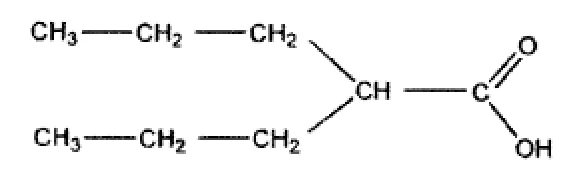
It is a colourless liquid, slightly soluble in water and very soluble in organic solvents.
Composition
ratio-VALPROIC 250 mg capsules contain the following non-medicinal ingredients: Corn oil, ethyl vanillin, gelatin, glycerin, methylparaben, propylparaben, purified water, and titanium dioxide.
ratio-VALPROIC 500 mg capsules contain the following non-medicinal ingredients: Cellulose acetate phthalate, diethyl phthalate, ethyl acetate, FD&C Yellow No. 5, gelatin, glycerin, isopropyl alcohol, mineral oil, methylparaben/propylparaben, naptha cleaners, purified water and titanium dioxide.
Storage Recommendations
Store capsules between 15o and 25o C
Store oral solution between 15o and 25o C
REFERENCES
- 1.
Godin Y, Heiner L, Mark J, Mandel P. Effects of di-n-propyl-acetate, An Anticonvulsive
Compound on GABA Metabolism. J. Neurochem. 1969;16:869.
- 2.
Simler S, Ciesielski L, Maitre M. Effects of Sodium n-dipropyl-acetate on Audiogenic
Seizures and Brain Aminobutyric Acid Level. Biochem. Pharmacol. 1973;22:1701.
- 3.
Carrigan PJ. Study F77-102. Serum Levls From Single 250 mg Doses of Depakene
(Abbott-44090) Capsules Administered Under Two Non-fasting Regimens Compared to Fasting Administration, Complete Crossover Study, (Available on request from Abbott Laboratories) 1977.
- 4.
Gugler R, Schell A, Froscher W, Schulz HU. Oral Disposition of Valproic Acid Following
Single and Multiple Doses. Arch. Pharmacol. 1977;297(Suppl. 2):R62.
- 5. Eadie MJ. Plasma Level Monitoring of Anticonvulsants. Clin Pharmacokinet. 1976;1:52.
- 6.
Gram L, Wulff K, Kasmussen KE, Flachs H, Wuertz-Jorgensen A, Somerbeck KW, Lohren
V. Valproate Sodium: A Controlled Clinical Trial Including Monitoring of Drug Levels. Epilepsia. 1977;18:141.
- 7. Leading Article, Sodium Valproate in Epilepsy. Lancet II. 1977;860.
- 8.
Benoit JM, Besson JM, Bivot JB, Aleonard P. Effects of Na Dipropylacetate (DPA) on
Dorsal Root Potentials Induced by Cortical Seizures. J. Pharmacol. 1971;2:23.
- 9.
Frey HH, Loscher W. Di-n-propyl-acetic Acid. Profile of Anticonvulsant Activity in Mice.
Arzneim-Forsch. 1976;26:299.
- 10.
Kupferberg H, Lust WD, Penry JK. Anticonvulsant Activity of Dipropylacetic acid (DPA) in
Relation to GABA and CGMP Brain Levels in Mice. Fed. Proc. 1975;34:283.
- 11.
Lust WD, Kupferberg HJ, Passonneau JV, Penry JK. On the Mechanism of Action of
Sodium Valproate; the relationship of GABA and Cyclic GMP Levels to Anticonvulsant Activity. In: Proceedings of a Symposium on Clinical and Pharmacological Aspects of Sodium Valproate (Epilim) in the Treatment of Epilepsy, at Univeersity of Nothingham, N.J. Legg (ed), MCS Consultants. 1975;123-129. (Available from Abbott Laboratores on request).
- 12.
Misslin R, Ropartz PH, Mandel P. The Effects of n-dipropylacetate on the Acquisition of
Conditioned Behaviour with Negative Reinforcement in Mice. Psychopharmacologie. 1975;44:263.
- 13.
Pinder PM, Brogden RN, Speight TM, Avery GS. Sodium Valproate: A Review of its
Pharmacological Properties and Therapeutic Efficacy in Epilepsy. Drugs. 1977;13:81.
- 14. Shearer DE, Fleming DE, Bigler ED, Wilson CE. Suppression of Photically Evoked After-discharge Bursting Following Administration of Anticonvulsants in Waking Rats, Pharmacol. Biochem. Behav. 1974;2:839.
- 15.
Shuto K, Nishigaki T. The Pharmacological Studies on Sodium Dipropylacetate
Anticonvulsant Activities and General Pharmacological Actions. Oyo Yakuri (Pharmacometrics). 1970;4:937.
- 16.
Simon D, Perry JK. Sodium di-n-propylacetate (DPA) in the Treatment of Epilepsy. A
Review. Epilepsia. 1975;16:549.
- 17. Swinyard EA. The Pharmacology of Dipropylacetic Acid Sodium with Special Emphasis on its Effects on the Central Nervous System. 1974. (Available from Abbott Laboratories on request).
- 18.
Robert E, Guibaud P. Maternal Valproic Acid and Congenital Neural Tube Defects. The
Lancet 2(8304):October 23, 1982;937.
- 19.
Shakir RA. Comparison of Sodium Valproate and Phenytoin as Single Drug Treatment in
Epilepsy. Epilepsia. 1981;22:27-33.
- 20.
Shakir RA. Comparative Trial of Falproate Sodium and Clonazepam in Chronic Epilepsy.
Arch Neurol. 1979;36:301-304.
- 21.
Turnbull DM, Rawlins MD, Weightman D, Chadwick DW. A Comparison of Phenytoin and
Valproate in Previously Untreated Adult Epileptic Patients. J. Neurol Neurosur. Psychiat. 1982;45: 55-59.
- 22.
Gugler R, vonUnruh GE. Clinical Pharmacokinetics of Valproic Acid. Clinical
Pharmacokinetics. 1980;5:67-83.
- 23. Cramer JA, Mattson RH. Valproic Acid: In Vitro Plasma Protein Binding and Interaction with Phenytoin. Ther. Drug. Monit. 1979;1(1):105-116.
- 24.
Bowdle TA, Patel JH, Levy RH. Valproic Acid Dosage and Plasma Protein Binding and
Clearance. Clin. Pharmacol. Ther. 1980;28(4):487-492.
- 25.
Gram L, Flachs H. Sodium Valproate, Serum Level and Clinical Effect in Epilepsy: A
Controlled Study. Epilepsia. 1979;20:303-312.
- 26.
Kapetamovic IM, Kupferberg HJ. Inhibition of Microsomal Phenobarbital Metabolism of
Valproic Acid. Biochem. Pharmacol. 1981;30(11):1361-1363.
- 27.
Patel IH, Levy RH. Phenobarbital - Valproic Acid Interaction. Clin. Pharmacol. Ther.
1979;27(4):515-521.
- 28.
Bruni J, Wilder BJ. Valproic Acid and Plasma Levels of Phenobarbital. Neurol. 1980;30:
94-97.
- 29. Pinder PM, Brogden RN. Sodium Valproate: A Review of Its Pharmacological Properties and Therapeutic Efficacy in Epilepsy. Drugs. 1977;B:81-123.
- 30.
Millet Y, Sinty JM. Problems Created by Combining Phenobarbital and Sodium
Dipropylacetate Therapeutically: Case Report. Europ. Toxicol. 1976;9(6)6:381-383.
- 31.
Rai PV. Acute Intoxication During a Combined Treatment of Sodium Valproate and
Phenobarbitone. (In) Epileptology. 1978;366-369.
- 32. Dreifus FE, Santille N. Valproic Acid Hepatic Fatalities: Analysis of U.S. Cases, Presented at The Annual Meeting of the Am. Acad. of Neurology. April 30, 1986.
- 33. Product Monograph DEPAKENE® (Valproic Acid) Capsules and Oral solution. Date of revision August 2, 2007. Abbott Laboratories, Limited.