


Product Monograph - Relistor (Salix Pharmaceuticals, PM 00046609)
SUMMARY PRODUCT INFORMATION
| Route of Administration | Dosage Form / Strength | Clinically Relevant Non-medicinal Ingredients |
| Subcutaneous | Methylnaltrexone bromide injection, 20 mg/mL in 3 formats:
| None For a complete listing see Dosage Forms, Composition and Packaging section. |
INDICATIONS AND CLINICAL USE
RELISTOR is indicated for the treatment of opioid-induced constipation in patients with advanced illness, receiving palliative care. When response to laxatives has been insufficient, RELISTOR should be used as an adjunct therapy to induce a prompt bowel movement.
- The majority of patients in the clinical studies had WHO performance status of 3 or greater.
- All patients maintained a stable regimen of laxatives and opiates during the studies.
- Most patients who responded to RELISTOR had a bowel movement within 4 hours (median 24 minutes).
Geriatrics (≥ 65 years of age):
There was no difference in the efficacy or safety profile of these elderly patients when compared to younger patients. Therefore, no dose adjustment is recommended based on age.
Pediatrics:
RELISTOR is not indicated for use in children and adolescents. Safety and efficacy of RELISTOR have not been established in pediatric patients.
CONTRAINDICATIONS
- RELISTOR is contraindicated in patients who are hypersensitive to any of its components. For a complete listing of the components, see Dosage Forms, Composition and Packaging section of the product monograph.
- Use of RELISTOR is contraindicated in patients with known or suspected mechanical gastrointestinal obstruction or acute surgical abdomen.
WARNINGS AND PRECAUTIONS
General
- Patients should be seated or recumbent during dosing. Care should be taken when the patient stands following dosing.
- RELISTOR should not be used for treatment of patients with constipation not related to opioid use. (see Clinical studies)
Gastrointestinal
Gastrointestinal (GI) Perforation
Based on post-marketing experience, patients with advanced illness and being treated with RELISTOR may be at increased risk of GI perforation if they have such conditions that may be associated with localized or diffused reduction of structural integrity in the GI wall. These include conditions such as cancer, GI malignancy, GI ulcer, Ogilvie’s syndrome, and concomitant medications [e.g. bevacizumab (AVASTIN), NSAIDs and steroids]. (see Post-Marketing Adverse Drug Reactions in the ADVERSE REACTIONS section).
Use RELISTOR with caution in patients with known or suspected GI lesions. Patients should be advised to discontinue RELISTOR therapy and consult their physician if they develop severe, persistent, and/or worsening abdominal symptoms as these could be symptoms of GI perforation.
Severe Diarrhea
If severe or persistent diarrhea occurs during treatment, patients should be advised not to continue therapy with RELISTOR and consult their physician.
Special Populations
Pregnant Women: Pregnancy Category B Reproduction studies have been performed in pregnant rats and rabbits. There were no effects on fetal development at intravenous dosages of up to 25 mg/kg/day in the rat or up to 16 mg/kg/day in the rabbit. There are, however, no adequate and well-controlled studies in pregnant women. Because animal reproduction studies are not always predictive of human response, this drug should be used during pregnancy only if clearly needed. The potential for teratogenic effects of RELISTOR on a human fetus is unknown. [See Carcinogenicity, Mutagenicity and Reproductive and Developmental toxicity]
Labour and Delivery: Effects of RELISTOR on mother, fetus, duration of labor, and delivery are unknown. In a perinatal /postnatal reproduction study there were no effects on the mother, labor, delivery, or on offspring survival and growth in rats following subcutaneous injection of methylnaltrexone at dosages up to 25 mg/kg/day.
Nursing Women: Results from an animal study using 3H-labeled methylnaltrexone indicate that methylnaltrexone is excreted via the milk of lactating rats. It is not known whether this drug is excreted in human milk. Because many drugs are excreted in human milk, caution should be exercised when RELISTOR is administered to a nursing woman.
Pediatrics: Safety and efficacy of RELISTOR have not been established in pediatric patients. Studies have been conducted in juvenile rats and dogs. Following intravenous injection of methylnaltrexone bromide, juvenile rats were found to be more sensitive than adult rats to methylnaltrexone-related toxicity. (see TOXICOLOGY: Juvenile rat and dog toxicity study data)
Geriatrics (≥ 65 years of age): In the phase II and III double-blind studies, a total of 77 patients aged 65-74 years (54 RELISTOR, 23 placebo) and a total of 100 patients aged 75 years or older (61 RELISTOR, 39 placebo) were enrolled . There was no difference in the efficacy or safety profile of these elderly patients when compared to younger patients. Therefore, no dose adjustment is recommended based on age.
Renal Impairment
In patients with severe renal impairment (creatinine clearance less than 30 mL/min), dose reductions are recommended. (See Dosage and Administration)
Hepatic Impairment
There are no data available from patients with severe hepatic impairment (Child-Pugh Class C), and therefore, methylnaltrexone bromide injection, 20 mg/mL is not recommended in these patients.
Monitoring and Laboratory Tests
None
ADVERSE REACTIONS
Adverse Drug Reaction Overview
Two placebo-controlled Phase III studies (301 and 302) contributed 288 patients to the population evaluable for safety.
The adverse drug reactions (defined as undesirable effects, reasonably associated with the use of a drug, based on belief that there is a causal relationship between the drug and the occurrence of the adverse event ) reported with RELISTOR are abdominal pain, flatulence, nausea, dizziness and diarrhea (see Table 1). All reports of diarrhea, flatulence, and dizziness in the placebo controlled studies were rated mild or moderate by the Investigators, as were most reports of abdominal pain and nausea. Abdominal pain was rated severe in 1.8% of the RELISTOR treated patients and 2.4% of the placebo-treated patients. Nausea was rated severe in 1.2% and 2.4%, respectively. None of the events was rated life-threatening.
All adverse events reported in at least 1 patient treated with RELISTOR in this population are summarized in Table 2.
Clinical Trial Adverse Drug Reactions
Because clinical trials are conducted under very specific conditions the adverse reaction rates observed in the clinical trials may not reflect the rates observed in practice and should not be compared to the rates in the clinical trials for another drug. Adverse drug reaction information from clinical trials is useful for identifying drug-related adverse events and for approximating rates.
The safety of RELISTOR was evaluated in two double blind, placebo controlled trials in patients receiving palliative care: Study 301 included a single dose double-blind, placebo controlled period, whereas study 302 included a 14 day multiple dose, double-blind, placebo controlled period [see CLINICAL TRIALS]. Both the RELISTOR and placebo patients were on a stable laxative regimen for at least 3 days prior to study entry, and continued on their regimen throughout the study.
Adverse Events:
Table 2 presents treatment emergent adverse events in phase III placebo controlled double-blind studies. Adverse events included are those found in at least one patient in the RELISTOR group. The discontinuation rate due to adverse events was 1.2% for RELISTOR and 2.4% for placebo.
| Table 2: Treatment Emergent Adverse Events that Occurred in ≥ 1% of Patients | |||||
|---|---|---|---|---|---|
Body System Preferred Term | MNTX-301a | MNTX-302b | |||
Placebo N=52 | 0.15 mg/kg N= 47 | 0.3 mg/kg N=55 | Placebo N=71 | 0.15 mg/kg N=63 | |
| Blood And Lymphatic System Disorders | |||||
| Anaemia | 1(1.9%) | 1(2.1%) | 1(1.8%) | 0 | 0 |
| Cardiac Disorders | |||||
| Table 1: Adverse Reactions From All Doses In Double Blind, Placebo Controlled Clinical Studies Of RELISTORa | ||
|---|---|---|
| Adverse Reaction | RELISTOR | Placebo |
| N=165 | N=123 | |
| Abdominal Pain | 47 (28.5%) | 12 (9.8%) |
| Flatulence | 22 (13.3%) | 7 (5.7%) |
| Nausea | 19 (11.5%) | 6 (4.9%) |
| Dizziness | 12 (7.3%) | 3 (2.4%) |
| Diarrhea | 9 (5.5%) | 3 (2.4%) |
a. Doses 0.075, 0.15, and 0.30 mg/kg. The data source is Study 301 (single dose) and Study 302 (7 doses over 14 days). Note: A phase II study (251) not included in Table 1 was randomized double-blind, non-placebo controlled in which patients ( N=33) were administered either 1, 5, 12.5, or 20 mg as a total SC dose three times in one week. The adverse drug reactions reported during study 251 for all doses pooled were abdominal pain (45%), flatulence (33%), nausea (24%), dizziness (9%), and diarrhea (30%). | ||
| Table 2: Treatment Emergent Adverse Events that Occurred in ≥ 1% of Patients |
|---|
Body System Preferred Term | MNTX-301a | MNTX-302b |
|---|
Placebo N=52 | 0.15 mg/kg N= 47 | 0.3 mg/kg N=55 | Placebo N=71 | 0.15 mg/kg N=63 | |
|---|---|---|---|---|---|
| Acute Coronary Syndrome | 0 | 0 | 0 | 0 | 1(1.6%) |
| Bradycardia | 0 | 0 | 1(1.8%) | 0 | 0 |
| Cardiac Failure Congestive | 0 | 0 | 0 | 1(1.4%) | 1(1.6%) |
| Cyanosis | 0 | 0 | 0 | 1(1.4%) | 1(1.6%) |
| Myocardial Ischaemia | 0 | 0 | 0 | 0 | 1(1.6%) |
| Tachycardia | 1(1.9%) | 0 | 0 | 4(5.6%) | 2(3.2%) |
| Ear And Labyrinth Disorders | |||||
| Cerumen Impaction | 0 | 0 | 0 | 0 | 1(1.6%) |
| Tinnitus | 0 | 0 | 1(1.8%) | 0 | 0 |
| Table 2: Treatment Emergent Adverse Events that Occurred in ≥ 1% of Patients (Cont’d) | |||||||||||||||
|---|---|---|---|---|---|---|---|---|---|---|---|---|---|---|---|
Body System Preferred Term | MNTX-301a | MNTX-302b | |||||||||||||
Placebo N=52 | 0.15 mg/kg N= 47 | 0.3 mg/kg N=55 | Placebo N=71 | 0.15 mg/kg N=63 | |||||||||||
| Eye Disorders | |||||||||||||||
| Lacrimation Increased | 0 | 1(2.1%) | 1(1.8%) | 0 | 1(1.6%) | ||||||||||
| Visual Disturbance | 0 | 0 | 0 | 0 | 1(1.6%) | ||||||||||
| Gastrointestinal Disorders | |||||||||||||||
| Abdominal Pain | 3(5.8%) | 14(29.8%) | 21(38.2%) | 9(12.7%) | 12(19.0%) | ||||||||||
| Flatulence | 2(3.8%) | 6(12.8%) | 8(14.5%) | 5(7.0%) | 8(12.7%) | ||||||||||
| Nausea | 1(1.9%) | 3(6.4%) | 8(14.5%) | 5(7.0%) | 8(12.7%) | ||||||||||
| Vomiting | 1(1.9%) | 3(6.4%) | 3(5.5%) | 9(12.7%) | 8(12.7%) | ||||||||||
| Diarrhea | 0 | 3(6.4%) | 1(1.8%) | 3(4.2%) | 5(7.9%) | ||||||||||
| Abdominal Pain Upper | 1(1.9%) | 2(4.3%) | 3(5.5%) | 1(1.4%) | 1(1.6%) | ||||||||||
| Abdominal Distension | 1(1.9%) | 1(2.1%) | 1(1.8%) | 5(7.0%) | 1(1.6%) | ||||||||||
| Abdominal Discomfort | 0 | 0 | 1(1.8%) | 2(2.8%) | 1(1.6%) | ||||||||||
| Abdominal Tenderness | 0 | 0 | 0 | 4(5.6%) | 1(1.6%) | ||||||||||
| Anal Haemorrhage | 0 | 0 | 0 | 0 | 1(1.6%) | ||||||||||
| Aphthous Stomatitis | 0 | 0 | 0 | 0 | 1(1.6%) | ||||||||||
| Ascites | 0 | 0 | 1(1.8%) | 1(1.4%) | 0 | ||||||||||
| Bowel Sounds Abnormal | 0 | 0 | 0 | 4(5.6%) | 1(1.6%) | ||||||||||
| Constipation | 0 | 1(2.1%) | 0 | 3(4.2%) | 0 | ||||||||||
| Dry Mouth | 1(1.9%) | 0 | 0 | 2(2.8%) | 0 | ||||||||||
| Dysphagia | 0 | 1(2.1%) | 1(1.8%) | 0 | 0 | ||||||||||
| Gastrooesophageal Reflux Disease | 0 | 0 | 0 | 0 | 1(1.6%) | ||||||||||
| Haemorrhoids | 0 | 0 | 1(1.8%) | 0 | 0 | ||||||||||
| Oral Mucosal Disorder | 0 | 0 | 0 | 1(1.4%) | 1(1.6%) | ||||||||||
| Proctalgia | 0 | 0 | 1(1.8%) | 1(1.4%) | 1(1.6%) | ||||||||||
| Rectal Haemorrhage | 0 | 1(2.1%) | 0 | 1(1.4%) | 0 | ||||||||||
| Retching | 0 | 0 | 1(1.8%) | 0 | 1(1.6%) | ||||||||||
| Salivary Hypersecretion | 0 | 0 | 0 | 0 | 1(1.6%) | ||||||||||
| Stomach Discomfort | 0 | 0 | 0 | 0 | 2(3.2%) | ||||||||||
| Table 2: Treatment Emergent Adverse Events that Occurred in ≥ 1% of Patients (Cont’d) |
|---|
Body System Preferred Term | MNTX-301a | MNTX-302b |
|---|
Placebo N=52 | 0.15 mg/kg N= 47 | 0.3 mg/kg N=55 | Placebo N=71 | 0.15 mg/kg N=63 | |
|---|---|---|---|---|---|
| Stomatitis | 0 | 0 | 1(1.8%) | 0 | 0 |
| Tongue Coated | 0 | 0 | 0 | 1(1.4%) | 1(1.6%) |
| General Disorders And Administration Site Conditions | |||||
| Pain | 5(9.6%) | 3(6.4%) | 7(12.7%) | 8(11.3%) | 3(4.8%) |
| Injection Site Pain | 0 | 1(2.1%) | 1(1.8%) | 0 | 1(1.6%) |
| Asthenia | 0 | 0 | 5(9.1%) | 5(7.0%) | 4(6.3%) |
| Chest Pain | 0 | 0 | 0 | 3(4.2%) | 4(6.3%) |
| Chills | 0 | 0 | 2(3.6%) | 1(1.4%) | 0 |
| Concomitant Disease Progression | 0 | 0 | 1(1.8%) | 0 | 2(3.2%) |
| Drug Withdrawal Syndrome | 1(1.9%) | 1(2.1%) | 0 | 0 | 0 |
| Fatigue | 1(1.9%) | 5 (10.6%) | 1(1.8%) | 3(4.2%) | 0 |
| Feeling Cold | 0 | 1(2.1%) | 0 | 0 | 0 |
| Generalised Oedema | 0 | 0 | 0 | 0 | 1(1.6%) |
| Table 2: Treatment Emergent Adverse Events that Occurred in ≥ 1% of Patients (Cont’d) | |||||||||||||||
|---|---|---|---|---|---|---|---|---|---|---|---|---|---|---|---|
Body System Preferred Term | MNTX-301a | MNTX-302b | |||||||||||||
Placebo N=52 | 0.15 mg/kg N= 47 | 0.3 mg/kg N=55 | Placebo N=71 | 0.15 mg/kg N=63 | |||||||||||
| Infusion Related Reaction | 0 | 0 | 0 | 0 | 1(1.6%) | ||||||||||
| Injection Site Irritation | 0 | 0 | 1(1.8%) | 1(1.4%) | 1(1.6%) | ||||||||||
| Injection Site Vesicles | 0 | 0 | 0 | 0 | 1(1.6%) | ||||||||||
| Mucosal Inflammation | 1(1.9%) | 0 | 0 | 0 | 1(1.6%) | ||||||||||
| Oedema | 0 | 0 | 0 | 0 | 1(1.6%) | ||||||||||
| Oedema Peripheral | 1(1.9%) | 2(4.3%) | 0 | 9(12.7%) | 5(7.9%) | ||||||||||
| Pyrexia | 0 | 0 | 0 | 2(2.8%) | 3(4.8%) | ||||||||||
| Secretion Discharge | 0 | 1(2.1%) | 0 | 0 | 0 | ||||||||||
| Infections And Infestations | |||||||||||||||
| Bacteraemia | 0 | 0 | 0 | 0 | 1(1.6%) | ||||||||||
| Bronchitis | 0 | 0 | 0 | 1(1.4%) | 2(3.2%) | ||||||||||
| Candidiasis | 0 | 0 | 1(1.8%) | 1(1.4%) | 1(1.6%) | ||||||||||
| Furuncle | 0 | 0 | 0 | 0 | 1(1.6%) | ||||||||||
| Infection | 0 | 0 | 1(1.8%) | 0 | 0 | ||||||||||
| Nasopharyngitis | 0 | 0 | 0 | 0 | 1(1.6%) | ||||||||||
| Oral Candidiasis | 0 | 0 | 0 | 0 | 2(3.2%) | ||||||||||
| Pneumonia | 0 | 1(2.1%) | 0 | 1(1.4%) | 1(1.6%) | ||||||||||
| Skin Infection | 0 | 1(2.1%) | 0 | 0 | 0 | ||||||||||
| Upper Respiratory Tract Infection | 0 | 0 | 0 | 0 | 1(1.6%) | ||||||||||
| Urinary Tract Infection | 2(3.8%) | 0 | 0 | 3(4.2%) | 2(3.2%) | ||||||||||
| Injury, Poisoning And Procedural Complications | |||||||||||||||
| Contusion | 1(1.9%) | 1(2.1%) | 2(3.6%) | 1(1.4%) | 0 | ||||||||||
| Table 2: Treatment Emergent Adverse Events that Occurred in ≥ 1% of Patients (Cont’d) |
|---|
Body System Preferred Term | MNTX-301a | MNTX-302b |
|---|
Placebo N=52 | 0.15 mg/kg N= 47 | 0.3 mg/kg N=55 | Placebo N=71 | 0.15 mg/kg N=63 | |
|---|---|---|---|---|---|
| Excoriation | 0 | 0 | 1(1.8%) | 2(2.8%) | 0 |
| Fall | 0 | 0 | 1(1.8%) | 8(11.3%) | 1(1.6%) |
| Post Procedural Nausea | 0 | 0 | 1(1.8%) | 0 | 0 |
| Skin Laceration | 0 | 0 | 1(1.8%) | 3(4.2%) | 1(1.6%) |
| Tooth Injury | 0 | 1(2.1%) | 0 | 0 | 0 |
| Wound | 0 | 0 | 1(1.8%) | 0 | 0 |
| Investigations | |||||
| Clinical Laboratory | |||||
| Alanine Aminotransferase Increased | 0 | 0 | 0 | 0 | 1(1.6%) |
| Aspartate Aminotransferase Increased | 0 | 0 | 0 | 1(1.4%) | 1(1.6%) |
| Bleeding Time Prolonged | 0 | 0 | 1(1.8%) | 0 | 0 |
| Blood Albumin Decreased | 0 | 0 | 0 | 0 | 1(1.6%) |
| Blood Calcium Decreased | 0 | 0 | 1(1.8%) | 0 | 0 |
| Blood Calcium Increased | 0 | 0 | 0 | 0 | 1(1.6%) |
| Blood Creatinine Increased | 0 | 0 | 1(1.8%) | 0 | 0 |
| Blood Potassium Decreased | 0 | 0 | 0 | 0 | 1(1.6%) |
| Blood Pressure Increased | 0 | 1(2.1%) | 1(1.8%) | 0 | 0 |
| Haemoglobin Decreased | 0 | 0 | 0 | 0 | 1(1.6%) |
| Table 2: Treatment Emergent Adverse Events that Occurred in ≥ 1% of Patients (Cont’d) | |||||||||||||||
|---|---|---|---|---|---|---|---|---|---|---|---|---|---|---|---|
Body System Preferred Term | MNTX-301a | MNTX-302b | |||||||||||||
Placebo N=52 | 0.15 mg/kg N= 47 | 0.3 mg/kg N=55 | Placebo N=71 | 0.15 mg/kg N=63 | |||||||||||
| Monocyte Count Increased | 0 | 0 | 1(1.8%) | 0 | 0 | ||||||||||
| Platelet Count Decreased | 0 | 0 | 1(1.8%) | 0 | 0 | ||||||||||
| Protein Total Decreased | 0 | 0 | 0 | 0 | 1(1.6%) | ||||||||||
| White Blood Cell Count Increased | 0 | 0 | 0 | 1(1.4%) | 1(1.6%) | ||||||||||
| Physical findings | |||||||||||||||
| Breath Sounds Abnormal | 0 | 0 | 1(1.8%) | 3(4.2%) | 1(1.6%) | ||||||||||
| Cardiac Murmur | 1(1.9%) | 0 | 0 | 0 | 1(1.6%) | ||||||||||
| Gallop Rhythm Present | 0 | 1(2.1%) | 0 | 0 | 0 | ||||||||||
| Heart Sounds Abnormal | 0 | 0 | 0 | 0 | 1(1.6%) | ||||||||||
| Skin Turgor Decreased | 0 | 0 | 0 | 1(1.4%) | 2(3.2%) | ||||||||||
| Vital Signs | |||||||||||||||
| Body Temperature Increased | 0 | 0 | 1(1.8%) | 3(4.2%) | 5(7.9%) | ||||||||||
| Heart Rate Irregular | 1(1.9%) | 1(2.1%) | 0 | 2(2.8%) | 0 | ||||||||||
| Respiratory Rate Decreased | 0 | 1(2.1%) | 0 | 0 | 0 | ||||||||||
| Metabolism And Nutrition Disorders | |||||||||||||||
| Table 2: Treatment Emergent Adverse Events that Occurred in ≥ 1% of Patients (Cont’d) |
|---|
Body System Preferred Term | MNTX-301a | MNTX-302b |
|---|
Placebo N=52 | 0.15 mg/kg N= 47 | 0.3 mg/kg N=55 | Placebo N=71 | 0.15 mg/kg N=63 | |
|---|---|---|---|---|---|
| Dehydration | 1(1.9%) | 0 | 2(3.6%) | 5(7.0%) | 2(3.2%) |
| Hyperglycaemia | 0 | 0 | 0 | 0 | 2(3.2%) |
| Hypokalaemia | 0 | 1(2.1%) | 0 | 0 | 0 |
| Hyponatraemia | 0 | 0 | 1(1.8%) | 0 | 0 |
| Musculoskeletal And Connective Tissue Disorders | |||||
| Muscle Spasms | 0 | 2(4.3%) | 1(1.8%) | 1(1.4%) | 2(3.2%) |
| Arthalgia | 1(1.9%) | 1(2.1%) | 0 | 0 | 1(1.6%) |
| Back Pain | 2(3.8%) | 2(4.3%) | 0 | 0 | 3(4.8%) |
| Bunion | 0 | 0 | 0 | 0 | 1(1.6%) |
| Kyphosis | 0 | 0 | 0 | 0 | 1(1.6%) |
| Musculoskeletal Discomfort | 0 | 0 | 0 | 0 | 1(1.6%) |
| Neck Pain | 0 | 1(2.1%) | 0 | 0 | 0 |
| Sensation Of Heaviness | 0 | 0 | 0 | 0 | 1(1.6%) |
| Shoulder Pain | 0 | 1(2.1%) | 0 | 1(1.4%) | 1(1.6%) |
| Neoplasms Benign, Malignant And Unspecified (Incl Cysts And Polyps) | |||||
| Malignant Neoplasm Progression | 2(3.8%) | 1(2.1%) | 4(7.3%) | 12(16.9%) | 7(11.1%) |
| Cancer Pain | 0 | 0 | 1(1.8%) | 2(2.8%) | 1(1.6%) |
| Nervous System Disorders | |||||
| Dizziness | 0 | 2(4.3%) | 5(9.1%) | 3(4.2%) | 5(7.9%) |
| Lethargy | 0 | 1(2.1%) | 2(3.6%) | 4(5.6%) | 4(6.3%) |
| Somnolence | 1(1.9%) | 3(6.4%) | 1(1.8%) | 4(5.6%) | 1(1.6%) |
| Tremor | 1(1.9%) | 1(2.1%) | 2(3.6%) | 1(1.4%) | 2(3.2%) |
| Table 2: Treatment Emergent Adverse Events that Occurred in ≥ 1% of Patients (Cont’d) | |||||||||||||||
|---|---|---|---|---|---|---|---|---|---|---|---|---|---|---|---|
Body System Preferred Term | MNTX-301a | MNTX-302b | |||||||||||||
Placebo N=52 | 0.15 mg/kg N= 47 | 0.3 mg/kg N=55 | Placebo N=71 | 0.15 mg/kg N=63 | |||||||||||
| Balance Disorder | 0 | 0 | 0 | 0 | 1(1.6%) | ||||||||||
| Convulsion | 0 | 0 | 0 | 1(1.4%) | 1(1.6%) | ||||||||||
| Coordination Abnormal | 0 | 1(2.1%) | 0 | 0 | 0 | ||||||||||
| Depressed Level Of Consciousness | 0 | 1(2.1%) | 0 | 2(2.8%) | 1(1.6%) | ||||||||||
| Drooling | 0 | 1(2.1%) | 0 | 0 | 0 | ||||||||||
| Dysarthria | 0 | 1(2.1%) | 0 | 0 | 0 | ||||||||||
| Headache | 1(1.9%) | 0 | 2(3.6%) | 1(1.4%) | 2(3.2%) | ||||||||||
| Hypoaesthesia | 0 | 1(2.1%) | 1(1.8%) | 0 | 0 | ||||||||||
| Myoclonus | 0 | 0 | 1(1.8%) | 0 | 1(1.6%) | ||||||||||
| Poor Quality Sleep | 0 | 0 | 1(1.8%) | 0 | 0 | ||||||||||
| Sedation | 1(1.9%) | 0 | 0 | 0 | 1(1.6%) | ||||||||||
| Speech Disorder | 0 | 0 | 1(1.8%) | 0 | 1(1.6%) | ||||||||||
| Psychiatric Disorders | |||||||||||||||
| Table 2: Treatment Emergent Adverse Events that Occurred in ≥ 1% of Patients (Cont’d) |
|---|
Body System Preferred Term | MNTX-301a | MNTX-302b |
|---|
Placebo N=52 | 0.15 mg/kg N= 47 | 0.3 mg/kg N=55 | Placebo N=71 | 0.15 mg/kg N=63 | |
|---|---|---|---|---|---|
| Restlessness | 4(7.7%) | 5(10.6%) | 4(7.3%) | 4(5.6%) | 2(3.2%) |
| Anxiety | 2(3.8%) | 1(2.1%) | 5(9.1%) | 3(4.2%) | 2(3.2%) |
| Confusional State | 2(3.8%) | 1(2.1%) | 4(7.3%) | 2(2.8%) | 2(3.2%) |
| Agitation | 2(3.8%) | 2(4.3%) | 1(1.8%) | 3(4.2%) | 2(3.2%) |
| Delirium | 0 | 1(2.1%) | 1(1.8%) | 0 | 0 |
| Delusion | 1(1.9%) | 1(2.1%) | 0 | 0 | 0 |
| Depression | 0 | 0 | 0 | 1(1.4%) | 2(3.2%) |
| Disorientation | 0 | 1(2.1%) | 0 | 2(2.8%) | 1(1.6%) |
| Hallucination | 1(1.9%) | 2(4.3%) | 0 | 1(1.4%) | 1(1.6%) |
| Insomnia | 1(1.9%) | 0 | 1(1.8%) | 2(2.8%) | 2(3.2%) |
| Nervousness | 0 | 2(4.3%) | 1(1.8%) | 0 | 0 |
| Suicidal Ideation | 0 | 0 | 0 | 0 | 1(1.6%) |
| Renal And Urinary Disorders | |||||
| Bladder Spasm | 0 | 0 | 0 | 1(1.4%) | 1(1.6%) |
| Renal Impairment | 0 | 0 | 1(1.8%) | 0 | 0 |
| Reproductive System And Breast Disorders | |||||
| Oedema Genital | 0 | 0 | 1(1.8%) | 0 | 0 |
| Respiratory, Thoracic And Mediastinal Disorders | |||||
| Rhinorrhoea | 1(1.9%) | 4(8.5%) | 2(3.6%) | 2(2.8%) | 1(1.6%) |
| Apnoea | 0 | 1(2.1%) | 1(1.8%) | 0 | 0 |
| Chronic Obstructive Pulmonary Disease | 0 | 0 | 1(1.8%) | 1(1.4%) | 0 |
| Cough | 0 | 0 | 0 | 2(2.8%) | 1(1.6%) |
| Dyspnoea | 1(1.9%) | 0 | 2(3.6%) | 5(7.0%) | 2(3.2%) |
| Dyspnoea Exacerbated | 0 | 0 | 0 | 2(2.8%) | 1(1.6%) |
| Epistaxis | 0 | 0 | 1(1.8%) | 0 | 0 |
| Hypoventilation | 0 | 0 | 0 | 0 | 1(1.6%) |
| Hypoxia | 0 | 0 | 1(1.8%) | 0 | 0 |
| Increased Bronchial Secretion | 0 | 1(2.1%) | 0 | 0 | 0 |
| Table 2: Treatment Emergent Adverse Events that Occurred in ≥ 1% of Patients (Cont’d) | |||||||||||||||
|---|---|---|---|---|---|---|---|---|---|---|---|---|---|---|---|
Body System Preferred Term | MNTX-301a | MNTX-302b | |||||||||||||
Placebo N=52 | 0.15 mg/kg N= 47 | 0.3 mg/kg N=55 | Placebo N=71 | 0.15 mg/kg N=63 | |||||||||||
| Increased Upper Airway Secretion | 0 | 0 | 0 | 0 | 1(1.6%) | ||||||||||
| Nasal Congestion | 0 | 0 | 0 | 1(1.4%) | 1(1.6%) | ||||||||||
| Nasal Mucosal Disorder | 0 | 0 | 0 | 0 | 1(1.6%) | ||||||||||
| Pharyngolaryngeal Pain | 0 | 0 | 1(1.8%) | 1(1.4%) | 1(1.6%) | ||||||||||
| Productive Cough | 0 | 0 | 0 | 1(1.4%) | 2(3.2%) | ||||||||||
| Pulmonary Congestion | 1(1.9%) | 0 | 0 | 4(5.6%) | 1(1.6%) | ||||||||||
| Pulmonary Embolism | 0 | 0 | 0 | 1(1.4%) | 0 | ||||||||||
| Pulmonary Fibrosis | 0 | 0 | 0 | 0 | 1(1.6%) | ||||||||||
| Pulmonary Oedema | 0 | 1(2.1%) | 0 | 0 | 0 | ||||||||||
| Rales | 0 | 0 | 0 | 1(1.4%) | 1(1.6%) | ||||||||||
| Respiratory Arrest | 0 | 0 | 0 | 0 | 1(1.6%) | ||||||||||
| Respiratory Tract Congestion | 0 | 0 | 0 | 0 | 1(1.6%) | ||||||||||
| Rhonchi | 0 | 1(2.1%) | 0 | 2(2.8%) | 1(1.6%) | ||||||||||
| Wheezing | 0 | 0 | 0 | 1(1.4%) | 2(3.2%) | ||||||||||
| Yawning | 1(1.9%) | 0 | 1(1.8%) | 0 | 2(3.2%) | ||||||||||
| Skin And Subcutaneous Tissue Disorders | |||||||||||||||
| Hyperhidrosis | 4(7.7%) | 4(8.5%) | 4(7.3%) | 4(5.6%) | 3(4.8%) | ||||||||||
| Cold Sweat | 0 | 0 | 1(1.8%) | 0 | 0 | ||||||||||
| Decubitus Ulcer | 0 | 0 | 1(1.8%) | 2(2.8%) | 2(3.2%) | ||||||||||
| Ecchymosis | 0 | 0 | 0 | 1(1.4%) | 1(1.6%) | ||||||||||
| Erythema | 0 | 0 | 1(1.8%) | 1(1.4%) | 0 | ||||||||||
| Night Sweats | 0 | 0 | 0 | 1(1.4%) | 0 | ||||||||||
| Onychomadesis | 0 | 0 | 0 | 0 | 1(1.6%) | ||||||||||
| Piloerection | 0 | 1(2.1%) | 0 | 1(1.4%) | 0 | ||||||||||
| Pruritus | 0 | 0 | 0 | 1(1.4%) | 2(3.2%) | ||||||||||
| Psoriasis | 0 | 0 | 0 | 0 | 1(1.6%) | ||||||||||
| Skin Ulcer | 0 | 0 | 0 | 1(1.4%) | 1(1.6%) | ||||||||||
| Yellow Skin | 0 | 0 | 0 | 0 | 1(1.6%) | ||||||||||
| Social Circumstances | |||||||||||||||
| Bedridden | 0 | 0 | 0 | 0 | 1(1.6%) | ||||||||||
| Physical Abuse | 0 | 0 | 0 | 0 | 1(1.6%) | ||||||||||
| Verbal Abuse | 0 | 0 | 0 | 0 | 1(1.6%) | ||||||||||
| Table 2: Treatment Emergent Adverse Events that Occurred in ≥ 1% of Patients (Cont’d) | ||||||||||||||
|---|---|---|---|---|---|---|---|---|---|---|---|---|---|---|
Body System Preferred Term | MNTX-301a | MNTX-302b | ||||||||||||
Placebo N=52 | 0.15 mg/kg N= 47 | 0.3 mg/kg N=55 | Placebo N=71 | 0.15 mg/kg N=63 | ||||||||||
| Vascular Disorders | ||||||||||||||
| Aneurysm Ruptured | 0 | 0 | 0 | 0 | 1(1.6%) | |||||||||
| Flushing | 0 | 0 | 1(1.8%) | 0 | 0 | |||||||||
| Haematoma | 0 | 0 | 0 | 1(1.4%) | 1(1.6%) | |||||||||
| Hot Flush | 1(1.9%) | 0 | 0 | 0 | 1(1.6%) | |||||||||
| Hypotension | 0 | 0 | 1(1.8%) | 4(5.6%) | 0 | |||||||||
| Orthostatic Hypotension | 0 | 0 | 1(1.8%) | 0 | 0 | |||||||||
a. Study MNTX 301 – Duration: 1 day; Single dose only b. Study MNTX 302 – Duration 2 weeks; one dose every other day (7 doses) Note: Adverse Events occurring during follow up from double-blind treatment or during the time prior to the first dose in an extension study have been attributed to the double-blind treatment. | ||||||||||||||
Serious Adverse Events:
Table 3 shows the incidence of Treatment-Emergent Serious Adverse Events reported in the double blind placebo controlled phase III clinical trials.
| Table 3: Incidence of Treatment-Emergent Serious Adverse Events in Phase IIIa Clinical Trials | ||
Primary System Organ Class Preferred Term | Double-Blind Treatment | |
Placebo (N=123) n (%) | MNTX (N=165) n (%) | |
| Cardiac Disorders | ||
| Cardiac failure congestive | 1 (0.8) | 1 (0.6 ) |
| Myocardial Ischemia | 0 | 1 (0.6 ) |
| General Disorders and Administration Site Conditions | ||
| Concomitant Disease Progression | 0 | 3 (1.8 ) |
| Drug withdrawal syndrome | 0 | 1 (0.6) |
| Neoplasms benign, Malignant and Unspecified (incl. cysts and polyps) | ||
| Malignant Neoplasm Progression | 13 (10.6) | 12 (7.3) |
| Psychiatric Disorders | ||
| Suicidal ideation | 0 | 1 (0.6) |
| Respiratory, Thoracic and Mediastinal Disorders | ||
| Dyspnoea Exacerbated | 0 | 1 (0.6) |
| Pulmonary Fibrosis | 0 | 1 (0.6) |
| Respiratory Arrest | 0 | 1 (0.6) |
| Social Circumstances | ||
| Physical abuse | 0 | 1 (0.6) |
| Verbal abuse | 0 | 1 (0.6) |
| Table 3: Incidence of Treatment-Emergent Serious Adverse Events in Phase IIIa Clinical Trials (Cont’d) | ||
Primary System Organ Class Preferred Term | Double-Blind Treatment | |
Placebo (N=123) n (%) | MNTX (N=165) n (%) | |
| Vascular Disorders | ||
| Aneurysm Ruptured | 0 | 1 (0.6) |
a. Study 301 and Study 302 – Phase III Placebo controlled Double-blind studies Note: The Serious Adverse Events reported during the double-blind period of the non-placebo-controlled Phase II study 251 (N=33) were: Neutropenia 1(3.0%), Concomitant Disease Progression 6(18.2%), Disease Progression 2 (6.1%), Intentional Overdose 1(3.0%), Depressed Level of Consciousness 1(3.0%), Delirium 1(3.0%), and Lymphadenectomy 1(3.0%). | ||
Less Common Clinical Trial Adverse Events (<1%)
Please refer to Table 2 (based on the number of subjects studied, Table 2 includes any adverse event that occurred in at least 1 subject receiving RELISTOR).
Abnormal Hematologic and Clinical Chemistry Findings
Please refer to Table 2, section Metabolism and Nutritional Disorders and Investigations for information on Abnormal Hematologic and Clinical Chemistry findings.
Adverse Events that Led to Discontinuation
Among the 286 patients treated with RELISTOR in the phase II and III clinical studies, adverse events led to discontinuation in 23 (8.0%) patients. The only events that led to discontinuation of more than 1 patient were malignant neoplasm progression (6 patients), abdominal pain (3 patients), and vomiting (2 patients).
Deaths:
Of the 286 advanced illness patients treated with RELISTOR in the phase II and III clinical studies, 138 died while on study, or during follow-up. The causes of death as assessed by investigators were the underlying primary disease or complications related to concurrent illnesses in all but 1 case. One patient with terminal breast cancer developed severe diarrhea and dehydration subsequent to treatment with study drug. In the investigator’s opinion, this exacerbated her underlying cardiovascular status, which ultimately led to cardiovascular collapse. This death was deemed by the investigator to be related to treatment with RELISTOR.
Serious Adverse Events during Open-Label Treatment:
The serious adverse events reported during uncontrolled open-label treatment in study extensions are reported below (n, %):
Very Common Serious Adverse Events (≥ 10%)
Neoplasms Benign, Malignant and Unspecified - Malignant neoplasm progression (82, 37.6%);
Common Serious Adverse Events (≥ 1% and ≤ 10%)
Cardiac Disorders – Congestive cardiac failure aggravated (4, 1.8%);
Gastrointestinal Disorders - Abdominal pain NOS (3, 1.4%); Nausea (4, 1.8%); Vomiting NOS (4, 1.8%);
General Disorders and Administration Site Conditions - Chest pain (4, 1.8%); Concomitant disease progression (6, 2.8%); Multi-organ failure (3, 1.4%); Pain exacerbated (4, 1.8%);
Infections and Infestations - Pneumonia NOS (4, 1.8%);
Injury, Poisoning and Procedural Complications - Fall (4, 1.8%);
Metabolism and Nutritional Disorders – Dehydration (3, 1.4%);
Nervous System Disorders – Coma (6, 2.8%);
Psychiatric Disorders – Delirium (4, 1.8%);
Respiratory, Thoracic and Mediastinal Disorders - Chronic obstructive airways disease exacerbated (5, 2.3%); Pneumonia aspiration (4, 1.8%); Respiratory failure (3, 1.4%);
Uncommon Serious Adverse Events (≥ 0.1% and < 1%)
Blood and Lymphatic Disorders - Disseminated intravascular coagulation (1, 0.5%); Neutropenia (1, 0.5%);
Cardiac Disorders - Cardiac arrest (1, 0.5%); Cardiac failure congestive (2, 0.9%); Myocardial infarction (2, 0.9%);
Gastrointestinal Disorders – Constipation (2, 0.9%); Diarrhea NOS (1, 0.5%); Dysphagia (1, 0.5%); Gastric ulcer haemorrhage (1, 0.5%); Ileus (2, 0.9%); Oesophageal obstruction (1, 0.5%); Pancreatitis NOS (1, 0.5%);
General Disorders and Administration Site Conditions – Asthenia (2, 0.9%); Chest pain aggravated (1, 0.5%); Drug withdrawal syndrome (1, 0.5%); Intractable pain (1, 0.5%); Oedema peripheral (2, 0.9%);
Infections and Infestations - Abscess neck (1, 0.5%); Bronchitis viral (1, 0.5%); Cellulitis (2, 0.9%); Clostridial infection NOS (1, 0.5%); Infection NOS (1, 0.5%); Klebsiella bacteraemia (1, 0.5%); Osteomyelitis NOS (1, 0.5%); Pseudomonal sepsis (1,
0.5%); Respiratory tract infection NOS (1, 0.5%); Sepsis NOS (1, 0.5%); Septic shock (1, 0.5%); Urinary tract infection NOS (1, 0.5%);
Injury, Poisoning and Procedural Complications – Femoral neck fracture (1, 0.5%); Femur fracture (1, 0.5%); Fractured pelvis NOS (1, 0.5%); Hip fracture (1, 0.5%); Laceration (1, 0.5%); Wound dehiscence (1, 0.5%);
Investigations - Weight increased (1, 0.5%);
Metabolism and Nutritional Disorders – Failure to thrive (1, 0.5%); Hyperkalaemia (1, 0.5%); Hypoglycaemia NOS (1, 0.5%); Hypoglycaemic seizure (1, 0.5%);
Musculoskeletal and Connective Tissue Disorders – Arthralgia (1, 0.5%); Back pain (1, 0.5%); Fistula NOS (1, 0.5%); Muscle spasms (1, 0.5%); Myalgia (1, 0.5%); Pathological fracture (1, 0.5%);
Neoplasms Benign, Malignant and Unspecified – Cancer pain (2, 0.9%);
Nervous System Disorders – Aphasia (1, 0.5%); Cerebrovascular accident (2, 0.9%); Paraparesis (1, 0.5%); Simple partial seizures (1, 0.5%);
Psychiatric Disorders – Agitation (2, 0.9%); Confusional state (2, 0.9%); Depression (1, 0.5%);
Renal and Urinary Disorders – Haematuria (1, 0.5%); Renal failure acute (2, 0.9%);
Respiratory, Thoracic and Mediastinal Disorders - Breath sounds decreased (1, 0.5%); Dyspnoea (1, 0.5%); Dyspnoea exacerbated (1, 0.5%); Hypoxia (1, 0.5%); Lung infiltration NOS (1, 0.5%); Pleural effusion (1, 0.5%); Pulmonary embolism (1, 0.5%); Pulmonary oedema NOS (1, 0.5%); Respiratory arrest (1, 0.5%); Respiratory distress (1, 0.5%);
Vascular Disorders - Circulatory collapse (1, 0.5%); Flushing (1, 0.5%); Haemorrhage NOS (2, 0.9%); Hypotension NOS (1, 0.5%).
Other Clinical Trials:
In a clinical trial (Study 3356, a multicenter, randomized, double-blind, placebo-controlled study) in subjects with chronic non-malignant pain (unapproved Indication), hyperhidrosis was observed and considered treatment related.
| Table 4: Number (%) of Subjects with Chronic Non-Malignant Paina Reporting Hyperhidrosis in the Double Blind Period, Safety Population (Study 3356) | ||||
|---|---|---|---|---|
System Organ Classification Preferred Term | MOA-728 QD N=150 | MOA-728 QOD N=148 | Placebo N=162 | Total N=460 |
Skin and Subcutaneous Tissue Disorders Hyperhidrosis | 9 (6.0) | 9 (6.1) | 2 (1.2) | 20 (4.3) |
| a. Relistor is not approved/indicated in subjects with chronic non-malignant pain | ||||
Post-Marketing Adverse Drug Reactions
Gastrointestinal (GI) Perforation
Cases of GI perforation associated with RELISTOR therapy have been reported in advanced illness patients who had such conditions that may be associated with localized or diffused reduction of structural integrity in the GI wall. These conditions include cancer, GI malignancy, GI ulcer, Ogilvie’s syndrome, and concomitant medications, such as bevacizumab (AVASTIN), which are known to increase the risk of GI perforation. Perforations have involved varying regions of the GI tract (e.g., stomach, duodenum, colon).
DRUG INTERACTIONS
Overview
Methylnaltrexone is minimally metabolized by CYP isozymes. Methylnaltrexone does not affect the pharmacokinetics of drugs metabolized by cytochrome P450 (CYP) isozymes.
Drug-Drug Interactions
Drugs metabolized by cytochrome P450 isozymes: Methylnaltrexone does not affect the pharmacokinetics of drugs metabolized by cytochrome P450 (CYP) isozymes. Methylnaltrexone is minimally metabolized by CYP isozymes. In vitro drug metabolism studies suggest that methylnaltrexone does not inhibit the activity of CYP1A2, CYP2A6, CYP2C9, CYP2C19 or CYP3A4 while it is a weak inhibitor of metabolism of a model CYP2D6 substrate. In a clinical drug interaction study in healthy adult male subjects, a subcutaneous dose of 0.3 mg/kg of methylnaltrexone did not significantly affect the metabolism of dextromethorphan, a CYP2D6 substrate.
The inhibitory effects of methylnaltrexone, at concentrations up to 100 μM, on the catalytic activities cytochrome P-450 (CYP) enzymes were determined in human liver microsomes. Data suggest that clinical metabolic drug-drug interactions involving methylnaltrexone and CYP2D6 substrates are possible following intravenous administration, but not likely to occur for oral or subcutaneous administration of methylnaltrexone at therapeutic doses.
Drugs renally excreted: The potential for drug interactions between methylnaltrexone and drugs that are actively secreted by the kidney, such as cimetidine and metformin has not been investigated in humans.
Drug-Food Interactions
Interactions with food have not been established.
Drug-Herb Interactions
Interactions with herbal products have not been established.
Drug-Laboratory Interactions
Interactions with laboratory tests have not been established.
DOSAGE AND ADMINISTRATION
Dosing Considerations
FOR SUBCUTANEOUS INJECTION ONLY.
RELISTOR should be injected in the upper arm, abdomen or thigh. Patients should be seated or recumbent during dosing. Care should be taken when the patient stands following dosing.
Dosing:
RELISTOR is administered as a subcutaneous injection every other day, as needed. Physicians should consider discontinuing treatment in patients who fail to show an adequate response to RELISTOR after 4 doses (1 week).
Recommended Dose and Dosage Adjustment
The pre-filled syringe is only for patients who require a RELISTOR injection dose of 8 mg or 12 mg. Use the vial for patients who require other doses of RELISTOR injection.
The recommended dose of RELISTOR is 8 mg for patients weighing 38 to less than 62 kg or 12 mg for patients weighing 62 to 114 kg given as subcutaneous injection every other day as needed. See the table below to determine the correct injection volume.
| Patient Weight | Injection Volume | Total Dose | |
| Pounds | Kilograms | ||
| 73 to less than 84 | 33 to less than 38 | 0.3 mL | 6 mg |
| 84 to less than 136 | 38 to less than 62 | 0.4 mL | 8 mg |
| 136 to 251 | 62 to 114 | 0.6 mL | 12 mg |
| 252 to 277 | 115 to 126 kg | 0.9 mL | 18 mg |
Patients whose weight falls outside of the ranges in the table should be dosed at 0.15 mg/kg. The injection volume for these patients should be calculated using the following:
Multiply the patient’s weight in kilograms by 0.0075 and round the volume to the nearest 0.1mL
For patients who cannot be weighed, an estimation of the patient’s weight should be made by the clinician or the caregiver.
Use in patients with renal impairment:
For patients with severe renal impairment (creatinine clearance less than 30 mL/min), the dose of RELISTOR should be reduced by one-half. For those patients weighing 38 to less than 62 kg the injection volume should be 0.2 ml (4 mg) and for those weighing 62 to 114 kg the injection volume should be 0.3 mL (6 mg). For those patients outside of the weight bands, dosing should be 0.075 mg/kg. The injection volume for these patients should be calculated using the following:
Multiply the patient’s weight in kilograms by 0.00375 and round the volume to the nearest 0.1mL
[See Specific Populations and Conditions – Renal Insufficiency].
Missed Dose
Not Applicable
Administration
Preparation for Injection:
RELISTOR is a sterile clear, and colorless to pale yellow aqueous solution. Parenteral drug products should be inspected visually for particulate matter and discoloration prior to administration, whenever solution and container permit. If any of these are present the vial should not be used.
OVERDOSAGE
|
Human Experience:
During clinical trials of RELISTOR administered subcutaneously, no cases of overdose were reported. In a study of healthy volunteers (n = 41), a single dose of 0.50 mg/kg administered as a subcutaneous injection was well-tolerated. A study of healthy volunteers noted orthostatic hypotension associated with a dose of 0.64 mg/kg administered as an IV bolus.1
Management of Overdosage:
No specific information is available on the treatment of overdose with RELISTOR. In the event of overdose, employ the usual supportive measures such as clinical monitoring and supportive therapy as dictated by the patient's clinical status. Signs or symptoms of orthostatic hypotension should be monitored, and treatment should be initiated, as appropriate.
ACTION AND CLINICAL PHARMACOLOGY
Mechanism of Action
Methylnaltrexone is a selective antagonist of opioid binding at the μ-opioid receptor. As a quaternary amine, the ability of methylnaltrexone to cross the blood brain barrier is restricted. This allows methylnaltrexone to function as a peripherally acting μ-opioid antagonist in tissues such as the gastrointestinal tract, without impacting opioid mediated analgesic effects on the central nervous system.3 Data from clinical studies 301 and 302, are consistent with a lack of central opioid antagonism by methylnaltrexone, and therefore with this mechanism of action.
Pharmacodynamics
Use of opioids induce slowing of gastrointestinal motility and transit. Antagonism of gastrointestinal μ-opioid receptors by methylnaltrexone inhibits opioid-induced delay of gastrointestinal transit time in a dose-dependent manner2, 3 . In a clinical study of reversal of constipation due to chronic methadone use with intravenous methylnaltrexone at a dose of mean (±SD) 0.09 ± 0.10 mg/kg, oral-cecal transit time for subjects in the methylnaltrexone group (n =
- 11) decreased from 132.3 ± 36 minutes at baseline to 54.5 ± 19.3 minutes following methylnaltrexone administration, while that for the placebo group (n = 11) remained essentially unchanged, with a mean value of 126.8 ± 48.3 minutes at baseline and 125.3 ± 45.0 minutes following placebo administration. These changes in transit time were accompanied by an immediate laxation response in 10 of 11 subjects in the methylnaltrexone group and none in the placebo group4.
Dependence/Tolerance
RELISTOR is a peripherally acting μ-opioid receptor antagonist with no known risk of dependency5.
Effect on Cardiac Electrophysiology
In a double-blind, randomized, parallel-group ECG study of single subcutaneous doses of methylnaltrexone (0.15, 0.30 and 0.50 mg/kg) in 207 healthy volunteers, no signal of prolongation of the QT/QTc interval, PR interval, or QRS duration was seen at any of the doses studied. Statistically significant increases in heart rate were observed at 0.25 to 0.75 h post-dosing in the 0.30 and 0.50 mg/kg treatment groups. The maximum mean increase was 6.05 (90% CI 2.62, 9.48) bpm (beats per minute) in the 0.30 mg/kg treatment group and 6.08 (90 % CI 2.67, 9.49) bpm in the 0.50 mg/kg arm. No significant effect on heart rate was observed in the 0.15 mg/kg group.
Pharmacokinetics
The pharmacokinetics of methylnaltrexone was characterized in healthy male and female adults and subjects with various degrees of renal or hepatic impairment. Peak plasma concentration and area under the plasma concentration-time curve (AUC) increase in a dose-proportional manner between 0.15 mg/kg and 0.5 mg/kg.
Absorption:
Methylnaltrexone is absorbed rapidly, with (Cmax) achieved at approximately 0.5 hours following subcutaneous administration. The mean (±SD) Cmax and AUC values at doses of 0.15 mg/kg to 0.5 mg/kg are provided in the table below:
| Dose (mg/kg) | N (female/male) | Cmax (ng/mL) | AUC (ng•h/mL) |
| 0.15 | 39 (20/19) | 117 ± 33 | 180 ± 37 |
| 0.3 | 60 ( 25/35) | 234 ± 65 | 376 ± 73 |
| 0.5 | 41 ( 20/21) | 392 ± 148 | 593 ± 111 |
Absolute bioavailability of a 0.30 mg/kg subcutaneous dose versus a 0.30 mg/kg intravenous dose is 82% (n=5, males).
Distribution:
Methylnaltrexone undergoes moderate tissue distribution. The steady-state volume of distribution (Vss) following 0.45 mg/kg IV q 6 hours for 5 doses was approximately 1.1 (± 0.2) L/kg (n=8, males). In another study, after a single 0.3 mg/kg IV dose, Vss was found to be approximately 2.0 ± 0.6 L/kg.
Methylnaltrexone is minimally bound to human plasma proteins (11.0% to 15.3%) as determined by equilibrium dialysis. Methylnaltrexone and metabolites in plasma are about twice those in whole blood, suggesting low penetration into blood cells.
Metabolism:
Methylnaltrexone is metabolized in humans to a modest extent (n=6, males). Conversion to methyl-6-naltrexol isomers and methylnaltrexone sulfate appears to be the primary pathways of metabolism (< 6.0%). N-demethylation of methylnaltrexone to produce naltrexone is not significant (0.06% of the administered dose).
Excretion:
Methylnaltrexone is eliminated primarily as the unchanged drug. Approximately one-half of the dose is excreted in the urine and somewhat less in feces (n=11, males). The terminal disposition half-life (t1/2) is approximately 8 hours (n=19, males).Renal clearance of methylnaltrexone exceeds creatinine clearance, indicating a significant extent of active renal secretion. Renal clearance of methylnaltrexone accounts for roughly half of the total clearance, suggesting appreciable non-renal elimination.
Special Populations and Conditions
Pediatrics:
Safety and Efficacy of RELISTOR have not been established in pediatric patients. (See WARNINGS AND PRECAUTIONS and TOXICOLOGY)
Geriatrics:
In the phase II and III double-blind studies, a total of 77 patients aged 65-74 years (54 RELISTOR, 23 placebo) and a total of 100 patients aged 75 years or older (61 RELISTOR, 39 placebo) were enrolled. There was no difference in the efficacy or safety profile of these elderly patients when compared to younger patients. Therefore, no dose adjustment is recommended based on age.
Gender:
No recommendations based on gender.
Race:
No recommendations based on race.
Hepatic Insufficiency:
No dose adjustment is required for patients with mild or moderate hepatic impairment. The effect of mild and moderate hepatic impairment on the systemic exposure to a single subcutaneous methylnaltrexone dose (0.3 mg/kg) has been studied in 8 subjects each, with Child-Pugh Class A (mild impairment: males/females = 4/4) and B (moderate impairment: males/females = 5/3), compared to healthy subjects (Normal status: males/females = 5/3). Results showed no meaningful effect of hepatic impairment on the AUC or Cmax of methylnaltrexone. The effect of severe hepatic impairment on the pharmacokinetics of methylnaltrexone has not been studied.
Renal Insufficiency:
No dose adjustment is required in patients with mild or moderate renal impairment. In patients with severe renal impairment (creatinine clearance less than 30 mL/min), dose reductions are recommended. (See Dosage and Administration, Use in patients with renal impairment) In a study of volunteers with normal renal function and mild, moderate or severe renal impairment (8 male subjects each) receiving a single dose of 0.30 mg/kg methylnaltrexone, renal impairment had a marked effect on the renal excretion of methylnaltrexone. Severe renal impairment decreased the renal clearance of methylnaltrexone by 8-to 9-fold, however, this resulted in only a 2-fold increase in total methylnaltrexone exposure (AUC). Cmax was not significantly changed. No studies were performed in patients with end-stage renal impairment requiring dialysis.
Effect of Body Weight on Exposure to Methylnaltrexone:
An integrated analysis of pharmacokinetic data from 137 healthy subjects who received methylnaltrexone subcutaneously indicated that methylnaltrexone exposure per unit dose (mg/kg) increased as body weight increased. In addition, the analysis showed that equivalent methylnaltrexone exposure to that at 0.15 mg/kg can be achieved with a weight-band-based dosing regimen of an 8 mg dose for body weight 38 to less than 62 kg or a 12 mg dose for body weight 62 to 114 kg. [See Dosage and Administration]
Safety in Patients with Potential for Impairment of Blood Brain Barrier Function:
An evaluation of the type and incidence of adverse events reported for the 38 patients with documented baseline central nervous system metastases, that represents 13.3% of advanced illness patients studied in clinical trials, were similar to those reported for the aggregate trial population. This suggests that the safety and tolerability of methylnaltrexone in patients with potential impairment of blood brain barrier function secondary to CNS metastasis is not demonstrably different than that seen for the overall advanced illness population.
STORAGE AND STABILITY
RELISTOR should be stored at 20-25ºC; excursions permitted to 15-30°C. Do not freeze. Protect from light.
SPECIAL HANDLING INSTRUCTIONS
RELISTOR should be inspected visually for particulate matter and discoloration prior to administration, whenever solution and container permit. If any of these are present, the vial should not be used.
DOSAGE FORMS, COMPOSITION AND PACKAGING
RELISTOR is available as 20 mg/mL solution for injection in a single-use vial and in pre-filled syringes. [See Dosing]
RELISTOR, a peripherally acting μ-opioid receptor antagonist, is a sterile, clear and colorless to pale yellow aqueous solution of methylnaltrexone bromide.
Vial:
Each vial contains 12 mg of methylnaltrexone bromide in 0.6 mL of sterile water for injection. The non-medicinal ingredients include 3.9 mg sodium chloride, 0.24 mg edetate calcium disodium, and 0.18 mg glycine hydrochloride in sterile water for injection. The solution of RELISTOR is isotonic and the pH is adjusted during manufacture with hydrochloric acid and/or sodium hydroxide to approximately 3.4.
RELISTOR injection, 12 mg/0.6 mL (20 mg/mL), is provided in a clear, Type I, glass, single-use vial, gray butyl rubber stopper, and aluminum overseal with flip-off cap, packaged in 2 formats:
- i) vial
ii) vial plus syringe with retractable needle
Pre-Filled Syringe:
Each 8 mg/0.4 mL pre-filled syringe contains 8 mg of methylnaltrexone bromide in 0.4 mL of water. The excipients are 2.6 mg sodium chloride USP, 0.16 mg edetate calcium disodium USP, and 0.12 mg glycine hydrochloride.
Each 12 mg/0.6 mL pre-filled syringe contains 12 mg of methylnaltrexone bromide in 0.6 mL of water. The excipients are 3.9 mg sodium chloride USP, 0.24 mg edetate calcium disodium USP, and 0.18 mg glycine hydrochloride.
During manufacturing, the pH may have been adjusted with hydrochloric acid and/or sodium hydroxide.
RELISTOR injection, 12 mg/0.6 mL (20 mg/mL) and 8 mg/0.4 mL (20 mg/mL), are provided in 1 mL pre-filled syringes with a needle guard system.
| Pack size | Contents |
|---|---|
| Vials | |
| 1 vial per carton | one Sterile Single-use vial (20 mg/mL) |
2 trays per carton 7 trays per carton | Each tray (kit) contains: One Sterile Single use vial (20 mg/mL), one 1 cc (mL) syringe with retractable 27-gauge x ½-inch needle, two alcohol swabs |
Pre-Filled Syringes 7 syringes per carton | Pre-filled Syringes consists of a 1 mL long, Type I borosilicate glass syringe barrel; 29G x ½ inch, fixed (staked) stainless steel needle; Siliconized grey bromobutyl rubber stopper with FluroTec film on the drug product contact surface; TPE (thermoplastic elastomer) needle shield with a rigid plastic cover. Each pre-filled syringe is provided with a plunger rod and a safety needle guard. RELISTOR pre-filled syringes are placed in an opaque blister to protect the product from light. |
PART II: SCIENTIFIC INFORMATION
PHARMACEUTICAL INFORMATION
Drug Substance
Common Name: Methylnaltrexone bromide
Chemical name: (R)-N-(cyclopropylmethyl) noroxymorphone methobromide. .
Molecular formula and molecular weight: C21H26NO4Br / 436.36
Structural formula:
Figure 1: Methylnaltrexone bromide – Structure
O N+ OH HO O CH3 Br-
Physicochemical properties:
Methylnaltrexone bromide is white to off-white crystalline powder. It is soluble in water and has a pKa of 8.4. It is non-hygroscopic.
CLINICAL TRIALS
Efficacy and Safety Studies
Study demographics and trial design
| Table 5: Study Demographics and Trial Design | |||||
|---|---|---|---|---|---|
| Study # | Trial design | Dosage, route of administration and duration | Study subjects (n=number) Entered/Completed | Mean age (Range) | Gender M/F |
| 301 | Day 1: Double-blind, randomized, placebo control Day 2 to Wk 4: OL, no control | DB:1 dose of MNTX 0.15 mg/kg 0.30 mg/kg Placebo Subcutaneous 1 Day OL: MNTX 0.15 mg/kg with dose adjustment to 0.075 or 0.30 mg/kg as needed Subcutaneous, PRN 4 weeks | 47/47 55/53 52/52 147a/ 72 | 66 yr (21-100) | 84/70 |
| 301 EXT | Open label, no control | MNTX 0.075, 0.15, or 0.30 mg/kg , PRN Subcutaneous 3 months | 27b/9 | 65 (43-91) | 12/9 |
| 302 | Double-blind, randomized placebo-controlled study | MNTX 0.15 mg/kg (Wk 1) 0.15 or 0.30 mg/kg (Wk 2) Placebo SC, QOD Subcutaneous 2 weeks | 63/53 71/54 | 70 yr (34-98) | 58/76 |
| 302EXT | Open label, no control | MNTX 0.15 mg/kg with dose adjustment to 0.075 or 0.30 mg/kg as needed Subcutaneous, PRN 3 months | 89c/32 | 70 yr (34-98) | 32/50 |
a. Eleven (11) patients who entered the OL phase never received study drug b. Six (6) patients who enrolled in the extension study never received study drug c. Seven (7) patients who enrolled in the extension study never received study drug Abbreviations: OL – Open Label; DB – Double Blind; PRN – As needed; QOD – Every Other Day | |||||
The efficacy and safety of RELISTOR (methylnaltrexone bromide) in the treatment of opioid-induced constipation in patients receiving palliative care was demonstrated in two randomized, double-blind, placebo-controlled studies. In these studies, the median age was 68 years (range 21-100); 51% were females. In both studies, patients had advanced illness, with the majority having a primary diagnosis of incurable cancer; other primary diagnoses included end-stage COPD/emphysema, cardiovascular disease/heart failure, Alzheimer’s disease/dementia, HIV/AIDS, or other advanced illnesses, see Table 7 below. Prior to screening, patients had been receiving palliative opioid therapy (median daily baseline oral morphine equivalent dose = 172 mg), and had opioid-induced constipation (either <3 bowel movements in the preceding week or no bowel movement for >2 days). Patients were on a stable opioid regimen ≥ 3 days prior to randomization (not including PRN or rescue pain medication) and received their opioid medication during the study as clinically needed. Patients maintained their regular laxative regimen for at least 3 days prior to study entry, and throughout the study. Rescue laxatives were prohibited from 4 hours before to 4 hours after taking an injection of study medication.
Patients were excluded from the Phase III studies based on the following criteria:
- Disease processes suggestive of mechanical bowel obstruction (eg tumor, adhesion);
- Potential non-opioid cause of bowel dysfunction (medications that might interfere with gastrointestinal motility, ischemic bowel, post-surgical adhesions, bowel loops protruding through hernias, rectocele, intussusception, tumor, etc.);
- Clinically significant active diverticular disease;
- Evidence of fecal impaction;
- History of or current peritoneal catheter for intraperitoneal chemotherapy or dialysis;
- Fecal ostomy;
- Surgically acute abdomen.
Study 301
Study 301 compared a single, double-blind, subcutaneous dose of RELISTOR 0.15 mg/kg, or RELISTOR 0.3 mg/kg versus placebo. The double-blind dose was followed by an open-label 4-week dosing period, where RELISTOR could be used as needed, no more frequently than 1 dose in a 24 hour period. Throughout both study periods, patients maintained their regular laxative regimen. A total of 154 patients (47 RELISTOR 0.15 mg/kg, 55 RELISTOR 0.3 mg/kg, 52 placebo) were enrolled and treated in the double-blind period. The primary endpoint was the proportion of patients with a rescue-free laxation within 4 hours of the double-blind dose of study medication.
Study 302
Study 302 compared double-blind, subcutaneous doses of RELISTOR given every other day for 2 weeks versus placebo. Patients received opioid medication ≥ 2 weeks prior to receiving study medication. During the first week (days 1, 3, 5, 7) patients received either 0.15 mg/kg RELISTOR or placebo. In the second week the patient’s assigned dose could be increased to 0.30 mg/kg if the patient had 2 or fewer rescue-free laxations up to day 8. At any time, the patient’s assigned dose could be reduced based on tolerability. Data from 133 (62 RELISTOR, 71 placebo) patients were analyzed. There were 2 primary endpoints: proportion of patients with a rescue-free laxation within 4 hours of the first dose of study medication and proportion of patients with rescue-free laxations within 4 hours after at least 2 of the first 4 doses (1 week).
| Table 6: Demographic Characteristics of Evaluable Patients (Studies 302, 302EXT, 301, 301EXT, and 251) | |||||||||
|---|---|---|---|---|---|---|---|---|---|
| MNTX 302 | MNTX 302EXT | ---------------MNTX 301a---------------- | MNTX 301EXT | MNTX 251 | |||||
| Characteristic (Statistics) | Placebo (N=71) | MNTX (N=62b) | MNTX (N=82c) | Placebo (N=52) | MNTX 0.15 mg/kg (N=47) | MNTX 0.30 mg/kg (N=55) | MNTX (N=21d) | MNTX (N=33) | ALL MNTXe (N=285) |
| Age (yr) | |||||||||
| Mean (SD) | 67 (15.4) | 69 (14.2) | 68 (15.4) | 65 (16.2) | 66 (15.5) | 65 (13.4) | 66 (12.9) | 61 (19.0) | 66 (15.5) |
| Median | 70 | 71 | 70 | 63 | 67 | 68 | 65 | NC | 68 |
| Min-Max | 39-98 | 34-93 | 34-98 | 21-100 | 26-96 | 34-89 | 43-91 | 20-87 | 20-100 |
| Sex, n (%) | |||||||||
| Male | 31 (43.7) | 27 (43.5) | 32 (39.0) | 28 (53.8) | 25 (53.2) | 31 (56.4) | 12 (57.1) | 15 (45.5) | 141 (49.5) |
| Female | 40 (56.3) | 35 (56.5) | 50 (61.0) | 24 (46.2) | 22 (46.8) | 24 (43.6) | 9 (42.9) | 18 (54.5) | 144 (50.5) |
| Race, n (%) | |||||||||
| Caucasian | 65 (91.5) | 60 (96.8) | 78 (95.1) | 43 (82.7) | 38 (80.9) | 46 (83.6) | 18 (85.7) | 26 (78.8) | 248 (87.0) |
| 5 (7.0) | 1 (1.6) | 4 (4.9) | 3 (5.8) | 5 (10.6) | 4 (7.3) | 1 (4.8) | 5 (15.2) | 21 (7.4) | |
| Hispanic | NA | NA | NA | 5 (9.6) | 3 (6.4) | 4 (7.3) | 1 (4.8) | 1 (3.0) | 12 (4.2) |
| Asian | 0 | 1 (1.6) | 0 | 1 (1.9) | 1 (2.1) | 0 | 1 (4.8) | 1 (3.0) | 3 (1.1) |
| Other | 1 (1.4) | 0 | 0 | 0 | 0 | 1 (1.8) | 0 | 0 | 1 (0.4) |
| Weight (kg) | |||||||||
| N | 71 | 62 | 82 | 51 | 47 | 55 | 21 | 29 | 280 |
| Mean (SD) | 71 (23.9) | 69 (17.6) | 69 (23.4) | 67 (19.1) | 70 (21.1) | 66 (16.0) | 64 (15.8) | 64 (16.1) | 68 (19.5) |
| Median | 68 | 69 | 69 | 68 | 70 | 64 | 60 | NC | 67 |
| Min-Max | 34-189f | 39-123 | 34-191f | 29-133 | 31-135 | 31-110 | 35-104 | 31.8-112.7 | 29-189f |
a. Results are shown for all patients in the double-blind phase. b. CSR shows demographic and baseline characteristics for 63 patients; patient 302-0003-0001 was excluded from efficacy analyses. c. These 82 patients are a subset of the patients from study MNTX 302. d. These 21 patients are a subset of the patients from study MNTX 301. CSR shows demographic and baseline characteristics for 27 patients who entered the extension; 6 patients who entered were not treated. e. All patients who received at least 1 dose of MNTX in a double-blind or open-label study; baseline for this group is baseline at entry into a double-blind study. f. Patient 302-0038-0004 weighed 189 kg at baseline MNTX 302 and 191 kg at baseline MNTX 302EXT. Baseline for "All MNTX" is at entry into double-blind study. | |||||||||
| Table 7: Baseline Characteristics of Evaluable Patients (Studies 302, 302EXT, 301, 301EXT, and 251) | |||||||||
|---|---|---|---|---|---|---|---|---|---|
| MNTX 302 | MNTX 302EXT | ---------------MNTX 301a---------------- | MNTX 301EXT | MNTX 251 | |||||
| Characteristic (Statistics) | Placebo (N=71) | MNTX (N=62b) | MNTX (N=82c) | Placebo (N=52) | MNTX 0.15 mg/kg (N=47) | MNTX 0.30 mg/kg (N=55) | MNTX (N=21d) | MNTX (N=33) | ALL MNTXe(N=285) |
| Primary Diagnosis, n (%) | |||||||||
| N | 71 | 62 | 82 | 51 | 47 | 55 | 21 | 33 | 252 |
| Cancer | 41 (57.7) | 37 (59.7) | 45 (54.9) | 43 (82.7) | 37 (78.7) | 45 (81.8) | 15 (71.4) | 28 (84.8) | 178 (70.6) |
| Cardiovascular | 7 ( 9.9) | 8 (12.9) | 8 ( 9.8) | 2 (3.8) | 4 (8.5) | 2 (3.6) | 2 (9.5) | 0 | 20 (7.9) |
| COPD / Emphysema | 5 (7.0) | 9 (14.5) | 9 (11.0) | 5 (9.6) | 1 (2.1) | 4 (7.3) | 2 (9.5) | 0 | 22 (8.7) |
| Dementia, including AD | 4 (5.6) | 4 (6.5) | 7 (8.5) | 0 | 0 | 0 | 0 | 0 | 8 (3.2) |
| HIV/AIDS | 0 | 0 | 0 | 0 | 1 (2.1) | 0 | 0 | 2 (6.1) | 1 (0.4) |
| Other | 14 (19.7) | 4 (6.5) | 13 (15.9) | 2 (3.8) | 4 (8.5) | 4 (7.3) | 2 (9.5) | 3 (9.1) | 23 (9.1) |
| WHO Performance Statusf, n (%) | |||||||||
| 0 | 0 | 0 | 0 | 0 | 1(2.1) | 0 | 1 (4.8) | 0 | 1(0.4) |
| 1 | 6(8.5) | 3(4.8) | 4(4.9) | 2(3.8) | 2 (4.3) | 1(1.8) | 0 | 3(9.1) | 12(4.2) |
| 2 | 16(22.5) | 14(22.6) | 18(22.0) | 17(32.7) | 13(27.7) | 15(27.3) | 10(47.6) | 9(27.3) | 78(27.4) |
| 3 | 36(50.7) | 28(45.2) | 38(46.3) | 21(40.4) | 19(40.4) | 30(54.5) | 6(28.6) | 13(39.4) | 127(44.6) |
| 4 | 13(18.3) | 17(27.4) | 22(26.8) | 12(23.1) | 12(25.5) | 9(16.4) | 4(19.0) | 8(24.2) | 67(23.5) |
| Number of Laxatives Taken, by Drug Class | |||||||||
| Mean (SD) | 2.4(1.12) | 2.0(1.03) | 2.7(1.19) | 1.8(0.96) | 1.7(0.92) | 1.7(1.15) | 1.4(0.83 | 1.8 (1.00) | |
| Median | 2.0 | 2.0 | 2.0 | 2.0 | 2.0 | 2.0 | NCg | 2.0 | 2.0 |
| Min-Max | 1-5 | 0-4 | 1-6 | 0-4 | 0-4 | 0-5 | 0-3 | 0-5 | |
| Number of Laxatives Taken, by Generic Term | |||||||||
| Mean (SD) | 2.7 (1.32) | 2.5(1.39) | 3.4(1.70) | 2.1(1.25) | 1.9(1.12) | 2.0(1.52) | 1.7(1.11) | 2.1(1.29) | |
| Median | 3.0 | 2.0 | 3.0 | 2.0 | 2.0 | 2.0 | NCg | 2.0 | 2.0 |
| Min-Max | 1-6 | 0-5 | 1-8 | 0-6 | 0-5 | 0-7 | 0-5 | 0-7 | |
| Table 7: Baseline Characteristics of Evaluable Patients (Studies 302, 302EXT, 301, 301EXT, and 251) (Cont'd) | |||||||||
|---|---|---|---|---|---|---|---|---|---|
| MNTX 302 | MNTX 302EXT | ---------------MNTX 301a---------------- | MNTX 301EXT | MNTX 251 | |||||
| Characteristic (Statistics) | Placebo (N=71) | MNTX (N=62b) | MNTX (N=82c) | Placebo (N=52) | MNTX 0.15 mg/kg (N=47) | MNTX 0.30 mg/kg (N=55) | MNTX (N=21d) | MNTX (N=33) | ALL MNTXe(N=285) |
| Opioid Dose (mg/day) (Oral Morphine Equivalents) | |||||||||
| Mean (SD) | 338.8 (1213.06) | 418.9 (793.63) | 540.9 1155.80) | 617.3 (1559.86) | 3289.8 (17855.3) | 1220.4 (4585.74) | 313.7 (365.69) | 289.9 (308.0) | 1283.6 (7726.09) |
| Median | 100.0 | 144.0 | 146.8 | 150.0 | 207.0 | 188.0 | 240.0 | 180.0 | 180.0 |
| Min-Max | 10-10160 | 9-4160 | 9-6480 | 8-9720 | 10-122560 | 12-33120 | 23-1680 | 9-1207 | 8-122560 |
| Constipation Distress | |||||||||
| None | 8 (11.3) | 7 (11.1) | 15 (18.3) | 4 (8.2) | 4 (8.7) | 4 (7.4) | 3 (12.0) | n/a | n/a |
| A little Bit | 6 (8.5) | 6 (9.5) | 7 (8.5) | 9 (18.4) | 7 (15.2) | 5 (9.2) | 4 (14.0) | n/a | n/a |
| Somewhat | 11 (15.5) | 9 (14.3) | 18 (22.0) | 10 (20.4) | 9 (19.6) | 13 (24.1) | 6 (24.0) | n/a | n/a |
| Quite a bit | 18 (25.4) | 16 (25.4) | 19 (23.2) | 18 (36.7) | 14 (30.4) | 21 (38.9) | 8 (32.0) | n/a | n/a |
| Very Much | 27 (38.0) | 22 (34.9) | 21 (25.6) | 8 (16.3) | 12 (26.1) | 11 (20.8) | 4 (16.0) | n/a | n/a |
| Missing | 1 (1.4) | 3 (4.8) | 2 (2.4) | 3 (5.8) | 1 (2.1) | 1 (1.8) | 2 (7.4) | n/a | n/a |
a. Results are shown for all patients in the double-blind phase. b. CSR shows demographic and baseline characteristics for 63 patients; patient 302-0003-0001 was excluded from efficacy analyses c. These 82 patients are a subset of the patients from study MNTX 302. d. These 21 patients are a subset of the patients from study MNTX 301. CSR shows demographic and baseline characteristics for 27 patients who entered the extension; 6 patients who entered were not treated. e. All patients who received at least 1 dose of MNTX in a double-blind or open-label study; baseline for this group is baseline at entry into a double-blind study. f WHO Performance Status: 0 = Ability to carry out all normal activity without restriction; 1 = Restricted in physically strenuous activity but ambulatory and able to carry out work; 2 = Ambulatory and capable of all self- care but unable to carry out any work; up and about more than 50% of waking hours; 3 = Capable of only limited self- care; confined to bed or chair more than 50% of waking hours; 4 = Completely disabled; cannot carry on any self- care; totally confined to bed or chair g Not calculated separately for study MNTX 301EXT because open-label results from studies MNTX 301 and MNTX 301EXT were combined. | |||||||||
Study Results
Study 301
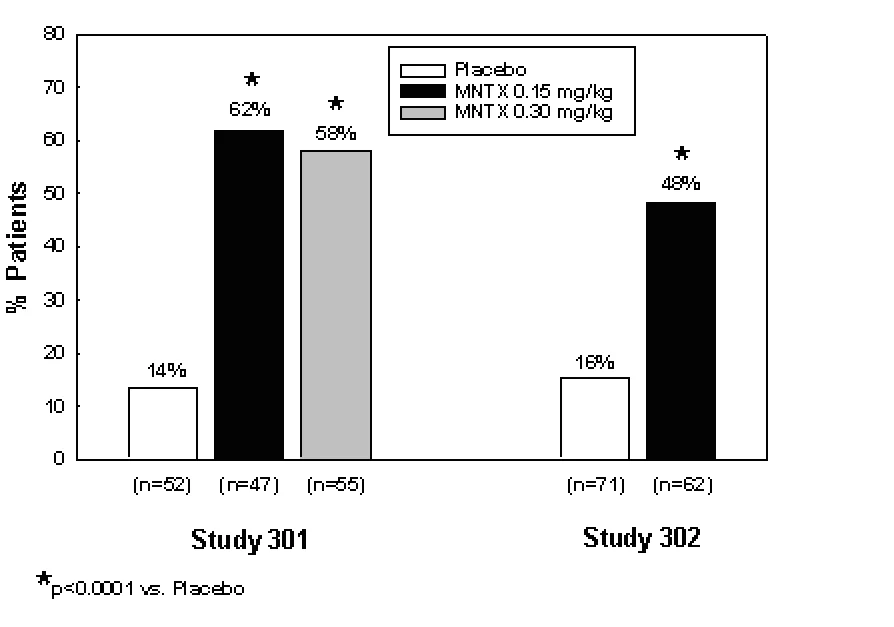
Relistor subcutaneous administration resulted in a higher proportion of patients with rescue-free laxation within 4 hours of the double-blind dose (62% for 0.15 mg/kg and 58% for 0.3 mg/kg) than placebo administration (14%), p< 0.0001 for each dose versus placebo (Figure 2).
Study 302
Relistor subcutaneous administration resulted in a higher proportion of patients (48%) with rescue-free laxation within 4 hours of the first 0.15 mg/kg dose than placebo administration (16%), p< 0.0001 (Figure 2). In addition, 32 (52%) Relistor treated patients and 6 (9%) placebo treated patients had at least 2 rescue- free laxations within 4 hours after the first 4 doses (p< 0.0001).
Figure 2: Laxation Response within 4 hours of First Dose
In both studies, there was no evidence to suggest differential effects of age or gender on safety or efficacy. No meaningful subgroup analysis could be conducted on race because the study population was predominantly Caucasian (88%).
Durability of Response
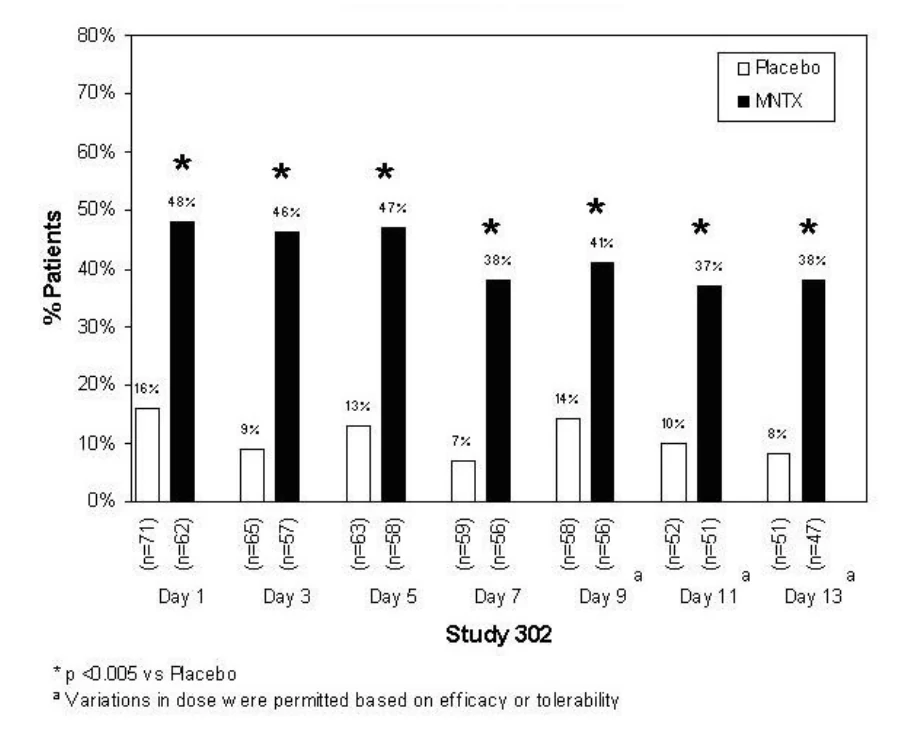
Durability of response was demonstrated in Study 302, in which the laxation response rate was consistent from dose 1 through dose 7 over the course of the 2-week, double-blind period. (Figure 3)
Figure 3: Laxation Response within 4 hours of each dose in Study 302
Patients who had <3 rescue-free bowel movements by Day 8 were eligible for dose escalation at the discretion of the Investigator. A total of 21 patients in the placebo group and 20 in the RELISTOR group had their dose escalated in a blinded fashion. A modest increase in laxation response by dose was seen in the RELISTOR treated patients following escalation (24.5%, versus 15.3% before escalation p=0.25, Fisher’s exact test), compared with no change in the response by dose rate in the placebo-treated patients (7.4% versus 8.2% p=1.00, Fisher’s exact test).
Study 301 Open Label, 301 EXT and 302 EXT
The safety of RELISTOR was also demonstrated in open-label treatment administered from Day 2 through Week 4 in Study 301, and in two open-label extension studies (301EXT and 302EXT) in which RELISTOR was given as needed (median number of 6 doses (1-94 doses), median interval between doses of 3.2 days (1-39 days) and median duration of treatment of 2.9 weeks
(0.1-55.1 weeks) for up to 4 months. Generally, the safety and tolerability of RELISTOR during the open labeled periods was comparable to that seen during the double blind periods with regard to the type and incidence of adverse events reported. During open-label treatment, patients maintained their regular laxative regimen. A total of 136, 21, and 82 patients received at least 1 open-label dose in studies 301 Open Label, 301EXT, and 302EXT, respectively. Seventy-one (52%), 8 (38%), and 31 (38%) of the patients dosed in studies 301 Open-Label, 301 EXT and 302 EXT completed each study period respectively. Table 8 below summarizes the laxation response rate during the 302EXT study. Laxation response rates during the methylnaltrexone open-label dosing period of 302EXT study were similar to the response rates observed in patients treated with methylnaltrexone during the double-blind period of study 302EXT; and this was true for patients treated with either placebo or methylnaltrexone during the initial double-blind period. Laxation response rates observed during double-blind treatment with RELISTOR were maintained over the course of 3 to 4 months of open-label treatment in those patients who remained in the study.
| Table 8: Rescue-free Laxation response, Doses by Month | ||||||
|---|---|---|---|---|---|---|
| Visit | Patients Previously on Placebo during the Double-Blind Period (n=40) | Patients Previously on Methylnaltrexone during Double-Blind Period (n=42) | ||||
| Patients dosed (n) | Total number of doses | Response ratea (%) | Patients dosed (n) | Total number of doses | Response rate (%) | |
| Double-blind phase | 40 | 277 | 10.8 | 42 | 287 | 45.3 |
| Month 1 of open label phase | 40 | 294 | 48.3 | 42 | 330 | 45.5 |
| Month 2 of open label phase | 23 | 147 | 47.6 | 25 | 156 | 57.7 |
| Month 3 of open label phase | 13 | 94 | 52.1 | 12 | 96 | 57.3 |
| a. The response rate equals the number of doses for which there was a laxation response (within 4 hours post-dose) divided by the total number of doses. | ||||||
Opioid Use and Pain Scores
There was no relationship between baseline opioid dose and laxation response in RELISTOR treated patients in these studies. In addition, median daily opioid dose did not vary meaningfully from baseline in either RELISTOR-treated patients or in placebo-treated patients. There were no clinically relevant changes in pain scores from baseline in either the RELISTOR or placebo-treated patients.
Opioid Withdrawals in clinical studies:
The Modified Himmelsbach Withdrawal Scale was completed at the following times in the placebo-controlled studies: before dosing and four and 24 hours post-dose in MNTX 301; and before and four hours after each dose on Days 1 and 7 and at the end of the double-blind period (Day 14) in MNTX 302.
Table 9 displays summary statistics for the total scores on the Modified Himmelsbach Withdrawal Scale at baseline and at the worst post-baseline evaluation on Day 1. Note that an increase in the total score corresponds to worsening of the symptoms. The mean changes from baseline were identical in the two treatment groups at the worst rated evaluation on Day 1 (-0.1).
| Table 9: Changes from baseline for total scores on the Modified Himmelsbach Withdrawal Scale (analysis population: Placebo-Controlled Poola) | ||||||||||||||
|---|---|---|---|---|---|---|---|---|---|---|---|---|---|---|
| Double Blind Treatment | ||||||||||||||
| Placebo (n=123) | MNTX (n=165) | |||||||||||||
| Baseline | Day 1 | Change | Baseline | Day 1 | Change | |||||||||
| N | 115 | 115 | 115 | 155 | 155 | 155 | ||||||||
| Mean | 8.0 | 7.9 | -0.1 | 8.1 | 8.0 | -0.1 | ||||||||
| Std. Dev. | 1.62 | 1.49 | 1.15 | 1.44 | 1.44 | 1.39 | ||||||||
| Median | 7.0 | 7.0 | 0.0 | 8.0 | 7.0 | 0.0 | ||||||||
| Minimum | 7.0 | 7.0 | -5.0 | 7.0 | 7.0 | -7.0 | ||||||||
| Maximum | 15.0 | 14.0 | 4.0 | 14.0 | 14.0 | 4.0 | ||||||||
| a. Table includes Study 301 and Study 302 | ||||||||||||||
Note: Baseline=the last result obtained prior to the start of study drug. Day 1=the last post-baseline result obtained at evaluations performed within 24 hours after the first dose, or the worst result, if multiple results were obtained within that time period. Change=value at Day 1 minus value at baseline.
The following Table 10 provides adverse event reports of the items appearing in the Modified Himmelsbach scale over the 24 hours following the first dose of study drug. Some Investigators reported any upward change in the score for an item on the Himmelsbach scale as an adverse event, so this table reflects both spontaneously reported events and elicited events.
| Table 10: Treatment-emergent adverse events linked to items on Himmelsbach scale occurring within 24 hours of first dose of study drug (analysis population: Placebo-Controlled Pool)a | ||
|---|---|---|
| Preferred Term | Placebo (N=123) n (%) | MNTX (N=165) n (%) |
| Patients with at least one event | 8 (6.5) | 21 (12.7) |
| Patients with at least two events | 2 (1.6) | 8 (4.8) |
| Patients with at least three events | 0 (0.0) | 1 (1.2) |
| Hyperhidrosis | 4 (3.3) | 8 (4.8) |
| Restlessness | 4 (3.3) | 8 (4.8) |
| Rhinorrhoea | 1 (0.8) | 7 (4.2) |
| Tremor | 0 (0.0) | 3 (1.8) |
| Lacrimation Increased | 0 (0.0) | 2 (1.2) |
| Yawning | 1 (0.8) | 2 (1.2) |
| Piloerection | 0 (0.0) | 1 (0.6) |
| a. Table includes Study 301 and Study 302 | ||
DETAILED PHARMACOLOGY
Non-Clinical Pharmacology
Primary Pharmacodynamics
In Vitro Studies
Methylnaltrexone (MNTX) was evaluated for potential inhibition or stimulation of specific binding to a panel of physiologically important receptors, using radioligand-binding assays. MNTX bound to isolated human μ opioid receptors with an inhibition constant (Ki) of 28 nM. MNTX bound with 8-fold less potency to the kappa receptor and did not interact with delta receptors, suggesting selectivity to μ opioid receptors. MNTX did not show significant binding to any other receptors evaluated.
In an isolated guinea pig ileum model, MNTX, at a concentration of 15 nM, prevented morphine-induced inhibition of gut contractions, demonstrating functional antagonism for the μ opioid receptor6. In another study, MNTX, at a concentration of 100 nM, was 70% effective in blocking the morphine-induced inhibition of gut contractions in isolated guinea pig ileum and human small intestine7. In addition, functional selectivity of MNTX for μ opioid receptors in gut tissue over kappa or delta opioid receptors was confirmed in a rat gastric-brainstem preparation8.
In Vivo Studies
The antagonistic actions of MNTX on morphine-induced effects have been demonstrated in several animal models. Pretreatment with MNTX by SC administration at 1, 4, 8, 16, or 30 mg/kg was found to block morphine-induced slowing of gastrointestinal (GI) transit time in rats9. In a separate study where MNTX was administered SC at 1, 3, or 10 mg/kg, the median effective dose (ED50) was estimated to be 2.5 mg/kg10. The mu opioid antagonistic actions of MNTX have also been demonstrated in a prostaglandin-induced diarrhea model in mice and a morphine-induced inhibition of gut electrical activity in dogs11. The opioid antagonistic effects of MNTX in these animal models were transient and reversible, with durations of action of approximately 1 to 2 hours.
Secondary Pharmacodynamics
In Vivo Studies
In additional animal models, MNTX has been shown to reverse opioid-induced emesis in dogs at intramuscular (IM) and intravenous (IV) doses of 0.25 mg/kg and 0.2 mg/kg, respectively12. MNTX also decreased morphine-induced kaolin intake in rats (a surrogate model for emesis)13 and morphine-induced cough in guinea pigs14.
MNTX, administered at dosages that inhibit opioid-induced GI side effects, did not interfere with the analgesic property of opioids. In the mouse hot plate test, MNTX (10 mg/kg SC) did not block morphine-induced analgesia11. Similarly, MNTX did not attenuate opioid analgesia in the rat hot plate test (at intraperitoneal [IP] dosages up to 300 mg/kg11 and SC dosages up to 60 mg/kg)9, the rat tail flick assay (10 mg/kg SC)10, or the guinea pig toe pinch test (0.8, 1.6, or 2 mg/kg IP)14. This lack of interference with opioid analgesia is not due to the failure of MNTX to bind central nervous system (CNS) opioid receptors, since direct administration of MNTX into the brain was effective in antagonizing the actions of opioid agonists10, 15. Chronic exposure of mice16, rats17, dogs11, or monkeys18 to MNTX did not produce signs of withdrawal, indicating that MNTX does not antagonize the effects of opioid agonists in the CNS. In addition, IV administration of radiolabeled MNTX in rats showed primary distribution of radioactivity to the small intestine, liver, and kidney 1 hour after dosing, with the lowest distribution to the brain and skeletal muscles. Thus, the sparing of centrally-mediated opioid analgesia following systemic administration of MNTX is likely due to the restricted ability of MNTX to cross the blood-brain barrier.
Animal Safety Pharmacology
In safety pharmacology studies, MNTX at IV doses ranging from 1 to 20 mg/kg had no adverse effects on the neuropharmacologic profile in mice, GI function in rats, pulmonary function in guinea pigs, or renal function in rats.
In an in vitro human ether a-go-go (hERG) assay, MNTX had a concentration at which there is 50% inhibition (IC50) of > 1000 μM. In the rabbit Purkinje fiber assay, MNTX at concentrations up to 100 μM had no effect on action potential duration (APD). However, APD prolongation occurred in dog Purkinje fibers at concentrations of 1, 3, or 10 μM MNTX, although the results were not concentration-dependent and were generally at threshold levels for an effect to be considered of concern. Since rabbit Purkinje fiber is considered to be a more robust model for evaluating increases in the APD, and the human cardiac potassium ion channel (hERG assay) is more predictive of effects that may be expected in humans, overall, based on these in vitro data, MNTX does not appear to present a risk of QTc prolongation in humans.
There were no findings in animal cardiovascular safety pharmacology studies indicative of cardiovascular risk. In conscious, telemetrized dogs administered IV dosages of 1, 5, or 20 mg/kg MNTX, dose-dependent decreases in blood pressure (up to 20 to 30 mmHg) occurred but were not considered indicative of cardiovascular risk because they remained within the normal range of variability. In addition, prolongation of the QTc interval occurred at 20 mg/kg but was not considered indicative of cardiovascular risk because the prolongation occurred in 1 animal, the QTc interval remained within the normal limits for beagle dogs, and there were no arrhythmia or electrocardiogram (ECG) anomalies observed. In conscious guinea pigs, IV dosages up to 20 mg/kg produced no changes in QTc that were different from the vehicle control values.
Non-Clinical Pharmacokinetics
The pharmacokinetics of MNTX was studied in mice, rats, and dogs after SC, IV, and oral dosing. The distribution of MNTX was examined in rats after IV and IP dosing, and in rabbits after epidural dosing. Three (3) of these studies focused on the potential for MNTX to penetrate the blood-brain barrier. The in vitro protein binding of MNTX was determined in rat, dog, and human plasma. The metabolism of MNTX was evaluated in rats after SC, IV, and oral dosing; in mice after oral dosing; and in dogs after oral and IV dosing. The in vitro metabolism of MNTX was evaluated by using various hepatic preparations (hepatocytes, microsomes, S9 and cytosol fractions, as well as c-DNA expressed enzymes). The potential of MNTX to inhibit and induce cytochrome P450 (CYP) isoforms was assessed in vitro in human liver microsomes and cultured hepatocytes, respectively. The excretion of MNTX was studied in rats after IV, oral, and SC dosing; in mice after oral dosing; in dogs after oral and IV dosing, and ex vivo in isolated kidney perfusion model as well as in Transportocytes™ model.
Absorption
Pharmacokinetic data have shown that the absolute bioavailability (based on area under the concentration-versus-time curve [AUC]) of MNTX administered by the SC route in rats was 125% and in dogs was 79% to 112%. Absorption was rapid after SC administration and the time to peak concentration (tmax) was < 1 hour in rats, dogs, and humans. . Exposure (AUC and peak concentration [Cmax]) is slightly greater than dose proportional after SC, IV, and oral dosing in rats and dogs. Toxicokinetics data from a 90-day oral toxicity study showed that the disposition of MNTX in mice is similar to that in rats.
Distribution
MNTX was distributed primarily to the small intestine, liver, and kidney in rats 1 hour after IV administration of radiolabeled MNTX, with the brain and skeletal muscle showing the lowest levels of radioactivity. Penetration to the brain was extremely limited, with lower concentrations in the brain than in all other tissues. Following perfusion of the brain to eliminate the contribution of radioactivity from blood, the brain-to-plasma ratio of radioactivity based on AUC0-24 values was determined to be 0.08. MNTX was the predominant (90%) radioactive component in rat brain. In vitro studies indicated that MNTX was not a p-glycoprotein substrate. Protein binding in rat, dog, and human plasma was minimal (< 17%), consistent with the relatively high renal clearance, moderate to high volume of distribution, and high tissue uptake in rats. In pregnant rats, MNTX-derived radioactivity rapidly crossed the placenta following IV administration; fetal exposure was approximately 10% of the maternal exposure. In lactating rats, MNTX-derived radioactivity was detected in excreted milk.
Metabolism In Vitro
Little or no CYP-mediated metabolism of MNTX was observed. In vitro metabolism studies showed that MNTX did not inhibit the activity of CYP1A2, CYP2A6, CYP2C9, CYP2C19, or CYP3A4, while it was a weak inhibitor of metabolism of a model CYP2D6 substrate, with an inhibition constant (Ki) value of 7.9 μM in human liver microsomes. At therapeutically relevant concentrations, MNTX did not induce any of the CYP isoforms in vitro.
Metabolism In Vivo
MNTX was not extensively metabolized following SC, IV, or oral administration to rats, mice and dogs. The circulating metabolites in mice included methyl-6β-naltrexol, hydroxy O-methyl MNTX, MNTX glucuronide, and hydroxy O-methyl MNTX glucuronide. The circulating metabolites in rats included MNTX-3-sulfate, MNTX glucuronide, methyl-6beta-naltrexol and hydroxy O-methyl MNTX. The major circulating metabolite in dogs was MNTX glucuronide, and hydroxylated reduced metabolites were observed only in excreta. Metabolites observed in human plasma included MNTX-3-sulfate (M2), methyl-6α-naltrexol (M4), and methyl-6β-naltrexol (M5) isomers. The circulating human metabolites M2 and M5 were observed in rat plasma after IV or oral administration. However, glucuronides of MNTX and its metabolites, which were observed in rats and dogs, were not observed in human plasma, while MNTX-3-sulfate, which was observed in human plasma, was not observed in dogs. MNTX was more extensively metabolized in mice than in rats, dogs, and humans through glucuronidation, reduction, hydroxylation, and methylation.
Excretion
The major routes of excretion were the urine and feces after IV dosing in rats and dogs, and the feces after oral dosing in dogs and mice. The elimination t1/2 values in rats ranged from 5.9 to 7.5 hours after IV and SC administration and in dogs ranged from 10 to 18 hours after IV and SC administration. Approximately 50% to 58% of an IV administered dose of MNTX in rats and dogs was recovered in urine, and approximately 30% was recovered in feces in both species. MNTX was partially excreted into bile in rats and dogs. In bile duct-cannulated rats, 15.9% of the MNTX dose was excreted in bile after IV administration.
MNTX appeared to be actively secreted into urine. In vitro, MNTX was a substrate of the human organic cation transporter-1 (hOCT1). The hOCT1-mediated MNTX transport was only slightly inhibited by therapeutic concentrations of several common basic drugs. Furthermore, MNTX was actively secreted into urine in isolated perfused rat kidneys. Active secretion was only slightly inhibited (< 50%) by therapeutic concentrations of several common basic drugs. Thus, drug-drug interactions based on inhibition of active secretion are unlikely.
Clinical Pharmacology
Pharmacokinetic results are summarized in Table 11. The clinical pharmacology program consists of the following phase I studies:
MNTX-102
- PK/mass balance/metabolite profiling
- Single-dose IV (14C-MNTX 0.30 mg/kg, 100 μCi)
- Healthy adult male subjects (N = 6)
MNTX-103
- Ascending single-dose SC MNTX and absolute bioavailability
- Single-dose SC MNTX (0.10, 0.30, 0.45 mg/kg) and single-dose IV MNTX (0.30 mg/kg)
- Healthy adult male subjects (four-way crossover, N = 6, PK from five)
MNTX-206
- Urodynamic Study – MNTX and naloxone (no pharmacokinetics)
- Single-dose IV MNTX 0.30 mg/kg
- Healthy adult male subjects (N = 13)
MNTX-1105
- Renal impairment
- Single-dose SC MNTX (0.30 mg/kg)
- Healthy adult male subjects (N = 8) and patients with mild, moderate, and severe renal function impairment (parallel, N = 8 per treatment group)
MNTX-1106
- Definitive QTc
- Single-dose SC MNTX (0.15 mg/kg, 0.30 mg/kg, 0.50 mg/kg), single-dose moxifloxacin PO (400 mg), and placebo
- Healthy adult male and female subjects [(parallel, N = 39 (males/females = 19/20) at 0.15 mg/kg; ,N= 39 (males/females = 20/19) at 0.30 mg/kg and N=, 41(males/females = 21/20) at 0.50 mg/kg MNTX)]
MNTX-1107
- Hepatic impairment
- Single-dose SC MNTX (0.30 mg/kg)
- Healthy adult male subjects (N = 8) and patients with mild and moderate hepatic function impairment (N = 8 per treatment group)
MNTX-1108
- CYP450 2D6 drug-drug interaction
- Single-dose SC MNTX (0.3 mg/kg), multiple-dose IV MNTX (0.45 mg/kg every six hours for five doses, single-dose paroxetine PO (20 mg), and placebo SC)
- Healthy adult male subjects (N = 8 per treatment group)
| Table 11: Tabular listing of Clinical Pharmacology Studies and Summary of MNTX Pharmacokinetic Results (Excludes MNTX-206 – No pharmacokinetics) | ||||||||||||
|---|---|---|---|---|---|---|---|---|---|---|---|---|
| Study | Design | Design Treatment Groups | Cmax (ng/mL) | tmax (h) | AUCt (ng•h/mL) | AUC∞ (ng•h/mL) | t½ (h) | Cl L/h/kg | Cl/F L/h/kg | Varea L/kg | Varea/F L/kg | Comments |
| MNTX-102a | PK of MNTX & 14C-MNTX Mass balance Metabolite profiling | Single-dose N = 6 males | > 50% eliminated renally. Metabolism minimal. | |||||||||
| Plasma MNTX | 1151 (305) | 0.05 | 393 (52) | 394 (52) | 8.89 (2.59) | 0.63 (0.09) | NAb | 7.92 (1.54) | NAb | |||
| Plasma 14C | 1183 (260) | 0.05 | 652 (84) | 748 (103) | 6.15 (2.27) | 0.33 (0.05) | NAb | 2.84 (0.68) | NAb | |||
| Blood 14C | 646 (139) | 0.05 | 301 (31) | 392 (42) | 5.51 (0.97) | 0.63 (0.07) | NAb | 4.98 (0.83) | NAb | |||
| MNTX-103c | PK in plasma & urine Absolute bioavailability | 4-way crossover N = 6 males, 5 completed | F = 0.82 at 0.3 mg/kg | |||||||||
| 0.10 mg/kg SC | 47.5 (12.3) | 0.45 (0.21) | 72.1 (10.4) | 73.3 (10.6) | 6.14 (0.88) | NAd | 1.39 (0.21) | NAd | 12.3 (2.1) L/kg | |||
| 0.30 mg/kg SC | 197.0 (47.0) | 0.30 (0.11) | 301.9 (42.5) | 303.2 (43.1) | 8.04 (1.67) | NAd | 1.00 (0.14) | NAd | 11.7 (2.9) | |||
| 0.45 mg/kg SC | 317.0 (82.0) | 0.45 (0.11) | 544.0 (33.9) | 545.7 (34.6) | 8.83 (0.85) | NAd | 0.83 (0.05) | NAd | 10.5 (1.1) | |||
| 0.30 mg/kg IV | 1006 (190) | 0.06 (0.01) | 378.6 (52.3) | 379.8 (52.9) | 7.81 (1.17) | 0.80 (0.11) | NAb | 9.05 (1.81) | NAb | |||
| MNTX-1105 | Effect of renal impairment on MNTX PK | Parallel N = 32 8/group | ||||||||||
Normal Renal Function | 257 (91) | 0.45 (0.22) | 427 (66) | 433 (92) | 13.4 (4.8) | NRe | NRe | NRe | NRe | |||
Mild Renal Impairment | 208 (48) | 0.53 (0.25) | 560 (69) | 566 (74) | 17.5 (2.0) | NRe | NRe | NRe | NRe | |||
| Moderate Renal impairment | 231 (41) | 0.63 (0.27) | 752 (141) | 754 (141) | 18.7 (3.9) | NRe | NRe | NRe | NRe | |||
| Severe Renal Impairment | 304 (125) | 0.56 (0.22) | 819 (76) | 822 (76) | 19.6 (2.8) | NRe | NRe | NRe | NRe | Dose adjustment is recommended | ||
| Table 11: Tabular listing of Clinical Pharmacology Studies and Summary of MNTX Pharmacokinetic Results (Excludes MNTX-206 – No pharmacokinetics) (Cont'd) | ||||||||||||
|---|---|---|---|---|---|---|---|---|---|---|---|---|
| Study | Design | Design Treatment Groups | Cmax (ng/mL) | tmax (h) | AUCt (ng•h/mL) | AUC∞ (ng•h/mL) | t½ (h) | Cl L/h/kg | Cl/F L/h/kg | Varea L/kg | Varea/F L/kg | Comments |
| MNTX-1106 | QTc Prolongation by MNTX | Parallel N= 206 199 for QTc, 119 for PK | No effect on QTc | |||||||||
| MNTX 0.15 mg/kg SC | 117 (32.7) | 0.50 (0.25-0.75) | 175 (36.6) | NRe | NRe | NRe | NRe | NRe | NRe | |||
| MNTX 0.30 mg/kg SC | 239 (62.2) | 0.50 (0.25– 0.75) | 362 (63.8) | NRe | NRe | NRe | NRe | NRe | NRe | |||
| MNTX 0.50 mg/kg SC | 392 (148) | 0.50 (0.25– 0.75) | 582 (111.2) | NRe | NRe | NRe | NRe | NRe | NRe | |||
| MNTX-1107 | Effect of hepatic impairment on MNTX PK | Parallel N=24 8/group | No effect of hepatic impairment | |||||||||
| Normal hepatic function | 208 (54) | 0.47 | 482 (132) | 441 (47) | 11.7 (6.0) | NRe | NRe | NRe | NRe | |||
| Mild hepatic impairment | 218 (58) | 0.47 | 410 (120) | 411 (121) | 7.8 (1.5) | NRe | NRe | NRe | NRe | |||
| Moderate hepatic impairment | 256 (62) | 0.34 | 508 (218) | 511 (219) | 14.5 (10.6) | NRe | NRe | NRe | NRe | |||
| MNTX -1108 | Effect of MNTX on CYP4502D6 | Parallel N=32 8/group | No effect on CYP4502D6 activity | |||||||||
| MNTX 0.3 mg/kg SC single dose | 191 (38) | 0.42 (0.27) | 457 (53) | NDf | NDf | NAd | NDf | NAd | NDf | |||
| MNTX 0.45 mg/kg IV (20-min infusion) Every 6 h for 5 doses | 1061g (198) | End of infusion | 690g (104) | NDf | NDf | 0.67 g (0.11) | NAb | 1.07 g (0.21) | NAb | |||
| Paroxetine 20 mg Single dose (active control) | 4.32 (3.36) | 6.6 (1.9) | 32.3 (26.2) | NRe | NRe | NRe | NRe | NRe | NRe | |||
| Placebo | ||||||||||||
| Table 11: Tabular listing of Clinical Pharmacology Studies and Summary of MNTX Pharmacokinetic Results (Excludes MNTX-206 – No pharmacokinetics) (Cont'd) |
|---|
| Study | Design | Design Treatment Groups | Cmax (ng/mL) | tmax (h) | AUCt (ng•h/mL) | AUC∞ (ng•h/mL) | t½ (h) | Cl L/h/kg | Cl/F L/h/kg | Varea L/kg | Varea/F L/kg | Comments |
|---|---|---|---|---|---|---|---|---|---|---|---|---|
a. Total recovery of 14C = 70.9 (8.5) % (mean [SD] ) b. NA – Not Applicable – Cl/F, Varea/F, and Vss/F have no meaning for IV data (F = 1) c. Results should be interpreted with caution because of the small number of subjects (N = 6, PK from 5) d. NA– Not Applicable – Cl, Varea, and Vss cannot be estimated from extravascular (SC) data. e. NR – Not relevant to the objectives of the study (i.e. Effects of renal impairment (MNTX 1105), hepatic impairment (MNTX 1107) on peak (Cmax) and total (AUC) exposure. Effects of MNTX on cardiac repolarization (MNTX 1106). Urine dextrorphan/dextromethorphan ratios (MNTX 1108). Plasma concentration time course data were obtained to assure proper exposure, not to conduct a rigorous PK analysis. f. ND – Not determined – The objectives of MNTX 1108 were to assess the effect of MNTX on CTP2D6 activity by ratios of dextrorphan/dextromethorphan (MNTX 1108). Plasma concentration time course data were obtained to assure proper exposure, but sampling was only to 8 h post administration, insufficient to properly estimate metrics of exposure or disposition following single doses. g. Determined from data within a dosing interval at steady-state. | ||||||||||||
Single SC doses of MNTX, including the supra-therapeutic dose of 0.50 mg/kg, had no effect on QT/QTc prolongation, secondary ECG variables, or waveform morphology. MNTX given IV at 0.3 mg/kg did not affect CNS reflex functions but did antagonize peripherally-mediated depression of bladder function (Study MNTX-206). Unlike naloxone, a single IV dose of MNTX had no effect on opioid-induced ocular miosis, suggesting that MNTX transport across the blood/brain barrier is restricted.
The exclusion of MNTX from the brain after peripheral injection has been described in published literature. In a tissue distribution study, concentrations in the brains of rats were the lowest of any tissue or specimen. In a study conducted by Wyeth Research, following IV administration of tritium-labeled MNTX at 5 mg/kg to male rats, the mean brain to plasma ratios of radioactivity were 0.03, 0.08, 0.24, 0.29, and 0.16 at 0.25, 1, 4, 8, and 24 h, respectively, indicating limited brain uptake. However, the dose administered in this study (5 mg/kg) was ten-fold higher than the highest dose administered to humans (0.5 mg/kg). Moreover, when administered to rats ten minutes prior to morphine at doses of 1, 4, 8, 16, 30 and 60 mg/kg MNTX had no effect on analgesia compared to saline controls (Bianchi et al 1982). Finally, in humans, unlike naloxone, a single IV dose of MNTX had no effect on opioid-induced miosis, (Study MNTX-206), indicating that its transport across the blood/brain barrier is restricted.
TOXICOLOGY
Toxicology Program
The toxicity of methylnaltrexone bromide (MNTX) was evaluated in mice given oral dosages for up to 90 days, in rats given intravenous (IV) dosages for up to 90 days and oral dosages up to 6 months, and in dogs given IV dosages for up to 90 days and oral dosages for 9 months. The reproductive and developmental toxicity of MNTX was assessed in segment I, II, and III studies in rats given MNTX by the subcutaneous (SC) or IV routes, and a segment II study in rabbits given MNTX by the IV route. Major findings in acute, long-term, and reproductive toxicity studies are discussed below.
Acute Toxicity
In a single-dose SC toxicity study in rats, compound-related and adverse abnormal gait, abnormal stance, body drop, body tremors, labored respiration, and necrosis at the injection site occurred at ≥ 400 mg/kg. When MNTX was administered at 200 mg/kg by SC injection for 4 consecutive days, similar compound-related adverse effects were observed, as well as moribundity and mortality. Based on these results, the no-observed-adverse-effect level
(NOAEL) of a single SC dose of MNTX to rats was 200 mg/kg; however, daily administration of MNTX at this dosage for 4 days resulted in adverse changes at the injection site.
In another single-dose SC toxicity study in rats, MNTX was administered at 40 or 120 mg/kg in a formulation containing saline or saline with 0.4 mg/mL CaEDTA. There were no adverse findings at any dosage, and therefore, the NOAEL for MNTX was 120 mg/kg when administered in saline or saline with 0.4 mg/mL CaEDTA. In another study, a single SC dose of MNTX was more irritating to the injection site of rats when delivered in saline with high concentrations of CaEDTA (≥ 1.2 mg/mL), compared with MNTX delivered in saline.
Subchronic and Chronic Toxicity
Mice
In a 7-day oral dose-ranging study, mice (5/gender/group) were administered MNTX at dosages of 80, 400, 2000, or 5000 mg/kg/day. MNTX-related mortality occurred in 1 female on day 4 at 5000 mg/kg/day. Based on the mortality at 5000 mg/kg/day, dosages up to 2000 mg/kg/day were tolerated (there was no MNTX-related mortality, clinical signs, effects on body weight, food consumption, or hematology parameters at these dosages) when administered to male and female mice by oral gavage for 7 days
Mice were administered MNTX by oral gavage once daily for 90 days at dosages of 0, 80, 400 or 2000/1500 mg/kg/day. The high dose of 2000 mg/kg/day was decreased to 1500 mg/kg/day on day 3 due to mortality. MNTX-related mortality occurred at ≥ 400 mg/kg/day. Generally, there were no MNTX-related clinical signs observed in these animals prior to death, and there were no MNTX-related changes in organ weights, or macroscopic or microscopic observations in these animals. Based on mortality at ≥ 400 mg/kg/day, the NOAEL of MNTX when administered by oral gavage to male and female mice for 13 weeks was 80 mg/kg/day.
Rats
In a 14-day IV toxicity study, rats were administered MNTX at dosages of 0, 5, 20, 30, and 40 mg/kg/day (administered as 0, 2.5, 10, 15, and 20 mg/kg/dose, BID). In this study, adverse mortality and clinical signs (including convulsions) occurred at ≥30 mg/kg/day. MNTX-related decreased and increased activity, abnormal stance and gait, twitches, tremors, body drop, and/or dyspnea occurred at 10 mg/kg/dose BID (20 mg/kg/day), but these findings were not considered adverse because they were of short duration (generally not present prior to dosing, later that day or the next morning), they were not associated with test-article-related decreases in body weight, and they did not affect the overall health of the animals. Thus, the NOAEL of MNTX when administered twice daily by IV injection to male and female rats was 20 mg/kg/day (administered as 10 mg/kg/dose, BID). The no-observed-effect-level (NOEL) for MNTX was 5 mg/kg/day (administered as a 2.5 mg/kg/dose; BID).
In a 28-day oral toxicity study, rats were administered MNTX at dosages of 0, 80, 400, or 2000 mg/kg/day. At 2000 mg/kg/day, MNTX-related fecal alterations (soft/watery stool) occurred, but was not adverse because they were sporadic, not associated with clinical signs of dehydration, decreases in body weight or food consumption, or histologic changes in the gastrointestinal tract, and did not affect the overall health of the animals. An increase in interstitial inflammation in the lungs was also observed at 2000 mg/kg/day but this finding was not considered test article-related because it is a spontaneously occurring event in rats that was also observed in control animals in this study. Based on these results, the NOAEL for MNTX when administered by oral gavage to male and female rats was 2000 mg/kg/day, with a NOEL of 400 mg/kg/day.
Rats were administered MNTX by IV injection once daily, for 90 days, at dosages of 0, 1, 5, or 20 mg/kg/day. Compound-related mortality and adverse whole body tremors, prostration, myoclonus, mixed convulsions, and/or labored breathing occurred at 20 mg/kg/day. Therefore, the NOAEL was 5 mg/kg/day.
In a chronic toxicity study, rats were given MNTX by oral gavage, once daily for 6 months at dosages of 0, 100, 1000/500, or 3000/2000/1000 mg/kg/day. Based on mortality observed at 3000 mg/kg/day, this dosage was lowered to 2000 mg/kg/day on day 21 and lowered again to 1000 mg/kg/day on day 45. Similarly, the initial middle dosage of 1000 mg/kg/day was lowered to 500 mg/kg/day on day 45. MNTX-related mortality occurred at ≥ 500 mg/kg/day. MNTX-related clinical signs were generally not observed in animals prior to death. Congestion of the lung, liver, adrenal, and kidney were observed in these unscheduled deaths; congestion in the lung was frequently accompanied by edema around major vessels. Although these histopathology findings were consistent with terminal hemodynamic insufficiency, a definitive cause of death could not be determined based on these clinical observations and postmortem findings. There were no adverse effects observed in animals surviving to scheduled necropsy. Based on these results, the NOAEL for MNTX when administered by oral gavage to male and female rats for 26 weeks was 100 mg/kg/day.
Dogs
In a 14-day IV toxicity study, dogs were administered MNTX at dosages of 0, 5, 20, or 40 mg/kg/day (administered as 2.5, 10, or 20 mg/kg/dose, BID, respectively). There were no
MNTX-related mortalities, effects on ophthalmoscopy, hematology, organ weights, or macroscopic and microscopic observations, and there were no adverse effects on body weight and food consumption or adverse changes in clinical pathology parameters. MNTX-related decreased activity, abnormal stance and gait, relaxed nictitating membrane, vascularizations, and licking (at ≥ 5 mg/kg/day), as well as ataxia (at 40 mg/kg/day) was observed, but were not considered adverse because they were transient (clinical signs had resolved prior to dosing the next day), not associated with decreases in body weight, and they did not affect the overall health of the animals. Thus, the NOAEL of MNTX when administered twice daily by IV injection to male and female dogs was 20 mg/kg/dose (40 mg/kg/day).
In a 1-month oral toxicity study in dogs, MNTX was administered at dosages of 0, 60, 300, or 1500 mg/kg/day. The high dose was subsequently lowered to 1000 mg/kg/day on day 2, and again to 750 mg/kg for study days 7 to 10 due to mortality. MNTX-related mortality occurred at ≥ 300 mg/kg/day. Discoloration of the GI tract and histologic evidence of congestion of multiple organs, particularly various segments of the GI tract were observed in some of these unscheduled deaths. Furthermore, 1 dog had mild renal tubular necrosis and intratubular hemorrhage, which are consistent with dogs that have terminal cardiovascular collapse with hypoxemia. Adverse clinical signs (including prostration, ataxia, retching, and/or convulsions) also occurred at ≥ 300 mg/kg/day. There were no effects on the ECG parameters at ≤ 300 mg/kg/day. However, in the animals given 750 mg/kg/day that survived to day 8, adverse increases in the QTc interval occurred on day 4 in the male (50 msec, 22%) and on day 8 in 2 females (36 msec; 16%, and 53 msec; 23%) compared with pre-test values. Based on mortality and adverse clinical signs observed at ≥ 300 mg/kg/day, the NOAEL of MNTX when administered for 28 days by oral gavage to male and female dogs was 60 mg/kg/day.
Dogs were administered MNTX by IV injection once daily, for 90 days, at dosages of 0, 1, 5, 20 (females), or 25 (males) mg/kg/day; the highest dosage of 25 mg/kg/day in males was lowered to 20 mg/kg/day after 1 day of administration due to dose-limiting clinical signs including prostration. There was no mortality in this study. At 20 mg/kg/day, adverse ataxia, clonic tremors, prostration, and decreased activity occurred in males and females. Ptosis, bloodshot eyes, dilated pupils, capillary refill time greater than 1 minute, protruding nictitating membrane, excessive lacrimation, retching, and/or increased salivation were also observed at 20 mg/kg/day. In addition, an adverse prolongation of the QTc interval, compared with controls, occurred in males and females given 20 mg/kg/day. Compound-related prolongation of the QTc interval also occurred in males given 5 mg/kg/day but this change was not considered adverse because of the small magnitude of the change (< 10%). Based on adverse clinical signs and prolongation of the QTc interval at 20 mg/kg/day, the NOAEL was 5 mg/kg/day.
In a chronic toxicity study, dogs (4/gender/group) were administered MNTX by oral gavage once daily for 9 months at dosages of 0, 20, 60, or 180/225/250 mg/kg/day. The high dosage of 180 mg/kg/day was increased to 225 mg/kg/day on study day 43, and further increased to 250 mg/kg/day on study day 71. Mortality occurred in 2 females given 180/225/250 mg/kg/day. The cause of death in 1 animal was most likely due to gavage error. The cause of death in the second animal may have been associated with MNTX toxicity. In animals surviving to scheduled necropsy, MNTX-related tremors and ataxia were observed at 180/225/250 mg/kg/day in 1 male and 1 female on days 43 and 71, respectively, and were not considered adverse because they were of short duration (the clinical signs were not evident during the afternoon evaluations), were not associated with test article-related effects on body weight or food consumption, and for the female animal, did not repeat despite increasing the dosage from 180 to 225 mg/kg/day or from 225 to 250 mg/kg/day. The incidences of elevated third eyelids or red sclera were increased in males or females given ≥ 20 mg/kg/day, and were considered MNTX related but not adverse because dogs are especially sensitive to conjunctival inflammation and associated elevation of the third eyelid. There were no compound-related effects on electrocardiogram (ECG) (including QT and QTc interval) parameters, blood pressure, or heart rate in animals surviving to scheduled necropsy. Based on the possible MNTX-related death of 1 female in the high dosage group, the NOAEL for MNTX when administered by oral gavage for 39 weeks to dogs was considered to be 180/225/250 mg/kg/day in males and 60 mg/kg/day in females.
Juvenile rat and dog toxicity study data
Studies have been conducted in juvenile rats and dogs. Following intravenous injection of methylnaltrexone bromide, juvenile rats were found to be more sensitive than adult rats to methylnaltrexone-related toxicity. Daily intravenous bolus injection of methylnaltrexone bromide to juvenile rats (30/sex/group) for 13 weeks at dosage levels of 0, 1, 3 and 10 mg/kg/day resulted in mortality at 10 mg/kg/day. Adverse clinical signs (incidences of convulsions and labored breathing) occurred at dosages (≥ 3 mg/kg/day) and exposures (5.4 times the exposure [AUC] in adult humans at a subcutaneous dose of 0.15 mg/kg) that were lower than those that caused similar toxicity in adult rats (20 mg/kg/day). No adverse effects occurred in juvenile rats at 1mg/kg/day or in adult rats at 5 mg/kg/day (1.6 time and 7.8 times, respectively, the exposure [AUC] in adult humans at a subcutaneous dose of 0.15 mg/kg).
Following intravenous injection of methylnaltrexone bromide to juvenile dogs (4/sex/group at 1 and 5 mg/kg/day, and 8/sex/group at 0 and 20 mg/kg/day) for 13 weeks, similar to methylnaltrexone-related toxicity was observed in both juvenile and adult dogs. In adult and juvenile dogs given methylnaltrexone bromide at 20 mg/kg/day, clinical signs indicative of CNS toxicity and prolongation of QTc interval were observed. No adverse effects occurred in either juvenile or adult dogs at a dose of 5 mg/kg/day (44 times the exposure [AUC] in adult humans at a subcutaneous dose of 0.15 mg/kg).
Mutagenicity
A battery of genotoxicity studies was performed with MNTX, including a bacterial reverse mutation assay, chromosome aberration assays (1 study conducted with Chinese hamster ovary [CHO] cells and 1 study with cultured human peripheral blood lymphocytes [HPBL]), a mouse lymphoma assay, and mouse micronucleus studies (1 study by twice daily [BID] SC injections and 1 study by a single intraperitoneal [IP] injection). All 6 studies were negative, indicating that MNTX is not mutagenic or clastogenic.
Carcinogenicity
Carcinogenicity studies have not been completed with methylnaltrexone.
The target indication for SC MNTX is the treatment of opioid-induced constipation in patients receiving palliative care and who have limited life expectancies of < 6 months. Chronic use of SC MNTX is not expected in the target population. In the phase 3 pivotal studies, the mean life expectancy of the advanced illness patients enrolled was an average of only 70 days. SC MNTX is also intended to be dosed “as needed,” and in the open label extensions of the phase 3 studies in which patients were instructed to take SC MNTX for the as-needed relief of opioid-induced constipation, they used an injection on average once every 3 days. Thus, the duration of treatment with SC MNTX will be short.
Reproductive and Developmental Toxicity
Fertility and general reproduction were evaluated in rats after SC administration of MNTX at 0, 5, 25, or 150 mg/kg/day. MNTX-related adverse effects included tremors, decreased motor activity, and injection site discoloration and scabs. Other MNTX-related effects included decreased body weight and body weight gains, decreased food consumption, reduced fluid in the seminal vesicles, increased number of days to mating, and slightly lower fertility rate at 150 mg/kg/day. There were no MNTX-related effects on group mean numbers of corpora lutea, implantations, litter sizes, or viable and non-viable embryos, or on placental appearance. The NOAEL for effects on fertility and reproductive performance was 25 mg/kg/day in rats.
In an IV rat developmental toxicity study, mortality and adverse clinical observations occurred in pregnant female rats given 25 mg/kg/day; therefore, the maternal NOAEL was 5 mg/kg/day. No compound-related effect on hysterotomy parameters or external, visceral, or skeletal malformations were observed; therefore, the fetal developmental NOAEL was 25 mg/kg/day.
In a rabbit IV developmental toxicity study, mortality occurred at ≥ 8 mg/kg/day in pregnant rabbits; therefore, the maternal NOAEL was 1 mg/kg/day. The numbers of fetuses, sex distribution, and fetal weight as well as gross morphologic, visceral, and skeletal development were not affected by MNTX; therefore, the fetal development NOAEL was ≥ 16 mg/kg/day.
In a developmental and peri/postnatal toxicity study in female rats, maternal toxicity, characterized by mortality, adverse clinical observations, and transient decreases in body-weight gain and food consumption occurred at 150/100 mg/kg/day (the highest dosage tested). There was no effect on the ability of animals to deliver or sustain a litter at this maternally toxic dosage. The NOAEL for maternal F0 animals was 25 mg/kg/day. Although growth and development (physical, sensory, behavioral, and reproductive) in the F1 generation was unaffected, pup body weight at 150/100 mg/kg/day was reduced throughout the pre-weaning period. Consequently, the NOAEL of the F1 generation was 25 mg/kg/day.
In these preclinical reproductive and developmental toxicity studies, there was no evidence of mutagenesis.
Local Tolerance
Specific studies evaluating the local tolerance of MNTX were not conducted. However, repeat SC administration of ≥ 100 mg/kg/day in rats resulted in discoloration, scabbing, and/or necrosis at the injection sites. These effects were not observed after repeat-dosing with up to 25 mg/kg/day of MNTX.
REFERENCES
- 1. Foss JF, O'Connor MF, Yuan CS, Murphy M, Moss J, Roizen MF. Safety and tolerance of methylnaltrexone in healthy humans: a randomized, placebo-controlled, intravenous, ascending-dose, pharmacokinetic study. J Clin Pharmacol. 1997;37(1):25-30.
- 2. Tavani A, Bianchi G, Ferretti P, Manara L. Morphine is most effective on gastrointestinal propulsion in rats by the intraperitoneal route: evidence for local action. Life Sci.1980;27: 2211-2217.
- 3. Manara L, Bianchi G, Ferretti P, Tavani A. Inhibition of gastrointestinal transit by morphine in rats results primarily from direct drug action on gut opioid sites. J Pharmacol Exp Ther. 1986;237:945-949.
- 4. Yuan, C-S, Foss JF, O’Connor M. Methylnaltrexone for reversal of constipation due to chronic methadone use: a randomized controlled trial. JAMA 2000; 283:367-372
- 5. Jacobson AE. Annual report: Biological evaluation of compounds for their dependence liability. IV Drug testing program of the Committee on Problems of Drug Dependence, Inc. (1980). Problems of Drug Dependence, 1980: Proceedings of the Annual Scientific Meeting (42nd). Rockville, MD. National Institute on Drug Abuse; 1981;287-296.
- 6. Valentino RJ, Herling S, Woods JH, Medzihradsky F, Merz H. Quaternary naltrexone: evidence for the central mediation of discriminative stimulus effects of narcotic agonists and antagonists. J Pharmacol Exp Therap. 1981;217:652-659.
- 7. Yuan CS, Foss JF, Moss J. Effects of methylnaltrexone on morphine-induced inhibition of contraction in isolated guinea-pig ileum and human intestine. Eur J Pharmacol. 1995;276:107-111.
- 8. Yuan CS, Foss JF. Gastric effects of methylnaltrexone on mu, kappa, and delta opioid agonists induced brainstem unitary responses. Neuropharmacol. 1999;38:425-432
- 9. Bianchi G, Fiocchi R, Tavani A, Manara L. Quaternary narcotic antagonists' relative ability to prevent antinociception and gastrointestinal transit inhibition in morphine-treated rats as an index of peripheral selectivity. Life Sci. 1982;30:1875-1883.
- 10. Gmerek DE, Cowan A, Woods JH. Independent central and peripheral mediation of morphine-induced inhibition of gastrointestinal transit in rats. J Pharmacol Exp Therap. 1986;236:8-13.
- 11. Russell J, Bass P, Goldberg LI, Schuster CR, Merz H. Antagonism of gut, but not central effects of morphine with quaternary narcotic antagonists. Eur J Pharmacol. 1982;78:255-261.
- 12. Foss JF, Bass AS, Goldberg LI. Dose-related antagonism of the emetic effect of morphine by methylnaltrexone in dogs. J Clin Pharmacol. 1993;33:747-751.
- 13. Aung HH, Mehendale SR, Xie JT, Moss J, Yuan CS. Methylnaltrexone prevents morphine-induced kaolin intake in the rat. Life Sci. 2004;74:2685-2691.
- 14. Foss JF, Orelind E, Goldberg LI. Effects of methylnaltrexone on morphine-induced cough suppression in guinea pigs. Life Sci. 1996;59:L235-L238.
- 15. Brown DR, Robertson MJ, Goldberg LI. Reversal of morphine-induced catalepsy in the rat by narcotic antagonists and their quaternary derivatives. Neuropharmacol. 1983;22:317-321.
- 16. Ramabadran K. Effects of N-methylnaloxone and N-methylnaltrexone on nociception and precipitated abstinence in mice. Life Sci. 1982;31:1253-1256.
- 17. Schreier WA, Burks TF. Central regulation of intestinal function: Morphine withdrawal diarrhea. Proc West Pharmacol. 1982;25:151-154.
- 18. Woods JH, Medzihradsky F, Smith CB, Young AM, Swain HH. Annual report: Evaluation of new compounds for opioid activity (1980). Problems of Drug Dependence, 1980: Proceedings of the Annual Scientific Meeting (42nd). Rockville, MD. National Institute on Drug Abuse. 1981, pp. 327-366.
- 19. Barker IK, Van Dreumel AA, Palmer N. The Alimentary System. In: Jubb KVF, Kennedy PC, Palmer N, eds. Pathology of Domestic Animals. San Diego, Ca: Academic Press, Inc.; 1993:1-318.
- 20. Melli G, Folli G, Mazzei D, Vitolo E, Sacchi A. Shock organ and schock tissue in various animal species. Acta Allergologica. 1963;XVIII:188-210.
- 21. Hussain SN, Roussos C. Distribution of respiratory muscle and organ blood flow during endotoxic shock in dogs. J Appl Physiol. 1985;59:1802-1808.
- 22. Schoenberg MH, Lundberg C, Gerdin B, Smedegård G, Messmer K, Arfors KE. Hemorrhagic shock in the dog II. Studies on central hemodynamics and regional blood flow. Research in Experimental Medicine. 1985;185(6):469-482.
PART III: CONSUMER INFORMATION – VIALS
PrRELISTOR®
Methylnaltrexone Bromide Injection
(For Subcutaneous use)
This leaflet is part III of a three-part "Product Monograph" published when RELISTOR was approved for sale in Canada and is designed specifically for Consumers. This leaflet is a summary and will not tell you everything about RELISTOR. Contact your doctor or pharmacist if you have any questions about the drug.
| ABOUT THIS MEDICATION |
What the medication is used for:
RELISTOR treats constipation that is caused by prescription pain medications called opioids. If your laxative is not working for you then RELISTOR should be used in addition to your laxative.
Many patients who respond to RELISTOR may have a bowel movement as soon as 30 minutes or it may take longer. Therefore, you should be within close proximity to toilet facilities after your injection.
What it does:
RELISTOR is a peripheral opioid receptor antagonist. This means, RELISTOR helps prevent opioid medications from binding to receptors in the gastrointestinal tract, to help reduce constipation.
RELISTOR reverses constipation, which is a side effect of opioids. It does not reduce the analgesic (pain-relieving) effect of opioids.
When it should not be used:
You should not take this medicine
- If you are allergic (hypersensitive) to methylnaltrexone bromide or to any ingredient in the formulation. (See what the non-medicinal ingredients are).
- If you have known or suspected mechanical bowel obstruction or acute surgical abdomen e.g. tumour, impaction
What the medicinal ingredient is:
Methylnaltrexone bromide
What the important non-medicinal ingredients are:
The non-medicinal ingredients are: sodium chloride, edetate calcium disodium, glycine hydrochloride and sterile water for injection.
What dosage forms it comes in:
RELISTOR is given as a subcutaneous Injection (under the skin).
| WARNINGS AND PRECAUTIONS |
Before starting treatment with RELISTOR, tell your healthcare professional:
- About all of your medical conditions
- About all the medicines you are taking or have recently taken, even those not prescribed by a healthcare professional.
- If you have kidney problems.
- If you are pregnant or plan to become pregnant since the effects of RELISTOR in pregnant women are not known.
- If you are breast-feeding or plan to breast feed since it is not known if RELISTOR passes into human breast milk.
- If you have known or suspected lesions of the gastrointestinal tract
During treatment with RELISTOR:
- If you experience severe or persistent diarrhea during treatment with RELISTOR you should stop taking RELISTOR and contact your healthcare professional.
- If you experience severe, persistent, and/or worsening abdominal symptoms, stop taking RELISTOR and contact your healthcare professional immediately.
- If you experience persistent abdominal pain, nausea or vomiting that is new or has worsened contact your healthcare professional.
- If you become pregnant contact your healthcare professional about using RELISTOR.
- If you discontinue your prescription pain medication check with your healthcare professional before continuing use of RELISTOR.
- Unless otherwise instructed by your healthcare professional continue to take your other medicines for constipation.
| INTERACTIONS WITH THIS MEDICATION |
Please tell your healthcare professional if you are taking, or have recently taken, any other medicines including medicines obtained without a prescription.
Unless otherwise instructed by your healthcare professional, continue to take your other medicines for constipation.
| PROPER USE OF THIS MEDICATION |
RELISTOR is a sterile, clear and colourless to pale yellow aqueous solution. Before use, inspect the vial and if there are any solid particles in the solution or it is discoloured, discard and do not use this vial. Use another vial.
Usual Adult dose:
The recommended dose of RELISTOR is 8 mg or 12 mg once every other day as directed by your healthcare professional, based on weight. See the table below to determine the correct injection volume for you.
| Patient Weight | Injection Volume | Total Dose | |
| Pounds | Kilograms | ||
| 73 to less than 84 | 33 to less than 38 | 0.3 mL | 6 mg |
| 84 to less than 136 | 38 to less than 62 | 0.4 mL | 8 mg |
| 136 to 251 | 62 to 114 | 0.6 mL | 12 mg |
| 252 to 277 | 115 to 126 kg | 0.9 mL | 18 mg |
If your weight falls outside the ranges in this table, your healthcare professional will calculate the dosage for you.
If you have kidney problems, your healthcare professional will calculate the appropriate dose for you.
If no improvement is seen within a week, contact your healthcare professional.
Overdose:
|
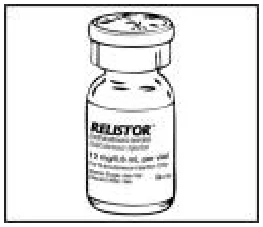
Missed Dose:
Not Applicable
Patient Instructions for Methylnaltrexone Bromide Vial to be used with a Standard Syringe and Needle (Note: Standard syringe and needle are not supplied with the vials)
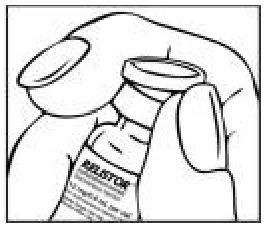
Introduction
The following instructions explain how to prepare and give an injection of RELISTOR the right way, when using a vial and a standard syringe.
The Patient Instructions for Use include the following steps:
Step 1: Preparing the injection
Step 2: Preparing the syringe
Step 3: Choosing and preparing an injection site
Step 4: Injecting methylnaltrexone bromide
Step 5: Disposing of supplies
Before starting, read and make sure that you understand the Patient Instructions for Use. If you have any questions, talk to your healthcare provider.
Gather the supplies you will need for your injection. These include:
- Methylnaltrexone bromide vial
- 1 mL syringe with a 27-gauge needle for subcutaneous use
- Two alcohol swabs
- Cotton ball or gauze
- Adhesive bandage
Important Notes:
- Use the syringes and needles prescribed by your healthcare provider.
- Do not use a RELISTOR vial more than one time, even if there is medicine left in the vial.
- Do not reuse syringes or needles
- To avoid needle-stick injuries, do not recap used needles.
Step 1: Preparing the Injection
- 1. Find a quiet place. Choose a flat, clean, well-lit working surface
- 2. Wash your hands with soap and warm water before preparing for the injection.
- 3.
Look at the vial of RELISTOR (Figure 1). The liquid in the vial should be clear and colorless to pale yellow, and should not have any particles in it. If not, do not use the vial, and call your healthcare provider.
Figure 1
Step 2: Preparing the syringe
- 1.
Remove the cap from the RELISTOR vial (Figure 2).
Figure 2
- 2. Wipe the rubber stopper with an alcohol swab (Figure 3).
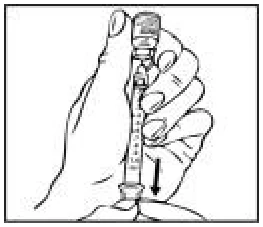
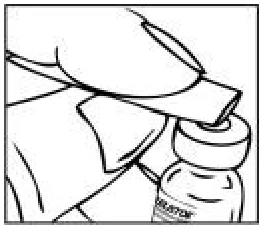
Figure 3
- 3. Firmly hold the barrel of the syringe and pull the needle cap straight off (Figure 4). Do not touch the needle or allow it to touch any surface.
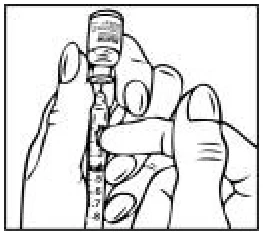
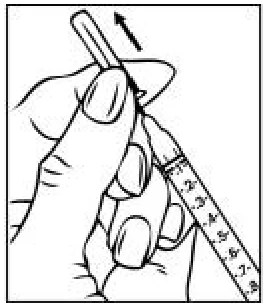
Figure 4
- 4. Insert the needle straight down into the rubber top of the vial (Figure 5). Do not insert it at an angle. This may cause the needle to bend or break. You will feel some resistance as the needle passes through the rubber top.
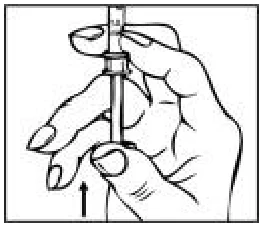
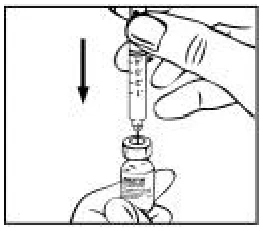
Figure 5
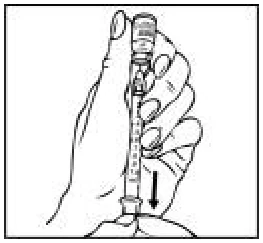
- 5. Gently push down the plunger until all of the air is out of the syringe and has gone into the vial (Figure 6).
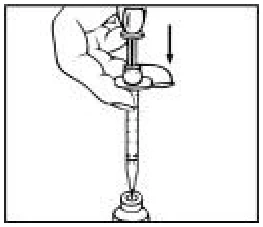
Figure 6
- 6.
With the needle still in the vial, turn the vial and syringe upside down. Hold the syringe at eye level. Make sure the tip of the needle is in the fluid. Slowly pull back on the plunger (Figure 7) to the mark that matches your prescribed dose. For most patients, this will be the 0.4 mL mark, which is an 8 mg dose, or the 0.6 mL mark, which is a 12 mg dose.
Figure 7
- 7.
With the needle still in the vial, gently tap the side of the syringe to make any air bubbles rise to the top (Figure 8).
Figure 8
- 8.
Slowly push the plunger up until all air bubbles are out of the syringe (Figure 9).
Figure 9
- 9.
Make sure the tip of the needle is in the fluid. Slowly pull back the plunger to draw the right amount of liquid back into the syringe (Figure 10).
Figure 10
- 7.
Check to be sure that you have the right dose of RELISTOR in the syringe.
Note: A small air bubble may stay in the syringe. This is okay, and it will not affect the dose of medicine in the syringe.
- 10. Slowly withdraw the needle from the vial. Do not touch the needle or allow it to touch any surface. Safely throw away the unused medicine in the vial. See Step 5.
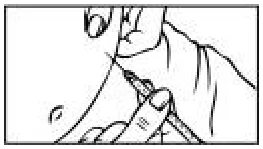
Step 3: Choosing and preparing an injection site
- 1. Choose an injection site: abdomen, thighs, or upper arms. See shaded areas in Figures 11 and 12 below. Do not inject at the exact same spot each time (rotate injection sites). Do not inject into areas where the skin is tender, bruised, red or hard. Avoid areas with scars or stretch marks.
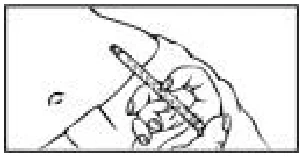
Figure 11. Abdomen or thigh – use these sites when injecting yourself or another person.
Figure 12. Upper arm – use this site only when injecting another person.
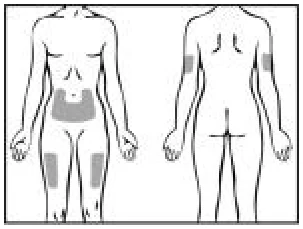
Figure 11 Figure 12
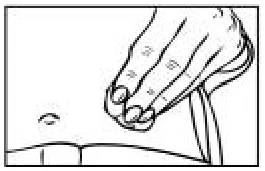
- 2. Clean the injection site with an alcohol swab and let it air-dry. Do not touch this area again before giving the injection (Figure 13).
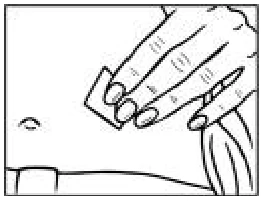
Figure 13
Step 4: Injecting methylnaltrexone bromide
- 1. Pinch the skin around the injection site as you were instructed (Figure 14).
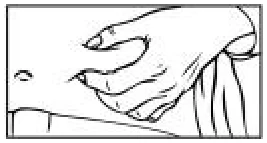
Figure 14
- 2.
Insert the full length of the needle into the skin at a 45-degree angle with a quick “dart-like” motion (Figure 15).
Figure 15
- 3.
Let go of skin and slowly push down on the plunger until the syringe is empty (Figure 16).
Figure 16
- 4. When the syringe is empty, quickly pull the needle out of the skin, being careful to keep it at the same angle as it was inserted. There may be a little bleeding at the injection site.
- 5.
Hold a cotton ball or gauze over the injection site (Figure 17). Do not rub the injection site. Apply an adhesive bandage to the injection site if needed.
Figure 17
- 3.
Step 5: Disposing of supplies
- Do not reuse a syringe or needle.
- Do not recap a used needle.
- Place used needle, syringes, and vials in a closeable, puncture-resistant container. You may use a sharps container (such as a red biohazard container), a hard plastic container (such as a detergent bottle), or metal container (such as an empty coffee can). Ask your healthcare provider for instructions on the right way to throw away (dispose of) the container. There may be state and local laws about how you should throw away used needles and syringes.
If you have any questions, talk to your healthcare provider or pharmacist.
| SIDE EFFECTS AND WHAT TO DO ABOUT THEM |
Like all medicines RELISTOR can cause side effects, although not everybody gets them.
The most common side effects of RELISTOR include:
abdominal (stomach) pain, gas, nausea, dizziness, diarrhea, injection site pain, vomiting, fatigue, drowsiness, restlessness and hyperhidrosis (excess sweating).
Other side effects may occur when using RELISTOR.
If any of the side effects persist or worsen, or if you notice any side effects not listed in this leaflet, please contact your healthcare professional.
| HOW TO STORE IT |
Store vials at room temperature, 20 to 25°C excursions permitted to 15-30°C. Do not freeze. Protect RELISTOR from light until you are ready to use it.
Keep out of the reach of children.
| MORE INFORMATION |
This document plus the full product monograph, prepared for health professionals can be found at:
http://www.relistor.com
or by contacting, Valeant Pharmaceuticals North America, LLC, at: 1-800-321-4576
Last revised: July 25, 2018
REPORTING SUSPECTED SIDE EFFECTS You can report any suspected adverse reactions associated with the use of health products to the Canada Vigilance Program by one of the following 3 ways:
Postage paid labels, Canada Vigilance Reporting Form and the adverse reaction reporting guidelines are available on the MedEffect™ Canada Web site at www.healthcanada.gc.ca/medeffect NOTE: Should you require information related to the management of the side effect, contact your health professional. The Canada Vigilance Program does not provide medical care. |
PART III: CONSUMER INFORMATION - VIALS AND SYRINGE WITH RETRACTABLE NEEDLE IN TRAY
PrRELISTOR®
Methylnaltrexone Bromide Injection
(For Subcutaneous use)
This leaflet is part III of a three-part "Product Monograph" published when RELISTOR was approved for sale in Canada and is designed specifically for Consumers. This leaflet is a summary and will not tell you everything about RELISTOR. Contact your doctor or pharmacist if you have any questions about the drug.
| ABOUT THIS MEDICATION |
What the medication is used for:
RELISTOR treats constipation that is caused by prescription pain medications called opioids. If your laxative is not working for you then RELISTOR should be used in addition to your laxative.
Many patients who respond to RELISTOR may have a bowel movement as soon as 30 minutes or it may take longer. Therefore, you should be within close proximity to toilet facilities after your injection.
What it does:
RELISTOR is a peripheral opioid receptor antagonist. This means, RELISTOR helps prevent opioid medications from binding to receptors in the gastrointestinal tract, to help reduce constipation.
RELISTOR reverses constipation, which is a side effect of opioids. It does not reduce the analgesic (pain-relieving) effect of opioids.
When it should not be used:
You should not take this medicine
- If you are allergic (hypersensitive) to methylnaltrexone bromide or to any ingredient in the formulation. (See what the non-medicinal ingredients are).
- If you have known or suspected mechanical bowel obstruction or acute surgical abdomen e.g. tumour, impaction
What the medicinal ingredient is:
Methylnaltrexone bromide
What the important non-medicinal ingredients are:
The non-medicinal ingredients are: sodium chloride, edetate calcium disodium, glycine hydrochloride and sterile water for injection.
What dosage forms it comes in:
RELISTOR is given as a subcutaneous Injection (under the skin).
| WARNINGS AND PRECAUTIONS |
Before starting treatment with RELISTOR, tell your healthcare professional:
- About all of your medical conditions
- About all the medicines you are taking or have recently taken, even those not prescribed by a healthcare professional.
- If you have kidney problems.
- If you are pregnant or plan to become pregnant since the effects of RELISTOR in pregnant women are not known.
- If you are breast-feeding or plan to breast feed since it is not known if RELISTOR passes into human breast milk.
- If you have known or suspected lesions of the gastrointestinal tract.
During treatment with RELISTOR:
- If you experience severe or persistent diarrhea during treatment with RELISTOR you should stop taking RELISTOR and contact your healthcare professional.
- If you experience severe, persistent, and/or worsening abdominal symptoms, stop taking RELISTOR and contact your healthcare professional immediately.
- If you experience persistent abdominal pain, nausea or vomiting that is new or has worsened contact your healthcare professional.
- If you become pregnant contact your healthcare professional about using RELISTOR.
- If you discontinue your prescription pain medication check with your healthcare professional before continuing use of RELISTOR.
- Unless otherwise instructed by your healthcare professional continue to take your other medicines for constipation.
| INTERACTIONS WITH THIS MEDICATION |
Please tell your healthcare professional if you are taking, or have recently taken, any other medicines including medicines obtained without a prescription.
Unless otherwise instructed by your healthcare professional, continue to take your other medicines for constipation.
| PROPER USE OF THIS MEDICATION |
RELISTOR is a sterile, clear and colourless to pale yellow aqueous solution. Before use, inspect the vial and if there are any solid particles in the solution or it is discoloured, discard and do not use this vial. Use another vial.
Usual Adult dose:
The recommended dose of RELISTOR is 8 mg or 12 mg once every other day as directed by your healthcare professional, based on weight. See the table below to determine the correct injection volume for you.
| Patient Weight | Injection Volume | Total Dose | |
| Pounds | Kilograms | ||
| 73 to less than 84 | 33 to less than 38 | 0.3 mL | 6 mg |
| 84 to less than 136 | 38 to less than 62 | 0.4 mL | 8 mg |
| 136 to 251 | 62 to 114 | 0.6 mL | 12 mg |
| 252 to 277 | 115 to 126 kg | 0.9 mL | 18 mg |
If your weight falls outside the ranges in this table, your healthcare professional will calculate the dosage for you.
If you have kidney problems, your healthcare professional will calculate the appropriate dose for you.
If no improvement is seen within a week, contact your healthcare professional.
Overdose:
|
Missed Dose:
Not Applicable
Patient Instructions for Use of Methylnaltrexone Bromide Vial and Syringe with Retractable Needle in Tray
Introduction
The following instructions explain how to prepare and give an injection of RELISTOR the right way, when using a RELISTOR tray containing a syringe with a retractable needle. A retractable needle is one that is pulled back so that it is covered after use, to prevent needle-stick injury.
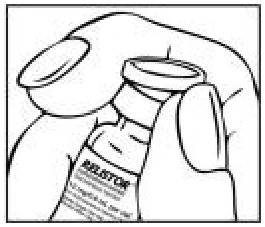
The Patient Instructions for Use include the following steps:
Step 1: Preparing the injection
Step 2: Preparing the syringe
Step 3: Choosing and preparing an injection site
Step 4: Injecting methylnaltrexone bromide
Step 5: Disposing of supplies
Before starting, read and make sure that you understand the Patient Instructions for Use. Familiarize yourself with the RELISTOR tray, which contains the supplies you need for an injection. If you have any questions, talk to your healthcare provider. Your tray should include the following:
- RELISTOR vial
- 1 mL syringe with retractable needle (VanishPoint®)
- Two alcohol swabs
In addition, you will need a cotton ball or gauze, and you may need an adhesive bandage.
| Note: The package insert and consumer information are included in the cartons and not in individual trays. |
Important Notes:
- Do not use a vial more than one time, even if there is medicine left in the vial.
- Do not reuse syringes and needles.
- To avoid needle-stick injuries, do not recap needles.
Step 1: Preparing the injection
- 1 Find a quiet place. Choose a flat, clean, well-lit working surface.
- 2 Wash your hands with soap and warm water before preparing for the injection.
3 Look at the vial of RELISTOR (Figure 1). The liquid in the vial should be clear and colorless to pale yellow, and should not have any particles in it. If not, do not use the vial and call your healthcare provider.
Figure 1
Step 2: Preparing the syringe
Remove the cap from the vial containing RELISTOR (Figure 2).
Figure 2
- Wipe the rubber stopper with an alcohol swab (Figure 3).
Figure 3
- 3. Firmly hold the barrel of the syringe and remove the needle cap straight off (Figure 4). Do not touch the needle or allow it to touch any surface.
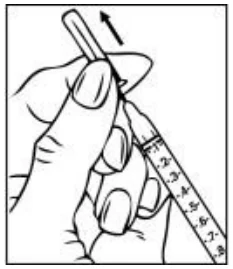
Figure 4
- 4. Carefully pull back on the plunger to the line that matches the dose prescribed by your healthcare provider (Figure 5). For most patients, this will be the 0.4 mL mark, which is an 8 mg dose, or the 0.6 mL mark, which is a 12 mg dose.
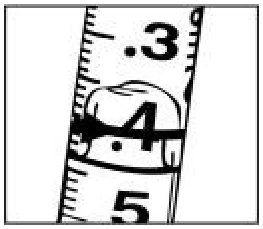
Figure 5
- 5. Insert the needle straight down into the rubber top of the RELISTOR vial (Figure 6). Do not insert it at an angle. This may cause the needle to bend or break. You will feel some resistance as the needle passes through the rubber top.
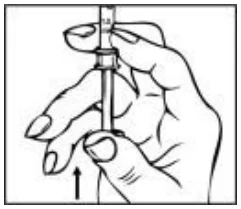
Figure 6
- 6.
Gently push down the plunger until you feel resistance, and most of the air has gone out of the syringe and into the vial (Figure 7). Do not push past the resistance point. Doing this will make the needle retract (pull back) into the syringe
barrel. If this happens, discard the product and start again with another vial and syringe.
Figure 7
- 7.
With the needle still in the vial, turn the vial and syringe upside down. Hold the syringe at eye level. Make sure the tip of the needle is in the fluid. Slowly pull back on the plunger (Figure 8) to the mark that matches your prescribed dose (usually the 0.4 mL mark, which is an 8 mg dose, or the 0.6 mL mark, which is a 12 mg dose.
Figure 8
- 8.
You may see some fluid or bubbles inside the vial when the syringe is filled. This is normal. With the needle still in the vial, gently tap the syringe to make any air bubbles rise to the top (Figure 9).
Figure 9
- 9.
Slowly push the plunger up until all air bubbles are out of the syringe (Figure 10).
Figure 10
- 10. Make sure the tip of the needle is in the fluid. Slowly pull back the plunger to draw the right amount of liquid back
- into the syringe (Figure 11).
Figure 11
Check to be sure that you have the right dose of RELISTOR in the syringe.
Note: A small air bubble may stay in the syringe. This is okay, and it will not affect the dose of medicine in the syringe.
- 11. Slowly withdraw the needle from the vial (do not touch the needle or allow the needle to touch any surface). Safely throw away the unused medicine in the vial. See Step 5.
Step 3: Choosing and preparing an injection site
- 1. Choose an injection site: abdomen, thighs, or upper arms. See shaded areas in Figures 12 and 13. Do not inject at the exact same spot each time (rotate injection sites). Do not inject into areas where the skin is tender, bruised, red, or hard. Avoid areas with scars or stretch marks.
Figure 12. Abdomen or thigh – use these sites when injecting yourself or another person.
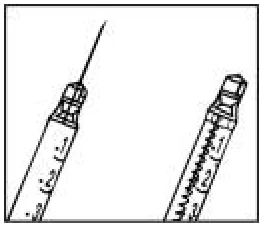
Figure 13. Upper arm – use this site only when injecting another person.
Figure 12 Figure 13
- 2. Clean the injection site with an alcohol swab and let it air dry. Do not touch this area again before giving the injection (Figure 14).
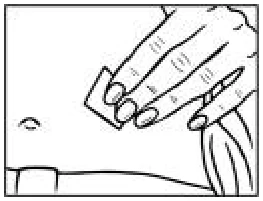
Figure 14
Step 4: Injecting RELISTOR
- 1.
Pinch the skin around the injection site as you were instructed (Figure 15).
Figure 15
- 2.
Insert the full length of the needle into the skin at 45-degree angle with a “quick dart-like” motion (Figure 16).
Figure 16
- 3. After the needle is inserted, let go of the skin and slowly push the plunger all the way down to inject RELISTOR.
- 4.
When you hear a click sound that means the entire contents were injected, and the needle will automatically retract and be capped. The click sound means that the needle (Figure 17) has been retracted (pulled back) into the syringe barrel (Figure 18).
Figure 17 Figure 18
- 5.
There may be a little bleeding at the injection site. Hold a cotton ball or gauze over the injection site (Figure 19). Do not rub the injection site. Apply an adhesive bandage to the injection site if needed.
Figure 19
Step 5: Disposing of supplies
- Do not reuse a syringe or needle.
- Do not recap a used needle.
- Place used needles, syringes and vials in a closeable, puncture-resistant container. You may use a sharps container (such as a red biohazard container), a hard plastic container (such as a detergent bottle), or a metal container (such as an empty coffee can). Ask your healthcare provider for instructions on the right way to throw away (dispose of) the container. There may be state and local laws about how you should throw away used needles and syringes.
If you have any questions, talk to your healthcare provider or pharmacist.
| SIDE EFFECTS AND WHAT TO DO ABOUT THEM |
Like all medicines RELISTOR can cause side effects, although not everybody gets them.
The most common side effects of RELISTOR include:
abdominal (stomach) pain, gas, nausea, dizziness, diarrhea, injection site pain, vomiting, fatigue, drowsiness, restlessness and hyperhidrosis (excess sweating).
Other side effects may occur when using RELISTOR.
If any of the side effects persist or worsen, or if you notice any side effects not listed in this leaflet, please contact your healthcare professional.
| HOW TO STORE IT |
Store vials at room temperature, 20 to 25°C excursions permitted to 15-30°C. Do not freeze. Protect RELISTOR from light until you are ready to use it.
Keep out of the reach of children.
| MORE INFORMATION |
This document plus the full product monograph, prepared for health professionals can be found at:
http://www.relistor.com
or by contacting, Valeant Pharmaceuticals North America, LLC, at: 1-800-321-4576
Last revised: July 25, 2018
REPORTING SUSPECTED SIDE EFFECTS You can report any suspected adverse reactions associated with the use of health products to the Canada Vigilance Program by one of the following 3 ways:
Postage paid labels, Canada Vigilance Reporting Form and the adverse reaction reporting guidelines are available on the MedEffect ™ Canada Web site at www.healthcanada.gc.ca/medeffect NOTE: Should you require information related to the management of the side effect, contact your health professional. The Canada Vigilance Program does not provide medical advice. |
PART III: CONSUMER INFORMATION – PRE-FILLED SYRINGES
PrRELISTOR®
Methylnaltrexone Bromide Injection
(For Subcutaneous use)
This leaflet is part III of a three-part "Product Monograph" published when RELISTOR was approved for sale in Canada and is designed specifically for Consumers. This leaflet is a summary and will not tell you everything about RELISTOR. Contact your doctor or pharmacist if you have any questions about the drug.
| ABOUT THIS MEDICATION |
What the medication is used for:
RELISTOR treats constipation that is caused by prescription pain medications called opioids. If your laxative is not working for you then RELISTOR should be used in addition to your laxative.
Many patients who respond to RELISTOR may have a bowel movement as soon as 30 minutes or it may take longer. Therefore, you should be within close proximity to toilet facilities after your injection.
What it does:
RELISTOR is a peripheral opioid receptor antagonist. This means, RELISTOR helps prevent opioid medications from binding to receptors in the gastrointestinal tract, to help reduce constipation.
RELISTOR reverses constipation, which is a side effect of opioids. It does not reduce the analgesic (pain-relieving) effect of opioids.
When it should not be used:
You should not take this medicine
- If you are allergic (hypersensitive) to methylnaltrexone bromide or to any ingredient in the formulation. (See what the non-medicinal ingredients are).
- If you have known or suspected mechanical bowel obstruction or acute surgical abdomen e.g. tumour, impaction
What the medicinal ingredient is:
Methylnaltrexone bromide
What the important non-medicinal ingredients are:
The non-medicinal ingredients are: sodium chloride, edetate calcium disodium, glycine hydrochloride and sterile water for injection.
What dosage forms it comes in:
RELISTOR is given as a subcutaneous Injection (under the skin).
WARNINGS AND PRECAUTIONS
Before starting treatment with RELISTOR, tell your healthcare professional:
- About all of your medical conditions
- About all the medicines you are taking or have recently taken, even those not prescribed by a healthcare professional.
- If you have kidney problems.
- If you are pregnant or plan to become pregnant since the effects of RELISTOR in pregnant women are not known.
- If you are breast-feeding or plan to breast feed since it is not known if RELISTOR passes into human breast milk.
- If you have known or suspected lesions of the gastrointestinal tract.
During treatment with RELISTOR:
- If you experience severe or persistent diarrhea during treatment with RELISTOR you should stop taking RELISTOR and contact your healthcare professional.
- If you experience severe, persistent, and/or worsening abdominal symptoms, stop taking RELISTOR and contact your healthcare professional immediately.
- If you experience persistent abdominal pain, nausea or vomiting that is new or has worsened contact your healthcare professional.
- If you become pregnant contact your healthcare professional about using RELISTOR.
- If you discontinue your prescription pain medication check with your healthcare professional before continuing use of RELISTOR.
- Unless otherwise instructed by your healthcare professional continue to take your other medicines for constipation.
| INTERACTIONS WITH THIS MEDICATION |
Please tell your healthcare professional if you are taking, or have recently taken, any other medicines including medicines obtained without a prescription.
Unless otherwise instructed by your healthcare professional, continue to take your other medicines for constipation.
| PROPER USE OF THIS MEDICATION |
RELISTOR is a sterile, clear and colourless to pale yellow aqueous solution. Before use, inspect the vial and if there are any solid particles in the solution or it is discoloured, discard and do not use this vial. Use another vial.
Usual Adult dose:
The recommended dose of RELISTOR is 8 mg or 12 mg once every other day as directed by your healthcare professional, based on weight. See the table below to determine the correct injection volume for you.
| Patient Weight | Injection Volume | Total Dose | |
| Pounds | Kilograms | ||
| 73 to less than 84 | 33 to less than 38 | 0.3 mL | 6 mg |
| 84 to less than 136 | 38 to less than 62 | 0.4 mL | 8 mg |
| 136 to 251 | 62 to 114 | 0.6 mL | 12 mg |
| 252 to 277 | 115 to 126 kg | 0.9 mL | 18 mg |
If your weight falls outside the ranges in this table, your healthcare professional will calculate the dosage for you.
If you have kidney problems, your healthcare professional will calculate the appropriate dose for you.
If no improvement is seen within a week, contact your healthcare professional.
Overdose:
|
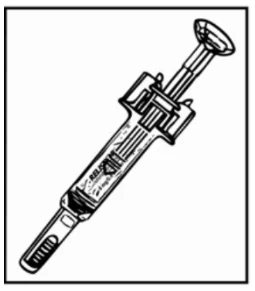
Missed Dose:
Not Applicable
Patient instructions for use of RELISTOR pre-filled syringe
Introduction
The following instructions explain how to prepare and give an injection of RELISTOR the right way when using a pre-filled syringe.
The patient instructions for use include the following steps:
Step 1: Preparing the injection
Step 2: Preparing the syringe
Step 3: Choosing and preparing an injection site
Step 4: Injecting RELISTOR using pre-filled syringe
Step 5: Disposing of supplies
Before starting, read and make sure that you understand the Patient Instructions for Use. If you have any questions, talk to your healthcare provider.
Gather the supplies you will need for your injection. These include:
- Methylnaltrexone bromide pre-filled syringe
- Two alcohol swabs
- Cotton ball or gauze
- Adhesive bandage
Important Notes:
Do not use RELISTOR pre-filled syringe more than one time, even if there is medicine left in the syringe.
Safely throw away RELISTOR pre-filled syringes after use (see Step 5).
To avoid needle-stick injuries, do not recap used needles.
Step 1: Preparing the injection for pre-filled syringe
- 1. Find a quiet place. Choose a flat, clean, well-lit working surface.
- 2. Wash your hands with soap and warm water before preparing for the injection.
- 3.
Look at the pre-filled syringe of RELISTOR (Figure 1). Make sure that the dose prescribed by your healthcare provider matches the dose on the pre-filled syringe label. Additionally, inspect the plunger rod of the syringe. If the dose prescribed by your healthcare provider is 8 mg, the plunger rod will be yellow; if the prescribed dose is 12 mg, the plunger rod of the syringe will be purple (Figure 1).
Figure 1
- 4. The liquid in the pre-filled syringe should be clear and colorless to pale yellow, and should not have any particles in it. If not, do not use the pre-filled syringe, and call your healthcare provider.
Step 2: Preparing the pre-filled syringe
Firmly hold the barrel of the pre-filled syringe and pull the needle cap straight off (Figure 2). Do not touch the needle or allow it to touch any surface.
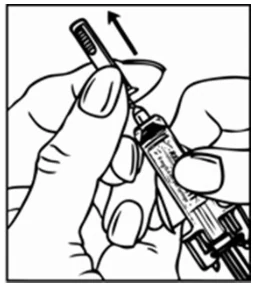
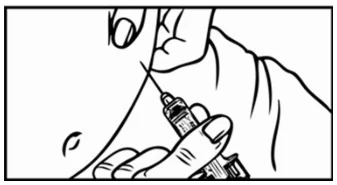
Figure 2
Step 3: Choosing and preparing an injection site
Choose an injection site: abdomen, thighs, or upper arms. See shaded areas in Figures 3 and 4. Do not inject at the exact same spot each time (rotate injection sites). Do not inject into areas where the skin is tender, bruised, red or hard. Avoid areas with scars or stretch marks.
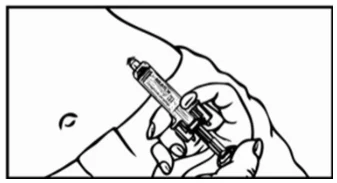
Figure 3. Abdomen or thigh – use these sites when injecting yourself or another person.
Figure 4. Upper arm – use this site only when injecting another person.
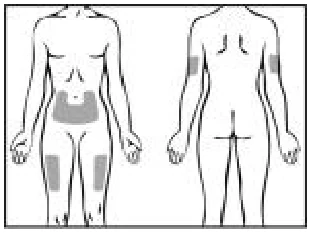
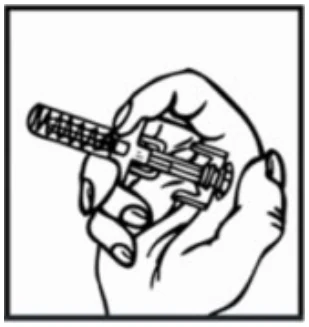
Figure 3 Figure 4
Clean the injection site with an alcohol swab and let it air-dry. Do not touch this area again before giving the injection (Figure 5).
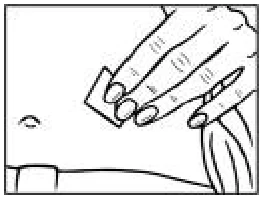
Figure 5
Step 4: Injecting methylnaltrexone bromide
- 1. Pinch the skin around the injection site as you were instructed (Figure 6).
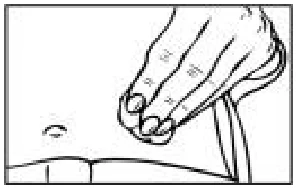
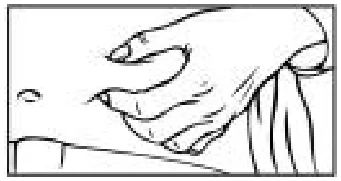
Figure 6
- 2.
Insert the full length of the needle into the skin at a 45-degree angle with a quick “dart-like” motion (Figure 7).
Figure 7
- 3.
Let go of skin and slowly push down on the plunger until the pre-filled syringe is empty. This will release the needle safety device (Figure 7A).
Figure 7A
- 4.
Quickly pull the needle out of the skin, being careful to keep it at the same angle as it was inserted. Release your thumb from the plunger to allow the protective sleeve to cover the needle (Figure 8). There may be a little bleeding at the injection site.
Figure 8
- 5.
Hold a cotton ball or gauze over the injection site (Figure 9). Do not rub the injection site. Apply an adhesive bandage to the injection site if needed.
Figure 9
Step 5: Disposing of supplies
Do not reuse the pre-filled syringe or recap the needle.
Place used pre-filled syringe in a closeable, puncture-resistant container. You may use a sharps container (such as a red biohazard container), a hard plastic container (such as a detergent bottle), or metal container (such as an empty coffee can). Ask your healthcare provider for instructions on the right way to throw away (dispose of) the container. There may be local laws about how you should throw away used needles and syringes.
| SIDE EFFECTS AND WHAT TO DO ABOUT THEM |
Like all medicines RELISTOR can cause side effects, although not everybody gets them.
The most common side effects of RELISTOR include:
abdominal (stomach) pain, gas, nausea, dizziness, diarrhea, injection site pain, vomiting, fatigue, drowsiness, restlessness and hyperhidrosis (excess sweating)
Other side effects may occur when using RELISTOR.
If any of the side effects persist or worsen, or if you notice any side effects not listed in this leaflet, please contact your healthcare professional.
| HOW TO STORE IT |
Store pre-filled syringes at room temperature, 20 to 25°C excursions permitted to 15-30°C. Do not freeze. Protect RELISTOR from light until you are ready to use it.
Keep out of the reach of children.
This document plus the full product monograph, prepared for health professionals can be found at:
http://www.relistor.com
or by contacting Valeant Pharmaceuticals North America, LLC at: 1-800-321-4576
Last revised: July 25, 2018
REPORTING SUSPECTED SIDE EFFECTS You can report any suspected adverse reactions associated with the use of health products to the Canada Vigilance Program by one of the following 3 ways:
Postage paid labels, Canada Vigilance Reporting Form and the adverse reaction reporting guidelines are available on the MedEffect ™ Canada Web site at www.healthcanada.gc.ca/medeffect NOTE: Should you require information related to the management of the side effect, contact your health professional. The Canada Vigilance Program does not provide medical advice. |
| MORE INFORMATION |