


Patient Medication Information: uses, side effects, how to take - Remeron Rd
What is REMERON RD® used for?
REMERON RD® is used in adults to relieve symptoms of depression.
How does REMERON RD® work?
REMERON RD® belongs to a group of medicines called anti-depressants. The way REMERON RD® works to treat depression is unknown. REMERON RD® is thought to have an effect in the brain on chemicals called serotonin and norepinephrine.
What are the ingredients in REMERON RD®?
Medicinal ingredients: Mirtazapine
Non-medicinal ingredients: Aspartame (contains phenylalanine), citric acid, crospovidone, hydroxypropyl methylcellulose, magnesium stearate, mannitol, microcrystalline cellulose, natural and artificial orange flavour, polymethyl acrylate, povidone, sodium bicarbonate, starch and sucrose.
REMERON RD® comes in the following dosage forms:
Orally disintegrating tablet; 15 mg, 30 mg, and 45 mg
Do not use REMERON RD® if you are:
- allergic to mirtazapine or any of the other ingredients in this medication;
- currently taking or have recently taken monoamine oxidase (MAO) inhibitors (including some types of anti-depressant and anti-Parkinson treatments) in the past 14 days
REMERON RD® is not for use in patients under 18 years of age.
To help avoid side effects and ensure proper use, talk to your healthcare professional before you take REMERON RD®. Talk about any health conditions or problems you may have, including if you:
- have ever shown unusual sensitivity (rash or any other signs of allergy) to any medication;
- have heart problems;
- have had a heart attack or stroke;
- have liver or kidney problems;
- are taking a medicine to lower your blood pressure;
- have a history of drug abuse;
- have a history of mania;
- have a history of seizures or fits;
- have diabetes;
- have prostate problems;
- have glaucoma or increased pressure in your eyes;
- have a history of suicidal behaviour or other mental health problems, such as schizophrenia and bipolar disorder (alternating periods of elation/overactivity and depressed mood);
- have a history of high cholesterol and/or high triglycerides (fats in the blood);
- are 65 years of age or older;
- have phenylketonuria (an intolerance to some sugars). REMERON RD® contains a source of phenylalanine.
Other warnings you should know about:
REMERON RD® can cause serious side effects, including:
- Changes in Feelings, Thoughts and Behaviour: It is important that you have good communication with your healthcare professional about how you feel. Discussing your feelings and treatment with a friend or relative who can tell you if they think you are getting worse is also useful. Some patients may feel worse when they first start taking REMERON RD® or when their dose is changed. You may have thoughts of hurting yourself or others. This can be more likely to happen if you have a history of suicidal thoughts or attempts and if you are aged 18 to 24 years old.
- Agranulocytosis: Severely low numbers of white blood cells that can lead to death.
- Heart Problems: REMERON RD® can cause serious heart problems that can lead to death. There is a greater risk for these heart problems if you have or have a family history of heart rhythm problems (QT Prolongation).
- Serotonin Syndrome and Neuroleptic Malignant Syndrome: These are life-threatening conditions that affect your muscle tone and temperature control.
- Serious Skin Problems: REMERON RD® can cause serious skin problems such as Stevens-Johnson Syndrome (SJS), toxic epidermal necrolysis (TEN) and drug reaction with eosinophilia and systemic symptoms (DRESS) that can be life-threatening.
See the “Serious side effects and what to do about them” table, below, for more information on these and other serious side effects.
Pregnancy: If you are pregnant, think you might be pregnant, or are thinking of becoming pregnant talk to your healthcare professional. If you get pregnant while taking REMERON RD® you should discuss the risks and benefits of continuing your treatment with REMERON RD® with your healthcare professional. Some newborns whose mothers took an SSRI or other newer antidepressants during pregnancy have developed complications at birth requiring prolonged hospitalization, breathing and feeding difficulties, seizures, tense or overly relaxed muscles, jitteriness and constant crying. In most cases, the newer anti-depressant was taken during the third trimester of pregnancy. If your baby experiences any of these symptoms, contact your doctor as soon as you can.
Breastfeeding: If you are breastfeeding or thinking of breastfeeding discuss the risks and benefits of continuing your treatment with REMERON RD® with your healthcare professional. REMERON RD® passes into breastmilk. It is very important that you do NOT stop taking REMERON RD® without first talking to your doctor.
Discontinuation Symptoms: Do not stop taking REMERON RD® or change your dose without speaking to your healthcare professional. This can cause serious side effects. If you experience symptoms such as dizziness, abnormal dreams, numbness and tingling or electric shock sensations, agitation, anxiety, fatigue, confusion, headache, tremor, nausea, vomiting or sweating when your dose has been lowered or changed, talk to you healthcare professional. These symptoms can also occur if you miss a dose.
Driving and using machines: Before you do tasks that require special attention, wait until you know how you respond to REMERON RD®, as it may affect your ability to be alert.
Blood tests: REMERON RD® can cause abnormal blood test results. Your healthcare professional will decide when to perform blood tests and will interpret the results.
Tell your healthcare professional about all the medicines you take, including any drugs, vitamins, minerals, natural supplements or alternative medicines.
Serious Drug Interactions
Do not use REMERON RD® if you are taking or have recently taken:
- Monoamine Oxidase Inhibitors (such as; phenelzine, tranylcypromine, moclobemide, selegiline, linezolid, methylene blue)
The following may interact with REMERON RD®:
- other antidepressants, such as Selective Serotonin Reuptake Inhibitors (SSRIs, i.e. paroxetine), venlafaxine, certain tricyclic antidepressants (i.e. amitriptyline), nefazodone, tryptophan
- ketoconazole; used to treat fungal infections
- cimetidine; used to treat reflux and stomach ulcers
- antibiotics used to treat bacterial infections such as; erythromycin and linezolid
- antiviral medicines used to treat Human Immunodeficiency Virus (HIV), such as a combination of fosamprenavir and ritonavir
- medicines used to treat epilepsy, such as carbamazepine and phenytoin
- rifampicin; an antibiotic used to treat tuberculosis
- warfarin; used to prevent blood clotting
- benzodiazepines; such as midazolam, oxazepam and diazepam
- medicines that may affect the heart’s rhythm
- medicines used to treat mental health problems such as risperidone and lithium
- triptans; used to treat migraines
- opioids such as tramadol; used to treat moderate to severe pain
- St. John’s Wort, an herbal product used to treat depression
alcohol; you should not drink alcohol with you are taking REMERON RD®
How to take REMERON RD®:
- Take REMERON RD® exactly as your healthcare professional tells you.
- Do not stop taking REMERON RD® or change your dose without speaking to your healthcare professional.
- Take your tablet at the same time each day, preferably in the evening before sleep.
- Do not chew the tablets.
The tablet should be taken as follows:
- In order to prevent crushing the tablet, do not push against the tablet pocket (Figure A).
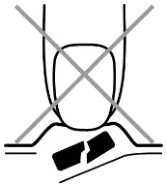
FIGURE A
- Each strip contains six tablet pockets, which are separated by perforations. Bend the strip as indicated. Tear off one tablet pocket along the dotted lines (Figure 1).
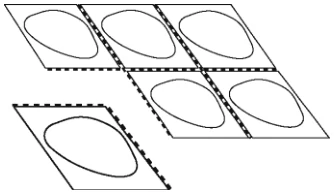
FIGURE 1
- Carefully peel off the lidding foil, starting in the corner indicated by the arrow (Figures 2 and 3).
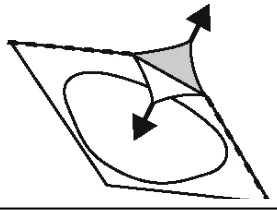
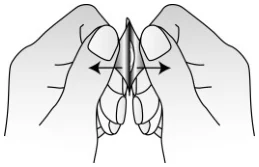
FIGURE 2 FIGURE 3
- Take out the tablet (making sure your hands are dry) and place it on the tongue (Figure 4). The tablet will rapidly disintegrate and can be swallowed without water.
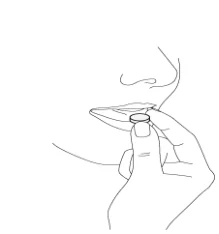
FIGURE 4
- The tablet should be used immediately after removal from its blister; once removed, it cannot be stored.
- Do not attempt to split the tablet.
Usual adult dose:
15 mg – 45 mg once a day.
Overdose:
| If you think you have taken too much REMERON RD®, contact your healthcare professional, hospital emergency department or regional poison control centre immediately, even if there are no symptoms. |
|---|
Signs that you have taken too much REMERON RD® include; drowsiness, disorientation, increased heart rate. The symptoms of a possible overdose may include changes to your heart rhythm (fast, irregular heartbeat) and/or fainting which could be symptoms of a life-threatening condition known as Torsade de Pointes.
Missed Dose:
If you forget to take your evening dose, do not take the missed dose the next morning. Continue treatment in the evening (prior to sleep) with your normal dose. Do not take a double dose to make up for forgotten doses.
What are possible side effects from using REMERON RD®?
These are not all the possible side effects you may feel when taking REMERON RD® If you experience any side effects not listed here, contact your healthcare professional.
Side effects may include:
- sleepiness, drowsiness
- weakness
- dry mouth
- increased appetite
- constipation
- weight gain
- dizziness
- headache
- muscle pain, back pain
- abnormal dreams, trouble sleeping, nightmares
- frequent urination
- itchiness, rash
- faintness (especially when you get up quickly from a lying or sitting position)
- urinary tract infections
- abnormal sensation in the skin (e.g., burning, stinging, tickling or tingly);
Serious side effects and what to do about them
| Symptom/effect | Talk to your healthcare professional | Stop taking drug and get immediate medical help | |
| Only if severe | In all cases | ||
| COMMON | |||
| Amnesia: memory problems | √ | ||
| RARE | |||
Serious side effects and what to do about them
| Symptom/effect | Talk to your healthcare professional | Stop taking drug and get immediate medical help | |
| Only if severe | In all cases | ||
| Agranulocytosis (severely low white blood cells): bruising, abnormal bleeding, signs of infection including fever, chills, sore throat, mouth sores/ulcers and swelling | √ | ||
| Seizure (convulsion): muscle twitching, changes in emotions, confusion, loss of consciousness with uncontrollable shaking | √ | ||
| Hallucinations: hearing or seeing things that are not really there | √ | ||
| Mania: excessive happiness or irritability, racing thoughts, greatly increased energy, severe trouble sleeping, reckless behaviour | √ | ||
| Akathisia: feeling restless and unable to sit or stand still | √ | ||
| Restless Legs: feeling of unrest during night in the legs, sudden muscle contractions in the legs | √ | ||
| Liver problems: abdominal pain, yellowing of eyes or skin, dark urine, nausea, vomiting, loss of appetite | √ | ||
| Severe Skin Reactions; Stevens Johnson Syndrome (SJS), toxic epidermal necrolysis (TEN), Drug reaction with eosinophilia and systemic symptoms (DRESS): fever, severe rash, swollen lymph nodes, flu-like feeling, blisters and peeling of skin that may start in and around the mouth, nose, eyes and genitals and spread to other areas of the body, yellow skin or eyes, shortness of breath, dry cough, chest pain or discomfort, feeling thirsty, urinating less often, less urine, itching | √ | ||
Serious side effects and what to do about them
| Symptom/effect | Talk to your healthcare professional | Stop taking drug and get immediate medical help | |
| Only if severe | In all cases | ||
| Hyponatremia (low sodium levels in the blood): feeling ill, weakness, drowsiness, confusion, achy, stiff or uncoordinated muscles | √ | ||
| Pancreatitis (inflammation of the pancreas): severe upper abdominal pain that lasts and gets worse when you lie down, nausea, vomiting, fever | √ | ||
| VERY RARE | |||
| Serotonin Syndrome and Neuroleptic Malignant Syndrome: agitation or restlessness, confusion, flushing, muscle twitching, tremor, involuntary eye movements, heavy sweating, high body temperature (>38°C), rigid muscles | √ | ||
| Changes in Feelings, Thoughts and Behaviour: anger, aggression, anxiety, thoughts of hurting yourself (suicide) or others | √ | ||
| UNKNOWN | |||
| Heart Problems (QT Prolongation): abnormal heart rate or rhythm, palpitations, dizziness, fainting | √ | ||
| Rhabdomyolysis: very dark “tea coloured” urine, muscle tenderness or weakness, muscle pain that you cannot explain | √ | ||
| Hyperprolactinemia (high levels of prolactin in the blood): enlarged breasts and/or milky nipple discharge | √ | ||
| Sleepwalking | √ | ||
| Priapism: prolonged (longer than 4 hours) painful erection of the penis | √ | ||
If you have a troublesome symptom or side effect that is not listed here or becomes bad enough to interfere with your daily activities, talk to your healthcare professional.
Reporting Side Effects
You can report any suspected side effects associated with the use of health products to Health Canada by:
NOTE: Contact your health professional if you need information about how to manage your side effects. The Canada Vigilance Program does not provide medical advice. |
Storage:
- Store at room temperature, 15°C - 30°C in the original package. Protect from light and moisture. Use immediately upon opening individual tablet blister.
- Keep REMERON RD® out of the reach and sight of children.
- Do not use REMERON RD® after the expiry date indicated on the package.
If you want more information about REMERON RD®:
- Talk to your healthcare professional
- Find the full product monograph that is prepared for healthcare professionals and includes this Patient Medication Information by visiting the Health Canada website https://www.canada.ca/en/health-canada/services/drugs-health-products/drug-products/drug-product-database.html or the Organon Canada website www.organon.ca or by calling Organon Canada at 1-844-820-5468.
Last revised: May 10, 2021
® N.V. Organon. Used under license.
© 2021 Organon Canada Inc. All rights reserved.