


Patient Medication Information: uses, side effects, how to take - Rinvoq
Serious warnings and precautions box
Serious Infections
Cancers
Blood clots
|
What RINVOQ is used for:
RINVOQ is used to treat:
- adults with rheumatoid arthritis when treatment with methotrexate has not worked well or was not tolerated well. RINVOQ may be taken alone or in combination with other medicines.
- adults with psoriatic arthritis when treatment with other medicines have not worked well or were not tolerated well. RINVOQ may be taken alone or in combination with methotrexate.
- adults with active axial spondyloarthritis (ankylosing spondylitis and non-radiographic axial spondyloarthritis) when treatment with other medicines have not worked well or are not appropriate. Axial spondyloarthritis (ankylosing spondylitis and non-radiographic axial spondyloarthritis) is a disease that primarily causes inflammation in the spine. RINVOQ may be taken alone or in combination with non-steroidal anti-inflammatory drugs (NSAIDs).
- adults with giant cell arteritis. RINVOQ is used in combination with a slowly reducing dose of corticosteroids and then alone after you stop taking corticosteroids.
adults and adolescents 12 years of age and older and weighing 40 kg or more with refractory moderate to severe eczema (atopic dermatitis). It is used when treatment with other medications has not worked well or was not tolerated well. RINVOQ may be used with or without topical corticosteroids.
- adults with ulcerative colitis when treatment with other medicines has not worked well or was not tolerated well.
- adults with Crohn’s disease when treatment with other medicines have not worked well or were not tolerated well.
How RINVOQ works:
RINVOQ is a ‘Janus kinase’ (JAK) inhibitor. JAK is an enzyme in your body, which normally helps to turn on your immune system when you need it. However, when it is too active this can also lead to inflammation that could result in swelling, redness and/or pain.
Major heart related problems
|
RINVOQ works by attaching to the JAK enzyme to lower its activity.
Rheumatoid arthritis
In people with rheumatoid arthritis, RINVOQ can help to reduce inflammation and improve signs and symptoms like tenderness and pain in and around their joints. It can help to slow down damage to the bone and joints.
Psoriatic arthritis
In people with psoriatic arthritis, RINVOQ can help to reduce inflammation and improve signs and symptoms like pain, stiffness, and swelling in and around their joints, psoriatic skin rash, and tiredness. It can help to slow down damage to the bone and joints.
Axial spondyloarthritis (axSpA)
Ankylosing spondylitis (AS, radiographic axial spondyloarthritis)
In people with ankylosing spondylitis, RINVOQ can help to reduce inflammation and improve signs and symptoms like back pain, including at night, and stiffness. These effects can help you to improve your health-related quality of life.
Non-radiographic axial spondyloarthritis (nr-axSpA)
In people with non-radiographic axial spondyloarthritis, RINVOQ can help to reduce inflammation and improve signs and symptoms like back pain, including back pain at night, and stiffness. These effects can help you to improve your health-related quality of life.
Giant cell arteritis
In people with giant cell arteritis, RINVOQ can help to control the signs and symptoms of giant cell arteritis including headache, scalp tenderness, and jaw pain.
Giant cell arteritis is often treated with medicines called steroids. Adding RINVOQ to the treatment means that steroids can be used for a shorter time, while still controlling giant cell arteritis.
Eczema (Atopic Dermatitis)
In people with eczema who experience inflammation, RINVOQ can improve the condition of your skin, and reduce itching, flares, overall symptoms of eczema, and the impact of eczema on your quality of life.
Ulcerative colitis
In people with ulcerative colitis, RINVOQ can help to control inflammation in the large intestine. RINVOQ can improve signs and symptoms like abdominal pain, rectal bleeding, and the need to rush to and the number of times you go to the toilet. It can help you do normal daily activities and improve your health-related quality of life.
Crohn’s Disease
In people with Crohn’s disease RINVOQ helps to control inflammation of your intestinal lining. RINVOQ can improve signs and symptoms like frequent and loose stools, and abdominal pain. It can help you do normal daily activities, reduce fatigue, and improve your health-related quality of life.
The ingredients in RINVOQ are:
Medicinal ingredient: upadacitinib (as upadacitinib hemihydrate)
Non-medicinal ingredients: black iron oxide (E172)/ferrosoferric oxide (15 mg only), hypromellose, iron oxide red (E172), iron oxide yellow (E172) (45 mg only), macrogol/polyethylene glycol, magnesium stearate, mannitol, microcrystalline cellulose, polyvinyl alcohol, silica (colloidal anhydrous)/colloidal silicon dioxide, talc, tartaric acid, and titanium dioxide (E171). The tablets are gluten-free.
RINVOQ comes in the following dosage form:
Extended-release tablets: 15 mg, 30 mg, and 45 mg upadacitinib
Do not use RINVOQ if:
- you are allergic to upadacitinib or any of the other ingredients in RINVOQ.
To help avoid side effects and ensure proper use, talk to your healthcare professional before you take RINVOQ. Talk about any health conditions or problems you may have, including if you:
have or have had tuberculosis (TB), or been in close contact with someone who has TB.
- You may need tests to check for TB before you are given RINVOQ.
- Tell your healthcare professional if you get a persistent cough, fever, night sweats and weight loss during RINVOQ treatment. These can be signs of TB.
have had a herpes infection (shingles).
- This is because RINVOQ may allow it to come back.
- Tell your healthcare professional if you get a painful skin rash with blisters during RINVOQ treatment. These can be signs of shingles.
- If you are of Asian descent, this may increase your risk of having shingles.
- have or have had liver problems or hepatitis B or C.
- have recently had or plan to have a vaccination (immunization). You should not be given certain types of vaccines while using RINVOQ.
- have or have had cancer, you smoke or have smoked in the past. Your healthcare professional will decide if you can still be given RINVOQ.
- are at high risk of developing skin cancer, or if you develop a new lesion or any change in the appearance of an area on the skin.
have or have had heart problems, or heart disease risk factors, such as if you
- have high blood pressure,
- have high cholesterol.
- are a smoker, or were a smoker in the past.
- have unexplained stomach (abdominal) pain
have or have had diverticulitis (inflammation in parts of your large intestine), or gastrointestinal perforation (tears in your stomach or intestine).
- Some people taking RINVOQ can get tears in their stomach or intestines.
- Patients taking medications called non-steroidal anti-inflammatory drugs (NSAIDs) or corticosteroids or those who have diverticulitis are more likely to have a gastrointestinal perforation.
have low blood cell counts.
- Treatment with RINVOQ can be associated with anemia (low red blood cells), neutropenia or lymphopenia (low white blood cells).
- have muscle pain and / or muscle weakness.
- have severe kidney problems or worsening of previous kidney problems.
- have diabetes.
- repeatedly see a tablet or tablet pieces in your stool.
Other warnings you should know about:
Blood tests
You may need blood tests before you start RINVOQ. These tests may be repeated while you are taking RINVOQ. These will help your healthcare professional to know how RINVOQ is affecting your blood and how well your liver is working.
Pregnancy and breastfeeding
- If you are pregnant, think you may be pregnant or are planning to have a baby, ask your healthcare professional for advice before taking this medicine. You should not use RINVOQ if you are pregnant.
- Avoid becoming pregnant while taking RINVOQ. It may harm your unborn baby. Use effective birth control while you are taking RINVOQ, and for at least 4 weeks after your last dose of RINVOQ. If you become pregnant during this time, tell your healthcare professional right away.
- You should not use RINVOQ if you are breastfeeding. It is not known if RINVOQ passes into breast milk. You and your healthcare professional should decide if you will take RINVOQ or breastfeed. Talk to your healthcare professional about the best way to feed your baby while you are being treated with RINVOQ.
Semen discolouration
- Your semen may change colour while taking RINVOQ. The colour may be blue or green.
- Talk to your healthcare professional if you notice changes in your semen colour.
Adults aged 65 years and older
Side effects, including serious side effects, have occurred more often in patients aged 65 years and older.
If you are 65 years of age or older you may be more at risk of infections, heart problems (including heart attack), and some types of cancer. Your healthcare professional will discuss with you if treatment with RINVOQ is right for you.
Tell your healthcare professional about all the medicines you take, including any drugs, vitamins, minerals, natural supplements or alternative medicines.
The following may interact with RINVOQ:
- medications for fungal infections (such as ketoconazole, itraconazole, posaconazole or voriconazole).
- a medication to treat bacterial infections called clarithromycin.
- a medication to treat bacterial infections like TB called rifampicin.
- a medication to prevent seizures called phenytoin.
- medications that affect your immune system (such as azathioprine, cyclosporin, and tacrolimus).
- medications that may increase your risk of gastrointestinal perforations, which are tears in the stomach or intestine wall (such as non-steroidal anti-inflammatory medicines, opioids, and corticosteroids)
- an herbal remedy used mainly for depression called St-John’s Wort (hypericum perforatum).
- products or juices containing grapefruit. Avoid eating or drinking any products or juices containing grapefruit while taking RINVOQ.
- medication to treat diabetes. Your doctor may decide if you need less anti-diabetic medicine while taking RINVOQ.
These products may affect the amount of RINVOQ in your blood.
How to take RINVOQ:
- Take exactly as your healthcare professional tells you.
Take once per day with or without food.
- Swallow tablets whole with water at about the same time each day.
- Do NOT split, crush or chew the tablets.
- Do not change your dose.
- Do not stop taking RINVOQ without first talking with your healthcare professional.
Your healthcare professional may prescribe RINVOQ alone or in combination with other medication. If you receive treatment with another drug, your healthcare professional will tell you how to take it. Be sure to read the package leaflet for the other drug as well as this one. The AbbVie Care Patient Support Program (1 866-848-6472) is also available to you if you have any questions regarding your treatment.
How to open the bottle and puncture the foil:
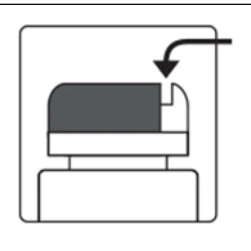
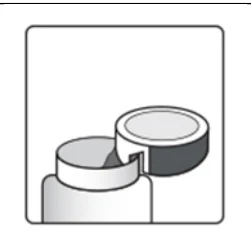
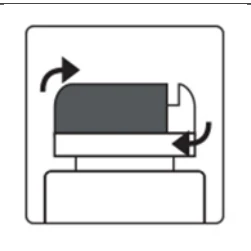
RINVOQ tablets will be given to you in bottles. Each bottle is sealed with foil and then closed with a cap. The cap has a cutting tool that can be used to help you puncture the foil seal.
 |
|
|---|---|
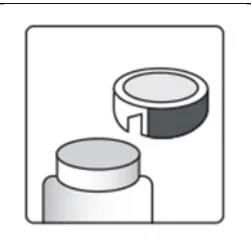 | 2a. To remove the cap from the bottle, push down and (at the same time) turn the cap counterclockwise. 2b. Turn the cap over. Place the cutting tool near the edge of the foil seal. |
| |
|
Usual dose:
Rheumatoid Arthritis, Psoriatic Arthritis, Axial Spondyloarthritis (Ankylosing Spondylitis and Non-radiographic Axial Spondyloarthritis) and Giant Cell Arteritis:
Adults (18 years of age or older): The recommended dose is one 15 mg tablet once a day.
Eczema:
Adults (18 to 64 years of age) and adolescents (12 to 17 years of age weighing at least 40 kg): The recommended dose is one 15 mg tablet once a day.
Your healthcare professional may prescribe one 30 mg tablet once a day, if necessary.
Adults (65 years of age or older): The recommended dose is one 15 mg tablet once a day.
Ulcerative Colitis:
Adults (18 to 64 years of age): The recommended oral dose is one 45 mg tablet once a day for 8 weeks. After 8 weeks, this will be followed by one 15 mg or one 30 mg tablet once a day for your long-term treatment.
Adults (65 years of age or older): The recommended oral dose is one 45 mg tablet once a day for 8 weeks. After 8 weeks, this will be followed by one 15 mg tablet once a day for your long-term treatment.
Crohn’s Disease:
Adults (18 to 64 years of age): The recommended oral induction dose of RINVOQ is 45 mg once daily for 12 weeks. After 12 weeks, this will be followed by one 15 mg or 30 mg tablet once a day for your long-term treatment.
Adults (65 years of age or older): The recommended oral induction dose of RINVOQ is 45 mg once daily for 12 weeks. After 12 weeks, the recommended oral maintenance dose is 15 mg once a day for your long-term treatment.
Your healthcare professional may interrupt your treatment with RINVOQ if you have certain side effects.
Overdose:
 | |
|---|---|
 |
| If you think you, or a person you are caring for, have taken too much RINVOQ, contact a healthcare professional, hospital emergency department, regional poison control centre or Health Canada’s toll-free number, 1-844 POISON-X (1-844-764-7669) immediately, even if there are no signs or symptoms. |
|---|
Missed dose:
- If you miss a dose of RINVOQ, take your dose as soon as you remember as long as it is at least 10 hours before your next dose. DO NOT take more than 1 tablet per day.
- If you forget your dose for an entire day, skip the missed dose and take only a single dose as usual the following day.
- Do NOT take a double dose to make up for a forgotten dose.
Possible side effects from using RINVOQ:
These are not all the possible side effects you may have when taking RINVOQ. If you experience any side effects not listed here, tell your healthcare professional.
Side effects with RINVOQ may include:
- throat and nose infections
- cough
- headache
- nausea
- cold sores
- back pain
- acne
- weight gain
- rash
- changes in the colour of semen (blue or green)
If you have giant cell arteritis, you may also get the following side effect:
- swelling of the feet and hands (peripheral edema)
If you have eczema, you may also get the following side effects:
- inflammation (swelling) of the hair follicles (folliculitis)
- flu (influenza)
- pain in your belly (abdomen)
- fatigue (feeling unusually tired and weak)
Additional side effects in adolescents with eczema: warts (skin papillomas)
RINVOQ can cause abnormal blood test results. Your healthcare professional will decide when to perform blood tests and interpret the results.
Serious side effects and what to do about them
| Frequency/Side Effects/Symptom | Talk to your healthcare professional | Stop taking this drug and get immediate medical help | |
|---|---|---|---|
| Only if severe | In all cases | ||
| Common | |||
| Bronchitis (inflammation in the lung): persistent cough with or without mucus, fatigue, shortness of breath | ✓ | ||
Herpes Zoster (shingles): painful skin rash with blisters and fever | ✓ | ||
Pneumonia (lung infection): coughing, fever, fatigue | ✓ | ||
| Uncommon | |||
| Anemia (low red blood cells): shortness of breath, feeling very tired, pale skin, fast heartbeat, loss of energy, weakness | ✓ | ||
| Cellulitis (skin infection): redness, swelling, painful skin | ✓ | ||
| Deep vein thrombosis (blood clot in the deep veins of the leg or arm): swelling, pain, arm or leg may be warm to the touch and may appear red | ✓ | ||
| Fever | ✓ | ||
| Liver problems: yellowing of the skin or eyes, dark urine, abdominal pain, nausea, vomiting, loss of appetite, itching | ✓ | ||
| Osteoarthritis (wear and tear arthritis): pain, swelling, and stiffness in joints | ✓ | ||
| Pulmonary embolism (blood clot in the lung): sharp chest pain, coughing up blood, sudden shortness of breath | ✓ | ||
| Urinary tract infection: difficulty or increased need to urinate, pain or burning sensation when peeing, pain in the pelvis or middle of the back, urine that is cloudy or bloody | ✓ | ||
| Rare | |||
| Arterial thrombosis (blood clot in an artery): chest pain, shortness of breath, dizziness, face drooping on one side, weakness in one arm, slurred speech, limbs may become painful, skin on limb may be pale or blue in colour and cold | ✓ | ||
| Gastrointestinal perforation (tear in the stomach or intestinal wall): | ✓ | ||
| abdominal pain, feeling sick, vomiting, constipation, fever | |||
| Hypercholesterolemia/hyperlipidemia (high cholesterol) | ✓ | ||
| Increased Creatine Phosphokinase (CPK) (CPK is an enzyme found in the blood when there is muscle damage): muscle aches, pain, or stiffness; muscle weakness | ✓ | ||
| Neutropenia, leukopenia or lymphocytopenia (low white blood cells): fever or infection, fatigue, aches and pains, flu-like symptoms, swollen lymph nodes, painful joints | ✓ | ||
| Major Heart Related Problems such as Heart Attack and Stroke: shortness of breath, discomfort in the center of your chest that lasts for more than a few minutes, or that goes away and comes back, severe tightness, pain, pressure, or heaviness in your arms, back, stomach, chest, throat, neck, or jaw, breaking out in cold sweat, nausea or vomiting, feeling lightheaded, weakness in one part or on one side of your body and slurred speech | ✓ | ||
| Oral candidiasis (thrush in the mouth): thick white patches in the mouth, tongue or on the throat, sore throat | ✓ | ||
| Skin cancer: new skin lesions during or after therapy or if an existing lesion changes appearance | ✓ | ||
| Cancers involving different body organs | ✓ | ||
| Unknown | |||
| Allergic reactions: trouble breathing, chest tightness, wheezing, severe dizziness or light-headedness, swelling of the lips, tongue or throat, hives | ✓ | ||
If you have a troublesome symptom or side effect that is not listed here or becomes bad enough to interfere with your daily activities, tell your healthcare professional.
Reporting side effects
You can report any suspected side effects associated with the use of health products to Health Canada by:
NOTE: Contact your healthcare professional if you need information about how to manage your side effects. The Canada Vigilance Program does not provide medical advice. |
Storage:
Store at 2 to 25°C in the original bottle with the desiccant to protect from moisture.
Keep out of reach and sight of children.
Do not use this medicine after the expiration date which is stated on the carton after ‘EXP’ (expiration).
If you want more information about RINVOQ:
- Talk to your healthcare professional.
- Find the full product monograph that is prepared for healthcare professionals and includes this Patient Medication Information by visiting the Health Canada website (https://www.canada.ca/en/health-canada/services/drugs-health-products/drug-products/drug-product-database.html); the manufacturer’s website (www.abbvie.ca); or by calling 1-888-704-8271.
- Additional guidance and support can be obtained by calling the AbbVie Care Support Program at 1-866-848-6472.
Date of Authorization: 2026-07-14