


Product Monograph - Sandoz Guanfacine XR
Recent Major Label Changes
Table of Contents
Certain sections or subsections that are not applicable at the time of the preparation of the most recent authorized product monograph are not listed .
Recent Major Label Changes ................................................................................................... 2
PART I: HEALTH PROFESSIONAL INFORMATION ...................................................................... 4
- 1.
Indications .................................................................................................................. 4
1.1. Pediatrics .............................................................................................................. 4
1.2. Geriatrics .............................................................................................................. 5
- 2. Contraindications ........................................................................................................ 5
- 4.
Dosage and Administration ......................................................................................... 5
4.1. Dosing Considerations .......................................................................................... 5
4.2. Recommended Dose and Dosage Adjustment ..................................................... 5
4.2.1. Discontinuing Treatment .............................................................................. 7
4.4. Administration ...................................................................................................... 7
4.5. Missed Dose ......................................................................................................... 8
- 5. Overdosage ................................................................................................................. 8
- 6. Dosage Forms, Strengths, Composition, and Packaging ............................................... 8
- 7.
Warning and Precautions ............................................................................................ 9
General ............................................................................................................................. 9
Cardiovascular ................................................................................................................ 10
Dependence, Tolerance and/ or Abuse Liability ............................................................. 12
Driving and Operating Machinery .................................................................................. 12
Hepatic/Biliary/Pancreatic ............................................................................................. 12
Monitoring and Laboratory Tests ................................................................................... 12
Psychiatric ...................................................................................................................... 13
7.1. Special Populations ............................................................................................. 14
7.1.1. Pregnancy ....................................................................................................... 14
7.1.2. Breastfeeding ................................................................................................. 14
7.1.3. Pediatrics ........................................................................................................ 14
7.1.4. Geriatrics ........................................................................................................ 15
- 8.
Adverse Reactions ..................................................................................................... 15
8.1. Adverse Reaction Overview ................................................................................ 15
8.2. Clinical Trial Adverse Reactions .......................................................................... 16
8.2.1. Clinical Trial Adverse Reactions - Pediatrics .................................................... 16
8.3. Less Common Clinical Trial Adverse Reactions ................................................... 22
8.3.1. Less Common Clinical Trial Adverse Reactions - Pediatrics ............................. 22
8.4. Post-Market Adverse Reactions ......................................................................... 23
- 9.
Drug Interactions ...................................................................................................... 24
9.2. Drug Interactions Overview ................................................................................ 24
9.3. Drug-Behaviour Interactions .............................................................................. 25
9.4. Drug-Drug Interactions ....................................................................................... 25
9.5. Drug-Food Interactions ....................................................................................... 29
9.6. Drug-Herb Interactions ....................................................................................... 29
9.7. Drug-Laboratory Test Interactions ...................................................................... 29
- 10.
Clinical Pharmacology ............................................................................................... 29
10.1. Mechanism of Action ...................................................................................... 29
10.2. Pharmacodynamics ........................................................................................ 29
10.3. Pharmacokinetics ........................................................................................... 30
- 11. Storage, Stability and Disposal .................................................................................. 32
Part 2: Scientific Information ................................................................................................ 33
- 13. Pharmaceutical Information ...................................................................................... 33
- 14.
Clinical Trials ............................................................................................................. 34
14.1. Clinical Trials by Indication ............................................................................. 34
14.2. Comparative Bioavailability Studies ................................................................ 40
- 16. Non-Clinical Toxicology ............................................................................................. 41
- 17. Supporting Product Monographs .............................................................................. 42
Patient Medication Information ........................................................................................... 43
PART I: HEALTH PROFESSIONAL INFORMATION
1. Indications
Pediatrics (6 to 17 years of age)
Sandoz Guanfacine XR (guanfacine extended-release tablets) is indicated as:
- monotherapy for the treatment of Attention Deficit Hyperactivity Disorder (ADHD) in children and adolescents aged 6 to 17 years.
- adjunctive therapy to psychostimulants for the treatment of ADHD in children and adolescents, aged 6 to 17 years, with a sub-optimal response to psychostimulants.
Adults (>18 years of age): Sandoz Guanfacine XR has not been systematically studied in and is therefore not indicated for use in adults (over 18 years of age).
Need for Comprehensive Treatment Program
Sandoz Guanfacine XR is indicated as an integral part of a total treatment program for ADHD that may include other measures (psychological, educational/vocational, social) for patients with this syndrome. Drug treatment may not be indicated for all patients with this syndrome. Drug treatment is not intended for use in a patient who exhibits symptoms secondary to environmental factors and/or other primary psychiatric disorders, including psychosis. Appropriate educational/vocational placement is essential for patients with this diagnosis and psychosocial intervention is often helpful. When remedial measures alone are insufficient, the decision to prescribe drug treatment will depend upon the physician's assessment of the chronicity and severity of the child's symptoms and on the level of functional impairment.
Long-term Use
The effectiveness of guanfacine extended-release tablets for long-term use, i.e., for more than 9 weeks in 6–12-year-olds and more than 15 weeks in 13-17 year olds, has not been systematically evaluated in controlled monotherapy trials, nor has it been systematically evaluated in controlled adjunctive trials for longer than 9 weeks in 6-17 year olds. Therefore, the physician electing to use Sandoz Guanfacine XR for extended periods should periodically re-evaluate the long-term usefulness of the drug for the individual patient.
1.1. Pediatrics
Pediatrics (<6 years of age): The safety and efficacy of guanfacine extended-release tablets in children less than 6 years of age have not been studied.
1.2. Geriatrics
Sandoz Guanfacine XR has not been systematically studied in and is therefore not indicated for use in adults (over 18 years of age), including geriatrics.
2. Contraindications
Sandoz Guanfacine XR is contraindicated in patients with a history of hypersensitivity to this drug, to any ingredient in the formulation, to any other product containing guanfacine, or component of the container. For a complete listing, see 6. Dosage Forms, Strengths, Composition and Packaging.
4. Dosage and Administration
4.1. Dosing Considerations
The tablets should not be administered with high-fat meals, due to increased exposure (see 10.3 Pharmacokinetics).
Do not substitute for immediate-release guanfacine tablets on a milligram for milligram basis, because of differing pharmacokinetic profiles. Sandoz Guanfacine XR has a delayed Tmax, reduced Cmax and lower bioavailability compared to those of the same dose of immediate-release guanfacine.
The safety and efficacy of guanfacine extended-release tablets in pediatric patients less than 25 kg/55 lbs in weight have not been studied.
Heart rate and blood pressure should be monitored at baseline, after dose adjustments, periodically during treatment and following drug discontinuation (see 7. Warnings and Precautions, Cardiovascular, and 7. Warnings and Precautions, Monitoring and Laboratory Tests).
Advise patients that sedation can occur, particularly early in treatment or with dose increases. If sedation is judged to be clinically concerning or persistent, a dose decrease or discontinuation should be considered (see 7. Warnings and Precautions, Cardiovascular and 4.2.1 Discontinuing Treatment).
4.2. Recommended Dose and Dosage Adjustment
Children (6-17 years old)
The recommended starting dose for both Sandoz Guanfacine XR monotherapy and adjunct therapy to psychostimulants is 1 mg, taken orally once a day (morning or evening).
The dose should be adjusted, depending on clinical response and tolerability, in increments of no more than 1 mg per week up to a maximum daily dose of 4 mg (6-12 years) or 7 mg
(13-17 years), for monotherapy and up to a maximum daily dose of 4 mg for adjunctive therapy to psychostimulants.
In monotherapy clinical trials, there were dose-related and exposure-related risks for several clinically significant adverse reactions (hypotension, bradycardia, sedative events). To balance the exposure-related potential benefits and risks, the recommended dose range, depending on clinical response and tolerability for Sandoz Guanfacine XR, is 0.05-0.12 mg/kg/day (total daily dose 1-7 mg) (Table 1).
| Table 1 - Recommended Target Dose Range for Sandoz Guanfacine XR monotherapy* (depending on clinical response and tolerability) | |
|---|---|
| Weight | Target dose range (0.05 - 0.12 mg/kg/day) |
| 25.0-33.9 kg | 2-3 mg/day |
| 34.0-41.4 kg | 2-4 mg/day |
| 41.5-49.4 kg | 3-5 mg/day |
| 49.5-58.4 kg | 3-6 mg/day |
| ≥58.5 kg | 4-7 mg/day |
| *Doses above 4 mg/day have not been evaluated in children (ages 6-12 years) and doses above 7 mg/day have not been evaluated in adolescents (ages 13-17 years) | |
In the adjunctive clinical trial which evaluated guanfacine extended-release tablets treatment added to psychostimulants, the majority of subjects reached their optimal doses in the 0.05-0.12 mg/kg/day range. Doses above 4 mg/day have not been studied in adjunctive trials.
Renal Impairment
The impact of renal impairment on the pharmacokinetics of guanfacine in children and adolescents, 6-17 years old, was not assessed. In adult patients with impaired renal function, the cumulative urinary excretion of guanfacine and the renal clearance diminished as renal function decreased. In patients on hemodialysis, the dialysis clearance was about 15% of the total clearance. The low dialysis clearance suggests that the hepatic elimination (metabolism) increases as renal function decreases. It may be necessary to adjust the dose in patients with significant impairment of renal function (see 7. Warnings and Precautions, Renal).
Hepatic Impairment
The impact of hepatic impairment on the pharmacokinetics of guanfacine in children and adolescents, 6-17 years old, was not assessed. Guanfacine in adults is cleared both by the liver and the kidney, and approximately 50% of the clearance of guanfacine is hepatic. It may be necessary to adjust the dose in patients with significant impairment of hepatic function (see 7. Warnings and Precautions, Hepatic/Biliary/Pancreatic).
Patients treated with CYP3A4/5 inhibitors /inducers
CYP3A4/5 inhibitors and inducers have been shown to have a significant effect on the pharmacokinetics of guanfacine when co-administered (see 9.4 Drug-Drug Interactions). Dose adjustment is recommended with concomitant use of moderate/strong CYP3A4/5 inhibitors (e.g. ketoconazole, grapefruit juice), or strong CYP3A4 inducers (e.g. carbamazepine). In the case of concomitant use of strong and moderate CYP3A inhibitors, an initial 50% reduction of the guanfacine dose is recommended. Further individualized dose titration may then be needed. If guanfacine is combined with strong enzyme inducers, a retitration to increase the dose up to a maximum daily dose 7 mg, may be considered if needed. If the inducing treatment is ended, retitration to reduce the guanfacine dose is recommended during the following weeks.
4.2.1. Discontinuing Treatment
Patients/caregivers should be instructed not to discontinue Sandoz Guanfacine XR without consulting their physician. The total daily dose should be tapered in decrements of no more than 1 mg every 3 to 7 days to minimize the risk of an increase in blood pressure upon discontinuation (see 7. Warnings and Precautions, Cardiovascular, Elevated Blood Pressure and Heart Rate Upon Discontinuation and 7. Warnings and Precautions, Monitoring and Laboratory Tests).
Elevations in blood pressure and heart rate above original baseline (i.e., rebound) have been reported to occur upon discontinuation of guanfacine extended-release tablets monotherapy. Patients should be monitored during dose downward titration and following Sandoz Guanfacine XR discontinuation until blood pressure and heart rate have returned to baseline (see 7. Warnings and Precautions, Monitoring and Laboratory Tests).
Caution is warranted when ending Sandoz Guanfacine XR treatments in patients on the adjunctive to psychostimulant therapy while maintaining psychostimulant treatments. Use caution when prescribing drugs that can elevate blood pressure and heart rate immediately following Sandoz Guanfacine XR discontinuation (see 9.4 Drug-Drug Interactions).
4.4. Administration
Sandoz Guanfacine XR is an extended-release tablet and should be dosed once daily. Tablets should not be crushed, chewed or broken before swallowing because this will increase the rate of guanfacine release.
The initial starting dose for Sandoz Guanfacine XR as an adjunctive therapy with psychostimulants is 1 mg, taken orally once a day; evening dosing may be considered (see 14. Clinical Trials).
See also 4.1 Dosing Considerations and 4.2 Recommended Dose and Dosage Adjustment.
4.5. Missed Dose
If two or more consecutive doses are missed, re-titration is recommended based on the patient’s tolerability to Sandoz Guanfacine XR (see 4.2.1 Discontinuing Treatment).
5. Overdosage
Signs and symptoms of overdose may include hypotension, bradycardia, lethargy, electrocardiogram QT prolonged and respiratory depression. Initial hypertension may develop early and may be followed by hypotension. Management of Sandoz Guanfacine XR overdose should include monitoring for and the treatment of these signs and symptoms. ECG monitoring is recommended. Children and adolescents who develop lethargy should be observed for the development of more serious toxicity including coma, bradycardia and hypotension for up to 24 hours, due to the possibility of delayed onset of these symptoms.
Treatment of overdose may include gastric lavage if it is performed soon after ingestion. Activated charcoal may be useful in limiting the absorption. Guanfacine is not dialyzable in clinically significant amounts (2.4%).
For the most recent information in the management of a suspected drug overdose, contact your regional poison control centre or Health Canada’s toll-free number, 1-844 POISON-X (1-844-764-7669).
- 6. Dosage Forms, Strengths, Composition, and Packaging
Table 2– Dosage Forms, Strengths, Composition and
| Route of Administration | Dosage Form / Strength/Composition | Non-medicinal Ingredients |
| oral | Tablet / 1 mg, 2 mg, 3 mg, 4 mg / guanfacine (as guanfacine hydrochloride) | colloidal silicon dioxide, fumaric acid, glyceryl dibehenate, hypromellose, lactose monohydrate, magnesium stearate, methacrylic acid and ethyl acrylate copolymer, microcrystalline cellulose, talc. In addition, the 3 mg and 4 mg tablets also contain pigment blend PB-1763 green (FD&C Blue No. 2 Aluminum Lake and iron oxide yellow). |
Description
Sandoz Guanfacine XR tablets 1 mg:
White to off white colored, round shaped tablets, debossed with ‘L657’ on one side and plain on other side. Available in bottles of 30, 100 and 1000 tablets.
Sandoz Guanfacine XR tablets 2 mg:
White to off white colored, caplet shaped tablets, debossed with ‘L658’ on one side and plain on other side. Available in bottles of 30, 100 and 1000 tablets.
Sandoz Guanfacine XR tablets 3 mg:
Light green to green colored, round shaped tablets, debossed with ‘L659’ on one side and plain on other side. Available in bottles of 30, 100 and 1000 tablets.
Sandoz Guanfacine XR tablets 4 mg:
Light green to green colored, caplet shaped tablets, debossed with ‘L660’ on one side and plain on other side. Available in bottles of 30, 100 and 1000 tablets.
7. Warning and Precautions
General
Somnolence and Sedation
Sedative events, especially during initial use, were commonly reported adverse reactions in clinical trials. In two 8-and 9-week monotherapy trial (Studies 1 and 2) in 6-17 year olds, sedative events reported as adverse reactions were 38% for guanfacine extended-release tablets vs. 12% for placebo and in a separate monotherapy trial in adolescents (Study 3), were 54% for guanfacine extended-release tablets vs. 23% for placebo. In an adjunctive trial (Study 4) in 6-17 year olds, sedative events reported as adverse events were 18% for guanfacine extended-release tablets vs. 7% for placebo. Sandoz Guanfacine XR should be dosed based on clinical response and tolerability. Advise patients that sedation can occur, particularly early in treatment or with dose increases. If sedation is judged to be clinically concerning or persistent, a dose decrease or discontinuation should be considered. Before Sandoz Guanfacine XR is used with other centrally active depressants (such as phenothiazines, barbiturates, or benzodiazepines), the potential for additive sedative effects should be considered.
Patients should avoid use with alcohol (see 9.4 Drug-Drug Interactions - CNS Depressant Drugs and 4.1. Dosing Considerations).
Cardiovascular
Hypotension, Bradycardia and Syncope
Sandoz Guanfacine XR can cause syncope and dose-dependent decreases in heart rate and blood pressure (systolic and diastolic) (see 8.2.1 Clinical Trial Adverse Reactions- Pediatrics, Effects on Blood Pressure and Heart Rate and 10.2 Pharmacodynamics, Cardiovascular Safety: Effects on Heart Rate and QT Interval). In pediatric (6-17 year olds), short-term (8-9 weeks), controlled monotherapy trials (Studies 1 and 2), the maximum mean changes from baseline in systolic blood pressure, diastolic blood pressure, and heart rate were decreases of 5 mmHg, 3 mmHg, and 6 bpm, respectively, for all dose groups combined (generally one week after reaching target doses of 1 mg/day, 2 mg/day, 3 mg/day or 4 mg/day). In the adolescent controlled monotherapy trial (Study 3), the maximum mean change from baseline in systolic blood pressure, diastolic blood pressure and heart rate were decreases of 5 mmHg, 4 mmHg, and 6 bpm for all dose groups combined. Decreases in blood pressure and heart rate were usually asymptomatic; however, hypotension and bradycardia can occur. In long-term, open-label studies (mean exposure of approximately 10 months), maximum decreases in systolic and diastolic blood pressure occurred in the first month of therapy. Decreases were less pronounced over time. The majority of syncope cases occurred in the long term, open-label studies.
In a 9-week controlled adjunctive trial, the maximum mean changes from baseline in supine systolic blood pressure, diastolic blood pressure, and heart rate were decreases of 4 mmHg, 3 mmHg, and 9 bpm, respectively, between weeks 3 and 5 of the study. Decreases in blood pressure and heart rate were usually asymptomatic; however, hypotension and bradycardia can occur.
Measurements of heart rate and blood pressure should be performed prior to initiating therapy, following dose adjustments, periodically during treatment and following drug discontinuation. Observe caution if using Sandoz Guanfacine XR in patients who have a history of hypotension, heart block, bradycardia, or other cardiovascular disease (e.g., arrhythmia, sick sinus syndrome, ischemic heart disease, congestive heart failure, or congenital long QT syndrome), as Sandoz Guanfacine XR can decrease blood pressure and heart rate. Caution is advised when treating patients with Sandoz Guanfacine XR who have a history of syncope or a condition that may predispose them to syncope, such as hypotension, orthostatic hypotension, bradycardia, or dehydration. Given the effect on blood pressure and heart rate, caution is advised when treating patients with Sandoz Guanfacine XR who are being treated concomitantly with antihypertensives or other drugs that reduce blood pressure or heart rate, QT prolonging drugs, and drugs that increase the risk of syncope (see 9.4 Drug-Drug Interactions - Heart Rate Lowering Drugs, and 9.2 Drug Interactions, Overview - QT Prolonging Drugs, and 8.2.1 Clinical Trial Adverse Reactions - Pediatrics Effects on Heart Rate and QT Interval). Patients/caregivers should be advised that patients should avoid becoming dehydrated or overheated.
Elevated Blood Pressure and Heart Rate Upon Discontinuation
Patients/caregivers should be instructed not to discontinue Sandoz Guanfacine XR without consulting their physician since elevations in blood pressure and heart rate above original baseline (i.e., rebound) have been reported. In post-marketing experience, hypertensive encephalopathy has been very rarely reported upon abrupt discontinuation of guanfacine extended-release tablets.
To minimize the risk of an increase in blood pressure upon discontinuation, the total daily dose of Sandoz Guanfacine XR should be tapered in decrements of no more than 1 mg every 3 to 7 days. Patients should be monitored during dose downward titration and following Sandoz Guanfacine XR discontinuation until blood pressure and heart rate have returned to baseline (see 7. Warnings and Precautions, Monitoring and Laboratory Tests and 4.2.1 Discontinuing Treatment). Patients/caregivers should be informed about the risk of persistent hypertension following discontinuation, how to identify signs and symptoms (e.g. headaches, feeling confused, nervousness, agitation, and tremors) and to seek immediate medical care.
In randomized controlled monotherapy trials, increases of up to 10 mmHg persisted in a few individuals at approximately 30 days post-dose and were not considered serious. In a 26-week long-term randomized withdrawal study in children and adolescents, increases in mean systolic and diastolic blood pressure, of approximately 3 mmHg and 1 mmHg respectively were observed upon discontinuation of guanfacine extended-release tablets. Increases up to 36 mmHg above normal baseline persisted in a few individuals, which ranged between 3 and 26 weeks post-dose upon discontinuation of guanfacine extended-release tablets. More than 90% of patients’ blood pressure measurements remained within normal limits (i.e. less than the 95th percentile based on age, sex and stature). Mean increases in pulse of approximately 1.5 bpm were observed at approximately 2 weeks after the last dose of guanfacine extended-release tablets and then decreased to baseline 4 weeks later. A few cases of hypertension were observed in this study, however, the increases in blood pressure and pulse were generally not considered serious or associated with adverse events. One pediatric case had a serious event of withdrawal hypertension despite downward dose titration associated with the adverse event of vomiting (see 8.2.1 Clinical Trial Adverse Reactions – Pediatrics, Effects on Blood Pressure and Heart Rate and 8.5 Post-Market Adverse Drug Reactions).
Because of the psychostimulant potential for increasing blood pressure and heart rate, there is a theoretical increased risk of rebound or a risk of greater rebound when discontinuing
Sandoz Guanfacine XR treatments in patients on adjunctive therapy. Caution is warranted if a patient stops Sandoz Guanfacine XR while maintaining its psychostimulant therapy. Use caution when prescribing drugs that can elevate blood pressure and heart rate immediately following Sandoz Guanfacine XR discontinuation (see 9.4 Drug-Drug Interactions).
QTc Interval
QTc increase (placebo-adjusted mean change from baseline approximately 5 msec) has been observed in patients aged 6-17 years with ADHD receiving therapeutic doses of guanfacine extended-release tablets at steady-state. In clinical trials of guanfacine extended-release tablets in ADHD patients, there were no reports of torsade de pointes. Given the effect of guanfacine extended-release tablets on cardiac electrophysiology, consider this observation in clinical decisions to prescribe Sandoz Guanfacine XR to patients with a known history of QT prolongation, risk factors for torsades de pointes (e.g. heart block, bradycardia, hypokalemia) or patients who are taking medications known to prolong the QT interval (see 8.2.1 Clinical Trial Adverse Reactions -Pediatrics, Effects on Heart Rate and QT Interval and 9.2 Drug Interactions, Overview - QT Prolonging Drugs).
Dependence, Tolerance and/ or Abuse Liability
Sandoz Guanfacine XR is not a controlled substance or a stimulant drug. Guanfacine extended-release tablets have not been studied for abuse or dependence potential.
Driving and Operating Machinery
Patients should avoid performing tasks which may require special attention, such as riding a bike, scooter or electronic transportation device, driving/operating machinery or engaging in activities that require alertness or physical coordination until they are reasonably certain that treatment with INTUNIV XR does not adversely affect them (see 7. Warnings and Precautions, General, Somnolence and Sedation).
Hepatic/Biliary/Pancreatic
The impact of hepatic impairment on the pharmacokinetics of guanfacine in children and adolescents, 6-17 years old, was not assessed. Because guanfacine is metabolized primarily by cytochrome P450 (CYP)3A4, diminished CYP3A4 activity as a result of hepatic impairment would be expected to increase guanfacine exposure. It may be necessary to adjust the dose in patients with significant impairment of hepatic function (see 4.2. Recommended Dose and Dosage Adjustment, Hepatic Impairment).
Monitoring and Laboratory Tests
Routine laboratory tests are not required. Heart rate and blood pressure should be monitored at baseline, after dose adjustments, periodically during treatment and following drug discontinuation. Withdrawal hypertension may occur within days after cessation of therapy; however, symptoms can occur up to 1-2 weeks after withdrawal of Sandoz Guanfacine XR (see 7. Warnings and Precautions, Cardiovascular and 4.2.1. Discontinuing Treatment).
Particular caution should be observed in patients with pre-existing hypertension or hypotension, bradycardia, heart block, or other cardiovascular disease (e.g., arrhythmia, sick sinus syndrome, ischemic heart disease, congestive heart failure, or congenital long QT syndrome) or a history of syncope (see 9.4 Drug-Drug Interactions).
Patients/caregivers should be advised that patients should avoid dehydration or becoming overheated. Advise patients that sedation can occur, particularly early in treatment or with dose increases. If sedation is judged to be clinically concerning or persistent, a dose decrease or discontinuation should be considered.
Psychiatric
Pre-existing Psychosis
Administration of medications for ADHD may exacerbate symptoms of behavior disturbance and thought disorder in patients with a pre-existing psychotic disorder.
Screening Patients for Bipolar Disorder
Particular care should be taken in treating ADHD in patients with comorbid bipolar disorder because of concern for possible induction of a mixed/manic episode in such patients. Prior to initiating treatment with Sandoz Guanfacine XR, patients with comorbid depressive symptoms should be adequately screened to determine if they are at risk for bipolar disorder; such screening should include a detailed psychiatric history, including a family history of suicide, bipolar disorder, and depression.
Emergence of New Psychotic or Manic Symptoms
Treatment emergent psychotic or manic symptoms, e.g., hallucinations, delusional thinking, or mania in children and adolescents without a prior history of psychotic illness or mania can occur with guanfacine use at usual doses. If such symptoms occur, consideration should be given to a possible causal role of guanfacine, and discontinuation of treatment should be considered.
Aggression
Aggressive behavior or hostility is often observed in children and adolescents with ADHD, and has been reported in clinical trials and the post-marketing experience of some medications indicated for the treatment of ADHD. Although there is no systematic evidence that guanfacine causes aggressive behavior or hostility, patients beginning treatment of ADHD should be monitored for the appearance of, or worsening of, aggressive behavior or hostility.
Suicidal Behavior and Ideation
There have been post-marketing reports of suicide-related events in patients treated with ADHD drugs, including cases of ideation, attempts, and very rarely, completed suicide. The mechanism of this risk is not known. ADHD and its related co-morbidities may be associated with increased risk of suicidal ideation and/or behavior. Therefore, it is recommended for patients treated with ADHD drugs that caregivers and physicians monitor for signs of suicide- related behavior, including at dose initiation/optimization and drug discontinuation. Patients should be encouraged to report any distressing thoughts or feelings at any time to their healthcare professional. Patients with emergent suicidal ideation and behavior should be evaluated immediately. The physician should initiate appropriate treatment of the underlying psychiatric condition and consider a possible change in the ADHD treatment regimen.
Renal
The impact of renal impairment on the pharmacokinetics of guanfacine in children and adolescents, 6-17 years old, was not assessed. In adult patients with impaired renal function, the cumulative urinary excretion of immediate-release guanfacine and the renal clearance diminished as renal function decreased. In patients on hemodialysis, the dialysis clearance was about 15% of the total clearance. The low dialysis clearance suggests that the hepatic elimination (metabolism) increases as renal function decreases. Guanfacine in adults is cleared both by the liver and the kidney, and approximately 50% of the clearance of guanfacine is hepatic. It may be necessary to adjust the dose in patients with significant impairment of renal function (see 4.2. Recommended Dose and Dosage Adjustment, Renal Impairment).
7.1. Special Populations
7.1.1. Pregnancy
There are no adequate and well-controlled studies of guanfacine extended-release tablets in pregnant women. Non-clinical studies showed fetal and maternal toxicity (see 16. Non-Clinical Toxicology). Sandoz Guanfacine XR should be used during pregnancy only if the potential benefit to the mother outweighs the potential risk to the fetus.
7.1.2. Breastfeeding
There are no clinical data on the use of guanfacine extended-release tablets in women who are breastfeeding. In non-clinical studies, guanfacine was excreted into rat milk. It is not known if guanfacine would also be excreted into human milk. Use caution when Sandoz Guanfacine XR is administered to a woman who is breastfeeding.
7.1.3. Pediatrics
The safety and efficacy of guanfacine extended-release tablets in children less than 6 years of age have not been studied.
Effects on Growth
Pediatric patients aged 6-17 years taking guanfacine extended-release tablets demonstrated similar growth compared to normative data. Patients taking guanfacine extended-release tablets had a mean increase in weight of 0.5 kg (1 pound) compared to those receiving placebo over a comparative treatment period. Patients receiving guanfacine extended-release tablets for at least 12 months in open-label studies gained an average of 8 kg (17 pounds) in weight and 8 cm (3 inches) in height. The height, weight, and BMI percentile remained stable in patients at 12 months in the long-term studies compared to when they began receiving guanfacine extended-release tablets. Nevertheless, height, weight and BMI should be routinely monitored.
7.1.4. Geriatrics
The safety and efficacy of guanfacine extended-release tablets in adults, including geriatrics have not been studied.
8. Adverse Reactions
8.1. Adverse Reaction Overview
Short-Term Monotherapy Trials (children/adolescents aged 6-17 years)
The two forced-dose clinical trials (Studies 1 and 2) with guanfacine extended-release tablets alone, one 8-week and one 9-week, were randomized, multi-center, double-blind, parallel-group, placebo-controlled studies in 664 children/adolescents aged 6-17 years with ADHD. Treatment-emergent adverse events with the highest subject incidence rates in guanfacine extended-release tablets treatment group combined were fatigue (14%), headache (23.8%) and somnolence/sedation (38%) (see Table 3).
Short-Term Monotherapy Trial (adolescents aged 13-17 years)
This clinical trial (Study 3) was a 15-week, double-blind, placebo-controlled study conducted in adolescents aged 13-17 years with ADHD. Treatment-emergent adverse events with the highest subject incidence rates in the guanfacine extended-release tablets treatment group were decreased appetite (14.6%), dizziness (15.9%), fatigue (22.3 %), headache (26.8%), sedation (11.5%) and somnolence (43.9%) (see Table 4).
Short-Term Adjunctive Trial (children/adolescents aged 6-17 years)
This clinical trial (Study 4) was a 9-week, placebo controlled, double-blind study conducted in children and adolescents aged 6-17 years treated with psychostimulants who were identified as having a sub optimal response to psychostimulants. Guanfacine extended-release tablets were evaluated as adjunct therapy to their psychostimulant treatment. Treatment-Emergent Adverse Events with the highest subject incidence rates were headache and somnolence (see Table 5).
Adverse Events Leading to Discontinuation of Treatment
Twelve percent (12%) of patients (6-17 years) receiving guanfacine extended-release tablets discontinued from the two pediatric monotherapy clinical studies (Studies 1 and 2) due to adverse events, compared to 4% in the placebo group. The most common adverse reactions leading to discontinuation of guanfacine extended-release tablets-treated patients from the studies were somnolence/sedation (6%) and fatigue (2%). Less common adverse reactions leading to discontinuation (occurring in approximately 1% of patients) included: hypotension/decreased blood pressure, headache, dizziness.
Six percent (5.7%) of patients (13-17 years) receiving guanfacine extended-release tablets discontinued from the adolescent monotherapy clinical trial (Study 3) due to adverse events, compared to 1.9% in the placebo group. The most common adverse event leading to discontinuation of guanfacine extended-release tablets-treated patients was fatigue (1.3%).
Three percent (3%) of patients receiving guanfacine extended-release tablets discontinued from the adjunctive clinical study (Study 4) due to adverse events, compared to 1% in the placebo group. No adverse event to guanfacine extended-release tablets causing discontinuation was reported more than once.
8.2. Clinical Trial Adverse Reactions
Because clinical trials are conducted under very specific conditions, the adverse reaction rates observed in the clinical trials may not reflect the rates observed in practice and should not be compared to the rates in the clinical trials of another drug. Adverse reaction information from clinical trials is useful for identifying drug-related adverse events and for approximating rates.
See 8.2.1 Clinical Trial Adverse Reactions - Pediatrics.
8.2.1. Clinical Trial Adverse Reactions - Pediatrics
The developmental program for guanfacine extended-release tablets included exposures in a total of 2411 participants in clinical trials (1718 children aged 6-12 years, 693 adolescent patients aged 13-17 years).
The information included in this section is based on data from 2 monotherapy forced-dose clinical trials in children and adolescents aged 6-17 years (Studies 1 and 2), 1 dose-optimized monotherapy trial in adolescents aged 13-17 years (Study 3) and 1 dose-optimized adjunctive trial in children and adolescents aged 6-17 years (Study 4).
The stated frequencies of the listed treatment-emergent adverse events represent the proportion of individuals who experienced, at least once, a treatment-emergent adverse event of the kind listed.
Short-Term Monotherapy Trials (children/adolescents aged 6-17 years - Studies 1 and 2)
| Table 3 - Treatment-Emergent Adverse Events Reported by 1% or More and Greater Than Placebo in Pediatric Patients (aged 6-17 years) Taking guanfacine extended-release tablets Alone up to 4 mg in One 8-Week or One 9-Week Controlled Clinical Trial (Studies 1 and 2) | ||||||
|---|---|---|---|---|---|---|
| Table 3 - Treatment-Emergent Adverse Events Reported by 1% or More and Greater Than Placebo in Pediatric Patients (aged 6-17 years) Taking guanfacine extended-release tablets Alone up to 4 mg in One 8-Week or One 9-Week Controlled Clinical Trial (Studies 1 and 2) | ||||||
| System Organ Classes | Preferred Term | Guanfacine extended-release tablets n=513 (%) | Placebo n=149 (%) | |||
| System Organ Classes | Preferred Term | Guanfacine extended-release tablets n=513 (%) | Placebo n=149 (%) | |||
| Gastrointestinal Disorders | Abdominal pain upper Nausea Dry mouth Constipation | 9.9 5.7 4.1 2.7 | 7.4 2.0 1.3 0.7 | |||
| Dyspepsia | 1.2 | 0.7 | ||||
| General Disorders and Administration Site Conditions | Fatigue | 14.0 | 3.4 | |||
| Investigations | Blood pressure decreased Weight increased | 1.9 1.4 | 0 0 | |||
Metabolism and Nutrition Disorders | Decreased appetite | 6.0 | 4.0 | |||
| Nervous System Disorders | Somnolence Headache Sedation Dizziness Lethargy | 29.2 23.8 9.9 6.4 5.7 | 6.7 19.5 4.7 4.0 2.7 | |||
| Psychiatric Disorders | Irritability Nightmare Affect lability | 5.8 1.6 1.4 | 4.0 0 0.7 | |||
Renal and Urinary Disorders | Enuresis | 1.4 | 0.7 | |||
| Vascular Disorders | Hypotension Orthostatic hypotension | 2.5 1.0 | 0.7 0 | |||
Other common treatment-emergent adverse events (1% to 5%) included Diarrhea, Vomiting, and Insomnia.
Treatment-Emergent Adverse Events (reported by ≥1% of pediatric patients taking guanfacine extended-release tablets) in other Phase 2/3 clinical trials:
Cardiac Disorders: Bradycardia
Gastrointestinal Disorders: Abdominal pain, stomach discomfort
Investigations: Blood pressure increased
Nervous System Disorders: Syncope/syncope vasovagal/loss of consciousness
Psychiatric Disorders: Anxiety, depression, middle insomnia
Respiratory, Thoracic, and Mediastinal Disorders: Asthma.
Two long-term extension studies of the above-mentioned clinical studies were conducted up to 24 months. Guanfacine extended-release tablets were generally safe and well tolerated.
Short-Term Monotherapy Trial (adolescents aged 13-17 years – Study 3)
Table 4 - Treatment-Emergent Adverse Events Reported by 1% or More and Greater Than Placebo in Adolescent Patients (aged 13-17 years) Taking guanfacine extended-release tablets Alone up to 7 mg in One 15-Week Controlled Clinical Trial (Study 3) | ||||||
|---|---|---|---|---|---|---|
Table 4 - Treatment-Emergent Adverse Events Reported by 1% or More and Greater Than Placebo in Adolescent Patients (aged 13-17 years) Taking guanfacine extended-release tablets Alone up to 7 mg in One 15-Week Controlled Clinical Trial (Study 3) | ||||||
| System Organ Classes | Preferred Term | guanfacine extended-release tablets n=157 (%) | Placebo n=155 (%) | |||
| System Organ Classes | Preferred Term | guanfacine extended-release tablets n=157 (%) | Placebo n=155 (%) | |||
| Cardiac Disorders | Bradycardia | 4.5 | 0 | |||
| Gastrointestinal Disorders | Dry mouth Abdominal pain upper Abdominal pain Constipation Abdominal discomfort | 7.6 6.4 5.7 3.2 1.9 | 0 4.5 3.9 0 1.3 | |||
General Disorders and Administration Site Conditions | Fatigue Asthenia | 22.3 1.3 | 12.3 0 | |||
| Investigations | Blood pressure diastolic decreased Weight increased Blood pressure decreased | 3.2 2.5 1.9 | 0 1.9 0 | |||
| Metabolism and Nutrition Disorders | Decreased appetite | 14.6 | 13.5 | |||
| Nervous System Disorders | Somnolence Headache Dizziness Sedation Insomnia Dizziness postural Initial insomnia Middle insomnia | 43.9 26.8 15.9 11.5 8.9 5.1 2.5 2.5 | 21.3 18.1 10.3 1.9 3.9 1.9 1.3 0 | |||
| Psychiatric Disorders | Irritability Nervousness Anxiety | 7.0 3.2 2.5 1.9 | 3.9 1.3 1.9 0 | |||
| Depressed mood | ||||||
Renal and Urinary Disorders | Enuresis | 1.3 | 0.6 | |||
| Skin and Subcutaneous Tissue Disorders | Rash Pruritus | 3.2 1.9 | 0.6 1.3 | |||
| Vascular disorders | Orthostatic hypotension | 3.8 | 1.9 | |||
Short-Term Adjunctive Trial (children/adolescents aged 6-17 years – Study 4)
| Table 5 - Treatment-Emergent Adverse Events Reported by 1% or More and Greater Than Placebo in Pediatric Patients (aged 6-17 years) Taking guanfacine extended-release tablets up to 4 mg as an Adjunct to a Stable Dose of Psychostimulant in a Controlled Clinical Trial (Study 4) | ||||||
|---|---|---|---|---|---|---|
| Table 5 - Treatment-Emergent Adverse Events Reported by 1% or More and Greater Than Placebo in Pediatric Patients (aged 6-17 years) Taking guanfacine extended-release tablets up to 4 mg as an Adjunct to a Stable Dose of Psychostimulant in a Controlled Clinical Trial (Study 4) | ||||||
| System Organ Classes | Preferred Term | guanfacine extended-release tablets n=302 (%) | Placebo n=153 (%) | |||
| System Organ Classes | Preferred Term | guanfacine extended-release tablets n=302 (%) | Placebo n=153 (%) | |||
| Cardiac Disorders | Bradycardia | 1.7 | 0 | |||
| Gastrointestinal Disorders | Abdominal pain upper Nausea Diarrhea Constipation Dry mouth Abdominal pain | 8.3 5.0 3.6 2.3 2.0 1.7 | 2.0 3.3 0.7 0 0 0.7 | |||
General Disorders and Administration Site Conditions | Fatigue | 9.6 | 2.6 | |||
Metabolism and Nutrition Disorders | Decreased appetite | 6.6 | 3.9 | |||
| Nervous System Disorders | Headache Somnolence | 21.2 13.6 | 13.1 4.6 | |||
Dizziness Sedation Dizziness postural Lethargy | 7.6 4.3 1.7 1.3 | 3.9 2.0 0 0 | ||||
| Psychiatric Disorders | Insomnia Affect lability Middle insomnia Nightmare | 8.6 2.3 2.3 1.3 | 3.9 0.7 0 0.7 | |||
Respiratory, Thoracic and Mediastinal Disorders | Asthma | 1.3 | 0.7 | |||
| Vascular Disorders | Orthostatic hypotension | 2.3 | 0 | |||
Other common treatment-emergent adverse events (1% to 5%) included Vomiting, Stomach discomfort, Irritability, and Enuresis.
Open-label safety study (children and adolescents aged 6-17 years)
A 9-week, open-label safety study was conducted in children and adolescents aged 6-17 years with ADHD whose symptoms were not adequately controlled with psychostimulants alone. In this study, 75 patients who were receiving a stable dose of amphetamine or methylphenidate (with sub-optimal response) were provided an adjunctive, maximum tolerated guanfacine extended-release tablets dose up to 4 mg/day for 9 weeks. There was no evidence of additive or unique adverse effects with the combination of guanfacine extended-release tablets and psychostimulants relative to what is observed with either medication alone. There were no serious adverse events in this study. Five of 75 subjects (7%) discontinued due to adverse events. There were no evident patterns of clinical importance with regard to hematology, clinical chemistry, urinalysis or physical examination results.
Effects on Heart Rate and QT Interval
In five double-blind, randomized, placebo-controlled clinical trials in pediatric patients aged 6
17 years, the following effects on heart rate and QTc interval were observed:
| Table 6 - Effects on Heart Rate (HR) and QTca Interval | |||||
|---|---|---|---|---|---|
| Study No.a | Assessment day | N | Placebo-Adjusted Mean Change from Baseline in HR bpm (90% CI) | Placebo-Adjusted Mean Change from Baseline in QTc ms (90% CI) | |
| 1b | Day 21 | 217 | -11.4 (-13.9, -8.9) | 4.3 (0.9, 7.7) | |
| 2b | Day 42 | 176 | -4.2 (-7.3, -1.1) | 5.9 (2.0, 9.9) | |
| 3b | Day 91 | 109 | -6.1 (-8.1, -4.0) | 4.0 (1.0, 7.0) | |
| 4c | Day 28 | 116 | -11.2 (-13.8, -8.6) | 5.3 (1.8, 8.7) | |
| 5c | Day 56 | 107 | -10.4 (-13.6, -7.2) | 4.7 (0.4, 9.1) | |
aFridericia heart rate correction QTcF=QT/RR0.33 for studies 1,2, and 4 and study population
based heart rate correction QTcP=QT/RR0.31 for study 5
bpivotal studies
cother clinical studies
Effects on Blood Pressure and Heart Rate
In the monotherapy, short-term (8-9 weeks), pivotal trials (Studies 1 and 2), hypotension including orthostatic hypotension was reported as an adverse drug event for 7% of the guanfacine extended-release tablets group and 3% of the placebo group. Orthostatic hypotension was reported for 1% of the guanfacine extended-release tablets group and none in the placebo group. In the adolescent monotherapy trial (Study 3), hypotension including orthostatic hypotension was reported as an adverse event for 8.9% of the guanfacine extended-release tablets group and 3.2% in the placebo group. Orthostatic hypotension was reported as an adverse event for 3.8% of the guanfacine extended-release tablets group and 1.9% of the placebo group. In the adjunctive trial (Study 4), hypotension was reported as an adverse drug event for 0.7% of the guanfacine extended-release tablets group and none of the placebo group. Orthostatic hypotension was reported in 2.3% of the guanfacine extended-release tablets group and none in the placebo group.
Discontinuation of Treatment
Elevations in blood pressure (up to 10mmHg) and heart rate above original baseline following withdrawal of guanfacine extended-release tablets have been reported to persist in a few individuals at approximately 30 days post-dose (see 7. Warnings and Precautions, Cardiovascular, Elevated Blood Pressure and Heart Rate Upon Discontinuation).
In a 26-week long-term randomized withdrawal study in children and adolescents, increases in mean systolic and diastolic blood pressure, of approximately 3 mmHg and 1 mmHg respectively were observed upon discontinuation of guanfacine extended-release tablets. Increases up to 36 mmHg above normal baseline persisted in a few individuals, which ranged between 3 and 26 weeks post-dose upon discontinuation of guanfacine extended-release tablets. More than 90% of patients’ blood pressure measurements remained within normal limits (i.e. less than the 95th percentile based on age, sex and stature). Mean increases in pulse of approximately 1.5 bpm were observed at approximately 2 weeks after the last dose of guanfacine extended-release tablets and then decreased to baseline 4 weeks later. A few cases of hypertension were observed in this study, however, the increases in blood pressure and pulse were not considered serious or associated with adverse events. One pediatric case had a serious event of withdrawal hypertension despite downward dose titration associated with the adverse event of vomiting.
8.3. Less Common Clinical Trial Adverse Reactions
8.3.1. Less Common Clinical Trial Adverse Reactions - Pediatrics
The stated frequencies of the listed treatment-emergent adverse events represent the proportion of individuals who experienced, at least once, a treatment-emergent adverse event of the kind listed.
Short-Term Monotherapy Trials (children/adolescents aged 6-17 years - Studies 1 and 2)
Uncommon Treatment-Emergent Adverse Events (reported by ≥0.1% and <1% of pediatric patients taking guanfacine extended-release tablets) in controlled clinical trials:
Cardiac Disorders: Atrioventricular block first degree, sinus arrhythmia
General Disorders and Administration Site Conditions: Asthenia, chest pain
Immune System Disorders: Hypersensitivity
Investigations: Alanine aminotransferase increased, heart rate decreased
Nervous System Disorders: Convulsion, dizziness postural, hypersomnia
Psychiatric Disorders: Agitation
Renal and Urinary Disorders: Pollakiuria
Vascular Disorders: Hypertension, pallor.
Short-Term Monotherapy Trial (adolescents aged 13-17 years – Study 3)
Uncommon Treatment-Emergent Adverse Events (reported by ≥0.1% and <1% of adolescent patients taking guanfacine extended-release tablets) in controlled clinical trials:
Cardiac Disorders: Tachycardia
Eye Disorders: Vision blurred
Gastrointestinal Disorders: Dyspepsia
Investigations: Heart rate decreased, heart rate increased
Nervous System Disorders: Lethargy, syncope/loss of consciousness, tremor
Psychiatric Disorders: Affect lability, dysphoria, nightmare, sleep disorder
Renal and Urinary Disorders: Pollakiuria
Skin and Subcutaneous Tissue Disorders: Alopecia
Vascular Disorders: Hypotension, withdrawal hypertension.
Short-Term Adjunctive Trial (children/adolescents aged 6-17 years – Study 4)
Uncommon Treatment-Emergent Adverse Events (reported by ≥0.1% and <1% of pediatric/adolescent patients taking guanfacine extended-release tablets as an adjunct to psychostimulant) in a controlled clinical trial:
General Disorders and Administration Site Conditions: Asthenia
Investigations: Heart rate decreased, weight increased
Nervous System Disorders: Hypersomnia, syncope/syncope vasovagal/loss of consciousness
Psychiatric Disorders: Anxiety, depression
Renal and Urinary Disorders: Pollakiuria
Vascular Disorders: Hypotension, pallor
8.4. Post-Market Adverse Reactions
The following adverse events have been identified during post-marketing experience with guanfacine. Because these reactions are reported voluntarily from a population of uncertain size, it is not always possible to reliably estimate their frequency or establish a causal relationship to drug exposure.
An open-label post-marketing study involving 21,718 patients was conducted to assess the safety of immediate-release guanfacine 1 mg/day given at bedtime for 28 days. Guanfacine was administered with or without other antihypertensive agents. Adverse events reported in the post marketing study at an incidence greater than 1% included dry mouth, dizziness, somnolence, fatigue, headache and nausea. The most commonly reported adverse events in this study were the same as those observed in controlled clinical trials.
Less frequent, possibly guanfacine-related events observed in the post-marketing study and/or reported spontaneously, not included in the guanfacine extended-release tablets clinical trial adverse reactions (see 8.2 Clinical Trial Adverse Reactions), include:
Cardiac Disorders: Palpitations, tachycardia
Nervous System Disorders: Paresthesia, vertigo
Eye Disorders: Vision blurred
General and Administration Site Conditions: Edema, malaise, tremor
Musculo-Skeletal System: Arthralgia, leg cramps, leg pain, myalgia
Psychiatric Disorders: Confusion, hallucination
Reproductive System and Breast Disorders: Erectile dysfunction
Respiratory, Thoracic, and Mediastinal Disorders: Dyspnea
Skin and Subcutaneous Tissue Disorders: Alopecia, dermatitis, exfoliative dermatitis, pruritus, rash
Special Senses: Alterations in taste
Vascular Disorders: Hypertensive encephalopathy, Raynaud’s Phenomenon
Investigations: Electrocardiogram QT prolonged
Suicidal Behavior and Ideation
There have been post-marketing reports of suicide-related events, including completed suicide, suicide attempt, and suicidal ideation in patients treated with ADHD drugs. In some of these reports, comorbid conditions may have contributed to the event (see 7. Warnings and Precautions, Psychiatric, Suicidal Behavior and Ideation).
9. Drug Interactions
9.2. Drug Interactions Overview
QT Prolonging Drugs
QTc interval increase (placebo-adjusted mean change from baseline approximately 5 msec) has been observed in patients aged 6-17 years with ADHD receiving therapeutic doses of guanfacine extended-release tablets at steady-state (see 7. Warnings and Precautions, Cardiovascular, QTc Interval and 8.2.1 Clinical Trial Adverse Reactions, Effects on Heart Rate and QT Interval).
Guanfacine extended-release tablets causes a decrease in heart rate (see 7. Warnings and Precautions, Cardiovascular, and 8.2.1 Clinical Trial Adverse Reactions - Pediatrics, Effects on Heart Rate and QT Interval). Given the effect of guanfacine extended-release tablets on heart rate, the concomitant use of Sandoz Guanfacine XR with QT prolonging drugs is generally not recommended.
Drugs that have been associated with QTc interval prolongation and/or torsade de pointes (a polymorphic ventricular tachyarrhythmia) that can be fatal include, but are not limited to, the examples in the following list. Chemical/pharmacological classes are listed if some, although not necessarily all class members have been implicated in QT/QTc prolongation and/or torsade de pointes:
Class IA antiarrhythmics (e.g., quinidine, procainamide, disopyramide); Class III antiarrhythmics (e.g., amiodarone, sotalol, ibutilide, dronedarone); Class 1C antiarrhythmics (e.g., flecainide, propafenone); antipsychotics (e.g., chlorpromazine, pimozide, haloperidol, droperidol, ziprasidone, olanzapine, risperidone); antidepressants (e.g., fluoxetine, citalopram, venlafaxine, tricyclic/tetracyclic antidepressants e.g., amitriptyline, imipramine, maprotiline); opioids (e.g., methadone); macrolide antibiotics and analogues (e.g., erythromycin, clarithromycin, tacrolimus); quinolone antibiotics (e.g., moxifloxacin, levofloxacin, ciprofloxacin); antimalarials (e.g., quinine, chloroquine); azole antifungals (e.g., ketoconazole, fluconazole, voriconazole); domperidone; 5-HT3 receptor antagonists (e.g., ondansetron); tyrosine kinase inhibitors (e.g., sunitinib, nilotinib, lapatinib, vandetanib); arsenic trioxide; histone deacetylase inhibitors (e.g., vorinostat); beta-2 adrenoceptor agonists (e.g., salmeterol, formoterol).
The above list of potentially interacting drugs is not comprehensive. Current information sources should be consulted for newly approved drugs that decrease heart rate, prolong the QTc interval, or inhibit CYP3A4/CYP3A5 as well as for older drugs for which these effects have recently been established.
9.3. Drug-Behaviour Interactions
Patients should avoid use with alcohol (see 9.4. Drug-Drug Interactions - CNS Depressant Drugs and 4.1. Dosing Considerations).
9.4. Drug-Drug Interactions
The drugs listed in this table are based on either drug interaction case reports or studies, or potential interactions due to the expected magnitude and seriousness of the interaction (i.e., those identified as contraindicated).
| Table 7 - Established or Potential Drug-Drug Interactions | ||||||
| Table 7 - Established or Potential Drug-Drug Interactions | ||||||
| Table 7 - Established or Potential Drug-Drug Interactions | ||||||
| Table 7 - Established or Potential Drug-Drug Interactions | ||||||
Proper/ Common name | Source of Evidence | Effect | Clinical comment | |||
Proper/ Common name | Source of Evidence | Effect | Clinical comment | |||
Proper/ Common name | Source of Evidence | Effect | Clinical comment | |||
Proper/ Common name | Source of Evidence | Effect | Clinical comment | |||
CYP3A4 and CYP3A5 Inhibitors | CT | There was a substantial increase in the rate and extent of guanfacine exposure when administered with ketoconazole; the guanfacine exposure (AUC) increased 3-fold. | Use caution when Sandoz Guanfacine XR is administered to patients taking ketoconazole and other moderate and strong CYP3A4/5 inhibitors (see 4.2 Recommended Dose and Dosage Adjustment), since elevation of plasma guanfacine concentration increases the risk of adverse events such as hypotension, bradycardia, and sedation. | |||
CYP3A4 Inducers | CT | There was a significant decrease in the rate and extent of guanfacine exposure when co- administered with rifampin, a CYP3A4 inducer. The exposure (AUC) to guanfacine decreased by 70%. | When patients are taking Sandoz Guanfacine XR concomitantly with a CYP3A4 inducer, an increase in the dose of Sandoz Guanfacine XR within the recommended dose range may be considered (see 4.2 Recommended Dose and Dosage Adjustment). | |||
| Transporters | T | Concomitant administration of guanfacine with MATE1 substrates may result in increases in the plasma concentrations of these medicinal products. Based on in vitro studies, guanfacine may be an inhibitor of OCT1 at maximal portal vein concentrations. Concomitant administration of guanfacine with OCT1 substrates with a similar Tmax (e.g. metformin) may result in increases in Cmax of these medicinal products. | Guanfacine is an in vitro inhibitor of MATE1 and the clinical relevance of MATE1 inhibition cannot be excluded. | |||
| Valproic Acid | CT | Co-administration of guanfacine extended-release tablets and valproic acid can result in increased concentrations of valproic acid. The mechanism of this interaction is unknown, although both guanfacine and valproic acid are metabolized by glucuronidation, possibly resulting in competitive inhibition. | When Sandoz Guanfacine XR is co- administered with valproic acid, monitor patients for potential additive central nervous system (CNS) effects, and give consideration to the monitoring of serum valproic acid concentrations. Adjustments in the dose of valproic acid and Sandoz Guanfacine XR may be indicated when co-administered. | |||
| Heart Rate- Lowering Drugs | T | Guanfacine extended-release tablets causes a decrease in heart rate (see 7. Warnings and Precautions, Cardiovascular and; 8.2.1 Clinical Trial Adverse Reactions - Pediatrics Effects on Heart Rate and QT Interval). | The concomitant use of Sandoz Guanfacine XR with other heart rate lowering drugs, such as antiarrhythmics, beta blockers, non-dihydropyridine calcium channel blockers, cholinesterase inhibitors, and sphingosine-1 phosphate receptor modulators is not recommended. | |||
| Antihyperte nsive Drugs | T | Potential for additive pharmacodynamic effects such as hypotension and syncope (see 7. Warnings and Precautions, Cardiovascular, Hypotension, Bradycardia and Syncope). | Use caution when Sandoz Guanfacine XR is administered concomitantly with antihypertensive drugs | |||
CNS Depressant Drugs | T | Potential for additive pharmacodynamic effects such as sedation and somnolence (see 7. Warnings and Precautions, General, Somnolence and Sedation). | Use caution when Sandoz Guanfacine XR is administered concomitantly with CNS depressant drugs (e.g., alcohol, sedatives, hypnotics, benzodiazepines, barbiturates, and antipsychotics) | |||
| Oral Methyl- phenidate | CT | In a drug interaction study, neither guanfacine extended-release tablets (4 mg) nor methylphenidate HCl extended release (36 mg) were found to affect the pharmacokinetics of the other drug when administered concomitantly in healthy adult volunteers. The effect of methylphenidate HCl at a dose of 54 mg when administered concomitantly with guanfacine extended-release tablets was not studied. | Please see Effect. | |||
| Lisdexam- fetamine Dimesylate | CT | In a drug interaction study, administration of guanfacine extended-release tablets (4 mg) to healthy adult volunteers in combination with lisdexamfetamine dimesylate (50 mg) induced a 19% increase in guanfacine maximum plasma concentrations, whereas exposure (AUC) was increased by 7%. | These small changes are not expected to be clinically meaningful. In this study, no effect on d-amphetamine exposure was observed following concomitant administration of guanfacine extended-release tablets and lisdexamfetamine dimesylate. Drug interaction studies have not been conducted with higher doses of lisdexamfetamine dimesylate. | |||
| Drugs That are 5-HT2B Receptor Agonists | T | Please see clinical comment. | Drugs that are potent 5-HT2B receptor agonists should not be used during treatment with Sandoz Guanfacine XR since the risk of fibrotic complications have not been specifically studied with Sandoz Guanfacine XR (see 10.2, Pharmacodynamics). | |||
Legend: C = Case Study; CT = Clinical Trial; T = Theoretical
9.5. Drug-Food Interactions
Sandoz Guanfacine XR should not be administered with high-fat meals due to increased exposure (see 10.3 Pharmacokinetics).
Grapefruit, grapefruit juice, or products containing grapefruit extract should not be used during treatment with Sandoz Guanfacine XR because of the risk of CYP3A4 inhibition but has not been specifically studied.
9.6. Drug-Herb Interactions
Interactions with herbal products have not been established.
9.7. Drug-Laboratory Test Interactions
Interactions with laboratory tests have not been established.
10. Clinical Pharmacology
10.1. Mechanism of Action
Guanfacine is a selective alpha2A-adrenergic receptor agonist. Guanfacine is not a central nervous system (CNS) psychostimulant. The mechanism of action of guanfacine in ADHD is not known.
10.2. Pharmacodynamics
Guanfacine is a selective alpha2A-adrenergic receptor agonist in that it has a 15-20 times higher affinity for this receptor subtype than for the alpha2B or alpha2C subtypes.
Guanfacine is a known antihypertensive agent. By stimulating alpha2A-adrenergic receptors, guanfacine reduces sympathetic nerve impulses from the vasomotor center to the heart and blood vessels. This results in a decrease in peripheral vascular resistance and a reduction in heart rate.
Safety Pharmacology: 5HT2B Receptor Agonists and Fibrotic Complications
Guanfacine demonstrates a moderate in vitro affinity for the 5-HT2B receptor, an identified likely molecular target for drug-induced valvular heart disease. Regurgitant cardiac valvular disease, primarily affecting the mitral and/or aortic valves, and other fibrotic complications have been reported in patients who took serotonergic drugs with 5-HT2B receptor agonist activity. The etiology of the regurgitant valvular disease is thought to be activation of 5-HT2B receptors on cardiac interstitial cells.
While a very small number of possible fibrotic complications, including pleural or pericardial effusion, and cardiac valvulopathy in adult patients treated with immediate release guanfacine
(a compound which has been available in the USA for more than 24 years with an exposure of over 3 million person years) for hypertension have been reported, the evidence is not sufficient to establish a causal relationship between guanfacine and these fibrotic complications but a contribution of guanfacine cannot be completely ruled out in rare cases. Guanfacine has not been studied in combination with drugs that are potent 5-HT2B receptor agonists.
Cardiovascular Safety: Effects on Heart Rate and QT Interval
The effect of two dose levels of immediate-release guanfacine (4 mg/day and 8 mg/day) on the QT interval was evaluated in a double-blind, randomized, placebo- and active-controlled (moxifloxacin 400 mg) cross-over thorough QT study in 83 healthy adults. On Days 1 (4 mg/day) and 6 (8 mg/day), 12-lead ECGs were obtained by a continuous digital 12-lead ECG recording starting 30 minutes prior to dose administration. The ECGs were extracted within 30 to 10 minutes of dose administration and within 10 minutes before each of the 1, 2, 3, 4, 5, 6, 8, 12, and 24-hour timepoints after dose administration. A dose-dependent decrease in heart rate was observed. The maximal placebo-adjusted mean change in heart rate was -13bpm at 8h post dosing on day 1 in subjects receiving 4 mg/day and -22 bpm at 8h post-dosing on day 6 at the supratherapeutic dose of 8 mg/day. The maximal placebo-adjusted mean change in the QTcF interval was 5 msec at 12h post-dosing on day 1 in subjects receiving 4mg/day and 8msec at 12h post-dosing on day 6 at the supratherapeutic dose of 8 mg/day. The 12h post- dose time point at which maximal QTcF effects are seen occurs 7 hours or more after peak plasma guanfacine concentrations. Guanfacine has not been demonstrated to inhibit hERG potassium channels (see 7. Warnings and Precautions, Cardiovascular, Hypotension, Bradycardia and Syncope; 7. Warnings and Precautions, Cardiovascular, QTc Interval, and 8.2. Clinical Trial Adverse Reactions).
10.3. Pharmacokinetics
Absorption:
Guanfacine is readily absorbed after administration with guanfacine extended-release tablets, with peak plasma concentrations reached approximately 5 hours after oral administration in pediatric patients (children and adolescents). In adults, the mean exposure of guanfacine increased (Cmax ~75% and AUC ~40%) when guanfacine extended-release tablets were taken together with a high-fat meal, compared to intake in the fasted state.
Immediate-release guanfacine and guanfacine extended-release tablets have different pharmacokinetic characteristics, so dose substitution on a milligram for milligram basis is not appropriate because of differing pharmacokinetic profiles. Guanfacine extended-release tablets have a delayed Tmax, reduced Cmax and lower bioavailability compared to those of the same dose of immediate-release guanfacine.
Distribution:
Guanfacine is moderately bound to plasma proteins (approximately 70%), independent of drug concentration.
Metabolism:
Following absorption, the drug is rapidly and extensively metabolised by epoxidation and hydroxylation of the aromatic moiety, followed by conjugation with glucuronic acid, sulphate and glutathione.
Guanfacine is metabolized via oxidation and glucuronidation. Guanfacine is primarily metabolized by the CYP3A4 isoenzyme in human liver microsomes, and has been studied in a clinical study. In human hepatic microsomes, guanfacine did not inhibit the activities of the major cytochrome P450 isoenzymes (CYP1A2, CYP2B6, CYP2C8, CYP2C9, CYP2C19, CYP2D6, CYP3A4 or CYP3A5) and is therefore unlikely to affect the clearance of other co- administered drugs metabolised by cytochrome P450s clinically; guanfacine is also not expected to be an inducer of CYP3A, CYP1A2 and CYP2B6. Guanfacine is a substrate of CYP3A4/5 and exposure is affected by CYP3A4/5 inducers and inhibitors (see 9.4 Drug-Drug Interactions -CYP3A4 and CYP3A5 Inhibitors and 9.4 Drug-Drug Interactions CYP3A4 Inducers).
Transporters
Based on in vitro studies, guanfacine is a substrate of OCT1 and OCT2, but not BCRP, OATP1B1, OATP1B3, OAT1, OAT3, MATE1 OR MATE2. Guanfacine is not an inhibitor of BSEP, MRP2, OATP1B1, OATP1B3, OAT1, OAT3, OCT2 or MATE2K, but it is an inhibitor of MATE1 and may be an inhibitor of OCT1 at maximal portal vein concentrations.
Elimination:
Guanfacine is cleared by the kidney and the liver. The main excretion route for guanfacine is the liver. The elimination half-life of guanfacine is approximately 18 hours.
Special Populations and Conditions
Pediatrics:
Exposure to guanfacine was higher in children (aged 6-12 years) compared to adolescents (aged 13-17 years) and adults. After oral administration of multiple doses of guanfacine extended-release tablets 4 mg, the Cmax was 10ng/mL compared to 7ng/mL and the AUC was 162ng·h/mL compared to 116ng·h/mL in children (aged 6-12 years) and adolescents (aged 13-17 years), respectively. These differences are probably attributable to the lower body weight of children compared to adolescents and adults.
Hepatic Insufficiency:
The impact of hepatic impairment on the pharmacokinetics of guanfacine in children and adolescents, 6-17 years old, was not assessed. Approximately 50% of the clearance of guanfacine in adults is hepatic (see 7. Warnings and Precautions, Hepatic/Biliary/Pancreatic).
Renal Insufficiency:
The impact of renal impairment on the pharmacokinetics of guanfacine in children and adolescents, 6-17 years old, was not assessed. In patients on hemodialysis, the dialysis clearance was about 15% of the total clearance (see 7. Warnings and Precautions, Renal).
11. Storage, Stability and Disposal
Store at controlled room temperature (20°C - 25°C); excursions permitted between 15°C - 30°C. Store in the original container for the 1000-tablet bottle pack.
Any unused medicinal product should be disposed of in accordance with local requirements.
Part 2: Scientific Information
13. Pharmaceutical Information
Drug Substance
Proper name: guanfacine hydrochloride
Chemical name: N-amidino-2-(2,6-dichlorophenyl) acetamide monohydrochloride
Molecular formula and molecular mass: C9H9Cl2N3O·HCl 282.56
Structural formula:
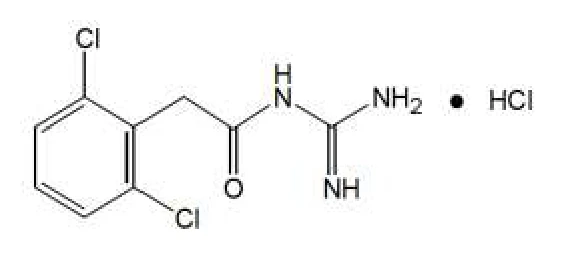
Physicochemical properties: Guanfacine hydrochloride is a white to off-white crystalline powder, sparingly soluble in water (approximately 1 mg/mL). The only organic solvent in which it has relatively high solubility is methanol (≥30 mg/mL).
14. Clinical Trials
14.1. Clinical Trials by Indication
Trial Design and Study Demographics
| Table 8 - Summary of patient demographics for clinical trials in ADHD | |||||
| Study No. | Trial design | Dosage, route of administration and duration | Study subjects (n=number) | Mean age (Range) | Sex |
| Study 1 | Randomized, double-blind, placebo-controlled, parallel-group, forced-dose titration study conducted in children and adolescents aged 6-17 years with ADHD | Oral, 2, 3 and 4 mg, once daily, 8 weeks | 345 (6-12 yrs: 265) (13-17 yrs: 80) | 10.5 yrs (6-17) | 257M: 88F |
| Study 2a | Randomized, double-blind, placebo-controlled, forced-dose study conducted in children and adolescents aged 6-17 years with ADHD | Oral, 1, 2, 3 and 4 mg, once daily, 9 weeks | 322 (6-12 yrs: 241) (13-17 yrs: 81) | 10.5 yrs (6-17) | 233M: 89F |
| Study 3 | Randomized, double-blind, placebo-controlled, dose-optimization study conducted in adolescents aged 13-17 years with ADHD to confirm the efficacy, safety, and tolerability | Oral, 1, 2, 3, 4, 5, 6, 7 mg, once daily, 15 weeks | 312 | 14.5 yrs (13-17) | 202M: 110F |
| Study 4 | Randomized, double-blind, placebo-controlled, dose-optimization adjunctive study with psychostimulants in children and adolescents aged 6-17 years with ADHD | Oral, 1, 2, 3 and 4 mg, once daily as an adjunct to a current, stable dose of psychostimulant, 9 weeks | 455 (6-12 yrs: 361) (13-17 yrs: 94) | 10.8 yrs (6-17) | 326M: 129F |
aOnly patients weighing <110lbs could be randomized to 1 mg.
The efficacy of guanfacine extended-release tablets in the treatment of ADHD was established in 2 placebo-controlled monotherapy trials (Studies 1 and 2) in pediatric patients (children and adolescents; aged 6-17 years, inclusive) and in 1 placebo-controlled monotherapy trial in adolescents (aged 13-17 years). Signs and symptoms of ADHD were evaluated as the change from baseline to endpoint in ADHD Rating Scale IV (ADHD-RS-IV) scores. Daily doses used in these studies were within the range of 1- 4 mg for children and 1-7 mg in adolescents.
In Study 4, the safety and efficacy of guanfacine extended-release tablets was evaluated as adjunctive therapy in patients treated with psychostimulants (longer-acting formulations of mixed salts of a single-entity amphetamine product, lisdexamfetamine dimesylate, methylphenidate hydrochloride extended-release, methylphenidate hydrochloride, and dexmethylphenidate hydrochloride). The study was conducted in children and adolescents aged 6-17 years with a diagnosis of ADHD, with a sub-optimal response to psychostimulants. Patients continued to take their psychostimulant in the morning and were dosed either in the morning or the evening with guanfacine extended-release tablets or with placebo in addition to their psychostimulant. Symptoms of ADHD were evaluated as the change from baseline to endpoint in ADHD Rating Scale (ADHD-RS-IV) scores. Using the Conners’ Global Index-Parent (CGI-P) scale, parents made separate weekly assessments of their child’s ADHD symptoms exhibited in the morning (before school) and evening (before bedtime).
Study Results
Short-Term Monotherapy Trials
| Table 9 - Results of Studies 1, 2 and 3 in ADHD (Children and Adolescents aged 6-17 years) | ||||
|---|---|---|---|---|
| Study No. | Primary Endpoints | Associated value and statistical significance for Drug at specific dosages | Associated value and statistical significance for Placebo | |
| Study 1a | ADHD Rating Scale (ADHD-RS-IV) total score change from baseline to endpoint for the ITT population | Mean (SD) 2 mg: -15.40 (12.82) 3 mg: -15.79 (13.00) 4 mg: -18.96 (13.71) Comparison (placebo-adjusted difference)b LS mean (95% CI) -7.42 (-12.07, -2.77) p=0.0006 -7.52 (-12.19, -2.85) p=0.0005 -9.99 (-14.67, -5.32) p<0.0001 | Mean (SD) -8.86 (12.90) | |
| Study 2c | ADHD Rating Scale (ADHD-RS-IV) total score change from baseline to endpoint for the ITT population | Mean (SD) 1 mg: -20.4 (14.00) 2 mg: -18.0 (14.88) 3 mg: -19.4 (14.62) 4 mg: -20.9 (11.89) Comparison (placebo-adjusted difference)b LS mean (95% CI) -6.75 (-11.3, -2.2) p=0.0041 -5.41 (-9.9, -0.9) p=0.0176 -7.31 (-11.8, -2.8) p=0.0016 -7.88 (-12.3, -3.4) p=0.0006 | Mean (SD) -12.2 (12.96) | |
| Study 3 | ADHD Rating Scale (ADHD-RS-IV) total score change from baseline to endpoint | Mean (SD) -25.7 (10.09) Comparison (placebo-adjusted difference) | Mean (SD) -19.5 (12.63) | |
| for the FAS population | LS mean (95% CI) -6.026 (-8.865, -3.187) p<0.001 | |||
ITT: Intent to Treat
FAS: Full analysis set
ap-value and 95% CI from Dunnett’s adjustment for multiple means comparisons
bAge subgroup analysis revealed statistically significant efficacy for only children aged 6 to 12 years cOnly patients weighing <110lbs could be randomized to 1 mg
In Study 1, the improvement in ADHD-RS-IV total scores at endpoint in all randomized guanfacine extended-release tablets treatment groups was statistically significantly greater than in placebo treatment groups (p<0.001) for each of the 2 mg, 3 mg, and 4 mg guanfacine extended-release tablets randomized treatment groups. Improvements in ADHD-RS-IV scores were observed in patients taking guanfacine extended-release tablets beginning 2 to 3 weeks after initiation of dosing.
When data were examined by age subgroups, only children aged 6 to 12 years demonstrated clinically relevant improvements.
The improvement in the ADHD-RS-IV total score demonstrated in the primary efficacy analysis was supported by the results for the ADHD-RS-IV Hyperactivity/Impulsivity and Inattentiveness subscales, Clinical Global Impression of Improvement (CGI-I), Conners’ Parent Rating Scale Revised Short Form (CPRS-R:S) and Conners’ Teachers Rating Scale results.
In Study 2, there were statistically significant improvements in ADHD-RS-IV total scores at endpoint in all randomized guanfacine extended-release tablets treatment groups compared to the placebo treatment groups (p<0.02) for each of the 2 mg, 3 mg, and 4 mg guanfacine extended-release tablets randomized treatment groups, and for the 1 mg guanfacine extended-release tablets treatment group (for patients 55-110lbs [24.95 - 49.89kg]).
When data were examined by age subgroups, only children aged 6 to 12 years demonstrated clinically relevant improvements.
The improvement in the ADHD-RS-IV total score demonstrated in the primary efficacy analysis was supported by the results for the ADHD-RS-IV Hyperactivity/Impulsivity and Inattentiveness subscales, Clinical Global Impression of Improvement (CGI-I), and Conners’ Parent Rating Scale Revised Short Form (CPRS-R:S) results.
In Study 3, subjects receiving guanfacine extended-release tablets had a statistically significant greater improvement from baseline in ADHD-RS-IV total score compared with subjects who received placebo (p<0.001).
The improvement in the ADHD-RS-IV total score demonstrated in the primary efficacy analysis was supported by the results of the Clinical Global Impression of Severity (CGI-S), ADHD-RS-IV
Hyperactivity/Impulsivity and Inattentiveness subscales and Clinical Global Impression of Improvement (CGI-I).
Controlled, long-term efficacy studies (>9 weeks) have not been conducted in children aged 6 to 12 years and (>15 weeks) in adolescents aged 13-17 years
Short-Term Adjunctive Trial
| Table 10 - Results of Study 4 in ADHD (Children and Adolescents aged 6-17 years) | |||
|---|---|---|---|
| Primary Endpoints | Mean Associated value and statistical significance for Drug + Psychostimulant at all dosages (SD) | Mean Associated value and statistical significance for Placebo (SD) | LS meana Comparison - placebo-adjusted difference (95% CI) |
ADHD Rating Scale (ADHD-RS-IV) total score change from baseline to endpoint for FAS population | All doses AM: -20.4 (12.77) All doses PM: -21.0 (12.39) Overall: -20.7 (12.56) | -16.0 (11.77) | -4.5 (-7.5, -1.4) p=0.002b -5.3 (-8.3, -2.3) p<0.001b -4.9 (-7.2, -2.6) p<0.001c |
FAS – Full analysis set
aLS mean, and p-value were based on type III sum of squares from the ANCOVA model for the change from Baseline, including treatment group and psychostimulant type as fixed effects, and baseline value as a covariate.
bp-value of guanfacine extended-release tablets AM and PM groups based on Dunnett’s multiple comparison procedure.
cp-value for all guanfacine extended-release tablets was a t-test. This was a secondary efficacy analysis.
Mean reductions in ADHD-RS-IV total scores at endpoint were significantly greater for guanfacine extended-release tablets given as an adjunct to a stable dose of psychostimulant compared to placebo given with a psychostimulant for Study 4, for both morning and evening guanfacine extended-release tablets dosing (p=0.002 and p<0.001 respectively). Both treatment groups had significantly greater improvement on the Hyperactivity/Impulsivity and Inattentive subscales of the ADHD-RS-IV compared with the placebo group regardless of time of administration.
The percentage of responders, (defined as a percentage reduction from baseline in the ADHD-RS-IV Total Score of ≥25%), were 69.7% for placebo, 79.2% for guanfacine extended-release tablets taken in the morning (AM), and 83.1% for guanfacine extended-release tablets in the evening (PM) group. The results indicated a statistically significant difference from placebo in the evening (PM) guanfacine extended-release tablets dosing group but not the morning (AM) guanfacine extended-release tablets dosing group.
Conners’ Global Index-Parent (CGI-P) total score results were supportive of the primary endpoint.
Controlled long-term efficacy studies (>9 weeks) for adjunctive treatment have not been conducted.
Other Clinical Trials
A 9-week, double-blind, randomized, placebo-controlled, dose-optimization study in children aged 6-12 years with ADHD and oppositional symptoms (n=217) was conducted. Oppositional symptoms were evaluated as the change from baseline to endpoint in the Oppositional Subscale of the Conners’ Parent Rating Scale – revised Long Form (CPRS-R:L) score. The mean reduction in the CPRS-R:L at endpoint was significantly greater for guanfacine extended-release tablets compared to placebo. ADHD-RS-IV Hyperactivity/Impulsivity and Inattention subscales results supported the pivotal study primary endpoint results. CGI-I and CGI-S rating scales and the 40-item Conduct Problem Scale of the New York Parent’s Rating Scale (NYPRS-S) results also support the primary efficacy endpoint in treating oppositional symptoms and conduct problems in children with a diagnosis of ADHD.
A 9-week, double-blind, randomized, placebo-controlled, dose-optimization study in children aged 6-12 years to assess the efficacy of once daily dosing with optimized guanfacine extended-release tablets administered either in the morning or the evening was conducted. Symptoms of ADHD were evaluated as the change from baseline to endpoint in ADHD Rating Scale (ADHD-RS-IV) Total Score. Guanfacine extended-release tablets showed significantly (p<0.001) greater improvement compared to placebo on the change from baseline to endpoint in the ADHD rating scale (ADHD-RS-IV) score regardless of time of administration (morning or evening) of guanfacine extended-release tablets. Conners’ Parent Rating Scale – Revised Short Form (CPRS-R:S) results were supportive of the primary endpoint. CPRS total scores, Weiss Functional Impairment Rating Scale - Parent (WFIRS-P) global score and WFIRS-P domain subscale scores for Family, Learning and School, Academic Performance, Behavior in School, Social Score, and Risk score results were also supportive of the primary endpoint.
A 15-week, double-blind, dose-optimization, safety and tolerability study compared the effects of guanfacine extended-release tablets to placebo using the Choice Reaction Time Test from the Cambridge Neuropsychological Test Automated Battery (CANTAB) in patients aged 6 17 years (n=182). Patients were titrated to an optimal dose within a 1-3 mg range. There was no evidence of impairment in speed processing compared to placebo. The 5-point Pictorial Sleepiness Scale (PSS), designed to assess sleepiness in school-age children and adolescents, was used to measure sleepiness throughout the course of the day and study. Patient and observer (healthcare professional) reported outcomes on the PSS were similar during the daytime in a classroom setting for the guanfacine extended-release tablets and placebo groups. However, patients and observer (parent) scores suggested a greater degree of sleepiness in the evening hours before bedtime in the guanfacine extended-release tablets group compared to the placebo group. These trends were consistent throughout the study. The frequency and intensity of sedative adverse events was similar in this study to that observed in the pivotal studies.
14.2. Comparative Bioavailability Studies
Fasting Study
A randomized, four-period, two-treatment, fully replicate, single-dose (1 x 4 mg), crossover comparative bioavailability study of Sandoz Guanfacine XR Tablets, 4 mg (Sandoz Canada Inc.) with PrINTUNIV XR® Tablets, 4 mg (Takeda Canada Inc.) was conducted in healthy, adult, Asian male subjects under fasting conditions. Comparative bioavailability data from the 48 subjects that were included in the statistical analysis are presented in the following table:
SUMMARY TABLE OF THE COMPARATIVE BIOAVAILABILITY DATA
Guanfacine 1 × 4 mg Geometric Mean Arithmetic Mean (CV %) | ||||
| Parameter | Test1 | Reference2 | % Ratio of Geometric Means | 90 % Confidence Interval |
AUCT (ng·h/mL) | 106.1 114.90 (37.56) | 102.4 112.43 (39.96) | 103.6 | 95.4-112.5 |
AUCI (ng·h/mL) | 110.8 124.21 (62.31) | 105.7 115.83 (40.15) | 104.9 | 96.3-114.2 |
CMAX (ng/mL) | 3.1 3.43 (43.47) | 3.0 3.30 (42.21) | 104.0 | 93.4-115.8 |
| TMAX3 (h) | 6.00 (2.00- 48.00) | 6.00 (2.00- 36.00) | ||
| T½4 (h) | 18.33 (126.93) | 15.87 (16.53) | ||
1 Sandoz Guanfacine XR (guanfacine hydrochloride extended-release tablets), 4 mg (Sandoz Canada Inc.)
2 PrINTUNIV XR® (guanfacine hydrochloride extended-release tablets), 4 mg (Takeda Canada Inc.)
3 Expressed as median (range) only
4 Expressed as the arithmetic mean (CV%) only
Fed Study
A randomized, four-period, two-treatment, fully replicate, single-dose (1 x 4 mg), crossover comparative bioavailability study of Sandoz Guanfacine XR Tablets, 4 mg (Sandoz Canada Inc.) with PrINTUNIV XR® Tablets, 4 mg (Takeda Canada Inc.) was conducted in healthy, adult, Asian male subjects under high-fat, high-calories fed conditions. Comparative bioavailability data from the 45 subjects that were included in the statistical analysis are presented in the following table:
SUMMARY TABLE OF THE COMPARATIVE BIOAVAILABILITY DATA
Guanfacine 1 × 4 mg Geometric Mean Arithmetic Mean (CV %) | ||||
| Parameter | Test1 | Reference2 | % Ratio of Geometric Means | 90% Confidence Interval |
AUCT (ng·h/mL) | 127.6 133.78 (29.09) | 144.4 149.95 (26.64) | 88.4 | 83.5%-93.5% |
AUCI (ng·h/mL) | 130.6 137.09 (29.67) | 147.4 153.21 (26.89) | 88.6 | 83.7%-93.7% |
CMAX (ng/mL) | 4.8 5.05 (26.99) | 5.1 5.20 (21.61) | 95.5 | 90.7%-100.5% |
| TMAX3 (h) | 8.00 (2.00- 24.00) | 9.00 (3.00- 24.00) | ||
| T½4 (h) | 15.62 (15.30) | 15.37 (14.57) | ||
1 Sandoz Guanfacine XR (guanfacine hydrochloride extended-release tablets), 4 mg (Sandoz Canada Inc.)
2 PrINTUNIV XR® (guanfacine hydrochloride extended-release tablets), 4 mg (Takeda Canada Inc.)
3 Expressed as median (range) only
4 Expressed as the arithmetic mean (CV%) only
16. Non-Clinical Toxicology
No carcinogenic effect of guanfacine was observed in studies of 78 weeks in mice or 102 weeks in rats at doses up to 6.8 times the maximum recommended human dose of 0.12 mg/kg/day on a mg/m2 basis.
Guanfacine was not genotoxic in a variety of test models, including the Ames test and an in vitro chromosomal aberration test; however, a marginal increase in numerical aberrations (polyploidy) was observed in the latter study.
No adverse effects were observed in fertility studies in male and female rats at doses up to 22 times the maximum recommended human dose on a mg/m2 basis.
Rat experiments have shown that guanfacine crosses the placenta. However, administration of guanfacine to rats and rabbits at 4 and 2.7 times, respectively, the maximum recommended human dose of 0.12 mg/kg/day on a mg/m2 basis resulted in no evidence of harm to the fetus. Higher doses (13.5 times the maximum recommended human dose in both rabbits and rats) were associated with reduced fetal survival and maternal toxicity.
17. Supporting Product Monographs
- 1. PrINTUNIV XR® (Guanfacine Hydrochloride Extended-Release Tablets 1 mg, 2 mg, 3 mg, 4 mg guanfacine [as guanfacine hydrochloride]), control 298089, product monograph, Takeda Canada Inc. (2025-10-14)