


Product Monograph - Sandoz Olanzapine (Sandoz Canada, 2.5 mg, ..., 20 mg)
SUMMARY PRODUCT INFORMATION
| Product | Route of Administration | Dosage Form/ Strength | Nonmedicinal Ingredients |
|---|---|---|---|
| Sandoz Olanzapine | Oral | Film-coated tablets / 2.5 mg, 5 mg, 7.5 mg, 10 mg, 15 mg, 20 mg | lactose monohydrate, hydroxypropyl cellulose, cellulose microcrystalline, crospovidone, magnesium stearate, polyvinyl alcohol, polyethylene glycol, titanium dioxide, talc, indigo carmine (for the 15 mg only) and iron oxide red (for the 20 mg strength only). |
| Sandoz Olanzapine ODT | Oral | Orally disintegrating tablets/ 5 mg, 10 mg, 15 mg, 20 mg | colloidal silicon dioxide, crospovidone, flavouring mint powder, hydroxypropyl cellulose, lactose monohydrate, magnesium stearate and talc. |
See Dosage Forms, Composition and Packaging section for more information.
INDICATIONS AND CLINICAL USE
Adults
Schizophrenia and Related Disorders: Sandoz Olanzapine and Sandoz Olanzapine ODT (olanzapine) are indicated for the acute and maintenance treatment of schizophrenia and related psychotic disorders. In controlled clinical trials, olanzapine was found to improve both positive and negative symptoms.
Olanzapine has been shown to be effective in maintaining clinical improvement during 1-year of continuation therapy in patients who had shown an initial treatment response.
Bipolar Disorder: Sandoz Olanzapine and Sandoz Olanzapine ODT are indicated for the acute treatment of manic or mixed episodes in bipolar I disorder. Olanzapine may be used as monotherapy or cotherapy with agents commonly used in the treatment of acute bipolar disorder (e.g., lithium or divalproex sodium).
The efficacy of olanzapine as monotherapy maintenance treatment in bipolar patients with manic or mixed episodes who responded to acute treatment with olanzapine was demonstrated in two 1-year “time to relapse” trials (see Part II: CLINICAL TRIALS section).
The physician who elects to use Sandoz Olanzapine or Sandoz Olanzapine ODT for extended periods should periodically re-evaluate the long-term usefulness of the drug for the individual patient (see DOSAGE AND ADMINISTRATION section) .
Geriatrics (≥ 65 years of age): Sandoz Olanzapine and Sandoz Olanzapine ODT are not indicated in elderly patients with dementia. See WARNINGS AND PRECAUTIONS, Serious Warnings and Precautions Box and Special Populations. Caution should be used when treating geriatric patients with Sandoz Olanzapine and Sandoz Olanzapine ODT. See ACTION AND CLINICAL PHARMACOLOGY, WARNINGS AND PRECAUTIONS, Special Populations, and DOSAGE AND ADMINISTRATION sections.
Pediatrics (<18 years of age): The safety and efficacy of Sandoz Olanzapine and Sandoz Olanzapine ODT have not been established in pediatric populations and their use is not recommended. See also WARNINGS and PRECAUTIONS, Pediatrics (< 18 years of age) and ADVERSE REACTIONS, Other Investigational Trials, Adverse Events in Adolescent Patients (ages 13-17 years).
CONTRAINDICATIONS
Sandoz Olanzapine and Sandoz Olanzapine ODT are contraindicated in those patients with a known hypersensitivity to the drug or the excipients of the product. For a complete listing, see DOSAGE FORMS, COMPOSITION AND PACKAGING section.
WARNINGS AND PRECAUTIONS
SERIOUS WARNINGS AND PRECAUTIONS Increased Mortality in Elderly Patients with Dementia: Elderly patients with dementia treated with atypical antipsychotic drugs are at an increased risk of death compared to placebo. Analyses of thirteen placebo controlled trials with various atypical antipsychotics (modal duration of 10 weeks) in these patients showed a mean 1.6 fold increase in death rate in the drug-treated patients. Although the causes of death were varied, most of the deaths appeared to be either cardiovascular (e.g., heart failure, sudden death) or infectious (e.g., pneumonia) in nature. (See WARNINGS AND PRECAUTIONS, Special Populations, Use in Geriatric Patients with Dementia). |
|---|
General
Neuroleptic Malignant Syndrome: Neuroleptic malignant syndrome (NMS) is a potentially fatal symptom complex that has been reported in association with antipsychotic drugs, including olanzapine.
Clinical manifestations of NMS are hyperpyrexia, muscle rigidity, altered mental status, and evidence of autonomic instability (irregular pulse or blood pressure, tachycardia, diaphoresis, and cardiac dysrhythmia). Additional signs may include elevated creatine phosphokinase, myoglobinuria (rhabdomyolysis), and acute renal failure.
In arriving at a diagnosis, it is important to identify cases where the clinical presentation includes both serious medical illness (e.g., pneumonia, systemic infection, etc.), and untreated or inadequately treated extrapyramidal signs and symptoms (EPS). Other important considerations in the differential diagnosis include central anticholinergic toxicity, heat stroke, drug fever, and primary central nervous system pathology.
The management of NMS should include 1) immediate discontinuation of all antipsychotic drugs including Sandoz Olanzapine and Sandoz Olanzapine ODT, and other drugs not essential to therapy; 2) intensive symptomatic treatment and medical monitoring; and 3) treatment of any concomitant serious medical problems for which specific treatments are available. There is no general agreement about specific pharmacological treatment for uncomplicated NMS.
If a patient requires antipsychotic drug treatment after recovery from NMS, the potential re-introduction of therapy should be very carefully considered. The patient should be carefully monitored since recurrences of NMS have been reported.
Weight Gain: Olanzapine was associated with weight gain during clinical trials. Clinically significant weight gain was observed across all baseline body mass index (BMI) categories (see ADVERSE REACTIONS, Other Adverse Events Observed During Clinical Trials Across All Indications, Weight Changes). Using pooled data from patients treated with olanzapine over the dosage range of 5 mg to 20 mg per day mean gain was 5.4 kg. The mean change in weight was comparable for patients with schizophrenia and bipolar mania. A retrospective analysis of 573 patients receiving olanzapine for up to 3 years found that dose was not a significant predictor of greater long-term changes in weight.
In long-term studies (at least 48 weeks), both the magnitude of weight gain and the proportion of olanzapine-treated patients who had clinically significant weight gain were greater than in short-term studies. The percentage of patients who gained ≥ 25% of their baseline body weight with long-term exposure was very common (≥ 10%).
Body Temperature Regulation: Disruption of the body’s ability to reduce core body temperature has been attributed to antipsychotic agents. Appropriate care is advised when prescribing Sandoz Olanzapine and Sandoz Olanzapine ODT for patients who will be experiencing conditions which may contribute to an elevation of core temperature, e.g. exercising strenuously, exposure to extreme heat, receiving concomitant medication with anticholinergic activity, or being subject to dehydration.
Potential Effect on Cognitive and Motor Performance: Because Sandoz Olanzapine and Sandoz Olanzapine ODT may cause somnolence, patients should be cautioned about operating hazardous machinery, including motor vehicles, until they are reasonably certain that Sandoz Olanzapine and Sandoz Olanzapine ODT therapy does not affect them adversely.
Falls:
Sandoz Olanzapine and Sandoz Olanzapine ODT may cause somnolence, postural (orthostatic) hypotension, motor and sensory instability, which may lead to falls and, consequently, fractures or other injuries. For patients with diseases, conditions, or medications that could exacerbate these effects, complete fall risk assessments when initiating antipsychotic treatment and recurrently for patients on long-term antipsychotic therapy.
Carcinogenesis and Mutagenesis
For animal data, see Part II: TOXICOLOGY section.
Cardiovascular
Hypotension and Syncope: As with other drugs that have high alpha-1 adrenergic receptor blocking activity, Sandoz Olanzapine and Sandoz Olanzapine ODT may induce orthostatic hypotension, tachycardia, dizziness, and sometimes syncope, especially at the initiation of treatment. In a clinical trial database of 2500 patients treated with oral olanzapine, syncope was reported in 0.6% (15/2500). The risk of orthostatic hypotension and syncope may be minimized by initiating therapy with 5 mg QD (see DOSAGE AND ADMINISTRATION section). A more gradual titration to the target dose should be considered if hypotension occurs.
Sandoz Olanzapine and Sandoz Olanzapine ODT should be used with particular caution in patients with known cardiovascular disease (history of myocardial infarction or ischemia, heart failure, or conduction abnormalities), cerebrovascular disease, and conditions which would predispose patients to hypotension (dehydration, hypovolemia, and treatment with antihypertensive medications).
Venous Thromboembolism: Venous thromboembolism (VTE), including fatal pulmonary embolism, has been reported in temporal association with antipsychotic drugs, including olanzapine, in case reports and/or observational studies. When prescribing Sandoz Olanzapine and Sandoz Olanzapine ODT, all potential risk factors for VTE should be identified and preventative measures undertaken, particularly since patients with schizophrenia often present with risk factors for VTE. Very rare cases of VTE have been reported in olanzapine-treated patients during the post-marketing period.
QT Interval: In clinical trials, clinically meaningful QTc prolongations (Fridericia QT correction [QTcF] ≥ 500 milliseconds [msec] at any time post baseline in patients with baseline QTcF<500 msec) were uncommon (0.1% to 1%) in patients treated with olanzapine, with no significant differences in associated cardiac events compared to placebo. However, as with other antipsychotics, caution should be exercised when olanzapine is prescribed with medicines known to increase QTc interval, especially in the elderly, in patients with congenital long QT syndrome, congestive heart failure, heart hypertrophy, hypokalaemia or hypomagnesaemia (see ADVERSE REACTIONS, Post-Market Adverse Drug Reactions).
Cardiac Death: In a retrospective observational study, patients treated with atypical antipsychotics (including olanzapine) or typical antipsychotics had a similar dose-related increase of presumed sudden cardiac death (SCD) compared to non-users of antipsychotics (almost twice the risk than that for non-users). In postmarketing reports with olanzapine, the event of SCD has been reported very rarely.
Endocrine and Metabolism
Hyperglycemia: As with some other antipsychotics, exacerbation of pre-existing diabetes and hyperglycemia have been reported rarely and diabetic ketoacidosis and diabetic coma including some fatal cases have been reported very rarely during the use of olanzapine, sometimes in patients with no reported history of hyperglycemia (see ADVERSE REACTIONS, Post-Market Adverse Drug Reactions section). In some cases, a prior increase in body weight has been reported which may be a predisposing factor. Patients should have baseline and periodic monitoring of blood glucose and body weight.
In clinical trials (up to 52 weeks) olanzapine was associated with a greater mean change in glucose relative to placebo. Treatment-emergent clinically significant changes in fasting glucose were observed in patients with or without evidence of glucose dysregulation at baseline (see ADVERSE REACTIONS, Other Adverse Events Observed During Clinical Trials Across All Indications, Glucose Changes).
Assessment of the relationship between atypical antipsychotic use and glucose abnormalities is complicated by the possibility of an increased background risk of diabetes mellitus in patients with schizophrenia and the increasing incidence of diabetes mellitus in the general population. Given these confounders, the relationship between atypical antipsychotic use and hyperglycemia-related adverse events is not completely understood. However, epidemiological studies suggest an increased risk of treatment-emergent hyperglycemia-related adverse events in patients treated with the atypical antipsychotics. Precise risk estimates for hyperglycemia-related adverse events in patients treated with atypical antipsychotics are not available.
Any patient treated with atypical antipsychotics should be monitored for symptoms of hyperglycemia including polydipsia, polyuria, polyphagia, and weakness. Patients who develop symptoms of hyperglycemia during treatment with atypical antipsychotics should undergo fasting blood glucose testing. In some cases, hyperglycemia has resolved when the atypical antipsychotic was discontinued; however, some patients required continuation of anti-diabetic treatment despite discontinuation of the suspect drug. Patients with risk factors for diabetes mellitus (e.g., obesity, family history of diabetes) who are starting treatment with atypical antipsychotics should undergo fasting blood glucose testing at the beginning of treatment and periodically during treatment. Patients with an established diagnosis of diabetes mellitus who are started on atypical antipsychotics should be monitored regularly for worsening of glucose control.
Hyperprolactinemia: As with other drugs that block dopamine D2 and/or serotonin 5-HT2 receptors, olanzapine may elevate prolactin levels. Elevations associated with olanzapine treatment are generally mild, and may decline during continued administration.
Since tissue culture experiments indicate that approximately one third of human breast cancers are prolactin-dependent in vitro, Sandoz Olanzapine and Sandoz Olanzapine ODT should only be administered to patients with previously detected breast cancer if the benefits outweigh the potential risks. Caution should also be exercised when considering Sandoz Olanzapine and Sandoz Olanzapine ODT treatment in patients with pituitary tumours. Possible manifestations associated with elevated prolactin levels are amenorrhea, galactorrhea, and menorrhagia.
As is common with compounds which stimulate prolactin release, the administration of olanzapine resulted in an increase in the incidence of mammary neoplasms in both rats and mice. The physiological differences between rats and humans with regard to prolactin make the clinical significance of these findings unclear. To date, neither clinical nor epidemiological studies have shown an association between chronic administration of these drugs and mammary tumorigenesis.
Long-standing hyperprolactinemia when associated with hypogonadism may lead to decreased bone mineral density in both female and male subjects.
Lipids: Increases in lipids have been observed in olanzapine-treated patients in placebo-controlled clinical trials. Treatment-emergent clinically significant changes in fasting lipids were observed in patients with or without evidence of dyslipidemia at baseline (see ADVERSE REACTIONS; Other Adverse Events Observed During Clinical Trials Across All Indications, Lipids subsection). Appropriate clinical monitoring is recommended, including baseline and follow-up lipid evaluations.
Gastrointestinal
Antiemetic Effect: Consistent with its dopamine antagonist effects, olanzapine may have an antiemetic effect. Such an effect may mask signs of toxicity due to overdosage of other drugs, or may mask symptoms of disease such as brain tumour or intestinal obstruction.
Genitourinary
Priapism: Rare cases of priapism have been reported with antipsychotic use, such as olanzapine. This adverse reaction, as with other psychotropic drugs, did not appear to be dose-dependent and did not correlate with the duration of treatment. The most likely mechanism of action of priapism is a relative decrease in sympathetic tone.
Urinary Retention: Olanzapine possesses anticholinergic properties, which can lead to adverse drug reactions such as urinary retention. There have been several serious post-marketing reports of urinary retention in olanzapine-treated patients and in some cases, catheterization was required. Sandoz Olanzapine and Sandoz Olanzapine ODT should be prescribed with caution in patients with a current diagnosis or prior history of urinary retention and in patients with other risk factors for urinary retention (e.g. benign prostatic hyperplasia). Sandoz Olanzapine and Sandoz Olanzapine ODT should also be prescribed with caution in patients receiving medications with anticholinergic activity that can affect voiding.
Hematologic
Hematologic Indices: In oral olanzapine clinical trials, there were no data to suggest olanzapine adversely affected bone marrow function, even in patients with a history of clozapine-associated neutropenia or leukopenia. Olanzapine was associated with a 5.7% incidence of mainly transient treatment-emergent elevations of eosinophil counts above the normal range. Elevations were not associated with any symptoms, identifiable allergic phenomena, or changes in other hematologic indices. Rare cases of leukopenia have been reported with olanzapine. In case of symptoms of infection, WBC count and differential count should be considered.
Neutropenia, granulocytopenia and agranulocytosis have been reported during antipsychotic use. Therefore, it is recommended that patients have their complete blood count (CBC) tested prior to starting Sandoz Olanzapine and Sandoz Olanzapine ODT and then periodically throughout treatment.
Hepatic
Aminotransferase Elevations: During pre-marketing clinical trials, therapy with oral olanzapine was associated with elevation of hepatic aminotransferases, primarily ALT (SGPT). Within a clinical trial database of 2280 olanzapine-treated patients, with baseline ALT (SGPT) levels ≤ 60 IU/L, 5.9% (134/2280) had treatment-emergent ALT (SGPT) elevations to > 120 IU/L, 1.9% (44/2280) had elevations to > 200 IU/L, and 0.2% (5/2280) had elevations to > 400 IU/L. No patients had values in excess of 700 IU/L. None of the olanzapine-treated patients who had elevated aminotransferase values manifested clinical symptomatology associated with liver impairment. The majority of aminotransferase elevations were seen during the first six weeks of treatment. Most elevations were transient (66%) while patients continued on olanzapine therapy, or falling (11%) at the last available measurement. Of the 134 olanzapine-treated patients whose enzyme levels increased to > 120 IU/L, 20 discontinued treatment (6 for hepatic, 14 for other reasons) while their ALT (SGPT) values were still rising. In 38 olanzapine-treated patients with baseline ALT (SGPT) > 90 IU/L, none experienced an elevation to > 400 IU/L.
Rare post-marketing reports of hepatitis have been received. Very rare cases of cholestatic or mixed liver injury have also been reported in the post-marketing period. Hepatic failure, including fatalities has also been reported very rarely in the post-marketing period. See Post-market adverse drug reactions section.
Precaution should be exercised when using Sandoz Olanzapine and Sandoz Olanzapine ODT in patients with pre-existing hepatic disorders, in patients who are being treated with potentially hepatotoxic drugs, or if treatment-emergent signs or symptoms of hepatic impairment appear.
For patients who have known or suspected abnormal hepatic function prior to starting Sandoz Olanzapine and Sandoz Olanzapine ODT, standard clinical assessment including measurement of aminotransferase levels is recommended. Periodic clinical reassessment with aminotransferase levels is recommended for such patients, as well as for patients who develop any signs and symptoms suggestive of a new onset liver disorder during Sandoz Olanzapine and Sandoz Olanzapine ODT therapy.
Neurologic
Tardive Dyskinesia: Tardive dyskinesia (TD), a syndrome consisting of potentially irreversible involuntary dyskinetic movements, is associated with the use of antipsychotic drugs. Tardive dyskinesia occurs more frequently in elderly patients; however, patients of any age can be affected. It is unknown whether antipsychotic drugs may differ in their potential to cause TD.
However, during long-term, double-blind, extension schizophrenia maintenance trials (894 olanzapine-treated patients; median olanzapine treatment, 237 days), olanzapine was associated with a statistically significantly lower incidence of treatment-emergent dyskinesia compared to haloperidol. During long-term, double-blind, monotherapy extension bipolar maintenance trials (567 olanzapine-treated patients, for up to 1 year), there were no cases of TD in the olanzapine arms, as determined by either reported adverse events or the Abnormal Involuntary Movement Scale (AIMS). TD has been reported very rarely (≤ 0.0025%) in post-market surveillance.
The risk of developing tardive dyskinesia and the chance of it becoming irreversible are believed to increase as the duration of treatment and the cumulative dose of antipsychotic drug increase. However, the syndrome can develop, although less commonly, after relatively brief periods of treatment at low doses. There is no known treatment for established cases of TD. The syndrome may remit, partially or completely, if antipsychotic drug treatment is withdrawn. Antipsychotic drug treatment itself, however, may suppress the signs and symptoms of tardive dyskinesia, thereby masking the underlying process.
Given these considerations, Sandoz Olanzapine and Sandoz Olanzapine ODT should be prescribed in a manner that is most likely to minimize the risk of tardive dyskinesia. As with any antipsychotic drug, Sandoz Olanzapine and Sandoz Olanzapine ODT should be reserved for patients who appear to be receiving substantial benefit from the drug. In such patients the lowest effective dose and the shortest duration of treatment should be sought. The need for continued treatment should be reassessed periodically.
If signs or symptoms of tardive dyskinesia appear in a patient on Sandoz Olanzapine and Sandoz Olanzapine ODT, drug discontinuation should be considered. However, some patients may benefit from continued treatment with Sandoz Olanzapine and Sandoz Olanzapine ODT despite the presence of the syndrome.
Seizures: Conventional neuroleptics are known to lower seizure threshold. In clinical trials, seizures have occurred in a small number (0.9%, 22/2500) of olanzapine-treated patients. There were confounding factors that may have contributed to the occurrence of seizures in many of these cases. Sandoz Olanzapine and Sandoz Olanzapine ODT should be used cautiously in patients who have a history of seizures or have conditions associated with seizures or have a lowered seizure threshold.
Psychiatric
Suicide: The possibility of suicide or attempted suicide is inherent in psychosis, and thus close supervision and appropriate clinical management of high-risk patients should accompany drug therapy.
Renal
Uric Acid: In the pre-marketing clinical trial database, oral olanzapine was associated with mild elevations of uric acid in some patients. However, only one olanzapine-treated patient experienced treatment-emergent gout, and the baseline uric acid concentration for this patient was at least as large as all concentrations observed while the patient was receiving olanzapine.
Skin
Drug Reaction with Eosinophilia and Systemic Symptoms (DRESS): Drug Reaction with Eosinophilia and Systemic Symptoms (DRESS) has been reported with olanzapine exposure. DRESS consists of a combination of three or more of the following: cutaneous reaction (such as rash or exfoliative dermatitis), eosinophilia, fever, lymphadenopathy and one or more systemic complications such as hepatitis, nephritis, pneumonitis, myocarditis, and pericarditis. Severe cutaneous adverse reactions are sometimes fatal. Discontinue olanzapine if DRESS is suspected.
Special Populations
Pregnant Women: There are no adequate and well-controlled studies in pregnant women. Patients should be advised to notify their physician if they become pregnant or intend to become pregnant during treatment with Sandoz Olanzapine and Sandoz Olanzapine ODT. Because human experience in pregnant females is limited, this drug should be used in pregnancy only if the potential benefit justifies the potential risk to the fetus.
Non-Teratogenic Effects
Neonates exposed to antipsychotic drugs (including olanzapine) during the third trimester of pregnancy are at risk for extrapyramidal and/or withdrawal symptoms following delivery. There have been reports of agitation, hypertonia, hypotonia, tremor, somnolence, respiratory distress and feeding disorder in these neonates. These complications have varied in severity; while in some cases symptoms have been self-limited, in other cases neonates have required intensive care unit support and prolonged hospitalization.
Sandoz Olanzapine and Sandoz Olanzapine ODT should not be used during pregnancy unless the expected benefits to the mother markedly outweigh the potential risks to the fetus.
Labour and Delivery
Parturition in rats was not affected by olanzapine. The effect of olanzapine on labour and delivery in humans is not known.
Nursing Women:
Lactation
In a study in lactating, healthy women, olanzapine was excreted in breast milk. Mean infant exposure (mg/kg) at steady state was estimated to be 1.8% of the maternal olanzapine dose (mg/kg). Patients should be advised not to breast feed an infant if they are taking Sandoz Olanzapine and Sandoz Olanzapine ODT.
Pediatrics (< 18 years of age): The safety and efficacy of olanzapine in children under the age of 18 years have not been established and its use is not recommended
Weight gain has been observed with atypical antipsychotic use in pediatric and adolescent patient populations. Independent of any changes during treatment with atypical antipsychotics, weight gain can be associated with adverse changes in other metabolic parameters (e.g., glucose and lipid metabolism). Abnormal childhood weight and metabolic status have been associated with adverse cardiovascular outcomes in adulthood. Weight gain and changes in other metabolic parameters associated with atypical antipsychotics can be more frequent or more severe in pediatric and adolescent patients than in the adult patients.
The long-term safety of atypical antipsychotics, including potential cardiometabolic effects and effects on growth, maturation and behavioural development in patients under 18 years of age has not been systematically evaluated.
A greater magnitude of weight gain and lipid alterations has been reported in adolescents compared with adults. Adolescents treated with olanzapine experienced a significantly higher incidence of elevated prolactin levels and significantly higher mean increases in prolactin levels compared with adults. Hepatic aminotransferase elevations are more common in adolescents as compared to adults. Sedation-related events are more common in adolescents as compared to adults.
See also ADVERSE REACTIONS/Other Investigational Trials/Adverse Events in Adolescent Patients (ages 13-17 years).
Geriatrics (≥ 65 years of age): The number of patients 65 years of age or over with schizophrenia or related disorders exposed to oral olanzapine during clinical trials was limited (N=44). Caution should thus be exercised with the use of Sandoz Olanzapine and Sandoz Olanzapine ODT in the elderly patient, recognizing the more frequent hepatic, renal, central nervous system, and cardiovascular dysfunctions, and more frequent use of concomitant medication in this population (see DOSAGE AND ADMINISTRATION section).
Use in Geriatric Patients with Dementia:
Overall Mortality
Elderly patients with dementia treated with atypical antipsychotic drugs showed increased mortality compared to placebo in a meta-analysis of 13 controlled trials of various atypical antipsychotic drugs. In five placebo-controlled trials with oral olanzapine in this population, the incidence of mortality was 3.5% for olanzapine-treated patients compared to 1.5% for placebo-treated patients. Sandoz Olanzapine and Sandoz Olanzapine ODT are not indicated in elderly patients with dementia.
Dysphagia
Esophageal dysmotility and aspiration have been associated with antipsychotic drug use. Aspiration pneumonia is a common cause of morbidity and mortality in patients with advanced Alzheimer’s disease. Olanzapine and other antipsychotic drugs should be used cautiously in patients at risk for aspiration pneumonia.
Cerebrovascular Adverse Events (CVAEs), Including Stroke, in Elderly Patients with Dementia
Cerebrovascular adverse events (e.g., stroke, transient ischemic attack), including fatalities, were reported in trials of olanzapine in elderly patients with dementia-related psychosis. In placebo-controlled studies, there was a higher incidence of CVAEs in patients treated with olanzapine compared to patients treated with placebo (1.3% vs 0.4%, respectively; see ADVERSE REACTIONS section). Sandoz Olanzapine and Sandoz Olanzapine ODT is not approved for the treatment of elderly patients with dementia.
There is insufficient evidence to determine whether CVAEs in elderly patients with dementia are associated specifically with olanzapine or all antipsychotic agents. Clinical trial data appear to suggest that patients with a dementia diagnosis of vascular or mixed type had a higher likelihood of experiencing CVAEs than other types of dementia.
The risks and benefits of the use of Sandoz Olanzapine and Sandoz Olanzapine ODT in elderly patients with dementia should be assessed taking into account the risk predictors for CVAEs in the individual patient. Patients/caregivers should be advised to immediately report signs and symptoms of potential CVAEs, such as sudden weakness or numbness in the face, arms, or legs, and speech or vision problems.
Use in Patients with Other Concomitant Illness: Clinical experience with olanzapine in patients with concomitant illness is limited. Caution is thus advised when using Sandoz Olanzapine and Sandoz Olanzapine ODT in patients with diseases or conditions that could affect the metabolism or the pharmacodynamic activity of olanzapine (see DOSAGE AND ADMINISTRATION section and Part II: DETAILED PHARMACOLOGY).
Use in Patients with Cardiac Disorders
Olanzapine has not been evaluated in patients with a recent history of myocardial infarction or unstable heart disease. Patients with these conditions were excluded from pre-marketing clinical trials.
Use in Patients with Diabetes and Risk Factors for Development of Diabetes
As with some other antipsychotics, exacerbation of pre-existing diabetes and hyperglycemia have been reported rarely, and diabetic ketoacidosis and diabetic coma including some fatal cases have been reported very rarely during the use of olanzapine, sometimes in patients with no reported history of hyperglycaemia (see ADVERSE REACTIONS, Post-Market Adverse Drug Reactions section). In some cases, a prior increase in body weight has been reported which may be a pre-disposing factor. Appropriate clinical monitoring is advisable in diabetic patients and in patients with risk factors for the development of diabetes mellitus.
Use in Patients with Renal and Hepatic Impairment
Small single-dose clinical pharmacology studies (see Part II: DETAILED PHARMACOLOGY section) did not reveal any major alterations in olanzapine pharmacokinetics in subjects with renal or hepatic impairment. Given the limited clinical experience with olanzapine in patients with these conditions, caution should be exercised (see DOSAGE AND ADMINISTRATION section).
Other Concomitant Illnesses
As olanzapine demonstrated anticholinergic activity in vitro, caution is advised when prescribing for patients with symptomatic prostatic enlargement, narrow-angle glaucoma or paralytic ileus and related conditions.
In clinical trials, a single case of pre-existing intracranial hypertension was exacerbated.
ADVERSE REACTIONS
The stated frequencies of adverse events represent the proportion of individuals who experienced at least once, a treatment-emergent adverse event of the type listed. An event was considered treatment-emergent if it occurred for the first time or worsened while receiving therapy following baseline evaluation. It is important to emphasize that although the events were reported during therapy, they were not necessarily caused by the therapy.
Clinical Trial Adverse Drug Reactions
The prescriber should be aware that the figures in the tables and tabulations cannot be used to predict the incidence of side effects in the course of usual medical practice where patient characteristics and other factors differ from those that prevailed in the clinical trials. Similarly, the cited frequencies cannot be compared with figures obtained from other clinical investigations involving different treatments, uses, and investigators. The figures cited, however, do provide the prescribing physician with some basis for estimating the relative contribution of drug and non-drug factors to the side effect incidence in the populations studied.
Incidence of Adverse Events Associated with Discontinuation
Schizophrenia and Related Disorders: In short-term, placebo-controlled trials, there was no statistically significant difference in rates of discontinuation of olanzapine or placebo attributed to adverse events. Overall, 5% of olanzapine-treated patients discontinued treatment for adverse events compared with 6% of placebo-treated patients. Discontinuations due to ALT (SGPT) elevations, however, were considered to be drug related (2% for olanzapine versus 0% for placebo) (see WARNINGS AND PRECAUTIONS, Renal subsection).
Bipolar Disorder:
Bipolar Mania
In short-term, placebo-controlled clinical trials, there was no difference overall in the incidence of discontinuation due to adverse events (2% for olanzapine versus 2% for placebo).
Bipolar Maintenance
In the long-term (1-year), placebo-controlled clinical trial, of the 225 olanzapine-treated patients, 16% (n=35) discontinued due to an adverse event, compared with 9% (n=12) of 136 placebo-treated patients.
In the long-term (1-year), active-controlled clinical trial, of the 217 olanzapine-treated patients, 19% (n=41) discontinued due to an adverse event, compared with 26% (n=55) of 214 lithium- treated patients.
All Short-Term Trials - Schizophrenia and Bipolar Mania Trials: In short-term, active-controlled clinical trials, of the 1796 oral olanzapine-treated patients in comparative clinical trials with haloperidol, 98 (5%) discontinued treatment for adverse events compared with 66 of 810 (8%) haloperidol-treated patients.
All Short-Term Trials - Overall Integrated Safety Database: In a pre-marketing clinical trial database of 2500 olanzapine-treated patients, 14.9% (372/2500) discontinued due to an adverse event. About half (183/372) of these discontinuations were associated with the underlying psychopathology. Other adverse events most commonly (incidence of 0.5% - 0.6%) reported as the reason for discontinuation among olanzapine-treated patients were: ALT (SGPT) increased, unintended pregnancy, creatine phosphokinase increased, and convulsion.
Incidence of Commonly Observed Adverse Events
Schizophrenia and Related Disorders: In the schizophrenia placebo-controlled trials, the most commonly observed adverse events associated with the use of olanzapine (incidence of ≥ 5 % and at least twice placebo) were: dizziness (11% for olanzapine vs 4% for placebo), constipation (9% vs 3%), ALT (SGPT) increased (8% vs 3%), personality disorder (8% vs 4%), weight gain (6% vs 1%), akathisia (5% vs 1%), and postural hypotension (5% vs 2%).
Bipolar Disorder:
Bipolar Mania
In the bipolar mania monotherapy placebo-controlled trials, the most commonly observed adverse events associated with the use of olanzapine (incidence of ≥ 5% and at least twice placebo) were: somnolence (35% vs 13%), dry mouth (22% vs 7%), dizziness (18% vs 6%), asthenia (15% vs 6%), constipation (11% vs 5%), dyspepsia (11% vs 5%), increased appetite (6% vs 3%), and tremor (6% vs 3%).
In bipolar mania combination placebo-controlled trials, the most commonly observed adverse events associated with the combination of olanzapine and lithium or valproate (incidence of ≥ 5% and at least twice placebo) were: dry mouth (32% for olanzapine combination vs 9% for placebo), weight gain (26% vs 7%), increased appetite (24% vs 8%), dizziness (14% vs 7%), back pain (8% vs 4%), constipation (8% vs 4%), speech disorder (7% vs 1%), increased salivation (6% vs 2%), amnesia (5% vs 2%), and paresthesia (5% vs 2%). In addition to the latter list of adverse events identified during bipolar mania combination clinical trials tremor (≥ 10%) has also been identified.
Bipolar Maintenance
In the one-year ‘time to relapse’ placebo-controlled clinical trial in bipolar disorder, the most commonly observed adverse events associated with olanzapine (incidence of ≥ 5% and at least twice placebo) were: weight increased (8% for olanzapine vs 1.5% for placebo), headache NOS (6.7% vs 2.9%), fatigue (6.2% vs 1.5%), depression (5.8% vs 2.9%).
Other Indication Trials: Abnormal gait and falls have been observed very commonly (≥ 10%) in clinical trials with elderly patients with dementia-related psychosis. Also, urinary incontinence and pneumonia were commonly reported (≥ 1% and < 10%) in these patients.
In clinical trials in patients with drug-induced (dopamine agonist) psychosis associated with Parkinson’s disease, worsening of Parkinsonian symptomatology and hallucinations were reported very commonly and more frequently than with placebo.
Adverse Events Occurring at an Incidence of 1% or More Among Oral Olanzapine-Treated Patients
Certain portions of the discussion below relating to objective or numeric safety parameters are derived from studies in patients with schizophrenia and have not been duplicated for bipolar disorder trials. However, this information is also generally applicable to bipolar disorder. Table 1 enumerates the incidence of treatment-emergent adverse events, rounded to the nearest percent, that occurred during acute therapy (up to 6 weeks) of schizophrenia in 1% or more of patients treated with oral olanzapine (doses ≥ 2.5 mg/day) where the incidence in patients treated with olanzapine was greater than the incidence in placebo-treated patients.
Table 1: Schizophrenia Trials: Treatment-Emergent Adverse Events Incidence in Placebo-Controlled Clinical Trials with Oral Olanzapine - Acute Phase1
| Body System/Adverse Event | Percentage of Patients Reporting Event | |||
|---|---|---|---|---|
Olanzapine (N=248) | Placebo (N=118) | |||
| Body As a Whole | ||||
| Headache | 17% | 15% | ||
| Pain | 10% | 9% | ||
| Fever | 5% | 3% | ||
| Abdominal pain | 4% | 2% | ||
| Back pain | 4% | 3% | ||
| Chest pain | 4% | 2% | ||
| Neck rigidity | 2% | 1% | ||
| Intentional injury | 1% | 0% | ||
| Cardiovascular System | ||||
| Postural hypotension | 5% | 2% | ||
| Tachycardia | 4% | 1% | ||
| Hypotension | 2% | 1% | ||
| Digestive System | ||||
| Constipation | 9% | 3% | ||
| Dry mouth | 7% | 4% | ||
| Gamma glutamyl transpeptidase increased | 2% | 1% | ||
| Increased appetite | 2% | 1% | ||
| Hemic and Lymphatic | ||||
| Leukopenia | 1% | 0% | ||
| Metabolic and Nutritional Disorders | ||||
| SGPT increased | 8% | 3% | ||
| Weight gain2 | 6% | 1% | ||
| Edema | 2% | 0% | ||
| Peripheral edema | 2% | 0% | ||
| SGOT increased | 2% | 0% | ||
| Creatine phosphokinase increased | 1% | 0% | ||
| Musculoskeletal System | ||||
| Arthralgia | 3% | 2% | ||
| Joint disorder | 2% | 1% | ||
| Twitching | 2% | 1% | ||
| Nervous System | ||||
| Somnolence2 | 26% | 15% | ||
| Agitation | 23% | 17% | ||
| Insomnia | 20% | 19% | ||
| Nervousness | 16% | 14% | ||
| Hostility | 15% | 14% | ||
| Dizziness2 | 11% | 4% | ||
| Anxiety | 9% | 8% | ||
| Personality disorder | 8% | 4% | ||
| Akathisia2 | 5% | 1% | ||
| Hypertonia | 4% | 3% | ||
| Speech disorder | 4% | 1% | ||
| Body System/Adverse Event | Percentage of Patients Reporting Event | |||
|---|---|---|---|---|
Olanzapine (N=248) | Placebo (N=118) | |||
| Tremor | 4% | 3% | ||
| Amnesia | 2% | 0% | ||
| Drug dependence | 2% | 0% | ||
| Euphoria | 2% | 0% | ||
| Neurosis | 1% | 0% | ||
| Respiratory System | ||||
| Rhinitis | 10% | 6% | ||
| Cough increased | 5% | 3% | ||
| Pharyngitis | 5% | 3% | ||
| Skin and Appendages | ||||
| Fungal dermatitis | 2% | 0% | ||
| Vesiculobullous rash | 2% | 1% | ||
| Special Senses | ||||
| Amblyopia | 5% | 4% | ||
| Blepharitis | 2% | 1% | ||
| Eye disorder | 2% | 1% | ||
| Corneal lesion | 1% | 0% | ||
| Urogenital System | ||||
| Menstrual disorder3 | 2% | 0% | ||
1 The following events had an incidence equal to or less than placebo: abnormal dreams, accidental injury, anorexia, apathy, asthenia, cogwheel rigidity, confusion, conjunctivitis, depression, diarrhea, dysmenorrhea3, dyspepsia, ecchymosis, emotional lability, hallucinations, hyperkinesia, hypertension, hypokinesia, libido increased, myalgia, nausea, paranoid reaction, paresthesia, pruritus, rash, schizophrenic reaction, sweating, thinking abnormal, tooth caries, vaginitis3, vomiting.
2 Statistically significantly more frequent in patients treated with oral olanzapine than in patients treated with placebo.
3 Denominator used was for females only (N=41 Olanzapine; N=23 Placebo).
Other Adverse Events from Schizophrenia Trials
Certain portions of the discussion below relating to objective or numeric safety parameters, namely, vital sign changes, weight gain, laboratory changes, and ECG changes are derived from studies in patients with schizophrenia and have not been duplicated for bipolar mania. However, this information is also generally applicable to bipolar mania.
Weight Changes: During acute therapy (up to 6 weeks) in controlled clinical trials comparing olanzapine with placebo in the treatment of schizophrenia, the percentages of patients with weight gain ≥ 7% of baseline body weight at any time were 29% for olanzapine and 3% for placebo, which was a statistically significant difference. The average weight gain during acute therapy in patients treated with olanzapine was 2.8 kg. Clinically significant weight gain was observed across all baseline body mass index (BMI) categories. In long-term extension schizophrenia trials, there was an average gain of 5.4 kg, and 56% of olanzapine-treated patients with weight gain > 7% of baseline body weight. In long-term extension bipolar maintenance trials, there was a mean weight gain of 3.8 kg, and with 31% of olanzapine-treated patients with weight gain > 7% of baseline body weight (see WARNINGS AND PRECAUTIONS, Endocrine and Metabolism subsection).
Vital Sign Changes: In placebo-controlled clinical trials, orthostatic hypotension (greater than 30 mm decrease in systolic blood pressure) occurred with an incidence of 5% in oral olanzapine-treated patients compared to 2% in placebo-treated patients (vital sign measurements collected only after 3-7 days of olanzapine treatment). Oral olanzapine was associated with a mean baseline to endpoint increase in heart rate of 2.4 beats per minute compared to no change among placebo-treated patients (see WARNINGS AND PRECAUTIONS, Cardiovascular subsection).
Laboratory Changes: Olanzapine is associated with asymptomatic increases in SGPT, SGOT, and GGT (see WARNINGS AND PRECAUTIONS, Hepatic subsection). Olanzapine is also associated with generally mild increases in serum prolactin, which usually decreases with continued drug treatment. Olanzapine is also associated with asymptomatic elevations of eosinophils and uric acid (see WARNINGS AND PRECAUTIONS, Renal subsection), and with decreases in serum bicarbonate.
ECG Changes: Between-group comparisons for pooled placebo-controlled trials revealed no statistically significant olanzapine/placebo differences in the proportions of patients experiencing potentially important changes in ECG parameters, including QT, QTc, and PR intervals.
Other Adverse Events Observed During Clinical Trials with Olanzapine Across All Indications
The following discussion relates primarily to weight gain, lipids, and glucose changes observed during clinical trials across all indications.
Weight Changes: Weight gain has been very commonly observed in olanzapine-treated patients during clinical trials. In 13 placebo-controlled olanzapine monotherapy studies, 22.2% of olanzapine-treated patients gained ≥ 7% of their baseline body weight versus 3% of placebo-treated patients, with a median exposure to event of 8 weeks; 4.2% of olanzapine-treated patients gained ≥ 15% of their baseline weight versus 0.3% of placebo-treated patients, with a median exposure to event of 12 weeks. Clinically significant weight gain was observed across all baseline body mass index (BMI) categories.
In long-term studies (at least 48 weeks), both the magnitude of weight gain and the proportion of olanzapine-treated patients who had clinically significant weight gain were greater than in short-term studies. The percentage of patients who gained ≥ 25% of their baseline body weight with long-term exposure was very common (≥ 10%).
Lipids: In placebo-controlled clinical trials of up to 12 weeks in duration, olanzapine-treated patients had a greater mean increase in fasting total cholesterol, LDL cholesterol, and triglycerides compared to placebo-treated patients.
Mean increases in fasting lipid values (total cholesterol, LDL cholesterol, and triglycerides) were greater in patients without evidence of lipid dysregulation at baseline. However, for mean changes in fasting triglycerides, the difference between olanzapine and placebo was greater in patients with evidence of lipid dysregulation at baseline. Elevations in fasting triglyceride levels ≥ 11.3 mmol/L were uncommonly observed with olanzapine use (8 week median duration of exposure).
Table 2: Changes in Fasting Lipids Values from Adult Placebo-Controlled
Olanzapine Monotherapy Studies with Treatment Duration up to 12 Weeks
| Laboratory Analyte | Olanzapine* | Placebo |
| Triglycerides: fasting normal to high (< 1.70 mmol/L to ≥ 2.26 mmol/L) | 9.2% (N=457) | 4.4% (N=251) |
| Triglycerides: fasting borderline to high (≥ 1.70 mmol/L and < 2.26 mmol/L to ≥ 2.26 mmol/L) | 39.3% (N=135) | 20.0% (N=65) |
| Cholesterol-Total: fasting normal to high (< 5.18 mmol/L to ≥ 6.22 mmol/L) | 2.8% (N=392) | 2.4% (N=207) |
| Cholesterol-Total: fasting borderline to high (≥ 5.18 mmol/L and < 6.22 mmol/L to ≥ 6.22 mmol/L) | 23.0% (N=222) | 12.5% (N=112) |
| LDL cholesterol: fasting normal to high (< 2.59mmol/L to ≥ 4.14 mmol/L) | 0% (N=154) | 1.2% (N=82) |
| LDL cholesterol: fasting borderline to high (≥ 2.59 mmol/L and < 4.14 mmol/L to ≥ 4.14 mmol/L) | 10.6% (N=302) | 8.1% (N=173) |
* Median duration of exposure 8 weeks.
For fasting HDL cholesterol, no statistically significant differences were observed between olanzapine-treated patients and placebo-treated patients (see WARNINGS AND PRECAUTIONS, Endocrine and Metabolism subsection).
The proportion of patients who had changes in total cholesterol, LDL cholesterol or triglycerides from normal or borderline to high, or changes in HDL cholesterol from normal or borderline to low, was greater in long-term studies (at least 48 weeks) as compared with short-term studies. Treatment-emergent clinically significant changes in fasting lipids were observed in patients with or without evidence of dyslipidemia at baseline.
Glucose Changes: In clinical trials (up to 52 weeks) olanzapine was associated with a greater mean change in glucose relative to placebo.
The difference in mean changes between olanzapine and placebo was greater in patients with evidence of glucose dysregulation at baseline (including those patients diagnosed with diabetes mellitus or who met criteria suggestive of hyperglycemia), and these patients had a greater increase in HbA1c compared to placebo.
In patients with baseline normal fasting glucose levels (< 5.5 mmol/L), 2.2% (N=543) of those treated with olanzapine (median exposure duration of 8 weeks) were found to have high glucose levels (≥ 6.99 mmol/L) during olanzapine treatment versus 3.4% (N=293) of those treated with placebo. In patients with baseline borderline fasting glucose levels (≥ 5.5 mmol/L and < 6.99 mmol/L), 17.4% (N=178) of those treated with olanzapine (median exposure duration of 5 weeks) were found to have high glucose levels (≥ 6.99 mmol/L) during olanzapine treatment versus 11.5% (N=96) of those treated with placebo.
The proportion of patients who had a change in glucose level from normal or borderline at baseline to high increased over time. Treatment-emergent clinically significant changes in fasting glucose were observed in patients with or without evidence of glucose dysregulation at baseline.
Glycosuria was commonly reported in olanzapine-treated patients during clinical trials.
Prolactin: In controlled clinical trials (up to 12 weeks), elevations in prolactin were observed in 30% of olanzapine-treated patients as compared to 10.5% of placebo-treated patients. In the majority of these patients, the elevations were mild. In patients with schizophrenia, menstrual-related adverse events potentially associated with prolactin elevations1 were common (< 10% to ≥ 1 %), whereas sexual function-related and breast-related adverse events were infrequent (< 1% to ≥ 0.1%). In patients treated for other mental illnesses2, sexual function-related adverse events (erectile dysfunction, libido decreased, loss of libido, orgasm abnormal) potentially associated with prolactin elevations were common (< 10% to ≥ 1%), whereas breast-related and menstrual-related adverse events were infrequent (< 1% to ≥ 0.1%).
Vital Sign Changes: Bradycardia was uncommonly observed in clinical trials.
Photosensitivity Reactions: Photosensitivity reactions were uncommonly observed in clinical trials.
Table 3 summarizes core adverse drug reaction terms and their frequencies identified from an integrated database of 42 completed olanzapine clinical studies in adults, consisting of 7787 patients exposed to olanzapine in placebo- or comparator-controlled clinical studies.
Table 3: Core Adverse Drug Reactions from Clinical Trials of Olanzapine
| Body System/Adverse Reaction Term | Frequency | |||||||
|---|---|---|---|---|---|---|---|---|
| ≥ 10% | < 10% and ≥ 1% | < 1% and ≥ 0.1% | < 0.1% and ≥ 0.01% | < 0.01% | ||||
| Body as a Whole | ||||||||
| Pyrexia | X | |||||||
| Cardiovascular | ||||||||
| 1Orthostatic Hypotension | X | |||||||
| Digestive System | ||||||||
| Abdominal Distension | X | |||||||
| Musculoskeletal System | ||||||||
| Arthralgia | X | |||||||
| Nervous System | ||||||||
| Amnesia | X | |||||||
Respiratory, Thoracic and Mediastinal Disorders | ||||||||
| Epistaxis | X | |||||||
| Laboratory Analytes | ||||||||
| Clinical Chemistry | ||||||||
| 1Alkaline phosphatase –Increased | X | |||||||
1 TEAEs analysis up to 52 weeks of treatment.
2 Bipolar Depression, Psychotic Depression, Borderline Personality Disorder and Bipolar Mania.
| Body System/Adverse Reaction Term | Frequency | ||||
|---|---|---|---|---|---|
| 1Gamma Glutamyltransferase (GGT) (U/L) - High | X | ||||
| 1Uric Acid (μmol/L) – High | X | ||||
| Hematology | |||||
| 1Leukopenia, including Neutropenia | X | ||||
1 As assessed by measured values within the clinical trial database.
Dose-Dependent Adverse Events
Dose-relatedness of adverse events was assessed using data from a clinical trial with a fixed dosage range. Table 4 enumerates the treatment-emergent adverse events in which there was a statistically significantly increasing dose response in this clinical trial.
Table 4: Schizophrenia Trials: Dose-Dependent Adverse Events in a Fixed Dosage Range, Placebo-Controlled Clinical Trial1 of Oral Olanzapine
| Percentage of Patients Reporting Event | |||||||||
|---|---|---|---|---|---|---|---|---|---|
Body System/ Adverse Event | Placebo (N=68) | Olanzapine 5 ± 2.5 mg/day (N=65) | Olanzapine 10 ± 2.5 mg/day (N=64) | Olanzapine 15 ± 2.5 mg/day (N=69) | |||||
| Digestive System | |||||||||
| Constipation | 0% | 6.2% | 9.4% | 14.5% | |||||
| Nervous System | |||||||||
| Abnormal dreams | 0% | 0% | 1.6% | 4.3% | |||||
| Dizziness | 2.9% | 7.7% | 9.4% | 17.4% | |||||
| Somnolence | 16.2% | 20.0% | 29.7% | 39.1% | |||||
| Respiratory System | |||||||||
| Pharyngitis | 1.5% | 3.1% | 1.6% | 10.1% | |||||
1 Fungal dermatitis was also reported with a statistically significantly increasing dose response, but is not included as a drug cause was remote.
Table 5 enumerates the treatment-emergent adverse events from one 8-week, randomized, double-blind, fixed-dose trial comparing 10 (N=199), 20 (N=200) and 40 (N=200) mg/day of olanzapine in patients with schizophrenia or schizoaffective disorder. Statistically significant differences among the 3 dose groups were observed for the following safety outcomes: fatigue, dizziness, prolactin elevation, and weight gain (mean change).
Table 5: Schizophrenia Trial: Dose-Dependent Adverse Events in a Fixed Dose,
Placebo-Controlled Clinical Trial1 of Oral Olanzapine
| Adverse Event | Olanzapine 10 mg/day (N=195) | Olanzapine 20 mg/day (N=191) | Olanzapine 40 mg/day (N=197) |
|---|---|---|---|
| Fatigue2,3 (% reporting event) | 1.5% | 2.1% | 6.6% |
| Dizziness3 (% reporting event) | 2.6% | 1.6% | 6.6% |
| Prolactin Elevation2,3,4 (% reporting event) | 31.2% | 42.7% | 61.1% |
| Prolactin Elevation2,3 (mean change from baseline to endpoint) | -10.5 ng/mL | -1.7 ng/mL | 4.9 ng/mL |
| Weight Gain ≥ 7% at any time (% reporting event) | 14.0% | 18.4% | 20.5% |
| Weight Gain2 (mean change from baseline to endpoint) | 1.9 kg | 2.3 kg | 3.0 kg |
1 Study HGLF: 8-week, Phase IV, parallel, randomized, double-blind, fixed-dose study in patients with schizophrenia and schizoaffective disorder evaluating the dose-response efficacy and safety of olanzapine 10, 20, and 40 mg/day. Patients were titrated up to their randomized dose over 2 weeks.
2 Significant difference between 10 vs. 40 mg/day.
3 Significant difference between 20 vs. 40 mg/day.
4 > 24.2 ng/mL (female) or > 18.77 ng/mL (male) at any time during the trial.
Incidence of Treatment-Emergent Extrapyramidal Symptoms
Table 6 enumerates the percentage of patients with treatment-emergent extrapyramidal symptoms as assessed by categorical analyses of formal rating scales during acute therapy in a controlled clinical trial comparing oral olanzapine at 3 fixed dosage ranges with placebo in the treatment of schizophrenia.
Table 6: Schizophrenia Trials: Treatment-Emergent Extrapyramidal Symptoms Assessed by Rating Scales Incidence in a Fixed Dosage Range, Placebo-Controlled Clinical Trial - Acute Phase1
| Percentage of Patients | |||||||||
|---|---|---|---|---|---|---|---|---|---|
| Placebo | Olanzapine 5 ± 2.5 mg/day | Olanzapine 10 ± 2.5 mg/day | Olanzapine 15 ± 2.5 mg/day | ||||||
| Parkinsonism2 | 15% | 14% | 12% | 14% | |||||
| Akathisia3 | 23% | 16% | 19% | 27% | |||||
1 No statistically significant differences.
2 Percentage of patients with a Simpson-Angus Scale total score ≥ 3.
3 Percentage of patients with a Barnes Akathisia Scale global score ≥ 2.
Table 7 enumerates the percentage of patients with treatment-emergent extrapyramidal symptoms as assessed by spontaneously reported adverse events during acute therapy in the same controlled clinical trial comparing oral olanzapine at 3 fixed dosage ranges with placebo in the treatment of schizophrenia. Similar results were found during the long-term (up to 1-year) double-blind monotherapy extension bipolar maintenance trial comparing olanzapine with placebo; there was a higher statistical incidence of akathisia for combined doses of olanzapine versus placebo.
Table 7: Schizophrenia Trials: Treatment-Emergent Extrapyramidal Symptoms Assessed by Adverse Events Incidence in an Oral Fixed Dosage Range, Placebo-Controlled Clinical Trial -Acute Phase1
| Percentage of Patients Reporting Event | ||||
|---|---|---|---|---|
| Extrapyramidal Symptoms | Placebo (N=68) | Olanzapine 5 ± 2.5 mg/day (N=65) | Olanzapine 10 ± 2.5 mg/day (N=64) | Olanzapine 15 ± 2.5 mg/day (N=69) |
| Dystonic events2 | 1% | 3% | 2% | 3% |
| Parkinsonism events3 | 10% | 8% | 14% | 20% |
| Akathisia events4 | 1% | 5% | 11%1 | 10%1 |
| Dyskinetic events5 | 4% | 0% | 2% | 1% |
| Residual events6 | 1% | 2% | 5% | 1% |
| Any extrapyramidal event | 16% | 15% | 25% | 32%1 |
1 Statistically significantly different from placebo.
2 Patients with the following COSTART terms were counted in this category: dystonia, generalized spasm, neck rigidity, oculogyric crisis, opisthotonos, torticollis.
3 Patients with the following COSTART terms were counted in this category: akinesia, cogwheel rigidity, extrapyramidal syndrome, hypertonia, hypokinesia, masked facies, tremor.
4 Patients with the following COSTART terms were counted in this category: akathisia, hyperkinesia.
5 Patients with the following COSTART terms were counted in this category: buccoglossal syndrome, choreoathetosis, dyskinesia, tardive dyskinesia.
6 Patients with the following COSTART terms were counted in this category: movement disorder, myoclonus, twitching.
Other Investigational Trials
Cerebrovascular Adverse Events (CVAEs) in Elderly Patients with Dementia: Data from 5 placebo-controlled trials in elderly patients with dementia-related psychosis (Alzheimer’s, vascular, and mixed; olanzapine n=1178 and placebo n=478) suggest that there was a higher incidence of CVAE in patients treated with olanzapine compared to patients treated with placebo (1.3% vs 0.4%, respectively). Although the incidence of CVAE was not significantly different when analyzed with Fisher’s Exact Test (p=0.177), the difference was found to be significant when simultaneously controlling for age, gender, and type of dementia using Poisson Regression (p=0.0428). Four patients died in the olanzapine group versus 1 patient in the placebo group. In open-label safety trials studied for up to 59 weeks in dementia patients (N=231), 7 cases of CVAEs, including 2 fatalities, were reported (see WARNINGS AND PRECAUTIONS section).
Data from these trials suggest that patients with a dementia diagnosis of vascular or mixed type had a 5-fold higher likelihood of experiencing CVAEs than patients with a diagnosis of Alzheimer’s. There is insufficient information to determine whether CVAEs in elderly patients with dementia are associated specifically with olanzapine or all antipsychotic agents.
Sandoz Olanzapine and Sandoz Olanzapine ODT are not approved for use in elderly patients with dementia.
Overall Mortality: Elderly patients with dementia treated with atypical antipsychotic drugs showed increased mortality compared to placebo in a meta-analysis of 13 controlled trials of various atypical antipsychotic drugs. In five placebo-controlled trials with oral olanzapine in this population, the incidence of mortality was 3.5% for olanzapine-treated patients compared to 1.5% for placebo-treated patients. Sandoz Olanzapine and Sandoz Olanzapine ODT are not indicated in elderly patients with dementia.
Laboratory Changes: In 5 double-blind, placebo controlled clinical trials of elderly patients with dementia-related psychosis (n=1184 total in the olanzapine arms and n=478 total in placebo arms), olanzapine-treated patients showed significantly greater incidence rates compared to placebo-treated patients of low albumin (10.4% vs 5.5%, respectively), low hemoglobin (4.2% vs 1.8%) and low hematocrit (4.6% vs 2.4%). Of patients who had low albumin values, 3.6% in the olanzapine-treated group vs 1.4% in the placebo-treated also experienced a treatment-emergent respiratory infection. A causal relationship between the two adverse events has not been determined.
Adverse Events in Adolescent Patients (ages 13-17 years): The types of adverse events observed in adolescent patients treated with olanzapine were similar to those seen in adult patients. Although no clinical trials designed to compare adolescents to adults were conducted, the data from the adolescent trials were compared to those of the adult trials.
Mean increase in weight in adolescents (4.6 kg over 3 weeks median duration of exposure) was greater than in adults (2.6 kg over 7 weeks median duration of exposure).
In long-term studies (at least 24 weeks), both the magnitude of weight gain and the proportion of adolescent olanzapine-treated patients who had clinically significant weight gain were greater than in short-term studies and were greater than in adult patients with comparable exposures.
With long-term exposure, approximately half of adolescent patients gained ≥ 15% and almost a third gained ≥ 25% of their baseline body weight. Among adolescent patients, mean weight gain was greatest in patients who were overweight or obese at baseline.
Mean increases in fasting glucose were similar in adolescents and adults treated with olanzapine; however, the difference between olanzapine and placebo groups was greater in adolescents compared to adults.
In long-term studies (at least 24 weeks), changes in glucose from normal at baseline to high were uncommon (< 1% and ≥ 0.1%).
Mean increases in fasting total cholesterol, LDL cholesterol, and triglycerides were generally greater in adolescents than in adults treated with olanzapine. However, in short term trials, the differences between olanzapine and placebo were similar for adolescents and adults.
The proportion of treatment-emergent clinically significant changes in normal-to-high or borderline-to-high fasting total cholesterol, LDL cholesterol and triglycerides was greater in adolescents compared to adults, and the differences between olanzapine and placebo in these categories of laboratory values were also generally greater in adolescents. In long-term studies, treatment-emergent clinically significant changes in total cholesterol, LDL cholesterol, and triglycerides were observed in adolescents with or without evidence of dyslipidemia at baseline.
Compared with adults, adolescents treated with olanzapine experienced a significantly higher incidence of elevated prolactin levels (47% in olanzapine-treated adolescents vs 30% in olanzapine-treated adults) and significantly higher mean increases in prolactin levels.
Hepatic aminotransferase elevations (3 times the Upper limit of Normal) are more common in adolescents (12.1%) as compared to adults (5.4%).
Sedation-related events are more common in adolescents (44%) as compared to adults (29%).
Table 8 summarizes core adverse drug reaction terms for olanzapine compared to placebo and their frequencies identified only during clinical trials in adolescent patients (ages 13 to 17 years). Sandoz Olanzapine and Sandoz Olanzapine ODT are not indicated in adolescent patients (ages 13-17 years).
Table 8: Core Adverse Drug Reactions and Frequencies from Clinical Trials in Adolescent Patients (ages 13-17 years)
| Body System/Adverse Reaction Term | Olanzapine | Placebo | ||||||
|---|---|---|---|---|---|---|---|---|
| Frequency | N | Frequency | N | |||||
| Body as a Whole | ||||||||
| Weight gain ≥ 7% of baseline body weight (kg)7 | 40.6% | 197 | 9.8% | 112 | ||||
| Weight gain ≥ 15% of baseline body weight (kg)8 | 7.1% | 197 | 2.7% | 112 | ||||
| Digestive System | ||||||||
| Dry mouth | 6.15% | 179 | 0% | 89 | ||||
| Body System/Adverse Reaction Term | Olanzapine | Placebo | ||||||||
|---|---|---|---|---|---|---|---|---|---|---|
| Frequency | N | Frequency | N | |||||||
| Increased appetite | 24% | 179 | 6% | 89 | ||||||
| Nervous System | ||||||||||
| Sedation1 | 44.1% | 179 | 9% | 89 | ||||||
| Clinical Chemistry | ||||||||||
| ALT/SGPT > 3X ULN all randomized patients with ALT baseline <= 3X ULN2 | 12.1% | 174 | 2.3% | 87 | ||||||
| AST/SGOT - Increased3 | 27.6% | 163 | 3.8% | 79 | ||||||
| Total bilirubin - Decreased4 | 22.1% | 154 | 6.7% | 75 | ||||||
| GGT - Increased5 | 10.1% | 169 | 1.2% | 83 | ||||||
| Prolactin - Increased6 | 47.4% | 116 | 6.8% | 59 | ||||||
| Cholesterol - total, fasting normal to high (< 4.40 mmol/L to ≥ 5.18 mmol/L)9 | 6.9% | 87 | 2.3% | 43 | ||||||
| Cholesterol - total, fasting borderline to high (≥ 4.40 mmol/L and < 5.18 mmol/L to ≥ 5.18 mmol/L)9 | 38.9% | 36 | 7.7% | 13 | ||||||
| LDL cholesterol: fasting normal to high (< 2.85 mmol/L to ≥ 3.37 mmol/L) | 5.1% | 98 | 4.5% | 44 | ||||||
| LDL cholesterol: fasting borderline to high (≥ 2.85 mmol/L and < 3.37 mmol/L to ≥ 3.37 mmol/L) | 48.3% | 29 | 0% | 9 | ||||||
| Triglycerides, fasting normal to high (< 1.02 mmol/L to > 1.47 mmol/L)9 | 26.9% | 67 | 10.7% | 28 | ||||||
| Triglycerides, fasting borderline to high (≥ 1.02 mmol/L and ≤ 1.47 mmol/L to > 1.47 mmol/L)9 | 59.5% | 37 | 35.3% | 17 | ||||||
| Glucose, fasting normal to high (< 5.55 mmol/L to ≥ 6.99 mmol/L)9 | 0% | 124 | 1.9% | 53 | ||||||
| Glucose, fasting borderline to high (≥ 5.55 mmol/L and < 6.99 mmol/L to ≥ 6.99 mmol/L)10 | 14.3% | 14 | 0% | 13 | ||||||
1 Represented cluster of MedDRA terms including: hypersomnia, lethargy, sedation, somnolence.
2 Covance reference ranges: Low High
(U/L) Female 13 - ≤ 17.999 6 34
(U/L) Male 13 - ≤ 17.999 6 43
3 Covance reference ranges: Low High
(U/L) Female 13 - ≤ 17.999 10 40
(U/L) Male 13 - ≤ 17.999 10 40
4 Covance reference ranges: Low High
(mmol/L) Female 13 - ≤ 17.999 3 21
(mmol/L) Male 13 - ≤ 17.999 3 21
5 Covance reference ranges Low High
(U/L) Female 13 - ≤ 17.999 0 33
(U/L) Male 13 - ≤ 17.999 0 51
6Covance reference ranges for prolactin as published by Wiedemann and Jonetz-Mentzel (1993)
Female: 12 to 14 years: 2.52 – 16.90 ng/mL
14 to 19 years: 4.20 – 39.00 ng/mL
Male: 12 to 14 years: 2.84 – 24.00 ng/mL
14 to 19 years: 2.76 – 16.10 ng/mL
7 Median duration of exposure to event = 4 weeks
8 Median duration of exposure to event = 19 weeks
9 Median duration of exposure was 3 weeks
10 Median duration of exposure was 5 weeks
Post-Market Adverse Drug Reactions
Table 9 summarizes core adverse drug reaction terms and their frequencies identified from global post-marketing surveillance in addition to what was reported in clinical trials (see preceding section ADVERSE REACTIONS, Clinical Trial Adverse Drug Reactions). A causal relationship between olanzapine and the emergence of these events has not been established.
Table 9: Core Adverse Drug Reactions Seen with Olanzapine Formulations1
| Body System/Adverse Reaction Term | Frequency | |||||||
|---|---|---|---|---|---|---|---|---|
| ≥ 10% | < 10% and ≥ 1% | < 1% and ≥ 0.1% | < 0.1% and ≥ 0.01% | < 0.01% | ||||
| Body as a Whole | ||||||||
| Allergic reaction2 | X | |||||||
| Discontinuation reaction3 | X | |||||||
| Cardiovascular | ||||||||
| Venous Thromboembolism, including Pulmonary Embolism and Deep Vein Thrombosis | X | |||||||
| Digestive System | ||||||||
| Pancreatitis | X | |||||||
| Salivary Hypersecretion8 | X | |||||||
| Hematologic | ||||||||
| Thrombocytopenia4 | X | |||||||
| Hepatobiliary Disorders | ||||||||
| Hepatitis | X | |||||||
| Jaundice | X | |||||||
| Hepatic failure | X | |||||||
| Metabolic | ||||||||
| Diabetic coma | X | |||||||
| Diabetic ketoacidosis5 | X | |||||||
| Hypercholesterolemia7 | X | |||||||
| Hyperglycemia | X | |||||||
| Hypertriglyceridemia6,7 | X | |||||||
| Exacerbation of pre-existing diabetes | X | |||||||
| Musculoskeletal System | ||||||||
| Rhabdomyolysis | X | |||||||
| Nervous System | ||||||||
| Restless Legs Syndrome (RLS)8 | X | |||||||
| Seizures | X | |||||||
| Stuttering1, 9 | X | |||||||
| Skin and Appendages | ||||||||
| Body System/Adverse Reaction Term | Frequency | ||||||
|---|---|---|---|---|---|---|---|
| ≥ 10% | < 10% and ≥ 1% | < 1% and ≥ 0.1% | < 0.1% and ≥ 0.01% | < 0.01% | |||
| Alopecia | X | ||||||
| Drug Reaction with Eosinophilia and Systemic Symptoms (DRESS) | X | ||||||
| Rash | X | ||||||
| Urogenital System | |||||||
| Priapism | X | ||||||
| Urinary incontinence | X | ||||||
| Urinary Retention | X | ||||||
| Laboratory Analytes | |||||||
| Clinical chemistry | |||||||
| Total bilirubin - increased | X | ||||||
1 Adverse event identified from spontaneous post-marketing surveillance.
2 e.g., maculopapular rash, anaphylactoid reaction, angioedema, pruritus, or urticaria.
3 i.e., diaphoresis, nausea or vomiting.
4 Including a case of thrombocytopenic purpura.
5 COSTART term is diabetic acidosis.
6 COSTART term is hyperlipemia.
7 Random cholesterol levels of ≥ 6.22 mmol/L and random triglyceride levels of ≥ 11.30 mmol/L have been very rarely reported.
8 Adverse event identified from spontaneous post-marketing reporting with frequency determined using the olanzapine clinical trial database.
9 Stuttering was only studied in oral formulations and the review did not include details about the rapid IM formulation.
As with other atypical anti-psychotics, there have been isolated post-market reports with olanzapine of serious cardiovascular-related adverse events, including fatalities (see WARNINGS AND PRECAUTIONS, Cardiovascular).
Neutropenia, granulocytopenia and agranulocytosis have been reported during antipsychotic use. Therefore, it is recommended that patients have their complete blood count (CBC) tested prior to starting Sandoz Olanzapine and Sandoz Olanzapine ODT and then periodically throughout treatment.
Venous Thromboembolism (VTE), including fatal pulmonary embolism, has been reported with antipsychotic drugs, including olanzapine. However, since patients who require treatment with antipsychotics often present with acquired risk factors for VTE all possible risk factors of VTE e.g. immobilization, should be identified and preventative measures undertaken.
Patients should be advised of the risk of severe constipation during Sandoz Olanzapine and Sandoz Olanzapine ODT treatment, and that they should tell their doctor if constipation occurs or worsens, as they may need laxatives.
Atypical antipsychotic drugs, including olanzapine, have been associated with cases of sleep apnea, with or without concomitant weight gain. In patients who have a history of or are at risk for sleep apnea, Sandoz Olanzapine and Sandoz Olanzapine ODT should be prescribed with caution.
Risks of somnambulism (sleep walking) and sleep-related eating disorder have been associated with the use of atypical antipsychotics including olanzapine.
DRUG INTERACTIONS
Drug-Drug Interactions
Alcohol: Given the primary CNS effects of olanzapine, caution should be used when it is taken in combination with other centrally acting drugs and alcohol since additive pharmacological effects such as increased sedation may occur.
Levodopa and Dopamine Agonists: As it exhibits in vitro dopamine antagonism, olanzapine may antagonize the effects of levodopa and dopamine agonists.
Antihypertensive Agents: Because of its potential for inducing hypotension, olanzapine may enhance the effects of certain antihypertensive agents. Caution should be exercised in patients who receive medicinal products that can induce hypotension, bradycardia, or respiratory depression.
Potential for Other Drugs to Affect Olanzapine
Carbamazepine: Concomitant carbamazepine therapy may induce the metabolism of olanzapine.
Activated Charcoal: The concomitant administration of activated charcoal reduced the oral bioavailability of olanzapine by 50% to 60%.
Antacids: Single doses of antacid (aluminum, magnesium) or cimetidine did not affect the oral bioavailability of olanzapine.
Valproate: Studies in vitro using human liver microsomes showed that olanzapine has little potential to inhibit the glucuronidation of valproate, which is the major metabolic pathway. Furthermore, valproate was found to have little effect on the metabolism of olanzapine in vitro. Daily concomitant in vivo administration of 10 mg olanzapine for 2 weeks did not affect steady state plasma concentrations of valproate. Therefore, concomitant olanzapine administration does not require dosage adjustment of valproate.
Fluoxetine: Fluoxetine (60 mg single dose or 60 mg daily for 8 days) causes a mean 16% increase in the maximum concentration of olanzapine and a mean 16% decrease in olanzapine clearance. The magnitude of the impact of this factor is small in comparison to the overall variability between individuals, and therefore dose modification is not routinely recommended.
CYP1A2 Inducers: Agents that induce CYP1A2 such as omeprazole may increase clearance of olanzapine.
CYP1A2 Inhibitors: Fluvoxamine, a specific CYP1A2 inhibitor, has been shown to significantly inhibit the metabolism of olanzapine. The mean increase in olanzapine Cmax following fluvoxamine was 54% in female non-smokers and 77% in male smokers. The mean increase in olanzapine AUC was 52% and 108%, respectively. A lower starting dose of olanzapine should be considered in patients who are using fluvoxamine or any other CYP1A2 inhibitors, such as ciprofloxacin or ketoconazole. A decrease in the dose of olanzapine should be considered if treatment with an inhibitor of CYP1A2 is initiated.
Potential for Olanzapine to Affect Other Drugs
Theophylline: The pharmacokinetics of theophylline, a drug principally metabolized by CYP1A2, were not altered by olanzapine in a clinical trial with single doses of IV theophylline.
Imipramine/Desipramine: In clinical trials with single doses of oral olanzapine, no inhibition of the metabolism of imipramine/desipramine (P450-CYP2D6) was evident.
Warfarin: In clinical trials with single doses of oral olanzapine, no inhibition of the metabolism of warfarin (P450 CYP2C9) was evident.
Diazepam: In clinical trials with single doses of oral olanzapine, no inhibition of the metabolism of diazepam (P450 CYP3A4) was evident.
Lithium or Biperiden: Oral olanzapine showed no interaction when coadministered with lithium or biperiden.
Drugs Metabolized via P450-CYP1A2, -CYP2C9, -CYP2C19, -CYP2D6, and -CYP3A: In in vitro studies with human microsomes, olanzapine showed little potential to inhibit cytochromes P450-CYP1A2, -CYP2C9, -CYP2C19, -CYP2D6, and -CYP3A (see PART II: DETAILED PHARMACOLOGY). Olanzapine is thus unlikely to cause clinically important drug-drug interactions mediated through the metabolic routes outlined above. However, the possibility that olanzapine may alter the metabolism of other drugs, or that other drugs may alter the metabolism of olanzapine, should be considered when prescribing Sandoz Olanzapine and Sandoz Olanzapine ODT.
Drug-Food Interactions
Absorption of olanzapine is not affected by food.
Drug-Herb Interactions
Interactions with herbal products have not been identified.
Drug-Laboratory Interactions
Interactions with laboratory tests have not been identified.
Drug-Lifestyle Interactions
Smoking: Concomitant smoking may induce the metabolism of olanzapine.
DOSAGE AND ADMINISTRATION
Schizophrenia and Related Disorders
Adults: Sandoz Olanzapine and Sandoz Olanzapine ODT should be administered on a once-a-day schedule without regard to meals, generally beginning with 5 to 10 mg, with a target dose of 10 mg/day within several days. Further dosage adjustments, if indicated, should generally occur at intervals of not less than 1 week, since steady state for Sandoz Olanzapine and Sandoz Olanzapine ODT would not be achieved for approximately 1 week in the typical patient. When dosage adjustments are necessary, dose increments/decrements of 5 mg per day are recommended. An increase to a dose greater than target dose of 10 mg/day (i.e., to a dose of 15 mg/day or greater) is normally recommended only after clinical assessment.
In clinical trials a dose range of 5-20 mg/day was studied (see Part II: CLINICAL TRIALS).
Doses above 20 mg/day have been evaluated from a safety perspective (see Table 5 in ADVERSE REACTIONS, Dose-Dependent Adverse Events subsection); however, efficacy at doses above 20 mg/day has not been systematically evaluated.
Maintenance Therapy in Schizophrenia: It is recommended that responding patients with schizophrenia be continued on Sandoz Olanzapine or Sandoz Olanzapine ODT at the lowest dose needed to maintain remission. Patients should be reassessed periodically to determine the need for maintenance treatment. While there is no body of evidence available to answer the question of how long the patient should be treated with Sandoz Olanzapine or Sandoz Olanzapine ODT, the effectiveness of maintenance treatment is well established for many other antipsychotic drugs.
Bipolar Disorder
Bipolar Mania:
Adults: The recommended starting dose for olanzapine is 15 mg administered once a day in monotherapy and 10 mg daily in combination therapy.
It may be given without regard to meals as its absorption is not affected by food. The dosage range of olanzapine is from 5 mg to 20 mg per day. Daily dosage should be adjusted in response to clinical assessment.
Maintenance Therapy in Bipolar Disorder: Patients who have been receiving and responding to Sandoz Olanzapine or Sandoz Olanzapine ODT for the treatment of acute manic or mixed episodes of bipolar disorder should initially continue maintenance therapy at the same dose (see Part II: CLINICAL TRIALS). Subsequent daily dosage should be adjusted on the basis of clinical status within a range of 5-20 mg per day.
Patients should be periodically reassessed to determine the need for maintenance treatment and the appropriate dose for such treatment.
General Considerations for Oral Dosing in Special Populations
The Elderly or Debilitated Patient: In clinical trials, 44 patients with schizophrenia or related disorders who were 65 years of age or over were treated with olanzapine (5-20 mg daily) (see WARNINGS AND PRECAUTIONS, Special Populations). Given the limited experience with olanzapine in the elderly, and the higher incidence of concomitant illness and concomitant medication in this population, Sandoz Olanzapine and Sandoz Olanzapine ODT should be used with caution.
The recommended starting dose is 5 mg in patients who are elderly, debilitated, who have a predisposition to hypotensive reactions, who otherwise exhibit a combination of factors that may result in slower metabolism of Sandoz Olanzapine or Sandoz Olanzapine ODT (e.g., non-smoking female patients), or who may be pharmacodynamically more sensitive to Sandoz Olanzapine or Sandoz Olanzapine ODT. When indicated, dose escalation should be performed with caution in these patients.
Patients with Hepatic and/or Renal Impairment: As clinical experience is lacking in these patients, the lower initial starting dose and slower titration to initial target dose should be considered. Further dose escalation, when indicated, should be conservative (see WARNINGS AND PRECAUTIONS, Special Populations).
Missed Dose
If a patient misses a dose by a few hours, advise patient to take as soon as he/she remembers. If most of the day has passed, advise patient to wait until the next scheduled dose. Advise patients to not take 2 doses of Sandoz Olanzapine or Sandoz Olanzapine ODT at once.
Administration of Sandoz Olanzapine ODT
Sandoz Olanzapine ODT is intended for oral administration only. It begins disintegrating in the mouth within seconds, allowing its contents to be subsequently swallowed with or without liquid.
The orally disintegrating tablet breaks easily and should be handled carefully, with dry hands. Direct contact with hands should be avoided if possible. One blister cell must be separated from the strip prior to peeling the blister backing. The orally disintegrating tablet should be pushed out from the blister and placed directly in the mouth. The orally disintegrating tablet may also be stirred into 125 mL (4 ounces) of water, milk, coffee, orange juice or apple juice and the contents promptly consumed.
OVERDOSAGE
Signs and Symptoms
Very common symptoms reported in olanzapine overdose (≥ 10% incidence) include tachycardia, agitation/aggressiveness, dysarthria, various extrapyramidal symptoms, and reduced level of consciousness ranging from sedation to coma.
Other medically significant sequelae of olanzapine overdose include delirium, convulsion, possible neuroleptic malignant syndrome, respiratory depression, aspiration, hypertension or hypotension, cardiac arrhythmias (<2% of overdose cases) and cardiopulmonary arrest. Fatal outcomes have been reported for acute overdoses as low as 450 mg of oral olanzapine but survival has also been reported following acute overdose of approximately 2000 mg of oral olanzapine.
Management of Overdose
There is no specific antidote for olanzapine. Induction of emesis is not recommended. Standard procedures for management of overdose may be indicated (i.e. gastric lavage, administration of activated charcoal). The concomitant administration of activated charcoal was shown to reduce the oral bioavailability of olanzapine by 50 to 60%.
Symptomatic treatment and monitoring of vital organ function should be instituted according to clinical presentation, including treatment of hypotension and circulatory collapse and support of respiratory function. Do not use epinephrine, dopamine, or other sympathomimetic agents with beta-agonist activity since beta stimulation may worsen hypotension.
For management of a suspected drug overdose, contact your regional poison control centre.
ACTION AND CLINICAL PHARMACOLOGY
Pharmacodynamics
Pharmacodynamic Properties: Olanzapine, a thienobenzodiazepine, is an antipsychotic agent that demonstrates a broad pharmacologic profile across a number of receptor systems. Olanzapine displays high receptor affinity binding in vitro at dopamine D2, D3, D4 (Ki=11-31 nM), 5-HT2A/C (Ki=4 and 11 nM, respectively), 5-HT3, 5-HT6, muscarinic M1-M5 (Ki=1.9-2.5 nM), adrenergic α1 (Ki=9 nM), and histamine H1 (Ki=7 nM) receptor subtypes, while displaying a lower affinity at dopamine D1 and D5 receptor subtypes (Ki = 51 – 119 nM). In a behavioural paradigm predictive of antipsychotic activity, olanzapine reduced conditioned avoidance response in rats at doses lower than 4 times those required to produce catalepsy. In a single dose (10 mg) PET study in healthy subjects, olanzapine produced higher 5-HT2A than dopamine D2 receptor occupancy. The percent of D2 occupancy was less than the threshold value predictive of extrapyramidal events.
In animals olanzapine has been observed to produce a significant reduction in the firing of A10 dopaminergic cells. The number of spontaneously active A9 neurons either remained constant or was increased. This may explain the low incidence of extrapyramidal side effects with olanzapine usually associated with the typical antipsychotics.
Olanzapine also increases extracellular levels of dopamine in a regionally specific manner in the prefrontal cortex, similar to mood stabilizers, lithium and valproate.
Pharmacokinetics
Absorption: Olanzapine is well absorbed after oral administration, reaching peak plasma concentrations within 5 to 8 hours. The absorption is not affected by food.
Distribution: Plasma concentrations of orally administered olanzapine were linear and dose proportional in trials studying doses from 1 to 20 mg. The maximum plasma concentrations (Cmax) of olanzapine after single oral doses of 5, 10 and 15 mg averaged 7, 14, and 21 ng/mL, respectively (20 ng/mL = 0.064 mcM). In young healthy volunteers, after once-a-day repeated dosing, steady-state Cmax was approximately twice that achieved after a single dose (e.g. 23 ng/mL versus 12 ng/mL for a 10-mg dose). In the elderly, the steady-state plasma concentration was approximately 3-fold higher than that achieved after a single dose (e.g. 16 ng/mL versus 5 ng/mL for a 5-mg dose). In both, young and elderly, steady-state concentrations of olanzapine were obtained after seven days of once daily dosing.
Over time and dosage range, pharmacokinetic parameters within an individual are very consistent. However, plasma concentrations, half-life and clearance of olanzapine may vary between individuals on the basis of smoking status, gender, and age (see Special Populations). Data from pooled, single dose pharmacokinetic studies showed the half-life of olanzapine to range from 21 to 54 hours (5th to 95th percentile), and the apparent plasma clearance to range from 12 to 47 L/hr (5th to 95th percentile).
The plasma protein binding of olanzapine was about 93% over the concentration range of about 7 to about 1000 ng/mL. Olanzapine is bound predominantly to albumin and α1-acid glycoprotein.
Metabolism: Olanzapine is metabolized in the liver by conjugative and oxidative pathways. The major circulating metabolite is the 10-N-glucuronide, which is pharmacologically inactive and does not pass the blood brain barrier. Cytochrome P450 isoforms CYP1A2 and CYP2D6 contribute to the formation of the N-desmethyl and 2-hydroxymethyl metabolites. Both metabolites exhibited significantly less in vivo pharmacological activity than olanzapine in animal studies. The predominant pharmacologic activity is from the parent olanzapine.
In vitro microsomal studies show that olanzapine is a weak inhibitor of CYP1A2 (Ki = 36 mcM), CYP2D6 (Ki = 89 mcM), and CYP3A4 (Ki = 490 mcM). Based upon these Ki values, little inhibition of these cytochrome P-450 enzymes is expected in vivo at concentrations below 5 mcM (roughly 1500 ng/mL) because the olanzapine concentration will be less than 10% of its Ki value. In clinical studies, observed steady-state plasma concentrations of olanzapine are rarely >150 ng/mL (approximately 0.5 mcM). Olanzapine is thus not likely to cause clinically important pharmacokinetic drug-drug interactions mediated through the metabolic routes outlined above. (See DRUG INTERACTIONS section).
Elimination: After oral administration to healthy subjects, the mean terminal elimination half-life was 33 hours (21 to 54 hours for 5th to 95th percentile) and the mean olanzapine plasma clearance was 26 L/hr (12 to 47 L/hr for the 5th to 95th percentile). Olanzapine pharmacokinetics varied on the basis of smoking status, gender, and age. Table 10 summarizes these effects:
Table 10: Olanzapine Key Pharmacokinetics
| Patient Characteristics | Half-Life (hours) | Plasma Clearance (L/hr) |
|---|---|---|
| Non-smoking | 38.6 | 18.6 |
| Smoking | 30.4 | 27.7 |
| Female | 36.7 | 18.9 |
| Male | 32.3 | 27.3 |
| Elderly (65 and older) | 51.8 | 17.5 |
| Non-elderly | 33.8 | 18.2 |
Although smoking status, gender, and, to a lesser extent, age may affect olanzapine clearance and half-life, the magnitude of the impact of these single factors is small in comparison to the overall variability between individuals.
Special Populations and Conditions
Geriatrics: In a study involving 24 healthy subjects, the mean elimination half-life of olanzapine was about 1.5 times greater in elderly (> 65 years) than in non-elderly subjects (≤ 65 years). Caution should be used in dosing the elderly, especially if there are other factors that might additively influence drug metabolism and/or pharmacodynamic sensitivity (see DOSAGE AND ADMINISTRATION section).
Gender: Clearance of olanzapine is approximately 30% lower in women than in men. There were, however, no apparent differences between men and women in effectiveness or adverse effects. Dosage modifications based on gender should not be needed.
Race: In a study of Caucasians, Japanese, and Chinese subjects, there were no differences in olanzapine pharmacokinetics among the three populations. Cytochrome P450 isoform CYP2D6 status does not affect the metabolism of olanzapine.
Hepatic Insufficiency: No differences in the single-dose pharmacokinetics of oral olanzapine were noted in subjects with clinically significant cirrhosis (who were mostly smokers) when compared to healthy subjects (all non-smokers). Multiple-dose studies in patients with hepatic impairment, however, have not been performed.
Renal Insufficiency: There was no significant difference in mean elimination half-life or olanzapine plasma clearance between subjects with severely impaired renal function compared to individuals with normal renal function. Approximately 57% of radio-labelled olanzapine is excreted in urine, principally as metabolites.
STORAGE AND STABILITY
Sandoz Olanzapine: Store between 15 and 30°C. Protect from light and moisture.
Sandoz Olanzapine ODT: Store between 15 and 30°C in original container. Protect from light and moisture.
DOSAGE FORMS, COMPOSITION AND PACKAGING
Sandoz Olanzapine tablets
2.5 mg: White, round, biconvex film-coated tablet with embossment “2.5” on one side and “SZ” on the other side.
5 mg: White, round, biconvex film-coated tablet with embossment “5” on one side and “SZ” on the other side.
7.5 mg: White, round, biconvex film-coated tablet with embossment “7.5” on one side and “SZ” on the other side.
10 mg: White, round, biconvex film-coated tablet with embossment “10” on one side and “SZ” on the other side.
15 mg: Blue, oval, film-coated tablet with embossment “15” on one side and “SZ” on the other side.
20 mg: Pink, oval, film-coated tablet with embossment “20” on one side and “SZ” on the other side.
In addition to the active ingredient olanzapine, each tablet contains lactose monohydrate, hydroxypropyl cellulose, cellulose microcrystalline, crospovidone, magnesium stearate, polyvinyl alcohol, polyethylene glycol, titanium dioxide, talc, indigo carmine (for the 15 mg only) and iron oxide red (for the 20 mg strength only).
Sandoz Olanzapine 2.5 mg, 5 mg, 7.5 mg, 10 mg, 15 mg and 20 mg film-coated tablets are available in bottles of 100.
Sandoz Olanzapine ODT (orally disintegrating tablets)
5 mg: Yellow, round biconvex tablets, engraved with an “S” on one side and “5” on the other.
10 mg: Yellow, round flat tablets, engraved with an “S” on one side and “10” on the other.
15 mg: Yellow, round biconvex tablets, engraved with an “S” on one side and “15” on the other.
20 mg: Yellow, round flat tablets, engraved with an “S” on one side and “20” on the other.
Each tablet contains olanzapine equivalent to 5 mg (16 mcmol), 10 mg (32 mcmol), 15 mg
(48 mcmol), or 20 mg (64 mcmol).
In addition to the active ingredient olanzapine, each tablet contains: colloidal silicon dioxide, crospovidone, flavouring mint powder, hydroxypropyl cellulose, lactose monohydrate, magnesium stearate and talc.
Sandoz Olanzapine ODT 5 mg, 10 mg, 15 mg, and 20 mg tablets are available in blisters of 30.
PART II: SCIENTIFIC INFORMATION
PHARMACEUTICAL INFORMATION
Drug Substance
Proper name: Olanzapine
Chemical name: 2-Methyl-4-(4-methyl-1-piperazinyl)-10H-thieno[2,3-b] [1,5] benzodiazepine
Molecular formula and molecular mass: C17H20N4S; 312.4 g/mol
Structural formula:
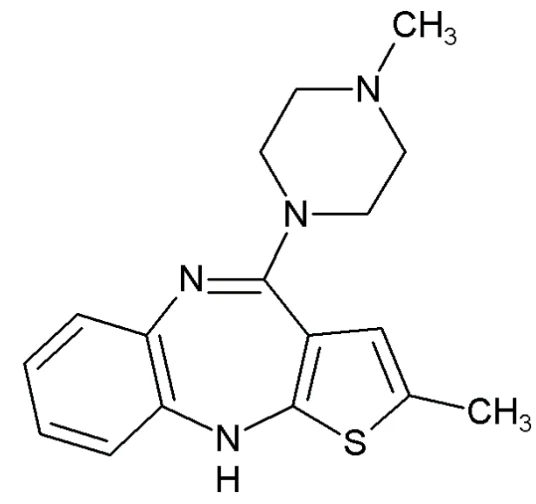
Physicochemical properties: Olanzapine is a yellow, crystalline powder, practically insoluble in water and soluble in chloroform, acetone, dimethylsulfoxide, dimethylacetamide, N-methyl pyrolidone, dimethyl formamide, dichloromethane and in water at pH < 2. The melting range is 192 - 195°C, with a pKa1= 5.0 and pKa2=7.4 in Dimethylformamide/Water (60:40, v/v).
CLINICAL TRIALS
Comparative Bioavailability Studies
A randomized, two-way, single-dose, crossover comparative bioavailability study of SANDOZ OLANZAPINE tablets 10 mg (Sandoz Canada Inc.) with Pr Zyprexa® tablets 10 mg (Eli Lilly, Canada Inc.) was conducted in healthy, adult, Asian male and female subjects under fasting conditions. Comparative bioavailability data from the 31 subjects that were included in the statistical analysis are presented in the following table.
SUMMARY TABLE OF THE COMPARATIVE BIOAVAILABILITY DATA
Olanzapine (1 x 10 mg) Geometric Mean Arithmetic Mean (CV %) | ||||
|---|---|---|---|---|
| Parameter | Test1 | Reference2 | % Ratio of Geometric Means | 90% Confidence Interval |
AUC0-72 (ng·h/mL) | 446.79 460.51 (26.52) | 462.83 476.00 (24.20) | 96.5 | 91.4 - 102.0 |
AUCT (ng·h/mL) | 615.51 159.19 (25.86) | 627.82 166.97 (26.60) | 98.3 | 94.5 - 102.4 |
AUCI (ng·h/mL) | 651.24 178.58 (27.42) | 662.99 182.12 (27.47) | 98.4 | 94.6 - 102.4 |
Cmax (ng/mL) | 17.30 5.10 (29.47) | 17.60 6.61 (37.53) | 99.8 | 93.0 - 107.0 |
Tmax 3 (h) | 5.00 (2.00 - 8.50) | 5.50 (2.00 - 9.00) | NA | NA |
T½4 (h) | 33.72 (17.89) | 33.42 (17.55) | NA | NA |
1 SANDOZ OLANZAPINE (olanzapine) tablets, 10 mg (Sandoz Canada Inc.)
2 PrZyprexa® (olanzapine) tablets 10 mg (Eli Lilly Canada Inc.)
3 Expressed as the median (range) only
4 Expressed as the arithmetic mean (CV %) only.
A randomized, two-way, single-dose, crossover comparative bioavailability study of SANDOZ OLANZAPINE ODT Orally Disintegrating Tablets, 5 mg (Sandoz Canada Inc.) with PrZYPREXA® ZYDIS® Orally Disintegrating Tablets, 5 mg (Eli Lilly Canada Inc.) was conducted in healthy, adult, male and female subjects under fasting conditions. Comparative bioavailability data from the 18 subjects that were included in the statistical analysis are presented in the following table.
SUMMARY TABLE OF THE COMPARATIVE BIOAVAILABILITY DATA
Olanzapine (1 x 5 mg) Geometric Mean Arithmetic Mean (CV %) | ||||
|---|---|---|---|---|
| Parameter | Test1 | Reference2 | % Ratio of Geometric LS Means | 90% Confidence Interval |
AUC0-72h (ng·h/mL) | 228.26 239.67 (34.6) | 225.77 236.98 (32.8) | 101.1 | 95.4 – 107.1 |
AUCI (ng·h/mL) | 302.59 318.88 (34.4) | 292.45 311.81 (38.2) | 103.5 | 95.1 – 112.6 |
Cmax (ng/mL) | 7.05 7.48 (36.9) | 7.25 7.74 (38.8) | 97.3 | 90.8 – 104.3 |
Tmax3 (h) | 6.00 (4.00 - 10.00) | 5.00 (3.00 – 10.00) | NA | NA |
T½4 (h) | 35.91 (18.9) | 34.32 (33.0) | NA | NA |
1 SANDOZ OLANZAPINE ODT (olanzapine) orally disintegrating tablets, 5 mg (Sandoz Canada Inc.)
2 PrZYPREXA® ZYDIS® (olanzapine) orally disintegrating tablets, 5 mg (Eli Lilly Canada Inc)
3 Expressed as the median (range) only
4 Expressed as the arithmetic mean (CV %) only.
Schizophrenia and Related Disorders Trials
The efficacy of oral olanzapine in the reduction of and maintenance of the reduction of the manifestations of schizophrenia and related psychotic disorders was established in 3 well-controlled clinical trials of psychotic inpatients who, at entry met the DSM-III-R criteria for schizophrenia (most with a course at entry of ‘chronic with acute exacerbation’) and 1 well-controlled clinical trial of psychotic inpatients and outpatients who, at entry, met the DSM-III-R criteria for schizophrenia, schizophreniform disorder, or schizoaffective disorder. The results of the trials follow:
(1) A 6-week, placebo-controlled trial (N=335) compared 3 fixed dosage ranges of olanzapine (5 ± 2.5, 10 ± 2.5, and 15 ± 2.5 mg/day QD), 1 dosage range of haloperidol (15 ± 5 mg/day on a BID schedule), and placebo. The 2 higher dosage ranges of olanzapine were statistically significantly superior to placebo on the Brief Psychiatric Rating Scale (BPRS) total, the Clinical Global Impressions - Severity of Illness (CGI - S) scale, and the BPRS positive psychosis cluster. The highest dosage range of olanzapine was statistically significantly superior to placebo and to haloperidol on the Scale for the Assessment of Negative Symptoms (SANS). Efficacy of olanzapine generally increased with dose. The 5 ± 2.5 mg/day dosage range of olanzapine was numerically, but not statistically, significantly superior to placebo on BPRS total and other assessments of overall psychopathology.
(2) A 6-week, placebo-controlled trial (N=152) compared 2 fixed doses of olanzapine (1 or 10 mg/day QD) and placebo. Olanzapine, 10 mg/day, was statistically significantly superior to placebo on the BPRS total, the BPRS positive psychosis cluster, the CGI-S scale, the Positive and Negative Syndrome Scale (PANSS) total, the PANSS positive subscale, and the PANSS negative subscale. Olanzapine, 1 mg/day, appeared to be a no-effect dose with no difference, clinically or statistically, from placebo on any assessment of psychopathology.
(3) A 6-week, dose comparison trial (N=431) compared 3 fixed dosage ranges of olanzapine (5 ± 2.5, 10 ± 2.5 and 15 ± 2.5 mg/day QD), olanzapine (1 mg/day QD), and haloperidol (15 ± 5 mg/day on a BID schedule). There were no statistically significant differences between groups on efficacy measures except for the highest dosage range of olanzapine, which was statistically significantly superior to olanzapine, 1 mg, on the BPRS positive psychosis cluster, PANSS positive subscale, and the CGI-S scale.
(4) A 6-week comparator-controlled trial (N=1996, 2:1 randomization, olanzapine: haloperidol) compared 1 dosage range of olanzapine (5 to 20 mg/day QD) and 1 dosage range of haloperidol (5 to 20 mg/day QD). The acute mean modal doses (for those patients with at least 3 weeks of treatment) were 13.2 mg/day for olanzapine and 11.8 mg/day for haloperidol. Olanzapine was statistically significantly superior to haloperidol on the BPRS total, the BPRS negative psychosis cluster, the PANSS negative subscale, and the CGI-S scale. Olanzapine was also statistically significantly superior to haloperidol on the Montgomery-Asberg Depression Rating Scale (MADRS). The validity of this scale in patients with schizophrenia, however, is not established.
(5) The effectiveness of olanzapine in long-term therapy, i.e., > 6 weeks, was evaluated in 3 double-blind, controlled, extension maintenance trials (of acute trials 1, 3, and 4 above). Patients who showed adequate clinical improvement following double-blind acute therapy were allowed to continue on in a double-blind, long-term extension maintenance phase on their acute dosage regimen. Long-term maintenance of treatment response (as defined by continued reduction in signs and symptoms sufficient to not require hospitalization for psychosis) was compared over time (894 olanzapine-treated patients; median length of treatment was 237 days). The percentage of patients maintaining treatment response over one year was compared. Olanzapine was statistically significantly superior to placebo in the one placebo-controlled trial and was comparable or statistically significantly superior to the active comparator in 3 of 3 active comparator-controlled trials.
Summary of Schizophrenia and Related Disorders Trials: While the efficacy of olanzapine at a dose of 5 mg/day was not statistically superior to placebo (see (1) above), some individual patients receiving this dose had a good acute response, and were well maintained during a 1-year extension phase.
The above trials (including open-label extension) and an additional trial in geriatric patients with primary degenerative dementia of the Alzheimer’s type constitute the primary database (N=2500 patients treated with olanzapine, corresponding to 1122.2 patient-years; N=810 patients treated with haloperidol, corresponding to 193.0 patient-years; N=236 patients treated with placebo, corresponding to 27.1 patient-years).
Bipolar Disorder Trials
Bipolar Mania: The efficacy of oral olanzapine in treating acute bipolar mania was demonstrated in 5 controlled studies, including 2 placebo-controlled studies, 2 active comparator studies and 1 cotherapy study. All patients enrolled in these studies had a diagnosis of bipolar I disorder and displayed an acute manic or mixed episode (with or without psychotic features) according to the DSM-IV criteria based on clinical assessment and confirmed by the structured clinical interview for the diagnostic and statistical manual, SCID-P.
Placebo-Controlled Trials: The 2 placebo-controlled trials evaluated the efficacy of olanzapine versus placebo in treating bipolar manic or bipolar mixed episodes as measured by the Y-MRS total score LOCF mean change from baseline to endpoint over 3 weeks (n=70 and n=69, respectively) and 4 weeks (n=60 and n=55, respectively). These trials demonstrated superiority in the efficacy of olanzapine compared with placebo. The key findings were as follows:
- Olanzapine, at a dose range of 5-20 mg/day, was statistically superior to placebo in improving manic symptoms in each study (p=0.019 and p < 0.001, respectively).
In each study, a statistically significantly greater percentage of olanzapine-treated patients (48.6% and 64.8%, respectively) compared with placebo-treated patients
(24.2% and 42.9%, respectively) responded to treatment (≥ 50% reduction in Y-MRS total score) (p=0.004 and p=0.023, respectively).
- In each study, the percentage of patients that were in clinical remission (endpoint Y-MRS total score ≤ 12) were significantly greater among olanzapine patients (45.7% and 61.1%, respectively) compared with placebo patients (25.8% and 35.7%, respectively) (p=0.020 and p=0.013, respectively).
- Olanzapine efficacy did not differ significantly among the main subtypes of bipolar mania, for example patients with a history of rapid cycling, with or without psychotic features, and bipolar mixed or bipolar manic.
(1) Active Comparator Trials: Two active comparator trials were conducted.
(a) The first active comparator study evaluated the efficacy of olanzapine versus divalproex in treating bipolar manic and bipolar mixed episodes by using the Y-MRS total score LOCF mean change from baseline to endpoint. This study was a 3-week, double-blind study with a double-blind continuation phase of 11 months. The primary objective of the study was to demonstrate non-inferiority in the efficacy of olanzapine compared with divalproex at 3 weeks. Patients were randomized to either olanzapine (5-20 mg/day, n=125) or divalproex (500-2500 mg/day, n=126). The key findings were as follows:
- Olanzapine was statistically superior to divalproex in improving manic symptoms as measured by Y-MRS change score at 3 weeks (mean improvements of 13.4 and 10.4 points, respectively, p=0.028).
- The proportion of patients meeting the criteria for response was not statistically significantly different between olanzapine and divalproex groups (54.4% and 42.3%, respectively) (p=0.059).
- The proportion of patients that was in clinical remission was significantly greater among olanzapine patients (47.2%) compared with divalproex patients (34.1%) (p=0.039).
- The second active comparator study evaluated the efficacy of olanzapine versus haloperidol in treating bipolar manic or mixed episodes by assessing the proportion of patients in protocol-defined remission from manic and depressive symptoms at 6 weeks. Remission was defined as: 1) achieving improvement in clinical symptomatology in manic and depressive symptoms; 2) having achieved specific reductions in Y-MRS and HAMD-21 total scores; and 3) continuing to take study medication at Week 6. This trial consisted of a 6-week double-blind phase followed by a 6-week double-blind maintenance of response phase in the absence of a placebo arm. Patients were randomly assigned to treatment with olanzapine 5-20 mg/day (n=234) or haloperidol 3-15 mg/day (n=219). The key findings were as follows:
- Olanzapine and haloperidol were similarly effective in improving manic symptoms.
- A clinical response to treatment was defined as a ≥ 50% improvement in Y-MRS total score from baseline to endpoint. In both treatment groups, a large proportion of patients responded to treatment. At the end of the acute phase 72.3% and 74.2% of olanzapine and haloperidol patients, respectively met the response criteria, and at the end of the continuation phase almost all patients were classified as responders (96.3% of 160 olanzapine patients and 94.1% of 136 haloperidol patients).
- The proportion of patients in symptomatic remission at the end of the acute phase (6 weeks) was similar for olanzapine and haloperidol patients (52.1% versus 46.1%, respectively (p=0.152). Among patients who entered the continuation phase and were not in symptomatic remission at 6-weeks, significantly more olanzapine patients (68.3%) than haloperidol patients (41.0%) were in remission by the end of the continuation period (p=0.014).
- Manic symptoms continued to improve among olanzapine patients to a statistically significant extent.
- Olanzapine was statistically significantly more efficacious than haloperidol in patients without psychotic features (acute phase remission rates were 56.7% in 104 olanzapine patients and 41.6% in 89 haloperidol patients, respectively) (p=0.043).
(2) Cotherapy Trial: This trial evaluated the efficacy of olanzapine plus either valproate or lithium (cotherapy, n=229) versus valproate or lithium alone (monotherapy, n=115) in treating bipolar manic or mixed episodes as measured by the Y-MRS total score LOCF mean change from baseline to endpoint. This study was a 6-week, double-blind study with a re-randomized double-blind phase of 18 months. The key findings were as follows:
- Olanzapine in combination with either valproate or lithium was significantly more efficacious than monotherapy (valproate or lithium) in improving manic symptoms (mean improvements of 13.1 and 9.1 points, respectively) (p=0.003).
- The proportion of patients that clinically responded to treatment was statistically significantly greater among patients receiving olanzapine cotherapy (67.7%) than lithium or valproate monotherapy (44.7%, p < 0.001).
- The percentage of patients that were in clinical remission was significantly greater in the olanzapine cotherapy group (78.6%) compared with the lithium or valproate monotherapy group (65.8%, p=0.012).
- The difference in time to remission was also statistically significantly different (p=0.002). The median estimated remission time was 14 days for olanzapine cotherapy-treated patients and 22 days for monotherapy-treated patients.
Bipolar Maintenance: The efficacy of oral olanzapine as monotherapy for maintenance treatment of bipolar disorder in patients who responded to acute treatment with olanzapine for a manic or mixed episode was demonstrated in two 1-year ‘time to event’ controlled trials: one placebo-controlled and one active comparator trial against lithium monotherapy.
All patients enrolled in these studies had a diagnosis of bipolar I disorder and displayed an acute manic or mixed episode (with or without psychotic features) according to the DSM-IV criteria.
For both studies: Patients had to meet study-defined response criteria (YMRS total score of ≤ 12 and a HAMD-21 total score ≤ 8) during open-label treatment with olanzapine (or olanzapine plus lithium in the active comparator study) in order to be randomized into the double-blind maintenance period for observation of study-defined relapse. Dosing was flexible (5-20 mg/day for olanzapine; serum levels 0.6-1.2 mEq/L for lithium).
The exit criteria was symptomatic relapse of bipolar disorder, either mania or depression. Symptomatic relapse of mania was defined as reaching a YMRS total score ≥ 15, and symptomatic relapse of depression as reaching a HAMD-21 total score ≥ 15; for the placebo-controlled study only, the definitions also included being hospitalized for mania or depression. Thus, the primary efficacy variable was time to, and incidence of, the exit symptomatic relapse of bipolar disorder, based on analysis of Kaplan-Meier time-to-relapse curves.
- 1) Placebo-controlled trial:
The study evaluated the efficacy of olanzapine vs placebo in maintenance treatment of manic or mixed bipolar episodes by using survival curve analysis to assess the time to, and incidence of, relapse of bipolar disorder. In this trial, 361 patients who had demonstrated response criteria for an average of 16 days were randomized to either continuation of olanzapine at their same dose (n=225) or to placebo (n=136), for observation of relapse for up to one year.
The key findings were as follows:
Figure 1 shows the 1-year time-to-relapse curves for total discontinuations from the study in each arm over time, whether exiting due to relapse, or withdrawal due to adverse events or other reasons. The percentage of patients remaining in the study (i.e. relapse-free, and have not withdrawn for any reason) can be seen at each of the 3, 6, 9 and 12 month points;
at study-end, this is 24% (n=53) for olanzapine and 10% (n=13) for placebo. The time-point at which 50% of the patients in a specific arm had withdrawn for any reason was Day 59 for the olanzapine group compared to Day 23 for the placebo group.
- Figure 2 shows the 1-year time-to-relapse curves for specifically the exit criterion of bipolar relapse (i.e. patients who withdrew for other reasons were censored and excluded from the calculated numerators and denominators). Olanzapine was superior to placebo, for both incidence of bipolar relapse (46.7% vs 80.1%, respectively), and median time to relapse (174 days vs 22 days, respectively). Note that a high relapse incidence for the placebo arm is not unexpected given the limited time that patients had been demonstrating response criteria prior to randomization.
- Figures 2a and 2b show the efficacy time-to-relapse curves for each of manic and depressive relapse, respectively. Olanzapine showed a statistically significant advantage over placebo in terms of each of mania and depression, although a greater advantage was seen in mania.
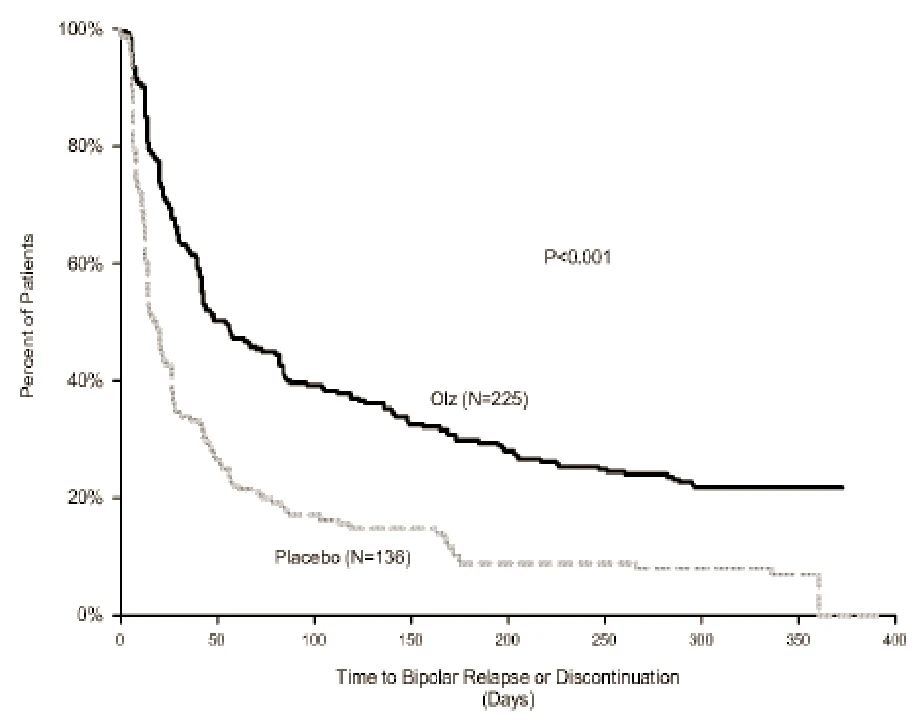
Figure 1: Time to Event (Relapse or Discontinuation)
Study HGHL; Double-Blind Treatment Phase
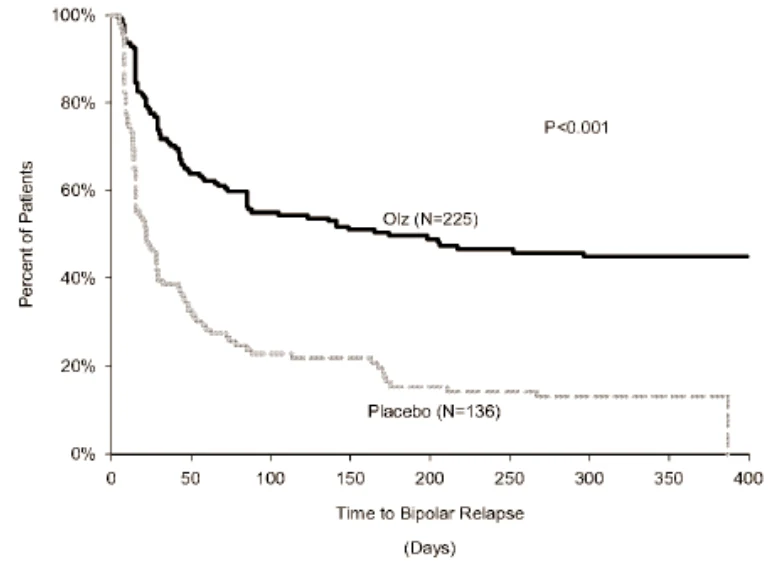
Figure 2: Time to Symptomatic Relapse of Bipolar Disorder, Including Hospitalization
Study HGHL; Double-Blind Treatment Phase
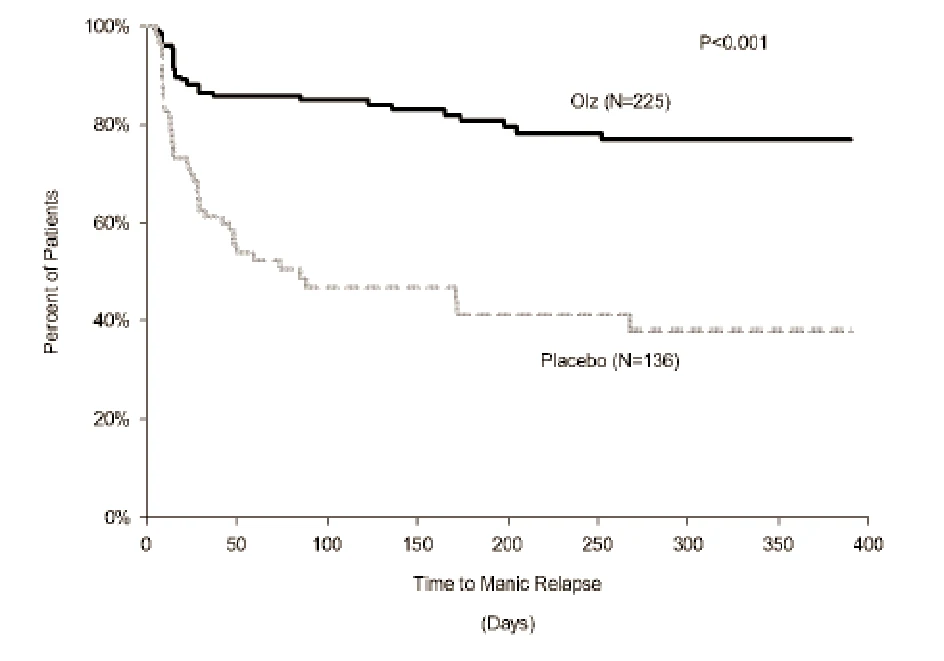
Figure 2a: Time to Symptomatic Relapse of Mania, Including Hospitalization
Study HGHL; Double-Blind Treatment Phase
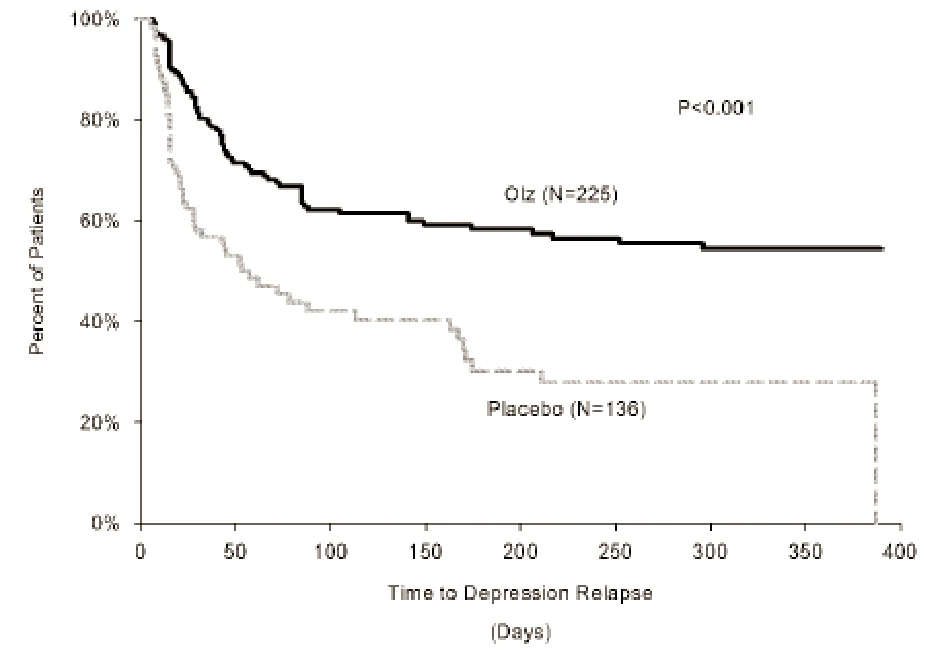
Figure 2b: Time to Symptomatic Relapse of Depression, Including Hospitalization
Study HGHL; Double-Blind Treatment Phase
- 2) Active comparator trial:
The study evaluated the efficacy of olanzapine vs lithium in maintenance treatment of manic or mixed bipolar episodes in a non-inferiority design to assess the incidence of relapse of bipolar disorder and further, by using survival curve analysis to assess time to relapse. In this trial, 543 patients who had demonstrated response criteria for an average of 20 days were randomized to either olanzapine plus placebo (n=217) or lithium plus placebo (n=214) for observation of relapse for up to one year. The first month of the double-blind period was a taper period to allow for non-abrupt lithium discontinuation. The non-inferiority margin used in this study was: ± 20% of the efficacy seen for the reference population.
The key findings were as follows:
- Figure 3 shows the 1-year time-to-relapse curves for total discontinuations from the study in each arm over time, whether exiting due to relapse, or withdrawal due to adverse events or other reasons. The percentage of patients remaining in the study (i.e. relapse-free, and have not withdrawn for any reason) can be seen at each of the 3, 6, 9 and 12 month points; at study-end, this is 42% (n=94) for olanzapine and 28% (n=61) for lithium. The time-point at which 50% of the patients in a specific arm had withdrawn for any reason was Day 255 for the olanzapine group compared to Day 192 for the lithium group.
- Figure 4 shows the 1-year time-to-relapse curves for specifically the exit criterion of bipolar relapse (i.e. patients who withdrew for other reasons were censored and excluded from the calculations of numerators and denominators). Olanzapine was non-inferior to lithium for both incidence of bipolar relapse (30.0% vs 38.8%, respectively), and time to 25% of patients experiencing relapse (122 days vs 143 days, respectively).
- It can be seen from Figure 4 that for approximately the first five months of the 1-year trial, relapse rate was higher in olanzapine-treated patients; thereafter, the rate of relapse for lithium increases, while that for olanzapine flattens out.
- Figures 4a and 4b are the 1-year time-to-relapse curves for each of the exit criterion of manic and depressive relapse respectively. Olanzapine showed a statistically significant advantage over lithium in rate of mania relapse, and was non-inferior for depressive relapse.
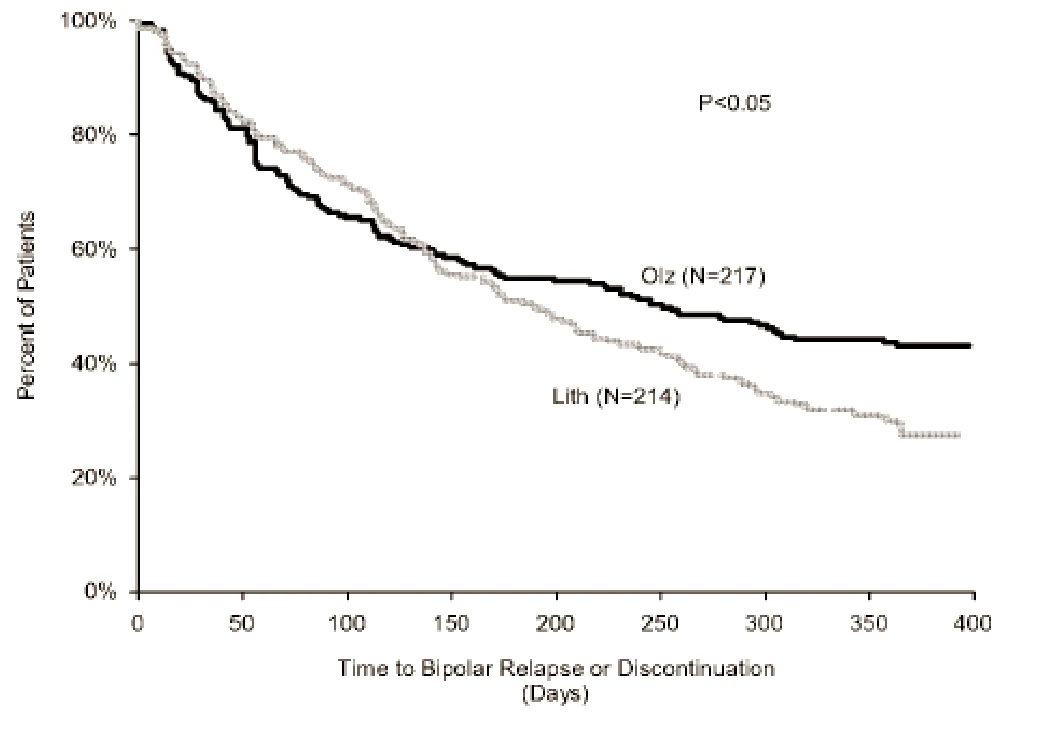
Figure 3: Time to Event (Relapse or Discontinuation)
Study HGHT; Double-Blind Treatment Phase
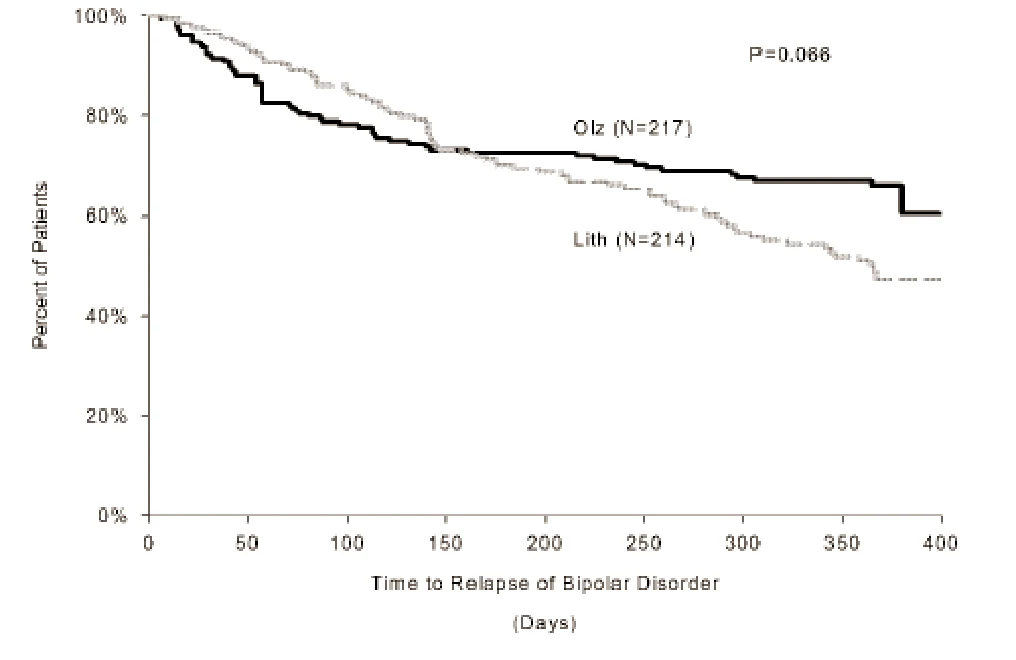
Figure 4: Time to Symptomatic Relapse of Bipolar Disorder
Study HGHT; Double-Blind Treatment Phase
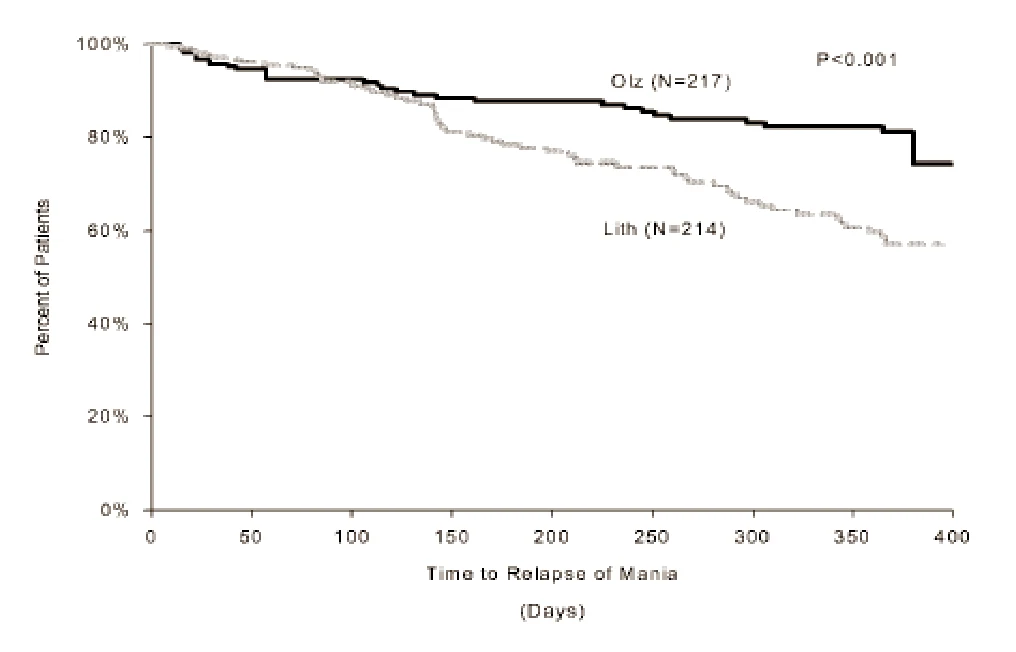
Figure 4a: Time to Symptomatic Relapse of Mania
Study HGHT; Double-Blind Treatment Phase
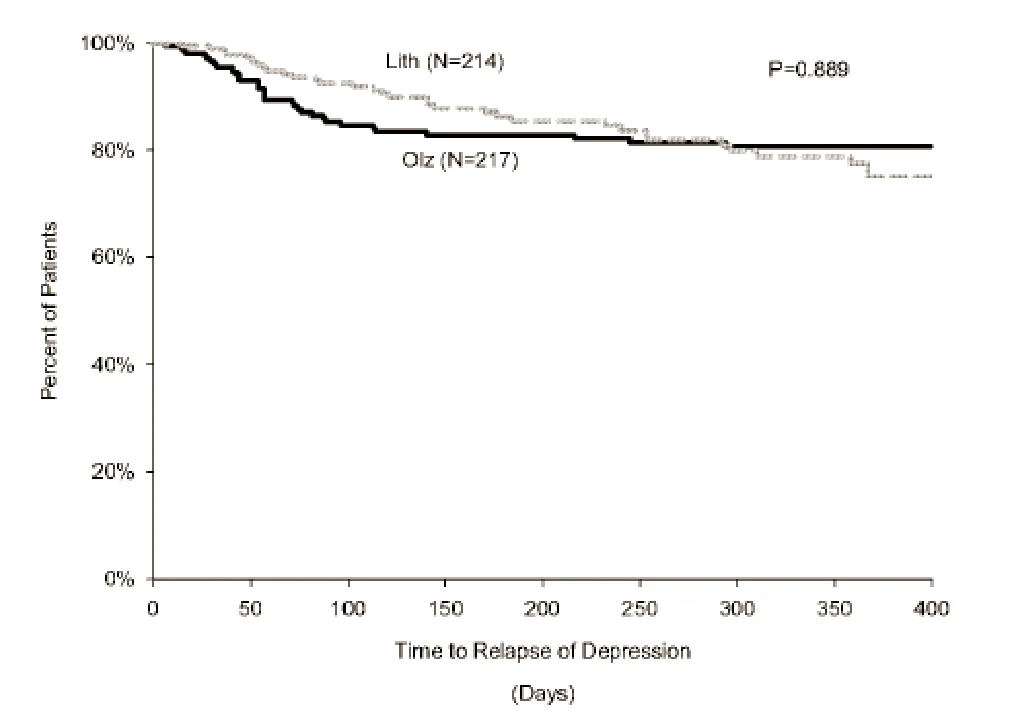
Figure 4b: Time to Symptomatic Relapse of Depression
Study HGHT; Double-Blind Treatment Phase
Summary of Bipolar Disorder Trials:
Bipolar Mania: Olanzapine was more efficacious than placebo and divalproex and as effective as haloperidol in improving overall manic symptomatology in patients with acute bipolar I disorder, manic or mixed episode, with or without psychotic symptoms, and with or without a history of rapid cycling. Olanzapine is associated with a faster onset of action (based on median time to remission estimated with Kaplan-Meier analysis) compared to divalproex and similar to that of haloperidol. The addition of olanzapine also improved patients not responding to lithium or valproate. Olanzapine was not associated with inducing or worsening symptoms of depression.
Bipolar Maintenance: Two 1-year controlled studies support the use of olanzapine monotherapy in maintenance treatment of bipolar patients who responded to acute olanzapine treatment for a manic or mixed episode. Based on analysis of one-year Kaplan-Meier survival curves, olanzapine was superior to placebo, and non-inferior to lithium, in both time to, and incidence of, bipolar relapse over one year.
DETAILED PHARMACOLOGY
Pharmacodynamics
In Vitro Receptor Binding Affinities: The binding affinities of olanzapine versus clozapine and haloperidol are summarized in Table 11. The binding profile of olanzapine has similarities to that produced by clozapine, although the affinity of olanzapine is somewhat greater for dopamine D1 and D2 receptors and lower at 2 receptors. With respect to 5-HT receptor subtypes, both agents show greatest affinity for 5-HT2A and 5-HT2C receptors. The ratio of activity between 5-HT2A and
D2 receptors is slightly less for olanzapine than for clozapine, although olanzapine is still about twice as active at 5-HT2A receptors compared with D2 receptors. Both compounds also have a high affinity for muscarinic receptor subtypes, particularly the m1 site. The affinity constants (Ki, nM) for olanzapine, clozapine, and haloperidol are shown below:
Table 11: Affinity Constants for Olanzapine, Clozapine and Haloperidol
| Compound | Dopamine D1 | Dopamine D2 | α1 | α2 | Histamine H1 |
|---|---|---|---|---|---|
| Olanzapine | 31 ± 0.7 | 11 ± 2 | 19 ± 1 | 230 ± 40 | 7 ± 0.3 |
| Clozapine | 85 ± 0.7 | 125 ± 20 | 7 ± 4 | 8 ± 3 | 6 ± 2 |
| Haloperidol | 25 ± 7 | 1 ± 0.04 | 46 ± 6 | 360 ± 100 | 3630 ± 85 |
| Compound | 5-HT1A | 5-HT1B | 5-HT1D | 5-HT2A | 5-HT2C | 5-HT3 |
|---|---|---|---|---|---|---|
| Olanzapine | > 10,000 | 1355 ± 380 | 800 ± 190 | 4 ± 0.4 | 11 ± 1 | 57 |
| Clozapine | 770 ± 220 | 1200 ± 170 | 980 ± 115 | 12 ± 3 | 8 ± 0.8 | 69 |
| Haloperidol | 7930 ± 500 | > 10,000 | 6950 ± 950 | 78 ± 22 | 3085 | > 1000 |
| Compound | m1 | m2 | m3 | m4 | m5 |
|---|---|---|---|---|---|
| Olanzapine | 1.9 ± 0.1 | 18 ± 5 | 25 ± 2 | 13 ± 2 | 6 ± 0.8 |
| Clozapine | 1.9 ± 0.4 | 10 ± 1 | 14 ± 1 | 18 ± 5 | 5 ± 1.2 |
| Haloperidol | 1475 ± 300 | 1200 ± 180 | 1600 ± 305 | > 10,000 | Not Tested |
Olanzapine has no significant activity at GABAA, benzodiazepine, or β receptors. Olanzapine also interacts with dopamine D4 receptors (Ki 27 nM).
In vivo biochemical studies were conducted to confirm the binding data and investigate the functional consequences of interacting with these neurotransmitter receptor sites.
In Vivo Neuroendocrine Studies: It has been shown that corticosterone concentrations in rats can be elevated by 5-HT-mediated or dopamine-mediated mechanisms. Olanzapine antagonizes the 5-HT (quipazine-induced) (ED50 0.57 mg/kg) and D2 dopamine receptor-mediated (pergolide-induced) (ED50 3 mg/kg) increases in corticosterone. These results show that olanzapine has greater activity at 5-HT compared with D2 dopamine receptors in vivo. These results complement the behavioural studies showing that olanzapine preferentially antagonizes a 5-HT-induced response.
In Vivo Behavioural Pharmacology: In behavioural studies, olanzapine exhibits a broad pharmacologic profile, as predicted from the biochemical data.
Olanzapine blocks apomorphine-induced climbing behaviour with an ED50 of approximately 5 mg/kg. The climbing response has previously been shown to require both D1 and D2 receptor activation. These results therefore indicate that olanzapine possesses dopamine antagonist activity in vivo.
A second study in mice looked at the ability of olanzapine to block 5-hydroxytryptophan (5-HTP)-induced head twitches, a test probably mediated by 5-HT2 receptors. Olanzapine produced dose-related reductions in the head-twitch response with approximate ED50s of 2 mg/kg. Olanzapine preferentially blocks the head-twitch, compared with the climbing response, demonstrating that this agent exhibits greater activity at the 5-HT receptor compared with dopamine receptors in vivo. These results agree with those reported in rats, showing that olanzapine preferentially antagonizes 5-HT-mediated rather than dopamine-mediated elevations in corticosterone (Moore et al. 1993).
Olanzapine doses of 2.5 to 10 mg/kg produced a significant reduction in oxotremorine-induced tremor in mice, with an ED50 of 3 mg/kg. These results demonstrate that olanzapine possesses anticholinergic activity in vivo at doses which also antagonize dopamine-mediated effects.
Inhibition of a conditioned avoidance response has been widely used as a test to predict the antipsychotic potential of a compound, while the induction of catalepsy in rats is associated with the occurrence of extrapyramidal symptoms in the clinic. ED50s for the various compounds in blocking a conditioned avoidance response or inducing catalepsy in rats are given in Table 12.
Table 12: Effect of Olanzapine and Haloperidol on Conditioned Avoidance Responding (CAR) and the Induction of Catalepsy (CAT) in Lister Hooded Rats
| Compound | CAR | CAT | Ratio |
|---|---|---|---|
| Olanzapine | 5.6 (4.6 - 6.8) | 23 (18.7- 29) | 4.1 |
| Haloperidol | 0.28 (0.24 - 0.33) | 0.74 (0.6 - 0.9) | 2.6 |
Note: The results are expressed as ED50 values (mg/kg PO) with 95% confidence intervals stated in parentheses. The ratio is the ED50 CAT / ED50 CAR.
Although olanzapine induces catalepsy, this only occurs at doses higher than those required to block the conditioned avoidance response.
A number of reports have shown that the “atypical” agent, clozapine, differs from “typical” antipsychotics in its effects on schedule-controlled behaviour. In a rat or pigeon conflict test, olanzapine, clozapine, and chlordiazepoxide produced the characteristic changes in rates of responding associated with anxiolytics, although the effect of olanzapine and clozapine was smaller than that seen with chlordiazepoxide. All three compounds decreased or had no effect on the high rates of responding produced in the reward component, whereas the rates in time-out and particularly the conflict period were increased. This type of profile was not seen with the “typical” antipsychotic, haloperidol, which only decreased the rates in all the components. These data further emphasize the “atypical” profile of olanzapine.
In Vivo Electrophysiology: “Typical” antipsychotic agents, such as haloperidol, reduce the spontaneous firing of both A9 and A10 dopaminergic neurons in the CNS following chronic dosing. The A9 (nigrostriatal system) is thought to mediate extrapyramidal motor disturbances, while the A10 (mesolimbic system) has been associated with the antipsychotic activity of compounds. Olanzapine (10 and 20 mg/kg subcutaneously for 21 days) produced a significant reduction in the firing of A10 dopaminergic cells. The number of spontaneously active A9 neurons either remained constant or was increased. These results are very similar to those reported previously for clozapine and further emphasize the “atypical” pharmacologic profile of olanzapine.
Human Versus Animal Metabolism: In animal species (mice, rats, and dogs) used for toxicologic evaluation, olanzapine was metabolized through aromatic hydroxylation (forming phenolic metabolites and/or their glucuronide conjugates), allylic (alkyl) oxidation, N-dealkylation, and N-oxidation reactions.
Although similarities in the metabolic fate of olanzapine in animals (mice, rats, and dogs) and humans include the 2-alkyl hydroxylation, N-dealkylation, and N-oxidation pathways, two significant differences can be noted. First, direct glucuronidation, producing mainly 10-N-glucuronide and to a lesser extent 4’-N-glucuronide, was a significant metabolic pathway in humans. These N-glucuronides were absent in animal species except for a trace amount of 10-N-glucuronide in dog urine. Second, metabolites resulting from aromatic oxidation were not found in any human biological fluids. The monkey also did not appear to form 10-N-glucuronide, but was similar to humans in apparently not forming metabolites resulting from the oxidative attack of the benzene ring of olanzapine.
TOXICOLOGY
An extensive series of acute, subchronic, chronic, reproduction, and genetic toxicity as well as oncogenicity studies have been conducted to support clinical trials with olanzapine. In most of these studies, olanzapine was given by the oral route to rodents, rabbits, and monkeys in an aqueous suspension with 5% to 10% acacia and to dogs as neat material in capsules.
The predominant effects in laboratory animals given olanzapine were CNS depression and anticholinergic effects related to the pharmacology of the drug. Tolerance to the CNS depression developed in repeated-dose studies. Depressed body weight gain was a consistent finding in mice given 30 mg/kg/day and in rats given 4 mg/kg/day. Effects on hematology parameters were found in each species studied in repeated-dose studies. Rats given 16 mg/kg/day had decreased lymphocyte and neutrophil counts and atrophy of bone marrow consistent with the marked reduction in body weight gain. Mice given 3 mg/kg/day developed leukopenia, due primarily to lymphocytopenia, but also associated with neutropenia. Lymphoid necrosis of thymus and spleen was seen in mice given ≥ 10 mg/kg/day. Instances of reversible neutropenia, with or without thrombocytopenia, or anemia developed in a low number of individual dogs treated with 8 or 10 mg/kg/day. Bone marrow from some dogs with olanzapine-induced neutropenia responded to olanzapine with lower than expected numbers of maturing granulocytic cells; however, progenitor and proliferating cells were present in adequate numbers. No olanzapine-related hematologic effects were seen in dogs receiving olanzapine at either 2 or 5 mg/kg/day.
Effects observed in rats consistent with increased plasma concentrations of prolactin in rats included decreased weights of ovaries and uterus. Histopathologic tissue alterations in mammary gland morphology and vaginal epithelium and increased prominence of ovarian follicles were also consistent with elevated prolactin concentrations. Prolactin-induced histopathologic tissue alterations found in rats regressed after treatment cessation. No unexpected toxicologically important findings unrelated to pharmacologic activity were found in the 1-year studies in rats given 4 mg/kg/day or in dogs given 5 mg/kg/day.
In a rat oncogenicity study, the only neoplasm with increased incidence related to treatment was malignant mammary gland tumours in females of the 4- and 8- mg/kg/day groups (initial dose levels were increased from 2.5 and 4 mg/kg/day, respectively, on Day 211). The overall incidence of mammary gland tumours was not increased. The shift in expression of mammary gland tumours was not unexpected and was consistent with effects due to elevated prolactin concentrations in rodents. Also consistent with increased prolactin concentrations was an increased total incidence of mammary gland tumours in female mice given 10 or 20 mg/kg/day (the high dose was decreased from 30 mg/kg/day due to excess mortality).
Olanzapine had no mutagenic or teratogenic effects. Mating performance was affected in male rats given 5 mg/kg/day, but the effect was quickly reversed when treatment stopped. Estrous cycles were affected and reproduction parameters were influenced in rats given the higher doses of ≥ 1 mg/kg/day. No adverse effects were observed on numbers of corpora lutea, implantations, fetal viability, or fetal weight, and there were no effects on litter size or on the survival, growth, or development of the offspring from parents given up to 5 mg/kg/day. Transient modest decreases in activity levels of the progeny from females given 0.25 mg/kg/day and skeletal changes indicative of growth retardation in fetuses from females given 5 mg/kg/day were observed. Although the reproductive process in female rats from mating through fertilization was not adversely affected by treatment, this evidence does not exclude a possible interference with maintenance of pregnancy at high doses of olanzapine.
The findings of toxicology studies support the safety of olanzapine for oral use in humans as an antipsychotic agent.
Acute Toxicity Studies
The acute toxicity of olanzapine was studied in mice, rats, dogs, and monkeys. The estimated median lethal dose for each species is shown below in Table 13:
Table 13: Acute Toxicity Summary
| Estimated Median Lethal Dose (mg/kg/day) | ||||
|---|---|---|---|---|
| Species | Route | Males | Females | |
| Mouse | Oral | 211 | 208 | |
| Rat | Oral | 174 | 177 | |
| Dog | Oral | Both sexes > 100 mg/kg | ||
| Monkey | Nasogastric | Both sexes > 100 mg/kg | ||
| Rat | Intraperitoneal | 112 | 107 | |
Signs of toxicity in rodents included hypoactivity, lethargy, leg weakness, coma, tremors, clonic convulsions, salivation, poor grooming, and depressed body weight gain.
Subchronic/Chronic/Carcinogenicity and Related Toxicity Studies
Subchronic Toxicity Studies: Subchronic administration studies of up to 3 months in duration have been conducted by the oral route in mice, rats, and dogs.
Chronic Toxicity Studies: Chronic administration studies of up to 1 year were conducted by the oral route in rats and dogs.
Carcinogenicity Studies: The oncogenic potential of olanzapine was evaluated in studies in rats and mice. Carcinogenicity studies were conducted in CD-1 mice and Fischer 344 rats. Olanzapine was administered orally to mice at doses of 3, 10, or 20 mg/kg for 19 months (males) or 21 months (females) in an initial study, and in a subsequent study at doses of 0.5, 2, or 8 mg/kg for
21 months (males and females). Rats received oral doses of 0.25, 1, 2.5, or 4 mg/kg (males) or 0.25, 1, 2.5, 4, or 8 mg/kg (females) for 24 months. These doses are equivalent to 2 to 70 times the maximum daily human dose (mouse studies) or 0.9 to 28 times the maximum daily human dose (rats). A maximum tolerated dose was achieved in both mouse and rat studies. Increased mortality was seen in mice at doses of 10 and 20 mg/kg and decreases in circulating lymphocytes and neutrophils were seen at doses 0.5 mg/kg. In female mice treated with olanzapine, the incidence of mammary tumours was increased at doses ≥ 2 mg/kg. Female rats treated with 4 or 8 mg/kg had an increase in malignant mammary tumours, but the overall incidence of mammary gland neoplasia was unchanged. Antipsychotic drugs, including olanzapine, have been shown to chronically elevate prolactin concentrations in rodents. An increase in mammary neoplasms has been found in rodents after chronic administration of other antipsychotic drugs and is considered to be prolactin mediated. The role of prolactin in human breast cancer has not been defined conclusively, and there are presently no epidemiologic data indicating increased risk for breast cancer for humans using antipsychotic drugs.
Reproduction Studies
Fertility studies in male and female rats and teratology studies in rats and rabbits have been conducted by the oral route. Mating performance was affected by administration of olanzapine due to sedation in male rats given doses greater than 18 times the maximum daily human dose, but the effect was quickly reversed when treatment stopped. Estrous cycles were affected and reproduction parameters were influenced in rats given doses greater than 4 times the maximum daily human dose. No adverse effects were observed on numbers of corpora lutea, implantations, fetal viability, or fetal weight, and there were no effects on litter size or on the survival, growth, or development of the offspring from parents given up to 18 times the maximum daily human dose. Although the reproductive process in female rats from mating through fertilization was not adversely affected by treatment, this evidence does not exclude a possible interference with maintenance of pregnancy at high doses of olanzapine. Reproduction studies, performed in rats and rabbits at doses of olanzapine 3.5 and 7 times the maximum daily human dose (20 mg), respectively, have revealed no evidence of harm to the fetus. Maternal toxicity, developmental toxicity (indicated by fetal growth retardation and slightly delayed ossification at birth), and increased numbers of nonviable offspring occurred at higher doses (in rats at 14 and 63 times the maximum daily human dose and in rabbits at 28 and 105 times the maximum daily human dose). However, fetal malformations were not increased. Transient decreases in offspring activity have occurred at all doses; however, there were no effects on body weight, growth, mating, fertility, or live births in second-generation animals. Placental transfer of olanzapine occurs in rat fetuses. Olanzapine was also detected in the milk of rats at concentrations up to three-fold higher than those in the plasma.
Mutagenicity Studies
Olanzapine was not mutagenic or clastogenic in a full range of standard tests which included bacterial mutation tests and in vitro and in vivo mammalian tests. Appropriate positive controls were used in each test to verify the sensitivity of the test systems.
Hematologic Indices
In animal studies with olanzapine, the principal hematologic findings were reversible peripheral cytopenias in individual dogs given high doses of olanzapine (24 to 30 times the maximum daily human dose), dose-related decreases in lymphocytes and neutrophils in mice, and lymphopenia secondary to compromised nutritional status in rats. A few dogs treated with 24 to 30 times the maximum daily human dose developed reversible neutropenia or reversible hemolytic anemia between 1 and 10 months of treatment. Effects on hematology parameters in each species involved circulating blood cells, and no evidence of bone marrow cytotoxicity was found in any of the species examined.
REFERENCES
- 1. Baxter LR Jr, Schwartz JM, Phelps ME, Mazziotta JC, Guze BH, Selin CE, Gerner RH, Sumida RM. 1989. Reduction of prefrontal cortex glucose metabolism common to three types of depression. Arch Gen Psychiatry 46:243-250.
- 2. Beasley CM, Tollefson G, Tran P, Satterlee W, Sanger T, Hamilton S. 1996. Olanzapine versus placebo and haloperidol: acute phase results of the North American double-blind olanzapine trial. Neuropsychopharmacology 14(2):111-123.
- 3. Beasley CM, Tran PV, Tollefson GD, Satterlee W, Crawford AM, Wharton I, Luttman C, Voegele T. 1995. Long term efficacy and safety of olanzapine: a novel “atypical” antipsychotic agent [abstract]. In: American Psychiatric Association Meeting; 1995 May 20-25; Miami, FL.
- 4. Berk M, Ichim L, Brook S. 1999. Olanzapine compared to lithium in mania: a double-blind randomized controlled trial. International Clinical Psychopharmacology 14(6):339-343.
- 5. Bymaster FP, Calligaro DO, Falcone JF, Marsh RD, Moore N, Tye NC, Seeman P, Wong DT. 1996. Radioreceptor binding profile of the atypical antipsychotic olanzapine. Neuropsychopharmacology 14(2):87-96.
- 6. Bymaster FP, Perry KW, Hemrick-Luecke SK, Fuller RW. 1995. Neurochemical evidence for antagonism by olanzapine of dopamine, serotonin, 1-adrenergic and muscarinic receptors. Psychopharmacology 124:87-94.
- 7. Bymaster FP, Nelson DL, DeLapp NW, Falcone JF, Eckols K, Truex LL, Foreman MM, Lucaites VL, Calligaro DO. 1999. Antagonism by olanzapine of dopamine D1, serotonin2, muscarinic, histamine H1 and α1-adrenergic receptors in vitro. Schizophrenia Res 37:107-122.
- 8. Canadian Diabetes Association Clinical Practice Guidelines Expert Committee. 2003. Canadian Diabetes Association 2003 Clinical Practice Guidelines for the Prevention and Management of Diabetes in Canada. Can J Diabetes 27(suppl 2):S1-S140.
- 9. Chiu JA, Franklin RB. Submitted March 1995. Measurement of olanzapine (LY170053) and two metabolites in rat plasma using reversed-phase HPLC with electrochemical detection. J Pharm Biomed Anal.
- 10. Dixon L, Weiden P, Delehanty J, Goldberg R, Postrado L, Lucksted A, Lehman A. 2000. Prevalence and correlates of diabetes in national schizophrenia samples. Schizophren Bull 26:903-912.
- 11. Greenhouse JB, Meyer MM. 1991. A note on randomization and selection bias in maintenance therapy clinical trials. Psychopharmacol Bull 27(3):225-229.
- 12. Greenhouse JB, Stangl D, Kupfer DJ, Prein RF. 1991. Methodologic issues in maintenance therapy clinical trials. Arch Gen Psychiatry 48:313-318.
- 13. Haro JM, Edgell ET, Frewer P, Alonso J, Jones PB. 2003. The European Schizophrenia Outpatient Health Outcomes Study: baseline findings across country and treatment. Acta Psychiatr Scand 107 (Suppl. 416):7-15.
- 14. Ichikawa J, Meltzer HY. 1999. Valproate and carbamazepine increase prefrontal dopamine release by 5-HT1A receptor activation. Eur J Pharmacol 380:R1-R3.
- 15. Kinon BJ, Basson BR, Gilmore JA, Tollefson GD. 2001. Long-term olanzapine treatment: weight change and weight-related health factors in schizophrenia. J Clin Psychiatry 62:92-100.
- 16. Li XM, Perry KW, Wong DT, Bymaster FP. 1998. Olanzapine increases in vivo dopamine and norepinephrine release in rat prefrontal cortex, nucleus accumbens and striatum. Psychopharmacology 136:153-161.
- 17. Meehan K, Wang H, David SR, Nisivoccia JR, Jones B, Beasley CM, Feldman PD, Mintzer JE, Beckett LM, Breier A. 2002. Comparison of rapidly acting intramuscular olanzapine, lorazepam, and placebo: A double-blind, randomized study in acutely agitated patients with dementia. Neuropsychopharmacology 26(4):494-504.
- 18. Meehan K, Zhang F, David S, Tohen M, Janicak P, Small J, Koch K, Rizk R, Walker D, Tran P, Breier A. 2001. A double-blind, randomized comparison of the efficacy and safety of intramuscular injections of olanzapine, lorazepam, or placebo in treating acutely agitated patients diagnosed with bipolar mania. J Clin Psychopharmacology 21(4):389-397.
- 19. Moore NA, Calligaro DO, Wong DT, Bymaster F, Tye NC. 1993. The pharmacology of olanzapine and other antipsychotic agents. Curr Opin Invest Drugs 2(4):281-293.
- 20. Mukherjee S, Decina P, Bocola V, Saraceni F, Scapicchio p. 1996. Diabetes mellitus in schizophrenic patients. Compr Psychiatry 37(1):68-73.
- 21. Ray WA, Chung CP, Murray KT, Hall K, Stein CM. Atypical antipsychotic drugs and the risk of sudden cardiac death. N Engl J Med 2009;360:225-35.
- 22. Regenold WT, Thapar RK, Marano C, Gavireni S, Kondapavuluru PV. 2002. Increased prevalence of type 2 diabetes mellitus among psychiatric inpatients with bipolar I affective and schizoaffective disorders independent of psychotropic drug use. J Affect Disord 70:19-26.
- 23. Robertson GS, Fibiger HC. 1996. Effects of olanzapine on regional c-Fos expression in rat forebrain. Neuropsychopharmacology 14(2): 105-110.
- 24. Satterlee WG, Reams S, Burns P, Hamilton S, Tran P, Tollefson G. 1995. Olanzapine in elderly psychotic patients [abstract]. In: New Clinical Drug Evaluation Unit; 1995 June 2; Orlando, FL.
- 25. Schultz SK, Arndt S, Ho BC, Oliver SE, Andreasen NC. 1999. Impaired glucose tolerance and abnormal movements in patients with schizophrenia. Am J Psychiatry 156:640-642.
- 26. Stefanski R, Goldberg SR. 1997. Serotonin 5-HT2 receptor antagonists: potential in the treatment of psychiatric disorders. CNS Drugs 5:388-409.
- 27. Stockton ME, Rasmussen K. 1996. Olanzapine, a novel atypical antipsychotic, reverses d-amphetamine-induced inhibition of midbrain dopamine cell. Psychopharmacology 124:50-56.
- 28. Stockton MD, Rasmussen K. 1996. Electrophysiological effects of olanzapine, a novel atypical antipsychotic, on A9 and A10 dopamine neurons. Neuropsychopharmacology 14(2):97-104.
- 29. Tohen M, Sanger TM, et al. For the Olanzapine HGEH Study Group. 1999. Olanzapine Versus Placebo in the Treatment of Acute Mania. Am J Psychiatry 156:702-709.
- 30. Tohen M, Jacobs TG, et al. For the Olanzapine HGGW Study Group. 2000. Efficacy of Olanzapine in Acute Bipolar Mania - A Double-Blind Placebo Controlled Study. Arch Gen Psychiatry 57:841-849.
- 31. Tohen M, Chengappa KNR, et al. 2002. Efficacy of Olanzapine in Combination with Valproate or Lithium in the Treatment of Mania in Patients Partially Nonresponsive to Valproate or Lithium Monotherapy. Arch Gen Psychiatry 59:62-69.
- 32. Tohen M. 2002. Olanzapine Versus Divalproex in the Treatment of Acute Mania. Am J Psychiatry 159:1011-1017.
- 33. Tohen M, Goldberg JF et al. 2003. A 12-Week, Double-blind Comparison of Olanzapine vs Haloperidol in the Treatment of Acute Mania. Arch Gen Psychiatry 60:1218-1226.
- 34. Tohen M, Greil W, Calabrese JR, Sachs GS, Yatham LN, Oerlinghausen BM, Koukopoulos A, Cassano GB, Grunze H, Licht RW, Dell’Osso L, Evans AR, Risser R. 2005. Olanzapine Versus Lithium in the Maintenance Treatment of Bipolar Disorder: A 12-Month, Randomized, Double-Blind, Controlled Clinical Trial. Am J Psychiatry 162:1281-1290.
- 35. Tohen M, Calabrese JR, Sachs GS, Banov MD, Detke HC, Risser R, Baker RW, Chou JC, Bowden CL. 2006. Randomized, Placebo-Controlled Trial of Olanzapine as Maintenance Therapy in Patients with Bipolar I Disorder Responding to Acute Treatment With Olanzapine. Am J Psychiatry 163:247-256.
- 36. Tollefson GD. 1994. The next generation of antipsychotics [abstract]. In: XIXth Collegium Internationale Neuro-Psychopharmacologicum Congress. 1994 June 27 - July 1; Washington, DC.
- 37. Tollefson GD. 1994. Olanzapine: a novel antipsychotic with a broad spectrum profile. Neuropsychopharmacology 10(3) Suppl Pt 1:805S.
- 38. Tollefson GD, Sanger TM, Lu Y, Thieme ME. 1998. Depressive signs and symptoms in schizophrenia: a prospective blinded trials of olanzapine and haloperidol. Arch Gen Psychiatry 55:250-258.
- 39. Tran PV, Beasley CM, Dellva MA, Nel J, Shoshani D, Dossenbach M, Tuynman-Qua HG, Haski RR, Ngo TK, Tollefson GD. 1995. Clinical efficacy and safety of increasing doses of olanzapine: a new “atypical” antipsychotic agent [abstract]. In: New Clinical Drug Evaluation Unit Program; 1995 May 31-June 3; Orlando, FL.
- 40. Wood AJ, Beasley C, Tollefson G, Tran P. 1994. Efficacy of olanzapine in the positive and negative symptoms of schizophrenia [abstract]. European Neuropsychopharmacology 4(3): 224.
- 41. Zyprexa® (olanzapine tablets, 2.5 mg, 5 mg, 7.5 mg, 10 mg, 15 mg, 20 mg) and Zyprexa® Zydis® (olanzapine orally disintegrating tablets, 5 mg, 10 mg, 15 mg, 20 mg), submission control 232853, Product Monograph, Eli Lilly Canada Inc. (January 29, 2020).