


Product Monograph - Scenesse
Recent Major Label Changes
| None at time of the most recent authorization. |
|---|
Table of Contents
Certain sections or subsections that are not applicable at the time of the most recent authorized product monograph are not listed.
Part 1: Health Professional Information ................................................................................... 4
1 Indications .................................................................................................................... 4
1.1. Pediatrics ............................................................................................................... 4
1.2. Geriatrics ............................................................................................................... 4
2 Contraindications .......................................................................................................... 4
4 Dosage and Administration ........................................................................................... 4
4.1 Dosing Considerations ........................................................................................... 4
4.2 Recommended Dose and Dosage Adjustment ...................................................... 4
4.4 Administration ....................................................................................................... 5
5 Overdosage ................................................................................................................... 9
6 Dosage Forms, Strengths, Composition And Packaging ................................................. 9
7 Warnings and Precautions .......................................................................................... 10
7.1 Special Populations .............................................................................................. 12
7.1.1 Pregnancy ........................................................................................................ 12
7.1.2 Breastfeeding .................................................................................................. 12
7.1.3 Pediatrics ......................................................................................................... 12
7.1.4 Geriatrics ......................................................................................................... 12
8 Adverse Reactions....................................................................................................... 12
8.1 Adverse Reaction Overview ................................................................................. 12
8.2 Clinical Trial Adverse Reactions ........................................................................... 13
8.3 Less Common Clinical Trial Adverse Reactions ................................................... 14
8.5 Post-Market Adverse Reactions .......................................................................... 14
9 Drug Interactions ........................................................................................................ 15
9.2 Drug Interactions Overview ................................................................................. 15
9.3 Drug-Behaviour Interactions ............................................................................... 15
9.4 Drug-Drug Interactions ........................................................................................ 15
9.5 Drug-Food Interactions ........................................................................................ 15
9.6 Drug-Herb Interactions ........................................................................................ 16
9.7 Drug-Laboratory Test Interactions ....................................................................... 16
10 Clinical Pharmacology ................................................................................................. 16
10.1 Mechanism of Action ........................................................................................... 16
10.2 Pharmacodynamics ............................................................................................. 16
10.3 Pharmacokinetics ................................................................................................ 16
10.4 Immunogenicity ................................................................................................... 17
11 Storage, Stability and Disposal .................................................................................... 17
Part 2: Scientific Information .................................................................................................. 18
13 Pharmaceutical Information ....................................................................................... 18
14 Clinical Trials ............................................................................................................... 19
14.1 Clinical Trials by Indication .................................................................................. 19
16 Non-Clinical Toxicology ............................................................................................... 21
Patient Medication Information ............................................................................................. 22
Part 1: Health Professional Information
1 Indications
SCENESSE (afamelanotide subcutaneous implant) is indicated for
- increasing pain-free light exposure in adult patients with a history of phototoxic reactions from erythropoietic protoporphyria (EPP).
1.1. Pediatrics
Pediatrics (< 18 years): No data are available to Health Canada; therefore, Health Canada has not authorized an indication for pediatric use, see 7.1.3 Pediatrics.
1.2. Geriatrics
Geriatrics (≥ 65 years): Available data to Health Canada for the use of SCENESSE in the geriatric population are limited. Increased severity and frequency of adverse effects in some older individuals cannot be ruled out. If such patients are treated, they should be monitored after administration of every implant, including vital signs, and consider additional investigations, if appropriate. See 4.2 Recommended Dose and Dosage Adjustment, Geriatric, 7.1 Special Populations, 7.1.4 Geriatrics, 10 Clinical Pharmacology, 10.3 Pharmacokinetics, Special Populations and Conditions, and 14 Clinical Trials.
2 Contraindications
SCENESSE is contraindicated in
- Patients who are hypersensitive to this drug or to any ingredient in the formulation, including any non-medicinal ingredient, or component of the implant. For a complete listing, see 6 Dosage Forms, Strengths, Composition and Packaging.
- Patients with hepatic impairment, cirrhosis, or other clinically significant comorbid liver disease, see Section 7 Warnings and Precautions.
- Patients with renal impairment, see 10 Clinical Pharmacology, 10.3 Pharmacokinetics, Special Populations and Conditions.
4 Dosage and Administration
4.1 Dosing Considerations
Individual patient characteristics such as response to treatment, geographical location, and exposure to light should be considered to determine the overall duration of treatment, timing and the number of implants recommended per year, see 8.1 Adverse Reaction Overview, 8.5 Post-Market Adverse Reactions and 14.1 Clinical Trials by Indication.
4.2 Recommended Dose and Dosage Adjustment
- A single SCENESSE implant containing 16 mg of afamelanotide is inserted subcutaneously above the anterior supra-iliac crest with a minimum interval of every 2 months.
Pediatric (<18 years of age): Health Canada has not authorized an indication for pediatric use for
- SCENESSE. See 1.1 Pediatrics.
- Geriatric (≥65 years of age): Based on the limited data, no dosing adjustment is required for patients 65 years of age and older. However, increased severity and frequency of adverse events cannot be ruled out in this patient population. See 1 Indications, 1.2 Geriatrics, 7.1.4 Warning and Precautions, Special population, Geriatrics and 10 Clinical pharmacology, 10.3 Pharmacokinetics, Special Populations and Conditions.
- Renal impairment: SCENESSE is contraindicated in patients with renal impairment. The pharmacokinetics of SCENESSE in patients with renal impairment have not been evaluated. See 10 Clinical pharmacology, 10.3 Pharmacokinetics, Special Populations and Conditions.
- Hepatic impairment: SCENESSE is contraindicated in patients with hepatic impairment, cirrhosis, or other clinically significant comorbid liver disease. The pharmacokinetics of SCENESSE in patients with hepatic impairment have not been evaluated. See 10 Clinical pharmacology, 10.3 Pharmacokinetics, Special Populations and Conditions.
4.4 Administration
- SCENESSE should only be inserted and/or removed by a healthcare professional. All healthcare professionals should be proficient in the subcutaneous implantation procedure and should have completed the training program provided by CLINUVEL prior to administration of the SCENESSE implant.
- Educational material, including a Healthcare Professional Guide (comprised of training documents and a video) and a Patient Guide are accessible on CLINUVEL’s website: https://www.clinuvel.com/healthcare-professional/canada/.
Instruction for Implantation of SCENESSE
Insert a single SCENESSE implant subcutaneously above the anterior supra-iliac crest under aseptic technique.
The following equipment is required for insertion of SCENESSE:
- SCENESSE implant
- A 14 gauge (1.6 mm inner diameter) catheter with needle and stylet (obturator) (See Step 5 of Instructions for Implantation of SCENESSE)
- Sterile gloves
- Antiseptic
- Local anesthetic, needle and syringe
- Blunt forceps suitable for removing the SCENESSE implant from the glass vial and placement of the SCENESSE implant
- Sterile gauze, adhesive bandage, pressure bandage
Step 1
- Take the carton containing SCENESSE out of the refrigerator to allow the product to gradually warm up to ambient temperature prior to administration for patient comfort.
- Remove the seal and stopper from the glass vial containing SCENESSE. Carefully remove the implant from the vial using the blunt forceps under aseptic conditions and place the implant on a sterile gauze. If the implant is damaged (either in the vial or during the removal from the vial), the implant should not be inserted.
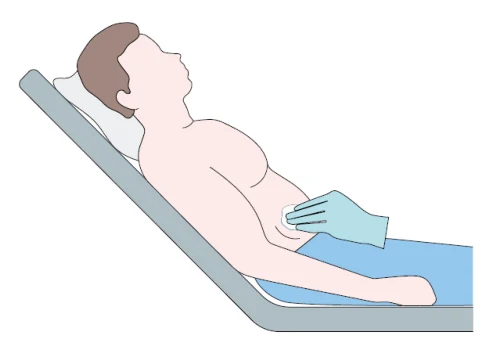
Step 2
- Put the patient in a comfortable reclined supine or lateral position.
- Identify the insertion site 3-4 cm above the anterior supra-iliac crest and disinfect the skin surface.
- Alternate between right and left side for subsequent administrations.
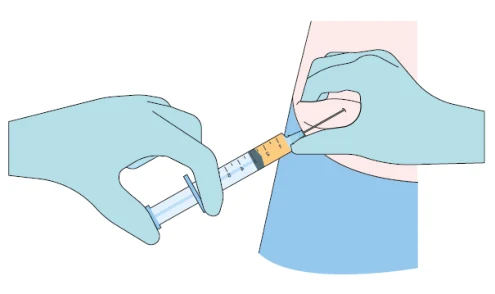
Step 3 (optional)
- Anesthetize the area of insertion (puncture) if deemed necessary and in consultation with the patient.
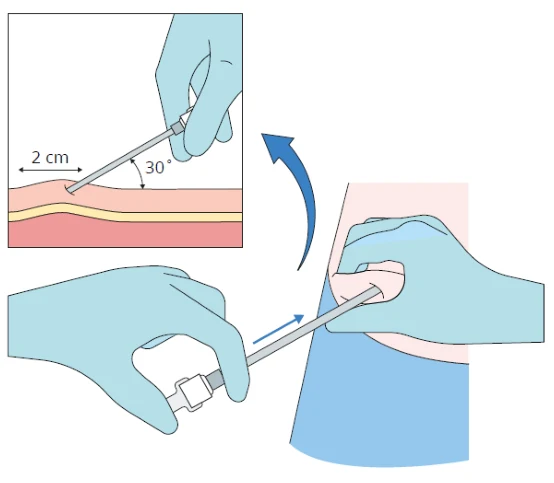
Step 4
- Mark 2 cm on the catheter shaft using surgical ink.
- While pinching the skin of the insertion site, insert the catheter with the bevel facing upwards (away from the abdomen) at a 30-45° angle to the skin surface in a continuous motion from laterally to medially into the subcutaneous layer of the skin.
- Advance the catheter 2 cm into the subcutaneous layer.
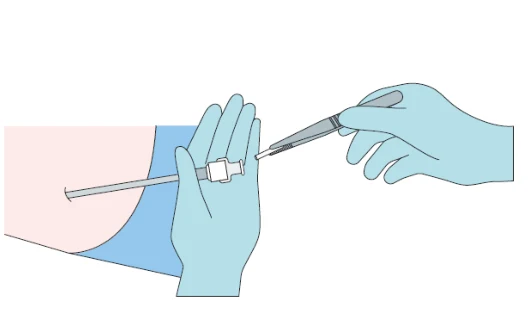
Step 5
- Remove the needle from the catheter maintaining aseptic precautions.
- Load the implant into the catheter.
- Using the stylet (obturator) gently push the implant down the full length of the catheter’s shaft.
- The needle used to insert the catheter into the patient’s skin MUST NOT be used for pushing the implant as it may damage the implant during its administration.
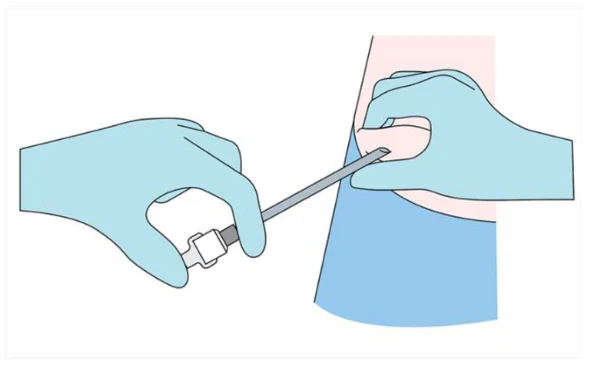
Step 6
- Apply some pressure to the site of the implant while removing the stylet (obturator) and the catheter.
- Verify that no implant or implant portion remains in the catheter.
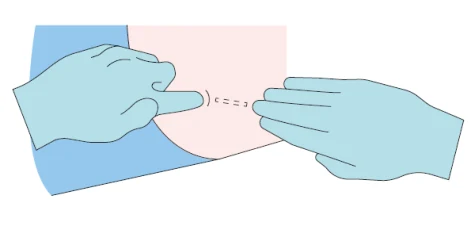
Step 7
- Verify the correct insertion and placement of the implant by palpating the skin overlying the implant with two fingers.
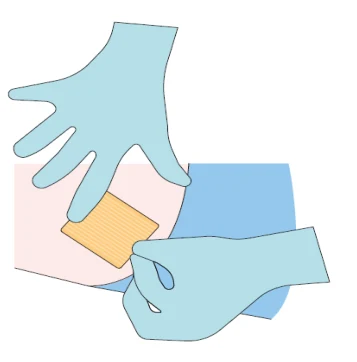
Step 8
- Apply dressing to the insertion site.
- Leave dressing in place for 24 hours.
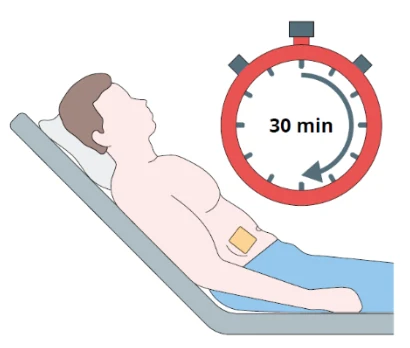
Step 9
- Monitor the patient for 30 minutes after the implant administration for any complications such as an allergic or hypersensitivity reaction (immediate type).
- If, in the unlikely event that the implant is expelled, advise patient to contact their healthcare professional.
- Advise patient to monitor the insertion site and report any reactions observed at the site to their healthcare professional.
Instructions for Removal of SCENESSE Implant
To remove the implant, if required, follow the procedure described below under aseptic conditions:
- Palpate the area of implant insertion.
- Locate the position of the implant (*Note that the implant is resorbable and the implant may not be able to be located from 10 days after insertion).
- Disinfect the skin surface.
- Inject local anesthetic at the site of insertion.
- Wait for the local anesthetic to take effect.
- Puncture the dermis at the site of previous insertion.
- Digitally locate the trajectory of the implant.
- Put digital pressure on the dermis at the distal end of the implant.
- Remove the implant by digitally pushing the implant out towards the puncture site (aperture).
- Use a pressure compress or adhesive bandage on the aperture.
- Observe the patient for 15 minutes after removal of the implant.
- Instruct the patient to maintain the pressure compress for 12 hours.
*Note: The implant may not be palpable due to resorption, and removal would likely not be possible. In the unlikely event of the need to surgically remove SCENESSE, it may be localized by ultrasound.
5 Overdosage
Given SCENESSE is administered by a qualified healthcare professional, the potential for an overdose is unlikely. There are limited data available on adverse reactions when SCENESSE is administered more frequently than the recommended one implant every two months. There were no cases of overdose in the clinical studies of SCENESSE in patients with EPP.
For the most recent information on the management of a suspected drug overdose, contact your regional poison control centre or Health Canada’s toll-free number, 1-844 POISON-X (1-844-764-7669).
6 Dosage Forms, Strengths, Composition and Packaging
Table 1 - Dosage Forms, Strengths, Composition and Packaging
| Route of Administration | Dosage Form / Strength / Composition | Non-medicinal Ingredients |
| Subcutaneous | Implant, 16 mg afamelanotide (as acetate) per implant | Poly (DL-lactide-co-glycolide) |
Implant: solid white to off-white, bioresorbable, sterile rod approximately 1.7 cm in length and 1.45 mm in diameter.
Description
The implant core comprises of the drug substance, 16 mg afamelanotide, admixed with a poly (DL-lactide-co-glycolide) bioresorbable copolymer.
One vial contains one afamelanotide 16 mg implant.
The implant is supplied in a type I amber glass vial, sealed with a PTFE coated rubber stopper and crimped with an aluminium seal.
7 Warnings and Precautions
General
Should any of the conditions described below be present in the patient, the benefits of SCENESSE should be weighed against the possible risks for each individual patient and discussed with the patient before they decide to receive treatment with SCENESSE. In the event of aggravation, exacerbation or first appearance of any of these conditions, the patient should contact their healthcare professional.
Concomitant disorders not studied
Patients treated with SCENESSE in the studies did not have clinically significant disorders of the gastrointestinal, cardiovascular, respiratory, endocrine (including diabetes, Cushing’s disease, Addison’s disease, Peutz-Jeghers syndrome), neurological (including seizures) and haematological (especially anaemia) systems. It is unknown if these conditions will worsen with treatment with SCENESSE or if they will react differently. If such patients are treated, they should be monitored after each implant administration. See 4 Dosage and Administration, 4.4 Administration.
Long-term Use
Long term safety data for SCENESSE are limited. The safety of SCENESSE has not been evaluated in clinical trials of duration longer than 1 year. See 14 Clinical Trials.
Sun protection
It is recommended that sun protection measures routinely adopted by each patient to manage their photosensitivity related to EPP and in accordance with their skin type (Fitzpatrick scale) are maintained during treatment with SCENESSE.
Carcinogenesis and Genotoxicity
Darkening of pre-existing nevi and ephelides may occur with use of SCENESSE. Patients treated with SCENESSE are recommended to have skin examinations every 6 months to monitor pre-existing and new skin pigmentary lesions. See 7 Warning and Precautions, Skin.
Based on the non-clinical data, afamelanotide is not genotoxic. Available data do not suggest any direct carcinogenic activity of SCENESSE. See 16 Nonclinical Toxicology, Carcinogenicity.
Driving and Operating Machinery
SCENESSE may influence the ability to drive and use machines, especially within 72 hours of administration.
Following administration of SCENESSE, somnolence, fatigue, dizziness, and nausea have been reported. While taking SCENESSE, patients should be cautioned not to drive, operate dangerous machinery or engage in activities that require alertness or physical coordination if they are experiencing any of these effects.
Hepatic/Biliary/Pancreatic
SCENESSE is contraindicated in patients with hepatic impairment, cirrhosis or other clinically significant comorbid liver disease. See 2 Contraindications and 10 Clinical Pharmacology, 10.3 Pharmacokinetics, Special Populations and Conditions.
Immune
Serious hypersensitivity reactions, including anaphylaxis, have been reported with post-market use of SCENESSE. Review the risk of hypersensitivity reactions, including anaphylaxis, with the patient prior to administration of SCENESSE. Carefully monitor for signs of hypersensitivity for thirty minutes following the SCENESSE implantation procedure. If a hypersensitivity reaction occurs, initiate appropriate therapy and remove the SCENESSE implant, if needed, as assessed by the healthcare professional. See 4 Dosage and Administration. The patient should then not receive any further treatment with SCENESSE, see 2 Contraindications.
Reproductive Health
Fertility
There are no human data on the effect of SCENESSE on fertility. Reproductive and developmental toxicity data of afamelanotide in animals were considered limited. See 16 Non-Clinical Toxicology.
Skin
SCENESSE may lead to generalized increased skin pigmentation and may induce darkening of pre-existing pigmentary lesions due to its pharmacological effect. A regular full body skin examination (every 6 months) is recommended to monitor all pre-existing or new pigmentary lesions and other skin abnormalities. Maintain sun and light protection measures during treatment with SCENESSE.
If the observed skin changes are consistent with skin cancer or its precursors, or are ambiguous, a dermatology or other qualified healthcare professional consultation should be sought.
Special caution is warranted in patients with a personal or family history of melanoma (inclusive of in-situ melanoma, e.g. lentigo maligna), suspected or confirmed susceptibility to cutaneous melanoma (cutaneous malignant melanoma-1 (CMM1), MIM #155600, synonyms: familial atypical mole-malignant melanoma syndrome (FAMMM); dysplastic naevus syndrome (DNS); B-K mole syndrome; cutaneous malignant melanoma-2 (CMM2) MIM #155601), basal cell carcinoma, squamous cell carcinoma (inclusive of carcinoma in-situ, e.g. Bowen’s disease), Merkel cell carcinoma, or other malignant or premalignant skin lesions.
7.1 Special Populations
7.1.1 Pregnancy
There are very limited clinical data on the use of SCENESSE in pregnancy. There are limited data available on teratogenic and nonteratogenic effects in animals associated with this product; thus, the risk of teratogenicity remains unknown, see 16 Non-Clinical Toxicology, Reproductive and Developmental Toxicology.
SCENESSE should not be used during pregnancy and in patients of childbearing potential not using effective contraception during treatment and for a period of three months thereafter.
7.1.2 Breastfeeding
It is unknown if afamelanotide or any of its metabolites are excreted in human milk. No clinical data are available on the use of afamelanotide in patients who are lactating. Therefore, a risk of adverse events in the infant receiving breast milk cannot be excluded. The developmental and health benefits of lactation should be considered along with a patient’s clinical need for SCENESSE and any potential adverse effects on the infant who receives breast milk from a patient being treated with SCENESSE or from the underlying maternal condition.
7.1.3 Pediatrics
Pediatrics (< 18 years): No data are available to Health Canada; therefore, Health Canada has not authorized an indication for pediatric use.
7.1.4 Geriatrics
Geriatrics (≥ 65 years): Available data to Health Canada for the use of SCENESSE in the geriatric population are limited. The pivotal clinical trial of SCENESSE included 4 patients 65 years and older, where 1 patient received SCENESSE, and no patients were over 70 years of age. Given the limited data, it is unknown whether patients 65 years and older respond differently compared to patients under 65 years of age. Other reported clinical experience has not identified clinically relevant differences in responses between patients 65 years of age and over and those under 65 years of age. However, increased severity and frequency of adverse effects in some older individuals cannot be ruled out. If such patients are treated, they should be monitored after administration of every implant, including vital signs, and consider additional investigations, if appropriate. See 1 Indications, 1.2 Geriatrics, 4 Dosage and Administration, 10 Clinical Pharmacology, 10.3 Pharmacokinetics, Special Populations and Conditions, and 14 Clinical Trials.
8 ADVERSE REACTIONS
8.1 Adverse Reaction Overview
The safety of SCENESSE was evaluated by pooling three clinical trials (CUV029, CUV030 and CUV039) which included 244 patients with EPP 18 years of age and older. Of those patients, 125 were treated with SCENESSE. Patients received a SCENESSE 16 mg subcutaneous implant every 60 days in each study. The number of implants received ranged from three to five depending on the study and the length of the studies varied from six months to one year.
At least one treatment-emergent adverse event (TEAE) occurred in 47.8% of the patients in the SCENESSE group compared to 45.7% of the patients in the placebo group. The most common TEAEs (>10%) reported in patients who were treated with SCENESSE were headache (22%), implant site adverse reactions (19%) and nausea (18%) (Table 2). The TEAEs were generally mild in severity.
Implant site discolouration (10%; 13 patients) was reported and considered related to treatment and occurred only in the SCENESSE group. Serious adverse events (SAEs) were reported in 4.0% (5) patients who were treated with SCENESSE, including compound nevus with mild dysplasia, herniated disc, abdominal pain (2), humerus fracture, rectal hemorrhage, and 2.5% (3) patients who were treated with placebo, including malignant melanoma, pulmonary embolism, dizziness, and low pulse rate. The SAE of compound nevus with mild dysplasia in a patient treated with SCENESSE was deemed as unlikely related to SCENESSE by the investigator; however, an independent blinded assessment of causality reported the SAE as related to SCENESSE. The remaining SAEs were not considered related to treatment. See 7 Warnings and Precautions, Immune and Skin.
There was one death which occurred post study (CUV030) completion which was not considered related to the SCENESSE treatment.
8.2 Clinical Trial Adverse Reactions
Clinical trials are conducted under very specific conditions. Therefore, the frequencies of adverse reactions observed in the clinical trials may not reflect the frequencies observed in clinical practice and should not be compared to frequencies reported in clinical trials of another drug.
TEAE that were reported by greater than 5% of patients and more common with SCENESSE are presented in Error! Reference source not found. the table below for the three pooled clinical trials: CUV029, CUV030 and CUV039.
Table 2 - Summary of the common suspected adverse reactions by frequency which occurred in more than 5% in patients treated with afamelanotide in the pooled CUV029, CUV030 and CUV039 clinical trials
| Adverse Reactions* | Number of Patients (%), Number of Events | ||||
|---|---|---|---|---|---|
Afamelanotide n = 125 | Placebo n = 119 | ||||
| Gastrointestinal disorders | 29 (23%), 60 | 23 (19%), 41 | |||
| Nausea | 22 (18%), 35 | 12 (10%), 18 | |||
| General disorders and administration site | 31 (25%), 52 | 16 (13%), 28 | |||
| Fatigue | 7 (6%), 11 | 3 (3%), 3 | |||
| Implant site discolouration | 13 (10%), 16 | 0 (0%), 0 | |||
| Implant site adverse reactions** | 24 (19%), 35 | 11 (9%), 18 | |||
| Nervous system disorders | 34 (27%), 95 | 35 (29%), 90 | |||
| Headache | 28 (22%), 72 | 31 (26%), 73 | |||
*MedRA System Organ Class and Preferred Terms
** Implant site adverse reactions include: implant site bruising, implant site erythema, implant site hemorrhage, implant site hypertrophy, implant site irritation, implant site nodule, implant site pain, implant site pruritus, implant site reaction, implant site swelling, injection site bruising, injection site erythema, and injection site pain
8.3 Less Common Clinical Trial Adverse Reactions
A list of the less common adverse reactions reported in less than 5% of patients and more common with SCENESSE in the three pooled clinical trials (CUV029, CUV030 and CUV039) is presented below:
Gastrointestinal disorders: abdominal pain
Nervous system disorders: dizziness
Respiratory, thoracic and mediastinal disorders: paranasal sinus discomfort
Skin and subcutaneous tissue disorders: ephelides, macule
8.5 Post-Market Adverse Reactions
After authorization of SCENESSE in Europe and commercial supply commencing in June 2016, the European Post-Authorisation Safety Study (PASS) was established with data from commercial supply, expanded access programs and clinical trial studies to monitor the safety profile of the product. The European EPP Disease Registry (EEDR) was established to collect patient data to compare long-term safety data and outcome endpoints in patients with EPP receiving treatment with SCENESSE. In the PASS, up to six 16 mg SCENESSE implants were administered per year (at a two-month interval) with 4 implants per year being the most common dosage.
Of the total number of patients in the EEDR since the time of first patient enrollment up to December 2024, 59.4% of patients have experienced one or more adverse reactions. Five cases of anaphylactic reactions have been reported in patients treated with SCENESSE.
Table 3 - Adverse Reactions Occurring in More Than 2% of Subjects Enrolled in the EEDR*
Adverse Reaction (by MedDRA SOC / PT**) | Number (%) of Patients (source: EEDR*) |
|---|---|
Adverse Reaction (by MedDRA SOC / PT**) | Number (%) of Patients (source: EEDR*) |
| Gastrointestinal disorders | |
| Abdominal pain | 12 (2%) |
| Abdominal pain upper | 13 (3%) |
| Nausea | 116 (23%) |
| Vomiting | 18 (4%) |
| General disorders and administration site | |
| Asthenia | 11 (2%) |
| Fatigue | 88 (17%) |
| Feeling hot | 21 (4%) |
| Implant site discolouration | 12 (2%) |
| Implant site erythema | 21 (4%) |
| Implant site haematoma | 29 (6%) |
| Implant site pain | 32 (6%) |
| Implant site pruritus | 26 (5%) |
| Implant site swelling | 14 (3%) |
| Influenza like illness | 17 (3%) |
| Malaise | 31 (6%) |
| Pain | 15 (3%) |
| Pyrexia | 15 (3%) |
| Neoplasms benign, malignant and unspecified (incl cysts and polyps) | |
| Melanocytic naevus | 16 (3%) |
| Nervous system disorders | |
| Dizziness | 26 (5%) |
| Headache | 100 (20%) |
| Somnolence | 12 (2%) |
| Skin and subcutaneous tissue disorders | |
| Erythema | 22 (4%) |
| Pigmentation disorder | 16 (3%) |
| Pigmentation lip | 15 (3%) |
| Skin hyperpigmentation | 19 (4%) |
| Vascular disorders | |
| Flushing | 35 (7%) |
| Hot flush | 25 (5%) |
*EEDR: European EPP Disease Registry
**SOC: System Organ class; PT: preferred term
9 DRUG INTERACTIONS
9.2 Drug Interactions Overview
No drug interaction studies have been performed with afamelanotide.
Patients taking substances which reduce coagulation, such as vitamin K antagonists (e.g. warfarin), acetylsal-icylic acid and non-steroidal anti-inflammatory drug (NSAIDs) may experience increased bruising or bleeding at the site of implantation.
9.3 Drug-Behaviour Interactions
The interaction of SCENESSE with individual behavioural risks (e.g. cigarette smoking, cannabis use, and/or alcohol consumption) has not been studied.
9.4 Drug-Drug Interactions
Interactions with other drugs have not been established.
9.5 Drug-Food Interactions
There are no drug-food interactions affecting absorption because SCENESSE is administered parenterally. Other interactions with food have not been established.
9.6 Drug-Herb Interactions
Interactions with herbal products have not been established.
9.7 Drug-Laboratory Test Interactions
Interactions with laboratory tests have not been established.
10 CLINICAL PHARMACOLOGY
10.1 Mechanism of Action
Afamelanotide is a synthetic tridecapeptide and a structural analogue of α-melanocyte stimulating hormone (α-MSH). Afamelanotide is a melanocortin receptor agonist and binds predominantly to the melanocortin-1 receptor (MC1R).
Afamelanotide is hypothesized to mimic the endogenous compound’s pharmacological activity by activating the synthesis of eumelanin mediated by the MC1R receptor.
10.2 Pharmacodynamics
Afamelanotide increases production of eumelanin in the skin of patients with EPP independently of exposure to sunlight or artificial UV light sources. This can be accompanied by a darkening of the skin pigmentation in areas with melanocytes which gradually fades unless a further implant is administered.
Based on limited non-clinical data, off-target activities due to interactions between afamelanotide and other melanocortin receptors (MC3R, MC4R and MC5R) cannot be ruled out.
10.3 Pharmacokinetics
The pharmacokinetics of afamelanotide following administration of a single 16 mg subcutaneous implant of SCENESSE was evaluated in 12 healthy adults. High variability was observed in the plasma concentrations of afamelanotide and for most subjects (9 out of 12), the last measurable afamelanotide concentration was at 96 hours post-dose. The mean ± SD Cmax was 3.7 ± 1.3 ng/mL, and mean AUC0-inf was 138.9 ± 42.6 hr*ng/mL.
Following subcutaneous administration of the implant, most of the active substance is released within the first 48 hours with over 90% released by day 5. Plasma levels of afamelanotide are maintained over a number of days. In most clinical studies afamelanotide plasma levels were below the limit of quantitation by day 10. The implant core contains a bioresorbable polymer which is fully resorbed within 50 to 60 days after administration.
The pharmacokinetic data of afamelanotide in patients with EPP have not been evaluated.
Absorption
The median Tmax following implant administration was 36 hours.
Distribution
The distribution of afamelanotide has not been characterized.
Metabolism
As an oligopeptide with a short half-life, afamelanotide is expected to be hydrolysed into shorter peptide fragments. However, its metabolic profile has not been fully characterized. No clinical pharmacokinetic information is available on its metabolites.
Elimination
The apparent half-life of afamelanotide is approximately 15 hours when administered subcutaneously as a controlled release implant.
Special Populations and Conditions
- Pediatrics: The safety and effectiveness of SCENESSE in pediatric patients have not been established and Health Canada has not authorized an indication for pediatric use. See 7.1.3 Pediatrics.
- Geriatrics: The pharmacokinetic data of afamelanotide in patients ≥65 years of age has not been evaluated. See 7.1.4 Geriatrics.
- Sex: The effect of sex on the pharmacokinetics of afamelanotide has not been evaluated.
- Pregnancy and breastfeeding: See 7.1.1 Pregnancy and 7.1.2 Breastfeeding.
- Ethnic origin: The effect of race on the pharmacokinetics of afamelanotide has not been evaluated.
- Hepatic Insufficiency: The effect of hepatic impairment on the pharmacokinetics of afamelanotide has not been evaluated. See 2 Contraindications.
- Renal Insufficiency: The effect of renal impairment on the pharmacokinetics of afamelanotide has not been evaluated. See 2 Contraindications.
10.4 Immunogenicity
Non-clinical studies showed no indication of antigenicity or immunotoxicity. A study evaluating the immunogenicity of SCENESSE in patients with EPP by an ELISA method developed to detect the occurrence of anti-drug antibodies (ADA) against afamelanotide and α-MSH, found no immunoreactivity in 23 of 26 patients repeatedly exposed to the drug for up to six years. Two patients showed reactivity prior to exposure to afamelanotide, which did not change during prolonged exposure. A third patient from the pre-market approval group showed prior to drug exposure an increased absorption in the anti- α-MSH-assay only, without increased inhibition. Based on the results it can be concluded that afamelanotide lacks immunogenic potential and is unlikely to induce an antibody response when administered subcutaneously in a controlled-release dosage form over prolonged time in patients with EPP.
11 Storage, Stability and Disposal
SCENESSE implant should be stored in a refrigerator (2˚C - 8˚C) and protected from light. SCENESSE is stable for the period indicated by the expiration date printed on the outer carton. Any unused medicinal product or waste material should be disposed of in accordance with local requirements.
Part 2: Scientific Information
13 Pharmaceutical Information
Drug Substance
Non-proprietary name of drug substance(s): afamelanotide acetate
Chemical name:
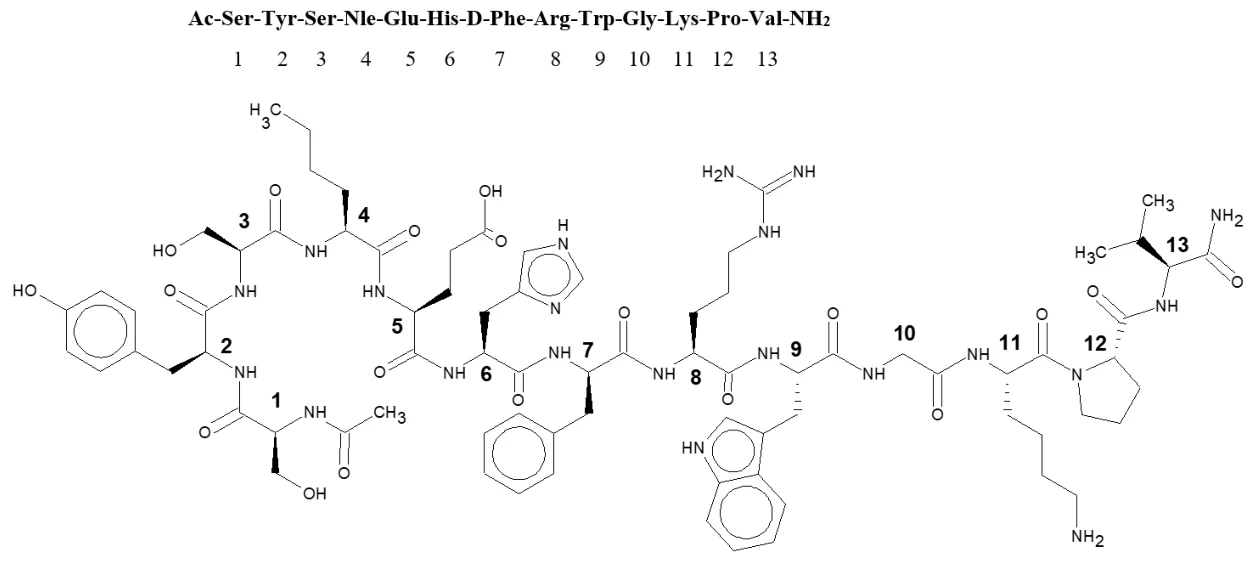
N-acetyl-L-serinyl-L-tyrosyl-L-seryl-L-norleucyl-L-glutamyl-L-histidinyl-D-phenylalanyl-L-arginyl-L-tryptophanyl-glycyl-L-lysyl-L-prolyl-L-valinamide-NH2·xCH3COOH
Molecular formula and molecular mass for afamelanotide: C78H111N21O19 (anhydrous free base)
Structural formula for afamelanotide (anhydrous free base):
Physicochemical properties:
- (a) Appearance
Afamelanotide is a white to off-white powder.
- (b)
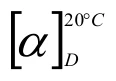
Specific optical rotation
= -71.0° to -65.0° (C=1.0, water, 20°C corrected for water and acetate).
14 Clinical Trials
14.1 Clinical Trials by Indication
For increased pain-free light exposure in adult patients with a history of phototoxic reactions from erythropoietic protoporphyria (EPP)
Table 4 – Summary of Patient Demographics for Pivotal Clinical Trial in patients with EPP – Intention-to-Treat Diary Card Population
| Study # | Study design | Dosage, route of administration and duration | Study subjects (n) | Mean age (range) | Sex |
| CUV039 | Phase III, Multi-cen-tre, Double-Blind, Randomized, Pla-cebo-Controlled Study to Assess Effi-cacy and Safety | SCENESSE (as ace-tate) 16 mg, sub-cutaneous, 1 im-plant every 2 months for 6 months | 89 SCENESSE: n = 48 Placebo: n = 45 | 39.7 years (18 – 74 years) | Male 48 (54%) Female 41 (46%) |
Study CUV039 enrolled 93 patients, of whom 48 received SCENESSE (16 mg afamelanotide implant) and 45 received placebo implant, administered subcutaneously every 2 months. Patients received three implants in total over the study duration and were followed for 180 days. On each study day, patients recorded the number of hours spent in direct sunlight between 10:00 and 18:00 hours, the number of hours spent in shade between 10:00 and 18:00 hours, and whether they experienced any phototoxic pain that day. The primary analysis population was the Intention-To-Treat (ITT) Diary Card population, which included all patients who received all three doses of study drug and returned adequately completed patient diary entries. The ITT Diary Card population, included 89 patients (SCENESSE n = 46; placebo n = 43).
Patient demographic and baseline characteristics were balanced between groups with the exception of sex. The median age was 37 years (18 to 74 years) and 97% of patients were Caucasian. For the ITT population, the mean age was 39.7 years. There were 54% males overall but 61% males were randomized to the SCENESSE treatment group. Patients were enrolled at 6 sites in the United States.
The primary endpoint was the total number of hours over 180 days spent in direct sunlight between 10:00 and 18:00 hours on days with no pain. The co-primary endpoint was the mean daily minutes over 180 days in direct sunlight between 10:00 and 18:00 hours on days with no pain. Both primary endpoint results are presented in Table 5 below.
Safety data was primarily assessed in the pivotal CUV039 study (n = 93) with supportive safety data from the CUV030 (n = 77) and CUV029 (n = 74) studies. The studies were conducted in the United States and Europe. The CUV029, CUV030, and CUV039 studies were three, randomized, multicenter, placebo-controlled studies in patients 18 years of age and older with EPP who received SCENESSE 16 mg subcutaneous implants every 60 days. The median age of patients treated with SCENESSE was 38 years (range 18 to 70 years) with 0.8% (1) patient treated with SCENESSE greater than 65 years of age. Of the patients treated with SCENESSE, 54.4% were male and 99.2% were Caucasian. See 8 Adverse Reactions for safety data.
Study results
Study CUV039
The median total number of hours over 180 days spent in direct sunlight between 10:00 and 18:00 hours on days with no pain was 69.4 hours for patients who received SCENESSE compared to 40.8 hours for patients who received placebo, which was a statistically significant difference between the treatment groups (p = 0.044).
The co-primary endpoint was mean daily minutes in direct sunlight on days with no pain. The median minutes per day with SCENESSE was 25.9 minutes compared to 18.1 minutes with placebo (p = 0.075).
The results for the supportive Phase 3 CUV029 study was consistent with the pivotal CUV039 study showing more hours in direct sunlight for patients treated with SCENESSE compared to placebo patients.
Table 5 - Results of Co-Primary Endpoints over the study period of 180 days in the ITT Diary Card population in Study CUV039
| Study CUV039 | |||||
|---|---|---|---|---|---|
SCENESSE (N = 46) | Placebo (N = 43) | Hodges-Lehmann Shift, Estimate, (95% CI)# p-valuea | |||
| Co-Primary Endpoints | |||||
| Total number of hours per subject in direct sunlight – pain-free days using the Likert pain score of 0 (Range) | 69.4 (0 – 650.5) | 40.8 (0 – 224.0) | 24.0 (0.3 – 50.3) p = 0.044 | ||
| Mean daily minutes in direct sunlight – pain-free days using the Likert pain score of 0 (Range) | 25.9 (0 – 260.2) | 18.1 (0 – 83.5) | 8.8 (-0.8 – 18.5) p = 0.075 | ||
a Kruskal-Wallis p-value analysis was pre-specified # Hodges-Lehmann shift, Estimate was a post-hoc analysis | |||||
In a post-hoc subgroup analysis, there were less favourable effect estimates in patients with Fitzpatrick skin type I; however, this could be a chance finding as the sample size was small.
Limited efficacy data are available for the administration of 6 implants per year.
16 Non-Clinical Toxicology
General Toxicology
In the repeat-dose studies, different species were subcutaneously administered supratherapeutic doses of afamelanotide implants (with copolymer). Overall, the test article afamelanotide was well tolerated. At these dose levels, reversible and non-adverse effects relevant to human adults were observed in both sexes of dogs and rats.
Dark pigment production was observed in non-white skin of Lister Hooded rats and hair follicles of Beagle dogs.
Inflammatory reactions at the implant site were also observed, with similar severity, in the placebo and afamelanotide-treated groups in both sexes of rats and dogs; these reactions were likely related to the copolymer. Based on the neurological assessment, statistically higher grip strength values of the forelimbs were recorded in both sexes of rats towards the end of the treatment.
Genotoxicity
Afamelanotide was not genotoxic at maximum tested limits. Afamelanotide was not mutagenic in an in vitro bacterial reverse mutation assay in five bacteria strains, and did not induce gene mutation in the in vitro mouse lymphoma assay. Afamelanotide did not induce micronuclei production in an in vivo micronucleus assay in bone marrow of mice administered single subcutaneous doses up to 200 mg/kg.
Carcinogenicity
No long-term animal studies have been performed to evaluate the carcinogenic potential of afamelanotide.
Reproductive and Developmental Toxicology
No adverse effects were observed in the reproductive and developmental toxicity studies in rats, but the toxicity data were considered limited.
Sprague Dawley female rats (albino species) and Lister Hooded female rats were subcutaneously injected with afamelanotide formulated in saline at doses up to 20 mg/kg/day in embryofetal development studies. Sprague Dawley rats were also tested in a fertility and early embryonic development study, and a pre- and post-natal development study. Even though afamelanotide was confirmed in samples, the four studies had limitations pertaining to the determination of exposure levels in plasma.
Special Toxicology
Adverse effects in Harderian gland (minimal to mild tubular atrophy, chronic inflammation, and mononuclear cell infiltrate) were observed in the repeat-dose studies of Sprague Dawley and Lister Hooded rats, and were not considered relevant to human adults.
The New Zealand rabbit (albino) is a very sensitive species to either α-MSH or afamelanotide. Females treated with the two test articles, either afamelanotide or α-MSH at clinically relevant doses, developed adverse effects at 15 minutes post-dosing, such as an increase in heart rate and in breathing rate, and a decrease in blood pressure that persisted for a few hours post-dosing. Signs of metabolic acidosis were also reported. These findings were not considered relevant to humans.