


Product Monograph - Seaford Nifedipine and Lidocaine Hydrochloride Cream
RECENT MAJOR LABEL CHANGES
TABLE OF CONTENTS
Sections or subsections that are not applicable at the time of authorization are not listed.
RECENT MAJOR LABEL CHANGES .......................................................................................... 2
TABLE OF CONTENTS ............................................................................................................ 2
PART I: HEALTH PROFESSIONAL INFORMATION .................................................................... 4
1 INDICATIONS ............................................................................................................. 4
1.1 Pediatrics ...................................................................................................................... 4
1.2 Geriatrics ...................................................................................................................... 4
2 CONTRAINDICATIONS ................................................................................................ 4
3 SERIOUS WARNINGS AND PRECAUTIONS BOX ........................................................... 4
4 DOSAGE AND ADMINISTRATION ................................................................................ 5
4.1 Dosing Considerations ................................................................................................. 5
4.2 Recommend Dose and Dosage Adjustment ................................................................ 5
4.4 Administration ............................................................................................................. 5
4.5 Missed Dose ................................................................................................................. 6
5 OVERDOSAGE ............................................................................................................ 6
6 DOSAGE FORMS, STRENGTHS, COMPOSITION AND PACKAGING ................................ 8
7 WARNINGS AND PRECAUTIONS ................................................................................. 8
7.1 Special Populations .................................................................................................... 13
7.1.1 Pregnant Women ............................................................................................. 13
7.1.2 Breast-feeding .................................................................................................. 13
7.1.3 Pediatrics .......................................................................................................... 13
7.1.4 Geriatrics .......................................................................................................... 13
8 ADVERSE REACTIONS............................................................................................... 14
8.1 Adverse Reaction Overview ....................................................................................... 14
8.2 Clinical Trial Adverse Reactions ................................................................................. 14
8.1.1 Clinical Trial Adverse Reactions – Pediatrics.................................................... 15
8.4 Abnormal Laboratory Findings: Hematologic, Clinical Chemistry and Other Quantitative Data ............................................................................................................. 15
8.5 Post-Market Adverse Reactions ................................................................................. 15
9 DRUG INTERACTIONS .............................................................................................. 16
9.2 Drug Interactions Overview ....................................................................................... 16
9.4 Drug-Drug Interactions .............................................................................................. 17
9.5 Drug-Food Interactions .............................................................................................. 24
9.6 Drug-Herb Interactions .............................................................................................. 24
10 CLINICAL PHARMACOLOGY ...................................................................................... 24
10.1 Mechanism of Action ............................................................................................... 24
10.2 Pharmacodynamics .................................................................................................. 24
10.3 Pharmacokinetics ..................................................................................................... 25
11 STORAGE, STABILITY AND DISPOSAL ........................................................................ 27
12 SPECIAL HANDLING INSTRUCTIONS .......................................................................... 27
PART II: SCIENTIFIC INFORMATION ..................................................................................... 28
13 PHARMACEUTICAL INFORMATION .......................................................................... 28
14 CLINICAL TRIALS ...................................................................................................... 29
14.1 Trial Design and Study Demographics ..................................................................... 29
14.2 Study Results ............................................................................................................ 30
15 MICROBIOLOGY ...................................................................................................... 30
No microbiological information is required for this drug product. ....................................... 30
16 NON-CLINICAL TOXICOLOGY .................................................................................... 30
17 SUPPORTING PRODUCT MONOGRAPHS ................................................................... 34
PATIENT MEDICATION INFORMATION ................................................................................ 35
PART I: HEALTH PROFESSIONAL INFORMATION
1 INDICATIONS
Seaford Nifedipine and Lidocaine Hydrochloride Cream is indicated in adults for the management of chronic primary anal fissure unresponsive to stool softeners and topical anesthetic agents.
1.1 Pediatrics
Pediatrics (< 18 years of age): No data are available to Health Canada; therefore, Health Canada has not authorized an indication for pediatric use.
1.2 Geriatrics
Geriatrics (> 65 years of age):
No data is available to Health Canada. Therefore, caution should be exercised in this population, and close monitoring is warranted. Evidence from experience suggests that the use of Lidocaine in the geriatric population is associated with differences in safety. (see 4. DOSAGE AND ADMINISTRATION-Special Populations and 7. WARNINGS AND PRECAUTIONS-Special Populations).
2 CONTRAINDICATIONS
Seaford Nifedipine and Lidocaine Hydrochloride Cream is contraindicated in:
- Patients with a known history of hypersensitivity to lidocaine and/or local anesthetics of the amide type or to other components of the cream including any non-medicinal ingredient. For a complete listing, see 6 DOSAGE FORMS, STRENGTHS, COMPOSITION AND PACKAGING.
- Patients with a known hypersensitivity to nifedipine or other dihydropyridines calcium antagonists, because of the theoretical risk of cross-reactivity.
- Pregnancy or women planning to become pregnant, and women breastfeeding.
- Patients with congenital or idiopathic methemoglobinemia, and patients with glucose-6-phosphate dehydrogenase deficiency which are more susceptible to drug-induced methemoglobinemia.
- Severe hypotension.
- Cardiac insufficiency.
- Cardiovascular shock.
- Recent myocardial infarction (in the previous month).
- Unstable angina.
- Concomitant use of diltiazem See 7. WARNINGS AND PRECAUTIONS and 9. DRUG INTERACTIONS.
- Do not use in large quantities.
3 SERIOUS WARNINGS AND PRECAUTIONS BOX
Serious Warnings and Precautions
| SEAFORD NIFEDIPINE AND LIDOCAINE HYDROCHLORIDE CREAM can cause a rare, but serious, blood disorder called methemoglobinemia. It can appear up to two hours after you use SEAFORD NIFEDIPINE AND LIDOCAINE HYDROCHLORIDE CREAM. Stop using SEAFORD NIFEDIPINE AND LIDOCAINE HYDROCHLORIDE CREAM and talk to your healthcare professional immediately if you get |
|---|
| any of the following symptoms: weakness, confusion, headache, difficulty breathing, pale, grey or blue coloured skin. |
See 8. ADVERSE REACTIONS
4 DOSAGE AND ADMINISTRATION
4.1 Dosing Considerations
Geriatrics (> 65 years of age): Evidence from experience suggests that use in the geriatric population is associated with differences in safety. (see 4. 2 RECOMMEND DOSE AND DOSAGE ADJUSTMENT and 7. WARNINGS AND PRECAUTIONS-Geriatrics).
Assessment of blood pressure and heart rate should be considered before initiation of the treatment and during therapy, especially in those at higher risk of systemic effects. Discontinue use if a significant hypotension or change in heart rate is observed.
Pregnancy should be ruled out prior to treatment initiation (See 2. CONTRAINDICATIONS).
4.2 Recommend Dose and Dosage Adjustment
- Adults (18 to 65 years old):
30 g tube - One centimeter of topical Seaford Nifedipine and Lidocaine Hydrochloride Cream (equivalent to approximately 2.5-3 grams of cream) administered up to 1 cm inside the anus (and , if needed, around the anus (periannally)), twice daily for 3 weeks.
10 g tube (sample size) – 1.7 centimeter of topical Seaford Nifedipine and Lidocaine Hydrochloride Cream (equivalent to approximately 2.5-3 grams of cream) administered up to 1 cm inside the anus (and if needed, around the anus (periannally)), twice daily for 3 weeks.
One dose contains approximately 7.5 mg to 9 mg of nifedipine and 37.5 mg to 45 mg of lidocaine.
- Geriatrics (> 65 years of age):
Elderly patients should be closely monitored as they may be more sensitive to systemic effects due to increased blood levels of lidocaine following repeated doses.
- Pediatrics (<18 years of age):
Health Canada has not authorized an indication for pediatric use.
4.4 Administration
For application inside or around the anus.
Administer up to 1 cm inside the anus (and around the anus if needed): Lie down on the left side, remove the cap of the tube and fix the applicator (cannula). There are 10 markings on the side of the 30 g tube that are approximately 1 cm apart, and there are 3 markings on the side of the 10 g (sample) tube that are approximately 1.7 cm apart.
Squeeze out a small quantity of cream to lubricate the cannula and introduce it into the anus (up to 1 cm inside the anus). Release the cream until the next marking on the tube is reached (equivalent to approximately 2.5-3 grams of cream).
Remain on the left side for 3-5 minutes after application.
4.5 Missed Dose
If you forgot to take this medicine at the designated time, do not take a double dose. Wait until it is time for the next dose which should be taken at the usual time. Adhere to the treatment regimen as recommended by the doctor.
5 OVERDOSAGE
There have not been reported cases of systemic toxicity from the over dosage after the topical application of Seaford Nifedipine and Lidocaine Hydrochloride Cream. An intoxication after topical application of Seaford Nifedipine and Lidocaine Hydrochloride Cream should results in the systemic effects reported for Nifedipine and Lidocaine in general when administered by other routes of administration.
Acute systemic toxicity from local anesthetics is generally related to high plasma levels encountered during therapeutic use of local anesthetics and originates mainly in the central nervous and the cardiovascular systems. It should be kept in mind that clinically relevant pharmacodynamic drug interactions (i.e., toxic effects) may occur with lidocaine and other local anesthetics or structurally related drugs, and Class I and Class III antiarrhythmic drugs due to additive effects (see 9. DRUG INTERACTIONS).
If overdose or accidental ingestion occurs, call a Poison Control Centre immediately.
Symptoms:
There are several well documented cases of oral nifedipine immediate-release overdosage. The following symptoms are observed in cases of severe nifedipine intoxication: disturbance of consciousness to the point of coma, a drop in blood pressure, tachycardia/bradycardia, hyperglycemia, metabolic acidosis, hypoxia, cardiogenic shock with pulmonary oedema.
Central nervous system toxicity is a graded response with lidocaine, with symptoms and signs of escalating severity. The first symptoms are circumoral paresthesia, numbness of the tongue, light headedness, hyperacusis and tinnitus. Visual disturbance and muscular tremors are more serious and precede the onset of generalized convulsions. Unconsciousness and grand mal convulsions may follow, which may last from a few seconds to several minutes. Hypoxia and hypercarbia occur rapidly following convulsions due to the increased muscular activity, together with the interference with normal respiration. In severe cases apnea may occur. Acidosis, hyperkalaemia, hypocalcaemia and hypoxia increase and extend the toxic effects of local anesthetics.
Recovery is due to redistribution and metabolism of the local anesthetic drug. Recovery may be rapid unless large amounts of the drug have been administered.
Cardiovascular effects may be seen in cases with high systemic concentrations. Severe hypotension, bradycardia, arrhythmia and cardiovascular collapse may be the result in such cases.
Cardiovascular toxic effects are generally preceded by signs of toxicity in the central nervous system, unless the patient is receiving a general anesthetic or is heavily sedated with drugs such as a benzodiazepine or barbiturate.
Methemoglobinemia
Rare cases of methemoglobinemia have been reported with the use of topical lidocaine
Mild methemoglobinemia is characterized by tissue cyanosis, a bluish-grey or brownish discoloration of the skin, especially around the lips and nail beds, which is not reversed by breathing 100% oxygen. Clinical signs may also include pallor and marbleization.
Severe methemoglobinemia (MetHb concentrations above approximately 25%) is associated with signs of hypoxemia, i.e. dyspnea, tachycardia and depression of consciousness.
Drug-induced methemoglobinemia may occur with the use of drugs including but not limited to amino-amide, sulfonamides, acetanilid, aniline dyes, benzocaine, lidocaine, chloroquine, dapsone, naphthalene, nitrates and nitrites, nitrofurantoin, nitroglycerin, nitroprusside, pamaquine, para-aminosalicylic acid, phenacetin, phenobarbital, phenytoin, primaquine and quinine.
Acetaminophen has been shown to induce methemoglobin formation in vitro and in animals. In humans, methemoglobin formation is very rare at therapeutic doses and overdoses of acetaminophen.
Seaford Nifedipine and Lidocaine Hydrochloride Cream is contraindicated for patients with congenital or idiopathic methemoglobinemia. Patients with glucose-6-phosphate dehydrogenase deficiency are more susceptible to drug-induced methemoglobinemia (see 2. CONTRAINDICATIONS, 7. WARNINGS AND PRECAUTIONS).
Treatment:
As far as treatment is concerned for nifedipine, elimination of the active substance and the restoration of stable cardiovascular conditions have priority. After oral ingestion, thorough gastric lavage is indicated, if necessary in combination with irrigation of the small intestine. Haemodialysis serves no purpose, as nifedipine is not dialysable, but plasmapheresis is advisable (high plasma protein binding, relatively low volume of distribution).
Clinically significant hypotension calls for active cardiovascular support including monitoring of cardiac and respiratory function including elevation of extremities and attention to circulating fluid volume and urine output.
Hypotension as a result of arterial vasodilation can also be treated with calcium (10 mL of 10% calcium gluconate solution administered slowly via intravenous route and repeated if necessary). As a result, the serum calcium can reach the upper normal range to slightly elevated levels. If an insufficient increase in blood pressure is achieved with calcium, vasoconstricting sympathomimetics such as dopamine or noradrenaline are additionally administered as a last resort only in patients without cardiac arrhythmia or ischemic heart disease and when other safer measures have failed. The dosage of these drugs is determined solely by the effect obtained. Additional liquid or volume must be administered with caution because of the danger of overloading the heart.
Bradycardia and/or bradyarrhythmias have been observed in some cases of nifedipine overdosage. Appropriate clinical measures, according to the nature and severity of the symptoms, should be applied.
The first consideration is prevention, best accomplished by careful and constant monitoring of cardiovascular and respiratory vital signs and the patient's state of consciousness after each local anesthetic administration. At the first sign of change, oxygen should be administered.
The first step in the management of systemic toxic reactions consists of immediate attention to the maintenance of a patent airway and assisted or controlled ventilation with oxygen and a delivery system capable of permitting immediate positive airway pressure by mask. This may prevent convulsions if they have not already occurred.
If convulsions occur, the objective of the treatment is to maintain ventilation and oxygenation and support circulation. Oxygen must be given and ventilation assisted if necessary (mask and bag or tracheal intubation). Should convulsions not stop spontaneously after 15-20 seconds, an anticonvulsant should be given iv to facilitate adequate ventilation and oxygenation. Thiopental sodium 1-3 mg/kg iv is the first choice. Alternatively diazepam 0.1mg/kg bw iv may be used, although its action will be slow. Prolonged convulsions may jeopardise the patient’s ventilation and oxygenation. If so, injection of a muscle relaxant (e.g. succinylcholine 1mg/kg bw) will facilitate ventilation, and oxygenation can be controlled. Early endotracheal intubation is required when succinylcholine is used to control motor seizure activity.
If cardiovascular depression is evident (hypotension, bradycardia), ephedrine 5-10 mg i.v. should be given and may be repeated, if necessary, after 2-3 minutes.
Should circulatory arrest occur, immediate cardiopulmonary resuscitation should be instituted. Optimal oxygenation and ventilation and circulatory support as well as treatment of acidosis are of vital importance, since hypoxia and acidosis will increase the systemic toxicity of local anesthetics. Epinephrine (0.1-0.2 mg as intravenous or intracardial injections) should be given as soon as possible and repeated, if necessary.
For management of a suspected drug overdose, contact your regional poison control centre.
6 DOSAGE FORMS, STRENGTHS, COMPOSITION AND PACKAGING
Table 1 – Dosage Forms, Strengths, Composition and Packaging
Packaging
Seaford Nifedipine and Lidocaine Hydrochloride Cream is available in:
- 30 g aluminum tube equipped with a cannula covered with a stopper in a cardboard box.
- 10 g aluminum tube equipped with a cannula covered with a stopper in a cardboard box.
As nifedipine is photosensitive, the primary packaging (tubes) are made of photoprotective material.
7 WARNINGS AND PRECAUTIONS
Please see 3. SERIOUS WARNINGS AND PRECAUTIONS BOX
| Route of Administration | Dosage Form / Strength/Composition | Non-medicinal Ingredients |
| Rectal | Cream / Nifedipine 0.3% w/w and Lidocaine Hydrochloride 1.5% w/w / Each gram of cream contains 3 mg of Nifedipine and 15 mg of Lidocaine HCl | Cetostearyl alcohol – Type A, Glycerol monostearate, Macrogol stearate, Paraffin, white soft, Propyl parahydroxybenzoate, Propylene glycol, Purified water, Sodium methyl parahydroxybenzoate, Triglycerides, medium-chain. |
General
Avoid contact with eyes; if this happens, rinse thoroughly with water.
Excessive dosage or short intervals between doses of Seaford Nifedipine and Lidocaine Hydrochloride Cream, can result in high plasma levels of nifedipine, lidocaine and/or their metabolites, which could lead to serious or life-threatening adverse effects. Patients should be instructed to strictly adhere to the recommended dosage, discontinue the treatment and to consult a health care practitioner if the following symptoms appear: weakness, confusion, headache, difficulty breathing and/or pale, grey or blue coloured skin as these may be signs of methemoglobinemia, a rare disorder, which may appear up to two (2) hours after use.
It is suggested to monitor arterial pressure at the beginning and periodically during the treatment.
In case of treatment failure of Seaford Nifedipine and Lidocaine Hydrochloride Cream (absence of improvement or worsening of the anal fissure or symptoms) the treatment must be stopped.
Seaford Nifedipine and Lidocaine Hydrochloride Cream should be used with caution in patients with sepsis and/or severely injured mucosa and phlogosis (inflammation) in the area to treat since this may cause excessive and/or rapid absorption of the active substances, and possibly increase the risk of systemic toxic effects.
The management of serious adverse reactions may require the use of resuscitative equipment, oxygen and other resuscitative drugs (see 5. OVERDOSAGE).
KEEP THIS MEDICINE OUT OF THE REACH AND SIGHT OF CHILDREN.
Carcinogenesis and Mutagenesis
Genotoxicity tests with lidocaine or nifedipine showed no evidence of mutagenic potential.
A metabolite of lidocaine, 2,6-xylidine, showed weak evidence of activity in some genotoxicity tests. See 16. NON-CLINICAL TOXICOLOGY for more information on carcinogenicity of 2,6-xylidine.
Cardiovascular
- Nifedipine
Seaford Nifedipine and Lidocaine Hydrochloride Cream is contraindicated in patient with cardiac insufficiency, severe hypotension, recent myocardial infarction (in the previous month), unstable angina, or cardiovascular shock. It is also contraindicated for concomitant use with diltiazem. (See 2. CONTRAINDICATIONS).
The use of Seaford Nifedipine and Lidocaine Hydrochloride Cream in patients being treated with beta-adrenergic blockers or antihypertensive drugs should be supervised by the physician. Caution should be exercised due to increased risks of severe hypotension, exacerbation of angina, or congestive heart failure. See 9.4 Drug-Drug Interactions.
Excessive Hypotension in Patients with Angina
Since oral nifedipine lowers peripheral vascular resistance and blood pressure, nifedipine should be used cautiously in patients with angina who are prone to develop hypotension and those with a history of cerebrovascular insufficiency.
Occasionally, excessive and poorly tolerated hypotension, and syncope have been reported (see 8. ADVERSE REACTIONS), usually during initial titration or at the time of subsequent upward dosage adjustment, and may be more likely in patients on concomitant beta blockers. If excessive hypotension occurs, the drug should be discontinued (see 2. CONTRAINDICATIONS).
Severe hypotension and/or increased fluid volume requirements have been reported in patients receiving oral nifedipine, with a beta blocker, who underwent coronary artery bypass surgery using high dose fentanyl anesthesia. The interaction with high dose fentanyl appears to be due to the combination of oral nifedipine and a beta blocker, but the possibility that it may occur with oral nifedipine alone, with low doses of fentanyl in other surgical procedures, or with other narcotic analgesics cannot be ruled out. When surgery using high dose fentanyl anesthesia is contemplated, the physician should be aware of these potential problems, and if the patient's condition permits, sufficient time (at least 36 hours) should be allowed for nifedipine to be washed out of the body prior to surgery.
Increased Angina and/or Myocardial Infarction
SEAFORD Nifedipine and Lidocaine Hydrochloride Cream is contraindicated in patients with recent myocardial infarction (in the previous month). Rarely, patients, particularly those who have severe obstructive coronary artery disease have developed increased frequency, duration and/or severity of angina or acute myocardial infarction on starting oral nifedipine or at the time of dosage increase. Nifedipine should not be used before the patient has stabilized. Nifedipine may increase the risk of reinfarction and worsen survival in patients treated early after myocardial infarction.
SEAFORD Nifedipine and Lidocaine Hydrochloride Cream is contraindicated in patients with unstable angina, due to increased risk of myocardial infarction and recurrent ischemia.
Beta-blocker Withdrawal
Patients with angina recently withdrawn from beta-blockers may develop a withdrawal syndrome with increased angina, at the initiation of treatment with nifedipine. It is important to taper beta-blockers if possible, rather than stopping them abruptly before starting nifedipine.
Patients with Heart Failure
SEAFORD Nifedipine and Lidocaine Hydrochloride Cream is contraindicated in patients with cardiac insufficiency. Severe hypotension and lowering of cardiac output following administration of oral nifedipine have been reported in patients with severe heart failure. Rarely, patients receiving a beta blockers developed heart failure after beginning nifedipine therapy.
Caution should be exercised in patients with severe aortic stenosis, as nifedipine may produce heart failure if the end-diastolic pressure is raised.
Hypotension/Heart Rate
SEAFORD Nifedipine and Lidocaine Hydrochloride Cream is contraindicated in patients with severe hypotension. Because nifedipine is an arterial and arteriolar vasodilator, hypotension, and a compensatory increase in heart rate may occur. Thus, blood pressure and heart rate should be monitored carefully during nifedipine therapy, especially for patients who are prone to develop hypotension, those with a history of cerebrovascular insufficiency, and those who are taking medications that are known to lower blood pressure.
Peripheral Edema
Mild to moderate peripheral edema (primarily in the lower extremities), typically associated with arterial vasodilation and not due to left ventricular dysfunction, has been reported in patients treated with oral nifedipine. With patients whose angina or hypertension is complicated by congestive heart failure, care should be taken to differentiate this peripheral edema from the effects of increasing left ventricular dysfunction.
- Lidocaine
Lidocaine should be used with caution in patients with bradycardia or impaired cardiovascular function since they may be less able to compensate for functional changes associated with the prolongation of A-V conduction produced by amide-type local anesthetics. Lidocaine should be used with caution in patients in severe shock. Patients treated with antiarrhythmic drugs (e.g., amiodarone, mexiletine) should be monitored, since cardiac effects of these drugs and lidocaine may be additive. See 9. DRUG INTERACTIONS.
Patients with partial or complete heart block require special attention since local anesthetics may depress myocardial conduction.
Driving and Operating Machinery
Due caution should be exercised when driving or operating a vehicle or potentially dangerous machinery.
Endocrine and Metabolism
The drug should be used with caution in diabetic patients.
Hepatic/Biliary/Pancreatic
Seaford Nifedipine and Lidocaine Hydrochloride Cream should be used with caution in those with hepatic insufficiency. These patients should be monitored more closely for systemic toxic effects. See 10. CLINICAL PHARMACOLOGY.
Because amide-type local anesthetics such as lidocaine are metabolized by the liver, these drugs, especially repeated doses, should be used cautiously in patients with hepatic disease. Patients with severe hepatic disease, because of their inability to metabolize local anesthetics normally, are at greater risk of developing toxic plasma concentrations.
Peri-Operative Considerations
Many drugs used during the conduct of anesthesia are considered potential triggering agents for familial malignant hyperthermia. It has been shown that the use of amide local anesthetics in malignant hyperthermia patients is safe. However, there is no guarantee that neural blockade will prevent the development of malignant hyperthermia during surgery. It is also difficult to predict the need for supplemental general anesthesia. Therefore, a standard protocol for the management of malignant hyperthermia should be available.
Renal
Seaford Nifedipine and Lidocaine Hydrochloride Cream should be used with caution in patients with renal insufficiency.
Lidocaine is metabolized primarily by the liver to monoethylglycinexylidine (MEGX, which has some CNS activity), and then further to metabolites glycinexylidine (GX) and 2,6-dimethylaniline. Only a small fraction (2%) of lidocaine is excreted unchanged in the urine. The pharmacokinetics of lidocaine and its main metabolite were not altered significantly in haemodialysis patients (n=4) who received an intravenous dose of lidocaine. Therefore, renal impairment is not expected to significantly affect the pharmacokinetics of lidocaine when Seaford Nifedipine and Lidocaine Hydrochloride Cream is used for short treatment durations, according to dosage instructions.
Caution is recommended when lidocaine is used in patients with severely impaired renal function because lidocaine and/or its metabolites may accumulate during treatment and may lead to toxic adverse effects.
For more complete information regarding Warnings and Precautions, please consult relevant Product Monograph (See 17. SUPPORTING PRODUCT MONOGRAPHS).
Reproductive Health: Female and Male Potential
Seaford Nifedipine and Lidocaine Hydrochloride Cream is contraindicated in pregnant women, and women who plan to become pregnant. See 2. CONTRAINDICATIONS and 7.1.1. SPECIAL POPULATIONS Pregnant Women
- Fertility
In some cases of in vitro fertilization, nifedipine has been associated with reversible spermatozoal biochemical changes. In vitro studies have shown that nifedipine may inhibit expression of mannose-ligand receptors, thus preventing the spermatozoa from attaching to the zona pellucida and impairing sperm function. In those men who are repeatedly unsuccessful in fathering a child by in vitro fertilization, and where no other explanation could be found, nifedipine should be considered as a possible cause.
An in vivo study on rats showed that nifedipine is associated with detrimental and reversible effects on sperm function. No changes in fertility due to lidocaine have been reported. See 16. NON-CLINICAL TOXICOLOGY
- Teratogenic Risk
Seaford Nifedipine and Lidocaine Hydrochloride Cream is contraindicated during pregnancy and breast feeding (See 2. CONTRAIDICATIONS, 7.1.1. Pregnant Women; 7.1.2. Breast-feeding)
Teratogenic effects (increased number of fetal mortalities and resorptions) in mice, rats, and rabbits were reported with nifedipine. See 16. NON-CLINICAL TOXICOLOGY
Studies with lidocaine have not shown significant risks to the fetus. See 16. NON-CLINICAL TOXICOLOGY.
Sensitivity/Resistance
Seaford Nifedipine and Lidocaine Hydrochloride Cream is contraindicated in patients with known hypersensitivities to lidocaine and/or local anesthetics of the amide type or to other components of the cream including any non-medicinal ingredient.
Seaford Nifedipine and Lidocaine Hydrochloride Cream is also contraindicated in patients with a hypersensitivity to nifedipine or to other dihydropyridines calcium antagonists, because of the theoretical risk of cross-reactivity.
Seaford Nifedipine and Lidocaine Hydrochloride Cream contains sodium methyl parahydroxybenzoate and propyl parahydroxybenzoate which can cause allergic reactions, including delayed allergic reactions.
Lidocaine should be used with caution in persons with known drug sensitivities. Patients allergic to para-aminobenzoic acid derivates (procaine, tetracaine, benzocaine, etc.) have not shown cross sensitivity to lidocaine.
Skin
The topical administration of the drug for prolonged periods may cause sensitivity reactions, local hyperemia and bleeding that resolve when the treatment is discontinued.
Seaford Nifedipine and Lidocaine Hydrochloride Cream for rectal use should be used with caution in patients with sepsis and/or severely injured mucosa and phlogosis (inflammation) in the area to treat since this may cause excessive and/or rapid absorption of the active substances, and possible increase risk in systemic adverse effects.
Seaford Nifedipine and Lidocaine Hydrochloride Cream contains propylene glycol and cetostearyl alcohol which can cause local skin reactions (e.g. contact dermatitis).
7.1 Special Populations
7.1.1 Pregnant Women
Seaford Nifedipine and Lidocaine Hydrochloride Cream is contraindicated during pregnancy (See 2. CONTRAINDICATIONS)
Nifedipine and Lidocaine cross the placental barrier.
Teratogenic effects (increased number of fetal mortalities and resorptions) in mice, rats, and rabbits were reported with nifedipine. See 16. NON-CLINICAL TOXICOLOGY
Animal studies with lidocaine have not shown significant risks to the fetus. See 16. NON-CLINICAL TOXICOLOGY.
7.1.2 Breast-feeding
Seaford Nifedipine and Lidocaine Hydrochloride Cream is contraindicated during breast-feeding (See 2. CONTRAINDICATIONS)
Nifedipine and Lidocaine are excreted in breast milk.
The metabolites of lidocaine are also excreted in breast milk.
7.1.3 Pediatrics
No data are available to Health Canada; therefore, Health Canada has not authorized an indication for pediatric use.
7.1.4 Geriatrics
Geriatrics (> 65 years of age): Evidence from experience suggests that use in the geriatric population is associated with differences in safety. Elderly patients may be more sensitive to systemic effects due to increased blood levels of lidocaine following repeated doses. Therefore, caution should be exercised in this population, and close monitoring is warranted.
8 ADVERSE REACTIONS
8.1 Adverse Reaction Overview
Lidocaine
Adverse experiences following the administration of lidocaine are similar in nature to those observed with other amide local anesthetic agents. These adverse experiences are, in general, dose-related and may result from high plasma levels caused by overdosage or rapid absorption, or may result from a hypersensitivity, idiosyncrasy or diminished tolerance on the part of the patient. Serious adverse experiences are generally systemic in nature.
Nifedipine
Because drugs containing nifedipine have a vasodilating effect, hypotension, tachycardia, or syncope may occur.
Safety data supporting the use of Seaford Nifedipine and Lidocaine Hydrochloride Cream have been collected from clinical studies conducted on patients with anal fissure and patients with damaged anorectal mucosa. The most frequently reported adverse reactions from subjects receiving Seaford Nifedipine and Lidocaine Hydrochloride Cream were local hyperemia / erythema reported in 2% to 4% of patients, headache, sphincter pain, hypertension, fecal incontinence, nausea, vomiting, proctorrhagia upon defecation
8.2 Clinical Trial Adverse Reactions
Clinical trials are conducted under very specific conditions. The adverse reaction rates observed in the clinical trials; therefore, may not reflect the rates observed in practice and should not be compared to the rates in the clinical trials of another drug. Adverse reaction information from clinical trials may be useful in identifying and approximating rates of adverse drug reactions in real-world use.
In study P001/98, in 55 patients with chronic anal fissures treated with Seaford Nifedipine and Lidocaine Hydrochloride Cream twice daily for three weeks, the average diastolic blood pressure was not significantly different from pretreatment levels.
In study Antro-0206, conducted in 135 patients with damaged anorectal mucosa (following anorectal surgery) treated twice daily with Seaford Nifedipine and Lidocaine Hydrochloride Cream for two weeks, one case of headache led to drug discontinuation. No deaths or serious adverse reactions related to Seaford Nifedipine and Lidocaine Hydrochloride Cream were reported. The following table includes adverse reactions more frequently reported with Seaford Nifedipine and Lidocaine Hydrochloride Cream as compared to a galenic Lidocaine ointment.
Table 2 - Incidence (%) of Adverse reactions (≥1.5% with Seaford Nifedipine and Lidocaine Hydrochloride Cream) in patients following anorectal surgery
| System Organ Class | Seaford Nifedipine and Lidocaine HydrochlorideCream N=135(%) | 1.5% Lidocaine Ointment* N=135 (%) |
|---|---|---|
| Ear and labyrinth disorders | ||
| Vertigo ⴕ | 8 (5.9%) | 3 (2.2%) |
| Gastrointestinal disorders | ||
| Nausea/vomiting | 11 (8.1%) | 6 (4.4%) |
| Anal burning/pruritus | 8 (5.9%) | 2 (1.5%) |
| Proctalgia/Anal spasm | 2 (1.5%) | 1 (0.7%) |
| Anal inflammation/Anal prolapse | 3 (2.2%) | 2 (1.5%) |
| Nervous system disorders | ||
| Headache | 12(8.9%) | 11(8.1%) |
| Renal and urinary disorders | ||
| Urinary retention ⴕ | 5 (3.7%) | 0 |
| Micturition disorder/dysuria ⴕ | 2 (1.5%) | 0 |
*: galenic formulation of 1.5% lidocaine cream.
ⴕ: causal relationship to the drug was not established
8.1.1 Clinical Trial Adverse Reactions – Pediatrics
No safety data is available in the pediatric population.
8.4 Abnormal Laboratory Findings: Hematologic, Clinical Chemistry and Other Quantitative Data
Clinical Trial Findings
No clinical laboratory evaluations have been conducted in the safety studies.
Vital Signs, Physical Findings, and Other Observations Related to Safety
Only slight but non-significant variations of blood pressure and heart rate were reported.
8.5 Post-Market Adverse Reactions
Hypersensitivity reactions due to the drug such as Urticaria and edema has been reported.
The following are adverse reactions mostly from published studies.
Table 3 Adverse Drug Reactions based on published studies
| System organ class | Frequency | ADRs |
|---|---|---|
| Vascular disorders | Common | Mild, localised hyperaemia |
| Uncommon | Hypertension; Hot flush | |
| Not known | Hypotension | |
| Cardiac disorders | Not known | Tachycardia |
| Nervous system disorders | Common | Syncope |
| Immune system disorders | Not known | Angio-oedema, urticaria, laryngeal oedema, face oedema |
| Gastrointestinal disorders | Uncommon | Proctalgia, anal incontinence, hematochezia |
| Injury, poisoning and Procedural complications | Uncommon | Wound oedema |
Very common (≥10%), common (≥1% and <10%), uncommon (≥0.1% and <1%), rare (≥0.01% and <0.1%), very rare (<0.01%) including isolated reports.
9 DRUG INTERACTIONS
9.2 Drug Interactions Overview
Treatment with Seaford Nifedipine and Lidocaine Hydrochloride Cream may increase the effect of antihypertensive drugs due to the presence of nifedipine.
Nifedipine
Nifedipine undergo biotransformation by the cytochrome P450 system, mainly via the CYP3A4 isoenzyme. Coadministration of nifedipine with other drugs which follow the same route of biotransformation may result in altered bioavailability (see 9.4 DRUG-DRUG INTERACTIONS).
Lidocaine
Cimetidine may increase the plasmatic levels of Nifedipine and Lidocaine. The contemporaneous administration of Seaford Nifedipine and Lidocaine Hydrochloride Cream for rectal use in patients in treatment with digoxin may increase the plasmatic levels of digoxin.
Lidocaine is mainly metabolized in the liver by CYP1A2 and CYP3A4 to its two major metabolites, monoethylglycinexylidine (MEGX) and glycinexylidine (GX), both of which are pharmacologically active. Lidocaine has a high hepatic extraction ratio. Only a small fraction (2%) of lidocaine is excreted unchanged in the urine. The hepatic clearance of lidocaine is expected to depend largely on blood flow.
Strong inhibitors of CYP1A2, such as fluvoxamine, given concomitantly with lidocaine, can lead to an increased lidocaine plasma concentration. Therefore, prolonged administration of lidocaine should be avoided in patients treated with strong inhibitors of CYP1A2, such as fluvoxamine.
When co-administered with intravenous lidocaine, two strong inhibitors of CYP3A4, erythromycin and itraconazole, have each been shown to have a modest effect on the pharmacokinetics of intravenous lidocaine. Other drugs such as propranolol and cimetidine have been reported to reduce intravenous lidocaine clearance, probably through effects on hepatic blood flow and/or metabolism.
When lidocaine is used topically, plasma concentrations are of importance for safety reasons (see 7. WARNINGS AND PRECAUTIONS, General; 8. ADVERSE REACTIONS).
Clinically relevant pharmacodynamic drug interactions may occur with lidocaine and other local anesthetics or structurally related drugs, and Class I and Class III antiarrhythmic drugs due to additive effects.
9.3 Drug-Behavioural Interactions
Interactions with behaviour have not been established.
9.4 Drug-Drug Interactions
Nifedipine
Treatment with Seaford Nifedipine and Lidocaine Hydrochloride Cream may increase the effect of antihypertensive drugs on blood pressure due to the presence of nifedipine.
When nifedipine is administered simultaneously with beta-receptor blockers, the patient should be carefully monitored, since deterioration of heart failure have been reported in isolated cases.
- Digoxin : The simultaneous administration of nifedipine and digoxin may lead to reduced digoxin clearance and, hence, an increase in the plasma digoxin level. The patient should therefore be subjected to precautionary checks for symptoms of digoxin overdosage and, if necessary, the glycoside dose should be reduced.
- Cytochrome P-450 (CYP3A4) Enzyme Substrates : Drugs known to be biotransformed via cytochrome P450 include: benzodiazepines, cisapride, tacrolimus, imipramine propafenone, terfenadine and warfarin (see Table 4).
- Cytochrome P-450 (CYP3A4) Enzyme Inhibitors : Drugs known to be inhibitors of the cytochrome P450 system include: azole antifungals (ketoconazole, itraconazole, fluconazole), cimetidine, clarithromycin, cyclosporine, erythromycin, fluoxetine, HIV protease inhibitors (amprenavir, indinavir, nelfinavir, ritonavir, saquanavir), nefazodone, and quinidine. Enzyme inhibitors of the cytochrome P450 3A4 system have been shown to cause an increase in nifedipine plasma concentrations (see Table 4).
- Cytochrome P-450 (CYP3A4) Enzyme Inducers : Enzyme inducers of the cytochrome P450 3A4 system have been shown to cause a decrease in plasma concentrations of nifedipine, e.g. Hypericum perforatum (Saint John’s Wort) (see 9.6. Drug- Herb Interactions), phenobarbital, phenytoin, and rifampicin (see Table 4).
Table 4 - Established or Potential Drug-drug Interactions for Nifedipine
| Proper Name | Ref | Effect | Clinical Comment | |
CYP3A4 Substrates | CYP3A4 substrates (eg, cisapride, tacrolimus, benzodiazepines, imipramine, propafenone, terfenadine, warfarin) | N/A | Enzyme substrates of the cytochrome P450 3A4 (CYP3A4), when coadministered with nifedipine, may act like CYP3A4 inhibitors and cause an increase in nifedipine plasma concentrations. | Dose adjustment and monitoring may be required. |
| Cisapride | CT | Simultaneous administration of cisapride may lead to increased plasma concentrations of nifedipine. | Blood pressure should be monitored and, if necessary, a reduction of the nifedipine dose considered. | |
| Tacrolimus | C | The dose of tacrolimus administered simultaneously with nifedipine may be reduced in individual cases. | Tacrolimus plasma concentrations should be monitored (and reduced if necessary). | |
CYP3A4 Inhibitors | CYP3A4 inhibitors: (eg, azole antifungals (ketoconazole, itraconazole, fluconazole), cimetidine, cyclosporine, erythromycin, fluoxetine, HIV protease inhibitors , nefazodone, quinidine) | N/A | Enzyme inhibitors of CYP3A4 have been shown to cause an increase in nifedipine plasma concentrations, and therefore an increased hypotensive effect of nifedipine. | Avoid concomitant administration of nifedipine with strong CYP3A4 inhibitors. Dose adjustment and monitoring may be required. |
| Azole anti-mycotics (eg, ketoconazole) | T | Drugs of this class are known to inhibit the cytochrome P450 3A4 system. | When administered orally together with nifedipine, a substantial increase in systemic bioavailability of nifedipine due to a decreased first pass metabolism cannot be excluded. | |
| Cimetidine and Ranitidine | CT | Pharmacokinetic studies have shown that concurrent administration of cimetidine or ranitidine with nifedipine results in significant increases in nifedipine plasma levels (ca. 80% with cimetidine and 70% with ranitidine). | Patients receiving either of these drugs concomitantly with nifedipine should be monitored carefully for the possible exacerbation of effects of nifedipine, such as hypotension. Adjustment of nifedipine dosage may be necessary. | |
| Diltiazem | CT | Diltiazem decreases the clearance of nifedipine. | The combination of both drugs should be administered with caution, and a reduction of the nifedipine dose may be considered. | |
| Erythromycin | T | No interaction studies have been carried out between nifedipine and macrolide antibiotics. Certain macrolide antibiotics are known to inhibit the cytochrome P450 3A4 mediated metabolism of other drugs. | The potential for an increase of nifedipine plasma concentrations upon co-administration of both drugs cannot be excluded | |
| Clarithromycin | T | Increased incidence of acute kidney injury requiring hospitalization, which may have been caused by increased hypotensive reactions. | Concomitant use should be avoided. | |
| Fluoxetine | T | A clinical study investigating the potential of a drug interaction between nifedipine and fluoxetine has not yet been performed. Fluoxetine has been shown to inhibit in vitro the cytochrome P450 3A4 mediated metabolism of nifedipine. | Therefore an increase of nifedipine plasma concentrations upon co-administration of both drugs cannot be excluded | |
| HIV protease inhibitors | T | A clinical study investigating the potential of a drug interaction between nifedipine and certain anti-HIV protease inhibitors has not yet been performed. Drugs of this class are known to inhibit the cytochrome P450 3A4 system. In addition, drugs of this class have been shown to inhibit in vitro the cytochrome P450 3A4 mediated metabolism of nifedipine. | When administered together with nifedipine, a substantial increase in plasma concentrations of nifedipine due to a decreased first pass metabolism and a decreased elimination cannot be excluded | |
| Nefazodone | T | A clinical study investigating the potential of a drug interaction between nifedipine and nefazodone has not yet been performed. Nefazodone is known to inhibit the cytochrome P450 3A4 mediated metabolism of other drugs. | Therefore an increase of nifedipine plasma concentrations upon co- administration of both drugs cannot be excluded | |
| Quinidine | CT | Nifedipine may reduce quinidine level by 50%, an enhanced response to nifedipine may also occur. Quinidine may induce elevated nifedipine concentrations and reduced response to quinidine. Some patients have experienced elevated quinidine levels when nifedipine was discontinued. | Patients receiving concomitant therapy of nifedipine and quinidine, or those who had their nifedipine discontinued while still receiving quinidine, should be closely monitored, including determination of quinidine plasma levels. Dosage adjustment should be considered. | |
| Quinupristin/ Dalfopristin | CT | Simultaneous administration of quinupristin/dalfopristin and nifedipine may lead to increased plasma concentrations of nifedipine. | Upon coadministration of both drugs, blood pressure should be monitored and, if necessary, a reduction of the nifedipine dose should be considered | |
| Valproic Acid | T | Valproic acid increases the plasma concentrations of the structurally similar calcium channel blocker nimodipine due to enzyme inhibition, therefore, an increase in nifedipine plasma concentrations and efficacy cannot be excluded. | Caution and careful monitoring of patients on concomitant therapy is recommended. | |
CYP3A4 Inducers | CYP3A4 Inducers (eg, Phenytoin, Carbamazepine , Phenobarbital, rifampicin) | N/A | May increase the first pass effect or the clearance of nifedipine, which may reduce the bioavailability and efficacy of nifedipine. | A pharmacodynamic interaction exists, inhibiting effective use of quinidine. Need for careful clinical and laboratory monitoring of patients receiving both classes of medication. |
| Non- CYP3A4 Interaction s | Coumarin Anticoagulants | C | Rare reports described increased prothrombin time in patients taking coumarin anticoagulants and nifedipine. However, the relationship to nifedipine therapy is uncertain. | Caution and careful monitoring is recommended. |
| Beta Adrenergic Blocking Agents | CT | Concomitant administration of nifedipine and beta blocking agents is usually well tolerated, but occasional literature reports suggest that it may increase the likelihood of congestive heart failure, severe hypotension, or exacerbation of angina. | Caution and careful monitoring is recommended (see 1. INDICATIONS and 7. WARNINGS AND PRECAUTIONS, Cardiovascular). | |
| Digoxin | CT | Administration of nifedipine with digoxin may reduce digoxin clearance which increases plasma digoxin level. | It is recommended that digoxin levels be monitored when initiating, adjusting, and discontinuing nifedipine to avoid possible “underdosing” or “overdosing” with digitalis. | |
| Long-acting Nitrates | T | Nifedipine may be safely coadministered with nitrates, but there have been no controlled studies to evaluate the antianginal effectiveness of this combination. | No dosage adjustment necessary. | |
| Theophylline | C / CT | Co-administration of nifedipine may cause alterations in theophylline levels. | Monitoring of theophylline serum levels should be considered. | |
C=Case Study; CT=Clinical Trial; T=Theoretical; N/A = Not Applicable
Lidocaine
- Local anesthetics and agents structurally related to amide-type local anesthetics Lidocaine should be used with caution in patients receiving other local anesthetics or agents structurally related to amide-type local anesthetics (e.g. antiarrhythmics such as mexiletine), since the toxic effects are additive.
- Antiarryhythmic Drugs:
Class I Antiarrhythmic drugs
Class I antiarrhythmic drugs (such as mexiletine) should be used with caution since toxic effects are additive and potentially synergistic.
- Class III Antiarrhythmic drugs
Caution is advised when using Class III antiarrhythmic drugs concomitantly with lidocaine due to potential pharmacodynamic or pharmacokinetic interactions with lidocaine, or both. A drug interaction study has shown that the plasma concentration of lidocaine may be increased following administration of a therapeutic dose of intravenous lidocaine to patients treated with amiodarone (n=6). Case reports have described toxicity in patients treated concomitantly with lidocaine and amiodarone. Patients treated with Class III antiarrhythmic drugs (e.g. amiodarone) should be kept under close surveillance and ECG monitoring should be considered, since cardiac effects of these drugs and lidocaine may be additive.
- Strong Inhibitors of CYP1A2 and CYP3A4
Cytochrome CYP1A2 and CYP3A4 are involved in the formation of the pharmacologically active lidocaine metabolite MEGX.
Fluvoxamine: Strong inhibitors of CYP1A2, such as fluvoxamine, given during prolonged administration of lidocaine to areas with a high extent of systemic absorption (e.g., mucous membranes) can cause a metabolic interaction leading to an increased lidocaine plasma concentration. The plasma clearance of a single intravenous dose of lidocaine was reduced by 41 to 60% during co-administration of fluvoxamine, a selective and potent CYP1A2 inhibitor, to healthy volunteers.
Erythromycin and Itraconazole: Erythromycin and itraconazole, which are strong inhibitors of CYP3A4, have been shown to reduce clearance of lidocaine by 9 to 18%, following a single intravenous dose of lidocaine to healthy volunteers.
During combined co-administration with fluvoxamine and erythromycin the plasma clearance of lidocaine was reduced by 53%.
- β-blockers and cimetidine
Following a single intravenous dose of lidocaine, administered to healthy volunteers, the clearance of lidocaine has been reported to be reduced up to 47% when co-administered with propanolol and up to 30% when co-administered with cimetidine. Reduced clearance of lidocaine when co-administered with these drugs is probably due to reduced liver blood flow and/or inhibition of microsomal liver enzymes. The potential for clinically significant interactions with these drugs should be considered during long-term treatment with high doses of lidocaine.
- Methemoglobinemia
In patients treated concomitantly with 5% topical lidocaine and other methemoglobin inducing agents including but not limited to sulfonamides, acetanilid, aniline dyes, benzocaine, chloroquine, dapsone, naphthalene, nitrates and nitrites, nitrofurantoin, nitroglycerin, nitroprusside, pamaquine, para-aminosalicylic acid, phenacetin, phenobarbital, phenytoin, primaquine and quinine, topical lidocaine may induce the formation of methemoglobin and result in overt clinical signs of methemoglobinemia (see 2. CONTRAINDICATIONS and 5. OVERDOSAGE).
Acetaminophen has been shown to induce methemoglobin formation in vitro and in animals. In humans, methemoglobin formation is very rare at therapeutic doses and overdoses of acetaminophen.
Table 5 - Established or Potential Drug-Drug Interactions
| Proper/Common name | Source of Evidence | Effect | Clinical comment |
| Antihypertensive | T | May increase the effect of antihypertensive drugs | Caution is warranted and therapeutic concentration monitoring is recommended |
| Beta-receptor blockers | C | May led to deterioration of heart failure | Patients should be carefully monitored |
| Digoxine | T | May lead to reduced digoxin clearance and, hence, an increase in the plasma digoxin level | Patients should be subjected to precautionary checks for symptoms of digoxin overdosage and, if necessary, the glycoside dose should be reduced |
Cimetidine equal or higher doses than 800 mg/day | T | May increase the plasmatic levels of nifedipine and lidocaine | Patients should be carefully monitored |
| Local anesthetics and agents structurally related to amide-type local anesthetics | T | Toxic effects are additive | Used with caution |
| Class I Antiarrhythmic drugs | T | Toxic effects are additive and potentially synergistic | Used with caution |
| Class III Antiarrhythmic drugs | T | Cardiac effects of these drugs and lidocaine may be additive | Patients should be carefully monitored |
| Fluvoxamine | T | Increased lidocaine plasma concentration | Patients should be carefully monitored |
| Erythromycin and Itraconazole | T | Reduce clearance of lidocaine | Patients should be carefully monitored |
Methemoglobin inducing agents including but not limited to acetaminophen, sulfonamides, acetanilid, aniline dyes, benzocaine, chloroquine, dapsone, naphthalene, nitrates and nitrites, nitrofurantoin, nitroglycerin, nitroprusside, pamaquine, para-aminosalicylic acid, phenacetin, phenobarbital, phenytoin, primaquine and quinine | T | May induce the formation of methemoglobin and result in overt clinical signs of methemoglobinemia | Patients should be carefully monitored |
Legend: C = Case Study; CT = Clinical Trial; T = Theoretical
The drugs listed in this table are based on either drug interaction case reports or studies, or potential interactions due to the expected magnitude and seriousness of the interaction (i.e., those identified as contraindicated).
9.5 Drug-Food Interactions
Nifedipine
Nifedipine is metabolized by the cytochrome P450 enzyme system, predominantly via CYP3A4, but also by CYP1A2 and CYP2A6 isoenzymes. Compounds found in grapefruit juice inhibit the cytochrome P450 system, especially CYP3A4. In a grapefruit-juice-nifedipine interaction study in healthy male volunteers, pharmacokinetics of nifedipine showed significant alteration. Following administration of a single oral dose of nifedipine 10 mg with 250 mL grapefruit juice, the mean value of nifedipine AUC increased by 34% and the tmax increased from 0.8 hours to 1.2 hours as compared to water.
Patients should avoid consuming grapefruit juice during treatment.
Lidocaine
Interactions with food have not been established regarding lidocaine.
9.6 Drug-Herb Interactions
Hypericum perforatum – Saint John's Wort is an inducer of CYP3A4 and has been shown to cause a decrease in plasma concentrations of nifedipine.
9.7 Drug-Laboratory Test Interactions
Interactions with laboratory tests have not been established.
10 CLINICAL PHARMACOLOGY
10.1 Mechanism of Action
The mechanism of action for Seaford Nifedipine and Lidocaine Hydrochloride Cream results from the combined effects of each active ingredient.
Nifedipine, is a dihydropyridine calcium ion influx inhibitor (calcium channel blocker or calcium ion antagonist) with vasodilatory action. When used locally, it has a relaxing action on the peripheral smooth musculature. The exact mechanism of action of nifedipine in the treatment of anal fissures is not fully understood, however, it may act by reducing the internal anal sphincter hypertonia, and possibly increasing the blood flow to the lesion area, which may help the healing processes.
Lidocaine stabilizes the neuronal membrane by inhibiting the ionic fluxes required for the initiation and conduction of impulses, thereby effecting local anesthetic action. Local anesthetics of the amide type are thought to act within the sodium channels of the nerve membrane.
10.2 Pharmacodynamics
Nifedipine
In vitro data using muscle strips showed that nifedipine can reduce the resting tone in the internal anal sphincter.
A clinical study of patients with chronic anal fissures suggested that after 21 days of treatment with Seaford Nifedipine and Lidocaine Rectal Cream twice daily, the mean anal resting pressure decreased by 11%, from a mean value ± standard deviation of 47.2 ± 14.6 to 42 ± 12.4 mmHg. Following a single dose of SEAFORD Nifedipine and Lidocaine Hydrochloride Cream, in patients with damaged anorectal mucosa, the data suggested a tendency towards lower mean systolic and diastolic blood pressure and a slight decrease in mean heart rate (observed between 1 and 3 hours post-dose).
Lidocaine
Lidocaine, like other local anesthetics, may also have effects on excitable membranes in the brain and myocardium. If excessive amounts of drug reach systemic circulation rapidly, symptoms and signs of toxicity will appear, emanating from the central nervous and cardiovascular systems.
Central nervous system toxicity (see 5. OVERDOSAGE) usually precedes the cardiovascular effects since it occurs at lower plasma concentrations. Direct effects of local anesthetics on the heart include slow conduction, negative inotropism and eventually cardiac arrest.
10.3 Pharmacokinetics
A study showed that the application of Seaford Nifedipine and Lidocaine Hydrochloride Cream onto damaged anorectal mucosa induces some systemic absorption of nifedipine in few patients. However, lidocaine was quantifiable in all patients, but at levels below the threshold of central nervous system toxicity. Therefore, although not likely to elicit systemic adverse reactions, systemic absorption cannot be definitely ruled out it.
Absorption:
The rate and extent of absorption depends upon concentration and total dose administered, the specific site of application, skin and/or mucosa condition, and duration of exposure.
In general, the rate of absorption of local anesthetic agents, following topical application to wound surfaces and mucous membranes is high. A study with Seaford Nifedipine and Lidocaine Hydrochloride Cream used on damaged anorectal mucosa showed absorption of trace amounts of nifedipine and lidocaine in some of the patients.
Distribution:
Lidocaine has a total plasma clearance of 0.95 L/min and a volume of distribution at steady state of 91 L. Lidocaine readily crosses the placenta, and equilibrium in regard to free, unbound drug will be reached. Because the degree of plasma protein binding in the fetus is less than in the mother, the total plasma concentration will be greater in the mother, but the free concentrations will be the same. The plasma binding of lidocaine is dependent on drug concentration, and the fraction bound decreases with increasing concentration. At concentrations of 1 to 4 μg of free base per mL, 60 to 80 percent of lidocaine is protein bound. Binding is also dependent on the plasma concentration of the alpha-1-acid glycoprotein.
Nifedipine is highly bound to human plasma proteins (range from 92 to 98%) and is concentration-dependent, with a relatively low volume of distribution. It is also known to be distributed into breast milk.
Metabolism:
Lidocaine is metabolized rapidly by the liver, and metabolites and unchanged drug are excreted by the kidneys. Biotransformation includes oxidative N-dealkylation, ring hydroxylation, cleavage of the amide linkage, and conjugation. Only 2% of lidocaine is excreted unchanged. Most of it is metabolized first to monoethylglycinexylidide (MEGX) and then to glycinexylidide (GX) and 2,6-dimethylaniline. Up to 70% appears in the urine as 4- hydroxy- 2,6-dimethylaniline.
Nifedipine is extensively metabolised in the liver (to three highly water-soluble and pharmacologically inactive metabolites) by the cytochrome P-450 microsomal enzyme system, predominantly by CYP3A but also by CYP1A2 and CYP2A6 isozymes.
Compounds found in grapefruit juice inhibit the cytochrome P450 system, especially CYP3A4, resulting in significant changes in pharmacokinetics of nifedipine when ingested concomitantly (increase in nifedipine AUC (+34%) and Tmax (from 0.8 hours to 1.2 hours) (see 9. DRUG INTERACTIONS: 9.5. Drug-Food Interactions).
Nifedipine, when administered in the lower part of the rectum, can bypass the liver, and therefore, may avoid, in a large part, the hepatic first pass metabolism.
Elimination
Lidocaine has an elimination half-life of 1.6 h and an estimated hepatic extraction ratio of 0.65. The clearance of lidocaine is almost entirely due to liver metabolism, and depends both on liver blood flow and the activity of metabolizing enzymes. The elimination half-life of lidocaine following an intravenous bolus injection is typically 1.5 to 2.0 hours. The half-life may be prolonged two-fold or more in patients with liver dysfunction. Renal dysfunction does not affect lidocaine kinetics but may increase the accumulation of metabolites.
Nifedipine is extensively metabolized to highly water-soluble, inactive metabolites accounting for 60 to 80% of the dose excreted in the urine. The remainder is excreted in the feces in metabolized form, most likely as a result of biliary excretion. The main metabolite (95%) is the hydroxycarbolic acid derivative; the remaining 5% is the corresponding lactone. Only traces (<0.1%) of unchanged nifedipine can be detected in the urine.
The elimination half-life of nifedipine is dependent upon the dosage form in which it is administered. This data is not available for Seaford Nifedipine and Lidocaine Rectal Cream administered rectally.
Special Populations and Conditions
The following precautions should be noted:
- The cream should be used with caution in patients with severely injured mucosa and phlogosis (inflammation) in the area to treat since this may cause excessive absorption of the active substances.
- The drug should be used with caution in diabetic patients or in those with hepatic and/or renal insufficiency.
Lidocaine
Acidosis increases the systemic toxicity of lidocaine while the use of CNS depressants may increase the levels of lidocaine required to produce overt CNS effects. Objective adverse manifestations become increasingly apparent with increasing venous plasma levels above 6.0 μg free base per mL. Debilitated, acutely ill patients, and patients with sepsis, may be more sensitive to systemic effects due to increased blood levels of lidocaine following repeated doses.
Renal impairment does not affect the clearance of lidocaine but accumulation of its active metabolites can occur.
Nifedipine
Hepatic Insufficiency
A clinically significant alteration in the pharmacokinetics of nifedipine (prolonged elimination half-life and decreased total clearance) was noted in patients with hepatic cirrhosis leading to a considerable risk of accumulation. Protein binding may be greatly reduced in patients with hepatic impairment.
Sex
The clearance of nifedipine may be slower in men compared to women after oral administration of nifedipine.
Ethnic Origin
Higher systemic exposure of nifedipine and lower first pass metabolism in South Asians compared with Caucasians may occur following administration of oral nifedipine.
Clearance of nifedipine may be slower in African American subjects compared with white subjects [2.7.2.2.2]
11 STORAGE, STABILITY AND DISPOSAL
Store at 15°C to 25°C.
Do not freeze.
Protect from light.
Keep out of reach and sight of children.
12 SPECIAL HANDLING INSTRUCTIONS
None
PART II: SCIENTIFIC INFORMATION
13 PHARMACEUTICAL INFORMATION
Drug Substance
Nifedipine:
Proper name: Nifedipine
Chemical name: 1,4-dihydro-2, 6-dimethyl-4-(o-nitrophenyl)-3,5- pyridine-dicarboxylic acid dimethyl ester
Molecular formula and molecular mass: C17H18N2O6 ; 346.3
Structural formula:
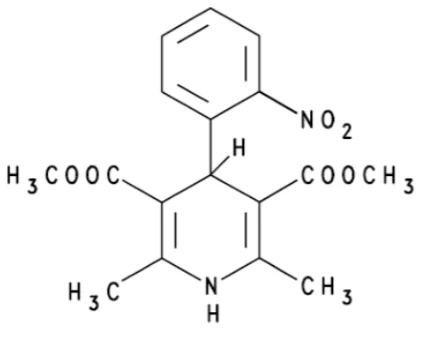
Physicochemical properties: Nifedipine is a pyridine dicarboxylic acid dimethylester. It is a fine yellowish powder, practically insoluble in water freely soluble in acetone and sparingly soluble in ethanol. It is light-sensitive, and when exposed, is converted to a pharmacologically inactive pyridine derivative via an intramolecular redox process.
Lidocaine:
Proper name: Lidocaine Hydrochloride
Chemical name: 2-Diethylamino-N-(2,6-dimethylphenyl)-acetamide monohydrochloride monohydrate
Molecular formula and molecular mass: C14H22N2O.HCl.H2O; 288.8
Structural formula:
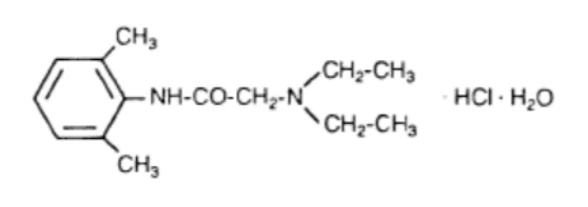
Physicochemical properties: White crystalline powder. Very soluble in water, freely soluble in alcohol. Melting range between 74 and 79°C. pH of 4.0 to 5.5 (0.5% solution in H2O).
14 CLINICAL TRIALS
14.1 Trial by indication
Chronic Anal Fissures
Table 6: Trial Design and Study Demographics
| Study # | Study Design | Dosage, route of administration and duration | No. Of Subjects | Mean age (range) | Sex M/F |
|---|---|---|---|---|---|
| P001/98 | Prospective, randomized double-blind, active control, phase 3 | SEAFORD NIFEDIPINE AND LIDOCAINE HYDROCHLORIDE CREAM; 3 g ointment; analy and peri-analy; twice daily for 3 weeks Control group: Hydrocortisone acetate 1%, Lidocaine 1.5%; 3 g; ointment; twice daily for 3 weeks | 110 adult patients | Treatment group: 43.2 yrs (17-77) Control group: 45.5 yrs (20-71) | Treatment group: M: 43 (78%)/ F: 12 (22%); Control group: M: 36 (66%)/ F: 19(34%); |
The pivotal P001/98 study was a randomized double-blind parallel controlled study conducted in 110 patients aged 18 years and older with chronic anal fissure. Patients were mainly males (72%) with no underlying pathology or concomitant local condition, such as neoplasms, fistulas, perianal abscess, or prolapse. Patients had a history of anal pain for at least two months despite treatment with stool softeners and topical anesthetic agents.
Patients were randomized into two treatment groups to receive either Seaford Nifedipine and Lidocaine Hydrochloride Cream or a control ointment (hydrocortisone acetate 1% with lidocaine 1.5%). The participants administered 3 g of ointment twice daily for 3 weeks and lay on the left side on the bed for three to five minutes.
The primary efficacy endpoint on day 21 of treatment was healing of the fissure with epithelialization or scarring.
14.2 Study Results
After 21 days of treatment, the proportion of patients with healing of anal fissure was significantly larger in the group treated with Seaford Nifedipine and Lidocaine Hydrochloride Cream, compared to the group treated with the control. See Table 7 below.
Table 7 - Results for primary efficacy endpoint: Healing of Anal Fissure (Study P001/98)
Seaford Nifedipine and Lidocaine Hydrochloride Cream 3 g twice daily | Control ointment (hydrocortisone acetate 1% with lidocaine 1.5%) 3 g twice daily | |
| Healing complete or almost complete* | 52 (94.5%) ⴕ | 9 (16.4%) |
| Little or no change | 3 (5.5%) | 46 (83.6%) |
* Fissure healed with scarring/epithelialization, or Ulcerative lesion in the process of complete scarring/epithelialization.
ⴕ: Difference in healing rates vs. control (94.5% vs 16.4%) was 78.1%, and p-value <0.001.
Relief of anal pain tended to be more frequently reported in the Seaford Nifedipine and Lidocaine Hydrochloride Cream group (87.3%) as compared to the control group (10.9%).
Resting anal pressure was possibly lower after treatment in the Seaford Nifedipine and Lidocaine Hydrochloride Cream group compared to the control group.
15 MICROBIOLOGY
No microbiological information is required for this drug product.
16 NON-CLINICAL TOXICOLOGY
General Toxicology:
Acute Toxicity Studies
Nifedipine and Lidocaine combination administered rectally In rats, reversible dysfunctions of motor activity and mechanical reactions were observed following a single rectal dose of 2 g/kg of nifedipine and lidocaine (0.3% and 1.5% w/w) rectal cream. No drug-related mortality was observed.
When rats were treated for 28 days with 250 mg/kg/day of nifedipine and lidocaine (0.3% and 1.5% w/w) rectal cream, a decrease from baseline in systolic blood pressure (-10 mm Hg), and diastolic blood pressure (-5 mm Hg) was noted.
Nifedipine:
Table 8 - LD50 in Animal Studies
| Species | Dose Range (mg/kg) | LD50 (mg/kg) | |||||||||||||||
| Oral | Intravenous | Oral | Intravenous | ||||||||||||||
| Mouse | 294-882 | 3-5 | 494 (421-572)* | 4.2 (3.8-4.6)* | |||||||||||||
| Rat | 588-1323 | 10-25 | 1022 (950-1087)* | 15.5 (13.7-17.5)* | |||||||||||||
| Rabbit | 100-500 | 1-4 | 250-500 | 2-3 | |||||||||||||
| Cat | 50-250 | 0.5-8 | 100 | 0.5-8 | |||||||||||||
| Dog | 250-2000 | 0.5-3 | >250 | 2-3 | |||||||||||||
* 95% confidence interval.
Lidocaine:
Table 9 - LD50 in Animal Studies
| SPECIES | SEX | ROUTE | LD50 (mg/kg) |
| mice | F | i.v. | 17.9 |
| mice | F | i.p. | 164 |
| mice | F | i.m. | 200 |
| mice | M | i.m. | 154 |
| rat | F | i.v. | 19.7 |
| rat | M | i.v. | 21.4 |
| dog | M & F | i.m. | 100 |
| guinea pig | F | i.m. | 73 |
| guinea pig | M | i.m. | 67 |
| rabbit | M | i.m. | 450 |
Chronic and subacute studies
Nifedipine and Lidocaine (0.3% and 1.5% w/w) rectal cream
Nifedipine and Lidocaine (0.3% and 1.5% w/w) rectal cream administered at 250 mg/kg/day for 28 days in rats caused a decrease in systolic blood pressure (13 mm Hg in male and 12 mm Hg in female) and diastolic blood pressure (9 mm Hg both in male and female).
Nifedipine
In rats, oral doses of 0.5 to 100 mg/kg/day nifedipine for 13 weeks did not induce significant adverse effects. Similar results were obtained in dogs treated with 0.5 to 50 mg/kg/day nifedipine for 13 weeks.
Lidocaine
In a study in dogs, mild transient convulsions were reported in one dog treated with 3 mg/kg for 21 days, with no drug related effect at the autopsy.
In a second study, dogs received a daily intravenous of 2.5, 5 or 10 mg/kg for 28 days: transient sedation, ataxia, head tremor, prostration and emesis were reported at 5 mg/kg. At the 10 mg/kg level, severe tremors, muscular weakness, ataxia, prostration and convulsions were reported (although animals recovered within 5-10 minutes). No drug-related findings were present at the ECG, hemochemistry, or autopsy assessments. No overt symptoms were observed at 2.5 mg/kg dose.
In rats, daily intravenous doses of 1.5, 4.5 or 15.0 mg/kg were administered for 14 days. Overt effects were observed only at the 15.0 mg/kg level, including convulsions and death. Increased blood glucose levels were seen in male rats at all dose levels. At autopsy, no changes were attributed to drug treatment.
Carcinogenicity:
Nifedipine
Nifedipine was administered orally to dogs at dosages of 2.5, 20 and 100 mg/kg/day for 52 weeks. No indication of toxic damage caused by nifedipine was found.
In a 2–year study, nifedipine was administered orally to male and female rats in the diet at dosages of 5-9, 29-39, and 156-210 mg/kg/day. In the lowest dose group, nifedipine was without toxic effects. The higher dosage led to dose-dependent, significant weight losses. An increased mortality was found in the 156-210 mg/kg dose group, especially in the females. The pathological and anatomical examination of the dead animals showed a hypotonia or atonia of the musculature of the small intestine. An increase in the weight of the adrenal glands of male rats was also observed in this dose group. Histopathological examinations revealed no organ damage related to treatment.
At the end of the study, all rats were examined histopathologically with regards to tumorigenesis. Although the animals in the highest dose group showed no uncommon tumor incidences, this group was considered not suitable for comparison with the other treatment groups because of the high mortality rate. No significant difference were found between the controls and the remaining two treatment groups with respect to the frequency, nature and localisation of tumors.
Lidocaine
There are no available pre-clinical data assessing the carcinogenic toxicity of lidocaine.
The carcinogenicity of the metabolite 2,6-dimethylaniline was tested in rats.
A chronic oral toxicity study of the metabolite 2,6-dimethylaniline (0, 14, 45, 135 mg/kg) administered in feed to rats showed that there was a significantly greater incidence of nasal cavity tumors in male and female animals that had daily oral exposure to the highest dose of 2,6-dimethylaniline for 2 years. The lowest tumor-inducing dose tested in animals (135 mg/kg) corresponds to approximately 112 times the amount of 2,6-dimethylaniline to which a 50 kg subject would be exposed following the application of 6 g of Seaford Nifedipine and Lidocaine Hydrochloride Cream (0.3%/1.5% w/w) for 24 hours on the mucosa, assuming the highest theoretical extent of absorption of 100%, and 80% conversion to 2,6-dimethylaniline. Based on a yearly exposure (once daily dosing with 2,6-dimethylaniline in animals) and a 21-day course of treatment with 6 g per day of Seaford Nifedipine and Lidocaine Hydrochloride Cream in humans, the safety margins would be approximately 1955 times when comparing the exposure in animals to man.
Genotoxicity:
Nifedipine
In the Dominant Lethal test, the oral administration of nifedipine to mice at a dose of 100 mg/kg for 5 consecutive days did not affect fertility rate or post-implantation loss.
In the Micronucleus test, 2 doses of 50 mg/kg or 100 mg/kg nifedipine given orally to mice also did not produce any mutagenic effect. Furthermore, the formation of erythrocytes was not impaired as shown by the polychromatic: normochromatic erythrocyte ratio.
In the Ames' Salmonella/microsome test, nifedipine at doses of up to 12500 μg per plate did not cause any bacterotoxic effects. Also, a dose-dependent and biologically relevant increase in the number of mutants to a level double that of the negative control was not noted.
Lidocaine
Genotoxicity tests with lidocaine showed no evidence of mutagenic potential.
A metabolite of lidocaine, 2,6-dimethylaniline, showed weak evidence of activity in some genotoxicity tests. In Chinese hamster ovary cells treated with 2,6-dimethylaniline at a dose of 301 mg/L, the results showed sister chromatid exchange with and without rat S9 metabolic activation. Also in Chinese hamster ovary cells treated with 2,6-dimethylaniline at a dose of 1200 mg/L, results showed that 2,6-dimethylaniline caused chromosomal aberrations with and without rat S9 metabolic activation. In vivo, the micronucleus test was performed in mice treated with one oral dose of 2,6-Dimethylaniline (350 mg/kg) or with three oral doses of 2,6-Dimethylaniline (75 and 375 mg/kg). 2,6-Dimethylaniline administration did not induce micronuclei in bone marrow erythrocytes of mice.
Reproductive and Developmental Toxicology:
Nifedipine
Male rats administered orally with nifedipine (0.571 mg/kg) for 30 days showed a decline in sperm count and decrease sperm motility. Following a 30 days recovery without administration of nifedipine, sperm count and motility recovered to levels comparable to controls.
Pregnant mice, rats and rabbits were treated orally with 10, 30 and 100 mg/kg nifedipine from day 6 to day 15 of gestation. In the mouse, at doses of 30 and 100 mg/kg, there was an increase in the number of fetal resorptions. Fetal malformations in the form of cleft palate and rib deformities occurred at all dose levels in a dose related fashion. (Cleft palate occurred in 5/218 controls, 13/190 at 10 mg/kg, 22/112 at 30 mg/kg and 3/3 at 100 mg/kg).
In the rat, the dose of 30 mg/kg was not toxic to pregnant dams, but caused reduced fetal weight and increased fetal loss. The dose of 100 mg/kg produced malformations in the fetuses from 20% of the mother animals. In a total of 11 fetuses, 10 showed malformation of the front or hind paws (ectrodactyly, oligodactyly and adactyly) and one developed a severe malformation of the sinciput.
In the rabbit, there was a dose-dependent anorexia and weight loss in mothers during the dosing period with oral nifedipine. At 30 and 100 mg/kg, reduced litter size and weight and increased fetal loss were evident.
Studies on pregnant rhesus monkeys with oral doses of 2 (1 animal) or 6 mg/kg/day (4 animals) with oral nifedipine revealed no teratogenic effects. The placentas were poorly developed in dosed animals.
Pre- and post-natal studies on rats with daily doses of 3, 10, 30 and 100 mg/kg showed that oral nifedipine caused significant prolongation of the gestation period at dosage of 10 mg/kg upwards and a decrease in litter size. The post-natal development of the newborn animals was impaired when doses of 30 mg/kg or more had been administered. All offspring in the 100 mg/kg group died. Lidocaine
Oral administration of lidocaine (500 mg/kg/day) to pregnant rats lowers embryo body weight at E21.
17 SUPPORTING PRODUCT MONOGRAPHS
XYLOCAINE® Ointment 5%, Submission control 237729, Product Monograph, Aspen Pharmacare Canada Inc., Oct 11, 2022
XYLOCARD®, IV Solution, 20 mg/mL), Submission control 246218, Product Monograph, Aspen Pharmacare Canada Inc., May 21, 2021
ADALAT® OROS®, oral tablets 20, 30, 60 mg. Submission control 198159, Product Monograph, Bayer Inc., Sept 29, 2016
PRO-NIFEDIPINE ER, tablets 30 mg. Submission control 283492, Product Monograph, Pro Doc Ltee, Feb 27, 2024
NIFEDIPINE, oral capsules 5, 10 mg. Submission control 271662, Product Monograph, AA Pharma Inc, Dec 01, 2023