


Product Monograph - Tarka (BGP Pharma)
SUMMARY PRODUCT INFORMATION
Route of Administration | Dosage Form/Strength | Non-medicinal Ingredients |
| oral | sustained-release tablets 2 mg/240 mg and 4 mg/240 mg | colloidal anhydrous silica, docusate sodium, ferric oxide, ferrous/ferric oxide, hydrated ferric oxide, hydroxypropyl cellulose, hydroxypropyl methylcellulose, lactose monohydrate, macrogol 400, macrogol 6000, magnesium stearate, microcrystalline cellulose, povidone, purified water, sodium alginate, sodium stearyl fumarate, starch, talc, titanium dioxide |
INDICATIONS AND CLINICAL USE
TARKA® (trandolapril/verapamil hydrochloride) is indicated for:
- treatment of mild to moderate essential hypertension in patients for whom combination therapy is appropriate
Patients should be titrated with the individual drugs. If the fixed combination represents the dosage determined by this titration, the use of TARKA® may be more convenient in the management of patients. If during maintenance therapy dosage adjustment is necessary, it is advisable to use individual drugs.
Both trandolapril and verapamil SR should normally be used in those patients in whom treatment with a diuretic or a beta-blocker were found to be ineffective or were associated with unacceptable adverse effects. They can be tried as initial agents in those patients in whom diuretics and/or beta-blockers are contraindicated or in patients with medical conditions in which these drugs frequently cause serious adverse effects.
TARKA® is not indicated for initial therapy. Patients in whom trandolapril and verapamil SR are initiated simultaneously can develop symptomatic hypotension. See (WARNINGS AND PRECAUTIONS, Cardiovascular, Hypotension).
In using trandolapril, consideration should be given to the risk of angioedema. See (WARNINGS AND PRECAUTIONS, Immune, Angioedema).
Geriatrics (≥ 65 years of age):
In placebo-controlled studies, where 23% of patients receiving TARKA® were 65 years and older, and 2.4% were 75 years and older, no overall differences on effectiveness or safety were observed between these patients and younger patients. However, greater sensitivity of some older individual patients cannot be ruled out.
Pediatrics (< 18 years of age):
The safety and efficacy of TARKA® has not been established in children and therefore it should not be used in this age group.
CONTRAINDICATIONS
- Patients who are hypersensitive to one of these two drugs or to any ingredient in the formulation or component of the container. For a complete listing, see the DOSAGE FORMS, COMPOSITION AND PACKAGING section.
- Complicated myocardial infarction (patients who have ventricular failure manifested by pulmonary congestion).
Severe left ventricular dysfunction. See (WARNINGS AND PRECAUTIONS,
Cardiovascular, Heart Failure).
- Hypotension (systolic pressure less than 90 mmHg) or cardiogenic shock.
- Second or third degree atrioventricular (A-V) block.
- Sick sinus syndrome.
- Marked bradycardia.
Patients with atrial flutter or atrial fibrillation in the presence of an accessory bypass tract
(e.g. Wolff-Parkinson-White, Lown-Ganong-Levine syndromes). These patients are at risk to develop ventricular arrhythmias including ventricular fibrillation and Torsade de pointes if verapamil hydrochloride is administered. See (WARNINGS AND PRECAUTIONS, Cardiovascular, Accessory Bypass Tract (Wolff-Parkinson-White or Lown-Ganong-Levine)).
- Hereditary/idiopathic angioedema or a history of angioedema associated with prior angiotensin converting enzyme (ACE) inhibitor therapy.
Combination with sacubitril/valsartan due to an increased risk of angioedema. See
(WARNINGS AND PRECAUTIONS, Immune, Angioedema and DRUG INTERACTIONS, Drug-Drug Interactions).
Combination with other ACE inhibitors, angiotensin receptor blockers or aliskiren-containing medicines in patients with:
○ diabetes mellitus (type 1 or type 2)
○ moderate to severe renal impairment (GFR < 60 ml/min/1.73m2) ○ hyperkalemia (> 5mMol/L) or
○ congestive heart failure who are hypotensive
See (WARNINGS AND PRECAUTIONS, Dual Blockade of the Renin-Angiotensin-Aldosterone System (RAAS); WARNINGS AND PRECAUTIONS, Renal, Renal Impairment; WARNINGS AND PRECAUTIONS, Cardiovascular, Hypotension; and DRUG INTERACTIONS, Table 3).
- Patients who are pregnant, planning to become pregnant or of childbearing potential who are not using adequate contraception. See (WARNINGS AND PRECAUTIONS, Special Populations, Pregnant Women).
Nursing women. See (WARNINGS AND PRECAUTIONS, Special Populations,
Nursing Women).
- Use in children and adolescents (< 18 years old).
Patients concomitantly treated with intravenous β-adrenoreceptor antagonists
(exception: intensive care unit).
- Concomitant use of ivabradine.
- Severe renal impairment (creatinine clearance < 30 mL/min).
- Dialysis.
- Liver cirrhosis with ascites.
- Patients with hypotensive or hemodynamically unstable states.
- Patients with hemodynamically significant bilateral artery stenosis, or severe stenosis of the artery of a solitary functioning kidney (see WARNINGS AND PRECAUTIONS, Renal).
WARNINGS AND PRECAUTIONS
Serious Warnings and Precautions
- When used in pregnancy, ACE inhibitors can cause injury to or even death of the developing fetus. When pregnancy is detected or if the patient is planning to become pregnant, TARKA® should be discontinued as soon as possible. See (WARNINGS AND PRECAUTIONS, Special Populations, Pregnant Women).
Cardiovascular
Hypotension
In some patients already receiving diuretic treatment, particularly if this treatment has been recently instituted, the fall in blood pressure on initiation of treatment with trandolapril may be excessive.
Concomitant therapy with ACE inhibitors and verapamil hydrochloride may result in hypotension. In controlled studies, hypotension was observed in 0.6% of uncomplicated hypertensive patients receiving TARKA® (trandolapril/verapamil hydrochloride). Dizziness occurred more frequently than with placebo. See (ADVERSE REACTIONS, Overview). In patients with angina or arrhythmias using antihypertensive drugs, the additional antihypertensive effect of TARKA® should be taken into consideration.
Hypotensive symptoms of lethargy and weakness with faintness have been reported following single oral doses of verapamil hydrochloride and even after some months of treatment. In some patients it may be necessary to reduce the dose.
Symptomatic hypotension has occurred after administration of trandolapril, usually after the first or second dose, or when the dose was increased. It is more likely to occur in patients who are volume depleted as a result of diuretic therapy, dietary salt restriction, dialysis, diarrhea or vomiting. In patients with ischemic heart disease or cerebrovascular disease, an excessive fall in blood pressure could result in a myocardial infarction or cerebrovascular accident. Because of the potential fall in blood pressure in these patients, therapy with trandolapril should be started under close medical supervision. Such patients should be followed closely for the first weeks of treatment and whenever the dose of trandolapril is increased. In patients with severe congestive heart failure, with or without associated renal insufficiency, ACE inhibitor therapy may cause excessive hypotension and has been associated with oliguria, and/or progressive azotemia, and rarely, with acute renal failure and/or death.
If hypotension occurs, the patient should be placed in a supine position and, if necessary, receive an intravenous infusion of 0.9% sodium chloride. A transient hypotensive response is not a contraindication to further doses which can be given usually without difficulty once the blood
pressure has increased after volume expansion. If symptoms persist, the dosage should be reduced or the drug discontinued.
Heart Failure
Because of the drug's negative inotropic effect, verapamil hydrochloride should not be used in patients with poorly compensated congestive heart failure.
Because of the verapamil component, heart failure patients with ejection fraction higher than 40% should be treated with adequate doses of digoxin and/or diuretics before starting TARKA® treatment.
If TARKA® is administered concomitantly with digoxin, reduce digoxin dosage. See (DRUG INTERACTIONS, Table 2). The use of verapamil hydrochloride in the treatment of hypertension is not recommended in patients with heart failure caused by systolic dysfunction
Trandolapril, as an ACE inhibitor, may cause excessive hypotension in patients with congestive heart failure. See (WARNINGS AND PRECAUTIONS, Cardiovascular, Hypotension).
Conduction Disturbance
Verapamil hydrochloride affects the A-V and sinoatrial (S-A) nodes and slows conduction across the A-V node.
Because of the verapamil hydrochloride component, use TARKA® with caution in patients with first degree A-V block.
Verapamil hydrochloride causes dose-related suppression of the S-A node and rarely may produce second or third degree A-V block, bradycardia and in extreme cases, asystole. In some patients, sinus bradycardia may occur, especially in patients with a sick sinus syndrome (S-A nodal disease), which is more common in older patients. See (CONTRAINDICATIONS).
Asystole in patients other than those with sick sinus syndrome is usually of short duration (few seconds or less), with spontaneous return to A-V nodal or normal sinus rhythm. If this does not occur promptly, appropriate treatment should be initiated immediately. See (ADVERSE REACTIONS) and (OVERDOSAGE, Verapamil Hydrochloride Overdosage).
Bradycardia
The total incidence of bradycardia with verapamil hydrochloride (ventricular rate less than 50 beats/min.) was 1.4% in controlled studies.
Accessory Bypass Tract (Wolff-Parkinson-White or Lown-Ganong-Levine)
Verapamil hydrochloride may result in significant acceleration of ventricular response during atrial fibrillation or atrial flutter in the Wolff-Parkinson-White (WPW) or Lown-Ganong-Levine
(LGL) syndromes. The use of verapamil hydrochloride in these patients is contraindicated. See (CONTRAINDICATIONS).
Concomitant Use with Antiarrhythmics or Beta-Blockers
Concomitant use of verapamil hydrochloride with antiarrhythmics or beta-blockers may cause mutual potentiation of cardiovascular effects (higher-grade AV block, higher-grade lowering of heart rate, induction of heart failure and potentiated hypotension). Asymptomatic bradycardia (<36 beats/minute) with a wandering atrial pacemaker has been observed in a patient receiving concomitant timolol (a beta-adrenergic blocker) eye drops and oral verapamil hydrochloride. See (DRUG INTERACTIONS, Table 2).
Generally, oral verapamil hydrochloride should not be given to patients receiving beta-blockers since the depressant effects on myocardial contractility, heart rate and A-V conduction may be additive. However, in exceptional cases when in the opinion of the physician concomitant use in angina and arrhythmia is considered essential, such use should be instituted gradually under careful supervision. If combined therapy is used, close surveillance of vital signs and clinical status should be carried out and the need for continued concomitant treatment periodically assessed.
Verapamil hydrochloride gives no protection against the dangers of abrupt beta-blocker withdrawal and such withdrawal should be done by the gradual reduction of the dose of beta-blocker. Then verapamil hydrochloride may be started with the usual dose.
Concomitant Use with Ivabradine
Concomitant use with ivabradine is contraindicated due to the additional heart rate lowering effect of verapamil to ivabradine.
Concomitant Use with HMG-CoA Reductase Inhibitors (“Statins”)
Concomitant use of verapamil hydrochloride and HMG-CoA reductase inhibitors may require dosage adjustments. See (DRUG INTERACTIONS, Table 2).
Patients with Hypertrophic Cardiomyopathy
In 120 patients with hypertrophic cardiomyopathy (most of them refractory or intolerant to propranolol) who received therapy with verapamil hydrochloride at doses up to 720 mg/day, a variety of serious adverse effects were seen. Three patients died in pulmonary edema; all had severe left ventricular outflow obstruction and a past history of left ventricular dysfunction. Eight other patients had pulmonary edema and/or severe hypotension; abnormally high (over 20 mmHg) capillary wedge pressure and a marked left ventricular outflow obstruction were present in most of these patients. Sinus bradycardia occurred in 11% of the patients, second-degree A-V block in 4% and sinus arrest in 2%. It must be appreciated that this group of patients had a serious disease with a high mortality rate. Most adverse effects responded well to dose reduction, but in some cases verapamil hydrochloride use had to be discontinued.
Aortic Stenosis / Left Ventricular Outflow Obstruction
TARKA® should not be used in patients with aortic stenosis or left ventricular outflow obstruction.
Dual Blockade of the Renin-Angiotensin-Aldosterone System (RAAS)
There is evidence that co-administration of angiotensin converting enzyme (ACE) inhibitors, such as the trandolapril component in TARKA®, or of angiotensin II receptor blockers (ARBs), with aliskiren increases the risk of hypotension, syncope, stroke, hyperkalemia and deterioration of renal function, including renal failure, in patients with diabetes mellitus (type 1 or type 2); moderate to severe renal impairment (GFR < 60 ml/min/1.73m2); hyperkalemia (> 5 mMol/L) and/or congestive heart failure who are hypotensive. Therefore, the use of TARKA® in combination with aliskiren-containing drugs is contraindicated in these patients. See (CONTRAINDICATIONS).
Further, co-administration of ACE inhibitors, including the trandolapril component of TARKA®, with other agents blocking the RAAS, such as ARBs or aliskiren-containing drugs, is generally not recommended in any patients, since such treatment has been associated with an increased incidence of severe hypotension, renal failure, and hyperkalemia. See
CONTRAINDICATIONS and DRUG INTERACTIONS.
If dual blockade therapy is considered absolutely necessary, this should only occur under specialist supervision and subject to frequent close monitoring of renal function, electrolytes and blood pressure. The concomitant use of ACE inhibitors and angiotensin II receptor blockers (ARBs) in patients with diabetic nephropathy is contraindicated (see
CONTRAINDICATIONS).
For additional information, see DRUG INTERACTIONS, Table 3.
Ear/Nose/Throat
As with other ACE inhibitors, dry, persistent cough, which usually disappears only after withdrawal or lowering of the dose of trandolapril, has been reported. Such possibility should be considered as part of the differential diagnosis of cough.
Hematologic
Neutropenia/Agranulocytosis
Agranulocytosis and bone marrow depression have been caused by ACE inhibitors. The risk of neutropenia appears to be dose-and type-related and is dependent on the patient's clinical status. Current experience with trandolapril shows the incidence to be rare. Periodic monitoring of white blood cell counts and protein levels in urine should be considered, especially in patients with collagen vascular disease (e.g., lupus erythematosus and scleroderma) especially associated with impaired renal function and concomitant therapy, particularly with corticosteroids and antimetabolites. It is reversible after discontinuation of the ACE inhibitor.
Hepatic/Biliary/Pancreatic
Hepatic Failure / Elevated Liver Enzymes
Elevations of transaminases, with and without concomitant elevations in alkaline phosphatase and bilirubin, have been reported. Several cases of hepatocellular injury related to verapamil hydrochloride have been proven by rechallenge. Clinical symptoms of malaise, fever, and/or right upper quadrant pain, in addition to elevations of SGOT, SGPT, and alkaline phosphatase have been reported. Periodic monitoring of liver function in patients receiving TARKA® is, therefore, prudent.
In rare instances, ACE inhibitors have been associated with a syndrome of cholestatic jaundice, fulminant hepatic necrosis and death. The mechanism of this syndrome is not understood.
Patients receiving TARKA® who develop jaundice should discontinue therapy and receive appropriate medical follow-up.
Liver abnormalities (increased SGOT, increased SGPT, increased liver enzyme and liver function abnormal) associated to TARKA® were noted in only 1.2% of patients during TARKA® clinical studies.
Use in Patients with Hepatic Impairment
In patients with impaired liver function, the elimination t½ of verapamil hydrochloride is prolonged four-fold and the plasma concentrations of trandolapril and, to a lesser extent, of its principle active metabolite, trandolaprilat, are increased. See (ACTION AND CLINICAL PHARMACOLOGY, Pharmacokinetics). Accordingly, a decreased dosage of TARKA® should be used in these patients. TARKA® should not be used in patients with severe liver impairment. See (DOSAGE AND ADMINISTRATION, Dosing Considerations, For Verapamil Hydrochloride Monotherapy, Patients with Hepatic and Renal Impairment and Recommended Dose and Dosage Adjustment, For Trandolapril Monotherapy, Use in Hepatic Impairment).
In these patients, TARKA® should be used with caution and careful monitoring for abnormal prolongation of the PR interval or other signs of excessive pharmacologic effects should be carried out during TARKA® therapy.
In patients with mild to moderate alcoholic cirrhosis, the plasma concentration of trandolapril and trandolaprilat are approximately 9- and 2-fold, respectively, greater compared to normal patients. TARKA® is contraindicated in patients with liver cirrhosis with ascites. See (CONTRAINDICATIONS).
Immune
Angioedema
Angioedema has been reported in patients taking ACE inhibitors, including trandolapril. Angioedema associated with laryngeal involvement may be fatal. If laryngeal stridor or angioedema of the face, tongue, or glottis occurs, trandolapril should be discontinued immediately, the patient treated appropriately in accordance with accepted medical care, and carefully observed until the swelling disappears. In instances where swelling is confined to the face and lips, the condition generally resolves without treatment. Where there is involvement of tongue, glottis, or larynx, likely to cause airway obstruction, appropriate therapy (including, but not limited to 0.3 to 0.5 mL of subcutaneous epinephrine solution 1:1000) should be administered promptly. See (ADVERSE REACTIONS, Less Common Clinical Trial Adverse Drug Reactions (≤ 1%)).
Patients with a history of angioedema unrelated to ACE inhibitor therapy may be at increased risk of angioedema while receiving an ACE inhibitor. See (CONTRAINDICATIONS).
The incidence of angioedema during ACE inhibition therapy has been reported to be higher in black than in non-black patients.
The risk of angioedema may be increased in patients taking a concomitant mTOR inhibitor (e.g. sirolimus, everolimus, temsirolimus) or neutral endopeptidase (NEP) inhibitor. Caution should be used when initiating ACE inhibitor therapy in patients already taking a mTOR or NEP inhibitor or vice versa. See (DRUG INTERACTIONS, Drug-Drug Interactions, Interactions due to Trandolapril Component).
As for any formulation containing an ACE inhibitor, concomitant use of TARKA® with a drug containing the combination of sacubitril/valsartan is contraindicated, due to the increased risk of angioedema.
Intestinal angioedema has also been reported in patients treated with ACE inhibitors. This should be considered in patients on trandolapril presenting with abdominal pain (with or without nausea or vomiting); in some cases there was no prior history of facial angioedema and C-1 esterase levels were normal. The angioedema was diagnosed by procedures including abdominal CT scan or ultrasound, or at surgery, and symptoms resolved after stopping the ACE inhibitor. Intestinal angioedema should be included in the differential diagnosis of patients on ACE inhibitors presenting with abdominal pain.
Endocrine and Metabolism
Lactose
TARKA® contains lactose, therefore patients with rare hereditary problems of galactose intolerance, the Lapp lactase deficiency or glucose-galactose malabsorption should not take this medicine.
Hyperkalemia
TARKA® may produce hyperkalemia in hypertensive patients, especially those with renal dysfunction.
Risk factors for the development of hyperkalaemia include renal insufficiency, diabetes mellitus and/or left ventricular dysfunction after myocardial infarction, the concomitant use of agents to treat hypokalemia, potassium-sparing diuretics, potassium supplements, potassium containing salt substitutes or the concomitant use of other active substances associated with increases in serum potassium (e.g. co-trimoxazole also known as trimethoprim/ sulfamethoxazole).
Neurologic
Neuromuscular Transmission Disorders
Because of the verapamil hydrochloride component, TARKA® should be used with caution in the presence of diseases in which neuromuscular transmission is affected (myasthenia gravis, Lambert-Eaton syndrome, advanced Duchenne muscular dystrophy). The decision to administer TARKA® should be based on the physician’s assessment of the risk and benefit to the patient. It may be necessary to decrease the dose. Ventilation support should be available if required. See (DOSAGE AND ADMINISTRATION, Use in Patients with Attenuated (Decreased) Neuromuscular Transmission).
Other
Nitritoid Reactions - Gold: Nitritoid reactions (symptoms include facial flushing, nausea, vomiting and symptomatic hypotension) have been reported rarely in patients on therapy with injectable gold (sodium aurothiomalate) and concomitant ACE inhibitor therapy including TARKA® See (DRUG INTERACTIONS, Table 3).
Renal
Renal Impairment
About 70% of an administered dose of verapamil hydrochloride is excreted as metabolites in the urine. In one study in healthy volunteers, the total body clearance after intravenous administration of verapamil hydrochloride was 12.08 mL/min/kg, while in patients with advanced renal disease it was reduced to 5.33 mL/min/kg. This pharmacokinetic finding suggests that renal clearance of verapamil hydrochloride in patients with renal disease is decreased. In two studies with oral verapamil hydrochloride no difference in pharmacokinetics could be demonstrated.
TARKA® should be used with caution in patients with mild to moderate renal impairment. These patients should be carefully monitored for abnormal prolongation of the PR interval or other signs of excessive pharmacologic effect. See (DOSAGE AND ADMINISTRATION, Dosing Considerations, For Verapamil Hydrochloride Monotherapy, Patients with Hepatic and Renal Impairment). TARKA® is contraindicated in patients with severe renal impairment (creatinine clearance < 30 mL/min) and in patients on dialysis. See
(CONTRAINDICATIONS).
The use of ACE inhibitors – including the trandolapril component of TARKA® – with aliskiren-containing drugs is contraindicated in patients with moderate to severe renal impairment (GFR < 60 ml/min/1.73m2). See (CONTRAINDICATIONS and DRUG INTERACTIONS, Table 3).
Verapamil hydrochloride cannot be removed by hemodialysis. It is not known if trandolapril or trandolaprilat can be removed from the body by hemodialysis.
As a consequence of inhibiting the renin-angiotensin-aldosterone system, changes in renal function have been seen in susceptible individuals. In patients whose renal function may depend on the activity of the renin-angiotensin-aldosterone system, such as patients with bilateral renal artery stenosis, unilateral renal artery stenosis to a solitary kidney, or severe congestive heart failure, treatment with agents that inhibit this system has been associated with oliguria, progressive azotemia, and rarely, acute renal failure and/or death. In susceptible patients, concomitant diuretic use may further increase risk. Proteinuria may occur particularly in patients with existing renal function impairment or on relatively high doses of ACE inhibitors.
Use of trandolapril should include appropriate assessment of renal function.
Patients with Renovascular Hypertension
The safety and efficacy of TARKA® in patients with renovascular hypertension has not been established, therefore its use in these conditions is not recommended.
Anaphylactoid Reactions During Membrane Exposure
Anaphylactoid reactions have been reported in patients dialyzed with high-flux membranes (e.g., polyacrylonitrile [PAN]) and treated concomitantly with an ACE inhibitor. Dialysis should be stopped immediately if symptoms such as nausea, abdominal cramps, burning, angioedema, shortness of breath and severe hypotension occur. Symptoms are not relieved by antihistamines. In these patients consideration should be given to using a different type of dialysis membrane or a different class of antihypertensive agents.
Special Populations
Pregnant Women
ACE inhibitors can cause fetal and neonatal morbidity and mortality when administered to pregnant women. When pregnancy is detected or if the patient is planning to become pregnant, TARKA® should be discontinued as soon as possible.
The use of ACE inhibitors during the second and third trimesters of pregnancy has been associated with fetal and neonatal injury including hypotension, neonatal skull hypoplasia, anuria, reversible or irreversible renal failure, and death. Oligohydramnios has also been reported, presumably resulting from decreased fetal renal function, associated with fetal limb contractures, craniofacial deformation, and hypoplastic lung development.
Prematurity, and patent ductus arteriosus and other structural cardiac malformations, as well as neurologic malformations, have also been reported following ACE inhibitor exposure in the first trimester of pregnancy.
Infants with a history of in utero exposure to ACE inhibitors should be closely observed for hypotension, oliguria, and hyperkalemia. If oliguria occurs, attention should be directed toward support of blood pressure and renal perfusion. Exchange transfusion or dialysis may be required as a means of reversing hypotension and/ or substituting for impaired renal function; however, limited experience with those procedures has not been associated with significant clinical benefit.
Nursing Women
The use of TARKA® is contraindicated in breast-feeding.
The presence of concentrations of ACE inhibitor has been reported in human milk. Use of ACE inhibitors is not recommended during breast-feeding.
TARKA® is not recommended in these patients because of the potential for adverse reactions in nursing infants. The verapamil hydrochloride component of TARKA® is secreted in human milk.
Alternative treatments with better established safety profiles during breast-feeding are preferable, especially while nursing a newborn or preterm infant.
Following administration of radio-labelled trandolapril to lactating rats, radioactivity has been detected in the milk.
Labour and Delivery
It is not known whether the use of verapamil hydrochloride during labour or delivery has immediate or delayed adverse effects on the fetus, or whether it prolongs the duration of labour or increases the need for forceps delivery or other obstetric intervention.
Pediatrics (< 18 years of age)
The safety and effectiveness of TARKA® in children below the age of 18 have not been established. Therefore, it should not be used in this age group.
Geriatrics (≥ 65 years of age)
Although clinical experience has not identified differences in response between the elderly (≥ 65 years) and younger patients (< 65 years), greater sensitivity of some older individuals to TARKA® cannot be ruled out. See (ACTION AND CLINICAL PHARMACOLOGY, Pharmacokinetics).
Caution should be exercised when verapamil hydrochloride is administered to elderly patients (≥ 65 years) especially those prone to developing hypotension or those with a history of cerebrovascular insufficiency. See (DOSAGE AND ADMINISTRATION, Recommended Dose and Dosage Adjustment, For Verapamil Hydrochloride Monotherapy, Elderly). The adverse reactions occurring more frequently include dizziness and constipation. Serious adverse events associated with heart block have occurred in the elderly.
ADVERSE REACTIONS
Adverse Drug Reaction Overview
The combination of trandolapril and verapamil SR has been evaluated in over 1,957 subjects and patients. Of these, 541 patients (including 23% elderly patients) participated in North American placebo-controlled clinical trials, and 251 were studied in European placebo-controlled clinical trials. This combination has been evaluated for long-term safety in 272 patients treated for 1 year or more.
The most frequent adverse events in controlled clinical trials conducted in North America with trandolapril and verapamil SR were (n=541): first degree A-V block (3.9%); cough (4.6%); constipation (3.3%) and dizziness (3.1%).
The most serious adverse reactions with TARKA® (trandolapril/verapamil hydrochloride) are second degree A-V block, angina, hypotension and angioedema.
Discontinuation of therapy because of adverse events in North American placebo-controlled hypertension studies was required in 2.6% and 1.9% of patients treated with (trandolapril/verapamil hydrochloride) and placebo, respectively.
Hypotension
In hypertensive patients in controlled and uncontrolled trials, hypotension occurred in 0.6% and near syncope occurred in 0.1% (possibly, probably or definitely related to combination treatment). Hypotension or syncope was a cause for discontinuation of therapy in 0.4% of
hypertensive patients in North American controlled studies. See (WARNINGS AND PRECAUTIONS, Cardiovascular, Hypotension).
Clinical Trial Adverse Drug Reactions
Because clinical trials are conducted under very specific conditions the adverse reaction rates observed in the clinical trials may not reflect the rates observed in practice and should not be compared to the rates in the clinical trials of another drug. Adverse drug reaction information from clinical trials is useful for identifying drug-related adverse events and for approximating rates.
Adverse experiences occurring more commonly with combination therapy than placebo in 1% or more of the 541 patients in North American placebo-controlled hypertension trials are shown in Table 1.
Table 1. Adverse Drug Reactions in North American Placebo-Controlled Trials
TARKA®
n=541
% Incidence (% Discontinuance)
PLACEBO n=206
% Incidence (% Discontinuance)
Bradycardia 1.8 (0.0) 0.0 (0.0) Bronchitis 1.5 (0.0) 0.5 (0.0) Chest Pain 2.2 (0.0) 1.0 (0.0) Constipation 3.3 (0.0) 1.0 (0.0) Cough 4.6 (0.0) 2.4 (0.0) Diarrhea 1.5 (0.2) 1.0 (0.0) Dizziness 3.1 (0.0) 1.9 (0.5) Dyspnea 1.3 (0.4) 0.0 (0.0) Edema 1.3 (0.0) 2.4 (0.0) Fatigue 2.8 (0.4) 2.4 (0.0) First Degree A-V Block 3.9 (0.2) 0.5 (0.0) Increased Liver Enzymes* 2.8 (0.2) 1.0 (0.0) Nausea 1.5 (0.2) 0.5 (0.0) Pain Extremity(ies) 1.1 (0.2) 0.5 (0.0) Pain Joint(s) 1.7 (0.0) 1.0 (0.0)
* Also includes increase in SGPT, SGOT, Alkaline Phosphatase
Less Common Clinical Trial Adverse Drug Reactions (<1%)
Other clinical adverse experiences possibly, probably, or definitely related to drug treatment, occurring in 0.3% or more of patients treated with (trandolapril/verapamil hydrochloride) in
controlled, or uncontrolled trials (N=990) and less frequent, clinically significant events (in italics) include the following:
Cardiovascular: angina, second degree AV block, bundle branch block, edema, flushing, hypotension, myocardial infarction, palpitations, premature ventricular contractions, nonspecific ST-T changes, near syncope, tachycardia.
Central Nervous Systems: drowsiness, hypesthesia, insomnia, loss of balance, paresthesia, vertigo.
Dermatologic: pruritus, rash
Emotional, Mental, Sexual
States:
anxiety, impotence, abnormal mentation.
Eye, Ear, Nose, Throat: epistaxis, tinnitus, upper respiratory tract infection, blurred vision.
Gastrointestinal: dyspepsia, dry mouth, nausea.
General Body Function: chest pain, malaise, weakness.
Genitourinary: endometriosis, hematuria, nocturia, polyuria, proteinuria.
Hemopoietic: decreased leukocytes, decreased neutrophils.
Metabolism and Endocrine
Function:
increased alkaline phosphatase, increased liver enzymes, increased potassium, increased SGOT.
Musculoskeletal System: arthralgia, myalgia, gout, increased uric acid.
Pulmonary: dyspnea.
Angioedema: Angioedema and/or facial edema has been reported in 3 (0.15%)
patients receiving (trandolapril/verapamil hydrochloride) in North American and European studies (N=1,957). Angioedema associated with laryngeal edema may be fatal. If angioedema of the face, extremities, lips, tongue, glottis, and/or larynx occurs, treatment with (trandolapril/verapamil hydrochloride) should be discontinued and appropriate therapy instituted immediately. See (WARNINGS AND PRECAUTIONS - Angioedema).
In addition to those reported above, other adverse experiences have previously been reported with the individual components, verapamil hydrochloride and trandolapril:
Verapamil Hydrochloride Component Adverse Reactions
Cardiovascular:
CAF/pulmonary edema, third degree A-V block, atrioventricular dissociation, claudication, syncope. See (WARNINGS AND PRECAUTIONS - Hypotension).
Digestive System: nausea, gingival hyperplasia, reversible paralytic ileus.
Hemic and Lymphatic: ecchymosis or bruising.
Nervous System: cerebrovascular accident, confusion, psychotic symptoms, shakiness, somnolence.
Skin: exanthema, hair loss, hyperkeratosis, purpura (vasculitis), sweating, urticaria, Stevens-Johnson syndrome, erythema multiforme.
Urogenital: gynecomastia, galactorrhea/hyperprolactinemia, increased urination, spotty menstruation.
Trandolapril Component Adverse Reactions
Body as a whole: asthenia, abnormal feeling, abdominal pain, pain in extremities.
Cardiovascular: hypertension, migraine, syncope.
Dermatology: urticaria, pemphigus, Stevens-Johnson Syndrome.
Gastrointestinal: gastrointestinal pain, gastrointestinal disorder, anorexia, abnormal liver function test, vomiting, pancreatitis.
Nervous System: depression, sleep disorder, decreased libido, hot flushes.
Respiratory system: bronchitis, pharyngitis.
Other: cramps, increased urinary frequency, edema, taste disorders, anaphylactoid reaction.
A symptom complex has been reported which may include fever, vasculitis, myalgia, arthralgia/arthritis, a positive ANA, elevated ESR, eosinophilia and leucocytosis. Rash, photosensitivity or other dermatologic manifestations may also occur.
Abnormal Hematologic and Clinical Chemistry Findings
Hematology leucopenia, neutropenia, lymphopenia, thrombocytopenia
See (WARNINGS AND PRECAUTIONS, Hematologic, Neutropenia/Agranulocytosis).
Serum Electrolytes: Hyperkalemia See (DRUG INTERACTIONS, Drug-Drug
Interactions, Interactions Due to Trandolapril Component, Hyperkalemia and Potassium-Sparing Diuretics)
Renal Function Tests: Increases in creatinine and blood urea nitrogen levels occurred in
1.1 percent and 0.3 percent, respectively, of patients receiving (trandolapril/verapamil hydrochloride) with or without hydrochlorothiazide therapy. None of these increases required discontinuation of treatment. Increases in these laboratory values are more likely to occur in patients with renal insufficiency or those pretreated with a diuretic and, based on experience with other ACE inhibitors, would be expected to be especially likely in patients with renal artery stenosis. See (WARNINGS AND PRECAUTIONS, Renal, Use in Patients with Renal Impairment).
Liver Function Test:
Elevations of liver enzymes (SGOT, SGPT, LDH, and alkaline phosphatase) and/or serum bilirubin occurred. Discontinuation for elevated liver enzymes occurred in 0.9 percent of patients. See (WARNINGS AND PRECAUTIONS,
Hepatic/Biliary/Pancreatic, Hepatic Failure/Elevated Liver Enzymes)
Post-Market Adverse Drug Reactions
Blood and Lymphatic
System Disorders:
Agranulocytosis
See (WARNINGS AND PRECAUTIONS, Hematologic, Neutropenia/Agranulocytosis).
Haemolytic anemia1, hematocrit decreased, hemoglobin decreased, pancytopenia
Cardiac Disorders:
Angina pectoris, asystole, arrhythmia, atrial fibrillation, cardiac arrest/ failure, electrocardiogram abnormal, A-V block (first, second or third degree), myocardial ischemia, sinus arrest, sinus bradycardia, ventricular tachycardia
Eye Disorders: Blepharitis, conjunctival edema, eye disorder, visual impairment
Gastrointestinal Disorders: Abdominal pain, abdominal discomfort, dry throat, flatulence, gastritis, hematemesis, ileus, intestinal angioedema1. See (WARNINGS AND PRECAUTIONS, Immune, Angioedema).
General Disorders and
Administration Site
Conditions :
Asthenia, edema, edema peripheral, fatigue, feeling abnormal, pyrexia, malaise
Hepatobiliary Disorders: Cholestasis, cholestasic jaundice1, hepatitis, hyperbilirubinemia, jaundice
Immune System Disorders: Hypersensitivity
Infections and Infestations: Herpes simplex, glossitis1, rhinitis1, sinusitis1, urinary tract infection
Investigations Blood lactate dehydrogenase increased, blood potassium increased, blood prolactin increased, hepatic enzymes increased, immunoglobulin increased, gammaglutamyltransferase increased, lipase increased
Metabolism and Nutrition
Disorders:
Enzyme abnormality, hyperlipidemia, hypercholesterolemia, hyperglycemia, hyperuricemia, hyponatremia, increased appetite
Musculoskeletal and
Connective Tissue Disorders:
Back pain, bone pain, muscle spasm, muscular weakness, myalgia, osteoarthritis
Nervous System Disorders: Balance disorder, cerebral hemorrhage, extrapyramidal disorder, headache, hyperaesthesia, dysgeusia, loss of consciousness, myoclonus, paralysis (tetraparesis) 2, seizures, transient ischemic attack1, tremor
Psychiatric Disorders: Aggression, confusional state, depression, hallucination
Renal and Urinary Disorders: Azotemia, pollakiuria, renal failure acute1
Reproductive System and
Breast Disorders:
Erectile dysfunction
Respiratory, Thoracic and
Mediastinal Disorders:
Asthma, bronchospasm, pharyngeal inflammation, productive cough, propharyngeal pain, respiratory disorder, sinus congestion, upper respiratory tract congestion, upper respiratory tract inflammation
Skin and Subcutaneous
Tissue Disorders:
Acne, alopecia, dermatitis, dry skin, eczema, face edema, hyperhidrosis, itching, psoriasis, purpura, rash, skin disorder, toxic epidermal necrolysis
Vascular Disorders: Angiopathy, blood pressure fluctuation, hypertension, orthostatic hypotension, peripheral vascular disorder, shock, varicose vein
1 Indicates ACEIs’ class ADRs
2 There has been a single post-marketing report of paralysis (tetraparesis) associated with the combined use of verapamil hydrochloride and colchicine. This may have been caused by colchicine crossing the blood-brain barrier due to CYP3A4 and P-glycoprotein (P-gp) inhibition by verapamil hydrochloride. See (DRUG INTERACTIONS, Table 2).
DRUG INTERACTIONS
Overview
As with all drugs, care should be exercised when treating patients with multiple medications. Verapamil hydrochloride undergoes biotransformation by the CYP3A4, CYP1A2, CYP2C8, CYP2C9 isoenzymes of the cytochrome P450 system. Verapamil hydrochloride has been shown to be an inhibitor of CYP3A4 enzymes and P-glycoprotein (P-gp). Coadministration of verapamil hydrochloride with other drugs which follow the same route of biotransformation or are inhibitors or inducers of these enzymes may result in altered bioavailability of verapamil hydrochloride or these drugs. Dosages of similarly metabolized drugs, particularly those of low therapeutic ratio, and especially in patients with renal and/or hepatic impairment, may require adjustment when starting or stopping concomitantly administered verapamil hydrochloride to maintain optimum therapeutic blood levels.
Drug-Drug Interactions
Interactions due to Verapamil Hydrochloride Component.
Table 2 summarizes potential drug interactions with TARKA® due to the verapamil hydrochloride component.
Table 2. Potential Drug-Drug Interactions Associated with Verapamil Hydrochloride
Concomitant Drug
Class: Drug Name
Ref Effect Clinical Comment
Alpha-Blockers
Prazosin T
↑ prazosin Cmax (40%) with no effect on t½
Clinically significant transient orthostatic hypotension may occur upon initiation of combined therapy.
Terazosin CT
↑ terazosin AUC (24%) and Cmax (25%)
Antiarrhythmics
Disopyramide T
Data on possible interactions between verapamil hydrochloride and disopyramide are not available. Therefore, disopyramide should not be administered within 48 hours before or 24 hours after TARKA® administration.
Flecainide
CT
C
Minimal effect on flecainide plasma clearance (<10%); no effect on verapamil plasma clearance.
The concomitant administration of flecainide and verapamil hydrochloride may have additive effects on myocardial contractility, A-V conduction, and repolarisation. May also have negative inotropic effect and prolongation of A-V conduction.
Quinidine CT
↓ oral quinidine clearance (35%)
In a small number of patients with hypertrophic cardiomyopathy, concomitant use of verapamil hydrochloride and quinidine resulted in significant hypotension and may result in pulmonary edema. Until further data are obtained, combined therapy of TARKA® and quinidine in patients with hypertrophic cardiomyopathy should be avoided.
The electrophysiological effects of quinidine and verapamil hydrochloride on A-V conduction were studied in 8 patients. Verapamil hydrochloride significantly counteracted the effects of quinidine on A-V conduction. There has been a report of increased quinidine levels during verapamil hydrochloride therapy.
Concomitant Drug
Class: Drug Name
Ref Effect Clinical Comment
Antiasthmatics
Theophylline C
↓ oral and systemic clearance of theophylline by 20%. Reduction of clearance was lessened in smokers (11%).
Caution should be exercised when co-administering theophylline and TARKA®.
Anticoagulants
Dabigatran CT ↑ dabigatran (Cmax up to 90%)
and AUC (up to 70%)
To minimize potential interaction, dabigatran should be given at least 2 hours before verapamil.
Anticonvulsants / Antiepileptics
Carbamazepine
| C | ↑ carbamazepine AUC (46%) in refractory partial epilepsy patients |
Concomitant oral use may potentiate the effects of carbamazepine neurotoxicity. Symptoms include nausea, diplopia, headache, ataxia or dizziness.
Phenytoin
| C | ↓ verapamil plasma concentrations |
Verapamil plasma concentration may not achieve its therapeutic level when it is administrated concomitantly with phenytoin.
Antidepressants
Imipramine T
↑ imipramine AUC (15%).
No effect on level of active
metabolite desipramine
As with all antihypertensive agents, there is an elevated risk of orthostatic hypotension when combining TARKA® with major tranquilizers or tricyclic antidepressants, such as imipramine.
Antidiabetics
Glibenclamide
(glyburide)
T
↑ glibenclamide Cmax (28%),
AUC (26%)
Anti-gout
Colchicine CT ↑ colchicine AUC (2.0-fold)
and Cmax (1.3-fold)
Colchicine is a substrate for both CYP3A and the efflux transporter P-gp. Verapamil hydrochloride is known to inhibit CYP3A and P-gp. When verapamil hydrochloride and colchicine are administered together, inhibition of P-gp and/or CYP3A by verapamil hydrochloride may lead to increased exposure to colchicine. Combined use is not recommended.
Antihypertensive agents
C
Verapamil hydrochloride administered
concomitantly with antihypertensive agents such as vasodilators, ACE inhibitors, and diuretics may have an additive effect on lowering blood pressure. In patients with angina or arrhythmias using antihypertensive drugs, this additional hypotensive effect should be taken into consideration.
Concomitant Drug
Class: Drug Name
Ref Effect Clinical Comment
Anti-Infectives
Clarithromycin C
Possible ↑ in verapamil when used in combination with clarithromycin
Severe hypotension and bradycardia have been observed in patients receiving concurrent clarithromycin.
Erythromycin C
Possible ↑ in verapamil
hydrochloride when used in combination with either erythromycin
Rifampicin T ↓ verapamil AUC (97%),
Cmax (94%) oral bioavailability (92%)
Blood pressure lowering effect of verapamil hydrochloride may be reduced when used concomitantly with rifampicin.
Telithromycin T
Possible ↑ in verapamil
hydrochloride when used in combination with telithromycin
Antimanic Agents
Lithium T
Increased sensitivity to the effects of lithium
(neurotoxicity) has been reported during concomitant verapamil hydrochloride-lithium therapy.
Lithium based drugs should be administered with caution, and frequent monitoring of serum lithium levels is recommended. If a diuretic is also used, the risk of lithium toxicity may be further increased.
Antineoplastics
Doxorubicin T ↑ doxorubicin AUC (104%) and
Cmax (61%) with oral verapamil administration in patients with small cell lung cancer.
In patients with advanced neoplasm, intravenous
verapamil administration did not change significantly doxorubicin PK.
Verapamil hydrochloride inhibits P-glycoprotein (P-gp)-mediated transport of anti-neoplastic agents out of tumour cells, resulting in their decreased metabolic clearance. Dosage adjustments of anti-neoplastic agents should be considered when verapamil hydrochloride is administered concomitantly.
Barbiturates
Phenobarbital T
↑ oral verapamil hydrochloride clearance (5-fold)
Benzodiazepines and Other Anxiolytics
Buspirone T ↑ buspirone AUC, Cmax by 3.4-
fold
Midazolam C ↑ midazolam AUC (3-fold) and,
Cmax (2-fold)
Concomitant Drug Class: Drug Name
Ref Effect Clinical Comment
Beta-Blockers
Atenolol
| C | A variable increase in atenolol plasma concentration at steady state has been reported in patients with angina pectoris. |
Verapamil hydrochloride should not be combined with beta-blockers for the treatment of hypertension.
Metoprolol
| T | ↑ metoprolol AUC (32.5%) and Cmax (41%) in patients with angina pectoris |
Concomitant therapy may result in additive negative effects on heart rate, atrioventricular conduction and/or cardiac contractility. See (WARNINGS AND PRECAUTIONS, Cardiovascular, Concomitant Use with Beta-Blockers).
Propanolol
| T | ↑ propanolol AUC (65%), Cmax (94%) in patients with angina pectoris |
Timolol
| T |
Asymptomatic bradycardia (<36 beats/min) with a wandering atrial pacemaker has been observed in a patient receiving concomitant timolol (a beta-adrenergic blocker) eye drops and oral verapamil hydrochloride.
Intravenous beta-blockers
The combination of verapamil with beta-blockers may provide a strong AV conduction disturbance, which in some cases may lead to severe bradycardia: serious cardiodepression may also arise. |
Intravenous beta-blockers should not be administered during treatment with TARKA®. See (CONTRAINDICATIONS).
Cardiac Glycosides
Digitoxin
T
↓ digitoxin total body CL (27%) and extrarenal clearance (29%)
The increase in digoxin levels can result in digoxin toxicity. Maintenance digoxin doses should be reduced when verapamil hydrochloride is administered, and the patient should be carefully monitored to avoid over- or under-digitalization. Whenever over-digitalization is suspected, the daily dose of digoxin should be reduced or temporarily discontinued. Upon discontinuation of TARKA®, the patient should be reassessed to avoid underdigitalization. See (WARNINGS AND PRECAUTIONS, Cardiovascular, Heart Failure).
Digoxin C ↑ digoxin levels 50-75% during
the first week of therapy
↑ digoxin AUC (32%),
Cmax (98%) in hepatic cirrhosis patients
↑ digoxin Cmax (44%), ↑ digoxin C12h (53%), ↑ Css (44%) and ↑ AUC (50%) in healthy subjects
Concomitant Drug
Class: Drug Name
Ref Effect Clinical Comment
H2 Receptor Antagonists
Cimetidine T
In healthy subjects, ↑ AUC of
R-(25%) and S-(40%)
verapamil with corresponding ↓
in R- and S-verapamil clearance
HIV Antiviral Agents
T
Due to the metabolic inhibitory potential of some of the HIV antiviral agents, such as ritonavir, plasma concentrations of verapamil
hydrochloride may increase. Caution should be used or the dose of verapamil hydrochloride may be decreased.
Immunosuppressive Agents
Cyclosporine T
↑ cyclosporine AUC, Css, Cmax
by 45% in renal transplant
patients
The co-administration of verapamil and immunosuppressive agents both known substrates and inhibitors for CYP 3A4 may increase the plasma levels of these drugs. Dose adjustment should be considered when these drugs are concomitantly administered, which may be assessed by blood levels, blood pressure monitoring and clinical monitoring of other patient symptoms.
Everolimus T Everolimus: ↑ AUC (3.5-fold)
and ↑ Cmax (2.3-fold)
Verapamil: ↑ Ctrough (2.3-fold)
Sirolimus C Sirolimus ↑ AUC (2.2-fold); S-
verapamil ↑ AUC (1.5-fold)
Tacrolimus T Possible ↑ tacrolimus levels
Inhalation Anesthetics
T
Animal experiments have shown that inhalation anesthetics depress cardiovascular activity by decreasing the inward movement of calcium ions. When used concomitantly, inhalation anesthetics and calcium antagonists, such as verapamil hydrochloride, should be titrated carefully to avoid excessive hemodynamic effects.
Lipid Metabolism Regulators (HMG-CoA Reductase Inhibitors)
Atorvastatin
T Possible ↑ atorvastatin levels
↑ verapamil AUC by 43%
Treatment with HMG CoA reductase inhibitors (e.g., atorvastatin, lovastatin, or simvastatin) in a patient taking verapamil hydrochloride should be started at the lowest possible dose and titrated upwards. The concomitant administration of verapamil and high doses of simvastatin has been reported to increase the risk of
myopathia/rhabdomyolysis. The maximum dose of simvastatin taken concomitantly with Lovastatin
C
Possible ↑ lovastatin levels
↑ verapamil AUC (by 63%) and
Cmax by (32%)
Concomitant Drug Class: Drug Name
| Ref | Effect |
Clinical Comment
Simvastatin
| C | ↑ simvastatin AUC (4.6-fold), Cmax (2.6-fold) in healthy subjects |
verapamil should not exceed 10 mg/day. If verapamil hydrochloride treatment is to be added to patients already taking and HMG CoA reductase inhibitor (e.g., atorvastatin, lovastatin, or simvastatin), consider a reduction in the statin dose and retitrate against serum cholesterol concentrations.
Fluvastatin, pravastatin and rosuvastatin are not metabolized by CYP3A4 and are less likely to interact with verapamil hydrochloride.
Neuromuscular Blocking Agents
T
Clinical data and animal studies suggest that verapamil hydrochloride may potentiate the activity of neuromuscular blocking agents (curare-like and depolarizing). Verapamil hydrochloride prolongs recovery from the neuromuscular blocking agent vecuronium. It may, therefore, be necessary to decrease the dose of verapamil hydrochloride and/or the dose of the neuromuscular blocking agent when the drugs are used concomitantly.
Non-steroidal anti-inflammatory agents (NSAIDs)
Acetylsalicylic acid C
Potential adverse reactions in terms of bleeding due to synergistic antiplatelet effects of acetylsalicylic acid and verapamil hydrochloride should be taken into consideration in patients taking the two agents concomitantly.
Cardiac Pacemaker If Current Inhibitors
Ivabradine CT Co-administration of
verapamil (120 mg b.i.d.) with
ivabradine increased the
ivabradine plasma AUC by 2-
to 3- fold with an additive heart
rate reduction of 5 bpm.
Concomitant use of ivabradine with verapamil is contraindicated (see CONTRAINDICATIONS).
Serotonin Receptor Agonists
Almotriptan T
↑ almotriptan AUC (20%)
↑ Cmax (24%)
Spasmolytics
Dantrolene C Hyperkalemia and myocardial depression have been reported in a coronary artery disease patient treated with verapamil hydrochloride following administration of dantrolene. Combined use of verapamil hydrochloride and dantrolene is not recommended.
Concomitant Drug
Class: Drug Name
Ref Effect Clinical Comment
Uricosurics
Sulfinylpyrazone T
↑ verapamil oral clearance
(3-fold). 9 bioavailability (60%)
The blood pressure lowering effect of verapamil hydrochloride may be reduced.
Vasodilators
T
Concomitant use with vasodilators may cause a potentiation of the hypotensive effect.
Legend: C= Case Study; CT = Clinical Trial; T = Theoretical
Interactions due to Trandolapril Component
Table 3 summarizes potential drug interactions with TARKA® due to the trandolapril component.
Table 3. Potential Drug-Drug Interactions Associated with Trandolapril and Trandolaprilat
Concomitant
Drug Class: Drug
Name
Ref Effect Clinical Comment
Agents Increasing Serum Potassium
C
↓ aldosterone production
↑ serum potassium
Since trandolapril decreases aldosterone production, elevation of serum potassium may occur. Potassium sparing diuretics such as spironolactone, triamterene or amiloride, or potassium supplements should be given only for documented hypokalemia and with caution and frequent monitoring of serum potassium, since a significant increase in serum potassium could occur.
Salt substitutes which contain potassium should be used with caution.
Allopurinol, cytostatic, immunosuppressive agents, systemic corticosteroids or procainamide
T
Leucopenia Concomitant administration with ACE-inhibitors may lead to an increased risk of leucopenia.
Antacids
T
↓ bioavailability of ACE
inhibitors.
It is recommended to ingest these products separately.
Anticoagulants
Warfarin CT
In a multi-dose placebo-controlled
pharmacodynamic study in healthy volunteers, the anticoagulant effect of warfarin was not significantly changed by trandolapril.
Concomitant
Drug Class: Drug
Name
Ref Effect Clinical Comment
Antidiabetic Agents
T
↑ risk of hypoglycemia
Concomitant use of antidiabetic medicines (insulin or oral hypoglycaemic agents) may cause an increased blood glucose lowering effect with greater risk of hypoglycaemia.
Antimanic Agents
Lithium C
↑ serum lithium levels
↑↑ lithium toxicity with diuretics co-administered
Increased serum lithium levels have been reported in patients receiving concurrently ACE inhibitors and lithium. Symptoms of lithium toxicity have been reported in patients receiving concurrently ACE inhibitors and lithium.
Antirheumatic Agents
Gold (sodium
aurothiomalate)
C Nitritoid reactions (symptoms
include facial flushing, nausea, vomiting and hypotension) have been reported rarely in patients on therapy with injectable gold (sodium aurothiomalate) and
concomitant ACE inhibitor therapy including TARKA®.
Beta-Blockers
Propranolol CT
No effect on Cmax and AUC of trandolaprilat. Trandolapril did not affect Cmax and AUC of propranolol.
Cardiac glycosides
Digoxin CT
Synergistic effect on left ventricular functions
In one open-label study conducted in eight healthy male volunteers, in which multiple therapeutic doses of both trandolapril and digoxin were administered, no changes were found in serum levels of trandolapril, trandolaprilat and digoxin.
Pharmacodynamically, the combination had a synergistic effect on left ventricular functions, as evidenced by the improvement in systolic time-intervals.
Concomitant
Drug Class: Drug
Name
Ref Effect Clinical Comment
Co-trimoxazole (trimethoprim/ sulfamethoxazole)
C Patients taking concomitant
co-trimoxazole (trimethoprim/ sulfamethoxazole) may be at increased risk of severe hyperkalaemia. See
(WARNINGS AND
PRECAUTIONS, Endocrine and Metabolism,
Hyperkalemia).
Sudden deaths have been reported in older patients receiving ACE inhibitors and co-trimoxazole concomitantly. The serum potassium concentration should be closely monitored when the concomitant therapy cannot be avoided.
Diuretics
Furosemide CT
No effect on Cmax and AUC of trandolapril and trandolaprilat ↓↓of blood pressure after initiation of therapy
Patients concomitantly taking antihypertensive therapy with diuretics, especially those on recently instituted diuretic therapy, may occasionally experience an excessive reduction of blood pressure after initiation of non-diuretic therapy. If it is not possible to discontinue the diuretic, the initial dose of antihypertensive therapy should be reduced and the patient observed closely for several hours following initiation of therapy See (WARNINGS AND PRECAUTIONS, Cardiovascular, Hypotension) and (DOSAGE AND ADMINISTRATION, Dosing considerations, For Trandolapril Monotherapy, Diuretic-Treated Patients).
Drugs Containing the Combination of Sacubitril/Valsartan
T Concomitant use of a drug
containing the combination of sacubitril/valsartan with an ACE inhibitor is
contraindicated, as the
concomitant inhibition of neprilysin and ACE inhibitor therapy may increase the risk of angioedema.
Concomitant
Drug Class: Drug
Name
Ref Effect Clinical Comment
Dual Blockade of the Renin-Angiotensin-Aldosterone System (RAAS) with ACE inhibitors, ARBs or aliskiren-containing drugs
CT There is evidence that the
concomitant use of ACE-inhibitors, ARBs or aliskiren increases the risk of
hypotension, hyperkalaemia and decreased renal function (including acute renal failure).
The use of TARKA® in combination with other ACE inhibitors, ARBs or aliskiren-containing agents is contraindicated in patients with: •Diabetes mellitus (type 1 or type 2); •Moderate to severe kidney insufficiency (GFR < 60mL/min/1.73m2);
•Hyperkalaemia (> 5mMol/l); or
•Congestive heart failure who are hypotensive. It is not recommended in other patients.
See CONTRAINDICATIONS and WARNINGS AND PRECAUTIONS, Dual Blockade of the Renin-
Angiotensin-Aldosterone System (RAAS); WARNINGS AND PRECAUTIONS, Renal, Renal Impairment; WARNINGS AND PRECAUTIONS, Cardiovascular, Hypotension.
Hymenoptera (bees, wasps) venom
T
Life-threatening anaphylactoid reactions
There have been isolated reports of patients experiencing sustained life-threatening anaphylactoid reactions while receiving ACE inhibitors during desensitization treatment with hymenoptera (bees, wasps) venom. In the same patients, these reactions have been avoided when ACE inhibitors were temporarily withheld for at least 24 hours, but they have reappeared upon inadvertent rechallenge.
Inhalation Anesthetics
T
↑ hypotensive effects of certain inhalation anesthetics
In patients undergoing surgery or anesthesia with agents producing hypotension, trandolapril will block angiotensin II formation secondary to compensatory renin release. If hypotension occurs and is considered to be due to this mechanism, it may be corrected by volume repletion. See (DRUG INTERACTIONS, Drug-Drug Interactions, Interactions due to Verapamil Hydrochloride Component, Use in Patients with Attenuated (Decreased) Neuromuscular Transmission)
Concomitant
Drug Class: Drug
Name
Ref Effect Clinical Comment
LDL Apheresis with Dextran Sulfate
T
Life-threatening anaphylactoid reactions
Rarely, patients receiving ACE inhibitors during low density lipoprotein apheresis with dextran sulfate have experienced life-threatening anaphylactoid reactions. These reactions were avoided by temporarily withholding ACE inhibitor therapy prior to each apheresis.
Mammalian Target of Rapamycin (mTOR) Inhibitors
e.g. temsirolimus,
sirolimus,
everolimus.
C, T (for
temsirolimus)
Coadministration of ACE inhibitor and mTOR inhibitor may increase the risk of angioedema. See
(WARNINGS AND
PRECAUTIONS, Immune, Angioedema).
Caution should be used when either initiating TARKA® in patients already taking mTOR inhibitors or vice versa (see WARNINGS AND PRECAUTIONS, Immune, Angioedema).
Neutral endopeptidase (NEP) inhibitors
C, T Co-administration of ACE
inhibitors and NEP inhibitors may increase the risk for angioedema.
Combination with ENTRESTO®
(sacubitril/valsartan) is contraindicated. Caution should be used when either initiating ACE inhibitor therapy in patients already taking a neutral endopeptidase inhibitor or vice versa. See (WARNINGS AND PRECAUTIONS, Immune, Angioedema).
Non-Steroidal Anti-Inflammatory Agents (NSAIDs)
T
↓ antihypertensive effects of ACE inhibitors
↑ risk of hyperkalemia
The antihypertensive effects of ACE inhibitors may be reduced with concomitant administration of non-steroidal anti-inflammatory agents (including acetylsalicylic acid used in higher doses as an anti-inflammatory drug e.g., for pain relief). The combination of trandolapril with non-steroidal anti-inflammatory agents predisposes to a risk of hyperkalemia particularly in cases of renal failure.
Blood pressure and cardiac functions monitoring should be increased when any non-steroidal anti-inflammatory agent is added or discontinued in a patient treated with trandolapril.
Non-steroidal anti-inflammatory agents including acetylsalicylic acid (unless acetylsalicylic acid is used in lower doses as a platelet aggregation inhibitor), should be avoided with ACE-inhibitors in patients with heart failure.
Concomitant
Drug Class: Drug
Name
Ref Effect Clinical Comment
Psychoactive Medications
T As with all antihypertensives, combination with a neuroleptic or tricyclic antidepressant increases the risk of orthostatic hypotension.
Sympathomimetics
T The antihypertensive effects of ACE inhibitors may be reduced by sympathomimetics. Patients should be carefully monitored.
Legend: C= Case Study; CT = Clinical Trial; T = Theoretical
Hyperkalemia and Potassium-Sparing Diuretics
In clinical trials, hyperkalemia (serum potassium > 6.00 mEq/L) occurred in approximately 0.4% of hypertensive patients receiving trandolapril and in 0.8% of patients receiving trandolapril concurrently with verapamil SR. In most cases, elevated serum potassium levels were isolated values, which resolved despite continued therapy. None of these patients were discontinued from the trials because of hyperkalemia.
Risk factors for the development of hyperkalemia include renal insufficiency, diabetes mellitus, and the concomitant use of potassium-sparing diuretics, potassium supplements, and/or potassium-containing salt substitutes. See (DRUG INTERACTIONS, Table 3).
Drug-Food Interactions
Administration of TARKA® with a high-fat meal does not alter the bioavailability of trandolapril, whereas verapamil peak concentrations and area under the curve (AUC) decrease 42% and 27%, respectively, relative to administration in the fasting state. Norverapamil values are also decreased 22% and 17%, respectively, in the fed state. Food thus decreases verapamil bioavailability, and results in a narrower peak to trough ratio.
In healthy volunteers, multiple high doses of grapefruit juice increased the AUC for R-verapamil and S-verapamil by up to 49% and 37%, respectively. The increase in Cmax for R-verapamil and S-verapamil were up to 75% and 51%, respectively. Elimination half-life and renal clearance of both R- and S-verapamil were not affected. Grapefruit juice should therefore not be ingested with verapamil.
TARKA® contains sodium. This should be taken into consideration by patients on a controlled sodium diet. See (SUMMARY PRODUCT INFORMATION).
Drug-Herb Interactions
In healthy volunteers, multiple doses of St John’s Wort decreased the AUC for R- and S-verapamil by 78% and 80%, respectively, with similar decreases in Cmax.
Drug-Laboratory Interactions
Interactions with laboratory tests have not been evaluated.
Drug-Lifestyle Interactions
Verapamil hydrochloride may increase blood alcohol concentrations and prolong its effects. Alcohol enhances the bioavailability of ACE inhibitors. Ethanol (alcohol) increases the risk of hypotension.
Depending on individual susceptibility, the patients’ ability to drive a vehicle or operate machinery may be impaired, especially in the initial stages of treatment. TARKA® may increase the blood levels of alcohol and slow its elimination. The effects of alcohol may therefore be exaggerated.
DOSAGE AND ADMINISTRATION
Dosing Considerations
- Dosage must be individualized. The fixed combination is not for initial therapy. The dose of TARKA® (trandolapril/verapamil hydrochloride) should be determined by titration of the individual components.
- Once the patient has been successfully titrated with the individual components as described below, TARKA® can be substituted if the titrated doses and dosing schedule can be achieved by the fixed combination. See (INDICATIONS AND CLINICAL USE) and (WARNINGS AND PRECAUTIONS, Cardiovascular, Hypotension). TARKA® is available at doses of 2 mg/240 mg and 4 mg/240 mg of trandolapril and verapamil SR, respectively.
For Verapamil Hydrochloride Monotherapy
The dosage should be individualized by titration depending on patient tolerance and responsiveness to verapamil hydrochloride. Titration should be based on therapeutic efficacy and safety, evaluated weekly and approximately 24 hours after the previous dose.
The antihypertensive effects of verapamil SR are evident within the first week of therapy. Optimal doses are usually lower in patients also receiving diuretics since additive antihypertensive effects can be expected.
Patients with Hepatic and Renal Impairment
Verapamil SR should be administered cautiously to patients with liver or renal function impairment. The dosage should be carefully and gradually adjusted depending on patient tolerance and response. These patients should be monitored carefully for abnormal prolongation
of the PR interval or other signs of overdosage. Verapamil SR should not be used in severe hepatic dysfunction. See (WARNINGS AND PRECAUTIONS, Hepatic/Biliary/Pancreatic, Use in Patients with Hepatic Impairment).
Use in Patients with Attenuated (Decreased) Neuromuscular Transmission
It has been reported that verapamil hydrochloride decreases neuromuscular transmission in patients with Duchenne’s muscular dystrophy. Accordingly, it may be necessary to decrease the dosage of verapamil hydrochloride when it is administered to patients with attenuated neuromuscular transmission.
For Trandolapril Monotherapy
In some patients treated once daily, the antihypertensive effect may diminish toward the end of the dosing interval. This can be evaluated by measuring blood pressure just prior to dosing to determine whether satisfactory control is being maintained for 24 hours. If it is not, an increase in dose should be considered. If blood pressure is not controlled alone, a diuretic may be added.
Diuretic-treated Patients
Symptomatic hypotension occasionally may occur following the initial dose of trandolapril and is more likely in patients who are currently being treated with a diuretic. The diuretic should, if possible, be discontinued for two to three days before beginning therapy with trandolapril to reduce the likelihood of hypotension. If the diuretic cannot be discontinued, an initial dose of 0.5 mg trandolapril should be used with careful medical supervision for several hours and until blood pressure has stabilized. The dosage of trandolapril should subsequently be titrated to the optimal response.
Recommended Dose and Dosage Adjustment
For Verapamil Hydrochloride Monotherapy
Adult
The usual initial adult dose is 180 to 240 mg/day. If required, the dose may be increased up to 240 mg twice a day. A maximum daily dose of 480 mg should not be exceeded.
Elderly
Lower dosages of verapamil SR, i.e. 120 mg a day, may be warranted in elderly patients (i.e., 65 years and older). The dosage should be carefully and gradually adjusted depending on patient tolerability and response.
For Trandolapril Monotherapy
Adult
The recommended initial dosage for trandolapril is 1 mg once daily. Dosage should be adjusted according to blood pressure response at intervals of 2 to 4 weeks up to a maximum of 4 mg once daily. The usual maintenance dose is 1 to 2 mg once daily.
Elderly
In elderly patients with normal renal and hepatic function, no dosage adjustment is necessary.
However, as some elderly patients may be particularly susceptible to ACE inhibitors, administration of low initial doses and evaluation of the blood pressure response and of the renal function at the beginning of the treatment is recommended.
Dosage in Renal Impairment
For patients with a creatinine clearance below 30 mL/min/1.73 m2, the recommended initial dose is 0.5 mg trandolapril once daily. Dosage may be titrated upward until blood pressure is controlled or to a maximum total daily dose of 1 mg.
In patients with severe renal impairment (creatinine clearance below 10 mL/min/1.73 m2) a daily dosage of 0.5 mg in a single dose should not be exceeded.
Use in Hepatic Impairment
The recommended initial dose is 0.5 mg trandolapril once daily.
Administration
TARKA® tablets should not be divided, crushed or chewed. TARKA® should be taken with food. See (DRUG INTERACTIONS, Drug-Food Interactions).
OVERDOSAGE
For management of a suspected drug overdose, contact your regional Poison Control Centre.
During overdose with TARKA® (trandolapril/verapamil hydrochloride), fatalities have occurred.
Verapamil Hydrochloride Overdosage
Symptoms
Based on reports of intentional overdosage of verapamil hydrochloride, the following symptoms have been observed. Hypotension occurs, varying from transient to severe. Conduction disturbances seen included: prolongation of A-V conduction time, A-V dissociation, nodal rhythm, ventricular fibrillation, ventricular asystole and negative inotropy.
Treatment
After ingestion of an overdose of trandolapril/verapamil tablets, total intestinal lavage should be considered. Further absorption of verapamil present in the gastrointestinal tract should be prevented by gastric lavage, administration of an absorbent (activated charcoal) and a laxative. Except for general measures (maintenance of an adequate circulation volume with plasma or plasma replacements) against severe hypotension (e.g., shock), inotropic support with dopamine dobutamine or isoprenaline can also be administered.
Treatment of overdosage should be supportive. Gastric lavage should be undertaken, even later than 12 hours after ingestion, if no gastrointestinal motility is present. Beta-adrenergic stimulation or parenteral administration of calcium solutions may increase calcium ion influx across the slow channel.
These pharmacologic interventions have been effectively used in treatment of overdosage with verapamil hydrochloride. Clinically significant hypotensive reactions should be treated with vasopressor agents. A-V block is treated with atropine and cardiac pacing. Asystole should be handled by the usual Advanced Cardiac Life Support measures including the use of beta- adrenergic receptor agonists (e.g., isoproterenol hydrochloride), other vasopressor agents or cardiopulmonary resuscitation. Verapamil hydrochloride is not removed by hemodialysis.
In case of overdosage with large amounts of verapamil SR it should be noted that the release of the active drug and the absorption in the intestine may take more than 48 hours. Depending on the time of ingestion, incompletely dissolved tablets may be present along the entire length of the gastrointestinal tract which function as active drug depots. Extensive elimination measures are indicated, such as induced vomiting, removal of the contents of the stomach and the small intestine under endoscopy, intestinal lavage and high enemas.
Actual treatment and dosage should depend on the severity of the clinical situation and the judgment of the treating physician. Patients with hypertrophic cardiomyopathy treated with verapamil hydrochloride should not be administered positive inotropic agents. (Marked by asterisks, in the Table 4, following):
Table 4. Overdosage Adverse Reactions and Recommended Treatments
Adverse Reaction
| Proven Effective Treatment | Treatment with Good Theoretical Rationale |
Supportive Treatment
Shock, cardiac failure, severe hypotension
| Calcium salt (e.g. intravenous calcium gluconate; intravenous metaraminol bitartrate*) | intravenous dopamine HCl*; intravenous. dobutamine HCl* |
intravenous fluids; Trendelenburg position
Bradycardia, A-V block, asystole
| intravenous isoproterenol HCl*; intravenous atropine sulphate; cardiac pacing |
intravenous fluids (slow drip)
Rapid ventricular rate (due to antegrade conduction in flutter/fibrillation with WPW or LGL syndrome)
| D.C. cardioversion (high energy may be required); intravenous procainamide; intravenous lidocaine HCl |
intravenous fluids (slow drip)
* positive inotropic agent
Trandolapril Overdosage
The most likely clinical manifestations of overdosage of trandolapril would be symptoms attributable to severe hypotension, which should normally be treated by intravenous volume expansion with normal saline. Symptoms expected with ACE inhibitor also include: shock, stupor, bradycardia, electrolyte disturbance, renal failure, hyperventilation, tachycardia, palpitations, dizziness, anxiety, and cough. It is not known if trandolapril or trandolaprilat can be removed from the body by hemodialysis.
The recommended treatment of trandolapril overdose is intravenous infusion of normal saline solution. If hypotension occurs, the patient should be placed in the shock position. If available, treatment with angiotensin II infusion and/or intravenous catecholamines may also be considered. If ingestion is recent, take measures to eliminate trandolapril (e.g., emesis, gastric lavage, administration of absorbents and sodium sulphate). It is not known whether trandolapril (or the active metabolite, trandolaprilat) can be removed via haemodialysis. Pacemaker therapy is indicated for therapy-resistant bradycardia. Vital signs, serum electrolytes and creatinine concentrations should be monitored frequently.
No data are available to suggest that physiological maneuvers (e.g. maneuvers to change pH of the urine) might accelerate elimination of trandolapril and its metabolites.
ACTION AND CLINICAL PHARMACOLOGY
Mechanism of Action
TARKA® (trandolapril/verapamil hydrochloride) is a formulation containing slow-release verapamil, a phenylalkylamine calcium channel blocker, along with immediate-release trandolapril, an angiotensin converting enzyme (ACE) inhibitor.
Verapamil hydrochloride is a calcium channel blocker that exerts its pharmacologic effects by modulating the influx of ionic calcium across the cell membrane of the arterial smooth muscle as well as in conductile and contractile myocardial cells. Verapamil hydrochloride exerts antihypertensive effects by decreasing systemic vascular resistance, usually without reflex tachycardia. During isometric or dynamic exercise, verapamil hydrochloride does not blunt hemodynamic response in patients with normal ventricular function. Verapamil hydrochloride does not alter total serum calcium levels.
Trandolapril is a pro-drug. Trandolaprilat, its major active metabolite, inhibits ACE in human subjects and in animals. ACE is a peptidyl dipeptidase that catalyzes the conversion of angiotensin I to the more pharmacologically active substance, angiotensin II. Angiotensin II has vasoconstrictor activity and also stimulates aldosterone secretion by the adrenal cortex.
Inhibition of ACE results in decreased plasma angiotensin II, which leads to decreased vasopressor activity. Removal of angiotensin II negative feedback on renin secretion leads to increased plasma renin activity.
ACE is identical to kininase II, an enzyme that degrades bradykinin. Whether increased levels of bradykinin, a potent vasodepressor, play a role in the therapeutic effect of TARKA® remains to be elucidated.
Pharmacodynamics
Controlled clinical studies have shown that the effects of concurrent use of verapamil SR and trandolapril are additive with respect to lowering systolic and diastolic blood pressure.
The antihypertensive effect of ACE inhibitors is generally lower in black patients than in non-blacks.
Pharmacokinetics
Absorption
Following a single oral dose of TARKA® in healthy subjects, peak plasma concentrations are reached within 0.5 to 2 hours for trandolapril and within 4 to 15 hours for verapamil hydrochloride. Peak plasma concentrations of the active desmethyl metabolite of verapamil hydrochloride, norverapamil, are reached within 5 to 15 hours. Trandolapril disappears very rapidly from plasma and its mean t½ is less than one hour. Cleavage of the ester group by hydrolysis converts trandolapril to its active diacid metabolite, trandolaprilat, which reaches peak plasma concentrations within three to twelve hours.
Trandolaprilat has an effective elimination t½ of approximately 10 hours while that of verapamil, as verapamil SR, is 6 to 11 hours. Steady-state plasma concentrations of the two components are achieved after about a week of once-daily dosing of TARKA®. At steady-state, plasma concentrations of verapamil hydrochloride and trandolaprilat are up to twofold higher than those observed after a single oral dose of TARKA®.
Verapamil SR is a racemic mixture consisting of equal portions of the R enantiomer and the S enantiomer. More than 90% of the orally administered dose of verapamil SR is absorbed. Upon oral administration, there is rapid stereo selective biotransformation during the first pass of verapamil hydrochloride through the portal circulation. The S enantiomer is pharmacologically more active than the R enantiomer. There is a nonlinear correlation between the verapamil hydrochloride dose administered and verapamil hydrochloride plasma levels.
Distribution
Verapamil is widely distributed throughout the body tissues, the volume of distribution ranging from 1.8 to 6.8 L/kg in healthy subjects. R-verapamil is 94% bound to plasma albumin, while S-verapamil is 88% bound. In addition, R-verapamil is 92% and S-verapamil 86% bound to alpha-1 acid glycoprotein.
Verapamil hydrochloride crosses the placental barrier and can be detected in umbilical vein blood at delivery. Verapamil hydrochloride is excreted in human milk.
Plasma protein binding of trandolapril is about 80%, and is independent of concentration. Binding of trandolaprilat is concentration-dependent, varying from 65% at 1000 ng/mL to 94% at 0.1 ng/mL, indicating saturation of binding with increasing concentration.
Metabolism
In healthy men, orally administered verapamil hydrochloride undergoes extensive metabolism by the cytochrome P-450 system. The particular isoenzymes involved are CYP3A4, CYP1A2, and CYP2C family. Thirteen metabolites have been identified in urine, most in only trace amounts. The major metabolites have been identified as various N- and O-dealkylated products of verapamil. Norverapamil can reach steady-state plasma concentrations approximately equal to those of verapamil itself. The cardiovascular activity of norverapamil appears to be approximately 20% that of verapamil hydrochloride. R verapamil is 94% bound to plasma albumin, while S-verapamil is 88% bound. In addition, R verapamil is 92% and S-verapamil 86% bound to alpha-1 acid glycoprotein. The degree of biotransformation during the first pass of verapamil hydrochloride may vary according to the status of the liver in different patient populations. In patients with hepatic insufficiency, metabolism is delayed and elimination t½ prolonged up to 14 to 16 hours. See (WARNINGS AND PRECAUTIONS, Hepatic/Biliary/Pancreatic, Use in Patients with Hepatic Impairment), and (DOSAGE AND ADMINISTRATION).
Approximately 40 to 60% of an administered oral dose of trandolapril is absorbed. Trandolapril undergoes extensive first-pass metabolism in the liver, and this is the reason that its bioavailability is low: 7.5% (ranging from 4 to 14%). Minor metabolic pathways lead to the formation of diketopiperazine derivatives of trandolapril and trandolaprilat. These molecules have no ACE inhibitory activity. Glucuronide conjugated derivatives of trandolapril and trandolaprilat are also produced.
Excretion
Following oral or intravenous administration, the elimination half-life is three to seven hours. Approximately 50% of an administered verapamil dose is eliminated renally within 24 hours, 70% within five days. Up to 16% of a dose is excreted in the feces. About 3% to 4% of an administered dose is excreted renally as unchanged drug. The total clearance of verapamil is nearly as high as the hepatic blood flow, approximately 1 L/h/kg (range: 0.7-1.3 L/h/kg).
During multiple dosing of trandolapril, the steady-state of trandolaprilat is reached in about four days, both in healthy volunteers and in young or elderly hypertensive patients. At steady state, the effective t½ of trandolaprilat is between 15 and 23 hours, involving a small fraction of administered drug, probably representing binding to plasma and tissue ACE.
About 10 to 15% of an administered trandolapril dose is excreted as trandolaprilat in urine. A negligible amount of trandolapril is excreted unchanged in the urine (< 0.5%).
Renal clearance of trandolaprilat varies from 1 to 4 L/h, depending on dose.
Special Populations and Conditions
Pediatrics
Trandolapril pharmacokinetics have not been evaluated in patients less than 18 years of age.
Geriatrics
The pharmacokinetics of verapamil hydrochloride and trandolaprilat are significantly different in the elderly (≥ 65 years), compared to younger subjects. AUCs are increased approximately 80% with verapamil hydrochloride and 35% with trandolaprilat. In the elderly, verapamil hydrochloride clearance is reduced resulting in increases in elimination t½. See (WARNINGS AND PRECAUTIONS, Special Populations, Geriatrics (≥ 65 years of age)).
Trandolapril pharmacokinetics have been investigated in the elderly (over 65 years). The plasma concentration of trandolapril is increased in elderly hypertensive patients, but the plasma concentration of trandolaprilat and inhibition of ACE activity are similar in elderly and young hypertensive patients. No adjustment in dosage is necessary when elderly patients are treated with trandolapril.
Gender
Trandolapril pharmacokinetics have been investigated in both genders. The pharmacokinetics of trandolapril and trandolaprilat and inhibition of ACE activity are similar in male and female elderly hypertensive patients.
Race
Pharmacokinetic differences have not been evaluated in different races.
Hepatic Insufficiency
In patients with hepatic insufficiency, verapamil hydrochloride clearance is reduced by 30% and the elimination t½ is prolonged up to 14 to 16 hours. See (WARNINGS AND PRECAUTIONS, Hepatic/Biliary/Pancreatic, Use in Patients with Hepatic Impairment) and (DOSAGE AND ADMINISTRATION, Dosing Considerations, For Verapamil Hydrochloride Monotherapy, Patients with Hepatic and Renal Impairment).
In patients with moderate to severe impairment of liver function, plasma trandolapril levels were approximately ten times higher than in healthy subjects. The plasma concentrations of trandolaprilat and the quantities excreted in the urine were also increased, although to a lesser degree. The dose should therefore be reduced in these patients. See (DOSAGE AND ADMINISTRATION, Recommended Dose and Dosing Adjustment, For Trandolapril Monotherapy, Use in Hepatic Impairment).
In one study, cirrhotic patients who received a single dose of trandolapril 2 mg exhibited a 9-fold increase in trandolapril Cmax and AUC values. The Cmax and AUC values of trandolaprilat were about doubled.
Renal Insufficiency
The results of an intravenous pharmacokinetic study suggest that renal clearance of verapamil hydrochloride may be decreased in patients with renal disease. See (DOSAGE AND ADMINISTRATION, Dosing Considerations, For Verapamil Hydrochloride Monotherapy, Patients with Hepatic and Renal Impairment).
Verapamil hydrochloride and norverapamil are not removed by hemodialysis.
In patients with creatinine clearance ≤ 30 mL/min/1.73m2, the Cmax and AUC of trandolaprilat were approximately doubled after repeated oral administration of trandolapril, as compared to those of normal subjects. See (DOSAGE AND ADMINISTRATION, Recommended Dose and Dosage Adjustment, For Trandolapril Monotherapy, Dosage in Renal Impairment).
Genetic Polymorphism
No data available on genetic polymorphism.
STORAGE AND STABILITY
Store at 15 to 25°C (59 to 77°F). Protect from light and moisture. Do not use beyond the expiry date indicated on the label.
DOSAGE FORMS, COMPOSITION AND PACKAGING
TARKA® sustained-release tablets are formulated for oral administration containing trandolapril in an immediate- release form and verapamil hydrochloride in a sustained-release formulation in the following strength combinations: 2 mg/240 mg; 4 mg/240 mg.
TARKA® 2 mg/240 mg sustained-release tablets are supplied as ochre, oval, film-coated tablets containing 2 mg trandolapril in an immediate-release form and 240 mg verapamil hydrochloride in a sustained- release form. The tablet is embossed with an arched triangle mark and “242” and is available in bottles of 100 tablets and 10 strips by 10 tablets of blisters.
TARKA® 4 mg/240 mg sustained-release tablets are supplied as reddish-brown, oval, film-coated tablets containing 4 mg trandolapril in an immediate-release form and 240 mg verapamil hydrochloride in a sustained- release form. The tablet is embossed with an arched triangle mark and “244” and is available in bottles of 100 tablets and 10 strips by 10 tablets of blisters.
Listing of Non-Medicinal Ingredients
Each TARKA® 2 mg/240 mg tablet contains 2 mg trandolapril and 240 mg verapamil hydrochloride.
Each TARKA® 4 mg/240 mg tablet contains 4 mg trandolapril and 240 mg verapamil hydrochloride.
Both strengths contain the following non-medicinal ingredients: colloidal anhydrous silica, docusate sodium, ferric oxide, ferrous/ferric oxide, hydrated ferric oxide, hydroxypropylcellulose, hydroxypropyl methylcellulose, lactose monohydrate, macrogol 400, macrogol 6000, magnesium stearate, microcrystalline cellulose, povidone, purified water, sodium alginate, sodium stearyl fumarate, starch, talc, titanium dioxide. 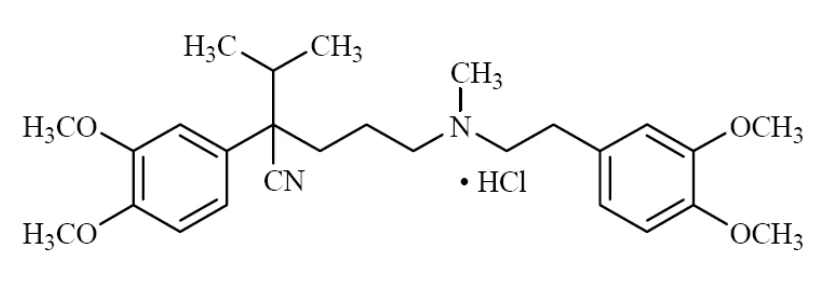
PART II: SCIENTIFIC INFORMATION
PHARMACEUTICAL INFORMATION
Verapamil Hydrochloride
Proper name: verapamil hydrochloride
Chemical name: %-isopropyl-% -[(N-methyl-N-homoveratryl)-γ-aminoropyl]-3,4-dimethoxyphenylaceto-nitrile hydrochloride
Molecular formula
and molecular
mass:
C27H38N2O4HCl 491.08
Structural formula:
Physicochemical
properties:
Verapamil, as the hydrochloride, is an almost white, bitter-tasting crystalline powder practically free from odour and readily soluble in chloroform and water (1 part in 20), but sparingly soluble in ethanol and practically insoluble in ether. It melts at 140ΒC and should be protected from light.
Trandolapril
Proper name: trandolapril
Chemical name: (2S, 3aR, 7aS)-1-[(S)-N-[(S)-1-(ethoxycarbonyl)-3- phenylpropyl]
alanyl] hexahydro-2-indolinecarboxylic acid
Molecular formula
and molecular
mass:
C24H34N2O5 430.5
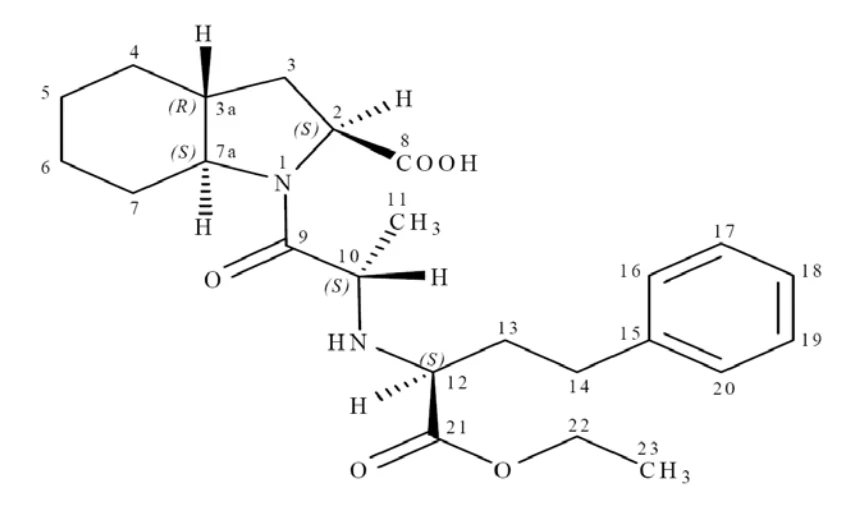
Structural formula:
Physicochemical properties:
Trandolapril is a white crystalline powder with a melting point of approximately 125ΒC and a pKa=5.6. Practically insoluble in water, and freely soluble in chloroform, dichloromethane and methanol. It is free of odour with a bitter taste.
DETAILED PHARMACOLOGY
Animal
Pharmacodynamics
Verapamil hydrochloride reduces the open-state probability of the calcium channels in smooth muscle and myocardial cells, thus diminishing Ca++ influx via the slow channels. This, in turn, reduces vascular smooth muscle tone and myocardial contractility. In addition to this action, verapamil hydrochloride also delays atrioventricular (A-V) conduction.
Trandolapril is transformed into the active diacid, trandolaprilat, by the action of esterases. It inhibits the action of angiotensin converting enzyme (ACE), thus preventing the conversion of angiotensin I, in itself inactive, into the potent vasoconstrictor, angiotensin II. Due to its inhibitory action on kininase II, it diminishes the rate of bradykinin inactivation, thus contributing toward a reduction in blood pressure.
To assess the interactions and advantages afforded by the combination of verapamil hydrochloride and trandolapril as opposed to the monosubstances, different dose combinations of the two components were tested for their antihypertensive and blood pressure lowering effects, and compared to corresponding doses of the substances given on their own.
Trandolapril/verapamil hydrochloride combinations ranging between 1:6.7 and 1:667 were tested orally in rats; in hypertensive dogs only the 1:1.9 combination was evaluated. In normotensive dogs the combinations 1:3.33 and 1:60 were tested orally. In the anaesthetized dog, the trandolapril/verapamil hydrochloride combination 1:2 was investigated via intravenous administration.
In both hypertensive and normotensive rats, the blood pressure lowering effect of the trandolapril/verapamil hydrochloride combination was found to be at least additive at all dose levels tested. The duration of action for the combination was also found to be superior to that of the monosubstances. Plasma level determinations performed in one study did not reveal any kinetic interactions between trandolapril and verapamil hydrochloride.
In the hypertensive dog, the effects of the combination were additive for all parameters measured. Blood pressure was decreased more prominently with the combination as compared to monotherapy. A greater blood pressure reduction efficacy of the trandolapril/verapamil hydrochloride combination as compared to the individual agents was also found in the normotensive dog following oral administration. After intravenous administration of trandolapril/verapamil hydrochloride to the anaesthetized dog, blood pressure was significantly reduced at doses which were not effective when the individual agents were administered alone.
Thus, the pharmacodynamic results available document at least an additive blood pressure lowering effect of the trandolapril/verapamil hydrochloride combination following administration at all dose levels tested in the rat and dog. There were no interactions observed between the calcium antagonistic effects and the ACE effects, as well as no pharmacokinetic interaction at these doses. Therefore, the superior efficacy of the combination in comparison to the individual agents is the result of a synergistic pharmacodynamic interaction at the target organs.
Pharmacokinetics
Metabolism
In vitro studies revealed that verapamil hydrochloride protein binding in rat and dog plasma was unaffected by the co-application of trandolapril or trandolaprilat, and that trandolaprilat plasma protein binding in the same species was not affected by the presence of verapamil hydrochloride. Furthermore, trandolaprilat did not affect the metabolism of verapamil hydrochloride by postmitochondrial supernatant, nor did it influence the metabolism of verapamil hydrochloride by rat hepatocytes or in the isolated perfused rat liver. However, at high trandolaprilat concentrations, the microsomal metabolism of verapamil hydrochloride was inhibited.
In vivo, the pharmacokinetic profile of trandolapril/verapamil hydrochloride has been investigated in rats and dogs, the two animal species also included in pharmacological and toxicological studies. The principal objectives of the pharmacokinetic studies were to assess the pharmacokinetics of both components after combined administration and to investigate the potential for a pharmacokinetic interaction between the two components. These studies indicated a potential for the components to interact with each other, resulting in increased exposures after combined administration. This attained statistical significance in rats, but not in dogs. It is concluded that an increase in the fraction absorbed is the most probable explanation for this effect in rats, with verapamil hydrochloride as the target parameter, leaving unaffected those pharmacokinetic parameters that govern the disposition of a drug once it has entered the systemic circulation. From this it can be expected that in cases where absorption is complete or nearly so (e.g., lower verapamil hydrochloride doses), an interaction will be largely undetectable.
TOXICOLOGY
Acute Toxicity
Single dose toxicity studies were conducted in male and female mice and rats using trandolapril/ verapamil hydrochloride administered by oral and intraperitoneal routes. A summary of the LD50's determined in each of these studies is listed in Table 5 below:
Table 5. Summary of LD50s Obtained from Single-dose Toxicity Studies in Mice and Rats
Species
| Sex | Route | Ratio Trandolapril:Verapamil Hydrochloride |
LD50 (mg/kg)
Mouse
| M F | oral oral | 1:60 1:60 |
158291
Mouse
| M F | intraperitoneal intraperitoneal | 1:60 1:60 |
71120
Rat
| M F | oral oral | 1:15 1:15 |
30892
Rat
| M F | oral oral | 1:60 1:60 |
159187
Rat
| M F | oral oral | 1:960 1:960 |
141119
Rat
| M F | intraperitoneal intraperitoneal | 1:60 1:60 |
2946
The toxicity profile of the trandolapril/verapamil hydrochloride combination was reflected in symptoms and signs lasting from 15 minutes up to 6 hours after administration. These symptoms and signs were dyspnea, spasmodic and/or frequent and forced respiration, prone and lateral position, piloerection, ptotic response, jumping and running fits, and weak gait following oral and intraperitoneal dosing of all trandolapril/verapamil hydrochloride mixtures. Additional symptoms and signs in the rat were diminished muscular tone and reduced grip strength, toe pinch and righting reflex with oral administration and opisthotonus with intraperitoneal injection. Symptoms and signs peculiar to the mouse were clonic convulsions. These symptoms are consistent with the known toxicity profile of verapamil hydrochloride.
Long-Term Toxicity
Verapamil hydrochloride
Subacute Toxicity
Oral Studies
Verapamil hydrochloride was administered orally in doses of 12.5, 25 and 50 mg/kg per day, to rats via food for 14 weeks (29 animals/group) and to dogs for 6 days/week in capsules, for 15 to 16 weeks (4 animals/group). Baboons received 2, 4, 8, 16, 32 and 64 mg/kg by mouth daily for 4 weeks (2 animals/group).
In rats, a dose-related increase in heart and lung weights was found. Dogs given 25 to 50 mg/kg showed slight weight loss and a significant reduction in heart rate up to week 11, followed by a gradual return to normal. In one dog on 12.5 mg/kg, one on 25 mg/kg and in all animals on 50 mg/kg, there was emesis during the first two weeks of the study. SGPT was elevated for one dog on 25 mg/kg at week 9 and for two animals on 50 mg/kg at the end of the test. Macroscopic examinations at necropsy were negative and there were no drug-attributable histological changes. The baboons showed no drug-related changes.
Intramuscular Studies
Beagle dogs were given 0, 2 and 10 mg/kg, 5 days/week for 30 days (4 animals/group). Injection sites in all animals became edematous and a dose-related reduction in heart rate was observed. At 10 mg/kg, hemoglobin and hematocrit values decreased and one animal had a raised SGPT. At necropsy, edema was noted at injection sites and higher spleen weights were recorded on the 10 mg/kg dose. One dog on this dose also showed increased inflammatory cell infiltration in the liver, with some hepatic cell degenerative changes.
Intravenous Studies
Verapamil hydrochloride was given to Sprague-Dawley rats at 0.2, 1 and 5.0 mg/kg once daily for 4 weeks (30 animals/group) and similarly to beagle dogs at 0.1, 0.4 and 1.6 mg/kg levels (6 animals/ group).
At the highest dose level, all dogs showed some restlessness, salivation and laboured breathing, along with delayed A-V conduction in one-half of the animals. In 4 of 6 animals at this highest dose (1.6 mg/ kg) sporadic small focal gatherings of Kupffer cells, with death of individual liver cells (necrobioses and/or necrosis of hepatocytes) were found histopathologically.
Chronic Toxicity
Oral
Rats were given verapamil hydrochloride at 10, 15, 25, 30, 60 and 62.5 mg/kg/day (50 animals/group) and beagle dogs at 10, 15, 25, 30, 40, 60, 62.5, 70, 81 and 85 mg/kg (6 animals/group) for 12 and 18 months. Clinical signs were observed and changes in food consumption, consistency of stools, hemograms, clinical chemistry and urinalyses performed. Blood pressure, ECG and ophthalmoscopic examinations were done on the dogs.
In one 18-month rat study, an increase in weight of the thyroid glands in females on the 62.5 mg dose was noted. In a later 12-month study, a slight reduction in weight gain was recorded.
In dogs, at doses of 60 mg and greater, toxic signs such as vomiting, salivation, reversible hyperplasia of the gums, reduced food consumption, slight weight loss and a transitory, slight to moderate elevation of SGPT were noted and three of the animals died. The 40 mg dose caused loss of coat colour and hair, and a delay in A-V conduction.
In another study, atypical lens changes (cataracts) were observed in 8 beagles receiving toxic dose levels (62.5 and 70 mg/kg). In a later study, 4 beagles were given 81 mg/kg for 18 months and none developed cataracts. It was concluded that any changes caused by verapamil hydrochloride in lens transparency are specific to the beagle. This is supported by the absence of similar lesions in other species studied, and by the apparent lack of any impairment by verapamil hydrochloride of carbohydrate or energy metabolism in lenticular tissue. The water-soluble proteins of the canine lens are known to have differences from those in other species.
Trandolapril
Trandolapril was administered orally to rats in doses up to 100 mg/kg/day for 30 days, 25 mg/kg/day for 6 months, and 9 mg/kg/day for 18 months. Dogs received oral doses of trandolapril up to 250 mg/kg/day for 30 days or 6 months, and up to 25 mg/kg/day for 12 months.
The principal signs seen in these repeat dose toxicity studies were of anaemia and renal effects (polyuria, polydipsia, increase in blood urea, creatinine and magnesium). These were more marked in the rat than in the dog. In addition, ulceration of the gastrointestinal tract was observed in dogs at doses above 125 mg/ kg/day for 6 months. Renal lesions for trandolapril were identified on histopathology as glomerulonephrosis in the rat (2.5 and 25 mg/kg/day for 6 months) and cortical tubular dilatation in the dog (25 to 250 mg/kg/day for 6 months). These effects were seen in the intermediate and high dose groups and were less marked in the longer term studies. Marginal biochemical indications of renal effects were seen at low doses (0.25 to 4 mg/kg/day).
Trandolapril/Verapamil Hydrochloride
A 13-week, oral (gavage), subchronic toxicity study was conducted in rats with the trandolapril/verapamil hydrochloride combination 1:120. Six treatment groups were evaluated: vehicle control, trandolapril control (0.333 mg/kg/day), verapamil hydrochloride control (40 mg/kg/day), and three groups of the trandolapril/verapamil hydrochloride combination (0.083/10, 0.167/20 and 0.333/40 mg/kg/day). The incidence of mortality observed in this study was generally low and did not exceed the 10% value reported for the verapamil hydrochloride control group.
There were no remarkable in-life or post-mortem findings that could be associated with the administration of trandolapril/verapamil hydrochloride. It was concluded that the trandolapril/verapamil hydrochloride combination tested in this study did not produce any toxicologic findings which would be interpreted to be greater than that produced by the administration of verapamil hydrochloride alone at a dose of 40 mg/kg/day.
A 13-week, oral (capsule), subchronic toxicity study was also conducted in the beagle dog, in this case with a 1:60 trandolapril/verapamil hydrochloride combination. The seven treatment groups were as follows: control (placebo), trandolapril alone (0.8 mg/kg/day), verapamil hydrochloride alone (24 and 48 mg/kg/day), and three trandolapril/verapamil hydrochloride combination groups (0.2/12, 0.4/24 and 0.8/48 mg/kg/day). There were no deaths during the course of the study, and clinical signs were essentially restricted to the 48 mg/kg/day verapamil-containing groups with the more severe signs of erythema, salivation, uncoordinated movements, increased incidences of diarrhea, and convulsions in one dog, occurring in the highest dose trandolapril/verapamil hydrochloride group.
There were pronounced cardiac arrhythmias associated with a delay in A-V conduction induced by all dosage levels of verapamil hydrochloride and the combination treatment, but not trandolapril alone. Liver involvement was indicated by increased alanine aminotransferase and/or ornithine carbamyltransferase plasma enzyme activity in all treated groups, with decreased plasma protein levels seen primarily in the treated groups receiving 48 mg/kg/day of verapamil hydrochloride.
Post mortem findings included increased heart weights for males treated with 48 mg/kg/day of verapamil hydrochloride alone or in combination with trandolapril, while female heart weights were increased only in the verapamil hydrochloride alone groups at 48 and 24 mg/kg/day. Likewise, slightly increased liver weights occurred in the dogs treated with the highest dose of verapamil hydrochloride. Histopathologically, there were no remarkable compound-related cellular changes seen in the heart, liver or any of the other organs examined.
Mutagenicity and Carcinogenicity
Mutagenicity
The mutagenic potential trandolapril/verapamil hydrochloride (1:60) was evaluated in four assays: the Salmonella/microsome (AMES) assay, the hypoxanthine guanine phosphoribosyl transferase (HPRT) test on the V79 cell line, an in vitro chromosomal aberration test, and the chromosomal aberration test in the bone marrow of the Chinese hamster. The results obtained from these studies indicated that there were no gene mutations induced by the combination in any of the five Salmonella typhimurium mutants or at the HPRT locus in V79 cells, and that the induction of structural chromosome aberrations and numerical aberrations by trandolapril/verapamil hydrochloride could be ruled out.
Carcinogenicity
There was no evidence of a carcinogenic effect when verapamil hydrochloride was administered orally (diet) to male and female rats at doses up to 112.2 and 102.5 mg/kg/day, respectively, for 24 months, or when trandolapril was administered by gavage for 18 months to mice at doses up to 25 mg/kg/day and to rats at doses up to 8 mg/kg/day.
Reproduction and Teratology
Verapamil Hydrochloride
Studies were carried out in rats and rabbits with verapamil hydrochloride given in food and/or by gastric tube. These studies included fertility and general reproduction performance in rats, teratogenicity studies in rats and rabbits and peri- and postnatal studies in rats. Rats were given 2.5, 12.5, 25 and 100 mg/kg body weight, by gastric tube and 1.3, 1.6, 5.2, 7.5, 13.3, 16 and 55 mg/kg body weight in food. In another teratogenicity study, rats were given 5, 10, and 20 mg/kg body weight by gavage three times daily at an interval of about 4.5 hours. Rabbits were given 5 and 15 mg/kg body weight by gastric tube.
There was no evidence of teratogenicity in either species and no embryotoxic effects observed in the rats dosed via food, or with doses up to 12.5 mg/kg body weight given by gastric tube, or with doses up to 10 mg/kg three times daily. The single daily dose of 25 mg/kg body weight or more, caused a higher resorption rate in the rat. The dose of 20 mg/kg three times daily was embryocidal and retarded fetal growth and development, probably because of adverse maternal effects reflected in reduced weight gains of the dams. This oral dose has also been shown to cause hypotension in rats. There was no difference in resorption rates observed in the rabbit and no effect on peri- and postnatal development or fertility in the rat.
Trandolapril
One Segment I reproductive toxicity study was conducted in rats, in which trandolapril was administered, by gavage, in doses up to 100 mg/kg/day to males for 60 days prior to mating, and to females for 14 days prior to mating until day 20 of gestation. Fetuses of females treated with 10 and 100 mg/kg/day showed dilated ureters and increased renal pelvic cavitation. A slightly increased incidence of incomplete ossification of thoracic vertebrae was also noted in these groups.
Four Segment II studies were also conducted. Trandolapril up to 1000 mg/kg/day was administered by gavage to rats during days 6 to 15 of gestation. At the highest dose administered to the dams, an increased incidence of dilatation of the renal pelvis and ureters over control values were observed in the fetuses.
In two studies, rabbits were administered trandolapril by gavage up to 0.8 mg/kg/day, during days 6 to 18 of gestation. In one of these studies (HYLA rabbits), maternal toxicity was observed in all treated groups, with marked lethality at the highest dose. An increased rate of fetal loss was seen at 0.1, 0.2 and 0.8 mg/kg/day in this study. No teratogenic effect was apparent in the surviving fetuses, although an increased incidence of renal pelvic dilatation was observed at 0.2 and 0.4 mg/kg/day. In the second study (New Zealand White rabbits), trandolapril 0.8 mg/kg/day was associated with maternal toxicity and mortality (12/21 dams). Pre- and post-implantation losses were also increased at this dose, as was the incidence of major malformations (skull, oral cavity, heart vessels). Dosing at 0.4 mg/kg/day in this study also resulted in a deterioration in maternal condition, but there were no consistent treatment-related effects on fetal development. At 0.2 mg/kg/day, slight effects on maternal condition were observed, but the developing fetus did not appear to be affected.
Female Cynomolgus monkeys were treated with trandolapril by intragastric intubation in doses up to 250 mg/kg/day, during days 20 to 50 of gestation. In one of the two studies conducted, there was no evidence of embryotoxicity or teratogenicity at the doses tested (50 and 250 mg/kg/day). In the second study, a slightly increased rate of abortions was seen at all doses (4 abortions at 10 and 50 mg/kg/day; 7 abortions at 125 mg/kg/day). There was also a slight decrease in mean fetal weight at all doses. No treatment-related malformations were observed.
Trandolapril/Verapamil Hydrochloride
A study was performed in rats to ascertain the tolerability and relative toxicity of three dose levels of trandolapril/verapamil hydrochloride 1:120 (0.083/10, 0.166/20 and 0.333/40 mg/kg/day), two dose levels of verapamil hydrochloride alone (20 and 40 mg/kg/day) and one dose level of trandolapril alone (0.333 mg/kg/day). The treatments were administered to the females by gavage during days 6 to 15 of gestation. During the dosing period, food consumption and reduced body weight gains were seen in the dams of the high dose verapamil hydrochloride group, with and without trandolapril. Resorptions were significantly higher in the high dose trandolapril/ verapamil hydrochloride (14.3%), high dose trandolapril (10.2%) and the low dose verapamil hydrochloride groups (11.1%) compared to controls (5.5%). Fetal weights/litter were significantly lower only in the high dose trandolapril/verapamil hydrochloride group. Skeletal alterations were primarily found in the tails and toes. The tail findings were characterized by shortened, kinked or thread-like with agenesis of the sacral vertebrae. The toe findings were limited to perodactylia. Due to these unexpected observations, a second embryotoxicity and teratogenicity study was performed.
In the second Segment II study performed in female rats, trandolapril/verapamil hydrochloride 1:120 was administered by gavage during days 7 to 17 of gestation at dose levels of 0.083/10, 0.166/20 and 0.333/40 mg/kg/day. Verapamil hydrochloride alone at doses of 20, 40 and 60 mg/kg/day was administered in the same manner to three other treatment groups. The skeletal anomalies observed in the first study were not confirmed in this study. There was no evidence of teratogenicity, nor did any treatment significantly influence fetal development or functional behavioural parameters in two generations of progeny derived from treated dams. Fetal body weights were marginally reduced in the mid-dose combination group with slightly more reduction in the higher dose groups accompanied by a slight delay in skeletal ossification. There
was an increased post-implantation loss rate with high dose verapamil hydrochloride alone (60 mg/kg/day).
REFERENCES
Levine J H, Applegate WB, and the Trandolapril/Verapamil Study Group: Trandolapril and Verapamil Slow Release in the Treatment of Hypertension: A Dose-Response Assessment with the Use of a Multifactorial Trial Design. Current Ther Res 1997; 58:361-374.
Messerli F, Frishman W H, and Elliott W J, for the Trandolapril Study Group: Effects of Verapamil and Trandolapril in the Treatment of Hypertension. Am J Hypertension 1998; 11:322-327.