


Product Monograph - Taro-Diclofenac Potassium Powder for Oral Solution
Recent Major Label Changes
Not applicable
Table of Contents
Certain sections or subsections that are not applicable at the time of the preparation of the most recent authorized product monograph are not listed.
Table of Contents
Product Monograph ................................................................................................................................... 2
Recent Major Label Changes ...................................................................................................................... 2
Not applicable ............................................................................................................................................ 2
Table of Contents ....................................................................................................................................... 2
Part 1: Healthcare Professional Information ............................................................................................... 4
- 1.
Indications .......................................................................................................................................... 4
1.1 Pediatrics (< 18 years of age): ............................................................................................................... 4
1.2 Geriatrics (> 65 years of age): ............................................................................................................... 4
- 2. Contraindications ................................................................................................................................ 4
- 4.
Dosage and Administration ................................................................................................................. 6
4.1 Dosing Considerations .......................................................................................................................... 6
4.2 Recommended Dose and Dosage Adjustment ..................................................................................... 7
4.4. Administration ..................................................................................................................................... 7
- 5. Overdose ............................................................................................................................................ 7
- 6. Dosage Forms, Strengths, Composition, and Packaging ....................................................................... 8
- 7. Warnings and Precautions .................................................................................................................. 8
General ...................................................................................................................................................... 8
Carcinogenesis and Genotoxicity ................................................................................................................ 9
Cardiovascular............................................................................................................................................ 9
Driving and Operating Machinery ............................................................................................................... 9
Endocrine and Metabolism ......................................................................................................................... 9
Gastrointestinal ....................................................................................................................................... 10
Genitourinary ........................................................................................................................................... 10
Hematologic ............................................................................................................................................. 10
Hepatic/Biliary/Pancreatic ....................................................................................................................... 11
Immune ................................................................................................................................................... 12
Monitoring and Laboratory Tests ............................................................................................................. 12
Neurologic................................................................................................................................................ 13
Ophthalmologic ........................................................................................................................................ 13
Perioperative Considerations ................................................................................................................... 13
Renal ........................................................................................................................................................ 13
Reproductive Health ................................................................................................................................ 14
Respiratory .............................................................................................................................................. 14
Sensitivity/Resistance .............................................................................................................................. 14
Skin 15
7.1 Special Populations ............................................................................................................................. 15
7.1.1 Pregnancy .................................................................................................................................... 15
7.1.2 Breastfeeding .............................................................................................................................. 16
7.1.3 Pediatrics ..................................................................................................................................... 16
7.1.4 Geriatrics ..................................................................................................................................... 16
- 8.
Adverse Reactions ............................................................................................................................ 16
8.1 Adverse Reaction Overview ................................................................................................................ 16
8.2 Clinical Trial Adverse Reactions .......................................................................................................... 16
8.4 Abnormal Laboratory Findings: Hematologic, Clinical Chemistry, and Other Quantitative Data ...... 17
- 9.
Drug Interactions .............................................................................................................................. 19
9.2 Drug Interactions Overview ................................................................................................................ 19
9.3 Drug-Behaviour Interactions .............................................................................................................. 19
9.4 Drug-Drug Interactions ....................................................................................................................... 19
9.5 Drug-Food Interactions ....................................................................................................................... 23
9.6 Drug-Herb Interactions ....................................................................................................................... 23
9.7 Drug-Laboratory Test Interactions ..................................................................................................... 23
- 10.
Clinical Pharmacology ....................................................................................................................... 24
10.1 Mechanism of Action ........................................................................................................................ 24
10.2 Pharmacodynamics ........................................................................................................................... 24
10.3 Pharmacokinetics.............................................................................................................................. 24
- 11. Storage, Stability, and Disposal ......................................................................................................... 25
Part 2: Scientific Information .................................................................................................................... 26
- 13. Pharmaceutical Information .............................................................................................................. 26
- 14.
Clinical Trials ..................................................................................................................................... 26
14.1 Clinical Trials by Indication ............................................................................................................... 26
- 16. Non-Clinical Toxicology ..................................................................................................................... 27
17 Supporting Product Monographs ......................................................................................................... 27
Patient Medication Information ............................................................................................................... 28
Part 1: Healthcare Professional Information
1. Indications
Adults
Taro-Diclofenac Potassium Powder for Oral Solution (diclofenac potassium) is indicated for the acute treatment of migraine attacks with or without aura in adults 18 years and older.
Efficacy and safety of Taro-Diclofenac Potassium Powder for Oral Solution beyond a single dose have not been studied.
Taro-Diclofenac Potassium Powder for Oral Solution is not intended for the prophylactic therapy of migraine or for use in the management of hemiplegic, basilar, or ophthalmoplegic migraine. Safety and efficacy have not been established for cluster headache which is present in an older, predominantly male population.
Throughout this document, the term NSAIDs refers to both non-selective NSAIDs and selective COX-2 inhibitor NSAIDs, unless otherwise indicated.
For patients with an increased risk of developing Cardiovascular (CV) and/or Gastrointestinal (GI) adverse events, other management strategies that do NOT include the use of NSAIDs should be considered first (See 2 Contraindications and 7 Warnings and Precautions, Cardiovascular; Gastrointestinal).
Use of Taro-Diclofenac Potassium Powder for Oral Solution should be limited to a single dose and for the fewest number of days per month as needed, in order to minimize the potential risk for cardiovascular or gastrointestinal adverse events (See 2 Contraindications and 7 Warnings and Precautions, Cardiovascular; Gastrointestinal).
1.1 Pediatrics (< 18 years of age):
Safety and efficacy of diclofenac potassium powder for oral solution has not been studied in patients below the age of 18 years, and its use in this population is contraindicated (See 2 Contraindications).
1.2 Geriatrics (> 65 years of age):
Evidence from clinical studies and post-market experience suggests that use in the geriatric population is associated with differences in safety (see 4.2 Recommended Dose and Dosage Adjustment and 7.1.4 Geriatrics).
2. Contraindications
Taro-Diclofenac Potassium Powder for Oral Solution is contraindicated:
- In patients who are hypersensitive to this drug or to any ingredient in the formulation, including any non-medicinal ingredient, or component of the container. For a complete listing, see 6 Dosage Forms, Strengths, Composition, and Packaging.
- In the perioperative pain setting of Coronary Artery Bypass Graft (CABG) surgery. Although Taro-Diclofenac Potassium Powder for Oral Solution has NOT been studied in this patient population, a selective COX-2 inhibitor NSAID studied in such a setting has led to an increased incidence of cardiovascular/thromboembolic events, deep surgical infections and sternal wound complications.
- During the third trimester of pregnancy, because of risk of premature closure of the ductus arteriosus and prolonged parturition.
- In women who are breastfeeding, because of the potential for serious adverse reactions in nursing infants.
- In patients with severe uncontrolled heart failure.
- In patients with a history of asthma, urticaria, or allergic-type reactions after taking ASA or other NSAIDs (i.e. complete or partial syndrome of ASA-intolerance - rhinosinusitis, urticaria/ angioedema, nasal polyps, asthma). Fatal anaphylactoid reactions have occurred in such individuals after taking NSAIDs. Individuals with the above medical problems are at risk of a severe reaction even if they have taken NSAIDs in the past without any adverse reaction. The potential for cross-reactivity between different NSAIDs must be kept in mind (see 7 Warnings and Precautions, Sensitivity/Resistance; Anaphylactoid Reactions).
- In patients with active gastric / duodenal / peptic ulcer, active GI bleeding.
- In patients with cerebrovascular bleeding or other bleeding disorders.
- In patients with inflammatory bowel disease.
- In patients with severe liver impairment or active liver disease.
- In patients with severe renal impairment (creatinine clearance <30 mL/min or 0.5 mL/sec) or deteriorating renal disease (individuals with lesser degrees of renal impairment are at risk of deterioration of their renal function when prescribed NSAIDs and must be monitored) (see 7 Warnings and Precautions, Renal).
- In patients with known hyperkalemia (see 7 Warnings and Precautions, Renal, Fluid and Electrolyte Balance).
- In children and adolescents less than 18 years of age.
- Serious Warnings and Precautions Box
4. Dosage and Administration
4.1 Dosing Considerations
Serious Warnings and Precautions
Risk of Cardiovascular Adverse Events:
Diclofenac is associated with an increased risk of cardiovascular adverse events (such as myocardial infarction, stroke or thrombotic events) that is comparable to COX-2 inhibitors and which can be fatal (see 7 Warnings and Precautions, Cardiovascular). The risk may increase with duration of use. Meta-analyses of randomized clinical trials comparing several different NSAIDs suggest that diclofenac, particularly at higher doses, is associated with an increased risk of cardiovascular adverse events that is comparable to COX-2 inhibitors. Large population-based observational studies conducted in the general population also support these findings.
Patients with cardiovascular disease or risk factors for cardiovascular disease may be at greater risk. To minimize the potential risk for an adverse CV event, Taro-Diclofenac Potassium Powder for Oral Solution should be used for the fewest number of days per month as needed, based on individual treatment goals.
Treatment with Taro-Diclofenac Potassium Powder for Oral Solution is not recommended in patients with pre-existing cardiovascular disease (congestive heart failure NYHA II-IV, ischemic heart disease, peripheral arterial disease), cerebrovascular disease, uncontrolled hypertension, and caution should be exercised in patients with risk factors for cardiovascular disease (e.g. hypertension, hyperlipidemia, diabetes mellitus and smoking). These patients should be treated with Taro-Diclofenac Potassium Powder for Oral Solution only after careful consideration.
Use of NSAIDs, such as Taro-Diclofenac Potassium Powder for Oral Solution can promote sodium retention in a dose dependent manner, through a renal mechanism, which can result in increased blood pressure and/or exacerbation of congestive heart failure (see 7 Warnings and Precautions, Renal, Fluid and Electrolyte Balance).
Risk of Gastrointestinal (GI) Adverse Events:
Use of NSAIDs, such as Taro-Diclofenac Potassium Powder for Oral Solution is associated with an increased incidence of gastrointestinal adverse events (such as peptic/duodenal ulceration, perforation, obstruction and gastrointestinal bleeding) which can be fatal (see 7 Warnings and Precautions, Gastrointestinal). Elderly patients are at a greater risk.
Risk in Pregnancy:
Caution should be exercised in prescribing Taro-Diclofenac Potassium Powder for Oral Solution during the first and second trimesters of pregnancy. Use of NSAIDS at approximately 20 weeks of gestation or later may cause fetal renal dysfunction leading to oligohydramnios and neonatal renal impairment or failure (see 7.1.1 Pregnancy). Taro-Diclofenac Potassium Powder for Oral Solution is contraindicated for use during the third trimester because of risk of premature closure of the ductus arteriosus and uterine inertia (prolonged parturition) (see 2 Contraindications).
- Taro-Diclofenac Potassium Powder for Oral Solution is recommended only for the acute treatment of migraine attacks. Taro-Diclofenac Potassium Powder for Oral Solution should not be used prophylactically.
- Controlled trials have not studied a second dose if the initial dose is ineffective. The safety of treating more than one headache in a 30-day period has not been studied.
4.2 Recommended Dose and Dosage Adjustment
- Only one single dose sachet of Taro-Diclofenac Potassium Powder for Oral Solution is to be taken for the acute treatment of a migraine attack. The safety and efficacy of a second dose have not been studied.
- Pregnancy: Taro-Diclofenac Potassium Powder for Oral Solution is contraindicated for use during the third trimester of pregnancy. Taro-Diclofenac Potassium Powder for Oral Solution should not be prescribed during the first and second trimesters of pregnancy, unless the potential benefit to the mother outweighs the potential risk to the fetus (see 7.1.1 Pregnancy).
- Pediatrics: Taro-Diclofenac Potassium Powder for Oral Solution is contraindicated in pediatric patients below the age of 18 years.
- Geriatrics: Care should be taken when using Taro-Diclofenac Potassium Powder for Oral Solution in the elderly, frail and debilitated. Elderly patients are at increased risk for serious GI adverse events and are more likely to have decreased renal function (see 7.1.4 Geriatrics).
- Renal Impairment: Taro-Diclofenac Potassium Powder for Oral Solution is not recommended in patients with renal impairment (see 10.3 Pharmacokinetics, Special populations and conditions, Renal Insufficiency) and is contraindicated in patients with severe renal impairment (see 2 Contraindications and 7 Warnings and Precautions, Renal).
- Hepatic Impairment: Taro-Diclofenac Potassium Powder for Oral Solution is not recommended in patients with hepatic impairment (See 10.3 Pharmacokinetics, Special populations and conditions, Hepatic Insufficiency) and is contraindicated in patients with severe hepatic impairment function (see 2 Contraindications and 7 Warnings and Precautions, Hepatic/ Biliary/ Pancreatic).
- Migraine symptoms: Caution is recommended when prescribing Taro-Diclofenac Potassium Powder for Oral Solution when vomiting is a significant component of the migraine attack.
4.4. Administration
Diclofenac potassium powder for oral solution:
Empty the contents of one individual dose sachet into a cup containing 30 to 60 mL (1 to 2 ounce) of water; mix well. Ensure that the powder is completely dissolved before drinking. Drink the water-powder mixture immediately after re-constitution. Do NOT use liquids other than water.
Taking Taro-Diclofenac Potassium Powder for Oral Solution with a meal may cause a delay in efficacy (see 9.5 Drug-Food Interactions).
5. Overdose
Symptoms following acute diclofenac overdose are usually limited to lethargy, drowsiness, dizziness, tinnitus or convulsions, nausea, vomiting, epigastric pain and diarrhea, which are generally reversible with supportive care. Gastrointestinal bleeding can occur. Hypertension, acute renal failure, respiratory depression and coma may occur, but are rare. Anaphylactoid reactions have been reported with therapeutic ingestion of NSAIDs, and may occur following an overdose.
Therapeutic measures
Management of acute poisoning with NSAIDs, including diclofenac potassium, essentially consists of supportive measures and symptomatic treatment. Supportive measures and symptomatic treatment should be given for complications such as hypotension, renal failure, convulsions, gastrointestinal disorder, and respiratory depression. Special measures such as forced diuresis, dialysis or haemoperfusion are probably of no help in eliminating NSAIDs, including diclofenac potassium, due to the high protein binding and extensive metabolism. Activated charcoal may be considered after ingestion of a potentially toxic overdose, and gastric decontamination (e.g. vomiting, gastric lavage) after ingestion of a potentially life -threatening overdose.
- 6. Dosage Forms, Strengths, Composition, and Packaging
Table 1 – Dosage Forms, Strengths, and Composition
| Route of Administration | Dosage Form/ Strength/Composition | Non-Medicinal Ingredients |
|---|---|---|
| oral | Powder for oral solution / 50 mg | Aspartame (equivalent to 25 mg phenylalanine), glyceryl dibehenate, mannitol, modified food starch, Natural & Artificial peppermint flavour, monoammonium glycyrrhizinate, potassium bicarbonate and saccharin sodium. |
Description:
Taro-Diclofenac Potassium Powder for Oral Solution 50 mg (diclofenac potassium powder for oral solution) is supplied as one or more sets of three perforated co-joined individual dose sachets. Each individual dose sachet is designed to deliver a dose of 50 mg diclofenac potassium when mixed in water.
Taro-Diclofenac Potassium Powder for Oral Solution is a white to off-white powder for Oral Solution packaged in individual dose aluminum sachets.
Boxes of three (3) Taro-Diclofenac Potassium Powder for Oral Solution Individual dose Sachets Boxes of nine (9) Taro-Diclofenac Potassium Powder for Oral Solution Individual dose Sachets
7. Warnings and Precautions
See 3 Serious Warnings and Precautions Box.
General
Frail or debilitated patients may tolerate side effects less well and therefore special care should be taken in treating this population. To minimize the potential risk for an adverse event, use of Taro-Diclofenac Potassium Powder for Oral Solution should be limited to a single dose and the fewest number of days per month as needed. As with other NSAIDs, caution should be used in the treatment of elderly patients who are more likely to be suffering from impaired renal, hepatic or cardiac function. For high risk patients, alternate therapies that do not involve NSAIDs should be considered.
Concomitant use of NSAIDs: Taro-Diclofenac Potassium Powder for Oral Solution is NOT recommended for use with other NSAIDs, with the exception of low-dose ASA for cardiovascular prophylaxis, because of the absence of any evidence demonstrating synergistic benefits and the potential for additive adverse
For the most recent information in the management of a suspected drug overdose, contact your regional poison control centre or Health Canada’s toll-free number, 1-844 POISON-X (1-844-764- 7669).
reactions (see 9.4 Drug-/Drug Interactions, - Acetylsalicylic acid (ASA) or other NSAIDs).
Taro-Diclofenac Potassium Powder for Oral Solution should not be used concomitantly with diclofenac sodium containing products (e.g. VOLTAREN*) since both exist in plasma as the same active organic anion.
Interchangeability with Other Formulations of Diclofenac: Different formulations of diclofenac (e.g. diclofenac sodium or diclofenac potassium) may not be bioequivalent even if the milligram strength is the same. Taro-Diclofenac Potassium Powder for Oral Solution cannot be replaced by any other diclofenac formulations, nor is it possible to convert dosing from any other formulation of diclofenac to Taro-Diclofenac Potassium Powder for Oral Solution.
Phenylketonurics: Phenylketonurics patients should be informed that Taro-Diclofenac Potassium Powder for Oral Solution contains aspartame equivalent to 25 mg phenylalanine per packet.
Carcinogenesis and Genotoxicity
See 16 Non-Clinical Toxicology.
Cardiovascular
Diclofenac is associated with an increased incidence of cardiovascular (CV) adverse events (such as myocardial infarction, stroke or thrombotic events) similar to COX-2 inhibitors which can be fatal. The risk may increase with the dose and duration of use. Patients with cardiovascular disease or risk factors for cardiovascular disease may be at greater risk.
It should be noted that patients with migraine may be at increased risk of certain cerebrovascular events (e.g., stroke, hemorrhage, transient ischemic attack).
Caution should be exercised in prescribing Taro-Diclofenac Potassium Powder for Oral Solution to patients with risk factors for cardiovascular disease, cerebrovascular disease or renal disease, including but not limited to:
- Hypertension
- Dyslipidemia / Hyperlipidemia
- Diabetes Mellitus
- Congestive Heart Failure (NYHA I)
- Coronary Artery Disease (Atherosclerosis)
- Peripheral Arterial Disease
- Smoking
- Creatinine Clearance < 60 mL/min or 1 mL/sec
Use of NSAIDs, such as diclofenac potassium, can lead to new hypertension or can worsen pre-existing hypertension, either of which may increase the risk of cardiovascular events as described above. Thus, blood pressure should be monitored regularly. Consideration should be given to discontinuing diclofenac potassium powder for oral solution should hypertension either develop or worsen with its use.
Use of NSAIDs, such as Taro-Diclofenac Potassium Powder for Oral Solution , can induce fluid retention and edema, and may exacerbate congestive heart failure through a renally-mediated mechanism (see 7 Warnings and Precautions, Renal Fluid and Electrolyte Balance).
For patients with a high risk of developing an adverse CV event, other management strategies that do NOT include the use of NSAIDs should be considered first. To minimize the potential risk for an adverse CV event, Taro-Diclofenac Potassium Powder for Oral Solution use should be limited to a single dose, and the fewest number of days per month as needed.
Driving and Operating Machinery
Patients experiencing visual disturbances, dizziness, vertigo, somnolence or other central nervous system disturbances while taking Taro-Diclofenac Potassium Powder for Oral Solution should refrain from driving or using machines (see 8 Adverse Reactions).
Endocrine and Metabolism
Corticosteroids: Diclofenac potassium is NOT a substitute for corticosteroids. It does NOT treat corticosteroid insufficiency. Abrupt discontinuation of corticosteroids may lead to exacerbation of corticosteroid- responsive illness. Patients on prolonged corticosteroid therapy should have their therapy tapered slowly if a decision is made to discontinue corticosteroids (see 9.4 Drug-Drug Interactions, Glucocorticoids).
Gastrointestinal
Serious GI toxicity (sometimes fatal), such as peptic / duodenal ulceration, inflammation, perforation, obstruction and gastrointestinal bleeding, can occur at any time, with or without warning symptoms, in patients treated with NSAIDs, such as diclofenac potassium. Minor upper GI problems, such as dyspepsia, commonly occur at any time. Healthcare professionals should remain alert for ulceration and bleeding in patients treated with diclofenac potassium powder for oral solution, even in the absence of previous GI tract symptoms. Most spontaneous reports of fatal GI events are in elderly or debilitated patients and therefore special care should be taken in treating this population. To minimize the potential risk for an adverse GI event, Taro-Diclofenac Potassium Powder for Oral Solution use should be limited to a single dose, and the fewest number of days per month as needed, based on individual treatment goals. For high risk patients, alternate therapies that do not involve NSAIDs should be considered (see 7.1.4 Geriatrics).
Patients should be informed about the signs and/or symptoms of serious GI toxicity and instructed to discontinue using Taro-Diclofenac Potassium Powder for Oral Solution and seek emergency medical attention if they experience any such symptoms. The utility of periodic laboratory monitoring has NOT been demonstrated, nor has it been adequately assessed. Most patients who develop a serious upper GI adverse event on NSAID therapy have no symptoms. Upper GI ulcers, gross bleeding or perforation, caused by NSAIDs, appear to occur in approximately 1% of patients treated for 3 to 6 months, and in about 2 to 4% of patients treated for one year. These trends continue, thus increasing the likelihood of developing a serious GI event at some time during the course of therapy. Even short-term therapy has its risks.
Caution should be taken if prescribing Taro-Diclofenac Potassium Powder for Oral Solution to patients with a prior history of peptic / duodenal ulcer disease or gastrointestinal bleeding as these individuals have a greater than 10-fold higher risk for developing a GI bleed when taking a NSAID than patients with neither of these risk factors. Other risk factors for GI ulceration and bleeding include the following: Helicobacter pylori infection, increased age, prolonged use of NSAID therapy, excess alcohol intake, smoking, poor general health status or concomitant therapy with any of the following:
- Anti-coagulants (e.g. warfarin)
- Anti-platelet agents (e.g. ASA, clopidogrel)
- Oral corticosteroids (e.g. prednisone)
- Selective Serotonin Reuptake Inhibitors (SSRIs) (e.g. citalopram, fluoxetine, paroxetine, sertraline)
Genitourinary
Some NSAIDs are associated with persistent urinary symptoms (bladder pain, dysuria, and urinary frequency), hematuria or cystitis. The onset of these symptoms may occur at any time after the initiation of therapy with a NSAID. Should urinary symptoms occur, in the absence of an alternate explanation, treatment with Taro-Diclofenac Potassium Powder for Oral Solution should be stopped to ascertain if symptoms disappear. This should be done before urological investigations or treatments are carried out.
Hematologic
NSAIDs inhibiting prostaglandin biosynthesis interfere with platelet function to varying degrees; patients who may be adversely affected by such an action, such as those on anti-coagulants or suffering from hemophilia or platelet disorders should be carefully observed when Taro-Diclofenac Potassium Powder for Oral Solution is administered.
Anti-coagulants: Numerous studies have shown that the concomitant use of NSAIDs and anti-coagulants increases the risk of bleeding. Concurrent therapy of Taro-Diclofenac Potassium Powder for Oral Solution with warfarin requires close monitoring of the international normalized ratio (INR).
Even with therapeutic INR monitoring, increased bleeding may occur.
Anti-platelet Effects: NSAIDs inhibit platelet aggregation and have been shown to prolong bleeding time in some patients. Unlike acetylsalicylic acid (ASA), their effect on platelet function is quantitatively less, or of shorter duration, and is reversible.
Taro-Diclofenac Potassium Powder for Oral Solution and other NSAIDs have no proven efficacy as anti-platelet agents and should NOT be used as a substitute for ASA or other anti-platelet agents for prophylaxis of cardiovascular thromboembolic diseases. Anti-platelet therapies (e.g. ASA) should NOT be discontinued. There is some evidence that use of NSAIDs with ASA can markedly attenuate the cardioprotective effects of ASA (see 9.4 Drug-Drug Interactions, - Acetylsalicylic Acid (ASA) or other NSAIDs).
Concomitant administration of Taro-Diclofenac Potassium Powder for Oral Solution with low dose ASA increases the risk of GI ulceration and associated complications.
Blood dyscrasias: Blood dyscrasias (such as neutropenia, leukopenia, thrombocytopenia, aplastic anemia and agranulocytosis) associated with the use of NSAIDs are rare, but could occur with severe consequences.
Anemia is sometimes seen in patients receiving NSAIDs, including Taro-Diclofenac Potassium Powder for Oral Solution. This may be due to fluid retention, GI blood loss, or an incompletely described effect upon erythropoiesis. Patients on long-term treatment with NSAIDs, including Taro-Diclofenac Potassium Powder for Oral Solution, should have their hemoglobin or hematocrit checked if they exhibit any signs or symptoms of anemia or blood loss.
Hepatic/Biliary/Pancreatic
As with other NSAIDs including Taro-Diclofenac Potassium Powder for Oral Solution, borderline elevations of one or more liver enzyme tests (AST, ALT, alkaline phosphatase) may occur in up to 15% of patients. These abnormalities may progress, may remain essentially unchanged, or may be transient with continued therapy.
In clinical trials with diclofenac containing product, meaningful elevations (i.e., more than 3 × upper limit of normal (ULN)) of AST occurred in about 2% of approximately 5,700 patients at some time during treatment (ALT was not measured in all studies). In an open-label, controlled trial of 3,700 patients treated for 2–6 months with diclofenac containing product, patients were monitored at 8 weeks and 1,200 patients were monitored again at 24 weeks. Meaningful elevations of ALT and/or AST occurred in about 4% of the 3,700 patients and included marked elevations (>8 × ULN) in about 1% of the 3,700 patients. In this open-label study, a higher incidence of borderline (< 3 × ULN), moderate (3–8 × ULN), and marked (>8 × ULN) elevations of ALT or AST was observed in patients receiving diclofenac when compared to other NSAIDs. Almost all clinically relevant elevations in transaminases were detected before patients became symptomatic.
Post-market cases of drug-induced hepatotoxicity have been reported in the first month, and in some cases the first 2 months of diclofenac therapy, but can occur at any time during treatment with diclofenac. Post-marketing surveillance has reported cases of severe hepatic reactions, including liver necrosis, jaundice, fulminant hepatitis with and without jaundice, and liver failure. Some of these reported cases resulted in fatalities or liver transplantation.
A patient with symptoms and/or signs suggesting liver dysfunction, or in whom an abnormal liver function test has occurred, should be evaluated for evidence of the development of a more severe hepatic reaction while on therapy with this drug.
To minimize the possibility that hepatic injury will become severe between transaminase measurements, physicians should inform patients of the warning signs and symptoms of hepatotoxicity and the appropriate action patients should take if these signs and symptoms appear. Physicians should exercise caution when prescribing Taro-Diclofenac Potassium Powder for Oral Solution with concomitant drugs that are known to be potentially hepatotoxic (e.g. acetaminophen, certain antibiotics, antiepileptics).
Taro-Diclofenac Potassium Powder for Oral Solution is contraindicated in severe liver impairment or active liver disease. If there is a need to prescribe this drug in the presence of impaired liver function, it must be done under strict observation (see 2 Contraindications and 10.3 Pharmacokinetics, Special populations and conditions, Hepatic Insufficiency).Caution is advised when using Taro-Diclofenac Potassium Powder for Oral Solution in patients with hepatic porphyria, since Taro-Diclofenac Potassium Powder for Oral Solution may trigger an attack.
Immune
Aseptic Meningitis: Rarely, with some NSAIDs, the symptoms of aseptic meningitis (stiff neck, severe headaches, nausea and vomiting, fever or clouding of consciousness) have been observed. Patients with autoimmune disorders (systemic lupus erythematosus, mixed connective tissue diseases, etc.) seem to be pre-disposed. Therefore, in such patients, the healthcare provider must be vigilant to the development of this complication.
Anaphylactoid Reactions: As with NSAIDs in general, anaphylactoid reactions have occurred in patients without known prior exposure to Taro-Diclofenac Potassium Powder for Oral Solution. In post-marketing experience, rare cases of anaphylactic/ anaphylactoid reactions and angioedema have been reported in patients receiving Taro-Diclofenac Potassium Powder for Oral Solution. Taro-Diclofenac Potassium Powder for Oral Solution is contraindicated in patients with the ASA-triad. This symptom complex typically occurs in asthmatic patients who experience rhinitis with or without nasal polyps, or who exhibit severe, potentially fatal bronchospasm after taking ASA or other NSAIDs (see 2 Contraindications).
ASA-Intolerance: Taro-Diclofenac Potassium Powder for Oral Solution is contraindicated in patients with complete or partial syndrome of ASA- intolerance (rhinosinusitis, urticaria/angioedema, nasal polyps, asthma) in whom asthma, anaphylaxis, urticaria/angioedema, rhinitis or other allergic manifestations are precipitated by ASA or other NSAIDs. Fatal anaphylactoid reactions have occurred in such individuals. As well, individuals with the above medical problems are at risk of a severe reaction even if they have taken NSAIDs in the past without any adverse reaction (see 2 Contraindications).
Infection: Taro-Diclofenac Potassium Powder for Oral Solution, as with other NSAIDs, may mask signs and symptoms of an underlying infectious disease.
Monitoring and Laboratory Tests
Cardiovascular (Hypertension): Blood pressure should be monitored regularly during therapy with Taro-Diclofenac Potassium Powder for Oral Solution.
Hematologic: Patients on long-term treatment with NSAIDs, including Taro-Diclofenac Potassium Powder for Oral Solution, should have their hemoglobin, hematocrit, and blood cell count checked if they exhibit any signs or symptoms of anemia or blood loss.
Concurrent therapy of Taro-Diclofenac Potassium Powder for Oral Solution with anticoagulants requires close monitoring of the international normalized ratio (INR)/anticoagulation.
Hepatic: Patients with symptoms and/or signs of liver dysfunction, or in whom an abnormal liver function test has occurred, should be monitored carefully for evidence of the development of a more severe hepatic reaction while on therapy with Taro-Diclofenac Potassium Powder for Oral Solution. If abnormal liver tests persist or worsen, Taro-Diclofenac Potassium Powder for Oral Solution should be discontinued.
Pregnancy: If Taro-Diclofenac Potassium Powder for Oral Solution is administered in the middle (approximately 20 weeks) to the end of the second trimester, it is recommended that pregnant women on Taro-Diclofenac Potassium Powder for Oral Solution be closely monitored for amniotic fluid volume since Taro-Diclofenac Potassium Powder for Oral Solution may result in reduction of amniotic fluid volume and even oligohydramnios (see 3 Serious Warnings and Precautions Box; 7.1.1 Pregnancy). Taro-Diclofenac Potassium Powder for Oral Solution is contraindicated for use in the third trimester of pregnancy (see 2 Contraindications).
Renal: Renal function (serum creatinine and serum urea etc.) should be monitored in high-risk populations, such as the elderly, patients with advanced renal disease, patients with cardiovascular disease and diabetes mellitus, as well as in the setting of concomitant use of diuretics and ACE inhibitors (see 2 Contraindications). If abnormal renal tests persist or worsen, ELYXYB should be discontinued.
Patients on long-term treatment with NSAIDs, including ELYXYB, should have their electrolytes, such as serum potassium, checked regularly if they exhibit any signs or symptoms of renal disease.
Neurologic
Some patients may experience drowsiness, dizziness, blurred vision, vertigo, tinnitus, hearing loss, insomnia or depression with the use of NSAIDs, such as Taro-Diclofenac Potassium Powder for Oral Solution. If patients experience such adverse reaction(s), they should exercise caution in carrying out activities that require alertness.
Medication Overuse Headache: Overuse of acute migraine drugs (e.g., ergotamine, triptans, opioids, NSAIDs or combination of these) including Taro-Diclofenac Potassium Powder for Oral Solution, may lead to exacerbation of headache (medication overuse headache). Medication overuse headache may present as migraine-like daily headaches or as a marked increase in frequency of migraine attacks. Detoxification of patients, including withdrawal of the overused drugs and treatment of withdrawal symptoms (which often includes a transient worsening of headache) may be necessary.
Ophthalmologic
Blurred and/or diminished vision has been reported with the use of NSAIDs. If such symptoms develop, Taro-Diclofenac Potassium Powder for Oral Solution should be discontinued and an ophthalmologic examination performed. Ophthalmologic examination should be carried out at periodic intervals in any patient receiving Taro-Diclofenac Potassium Powder for Oral Solution for an extended period of time.
Sun exposure in patients using Taro-Diclofenac Potassium Powder for Oral Solution might cause photosensitivity and vision changes. Patients should be advised to contact their physician for assessment and advice if this occurs.
Perioperative Considerations
See 2 Contraindications.
Renal
Long term administration of NSAIDs to animals has resulted in renal papillary necrosis and other abnormal renal pathology. In humans, there have been reports of acute interstitial nephritis, hematuria, low grade proteinuria and occasionally nephrotic syndrome.
During long-term therapy, kidney function should be monitored periodically (see 10.3 Pharmacokinetics, Special populations and conditions, Renal Insufficiency).
Renal impairment due to NSAID use is seen in patients with pre-renal conditions leading to reduction in renal blood flow or blood volume. Under these circumstances, renal prostaglandins help maintain renal perfusion and glomerular filtration rate (GFR). In these patients, administration of a NSAID may cause a reduction in prostaglandin synthesis leading to impaired renal function. Patients at greatest risk of this reaction are those with pre-existing renal impairment (GFR < 60 mL/min or 1 mL/s), dehydrated patients, patients on salt restricted diets, those with congestive heart failure, cirrhosis, liver dysfunction, taking angiotensin-converting enzyme inhibitors, angiotensin-II receptor blockers, cyclosporin, diuretics, and those who are elderly. Serious or life-threatening renal failure has been reported in patients with normal or impaired renal function after short term therapy with NSAIDs. Even patients at risk who demonstrate the ability to tolerate a NSAID under stable conditions may decompensate during periods of added stress (e.g. dehydration due to gastroenteritis). Discontinuation of NSAIDs is usually followed by recovery to the pre-treatment state.
Caution should be used when initiating treatment with NSAIDs, such as Taro-Diclofenac Potassium Powder for Oral Solution, in patients with considerable dehydration. Such patients should be rehydrated prior to initiation of therapy. Caution is also recommended in patients with pre-existing kidney disease.
Advanced Renal Disease: Taro-Diclofenac Potassium Powder for Oral Solution is contraindicated in patients with advanced renal disease (see 2 Contraindications).
Fluid and Electrolyte Balance: Use of NSAIDs, such as Taro-Diclofenac Potassium Powder for Oral Solution, can promote sodium retention in a dose- dependent manner, which can lead to fluid retention and edema, and consequences of increased blood pressure and exacerbation of congestive heart failure. Thus, caution should be exercised in prescribing Taro-Diclofenac Potassium Powder for Oral Solution in patients with a history of congestive heart failure, compromised cardiac function, hypertension, increased age or other conditions predisposing to fluid retention (see 7 Warnings and Precautions, Cardiovascular).
Use of NSAIDs, such as Taro-Diclofenac Potassium Powder for Oral Solution , can increase the risk of hyperkalemia, especially in patients with diabetes mellitus, renal failure, increased age, or those receiving concomitant therapy with adrenergic blockers, angiotensin-converting enzyme inhibitors, angiotensin-II receptor antagonists, cyclosporin, or some diuretics.
Electrolytes should be monitored periodically (see 2 Contraindications).
Reproductive Health
The use of Taro-Diclofenac Potassium Powder for Oral Solution, as with any drug known to inhibit cyclooxygenase/prostaglandin synthesis, may impair fertility and is not recommended in women attempting to conceive. Therefore, in women who have difficulties conceiving, or who are undergoing investigation of infertility, withdrawal of Taro-Diclofenac Potassium Powder for Oral Solution should be considered.
Respiratory
ASA-induced asthma is an uncommon but very important indication of ASA and NSAID sensitivity. It occurs more frequently in patients with asthma who have nasal polyps.
Pre-existing asthma: In patients with asthma, seasonal allergic rhinitis, swelling of the nasal mucosa (i.e. nasal polyps), chronic obstructive pulmonary diseases or chronic infections of the respiratory tract (especially if linked to allergic rhinitis-like symptoms), reactions on NSAIDs like asthma exacerbations (so- called intolerance to analgesics / analgesics-asthma), Quincke’s oedema or urticaria are more frequent than in other patients. Therefore, special precaution is recommended in such patients (readiness for emergency). This is applicable as well for patients who are allergic to other substances, e.g. with skin reactions, pruritus or urticaria.
Sensitivity/Resistance
Cross-sensitivity: Patients sensitive to one NSAID may be sensitive to any of the other NSAIDs as well.
Skin
Serious skin reactions: Use of some NSAIDs, such as Taro-Diclofenac Potassium Powder for Oral Solution, have been associated with rare post- market cases of serious, fatal or otherwise life-threatening skin reactions, including:
- drug reaction with eosinophilia and systemic symptoms (DRESS)
- Stevens-Johnson syndrome,
- toxic epidermal necrolysis,
- exfoliative dermatitis
- erythema multiforme
- generalized bullous fixed drug eruption (GBFDE)
Patients appear to be at higher risk for these events early in the course of therapy, with the onset of cases usually occurring within the first month of treatment. These reactions may be reversible if the causative agent is discontinued and appropriate treatment instituted. Patients should be advised that they should discontinue their NSAID at the first appearance of a skin rash, mucosal lesions or any other sign of hypersensitivity, and contact their physician immediately for assessment and advice, including which therapies to discontinue.
DRESS typically, although not exclusively, presents with fever, rash, lymphadenopathy, and/or facial swelling. Other clinical manifestations may include hepatitis, nephritis, hematological abnormalities, myocarditis, or myositis. Sometimes symptoms of DRESS may resemble an acute viral infection, and eosinophilia is often present. Because this disorder is variable in its presentation, other organ systems not noted here may be involved. It is important to note that early manifestations of hypersensitivity, such as fever or lymphadenopathy, may be present even though rash is not evident.
Use of Taro-Diclofenac Potassium Powder for Oral Solution may cause photosensitivity upon exposure to sunlight or UV light causing symptoms such as sunburn, skin rash, skin blisters, pruritus, erythema and discoloration.
7.1 Special Populations
7.1.1 Pregnancy
Taro-Diclofenac Potassium Powder for Oral Solution is contraindicated for use during the third trimester of pregnancy because of risk of premature closure of the ductus arteriosus and the potential to prolong parturition (see 2 Contraindications). Diclofenac Potassium Powder for Oral Solution readily crosses the human placental barrier. Caution is recommended in prescribing Taro-Diclofenac Potassium Powder for Oral Solution during the first and second trimesters of pregnancy, particularly from the middle to end of the second trimester of pregnancy (onset at approximately 20 weeks) due to possible fetal renal dysfunction leading to oligohydramnios and, in some cases, neonatal renal impairment or failure.
Published studies and post-marketing reports describe maternal NSAID use at approximately 20 weeks gestation or later in pregnancy associated with fetal renal dysfunction leading to oligohydramnios, and in some cases, neonatal renal impairment or failure. NSAIDs were shown to cause significant reduction in fetal urine production prior to reduction of amniotic fluid volume. There have also been a limited number of case reports of maternal NSAID use and neonatal renal dysfunction and renal impairment without oligohydramnios, some of which were irreversible, even after treatment discontinuation.
These adverse outcomes are seen, on average, after days to weeks of treatment, although oligohydramnios has been infrequently reported as soon as 48 hours after NSAID initiation. Complications of prolonged oligohydramnios may for example, include limb contractures and delayed lung maturation. In some post-marketing cases of impaired neonatal renal function, invasive procedures such as exchange transfusion or dialysis were required.
If after careful consideration of the benefit-risk, NSAID treatment is considered necessary to be administered anywhere from the middle (onset at approximately 20 weeks) to the end of the second trimester of pregnancy, the use should be limited to the lowest effective dose and shortest duration possible. It is also recommended that ultrasound monitoring of amniotic fluid be considered if Taro-Diclofenac Potassium Powder for Oral Solution treatment extends beyond 48 hours and that NSAIDs treatment be discontinued if oligohydramnios occurs, followed by appropriate medical follow up.
Administration of diclofenac at the time of ovulation resulted in a long-lasting decrease in cervical mucus secretions in women with regular menstruation cycles which may affect fertility.
Inhibition of prostaglandin synthesis may adversely affect pregnancy and/or the embryo-fetal development. Data from epidemiological studies suggest an increased risk of miscarriage and of cardiac malformation after use of a prostaglandin synthesis inhibitor in early pregnancy.
In animals, administration of a prostaglandin synthesis inhibitor has been shown to result in increased pre- and post-implantation loss and embryo-fetal lethality. In addition, increased incidences of various malformations, including cardiovascular, have been reported in animals given a prostaglandin synthesis inhibitor during the organogenesis period.
The effects of diclofenac potassium on labor and delivery in pregnant women are unknown. In rat studies, maternal exposure to NSAIDs, as with other drugs known to inhibit prostaglandin synthesis, increased the incidence of dystocia, delayed parturition, and decreased pup survival.
7.1.2 Breastfeeding
Diclofenac potassium is excreted in human milk, and is contraindicated in breastfeeding women (see 2 Contraindications).
7.1.3 Pediatrics
Pediatrics (<18 years of age): Safety and efficacy of Taro-Diclofenac Potassium Powder for Oral Solution have not been studied in pediatric patients below the age of 18 years, and its use in this population is contraindicated (see 2 Contraindications).
7.1.4 Geriatrics
Geriatrics (> 65 years of age): Patients older than 65 years (referred to in this document as older or elderly) and frail or debilitated patients are more susceptible to a variety of adverse reactions from NSAIDs. The incidence of these adverse reactions increases with dose and duration of treatment. In addition, these patients are less tolerant to ulceration and bleeding. Most reports of fatal GI events are in this population. Older patients are also at risk of lower esophageal injury including ulceration and bleeding. For such patients, consideration should be given to a starting dose lower than the one usually recommended, with individual adjustment when necessary and under close supervision (see 4.2 Recommended Dose and Dosage Adjustment).
8. Adverse Reactions
8.1 Adverse Reaction Overview
Gastrointestinal, dermatological, CNS and hepatic adverse reactions are the most commonly seen with diclofenac-containing products. The most severe gastrointestinal adverse reactions observed were ulcer and hemorrhage, while the most severe dermatological, albeit rare, reactions observed with diclofenac were erythema multiforme (Stevens-Johnson Syndrome and Toxic epidermal necrolysis). Fatalities have occurred on occasion, particularly in the elderly.
8.2 Clinical Trial Adverse Reactions
Clinical trials are conducted under very specific conditions. Therefore, the frequencies of adverse reactions observed in the clinical trials may not reflect frequencies observed in clinical practice and should not be compared to frequencies reported in clinical trials of another drug.
The safety of a single dose of diclofenac potassium powder for oral solution was evaluated within two placebo-controlled Phase III clinical trials. A total of 634 subjects were exposed to treatment with diclofenac potassium powder for oral solution. Of those subjects who ranged from 18 to 65 years of age, 543 (85.6%) were female.
The most commonly reported Adverse Events (AEs) in the diclofenac potassium powder for oral solution treatment group were in the system organ classes of gastrointestinal disorders, nervous system disorders and psychiatric disorders.
A summary of the most commonly reported treatment-emergent events is provided in Table 2.
Table 2 - Treatment-Emergent Adverse Events with Incidences of > 1% by Treatment Group Following a Single Dose of diclofenac potassium powder for oral solution
| System Organ Class/MedDRA Preferred Term | Placebo n=646 (%) | Diclofenac potassium powder for oral solution n=634 (%) |
|---|---|---|
| Gastrointestinal Disorders | ||
| Abdominal pain upper | 4 (0.6) | 5 (0.8) |
| Dyspepsia | 6 (0.9) | 7 (1.1) |
| Nausea | 18 (2.8) | 25 (3.9) |
| Vomiting | 5 (0.8) | 8 (1.3) |
| Nervous System Disorders | ||
| Dysgeusia | 2 (0.3) | 3 (0.5) |
| Psychiatric Disorders | ||
| Insomnia | 0 (0) | 3 (0.5) |
| Restlessness | 0 (0) | 3 (0.5) |
- 8.1. Less Common Clinical Trial Adverse Reactions
Less Common Clinical Trial Treatment- Emergent Adverse Events (<1%)
Gastrointestinal disorders: Abdominal distension, Abdominal pain, Glossitis, Hypoaesthesia oral, Paraesthesia oral, Abdominal discomfort
General disorders and administration site conditions: Asthenia, Fatigue, Feeling abnormal, Irritability
Infections and infestations: Dysentery, Sinusitis
Injury, poisoning and procedural complications: Arthropod sting
Investigations: Heart rate increased
Musculoskeletal and connective tissue disorders: Musculoskeletal chest pain Nervous system disorders: Ageusia, Headache, Hyperaesthesia, Paraesthesia, Tremor Psychiatric disorders: Agitation, Anxiety, Confusional state, Deja vu, Nervousness Respiratory, thoracic and mediastinal disorders: Cough, Throat irritation
Skin and subcutaneous tissue disorders: Erythema, Hyperhidrosis, Urticaria
Vascular disorders: Flushing
8.4 Abnormal Laboratory Findings: Hematologic, Clinical Chemistry, and Other Quantitative Data
See 7 Warnings and Precautions, Hematologic, Blood dyscrasias.
8.5 Post-Market Adverse Reactions
The following adverse events not described elsewhere in the label have been identified during post- approval use of diclofenac-containing products including diclofenac potassium powder for oral solution. These reactions are reported voluntarily from a population of uncertain size, and it is not possible to reliably estimate their frequency or establish a causal relationship to drug exposure.
Table 3 - Post-Marketing Adverse Events for Diclofenac-containing Products
| System Organ Class | Adverse Events |
|---|---|
| Blood and lymphatic system disorders | Agranulocytosis, Anaemia, Aplastic anaemia, Eosinophilia, Hemolytic anaemia, Leukopenia, Lymphadenopathy, Pancytopenia, Thrombocytopenia |
| Cardiac disorders | Angina pectoris, Arrhythmia, Cardiac Arrest, Congestive heart failure, Myocardial infarction, Palpitations, Tachycardia |
| Ear and labyrinth disorders | Hearing impaired, Tinnitus, Vertigo |
| Eye disorders | Vision blurred, Conjunctivitis |
| Gastrointestinal disorders | Colitis, Colonic stenosis, Constipation, Eructation, Flatulence, Gastric ulcer, Gastritis, Gastrointestinal disorder, Gastrointestinal haemorrhage, Gastrointestinal ulcer, Glossitis, Gastrointestinal perforation, Haematochezia, Heartburn, Haematemesis, Melaena, Obstruction gastric, Oesophagitis, Pancreatitis, Peptic ulcer, Rectal haemorrhage, Stomatitis |
General disorders and administration site conditions | Drug interaction, Death, Malaise, Multi-organ failure, Oedema, Product taste abnormal, Pyrexia |
| Hepatobiliary disorders | Hepatitis |
| Infections and infestations | Cystitis, Infection, Meningitis, Pneumonia, Sepsis, Septic shock |
| Investigations | Bleeding time prolonged, Heart rate decreased, Hepatic enzyme increased |
| Metabolism and nutrition disorders | Appetite disorder, Hyperglycaemia, Metabolic acidosis, Weight fluctuation |
| Nervous system disorders | Coma, Seizure, Migraine, Syncope |
| Psychiatric disorders | Confusional state, Depression, Abnormal dreams, Hallucination |
| Renal and urinary disorders | Dysuria, Haematuria, Oliguria, Polyuria, Proteinuria, Renal impairment, Tubulointerstitial nephritis, Renal failure |
Respiratory, thoracic and mediastinal disorders | Asthma, Dyspnea, Epistaxis, Haemoptysis, Pulmonary hypertension, Respiratory depression |
| Skin and subcutaneous tissue disorders | Alopecia, Dermatitis exfoliative, Drug reaction rash with eosinophilia and systemic symptoms, Ecchymosis, fixed drug eruption Photosensitivity reaction, Pruritus, Purpura, Rash, Stevens-Johnson syndrome, Toxic epidermal necrolysis |
| Vascular disorders | Hypertension, Hypotension, Vasculitis |
9. Drug Interactions
9.2 Drug Interactions Overview
Effect of Other Drugs on the Metabolism of diclofenac: Co-prescribing diclofenac with potent CYP2C9 inhibitors could result in a significant increase in peak plasma concentrations and exposure to diclofenac due to inhibition of diclofenac metabolism. Diclofenac is metabolized predominantly by CYP2C9. Caution is recommended when co-prescribing Taro-Diclofenac Potassium Powder for Oral Solution with potent CYP2C9 inhibitors, including sulfinpyrazone and voriconazole.
9.3 Drug-Behaviour Interactions
When alcohol is consumed concomitantly with NSAIDS, there may be an increased risk of gastrointestinal side effects, including ulceration or hemorrhage (See 7 Warnings and Precautions, Gastrointestinal)
9.4 Drug-Drug Interactions
The drugs listed in this table are based on either drug interaction case reports or studies, or potential interactions due to the expected magnitude and seriousness of the interaction (i.e., those identified as contraindicated).
Table 4 - Established or Potential Drug-Drug Interactions
| Non-proprietary names of the drug products | Source of evidence | Effect | Clinical comment |
|---|---|---|---|
| Non-proprietary names of the drug products | Source of evidence | Effect | Clinical comment |
| Non-proprietary names of the drug products | Source of evidence | Effect | Clinical comment |
| Non-proprietary names of the drug products | Source of evidence | Effect | Clinical comment |
| Non-proprietary names of the drug products | Source of evidence | Effect | Clinical comment |
| Acetaminophen | T | There may be an increased risk of adverse renal effects when administered concomitantly with NSAIDs. | Physicians should caution their patients to avoid taking nonprescription acetaminophen- containing products while using Taro-Diclofenac Potassium Powder for Oral Solution |
| Acetylsalicylic acid (ASA/Aspirin) or other NSAIDs | CT | Some NSAIDs (e.g. diclofenac potassium) may interfere with the anti-platelet effects of low dose ASA, possibly by competing with ASA for access to the active site of cyclooxygenase-1. Taro-Diclofenac Potassium Powder for Oral Solution (diclofenac potassium) should not be used concomitantly with diclofenac sodium since both exist in plasma as the same active organic anion. Concomitant administration of diclofenac and other systemic NSAIDs or corticosteroids may increase the frequency of gastrointestinal adverse events. | The use of Taro-Diclofenac Potassium Powder for Oral Solution in addition to any other NSAID, including over- the counter ones (such as ASA and diclofenac potassium) for analgesic and/or anti- inflammatory effects is NOT recommended because of the absence of any evidence demonstrating synergistic benefits and the potential risk for additive adverse reactions such as GI toxicity, including inflammation, bleeding and ulceration. The exception is the use of low dose (81 mg daily) ASA for cardiovascular protection, when another NSAID is being used for its analgesic/anti-inflammatory effect, keeping in mind that combination NSAID therapy is associated with additive adverse reactions. Thus, patients receiving concomitant treatment with diclofenac potassium powder for oral solution and any other NSAID (including ASA) should be monitored for signs of bleeding. |
| Anti-coagulants | T | Concomitant administration of anti- coagulants (e.g. warfarin) with NSAIDs may increase risk for serious GI bleeding (see 7 Warnings and Precautions, Hematologic, Anti- coagulants) | Anticoagulation / INR should be monitored in patients taking anticoagulants, since these patients are at an increased risk of bleeding complications |
| Anti-hypertensives | T | NSAIDs may diminish the anti-hypertensive effect of Angiotensin Converting Enzyme (ACE) inhibitors. Combinations of ACE inhibitors, angiotensin-II antagonists, or diuretics with NSAIDs might have an increased risk for acute renal failure and hyperkalemia. | The combination should be administered with caution especially in the elderly. Blood pressure and renal function (including electrolytes) should be monitored more closely in this situation, as occasionally there can be a substantial increase in blood pressure (see 7 Warnings and Precautions, Renal). |
| Anti-platelet Agents (including ASA) | T | There is an increased risk of bleeding, via inhibition of platelet function, when antiplatelet agents are combined with NSAIDs, including diclofenac potassium (see 7 Warnings and Precautions, Hematologic, Anti- platelet Effects). | Monitor patients for signs of bleeding |
| Cyclosporine | T | Diclofenac Potassium, like other NSAIDs, may affect renal prostaglandins and increase the toxicity of certain drugs. Therefore, concomitant therapy with diclofenac potassium powder for oral solution may increase cyclosporine's nephrotoxicity. | Use caution when diclofenac potassium powder for oral solution is administered concomitantly with cyclosporine. |
| Digoxin | T | Diclofenac, like other NSAIDs, may affect renal prostaglandins and increase plasma concentration of digoxin. | Use caution when diclofenac potassium powder for oral solution is administered, and monitoring of serum digoxin level is also recommended. |
| Diuretics | CT | Clinical studies as well as post-marketing observations have shown that NSAIDs can reduce the effect of diuretics (see 7 Warnings and Precautions, Renal). | Observe patients for signs of worsening renal function, in addition to assuring diuretic efficacy including antihypertensive effects. |
| Glucocorticoids | CT | Some studies have shown that the concomitant use of NSAIDs and oral glucocorticoids increases the risk of GI adverse events such as ulceration and bleeding. | Monitor patients, particularly those over 65 years of age, for signs of bleeding. See 7 Warnings and Precautions, Gastrointestinal. |
| Lithium | CT | NSAIDs have produced 15% elevations of plasma lithium levels and a 20 % reduction in renal lithium clearance. These effects have been attributed to inhibition of renal prostaglandin synthesis by the NSAID. | When diclofenac potassium powder for oral solution and lithium are administered concurrently, observe patients carefully for signs of lithium toxicity. Monitoring of plasma lithium concentrations is advised when stopping or starting a NSAID. |
| Methotrexate | C | NSAIDs have been reported to competitively inhibit methotrexate accumulation in rabbit kidney slices. This indicates that NSAIDs may enhance the toxicity of methotrexate. | Caution should be exercised when diclofenac potassium powder for oral solution is administered less than 24 hours before or after treatment with methotrexate. |
| Oral Hypoglycemics | C | There are isolated reports of hyperglycemia and hypoglycemia when the drugs are taken together which necessitated a change in oral hypoglycemic drug dose. | |
| Phenytoin | T | An expected increase in exposure to phenytoin. | When using phenytoin concomitantly with diclofenac, monitoring of phenytoin plasma concentrations is recommended. |
| Probenecid | T | Probenecid may decrease the excretion and increase serum concentrations of NSAIDs possibly enhancing effectiveness and/or increasing potential for toxicity. | Concurrent therapy of NSAIDs with probenecid requires close monitoring to be certain that no change in dosage is necessary. |
| Quinolone antibacterials | C | There have been isolated reports of convulsions which may have been due to concomitant use of quinolones and NSAIDs. | |
| Selective Serotonin Reuptake Inhibitors (SSRIs) and Serotonin- Norepinephrine Reuptake Inhibitors (SNRIs) | T | Concomitant administration of NSAIDs, including diclofenac potassium powder for oral solution , and SSRIs and SNRIs may increase the risk of gastrointestinal ulceration and bleeding (see 7 Warnings and Precautions, Gastrointestinal). | Monitor patients for signs of bleeding. |
| Tacrolimus | T | Nephrotoxicity of tacrolimus may be increased because of the effect of NSAIDs on renal prostaglandins. | Caution is recommended when co-prescribing Taro-Diclofenac Potassium Powder for Oral Solution with tacrolimus. |
C = Case Study; CT = Clinical Trial; T = Theoretical
9.5 Drug-Food Interactions
Whereas taking diclofenac potassium powder for oral solution with a meal may cause a delay in total absorption as compared to taking diclofenac potassium powder for oral solution on an empty stomach, food may reduce the risk of gastro-intestinal side effects. A high fat meal may be associated with decreased peak plasma levels (Cmax) of diclofenac (see 10.3 Pharmacokinetics, Absorption).
9.6 Drug-Herb Interactions
Interaction of Taro-Diclofenac Potassium Powder for Oral Solution with herbal products has not been studied.
9.7 Drug-Laboratory Test Interactions
Diclofenac increases platelet aggregation time but does not affect bleeding time, plasma thrombin clotting time, plasma fibrinogen, or factors V and VII to XII. Statistically significant changes in prothrombin and partial thromboplastin times have been reported in normal volunteers. The mean changes were observed to be less than 1 second in both instances. Persistently abnormal or worsening renal, hepatic or hematological test values should be followed up carefully since they may be related to diclofenac potassium powder for oral solution therapy.
10. Clinical Pharmacology
10.1 Mechanism of Action
Like other non-selective NSAIDs, diclofenac exerts its principal effect by inhibiting the cyclo-oxygenase (COX) enzymes COX-1 and COX-2. This inhibition leads to decreases in prostaglandin production; prostaglandins play a major role in causing inflammation and pain.
10.2 Pharmacodynamics
Diclofenac is a phenyl-acetic acid derivative non-selective NSAID possessing analgesic, antipyretic, and anti-inflammatory properties, as shown in various pharmacological models. The mechanism responsible for these pharmacological effects is mainly the inhibition of prostaglandin synthesis. Diclofenac is a potent inhibitor of cyclo-oxygenase (COX) enzymes COX-1 and COX-2 in vitro and in vivo which decreases the synthesis of prostaglandins, prostacyclin, and thromboxane products. Prostaglandins play a major role in causing inflammation, pain, and fever, and adaptive and protective reactions in many organs and (inflamed) tissues.
The anti-inflammatory potency of diclofenac potassium was assessed by testing inhibition of paw edema (carrageenan solution) in rats.
The antinociceptive effect of diclofenac potassium was assessed by the writhing test in mice.
10.3 Pharmacokinetics
Absorption
Diclofenac is almost completely absorbed after oral administration. However, due to first-pass metabolism, only about 50 to 60% of the absorbed dose is systemically available in the unchanged form.
In fasted normal healthy subjects, significantly measurable plasma levels were observed within 5 minutes of dosing with diclofenac potassium powder for oral solution Time to reach maximum plasma levels (Tmax) were achieved after approximately 15 minutes (range: 10 to 40 minutes) in fasting conditions, while under fed conditions Tmax was approximately 10 minutes (range: 5 minutes to 4 hours). Mean area under the plasma curve (AUC) values for diclofenac were 1254.6 and 1084.2 ng*hr/mL for diclofenac potassium powder for oral solution under fasting and fed conditions, respectively. Mean maximum concentration (Cmax) values for diclofenac were 1618.3 and 505.5 ng/mL for diclofenac potassium powder for oral solution under fasting and fed conditions, respectively. A high fat meal had no significant effect on the extent of diclofenac absorption; however, it caused a reduction in the Cmax of approximately 70%.
Distribution
The apparent volume of distribution of diclofenac is 0.12 to 0.17 L/kg. Diclofenac is more than 99% bound to human serum proteins, primarily to albumin.
Metabolism
Orally administered diclofenac is subject to first-pass metabolism and only 50 to 60% of the drug reaches the systemic circulation in the unchanged form.
Five major hydroxylated metabolites have been identified in human plasma and urine. The metabolites include 3'-hydroxy, 4'-hydroxy, 5-hydroxy, 4',5-dihydroxy-, and 3'-hydroxy-4'-methoxy diclofenac. The major diclofenac metabolite, 4'-hydroxy diclofenac, has very weak pharmacologic activity. The formation of 4'-hydroxy diclofenac is primarily mediated by CPY2C9. Both diclofenac and its oxidative metabolites undergo glucuronidation or sulfation followed by biliary excretion. Acyl glucuronidation mediated by UGT2B7 and oxidation mediated by CPY2C8 may also play a role in diclofenac metabolism. CYP3A4 is responsible for the formation of minor metabolites, 5-hydroxy and 3'-hydroxy diclofenac. In patients with renal impairment, peak concentrations of metabolites 4'-hydroxy and 5- hydroxyl diclofenac were respectively approximately 50% and 4% of the parent compound after single oral dosing compared to 27% and 1% in normal healthy subjects.
Elimination
Plasma clearance of diclofenac is 263 ± 56 mL/min. Diclofenac is eliminated principally through hepatic metabolism and subsequent urinary and biliary excretion of the glucuronide and the sulfate conjugates of the metabolites. About 1% of an oral dose is excreted unchanged in urine. Approximately 65% of the dose is excreted in the urine and approximately 35% in the bile as conjugates of unchanged diclofenac plus metabolites.
The terminal half-life of unchanged diclofenac is approximately 2 hours.
Special populations and conditions
Hepatic Insufficiency: There is no information available regarding the use of diclofenac potassium powder for oral solution in patients with hepatic impairment.
Since the liver metabolizes almost 100% of diclofenac, patients with any degree of hepatic impairment should be considered for treatment with diclofenac potassium powder for oral solution only if the benefits outweigh the risks (see 2 Contraindications and 7 Warnings and Precautions, Hepatic/Biliary/Pancreatic).
Renal Insufficiency: There is no information available regarding the use of diclofenac potassium powder for oral solution in patients with renal impairment.
Caution is advised while administering diclofenac potassium powder for oral solution to patients with any degree of impaired kidney function (see 7 Warnings and Precautions, Renal). Diclofenac potassium powder for oral solution is contraindicated in patients with severely impaired or deteriorating renal function (creatinine clearance < 30 mL/min (0.5 mL/sec)) (see 2 Contraindications).
- Storage, Stability, and Disposal
Store at room temperature (15°C to 30°C).
Part 2: Scientific Information
13. Pharmaceutical Information
Drug Substance
Non-proprietary name of the drug substance: Diclofenac Potassium
Chemical name: Potassium-[o-[(2,6-dichlorophenyl)-amino]-phenyl]- acetate.
Molecular formula and molecular mass: C14H10Cl2NKO2 and 334.25 g/mol
Structural formula:
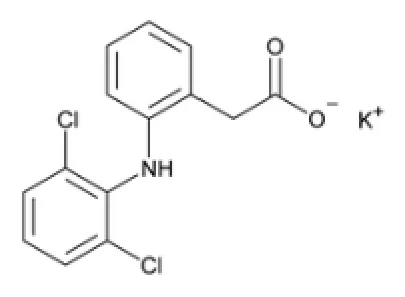
Physicochemical properties: Diclofenac potassium is a white or slightly yellowish, crystalline powder, slightly hygroscopic. Diclofenac potassium is sparingly soluble in water, freely soluble in methanol, soluble in ethanol (96%), slightly soluble in acetone. The melting point is 315.15 – 315.55ºC. The PKa is 4.0 ± 0.2 at 25ºC in water
14. Clinical Trials
14.1 Clinical Trials by Indication
The efficacy of diclofenac potassium powder for oral solution in the acute treatment of migraine headache has been demonstrated in a randomized, double-blind, placebo-controlled, parallel-group trial. Patients enrolled in the trial were predominantly female (85%) and white (80%), with a mean age of 40 years (range: 18 to 65). A total of 343 migraine patients were treated with diclofenac potassium powder for oral solution in the study.
Subjects treated one migraine attack with one single dose of either diclofenac potassium powder for oral solution or placebo. Patients treated a migraine of moderate to severe pain.
The percentage of subjects who were pain free 2 hours later was assessed. Associated symptoms of nausea, photophobia, and phonophobia were also evaluated 2 hours post-dose. Headache response (defined as a reduction in headache severity from moderate or severe pain to mild or no pain) 2 hours after treatment was also recorded.
Study results
The percentage of subjects achieving pain freedom 2 hours after treatment was significantly greater (p < 0.001) in patients who received diclofenac potassium powder for oral solution (25%) compared with those who received placebo (10%). In addition, there was a significant decreased incidence of nausea, photophobia and phonophobia in patients treated with diclofenac potassium powder for oral solution as compared to placebo 2 hours after treatment. Headache response 2 hours post-dose was also significantly superior in patients who received diclofenac potassium powder for oral solution compared to those who received placebo.
Additionally, it was demonstrated that diclofenac potassium powder for oral solution had a rapid onset of action (within 30 minutes of dosing). The efficacy and safety of diclofenac potassium powder for oral solution was unaffected by age or gender of the patient.
16. Non-Clinical Toxicology
Since the same active, diclofenac, is absorbed from the potassium and sodium salts, toxicological finding with diclofenac sodium are representative of systemic toxicities with diclofenac potassium.
Genotoxicity
Diclofenac sodium was not genotoxic in in vitro (reverse mutation in bacteria [Ames], mouse lymphoma thymidine kinase) or in in vivo (including dominant lethal and male germinal epithelial chromosomal aberration in Chinese hamster) assays.
Carcinogenicity
Long term carcinogenicity studies in rats given diclofenac sodium up to 2 mg/kg/day (less than the recommended human dose [RHD] of 50 mg/day on a body surface area [mg/m2] basis) have revealed no significant increases in tumor incidence. There was a slight increase in benign mammary fibroadenomas in mid-dose treated (0.5 mg/kg/day or 3 mg/m2/day) female rats (high-dose females had excessive mortality), but the increase was not significant for this common rat tumor. A 2-year carcinogenicity study conducted in mice employing diclofenac sodium at doses up to 0.3 mg/kg/day (less than the RHD on a mg/m2 basis) in males and 1 mg/kg/day (less than the RHD on a mg/m2 basis) in females did not reveal any oncogenic potential.
Reproductive and developmental toxicology
Diclofenac sodium administered to male and female rats at 4 mg/kg/day (less than the RHD on a mg/m2 basis) did not affect fertility.
17 Supporting Product Monographs
PrCAMBIA® (Diclofenac potassium powder for oral solution, 50 mg of diclofenac potassium), Control number 298910, Product Monograph, Aralez Pharmaceuticals Canada Inc., (2025-11-05).