


Product Monograph - Taro-Simvastatin
RECENT MAJOR LABEL CHANGES
| 7 Warnings and Precautions, Musculoskeletal | 12/2023 |
|---|
TABLE OF CONTENTS
Sections or subsections that are not applicable at the time of authorization are not listed.
RECENT MAJOR LABEL CHANGES............................................................................................ 2
PART I: HEALTH PROFESSIONAL INFORMATION……………………………………………………………………..4
1 INDICATIONS ........................................................................................................................ 4
1.1 Pediatrics .............................................................................................................................. 4
1.2 Geriatrics .............................................................................................................................. 4
2 CONTRAINDICATIONS ........................................................................................................... 4
4 DOSAGE AND ADMINISTRATION ........................................................................................... 5
4.1 Dosing Considerations .......................................................................................................... 5
4.2 Recommended Dose and Dosage Adjustment ..................................................................... 5
4.4 Administration ...................................................................................................................... 7
4.5 Missed Dose ......................................................................................................................... 7
5 OVERDOSAGE ....................................................................................................................... 7
6 DOSAGE FORMS, STRENGTHS, COMPOSITION AND PACKAGING .......................................... 8
7 WARNINGS AND PRECAUTIONS ........................................................................................... 8
7.1 Special Populations ............................................................................................................. 14
7.1.1 Pregnant Women ............................................................................................................ 14
7.1.2 Breast-feeding ................................................................................................................. 14
7.1.3 Pediatrics ......................................................................................................................... 14
7.1.4 Geriatrics ......................................................................................................................... 15
8 ADVERSE REACTIONS .......................................................................................................... 15
8.1 Adverse Reaction Overview ................................................................................................ 15
8.2 Clinical Trial Adverse Reactions .......................................................................................... 15
8.3 Clinical Trial Adverse Reactions – Pediatrics ....................................................................... 16
8.4 Abnormal Laboratory Findings: Hematologic, Clinical Chemistry and Other Quantitative Data ........................................................................................................................................... 17
8.5 Post-Market Adverse Reactions .......................................................................................... 17
9 DRUG INTERACTIONS .......................................................................................................... 19
9.1 Serious Drug Interactions .................................................................................................. 19
9.2 Drug Interactions Overview ................................................................................................ 19
9.4 Drug-Drug Interactions ....................................................................................................... 19
9.5 Drug-Food Interactions ....................................................................................................... 27
9.7 Drug-Laboratory Interactions ............................................................................................. 27
10 CLINICAL PHARMACOLOGY ............................................................................................... 28
10.1 Mechanism of Action ........................................................................................................ 28
10.2 Pharmacodynamics .......................................................................................................... 28
10.3 Pharmacokinetics ............................................................................................................. 29
11 STORAGE, STABILITY AND DISPOSAL ................................................................................. 30
12 SPECIAL HANDLING INSTRUCTIONS................................................................................... 30
PART II: SCIENTIFIC INFORMATION ........................................................................................ 31
13 PHARMACEUTICAL INFORMATION.................................................................................... 31
14 CLINICAL TRIALS ................................................................................................................ 32
14.1 Clinical Trials by Indication .............................................................................................. 32
14.2 COMPARATIVE BIOAVAILABILITY STUDIES ...................................................................... 44
15 MICROBIOLOGY ................................................................................................................ 45
16 DETAILED PHARMACOLOGY .............................................................................................. 45
17 SUPPORTING PRODUCT MONOGRAPH ............................................................................. 49
PATIENT MEDICATION INFORMATION ................................................................................... 50
PART I: HEALTH PROFESSIONAL INFORMATION
1 INDICATIONS
TARO-SIMVASTATIN (simvastatin) is indicated in adults as an adjunct to diet for:
- Reduction of risk of total mortality, myocardial infarction and ischemic stroke in patients with high risk of coronary events (because of existing Coronary Heart Disease (CHD), occlusive arterial disease, or diabetic over the age of 40) regardless of their lipid status.
- Slowing progression of coronary atherosclerosis, including reducing the development of new lesions and new total occlusions in hypercholesterolemic patients with CHD.
- Reduction of elevated total cholesterol (total-C) and Low-Density Lipoprotein-cholesterol (LDL-C), apolipoprotein B (apo B), and triglycerides (TG) levels in patients with primary hypercholesterolemia (Type IIa)† or combined (mixed) hyperlipidemia (Type IIb).
1.1 Pediatrics
Pediatric Patients with Heterozygous Familial Hypercholesterolemia
- 10-<18 years of age
TARO-SIMVASTATIN is indicated as an adjunct to diet in adolescent boys and girls who are at least one year post-menarche aged 10 to <18 years to reduce total-C, LDL-C, TG, and Apo B levels with heterozygous familial hypercholesterolemia (HeFH). (See 4.1 Dosing Considerations).
- < 10 years of age
The safety and efficacy of pediatric patients under the age of 10 has not been established, therefore, Health Canada has not authorized an indication for pediatric patients under 10 years.
1.2 Geriatrics
Based on the data submitted and reviewed by Health Canada, use of TARO-SIMVASTATIN in geriatric patients has been authorized for all indications with no age-related difference in the efficacy and safety profiles (See 4.2 Recommended Dose and Dosage Adjustment).
2 CONTRAINDICATIONS
Simvastatin is contraindicated in:
- Patients who are hypersensitive to this drug or to any ingredient in the formulation. For a complete listing, see 6 DOSAGE FORMS, STRENGTHS, COMPOSITION AND PACKAGING.
- Active liver disease or unexplained persistent elevations of serum transaminases.
- Pregnant and breast-feeding women.
- Co-administration with potent CYP3A4 inhibitors (e.g., itraconazole, ketoconazole, posaconazole, voriconazole, HIV protease inhibitors, boceprevir, telaprevir, erythromycin, clarithromycin, telithromycin, nefazodone and drugs containing cobicistat) (see Musculoskeletal and 9.4 Drug-Drug Interactions).
- Co-administration with gemfibrozil, cyclosporine, or danazol (see Musculoskeletal and 9.4 Drug-Drug Interactions).
___________________________________________________________________________
† A disorder of lipid metabolism characterized by elevated serum cholesterol levels in association with normal triglyceride levels (Type IIa) or with increased triglyceride levels (Type IIb). Fredrickson DS, Levy RI, Lees RS. Fat transport in lipoproteins - An integrated approach to mechanisms and disorders. N Engl J Med 1967;276:148-56.
4 DOSAGE AND ADMINISTRATION
4.1 Dosing Considerations
Patients should be placed on a standard cholesterol-lowering diet before receiving TARO-SIMVASTATIN, and should continue on this diet during treatment with TARO-SIMVASTATIN. If appropriate, a program of weight control and physical exercise should be implemented.
Prior to initiating therapy with TARO-SIMVASTATIN, secondary causes for elevations in plasma lipid levels should be excluded. A lipid profile should also be performed.
After establishing that the elevation in plasma lipids represents a primary disorder not due to underlying conditions such as poorly controlled diabetes mellitus, hypothyroidism, the nephrotic syndrome, liver disease, or dysproteinaemias, it should ideally be determined that patients for whom treatment with simvastatin is being considered have an elevated LDL-C level as the cause for an elevated total serum cholesterol.
The usual dosage is 5 to 40 mg/day.
Due to the increased risk of myopathy/rhabdomyolysis, particularly during the first year of treatment, the use of 80 mg/day of TARO-SIMVASTATIN is discouraged (see Musculoskeletal). Therefore, 80 mg/day of TARO-SIMVASTATIN should be restricted to patients who have been taking this dosage chronically with no evidence of muscle toxicity or to patients at high risk for cardiovascular complications who do not tolerate other statins and in whom the benefits are expected to outweigh the potential risks. In other patients, consider alternative treatment strategies as follows:
- Patients unable to achieve their LDL-C goal with the 40-mg dose of TARO-SIMVASTATIN should be switched to alternative LDL-C-lowering treatments with lower risks of muscle toxicity.
- Patients currently tolerating 80 mg/day of TARO-SIMVASTATIN who need an interacting drug that is either contraindicated or associated with an increase of plasma level of TARO-SIMVASTATIN should be switched to an alternative statin with less potential for a drug-drug interaction.
4.2 Recommended Dose and Dosage Adjustment
- Prevention of Cardiovascular Disease in patients at high risk of coronary events, with or without hyperlipidemia, because of existing Coronary Heart Disease (CHD) or other occlusive arterial disease, or being over the age of 40 years with a diagnosis of diabetes:
The recommended starting dose is 40 mg/day given as a single dose in the evening. Drug therapy can be initiated simultaneously with diet and exercise.
- Slowing progression of coronary atherosclerosis, including reducing the development of new lesions and new total occlusions in hypercholesterolemic patients with coronary heart disease:
The recommended dosage is 5 -40 mg/day usually given as a single dose in the evening.
- Hyperlipidemia
The recommended starting dose is 10 mg/day given as a single dose in the evening. Patients who require a large reduction in LDL-C (more than 45%) may be started at 40 mg/day given as a single dose in the evening. Patients with mild to moderate hypercholesterolemia can be treated with a starting dose of 5 mg of TARO-SIMVASTATIN. Adjustments of dosage, if required, should be made as specified above.
- Homozygous familial hypercholesterolemia (HoFH)
In HoFH patients taking lomitapide concomitantly with TARO-SIMVASTATIN, the dose of TARO-SIMVASTATIN should not exceed 20 mg/day. However, HoFH patients taking 80 mg of simvastatin (prior to taking lomitapide) daily for at least one year without evidence of muscle toxicity can be given a dose of 40mg/day simvastatin concomitantly with lomitapide (see Musculoskeletal and 9.4 Drug-Drug Interactions).
- Dosage in Pediatric Patients (10-<18 years of age) with Heterozygous Familial Hypercholesterolemia
The recommended usual starting dose is 10 mg once a day in the evening. The recommended dosing range is 10-40 mg/day; the maximum recommended dose is 40 mg/day. Doses should be individualized according to the recommended goal of therapy (see 10 CLINICAL PHARMACOLOGY).
- Geriatric (> 65 years of age)
No dosage adjustment is necessary for the elderly. However, in a clinical trial of patients treated with simvastatin 80 mg/day, patients ≥ 65 years of age had an increased risk of myopathy compared to patients <65 years of age (see 7.1.4 Geriatric and Musculoskeletal).
Higher dosages required for some patients with severe hypercholesterolemia are associated with increased plasma levels of simvastatin. Caution should be exercised in such patients who are also elderly or are concomitantly administered P-450 inhibitors (see Musculoskeletal and 9.4 Drug-Drug Interactions).
- Renal Impairment
Because TARO-SIMVASTATIN does not undergo significant renal excretion, modification of dosage should not be necessary in patients with mild to moderate renal insufficiency. However, caution should be exercised when TARO-SIMVASTATIN is administered to patients with severe renal insufficiency (creatinine clearance <30 mL/min), or are concomitantly administered P-450 inhibitors (see Renal and 9.4 Drug-Drug Interactions). TARO-SIMVASTATIN should be started at 5mg/day of simvastatin and be closely monitored Dosages above 10 mg/day should be carefully considered and, if deemed necessary, implemented cautiously (see 7 WARNINGS AND PRECAUTIONS).
- Hepatic Impairment
TARO-SIMVASTATIN is contraindicated in patients with active liver disease which may include unexplained persistent elevations in hepatic transaminase levels (see 2 CONTRAINDICATIONS and Hepatic/Biliary/Pancreatic).
- Drug discontinuation
If the patient becomes pregnant while taking TARO-SIMVASTATIN, the drug should be discontinued immediately and the patient appraised of the potential harm to the fetus.
If hypersensitivity is suspected, TARO-SIMVASTATIN should be discontinued.
If the transaminase levels show evidence of progression, particularly if they rise to three times the ULN and are persistent, the drug should be discontinued.
Active liver disease or unexplained persistent transaminase elevations are contraindications to the use of TARO-SIMVASTATIN; if such a condition should develop during therapy, the drug should be discontinued.
If serious liver injury with clinical symptoms and/or hyperbilirubinemia or jaundice occurs during treatment with TARO-SIMVASTATIN, promptly interrupt therapy. If an alternate etiology is not found, do not restart TARO-SIMVASTATIN.
TARO-SIMVASTATIN therapy should be immediately discontinued if markedly elevated CK levels are measured or myopathy is diagnosed or suspected.
TARO-SIMVASTATIN therapy should be temporarily withheld or discontinued in any patient with an acute serious condition suggestive of myopathy or predisposing to the development of rhabdomyolysis (e.g., sepsis, hypotension, major surgery, trauma, severe metabolic endocrine and electrolyte disorders, or uncontrolled seizures).
TARO-SIMVASTATIN should be temporarily suspended in patients taking daptomycin particularly those with pre-disposing factors for myopathy/rhabdomyolysis (see 9.4 Drug-Drug Interactions)
Therapy with simvastatin should be temporarily stopped a few days prior to elective major surgery and when any major medical or surgical condition supervenes.
4.4 Administration
TARO-SIMVASTATIN is for oral administration. TARO-SIMVASTATIN can be administered as a single dose in the evening with a meal.
4.5 Missed Dose
If a tablet is missed at its usual time, it should be taken as soon as possible. But if it is too close to the time of the next dose: only the prescribed dose should be taken at the appointed time. A double dose should not be taken.
5 OVERDOSAGE
A few cases of overdosage have been reported; the maximum dose taken was 3.6 g. All patients recovered without sequelae. Should an overdose occur, institute symptomatic and supportive measures as required.
| For the management of a suspected drug overdose, contact your regional poison control centre. |
|---|
6 DOSAGE FORMS, STRENGTHS, COMPOSITION AND PACKAGING
Table 1 – Dosage Forms, Strengths, Composition and Packaging
| Route of Administration | Dosage Form / Strength/Composition | All Nonmedicinal Ingredients |
|---|---|---|
| oral | tablet 5 mg, 10 mg, 20 mg, 40 mg, 80 mg | Ascorbic acid, butylated hydroxy anisole, croscarmellose sodium, hydroxypropyl cellulose, hydroxypropyl methylcellulose, lactose monohydrate, magnesium stearate, microcrystalline cellulose, pregelatinized starch, talc, titanium dioxide. TARO-SIMVASTATIN tablets 5 mg, 10 mg, 20 mg, 40 mg and 80 mg also contain iron oxide black, iron oxide red, and iron oxide yellow. |
TARO-SIMVASTATIN, 5 mg tablets, are buff coloured, film-coated, shield shaped tablets, debossed with ‘SST’ on one side and ‘5’ on other side with intact coating. Available in HDPE bottles of 30s, 100s and 1000s and blister packages of 30 (3 x 10) tablets.
TARO-SIMVASTATIN, 10 mg tablets, are peach coloured, film-coated, shield shaped tablets, debossed with ‘SST’ on one side and ‘10’ on other side with intact coating. Available in HDPE bottles of 30s, 100s, 500s and 1000s and blister packages of 30 (3 x 10) tablets.
TARO-SIMVASTATIN, 20 mg tablets, are tan coloured, film-coated, shield shaped tablets, debossed with ‘SST’ on one side and ‘20’ on other side with intact coating. Available in HDPE bottles of 30s, 100s, 500s and 1000s and blister packages of 30 (3 x 10) tablets.
TARO-SIMVASTATIN, 40 mg tablets, are brick red coloured, film-coated, shield shaped tablets, debossed with ‘SST’ on one side and ‘40’ on other side with intact coating. Available in HDPE bottles of 30s, 100s, 500s and 1000s and blister packages of 30 (3 x 10) tablets.
TARO-SIMVASTATIN, 80 mg tablets, are brick red coloured, film-coated, capsule shaped tablets, debossed with ‘SST’ on one side and ‘80’ on other side with intact coating. Available in HDPE bottles of 30s, 100s and 1000s and blister packages of 30 (3 x 10) tablets.
7 WARNINGS AND PRECAUTIONS
General
The patient should be advised to inform health professionals of the prior use of simvastatin or any other lipid-lowering agent.
In primary prevention intervention the effects of simvastatin-induced changes in lipoprotein levels, including reduction of serum cholesterol, on cardiovascular morbidity or mortality or total mortality have not been established.
Carcinogenesis and Mutagenesis
See Carcinogenicity
Driving and Operating Machinery
“Simvastatin has no or negligible influence on the ability to drive and use machines. However, dizziness has been reported in post market adverse effects for simvastatin. Patients should avoid driving or using machines if feeling dizzy.”
Endocrine and Metabolism
HMG-CoA reductase inhibitors interfere with cholesterol synthesis and as such might theoretically blunt adrenal and/or gonadal steroid production. Clinical studies with simvastatin and other HMG-CoA reductase inhibitors have suggested that these agents do not reduce plasma cortisol concentration or impair adrenal reserve and do not reduce basal plasma testosterone concentration. However, the effects of HMG-CoA reductase inhibitors on male fertility have not been studied in adequate numbers of patients. The effects, if any, on the pituitary-gonadal axis in premenopausal women are unknown.
Patients treated with simvastatin who develop clinical evidence of endocrine dysfunction should be evaluated appropriately. Caution should be exercised if an HMG-CoA reductase inhibitor or other agent used to lower cholesterol levels is administered to patients receiving other drugs (e.g., spironolactone, or cimetidine) that may decrease the levels of endogenous steroid hormones (see 9.4 Drug-DRUG INTERACTIONS).
Increases in fasting glucose and HbA1c levels have been reported with inhibitors of HMG-CoA reductase as a class. For some patients, at high risk of diabetes mellitus, hyperglycemia was sufficient to shift them to the diabetes status. The benefit of treatment continues to outweigh the small increased risk. Periodic monitoring of these patients is recommended.
Effect on CoQ10 Levels (Ubiquinone): Significant decreases in circulating CoQ10 levels in patients treated with simvastatin and other statins have been observed. The clinical significance of a potential long-term statin-induced deficiency of CoQ10 has not been established.
Effect on Lipoprotein(a): In some patients, the beneficial effect of lowered total cholesterol and LDL-C levels may be partly blunted by a concomitant increase in the Lipoprotein(a) [Lp(a)] level. Further research is currently ongoing to elucidate the significance of Lp(a) plasma level variations. Therefore, until further experience is obtained, it is suggested, when feasible, that Lp(a) measurements be carried out in patients placed on therapy with simvastatin.
Hepatic/Biliary/Pancreatic
In clinical studies, marked persistent increases (to more than 3 times the ULN) in serum transaminases have occurred in 1% of adult patients who received simvastatin (see 8.4 Abnormal Laboratory Findings: Hematologic, Clinical Chemistry and Other Quantitative Data). When the drug was interrupted or discontinued in these patients, the transaminase levels usually fell slowly to pre-treatment levels. The increases were not associated with jaundice or other clinical signs or symptoms. There was no evidence of hypersensitivity. Some of these patients had abnormal liver function tests prior to therapy with simvastatin and/or consumed substantial quantities of alcohol.
In the Scandinavian Simvastatin Survival Study (4S) (see 14 CLINICAL TRIALS), the number of patients with more than one transaminase elevation to >3 times the ULN, over the course of the study, was not significantly different between the simvastatin and placebo groups (14 [0.7%] vs. 12 [0.6%]). The frequency of single elevations of SGPT (ALT) to 3 times the ULN was significantly higher in the simvastatin group in the first year of the study (20 vs. 8, p=0.023), but not thereafter. Elevated transaminases resulted in the discontinuation of 8 patients from therapy in the simvastatin group (n=2221) and 5 in the placebo group (n=2223). Of the 1986 simvastatin treated patients in 4S with normal liver function tests (LFTs) at baseline, only 8 (0.4%) developed consecutive LFT elevations to >3 times the ULN and/or were discontinued due to transaminase elevations during the 5.4 years (median follow-up) of the study. All of the patients in this study received a starting dose of 20 mg of simvastatin; 37% were titrated to 40 mg.
In 2 controlled clinical studies in 1105 patients, the 6-month incidence of persistent hepatic transaminase elevations considered drug-related was 0.7% and 1.8% at the 40 and 80 mg dose, respectively.
In HPS (Heart Protection Study) (see Coronary Heart Disease), in which 20,536 patients were randomized to receive simvastatin 40 mg/day or placebo, the incidences of elevated transaminases (>3X ULN confirmed by repeat test) were 0.21% (n=21) for patients treated with simvastatin and 0.09% (n=9) for patients treated with placebo.
It is recommended that liver function tests be performed at baseline and thereafter when clinically indicated. Patients titrated to 80 mg should receive an additional test prior to titration, 3 months after titration to 80 mg, and periodically thereafter (e.g., semi-annually) for the first year of treatment. Special attention should be paid to patients who develop elevated serum transaminase levels, and in these patients, measurements should be repeated promptly and then performed more frequently.
Note that ALT may emanate from muscle, therefore ALT rising with CK may indicate myopathy.
There have been rare postmarketing reports of fatal and non-fatal hepatic failure in patients taking simvastatin, regardless of the dose.
TARO-SIMVASTATIN, as well as other HMG-CoA reductase inhibitors, should be used with caution in patients who consume substantial quantities of alcohol and/or have a past history of liver disease.
Moderate (less than three times the ULN) elevations of serum transaminases have been reported following therapy with simvastatin (see 8.4 Abnormal Laboratory Findings: Hematologic, Clinical Chemistry and Other Quantitative Data). These changes were not specific to simvastatin and were also observed with comparative lipid-lowering agents. They generally appeared within the first 3 months after initiation of therapy with simvastatin, were often transient, were not accompanied by any symptom and did not require interruption of treatment.
Immune There have been rare reports of immune-mediated necrotizing myopathy (IMNM), an autoimmune myopathy associated with statin use. IMNM is characterized by:
- persistent proximal muscle weakness and elevated creatine kinase, which persist despite discontinuation of statin treatment
- muscle biopsy showing necrotizing myopathy without significant inflammation
- improvement with immunosuppressive agents
- positive anti-HMG CoA reductase antibody
Monitoring and Laboratory Tests
In the differential diagnosis of chest pain in a patient on therapy with TARO-SIMVASTATIN cardiac and noncardiac fractions of serum transaminase and creatine phosphokinase (CK) levels should be determined. Periodic CK determinations are recommended for patients titrating to 80 mg.
Musculoskeletal
Myasthenia Gravis/Ocular Myasthenia
Statins may in rare instances induce or aggravate the conditions in patients with myasthenia gravis or ocular myasthenia (see 8.5 Post-Market Adverse Reactions) including reports of recurrence when the same or a different statin was administered. Simvastatin should be used with caution in patients with these conditions and should be discontinued if the symptoms are induced or aggravated [Sec. 2.5-myasthenia-gravis].
Myopathy/Rhabdomyolysis: Effects on skeletal muscle such as myalgia, myopathy and, rarely, rhabdomyolysis have been reported in patients treated with simvastatin. Rare cases of rhabdomyolysis with acute renal failure secondary to myoglobinuria have been reported with simvastatin and with other HMG-CoA reductase inhibitors.
Myopathy, defined as muscle pain or muscle weakness in conjunction with increases in creatine phosphokinase (CK) values to greater than ten times the upper limit of normal (ULN), should be considered in any patient with diffuse myalgias, muscle tenderness or weakness, and/or a marked elevation of CK. Therefore, all patients starting therapy with simvastatin, or whose dose of simvastatin is being increased, should be advised of the risk of myopathy and told to report promptly any unexplained muscle pain, tenderness or weakness, particularly if associated with malaise or fever. Periodic CK determinations may be considered in patients starting therapy with simvastatin or whose dose is being increased. Patients who develop any signs or symptoms suggestive of myopathy should have their CK levels measured.
In most cases, when patients were promptly discontinued from treatment, muscle symptoms and CK increases resolved (see 8.1 Adverse Reaction Overview). There is no assurance that such monitoring will prevent myopathy. Myopathy sometimes takes the form of rhabdomyolysis with or without acute renal failure secondary to myoglobinuria, and rare fatalities have occurred. The risk of myopathy is increased by high levels of HMG-CoA reductase inhibitory activity in plasma (i.e., elevated simvastatin and simvastatin acid plasma levels), which may be due, in part, to interacting drugs that interfere with simvastatin metabolism and/or transporter pathways (see 9.4 Drug-Drug interactions).
Pre-disposing Factors for Myopathy/Rhabdomyolysis: TARO-SIMVASTATIN, as with other HMG-CoA reductase inhibitors, should be prescribed with caution in patients with pre-disposing factors for myopathy/rhabdomyolysis. Such factors include:
- Personal or family history of hereditary muscular disorders
- Previous history of muscle toxicity with another HMG-CoA reductase inhibitor
- Concomitant use of a fibrate or niacin (nicotinic acid)
- Uncontrolled hypothyroidism
- Alcohol abuse
- Excessive physical exercise
- Age ≥65 years
- Female gender
- Renal impairment
- Hepatic impairment
- Diabetes with hepatic fatty change
- Surgery and trauma
- Frailty
- Situations where an increase in plasma levels of active ingredient may occur (see 9.4 Drug-Drug interactions)
As with other HMG-CoA reductase inhibitors, the risk of myopathy/rhabdomyolysis is dose related. In a clinical trial database in which 41,413 patients were treated with simvastatin 24,747 (approximately 60%) of whom were enrolled in studies with a median follow-up of at least 4 years, the incidence of myopathy was approximately 0.03%, 0.08% and 0.61% at 20, 40 and 80 mg/day, respectively. In these trials, patients were carefully monitored and some interacting medicinal products were excluded.
In a clinical trial (SEARCH) in which 12,064 patients with a history of myocardial infarction were treated with simvastatin 80 mg/day (mean follow-up 6.7 years), the incidence of myopathy was approximately 1.0% compared with 0.02% for patients on 20 mg/day. Approximately half of these myopathy cases occurred during the first year of treatment.
The risk of myopathy/rhabdomyolysis is greater in patients taking 80 mg of simvastatin daily compared with other statin-based therapies with similar LDL-C-lowering efficacy. Therefore, 80 mg/day of simvastatin is discouraged (see 4 Dosage And Administration).
Many of the patients who have developed rhabdomyolysis on therapy with simvastatin have had complicated medical histories, including renal insufficiency usually as a consequence of long-standing diabetes mellitus. Such patients merit closer monitoring.
In a clinical trial in which patients at high risk of cardiovascular disease were treated with simvastatin 40 mg/day (median follow-up 3.9 years), the incidence of myopathy was approximately 0.05% for non-Chinese patients (n=7367) compared with 0.24% for Chinese patients (n=5468). While the only Asian population assessed in this clinical trial was Chinese, caution should be used when prescribing simvastatin to Asian patients and the lowest dose necessary should be employed.
The risk of myopathy and rhabdomyolysis during treatment with HMG-CoA reductase inhibitors is increased with concurrent administration of drugs that interfere with their metabolism via the cytochrome P-450 isoform 3A4 (see 9.4 Drug-Drug Interactions).
The risk of myopathy/rhabdomyolysis is increased by concomitant use of simvastatin with the following drugs:
Contraindicated Drugs
Potent inhibitors of CYP3A4: for example, the antifungal azoles (itraconazole, ketoconazole, posaconazole and voriconazole), the antibiotics (erythromycin, clarithromycin and telithromycin), the HIV protease inhibitors, HCV protease inhibitors (boceprevir, telaprevir), the antidepressant nefazodone (not marketed in Canada), or drugs containing cobicistat. If short-term treatment with potent CYP3A4 inhibitors is unavoidable, therapy with simvastatin should be suspended during the course of treatment (see 2 CONTRAINDICATIONS, 9.4 Drug-DRUG INTERACTIONS and Pharmacokinetics).
Gemfibrozil, cyclosporine or danazol: Concomitant use of these drugs with simvastatin is contraindicated (see 2 CONTRAINDICATIONS, 9.4 Drug-Drug interactions and Pharmacokinetics).
Other Drugs: fibrates other than gemfibrozil (see 2 CONTRAINDICATIONS) or fenofibrate, amiodarone, calcium channels blockers (verapamil, diltiazem and amlodipine), fusidic acid1, niacin, lomitapide and grazoprevir/elbasvir (see 9.4 Drug-Drug interactions).
Daptomycin: Both daptomycin and HMG-CoA reductase inhibitors are independently associated with skeletal muscle effects. Reports of myopathy and/or rhabdomyolysis have been observed with simvastatin coadministered with daptomycin.
Ophthalmologic
Current long-term data from clinical studies do not indicate an adverse effect of simvastatin on the human lens.
Renal
Simvastatin does not undergo significant renal excretion, modification of dosage should not be necessary in patients with moderate renal insufficiency (see Musculoskeletal).
Higher dosages required for some patients with severe hypercholesterolemia are associated with increased plasma levels of simvastatin.
Reproductive Health: Female and Male Potential
Cholesterol and other products of cholesterol biosynthesis are essential components for fetal development (including synthesis of steroids and cell membranes). TARO-SIMVASTATIN should be administered to women of childbearing age only when such patients are highly unlikely to conceive and have been informed of the possible harm. Atherosclerosis being a chronic process, discontinuation of lipid metabolism regulating drugs during pregnancy should have little impact on the outcome of long-term therapy of primary hypercholesterolemia.
See 2 CONTRAINDICATIONS and 7.1.1 Pregnant Women.
- Fertility
See Reproductive and Developmental Toxicology.
Skin
In few instances eosinophilia and skin eruptions appear to be associated with simvastatin treatment.
7.1 Special Populations
7.1.1 Pregnant Women
TARO-SIMVASTATIN is contraindicated during pregnancy (see Reproductive and Developmental Toxicology).
Safety in pregnant women has not been established. No controlled clinical trials with simvastatin have been conducted in pregnant women. Rare reports of congenital anomalies following intrauterine exposure to HMG-CoA reductase inhibitors have been received. However, in an analysis of approximately 200 prospectively followed pregnancies exposed during the first trimester to simvastatin or another closely related HMG-CoA reductase inhibitor, the incidence of congenital anomalies was comparable to that seen in the general population. This number of pregnancies was statistically sufficient to exclude a 2.5-fold or greater increase in congenital anomalies over the background incidence.
Although there is no evidence that the incidence of congenital anomalies in offspring of patients taking simvastatin or another closely related HMG-CoA reductase inhibitor differs from that observed in the general population, maternal treatment with simvastatin may reduce the fetal levels of mevalonate which is a precursor of cholesterol biosynthesis. Atherosclerosis is a chronic process, and ordinarily discontinuation of lipid-lowering drugs during pregnancy should have little impact on the long-term risk associated with primary hypercholesterolemia. For these reasons, TARO-SIMVASTATIN should not be used in women who are pregnant, trying to become pregnant or suspect they are pregnant. Treatment with TARO-SIMVASTATIN should be suspended for the duration of pregnancy or until it has been determined that the woman is not pregnant (see 2 CONTRAINDICATIONS).
7.1.2 Breast-feeding
It is not known whether simvastatin or its metabolites are excreted in human milk. Because many drugs are excreted in human milk and because of the potential for serious adverse reactions, women taking TARO-SIMVASTATIN should not nurse (see 2 CONTRAINDICATIONS).
7.1.3 Pediatrics
Safety and effectiveness of simvastatin in patients 10-<18 years of age with heterozygous familial hypercholesterolemia have been evaluated in a controlled clinical trial in adolescent boys and in girls who were at least one-year post-menarche. Patients treated with simvastatin had an adverse experience profile generally similar to that of patients treated with placebo. Doses greater than 40 mg have not been studied in this population. In this limited controlled study, there was no detectable effect on growth or sexual maturation in the adolescent boys or girls, or any effect on menstrual cycle length in girls (see 4.2 Recommended Dose and Dosage Adjustment; 8.3 Clinical Trial Adverse Reactions – Pediatrics; 10 CLINICAL PHARMACOLOGY). Adolescent females should be counseled on appropriate contraceptive methods while on simvastatin therapy (see 2 CONTRAINDICATIONS; 7.1.1 Pregnant Women). Simvastatin has not been studied in patients younger than 10 years of age, nor in pre-menarchal girls.
7.1.4 Geriatrics
For patients over the age of 65 years who received simvastatin in controlled clinical studies, efficacy, as assessed by reduction in total and LDL-cholesterol levels, appeared similar to that seen in the population as a whole, and there was no apparent increase in the overall frequency and severity of clinical or laboratory adverse findings.
Elderly patients may be more susceptible to myopathy (see Musculoskeletal).
8 ADVERSE REACTIONS
8.1 Adverse Reaction Overview
Based on experience in a total of over 2300 patients, of whom more than 1200 were treated for one year and over 230 for 2 years or more, simvastatin is generally well tolerated and adverse reactions are usually mild and transient.
The most serious adverse reactions associated with simvastatin were persistent increase in serum transaminases, Myopathy/Rhabdomyolysis with acute renal failure secondary to myoglobinuria, myalgia, myopathy (see Musculoskeletal, 8.5 Post-Market Adverse Reactions). The most commonly reported adverse reactions in clinical trials occurring with a frequency of 1% or more that may be associated with simvastatin therapy were abdominal pain, constipation, flatulence, asthenia and headache (see 8.2 Clinical Trial Adverse Reactions).
8.2 Clinical Trial Adverse Reactions
Clinical trials are conducted under very specific conditions. The adverse reaction rates observed in the clinical trials; therefore, may not reflect the rates observed in practice and should not be compared to the rates in the clinical trials of another drug. Adverse reaction information from clinical trials may be useful in identifying and approximating rates of adverse drug reactions in real-world use.
In pre-marketing controlled clinical studies, 1.0% of patients were withdrawn due to adverse experiences attributable to simvastatin.
Adverse experiences occurring at an incidence of ≥0.5% of 2361 patients treated with simvastatin in pre-marketing controlled clinical studies and reported to be possibly, probably or definitely drug related are shown in the table below:
Table 2 - Drug-Related* Adverse Experiences Reported in ≥ 0.5% of Patients Treated with Simvastatin
SIMVASTATIN (n=2361) % | |
|---|---|
Gastrointestinal Abdominal Pain Acid Regurgitation Constipation Dyspepsia Diarrhea Flatulence Nausea | 2.2 0.5 2.5 0.6 0.8 2.0 1.1 |
Nervous System Headache | 1.0 |
Skin Rash | 0.7 |
Miscellaneous Asthenia | 0.8 |
*Considered possibly, probably, or definitely drug related as assessed by the investigators.
In the Scandinavian Simvastatin Survival Study (4S) (see 10 CLINICAL PHARMACOLOGY and 14 CLINICAL TRIALS) involving 4444 patients treated with 20-40 mg/day of simvastatin (n=2221) or placebo (n=2223), the safety and tolerability profiles were comparable between groups over the median 5.4 years of the study.
Ophthalmologic: See 7 WARNINGS AND PRECAUTIONS.
8.3 Clinical Trial Adverse Reactions – Pediatrics
In a study involving pediatric patients <18 years of age with heterozygous familial hypercholesterolemia (n=175), the safety and tolerability profile of the group treated with simvastatin was generally similar to that of the group treated with placebo (see 7.1.3 Pediatrics; 10 CLINICAL PHARMACOLOGY).
8.4 Abnormal Laboratory Findings: Hematologic, Clinical Chemistry and Other Quantitative Data
Clinical Trial Findings
Marked persistent increases of serum transaminases (ALT, AST) have been noted. Note that ALT may emanate from muscle, therefore ALT rising with CK may indicate myopathy (see Hepatic/Biliary/Pancreatic, Monitoring and Laboratory Tests and Musculoskeletal).
About 5.0% of patients had elevations of creatine phosphokinase (CK) levels three or more times the normal value on one or more occasions. This was attributable to the noncardiac fraction of CK. Myopathy has been reported rarely (see Monitoring and Laboratory Tests and 9.4 Drug-Drug interactions).
8.5 Post-Market Adverse Reactions
The following additional adverse reactions were reported either in uncontrolled clinical studies or in post-marketing experience with simvastatin, regardless of causality assessment.
Endocrine disorders:
Increases in fasting glucose and HbA1c levels have been reported with simvastatin. Diabetes mellitus has been reported with statins, including simvastatin.
Eye disorders: ocular myasthenia
Gastrointestinal:
Vomiting
Hematologic:
Anemia
Leukopenia
Purpura
Hepatic/Pancreatic:
Hepatitis
Fatal and non-fatal hepatic failure with liver transplant outcome have been reported, regardless of the dose.
Jaundice
Pancreatitis
Laboratory Tests:
Elevated alkaline phosphatase and γ-glutamyl transpeptidase.
Increased HbA1c and fasting serum glucose levels.
Musculoskeletal :
Rhabdomyolysis
Muscle Cramps
Myalgia
Myasthenia gravis
There have been rare reports of immune-mediated necrotizing myopathy with statins (see Musculoskeletal).
Neurologic:
Dizziness
Paresthesia
Peripheral Neuropathy
Peripheral neuropathy with muscle weakness or sensory disturbance has been reported.
There have been rare postmarketing reports of cognitive impairment (e.g., memory loss, forgetfulness, amnesia, memory impairment, confusion) associated with simvastatin use, regardless of the dose. These cognitive issues have been reported for all statins. The reports are generally nonserious, and reversible upon statin discontinuation, with variable times to symptom onset (1 day to years) and symptom resolution (median of 3 weeks).
Pulmonary:
Interstitial lung disease
Psychiatric:
Depression
Insomnia
Reproductive system and breast disorders:
Erectile dysfunction
Sensitivity:
An apparent hypersensitivity syndrome has been reported rarely which has included some of the following features:
|
|
|---|
Skin:
Alopecia
Erythema Multiforme including Stevens-Johnson syndrome
Lichen planus [Sec. 2.5-slu-lichen-planus]
Pruritus
Rash
Others:
Although the following adverse reactions were not observed in clinical studies with simvastatin, they have been reported following treatment with other HMG-CoA reductase inhibitors:
anorexia, hypospermia, gynecomastia, psychic disturbances including anxiety, sleep disturbances including nightmares.
9 DRUG INTERACTIONS
9.1 Serious Drug Interactions
9.2 Drug Interactions Overview
Multiple mechanisms may contribute to potential interactions with HMG Co-A reductase inhibitors. Drugs or herbal products that inhibit certain enzymes (e.g. CYP3A4) and/or transporter (e.g. OATP1B) pathways may increase simvastatin and simvastatin acid plasma concentrations and may lead to an increased risk of myopathy/rhabdomyolysis.
Consult the prescribing information of all concomitantly used drugs to obtain further information about their potential interactions with simvastatin and/or the potential for enzyme or transporter alterations and possible adjustments to dose and regimens.
9.4 Drug-Drug Interactions
The drugs listed in this table are based on either drug interaction case reports or studies, or potential interactions due to the expected magnitude and seriousness of the interaction (i.e., those identified as contraindicated).
Serious Drug Interactions
Concomitant use of the following drugs is contraindicated (See detailed information in section 9.4 Drug-Drug Interactions):
- Gemfibrozil
- Cyclosporine
- Danazol
or potent CYP3A4 inhibitors, such as:
- Itraconazole
- Ketoconazole
- Posaconazole
- Voriconazole
- HIV protease inhibitors
- Boceprevir
- Telaprevir
- Erythromycin
- Clarithromycin
- Telithromycin
- Nefazodone
Drugs containing cobicistat
Table 3 - Established or Potential Drug-Drug Interactions
| Proper/Common name | Source of Evidence | Effect | Clinical comment |
|---|---|---|---|
| Amiodarone | CT | In a clinical trial, myopathy was reported in 6% of patients receiving simvastatin 80 mg and amiodarone. | The dose of simvastatin should not exceed 20 mg daily in patients receiving concomitant medication with amiodarone (see 4 DOSAGE AND ADMINISTRATION). |
Bile Acid Sequestrants (Cholestyramine) | Preliminary evidence suggests that the cholesterol- lowering effects of simvastatin and the bile acid sequestrant, cholestyramine, are additive. | When Taro-Simvastatin is used concurrently with cholestyramine or any other resin, an interval of at least two hours should be maintained between the two drugs, since the absorption of Taro-Simvastatin may be impaired by the resin. | |
Calcium Channel Blockers: Amlodipine | CT | In a clinical trial, patients on amlodipine treated concomitantly with simvastatin 80 mg had a slightly increased risk of myopathy. | The dose of simvastatin should not exceed 20 mg daily in patients receiving concomitant medication with amlodipine. |
Calcium Channel Blockers: Verapamil or diltiazem | CT | In a clinical trial, patients on diltiazem treated concomitantly with simvastatin 80 mg had an increased risk of myopathy. | The dose of simvastatin should not exceed 10 mg daily in patients receiving concomitant medication with verapamil or diltiazem. |
| Colchicine | There have been reports of myopathy and rhabdomyolysis with the concomitant administration of colchicine and simvastatin in patients with renal insufficiency. | Close clinical monitoring of such patients taking this combination is advised. |
Coumarin Anticoagulants | CT | In two clinical studies, one in normal volunteers and the other in hypercholesterolemic patients, simvastatin 20– 40 mg/day modestly potentiated the effect of coumarin anticoagulants: the prothrombin time, reported as International Normalized Ratios (INR), increased from a baseline of 1.7 to 1.8 and from 2.6 to 3.4 in the volunteer and patient studies, respectively. | In patients taking coumarin anticoagulants, prothrombin time should be determined before starting simvastatin and frequently enough during early therapy to ensure that no significant alteration of prothrombin time occurs. Once a stable prothrombin time has been documented, prothrombin times can be monitored at the intervals usually recommended for patients on coumarin anticoagulants. If the dose of simvastatin is changed, the same procedure should be repeated. Simvastatin therapy has not been associated with bleeding or with changes in prothrombin time in patients not taking anticoagulants. |
|---|---|---|---|
| Daptomycin | Reports of myopathy and/or rhabdomyolysis have been observed with HMG-CoA reductase inhibitors co- administered with daptomycin. | Taro-Simvastatin should be temporarily suspended in patients taking daptomycin particularly those with pre-disposing factors for myopathy/rhabdomyolysis (see Musculoskeletal) | |
| Digoxin | Concomitant administration of simvastatin and digoxin in normal volunteers resulted in a slight elevation (<0.3 ng/mL) in drug concentrations (as measured by a digoxin radioimmunoassay) in plasma compared to concomitant administration of placebo and digoxin. | Patients taking digoxin should be monitored appropriately. |
Fusidic Acid (oral or IV) | CT | There have been reports of rhabdomyolysis (including some fatalities) in patients receiving this combination. Patients on fusidic acid (oral or IV) treated concomitantly with simvastatin have an increased risk of myopathy/rhabdomyolysis(s ee 10 CLINICAL PHARMACOLOGY). | Fusidic acid must not be co- administered with statins. In patients where the use of systemic fusidic acid is considered essential, simvastatin should be discontinued throughout the duration of fusidic acid treatment. In exceptional circumstances, where prolonged systemic fusidic acid is needed, e.g. for the treatment of severe infections, the doctor decision and justification for the co- administration of simvastatin and fusidic acid is required, on a case - by-case basis under close medical supervision, and after assessment of the risk involved to the patient. |
|---|---|---|---|
| Fostamatinib | CT | Concomitant use of simvastatin 40 mg (single dose) with 100 mg twice daily fostamatinib increased simvastatin AUC by 64% and Cmax by 113% and simvastatin acid AUC by 66% and Cmax by 83%. | Reduction in the dose of Taro-Simvastatin may be required in patients receiving simvastatin concomitantly with fostamatinib. |
Gemfibrozil, Cyclosporine or Danazol | CT | The risk of myopathy and rhabdomyolysis is increased with concomitant use of cyclosporine, danazol, or gemfibrozil with simvastatin. | Concomitant use of these drugs with simvastatin is contraindicated (see 2 CONTRAINDICATIONS, Musculoskeletal , Pharmacokinetics). |
| Lomitapide | CT | The risk of myopathy/rhabdomyolysis may be increased by concomitant administration of lomitapide (see 4 DOSAGE AND ADMINISTRATION; Musculoskeletal). | In patients taking lomitapide concomitantly with Taro-Simvastatin, the dose of Taro-Simvastatin should not exceed 40 mg/day. |
|---|---|---|---|
Moderate Inhibitors of CYP3A4 | CT | Patients taking other medicines labeled as having a moderate inhibitory effect on CYP3A4 concomitantly with simvastatin, particularly higher simvastatin doses, may have an increased risk of myopathy. | When co-administering simvastatin with a moderate inhibitor of CYP3A4, a dose adjustment of simvastatin may be necessary. |
Niacin (nicotinic acid) (≥1 g/day) | CT | Myopathy, including rhabdomyolysis, has occurred in patients who were receiving co- administration of simvastatin or other HMG-CoA reductase inhibitors with niacin, particularly in subjects with pre-existing renal insufficiency. In a clinical trial (median follow-up 3.9 years) involving patients at high risk of cardiovascular disease and with well-controlled LDL-C levels on simvastatin 40 mg/day with or without ezetimibe 10 mg, there was no incremental benefit on cardiovascular outcomes with the addition of lipid- modifying doses (≥1 g/day) of niacin. Therefore, the benefit of the combined use of simvastatin with niacin should be carefully weighed against the potential risks of the combination. In addition, in this trial, the incidence of myopathy was approximately 0.24% for Chinese patients on simvastatin 40 mg or ezetimibe/simvastatin 10/40 mg compared with 1.24% for Chinese patients on simvastatin 40 mg or ezetimibe/simvastatin 10/40 mg co-administered with extended-release niacin/laropiprant 2 g/40 mg. | While the only Asian population assessed in this clinical trial was Chinese, and the incidence of myopathy is higher in Chinese than in non-Chinese patients, co- administration of simvastatin with lipid-modifying doses (≥1 g/day) of niacin is not recommended in Asian patients. |
|---|
| Other Fibrates | CT | These lipid-lowering drugs can cause myopathy when given alone. When simvastatin and fenofibrate are given concomitantly, there is no evidence that the risk of myopathy exceeds the sum of the individual risks of each agent. Caution should be used when prescribing fenofibrate with simvastatin, as either agent can cause myopathy when given alone. | The dose of simvastatin should not exceed 10 mg daily in patients receiving concomitant medication with fibrates other than gemfibrozil (see 2 CONTRAINDICATIONS) or fenofibrate; Addition of fibrates to simvastatin typically provides little additional reduction in LDL- C, but further reductions of TG and further increases in HDL-C may be obtained. Combinations of fibrates with simvastatin have been used without myopathy in small short-term clinical studies with careful monitoring. |
|---|---|---|---|
Potent inhibitors of CYP3A4 | CT | Potent inhibitors of CYP3A4 increase the risk of myopathy by increasing the plasma levels of HMG-CoA reductase inhibitory activity during simvastatin therapy. | Simvastatin itself is a substrate for CYP3A4. However, simvastatin has no CYP3A4 inhibitory activity; therefore, it is not expected to affect plasma levels of other drugs metabolized by CYP3A4 (see 10 Pharmacokinetics). Concomitant use of drugs labeled as having a potent inhibitory effect on CYP3A4 (e.g., itraconazole, ketoconazole, posaconazole, voriconazole, erythromycin, clarithromycin, telithromycin, HIV protease inhibitors, boceprevir, telaprevir, nefazodone, drugs containing cobicistat) is contraindicated (see 2 CONTRAINDICATIONS; Musculoskeletal , Pharmacokinetics). |
Transport Protein Inhibitors | Simvastatin acid is a substrate of OATP1B1 (organic anion-transporting polypeptide1B1) and, therefore, concomitant administration of medicinal products that are inhibitors of OATP1B1 may lead to an increase in plasma concentration of simvastatin and increase the risk of myopathy. Evidence has also been obtained with other statins that concurrent use of statins and inhibitors of Breast Cancer Resistance Protein such as elbasvir and grazoprevir increased the plasma concentration of these statins. | A dose adjustment of simvastatin may be necessary. It is suggested that the dose of simvastatin should not exceed 20 mg daily in patients using inhibitors of Breast Cancer Resistance Protein (see Carcinogenesis and Mutagenesis). |
|---|
Legend: C = Case Study; CT = Clinical Trial; T = Theoretical
Other Concomitant Therapy
In clinical studies, simvastatin was used concomitantly with angiotensin converting enzyme (ACE) inhibitors, beta-blockers, diuretics and nonsteroidal anti-inflammatory drugs (NSAIDs) without evidence, to date, of clinically significant adverse interactions.
Table 4 - Drug Interactions Associated with Increased Risk of Myopathy/Rhabdomyolysis
| Interacting Agents | Prescribing Recommendations |
Potent CYP3A4 inhibitors e.g.: Itraconazole Ketoconazole Posaconazole Voriconazole Erythromycin Clarithromycin Telithromycin HIV protease inhibitors Boceprevir Telaprevir Nefazodone | Contraindicated with simvastatin |
| Interacting Agents | Prescribing Recommendations |
Cobicistat Cyclosporine Danazol Gemfibrozil | |
Other fibrates (except fenofibrate) Verapamil Diltiazem | Do not exceed 10 mg simvastatin daily |
Elbasvir Grazoprevir Amiodarone Amlodipine | Do not exceed 20 mg simvastatin daily |
| Fusidic acid | Is not recommended with simvastatin |
| Niacin (≥1 g/day) | For Asian patients, not recommended with simvastatin |
| Lomitapide | For HoFH patients who have been taking 80 mg/day simvastatin chronically without evidence of muscle toxicity do not exceed 40 mg simvastatin daily. For all other HoFH patients do not exceed 20 mg/day simvastatin |
| Daptomycin | Simvastatin should be temporarily suspended in patients taking daptomycin particularly those with pre-disposing factors for myopathy/rhabdomyolysis |
| Grapefruit juice | Avoid grapefruit juice |
9.5 Drug-Food Interactions
Grapefruit juice contains one or more components that inhibit CYP3A4 and can increase the plasma levels of drugs metabolized by CYP3A4. The effect of typical consumption (one 250-ml glass daily) is minimal (13% increase in active plasma HMG-CoA reductase inhibitory activity as measured by the area under the concentration-time curve) and of no clinical relevance. However, because larger quantities significantly increase the plasma levels of HMG-CoA reductase inhibitory activity, grapefruit juice should be avoided during simvastatin therapy.
9.7 Drug-Laboratory Interactions
Taro-Simvastatin may elevate serum transaminase and creatine phosphokinase levels (from skeletal muscles). Note that ALT may emanate from muscle, therefore ALT rising with CK may indicate myopathy (see Hepatic/Biliary/Pancreatic, Monitoring and Laboratory Tests, Musculoskeletal and 8.1 Adverse Reaction Overview).
Prescribing recommendations for interacting agents are summarized in the table below (see also 2 CONTRAINDICATIONS; Pharmacokinetics).
10 CLINICAL PHARMACOLOGY
10.1 Mechanism of Action
TARO-SIMVASTATIN is a lipid-lowering agent derived synthetically from a fermentation product of Aspergillus terreus.
After oral ingestion, simvastatin, which is an inactive lactone, is hydrolyzed to the corresponding β-hydroxyacid form. This principal metabolite is a specific inhibitor of 3-hydroxy-3-methylglutaryl-coenzyme A (HMG-CoA) reductase. This enzyme catalyzes the conversion of HMG-CoA to mevalonate, which is an early and rate-limiting step in the biosynthesis of cholesterol.
10.2 Pharmacodynamics
Simvastatin reduces cholesterol production by the liver and induces some changes in cholesterol transport and disposition in the blood and tissues. The mechanism(s) of this effect is believed to involve both reduction of the synthesis of Low-Density Lipoprotein (LDL), and an increase in LDL catabolism as a result of induction of the hepatic LDL receptors.
Simvastatin has been shown to reduce both normal and elevated LDL-cholesterol concentrations. The involvement of LDL-cholesterol in atherogenesis has been well-documented in clinical and pathological studies, as well as in many animal experiments. Epidemiological studies have established that high total-C, LDL-cholesterol, and apo B are risk factors for coronary heart disease, while high HDL-C and apo A-I are associated with decreased risk. In primary prevention intervention the effect of simvastatin-induced changes in lipoprotein levels, including reduction of serum cholesterol, on cardiovascular morbidity or mortality or total mortality have not been established.
LDL is formed from VLDL and is catabolized predominantly by the high affinity LDL receptor. The mechanism of the LDL lowering effect of simvastatin may involve both reduction of VLDL-cholesterol concentration and induction of the LDL receptor leading to reduced production and/or increased catabolism of LDL-cholesterol.
Apolipoprotein B also falls substantially during treatment with simvastatin. Since each LDL particle contains one molecule of apolipoprotein B, and since little apolipoprotein B is found in other lipoproteins, this strongly suggests that simvastatin does not merely cause cholesterol to be lost from LDL, but also reduces the concentration of circulating LDL particles. However, a change in the composition of the LDL particle (lipid/protein ratio) during treatment with simvastatin cannot be excluded. In addition, simvastatin increases total HDL-cholesterol and reduces VLDL-cholesterol and plasma triglycerides (see 14 CLINICAL TRIALS).
The active β-hydroxyacid form of simvastatin is a specific, reversible, inhibitor of HMG-CoA reductase, the enzyme which catalyzes the conversion of HMG-CoA to mevalonate. However, at therapeutic doses, the enzyme is not completely blocked, thereby allowing biologically necessary amounts of mevalonate to be available. Because the conversion of HMG-CoA to mevalonate is an early step in the biosynthetic pathway for cholesterol, therapy with simvastatin would not be expected to cause an accumulation of potentially toxic sterols. In addition, HMG-CoA is metabolized readily back to acetyl-CoA, which participates in many biosynthetic processes in the body.
Although cholesterol is the precursor of all steroid hormones, studies with simvastatin have suggested that this agent has no clinical effect on steroidogenesis (see Endocrine and Metabolism). Simvastatin caused no increase in biliary lithogenicity and, therefore, would not be expected to increase the incidence of gallstones.
10.3 Pharmacokinetics
Absorption
In a single dose study in nine healthy subjects, it was estimated that less than 5% of an oral dose of simvastatin reached the general circulation in the form of active inhibitors. Following administration of simvastatin tablets, the coefficient of variation, based on between-subject variability, was approximately 48% for the area under the curve (AUC) of total inhibitory activity in the general circulation.
Simvastatin is a hydrophobic lactone which is readily hydrolyzed in vivo to the corresponding β-hydroxyacid, a potent inhibitor of HMG-CoA reductase. Simvastatin undergoes extensive first pass extraction in the liver, the target organ for the inhibition of HMG-CoA reductase and the primary site of action. This tissue selectivity (and consequent low systemic exposure) of orally administered simvastatin has been shown to be far greater than that observed when the drug is administered as the enzymatically active form, i.e. as the open hydroxyacid. Inhibition of HMG-CoA reductase is the basis for an assay in pharmacokinetic studies of the ß-hydroxyacid metabolites (active inhibitors) and, following base hydrolysis, active plus latent inhibitors (total inhibitors). Both are measured in plasma following administration of simvastatin.
Distribution:
Both simvastatin and its ß-hydroxyacid metabolite are bound (>94%) to human plasma proteins. Animal studies have not been performed to determine whether simvastatin crosses the placental barrier.
Metabolism:
Simvastatin is metabolized by the microsomal hepatic enzyme system (cytochrome P-450 isoform 3A4). The major active metabolites present in human plasma are the β-hydroxyacid of simvastatin and four other active metabolites (see Pharmacokinetics). Peak plasma concentrations of both active and total inhibitors were attained within 1.3 to 2.4 hours post-dose. While the recommended therapeutic dose range is 10 to 40 mg/day, there was no substantial deviation from linearity of AUC of inhibitors in the general circulation with an increase in dose to as high as 120 mg. Relative to the fasting state, the plasma profile of inhibitors was not affected when simvastatin was administered immediately before a test meal.
Although the mechanism is not fully understood, cyclosporine has been shown to increase the AUC of HMG-CoA reductase inhibitors. The increase in AUC for simvastatin acid is presumably due, in part, to inhibition of CYP3A4 and/or OATP1B1 (see 2 CONTRAINDICATIONS).
In a pharmacokinetic study, concomitant administration of diltiazem caused a 2.7-fold increase in exposure of simvastatin acid, presumably due to inhibition of CYP3A4 (see Musculoskeletal and 9.4 Drug-Drug Interactions).
In a pharmacokinetic study, concomitant administration of amlodipine caused a 1.6-fold increase in exposure of simvastatin acid (see Musculoskeletal and 9.4 Drug-Drug Interactions).
In a pharmacokinetic study, the coadministration of a single dose of niacin extended-release 2 g with simvastatin 20 mg resulted in a modest increase in the AUC of simvastatin and simvastatin acid (1.4- and 1.6-fold, respectively) and in the Cmax of simvastatin acid (1.8-fold) plasma concentrations (see Musculoskeletal and 9.4 Drug-Drug Interactions).
In a study of 12 healthy volunteers, simvastatin at the maximal 80-mg dose had no effect on the metabolism of the probe CYP3A4 substrates midazolam and erythromycin. This indicates that simvastatin is not an inhibitor of CYP3A4, and therefore, is not expected to affect the plasma levels of other drugs metabolized by CYP3A4.
The risk of myopathy is increased by high levels of HMG-CoA reductase inhibitory activity in plasma. Potent inhibitors of CYP3A4 can raise the plasma levels of HMG-CoA reductase inhibitory activity and increase the risk of myopathy (see 2 CONTRAINDICATIONS, Musculoskeletal and 9.4 Drug-Drug Interactions).
Elimination
Following an oral dose of 14C-labelled simvastatin in man, 13% of the dose is excreted in urine and 60% in feces. The latter represents absorbed drug equivalents excreted in bile, as well as unabsorbed drug.
Special Populations and Conditions
- Geriatrics
In a study including 16 geriatric patients between 70 and 78 years of age who received simvastatin 40 mg/day, the mean plasma level of total inhibitors was increased approximately 45% compared with 18 patients between 18-30 years of age. However, dosage adjustment is generally not recommended.
- Pediatrics
In a study involving pediatric patients 10-<18 years of age with heterozygous familial hypercholesterolemia (n=175). The dosage of simvastatin was 10 mg for the first 8 weeks, 20 mg for the second 8 weeks, and 40 mg thereafter. In a 24-week extension, 144 patients elected to continue therapy with simvastatin 40 mg or placebo. Simvastatin significantly decreased plasma levels of total-C, LDL-C, and apolipoprotein B (ApoB) in the HeFH study. Results from the extension at 48 weeks were comparable to the results at Week 24 (see Pediatric Patients with Heterozygous Familial Hypercholesterolemia (10-<18 years of age).”
- Renal Insufficiency
In a study of patients with severe renal insufficiency (creatinine clearance <30 mL/min), the plasma concentrations of total inhibitors after a single dose of a related HMG-CoA reductase inhibitor were approximately two-fold higher than those in healthy volunteers.
11 STORAGE, STABILITY AND DISPOSAL
TARO-SIMVASTATIN should be stored at room temperature (15° C – 30° C). Keep out of reach and sight of children.
12 SPECIAL HANDLING INSTRUCTIONS
No special handling instructions are required for this product.
PART II: SCIENTIFIC INFORMATION
13 PHARMACEUTICAL INFORMATION
Drug Substance
Proper name: Simvastatin
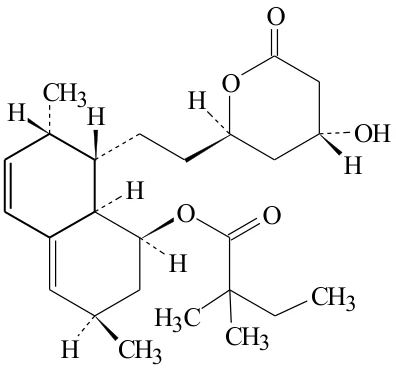
Chemical name: [1S-[1α,3α,7ß,8ß(2S*,4S*), 8aß]]-1,2,3,7,8,8a-hexahydro-3,7- dimethyl-8-[2-(tetrahydro-4-hydroxy-6-oxo-2H-pyran-2-yl)ethyl]-1-naphthalenyl 2,2-dimethylbutanoate.
Molecular formula: C25H38O5
Molecular mass: 418.6 g/mol
Structural formula:
Physicochemical Description:
properties: Simvastatin is a white or almost white, crystalline powder.
Solubilities:
Practically insoluble in water, very soluble in methylene chloride, freely soluble in ethanol (96%)
The partition coefficient, Kp (where Kp = concentration in organic phase/concentration in aqueous phase) determined for simvastatin in either the 1-octanol-pH 4 acetate buffer system or the 1-octanol-pH 7.2 acetate buffer system is >1995.
14 CLINICAL TRIALS
14.1 Clinical Trials by Indication
Primary Hypercholesterolemia and Hyperlipidemia
Table 5 - Summary of patient demographics for clinical trials in Primary Hypercholesterolemia and Hyperlipidemia
| Study # | Study design | Dosage, route of administration and duration | Study subjects (n) | Mean age (Range) | Sex |
|---|---|---|---|---|---|
PN 502- 00, 502- 01, 003 (study 5002) | multicenter, double - blind, placebo- controlled, dose- response study in patients with primary hypercholesterolemia | Simvastatin 10 mg q.p.m. Simvastatin 40 mg q.p.m. Placebo ORAL 4 weeks | 416 | 19-70 | Male Female |
| Lower dose comparative study – Multi-national, randomized, double - blind trial | Simvastatin 5 mg q.p.m. Simvastatin 10 mg q.p.m. Fluvastatin 20mg Fluvastatin 40mg | 109 110 105 108 Total 432 | All participan ts were less than 70 years of age | Male Female | |
PN117- 06(US) PN117- 07 (non-US) | Upper dose comparative study – Phase III Parallel, Double-blind | Simvastatin 40 mg q.p.m. Simvastatin 80 mg q.p.m. Oral 24 weeks | 433 664 Total 1097 | 25-71 | Male Female |
PN529- 05 | Scandinavian Simvastatin Survival Study (4S) – multicenter, randomized, double - blind, placebo- controlled study | Simvastatin 20 mg q.p.m. Simvastatin 40 mg q.p.m. Simvastatin 80 mg q.p.m. Placebo 4.9-6.3 Years | Total: 4444 | 35-70 | Male Female |
| Study # | Study design | Dosage, route of administration and duration | Study subjects (n) | Mean age (Range) | Sex |
|---|---|---|---|---|---|
| PN133 | Multicentre Combined Hyperlipidaemia Study - double blind, placebo controlled, 3- Period, balanced, crossover study | Simvastatin 40 mg q.p.m. Simvastatin 80 mg q.p.m. Placebo Oral Duration: 4 week diet/placebo followed by three 6 week treatment periods | 123 124 125 Total 372 | 23-70 | Male Female |
Simvastatin has been shown to be highly effective in reducing total and LDL-cholesterol in familial and non-familial forms of hypercholesterolemia and in mixed hyperlipidemia. A marked response was seen within 2 weeks, and the maximum therapeutic response occurred within 4-6 weeks. The response was maintained during long-term therapy. When therapy with simvastatin is stopped, total cholesterol has been shown to return to pretreatment levels.
In a multicenter, double-blind, placebo-controlled, dose-response study in patients with primary hypercholesterolemia (Table 6), simvastatin given as a single dose in the evening was similarly effective as when given on a twice daily basis. Simvastatin consistently decreased total plasma cholesterol (TOTAL-C), LDL-cholesterol (LDL-C), total cholesterol/ HDL-cholesterol (TOTAL-C/HDL-C) ratio, LDL-cholesterol/HDL-cholesterol (LDL-C/HDL-C) ratio and triglycerides (TG), and slightly increased HDL-cholesterol (HDL-C).
Table 6 - Dose Response in Patients with Primary Hypercholesterolemia (Percent Change from Baseline after 4 Weeks)
| TREATMENT | N | TOTAL-C (mean) | LDL-C (mean) | HDL-C (mean) | LDL-C/ HDL-C (mean) | TOTAL-C/ HDL-C (mean) | TG (mean) |
|---|---|---|---|---|---|---|---|
Simvastatin 10 mg q.p.m. 40 mg q.p.m. | 38 39 | -21 -33 | -24 -39 | +11 +8 | -31 -44 | -29 -39 | -21 -27 |
The results of 3 separate studies depicting the dose response to simvastatin in patients with primary hypercholesterolemia and combined (mixed) hyperlipidemia are presented in Table 7:
Table 7 - Dose Response in Patients with Primary Hypercholesterolemia and Combined (Mixed) Hyperlipidemia (Mean Percent Change from Baseline after 6 to 24 Weeks)
| TREATMENT | N | TOTAL-C (mean) | LDL-C (mean) | HDL-C (mean) | TG (median) |
|---|---|---|---|---|---|
Lower Dose Comparative Study Simvastatin - 5 mg*
| 109 110 | -19 -23 | -26 -30 | 10 12 | -12 -15 |
Scandinavian Simvastatin Survival Study Placebo Simvastatin - 20 mg* | 2223 2221 | -1 -28 | -1 -38 | 0 8 | -2 -19 |
Upper Dose Comparative Study Simvastatin - 40 mg*
| 433 664 | -31 -36 | -41 -47 | 9 8 | -18 -24 |
Multicenter Combined Hyperlipidemia Study Placebo Simvastatin - 40 mg*
| 125 123 124 | 1 -25 -31 | 2 -29 -36 | 3 13 16 | -4 -28 -33 |
| * In the evening |
One third of patients obtained a reduction in LDL-cholesterol of 53% or more at the 80 mg dose. The percent reduction in LDL-cholesterol was essentially independent of the baseline level. In contrast, the percent reduction in triglycerides was related to the baseline level of triglycerides. Of the 664 patients randomized to 80 mg, 475 patients with plasma triglycerides ≤2.25 mmol/L (200 mg/dL) had a median reduction in triglycerides of 21%, while in 189 patients with hypertriglyceridemia >2.25 mmol/L (200 mg/dL), the median reduction in triglycerides was 36%. In these studies, patients with triglycerides >4.0 mmol/L (350 mg/dL) were excluded.
The results of subgroup analyses from two studies including patients with Fredrickson type lV hyperlipidemia are presented in Table 7. Both studies were double blind and placebo controlled; one was a crossover study and included placebo or simvastatin 40 and 80 mg/day and the other was a parallel study comparing placebo or simvastatin 20, 40, and 80 mg/day. Each treatment group included approximately 30 patients. The respective baseline values for the type lV patients in the 2 studies were: total-C = 7.23 (279) and 6.04 mmol/L (233 mg/dL); LDL-C = 3.11 (120) and 2.59 (100); HDL-C = 0.96 (37) and 0.91 (35); TG = 4.93 (435) and 5.01 (441); VLDL-C = 2.56 (99) and 2.44 (94); non-HDL-C = 6.29 (243) and 5.13 (198).
In a controlled clinical study, 12 patients 15-39 years of age with homozygous familial hypercholesterolemia received simvastatin 40 mg/day in a single dose or in 3 divided doses, or 80 mg/day in 3 divided doses. The mean LDL-cholesterol reductions for the 40 mg and 80 mg doses were 14% and 25%, respectively. Simvastatin (40 and 80 mg/day) reduced elevated total cholesterol (12% and 23%), and apolipoprotein B (14% and 17%), respectively. One patient with absent LDL-cholesterol receptor function had a LDL-cholesterol reduction of 41% with the 80 mg dose.
In a separate randomized 12-week multicenter study, simvastatin at dosages of 20 and 40 mg was compared in patients with familial (n=112) and non-familial (n=54) hypercholesterolemia. After 12 weeks on the two simvastatin doses, reductions in total and LDL-cholesterol were as shown in Table 8.
Table 8 - Simvastatin in FH and NON-FH Patients (Percent Change from Baseline after 12 Weeks)
| TOTAL CHOLESTEROL CHANGE, % | LDL-CHOLESTEROL CHANGE, % | ||||||||
|---|---|---|---|---|---|---|---|---|---|
Simvastatin 20 mg | Simvastatin 40 mg | Simvastatin 20 mg | Simvastatin 40 mg | ||||||
Baseline Total Cholesterol: <7.76 mmol/L >7.76 mmol/L | -25 -27 | -32 -33 | -32 -32 | -42 -40 | |||||
Primary Diagnosis: Heterozygous FH Non-familial hypercholesterolemia | -26 -28 | -34 -30 | -30 -37 | -41 -40 | |||||
While these results show that the lipid effects of simvastatin in heterozygous FH may be comparable in magnitude to those observed in patients with non-familial hypercholesterolemia, long-term optimal reduction in total and LDL-cholesterol necessitates combination drug therapy in the majority of patients suffering from heterozygous FH.
Simvastatin (5-80 mg/day) reduces the levels of total cholesterol (19-36%), LDL-cholesterol (26-47%), apolipoprotein B (19-38%), and triglycerides (12-33%), in patients with mild to severe hyperlipidemia (Fredrickson Types IIa and IIb). Simvastatin also raises HDL-cholesterol (8-16%) and therefore lowers the LDL-C/HDL-C and total-C/HDL-C ratios.
Coronary Heart Disease
Table 9 – Summary of patient demographics for clinical trials in coronary heart disease
| Study # | Study design | Dosage, route of administration and duration | Study subjects (n) | Mean age (Range) | Sex |
|---|---|---|---|---|---|
| PN004 | Simvastatin vs. Cholestyramine study multicentre double - blind parallel | Simvastatin: 20mg q. p.m. 40mg q .p.m. Cholestyramine: 4-12g b.i.d 4 weeks placebo followed 12 weeks of treatment | 250 | 19-71 | Male Female |
| PN511 | Simvastatin vs. Cholestyramine study double-blind parallel | Simvastatin 20 mg q.p.m. Simvastatin 40 mg q.p.m. At week 6: Cholestyramine 4g packets, 4-12g b.i.d Oral 4 weeks placebo followed by 12 weeks comparative treatment | 261 | 18-74 | Male Female |
| PN509 | Simvastatin vs. Gemfibrozil study double-blind, parallel active controlled | Stratum I: 5mg q. p.m. or 10mg q. p.m. Stratum II: 10mg q. p.m. or 20mg q. p. m. Gemfibrozil 600mg b.i.d. | 290 (284 analyzed) | 18-76 | Male Female |
PN529- 05 | Scandinavian Simvastatin Survival Study (4S) – multicenter, randomized, double - blind, placebo- controlled study | Simvastatin 20 mg q.p.m. Simvastatin 40 mg q.p.m. Simvastatin 80 mg q.p.m. Placebo Oral 4.9-6.3 Years | 444 4 | 35-70 | Male Female |
| PN102 | Heart Protection Study (HPS) multicentre, randomized, placebo- controlled, double - blind study | Simvastatin 40 mg q.p.m. Placebo Oral 5 Years | 20,536 | (40-80) Median: 64 | Male Female |
|---|---|---|---|---|---|
| Multicentre Anti- Atheroma Study - Randomized, double - blind, controlled clinical study | Simvastatin 20 mg q.p.m. Placebo Oral Duration 48 Months | 404 | 30-67 | Male Female |
Simvastatin was compared to cholestyramine, or gemfibrozil respectively, in double-blind parallel studies. All studies were performed in patients who exhibited moderate to high hypercholesterolemia and thus were thought to be at higher than average risk of coronary events. Results of these studies are summarized in Tables 10, 11, 12.
Table 10 - Simvastatin vs. Cholestyramine (Percent Change from Baseline after 12 Weeks)
| TREATMENT | N | TOTAL-C (mean) | LDL-C (mean) | HDL-C (mean) | LDL-C/ HDL-C (mean) | TOTAL-C/ HDL-C (mean) | VLDL-C (median) | TG (mean) |
|---|---|---|---|---|---|---|---|---|
Simvastatin 20 mg q.p.m. 40 mg q.p.m. | 84 81 | -27 -33 | -32 -41 | +10 +10 | -36 -45 | -31 -38 | -8 -28 | -13 -21 |
Cholestyramine 4-24 g/day† | 85 | -15 | -21 | +8 | -25 | -19 | +7 | +15 |
†Maximum tolerated dose.
Table 11 - Simvastatin vs. Cholestyramine (Percent Change from Baseline after 12 Weeks)
| TREATMENT | N | TOTAL-C (mean) | LDL-C (mean) | HDL-C (mean) | LDL-C/ HDL-C (mean) | TOTAL-C/ HDL-C (mean) | TG (mean) |
|---|---|---|---|---|---|---|---|
Simvastatin 20 mg and 40 mg q.p.m. | 177 | -33 | -41 | +15 | -46 | -39 | -10 |
Cholestyramine 4 to 12 g b.i.d. | 84 | -21 | -30 | +10 | -35 | -26 | +36 |
Table 12- Simvastatin vs. Gemfibrozil (Percent Change from Baseline after 12 Weeks)
| TREATMENT | N | TOTAL-C (mean) | LDL-C (mean) | HDL-C (mean) | LDL-C/ HDL-C (mean) | VLDL-C (median) | TG (mean) |
|---|---|---|---|---|---|---|---|
Simvastatin 5 to 10 mg (Stratum I)† | 68 | -21 | -26 | +7 | -28 | -25 | -10 |
Simvastatin 10 to 20 mg (Stratum II)†† | 78 | -27 | -34 | +9 | -37 | -18 | -7 |
|---|---|---|---|---|---|---|---|
Gemfibrozil (Stratum I) | 69 | -15 | -18 | +17 | -25 | -37 | -31 |
Gemfibrozil (Stratum II) | 75 | -15 | -17 | +16 | -22 | -49 | -32 |
† (Stratum I, baseline LDL < 195 mg/dL)
†† (Stratum II, baseline LDL ≥ 195 mg/dL)
At all dosage levels tested, simvastatin produced a significantly greater reduction of total plasma cholesterol, LDL-cholesterol, VLDL-cholesterol, triglycerides, and total cholesterol/HDL-cholesterol ratio than did cholestyramine. Simvastatin produced an increase in HDL-cholesterol greater than did cholestyramine; this increase, however, was inferior to that observed with the fibrates such as gemfibrozil. Simvastatin produced a significantly greater reduction of total plasma cholesterol and LDL-cholesterol when compared to gemfibrozil.
In the Scandinavian Simvastatin Survival Study (4S), the effect of therapy with simvastatin on total mortality was assessed in 4444 patients with coronary heart disease (CHD) and baseline total cholesterol 5.5-8.0 mmol/L (212-309 mg/dL). In this multicenter, randomized, double-blind, placebo-controlled study, patients with angina or a previous myocardial infarction (MI) were treated with diet and standard care and either simvastatin 20-40 mg daily (n=2221) or placebo (n=2223) for a median duration of 5.4 years. Over the course of the study, treatment with simvastatin led to mean reductions in total cholesterol, LDL-cholesterol, and triglycerides of 25%, 35%, and 10%, respectively, and a mean increase in HDL-cholesterol of 8%. Simvastatin reduced the risk of death (Figure 1) by 30%, p=0.0003 (182 deaths in the simvastatin group vs 256 deaths in the placebo group). The risk of CHD death was reduced by 42% (111 vs 189). Simvastatin also decreased the risk of having major coronary events (CHD death plus hospital-verified and silent non-fatal MI) (Figure 2) by 34%, p<0.00001 (431 patients vs 622 patients with one or more events). The risk of having a hospital-verified non-fatal MI was reduced by 37%. Simvastatin reduced the risk for undergoing myocardial revascularization procedures (coronary artery bypass grafting or percutaneous transluminal coronary angioplasty) by 37%, p<0.00001 (252 patients vs 383 patients). Furthermore, posthoc analyses indicate that simvastatin reduced the risk of fatal plus non-fatal cerebrovascular events (stroke and transient ischemic attacks) by 28% (75 patients vs 102 patients). Following the same kind of analyses, in hypercholesterolemic patients with diabetes mellitus, the risk of major coronary events was reduced by 55% (24 patients vs 44 patients). There was no statistically significant difference between groups in non-cardiovascular mortality. Simvastatin reduced the risk of major coronary events to a similar extent across the range of baseline total and LDL-cholesterol levels. The risk of death in patients ≥60 years of age was decreased by 27% and in patients <60 years of age by 37% (p<0.01 in both age groups).
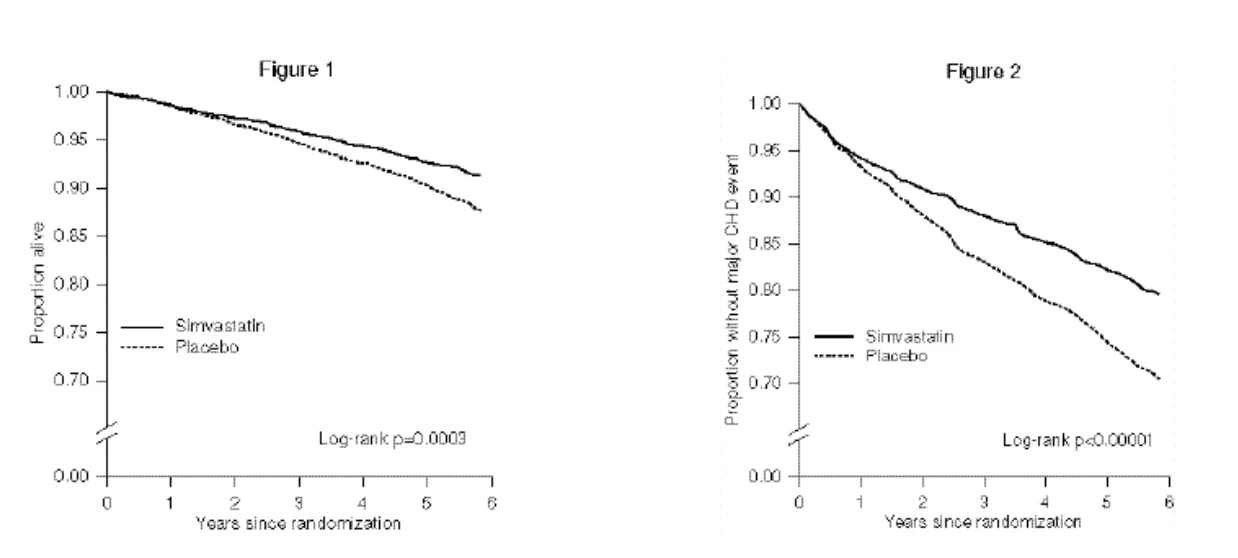
The 4S study excluded patients with familial hypercholesterolemia (FH) or with congestive heart failure. It is not established to what extent the findings of the 4S study can be extrapolated to these subpopulations of hypercholesterolemic patients.
- In patients with heterozygous FH optimal reduction in total and LDL-cholesterol necessitates a combination drug therapy in the majority of patients.
- Among patients who developed symptoms of heart failure during the 4S study, trends in reduced mortality (19% lower with simvastatin treatment compared to placebo), with reductions of similar magnitude in numbers of patients with major coronary events and numbers of major coronary events were consistent between this group and the total study cohort.
Because there were only 57 deaths among the patients with angina alone at baseline and 53 deaths among female patients, the effect of simvastatin on mortality in these subgroups could not be adequately assessed. However, trends in reduced coronary mortality and in major coronary events were consistent between these subgroups and the total study cohort.
The Heart Protection Study (HPS) was a large, multi-center, randomized, placebo-controlled, double-blind study with a mean duration of 5 years conducted in 20,536 patients (10,269 on simvastatin 40 mg and 10,267 on placebo). Patients were 40-80 years of age (97% Caucasian) and at high risk of developing a major coronary event (i.e., patients with diabetes, history of stroke or other cerebrovascular disease, peripheral vessel disease, or with existing coronary heart disease). LDL-C levels were assayed using a direct method and collected without regard for meals (results are about 5% lower than fasting sample). At baseline, 3,421 patients (17%) had LDL-C levels below 2.6 mmol/L (100 mg/dL); 7,068 patients (34%) had levels between 2.6 and 3.4 mmol/L (100 mg/dL and 130 mg/dL); and 10,047 patients (49%) had levels greater than 3.4 mmol/L (130 mg/dL).
The HPS results showed that simvastatin 40 mg/day significantly reduced: total and CHD mortality; major coronary events (a composite endpoint comprised of non-fatal MI or CHD deaths); stroke; and coronary revascularization procedures (see Table 8). Risk reductions of approximately one quarter were observed for major coronary events and stroke. These risk reductions are likely underestimates due to the fact that 33% of the patients in the intention-to-treat analysis did not comply with the study protocol (i.e., patients allocated placebo took a statin, or patients allocated simvastatin did not take the study drug).
Table 13 - Summary of Results of HPS
| Endpoint | Simvastatin (n=10,269) (%) | Placebo (n=10,267) (%) | Absolute Risk Reduction* (%) (95% CI) | Relative Risk Reduction (%) (95% CI) | P value |
|---|---|---|---|---|---|
| Primary | |||||
| Mortality | 12.9 | 14.6 | 1.7 (0.8-2.7) | 13 (6-19) | p=0.0003 |
| CHD mortality | 5.7 | 6.8 | 1.2 (0.5-1.8) | 18 (8-26) | p=0.0005 |
| Secondary | |||||
| Major coronary events**,*** | 8.7 | 11.8 | 3.1 (2.2-3.9) | 27 (21-33) | p<0.0001 |
| Stroke | 4.3 | 5.6 | 1.4 (0.8-2.0) | 25 (15-34) | p<0.0001 |
| Key Tertiary | |||||
| Coronary revascularization | 4.9 | 7.0 | 2.1 (1.5-2.8) | 30 (22-38) | p<0.0001 |
* Based on difference in crude event rates
** See Figure 3 (results by baseline characteristics)
*** A composite of non-fatal myocardial infarction or CHD deaths
The effects of simvastatin on major coronary events are shown below for selected subgroups of patients (see Figure 3).
Figure 3 - The Beneficial Effects of Treatment with Simvastatin on Major Coronary Events in Heart Protection Study
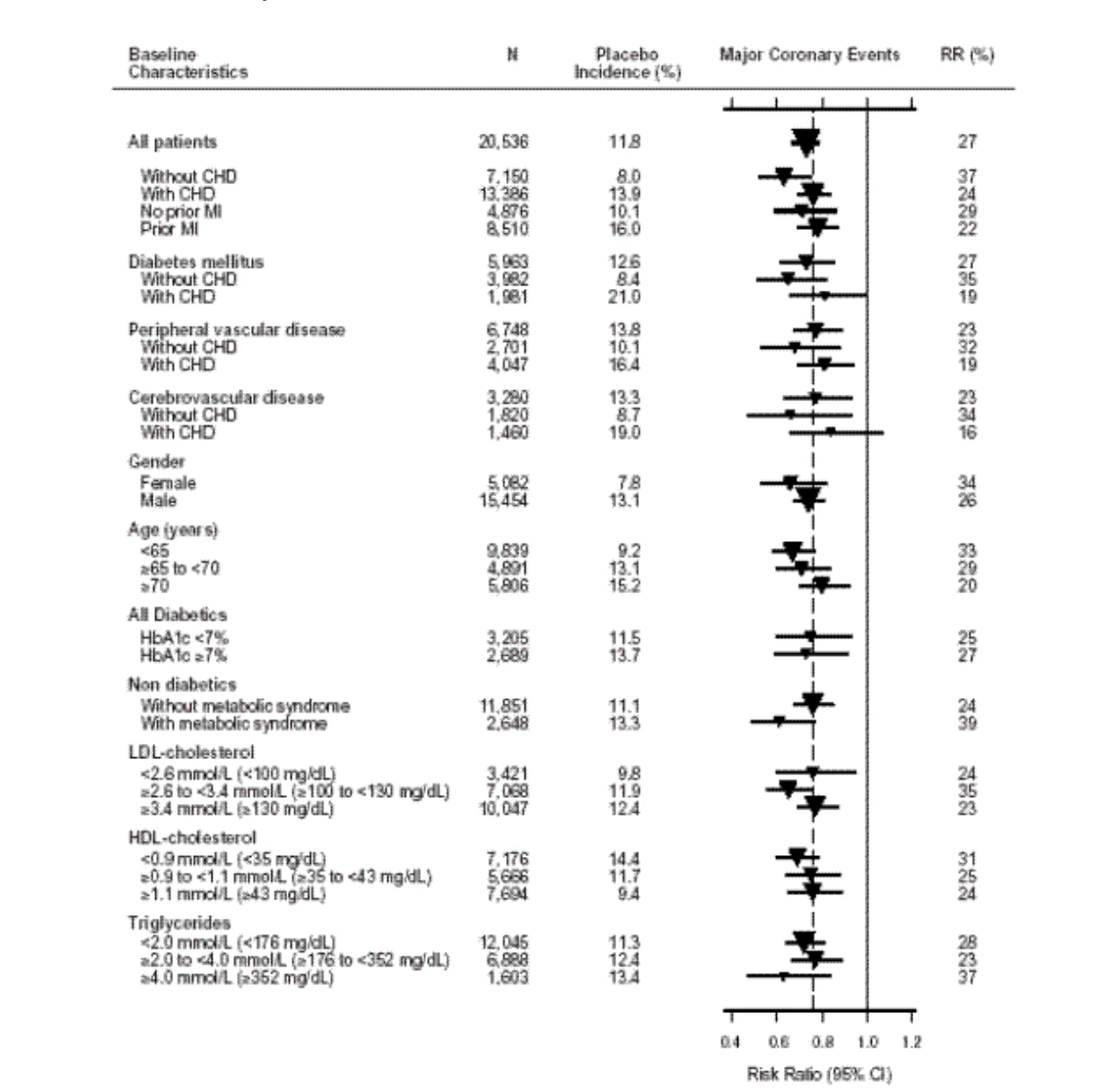
N= number of patients in each subgroup. All subgroups were defined at baseline. Placebo incidence is the percentage of patients in the placebo group who had one or more Major Coronary Events during the study. The inverted triangles are point estimates of the risk ratio in the simvastatin group, with their 95% confidence intervals represented as a line. If the point estimate fell on the left of the unity line, the observed outcome was better in patients allocated active simvastatin. Conversely, if it fell on the right, the observed outcome was better in patients allocated placebo. The areas of the triangles are proportional to the number of patients with the relative endpoint. The vertical dashed line represents the point estimate of relative risk in the entire study population. RR (%) represents risk reduction, i.e., (1-risk ratio) x 100%.
In the Multicenter Anti-Atheroma Study, the effect of therapy with simvastatin on coronary atherosclerosis was assessed by quantitative coronary angiography in hypercholesterolemic men and women with coronary heart disease. In this randomized, double-blind, controlled clinical study, 404 patients with total cholesterol values of 5.5 to 8.0 mmol/L (212 to 308 mg/dL) and a mean baseline LDL value of 4.4 mmol/L (170 mg/dL) were treated with conventional measures and with simvastatin 20 mg/day or placebo. Angiograms were evaluated at baseline, two and four years. A total of 347 patients had a baseline angiogram and at least one follow-up angiogram. In the patients who received placebo, coronary atherosclerotic lesions worsened in a near-linear manner. In contrast, simvastatin significantly slowed the progression of lesions as measured in the final angiogram by the mean change per-patient in minimum (p=0.005) and mean (p=0.026) lumen diameters (co-primary endpoints, indicating focal and diffuse disease, respectively), as well as in percent diameter stenosis (p=0.003). Simvastatin also significantly decreased the proportion of patients with new lesions (13% simvastatin vs 24% placebo, p=0.009) and with new total occlusions (5% vs 11%, p=0.04). The mean change per-patient in mean and minimum lumen diameters calculated by comparing angiograms in the subset of 274 patients who had matched angiographic projections at baseline, two and four years is presented below (Figures 4 and 5).
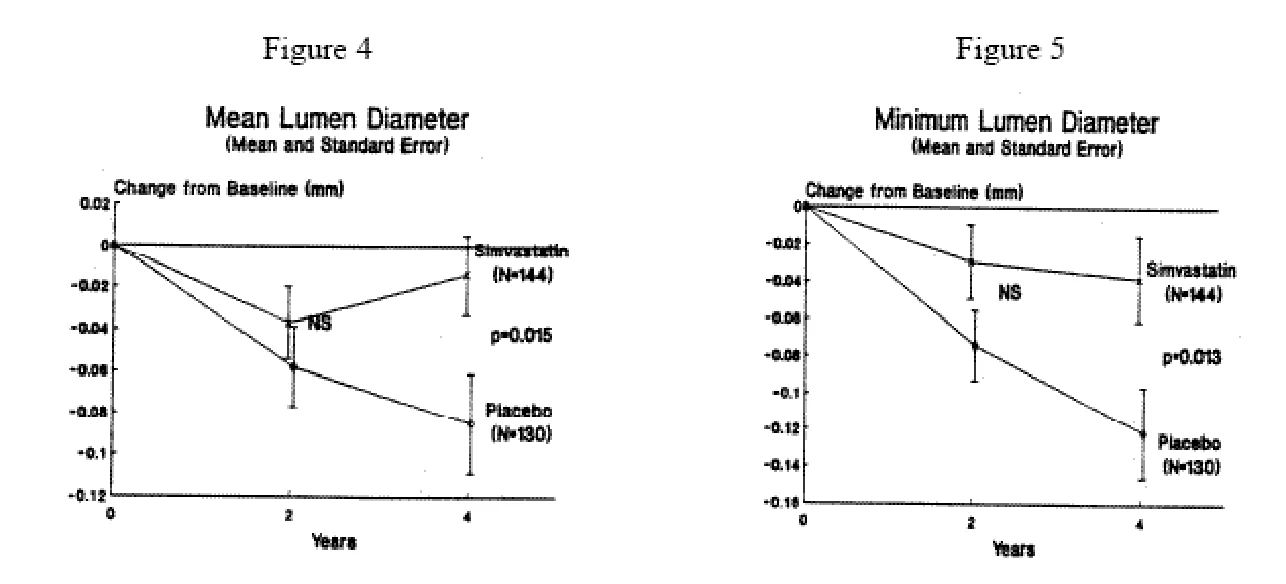
The Multicenter Anti-Atheroma Study, however, excluded patients with heterozygous familial hypercholesterolemia (FH). It is not clear to what extent these findings can be extrapolated to the familial hypercholesterolemic subpopulation not studied.
Pediatric Patients with Heterozygous Familial Hypercholesterolemia (10-<18 years of age)
Table 14- Summary of patient demographics for clinical trials in Pediatric Patients with Heterozygous Familial Hypercholesterolemia
| Study # | Study design | Dosage, route of administration and duration | Study subjects (n) | Mean age (Range) | Sex |
|---|---|---|---|---|---|
| PN-163 | double-blind, placebo-controlled study | Simvastatin 40 mg q.p.m. Placebo Oral 24 week | 175 | 14.1 (10-17) | Male Female |
In a double-blind, placebo-controlled study, 175 patients (99 adolescent boys and 76 post-menarchal girls) 10-<18 years of age (mean age 14.1 years) with heterozygous familial hypercholesterolemia were randomized to simvastatin or placebo for 24 weeks (base study). Inclusion in the study required a baseline LDL-C level between 4.14 and 10.36 mmol/L (160 and 400 mg/dL) and at least one parent with an LDL-C level >4.90 mmol/L (189 mg/dL). The dosage of simvastatin (once daily in the evening) was 10 mg for the first 8 weeks, 20 mg for the second 8 weeks, and 40 mg thereafter. In a 24-week extension, 144 patients elected to continue therapy and received simvastatin 40 mg or placebo.
Simvastatin significantly decreased plasma levels of total-C, LDL-C, TG, and Apo B (see Table 15). Results from the extension at 48 weeks were comparable to those observed in the base study.
After 24 weeks of treatment, the mean achieved LDL-C value was 3.24 mmol/L (124.9 mg/dL) range: 1.66-7.49 mmol/L (64.0-289.0 mg/dL) in the simvastatin 40 mg group compared to 5.38 mmol/L (207.8 mg/dL) range: 3.32-8.65 mmol/L (128.0-334.0 mg/dL) in the placebo group.
The safety and efficacy of doses above 40 mg daily have not been studied in children with heterozygous familial hypercholesterolemia. The long-term efficacy of simvastatin therapy in childhood to reduce morbidity and mortality in adulthood has not been established.
Table 15 – Lipid-lowering Effects of Simvastatin in Adolescent Patients with Heterozygous Familial
Hypercholesterolemia after 24 Weeks of Treatment
| TREATMENT | N | TOTAL-C (mean) | LDL-C (mean) | HDL-C (mean) | TG (median) | ApoB (mean) | |
|---|---|---|---|---|---|---|---|
| Placebo | 67 | % Change from Baseline | +1.6 | +1.1 | +3.6 | -3.2 | -0.5 |
| (95% CI) | (-2.2, 5.3) | (-3.4, 5.5) | (-0.7, 8.0) | (-11.8, 5.4) | (-4.7, 3.6) |
Mean baseline, mmol/L [mg/dL] | 7.24 [278.6] | 5.49 [211.9] | 1.21 [46.9] | 1.02 [90.0] | 1.86 g/L [186.3] |
| Simvastatin | |||||
|---|---|---|---|---|---|
| 106 | |||||
% Change from Baseline | -26.5 | -36.8 | +8.3 | -7.9 | -32.4 |
| (95% CI) | (-29.6, -23.3) | (-40.5, -33.0) | (4.6, 11.9) | (-15.8, 0.0) | (-35.9, -29.0) |
Mean baseline, mmol/L [mg/dL] | 7.03 [270.2] | 5.28 [203.8] | 1.24 [47.7] | 0.88 [78.3] | 1.80 g/L [179.9] |
14.2 COMPARATIVE BIOAVAILABILITY STUDIES
A blinded, randomized, single-dose, two-way crossover comparative bioavailability study of TARO-SIMVASTATIN 80 mg tablets (Sun Pharma Canada Inc.) and ZOCOR® 80 mg tablets (Merck Frosst Canada Ltd.) was performed under fasting conditions in 73 healthy, adult, Asian male subjects. The Summary Table of the Comparative Bioavailability Data is provided below.
SUMMARY TABLE OF THE COMPARATIVE BIOAVAILABILITY DATA
Simvastatin (1 x 80 mg tablets) Geometric Mean Arithmetic Mean (CV%) | ||||
| Parameter | Test1 | Reference2 | % Ratio of Geometric Means | 90% Confidence Interval |
AUC0-T (ng-hr/mL) | 202.08 225.97 (47.6) | 205.67 227.76 (45.5) | 98.3 | 92.3 -104.8 |
AUC0-I (ng-hr/mL) | 211.89 235.47 (46.1) | 213.73 235.78 (44.5) | 98.8 | 92.6 -105.4 |
Cmax (ng/mL) | 37.89 44.81 (61.7) | 41.02 50.13 (71.2) | 92.6 | 84.7 - 101.4 |
Tmax3 (h) | 1.50 (88.7) | 1.88 (78.0) | - | - |
T½ 3 (h) | 6.81 (43.8) | 6.76 (41.5) | - | - |
1 TARO-SIMVASTATIN 80 mg tablets (Sun Pharma Canada Inc.)
2 ZOCOR® (simvastatin) 80 mg tablets (Merck Frosst Canada Ltd.)
3 Expressed as Arithmetic Mean (CV%) only
15 MICROBIOLOGY
No microbiological information is required for this drug product.
16 DETAILED PHARMACOLOGY
General Toxicology
Acute toxicity:
Table 16 - Acute toxicity
| Simvastatin | |||
| Species | Sex | Route | LD50 mg/kg |
| Mouse | Female | Oral | 4411 |
| Mouse | Male | Oral | 3000 |
| Mouse | Female | Intraperitoneal | 798 |
| Mouse | Male | Intraperitoneal | 1033 |
| Mouse | Female | Subcutaneous | 1800 |
| Mouse | Male | Subcutaneous | 1009 |
| Rat | Female | Oral | >5000 |
| Rat | Male | Oral | 4438 |
| Rat | Female | Intraperitoneal | 705 |
| Rat | Male | Intraperitoneal | 898 |
| Rat | Female | Subcutaneous | 672 |
| Rat | Male | Subcutaneous | 1088 |
| Dog | F/M | Oral | >5000 |
| Dihydroxy Open Acid Form of Simvastatin | |||
| L-654,969 | |||
| Mouse | Female | Oral | 1820 |
| Mouse | Male | Oral | 1625 |
| Rat | Female | Oral | 1280 |
| Rat | Male | Oral | 2080 |
Chronic toxicity:
The following table summarizes the significant adverse changes noticed during the long-term toxicology studies with simvastatin.
Table 17 - Simvastatin Significant Adverse Changes
Minimal Toxic Dose (mg/kg/day) | No-Effect Dose (mg/kg/day) | |
| DOGS | ||
| Cataracts | 50 | 10 |
| Testicular degeneration | 10 | 3 |
| Elevated serum transaminases | 2 | ND |
| RABBITS | ||
| Hepatocellular necrosis | 50 | 30 |
| Renal tubular necrosis | 50 | 30 |
| Gallbladder necrosis | 90 | 50 |
| RATS | ||
| Hepatocellular atypia | 25 | 5 |
| Nonglandular gastric mucosal hyperplasia | 1 | ND |
| Thyroid follicular cell adenoma (females only) | 25 | 5 |
| Hepatomegaly (females only) | 25 | 5 |
| Posterior subcapsular or complete cataracts | 120 | 90 |
| MICE | ||
| Nonglandular gastric mucosal hyperplasia | 1 | ND |
| Liver | ||
| 100 | 25 |
| 100 | 25 |
| Lung | ||
| 100 | 25 |
ND = Not Determined
Several studies were performed with the specific intent of exploring the relationship between the adverse changes and inhibition of HMG-CoA reductase with the goal of providing the necessary perspective for human risk assessments.
The results of these studies are shown on the table below:
Table 18- Simvastatin Key Issues Identified in Safety Assessment Relationship to Inhibition of HMG-CoA Reductase
Clearly Mechanism Based
- Hepatic histomorphologic changes in rats.
- Hepatic renal and gallbladder necrosis in rabbits.
- Hyperplasia of the gastric nonglandular mucosa in rodents.
Probably Mechanism Based
- Serum transaminase elevations in dogs.
- Cataracts in dogs.
Relationship to Mechanism of Action Uncertain or Unknown
- Testicular degeneration in dogs.
Not Related to Inhibition of HMG-CoA Reductase
- Hepatomegaly and thyroid enlargement in rats.
- Thyroid follicular cell adenomas in rats.
Cataracts have been detected at high doses in dog studies with simvastatin, although at a very low incidence. While there is no clear correlation between the magnitude of serum lipid-lowering and the development of cataracts, a consistent relationship has been observed between high serum levels of drug and cataract development with simvastatin and related HMG-CoA reductase inhibitors. Serum levels (expressed as total inhibitors) in dogs receiving the minimally cataractogenic dose of simvastatin of 50 mg/kg/day are 5 times higher than those in man receiving the maximally anticipated therapeutic dose of 1.6 mg/kg (based on 80 mg/day for a 50 kg man). The no-effect dose of simvastatin for cataracts is 10 mg/kg/day. This dose was administered to dogs for a period of up to 2 years without the production of opacities.
Mild, transient dose-related increases in serum transaminases have been observed in dogs receiving simvastatin. These occurred either as chronic low level elevations or as transient enzyme spikes in approximately 10-40% of the dogs receiving this drug and resolved despite continued drug administration. None of the dogs experiencing these transaminase elevations demonstrated any symptoms of illness; and none of the transaminase elevations have progressed to levels associated with frank hepatic necrosis, despite continued drug administration. No histopathological changes have been identified in the liver of any dogs receiving simvastatin.
Testicular degeneration has been seen in two dog safety studies with simvastatin, at doses of 30 and 90 mg/kg/day. Special studies designed to further define the nature of these changes have not met with success since the effects are poorly reproducible and unrelated to dose, serum cholesterol levels, or duration of treatment. Furthermore, no changes in serum androgens or gonadotropins have been related to simvastatin treatment in dogs. Simvastatin has been administered for up to 2 years to dogs at a dose of 50 mg/kg/day without any testicular effects.
Skeletal muscle necrosis was seen in one study in rats given 90 mg/kg b.i.d., but this was a lethal dosage in rats.
Carcinogenicity
Initial carcinogenicity studies conducted in rats and mice with simvastatin employed doses ranging from 1 mg/kg/day to 25 mg/kg/day (16 times the maximum recommended human dose) [based on 50 kg person]. No evidence of a treatment-related incidence of tumor types was found in mice in any tissue.
A statistically significant (p ≤ 0.05) increase in the incidence of thyroid follicular cell adenomas was observed in female rats receiving 25 mg/kg/day of simvastatin (16 times the maximum recommended human dose). This benign tumor type was limited to female rats; no similar changes were observed in male rats or in female rats at lower dosages [(up to 5 mg/kg/day) 3.1 times the maximum recommended human dose]. These tumors are a secondary effect reflective of a simvastatin mediated enhancement of thyroxine clearance in the female rat. No other statistically significant increased incidence of tumor types was identified in any tissues in rats receiving simvastatin.
Results of an additional 73-week carcinogenicity study in mice receiving simvastatin doses up to 400 mg/kg/day (250 times the maximum recommended human dose, based on a 50 kg person) exhibited increased incidences of hepatocellular adenomas and carcinomas, and pulmonary adenomas at doses of 100 and 400 mg/kg/day, and an increase in the incidence of harderian gland adenomas at 400 mg/kg/day. A no-effect dose of 25 mg/kg/day (16 times the maximum recommended human dose) was established in this study and from the results of the initial 92-week carcinogenicity study in mice.
Results of an additional 106-week carcinogenicity study in rats receiving simvastatin doses ranging from 50 mg/kg/day to 100 mg/kg/day (31 to 63 times the maximum recommended human dose) exhibited a treatment-related increase in the incidence of hepatocellular neoplasms. The no-effect dose remains at 25 mg/kg/day (16 times the maximum recommended human dose) as established in the initial carcinogenicity study. An increase in the incidence of thyroid hyperplastic lesions was also observed; however, this is consistent with the previous finding that this is a species-specific response and has no implications for man.
Genotoxicity
No evidence of mutagenicity was observed in a microbial mutagen test using mutant strains of Salmonella typhimurium with or without rat or mouse liver metabolic activation. In addition, no evidence of damage to genetic material was noted in an in vitro alkaline elution assay using rat hepatocytes, a V-79 mammalian cell forward mutation study, an in vitro chromosome aberration study in CHO cells, or an in vivo chromosomal aberration assay in mouse bone marrow.
Reproductive and Developmental Toxicology
There was no evidence of a teratogenic effect in rats or rabbits at maximally tolerated doses of up to 25 mg/kg/day or 10 mg/kg/day, respectively (16 and 6.3 times the maximum recommended human dose, respectively).
However, in rats, an oral dose of 60 mg/kg/day of the hydroxy acid, pharmacologically active metabolite of simvastatin resulted in decreased maternal body weight and an increased incidence of fetal resorptions and skeletal malformations compared with controls. Subsequent studies conducted at dosages of up to 60 mg/kg/day with this metabolite showed that these resorptions and skeletal malformations were consequences of maternal toxicity (forestomach lesions associated with maternal weight loss) specific to rodents and are highly unlikely to be due to a direct effect on the developing fetus. Although no studies have been conducted with simvastatin, maternal treatment of pregnant rats with a closely related HMG-CoA reductase inhibitor at dosages of 80 and 400 mg/kg/day (10- and 52-fold the maximum recommended therapeutic dose based on mg/m2 body surface area) has been shown to reduce the fetal plasma levels of mevalonate.
17 SUPPORTING PRODUCT MONOGRAPH
- 1. ZOCOR® (simvastatin, 10, 20 and 40 mg), submission control No. 272761, Product Monograph, Organon Canada Inc. (July 27, 2023).