


Product Monograph - Tepadina
Recent Major Label Changes
| 2026-02 |
|---|---|
| 2026-02 |
| 2026-03 |
| 2026-03 |
| 2026-02 |
| 2026-03 |
Table of Contents
Certain sections or subsections that are not applicable at the time of the preparation of the most recent authorized product monograph are not listed.
Recent Major Label Changes ................................................................................................... 2
Table of Contents ................................................................................................................... 2
Part 1: Healthcare Professional Information ........................................................................... 5
- 1.
Indications .......................................................................................................................... 5
1.1. Pediatrics ....................................................................................................................... 5
1.2. Geriatrics ....................................................................................................................... 5
- 2. Contraindications ................................................................................................................ 5
- 3. Serious Warnings and Precautions Box ............................................................................... 5
- 4.
Dosage and Administration ............................................................................................. 6
4.1. Dosing Considerations ................................................................................................... 6
4.2. Recommended Dose and Dosage Adjustment ............................................................... 6
4.3. Reconstitution ............................................................................................................... 7
4.4. Administration ............................................................................................................. 15
- 5. Overdose .......................................................................................................................... 15
- 6. Dosage Forms, Strengths, Composition, and Packaging ..................................................... 15
- 7.
Warnings and Precautions ................................................................................................ 16
General ............................................................................................................................... 16
Carcinogenesis and Genotoxicity ........................................................................................ 17
Cardiovascular .................................................................................................................... 17
Dependence, Tolerance and/or Abuse Liability .................................................................. 17
Driving and Operating Machinery ....................................................................................... 17
Ear/Nose/Throat ................................................................................................................. 17
Endocrine and Metabolism ................................................................................................. 17
Gastrointestinal .................................................................................................................. 18
Genitourinary ..................................................................................................................... 18
Hematologic ....................................................................................................................... 18
Hepatic/Biliary/Pancreatic .................................................................................................. 18
Immune .............................................................................................................................. 18
Monitoring and Laboratory Tests ....................................................................................... 19
Musculoskeletal .................................................................................................................. 19
Neurologic and Psychiatric ................................................................................................. 19
Ophthalmologic .................................................................................................................. 20
Renal ................................................................................................................................... 20
Reproductive Health ........................................................................................................... 20
Respiratory ......................................................................................................................... 20
Skin ..................................................................................................................................... 20
7.1 Special Populations ....................................................................................................... 20
7.1.1. Pregnancy ............................................................................................................ 20
7.1.2. Breastfeeding ...................................................................................................... 21
7.1.3. Pediatrics ............................................................................................................. 21
7.1.4. Geriatrics ............................................................................................................. 21
7.1.5. Hepatic Impairment............................................................................................. 21
7.1.6. Renal Impairment ................................................................................................ 21
- 8.
Adverse Reactions ............................................................................................................ 21
8.1. Adverse Reaction Overview ......................................................................................... 21
8.2. Clinical Trial Adverse Reactions ................................................................................... 22
8.2.1. Clinical Trial Adverse Reactions – Pediatrics ........................................................ 25
8.5. Post-Market Adverse Reactions ................................................................................... 25
- 9.
Drug Interactions .............................................................................................................. 26
9.1. Serious Drug Interactions ............................................................................................. 26
9.2. Drug Interactions Overview ......................................................................................... 26
9.3. Drug-Behaviour Interactions ........................................................................................ 26
9.4. Drug-Drug Interactions ................................................................................................ 26
9.5. Drug-Food Interactions ................................................................................................ 28
9.6. Drug-Herb Interactions ................................................................................................ 28
9.7. Drug-Laboratory Test Interactions ............................................................................... 28
- 10.
Clinical Pharmacology ..................................................................................................... 28
10.1. Mechanism of Action ................................................................................................. 28
10.2. Pharmacodynamics .................................................................................................... 28
10.3. Pharmacokinetics ....................................................................................................... 29
- 11. Storage, Stability, and Disposal ....................................................................................... 30
- 12. Special Handling Instructions .......................................................................................... 31
Part 2: Scientific Information ................................................................................................ 32
- 13. Pharmaceutical Information ........................................................................................... 32
- 14.
Clinical Trials ................................................................................................................... 32
14.1. CNS Lymphoma .......................................................................................................... 32
- 15. Microbiology ................................................................................................................... 40
- 16. Non-Clinical Toxicology ................................................................................................... 40
Patient Medication Information ........................................................................................... 41
Part 1: Healthcare Professional Information
1. Indications
TEPADINA (Thiotepa for Injection) is indicated for:
- in combination with other chemotherapeutic products as part of a high-dose chemotherapy (HDCT) consolidation regimen followed by autologous stem cell transplantation (ASCT) for adult patients with central nervous system (CNS) lymphoma
TEPADINA should be administered under the supervision of a physician who is experienced in the use of HDCT followed by SCT.
1.1. Pediatrics
Pediatrics (< 18 years of age): No data are available to Health Canada; therefore, Health Canada has not authorized an indication for pediatric use.
1.2. Geriatrics
There is limited clinical data on the use of high-dose TEPADINA as part of a HDCT regimen in geriatric patients (>65 years of age) with CNS lymphoma. Caution is needed in these patients.
2. Contraindications
TEPADINA is contraindicated in:
Patients who are hypersensitive to this drug or component of the container. For a complete listing, please see the Dosage Forms, Strengths, Composition, and Packaging
section of the product monograph.
- Female patients who are pregnant or breastfeeding (please see Warnings and Precautions).
- Concomitant use with live virus or bacterial vaccines including yellow fever vaccine (please see Warnings and Precautions).
- Serious Warnings and Precautions Box
Serious Warnings and Precautions
TEPADINA should only be administered under the supervision of a physician who is experienced in the use of high-dose chemotherapy (HDCT) and stem cell transplantation (SCT).
- Profound myelosuppression (anemia, neutropenia and thrombocytopenia) including refractory and fatal cases (see Warnings and Precautions, Hematologic).
- Cardiotoxicity may occur. Cardiac function must be monitored regularly and caution is advised in patients with history of cardiac disease (see Warnings and Precautions, Cardiovascular).
Hepatotoxicity: Liver function must be monitored regularly and caution is advised in patients with hepatic impairment (see Warnings and Precautions, Hepatic/biliary/pancreatic and Hepatic
- Impairment).
- Patients who have received prior radiation therapy, greater than or equal to three cycles of chemotherapy, or prior SCT may be at an increased risk of hepatic veno-occlusive disease (see Warnings and Precautions, Hepatic/biliary/pancreatic, Hepatic Impairment, Renal Impairment and Special Populations).
- Pulmonary toxicity, including fatal cases, may occur and there may be additive effects produced by other cytotoxic agents (busulfan, fludarabine and cyclophosphamide) (see Warnings and Precautions, Respiratory and Drug Interactions).
- Neurotoxicity may be greater in patients with prior brain or craniospinal irradiation (see Warnings and Precautions, Neurologic and Psychiatric).
- Renal toxicity (see Warnings and Precautions, Renal).
- TEPADINA could cause fetal harm when administered to a pregnant female (see Warnings and Precautions, Special Populations, Pregnancy).
- Serious drug interactions (see Drug Interactions).
4. Dosage and Administration
4.1. Dosing Considerations
TEPADINA should be administered under the supervision of a physician who is experienced in the use of high-dose chemotherapy (HDCT) regimens followed by stem cell transplantation (SCT).
Dosing of obese patients based on total body weight may result in higher than expected thioTEPA/TEPA exposure. Consideration might be given to using adjusted body weight for calculating body surface area. Obese patients should be closely monitored for signs of toxicity.
4.2. Recommended Dose and Dosage Adjustment
The recommended dose for TEPADINA as part of HDCT regimens ranges from 185 mg/m2/day to 370 mg/m2/day, administered intravenously as one or two daily infusions over 2 to 3 consecutive days prior to ASCT. Do not exceed a total maximum cumulative dose of 750 mg/m2 during the administration of the HDCT regimen.
Table 1 - TEPADINA high-dose chemotherapy regimens used in CNS lymphoma patients
| Reference | Days of TEPADINA administrationa | HDCT regimen | TEPADINA Dose | |
|---|---|---|---|---|
| Reference | Days of TEPADINA administrationa | HDCT regimen | TEPADINA Dose | |
| Total Daily Dose | Cumulative Dose | |||
| Total Daily Dose | Cumulative Dose | |||
| Cheng 2003 | Days -8 to -7 | TT/Bu/Cy | 300 mg/m2 | 600 mg/m2 |
| Sierra del Rio 2011 | Days -9 to -7 | TT/Bu/Cy | 250 mg/m2 | 750 mg/m2 |
| Illerhaus 2008 | Days -5 to -4 | TT/BCNU | 185 mg/m2 | 370 mg/m2 |
| Alimohamed 2012 | Days -8 and -7 | TT/Bu/Cy | 300 mg/m2 | 600 mg/m2 |
| Illerhaus 2006 | Days -5 to -4 | TT/BCNU | 185 mg/m2 | 370 mg/m2 |
| Montemurro 2007 | Days -4 to-3 | TT/Bu | 185 mg/m2 | 370 mg/m2 |
| Omuro 2015 | Days -9 to -7 | TT/Bu/Cy | 250 mg/m2 | 750 mg/m2 |
| Bojic 2015 | Days -5 to -4 | TT/BCNU/Rb | 185 mg/m2 | 370 mg/m2 |
| Soussain 1996 | Days -9 to -7 | TT/Bu/Cy | 250 mg/m2 | 750 mg/m2 |
| Soussain 2001 | Days -9 to -7 | TT/Bu/Cy | 250 mg/m2 | 750 mg/m2 |
| Soussain 2008 | Days -9 to -7 | TT/Bu/Cy | 250 mg/m2 | 750 mg/m2 |
| Soussain 2012 | Days -9 to -7 | TT/Bu/Cy | 250 mg/m2 | 750 mg/m2 |
| Cote 2012 | Days -9 to -7 | TT/Bu/Cy | 250 mg/m2 | 750 mg/m2 |
| Chen 2015 | Days -9 to -7 | TT/Bu/Cy/R | 250 mg/m2 | 750 mg/m2 |
| Lee 2015 | Days -4 to -3 | TT/Bu | 185 mg/m2 | 370 mg/m2 |
| Oh 2016 | Days -8 to -7 | TT/Bu/Cy | 300 mg/m2 | 600 mg/m2 |
| Days -6 to -5 | TT/Bu/Mel/R | 250 mg/m2 | 500 mg/m2 | |
| Korfel 2013 | Days -4 to -3 | TT/BCNU/VP16 | 370 mg/m2 | 740 mg/m2 |
| Welch 2015 | Days -9 to -7 | TT/Bu/Cy | 250mg/m2 | 750 mg/m2 |
| ADN013 Studyc | ---- | ---- | ---- | 520mg/m2 |
aInfusion of autologous blood stem cells on Day 0; bThree patients additionally received rituximab; cADN013 Study post-market data; TT: Tepadina; Bu: Busulfan; Cy: Cyclophosphamide: BCNU: Carmustine; VP-16: Etoposide; R: Rituximab; Mel: Melphalan.
The recommended doses of TEPADINA are intended only as part of a HDCT regimen followed by SCT.
Special populations:
- Pediatrics (<18 years of age): Health Canada has not authorized an indication for pediatric use.
- Geriatrics (>65 years of age): There is limited clinical data on the use of high-dose TEPADINA as part of a HDCT regimen in geriatric patients with CNS lymphoma. Caution is needed in these patients.
- Hepatic impairment: The safety and efficacy of high-dose TEPADINA has not been established in patients with hepatic impairment. TEPADINA is mainly metabolized by the liver and the risk of increased exposure in patients with hepatic impairment is unknown. Patients with hepatic impairment should be treated with caution and monitored for signs of toxicity.
- Renal impairment: The safety and efficacy of high-dose TEPADINA has not been established in patients with renal impairment. Dedicated pharmacokinetic studies in patients with renal impairment have not been conducted. Patients with renal impairment should be treated with caution and monitored for signs of toxicity.
- Obesity: Consideration might be given to using adjusted body weight for calculating BSA (see Pharmacokinetics, Special Populations and Conditions).
4.3. Reconstitution
Parenteral Products:
Reconstitution of vials
Reconstitute with Sterile Water for Injection as follows:
Table 2 - Reconstitution
| Vial Size | Volume of Sterile Water to be Added to Vial | Approximate Available Volume | Nominal Concentration per mL |
| 15 mg | 1.5 mL | 1.5 mL | 10 mg/mL |
| 100 mg | 10 mL | 10 mL | 10 mg/mL |
TEPADINA must be reconstituted with sterile water for injection. Using a syringe fitted with a needle, aseptically withdraw sterile water for injection (see chart above). Inject the content of the syringe into the vial through the rubber stopper. Remove the syringe and the needle and mix manually by repeated inversions. Only clear colourless solutions, without any particulate matter, must be used. Reconstituted solutions may occasionally show opalescence; such solutions can still be administered.
Further dilution in the infusion bag
The reconstituted solution is hypotonic and must be further diluted prior to administration with 500 mL sodium chloride 9 mg/mL (0.9%) solution for injection (1000 mL if the dose is higher than 500 mg) or with an appropriate volume of sodium chloride 9 mg/mL (0.9%) solution for injection in order to obtain a final TEPADINA concentration between 0.5 and 1 mg/mL.
Prior to and following each infusion, the indwelling catheter line should be flushed with approximately 5 mL sodium chloride 9 mg/mL (0.9%) solution for injection. Infusion solutions should be administered using an infusion set equipped with a 0.2 μm in-line filter (polyethersulfone-fluid filter membrane B. Braun).
This medicinal product must not be mixed with other medicinal products except those mentioned in Reconstitution.
Reconstitution in Multichamber Flexible bag
The bag must only be removed from the aluminum wrapper immediately before the use.
TEPADINA 200 mg and 400 mg must be reconstituted with 200 mL and 400 mL sodium chloride 9 mg/mL (0.9%) solution for injection respectively. The final reconstituted solution is obtained after breaking the peelable seal of the dual chamber bag and mixing the contents (powder and solvent) until complete dissolution of the powder.
After reconstitution with the solvent, each mL of solution contains 1 mg of thiotepa.
Only colourless solutions, without any particulate matter, must be used.
Dose Adjustments of Multichamber Flexible bag Calculated According to the Posology
If necessary, dose adjustment of TEPADINA must be operated as per specific application (Recommended Dose and Dosage Adjustment).
In order to ensure the dose to be administered, an adjustment may be needed by withdrawal or addition of the solution, as follows:
withdrawal (if the required dose is less than 200 mg or 400 mg)
withdraw an appropriate volume of the reconstituted solution (1 mg/mL), as needed, with a graduated syringe using the luer port (Step 5 of the Instruction for Use) or set an infusion pump with the amount of medicinal product to be administered in mL;
addition (if the required dose is greater than 200 mg or 400 mg)
the appropriate volume of the reconstituted solution from TEPADINA 15 mg or 100 mg vials (10 mg/mL) should be transferred into the Multichamber Flexible bag through the dedicated luer port (Step 5 of the Instruction for Use as mentioned in the below instructions).
Preparation of the Multichamber Flexible bag for Administration
Before administering the product in Multichamber Flexible bag to the patient, refer to the instruction for use in the panels below:
 ADIENNE Use Instructions for the Multichamber Flexible Bag | |||||
|---|---|---|---|---|---|
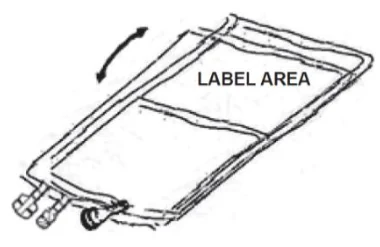
Figure A 1 - Overpouch Notch 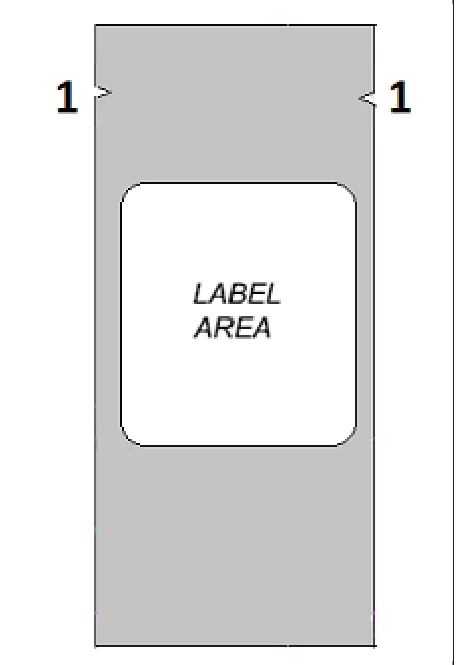 | Figure B 2 – Blind Port (NEVER use this port) 3 – Luer Port 4 – Twist off Port 5 – Label Area 6 – Peel Seal (Must break to activate) 7 – Hole (For hanging the bag) 8 – Solvent chamber 9 – Powder chamber TEPADINA 200 mg 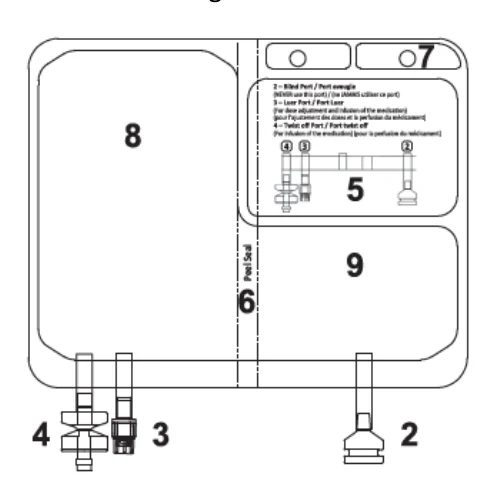 TEPADINA 400 mg 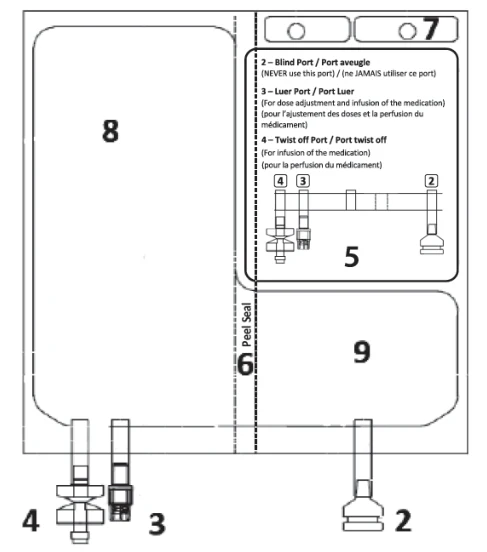 | ||||
| 1 – REMOVE OVERPOUCH | |||||
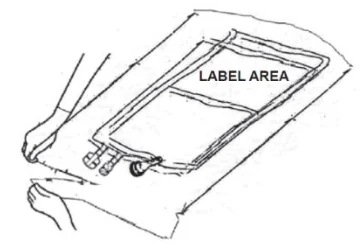 |
 | ||||
| 2 – INSPECT BAG PRIOR TO ACTIVATION | 3 – ACTIVATE THE BAG | ||||
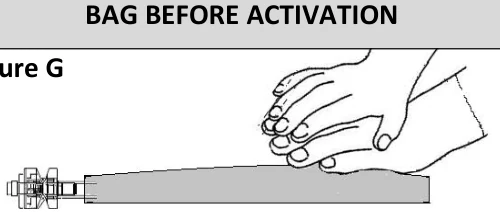
Place bag on a clean, stable surface with text side up and ports pointing away from you, as per Figure E. Check that there are no liquid or product leakages from the connection ports 2, 3, 4 and from the chamber 8, 9. Check the integrity of peel seal 6, verifying the absence of liquid in the chamber 9. Figure E TEPADINA 200 mg 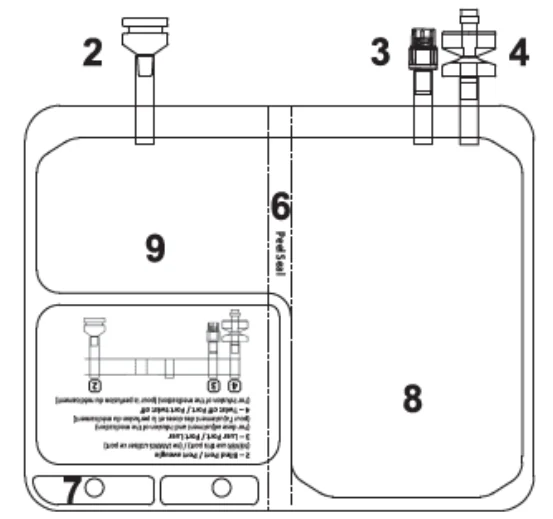 | Overlap your hands, on the lower portion of chamber 8 (as per Figure F). Press firmly in order to apply uniform pressure until peel seal 6 is completely activated (it may take up to 5 seconds of continued pressure to break the peel seal 6). Figure F TEPADINA 200 mg 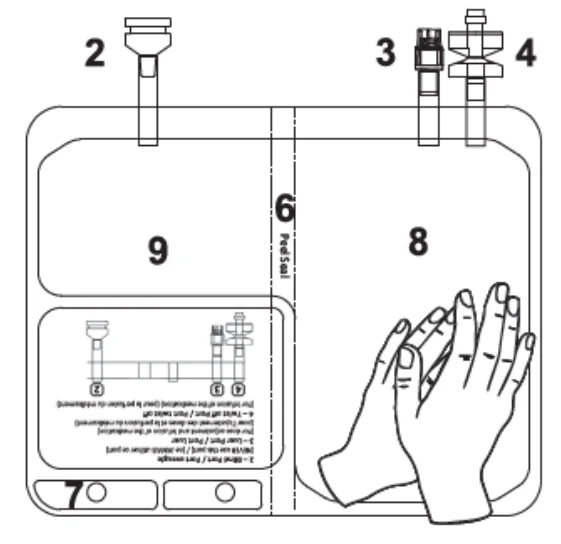 | ||||
TEPADINA 400 mg 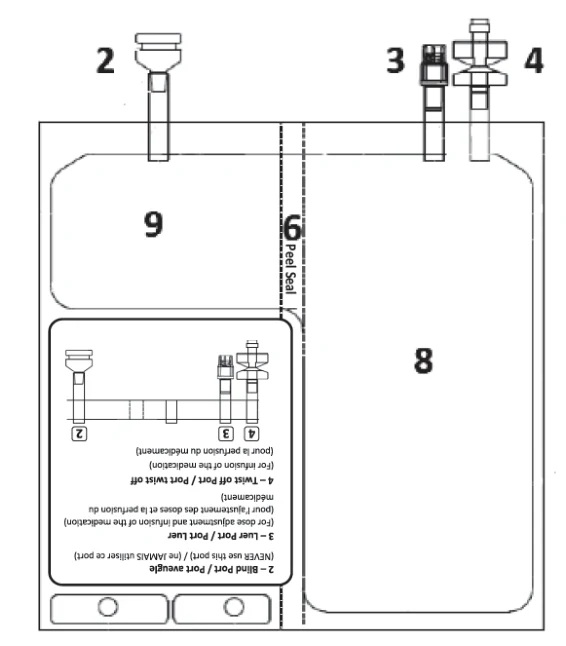 | TEPADINA 400 mg 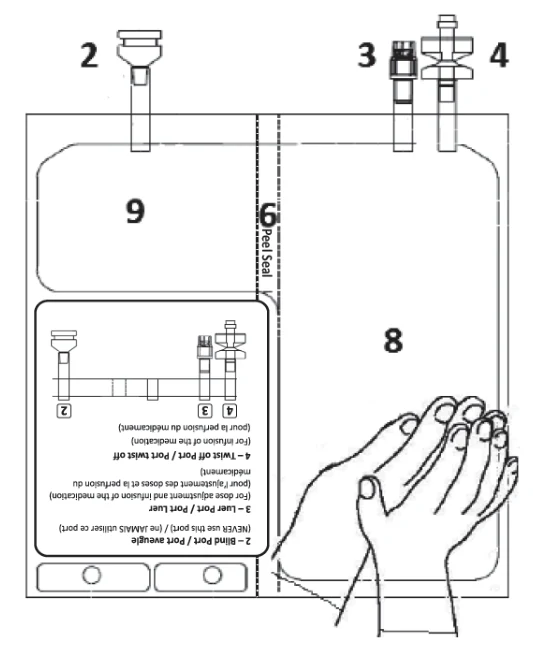 | ||||
 BAG BEFORE ACTIVATION | 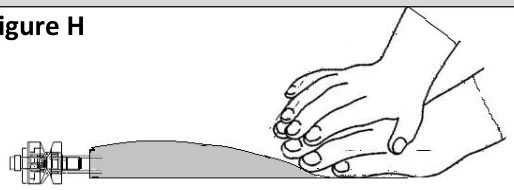 BAG AFTER ACTIVATION | ||||
| Figure G | Figure H | ||||
| Do NOT squeeze or press strongly. | 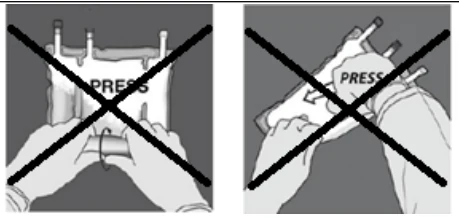 Figure I | ||||
| 4 – INSPECT BAG TO CONFIRM ACTIVATION | ||
|---|---|---|
Check the peel seal 6 is now completely activated. Chamber 8 and 9 are merged. 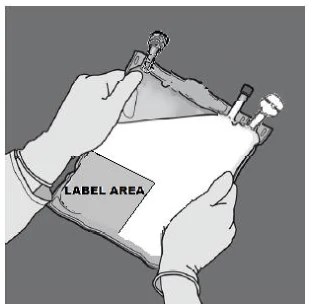 Figure J | Mix gently until complete dissolution of product. 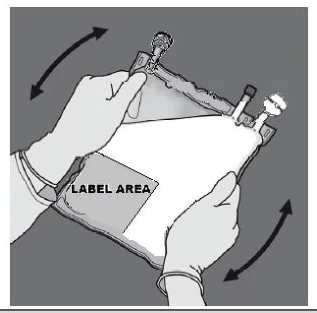 Figure K | |
| 5 – DOSE ADJUSTMENT - Please refer to the sections “Recommended Dose and Dosage Adjustment” and “Dose Adjustments of Multichamber Flexible bag Calculated According to the Posology” | ||
Identify the Luer Port 3 if correcting dose is needed. Remove the plastic cap from Luer Port. 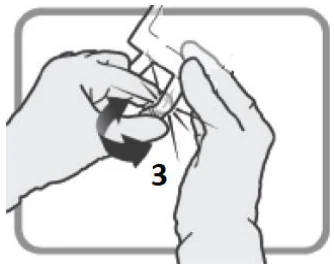 Figure L | Screw the luer lock device as per Figure M. Do not use unproper non luer lock devices on port 3. 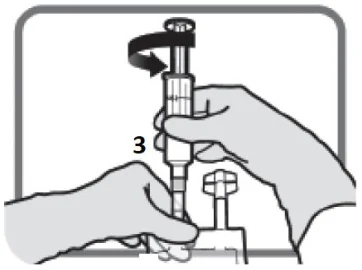 Figure M Ensure that the connection is fully seated and tighten. | Operate dose adjustment as per sections 4.2 and 4.3 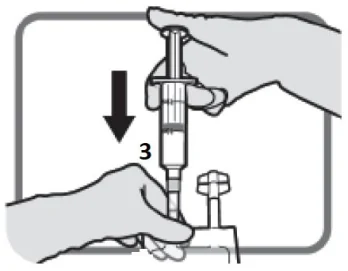 Figure N Unscrew the device once finished. Put the plastic cap on Luer Port 3 before proceeding with infusion |
| 6 – CONNECTION - The infusion set may be connected to the bag through either of the spike connector or the luer connector | ||
|---|---|---|
OPTION A – SPIKE CONNECTION Identify Twist off Port 4 in case of spike infusion set. Twist off the plastic cap before inserting the spike. 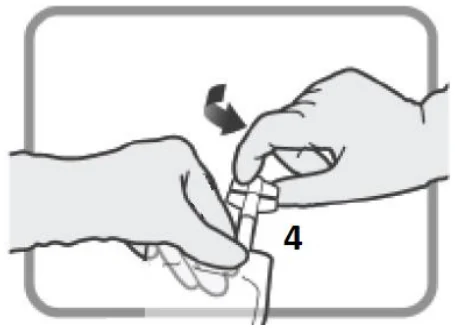 Figure O Insert the spike connector. 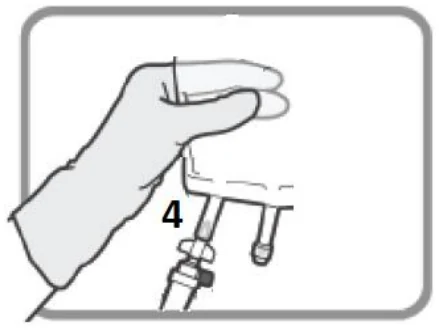 Figure P | OPTION B – LUER CONNECTION Select luer cap port 3 in case of luer connector infusion set. Remove the plastic cap from Luer Port 3 before connect the luer connector. 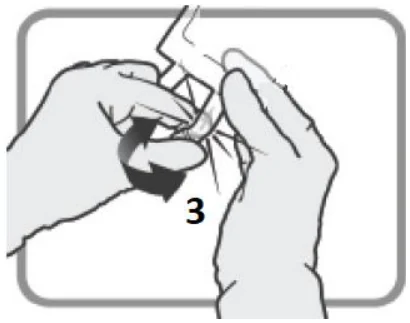 Figure Q Insert the luer connector. 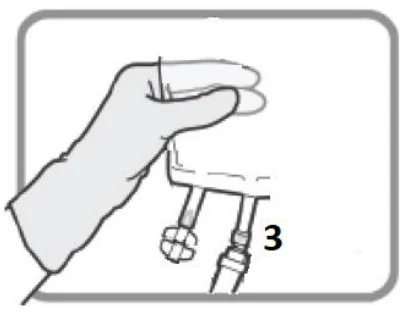 Figure R Ensure that the connection is fully seated and tighten. | |
| 7 – HANG THE BAG | ||
| Hang the bag by the hole 7. | 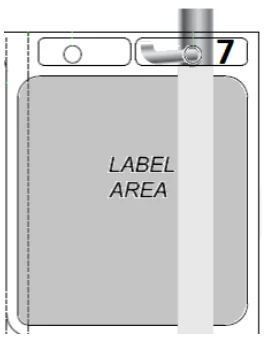 Figure S | |
4.4. Administration
As with all parenteral drug products, intravenous admixtures should be inspected visually for clarity, particulate matter, precipitate, discoloration and leakage prior to administration.
TEPADINA must be administered by a qualified healthcare professional as a 2 to 4 hours intravenous infusion via a central venous catheter. Infusion solutions should be administered using an infusion set equipped with a 0.2 μm in-line filter.
TEPADINA is for single use only. Any unused product or waste material should be disposed of in accordance with local requirements.
5. Overdose
The principal toxic effect of TEPADINA is profound myelosupression and pancytopenia but skin, gastrointestinal, hepatic, renal, cardiac, pulmonary and CNS toxicity can occur (see Warnings and Precautions). There is no known specific antidote for TEPADINA overdose.
Management of overdosage would include appropriate treatment of any concurrent infection, myelosuppression or other toxicity, close monitoring of the hematologic status and institution of vigorous supportive measures as medically indicated to sustain the patient through any period of toxicity that might occur.
For the most recent information in the management of a suspected drug overdose, contact your regional poison control centre or Health Canada’s toll-free number, 1-844 POISON-X (1-844-764-7669).
- 6. Dosage Forms, Strengths, Composition, and Packaging
Table 3 - Dosage Forms, Strengths, and Composition
| Route of Administration | Dosage Form / Strength/Composition | Non-medicinal Ingredients |
| Intravenous, after reconstitution and dilution | Lyophilised powder for infusion upon reconstitution and dilution 15 mg, 100 mg | TEPADINA does not contain any excipients. |
| Intravenous, after reconstitution | Lyophilised powder and solvent for solution for infusion 200 mg, 400 mg Dual chamber bag containing 200 mg or 400 mg of powder in one chamber and 200 mL or 400 mL sodium chloride 9 mg/mL (0.9%) solution for injection in the other chamber. | Powder: none Solvent: sodium chloride and water for injections |
Description
TEPADINA 15 mg and 100 mg
Type I clear glass vial with a stopper, containing either 15 mg or 100 mg Thiotepa for Injection. The stopper does not contain natural latex rubber. Pack size of 1 vial.
TEPADINA 200 mg and 400 mg
TEPADINA is supplied as a dual chamber bag containing 200 mg or 400 mg of powder in one chamber and 200 mL or 400 mL sodium chloride 9 mg/mL (0.9%) solution for injection in the other chamber.
The bag is made of a multilayer polyolefin/styrene – block copolymer and it is assembled with three tubes made of the same polyolefin/styrene material, fitted with different closure systems:
- twist off port (polypropylene);
- nip-cap connector composed of luer lock closure (silicone/polycarbonate) and cap connector (polypropylene);
- blind port which is only used during manufacturing (lyophilization) is made of polypropylene equipped with chlorobutyl lyo stopper and sealed with aluminum flip-off seals.
Each bag is packed in an aluminum wrapper. Pack size of 1 bag.
Non-medicinal ingredients in the solvent are sodium chloride and water for injections.
The powder does not contain any excipients.
7. Warnings and Precautions
Please see 3 Serious Warnings and Precautions Box.
General
Infections
Increased susceptibility to infection and sepsis have been reported very commonly. Serious infections, including sepsis, septic shock, fever and chills, may occur after ASCT.
Prophylactic or empiric use of anti-infectives (bacterial, fungal, viral) should be considered for the prevention and management of infections during the neutropenic period.
Administration of live attenuated vaccines (including yellow fever vaccines) should be avoided until the immunosuppressive effects have been resolved (see Contraindications).
Concomitant use with phenytoin and fosphenytoin should be avoided (see Drug Interactions).
Thiotepa must not be concurrently administered with cyclophosphamide when both medicinal products are present in the same high-dose chemotherapy (HDCT) regimen. TEPADINA must be delivered after the completion of any cyclophosphamide infusion (see Drug Interactions).
During the concomitant use of thiotepa and inhibitors or inducers of CYP2B6 or CYP3A4, patients should be carefully monitored (see Drug Interactions).
The safety assessment of high-dose TEPADINA as part of a high-dose chemotherapy (HDCT) regimen is derived from published literature where patients, including those with CNS lymphoma, were treated. As such, the safety information is limited by the information selected for inclusion into published reports. As high-dose TEPADINA is administered in combination with other chemotherapeutic agents, it is not always possible to assign, nor to exclude, causality to particular adverse events. The following sections describe adverse events reported with the use of HDCT regimens that include TEPADINA.
Carcinogenesis and Genotoxicity
TEPADINA has been shown in pre-clinical studies to be mutagenic and carcinogenic. Treatment-related secondary malignancies, including myelodysplastic syndrome and acute non-lymphocytic leukemia, have been reported with the use of TEPADINA (see Non-Clinical Toxicology).
Cardiovascular
Cardiac-related adverse events such as arrhythmia (including tachycardia and atrial fibrillation) congestive cardiac failure, cardiomyopathy and myocarditis have been reported. Vascular disorders observed include hypertension, lymphedema and embolism. Cerebral aneurysm has also been reported.
Patients with organ dysfunction were generally excluded from clinical trials. Caution is advised in patients with a history of cardiac disease. Severe cardiotoxicity, including cases with a fatal outcome, have been reported in patients with reduced ejection fraction prior to stem cell transplantation. Regular monitoring of cardiac function is recommended in patients treated with TEPADINA (see Monitoring and laboratory tests).
Dependence, Tolerance and/or Abuse Liability
TEPADINA has not been studied for its potential to cause dependence, tolerance and/or abuse; however, there may be a theoretical risk of the occurrence of one or more of these risks. Healthcare professionals should consider the patient’s history of drug use and monitor appropriately.
Driving and Operating Machinery
Convulsion, hallucination, delirium, dizziness, headache and blurred vision have been reported in patients treated with TEPADINA. Patients experiencing these symptoms should use caution when driving or operating machines.
Ear/Nose/Throat
Ototoxicity (including hearing impairment and tinnitus) has been reported in patients treated with TEPADINA-containing HDCT regimens.
Endocrine and Metabolism
Anorexia, weight loss and dehydration have been reported in CNS lymphoma patients treated with TEPADINA-containing HDCT regimens. Hyponatremia associated with syndrome of inappropriate antidiuretic hormone secretion (SIADH) has been reported. Decreased appetite, hyperglycemia and hypopituitarism have been reported.
Gastrointestinal
Gastrointestinal toxicity occurs very commonly in patients receiving TEPADINA-containing HDCT regimens, including severe nausea, vomiting and diarrhea. Other gastrointestinal events reported include grade 3 stomatitis, colitis, pancreatitis, typhilitis, chronic enterocolitis (including Clostridium difficile colitis), as well as esophagitis, dyspepsia, abdominal pain, constipation, gastrointestinal perforation, and ileus.
Grade 3-4 mucositis occurs in the majority of patients treated with TEPADINA-containing HDCT. Management of mucositis often requires total parenteral nutrition (see Adverse Reactions, Special Populations/Pediatrics).
Genitourinary
Hemorrhagic cystitis, dysuria, oliguria, cystitis and hematuria have been reported. Consideration should be given to administration of bladder protective agents. Patients must be adequately hydrated to reduce the risk of genitourinary toxicity.
Hematologic
High-dose TEPADINA causes profound myelosuppression in all patients. Reported median time for platelet recovery ranged from 8 to 18 days; median time for neutrophil recovery was between 7.5 to 11 days. Persistent grade 3-4 thrombocytopenia and severe febrile neutropenia have been reported. Refractory thrombocytopenia has been associated with fatal hemorrhage. Thrombotic micro-angiopathy involving the CNS has also been reported.
Frequent complete blood counts, including differential white blood cell counts, and platelet counts need to be performed during treatment and until recovery is achieved. Daily white blood cell counts and platelets are recommended during therapy with TEPADINA and after transplant for at least 30 days (see Monitoring and Laboratory Test).
Hemorrhage
Cases of epistaxis and cerebral hemorrhage (including fatalities) possibly secondary to thrombocytopenia have been reported.
Thrombosis
Pulmonary embolism, including fatal cases, has been reported.
Hepatic/Biliary/Pancreatic
TEPADINA is hepatotoxic. Increased transaminases, alkaline phosphatase, gamma-glutamyltransferase and bilirubin as well as elevated amylase have been reported in TEPADINA treated patients. Cases of veno-occlusive liver disease, hepatomegaly, jaundice and pancreatitis have also been reported. Patients who have received prior radiation therapy, greater than or equal to three cycles of chemotherapy, or prior SCT may be at an increased risk of hepatic veno-occlusive liver disease (see Serious Warnings and Precautions Box).
Immune
Depressed immunity caused by the profound myelosuppressive effects of high-dose TEPADINA occurs in patients treated with TEPADINA-containing HDCT regimens. Live vaccines (including yellow fever vaccines) should not be administered to immunocompromised patients.
Severe immunosuppression has led to serious, sometimes fatal, infections (see Warnings and Precautions, Hematologic). Prophylactic or empiric use of anti-infectives (bacterial, fungal, viral) should be considered for the prevention and management of infections during the neutropenic period. Latent infections can be reactivated. Reactivation of cytomegalovirus (CMV) has occurred with TEPADINA-containing HDCT regimens administration. Monitoring and pre-emptive treatment of patients with positive CMV serology are advised. Acute and chronic graft-versus-host diseases have been reported, including some with fatal outcome. Hypersensitivity reactions have been observed. Engraftment syndrome occurs frequently.
Monitoring and Laboratory Tests
Hematologic
Frequent complete blood counts, including differential white blood cell counts, and platelet counts need to be performed during the treatment and until recovery is achieved. Platelet and red blood cell support, as well as the use of growth factors such as Granulocyte-colony stimulating factor (G-CSF), should be employed as medically indicated. Daily white blood cell counts and platelet counts are recommended during therapy with TEPADINA and after transplant for at least 30 days.
Clinical Chemistry
Monitor hepatic function (including ALT, AST, alkaline phosphatase, total bilirubin and GGT) and amylase regularly following ASCT. Patients with any degree of hepatic impairment require close monitoring of liver function.
Renal function (creatinine and eGFR), electrolytes (e.g. sodium, potassium, phosphate), magnesium, and calcium should be assessed periodically.
Urinalysis should be performed at regular intervals to assess for hematuria.
Cardiac monitoring
Cardiac function should be monitored regularly in patients treated with TEPADINA.
Musculoskeletal
Back pain, myalgia and arthralgia have been reported.
Neurologic and Psychiatric
TEPADINA is a lipophilic alkylating agent that crosses the blood-brain barrier and achieves cerebrospinal fluid concentrations equivalent to plasma concentrations. Severe neurotoxicity can occur in TEPADINA treated patients. Neurotoxicity may be greater in patients with prior brain or craniospinal irradiation. Cases of leukoencephalopathy, including fatal cases, have been observed. Other neuropsychiatric events associated with the use of TEPADINA include: cognitive disorder, memory deficits, confusional state, delirium or change in mental status, agitation, hallucination, anxiety, extrapyramidal disorder, convulsion, dizziness, headache, blurred vision, encephalopathy and paraesthesias.
Ophthalmologic
Conjunctivitis and cataracts have been observed in patients treated with TEPADINA-containing HDCT regimens.
Renal
Renal failure, increased creatinine levels and increased urea levels have been reported.
Reproductive Health
- Fertility
Pre-clinical toxicity studies show that TEPADINA impairs spermatogenesis and ovarian function in mice (see Contraindications, Non-Clinical Toxicology, Pregnancy).
Azoospermia and amenorrhea occur with TEPADINA use and TEPADINA commonly causes infertility in male and female patients. Fertility preservation strategies should be discussed with male patients and female patients of child bearing potential.
- Function
Vaginal haemorrhage and menopausal symptoms have been reported.
Respiratory
Pulmonary toxicity occurs in patients treated with TEPADINA-containing HDCT. Idiopathic pneumonia syndrome, pulmonary oedema, cough and pneumonitis have been reported. Fatal acute respiratory distress has also been reported.
Skin
TEPADINA is excreted through the skin. Skin toxicity reported with TEPADINA use includes rash
(predominantly involving axillae, groin and elbows), pruritus, urticaria, erythrodermic psoriasis, alopecia, pigmentation disorders, Stevens-Johnson syndrome (including fatal cases) and toxic epidermal necrolysis.
7.1 Special Populations
7.1.1. Pregnancy
TEPADINA must not be used during pregnancy (see Contraindications, Special Handling
Instructions). There are no studies providing data from the use of TEPADINA in pregnancy. Based on its mechanism of action, TEPADINA has the potential to cause fetal harm; including teratogenicity and fetal death (see Non-Clinical Toxicology). Women of childbearing potential should use effective contraception during treatment. A pregnancy test should be performed and confirmed negative before treatment is initiated. Women of child bearing potential should be advised to avoid becoming pregnant while receiving treatment with TEPADINA. Effective methods of contraception should be used during therapy if either the patient or the partner is of child bearing potential.
If the patient becomes pregnant while receiving TEPADINA, the patient should be informed of the potential hazard to the fetus.
7.1.2. Breastfeeding
It is not known whether TEPADINA is excreted in human milk. Due to its pharmacological properties and its potential toxicity for nursing infant, breastfeeding is contraindicated during treatment with TEPADINA.
7.1.3. Pediatrics
Pediatrics (< 18 years of age): CNS lymphoma does not typically occur in pediatric patients. The safety and efficacy of high-dose TEPADINA as part of a HDCT regimen have not been established in pediatric CNS lymphoma patients.
Cases of leukoencephalopathy have been observed following treatment with TEPADINA in adult and pediatric patients with multiple previous chemotherapies, including methotrexate and radiotherapy. Some cases have been fatal.
Cases of pulmonary arterial hypertension have been observed following treatment with TEPADINA in pediatric patients. All cases had a fatal outcome.
Cases of hypothyroidism, paresis, cardiac arrest, pulmonary hemorrhage, respiratory arrest and growth retardation have also been observed in pediatric patients administered with high-dose TEPADINA.
Cases of mucosal inflammation were observed in the ADN013 study with a markedly higher frequency in the pediatric 68% (15/22) than in the adult 17% (17/101) populations.
7.1.4. Geriatrics
Geriatrics (> 65 years of age): There is limited clinical data on the use of high-dose TEPADINA as part of a HDCT regimen in geriatric patients with CNS lymphoma. Caution is needed in these patients.
7.1.5. Hepatic Impairment
Patients with hepatic impairment should be treated with caution and regular monitoring of serum transaminase, alkaline phosphatase and bilirubin is recommended for prompt detection of signs of toxicity.
7.1.6. Renal Impairment
Patients with renal impairment should be treated with caution and monitored for signs of toxicity.
- 8. Adverse Reactions
8.1. Adverse Reaction Overview
The most commonly reported adverse events in the clinical studies of CNS lymphoma patients treated with TEPADINA-containing high-dose chemotherapy (HDCT) were myelosupression, infections, diarrhea, nausea, vomiting, stomatitis, edema, mucositis, neurotoxicity, skin rash and alopecia.
Serious adverse events included thrombocytopenia, neutropenia, pancytopenia, febrile neutropenia, refractory thrombocytopenia, hemorrhage, pulmonary embolism, pneumonia, sepsis, leukoencephalopathy, micro-angiopathy, convulsion, extrapyramidal symptoms, delirium, mucositis, veno-occlusive disease, gastrointestinal graft-versus-host disease, typhilitis, pancreatitis, hemorrhagic cystitis, acute renal insufficiency and Stevens-Johnson syndrome.
8.2. Clinical Trial Adverse Reactions
Clinical trials are conducted under very specific conditions. Therefore, the frequencies of adverse reactions observed in the clinical trials may not reflect frequencies observed in clinical practice and should not be compared to frequencies reported in clinical trials of another drug.
Treatment emergent adverse events reported with the use of high-dose TEPADINA as part of a high-dose chemotherapy (HDCT) regimen followed by autologous stem cell transplantation (ASCT) are derived from published literature where CNS lymphoma patients were treated. As such, the safety information is limited by the information selected for inclusion into published reports. Adverse events in the tables below are not pooled nor listed by MedDRA organ classes as there are major reporting differences across publications.
Table 4 - Treatment emergent adverse events reported in newly diagnosed PCNSL patients administered with a TEPADINA-containing HDCT regimen
| Reference | Na | Adverse Events Grade 1-2 or moderate (n) | Adverse Events Grade 3-4 or serious (n) |
|---|
Adverse Events
Grade 5 (n) | |||||||||
|---|---|---|---|---|---|---|---|---|---|
| Reference | Na | Adverse Events Grade 1-2 or moderate (n) | Adverse Events Grade 3-4 or serious (n) | Adverse Events Grade 5 (n) | |||||
| Alimohamed, 2012 | 21 | Stomatitis (frequent) Nausea (frequent) Skin rash (frequent) Peripheral edema (frequent) | Typhilitis (1) Diarrhea/Auto GvHD (2) Delirium (1) Atrial fibrillation (1) Heart failure (1) | Pneumonia (3) Sepsis (3) | |||||
| Illerhaus 2006 | 23 | Mucositis (6) | Neutropenia (23) Thrombocytopenia (23) Neutropenic fever (12) Fungal pneumonia (1) | N.R. | |||||
| Montemurro, 2007 | 16 | N.R. | Colitis (1) Mucositis (3) Pneumonia (1) Convulsions (1) Extrapyramidal symptoms (1) Infections (2) | Sepsis (2) Pneumonia (3) Neurotoxicity (2) | |||||
| Omuro, 2015 | 26 | N.R. | Febrile neutropenia (11) Infections (6) Skin rash (2) Encephalopathy (1) Dehydration (1) Cardiac failure (1) Weight loss (1) Nausea (1) Diarrhea (1) Mucositis (1) | Stevens-Johnson syndrome (1) Septic shock (1) Chronic enterocolitis (1) | |||||
| Bojic, 2015 | 5 | Nausea (3) Vomiting (3) | Diarrhea (1) | N.R. | |||||
Mucositis (1) Diarrhea (2) Infections (4) | |||||||||
a: Number of enrolled patients that were treated with a TEPADINA-containing HDCT regimen.
N.R.: not reported
Table 5 - Treatment emergent adverse events reported in refractory or relapsed PCNSL patients administered with a TEPADINA-containing HDCT regimen
| Reference | Na | Adverse Events Grade 1-2 or moderate (n) | Adverse Events Grade 3-4 or serious (n) | Adverse Events Grade 5 (n) |
|---|---|---|---|---|
| Soussain, 1996 | 5 | Infection – CMV and hepatitis B virus (1) | Vomiting (1) Alopecia (4) | N.R. |
| Soussain, 2001 | 20 | Infection (15) | Neutropenia (20) Thrombocytopenia (20) Infection (4) Veno-occlusive disease (1) Encephalopathy (2) Leukoencephalopathy (3) | Hemorrhage (1) Leukoencephalopathy (2) |
| Soussain, 2008 | 27 | Leukoencephalopathy (2) | Leukoencephalopathy (3) | Neurotoxicity (1) |
| Soussain, 2012 | 32b | Pancreatitis (1) Acute renal insufficiency (1) Hemorrhagic cystitis (1) | Acute respiratory distress syndrome (1) Multi-organ failure (1) Pulmonary embolism (1) Sepsis (2) Neurotoxicity (4) |
a: Number of enrolled patients that were treated with a TEPADINA-containing HDCT regimen.
b: Retrospective studies over 79 patients, of which 47 were from Soussain 2001 and Soussain 2008. Here presented data relate to the remaining 32 patients only.
N.R.: not reported
Table 6 - Treatment emergent adverse events reported in SCNSL patients administered with a TEPADINA-containing HDCT regimen
| Reference | Na | Adverse Events Grade 1-2 or moderate (n) | Adverse Events Grade 3-4 or serious (n) | Adverse Events Grade 5 (n) |
|---|---|---|---|---|
| Reference | Na | Adverse Events Grade 1-2 or moderate (n) | Adverse Events Grade 3-4 or serious (n) | Adverse Events Grade 5 (n) |
| Lee, 2015 | 12 | Veno-occlusive disease (1) Neutropenic fever (2) | ||
| Oh, 2016 | 23 | Mucositis (23) Nausea (23) Vomiting (23) Diarrhea (23) Rash (23) | Febrile neutropenia (5) Bacteremia (3) Septic shock (1) Refractory thrombocytopenia (2) | Septic shock (2) |
| Korfel, 2013 | 24 | N.R. | Anemia (10) Leukopenia (24) Thrombocytopenia (24) Infection (11) | N.R. |
Stomatitis (7) Nausea (2) Vomiting (2) Diarrhea (3) | ||||
a: Number of enrolled patients that were treated with a TEPADINA-containing HDCT regimen.
N.R.: not reported
Table 7 - Treatment emergent adverse events reported in newly diagnosed or relapsed PCNSL patients administered with a TEPADINA-containing HDCT regimen
| Reference | Na | Adverse Events Grade 1-2 or moderate (n) | Adverse Events Grade 3-4 or serious (n) | Adverse Events Grade 5 (n) |
|---|---|---|---|---|
| Cheng, 2003 | 7* | Mucositis (7) Herpes zoster (1) | Febrile neutropenia (6) Hemorrhagic cystitis (1) Diarrhea (1) Cholestasis (1) | Septic shock (1) |
a: Number of enrolled patients that were treated with a TEPADINA-containing HDCT regimen.
*: 1 relapsed PCNSL patient and 6 newly diagnosed PCNSL
Table 8 - Treatment emergent adverse events reported in PCNSL and SCNSL patients administered with a TEPADINA-containing HDCT regimen
| Reference | Na | Adverse Events Grade 1-2 or moderate (n) | Adverse Events Grade 3-4 or serious (n) | Adverse Events Grade 5 (n) |
|---|---|---|---|---|
| Reference | Na | Adverse Events Grade 1-2 or moderate (n) | Adverse Events Grade 3-4 or serious (n) | Adverse Events Grade 5 (n) |
| Welch, 2015 | 15b | N.R. | Febrile neutropenia (5) Diarrhea (3) Mucositis (1) Pericarditis (1) Colitis (1) Anorexia (1) Fatigue (2) | N.R. |
| Chen, 2015 | 29c | Mucositis (common) Diarrhea (common) | Neutropenia (29) Thrombocytopenia (29) Bacterial infection (9) Fungal infection (1) CMV reactivation (1) Delirium (1) Aspiration (1) Thrombotic micro-angiopathy (1) Seizure (1) Engraftment syndrome (6) | Cognitive decline (1) |
| Côté, 2012 | 32d | Cystitis (3) | Bacterial infection (7) Fungal infection (2) Mucositis (23) Engraftment syndrome (1) Congestive heart failure (1) | Bacterial infection (1) Cerebrovascular accident (1) |
Delirium (7) Ataxia (1) Dysphagia (1) Weakness (1) | ||||
a: Number of patients treated with a TEPADINA-containing HDCT regimen.
b: 7 relapsed PCNSL patients and 8 relapsed SCNSL patients
c: 18 PCNSL patients and 11 SCNSL patients
d: 16 PCNSL patients and 16 SCNSL patients
N.R.: Not reported
8.2.1. Clinical Trial Adverse Reactions – Pediatrics
Health Canada has not authorized an indication for pediatric use.
8.5. Post-Market Adverse Reactions
Adverse drug reactions collected during the post-marketing period have regarded a population of uncertain size and it has been not possible to reliably estimate their frequency or establish a causal relationship to the drug. Additional data were collected from the post approval sponsored study ADN013 -“A Multi-Centre, Prospective, Observational Post-Authorization Long-term Study of the Use of TEPADINA® as Part of a High-Dose Chemotherapy Regimen Followed by Hematopoietic Stem Cell Transplantation (HCT) in Canadian and American Patients” which enrolled 123 patients including 22 pediatric.
Treatment emergent adverse events (TEAEs) occurring following high-dose therapy with TEPADINA are listed in the table below:
All patients No. (%) | Pediatric patients No. (%) | Adult patients No. (%) | |
|---|---|---|---|
| No. of Patients | 123 | 22 | 101 |
| Myelosuppression | 113 (92%) | 18 (82%) | 95 (94%) |
| Infections | 63 (51%) | 15 (68%) | 48 (48%) |
| Mucosal inflammation | 32 (26%) | 15 (68%) | 17 (17%) |
| Skin toxicity | 31 (25%) | 5 (23%) | 26 (26%) |
| Delirium/Confusion | - | - | 18 (18%) |
| Nervous system disorders | 9 (7%) | 1 (5%) | 8 (8%) |
9. Drug Interactions
9.1. Serious Drug Interactions
- Live attenuated virus or bacterial vaccines, including yellow fever vaccine (see Drug-Drug Interactions)
- Phenytoin (see Drug-Drug Interactions)
- Cyclophosphamide and other myelosuppressive or myelotoxic agents, for example (e.g.), melphalan, busulfan, fludarabine, treosulfan etc. (see Drug-Drug Interactions)
9.2. Drug Interactions Overview
Thiotepa appears to be metabolised to tepa via CYP3A4 and CYP2B6 in vitro.
Thiotepa is a major inhibitor for CYP2B6 in vitro, and may thereby potentially increase plasma concentrations of co-administered CYP2B6 substrates. CYP2B6 catalyzes the metabolic conversion of cyclophosphamide to its active form 4-hydroxycyclophosphamide (4-OHCP).
The related findings and effects are discussed further below in Table 9.
9.3. Drug-Behaviour Interactions
The interaction of TEPADINA with individual behavioural risks (e.g. cigarette smoking, cannabis use, and/or alcohol consumption) has not been studied.
9.4. Drug-Drug Interactions
The drugs listed in this table are based on either drug interaction case reports or studies, or potential interactions due to the expected magnitude and seriousness of the interaction (i.e., those identified as contraindicated).
Table 9 - Established or Potential Drug-Drug Interactions
| Non-proprietary name(s) of the drug product(s) | Source of evidence | Effect | Clinical comment |
| Non-proprietary name(s) of the drug product(s) | Source of evidence | Effect | Clinical comment |
| Non-proprietary name(s) of the drug product(s) | Source of evidence | Effect | Clinical comment |
| Live attenuated vaccines (including yellow fever) | T | Risk of systemic, possibly fatal infection. This risk is increased in patients who are already immunosuppressed by their underlying disease. | Co-administration must be avoided. An inactivated virus or bacterial vaccine should be used instead. |
| Phenytoin | T | Risk of exacerbation of convulsions resulting from the decrease of phenytoin digestive absorption by cytotoxic medicinal product. Risk of increased toxicity or loss of efficacy of thiotepa, as phenytoin is a known inducer of CYP3A in vitro. | Concomitant use not recommended. |
| Cyclosporin, tacrolimus | T | Excessive immunosuppression. Risk of lymphoproliferation. | Caution should be exercised for co-administration; patients should be closely monitored. |
| Succinyl-choline | T | Alkylating chemotherapeutic agents including thiotepa, inhibit plasma pseudocholinesterase by 35 to 70%. The action of succinyl-choline can be prolonged by 5 to 15 minutes. | Caution should be exercised during the use of depolarizing muscular relaxants soon after high-dose thiotepa. Observation for profound and prolonged respiratory depression and muscle weakness is recommended if these drugs must be used together. |
Cyclophosphamide (and other myelosuppressive/myelotoxi c agents, i.e. melphalan, busulfan, fludarabine, treosulfan) | T | The concomitant use of thiotepa and other myelosuppressive or myelotoxic agents may potentiate the risk of haematologic adverse reactions and pulmonary toxicity due to overlapping toxicity profiles of these medicinal products. | Thiotepa must not be concurrently administered with cyclophosphamide when both medicinal products are present in the same conditioning treatment. TEPADINA must be delivered after the completion of any cyclophosphamide infusion. |
| Oral Anticoagulants | T | Anticancer chemotherapy has the potential to affect the effectiveness and safety of concomitantly administered oral anticoagulants. | Caution should be exercised and patients should be closely monitored following the co-administration. The frequency of International Normalized Ratio monitoring (INR) monitoring should be increased. |
| CYP3A4 and CYP2B6 inducers | T | Co-administration of thiotepa with inducers of CYP3A4 and CYP2B6 may decrease thiotepa plasma concentrations and potentially increase the concentrations of the active metabolite TEPA. | When co-administration with CYP2B6 and CYP3A4 inducers is unavoidable, patients should be closely monitored. |
| CYP3A4 and CYP2B6 inhibitors | T | Co-administration of thiotepa with inhibitors of CYP3A4 and CYP2B6 may increase the plasma concentrations of thiotepa and potentially decrease the concentrations of the active metabolite TEPA. | When co-administration with CYP2B6 and CYP3A4 inhibitors is unavoidable, patients should be closely monitored. |
| CYP2B6 substrates | T | Co-administration of thiotepa with CYP2B6 substrates (cyclophosphamide) may lead to decreased concentrations of the active 4-OHCP. | In case of concomitant use with cyclophosphamide, please refer to the above clinical comment. |
Legend: T = Theoretical
9.5. Drug-Food Interactions
Interactions with food have not been established.
9.6. Drug-Herb Interactions
Interactions with herbal products have not been established.
9.7. Drug-Laboratory Test Interactions
Interactions with laboratory tests have not been established.
10. Clinical Pharmacology
10.1. Mechanism of Action
Thiotepa is a polyfunctional cytotoxic agent chemically and pharmacologically related to nitrogen mustard. The radiomimetic action of thiotepa is believed to occur through the release of ethylene imine radicals that disrupts the DNA bonds, e.g. by alkylation of guanine at the N-7, breaking the linkage between the purine base and the sugar and liberating alkylated guanine.
10.2. Pharmacodynamics
The primary pharmacodynamic action of TEPADINA consists of damaging the DNA and cellular structure of malignant cells. When used in the conventional dose range, thiotepa’s dose-limiting toxicity is bone marrow suppression. Autologous stem cell transplantation (ASCT) permits the use of thiotepa at doses higher than the conventional dose range and when combined with non-cross resistant cytotoxic agents, it is expected to provide improved cytoreduction and ideally disease eradication. Active metabolites of thiotepa have alkylating effects; however their clinical role is unclear.
10.3. Pharmacokinetics
Absorption:
Thiotepa is to be administered intravenously. Thiotepa is unreliably absorbed from the gastrointestinal tract: acid instability prevents thiotepa from being administered orally.
Distribution:
Thiotepa is a highly lipophilic compound. After intravenous administration, plasma concentrations of the active substance fit a two compartment model with a rapid distribution phase. The volume of distribution of thiotepa is large and it has been reported as ranging from 40.8 L/m2 to 75 L/m2. The apparent volume of distribution of thiotepa appears independent of the administered dose. The fraction unbound to proteins in plasma is 70-90%; insignificant binding of thiotepa to gamma globulin and minimal albumin binding (10-30%) has been reported.
After intravenous administration of thiotepa at non-myeloablative doses in children with refractory malignancies, cerebrospinal fluid (CSF) medicinal product exposure is nearly equivalent to that achieved in plasma; the mean ratio of AUC in CSF to plasma for thiotepa is 0.92 and 0.99 for triethylenephosphoramide (tepa), a major metabolite of thiotepa. CSF and plasma concentrations of tepa exceed the concentrations of the parent compound.
Metabolism:
Thiotepa undergoes rapid and extensive hepatic metabolism and metabolites could be detected in urine within 1 hour after infusion. Thiotepa undergoes oxidative desulfuration via the cytochrome P450 CYP2B and CYP3A isoenzyme families to form the major metabolite tepa and also likely conjugation with glutathione to form thiotepa-mercapturate. The total excreted amount of thiotepa and its identified metabolites accounts for 54-100% of the total alkylating activity, indicating the presence of other alkylating metabolites.
Elimination:
The total clearance of thiotepa ranged from 11.4 to 23.2 L/h/m2. The elimination half-life of thiotepa varied from 1.4 to 3.7 hours, the elimination half-life of tepa varied from 4.9 to 17.6 hours. The identified metabolites tepa, monochlorotepa and thiotepa-mercapturate are all excreted in the urine. The mean urinary recovery of thiotepa and its metabolites is 0.5% for the unchanged medicinal product and monochlorotepa, and 11% for tepa and thiotepa-mercapturate. Thiotepa was also detected in skin and sweat of patients receiving high-dose regimens, although the percentage of skin excretion in the total dose of administration was unknown.
Special populations and conditions
Pregnancy and breastfeeding: TEPADINA must not be used during pregnancy (see Contraindications). There are no studies providing data from the use of TEPADINA in pregnancy.
It is not known whether TEPADINA is excreted in human milk.
- Pediatrics: TEPADINA is not indicated for pediatric patients, as CNS lymphoma is not typically seen in this population.
- Geriatrics: Thiotepa metabolism and elimination have not been assessed in elderly patients.
- Hepatic Impairment: No pharmacokinetic studies have been conducted in patients with hepatic impairment. Since thiotepa is mainly metabolized through the liver, thiotepa exposure may be increased in patients with hepatic impairment.
- Renal Impairment: No pharmacokinetic studies have been conducted in patients with renal impairment. Urinary excretion is a major route of elimination of alkylating metabolites of thiotepa. Renal impairment may increase the exposure to these metabolites.
- Obesity: The pharmacokinetic profile of high-dose TEPADINA has not been established in obese patients. Increased thioTEPA/TEPA exposure has been reported in obese patients dosed on body surface area (BSA) calculated using total body weight. Consideration might be given to using adjusted body weight for calculating BSA.
- Storage, Stability, and Disposal
TEPADINA 15 mg and 100 mg
Unopened vial
Store and transport refrigerated (2 to 8 °C). Do not freeze.
After reconstitution
Chemical and physical in-use stability after reconstitution has been demonstrated for 8 hours when stored at 2 to 8 °C.
After dilution
Chemical and physical in-use stability after dilution has been demonstrated for 24 hours when stored at 2 to 8 °C and for 4 hours when stored at 25°C. TEPADINA is for single use only. Any unused product or waste material should be disposed of in accordance with local requirements.
From a microbiological point of view, the product should be used immediately after dilution. If not used immediately, in-use storage times and conditions prior to use are the responsibility of the user and would normally not be longer than the above mentioned conditions when dilution has taken place in controlled and validated aseptic conditions.
TEPADINA 200 mg and 400 mg
Inactivated bag
Store and transport refrigerated (2 °C to 8 °C). Do not freeze.
Keep the bag in the aluminum wrapper in order to protect from activation.
After activation of the bag and reconstitution
Chemical and physical in-use stability of the reconstituted product in the activated bag has been demonstrated for up to 168 hours when stored refrigerated at 2°C to 8°C or up to 56 hours when stored at room temperature below 25°C.
From a microbiological point of view, the product should be used immediately after activation and reconstitution. If not used immediately, in-use storage times and conditions prior to use are the responsibility of the user and would normally not be longer than the above-mentioned conditions when reconstitution has taken place in controlled and validated aseptic conditions.
12. Special Handling Instructions
Procedures for proper handling and disposal of anticancer medicinal products must be considered. All transfer procedures require strict adherence to aseptic techniques, preferably employing a vertical laminar flow safety hood.
TEPADINA is cytotoxic, carcinogenic, mutagenic and teratogenic. Pregnant staff and breastfeeding mothers should be excluded from the reconstitution and administration of TEPADINA. Use caution during handling and preparation. Avoid ingestion, inhalation, or skin and eye contact. Skin reactions may occur with accidental exposure. Use of gloves and protective clothing to prevent accidental skin contact is recommended. If TEPADINA solution contacts the skin or mucosa, immediately wash the skin thoroughly with soap and water or rinse the mucosa with copious amounts of water, and seek medical attention.
Part 2: Scientific Information
13. Pharmaceutical Information
Drug Substance
Non-proprietary name of the drug substance(s): Thiotepa
Chemical name: N,N ́,N ́ ́-triethylenethiophosphoramide
Aziridine,1,1’,1’’-phosphinothioylidynetris
Tris(1-aziridinyl)phosphine sulfide
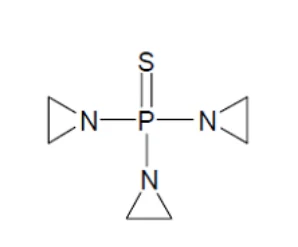
Molecular formula and molecular mass: C6H12N3PS, 189.23 g/mol
Structural formula:
Physicochemical properties: White crystalline powder.
Unstable in acid medium.
Solubility in water: 19g/100mL (25°C)
Solubility in other solvents: 1:2 in ethanol; 1:2 in chloroform; 1:~4 in ether
Pharmaceutical standard: In house
14. Clinical Trials
14.1. CNS Lymphoma
Clinical evidence in support of the use of TEPADINA as part of a high-dose chemotherapy (HDCT) regimen followed by autologous stem cell transplantation (ASCT) for the consolidation treatment of adult patients with CNS lymphoma is derived from 18 published open-label clinical trials, 7 of which consisted of retrospective analyses. The majority of the studies were non-comparative; seven of them included a comparator group which consisted of patients considered ineligible to receive HDCT followed by ASCT. Patients received doses that ranged from 185 mg/m2/day to 370 mg/m2/day as one or two daily infusions administered intravenously over 2 to 3 consecutive days prior to ASCT, without exceeding the total maximum cumulative dose of 750 mg/m2.
A total of 303 adult patients with CNS lymphoma received consolidation therapy consisting of TEPADINA-containing HDCT followed by ASCT. All patients were immunocompetent. CNS lymphomas were mostly primary B-cell types and their location included the brain parenchyma, the meninges, the spinal cord, and or the eye(s).
Table 10 - Summary of patient demographics for clinical trials in adult CNS lymphoma patients treated with a TEPADINA-containing HDCT regimen
| Publicati ons | Patients Exposed to Thiotepaa/all patients (N/N) | Median Age (years) (Range) | Elderlya (> 65 years old) N (%) | Gendera Male N (%) Female N (%) | Performance statusa N | Chemosensit ivitya Yes N (%) No N (%) | Prior cranio-spinal irradiatio na N | |||||||||||||
|---|---|---|---|---|---|---|---|---|---|---|---|---|---|---|---|---|---|---|---|---|
| Publicati ons | Patients Exposed to Thiotepaa/all patients (N/N) | Median Age (years) (Range) | Elderlya (> 65 years old) N (%) | Gendera Male N (%) Female N (%) | Performance statusa N | Chemosensit ivitya Yes N (%) No N (%) | Prior cranio-spinal irradiatio na N | |||||||||||||
| Newly Diagnosed PCNSL | ||||||||||||||||||||
| Illerhaus 2008 | 11/13 | 53.0 (38.0-67.0) | 3 (27.3) | 5 (45.5) 6 (54.5) | KPS 30%: 1 KPS 70%: 2 KPS 80%: 1 KPS 90%: 6 KPS 100%: 1 | 8 (72.7) 3 (27.3) | 0 | |||||||||||||
| Alimoha med 2012 | 21/21 | 56.0 (34.0-69.0) | 3 (14.3) | 12 (57.1) 9 (42.9) | ECOG PS 1: 4 ECOG PS 2: 8 ECOG PS 3: 6 ECOG PS 4: 3 | 18 (85.7) 3 (14.3) | 0 | |||||||||||||
| Illerhaus 2006 | 23/30 | 54.0 (27.0-64.0) | n.s. | 25* (83.3) 5* (16.7) | Median KPS: 70% (range 30% – 100%)* | 23 (100) 0 (0.0) | 0 | |||||||||||||
| Montem urro 2007 | 16/23 | 54.5 (18.0-69.0) | 3 (18.8) | 8 (50.0) 8 (50.0) | KPS 30%: 1 KPS 40%: 2 KPS 60%: 2 KPS 70%: 4 KPS 80%: 3 KPS 90%: 2 KPS 100%: 2 | 14 (87.5) 2 (12.5) | 0 | |||||||||||||
| Omuro 2015 | 26/32 | 57.0 (23.0-67.0) | n.s. | 17* (53.1) 15* (46.9) | Median KPS: 80 (40-100) | 25 (96.2) 1(3.8) | 0 | |||||||||||||
| Bojic 2015 | 5/5 | 42.0 (33.0-48.0) | n.s. | 2 (40.0) 3 (60.0) | n.s. | 5 (100.0) 0 (0.0) | 0 | |||||||||||||
| Cote 2012 | 16/16 | 49.5 (26.0-67.0) | n.s. | 5 (31.3) 11 (68.7) | ECOG PS <2: 16 ECOG PS ≥2: 0 | 15 (93.8) 1 (6.2) | 2 | |||||||||||||
| Refractory PCNSL | ||||||||||||||||||||
| Soussain 1996 | 5/11 | 57.0 (45.0-88.0) | n.s. | 1(20.0) 4 (80.0) | n.s. | 0 (0.0) 5 (100.0) | 2 | |||||||||||||
| Soussain 2001 | 20/22 | 53.0 (27.0-64.0) | n.s. | 10 (50.0) 10 (50.0) | n.s. | 17 (85.0) 3 (15.0) | 10 | |||||||||||||
| Soussain 2008 | 27/43 | 52.0 (23.0-65.0) | n.s. | 22* (51.2) 21* (48.8) | ECOG PS < 2: 30 ECOG PS ≥2: 12 | 15 (55.5) 12 (44.5) | 14* | |||||||||||||
| ECOG PS n.a.: 1 | ||||||||||||||||||||
| Cheng 2003 | 1 | 41.0 | n.s. | 1 (100.0) 0 (0.0) | KPS 50% = 1 | 1 (100.0) 0 (0.0) | 0 | |||||||||||||
| Sierra del Rio 2011 | 13/22 | 57.0 (22.0-65.0) | n.s. | 9 (69.2) 4 (30.8) | ECOG PS 0: 3 ECOG PS 1: 8 ECOG PS 2: 2 | 11 (84.6) 2 (15.4) | 0 | |||||||||||||
| Chen 2015 | 18/18 | 54.0 (24.0-69.0) | n.s. | 7 (38.9) 11 (61.1) | n.s. | 18 (100.0) 0 (0.0) | 0 | |||||||||||||
| Welch 2015 | 7/8 | 53 (35.0-61.0) | n.s. | 3 (42.9) 4 (57.1) | Median KPS 80% (80% – 100%) | 7 (100.0) 0 (0.0) | 3 | |||||||||||||
| SCNSL | ||||||||||||||||||||
| Cote 2012 | 16/16 | 45.0 (21.0-67.0) | n.s. | 10 (62.5) 6 (37.5) | ECOG PS <2: 16 ECOG PS ≥2: 0 | 15 (93.8) 1 (6.3) | 1 | |||||||||||||
| Lee 2015 | 12/31 | 54.5 (24.0-63.0) | n.s. | 5 (41.7) 7 (58.3) | ECOG PS <2: 12 ECOG PS ≥2: 0 | 11 (91.7) 1 (8.3) | 2 | |||||||||||||
| Oh 2016 | 23/23 | 62.0 (20.0-66.0) | n.s. | 11 (47.8) 12 (52.2) | ECOG PS 2 – 4: 15 | 22 (95.7) 1 (4.3) | 3 | |||||||||||||
| Chen 2015 | 11/12 | 63.0 (53.0-74.0) | n.s. | 6 (50.0) 6 (50.0) | n.s. | 11 (91.7) 0 (0.0) | 2 | |||||||||||||
| Korfel 2013 | 24/30 | 58.0 (29.0-65.0) | n.s. | 15* (50.0) 15* (50.0) | ECOG PS 0-1: 18 ECOG PS 2: 12 | 21 (87.5) 3 (12.5) | 0 | |||||||||||||
| Welch 2015 | 8/9 | 47.5 (29.0-64.0) | n.s. | 5 (62.5) 3 (37.5) | Median KPS: 90% (60% – 90%)* | 8 (100.0) 0 (0.0) | 1 | |||||||||||||
a Number of patients treated with TEPADINA-containing HDCT
* data on all enrolled patients
n.s. = Not Specified; KPS: Karnofsky performance status; ECOG PS: Eastern Cooperative Oncology Group performance status
Response rate was the main efficacy endpoint to assess the benefit of TEPADINA-containing HDCT regimens in CNS lymphoma patients. Survival analyses were conducted for the majority of studies. Overall survival (OS), progression free-survival (PFS) or disease-free survival (DFS) are included in Tables
11, 12, 13, 14 and 15a when reported. Due to differences across studies in defining and reporting efficacy endpoints, study results were not pooled.
Table 11 - Efficacy results in newly diagnosed PCNSL patients administered with a TEPADINA-containing HDCT regimen
| Publications | Patientsa N | Response status prior to HDCT-ASCT N (%) | Follow-up duration Median (range) | Efficacy Data | ||||||
|---|---|---|---|---|---|---|---|---|---|---|
ORR to HDCT-ASCT N (%) | DFS/PFS | OS | ||||||||
| Illerhaus 2006 | 23 | CR: | 10 (38.4)b | 63 months (4-84) | CR | 15 (65.2) | N.R. | Estimated 3- and 5-year OS= 87.0% | ||
| PR: | 14 (54)b | PR | 8 (34.8) | |||||||
| SD: | 1 (3.8)b | |||||||||
| PD: | 1 (3.8)b | |||||||||
| Montemurro 2007 | 16 | CR: | 3 (18.8) | 15 months (1-69) | CR: | 11 (70.0) | 2-year DFS =48.0% | 2-year OS= 61.0% | ||
| PR: | 11 (68.8) | PR: | 2 (13.0) | |||||||
| SD: | 1 (6.2) | SU: | 2 (13.0) | |||||||
| PD: | 1 (6.2) | PD: | 1 (6.5) | |||||||
| Illerhaus 2008 | 11 | CR: | 4 (36.4) | 25 months (2-50) | CR: | 7 (64.0) | 3-year DFS= 77.0% | 3-year OS = 77.0% | ||
| PR: | 4 (36.4) | PR: | 4 (36.0) | |||||||
| SD: | 1 (9.0) | |||||||||
| PD: | 2 (18.2) | |||||||||
| Alimohamed 2012 | 21 | CR: | 5 (23.8) | 60 months (7-125) | N.R. | 5-year PFS= 44.0% | 5-year OS= 44.0% | |||
| PR: | 13 (61.9) | |||||||||
| PD: | 3 (14.3) | |||||||||
| Omuro 2015 | 26 | CR: | 18 (69.2) | 45 months (27-86) | CR: | 21 (81) | 1-year PFS = 85.0% Estimated 2-, 3-, and 5-year PFS = 81.0% | 1-year OS = 88.0% Estimated 2-, 3-, and 5-year OS = 81.0% | ||
| PR: | 7 (26.9) | PR: | 3 (11) | |||||||
| SD: | 1 (3.9) | SD: | 1 (4) | |||||||
| PD: | 1 (4) | |||||||||
| Bojic 2015 | 5 | N.R. | 8 months (3-51) | CR: 3 (60.0) | N.R. | N.R. | ||||
aNumber of patients treated with a TEPADINA-containing HDCT regimen followed by ASCT;
bpercentage calculated on the whole patients who received the mobilization therapy (N=26)
ORR: Objective Response rate; CR: complete response, PR: partial response, SD: stable disease; PD: progressive disease; SU: status unknown; DFS: disease-free survival; PFS: progression-free survival; OS: overall survival; N.R.: not reported in the publication.
Table 12 - Efficacy results in relapsed/refractory PCNSL patients administered with a TEPADINA-containing HDCT regimen
| Publications | Patientsa N | Response status prior to HDCT-ASCT N (%) | Follow-up duration Median (range) | Efficacy Data | ||||||||||
|---|---|---|---|---|---|---|---|---|---|---|---|---|---|---|
ORR to HDCT-ASCT N (%) | DFS/PFS | OS | ||||||||||||
| Soussain 1996 | 5 | PD: | 5 (100.0) | 26.0 months (16.0-27.0) | CR: | 5 (100.0) | N.R. | N.R. | ||||||
| Soussain 2001 | 20 | CR: | 8 (40.0) | 41.5 months (N.R.) | CR: | 16 (80.0) | 3-year probability of DFS= 53% | 3-year probability of OS=60% | ||||||
| PR: | 4 (20.0) | PR: | 2 (10.0) | |||||||||||
| SD: | 1 (5.0) | SD: | 1 (5.0) | |||||||||||
| PD: | 7 (35.0) | PD: | 1 (5.0) | |||||||||||
| Soussain 2008 | 27 | CR: | 12 (44.5) | 36.0 months (N.R.) | CR: | 26 (96.0) | Median PFS =41.1 months | Median OS = 58.6 months | ||||||
| PR: | 3 (11.1) | PD: | 1 (3.7) | |||||||||||
| SD: | 1 (3.7) | |||||||||||||
| PD: | 11 (40.7) | |||||||||||||
| Sierra del Rio 2011 | 13 | CR: | 5 (38.5) | 22.0 months (3.0-35.0) | CR: | 10 (76.9) | Median PFS =22.0 months | Median OS =22.0 months | ||||||
| PR: | 6 (46.1) | PR: | 2 (15.4) | |||||||||||
| PD: | 2 (15.4) | SU: | 1 (7.7) | |||||||||||
aNumber of patients treated with a TEPADINA-containing HDCT regimen followed by ASCT;
CR: complete response, PR: partial response, SD: stable disease; PD: progressive disease; SU: status unknown; DFS: disease-free survival; PFS: progression-free survival; OS: overall survival; N.R.: not reported in the publication.
Table 13 - Efficacy results in SCNSL patients administered with a TEPADINA-containing HDCT regimen
| Publications | Patientsa N | Response status prior to HDCT-ASCT N (%) | Follow-up duration Median (range) | Efficacy Data | |||||||
|---|---|---|---|---|---|---|---|---|---|---|---|
ORR to HDCT-ASCT N (%) | DFS/PFS/TTF | OS | |||||||||
| Lee 2015 | 12 | CR: | 10 (83.3) | 19.0 months (9.0-58.0) | CR: | 6 (50.0) | N.R. | 1.5 years OS = 50.0% | |||
| PD: | 2 (16.7) | PR: | 5 (41.7) | ||||||||
| PD: | 1 (8.3) | ||||||||||
| Oh 2016 | 23 | CR: | 9 (39.1) | 27.8 months (4.2-113.6) | CR: | 20 (87.0) | 2-year PFS = 76.1% | 2-year OS= 76.1% | |||
| PR: | 13 (56.5) | PR: | 3 (13.0) | ||||||||
| PD: | 1 (4.4) | ||||||||||
| Korfel 2013 | 24 | CR: | 7 (25.9)b | 21.0 months (10.0-32.0) | CR: | 15 (63.0) | 2-year TTF = 58.0% | 2-year OS = 68.0% | |||
| PR: | 13 (48.1) | PR: | 2 (8.0) | ||||||||
| SD: | 2 (7.5) | ||||||||||
| PD: | 4 (14.8) | PD: | 7 (29.0) | ||||||||
| SU: | 1 (3.7) | ||||||||||
aNumber of patients treated with a TEPADINA-containing HDCT regimen followed by ASCT;
bpercentage calculated on the whole patients who completed the induction therapy (N=27)
CR: complete response, PR: partial response, SD: stable disease; PD: progressive disease; SU: status unknown; DFS: disease-free survival; PFS: progression-free survival; OS: overall survival; N.R.: not reported in the publication.
TTF: time to treatment failure, measured from start of study therapy (for HD-ASCT from time of ASCT) to first progression, relapse or death due to lymphoma or to therapy-related toxicity.
Table 14 - Efficacy results in relapsed PCNSL patients administered with a TEPADINA-containing HDCT regimen
| Publications | Patientsa N | Response status prior to HDCT-ASCT N (%) | Follow-up duration Median (range) | Efficacy Data | |||||||
|---|---|---|---|---|---|---|---|---|---|---|---|
ORR to HDCT-ASCT N (%) | DFS/PFS | OS | |||||||||
| Cheng 2003 | 1 | CR: | 1 (100.0) | 42 months | CR: | 1 (100.0) | DFS 31 months | Survival: 42 months | |||
a Number of patients treated with a TEPADINA-containing HDCT regimen followed by ASCT.
CR: complete response; DFS: disease-free survival; PFS: progression-free survival; OS: overall survival.
Table 15a - Efficacy results in PCNSL and SCNSL patients administered with a TEPADINA-containing HDCT regimen
| Publications | Patientsa N | Response status prior to HDCT-ASCT N (%) | Follow-up duration Median (range) | Efficacy Data | ||||||||
|---|---|---|---|---|---|---|---|---|---|---|---|---|
ORR to HDCT-ASCT N (%) | DFS/PFS | OS | ||||||||||
| Welch 2015 | 15b | CR: | 15 (100.0) | 34.0 months (7.0-86.0) | N.R. | mPFS not reached Estimated 3-year PFS: 93% Estimated 3 years ≈100% in PCNSL Estimated 3 years ≈87% in SCNSL | mOS not reached Estimated 3-year OS: 93% Estimated 3 years ≈100% in PCNSL Estimated 3 years ≈87% in SCNSL | |||||
| Chen 2015 | 29c | CR: | 27 (93.1) | 24.0 months (12-40) | CR: | 29 (100.0) | Estimated 2-year PFS: 100% in PCNSL Estimated 2-year PFS: 51% in SCNSL | Estimated 2-year OS: 100% in PCNSL Estimated 2-year OS: 83% in SCNSL | ||||
| PR: | 2 (6.9) | |||||||||||
| Cote 2012 | 32d | CR: | 18 (56.3) | 12.5 months (0.01-48.2) | N.R. | 1-year PFS estimate = 90% | 1-year OS estimate= 93% | |||||
| PR: | 12 (37.5) | |||||||||||
| SD: | 1 (3.1) | |||||||||||
| PD: | 1 (3.1) | |||||||||||
a Number of patients treated with a TEPADINA-containing HDCT regimen followed by ASCT;
b 7 relapsed PCNSL patients and 8 relapsed SCNSL patients
c 18 PCNSL patients and 11 SCNSL patients
d 16 PCNSL patients and 16 SCNSL patients
CR: complete response, PR: partial response, SD: stable disease; PD: progressive disease; SU: status unknown; DFS: disease-free survival; PFS: progression-free survival; OS: overall survival; N.R.: not reported in the publication.
Further evidence in support of the use of TEPADINA as part of a high-dose chemotherapy (HDCT) regimen followed by autologous stem cell transplantation (ASCT) for the consolidation treatment of adult patients with CNS lymphoma is derived from Study ADN013.
This is a multi-centre, prospective, observational registry-based study to collect long-term data on the safety and efficacy of TEPADINA®. The study included US and Canadian patients receiving TEPADINA® in a conditioning regimen prior to HCT, for primary or secondary CNS lymphoma. The total study accrual was 123 patients (101 adults and 22 pediatric patients), including 101 CNS lymphoma adult patients (Canadian and US) and 22 Canadian pediatric patients with any indication who received TEPADINA® in conditioning regimen (none with CNS lymphoma).
The mean cumulative dose administered was 14.02 mg/kg (equal to 518.74 mg/m2) in adults over a median duration of 4 days (range from 1 day to 8 days) prior to transplant and 19.7 mg/kg (equal to 492.5 mg/m2) in pediatric population over a median duration of 4 days (range from 2 days to 7 days) prior to transplant. The mean cumulative dose in the overall population was 15.04 mg/kg.
The efficacy outcomes were provided at 100 days, 6 months, 1 year, 2 years, 3 years, 4 years and 5 years post-transplant. (Table 15b)
Table 15b - Efficacy results in PCNSL and SCNSL patients administered with a TEPADINA-containing HDCT regimen in Study ADN013
| Clinical setting | Publications | Patientsa N | Response status prior to HDCT-ASCT N (%) | Follow-up duration Median (range) | Efficacy Data | |||
|---|---|---|---|---|---|---|---|---|
| Clinical setting | Publications | Patientsa N | Response status prior to HDCT-ASCT N (%) | Follow-up duration Median (range) | Efficacy Data | |||
ORR to HDCT-ASCT N (%) | DFS/PFS | OS | ||||||
ORR to HDCT-ASCT N (%) | DFS/PFS | OS | ||||||
| Newly diagnosed PCNSL patients administered with a TEPADINA-containing HDCT regimen | ADN013 Study | 66 | CR: PR: SD: | |||||
56 (83.3) 9 (13.6) 1 (1.5) | 100 days | CR: PR: PD: SU: Death: | 57 (86) 2 (3) 1 (2) 4 (6) 2 (3) | 100-day PFS = 100.0% | 100-day OS = 95.3% | |||
| 6 months | CR: PR: SD: PD: SU: Death: | 58 (88) 1 (1.5) 1 (1.5) 1 (1.5) 2 (3) 3 (4.5) | 6-month PFS = 100.0% | 6-month OS = 87.5% | ||||
| 12 months | CR: PR: SD: Death: | 60 (91) 1 (1.5) 1 (1.5) 4 (6) | 1-year PFS = 85.7% | 1-year OS = 82.8% | ||||
| 24 months | CR: PR: SU: Death: | 53 (80) 1 (1.5) 1 (1.5) 11 (17) | 2-year PFS = 85.7% | 2-year OS = 78.1% | ||||
| 36 months | CR: PR: SU: Death: | 48 (73) 1 (1.5) 5 (7.5) 12 (18) | 3-year PFS = 70.1% | 3-year OS = 76.4% | ||||
| 48 months | CR: SU: Death: | 37 (56) 16 (24) 13 (20) | 4-year PFS = 61.4% | 4-year OS = 74.0% | ||||
| 60 months | CR: SU: Death: | 17 (26) 36 (54) 13 (20) | 5-year PFS = 61.4% | 5-year OS = 74.0% | ||||
| Relapsed/refractory PCNSL patients administered with a TEPADINA-containing HDCT regimen | ADN013 Study | 15 | CR: 9 (60) PR: 6 (40) | 100 days | CR: PR: SU: | 11 (73.3) 2 (13.3) 2 (13.3) | 100-day PFS = 93.3% | 100-day OS = 100.0% |
| 6 months | CR: | 15 (100) | 6-month PFS = 86.7% | 6-month OS = 100.0% | ||||
| 12 months | CR: SU: Death: | 12 (80) 1 (7) 2 (13) | 1-year PFS = 72.2% | 1-year OS = 85.7% | ||||
| 24 months | CR: SU: Death: | 12 (80) 1 (7) 2 (13) | 2-year PFS = 72.2% | 2-year OS = 85.7% | ||||
| 36 months | CR: SU: Death: | 8 (53) 3 (20) 4 (27) | 3-year PFS = 56.2% | 3-year OS = 70.1% | ||||
| 48 months | CR: SU: Death: | 6 (40) 4 (27) 5 (33) | 4-year PFS = 46.8% | 4-year OS = 61.4% | ||||
| 60 months | CR: SU: Death: | 5 (33.3) 5 (33.3) 5 (33.3) | 5-year PFS = 46.8% | 5-year OS = 61.4% | ||||
| SCNSL patients administered with a TEPADINA-containing HDCT regimen | ADN013 Study | 20 | CR: 14 (70) PR: 6 (30) | 100 days | CR: PR: SD: PD: Death: | 14 (70) 2 (10) 1 (5) 1 (5) 2 (10) | 100-day PFS = 84.2% | 100-day OS = 90.0% |
| 6 months | CR: PR: SD: PD: Death: | 14 (70) 2 (10) 1 (5) 1 (5) 2 (10) | 6-month PFS = 73.7% | 6-month OS = 90.0% | ||||
| 12 months | CR: PR: SD: PD: SU: Death: | 13 (65) 1 (5) 1 (5) 1 (5) 1 (5) 3 (15) | 1-year PFS = 57.9% | 1-year OS = 85% | ||||
| 24 months | CR: SD: SU: Death: | 10 (50) 1 (5) 3 (15) 6 (30) | 2-year PFS = 52.1% | 2-year OS = 74.4% | ||||
| 36 months | CR: SD: SU: Death: | 8 (40) 1 (5) 3 (15) 8 (40) | 3-year PFS = 46.3% | 3-year OS = 63.8% | ||||
aNumber of patients treated with a TEPADINA-containing HDCT regimen followed by ASCT;
CR: complete response, PR: partial response, SD: stable disease; PD: progressive disease; SU: status unknown; DFS: disease-free survival; PFS: progression-free survival; OS: overall survival; N.R.: not reported in the publication.
15. Microbiology
No microbiological information is required for this drug product.
16. Non-Clinical Toxicology
General Toxicology: Non-conventional acute and repeat dose toxicity studies were performed. As to be expected with a nitrogen mustard-based alkylating agent, application of thioTEPA was shown to have relevant mutagenic, teratogenic and genotoxic unwanted effects. The major side effect of thioTEPA is bone marrow suppression in all animal models and in man. Bleeding, disturbance of coagulation, various organotoxic effects on CNS, liver, skin and most importantly the impairment of fertility have been recognised in preclinical models and observed in clinical settings, too.
Genotoxicity: Thiotepa was shown to be genotoxic in vitro and in vivo.
Carcinogenicity: Thiotepa was shown to be carcinogenic in mice and rats.
Reproductive and developmental toxicology: Thiotepa was shown to impair fertility by interfering with spermatogenesis in male mice and impairing ovarian function in female mice. It was teratogenic in mice and in rats, and fetolethal in rabbits. These effects were seen at doses lower than those used in humans.
| Clinical setting | Publications | Patientsa N | Response status prior to HDCT-ASCT N (%) | Follow-up duration Median (range) | Efficacy Data | ||||||
|---|---|---|---|---|---|---|---|---|---|---|---|
ORR to HDCT-ASCT N (%) | DFS/PFS | OS | |||||||||
| 48 months | CR: SD: SU: Death: | 3 (15) 1 (5) 8 (40) 8 (40) | 4-year PFS = 46.3% | 4-year OS = 63.8% | |||||||
| 60 months | CR: SU: Death: | 1 (5) 11 (55) 8 (40) | 5-year PFS = N.R. | 5-year OS = N.R. | |||||||