


Product Monograph - Teva-Pioglitazone (Teva Canada, PM 00082763)
SUMMARY PRODUCT INFORMATION
| Route of Administration | Dosage Form / Strength | All Nonmedicinal Ingredients |
| Oral | Tablet / 15 mg, 30 mg & 45 mg | Carmellose calcium, hydroxypropyl cellulose, lactose monohydrate, magnesium stearate. |
INDICATIONS AND CLINICAL USE
Indications
Teva-Pioglitazone (pioglitazone hydrochloride) is indicated as monotherapy in patients not controlled by diet and exercise alone, to decrease blood glucose levels in patients with type 2 diabetes mellitus (non-insulin dependent diabetes mellitus, NIDDM).
Teva-Pioglitazone is indicated for use in combination with a sulfonylurea or metformin when diet and exercise plus the single agent do not result in adequate glycemic control.
Clinical Use
It is recommended that patients be treated for an adequate period of time to evaluate change in HbA1c unless glycemic control deteriorates.
Management of type 2 diabetes should also include nutritional counselling, weight reduction as needed, and exercise. These efforts are important not only in the primary treatment of type 2 diabetes, but also to maintain the efficacy of drug therapy.
Geriatrics (≥ 65 years of age):
No significant differences in effectiveness and safety were observed between patients over 65 years of age and younger patients in pioglitazone clinical trials.
Pediatrics (< 18 years of age):
Safety and effectiveness of pioglitazone in pediatric patients have not been established. Use in patients under 18 years of age is not recommended.
CONTRAINDICATIONS
Teva-Pioglitazone (pioglitazone hydrochloride) is contraindicated in:
- New York Heart Association (NYHA) Class I to IV cardiac status.
- known hypersensitivity to this drug or any of its components;
- serious hepatic impairment (see WARNINGS AND PRECAUTIONS, Hepatic);
- pregnancy. Insulin is recommended during pregnancy to control blood glucose levels. Oral antidiabetic agents should not be given (see WARNINGS AND PRECAUTIONS, Special Populations, Pregnant Women).
- Active bladder cancer or a history of bladder cancer
- Uninvestigated macroscopic haematuria
WARNINGS AND PRECAUTIONS
General
The effect of pioglitazone on morbidity and mortality has not been established.
Teva-Pioglitazone exerts its antihyperglycemic effect only in the presence of insulin. Therefore, Teva-Pioglitazone should not be used in patients with type 1 diabetes or for the treatment of diabetic ketoacidosis.
The use of Teva-Pioglitazone in combination with insulin is not indicated (See CLINICAL TRIALS). The use of Teva-Pioglitazone in combination with metformin AND a sulfonylurea (triple therapy) is not indicated.
Weight Gain: Teva-Pioglitazone may be associated with weight gain. Mean weight gain in controlled monotherapy studies ranged from 0.5 to 2.8 kg. In controlled combination therapy studies, the mean weight gain ranged from 0.95 to 3.0 kg. Treatment should be re-evaluated in patients with excessive weight gain (see ACTION AND CLINICAL PHARMACOLOGY, Pharmacodynamics).
Fractures: In a pooled analysis of randomized, controlled double-blind clinical studies, an increased incidence of bone fracture was observed in female patients taking pioglitazone versus non-TZD comparator drugs or placebo (2.6% versus 1.7%). The majority of these fractures were in the distal upper limb or distal lower limb. The risk of fracture should be considered in the care of all patients treated with Teva-Pioglitazone.
Carcinogenesis and Mutagenesis
See PART II, TOXICOLOGY, for animal studies.
Bladder Cancer
Preclinical data suggest an increased risk of bladder cancer in pioglitazone users. A two-year carcinogenicity study was conducted in male and female rats at oral doses up to 63 mg/kg (approximately 14 times the maximum recommended human oral dose of 45 mg based on mg/m2). Drug-induced tumours were not observed in any organ except for the urinary bladder. Benign and/or malignant transitional cell neoplasms were observed in male rats at 4 mg/kg/day and above (approximately equal to the maximum recommended human oral dose based on mg/m2). A two-year carcinogenicity study was conducted in male and female mice at oral doses up to 100 mg/kg/day (approximately 11 times the maximum recommended human oral dose based on mg/m2). No drug-induced tumours were observed in any organ.
In two 3-year clinical studies in which pioglitazone was compared to placebo or glyburide, there were 16/3656 (0.44%) reports of bladder cancer in patients taking pioglitazone compared to 5/3679 (0.14%) in patients not taking pioglitazone. After excluding patients in whom exposure to study drug was less than one year at the time of diagnosis of bladder cancer, there were six (0.16%) cases on pioglitazone and two (0.05%) on placebo.
Cases of bladder cancer were reported more frequently in a meta-analysis of controlled clinical trials with pioglitazone (19 cases from 12506 patients, 0.15%) than in control groups (7 cases from 10212 patients, 0.07%) HR=2.64 (95% CI 1.11-6.31, p=0.029). After excluding patients in whom exposure to study drug was less than one year at the time of diagnosis of bladder cancer, there were 7 cases (0.06%) on pioglitazone and 2 cases (0.02%) in control groups.
Epidemiological studies have also suggested a small increased risk of bladder cancer in diabetic patients treated with pioglitazone, although not all studies identified a statistically significant increased risk. Inconsistent findings and limitations inherent in these and other studies preclude conclusive interpretation of the available observational data.
Pioglitazone may be associated with an increase in the risk of urinary bladder tumours. A possible risk after short term treatment cannot be excluded. There are insufficient data to determine whether pioglitazone is a tumour promoter for urinary bladder tumours. Consequently, Teva-Pioglitazone should not be used in patients with active bladder cancer or a history of bladder cancer (see CONTRAINDICATIONS).
Risk factors for bladder cancer should be assessed before initiating pioglitazone treatment (risks include age, current or past history of smoking, family history of bladder cancer, exposure to chemicals in the workplace or to certain cancer treatments such as cyclophosphamide and radiation therapy to abdomen or pelvis). Any macroscopic haematuria should be investigated before starting pioglitazone therapy.
Patients prescribed pioglitazone should be advised to seek medical attention if macroscopic haematuria or other symptoms such as dysuria, or urinary urgency develop during treatment, as these may be symptoms of bladder cancer.
Cardiovascular
Congestive Heart Failure: Thiazolidinediones, like Teva-Pioglitazone, alone or in combination with other antidiabetic agents, can cause fluid retention, which can lead to congestive heart failure. The fluid retention may very rarely present as rapid and excessive weight gain. All patients should be monitored for signs and symptoms of adverse reactions relating to fluid retention and heart failure. In particular, patients who are at risk for heart failure including those receiving concurrent therapy which increases insulin levels (i.e. sulfonyureas) should be closely monitored (see ADVERSE REACTIONS).
Treatment with thiazolidinediones, like Teva-Pioglitazone, has been associated with cases of congestive heart failure, some of which were difficult to treat unless medication was discontinued. Teva-Pioglitazone should be discontinued if any deterioration in cardiac status occurs.
Since patients experiencing acute coronary syndrome (ACS) are at an increased risk of developing heart failure, and in view of the potential for pioglitazone to cause or exacerbate heart failure, initiation of Teva-Pioglitazone in patients experiencing an acute coronary event is not recommended. Furthermore, discontinuation of Teva-Pioglitazone during the acute phase should be considered.
Teva-Pioglitazone is contraindicated in patients with NYHA Class I, II, III and IV heart failure. Patients with severe heart failure (including NYHA Class III and IV cardiac status) were not studied during clinical trials (see CLINICAL TRIALS).
Edema: Teva-Pioglitazone should be used with caution in patients with edema. In placebo-controlled clinical studies, the incidence of edema is increased with pioglitazone relative to the control groups and may be dose-related (See ADVERSE REACTIONS). For information on macular edema, see WARNINGS AND PRECAUTIONS, Ophthalmologic.
Endocrine and Metabolism
Hypoglycemia: During the administration of pioglitazone as monotherapy, documented hypoglycemia has not been observed, nor would it be expected based on the mechanism of action. Patients receiving Teva-Pioglitazone in combination with other hypoglycemic agents (e.g. insulin secreting agents) may be at risk for hypoglycemia, and a reduction in the dose of either agent may be necessary.
Hematologic
Across all clinical studies, mean hemoglobin values declined by 2% to 4% in pioglitazone-treated patients but remained within normal limits at all times (including up to 18 months of continuous therapy). In all studies, patients were excluded if they had a hemoglobin of less than 120 g/L for males or 100 g/L for females. In the monotherapy studies, the mean hemoglobin declined from 151 to 147 g/L, with the range in the bottom 10% of hemoglobin values 111 to 125 g/L. In a long-term, open-label follow-up monotherapy study of an additional 84 weeks, the change in hemoglobin remained small, declining from 151 to 143 g/L. In the combination studies, the mean hemoglobin declined from 147 to 142 g/L, with the range in the bottom 10% of hemoglobin values 100 to 124 g/L. In a long-term, open-label follow up combination study, after an additional 72 weeks, the change in hemoglobin remained small, declining from 147 to 138 g/L. These changes may be related to increased plasma volume and have not been associated with any significant hematologic clinical effects (see ADVERSE REACTIONS, Laboratory Abnormalities).
Hepatic
Rare cases of severe hepatocellular injury have been reported associated with thiazolidinediones.
Therapy with Teva-Pioglitazone should not be initiated in patients with increased baseline liver enzyme levels (ALT >2.5 times the upper limit of normal).
Although available data from clinical studies show no evidence of pioglitazone-induced hepatotoxicity or ALT elevations, pioglitazone has a common thiazolidinedione structure to troglitazone, which has been associated with idiosyncratic hepatotoxicity and rare cases of liver failure, liver transplants, and death. In post-marketing experience with pioglitazone, reports of hepatitis, hepatic enzyme elevations 3 or more times the upper limit of normal, and hepatic failure with and without fatal outcome have been received. It is recommended that patients treated with Teva-Pioglitazone undergo periodic monitoring of liver enzymes. Liver enzymes should be checked prior to the initiation of therapy with Teva-Pioglitazone in all patients. In patients with normal baseline liver enzymes, following initiation of therapy with Teva-Pioglitazone, it is recommended that liver enzymes be monitored periodically thereafter, per the clinical judgement of the healthcare professional. Patients with mildly elevated liver enzymes (ALT levels one to 2.5 times the upper limit of normal) at baseline or during therapy with Teva-Pioglitazone should be evaluated to determine the cause of the liver enzyme elevation. Initiation of, or continuation of therapy with Teva-Pioglitazone in patients with mild liver enzyme elevations should proceed with caution and include appropriate close clinical follow-up, including more frequent liver enzyme monitoring, to determine if the liver enzyme elevations resolve or worsen. If at any time ALT levels increase to >3 times the upper limit of normal in patients on therapy with Teva-Pioglitazone, liver enzymes should be rechecked as soon as possible. If ALT levels remain >3 times the upper limit of normal, or the patient is jaundiced, therapy with Teva-Pioglitazone should be discontinued (see DOSAGE AND ADMINISTRATION). (For Use in Patients with Hepatic Insufficiency, see under Special Populations section).
Ophthalmologic
New onset and/or worsening macular edema with decreased visual acuity has been reported rarely in postmarketing experience with pioglitazone. In some cases, the visual events resolved or symptoms improved following discontinuation of pioglitazone. Physicians should consider the possibility of macular edema if a patient reports disturbances in visual acuity (see ADVERSE REACTIONS, Post-Marketing Reports).
Sexual Function/Reproduction
In premenopausal anovulatory patients with insulin resistance, treatment with thiazolidinediones, including Teva-Pioglitazone, may result in resumption of ovulation. These patients may be at risk for pregnancy if adequate contraception is not used.
Special Populations
Pregnant Women: There are no adequate and well-controlled studies in pregnant women. Teva-Pioglitazone is contraindicated during pregnancy. Current information strongly suggests that abnormally high blood glucose levels during pregnancy are associated with a higher incidence of congenital anomalies as well as increased neonatal morbidity and mortality. Most experts recommend that insulin be used during pregnancy to maintain blood glucose levels as close to normal as possible.
For more information see TOXICOLOGY, Reproduction and Teratology.
Nursing Women: Pioglitazone is secreted in the milk of lactating rats. It is not known whether pioglitazone is secreted in human milk. Because many drugs are excreted in human milk, Teva-Pioglitazone should not be administered to a breast-feeding woman.
Pediatrics (< 18 years of age): Safety and effectiveness of Teva-Pioglitazone in pediatric patients have not been established. Use in patients under 18 years of age is not recommended.
Geriatrics (≥ 65 years of age): Approximately 500 patients in placebo-controlled clinical trials of pioglitazone were 65 and over. No significant differences in effectiveness and safety were observed between these patients and younger patients.
Monitoring and Laboratory Tests
FPG and HbA1c measurements should be performed periodically to monitor glycemic control and the therapeutic response to Teva-Pioglitazone. Liver enzyme monitoring is recommended prior to initiation of therapy with Teva-Pioglitazone in all patients and periodically thereafter per the clinical judgment of the health care professional (see WARNINGS AND PRECAUTIONS, Hepatic and ADVERSE REACTIONS, Abnormal Hematologic and Clinical Chemistry Findings).
ADVERSE REACTIONS
Adverse Drug Reaction Overview
In worldwide clinical trials, over 3700 patients with type 2 diabetes have been treated with pioglitazone. For most clinical adverse events the incidence was similar for groups treated with pioglitazone monotherapy and those treated in combination with sulfonylureas and metformin.
Clinical Trial Adverse Drug Reactions
Because clinical trials are conducted under very specific conditions the adverse reaction rates observed in the clinical trials may not reflect the rates observed in practice and should not be compared to the rates in the clinical trials of another drug. Adverse drug reaction information from clinical trials is useful for identifying drug-related adverse events and for approximating rates.
The overall incidence and types of adverse events reported in placebo-controlled clinical trials of pioglitazone monotherapy at doses of 7.5 mg, 15 mg, 30 mg, or 45 mg once daily are shown in Table 1.
| Table 1 - Placebo-Controlled Clinical Studies of Pioglitazone Monotherapy: Adverse Events Reported at a Frequency ≥ 5% of Pioglitazone-Treated Patients | |||||
Placebo n=259 | Pioglitazone n=606 | ||||
| (% of Patients) | |||||
| Upper Respiratory Tract Infection | 8.5 | 13.2 | |||
| Headache | 6.9 | 9.1 | |||
| Sinusitis | 4.6 | 6.3 | |||
| Myalgia | 2.7 | 5.4 | |||
| Tooth Disorder | 2.3 | 5.3 | |||
| Diabetes Mellitus Aggravated | 8.1 | 5.1 | |||
| Pharyngitis | 0.8 | 5.1 | |||
In addition, 4.8% of patients on pioglitazone experienced edema, compared with 1.2% on placebo. In a long-term, open-label follow-up study of monotherapy, a cumulative incidence of edema of 6.0% has been reported with pioglitazone. Chest pain was reported in 2.3% of patients taking pioglitazone monotherapy compared with 1.5% on placebo. Heart rate and rhythm disorders were reported in 1.0% of patients taking pioglitazone monotherapy compared with 1.2% on placebo. Hypoglycemia was experienced by 1.2% of patients on pioglitazone monotherapy compared to none on placebo.
Adverse drug reactions reported commonly (frequency >1%, <10%) and at least 0.5% in excess of placebo in double-blind placebo-controlled studies for pioglitazone monotherapy were: visual disturbance, upper respiratory tract infection, weight increased and hypoaesthesia.
The types of clinical adverse events reported when pioglitazone was used in combination with sulfonylureas (N=373) or metformin (N=168) were generally similar to those reported during pioglitazone monotherapy. The most commonly reported adverse events from the combination therapy studies with sulfonylureas or metformin are shown in Table 2.
| Table 2 - Placebo-Controlled Studies of Pioglitazone in Combination with a Sulfonylurea or Metformin: Adverse Events Reported at a Frequency ≥ 5% in any Group | ||||||||||||
| Combination Therapy | (% of Patients) | |||||||||||
| Sulfonylurea | Metformin | |||||||||||
| Treatment group | Placebo n=187 | Pioglitazone n=373 | Placebo n=160 | Pioglitazone n=168 | ||||||||
| Upper respiratory tract infection | 15.5 | 16.6 | 15.6 | 15.4 | ||||||||
| Accidental injury | 8.6 | 3.5 | 3.8 | 4.2 | ||||||||
| Peripheral edema | 2.1 | 5.1 | 2.5 | 4.2 | ||||||||
| Diarrhea | 3.7 | 1.6 | 6.3 | 4.8 | ||||||||
| Headache | 3.7 | 4.8 | 1.9 | 6.0 | ||||||||
Mild to moderate hypoglycemia was reported during combination therapy with sulfonylurea. In double-blind, combination therapy studies with a sulfonylurea the incidence of hypoglycemia was higher for patients initiated with pioglitazone 30 mg than for those receiving placebo or pioglitazone 15 mg (Table 3).
Edema also occurred more frequently in patients receiving pioglitazone 30 mg (Table 3; see also WARNINGS AND PRECAUTIONS, Weight Gain, Edema).
| Table 3 - Selected Adverse Events During Controlled, Combination Therapy Studies | |||||||||||||
| Combination Therapy | Sulfonylurea | Metformin | |||||||||||
| Placebo | Pioglitazone 15 mg | Pioglitazone 30 mg | Placebo | Pioglitazone 30 mg | |||||||||
| N | 187 (%) | 184 (%) | 189 (%) | 160 (%) | 168 (%) | ||||||||
| Hypoglycemia | 1 (0.5) | 0 | 7 (3.7) | 1 (0.6) | 1 (0.6) | ||||||||
| Edema1 | 4 (2.1) | 3 (1.6) | 25 (13.2) | 4 (2.5) | 10 (6.0) | ||||||||
| Hypertension | 2 (1.1) | 2 (1.1) | 4 (2.1) | 2 (1.3) | 3 (1.79) | ||||||||
| Cardiac disorders2 | 4 (2.1) | 7 (3.8) | 6 (3.2) | 3 (1.9) | 1 (0.6) | ||||||||
| Ischemia3 | 3 (1.6) | 1 (0.5) | 5 (2.5) | 0 | 1 (0.6) | ||||||||
1 Edema and peripheral edema
2 Chest pain and abnormal ECG
3 Angina pectoris, myocardial infarction, myocardial ischemia and transient ischemic attacks
During an open-label extension study, pioglitazone was added to the patient’s sulfonylurea or metformin, and the dose titrated based on the HbA1c response. Selected adverse events that occurred during this long-term study are shown in Table 4. However, the study did not include a placebo group to control for the background rate of adverse events.
| Table 4 - Selected Adverse Events During Open Label, Combination Therapy Study (67.6 Weeks Median Duration) | ||||||||||||||
| Combination Therapy | Sulfonylurea | Metformin | ||||||||||||
| 15 mg | 30 mg | 45 mg | 15 mg | 30 mg | 45 mg | |||||||||
| N | 46 (%) | 81 (%) | 109 (%) | 5 (%) | 75 (%) | 74 (%) | ||||||||
| Hypoglycemia | 6 (13.0) | 9 (11.1) | 4 (3.7) | 1 (20.0) | 1 (1.3) | 3 (4.1) | ||||||||
| Edema1 | 8 (17.4) | 17 (20.9) | 24 (22.0) | 0 | 13 (17.3) | 11 (14.9) | ||||||||
| Hypertension | 2 (4.3) | 5 (6.2) | 9 (8.3) | 0 | 5 (6.7) | 3 (4.1) | ||||||||
| Cardiac disorders2 | 4 (8.7) | 8 (9.9) | 12 (11.0) | 0 | 5 (6.7) | 7 (9.5) | ||||||||
| Ischemia3 | 3 (6.5) | 0 | 3 (2.8) | 0 | 3 (4.0) | 2 (2.7) | ||||||||
1 Edema and peripheral edema
2 Chest pain and abnormal ECG
3 Angina pectoris, myocardial infarction, myocardial ischemia and transient ischemic attacks
The incidence of withdrawals from clinical trials due to an adverse event other than hyperglycemia was similar for patients treated with placebo (2.8%) or pioglitazone (3.3%).
Weight gain was observed in all clinical trials, including two patients withdrawn due to excessive weight gain. (see ACTION AND CLINICAL PHARMACOLOGY – Pharmacodynamics, and WARNINGS AND PRECAUTIONS).
Abnormal Hematologic and Clinical Chemistry Findings
Hematologic: Across all clinical studies, mean hemoglobin values declined by 2% to 4% in pioglitazone-treated patients. These changes generally occurred within the first 4 to 12 weeks of therapy and remained relatively stable thereafter. These changes may be related to increased plasma volume associated with pioglitazone therapy and have not been associated with any significant hematologic clinical effects. Values remained within normal limits at all times (including up to 18 months of continuous therapy).
CPK Levels: During required laboratory testing in clinical trials, sporadic, transient elevations in creatine phosphokinase levels (CPK) were observed. An isolated elevation to greater than 10 times the upper limit of normal was noted in 9 patients (values of 2150 to 11400 IU/L. Six of these patients continued to receive pioglitazone, two patients had completed receiving study medication at the time of the elevated value and one patient discontinued study medication due to the elevation. These elevations resolved without any apparent clinical sequelae. The relationship of these events to pioglitazone therapy is unknown.
Serum Transaminase Levels: A total of 4 of 1526 (0.26%) pioglitazone-treated patients and 2 of 793 (0.25%) placebo-treated patients had ALT values ≥3 times the upper limit of normal in double-blind, randomized clinical trials. During all clinical studies in the US, 11 of 2561
(0.43%) pioglitazone-treated patients had ALT values ≥3 times the upper limit of normal. All patients with follow-up values had reversible elevations in ALT. In the population of patients treated with pioglitazone, mean values for bilirubin, AST, ALT, alkaline phosphatase, and GGT were decreased at the final visit compared with baseline. Fewer than 0.12% of pioglitazone-treated patients were withdrawn from clinical trials due to abnormal liver function tests.
In pre-approval clinical trials, there were no cases of idiosyncratic drug reactions leading to hepatic failure.
Post-Marketing Adverse Drug Reactions
Findings from post-market experience with pioglitazone are reported below, including spontaneously reported adverse drug reactions. Because the latter are reported voluntarily from a population of uncertain size, it is not always possible to reliably estimate their frequency or clearly establish a causal relationship to pioglitazone exposure.
In post-marketing experience with pioglitazone:
- cases of congestive heart failure have been reported in patients both with and without previously known heart disease; and
- cases of pulmonary edema have been reported
Cases of hepatitis and of hepatic enzyme elevations to 3 or more times the upper limit of normal have been received. Very rarely, these reports have involved hepatic failure with and without fatal outcome, although causality has not been established.
Postmarketing reports of new onset or worsening (diabetic) macular edema with decreased visual acuity have been reported rarely with the use of pioglitazone as monotherapy or in combination therapy. Affected patients also frequently reported concurrent peripheral edema. In some cases, symptoms improved following discontinuation of pioglitazone.
In a pooled analysis of randomized, controlled double-blind clinical studies, an increased incidence of bone fracture was observed in female patients taking pioglitazone versus metformin, sulfonylureas or placebo (2.6% versus 1.7%). The majority of these fractures were in the distal upper limb or distal lower limb.
Postmarketing reports of bladder cancer have been reported very rarely with the use of pioglitazone.
DRUG INTERACTIONS
Overview
Pioglitazone neither induced nor inhibited P450 activity when tested following chronic administration to rats or when incubated with human P450 liver microsomes, indicating minimal effects of pioglitazone on metabolic pathways of the liver. The cytochrome P450 isoform CYP3A4 is partially responsible for the metabolism of pioglitazone.
Patients on drugs metabolized by cytochrome P450 enzymes including calcium channel blockers and HMG-CoA reductase inhibitors were permitted in clinical trials.
Drug-Drug Interactions
The following drugs were studied in healthy volunteers with a co-administration of pioglitazone. Listed below are the results:
Oral Contraceptives: Co-administration of pioglitazone (45 mg once daily) and an oral contraceptive (1 mg norethindrone plus 0.035 mg ethinyl estradiol once daily) for 21 days, resulted in least square mean (90% CI) values for ethinyl estradiol of 0.87 (0.78-0.96) for Cmax and 0.89 (0.83-0.96) for AUC(0-24). There were no significant changes in norethindrone AUC(0-24) and Cmax. In view of the high variability of ethinyl estradiol pharmacokinetics, the clinical significance of this finding is unknown.
Glipizide: In healthy volunteers, coadministration of pioglitazone (45 mg once daily) and glipizide (5.0 mg once daily) for 7 days did not alter the steady-state pharmacokinetics of glipizide.
Digoxin: In healthy volunteers, coadministration of pioglitazone (45 mg once daily) with digoxin (0.25 mg once daily) for 7 days did not alter the steady-state pharmacokinetics of digoxin.
Warfarin: In healthy volunteers, coadministration of pioglitazone (45 mg once daily) for 7 days with warfarin did not alter the steady-state pharmacokinetics of warfarin. In addition, pioglitazone has no clinically significant effect on prothrombin time when administered to patients receiving chronic warfarin therapy.
Metformin: In healthy volunteers, coadministration of metformin (1000 mg) and pioglitazone after 7 days of pioglitazone (45 mg once daily) did not alter the pharmacokinetics of the single dose of metformin.
Fexofenadine HCl: Co-administration of pioglitazone (45 mg once daily) for 7 days with 60 mg fexofenadine administered orally twice daily resulted in no significant effect on pioglitazone pharmacokinetics. Pioglitazone had no significant effect on the pharmacokinetics of fexofenadine administered in the AM. However, co-administration of pioglitazone with fexofenadine administered in the PM resulted in least square mean (90% CI) values for fexofenadine of 1.37 (1.14-1.63) for Cmax and 1 30 (1.15-1.46) for AUC(0-τ). The clinical significance of this AM/PM variation is unknown.
Midazolam: Administration of pioglitazone (45 mg once daily) for 15 days followed by a single 7.5 mg dose of midazolam syrup resulted in least square mean (90% CI) values for unchanged midazolam of 0.74 (0 66-0.84) for Cmax and 0.74 (0.65-0.83) for AUC(0- ∞).
Ranitidine HCl: Co-administration of pioglitazone (45 mg once daily) for 7 days with ranitidine administered orally twice daily for either 4 or 7 days resulted in no significant effect on pioglitazone pharmacokinetics. Pioglitazone showed no significant effect on ranitidine pharmacokinetics.
Nifedipine ER: Co-administration of pioglitazone (45 mg once daily) for 7 days with 30 mg nifedipine ER administered orally once daily for 4 days to male and female volunteers did not affect the pharmacokinetics of nifedipine in females, but resulted in least square mean (90% CI) values for unchanged nifedipine of 0.75 (0.62-0.91) for Cmax and 0.78 (0.69-0.88) for AUC(0-τ) in males. In view of the high variability of nifedipine pharmacokinetics, the clinical significance of this finding is unknown.
Ketoconazole: Co-administration of pioglitazone (45 mg once daily) for 7 days with ketoconazole 200 mg administered twice daily resulted in least square mean (90% CI) values for total pioglitazone of 1.17 (1.10-1.24) for Cmax, 1.21 (1.16-1.25) for AUC(0-24) and 1.29 (1.23-1.35) for Cmin. These changes are not expected to have any significant effect on the clinical efficacy of pioglitazone.
Atorvastatin Calcium: Co-administration of pioglitazone (45 mg once daily) for 7 days with atorvastatin calcium (LIPITOR®) 80 mg once daily resulted in least square mean (90% CI) values for total pioglitazone of 0.78 (0.70-0.88) for Cmax, 0.80 (0.73-0.88) for AUC(0-24) and 0.89 (0.82-0.96) for Cmin. For total atorvastatin the least square mean (90% CI) values were 0.76 (0.65-0.89) for Cmax, 0.87 (0.80-0.95) for AUC(0-24) and 0.96 (0.88-1.04) for Cmin.
Theophylline: Co-administration of pioglitazone (45 mg once daily) for 7 days with theophylline 400 mg administered twice daily resulted in no change in the pharmacokinetics of either drug.
Gemfibrozil: Co-administration of pioglitazone 30 mg with gemfibrozil 600 mg twice daily (an inhibitor of CYP2C8) was reported to result in a 3-fold increase in AUC of pioglitazone. Given the potential for dose-related adverse events, the dose of Teva-Pioglitazone may need to be decreased when Teva-Pioglitazone is coadministered with gemfibrozil. Close monitoring of glycemic control should be considered.
Rifampicin: Co-administration of pioglitazone 30 mg with rifampicin 600 mg once daily (an inducer of CYP2C8) was reported to result in a 54% decrease in AUC of pioglitazone. The dose of Teva-Pioglitazone may need to be increased when the drug is coadministered with rifampicin. Close monitoring of glycemic control should be considered.
Drug-Food Interactions
Teva-Pioglitazone may be taken without regard to meals. Food slightly delays the time to peak serum concentration but does not alter the extent of absorption.
Drug-Herb Interactions
Interactions with herbal products have not been established.
Drug-Laboratory Interactions
Interactions with laboratory tests have not been established.
DOSAGE AND ADMINISTRATION
Dosing Considerations
The management of antidiabetic therapy should be individualized. Ideally, the response to therapy should be evaluated using HbA1c, which is a better indicator of long-term glycemic control than FBG alone. HbA1c reflects glycemia over the past two to three months. In clinical use, it is recommended that patients be treated with Teva-Pioglitazone for a period of time adequate to evaluate change in HbA1c unless glycemic control deteriorates.
Liver enzymes should be checked prior to the initiation of therapy with Teva-Pioglitazone in all patients. Teva-Pioglitazone is contraindicated in patients with severe hepatic impairment. Therapy with Teva-Pioglitazone should not be initiated if a patient exhibits clinical evidence of active liver disease or increased serum transaminase levels (ALT >2.5 times upper limit of normal). If ALT levels remain >3 times the upper limit of normal, therapy with Teva-Pioglitazone should be discontinued. See WARNINGS AND PRECAUTIONS – Hepatic. In cases where therapy is to be initiated, dose adjustment in patients with hepatic disease is not required (see ACTIONS AND CLINICAL PHARMACOLOGY, Special Populations).
Dose adjustment in patients with renal insufficiency is not required (see ACTIONS AND CLINICAL PHARMACOLOGY, Special Populations).
As adverse events such as edema and weight gain appear to be dose-related, the smallest effective dose should be used.
Recommended Dose and Dosage Adjustment
Teva-Pioglitazone (pioglitazone hydrochloride) should be taken once daily without regard to meals.
The dose of Teva-Pioglitazone should not exceed 45 mg once daily since doses higher than 45 mg once daily have not been studied in placebo-controlled clinical studies.
Monotherapy: Teva-Pioglitazone in patients not adequately controlled with diet and exercise may be initiated at 15 mg or 30 mg once daily. For patients who respond inadequately to the initial dose of Teva-Pioglitazone, the dose can be increased in increments up to 45 mg once daily.
Combination Therapy: In patients not adequately controlled with a sulfonylurea or metformin,
Teva-Pioglitazone may be initiated at 15 or 30 mg once daily. For patients who do not respond adequately to the initial dose, Teva-Pioglitazone may be increased in increments up to 45 mg once daily.
In patients receiving a sulfonylurea, the dose of the sulfonylurea may need to be decreased if hypoglycemia occurs (see ADVERSE REACTIONS). It is unlikely that the metformin dose will require adjustment because of hypoglycemia.
Missed Dose
If a dose of Teva-Pioglitazone is missed at its usual time, it should be taken as soon as possible. However, if it is too close to the time of the next dose, the missed dose should be skipped and treatment should be resumed with the next scheduled dose.
OVERDOSAGE
During controlled clinical trials, one case of overdose with pioglitazone was reported. A male patient took 120 mg per day for four days, then 180 mg per day for seven days. The patient denied any clinical symptoms during this period.
In the event of overdosage, appropriate supportive treatment should be initiated according to the patient's clinical signs and symptoms.
For the most recent information in the management of a suspected drug overdose, contact your regional poison control centre or Health Canada's toll-free number, 1-844 POISON-X (1-844-764-7669).
ACTION AND CLINICAL PHARMACOLOGY
Mechanism of Action
Teva-Pioglitazone (pioglitazone hydrochloride) is a thiazolidinedione antidiabetic agent that depends on the presence of insulin for its mechanism of action. Teva-Pioglitazone decreases insulin resistance in the periphery and liver, resulting in increased insulin-dependent glucose disposal and decreased hepatic glucose output respectively.
Teva-Pioglitazone improves glycemic control while reducing circulating insulin levels. Unlike sulfonylureas, Teva-Pioglitazone is not an insulin secretagogue. Teva-Pioglitazone is a potent and highly selective agonist for peroxisome proliferator-activated receptor-gamma (PPARγ). PPARγ receptors are found in tissues important for insulin action such as adipose tissue, skeletal muscle, and liver. Activation of PPARγ nuclear receptors modulates the transcription of a number of insulin responsive genes involved in the control of glucose and lipid metabolism, and in the maturation of preadipocytes, predominantly of subcutaneous origin.
Insulin resistance is a primary feature characterizing the pathogenesis of type 2 diabetes. Teva-Pioglitazone results in increased responsiveness of insulin-dependent tissues. Teva-Pioglitazone significantly improves hepatic and peripheral (muscle) tissue sensitivity to insulin in patients with type 2 diabetes. Teva-Pioglitazone also results in significant reductions in markers of beta cell hyperstimulation, such as fasting insulin and fasting C-peptide. In short term clinical studies of 16 weeks duration, pioglitazone has also been shown to significantly improve biochemical markers of pancreatic beta cell function.
In clinical studies in patients with type 2 diabetes, pioglitazone reduces the hyperglycemia and hyperinsulinemia characteristic of insulin-resistant states, including type 2 diabetes. Teva-Pioglitazone significantly reduces hemoglobin A1c (HbA1c, a marker for long term glycemic control), and fasting blood glucose (FBG) in patients with type 2 diabetes.
Low HDL-C and elevated triglycerides are common in patients with type 2 diabetes. Teva-Pioglitazone significantly increases high density lipoprotein cholesterol (HDL-C) and reduces triglycerides in patients with type 2 diabetes. It also increases the particle size of low density lipoprotein.
Teva-Pioglitazone significantly reduces carotid arterial intimal medial thickness. It also results in modest, but significant, reductions in blood pressure. In addition, Teva-Pioglitazone significantly decreases microalbuminuria in patients with type 2 diabetes.
Since Teva-Pioglitazone enhances the effects of circulating insulin (by decreasing insulin resistance), it does not lower blood glucose in animal models that lack endogenous insulin.
Pharmacodynamics
Clinical studies demonstrate that pioglitazone improves insulin sensitivity in insulin-resistant patients. Pioglitazone enhances cellular responsiveness to insulin, increases insulin-dependent glucose disposal, improves hepatic sensitivity to insulin, and improves dysfunctional glucose homeostasis. In patients with type 2 diabetes, the decreased insulin resistance produced by Teva-Pioglitazone results in significantly lower blood glucose concentrations, lower plasma insulin levels, and lower HbA1c values. Based on results from open-label extension studies, the glucose lowering effects of pioglitazone are sustained for more than 1 year, but some patients require titration to higher doses to maintain the response. The effect of Teva-Pioglitazone occurs in the absence of weight loss.
Teva-Pioglitazone exerts its antihyperglycemic effect in the presence of insulin. Because Teva-Pioglitazone does not stimulate insulin secretion, hypoglycemia would not be expected in patients treated with Teva-Pioglitazone alone.
In pharmacodynamic studies of both monotherapy and combination therapy, treatment with pioglitazone was associated with decreases in free fatty acids.
In a 26-week, placebo-controlled, dose-ranging study, mean triglyceride levels decreased in the 15 mg, 30 mg, and 45 mg pioglitazone dose groups compared to a mean increase in the placebo group. Mean HDL-C levels increased to a greater extent in the pioglitazone -treated patients than in the placebo-treated patients. There were no consistent differences for low density lipoprotein cholesterol (LDL-C) and total cholesterol in pioglitazone-treated patients compared to placebo (see Table 5).
Table 5 - Lipids in a 26-Week, Multicentre, Placebo-Controlled Dose-Ranging Study
Placebo
Pioglitazone 15 mg
Once Daily
Pioglitazone 30 mg
Once Daily
Pioglitazone 45 mg
Once Daily
Triglycerides (mmol/L)
Baseline (mean)
Percent change from baseline (mean)
N=79
2.97
4.8%
N=79
3.2
-9.0%
N=84
2.95
-9.6%
N=77
2.93
-9.3%
HDL Cholesterol (mmol/L)
Baseline (mean)
Percent change from baseline (mean)
N=79
1.08
8.1%
N=79
1.04
14.1%
N=83
1.06
12.2%
N=77
1.05
19.1%
LDL Cholesterol (mmol/L)
Baseline (mean)
Percent change from baseline (mean)
N=65
3.59
4.8%
N=63
3.41
7.2%
N=74
3.51
5.2%
N=62
3.28
6.0%
Total Cholesterol (mmol/L)
Baseline (mean)
Percent change from baseline (mean)
N=79
5.81
4.4%
N=79
5.69
4.6%
N=84
5.76
3.3%
N=77
5.53
6.4%
In two other monotherapy studies (study duration 24 weeks and 16 weeks), the results were generally consistent with the data above. For pioglitazone-treated patients, the placebo-corrected mean changes from baseline decreased by 21 to 23% for triglycerides, and increased by 5 to 13% for HDL-C.
Statistically significant increases in HDL-C and reductions in triglycerides were also observed with pioglitazone in 2 controlled, combination therapy studies (each 16 weeks duration), in which patients with type 2 diabetes who were receiving therapy with a sulfonylurea or metformin were randomized to placebo or combination therapy with pioglitazone.
Patients taking statins were not excluded from clinical trials. In these patients, the mean increases in HDL-C and reductions of triglycerides with pioglitazone were observed in addition to the effects of the statin.
Pioglitazone is also associated with weight gain (see WARNINGS AND PRECAUTIONS, and ADVERSE REACTIONS). In addition, Teva-Pioglitazone significantly decreases visceral (abdominal) fat stores while increasing extra-abdominal fat. The reduction in visceral fat correlates with improved hepatic and peripheral tissue insulin sensitivity.
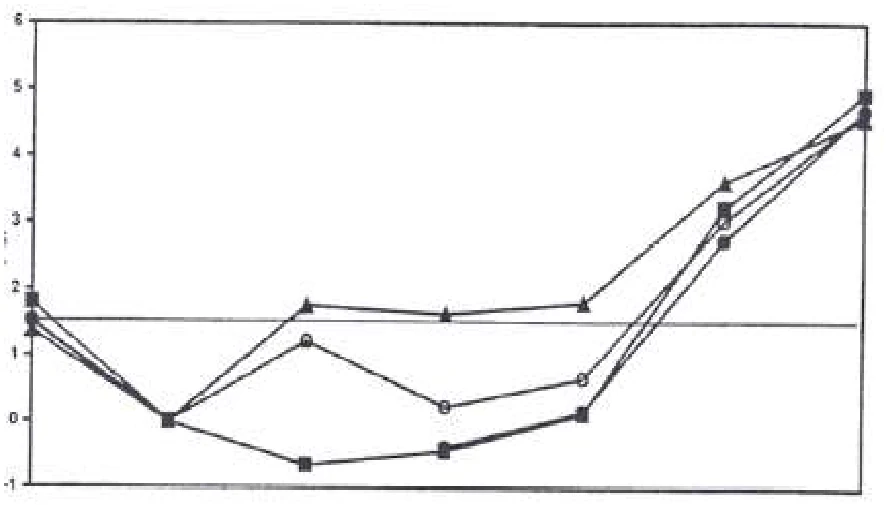
The graph below (Figure 1) plots the change in body weight for patients who had completed
48 weeks of treatment with pioglitazone in an open-label trial.

Data Source: End-of-Text Table 36.1A.
Figure 1. Mean Change from Baseline for Body Weight by Visit, for Patients who Completed 48 Weeks of Open-Label Treatment
As indicated in Figure 1, at Week 48 the mean change from baseline in body weight was 5.55 kg for the de novo group (newly diagnosed patients), 6.34 kg for the roll-over placebo group (double-blind placebo treatment followed by open-label pioglitazone), and 5.36 kg for the rollover pioglitazone group (double-blind pioglitazone treatment followed by open-label pioglitazone). For the total patient group, the mean change from baseline in body weight was
5.56 kg. The maximum and minimum weight changes observed up to Week 48 from time of entry into this open-label trial for the total patient group were 21.77 kg and - 19.86 kg, respectively (median weight change: 4.54 kg).
Two patients were withdrawn from the study due to reported weight increases of 15.6 kg and 20.8 kg respectively. For the first patient, the investigator believed the weight gain was due to edema, and for the second, a dose of 60 mg of pioglitazone was used, and the patient had dietary factors that could have also contributed to the weight gain. Any abnormally large weight gain experienced by some patients may be due to fluid retention. (see WARNINGS AND
PRECAUTIONS, Edema).
During two placebo-controlled, 16 week, combination therapy studies the mean weight increased for all pioglitazone treatment groups: for the sulfonylurea combination therapy study the mean increases with pioglitazone 15 mg and 30 mg were 1.9 and 2.9 kg, respectively; for the metformin combination therapy study, the mean increase with pioglitazone 30 mg was 0.95 kg.
However, the individual weight change was highly variable. The range of weight changes during the studies is shown in Table 6 (see WARNINGS AND PRECAUTIONS, Weight Gain).
| Table 6 - Change in Weight During Double-Blind, Combination Therapy Studies |
Mean Ch ang e Fr om B as el i ne i n Body W ei ght
(kg)
Screening Baseline Endpoint 12 24 36 48
Weeks
| Combination Therapy: | Sulfonylurea | Metformin | |||||||||||||||||||||||
| Placebo | Pioglitazone 15 mg | Pioglitazone 30 mg | Placebo | Pioglitazone 30 mg | |||||||||||||||||||||
| N | 160 (%) | 157 (%) | 168 (%) | 112 (%) | 137 (%) | ||||||||||||||||||||
| > 10 kg loss | 1 (0.6) | - | - | - | 1 (0.6) | ||||||||||||||||||||
| 5 to 10 kg loss | 13 (8.1) | 2 (1.3) | 4 (2.4) | 15 (13.4) | 9 (6.6) | ||||||||||||||||||||
| 0 to < 5 kg loss | 76 (47.5) | 23 (14.6) | 16 (9.5) | 54 (48.2) | 21 (15.3) | ||||||||||||||||||||
| 0 kg | 19 (11.9) | 5 (3.2) | 4 (2.4) | 9 (8.0) | 10 (7.3) | ||||||||||||||||||||
| 0 to 5 kg gain | 49 (30.6) | 110 (70.0) | 106 (63.1) | 33 (29.5) | 81 (59.1) | ||||||||||||||||||||
| >5 to 10 kg gain | 2 (1.3) | 16 (10.2) | 36 (21.4) | 1 (0.9) | 15 (10.9) | ||||||||||||||||||||
| > 10 kg gain | - | 1 (0.6) | 2 (1.2) | - | - | ||||||||||||||||||||
In patients receiving long-term combination therapy with sulfonylurea or metformin, median weight gain (5.40 kg after at least 60 weeks pioglitazone therapy) was similar to that with pioglitazone monotherapy (median weight gain 4.54 kg after 48 weeks).
Pharmacokinetics
Serum concentrations of total pioglitazone (pioglitazone plus active metabolites) remain elevated
24 hours after once-daily dosing. Steady-state serum concentrations of both pioglitazone and total pioglitazone are achieved within 7 days. At steady state, two of the pharmacologically active metabolites of pioglitazone, Metabolites III (M-III) and IV (M-IV), reach serum concentrations equal to or greater than pioglitazone. At steady state, in both healthy volunteers and in patients with type 2 diabetes, pioglitazone comprises approximately 30% to 50% of the peak total pioglitazone serum concentrations and 20% to 25% of the total area under the serum concentration-time curve (AUC).
Maximum serum concentration (Cmax), AUC, and trough serum concentrations (Cmin) for both pioglitazone and total pioglitazone increase proportionally at doses of 15 mg and 30 mg per day.
There is a slightly less than proportional increase for pioglitazone and total pioglitazone at a dose of 60 mg per day.
Absorption: Following oral administration, in the fasting state, pioglitazone is first measurable in serum within 30 minutes, with peak concentrations observed within 2 hours. Food slightly delays the time to peak serum concentration to 3 to 4 hours, but does not alter the extent of absorption.
Distribution: The mean apparent volume of distribution (Vd/F) of pioglitazone following single-dose administration is 0.63 ± 0.41 (mean ± SD) L/kg of body weight. Pioglitazone is extensively protein bound (>99%) in human serum, principally to serum albumin. Pioglitazone also binds to other serum proteins, but with lower affinity. Metabolites M-III and M-IV also are extensively bound (>98%) to serum albumin.
Metabolism: Pioglitazone is extensively metabolized by hydroxylation and oxidation; the metabolites also partly convert to glucuronide or sulfate conjugates. Metabolites M-II and M-IV
(hydroxy derivatives of pioglitazone) and M-III (keto derivative of pioglitazone) are pharmacologically active in animal models of type 2 diabetes. In addition to pioglitazone, M-III and M-IV are the principal drug-related species found in human serum following multiple dosing.
Pioglitazone incubated with expressed human P450 or human liver microsomes results in the formation of M-IV and to a much lesser degree, M-II. The major cytochrome P450 isoforms involved in the hepatic metabolism of pioglitazone are CYP2C8 and CYP3A4 (>50% of metabolism) with contributions from a variety of other isoforms including the mainly extrahepatic CYP1A1. Ketoconazole inhibited up to 85% of hepatic pioglitazone metabolism in vitro at an equimolar concentration to pioglitazone. At higher than therapeutic concentrations, pioglitazone had no effect on the reactions mediated by human liver microsomes expressing cytochrome P450 isoforms including CYP2C8 and CYP3A4. The potential induction or inhibition of CYP3A4 by pioglitazone has been observed in vivo (see Drug-Drug Interactions).
Excretion: Following oral administration, approximately 15% to 30% of the pioglitazone dose is recovered in the urine as metabolites. Renal elimination of unchanged pioglitazone is negligible, and the drug is excreted primarily as metabolites and their conjugates. It is presumed that most of the oral dose is excreted into the bile either unchanged or as metabolites and eliminated in the feces.
The mean serum half-life of pioglitazone and total pioglitazone ranges from 3 to 7 hours and 16 to 24 hours, respectively. Pioglitazone has an apparent clearance, CL/F, calculated to be 5 to 7 L/hr.
Special Populations and Conditions
Pediatrics: Pharmacokinetic data in the pediatric population are not available. Teva-Pioglitazone is not recommended for patients under 18 years of age.
Geriatrics: In healthy elderly subjects, peak serum concentrations of pioglitazone and total pioglitazone are not significantly different, but AUC values are slightly higher and the terminal half-life values slightly longer than for younger subjects. These changes were not of a magnitude that would be considered clinically relevant.
Gender: Pioglitazone improved glycemic control in both males and females. In controlled clinical trials the mean Cmax and AUC values were increased 20% to 60% in females. HbA1c decreases from baseline were generally greater for females than for males (average mean absolute difference in HbA1c 0.005). Since therapy should be individualized for each patient to achieve glycemic control, no dose adjustment is recommended based on gender alone.
Hepatic Insufficiency: A single-dose, open-label study was conducted to investigate the effects of impaired hepatic function on pioglitazone. A group of 24 subjects was enrolled; 12 with normal hepatic function and 12 with abnormal hepatic function classified as Childs-Pugh Class B or C. Subjects received a 30 mg pioglitazone tablet 10 minutes after a diet-controlled meal, and changes in the serum pharmacokinetic profile and urinary excretion of pioglitazone and its metabolites were then studied. Compared with controls, subjects with impaired hepatic function have a 45% reduction in pioglitazone and total (pioglitazone plus active metabolites) mean peak concentrations but no change in the mean AUC values. The findings of this study showed that the extent of pioglitazone absorption, as indicated by AUC(0-24), was similar in both normal subjects and individuals with impaired hepatic function. No adverse events attributable to pioglitazone were reported in either group, and no clinically significant changes in baseline laboratory tests, including liver function tests, were observed.
Although no adverse events attributed to drug were noted in any group, pioglitazone should be used with caution in patients with hepatic disease. Therapy with Teva-Pioglitazone should not be initiated if a patient exhibits clinical evidence of active liver disease or increased serum transaminase levels (ALT >2.5 times upper limit of normal) at baseline (see WARNINGS AND PRECAUTIONS, Hepatic).
Renal Insufficiency: The serum elimination half-life of pioglitazone, M-III, and M-IV remains unchanged in patients with moderate (creatinine clearance 0.5 to 1.0 mL/s [30 to 60 mL/min]) to severe (creatinine clearance <0.5 mL/s [30 mL/min]) renal impairment when compared to normal subjects. No dose adjustment in patients with renal dysfunction is recommended.
STORAGE AND STABILITY
Teva-Pioglitazone (pioglitazone hydrochloride) tablets should be stored at room temperature (15° - 30°C). Keep container tightly closed and protect from moisture and humidity.
DOSAGE FORMS, COMPOSITION AND PACKAGING
Dosage Forms
Teva-Pioglitazone is available as:
15 mg tablets: White, round, flat-faced, bevel-edged tablet with “15” embossed on one side.
30 mg tablets: White, round, flat-faced, bevel-edged tablet with “30” embossed on one side.
45 mg tablets: White, round, flat-faced, bevel-edged tablet with “45” embossed on one side.
Composition
Teva-Pioglitazone tablets contain 15 mg, 30 mg or 45 mg of pioglitazone (as pioglitazone hydrochloride) as the active ingredient, and the following non-medicinal ingredients: carmellose calcium, hydroxypropyl cellulose, lactose monohydrate, magnesium stearate.
Packaging
Teva-Pioglitazone is available in HDPE bottles of 100’s.
PART II: SCIENTIFIC INFORMATION
PHARMACEUTICAL INFORMATION
Drug Substance
Proper name: Pioglitazone hydrochloride
Chemical name: (±)-5-[[4-[2-[(5-Ethyl-2-pyridinyl)-ethoxy]phenyl]methyl]-2,4-thiazolidinedione hydrochloride
Molecular formula: C19H20N2O3S • HCl
Molecular mass: 392.90 g/mol
Structural formula:
N H3C O NH ⚫ HCl S O O
Physicochemical properties: Pioglitazone hydrochloride is a white to off-white crystalline powder. It is soluble in dimethyl formamide, slightly soluble in anhydrous ethanol, very slightly soluble in acetone and acetonitrile, practically insoluble in water and insoluble in ether.
pH: 5.09 – 5.98
pKa1: 5.8
pKa2: 6.4
CLINICAL TRIALS
Comparative Bioavailability Trials
A blinded, single-dose, randomized, 2-way crossover comparative bioavailability study of Teva-Pioglitazone 45 mg tablets and ACTOS® (pioglitazone) 45 mg tablets has been performed in healthy male and female volunteers under fasting conditions. A summary of the comparative bioavailability data obtained from 24 subjects is presented below.
Analyte: Pioglitazone
(1 x 45 mg)
From measured data (uncorrected for potency)
Geometric Mean
Arithmetic Mean (CV %)
| Parameter | Test Product* | Reference Product† | % Ratio of Geometric Means# | 90% Confidence Interval |
AUCT (ng∙h/mL) | 12510.24 13357.71 (35.09) | 12368.66 13296.45 (35.46) | 101.14 | 92.65 – 110.42 |
AUCI (ng∙h/mL) | 13606.42 14358.23 (32.57) | 13031.96 14048.60 (36.12) | 104.41 | 97.13 – 112.23 |
CMAX (ng/mL) | 1211.76 1326.83 (37.72) | 1187.38 1305.86 (40.95) | 102.05 | 87.13 – 119.53 |
TMAX§ (h) | 2.22 (46.82) | 2.42 (44.16) | ||
T½§ (h) | 12.67 (38.32) | 11.51 (40.56) |
* Teva-Pioglitazone 45 mg Tablets (Teva Canada Limited).
† ACTOS® 45 mg Tablets (Eli Lilly Canada Inc.) was purchased in Canada.
§ Expressed as the arithmetic mean (CV%) only.
# Calculated using least-squares means.
Safety and Efficacy Trials
Monotherapy Trials

Three randomized, double-blind, placebo-controlled trials with durations from 16 to 26 weeks were conducted to evaluate the use of pioglitazone as monotherapy in patients with type 2 diabetes. These studies examined pioglitazone at doses up to 45 mg or placebo once daily in 865 patients. All three studies included patients previously treated with another oral antidiabetic agent (sulfonylureas, n=524; metformin, n=170; acarbose, n=19) and patients who were previously untreated (n=268).
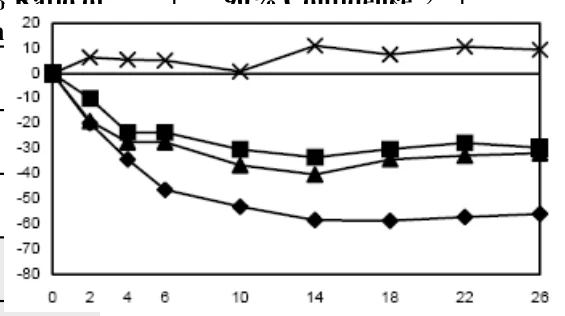
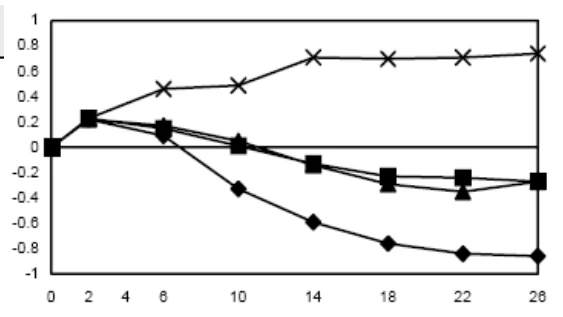
Study 1: In a 26-week dose-ranging study, 408 patients with type 2 diabetes were randomized to receive 7.5 mg, 15 mg, 30 mg, or 45 mg of pioglitazone, or placebo once daily. Therapy with any previous antidiabetic agent was discontinued 8 weeks prior to the double-blind period. Treatment with 15 mg, 30 mg, and 45 mg of pioglitazone produced statistically significant improvements in HbA1c and FBG at endpoint compared to placebo (see Figure 2, Table 7).
Figure 2 shows the time course for changes in FBG and HbA1c for the entire study population in this 26-week study.
FBG (mg/dL) HbA1C (%)
Weeks Weeks
Figure 2 - Mean Change From Baseline for FBG and HbA1C in a 26-Week Placebo-Controlled Dose-Ranging Study
Table 7 shows HbA1c and FBG values for the entire study population.
| Table 7 - Glycemic Parameters in a 26-Week Placebo-Controlled Dose-Ranging Study | |||||||||||||||
| Placebo | Pioglitazone 15 mg Once Daily | Pioglitazone 30 mg Once Daily | Pioglitazone 45 mg Once Daily | ||||||||||||
| Total Population | |||||||||||||||
| HbA1c | N=79 | N=79 | N=85 | N=76 | |||||||||||
| Baseline (mean) | 0.104 | 0.102 | 0.102 | 0.103 | |||||||||||
| Change from baseline (adjusted mean+) | 0.007 | -0.003 | -0.003 | -0.009 | |||||||||||
| Difference from placebo (adjusted mean+) | -0.010* | -0.010* | -0.016* | ||||||||||||
| FBG (mmol/L) | N=79 | N=79 | N=84 | N=77 | |||||||||||
| Baseline (mean) | 14.9 | 14.8 | 14.9 | 15.3 | |||||||||||
| Change from baseline (adjusted mean+) | 0.5 | -1.7 | -1.8 | -3.1 | |||||||||||
| Difference from placebo (adjusted mean+) | -2.2* | -2.3* | -3.6* | ||||||||||||
+ Adjusted for baseline, pooled centre, and pooled centre by treatment interaction
* p ≤ 0.050 vs. placebo
The study population included patients not previously treated with antidiabetic medication (naive; 31%) and patients who were receiving antidiabetic medication at the time of study enrollment (previously treated; 69%). The data for the naive and previously treated patient subsets are shown in Table 8. All patients entered an 8 week washout/run-in period prior to double-blind treatment. This run-in period was associated with little change in HbA1c and FBG values from screening to baseline for the naive patients; however, for the previously-treated group, washout from previous anti-diabetic medication resulted in deterioration of glycemic control and increases in HbA1c and FBG.
| Table 8 - Glycemic Parameters in a 26-Week Placebo-Controlled Dose-Ranging Study | ||||
| Placebo | Pioglitazone 15 mg Once Daily | Pioglitazone 30 mg Once Daily | Pioglitazone 45 mg Once Daily | |
| Naive to Therapy | ||||
| HbA1c | N=25 | N=26 | N=26 | N=21 |
| Screening (mean) | 0.093 | 0.1 | 0.095 | 0.098 |
| Baseline (mean) | 0.090 | 0.099 | 0.093 | 0.100 |
| Change from baseline (adjusted mean*) | 0.006 | -0.008 | -0.006 | -0.019 |
| Difference from placebo (adjusted mean*) | -0.014 | -0.013 | -0.026 | |
| FBG (mmol/L) | N=25 | N=26 | N=26 | N=21 |
| Screening (mean) | 12.4 | 13.6 | 13.3 | 13.3 |
| Baseline (mean) | 12.7 | 13.9 | 12.5 | 13.0 |
| Change from baseline (adjusted mean*) | 0.9 | -2.1 | -2.3 | -3.6 |
| Difference from placebo (adjusted mean*) | -2.9 | -3.1 | -4.4 | |
| Previously Treated | ||||
| HbA1c | N=54 | N=53 | N=59 | N=55 |
| Screening (mean) | 0.093 | 0.090 | 0.091 | 0.090 |
| Baseline (mean) | 0.109 | 0.104 | 0.104 | 0.106 |
| Change from baseline (adjusted mean*) | 0.008 | -0.001 | 0 | -0.006 |
| Difference from placebo (adjusted mean*) | -0.01 | -0.009 | -0.014 | |
| FBG (mmol/L) | N=54 | N=53 | N=58 | N=56 |
| Screening (mean) | 12.3 | 11.6 | 12.8 | 11.9 |
| Baseline (mean) | 15.8 | 15.3 | 15.9 | 16.2 |
| Change from baseline (adjusted mean*) | 0.2 | -1.8 | -1.5 | -3.1 |
| Difference from placebo (adjusted mean*) | -2.0 | -1.7 | -3.3 | |
* Adjusted for baseline and pooled centre
Study 2: In a 24-week study, 260 patients with type 2 diabetes were randomized to one of two forced-titration pioglitazone treatment groups or a mock titration placebo group. Therapy with any previous antidiabetic agent was discontinued 6 weeks prior to the double-blind period. In one pioglitazone treatment group, patients received an initial dose of 7.5 mg once daily. After four weeks, the dose was increased to 15 mg once daily and after another four weeks, the dose was increased to 30 mg once daily for the remainder of the study (16 weeks). In the second pioglitazone treatment group, patients received an initial dose of 15 mg once daily and were titrated to 30 mg once daily and 45 mg once daily in a similar manner. Treatment with pioglitazone, as described, produced statistically significant improvements in HbA1c and FBG at endpoint compared to placebo (see Table 9).
| Table 9 - Glycemic Parameters in a 24-Week Placebo-Controlled Forced-Titration Study | |||||||||||||||
| Placebo | Pioglitazone 30 mg+ Once Daily | Pioglitazone 45 mg+ Once Daily | |||||||||||||
| Total Population | |||||||||||||||
| HbA1c | N=83 | N=85 | N=85 | ||||||||||||
| Baseline (mean) | 0.108 | 0.103 | 0.108 | ||||||||||||
| Change from baseline (adjusted mean++) | 0.009 | -0.006 | -0.006 | ||||||||||||
| Difference from placebo (adjusted mean++) | -0.015* | -0.015* | |||||||||||||
| FBG (mmol/L) | N=78 | N=82 | N=85 | ||||||||||||
| Baseline (mean) | 15.5 | 14.9 | 15.6 | ||||||||||||
| Change from baseline (adjusted mean++) | 1.0 | -2.4 | -2.8 | ||||||||||||
| Difference from placebo (adjusted mean++) | -3.4* | -3.8* | |||||||||||||
+ Final dose in forced titration
++ Adjusted for baseline, pooled centre, and pooled centre by treatment interaction
* p ≤ 0.050 vs. placebo
For patients who had not been previously treated with antidiabetic medication (24%), mean values at screening were 0.101 for HbA1c and 13.2 mmol/L for FBG. At baseline, mean HbA1c was 0.102 and mean FBG was 13.5 mmol/L. Compared with placebo, treatment with pioglitazone titrated to a final dose of 30 mg and 45 mg resulted in reductions from baseline in mean HbA1c of 0.023 and 0.026 and mean FBG of 3.5 mmol/L and 5.3 mmol/L, respectively. For patients who had been previously treated with antidiabetic medication (76%), this medication was discontinued at screening. Mean values at screening were 0.094 for HbA1c and 12.0 mmol/L for FBG. At baseline, mean HbA1c was 0.107 and mean FBG was 16.1 mmol/L. Compared with placebo, treatment with pioglitazone titrated to a final dose of 30 mg and 45 mg resulted in reductions from baseline in mean HbA1c of 0.013 and 0.014 and mean FBG of 3.1 mmol/L and 3.3 mmol/L, respectively. The decrease in percent mean HbA1c was not greater in the group with a final dose of 45 mg compared to a final dose of 30 mg.
For patients who had been previously treated with antidiabetic medication, 10% of patients in the final dose of 30 mg, and 4% of patients in the final dose of 45 mg groups did not complete the trial due to an insufficient therapeutic effect. For patients who had not been previously treated with antidiabetic medication, 5% of patients in both groups did not complete the trial due to an insufficient therapeutic effect.
Study 3: In a 16-week study, 197 patients with type 2 diabetes were randomized to treatment with 30 mg of pioglitazone or placebo once daily. Therapy with any previous antidiabetic agent was discontinued 6 weeks prior to the double-blind period. Treatment with 30 mg of pioglitazone produced statistically significant improvements in HbA1c and FBG at endpoint compared to placebo (see Table 10).
Table 10 - Glycemic Parameters in a 16-Week Placebo-Controlled Study
Placebo
Pioglitazone
30 mg Once Daily
Total Population
HbA1c
N=93
N=100
Baseline (mean)
0.103
0.105
Change from baseline (adjusted mean+)
0.008
-0.006
Difference from placebo (adjusted mean+)
-0.014*
FBG (mmol/L)
N=91
N=99
Baseline (mean)
15
15.2
Change from baseline (adjusted mean+)
0.4
-2.8
Difference from placebo (adjusted mean+)
-3.2*
+ Adjusted for baseline, pooled centre, and pooled centre by treatment interaction
* p ≤ 0.050 vs. placebo
For patients who had not been previously treated with antidiabetic medication (40%), mean values at screening were 0.103 for HbA1c and 13.3 mmol/L for FBG. At baseline, mean HbA1c was 0.104 and mean FBG was 14.1 mmol/L. Compared with placebo, treatment with pioglitazone 30 mg resulted in reductions from baseline in mean HbA1c of 0.010 and mean FBG of 3.4 mmol/L. For patients who had been previously treated with antidiabetic medication (60%), this medication was discontinued at screening. Mean values at screening were 0.094 for HbA1c and 12.0 mmol/L for FBG. At baseline, mean HbA1c was 0.106 and mean FBG was 15.9 mmol/L. Compared with placebo, treatment with pioglitazone 30 mg resulted in reductions from baseline in mean HbA1c of 0.013 and mean FBG of 2.6 mmol/L. In this study, the response to pioglitazone brought the patients previously treated with other agents back to the values used before entering the trial, i.e. it largely corrected the increase in HbA1c seen during the run-in period.
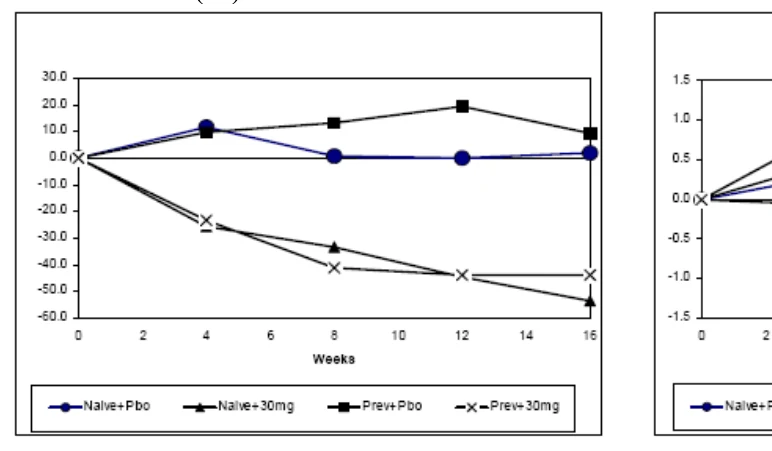
Figure 3 shows the time course for changes in FBG and HbA1c in naive patients and previous users of antidiabetic medications, during this 16-week study.
FBG (mg/dL) HbA1C (%)
Figure 3 – Mean Change from Baseline for FBG and HbA1c in a 16-Week Placebo-Controlled Study
A subset analysis was performed on the combined results of the above monotherapy studies to determine if the HbA1c levels at study entry had an effect on the outcome of the results. There was no meaningful difference in the efficacy of pioglitazone in lowering HbA1c levels in patients entering the studies with HbA1c values which were < 0.09 compared to those entering with values which were ≥0.09.
Combination Therapy Trials
Three 16-week, randomized, double-blind, placebo-controlled clinical studies were conducted to evaluate the effects of pioglitazone on glycemic control in patients with type 2 diabetes who were inadequately controlled (HbA1c ≥0.08) despite current therapy with a sulfonylurea, metformin, or insulin. Previous diabetes treatment may have been monotherapy or combination therapy.
Pioglitazone Plus Sulfonylurea:
In one double-blind combination study, 560 patients with type 2 diabetes on a sulfonylurea, either alone or combined with another antidiabetic agent, were randomized to receive either placebo or pioglitazone 15 or 30 mg once daily in addition to their current sulfonylurea regimen. Any other antidiabetic agent was withdrawn. Figure 4 shows the changes in HbA1c over the 16 week study period. Compared with placebo, the addition of pioglitazone to the sulfonylurea significantly reduced the mean HbA1c by 0.009 and 0.013 for the 15 mg and 30 mg doses, respectively. Compared with placebo, mean FBG decreased by 2.2 mmol/L (15 mg dose) and 3.2 mmol/L (30 mg dose).
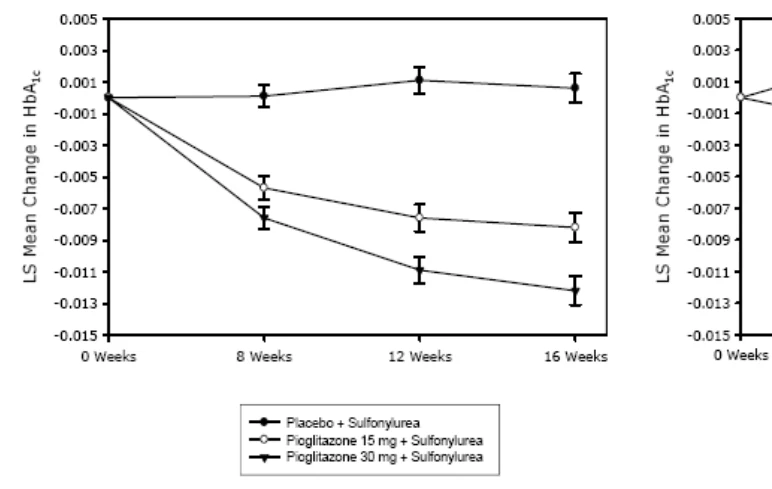
Pioglitazone resulted in dose-dependent, significant increases in HDL-C (15 mg, 0.04; 30 mg, 0.10 mmol/L; p<0.05) and decreases in triglycerides (15 mg, -0.44; 30 mg, -0.80 mmol/L; p<0.05). See also ACTION AND CLINICAL PHARMACOLOGY: Pharmacodynamics, WARNINGS AND PRECAUTIONS: Cardiovascular and Edema, Weight Gain, and ADVERSE REACTIONS.
The therapeutic effect of pioglitazone in combination with sulfonylurea was observed in patients
regardless of whether the patients were receiving low, medium, or high doses of sulfonylurea
(<50%, 50%, or >50% of the recommended maximum daily dose). A number of different
sulfonylureas were used in this study including glyburide (55% of patients) and glipizide (19% of
patients).
Pioglitazone Plus Metformin:
In a second double-blind combination study, 328 patients with type 2 diabetes on metformin either alone or combined with another antidiabetic agent, were randomized to receive placebo or pioglitazone 30 mg once daily in addition to their metformin. Any other antidiabetic agent was withdrawn. Compared to placebo, the addition of pioglitazone to metformin significantly reduced the mean HbA1c by 0.008 and decreased the mean FBG by 2.1 mmol/L (Figure 4). Pioglitazone also significantly increased HDL-C (0.08 mmol/L; p<0.05) and decreased triglycerides (-0.72 mmol/L; p<0.05). See also ACTION AND CLINICAL PHARMACOLOGY: Pharmacodynamics, WARNINGS AND PRECAUTIONS: Cardiovascular and Edema, Weight Gain, and ADVERSE REACTIONS.
Pioglitazone + Sulfonylurea Pioglitazone + Metformin
Figure 4 – Mean Change from Baseline for HbA1c (%) during Placebo-Controlled, Pioglitazone Combination Therapy Studies
The therapeutic effect of pioglitazone in combination with metformin was observed in patients regardless of whether the patients were receiving lower or higher doses of metformin (<2000 mg per day or ≥2000 mg per day).
Long Term Pioglitazone Therapy:
During an open label extension of double-blind combination therapy studies with sulfonylurea or metformin, 236 patients received pioglitazone in combination with sulfonylurea and 154 received pioglitazone in combination with metformin. Patients receiving sulfonylurea were initiated with pioglitazone 15 mg daily whereas those receiving metformin were initiated with pioglitazone 30 mg daily. Based on the HbA1c response, the Teva-Pioglitazone dose could be titrated up to 45 mg daily. The median duration of open label pioglitazone therapy was 67.6 weeks; the maximum duration was 84 weeks.
The mean changes for HbA1c, FBG, triglycerides and HDL-C for the pioglitazone treatment groups during the preceding double blind studies were sustained for at least 60 weeks open-label treatment. For those patients who completed at least 60 weeks of open label treatment with pioglitazone, the mean reduction from double-blind baseline for HbA1c was 0.013 (p<0.0001). Mean FBG was reduced 3.7 mmol/L (mean change -25.12%). The mean change in triglycerides and HDL-C was -10.4% and +9.3%, respectively. All mean changes were comparable for both combination therapies.
The types of adverse events reported in the open label extension study were, in general, similar to those in the preceding double-blind studies (see ADVERSE REACTIONS).
Pioglitazone Plus Insulin:
The use of Teva-Pioglitazone in combination with insulin is not indicated.
In a double blind combination study, 566 patients with type 2 diabetes receiving a median of
60.5 units per day of insulin, either alone or combined with another antidiabetic agent, were randomized to receive placebo or to pioglitazone 15 or 30 mg once daily in addition to their insulin. Any other antidiabetic agent was discontinued. Adverse events most commonly reported for patients taking pioglitazone plus insulin therapy were hypoglycemia (7.9%, 15.4%, pioglitazone 15 and 30 mg, respectively), upper respiratory tract infection (8.4%, 14.9%, pioglitazone 15 and 30 mg, respectively) and edema (12.6%, 17.6%, pioglitazone 15 and 30 mg, respectively); for the placebo plus insulin patients, the incidence of these adverse events was as follows: hypoglycemia, 4.8%; upper respiratory tract infection, 9.6%; edema, 7%.
Cardiovascular Studies:
In a six-month placebo-controlled study of 334 patients with type 2 diabetes and a long-term (one year or more) open-label study of more than 350 patients with type 2 diabetes, echocardiographic evaluation revealed no increase in mean left ventricular mass index or decrease in mean cardiac index in patients treated with pioglitazone. Preload-induced cardiac hypertrophy has been observed in some animal toxicology studies.
In clinical trials that excluded patients with New York Heart Association (NYHA) Class III and IV cardiac status, electrocardiographic evidence of left ventricular hypertrophy, a history of myocardial infarction, coronary angioplasty, coronary bypass graft, unstable angina pectoris, transient ischemic attacks, or a documented cerebrovascular accident 6 months preceding the study, no increased incidence of serious cardiac adverse events potentially related to volume expansion (e.g., congestive heart failure) was observed. Patients with NYHA Class III and IV cardiac status were not studied in pioglitazone clinical trials. In pre-market clinical trials there is limited exposure of pioglitazone in patients with Class II cardiac status.
A 24-week post-marketing safety study was performed to compare pioglitazone (n=262) to glyburide (n=256) in uncontrolled diabetic patients (mean HbA1C 8.8% at baseline, mean duration of diabetes 11.8 years) with NYHA Class II (81%) and Class III heart failure and ejection fraction less than 40% (mean EF 30% at baseline). Insulin was being used at baseline by 33.2% (172/518) of patients, evenly distributed between treatment groups. During the study, 54.2% (142/262) and 42.6% (109/256) of subjects in the pioglitazone and glyburide groups, respectively, had concomitant insulin use. Overall incidence rates for a first event signifying congestive heart failure (CHF) progression were 13.4% (35/262) in the pioglitazone group and 8.2% (21/256) in the glyburide group (p=0.024), with a treatment difference observed from 6 weeks. The higher rate was driven mainly by a disproportionately higher rate of overnight hospitalization for worsening CHF in the pioglitazone group (9.9%) compared to the glyburide group (4.7%). No difference in cardiovascular mortality between treatment groups was observed.
DETAILED PHARMACOLOGY
Clinical Effects on Glucose Metabolism
In early single-dose and multiple-dose tolerance studies, conducted in healthy volunteers over the range of pioglitazone 2 mg to 60 mg, assessment of effect was attempted by measuring fasting and postprandial serum levels of glucose, insulin, and C-peptide. As expected in normal volunteers who do not have an underlying resistance to the effects of insulin at the cellular level, no symptoms of hypoglycemia or decreases in serum glucose levels were observed. Despite the small sample sizes in each group and corresponding large variations in group means, statistical analysis provided some evidence of a drug effect in the single-dose study: decreases in the postprandial insulin area under the concentration-time curve. This effect is consistent with a drug-related increase in insulin sensitivity, the drug action seen in diabetic animals. No effect on postprandial glucose or C-peptide was seen. The discrepancy between the insulin and C-peptide was thought to be due to the slower clearance of C-peptide, which would obscure a drug effect. The decrease seen in insulin following single-dose administration was not confirmed following administration for 7 days.
In a study conducted in patients with type 2 diabetes, pioglitazone was added to a chronic sulfonylurea (SU) regimen. Statistically significant decreases in blood glucose values were observed 7 days after the addition of pioglitazone to the SU regimen (AUC(0-24): 6520 mg∙h/dL before and AUC(0-24): 5697 mg·h/dL after). However, no statistically significant changes were noted in the diurnal variations of blood insulin before (AUC(0-24): 349.7 µg·h/mL) and after treatment (AUC(0-24): 362.4 µg·h/mL) with pioglitazone, indicating a different mode of action for
pioglitazone than the SU drugs, which decrease blood glucose by increasing insulin secretion.
Administration of pioglitazone as monotherapy improved both FBG and postprandial blood glucose; and the hypoglycemic effect was maintained throughout the day. After 14 days of treatment with pioglitazone 15, 30, and 60 mg, measurements of blood glucose generally decreased at all time points throughout the day. The insulin levels, which were examined in conjunction with the glucose levels, showed no changes in diurnal variation before and after treatment with pioglitazone thus confirming that pioglitazone did not promote insulin secretion.
Statistically significant decreases from baseline in FBG (1.2 mmol/L) were noted as early as 2 weeks of treatment with monotherapy pioglitazone 30 mg and 60 mg. In another 8 week study there were dose-dependent reductions in HbA1C and FBG over the dose range of 7.5 mg to 30 mg; the decreases were statistically significant from baseline for FBG following administration of 30 mg (2.3 mmol/L) and for HbA1C following administration of 15 mg (-0.0023) and 30 mg (-0.0084). In both studies, the decreases generally were greater in patients with greater body mass index (BMI). These results were confirmed in other studies during which patients received
pioglitazone either as monotherapy or in combination with SU drugs. In one study, FBG was significantly reduced by Week 4 and HbA1C by Week 8. HbA1C was significantly reduced as early as Week 4 in another.
Pioglitazone improves insulin sensitivity and splanchnic glucose uptake in insulin-resistant patients with type 2 diabetes. Pioglitazone increases insulin-dependent glucose disposal and enhance cellular responsiveness to insulin and thus, improves dysfunction in glucose homeostasis. The decreased insulin resistance results in lower blood glucose, insulin, and HbA1C.
Pioglitazone significantly increases insulin sensitivity and improves pancreatic beta cell function in short term studies. In clinical studies, patients with type 2 diabetes were randomized to placebo or to pioglitazone 30 mg daily as monotherapy or in combination with a stable dose of a sulfonylurea or metformin. After 16 weeks, homeostasis model assessments (HOMA) showed that pioglitazone significantly reduced insulin resistance (p<0.05) and improved beta cell function (p<0.001) in all pioglitazone treatment groups.
Improvements in hepatic and peripheral tissue insulin sensitivity with pioglitazone have been shown to correlate with reductions in visceral fat. In one study, insulin sensitivity was determined from an oral glucose tolerance test and a 2-step, euglycemic insulin clamp with 3H-glucose while changes in abdominal fat depots were measured with MRI. Patients with type 2 diabetes receiving a stable sulfonylurea dose or diet alone were treated with pioglitazone 45 mg daily. After 16 weeks, pioglitazone significantly decreased visceral fat 10% (144 to 131 cm2; p<0.05), while increasing extra-abdominal fat, including muscle and subcutaneous fat 11% (301 to 342 cm2; p<0.01). Pioglitazone also significantly reduced both the basal endogenous glucose production and plasma insulin concentration, but significantly increased the glucose metabolic clearance rate (all p<0.05). The reduction in visceral fat correlated with both the reduction in basal insulin resistance and the increase in peripheral tissue insulin sensitivity.
In another study that also used MRI to measure fat stores, patients with type 2 diabetes were randomized to placebo or to pioglitazone 45 mg daily for 18 weeks. Relative to the control,
pioglitazone significantly reduced intra-abdominal fat but increased subcutaneous fat and hip circumference while significantly decreasing HbA1c (-0.015), and FBG (-2.4 mmol/L).
Another study has shown that muscle fat content correlates with the clinical efficacy of patients with type 2 diabetes poorly controlled with sulfonylurea. Visceral, subcutaneous, and muscle fat density were determined with CT scanning. After treatment with pioglitazone 30 mg daily for 6 months, multiple regression analysis showed a significant correlation between the improvement in HbA1c and initial thigh and hip muscle density (thigh, R2=0.59; hip, R2=0.72).
Other Clinical Pharmacodynamic Effects
Several clinical studies have also shown that pioglitazone significantly increases LDL particle size. In one study, pioglitazone 15 mg or 30 mg daily for 16 weeks significantly reduced the
Atherogenic Index of Plasma, which correlates inversely with LDL particle size. In a second study, pioglitazone 45 mg daily for 6 months significantly reduced Apo-B [from the small, dense
(L6), most atherogenic subfraction of LDL], and also increased the average diameter of LDL particles.
Pioglitazone significantly decreases carotid arterial intima-media thickness [IMT]. Patients with type 2 diabetes on a stable sulfonylurea dose were randomized to placebo or to pioglitazone 30 mg daily. Relative to control, the mean IMT reduction for the pioglitazone group was statistically significant at 3 months (p<0.005), but even greater at 6 months (IMT change at 6 months: pioglitazone, -0.084 ± 0.023 mm; control, 0.022 ± 0.006 mm; p<0.001).
Clinical studies have also shown that pioglitazone results in modest, but significant reductions in blood pressure. In one study, patients were randomized to pioglitazone 45 mg daily for 26 weeks. Relative to baseline, pioglitazone significantly reduced median systolic BP in normotensive and hypertensive patients (-5 and -10 mm Hg, respectively; p<0.05). In a second study, pioglitazone 15 mg daily for 12 weeks significantly reduced both mean systolic and diastolic BP (-10 and -4 mm Hg respectively; p<0.05) in patients with type 2 diabetes.
Pioglitazone significantly reduces markers of early diabetic nephropathy in patients with type 2 diabetes. In one study, pioglitazone 30 mg daily for 3 months reduced mean urinary albumin excretion (UAE) from 142.8 to 48.4 µg/min (p<0.01), and mean urinary endothelin
(ET)-1 levels from 8.6 to 3.4 ng/g urinary creatinine (p<0.01). In a second study,
normotensive patients with type 2 diabetes and healthy controls were randomized to
pioglitazone 30 mg daily or to placebo for 6 months. At baseline, urinary podocytes were present in the urine of 60.7% of the patients with diabetes. Pioglitazone significantly reduced urinary albumin excretion from 96.7 to 39 µg/min (p<0.05), and urinary podocytes from 0.9 to 0.1 cells/min (p<0.001) in the patients with type 2 diabetes.
Pharmacokinetics
Pioglitazone is metabolized to at least six Phase I metabolites, as well as other Phase II conjugates and products. Pioglitazone and Metabolite II, III, and IV have been shown to have pharmacological activity. Pioglitazone, M-III, and M-IV are found in appreciable concentrations in human serum; M-I, M-II, M-V, and M-VI are found in much lower concentrations.
Following oral administration, pioglitazone is quickly absorbed. Peak serum concentrations are observed about 3 hours post dose. Serum concentrations decline rapidly with a half-life of
8-11 hours. Both M-III and M-IV slowly appear in serum. Concentrations are first measurable
1-2 hours after dosing, and peak concentrations are observed about 16 hours post dose. At
8 hours post dose, M-IV serum concentration surpasses the parent and then declines slowly with a half-life of about 28 hours. Serum concentrations of M-III are much lower than the concentrations of M-IV (M-III’s precursor), but they decline slowly and parallel the terminal slope of M-IV, suggesting that M-III is a formation-limited metabolite. The AUC for M-IV is approximately 3-fold greater than the AUC for pioglitazone, while the AUC for M-III is comparable to the AUC for pioglitazone.
From 2 mg to 60 mg, AUC and Cmax for pioglitazone and total pioglitazone increase linearly with increasing dose, although above 30 mg, the increase was less than proportional. In general, trough serum concentrations of pioglitazone and total pioglitazone in diabetic patients during clinical trials also increased proportionally with increasing dose.
Pioglitazone does not alter its own pharmacokinetics. No accumulation has been observed, and serum concentrations are predictable within the dose range studied. The pioglitazone serum profile following repeated administration was similar to the serum profile following single-dose administration. Trough serum concentrations of pioglitazone and total pioglitazone in diabetic patients during clinical trials were relatively stable over 26 weeks of therapy.
Although pioglitazone serum levels increase and decline rather quickly during a once-a-day dosing interval, the contributions of M-III and M-IV to the overall serum concentration profile supports a once-a-day dosing regimen. After single dosing, the relative concentrations of M-III and M-IV are substantial at the end of the dosing interval. Therefore, at steady-state, the contributions of M-III and M-IV result in serum concentrations remaining stable throughout a 24 hour dosing interval.
After administration of a 45-mg dose of pioglitazone in 60 healthy male volunteers, mean Cmax was 1384.7 ng/mL either in 2 hours after fasting or 3 hours if administered with food. The derived oral clearance CL/F (mean) was 0.0484 L/h/kg with a mean apparent volume of distribution, Vd/F, of 0.617 L/kg. The oral clearance value was only a fraction of hepatic blood flow suggesting that pioglitazone is a low clearance drug. The Vd/F value is comparable to the body water space of 0.7 L/kg suggesting that pioglitazone is not extensively distributed. Based on the animal pioglitazone IV data, the volume of distribution at steady state, Vss, ranged from
0.223 to 0.466 L/kg, suggesting that pioglitazone distributes only within the blood volume space. Furthermore, 14C tissue distribution study in rats confirmed that pioglitazone was not distributed extensively in tissues except for highly perfused organs.
A small volume of distribution is expected, since pioglitazone is extensively bound (>99%) in human serum, principally to serum albumin, but also to α1-acid glycoprotein and α- and β-globulins, all lower affinity sites than albumin. Both α1-acid glycoprotein and β-globulins are non-saturable, high-capacity sites such that significant displacement would not be expected. Both M-III and M-IV also are highly protein bound (>98%). Pioglitazone also has limited partitioning, approximately 4%, into red blood cells.
Based on animal models, the metabolism of pioglitazone primarily occurs in the liver; however, the kidney could also play a role. Metabolic studies using both cultured microsomes and specific liver microsomes have identified cytochrome P450 isozymes CYP2C8 and CYP3A4 as accounting for more than 50% of the compound’s metabolism, but other isozymes are involved. These isozymes may serve as compensatory pathways to blunt the effect of concomitant medications on the metabolism of pioglitazone. In vitro studies illustrated that pioglitazone did not inhibit or induce any P450 isozymes.
Following oral administration, less than 30% of the dose was recovered in the urine as metabolites, either in the conjugated or non-conjugated form. M-V was the major species (12.4%) in urine, followed by M-VI (7.8%) and M-IV (5.8%). It is presumed that the remaining fraction was excreted in feces via the biliary route, similar to that observed in animals. Renal elimination of unchanged pioglitazone itself was negligible. The derived oral clearance of unchanged pioglitazone is accounted for by the metabolic clearance after correction for bioavailability. Pioglitazone and its metabolites are cleared from the serum slowly despite a relatively small apparent volume of distribution. The slow elimination of pioglitazone and its metabolites is explained by the low metabolic or intrinsic clearance and the high protein binding of the compound.
The administration of multiple doses of pioglitazone did not alter the anticoagulant activity of
phenprocoumon or warfarin. The estimated ratios of individual geometric means with
pioglitazone vs without pioglitazone were within the predefined limits of equivalence (70% to 143%) for both PT and INR.
TOXICOLOGY
Acute Toxicity
Comparing the acute intraperitoneal toxicity of pioglitazone (HCl) to four of its metabolites (M-II, M-III, M-IV, and M-V) revealed comparable toxicity for pioglitazone, M-II and M-III and less toxicity for M-IV and M-V. Overall, data indicated that pioglitazone (HCl) has minimal acute oral or intravenous toxicity in mice, rats and monkeys, that most of the observed toxicity is associated with the vehicle used, and that two metabolites (M-II and M-III) exhibit comparable toxicity to the parent drug.
Long-term Toxicity
Heart enlargement has been observed in mice (100 mg/kg), rats (4 mg/kg and above) and dogs (3 mg/kg) treated orally with pioglitazone HCl (approximately 11, 1, and 2 times the maximum recommended human oral dose for mice, rat, and dogs, respectively, based on mg/m2). In a one-year rat study, drug-related early death due to apparent heart dysfunction occurred at an oral dose of 160 mg/kg/day (approximately 35 times the maximum recommended human oral dose based on mg/m2). Heart enlargement was seen in a 13-week study in monkeys at oral doses of 8.9 mg/kg and above (approximately 4 times the maximum recommended human oral dose based on mg/m2), but not in a 52-week study at oral doses up to 32 mg/kg (approximately 13 times the maximum recommended human oral dose based on mg/m2).
Mutagenicity
Pioglitazone HCl was not mutagenic in a battery of genetic toxicology studies, including the Ames bacterial assay, a mammalian cell forward gene mutation assay (CHO/HPRT and
AS52/XPRT), an in vitro cytogenetics assay using CHL cells, an unscheduled DNA synthesis assay, and an in vivo micronucleus assay.
Carcinogenicity
During prospective evaluation of urinary cytology involving more than 1800 patients receiving pioglitazone in clinical trials up to one year in duration, no new cases of bladder tumours were identified. Occasionally, abnormal urinary cytology results indicating possible malignancy were observed in both pioglitazone-treated (0.72%) and placebo-treated (0.88%) patients.
Reproduction and Teratology
No adverse effects upon fertility were observed in male and female rats at oral doses up to 40 mg/kg pioglitazone HCl daily prior to and throughout mating and gestation (approximately 9 times the maximum recommended human oral dose based on mg/m2).
Pioglitazone was not teratogenic in rats at oral doses up to 80 mg/kg or in rabbits given up to 160 mg/kg during organogenesis (approximately 17 and 40 times the maximum recommended human oral dose based on mg/m2, respectively). Delayed parturition and embryotoxicity (as evidenced by increased post-implantation losses, delayed development and reduced fetal weights) were observed in rats at oral doses of 40 mg/kg/day and above (approximately 10 times the maximum recommended human oral dose based on mg/m2). No functional or behavioural toxicity was observed in offspring of rats. In rabbits, embryotoxicity was observed at an oral dose of 160 mg/kg (approximately 40 times the maximum recommended human oral dose based on mg/m2). Delayed postnatal development, attributed to decreased body weight, was observed in offspring of rats at oral doses of 10 mg/kg and above during late gestation and lactation periods (approximately 2 times the maximum recommended human oral dose based on mg/m2).
REFERENCES
- 1. Aronoff S, Rosenblatt S, Braithwaite S, et al. Pioglitazone 001 Study Group. Pioglitazone hydrochloride monotherapy improves glycemic control in the treatment of patients with type 2 diabetes. Diabetes Care 2000;23:1605-1611.
- 2. Buse JG. Pioglitazone in the treatment of type 2 diabetes mellitus: US clinical experience. Exp Clin Endocrinol Diabetes 2000;108[suppl 2]:S250-S255.
- 3. Buchanan TA, Meehan WP, Jeng YY, et al. Blood pressure lowering by pioglitazone. Evidence for a direct vascular effect. J Clin Invest 1995;96(1):354-360.
- 4. The DCCT Research Group. The effect of intensive treatment of diabetes on the development and progression of long-term complications in insulin-dependent diabetes mellitus. N Eng J Med 1993;329(14):977-986.
- 5. Deng LJ, Wang F, Li HD. Effect of gemfibrozil on the pharmacokinetics of pioglitazone. Eur J Clin Pharmacol 2005;61:831-836.
- 6. Einhorn D, Rendell M, Rosenzweig J, et al. The Pioglitazone 027 Study Group. Pioglitazone hydrochloride in combination with metformin in the treatment of type 2 diabetes mellitus: a randomized, placebo-controlled study. Clin Ther 2000;22:1395-1409.
- 7. Einhorn D, Kipnes M, Glazer B. Pioglitazone 031 Study Group. Durability of glycemic control with pioglitazone in long-term combination and monotherapy. Diabetes 2001;50[suppl 2]: 443-P.
- 8. Fodor JG, Frohlich JJ, Genest Jr JJ, McPherson PR for the Working Group on Hypercholesterolemia and Other Dyslipidemias. Recommendations for the management and treatment of dyslipidemias. CMAJ 2000;162(10):1441-1447.
- 9.
Gegick CG, Altheimer MD. Comparison of effects of thiazolidinediones on cardiovascular risk
- factors: Observations from a clinical practice. Endocrine Prac. 2001;7(3):162-169.
- 10. Grossman LD. New solutions for type 2 diabetes: The role of pioglitazone. Pharmacoeconomics 2002;20(Suppl 1):1-9.
- 11. Haffner SM et al. Insulin sensitivity in subjects with type 2 diabetes. Diabetes Care 1999;22:562-568.
- 12. Hagiwara T, Mikami H, Azuma J, et al. Pharmacokinetic study of AD-4833 in the elderly. Jpn J Clin Exp Med 1997;74(5):1307-1318.
- 13. Hiraga K. Clinical phase I study of AD-4833 single-dose and repeated-dose studies. Jpn J Clin Exp Med 1997;74(5):1884-1201.
- 14. Jaakkola T, Backman J, Neuvonen M, et al. Effect of rifampicin on the pharmacokinetics of pioglitazone. Br J Clin Pharmacol 2006;61:70-78.
- 15. Jaakkola T, Backman J, Neuvonen M, et al. Effects of gemfibrozil, itraconazole, and their combination on the pharmacokinetics of pioglitazone. Clin Pharmacol & Therapeutics 2005;77:404-414.
- 16. Kamada T, Kamikubo T, Tokuda T, et al. Muscle fat content predicts clinical efficacy of pioglitazone in type 2 diabetic patients. Diabetol 2001;44[suppl 1]:A846.
- 17. Kaneko T, Baba S, Toyota T, et al. Clinical evaluation of an insulin resistance-improving drug, AD-4833 in patients with non-insulin dependent diabetes mellitus (NIDDM) on diet therapy alone. Jpn J Clin Exp Med 1997;74(5):1227-1249.
- 18. Kaneko T, Baba S, Toyota T, Akanuma Y, et al. Dose finding study of AD-4833 in patients with NIDDM on diet therapy alone - double-blind comparative study on four dosages. Jpn J Clin Exp Med 1997;74(5):1250-1277.
- 19. Kaneko T, Suzuki A, Inoue T, et al. Clinical evaluation of an insulin-resistance improving drug,
- AD-4833, in patients with non-insulin-dependent diabetes mellitus by concomitant administration with Basen® tablets - An open-labeled phase III study. Jpn J Clin Exp Med 1997;74(6):1540-1556.
- 20. Khan M, St.Peter J, Xue J. A prospective, randomized comparison of the metabolic effects of pioglitazone or rosiglitazone in patients with type 2 diabetes who were previously treated with troglitazone. Diabetes Care 2002;25(4):708-711.
- 21. Kipnes MS, Krosnick A, Rendell MD, et al. Pioglitazone hydrochloride in combination with sulfonylurea therapy improves glycemic control in patients with type 2 diabetes mellitus: a randomized, placebo-controlled study. Am J Med 2001;111:10-17.
- 22. Koshiyama H, Shimono D, Kuwamura N, et al. Inhibitory effect of pioglitazone on carotid arterial wall thickness in type 2 diabetes. J Clin Endocrinol Metab 2001;86(7):3452-3454.
- 23. Lawrence JM, Reckless JPD. Pioglitazone. Int J Clin Pract. 2000;54(9):614-618.
- 24. Lean ME, Priest M, Stump S. Pioglitazone reduces intra-abdominal fat. Diabetol 2001;44[suppl 1]:A847.
- 25. Lebrizzi R, Egan J. Pioglitazone Study Group, 2000. The HbA1c and blood glucose response to pioglitazone (ACTOS®) in combination with insulin in patients with type 2 diabetes. Diabetes Res Clin Pract. 2000;50[suppl 1]:S58.
- 26. Maruyama H, Terauchi M, Hayashi M, et al. Relation between the effect of pioglitazone treatment on glucose-lipid metabolism, blood pressure and abdominal fat distribution in type 2 diabetes. Diabetes 2001;50 [suppl 1]:A503-P.
- 27. Meltzer S, Leiter L, Daneman D, et al. Clinical practice guidelines for the management of diabetes in Canada. CMAJ 1998;159[suppl 8]:S1-S29.
- 28.
Miyazaki Y, Mahankali A, Matsuda M, et al. Improved glycemic control and enhanced insulin
- sensitivity in type 2 diabetic subjects treated with pioglitazone. Diabetes Care 2001;24:710-719.
- 29. Miyazaki Y, Mahankali A, Matsuda M, et al. Effect of pioglitazone on abdominal fat distribution and insulin sensitivity in type 2 diabetic patients. J Clin Endocrinol Metab 2002;87(6):2784-2791.
- 30. Nakamura T, Ushimyama C, Shimada N, et al. Comparative effects of pioglitazone, glibenclamide, and voglibose on urinary endothelin-1 and albumin excretion in diabetes patients. J Diabetes Complications 2000;14:250-254.
- 31. Nakamura T, Ushiyama C, Osada S, et al. Pioglitazone reduces urinary podocyte excretion in type 2 diabetes patients with microalbuminuria. Metab 2001;50(10):1193-1196.
- 32. Rosenblatt S, Miskin B, Glazer NB for the Pioglitazone 026 Study Group. The impact of pioglitazone on glycemic control and atherogenic dyslipidemia in patients with type 2 diabetes mellitus. Coronary Art Dis 2001;12(5):413-423.
- 33. Rosenstock J. Pioglitazone 001 Study Group. Improved insulin sensitivity and beta-cell responsivity suggested by HOMA analysis of pioglitazone therapy. Diab Res Clin Prac 2001;40[suppl 1]:S61.
- 34. Rubin CJ, Shaffer S. Echocardiographic assessment in patients with type 2 diabetes mellitus treated with pioglitazone. Diabetes 2000;49[suppl 1]:A364-A365.
- 35. Scherbaum W and Goke B. Pioglitazone reduces blood pressure in patients with type 2 diabetes mellitus. Diabetes 2001;50(suppl 2)A462.
- 36. Takashina S, Ishida K, Kubo K. Clinical pharmacology of long-term treatment with AD-4833 - A study on the effects of the drug concentrations and blood glucose levels. Jpn J Clin Exp Med 1997;74(6):1614-1626.
- 37. Tan M. Current treatment of insulin resistance in type 2 diabetes mellitus. Int J Clin Pract 2000;[suppl 113]:54-62.
- 38. Tan M. How pioglitazone affects glucose and lipid metabolism. Exp Clin Endocrinol Diabetes 2000;108[Suppl 2]:S224-S233.
- 39. UK Prospective Diabetes Study (UKPDS) Group. Intensive blood-glucose control with sulphonylureas or insulin compared with conventional treatment and risk of complications in patients with type 2 diabetes (UKPDS 33). Lancet 1998;352:837-53.
- 40. UK Prospective Diabetes Study (UKPDS) Group. Effect of intensive blood-glucose control with metformin on complications in overweight diabetes type 2 patients (UKPDS 34). Lancet 1998;352:854-965.
- 41. Winkler K, Friedrich I, Nauck M, et al. Pioglitazone reduces dense LDL particles in patients with type 2 diabetes. Diabetes 2001;50[Suppl 2]:592-P.
- 42. Yoshimoto T, Naruse M, Shizume H, et al. Vasculo-protective effects of insulin sensitizing agent pioglitazone in neointimal thickening and hypertensive vascular hypertrophy. Atherosclerosis 1999;3145:333-340.
- 43.
Product Monograph for ACTOS® (pioglitazone hydrochloride) 15, 30, 45 mg Tablets. Takeda Canada Inc., Mississauga, Canada, L5N 2V8. Control No. 203486; Date of Revision: January 18, 2018.
PART III: CONSUMER INFORMATION
Pr Teva-Pioglitazone
Pioglitazone Tablets
15 mg, 30 mg and 45 mg pioglitazone
(as pioglitazone hydrochloride)
This leaflet is part III of a three-part "Product Monograph" published when Teva-Pioglitazone was approved for sale in Canada and is designed specifically for Consumers. This leaflet summarizes medical information from the Product Monograph in commonly used terms. Not all scientific information is included. Contact your doctor or pharmacist if you have any questions about the drug.
ABOUT THIS MEDICATION
What the medication is used for:
Your doctor has prescribed Teva-Pioglitazone to treat type 2 diabetes, as an addition to diet and exercise, in order to improve your blood sugar control. Teva-Pioglitazone may be used alone or in combination with a sulfonylurea or
metformin.
What is Type 2 Diabetes?
Insulin is a hormone that the body makes to help use food for energy. There are two types of diabetes: in type 1 diabetes, the body stops producing insulin. In type 2 diabetes, the body does not respond to insulin as well as it should, and/or cannot make enough insulin on its own. When this happens, glucose (sugar) builds up in the blood. This can lead to serious medical problems, including kidney damage, eye damage, nerve damage, heart disease, or stroke. The main goal of diabetes treatment is to lower blood sugar to a normal level.
How is Type 2 Diabetes Usually Controlled?
Treatment of type 2 diabetes must always include proper diet, exercise and weight control under the guidance of your physician.
What it does:
Teva-Pioglitazone is a member of a class of drugs that are insulin-sensitizing agents. Teva-Pioglitazone helps your body respond better to its own insulin, thereby reducing blood sugar levels in the body. Because Teva-Pioglitazone does not cause your body to produce more insulin, it rarely causes hypoglycemia (low blood sugar) when used alone. Even if you are taking Teva-Pioglitazone, you should still exercise and follow the recommended nutritional plan for your diabetes.
When it should not be used:
Teva-Pioglitazone should not be used by patients who:
- have or have had heart problems or heart failure
- have serious liver damage
- are pregnant
- are allergic to pioglitazone hydrochloride or any other ingredients of Teva-Pioglitazone (see “What the nonmedicinal ingredients are”, below)
- have or have had bladder cancer
- have blood or a red colour in their urine
What the medicinal ingredient is:
Pioglitazone (as pioglitazone hydrochloride)
What the nonmedicinal ingredients are:
Carmellose calcium, hydroxypropyl cellulose, lactose monohydrate, magnesium stearate
What dosage forms it comes in:
Teva-Pioglitazone is available as tablets of 15 mg, 30 mg or 45 mg.
WARNINGS AND PRECAUTIONS
Because Teva-Pioglitazone works only in the presence of insulin, it should not be used if you have type 1 diabetes (when the pancreas does not produce insulin).
Serious side effects with Teva-Pioglitazone include:
- heart failure. Symptoms of heart failure include shortness of breath, weakness, tiredness, swelling (edema), or unusual weight gain
- liver problems. Symptoms of liver problems include tiredness, lack of appetite, dark urine, yellowing of the skin or the white part of the eye
- bladder cancer. Symptoms of bladder cancer include blood or a red colour in your urine, an increased need to urinate, or pain while you urinate
Teva-Pioglitazone is not approved for use with metformin and a sulfonylurea, therefore Teva-Pioglitazone should not be taken with metformin and a sulfonylurea.
Teva-Pioglitazone is not approved for use with insulin therapy, therefore Teva-Pioglitazone should not be taken with insulin.
If you are taking Teva-Pioglitazone with a sulfonylurea, you may develop low blood sugar. Make sure to ask your doctor, pharmacist, or diabetes educator what to do if your blood sugar is low. Teach your friends, coworkers, and family members what they can do to help you if you have low blood sugar.
Consult your doctor promptly during periods of stress, such as fever, trauma, infection or surgery, since your medication requirements may change during these times.
Fractures, usually in the hand, upper arm or foot, have been seen with pioglitazone use in women. Talk to your doctor about the risk of fracture.
Before or while taking Teva-Pioglitazone, talk to your doctor or pharmacist if you:
- have liver disease. Teva-Pioglitazone is not recommended in patients with liver disease.
- are planning to become pregnant. Only insulin should be used during pregnancy to maintain blood glucose levels as close to normal as possible.
are breastfeeding
- are a woman who has not reached menopause but have no menstrual periods. You may become pregnant unless you use an effective method of birth control. Teva-Pioglitazone, like other drugs in this class, may cause women with insulin resistance to ovulate again.
- have edema (water retention)
Teva-Pioglitazone should not be used in children under 18 years of age.
INTERACTIONS WITH THIS MEDICATION
Drugs that interact with Teva-Pioglitazone include:
Oral Contraception. Women using oral birth control pills should check with their doctor about the possible need to adjust the dose or use alternative methods of contraception when taking Teva-Pioglitazone. Women should also inform their doctors of any changes in their monthly cycle.
Teva-Pioglitazone may also interact with some other drugs such as gemfibrozil, rifampicin, nifedipine and atorvastatin calcium. Tell your doctor if you are taking these medicines.
PROPER USE OF THIS MEDICATION
Usual dose:
Teva-Pioglitazone should be taken once daily without regard to meals. The initial dose is 15 or 30 mg once daily. Do not exceed 45 mg once daily.
Take your Teva-Pioglitazone each day, as instructed by your doctor or pharmacist. Teva-Pioglitazone can help you control your blood glucose levels only if you take it regularly. Teva-Pioglitazone should generally be taken at the same time each day at whatever time you find most convenient to remember.
Your doctor has prescribed Teva-Pioglitazone specifically for you. Do not give your medicine to anyone else, even if they have a similar condition.
Overdose:
If you think you, or a person you are caring for, have taken too much Teva-Pioglitazone, contact a healthcare professional, hospital emergency department, regional poison control centre or Health Canada’s toll-free number, 1-844 POISON-X (1-844-764-7669) immediately, even if there are no signs or symptoms.
In the event of overdosage, consult your doctor,pharmacist, or contact a poison control centre immediately.
Missed Dose:
If you miss a dose of Teva-Pioglitazone, do not take a double dose to make up for the missed dose. Take your dose at the regular time on the following day.
Monitoring:
- Fasting blood glucose: Test your blood sugar levels with your personal glucose meter as often as your doctor recommends.
- Glycosylated hemoglobin (HbA1c): This blood test is done periodically to determine the average control of your blood sugar levels.
- Liver Enzymes: Your doctor may recommend a blood test to monitor your liver function before you start Teva-Pioglitazone and may repeat this test occasionally while you take Teva-Pioglitazone.
- Eye: should be checked regularly. Rarely, some patients have experienced vision changes due to swelling in the back of the eye while taking pioglitazone.
SIDE EFFECTS AND WHAT TO DO ABOUT THEM
The following side effects have been commonly reported with pioglitazone (could affect up to 1 in 10 patients):
- Edema (fluid retention or swelling) which could lead to heart failure. If you notice swelling in extremities (arms and legs, hands and feet), unusually rapid increase in weight, tiredness, trouble breathing or shortness of breath, call your doctor. These symptoms, although not specific, may signal heart problems or heart failure.
- Low blood sugar (hypoglycemia) if you are taking Teva-Pioglitazone in combination with another diabetes medicine (e.g., metformin or a sulfonylurea). Dizziness, lack of energy, drowsiness, headache, trembling, sweating, or hunger may mean that your blood sugar is too low. This can happen if you skip meals, drink alcohol, use another medicine that lowers blood sugar, exercise (particularly hard or long), or if you have certain medical problems. Call your doctor if you feel that your symptoms of low blood sugar are uncomfortable. If you are using Teva-Pioglitazone by itself, there is less risk of having low blood sugar.
- Increased weight. Tell your doctor if you gain a lot of weight in a short period of time.
The following side effects have been reported rarely with pioglitazone (could affect up to 1 in 1000 patients):
- Liver problems. If you experience nausea, vomiting, stomach pain, lack of appetite, tiredness, dark urine, or yellowing of the skin, stop taking Teva-Pioglitazone and call your doctor right away.
- Breakthrough bleeding (unexpected vaginal bleeding or spotting) while using oral contraceptives, or generally, if you experience any symptoms that persist or become troublesome, these should be discussed with your doctor.
- Blurred vision due to swelling (or fluid) in the back of the eye.
- Fractures, usually in the hand, upper arm or foot, have been seen with pioglitazone use in women. Talk to your doctor about the risk of fracture.
Bladder cancer. If you experience blood or a red colour in
- your urine, an increased need to urinate, or pain while you urinate, stop taking Teva-Pioglitazone and call your doctor right away.
The following side effects have been reported very rarely with pioglitazone (could affect up to 1 in 10,000 patients):
- Heart failure or pulmonary edema (fluid accumulation in the lungs). Symptoms of heart failure include shortness of breath, getting tired easily after light physical activity such as walking, waking up short of breath at night and swollen ankles or feet. Symptoms of fluid in the lungs are breathlessness, which may be very severe and usually worsens on lying down. Stop taking Teva-Pioglitazone and call your doctor right away if you experience these symptoms.
- Anemia (low red blood cell count) which may make you feel very weak or tired.
- Swelling of the face, lips, mouth, tongue or throat (which may cause difficulty in swallowing or breathing); hives or rash (which may be itchy). Stop taking Teva-Pioglitazone and call your doctor right away if you experience these symptoms.
| SERIOUS SIDE EFFECTS, HOW OFTEN THEY HAPPEN AND WHAT TO DO ABOUT THEM | ||||
| SERIOUS SIDE EFFECTS, HOW OFTEN THEY HAPPEN AND WHAT TO DO ABOUT THEM | ||||
| Symptom / effect | Talk to your healthcare professional | Stop taking drug and get immediate medical help | ||
| Symptom / effect | Talk to your healthcare professional | Stop taking drug and get immediate medical help | ||
| Only if severe | In all cases | |||
| Only if severe | In all cases | |||
| Common | Fluid retention or swelling in extremities (arms and legs, hands and feet) | ✓ | ||
Common (when taken with other antidiabetic medicines) | Low blood sugar (hypoglycemia): Dizziness, lack of energy, drowsiness, headache, trembling, sweating, hunger | ✓ | ||
| Rare | Liver problems: nausea, vomiting, stomach pain, lack of appetite, tiredness, dark urine, or yellowing of the skin | ✓ | ||
| Blurred vision or decreased vision [which may be due to swelling (or fluid) in the back of the eye]. | ✓ | |||
| Fractures, usually in the hand, upper arm or foot, in women | ✓ | |||
| Bladder cancer: blood or red colour in urine, increased need to urinate, pain while you urinate | ✓ | |||
| Very rare | Heart failure or fluid in the lungs (pulmonary edema): trouble breathing or shortness of breath, getting tired easily after light physical activity, unusual tiredness, waking up short of breath at night, swollen ankles or feet, unusually rapid increase in weight | ✓ | ||
| Allergic reactions: swelling of the face, lips, mouth, tongue or throat (may cause difficulty in swallowing or breathing), hives or rash | ✓ | |||
This is not a complete list of side effects. For any unexpected effects while taking Teva-Pioglitazone, contact your doctor or pharmacist.
HOW TO STORE IT
Store Teva-Pioglitazone in a tightly closed container at room temperature (15°C - 30°C). Protect from moisture and humidity.
Keep out of reach and sight of children.
Reporting Side Effects
You can report any suspected side effects associated with the use of health products to Health Canada by:
- Visiting the Web page on Adverse Reaction Reporting canada.ca/drug-device-reporting) for information on how to report online, by mail or by fax; or
- Calling toll-free at 1-866-234-2345.
NOTE: Contact your health professional if you need information about how to manage your side effects. The Canada Vigilance Program does not provide medical advice.
MORE INFORMATION
If you want more information about Teva-Pioglitazone:
- Talk to your health care professional
- Find the full product monograph that is prepared for healthcare professionals and includes this Part III: Consumer Information by visiting the Health Canada website (https://www.canada.ca/en/health-canada/services/drugs-health-products/drug-products/drug-product-database.html); the manufacturer’s website http://www.tevacanada.com; or by calling 1-800-268-4127 ext. 3; or email druginfo@tevacanada.com.
Last revised: DEC 12, 2025