


Product Monograph - Teva-Tecnal
ACTION AND CLINICAL PHARMACOLOGY
Pharmacologically, TEVA-TECNAL (ASA-butalbital-caffeine) combines the analgesic properties of acetylsalicylic acid (ASA) with the anxiolytic and muscle relaxant properties of butalbital.
Pharmacokinetics:
The behaviour of the individual components is described below.
Acetylsalicylic acid (ASA)
ASA is a salicylate that binds to the cyclooxygenase enzyme leading to a reduction in prostaglandin activity. The systemic availability of ASA after an oral dose is highly dependent on the dosage form, the presence of food, the gastric emptying time, gastric pH, antacids, buffering agents, and particle size. These factors affect not necessarily the extent of absorption of total salicylates but more the stability of ASA prior to absorption.
During the absorption process and after absorption, ASA is mainly hydrolyzed to salicylic acid and distributed to all body tissues and fluids, including fetal tissues, breast milk, and the central nervous system (CNS). Highest concentrations are found in plasma, liver, renal cortex, heart, and lung. In plasma, about 50% - 80% of the salicylic acid and its metabolites are loosely bound to plasma proteins.
The clearance of total salicylates is subject to saturable kinetics; however, first-order elimination kinetics are still a good approximation for doses up to 650 mg. The plasma half-life for ASA is about 12 minutes and for salicylic acid and/or total salicylates is about 3 hours.
The elimination of therapeutic doses is through the kidneys either as salicylic acid or other biotransformation products. The renal clearance is greatly augmented by an alkaline urine as is produced by concurrent administration of sodium bicarbonate or potassium citrate.
The biotransformation of ASA occurs primarily in the hepatocytes. The major metabolites are salicyluric acid (75%), the phenolic and acyl glucuronides of salicylate (15%), and gentisic and gentisuric acid (1%).
See SYMPTOMS AND TREATMENT OF OVERDOSAGE for toxicity information.
Caffeine
Caffeine is a CNS stimulant with primary effects on adenosine receptors. Like most xanthines, caffeine is rapidly absorbed and distributed in all body tissues and fluids, including the CNS, fetal tissues, and breast milk.
Caffeine is cleared rapidly through metabolism and excretion in the urine. The plasma half-life is about 3 hours. Hepatic biotransformation prior to excretion results in about equal amounts of 1-methylxanthine and 1-methyluric acid. Of the 70% of the dose that has been recovered in the urine, only 3% was unchanged drug.
See SYMPTOMS AND TREATMENT OF OVERDOSAGE for toxicity information.
Butalbital
Butalbital is a short to intermediate-acting barbiturate which is thought to act on the CNS through enhanced gamma-aminobutyric acid (GABA) binding to GABA A receptors. Butalbital is well absorbed from the gastrointestinal tract and is expected to distribute to most of the tissues in the body. Barbiturates, in general, may appear in breast milk and readily cross the placental barrier. They are bound to plasma and tissue proteins to a varying degree and binding increases directly as a function of lipid solubility.
Elimination of butalbital is primarily via the kidney (59% - 88% of the dose) as unchanged drug or metabolites. The plasma half-life is about 35 hours. The elimination half-life of butalbital is about 61 hours (range: 35 to 88 hours). Urinary excretion products included parent drug (about 3.6% of the dose), 5-isobutyl-5-(2,3 dihydroxypropyl) barbituric acid (about 24% of the dose), 5-allyl-5(3-hydroxy-2-methyl-1-propyl) barbituric acid (about 4.8% of the dose), products with the barbituric acid ring hydrolyzed with excretion of urea (about 14% of the dose), as well as unidentified materials. Of the material excreted in the urine, 32% was conjugated.
The in vitro plasma protein binding of butalbital is 45% over the concentration range of 0.5 - 20 mcg/mL. This falls within the range of plasma protein binding (20% - 45%) reported with other barbiturates such as phenobarbital, pentobarbital, and secobarbital sodium. The plasma-to-blood concentration ratio was almost unity indicating that there is no preferential distribution of butalbital into either plasma or blood cells.
See SYMPTOMS AND TREATMENT OF OVERDOSAGE section for toxicity information.
INDICATIONS AND CLINICAL USE
TEVA-TECNAL (ASA-butalbital-caffeine) is indicated for the relief of tension-type headache.
Evidence supporting the efficacy and safety of TEVA-TECNAL in the treatment of multiple recurrent headaches is unavailable. Caution in this regard is required because repeated use of TEVA-TECNAL may cause medication overuse headaches and butalbital is habit- forming and potentially abusable (see WARNINGS and PRECAUTIONS, Abuse and Dependence).
The clinical effectiveness of ASA-butalbital-caffeine in tension-type headache has been established in double-blind, placebo-controlled, multi-clinic trials. A factorial design study compared ASA-butalbital-caffeine with each of its major components. This study demonstrated that each component contributes to the efficacy of ASA-butalbital-caffeine in the treatment of the target symptoms of tension-type headache (headache pain, psychic tension, and muscle contraction in the head, neck, and shoulder region). For each symptom and the symptom complex as a whole, ASA-butalbital-caffeine was shown to have significantly superior clinical effects to either component alone.
TEVA-TECNAL has not been studied in pediatrics and should not be administered to children < 18 years of age.
CONTRAINDICATIONS
TEVA-TECNAL (ASA-butalbital-caffeine) is contraindicated under the following conditions:
- 1. Hypersensitivity or intolerance to ASA, butalbital, or caffeine or to any of the components.
- 2. Patients with a hemorrhagic diathesis (e.g., hemophilia, hypoprothrombinemia, von Willebrand’s disease, thrombocytopenia, thrombasthenia and other ill-defined hereditary platelet dysfunctions, severe vitamin K deficiency and severe liver damage).
- 3. Patients with the syndrome of nasal polyps, angioedema and bronchospastic reactivity to ASA or other nonsteroidal anti-inflammatory drugs. Anaphylactoid reactions have occurred in such patients.
- 4. Peptic ulcer or other serious gastrointestinal lesions.
- 5. Patients with porphyria.
- 6. In patients with a history of abuse or overdosage due to alcohol, hypnotics, analgesics and psychotropic drugs.
- 7. During the third trimester of pregnancy, because of risk of premature closure of the ductus arteriosus, and prolonged parturition.
WARNINGS
Therapeutic doses of ASA can cause anaphylactic shock and other severe allergic reactions. It should be ascertained if the patient is allergic to ASA, although a specific history of allergy may be lacking.
Significant bleeding can result from ASA therapy in patients with peptic ulcer or other gastrointestinal lesions, and in patients with bleeding disorders.
Thrombocytopenia has been reported in association with the use of ASA, and may be the underlying cause of the increased risk of bleeding, intracerebral hemorrhage and hemorrhagic stroke observed in patients treated with ASA as an antiplatelet therapy.
ASA administered pre-operatively may prolong the bleeding time.
A possible association between Reye's syndrome and the use of salicylates has been suggested but not established. Reye's syndrome has also occurred in many patients not exposed to salicylates. However, caution is advised when prescribing salicylate-containing medications for young adults with influenza or chickenpox.
Butalbital is habit-forming and potentially abusable. Consequently, the extended use of TEVA-TECNAL (ASA-butalbital-caffeine) is not recommended (see PRECAUTIONS, Abuse and Dependence).
TEVA-TECNAL is associated with exacerbation of headache (medication overuse headaches) in susceptible patients. Repeated use of TEVA-TECNAL can lead to “rebound” headaches as each dose wears off. With repeated doses, physical and psychological dependence can develop. In addition to dependence, butalbital-containing products can lead to tolerance and at higher doses can produce withdrawal symptoms after discontinuation (see PRECAUTIONS, Abuse and Dependence).
PRECAUTIONS
General:
Because of its ASA content, TEVA-TECNAL (ASA-butalbital-caffeine) should be used with caution in patients with a history of bleeding tendencies, in patients on anticoagulant therapy and in patients with underlying hemostatic defects and with extreme caution in patients with peptic ulceration.
Precautions should be taken when administering salicylates to persons with known allergies. Hypersensitivity to ASA is particularly likely in patients with nasal polyps and relatively common in those with asthma.
Long-term use of preparations containing barbiturates may lead to habituation and physical dependence. TEVA-TECNAL, because of its butalbital content, should be avoided in patients with head injury, in whom a depressed CNS is suspected. Similarly, it should not be used in patients with actual or a predisposition towards respiratory depression.
TEVA-TECNAL should be prescribed with caution for certain special-risk patients, such as the elderly or debilitated, and those with severe impairment of renal or hepatic function, coagulation disorders, head injuries, elevated intracranial pressure, acute abdominal conditions, hypothyroidism, urethral stricture, Addison’s disease, prostatic hypertrophy, peptic ulcer, or in osteomalacia and osteoporosis.
Occupational Hazards:
Barbiturate-containing preparations may impair the mental and/or physical abilities needed for certain potentially hazardous activities such as driving a vehicle or operating machinery. Patients should be cautioned accordingly. Patients should also be cautioned about the combined effects of TEVA-TECNAL with other CNS depressants, including other opioids, phenothiazine, sedative/hypnotics and alcohol.
Carcinogenesis, Mutagenesis, Impairment of Fertility:
Long-term studies have been conducted in mice and rats with ASA, alone or in combination with other drugs, in which no evidence of carcinogenesis was seen. No adequate studies have been conducted in animals to determine whether ASA has a potential for mutagenesis or impairment of fertility. No adequate studies have been conducted in animals to determine whether butalbital has a potential for carcinogenesis, mutagenesis, or impairment of fertility.
Skin:
Serious skin reactions: Use of some NSAIDs, such as TEVA-TECNAL, have been associated with rare post-market cases of serious, fatal or otherwise life-threatening skin reactions, including:
- drug reaction with eosinophilia and systemic symptoms (DRESS)
- Stevens-Johnson syndrome,
- toxic epidermal necrolysis,
- exfoliative dermatitis and
- erythema multiforme.
Patients appear to be at higher risk for these events early in the course of therapy, with the onset of cases usually occurring within the first month of treatment. These reactions may be reversible if the causative agent is discontinued and appropriate treatment instituted. Patients should be advised that they should discontinue their NSAID at the first appearance of a skin rash, mucosal lesions or any other sign of hypersensitivity, and contact their physician immediately for assessment and advice, including which therapies to discontinue.
DRESS typically, although not exclusively, presents with fever, rash, lymphadenopathy, and/or facial swelling. Other clinical manifestations may include hepatitis, nephritis, hematological abnormalities, myocarditis, or myositis. Sometimes symptoms of DRESS may resemble an acute viral infection, and eosinophilia is often present. Because this disorder is variable in its presentation, other organ systems not noted here may be involved. It is important to note that early manifestations of hypersensitivity, such as fever or lymphadenopathy, may be present even though rash is not evident.
Use in Pregnancy:
TEVA-TECNAL should not be given to a pregnant woman unless the potential benefit justifies the potential risk to the fetus.
Risk in Pregnancy: Caution should be exercised in prescribing TEVA-TECNAL during the first and second trimesters of pregnancy. Use of NSAIDS at approximately 20 weeks of gestation or later may cause fetal renal dysfunction leading to oligohydramnios and neonatal renal impairment or failure. TEVA-TECNAL is contraindicated for use during the third trimester because of risk of premature closure of the ductus arteriosus and uterine inertia (prolonged parturition) (see CONTRAINDICATIONS).
Pregnant Women
TEVA-TECNAL is contraindicated for use during the third trimester of pregnancy because of risks of premature closure of the ductus arteriosus and the potential to prolong parturition (see CONTRAINDICATIONS). Caution is recommended in prescribing TEVA-TECNAL during the first and second trimesters of pregnancy, particularly from the middle to end of the second trimester of pregnancy (onset at approximately 20 weeks) due to possible fetal renal dysfunction leading to oligohydramnios and, in some cases, neonatal renal impairment or failure.
Published studies and postmarketing reports describe maternal NSAID use at approximately 20 weeks gestation or later in pregnancy associated with fetal renal dysfunction leading to oligohydramnios, and in some cases, neonatal renal impairment or failure. NSAIDs were shown to cause significant reduction in fetal urine production prior to reduction of amniotic fluid volume. There have also been a limited number of case reports of maternal NSAID use and neonatal renal dysfunction and renal impairment without oligohydramnios, some of which were irreversible, even after treatment discontinuation.
These adverse outcomes are seen, on average, after days to weeks of treatment, although oligohydramnios has been infrequently reported as soon as 48 hours after NSAID initiation. Complications of prolonged oligohydramnios may for example, include limb contractures and delayed lung maturation. In some postmarketing cases of impaired neonatal renal function, invasive procedures such as exchange transfusion or dialysis were required.
If after careful consideration of the benefit-risk, NSAID treatment is considered necessary to be administered anywhere from the middle (onset at approximately 20 weeks) to the end of the second trimester of pregnancy, the use should be limited to the lowest effective dose and shortest duration possible. It is also recommended that ultrasound monitoring of amniotic fluid be considered if TEVA-TECNAL treatment extends beyond 48 hours and that NSAIDs treatment be discontinued if oligohydramnios occurs, followed by appropriate medical follow up.
Inhibition of prostaglandin synthesis may adversely affect pregnancy and/or embryo-fetal development. Data from epidemiological studies suggest an increased risk of miscarriage and of cardiac malformation after use of a prostaglandin synthesis inhibitor in early pregnancy. In animals, administration of a prostaglandin synthesis inhibitor has been shown to result in increased pre- and post-implantation loss and embryo-fetal lethality. In addition, increased incidences of various malformations, including cardiovascular, have been reported in animals given a prostaglandin synthesis inhibitor during the organogenesis period.
Teratogenicity
Animal reproduction studies have not been conducted with ASA-butalbital-caffeine. It is also not known whether ASA-butalbital-caffeine can cause fetal harm when administered to a pregnant woman or can affect reproduction capacity.
Withdrawal seizures were reported in a two-day-old male infant whose mother had taken a butalbital containing drug during the last 2 months of pregnancy. Butalbital was found in the infant’s serum. The infant was given phenobarbital 5 mg/kg, which was tapered without further seizure or other withdrawal symptoms.
In controlled studies involving 41,337 pregnant women and their offspring, there was no evidence that ASA taken during pregnancy caused stillbirth, neonatal death or reduced birth weight. In controlled studies of 50,282 pregnant women and their offspring, ASA administration in moderate and heavy doses during the first four lunar months of pregnancy showed no teratogenic effect.
Therapeutic doses of ASA in pregnant women close to term may cause bleeding in mother, fetus, or neonate. During the last 6 months of pregnancy, regular use of ASA in high doses may prolong pregnancy and delivery.
Labour and Delivery
Ingestion of ASA prior to delivery may prolong delivery or lead to bleeding in the mother or neonate.
Nursing Women:
ASA, caffeine and barbiturates are excreted into breast milk, but the significance of their effects on nursing infants is not known. Because of potential for serious adverse reactions in nursing infants, the use of TEVA-TECNAL by nursing mothers is not recommended unless the expected benefit to the mother is greater than any possible risk to the infant.
During pregnancy and lactation, TEVA-TECNAL should be taken only as prescribed.
Pediatric Use:
Safety and efficacy in patients younger than 18 years of age have not been studied.
Geriatric Use:
Clinical studies of ASA-butalbital-caffeine did not include sufficient numbers of subjects aged 65 and over to determine whether they respond differently from younger subjects. Other reported clinical experience has not identified differences in responses between the elderly and younger patients. In general, dose selection for an elderly patient should be cautious, usually starting at the low end of the dosing range, reflecting the greater frequency of decreased hepatic, renal, or cardiac function, and of concomitant disease or other drug therapy.
Butalbital is known to be substantially excreted by the kidney, and the risk of toxic reactions to this drug may be greater in patients with impaired renal function. Because elderly patients are more likely to have decreased renal function, care should be taken in dose selection, and it may be useful to monitor renal function.
Monitoring and Laboratory Tests:
In patients with severe hepatic or renal disease, effects of therapy should be monitored with serial liver and/or renal function tests.
Pregnancy: If TEVA-TECNAL is administered in the middle (approximately 20 weeks) to the end of the second trimester, it is recommended that pregnant women on TEVA-TECNAL be closely monitored for amniotic fluid volume since TEVA-TECNAL may result in reduction of amniotic fluid volume and even oligohydramnios (see Use in Pregnancy, Pregnant Women). TEVA-TECNAL is contraindicated for use in the third trimester of pregnancy.
Drug Interactions:
The concomitant use of alcohol or other CNS depressants may have an additive effect, and patients should be warned accordingly.
The CNS effects of butalbital may be enhanced by monoamine oxidase (MAO) inhibitors.
In patients receiving concomitant corticosteroids and chronic use of ASA, withdrawal of corticosteroids may result in salicylism because corticosteroids enhance renal clearance of salicylates and their withdrawal is followed by return to normal rates of renal clearance.
The prolonged ingestion of barbiturates gives rise to enzyme induction. This increases the rate of metabolism of certain drugs, including oral anticoagulants and oral contraceptives, thus reducing their effectiveness.
TEVA-TECNAL may enhance the effects of:
- 1. Oral antidiabetic agents and insulin, causing hypoglycemia by contributing an additive effect if dosage of TEVA-TECNAL exceeds maximum recommended dosage.
- 2. Oral anticoagulants, causing bleeding by inhibiting prothrombin formation in the liver and displacing anticoagulants from plasma protein binding sites.
- 3. 6-mercaptopurine and methotrexate, causing bone marrow toxicity and blood dyscrasias by displacing these drugs from secondary binding sites, and, in the case of methotrexate, also reducing its excretion.
- 4. Non-steroidal anti-inflammatory agents, increasing the risk of peptic ulceration and bleeding by contributing additive effects.
- 5. Other narcotic analgesics, alcohol, general anesthetics, tranquilizers such as chlordiazepoxide, sedative-hypnotics, or other CNS depressants, causing increased CNS depression.
TEVA-TECNAL may diminish the effects of:
Uricosuric agents such as probenecid and sulfinpyrazone, reducing their effectiveness in the treatment of gout. ASA competes with these agents for protein binding sites.
Drug/Laboratory Test Interactions:
ASA may interfere with the following laboratory determinations in blood: serum amylase, fasting blood glucose, cholesterol, protein, aspartate aminotransferase (AST), uric acid, prothrombin time and bleeding time. ASA may interfere with the following laboratory determinations in urine: glucose, 5-hydroxyindoleactic acid, Gerhardt ketone, vanillylmandelic acid (VMA), uric acid, diacetic acid, and spectrophotometric detection of barbiturates.
Abuse and Dependence:
TEVA-TECNAL products have the potential for being abused and thus, continuous daily use should be avoided.
Butalbital
Barbiturates may be habit-forming: Tolerance, psychological dependence, and physical dependence may occur especially following prolonged use of high doses of barbiturates. The average daily dose for the barbiturate addict is usually about 1,500 mg. As tolerance to barbiturates develops, the amount needed to maintain the same level of intoxication increases; tolerance to a fatal dosage, however, does not increase more than two-fold. As this occurs, the margin between an intoxication dosage and fatal dosage becomes smaller. The lethal dose of a barbiturate is far less if alcohol is also ingested. Major withdrawal symptoms (convulsions and delirium) may occur within 16 hours and last up to 5 days after abrupt cessation of these drugs. Intensity of withdrawal symptoms gradually declines over a period of approximately 15 days. Treatment of barbiturate dependence consists of cautious and gradual withdrawal of the drug. Barbiturate dependent patients can be withdrawn by using a number of different withdrawal regimens. One method involves initiating treatment at the patient’s regular dosage level and gradually decreasing the daily dosage as tolerated by the patient.
Information for Patients:
- 1. Patients should be informed that TEVA-TECNAL contains ASA and should not be taken by patients with an ASA allergy.
- 2. TEVA-TECNAL may impair the mental and/or physical abilities required for performance of potentially hazardous tasks such as driving a car or operating machinery. Such tasks should be avoided while taking TEVA-TECNAL.
- 3. Alcohol and other CNS depressants may produce an additive CNS depression when taken with TEVA-TECNAL and should be avoided.
- 4. Butalbital may be habit-forming. Patients should take the drug only for as long as it is prescribed, in the amounts prescribed, and no more frequently than prescribed.
- 5. For information on use in geriatric patients, see PRECAUTIONS, Geriatric Use.
ADVERSE REACTIONS
The most frequent adverse reactions are drowsiness and dizziness. Less frequent adverse reactions are constipation, rash, miosis, lightheadedness and gastrointestinal disturbances including nausea, vomiting and flatulence. A single incidence of bone marrow suppression has been reported with the use of ASA-butalbital-caffeine. Several cases of dermatological reactions including toxic epidermal necrolysis, Stevens-Johnson syndrome, lichenoid eruption and erythema multiforme have been reported.
The following adverse drug events may be borne in mind as potential effects of the components of TEVA-TECNAL. Potential effects of high dosage are listed in the SYMPTOMS and TREATMENT of OVERDOSAGE section below.
ASA: occult blood, hemolytic anemia, iron deficiency anemia, dyspepsia, nausea, peptic ulcer, prolonged bleeding time, nephropathy toxic when taken in high doses for prolonged periods, urine uric acid decreased, hepatitis.
Caffeine: tachycardia, irritability, tremor, dependence, hyperglycemia.
Butalbital: incoordination, difficulty thinking, poor memory, faulty judgment, decreased attention, emotional lability, exaggeration of personality traits.
SYMPTOMS AND TREATMENT OF OVERDOSAGE
For management of a suspected drug overdose, contact your regional Poison Control Centre.
The toxic effects of acute overdosage of TEVA-TECNAL (ASA-butalbital-caffeine) are attributable mainly to its barbiturate component, and, to a lesser extent, ASA. Because toxic effects of caffeine occur in very high dosages only, the possibility of significant caffeine toxicity from TEVA-TECNAL overdosage is unlikely.
Symptoms:
- 1) Acute barbiturate poisoning: drowsiness, confusion and coma, with reduced or absent reflexes; prominent, persistent respiratory depression; hypotension, followed by circulatory collapse and a typical shock-like state in severe intoxication; respiratory complications, renal failure and possibly, death. 2) Acute ASA poisoning: principal toxic effects include hyperpnea; hypercapnia; acid-base disturbances with the development of metabolic acidosis, especially in children; and gastrointestinal irritation with vomiting and abdominal pain. Also, acetone odour in breath, tinnitus, sweating, hyperthermia, dehydration, hypoprothrombinemia with spontaneous bleeding, restlessness, delirium, convulsions and coma may occur. 3) Acute caffeine poisoning: insomnia, restlessness, tinnitus and flashes of light; tachycardia and extrasystoles; tremor, delirium and coma, following high doses in the region of 10 g. Death has not been reported with caffeine overdosage.
Note: Because large doses of barbiturates alone may cause marked respiratory and CNS depression, an even more profound depressant effect may be expected after an overdosage of TEVA-TECNAL.
The dangers of TEVA-TECNAL overdosage are increased when the drug is ingested in the presence of alcohol, phenothiazines, minor tranquilizers and/or narcotics.
Treatment:
The management of acute ASA-butalbital-caffeine overdosage may involve the treatment of the toxic effects of all its constituents, with the possible exception of caffeine, which is toxic in very high doses only. Generally, it is the management of the barbiturate intoxication and the correction of the acid-base imbalance due to salicylism which demand most attention. The therapeutic procedures most commonly employed are:
Elimination of the offending drug: 1) Emesis: if the patient is conscious, induce vomiting mechanically or with syrup of ipecac (15 to 30 mL). 2) Perform gastric lavage followed by the administration of activated charcoal if the pharyngeal and laryngeal reflexes are present and if less than 4 hours have elapsed since ingestion. Do not attempt gastric lavage on the unconscious patient unless cuffed endotracheal intubation has been performed to prevent aspiration and pulmonary complications. 3) Catharsis: Following gastric lavage, a saline cathartic (sodium or magnesium sulfate 30 g in 250 mL of water) may be introduced and left in the stomach. 4) Encourage diuresis by administration of i.v. fluids assisted, if necessary, by 100 to 150 mL 25% mannitol solution given slowly i.v. Note: Mannitol should not be mixed with blood in a transfusion set, as red cell crenation and agglutination may occur. 5) Alkalinization of the urine (see caution): i.v. isotonic sodium bicarbonate solution accelerates urinary excretion of barbiturates. Maximum alkalinization may be more successfully attained if the sodium bicarbonate infusion is accompanied by acetazolamide 250 mg given as a single i.v. injection every 6 hours. (Caution: perform urinary alkalinization with care in children). 6) Peritoneal dialysis and hemodialysis have been used with success in acute barbiturate intoxication and may be life saving. However, before embarking on either method, weigh the risks inherent to these procedures against the risk of not using them at all.
Maintenance of adequate pulmonary ventilation: Respiratory depression is an early and often profound manifestation of acute barbiturate poisoning. Meticulous attention to this aspect of treatment is essential. Perform pharyngeal and tracheal suction diligently to remove excess mucous secretions. Judicious administration of oxygen is also indicated. However, oxygen without assisted respiration must be used with caution, as its use in hypoventilation hypoxia may result in further respiratory depression and hypercapnia. In more critical cases, endotracheal intubation or tracheotomy, with or without assisted respiration, may be necessary.
Correction of hypotension: Vigorous treatment is essential, as circulatory collapse and renal failure are frequent causes of death. 1) Mild cases: the usual head down position and other supportive measures may be adequate. 2) Severe cases: Vasopressors (dopamine, levarterenol) may be given i.v. with the usual precautions and serial blood pressure monitoring.
Special features due to salicylate overdosage: 1) The prominent features of salicylate intoxication are metabolic acidosis and electrolyte disturbance, and these require evaluation and correction. Sodium bicarbonate 400 mg (5 mEq)/kg as a 1% solution in 5% dextrose water is not only effective in correcting acidosis, but effectively and rapidly accelerates salicylate excretion by the kidneys. The administration of sodium bicarbonate must be carefully monitored with frequent blood pH and plasma CO2 content determinations, as large amounts of sodium bicarbonate may result in severe alkalosis, particularly in children. THAM, an osmotic alkalinizing diuretic, also greatly increases the excretion of salicylate. This is given as a 0.3 molar solution at a rate not exceeding 5 mL/kg/hour. Potassium deficiency may occur and should be corrected. 2) Treat hyperthermia and dehydration with ice packs and i.v. fluids. 3) Treat hypoprothrombinemia with vitamin K1 50 mg given daily i.v. 4) Hemodialysis, peritoneal dialysis or exchange transfusion are indicated in very severe salicylate intoxication. However, in TEVA-TECNAL overdosage, these measures are indicated mainly for barbiturate intoxication but would be effective for both.
Methemoglobinemia over 30% should be treated with methylene blue by slow intravenous administration.
General supportive measures: 1) Good nursing care is of prime importance, particularly in the comatose patient, and should include regular observation and accurate recording of the vital signs and depth of coma, maintenance of a free airway, frequent turning, and other routine measures usually adopted with unconscious patients. 2) Careful supervision and recording of fluid intake and output is essential. 3) Take blood samples to determine barbiturate blood concentrations and for electrolyte and other pertinent blood studies.
Toxic and Lethal Doses (for adults):
ASA: toxic blood level greater than 30 mg/100 mL; lethal dose 10-30 g
Caffeine: toxic dose greater than 1 g (25 capsules or tablets); lethal dose 6.5-10 g
Butalbital: toxic dose 1 g (20 capsules or tablets); lethal dose 2-5 g
DOSAGE AND ADMINISTRATION
Adults:
2 capsules or tablets at once, followed if necessary, by 1 capsule or tablet every 3 to 4 hours; up to 6 capsules or tablets daily, or as prescribed.
TEVA-TECNAL should not be administered to children.
Extended and repeated use of this product is not recommended because of the potential for physical dependence.
AVAILABILITY OF DOSAGE FORMS
TEVA-TECNAL capsules: Each blue and purple capsule contains: butalbital 50 mg, caffeine 40 mg, ASA 330 mg. Non-active ingredients: Microcrystalline cellulose, pregelatinized corn starch. Bottles of 100.
TEVA-TECNAL tablets: Each round white biplane with “TEC” on one side and plain other side tablet contains: butalbital 50 mg, caffeine 40 mg, ASA 330 mg. Non-active ingredients: Croscarmellose sodium, microcrystalline cellulose, povidone, simethicone and stearic acid. Bottles of 100 and 500.
Store your TEVA-TECNAL capsules and tablets at room temperature (between 15-30°C).
Keep out of reach and sight of children.
PHARMACEUTICAL INFORMATION
Drug substance:
Proper name: Butalbital
Chemical name: 5-(2-Methylpropyl)-5-(2-propenyl)-2,4,6 (1H, 3H, 5H)-pyrimidinetrione); 5-allyl-5-isobutylbarbituric acid; 5-allyl-5-(2-methylpropyl) barbituric acid; 5-isobutyl-5-allyl barbituric acid.
Structural formula:
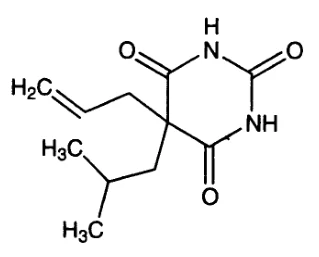
Molecular formula: C11 H16 N2 O3
C 58.91%, H 7.19%, N 12.49%, O 21.40%
Molecular weight: 224.25
Description:
Physical form: White crystalline powder that is odorless, has a slightly bitter taste and is stable in air.
Solubility: Practically insoluble in water and petroleum ether. Soluble in alcohol, chloroform, ether, acetone, glacial acetic acid, also in solutions of fixed alkali hydroxides.
Drug substance:
Proper name: Caffeine
Chemical name: 3,7-dihydro-1,3,7-trimethyl-1H-purine-2,-6-dione; 1,3,7-trimethylxanthine; 1,3,7-trimethyl-2,6-dioxopurine.
Structural formula:
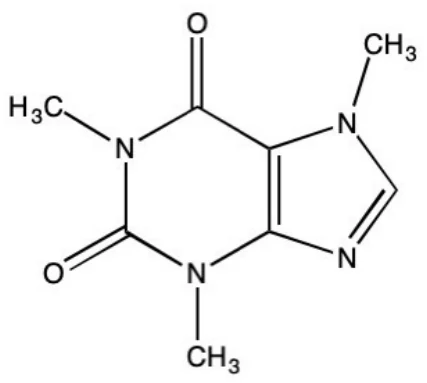
Molecular formula: C8H10N4O2
C 49.48%, H 5.19%, N 28.85%, O 16.48%
Molecular weight: 194.19
Description:
Physical form: White powder or white, glistening needles, usually matted; odorless and has a bitter taste.
Solubility: 1 g dissolves in 46 mL water, 5.5 mL water at 80°C, 1.5 mL boiling water, 66 mL alcohol, 22 mL alcohol at 60°C, 50 mL acetone, 5.5 mL chloroform, 530 mL ether, 100 mL benzene, 22 mL boiling benzene. Freely soluble in pyrrole; in tetrahydrofuran containing about 4% water; also soluble in ethyl acetate; slightly in petroleum ether. Solubility in water is increased by alkali benzoates, cinnamates, citrates or salicylates.
Drug substance
Proper name: Acetylsalicylic Acid
Chemical name: 2-(acetyloxy) benzoic acid; salicylic acid acetate; 2-acetoxybenzoic acid.
Structural formula:
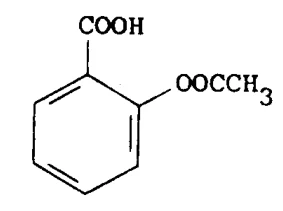
Molecular formula: C9H8O4
C 60.00%, H 4.48%, O 35.53%
Molecular weight: 180.15
Description:
Physical form: White crystals, commonly tabular or needle-like, or a white, crystalline powder; odorless or has a faint odor and is stable in dry air but in moist air it gradually hydrolyzes into salicylic and acetic acids, the odor of the latter becoming noticeable.
Solubility: One gram dissolves in 300 mL water at 25°C in 100 mL water at 37°C, in 5 mL alcohol, 17 mL chloroform, 10-15 mL ether. Less soluble in anhydride ether. Decomposed by boiling water or when dissolved in solutions of alkali hydroxides and carbonates.
REFERENCES
- 1. FIORINAL Capsules, Submission Control # 270273, Product Information, Aralez Pharmaceuticals Canada Inc. June 07, 2023