


Product Monograph - Trandolapril (Sanis Health)
SUMMARY PRODUCT INFORMATION
Route of Administration | Dosage Form / Strength | All Non-medicinal Ingredients |
| oral | capsule / 0.5 mg, 1 mg, 2 mg and 4 mg | Capsule contains: Lactose monohydrate, Maize starch, Sodium Stearyl fumarate and Gelatin. Shell contains: In Cap: 0.5 mg Strength: Yellow Iron oxide, Titanium Dioxide, Sodium Lauryl Sulphate, Gelatin. 1 mg and 2 mg Strength: Yellow Iron oxide, Titanium Dioxide, Sodium Lauryl Sulphate, Gelatin, Erythrosine. 4 mg Strength: Black Iron oxide, Yellow Iron oxide, Titanium Dioxide, Sodium Lauryl Sulphate, Gelatin, Erythrosine. In Body: Yellow Iron oxide, Erythrosine, Titanium Dioxide, Sodium Lauryl Sulphate, Gelatin. Ink (TEK Print SW-9008 Black) contains: Shellac, dehydrated alcohol, isopropyl alcohol, butyl alcohol, propylene glycol, strong ammonia solution, black iron oxide and potassium hydroxide. |
INDICATIONS AND CLINICAL USE
TRANDOLAPRIL (trandolapril) is indicated for:
- Treatment of Mild to Moderate Essential Hypertension. It may be used alone or in association with thiazide diuretics.
The safety and efficacy of trandolapril in patients with renovascular hypertension has not been established, therefore its use in these conditions is not recommended.
Treatment Following Acute Myocardial Infarction in clinically stable patients with left
ventricular dysfunction, with or without symptoms of heart failure, to improve survival and reduce hospitalizations for heart failure.
Sufficient experience in the treatment of patients with severe heart failure [(New York Heart Association (NYHA) Class IV] immediately after myocardial infarction is not yet available.
Geriatrics (≥ 65 years of age):
Although clinical experience has not identified differences in response between the elderly (≥ 65 years) and younger patients (< 65 years), greater sensitivity of some older individuals cannot be ruled out (see ACTION AND CLINICAL PHARMACOLOGY, Pharmacodynamics).
Pediatrics (< 18 years of age):
The safety and effectiveness of trandolapril in children <18 years of age have not been established. Therefore, TRANDOLAPRIL is not indicated in this patient population.
CONTRAINDICATIONS
TRANDOLAPRIL (trandolapril) is contraindicated in:
- Patients who are pregnant, planning to become pregnant or of childbearing potential who are not using adequate contraception (see WARNINGS AND PRECAUTIONS, Special Populations, Pregnant Women).
Nursing women (see WARNINGS AND PRECAUTIONS, Special Populations, Nursing
Women).
Patients who are hypersensitive to this drug, to any other Angiotensin Converting Enzyme
(ACE) inhibitor, or to any ingredient in the formulation or component of the container. For a complete listing, see DOSAGE FORMS, COMPOSITION AND PACKAGING.
- Patients with a history of angioedema associated with administration of an ACE inhibitor.
- Patients with hereditary/ idiopathic angioedema.
Combination with sacubitril/valsartan due to an increased risk of angioedema. Do not initiate
TRANDOLAPRIL until at least 36 hours have elapsed following the last dose of sacubitril/valsartan. In the case of a switch from TRANDOLAPRIL to sacubitril/valsartan, do not start sacubitril/valsartan until at least 36 hours have elapsed following the last dose of TRANDOLAPRIL. (see WARNINGS AND PRECAUTIONS, Immune, Angioedema and DRUG INTERACTIONS, Drug-Drug Interactions).
Combination with other ACE inhibitors, angiotensin receptor blockers or aliskiren-containing medicines in patients with:
- diabetes mellitus (type 1 or type 2)
- moderate to severe renal impairment (GFR < 60 ml/min/1.73m2)
- hyperkalemia (> 5mMol/L) or
- congestive heart failure who are hypotensive
(see WARNINGS AND PRECAUTIONS, Dual Blockade of the Renin-Angiotensin- Aldosterone System (RAAS); WARNINGS AND PRECAUTIONS, Renal, Renal Impairment; WARNINGS AND PRECAUTIONS, Cardiovascular, Hypotension; and DRUG INTERACTIONS, Table 3).
- Patients with rare hereditary problems of galactose intolerance, the Lapp lactase deficiency or glucose-galactose malabsorption (see WARNINGS AND PRECAUTIONS, Other, Lactose).
- Patients with hypotensive or hemodynamically unstable states.
- Patients with hemodynamically significant bilateral artery stenosis, or severe stenosis of the artery of a solitary functioning kidney (see WARNINGS AND PRECAUTIONS, Renal).
WARNINGS AND PRECAUTIONS
Serious Warnings and Precautions
- When used in pregnancy, angiotensin converting enzyme (ACE) inhibitors can cause injury and even death to the developing fetus. When pregnancy is detected or if the patient is planning to become pregnant, TRANDOLAPRIL (trandolapril) should be discontinued as soon as possible (see WARNINGS AND PRECAUTIONS, Special Populations, Pregnant Women).
General
Ability to Operate Machinery
Depending on individual susceptibility, the patients’ ability to drive a vehicle or operate machinery may be impaired, especially in the initial stages of treatment.
Cardiovascular
Hypotension
Symptomatic hypotension has occurred after administration of trandolapril usually after the first or second dose or when the dose was increased. It is more likely to occur in patients who are volume and salt depleted as a result of diuretic therapy, dietary salt restriction, dialysis, diarrhea, or vomiting. In patients with ischemic heart disease or cerebrovascular disease, an excessive fall in blood pressure (BP) could result in a myocardial infarction or cerebrovascular accident (see ADVERSE REACTIONS). Because of the potential fall in BP in these patients, therapy with TRANDOLAPRIL should be started under close medical supervision. Such patients should be followed closely for the first weeks of treatment and whenever the dose of TRANDOLAPRIL is increased. In patients with severe congestive heart failure, with or without associated renal
insufficiency, ACE inhibitor therapy may cause excessive hypotension and has been associated with oliguria, and/or progressive azotemia, and rarely, with acute renal failure and/or death.
If hypotension occurs, the patient should be placed in a supine position and, if necessary, receive an intravenous infusion of 0.9% sodium chloride. A transient hypotensive response is not a contraindication to further doses which can be given, usually without difficulty, once BP has increased after volume expansion. However, lower doses of TRANDOLAPRIL and/or reduced concomitant diuretic therapy should be considered.
If hypotension develops in patients receiving treatment following acute myocardial infarction, consideration should be given to discontinuation of TRANDOLAPRIL (see ADVERSE REACTIONS, Clinical Trial Adverse Drug Reactions, Treatment Following Acute Myocardial Infarction, and DOSAGE AND ADMINISTRATION, Recommended Dose and Dosage Adjustment, Treatment Following Acute Myocardial Infarction).
Aortic Stenosis
There is concern, on theoretical grounds, that patients with aortic stenosis might be at particular risk of decreased coronary perfusion when treated with vasodilators.
Dual Blockade of the Renin-Angiotensin-Aldosterone System (RAAS)
There is evidence that co-administration of angiotensin converting enzyme (ACE) inhibitors, such as TRANDOLAPRIL, or of angiotensin II receptor blockers (ARBs), with aliskiren increases the risk of hypotension, syncope, stroke, hyperkalemia and deterioration of renal function, including renal failure, in patients with diabetes mellitus (type 1 or type 2); moderate to severe renal impairment (GFR < 60 ml/min/1.73m2); hyperkalemia (> 5 mMol/L) and/or congestive heart failure who are hypotensive. Therefore, the use of TRANDOLAPRIL in combination with aliskiren-containing drugs is contraindicated in these patients (see CONTRAINDICATIONS).
Further, co-administration of ACE inhibitors, including TRANDOLAPRIL, with other agents blocking the RAAS, such as ARBs or aliskiren-containing drugs, is generally not recommended in any patients, since such treatment has been associated with an increased incidence of severe hypotension, renal failure, and hyperkalemia. See CONTRAINDICATIONS, DRUG INTERACTIONS.
If dual blockade therapy is considered absolutely necessary, this should only occur under specialist supervision and subject to frequent close monitoring of renal function, electrolytes and blood pressure. The concomitant use of ACE inhibitors and angiotensin II receptor blockers (ARBs) in patients with diabetic nephropathy is contraindicated (see
CONTRAINDICATIONS).
For additional information, see DRUG INTERACTIONS.
Ear/Nose/Throat
As with other ACE inhibitors, dry, persistent cough, which usually disappears only after withdrawal or lowering of the dose of TRANDOLAPRIL, has been reported. Such possibility should be considered as part of the differential diagnosis of cough.
Endocrine and Metabolism
Hyperkalemia and Potassium-Sparing Diuretics
Elevated serum potassium has been observed in hypertensive patients, especially those with renal dysfunction. In clinical trials, increases in serum potassium (upper limit of normal range 5.0 mmol/L) were observed in approximately 2.2% of patients treated with trandolapril; in most cases these resolved despite continued therapy. Hyperkalemia was not a cause of discontinuation of therapy in any hypertensive patient. Risk factors for the development of hyperkalemia include renal insufficiency, diabetes mellitus, the concomitant use of agents to treat hypokalemia or other drugs associated with increases in serum potassium (potassium-sparing diuretics, potassium supplements, potassium containing salt substitutes) and/ or left ventricular dysfunction after myocardial infarction; or the concomitant use of other active substances associated with increases in serum potassium (e.g. co-trimoxazole also known as trimethoprim/sulfamethoxazole). (see DRUG INTERACTIONS, Drug-Drug Interactions).
Hematologic
Neutropenia/agranulocytosis
Agranulocytosis and bone marrow depression have been caused by ACE inhibitors. The risk of neutropenia appears to be dose- and type-related and is dependent on the patient’s clinical status. These reactions are more frequent in patients with renal impairment, especially those with a collagen vascular disease. Current experience with trandolapril shows the incidence to be rare. Periodic monitoring of white blood cell counts and protein levels in urine should be considered, especially in patients with collagen vascular disease (e.g., lupus erythematosus and scleroderma) especially associated with impaired renal function and concomitant therapy, particularly with corticosteroids and antimetabolites. It is reversible after discontinuation of the ACE inhibitor.
Hepatic/Biliary/Pancreatic
Patients with Impaired Liver Function
TRANDOLAPRIL should be used with caution in patients with pre-existing liver abnormalities. In such patients, baseline liver function tests should be obtained before administration of the drug and response and metabolic effect should be closely monitored.
Hepatitis (hepatocellular and/or cholestatic), elevations of liver enzymes and/or serum bilirubin have occurred during therapy with ACE inhibitors in patients with or without pre-existing liver abnormalities. In most cases the changes were reversed on discontinuation of the drug.
Elevations of liver enzymes and/or serum bilirubin have been reported with trandolapril (see ADVERSE REACTIONS). Should the patient receiving TRANDOLAPRIL experience any unexplained symptoms, particularly during the first weeks or months of treatment, it is
recommended that a full set of liver function tests and any other necessary investigations be carried out. Discontinuation of TRANDOLAPRIL should be considered when appropriate (see ACTION AND CLINICAL PHARMACOLOGY, Special Populations and Conditions, Hepatic Insufficiency).
Immune
Angioedema
Angioedema has been reported in patients taking ACE inhibitors, including trandolapril. Angioedema associated with laryngeal involvement may be fatal. If laryngeal stridor or angioedema of the face, tongue, or glottis occurs, TRANDOLAPRIL should be discontinued immediately, the patient treated appropriately in accordance with accepted medical care, and carefully observed until the swelling disappears. In instances where swelling is confined to the face and lips, the condition generally resolves without treatment. Where there is involvement of tongue, glottis, or larynx, likely to cause airway obstruction, appropriate therapy (including, but not limited to 0.3-0.5 mL of subcutaneous epinephrine solution 1:1000) should be administered promptly (see ADVERSE REACTIONS).
Patients with a history of angioedema unrelated to ACE inhibitor therapy may be at increased risk of angioedema while receiving an ACE inhibitor (see CONTRAINDICATIONS).
The incidence of angioedema during ACE inhibition therapy has been reported to be higher in black than in non-black patients.
The risk for angioedema may be increased in patients taking a concomitant mTOR (mammalian target of rapamycin) inhibitor (e.g. sirolimus, everolimus, temsirolimus) or neutral endopeptidase (NEP) inhibitor. Caution should be used when initiating ACE inhibitor therapy in patients already taking a mTOR, or NEP inhibitor or vice versa. (see DRUG INTERACTIONS Drug- Drug Interactions). Do not initiate TRANDOLAPRIL until at least 36 hours have elapsed following the last dose of sacubitril/valsartan. In the case of a switch from TRANDOLAPRIL to sacubitril/valsartan, do not start sacubitril/valsartan until at least 36 hours have elapsed following the last dose of TRANDOLAPRIL. (see CONTRAINDICATIONS and DRUG INTERACTIONS Drug-Drug Interactions).
Intestinal angioedema has also been reported in patients treated with ACE inhibitors. These patients presented with abdominal pain (with or without nausea or vomiting); in some cases there was no prior history of facial angioedema and C-1 esterase levels were normal. The angioedema was diagnosed by procedures including abdominal CT scan or ultrasound, or at surgery, and symptoms resolved after stopping the ACE inhibitor. Intestinal angioedema should be included in the differential diagnosis of patients on ACE inhibitors presenting with abdominal pain.
Anaphylactoid Reactions during Desensitization
There have been isolated reports of patients experiencing sustained life-threatening anaphylactoid reactions while receiving ACE inhibitors during desensitization treatment with hymenoptera (bees, wasps) venom. In the same patients, these reactions have been avoided when ACE inhibitors were temporarily withheld for ≥24 hours, but they have reappeared upon inadvertent
rechallenge.
Anaphylactoid Reactions during Low-Density Lipoprotein (LDL)-Apharesis Life-threatening anaphylactoid reactions have been noted when patients on LDL-apharesis with dextran sulfate take ACE inhibitors at the same time. These reactions were avoided by temporarily withholding ACE inhibitor therapy prior to each apheresis.
Anaphylactoid Reactions during Membrane Exposure
Anaphylactoid reactions have been reported in patients dialyzed with high-flux membranes (e.g., polyacrylonitrile [PAN]) and treated concomitantly with an ACE inhibitor. Dialysis should be stopped immediately if symptoms such as nausea, abdominal cramps, burning, angioedema, shortness of breath and severe hypotension occur. Symptoms are not relieved by antihistamines. In these patients consideration should be given to using a different type of dialysis membrane or a different class of antihypertensive agents.
Other
Lactose
This medicine contains lactose, therefore patients with rare hereditary forms of galactose intolerance, the Lapp lactase deficiency or glucose-galactose malabsorption syndrome should not take this medicine (see CONTRAINDICATIONS).
Nitritoid Reactions
Gold: Nitritoid reactions (symptoms include facial flushing, nausea, vomiting and symptomatic hypotension) have been reported rarely in patients on therapy with injectable gold (sodium aurothiomalate) and concomitant ACE inhibitor therapy including trandolapril (see DRUG INTERACTIONS).
Peri-Operative Considerations
The hypotensive effects of certain inhalation anesthetics may be enhanced by ACE inhibitors. In patients undergoing surgery or anesthesia with agents producing hypotension, TRANDOLAPRIL will block angiotensin II formation secondary to compensatory renin release. If hypotension occurs and is considered to be due to this mechanism, it may be corrected by volume repletion (see DRUG INTERACTIONS, Table 3, Inhalation anesthetics).
Renal
Renal Impairment
As a consequence of inhibiting the renin-angiotensin-aldosterone system (RAAS), changes in renal function have been seen in susceptible individuals. In patients whose renal function may depend on the activity of the RAAS, such as patients with bilateral renal artery stenosis, unilateral renal artery stenosis to a solitary kidney, or severe congestive heart failure, treatment with agents that inhibit this system has been associated with oliguria, progressive azotemia, and rarely, acute renal failure and/or death. In susceptible patients, concomitant diuretic use may further increase risk. Proteinuria may occur particularly in patients with existing renal function impairment or on relatively high doses of ACE inhibitors.
The use of ACE inhibitors – including TRANDOLAPRIL- with aliskiren-containing drugs is contraindicated in patients with moderate to severe renal impairment (GFR < 60 ml/min/1.73m2) (see CONTRAINDICATIONS and DRUG INTERACTIONS, Table 3).
Use of TRANDOLAPRIL should include appropriate assessment of renal function.
Special Populations
Pregnant Women
ACE inhibitors can cause fetal and neonatal morbidity and mortality when administered to pregnant women. When pregnancy is detected or if the patient is planning to become pregnant, TRANDOLAPRIL should be discontinued as soon as possible. TRANDOLAPRIL is contraindicated during pregnancy (see CONTRAINDICATIONS).
The use of ACE inhibitors during the second and third trimesters of pregnancy has been associated with fetal and neonatal injury including hypotension, neonatal skull hypoplasia, anuria, reversible or irreversible renal failure, and death. Oligohydramnios has also been reported, presumably resulting from decreased fetal renal function, associated with fetal limb contractures, craniofacial deformation, and hypoplastic lung development.
Prematurity, and patent ductus arteriosus and other structural cardiac malformations, as well as neurologic malformations, have also been reported following ACE inhibitor exposure in the first trimester of pregnancy.
Infants with a history of in utero exposure to ACE inhibitors should be closely observed for hypotension, oliguria, and hyperkalemia. If oliguria occurs, attention should be directed toward support of BP and renal perfusion. Exchange transfusion or dialysis may be required as a means of reversing hypotension and/or substituting for impaired renal function; however, limited experience with those procedures has not been associated with significant clinical benefit.
It is not known if trandolapril or trandolaprilat can be removed from the body by hemodialysis.
Animal Data
In rats, there was an increased incidence of minor defects (dilation of renal pelvis and ureters) over control values at a dose of 1000 mg/kg/day. The incidence of pelvic cavitation and dilated ureters was increased with the 10 and 100 mg/kg/day dose (see TOXICOLOGY, Reproduction and Teratology).
In two studies without supplementation in rabbits, covering the 0.1 to 0.8 mg/kg dose range, maternal deaths were seen at all doses with a dose-related incidence. These were associated with fetal toxicity and increased fetal loss. No teratological effect was seen. Supplementation with electrolytes allowed doses of 2 to 8 mg/kg to be given: maternal toxicity was again seen, particularly at 8 mg/kg, with weight loss and abortion. No teratological effect was seen.
In cynomolgus monkeys, abortions were 3/10, 6/10, 5/11 and 7/10 at 0, 10, 50 or 250 mg/kg/day
respectively, and 1/10, 4/10, 4/10 and 7/10 at 0, 5, 25 or 125 mg/kg/day, respectively, when trandolapril was given from days 20-50 of gestation. Apart from one animal with a kinked tail in the group receiving 250 mg/kg/day, no other evidence of teratological effects attributable to treatment were observed.
Nursing Women
Following administration of radio-labelled trandolapril to lactating rats, radio-labelled trandolapril or its metabolites have been detected in the milk.
The presence of concentrations of ACE inhibitor has been reported in human milk. Use of ACE inhibitors is contraindicated during breast-feeding (see CONTRAINDICATIONS). Alternative treatments with better established safety profiles during breastfeeding are preferable, especially while nursing a newborn or preterm infant.
Pediatrics (< 18 years of age)
The safety and effectiveness of trandolapril in children <18 years of age have not been established. Therefore, TRANDOLAPRIL is not indicated in this patient population.
Geriatrics (≥ 65 years of age)
Although clinical experience has not identified differences in response between the elderly (≥ 65 years) and younger patients (< 65 years), greater sensitivity of some older individuals cannot be ruled out (see ACTION AND CLINICAL PHARMACOLOGY, Pharmacodynamics and ACTION AND CLINICAL PHARMACOLOGY, Special Populations and Conditions, Geriatrics).
ADVERSE REACTIONS
Clinical Trial Adverse Drug Reactions
Because clinical trials are conducted under very specific conditions the adverse reaction rates observed in the clinical trials may not reflect the rates observed in practice and should not be compared to the rates in the clinical trials of another drug. Adverse drug reaction information from clinical trials is useful for identifying drug-related adverse events and for approximating rates.
Essential Hypertension
Trandolapril was evaluated for safety in double-blind, placebo-controlled and open- label studies, which included 2581 patients with mild to moderate essential hypertension. Of these, 265 patients were ≥65 years of age. A total of 126 patients prematurely discontinued across the various trials due to adverse events (AEs). In long-term open-label trials, 1049 patients received trandolapril therapy, of which 212 continued treatment for 24 months, 689 for ≥12 months, and 911 for ≥6 months.
Severe adverse reactions occurring in long-term clinical trials (n=1049) with doses of trandolapril ranging from 0.5-8 mg included cough (3.9%), headache (2.3%), asthenia (2.1%), dizziness (1.7%), palpitations (0.7%), hypotension (0.5%), nausea (0.5%), pruritus (0.5%), and malaise (0.5%).
One serious adverse reaction was judged to be possibly related to trandolapril therapy. This involved a rapid supraventricular arrhythmia with atrial flutter which occurred in a 68 year old male patient with a known history of heart disease.
The adverse reactions (corresponding to possibly, probably or definitely related to treatment) with an incidence ≥ 1% in all double-blind, placebo-controlled trials and open-label Phase 3 hypertension trials (n=2581) are shown in Table 1.
Table 1. Adverse Reactions by Body System (SOC) Patients Receiving Trandolapril in Phase 3
Hypertension Trials ≥ 1%
Placebo-Controlled Studies System Organ Class (SOC) Trandolapril
n= 693 (%)
Placebo n= 194 (%) Nervous System Disorders
Headache
2.31
0.5 Gastrointestinal Disorders
Nausea
1.05
0
Active-Controlled and Open-Label Studies System Organ Class (SOC) Trandolapril n= 1888
(%)
Nervous System Disorders
Headache
Dizziness
2.17
1.59
Respiratory, Thoracic and Mediastinal Disorders
Cough
2.60
General Disorders and Administration Site
Conditions
Asthenia
2.01
Treatment Following Acute Myocardial Infarction
In a survival study in patients with left ventricular dysfunction following myocardial infarction, 876 patients randomized to trandolapril, and 873 to placebo, were treated for an average of 2 years. A total of 209 patients prematurely discontinued across the various trials due to AEs.
The most serious adverse reactions occurring more frequently with trandolapril than with placebo included dizziness (2.6%) and hypotension (1.5%). The most frequent clinical adverse reactions occurring more frequently with trandolapril than with placebo were cough, dizziness and hypotension.
The adverse reactions (corresponding to possibly, probably or definitely related to treatment) with an incidence ≥ 1%, occurring in a higher percentage of trandolapril-treated patients than in placebo-treated patients, are presented in Table 2.
Table 2. Adverse Reactions Reported With Trandolapril in Post Myocardial Infarction Patients in
Study III (TRACE) That Occurred at a Frequency ≥ 1%
System Organ Class (SOC)
Trandolapril
n= 876
(%)
Placebo n= 873 (%)
Nervous System Disorders
Dizziness
1.9
1.4
Respiratory, Thoracic and
Mediastinal Disorders
Cough
3.9
0.9
Vascular Disorders
Hypotension
2.1
0.6
Less Common Clinical Trial Adverse Drug Reactions (<1%)
Blood and Lymphatic
System Disorders:
Anemia, leukopenia, platelet disorder, thrombocytopenia and white blood cell disorder.
Cardiac Disorders: Angina pectoris, bradycardia, cardiac failure, myocardial infarction, myocardial ischemia, palpitations, tachycardia and ventricular tachycardia.
Congenital, Familial and
Genetic Disorders:
Congenital arterial malformation and ichthyosis.
Ear and Labyrinth Disorders: Vertigo and tinnitus.
Eye Disorders: Abnormal vision, blepharitis, conjunctival edema, eye disorder, glaucoma* and visual disturbance.
Gastrointestinal Disorders: Abdominal pain, constipation, diarrhea, dry mouth, dyspepsia, esophagitis*, flatulence, gastritis, gastrointestinal disorder, gastrointestinal pain, hematemesis, nausea and vomiting.
General Disorders and
Administration Site
Conditions:
Chest pain, fatigue, feeling abnormal, malaise, edema and edema peripheral.
Hepatobiliary Disorders: Hepatitis and hyperbilirubinemia
Immune System Disorders: Anaphylactoid reaction*and hypersensitivity.
Infections and Infestations: Bronchitis, pharyngitis, upper respiratory tract infection and urinary tract infection.
Injury, Poisoning and
Procedural Complications:
Injury.
Metabolism and Nutrition
Disorders:
Anorexia, enzyme abnormality, gout, hypercholesterolemia, hyperglycemia, hyperlipidemia, hyponatremia and increased appetite.
Musculoskeletal and
Connective Tissue Disorders:
Arthralgia, back pain, bone pain, muscle spasms, osteoarthritis and pain in extremity.
Nervous System Disorders: Cerebrovascular accident, dysgeusia, migraine, migraine without aura, myoclonus, paresthesia, somnolence, syncope and tremor*.
Psychiatric Disorders: Agitation, anxiety, apathy, depression, hallucination, insomnia, libido decreased and sleep disorder.
Renal and Urinary Disorders: Azotemia, pollakiuria, polyuria and renal failure.
Reproductive System and
Breast Disorders:
Erectile dysfunction.
Respiratory, Thoracic and
Mediastinal Disorders:
Dyspnea, epistaxis, pharyngeal inflammation, pharyngolaryngeal pain, productive cough, respiratory disorder, upper respiratory tract congestion and upper respiratory tract inflammation.
Skin and Subcutaneous
Tissue Disorders:
Acne, angioneuroticedema, dry skin, eczema, hyperhidrosis, pemphigus*, pruritus, psoriasis, rash and skin disorder.
Vascular Disorders: Angiopathy, hot flush, hypertension, hypotension, orthostatic hypotension, peripheral vascular disorder and varicose vein.
* These adverse effects represent adverse events; not reactions.
Rare cases of angioedema affecting the face, extremities, lips, tongue, glottis and/or larynx have been reported in patients treated with ACE inhibitors, including trandolapril.
A symptom complex has been reported which may include fever, vasculitis, myalgia, arthralgia/arthritis, a positive anti-nuclear antibody (ANA), elevated erythrocyte sedimentation rate (ESR), eosinophilia and leukocytosis. Rash, photosensitivity or other dermatologic manifestations may also occur.
Abnormal Hematologic and Clinical Chemistry Findings
Clinical Laboratory Test Findings:
Blood creatinine increased, blood alkaline phosphatase increased, blood urea increased, blood lactate dehydrogenase increased, electrocardiogram abnormal, hyperkalemia, hyperuricemia, laboratory test abnormal, liver function test abnormal (aspartate aminotransferase increased, alanine aminotransferase increased, hepatic enzymes increased, blood potassium increased, gamma-glutamyltransferase increased, lipase increased, immunoglobulin increased), platelet count decreased, transaminases increased.
Hematologic Findings:
Hematocrit decreased, and hemoglobin decreased.
Post-Market Adverse Drug Reactions
Blood and Lymphatic System
Disorders:
Agranulocytosis, haemolytic anemia* and pancytopenia.
Cardiac Disorders: Atrioventricular block, arrhythmia and cardiac arrest.
Eye Disorders: Vision blurred* and visual impairment.
Gastrointestinal Disorders: Abdominal pain, intestinal angioedema, ileus, nausea and pancreatitis.
General Disorders and
Administration Site Conditions:
Fever.
Hepatobiliary Disorders: Cholestasis and jaundice.
Infections and Infestations: Glossitis,*, rhinitis* and sinusitis*.
Musculoskeletal and Connective
Tissue Disorders:
Myalgia.
Nervous System Disorders: Balance disorder, cerebral hemorrhage, dizziness, syncope and transient ischemic attack.
Psychiatric disorders: Confusional state*.
Respiratory, Thoracic and
Mediastinal Disorders:
Angioedema and bronchospasm (cough).
Skin and Subcutaneous Tissue
Disorders:
Alopecia, dermatitis, dermatitis psoriasiform*, erythema multiforme*, leukocytoclastic vasculitis, rash, Stevens- Johnson syndrome, toxic epidermal necrolysis, urticaria.
*Indicates ACEI inhibitors’ class adverse drug reactions (ADRs)
DRUG INTERACTIONS
Drug-Drug Interactions
Table 3. Established or Potential Drug Interactions Associated with Trandolapril
Concomitant Drug
| Ref | Effect |
Clinical comment
Agents Increasing Serum Potassium
| C | A decrease in aldosterone production and a significant increase in serum potassium could occur. |
Potassium sparing diuretics such as spironolactone, triamterene or amiloride, or potassium supplements should be given only for documented hypokalemia and with caution and frequent monitoring of serum potassium. Salt substitutes which contain potassium should be used with caution.
Agents Causing Renin Release
| CT | The antihypertensive effect of trandolapril is augmented by antihypertensive agents that cause renin release (e.g., diuretics). |
Concomitant Drug
| Ref | Effect |
Clinical comment
Allopurinol, cytostatic, immunosuppressive agents, systemic
corticosteroids or procainamide
| T | Concomitant administration with ACE inhibitors may lead to an increased risk of leukopenia. |
Antidepressant
| T | Combination with a neuroleptic or tricyclic antidepressant increases the risk of orthostatic hypotension. |
Antidiabetic Agents (e.g. insulin , oral hypoglycemic agents)
| T | Concomitant use of antidiabetic medicines (insulin or oral hypoglycemic agents) may cause an increased blood glucose lowering effect with greater risk of hypoglycemia. |
Monitor closely blood glucose.
Antacids
| T | Decreased bioavailability of ACE inhibitors |
It is recommended to ingest antacids and trandolapril separately
Cyclosporine
| T | Hyperkalaemia may occur during concomitant use of ACE inhibitors with cyclosporine. |
Monitoring of serum potassium is recommended.
Cimetidine
| CT | No clinically significant interaction has been found between trandolaprilat and cimetidine. |
Concomitant Diuretic Therapy
| CT | Patients concomitantly taking ACE inhibitors and diuretics, and especially those, in whom diuretic therapy was recently instituted, may occasionally experience an excessive reduction of BP after initiation of therapy. |
The possibility of adverse hypotensive effects after the first dose of trandolapril can be minimized by either discontinuing the diuretic or increasing the salt intake prior to initiation of treatment with trandolapril. If it is not possible to discontinue the diuretic, the starting dose of trandolapril should be reduced and the patient should be closely observed for several hours following the initial dose until BP has stabilized (see WARNINGS AND PRECAUTIONS and DOSAGE AND ADMINISTRATION).
Co-trimoxazole
(trimethoprim/sulfam ethoxazole)
| C | Patients taking concomitant co-trimoxazole (trimethoprim/sulfamethoxazole) may be at increased risk for hyperkalaemia (see WARNINGS AND PRECAUTIONS, Endocrine and Metabolism, Hyperkalemia and Potassium-Sparing Diuretics). |
Sudden deaths have been reported in older patients receiving ACE inhibitors and cotrimoxazole concomitantly. The serum potassium concentration should be closely monitored when the concomitant therapy cannot be avoided.
Concomitant Drug
| Ref | Effect |
Clinical comment
Digoxin
| CT | In one open-label study conducted in 8 healthy male volunteers, in which multiple therapeutic doses of both trandolapril and digoxin were administered, no changes were found in serum levels of trandolapril, trandolaprilat, and digoxin. Pharmacodynamically, the combination had a synergistic effect on left ventricular functions, as evidenced by the improvement in systolic time-intervals. |
Dual blockade of the Renin-Angiotensin- Aldosterone-System (RAAS) with
ACE inhibitors, ARBs or
aliskiren-containing drugs
| CT | There is evidence that the concomitant use of ACE-inhibitors, ARBs or aliskiren increases the risk of hypotension, hyperkalaemia and decreased renal function (including acute renal failure). |
The use of trandolapril in combination with other ACE inhibitors, ARBs or
aliskirencontaining agents is contraindicated in patients with:
•Diabetes mellitus (type 1 or type 2); •Moderate to severe kidney insufficiency (GFR < 60mL/min/1.73m2);
•Hyperkalaemia (> 5mMol/l); or
•Congestive heart failure who are hypotensive. It is not recommended in other patients. See CONTRAINDICATIONS and WARNINGS AND PRECAUTIONS, Dual Blockade of the Renin-
Angiotensin-Aldosterone System (RAAS);
WARNINGS AND PRECAUTIONS, Renal, Renal Impairment; WARNINGS AND PRECAUTIONS, Cardiovascular,
Gold
| T | Nitritoid reactions (symptoms include facial flushing, nausea, vomiting and symptomatic hypotension) have been reported rarely in patients on therapy with injectable gold (sodium aurothiomalate) and concomitant ACE inhibitor therapy including trandolapril. |
Heparin
| T | Hyperkalaemia may occur during concomitant use of ACE inhibitors with heparin. |
Monitoring of serum potassium is recommended.
Inhalation anesthetics
| T | The hypotensive effects of certain inhalation anesthetics may be enhanced by ACE inhibitors. In patients undergoing surgery or anesthesia with agents producing hypotension, trandolapril will block angiotensin II formation secondary to compensatory renin release. |
If hypotension occurs and is considered to be due to this mechanism, it may be corrected by volume repletion (see WARNINGS AND PRECAUTIONS, Peri-Operative Considerations).
Concomitant Drug
| Ref | Effect |
Clinical comment
Lithium
| C | Increased serum lithium levels and symptoms of lithium toxicity have been reported in patients receiving concurrently ACE inhibitors and lithium. |
Lithium based drugs should be administered with caution, and frequent monitoring of serum lithium levels is recommended. If a diuretic is also used, the risk of lithium toxicity may be further increased. mTOR inhibitors e.g. sirolimus, everolimus,
temsirolimus
| C | Coadministration of ACE inhibitor and mTOR (mammalian target of rapamycin) inhibitor may increase the risk for angioedema. (see WARNINGS AND PRECAUTIONS, Immune Angioedema). |
Caution should be used when either initiating trandolapril in patients already taking mTOR inhibitors or vice versa (see
WARNINGS AND PRECAUTIONS, Immune, Angioedema).
Neutral endopeptidase (NEP) inhibitors
| C T | Co-administration of ACE inhibitors and NEP inhibitors may increase the risk of angioedema. |
Combination with ENTRESTO®
(sacubitril/valsartan) is contraindicated. Caution should be used when either initiating ACE inhibitor therapy in patients already taking a neutral endopeptidase inhibitor or vice versa. Do not initiate TRANDOLAPRIL until at least 36 hours have elapsed following the last dose of
sacubitril/valsartan. In the case of a switch from TRANDOLAPRIL to
sacubitril/valsartan, do not start
sacubitril/valsartan until at least 36 hours have elapsed following the last dose of
TRANDOLAPRIL. (see
CONTRAINDICATIONS; WARNINGS AND PRECAUTIONS, Immune, Angioedema).
Nifedipine SR
| CT | A study evaluating the potential pharmacokinetic and pharmacodynamic interaction between nifedipine (20 mg) (sustained release) and trandolapril (4 mg) was conducted in 12 healthy male volunteers. After a single dose, no pharmacokinetic or pharmacodynamic interaction was found between the 2 products. |
Concomitant Drug
| Ref | Effect |
Clinical comment
Non-steroidal anti- inflammatory drugs (NSAIDs) including selective
cyclooxygenase-2 inhibitors (COX-2 inhibitors)
| T | The antihypertensive effects of ACE inhibitors may be reduced with concomitant administration of NSAIDs (including acetylsalicylic acid used in higher doses as an anti- inflammatory drug, e.g. for pain relief). As with other ACE inhibitors, the combination of trandolapril with NSAIDs predisposes to a risk of hyperkalemia particularly in cases of renal failure. In patients who are elderly, volume-depleted (including those on diuretic therapy), or with compromised renal function, co- administration of NSAIDs, including selective COX-2 inhibitors, with ACE inhibitors, including trandolapril, may result in deterioration of renal function, including possible acute renal failure. These effects are usually reversible. |
BP should be monitored more closely when any NSAID is added or discontinued in a patient treated with trandolapril.
Monitor renal function periodically in patients receiving trandolapril and NSAID therapy.
NSAIDs including acetylsalicylic acid, unless acetylsalicylic acid is used in lower doses as a platelet aggregation inhibitor, should be avoided with ACE inhibitors in patients with heart failure.
Warfarin
| CT | In a multi-dose, double-blind, placebo-controlled, pharmacodynamic interaction study with 20 healthy volunteers, trandolapril (2 mg) was administered with therapeutic doses of warfarin. No clinically significant effects on the anticoagulant properties of warfarin were found. |
Legend: C= Case Study; CT = Clinical Trial; T = Theoretical
Drug-Food Interactions
Food
Patients should be told not to use salt substitutes or foods containing potassium without consulting their physician (see WARNINGS AND PRECAUTIONS). Food does not affect the Cmax and AUC of trandolapril and trandolaprilat, however food prolongs the Tmax of trandolaprilat by approximately 2 hours.
Alcohol
Alcohol enhances the bioavailability of ACE inhibitors and therefore increases the risk of hypotension.
Drug-Herb Interactions
Interactions with herbal products have not been evaluated.
Drug-Laboratory Interactions
Interactions with laboratory tests have not been evaluated.
Drug-Lifestyle Interactions
Interactions with lifestyle have not been evaluated.
DOSAGE AND ADMINISTRATION
Dosing Considerations
Essential Hypertension
Dosage of TRANDOLAPRIL (trandolapril) must be individualized. Initiation of therapy requires consideration of recent antihypertensive drug treatment, the extent of BP elevation and salt restriction. The dosage of other antihypertensive agents being used with TRANDOLAPRIL may need to be adjusted. See WARNINGS AND PRECAUTIONS; and DRUG INTERACTIONS.
In some patients treated once daily, the antihypertensive effect may diminish towards the end of the dosing interval. This can be evaluated by measuring BP just prior to dosing to determine whether satisfactory control is being maintained for 24 hours. If it is not, an increase in dose should be considered. If BP is not controlled with TRANDOLAPRIL alone, a diuretic may be added.
Diuretic-Treated Patients
Symptomatic hypotension occasionally may occur following the initial dose of TRANDOLAPRIL and is more likely in patients who are currently being treated with a diuretic. The diuretic should, if possible, be discontinued for 2-3 days before beginning therapy with TRANDOLAPRIL to reduce the likelihood of hypotension (see WARNINGS AND PRECAUTIONS). If the diuretic cannot be discontinued, an initial dose of 0.5 mg TRANDOLAPRIL should be used with careful medical supervision for several hours and until BP has stabilized. The dosage of TRANDOLAPRIL should subsequently be titrated to the optimal response.
Recommended Dose and Dosage Adjustment
The recommended initial dosage of TRANDOLAPRIL is 1 mg once daily. Dosage should be adjusted according to BP response at intervals of 2-4 weeks up to a maximum of 4 mg once daily. The usual maintenance dose is 1-2 mg once daily.
Dosage in the Elderly
In elderly patients with normal renal and hepatic function, no dosage adjustment is necessary (see WARNINGS AND PRECAUTIONS, Geriatrics).
However, as some elderly patients may be particularly susceptible to ACE inhibitors, administration of low initial doses and evaluation of the BP response and of the renal function at
the beginning of the treatment is recommended.
Dosage in Renal Impairment
Creatinine clearance <30 mL/min/1.73 m2: For patients with a creatinine clearance <30 mL/min/1.73 m2, the recommended initial dose is 0.5 mg TRANDOLAPRIL once daily. Dosage may be titrated upward until BP is controlled or to a maximum total daily dose of 1 mg.
Creatinine clearance <10 mL/min/1.73 m2: In patients with severe renal impairment (creatinine clearance <10 mL/min/1.73 m2), do not exceed a single daily dosage of 0.5 mg.
Dosage in Liver Impairment
The recommended initial dose is 0.5 mg TRANDOLAPRIL once daily (see WARNINGS AND PRECAUTIONS, Hepatic/Biliary/Pancreatic and ACTION AND CLINICAL PHARMACOLOGY, Special Populations and Conditions, Hepatic Insufficiency).
Treatment Following Acute Myocardial Infarction
Dosage should be individualized. Initiation of therapy requires consideration of concomitant medication and baseline BP in hemodynamically stable patients.
≥3 days following acute myocardial infarction in patients with left ventricular dysfunction: Start with a dose of 1 mg TRANDOLAPRIL once daily.
After 2 days at 1 mg once daily: Increase the dose to 2 mg once daily. For patients who cannot tolerate this dose, the 1 mg once daily dose can be maintained.
After 1 month: Increase dosage to 4 mg once daily in patients tolerating the 2 mg once daily dose. Again, for patients who cannot tolerate the 4 mg once daily dose, the 2 mg once daily dose can be maintained.
The dose must be reduced when it is clinically necessary (see WARNINGS AND PRECAUTIONS, Cardiovascular, Hypotension). If hypotension preventing the patient from standing or walking is observed and is not explained by other factors, the dose must be reduced.
For patients with renal or liver impairment, institute a starting dose no higher than 0.5 mg once daily.
Missed Dose
If the patient forgets to take a capsule, he should take one as soon as he remembers, if he remembers on the same day. If not, he should not take the missed capsule at all. He should wait until it is time to take the next dose. He should never double-up on a dose to make up for the one he has missed.
Administration
TRANDOLAPRIL may be taken before, during or after meals (see DRUG INTERACTIONS, Drug- Food Interactions).
OVERDOSAGE
For management of a suspected drug overdose, contact your regional Poison Control Centre immediately.
Limited data are available regarding overdosage of trandolapril in humans. The most likely clinical manifestation of overdosage of an ACE inhibitor such as TRANDOLAPRIL would be symptoms attributable to severe hypotension which should normally be treated by intravenous volume expansion with normal saline. After ingestion of an overdose of trandolapril capsules, total intestinal lavage should be considered.
Blood pressure should be monitored and if hypotension develops, volume expansion should be considered. There is no specific antidote for trandolapril overdose. Symptoms expected with ACE inhibitor also include: shock, stupor, bradycardia, electrolyte disturbance and renal failure. It is not known if trandolapril or trandolaprilat can be removed from the body by hemodialysis.
ACTION AND CLINICAL PHARMACOLOGY
Mechanism of Action
Trandolapril is a non-sulphydryl angiotensin converting enzyme (ACE) inhibitor. ACE is a peptidyl dipeptidase that catalyzes the conversion of angiotensin I to the pharmacologically active substance, angiotensin II, which is a vasopressor agent. In addition, angiotensin II stimulates aldosterone secretion by the adrenal cortex. Inhibition of ACE results in a decreased plasma angiotensin II level. The resulting lack of negative feedback on renal renin secretion leads to an increased plasma renin activity.
ACE is identical to kininase II. Thus, trandolapril administration may interfere with the degradation of the potent peptide vasodilator bradykinin, which may contribute to the therapeutic activity of trandolapril. Trandolapril is a prodrug, which is hydrolysed to its active diacid form, trandolaprilat, a potent ACE inhibitor.
The antihypertensive effect of trandolapril is due to a reduction in peripheral vascular resistance with little or no change in cardiac output and heart rate. The decrease in BP is not accompanied by water or sodium retention. No modification was found in the urinary excretion of chloride and potassium.
Pharmacodynamics
Administration of trandolapril to patients with mild to moderate essential hypertension results in a reduction of both supine and standing BP usually with little or no orthostatic change or change in heart rate. Symptomatic postural hypotension is infrequent, although this may occur in patients
who are salt- and/or volume-depleted (see WARNINGS AND PRECAUTIONS).
In mild to moderate hypertensive patients, significant reductions in BP were seen at 2 hours, and peak antihypertensive effects were seen after approximately 8 hours. At the recommended doses, antihypertensive effects are maintained throughout the 24-hour dosing interval in most patients who responded to trandolapril. Abrupt withdrawal of trandolapril has not resulted in rapid increase in BP.
Following single oral therapeutic doses in healthy male volunteers, a rapid onset of ACE inhibition was observed. The peak inhibition was reached between 2-4 hours after the initial dose. The effectiveness of trandolapril appears to be similar in the elderly (≥ 65 years of age) and younger adult patients given the same daily doses.
The antihypertensive effect of ACE inhibitors is generally lower in black patients than in non- blacks.
The antihypertensive effect of trandolapril and thiazide diuretics used concurrently is greater than that seen with either drug used alone.
Pharmacokinetics
Absorption
Following a single oral administration of trandolapril to healthy volunteers, trandolapril was detectable in the plasma 30 minutes later with peak concentrations reached within 1 hour. Trandolaprilat, the active metabolite, reached peak plasma concentrations after approximately 6 hours. Plasma concentrations of both trandolapril and trandolaprilat were dose dependent. While food can delay the rate of absorption of trandolapril, there is no clinically significant effect on other pharmacokinetic and pharmacodynamic parameters of trandolaprilat.
Approximately 40-60% of an administered oral dose of trandolapril is absorbed.
Distribution
Eighty percent (80%) of the circulating trandolapril and ≤94% of the circulating trandolaprilat are bound to plasma proteins. The protein binding is not saturable for trandolapril but is saturable for trandolaprilat.
Metabolism
Trandolapril undergoes extensive first-pass metabolism in the liver, and this is the reason for its low bioavailability: 7.5% (ranging from 4-14%). In the liver it is transformed into its biologically active diacid form, trandolaprilat. Trandolaprilat itself is poorly absorbed after oral administration. Minor metabolic pathways lead to the formation of diketopiperazine derivatives of trandolapril and trandolaprilat. These molecules have no ACE inhibitory activity. Glucuronide conjugated derivatives of trandolapril and trandolaprilat are also produced.
Excretion
With once-daily dosing, a steady-state of trandolaprilat plasma concentrations is reached within 4 days in healthy male and female subjects as well as in patients with chronic renal failure. Similar results were found in young (< 65 years) as well as old (≥ 65 years) male and female patients suffering from mild to moderate essential hypertension. As is the case with several other ACE inhibitors, trandolaprilat has a polyphasic elimination profile with a slow terminal phase, probably the result of binding to ACE and a subsequently slow dissociation from the enzyme. Over the first 16-20 hours following oral administration of trandolapril, there is a rapid elimination phase of trandolaprilat. Beyond this time, there is a prolonged terminal elimination phase. The effective half-life (t½) for accumulation of trandolaprilat has been estimated to be in the range of 16-24 hours. The accumulation ratio as measured in hypertensive patients was about 1.5. Trandolapril’s elimination half-life (t½) is on average 0.7 hours.
In healthy male volunteers the excretion, in urine and feces, of trandolapril following an 8 mg single oral dose of 14C-labelled drug is virtually complete after 7 days (99.2 ± 3.4%): 82% of the dose was eliminated in 48 hours and 93% of the dose in 72 hours. In this dual route of excretion, urinary and fecal recoveries accounted for 33% and 66% of the total excretion, respectively. Trandolaprilat represents 46% of the urinary and 57% of the fecal excretion. The glucuronide derivatives of trandolapril and trandolaprilat excreted represent each about 13% of total urinary excretion and, 2% and 4% of total fecal excretion. The diketopiperazine of trandolaprilat was 7% of the total urinary excretion. The amounts of trandolapril excreted unchanged and the corresponding diketopiperazine are negligible (< 0.5% of the dose).
Renal clearance of trandolaprilat varies depending on dose, as seen in Table 4.
Table 4. Renal Clearance of Trandolaprilat after a Single Oral Administration of Trandolapril to Healthy Subjects
Parameters
| 0.5 mg | 1 mg | 2 mg |
4 mg
Trandolaprilat CLr0-96 h (L/h)
| 0.15 ± 0.05 | 1.03 ± 0.18 | 2.02 ± 0.25 |
3.93 ± 0.39
Note: Trandolaprilat displays non-linear pharmacokinetics, especially at low doses.
Special Populations and Conditions
Pediatrics (<18 years of age)
Trandolapril pharmacokinetics has not been evaluated in patients <18 years of age.
Geriatrics
No data is available.
Gender
No data is available.
Race
Ethnic differences: In African American patients, ACE-inhibitors are less effective in lowering blood pressure than in Caucasian patients.
Hepatic Insufficiency
In patients with moderate to severe impairment of liver function, plasma trandolapril levels were approximately 10x higher than in healthy subjects. The plasma concentrations of trandolaprilat and the quantities excreted in the urine were also increased, although to a lesser degree. The dose should therefore be reduced in these patients (see DOSAGE AND ADMINISRTATION).
In one study, cirrhotic patients who received a single dose of trandolapril 2 mg exhibited a 9-fold increase in trandolapril Cmax and AUC values compared to healthy subjects. The Cmax and AUC values of trandolaprilat were about doubled (see DOSAGE AND ADMINISRTATION).
Renal Insufficiency
In patients with creatinine clearance ≤ 30 mL/min/1.73m2, the Cmax and AUC of trandolaprilat were approximately doubled after repeated oral administration, as compared to those of normal subjects.
Genetic Polymorphism
No data is available.
STORAGE AND STABILITY
Store at room temperature (15°C to 30°C).
DOSAGE FORMS, COMPOSITION AND PACKAGING
| Dosage form | Capsules | |||
| Strength | 0.5 mg | 1 mg | 2 mg | 4 mg |
| Description | Opaque yellow cap / Opaque red body, size ‘4’ hard gelatin capsule filled with white to off white granular powder and imprinted with ‘F’ on opaque yellow cap and ‘03’ on opaque red body with black ink. | Opaque orange cap / Opaque red body, size ‘4’ hard gelatin capsule filled with white to off white granular powder and imprinted with ‘F’ on opaque orange cap and ‘04’ on opaque red body with black ink. | Opaque Red cap / Opaque red body, size ‘4’ hard gelatin capsule filled with white to off white granular powder and imprinted with ‘F’ on opaque red cap and ‘06’ on opaque red body with black ink. | Opaque Maroon cap / Opaque red body, size ‘2’ hard gelatin capsule filled with white to off white granular powder and imprinted with ‘F’ on opaque maroon cap and ‘07’ on opaque red body with black ink. |
| Composition | Capsule contains: Lactose monohydrate, Maize starch, Sodium Stearyl fumarate. Shell contains: In Cap: 0.5 mg Strength: Yellow Iron oxide, Titanium Dioxide, Sodium Lauryl Sulphate, Gelatin. | Capsule contains: Lactose monohydrate, Maize starch, Sodium Stearyl fumarate. Shell contains: In Cap: 1 mg Strength: Yellow Iron oxide, Titanium Dioxide, Sodium Lauryl | Capsule contains: Lactose monohydrate, Maize starch, Sodium Stearyl fumarate. Shell contains: In Cap: 2 mg Strength: Yellow Iron oxide, Titanium Dioxide, Sodium Lauryl | Capsule contains: Lactose monohydrate, Maize starch, Sodium Stearyl fumarate. Shell contains: In Cap: 4 mg Strength: Black Iron oxide, Yellow Iron oxide, Titanium Dioxide, |
| Dosage form | Capsules | |||
| Strength | 0.5 mg | 1 mg | 2 mg | 4 mg |
In Body: Yellow Iron oxide, Erythrosine, Titanium Dioxide, Sodium Lauryl Sulphate, Gelatin. Ink (TEK Print SW-9008 Black) contains: Shellac, dehydrated alcohol, isopropyl alcohol, butyl alcohol, propylene glycol, strong ammonia solution, black iron oxide and potassium hydroxide. | Sulphate, Gelatin, Erythrosine. In Body: Yellow Iron oxide, Erythrosine, Titanium Dioxide, Sodium Lauryl Sulphate, Gelatin. Ink (TEK Print SW-9008 | Sulphate, Gelatin, Erythrosine. In Body: Yellow Iron oxide, Erythrosine, Titanium Dioxide, Sodium Lauryl Sulphate, Gelatin. Ink (TEK Print SW-9008 | Sodium Lauryl Sulphate, Gelatin, Erythrosine. In Body: Yellow Iron oxide, Erythrosine, Titanium Dioxide, Sodium Lauryl Sulphate, Gelatin. Ink (TEK Print SW-9008 | |
| Black) contains: Shellac, dehydrated alcohol, isopropyl alcohol, butyl alcohol, propylene glycol, strong ammonia solution, black iron oxide and potassium hydroxide. | ||||
| Black) contains: Shellac, dehydrated alcohol, isopropyl alcohol, butyl alcohol, propylene glycol, strong ammonia solution, black iron oxide and potassium hydroxide. | Black) contains: Shellac, dehydrated alcohol, isopropyl alcohol, butyl alcohol, propylene glycol, strong ammonia solution, black iron oxide and potassium hydroxide. | |||
| Packaging | HDPE container of 30, 100, 500 and 1000 capsules. | Blister pack of 2 x 10’s (20s), HDPE container of 30, 100, 500 and 1000 capsules. | ||
PART II: SCIENTIFIC INFORMATION
PHARMACEUTICAL INFORMATION
Proper name: Trandolapril
Chemical name: (2S, 3aR, 7aS)-1-[(S)-2-[[(S)-1-
(ETHOXYCARBONYL)- 3-PHENYLPROPYL] AMINO] PROPANOYL] OCTAHYDRO-1H-INDOLE-2-CARBOXYLIC ACID
(2S, 3aR,7aS)-1-N-[(S)-1-
ETHOXYCARBONYL-3-PHENYLPROPYL]-LALANYL]PERHYDROINDOLE-2- CARBOXYLIC ACID2S
Molecular formula:
Molecular mass:
C24H34N2O5
430.5 g/mol
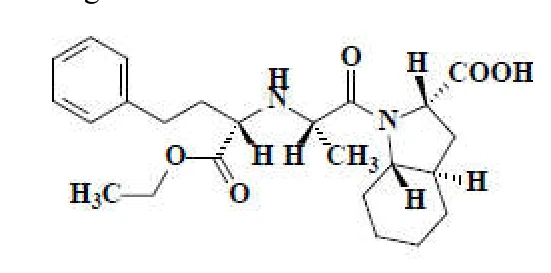
Structural formula:
Physicochemical properties: A white or almost white powder. Melting point
125±3°C. Freely soluble in methylene chloride, sparingly soluble in anhydrous ethanol, practically insoluble in water.
CLINICAL TRIALS
Comparative Bioavailability
A randomized, single dose, two-period, cross-over bioequivalence study of TRANDOLAPRIL (Trandolapril) capsules 4 mg and Mavik® (Trandolapril) Capsules 4 mg [BGP Pharma ULC, Canada] was conducted in 27 healthy adult male subjects under fasting conditions. A summary of the bioavailability data is presented in the following table.
Summary table of the comparative bioavailability data for Trandolapril
| Trandolapril | ||||||
| (1 X 4 mg) | ||||||
| From measured data | ||||||
| Geometric Mean | ||||||
| Arithmetic Mean (CV %) | ||||||
| Parameter | Test* | Reference† | % Ratio of Geometric Means | 90% Confidence Interval | ||
| AUC0→t (hr. ng/mL) | 7.8 8.6 (43.2) | 7.5 8.5 (41.5) | 103.6 | 95.7-112.1 | ||
| AUC0→∞ (hr. ng/mL) | 8.2 9.1 (47.7) | 7.9 9.0 (45.3) | 103.3 | 88.4-120.7 | ||
| Cmax (ng/mL) | 9.6 11.3 (55.8) | 8.9 10.7 (51.9) | 108.2 | 87.8-133.4 | ||
| Tmax§ (hr) | 0.5 (0.3-1.5) | 0.7 (0.3-2.5) | ||||
| T½$ (hr) | 1.8 (117.7) | 1.7 (64.7) | ||||
* TRANDOLAPRIL (Trandolapril) capsules 4 mg manufactured by Sanis Health Inc. † MAVIK® (Trandolapril capsules 4 mg), of BGP Pharma ULC., Canada were purchased from Canada. § Expressed as the median (range) only.
$ Expressed as arithmetic mean (% CV) only.
Study Demographics and Trial Design
Hypertension
Table 6. Summary of Patient Demographics for Clinical Trials in Patients with Mild to Moderate Essential
Hypertension
Study #
| Trial Design | Dosage, Route of Administration and Duration | Study Subjects (n=number) | Mean Age (Range) |
Gender
Study I
| Multicentre, randomized, double- blind, placebo- controlled | 0.5, 1 or 2 mg daily Oral dose 28 days | 170 Placebo: 44 Trandolapril: 126 | 48.2 years ( 17 to 72) |
Male: 66 Female: 104
Study II
| Multicentre, randomized, double- blind, placebo- controlled | 0.25, 0.5, 1, 2 or 4 mg daily Oral dose 6 weeks | 313 Placebo: 50 Trandolapril: 263 | 56.0 years (25 to 84) |
Male: 203 Female: 110
Left Ventricular Dysfunction Following Acute Myocardial Infarction
Table 7. Summary of Patient Demographics for Study III (TRACE) in Patients with Left
Ventricular Dysfunction Following Acute Myocardial Infarction
Study #
| Trial Design | Dosage, Route of Administration and Duration | Study Subjects (n=number) | Mean Age (Range) |
Gender
StudyIII (TRACE*)
| Multicentre, randomized, double- blind, placebo- controlled | 0.5†, 1, 2,4 mg daily Oral dose 24 to 50 months | 1749 Placebo: 873 Trandolapril: 876 | 67.5 years ( 30 to 93) |
Male: 1248 Female: 501
* TRACE: TRAndolapril Cardiac Evaluation study
† An oral test dose of 0.5 mg trandolapril was given to all eligible patients prior to randomization; patients were subsequently force-titrated to 1-4 mg per day.
Study Results
Hypertension
Studies I and II compared the efficacy and tolerance of trandolapril to placebo. Trandolapril administered once daily at doses of 1 mg, 2 mg and 4 mg for 4-6 weeks was effective at lowering average trough supine diastolic blood pressure (DBP) in non-black patients with mild to moderate essential hypertension.
Left Ventricular Dysfunction Following Acute Myocardial Infarction
Table 8. Results of Study III (TRACE) Trial in Patients with Left Ventricular Dysfunction after Acute Myocardial Infarction
Primary Endpoints
| Trandolapril | Placebo |
p-Value
Mortality from all causes
| 304 (34.7%) | 369 (42.3%) |
p=0.001
It can be seen in Table 8 and Figure 1 that trandolapril provides a statistically significant reduction in death from all causes (final analysis of the intent-to-treat population).
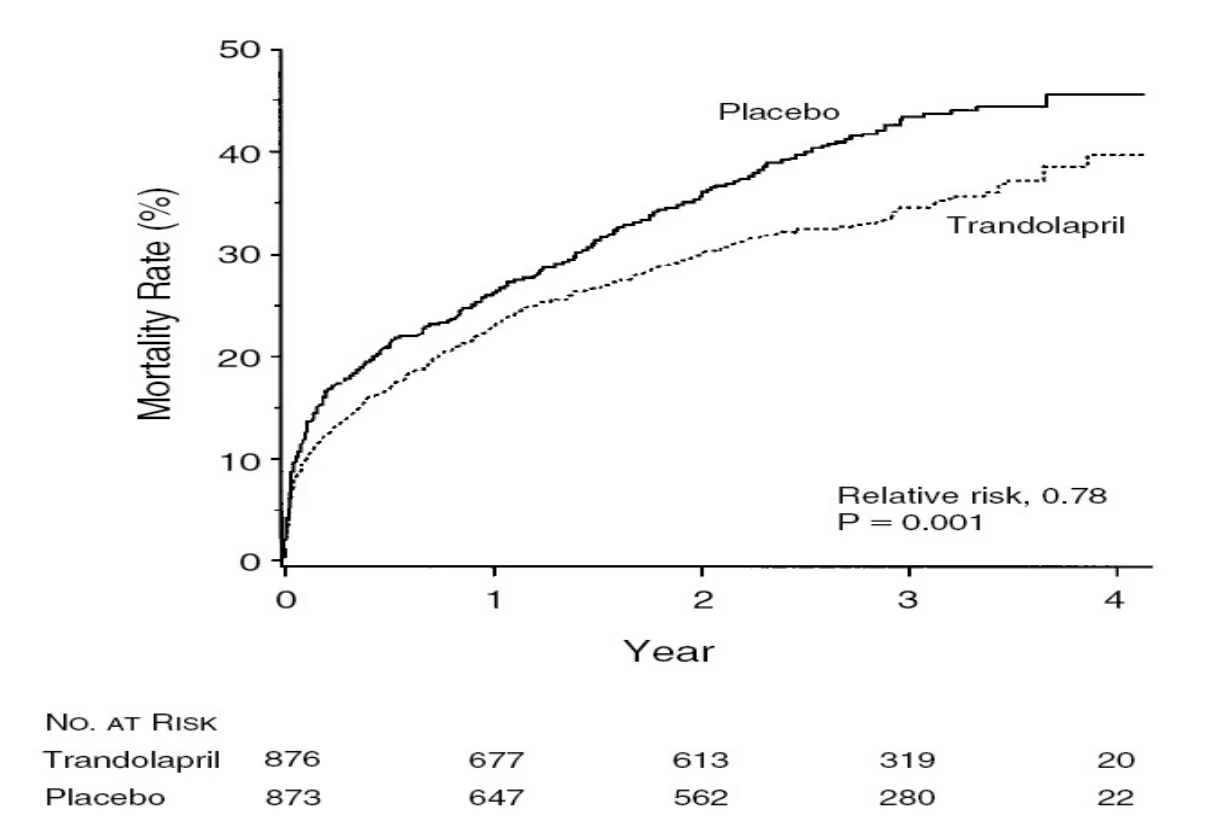
Figure 1. Cumulative Mortality from All Causes among Patients Receiving Trandolapril or Placebo
DETAILED PHARMACOLOGY
Animal
Pharmacodynamics
Mechanism of Action
Table 9 summarizes the trandolapril mechanism of action in animal models.
Table 9. Trandolapril Mechanism of Action
| Study | Species | No. of animals per group | Route | Dose | Results |
Inhibition of Angiotensin I induced pressor response after oral trandolapril | Rat (Male) (Sprague Dawley) | 4-9 | Oral Single Dose | 0.003 0.01 0.03 0.1 0.3 | ID50: trandolapril 35 mcg/kg trandolaprilat 500 mcg/kg |
| Inhibition of Angiotensin I induced pressor response after oral trandolapril | Dog Beagle | 4 | Oral | 0.03 0.1 0.3 1.0 | Dose dependent inhibition. At 0.3 mg/kg: 93% inhibition after 1.5 h and 29% after 6 h. At 1.0 mg/kg: 100% inhibition after 30 min and 59% after 6 h. |
| Effect of bilateral nephrectomy | Rat (spontaneously hypertensive) | 10-11 | Oral Single dose | 3 | The antihypertensive effect was abolished. |
| Effect of inhibition of prostaglandin biosynthesis (via Indomethacin 5 mg/kg p.o.) | Rat (spontaneously hypertensive) | 10-11 | Oral Single dose | 3 | The antihypertensive effect was not modified. |
| In vitro inhibition of ACE by trandolapril | Blood serum from Rat (Sprague Dawley) Dog (Beagle) Human (healthy male volunteers) | -- | In vitro | -- | Rat: IC50 = 1.67 ± 0.74 nM Dog: IC50 = 368 ± 50 nM Human: IC50 = 7.06 ± 2.11 nM |
| Regional and general hemodynamic effects | Rat (spontaneously hypertensive) | 10 | Oral | 5 (for 8 days) | On day 8 systolic blood pressure (SBP) was reduced by 31% with no effect on heart rate, cardiac index and stroke volume. Total peripheral resistance was reduced by 37%. Regional vascular resistance was reduced in all territories |
Determination of minimum effective dose | Rat (Male) (spontaneously hypertensive) | 20 | Oral | 0.003 0.01 0.1 0.3 1.0 | Dose dependent reduction in BP; ranged from 8.5-39%. Dose dependent reduction in cardiac hypertrophy ranged from 5-17%. |
| ACE inhibition by measurement of the potentiation of the hypotensive response to bradykinin | Rat (Sprague Dawley) (Male) | 6 | i.v. | 3.0 0.003 0.006 0.010 0.03 | ED50 = Dose yielding 50% of the maximum increase in the hypotensive response to bradykinin Trandolapril = 4.9 mg/kg Trandolaprilat = 4.1 mg/kg |
ACE inhibition in the rat aorta, atrium and ventricle | Rat (Okamoto) hypertensive (Male) | 7-10 | Oral | 1 0.0001 0.0003 0.001 0.003 0.01 1.0 | ID50 = Dose inhibiting enzyme activity by 50% Right atrium = 0.00132 Left atrium = 0.00107 Aorta = 0.00066 Apex = 0.00798 Right ventricular wall = 0.01510 Septum = 0.00740 |
Effects on Blood Pressure
Table 10 summarizes the effects of trandolapril on BP in animal models.
Table 10. Effects of Trandolapril on Blood Pressure
Hypertensive Model | Species | No. of animals per group | Route | Dose (mg/kg) | Duration | Result |
Antihypertensive effects in spontaneously hypertensive rats | Rat | 12-22 | Oral | 0.3 3.0 30 | Single dose | Fall in mean BP 6 h after gavage: 10%, 13% and 17% at 0.3, 3.0 and 30 mg/kg, respectively. 24 h after gavage the fall was 10%, 11% and 15% at 0.3, 3.0 and 30 mg, respectively. |
Antihypertensive effect in the spontaneously hypertensive rat pre- treated with a thiazide diuretic | Rat | 12-22 | Oral | 0.3 3.0 30 | Single dose | A dose-dependent fall in mean BP of 14, 30 and 34% at doses of 0.3, 3.0 and 30 mg/kg, respectively was found. The peak effect occurred after 24 h. |
Antihypertensive activity after 14 days of treatment in spontaneously hypertensive rats | Rat | 11-12 | Oral | 3.0 | 14 days | Mean BP decreased by 33% after 14 days. |
| Antihypertensive effect on conscious normotensive dog | Dog (Male Beagle) | 5-6 | Oral | 3.0 10 | Single dose | At 3 mg/kg: DBP was reduced by 14% after 3.5-4 h post- administration. At 10 mg/kg: A decrease of 15% was observed 1.5-4 h post-administration |
Pharmacokinetics
Table 11 summarizes the pharmacokinetic parameters following oral administration of trandolapril to animals and man. Table 11. Pharmacokinetic Parameters Following Oral Administration of Trandolapril to Animals and
Man
| Dose (mg/kg) | Rat | Dog | Man | |
| 1 | 1 | 0.033 | ||
| Cmax (mcg/mL) | trandolapril | ND | 0.05 | 0.002 |
| trandolaprilat | 1.02 | 0.28 | 0.003 | |
| Tmax (hr) | trandolapril | ND | 0.77 | 0.5 |
| trandolaprilat | 0.14 | 0.72 | 6 | |
| AUC (mcg·hr/mL) | trandolapril | ND | 0.055 | 0.002 |
| trandolaprilat | 0.47 | 0.46 | 0.046 | |
| T1/2 (hr) | trandolapril | ND | 0.6 | 0.7 |
| trandolaprilat | 6 | 1.6 | 3.5 |
| Dose (mg/kg) | Rat | Dog | Man | |
| 1 | 1 | 0.033 | ||
| % Bioavailability | trandolapril | ND | 19 | 7.5 |
| trandolaprilat | 37 | 43 | 40-60 | |
| % Elimination | bile | 36 | 39 | ND |
| urine | 18 | 16 | 33 | |
| feces | 36 | 40 | 66 |
TOXICOLOGY
Acute Toxicity
Table 12 summarizes the species-specific LD50 values for both oral and intraperitoneal administrations of trandolapril.
Table 12. Species-Specific LD50 Values for Both Oral and Intraperitoneal Administrations of
Trandolapril
| Routes | Species | Sex | LD50 (mg/kg) |
| Oral | Mouse | Male Female | 4 875 3 990 |
| Rat | Male Female | > 5 000 > 5 000 | |
| Intraperitoneal | Mouse | Male Female | 1 285 1 330 |
| Rat | Male Female | 1 420 1 435 |
The symptoms observed in mice were: slight hypotonicity, pilo-erection, hunched back, motor incoordination, lethargy, locomotion difficulties and tremors. Deaths occurred within 48 hours after intraperitoneal administration and 3 hours after oral administration. Residual signs of toxicity persisted for a maximum of 3 days. On autopsy macroscopic examination revealed lesions of the liver, lungs and gastrointestinal tract. In rats, pilo-erection and epistaxis were the main clinical signs of toxicity after oral administration. After intraperitoneal administration clinical signs were similar to those found in mice. Autopsy findings included: lung congestion, hemorrhagic appearance of pancreas and internal wall of abdominal cavity, deformation of lobes of liver and hypertrophy of spleen and kidneys. A dose of 200 mg/kg in the dog caused the death of 2/4 animals, 24 hours after administration. Hypotonicity, hypomobility, dehydration and respiratory difficulties were observed in the surviving animals. Autopsy revealed hemorrhagic thymus lesions of the liver, lungs and gastrointestinal tract.
Chronic Toxicity
Table 13 summarizes the chronic toxic1ity results for oral administrations of trandolapril in animals.
Table 13. Summary of Chronic Toxicity Results of Oral Administrations of Trandolapril in Animals
| Species | Duration | No. of animals per group | Route | Dose (mg/kg/day) | Effects |
| Rat Sprague Dawley | 30 days | 10 M, 10 F | Oral | 0, 4, 20, 100 | At all doses: Retardation of body weight gain, decrease in heart weight and gastric ulceration. At 20 and 100 mg/kg/day: Increase in magnesium and blood urea. |
| Rat Sprague Dawley | 6 months | 60 M, 60 F | Oral | 0, 0.25, 2.5, 25 | At all doses: Growth retardation, polyuria and polydipsia. At 2.5 and 25 mg/kg/day: Indications of glomerulonephritis were seen histologically particularly in males, which correlated with observed changes in serum magnesium urea and creatinine. |
| Rat Sprague Dawley | 18 months | 50 M, 50 F | Oral | 0, 0.25, 1.5, 9 | At 9 mg/kg: Water consumption, magnesium and urea increased. At 1.5 and 9 mg/kg: A decrease in sodium was noted. At 0.25 and 1.5 mg/kg in the males and at 9 mg/kg in females: Decrease in erythrocytes. |
| Dog Beagle | 30 days | 3 M, 3 F | Oral | 0, 10, 50, 250 | At all doses: Increase in urinary volume for females and microscopic renal lesions in all animals. At 250 mg/kg: Increase in serum alkaline phosphatase for males; increase in urea for all doses in females and at 50 and 250 mg/kg for males. |
| Dog Beagle | 6 months | 9 M, 9 F | Oral | 0, 2.5, 25, 125, 250 | At all doses: Decreased excretion of sodium, potassium, chloride, calcium, magnesium and urea. At 250 and 125 mg/kg: digestive signs of toxicity accompanied by hypotonicity and dehydration resulted in death and premature sacrifice. Ulcerative inflammatory lesions of the gastric and duodenal mucosa, and renal lesions. Esophageal inflammatory lesions were also seen. At 25 mg/kg: Anemia, increase in frequency of renal lesions in the female. |
| Species | Duration | No. of animals per group | Route | Dose (mg/kg/day) | Effects |
| Dog Beagle | 12 months | 6 M, 6 F | Oral | 0, 0.25, 2.5, 25 | At 0.25 mg/kg: Weight decrease in 3 animals between weeks 24-49. Decreases in spleen, kidney and testes weights in males. At 25 mg/kg: Increase in α2 globulin in males. Decreases in absolute brain weights in males. |
Mutagenicity and Carcinogenicity
Trandolapril was not mutagenic in the Ames microbial mutagen test, the gene conversion test with S. cerevisiae, and in V79 cells. Detection of chromosomal aberrations in human lymphocytes and in Chinese hamster CHO cells as well as the micronucleus test in mice were all negative.
There was no evidence of a carcinogenic effect when trandolapril was administered by gavage for 18 months to male and female CDI mice at doses ≤25 mg/kg/day or to male and female Sprague Dawley rats at doses ≤8 mg/kg/day.
Reproduction and Teratology
Table 14 summarizes the reproduction and teratology results following administrations of trandolapril in animals.
Table 14. Reproduction and Teratology Results Following Administrations of Trandolapril in
Animals
| Species | No. of animals per group | Dose (mg/kg/day) | Duration of dosing | Results |
| Rat (Sprague Dawley) | 30 M, 30 F | 0, 1, 10, 100 | M: 60 days before mating F: 14 days before mating to day 30 of gestation | At 10 and 100 mg/kg/day: Fetuses showed dilated ureters and increased renal pelvic cavitation |
| Rat (Sprague Dawley) | 24 F | 0, 100, 300, | Days 6-15 of | Dilatation of renal pelvis and ureters at 1000 mg/kg/day. |
| 1000 | gestation |
| Species | No. of animals per group | Dose (mg/kg/day) | Duration of dosing | Results |
Rabbit (New Zealand White) | 21 F | 0, 0.2, 0.4, 0.8 | Days 6-18 of gestation | At 0.8 mg/kg: Associated with maternal toxicity and severe effects on physical conditions of survivors, pre and post implantation losses were increased. Some fetuses had multiple malformations of the skull, oral cavity, heart vessels, etc. At 0.4 mg/kg: Deterioration in maternal condition, no consistent treatment-related effects on fetal development. |
| Rabbit (HYLA) | 15 F | 0, 0.1, 0.2, 0.4, 0.8 | Days 6-18 of gestation | At 0.4 and 0.8 mg/kg: Weight loss, tremors, diarrhea and death, dilation of renal pelvis. At 0.1 and 0.2 mg/kg: Increased rate of fetal losses, dilation of renal pelvis. |
| Monkey (Cynomolg | 6 F | 0, 50, 250 | Days 20-50 of gestation | At all doses: No sign of teratogenesis. |
us) Monkey (Cynomolgus) | 10 F | 0, 5, 25, 125 | Days 20-50 of gestation | At all doses: Slight decrease in body weight. No treatment related malformations. At 5 and 25 mg/kg: 4 abortions At 125 mg/kg: 7 abortions |
REFERENCES
- 1. Bevan EG, et al. Effect of Renal Function on the Pharmacokinetics and Pharmacodynamics of Trandolapril. Brit J Pharmacol 1992;33 (2): 237p.
- 2. Brown NL, et al. Angiotensin-converting Enzyme Inhibition, Antihypertensive Activity and Hemodynamic Profile of Trandolapril (RU44570). Eur J Pharmacol 1988;148:79-91.
- 3.
Chevillard C, et al. Cardiovascular Actions and Tissue-converting Enzyme Inhibitory
Effects of Chronic Enalapril and Trandolapril Treatment of Spontaneously Hypertensive Rats. J Cardiovasc Pharmacol 1989;14:297-301.
- 4.
Conen H, et al. Pharmacologic Profile of Trandolapril, a New Angiotensin-converting
Enzyme Inhibitor. Am Hear J 1993;125:1525-1531.
- 5.
De Ponti F, et al. Pharmacological Activity and Safety of Trandolapril (RU 44570) in
Healthy Volunteers. Eur J Clin Pharmacol 1991; 40:149-153.
- 6.
Dutrey-Dupagne C, et al. Effects of the Converting Enzyme Inhibitor Trandolapril on
Short- term Variability of Blood Pressure in Essential Hypertension. Clin Auton Res 1991; 1:303- 307.
- 7.
Gaillard CA, Leeuw PW. Clinical Experiences with Trandolapril. Am Heart J 1993;
125:1542-1546.
- 8.
Guidicelli JF, et al. Angiotensin-converting Enzyme Inhibition: Systemic and Regional
Hemodynamics in Rats and Humans. Am J Hypertens 1991; 4:258S-262S.
- 9.
Køber L, et al. A Clinical Trial of the Angiotensin-converting-Enzyme Inhibition
Trandolapril in Patients with Left Ventricular Dysfunction after Myocardial Infarction. N.E. J Med 1995; 333(25):1671-1676.
- 10.
Mancia G, et al. Evaluation of the Antihypertensive Effect of Once-a-day Trandolapril by
24-hour Ambulatory Blood Pressure Monitoring. Am J Cardiol 1992; 70:60D-66D.
- 11.
Nguyen Cong Duc L, Brunner HR. Trandolapril in Hypertension: Overview of a New
Angiotensin-converting Enzyme Inhibitor. Am J Cardiol 1992; 70:27D-34D.
- 12.
Patat A, et al. Safety and Tolerance of Single Oral Doses of Trandolapril (RU44570), a
New Angiotensin-converting Enzyme Inhibitor. Eur J Clin Pharmacol 1989; 36:17-23.
- 13.
Product Monograph MAVIK® Trandolapril Capsules, Date of Revision September 16,
2019, Submission Control No. 227932.