


Product Monograph - Triferic Avnu
RECENT MAJOR LABEL CHANGES
Not Applicable
TABLE OF CONTENTS
RECENT MAJOR LABEL CHANGES ..................................................................................... 2
TABLE OF CONTENTS .......................................................................................................... 2
PART I: HEALTH PROFESSIONAL INFORMATION............................................................... 4
1 INDICATIONS.............................................................................................................. 4
1.1 Pediatrics ........................................................................................................... 4
1.2 Geriatrics............................................................................................................ 4
2 CONTRAINDICATIONS ............................................................................................... 4
3 SERIOUS WARNINGS AND PRECAUTIONS BOX...................................................... 4
4 DOSAGE AND ADMINISTRATION .............................................................................. 5
4.1 Dosing Considerations ........................................................................................ 5
4.2 Recommended Dose and Dosage Adjustment .................................................... 5
4.3 Administration..................................................................................................... 5
4.4 Reconstitution..................................................................................................... 6
4.5 Missed Dose....................................................................................................... 6
5 OVERDOSAGE ........................................................................................................... 6
6 DOSAGE FORMS, STRENGTHS, COMPOSITION AND PACKAGING ........................ 6
7 WARNINGS AND PRECAUTIONS .............................................................................. 7
7.1 Special Populations ............................................................................................ 8
7.1.1 Pregnant Women ............................................................................................ 8
7.1.2 Breast-feeding ................................................................................................. 8
7.1.3 Pediatrics ........................................................................................................ 8
7.1.4 Geriatrics ........................................................................................................ 9
8 ADVERSE REACTIONS .............................................................................................. 9
8.1 Adverse Reaction Overview ................................................................................ 9
8.2 Clinical Trial Adverse Reactions .......................................................................... 9
8.3 Less Common Clinical Trial Adverse Reactions................................................. 12
8.5 Clinical Trial Adverse Reactions (Pediatrics)...................................................... 12
9 DRUG INTERACTIONS ............................................................................................. 12
9.1 Overview .......................................................................................................... 12
9.2 Drug-Drug Interactions...................................................................................... 12
9.3 Drug-Food Interactions ..................................................................................... 13
9.4 Drug-Herb Interactions...................................................................................... 13
10 ACTION AND CLINICAL PHARMACOLOGY ............................................................ 13
10.1 Mechanism of Action ..................................................................................... 13
10.2 Pharmacodynamics ....................................................................................... 13
10.3 Pharmacokinetics .......................................................................................... 14
11 STORAGE, STABILITY AND DISPOSAL .................................................................. 14
12 SPECIAL HANDLING INSTRUCTIONS ..................................................................... 14
PART II: SCIENTIFIC INFORMATION .................................................................................. 15
13 PHARMACEUTICAL INFORMATION ........................................................................ 15
14 CLINICAL TRIALS .................................................................................................... 16
14.1 Trial Design and Study Demographics ........................................................... 16
14.2 Study Results ................................................................................................ 17
14.3 Comparative Bioavailability Studies ............................................................... 17
15 MICROBIOLOGY....................................................................................................... 18
16 NON-CLINICAL TOXICOLOGY ................................................................................. 18
PATIENT MEDICATION INFORMATION .............................................................................. 21
PART I: HEALTH PROFESSIONAL INFORMATION
1 INDICATIONS
TRIFERIC AVNU (ferric pyrophosphate citrate injection) is an iron replacement product indicated for:
- The replacement of iron to maintain hemoglobin in adult patients with hemodialysis-dependent chronic kidney disease (CKD-HD).
TRIFERIC AVNU is not intended for use in patients receiving peritoneal dialysis.
TRIFERIC AVNU has not been studied in patients receiving home hemodialysis.
1.1 Pediatrics
Pediatrics (< 18 years of age): Based on the data submitted and reviewed by Health Canada, the safety and efficacy have not been established in pediatric patients; therefore, Health Canada has not authorized an indication for pediatric use (see Section 10 ACTION AND CLINICAL PHARMACOLOGY, Special Populations and Conditions, Pediatrics and Section 8.5 ADVERSE REACTIONS, Clinical Trials Adverse Reactions (Pediatrics)).
1.2 Geriatrics
Geriatrics (>65 years of age): No overall differences in safety and efficacy were observed between older and younger patients in the controlled clinical trials (see Section 7.1.4 WARNINGS AND PRECAUTIONS, Special Populations, Geriatrics).
2 CONTRAINDICATIONS
TRIFERIC AVNU (ferric pyrophosphate citrate injection) is contraindicated in patients who are hypersensitive to this drug or to any ingredient in the formulation, or component of the container. For a complete listing, see Dosage Forms, Strengths, Composition and Packaging.
3 SERIOUS WARNINGS AND PRECAUTIONS BOX
Serious Warnings and Precautions
- Serious hypersensitivity reactions, including anaphylactic-type reactions, some of which have been life-threatening and fatal, have been reported in patients receiving parenteral iron products (see Section 7 WARNINGS AND PRECAUTIONS, IMMUNE, Hypersensitivity).
- Monitor patients for signs and symptoms of hypersensitivity during and after hemodialysis until clinically stable (see Section 7 WARNINGS AND PRECAUTIONS, IMMUNE, Hypersensitivity).
- TRIFERIC AVNU should only be administered when personnel and therapies are immediately available for the treatment of anaphylaxis and other hypersensitivity reactions (see Section 7 WARNINGS AND PRECAUTIONS, IMMUNE, Hypersensitivity).
4 DOSAGE AND ADMINISTRATION
4.1 Dosing Considerations
- Determine iron status in patients on pre-dialysis blood samples. Post- dialysis serum iron parameters may overestimate serum iron and transferrin saturation. If anemia is detected, alternative iron therapy should be considered to replete iron stores prior to administration of TRIFERIC AVNU.
- The dosage of TRIFERIC AVNU (ferric pyrophosphate citrate injection) is expressed as mg of elemental iron, with each mL containing 1.5 mg of elemental iron.
- TRIFERIC AVNU should only be administered when personnel and therapies are immediately available for the treatment of anaphylaxis and other hypersensitivity reactions.
- Monitor patients for signs and symptoms of hypersensitivity during and after hemodialysis until clinically stable.
4.2 Recommended Dose and Dosage Adjustment
The recommended dosage of TRIFERIC AVNU is 6.75 mg elemental iron undiluted as a slow continuous intravenous infusion over 3 to 4 hours via the pre-dialyzer infusion line, post-dialyzer infusion line, or via a separate connection to the venous blood line during hemodialysis.
Administer TRIFERIC AVNU at each dialysis procedure for as long as patients are receiving maintenance hemodialysis therapy for CKD.
Hemodialysis sessions typically last 3 to 4 hours and most patients are dialyzed 3 times each week.
TRIFERIC AVNU should be withheld if a patient is diagnosed with bacteremia or fungemia and for the entire duration of anti-microbial treatment for any systemic or serious infection (see Section 7 WARNINGS AND PRECAUTIONS, Infection).
Health Canada has not authorized an indication for pediatric use.
4.3 Administration
Each ampule containing 6.75 mg elemental iron in 4.5 mL water for injection will provide a single treatment.
The solution does not contain any type of preservative or bactericide. Opened and unused ampules should be discarded immediately.
Handling instructions:
Use aseptic technique to prepare TRIFERIC AVNU as follows:
- Visually inspect TRIFERIC AVNU solution for signs of precipitation prior to use. The solution should be clear and slightly yellow-green in color.
- Holding the top of the ampule, shake with one single downward movement in order to remove the solution remaining in the cap.
- To open, twist the ampule body and the ampule head in opposite directions until the neck breaks off the top.
- Attach a 10 mL or 20 mL luer-lock syringe to the ampule and withdraw the contents (6.75 mg in 4.5 mL).
- Connect the syringe to the attached pre-dialyzer infusion line, post-dialyzer infusion line, or to a separate connection to the venous blood line.
- Mount the syringe on an infusion pump and administer as a slow continuous infusion of TRIFERIC AVNU (4.5 mL) over 3 to 4 hours.
- Discard unused portion.
4.4 Reconstitution
Not applicable.
4.5 Missed Dose
If a regularly scheduled hemodialysis treatment is missed, DO NOT administer any missed doses. Resume TRIFERIC AVNU at the next scheduled session.
5 OVERDOSAGE
No data are available regarding overdosage of TRIFERIC AVNU (ferric pyrophosphate citrate injection) in humans.
6 DOSAGE FORMS, STRENGTHS, COMPOSITION AND PACKAGING
Table 1: Dosage Forms, Strengths, Composition and Packaging
TRIFERIC AVNU (ferric pyrophosphate citrate injection) solution for intravenous administration is a clear, green or greenish-yellow, preservative-free sterile solution containing 1.5 mg elemental iron/mL in water for injection, packaged in 5 mL LDPE ampules, with 4.5 mL fill.
Ampules are packaged in an aluminum foil laminate pouch.
TRIFERIC AVNU is packaged in blocks of 10 ampules/pouch with 4 pouches in each carton, for a total of 40 ampules per carton.
| For management of a suspected drug overdose, contact your regional poison control centre. |
| Route of Administration | Dosage Form / Strength / Composition | Non-medicinal Ingredients |
| Intravenous | Solution 1.5 mg/mL elemental iron (as ferric pyrophosphate citrate) | Water for Injection |
7 WARNINGS AND PRECAUTIONS
Please see the Serious Warnings and Precautions Box at the beginning of Part I: Health Professional Information.
General
Determine iron status in patients on pre-dialysis blood samples. Post dialysis serum iron parameters may overestimate serum iron and transferrin saturation. If anemia is detected, alternative iron therapy should be considered to replete iron stores prior to administration of TRIFERIC AVNU during a hemodialysis session.
Cardiovascular
In two randomized clinical trials, procedural hypotension was reported as an adverse reaction at an incidence of 21.6% for ferric pyrophosphate citrate (FPC) for hemodialysis and 19.3% for placebo. Serious cases of procedural hypotension occurred in 0.3% of patients treated with FPC and placebo.
Immune
Hypersensitivity
Serious hypersensitivity reactions, including anaphylactic-type reactions, some of which have been life-threatening and fatal, have been reported in patients receiving parenteral iron products. Patients may present with shock, clinically significant hypotension, loss of consciousness, and/or collapse.
Hypersensitivity reactions have been reported in 1 (0.3%) of 292 patients receiving ferric pyrophosphate citrate for hemodialysis in the two randomized clinical trials. Overall, in the clinical program, 2 (0.1%) of 1411 patients receiving ferric pyrophosphate citrate for hemodialysis reported a hypersensitivity reaction (procedural hypotension and drug hypersensitivity).
Monitor patients for signs and symptoms of hypersensitivity during and after hemodialysis until clinically stable. Personnel and therapies should be immediately available for the treatment of serious hypersensitivity reactions.
Hepatic/Biliary/Pancreatic
Patients with hepatitis B or hepatitis C infection (with alanine aminotransferase (ALT) and/or aspartate aminotransferase (AST) levels consistently greater than twice the upper limit of normal) and patients with cirrhosis of the liver were excluded from the clinical studies with ferric pyrophosphate citrate for hemodialysis. Clinicians should consider the potential risk of using TRIFERIC AVNU in these patients.
Infection
Intravenous iron products may be harmful in the presence of serious infection. Patients with active bacterial, tuberculosis, fungal, viral, or parasitic infections requiring ongoing treatment were excluded from clinical studies with ferric pyrophosphate citrate for hemodialysis. TRIFERIC AVNU should be withheld if a patient is diagnosed with bacteremia or fungemia and for the entire duration of anti-microbial treatment for any systemic or serious infection.
Monitoring and Laboratory Tests
Regularly monitor the hematologic response and iron parameters, such as serum ferritin and transferrin saturation, during parenteral iron therapy.
Determine iron status on pre-dialysis blood samples. Post-dialysis serum iron parameters may overestimate serum iron and transferrin saturation.
Sexual Health
Reproduction/Fertility
In a combined male and female fertility study in rats, ferric pyrophosphate citrate was administered intravenously over one hour three times per week at doses of up to 10 mg/kg in males and up to 40 mg/kg in females. No adverse effects on fertility or reproduction were noted (see Section 16 NON-CLINICAL TOXICOLOGY, Reproductive and Developmental Toxicology).
Advise females of childbearing potential to use effective contraception measures to prevent pregnancy during treatment with TRIFERIC AVNU.
7.1 Special Populations
7.1.1 Pregnant Women
There are no available data on TRIFERIC AVNU use in pregnant women to inform a drug-associated risk of major birth defects and miscarriage.
TRIFERIC AVNU may cause fetal harm when administered to pregnant women. In animal reproduction studies, intravenous administration of ferric pyrophosphate citrate to pregnant rats and rabbits during organogenesis caused adverse developmental outcomes at maternally toxic dose levels that were 47 to 105 times higher than the maximum theoretical amount of iron transferred to patients from TRIFERIC AVNU (see Section 16 Non-Clinical Toxicology, Reproductive and Developmental Toxicology).
TRIFERIC AVNU should only be used during pregnancy if the potential benefit justifies the potential risk to the fetus.
7.1.2 Breast-feeding
There is no data of ferric pyrophosphate citrate in breast-feeding women. It is not known if ferric pyrophosphate citrate is present in human milk. Because many drugs are excreted in human milk precaution should be exercised. The developmental and health benefits of breastfeeding should be considered along with the mother’s clinical need for TRIFERIC AVNU and any potential adverse effects on the breastfed child from TRIFERIC AVNU or from the underlying maternal condition.
7.1.3 Pediatrics
Pediatrics (< 18 years of age): Based on the data submitted and reviewed by Health Canada, safety and efficacy have not been established in pediatric patients; therefore, Health Canada has not authorized an indication for pediatric use (see Section 8.5 ADVERSE REACTIONS, Clinical Trial Adverse Reactions (Pediatrics) and Section 10 ACTION AND CLINICAL PHARMACOLOGY, Special Populations and Conditions, Pediatrics).
7.1.4 Geriatrics
Geriatrics (>65 years of age): In the two controlled clinical trials, 99 (28.6%) patients ≥ 65 years of age were treated with ferric pyrophosphate citrate for hemodialysis. No overall differences in safety were observed between older and younger patients in these trials.
8 ADVERSE REACTIONS
8.1 Adverse Reaction Overview
This section provides an overview of adverse reactions, regardless of causality.
In seven controlled and uncontrolled Phase 2/3 studies, 1411 patients with CKD-HD were exposed to ferric pyrophosphate citrate by hemodialysate. The total number of patients receiving ferric pyrophosphate citrate who experienced an adverse reaction was 1020 of 1411 patients (72%). The most common adverse reactions were procedural hypotension (20.3%), nausea (13.0%), hemodialysis-induced symptom (12.7%), diarrhea (12.5%), arteriovenous fistula site complication (12.2%), and headache (11.6%). 427 patients (30.3%) experienced a serious adverse reaction. The most common serious adverse reactions were fluid overload (2.3%), hyperkalemia (2.0%), and pneumonia (1.8%). 49 patients (3.5%) experienced an adverse reaction that led to study discontinuation. Adverse reactions that led to study discontinuation included headache (0.2%); constipation, asthenia, and dizziness (0.1% each); and thrombocytopenia, vision blurred, nausea, feeling cold, feeling hot, pyrexia, hyperbilirubinemia, drug hypersensitivity, procedural hypotension, hepatic enzyme increased, and pruritus generalized (0.07% each).
In the two, Phase 3, randomized, placebo-controlled studies, 292 patients were exposed to ferric pyrophosphate citrate by hemodialysate and 296 were treated with placebo for up to 48 weeks and up to 166 dialysis treatments. 229 patients (78%) in the treatment group and 223 patients (75%) in the placebo group had at least one adverse reaction. The most common adverse reactions in the treatment group which were higher than the placebo group were procedural hypotension (21.6%), muscle spasms (9.6%), headache (9.2%), pain in extremity (6.8%), edema peripheral (6.8%) and dyspnoea (5.8%). Serious adverse reactions occurred in 81 patients (27.7%) in the treatment group and 81patients (27.4%) in the placebo group. The most common serious adverse reactions occurring in the treatment group which were higher than the placebo group were cardiac arrest (1.7%), arteriovenous fistula thrombosis (1.7%) and pulmonary edema (1.4%). 13 patients (4.5%) in the treatment group and 7 patients (2.4%) in the placebo group experienced an adverse reaction that led to study discontinuation. Adverse reactions that led to study discontinuation in the treatment group included asthenia, dizziness, and headache (0.6% each) and thrombocytopenia, vision blurred, constipation, feeling cold, feeling hot, and procedural hypotension (0.3% each).
Hypersensitivity reactions were reported in 1 (0.3%) of 292 patients receiving ferric pyrophosphate citrate by hemodialysate in the two pivotal randomized clinical trials. Overall, in the clinical program, 2 (0.1%) of 1411 patients receiving ferric pyrophosphate citrate reported a hypersensitivity reaction (procedural hypotension and drug hypersensitivity).
8.2 Clinical Trial Adverse Reactions
Because clinical trials are conducted under very specific conditions, the adverse reaction rates observed in the clinical trials may not reflect the rates observed in practice and should not be compared to the rates in the clinical trials of another drug. Adverse reaction information from clinical trials is useful for identifying drug-related adverse events and for approximating rates.
The safety of TRIFERIC AVNU (ferric pyrophosphate citrate injection) for intravenous use, has been established based on studies of ferric pyrophosphate citrate solution for hemodialysis (see Section 14 CLINICAL TRIALS)]. Below is a display of the adverse reactions (regardless of causality) of ferric pyrophosphate citrate solution for hemodialysis in these studies.
In two pivotal randomized, placebo-controlled clinical trials a total of 292 patients were administered ferric pyrophosphate citrate for hemodialysis for up to 48 weeks during the randomized treatment period (see Section 14 CLINICAL TRIALS). The mean total exposure in the randomized treatment period was 5 months. A total of 296 patients received placebo treatment for a similar time period. In the two studies, 64% were male and 54% were Caucasian. The median age of patients was 60 years (range, 20 to 89 years).
Adverse reactions occurring in ≥ 1% of patients treated with ferric pyrophosphate citrate by hemodialysis and at an Incidence at least 1% greater than the placebo group in the randomized clinical trials are listed in Table 2.
Table 2: Adverse Reactions (regardless of causality) Reported in Two Clinical Trials in ≥ 1% of CKD-HD Patients Receiving Ferric Pyrophosphate Citrate by Hemodialysate and ≥ 1% Greater than Placebo
System organ class Preferred term | Ferric pyrophosphate citrate solution for hemodialysis n = 292 n (%) | Placebo n = 296 n (%) | |||||
|---|---|---|---|---|---|---|---|
| Total number of patients with at least 1 adverse reactions | 229 (78.4) | 223 (75.3) | |||||
| Cardiac Disorders | |||||||
| Cardiac arrest | 6 (2.1) | 1 (0.3) | |||||
| Endocrine Disorders | |||||||
| Hyperparathyroidism secondary | 3 (1.0) | 0 | |||||
| Gastrointestinal disorders | |||||||
| Toothache | 4 (1.4) | 0 | |||||
| General Disorders and Administration Site Conditions | |||||||
| Edema peripheral | 20 (6.8) | 11 (3.7) | |||||
| Pyrexia | 13 (4.5) | 9 (3.0) | |||||
| Asthenia | 12 (4.1) | 9 (3.0) | |||||
| Fatigue | 11 (3.8) | 6 (2.0) | |||||
| Chills | 6 (2.1) | 1 (0.3) | |||||
| Catheter site hemorrhage | 3 (1.0) | 0 | |||||
| Feeling cold | 3 (1.0) | 0 | |||||
| Edema | 3 (1.0) | 0 | |||||
| Infections and Infestations | |||||||
| Urinary tract infection | 13 (4.5) | 4 (1.4) | |||||
| Diabetic foot infection | 4 (1.4) | 0 | |||||
| Injury, poisoning, and Procedural Complications | |||||||
| Procedural hypotension | 63 (21.6) | 57 (19.3) | |||||
| Arteriovenous fistula thrombosis | 10 (3.4) | 6 (2.0) | |||||
| Arteriovenous fistula site hemorrhage | 10 (3.4) | 5 (1.7) | |||||
| Procedural pain | 6 (2.1) | 3 (1.0) | |||||
| Wound | 4 (1.4) | 0 | |||||
| Anemia postoperative | 3 (1.0) | 0 | |||||
| Musculoskeletal and Connective Tissue Disorders | |||||||
| Muscle spasms | 28 (9.6) | 24 (8.1) | |||||
| Pain in extremity | 20 (6.8) | 17 (5.7) | |||||
| Back pain | 13 (4.5) | 10 (3.4) | |||||
| Nervous System Disorders | |||||||
| Headache | 27 (9.2) | 16 (5.4) | |||||
| Hypoaesthesia | 8 (2.7) | 1 (0.3) | |||||
| Neuropathy peripheral | 4 (1.4) | 1 (0.3) | |||||
| Respiratory, Thoracic and Mediastinal Disorders | |||||||
| Dyspnea | 17 (5.8) | 13 (4.4) | |||||
| Pulmonary edema | 6 (2.1) | 1 (0.3) | |||||
| Oropharyngeal pain | 4 (1.4) | 1 (0.3) | |||||
| Asthma | 3 (1.0) | 0 | |||||
| Vascular Disorders | |||||||
| Hypotension | 8 (2.7) | 5 (1.7) | |||||
In the open label extension of the two pivotal trials in which patients received treatment with ferric pyrophosphate citrate for hemodialysis for up to 68 weeks and up to 204 dialysis treatments, the adverse reactions were similar to those observed in the randomized treatment period.
8.3 Less Common Clinical Trial Adverse Reactions
Less Common adverse reactions (< 1%, regardless of causality) and greater than placebo in the two pivotal trials:
Blood and Lymphatic System Disorders: thrombocytopenia
Cardiac Disorders: angina pectoris
Eye Disorders: vision blurred
Gastrointestinal Disorders: abdominal pain upper, constipation, nausea, vomiting
General Disorders and Administration Site Conditions: asthenia, chest pain, feeling hot
Immune System Disorders: drug hypersensitivity
Musculoskeletal and Connective Tissue Disorders: musculoskeletal pain
Nervous System Disorders: dizziness
Vascular Disorders: hypertension
8.5 Clinical Trial Adverse Reactions (Pediatrics)
A pediatric indication has not been authorized by Health Canada. A total of 22 pediatric patients with a mean age of 12 (age range of 1-17 years) have received single doses of ferric pyrophosphate citrate via IV infusion (0.07 mg elemental iron/kg) and via dialysate (2 μM [110 μg elemental iron/L]) in a Phase 1/2, multicenter, open-label, 2-period, single-dose study (see Section 10 ACTION AND CLINICAL PHARMACOLOGY, Special Populations and Conditions, Pediatrics). One moderate adverse reaction of axillary pain was reported in one subject during administration of ferric pyrophosphate citrate via the dialysate during hemodialysis.
9 DRUG INTERACTIONS
9.1 Overview
Concomitant administration of oral iron with ferric pyrophosphate citrate has not been studied in hemodialysis patients.
9.2 Drug-Drug Interactions
No clinical drug-drug interaction studies have been conducted for ferric pyrophosphate citrate. Because endogenous iron is not metabolized by cytochrome P450 enzymes, it is not expected that drug interactions will occur via cytochrome P450 modulation.
Based on in vitro studies, ferric pyrophosphate citrate does not interfere with the pharmacodynamic actions of unfractionated heparin (UFH) or low molecular weight heparin (LMWH) (i.e., enoxaparin or dalteparin).
9.3 Drug-Food Interactions
Interactions with food have not been established.
9.4 Drug-Herb Interactions
Interactions with herbal products have not been established.
10 ACTION AND CLINICAL PHARMACOLOGY
10.1 Mechanism of Action
TRIFERIC AVNU contains iron in the form of ferric pyrophosphate citrate. The iron from ferric pyrophosphate citrate is delivered into the circulation and binds to transferrin for transport to erythroid precursor cells to be incorporated into hemoglobin.
10.2 Pharmacodynamics
Ferric pyrophosphate citrate was administered intravenously to healthy subjects at doses ranging from 2.5 to 10 mg elemental iron over 4 hours or at doses of 15 mg and 20 mg over 12 hours. Iron endpoints determined were based on absolute and baseline corrected data. Following IV infusion of ferric pyrophosphate, the pharmacokinetic profile of transferrin bound iron (TBI) concentrations was comparable to the total serum iron.
Safety Pharmacology:
In safety pharmacology studies, no adverse effects from administration of ferric pyrophosphate citrate were observed on nervous system (up to 500 mg/kg) or respiratory function (up to 250 mg/kg) in rat studies.
Cardiac Electrophysiology, Electrocardiography:
A dedicated QT/QTc study was not conducted with ferric pyrophosphate citrate in humans. Ferric pyrophosphate citrate did not affect blood pressure, heart rate or ECG parameters in dogs given single IV doses up to 250 mg/kg (26,700 µg iron/dL), the no-observed-effect level (NOEL) for cardiovascular effects determined in dogs. NOEL for effects on hERG-mediated current in vitro was determined to be 11,500 µg iron/dL. NOEL for effects on action potential duration was determined to be 1150 µg iron/dL. Effects observed in dogs are at concentrations 2-3+ orders of magnitude greater than the maximum concentration of ferric pyrophosphate citrate-related iron that can theoretically be delivered following IV infusion of ferric pyrophosphate citrate (6.75 mg iron per 4.5 mL) or during hemodialysis (11 µg iron/dL).
10.3 Pharmacokinetics
The pharmacokinetics of serum iron was investigated in healthy subjects administered ferric pyrophosphate citrate at a single dose of 2.5, 5, 7.5 or 10 mg of elemental iron intravenously over 4 hours. After correcting for the basal iron levels, the AUC and Cmax of baseline-corrected serum iron increased in a dose proportional manner. Serum iron was rapidly cleared with a half-life of approximately 1.48 hours. The mean clearance (CL) ranged from 0.406 to 0.556 L/hour and the mean apparent volume of distribution (Vz) ranged from 0.765 to 0.859 L after a 4 hour intravenous administration of ferric pyrophosphate citrate. Pharmacokinetic data are presented in Table 3.
Table 3: Pharmacokinetic Parameters for Baseline-Corrected Iron by Treatment
| Treatment* | Statistic | AUClast (h*µg/dL) | CL (dL/h) | Cmax (µg/dL) | t 1/2 (h) | Vz (dL) |
|---|---|---|---|---|---|---|
| 2.5 mg elemental iron | Mean | 579 | 4.06 | 113 | 1.3 | 7.65 |
| 5.0 mg elemental iron | Mean | 903 | 5.11 | 151 | 1.19 | 8.43 |
| 7.5 mg elemental iron | Mean | 1460 | 4.59 | 228 | 1.29 | 8.59 |
| 10 mg elemental iron | Mean | 1820 | 5.56 | 261 | 1.04 | 8.33 |
*n=6 for each treatment
Special Populations and Conditions
Pediatrics:
A pediatric indication has not been authorized by Health Canada. In a pharmacokinetic and safety study in 22 pediatric CKD-HD patients with a mean age of 12 (age range of 1-17 years), ferric pyrophosphate citrate was administered at an IV dose of 0.07 mg elemental iron/kg. For the pediatrics patients in the 6-<12-year age group (n=4) and in the 12-<18-year age group (n=14), the baseline-corrected pharmacokinetics of ferric pyrophosphate citrate are consistent with the pharmacokinetics in adult CKD-HD patients. An approximately 22% decrease in Cmax and 34% decrease in AUClast for serum total iron were observed in the <6-year age group (n=3) compared to adult CKD-HD patients.
Sex: There were no significant treatment interactions or safety profile for gender.
Pregnancy and Breast-feeding: There are no available data on TRIFERIC AVNU use in pregnant or breast-feeding women.
Ethnic origin: There were no significant treatment interactions or safety profile by race.
Hepatic Insufficiency: No studies have been conducted in subjects with severe liver disease in the clinical development program.
11 STORAGE, STABILITY AND DISPOSAL
Store ampules protected from light in the aluminum pouch at room temperature (15°-30°C). Do not freeze.
12 SPECIAL HANDLING INSTRUCTIONS
Not applicable.
PART II: SCIENTIFIC INFORMATION
13 PHARMACEUTICAL INFORMATION
Drug Substance
Proper name: ferric pyrophosphate citrate
Chemical names: Iron (3+) cation; 2-oxidopropane-1,2,3-tricarboxylate; diphosphate
1,2,3-propanetricarboxylic acid, 2-hydroxy-, iron (3+), diphosphate
Molecular formula: [Fe43+(C6H5O7)3(P2O7)3]
Molecular mass: 1313
Structural formula:
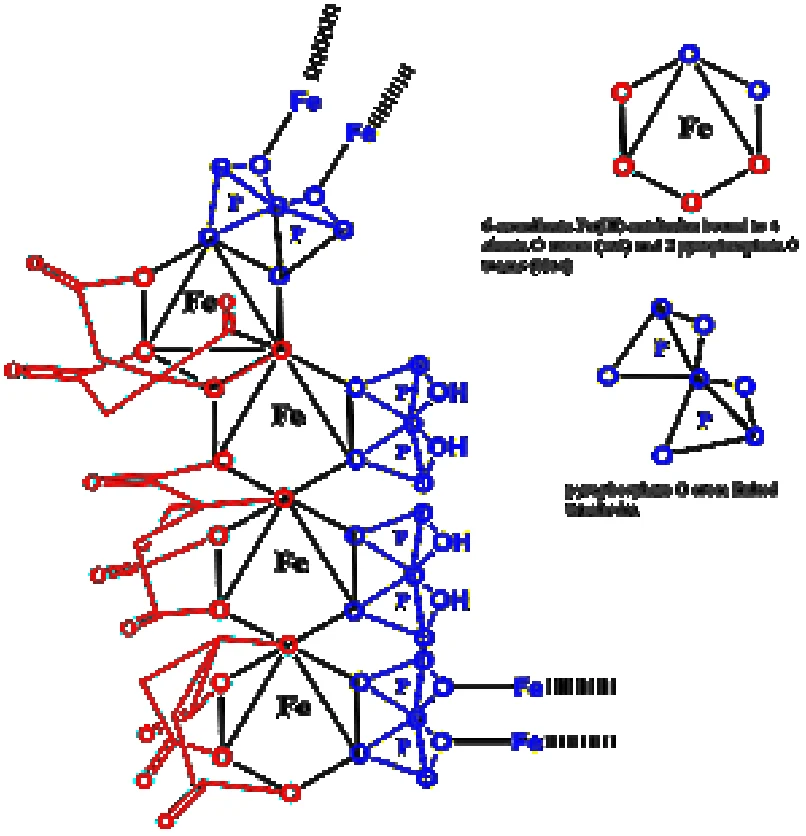
Physicochemical properties: TRIFERIC AVNU (ferric pyrophosphate citrate) contains no asymmetric centers.
Ferric pyrophosphate citrate is a yellow to green amorphous powder. The drug substance does not melt, or change state, below 300 °C. Thermal decomposition was observed at 263 ± 3ºC. Ferric pyrophosphate citrate is freely soluble in water (>100 g/L). Ferric pyrophosphate citrate is completely insoluble in most organic solvents (MeOH, Acetone, THF, DMF, DMSO). A 5% solution in water exhibits a solution pH of about 6.
14 CLINICAL TRIALS
14.1 Trial Design and Study Demographics
Table 4: Summary of patient demographics for clinical trials in replacement of iron to maintain hemoglobin in adult patients with hemodialysis-dependent chronic kidney disease (CKD-HD)
| Study # | Trial design | Dosage, route of administration and duration | Study subjects (n) | Mean age (Range) | Sex (%) | Race (%) |
| Study 1 | Randomized, single blind (patient), parallel two-arm, placebo-controlled | Ferric pyrophosphate citrate: 110 μg elemental iron/L dialysate; Placebo 48 weeks | 305 CKD-HD patients | 59 years (23-89) | M (68) F (32) | White (55.2) Black (32.1) Other (12.7) |
| Study 2 | Randomized, single blind, placebo-controlled | Ferric pyrophosphate citrate: 110 μg elemental iron/L dialysate; Placebo 48 weeks | 294 CKD-HD patients | 60 years (20-89) | M (59) F (41) | White (53.5) Black (39.9) Other (6.6) |
The safety and efficacy of ferric pyrophosphate citrate in patients with CKD-HD was assessed in two pivotal randomized, single blind, placebo-controlled clinical trials.
In the pivotal trials patients with hemoglobin (Hb) of 9 g/dL to 12 g/dL with TSAT > 20% and serum ferritin concentrations > 200 µg/L were enrolled. Randomization was stratified by the pre-randomization Hb value and by the ESA dose at the time of randomization. Eligible subjects were randomized in a 1:1 ratio to receive ferric pyrophosphate citrate added to bicarbonate concentrate with a final concentration of 110 μg of elemental iron/L in dialysate or placebo (standard dialysate without ferric pyrophosphate citrate) administered 3 to 4 times per week during hemodialysis. Study drug administration was withheld for a minimum of 4 weeks if any one of the following criteria was met: pre-dialysis TSAT >50%; or serum ferritin >1,200 μg/L. Patients were to remain in randomized treatment until pre-specified Hb or ferritin criteria were met, indicating the need for a change in anemia management or if they completed 48 weeks. Most patients were receiving stable dose of erythropoiesis stimulating agents (ESAs) at baseline. After randomization, patients’ ESA product, dose, or route of administration were not to be changed and oral or intravenous iron administration were not allowed. The primary endpoint of the studies was the mean change in Hb from baseline to the end-of-treatment period (average Hb of the last one-sixth (1/6th) of the time in the randomized treatment period). About 18% of patients completed the planned 48 week treatment duration.
The secondary endpoints included the change in reticulocyte Hb content (CHr) and ferritin from baseline to end-of-treatment period and change in the predialysis serum iron panel from baseline to end-of-treatment period.
Table 5 shows the mean changes in Hb and iron parameters in each treatment group from baseline to the end-of-treatment period for the intent-to-treat (ITT) population.
14.2 Study Results
Table 5: Changes from Baseline to End of Treatment in Hemoglobin (Hb), Ferritin, Reticulocyte Hb (CHr), and Transferrin Saturation (TSAT)
| Endpoints | Study 1 | Study 2 | ||
Ferric pyrophosphate citrate n=152 | Placebo n=153 | Ferric pyrophosphate citrate n=147 | Placebo n=147 | |
Baseline Hemoglobin Mean ± SD, g/L | 109.6 (5.92) | 109.1 (6.32) | 109.6 (6.05) | 109.4 (6.22) |
Hemoglobin Change from Baseline to End-of-Treatment Period Mean ± SD, g/L | -0.3 (11.47)† | -3.8 (12.40) | -0.8 (11.52)† | -4.4 (11.57) |
Baseline Ferritin* Mean (SD), µg/L | 507.7 (194.77) | 511.3 (209.68) | 513.8 (200.68) | 478.8 (201.22) |
Ferritin, Change from Baseline to End-of-Treatment* Mean (SD), µg/L | -72.3 (133.40) | -143.1 (188.28) | -67.1 (164.39) | -122.7 (269.70) |
Baseline Reticulocyte Hemoglobin (CHr)* Mean (SD), pg | 32.36 (1.985) | 32.57 (1.953) | 32.56 (2.234) | 32.54 (1.921) |
CHr, Change from Baseline to End-of-Treatment* Mean (SD), pg | -0.23 (1.203) | -0.91 (1.413) | -0.56 (1.459) | -0.86 (1.480) |
Baseline TSAT* Mean (SD), % | 28.1 (8.12) | 27.1 (7.79) | 27.9 (8.23) | 28.2 (8.56) |
TSAT, Change from Baseline to End-of-Treatment)* Mean (SD), % | -1.1 (9.16) | -3.0 (7.70) | -0.9 (7.65) | -3.7 (7.33) |
† p < 0.05 for primary efficacy endpoint
* Values calculated using all patients with Baseline and follow up data. Sample size varies from 149 and 151 in Study SFP-4 and 141 and 143 in Study SFP-5.
14.3 Comparative Bioavailability Studies
Study 3 was conducted in CKD-HD patients to establish the equivalence of ferric pyrophosphate citrate administered via hemodialysis compared to intravenously into the arterial blood-line (predialyzer) and into the venous (post-dialyzer) blood line.
Study 3 was a pivotal open-label four period, randomized, crossover clinical equivalence study conducted in adult CKD-HD patients. Each patient received a baseline hemodialysis followed by 3 treatments in randomized order. The treatments were A) TRIFERIC AVNU 6.5 mg iron IV pre-dialyzer; B) basal iron profile over 4 hours; D) ferric pyrophosphate citrate 2 μM (110 μg iron/L) via hemodialysis; V) TRIFERIC AVNU 6.5 mg iron IV post-dialyzer. Hemodialysis was conducted for 4 hours and IV infusions were administered over 3 hours.
Intravenous administration of TRIFERIC AVNU, either via the pre-dialyzer (Treatment A) or post-dialyzer (Treatment V), resulted in plasma total iron (Fetotal) and transferrin-bound iron (TBI) exposures (Cmax and AUClast) and serum total iron exposure that were comparable to those after administration of ferric pyrophosphate citrate in the hemodialysate (Treatment D) based on Cmax and AUClast as shown in Table 6 (25 patients were included in the analysis).
Table 6: Summary of Primary Analysis of the Relative Bioavailability Evaluation for Absolute Plasma Total Iron and Transferrin-bound Iron (Primary Endpoint)
| Plasma Analyte | Test Treatmenta | Parameter | Geometric LS Mean (Test) | Geometric LS Mean (Reference)b | Test/Referenceb (%) | 90% Confidence Interval |
| Fetotal | A | Cmax (µg/dL) | 211.39 | 207.52 | 101.9 | (93.3, 111.2) |
| AUClast (h*µg/dL) | 1524.50 | 1489.88 | 102.3 | (94.7, 110.6) | ||
| V | Cmax (µg/dL) | 194.41 | 207.52 | 93.7 | (85.8, 102.2) | |
| AUClast (h*µg/dL) | 1441.95 | 1489.88 | 96.8 | (89.6, 104.6) | ||
| TBI | A | Cmax (µg/dL) | 193.71 | 186.73 | 103.7 | (97.5, 110.4) |
| AUClast (h*µg/dL) | 1419.92 | 1411.27 | 100.6 | (91.4, 110.8) | ||
| V | Cmax (µg/dL) | 178.25 | 186.73 | 95.5 | (89.7, 101.6) | |
| AUClast (h*µg/dL) | 1288.90 | 1411.27 | 91.3 | (82.9, 100.6) |
a Test = Treatment A = arterial; TRIFERIC AVNU 6.5 mg IV x 3 hours via pre-dialyzer; Treatment V = venous; TRIFERIC AVNU 6.5 mg IV x 3 hours via post-dialyzer.
b Reference = Treatment D = hemodialysis; ferric pyrophosphate citrate 2 µM via hemodialysate x 4 hours.
The results of this study demonstrate that TRIFERIC AVNU administered IV via the pre-dialyzer (arterial) or post-dialyzer (venous drip chamber) were equivalent to ferric pyrophosphate citrate administered via the hemodialysate as measured by plasma Fetotal, plasma TBI, and serum total iron.
15 MICROBIOLOGY
No microbiological information is required for this product.
16 NON-CLINICAL TOXICOLOGY
General Toxicology:
In repeat dose toxicity studies, administration of ferric pyrophosphate citrate for 26 weeks in rats by 1-hour intravenous infusion three times a week, caused local irritation at the infusion site and iron accumulation in numerous tissues. The no-observed-adverse-effect level (NOAEL) was determined to be ≤2.3/1.2/0.2 mg iron/kg (dose was reduced twice from 2.3 mg iron/kg to 1.2 mg iron/kg and to 0.2 mg iron/kg during the study). Similar tissue iron accumulation and local irritation at the infusion site was observed following repeat ferric pyrophosphate citrate administration in dogs. While dogs tolerated intravenous infusion of ferric pyrophosphate citrate at doses up to 3.5 mg iron/kg given three times a week via intravenous infusion for up to 39 weeks, a NOAEL was not determined. Ferric pyrophosphate citrate-related effects included iron accumulation in tissues and a heightened incidence of hepatic microgranulomas at all dose levels, minimal gallbladder mucosal lymphoid hyperplasia in a few dogs at ≥2.3 mg iron/kg, and minimal renal tubular basophilia in two females at 3.5 mg iron/kg. Doses in these studies were 2 to 6 times the average dose administered to humans (0.1 mg iron/kg) from TRIFERIC AVNU three times per week.
Carcinogenicity:
Studies examining the carcinogenic potential of ferric pyrophosphate citrate have not been conducted.
Genotoxicity:
Ferric pyrophosphate citrate was clastogenic in the in vitro chromosomal aberration assay in CHO cells in the presence of metabolic activation. Ferric pyrophosphate citrate was not mutagenic in the in vitro bacterial reverse mutation (Ames) test or clastogenic in the in vitro chromosomal aberration assay in CHO cells in the absence of metabolic activation or in the in vivo mouse micronucleus assay.
Reproductive and Developmental Toxicology:
In a combined male and female fertility and early embryonic study in rats, ferric pyrophosphate citrate was administered intravenously over one hour three times per week at doses of up to 1.2 mg iron/kg in males and 4.7 mg iron/kg in females. No adverse effects on fertility or reproduction were noted. The maternally toxic ferric pyrophosphate citrate dose of 4.7 mg iron/kg was not toxic to the development embryo. These no-observed-effect-level for reproductive toxicity in the study are 12 to 46 times the dose administered to humans (0.1 mg elemental iron/kg) from TRIFERIC AVNU three times per week.
In embryo-fetal developmental toxicity studies, ferric pyrophosphate citrate was administered during the period of organogenesis as a one-hour IV infusion to pregnant rats and rabbits. No maternal or developmental toxicity was observed at doses up to 3.5 mg iron/kg in rats (35 times the dose of iron administered to humans from TRIFERIC AVNU) and 2.3 mg iron/kg in rabbits (23 times the dose of iron administered to humans from TRIFERIC AVNU). Maternally toxic doses affected embryo-fetal development, resulting in post-implantation loss due to early resorptions, abnormal placentae, decreased fetal body weight and fetal head and vertebral malformations at 10.5 mg iron/kg in rats (105 times the dose of iron administered to humans from TRIFERIC AVNU) and vertebral malformations at 4.7 mg iron/kg in rabbits (47 times the dose of iron administered to humans from TRIFERIC AVNU).
A pre-and post-natal development study was conducted in pregnant rats with intravenous doses of ferric pyrophosphate citrate up to 10.5 mg iron/kg. The maternally toxic dose of 10.5 mg iron/kg (105 times the dose of iron administered to humans from TRIFERIC AVNU) resulted in reductions in the number of live offspring and lower offspring body weights. There were no adverse effects on survival of offspring at doses up to 3.5 mg iron/kg (35 times the dose of iron administered to humans from TRIFERIC AVNU), or on behavior, sexual maturation or reproductive parameters of offspring at any dose level.