


Product Monograph - Ursodiol C
RECENT MAJOR LABEL CHANGES
7 WARNINGS AND PRECAUTIONS, Gastrointestinal 11/2023
TABLE OF CONTENTS
Sections or subsections that are not applicable at the time of authorization are not listed.
RECENT MAJOR LABEL CHANGES ........................................................................................... 2
TABLE OF CONTENTS ............................................................................................................. 2
PART I: HEALTH PROFESSIONAL INFORMATION ..................................................................... 4
1 INDICATIONS ................................................................................................................... 4
1.1 Pediatrics ....................................................................................................................... 4 1.2 Geriatrics ....................................................................................................................... 4 2 CONTRAINDICATIONS ...................................................................................................... 4
4 DOSAGE AND ADMINISTRATION ...................................................................................... 4
4.1 Dosing Considerations .................................................................................................. 4 4.2 Recommended Dose and Dosage Adjustment ............................................................. 5 4.4 Missed Dose .................................................................................................................. 5 5 OVERDOSAGE .................................................................................................................. 5
6 DOSAGE FORMS, STRENGTHS, COMPOSITION AND PACKAGING ....................................... 5
7 WARNINGS AND PRECAUTIONS ....................................................................................... 6
7.1. Special Populations ....................................................................................................... 7 7.1.1 Pregnant Women .......................................................................................................... 7 7.1.2 Breast-feeding ............................................................................................................... 7 7.1.3 Pediatrics ....................................................................................................................... 7 7.1.4 Geriatrics ....................................................................................................................... 7 8 ADVERSE REACTIONS ....................................................................................................... 7
8.1 Adverse Reaction Overview .......................................................................................... 7 8.2 Clinical Trial Adverse Reactions .................................................................................... 8 8.3 Less Common Clinical Trial Adverse Reactions (<1%) ................................................. 11 8.4 Abnormal Laboratory Findings: Hematologic, Clinical Chemistry and Other
Quantitative Data Clinical Trial Findings ..................................................................... 11 8.5 Post-Market Adverse Reactions .................................................................................. 12 9 DRUG INTERACTIONS ..................................................................................................... 13
9.2 Drug Interactions Overview ........................................................................................ 13 9.3 Drug-Behavioural Interactions .................................................................................... 13 9.4 Drug-Drug Interactions ............................................................................................... 13 9.5 Drug-Food Interactions ............................................................................................... 14 9.6 Drug-Herb Interactions ............................................................................................... 14
9.7 Drug-Laboratory Test Interactions .............................................................................. 14 10 CLINICAL PHARMACOLOGY ............................................................................................ 14
10.1 Mechanism of Action .................................................................................................. 14 10.2 Pharmacodynamics ..................................................................................................... 14 10.3 Pharmacokinetics ........................................................................................................ 15 11 STORAGE, STABILITY AND DISPOSAL .............................................................................. 16
12 SPECIAL HANDLING INSTRUCTIONS ................................................................................ 16
PART II: SCIENTIFIC INFORMATION ...................................................................................... 17
13 PHARMACEUTICAL INFORMATION ................................................................................. 17
14 CLINICAL TRIALS ............................................................................................................. 18
14.1 Clinical Trials by Indication.......................................................................................... 18 14.2 Comparative Bioavailability Studies ........................................................................... 22 15 MICROBIOLOGY ............................................................................................................. 22
16 NON-CLINICAL TOXICOLOGY........................................................................................... 22
17 SUPPORTING PRODUCT MONOGRAPHS ......................................................................... 25
PATIENT MEDICATION INFORMATION ................................................................................. 26
PART I: HEALTH PROFESSIONAL INFORMATION
1 INDICATIONS
URSODIOL C (ursodiol tablets, USP), also known as ursodeoxycholic acid (UDCA) is indicated for:
- the management of cholestatic liver diseases, such as primary biliary cirrhosis (PBC).
1.1 Pediatrics
No data are available to Health Canada; therefore, Health Canada has not authorized an indication for pediatric use.
1.2 Geriatrics
No data are available to Health Canada; therefore, Health Canada has not authorized an indication for geriatric use.
2 CONTRAINDICATIONS
URSODIOL C is contraindicated in patients:
- who are hypersensitive to ursodiol or to any ingredient in the formulation, including any non-medicinal ingredient, or component of the container. For a complete listing, see the 6 DOSAGE FORMS, STRENGTHS, COMPOSITION AND PACKAGING section of the product monograph.
- with complete biliary obstruction of extrahepatic origin;
- with widespread intrahepatic obstruction
4 DOSAGE AND ADMINISTRATION
4.1 Dosing Considerations
The monitoring of URSODIOL C in the management of cholestatic liver diseases should be based on the biochemical parameters of cholestasis, as well as on signs of hepatic cytolysis (such as AST, ALT) which are very often associated with cholestasis during the progression of the diseases.
Patient Monitoring: Serum liver function tests (γ-GT, alkaline phosphatase, AST, ALT) and bilirubin levels should be monitored every month for three months after start of therapy, and every six months thereafter. Serial monitoring will allow for the early detection of a possible deterioration of the hepatic function. Serum levels of these parameters usually decrease rapidly. Improved serum liver tests (e.g., AST, ALT) do not always correlate with improved disease status. For patients who have a recent history of adequate biochemical response to
the treatment, UDCA discontinuation should be considered when serum liver function tests increase to a level considered clinically significant. See 7 WARNINGS AND PRECAUTIONS).
Caution has to be exercised to maintain the bile flow of the patients taking UDCA.
4.2 Recommended Dose and Dosage Adjustment
The recommended adult dosage for URSODIOL C (ursodiol) in the treatment of PBC is 13 mg/kg/day to 15 mg/kg/day administered in two to four divided doses with food.
Health Canada has not authorized an indication for pediatric use.
4.4 Missed Dose
If you miss a dose, take the missed dose as soon as you remember. If it is almost time for your next dose, skip the dose you missed and take your next regularly scheduled dose. Do not take a double dose.
5 OVERDOSAGE
Accidental or intentional overdosage with ursodiol has not been reported. The most severe manifestation of overdosage would likely consist of diarrhea that should be treated symptomatically.
Symptoms of acute toxicity in animal studies were salivation and vomiting in dogs, and ataxia, dyspnea, ptosis, agonal convulsions and coma in hamsters.
For management of a suspected drug overdose, contact your regional poison control centre.
6 DOSAGE FORMS, STRENGTHS, COMPOSITION AND PACKAGING
Table 1: Dosage Forms, Strengths, Composition and Packaging
| Route of Administration | Dosage Form/Strength/ Composition | Nonmedicinal Ingredients |
| Oral | Tablet / 250 mg & 500 mg | Magnesium Stearate, Microcrystalline Cellulose, Opadry Clear (contains Hydroxypropyl Methylcellulose and Polyethylene Glycol), Polyethylene Glycol, Povidone, Sodium Lauryl Sulfate and Sodium Starch Glycolate. |
Availability of Dosage Forms
250 mg Tablet:
URSODIOL C is available as white, elliptical, biconvex, coated tablet debossed with “250” on one side and “P” logo on the other. The tablets are packaged in bottles of 100 and 500 tablets.
500 mg Tablet:
URSODIOL C is available as white, elliptical, biconvex, coated tablet debossed with “500” on one side and “P” logo on the other. The tablets are packaged in bottles of 100 tablets.
7 WARNINGS AND PRECAUTIONS
Carcinogenesis and Mutagenesis
Ursodiol has no carcinogenic, mutagenic or teratogenic effects in laboratory animals treated at higher doses than those intended for therapy in humans, and after long-term treatment (see 16 NON-CLINICAL TOXICOLOGY).
Gastrointestinal
Bezoars in Patients with Risk for Intestinal Stenosis or Stasis
There have been very rare post-marketing reports of bezoars leading to obstructive symptoms that require surgical interventions in ursodiol-treated patients with medical conditions that predispose to intestinal stenosis or stasis (e.g., surgical enteroanastomoses, Crohn's disease).
Hepatic/Biliary/Pancreatic
Patients with variceal bleeding, hepatic encephalopathy, ascites, or in need of an urgent liver transplant, should receive appropriate specific treatment. Caution should be exercised when UDCA is administered in a setting of partial biliary obstruction of extra-hepatic origin.
Monitoring and Laboratory Tests
Lithocholic acid, one of the metabolites of ursodeoxycholic acid is hepatotoxic unless it is effectively detoxified in the liver. Therefore, the following tests are important for patient monitoring:
Serum liver function tests (γ-GT, alkaline phosphatase, AST, ALT), and bilirubin levels should be monitored every month for three months after start of therapy, and every six months thereafter. Serial monitoring will allow for the early detection of a possible deterioration of the hepatic function. Serum levels of these parameters usually decrease rapidly. Improved serum liver tests (e.g., AST, ALT) do not always correlate with improved disease status. For patients who have a recent history of adequate biochemical response to the treatment, UDCA discontinuation should be considered when serum liver function tests increase to a level considered clinically significant. See 4 DOSAGE AND ADMINISTRATION.
Caution has to be exercised to maintain the bile flow of the patients taking UDCA.
7.1. Special Populations
7.1.1 Pregnant Women
There are no adequate or well-controlled studies in pregnant women. Because animal reproduction studies are not always predictive of human response, URSODIOL C should not be used in women who are or may become pregnant. If this drug is used during pregnancy or if the patient becomes pregnant while taking this drug, the patient should be apprised of the potential hazard to the fetus. See also 16 NON-CLINICAL TOXICOLOGY).
7.1.2 Breast-feeding
It is not known whether ursodiol is excreted in human milk.
Since many drugs are excreted in human milk, caution should be exercised when URSODIOL C is administered to a nursing mother.
7.1.3 Pediatrics
No data are available to Health Canada; therefore, Health Canada has not authorized an indication for pediatric use.
7.1.4 Geriatrics
No data are available to Health Canada; therefore, Health Canada has not authorized an indication for geriatric use.
8 ADVERSE REACTIONS
8.1 Adverse Reaction Overview
Adverse events observed in clinical trials are tabulated and described below. In a 180 patient placebo-controlled trial in primary biliary cirrhosis, the common adverse events (i.e. ≥1 %) included leukopenia, skin rash, diarrhea, blood creatinine increased, blood glucose increased, and peptic ulcer. In a second trial with 60 patients, the frequency of treatment-emergent adverse event reporting was higher with the most common (defined as ≥5%) being asthenia, dyspepsia, edema peripheral, hypertension, nausea, GI disorder, chest pain, and pruritus. In this second trial there were 4 serious adverse events: 1 patient with diabetes mellitus, 1 patient with breast nodule and 2 patients with fibrocystic breast disease. None of these events were considered related to the medication. At the recommended dosage, ursodiol is well-tolerated and has no significant adverse events.
8.2 Clinical Trial Adverse Reactions
Clinical trials are conducted under very specific conditions. The adverse reaction rates observed in the clinical trials; therefore, may not reflect the rates observed in practice and should not be compared to the rates in the clinical trials of another drug. Adverse reaction information from clinical trials may be useful in identifying and approximating rates of adverse drug reactions in real-world use.
The adverse reactions in Table 2 below were observed in clinical trials in primary biliary cirrhosis with 180 patients (89 randomized to ursodiol treatment, 91 to placebo treatment). Adverse events are reported regardless of attribution to the test medication. Adverse reactions occurring at a rate of 1% or higher in the ursodiol group, and that are higher than placebo are included in Table 2. Diarrhea and thrombocytopenia at 12 months, nausea/vomiting, fever and other side effects are not included, because they occurred at the same rate or a lower rate than placebo.
Table 2: Adverse Events with a Frequency ≥ 1% Observed in a Clinical Trial of 180 Patients
| Visit at 12 Months | Visit at 24 Months | |||||||||||
| UDCA1 | Placebo | UDCA1 | Placebo | |||||||||
| n = [89] | n = [91] | n = [89] | n = [91] | |||||||||
| (%) | (%) | (%) | (%) | |||||||||
Blood and lymphatic system disorders Leukopenia | - | - | 2 (2.63) | - | ||||||||
Gastrointestinal Diarrhea Peptic Ulcer | - - | - - | 1 (1.32) 1 (1.32) | - - | ||||||||
Investigations Blood creatinine increased Blood glucose increased | - 1 (1.18) | - - | 1 (1.32) 1 (1.32) | - - | ||||||||
Skin and subcutaneous tissue disorders Rash | - | - | 2 (2.63) | - | ||||||||
- 1. UDCA=Ursodeoxycholic acid=Ursodiol
Note: Those AEs occurring at the same or higher incidence in the placebo as in the UDCA group have been deleted from this table (this includes diarrhea and thrombocytopenia at 12 months, nausea/vomiting, fever and other toxicity).
In a randomized, cross over study in sixty PBC patients, four patients experienced one serious adverse event each (diabetes mellitus, breast nodule, and fibrocystic breast disease (2 patients)). No deaths occurred in the study. Forty-three patients (43/71.7%) experienced at least one treatment-emergent adverse event (TEAEs) during the study. The most common (defined as ≥5%) TEAEs were asthenia, (11.7%), dyspepsia (10%), edema peripheral (8.3%), hypertension (8.3%), nausea (8.3%), GI disorders (5%), chest pain (5%), and pruritus (5%). These nine TEAEs included abdominal pain and asthenia (1 patient), nausea (3 patients), dyspepsia (2 patients), and anorexia and esophagitis (1 patient each). One patient on the BID regimen (total
dose 1000 mg) withdrew due to nausea. All of these nine TEAEs except esophagitis were observed with the BID regimen at a total daily dose of 1000 mg or greater.
Table 3: Treatment-Emergent Adverse Events (TEAEs) with a Frequency of ≥ 1 % Observed in a Clinical
Trial of 60 PBC patients
| Adverse Event | TEAEs, n (%) | |||||
| Blood and Lymphatic System Disorders | ||||||
| Anemia | 1 (1.7) | |||||
| Lymphadenopathy | 2 (3.3) | |||||
| Cardiovascular | ||||||
| Arrhythmia | 2 (3.3) | |||||
| Cardiovascular disorder | 2 (3.3) | |||||
| Ear and Labyrinth Disorders | ||||||
| Deafness | 1 (1.7) | |||||
| Vertigo | 1 (1.7) | |||||
| Eye Disorders | ||||||
| Cataract | 2 (3.3) | |||||
| Eye disorder | 1 (1.7) | |||||
| Retinal disorder | 1 (1.7) | |||||
| Gastrointestinal | ||||||
| Abdominal pain | 2 (3.3) | |||||
| Diarrhea | 2 (3.3) | |||||
| Dyspepsia | 6 (10) | |||||
| Dysphagia | 1 (1.7) | |||||
| Esophagitis | 1 (1.7) | |||||
| Flatulence | 1 (1.7) | |||||
| Gastrointestinal disorder | 3 (5.0) | |||||
| Nausea | 5 (8.3) | |||||
| Salivary gland enlargement | 1 (1.7) | |||||
| Stomach ulcer | 1 (1.7) | |||||
| General Disorders and Administration Site Conditions | ||||||
| Asthenia | 7 (11.7) | |||||
| Chest pain | 3 (5.0) | |||||
| Chest pain substernal | 1 (1.7) | |||||
| Cyst | 1 (1.7) | |||||
| Edema | 5 (8.3) | |||||
| Edema generalized | 1 (1.7) | |||||
| Edema peripheral | 5 (8.3) | |||||
| Granuloma | 1 (1.7) | |||||
| Hemorrhagic ulcer | 1 (1.7) | |||||
| Pain | 1 (1.7) | |||||
| Hepatobiliary Disorders | ||||||
| Biliary pain | 1 (1.7) | |||||
| Adverse Event | TEAEs, n (%) | |||||
| Immune System Disorders | ||||||
| Amyloidosis | 1 (1.7) | |||||
| Infections and Infestations | ||||||
| Bronchitis | 1 (1.7) | |||||
| Cystitis | 1 (1.7) | |||||
| Herpes simplex | 1 (1.7) | |||||
| Infection | 1 (1.7) | |||||
| Otitis media | 1 (1.7) | |||||
| Pharyngitis | 1 (1.7) | |||||
| Pneumonia | 1 (1.7) | |||||
| Rhinitis | 2 (3.3) | |||||
| Urinary tract infection | 1 (1.7) | |||||
| Vaginitis | 1 (1.7) | |||||
| Metabolism and Nutrition Disorders | ||||||
| Anorexia | 1 (1.7) | |||||
| Diabetes mellitus | 2 (3.3) | |||||
| Musculoskeletal and Connective Tissue Disorders | ||||||
| Back pain | 1 (1.7) | |||||
| Bone disorder | 1 (1.7) | |||||
| Bone fracture spontaneous | 1 (1.7) | |||||
| Neoplasms Benign, Malignant and Unspecified (Incl Cysts and Polyps) | ||||||
| Breast neoplasm | 1 (1.7) | |||||
| Plantar warts | 1 (1.7) | |||||
| Lung nodule | 1 (1.7) | |||||
| Nervous System Disorders | ||||||
| Dizziness | 2 (3.3) | |||||
| Headache | 1 (1.7) | |||||
| Migraine | 1 (1.7) | |||||
| Paresthesia | 1 (1.7) | |||||
| Reproductive System and Breast Disorders | ||||||
| Breast nodule | 1 (1.7) | |||||
| Fibrocystic breast disease | 2 (3.3) | |||||
| Menorrhagia | 1 (1.7) | |||||
| Respiratory, Thoracic and Mediastinal Disorders | ||||||
| Dyspnea | 1 (1.7) | |||||
| Lung disorder | 1 (1.7) | |||||
| Respiratory disorder | 1 (1.7) | |||||
| Sore nose | 2 (3.3) | |||||
| Skin and Subcutaneous Tissue Disorders | ||||||
| Acne | 1 (1.7) | |||||
| Miliaria | 1 (1.7) | |||||
| Pruritus | 3 (5.0) | |||||
| Psoriasis | 1 (1.7) | |||||
| Adverse Event | TEAEs, n (%) | ||||
| Rash | 1 (1.7) | ||||
| Skin Disorder | 2 (3.3) | ||||
| Skin hypertrophy | 1 (1.7) | ||||
| Vascular Disorders | |||||
| Hypertension | 5 (8.3) | ||||
8.3 Less Common Clinical Trial Adverse Reactions (<1%)
Analysis of the data in the trial with 180 patients (Table 2) revealed no reports of adverse events at rates <1% with the exception of those adverse events that occurred at the same or at a higher incidence in the treatment group than placebo. No data for TEAEs occurring at rates <1% in the trial of 60 patients (Table 3) are available due to the small sample size.
8.4 Abnormal Laboratory Findings: Hematologic, Clinical Chemistry and Other Quantitative
Data Clinical Trial Findings
In the placebo-controlled trial with 180 patients, change from baseline in hematologic parameters and non-hepatic clinical chemistry were analyzed. Statistically significant differences from baseline are reported in Table 4 and Table 5.
Table 4: Hematologic Parameters: Changes from Baseline
| Baseline | Endpoint | Change from Baseline | |||||
| UDCA | Placebo | UDCA | Placebo | UDCA | Placebo | ||
| (± SD) | (± SD) | ||||||
| WBC | Mean (± SD) | 5.9 (2.0) | 6.2 (4.1) | 5.5 (1.6) | 5.8 (2.4) | -0.5** (1.4) | -0.5 (4.3) |
| n | 88 | 87 | 83 | 75 | |||
| Platelets | Mean (± SD) | 238.5 (92.5) | 245.4 (112.4) | 211.2 (87.2) | 223.9 (94.3) | -29.4** (39.3) | -17.7* (58.0) |
| n | 86 | 86 | 82 | 74 | |||
* Statistically different from zero, p<0.05
**Statistically different from zero, p<0.01
There was a significant decrease (p<0.01) in WBC and platelets in the UDCA-treated group from baseline and a significant (p<0.05) decrease in platelets in the placebo group. There was no significant change in hemoglobin.
Table 5: Clinical Chemistries: Changes from Baseline
| Baseline | Endpoint | Change from Baseline | |||||
| UDCA | Placebo | UDCA | Placebo | UDCA | Placebo | ||
| (± SD) | (± SD) | ||||||
Calcium (mg/dL) | Mean (± SD) | 9.49a (0.40) | 9.47 (0.40) | 9.39 (0.43) | 9.30 (0.51) | -0.12**,a (0.37) | -0.19** (0.37) |
| n | 89 | 91 | 83 | 76 | |||
Cholesterol (mg/dL) | Mean (± SD) | 287.73a (121.12) | 276.03 (105.22) | 223.53 (56.80) | 261.46 (83.53) | -67.39**,b (93.31) | -11.32* (47.70) |
| n | 89 | 91 | 83 | 76 | |||
Creatinine (mg/dL) | Mean (± SD) | 0.86 (0.19) | 0.84 (0.21) | 0.92 (0.19) | 0.92 (0.26) | 0.07**a (0.18) | 0.07** (0.23) |
| n | 89 | 91 | 83 | 76 | |||
| Total Thyroxine (mcg/dL) | Mean (± SD) | 8.66a (1.63) | 8.60 (2.27) | 7.96 (1.87) | 8.27 (3.25) | -0.69*,a (1.52) | -0.49 (2.52) |
| n | 87 | 90 | 83 | 74 | |||
Triglycerides (mg/dL) | Mean (± SD) | 102.82a (49.25) | 117.11 (70.57) | 114.18 (55.13) | 121.52 (57.56) | 11.76*,a (44.38) | 3.00 (56.74) |
| n | 88 | 89 | 83 | 75 | |||
** Statistically different from zero, p<0.01
* Statistically different from zero, p<0.05
ap = ns, UDCA versus placebo
bp = 0.0001, UDCA versus placebo
All the non-hepatic clinical chemistries at baseline were not significantly different (p>0.05) between the UDCA- and placebo- treated groups. In the UDCA group there was a significant (p>0.05) decrease from baseline in calcium, cholesterol and total thyroxine and a significant increase (p>0.05) in creatinine and triglycerides. In the placebo group there was a significant (p>0.05) decrease in cholesterol and significant increase (p>0.05) in calcium and creatinine. There was no significant change seen for sodium, potassium, phosphorus, HDL, and AMA.
8.5 Post-Market Adverse Reactions
The following adverse reactions, presented by system organ class in alphabetical order, have been identified during post-approval use of ursodiol. Because these reactions are reported voluntarily from a population of uncertain size, it is not always possible to reliably estimate their frequency or establish a causal relationship to drug exposure.
Blood and lymphatic system disorders:, eosinophilia, neutropenia, thrombocytopenia.
Cardiac disorders: palpitations.
Gastrointestinal disorders: abdominal discomfort, bezoars cheilitis, constipation, vomiting.
General disorders and administration site conditions: malaise, pyrexia.
Hepatobiliary disorders: jaundice (or aggravation of pre-existing jaundice)
Immune system disorders: angioedema and laryngeal edema, drug hypersensitivity to include facial edema, urticaria.
Investigations: blood urine present, weight decreased, weight increased, ALT increased, AST increased, blood alkaline phosphatase increased, blood bilirubin increased, γ-GT increased, transaminases increased. Rare instances of severe liver injury (elevated values for ALT/AST, ALP, γ-GTP and total bilirubin) have been reported with ursodiol.
Musculoskeletal and connective tissue disorders: myalgia
Respiratory, thoracic and mediastinal disorders: cough, interstitial lung disease.
Skin and subcutaneous tissue disorder: alopecia, dermatitis exfoliative, drug eruption, erythema, lichenoid keratosis, photosensitivity reaction.
9 DRUG INTERACTIONS
9.2 Drug Interactions Overview
Bile acid sequestering agents may interfere with the action of ursodiol by reducing absorption. Aluminum based antacids adsorb bile acids in vitro and may act in the same manner as sequestering agents, thereby interfering with the action of ursodiol. Ursodiol has been shown to be an inducer of CYP3A however the clinical relevance is not known. Metabolic interactions with compounds metabolized by cytochrome P4503A are to be expected.
9.3 Drug-Behavioural Interactions
Interactions with behaviour have not been established.
9.4 Drug-Drug Interactions
Table 6: Established or Potential Drug-Drug Interactions
Legend: PL - Published Literature
| Proper/Common name | Source of | Effect | Clinical comment | ||
| Evidence | |||||
| Bile acid sequestrants (i.e. cholestyramine or cholestipol) | PL | Reduces ursodiol absorption | May interfere with the action of ursodiol | ||
| Aluminum based antacids | PL | Reduces ursodiol absorption Adsorbs bile acid in vitro | May be expected to interfere with ursodiol | ||
| Cytochrome P4503A substrates cyclosporine, nitrendipine and dapsone | PL | Metabolic interaction. | Metabolic interactions with compounds metabolized by cytochrome P4503A are to be expected. | ||
9.5 Drug-Food Interactions
Interactions with food have not been established.
9.6 Drug-Herb Interactions
Interactions with herbal products have not been established.
9.7 Drug-Laboratory Test Interactions
Interactions with laboratory tests have not been established.
10 CLINICAL PHARMACOLOGY
10.1 Mechanism of Action
Ursodiol, a naturally occurring hydrophilic bile acid, derived from cholesterol, is present as a minor fraction of the total human bile acid pool. Oral administration of ursodiol increases this fraction in a dose related manner, to become the major biliary acid, replacing/displacing toxic concentrations of endogenous hydrophobic bile acids that tend to accumulate in cholestatic liver disease.
Multiple mechanisms of action at the cellular and molecular level in addition to the replacement and displacement of toxic bile acids include cytoprotection of the injured bile duct epithelial cells (cholangiocytes) against toxic effects of bile acids, inhibition of apoptosis of hepatocytes, immunomodulatory effects via a number of mechanisms including decreasing expression of MHC class I proteins on hepatocytes and cholangiocytes, and stimulation of bile secretion by hepatocytes and cholangiocytes.
The cholesterol-lowering effect observed following the administration of ursodiol in patients with primary biliary cirrhosis could be related to an improvement of cholestasis, modifications in cholesterol metabolism, or both. Changes in the endogenous bile acid composition induced by ursodiol might be the common denominator of these two mechanisms.
10.2 Pharmacodynamics
During chronic administration, ursodiol becomes a major biliary and plasma bile acid. At a chronic dose of 13-15 mg/kg/day, ursodiol constitutes 30-50% of biliary and plasma bile acids.
10.3 Pharmacokinetics
Absorption
Ursodiol (UDCA) is normally present as a minor fraction of the total bile acids in humans (about 5%). Following oral administration, the majority of ursodiol is absorbed by passive diffusion and its absorption is incomplete.
Distribution
In healthy subjects, at least 70% of ursodiol (unconjugated) is bound to plasma protein. No information is available on the binding of conjugated ursodiol to plasma protein in healthy subjects or primary biliary cirrhosis (PBC) patients. However, since the efficacy of ursodiol is related to its concentration in bile rather than in plasma, serum levels are not indicative of bioavailability in clinical settings. Its volume of distribution has not been determined, but is expected to be small since the drug is mostly distributed in the bile and small intestine. In bile, UDCA concentration reaches a peak in 1-3 hours.
Metabolism
Once absorbed, ursodiol undergoes hepatic extraction to the extent of about 70% in the absence of liver disease. This leads to low blood levels in the systemic circulation. As the severity of liver disease increases, the extent of extraction decreases. In the liver, ursodiol is conjugated with glycine or taurine, then secreted into bile. These conjugates of ursodiol are absorbed in the small intestine by passive and active mechanisms. The conjugates can also be deconjugated in the ileum by intestinal enzymes, leading to the formation of free ursodiol that can be reabsorbed and reconjugated in the liver. Nonabsorbed ursodiol passes into the colon where it is mostly 7-dehydroxylated to lithocholic acid. Some ursodiol is epimerized to chenodiol (CDCA) via a 7-oxo intermediate. Chenodiol also undergoes 7-dehydroxylation to form lithocholic acid. These metabolites are poorly soluble and excreted in the feces. A small portion of lithocholic acid is reabsorbed, conjugated in the liver with glycine or taurine, and sulfated at the 3 position. The resulting sulfated lithocholic acid conjugates are excreted in bile and then lost in feces.
Lithocholic acid, when administered chronically to animals, causes cholestatic liver injury that may lead to death from liver failure in certain species unable to form sulfate conjugates. Ursodiol is 7-dehydroxylated more slowly than chenodiol. For equimolar doses of ursodiol and chenodiol, steady state levels of lithocholic acid in biliary bile acids are lower during ursodiol administration than with chenodiol administration. Humans and chimpanzees can sulfate lithocholic acid. Although liver injury has not been associated with ursodiol therapy, a reduced capacity to sulfate may exist in some individuals. Nonetheless, such a deficiency has not yet been clearly demonstrated and must be extremely rare, given the several thousand patient-years of clinical experience with ursodiol.
Elimination
Ursodiol is excreted primarily in the feces. With treatment, urinary excretion increases, but remains less than 1%, except in severe cholestatic liver disease.
11 STORAGE, STABILITY AND DISPOSAL
URSODIOL C tablets should be stored between 15°C and 30°C in a closed container.
12 SPECIAL HANDLING INSTRUCTIONS
There are no special handling instructions.
PART II: SCIENTIFIC INFORMATION
13 PHARMACEUTICAL INFORMATION
Drug Substance
Proper name: Ursodiol
Chemical name: 3α, 7β-dihydroxy-5β-cholan-24-oic acid
Molecular formula and molecular mass: C24H40O4 and 392.6 g/mol
Structural formula:
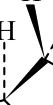

Physicochemical properties
Description: Ursodiol is a naturally occurring bile acid in man. Ursodiol is a bitter-tasting, white, crystalline powder.
Solubility: Ursodiol is practically insoluble in water, freely soluble in alcohol and glacial acetic acid, slightly soluble in chloroform, and very slightly soluble in ether.
Melting Range: 200°C - 205°C
pKa: 6.0
pH: Alkaline
HO
H H
H3C
H
H
H3C H
H
H
OH
O
OH H CH3
14 CLINICAL TRIALS
14.1 Clinical Trials by Indication
Primary Biliary Cirrhosis (PBC)
Table 7: Summary of patient demographics for clinical trials in primary biliary cirrhosis (PBC)
| Study | Study design | Dosage, route of | Study subjects (n) | Mean age (Range) | Sex | ||
| administration and | |||||||
| duration | |||||||
| US Study | multicenter, randomized, double- blind, placebo- controlled | 13-15 mg/kg/day, administered in 4 divided doses (n=89), or placebo (n=91), 2 years | 180 patients with PBC | UDCA: 53.6 (±9.5) placebo: 51.5 (±9.3) | UDCA: 7 M/89 F placebo: 12 M/91 F | ||
| Canadian Study | randomized, double- blind, placebo controlled | 14 mg/kg/day (n=111), or placebo (n= 111), 2 years | 222 patients with PBC | UDCA: 57.3 placebo: 55.4 | UDCA: 10 M/111 F placebo: 6 M/111 F | ||
| Multinational Study | multicenter, multinational (France- Canada), double-blind, placebo controlled | 13-15 mg/kg/day (n=72), or placebo (n=73), 2 years | 145 patients with histologicall y confirmed biliary cirrhosis | UDCA: 55 ( ±1) placebo: 57 (±1) | UDCA: 4 M/72 F placebo: 8 M/73 F | ||
1 UDCA = Ursodeoxycholic acid = Ursodiol
U.S. Study: A multicenter, randomized, double-blind, placebo-controlled study was conducted to evaluate the efficacy of ursodeoxycholic acid at a dose of 13-15 mg/kg/day, administered in 4 divided doses in 180 patients with PBC. Upon completion of the double-blind portion, all patients entered an open-label, active treatment, extension phase.
Treatment failure, the main efficacy end point measured during this study, was defined as death, need for liver transplantation, histologic progression by two stages or to cirrhosis, development of varices, ascites or encephalopathy, marked worsening of fatigue or pruritus, inability to tolerate the drug, doubling of serum bilirubin and voluntary withdrawal.
Canadian Study: A second study conducted in Canada randomized 222 PBC patients to ursodiol 14 mg/kg/day (n=111) or placebo (n=111), in a double-blind manner during a two-year period. The definition of treatment failure included: discontinuing the study for any reason, a total serum bilirubin level greater than or equal to 1.5 mg/dL or increasing to a level equal to or greater than two times the baseline level, and the development of ascites or encephalopathy.
Multinational Study: A two-year multicenter, multinational (France-Canada), double-blind study was conducted to compare the efficacy of ursodiol versus placebo in primary biliary
cirrhosis. Patients with histologically confirmed biliary cirrhosis were randomized to receive either ursodiol 13-15 mg/kg/day (n=72), or placebo (n=73). Treatment failure was defined as a doubling of bilirubin levels (>70 mcmol/L) or the occurrence of severe complications (ascites or variceal bleeding) or an adverse event.
Study Results
Table 8: Primary Efficacy Analysis for clinical trials in primary biliary cirrhosis (PBC) – US and
Canadian Studies
| Primary Endpoint: Treatment failure | |
| US Study* | |
Placebo (n=91) Ursodiol (13-15 mg/kg/day) (n= 89) |
|
| Canadian Study** | |
Placebo (n=111) Ursodiol (14 mg/kg/day) (n= 111) |
|
Definition of Treatment Failure
*US Study: Treatment failure was defined as death, need for liver transplantation, histologic progression by two stages or to cirrhosis, development of varices, ascites or encephalopathy, marked worsening of fatigue or pruritus, inability to tolerate the drug, doubling of serum bilirubin and voluntary withdrawal.
**Canadian Study: The definition of treatment failure included: discontinuing the study for any reason, a total serum bilirubin level greater than or equal to 1.5 mg/dL or increasing to a level equal to or greater than two times the baseline level, and the development of ascites or encephalopathy.
Table 9: Primary Efficacy Analysis for clinical trials in primary biliary cirrhosis (PBC) –
Multinational Study
| Multinational Study* | |||
| After 2 years: | |||
Ursodiol 13-15 mg/kg/day (n=72) | Placebo (n=73) | p-value | |
| No. of patients failed treatment: | 6 | 13 | p<0.01 |
| After 4 years: | |||
| Treatment failure rate: | 12% | 26% | p<0.001 |
| Liver transplantation | 2 patients | 12 patients | p<0.001 |
| Survival | 5 deaths | 7 deaths | |
*Multinational Study: Treatment failure was defined as a doubling of bilirubin levels (>70 μmol/L) or the occurrence of severe complications (ascites or variceal bleeding) or an adverse event.
After two years of treatment, the proportion of patients with clinically overt disease decreased only in the ursodiol group (p<0.02). The patients treated with ursodiol had significant improvements in serum levels of bilirubin, alkaline phosphatase, alanine aminotransferase, aspartate aminotransferase, γ-glutamyltransferase, cholesterol, and IgM (all p<0.01); the antimitochondrial antibody titer (p<0.01); and the Mayo risk score (p<0.001). In a follow-up analysis of 95 liver-biopsy specimens, only the group receiving ursodiol showed a significant improvement in the mean histologic score (p<0.002) and in all the characteristic histologic features except fibrosis.
At the end of this trial, all patients received ursodiol (13-15 mg/kg/day) and were monitored for an additional two years, using the same criteria.
Table 10: Combined Analysis for clinical trials in primary biliary cirrhosis (PBC)
| Combined analysis | |||
| ursodiol (13-15 mg/kg/day) (n = 273) | Placebo (n = 275) | p-value | |
| Patients who did not survive nor needed a liver transplant* | 47 | 68 | - |
| Survival free of transplantation | 3.66 years | 3.45 years | p=0.014 |
| Reduction in the risk of dying or being transplanted | 32 % | 11% | - |
Unapproved High-Dose Ursodeoxycholic Acid for the Treatment of Primary Sclerosing Cholangitis
In a recent Clinical Trial, one hundred fifty adult patients with primary sclerosing cholangitis (PSC) were enrolled in a long-term, randomized, double-blind controlled trial of high-dose (28-30 mg/kg/day – 1.5 to 2.0-fold the recommended dose) versus placebo. Liver biopsy and cholangiography were performed before randomization and after 5 years. The primary outcome measures were development of cirrhosis, varices, cholangiocarcinoma, liver transplantation, or death. The study was terminated after 6 years due to futility. By the end of the study, 30 patients in the ursodeoxycholic acid group (39%) versus 19 patients in the placebo group (26%) had reached one of the pre- established clinical endpoints. The risk was 2.1 times greater for death and transplantation in the ursodeoxycholic acid group versus the placebo group (P=0.038). Serious adverse events were more common in the ursodeoxycholic acid group than the placebo group (63% versus 37% [P<0.01]). Long-term, high-dose ursodeoxycholic acid therapy in PSC did not improve survival and was associated with higher rates of serious adverse events.
14.2 Comparative Bioavailability Studies
A randomized, two-way, single-dose, crossover comparative bioavailability study of URSODIOL C 250 mg tablets (Sanis Health Inc.) and URSO® 250 mg tablets (Axcan Pharma Inc.) was conducted in healthy, adult, male subjects under fasting conditions. Comparative bioavailability data from 22 subjects that were included in the statistical analysis are presented in the following table:
SUMMARY TABLE OF THE COMPARATIVE BIOAVAILABILITY DATA
| Ursodiol | |||||||
| (2 X 250 mg) | |||||||
| Geometric Mean | |||||||
| Arithmetic Mean (CV %) | |||||||
| Parameter | Test1 | Reference2 | % Ratio of Geometric Means | 90% Confidence Interval | |||
AUCT (ng.h/mL) | 13073.3 13662.1 (31.9) | 13552.5 14934.3 (51.7) | 96.5 | 83.3 – 111.7 | |||
AUCI (ng.h/mL) | 14061.8 15036.8 (34.2) | 12871.9 14120.3 (37.0) | 109.2 | 94.2 – 126.7 | |||
CMAX (ng/mL) | 3299.5 3393.3 (25.3) | 3440.2 3597.5 (29.1) | 95.9 | 83.5 – 110.1 | |||
| TMAX3 (h) | 2.00 (66.2) | 2.50 (98.6) | |||||
| T1/23 (h) | 7.18 (45.1) | 7.96 (52.0) | |||||
1 URSODIOL C (ursodiol) tablets, 250 mg (Sanis Health Inc.)
2 URSO® (ursodiol) tablets, 250 mg (Axcan Pharma Inc.)
3 Expressed as the arithmetic mean (CV %) only
15 MICROBIOLOGY
No microbiological information is required for this drug product.
16 NON-CLINICAL TOXICOLOGY
General Toxicology
Acute Toxicity
Results from various studies indicated that oral, subcutaneous, intraperitoneal and intravenous administration of ursodiol in mice, rats, hamsters, and dogs at single doses of 1.21 to 10 g/kg over a seven-day observation period, did not cause any deaths in any of the species used. For mice and dogs, the LD50 was >10 g/kg, and rats had an LD50 over >5 g/kg.
Hamsters were found to be more sensitive than rats and dogs as the LD50 for this species was calculated to be >3.16 g/kg.
No significant sex difference was seen. Toxic signs observed included: inhibition of motility, CNS toxicity such as ataxia and sedation, GI tract disturbances such as vomiting, salivation, decreased body weight and appetite.
Subacute Toxicity
Two short-term toxicological studies were conducted in rats. Ursodiol was administered orally at a daily dose of 0.5 to 4.0 g/kg/day for five weeks or alternatively at doses of 0.0625 to 0.5 g/kg daily for five weeks by the intraperitoneal route.
No deaths occurred in the study with oral administration of ursodiol, whereas, one male and one female rat died in the 0.25 g/kg group, and six males and four females died in the 0.5 g/kg group of the study in which ursodiol was administered by the intraperitoneal route. The most marked autopsy findings were dilation and adhesion of intraperitoneal organs. As these became gradually more severe, retention of ascites and renal abscesses appeared. It was concluded that 0.0625 g/kg was the safe dose and 0.125 g/kg was near the maximum tolerable dose.
Ursodiol orally administered to rats did not cause any clinical symptoms or any changes in laboratory parameters.
Chronic Toxicity
Four long-term toxicity studies were performed in rats and monkeys. The results of these studies are summarized below.
Rat Study: In one study, ursodiol was administered orally to Sprague-Dawley rats for 26 weeks. The dosage varied between 0.1 and 2.5 g/kg/day and various observations were performed daily.
No deaths occurred during the experimental period. Lower doses (0.1 and 0.5 g/kg) were well tolerated. However, a 2.5 g/kg dose of ursodiol resulted in significant reduction of body weight gain and food intake. No significant changes were seen in laboratory findings and clinical observations.
In the second study, male Wistar rats were given 0.5 to 4.0 g/kg of ursodiol orally for 26 consecutive weeks and a variety of observations were made.
The results indicated a decrease in body weight gain and an increase in water intake in the 4.0 g/kg dosage group. Eight rats (four at the high dose level) died during the experiment. The cause of death was attributed to pathological changes in the lung and intestine. Laboratory findings revealed no abnormal changes that might be ascribed to drug administration.
Monkey study: A 26-week study was performed in Rhesus monkeys. Ursodiol at doses of 0.04 and 0.10 g/kg/day were given orally.
No deaths occurred during the treatment period. There were no abnormalities in the laboratory parameters.
In a 52-week study, ursodiol at a dose of 0.05 to 0.9 g/kg was administered to Rhesus monkeys. The animals were observed daily for various clinical signs and symptoms. They were weighed weekly, blood and urine was collected and examined every three months. After 52 weeks, the animals were sacrificed and an autopsy was performed.
Three animals belonging to the 0.90 g/kg group, two in the 0.30 g/kg group and one in the 0.10 g/kg died during the study. These deaths were considered to be related to ursodiol. Liver toxicity (small round-cell infiltration, vacuolar degeneration, necrosis of hepatic cells, phagocytosis and hepatic abscess) and thickening of the alveolar wall of the lungs was observed in deceased animals from all groups. Necrosis of the stomach wall was observed in deceased animals from the 0.90 g/kg group. A regression of body weight gain was seen in the 0.30 and 0.90 g/kg groups. Episodes of diarrhea were observed in all groups including the control group. No remarkable changes were noted in hematological, urinary, electrographic, blood pressure and ocular fundi examinations. However, serum SGPT, AST and ALP increased significantly.
From the above findings, it was concluded that ursodiol, when administered at daily doses exceeding 0.10 g/kg, caused hepatotoxicity in Rhesus monkeys.
Carcinogenicity:
In two 24-month oral carcinogenicity studies in mice, ursodiol at doses up to 1,000 mg/kg/day (3,000 mg/m2/day) was not tumorigenic. Based on body surface area, for a 50 kg person of average height (1.46 m2 body surface area), this dose represents 5.4 times the recommended maximum clinical dose of 15 mg/kg/day (555 mg/m2/day).
In a two-year oral carcinogenicity study in Fischer 344 rats, ursodiol at doses up to 300 mg/kg/day (1,800 mg/m2/day, 3.2 times the recommended maximum human dose based on body surface area) was not tumorigenic.
In a life-span (126-138 weeks) oral carcinogenicity study, Sprague-Dawley rats were treated with doses of 33 to 300 mg/kg/day, 0.4 to 3.2 times the recommended maximum human dose based on body surface area. Ursodiol produced a significantly (p <0.5, Fisher’s exact test) increased incidence of pheochromocytomas of the adrenal medulla in females of the highest dose group.
In 103-week oral carcinogenicity studies of lithocholic acid, a metabolite of ursodiol, doses up to 250 mg/kg/day in mice and 500 mg/kg/day in rats did not produce any tumors. In a 78-week rat
study, intrarectal instillation of lithocholic acid (1 mg/kg/day) for 13 months did not produce colorectal tumors. A tumor-promoting effect was observed when it was administered after a single intrarectal dose of a known carcinogen N-methyl-N’-nitro-N-nitrosoguanidine. On the other hand, in a 32-week rat study, ursodiol at a daily dose of 240 mg/kg (1,440 mg/m2, 2.6 times the maximum recommended human dose based on body surface area) suppressed the colonic carcinogenic effect of another known carcinogen, azoxymethane.
Mutagenicity:
Ursodiol was not genotoxic in the Ames test, the mouse lymphoma cell (L5178Y, TK+/-) forward mutation test, the human lymphocyte sister chromatid exchange test, the mouse spermatogonia chromosome aberration test, the Chinese hamster micronucleus test and the Chinese hamster bone marrow cell chromosome aberration test.
Reproductive and Developmental Toxicology:
Ursodiol did not show any teratogenic effect in mice, rats and rabbits at oral dose levels up to 1.5, 4.0 and 0.3 g/kg, respectively, and in mice and rats at intraperitoneal dose levels up to 0.2 g/kg. Furthermore, it did not influence mating performance and fertility, except in one study where these parameters were slightly reduced in female rats receiving 2.0 g/kg. Breeding capacity was not altered by the administration of ursodiol.
Oral administration of 1.5 g/kg in mice and 2.0 g/kg in rats induced a decrease in maternal weight gain and lower mean weights of live fetuses. In addition, the number of resorption sites was increased in rats at a dose of 2.0 g/kg. Rabbits were much more sensitive than mice and rats to the toxic action of ursodiol. The administration of doses of 0.1 g/kg and greater caused a decrease in food consumption, maternal body weight gain and motor activity as well as an increase in resorption sites, and absorption death.
Intraperitoneal administration of 0.2 g/kg ursodiol to mice and rats induced a decrease in maternal body weight gain, low fetal weight and an increase of resorption sites.
17 SUPPORTING PRODUCT MONOGRAPHS
- 1.
URSO® and URSO DS® (tablets, 250 mg and 500 mg), submission control 268229, Product
Monograph, Aptalis Pharma Canada Inc., February 23, 2023.