


Product Monograph - Videx Chewable Dispersible Tab 25mg
INDICATIONS AND CLINICAL USE
VIDEX (didanosine) is indicated for the treatment of HIV-infected patients in appropriate antiretroviral regimens.
Clinical benefit of VIDEX was demonstrated in several important clinical trials (see Clinical Use subsection of CLINICAL PHARMACOLOGY).
The duration of clinical benefit from antiretroviral therapy may be limited. Alteration in antiretroviral therapy should be considered if disease progression occurs while receiving VIDEX.
CONTRAINDICATIONS
VIDEX (didanosine) is contraindicated in patients with previously demonstrated hypersensitivity to didanosine or any of the components of the formulations.
WARNINGS
THE MAJOR CLINICAL TOXICITY OF VIDEX (didanosine) IS PANCREATITIS. (See ADVERSE REACTIONS).
- 1.
Pancreatitis
FATAL AND NONFATAL PANCREATITIS HAVE OCCURRED DURING THERAPY WITH VIDEX USED ALONE OR IN COMBINATION REGIMENS IN BOTH TREATMENT-NAIVE AND TREATMENT-EXPERIENCED PATIENTS, REGARDLESS OF DEGREE OF IMMUNOSUPRESSION. VIDEX SHOULD BE SUSPENDED IN PATIENTS WITH SIGNS OR SYMPTOMS OF PANCREATITIS AND DISCONTINUED IN PATIENTS WITH CONFIRMED PANCREATITIS. SUSPENSION OF TREATMENT SHOULD ALSO BE CONSIDERED WHEN BIOCHEMICAL MARKERS OF PANCREATITIS HAVE INCREASED TO CLINICALLY SIGNIFICANT LEVELS, EVEN IN THE ABSENCE OF SYMPTOMS. PATIENTS TREATED WITH VIDEX IN COMBINATION WITH STAVUDINE, WITH OR WITHOUT HYDROXYUREA, MAY BE AT INCREASED RISK FOR PANCREATITIS.
Positive relationships have been found between the risk of pancreatitis and daily dose. Pancreatitis is also a complication of HIV infection alone.
Signs or symptoms of pancreatitis include abdominal pain and nausea, vomiting, or elevated biochemical markers for pancreatitis.
When treatment with other drugs known to cause pancreatic toxicity is required (for example, IV pentamidine), or known to increase exposure or activity of didanosine (e.g., hydroxyurea or allopurinol) suspension of didanosine therapy is recommended. Allopurinol was observed to increase exposure to didanosine in renally impaired patients and healthy volunteers and may increase the risk of dose-related toxicities such as pancreatitis. It is recommended that these two drugs not be administered together (see PRECAUTIONS, Drug Interactions).
VIDEX should be used with caution in patients with risk factors for pancreatitis. For example, the following patients may be at increased risk for developing pancreatitis and should be followed closely for signs and symptoms of pancreatitis: patients with advanced HIV infection, patients with a history of pancreatitis, elevated triglycerides, or alcohol consumption; elderly patients, patients with renal impairment if treated with unadjusted doses; and patients treated with didanosine in combination with stavudine, with or without hydroxyurea.
- 2.
Lactic Acidosis/Severe Hepatomegaly with Steatosis
Lactic acidosis and severe hepatomegaly with steatosis, including fatal cases, have been reported with the use of nucleoside analogues alone or in combination, including didanosine and other antiretroviral agents. A majority of these cases have been in women. Obesity and
prolonged nucleoside exposure may be risk factors. Fatal lactic acidosis has been reported in pregnant women who received the combination of didanosine and stavudine with other antiretroviral agents. The combination of didanosine and stavudine should be used with caution during pregnancy and is recommended only if the potential benefit clearly outweighs the potential risk (see PRECAUTIONS: Pregnancy). Particular caution should be exercised when administering VIDEX to any patient with known risk factors for liver disease; however, cases have also been reported in patients with no known risk factors. Treatment with VIDEX should be suspended in any patient who develops clinical or laboratory findings suggestive of lactic acidosis or pronounced hepatotoxicity (which may include hepatomegaly and steatosis even in the absence of marked transaminase elevations).
- 3.
Liver Disease
Hepatotoxicity and hepatic failure resulting in death were reported during postmarketing surveillance in HIV-infected patients treated with antiretroviral agents in combination with hydroxyurea. Fatal hepatic events were reported most often in patients treated with the combination of hydroxyurea, didanosine, and stavudine.
The safety and efficacy of VIDEX have not been established in patients with significant underlying liver disorders. During combination antiretroviral therapy, patients with preexisting liver dysfunction, including chronic active hepatitis, have an increased frequency of liver function abnormalities, including severe and potentially fatal hepatic adverse events, and should be monitored according to standard practice. If there is evidence of worsening liver disease in such patients, discontinuation of treatment must be considered. In case of concomitant antiviral therapy for hepatitis B or C, please refer also to the relevant product information for these medicinal products. (See PRECAUTIONS and DOSAGE AND ADMINISTRATION.)
- 4.
Liver Failure
Liver failure, of unknown etiology, has occured in patients receiving didanosine and may be fatal. Patients should be observed for liver enzyme elevations and didanosine should be suspended if enzymes rise to a clinically significant level. Rechallenge should be considered only if the potential benefits clearly outweigh the potential risks.
- 5.
Peripheral Neuropathy
PERIPHERAL NEUROPATHY OCCURS IN PATIENTS TREATED WITH DIDANOSINE AND THE FREQUENCY APPEARS TO BE RELATED TO DOSE AND/OR STAGE OF DISEASE. Lower rates were seen in patients with less advanced disease. Patients should be monitored for the development of a neuropathy that is usually characterized by bilateral symmetrical distal numbness, tingling, and pain in feet and, less frequently, hands. In controlled clinical trials, neuropathy has occurred more frequently in patients with a history of neuropathy or neurotoxic drug therapy, including stavudine, and these patients may be at increased risk of neuropathy during didanosine therapy.
Peripheral neuropathy, which was severe in some cases, has been reported in HIV-infected
patients receiving hydroxyurea in combination with antiretroviral agents, including didanosine, with or without stavudine.
Neuropathy has been reported rarely in children treated with didanosine. However, because signs and symptoms of neuropathy are difficult to assess in children, physicians should be alerted to the possibility of this event.
- 6.
Retinal depigmentation and Vision
Pediatric patients have demonstrated retinal depigmentation or optic nerve changes on rare (<1%) occasions, particularly at doses above those recommended. There have been rare (< 1%) reports of retinal depigmentation and optic neuritis in adult patients (see ADVERSE REACTIONS). Children receiving didanosine should undergo dilated retinal examination every 6 months or if a change in vision occurs. Periodic retinal examinations should be considered for patients receiving didanosine. Consideration should be given to modifying treatment based on the physician's assessment of benefit to risk.
- 7.
Opportunistic Infections and Other Complications of HIV Infection
Patients receiving VIDEX or any antiretroviral therapy may continue to develop opportunistic infections and other complications of HIV infection, and therefore should remain under close clinical observation by physicians experienced in the treatment of patients with HIV associated diseases.
PRECAUTIONS
General
Patients receiving VIDEX (didanosine) or any other antiretroviral therapy may continue to develop opportunistic infections and other complications of HIV infection. Therefore, these patients should remain under close clinical observation by physicians experienced in the treatment of patients with HIV disease.
Ingestion of VIDEX with food or as long as 2 hours after a meal reduces the absorption of VIDEX by as much as 55%. VIDEX should be administered at least 30 minutes before a meal.
Fat Redistribution
Redistribution/accumulation of body fat including central obesity, dorsocervical fat enlargement (buffalo hump), peripheral wasting, facial wasting, breast enlargement and “cushingoid appearance” have been observed in patients receiving antiretroviral therapy. The mechanism and long-term consequences of these events are currently unknown. A causal relationship has not been established.
Immune Reconstitution
During the initial phase of treatment, patients responding to antiretroviral therapy may develop an inflammatory response to indolent or residual opportunistic infections (such as MAC, CMV, PCP, and TB), which may necessitate evaluation and treatment.
Use in Children
Efficacy and safety have been demonstrated in a comparative clinical trial, ACTG 152, involving over 800 pediatric patients which compared didanosine, zidovudine and the combination of the two drugs. Additionally, the pharmacokinetics of didanosine have been evaluated in pediatric studies (see CLINICAL PHARMACOLOGY). Insufficient clinical experience exists to recommend a dosing regimen in infants under 2 weeks of age.
Use in Pregnancy
There are no adequate and well-controlled studies of didanosine in pregnant women. VIDEX should be used during pregnancy only if the potential benefit justifies the potential risk.
Fatal lactic acidosis has been reported in pregnant women who received the combination of didanosine and stavudine with other antiretroviral agents. It is not known if pregnancy augments the risk of lactic acidosis/hepatic steatosis syndrome reported in nonpregnant individuals receiving nucleoside analogues (see WARNINGS: Lactic Acidosis / Severe Hepatomegaly with Steatosis). The combination of didanosine and stavudine should be used with caution during pregnancy and is recommended only if the potential benefit clearly outweighs the potential risk. Health care providers caring for HIV-infected pregnant women receiving didanosine should be alert for early diagnosis of lactic acidosis/hepatic steatosis syndrome.
Reproduction studies have been performed in rats and rabbits at doses up to 12 and 14.2 times the estimated human exposure (based upon plasma levels) respectively, and have revealed no evidence of impaired fertility or harm to the fetus due to VIDEX. At approximately 12 times the estimated human exposure, VIDEX was slightly toxic to female rats and their pups during mid and late lactation. These rats showed reduced food intake and body weight gains but the physical and functional development of the offspring was not impaired and there were no major changes in the F2 generation. A study in rats showed that didanosine and/or its metabolites are transferred to the fetus through the placenta.
Because animal reproduction studies are not always predictive of human response, this drug should be used during pregnancy only if clearly needed.
Nursing Women
HIV-Infected mothers should not breast-feed their infants to avoid risking postnatal transmission of HIV. It is not known whether VIDEX is excreted in human milk. A study in rats showed that, following oral administration, didanosine and/or its metabolites were excreted into the milk of lactating rats
Geriatric Use
No overall differences in safety were observed between elderly and younger patients except elderly patients had a higher frequency of pancreatitis (10%) than younger patients (5%) in an Expanded Access Program that enrolled patients with advanced HIV infection. (See WARNINGS: Pancreatitis).
Because elderly patients are more likely to have decreased renal function, care should be taken in dose selection, renal function should be monitored, and dosage adjustments made accordingly. (See DOSAGE and ADMINISTRATION).
Patients with Special Diseases and Conditions
- 1. Patients with Phenylketonuria
VIDEX Chewable/Dispersible Buffered Tablets contain the following quantities of phenylalanine: per two-tablet dose; 73 mg (100 and 150 mg strengths), 45 mg (25 strength): per tablet; 36.5 mg (100 and 150 mg strengths), 22.5 mg (25 mg strength). The use of VIDEX Tablets in patients with phenylketonuria should be considered only if clearly indicated.
2 Patients with Renal Impairment
Patients with renal impairment (serum creatinine > 1.5 mg/dL or creatinine clearance < 60 mL/min) may be at greater risk for toxicity from VIDEX due to decreased drug clearance. The risk of pancreatitis (see WARNINGS), may be increased if allopurinol and didanosine are administered together; it is recommended that these 2 drugs not be administered together (see DRUG INTERACTIONS).
The elimination half-life of didanosine is increased in anuric patients requiring hemodialysis (see Pharmacokinetics subsection of CLINICAL PHARMACOLOGY). Because of the potential for drug removal, VIDEX should be administered after dialysis. Dose reductions should be considered in patients with renal impairment (see DOSAGE AND ADMINISTRATION). The magnesium hydroxide content of each VIDEX tablet is 8.6 mEq. This may present an excessive load of magnesium to patients with significant renal impairment, particularly after prolonged dosing.
- 2.
Patients with Hepatic Impairment
Patients with hepatic impairment may be at greater risk for toxicity related to VIDEX treatment due to altered metabolism (see WARNINGS and DOSAGE AND ADMINISTRATION).
- 3.
Hyperuricemia
VIDEX has been associated with asymptomatic hyperuricemia; treatment suspension may be
necessary if clinical measures aimed at reducing uric acid levels fail.
- 4.
Diarrhea
VIDEX Buffered Powder for Oral Solution was associated with diarrhea in 34% of patients in the phase I adult studies. No data are available to demonstrate whether other formulations are associated with lower rates of diarrhea. However, if diarrhea develops in a patient receiving VIDEX Buffered Powder for Oral Solution, a trial of VIDEX Chewable/Dispersible Buffered Tablets should be considered.
- 5.
Diabetes Mellitus
VIDEX Chewable/Dispersible Tablets contain sorbitol, which can vary from 300.0 to 342.0 milligrams per tablet. Sugar alcohols (maltitol, mannitol, sorbitol, isomalt and xylitol) vary in the degree to which they are absorbed. Consumption of >10 g/day may produce adverse gastrointestinal symptoms in some individuals. Although there are no long-term studies of consumption of sugar alcohols by people with diabetes, consumption of up to 10 g/day by people with diabetes does not appear to result in adverse effects.
DRUG INTERACTIONS
Coadministration of VIDEX with drugs that are known to cause peripheral neuropathy or pancreatitis may increase the risk of these toxicities (See WARNINGS Pancreatitis, Peripheral Neuropathy) and should be done only with extreme caution.
Allopurinol
The AUC of didanosine was increased about 4-fold when allopurinol at 300 mg/day was coadministered with a single 200-mg dose of didanosine to two patients with renal impairment (CLcr = 15 and 18 mL/min). In 14 healthy volunteers, the mean AUC of didanosine increased approximately 2-fold when a 300-mg dose of allopurinol (daily for 7 days) was given with a single 400 mg dose of VIDEX. Thus, the risk of dose-related toxicities, such as pancreatitis (see WARNINGS), may be increased if allopurinol and didanosine are administered together; it is recommended that these 2 drugs not be administered together.
Methadone
When VIDEX tablets were administered to opiate-dependent patients (n = 16) chronically treated with methadone, didanosine exposure, as measured by AUC, was decreased by 57% compared to untreated controls (n = 10). There was no clinically significant impact on methadone exposure. If VIDEX tablets or powder are co-administered with methadone, consideration should be given to increasing the dosage of VIDEX.
Tenofovir disoproxil fumarate
Exposure to VIDEX is increased when coadministered with tenofovir. A 44% increase in the AUC of didanosine relative to VIDEX administered alone was observed when VIDEX tablets were administered 1 hour before tenofovir disoproxil fumarate (both in the fasting state). Increased exposure may cause or worsen didanosine-related clinical toxicities including pancreatitis, symptomatic hyperlactatemia/lactic acidosis, and peripheral neuropathy. Administration of reduced doses of enteric-coated formulation of didanosine (VIDEX EC) with tenofovir and a light meal resulted in didanosine exposures (AUC) similar to the recommended doses of VIDEX EC given alone in the fasted state. As the approved dosing schedules for the VIDEX EC and VIDEX formulations are different (once daily versus twice daily) the results of the pharmacokinetic studies, which used the EC formulation only, cannot be extrapolated to the buffered tablet or oral solution formulations (see PHARMACOLOGY, Clinical Pharmacology). Consult the VIDEX EC Product Monograph if co-administration with tenofovir is considered.
Other Antiretrovirals
Significant decreases in the AUCs of delavirdine (20%), and indinavir (84%) occurred following concomitant administration of each of these agents with VIDEX. To avoid these interactions, these agents should be administered at least 1 hour prior to dosing with VIDEX. In a small pilot study (n=10), the single-dose pharmacokinetics of nelfinavir was not altered to a clinically significant degree when it was administered with a light meal 1 hour after VIDEX. Drug interaction studies have demonstrated that there are no clinically significant interactions with VIDEX and the following: stavudine, zidovudine, nevirapine and ritonavir. It is recommended that didanosine be administered on an empty stomach; therefore, didanosine should be given one hour before or two hours after ritonavir (given with food).
Other interactions
Drug interaction studies have demonstrated that there are no clinically significant interactions with VIDEX and the following: foscarnet, trimethoprim, sulfamethoxazole, dapsone, ranitidine, loperamide, metoclopramide and rifabutin.
Ganciclovir
Administration of VIDEX 2 hours prior to, or concurrent with ganciclovir was associated with a mean increase of 111% in the steady-state AUC of didanosine.
Increased exposure may result in or worsen didanosine related clinical toxicity. There is no evidence that VIDEX potentiates the myelosuppressive effects of ganciclovir.
Quinolone Antibiotics
As with other products containing magnesium and/or aluminum antacid components, VIDEX Tablets or Pediatric Powder should not be administered with a prescription antibiotic containing any form of tetracycline. Likewise, plasma concentrations of some quinolone anti-infective agents, e.g., ciprofloxacin are decreased when administered with antacids containing magnesium
and/or aluminum. Therefore, doses of quinolone anti-infective agents should be administered at least two hours prior to taking VIDEX. Concomitant administration of antacids containing magnesium or aluminum with VIDEX Chewable/Dispersible Buffered Tablets or Pediatric Powder for Oral Solution may potentiate adverse effects associated with the antacid component.
Ribavirin
Based on in vitro data, ribavirin increases the intracellular triphosphate levels of didanosine. Fatal hepatic failure, as well as peripheral neuropathy, pancreatitis, and symptomatic hyperlactatemia/lactic acidosis have been reported in patients receiving didanosine and ribavirin with or without stavudine. The administration of didanosine and ribavirin should be avoided unless the potential benefit outweighs the risk. Patients should be monitored for didanosine-related toxicities.
Drugs whose absorption can be affeced by the level of acidity in the stomach (e.g., ketoconazole, dapsone, itraconazole), should be administered at least two hours prior to dosing with VIDEX.
FOOD INTERACTION
Ingestion of didanosine with food significantly reduces the amount of didanosine absorbed, regardless of VIDEX formulation (see CLINICAL PHARMACOLOGY). Therefore, buffered formulations of VIDEX should be taken on an empty stomach at least 30 minutes before or 2 hours after eating (see DOSAGE AND ADMINISTRATION and CLINICAL PHARMACOLOGY).
INFORMATION FOR PATIENTS
VIDEX is not a cure for HIV infection, and patients may continue to develop HIV-associated illnesses including opportunistic infections. Therefore, patients should remain under the care of a physician when using VIDEX.
The major toxicity of VIDEX is pancreatitis, which has been fatal in some patients. Symptoms of pancreatitis include abdominal pain, and nausea and vomiting. Peripheral neuropathy occurs in patients treated with VIDEX. Symptoms of peripheral neuropathy include tingling, burning, pain or numbness in the hands or feet. These symptoms should be reported to your physician. The above toxicities of VIDEX occur with the greatest frequency in patients with a history of these events and dose modification and/or discontinuation of VIDEX may be required if toxicity develops. There are other medications including alcohol which may exacerbate VIDEX toxicity. You should consult your physician about such medications.
Patients should be informed that redistribution or accumulation of body fat may occur in patients receiving antiretroviral therapy and that the cause and long term health effects of these conditions are not known at this time.
The long-term effects of VIDEX are unknown at this time. VIDEX therapy has not been shown to reduce the risk of transmission of HIV to others through sexual contact or blood contamination.
ADVERSE REACTIONS
THE MAJOR CLINICAL TOXICITY OF VIDEX (didanosine) IS PANCREATITIS (see WARNINGS). Pancreatitis resulting in death has been observed in patients who received VIDEX alone or in combination regimens (including combinations that contain stavudine, with or without hydroxyurea) in controlled clinical trials and in spontaneous reports (see WARNINGS). Patients treated with VIDEX in combination with stavudine may be at increased risk for pancreatitis.
Other important toxicities include lactic acidosis and severe hepatomegaly with steatosis, retinal changes and optical neuritis (see WARNINGS), and peripheral neuropathy (see PRECAUTIONS, DOSAGE AND ADMINISTRATION, and below).
When VIDEX is used in combination with other agents with similar toxicities, the incidences of these toxicities may be higher than when VIDEX is used alone. Thus, patients treated with combination regimens including stavudine may be at increased risk for liver function abnormalities and peripheral neuropathy (see WARNINGS).
ADULTS - MONOTHERAPY
Table 1 lists all adverse events which occurred in at least 5% of adult patients participating in clinical trials with VIDEX.
TABLE 1 Clinical Adverse Events/Cumulative Incidences ≥ 5% at VIDEX Recommended Dose (Data from Controlled Studies)
| Adverse Events | VIDEX | ZIDOVUDINE | ||
| Recommended dose1 | 116B/117 N = 304 | 116A N = 212 | ||
| 116B/117 N = 298 | 116A N = 197 | |||
| Diarrhea | 28 | 19 | 21 | 15 |
| Neuropathy (all grades) | 20 | 17 | 12 | 14 |
| Chills/Fever | 12 | 9 | 11 | 12 |
| Rash/Pruritis | 9 | 7 | 5 | 8 |
| Abdominal Pain | 7 | 13 | 8 | 8 |
| Asthenia | 7 | 4 | 9 | 8 |
| Headache | 7 | 6 | 7 | 12 |
| Pain | 7 | 6 | 3 | 6 |
| Nausea & Vomiting | 7 | 7 | 6 | 14 |
| Infection | 6 | 7 | 5 | 7 |
| Pancreatitis | 6 | 7 | 2 | 3 |
| Pneumonia | 5 | 8 | 5 | 8 |
| Sarcoma | 3 | 5 | 4 | 2 |
1 250 mg Buffered Powder bid if ≥ 60 kg; 167 mg bid if < 60 kg
Clinical adverse events which occurred in at least one percent and up to 5 percent of patients enrolled clinical trials with VIDEX monotherapy are listed, by body system, in Table 2.
TABLE 2 Clinical Adverse Events / Cumulative Incidence ≥ 1% and < 5% at VIDEX Recommended Dose (Data from controlled studies)
| Adverse Events | VIDEX | ZIDOVUDINE | ||
| Recommended dose 1 | 116B/117 N = 304 | 116A N = 212 | ||
116B/117N = 298 | 116A N = 197 | |||
Body as a Whole Allergic Reaction Chest Pain Malaise | 1 1 1 | 2 1 0 | 1 1 3 | 0 1 2 |
Cardiovascular Hemorrhage Hypotension | 1 1 | 1 4 | 0 0 | 0 1 |
Digestive Anorexia Constipation Dry mouth Dysphagia Flatulence GI Hemorrhage Oral Moniliasis Melena | 2 1 2 0 0 0 1 0 | 1 0 1 1 2 2 2 1 | 2 0 0 2 1 0 0 0 | 2 0 1 0 1 1 0 0 |
Hemic/Lymphatic Lymphoma Like Reaction | 0 | 2 | 1 | 0 |
Metabolic/Nutritional Dehydration Edema | 1 0 | 1 2 | 1 0 | 1 0 |
Musculoskeletal Arthralgia Myopathy | 0 3 | 2 2 | 1 6 | 0 3 |
Nervous Agitation Amnesia Anxiety/Nervous/Twitch Aphasia Confusion Convulsion Depression Dizziness Emotional Lability Hypertension Thinking Abnormal | 0 1 1 1 1 2 1 1 0 1 2 | 1 1 0 0 2 4 5 2 1 2 2 | 0 0 2 0 0 2 3 1 0 0 1 | 0 0 0 0 0 1 2 2 0 0 1 |
| Adverse Events | VIDEX | ZIDOVUDINE | ||
| Recommended dose 1 | 116B/117 N = 304 | 116A N = 212 | ||
116B/117N = 298 | 116A N = 197 | |||
Respiratory Asthma Dyspnea Bronchitis Cough Increased Respiratory Disorder | 0 2 1 1 0 | 2 3 1 1 2 | 0 3 1 1 0 | 1 4 1 2 0 |
Skin and Appendages Herpes Simplex Herpes Zoster Pruritus Sweating | 0 1 1 1 | 1 1 2 2 | 0 0 1 1 | 0 1 0 0 |
Special Senses Blurred Vision Otitis Media Retinitis | 1 1 1 | 1 1 0 | 1 0 1 | 1 0 1 |
1 250 mg Buffered Powder bid if ≥ 60 kg; 167 mg bid if < 60 kg
Other clinical adverse events which occurred with a cumulative incidence of < 1% in patients treated with VIDEX in the two controlled clinical trials are presented by body system below:
Body as a whole
Abscess, cellulitis, cyst, flu syndrome, hernia, neck rigidity, numbness (hands and feet) and suicide attempt, redistribution/accumulation of body fat (see PRECAUTIONS - Fat Redistribution.)
Cardiovascular
Angina pectoris, migraine, palpitation, peripheral vascular disorder, shock and syncope.
Digestive
Aphthous stomatitis, colitis, dyspepsia, eructation, flatulence, gastritis, gastroenteritis, gastrointestinal hemorrhage, gum hemorrhage, rectal hemorrhage, sialadenitis and stomach ulcer hemorrhage.
Hemic/Lymphatic
Lymphoma like reaction.
Metabolic/Nutritional
Edema peripheral.
Musculoskeletal
Arthralgia, arthritis, hemiparesis, joint disorder, leg cramps and tenosynovitis.
Nervous
Acute brain syndrome, ataxia, dementia, drug dependence, encephalitis, encephalopathy, grand mal convulsion, hyperesthesia, hypertonia, ileus, incoordination, insomnia, intracranial hemorrhage, libido decreased, paralysis, paranoid reaction, psychosis, sleep disorder, speech disorder, tremor and withdrawal syndrome.
Respiratory
Apnea, asthma, bronchiectasis, espistaxis, hemoptysis, hypoxia, laryngitis, lung function decreased, pharyngitis, pneumonia interstitial, pneumothorax and respiratory disorder.
Skin and Appendages
Acne, exfoliative dermatitis, herpes simplex, skin disorder and skin ulcer.
Special Senses
Conjunctivitis, deafness, diplopia, dry eye, ear disorder, glaucoma, otitis externa and tinnitus.
Urogenital System
Bladder carcinoma, breast abscess, impotence, kidney calculus, kidney failure, kidney function abnormal, nocturia, urinary frequency and vaginal hemorrhage.
There have been rare (<1%) reports of retinal depigmentation or optic neuritis in pediatric and/or adult patients. Children receiving VIDEX should undergo dilated retinal examination every 6 months or if a change in vision occurs. Periodic retinal examinations should be considered for adult patients receiving VIDEX. (See WARNINGS).
Reports of rhabdomyolysis, hepatitis, impaired glucose tolerance, diabetes mellitus, hypoglycemia, hyperglycemia and alopecia have been received as part of post-marketing ongoing surveillance. A few cases of rhabdomyolysis were complicated by acute renal failure, which required hemodialysis.
Cases of lactic acidosis (in the absence of hypoxemia), usually associated with severe hepatomegaly and hepatic steatosis have been reported with the use of nucleoside analogues.
Pancreatitis resulting in death was observed in patients treated with didanosine plus stavudine, with or without hydroxyurea, in controlled clinical trials and in spontaneous reports. (See WARNINGS)
ADULTS - COMBINATION THERAPY
Table 3 lists all adverse events which occurred in at least 5% of adult patients participating in clinical trials with VIDEX combination therapy.
TABLE 3 Selected Clinical Adverse Events at VIDEX Recommended Dose (Data from Controlled Studies)
| % of patients | ||||
| AI454-148a | START 2a | |||
Adverse Events
| VIDEX + stavudine + nelfinavir n = 482 | Zidovudine + lamivudine + nelfinavir n = 248 | VIDEX + stavudine +indinavir n = 102 | Zidovudine + lamivudine + indinavir n = 103 | |
| Diarrhea | 70 | 60 | 45 | 39 |
| Nausea | 28 | 40 | 53 | 67 |
| Headache | 21 | 30 | 46 | 37 |
| Peripheral Neurologic Symptoms/Neuropathy | 26 | 6 | 21 | 10 |
| Rash | 13 | 16 | 30 | 18 |
| Vomiting | 12 | 14 | 30 | 35 |
| Pancreatitis (see below) | 1 | * | < 1 | * |
a Median duration of treatment 48 weeks
* This event was not observed in this study arm.
In clinical trials using a buffered formulation of didanosine, pancreatitis resulting in death was observed in one patient who received didanosine plus stavudine plus nelfinavir, one patient who received didanosine plus stavudine plus indinavir, and 2 of 68 patients who received didanosine plus stavudine plus indinavir plus hydroxyurea (see WARNINGS and PRECAUTIONS, Pancreatitis).
CHILDREN
Adverse events reported in more than 4% of 98 patients in pediatric phase I trials (which includes all signs and symptoms while on study) are listed by organ system in Table 4. Pancreatitis occurred in 2 of 60 (3%) patients treated at entry doses below 300 mg/m2/day and in 5 of 38 (13%) patients treated at higher doses. Serious adverse events reported in these phase I trials were: Neurologic (2%), Seizure (1%), Pneumonia (1%), Diabetes mellitus (1%), Diabetes insipidus (1%).
TABLE 4
PEDIATRIC CLINICAL ADVERSE EVENTS
(Cumulative Incidences)
| ADVERSE EVENT | % OF PATIENTS (n=98) |
Body as Whole Chills/Fever Anorexia Asthenia Pain Malaise Failure to Thrive Weight Loss Flu Syndrome Change in Appetite Alopecia Dehydration | 82 51 41 31 29 9 8 7 6 5 5 |
Gastrointestinal System Diarrhea Nausea/vomiting Liver abnormalities Abdominal Pain Stomatitis/mouth sores Constipation Oral thrush Pancreatitis Melena Dry Mouth | 81 58 38 35 16 12 9 7 7 4 |
Lympho-Hematologic Ecchymosis Hemorrhage Petechiae | 15 10 7 |
Musculoskeletal Arthritis Myalgia Muscle Atrophy Decreased strength | 11 9 8 6 |
Cardiovascular Vasodilation Arrhythmia | 22 6 |
Nervous System Headache Nervousness Insomnia Dizziness Poor Coordination Lethargy | 55 27 8 7 6 4 |
| ADVERSE EVENT | % OF PATIENTS (n=98) |
Respiratory System Cough Rhinitis Dyspnea Asthma Rhinorrhea Epistaxis Pharyngitis Hypoventilation Sinusitis Rhonchi/Rales | 85 48 23 21 21 14 14 8 7 6 |
Skin and Appendages Rash/Pruritus Skin Disorder Eczema Sweating Impetigo Excoriation Erythema | 70 13 12 7 6 4 4 |
Special Senses Otalgia/otitis media Photophobia Strabismus Visual Impairment | 11 5 5 5 |
Urogenital System Urinary Frequency | 4 |
LABORATORY TEST ABNORMALITIES
ADULTS - MONOTHERAPY
The cumulative incidences of serious laboratory abnormalities in the two controlled clinical trials comparing two doses of VIDEX to zidovudine, are listed in TABLE 5 below.
TABLE 5
Controlled Clinical Trials / Cumulative Incidences of
Adult Laboratory Abnormalities
Lab tests (Seriously Abnormal Level) | % of Patients | |||
| 116B/117 | 116A | |||
| Recommended Dose | ||||
| VIDEX N = 298 | ZIDOVUDINE N = 304 | VIDEX N = 197 | ZIDOVUDINE N = 212 | |
| Leukopenia (< 2000/µL) | 16 | 22 | 13 | 26 |
Amylase (≥ 1.4 X ULN) | 15 | 5 | 7 | 2 |
| Granulocytopenia (< 750/µL) | 8 | 15 | 6 | 19 |
| Thrombocytopenia (< 50,000/µL) | 2 | 3 | 2 | 4 |
| ALT (SGOT) (> 5 X ULN) | 6 | 6 | 9 | 6 |
| AST (SGPT) (> 5 X ULN) | 7 | 6 | 9 | 4 |
| Alkaline phosphatase (> 5 X ULN) | 1 | 1 | 4 | 1 |
| Hemoglobin (< 8.0 g/dL) | 3 | 5 | 6 | 8 |
Bilirubin (> 5 X ULN) | 1 | 1 | 1 | 1 |
Uric Acid (> 12 mg / dL) | 2 | 1 | 3 | 1 |
ADULT - COMBINATION THERAPY
The cumulative incidences of serious laboratory abnormalities in the two controlled clinical trials in patients receiving didanosine combination therapy are shown in Table 6 and Table 7.
TABLE 6 Selected Laboratory Abnormalities - Combination Therapy (Grades 3 - 4)
| Laboratory Tests (Seriously Abnormal Level) | Percent of Patients | |||
| AI454-148b | START 2b | |||
| VIDEX + stavudine + nelfinavir n = 482 | Zidovudine + lamivudine + nelfinavir n = 248 | VIDEX + stavudine +indinavir n = 102 | Zidovudine + lamivudine + indinavir n = 103 | |
| SGOT (AST) (> 5 X ULN) | 3 | 2 | 7 | 7 |
| SGPT (ALT) (> 5 X ULN) | 3 | 3 | 8 | 5 |
| Lipase | 7 | 2 | 5 | 5 |
| Bilirubin (> 5 X ULN) | < 1 | < 1 | 16 | 8 |
TABLE 7
Selected Laboratory Abnormalities - Combination Therapy (All Grades)
| Laboratory Tests (Seriously Abnormal Level) | Percent of Patients | |||
| AI454-148b | START 2b | |||
| VIDEX + stavudine + nelfinavir n = 482 | Zidovudine + lamivudine + nelfinavir n = 248 | VIDEX + stavudine +indinavir n = 102 | Zidovudine + lamivudine + indinavir n = 103 | |
| Bilirubin | 7 | 3 | 68 | 55 |
| SGOT (AST) | 42 | 23 | 53 | 20 |
| SGPT (ALT) | 37 | 24 | 50 | 18 |
| Lipase | 17 | 11 | 26 | 19 |
a Percentages based on treated patients
b Mean duration of treatment was 48 weeks
c > 5 x ULN for SGOT and SGPT
≥ 2.1 X ULN for lipase and ≥ 2.6 x ULN for bilirubin (ULN = upper limit of normal)
CHILDREN
Serious laboratory abnormalities experienced by 60 patients in pediatric Phase I trials who received VIDEX at doses ≤ 300 mg/m2/day are listed below (Table 8). These laboratory abnormalities were observed more frequently among patients who began VIDEX therapy with abnormal values.
TABLE 8
PEDIATRIC PATIENT SERIOUS LABORATORY ABNORMALITIES
(Cumulative Incidences)
| LABORATORY TEST (Seriously Abnormal Level) | NORMAL BASELINE | ABNORMAL BASELINE |
| Thrombocytopenia (< 50 000/µL) | 2% | 67% |
| Granulocytopenia (< 1000/µL) | 24% | 62% |
| Leukopenia (< 2000/µL) | 3% | 36% |
| AST (SGPT) (> 5 x ULN) | 0% | 36% |
| Anemia (Hgb < 8g/dL) | 4% | 27% |
| ALT (SGOT) (> 5 X ULN) | 3% | 25% |
| Bilirubin (> 5 X ULN) | 2% | 0% |
In a comparative clinical trial involving pediatric patients which compared VIDEX monotherapy (N = 281), zidovudine monotherapy (N = 276), and the combination of the two drugs (N = 274), the types of laboratory abnormalities in pediatric patients were also similar to those seen in adults.
In pediatric phase 1 studies, pancreatitis occurred in 2 of 60 (3%) patients treated at entry doses below 300 mg/m2/day and in 5 of 38 (13%) patients treated at high doses. In study ACTG 152, pancreatitis occurred in none of the 281 pediatric patients who received didanosine 120 mg/m2 q12h and in <1% of the 274 pediatric patients who received didanosine 90 mg/m2 q12h in combination with zidovudine.
Retinal changes and optic neuritits have been reported in pediatric patients.
Post Marketing Experience
The following events have been identified during post approval use of VIDEX. Because they are reported voluntarily from a population of unknown size, estimates of frequency cannot be made. These events have been chosen for inclusion due to their seriousness, frequency of reporting, or causal connection to didanosine, or a combination of these factors.
Body as a Whole: alopecia, anaphylactoid reaction, asthenia, chills/fever, and pain.
Digestive Disorders: anorexia, dyspepsia, and flatulence.
Exocrine Gland Disorders: pancreatitis (including fatal cases) (see WARNINGS), sialoadenitis, parotid gland enlargement, dry mouth, and dry eyes.
Hematologic Disorders: anemia, granulocytopenia, leukopenia, and thrombocytopenia.
Liver: lactic acidosis and hepatic steatosis (see WARNINGS); hepatitis and liver failure.
Metabolic Disorders: diabetes mellitus, hypoglycemia, and hyperglycemia.
Musculoskeletal Disorders: myalgia (with or without increases in creatine kinase), rhabdomyolysis including acute renal failure and hemodialysis, arthralgia, and myopathy.
Ophthalmologic Disorders: Retinal depigmentation and optic neuritis (see WARNINGS).
SYMPTOMS AND TREATMENT OF OVERDOSAGE
Although no data with didanosine are available, activated charcoal should be administered to aid in the removal of unabsorbed drug, as recommended in American College of Emergency Physicians guidelines. General supportive measures are also recommended.
There is no known antidote for VIDEX (didanosine) overdosage. Experience in the Phase I studies in which VIDEX was initially administered at doses ten times the currently recommended doses indicates that the complications of chronic overdosage would include pancreatitis, peripheral neuropathy, diarrhea, hyperuricemia and, hepatic dysfunction. Didanosine is not dialyzable by peritoneal dialysis, although there is some clearance by hemodialysis (see Pharmacokinetics subsection of CLINICAL PHARMACOLOGY). The fractional removal of didanosine during an average hemodialysis session of 3 to 4 hours is approximately 20-35% of the amount present in the body at the start of dialysis.
DOSAGE AND ADMINISTRATION
Adults
The dosing interval should be 12 hours. VIDEX buffered tablets should be taken on an empty stomach at least 30 minutes before a meal or 2 hours after eating (see CLINICAL PHARMACOLOGY). Adult patients should take two tablets at each dose so that adequate buffering is provided to prevent gastric degradation of VIDEX.
Tablets
The recommended dose in adults is dependent on weight as outlined below (Table 9).
TABLE 9
| ADULT DOSING | |
| Patient Weight | VIDEX Tablets |
| ≥ 60 kg | 200 mg BID |
| < 60 kg | 125 mg BID |
When using the tablet formulations of VIDEX, the proper method of preparation must be used (see Method of Preparation).
Pediatric Patients
Tablet and Pediatric Powder for Oral Solution
The dosing interval should be 12 hours. VIDEX buffered tablets or powder formulations should be administered on an empty stomach, at least 30 minutes before a meal or 2 hours after eating.
The recommended dose of VIDEX is 100 mg/m2 body surface area BID for patients from 2 weeks to less than 8 months of age and 120 mg/m2 body surface area BID (Table 10) for patients older than 8 months. The recommended adult dose should not be exceeded.
TABLE 10
| PEDIATRIC DOSING (BASED ON 240 mg/m2/day) * | ||
Body Surface Area (m2) | VIDEX Pediatric Powder | |
| Dose | Vol: 10 mg/mL Admixture | |
| ≥ 0.9 | 120 mg BID | 12 mL BID |
| 0.6 - 0.8 | 70 - 100 mg BID | 7 - 10 mL BID |
| ≤ 0.5 | 40 - 60 mg BID | 4 - 6 mL BID |
* Based on VIDEX Pediatric Powder
If the chewable/dispersible tablet formulation is used in pediatric patients, the above dosing recommendation also applies.
When using the tablet or powder formulations of VIDEX, the proper method of preparation must be used (see Method of Preparation).
DOSE ADJUSTMENT
Clinical and laboratory signs suggestive of pancreatitis should prompt dose suspension and careful evaluation of the possibility of pancreatitis. VIDEX use should be discontinued in patients with confirmed pancreatitis (see WARNINGS).
Patients who have presented with symptoms of neuropathy may tolerate a reduced dose of VIDEX after resolution of these symptoms upon drug discontinuation.
Patients With Renal Impairment
Adults
In adult patients with impaired renal function, the dose of VIDEX should be adjusted to compensate for the lower rate of elimination (Table 11) (see CLINICAL PHARMACOLOGY).
TABLE 11
| Creatinine Clearance (mL/min/1.73 m2) | Patient Weight | Interval | |
| ≥ 60 kg | < 60 kg | ||
| Tabletsa | Tabletsa | ||
| ≥ 60 (normal dose) | 200 | 125 | every 12 hours |
| 30 - 59 | 100 | 75 | every 12 hours |
| 10 - 29 | 150 | 100 | every 24 hours |
| < 10 | 100 | 75 | every 24 hours |
a At least two (but no more than four) tablets must be taken for each dose; different strengths of tablets may be combined to yield the recommended dose.
For patients undergoing dialysis, the daily dose of VIDEX should be administered after dialysis. It is not necessary to administer a supplemental dose of VIDEX following hemodialysis.
Geriatric Patients
Because elderly patients are more likely to have decreased renal function, care should be taken in dose selection. In addition, renal function should be monitored and dosage adjustments should be made accordingly.
Pediatric Patients
Since urinary excretion is also a major route of elimination of didanosine in pediatric patients, the clearance of didanosine may be altered in pediatric patients with renal impairment. Although there are insufficient data to recommend a specific dosage adjustment of VIDEX in this patient population, a reduction in the dose and/or an increase in the interval between doses should be considered.
Patients With Hepatic Impairment
There are insufficient data to recommend a specific dose adjustment of VIDEX in patients with hepatic impairment.
During treatment with VIDEX, patients should be observed for liver enzyme elevations and VIDEX suspended if enzymes rise to a clinically significant level (see WARNINGS and PRECAUTIONS).
Concomitant Therapy
Tenofovir disoproxil fumarate: The enteric-coated formulation of didanosine (VIDEX EC) is recommended (see product monograph for VIDEX EC).
METHOD OF PREPARATION
VIDEX (didanosine) Chewable/Dispersible Buffered Tablets
Adult Dosing: At least two, but no more than four tablets should be thoroughly chewed, or dispersed in at least 30 mL (one ounce) of drinking water prior to consumption. Stir until a uniform dispersion forms, and drink the entire dispersion immediately. If additional flavoring is desired, the aqueous dispersion may be further diluted with 30 mL (one ounce) of clear apple juice. Stir and drink the entire dispersion immediately. This dispersion is stable at room temperature (17 - 23°C) for up to 1 hour.
Pediatric Patients: Tablets should be chewed or thoroughly dispersed in water prior to consumption. When a 1-tablet dose is required, the volume of water for dispersion should be 15 mL. Fifteen mL of clear apple juice may be added to the dispersion as a flavoring, as described above.
VIDEX (didanosine) Pediatric Powder for Oral Solution
Prior to dispensing, constitute the dry powder with purified water, USP to an initial concentration of 20 mg/mL and immediately mix the resulting solution with antacid to a final concentration of 10 mg/mL as follows:
20 mg/mL Initial Solution
Constitute to 20 mg/mL by adding 200 mL of purified water, USP to the 4 g bottle.
10 mg/mL Final Admixture
- 1.
Immediately mix one part of the 20 mg/mL initial solution with one part of either Mylanta™
Liquid Double Strength1, Maalox® TC Suspension or Maalox® Plus Extra Strength2 for a final dispensing concentration of 10 mg VIDEX per mL. Mixing with antacid is essential to ensure bioavailability of the drug. For patient home use, the admixture should be dispensed in flint-glass or plastic (HDPE, PET or PETG) bottles with child-resistant closures.
- 2. Instruct the patient to shake the admixture thoroughly prior to use and to store the tightly closed container in the refrigerator, 2°C - 8°C (36°-46°F). Under refrigeration, this admixture is stable for 30 days, after which point any unused portion should be discarded
1 Mylanta is a registered trademark of Pfizer Consumer Healthcare
2 Maalox is a registered trademark of Novartis Consumer Health
PHARMACEUTICAL INFORMATION
I. Drug Substance
Trade Name: VIDEX
Proper Name: didanosine, ddI
Chemical Name: 2',3'-dideoxyinosine
Empirical Formula: C10H12N4O3
Structural Formula:
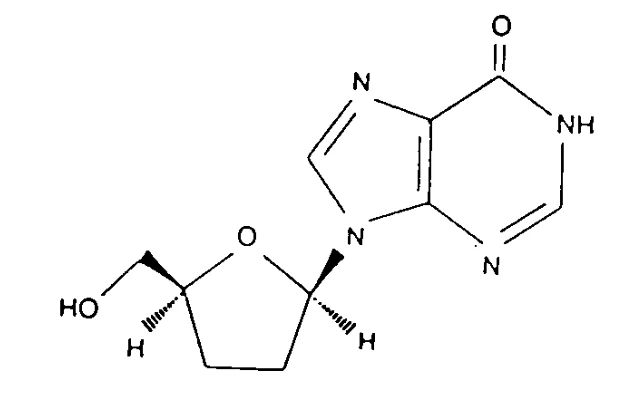
Molecular weight: 236.2
Description: Didanosine is a white, crystalline powder with the molecular formula C10H12N4O3 and a molecular weight of 236.2 daltons. The aqueous solubility of VIDEX at 25oC and pH of approximately 6 is 27.3 mg/mL. VIDEX is unstable in acidic solutions. For example, at pH<3 and 37°C, 10% of VIDEX decomposes to hypoxanthine in less than 2 minutes.
II. Composition
VIDEX (didanosine) Chewable/Dispersible Buffered Tablets are available for oral administration in strengths of 25, 100 or 150 mg of didanosine.
25, 100 and 150 mg Tablets: Each tablet is buffered with calcium carbonate and magnesium hydroxide. VIDEX Tablets also contain: aspartame, mandarin-orange flavor, polyplasdone, microcrystalline cellulose, sorbitol and magnesium stearate.
VIDEX (didanosine) Pediatric Powder for Oral Solution is supplied for oral administration in 240 mL (8 ounce) glass bottles containing 4 g of didanosine.
III. Storage
VIDEX (didanosine) Chewable/Dispersible Buffered Tablets, and VIDEX Pediatric Powder for Oral Solution should be stored at room temperature (15o - 30oC).
IV. Reconstitution
Please refer to METHOD OF PREPARATION section under DOSAGE AND ADMINISTRATION.
V. Storage/Stability of reconstituted preparations
VIDEX Chewable/Dispersible Buffered Tablets dispersed in water may be held for up to one hour at ambient temperature. The aqueous dispersion further diluted with apple juice is also stable for up to one hour at ambient temperature.
The constituted VIDEX Pediatric Powder Antacid mixture may be stored up to thirty (30) days in a refrigerator (2o - 8oC). Discard any unused portion after 30 days.
DOSAGE FORMS AND AVAILABILITY
VIDEX (didanosine) Chewable/Dispersible Buffered Tablets
VIDEX Tablets are round, off white to light orange/yellow with a mottled appearance, orange-flavoured embossed tablets with “VIDEX” on one side and the product strength on the other. The tablets are available in the following strengths of VIDEX: 25, 00 and 150 mg. Bottles of 60 tablets.
VIDEX (didanosine) Pediatric Powder for Oral Solution is supplied in 240 mL (8-ounce) glass bottles containing 4 g of didanosine.
INFORMATION FOR THE CONSUMER
What is the most important information I should know about VIDEX?
VIDEX (pronounced VYE-dex) is used to treat children and adults who are infected with HIV (the human immunodeficiency virus, the virus that causes AIDS).
$ Take VIDEX on an empty stomach at least 30 minutes before or 2 hours after meals, or exactly as instructed by your doctor or other healthcare professional.
$ Serious side effects have occurred in some patients taking VIDEX including:
- pancreatitis, a dangerous inflammation of the pancreas. Tell your doctor immediately if you or the child taking VIDEX experiences stomach pain, nausea, or vomiting;
- peripheral neuropathy (nerve disorder); Symptoms include tingling, burning, pain or numbness in the hands or feet. These symptoms should be reported to your physician;
lactic acidosis (severe elevation of lactic acid in the blood), hepatitis (inflammation of the liver), liver damage and/or liver failure especially in patients at high risk for liver
problems. Your doctor should check your liver function periodically while you are taking VIDEX;
- vision changes. Have regular eye examinations (every 6 months for children), and report any changes in vision immediately to your doctor.
$ Inform your doctor if you think you or the child taking VIDEX may be allergic to any medicine.
$ Other medicines, including those you can buy without a prescription, may interfere with the actions of VIDEX. Do not take any medicine, vitamin, or health store preparation without first checking with your doctor.
What is VIDEX?
VIDEX is a prescription medicine used to treat children and adults who are infected with HIV (the human immunodeficiency virus, the virus that causes AIDS). VIDEX belongs to a class of drugs called nucleoside analogues. It prevents HIV from copying itself once the virus has entered cells of your immune system (called CD4 cells). In this manner, VIDEX helps your body maintain its supply of CD4 cells, which are important for fighting HIV and other infections.
Will VIDEX cure my infection?
No. At present there is no cure for HIV infection. Even while taking VIDEX, you may continue to have HIV-related illnesses, including infections with other disease-producing organisms. Continue to see your doctor regularly and report any medical problems that occur.
Will VIDEX prevent my giving HIV to others?
No. VIDEX does not prevent a patient infected with HIV from passing the virus to other people. To protect others, the patient infected with HIV must continue to practice safe sex and take precautions to prevent others from coming in contact with their blood and other body fluids.
How do I take VIDEX? How do I store it?
Your doctor will determine the strength of your dose based on your body weight, kidney and liver function, and any side effects that you may have had with other medications. Take VIDEX exactly as instructed. VIDEX should be taken on an empty stomach, at least 30 minutes before or 2 hours after meals, and should NOT be taken with food. Try not to miss a dose, but if you do, take it as soon as possible. If it is almost time for the next dose, skip the missed dose and resume your regular dosing schedule.
Chewable/Dispersible Tablets: DO NOT swallow VIDEX tablets whole. Tablets should be thoroughly chewed. Many patients prefer to drop the tablets in at least 30 mL (one ounce) of water and stir thoroughly before swallowing. If you choose to mix the tablets in water, you may add 30 mL (one ounce) of clear apple juice to the mixture for flavor (do not use any other kind of juice). This solution, in water or apple juice may be kept for up to 1 hour at room temperature (17 - 23°C).
Store tablets in a tightly closed container at room temperature (15 - 30°C) away from heat and out of the reach of children and pets. Do NOT store the tablets in a damp place such as a bathroom medicine cabinet or near the kitchen sink.
Pediatric Oral Solution: Your pharmacist will prepare the oral solution. Shake the solution thoroughly before each use. Store in the refrigerator. The unused portion should be discarded after 30 days.
Who should not take VIDEX?
Do not take VIDEX if you are allergic to any of its ingredients. Besides the active ingredient didanosine, VIDEX preparations contain the following inactive ingredients:
$ Chewable/Dispersible Tablets: calcium carbonate, magnesium hydroxide, aspartame, sorbitol, mandarin orange flavor, polyplasdone, microcrystalline cellulose, and magnesium stearate.
$ Pediatric Oral Solution: Mylanta™ Double Strength Liquid3, Extra Strength Maalox® Plus or
Maalox® TC Suspension4.
Tell your doctor if you think you have had an allergic reaction to any of these ingredients.
What are the possible side effects of VIDEX?
Like any medicine, VIDEX may cause unwanted effects, although it is not always possible to tell whether such effects are caused by VIDEX, another medication you may be taking, or the HIV infection. Most side effects of VIDEX cause only discomfort and are not considered serious. Children experience side effects that are similar to those experienced by adults.
The most serious side effect of VIDEX is pancreatitis. Pancreatitis, is a dangerous inflammation of the pancreas which may be fatal. Tell your doctor immediately if you or the child taking VIDEX experiences stomach pain, nausea, or vomiting. Let your doctor know if you have had pancreatitis before taking VIDEX because this condition occurs more often in patients who have experienced it previously. It is also more likely in people with advanced HIV disease, but can occur at any disease stage. If you experience pancreatitis, your doctor will tell you to stop taking VIDEX.
Other serious side effects that have occurred in some patients taking VIDEX included:
$ Peripheral neuropathy (nerve disorder); symptoms include tingling, burning, pain or numbness in the hands or feet. These symptoms should be reported to your physician. This toxicity occurs more often in patients who have experienced it previously. There are other medications including alcohol which may exacerbate this toxicity.
3 Mylanta is a registered trademark of Pfizer Consumer Healthcare
4 Maalox is a registered trademark of Novartis Consumer Health
$ Lactic acidosis (severe elevation of lactic acid in the blood), hepatitis (inflammation of the liver), liver damage, and liver failure. These side effects were rare and usually occurred in adults with advanced HIV disease or who were taking more than one drug for their HIV infection. Your doctor should check your liver function periodically while you are taking VIDEX, especially if you have a history of heavy alcohol use or a liver problem.
$ Vision changes. Because of possible effects from VIDEX on the nerves in the eye, have regular eye examinations (every 6 months for children) and report any changes in vision immediately to your doctor.
$ Changes in body fat have been seen in some patients taking antiretroviral therapy. These changes may include increased amount of fat in the upper back and neck (“buffalo hump”), breasts, and around the trunk. Loss of fat from the legs, arms and face may also happen. The cause and long-term health effects of these conditions are not known at this time.
The most frequent side effects observed in studies of adults taking the recommended dose of VIDEX were diarrhea, chills/fever, rash, pain, weakness, headache, and nausea and vomiting. It was not always possible to determine which side effects were related to VIDEX and which were related to HIV infection or other condition. Since VIDEX contains some of the same ingredients found in antacids, any side effects related to these ingredients may worsen if you also take an antacid.
What should I avoid while taking VIDEX?
Avoid drinking alcoholic beverages while taking VIDEX since alcohol may increase your risk of pancreatitis or liver damage. Other medicines, including those you can buy without a prescription, may interfere with the actions of VIDEX. Do not take any medicine, vitamin, or other health preparation without first checking with your doctor.
Some medicines should not be taken at the same time of day that you take VIDEX; check with your doctor.
- Antacids. Since VIDEX contains some of the same ingredients found in antacids, any side effects related to VIDEX’s ingredients may get worse if you also take an antacid.
- Medicines at the same time you take your VIDEX dose. Some medicines should not be taken at the same time of day that you take VIDEX as they may interfere with the action of VIDEX or may increase the possibility of experiencing side effects. Check with your doctor. These medicines include: methadone, tenofovir, dapsone, itraconazole, ganciclovir, quinolone antibiotics and ketoconazole.
Other medicines for example allopurinol and tetracycline or derivatives should not be taken with VIDEX.
Can I take VIDEX if I am pregnant or nursing a baby?
Experts advise against breast-feeding if you are HIV-positive. Because studies have shown VIDEX to be present in the breast milk of animals receiving the drug, it may be present in human breast milk. Therefore, you should not breast-feed if infected with HIV, to avoid passing HIV to your baby.
It is not known if VIDEX can harm a human fetus. Also, pregnant women have experienced serious side effects when taking VIDEX in combination with ZERIT (stavudine), also known as d4T, and other HIV medicines. VIDEX should be used during pregnancy only after discussion with your doctor. Tell your doctor if you become pregnant or plan to become pregnant while taking VIDEX.
Because studies have shown VIDEX to be present in the breast milk of animals receiving the drug, it is probably present in human breast milk. Therefore, nursing a baby while taking VIDEX is NOT recommended.
What else should I know about VIDEX?
If you are required to limit sodium (salt) intake: Each single-dose packet of Buffered Powder for Oral Solution contains 1380 mg of sodium. Each Chewable/Dispersible Tablet contains 264.5 mg of sodium.
If you have phenylketonuria: Each Chewable/Dispersible Tablet contains 36.5 mg of phenylalanine.
If you have kidney disease: If your kidneys are not working properly, your doctor may need to monitor your kidney function while you take VIDEX. Also, your dosage of VIDEX may be lowered to avoid the accumulation of magnesium and aluminum in the body.
You have liver problem: If your liver is not working properly, your doctor may need to monitor your liver function while you take VIDEX.
What should I do in case of an overdose?
If you suspect that you or someone may have taken an overdose of VIDEX, seek medical attention immediately. Contact your doctor, local poison control center, or emergency room.
This medicine was prescribed for your particular condition. Do not use VIDEX for another condition or give it to others. Keep VIDEX and all medicines out of the reach of children. Discard VIDEX when it is outdated or no longer needed by returning the unused portion to your pharmacist for proper disposal.
This summary does not include everything there is to know about VIDEX. If you have questions or concerns, or want more information about VIDEX, your physician and pharmacist have the complete prescribing information upon which this guide is based. You may want to read it and discuss it with your doctor. Remember, no written summary can replace careful discussion with your doctor.
PHARMACOLOGY
CLINICAL PHARMACOLOGY
Clinical Use
Monotherapy Trials
The effect of didanosine, alone or in combination with ZDV (zidovudine), was evaluated in several major randomized, controlled clinical trials (ACTG 116A, ACTG 116B/117, ACTG 175, ACTG 152, DELTA, CPCRA 007). These trials confirmed the reduced risk of HIV disease progression or death with didanosine therapy, alone or in combination with ZDV, as compared with ZDV monotherapy in HIV-infected individuals, including symptomatic and asymptomatic adults with CD4 counts < 500 cells/mm3 and children with evidence of immunosuppression. The clinical benefits of initial didanosine therapy were demonstrated in adults with CD4 counts 200 - 500 cells/mm3, as well as in children. The ACTG 175 trial showed that eight weeks of treatment with ZDV, didanosine, or didanosine plus ZDV decreased mean plasma HIV RNA by 0.26, 0.65 and 0.93 log10 copies /mL, respectively.
Combination Therapy
Study AI454-148 was a 48-week, randomized, open-label trial that compared VIDEX Chewable/Dispersible Buffered Tablets (ddI) 400mg QD/stavudine (d4T) 40mg BID/nelfinavir (NFV) 750mg TID to zidovudine (ZDV) 300mg BID/lamivudine (3TC) 150mg BID/NFV 750mg TID. A total of 756 HIV-infected adults with baseline CD4 cell counts of 80 to 1568 cells/mm3 (median 340), HIV RNA level ≥2,000 copies/ml (median 4.69 log10), and little or no prior HIV-therapy were randomized in a 2:1 ratio (ddI/d4T/NFV : ZDV/3TC/NFV). Seven hundred thirty (730) patients started treatment and were included in the safety analyses. The study population had the following demographics: male (71%), Caucasian (56%), mean age (35 years). The protocol-defined analysis of all randomized patients on initial therapy showed the proportions of patients with HIV RNA levels below 400 copies/mL to be similar at 52% and 57% in the ddI/d4T/NFV and ZDV/3TC/NFV regimens, respectively. Median decreases in HIV RNA levels at 48 weeks were 2.68 and 2.82 log10 copies/mL for the ddI/d4T/NFV and ZDV/3TC/NFV regimens, respectively, with corresponding median CD4 cell count increases of 189 cells/mm3 and 186 cells/mm3.
Pharmacokinetics
Didanosine is rapidly degraded at acidic pH (e.g. gastric acid). Therefore, to increase the pH of the gastric environment, VIDEX Chewable/Dispersible Tablets and VIDEX Buffered Powder for Oral Solution contain buffering agents and VIDEX Pediatric Powder for Oral Solution must be administered with antacids, (see DOSAGE AND ADMINISTRATION). When VIDEX Chewable/Dispersible Buffered Tablets are administered, each adult and pediatric dose must consist of two tablets in order to achieve adequate acid-neutralizing capacity for maximal absorption of didanosine. The only exception is for pediatric patients who are less than one year
of age; for these patients only one tablet is necessary to provide adequate acid neutralizing capacity.
Bioequivalence of Dosage Formulations: Results of a study in 18 asymptomatic, HIV seropositive patients comparing a 375 mg dose of VIDEX Powder for Oral Solution and VIDEX Chewable/Dispersible Buffered Tablets indicate that didanosine is 20-25% more bioavailable from the tablet compared to the solution. A separate study in 24 asymptomatic, HIV seropositive patients demonstrated that a 375 mg dose of the VIDEX Buffered Powder for Oral Solution produced similar plasma concentrations to a 300 mg (2 x 150 mg tablets) dose of VIDEX Chewable/Dispersible Buffered Tablets. Mean (± SD) peak plasma concentrations (Cmax) were 1.6 (± 0.6 µg/mL), range: 0.4-2.9, for the buffered solution and 1.6 µg/mL (± 0.5), range: 0.5-2.6 µg/mL, for the chewable tablet. Mean area under the plasma concentration versus time curve (AUC) values were 3.0 µg.hr/mL (± 0.8), range: 1.6-5.1 µg.hr/mL, for the buffered solution and 2.6 µg.hr/mL (± 0.8), range: 1.1-3.9 µg.hr/mL, for the chewable tablet.
Effect of Food on Oral Absorption: Buffered formulations of VIDEX should be taken on an empty stomach, at least 30 minutes before a meal or 2 hours after eating. A study in 10 asymptomatic, HIV seropositive patients demonstrated that administration of VIDEX Chewable/Dispersible Buffered tablets 30 minutes to 1 hour before a meal did not result in any significant changes in the bioavailability of didanosine compared to administration under fasting conditions. Administration of the tablets 1 to 2 hours after a meal was associated with a 55 % decrease in Cmax and AUC values, which were comparable to the decreases observed in a separate study when the formulation was given immediately after a meal.
Study Design in Adults: The pharmacokinetics of didanosine were evaluated in 69 adult patients with AIDS or severe AIDS-Related Complex after the administration of single and multiple intravenous (IV) and oral doses. These patients had creatinine clearance values of > 60 mL/min and no evidence of hepatic dysfunction. The oral doses were administered as a lyophilized formulation which was similar in composition to VIDEX Pediatric Powder for Oral Solution. Patients received a 60 minute IV infusion of didanosine, administered once or twice a day for 2 weeks, at total daily doses ranging from 0.8 mg/kg to 33 mg/kg. Oral doses equivalent to twice the IV dose were administered for an additional 4 weeks. Plasma didanosine concentrations were obtained on the first day of dosing and at steady state after intravenous and oral dosing.
Absorption and Dose Linearity in Adults: Although there was significant variability between patients, the Cmax and AUC values increased in proportion to dose over the range of doses administered in clinical practice. At doses of 7 mg/kg or less, the average (± SD) absolute bioavailability was 33% (± 14%) after a single dose and 37% (± 14%) after four weeks of didanosine dosing. Pharmacokinetic parameters at steady state were not significantly different from values obtained after the initial IV or oral dose.
Distribution in Adults: The steady state volume of distribution after IV administration averaged (± SD) 54 (± 15)L (range: 22-103 L). In a study of 5 adults, the concentration of didanosine in the cerebrospinal fluid one hour after infusion of didanosine averaged 21% of the simultaneous plasma concentration.
Elimination in Adults: After oral administration of didanosine, the average (± SD) elimination half-life was 1.5 (± 0.6) hours (range: 0.52-4.64 hours). The mean (" SD) total body clearance was approximately 800 (± 200) mL/min (range: 412-1505 mL/min). Renal clearance averaged approximately 400 (± 160) mL/min range: 95-860 mL/min), when didanosine was administered either intravenously or orally. This indicates that active tubular secretion, in addition to glomerular filtration, is responsible for renal elimination of didanosine. The mean (± SD) urinary recovery of didanosine after a single dose was approximately 55 (± 17) % (range: 27-98%), and 20 (± 8) % (range: 3-31%) of the dose after IV and oral administration, respectively. There was no evidence of accumulation of didanosine, after either IV or oral dosing.
Patients with Renal Impairment: The pharmacokinetics of didanosine following oral administration were evaluated in HIV-positive patients with severe renal impairment (patients requiring hemodialysis or ambulatory peritoneal dialysis) compared with HIV-positive patients with normal renal function, and in non HIV-infected subjects with varying degrees of renal impairment compared with non HIV-infected subjects with normal renal function. Absolute bioavailability was not affected, but apparent drug clearance decreased as creatinine clearance decreased. The mean elimination half-life ranged from 1.4 hours in patients with normal renal function to 4.1 hours in patients with severe renal impairment. A four fold decrease in apparent total body clearance in anuric patients, relative to controls was also observed following oral administration. Didanosine was not detectable in the peritoneal dialysate fluid, whereas recovery in hemodialysate ranged from 0.6% to 7.4% of the dose over a 3-4 hour dialysis period. Dose adjustment is recommended in patients with impaired renal function (<60 mL/min/1.73m2). (See DOSAGE AND ADMINISTRATION).
Patients with Hepatic Impairment: The pharmacokinetics of didanosine were compared among the following HIV-positive groups: hemophiliac patients with chronic, persistent elevations in liver function enzymes; hemophiliac patients with less severe increases or normal liver function enzyme levels; and non-hemophiliac HIV-positive patients with normal enzyme levels. No significant differences in the pharmacokinetics of didanosine were observed. However, the metabolism of didanosine may be altered in patients with more severe or other types of hepatic impairment.
Tenofovir disoproxil fumarate: In pharmacokinetic studies in healthy subjects, the exposure (AUC) from a 250-mg dose of VIDEX EC capsules given with tenofovir and a light meal was equivalent to the exposure from a 400-mg dose of VIDEX EC alone in the fasted state (5% decrease in didanosine AUC). The same 250-mg dose given with tenofovir in the fasted state resulted in a 14% increase in didanosine AUC. A 325-mg dose of VIDEX EC capsules given with tenofovir and a light meal resulted in a 13% increase in the AUC of didanosine compared with 400 mg alone in the fasted state. A 200-mg dose of VIDEX EC capsules given with tenofovir and a light meal resulted in a 16% increase in the AUC of didanosine compared with didanosine 250 mg alone in the fasted state. As the approved dosing schedules for the VIDEX EC and VIDEX formulations are different (once daily versus twice daily) the results of the pharmacokinetic studies, which used the EC formulation only, cannot be extrapolated to the buffered tablet or oral solution formulations.
Study Design in Children: The pharmacokinetics of didanosine have been evaluated in two pediatric studies. In one study (ACTG/St. Jude), 16 children and four adolescents received a single IV dose ranging from 40-90 mg/m2 and multiple, twice daily oral doses of 80-180 mg/m2 of didanosine. In another study (NCI), 48 pediatric patients received a single IV dose and then multiple, three times daily oral doses ranging from 20-180 mg/m2. In both studies, oral doses were administered as a lyophilized formulation which was similar in composition to VIDEX Pediatric Powder for Oral Solution.
Absorption and Dose Linearity in Children: Although there was significant variability between patients, the Cmax and AUC values increased in proportion to dose in both studies. These findings were similar to those in adult patients. The absolute bioavailability varied between patients in the ACTG/St. Jude study and averaged 32% (± 12%), range: 13-53%, and 42% (± 18%), range: 21-78%, after the first oral dose and at a steady state, respectively. The NCI study also demonstrated significant variability in the oral absorption of didanosine with an average absolute bioavailability of 19% (± 17%), range: 2-89%. In the ACTG/St. Jude study, the average steady state AUC was 1.4 (± 0.4), 1.6 (± 0.9) and 2.3 (± 0.9) µg•hr/mL after the administration of oral doses of 80, 120, and 180 mg/m2, respectively. The average corresponding steady state CMAX values were 0.8 (± 0.4), 1.4 (± 0.7) and 1.7 (± 0.9) µg/mL, respectively.
Distribution in Children: In the ACTG/St. Jude study, the volume of distribution after IV administration averaged 36.1 (± 12.8) L/m2 (range: 18.4-60.7 L/m2). In this study, the concentration of didanosine ranged from 0.04 to 0.12 µg/mL in cerebrospinal fluid (CSF) samples collected from seven patients at times ranging from 1.5 to 3.5 hr after a single intravenous or oral dose. These CSF concentrations corresponded to 12 to 85% (mean: 46%) of the concentration in a simultaneous plasma sample.
Elimination in Children: In the ACTG/St. Jude study, the average (± SD) elimination half-life following oral administration was 0.8 (± 0.2) hours (range: 0.51-1.2 hours). The average (± SD) total body clearance following IV administration was 535 (± 205) mL/min/m2 (range: 294-920 mL/min/m2). Mean (± SD) renal clearance values were approximately 240 (± 90) mL/min/m2 after either a single dose or at steady state. The average (± SD) urinary recovery was 21(± 11) % (range: 4.0-40.7%) at steady state. There was no evidence of accumulation of didanosine after the administration of oral doses for an average of 26 days.
Metabolism: The metabolism of didanosine has not been evaluated in man. When 14C-radiolabeled didanosine was administered to dogs as a single IV or oral dose, extensive metabolism occurred. The major metabolite identified in the urine, allantoin, represented approximately 61% of the administered radiolabel after oral administration. Three putative metabolites tentatively identified in the urine were hypoxanthine, xanthine and uric acid. A similar metabolic profile was obtained using an isolated perfused rat liver preparation. The metabolic fate of the dideoxyribose moiety, released subsequent to enzymatic or chemical hydrolysis of the glycosidic bond, has not been determined. Based upon data from animal studies, it is presumed that the metabolism of didanosine in man will occur by the same pathways responsible for the elimination of endogenous purines.
The intracellular half-life of ddATP, the metabolite presumed to be responsible for the
antiretroviral activity of VIDEX, is reported to be 8 to 24 hours in vitro. The half-life of intracellular ddATP in vivo has not been measured.
There are currently incomplete data concerning the effect of impaired hepatic function on the pharmacokinetics of didanosine. (See PRECAUTIONS).
Because in vitro human plasma protein binding is less than 5% with didanosine, drug interactions involving binding site displacement are not anticipated.
Geriatrics
The pharmacokinetics of didanosine have not been studied in patients over 65 years of age (see PRECAUTIONS).
Gender
The effects of gender on didanosine pharmacokinetics have not been studied.
VIROLOGY
In Vitro HIV Susceptibility
The in vitro anti-HIV-1 activity of didanosine was evaluated in a variety of HIV-1 infected lymphoblastic cell lines and monocyte/macrophage cell cultures. Didanosine has shown antiviral activity against laboratory and clinical isolates of HIV-1. The concentration of drug necessary to inhibit viral replication by 50 percent (IC50) ranged from 2.5 to 10 µM (1 µM = 0.24 µg/mL) in lymphoblastic cell lines and 0.01 to 0.1 µM in monocyte/macrophage cell cultures. The relationship between in vitro susceptibility of HIV to didanosine and the inhibition of HIV replication in humans has not been established.
Drug Resistance
HIV-1 isolates with reduced sensitivity to didanosine have been selected in vitro and were also obtained from patients treated with didanosine. Genetic analysis of these isolates showed a predominant mutation at Leu 74 (Leu 74 Val) and another mutation at Met 184 (Met 184 Val) in the Pol gene that encodes for the reverse transcriptase.
Cross-resistance
The potential for cross-resistance between reverse transcriptase inhibitors and protease inhibitors is low because of the different enzyme targets involved. Mutations in the reverse transcriptase gene at both codons 74 and 184 are associated with cross-resistance to zalcitabine. Lamivudine-resistant isolates containing only the Met 184 Val mutation have been recovered and these isolates showed a 4- to 8-fold decrease in didanosine sensitivity. HIV-1 isolates with multidrug resistance mutations to zidovudine, didanosine, zalcitabine, stavudine and lamivudine have been
reported (2/39 patients) following combination therapy with zidovudine and didanosine for 2 years. Multidrug resistance was dependent on five mutations (Ala 62 Val, Val 75 Ile, Phe 77 Leu, Phe 116 Tyr and Gln 151 Met) in the reverse transcriptase gene. Of these, the mutation at codon position 151 (Q151M) played a significant role in the development of viable virus with a multidrug resistance phenotype.
TOXICOLOGY
Acute Toxicity
| Species | Sex | Route | Approximate Minimal Lethal Dose (mg/kg) | Pharmacotoxic Signs |
| Mouse | M & F | Oral gavage with buffer | > 2000 | No signs during 14-day observation period. |
| Rat | M & F | Oral gavage with buffer | > 2000 | No signs during 14-day observation period. |
| Dog | M & F | Oral gavage with buffer | > 2000 | Emesis in both didanosine-treated dogs 40-75 min after dosing. Otherwise no signs during 14-day observation period. |
The minimal lethal oral single dose of didanosine was determined to be greater than 2000 mg/kg in male and female mice, rats and dogs.
All animals appeared clinically normal throughout the 14-day observation period except for emesis in the treated dogs at 40-75 minutes after didanosine administration.
Subacute Toxicity
| Species/ Strain | N/Dose | Sex | Route | Dosage Regimen (mg/kg/day) | Time | NOEL (No observed effect level) | Treatment Related Findings |
| Mouse/CD-1 | 10 | M | Oral gavage in CMC | 0, 100, 250, 500 or 1000 | 1 month | 1000 | Lower average body weight gain in mice at 1000, 500 and 250 mg/kg. A mild anemia was seen at 500 and 1000 mg/kg. Leukopenia with lymphopenia and thrombocytopenia was noted at 1000 mg/kg. Nephrotoxicity which consisted of minimal to mild focal tubular degeneration was seen in 2/10 mice at 1000 mg/kg. Minimal to mild lymphoid depletion was seen in the spleen and thymus of a few mice at 500 and 1000 mg/kg. |
| Mouse/CD-1 | 10 | M | Oral gavage in CMC | 0, 100, 250, 500 or 1000 | 1 month | - | Low incidence of leukopenia and absolute lymphopenia on Day 24. Low incidence of thymic and splenic depletion at high dose. |
| Mouse/CD-1 | 10 10 | M F | Oral in diet | 0, 50, 100, 250, 500 or 1000 | 3 months | 500 | Lower terminal body weight in males and lower average food intake in males and females at 1000 mg/kg. Slight but significant reduction in distal compound sensory amplitude which is an early indicator of distal axonapathy. Elevated serum phosphorus in male mice at high dose. Mild tubular degeneration in kidneys, increased pigment in Kupffer cells in liver and lymphoid depletion in spleen and thymus. |
Rat/ Sprague-Dawley | 10 or 15 10 or 15 | M F | Oral gavage with buffer | 0, 100, 300 or 1000 | 1 month | 1000 | No pharmacotoxic clinical signs. Increased WBC counts were observed in 1000 mg/kg male rats. Small differences (12-17% higher) in mean absolute kidney (male and female) and liver (male) weights were present between the control and 1000 mg/kg/day male and female rats. |
| Species/ Strain | N/Dose | Sex | Route | Dosage Regimen (mg/kg/day) | Time | NOEL (No observed effect level) | Treatment Related Findings |
Rat/ Sprague-Dawley | 10 10 | M F | Oral gavage with buffer | 0, 100, 300 or 1000 | 3 months | 300 | Statistically lower gain and percent gain in body weight in high dose female rats. Total white blood cell count and absolute lymphocyte values of the high dose females were slightly decreased compared to controls. Liver sections of 4/10 high dose female rats had histologic evidence of slight chronic passive congestion, a finding indicative of slight, treatment-related, cardiovascular dysfunction at the high dose. |
Rat/ Sprague-Dawley | 10 10 | M F | Oral in diet | 0, 50, 100, 250, 500 or 1000 | 3 months | 50 | Drug-related decreased body weight, weight gain and food intake at 1000 mg/kg. Decreased WBC values at 100 mg/kg/day or more. Decreased ALT values and increased serum cholesterol and LDH values at 500 or 1000 mg/kg/day. Microscopic changes involving hepatic blood vasculature included arterial lesions (medial necrosis and hemorrhage, adventitial reactive changes, endothelial hypertrophy) at 250 mg/kg or more and changes indicative of reduced blood flow (pigment-laden Kupffer cells accompanied by centrolobular hepatocyte degeneration) at 1000 mg/kg/day. |
| Dog/Beagle | 2 or 3 2 or 3 | M F | Oral gavage with buffer | 0, 80, 250 or 500 (divided b.i.d.) | 1 month | 250 | No pharmacotoxic clinical signs. Minimal anemia and decreased platelet counts in high-dose dogs on Day 12. Increased uric acid and mildly increased fasting blood sugar in high-dose dogs on Day 29. No gross or histopathologic findings. |
| Species/ Strain | N/Dose | Sex | Route | Dosage Regimen (mg/kg/day) | Time | NOEL (No observed effect level) | Treatment Related Findings |
| Dog/Beagle | 3 3 | M F | Oral capsule | 0, 80, 250 or 500 (divided b.i.d.) | 3 months | 80 | Soft stool, liquid and mucoid stools, body weight loss and decreased food intake. 3 (2 M and 1 F) high dose dogs died or were sacrificed showing clinical signs of decreased activity, hypothermia, dehydration, thin body condition, decreased body weight and food intake, tremors and pale color. No ECG evidence of a drug effect on the heart. Clinicopathologic changes seen at 500 or 250 mg/kg but not at 80 mg/kg were elevated liver enzymes, bilirubin, uric acid, urea nitrogen, creatinine, creatine kinase, total protein, phosphorus, amylase and lipase in serum; thrombocytopenia; borderline anemia; hemoconcentration; reticulocytosis, neutropenia; lymphopenia; hyperfibrinogenemia; elevated clotting times; bilirubinuria. Several of these changes were seen only in moribund dogs and some were reversible during continuous dosing at 250 mg/kg. |
| Dog/Beagle (cont'd) | Histopathologic changes were seen at 500 and 250 mg/kg, but not at 80 mg/kg. The most significant organ-specific changes were found in the liver, heart, kidney, lymph tissue, bone marrow and testes. In addition, hemorrhage, congestion and edema occurred in some of the above organs, as well as a number of others. | ||||||
| Dog/Beagle | 1 1 | M F | IV infusion | 93.9 mg/kg/h | 48 h | - | Drug-related emesis, diarrhea and increased heart rate were observed. No clinical or anatomical pathological changes were reported. |
| Dog/Beagle | 1 1 | M F | IV infusion | 9.39 mg/kg/h | 120 h | - | Emesis, diarrhea, increased heart rate and body weight losses. Leukopenia and increased BUN. Gross lesions in the gastrointestinal tract. Microscopic lesions consisted of thymic lymphoid depletion or necrosis and bone marrow atrophy and hemorrhage. Recovery was almost complete by Day 34. |
| Species/ Strain | N/Dose | Sex | Route | Dosage Regimen (mg/kg/day) | Time | NOEL (No observed effect level) | Treatment Related Findings |
| Dog/Beagle | 2 1 or 2 | M F | IV infusion | Control 93.9 mg/kg/h 31.3 mg/kg/h | 200 h 240 h | - | Emesis diarrhea (bloody), increased heart rate, body weight loss and moribund condition. Leukopenia, increased glucose, decreased potassium and changes in kidney parameters, especially BUN. Gross lesions consisted of mucosal necrosis and congestion in small and large intestine, thymic lymphoid depletion or necrosis and bone marrow atrophy and hemorrhage at 93.9 mg/kg/hour. Moderate thymic lymphoid depletion and mild mucosal congestion was seen in the 31.3 mg/kg/hour dogs. These dogs showed complete recovery by Day 38. |
Chronic Toxicity
| Species/ Strain | N/Dose | Sex | Route | Dosage | Time | NOEL | |
| Regimen | Treatment Related Findings | ||||||
| (mg/kg/day) | |||||||
| Dog/Beagle | 5 5 | M F | Oral Capsule | 0, 30, 80, 180 (divided bid) | 12 months | 30 | Drug-related clinical signs included emesis, body weight loss and decreased food intake. Additional clinical signs seen prior to sacrifice of 2 moribund dogs consisted of hypothermia, emaciation, decreased activity and dehydration. No drug-related clinicopathologic or histopathologic changes were observed in low-dose dogs at any sampling time. Drug-related changes in blood chemistries observed in high-dose dogs (and as indicated in intermediate-dose dogs[l]) during the treatment period included elevations of ALT (l), AST(l), bilirubin, blood ammonia, BSP retention, GGT, uric acid, sodium, lipase, and BUN and decreases in fasting glucose and creatinine. Drug-related changes observed only in 2 moribund high-dose males immediately prior to euthanasia included alterations in K, Ca, alkaline phosphatase, cholesterol, total protein, albumin, and amylase. Drug-related changes in hematologic and urinalytical parameters were anemia, reticulocytopenia, thrombocytopenia, leukopenia, lymphopenia (l), hemoconcentration, increased urine volume (l), decreased urine specific gravity (l), and increase in number of casts in urine sediment (l). Only the increase in urine volume and decrease in urine specific gravity (l) were observed after a 3-month recovery period. |
| Species/ Strain | N/Dose | Sex | Route | Dosage | Time | NOEL | |
| Regimen | Treatment Related Findings | ||||||
| (mg/kg/day) | |||||||
| Dog/Beagle (cont'd) | 5 5 | M F | Oral Capsule | 0, 30, 80, 180 (divided bid) | 12 months | 30 | After 12 months of treatment or in moribund dogs, drug-related histopathologic changes at the high-dose (and, as indicated [l], in the intermediate-dose) level were observed in A) liver (hepatocellular degeneration (l), cytoplasmic inclusion bodies (l), glycogen depletion, pigment-laden Kupffer cells, intrahepatocellular pigmentation, hepatocellular atrophy, bile stasis, fatty change, centrolobular fibrosis (l), extramedullary hematopoiesis, and hepatocellular necrosis), B) kidney (tubular degeneration (l), tubular necrosis, cytoplasmic inclusion bodies, tubular dilatation, fibrosis, tubular hypertrophy, subacute inflammation, and pyelitis), C) lymphoid tissue (lymphoid depletion (l)), splenic subcapsular fibrosis, splenic and lymph node hemosiderosis, and erythrophagocytosis in lymph nodes), D) bone marrow (hypocellularity), E) testes (atrophy and an increase in giant cells), F) epididymis (atrophy and degeneration), G) prostate (atrophy), H) stomach (submucosal edema), I) adrenal glands (degeneration (l)), J) pancreas (atrophy and hydropic degeneration), and K) skeletal muscle (secondary atrophy). Some of these changes were observed only in the 2 high-dose males that were euthanatized in moribund condition on Days 149 and 176: hepatocellular pigmentation, fatty change, and atrophy; bile stasis; renal cytoplasmic inclusion bodies; thymic lymphoid depletion; splenic hemosiderosis; lymph node hemosiderosis and erythrophagocytosis; and changes in testis, epididymis, prostate, pancreas, and skeletal muscle.After a 3-month recovery period, the following drug-related histopathologic changes persisted: hepatocellular degeneration, renal tubular degeneration (l), periglomerular fibrosis (l), renal tubular hypertrophy, lymphoid depletion (l), splenic subcapsular fibrosis, and adrenal degeneration. Of these changes only renal tubular hypertrophy did not show some degree of reversibility. |
| Species/ Strain | N/Dose | Sex | Route | Dosage | Time | NOEL | |
| Regimen | Treatment Related Findings | ||||||
| (mg/kg/day) | |||||||
| Rats/Sprague Dawley | 25 25 | M F | Oral Gavage with buffer | 0, 100, 300, 1000 | 363-367 days | 300 | Clinical signs of toxicity included a high incidence of salivation and a moderate increase in body soiling in M and F high dose group animals. Significantly reduced body weight gains were seen in the high dose group female rats beginning at 2 months and continuing until termination of treatment with improvement during recovery. The male and female high dose rats showed significantly lower average food intake values during the treatment period. Clinical pathology changes included increased cholesterol values for the high dose males, decreased ALT values and an increased phosphorus value for the high dose females, decreased RBC values for the intermediate and high dose males and females, and increased reticulocyte values for the intermediate and high dose males. At necropsy, the high dose group had a high incidence of esophageal dilatation and the intermediate and high dose male groups had slightly increased kidney weights. Histopathology revealed dose-related skeletal muscle alterations at several sites; dose-related alterations in the collecting veins and other evidence of chronically reduced blood flow in the liver; secondary hepatocyte changes at the high dose, including an increase incidence of eosinophilic foci of alteration; and, at the high dose, cytological alterations in the kidney tubules. The muscle and hepatic effects were infrequent and minimal at the lowest dose (100 mg/kg/day). All tissue effects showed evidence of reversibility and were less evident or absent after a 3-month recovery period. The myopathic effects were most evident in the wall of the esophagus and were expressed clinically by esophageal dilatation and a few deaths at the high dose. |
Chronic Toxicity (Cont’d)
Evidence of a dose-limiting skeletal muscle toxicity has been observed in mice and rats (but not in dogs) following long-term (greater than 90 days) dosing with didanosine at doses that were approximately 1.2-12 times the estimated human exposure. The relationship of this finding to the potential of didanosine to cause myopathy in humans is unclear. However, human myopathy has been associated with administration of other nucleoside analogs.
Reproduction and Teratology
| Species/Strain | N/dose | Sex | Route | Dose Regimen (mg/kg/day) | Time | Treatment Related Findings |
| SEGMENT I | ||||||
| Rat/CD | 28 28 | M F | Oral gavage | 0, 100, 300 or 1000 | Males: 64 days before mating and during mating Females: 14 days before mating through time of hysterectomy or Day 21 postpartum | Didanosine was slightly toxic to females and pups in the high dose group, during mid and late lactation. The rats showed reduced food intake and body weight gains. With the exception of this transient drug effect, didanosine did not induce toxicity and did not impair the reproductive ability of the parents or the physical or functional development of the pups. There was no increase in spontaneous external malformations. |
| SEGMENT II | ||||||
| Rat/CD | 22 | F | Oral gavage | 0, 100, 300 or 1000 | From Day 7 to Day 17 of gestation | No evidence of embryotoxic, fetotoxic or teratogenic effects. |
| Rabbit/NZW | 24 | F | Oral gavage | 0, 75, 200 or 600 | From Day 6 through Day 18 of gestation | No maternal toxicity, embryotoxicity or teratogenicity. |
| SEGMENT III | ||||||
| Rat/CD | 22 | F | Oral gavage | 0, 100, 300 or 1000 | From gestation Day 17 to post-natal Day 21 or 22 | No adverse effects on gestation, parturition or lactation (FO generation), or on development, behavior or reproduction (F1 generation). |
Carcinogenicity and Mutagenicity
Lifetime carcinogenicity studies were conducted in mice and rats for 22 and 24 months, respectively. No drug-related neoplasms were observed in any didanosine-treated group of mice during, or at the end of, the dosing period. In rats, statistically significant increases were noted for granulosa cell tumors in high dose females, subcutaneous fibrosarcomas and histiocytic sarcomas in high dose males, and hemangiomas in intermediate and high dose males. These increases were attributed to biological variation or other factors, such as increased longevity at the high dose, that are known to influence spontaneous tumor rate variability, and were not considered toxicologically significant.
No evidence of mutagenicity (with or without metabolic activation) was observed in Ames Salmonella mutagenicity assays or in a mutagenicity assay conducted with Escherichia coli tester strain WP2 uvrA where only a slight increase in revertants was observed with didanosine. In a mammalian cell gene mutation assay conducted in L5178Y/TK+/- mouse lymphoma cells, didanosine was weakly positive both in the absence and presence of metabolic activation at concentrations of approximately 2000 µg/mL and above. In an in vitro cytogenic study performed in cultured human peripheral lymphocytes, high concentrations of didanosine (≥ 500 µg/mL) elevated the frequency of cells bearing chromosome aberrations. Another in vitro mammalian cell chromosome aberration study using Chinese Hamster Lung cells revealed that didanosine produces chromosome aberrations at ≥ 500 µg/mL after 48 hours of exposure. However, no significant elevations in the frequency of cells with chromosome aberrations were seen at didanosine concentrations up to 250 µg/mL. In a BALB/c 3T3 in vitro transformation assay, didanosine was considered positive only at concentrations of 3000 µg/mL and above.
No evidence of genotoxicity was observed in rat and mouse micronucleus assays. The results from the genotoxicity studies suggest that didanosine is not mutagenic at biologically and pharmacologically relevant dose levels. At significantly elevated doses in vitro, the genotoxic effects of didanosine are similar in magnitude to those seen with natural DNA nucleosides.
SELECTED BIBLIOGRAPHY
- 1.
Ahluwalia G, Cooney DA, Mitsuya H, et al.
Initial Studies on the Cellular Pharmacology of 2',3'- Dideoxyinosine, an Inhibitor of HIV Infectivity. Biochem Pharmacol 36:3797-3800, 1987.
- 2.
Ahluwalia G, Johnson MA, Fridland A, et al.
Cellular Pharmacology of the Anti-HIV Agent 2',3'- Dideoxyinosine. Proc Am Acad Cancer Res 29:349, 1988.
- 3.
American College of Emergency Physicians: Clinical policy for the initial approach to patients presenting with acute toxic ingestion or dermal or inhalation exposure. Ann Emerg Med June 1999;33:735-761.
http://www.acep.org/NR/rdonlyres/D7B42915-CC5D-4470-8434-95DF40017E8A/0/cp402040.pdf
- 4.
Anderson BD, Wygant MB, Xiang TX, et al.
Preformulation Solubility and Kinetic Studies of 2',3'- Dideoxypurine Nucleosides: Potential Anti-AIDS Agents.Int J Pharmac 45:27-37, 1988.
- 5.
Baba M, Pauwels R, Herdewijn P, et al.
Both 2',3'-Dideoxythymidine and its 2',3'-Unsaturated Derivative (2',3'-Dideoxythmidinene) are Potent and Selective Inhibitors of Human Immunodeficiency Virus Replication In Vitro. Biochem Biophys Res Comm 142:128-134, 1987.
- 6.
Bach MC,.
Clinical Response to Dideoxyinosine in Patients with HIV Infection Resistant to Zidovudine. New Engl J Med 323:275, 1990.
- 7.
Beskid GB, Eskin R, Cleeland J, et al.
Antibacterial Activity of 2',3'- Dideoxyadenosine in Vivo and in Vitro. Antimicrob Agents Chemother 19:424-428, 1981.
- 8.
Blakely RL, Harwood FC, and Huff KD.
Cytostatic Effects of 2',3'- Dideoxynucleosides on Transformed Human Hemopoietic Cell Lines. Mol Pharmacol 37:328-332, 1990.
- 9.
Butler KM, et al.
Dideoxyinosine in Children With Symptomatic Human Immunodeficiency Virus Infection. New Engl J Med 324:137-144, 1991.
- 10.
Canadian Diabetes Association Clinical Practice Guidelines Expert Committee: Nutrition
Therapy. Can J Diabetes 2003; 27 (suppl 2):S27 - S31. Available at:
http://www.diabetes.ca/cpg2003/downloads/cpgcomplete.pdf
- 11.
Chen MS, and Oshana SC.
Inhibition of HIV Reverse Transcriptase by 2',3'-Dideoxynucleoside Triphosphates.
Biochem Pharmacol 36:4361-4362, 1987.
- 12.
Cooley TP, Kunches LM, Saunders CA, et al.
Once-Daily Administration of 2',3'-Dideoxyinosine (ddI) in Patients with Acquired Immunodeficiency Syndrome or AIDS-Related Complex. New Eng J Med 322:1340-1345, 1990.
- 13.
Cooney DA, Ahluwalia G, Mitsuya H, et al.
Initial Studies on the Cellular Pharmacology of 2',3'-Dideoxyadenosine, an Inhibitor of HTLV-III Activity. Biochem Pharmacol 36:1765-1768, 1987.
- 14.
Dahlberg JE, Mitsuya H, Blam SB, et al.
Broad Spectrum Antiretroviral Activity of 2',3'-Dideoxynucleosides. Proc Natl Acad Sci USA 84:2469-2473, 1987.
- 15.
den Brinker M, Wit F, Wertheim-van Dillen P, et al.
Hepatitis B and C virus co-infection and the risk for hepatotoxicity of highly active antiretroviral therapy in HIV-1 infection
AIDS 2000; 14(18): 2895-2902
- 16.
El Dareer SM, Tillery KF, Kalin JR, et al.
Disposition of 2',3'-Dideoxyadenosine and 2',3'-Dideoxyinosine in Mice. Investig New Drugs 7:139-146, 1989.
- 17.
Elwell LP, Ferone R, Freeman GA, et al.
Antibacterial Activity and Mechanism of Action of 3'-Azido-3'-Deoxythymidine (BW A509U). Antimicrob Agents Chemother 31:274-280, 1987.
- 18.
Ganser A, Greher B, Volkers S, et al.
Inhibitory Effect of Azidothymidine, 2',3'-Dideoxyadenosine, and 2',3'- Dideoxycytidine on In Vitro Growth of Hematopoietic Progenitor Cells From Normal Persons and From Patients with AIDS. Exp Hematol 17:321-325, 1989.
- 19.
Hartman NR, Yarchoan R, Pluda JM, et al.
Pharmacokinetics of 2',3' - Dideoxyadenosine and 2',3' - Dideoxyinosine in Patients With Severe Human Immunodeficiency Virus Infection. Clin Pharm Ther 47:647-654, 1990.
- 20.
Herdewijn P, Pauwels R, Baba M, et al.
Synthesis and Anti-HIV Activity of Various 2', - and 3'- Substituted 2',3',-Dideoxyadenosines: A Structure-Activity Analysis. J Med Chem 30:2131-2137, 1987.
- 21.
Johnson MA, Ahluwalia G, Connelly MC, et al.
Metabolic Pathways for the Activation of the Antiretroviral Agent 2',3' - Dideoxyadenosine in Human Lymphoid Cells. J. Biol Chem 263:15354-15357, 1988.
- 22.
Khan JK, et al.
A controlled trial comparing continued zidovudine with didanosine in human immunodeficiency virus infection. New Eng J Med 327:581-587, 1992.
- 23.
Klecker RW, Collins JM, Yarchoan R, et al.
Plasma and Cerebrospinal Fluid Pharmacokinetics of 3'-Azido- 3'-Deoxythymidine: A Novel Pyrimidine Analog with Potential Application for the Treatment of Patients with AIDS and AIDS Related Diseases. Clin Pharm Ther 41:407-412, 1987.
- 24.
Knupp CA, Stancato FA, Papp EA, et al.
Quantitation of Didanosine in Human Plasma and Urine by High-Performance Liquid Chromatography. J Chrom 533:282-90, 1990.
- 25.
Knupp Ca, Shyu WC, Morgenthien EA, et al.
Pharmacokinetics of VIDEX (2',3' - Dideoxyinosine, ddI) After Twice Daily IV or PO Administration to Patients with AIDS or ARC. Sixth Int Conf on AIDS 3:204, 1990.
- 26.
Kuttesch JF and Nelson JA.
Renal Handling of 2' - Deoxyadenosine and Adenosine in Humans and Mice. Cancer Chemother Pharm 8:221-229, 1982.
- 27.
Lambert JS, Seidlin M, Riechman RC, et al.
2',3' - Dideoxyinosine (ddI) in Patients with the Acquired Immunodeficiency Syndrome or AIDS-Related Complex. New Eng J Med 322:1333-1340, 1990.
- 28.
Mitsuya H and Broder S.
Inhibition of Infectivity and Replication of HIV-2 and SIV in Helper T-Cells By 2',3' -Dideoxynucleosides In Vitro. AIDS Res Hum Retroviruses 4:107-113, 1988.
- 29.
Mitsuya H and Broder S.
Inhibition of the In Vitro Infectivity and Cytopathic Effect of Human T-Lymphotropic Virus Type III/Lymphadenopathy-Associated Virus (HTLV-III/LAV) by 2',3' - Dideoxynucleosides. Proc Natl Acad Sci, USA 83:1911-1915, 1986.
- 30.
Núñez M, Lana R, Mendoza JL, Martin-Carbonero L, Soriano V
Risk factors for severe hepatic injury after introduction of highly active antiretroviral therapy.
J. Acquir Immune Defic Syndr 2001; 27(5): 426-431
- 31.
Ray GF, Mason WD and Badr MZ.
Pharmacokinetics of the Anti-AIDS Drug 2',3' - Dideoxyinosine in the Rat. Drug Metab Disp 18:654-658, 1990.
- 31.
Rozencweig M, McLaren C, Beltangady M, et al.
Overview of Phase I Trials of 2',3' - Dideoxyinosine (ddI) Conducted on Adult Patients. Rev Infect Diseases 12:S570-S575, 1990.
- 32.
Russell JW, and Klunk LJ.
Comparative Pharmacokinetics of New Anti-HIV Agents: 2',3' - Dideoxyadenosine and 2',3' -Dideoxyinosine. Biochem Pharmacol 38:1385-1388, 1989.
- 33.
Savès M, Raffi F, Clevenbergh P, et al.
Hepatitis B or hepatitis C virus infection is a risk factor for severe hepatic cytolysis after initiation of a protease inhibitor-containing antiretroviral regimen in human immunodeficiency virus-infected patients.
Antimicrob Agents Chemother 2000; 44(12): 3451-3455.
- 34.
Savès M, Vandentorren S, Daucourt V, et al.
Severe hepatic cytolysis: incidence and risk factors in patients treated by antiretroviral combinations, Aquitaine Cohort, France, 1996-1998.
AIDS 1999; 13(17): 115-121.
- 35.
Singlas E, et al.
Didanosine Pharmacokinetics in Patients with Normal and Impaired Renal Function. Antimicrob Agents Chemother 36:1519-1524, 1992.
- 36.
Sulkowski MS, Thomas DL, Chaisson RE, Moore R
Hepatoxicity associated with antiretroviral therapy in adults infected with human immunodeficiency virus and the role of hepatitis C or B virus infection. JAMA 2000; 283(1): 74-80.
- 37.
Yarchoan R, Mitsuya H, Thomas RV, et al.
In Vitro Activity Against HIV and Favorable Toxicity Profile of 2',3' - Dideoxyinosine. Science 245:412-415, 1989.
- 38. VIDEX (didanosine) U.S. Package insert.
- 39. VIREAD™ (tenofovir disoproxil fumarate) Tablets - U.S. Package Insert.