


Product Monograph - Vocarvi
RECENT MAJOR LABEL CHANGES
Not applicable.
TABLE OF CONTENTS
RECENT MAJOR LABEL CHANGES ......................................................................................2
TABLE OF CONTENTS ..............................................................................................................2
PART I: HEALTH PROFESSIONAL INFORMATION ..........................................................4
1 INDICATIONS ..................................................................................................................4
1.1 Pediatrics ....................................................................................................................4 1.2 Geriatrics ....................................................................................................................4
2 CONTRAINDICATIONS .................................................................................................5
3 SERIOUS WARNINGS AND PRECAUTIONS .............................................................6
4 DOSAGE AND ADMINISTRATION .............................................................................7
4.1 Dosing Considerations ...............................................................................................7 4.2 Recommended Dose and Dosage Adjustment ...........................................................7 4.3 Administration ...........................................................................................................9 4.4 Reconstitution ............................................................................................................9 4.5 Missed Dose .............................................................................................................10
5 OVERDOSAGE ...............................................................................................................10
6 DOSAGE FORMS, STRENGTHS, COMPOSITION AND PACKAGING ..............10
7 WARNINGS AND PRECAUTIONS .............................................................................10
7.1 Special Populations ..................................................................................................13 7.1.1 Pregnant Women ................................................................................................. 13 7.1.2 Breast-feeding ..................................................................................................... 14 7.1.3 Pediatrics ............................................................................................................. 14 7.1.4 Geriatrics ............................................................................................................. 14
8 ADVERSE REACTIONS ................................................................................................14
8.1 Adverse Reaction Overview ....................................................................................14 8.2 Clinical Trial Adverse Reactions .............................................................................14 8.3 Less Common Clinical Trial Adverse Reactions .....................................................20 8.4 Abnormal Laboratory Findings: Hematologic, Clinical Chemistry and Other Quantitative Data ...............................................................................................................21 8.5 Clinical Trial Adverse Reactions (Pediatrics)..........................................................21 8.6 Post-Market Adverse Reactions ...............................................................................21
9 DRUG INTERACTIONS ................................................................................................22
9.2 Overview ..................................................................................................................22 9.3 Drug-Drug Interactions ............................................................................................22 9.4 Drug-Food Interactions ............................................................................................22 9.5 Drug-Herb Interactions ............................................................................................22
9.6 Drug-Laboratory Test Interactions ..........................................................................23
10 ACTION AND CLINICAL PHARMACOLOGY ........................................................23
10.1 Mechanism of Action ...........................................................................................23 10.2 Pharmacodynamics...............................................................................................23 10.2.1 Antiviral Activity in Cell Culture .................................................................... 23 10.2.2 Resistance ........................................................................................................ 23 10.3 Pharmacokinetics .................................................................................................24
11 STORAGE, STABILITY AND DISPOSAL .................................................................26
12 SPECIAL HANDLING INSTRUCTIONS ....................................................................26
PART II: SCIENTIFIC INFORMATION ................................................................................27
13 PHARMACEUTICAL INFORMATION ......................................................................27
14 CLINICAL TRIALS ........................................................................................................28
14.1 Trial Design and Study Demographics ................................................................28 14.2 Study Results ........................................................................................................29 14.2.1 Foscarnet Monotherapy for CMV Retinitis ..................................................... 29 14.2.2 Foscarnet-Ganciclovir Combination Therapy for CMV Retinitis ................... 31 14.2.3 Foscarnet Monotherapy for Acyclovir-Resistant Mucocutaneous HSV ......... 32
16 NON-CLINICAL TOXICOLOGY ................................................................................33
PATIENT MEDICATION INFORMATION ...........................................................................34
PART I: HEALTH PROFESSIONAL INFORMATION
1 INDICATIONS
Vocarvi™ is indicated for:
Cytomegalovirus Retinitis
- the treatment of cytomegalovirus (CMV) retinitis in patients with acquired immunodeficiency syndrome (AIDS);
- combination therapy with Vocarvi™ and ganciclovir for the treatment of CMV retinitis in patients with AIDS who have relapsed after monotherapy with either drug; and
The diagnosis of CMV retinitis is ophthalmologic and should be made by indirect ophthalmoscopy. Other conditions in the differential diagnosis of CMV retinitis include candidiasis, toxoplasmosis, and other diseases producing a similar retinal pattern, any of which may produce a retinal appearance similar to CMV. For this reason, it is essential that the diagnosis of CMV be established by an ophthalmologist familiar with the retinal presentation of these conditions. The diagnosis of CMV retinitis may be supported by culture of CMV from urine, blood, throat or other sites, although a negative CMV culture does not rule out CMV retinitis.
The safety and efficacy of Vocarvi™ have not been established for treatment of other CMV infections (e.g., pneumonitis, gastroenteritis); congenital or neonatal CMV disease; or immunocompetent individuals.
Mucocutaneous Acyclovir Resistant Herpes Simplex Virus Infections
- the treatment of acyclovir-resistant mucocutaneous herpes simplex virus (HSV) infections in immunocompromised patients.
The safety and efficacy of Vocarvi™ have not been established for treatment of other HSV infections (e.g., retinitis, encephalitis); congenital or neonatal HSV disease; or HSV in immunocompetent individuals.
The diagnosis of acyclovir unresponsiveness can be made either clinically by treatment with intravenous acyclovir (5–10 mg/kg TID) for 10 days without response or by in vitro testing.
1.1 Pediatrics
Pediatric (<18 years): No data are available to Health Canada; therefore, Health Canada has not authorized an indication for pediatric use.
1.2 Geriatrics
Geriatrics (≥65 years of age): No data are available to Health Canada; therefore, Health Canada has not authorized an indication for geriatric use.
2 CONTRAINDICATIONS
Vocarvi™ is contraindicated in patients who are hypersensitive to this drug or to any ingredient in the formulation, including any non-medicinal ingredient, or component of the container. For a complete listing, see DOSAGE FORMS, STRENGTHS, COMPOSITION, AND PACKAGING.
3 SERIOUS WARNINGS AND PRECAUTIONS
Serious Warnings and Precautions
Renal toxicity: VocarviTM should be used with caution in patients with reduced renal function.
Since renal function impairment may occur at any time during VocarviTM administration, serum creatinine should be monitored and appropriate dose adjustments should be performed according to renal function. Adequate hydration should be maintained in all patients. The renal function of patients with renal disease or receiving concomitant treatment with other nephrotoxic medicinal products must be closely monitored (see DOSAGE AND ADMINISTRATION, Hydration and WARNINGS AND PRECAUTIONS, Renal).
- QT prolongation: VocarviTM has been associated with cases of prolongation of QT interval, including cases of Torsades de Pointes during post-marketing. Patients with known existing prolongation of cardiac conduction intervals, particularly QTc, patients with significant electrolyte disturbances (hypokalemia, hypomagnesaemia), bradycardia, as well as patients with underlying cardiac diseases such as congestive heart failure or who are taking medications known to prolong the QT interval should be carefully monitored due to increased risk of ventricular arrhythmia (see WARNINGS AND PRECAUTIONS, Cardiovascular).
- Electrolyte disturbances: VocarviTM has a propensity to chelate bivalent metal ions, such as calcium and magnesium, and therefore, administration may be associated with an acute decrease of ionized serum calcium proportional to the rate of VocarviTM infusion, which may not be reflected in total serum calcium levels. Electrolyte levels, especially calcium and magnesium, should be assessed prior to and during VocarviTM therapy and deficiencies corrected (see WARNINGS AND PRECAUTIONS, Monitoring and Laboratory Tests).
- Seizures: Seizures have been associated with VocarviTM. Cases of status epilepticus have been reported. Patients should be carefully monitored for such changes and their potential sequelae. As seizures may be related to electrolyte disturbances, mineral and electrolyte supplementation may be required (see WARNINGS AND PRECAUTIONS, Neurologic)
4 DOSAGE AND ADMINISTRATION
4.1 Dosing Considerations
CAUTION: Do not administer VocarviTM by rapid or bolus intravenous injection. The toxicity of VocarviTM may be increased as a result of excessive plasma levels. Care should be taken to avoid unintentional overdose by carefully controlling the rate of infusion. Therefore, an infusion pump must be used. In spite of the use of an infusion pump, overdoses have occurred.
Vocarvi™ is administered by controlled intravenous infusion, either by using a central venous line or by using a peripheral vein. The rate of infusion must be no more than 1 mg/kg/minute. An individualized dose of Vocarvi™ should be calculated on the basis of body weight (mg/kg), renal function, indication of use and dosing frequency (refer to DOSAGE AND ADMINISTRATION; Recommended Dose and Dosage Adjustment). To reduce the risk of nephrotoxicity, creatinine clearance (mL/min/kg) should be calculated even if serum creatinine is within the normal range, and doses should be adjusted accordingly.
An individualized dose at the required concentration (24 mg/mL or 12 mg/mL) for the route of administration (central line or peripheral line) needs to be aseptically prepared prior to dispensing. The standard 24 mg/mL solution may be used with or without dilution when using a central venous catheter for infusion. When a peripheral vein catheter is used, the 24 mg/mL injection must be diluted to a 12 mg/mL concentration with 5% dextrose in water or with a normal saline solution prior to administration to avoid local irritation of peripheral veins. Dilutions and/or removals of excess quantities should be accomplished under aseptic conditions. Solutions thus prepared should be used within 24 hours of first entry into a sealed infusion bag.
Prior to administration of Vocarvi™, it is recommended that creatinine clearance, either measured or estimated using the modified Cockcroft and Gault equation, be established, followed by 2 to 3 times per week during induction therapy and once weekly during maintenance therapy, with Vocarvi™ dose adjusted accordingly. Vocarvi™ should be discontinued if creatinine clearance drops below 0.4 mL/min/kg.
Due to Vocarvi’s™ propensity to chelate divalent metal ions and alter levels of serum electrolytes, patients must be monitored closely for such changes. It is recommended that a schedule similar to that recommended for serum creatinine be used to monitor serum calcium, magnesium, potassium and phosphorus. Particular caution is advised in patients with decreased total serum calcium or other electrolyte levels before treatment, as well as in patients with neurologic or cardiac abnormalities, and in patients receiving other drugs known to influence serum calcium levels.
Health Canada has not authorized an indication for pediatric or geriatric use.
4.2 Recommended Dose and Dosage Adjustment
CMV retinitis:
Induction Treatment
The recommended initial dose of Vocarvi™ is 90 mg/kg (1-1/2 to 2-hour infusion) every twelve hours or 60 mg/kg (minimum one hour infusion) every eight hours over 2 to 3 weeks depending on clinical response.
Maintenance Treatment
The recommended maintenance dose of Vocarvi™ is 90 mg/kg/day to 120 mg/kg/day given as an intravenous infusion over 2 hours. It is recommended that most patients be started on maintenance treatment with a dose of 90 mg/kg/day with escalation to 120 mg/kg/day if early reinduction is required because of retinitis progression. Some patients who show excellent tolerance to Vocarvi™ may benefit from initiation of maintenance treatment at 120 mg/kg/day earlier in their treatment.
Patients who experience progression of retinitis while receiving Vocarvi™ maintenance therapy may be retreated with the induction and maintenance regimens. Because of physical incompatibility, Vocarvi™ and ganciclovir must NOT be mixed.
Mucocutaneous acyclovir-resistant HSV infections:
Induction treatment:
VocarviTM is administered for 2–3 weeks or until healing of lesions, as intermittent infusions at a dose of 40 mg/kg over one hour every 8 hours in patients with normal renal function. The infusion time should not be shorter than 1 hour.
Efficacy of VocarviTM maintenance therapy following induction therapy of acyclovir-resistant HSV infections has not been established.
Use in Patients with Abnormal Renal Function
Vocarvi™ should be used with caution in patients with abnormal renal function. Vocarvi™ has the potential to further impair renal function, because plasma clearance of foscarnet will result in elevated plasma levels (see WARNINGS AND PRECAUTIONS, Renal and ACTION AND CLINICAL PHARMACOLOGY). Safety and efficacy data for patients with baseline serum creatinine levels greater than 2.8 mg/dL or measured 24-hour creatinine clearances < 50 mL/min are limited. (see WARNINGS AND PRECAUTIONS, Renal).
Renal function must be monitored carefully at baseline and during induction and maintenance therapy with appropriate dose adjustments for Vocarvi™ as outlined in the tables below.
To use this dosing guide, actual 24-hour creatinine clearance, or the estimated creatinine clearance can be used (using the modified Cockcroft and Gault equation):
Table 1: Vocarvi™ Dosage Guide for Induction
CrCI (mL/min/kg) | HSV: Equivalent to | CMV: Equivalent to | |
120 mg/kg/day total (40 mg/kg every 8h) | 180 mg/kg/day total (60 mg/kg every 8h) | 180 mg/kg/day total (90 mg/kg every 12h) | |
| >1.4 | 40 every 8h | 60 every 8h | 90 every 12h |
| >1.0 – 1.4 | 30 every 8h | 45 every 8h | 70 every 12h |
| >0.8 – 1.0 | 35 every 12h | 50 every 12h | 50 every 12h |
| >0.6 – 0.8 | 25 every 12h | 40 every 12h | 80 every 24h |
| >0.5 – 0.6 | 40 every 24h | 60 every 24h | 60 every 24h |
| >0.4 – 0.5 | 35 every 24h | 50 every 24h | 50 every 24h |
| <0.4 | Not recommended | Not recommended | Not recommended |
Table 2: Vocarvi™ Dosage Guide for Maintenance
CrCI (mL/min/kg) CMV: Equivalent to
| 90 mg/kg/day total (once daily) | 120 mg/kg/day total (once daily) | |
| >1.4 | 90 every 24h | 120 every 24h |
| >1.0 – 1.4 | 70 every 24h | 90 every 24h |
| >0.8 – 1.0 | 50 every 24h | 65 every 24h |
| >0.6 – 0.8 | 80 every 48h | 105 every 48h |
| >0.5 – 0.6 | 60 every 48h | 80 every 48h |
| >0.4 – 0.5 | 50 every 48h | 65 every 48h |
| <0.4 | Not recommended | Not recommended |
Vocarvi™ is not recommended in patients undergoing hemodialysis because dosage guidelines have not been established.
Patient Monitoring
Careful monitoring and appropriate management of electrolytes, calcium, magnesium and creatinine are of particular importance in patients with conditions that may predispose them to seizures (see WARNINGS AND PRECAUTIONS; Monitoring and Laboratory Tests).
4.3 Administration
Vocarvi™ is administered by controlled intravenous infusion, either by using a central venous line or by using a peripheral vein. The rate of infusion must be no more than 1 mg/kg/minute.
Hydration
Hydration may reduce the risk of nephrotoxicity. Clinically dehydrated patients should have their condition corrected before initiating Vocarvi™ therapy. It is recommended that 750–1000 mL of normal saline or 5% dextrose solution should be given prior to the first infusion of Vocarvi™ to establish diuresis. With subsequent infusions, 750 to 1000 mL of hydration fluid should be given with 90 to 120 mg/kg of Vocarvi™, and 500 mL with 40 to 60 mg/kg of Vocarvi™. Hydration fluid may need to be decreased if clinically warranted. Oral rehydration with similar regimens may be considered in certain patients. After the first dose, the hydration fluid should be administered concurrently with each infusion of Vocarvi™.
4.4 Reconstitution
The standard 24 mg/mL solution may be used with or without dilution when using a central venous catheter for infusion. When a peripheral vein catheter is used, the 24 mg/mL injection must be diluted to a 12 mg/mL concentration with 5% dextrose in water or with a normal saline solution prior to administration to avoid local irritation of peripheral veins. Dilutions and/or removals of excess quantities should be accomplished under aseptic conditions. Solutions thus prepared should be used within 24 hours of first entry into a sealed infusion bag.
Vocarvi™ is not compatible with dextrose 30% solution, Ringer-Lactate, amphotericin B, acyclovir sodium, ganciclovir sodium, pentamidine isethionate, trimethoprim-sulfamethoxazole and vancomycin hydrochloride. Neither is Vocarvi™ compatible with solutions containing calcium. It is recommended that other drugs should not be infused concomitantly in the same line until further experience is gained.
4.5 Missed Dose
Not applicable.
5 OVERDOSAGE
There is no specific antidote for Vocarvi™ overdose. Hemodialysis and hydration may be of benefit in reducing drug plasma levels in patients who receive an overdosage of Vocarvi™, but the effectiveness of these interventions has not been evaluated. The patient should be observed for signs and symptoms of renal impairment and electrolyte imbalance. Medical treatment should be instituted if clinically warranted.
In controlled clinical trials performed in the United States, overdosage with foscarnet was reported in 10 out of 189 patients. All 10 patients experienced adverse events and all except one made a complete recovery. One patient died after receiving a total daily dose of 12.5 g for three days instead of the intended 10.9 g. The patient suffered a grand mal seizure and became comatose. Three days later the patient expired with the cause of death listed as respiratory/cardiac arrest. The other nine patients received doses ranging from 1.14 times to 8 times their recommended doses with an average of 4 times their recommended doses. Overall, three patients had seizures, three patients had renal function impairment, four patients had paresthesias either in limbs or periorally, and five patients had documented electrolyte disturbances primarily involving calcium and phosphate.
Overdose (up to 20 times the recommended dose) has been reported in post-marketing use of foscarnet infusion. Some of these post-marketing reports were relative overdoses in that the dose of Vocarvi™ had not been adjusted in patients with a reduced renal function. The pattern of adverse events associated with a Vocarvi™ overdose is consistent with the known adverse event profile of the drug.
For management of a suspected drug overdose, contact your regional poison control centre.
6 DOSAGE FORMS, STRENGTHS, COMPOSITION AND PACKAGING
Table 3: Dosage Forms, Strengths, Composition and Packaging
Vocarvi™ is supplied in 250 mL clear, polypropylene infusion bag with single tube port and polypropylene twist-off port stopper containing 6000 mg foscarnet sodium (24 mg/mL), packed inside a four-ply laminated PET pouch. The pouches are packed into cartons of 10 units.
7 WARNINGS AND PRECAUTIONS
Please see the Serious Warnings and Precautions Box at the beginning of Part I: Health Professional Information.
| Route of Administration | Dosage Form / Strength/Composition | Non-medicinal Ingredients |
| Intravenous infusion | 24 mg/mL foscarnet solution | Hydrochloric acid for pH adjustment and water for injection |
General
Care must be taken to infuse solutions containing Vocarvi™ only into veins with adequate blood flow to permit rapid dilution and distribution to avoid local irritation (see DOSAGE AND ADMINISTRATION). Due to the sodium content of Vocarvi™ (240 micromoles (5.5 mg) of sodium per mL), avoid Vocarvi™ use when intravenous infusion of a large amount of sodium or water may not be tolerated (e.g., in patients with cardiomyopathy). Vocarvi™ should also be avoided in patients on a controlled sodium diet.
Carcinogenicity and Mutagenesis
From the results of animal studies, there is no evidence to suggest that Vocarvi™ is carcinogenic.
Foscarnet was clastogenic, causing chromosome aberrations but not sister chromatid exchange. Foscarnet sodium showed genotoxic effects in the BALB/3T3 in vitro transformation assay at clinically relevant concentrations (see NON-CLINICAL TOXICOLOGY section).
Cardiovascular
QT Interval Prolongation:
Vocarvi™ has been shown to prolong the QT interval of the electrocardiogram in some patients post-marketing, including Torsades de Pointes. No formal QT prolongation study has been conducted with foscarnet. The drug should be avoided in patients with known prolongation of the QT interval, patients with hypokalemia and patients receiving Class IA (e.g., quinidine, procainamide) or Class III (e.g., dofetilide, amiodarone, sotalol) antiarrhythmic agents, phenothiazines, tricyclic antidepressants, and certain macrolides and fluoroquinolones, due to the lack of clinical experience with the drug in these patient populations and the potential risk.
Vocarvi™ is known to cause electrolyte disturbances, including hypocalcaemia and hypokalemia; therefore, electrolytes, especially calcium and magnesium, should be assessed prior to and during Vocarvi™ therapy and deficiencies corrected.
The magnitude of QT prolongation may increase with the infusion rate and with increasing plasma concentrations of the drug. Therefore, the recommended duration of infusion should not be shortened and the recommended dose should not be exceeded (see DOSAGE AND ADMINISTRATION).
When intravenous therapy is initiated, patients should be appropriately monitored. If signs of cardiac arrhythmia occur during treatment with Vocarvi™, treatment should be stopped and an ECG should be performed.
Vocarvi™ should be used with caution in patients with ongoing proarrhythmic conditions such as clinically significant bradycardia, acute myocardial ischemia, clinically relevant heart failure with reduced left-ventricular ejection fraction or previous history of symptomatic arrhythmias.
QT prolongation may lead to an increased risk for ventricular arrhythmias including Torsades de Pointes. It has been observed with drugs that prolong the QT interval that females may be at greater risk compared to males for developing Torsades de Pointes because women tend to have a longer baseline QT interval compared to men. Elderly patients may also be more susceptible to drug-associated effects on the QT interval.
Driving and Operating Machinery
Adverse effects such as dizziness, seizures, or somnolence may occur during Vocarvi™ therapy. Patients should be advised to avoid driving or operating machinery.
Hematologic
Anemia has been reported in 33% of patients receiving foscarnet in controlled studies. This anemia was usually manageable with transfusions and required discontinuation of foscarnet in less than 1% (1/189) of patients in the studies.
Granulocytopenia has been reported in 17% of patients receiving foscarnet in controlled studies; while leukopenia, thrombocytopenia, neutropenia all occurred at incidences ranging from 1 to 10% in the clinical studies.
Hepatic/Biliary/Pancreatic
Dosage adjustment is not necessary in patients with hepatic insufficiency.
Hypersensitivity
Serious acute hypersensitivity reactions (e.g., anaphylactic shock, urticaria, angioedema) have been reported post marketing in patients receiving foscarnet (see ADVERSE REACTIONS section). If such an acute reaction occurs, therapy should be discontinued and appropriate medical therapy immediately instituted.
Monitoring and Laboratory Tests
The majority of patients will experience some decrease in renal function due to Vocarvi™ administration. It is recommended that creatinine clearance, either measured or estimated using the modified Cockcroft and Gault equation based on serum creatinine, be determined at baseline, 2 to 3 times per week during induction therapy and once weekly during maintenance therapy, with Vocarvi™ dose adjusted accordingly (see DOSAGE AND ADMINISTRATION, Recommended Dose and Dosage Adjustment). More frequent monitoring may be required for some patients. It is also recommended that a 24-hour creatinine clearance be determined at baseline and periodically thereafter to ensure correct dosing (assuming verification of an adequate collection using creatinine index). Vocarvi™ should be discontinued if creatinine clearance drops below 0.4 mL/min/kg.
Due to Vocarvi™'s propensity to chelate divalent metal ions and alter levels of serum electrolytes, patients must be monitored closely for such changes. It is recommended that a schedule similar to that recommended for serum creatinine (see above) be used to monitor serum calcium, magnesium, potassium and phosphorus as Vocarvi™ has been associated with changes in serum electrolytes including hypocalcaemia, hypophosphatemia, hyperphosphatemia, hypomagnesemia, and hypokalemia (see ADVERSE REACTIONS). Particular caution is advised in patients with decreased total serum calcium or other electrolyte levels before treatment, as well as in patients with neurologic or cardiac abnormalities, and in patients receiving other drugs known to influence serum calcium levels. Any clinically significant metabolic changes should be corrected. Patients who experience mild (e.g., perioral numbness or paresthesias) or severe symptoms of electrolyte abnormalities should have serum electrolyte and mineral levels assessed as close in time to the event as possible. Physicians should be prepared to treat these abnormalities and their sequelae such as tetany, seizures or cardiac disturbances. The rate of Vocarvi™ infusion may also affect the decrease in ionized calcium. Therefore, an infusion pump must be used for administration to prevent rapid intravenous infusion (see DOSAGE AND ADMINISTRATION, Dosing
Considerations). Slowing the infusion rate may decrease or prevent symptoms
Neurologic
Seizures related to mineral and electrolyte abnormalities have been associated with Vocarvi™ treatment (see WARNINGS AND PRECAUTIONS; Monitoring and Laboratory Tests). Several cases of seizures were associated with death. Cases of status epilepticus have been reported. Risk factors associated with seizures included impaired baseline renal function, low total serum calcium, and underlying central nervous system conditions.
Renal
The major toxicity of Vocarvi™ is renal impairment (see ADVERSE REACTIONS section). Renal impairment is most likely to become clinically evident during the second week of induction therapy, but may occur at any time during Vocarvi™ treatment. Renal function should be monitored carefully during both induction and maintenance therapy (see DOSAGE AND ADMINISTRATION, Patient Monitoring section). Elevations in serum creatinine are usually, but not always, reversible following discontinuation or dose adjustment of Vocarvi™. Safety and efficacy data for patients with baseline serum creatinine levels greater than 2.8 mg/dL or measured 24-hour creatinine clearances <50 mL/min are limited.
Since Vocarvi™ has the potential to cause renal impairment, dose adjustment based on serum creatinine is necessary. Hydration may reduce the risk of nephrotoxicity. It is recommended that 750 to 1000 mL of normal saline or 5% dextrose solution should be given prior to the first infusion of Vocarvi™ to establish diuresis. With subsequent infusions, 750 to 1000 mL of hydration fluid should be given with 90 to 120 mg/kg of Vocarvi™, and 500 mL with 40 to 60 mg/kg of Vocarvi™. Hydration fluid may need to be decreased if clinically warranted.
After the first dose, the hydration fluid should be administered concurrently with each infusion of Vocarvi™.
Sexual Health
Local irritation and ulcerations of penile epithelium have been reported in male patients receiving Vocarvi™, possibly related to the presence of drug in the urine. Cases of male and female genital irritation/ulceration have been reported in patients receiving Vocarvi™. Adequate hydration with close attention to personal hygiene may minimize the occurrence of such events.
There are no data available regarding the influence of Vocarvi™ on fertility. No effects on fertility were observed in animal studies.
Women capable of childbearing should use effective contraception methods during Vocarvi™ therapy. Men treated with Vocarvi™ should not father a child during or up to 6 months after therapy.
7.1 Special Populations
7.1.1 Pregnant Women
Vocarvi™ should only be used in pregnant women if the benefit to the mother outweighs the risks to the fetus. There are no adequate studies of the use of Vocarvi™ in pregnant women, and animal reproductive studies are not always predictive of human response.
Vocarvi™ did not adversely affect fertility and general reproductive performance in rats. The results of peri- and post-natal studies in rats were also negative. However, these studies used exposures that are inadequate to define the potential for impairment of fertility at human drug exposure levels.
Daily subcutaneous doses up to 75 mg/kg administered to female rats prior to and during mating, during gestation, and 21 days post-partum caused a slight increase (< 5%) in the number of skeletal anomalies compared with the control group. Daily subcutaneous doses up to 75 mg/kg administered to rabbits and 150 mg/kg administered to rats during gestation caused an increase in the frequency of skeletal anomalies/variations. On the basis of estimated drug exposure (as measured by AUC), the 150 mg/kg dose in rats and 75 mg/kg dose in rabbits were approximately one-eighth (rat) and one-third (rabbit) the estimated maximal daily human exposure. These studies are inadequate to define the potential teratogenicity at levels to which women will be exposed.
7.1.2 Breast-feeding
During treatment with Vocarvi™, it is recommended that lactating women not breast feed their infants unless the benefits outweigh the risks due to the potential for serious adverse events in nursing infants. It is not known whether Vocarvi™ is excreted in human milk; however, in lactating rats administered 75 mg/kg, Vocarvi™ was excreted in maternal milk at concentrations three times higher than peak maternal blood concentrations.
7.1.3 Pediatrics
The safety and effectiveness of Vocarvi™ in pediatric patients have not been established. Vocarvi™ is deposited in teeth and bone and deposition is greater in young and growing animals. Vocarvi™ has been demonstrated to adversely affect development of tooth enamel in mice and rats. The effects of this deposition on skeletal development have not been studied. Since deposition in human bone has also been shown to occur, it is likely that it does so to a greater degree in developing bone in pediatric patients.
7.1.4 Geriatrics
No studies of the efficacy or safety of foscarnet in elderly patients have been conducted. Since elderly individuals frequently have reduced glomerular filtration, particular attention should be paid to assessing renal function before and during Vocarvi™ administration (see DOSAGE AND ADMINISTRATION).
8 ADVERSE REACTIONS
8.1 Adverse Reaction Overview
The major toxicity of Vocarvi™ is renal impairment (see WARNINGS AND PRECAUTIONS section). The most common adverse effects of foscarnet were abnormal laboratory values, including elevated serum creatinine, hypocalcaemia, hypophosphatemia, hypomagnesemia, and hypokalemia. Anemia, nausea, and vomiting were also observed in studies.
8.2 Clinical Trial Adverse Reactions
Because clinical trials are conducted under very specific conditions, the adverse reaction rates observed in the clinical trials may not reflect the rates observed in practice and should not be compared to the rates in the clinical trials of another drug. Adverse reaction information from clinical trials is useful for identifying drug-related adverse events and for approximating rates.
Foscarnet Monotherapy for CMV Retinitis
In an open-label randomized controlled study conducted in the US, patients with AIDS and CMV retinitis (234 patients) were randomized to receive either foscarnet or ganciclovir for treatment of CMV retinitis. The foscarnet group (107 patients) received a 60 mg/kg foscarnet induction dose every 8 hours for 14 days followed by a daily 90 mg/kg foscarnet maintenance dose which was increased to 120 mg/kg after a repeat induction course for retinitis that had relapsed. The ganciclovir group (127 patients) received 5 mg/kg ganciclovir every 12 hours for 14 days followed by a daily 5 mg/kg ganciclovir maintenance dose. Adverse events for this study are listed in Table 4.
Table 4: Events Related to Morbidity According to Treatment Group
| Event | Ganciclovir (n=127) | Foscarnet (n=107) | Adjusted RR | P-value | ||||
| No. of events | No. of patients | Ratea | No. of events | No. of patients | Ratea | |||
| Absolute neutrophil count decreasing to <0.50x10⁹/L | 63 | 41 | 1.30 | 31 | 17 | 0.72 | 1.88 | 0.018 |
| Serum creatinine increasing to ≥260 µmol/L | 6 | 4 | 0.12 | 13 | 9 | 0.30 | 0.35 | 0.027 |
| Seizure | 13 | 9 | 0.30 | 19 | 14 | 0.47 | 0.50 | 0.178 |
| Catheterization-related infection | 49 | 27 | 1.26 | 51 | 28 | 1.46 | 0.85 | 0.557 |
| Opportunistic infection | 180 | 73 | 4.09 | 153 | 60 | 3.81 | 1.02 | 0.835 |
| Hospitalization | 209 | 91 | 4.74 | 202 | 75 | 5.03 | 0.88 | 0.296 |
| Treatment switch | 20 | 14 | 0.41 | 42 | 39 | 0.97 | 0.41 | 0.001 |
| Reinduction treatment | 105 | 57 | 2.16 | 94 | 44 | 2.18 | 1.04 | 0.768 |
aPerson per year at risk
No.=number; RR=relative risk
Note: Values for the treatment groups refer only to patients who completed at least one follow-up visit. “Events” denotes all events observed, and “patients” the number of patients with one or more of the indicated events
The rates (person per year at risk) of catheterization-related infections, opportunistic infections, reinduction treatment, and hospitalizations were similar between the two groups. The seizure rate was higher in the foscarnet group (0.47) relative to the ganciclovir group (0.30) but was not statistically significant (p=0.178). Treatment switches were significantly more common in the foscarnet group (36% of patients) relative to the ganciclovir group (11% of patients). The principal reason for switching from ganciclovir to foscarnet was progression of retinitis (9 of 14 patients), whereas the principal reason for switching from foscarnet to ganciclovir was drug-related toxicity (22 of 39 patients). Drug-related toxicity was the reason for 1 of the 14 switches from ganciclovir to foscarnet, and progression of retinitis was the reason for 9 of the 39 switches from foscarnet to ganciclovir. The foscarnet group also had significantly more patients with increased serum creatinine relative to the ganciclovir group (p=0.027), but had significantly fewer patients with a decreased absolute neutrophil count relative to ganciclovir (p=0.018).
In five controlled U.S. clinical trials the most frequently reported adverse events in patients with AIDS and CMV retinitis are shown in Table 5. These figures were calculated without reference to drug relationship or severity.
Table 5 : Adverse Events Reported in Five Controlled US Clinical Trials
| N=189 | N=189 | ||
| Fever | 65% | Abnormal renal function | 27% |
| Nausea | 47% | Vomiting | 26% |
| Anemia | 33% | Headache | 26% |
| Diarrhea | 30% | Seizures | 10% |
From the same controlled studies, adverse events categorized by investigator as “severe” are shown in Table 6. Although death was specifically attributed to foscarnet in only one case, other complications of foscarnet (i.e., renal impairment, electrolyte abnormalities, and seizures) may have contributed to patient deaths (see WARNINGS AND PRECAUTIONS).
Table 6: Severe Adverse Events Reported in Five Controlled US Clinical Trials
| N=189 | |
| Death | 14% |
| Abnormal renal function | 14% |
| Marrow suppression | 10% |
| Anemia | 9% |
| Seizures | 7% |
From the five U.S. controlled trials of foscarnet, the following list of adverse events has been compiled regardless of causal relationship to foscarnet. Evaluation of these reports was difficult because of the diverse manifestations of the underlying disease and because most patients received numerous concomitant medications.
Incidence of 5% or Greater
Body as a Whole: fever, fatigue, rigors, asthenia, malaise, pain, infection, sepsis, death.
Central and Peripheral Nervous System: headache, paresthesia, dizziness, involuntary muscle contractions, hypoesthesia, neuropathy, seizures including grand mal.
Gastrointestinal System: anorexia, nausea, diarrhea, vomiting, abdominal pain.
Hematologic: anemia, granulocytopenia, leukopenia.
Metabolic and Nutritional: mineral and electrolyte imbalances including hypokalemia, hypocalcaemia, hypomagnesemia, hypophosphatemia, hyperphosphatemia.
Psychiatric: depression, confusion, anxiety.
Respiratory System: coughing, dyspnea.
Skin and Appendages: rash, increased sweating.
Urinary: alterations in renal function including increased serum creatinine, decreased creatinine clearance, and abnormal renal function.
Special Senses: vision abnormalities.
Foscarnet-Ganciclovir Combination Therapy for CMV Retinitis
A multicenter randomized controlled trial was conducted in 13 centers in the US and compared foscarnet, ganciclovir, and foscarnet-ganciclovir combination therapy for the treatment of CMV retinitis in patients with AIDS. The inclusion criteria required patients with CMV retinitis despite previous treatment attempts using either ganciclovir or foscarnet within the past 28 days. The study enrolled and randomized 279 patients to the treatments with 89 assigned to the foscarnet group, 94 to the ganciclovir group, and 96 to the combination group.
Patients in the foscarnet group received an induction dose of 90 mg/kg foscarnet every 12 hours for 14 days followed by a daily maintenance dose of 120 mg/kg foscarnet. Patients in the ganciclovir group received an induction dose of 5 mg/kg every 12 hours for 14 days followed by a daily maintenance dose of 10 mg/kg ganciclovir. The induction regimen for patients in the combination group depended on their prior treatment. Thus, patients continued on their previous drug (ganciclovir or foscarnet) at a maintenance dose and were given induction therapy using the second drug for 14 days. A patient previously treated with ganciclovir would continue to be treated with maintenance ganciclovir at a dosage of 5 mg/kg per day and induced with foscarnet at a dosage of 90 mg/kg given every 12 hours, while a patient previously given foscarnet would continue to be treated with foscarnet maintenance therapy of 90 mg/kg once daily and induced with ganciclovir at a dosage of 5 mg/kg given every 12 hours. Maintenance therapy for all patients given combination therapy was both foscarnet at a dosage of 90 mg/kg once daily and ganciclovir at a dosage of 5 mg/kg once daily. Adverse events for this study are listed in Table 7.
Table 7: Morbidity by Treatment Group
Foscarnet Group (n=88) | Ganciclovir group (n=93) | Combination Therapy Group (n=93) | P-value | |||||||
| No. of events | No. of affected patients | Events per person per year | No. of events | No. of affected patients | Events per person per year | No. of events | No. of affected patients | Events per person per year | ||
| Anemia (hemoglobin <70 g/L) | 11 | 7 | 0.20 | 9 | 7 | 0.14 | 19 | 15 | 0.33 | 0.17 |
| Neutropenia | ||||||||||
| ANC <0.75x10⁹/L | 86 | 32 | 1.53 | 95 | 41 | 1.51 | 107 | 51 | 1.91 | 0.43 |
| ANC <0.50x10⁹/L | 50 | 25 | 0.91 | 49 | 28 | 0.80 | 50 | 28 | 0.85 | 0.90 |
| Thrombocytopenia | ||||||||||
| Platelets <50x109/L | 28 | 14 | 0.50 | 19 | 8 | 0.43 | 40 | 15 | 0.56 | 0.73 |
| Platelets <20x109/L | 1 | 1 | 0.01 | 6 | 2 | 0.05 | 7 | 6 | 0.18 | 0.32 |
| Nephrotoxicity | ||||||||||
| Creatinine >260 μmol/L (2.9 mg/dL) | 9 | 7 | 0.15 | 10 | 7 | 0.17 | 11 | 10 | 0.20 | 0.87 |
| Hospitalizations | 86 | 53 | 1.86 | 111 | 59 | 2.36 | 118 | 64 | 2.36 | 0.22 |
| Opportunistic infections | 124 | 54 | 2.55 | 120 | 48 | 2.45 | 121 | 47 | 2.61 | 0.94 |
ANC = absolute neutrophil count; No. = number
Anemia, neutropenia, nephrotoxicity, and opportunistic infections occurred in all treatment groups with no significant differences noted. Mortality, rates of retinal detachment, and morbidity were similar among treatment groups. Despite similar morbidities, the most common reason for treatment change in the combination group was due to toxic effects (29 patients) which occurred more frequently than in either the foscarnet (4 patients) or ganciclovir (0 patients) groups. This may indicate that the side effects of the combination therapy are less well tolerated than the two monotherapies.
Foscarnet Monotherapy for Acyclovir-Resistant Mucocutaneous HSV
In a randomized controlled trial conducted in the US, foscarnet was compared with vidarabine for treatment acyclovir-resistant mucocutaneous HSV in patients with AIDS. The study enrolled and randomized 14 patients to receive either 40 mg/kg IV foscarnet every 8 hours or 15 mg/kg/day IV vidarabine over 10 to 42 days. Therapy ended on day 10 if all lesions had healed completely and continued for up to 42 days if the response was partial (defined as a decrease in the total surface area of the two largest lesions of ≥25%). A list of adverse reactions is presented in Table 8.
Table 8 Adverse Reactions in Patients Receiving Foscarnet or Vidarabine for Treatment of
Acyclovir-Resistant Mucocutaneous HSV in Patients with AIDS
| Reaction | Foscarnet (n=24)a | Vidarabine (n=6) |
| Creatinine level ≥1.1 x upper limit of normal | 3 | 0 |
| Proteinuria | 7 | 1 |
| Hemoglobin <79 g/L | 3 | 4 |
| Absolute neutrophil count <0.5x10⁹/L | 1 | 1 |
| Hyperphosphatemia | 6 | 0 |
| Hypophosphatemia | 3 | 1 |
| Hypocalcaemia | 5 | 0 |
| Hyponatremia | 4 | 1 |
| Hypokalemia | 5 | 2 |
| Hyperglycemia | 1 | 1 |
| Hypoglycemia | 1 | 0 |
| Fever (temperature ≥38.5°C) | 8 | 2 |
| Headache | 4 | 0 |
| Insomnia | 0 | 1 |
| Nausea | 6 | 4 |
| Diarrhea | 6 | 2 |
| Abdominal pain | 4 | 0 |
| Anorexia | 1 | 1 |
| Serum AST or ALT, >5-fold increase | 1 | 0 |
| Alkaline phosphatase, >2.6-fold increase | 2 | 1 |
| Change in mental status | 0 | 3b |
| Peripheral neuropathy | 1 | 0 |
| Leg cramps | 1 | 0 |
aIncludes 8 patients randomized to foscarnet, 5 patients who crossed over from the vidarabine group, and 11 patients who were not randomized but received foscarnet.
bOne patient receiving vidarabine had a change in mental status classified as severe
ALT = alanine aminotransferase; AST = aspartate aminotransferase
The most common adverse reactions in the foscarnet group were fever, proteinuria, hyperphosphatemia, nausea, diarrhea, hypocalcaemia, hypokalemia, headache, hyponatremia, and abdominal pain. Overall, no patient receiving foscarnet had any dose-limiting toxicity. One patient had transient exacerbation of pre-existing neuropathic pain in the lower legs and feet during administration of foscarnet.
8.3 Less Common Clinical Trial Adverse Reactions
Incidence Less than 5%
Body as a Whole: hypothermia, leg edema, peripheral edema, syncope, ascites, substernal chest pain, abnormal crying, malignant hyperpyrexia, herpes simplex, viral infection, toxoplasmosis.
Cardiovascular: cardiomyopathy, cardiac failure, cardiac arrest, bradycardia, extrasystole, arrhythmias, atrial arrhythmias, ventricular arrythmia (from marketed use), atrial fibrillation, phlebitis, superficial thrombophlebitis of the arm, mesenteric vein thrombophlebitis.
Central and Peripheral Nervous System: vertigo, coma, encephalopathy, abnormal gait, hyperesthesia, hypertonia, visual field defects, dyskinesia, extrapyramidal disorders, hemiparesis, hyperkinesia, vocal cord paralysis, paralysis, paraplegia, speech disorders, tetany, hyporeflexia, neuralgia, neuritis, peripheral neuropathy, hyperreflexia, cerebral edema, nystagmus.
Endocrine: antidiuretic hormone disorders, decreased gonadotropins, gynecomastia.
Gastrointestinal System: enteritis, enterocolitis, glossitis, proctitis, stomatitis, tenesmus, increased amylase, pseudomembranous colitis, gastroenteritis, oral leukoplakia, oral hemorrhage, rectal disorders, colitis, duodenal ulcer, hematemesis, paralytic ileus, esophageal ulceration, ulcerative proctitis, tongue ulceration, isolated cases of pancreatitis (marketed use).
Hematologic: pulmonary embolism, coagulation disorders, decreased hypochromic anemia, pancytopenia, hemolysis, leukocytosis, cervical lymphadenopathy, lymphopenia.
Special Senses: deafness, earache, tinnitus, otitis.
Liver and Biliary System: cholecystitis, cholelithiasis, hepatitis, cholestatic hepatitis, hepatosplenomegaly, jaundice.
Metabolic and Nutritional: dehydration, glycosuria, increased creatinine phosphokinase, increased levels of amylase (marketed use), diabetes mellitus, abnormal glucose tolerance, hypervolemia, hypochloremia, periorbital edema, hypoproteinemia.
Musculoskeletal System: arthrosis, synovitis, torticollis, muscle weakness (marketed use).
Neoplasms: malignant lymphoma, skin hypertrophy.
Psychiatric: impaired concentration, emotional lability, psychosis, suicide attempt, delirium, personality disorders, sleep disorders.
Reproductive: perineal pain in women, penile inflammation.
Respiratory System: bronchitis, laryngitis, respiratory depression, abnormal chest x-ray, pleural effusion, lobar pneumonia, pulmonary hemorrhage, pneumonitis.
Skin and Appendages: acne, alopecia, dermatitis, anal pruritus, genital pruritus, aggravated psoriasis, psoriasiform rash, skin disorders, dry skin, urticaria, verruca.
Urinary System: hematuria, glomerulonephritis, micturition disorders, micturition frequency, toxic
nephropathy, nephrosis, urinary incontinence, renal tubular disorders, pyelonephritis, urethral irritation, uremia, diabetes insipidus (marketed use).
Special Senses: diplopia, blindness, retinal detachment, mydriasis, photophobia
8.4 Abnormal Laboratory Findings: Hematologic, Clinical Chemistry and Other Quantitative
Data
The most common abnormal laboratory values include elevated serum creatinine, hypocalcaemia, hypophosphatemia, hypomagnesemia, and hypokalemia (see Clinical Trial Adverse Reactions and Less Common Clinical Trial Adverse Reactions).
8.5 Clinical Trial Adverse Reactions (Pediatrics)
No clinical trials have assessed pediatric patients using Vocarvi™.
8.6 Post-Market Adverse Reactions
Adverse events that have been reported in post-marketing surveillance include:
Cardiac disorders: Torsades de Pointes, ventricular arrhythmia
Endocrine disorders: diabetes insipidus (usually nephrogenic)
Gastrointestinal disorders: esophageal ulcer, gastrointestinal hemorrhage
Immune system disorders: anaphylactic shock, angioedema, erythema multiforme, glomerulonephritis, urticaria, Stevens-Johnson syndrome
Injury, poisoning and procedural complications: administration site extravasation, toxic epidermal necrolysis
Investigations: electrocardiogram QT prolonged, gamma-glutamyl transferase increased, lipase increased
Metabolism and nutrition disorders: hypercalcaemia, hypernatremia, localized edema
Musculoskeletal and connective tissue disorders: myopathy, myositis, rhabdomyolysis
Nervous system disorders: muscular weakness, status epilepticus
Renal and urinary disorders: crystal nephropathy, Fanconi syndrome acquired, nephrotic syndrome, nephrolithiasis, proteinuria, renal tubular acidosis, renal tubular necrosis
In most cases, patients were taking other medications that have been associated with toxic epidermal necrolysis or Stevens-Johnson syndrome.
During post-marketing surveillance, there have been very rare cases of QT prolongation and Torsades de Pointes in patients taking foscarnet. These reports included patients with confounding risk factors, electrolyte abnormalities and concomitant treatment which may have been contributing factors.
Overdose (up to 20 times the recommended dose) has been reported in post-marketing use of foscarnet.
Some of these post-marketing reports were relative overdoses in that the dose of foscarnet had not been adjusted in patients with a reduced renal function. The pattern of adverse events associated with a foscarnet overdose is consistent with the known adverse event profile of the drug.
Fatalities have been reported in post-marketing surveillance during concomitant therapy with foscarnet and pentamidine.
9 DRUG INTERACTIONS
9.2 Overview
Because Vocarvi™ can reduce serum levels of ionized calcium, extreme caution is advised when used concurrently with other drugs known to influence serum calcium levels (e.g., intravenous pentamidine).
9.3 Drug-Drug Interactions
The elimination of foscarnet may be impaired by drugs which inhibit its renal tubular secretion. Foscarnet should not be used in combination with potentially nephrotoxic drugs such as aminoglycosides, loop diuretics, amphotericin B, and intravenous pentamidine unless the potential benefits outweigh the risks to the patient.
A possible drug interaction has also been reported with ciprofloxacin. Concomitant treatment with ciprofloxacin in two patients in the US may have caused renal failure, resulting in the death of one patient.
Since Vocarvi™ decreases serum levels of ionized calcium, concurrent treatment with other drugs known to influence serum calcium levels should be carried out with particular caution. Concomitant treatment of four patients, in the United Kingdom, with intravenous pentamidine may have caused lowered serum calcium resulting in the death of one patient due to severe hypocalcaemia.
When diuretics are indicated, thiazides are recommended over loop diuretics because the latter inhibit renal tubular secretion, and may impair elimination of Vocarvi™, potentially leading to toxicity.
Abnormal renal function has been observed in clinical practice during the use of foscarnet and ritonavir, or foscarnet, ritonavir, and saquinavir.
Because of the risk of QT prolongation and the potential for Torsades de Pointes, the use of foscarnet should be avoided in combination with agents known to prolong the QT interval including Class IA (e.g., quinidine or procainamide) or Class III (e.g., dofetilide, amiodarone, sotalol) antiarrhythmic agents, phenothiazines, tricyclic antidepressants, and certain macrolides and fluoroquinolones.
There is no pharmacokinetic interaction with zidovudine (AZT), or probenecid.
9.4 Drug-Food Interactions
Interactions with specific foods have not been established.
9.5 Drug-Herb Interactions
Interactions with herbal products have not been established.
9.6 Drug-Laboratory Test Interactions
Interactions with laboratory tests have not been established.
10 ACTION AND CLINICAL PHARMACOLOGY
10.1 Mechanism of Action
Foscarnet exerts its antiviral activity by a selective inhibition at the pyrophosphate binding site on virus-specific deoxyribonucleic acid (DNA) polymerases at concentrations that do not affect cellular DNA polymerases. Foscarnet does not require activation (phosphorylation) by thymidine kinase or other kinases.
10.2 Pharmacodynamics
10.2.1 Antiviral Activity in Cell Culture
Foscarnet is an antiviral agent. The quantitative relationship between the cell culture susceptibility of human CMV or HSV-1 and HSV-2 to foscarnet and clinical response to therapy has not been established and virus sensitivity testing has not been standardized. Sensitivity test results, expressed as the concentration of drug required to inhibit by 50% the growth of virus in cell culture (EC50), vary greatly depending on the assay method used, cell type employed and the laboratory performing the test. A number of sensitive viruses and their EC50 values are listed in Table 9. The combination antiviral activity of foscarnet and ganciclovir or acyclovir are not antagonistic in cell culture.
Table 9: Foscarnet Inhibition of Virus Replication in Cell Culture
| Virus | EC50 value (µM) |
| CMV | 50 to 800* |
| Ganciclovir resistant CMV | 190 |
| HSV-1, HSV-2 | 10 to 130 |
| HSV-TK negative mutant | 67 |
| HSV-DNA polymerase mutants | 5 to 443 |
CMV = cytomegalovirus; DNA = deoxyribonucleic acid; EC50 = concentration of drug required to inhibit 50% growth of virus; HSV = herpes simplex virus; TK = thymidine kinase
*Mean = 269 µM
10.2.2 Resistance
Cell culture: CMV and HSV isolates with reduced susceptibility to foscarnet have been selected in cell culture by passage of wild type virus in the presence of increasing concentrations of the drug. All foscarnet resistant isolates are known to be generated through amino acid substitutions in the viral DNA polymerase pUL54 (CMV) or pUL30 (HSV) (Table 10).
Table 10: Summary of Foscarnet Resistance-associated DNA Polymerase Amino Acid Substitutions in Cell Culture
| CMV pUL54 | T419M, T552N, S585A, F595I, Q807A, M844T/V, V946L |
| HSV-1 | Y577H, E597D, A605V, L702H, V714M, L774F, L788M, D780N, L782I, P797T, L802F, |
| pUL30 | V813M, V817M, Y818C, T821M, R842S, S889A, F891C, V892M, D907V, A910V, SRA914-916LCV, V958L, R959H |
| HSV-2 pUL30 | - |
In vivo: Limited clinical data are available on the development of clinical resistance to foscarnet and many pathways to resistance likely exist. Substitutions documented in the literature in treated patients as associated with foscarnet resistance, are listed in Table 11Error! Reference source not found..
Table 11: Summary of Foscarnet Resistance-associated Amino Acid Substitutions Observed in Treated Patients
| CMV pUL54 | N495K, Q578H/L, D588E/N, T700A, V715M, E756D/K/Q, L773V, L776M, V781I, V787L, L802M, A809V, V812L, T813S, T821I, A834P, T838A, G841A/S, del 981-982 |
| HSV-1 pUL30 | S599L, D672N, R700G, V715G, A719T/V, S724N, E798K, G841C/S, A910T, Y941H |
| HSV-2 pUL30 | A724T, S725G, S729N, Q732R, L783M, D785N, T844I, L850I, D912V |
Note: Many additional pathways to foscarnet resistance likely exist
The possibility of viral resistance should be considered in patients who show poor clinical response or experience persistent viral excretion during therapy.
10.3 Pharmacokinetics
Table 12: Summary of FOSCARNET Pharmacokinetic Parameters in AIDS Patients with CMV Retinitis
| Parameter | 60 mg/kg Q8h | 90 mg/kg Q12h |
| Cmax at steady state (µM) | 589 ± 192 (24) | 623 ± 132 (19) |
| Ctrough at steady state (µM) | 114 ± 91 (24) | 63 ± 57 (17) |
| Volume of distribution (L/kg) | 0.41 ± 0.13 (12) | 0.52 ± 0.20 (18) |
| Plasma half-life (hours) | 4.0 ± 2.0 (24) | 3.3 ± 1.4 (18) |
| Systemic clearance (L/hour) | 6.2 ± 2.1 (24) | 7.1 ± 2.7 (18) |
| Renal clearance (L/hour) | 5.6 ± 1.9 (5) | 6.4 ± 2.5 (13) |
| cerebrospinal fluid:plasma ratio | 0.69 ± 0.19 (9)a | 0.66 ± 0.11 (5)b |
a50 mg/kg Q8h for 28 days, samples taken 3 hrs after end of 1 hr infusion
b90 mg/kg Q12hr for 28 days, samples taken 1 hr after end of 2 hr infusion
Note: Values expressed as mean ± standard deviation (number of subjects studied) for each parameter.
Absorption and Distribution:
Pharmacokinetic analysis of blood level and urinary excretion data from patients with HIV infection revealed that the disposition of foscarnet after intravenous administration is best represented by a triexponential equation. Three estimated half-lives were calculated: 1.4 ± 0.6, 6.8 ± 5 and 87.5 ± 41.8 hours. The intermediate half-life is assumed to reflect the pharmacologically effective half-life, and the terminal half-life appears to be a reflection of the release of foscarnet that has been deposited into bone.
The pharmacokinetics of foscarnet have also been evaluated in AIDS patients with CMV retinitis. In one study, 10 AIDS patients with normal renal function received a mean dose of 60 mg/kg infused intravenously over one hour. Plasma concentrations during and up to two hours after the end of the
infusion varied from 314 to 1305 µmol/L (mean 673 ± 270 µmol/L). The estimated area under the curve (AUC), adjusted for dose, was 1660 ± 455 µmol/hr, the half-life was 2.6 ± 1.0 hours, and the plasma clearance was 137 ± 28 mL/min. There was a high correlation between plasma clearance of foscarnet and estimated creatinine clearance (r = 0.78). In another study, 13 AIDS patients with normal or near normal creatinine clearance received a mean dose of 55 mg/kg infused intravenously over one hour. The maximum plasma concentrations at two hours after the end of the infusion ranged from 305 to 876 µmol/L (mean 478 ± 174 µmol/L). The estimated AUC was 1635 ± 5.71 µmol/L/hr, the half-life was 2.6 ± 0.8 hours and the plasma clearance was 130 ± 44 mL/min. Peak and trough concentration data showed that no accumulation of foscarnet occurred if the dose was adjusted to creatinine clearance. The mean volume of distribution at steady state varies between 0.4 to 0.6 L/kg.
Based on in vitro activity of foscarnet against CMV, drug plasma concentrations between 333 and 500 µmol/L are desirable to ensure that virustatic levels are maintained.
Foscarnet penetrates into the cerebrospinal fluid with concentrations ranging from 10% to 70% of the concurrent plasma concentrations, as observed in HIV infected patients. Increases in serum calcium and changes in serum phosphate may be a reflection of foscarnet uptake in bone.
Protein binding in human plasma is low (<20%) at blood concentrations of 1 to 1000 µmol/L. These low values indicate that clinically significant drug interactions involving displacement from binding sites are unlikely.
Metabolism and Elimination:
Biotransformation of foscarnet is negligible. Foscarnet is eliminated by the kidneys mainly through glomerular filtration. In patients with normal renal function, more than 90% of the administered foscarnet was recovered unmetabolized in the urine. Since the elimination of foscarnet depends upon renal excretion, half-life and plasma concentrations increase and plasma clearance decreases if the dosage is not reduced to compensate for impaired renal function as manifested by increased serum creatinine levels.
The plasma clearance after intravenous administration varies between 130 to 160 mL/min and the renal clearance is about 130 mL/min. The half-life is in the order of 2 to 4 hours in patients with normal renal function. Pharmacokinetic analysis of data obtained during maintenance therapy and at a time when renal function was becoming increasingly impaired yielded estimated half-lives of 4.2 and 4.8 hours and corresponding foscarnet plasma clearances of 111 and 82 mL/min, respectively.
The foscarnet terminal half-life determined by urinary excretion was 87.5 ± 41.8 hours, possibly due to release of foscarnet from bone. Post-mortem data on several patients in European clinical trials provide evidence that foscarnet does accumulate in bone in humans; however, the extent to which this occurs has not been determined.
Special Populations and Conditions
Renal Insufficiency:
The pharmacokinetic properties of foscarnet have been determined in a small group of adult subjects with normal and impaired renal function, as summarized in the table below.
Table 13 Pharmacokinetic Parameters (mean ± standard deviation) After a Single 60 mg/kg
Dose of Foscarnet in Four Groups of Adults with Varying Degrees of Renal Function
| Parameter | Group 1 (n=6) | Group 2 (n=6) | Group 3 (n=6) | Group 4 (n=4) |
| Creatinine clearance (mL/min) | 108 ± 16 | 68 ± 8 | 34 ± 9 | 20 ± 4 |
| Foscarnet CL (mL/min/kg) | 2.13 ± 0.71 | 1.33 ± 0.43 | 0.46 ± 0.14 | 0.43 ± 0.26 |
| Foscarnet half-life (hour) | 1.93 ± 0.12 | 3.35 ± 0.87 | 13.0 ± 4.05 | 25.3 ± 18.7 |
CL=clearance; CrCl=creatinine clearance; min=minute
Note: Group 1 patients had normal renal function defined as a CrCl of >80 mL/min, Group 2 CrCl was 50 to 80 mL/min, Group 3 CrCl was 25 to 4 9 mL/min and Group 4 CrCl was 10 to 24 mL/min.
Total systemic clearance of foscarnet decreased and half-life increased with diminishing renal function (as expressed by creatinine clearance).
11 STORAGE, STABILITY AND DISPOSAL
Store between 15°C and 30°C. Do not refrigerate. If refrigerated or exposed to temperatures below the freezing point, precipitation may occur. By keeping the infusion bag at room temperature with repeated shaking, the precipitate can be brought into solution again. Use only if the infusion bag is intact and the solution is clear.
Vocarvi™ contains no preservatives, and once the twist-off port stopper has been removed, the solution should be discarded within 24 hours. For doses requiring further dilution, Vocarvi™ could be transferred to another plastic infusion bags to be used within 24 hours. The storage period for a diluted solution of Vocarvi™ should not exceed 24 hours at room temperature. Do not refrigerate.
Prior to administration, Vocarvi™ must be inspected visually for particulate matter and discolouration. Solutions that are discoloured and/or contain particulate matter should not be used.
12 SPECIAL HANDLING INSTRUCTIONS
Accidental skin and eye contact with Vocarvi™ may cause local irritation and a burning sensation. If accidental contact occurs, the exposed area should be rinsed with water.
The remaining portion of any used infusion bags that have been in the possession of patients should be considered contaminated by infectious viruses and other organisms, and should be handled and disposed of accordingly.
PART II: SCIENTIFIC INFORMATION
13 PHARMACEUTICAL INFORMATION
Drug Substance
Proper name: Foscarnet sodium
Chemical name:
Phosphinecarboxylic acid, dihydroxy-, oxide, trisodium salt, hexahydrate. Phosphonoformic acid, trisodium salt, hexahydrate.
Molecular formula and molecular mass: CNa3O5P ∙ 6H2O, 300.04 g/mol (hexahydrate form)
Structural formula:
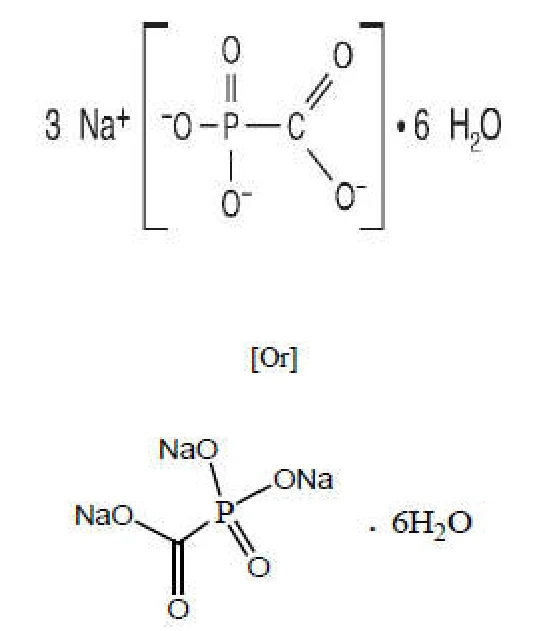
Physicochemical properties: White or almost white powder that is soluble in water and practically insoluble in ethanol.
14 CLINICAL TRIALS
14.1 Trial Design and Study Demographics
Table 14 Summary of patient demographics for clinical trials in AIDS patients with CMV retinitis
| Study # | Trial design | Dosage, route of administration and duration | Study subjects (n) | Mean age (Range) | Sex |
| SOCA, 1992; 1994 | Open-label randomized controlled trial | Ganciclovir Induction: 5 mg/kg q12 hours x 14 days Maintenance: 5 mg/kg/day Foscarnet Induction: 60 mg/kg q8 hours x 14 days Maintenance: 90 or 120 mg/kg/day (the latter following reinduction if relapsed retinitis) | N=234 Ganciclovir: n=127 Foscarnet: n=107 | Not reported | Not reported |
| SOCA, 1996 | Open-label randomized controlled trial | Foscarnet Induction: 90 mg/kg q12 hours x 14 days Maintenance: 120 mg/kg qd If retinitis progressed, regimen described above repeated Ganciclovir Induction: 5 mg/kg q12 hour x 14 days Maintenance: 10 mg/kg qd If retinitis progressed, induction 7.5 mg/kg bid x 14 days + 10 mg/kg qd maintenance Foscarnet+ganciclovir combination: Based on prior regimen given to patient; continued on previous drug as maintenance and induced with the second drug for 14 days with the same regimen as monotherapy | N=279: Foscarnet = 89 Ganciclovir = 94 Combination = 96 | 38.6 years | 256M/23F |
| Study # | Trial design | Dosage, route of administration and duration | Study subjects (n) | Mean age (Range) | Sex |
Maintenance treatment after the 14-day period was foscarnet 90 mg/kg qd + ganciclovir 5 mg/kg qd |
F=female; M=male
Table 15 Summary of patient demographics for clinical trials in immunocompromised patients with acyclovir-resistant mucocutaneous HSV
| Study # | Trial design | Dosage, route of administration and duration | Study subjects (n) | Mean age (Range) | Sex |
| Safrin et al., 1991 | Open-label randomized controlled trial | Foscarnet 40 mg/kg tid. Vidarabine 15 mg/kg/day | N=14 randomized Foscarnet = 8 Vidarabine = 6 Foscarnet non-randomized = 11 (patients who were previous vidarabine failures or who were intolerant to the drug; group not included in primary efficacy). | 31.83 years | 21M/4F |
F=female; M=male
The patient populations in the three studies consisted predominantly of male patients of middle age.
14.2 Study Results
14.2.1 Foscarnet Monotherapy for CMV Retinitis
In an open-label randomized controlled study conducted in the US, patients with AIDS and CMV retinitis (234 patients) were randomized to receive either foscarnet or ganciclovir for treatment of CMV retinitis. The foscarnet group (107 patients) received a 60 mg/kg foscarnet induction dose every 8 hours for 14 days followed by a daily 90 mg/kg foscarnet maintenance dose which was increased to 120 mg/kg after a repeat induction course for retinitis that had relapsed. If the serum creatinine rose to greater than 2.9 mg/dl, foscarnet therapy was interrupted and could not be restarted until the serum creatinine was less than 2.0 mg/dl. The ganciclovir group (127 patients) received 5 mg/kg ganciclovir every 12 hours for 14 days followed by a daily 5 mg/kg ganciclovir maintenance dose. Ophthalmologic examination included measurement of best corrected visual acuity, slit-lamp examination, indirect ophthalmoscopy during dilation, fundus photography, and visual field assessment. Time to progression was evaluated throughout the study by the Fundus Photograph Reading Center and clinicians.
The times to first progression as evaluated by the Fundus Photograph Reading Center were similar between the two groups, with a median of 53 days for the foscarnet-assigned patients and 47 days for the ganciclovir-assigned patients (p=0.997). The time to first progression as determined by the clinician was substantially longer than by the Fundus Photograph Reading Center for each group but was similar between the two groups; the median times to first progression by clinical evaluation were 74 days for foscarnet-assigned patients and 84 days for ganciclovir-assigned patients (p=0.498). The median times to reinduction were 113 days for foscarnet-assigned patients and 126 days for ganciclovir-assigned patients (p=0.599). Hence, all three methods to evaluate the relative efficacy of the two drugs (masked Fundus Photograph Reading Center evaluation, clinical evaluation, and time to reinduction) showed a similar outcome (i.e., no difference between the two treatment groups). Times to second (p=0.365) and third progression (p=0.803) were also similar between groups.
The relative risk for progression of CMV retinitis was 0.97 (ganciclovir versus foscarnet; p=0.833). By 120 days after randomization, progression was observed in 85% of patients in each treatment group. Visual acuity outcomes were similar for both groups; at 6 months after randomization, 88% of the foscarnet-assigned patients and 93% of the ganciclovir-assigned patients had a best-corrected visual acuity of 20/40 or better in the better eye (p=0.325). Visual field scores were similar in the two groups; in all eyes affected with CMV retinitis, there was a mean 29°/month loss of visual field in foscarnet-assigned patients compared with a 31°/month loss in ganciclovir-assigned patients (p=0.674).
Overall survival was reported with foscarnet providing a survival benefit compared to ganciclovir (median overall survival 12.6 versus 8.5 months, p=0.007). Excess mortality in the ganciclovir group led the Policy and Data Monitoring Board to recommend suspension of the treatment protocol 19 months after the trial started. At that time, 51% of patients in the ganciclovir group had died compared to 34% in the foscarnet group (relative risk=1.79). In the foscarnet group, the only subgroup that was identified as having excess mortality were patients with renal impairment at study entry.
Table 16 Results of study SOCA, 1992; 1994 in AIDS patients with CMV retinitis
| Primary Endpoints | Foscarnet (N=107) | Ganciclovir (N=127) | P |
Fundus Photograph Reading Center First progression Second progression Third progression | 53 35 33 | 47 42 35 | NS NS NS |
| Clinical Evaluation First progression Second progression Third progression | 74 49 49 | 84 56 42 | NS NS NS |
Reinduction First reinduction Second reinduction Third reinduction | 113 64 43 | 126 63 42 | NS NS NS |
NS=non-significant
14.2.2 Foscarnet-Ganciclovir Combination Therapy for CMV Retinitis
In a multicenter randomized controlled trial was conducted in 13 centers in the US and compared foscarnet, ganciclovir, and foscarnet-ganciclovir combination therapy for the treatment of CMV retinitis in patients with AIDS. The inclusion criteria required patients with CMV retinitis despite previous treatment attempts using either ganciclovir or foscarnet within the past 28 days. The study enrolled and randomized 279 patients to the treatments with 89 assigned to the foscarnet group, 94 to the ganciclovir group, and 96 to the combination group.
Patients in the foscarnet group received an induction dose of 90 mg/kg foscarnet every 12 hours for 14 days followed by a daily maintenance dose of 120 mg/kg foscarnet. Patients in the ganciclovir group received an induction dose of 5 mg/kg every 12 hours for 14 days followed by a daily maintenance dose of 10 mg/kg ganciclovir. The induction regimen for patients in the combination group depended on their prior treatment. Thus, patients continued on their previous drug (ganciclovir or foscarnet) at a maintenance dose and were given induction therapy using the second drug for 14 days. A patient previously treated with ganciclovir would continue to be treated with maintenance ganciclovir at a dosage of 5 mg/kg per day and induced with foscarnet at a dosage of 90 mg/kg given every 12 hours, while a patient previously given foscarnet would continue to be treated with foscarnet maintenance therapy of 90 mg/kg once daily and induced with ganciclovir at a dosage of 5 mg/kg given every 12 hours. Maintenance therapy for all patients given combination therapy was both foscarnet at a dosage of 90 mg/kg once daily and ganciclovir at a dosage of 5 mg/kg once daily.
Results of masked grading of the fundus photography indicated that median time to first retinitis progression was significantly longer (p<0.001) in the combination therapy group (4.3 months) relative to the foscarnet (1.3 months) and the ganciclovir (2.0 months) groups. Unmasked grading of the fundus photography had similar results with median time to progression being significantly longer (p≤0.001) in the combination therapy group (5.4 months) relative to the foscarnet (2.0 months) and ganciclovir (3.6 months) groups. Thus, analyses indicated that the combination therapy was associated with significantly longer time to retinitis progression relative to each of the monotherapies. This differed from comparison of monotherapies wherein the masked grading found no differences between groups regarding time to retinitis progression (p=0.28) while the unmasked clinician grading found that ganciclovir had significantly longer time to progression relative to foscarnet (p=0.009).
A difference was found in the rate of visual field loss among the three treatment groups. Combination therapy was associated with the lowest rate of visual field loss. The rate of visual field loss from baseline in involved eyes was 28° per month for the foscarnet group; 18° per month for the ganciclovir group; and 16° per month for the combination therapy group (p=0.009). Thus, the ganciclovir and combination groups had significantly lower visual field loss relative to the foscarnet group.
There were no marked differences among the three treatment groups in the rate of loss of visual acuity, whether defined as a 15-letter (3-line) loss (p=0.79) or a 30-letter (6-line) loss (p=0.35).
Table 17 Results of study SOCA, 1996 in AIDS patients with CMV retinitis
| Primary Endpoints | Foscarnet (N=83) | Ganciclovir (N=89) | Foscarnet-Ganciclovir (N=87) | P |
| Masked time to first progression (months) | 1.3 | 2.0 | 4.3 | <0.001 |
| Unmasked time to first progression (months) | 2.0 | 3.6 | 5.4 | <0.001 |
| Rate of change in visual field from baseline (degree per month) | -28 | -18 | -16 | 0.009 |
| Time to ≥3-line loss (months) | 9.1 | 9.4 | 7.7 | NS |
| Time to ≥6 line (30-letter) loss (months) | 14.7 | 12.0 | 12.4 | NS |
NS=non-significant
14.2.3 Foscarnet Monotherapy for Acyclovir-Resistant Mucocutaneous HSV
In a randomized controlled trial compared foscarnet with vidarabine, an antiviral for HSV, for treating acyclovir-resistant mucocutaneous HSV in patients with AIDS. The study enrolled and randomized 14 patients to receive either 40 mg/kg IV foscarnet every 8 hours or 15 mg/kg/day IV vidarabine over 10 to 42 days. Therapy ended on day 10 if all lesions had healed completely and continued for up to 42 days if the response was partial (defined as a decrease in the total surface area of the two largest lesions of ≥25%). Patients who failed therapy (defined as <25% healing) were allowed to cross over to the alternative study drug. The primary endpoint was the complete healing of all lesions.
The patients who received foscarnet treatment (8 patients) had a significantly shorter time to healing (median 13.5 days) than those receiving vidarabine (6 patients; median 38.5 days; p=0.01). Additionally, the lesions in all 8 patients in the foscarnet group healed completely after 10 to 24 days of therapy while vidarabine treatment was discontinued in all 6 patients due to therapeutic failure.
Of the 6 patients initially receiving vidarabine, 5 crossed over to receive foscarnet treatment. Two of these patients had complete lesion healing after 15 and 20 days of therapy with foscarnet and the other 3 patients stopped receiving foscarnet therapy after 93%, 96%, and 98% of their lesions had healed on days 24, 32, and 38 of therapy, respectively.
Lesion isolates were obtained throughout the study to assess time to virologic cure. The time to virologic cure was significantly shorter in patients receiving foscarnet (median 6 days) compared to vidarabine (median 17 days; p=0.006). All 7 patients in the foscarnet group who were shedding HSV at entry had a virologic cure compared with only 1 in 5 patients receiving vidarabine. Virologic cure was confirmed by at least two negative viral cultures of consecutive specimens collected at least 48 hours apart. Four patients with viral shedding who crossed over to receive foscarnet therapy had virologic cure after a median of 5.5 days of treatment.
In addition to the randomized patients, 11 patients who were exempt from randomization, due to discontinuation of vidarabine administration prior to enrollment, received foscarnet therapy for their herpetic lesions. Of the 11 patients, 8 had complete healing after a median of 12.7 days (range 10 to 42). Three patients stopped therapy when 35%, 52%, and 58% of their lesions had healed due to cryptococcal meningitis developing in the first case and the other two reaching maximal duration of therapy (42 days). All 11 patients had virologic cure after a median of 6 days of therapy.
Mucocutaneous HSV recurred a median of 14 days after foscarnet was discontinued (range 2 to 117 days). Of the 17 first recurrences that occurred out of 25 enrolled patients, 10 were at the site of the healed acyclovir-resistant lesion (7 susceptible to acyclovir, 3 resistant). Eight patients had second recurrences at the site of the initial resistant lesion, all of which were resistant to acyclovir. The median time to the recurrence of acyclovir-resistant HSV was 41 days (range 2 to 173 days).
16 NON-CLINICAL TOXICOLOGY
General Toxicology
The most pronounced effects noted during general toxicity studies performed with foscarnet were perturbation of some serum electrolytes (calcium, magnesium, phosphate) as well as kidney and bone changes. The reduction of serum calcium and magnesium can be explained by the property of foscarnet to form chelates with divalent metal ions. The reduction of ionised calcium and magnesium could be the reason for the seizures/convulsions observed during and shortly after infusion of high doses of foscarnet. This reduction may also have a bearing on heart function (e.g., electrocardiogram) although the toxicological studies performed did not disclose any such effects. The rate of infusion of foscarnet is critical to disturbances in the homeostasis of some serum divalent cations. The cause of the kidney changes, such as tubular atrophy, are unclear, but may be related to a similar effect seen with other complex binders of divalent cations. These kidney changes can be reduced through hydration.
Bone changes caused by foscarnet may be attributed to its structural similarity to phosphate, which is incorporated into hydroxyapatite. Despite this, recovery studies revealed that the bone changes were reversible.
Genotoxicity
Foscarnet was negative in Ames and mouse lymphoma forward mutation assays but was cytotoxic in the latter. Foscarnet was clastogenic, causing chromosome aberrations but not sister chromatid exchange. Foscarnet sodium showed genotoxic effects in the BALB/3T3 in vitro transformation assay and an increased frequency of chromosome aberrations in the sister chromatid exchange assay. A high dose of foscarnet (350 mg/kg) caused an increase in micronucleated polychromatic erythrocytes in vivo in mice at doses that produced exposures (area under curve) comparable to that anticipated clinically. It also caused a significant increase in the incidence of micronucleated polychromatic erythrocytes in the bone marrow of mice.
Carcinogenicity
Carcinogenicity studies were conducted in rats and mice. No evidence of oncogenicity was reported at plasma drug levels equal to 1/3 and 1/5, respectively, of those in humans (at the maximum recommended human daily dose) as measured by AUC.
Reproductive Toxicity
See WARNINGS AND PRECAUTIONS, Special Populations, Pregnant Women.