


Product Monograph - Vyxeos
RECENT MAJOR LABEL CHANGES
| 4 Dosage and Administration, 4.2 Recommended Dose and Dosage Adjustment | 02/2023 |
|---|---|
| 7 Warnings and Precautions, Hepatic/Biliary | 02/2023 |
| 7 Warnings and Precautions, Renal | 02/2023 |
TABLE OF CONTENTS
Sections or subsections that are not applicable at the time of authorization are not listed.
RECENT MAJOR LABEL CHANGES .......................................................................................... 2
TABLE OF CONTENTS ............................................................................................................ 2
PART I: HEALTH PROFESSIONAL INFORMATION .................................................................... 4
1 INDICATIONS ............................................................................................................. 4
1.1 Pediatrics .................................................................................................................. 4
1.2 Geriatrics .................................................................................................................. 4
2 CONTRAINDICATIONS ................................................................................................ 4
3 SERIOUS WARNINGS AND PRECAUTIONS BOX ........................................................... 4
4 DOSAGE AND ADMINISTRATION ................................................................................ 4
4.1 Dosing Considerations ............................................................................................. 4
4.2 Recommended Dose and Dosage Adjustment ........................................................ 5
4.3 Reconstitution .......................................................................................................... 7
4.4 Administration ......................................................................................................... 8
4.5 Missed Dose ............................................................................................................. 9
5 OVERDOSAGE ............................................................................................................ 9
6 DOSAGE FORMS, STRENGTHS, COMPOSITION AND PACKAGING ................................ 9
7 WARNINGS AND PRECAUTIONS ................................................................................. 9
7.1 Special Populations ................................................................................................ 13
7.1.1 Pregnant Women ............................................................................................. 13
7.1.2 Breast-feeding .................................................................................................. 14
7.1.3 Pediatrics .......................................................................................................... 14
7.1.4 Geriatrics .......................................................................................................... 14
8 ADVERSE REACTIONS............................................................................................... 14
8.1 Adverse Reaction Overview ................................................................................... 14
8.2 Clinical Trial Adverse Reactions ............................................................................. 15
8.2.1 Clinical Trial Adverse Reactions – Pediatrics.................................................... 18
8.3 Less Common Clinical Trial Adverse Reactions ...................................................... 19
8.4 Abnormal Laboratory Findings: Hematologic, Clinical Chemistry and Other Quantitative Data ............................................................................................................. 19
8.5 Post-Market Adverse Reactions ............................................................................. 20
9 DRUG INTERACTIONS .............................................................................................. 20
9.2 Drug Interactions Overview ................................................................................... 20
9.3 Drug-Behavioural Interactions ............................................................................... 20
9.4 Drug-Drug Interactions .......................................................................................... 20
9.5 Drug-Food Interactions .......................................................................................... 21
9.6 Drug-Herb Interactions .......................................................................................... 21
9.7 Drug-Laboratory Test Interactions......................................................................... 21
10 CLINICAL PHARMACOLOGY ...................................................................................... 21
10.1 Mechanism of Action ....................................................................................... 21
10.2 Pharmacodynamics .......................................................................................... 22
10.3 Pharmacokinetics ............................................................................................. 22
11 STORAGE, STABILITY AND DISPOSAL ........................................................................ 25
12 SPECIAL HANDLING INSTRUCTIONS .......................................................................... 25
13 PHARMACEUTICAL INFORMATION .......................................................................... 26
14 CLINICAL TRIALS ...................................................................................................... 27
14.1 Trial Design and Study Demographics ............................................................. 27
14.2 Study Results .................................................................................................... 29
15 MICROBIOLOGY ...................................................................................................... 31
16 NON-CLINICAL TOXICOLOGY .................................................................................... 31
PATIENT MEDICATION INFORMATION ................................................................................ 33
PART I: HEALTH PROFESSIONAL INFORMATION
1 INDICATIONS
VYXEOS® (daunorubicin and cytarabine liposome for injection) is indicated for:
- treatment of adults with newly diagnosed therapy-related acute myeloid leukemia (t-AML) or AML with myelodysplasia-related changes (AML-MRC).
1.1 Pediatrics
Pediatrics (< 18 years): Newly Diagnosed t-AML or AML-MRC: The safety and effectiveness of VYXEOS in the treatment of newly diagnosed t-AML or AML-MRC has not been established in children and adolescent patients under 18 years of age.
1.2 Geriatrics
Geriatrics (≥ 65 years of age): Evidence from clinical studies experience suggests there is no significant difference in the safety of VYXEOS in patients aged 65 or older. Dose adjustments based on age are not necessary [see 7.1.4 Special Populations – Geriatrics].
2 CONTRAINDICATIONS
VYXEOS is contraindicated in patients who are:
- hypersensitive to this drug or to any ingredient in the formulation, including any non-medicinal ingredient, or component of the container. For a complete listing, see 6 DOSAGE FORMS, STRENGTHS, COMPOSITION AND PACKAGING.
3 SERIOUS WARNINGS AND PRECAUTIONS BOX
Serious Warnings and Precautions
| VYXEOS has different dosage recommendations than daunorubicin hydrochloride injection, cytarabine injection, daunorubicin citrate liposome injection and cytarabine liposome injection. Verify drug name and dose prior to preparation and administration to avoid dosing errors [see 7 WARNINGS AND PRECAUTIONS]. |
|---|
4 DOSAGE AND ADMINISTRATION
4.1 Dosing Considerations
- Treatment should be initiated and monitored under the supervision of a physician experienced in the use of chemotherapeutic medicinal products.
VYXEOS has a different posology than daunorubicin injection and cytarabine injection
- and it must not be interchanged with other daunorubicin and/or cytarabine containing products.
- Patients may be pre-medicated for nausea and vomiting. An anti-hyperuricemic therapy should be considered (e.g., allopurinol) prior to initiating VYXEOS.
4.2 Recommended Dose and Dosage Adjustment
VYXEOS dosing is based on individual patient’s body surface area (BSA) according to the following schedule.
Adult Patients with Newly Diagnosed t-AML or AML-MRC
Table 1: Dose and Schedule for VYXEOS in Adult Patients with Newly Diagnosed t-AML or AML-MRC
| Therapy | VYXEOS Dosing schedule |
|---|---|
| First induction | daunorubicin 44 mg/m2 and cytarabine 100 mg/m2 on days 1, 3 and 5 |
| Second induction | daunorubicin 44 mg/m2 and cytarabine 100 mg/m2 on days 1 and 3 |
| Consolidation | daunorubicin 29 mg/m2 and cytarabine 65 mg/m2 on days 1 and 3 |
Recommended Dosing Schedule for Induction of Remission
The recommended dosing schedule of VYXEOS is daunorubicin 44 mg/m2 and cytarabine 100 mg/m2 administered intravenously over 90 minutes:
- on days 1, 3 and 5 as the first course of induction therapy;
- on days 1 and 3 as subsequent course of induction therapy, if needed.
A subsequent cycle of induction may be administered 2 to 5 weeks after the first in patients who do not achieve remission and show no unacceptable toxicity. The attainment of a normal-appearing bone marrow may require more than one induction course. Evaluation of the bone marrow following recovery from the previous course of induction therapy determines whether a further course of induction is required. Treatment should be continued as long as the patient continues to benefit or until disease progression up to a maximum of 2 induction courses.
Recommended Dosing Schedule for Consolidation
The first consolidation course should be administered 5 to 8 weeks after the start of the last induction. The recommended dosing schedule of VYXEOS is daunorubicin 29 mg/m2 and cytarabine 65 mg/m2 administered intravenously over 90 minutes:
- on days 1 and 3 as subsequent courses of consolidation therapy, if needed.
Consolidation therapy is recommended for patients achieving remission who have recovered to absolute neutrophil count (ANC) > 0.5 x 10⁹/L and the platelet count has recovered to greater than 50 x 109/L in the absence of unacceptable toxicity. A subsequent course of consolidation may be administered in patients who do not show disease progression or unacceptable toxicity within the range of 5 to 8 weeks after the start of the first consolidation. Treatment should be continued as long as the patient continues to benefit or until disease progression, up to a maximum of 2 consolidation courses.
Recommended Dose Adjustments
Dosing should be delayed or permanently discontinued, if necessary, as described below.
Hypersensitivity Reactions
For hypersensitivity reactions of any grade/severity, interrupt VYXEOS infusion immediately and manage symptoms. Reduce the rate of infusion or discontinue treatment as outlined below:
- For mild hypersensitivity symptoms (e.g., mild flushing, rash, pruritus), the treatment should be stopped, and the patient should be supervised, including monitoring of vital signs. Once the symptoms have resolved, the treatment should be restarted slowly at half the prior rate of infusion and intravenous antihistamines and/or corticosteroids should be considered.
- For moderate hypersensitivity symptoms, do not reinitiate infusion. For subsequent doses of VYXEOS, premedicate with antihistamines and/or corticosteroids prior to initiating infusion at the same rate [see 7 WARNINGS AND PRECAUTIONS, Immune].
- For severe or life-threatening symptoms, permanently discontinue VYXEOS treatment, treat according to the standard of care to manage symptoms. Monitor the patient until symptoms resolve [see 7 WARNINGS AND PRECAUTIONS, Immune].
Cardiotoxicity
Assessment of cardiac function prior to the initiation of each cycle of induction and consolidation is recommended, especially in patients with a high risk of cardiac toxicity. VYXEOS treatment should be discontinued in patients who develop signs or symptoms of cardiomyopathy, unless the benefits outweigh the risks.
Renal impairment
Dose adjustment is not required for patients with mild (creatinine clearance [CrCL] 60 mL/min to 89 mL/min by Cockcroft Gault equation), moderate (CrCL 30 mL/min to 59 mL/min) or severe (CrCL 15 mL/min to 29 mL/min)renal impairment. There is no experience with VYXEOS in patients with end-stage renal disease managed with dialysis. Assessment of renal function prior to the initiation of each cycle of induction and consolidation is recommended. VYXEOS should only be used in patients with end-stage renal disease if the benefits outweigh the risks [see 7 WARNINGS AND PRECAUTIONS, Renal].
Hepatic impairment
Dose adjustment is not required for patients with a bilirubin level less than or equal to 50 µmol/L. There is no experience with VYXEOS in patients with hepatic impairment resulting in a bilirubin level greater than 50 µmol/L. Assessment of hepatic function prior to the initiation of each cycle of induction and consolidation is recommended. VYXEOS should only be used in patients with severe hepatic impairment if the benefits outweigh the [see 7 WARNINGS AND PRECAUTIONS, Hepatic/Biliary].
Elderly population
No dosage adjustment is required in elderly patients (≥ 65 years).
Pediatric population
Based on the data submitted and reviewed by Health Canada, the safety and efficacy of VYXEOS in pediatric patients has not been established; therefore, Health Canada has not authorized an indication for pediatric use [see 8.2.1 ADVERSE REACTIONS, Clinical Trial Adverse Reactions -Pediatrics].
4.3 Reconstitution
VYXEOS is a cytotoxic medicinal product. Applicable special handling and disposal procedures should be followed. The product is intended for single use only. Do not save any unused portions for later administration.
Preparation Instructions
- Determine the dose based on daunorubicin and the individual patient’s BSA as outlined in section 4.2 Recommended Dose and Dosage Adjustment.
- Calculate the number of vials of VYXEOS based on daunorubicin dose.
- Remove the appropriate number of vials of VYXEOS from the refrigerator and equilibrate to the room temperature for 30 minutes.
- Then, reconstitute each vial with 19 mL of sterile water for injections using a 20 mL sterile syringe, and immediately thereafter start a 5-minute timer.
- Carefully swirl the contents of the vial for 5 minutes while gently inverting the vial every 30 seconds.
- Do not heat, vortex, or shake vigorously.
- After reconstitution, let it rest for 15 minutes.
- The reconstituted product should be an opaque, purple, homogeneous dispersion, essentially free from visible particles.
- If the reconstituted product is not diluted into an infusion bag immediately, store in a refrigerator (2°C to 8°C) for up to 4 hours.
- Following the storage of reconstituted product in the vial for up to 4 hours at 2°C to 8°C, the reconstituted product must be immediately diluted into an infusion bag and run for the 90-minute infusion time.
- The maximum combined storage time for reconstituted product in the vial and reconstituted product diluted into an infusion bag is up to 4 hours (not 4 hours each) at 2°C to 8°C.
Calculate the volume of reconstituted VYXEOS required using the following formula:
[volume required (mL) = dose of daunorubicin (mg/m2) x patient’s BSA (m2)/2.2 (mg/mL)].
The concentration of the reconstituted solution is 44 mg/20 mL (2.2 mg/mL) daunorubicin and 100 mg/20 mL (5 mg/mL) cytarabine.
- Gently invert each vial 5 times prior to withdrawing the concentrate for dilution.
- Aseptically withdraw the calculated volume of reconstituted VYXEOS from the vial(s) with a sterile syringe and transfer it to an infusion bag containing 500 mL of sodium chloride 9 mg/mL (0.9%) solution for injection, or 5% glucose. There may be residual product remaining in the vial. Discard unused portion.
- Gently invert the bag to mix the solution. The dilution of the reconstituted product results in a deep purple, translucent, homogeneous dispersion.
- If the diluted infusion solution is not used immediately, store in a refrigerator (2°C to 8°C) for up to 4 hours.
- Gently invert the bag to mix the solution after refrigeration.
Table 2: Reconstitution
| Vial Size | Volume of Diluent to be Added to Vial | Approximate Available Volume | Concentration per mL |
| 50 mL vial | 19 mL of Sterile Water | 20 mL | Daunorubicin: 2.2 mg/mL Cytarabine: 5 mg/mL |
4.4 Administration
VYXEOS is for intravenous use only. It must not be administered via an intramuscular, intrathecal or subcutaneous route.
VYXEOS is administered by intravenous infusion over a period of 90 minutes. Care should be taken to ensure there is no extravasation to prevent the risk of tissue necrosis.
Administration instructions:
- Do not mix VYXEOS with, or administer as an infusion with, other medicinal products.
- Administer VYXEOS by constant intravenous infusion over 90 minutes via an infusion pump through a central venous catheter or a peripherally inserted central catheter. An in-line membrane filter may be used for the intravenous infusion of VYXEOS liposomal, provided the minimum pore diameter of the filter is greater than or equal to 15 µm.
- Flush the line after administration with sodium chloride 9 mg/mL (0.9%) solution for injection.
4.5 Missed Dose
If a planned dose of VYXEOS is missed, administer the dose as soon as possible and adjust the dosing schedule accordingly, maintaining the treatment interval.
5 OVERDOSAGE
There is no specific experience in the management of overdose in patients. If overdose occurs, exacerbation of adverse reactions associated with VYXEOS are expected and supportive treatment (including anti-infectives, blood and platelet transfusions, colony-stimulating factors, and intensive care as needed) should be provided until the patient recovers. Observe the patient carefully over time for signs of cardiotoxicity and provide appropriate supportive therapy as clinically indicated.
| For management of a suspected drug overdose, contact your regional poison control centre. |
|---|
6 DOSAGE FORMS, STRENGTHS, COMPOSITION AND PACKAGING
Table 3: Dosage Forms, Strengths, Composition and Packaging
VYXEOS is a sterile, preservative-free, purple, lyophilized cake for reconstitution supplied in a single-dose clear glass vial.
Each pack size contains 1 vial, 2 vials or 5 vials. Not all pack sizes may be marketed.
7 WARNINGS AND PRECAUTIONS
General
Other Daunorubicin and/or Cytarabine-containing Products
VYXEOS must not be substituted or interchanged with other daunorubicin and/or cytarabine-containing products. Due to substantial differences in the pharmacokinetic parameters, the
| Route of Administration | Dosage Form/ Strength/Composition | Non-medicinal Ingredients |
| Intravenous infusion | Powder. Each vial contains 44 mg of daunorubicin and 100 mg of cytarabine. After reconstitution the solution contains 2.2 mg/mL daunorubicin and 5 mg/mL cytarabine encapsulated in liposomes in a fixed combination in a 1:5 molar ratio. | Cholesterol, copper gluconate, distearoylphosphatidylcholine, distearoylphosphatidylglycerol, sucrose, triethanolamine (for pH adjustment). |
dose and schedule recommendations for VYXEOS are different from those for daunorubicin hydrochloride injection, cytarabine injection, daunorubicin citrate liposome injection, and cytarabine liposome injection. The medicinal product name and dose should be verified prior to administration to avoid dosing errors.
Tissue necrosis
Daunorubicin has been associated with local tissue necrosis at the site of medicinal product extravasation. In clinical studies with VYXEOS, one event of extravasation occurred, but no necrosis was observed. Care should be taken to ensure that there is no extravasation of medicinal product when VYXEOS is administered. VYXEOS should be administered intravenously only. Do not administer by intramuscular, intrathecal or subcutaneous route [see 4.4 DOSAGE AND ADMINISTRATION, Administration].
Cardiovascular
Cardiotoxicity is a known risk of anthracycline treatment. Prior therapy with anthracyclines, pre-existing cardiac disease (including impaired cardiac function), previous radiotherapy of the mediastinum, or concomitant use of cardiotoxic products may increase the risk of daunorubicin-induced cardiac toxicity. A baseline cardiac evaluation with an electrocardiogram (ECG) and a multi-gated radionuclide angiography (MUGA) scan or an echocardiography (ECHO) is recommended, especially in patients with risk factors for increased cardiac toxicity. Repeat MUGA or ECHO determinations of left ventricular ejection fraction (LVEF) prior to consolidation with VYXEOS and as clinically required. VYXEOS treatment is not recommended in patients with LVEF that is less than normal.
Total cumulative doses of non-liposomal daunorubicin greater than 550 mg/m2 have been associated with an increased incidence of treatment-induced congestive heart failure. This limit appears lower (400 mg/m2) in patients who received radiation therapy to the mediastinum. Calculate the lifetime cumulative anthracycline exposure prior to each cycle of VYXEOS. VYXEOS treatment is not recommended in patients whose lifetime anthracycline exposure has reached the maximum cumulative limit.
The cumulative exposure of daunorubicin per cycle of VYXEOS is shown in Table 4.
Table 4: Cumulative Exposure of Daunorubicin per Cycle of VYXEOS
| Therapy | Daunorubicin per dose | Number of doses per course | Daunorubicin per course |
|---|---|---|---|
| First induction | 44 mg/m2 | 3 | 132 mg/m2 |
| Second induction | 44 mg/m2 | 2 | 88 mg/m2 |
| Each consolidation | 29 mg/m2 | 2 | 58 mg/m2 |
Treatment with VYXEOS should be discontinued in patients with impaired cardiac function unless the benefit of initiating or continuing treatment outweighs the risk [see 9 DRUG INTERACTIONS and 8 ADVERSE REACTIONS].
Driving and Operating Machinery
VYXEOS has minor influence on the ability to drive and use machines. Fatigue and dizziness have been reported with the use of VYXEOS. Therefore, caution is recommended when driving or operating machines.
Endocrine and Metabolism
Each vial of VYXEOS contains 100 mg of copper gluconate, which corresponds to 14 mg of elemental copper. There is no clinical experience with VYXEOS in patients with Wilson’s disease or other copper-related metabolic disorders. The maximum theoretical total exposure of copper under the recommended VYXEOS dosing regimen is 106 mg/m2. Consult with a hepatologist and nephrologist with expertise in managing acute copper toxicity in patients with Wilson’s disease treated with VYXEOS. Monitor total serum copper, serum non-ceruloplasmin bound copper, 24-hour urine copper levels and serial neuropsychological examinations in these patients. VYXEOS should be used in patients with a history of Wilson’s disease or other copper-related disorder only if the benefits outweigh the risks. Discontinue VYXEOS in patients with signs or symptoms of acute copper toxicity.
Gastrointestinal
It should be taken into consideration that the absorption of oral accompanying medicinal products may be considerably influenced by gastrointestinal mucositis and/or diarrhea frequently occurring in association with intensive chemotherapy.
Hematologic
Severe myelosuppression resulting in fatal infections and hemorrhage has been reported in patients after administration of a therapeutic dose of VYXEOS. Serious or fatal hemorrhagic events, including fatal central nervous system (CNS) hemorrhages, associated with severe thrombocytopenia, have occurred in patients treated with VYXEOS. Due to the long plasma half-life of VYXEOS, time to recovery of absolute neutrophil count (ANC) and platelets may be prolonged and require additional monitoring [see Monitoring and Laboratory Tests].
Prophylactic anti-infectives (including anti-bacterial, anti-virals, anti-fungals) may be administered during the period of profound neutropenia until ANC returns to 500/µL or greater. If myelosuppressive complications occur, appropriate supportive measures should be used, e.g., anti-infectives, growth factors (such as erythropoiesis stimulating agents or granulocyte colony-stimulating factors, and platelet transfusions. Blood counts should be regularly monitored until recovery [see 8 ADVERSE REACTIONS].
Hepatic/Biliary
Hepatic impairment may increase the risk of toxicity associated with daunorubicin and cytarabine. Evaluation of hepatic function using conventional clinical laboratory tests is recommended prior to administration of VYXEOS and periodically during treatment. There is no experience with VYXEOS in patients with baseline serum bilirubin greater than 50 µmol/L. VYXEOS should only be used in patients with severe hepatic impairment if the benefits outweigh the risks [see 4.2 Recommended Dose and Dosage Adjustment].
Immune
Serious hypersensitivity reactions, including anaphylactic reactions, have been reported with daunorubicin and cytarabine.
For moderate hypersensitivity symptoms (e.g., moderate rash, flushing, mild dyspnoea, chest discomfort) stop the infusion and treat according to standard care. The infusion should not be restarted. When the patient is retreated, VYXEOS should be given at the same dose and rate and with premedication.
For severe/life-threatening hypersensitivity symptoms (e.g., hypotension requiring vasopressor therapy, angioedema, respiratory distress requiring bronchodilation therapy, generalised urticaria), permanently discontinue VYXEOS, treat according to standard of care and monitor until signs and symptoms resolve [see 4.2 Recommended Dose and Dosage Adjustment and 8 ADVERSE REACTIONS].
Immunosuppressant Effects/Increased Susceptibility to Infections
Administration of live or live-attenuated vaccines in patients that are immunocompromised by chemotherapeutic agents may result in serious or fatal infections. Vaccination with a live vaccine should be avoided in patients receiving VYXEOS. Killed or inactivated vaccines may be administered; however, the response to such vaccines may be diminished.
Monitoring and Laboratory Tests
Cardiac function should be closely monitored. MUGA or ECHO determinations of left ventricular ejection fraction (LVEF) required prior to initiation of treatment with VYXEOS, repeated prior to consolidation with VYXEOS and as clinically required.
Baseline assessment of blood counts should be obtained, and patients should be carefully monitored during treatment with VYXEOS for neutropenia, thrombocytopenia and anemia due to myelosuppression.
VYXEOS may induce hyperuricemia secondary to rapid lysis of leukemic cells. Blood uric acid levels should be monitored, and appropriate therapy initiated if hyperuricemia develops.
Renal
Renal impairment may increase the risk of toxicity associated with daunorubicin and cytarabine. Evaluation of renal function using conventional clinical laboratory tests is recommended prior to administration of VYXEOS and periodically during treatment. There is no experience with VYXEOS in patients with end-stage renal disease managed with dialysis. VYXEOS should only be used in patients with end-stage renal disease if the benefits outweigh the risks [see 4.2 Recommended Dose and Dosage Adjustment].
Reproductive Health: Female and Male Potential
Patients should be advised to avoid becoming pregnant while receiving VYXEOS. Male patients and women of childbearing potential must use an effective method of contraception during treatment and for 6 months following the last dose of VYXEOS. If this drug is used during pregnancy or if the patient becomes pregnant while taking this drug, apprise the patient of the potential risks to the fetus [see 7.1.1 Special Populations – Pregnant Women and 16 NON-CLINICAL TOXICOLOGY]
- Fertility
Based on findings from animal studies with cytarabine and daunorubicin, male fertility may be compromised by treatment with VYXEOS [see 16 NON-CLINICAL TOXICOLOGY].
7.1 Special Populations
7.1.1 Pregnant Women
There are no data on the use of VYXEOS in pregnant women. Based on results from animal studies and its mechanism of action, VYXEOS should not be used during pregnancy, unless the clinical condition of the woman requires treatment and justifies the potential risks to the fetus [see 16 NON-CLINICAL TOXICOLOGY].
If the medicinal product is used during pregnancy, or if the patient becomes pregnant while receiving VYXEOS, the woman should be informed of the potential hazard to the fetus. In any case, cardiologic examination and a blood count are recommended in fetuses and newborns born to mothers who received treatment during pregnancy [see 7.1.1 Special Populations – Pregnant Women and 16 NON-CLINICAL TOXICOLOGY].
Women of childbearing potential/Contraception in males and females
Women of childbearing potential should avoid becoming pregnant while receiving VYXEOS. Women of childbearing potential should use effective contraception while they or their male partner undergo treatment. Women of childbearing potential should not receive VYXEOS until pregnancy is excluded.
Women of childbearing potential should undergo pregnancy testing before initiation of VYXEOS. Men with sexual partners of reproductive potential and women should use effective contraception during treatment and for 6 months following the last dose of VYXEOS.
7.1.2 Breast-feeding
It is not known whether VYXEOS is excreted in human milk. Because of the potential for serious adverse reactions in breast feeding children from VYXEOS, mothers should be advised not to breastfeed during VYXEOS therapy.
7.1.3 Pediatrics
Pediatrics (1 to < 18 years): Based on the data submitted and reviewed by Health Canada, the safety and efficacy of VYXEOS in pediatric patients has not been established; therefore, Health Canada has not authorized an indication for pediatric use [see 1 INDICATIONS and 4 DOSAGE AND ADMINISTRATION].
In a single arm study of anthracycline pre-treated children with relapsed AML, baseline abnormalities in cardiovascular function were common. VYXEOS was associated with a decline in cardiovascular function. There is no pediatric safety data to address long-term cardiotoxicity of VYXEOS when used at doses above the maximum life-time cumulative anthracycline dose. Warnings applicable to adults are also relevant to pediatric use [see 8 ADVERSE REACTIONS].
7.1.4 Geriatrics
Of the 375 patients who received VYXEOS in clinical studies, 57% were 65 years and over. No overall differences in safety were observed between these patients and younger patients, with the exception of bleeding events, which occurred more frequently in patients 65 years and older compared to younger patients (77% vs. 59%).
8 ADVERSE REACTIONS
8.1 Adverse Reaction Overview
Study 301 in Patients with Newly Diagnosed t-AML or AML-MRC
The safety of VYXEOS was determined in a randomized trial for adults with newly-diagnosed t-AML or AML-MRC [see 14 CLINICAL TRIALS] which included 153 patients treated with VYXEOS and 151 patients treated with a standard combination of cytarabine and daunorubicin (7+3). At study entry, patients were required to have a LVEF of at least 50% and a prior lifetime cumulative anthracycline exposure less than 368 mg/m2 daunorubicin (or equivalent). On study, the median number of cycles administered was 2 (range, 1–4 cycles) on the VYXEOS arm and 1 (range, 1–4 cycles) on the control arm. The median cumulative daunorubicin dose was 189 mg/m2 (range, 44–337 mg/m2) on the VYXEOS arm and 186 mg/m2 (range, 44–532 mg/m2) on the control arm. Safety data were collected for adverse events which started after the first dose of induction 1 and not more than 30 days after the last dose date. Of the adverse events reported those that were treatment related were adverse reactions.
Nine patients each on the VYXEOS arm (6%) and the control arm (6%) had a fatal adverse reaction on treatment or within 30 days of therapy that was not in the setting of progressive disease. Fatal adverse reactions on the VYXEOS arm included infection, CNS hemorrhage and respiratory failure. Overall, all-cause day-30 mortality was 6% in the VYXEOS arm and 11% in the control arm. During the first 60 days of the study, 14% (21/153) of patients died in the VYXEOS arm vs. 21% (32/151) of patients in the 7+3 treatment group.
The most common serious adverse reactions (incidence ≥ 5%) on the VYXEOS arm were dyspnea, myocardial toxicity, sepsis, pneumonia, febrile neutropenia, bacteremia and hemorrhage. Adverse reactions led to discontinuation of VYXEOS in 18% (28/153) of patients, and 13% (20/151) in the control arm. The adverse reactions leading to discontinuation on the VYXEOS arm included prolonged cytopenias, infection, cardiotoxicity, respiratory failure, hemorrhage (GI and CNS), renal insufficiency, colitis and generalized medical deterioration. The incidences of common adverse drug reactions during the induction phase in Study 301 are presented in Table 5.
Data from Pooled Safety Analysis
Among the 375 patients treated with VYXEOS in adult clinical trials, the most frequently occurring adverse reactions (ADRs) were hypersensitivity including rash (66.9%), febrile neutropenia (63.5%), oedema (52.3%), nausea (51.7%), diarrhoea/colitis (49.9%), mucositis (49.9%), fatigue (46.4%), musculoskeletal pain (44.5%), constipation (42.7%), abdominal pain (36.3%), decreased appetite (33.9%), cough (33.9%), headache (32.3%), chills (31.2%), arrhythmia (30.4%), pyrexia (29.6%), vomiting (27.7%), sleep disorders (25.1%) and hypotension (23.7%).
The most serious (Grades 3-5) and frequently occurring ADRs were febrile neutropenia (62.4%), infection (58.7%), cardiotoxicity (18.7%), dyspnoea (13.1%), hemorrhage (13.1%) and fatigue (10.4%).
8.2 Clinical Trial Adverse Reactions
Clinical trials are conducted under very specific conditions. The adverse reaction rates observed in the clinical trials; therefore, may not reflect the rates observed in practice and should not be compared to the rates in the clinical trials of another drug. Adverse reaction information from clinical trials may be useful in identifying and approximating rates of adverse drug reactions in real-world use.
Table 5: Common Adverse Reactions (≥ 10% Incidence in the VYXEOS arm) During the Pivotal Study 301 Induction Phase
| System Organ Class | All Grades a | Grades 3 to 5 a | |||
|---|---|---|---|---|---|
VYXEOS N=153 n (%) | 7+3 N=151 n (%) | VYXEOS N=153 n (%) | 7+3 N=151 n (%) | ||
| Infections and infestations | |||||
| Infection | 106 (69.3) | 99 (65.6) | 79(51.6) | 72 (47.7) | |
| Blood and lymphatic system disorders | |||||
| Febrile neutropenia | 104 (68) | 103 (68.2) | 101 (66.0) | 102 (67.5) | |
| Immune systems disorders | |||||
| Rash | 82 (53.6) | 55 (36.4) | 8 (5.2) | 2 (1.3) | |
| Transfusion reactions | 17 (11.1) | 16 (10.6) | 3 (2.0) | 1 (0.7) | |
| Psychiatric disorders | |||||
| Sleep disorders | 38 (24.8) | 42 (27.8) | 2(1.1) | 1 (0.7) | |
| Anxiety | 21(13.7) | 16 (10.6) | 0 | 0 | |
| Delirium | 24 (15.7) | 33 (21.9) | 4 (2.6) | 9 (6.0) | |
| Nervous system disorders | |||||
| Headache | 51 (33.3) | 36 (23.8) | 2 (1.3) | 1 (0.7) | |
| Dizziness | 27 (17.6) | 26 (17.2) | 1 (0.7) | 0) | |
| Eye disorders | |||||
| Visual impairment | 16 (10.5) | 8 (5.3) | 0) | 0 | |
| Cardiac disorders | |||||
| Non-conduction Cardiotoxicity | 31 (20.3) | 27 (17.9) | 13(8.5) | 15 (9.9) | |
| Arrhythmia | 46 (30.1) | 41 (27.2) | 10 (6.5) | 7 (4.6) | |
| Chest pain | 26 (17.0) | 22 (14.6) | 5 (3.3) | 0 | |
| Vascular disorders | |||||
| Hemorrhage | 107 (69.9) | 74 (49.0) | 15 (9.8) | 9 (6.0) | |
| Hypotension | 30 (19.6) | 32 (21.2) | 7 (4.6) | 1 (0.7) | |
| Hypertension | 28 (18.3) | 21 (13.9) | 15 (9.8) | 8 (5.3) | |
| Respiratory, thoracic and mediastinal disorders | |||||
| Dyspnea | 49 (32.0) | 51 (33.8) | 17 (11.1) | 15 (9.9) | |
| Cough | 51(33.3) | 34 (22.5) | 0 | 1 (0.7) | |
| Pleural effusion | 24 (15.7) | 25 (16.6) | 3 (2.0) | 2 (1.3) | |
| Hypoxia | 28 (18.3) | 31 (20.5) | 19 (12.4) | 23 (15.2) | |
| Gastrointestinal disorders | |||||
| Nausea | 72 (47.1) | 79 (52.3) | 1 (0.7) | 1 (0.7) | |
| Diarrhea/ colitis | 69 (45.1) | 100 (66.2) | 4 (2.6) | 10 (6.6) | |
| Mucositis | 68 (44.4) | 69 (45.7) | 2 (1.3) | 7 (4.6) | |
| Constipation | 61 (39.9) | 57 (37.7) | 0 | 0 | |
| Abdominal pain | 51 (33.3) | 45 (29.8) | 3 (2.0) | 3 (2.0) | |
| Decreased appetite | 44 (28.8) | 57(37.7) | 2(1.3) | 5 (3.3) | |
| Vomiting | 37 (24.2) | 31 (20.5) | 0 | 0 | |
| System Organ Class | All Grades a | Grades 3 to 5 a | |||
|---|---|---|---|---|---|
VYXEOS N=153 n (%) | 7+3 N=151 n (%) | VYXEOS N=153 n (%) | 7+3 N=151 n (%) | ||
| Hemorrhoids | 16 (10.5) | 12 (7.9) | 0 | 0 | |
| Skin and subcutaneous tissue disorders | |||||
| Pruritus | 23 (15.0) | 14 (9.3) | 0 | 0 | |
| Petechiae | 17 (11.1) | 17 (11.3) | 0 | 0 | |
| Musculoskeletal and connective tissue disorders | |||||
| Musculoskeletal pain | 58 (37.9) | 52 (34.4) | 5 (3.3) | 4 (2.6) | |
| Renal and urinary disorders | |||||
| Renal insufficiency | 17 (11.1) | 17 (11.3) | 7 (4.6) | 7 (4.6) | |
| General disorders and administration site conditions | |||||
| Edema | 75 (49.0) | 89 (58.9) | 1 (0.7) | 5 (3.3) | |
| Fatigue | 49 (32.0) | 58(38.4) | 8 (5.2) | 8 (5.3) | |
| Chills | 35 (22.9) | 38 (25.2) | 0 | 0 | |
| Pyrexia | 26 (17.0) | 23 (15.2) | 1 (0.7) | 2 (1.3) | |
| Catheter/device/ injection site reaction | 24 (15.7) | 15 (9.9) | 0 | 0 | |
a Adverse reactions were graded using NCI CTCAE version 3.0.
Infections
Due to the neutropenia experienced with VYXEOS, infections of various types were very common ADRs. Pneumonia, sepsis and bacteremia were the most frequently seen serious infection ADRs in the pooled clinical studies population. The incidence of infection events was 78.1%; the incidence of non-serious events of infections was 73.1%, the incidence of serious events of infections was 28.5%; the incidence of infections which led to discontinuation is 0.5%. The incidence of fatal infections was 6.9%. The fatal infections experienced were sepsis and pneumonia [see 7 WARNINGS AND PRECAUTIONS – Hematologic].
Hemorrhage
Due to the thrombocytopenia experienced with VYXEOS a variety of hemorrhagic events were seen in the pooled clinical studies. The most common hemorrhagic event was epistaxis, and the majority of these were considered not serious (29.6%). The incidence of hemorrhage events is 69.1%; the incidence of non-serious events of hemorrhage was 67.2%; the incidence of serious events of hemorrhage is 5.6%; the incidence of hemorrhage which led to discontinuation is 0. The incidence of fatal hemorrhage was 2.1%. Serious or fatal hemorrhagic events, including fatal central nervous system (CNS) hemorrhages, associated with severe thrombocytopenia were seen in patients treated with VYXEOS [see 7 WARNINGS AND PRECAUTIONS – Hematologic].
Cardiotoxicity
Cardiotoxicities were seen in VYXEOS in pooled clinical studies. The most frequently reported serious ADRs were decreased ejection fraction and congestive cardiac failure. Cardiotoxicity is a known risk of anthracycline treatment. The incidence of all cardiotoxicity events was 72.0%; the incidence of non-serious events of cardiotoxicity was 68.5%; the incidence of serious events of cardiotoxicity was 9.1%; the incidence of cardiotoxicity which led to discontinuation is 0.5%. Incidence of fatal cardiotoxicity events is 0.5%. Cardiac arrest was reported as a fatal event; the patient experienced thrombocytopenia and neutropenia which contributed to cardiac arrest [see 7 WARNINGS AND PRECAUTIONS – Cardiovascular].
Hypersensitivity
Hypersensitivity reactions were very common ADRs in VYXEOS in the pooled clinical studies. The most frequently reported hypersensitivity ADRs were rash and the majority of these were not serious (38.9%). The incidence of all hypersensitivity events was 66.9%; the incidence of non-serious events of hypersensitivity was 66.4%, of which 38.9% were rash; the incidence of serious events of hypersensitivity is 1.1%; the frequency of hypersensitivity which led to discontinuation is 0. The frequency of fatal hypersensitivity events was 0 [see 7 WARNINGS AND PRECAUTIONS – Immune].
8.2.1 Clinical Trial Adverse Reactions – Pediatrics
Pediatric population
In a single arm study of 38 anthracycline pre-treated children with relapsed AML, baseline abnormalities in cardiovascular function were common compared to a pooled analysis in 375 adult patients with newly diagnosed tAML or AML-MRC and 125 patients from an additional adult study in second-line treatment. VYXEOS was associated with a decline in cardiovascular function. The early onset of cardiotoxicity (defined as > 10% decrease LVEF to final LVEF < 50% LVEF) was reported in 21% of pediatric patients as compared to 11% of VYXEOS-treated older adults with newly diagnosed AML. There is no pediatric safety data to address long-term cardiotoxicity of VYXEOS when used at doses above the maximum life-time cumulative anthracycline dose. Adverse events (AEs) observed in children that were different from or more severe than those seen in adults (in both first- and second-line settings) included rash maculo-papular at 47.4% (any grade) (42.1% Grade ≥ 3, 15.8% serious AE) in children as compared to 9.6% (any grade) in adults. Electrocardiogram QT prolongation was monitored without any corrections in the pediatric study and was prolonged in 28.9% of children compared to 0.8% in adults [see 10.2 CLINICAL PHARMACOLOGY – Pharmacodynamics]. The rates of severe (Grade ≥ 3) AEs in pediatric and adult patients for Hypokalemia were 13.2% vs 8.6% (first-line setting) and 0% (second-line settings); Hyperglycaemia (7.9% vs 0% and 0%) and ALT increased (7.9% vs 1.2% and 0%) were higher in children than in adults (in both first and second-line settings), respectively.
8.3 Less Common Clinical Trial Adverse Reactions
Other notable adverse drug reactions that occurred in in the pooled analysis treated with VYXEOS during induction or consolidation included:
- Ear and labyrinth disorders: Deafness, Deafness unilateral
- Eye Disorders: Eye conjunctivitis, Dry eye, Eye edema, Eye swelling, Eye irritation, Eye pain, Ocular discomfort, Ocular hyperemia, Periorbital edema, Scleral hyperemia
- Endocrine disorders: Hypothyroidism
- Psychiatric disorders: Hallucinations
- Respiratory, thoracic and mediastinal disorders: Pneumonitis
8.4 Abnormal Laboratory Findings: Hematologic, Clinical Chemistry and Other Quantitative Data
Clinical Trial Findings
All patients developed severe neutropenia, thrombocytopenia and anemia. See Table 6 for the incidences of Grade 3 thrombocytopenia and Grade 4 neutropenia that were prolonged in the absence of active leukemia.
Table 6: Prolonged Cytopenias for Patients in Study 1
| Induction 1 | Consolidation 1 b | ||||||
|---|---|---|---|---|---|---|---|
VYXEOS N=58 n (%) | 7+3 N=34 n (%) | VYXEOS N=48 n (%) | 5+2 N=32 n (%) | ||||
| Prolonged thrombocytopenia a | 16 (28) | 4 (12) | 12 (25) | 5 (16) | |||
| Prolonged neutropenia a | 10 (17) | 1 (3) | 5 (10) | 1 (3) | |||
a Platelets < 50 x 109/L or neutrophils < 0.5 x 10⁹/L lasting past cycle day 42 in the absence of active leukemia.
b Patients receiving at least 1 consolidation.
Grade 3-4 chemistry abnormalities occurring in greater than 5% of VYXEOS treated patients in Study 1 are presented below.
Table 7: Grade 3-4 a Chemistry Abnormalities ≥ 5% of VYXEOS Treated Patients in Study 1
| Induction | Consolidation | |||||||||||
|---|---|---|---|---|---|---|---|---|---|---|---|---|
VYXEOS N=153 n (%) | Control N=151 n (%) | VYXEOS N=49 n (%) | Control N=32 n (%) | |||||||||
| Chemistry Abnormalities | ||||||||||||
| Hyponatremia | 21 (14) | 20 (13) | 3 (6) | 0 | ||||||||
| Hypokalemia | 14 (9) | 19 (13) | 3 (6) | 2 (6) | ||||||||
| Hypoalbuminemia | 11 (7) | 19 (13) | 1 (2) | 4 (13) | ||||||||
| Hyperbilirubinemia | 9 (6) | 6 (4) | 1 (2) | 1 (3) | ||||||||
| Alanine aminotransferase | 7 (5) | 8 (5) | 0 | 1 (3) | ||||||||
a Graded using NCI CTCAE version 3.0.
8.5 Post-Market Adverse Reactions
Not available.
9 DRUG INTERACTIONS
9.2 Drug Interactions Overview
No interaction studies have been performed with VYXEOS. The delivery of daunorubicin and cytarabine in the VYXEOS liposomal formulation is anticipated to reduce the possibility of interactions, because systemic free-drug concentrations of daunorubicin and cytarabine are much lower than when administered as the non-liposomal formulation.
9.3 Drug-Behavioural Interactions
No interaction studies have been performed.
9.4 Drug-Drug Interactions
The drugs listed in this table are based on either drug interaction case reports or studies, or potential interactions due to the expected magnitude and seriousness of the interaction (i.e., those identified as contraindicated).
Table 8: Established or Potential Drug-Drug Interactions
| Drug class | Source of Evidence | Effect | Clinical comment |
| Cardiotoxic agents, such as doxorubicin | T | Concomitant use of cardiotoxic agents may increase the risk of cardiotoxicity. | Use of VYXEOS in patients who have previously received doxorubicin increases the risk of cardiotoxicity (see section 7.2). Do not administer VYXEOS in combination with other cardiotoxic agents unless the patient's cardiac function is closely monitored. |
| Drug class | Source of Evidence | Effect | Clinical comment |
| Hepatotoxic agents | T | Hepatotoxic medicinal products may impair liver function and increase the toxicity. | Since daunorubicin is metabolised by the liver, changes in hepatic function induced by concomitant therapies may affect metabolism, pharmacokinetics, therapeutic efficacy and/or the toxicity of VYXEOS. Hepatic function should be monitored more frequently when VYXEOS is co-administered with hepatotoxic agents. |
T = Theoretical
9.5 Drug-Food Interactions
No interaction studies have been performed.
9.6 Drug-Herb Interactions
No interaction studies have been performed.
9.7 Drug-Laboratory Test Interactions
No interaction studies have been performed.
10 CLINICAL PHARMACOLOGY
10.1 Mechanism of Action
VYXEOS (daunorubicin and cytarabine liposome for injection) is a combination of daunorubicin and cytarabine in a 1:5 molar ratio encapsulated in liposomes for intravenous administration. The 1:5 molar ratio has been shown in vitro and in vivo to maximise synergistic antitumour activity in AML. The liposome membrane is composed of distearoylphosphatidylcholine (DSPC), distearoylphosphatidylglycerol (DSPG) and cholesterol in a 7:2:1 molar ratio.
Daunorubicin has antimitotic and cytotoxic activity, which is achieved by forming complexes with DNA, inhibiting topoisomerase II activity, inhibiting DNA synthesis activity, affecting regulation of gene expression and producing DNA-damaging free radicals.
Cytarabine is a cell cycle phase-specific antineoplastic agent, affecting cells only during the S-phase of cell division. Intracellularly, cytarabine is converted into cytarabine-5-triphosphate
(ara-CTP), which is the active metabolite. The mechanism of action is not completely understood, but it appears that ara-CTP acts primarily through inhibition of DNA synthesis. Incorporation into DNA and RNA may also contribute to cytarabine cytotoxicity. Cytarabine is cytotoxic to proliferating mammalian cells in culture.
VYXEOS liposomes exhibit a prolonged plasma half-life following intravenous infusion, with greater than 99% of the daunorubicin and cytarabine in the plasma remaining encapsulated within the liposomes. VYXEOS delivers a synergistic combination of daunorubicin and cytarabine to leukemia cells for a prolonged period of time. Based on animal data, VYXEOS liposomes accumulate and persist in high concentration in the bone marrow, where they are preferentially taken up intact by leukemia cells in an active engulfment process. In leukemia-bearing mice, the liposomes are taken up by leukemia cells to a greater extent than by normal bone marrow cells. After internalization, VYXEOS liposomes undergo degradation releasing daunorubicin and cytarabine within the intracellular environment, enabling the medicinal products to exert their synergistic antineoplastic activity.
10.2 Pharmacodynamics
Cardiac electrophysiology
The effect of VYXEOS on cardiac repolarisation following the first induction cycle as determined by the Fridericia’s corrected QT-interval (QTcF) was evaluated in an open-label, single arm study in 26 patients who received VYXEOS 100 mg/m2 on days 1, 3 and 5. No patients had QTcF changes from baseline more than 60 msecs, and no QTcF values were greater than 500 msecs, indicating absence of risk for prolongation of the QT interval.
10.3 Pharmacokinetics
Table 9: Summary of the Pharmacokinetic Parameters of Daunorubicin and Cytarabine in Liposomes in Patients with AML
| V (L) (CV%) | CL (L/h) (CV%) | T1/2 (h) (CV%) | |
|---|---|---|---|
| Cytarabine | 7.11 (49.2) | 0.131 (60.2) | 40.4 (24.2) |
| Daunorubicin | 6.64 (36.8) | 0.163 (53.3) | 31.5 (28.5) |
Abbreviations: CL = clearance; t1/2 = terminal half-life; V = volume of distribution
Parallel plasma concentration-time profiles were observed for daunorubicin and cytarabine and mean daunorubicin:cytarabine molar ratios in the plasma remained close to the desired synergistic ratio of 1:5 for 24 hrs.
Published data suggest non-liposomal daunorubicin and cytarabine have markedly different PK parameters from one another. In contrast, when administered as components of VYXEOS, the PK parameters for daunorubicin and cytarabine, respectively, are similar. The convergence of PK parameters with VYXEOS suggests that most of the daunorubicin and cytarabine in the circulation remains trapped within the liposomes. Therefore, the measured PK parameters for daunorubicin and cytarabine following VYXEOS administration mostly reflect the PK of the liposomes.
The pharmacokinetics of daunorubicin and cytarabine administered as VYXEOS were investigated in adult patients who received a dose of daunorubicin 44 mg/m2 and cytarabine 100 mg/m2 administered as a 90-minute intravenous infusion on days 1, 3 and 5. The pharmacokinetics of each medicinal product was based on total plasma concentrations (i.e., encapsulated plus un-encapsulated medicinal product).
Following the dose administered on day 5, the mean (% coefficient of variation [CV]) maximum plasma concentration (Cmax) for daunorubicin was 26.0 (32.7%) µg/mL and cytarabine was 62.2 (33.7%) µg/mL. The mean (%CV) area under the curve (AUC) during one dosing interval for daunorubicin was 637 (38.4%) µg•h/mL and cytarabine was 1900 (44.3%) µg•h/mL.
When daunorubicin and cytarabine are administered as components of VYXEOS, the liposomes appear to govern their tissue distribution and rates of elimination; therefore, while the non-liposomal medicinal products have markedly different clearance (CL), volume of distribution (V) and terminal half-life (t1/2), VYXEOS causes these pharmacokinetic parameters to converge.
The accumulation ratio was 1.3 for daunorubicin and 1.4 for cytarabine. There was no evidence of time-dependent kinetics or clinically relevant departures from dose proportionality over the range of 1.3 mg/3 mg per m2 to 59 mg/134 mg per m2 (0.03 to 1.3 times the approved recommended dose).
Distribution: The volume of distribution (%CV) for daunorubicin is 6.6 L (36.8%) and cytarabine is 7.1 L (49.2%). Plasma protein binding was not evaluated.
Metabolism: Similar to non-liposomal daunorubicin and cytarabine, subsequent to release from VYXEOS liposomes, both daunorubicin and cytarabine are extensively metabolised in the body. Daunorubicin is mostly catalysed by hepatic and non-hepatic aldo-keto reductase and carbonyl reductase to the active metabolite daunorubicinol. Cytarabine is metabolised by cytidine deaminase to the inactive metabolite 1-β (beta)-D-arabinofuranosyluracil (AraU).
Unlike non-liposomal daunorubicin and cytarabine, which are quickly metabolised to the respective metabolites, daunorubicin and cytarabine after VYXEOS administration are free bases encapsulated in liposomes. Plasma concentration-time profiles obtained from 13 to 26 patients who received VYXEOS 100 units/m2 (equivalent to 44 mg/m2 of daunorubicin and 100 mg/m2 of cytarabine) on days 1, 3 and 5 show the mean AUClast metabolite: parent ratio for daunorubicinol and AraU were 1.79% and 3.22% to that for daunorubicin and cytarabine, respectively; which are lower than those typically reported for non-liposomal products, ~40-60% for daunorubicinol:daunorubicin and ~80% for AraU:cytarabine. The lower percentages of metabolite:parent ratios after VYXEOS administration indicate that most of the total daunorubicin and cytarabine in the circulation is trapped inside the VYXEOS liposomes, where they are inaccessible to medicinal product-metabolising enzymes.
Elimination: VYXEOS exhibits a prolonged half-life (%CV) of 31.5 h (28.5%) for daunorubicin and 40.4 h (24.2%) for cytarabine with greater than 99% of the daunorubicin and cytarabine in the plasma remaining encapsulated within the liposomes. The clearance (%CV) is 0.16 L/h
(53.3%) for daunorubicin and 0.13 L/h (60.2%) for cytarabine.
Urinary excretion of daunorubicin and daunorubicinol accounts for 9% of the administered dose of daunorubicin, and urinary excretion of cytarabine and AraU accounts for 71% of the administered dose of cytarabine.
Special Populations and Conditions
No clinically meaningful effects on the pharmacokinetics of daunorubicin and cytarabine were observed based on age (1 to 81 years), sex, race, body weight, body mass index and white blood cell count after adjusting dose by body surface area.
Pediatrics: The pharmacokinetics of VYXEOS in pediatric and young adult (aged 1 to 21 years old) patients with relapsed or refractory AML were examined at a dose of daunorubicin 59 mg/m2 and cytarabine 135 mg/m2 administered intravenously, in studies AAML1421 and CPX-MA-1201. The exposures of daunorubicin and cytarabine observed in pediatrics and young adults were within the values observed in adults given the same dose based on body surface area.
Geriatrics: The pharmacokinetics of VYXEOS in patients aged > 85 years has not yet been evaluated. No data are available.
Sex: Gender does not have a clinically important effect on the exposure of total daunorubicin or cytarabine after adjusting dose by body surface area.
Pregnancy and Breast-feeding: Based on animal data in daunorubicin and cytarabine, VYXEOS can cause fetal harm when administered to pregnant women. There are no adequate and well-controlled studies of VYXEOS, daunorubicin or cytarabine in pregnant women. Daunorubicin and cytarabine are reproductive and developmental toxicants in multiple species (mice, rats and/or dogs).
It is not known whether VYXEOS is excreted in human milk. Because many medicinal products are excreted in human milk and because of the potential for serious adverse reactions in nursing children from VYXEOS, mothers should be advised not to breastfeed during VYXEOS therapy.
Genetic Polymorphism: Not determined.
Ethnic Origin: Race does not have a clinically important effect on the exposure of total daunorubicin or cytarabine after adjusting dose by body surface area.
Hepatic Insufficiency: The pharmacokinetics of total daunorubicin and cytarabine were not altered in patients with bilirubin ≤ 50 µmol/L. The pharmacokinetics in patients with bilirubin greater than 50 µmol/L is unknown.
Renal Insufficiency: Based on a population pharmacokinetic analysis using data from clinical studies in patients and a dedicated renal impairment study to evaluate the potential impact of mild to severe renal impairment on the pharmacokinetics and safety of VYXEOS, no significant difference in clearance of daunorubicin or cytarabine was observed in patients with pre-existing mild (creatinine clearance [CrCL] 60 mL/min to 89 mL/min by Cockcroft Gault equation), moderate (CrCL 30 mL/min to 59 mL/min) or severe (CrCL 15 mL/min to 29 mL/min) renal impairment compared to patients with baseline normal renal function (CrCL ≥ 90 mL/min). The potential effects of end-stage renal disease managed with dialysis on the pharmacokinetics of daunorubicin and cytarabine administered as VYXEOS are unknown.
Obesity: Body weight and body mass index do not have a clinically important effect on the exposure of total daunorubicin or daunorubicin after adjusting dose by body surface area.
11 STORAGE, STABILITY AND DISPOSAL
Unopened Vials
Store in a refrigerator (2°C to 8°C).
Keep the vial in the original carton in order to protect from light. Store in an upright position.
Stability of Reconstituted Suspension in the Vial
Chemical and physical in-use stability has been demonstrated for 4 hours at 2°C to 8°C when kept in an upright position.
Stability of Diluted Infusion Solution
Chemical and physical in-use stability has been demonstrated for 4 hours at 2°C to 8°C.
From a microbiological point of view, unless the method of opening/reconstitution/dilution precludes the risk of microbial contamination, the product should be used immediately.
If not used immediately, in-use storage times and conditions are the responsibility of the user.
12 SPECIAL HANDLING INSTRUCTIONS
VYXEOS is a cytotoxic drug. Follow applicable special handling and disposal procedures.
If there are signs of leakage, crystallization or any damage on the vial or the reconstituted infusion bag then the product should not be used and be discarded.
PART II: SCIENTIFIC INFORMATION
13 PHARMACEUTICAL INFORMATION
Drug Substance
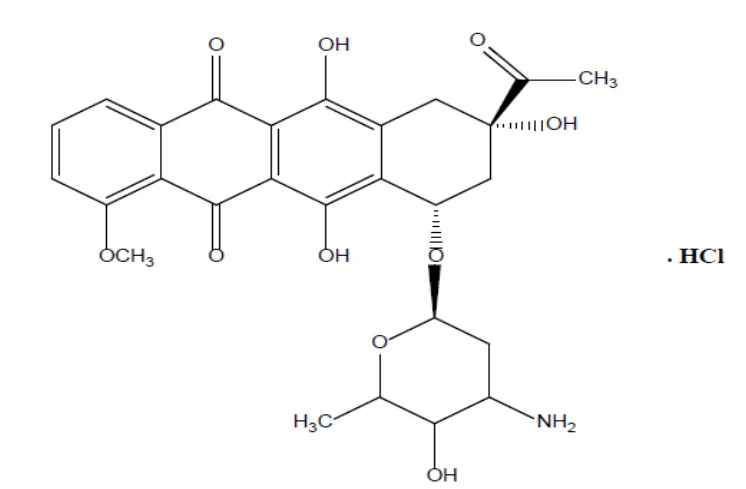
Daunorubicin
Proper name: Daunorubicin hydrochloride
Chemical name: (1S,3S)-3-acetyl-1,2,3,4,6,11-hexahydro-3,5,12-trihydroxy-10-methoxy-6,11-dioxo-1-naphthacenyl-3-amino-2,3,6-trideoxy-α-L-lyxo-hexopyranoside hydrochloride
Molecular formula and molecular mass: C27H29NO10 • HCl; 563.98 g/mol
Structural formula:
Physicochemical properties: Orange-red crystalline powder.
Freely soluble in water and in methanol, slightly soluble in alcohol, practically insoluble in acetone.
Melting point: 208-209°C
Daunorubicin is present as a free base encapsulated in liposomes.
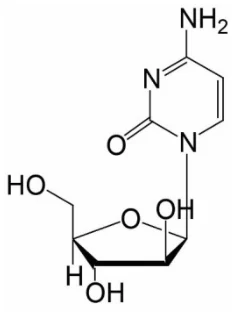
Cytarabine
Proper name: Cytarabine
Chemical name: 4-amino-1-β-D-arabinofuranosyl-2(1H)-pyrimidinone
Molecular formula and molecular mass: C9H13N3O5; 243.2 g/mol
Structural formula:
Physicochemical properties: White to off-white crystalline powder.
Freely soluble in water, very slightly soluble in alcohol and in methylene chloride.
Melting point: About 215°C
14 CLINICAL TRIALS
14.1 Trial Design and Study Demographics
Table 10: Summary of Patient Demographics for the Pivotal Clinical Trial in Patients with Newly Diagnosed t-AML or AML-MRC
| Study # | Trial design | Dosage, route of administration and duration | Study subjects (n) | Median age (Range) | Sex |
| 301 | Phase 3 randomized, multicentre, open-label, parallel-arm, superiority study in patients with newly diagnosed AML | VYXEOS Intravenous Induction Daunorubicin 44 mg/m2 Cytarabine 100 mg/m2 Days 1, 3 and 5 (Days 1 and 3 for 2nd induction) Consolidation Daunorubicin 29 mg/m2 Cytarabine 65 mg/m2 Days 1 and 3 Control (7+3) Intravenous First induction / | Total n = 309 VYXEOS n = 153 Control N = 156 | 68 (60 – 75) | Male 190 (61%) Female 119 (39%) |
| Study # | Trial design | Dosage, route of administration and duration | Study subjects (n) | Median age (Range) | Sex | |
consolidation Daunorubicin 60 mg/m2/day Cytarabine 100 mg/m2/day Days 1 to 7 Days 1, 2 and 3 2nd induction / consolidation Daunorubicin 60 mg/m2/day Cytarabine 100 mg/m2/day Days 1 to 5 Days 1 and 2 Duration: up to 5 years | ||||||
Study 301 in Patients with Newly Diagnosed t-AML or AML-MRC
Study 301 was a Phase 3 randomized, multicentre, open-label, parallel-arm, superiority study which evaluated VYXEOS vs. a standard combination of daunorubicin and cytarabine (7+3) in 309 patients between 60 to 75 years of age with untreated high-risk AML. Patients with the following AML sub-types were included in the study: therapy-related AML (t-AML), myelodysplastic syndrome AML (MDS AML) and chronic myelomonocytic leukemia AML (CMMoL AML) with documented history of MDS or CMMoL prior to transformation to AML, and de novo AML with karyotype changes characteristic of myelodysplasia (per 2008 WHO criteria).
The study included 2 phases, 1) Treatment Phase during which patients received up to 2 induction and 2 consolidation courses, and 2) a Follow-up Phase, which began 30 days after the last induction or consolidation course and continued for up to 5 years from randomization. The number of inductions and consolidations a patient received depended upon Complete Response (CR) or Complete Response with incomplete recovery (CRi), which was confirmed by bone marrow assessment. In Study 301, VYXEOS (daunorubicin 44 mg/m2 and cytarabine 100 mg/m2) was administered intravenously over 90 minutes on days 1, 3 and 5 for the first induction and on days 1 and 3 for patients requiring a second induction. Patients could receive up to 2 cycles of induction and 2 cycles of consolidation in each arm. A second induction was highly recommended for patients who did not achieve a CR or CRi in the first induction course and was mandatory for patients achieving greater than 50% reduction in percent blasts. Post-remission therapy with hematopoietic stem cell transplantation (HSCT) was permitted either in place of or after consolidation chemotherapy. For consolidation courses, in Study 301, the VYXEOS dose was reduced to daunorubicin 29 mg/m2 and cytarabine 65 mg/m2 on days 1 and 3. In the 7+3 arm, first induction consisted of cytarabine 100 mg/m2/day on days 1 to 7 by continuous infusion, and daunorubicin 60 mg/m2/day on days 1, 2 and 3, whereas second induction and consolidation cytarabine 100 mg/m2 was administered on days 1 to 5 and daunorubicin on days 1 and 2.
There were 153 patients randomized to VYXEOS and 156 patients randomized to the 7+3 control arm. The patients were randomized (1:1) and stratified by age and AML sub-type to receive VYXEOS or 7+3 for induction and consolidation. The randomized patients had a median age of 68 (range, 60-75 years), 61% were male and 88% had an ECOG performance status of 0-1. At baseline 20% had t-AML, 54% had AML with an antecedent hematological disorder and 25% had de novo AML with myelodysplasia-related cytogenetic abnormalities; 34% had been treated previously with a hypomethylating agent for MDS; 54% had an adverse karyotype.
The demographic and baseline disease characteristics were generally balanced between the study arms. FLT3 mutation was identified in 15% (43/279) of patients tested and NPM1 mutation was identified in 9% (25/283) patients tested.
14.2 Study Results
The efficacy of VYXEOS in the treatment of newly diagnosed AML was evaluated in a Phase 3 (Study 301) controlled study.
Study 301 in Patients with Newly Diagnosed t-AML or AML-MRC
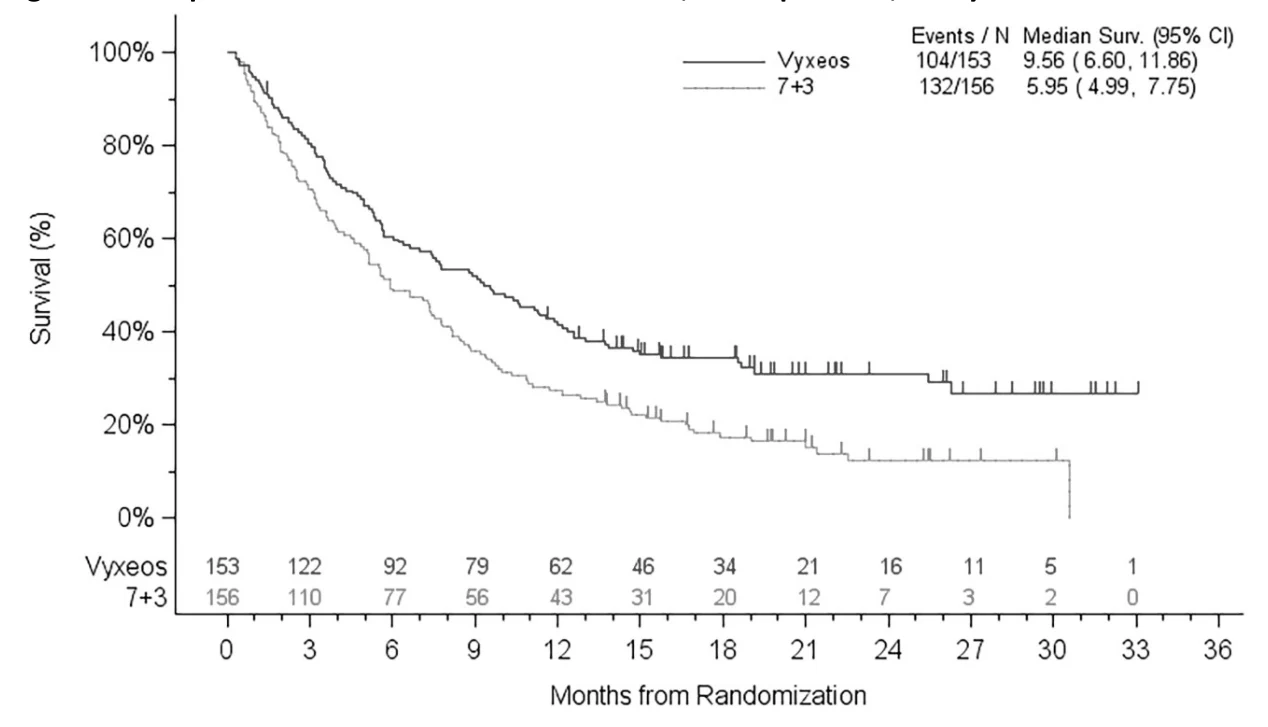
The primary endpoint was overall survival measured from the date of randomization to death from any cause. VYXEOS demonstrated superiority in overall survival in the ITT population compared with the comparator 7+3 treatment regimen (Figure 1). All patients on the VYXEOS arm and 97% of those on the control arm received at least 1 cycle of induction, and 32% on the VYXEOS arm and 21% on the control arm received at least 1 cycle of consolidation. The median survival for the VYXEOS treatment group was 9.56 months compared with 5.95 months for the 7+3 treatment group (Hazard Ratio = 0.69, 95% CI = 0.52, 0.90, two-sided log-rank test p = 0.005). The overall rate of HSCT was 34% (52/153) in the VYXEOS arm and 25% (39/156) on the control arm.
Table 11: Efficacy Results of Study 301
VYXEOS N=153 | 7+3 N=156 | ||||||
|---|---|---|---|---|---|---|---|
| Overall survival | |||||||
| Median survival, months (95% CI) | 9.56 (6.60, 11.86) | 5.95 (4.99, 7.75) | |||||
| Hazard ratio (95% CI) | 0.69 (0.52, 0.90) | ||||||
| p–value (2–sided) a | 0.005 | ||||||
| Event-free survival | |||||||
| Median survival, months (95% CI) | 2.53 (2.07, 4.99) | 1.31 (1.08, 1.64) | |||||
| Hazard ratio (95% CI) | 0.74 (0.58, 0.96) | ||||||
VYXEOS N=153 | 7+3 N=156 | |||||
|---|---|---|---|---|---|---|
| p–value (2–sided) a | 0.021 | |||||
| Complete response rate | ||||||
| CR, n (%) | 57 (37) | 40 (26) | ||||
| Odds ratio (95% CI) | 1.69 (1.03, 2.78) | |||||
| p-value (2-sided) b | 0.040 | |||||
| CR + CRi, n (%) | 73 (48) | 52 (33) | ||||
| Odds ratio (95% CI) | 1.77 (1.11, 2.81) | |||||
| p-value (2–sided) b | 0.016 | |||||
Abbreviations: CI = Confidence interval; CR= Complete response; CRi= Complete response with incomplete recovery
a p-value from stratified log rank test stratifying by age and AML sub-type
b p-value from stratified Cochran-Mantel-Haenszel test stratified by age and AML sub-type
Figure 1: Kaplan-Meier Curve for Overall Survival, ITT Population, Study 301
60 Month Follow-up
The 60-month overall survival rate was higher for the VYXEOS treatment arm (18%) versus the 7+3 treatment arm (8%); the hazard ratio was 0.70 (95% CI: [0.55, 0.91]).
Overall, 53 of 153 (35%) patients treated with VYXEOS and 39 of 151 (25%) patients treated with 7+3 received an HSCT. At the 60-months follow-up, the median post-transplant survival had not been reached in the VYXEOS treatment arm at the time of the analysis, compared to a median post-transplant survival of 10.25 months in the 7+3 treatment arm (HR = 0.51; 95% CI: 0.28, 0.90).
15 MICROBIOLOGY
No microbiological information is required for this drug product.
16 NON-CLINICAL TOXICOLOGY
General Toxicology:
VYXEOS administered to rats via intravenous infusion as two cycles of three doses (5, 10, or 15/10 units/kg [13.2:30, 26.4:60, or 39.6/26.4:90/60 mg/m2 daunorubicin:cytarabine, corresponding to 0.3, 0.6 and 0.9/0.6-fold the recommended human dose (RHD)]) over a period of 28 days resulted in premature deaths and unscheduled sacrifices in the mid- and high dose groups. Hematopoietic changes included bone marrow and lymphoid tissues hypocellularity which correlated with pancellular decrease in blood cell counts resulting in tissue hemorrhage and bacterial deposits. Small and large intestinal necrosis was reported. The reversibility of these findings could not be evaluated.
VYXEOS administered to dogs via intravenous infusion as one cycle of three doses (1, 2, or 3 units/kg [8.8:20, 17.6:40, or 26.4:60 mg/m2 daunorubicin:cytarabine, corresponding to 0.2, 0.4, 0.6 times the RHD]) over a period of 5 days resulted in deaths and/or pre-terminal sacrifices in the mid- and high-dose groups. Only low dose animals received a second cycle of VYXEOS. Bone marrow and lymphoid tissues hypocellularity, and small and large intestinal necrosis was observed in pre-terminal mid- and high-dose animals. In low-dose animals, a pancellular decrease in blood cell counts was observed but with no histopathological correlates. These findings were partially or completely reversible. No cardiovascular findings were observed.
Carcinogenicity:
Carcinogenicity studies have not been conducted with VYXEOS.
Studies with cytarabine were not identified. Published data with Ara-C, the active metabolite of cytarabine, did not provide evidence of carcinogenicity.
Published data with daunorubicin suggest possible tumourigenicity in rats after a single doses of 5 mg/kg or 10 mg/kg (0.68 to 1.4 times the RHD on an mg/m2 basis). The IARC Working Group (IARC 2000) classified daunorubicin in Group 2B – Drugs which are possibly carcinogenic to humans.
Genotoxicity:
Mutagenicity studies have not been conducted with VYXEOS.
Cytarabine was mutagenic (bacterial assay) and clastogenic (chromosome aberrations and sister-chromatid exchanges (SCE) in human leukocytes) in vitro, and clastogenic in vivo (chromosome aberrations and SCE in rodent). Cytarabine also caused the transformation of hamster embryo cells and rat H43 cells in vitro and was clastogenic to meiotic cells.
Daunorubicin was mutagenic (bacterial assay, V79 hamster cell assay) and clastogenic (CCRF-CEM human lymphoblasts) in vitro, and clastogenic in vivo (SCE assay in mouse bone marrow).
Reproductive and Developmental Toxicology:
Reproductive toxicity studies have not been conducted with VYXEOS.
Cytarabine was embryotoxic in mice and teratogenic in mice and rats when administered during organogenesis. A single dose of cytarabine in rats, administered on day 14 of gestation, reduced prenatal and postnatal brain size and caused permanent impairment of learning ability. Cytarabine also caused sperm-head abnormalities in mice and impaired spermatogenesis in rats.
Daunorubicin was embryotoxic and caused fetal malformations when given during the period of organogenesis in rats. Daunorubicin caused testicular atrophy and total aplasia of spermatocytes in the seminiferous tubules in dogs.