


Product Monograph - Xenical
RECENT MAJOR LABEL CHANGES
| 2 Contraindications | 06/2023 |
|---|---|
| 7 Warnings and Precautions, 7.1.1 Pregnant Women | 06/2023 |
| 7 Warnings and Precautions, 7.1.2 Breast-feeding | 06/2023 |
TABLE OF CONTENTS
RECENT MAJOR LABEL CHANGES ............................................................................................ 2
TABLE OF CONTENTS .............................................................................................................. 2
PART I: HEALTH PROFESSIONAL INFORMATION ...................................................................... 4
1 INDICATIONS ............................................................................................................... 4
1.1 Pediatrics ................................................................................................................ 4
1.2 Geriatrics ................................................................................................................ 4
2 CONTRAINDICATIONS ................................................................................................. 4
4 DOSAGE AND ADMINISTRATION ................................................................................. 5
4.1 Dosing Considerations ............................................................................................ 5
4.2 Recommended Dose and Dosage Adjustment ....................................................... 5
4.4 Administration ........................................................................................................ 5
4.5 Missed Dose ........................................................................................................... 5
5 OVERDOSAGE .............................................................................................................. 5
6 DOSAGE FORMS, STRENGTHS, COMPOSITION AND PACKAGING ................................. 6
7 WARNINGS AND PRECAUTIONS .................................................................................. 6
7.1 Special Populations................................................................................................. 8
7.1.1 Pregnant Women ............................................................................................. 8
7.1.2 Breast-feeding .................................................................................................. 8
7.1.3 Pediatrics .......................................................................................................... 8
7.1.4 Geriatrics .......................................................................................................... 8
8 ADVERSE REACTIONS .................................................................................................. 8
8.1 Adverse Reaction Overview .................................................................................... 8
8.2 Clinical Trial Adverse Reactions .............................................................................. 8
8.2.1 Clinical Trial Adverse Reactions – Pediatrics .................................................. 13
8.5 Post-Market Adverse Reactions ........................................................................... 13
9 DRUG INTERACTIONS ................................................................................................ 14
9.2 Drug Interactions Overview .................................................................................. 14
9.3 Drug-Behavioural Interactions .............................................................................. 15
9.4 Drug-Drug Interactions ......................................................................................... 15
9.5 Drug-Food Interactions ......................................................................................... 19
9.6 Drug-Herb Interactions ......................................................................................... 19
9.7 Drug-Laboratory Test Interactions ........................................................................ 20
10 CLINICAL PHARMACOLOGY ....................................................................................... 20
10.1 Mechanism of Action ...................................................................................... 20
10.2 Pharmacodynamics ........................................................................................ 20
10.3 Pharmacokinetics ........................................................................................... 20
11 STORAGE, STABILITY AND DISPOSAL ......................................................................... 22
PART II: SCIENTIFIC INFORMATION ....................................................................................... 23
13 PHARMACEUTICAL INFORMATION ............................................................................ 23
14 CLINICAL TRIALS ........................................................................................................ 24
14.1 Clinical Trials by Indication ............................................................................. 24
14.2 Study Results .................................................................................................. 24
15 MICROBIOLOGY ........................................................................................................ 34
16 NON-CLINICAL TOXICOLOGY ..................................................................................... 34
PATIENT MEDICATION INFORMATION .................................................................................. 43
PART I: HEALTH PROFESSIONAL INFORMATION
1 INDICATIONS
XENICAL (orlistat), when used in conjunction with a mildly hypocaloric diet, is indicated for:
- obesity management including weight loss and weight maintenance;
- reducing the risk of weight regain in obese patients after prior weight loss.
These indications for the use of XENICAL apply to obese patients with a BMI* ≥ 30 kg/m2 or a BMI ≥ 27 kg/m2 in the presence of other risk factors (e.g. hypertension, type 2 diabetes, dyslipidemia, excess visceral fat).
The weight loss induced by the combination of XENICAL and a mildly hypocaloric diet results in an improvement of risk factors and comorbidities including hypercholesterolemia, impaired glucose tolerance, hyperinsulinemia, hypertension, reduction of visceral fat and waist circumference.
The weight loss induced by XENICAL improves glycemic control in diabetic patients and reduces the risk of developing type 2 diabetes in obese patients (BMI* ≥ 30 kg/m2) with impaired glucose tolerance. The effect of XENICAL on weight loss is adjunctive to that of diet and exercise.
XENICAL can be used in combination with anti-diabetic agents (sulfonylureas, metformin, insulin) to improve blood glucose control in overweight or obese type 2 diabetes patients who are inadequately controlled on diet, exercise, and one or more of a sulfonylurea, metformin, or insulin.
*The BMI is calculated by dividing weight in kilograms by height in metres squared.
1.1 Pediatrics
Pediatrics (< 12 years of age): No data are available to Health Canada; therefore, Health Canada has not authorized an indication for pediatric patients below the age of 12 years. See 10.3 Pharmacokinetics, Special Populations and Conditions.
1.2 Geriatrics
Geriatrics (> 65 years of age): Clinical studies of XENICAL did not include sufficient numbers of patients aged 65 years and older to determine whether they respond differently from younger patients.
2 CONTRAINDICATIONS
XENICAL (orlistat) is contraindicated in patients:
- with chronic malabsorption syndrome;
- with cholestasis;
- during pregnancy or breast-feeding (see 7.1.1 Pregnant Women and 7.1.2 Breast-feeding);
- who are hypersensitive to this drug or to any ingredient in the formulation, including any non-medicinal ingredient, or component of the container. For a complete listing, see 6 DOSAGE FORMS, STRENGTHS, COMPOSITION AND PACKAGING.
4 DOSAGE AND ADMINISTRATION
4.1 Dosing Considerations
- The patient should be on a nutritionally balanced, mildly hypocaloric diet that contains no more than 30% of calories from fat. The daily intake of fat, carbohydrate and protein should be distributed over three main meals.
- For patients with type 2 diabetes, the reduced calorie diet should be consistent with the dietary recommendations of the Canadian Diabetes Association Guidelines for the Nutritional Management of Diabetes Mellitus in the New Millennium.
- Clinical investigations in patients with hepatic and/or renal impairment, elderly patients and children under the age of 12 have not been undertaken (see 10.3 Pharmacokinetics).
- Since Xenical has been shown to reduce the absorption of some fat-soluble vitamins and beta-carotene, vitamin supplementation should be advised to ensure adequate nutrition. The vitamin supplement should be taken at least 2 hours before or after the administration of Xenical, such as at bedtime (see 7 WARNINGS AND PRECAUTIONS and 9.4 Drug-Drug Interactions).
4.2 Recommended Dose and Dosage Adjustment
The recommended dose of XENICAL (orlistat) is one 120 mg capsule three times daily with each main meal (during or up to 1 hour after the meal). If a meal is occasionally missed or contains no fat, the dose of XENICAL may be omitted.
Doses above 120 mg three times daily have not been shown to provide additional benefit. No dose adjustment is necessary for the geriatric patient.
Based on fecal fat measurements, the effect of XENICAL is seen as soon as 24 to 48 hours after dosing. Upon discontinuation of therapy, fecal fat content usually returns to pretreatment levels within 48 to 72 hours.
Health Canada has not authorized an indication for pediatric use in patients less than 12 years of age (see 1 INDICATIONS and 10.3 Pharmacokinetics, Special Populations and Conditions).
4.4 Administration
XENICAL (orlistat) is administered orally with food (during a meal or up to 1 hour after the meal).
4.5 Missed Dose
If a dose is missed, it can be taken as soon as the patient remembers, provided this is within one hour of the last meal. Patients should not take a double dose (two doses at the same time) to make up for a forgotten dose. XENICAL cannot work properly if many doses are missed.
5 OVERDOSAGE
Single doses of 800 mg XENICAL (orlistat) and multiple doses of up to 400 mg tid for 15 days have been studied in normal weight and obese subjects without significant adverse findings. In addition, doses of 240 mg tid have been administered to obese patients for 6 months without a significant increase in adverse findings.
Orlistat overdose cases received during post-marketing reported either no adverse events or adverse events that are similar to those reported with the recommended dose.
Should a significant overdose of XENICAL occur, it is recommended that the patient be observed for 24 hours. Based on human and animal studies, any systemic effects attributable to the lipase-inhibiting properties of orlistat should be rapidly reversible.
| For management of a suspected drug overdose, contact your regional poison control centre. |
|---|
6 DOSAGE FORMS, STRENGTHS, COMPOSITION AND PACKAGING
Table 1 - Dosage Forms, Strengths, Composition and Packaging
Description
Each XENICAL 120 mg capsule contains 120 mg orlistat.
XENICAL 120 mg Capsules: turquoise cap and turquoise body with "XENICAL 120" printed in black ink.
XENICAL is supplied in blister packages in cartons of 84 capsules.
7 WARNINGS AND PRECAUTIONS
General
Patient Counselling Information: Patients should be advised to adhere to dietary guidelines. The patient should be on a nutritionally balanced, mildly hypocaloric diet that contains no more than 30% of calories from fat. The daily intake of fat, carbohydrate and protein should be distributed over three main meals. See 4 DOSAGE AND ADMINISTRATION.
As with any weight-loss agent, the potential exists for misuse of XENICAL in inappropriate patient populations (e.g. patients with anorexia nervosa or bulimia). See 1 INDICATIONS for appropriate prescribing guidelines.
Patients should be advised to take a multivitamin supplement that contains fat-soluble vitamins to ensure adequate nutrition because XENICAL has been shown to reduce the absorption of some fat-soluble vitamins and beta-carotene (see 4.1 Dosing Considerations and 9.4 Drug-Drug Interactions).
When using XENICAL in combination with insulin or oral hypoglycemic agents in patients with type 2 diabetes, the risks of hypoglycemia, its symptoms and treatment, and conditions that predispose to its development should be explained to the patient, family members, caregiver or others (see 9.4 Drug-Drug Interactions).
XENICAL may interact with concomitant drugs including cyclosporine, levothyroxine, anticoagulants (e.g. warfarin), amiodarone, anticonvulsants, antidepressants, antipsychotics (including lithium), benzodiazepines and antiretrovirals (see 9.4 Drug-Drug Interactions).
| Route of Administration | Dosage Form / Strength/Composition | Non-medicinal Ingredients |
| Oral | Capsules; 120 mg of orlistat | edible printing ink., gelatin, indigo carmine, microcrystalline cellulose, povidone K30, sodium lauryl sulphate, sodium starch glycolate, talc, titanium dioxide |
Carcinogenesis and Mutagenesis
For animal data, refer to 16 NON-CLINICAL TOXICOLOGY.
Endocrine and Metabolism
Hypothyroidism and/or reduced control of hypothyroidism may occur. The mechanism may involve a decreased absorption of iodine salts and/or levothyroxine. Patients treated concomitantly with XENICAL and levothyroxine should be monitored for changes in thyroid function (see 9.4 Drug-Drug Interactions).
Gastrointestinal
XENICAL should be used with caution in patients with pre-existing disease of the large bowel or rectum.
The possibility of experiencing gastrointestinal events (see 8 ADVERSE REACTIONS) may increase when XENICAL is taken with a diet high in fat (e.g. in a 2000 Calorie/day diet, a diet high in fat would contain > 30% calories from fat, which equates to > 67g fat). The daily intake of fat should be distributed over three main meals. If XENICAL is taken with any one meal very high in fat, the possibility of gastrointestinal effects may increase. XENICAL only inhibits the absorption of dietary fat. Patients should be advised that if the resulting caloric reduction is compensated by an increase in calories from protein or carbohydrates, the expected weight loss will not occur.
Cases of rectal bleeding have been reported with XENICAL. Prescribers should investigate further in case of severe and/or persistent symptoms.
See also 7 WARNINGS AND PRECAUTIONS, Reproductive Health: Female and Male Potential.
Hepatic/Biliary/Pancreatic
There have been rare post-marketing reports of severe liver injury with hepatocellular necrosis or acute hepatic failure in patients treated with XENICAL with some of these cases resulting in liver transplant or death. Patients should be instructed to report any symptoms of hepatic dysfunction (anorexia, pruritus, jaundice, dark urine, light colored stools, or right upper quadrant pain) while taking XENICAL. When these symptoms occur, XENICAL should be discontinued immediately and liver function tests and ALT and AST levels obtained. See 10.3 Pharmacokinetics, Special Populations and Conditions.
Monitoring and Laboratory Tests
Diabetic patients treated with orlistat should have tests for fasting glucose and HbA1c as required.
Xenical may affect the absorption of concomitant medications requiring monitoring of plasma drug levels and/or clinical parameters (see 9.4 Drug-Drug Interactions).
Neurologic
Anticonvulsants: Convulsions have been reported in patients treated concomitantly with orlistat and antiepileptic drugs. These patients should be monitored for possible changes in the frequency and/or severity of convulsions (see 9.4 Drug-Drug Interactions).
Renal
Renal Calculi: Some patients may develop increased levels of urinary oxalate following treatment with XENICAL. Cases of hyperoxaluria and oxalate nephropathy with renal failure have been reported in patients treated with XENICAL. Caution should be exercised when prescribing XENICAL to patients with a history of hyperoxaluria or calcium oxalate nephrolithiasis. See 10.3 Pharmacokinetics, Special Populations and Conditions.
Reproductive Health: Female and Male Potential
Fertility
The use of an additional contraceptive method is recommended to prevent possible failure of oral contraception that could occur in case of severe diarrhea (see 9.3 Drug-Behavioural Interactions).
7.1 Special Populations
7.1.1 Pregnant Women
XENICAL is contraindicated during pregnancy, because weight loss offers no potential benefit to a pregnant woman and may result in fetal harm. Teratogenicity studies were conducted in rats and rabbits at doses up to 800 mg/kg/day. Neither study showed embryotoxicity or teratogenicity. This dose is 22 and 43 times the daily human dose calculated, on a body surface area (mg/m2) basis, for rats and rabbits, respectively. However, animal reproductive studies are not always predictive of human response.
There are no adequate and well-controlled studies of orlistat in pregnant women. See 2 CONTRAINDICATIONS.
7.1.2 Breast-feeding
XENICAL is contraindicated in nursing women. It is not known if orlistat is secreted in human milk. See 2 CONTRAINDICATIONS.
7.1.3 Pediatrics
Pediatrics (< 12 years of age): No data are available to Health Canada; therefore, Health Canada has not authorized an indication for pediatric patients below the age of 12 years. See 10.3 Pharmacokinetics, Special Populations and Conditions.
7.1.4 Geriatrics
Geriatrics (> 65 years of age): Clinical studies of XENICAL did not include sufficient numbers of patients aged 65 years and older to determine whether they respond differently from younger patients.
8 ADVERSE REACTIONS
8.1 Adverse Reaction Overview
Adverse reactions to XENICAL are largely gastrointestinal in nature and related to the pharmacologic effect of the drug on preventing the absorption of ingested fat. Commonly observed events are oily spotting, flatus with discharge, fecal urgency, fatty/oily stool, oily evacuation, increased defecation and fecal incontinence.
8.2 Clinical Trial Adverse Reactions
Clinical trials are conducted under very specific conditions. The adverse reaction rates observed in the clinical trials; therefore, may not reflect the rates observed in practice and should not be compared to the rates in the clinical trials of another drug. Adverse reaction information from clinical trials may be useful in identifying and approximating rates of adverse drug reactions in real-world use.
Treatment of Obesity: Commonly Observed (based on first year and second year data - 120 mg versus placebo): Gastrointestinal symptoms are the most commonly observed treatment-emergent adverse events associated with the use of XENICAL (orlistat) in double-blind, placebo-controlled clinical trials and are primarily a manifestation of the mechanism of action. (Commonly observed is defined as an incidence of ≥ 5% and an incidence in the XENICAL 120 mg group that is at least twice that of placebo.)
Table 2 - Percentage of Patients with Commonly Observed GI Adverse Events (based on first- and second-year data) which Occurred with a Frequency of ≥ 5% in XENICAL 120 mg or Placebo
| Adverse Event | Year One | Year Two | ||||||||
XENICAL (% patients) (n = 1913) | Placebo (% patients) (n = 1466) | XENICAL (% patients) (n = 613) | Placebo (% patients) (n = 524) | |||||||
| Oily Spotting | 26.6 | 1.3 | 4.4 | 0.2 | ||||||
| Flatus with Discharge | 23.9 | 1.4 | 2.1 | 0.2 | ||||||
| Fecal Urgency | 22.1 | 6.7 | 2.8 | 1.7 | ||||||
| Fatty/Oily Stool | 20.0 | 2.9 | 5.5 | 0.6 | ||||||
| Oily Evacuation | 11.9 | 0.8 | 2.3 | 0.2 | ||||||
| Increased Defecation | 10.8 | 4.1 | 2.6 | 0.8 | ||||||
| Fecal Incontinence | 7.7 | 0.9 | 1.8 | 0.2 | ||||||
These and other commonly observed adverse reactions were generally mild and transient, and decreased during the second year of treatment. Events occurred early in treatment (within 3 months) and most patients experienced only one episode. Only 3% experienced more than two episodes of any one adverse event. The incidence of these effects is directly related to the amount of dietary fat ingested and increases or decreases with the fat content of the diet. Patients should be counselled as to the possibility of the occurrence of gastrointestinal effects and how to minimize them, such as reinforcing the diet, particularly the percentage of fat it contains. Consumption of a diet low in fat (< 30%) will decrease the likelihood of experiencing the gastrointestinal effects. The occurrence of gastrointestinal effects may actually help demonstrate to patients that the medication is working and help them monitor and regulate their fat intake.
In the 4-year double-blind, placebo-controlled XENDOS study, the incidence and duration of the commonly observed adverse reactions were comparable to those observed in the 1- and 2- year studies shown above.
Discontinuation of Treatment: In controlled obesity management clinical trials of 1-, and 2- year duration, 8.8% of patients treated with XENICAL discontinued treatment due to adverse events, compared to 5.0% of placebo treated patients. Similarly, in the 4-year XENDOS clinical trial, 8.0% and 4.0% of patients treated with XENICAL and placebo, respectively, discontinued treatment due to adverse events. For XENICAL, the most common adverse events resulting in discontinuation of treatment were gastrointestinal.
Incidence in Controlled Obesity Management Clinical Trials: The following tables list other treatment-emergent adverse events from seven Phase III, multicenter, double-blind, placebo-controlled clinical trials that occurred at a frequency of ≥ 1% among patients treated with XENICAL 120 mg tid and with an incidence that was greater than placebo during year 1 and year 2, regardless of relationship to study medication.
Table 3 - Other Treatment-Emergent Adverse Events from Phase III Placebo-Controlled Obesity Management Clinical Trials – Year One Treatment
| System Organ Class / Adverse Event | XENICAL n = 1913 (% Patients) | Placebo n = 1466 (% Patients) | |||||
| Cardiac Disorders | |||||||
| Pedal Edema | 1.2 | 1.1 | |||||
| Ear and Labyrinth Disorders | |||||||
| Otitis | 4.3 | 3.4 | |||||
| Gastrointestinal Disorders | |||||||
| Abdominal Pain/Discomfort | 25.5 | 21.4 | |||||
| Flatulence | 16.0 | 13.1 | |||||
| Liquid Stools | 15.8 | 11.4 | |||||
| Stools Soft | 8.8 | 6.8 | |||||
| Nausea | 8.1 | 7.3 | |||||
| Infectious Diarrhea | 5.3 | 4.4 | |||||
| Rectal Pain/Discomfort | 5.2 | 4.0 | |||||
| Tooth Disorder | 4.3 | 3.1 | |||||
| Gingival Disorder | 4.1 | 2.9 | |||||
| Vomiting | 3.8 | 3.5 | |||||
| Oral Mucosa Disorder | 1.5 | 0.5 | |||||
| Feces Discoloured | 1.1 | 0.3 | |||||
| General Disorders and Administration Site Conditions | |||||||
| Fatigue | 7.2 | 6.4 | |||||
| Surgical Procedure | 5.5 | 4.9 | |||||
| Sleep Disorder | 3.9 | 3.3 | |||||
| Body Temperature Abnormal | 2.1 | 1.5 | |||||
| Anxiety | 1.2 | 0.8 | |||||
| Infections and Infestations | |||||||
| Influenza | 39.7 | 36.2 | |||||
| Musculoskeletal and Connective Tissue Disorders | |||||||
| Back Pain | 13.9 | 12.1 | |||||
| Arthritis | 5.4 | 4.8 | |||||
| System Organ Class / Adverse Event | XENICAL n = 1913 (% Patients) | Placebo n = 1466 (% Patients) | |||||
| Myalgia | 4.2 | 3.3 | |||||
| Joint Disorder | 2.3 | 2.2 | |||||
| Tendonitis | 1.9 | 1.7 | |||||
| Injury (Nonspecific) | 1.0 | 0.5 | |||||
| Nervous System Disorders | |||||||
| Headache | 30.6 | 27.6 | |||||
| Dizziness | 5.2 | 5.0 | |||||
| Paresthesia | 1.2 | 0.8 | |||||
| Psychiatric Disorders | |||||||
| Psychiatric Anxiety | 4.7 | 2.9 | |||||
| Renal and Urinary Disorders | |||||||
| Urinary Tract Infection | 7.5 | 7.3 | |||||
| Reproductive System and Breast Disorders | |||||||
| Menstrual Irregularity | 9.8 | 7.5 | |||||
| Vaginitis | 3.8 | 3.6 | |||||
| Respiratory, Thoracic and Mediastinal Disorders | |||||||
| Upper Respiratory Infection | 38.1 | 32.8 | |||||
| Lower Respiratory Infection | 7.8 | 6.6 | |||||
| Ear, Nose and Throat Symptoms | 2.0 | 1.6 | |||||
| Asthma | 1.8 | 0.8 | |||||
| Skin and Subcutaneous Tissue Disorders | |||||||
| Rash | 4.3 | 4.0 | |||||
| Dry Skin | 2.1 | 1.4 | |||||
| Hair Thinning | 1.8 | 1.4 | |||||
| Infection | 1.8 | 1.2 | |||||
| Acne | 1.6 | 1.2 | |||||
| Nail Disorder | 1.4 | 1.1 | |||||
| Insect Bites | 1.2 | 1.0 | |||||
| Urticaria | 1.1 | 0.9 | |||||
| Vascular Disorders | |||||||
| Vein Disorder | 1.3 | 1.0 | |||||
Table 4 - Other Treatment-Emergent Adverse Events from Phase III Placebo-Controlled Obesity Management Clinical Trials – Year Two Treatment
| System Organ Class / Adverse Event | XENICAL n = 613 (% Patients) | Placebo n = 524 (% Patients) | |||
| Cardiac Disorders | |||||
| Pedal Edema | 2.8 | 1.9 | |||
| Ear and Labyrinth Disorders | |||||
| Otitis | 2.9 | 2.5 | |||
| Gastrointestinal Disorders | |||||
| Flatulence | 4.4 | 3.2 | |||
| Rectal Pain/Discomfort | 3.3 | 1.9 | |||
| Stools Soft | 2.9 | 2.5 | |||
| Nausea | 3.6 | 2.7 | |||
| Tooth Disorder | 2.9 | 2.3 | |||
| Gingival Disorder | 2.0 | 1.5 | |||
| General Disorders and Administration Site Conditions | |||||
| Fatigue | 3.1 | 1.7 | |||
| Body Temp. Abnormal | 1.5 | 1.1 | |||
| Injury | 1.6 | 1.1 | |||
| Pain | 1.5 | 1.3 | |||
| Allergic Reaction | 1.1 | 1.0 | |||
| Musculoskeletal and Connective Tissue Disorders | |||||
| Pain Lower Extremities | 10.8 | 10.3 | |||
| Tendonitis | 2.0 | 1.9 | |||
| Muscle Cramps | 1.1 | 0.8 | |||
| Bone Fracture | 1.0 | 0.8 | |||
| Psychiatric Disorders | |||||
| Psychiatric Anxiety | 2.8 | 2.1 | |||
| Depression | 3.4 | 2.5 | |||
| Renal and Urinary Disorders | |||||
| Urinary Tract Infection | 5.9 | 4.8 | |||
| Reproductive System and Breast Disorders | |||||
| Breast Disorder | 1.6 | 1.0 | |||
| Menopausal Syndrome | 1.3 | 1.0 | |||
| Vaginitis | 2.6 | 1.9 | |||
| System Organ Class / Adverse Event | XENICAL n = 613 (% Patients) | Placebo n = 524 (% Patients) | |||
| Respiratory, Thoracic and Mediastinal Disorders | |||||
| Upper Respiratory Infection | 26.1 | 25.8 | |||
| Skin and Subcutaneous Tissue Disorders | |||||
| Pruritus | 1.1 | 0.8 | |||
In the 4-year XENDOS study, the pattern and distribution of adverse events was similar to that reported for the 1- and 2-year studies. The total incidence of gastrointestinal related adverse events occurring in year 1 decreased progressively with each additional year of treatment, over the four-year period.
Trials in Patients with Type 2 Diabetes: Commonly observed adverse events: Mild and transient gastrointestinal effects of the same type as those seen in the obesity management trials were observed in the double-blind, placebo-controlled clinical trials for type 2 diabetes management. However, the overall difference in incidence of these adverse events between patients treated with XENICAL and patients receiving placebo was generally less than in the overall obesity trials. Marked decreases were seen in the trials in patients with type 2 diabetes in the incidence of oily spotting, fecal urgency and flatus with discharge (15.8%, 10.5%, 9.4%)*, compared to those for obesity management (25.3%, 15.4% and 22.5% respectively)*. Recurrence also decreased in the diabetes trials: 4% of the patients experienced more than one episode of each gastrointestinal event compared to 6% in the obesity trials. The 2 sets of trials were not run concurrently and thus may not be directly comparable.
Of the other treatment-emergent adverse events reported in the diabetes trials, all were similar in type and generally occurred at a lower incidence compared to those of the obesity management trials, with the exception of cough (2.8% in XENICAL vs 2.4% in placebo), abdominal distension (5.8% vs 4.1%) and hypoglycemia (13.2% vs 9.5%). The majority of hypoglycemic events were mild to moderate in intensity and most patients could control the symptoms themselves. Only two patients in the placebo treatment group and three patients in the orlistat treatment group had hypoglycemic events that would be considered severe.
Weight loss induced by XENICAL is accompanied by improved metabolic control in type 2 diabetics which might allow or require reduction in the dose of hypoglycemic medication (see 7 WARNINGS AND PRECAUTIONS and 9.4 Drug-Drug Interactions).
* These values are the treatment difference between XENICAL and placebo.
8.2.1 Clinical Trial Adverse Reactions – Pediatrics
In clinical trials with XENICAL in adolescent patients ages 12 to 16 years, the profile of adverse reactions was generally similar to that observed in adults.
8.5 Post-Market Adverse Reactions
Endocrine disorders
Cases of hypothyroidism and/or reduced control of hypothyroidism have been reported in patients with no history of hypothyroidism and in patients treated concomitantly with levothyroxine (see 9.4 Drug-Drug Interactions).
Gastrointestinal disorders
Cases of rectal bleeding have been reported with XENICAL. Prescribers should investigate further in case of severe and/or persistent symptoms.
Pancreatitis has been reported with the use of XENICAL.
Cases of diverticulitis have been reported in patients treated with XENICAL.
Hepatobiliary disorders
Increase in liver transaminases and in alkaline phosphatase, and exceptional cases of hepatitis that may be serious have been reported during the post-marketing. There have been rare reports of serious liver injury with hepatocellular necrosis or acute hepatic failure in patients treated with XENICAL observed in post-marketing surveillance with some of these cases resulting in liver transplant or death. Cases of jaundice and cholelithiasis with the use of XENICAL have been reported.
Immune system disorders
Rare cases of hypersensitivity have been reported. The main clinical symptoms were pruritus, rash, urticaria, angioedema, bronchospasm and anaphylaxis.
Investigations
Reports of decreased prothrombin, increased international normalized ration (INR) and unbalanced anticoagulant treatment resulting in change of haemostatic parameters have been reported in patients treated concomitantly with orlistat and anticoagulants (see 9.4 Drug-Drug Interactions).
Nervous system disorders
Convulsions have been reported in patients treated concomitantly with orlistat and antiepileptic drugs (see 9.4 Drug-Drug Interactions).
Renal and urinary disorders
Cases of hyperoxaluria and oxalate nephropathy with renal failure have been reported in patients treated with XENICAL (see 7 WARNINGS AND PRECAUTIONS, Renal).
Skin and subcutaneous tissue disorders
Very rare cases of bullous eruption have been reported.
9 DRUG INTERACTIONS
9.2 Drug Interactions Overview
Drug interaction studies with orlistat have been based on three criteria: 1) drugs related to orlistat-induced inhibition of fat absorption, which may reduce absorption of extremely lipophilic drugs and substances such as fat-soluble vitamins; 2) drugs with a narrow therapeutic index, such as digoxin and warfarin; and 3) concomitant medications likely to be used by the targeted patient population, such as hypolipidemic and antihypertensive drugs.
XENICAL (orlistat) inhibited the absorption of an oral pharmaceutical supplement of some fat-soluble vitamins and analogues such as β-carotene and vitamin E acetate. The effect of orlistat on the absorption of supplemental vitamin D, vitamin A and nutritionally derived vitamin K is not known at this time.
XENICAL (orlistat) may decrease the absorption of antiepileptic drugs, leading to loss of seizure control.
XENICAL (orlistat) could negatively affect the efficacy of antidepressants, antipsychotics, benzodiazepines and antiretrovirals for HIV.
Data from a XENICAL (orlistat) and cyclosporine drug interactions study indicate a reduction of cyclosporine plasma levels when XENICAL (orlistat) was co-administered with cyclosporine.
Taking levothyroxine and XENICAL (orlistat) at the same time may reduce the blood levels of levothyroxine.
9.3 Drug-Behavioural Interactions
In a multiple-dose study in 30 normal weight subjects, co-administration of orlistat and 40 grams of alcohol (e.g. approximately 3 glasses of wine) did not result in alteration of alcohol pharmacokinetics, orlistat pharmacodynamics (fecal fat excretion), and systemic exposure to orlistat.
Orlistat may indirectly reduce the availability of oral contraceptives and lead to unexpected pregnancies in some individual cases. An additional contraceptive method is recommended in case of severe diarrhea (see 7 WARNINGS AND PRECAUTIONS, Reproductive Health: Female and Male Potential).
9.4 Drug-Drug Interactions
The drugs listed in this table are based on either drug interaction case reports or studies, or potential interactions due to the expected magnitude and seriousness of the interaction (i.e., those identified as contraindicated).
Table 5 - Established or Potential Drug-Drug Interactions
| Proper/Common Name | Effect | Clinical Comment |
| Cyclosporine | A reduction in cyclosporine plasma levels has been observed when XENICAL (orlistat) is co-administered. | It is recommended to monitor cyclosporine plasma levels more frequently than usual if XENICAL is co-administered. |
| Proper/Common Name | Effect | Clinical Comment |
| Fat-soluble Vitamin Supplements and Analogues | A pharmacokinetic interaction study with β-carotene showed a 30% reduction in β-carotene supplement absorption when concomitantly administered with XENICAL. XENICAL inhibited absorption of a vitamin E acetate supplement by approximately 60%. The effect of orlistat on the absorption of supplemental vitamin D, vitamin A and nutritionally derived vitamin K is not known at this time. Obesity management studies indicated that some patients required vitamin D supplementation with a multivitamin to achieve desirable blood levels. The decreases in vitamin D were modest (measured by 25-OH-D) and were not associated with any changes in vitamin D metabolism, as evidenced by total or ionized calcium and parathyroid levels. Clinical studies did not reveal any interference with blood coagulation that would indicate vitamin K deficiency. During obesity management studies, there were decreases in the levels of some fat-soluble vitamins and β-carotene based on the pharmacologic action of the drug. The vast majority of patients in up to four full years of treatment had vitamin levels (vitamins A, D, E, and K, and beta-carotene) that stayed well within normal range, and there was no evidence of clinical sequelae. | The vitamin status of obese patients in general and patients on a weight control regimen, including pharmacotherapy with XENICAL, may be low. Therefore, patients should be counselled to take a multivitamin which includes fat-soluble vitamins and β-carotene to ensure adequate nutrition. Pediatric patients should be instructed to take a multivitamin. The supplement should be taken at least two hours before or after the administration of XENICAL, or at bedtime. |
| Anticoagulants | Treatment with orlistat may potentially impair the GI absorption of vitamin K. | Close monitoring of the coagulation parameters, such as international normalized ratio (INR) values, is recommended when oral anticoagulants are co-administered. |
| Proper/Common Name | Effect | Clinical Comment | |
| Anticonvulsants | Convulsions have been reported in patients treated concomitantly with orlistat and antiepileptic drugs. XENICAL may unbalance anticonvulsive treatment by decreasing the absorption of antiepileptic drugs. | A causal relationship has not been established; however, patients should be monitored for possible changes in the frequency and/or severity of convulsions. | |
| Antidepressants, Antipsychotics (including lithium), Benzodiazepines | There are some case reports of reduced efficacy of antidepressants, antipsychotics (including lithium), and benzodiazepines coincidental to the initiation of orlistat treatment in previously well-controlled patients. | XENICAL treatment should only be initiated after careful consideration of the possible impact in these patients. | |
| Antiretrovirals for HIV | Orlistat may potentially reduce the absorption of antiretroviral medicines for HIV and could negatively affect the efficacy of antiretroviral medications for HIV. | XENICAL treatment should only be initiated after careful consideration of the possible impact in these patients. | |
| Cardiovascular Agents | |||
| Nifedipine (Extended-Release Tablets) | In 17 normal weight subjects receiving XENICAL 120 mg tid for 6 days, XENICAL did not alter the bioavailability of nifedipine extended-release tablets. At 50 mg tid for 7-8 days, orlistat did not significantly alter the pharmacokinetics of atenolol, captopril, furosemide and nifedipine retard. | – | |
| Amiodarone | In a pharmacokinetic (PK) study, oral administration of amiodarone during orlistat treatment demonstrated a 25 - 30% reduction in the systemic exposure to amiodarone and desethylamiodarone. Due to the complex pharmacokinetics of amiodarone, the clinical effects of this are unclear. The effect of commencing orlistat treatment in patients on stable amiodarone therapy has not been studied. A potential reduced therapeutic effect of amiodarone is possible. | – | |
| Losartan, Fibrates, Atorvastatin | No interactions based on specific drug-drug interaction studies have been observed with losartan, fibrates, or atorvastatin. | – | |
| Proper/Common Name | Effect | Clinical Comment | |
| Pravastatin | In 24 normal weight, mildly hypercholesterolemic subjects receiving XENICAL 120 mg tid for 6 days in a two-way crossover study, XENICAL did not affect the pharmacokinetics or pharmacodynamics of pravastatin. | – | |
| Diabetes Agents | |||
| Acarbose | – | In the absence of pharmacokinetic interaction studies, the concomitant administration of orlistat with acarbose should be avoided. | |
| Glyburide | In 12 normal weight subjects receiving XENICAL 80 mg tid for 4 1/3 days, XENICAL did not alter the pharmacokinetics or pharmacodynamics (blood-glucose-lowering) of glyburide. | – | |
| Insulin, Sulfonylureas | Weight loss induced by Xenical may affect glycemic control in patients with type 2 diabetes. | A reduction in dose of oral hypoglycemic medication (e.g. sulfonylureas) or insulin may be required in some patients. | |
| Metformin | In 20 normal weight subjects receiving XENICAL 120 mg tid for 6 days in a two-way crossover study, XENICAL did not alter the pharmacokinetics of metformin. | – | |
| Narrow Therapeutic Index Drugs | |||
| Phenytoin | In 12 normal weight subjects receiving XENICAL 120 mg tid for 7 days, XENICAL did not alter the pharmacokinetics of a single 300-mg dose of phenytoin. | – | |
| Proper/Common Name | Effect | Clinical Comment | |
| Warfarin | In 12 normal weight subjects, administration of XENICAL 120 mg tid for 16 days did not result in any change in either warfarin pharmacokinetics (both R- and S-enantiomers) or pharmacodynamics (prothrombin time and serum Factor VII). Although Vitamin K nutritional status parameters (ratios of vitamin K1 epoxide to vitamin K1 and undercarboxylated osteocalcin to osteocalcin) were also unaltered by orlistat, treatment with orlistat may potentially impair the GI absorption of vitamin K. | Close monitoring of the coagulation parameters, including INR values, is recommended when oral anticoagulants are co-administered. | |
| Digoxin | In 12 normal weight subjects receiving XENICAL 120 mg tid for 6 days, XENICAL did not alter the pharmacokinetics of a single dose of digoxin. | – | |
| Levothyroxine | Hypothyroidism and/or reduced control of hypothyroidism may occur. The mechanism, although not proven, may involve a decreased absorption of iodine salts and/or levothyroxine. | Patients treated concomitantly with XENICAL and levothyroxine should be monitored for changes in thyroid function. | |
| Oral Contraceptives | |||
| Various ethinyl estradiol and gestagen combinations commercially available | In 20 normal weight female subjects, the treatment of XENICAL 120 mg tid for 23 days resulted in no changes in the ovulation-suppressing action of oral contraceptives. | Orlistat may indirectly reduce the availability of oral contraceptives and lead to unexpected pregnancies in some individual cases. An additional contraceptive method is recommended in case of severe diarrhea. | |
| Other | No interactions based on specific drug-drug interaction studies have been observed with amitryptyline, fluoxetine, sibutramine, or phentermine. | – | |
9.5 Drug-Food Interactions
Interactions with food have not been established.
9.6 Drug-Herb Interactions
Interactions with herbal products have not been established.
9.7 Drug-Laboratory Test Interactions
Interactions with laboratory tests have not been established.
10 CLINICAL PHARMACOLOGY
10.1 Mechanism of Action
XENICAL (orlistat) is a reversible inhibitor of lipases. It exerts its therapeutic activity non-systemically in the lumen of the stomach and small intestine by forming a covalent bond with the active serine site of gastric and pancreatic lipases. The inactivated enzymes are thus unavailable to hydrolyze dietary fat in the form of triglycerides into absorbable free fatty acids and monoglycerides. As undigested triglycerides are not absorbed, the resulting caloric deficit has a positive effect on weight loss, maintenance and prevention of weight regain. Systemic absorption of the drug is therefore not needed for activity. At the recommended dose of 120 mg three times a day, orlistat inhibits dietary fat absorption by approximately 30%.
10.2 Pharmacodynamics
Dose-response Relationship: A simple maximum effect (Emax) model was used to define the dose-response curve of the relationship between XENICAL (orlistat) daily dose and fecal fat excretion as representative of gastrointestinal lipase inhibition. Emax, the maximum attainable intensity of effect produced by XENICAL and presented as percentage of ingested fat excreted, was 37% ± 2 (SE). The dose-response curve demonstrated a steep portion for doses up to 400 mg daily, followed by a plateau for higher doses. In a dose which was above that recommended for therapy (360 mg -120 mg tid), the percentage increase was minimal.
10.3 Pharmacokinetics
Table 6 - Summary of Orlistat Pharmacokinetic Parameters in Adults
| Cmax | Tmax | t½ (h) | CL | |
| Single dose mean | < 5 ng/mL | 8 h | 1-2 h | 3-5 days |
Absorption
Systemic exposure to orlistat is negligible. Following oral dosing with 360 mg 14C- orlistat, plasma radioactivity peaked at approximately 8 hours; plasma concentrations of intact orlistat were non-measurable (< 5 ng/mL). In therapeutic studies involving monitoring of plasma samples, detection of intact orlistat in plasma was sporadic and concentrations were extremely low (< 10 ng/mL or 0.02 μM), without evidence of accumulation, and consistent with negligible absorption.
Distribution
In vitro orlistat was > 99% bound to plasma proteins (lipoproteins and albumin were major binding proteins). Orlistat minimally partitioned into erythrocytes.
Metabolism
Based on a 14C -orlistat mass balance study in obese patients, of the minute fraction of the radio-labelled dose that was absorbed systemically, the presence of two metabolites, M1 (4-member lactone ring hydrolyzed) and M3 (M1 with N-formyl leucine moiety cleaved), accounted for approximately 42% of total radioactivity in plasma. M1 and M3 have an open β-lactone ring and extremely weak systemic lipase inhibitory activity (1000 - and 2500 - fold less than orlistat, respectively). In view of this low inhibitory activity and the low plasma levels at the therapeutic dose (average of 26 ng/mL and 108 ng/mL for M1 and M3, respectively), these metabolites are considered pharmacologically inconsequential. The primary metabolite M1 had a short half-life (approximately 3 hours) whereas the secondary metabolite M3 disappeared at a slower rate (half-life approximately 13.5 hours). In obese patients, steady state plasma levels of M1, but not M3, increased in proportion to orlistat doses.
Elimination
Following a single oral dose of 360 mg 14C-orlistat in both normal weight and obese subjects, fecal excretion of the unabsorbed drug was found to be the major route of elimination. Approximately 97% of the administered radioactivity was excreted in feces and 83% of that was found to be unchanged orlistat. The cumulative renal excretion of total radioactivity was < 2% of the given dose of 360 mg 14C-orlistat.
The time to reach complete excretion (fecal plus urinary) was 3 to 5 days. The disposition of orlistat appeared to be similar between normal weight and obese subjects. Based on limited data, the half-life of the absorbed orlistat is in the range of 1 to 2 hours. Orlistat, M1 and M3 metabolites were also subject to biliary excretion.
Special Populations and Conditions
Because the drug is minimally absorbed, with no defined pharmacokinetics, studies in special populations (geriatric, pediatric, different races, patients with renal and hepatic insufficiency) were not conducted.
- Pediatrics: Plasma concentrations of orlistat and its metabolites M1 and M3 were similar to slightly lower, compared to those found in adults at the same dose level. Daily fecal fat excretions were 27% and 7% of dietary intake in orlistat and placebo treatment groups, respectively.
- Hepatic Insufficiency: Clinical investigations in patients with hepatic impairment have not been undertaken.
- Renal Insufficiency: Clinical investigations in patients with renal impairment have not been undertaken.
Effect of Orlistat on Gastrointestinal and Systemic Physiological Processes:
Adults
In several studies of up to 6-weeks duration, the effects of orlistat on gastrointestinal and systemic physiological processes were assessed in normal weight and obese subjects. Postprandial cholecystokinin plasma concentrations were lowered after multiple doses of orlistat in two studies but not significantly different from placebo in two other experiments. There were no clinically significant changes observed in gallbladder motility, bile composition or lithogenicity or colonic cell proliferation rate, and no clinically significant reduction of gastric emptying time or gastric acidity. In addition, no effect on plasma triglyceride levels, systemic lipases or balance of six minerals (calcium, magnesium, phosphorus, zinc, copper and iron) were observed with administration of orlistat in these studies.
Pediatrics
In a 3-week study of 32 obese adolescents aged 12 to 16 years, XENICAL (120 mg, three times a day) did not significantly affect the balance of calcium, magnesium, phosphorous, zinc, or copper. The iron balance was decreased by 64.7 µmol/24 hours and 40.4 µmol/24 hours in orlistat and placebo treatment groups, respectively.
11 STORAGE, STABILITY AND DISPOSAL
XENICAL should be stored in its original package between 15-25°C. Keep the blister package in the XENICAL outer carton, in order to protect it from light and moisture. This medicine should not be used after the expiry date shown on the pack.
Keep out of reach and sight of children.
PART II: SCIENTIFIC INFORMATION
13 PHARMACEUTICAL INFORMATION
Drug Substance
| Proper name: | Orlistat |
|---|---|
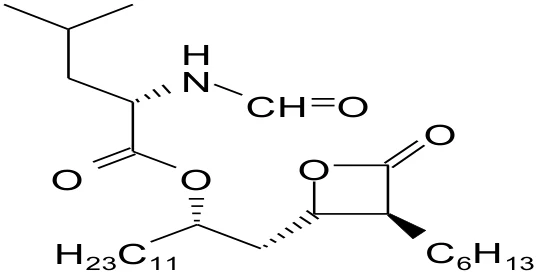
| Chemical name: | (S)-2-Formylamino-4-methyl-pentanoic acid (S)-1-[(2S,3S)-3-hexyl-4-oxo-oxetan-2-ylmethyl]-dodecyl ester |
| Molecular formula and molecular mass: | C29H53NO5, 495.75 |
| Structural formula: |
Physicochemical properties:
| Physical Form: | Orlistat is a white to almost white fine crystalline powder or fine crystalline powder with lumps |
| Solubility: | Water - <0.001g/100 mL |
| pKa: | No value within physiological range |
| Partition co-efficient: | log P=4.40 (octanol/water) |
| Melting Point: | Approximately 44 °C |
 |
14 CLINICAL TRIALS
14.1 Clinical Trials by Indication
Clinical Studies – Treatment of Obesity:
The effects of XENICAL on weight loss, weight maintenance, weight regain and on a number of comorbidities were assessed in seven multicenter, double-blind, placebo-controlled clinical trials of 1-to 2-years duration. During the first year of therapy, weight loss and weight maintenance were assessed. During the second year of therapy, some studies assessed continued weight loss and weight maintenance and others assessed the effect of orlistat on weight regain. These studies included over 2800 patients treated with XENICAL and 1400 patients treated with placebo.
An additional 4-year multicenter, double-blind, placebo-controlled study, the XENDOS study, assessed the effects of XENICAL on body weight, time to onset of type 2 diabetes, and comorbidities. The study included 3304 obese (BMI ≥ 30 kg/m2) patients.
In all the above studies, treatment with XENICAL and placebo designates treatment with XENICAL plus diet and placebo plus diet, respectively.
The observations regarding the effects on comorbidities during these trials are discussed in detail below.
14.2 Study Results
Efficacy Results – Weight Loss and Prevention of Weight Regain:
During the weight loss and weight maintenance period, a well-balanced, mildly hypocaloric diet that provided 30% of calories from fat was recommended to all patients. The diet was calculated using initial body weight to provide a caloric deficit of 500-800 calories per day, which represents an average caloric decrease of 20%. The percentages of patients achieving a ≥ 5% and ≥ 10% weight loss after 1- and 2-years treatment from two representative studies (BM14119C and BM14149) are summarized in the following tables:
Table 7 - Categorical Analysis of Weight Loss Following One Year of Treatment
| Study Number | Intent to Treat Population | Completers Population | ||||||||||||||||||||
| ≥ 5% Weight Loss | ≥ 10% Weight Loss | ≥ 5% Weight Loss | ≥ 10% Weight Loss | |||||||||||||||||||
| XENICAL | Placebo | P Value | XENICAL | Placebo | P Value | XENICAL | Placebo | P Value | XENICAL | Placebo | P Value | |||||||||||
| BM 14119C* | 68.5% | 49.1% | <0.05 | 38.8% | 17.6% | <0.05 | 77.2% | 57.4% | <0.05 | 46.9% | 21.3% | <0.05 | ||||||||||
| BM 14149** | 62.5% | 43.6% | 0.001 | 38.3% | 18.8% | 0.001 | 77.3% | 57.3% | 0.001 | 49.7% | 25.7% | 0.001 | ||||||||||
* Intent to treat population: placebo n = 340, XENICAL n = 343; completers population placebo n = 249, XENICAL n = 271
** Intent to treat population: placebo n= 234, XENICAL n = 240: completers population: placebo n = 136, XENICAL n = 163
Table 8 - Categorical Analysis of Weight Loss Following Two Full Years of Treatment
| Study Number | Intent to Treat Population | Completers Population | ||||||||||||||||||||
| ≥ 5% Weight Loss | ≥ 10% Weight Loss | ≥ 5% Weight Loss | ≥ 10% Weight Loss | |||||||||||||||||||
| XENICAL | Placebo | P Value | XENICAL | Placebo | P Value | XENICAL | Placebo | P Value | XENICAL | Placebo | P Value | |||||||||||
| BM 14119C* | 57.1% | 37.4% | 0.01 | 33.8% | 14.6% | 0.006 | 58.4% | 40.9% | 0.006 | 38.6% | 15.1% | 0.006 | ||||||||||
| Study Number | Intent to Treat Population | Completers Population | ||||||||||||||||||||
| ≥ 5% Weight Loss | ≥ 10% Weight Loss | ≥ 5% Weight Loss | ≥ 10% Weight Loss | |||||||||||||||||||
| XENICAL | Placebo | P Value | XENICAL | Placebo | P Value | XENICAL | Placebo | P Value | XENICAL | Placebo | P Value | |||||||||||
| BM 14149** | 51.7% | 30.3% | <0.001 | 24.2% | 13.2% | <0.001 | 65.7% | 37.8% | <0.001 | 30.8% | 22.0% | <0.001 | ||||||||||
* Intent to treat population: placebo n = 123, XENICAL n = 133; Completers population n = 93 placebo, XENICAL n = 101
** Intent to treat population: placebo n = 234, XENICAL n = 240: placebo n = 127, XENICAL n = 146
At the end of 52 weeks of double-blind treatment in study BM14119C, mean weight loss for the placebo-treated patients was 6.1% and 10.2% in XENICAL-treated patients (intent to treat analysis). In study BM 14149, patients treated with XENICAL had lost 9.7%, compared with 6.6% for patients that received placebo (intent to treat). The findings were similar in the completers populations.
In the 4-year XENDOS trial, XENICAL was shown to be more effective than placebo in long-term weight control. Results showed that 73% of the patients treated with XENICAL lost ≥ 5% of baseline body weight after 1 year of treatment compared with 45% of the placebo-treated patients (p < 0.001). In addition, 41% of the patients treated with XENICAL lost ≥ 10% of body weight after 1 year compared with 21% of the placebo-treated patients (p < 0.001). Mean change in body weight was -10.56 kg for the XENICAL treatment group compared to -6.19 kg for the placebo treatment group at the end of the first year of treatment (p < 0.001). After 4 years of treatment, 44.8% and 21% of the patients treated with XENICAL lost ≥ 5 and ≥ 10% of body weight compared to 28.0% and 10% of the placebo-treated patients, respectively (p < 0.001). Mean change in body weight after 4 years of treatment was -5.75 kg for the XENICAL treatment group compared to -3.03 kg for the placebo treatment group (p < 0.001).
Prevention of Weight Regain Following One Year of Weight Loss:
Studies NM14185 and BM14119C were designed to evaluate the effects of XENICAL compared to placebo in reducing weight regain in year-2 after previous weight loss achieved by prior treatment with XENICAL in year 1. The diet utilized during the 2nd year prevention of weight regain portion of the studies was a weight maintenance diet, rather than a weight loss diet, and patients received less nutritional counselling than patients in the first year. In study BM14119C, patients treated with placebo regained 52% of the weight they had previously lost while patients treated with XENICAL regained only 26% of the weight they had previously lost (p < 0.001). In study, NM14185, patients treated with placebo regained 63% of the weight they had previously lost while the patients treated with XENICAL regained only 35% of the weight they had lost (p < 0.001).
Effect on Comorbidities:
At the recommended therapeutic dose of XENICAL, the inhibition of the absorption of approximately one-third of dietary fat produces meaningful weight loss and reduces risk factors. At the same time, this effect allows absorption of adequate amounts of dietary fat and other nutrients that are essential for the maintenance of good health. One, 2, and 4 years treatment with XENICAL resulted in statistically significant improvements in many risk factors associated with obesity compared to placebo treatment. The statistically significant improvement of risk factors included fasting glucose and fasting insulin, total cholesterol, LDL-cholesterol, LDL/HDL ratio, waist and hip circumference. Statistically significant improvements over placebo in systolic and diastolic blood pressure were also observed after one year of treatment, and maintained for each year throughout the entire 4-year treatment period.
The relative changes in risk factors associated with obesity following 4 years of therapy are summarized in the following table:
Table 9 - Mean Change in Risk Factors from Randomization Following 4-Years Treatment* (Population as Whole)
| Risk Factor | XENICAL-Treatment Group† | Placebo-Treatment Group† | p-value | ||||||
| Metabolic | |||||||||
| Total Cholesterol | -7.02% | -2.03% | <0.001 | ||||||
| LDL-Cholesterol | -11.66% | -3.85% | <0.001 | ||||||
| HDL-Cholesterol | +5.92% | +7.01% | 0.055 | ||||||
| LDL/HDL | -0.53 | -0.33 | <0.001 | ||||||
| Triglycerides | +3.64% | +1.30% | 0.075 | ||||||
| Fasting Glucose, mmol/L | +0.12 | +0.23 | <0.001 | ||||||
| Fasting Insulin, pmol/L | -24.93 | -15.71 | <0.001 | ||||||
| Fibrinogen, µmol/L | -0.07 | +0.08 | 0.019 | ||||||
| Plasminogen Activator Inhibitor (PAI-1) | -3.17 | -0.57 | <0.001 | ||||||
| Cardiovascular | |||||||||
| Systolic Blood Pressure, mmHg | -4.12 | -2.60 | <0.001 | ||||||
| Diastolic Blood Pressure, mmHg | -1.93 | -0.87 | <0.001 | ||||||
| Anthropometric | |||||||||
| Waist Circumference, cm | -5.78 | -3.99 | <0.001 | ||||||
* Treatment designates XENICAL 120 mg three times a day plus diet or placebo plus diet
† ITT (LOCF)
Subpopulations with Abnormal Baseline Risk Factors:
Patient subpopulations with the following abnormal baseline risk factors at randomization also showed statistically significant reductions in the following abnormal values relative to patients receiving placebo following one- or two-years treatment with XENICAL; Metabolic: LDL-cholesterol ≥ 3.362 mmol/L, LDL/HDL ratio ≥ 3.5 (year 1 only), fasting insulin ≥ 120 pmol/L. Cardiovascular: systolic BP ≥ 140 mm Hg and Diastolic BP ≥ 90mm Hg (year 1 only). Anthropometric: waist circumference > 100 cm.
In the 4-year XENDOS study, the changes from randomization following 4-years of treatment in the population with abnormal lipid levels (LDL ≥ 3.362 mmol/L, HDL < 0.905 mmol/L, LDL:HDL ratio ≥ 3.5, triglycerides ≥ 2.54 mmol/L) were greater for XENICAL compared with placebo in respect to LDL (-14.86% vs -7.34%, p < 0.001), LDL/HDL (-0.87% vs -0.59%, p < 0.001), and triglycerides (-15.63% vs -13.92%, p = 0.562). HDL increased in the placebo group by 12.9% and in the XENICAL group by 11.6%
(p = 0.339). In the population with abnormal blood pressure at baseline (systolic ≥ 140 mmHg, diastolic ≥ 90 mmHg), the change in systolic blood pressure from baseline was greater for XENICAL than placebo (-11.44 mmHg vs -8.70 mmHg, p = 0.002). For patients with diastolic blood pressure ≥ 90 mmHg at baseline, the decrease in diastolic blood pressure in the XENICAL patients was -8.00 mmHg vs -6.26 mmHg in the placebo treated patients (p = 0.006). Fasting insulin decreased more in the XENICAL treatment group than the placebo treatment group (-47.02 pmol/L vs -37.47 pmol/L, p = 0.002) from randomization to year 4 in the population with abnormal baseline values (≥ 90 mmol/L).
Predictors of Response:
An analysis was performed with two of the European studies (BM14119C and BM14149) to determine if early response to XENICAL treatment predicts long-term weight maintenance and health benefits. It was found that patients that lost ≥ 5% of body weight at during the first 12 weeks of drug therapy achieved significantly greater weight loss after 2 years than those who lost < 5% (-11.9% vs -4.7%, respectively, p = 0.0001). Similarly, patients that lost ≥ 5% of their body weight during the first 12 weeks of drug treatment achieved significantly greater weight loss after 1-year of treatment, compared to patients that lost < 5% (-14.5% vs -6.9%, respectively, p = 0.0001). Weight loss at the end of one- and two-years treatment was also greater in patients that lost ≥ 5% weight at 12 weeks and ≥ 10% body weight at 6 months, compared to those patients that lost < 10% at six months (year 1: -17.7% vs -11.9%; year 2: -5.0% vs -9.33%, respectively). The impact on risk factors based on whether patients achieved 5% weight loss at 12 weeks is shown in the table below for both 1-and 2-years treatment.
Table 10 - Impact of < 5% or ≥ 5% Weight Loss at 12 Weeks on Risk Factors following 1- and 2-Years Treatment with XENICAL
| Years on Therapy | Risk Factora | 12-Week Weight Loss | P Value* | ||||||||
| < 5% | ≥ 5% | ||||||||||
| Year 1 | Total cholesterol | -8.25 (111)** | -14.87 (102) | 0.0002 | |||||||
| LDL cholesterol | -10.06 (111) | -18.69 (102) | 0.0003 | ||||||||
| HDL cholesterol | 1.48 (111) | 4.77 (102) | n.s | ||||||||
| Triglycerides | -1.98 (111) | -14.66 (102) | 0.004 | ||||||||
| Systolic blood pressure (mm Hg) | -7.48 (116) | -10.88 (104) | n.s | ||||||||
| Diastolic blood pressure (mm Hg) | -4.37 (116) | -7.65 (104) | 0.013 | ||||||||
| Year 2 | Total cholesterol | -4.87 (111) | -10.67 (98) | 0.0014 | |||||||
| LDL cholesterol | -4.83 (111) | -11.30 (98) | 0.015 | ||||||||
| HDL cholesterol | 5.06 (111) | 8.38 (98) | n.s | ||||||||
| Triglycerides | 3.27 (111) | -16.18 (98) | 0.000 | ||||||||
| Systolic blood pressure (mm Hg) | -3.66 (116) | -9.45 (104) | 0.005 | ||||||||
| Diastolic BP (mm Hg) | -2.24 (116) | -5.37 (104) | 0.017 | ||||||||
a Percent change unless otherwise noted.
* P value refers to the comparison of XENICAL treated patients that lost either greater than or less than 5% weight loss at 12 weeks, not to patients treated with placebo.
** Number in brackets refers to the number of patients.
Onset of Type 2 Diabetes in Obese Patients (BMI ≥ 30 kg/m2):
In the 4-year XENDOS study, the effects of XENICAL in delaying the onset of type 2 diabetes were compared to placebo in obese patients who had either normal or impaired glucose tolerance at baseline.
Treatment with XENICAL, in combination with lifestyle changes, was shown to delay the onset of type 2 diabetes compared with treatment with placebo plus lifestyle changes (p < 0.01). A greater proportion of placebo-treated patients developed type 2 diabetes than did patients treated with XENICAL. At the end of the 4 years, the cumulative incidence rate for the development of type 2 diabetes was 9.04% for placebo and 6.15% for XENICAL. Over the 4-year treatment period, there was a 37.3% relative reduction in the risk of developing type 2 diabetes in the patients treated with XENICAL compared to the placebo group.
Table 11 - Cumulative Incidence of Diabetic Cases by Time of First Occurrence – ITT1
| Time Interval | Placebo | XENICAL | |||||||||
| Patients diagnosed with Diabetes (%) | Cumulative Rate of Patients Diagnosed with Diabetes (%) | Patients diagnosed with Diabetes (%) | Cumulative Rate of Patients Diagnosed with Diabetes (%) | ||||||||
| 6 months | 1.22 | 1.22 | 0.32 | 0.03* | |||||||
| 1 Year | 0.79 | 2 | 0.7 | 0.99* | |||||||
| 2 Year | 1.36 | 4.29 | 0.56 | 2.05* | |||||||
| 3 Year | 1.49 | 6.98 | 1.39 | 4.44* | |||||||
| 4 Year | 0.96 | 9.04 | 0.86 | 6.15* | |||||||
1 ITT: all eligible randomized patients with baseline and a follow-up efficacy assessment
* p < 0.01, logrank test
A separate analysis was conducted in patients with impaired glucose tolerance (IGT) at baseline. In patients (ITT) with baseline IGT (placebo, n = 345; XENICAL, n = 352), treatment with XENICAL again was shown to delay the onset of type 2 diabetes compared with treatment with placebo. A greater proportion of placebo-treated patients developed diabetes than did patients treated with XENICAL. At the end of 4 years, the cumulative incidence rate of type 2 diabetes in patients with IGT at baseline was 28.77 % for placebo and 18.79% for XENICAL (p < 0.003). Over the 4-year treatment period, the relative risk of developing type 2 diabetes was reduced by 44.9% in the XENICAL group compared to the placebo group. In addition, treatment with XENICAL significantly reduced the progression to type 2 diabetes when diagnosed by repeat positive testing in patients with baseline IGT. Cumulative incidence rates after 4 years were 8.3% for XENICAL and 14.2% for placebo (p = 0.0171), corresponding to a 52% risk reduction.
Table 12 - Cumulative Incidence of Diabetic Cases by Time of First Occurrence – Patients with IGT at Baseline
| Time Interval | Placebo | XENICAL | ||||||||
| Patients diagnosed with Diabetes (%) | Cumulative Rate of Patients Diagnosed with Diabetes (%) | Patients diagnosed with Diabetes (%) | Cumulative Rate of Patients Diagnosed with Diabetes (%) | |||||||
| 6 months | 4.94 | 4.94 | 0.89 | 0.89* | ||||||
| 1 Year | 3.51 | 8.27 | 2.85 | 3.71* | ||||||
| Time Interval | Placebo | XENICAL | ||||||||
| Patients diagnosed with Diabetes (%) | Cumulative Rate of Patients Diagnosed with Diabetes (%) | Patients diagnosed with Diabetes (%) | Cumulative Rate of Patients Diagnosed with Diabetes (%) | |||||||
| 2 Year | 4.61 | 15.70 | 1.87 | 6.80* | ||||||
| 3 Year | 4.83 | 23.52 | 6.28 | 16.32* | ||||||
| 4 Year | 1.82 | 28.77 | 0.63 | 18.79* | ||||||
* p <0.01, logrank test
Glucose Tolerance in Obese Patients:
Two-year studies that included oral glucose tolerance tests were conducted in obese patients whose baseline oral glucose tolerance test (OGTT) status at randomization was either normal, impaired or diabetic. The progression from a normal OGTT at randomization to a diabetic or impaired OGTT following two years treatment with XENICAL (n = 251) or placebo (n = 207) were compared. Following treatment with XENICAL, 0.0% and 7.2% of the patients progressed from normal to diabetic and impaired OGTT respectively, compared to 1.9 % and 12.6% of the placebo group respectively (p = 0.01).
In patients found to have an impaired OGTT at baseline, the percent of patients improving to normal or deteriorating to diabetic status following one or two years of treatment with XENICAL compared to placebo are presented below and the difference between treatment groups was significant:
Table 13 - The Percentage of Patients Improving to Normal or Deteriorating to Diabetic Status Following One or Two Years with XENICAL versus Placebo
| Baseline OGTT Status Intent to Treat Population | Patients Normal*** Post-Treatment | Patients Diabetic*** Post-Treatment |
| Impaired*** | One year of treatment | One year of treatment |
| Placebo n = 48 | 45.8% | 10.4% |
| Orlistat*,1 n = 115 | 72.2% | 2.6% |
| Impaired *** | 2 years of treatment | 2 years of treatment |
| Placebo n = 40 | 50.0% | 7.5% |
| Orlistat**,1 n = 60 | 71.7% | 1.7% |
* p < 0.01 and ** p = 0.059, Fisher’s Exact Test
*** OGTT status in mmol/L at 120 min: normal < 7.77; impaired ≥ 7.77 and < 11.1; diabetic ≥ 11.1.
1 Treatment refers to orlistat plus diet or placebo plus diet.
Type 2 Diabetes:
Seven randomized, double-blind, placebo-controlled trials of one-year (4 trials) and
six-months (3 trials) duration were conducted to evaluate the use of XENICAL in combination with sulfonylureas, metformin or insulin in overweight and obese patients with type 2 diabetes. During these studies, patients were maintained on a well-balanced, reduced-calorie diet consistent with the dietary recommendations of the Canadian Diabetes Association. An additional six-month trial was conducted to evaluate the metabolic effects of XENICAL combined with lifestyle intervention compared with lifestyle intervention alone in obese patients with type 2 diabetes.
One-year Results:
Maximum improvements in fasting glucose were observed as early as two weeks of initiation of therapy. Improvements in weight loss were observed as early as four weeks of initiation of therapy. Improvements in HbA1c were seen at the time of the first assessment point at twelve weeks.
A total of 1729 overweight and obese patients with type 2 diabetes participated in four double-blind, placebo-controlled one-year studies conducted to assess the efficacy of XENICAL in combination with antidiabetic agents such as insulin, metformin and sulfonylureas. In these studies, XENICAL and diet, used in combination with antidiabetic agents, showed significant reductions in hemoglobin A1c (HbA1c), fasting plasma glucose (FPG), postprandial glucose (PPG) and body weight compared to placebo and diet used in combination with antidiabetic agents.
Table 14 - Mean Changes in Glycemic Control Parameters and Body Weight in Patients with Type 2 Diabetes, 1-Year Studies*
| Study Numbers | M37047 XENICAL/Insulin Study | M37048 XENICAL/Metformin Study | M37002 XENICAL/Sulfonylurea Study | M14336 XENICAL/Sulfonylurea Study | |||||||||||||||||||||||
| Parameters | XENICAL N=266 | Placebo N=269 | XENICAL N=250 | Placebo N=254 | XENICAL N=189 | Placebo N=180 | XENICAL N=162 | Placebo N=159 | |||||||||||||||||||
| HbA1c (%) | |||||||||||||||||||||||||||
| Baseline (mean) | 9.0 | 9.0 | 8.9 | 8.8 | 8.3 | 8.2 | 7.5 | 7.5 | |||||||||||||||||||
| Mean Change from Baseline | -0.62‡ | -0.27 | -0.75§ | -0.41 | -0.62‡ | -0.06 | -0.14‡ | +0.32 | |||||||||||||||||||
| % Patients with Reduction in HbA1c | |||||||||||||||||||||||||||
| ≥ 0.5% decrease in HbA1c | 52‡ | 40 | 61‡ | 43 | 54‡ | 33 | 44‡ | 20 | |||||||||||||||||||
| ≥ 1.0% decrease in HbA1c | 32† | 22 | 46† | 29 | 33† | 22 | 22‡ | 11 | |||||||||||||||||||
| FPG (mmol/L) | |||||||||||||||||||||||||||
| Baseline (mean) | 10.9 | 11.2 | 11.6 | 11.1 | 10.2 | 9.8 | 7.9 | 7.9 | |||||||||||||||||||
| Mean Change from Baseline | -1.63† | -1.08 | -2.02‡ | -0.69 | -0.95‡ | +0.34 | +0.04‡ | +0.73 | |||||||||||||||||||
| PPG (mmol/L) | |||||||||||||||||||||||||||
| Baseline (mean) | – | – | – | – | 12.6 | 12.3 | – | – | |||||||||||||||||||
| Mean Change from Baseline | N/D | N/D | N/D | N/D | -1.13‡ | +0.36 | N/D | N/D | |||||||||||||||||||
| Decrease in antidiabetic med | |||||||||||||||||||||||||||
| % Patients, Orlistat vs placebo | 41 | 31 | 17 | 8.2 | 10 | 9 | 42 | 30 | |||||||||||||||||||
| Increase in antidiabetic med | |||||||||||||||||||||||||||
| % Patients, Orlistat vs placebo | 15 | 32 | 12 | 22 | 14 | 18 | 7 | 18 | |||||||||||||||||||
| Weight (kg) | |||||||||||||||||||||||||||
| Baseline (mean) | 102.0 | 101.8 | 102.2 | 101.2 | 97.6 | 96.5 | 97.5 | 97.5 | |||||||||||||||||||
| Mean Change from Baseline | -3.89‡ | -1.27 | -4.66‡ | -1.82 | -3.49‡ | -1.46 | -3.83‡ | -1.35 | |||||||||||||||||||
* The diet utilized during the studies was a reduced-calorie diet consistent with the dietary recommendations of the Canadian Diabetes Association.
H p < 0.05 based on statistical analysis XENICAL compared to placebo (least squares mean)
I p < 0.01 based on statistical analysis XENICAL compared to placebo (least squares mean)
p < 0.01, Cochran-Mantel-Haenszel
§ Results were not statistically significant likely due to the study design in which the dose and antidiabetic medication could be changed during the conduct of the study depending on the glycemic control response. Reanalysis of this study excluding the assessments done after any change in antidiabetic therapy resulted in a mean decrease from baseline in HbA1c of -0.73% in the XENICAL group and -0.36% in the placebo group (p < 0.01).
N/D = Not done
Orlistat has an additional glucose-lowering effect in obese and overweight type 2 diabetic patients receiving antidiabetic medication separate from its effect on body weight.
An analysis of pooled data from patients who completed one year of treatment was conducted for HbA1c in patients losing ≤ 1% of their baseline body weight. The mean change in body weight from baseline in these patients was +1.35 kg in the patients treated with XENICAL and +1.53 kg in the placebo treatment group; however, patients receiving orlistat had a significantly greater mean decrease in HbA1c compared to the placebo treatment group (-0.29% vs +0.14%, p < 0.0008), respectively. XENICAL in combination with antidiabetic agents had favourable effects on lipids, blood pressure and waist circumference, risk factors associated with type 2 diabetes and excess body weight.
In a six-month single centre, randomized, double-blind, placebo-controlled study in patients with type 2 diabetes, patients were randomized to receive XENICAL plus lifestyle intervention, or placebo plus lifestyle intervention. A significant improvement (p < 0.05) in insulin sensitivity was observed in the XENICAL group (+2.2 ± 0.4 mg.min-1.kg-1) compared with the placebo group (+1.2 ± 0.4 mg.min-1.kg-1), which was attributed to the significant decrease (p < 0.01) in fasting plasma free fatty acids observed in the XENICAL group (-154 ± 22 µmol/L) compared to the placebo group (-51 ± 33 µmol/L), after adjusted for effects of weight loss.
The changes from randomization following treatment in the type 2 diabetic population with abnormal baseline lipid levels, blood pressure and waist circumference (pooled data for 7 clinical trials) are summarized in the table below. One year of therapy with XENICAL in combination with other antidiabetic medications resulted in statistically significant improvements in many of these risk factors.
Table 15 - Mean Change in Risk Factors from Randomization – Population with Abnormal Risk Factors1
| Risk Factor - Value at Randomization | XENICAL 120 mg + Diet2 + Antidiabetic Medications | Placebo + Diet2 + Antidiabetic Medications | |||||||||||||||
| Lipids | N | Baseline Mean | Mean Change From Baseline | N | Baseline Mean | Mean Change From Baseline | P Value | ||||||||||
| LDL-Cholesterol ≥ 3.362 mmol/L | 496 | 4.12 | -11.56% | 462 | 4.09 | -2.13% | 0 | ||||||||||
| HDL-Cholesterol < 0.905 mmol/L | 298 | 0.77 | +14.18% | 301 | 0.78 | +19.19% | 0.0287 | ||||||||||
| LDL/HDL ≥ 3.5 | 368 | 4.43 | -0.81 | 343 | 4.45 | -0.61 | 0.0210 | ||||||||||
| Triglycerides ≥ 2.54 mmol/L | 335 | 4.11 | -6.42% | 328 | 4.17 | -3.94% | 0.5913 | ||||||||||
| Blood pressure | |||||||||||||||||
| Systolic Blood Pressure ≥ 130 mmHg | 813 | 143.36 | -6.08 | 781 | 143.30 | -4.41 | 0.0251 | ||||||||||
| Diastolic Blood Pressure ≥ 80 mmHg | 814 | 86.42 | -4.53 | 776 | 86.47 | -3.77 | 0.0772 | ||||||||||
| Anthropometric | |||||||||||||||||
| Waist Circumference, cm ‡ | 1008 | 111.39 | -4.82 | 968 | 111.53 | -2.41 | 0.0000 | ||||||||||
1 Intent-to-treat population: observed data based on pooled data from 7 studies
2 The diet utilized during the studies was a reduced-calorie diet consistent with the dietary recommendations of the American Diabetes Association; ‡ ≥ 102 cm for males and ≥ 88 cm for females at baseline.
Six-Month Results:
A total of 779 overweight and obese patients with type 2 diabetes participated in three double-blind, placebo controlled 24-week studies also conducted to assess the efficacy of XENICAL in combination with antidiabetic agents. In these studies, improvements similar to those for the one-year results were observed in glycemic control, weight loss and effects on risk factors were also observed.
Pediatric Clinical Studies:
The effects of XENICAL on body mass index (BMI) and weight loss were assessed in a 54-week multicenter, double-blind, placebo-controlled study in 539 obese adolescents (357 receiving XENICAL 120 mg three times a day, 182 receiving placebo), aged 12 to 16 years.
BMI was the primary efficacy parameter as it takes into account changes in height and body weight, which occur in growing children.
During the study, all patients were instructed to take a multivitamin containing fat-soluble vitamins at least 2 hours before or after ingestion of XENICAL. All patients were also maintained on a well-balanced, reduced-calorie diet that was intended to provide 30% of calories from fat. In addition, all patients were placed on a behaviour modification program and offered exercise counselling.
Approximately 65% of patients in each treatment group completed the study.
Following one year of treatment, BMI decreased by an average of 0.55 kg/m2 in the XENICAL-treated patients and increased by an average of 0.31 kg/m2 in the placebo-treated patients (p = 0.001). The percentages of patients achieving 5% and 10% reduction in BMI and body weight after 52 weeks of treatment for the intent-to-treat population are presented below.
Table 16 - Percentages of Patients with ≥ 5% and ≥ 10% Decrease in Body Mass Index and Body Weight After 1-Year Treatment*
| Intent-to-Treat Population† | ||||||
| Parameter | ≥ 5% Decrease | ≥ 10% Decrease | ||||
| XENICAL Treatment Group | Placebo Treatment Group | p-value | XENICAL Treatment Group | Placebo Treatment Group | p-value | |
| BMI** | 26.5% | 15.7% | 0.005 | 13.3% | 4.5% | 0.002 |
| Body Weight** | 19.0% | 11.7% | 0.032 | 9.5% | 3.3% | 0.011 |
* Treatment designates XENICAL 120 mg three times a day plus diet or placebo plus diet
† Last observation carried forward
** BMI: placebo n = 178, XENICAL n = 347; Body Weight: placebo n = 180, XENICAL n = 348
In a subgroup of 152 XENICAL-treated and 77 placebo-treated patients from the 54-week study, changes in body composition measured by DEXA were similar in both treatment groups with the exception of fat mass, which was significantly reduced in patients treated with XENICAL compared to patients treated with placebo (-2.5 kg vs -0.6 kg, p = 0.033).
Table 17 - Least Squares Mean Change from Baseline in DEXA1 Total Body Assessments
| Parameter | XENICAL Treatment Group* | Placebo Treatment Group* | p-value |
| Fat Mass (kg) | -2.5 | -0.6 | 0.033 |
| Parameter | XENICAL Treatment Group* | Placebo Treatment Group* | p-value |
| Fat Free Mass Soft Tissue (kg) | +2.0 | +2.1 | 0.929 |
| Bone Mineral Content (g) | +182 | +177 | 0.857 |
| Bone Mineral Density (g/cm2) | +0.04 | +0.04 | 0.666 |
1 DEXA: Dual-Energy X-ray Absorptiometry
* Treatment designates XENICAL 120 mg three times a day plus diet or placebo plus diet
15 MICROBIOLOGY
No microbiological information is required for this drug product.
16 NON-CLINICAL TOXICOLOGY
Animal Pharmacology:
No effect on arterial blood pressure, heart rate and gross spontaneous behaviour was observed in conscious dogs after either oral or intravenous administration of orlistat at doses of 1 g/kg and 1, 3 and 10 mg/kg, respectively. In preclinical models, orlistat demonstrated potent anti-obesity and some hypolipemic properties. These therapeutic effects are attributable to the inhibitory action of orlistat on digestive lipases in the gastrointestinal lumen which results in the reduction of fat and cholesterol absorption. Orlistat increased the fecal concentration of unesterified fatty acids and diglycerides in animal studies, but decreased levels of bile acids. This effect differs from that observed following an increase in dietary fat alone, in which case bile acids also increased. Increased exposure of the colonic mucosa to fatty acids and diglycerides did not lead to histopathological observations indicative of pre-neoplastic alterations.
General Toxicology:
Table 18 - Acute Toxicity
| Species | Strain (#/sex/grp.) | Route of Admin. | Doses (mg/kg) | Obs. Period (days) | Principal Findings* | |||||
| Mouse | Fü-albino (10) | p.o. (gavage) | 5000 | 14 | MNLD = > 5000 mg/kg; no observed clinical adverse effects | |||||
| Fü-albino (10) | i.v. (25 ml/kg) | 0, 100 | 14 | MNLD = > 100 mg/kg; short-lived (1-4 min.) CNS depression following both vehicle and test article | ||||||
| Fü-albino (5) | i.v. (3 ml/kg) | 0, 150 | 14 | MNLD = > 150mg/kg; no observed clinical adverse effects | ||||||
| Rat | Fü-albino (5) | p.o. (gavage) | 5000 | 14 | MNLD = > 5000 mg/kg; no observed clinical adverse effects | |||||
| Fü-albino (5) | p.o. (gavage) | 3000 | 14 | MNLD = > 3000 mg/kg; no observed clinical adverse effects; plasma levels of unchanged drug were BLQ | ||||||
| Fü-albino (5) | i.v. (10 ml/kg) | 0, 100 | 14 | MNLD = > 100 mg/kg; short-lived (1-4 min.) | ||||||
| Species | Strain (#/sex/grp.) | Route of Admin. | Doses (mg/kg) | Obs. Period (days) | Principal Findings* | |||||||
| CNS depression following both vehicle and test article | ||||||||||||
| Fü-albino (5) | i.v. (3 ml/kg) | 0, 150 | 14 | MNLD = > 150 mg/kg; no observed clinical adverse effects | ||||||||
| Rat (2-week old) | Crl:CD®BR (5) | p.o. (gavage) | 0, 2000 | 14 | MNLD = > 2000 mg/kg; no observed clinical adverse effects | |||||||
| Dog | Beagle (1) | p.o. (capsule) | 50, 100, 200, 400, 600, 800, & 1000† | 1 day following last dose | MNLD = > 1000 mg/kg; no observed clinical adverse effects | |||||||
* MNLD = Maximum Non-lethal Dose
† This was a pyramiding dose toxicity study; doses were escalated daily. The female dog received approximately 972 mg as final dose.
The following abbreviations are used throughout Table 19, Table 20 and Table 21:
↑ (increased), ↓ (decreased), ALP (alkaline phosphatase), ALT (alanine aminotransferase), AUC (area under the curve), BW (body weight), clin. obs (clinical observations-in life), clin. path (clinical pathology), diet. admix (dietary admixture), DR (drug related), emul (emulsion), F (female), food cons. (food consumption), Histopath. (histopathology), M (male), met. act. (metabolic activation), min. (minutes), MNLD (maximum non-lethal dose), mos. (months), NOAE (no-observed-adverse-effect(s)), org. wt (organ weight), pp-hyptri (post-prandial hypertriglyceridemia).
Table 19 - Long-term Toxicology Studies
| Species | Strain (#/sex/grp.) | Route of Admin. | Doses (mg/kg/d) | Duration (weeks) | Principal Findings |
| Mouse | Ibm: MORO (SPF) (high dose & control: 15 all others: 10) | p.o. (diet admix) | 0, 10, 65, 400, 2500 | 13 | Mortality: NOAE Clin. Obs.: DR incr. food cons. in M @ 400 & 2500 and in F @ all doses Hematology: not done Clin. Path.: DR decr. in plasma cholesterol @ 65 & higher; DR incr. in plasma triglycerides @ 65 & higher (400 @ ≅ 2500); DR decr. in hepatic vitamins A & E conc. Necropsy: NOAE Organ Wt.: NOAE Histopath.: NOAE |
| Species | Strain (#/sex/grp.) | Route of Admin. | Doses (mg/kg/d) | Duration (weeks) | Principal Findings |
| Rat | Fü-albino (10 + 4 for toxicokin.) | p.o. (diet admix) | 0, 50, 150, 450 | 13 | Mortality: NOAE Clin. Obs.: incr. food intake @ all doses Ophthalmoscopy: NOAE Hematology: 20-25%. decr. in WBC @ 450 after 13 wks; lipemic plasma @ 150 & 450 Clin.Path.: after 13 wks - bilirubin & cholesterol 2-3 X incr. @ 450; DR incr. triglycerides (27 X @ 450); decr. hepatic Vit A (~60%) & Vit E (~60-75%) @ 450 Urinalysis: NOAE Necropsy: NOAE Organ Wt.: incr. (~10%). liver in F @ 450; incr. (~10-20%) adrenal in M+F @ 450 Histopath.: NOAE |
| Rat | Fü-albino (20) | p.o. (diet admix) | 0, 250, 500, 1000, 2500 | 13 | Mortality: NOAE Clin. Obs.: ~ 13-14% decr. B.W. gain @ 2500; incr. food intake @ all doses Ophthalmoscopy: NOAE Hematology: NOAE Clin. Path.: DR incr. pp-hyptri. @ ≥ 500 (7-25 X @ 2500); DR incr. (2-9 X) bilirubin @ ≥ 500; incr. fecal total lipid (75-80% of intake) @ all doses; decr. hepatic vitamins A & E (~ 60%) @ all doses despite supplement (M > F) |
Urinalysis: NOAE Necropsy: NOAE Organ Wt.: DR incr. in F adrenal wt. incr. M adrenal wt. @ 1000 & 2500 Histopath.: fatty change, vacuolation, and/or + fat stain in bone marrow, lumen of heart vessels, hepatocytes, or adrenal glands primarily @ 1000 & 2500 Toxicokinetics: DR incr. @ wk. 5.: Male: 20, 68, 225, 1470 ng/ml; Female: 32, 91, 311, 1050 ng/ml | |||||
| Species | Strain (#/sex/grp.) | Route of Admin. | Doses (mg/kg/d) | Duration (weeks) | Principal Findings |
| Rat | Fü-albino (26) | p.o. (diet admix) | 0, 5, 25, 125 | 52 | Mortality: NOAE Clin. Obs.: DR incr. food cons. @ 25 & 125; dark coloured feces @ 25 & 125 Ophthalmoscopy: NOAE Hematology: NOAE Clin. Path.: decr. ∝ -amylase & incr. BUN @ 125; plasma levels of vit. A decr. @ 125 in M (9-20%) and a DR decr. in plasma vit. E M & F; DR decr. in hepatic vit. A & E; ± hypertriglyceridemia @ 125; DR incr. in total fecal fat |
Urinalysis: NOAE Necropsy: NOAE Organ Wt.: NOAE Histopath.: NOAE Toxicokinetics: no unchanged drug detected in plasma @ 5 or 25; up to 64 ng/ml detected at week 51 @ 125 | |||||
Carcinogenicity:
Two-year oral (dietary admix) carcinogenicity studies were conducted in mice and rats at high doses of 1500 and 1000 mg/kg/day, respectively; female mice were terminated after 94 weeks of dosing because of excessive intercurrent mortality that did not distinguish treated from control animals. The incidence and nature of gross findings at necropsy and of neoplastic lesions did not distinguish treated from control mice or rats. Toxicokinetic analyses conducted at the termination of the studies showed that the systemic exposure to orlistat was 100 to 1000 times higher in mice and rats, respectively, than that observed in patients during phase III clinical trials receiving 120 mg tid, the recommended therapeutic dose of orlistat.
Genotoxicity:
The mutagenic potential of orlistat was investigated in the following short-term assays; Ames Test, with and without metabolic activation (tester strains TA97, TA98, TA100, TA102, TA1535, TA1537, TA1538), mammalian cell (V79/HPRT) gene mutation assay with and without metabolic activation, unscheduled DNA synthesis in primary cultures of rat hepatocytes, clastogenesis in vitro in human peripheral lymphocytes with and without metabolic activation, chromosome aberration assay (mouse micronucleus test) in vivo. No evidence of mutagenicity or genotoxicity was associated with orlistat in any of the assays.
Reproductive and Developmental Toxicology:
Table 20 - Reproduction and Teratology
| Study | Species Strain (#/sex/grp.) | Route of Admin. | Doses (mg/kg/d) | Duration (days) | Principal Findings |
| Segment I | Rat Fü-albino (32) | p.o. (gavage) | 0, 25, 100, 400 | M: 70 prior to & during mating F: 14 prior to, and during mating, gestation, & lactation | No parental mortality; decr. wt. gain in males @ 400; plasma triglycerides incr. in males @ 100 (51%) and 400 (111%) Parents: NOAE with respect to fertility or reproductive performance Progeny: no morphological or functional impairment observed |
| Segment II | Rat Fü-albino (36, F only) | p.o. (gavage) | 0, 50, 200, 800 | Days 7-16 of gestation (day of mating = day 1) | Dams: NOAE Progeny: slight statistically significant increase in resorptions in hysterectomy subgroup (10.9%) but not in the delivery sub-group and within the range of normal (0-23.5%; mean = 8.1%) for the laboratory Dose-related increase in the incidence of dilated cerebral ventricles statistically significant at the high dose (1, 2, 4, & 7 @ 0, 50, 200, & 800, respectively) |
| Segment II | Rat Fü-albino (30, F only) | p.o. (gavage) | 0, 800 | Days 6-15 of gestation (day of mating = day 0) | Dams: B.W. gain during gestation days 6-16 decr. ~ 16% for the treated group Progeny: NOAE |
| Segment II | Rat Crl:CD®BR VAF/Plus® (25, F only) | p.o. (gavage) | Ro 18-0647/002: 0, 50, 250, 800 Ro 18-0647/008: 0, 50, 250, 800 | Days 6-15 of gestation (day of mating = day 0) | Ro 18-0647/002 Dams: NOAE Progeny: NOAE Ro 18-0647/008 Dams: NOAE Progeny: NOAE |
| Study | Species Strain (#/sex/grp.) | Route of Admin. | Doses (mg/kg/d) | Duration (days) | Principal Findings |
| Segment III | Rat Fü-albino (24, F only) | p.o. (gavage) | 0, 25, 100, 400 | Day 15 of gestation through day 22 of lactation | Dams: slight impairment of B.W. gain @ 400 during late gestation and lactation Progeny: slight impairment of B.W. gain @ 400 during lactation period F1-Generation: NOAE with respect to physical or functional development |
| Segment II | Rabbit Swiss hare (20, F only) | p.o. (gavage) | 0, 100, 300, 800 | Days 7-19 of gestation (day of mating = gestation day 1) | Dams: NOAE Progeny: NOAE |
Special Toxicology:
Table 21 - Special Toxicity Studies
| Study | Species & Strain (#/sex/grp.) | Route of Admin. | Doses (mg/kg/day) | Duration | Principal Findings |
|---|---|---|---|---|---|
| Effect(s) on fecal lipid parameters & colonic cell proliferation | Rat Wistar (6/dose; M only) | p.o. (diet admix) Note: 40% of calories from fat & 0.1% Ca++ (synthetic diet) | 0, 8.5, 116 | 9 days | Low Dose: 24% inhib. of fat absorption; incr. alk. phosphatase in fecal water, increased cytolytic activity in fecal water; incr. (20 X) free fatty acids in feces; decr. conc. of bile acids in fecal water; 2.5-fold increase in colonic epithelial proliferation High Dose: ≥ 56% inhibition of fat absorption; fecal lipid parameters not adequately assessed due to marked “oily leakage” from rectum; 10-fold increase in colonic epithelial proliferation |
| Study | Species & Strain (#/sex/grp.) | Route of Admin. | Doses (mg/kg/day) | Duration | Principal Findings |
|---|---|---|---|---|---|
| As above | Rat Wistar (6/dose; M only) | As above | 0, 8.5, 25, 127 | 10 days | DR1 ↑ fecal fat excretion: +29, +58, +>75%; DR ↑ thymidine incorporation into DNA in colonic mucosa: 1.9- 2.4-, 5.0-fold; no colonic hypertrophy or hyperplasia; effects reversed after discontinuation of treatment. |
| As above | Wistar (8/dose; M only) | As above + group on a diet with 1% Ca++ | 0, 8.5, 25 | 20 days | DR ↑ fecal fat excretion (low & high Ca++). No physiologically relevant changes in colonic mucosal proliferation (low & high Ca++). |
| Rat | Fü-albino | p.o. (diet admix) [high fat, low calcium] | 70, 140, 280 & 560 ppm | 4 weeks | DR ↑ in food consumption; DR ↑ in fecal fat excretion (% of intake); DR ↑ in serum urea (BUN); ↑ mean kidney wt. In M @ 280 & 560 ppm and in F @ 560 ppm (no histopathological change); DR, slight ↑ in colonic mucosal proliferation in M @ 140, 280, & 560 ppm and in F @ 280 & 560 ppm. |
| Study | Species & Strain (#/sex/grp.) | Route of Admin. | Doses (mg/kg/day) | Duration | Principal Findings |
|---|---|---|---|---|---|
| Rat | Wistar | p.o. (diet admix) [high fat, low calcium & high fat, normal calcium] | 70, 140, & 280 ppm | 39 (interim sacs @ 13 and 26 weeks) | The studies are in progress; the findings are after 26 weeks of dosing: High Fat, Low Calcium: DR ↑ in BW, food consumption & DR ↓ in BW gain (reversed in recovery rats); NOAE with respect to colonic mucosal proliferation (PCNA), aberrant crypt foci (ACF), or histopathology (H&E staining) of the colon. High Fat, Normal Calcium: As above |
| Dog (expl. RF; high fat, low Ca++ diet) | Beagle (3; M only) | p.o. (diet admix) | 0, 0.3, 1.0, 3.0, 9.0 | 2 (17-18 days) | Mortality: NOAE Clin.Obs.: NOAE Hematology: NOAE Clin. Path.: DR ↓ serum cholesterol (18.2-47.4%); DR ↓ serum ∝ -tocopherol (9.2-59.9%) Urinalysis: NOAE Necropsy: NOAE Organ Wt.: NOAE Histopath.: NOAE |
| Study | Species & Strain (#/sex/grp.) | Route of Admin. | Doses (mg/kg/day) | Duration | Principal Findings |
|---|---|---|---|---|---|
| Dog (study conducted with a "high fat" diet) | Beagle (4 except 6 in the high-dose group) | p.o. (diet admix) | 0, 10, 100, 1000 | 52 | Mortality: None Clin. Obs.: ↑ food consumption Ophthalmoscopy: NOAE Hematology: NOAE Clin. Path.: DR ↑ plasma urea (33-63% for M & 34-39% for F), ↓ plasma cholest. (49-69% for M & 56-73% for F), ↓ plasma cholecalciferol (58-66% for M & 42-61% for F), ↓ plasma tocopherol (77-81% for M & 81-83% for F), ↓ hepatic retinol (50-88% for M & 49-57% for F), ↓ hepatic tocopherol (73-80% for M & 71-86% for F), pp-hypertri. @ mid- & high-dose. Urinalysis: NOAE EKG: NOAE Necropsy: NOAE Organ Wt.:NOAE Histopath.: NOAE Toxicokinetics: Continuous systemic exposure throughout the study; @ high dose: Cmax was 500-4000 ng/ml & AUC was 4-5 to 50 μg.h/ml. Metabolite (Ro 42-3988) was 10-30% the level of Ro 18-0647. |
1DR = Dose Relate