


Product Monograph - Zerbaxa
SUMMARY PRODUCT INFORMATION
| Route of Administration | Dosage Form / Strength | Clinically Relevant Nonmedicinal Ingredients |
| Intravenous Injection | Lyophilized Powder 1.5 gram (g) per vial (ceftolozane 1 g as ceftolozane sulfate and tazobactam 0.5 g as tazobactam sodium) | Sodium (230 mg per vial) For a complete listing see Dosage Forms, Composition and Packaging section. |
INDICATIONS AND CLINICAL USE
ZERBAXA® (ceftolozane and tazobactam) is indicated for the treatment of patients 18 years of age or older with the following infections when caused by ZERBAXA® susceptible strains of the designated microorganisms:
- Complicated Intra-abdominal Infections
ZERBAXA® is indicated for the treatment of complicated intra-abdominal infections (cIAI) caused by the following Gram-negative and Gram-positive microorganisms: Enterobacter cloacae, Escherichia coli, Klebsiella oxytoca, Klebsiella pneumoniae, Proteus mirabilis, Pseudomonas aeruginosa, Bacteroides fragilis, Streptococcus anginosus, Streptococcus constellatus, and Streptococcus salivarius.
Note: In the treatment of cIAI, ZERBAXA® should be used in combination with metronidazole in order to provide adequate anaerobic coverage.
- Complicated Urinary Tract Infections, including Pyelonephritis ZERBAXA® is indicated for the treatment of complicated urinary tract infections (cUTI), including pyelonephritis caused by the following Gram-negative microorganisms: Escherichia coli, Klebsiella pneumoniae, Proteus mirabilis, and Pseudomonas aeruginosa.
- Nosocomial pneumonia, including ventilator-associated pneumonia Treatment of nosocomial pneumonia, including ventilator-associated pneumonia, caused by the following susceptible Gram-negative microorganisms: Enterobacter cloacae, Escherichia coli, Haemophilus influenzae, Klebsiella oxytoca, Klebsiella pneumoniae, Proteus mirabilis, Pseudomonas aeruginosa, and Serratia marcescens.
To reduce the development of drug-resistant bacteria and maintain the effectiveness of ZERBAXA® and other antibacterial drugs, ZERBAXA® should be used only to treat infections that are proven or strongly suspected to be caused by susceptible bacteria. When culture and susceptibility information are available, they should be considered in selecting or modifying antibacterial therapy. In the absence of such data, local epidemiology and susceptibility patterns may contribute to the empiric selection of therapy.
Geriatrics (≥ 65 years of age): Of the 1015 patients treated with ZERBAXA® in the Phase 3 clinical trials, 250 (24.6%) were ≥ 65 years of age, including 113 (11.1%) ≥ 75 years. A higher incidence of adverse reactions was observed in patients aged 65 years and older. In the cIAI trial, cure rates were lower in elderly patients. This finding in the elderly population was not observed in the cUTI trial (see WARNINGS AND PRECAUTIONS and ACTION AND CLINICAL PHARMACOLOGY).
Pediatrics (<18 years of age): Safety and effectiveness in pediatric patients have not been established.
CONTRAINDICATIONS
ZERBAXA® is contraindicated in:
- Patients who are hypersensitive to this drug or to any ingredient in the formulation, including any non-medicinal ingredient, or component of the container. For a complete listing, see the DOSAGE FORMS, COMPOSITION AND PACKAGING section of the product monograph.
- Patients with known serious hypersensitivity to penicillins, cephalosporins, or other beta-lactams.
WARNINGS AND PRECAUTIONS
Serious Warnings and Precautions
- Serious and occasionally fatal hypersensitivity (anaphylactic) reactions have been reported in patients receiving beta-lactam antibacterials. Before therapy with ZERBAXA® is instituted, careful inquiry about previous hypersensitivity reactions to other cephalosporins, penicillins, or beta-lactams should be made. If this product is to be given to a patient with a cephalosporin, penicillin, or other beta-lactam allergy, caution should be exercised because cross sensitivity has been established. If an anaphylactic reaction to ZERBAXA® occurs, the drug should be discontinued and appropriate therapy instituted.
Carcinogenesis and Mutagenesis
Long-term carcinogenicity studies in animals have not been conducted with ceftolozane and tazobactam, ceftolozane, or tazobactam (see TOXICOLOGY).
Gastrointestinal
Clostridium difficile-associated Disease
Clostridium difficile-associated disease (CDAD) has been reported with the use of nearly all systemic antibacterial agents, including ZERBAXA®, and may range in severity from mild diarrhea to fatal colitis (see ADVERSE REACTIONS). Treatment with antibacterial agents alters the normal flora of the colon which may lead to overgrowth of C. difficile.
C. difficile produces toxins A and B which contribute to the development of CDAD. Hypertoxin producing strains of C. difficile cause increased morbidity and mortality, as these infections can be refractory to antimicrobial therapy and may require colectomy. CDAD must be considered in all patients who present with diarrhea following antibiotic use. Careful medical history is necessary because CDAD has been reported to occur more than 2 months after the administration of antibacterial agents.
If CDAD is suspected or confirmed, ongoing antibiotic use not directed against C. difficile may need to be discontinued. Appropriate fluid and electrolyte management, protein supplementation, antibiotic treatment of C. difficile, and surgical evaluation should be instituted as clinically indicated.
Skin
Severe Cutaneous Adverse Reactions
Severe cutaneous adverse reactions (SCAR) such as acute generalized exanthematous pustulosis (AGEP), drug reaction with eosinophilia and systemic symptoms (DRESS), Stevens-Johnson syndrome (SJS), and toxic epidermal necrolysis (TEN) have been reported in association with beta-lactam treatment. When SCAR is suspected, ZERBAXA® should be discontinued and appropriate therapy and/or measures should be taken.
Susceptibility/Resistance
Development of Drug Resistant Bacteria
Prescribing ZERBAXA® in the absence of a proven or strongly suspected bacterial infection is unlikely to provide benefit to the patient and risks the development of drug-resistant bacteria.
Special Populations
Pregnant Women: There are no adequate and well-controlled trials in pregnant women with either ceftolozane or tazobactam. Tazobactam crosses the placenta in humans. It is not known if ceftolozane crosses the placenta in humans or animals, but it is expected to occur based on the known placental transfer of other cephalosporins. Because animal reproduction studies are not always predictive of human response, ZERBAXA® should be used during pregnancy only if the potential benefit to the mother outweighs the possible risk to the fetus.
In animal studies ceftolozane was associated with impaired auditory startle response in rat pups; and tazobactam was associated with maternal toxicity, increased stillbirths and decreased rat pup bodyweight. The reproductive and developmental toxicity of the combination of ceftolozane and tazobactam has not been studied.
In a pre-postnatal study in rats, intravenous ceftolozane administered maternally during pregnancy and lactation (Gestation Day 6 through Lactation Day 20) was associated with a decrease in auditory startle response in postnatal Day 60 male pups at maternal doses of greater than or equal to 300 mg/kg/day. The maternal plasma exposure (AUC) associated with the NOAEL dose of 100 mg/kg/day in rats is lower than the mean daily human ceftolozane exposure at the highest recommended human dose of 2 grams every 8 hours.
In a pre-postnatal study in rats, tazobactam administered intraperitoneally twice daily at the end of gestation and during lactation (Gestation Day 17 through Lactation Day 21) produced decreased maternal food consumption and body weight gain at the end of gestation and significantly more stillbirths with a tazobactam dose of 1280 mg/kg/day (approximately 4 times the highest recommended human dose of 1 gram every 8 hours based on body surface area comparison). No effects on the development, function, learning or fertility of F1 pups were noted, but postnatal body weights for F1 pups delivered to dams receiving 320 and 1280 mg/kg/day tazobactam were significantly reduced 21 days after delivery. F2-generation fetuses were normal for all doses of tazobactam. The NOAEL for reduced F1 body weights was considered to be 40 mg/kg/day, a dose lower than the highest recommended human dose of 1 gram every 8 hours based on body surface area comparison (see TOXICOLOGY).
Nursing Women: It is not known whether ceftolozane or tazobactam is excreted in human milk. Ceftolozane is expected to be excreted in human milk, based on the known human milk excretion of other cephalosporins. Because many drugs are excreted in human milk, ZERBAXA® should not be administered to a nursing woman unless the expected benefit to the mother outweighs the potential risk to the infant (see Pregnant Women; see TOXICOLOGY).
Pediatrics (< 18 years of age): Safety and effectiveness in pediatric patients have not been established.
Geriatrics (≥ 65 years of age): Of the 1015 patients treated with ZERBAXA® in the Phase 3 clinical trials, 250 (24.6%) were ≥ 65 years of age, including 113 (11.1%) ≥ 75 years. The incidence of adverse events in both treatment groups was higher in older subjects (65 years or older) in the trials for both cUTI and cIAI. In the cIAI trial, cure rates were lower in elderly patients. This finding in the elderly population was not observed in the cUTI trial.
ZERBAXA® is substantially excreted by the kidney and the risk of adverse reactions to ZERBAXA® may be greater in patients with impaired renal function. Because elderly patients are more likely to have decreased renal function, care should be taken in dose selection in this age group and it may be useful to monitor renal function. Dosage adjustment for elderly patients should be based on renal function (see also DOSAGE AND ADMINISTRATION and ACTION AND CLINICAL PHARMACOLOGY, Special Populations and Conditions, Geriatrics).
Patients with Renal Impairment: Dosage adjustment is required in patients with moderate (CrCL 30 to 50 mL/min) or severe (CrCL 15 to 29 mL/min) renal impairment and in patients with end-stage renal disease on hemodialysis (see also DOSAGE AND ADMINISTRATION and ACTION AND CLINICAL PHARMACOLOGY).
ADVERSE REACTIONS
Adverse Reaction Overview
Complicated Intra-abdominal Infections and Complicated Urinary Tract Infections, including Pyelonephritis:
The most common adverse drug reactions (≥ 5% in either indication) occurring in patients receiving ZERBAXA® (ceftolozane and tazobactam) (1.5 g every 8 hours, adjusted based on renal function where appropriate) in clinical trials were nausea, diarrhea, headache and pyrexia. The majority of adverse drug reactions were reported as mild to moderate in severity. Treatment discontinuation due to adverse events occurred in 2.0% (20/1015) of patients receiving ZERBAXA® and 1.9% (20/1032) of patients receiving comparator drugs. Renal impairment (including the terms renal impairment, renal failure, and renal failure acute) led to discontinuation of treatment in 5/1015 (0.5%) of subjects receiving ZERBAXA® and none in the comparator arms.
The overall incidence of mild, moderate, and severe adverse events was similar for the ZERBAXA® and comparator groups.
Nosocomial Pneumonia, including Ventilator-associated Pneumonia:
The most common adverse reactions (≥5% in the HABP/VABP indication) are increase in hepatic transaminases, renal impairment/renal failure, and diarrhea.
Treatment discontinuation due to treatment-related adverse events occurred in 1.1% (4/361) of patients receiving ZERBAXA® (3 g every 8 hours, adjusted based on renal function where appropriate) and 1.4% (5/359) of patients receiving meropenem.
Clinical Trial Adverse Drug Reactions
Because clinical trials are conducted under very specific conditions the adverse reaction rates observed in the clinical trials may not reflect the rates observed in practice and should not be compared to the rates in the clinical trials of another drug. Adverse drug reaction information from clinical trials is useful for identifying drug-related adverse events and for approximating rates.
Complicated Intra-abdominal Infections and Complicated Urinary Tract Infections, including Pyelonephritis:
ZERBAXA® was evaluated in Phase 3 comparator-controlled clinical trials of complicated intra-abdominal infections and complicated urinary tract infections, which included a total of 1015 patients treated with ZERBAXA® (1.5 g every 8 hours, adjusted based on renal function where appropriate) and 1032 patients treated with comparator (levofloxacin or meropenem) for up to 14 days. Table 1 lists adverse reactions occurring in ≥ 1.0% of patients receiving ZERBAXA® in Phase 3 clinical trials.
Table 1: Adverse Reactions Occurring in ≥ 1% of Patients Receiving ZERBAXA® in
Phase 3 cIAI and cUTI Clinical Trials
| Preferred Term | Complicated Intra-abdominal Infections | Complicated Urinary Tract Infections, Including Pyelonephritis | |||||||||||||
| ZERBAXA®a (N=482) n (%) | Comparatorb (N=497) n (%) | ZERBAXA®a (N=533) n (%) | Comparatorc (N=535) n (%) | ||||||||||||
| Blood and the lymphatic system disorders | |||||||||||||||
| Anemia | 7 (1.5) | 5 (1) | 2 (0.4) | 5 (0.9) | |||||||||||
| Thrombocytosis | 9 (1.9) | 5 (1) | 2 (0.4) | 2 (0.4) | |||||||||||
| Cardiac disorders | |||||||||||||||
| Atrial fibrillation | 6 (1.2) | 3 (0.6) | 1 (0.2) | 0 | |||||||||||
| Gastrointestinal disorders | |||||||||||||||
| Abdominal pain | 6 (1.2) | 2 (0.4) | 4 (0.8) | 2 (0.4) | |||||||||||
| Constipation | 9 (1.9) | 6 (1.2) | 21 (3.9) | 17 (3.2) | |||||||||||
| Diarrhea | 30 (6.2) | 25 (5) | 10 (1.9) | 23 (4.3) | |||||||||||
| Nausea | 38 (7.9) | 29 (5.8) | 15 (2.8) | 9 (1.7) | |||||||||||
| Vomiting | 16 (3.3) | 20 (4) | 6 (1.1) | 6 (1.1) | |||||||||||
| General disorders and administration site conditions | |||||||||||||||
| Infusion Site | 3 (0.6) | 6 (1.2) | 7 (1.3) | 11 (2.1) | |||||||||||
| Reactions | |||||||||||||||
| Pyrexia | 27 (5.6) | 20 (4) | 9 (1.7) | 5 (0.9) | |||||||||||
| Investigations | |||||||||||||||
| ALT increased | 7 (1.5) | 5 (1) | 9 (1.7) | 5 (0.9) | |||||||||||
| AST increased | 5 (1) | 3 (0.6) | 9 (1.7) | 5 (0.9) | |||||||||||
| Metabolism and nutrition disorders | |||||||||||||||
| Hypokalemia | 16 (3.3) | 10 (2) | 4 (0.8) | 2 (0.4) | |||||||||||
| Nervous system disorders | |||||||||||||||
| Dizziness | 4 (0.8) | 5 (1) | 6 (1.1) | 1 (0.2) | |||||||||||
| Headache | 12 (2.5) | 9 (1.8) | 31 (5.8) | 26 (4.9) | |||||||||||
| Psychiatric disorders | |||||||||||||||
| Anxiety | 9 (1.9) | 7 (1.4) | 1 (0.2) | 4 (0.7) | |||||||||||
| Insomnia | 17 (3.5) | 11 (2.2) | 7 (1.3) | 14 (2.6) | |||||||||||
| Skin and subcutaneous tissue disorders | |||||||||||||||
| Rash | 8 (1.7) | 7 (1.4) | 5 (0.9) | 2 (0.4) | |||||||||||
| Vascular disorders | |||||||||||||||
| Hypotension | 8 (1.7) | 4 (0.8) | 2 (0.4) | 1 (0.2) | |||||||||||
a The ZERBAXA® dose was 1.5 g IV every 8 hours, adjusted to match renal function where appropriate. In the complicated intra-abdominal infection studies ZERBAXA® was given in conjunction with metronidazole. b Meropenem 1 g every 8 hours
c Levofloxacin 750 mg once daily
Nosocomial Pneumonia, including Ventilator-associated Pneumonia:
ZERBAXA® was evaluated in a Phase 3 comparator-controlled clinical trial for nosocomial pneumonia, which included a total of 361 patients treated with ZERBAXA® (3 g every 8 hours, adjusted based on renal function where appropriate) and 359 patients treated with comparator (meropenem 1 g every 8 hours) for up to 14 days. The mean age of treated patients was 60 years
(range 18 to 98 years), across treatment arms. About 44% of the subjects were 65 years of age or older. Most patients (71%) enrolled in the trial were male. All subjects were mechanically ventilated and 92% were in an intensive care unit (ICU) at randomization. The median APACHE II score was 17 and 33% of subjects had a baseline APACHE II score of ≥20, indicating a high severity of illness for many patients enrolled in this trial. Table 2 lists adverse reactions occurring in 2% or greater of patients receiving ZERBAXA® in a Phase 3 nosocomial pneumonia clinical trial.
Table 2: Adverse Reactions Occurring in 2% or Greater of Patients Receiving
ZERBAXA® in a Phase 3 Nosocomial Pneumonia Clinical Trial by System Organ Class and Preferred Term
| Preferred Term | Nosocomial Pneumonia, including Ventilator-associated Pneumonia | |
ZERBAXA®* N=361 n (%) | Meropenem N=359 n (%) | |
| Gastrointestinal disorders | ||
| Diarrhea | 23 (6.4) | 25 (7.0) |
| Vomiting | 12 (3.3) | 10 (2.8) |
| Infections and Infestations | ||
| Clostridium difficile colitis1 | 10 (2.8) | 2 (0.6) |
| Investigations | ||
| ALT increased | 21 (5.8) | 14 (3.9) |
| AST increased | 19 (5.3) | 14 (3.9) |
| Transaminases increased | 11 (3.0) | 10 (2.8) |
| Vascular disorders | ||
| Intracranial hemorrhage2 | 16 (4.4) | 5 (1.4) |
* The ZERBAXA® for injection dose was 3 g intravenously every 8 hours, adjusted to match renal function where appropriate
1 Includes Clostridium difficile colitis, Clostridium difficile infection, Clostridium test positive. 2 Includes cerebellar hemorrhage, cerebral hematoma, cerebral hemorrhage, hemorrhage intracranial, hemorrhagic stroke, hemorrhagic transformation stroke, intraventricular hemorrhage, subarachnoid hemorrhage, subdural hematoma.
Less Common Clinical Trial Adverse Drug Reactions
Complicated Intra-abdominal Infections and Complicated Urinary Tract Infections, including Pyelonephritis:
The following selected adverse reactions were reported in ZERBAXA®-treated subjects at a rate of less than 1%:
Cardiac disorders: tachycardia, angina pectoris
Gastrointestinal disorders: gastritis, abdominal distension, dyspepsia, flatulence, ileus paralytic, C. difficile colitis
Infections and infestations: candidiasis including oropharyngeal and vulvovaginal, fungal urinary tract infection
Investigations: increased serum gamma-glutamyl transpeptidase (GGT), increased serum alkaline phosphatase, positive Coombs test
Metabolism and nutrition disorders: hyperglycemia, hypomagnesemia, hypophosphatemia Nervous system disorders: ischemic stroke
Renal and urinary system: renal impairment, renal failure
Respiratory, thoracic and mediastinal disorders: dyspnea
Skin and subcutaneous tissue disorders: urticaria
Vascular disorders: venous thrombosis
Increased Mortality
In the cIAI trials (Phase 2 and 3), death occurred in 2.5% (14/564) of patients receiving ZERBAXA® and in 1.5% (8/536) of patients receiving meropenem. The causes of death varied and included worsening and/or complications of infection, surgery and underlying conditions.
Nosocomial Pneumonia, including Ventilator-associated Pneumonia:
Less Common Adverse Reactions in a Phase 3 Nosocomial Pneumonia Clinical Trial
The following selected adverse reactions were reported in ZERBAXA®-treated subjects at a rate of less than 2%:
Infections and infestations: Clostridium difficile infection
Investigations: liver function test abnormal, blood alkaline phosphatase increased, gamma-glutamyltransferase increased, Clostridium test positive, Coombs direct test positive
Abnormal Laboratory Findings: Hematologic, Clinical Chemistry and Other Quantitative Data
The development of a positive direct Coombs test may occur during treatment with ZERBAXA®. The incidence of seroconversion to a positive direct Coombs test was 0.2% in patients receiving ZERBAXA® and 0% in patients receiving the comparator in the cUTI and cIAI clinical trials. The incidence of seroconversion to a positive direct Coombs test was 31.2% in patients receiving ZERBAXA® and 3.6% in patients receiving meropenem in the nosocomial pneumonia clinical trial. In clinical studies, there was no evidence of hemolysis in patients who developed a positive direct Coombs test in any treatment group.
DRUG INTERACTIONS
Overview
In vitro and in vivo data indicate that ZERBAXA® (ceftolozane and tazobactam) is unlikely to cause clinically relevant drug-drug interactions related to cytochrome P450 enzymes and transporters at therapeutic concentrations (see ACTION AND CLINICAL PHARMACOLOGY).
Drug-Drug Interactions
Tazobactam is a known substrate for OAT1 and OAT3 in vitro. Co-administration of ZERBAXA® with drugs that inhibit OAT1 and/or OAT3 (e.g., probenecid) may increase tazobactam plasma concentrations (see ACTION AND CLINICAL PHARMACOLOGY). No dose adjustment is recommended based on drug-drug interactions.
Drug-Food Interactions
Interactions with food have not been studied.
Drug-Herb Interactions
Interactions with herbal products have not been studied.
Drug-Laboratory Test Interactions
Interactions with laboratory tests have not been studied.
DOSAGE AND ADMINISTRATION
Dosing Considerations
Because ZERBAXA® is eliminated primarily by the kidneys, a dosage adjustment is required for patients whose creatinine clearance is < 50 mL/min.
Recommended Dose and Dosage Adjustment
The recommended dosage regimen of ZERBAXA® for injection is 1.5 g (1 g ceftolozane and 0.5 g tazobactam) for cIAI and cUTI and 3 g (ceftolozane 2 g and tazobactam 1 g) for nosocomial pneumonia administered every 8 hours by intravenous (IV) infusion over 1 hour in patients ≥ 18 years of age and creatinine clearance (CrCL) greater than 50 mL/min. The duration of therapy should be guided by the severity and site of infection and the patient’s clinical and bacteriological progress (Table 3).
Table 3: Dosage of ZERBAXA® by Infection in Patients with Creatinine Clearance
(CrCL) >50 mL/min
| Infection | Dose | Frequency | Infusion Time (hours) | Duration of Treatment |
| Complicated Intra-abdominal Infections* | 1.5 g (1 g ceftolozane and 0.5 g tazobactam) | Every 8 Hours | 1 | 4-14 days |
| Complicated Urinary Tract Infections, including Pyelonephritis | 1.5 g (1 g ceftolozane and 0.5 g tazobactam) | Every 8 Hours | 1 | 7 days |
| Nosocomial Pneumonia, including Ventilator-associated Pneumonia | 3 g (2 g ceftolozane and 1 g tazobactam) | Every 8 Hours | 1 | 8-14 days |
*In the treatment of cIAI, ZERBAXA® should be used in combination with metronidazole 500 mg intravenously every 8 hours in order to provide adequate anaerobic coverage.
Patients with Renal Impairment
ZERBAXA® is eliminated primarily by the kidneys; therefore a dosage adjustment is required for patients whose creatinine clearance is < 50 mL/min, as shown in Table 4. For patients with changing renal function, monitor CrCL regularly and adjust the dosage of ZERBAXA® accordingly (see WARNINGS AND PRECAUTIONS, ADVERSE REACTIONS, and ACTION AND CLINICAL PHARMACOLOGY).
Table 4: Dosage of ZERBAXA® in Patients with Renal Impairment
| Estimated CrCL (mL/min)* | Complicated Intra-abdominal Infections and Complicated Urinary Tract Infections, including Pyelonephritis ** | Nosocomial Pneumonia, including Ventilator- associated Pneumonia** |
| 30 to 50 | 750 mg (500 mg ceftolozane and 250 mg tazobactam) intravenously every 8 hours | 1.5 g (1 g and 0.5 g) intravenously every 8 hours |
| 15 to 29 | 375 mg (250 mg ceftolozane and 125 mg tazobactam) intravenously every 8 hours | 750 mg (500 mg and 250 mg) intravenously every 8 hours |
| End stage renal disease (ESRD) on hemodialysis (HD) | A single loading dose of 750 mg (500 mg ceftolozane and 250 mg tazobactam) followed by a 150 mg (100 mg ceftolozane and 50 mg tazobactam) maintenance dose administered every 8 hours for the remainder of the treatment period (on hemodialysis days the dose should be administered at the earliest possible time following completion of dialysis) | A single loading dose of 2.25 g (1.5 g and 0.75 g) followed by a 450 mg (300 mg and 150 mg) maintenance dose administered every 8 hours for the remainder of the treatment period (on hemodialysis days, administer the dose at the earliest possible time following completion of dialysis) |
*CrCL estimated using Cockcroft-Gault formula
**All doses of ZERBAXA® are administered over 1 hour
Missed Dose
If a dose is missed, it should be given as soon as possible. However, if it is less than two hours before the time for the next dose, no additional dose should be given and the regular dosing schedule should be resumed.
Preparation of Solutions
ZERBAXA® does not contain a bacteriostatic preservative. Aseptic technique must be followed in preparing the infusion solution.
Preparation of doses:
Reconstitute the vial with 10 mL of sterile water for injection or 0.9% Sodium Chloride for injection, USP (normal saline) and swirl to dissolve. The final volume is approximately 11.4 mL. The resultant concentration is approximately 132 mg/mL. CAUTION: THE RECONSTITUTED SOLUTION IS NOT FOR DIRECT INJECTION.
Table 5: Preparation of reconstituted solution
| Diluent type | Diluent volume added to vial | Nominal total volume of the reconstituted solution | Nominal concentration of the reconstituted solution |
| Sterile Water for Injection | 10 mL | 11.4 mL | 132 mg/mL (1.5 g/11.4 mL) |
| 0.9% Sodium Chloride for Injection, USP | 10 mL | 11.4 mL | |
| Note: Upon reconstitution, inspect the vial to ensure complete dissolution and ensure that the solution contains no particulate matter and no cake or powder remains attached to the sides of the vial. | |||
To prepare the required dose, using a syringe withdraw the appropriate volume (as determined from Table 6) from the reconstituted vial. Add the withdrawn volume to a Polyvinyl Chloride (PVC) infusion bag containing 100 mL of 0.9% Sodium Chloride for Injection, USP (normal saline) or 5% Dextrose Injection, USP. Use with Lactated Ringer’s solution or 3.3% Dextrose and 0.3% Normal Saline has not been studied.
Table 6: Preparation of Doses
ZERBAXA® (ceftolozane and tazobactam) Dose | PVC IV bag containing infusion solution of | IV bag solution volume | Volume to withdraw from the reconstituted vial* | Total volume in IV bag (approxima tely) | Final concentration in IV bag (Nominal) |
3 g (2 g and 1 g) | 0.9% Sodium chloride for Injection, USP Or 5% Dextrose | 100 mL | Two vials of 11.4 mL each (entire contents from two vials) | ~122.8 mL | 24.4 mg/mL (3 g/122.8 mL) |
2.25 g (1.5 g and 0.75 g) | 100 mL | 11.4 mL from one vial (entire contents) and 5.7 mL from a second vial | ~117.1 mL | 19.2 mg/mL (2.25 g/117.1 mL) | |
1.5 g (1 g and 0.5 g) | 100 mL | ~11.4 mL (entire contents from one vial) | ~111.4 mL | 13.5 mg/mL (1.5 g/111.4 mL) | |
750 mg (500 mg and 250 mg) | 100 mL | 5.7 mL | 105.7 mL | 7.1 mg/mL (750 mg/105.7 mL) | |
450 mg (300 mg and 150 mg) | 100 mL | 3.5 mL | 103.5 mL | 4.3 mg/mL (450 mg/103.5 mL) | |
375 mg (250 mg and 125 mg) | 100 mL | 2.9 mL | 102.9 mL | 3.6 mg/mL (375 mg/102.9 mL) | |
150 mg (100 mg and 50 mg) | 100 mL | 1.2 mL | 101.2 mL | 1.5 mg/mL (150 mg/101.2 mL) |
*Volumes for the withdrawal of the 750 mg, 375 and 150 mg doses are theoretical volumes based on the experimental extractable volume of entire vial (11.4 mL).
Prior to administration, parenteral drug products should be inspected for clarity, particulate matter, precipitate and discoloration. Solutions showing haziness, particulate matter, precipitate, discoloration should not be used. ZERBAXA® infusions range from clear, colorless solutions to solutions that are clear and slightly yellow. Variations in color within this range do not affect the potency of the product.
Compatibility
Compatibility of ZERBAXA® with other drugs has not been established. ZERBAXA® should not be mixed with other drugs or physically added to intravenous solutions containing other drugs.
Storage of Constituted Solutions
Upon reconstitution with sterile water for injection or 0.9% sodium chloride (normal saline) injection, ZERBAXA® solution in the vial may be held for 1 hour prior to transfer and dilution in the infusion bag at room temperature [(15-30°C)].
Following dilution of the solution with normal saline or 5% dextrose, ZERBAXA® is stable for 24 hours when stored at room temperature [(15-30°C)] or 7 days when stored under refrigeration at 2 to 8°C. Discard unused portions.
Reconstituted ZERBAXA® solution or ZERBAXA® infusion should not be frozen.
OVERDOSAGE
In the event of overdose, discontinue ZERBAXA® and provide general supportive treatment. ZERBAXA® can be removed by hemodialysis. Approximately 66% of ceftolozane, 56% of tazobactam, and 51% of the tazobactam metabolite M1 are removed by dialysis. However, no information is available on the use of hemodialysis to treat overdosage. The highest single dose of ZERBAXA® received in clinical trials was 4.5 g (comprised of 3 g of ceftolozane and 1.5 g of tazobactam); at this dosage no adverse pharmacological effects or increased safety risks have been observed.
For management of a suspected drug overdose, contact your regional Poison Control Centre.
ACTION AND CLINICAL PHARMACOLOGY
Mechanism of Action
Ceftolozane is a cephalosporin class antibacterial drug. The bactericidal action of ceftolozane results from inhibition of cell wall biosynthesis, and is mediated through binding to penicillin-binding proteins (PBPs). Ceftolozane is an inhibitor of PBPs of P. aeruginosa (e.g., PBP1b, PBP1c, and PBP3) and E. coli (e.g., PBP3).
Tazobactam sodium has little clinically relevant in vitro activity against bacteria due to its reduced affinity to penicillin-binding proteins. It is an irreversible inhibitor of some beta lactamases (e.g., certain penicillinases and cephalosporinases), and can bind covalently to some chromosomal and plasmid-mediated bacterial beta-lactamases (see MICROBIOLOGY).
Pharmacodynamics
For ceftolozane, the time that the plasma concentration of ceftolozane exceeds the minimum inhibitory concentration (MIC) of the infecting organism has been shown to be the best predictor of efficacy in animal models of infection. For tazobactam, the time above a threshold concentration for the infecting organism has been determined to be the parameter that best predicts the efficacy of tazobactam in in vitro and in vivo nonclinical models. The exposure-response analyses in efficacy and safety clinical trials for cIAI, cUTI, and nosocomial pneumonia support the recommended dose regimens of ZERBAXA®.
Cardiac Electrophysiology
In a randomized, positive and placebo-controlled crossover thorough QTc study, 51 healthy subjects were administered a single therapeutic dose (1.5 g) and a supratherapeutic dose (4.5 g) of ceftolozane and tazobactam. No significant effects of ceftolozane and tazobactam on heart rate, electrocardiogram morphology, PR, QRS, or QT interval were detected. Therefore, ceftolozane and tazobactam does not affect cardiac repolarization.
Pharmacokinetics
The mean pharmacokinetic parameters of ceftolozane and tazobactam in healthy adults with normal renal function after multiple 1-hour IV infusions of 1.5 g ceftolozane and tazobactam or 3 g (ceftolozane 2 g and tazobactam 1 g) administered every 8 hours are summarized in Table 7. Ceftolozane and tazobactam pharmacokinetic parameters are similar following single and multiple dose administration. The Cmax and AUC of ceftolozane and tazobactam increase in proportion to dose. The elimination half-life (t1/2) of ceftolozane or tazobactam is independent of dose.
Table 7: Mean (CV%) Steady-State Plasma Pharmacokinetic Parameters of
ZERBAXA® (ceftolozane and tazobactam) After Multiple Intravenous 1-hour Infusions of ZERBAXA® 1.5 g (ceftolozane 1 g and tazobactam 0.5 g) or 3 g (ceftolozane 2 g and tazobactam 1 g) Every 8 Hours in Healthy Adults with Normal Renal Function
| PK parameters | ZERBAXA® 1.5 g (ceftolozane 1 g and tazobactam 0.5 g) | ZERBAXA® 3 g (ceftolozane 2 g and tazobactam 1 g) | ||
Ceftolozane (n=10) | Tazobactam (n=10) | Ceftolozane (n=7) | Tazobactam (n=7) | |
| Cmax (mcg/mL) | 74.4 (14) | 18.0 (8) | 112 (13) | 25.8 (15) |
| tmax (h)† | 1.07 (1.00, 1.10) | 1.01 (1.00, 1.10) | 1.0 (1.0, 1.0) | 1.0 (0.5, 1.0) |
| AUC0-8,ss (mcg•h/mL)‡ | 182 (15) | 25.0 (15) | 300 (9.8) | 40.5 (13) |
| t½ (h) | 3.12 (22) | 1.03 (19) | 2.8 (14) | 1.0 (18) |
†Median (minimum, maximum)
‡ Steady state AUC for 8 hour dosing interval
Daily AUC at steady state is calculated by multiplying the AUC0-8,ss values by three (e.g., 546 mcg•h/mL for ceftolozane and 75 mcg•h/mL for tazobactam at the ceftolozane 1 g and tazobactam 0.5 g dosing regimen)
The mean steady-state population pharmacokinetic parameters of ZERBAXA® in patients with cIAI and cUTI receiving 1 hour intravenous infusion of ZERBAXA® 1.5 g (ceftolozane 1 g and tazobactam 0.5 g) or patients with nosocomial pneumonia receiving 1 hour intravenous infusion of ZERBAXA® 3 g (ceftolozane 2 g and tazobactam 1 g) every 8 hours are summarized in Table 8.
Table 8: Mean (CV%) Steady-State Plasma Population Pharmacokinetic Parameters of ZERBAXA® (ceftolozane and tazobactam) After Multiple Intravenous 1 hour Infusions of ZERBAXA® 1.5 g (ceftolozane 1 g and tazobactam 0.5 g) or 3 g (ceftolozane 2 g and tazobactam 1 g) Every 8 Hours in Patients with CrCL greater than 50 mL/min
| PK parameters | ZERBAXA® 1.5 g (ceftolozane 1 g and tazobactam 0.5 g) in cIAI and cUTI Patients | ZERBAXA® 3 g (ceftolozane 2 g and tazobactam 1 g) in Nosocomial Pneumonia Patients | ||
| Ceftolozane (n=317) | Tazobactam (n=244) | Ceftolozane (n=247) | Tazobactam (n=247) | |
| Cmax (mcg/mL) | 65.7 (41) | 17.8 (51) | 105 (44) | 26.4 (49) |
| AUC0-8,ss (mcg•h/mL) | 186 (40) | 35.8 (160) | 392 (60) | 73.3 (104) |
| t½ (h) | 2.7 (32) | 1.8 (83) | 3.9 (50) | 3.2 (61) |
Distribution: The binding of ceftolozane and tazobactam to human plasma proteins is approximately 16% to 21% and 30%, respectively. The mean (CV%) steady-state volume of distribution of ZERBAXA® in healthy adult males (n = 51) following a single intravenous dose of ZERBAXA® 1.5 g (ceftolozane 1 g and tazobactam 0.5 g) was 13.5 L (21%) and 18.2 L (25%) for ceftolozane and tazobactam, respectively, similar to extracellular fluid volume. In rat and dog repeat-dose studies, ceftolozane accumulated in renal tissue with an estimated renal tissue elimination half-life of 76 hour in rats.
Following 1 hour intravenous infusions of ZERBAXA® 3 g (ceftolozane 2 g and tazobactam 1 g) or adjusted based on renal function every 8 hours in ventilated patients with confirmed or suspected pneumonia (N=22), ceftolozane and tazobactam concentrations in pulmonary epithelial lining fluid were greater than 8 mcg/mL and 1 mcg/mL, respectively, over 100% of the dosing interval. Mean pulmonary epithelial-to-free plasma AUC ratios of ceftolozane and tazobactam were approximately 50% and 62%, respectively and are similar to those in healthy subjects (approximately 61% and 63%, respectively) receiving ZERBAXA® 1.5 g (ceftolozane 1 g and tazobactam 0.5 g).
Metabolism: Ceftolozane is eliminated in the urine as unchanged parent drug and thus does not appear to be metabolized to any appreciable extent. The beta-lactam ring of tazobactam is hydrolyzed to form the pharmacologically inactive tazobactam metabolite, M1.
Excretion: Ceftolozane, tazobactam and the tazobactam metabolite M1 are eliminated by the kidneys. Following administration of a single ZERBAXA® 1.5 g (ceftolozane 1 g and tazobactam 0.5 g) intravenous dose to healthy male adults greater than 95% of ceftolozane was excreted in the urine as unchanged parent drug. More than 80% of tazobactam was excreted as the parent compound with the remainder excreted as the tazobactam M1 metabolite. After a single dose of ZERBAXA®, renal clearance (CL) of ceftolozane (3.41 – 6.69 L/h) was similar to
plasma CL (4.10 to 6.73 L/h) and similar to the glomerular filtration rate for the unbound fraction, suggesting that ceftolozane is eliminated by the kidney via glomerular filtration.
Special Populations and Conditions
Pediatrics: Safety and effectiveness in pediatric patients have not been established.
Geriatrics: In a population pharmacokinetic analysis of ceftolozane and tazobactam, no clinically relevant differences in exposure were observed with regard to age.
Dosage adjustment for elderly patients should be based on renal function (see DOSAGE AND ADMINISTRATION).
Gender: In a population pharmacokinetic analysis of ceftolozane and tazobactam, no clinically relevant differences in AUC were observed for ceftolozane or tazobactam.
No dose adjustment is recommended based on gender.
Race: In a population pharmacokinetic analysis of ceftolozane and tazobactam, no clinically relevant differences in ceftolozane and tazobactam AUC were observed in Caucasians compared to other races combined.
No dose adjustment is recommended based on race.
Hepatic Insufficiency: As ceftolozane and tazobactam does not undergo hepatic metabolism, the systemic clearance of ZERBAXA® is not expected to be affected by hepatic impairment.
No dose adjustment is recommended for ZERBAXA® in subjects with hepatic impairment.
Renal Insufficiency: Ceftolozane, tazobactam and the tazobactam metabolite M1 are eliminated by the kidneys.
The ceftolozane dose normalized geometric mean AUC increased up to 1.26-fold, 2.5-fold, and 5-fold in subjects with mild, moderate, and severe renal impairment, respectively, compared to healthy subjects with normal renal function. The respective tazobactam dose normalized geometric mean AUC increased approximately up to 1.3-fold, 2-fold, and 4-fold. To maintain similar systemic exposures to those with normal renal function, dosage adjustment is required (see DOSAGE AND ADMINISTRATION).
In subjects with end-stage renal disease (ESRD) on hemodialysis (HD), approximately two-thirds of the administered ceftolozane and tazobactam dose is removed by HD. The recommended dose in cIAI or cUTI subjects with ESRD on HD is a single loading dose of 750 mg ceftolozane and tazobactam followed by a 150 mg maintenance dose of ceftolozane and tazobactam administered every 8 hours for the remainder of the treatment period. The recommended dose in nosocomial pneumonia subjects with ESRD on HD is a single loading dose of ZERBAXA® 2.25 g (ceftolozane 1.5 g and tazobactam 0.75 g), followed by a
ZERBAXA® 450 mg (ceftolozane 300 mg and tazobactam 150 mg) maintenance dose administered every 8 hours for the remainder of the treatment period. On HD days, the dose should be administered at the earliest possible time following completion of HD (see DOSAGE AND ADMINISTRATION).
Augmented renal clearance
Following a single 1 hour intravenous infusion of ZERBAXA® 3 g (ceftolozane 2 g and tazobactam 1 g) to critically ill patients with CrCL greater than or equal to 180 mL/min (N=10), mean terminal half-life values of ceftolozane and tazobactam were 2.6 hours and 1.5 hours, respectively. Free plasma ceftolozane concentrations were greater than 8 mcg/mL over 70% of an 8-hour period; free tazobactam concentrations were greater than 1 mcg/mL over 60% of an 8-hour period. No dose adjustment of ZERBAXA® is recommended for nosocomial pneumonia patients with augmented renal clearance (see CLINICAL TRIALS).
Drug Interactions
No drug-drug interaction was observed between ceftolozane and tazobactam in a clinical study in 15 healthy subjects. In vitro and in vivo data indicate that ZERBAXA® is unlikely to cause clinically relevant drug-drug interactions related to CYPs and transporters at therapeutic concentrations.
Drug Metabolizing Enzymes
In vivo data indicated that ZERBAXA® is not a substrate for CYPs. Thus clinically relevant drug-drug interactions involving inhibition or induction of CYPs by other drugs are unlikely to occur.
In vitro studies demonstrated that ceftolozane, tazobactam and the M1 metabolite of tazobactam did not inhibit CYP1A2, CYP2B6, CYP2C8, CYP2C9, CYP2C19, CYP2D6, or CYP3A4 and did not induce CYP1A2, CYP2B6, or CYP3A4 at therapeutic plasma concentrations. In vitro induction studies in primary human hepatocytes demonstrated that ceftolozane, tazobactam, and the tazobactam metabolite M1 decreased CYP1A2 and CYP2B6 enzyme activity and mRNA levels in primary human hepatocytes as well as CYP3A4 mRNA levels at supratherapeutic plasma concentrations (at concentrations that were 17.5-fold, 56.8-fold, and 20-fold higher than the mean clinical Cmax for ceftolozane (57 mcg/mL), tazobactam (22 mcg/mL), and tazobactam metabolite M1 (1.5 mcg/mL), respectively, in cIAI patients with normal renal function following administration of 1 g ceftolozane and 0.5 g tazobactam). Tazobactam metabolite M1 also decreased CYP3A4 activity at supratherapeutic plasma concentrations. A clinical drug-drug interaction study was conducted and results indicated drug interactions involving CYP1A2 and CYP3A4 inhibition by ZERBAXA® are not anticipated.
Membrane Transporters
Ceftolozane and tazobactam were not substrates for P-gp or BCRP, and tazobactam was not a substrate for OCT2, in vitro at therapeutic concentrations.
Tazobactam is a known substrate for OAT1 and OAT3. Co-administration of tazobactam with OAT1/OAT3 inhibitor probenecid has been shown to prolong the half-life of tazobactam by 71%. Co-administration of ZERBAXA® with drugs that inhibit OAT1 and/or OAT3 may increase tazobactam plasma concentrations.
In vitro data indicate that ceftolozane did not inhibit P-gp, BCRP, OATP1B1, OATP1B3, OCT1, OCT2, MRP2, BSEP, OAT1, OAT3, MATE1, or MATE2-K in vitro at therapeutic plasma concentrations.
In vitro data indicate that neither tazobactam nor the tazobactam metabolite M1 inhibit P-gp, BCRP, OATP1B1, OATP1B3, OCT1, OCT2, or BSEP transporters at therapeutic plasma concentrations. In vitro, tazobactam, but not tazobactam M1 metabolite, inhibited human OAT1 and OAT3 transporters with IC50 values of 118 and 147 ug/mL, respectively. A clinical drug-drug interaction study was conducted and results indicated drug interactions involving OAT1/OAT3 inhibition by ZERBAXA® are not anticipated.
Enzyme Induction:
Hepatic mixed function oxidase studies in the rat and dog indicated that tazobactam did not induce the hepatic drug metabolizing enzymes in these species. No enzyme induction studies were conducted in rats or dogs with ceftolozane.
STORAGE AND STABILITY
ZERBAXA® vials should be stored under refrigeration at 2 to 8°C. Protect from exposure to light.
DOSAGE FORMS, COMPOSITION AND PACKAGING
ZERBAXA® (ceftolozane and tazobactam) for injection is a white to yellow sterile lyophilized powder for reconstitution, supplied in single-dose, Type 1, 20 mL clear glass vial with a bromobutyl, siliconized stopper and a purple flip-off seal. Each vial contains 1 gram ceftolozane (as ceftolozane sulfate) and 500 mg tazobactam (as tazobactam sodium), and 10 vials are packaged in each carton.
The product contains sodium chloride, citric acid, and L-arginine.
PART II: SCIENTIFIC INFORMATION
PHARMACEUTICAL INFORMATION
Drug Substance
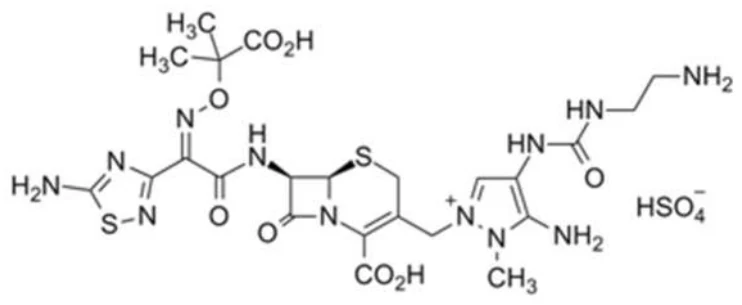
Proper name: Ceftolozane Sulfate
Chemical name: 1H-Pyrazolium, 5-amino-4-[[[(2-aminoethyl)amino]carbonyl]amino]-2-[[(6R,7R)-7-[[(2Z)-2-(5-amino-1,2,4-thiadiazol-3-yl)-2-[(1-carboxy-1-methylethoxy)imino]acetyl]amino]-2-carboxy-8-oxo-5-thia-1-azabicyclo[4.2.0]oct-2-en-3-yl]methyl]-1-methyl-,sulfate (1:1).
Molecular formula and molecular mass: C23H31N12O8S2+•HSO4- MW = 764.77 g/mol
Structural formula:
Physicochemical properties: Ceftolozane sulfate is a white to off-white powder that is hygroscopic. It is slightly soluble in water and insoluble in isopropanol. The pH in a 2% aqueous solution is 1.92. The optical rotation, [α]D20 of a 10.144 mg/mL solution of ceftolozane sulfate in 1N aqueous HCl was -14.9°.
Drug Substance
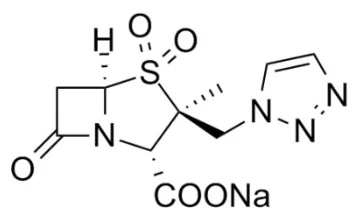
Proper name: Tazobactam Sodium
Chemical name: sodium (2S,3S,5R)-3-methyl-7-oxo-3-(1H-1,2,3-triazol-1-ylmethyl)-4-thia-1-azabicyclo[3.2.0]heptane-2-carboxylate-4,4-dioxide
Molecular formula and molecular mass: C10H11N4NaO5S MW = 322.3 g/mole
Structural formula:
Physicochemical properties: Sterile tazobactam sodium drug substance is a white to off-white powder that is hygroscopic. It is freely soluble in water and slightly soluble in ethanol and acetone. The pH of an aqueous solution of the drug substance is 5.7 – 6.7. The specific optical rotation of the drug substance ranges between +138.0° and +152.0°.
ZERBAXA®, ceftolozane and tazobactam parenteral combination, is a white to yellow sterile powder consisting of ceftolozane sulfate (1147 mg/vial equivalent to 1 g of ceftolozane) and tazobactam sodium (537 mg/vial equivalent to 0.5 g of tazobactam).
CLINICAL TRIALS
Study demographics and trial design
The trial design and patient demographics for the ZERBAXA® clinical trials are summarized in Table 7 below.
Table 9 Summary of patient demographics for Phase 3 clinical trials in specific indications1,2
| Study # | Trial design | Dosage, route of administration and duration | Number of Subjects | Mean age (Range) | Gender |
Trial 1 CXA-cIAI-10-08 and CXA-cIAI-10-09 (complicated intra-abdominal infections) | Randomized, placebo-controlled, double-blind, multicentered | ZERBAXA® 1.5 g every 8 hours and metronidazole 500 mg every 8 hours, 1-hour IV infusion Meropenem 1 g every 8 hours, 1-hour IV infusion 4 to 10 days | 806 | 51 years (18 to 92 years) | Male: 56% Female: 44% |
Trial 2 CXA-cUTI-10-04 and CXA-cUTI-10-
pyelonephritis) | Randomized, double-blind, multicentered | ZERBAXA® (1.5 g every 8 hours), 1-hour IV infusion versus levofloxacin (750 mg once daily), 1-hour IV infusion 7 days | 800 | 48 years (31 to 65 years) | Male: 26% Female: 74% |
| Trial 3 CXA-NP- 11-04 (nosocomial pneumonia) | Randomized, double-blind, multicentered | ZERBAXA® (3 g every 8 hours), 1-hour IV infusion versus meropenem (1 g every 8 hours), 1-hour IV infusion 8 to 14 days | 726 | 62 years (18 to 98 years) | Male: 71% Female: 29% |
Study results
Complicated Intra-abdominal Infections
The primary efficacy endpoint was clinical response at the test-of-cure (TOC) visit in the microbiological intent-to-treat (MITT) population, which included all patients who had at least 1 baseline intra-abdominal pathogen. The key secondary efficacy endpoint was clinical response at the TOC visit in the microbiologically evaluable (ME) population, which included all protocol-adherent MITT patients.
Clinical cure rates at the TOC visit are displayed by patient population in Table 10. Clinical cure rates at the TOC visit by pathogen in the ME population are presented in Table 11.
Table 10: Clinical Cure Rates in a Phase 3 Study of Complicated Intra-Abdominal
Infections
| Analysis Population | ZERBAXA® plus metronidazolea n/N (%) | Comparatorb n/N (%) | Treatment Difference (95% CI)c |
| MITT | 323/389 (83.0) | 364/417 (87.3) | -4.2 (-8.91, 0.54) |
| ME | 259/275 (94.2) | 304/321 (94.7) | -1.0 (-4.52, 2.59) |
a ZERBAXA® 1.5 g IV every 8 hours + metronidazole 500 mg IV every 8 hours
b Meropenem 1 g IV every 8 hours
c The 95% CI was calculated using the Newcombe method with minimum risk weights
Table 11: Clinical Cure Rates by Pathogen in a Phase 3 Study of Complicated Intra-abdominal Infections (ME Population)
Organism Group Pathogen | ZERBAXA® plus metronidazole n/N (%) | Comparatora n/N (%) |
| Aerobic Gram-negative | 238/252 (94.4) | 273/291 (93.8) |
| Escherichia coli | 197/208 (94.7) | 216/231 (93.5) |
| Klebsiella pneumoniae | 28/30 (93.3) | 22/25 (88.0) |
| Pseudomonas aeruginosa | 26/26 (100) | 27/29 (93.1) |
| Enterobacter cloacae | 19/22 (86.4) | 22/22 (100) |
| Klebsiella oxytoca | 12/12 (100) | 21/22 (95.5) |
| Proteus mirabilis | 10/11 (90.9) | 9/10 (90.0) |
| Aerobic Gram-positive | 153/168 (91.1) | 170/185 (91.9) |
| Streptococcus anginosus | 25/30 (83.3) | 23/23 (100) |
| Streptococcus constellatus | 17/18 (94.4) | 20/23 (87.0) |
| Streptococcus salivarius | 9/10 (90.0) | 8/8 (100) |
| Anaerobic Gram-negative | 104/109 (95.4) | 132/137 (96.4) |
| Bacteroides fragilis | 39/41 (95.1) | 56/57 (98.2) |
| Bacteroides ovatus | 36/37 (97.3) | 42/42 (100) |
| Bacteroides thetaiotaomicron | 20/20 (100) | 40/43 (93.0) |
| Bacteroides vulgatus | 12/13 (92.3) | 21/22 (95.5) |
a Meropenem 1 g IV every 8 hours
In a subset of the E. coli and K. pneumoniae isolates from both arms of the cIAI Phase 3 trial that met pre-specified criteria for beta-lactam susceptibility, genotypic testing identified certain ESBL groups (e.g., TEM, SHV, CTX-M, OXA) in 53/601 (9%). Cure rates in this subset were similar to the overall trial results. In vitro susceptibility testing showed that some of these isolates were susceptible to ZERBAXA® (MIC ≤ 2 mcg/mL), while some others were not susceptible (MIC > 2 mcg/mL). Isolates of a specific genotype were seen in patients who were deemed to be either successes or failures.
Complicated Urinary Tract Infections, including Pyelonephritis
The primary efficacy endpoint was defined as complete resolution or marked improvement of the clinical symptoms and microbiological eradication (all uropathogens found at baseline at ≥105 were reduced to <104 CFU/mL) at the test-of-cure (TOC) visit 7 (± 2) days after the last dose of study drug. The primary efficacy analysis population was the microbiologically modified intent-to-treat (mMITT) population, which included all patients who received study medication and had at least 1 baseline uropathogen. The key secondary efficacy endpoint was the composite microbiological and clinical cure response at the TOC visit in the microbiologically evaluable (ME) population, which included protocol-adherent mMITT patients with a urine culture at the TOC visit.
Concomitant bacteremia was identified in 62 (7.8%) patients at baseline (ITT population). In the mMITT population, composite cure rates in patients with concurrent bacteremia were 23/29 (79.3%) for ZERBAXA®.
Composite microbiological and clinical cure rates at the TOC visit in both the mMITT and ME populations are shown in Table 10. Microbiological eradication rates at the TOC visit by pathogen in the ME population are presented in Table 11.
Although a statistically significant difference was observed in the ZERBAXA® arm compared to the levofloxacin arm with respect to the primary endpoint, it was likely attributable to the 212/800 (26.5%) patients with baseline organisms non-susceptible to levofloxacin. Among patients infected with a levofloxacin-susceptible organism at baseline, the response rates were similar between treatment arms (Table 10).
Table 12: Composite Microbiological and Clinical Cure Rates in a Phase 3 Trial of
Complicated Urinary Tract Infections
| Analysis Population | ZERBAXA®a n/N (%) | Comparatorb n/N (%) | Treatment Difference (95% CI)c |
| mMITT | 306/398 (76.9) | 275/402 (68.4) | 8.5 (2.3, 14.6) |
| Levofloxacin resistant baseline pathogen(s) | 60/100 (60) | 44/112 (39.3) | |
| No levofloxacin resistant baseline pathogen(s) | 246/298 (82.6) | 231/290 (79.7) | |
| ME | 284/341 (83.3) | 266/353 (75.4) | 8.0 (2.0, 14.0) |
a ZERBAXA® 1.5 g intravenously every 8 hours
b Levofloxacin 750 mg intravenously once daily
c The 95% confidence interval was based on the stratified Newcombe method.
Table 13: Per Pathogen Microbiological Eradication Rates in a Phase 3 Study of
Complicated Urinary Tract Infections (ME Population)
| Organism Group Pathogen | ZERBAXA® n/N (%) | Comparatora n/N (%) |
| Aerobic Gram-negative | 287/323 (88.9) | 263/340 (77.4) |
| Escherichia coli | 237/262 (90.5) | 226/284 (79.6) |
| Klebsiella pneumoniae | 21/25 (84.0) | 14/23 (60.9) |
| Proteus mirabilis | 10/10 (100) | 8/11 (72.7) |
| Pseudomonas aeruginosa | 6/7 (85.7) | 7/12 (58.3) |
a Levofloxacin 750 mg intravenously once daily
In a subset of the E. coli and K. pneumoniae isolates from both arms of the cUTI Phase 3 trial that met pre-specified criteria for beta-lactam susceptibility, genotypic testing identified certain ESBL groups (e.g., TEM, SHV, CTX-M, OXA) in 104/687 (15%). Cure rates in this subset were similar to the overall trial results. In vitro susceptibility testing showed that some of these isolates were susceptible to ZERBAXA® (MIC ≤ 2 mcg/mL), while some others were not susceptible (MIC > 2 mcg/mL). Isolates of a specific genotype were seen in patients who were deemed to be either successes or failures.
Nosocomial Pneumonia, including Ventilator-associated Pneumonia A total of 726 adult patients hospitalized with ventilated nosocomial pneumonia (including hospital-acquired pneumonia and ventilator-associated pneumonia) were enrolled in a multinational, double-blind study comparing ZERBAXA® 3 g (ceftolozane 2 g and tazobactam 1 g) intravenously every 8 hours to meropenem (1 g intravenously every 8 hours) for 8 to 14 days of therapy. All patients had to be intubated and on mechanical ventilation at randomization.
The primary efficacy endpoint was all-cause mortality at Day 28. Clinical response, defined as complete resolution or significant improvement in signs and symptoms of the index infection at the test-of-cure (TOC) visit which occurred 7 to 14 days after the end of treatment was a pre-specified key secondary endpoint. The analysis population for both the primary and key secondary endpoints was the intent-to-treat (ITT) population, which included all randomized patients.
Following a diagnosis of HABP/VABP and prior to receipt of first dose of study drug, if required, patients could have received up to a maximum of 24 hours of active non-study antibacterial drug therapy in the 72 hours preceding the first dose of study drug. Patients who had failed prior antibacterial drug therapy for the current episode of HABP/VABP could be enrolled if the baseline lower respiratory tract (LRT) culture showed growth of a Gram-negative pathogen while the patient was on the antibacterial therapy and all other eligibility criteria were met. Empiric therapy at baseline with linezolid or other approved therapy for Gram-positive coverage was required in all patients pending baseline LRT culture results. Adjunctive Gram-negative therapy was optional and allowed for a maximum of 72 hours in centers with a prevalence of meropenem-resistant P. aeruginosa more than 15%.
Of the 726 patients in the ITT population the median age was 62 years and 44% of the population was greater than or equal to 65 years of age, with 22% of the population greater than or equal to 75 years of age. The majority of patients were white (83%), male (71%) and were from Eastern Europe (64%). The median APACHE II score was 17 and 33% of subjects had a baseline APACHE II score of greater than or equal to 20. All subjects were on mechanical ventilation and 519 (71%) had VAP. At randomization, the majority of subjects had been hospitalized for greater than or equal to 5 days (77%), ventilated for greater than or equal to 5 days (49%) and in an ICU (92%). Approximately 36% of patients (258 out of 726) had renal impairment at baseline and 14% had moderate or severe impairment (CrCL less than 50 mL/min). Patients with end-stage renal disease (CrCL less than 15 mL/min) were excluded from the trial. Approximately 13% of subjects had failed prior antibiotic treatment for nosocomial pneumonia and bacteremia was present at baseline in 15% of patients. Key comorbidities included chronic obstructive pulmonary disease (COPD), diabetes mellitus, and congestive heart failure at rates of 12%, 22% and 16%, respectively. In both treatment groups, most subjects (63.1%) received between 8 and 14 days of study therapy as specified in the protocol.
In the ITT population, Day 28 all-cause mortality and clinical cure rates in patients with CrCL greater than or equal to 150 mg/mL were similar between ZERBAXA® and meropenem. In patients with bacteremia at baseline, Day 28 all-cause mortality rates were 23/64 (35.9%) for ZERBAXA®-treated patients and 13/41 (31.7%) for meropenem-treated patients; clinical cure rates were 30/64 (46.9%) and 15/41 (36.6%), respectively (Table 14).
Table 14: 28-Day All-cause Mortality and Clinical Cure Rates at TOC from a Phase 3
Study of Nosocomial Pneumonia (ITT Population)
| Endpoint | ZERBAXA® n/N (%) | Meropenem n/N (%) | Treatment Difference (95% CI)‡ |
| Day 28 All-cause Mortality | 87/362 (24.0) | 92/364 (25.3) | 1.1 (-5.13, 7.39) |
| VAP | 63/263 (24.0) | 52/256 (20.3) | -3.6 (-10.74, 3.52) |
| Ventilated HAP | 24/99 (24.2) | 40/108 (37.0) | 12.8 (0.18, 24.75) |
| Clinical Cure at TOC Visit | 197/362 (54.4) | 194/364 (53.3) | 1.1 (-6.17, 8.29) |
| VAP | 147/263 (55.9) | 146/256 (57.0) | -1.1 (-9.59, 7.35) |
| Ventilated HAP | 50/99 (50.5) | 48/108 (44.4) | 6.1 (-7.44, 19.27) |
‡The CI for overall treatment difference was based on the stratified Newcombe method with minimum risk weights. The CI for treatment difference of each primary diagnosis was based on the unstratified Newcombe method.
In the ITT population, Day 28 all-cause mortality rates in patients with renal hyperclearance at baseline (CrCL greater than or equal to 150 mL/min) were 10/67 (14.9%) for ZERBAXA® and 7/64 (10.9%) for meropenem; the clinical cure rates were 40/67 (59.7%) and 39/64 (60.9%), respectively. In those patients who failed prior antibiotic therapy for nosocomial pneumonia, Day 28 all-cause mortality rates were 12/53 (22.6%) for ZERBAXA® and 18/40 (45%) for meropenem; the clinical cure rates were 26/53 (49.1%) and 15/40 (37.5%), respectively. In patients with bacteremia at baseline, Day 28 all-cause mortality rates were 23/64 (35.9%) for ZERBAXA® and 13/41 (31.7%) for meropenem; clinical cure rates were 30/64 (46.9%) and 15/41 (36.6%), respectively.
In the ventilated HABP sub-group, a favorable response for ZERBAXA® in 28-day all-cause mortality was observed, 24.2% (24/99) for ZERBAXA® and 37.0% (40/108) for meropenem, respectively, for a weighted proportion difference of 12.8 (stratified 95% CI: 0.18, 24.75). In the VABP subgroup, 28-day all-cause mortality was 24.0% (63/263) for ZERBAXA® and 20.3% (52/256) for meropenem, for a weighted proportion difference of -3.6 (stratified 95% CI: -10.74, 3.52).
Per pathogen clinical and microbiologic responses were assessed in the microbiologic intention to treat population (mITT), which consisted of all randomized subjects who had a baseline lower respiratory tract (LRT) pathogen that was susceptible to at least one of the study therapies, and in the microbiologically evaluable (ME) population, which included protocol-adherent mITT patients with a baseline LRT pathogen that grew at the appropriate colony-forming unit (CFU)/mL threshold. In the mITT and ME populations, Klebsiella pneumoniae (34.6% and 38.6%, respectively) and Pseudomonas aeruginosa (25% and 28.8%, respectively) were the most prevalent pathogens isolated from baseline LRT cultures. Among all Enterobacteriaceae, 157 (30.7%) in the mITT and 84 (36.1%) in the ME were ESBL-positive; among all K. pneumoniae isolates, 105 (20.5%) in the mITT and 57 (24.5%) in the ME were ESBL-positive. AmpC-overexpression among P. aeruginosa was detected in 15 (2.9%) and 9 (3.9%) of the P. aeruginosa isolates in the mITT and ME populations, respectively. Clinical cure rates at TOC by pathogen in the mITT and ME populations are presented in Table 11. In the mITT population clinical cure rates in patients with a Gram-negative pathogen at baseline were 157/259 (60.6%) for ZERBAXA® and 137/240 (57.1%) for meropenem; results were consistent in the ME population with 85/113 (75.2%) and 78/117 (66.7%) clinical cure rates, respectively.
Microbiologic response rates at TOC by pathogen in the mITT and ME populations are presented in Table 12. In the mITT population microbiologic response rates in patients with a Gram-negative pathogen at baseline were 189/259 (73%) for ZERBAXA® and 163/240 (67.9%) for meropenem; results were consistent in the ME population with 79/113 (69.9%) and 73/117 (62.4%) microbiologic response rates, respectively.
Table 15: Clinical Cure Rates by Baseline Pathogen from a Phase 3 Study of
Nosocomial Pneumonia (mITT and ME populations)
Baseline Pathogen Category Baseline Pathogen | mITT Population | ME Population | ||
| ZERBAXA® n/N (%) | Meropenem n/N (%) | ZERBAXA® n/N (%) | Meropenem n/N (%) | |
| Pseudomonas aeruginosa | 36/63 (57.1) | 39/65 (60.0) | 23/29 (79.3) | 28/38 (73.7) |
| AmpC Overexpressing Pseudomonas aeruginosa | 4/9 (44.4) | 3/6 (50.0) | 2/4 (50.0) | 3/5 (60.0) |
| Enterobacteriaceae | 120/195 (61.5) | 105/185 (56.8) | 62/83 (74.7) | 58/90 (64.4) |
| ESBL + Enterobacteriaceae | 48/84 (57.1) | 45/73 (61.6) | 33/45 (73.3) | 27/39 (69.2) |
| Enterobacter cloacae | 10/17 (58.8) | 4/16 (25.0) | 4/7 (57.1) | 3/8 (37.5) |
| Escherichia coli | 32/51 (62.7) | 26/42 (61.9) | 17/23 (73.9) | 16/23 (69.6) |
| ESBL + Escherichia coli | 11/20 (55.0) | 5/10 (50.0) | 8/12 (66.7) | 5/7 (71.4) |
| Klebsiella oxytoca | 9/14 (64.3) | 7/12 (58.3) | 7/8 (87.5) | 4/7 (57.1) |
| Klebsiella pneumoniae | 53/86 (61.6) | 58/91 (63.7) | 32/42 (76.2) | 33/48 (68.8) |
| ESBL + Klebsiella pneumoniae | 31/53 (58.5) | 34/52 (65.4) | 22/30 (73.3) | 19/27 (70.4) |
| Proteus mirabilis | 13/24 (54.2) | 11/20 (55.0) | 9/11 (81.8) | 7/10 (70.0) |
| ESBL + Proteus mirabilis | 5/10 (50.0) | 7/11 (63.6) | 4/5 (80.0) | 5/6 (83.3) |
| Serratia marcescens | 9/18 (50.0) | 7/12 (58.3) | 4/5 (80.0) | 3/6 (50.0) |
| Haemophilus influenzae | 19/22 (86.4) | 8/16 (50.0) | 11/12 (91.7) | 4/8 (50.0) |
Table 16: Microbiologic Response Rates by Baseline Pathogen from a Phase 3 Study of
Nosocomial Pneumonia (mITT and ME populations)
Baseline Pathogen Category Baseline Pathogen | mITT Population | ME Population | ||
| ZERBAXA® n/N (%) | Meropenem n/N (%) | ZERBAXA® n/N (%) | Meropenem n/N (%) | |
| Pseudomonas aeruginosa | 47/63 (74.6) | 41/65 (63.1) | 23/29 (79.3) | 21/38 (55.3) |
| AmpC Overexpressing Pseudomonas aeruginosa | 6/9 (66.7) | 1/6 (16.7) | 2/4 (50.0) | 1/5 (20.0) |
| Enterobacteriaceae | 145/195 (74.4) | 129/185 (69.7) | 57/83 (68.7) | 59/90 (65.6) |
| ESBL + Enterobacteriaceae | 56/84 (66.7) | 52/73 (71.2) | 30/45 (66.7) | 27/39 (69.2) |
| Enterobacter cloacae | 11/17 (64.7) | 8/16 (50.0) | 4/7 (57.1) | 6/8 (75.0) |
| Escherichia coli | 43/51 (84.3) | 33/42 (78.6) | 18/23 (78.3) | 17/23 (73.9) |
| ESBL + Escherichia coli | 18/20 (90.0) | 8/10 (80.0) | 10/12 (83.3) | 6/7 (85.7) |
| Klebsiella (Enterobacter) aerogenes | 6/8 (75.0) | 6/8 (75.0) | 1/1 (100) | 1/1 (100) |
| Klebsiella oxytoca | 13/14 (92.9) | 8/12 (66.7) | 7/8 (87.5) | 4/7 (57.1) |
| Klebsiella pneumoniae | 63/86 (73.3) | 65/91 (71.4) | 30/42 (71.4) | 32/48 (66.7) |
| ESBL + Klebsiella pneumoniae | 33/53 (62.3) | 38/52 (73.1) | 20/30 (66.7) | 18/27 (66.7) |
| Proteus mirabilis | 18/24 (75.0) | 14/20 (70.0) | 7/11 (63.6) | 7/10 (70.0) |
| ESBL + Proteus mirabilis | 7/10 (70.0) | 7/11 (63.6) | 3/5 (60.0) | 5/6 (83.3) |
| Serratia marcescens | 11/18 (61.1) | 9/12 (75.0) | 2/5 (40.0) | 3/6 (50.0) |
| Haemophilus influenzae | 20/22 (90.9) | 11/16 (68.8) | 11/12 (91.7) | 4/8 (50.0) |
In the mITT population, per subject microbiologic cure was achieved in 193/264 (73.1%) of ZERBAXA®-treated patients and in 168/247 (68.0%) of meropenem-treated patients. Similar results were achieved in the ME population in 81/115 (70.4%) and 74/118 (62.7%) patients, respectively.
In a subset of Enterobacteriaceae isolates from both arms of the trial that met pre-specified criteria for beta-lactam susceptibility, genotypic testing identified certain ESBL groups (e.g., TEM, SHV, CTX-M, OXA) in 157/511 (30.7%). Cure rates in this subset were similar to the overall trial results.
MICROBIOLOGY
Mechanism of Action
See ACTION AND CLINICAL PHARMACOLOGY.
Mechanism(s) of Resistance
Mechanisms of beta-lactam resistance may include the production of beta-lactamases, modification of PBPs by gene acquisition or target alteration, up-regulation of efflux pumps, and loss of outer membrane porin.
Clinical isolates may produce multiple beta-lactamases, express varying levels of beta-lactamases, or have amino acid sequence variations, and other resistance mechanisms that have not been identified.
Culture and susceptibility information and local epidemiology should be considered in selecting or modifying antibacterial therapy.
ZERBAXA® demonstrated in vitro activity against Enterobacteriaceae in the presence of some extended-spectrum beta-lactamases (ESBLs) and other beta-lactamases of the following groups: TEM, SHV, CTX-M, and OXA. ZERBAXA® is not active against bacteria that produce serine carbapenamases [K. pneumoniae carbapenemase (KPC)], and metallo-beta lactamases.
In ZERBAXA® clinical trials, some isolates of E. coli and K. pneumoniae, that produced beta-lactamases, were susceptible to ZERBAXA® (minimum inhibitory concentration ≤ 2 mcg/mL). These isolates produced one or more beta-lactamases of the following enzyme groups: CTX-M, OXA, TEM, or SHV.
Some of these beta-lactamases were also produced by isolates of E. coli and K. pneumoniae that were not susceptible to ZERBAXA® (minimum inhibitory concentration > 2 mcg/mL). These isolates produced one or more beta-lactamases of the following enzyme groups: CTX-M, OXA, TEM, or SHV.
ZERBAXA® demonstrated in vitro activity against P. aeruginosa isolates tested that had chromosomal AmpC, loss of outer membrane porin (OprD), or up-regulation of efflux pumps (MexXY, MexAB).
Cross-Resistance
Isolates resistant to other cephalosporins may be susceptible to ceftolozane and tazobactam, although cross-resistance may occur.
Interaction with Other Antimicrobials
In vitro synergy studies suggest that ceftolozane and tazobactam has negligible potential to antagonize or be antagonized by other antibiotics (e.g. meropenem, amikacin, aztreonam, levofloxacin, tigecycline rifampin, linezolid, daptomycin, vancomycin, and metronidazole).
List of Microorganisms
ZERBAXA® has been shown to be active against the following bacteria, both in vitro and in clinical infections (see INDICATIONS AND CLINICAL USE).
Complicated Intra-abdominal Infections
Gram-negative bacteria
Enterobacter cloacae
Escherichia coli
Klebsiella oxytoca
Klebsiella pneumoniae
Proteus mirabilis
Pseudomonas aeruginosa
Gram-positive bacteria
Streptococcus anginosus
Streptococcus constellatus
Streptococcus salivarius
Gram-negative Anaerobes
Bacteroides fragilis
Complicated Urinary Tract Infections, Including Pyelonephritis
Gram-negative bacteria
Escherichia coli
Klebsiella pneumoniae
Proteus mirabilis
Pseudomonas aeruginosa
Nosocomial Pneumonia, including Ventilator-associated Pneumonia
Gram-negative bacteria
Enterobacter cloacae
Escherichia coli
Haemophilus influenzae
Klebsiella oxytoca
Klebsiella pneumoniae
Proteus mirabilis
Pseudomonas aeruginosa
Serratia marcescens
The following in vitro data are available, but their clinical significance is unknown. At least 90% of isolates of the following bacteria, in the absence of acquired mechanisms of resistance, exhibited an in vitro minimum inhibitory concentration (MIC) less than or equal to 2/4 mcg/mL ceftolozane/tazobactam. The safety and effectiveness of ZERBAXA® in treating clinical infections due to these bacteria have not been established.
Gram-negative bacteria
Citrobacter koseri
Moraxella catarrhalis
Morganella morganii
Proteus vulgaris
Providencia rettgeri
Providencia stuartii
Serratia liquefaciens
Klebsiella (Enterobacter) aerogenes
Gram-positive aerobic bacteria
Streptococcus agalactiae
Streptococcus intermedius
Streptococcus pyogenes
Streptococcus pneumoniae
In vitro data indicate that the following bacteria are not susceptible to ceftolozane and tazobactam:
Staphylococcus aureus
Enterococcus faecalis
Enterococcus faecium
Susceptibility Test Methods
When available, the clinical microbiology laboratory should provide the results of in vitro susceptibility testing for antimicrobial drugs used in local hospitals and practice areas to the physician as periodic reports that describe the susceptibility profile of nosocomial and community-acquired pathogens. These reports should aid the physician in selecting an antibacterial drug product for treatment.
Dilution Techniques:
Quantitative methods are used to determine antibacterial MICs. Ceftolozane and tazobactam susceptibility testing is performed with a fixed 4 mcg/mL concentration of tazobactam. These MICs provide estimates of the susceptibility of bacteria to antibacterial compounds. The MICs should be determined using a standardized test method (broth, and/or agar).3,6 The MIC values should be interpreted according to the criteria in Table 12.
Diffusion Techniques:
Quantitative methods that require measurement of zone diameters can also provide reproducible estimates of the susceptibility of bacteria to antibacterial compounds. The zone size should be determined using a standardized test method.4,6 This procedure uses paper disks impregnated with ceftolozane 30 mcg and tazobactam 10 mcg to test the susceptibility of bacteria to ceftolozane and tazobactam. Results should be interpreted according to the criteria in Table 12.
Anaerobic Techniques:
For anaerobic bacteria, the susceptibility to ceftolozane and tazobactam should be determined using a standardized test method.5 The MIC values obtained should be interpreted according to criteria provided in Table 12.
Table 17: Susceptibility Interpretive Criteria for Ceftolozane and Tazobactam
| Pathogen and Isolate Source | Minimum Inhibitory Concentrations (mcg/mL) (ceftolozane/tazobactam) | Disk Diffusion Zone Diameter (mm) | ||||
| S | I | R | S | I | R | |
| Enterobacteriaceae | ≤2/4 | 4/4 | ≥8/4 | ≥22 | 19-21 | ≤18 |
| Pseudomonas aeruginosa | ≤4/4 | 8/4 | ≥16/4 | ≥21 | 17-20 | ≤16 |
| Haemophilus influenzae (nosocomial pneumonia, including VAP)† | ≤0.5/4 | --- | --- | --- | --- | --- |
Streptococcus spp. Viridans Group (cIAI and cUTI, including pyelonephritis)*: -Streptococcus anginosus
| ≤8/4 | 16/4 | ≥32/4 | --- | --- | --- |
| Bacteroides fragilis (cIAI and cUTI, including pyelonephritis)* | ≤8/4 | 16/4 | ≥32/4 | --- | --- | --- |
S = susceptible, I = intermediate, R = resistant, *Based on 1.5 g IV every 8 hours, †Based on 3 g IV every 8 hours
A report of “Susceptible” indicates that the antibacterial is likely to inhibit growth of the bacteria if the antibacterial drug reaches the concentration usually achievable at the site of infection. A report of “Intermediate” indicates that the result should be considered equivocal, and if the bacteria is not fully susceptible to alternative clinically feasible drugs, the test should be repeated. This category implies possible clinical applicability in body sites where the drug is physiologically concentrated. This category also provides a buffer zone that prevents small uncontrolled technical factors from causing major discrepancies in interpretation. A report of “Resistant” indicates that the antibacterial is not likely to inhibit growth of the bacteria if the antibacterial drug reaches the concentrations usually achievable at the infection site; other therapy should be selected.
Quality Control
Standardized susceptibility test procedures require the use of laboratory controls to monitor and ensure the accuracy and precision of supplies and reagents used in the assay, and the techniques of the individuals performing the test.3,4,5,6 Standard ceftolozane and tazobactam powder should provide the following range of MIC values provided in Table 13. For the diffusion technique using the ceftolozane 30 mcg and tazobactam 10 mcg disk, the criteria provided in Table 13 should be achieved. 6
Table 18: Acceptable Quality Control Ranges for Ceftolozane and Tazobactam
| Quality Control Organism | Minimum Inhibitory Concentrations (mcg/mL) (ceftolozane/tazobactam) | Disk Diffusion Zone Diameters (mm) |
| Escherichia coli ATCC 25922 | 0.12/4-0.5/4 | 24-32 |
Escherichia colia ATCC 35218 | 0.06/4-0.25/4 | 25-31 |
| Pseudomonas aeruginosa ATCC 27853 | 0.25/4-1/4 | 25-31 |
| Staphylococcus aureus ATCC 25923 | Not applicable | 10-18 |
| Staphylococcus aureus ATCC 29213 | 16/4-64/4 | Not Applicable |
| Haemophilus influenzaeb ATCC 49247 | 0.5/4-2/4 | 23-29 |
Klebsiella pneumoniaea ATCC 700603 | 0.5/4-2/4 | 17-25 |
| Streptococcus pneumoniae ATCC 49619 | 0.25/4-1/4 | 21-29 |
Bacteroides fragilis ATCC 25285 (agar and broth) | 0.12/4-1/4 | Not Applicable |
| Bacteroides thetaiotaomicron ATCC 29741 (agar) | 16/4-128/4 | Not Applicable |
| Bacteroides thetaiotaomicron ATCC 29741 (broth) | 16/4-64/4 | Not Applicable |
ATCC = American Type Culture Collection
a Store E. coli ATCC 35218 and K. pneumoniae ATCC 700603 stock cultures at -60°C or below and prepare working stock cultures weekly.
b This strain may lose its plasmid and develop susceptibility to beta-lactam antimicrobial agents after repeated transfers onto culture media. Minimize by removing new culture from storage at least monthly or whenever the strain begins to show increased zone diameters to ampicillin, piperacillin, or ticarcillin.
TOXICOLOGY
Repeat-Dose Toxicity
Ceftolozane
No clinically-relevant adverse effects were evident in adult rats and dogs up to the highest ceftolozane IV doses (1000 mg/kg/day) tested in repeat dose toxicity studies (up to 28 days). Microscopic evidence of hyaline droplets (confirmed as secondary lysosomes by electron microscopy) were detected in proximal renal tubules of rats and dogs following once daily repeated IV administration of ceftolozane for 28 days at doses of 300 and 1000 mg/kg/day. A corresponding increase in kidney weight was consistently observed at these dose levels in rats but not dogs. No microscopic evidence of renal tubular degeneration or necrosis was detected and no toxicologically relevant effect on renal function was noted as determined by biologically relevant changes in serum blood urea nitrogen (BUN), creatinine, inorganic phosphorus, or urine volume. In both rats and dogs, the ceftolozane-related effects on the kidney had reversed or were in the process of reversing following a 28 day recovery period. NOAELs in adult rats and dogs were considered 1000 and 300 mg/kg/day, respectively. The NOAEL for dogs (300 mg/kg/day) was based on the presence of adverse ceftolozane-induced histamine-related clinical signs at 1000 mg/kg/day; namely flush of auricles and oral mucosa, swelling of the head, emesis, salivation, and lateral (prone) position. Ceftolozane AUC and Cmax values at the NOAEL are,
respectively, 1.2-fold and 8-fold greater than the clinical AUC and Cmax values at the highest recommended human dose of 2 grams every 8 hours.
Tazobactam
Repeat-dose toxicity studies of up to 6 months in the rat and dog showed reversible hepatocellular glycogen accumulation in rats at intraperitoneal doses ≥80 mg/kg/day and in dogs at intravenous doses ≥ 80 mg/kg/day. Other drug-related effects observed in rats were decreased red blood cell parameters and decreased serum triglycerides and enlarged ceca. The effects on red blood cell parameters and triglyceride levels were reversible. The NOAELs determined for both species were 40 mg/kg/day.
Ceftolozane and Tazobactam
No new effects or unexpected or altered toxicities were identified when ceftolozane and tazobactam were administered intravenously to adult rats for 28 days or to dogs for 14 days, in a fixed 2:1 ratio as compared to the individual agents. The NOAEL for ceftolozane and tazobactam was considered 1000 and 500 mg/kg/day in rats and 300 and 150 mg/kg/day in dogs, respectively. Ceftolozane AUC and Cmax values at the NOAELs are, respectively, at least approximately 1.2-fold and 10-fold greater than the clinical AUC and Cmax values at the highest recommended human dose of 2 grams every 8 hours. Tazobactam AUC and Cmax values at the NOAELs are, respectively, at least approximately 0.52-fold and 9.5-fold greater than the clinical AUC and Cmax values at the highest recommended human dose of 1 gram every 8 hours. In neonatal rats dosed subcutaneously with ceftolozane and tazobactam (1000 and 500 mg/kg/day) from Postnatal Day 4 (PND4) to 17, minimal to mild renal tubular basophilia and cortical fibrosis were observed (ceftolozane plasma exposures approximately 6-fold and 2.2-fold the clinical AUC at the highest recommended human dose of 2 grams every 8 hours, on PND4 and 17, respectively). At the NOAEL (300 and 150 mg/kg/day), the safety margins based on AUC at the highest recommended human dose of 2 grams every 8 hours were 1.5 and 0.64-fold, respectively. Similar effects were not observed in a longer study in neonatal rats (PND4-31) at the same doses.
Genotoxicity
The genotoxic potential of ceftolozane, alone and in combination with tazobactam, was characterized in in silico, in vitro and in vivo genotoxicity studies. ZERBAXA® was not genotoxic in vivo.
Ceftolozane
Ceftolozane was negative for mutagenic potential in an in silico screen. Ceftolozane was negative for genotoxicity in the in vitro microbial mutagenicity (Ames) assay, the in-vitro chromosomal aberration assay in Chinese hamster lung fibroblast cells, the in vitro mouse lymphoma assay, the in vitro hypoxanthine-guanine phosphoribosyl transferase (HPRT) assay in Chinese hamster ovary cells, the in vivo mouse micronucleus assay, and the in vivo unscheduled DNA synthesis (UDS) assay.
Tazobactam
Tazobactam was negative for mutagenic potential in an in silico screen. Tazobactam was negative for genotoxicity in an in vitro microbial mutagenicity (Ames) assay, an in vitro chromosomal aberration assay in Chinese hamster lung cells, a mammalian point-mutation (Chinese hamster ovary cell HPRT) assay, an in vivo rat chromosomal aberration assay, an in vivo mouse bone-marrow micronucleus assay, and a UDS assay. Tazobactam was positive for genotoxicity in an in vitro mouse lymphoma assay at ≥3000 mcg/mL.
Ceftolozane and Tazobactam
Ceftolozane and tazobactam (2:1 ratio) was negative for genotoxicity in an in vitro mouse lymphoma assay and an in vivo rat bone-marrow micronucleus assay. In an in vitro chromosomal aberration assay in Chinese hamster ovary cells, ceftolozane and tazobactam (2:1 ratio) was positive for structural aberrations, but only at highly toxic concentrations.
Carcinogenicity
Long-term carcinogenicity studies in animals have not been conducted with ceftolozane and tazobactam, ceftolozane, or tazobactam.
Reproductive Toxicity
Ceftolozane
Ceftolozane had no adverse effect on fertility in male or female rats following once daily IV administration at doses up to 1000 mg/kg/day; providing a safety margin of approximately 1.4-fold, based on plasma AUC, at the highest recommended human dose of 2 grams every 8 hours. Embryo-fetal development studies performed with intravenous, once daily ceftolozane in mice and rats with doses up to 2000 and 1000 mg/kg/day, respectively, revealed no evidence of harm to the fetus. The mean maternal plasma exposure (AUC) values associated with these doses were approximately 3.5 (mouse) and 2 (rat) times the mean clinical ceftolozane exposure at the highest recommended human dose of 2 grams every 8 hours.
Pre-postnatal studies of ceftolozane: In animal studies ceftolozane was associated with impaired auditory startle response in rat pups. See WARNINGS AND PRECAUTIONS, Pregnant Women.
Tazobactam
In a rat fertility and general reproduction study with intraperitoneal tazobactam twice-daily, concurrent with maternal toxicity, slight decreases in implantation and resultant slight decreases in the live litter size and increased stillbirths, and reversible delays in renal development were observed at 640 mg/kg/day (approximately 2 times the highest recommended human dose of 1 g every 8 hours based on body surface comparison). Male and female fertility parameters, fertility of F1 generation and embryonic development of F2 generation were not impaired at doses less than or equal to 640 mg/kg/day.
In an embryo-fetal study in rats, tazobactam administered intravenously at doses up to 3000 mg/kg/day (approximately 10 times the highest recommended human dose of 1 gram every 8 hours based on body surface area comparison) produced maternal toxicity (decreased food consumption and body weight gain) but was not associated with fetal toxicity. In rats,
tazobactam was shown to cross the placenta. Concentrations in the fetus were less than or equal to 10% of those found in maternal plasma.
Pre-postnatal studies of tazobactam: In animal studies tazobactam was associated with peri/postnatal effects in rat pups. See WARNINGS AND PRECAUTIONS, Pregnant Women.
Other Toxicity Studies
Ceftolozane was assessed for phototoxic, antigenic and immunotoxic potential. Clinically relevant findings were limited to hypersensitivity potential under sensitized conditions.
REFERENCES
- 1.
Solomkin J, Hershberger E, Miller B. Ceftolozane/Tazobactam Plus Metronidazole for
Complicated Intra-abdominal Infections in an Era of Multidrug Resistance: Results From a Randomized, Double-Blind, Phase 3 Trial (ASPECT-cIAI). Clin Infect Dis. 2015 May 15;60(10):1462-71. doi: 10.1093/cid/civ097. Epub 2015 Feb 10.
- 2. Wagenlehner FM, Umeh O, Steenbergen J, et. al. Ceftolozane-tazobactam compared with levofloxacin in the treatment of complicated urinary-tract infections, including pyelonephritis: a randomised, double-blind, phase 3 trial (ASPECT-cUTI). Lancet. 2015 May 16;385(9981):1949-56. doi: 10.1016/S0140-6736(14)62220-0. Epub 2015 Apr 27.
- 3.
Clinical and Laboratory Standards Institute (CLSI). Methods for Dilution Antimicrobial
Susceptibility Tests for Bacteria that Grow Aerobically; Approved Standard – Ninth Edition. CLSI document M07-A9, Clinical and Laboratory Standards Institute, 950 West Valley Road, Suite 2500, Wayne, Pennsylvania 19087, USA, 2012.
- 4.
Clinical and Laboratory Standards Institute (CLSI). Performance Standards for
Antimicrobial Disk Diffusion Susceptibility Tests; Approved Standard – Eleventh Edition. CLSI document M02-A11, Clinical and Laboratory Standards Institute, 950 West Valley Road, Suite 2500, Wayne, Pennsylvania 19087, USA 2012.
- 5.
Clinical and Laboratory Standards Institute (CLSI). Methods for Antimicrobial
Susceptibility Testing of Anaerobic Bacteria; Approved Standard – Eighth Edition. CLSI document M11-A8. Clinical and Laboratory Standards Institute, 950 West Valley Road, Suite 2500, Wayne, Pennsylvania 19087, USA, 2012.
- 6.
Clinical and Laboratories Standards Institute (CLSI). Performance Standards for
Antimicrobial Susceptibility Testing; Twenty-fourth Informational Supplement. CLSI document M100-S24 [ISBN 1-56238-897-5 [Print; ISBN 1-56238-898-3 [Electronic]). Clinical and Laboratory Standards Institute, 950 West Valley Road, Suite 2500, Wayne, Pennsylvania 19087-1898 USA, 2014.