


Product Monograph - Zolpidem Tartrate ODT
RECENT MAJOR LABEL CHANGES
| 1 Indications, 1.2 Geriatrics | 03/2022 |
|---|---|
| 2 Contraindications | 03/2022 |
| 3 Serious Warnings and Precautions Box | 03/2022 |
| 4 Dosage and Administration, 4.1 Dosing Considerations | 03/2022 |
| 7 Warnings and Precautions | 03/2022 |
| 7 Warnings and Precautions, 7.1.4 Geriatrics | 03/2022 |
TABLE OF CONTENTS
Sections or subsections that are not applicable at the time of authorization are not listed.
RECENT MAJOR LABEL CHANGES .................................................................................... 2
TABLE OF CONTENTS ......................................................................................................... 2
PART I: HEALTH PROFESSIONAL INFORMATION.............................................................. 4
1 INDICATIONS............................................................................................................. 4
1.1 Pediatrics......................................................................................................... 4
1.2 Geriatrics ......................................................................................................... 4
2 CONTRAINDICATIONS .............................................................................................. 4
3 Serious warnings and precautions box.................................................................... 5
4 DOSAGE AND ADMINISTRATION ............................................................................. 6
4.1 Dosing Considerations ..................................................................................... 6
4.2 Recommended Dose and Dosage Adjustment.................................................. 7
4.4 Administration .................................................................................................. 8
4.5 Missed Dose .................................................................................................... 8
5 OVERDOSAGE .......................................................................................................... 8
6 DOSAGE FORMS, STRENGTHS, COMPOSITION AND PACKAGING ....................... 9
7 WARNINGS AND PRECAUTIONS ............................................................................. 9
7.1 Special Populations ....................................................................................... 16
7.1.1 Pregnant Women ....................................................................................... 16
7.1.2 Breast-feeding............................................................................................ 16
7.1.3 Pediatrics ................................................................................................... 17
7.1.4 Geriatrics ................................................................................................... 17
8 ADVERSE REACTIONS ........................................................................................... 17
8.1 Adverse Reaction Overview ........................................................................... 17
8.2 Clinical Trial Adverse Reactions ..................................................................... 18
8.2.1 Clinical trial adverse reactions - pediatrics .................................................. 21
8.3 Less Common Clinical Trial Adverse Reactions .............................................. 23
8.5 Post-Market Adverse Reactions ..................................................................... 25
9 DRUG INTERACTIONS ............................................................................................ 26
9.1 Serious Drug Interactions ............................................................................... 26
9.2 Drug Interactions Overview ............................................................................ 26
9.3 Drug-Behavioural Interactions ........................................................................ 26
9.4 Drug-Drug Interactions ................................................................................... 26
9.5 Drug-Food Interactions .................................................................................. 28
9.6 Drug-Herb Interactions ................................................................................... 28
9.7 Drug- Laboratory Test Interactions ................................................................. 28
10 CLINICAL PHARMACOLOGY .................................................................................. 28
10.1 Mechanism of Action...................................................................................... 28
10.2 Pharmacodynamics ....................................................................................... 28
10.3 Pharmacokinetics .......................................................................................... 30
11 STORAGE, STABILITY AND DISPOSAL ................................................................. 32
12 SPECIAL HANDLING INSTRUCTIONS .................................................................... 32
PART II: SCIENTIFIC INFORMATION ................................................................................. 33
13 PHARMACEUTICAL INFORMATION ....................................................................... 33
14 CLINICAL TRIALS ................................................................................................... 34
14.1 Clinical Trials by Indication ............................................................................. 34
15 MICROBIOLOGY...................................................................................................... 38
16 NON-CLINICAL TOXICOLOGY ................................................................................ 38
PATIENT MEDICATION INFORMATION ............................................................................. 44
PART I: HEALTH PROFESSIONAL INFORMATION
1 INDICATIONS
ZOLPIDEM TARTRATE ODT (zolpidem) is indicated for short-term (usually not exceeding 7-10 days) use for:
- treatment and symptomatic relief of insomnia characterized by difficulty in falling asleep
- frequent nocturnal awakenings and/or early morning awakenings
where disturbed sleep results in impaired daytime functioning.
1.1 Pediatrics
Pediatrics (<18 years of age): Based on the data submitted and reviewed by Health Canada, the safety and efficacy of ZOLPIDEM TARTRATE ODT in pediatric patients has not been established; therefore, Health Canada has not authorized an indication for pediatric (see 7.1.3 Pediatrics; 4 DOSAGE AND ADMINISTRATION).
1.2 Geriatrics
Geriatrics (≥ 65 years of age): Evidence from clinical studies and experience suggests that use in the geriatric population is associated with differences in safety or effectiveness. Dosage adjustments are recommended (see 4.2 Recommended Dose and Dosage Adjustment, Geriatrics; 7.1.4 Geriatrics;10.3 Pharmacokinetics, Special Populations and Conditions).
Long-term use of ZOLPIDEM TARTRATE ODT should be avoided, including in geriatric patients. Enhanced monitoring is recommended (see 7 WARNINGS AND PRECAUTIONS, Falls and Fractures; 4.1 Dosing Considerations).
2 CONTRAINDICATIONS
ZOLPIDEM TARTRATE ODT is contraindicated in patients:
- with known hypersensitivity to zolpidem tartrate or to any ingredient in the formulation, including any non-medicinal ingredient, or component of the container. For a complete listing (see 6 DOSAGE FORMS, STRENGTHS, COMPOSITION AND PACKAGING and 7 WARNINGS AND PRECAUTIONS).
- with significant obstructive sleep apnoea syndrome and acute and/or severe impairment of respiratory function.
- with myasthenia gravis.
- with severe hepatic impairment.
- who have previously experienced complex sleep behaviours after taking any non-benzodiazepine sedative-hypnotic or with a personal or family history of sleepwalking.
3 SERIOUS WARNINGS AND PRECAUTIONS BOX
Serious Warnings and Precautions
Addiction, Abuse and Misuse The use of benzodiazepines, or other sedative-hypnotic drugs, such as ZOLPIDEM TARTRATE ODT, can lead to abuse, misuse, addiction, physical dependence and withdrawal reactions. Abuse and misuse can result in overdose or death, especially when benzodiazepines or other sedative-hypnotic drugs, such as ZOLPIDEM TARTRATE ODT, are combined with other medicines, such as opioids, alcohol or illicit drugs.
Withdrawal Benzodiazepines, or other sedative-hypnotic drugs, such as ZOLPIDEM TARTRATE ODT, can produce severe or life-threatening withdrawal symptoms.
(see 7 WARNINGS AND PRECAUTIONS, Dependence/Tolerance) Risks from Concomitant Use with Opioids Concomitant use of ZOLPIDEM TARTRATE ODT and opioids may result in profound sedation, respiratory depression, coma and death (see 7 WARNINGS AND PRECAUTIONS, Concomitant Use with Opioids).
Complex Sleep-Related Behaviours Complex sleep-related behaviours such as “sleep-driving” (i.e., driving while not fully awake after ingestion of a sedative-hypnotic, with amnesia for the event) have been reported in patients who have taken ZOLPIDEM TARTRATE ODT. Other potentially dangerous behaviours have been reported in patients who got out of bed after taking a sedative-hypnotic and were not fully awake, including preparing and eating food, making phone calls, leaving the house, etc. As with “sleep-driving”, patients usually do not remember these events. Although complex sleep-related behaviours may occur with ZOLPIDEM TARTRATE ODT alone at therapeutic doses, the use of alcohol and other CNS- depressants with |
|---|
| ZOLPIDEM TARTRATE ODT appears to increase the risk of such behaviours, as does the use of ZOLPIDEM TARTRATE ODT at doses exceeding the maximum recommended dose (see 7 WARNINGS AND PRECAUTIONS). |
|---|
4 DOSAGE AND ADMINISTRATION
4.1 Dosing Considerations
- Sleep disturbance may be the presenting manifestation of a physical and/or psychiatric disorder. Consequently, a decision to initiate symptomatic treatment of insomnia should only be made after the patient has been carefully evaluated (see 7 WARNINGS AND PRECAUTIONS).
- The use of hypnotics should be restricted for insomnia where disturbed sleep results in impaired daytime functioning.
- As with all hypnotics, long-term use of ZOLPIDEM TARTRATE ODT is not recommended. Treatment with ZOLPIDEM TARTRATE ODT (zolpidem tartrate ODT) should usually not exceed 7-10 consecutive days. Use for more than 2-3 consecutive weeks requires complete re-evaluation of the patient.
- ZOLPIDEM TARTRATE ODT should always be prescribed at the lowest effective dose for the shortest duration possible.
Discontinuation
- ZOLPIDEM TARTRATE ODT can produce withdrawal signs and symptoms or rebound phenomena following abrupt discontinuation or rapid dose reduction (see 3 SERIOUS WARNINGS AND PRECAUTIONS BOX, Withdrawal; 7 WARNINGS AND PRECAUTIONS, Dependence/Tolerance). Abrupt discontinuation should be avoided and treatment - even if only of short duration - should be terminated by gradually tapering the dosage schedule under close monitoring.
- Tapering should be tailored to the specific patient. Special attention should be given to patients with a history of seizure.
- If a patient experiences withdrawal signs and symptoms, consider postponing the taper or raising ZOLPIDEM TARTRATE ODT to the previous dosage prior to proceeding with a gradual taper.
Geriatric
- Geriatric patients in particular may be more sensitive to ZOLPIDEM TARTRATE ODT (see 7 WARNINGS AND PRECAUTIONS, Falls and Fractures).
- Long-term use of ZOLPIDEM TARTRATE ODT should be avoided in geriatric patients. Enhanced monitoring is recommended.
Food effect
- The effect of ZOLPIDEM TARTRATE ODT may be slowed by ingestion with or immediately after a meal. For earlier sleep onset, ZOLPIDEM TARTRATE ODT should not be given with or immediately after a meal.
4.2 Recommended Dose and Dosage Adjustment
The recommended initial dose is 5 mg for women and either 5 or 10 mg for men, taken only once per night immediately before bedtime with at least 7-8 hours remaining before the planned time of awakening. If the 5 mg dose is not effective, the dose can be increased to 10 mg. In some patients, the higher morning blood levels following use of the 10 mg dose increase the risk of next day impairment of driving and other activities that require full alertness (see 7 WARNINGS AND PRECAUTIONS, CNS Depressant Effects and Next-day Impairment).
The total dose of ZOLPIDEM TARTRATE ODT should not exceed 10 mg once daily, taken immediately before bedtime.
The recommended initial doses for women and men are different because zolpidem clearance is lower in women (see 10.3 Pharmacokinetics, Special Populations).
Pediatrics (< 18 years of age)
Safety and efficacy of ZOLPIDEM TARTRATE ODT in pediatric patients under the age of 18 years have not been established. Therefore, ZOLPIDEM TARTRATE ODT should not be prescribed in this population (see 7.1.3 Pediatrics).
Geriatrics (≥ 65 years of age)
Elderly or debilitated patients may be especially sensitive to the effects of zolpidem tartrate. Mean Cmax, T1/2, and AUC were significantly increased in elderly subjects when compared to young adults. In geriatric patients, clearance of zolpidem is similar in men and women (see 10.3 Pharmacokinetics, Special Populations).
The recommended dose of ZOLPIDEM TARTRATE ODT in these patients is 5 mg once daily immediately before bedtime, regardless of gender (see 7.1.4 Geriatrics).
Hepatic impairment
ZOLPIDEM TARTRATE ODT is contraindicated in severe hepatic impairment (see 2 CONTRAINDICATIONS).
Patients with hepatic impairment do not clear the drug as rapidly as normal subjects. The recommended dose of ZOLPIDEM TARTRATE ODT is 5 mg once daily immediately before bedtime in patients with mild to moderate hepatic impairment, with particular caution being exercised in elderly patients.
Gender differences
Women clear zolpidem tartrate from the body at a lower rate and have higher blood levels of zolpidem compared to men. The recommended initial dose of ZOLPIDEM TARTRATE ODT for adult women is 5 mg, and the recommended dose for adult men is 5 or 10 mg.
In geriatric patients, clearance of zolpidem is similar in men and women. The recommended dose of ZOLPIDEM TARTRATE ODT in geriatric patients is 5 mg regardless of gender (see 10 CLINICAL PHARMACOLOGY).
Use with CNS-depressants
Dosage adjustment may be necessary when ZOLPIDEM TARTRATE ODT is combined with other CNS-depressants because of the potentially additive effects (see 9.4 Drug-Drug Interactions).
Use with potent CYP3A4 inhibitors
Consideration should be given to using a lower dose of zolpidem when ketoconazole or other potent CYP3A inhibitors and ZOLPIDEM TARTRATE ODT are given together (see 9.4 Drug-Drug Interactions).
4.4 Administration
- Patients should be counseled to take ZOLPIDEM TARTRATE ODT right before they get in bed and only when they are able to stay in bed a full night (7-8 hours) before being active again.
- ZOLPIDEM TARTRATE ODT tablets should not be taken with or immediately after a meal.
- Advise patients NOT to take ZOLPIDEM TARTRATE ODT when drinking alcohol, or with other CNS- depressants, including other sedative hypnotics at any time during the same night.
- ZOLPIDEM TARTRATE ODT orally disintegrating tablets should be placed under the tongue, where it will disintegrate.
- The tablet should not be chewed or swallowed and should not be taken with water.
- Patients should be advised not to exceed the maximum recommended dose.
4.5 Missed Dose
Patients who miss a dose should wait to take the next dose at the regular time. The missed dose must be skipped to avoid taking a double dose.
5 OVERDOSAGE
Signs and symptoms
In post-marketing experience of overdose with zolpidem tartrate alone, or in combination with CNS-depressant agents, impairment of consciousness ranging from somnolence to coma, cardiovascular and/or respiratory compromise, and fatal outcomes have been reported.
Recommended treatment
Based on data obtained for zolpidem tartrate, general symptomatic and supportive measures for overdose with ZOLPIDEM TARTRATE ODT (zolpidem tartrate sublingual tablets) should be used along administration of charcoal for the attenuation of drug absorption where appropriate. Intravenous fluids should be administered as needed. Zolpidem’s sedative/hypnotic effect was shown to be reduced by flumazenil and therefore may be useful; however, flumazenil administration may contribute to the appearance of neurological symptoms (convulsions). As in all cases of drug overdose, respiration, pulse, blood pressure, and other appropriate vital signs should be monitored and general supportive measures employed. Hypotension and CNS depression should be monitored and treated by appropriate medical intervention. Sedating drugs should be withheld following zolpidem overdosage, even if excitation occurs. The value of dialysis in the treatment of overdosage has not been determined, although hemodialysis studies in patients with renal failure receiving therapeutic doses have demonstrated that zolpidem is not dialyzable.
As with the management of all overdosage, the possibility of multiple drug ingestion should be considered.
| For management of a suspected drug overdose, contact your regional poison control centre. |
|---|
6 DOSAGE FORMS, STRENGTHS, COMPOSITION AND PACKAGING
Table 1 – Dosage Forms, Strengths, Composition and Packaging
- ZOLPIDEM TARTRATE ODT (zolpidem tartrate ODT) is supplied as orally disintegrating tablets for sublingual administration in two dosage strengths. Tablets are not scored.
- ZOLPIDEM TARTRATE ODT 5 mg sublingual tablets are round white tablets, flat-faced, bevel-edged with debossed “V” on one side and are supplied as a blister pack of 30 tablets.
- ZOLPIDEM TARTRATE ODT 10 mg sublingual tablets are round white tablets, flat-faced, bevel-edged with debossed “X” on one side and are supplied as a blister pack of 30 tablets.
The blister packs consist of aluminum/aluminum.
7 WARNINGS AND PRECAUTIONS
General
Concomitant Use with Opioids: Concomitant use of benzodiazepines, including ZOLPIDEM TARTRATE ODT, and opioids may result in profound sedation, respiratory depression, coma, and death. Because of these risks, reserve concomitant prescribing of these drugs for use in patients for whom alternative treatment options are not possible (see 3 SERIOUS WARNINGS
| Route of Administration | Dosage Form / Strength/Composition | Non-medicinal Ingredients |
| Oral/sublingual | Orally Disintegrating Tablet (ODT) 5 mg, 10 mg | Colloidal Silicon Dioxide, Croscarmellose Sodium, Magnesium Stearate, Mannitol, Saccharin Sodium, Silicified Microcrystalline Cellulose |
AND PRECAUTIONS BOX, Risks from Concomitant Use with Opioids; 9.1 Serious Drug Interactions).
Observational studies have demonstrated that concomitant use of opioid analgesics and benzodiazepines increases the risk of drug-related mortality compared to use of opioid analgesics alone. Because of similar pharmacological properties, it is reasonable to expect similar risk with the concomitant use of other CNS depressant drugs, such as ZOLPIDEM TARTRATE ODT, with opioids.
If a decision is made to prescribe ZOLPIDEM TARTRATE ODT concomitantly with opioids, prescribe the lowest effective dosages and minimum durations of concomitant use. In patients already receiving an opioid analgesic, prescribe a lower initial dose of ZOLPIDEM TARTRATE ODT than indicated, and titrate based on clinical response. If an opioid analgesic is initiated in a patient already taking ZOLPIDEM TARTRATE ODT, prescribe a lower initial dose of the opioid analgesic and titrate based on clinical response. Follow patients closely for signs and symptoms of respiratory depression and sedation (see 5 OVERDOSAGE).
Advise both patients and caregivers about the risks of respiratory depression and sedation when ZOLPIDEM TARTRATE ODT is used with opioids.
Advise patients not to drive or operate heavy machinery.
Need to evaluate for co-morbid diagnoses: Because sleep disturbances may be the presenting manifestation of a physical and/or psychiatric disorder, symptomatic treatment of insomnia should be initiated only after a careful evaluation of the patient. The failure of insomnia to remit after 7 to 10 days of treatment may indicate the presence of a primary psychiatric and/or medical illness that should be evaluated. Worsening of insomnia or the emergence of new thinking or behavior abnormalities may be the consequence of an unrecognized psychiatric or physical disorder. Such findings have emerged during the course of treatment with sedative/hypnotic drugs, including zolpidem tartrate.
Clinical experience with zolpidem tartrate in patients with concomitant systemic illness is limited. Caution is advisable when using ZOLPIDEM TARTRATE ODT in patients with diseases or conditions that could affect metabolism or hemodynamic responses.
Paradoxical reactions: ZOLPIDEM TARTRATE ODT should be used with caution in patients who in the past manifested paradoxical reactions to alcohol and/or sedative medications (see 7 WARNINGS AND PRECAUTIONS, Psychiatric).
Carcinogenesis and Mutagenesis
(See 16 NON-CLINICAL TOXICOLOGY, Carcinogenicity, Genotoxicity).
Complex Sleep-related Behaviors: See 3 SERIOUS WARNINGS AND PRECAUTIONS BOX, Complex Sleep-Related Behaviours.
Complex sleep-related behaviours such as “sleep-driving” (i.e., driving while not fully awake after ingestion of a sedative-hypnotic, with amnesia for the event) have been reported in patients who have taken ZOLPIDEM TARTRATE ODT. Other potentially dangerous behaviours have been reported in patients who got out of bed after taking a sedative-hypnotic and were not fully awake, including preparing and eating food, making phone calls, leaving the house, etc. As with “sleep-driving”, patients usually do not remember these events. Although complex sleep-related behaviours may occur with ZOLPIDEM TARTRATE ODT alone at therapeutic doses, the use of alcohol and other CNS- depressants with ZOLPIDEM TARTRATE ODT appears to increase the risk of such behaviours, as does the use of ZOLPIDEM TARTRATE ODT at doses exceeding the maximum recommended dose.
- ZOLPIDEM TARTRATE ODT is contraindicated in patients with a personal or family history of sleepwalking (see 2 CONTRAINDICATIONS). Although complex-sleep behaviours have been reported in patients with or without history of sleepwalking, it is possible that some predisposed patients are at increased risk of experiencing these complex behaviours during treatment with ZOLPIDEM TARTRATE ODT.
- ZOLPIDEM TARTRATE ODT is not to be taken with alcohol.
- Caution is needed with concomitant use of other CNS-depressants (see 9 DRUG INTERACTIONS). See 3 SERIOUS WARNINGS AND PRECAUTIONS BOX, Complex Sleep-Related Behaviours.
- The use of ZOLPIDEM TARTRATE ODT in patients with other disorders known to affect sleep and induce frequent awakenings (e.g., sleep apnea, Periodic Limb Movement Disorder, Restless Legs Syndrome) is discouraged, as they may be also at increased risk of complex sleep-related behaviours.
- Continuous use of ZOLPIDEM TARTRATE ODT is limited to a short duration (see 1 INDICATIONS, 4 DOSAGE AND ADMINISTRATION).
- Patients should be instructed not to exceed the recommended dose.
- Caution should be exercised with concomitant use of potent CYP3A4 inhibitors (see 9 DRUG INTERACTIONS). See 3 SERIOUS WARNINGS AND PRECAUTIONS BOX, Complex Sleep-Related Behaviours.
Dependence/Tolerance
Use of benzodiazepines or other sedative-hypnotic drugs, such as ZOLPIDEM TARTRATE ODT, can lead to abuse, misuse, addiction, physical dependence (including tolerance) and withdrawal reactions. Abuse and misuse can result in overdose or death, especially when benzodiazepines or other sedative-hypnotic drugs, such as ZOLPIDEM TARTRATE ODT, are combined with other medicines, such as opioids, alcohol, or illicit drugs.
The risk of dependence increases with higher doses and longer-term use but can occur with short-term use at recommended therapeutic doses. The risk of dependence is greater in patients with a history of psychiatric disorders and/or substance (including alcohol) use disorder. Studies of abuse potential in former drug abusers found that the effects of single doses of zolpidem tartrate 40 mg were similar, but not identical, to diazepam 20 mg, while zolpidem tartrate 10 mg was difficult to distinguish from placebo.
- Discuss the risks of treatment with ZOLPIDEM TARTRATE ODT with the patient, considering alternative (including non-drug) treatment options.
- Carefully evaluate each patient’s risk of abuse, misuse, and addiction, considering their medical condition and concomitant drug use, prior to prescribing ZOLPIDEM TARTRATE ODT. In individuals prone to substance use disorder, ZOLPIDEM TARTRATE ODT should only be administered if deemed medically necessary, employing extreme caution and close supervision.
- ZOLPIDEM TARTRATE ODT should always be prescribed at the lowest effective dose for the shortest duration possible.
- All patients receiving benzodiazepines or other sedative-hypnotic drugs, such as ZOLPIDEM TARTRATE ODT, should be routinely monitored for signs and symptoms of misuse and abuse. If a substance use disorder is suspected, evaluate the patient, and refer them for substance abuse treatment, as appropriate.
Rebound Insomnia: A transient syndrome whereby the symptoms that led to treatment with sedative/hypnotic agents recur in an enhanced form may occur on withdrawal of hypnotic treatment. It may be accompanied by other reactions including mood changes, anxiety and restlessness. It is important that the patient should be aware of the possibility of rebound phenomena, thereby minimizing anxiety over such symptoms should they occur when the medicinal product is discontinued.
In the case of benzodiazepine and benzodiazepine-like agents with a short duration of action, withdrawal phenomena can become manifest within the dosage interval.
Withdrawal: Benzodiazepines or other sedative-hypnotic drugs, such as ZOLPIDEM TARTRATE ODT, can produce withdrawal signs and symptoms, ranging from mild to severe and even life threatening, following abrupt discontinuation or rapid dose reduction. The risk of withdrawal is higher with higher dosages and/or prolonged use but can occur with short term use at recommended therapeutic doses.
Since symptoms of withdrawal are often similar to those for which the patient is being treated, it may be difficult to distinguish from a relapse of the patient’s condition.
Severe or life-threatening signs and symptoms of withdrawal include, delirium, derealisation, depersonalisation, hallucinations, hyperacusis, numbness and tingling of the extremities, seizures (including status epilepticus).
The following possible withdrawal symptoms were reported during clinical trials following placebo substitution occurring within 48 hours following last zolpidem treatment: fatigue, nausea, flushing, light-headedness, uncontrolled crying, emesis, stomach cramps, panic attack, nervousness, and abdominal discomfort. Other withdrawal signs and symptoms observed with sedative-hypnotics include cognitive impairment, diarrhea, dysphoria, extreme anxiety, headache, hypersensitivity to light, noise and physical contact, irritability, muscle pain or stiffness, paresthesia, restlessness, sweating, tension, tremors and vomiting. There is also a possibility of rebound anxiety or rebound insomnia.
- Abrupt discontinuation should be avoided and treatment - even if only of short duration - should be terminated by gradually tapering the dosage schedule under close monitoring.
- Tapering should be tailored to the specific patient. Special attention should be given to patients with a history of seizure.
- If a patient experiences withdrawal symptom, consider postponing the taper or raising the ZOLPIDEM TARTRATE ODT dose to the previous dosage prior to proceeding with a gradual taper.
- Inform patients of risk of discontinuing abruptly, reducing dosage rapidly or switching medications.
- Stress the importance of consulting with their health care professional in order to discontinue safely.
- Patients experiencing withdrawal symptoms should seek immediate medical attention.
(see 3 SERIOUS WARNINGS AND PRECAUTIONS BOX, Addiction, Abuse and Misuse, Withdrawal; 4.1 Dosing Considerations).
Driving and Operating Machinery
CNS Depressant Effects and Next-Day Impairment: Like other sedative/hypnotic drugs, ZOLPIDEM TARTRATE ODT has CNS-depressant effects. Due to the rapid onset of action, ZOLPIDEM TARTRATE ODT should be ingested immediately prior to going to bed.
Patients should be cautioned against engaging in hazardous occupations requiring complete mental alertness or motor coordination such as operating machinery or driving a motor vehicle after ingesting the drug. This includes potential impairment of the performance of such activities that may occur the day following ingestion of ZOLPIDEM TARTRATE ODT. The risk of next day psychomotor impairment, including impaired driving, is increased if ZOLPIDEM TARTRATE ODT is taken with less than a full night of sleep remaining (7 to 8 hours); if a higher dose than the recommended dose is taken; if co-administered with other CNS depressants; or if co-administered with other drugs that increase the blood level of zolpidem. Patients should be cautioned against taking ZOLPIDEM TARTRATE ODT in these circumstances. The lowest effective dose for the patient should be used. ZOLPIDEM TARTRATE ODT is not to be taken with alcohol or other sedative hypnotics (including other zolpidem products) at bedtime or the middle of the night. If concomitant use of another CNS depressant or a drug that increases zolpidem levels is clinically warranted, dosage adjustments of ZOLPIDEM TARTRATE ODT may be necessary. Even if ZOLPIDEM TARTRATE ODT is taken as instructed, some patients may still have zolpidem blood levels in the morning high enough to produce impairment (see 9.4 Drug-Drug Interactions).
Patients should be advised that if they took ZOLPIDEM TARTRATE ODT as instructed and do not feel drowsy in the morning, they still have to wait for at least 8 hours after dosing before driving or engaging in other activities requiring full mental alertness. Patients should be informed that impairment can be present despite feeling fully awake.
Falls and Fractures
There have been reports of falls and fractures among users of benzodiazepines or other sedative-hypnotic drugs, such ZOLPIDEM TARTRATE ODT, due to adverse reactions such as sedation, dizziness and ataxia. The risk is increased in those taking concomitant sedatives (including alcoholic beverages), geriatric or debilitated patients.
Hepatic/Biliary/Pancreatic
Hepatic Impairment: A study in subjects with hepatic impairment treated with zolpidem tartrate revealed prolonged elimination in this group. Patients with hepatic impairment should be closely monitored. ZOLPIDEM TARTRATE ODT is contraindicated in patients with severe hepatic insufficiency (see 2 CONTRAINDICATIONS, 4 DOSAGE AND ADMINISTRATION and 10 CLINICAL PHARMACOLOGY).
Immune
Severe anaphylactic and anaphylactoid reactions: Rare cases of angioedema involving the tongue, glottis, or larynx have been reported in patients after taking the first or subsequent doses of sedative-hypnotics, including zolpidem tartrate. Some patients have had additional symptoms such as dyspnea, throat closing, or nausea and vomiting that suggest anaphylaxis. Some patients have required medical therapy in the emergency department. If angioedema involves the throat, glottis or larynx, airway obstruction may occur and be fatal. Patients who develop angioedema after treatment with ZOLPIDEM TARTRATE ODT (zolpidem tartrate ODT) should not be rechallenged with the drug.
Neurologic
Amnesia: Anterograde amnesia of varying severity has been reported following therapeutic doses of benzodiazepine and benzodiazepine-like hypnotics. The event is rare with zolpidem tartrate. Anterograde amnesia is a dose related phenomenon and elderly subjects may be at particular risk. Cases of transient global amnesia and “traveller's amnesia” have also been reported in association with benzodiazepines, the latter in individuals who have taken the drug often in the middle of the night, to induce sleep while traveling. Transient global amnesia and traveler’s amnesia are unpredictable and not necessarily dose-related phenomena. Patients should be warned not to take ZOLPIDEM TARTRATE ODT under circumstances in which a full night's sleep (7-8 hours) and clearance of the drug from the body are not possible before they need to resume full activity.
Cognitive Function: Benzodiazepines and benzodiazepine-like compounds may affect concentration, attention and vigilance. This risk is greater in the elderly and in patients with cerebral impairment.
Psychiatric
Abnormal Thinking and Behavioral Changes: A variety of abnormal thinking and behavior changes have been reported to occur in association with the use of sedative/hypnotics. Some of these changes may be characterized by decreased inhibition (e.g., aggressiveness and extroversion that seemed out of character), similar to effects produced by alcohol and other CNS depressants. Visual and auditory hallucinations have been reported as well as behavioral changes such as bizarre behavior, irritability, anger, nightmare, agitation and depersonalization. Other neuropsychiatric symptoms may occur unpredictably. Abnormal behaviors associated with the use of benzodiazepines or benzodiazepine-like agents have been reported more with chronic use and/or high doses but they may occur during the acute, maintenance or withdrawal phases of treatment. In controlled trials, <1% of adults with insomnia who received zolpidem tartrate reported hallucinations.
It can rarely be determined with certainty whether a particular instance of the abnormal behaviors listed above is drug-induced, spontaneous in origin, or a result of an underlying psychiatric or physical disorder. Nonetheless, the emergence of any new behavioral sign or symptom of concern requires careful and immediate evaluation. Should these occur, use of the product should be discontinued. These reactions are more likely to occur in the elderly.
Anxiety/Restlessness: Although not seen with ZOLPIDEM TARTRATE ODT to date, an increase in daytime anxiety and/or restlessness has been observed during treatment with other hypnotics with a short elimination half-life. This is believed to be due to inter-dose withdrawal.
Depression and Suicidality: As with other sedative/hypnotic drugs, ZOLPIDEM TARTRATE ODT should be administered with caution to patients exhibiting signs or symptoms of depression. Suicidal tendencies may be present in such patients and protective measures may be required. Intentional over-dosage is more common in this group of patients; therefore, the least amount of drug that is feasible should be prescribed for the patient at any one time. In primarily depressed patients, worsening of depression, including suicidal thoughts and actions (including completed suicides), has been reported in association with the use of sedative/hypnotics. Pre-existing depression may be unmasked during use of ZOLPIDEM TARTRATE ODT. Since insomnia may be a symptom of depression, the patient should be re-evaluated if insomnia persists.
Paradoxical reactions: ZOLPIDEM TARTRATE ODT should be used with caution in patients who in the past manifested paradoxical reactions to alcohol and/or sedative medications. Paradoxical reactions like restlessness, exacerbated insomnia, insomnia, agitation, irritability, aggression, delusion, anger, nightmares, hallucinations, psychosis, or abnormal behaviors are more likely to occur in the elderly.
Psychotic illness: Hypnotics are not recommended for the primary treatment of psychotic illness.
Reproductive Health: Female and Male Potential Fertility
Fertility: Animal data indicate possible effects on fertility at supratherapeutic doses (see 16 NON-CLINICAL TOXICOLOGY).
Renal
Renal impairment: Data in end-stage renal failure patients repeatedly treated with zolpidem tartrate did not demonstrate drug accumulation or alterations in pharmacokinetic parameters. No dosage adjustment of ZOLPIDEM TARTRATE ODT in renally impaired patients is required; however, these patients should be closely monitored (see 10 CLINICAL PHARMACOLOGY).
Respiratory
Although studies did not reveal respiratory depressant effects at hypnotic doses of zolpidem tartrate in normal subjects or in patients with mild to moderate chronic obstructive pulmonary disease (COPD), a reduction in the Total Arousal Index together with a reduction in lowest oxygen saturation and increase in the times of oxygen desaturation below 80% and 90% was observed in patients with mild-to-moderate sleep apnea when treated with zolpidem tartrate (10 mg) when compared to placebo. Post-marketing reports of respiratory insufficiency following treatment with zolpidem tartrate, most of which involved patients with pre-existing respiratory impairment, have been received. Since sedative/hypnotics have the capacity to depress respiratory drive, precautions should be taken if ZOLPIDEM TARTRATE ODT is prescribed to patients with compromised respiratory function. ZOLPIDEM TARTRATE ODT should be used with caution in patients with sleep apnea syndrome or myasthenia gravis. ZOLPIDEM TARTRATE ODT is contraindicated in patients with acute and/or severe respiratory impairment, e.g., significant apnea syndrome (see 2 CONTRAINDICATIONS).
7.1 Special Populations
7.1.1 Pregnant Women
Benzodiazepines may cause fetal damage when administered during pregnancy. During the first trimester of pregnancy, several studies have suggested an increased risk of congenital malformations associated with the use of benzodiazepines.
There are no adequate and well-controlled studies of ZOLPIDEM TARTRATE ODT in pregnant women. ZOLPIDEM TARTRATE ODT should be used during pregnancy only if the potential benefit justifies the potential risk to the fetus. As a precautionary measure, it is preferable to avoid the use of ZOLPIDEM TARTRATE ODT during pregnancy.
If ZOLPIDEM TARTRATE ODT is prescribed to a woman of child-bearing potential, the patient should be warned of the potential risk to a fetus and advised to consult her physician regarding the discontinuation of the drug if she intends to become pregnant or suspects that she is pregnant.
Studies to assess the effects on children whose mothers took zolpidem during pregnancy have not been conducted. There is a published case report documenting the presence of zolpidem in human umbilical cord blood. Children born to mothers taking sedative-hypnotic drugs may be at some risk for physical dependence and withdrawal symptoms from the drug during the postnatal period. Effects on the neonate such as hypothermia and moderate respiratory depression can be expected due to the pharmacological action of the product. In addition, neonatal flaccidity has been reported in infants born to mothers who received sedative-hypnotic drugs during pregnancy.
Cases of severe neonatal respiratory depression have been reported when zolpidem was used at the end of pregnancy, especially when taken with other CNS-depressants.
7.1.2 Breast-feeding
Zolpidem is excreted into human milk. Studies in lactating mothers indicate that the T1/2 of zolpidem is similar to that in non-lactating women (2.6 ± 0.3 hours). The effect of zolpidem on the nursing infant is not known. The use of ZOLPIDEM TARTRATE ODT in nursing mothers is not recommended.
7.1.3 Pediatrics
Safety and efficacy of Zolpidem have not been established in pediatric patients below the age of 18. Therefore, zolpidem should not be prescribed in this population. In an 8-week study in pediatric patients (aged 6-17 years) with insomnia associated with attention-deficit/hyperactivity disorder (ADHD), psychiatric and nervous system disorders comprised the most frequent treatment emergent adverse events observed with zolpidem versus placebo and included dizziness (23.5% vs. 1.5%), headache (12.5% vs. 9.2%), and hallucinations (7.4% vs. 0%) (see 1.1 Pediatrics).
7.1.4 Geriatrics
Impaired motor and/or cognitive performance such as drowsiness, dizziness, or impaired coordination after exposure to usually recommended adult doses, or unusual sensitivity to sedative/hypnotic drugs is a concern in the treatment of elderly and/or debilitated patients. Inappropriate, heavy sedation may result in accidental events/falls (see 4 DOSAGE AND ADMINISTRATION and 10.3 Pharmacokinetics, Special Populations).
Long-term use of ZOLPIDEM TARTRATE ODT should be avoided, including in geriatric or debilitated patients who may be more sensitive to ZOLPIDEM TARTRATE ODT. There is an increased risk of cognitive impairment, delirium, falls, fractures, hospitalizations and motor vehicle accidents in these users. Enhanced monitoring is recommended in this population.
A total of 154 patients in U.S. controlled clinical trials and 897 patients in non-U.S. clinical trials who received zolpidem were >60 years of age. For a pool of U.S. patients receiving zolpidem at doses of >10 mg or placebo, there were three adverse events occurring at an incidence of at least 3% for zolpidem and for which the zolpidem incidence was at least twice the placebo incidence (i.e., they could be considered drug related).
| Adverse Event | Zolpidem | Placebo |
|---|---|---|
| Dizziness | 3% | 0% |
| Drowsiness | 5% | 2% |
| Diarrhea | 3% | 1% |
A total of 30/1,959 (1.5%) non-U.S. patients receiving zolpidem reported falls, including 28/30 (93%) who were ≥ 70 years of age. Of these 28 patients, 23 (82%) were receiving zolpidem doses > 10 mg. A total of 24/1,959 (1.2%) non-U.S. patients receiving zolpidem reported confusion, including 18/24 (75%) who were ≥ 70 years of age. Of these 18 patients, 14 (78%) were receiving zolpidem doses >10 mg.
8 ADVERSE REACTIONS
8.1 Adverse Reaction Overview
The following serious adverse reactions are discussed in greater detail in the WARNINGS AND PRECAUTIONS section of the Product Monograph:
Complex Sleep-related Behaviours (see 3 SERIOUS WARNINGS AND
- PRECAUTIONS BOX, Complex Sleep-Related Behaviours)
- Severe anaphylactic and anaphylactoid reactions
- Anterograde amnesia
- Abnormal Thinking and Behavioural Changes
- CNS-depressant effects
- Drug Abuse and Dependence/Withdrawal symptoms/Rebound Insomnia
- Effects on the neonate (see 7.1.1 Pregnant Women)
Dose Relationship for Adverse Events
There is evidence from dose comparison trials suggesting a dose relationship for many of the adverse events associated with zolpidem use, particularly for certain CNS and gastrointestinal adverse events. Elderly patients are especially susceptible to dose-related adverse effects, such as drowsiness, dizziness, or impaired coordination.
8.2 Clinical Trial Adverse Reactions
Clinical trials are conducted under very specific conditions. The adverse reaction rates observed in the clinical trials; therefore, may not reflect the rates observed in practice and should not be compared to the rates in the clinical trials of another drug. Adverse reaction information from clinical trials may be useful in identifying and approximating rates of adverse drug reactions in real-world use.
Adverse Drug Reactions Associated with Discontinuation of Treatment – zolpidem tartrate oral tablets
Approximately 4% of 1,701 patients who received zolpidem tartrate at all doses (1.25 to 90 mg) in U.S. premarketing clinical trials discontinued treatment because of an adverse reaction. Reactions most commonly associated with discontinuation from U.S. trials were daytime drowsiness (0.5%), dizziness (0.4%), headache (0.5%), nausea (0.6%), and vomiting (0.5%).
Approximately 4% of 1,959 patients who received zolpidem tartrate at all doses (1 to 50 mg) in similar foreign trials discontinued treatment because of an adverse reaction. Reactions most commonly associated with discontinuation from these trials were daytime drowsiness (1.1%), dizziness/vertigo (0.8%), amnesia (0.5%), nausea (0.5%), headache (0.4%), and falls (0.4%).
Data from a clinical study in which selective serotonin reuptake inhibitor (SSRI)-treated patients were given zolpidem tartrate revealed that four of the seven discontinuations during double-blind treatment with zolpidem (n=95) were associated with impaired concentration, continuing or aggravated depression, and manic reaction; one patient treated with placebo (n=97) was discontinued after an attempted suicide.
Most Commonly Observed Adverse Events in Controlled Trials
During short-term treatment (up to 10 nights) with zolpidem tartrate at doses up to 10 mg, the most commonly observed adverse reactions associated with the use of zolpidem and seen at statistically significant differences from placebo-treated patients were drowsiness (reported by 2% of zolpidem patients), dizziness (1%), and diarrhea (1%). During longer-term treatment (28 to 35 nights) with zolpidem tartrate at doses up to 10 mg, the most commonly observed adverse reactions associated with the use of zolpidem and seen at statistically significant differences from placebo-treated patients were dizziness (5%) and drugged feelings (3%).
Common Clinical Trial Adverse Drug Reactions ≥1% - zolpidem tartrate oral tablets
The following tables enumerate treatment-emergent adverse event frequencies that were observed at an incidence equal to 1% or greater among patients with insomnia who received zolpidem tartrate and at a greater incidence than placebo in U.S. placebo-controlled trials.
Table 2 was derived from a pool of 11 placebo-controlled short-term U.S. efficacy trials involving zolpidem in doses ranging from 1.25 to 20 mg. The table is limited to data from doses up to and including 10 mg, the highest dose recommended for use.
Table 2: Incidence of Treatment-Emergent Adverse Experiences in Placebo-Controlled Clinical Trials with zolpidem tartrate lasting up to 10 nights
| System Organ Class / Preferred Term* | Zolpidem tartrate (< 10 mg) (N=685) | Placebo (N=473) |
Central and Peripheral Nervous System Headache Drowsiness Dizziness | 7 2 1 | 6 - - |
Gastrointestinal System Diarrhea | 1 | - |
*Reactions reported by at least 1% of patients treated with oral zolpidem and at a greater frequency than placebo.
Table 3 was derived from a pool of three placebo-controlled long-term efficacy trials involving oral zolpidem. These trials involved patients with chronic insomnia who were treated for 28 to 35 nights with zolpidem at doses of 5, 10, or 15 mg. The table is limited to data from doses up to and including 10 mg, the highest dose recommended for use. The table includes only adverse events occurring at an incidence of at least 1% for zolpidem patients and at greater frequency than in the placebo group.
Table 3: Incidence of Treatment-Emergent Adverse Experiences in Placebo-Controlled Clinical Trials with zolpidem tartrate lasting up to 35 nights (Percentage of patients reporting)
| System Organ Class / Preferred Term* | Zolpidem tartrate (≤ 10 mg) (N=152) | Placebo (N = 161) |
Autonomic Nervous System Dry mouth | 3 | 1 |
| System Organ Class / Preferred Term* | Zolpidem tartrate (≤ 10 mg) (N=152) | Placebo (N = 161) |
Body as a Whole Allergy Back Pain Influenza-like symptoms Chest pain | 4 3 2 1 | 1 2 - - |
Cardiovascular System Palpitation | 2 | - |
Central and Peripheral Nervous System Drowsiness Dizziness Lethargy Drugged feeling Light-headedness Depression Abnormal dreams Amnesia Sleep disorder | 8 5 3 3 2 2 1 1 1 | 5 1 1 - 1 1 - - - |
Gastrointestinal System Diarrhea Abdominal pain Constipation | 3 2 2 | 2 2 1 |
Respiratory System Sinusitis Pharyngitis | 4 3 | 2 1 |
Skin and Appendages Rash | 2 | 1 |
*Reactions reported by at least 1% of patients treated with oral zolpidem and at a greater frequency than placebo. Only dizziness and drugged feeling were reported with statistically significant differences
Clinical Trial Adverse Drug Reactions – zolpidem orally disintegrating tablets (ODT)
Two clinical studies in insomnia patients have been conducted with zolpidem orally disintegrating tablets (ODT). A total of 73 patients received single doses of zolpidem tartrate ODT (OX22) in one sleep laboratory clinical study and 60 patients received repeat doses of ZOLPIDEM TARTRATE ODT over a maximum treatment duration of two months in an open-label study designed to evaluate tolerance in the sublingual mucosa.
Four (4) patients discontinued treatment with zolpidem ODT due to an adverse event (probably or possibly related).The events for the respective patients were 1) headache, 2) vertigo and disorientation, 3) hallucinations, somnolence, balance disorder and nausea, 4) fatigue and palpitations.
The frequencies and types of reported AEs were similar for zolpidem ODT and oral tablets in the double-blind study.
In the study designed to assess oral tissue-related adverse reactions to ZOLPIDEM TARTRATE ODT, one patient developed transient sublingual erythema, and another transient paresthesia of the tongue. Two patients experienced treatment-emergent parasomnia in this trial (see 3 SERIOUS WARNINGS AND PRECAUTIONS BOX, Complex Sleep-Related Behaviours).
8.2.1 Clinical trial adverse reactions - pediatrics
Based on the data submitted and reviewed by Health Canada, the safety and efficacy of ZOLPIDEM TARTRATE ODT in pediatric patients has not been established; therefore, Health Canada has not authorized an indication for pediatric.
Adverse Events Observed in Children with Insomnia associated with ADHD
The following table was derived from an 8-week study in pediatric patients (aged 6-17 years) with insomnia associated with attention-deficit/hyperactivity disorder (ADHD). In this study, psychiatric and nervous system disorders comprised the most frequent treatment emergent adverse events observed with zolpidem versus placebo and included dizziness (23.5% vs. 1.5%), headache (12.5% vs. 9.2%), and hallucinations (7.4% vs. 0%) (see 7.1.3 Pediatrics and 4 DOSAGE AND ADMINISTRATION, Pediatrics).
Table 4 - Incidence (%) of Treatment-Emergent Adverse Experiences (1% and higher than placebo) in a Placebo-Controlled Clinical Trials in children with insomnia associated with ADHD
| System Organ Class / Preferred Term* | Zolpidem tartrate (N=136) | Placebo (N=65) |
Eye Disorders Diplopia | 2.2 | 0 |
Gastrointestinal Disorders Diarrhea | 2.9 | 1.5 |
| System Organ Class / Preferred Term* | Zolpidem tartrate (N=136) | Placebo (N=65) |
Infections and infestations Nasopharyngitis Gastroenteritis Ear infection Gastroenteritis viral Meningitis viral Pharyngitis streptococcal | 2.9 2.9 1.5 1.5 1.5 1.5 | 1.5 0 0 0 0 0 |
Injury, Poisoning and Procedural Complications Fall Excoriation Injury Joint sprain | 2.9 2.2 2.2 1.5 | 1.5 1.5 1.5 0 |
Nervous System Disorders Dizziness Headache Drooling Dysgeusia Memory impairment Tremor | 23.5 12.5 1.5 1.5 1.5 1.5 | 1.5 9.2 0 0 0 0 |
Musculoskeletal and Connective Tissue Disorders Pain in extremity | 1.5 | 0 |
Psychiatric Disorders Affect lability Hallucination, visual Anxiety Hallucination Hypnagogic hallucination Sleep walking Abnormal dreams Disorientation | 2.9 2.9 2.2 2.2 2.2 2.2 1.5 1.5 | 0 0 0 0 0 0 0 0 |
Renal and Urinary Disorders Enuresis | 2.9 | 0 |
8.3 Less Common Clinical Trial Adverse Reactions
Zolpidem was administered to 3,660 subjects in clinical trials throughout the U.S., Canada, and Europe. Treatment-emergent adverse events associated with clinical trial participation were recorded by clinical investigators using terminology of their own choosing.
To provide a meaningful estimate of the proportion of individuals experiencing treatment-emergent adverse events, similar types of untoward events were grouped into a smaller number of standardized event categories and classified utilizing a modified World Health Organization (WHO) dictionary of preferred terms.
The frequencies presented, therefore, represent the proportions of the 3,660 individuals exposed to zolpidem, at all doses, who experienced an event of the type cited on at least one occasion while receiving zolpidem.
All reported treatment-emergent adverse events are included, except those already listed in the table above of adverse events in placebo-controlled studies, those coding terms that are so general as to be uninformative, and those events where a drug cause was remote. It is important to emphasize that, although the events reported did occur during treatment with zolpidem, they were not necessarily caused by it.
Adverse events are further classified within body system categories and enumerated in order of decreasing frequency using the following definitions: frequent adverse events are defined as those occurring in greater than 1/100 subjects; infrequent adverse events are those occurring in 1/100 to 1/1,000 patients; rare events are those occurring in less than 1/1,000 patients.
Autonomic nervous system
- Infrequent: increased sweating, pallor, postural hypotension, syncope.
- Rare: abnormal accommodation, altered saliva, flushing, glaucoma, hypotension, impotence, increased saliva, tenesmus.
Body as a whole
- Frequent: asthenia, fatigue.
- Infrequent: edema, falling, fever, malaise, trauma.
- Rare: allergic reaction, allergy aggravated, anaphylactic shock, face edema, hot flashes, increased ESR, pain, restless legs, rigors, tolerance increased, weight decrease.
Cardiovascular system:
- Infrequent: cerebrovascular disorder, hypertension, tachycardia.
- Rare: angina pectoris, arrhythmia, arteritis, circulatory failure, extrasystoles, hypertension aggravated, myocardial infarction, phlebitis, pulmonary embolism, pulmonary edema, varicose veins, ventricular tachycardia.
Central and peripheral nervous system:
- Frequent: anxiety, ataxia, confusion, euphoria, headache, insomnia, vertigo.
- Infrequent: agitation, decreased cognition, detached, difficulty concentrating, dysarthria, emotional lability, hallucination, hypoesthesia, illusion, leg cramps, migraine, nervousness, paresthesia, sleeping (after daytime dosing), speech disorder, stupor, tremor.
- Rare: abnormal gait, abnormal thinking, aggressive reaction, apathy, appetite increased, decreased libido, delusion, dementia, depersonalization, dysphasia, feeling strange, hypokinesia, hypotonia, hysteria, intoxicated feeling, manic reaction, neuralgia, neuritis, neuropathy, neurosis, panic attacks, paresis, personality disorder, somnambulism, suicide attempts, tetany, yawning.
Gastrointestinal system:
- Frequent: abdominal pain, anorexia, dyspepsia, hiccup, nausea.
- Infrequent: constipation, dysphagia, flatulence, gastroenteritis, vomiting.
- Rare: enteritis, eructation, esophagospasm, gastritis, hemorrhoids, intestinal obstruction, rectal hemorrhage, tooth caries.
Hematologic and lymphatic system:
- Rare: anemia, hyperhemoglobinemia, leukopenia, lymphadenopathy, macrocytic anemia, purpura, thrombosis.
Immunologic system:
- Frequent: infection.
- Rare: abscess, herpes simplex, herpes zoster, otitis externa, otitis media.
Liver and biliary system:
- Infrequent: abnormal hepatic function, increased SGPT.
- Rare: bilirubinemia, increased SGOT.
Metabolic and nutritional:
- Infrequent: hyperglycemia, thirst.
- Rare: gout, hypercholesteremia, hyperlipidemia, increased alkaline phosphatase, increased BUN, periorbital edema.
Musculoskeletal system:
- Frequent: arthralgia, myalgia.
- Infrequent: arthritis.
- Rare: arthrosis, muscle weakness, sciatica, tendinitis.
Reproductive system:
- Infrequent: menstrual disorder, vaginitis.
- Rare: breast fibroadenosis, breast neoplasm, breast pain.
Respiratory system:
- Frequent: rhinitis, upper respiratory infection.
- Infrequent: bronchitis, coughing, dyspnea.
- Rare: rhinitis, bronchospasm, epistaxis, hypoxia, laryngitis, pneumonia.
Skin and appendages:
- Infrequent: pruritus.
- Rare: acne, bullous eruption, dermatitis, furunculosis, injection-site inflammation, photosensitivity reaction, urticaria.
Special senses:
- Frequent: diplopia, vision abnormal.
- Infrequent: eye irritation, eye pain, scleritis, taste perversion, tinnitus.
- Rare: conjunctivitis, corneal ulceration, lacrimation abnormal, parosmia, photopsia.
Urogenital system:
- Frequent: urinary tract infection.
- Infrequent: cystitis, urinary incontinence.
- Rare: acute renal failure, dysuria, micturition frequency, nocturia, polyuria, pyelonephritis, renal pain, urinary retention.
8.5 Post-Market Adverse Reactions
Because reports are voluntary from a population of unknown size, an estimate of frequency cannot be made, as well, the existence of underlying medical conditions confounds the assessment of causality.
Post-market reports of skin reactions have been reported, such as angioneurotic oedema, rash, urticaria, pruritus, and hyperhidrosis.
Cases of depressed level of consciousness have been reported, mainly in the context of a drug overdose or misuse, including high doses in elderly patients (10 mg), and also with zolpidem taken at recommended doses, mostly with concomitant CNS-depressants or CYP3A4 inhibitors or substrates. A few cases of depressed level of consciousness were reported in patients taking zolpidem alone at recommended doses.
Injury, Poisoning and Procedural Complications
There have been reports of falls and fractures in users of benzodiazepines or other sedative-hypnotic drugs, such as ZOLPIDEM TARTRATE ODT, due to adverse reactions such as sedation, dizziness and ataxia. The risk is increased in those taking concomitant sedatives (including alcoholic beverages), geriatric and debilitated patients.
Dependence/Withdrawal
Development of physical dependence and withdrawal following discontinuation of therapy has been observed with benzodiazepines or other sedative-hypnotic drugs, such as ZOLPIDEM TARTRATE ODT. Severe and life-threatening symptoms have been reported. (see 3 SERIOUS WARNINGS AND PRECAUTIONS BOX, Addiction, Abuse and Misuse; 7 WARNINGS AND PRECAUTIONS, Dependence/Tolerance).
9 DRUG INTERACTIONS
9.1 Serious Drug Interactions
Serious Drug Interactions Concomitant use of ZOLPIDEM TARTRATE ODT and opioids may result in profound sedation, respiratory depression, coma and death.
(see 7 WARNINGS AND PRECAUTIONS, Risks from Concomitant Use with Opioids) |
|---|
9.2 Drug Interactions Overview
ZOLPIDEM TARTRATE ODT may produce additive CNS depressant effects when co-administered with alcohol, sedative antihistamines, anticonvulsants, or psychotropic medications which themselves can produce CNS depression (see 9.3 Drug-Behavioural Interactions; 9.4 Drug-Drug Interactions).
The activity of ZOLPIDEM TARTRATE ODT may be enhanced by compounds which inhibit certain hepatic enzymes such as cytochrome P450 enzymes (see 9.4 Drug-Drug Interactions).
9.3 Drug-Behavioural Interactions
Alcohol Interactions
Concomitant intake of ZOLPIDEM TARTRATE ODT (zolpidem tartrate ODT) with alcohol is not recommended (see 3 SERIOUS WARNINGS AND PRECAUTIONS BOX, Complex Sleep-Related Behaviours). The sedative effect may be enhanced when the product is used in combination with alcohol (see 7 WARNINGS AND PRECAUTIONS, CNS Depressant Effects).
9.4 Drug-Drug Interactions
The drugs listed in this section are based on either drug interaction case reports or studies, or potential interactions due to the expected magnitude and seriousness of the interaction (i.e., those identified as contraindicated).
CNS-active substances and medications
Any drug with CNS-depressant effects could potentially enhance the CNS-depressant effects of zolpidem. Therefore, careful consideration should be given to the pharmacology of any CNS-active substance and medication to be used with ZOLPIDEM TARTRATE ODT (zolpidem tartrate ODT).
ZOLPIDEM TARTRATE ODT may produce additive CNS-depressant effects when co-administered with sedative antihistamines, anticonvulsants, narcotic analgesics, anesthetics or psychotropic medications (as antipsychotics (neuroleptics), hypnotics, anxiolytics, sedatives and antidepressant agents) which themselves produce CNS depression. However, in the case of SSRI antidepressant agents (fluoxetine and sertraline), not clinically significant pharmacokinetic or pharmacodynamic interactions have been observed. In the case of narcotic analgesics enhancement of euphoria may also occur leading to an increase in psychological dependence.
Imipramine in combination with zolpidem produced an additive effect of decreased alertness. Similarly, chlorpromazine in combination with zolpidem produced an additive effect of decreased alertness and psychomotor performance. These drugs did not show any significant pharmacokinetic interaction.
A study involving haloperidol and zolpidem revealed no effect of haloperidol on the pharmacokinetics or pharmacodynamics of zolpidem. The lack of a drug interaction following single-dose administration does not predict a lack following chronic administration.
Concomitant administration of zolpidem and sertraline increased zolpidem Cmax (43%) and decreased Tmax (53%), whether or not these changes alter the pharmacodynamic effect of zolpidem is unknown.
Opioids
Due to additive CNS depressant effect, the concomitant use of benzodiazepines or other CNS depressants, including ZOLPIDEM TARTRATE ODT, and opioids increases the risk of profound sedation, respiratory depression, coma, and death. Reserve concomitant prescribing of these drugs for use in patients for whom alternative treatment options are inadequate. Limit dosages and durations of concomitant use of benzodiazepines and opioids to the minimum required. Follow patients closely for respiratory depression and sedation (see 3 SERIOUS WARNINGS AND PRECAUTIONS BOX, and 7 WARNINGS AND PRECAUTIONS, Concomitant Use with Opioids).
Drugs that affect drug metabolism via cytochrome P450
Some compounds known to potently inhibit or induce cytochrome P450 CYP3A were shown to increase or reduce exposure to zolpidem.
A randomized, double-blind, crossover interaction study in ten healthy volunteers between itraconazole (200 mg once daily for 4 days) and a single dose of zolpidem (10 mg) given 5 hours after the last dose of itraconazole resulted in a 34% increase in AUC 0-∞ of zolpidem.
Co-administration of a single dose of zolpidem tartrate with 4 doses of ketoconazole, a potent CYP3A4 inhibitor increased Cmax of zolpidem (30%) and the total AUC of zolpidem (70%) compared to zolpidem alone and prolonged the elimination half -life (30%) along with an increase in the pharmacodynamic effects of zolpidem.
Caution should be exercised and consideration should be given to using a lower dose of zolpidem when ketoconazole or other potent CYP3A inhibitors and zolpidem are given together. Patients should be advised that use of ZOLPIDEM TARTRATE ODT (zolpidem tartrate sublingual tablets) with ketoconazole or other potent CYP3A inhibitors may enhance sedation and other effects of the drug (see 3 SERIOUS WARNINGS AND PRECAUTIONS
BOX, Complex Sleep-Related Behaviours).
Co-administration of multiple doses of rifampin and a single dose of zolpidem tartrate (20 mg) given 17 hours after the last dose of rifampin showed significant reductions of the AUC (73%), Cmax (58%), and T1/2 (36%) of zolpidem together with significant reductions in the pharmacodynamic effects of zolpidem tartrate, suggesting that rifampin or other potent inducers of CYP3A may substantially affect the pharmacodynamic response to zolpidem.
The effect of inhibitors of other P450 enzymes has not been carefully evaluated.
9.5 Drug-Food Interactions
ZOLPIDEM TARTRATE ODT should not be administered with or immediately after a meal. Concomitant food intake vs fasted state results in significantly reduced rate and extent of absorption (Cmax and AUC reduced by about 30 % and 20% respectively) and also delayed absorption (median Tmax fed vs. fasted = 105 vs 82 minutes).
9.6 Drug-Herb Interactions
Interactions of ZOLPIDEM TARTRATE ODT with herbal have not been established.
9.7 Drug- Laboratory Test Interactions
Zolpidem is not known to interfere with commonly employed clinical laboratory tests. In addition, clinical data indicate that zolpidem does not cross-react with benzodiazepines, opiates, barbiturates, cocaine, cannabinoids, or amphetamines in two standard urine drug screens.
10 CLINICAL PHARMACOLOGY
10.1 Mechanism of Action
Zolpidem is a GABA A receptor positive modulator presumed to exert its therapeutic effects in the short-term treatment of insomnia through binding to the benzodiazepine site of α1 subunit containing GABA A receptors, increasing the frequency of chloride channel opening resulting in the inhibition of neuronal excitation.
10.2 Pharmacodynamics
Subunit modulation of the GABAA, receptor chloride channel macromolecular complex is hypothesized to be responsible for sedative, anticonvulsant, anxiolytic, and myorelaxant drug properties. The major modulatory site of the GABAA receptor complex is located on its alpha (α) subunit and is referred to as the benzodiazepine (BZ) or omega (ω) receptor. At least three subtypes of the (ω) receptor have been identified.
In vitro
Zolpidem is an imidazopyridine whose mechanism and site of action have been established in rodent studies. Zolpidem differs from benzodiazepine hypnotics in that it shows a high affinity for the central BZD1 (omega 1) receptor subtype with no affinity for central BZD2 (omega 2) receptor subtype.
It is four times more potent in inhibiting the binding of labelled diazepam at cerebellar sites than at hippocampal sites. Labelled zolpidem shows preferential binding for BZD1 receptors in the substantia nigra, the ventral pallidum, the cerebral cortex and the cerebellum.
Concentrations are negligible in areas rich in BZD2 receptors, such as the striatum, nucleus accubens and dentate gyrus, and no binding is seen in the spinal cord. Like diazepam, zolpidem binding is increased by GABA and by the presence of chloride ions. At hypnotic doses, zolpidem does not significantly alter cerebral noradrenaline metabolism in the rat; it decreases cerebellar cGMP levels, but this effect is of short duration.
In vivo
Zolpidem also shows anticonvulsant, anxiolytic and muscle relaxant activity in several models, but only at doses above those that are hypnotic.
Zolpidem induces slow wave sleep in the immobilized rat at doses of 0.1 - 1.0 mg/kg i.p. or p.o. This activity appears rapidly and disappears after a brief period. There is no evidence of the development of tolerance during administration for up to eight days. Administration of benzodiazepine hypnotics in the immobilized cat ordinarily will induce a predominantly rapid EEG rhythm. Zolpidem caused less disruption of the normal pattern and produced deep sleep at doses of 0.1 - 10 mg/kg i.v., in relation to five such drugs to which it was compared. In the anesthetized monkey, doses of 0.3 - 3 mg/kg i.v. accentuate the presence of slow waves in cortical recordings.
In the freely moving implanted rat, zolpidem exhibits the effects of a rapidly acting hypnotic in recordings made during the period of light and during the period of darkness or following pCPA pre-treatment. Doses of 0.3 - 3 mg/kg p.o. increased both classical sleep and paradoxical sleep. The duration of action ranged between one and three hours; in this model midazolam's effect lasts four hours. Neither drug showed a sedative effect 24 hours after administration, and an increase in arousal was noted in the animals treated with zolpidem at this point.
In the freely moving implanted cat, zolpidem induces a short period of agitation following a dose of 1 mg/kg p.o. similar to that seen following benzodiazepine administration, but the total duration of the sleep phases and the duration of paradoxical sleep are not changed. Doses of 3 and 10 mg/kg p.o. (15-50 X HTD) increase the total time of wakefulness in the cat. Rebound insomnia was seen following triazolam after 24 hours, but not with zolpidem, which appears to cause less agitation than the benzodiazepines and does not induce rapid cortical rhythms.
In effects on motor activity, zolpidem is equal in potency to midazolam. Zolpidem is less active in decreasing muscle strength than triazolam or midazolam. Midazolam is six times more potent than zolpidem in causing motor incoordination. In effects on spinal reflexes, triazolam is eighty times (and diazepam four or five times) more potent than zolpidem. Zolpidem i.p. decreases the acquisition of conditioned fear in the mouse, but oral dosing produces no effect.
In rats trained to discriminate between chlordiazepoxide and saline (i.p.), zolpidem generally triggered the same response as saline. In discriminant tests in monkeys, zolpidem ranks below chlordiazepoxide and equal to saline. Zolpidem discrimination appears to be correlated with sedation.
Dependence potential has been studied in two models in the cynomolgus monkey. Monkeys were examined for signs of the abstinence syndrome after two weeks at 10 and two weeks at 20 mg/kg p.o. twice daily. After a week off the drug (week 5), zolpidem was reintroduced at 20 mg/kg twice daily during the sixth to ninth weeks, and evidence of an abstinence syndrome was sought during the tenth week off drug. These doses induced mild behavioural depressant effects. To obtain an equivalent effect at the beginning and end of the experiment, the zolpidem dose had to be doubled whereas that of triazolam had to be increased twenty-fold. In the second model, monkeys could self-administer intragastric doses of zolpidem by pressing a lever. It was concluded that zolpidem causes a slight abstinence syndrome and induces slight self-administration behaviour with a high degree of variability between animals tested.
Zolpidem 50 mg/kg p.o. does not alter blood pressure or baseline heart rate in the anesthetized normotensive rat. In the pithed normotensive rat, zolpidem does not interact with the alpha- or beta-adrenoceptors, or with serotonergic or muscarinic receptors. Zolpidem i.v. produced bradycardia and severe sedation in the conscious rabbit. In the anesthetized dog with a denervated heart, doses up to 0.3 mg/kg i.v. do not cause any significant change in various hemodynamic measures. At 3 mg/kg i.v., zolpidem reduces aortic pressure in dogs with neurologically normal hearts, and the bradycardia observed at lower doses is replaced by reflex tachycardia. Coronary output decreased in three of five dogs after these doses.
Zolpidem shows major peripheral analgesic activity in the acetic acid test in the mouse, but its activity in the hotplate test is very slight. Its anti-inflammatory activity is equal to that of ibuprofen. In the rat, zolpidem exhibits no platelet antiaggregant activity. In an in vitro test on rabbit platelets versus collagen, the activity of zolpidem is one-half that of aspirin and equals that of dipyridamole.
In the urethane-anesthetized rat, zolpidem 10 mg/kg i.v. does not cause any significant change in respiratory rate, respiratory minute flow volume or pulmonary resistance.
10.3 Pharmacokinetics
Absorption
Zolpidem tartrate ODT showed bioequivalence to zolpidem tartrate oral tablets with respect to Cmax and AUC. Similar to zolpidem tartrate oral tablets, ZOLPIDEM TARTRATE ODT sublingual tablets result in a pharmacokinetic profile characterized by rapid absorption.
Following administration of single 10 mg ZOLPIDEM TARTRATE ODT, in 18 (18-65 years of age) healthy adult subjects, the mean peak concentration (Cmax) of zolpidem was 106 ng/mL (range: 52 to 205 ng/ml) occurring at a median time (Tmax) of 82 minutes (range: 30-180 min).
A food-effect study in 18 healthy volunteers compared the pharmacokinetics of ZOLPIDEM TARTRATE ODT 10 mg when administered while fasting or within 20 minutes after a high fat meal. The mean AUC and Cmax were decreased by about 20% and 30%, respectively, while median Tmax was prolonged by 30% (from 82 to 105 min). The half-life remained unchanged. ZOLPIDEM TARTRATE ODT should not be administered with or immediately after a meal.
Distribution
Based on data obtained with oral zolpidem, the total protein binding was found to be 92.5 ± 0.1% and remained constant, independent of concentration between 40 and 790 ng/mL.
Metabolism
Based on data obtained with oral zolpidem, zolpidem is converted to inactive metabolites that are eliminated primarily by renal excretion.
Elimination
When ZOLPIDEM TARTRATE ODT was administered as a single 5 or 10 mg dose in healthy adult subjects, the mean zolpidem elimination half-life was 2.85 hours (range: 1.57 to 6.73 hr) and 2.65 hours (range: 1.75 to 3.77 hr) respectively.
Special Populations and Conditions
- Geriatrics: In the elderly, the dose for ZOLPIDEM TARTRATE ODT should be 5 mg. This recommendation is based on several studies with oral dosage form of zolpidem tartrate showing that the mean Cmax, T1/2, and AUC were significantly increased when compared to results in young adults. In one study of eight elderly subjects (>70 years), the means for Cmax, T1/2, and AUC significantly increased by 50% (255 vs. 384 ng/mL), 32% (2.2 vs. 2.9 hr), and 64% (955 vs. 1,562 ng∙hr/mL), respectively, as compared to younger adults (20 to 40 years) following a single 20 mg oral dose. Zolpidem did not accumulate in elderly subjects following nightly oral dosing of 10 mg for 1 week (see 4 DOSAGE AND ADMINISTRATION).
Gender Difference: Women clear zolpidem tartrate from the body at a lower rate than men, Cmax and AUC parameters of zolpidem were approximately 45% higher at the same dose in female subjects compared with male subjects. Given the higher blood levels of zolpidem tartrate in women compared to men at a given dose, the recommended initial dose of ZOLPIDEM TARTRATE ODT for adult women is 5 mg, and the recommended dose for adult men is 5 or 10 mg.
In geriatric patients, clearance of zolpidem is similar in men and women. The recommended dose of ZOLPIDEM TARTRATE ODT in geriatric patients is 5 mg regardless of gender.
- Hepatic Insufficiency: The pharmacokinetics of zolpidem tartrate in eight patients with chronic hepatic impairment were compared to results in healthy subjects. Following a single 20-mg oral zolpidem tartrate dose, mean Cmax and AUC were found to be two times (250 vs. 499 ng/mL) and five times (788 vs. 4,203 ng∙hr/mL) higher, respectively, in hepatically-compromised patients while Tmax did not change. The mean half-life in cirrhotic patients of 9.9 hr (range: 4.1 to 25.8 hr) was greater than that observed in healthy adult subjects of 2.2 hr (range: 1.6 to 2.4 hr). Dosage should begin at 5 mg in patients with mild to moderate hepatic impairment, with particular caution being exercised in elderly patients. In adults (under 65 years) dosage may be increased to 10 mg only where the clinical response is inadequate, and the drug is well tolerated. ZOLPIDEM TARTRATE ODT has not been studied in patients with severe hepatic insufficiency (see 2 CONTRAINDICATIONS, 7 WARNINGS AND PRECAUTIONS and 4 DOSAGE AND ADMINISTRATION).
Renal Impairment: The pharmacokinetics of zolpidem tartrate were studied in 11 patients with end-stage 4 renal failure (mean ClCr = 6.5 ± 1.5 mL/min) undergoing hemodialysis three times a week, who were dosed with zolpidem tartrate 10 mg orally each day for 14 or 21 days. No statistically significant differences were observed for Cmax, Tmax, half-life, and AUC between the first and last day of drug administration when baseline concentration adjustments were made. On day 1, Cmax was 172 ± 29 ng/mL (range: 46 to 344 ng/mL). After repeated dosing for 14 or 21 days, Cmax was 203 ± 32 ng/mL (range: 28 to 316 ng/mL). On day 1, Tmax was 1.7 ± 0.3 hr (range: 0.5 to 3.0 hr); after repeated dosing Tmax was 0.8 ± 0.2 hr (range: 0.5 to 2.0 hr). This variation is accounted for by noting that last-day serum sampling began 10 hours after the previous dose, rather than after 24 hours.
- This resulted in residual drug concentration and a shorter period to reach maximal serum concentration. On day 1, T1/2 was 2.4 ± 0.4 hr (range: 0.4 to 5.1 hr). After repeated dosing, T1/2 was 2.5 ± 0.4 hr (range: 0.7 to 4.2 hr). AUC was 796 ± 159 ng∙hr/mL after the first dose and 818 ± 170 ng∙hr/mL after repeated dosing. Zolpidem was not hemodialyzable. No accumulation of unchanged drug appeared after 14 or 21 days. Zolpidem pharmacokinetics were not significantly different in renally-impaired patients. No dosage adjustment of ZOLPIDEM TARTRATE ODT is necessary in patients with compromised renal function. As a general precaution, these patients should be closely monitored.
11 STORAGE, STABILITY AND DISPOSAL
Store at controlled room temperature 15-30ºC (59-86°F). Protect from light and moisture.
Keep out of sight and reach of children
12 SPECIAL HANDLING INSTRUCTIONS
Patients and their caregivers must be instructed to keep this medication out of reach of children and pets.
PART II: SCIENTIFIC INFORMATION
13 PHARMACEUTICAL INFORMATION
Drug Substance
Proper name: zolpidem tartrate
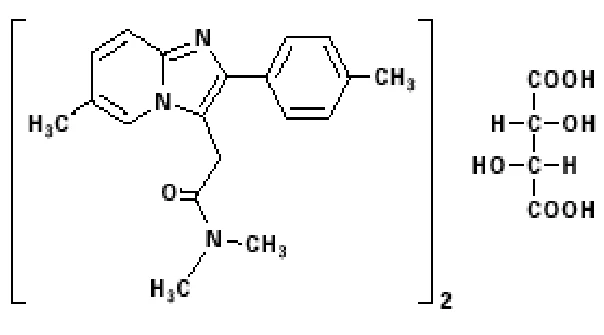
Chemical name: Bis[N,N-dimethyl-2-[6-methyl-2-(4-methylphenyl)imidazo[1,2-a]pyridin-3-yl]acetamide] (2R,3R)-2,3-dihydroxybutanedioate
Molecular formula: (C19H21N3O)2-C4H6O6 or C42H48N6O8
Molecular mass: 764.88 g/mol
Structural formula:
Physicochemical properties
Description: Zolpidem tartrate is a white to off-white crystalline powder that is sparingly soluble in water, alcohol, and propylene glycol.
14 CLINICAL TRIALS
14.1 Clinical Trials by Indication
Overview
Most of the efficacy data for zolpidem tartrate originated from the clinical studies performed with oral zolpidem, described below, followed by a brief description of the clinical development program for ZOLPIDEM TARTRATE ODT.
Studies with Zolpidem Tartrate Oral Tablets
Chronic Insomnia
Zolpidem was evaluated in two controlled studies for the treatment of patients with chronic insomnia (most closely resembling primary insomnia, as defined in the APA Diagnostic and Statistical Manual of Mental Disorders, DSM-IV™).
Table 6: Summary of Patient Demographics for Clinical Trials in the Short-Term Treatment and Symptomatic Relief of Chronic Insomnia
| Study # | Study design | Dosage, route of administration and duration | Study subjects (n) | Mean age (Range) | Sex |
| 1 | double-blind, parallel group, 5-week trial | comparing two doses of zolpidem tartrate and placebo | 75 adult patients | N/A | N/A |
| 2 | double-blind, parallel group | 4-week trial comparing two doses of zolpidem and placebo. | 141 adult patients | N/A | N/A |
Table 7: Results of Study in the Short-Term Treatment and Symptomatic Relief of Chronic Insomnia
| Primary Endpoints | Associated value and statistical significance for Placebo or active control |
| On objective (polysomnographic) measures of sleep latency and sleep efficiency, zolpidem 10 mg was superior to placebo on sleep latency for the first 4 weeks and on sleep efficiency for weeks 2 and 4. | Zolpidem was comparable to placebo on number of awakenings at both doses studied. |
| Zolpidem 10 mg was superior to placebo on a subjective measure of sleep latency for all 4 weeks, and on subjective measures of total sleep time, number of awakenings, and sleep quality for the first treatment week. |
Transient insomnia
Table 8: Summary of Patient Demographics for Clinical Trials in the Short-Term Treatment and Symptomatic Relief of Transient insomnia
| Study # | Study design | Dosage, route of administration and duration | Study subjects (n) | Mean age (Range) | Sex |
| 1 | double-blind, parallel group, single-night trial | during the first night in a sleep laboratory comparing two doses of zolpidem tartrate oral tablets (7.5 and 10 mg) and placebo. | 462 normal adults experiencing transient insomnia | N/A | N/A |
| 2 | double-blind, crossover, 2-night trial | during the first two nights in a sleep laboratory comparing four doses of zolpidem (5, 10, 15 and 20 mg) and placebo | 35 normal elderly adults | 68 | N/A |
Table 9: Results of Study in the Short-Term Treatment and Symptomatic Relief of Transient insomnia
| Associated value and statistical significance for Placebo or active control |
| Both zolpidem doses were superior to placebo on objective (polysomnographic) measures of sleep latency, sleep duration, and number of awakenings. |
| All zolpidem doses were superior to placebo on the two primary PSG parameters (sleep latency and efficiency) and all four subjective outcome measures (sleep duration, sleep latency, number of awakenings, and sleep quality). |
Clinical Development Program for ZOLPIDEM TARTRATE ODT
Pharmacokinetic studies showing bioequivalence to oral zolpidem and one clinical study in insomnia patients provide data to support that the efficacy of ZOLPIDEM TARTRATE ODT is comparable to that of oral zolpidem tartrate.
Study OX22-006 - ZOLPIDEM TARTRATE ODT (zolpidem tartrate ODT)
The pharmacodynamic effects of zolpidem tartrate ODT were evaluated by polysomnography (PSG) in a multicenter, double-blind, randomized, active-control, single-dose, two-period crossover study in 73 patients (18-64 years of age) with primary insomnia lasting for 3 months or longer (as defined in the APA Diagnostic and Statistical Manual of Mental Disorders, DSM IV). The primary endpoint was the Latency to Persistent Sleep (LPS).
The results of this study showed that a single dose of zolpidem tartrate ODT was statistically significantly superior to zolpidem tartrate oral tablets in the mean LPS (latency to persistent sleep). The mean time to fall asleep was approximately 20 min with zolpidem tartrate ODT (10 mg) and 30 min with zolpidem tartrate oral tablets, compared to 84 min at baseline. Secondary endpoints on sleep initiation were supportive of the primary endpoint (Sleep Onset Latency and Latency to Stage 1). The exact difference in onset of sleep between the two formulations could not be established in this study because the oral zolpidem tablets were over-encapsulated for blinding purposes, while the orally disintegrating tablets could not be over-encapsulated. The clinical effects of the encapsulation of the oral zolpidem tablets are not known. Secondary outcomes on sleep maintenance did not differ significantly between zolpidem tartrate ODT and oral zolpidem.
Table 10: OX22-006 – Latency to Persistent Sleep (LPS)
| Baseline | ZOLPIDEM TARTRATE ODT 10 mg (mean ± SD) | Zolpidem tartrate oral tablets 10mg (mean ± SD) | Treatment Differences | |||||
|---|---|---|---|---|---|---|---|---|
| (Estimates ± SE) | (p value) | |||||||
| Primary Endpoint | ||||||||
| LPS (min) | 84.54 ± 40.35 | 19.8 ± 15.5 | 30.1 ± 23.5 | -10.3 ± 3.0 | 0.0010 | |||
Studies Pertinent To Safety Concerns for Sedative/Hypnotic Drugs
Next-day residual effects
Next-day residual effects of zolpidem tartrate were evaluated in seven studies involving normal subjects. In three studies in adults (including one study in a phase advance model of transient insomnia) and in one study in elderly subjects, a small but statistically significant decrease in performance was observed in the Digit Symbol Substitution Test (DSST) when compared placebo. Studies of zolpidem tartrate in non-elderly patients with insomnia did not detect evidence of next-day residual effects using the DSST, the Multiple Sleep Latency Test (MSLT), and patient ratings of alertness.
Rebound effects
There was no objective (polysomnographic) evidence of rebound insomnia at recommended doses seen in studies evaluating sleep on the nights following discontinuation of zolpidem tartrate. There was subjective evidence of impaired sleep in the elderly on the first post-treatment night at doses of zolpidem tartrate above the recommended elderly dose of 5mg.
Memory impairment
Controlled studies in adults utilizing objective measures of memory yielded no consistent evidence of next-day memory impairment following the administration of zolpidem tartrate. However, in one study involving zolpidem doses of 10 and 20 mg, there was a significant decrease in next-morning recall of information presented to subjects during peak drug effect (90 minutes post-dose), i.e., these subjects experienced anterograde amnesia. There was also subjective evidence from adverse event data for anterograde amnesia occurring in association with the administration of zolpidem tartrate, predominantly at doses above 10 mg.
Effects on sleep
Sleep initiation
Effects on sleep stages: In studies that measured the percentage of sleep time spent in each sleep stage, zolpidem tartrate has generally been shown to preserve sleep stages. Sleep time spent in stages 3 and 4 (deep sleep) was found comparable to placebo with only inconsistent, minor changes in REM (paradoxical) sleep at the recommended dose.
15 MICROBIOLOGY
No microbiological information is required for this drug product.
16 NON-CLINICAL TOXICOLOGY
General Toxicology
Local Tolerance
The local effects of zolpidem on cheek pouches were evaluated in hamsters. The histological examination showed no differences in irritation indices between ZOLPIDEM TARTRATE ODT treated and placebo pouches or between placebo and the control pouches.
Other Toxicity Studies
Zolpidem accidently ingested by dogs up to 21 mg/kg did not induce any mortality.
Table 11: Acute Toxicity
| Species/ Route | LD60 mg/kg | Signs of Toxicity |
| Mouse p.o. | 2160 (1614 - 2786) m 2320 (1622-3318) f | Deaths 3-24 hr., hypomotility, ataxia, ptosis, dyspnea, bradypnea, apnea, cyanosis, clonic convulsion. |
| Mouse i.p. | 472 (403-552) m 444 (386-510) f | Hypomotility, prostration, tremors, startle reactions, polypnea, apnea, dyspnea, cyanosis. |
| Mouse i.v. | 100 (83-115) m 128 (114-145) f | Sleep lethargy, piloerection, tremors, slight sporadic clonic convulsions. |
| Rat p.o. | 556 (456 - 678) m 824 (710-956) f | Ataxia, ptosis, prostration, sleep, lacrimation, polypnea, dyspnea, startle reactions, chewing |
| Rat i.p. | 488 (428-556) m 464 (422-510) f | Ataxia, lacrimation, polypnea, dyspnea, apnea, lethargy. |
| Rat i.v. | 70 (66-75) m 96 (72-129) f | Sleep, prostration, jerks, Piloerection, chewing in females. |
Table 12: Long-term Toxicity
| Species/Route | Dosage mg/kg/day | Signs of Toxicity | |
Rat p.o. 1 week | (m,f) | 500, 1000 | Narcosis, sedation, chewing, ptosis, sialorrhea, piloerection |
Rat p.o. 4 weeks | (m,f) | 10, 50, 200 | Sedation and hypotonia preceded by hyperactivity. At 50 and 200 mg also respiratory difficulties, chewing movement, increased thyroid, liver, kidney, ovary and adrenal weights. Decreased weight gain and food consumption. Increased urine and reticulocytes in high-dose females. |
Rat p.o. 13 weeks and 4-week reversibility | (m,f) | 5, 25, 125 | 5 mortalities at 125 mg, 1 mortality at 25 mg. Hypomotility, prostration, drowsiness, hypersalivation, stereotyped movements, somnolence. Decreased weight gain and food consumption. Reversible increased liver weights in high-dose males and females. |
Rat p.o. 52 weeks | (m,f) | 5, 25, 125 | Mortalities: 3 at 5 mg, 5 at 25 mg and 12 at 125 mg. Transient collapsed posture, unsteady gait. Weight gain decreased in males at 25 and 125 mg, and in females at 25 mg increased in females at 125 mg. Food intake increased. At 125 mg: lower RBC counts for males, decreased Hb for females, increased cholesterol and urine voided in females, increased adrenal and liver weights: enlarged adrenals in 6 females; increased incidences of basophilic hepatocytes in females. |
| Species/Route | Dosage mg/kg/day | Signs of Toxicity | |
Monkey p.o. 9 days | (m,f) | 50, 75,100,150, 200 | Signs reflective of pharmacologic action of drug, motor incoordination, sleep-like state, awareness retained but cutaneous sensitivity lost. |
Monkey p.o. 4 weeks | (m,f) | 5, 30, 180 | Dose dependent sedation leading to narcosis in the high dose |
Monkey p.o. 13 weeks | (m,f) | 5, 25,125 | Dose dependent ptosis of upper eyelid, somnolence, incoordination, body tremor, jerky body movements. Transient reduced RBC values at highest dose weeks 6 and 12. |
Monkey 52 weeks | (m,f) | 5, 25,125 | Dose dependent subdued behaviour, ptosis, limb tremors, prostration. Increased mean body weights for males at 25 and 125 mg. Increased pituitary weights at interim sacrifice only at high dose; changes no longer apparent at termination. |
Carcinogenicity
Zolpidem was administered to mice and rats for 2 years at dietary dosages of 4, 18, and 80 mg base/kg. In mice, these doses are ≈2.5, 10, and 50 times the maximum recommended human dose (MRHD) of 10 mg/day (8 mg zolpidem base) on mg/m2 basis. In rats, these doses are ≈5, 20, and 100 times the MRHD on a mg/m2 basis. No evidence of carcinogenic potential was observed in mice. In rats, renal tumors (lipoma, liposarcoma) were seen at the mid- and high doses.
Table 13: Carcinogenicity
| Species/Route | Dosage mg/kg/day | Signs of Toxicity |
Mouse, diet 104 weeks | 4, 18, 80 | Percent Survival Rates: 4 mg: Males 38. Females 48. 18 mg: Males 23. Females 50. 80 mg: Males 29, Females 65 Increased mean WBC count in high dose males due to one mouse with high lymphocyte and neutrophil counts. Age related increases in RBC abnormalities at high dose. Greater incidence of ovarian cysts at high dose. Non-neoplastic finding: increase lipid deposition in liver, at high dose higher incidence, of dilated |
| ovarian lumen, cystic endometrial glands and ovarian cysts. No evidence of carcinogenicity. | ||
Rat, diet 104 weeks M 109 weeks F | 4, 18, 80 | Percent Survival Rates: 4 mg: Males 32; Females 22 18 mg: Males 22; Females 50 80 mg: Males 38; Females 42 Decreased weight gain at highest dose. Decreased food utilization at low and high doses. Increased thyroxine levels in males. Decreased T 3 in high dose males, decreased thyroxine levels in high dose females. Decreased heart and kidney weights in males non-dose dependent. The incidence of the following lesions were comparable to the incidence occurring in historical controls: mid dose male 1/50 renal lipoma, high dose male 3/50 and female 1/50 renal liposarcoma |
Genotoxicity
Zolpidem was negative in in vitro (bacterial reverse mutation, mouse lymphoma, and chromosomal aberration) and in vivo (mouse micronucleus) genetic toxicology assays.
Table 14: Mutagenicity
| Ames Test | Negative |
| Mouse Lymphoma Test | Negative |
| Chromosomal Aberration | Negative |
| Test Unscheduled DNA Synthesis | Negative |
| Micronucleus Test | Negative |
Reproductive and Developmental Toxicology
Impairment of fertility
Oral administration of zolpidem (doses of 4, 20, and 100 mg base/kg or ≈5, 24, and 120 times the MRHD on a mg/m2 basis) to rats prior to and during mating, and continuing in females through postpartum day 25, resulted in irregular estrus cycles and prolonged precoital intervals. The no-effect dose for these findings is ≈24 times the MRHD on a mg/m2 basis. There was no impairment of fertility at any dose tested.
Teratogenicity
When zolpidem was administered at oral doses of 4, 20, and 100 mg base/kg (approximately 5, 24, and 120 times the MRHD on a mg/m2 basis) to pregnant rats during the period of organogenesis, dose-related decreases in fetal skull ossification occurred at all but the lowest dose, which is approximately 5 times the MRHD on a mg/m2 basis. In rabbits treated during organogenesis with zolpidem at oral doses of 1, 4, and 16 mg base/kg (approximately 2.5, 10, and 40 times the MRHD on a mg/m2 basis), increased embryo-fetal death and incomplete fetal skeletal ossification occurred at the highest dose. The no-effect dose for embryo-fetal toxicity in rabbits is approximately 10 times the MRHD on a mg/m2 basis. Administration of zolpidem to rats at oral doses of 4, 20, and 100 mg base/kg (approximately 5, 24, and 120 times the MRHD on a mg/m2 basis) during the latter part of pregnancy and throughout lactation produced decreased offspring growth and survival at all but the lowest dose, which is approximately 5 times the MRHD on a mg/m2 basis.
Table 15: Reproduction and Teratology
| Species/Route | Dosage mg/kg/day | Signs of Toxicity |
Rat p.o. Reproductive Function and Fertility (Segment I) | 4, 20, 100 | FO: Dose dependent lethargy, slightly decreased weight gain in males at 20 and 100 mg before pairing, variable weight gain after pairing. Irregular estrous and increased pre-coital interval at high dose. Liver lesions at high dose in 2 females. . FI: non-dose dependent variations in growth during gestation and lactation in females. Reduced activity scores in males at 100 mg. Increased swimming times in females at 100 mg. |
Rat p.o. Teratology (Segment II) | 4, 20, 100 | Mortality: 3 females died and 2 females sacrificed at high dose. Lethargy, ataxia and piloerection. Transient decreased weight gain. Decreased fetal weight at high dose. Early resorptions and post-implantation loss increased in treated and control animals. Necropsy: At 20 mg four fetuses exhibited abnormalities of soft and skeletal tissue. At high dose slightly increased change associated with: weight reduction involved brain, soft tissue arrangement and skeletal ossification, darkened adrenal medulla. Gross Visceral Observations: External Observation- Changes mostly comparable to historical control means except for small fetus size in high dose. Internal Observations - Changes comparable to historical control means or to study control. |
| Species/Route | Dosage mg/kg/day | Signs of Toxicity | |||
| Skeletal Observations - Changes comparable to historical control means or study controls except for slight reductions in degree of ossification of cranial bones, sternebrae, and caudal vertebrae at high dose; these were considered to be associated with reduced fetal weight. | |||||
Rabbit p.o. Teratology (Segment II) | 1, 4, 16 | Sedation, transient decreased weight gain. Increased pre-implantation loss at low dose and post-implantation loss at high dose. Changes included 3 small fetuses at mid dose, increased absent sternebrae at high dose and increased incomplete ossification at low and mid doses. | |||
Rat p.o. Peri and Post-natal Development (Segment III) | 4, 20, 100 | Dose dependent lethargy, unsteadiness and ataxia. Gasping and impairment of righting reflex at mid and high dose. Decreased weight gain and 2 mortalities in high dose. At high dose, litters exhibited much reduced pre- and post-natal survival, mean litter size during lactation and birth weight of off-spring, extensive cannibalization and maternally inflicted injury. | |||
Rat p.o. Milk production | Zolpidem inhibited the secretion of milk. The no-effect dose was 4 mg base / kg or 6 times the recommended human dose in mg / m2. | ||||