


Product Monograph - 4% Astracaine Dental with Epinephrine Forte 1:100,000 (0.01mg/mL)
1 INDICATIONS
4% ASTRACAINE® Dental with Epinephrine Forte 1:100,000 (0.01 mg/mL) and 4% ASTRACAINE® Dental with Epinephrine 1:200,000 (0.005 mg/mL) are indicated in adults and children older than 4 years of age for:
- infiltration anesthesia
- nerve block anesthesia in clinical dentistry.
1.1 Pediatrics
Pediatrics (4-17 years of age): Based on the data submitted and reviewed by Health Canada, the safety and efficacy of 4% ASTRACAINE® Dental with Epinephrine Forte 1:100,000 (0.01 mg/mL) and 4% ASTRACAINE® Dental with Epinephrine 1:200,000 (0.005 mg/mL) in pediatric patients has been established; therefore, Health Canada has authorized an indication for pediatric use.
Pediatric population should be given reduced doses commensurate with their age and weight. The use of 4% ASTRACAINE® Dental with Epinephrine Forte 1:100,000 (0.01 mg/mL) and 4% ASTRACAINE® Dental with Epinephrine 1:200,000 (0.005 mg/mL) in pediatric younger than 4 years of age is not recommended (see DOSAGE AND ADMINISTRATION).
1.2 Geriatrics
Geriatrics (> 65 years of age): Evidence from clinical studies and experience suggests that use in the geriatric population is associated with differences in safety or effectiveness.
Elderly patients should be given reduced doses commensurate with their age and physical condition.
2 CONTRAINDICATIONS
4% ASTRACAINE® Dental with Epinephrine Forte 1:100,000 (0.01 mg/mL) and 4% ASTRACAINE® Dental with Epinephrine 1:200,000 (0.005 mg/mL) is contraindicated in patients who are hypersensitive to this drug or to any ingredient in the formulation, including any non-medicinal ingredient, or component of the container and in patients with a known hypersensitivity to sulphite especially in steroid-dependent asthma patients who may develop bronchospasm and anaphylactic shock. For a complete listing, see Dosage Forms, Strengths, Composition and Packaging.
As with all vasoconstrictors, epinephrine is contraindicated in:
- children under 4 years of age
- the use of a vasoconstrictor (epinephrine) is contraindicated for anaesthesia of fingers, toes, tip of nose, ears and penis due to risk of ischemia (necrosis).
- patients with narrow-angle glaucoma
- patients with cardiovascular problems such as: severe hypertension or severe shock, or heart block, severe heart disease, particularly tachycardia or known arrhythmias
- patients with recent (3 to 6 months) myocardial infarction
- patients with recent (3 months) coronary artery bypass surgery
- patients taking non-cardioselective beta-blockers (e.g. propranolol),(due to the risk of hypertensive crisis or severe bradycardia)
- patients with pheochromocytoma
- patients with thyrotoxicosis
- patients currently or recently receiving treatment with tricyclic antidepressants or Monoamino oxidase (MAO) inhibitors
- patients taking ergot type drugs, inhalation type drugs such as halothane.
- patients with severe hepatic/renal insufficiency
- patients with bronchial asthma.
They should also not be used when there is inflammation and/or sepsis in the region near the proposed injection site.
Intravascular use is contraindicated.
3 DOSAGE AND ADMINISTRATION
3.1 Dosing Considerations
As with all local anesthetics, the dosage varies and depends upon the area to be anesthetized, the vascularity of the tissues, the number of neuronal segments to be blocked, individual tolerance and the technique of anesthesia. The lowest dosage needed to provide effective anesthesia should be administered.
To prevent the serious systemic adverse reactions associated with high plasma concentrations of local anesthetics or epinephrine, procedures to avoid intravascular injection should be used. The lowest dose that results in effective anesthesia should be used.
Injections should be made slowly or in incremental doses, with frequent aspirations before and during the injection to avoid intravascular injection. After each injection, the patient’s cardiovascular and respiratory (adequacy of ventilation) vital signs, and state of consciousness should be monitored. The blood levels of articaine or its metabolites may accumulate significantly with repeated dosing. Tolerance to elevated blood levels varies with the status of the patient.
3.2 Recommended Dose and Dosage Adjustment
Adults
It is recommended that the dosage should not exceed 7 mg/kg body weight in adults or 500 mg for a healthy adult of 70 kg body weight which is equivalent to 12.5 ml or 7 cartridges.
The maximum dose represents 0.175 ml of solution per kg.
Recommended Dosages in Adults
| Procedure | 4% ASTRACAINE® Dental with Epinephrine Forte1:100,000 (0.01 mg/mL) and 4% ASTRACAINE® Dental with Epinephrine 1:200,000 (0.005 mg/mL) | |
| Volume (mL) | Total Dose (mg) | |
| Infiltration | 0.5-2.5 | 20-100 |
| Nerve block | 0.5-3.6 | 20-144 |
| Oral surgery | 1.0-5.4 | 40-216 |
The above-suggested volumes serve only as a guide for normal healthy adults. Other volumes may be used provided that the total maximum recommended dose is not exceeded. The duration of the anaesthesia during which an operation can be performed is about one hour (pulpal analgesia) depending on the technique used, and on the procedure.
Lower dose is recommended in patients with severe hepatic/renal insufficiency.
Pediatric (4-17 years of age)
Dosages in pediatric should be reduced commensurate with their age and weight. Experience in pediatric younger than 4 years of age has not been documented. The dosage should not exceed 5 mg/kg body weight in pediatric between the ages of 4 and 12 with a maximum dose of 275 mg articaine for a healthy child of 55 kg body weight.
Generally, in children weighing about 20 - 30 kg, doses of 0.25 - 1 ml are sufficient; in children weighing 30 - 45 kg, 0.5 - 2 ml.
The use of 4% ASTRACAINE® Dental with Epinephrine Forte 1:100,000 (0.01 mg/mL) and 4% ASTRACAINE® Dental with Epinephrine 1:200,000 (0.005 mg/mL) in pediatric under the age of 4 years is not recommended.
Geriatrics (>65 years of age)
Consider dose adjustment (minimum quantity for sufficient anaesthesia) in older and frail patients as the clearance and volume of distribution of articaine after infiltration anaesthesia are significantly lower than in healthy adult patients.
4 OVERDOSAGE
The application of the local anaesthetic has to be stopped at the first sign of an adverse reaction.
Articaine hydrochloride with epinephrine can cause acute toxic effects at high systemic concentrations resulting from overdose or unintentional intravascular injection, excessively rapid absorption (e.g. from inflamed or highly vascular tissue) or overdose. The toxic effects described in the overdose, are identical to those observed with other epinephrine-containing local anesthetics and are typically the result of excessive systemic concentration due to overdosage, very rapid absorption, and most commonly unintentional intravascular injection.
Intravascular injection may cause systemic toxicity within seconds to a few minutes. Systemic toxicity due to overdosage has a later onset (15–60 minutes after injection) due to the slower increase in blood concentration.
Effects of articaine
Early central nervous manifestations include metallic taste, tinnitus, dizziness, nausea, vomiting, restlessness, anxiety, and tachypnea. More severe CNS effects include drowsiness, confusion, tremor, muscular twitchings, tonic-clonic seizures, coma and respiratory paralysis. Severe cardiovascular manifestations include hypotension, cardiac conduction disorders, bradycardia, and cardiovascular collapse.
Effects of epinephrine
Primary cardiovascular effects include sweating, headache, hypertension, anginal chest pain, tachyarrhythmias, and cardiac arrest.
Treatment
Consult current clinical practice guidelines and local poison control centres for up to date information on the management of local anesthetic systemic toxicity (LAST). Treatment of a patient with toxic manifestations consist of assuring and maintaining a patent airway and supporting ventilation using oxygen and assisted or controlled respiration as required. This will be sufficient in the management of most of the reactions. Should circulatory depression occur, vasopressors, such as ephedrine or metaraminol and intravenous fluids may be used.
Resuscitation from cardiac arrest may require prolonged efforts. The use of intravenous lipid emulsion should be considered, if appropriate; in refractory cases, cardiopulmonary bypass may be required.
Should a convulsion persist despite oxygen therapy, small increments of an ultra-short acting barbiturate (thiopental or thiamylal) or a short-acting barbiturate (pentobarbital or secobarbital) may be given intravenously.
Patients who have manifested any signs of LAST should be monitored for at least 12 hours, because cardiovascular depression can persist or recur after treatment.
It is recommended that the dosage should not exceed 7 mg/kg body weight in adults or 500 mg for a healthy adult of 70 kg body weight which is equivalent to 12.5 ml or 7 cartridges.
The maximum dose represents 0.175 ml of solution per kg.
For management of a suspected drug overdose, contact your regional Poison Control Centre.
5 DOSAGE FORMS, STRENGTHS, COMPOSITION AND PACKAGING
Dosage Form: 4% ASTRACAINE® Dental with Epinephrine Forte 1:100,000 (0.01 mg/mL) and 4% ASTRACAINE® Dental with Epinephrine 1:200,000 (0.005 mg/mL) are available as solutions of injection.
| Route of Administration | Dosage Form/Strength/Composition | Non-medicinal Ingredients | ||||
| Submucosal infiltration | Articaine hydrochloride | Epinephrine* | Sodium chloride | Sodium metabisulfite | Water for injection | |
| 4% ASTRACAINE® Dental with Epinephrine Forte 1:100,000 mg/mL | 40 | 0.010 | 1.00 | 0.55 | - | |
| 4% ASTRACAINE® Dental with Epinephrine 1:200,000 mg/mL | 40 | 0.005 | 1.00 | 0.55 | - | |
Sodium hydroxide and/or hydrochloric acid to adjust pH 3.0-4.5 * As Epinephrine Bitartrate | ||||||
Packaging: 4% ASTRACAINE® Dental with Epinephrine Forte 1:100,000 (0.01 mg/mL) and 4% ASTRACAINE® Dental with Epinephrine 1:200,000 (0.005 mg/mL) are available in dental cartridges of 1.8 mL in boxes of 100.
6 WARNINGS AND PRECAUTIONS
General
The safety and effectiveness of local anesthetics depend upon proper dosage, correct administration technique, adequate precautions and readiness for management of emergencies.
Local anaesthetics should only be used by clinicians trained in the diagnosis and management of dose-related toxicity and other acute emergencies which may arise from their use.
Resuscitative drugs and equipment should be immediately available before local anesthetic is used (see ADVERSE REACTIONS AND OVERDOSAGE).
Patients should be advised to exert caution in order to avoid inadvertent trauma to oral and buccal soft tissue from chewing or biting until normal sensation returns.
Persistent paresthesia of oral structures has been reported with slow, incomplete, or no recovery following nerve blocks.
Cardiovascular
As with other local anesthetics combined with epinephrine, excessive plasma levels can depress the myocardium, which may lead to heart block, cardiac arrhythmia, tachycardia, bradycardia, blood pressure changes (usually hypotension) and possibly fatal cardiac arrest.
Use of 4% ASTRACAINE® Dental with Epinephrine Forte 1:100,000 (0.01 mg/mL) and 4% ASTRACAINE® Dental with Epinephrine 1:200,000 (0.005 mg/mL) is not recommended in patients with impaired cardiovascular function (see CONTRAINDICATIONS).
4% ASTRACAINE® Dental with Epinephrine Forte 1:100,000 (0.01 mg/mL) and 4% ASTRACAINE® Dental with Epinephrine 1:200,000 (0.005 mg/mL) is contraindicated for anaesthesia of extremities (e.g., fingers, toes, nose, penis etc.) (see CONTRAINDICATIONS).
4% ASTRACAINE® Dental with Epinephrine Forte 1:100,000 (0.01 mg/mL) and 4% ASTRACAINE® Dental with Epinephrine 1:200,000 (0.005 mg/mL) should be used cautiously in
- patients with peripheral vascular disease
- patients currently or recently receiving drugs known to produce blood pressure alterations (for example phenothiazines), as either severe and sustained hypotension or hypertension may occur
The medical history of the patients should be checked for certain conditions in which the drug is contraindicated.
Close monitoring for symptoms of cardiovascular collapse should be recommended.
Driving and Operating Machinery
Due caution should be exercised when driving or operating a vehicle or potentially dangerous machinery.
Endocrine and Metabolism
4% ASTRACAINE® Dental with Epinephrine Forte 1:100,000 (0.01 mg/mL) and 4% ASTRACAINE® Dental with Epinephrine 1:200,000 (0.005 mg/mL) is contraindicated in patients with thyrotoxicosis (see CONTRAINDICATIONS). 4% ASTRACAINE® Dental with Epinephrine Forte 1:100,000 (0.01 mg/mL) and 4% ASTRACAINE® Dental with Epinephrine 1:200,000 (0.005 mg/mL) should be used with extreme caution in patients whose medical history and physical evaluation suggest the existence of diabetes who are on oral hypoglycemics (see DRUG INTERACTION).
Use of articaine hydrochloride with epinephrine in hyperthyroid states may cause additive cardiac effects (tachycardia, arrhythmia, increased cardiac output, and cardiac ischemia.
Hematologic
Articaine hydrochloride, like other local anesthetics, has the potential to cause methemoglobinemia. There is an increased risk observed with epidural anesthesia, but the incidence is rare in dental procedures when used as directed.
Methemoglobinemia values of less than 20% usually do not produce any clinical symptoms. The most common clinical sign of methemoglobinemia is cyanosis of the nail beds and lips. Methemoglobinemia can be rapidly reversed by intravenous administration of 1-2 mg/kg body weight of methylene blue over a 5-minute period.
Hepatic/Renal Dysfunction
4% ASTRACAINE® Dental with Epinephrine Forte 1:100,000 (0.01 mg/mL) and 4% ASTRACAINE® Dental with Epinephrine 1:200,000 (0.005 mg/mL) is contraindicated in patients with severe hepatic/renal insufficiency (see CONTRAINDICATIONS). Lower dose is recommended in these patients (see DOSAGE AND ADMINISTRATION).
Immune
4% ASTRACAINE® Dental with Epinephrine Forte 1:100,000 (0.01 mg/mL) and 4% ASTRACAINE® Dental with Epinephrine 1:200,000 (0.005 mg/mL) is contraindicated in patients with bronchial asthma (see CONTRAINDICATIONS). The sodium metabisulphite component can precipitate hypersensitivity reactions in such patients (see CONTRAINDICATIONS).
4% ASTRACAINE® Dental with Epinephrine Forte 1:100,000 (0.01 mg/mL) and 4% ASTRACAINE® Dental with Epinephrine 1:200,000 (0.005 mg/mL) is contraindicated in patients who are taking certain drugs (MAO-inhibitors etc) (see CONTRAINDICATIONS).
Neurologic
As with other local anesthetics combined with epinephrine, excessive plasma levels cause systemic reactions involving the central nervous system, characterized by excitation and/or depression (see OVERDOSAGE). Intravascular injection of even small doses in the head and neck area may cause CNS toxicity. Patients with acidosis and/or hypoxia are at an increased risk of CNS and cardiovascular toxicity.
Early neurological features include perioral tingling, tinnitus, and slurred speech. Lightheadedness and tremor may also occur, as may a change in mental status with confusion or agitation. However, LAST can occur without these characteristic premonitory signs. The excitatory neurological phase culminates in generalized convulsions. This may lead to the depressive phase of coma and respiratory depression.
The immediate management involves the general safety and resuscitation measures that are crucial in any emergency. First, stop injecting the LA and secure airway, breathing, and circulation. If the patient is in cardiac arrest, cardiopulmonary resuscitation (CPR) must commence. Alternatively, if the patient still has a cardiac output, 100% oxygen should be administered and the airway secured as necessary. I.V. access needs to be confirmed or established. Seizures should be addressed quickly and treatment options include a benzodiazepine or thiopental.
Unintentional or inadvertent intravascular administration can be fatal. Aspiration to check for blood return is essential prior to injection of any dose of articaine to avoid intravascular administration. If blood returns on aspiration, the needle should be slightly withdrawn and relocated.
Use with caution in patients with a history of epilepsy (see ADVERSE REACTIONS).
Peri-Operative Considerations
Avoid using 4% ASTRACAINE® Dental with Epinephrine Forte 1:100,000 (0.01 mg/mL) and 4% ASTRACAINE® Dental with Epinephrine 1:200,000 (0.005 mg/mL) in patients receiving other anaesthaetics.
Respiratory
In patients with chronic bronchitis or pulmonary emphysema the use of 4% ASTRACAINE® Dental with Epinephrine 1:200,000 (0.005 mg/mL) is recommended.
Sensitivity/Resistance
The drug should be used with caution in persons with known drug sensitivities. Cross-sensitivity among amide-type local anesthetics has been reported.
4% ASTRACAINE® Dental with Epinephrine contains sodium metabisulfite. Sulfites may cause allergic reactions in susceptible people. The prevalence of sulfite sensitivity in the general population is unknown and probably low, but it is seen more frequently in patients with bronchial asthma. Manifestations may range from edema, chills, skin rashes, erythema and arthralgia to severe reactions including dyspnea, anaphylactic shock, and circulatory collapse.
The investigation of patients with suspected allergy to amide-type local anesthetics should begin with a detailed history which should then determine whether skin testing and challenge is warranted.
Many drugs used during the conduct of anesthesia are considered potential triggering agents for familial malignant hyperthermia. It has been shown that the use of amide local anesthetics in patients with known malignant hyperthermia is safe. However, there is no guarantee that neural blockade will prevent the development of malignant hyperthermia during surgery. It is also difficult to predict the need for supplemental general anesthesia. Therefore, a standard protocol for the management of patients with history of malignant hyperthermia should be available.
6.1 Special Populations
6.1.1 Pregnant Women
There are no or limited data available for the safe use of articaine hydrochloride with epinephrine in pregnant women. Animal studies are insufficient with respect to reproductive toxicity. 4% ASTRACAINE® Dental with Epinephrine Forte 1:100,000 (0.01 mg/mL) and 4% ASTRACAINE® Dental with Epinephrine 1:200,000 (0.005 mg/mL) should be used during pregnancy only if the potential benefit justifies the potential risk to the fetus.
6.1.2 Breast-feeding
Articaine hydrochloride with epinephrine is rapidly metabolized and eliminated and is therefore unlikely to be transferred to the mother’s milk. Because many drugs are excreted in human milk, precaution should be exercised when Articaine products are administered to a nursing woman. After treatment with Articaine products, nursing mothers may choose to pump and discard breast milk for approximately 4 hours following an injection of Articaine (to minimize infant ingestion), and then resume breastfeeding.
6.1.3 Pediatrics
The use of 4% ASTRACAINE® Dental with Epinephrine Forte 1:100,000 (0.01 mg/mL) and 4% ASTRACAINE® Dental with Epinephrine 1:200,000 (0.005 mg/mL) in pediatric under the age of 4 years is contraindicated (see DOSAGE AND ADMINISTRATION).
Carers of young pediatric should be warned of the risk of accidental soft tissue injury due to self-biting, due to prolonged soft tissue numbness (see ADVERSE REACTIONS).
7 ADVERSE REACTIONS
7.1 Adverse Reaction Overview
Adverse Reactions from Clinical Trials:
The reported adverse events are derived from clinical trials in the US and UK. Of the 1,325 patients treated in the primary clinical trials, 882 were exposed to articaine hydrochloride 4% (40 mg/mL) with epinephrine (adrenaline) 1:100,000 injection.
Adverse events in controlled trials with an incidence of 1% or greater in patients administered articaine hydrochloride 4% (40 mg/mL) with epinephrine (adrenaline) 1:100,000 injection
| Body system | Articaine hydrochloride 4% with adrenaline 1:100,000 injection N (%) |
| Number of patients | 882 (100%) |
Body as whole Face oedema Headache Infection Pain | 13 (1%) 31 (4%) 10 (1%) 114 (13%) |
Digestive system Gingivitis | 13 (1%) |
Nervous system Paraesthesia | 11 (1%) |
The following list includes adverse and concurrent events that were recorded in 1 or more patients, but occurred at an overall rate of less than 1%, and were considered clinically relevant.
- Body as a Whole - abdominal pain, accidental injury, asthenia, back pain, injection site pain, malaise, neck pain.
- Cardiovascular System - hemorrhage, migraine, syncope, tachycardia.
- Digestive System - constipation, diarrhea, dyspepsia, glossitis, gum hemorrhage, mouth ulceration, nausea, stomatitis, tongue edemas, tooth disorder, vomiting.
- Hemic and Lymphatic System - ecchymosis, lymphadenopathy.
- Metabolic and Nutritional System - edema, thirst.
- Musculoskeletal System - arthralgia, myalgia, osteomyelitis.
- Nervous System - dizziness, dry mouth, facial paralysis, hyperesthesia, increased salivation, nervousness, neuropathy, paraesthesia, somnolence.
- Respiratory System - pharyngitis, rhinitis.
- Skin and Appendages - pruritis, skin disorder.
- Special Senses - ear pain, taste perversion.
- Urogenital System - dysmenorrhea.
Adverse Reactions Due to Articaine:
Toxic reactions (showing an abnormally high concentration of local anaesthetic in the blood) may appear either immediately, by accidental intravascular injection or later, by true overdose following an injection of an excessive quantity of anaesthetic solution.
Symptoms include:
Symptoms showing effects on the central nervous system: nervousness, shaking, yawning, trembling, apprehension, nystagmus, logorrhoea, headache, nausea, buzzing in
- the ears. These signs, when they appear, require rapid corrective measures to prevent possible worsening.
- Respiratory symptoms: tachypnoea, then bradypnoea, which could lead to apnoea.
- Cardiovascular signs: reduction in the contractile power of the myocardium, lowering of heart rate and drop in blood pressure.
Common ≥ 1% and <10%
Headache, facial oedema, gingivitis. Disruption of nerve transmission (para-, hypo- and dysaesthesia) may appear after articaine administration. Resolution usually occurs within two weeks.
Uncommon ≥ 0.1% and <1%
Nausea
General disorders and administration site conditions
Adverse reactions to 4% ASTRACAINE® Dental (articaine hydrochloride) with Epinephrine (epinephrine bitartrate) are characteristic of those associated with amide-type local anesthetics and/or vasoconstrictors.
Adverse reactions may result from high plasma levels due to excessive dosage, rapid absorption or inadvertent intravascular injection, or may also result from a hypersensitivity, idiosyncrasy or diminished tolerance on the part of the patient. Such reactions are systemic in nature and involve the central nervous system and/or the cardiovascular system.
Local swelling, injection site pain, ulceration, exfoliation and necrosis may occur as a result of injection site tissue trauma. Soft tissue injuries may occur whilst the area remains anesthetized.
Local reactions may also include ischaemic injury or necrosis, which may be related to vascular spasm.
Central Nervous System
CNS manifestations are excitatory and/or depressant, and may be characterized by nausea, vomiting, headache, anxiety, restlessness, nervousness, dizziness, vertigo, blurred vision and tremors at the onset and then followed by drowsiness, convulsions, unconsciousness and possibly respiratory arrest. The excitatory reactions may be very brief or may not occur at all, in which case, the initial manifestations of toxicity may be drowsiness, merging into unconsciousness and respiratory arrest.
Swelling and persistent paresthesia of the lips and oral tissues have been reported after blocking of the inferior alveolar nerve.
Cardiovascular System
Cardiovascular reactions are depressant, and may be characterized by hypotension, myocardial depression, vasodilatation, vasoconstriction, hypertension, bradycardia, tachycardia, hypotension, palpitations, atrioventricular block, circulatory collapse and possibly cardiac arrest.
Allergic
Allergic and hypersensitivity reactions are characterized by erythema, chills, abdominal pain, bronchospasm, dyspnea, skin rashes, cutaneous lesions, urticaria, pruritus , edema or anaphylactoid reactions with circulatory collapse. Allergic reactions to sodium metabisulfite are rare; they are more common in patients with steroid-dependent asthma, and can range from mild asthma attacks to fatal anaphylactic shock. The detection of sensitivity by skin testing is of doubtful value.
7.2 Clinical Trial Adverse Reactions
Because clinical trials are conducted under very specific conditions, the adverse reaction rates observed in the clinical trials may not reflect the rates observed in practice and should not be compared to the rates in the clinical trials of another drug. Adverse reaction information from clinical trials is useful for identifying drug-related adverse events and for approximating rates.
7.3 Postmarketing Experience
Persistent paresthesias of the lips, tongue, and oral tissues have been reported with use of articaine hydrochloride, with slow, incomplete, or no recovery. These post-marketing events have been reported chiefly following nerve blocks in the mandible and have involved the trigeminal nerve and its branches.
8 DRUG INTERACTIONS
8.1 Overview
4% ASTRACAINE® Dental with Epinephrine Forte 1:100,000 (0.01 mg/mL) and 4% ASTRACAINE® Dental with Epinephrine 1:200,000 (0.005 mg/mL) is not recommended to be used concomitantly with certain drugs (see CONTRAINDICATIONS):
- Non-cardioselective beta-blockers (e.g. propranolol)
- Tricyclic antidepressants or Monoamino oxidase (MAO) inhibitors
- Ergot type drugs, inhalation type drugs such as enflurane, halothane or other inhaled halogenated anesthetics as they may increase myocardial sensitivity to catecholamines such as epinephrine. Dose-related cardiac arrhythmias may occur if patients are treated with 4% ASTRACAINE® Dental with Epinephrine Forte 1:100,000 (0.01 mg/mL) and 4% ASTRACAINE® Dental with Epinephrine 1:200,000 (0.005 mg/mL) during or immediately following the administration of halogenated anesthetic. Medications which are potential producers of methemoglobin (e.g. sulphonamides)
- Other local anesthetics or agents structurally related to amide-type local anesthetics e.g. certain anti-arrhythmics such as mexilitine and in patients treated with class III anti-arrhythmic drugs (e.g., amiodarone)
- Phenothiazines, butyrophenones
- Hypoglycaemics: epinephrine-induced hyperglycaemia may lead to loss of blood sugar control in diabetic patients treated with hypoglycaemics
- Antiepileptic skeletal muscle relaxants
- Cardiac glycosides (e.g. digoxin): epinephrine may interact with cardiac glycosides resulting in cardiac arrhythmias
- Adrenergic neuron blocking agents (e.g. guanethidine) since the product contains epinephrine.
- Quinidine: combination with epinephrine may lead to cardiac arrhythmias
- Cimetidine
- Amiodarone
Phenytoin and other antiepileptic drugs such as phenobarbitone, primidone and
- carbamazepine.
- Thyroid hormones: may potentiate the actions of epinephrine.
9 ACTION AND CLINICAL PHARMACOLOGY
9.1 Mechanism of Action
4% ASTRACAINE® Dental (articaine hydrochloride) with Epinephrine (epinephrine bitartrate) is a local anesthetic of the amide type. As with other local anesthetics, it prevents generation and conduction of the nerve impulse by interfering with the large transient increase in the permeability of the membrane to sodium ions.
Epinephrine acts on alpha-adrenergic receptors in the vasculature of the mucous membranes to produce vasoconstriction, thereby decreasing blood flow in the area of injection. This causes reduction in the rate of local clearance of articaine, thus prolongs its duration of action, lowers the peak serum concentration, decreases the risk of systemic toxicity and increases the frequency of complete conduction blocks with low concentrations of the local anesthetic.
9.2 Pharmacodynamics
Animal
Articaine was shown to be more active than lidocaine and procaine in a test of efficacy in conduction anesthesia on the exposed sciatic nerve of the frog.
Articaine was markedly superior to lidocaine and procaine in a test of efficacy in infiltration anesthesia on guinea pig cutaneous wheals.
Intravenous administration of 5 mg/kg of articaine, lidocaine and procaine to anesthetized cats resulted in decreases in blood pressure which were dependent on the rate of injection. Lidocaine showed a stronger hypotensive effect than articaine or procaine.
No formation of methemoglobin was found in cats or rats after intraperitoneal administration of 20, 40 or 60 mg/kg of articaine.
Injection of articaine 4% with epinephrine 10 mg/mL in the posterior mental foramen in dogs resulted in a drop of the intrapulpal blood flow because of a strong vasoconstriction, but had little effect on mandibular blood flow.
Articaine showed a transient negative inotropic effect on the isolated, perfused guinea pig heart and a vasodilating effect on the constricted, isolated, perfused rabbit ear.
Studies at the level of the cell membrane showed that the biological activity of local anesthetics is related to their ability to penetrate the cell membrane.
Articaine has been shown to block sodium and potassium channels at lower concentrations than other amide local anesthetics.
9.3 Pharmacokinetics
The tmax of articaine occurs about 10 to 15 minutes after submucosal injection of articaine 4%
80 mg, irrespective of epinephrine. Mean Cmax is about 400 μg/L for articaine with epinephrine 1: 200 000 and 580 μg/L for articaine without epinephrine. The elimination of articaine is exponential with a half-life of about 20 minutes.
The volume of distribution (Vd) is 1.67±0.32 L/kg (intraoral application).
After 3 submucosal injections of articaine 80 mg without epinephrine, the Cmax of articaine was observed 10 minutes after each injection. The mean value of the first maximum was about 620 μg/L; the second 890 μg/L and the third 960 μg/L. The maximum serum concentration of articainic acid was observed 75 minutes after the first injection, which was 35 minutes after the last injection. Mean Cmax was about 6300 μg/L.
Articaine is largely excreted in urine as the metabolite articainic acid (64.2±14.4%), followed by articainic acid glucuronide (13.4±5.0%) and the parent drug (1.45±0.77%).The renal clearance of articaine is 1.35±0.83 L/h, whereas that of articainic acid is 7.18±1.81 L/h. The metabolite articainic acid shows a half-life of 2 to 2.5 hours. The total recovery of the dose in the urine varies between 50 and 92% over 36 hours.
10 STORAGE, STABILITY AND DISPOSAL
4% ASTRACAINE® Dental with Epinephrine and 4% ASTRACAINE® Dental with Epinephrine Forte are liquid products.
Temperature: Store at controlled temperature (20-25°C).
Light: Protect from exposure to light.
Others: Keep in a safe place out of the reach of children.
Immediately throw away the used needle and syringe in a sharps disposal container.
11 SPECIAL HANDLING INSTRUCTIONS
Do not use if solution is pinkish or darker than slightly yellow or if it contains a precipitate.
4 % ASTRACAINE® Dental (articaine hydrochloride) with Epinephrine (epinephrine bitartrate) solutions are without preservative and are for single use only. Discard unused portion.
Parenteral Products
As with all parenteral drug products, injections should be inspected visually for clarity, particulate matter, precipitate, discoloration and leakage prior to administration, whenever solution and container permits. Solutions showing haziness, particulate matter, precipitate, discoloration or leakage should not be used.
PART II: SCIENTIFIC INFORMATION
12 PHARMACEUTICAL INFORMATION
Articaine Hydrochloride
Proper name: Articaine hydrochloride
Chemical name: Methyl-3-[2-(propylamino)-propionamido]-2-thiophenecarboxylic acid, methyl ester hydrochloride
Molecular formula and molecular mass: C 13 H20N2O3S-HCl 320.83
Structural formula:
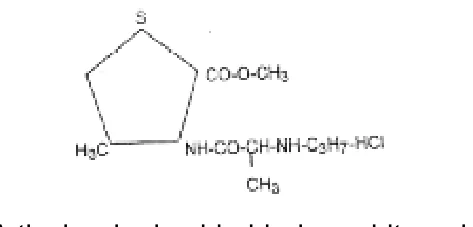
Physicochemical properties: Articaine hydrochloride is a white, odourless, crystalline powder soluble in water and alcohol. The melting point is about 175°C.
Epinephrine Bitartrate
Proper name: Epinephrine Bitartrate
Chemical name: 1) (-)-3, 4-Dihydroxy-"-[(methylamino) methyl] benzyl alcohol (+) tartrate (1:1) salt
- 2) 1, 2-Benzenediol, 4-[1-hydroxy-2(methylamino) ethyl]-, (R)-, [R-(R*, R*)] -2, 3-dihydroxy-butane dionate (1:1) salt
Molecular formula and molecular mass: C9H13NO3C C4H6O6 333.30
Structural formula:
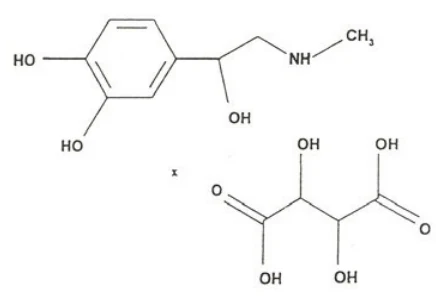
Physicochemical properties: Epinephrine Bitartrate is a white to grayish-white crystalline powder. It is freely soluble in water, slightly soluble in alcohol, practically insoluble in ether. The melting point is 147 - 152 °C.
13 CLINICAL TRIALS
A double-blind, randomized comparison of articaine hydrochloride and prilocaine hydrochloride both with epinephrine 5 µg/mL was conducted in healthy volunteers. Maxillary and mandibular anesthesia following buccal or labial infiltration was assessed in 4 teeth per subject with the two drugs used in contra-lateral teeth. The results showed slightly higher success rates for articaine in anesthesia in mandibular and maxillary posterior and anterior arches but there were no statistically significant differences between the two products.
Pharmacokinetic parameters for articaine hydrochloride 4% with epinephrine 5 µg/mL following intraoral and intramuscular injection are summarized in Table 1.
Table 1: Mean pharmacokinetic data after intraoral and intramuscular administration of 240 mg articaine.
| Parameter | Intraoral Administration (mean ± SEM) | Intramuscular Administration(mean ± SEM) |
| Cmax. (mg/mL) | 1.17±0.14 | 0.81±0.21 |
| Tmax (min) | 16.94±2.53 | 26.23*±4.14 |
| AUC (mg.h/mL) | 84.07±9.01 | 86.91±15.58 |
| T½ (min) | 25.28±3.3 | 39.76*±3.08 |
| Vd (L/kg) | 1.67±0.32 | 2.69±0.49 |
| Cl (mL/min/kg) | 52.49±5.99 | 60.26±11.46 |
| * The difference is significant (p <0.05) | ||
SEM: Standard Error of Mean
Cmax: Maximum Concentration
Tmax: Minimum Concentration
AUC: Area Under Curve
T½: Half Time
Vd: Volume of Distribution
Cl: Clearance
The differences in Cmax, Tmax and T½ between the two methods of administration are related to the distinct vascularization of the oral mucosa.
14 NON-CLINICAL TOXICOLOGY
Acute toxicity
Acute toxicity studies with articaine are summarized in Table 2.
Table 2: Acute toxicity studies of articaine
| Species | Route | LD50 (mg/kg) |
|---|---|---|
| Mouse | IV | 37.0 |
| Rat | IV | 23.2 |
| IM | 278 | |
| PO | 978 | |
| Rabbit | IV (4% solution) | 19.6 |
| Species | Route | LD50 (mg/kg) |
|---|---|---|
| IV (3% solution) | 20.6 | |
| Dog | IV | >56 |
| IM | >160 | |
IV: Intravenous IM: Intramuscular PO: Per OS LD50: Lethal Dose | ||
Symptoms prior to death of the tested animals include muscle tremor, staggering gait, twitching, convulsions, respiratory depression and pulmonary edema.
Acute toxicity studies in the rat and rabbit using articaine hydrochloride with epinephrine 5 µg/mL by both intravenous and intraoral injections showed that the addition of vasoconstrictor had no significant effect on the toxicities.
Long-Term Toxicity
Long-term toxicity studies with articaine are summarized in Table 3.
Table 3: Long-Term toxicity studies of articaine
| Species (age, gender and N) | Dosag e (mg/kg ) | Duration | Route | Observations |
|---|---|---|---|---|
| Sprague-Dawley rat 10 M, 10 F per group aged 4 months | 0 25 50 100 | daily 5 days/week for 5 weeks | IM | -localized hemorrhage in subcutaneous tissue at injection site -at 100 mg/kg, 30% of animals died mainly due to pulmonary edema -increase in adrenal weight in males |
| Sprague-Dawley rat 10 M, 10 F per group aged 4 months | 0 3 6 12 | daily 5 days/week for 5 weeks | IV | -no significant effects at doses of 3 and 6 mg/kg -excitement, restlessness, protrusion of eyes, and occasional tremors and convulsions after injection of 12 mg/kg |
| Beagle Dog 2 M, 1 F or 1 M, 2 F per group aged 7 - 8 months | 25 50 | daily for 30 days | IM | -Salivation, tremors, disturbed equilibrium and convulsions persisting for 45 min. after injection of 50 mg/kg -No drug-related changes observed at necropsy or histological examination |
| Beagle Dog 2 M, 1 F or 1 M, 2 F per group aged 7 - 8 months | 5 10 | daily for 30 days | IV | -at 10 mg/kg, vomiting in 1 animal on 2 occasions -one incident of spasms at higher dose -no drug-related changes observed at necropsy or histological examination |
M: Male
F: Female
IV: Intravenous
IM: Intramuscular
The symptoms of toxicity were similar to those observed with other local anesthetics of the amide type.
Reproduction and Teratology
Daily intravenous doses of 0, 0.8, 4.0 or 20 mg/kg articaine to groups of 20 to 28 pregnant rats on Days 7 through 16 of gestation did not impair fetal development. There were no anomalies of internal organs or the skeleton.
Daily intravenous doses of 0, 0.8, 3.2 or 12.5 mg/kg articaine to Silver-Yellow rabbits on Days 7 through 19 of gestation did not result in maternal or fetal adverse effects.
Tissue Tolerance
The local tolerance of articaine 6% without vasoconstrictor, or with 20 µg/mL epinephrine or 48 µg/mL norepinephrine, was tested in rabbits with subcutaneous, intramuscular, or intravenous injections. Intravenous tolerance was higher and cell necrosis occurred in some cases after intramuscular or subcutaneous injections. Necrosis may also occur after injection of normal saline.