


Product Monograph - Articaine Hydrochloride and Epinephrine Injection - N
RECENT MAJOR LABEL CHANGES
Not Applicable
TABLE OF CONTENTS
Sections or subsections that are not applicable at the time of authorization are not listed.
RECENT MAJOR LABEL CHANGES ........................................................................................................ 2
TABLE OF CONTENTS .......................................................................................................................... 2
PART I: HEALTH PROFESSIONAL INFORMATION .................................................................................. 4
1 INDICATIONS ......................................................................................................................... 4
1.1 Pediatrics ............................................................................................................................. 4
2 CONTRAINDICATIONS ............................................................................................................ 4
4 DOSAGE AND ADMINISTRATION ............................................................................................ 4
4.1 Dosing Considerations ........................................................................................................ 4
4.2 Recommended Dose and Dosage Adjustment ................................................................... 5
4.4 Administration .................................................................................................................... 6
4.7 Instructions for Preparation and Use.................................................................................. 6
5 OVERDOSAGE ........................................................................................................................ 6
6 DOSAGE FORMS, STRENGTHS, COMPOSITION AND PACKAGING .............................................. 7
7 WARNINGS AND PRECAUTIONS .............................................................................................. 7
7.1 Special Populations ............................................................................................................. 9
7.1.1 Pregnant Women ................................................................................................................ 9
7.1.2 Breast-feeding ..................................................................................................................... 9
7.1.3 Pediatrics ........................................................................................................................... 10
8 ADVERSE REACTIONS ........................................................................................................... 10
8.1 Adverse Reaction Overview .............................................................................................. 10
8.2 Clinical Trial Adverse Reactions ........................................................................................ 10
8.5 Post-Market Adverse Reactions ........................................................................................ 10
9 DRUG INTERACTIONS ........................................................................................................... 13
9.2 Drug Interactions Overview .............................................................................................. 13
9.3 Drug-Behavioural Interactions .......................................................................................... 13
9.4 Drug-Drug Interactions ..................................................................................................... 13
9.5 Drug-Food Interactions ..................................................................................................... 14
9.6 Drug-Herb Interactions ..................................................................................................... 14
9.7 Drug-Laboratory Test Interactions .................................................................................... 14
10 CLINICAL PHARMACOLOGY .................................................................................................. 15
10.1 Mechanism of Action ........................................................................................................ 15
10.2 Pharmacodynamics ........................................................................................................... 15
10.3 Pharmacokinetics .............................................................................................................. 16
11 STORAGE, STABILITY AND DISPOSAL ..................................................................................... 16
12 SPECIAL HANDLING INSTRUCTIONS ...................................................................................... 16
PART II: SCIENTIFIC INFORMATION ................................................................................................... 16
13 PHARMACEUTICAL INFORMATION ....................................................................................... 16
14 CLINICAL TRIALS ................................................................................................................... 17
15 MICROBIOLOGY ................................................................................................................... 18
16 NON-CLINICAL TOXICOLOGY ................................................................................................. 18
PATIENT MEDICATION INFORMATION .............................................................................................. 21
PART I: HEALTH PROFESSIONAL INFORMATION
1 INDICATIONS
Articaine Hydrochloride and Epinephrine Injection is indicated for infiltration anesthesia and nerve block anesthesia in clinical dentistry.
Local or loco-regional dental anesthesia suitable for operations such as: single extractions, with no complications; multiple extractions; extractions of impacted teeth; trephinement; apical resections; removal of cysts; alveolectomies; preparation of cavity; biopulpectomies; and maxillo-facial surgery Muco-gingival operations and other surgical operations on the bone when long lasting ischaemia and analgesia are required.
1.1 Pediatrics
Pediatrics (less than 4 years of age): Safety and effectiveness of Articaine Hydrochloride and Epinephrine Injection in pediatric patients below the age of 4 years have not been established. The use of Articaine Hydrochloride and Epinephrine Injection in children under the age of 4 years is not recommended.
Pediatrics (4 to 18 years of age): Safety of doses greater than 7 mg/kg (0.175 mL/kg) in pediatric patients has not been established. [See 4 DOSAGE AND ADMINISTRATION].
2 CONTRAINDICATIONS
Articaine Hydrochloride and Epinephrine Injection is contraindicated in:
- Patients with known allergies to this drug or to any ingredient in the formulation, including any non-medicinal ingredient, or component of the container. For a complete listing, see 6 DOSAGE FORMS, STRENGTHS, COMPOSITION AND PACKAGING.
- Patients with a known hypersensitivity to sulphites or patients with asthma who may have bronchospastic allergic reactions induced by sulphites. Sulfite sensitivity is seen more frequently in asthmatic than in non-asthmatic people.
- Intravascular injection: therefore, it is imperative to ensure that the needle being used for the injection does not go into a vessel.
- Patients with epilepsy not controlled by treatment.
Since Articaine Hydrochloride and Epinephrine Injection contains epinephrine the caution required of any vasoconstrictor drug is in order.
4 DOSAGE AND ADMINISTRATION
4.1 Dosing Considerations
- As with all local anesthetics the dosage varies and depends upon the area to be anaesthetized, the vascularity of the tissues, the number of numeral segments to be blocked, individual tolerance and the technique of anesthesia.
- The lowest dosage (volume and concentration) that produces the desired results should be used to avoid high plasma levels and serious systemic side effects.
- The actual dosage and maximum dosage must be individualized, based on the age, size, and physical status of the patient and the expected rate of systemic absorption from the injection site. In highly vascular tissue, absorption is greater than other areas.
- The onset of anesthesia and the duration of anesthesia are proportional to the dosage of the local anesthetic used. Exercise caution when employing large volumes because the incidence of adverse reactions may be dose-related.
- For most routine dental procedures, Articaine Hydrochloride and Epinephrine Injection - N containing epinephrine 1:200,000 is preferred. However, when more pronounced hemostasis or improved visualization of the surgical field are required, Articaine Hydrochloride and Epinephrine Injection - SP containing epinephrine 1:100,000 may be used.
- Injections should always be made slowly with frequent aspirations in order to verify the absence of intravascular injection.
- Avoid excessive premedication with sedatives, tranquilizers, and anti-emetic agents, especially in small children and elderly patients.
4.2 Recommended Dose and Dosage Adjustment
Adults
- For most common operations, one infiltration with 1.7 mL Articaine Hydrochloride and Epinephrine Injection is sufficient. In all cases, the injection must be administered slowly (About 1 mL/min).
- For an infiltration in the interdental septum, a quantity of 0.3 to 0.5 mL is indicated as generally sufficient.
Do not exceed the equivalent of 7 mg/kg articaine hydrochloride body weight which corresponds, for a subject weighing 60 kg, to 6 standard 1.7 mL cartridges. The duration of anesthesia during which an operation can be performed using Articaine Hydrochloride and Epinephrine Injection - N is up to 45 minutes. The duration of anesthesia during which an operation can be performed using Articaine Hydrochloride and Epinephrine Injection - SP is up to 75 minutes. The lowest dosage needed to provide effective anesthesia should be administered.
Table 1
| Procedure | Articaine Hydrochloride and Epinephrine Injection - N and Articaine Hydrochloride and Epinephrine Injection - SP |
| Volume (mL) | Total Dose (mg) |
Infiltration Nerve Block Oral Surgery | |
0.5 – 2.5 0.5 – 3.4 1 – 5.1 | 20 – 100 20 – 136 40 – 204 |
Children
For Articaine Hydrochloride and Epinephrine Injection - N and Articaine Hydrochloride and Epinephrine Injection - SP use in children under 4 years of age is not recommended.
For children 4 years of age or older, the quantity to be injected should be determined by the age and weight of the child, and the type of procedure. Do not exceed the equivalent of 7 mg articaine hydrochloride per kilogram of body weight.
Special Populations
Lower dosages or dosage reduction may be required in debilitated patients, acutely ill patients, elderly patients, and pediatric patients commensurate with their age and physical condition.
No studies have been performed in patients with renal or liver impairment. Exercise caution when using Articaine Hydrochloride and Epinephrine Injection in patients with severe liver disease.
Elevated plasma levels may occur in patients with cholinesterase deficiency or under acetylcholinesterase inhibitors treatment. Therefore, the lowest dose leading to effective anesthesia should be used. [See 7 WARNINGS AND PRECAUTIONS].
4.4 Administration
Infiltration and nerve block anesthesia in clinical dentistry. The rate of injection should be slow (1 mL/min).
4.7 Instructions for Preparation and Use
Visually inspect Articaine Hydrochloride and Epinephrine Injection for particulate matter and discoloration prior to administration.
Prior to using the glass cartridges, disinfect by wiping the cap thoroughly with USP grade isopropyl alcohol (70%). Avoid use of isopropyl alcohol, as well as solutions of ethyl alcohol that are not of USP grade because they may contain denaturants that are injurious to rubber. Immersion is not recommended. Discard unused portion.
5 OVERDOSAGE
Local anesthetic overdose in the largest sense is often used to describe:
- absolute overdose,
relative overdose such as:
- inadvertent injection into a blood vessel, or
- abnormal rapid absorption into the systemic circulation, or
- delayed metabolism and elimination of drug.
In case of relative overdose, patients generally present symptoms within the first minutes. Whereas in case of absolute overdose, signs of toxicity, depending on the injection site, appear later after the injection.
The type of toxic reaction depends on factors such as dosage, rate of absorption and clinical status of patient.
Adverse reactions of this group of drugs are generally dose-related and may result from high plasma concentrations of anesthetic caused by inadvertent intravascular administration, overdosage, or rapid absorption from the injection site as well as reduced patient tolerance, idiosyncrasy, or hypersensitivity.
High plasma concentrations of anesthetic affect the central nervous system and cardiovascular system. Generally, high plasma concentrations of the drug initially produce CNS stimulatory effects manifested by anxiety, apprehension, restlessness, nervousness, disorientation, confusion, dizziness, blurred vision, tremors, twitching, shivering and seizures, followed by CNS depression manifested by drowsiness, syncope, unconsciousness, and respiratory arrest. Nausea, vomiting, chills, miosis and tinnitus may also occur.
The adverse cardiovascular effects are depressant and include myocardial depression, bradycardia, cardiac arrhythmias, hypotension, cardiovascular collapse, cardiac arrest, and respiratory depression may occur tachypnea, then bradypnea, which could lead to apnea.
Treatment
Each time a local anesthetic is used, anti-convulsant medicines (benzodiazepines or barbiturates which can be injected), myorelaxants, atropine and vasopressors, resuscitating equipment (in particular a source of oxygen) enabling artificial ventilation, should be available. The safety and effectiveness of local anesthetics depend upon proper dosage, correct technique, adequate precautions, and readiness for emergencies.
Since cardiac arrest symptoms may occur rapidly and with little warning, the resuscitation equipment treatment should be readily available to enable prompt treatment of any respiratory and cardiovascular emergencies.
The patient’s state of consciousness should be monitored after each local anesthetic injection.
For management of a suspected drug overdose, contact your regional poison control centre or Health Canada's toll-free number, 1-844 POISON-X (1-844-764-7669).
6 DOSAGE FORMS, STRENGTHS, COMPOSITION AND PACKAGING
Table 2 – Dosage Forms, Strengths, and Composition
| Route of Administration | Dosage Form/Strength/ Composition | Non-Medicinal Ingredients |
|---|---|---|
| Perineural (Nerve Block) or Infiltration Use | Solution.
| Hydrochloric acid (as a pH adjuster), sodium chloride, sodium hydroxide (as a pH adjuster), sodium metabisulfite (as an antioxidant), and water for injection. Formulated without parahydroxybenzoates. |
Packaging: Articaine Hydrochloride and Epinephrine Injection - SP (articaine hydrochloride 4% with epinephrine 1:100,000) and Articaine Hydrochloride and Epinephrine Injection - N (articaine hydrochloride 4% with epinephrine 1:200,000) are both available in 1.7 mL glass cartridges, box of 50 cartridges.
7 WARNINGS AND PRECAUTIONS
General
Toxic reactions, such as convulsions followed by coma and respiratory arrest, may occur in the case of overdosage or accidental intravenous injection. Therefore, it is imperative to ensure that the needle being used for the injection does not go into a vessel. Resuscitative equipment, oxygen and other resuscitative drugs should be available.
Avoid injection into an inflamed or infected area.
Cardiovascular
Articaine Hydrochloride and Epinephrine Injection - N and Articaine Hydrochloride and Epinephrine Injection - SP contain epinephrine, a vasoconstrictor. Vasoconstrictor agents should be used in local anesthetic solutions during dental practice only when it is clear that the procedure will be shortened or the analgesia rendered more profound. When a vasoconstrictor is indicated, extreme care should be taken to avoid intravascular injection. The minimum possible amount of vasoconstrictor should be used.
It is essential to aspirate before any injection to avoid administration of the drug into the blood stream.
Local toxicity may include ischemic injury or necrosis, which may be related to vascular spasm. Articaine Hydrochloride and Epinephrine Injection should be used with caution in patients during and following the administration of potent general anesthetic agents. Concurrent use or immediately following the administration of chloroform, halothane, cyclopropane, trichloroethylene or related anesthetics may sensitize the heart to epinephrine and may cause dose-related cardiac arrhythmias.
Patients with peripheral vascular disease and those with hypertensive vascular disease may exhibit exaggerated vasoconstrictor response. In patients with peripheral vascular disease or injection into areas with limited blood supply, the use of a local anesthetic containing a vasoconstrictor should be made with caution.
Articaine Hydrochloride and Epinephrine Injection should be used with caution in patients with cardiovascular conditions such as paroxysmal tachycardia or arrhythmias, past heart failure or myocardial infarction, hypertension or hypotension. Postponement of dental surgery should be considered if the condition is severe and/or unstable.
In patients receiving MAO inhibitors or tricyclic antidepressants, extreme care should be used with solutions containing a vasoconstrictor, e.g. epinephrine, because prolonged hypertension may result. [See section 9.4 Drug-Drug Interactions].
Driving and Operating Machinery
Exercise caution when driving or operating a vehicle or potentially dangerous machinery.
Endocrine and Metabolism
This medicinal product must be used with special caution in patients with the following disorders and postponement of dental surgery should be considered if the condition is severe and/or unstable.
Patients with diabetes
Due to the presence of epinephrine, Articaine Hydrochloride and Epinephrine Injection is not advised for diabetic subjects.
Patients with plasma cholinesterase deficiency (Pseudocholinesterase deficiency)
A plasma cholinesterase deficiency can be suspected when clinical signs of overdose occur with usual dosage of anesthesia and when a vascular injection has been excluded. In this case, caution shall be used for the next injection and reduced dose shall be applied.
Patients with myasthenia gravis treated by acetylcholinesterase inhibitors:
The lowest dose leading to effective anesthesia should be used.
Patients with pheochromocytoma:
This medicinal product should be used cautiously due to the presence of epinephrine.
Hematologic
Methemoglobinemia
Articaine Hydrochloride and Epinephrine Injection, along with other local anesthetics, is capable of producing methemoglobinaemia. The clinical signs of methemoglobinaemia are cyanosis of the nail beds and lips, fatigue and weakness. If methemoglobinaemia does not respond to administration of oxygen, administration of methylene blue intravenously 1 to 2 mg/kg body weight over a 5 minute period is recommended.
Although all patients are at risk for methemoglobinemia, patients with glucose-6-phosphate dehydrogenase deficiency, congenital or idiopathic methemoglobinemia, cardiac or pulmonary compromise, infants under 6 months of age, and concurrent exposure to oxidizing agents or their metabolites are more susceptible to developing clinical manifestations of the condition.
Patients who are administered local anesthetics are at increased risk of developing methemoglobinemia when concurrently exposed to certain drugs, which could include other local anesthetics [See 9.4 Drug-Drug Interactions].
Hepatic/Biliary/Pancreatic
This medicinal product should be used cautiously due to the presence of hepatic disease although 90% of articaine is first inactivated by unspecific plasma esterases in the tissue and blood.
Immune
Articaine Hydrochloride and Epinephrine Injection contain sulphites which can cause or aggravate anaphylactic-type reactions. The overall prevalence of sulfite sensitivity in the general population is unknown. Sulfite sensitivity is seen more frequently in asthmatic than in nonasthmatic people.
It is strongly recommended to question the patient to find out his background, ongoing treatment, possible allergic antecedents. Allergic-type reactions, including nausea, diarrhea, wheezing respirations, acute asthmatic attacks, impaired consciousness, or shock may occur in patients with bronchial asthma due to hypersensitivity to the sulfite component.
Ophthalmologic
This medicinal product should be used cautiously in patients with susceptibility of acute angle-closure glaucoma due to the presence of epinephrine.
Peri-Operative Considerations
Combinations of different anesthetics cause additive effects on the cardiovascular system and CNS [See 9 DRUG INTERACTIONS].
Renal
No clinical studies have been performed in patients with severe renal. Use with caution in these patients.
Reproductive health: Female and male potential
- Teratogenic Risk
Teratogenic studies of articaine were carried out on the rat, rabbit and cat following intravenous administration and following subcutaneous administration in the cat [See 16 NON-CLINICAL TOXICOLOGY].
7.1 Special Populations
7.1.1 Pregnant Women
Safe use of local anesthetics during pregnancy prior to labor has not been established with respect to adverse effects on fetal development. Careful consideration should be given before administering these drugs in pregnant women. Teratogenic studies of articaine were carried out on the rat, rabbit and cat following intravenous administration and following subcutaneous administration in the cat [See 16 NON-CLINICAL TOXICOLOGY].
7.1.2 Breast-feeding
It is unknown if Articaine Hydrochloride and Epinephrine Injection is excreted in human milk. Precaution should be exercised because many drugs can be excreted in human milk.
7.1.3 Pediatrics
The use of Articaine Hydrochloride and Epinephrine Injection in children under the age of 4 years is not recommended. [See 4 DOSAGE AND ADMINISTRATION].
8 ADVERSE REACTIONS
8.1 Adverse Reaction Overview
Reactions to Articaine Hydrochloride and Epinephrine Injection (articaine hydrochloride) are characteristic of amide-type local anesthetics.
The most frequently adverse reactions are gingivitis, oral hypoesthesia/ numbness, dysesthesia, headache, tremor, bradycardia / tachycardia, hypotension, swelling of face and lip.
The most frequently reported serious adverse reactions are loss of consciousness, paraesthesia, dyspnoea, angioedema, hypersensitivity, syncope, dizziness.
Allergic reactions may manifest as dermatologic reactions, edema, urticaria and other allergy symptoms. [See 2 CONTRAINDICATIONS and 7 WARNINGS AND PRECAUTIONS]
Persistent paresthesias of the lips, tongue, and oral tissues have been reported with use of articaine hydrochloride, with slow, incomplete, or no recovery. These post-marketing events have been reported chiefly following nerve blocks in the mandible and have involved the trigeminal nerve and its branches.
8.2 Clinical Trial Adverse Reactions
This information is not available for this drug product.
8.5 Post-Market Adverse Reactions
- a) Summary of the safety profile
Adverse reactions following administration of articaine / epinephrine are similar to those observed with other local amide anesthetics / vasoconstrictors.
These adverse reactions are, in general, dose-related.
They may also result from hypersensitivity, idiosyncrasy, or diminished tolerance by patient. Nervous system disorders, local injection site reaction, hypersensitivity, cardiac disorders and vascular disorders are the most frequently occurring adverse reactions.
Serious adverse reactions are generally systemic.
- b) Tabulated list of adverse reactions
The reported adverse reactions come from spontaneous reports, clinical studies and literature.
The frequency classification follows the convention: Very common (≥ 1/10), Common (≥1/100 - <1/10), Uncommon (≥1/1,000 - <1/100), Rare (≥1/10,000 - <1/1,000), and Very rare (< 1/10,000).
| MedDRA System Organ Class | Frequency | Adverse Reactions |
|---|---|---|
| MedDRA System Organ Class | Frequency | |
| Infections and infestations | Common | Gingivitis |
| Conjunctivitis, rhinitis |
Adverse Reactions
| Immune system disorders | Rare | Allergic, anaphylactic / anaphylactoid reactions; lymphadenopathy |
|---|---|---|
| Psychiatric disorders | Rare | Agitation/ Restlessness |
| Nervousness / anxiety | ||
| Nervous system disorders | Common | Hypoesthesia/ numbness (oral and perioral) |
| Dysesthesia (oral and perioral), | ||
| Headache; sleepiness; dizziness; facial paralysis; hyperesthesia; increased salivation; neuropathy; somnolence | ||
| Tremor | ||
| Rare | Nystagmus | |
| Very rare | Paresthesia (persistent hypoesthesia and gustatory loss); exacerbation of Kearns-Sayre Syndrome | |
| Eye disorders | Rare | Diplopia |
| Mydriasis | ||
| Ptosis | ||
| Miosis | ||
| Visual impairment (temporary blindness, vision blurred) | ||
| Ear and labyrinth disorders | Rare | Tinnitus ; ear pain |
| Cardiac disorders | Common | Bradycardia ; syncope |
| Tachycardia | ||
| Rare | Palpitations | |
| Not known | Conduction disorders (atrioventricular block) | |
| Vascular disorders | Common | Hypotension (with possible circulatory collapse) |
| Uncommon | Hypertension | |
| Not known | Vasodilatation ; migraine ; ecchymosis | |
| Vasoconstriction |
Hypersensitivity may characteristically occur with various symptoms e.g., rash, urticaria, pruritus, conjunctivitis, rhinitis, bronchospasm/asthma, and angioedema including oedema of face / tongue / lip / throat / larynx / periorbital oedema. Laryngo-pharyngeal oedema may characteristically occur with dysphagia.
Bronchospasm (bronchoconstriction) may characteristically occur with dyspnoea.
Anaphylactic or anaphylactoid reactions were described with the product with a rare frequency.
| MedDRA System Organ Class | Frequency | Adverse Reactions |
|---|---|---|
| Respiratory, thoracic and mediastinal disorders | Rare | Bronchospasm / asthma |
| Dyspnoea ; pharyngitis; rhinitis; sinus pain; sinus congestion | ||
| Gastrointestinal disorders | Common | Swelling of face and lip |
| Uncommon | Nausea, vomiting | |
| Rare | Gingival / oral mucosal exfoliation / ulceration | |
| Not known | Dysphagia | |
| Swelling of the cheeks ; dyspepsia; glossitis; gum hemorrhage; mouth ulceration; nausea; stomatitis; tongue edemas; tooth disorder | ||
| Skin and subcutaneous disorders | Uncommon | Rash (eruption) |
| Pruritus | ||
| Rare | Angioedema (face / tongue / lip / throat / larynx / periorbital oedema) | |
| Urticaria | ||
| Not known | Erythema | |
| Musculoskeletal and connective tissue disorders | Rare | Muscle twitching; neck pain |
| General disorders and administration site conditions | Uncommon | Injection site pain |
| Rare | Injection site exfoliation / necrosis | |
| Chills | ||
| Not known | Local swelling; asthenia |
9 DRUG INTERACTIONS
9.2 Drug Interactions Overview
In patients receiving MAO inhibitors or tricyclic antidepressants, extreme care should be used with solutions containing a vasoconstrictor, e.g. epinephrine, because prolonged hypertension may result.
Concurrent use of other local anesthetics can increase risks of toxicity.
Concurrent use or immediately following the administration of chloroform, halothane, cyclopropane, trichloroethylene or related anesthetics may sensitize the heart to epinephrine and may cause dose-related cardiac arrhythmias.
Sedatives (central nervous system depressants e.g.: benzodiazepine, opioids) can increase the risk of adverse reactions and may mask clinical signs.
9.3 Drug-Behavioural Interactions
Driving and Operating Machinery: Besides the direct anesthetic effect, local anesthetics may have a very mild effect on mental function and coordination even in the absence of overt CNS toxicity and may temporarily impair locomotion and alertness. Patients should be cautioned about driving a vehicle or operating potentially hazardous machinery after they receive local anesthetic treatment.
Consumption of alcohol before or after local anesthesia is not recommended as it may alter its effect.
9.4 Drug-Drug Interactions
Local anesthetics
Toxicity of local anesthetics is additive; The total dose of all local anesthetics administered should not exceed the maximum recommended dose of the drugs used.
Sedatives
Sedatives (central nervous system depressants, e.g.: benzodiazepine, opioids) are central nervous system depressants that may have an additive effect.
Halogenated volatile anesthetics (e.g., halothane):
Reduced doses of this medicinal product should be used due to sensitization of the heart to the arrhythmogenic effects of catecholamines: risk of severe ventricular arrhythmia.
COMT inhibitors (Catechol-O-methyl transferase inhibitors) (e.g., entacapone, tolcapone)
Arrhythmias, increased heart rate and blood pressure variations may occur. A reduced amount of epinephrine in dental anesthesia should be given to patients on COMT inhibitors.
Postganglionic adrenergic blocking agents (e.g., guanadrel, guanethidine, and rauwolfia alkaloids):
Reduced doses of this medicinal product should be used under strict medical supervision with careful aspiration due to possible increase response to adrenergic vasoconstrictors: risk of hypertension and other cardiovascular effects.
Non-selective beta-adrenergic blockers (e.g., propranolol, nadolol):
Reduced doses of this medicinal product should be used due to possible increase in blood pressure and an increased risk of bradycardia.
Tricyclic antidepressants (TCAs; e.g., amitriptyline, clomipramine, desipramine, imipramine, nortriptyline, trimipramine):
Dose and rate of administration of this medicinal product should be reduced due to an increased risk of severe hypertension.
Serotoninergics and noradrenergic medicines (such as milnacipran and venlafaxine)
Increased risk of severe hypertension.
Drugs causing arrhythmias (e.g., antiarrhythmics like digitalis, quinidine):
Dose of administration of this medicinal product should be reduced due to the increased risk of arrhythmia when both epinephrine and digital glucosides are administered concomitantly to patients. Careful aspiration prior to administration is recommended.
Ergot-type oxytocic drugs (e.g., methysergide, ergotamine, ergonovine):
Use this medicinal product under strict medical supervision due to additive or synergistic increases in blood pressure and/or ischemic response.
Sympathomimetic vasopressors (e.g., mainly cocaine but also amphetamines, phenylephrine, pseudoephedrine, oxymetazoline):
There is a risk of adrenergic toxicity.
If any sympathomimetic vasopressor has been used within 24 hours, the planned dental treatment should be postponed.
Other sympathomimetics (e.g., levothyroxine, methyldopa, antihistamines (such as chlorpheniramine, diphenhydramine)
Phenothiazines (and other neuroleptics):
Use with caution in patients taking phenothiazines considering the risk of hypotension due to possible inhibition of epinephrine effect.
Methaemoglobinemia
Patients who are administered local anesthetics are at increased risk of developing methemoglobinemia when concurrently exposed to the following drugs, which could include other local anesthetics:
| Examples of Drugs Associated with Methemoglobinemia | |
| Class | Examples |
| Nitrates/Nitrites | nitric oxide, nitroglycerin, nitroprusside, nitrous oxide |
| Local anesthetics | articaine, benzocaine, bupivacaine, lidocaine, mepivacaine, prilocaine, procaine, ropivacaine, tetracaine |
| Antineoplastic agents | cyclophosphamide, flutamide, hydroxyurea, ifosfamide, rasburicase |
| Antibiotics | dapsone, nitrofurantoin, para-aminosalicylic acid, sulfonamides |
| Antimalarials | chloroquine, primaquine |
| Anticonvulsants | phenobarbital, phenytoin, sodium valproate |
| Other drugs | acetaminophen, metoclopramide, quinine, sulfasalazine |
9.5 Drug-Food Interactions
Interactions with food have not been established.
9.6 Drug-Herb Interactions
Interactions with herbal products have not been established.
9.7 Drug-Laboratory Test Interactions
Interactions with laboratory tests have not been established.
10 CLINICAL PHARMACOLOGY
10.1 Mechanism of Action
Articaine Hydrochloride and Epinephrine Injection (articaine hydrochloride) is a local anesthetic that has the reversible effect of blocking the conduction of painful sensations. Articaine Hydrochloride and Epinephrine Injection decreases nerve conduction by diminishing the sodium ion influx during the action potential period. The epinephrine is a vasoconstrictor added to Articaine Hydrochloride and Epinephrine Injection to slow down the passage into the general circulation and thus ensure the prolonged maintenance of an active tissue concentration. The anesthesia is obtained rapidly (1 to 3 minutes) and lasts from 45 to 75 minutes per cartridge.
Injected in the mouth by the submucosal route with a solution containing 1:200,000 epinephrine, articaine reaches the blood concentration peak about 17 minutes after the injection. The half-life elimination is very short: about 25 minutes. Articaine is excreted mainly through the urine with total elimination of 76 % and 89 % following intramuscular and intravenous administration, respectively. Two unidentified metabolites of articaine are detected in the urine following intramuscular injection accounting for 87 % and 2 % of the administered dose. No metabolites are detected in the blood following intravenous administration.
10.2 Pharmacodynamics
Animal
In the non-myelinated C-fibres of the rabbit’s dorsal vagus, articaine (0.1 to 1 mM) suppressed the action potential and reduced sodium conductance to produce a local anesthetic effect.
The anesthesia of conduction for articaine (0.05 to 0.5%) is compared to other local anesthetics, lidocaine and procaine (0.05 to 0.5%), on the sciatic nerve of a decapitated frog. Articaine showed superior effectiveness to lidocaine and procaine in the order of 1.5 and 1.9, respectively.
In cats receiving articaine and lidocaine, both anesthetics had a negative inotropic effect on the heart during isovolumetric contraction.
The administration of local anesthetics articaine, procaine, and lidocaine to cats reduced arterial blood pressure. The hypotensive effect was stronger as the speed of the injection increased.
States of shock can be produced by the administration of veratrine, histamine or acetylcholine in the cat. The intravenous injection of articaine (10 mg/kg during 2 minutes) forty minutes before veratrine injection was able to prevent the sharp fall in pressure brought about by veratrine. Articaine does not, however, affect the hypotensive action of histamine or acetylcholine.
Articaine had antispasmodic effects on the contractions of the smooth muscles of the intestinal loop from the guinea-pig induced by barium chloride, carbachol and histamine.
The intraperitoneal administration of articaine did not induce methaemoglobinaemia in the rat or cat. Prilocaine induced methaemoglobinaemia in the cat and not in the rat.
Human
The study of articaine combined with various strengths of epinephrine was evaluated for dental analgesia in healthy volunteers. Concentrations of 2-4% articaine combined with 3.3 – 10 μg/mL epinephrine produced excellent analgesia with duration lasting from 40 to 62 minutes. Articaine administered without epinephrine did not produce reliable anesthesia.
In fifty patients undergoing impacted wisdom teeth extraction, articaine hydrochloride with 1:200,000 epinephrine produced reliable anesthesia in most patients with a duration of anesthesia lasting 17-29 minutes. In another clinical trial, articaine hydrochloride with 1:100,000 epinephrine produced similar results.
10.3 Pharmacokinetics
Animal
The pharmacokinetics of articaine were studies in dwarf pigs after i.v. and i.m. administration with 35S labelled articaine.
Articaine and its metabolites were eliminated principally in the urine and excretion was rapid. Following 12 hours, 64% of the intravenous and 71% if the intramuscular administered radioactivity had been eliminated through the urine. Following 48 hours, 80% and 82% of the administered radioactivity was eliminated via the urine for the intravenous and intramuscular injection respectively. Faecal elimination ranged from 8-12% for intravenous and intramuscular administration.
Human
Healthy volunteers received 240 mg articaine with 1:200,000 epinephrine by submucosal and intramuscular injection. Following submucosal injection, the mean peak plasma concentration was 1.17 + 2.5 minutes. The peak plasma level following intramuscular injection was similar at 0.91 + 0.21 μg/mL but was reached more slowly at 26.2 + 4.1 minutes. The elimination half-life was short with a value of 25 minutes and 40 minutes following oral and intramuscular administration. After 3 hours, the plasma levels of non-metabolized articaine was below the limit of detection. Articaine is excreted mainly through the urine with total elimination of 76% and 89% following intramuscular and intravenous administration, respectively. The value for the plasma clearance of articaine are detected in urine following intramuscular injection accounting for 87% and 2% of the administered dose. No metabolites are detected in the blood following intravenous administration.
11 STORAGE, STABILITY AND DISPOSAL
Temperature: Store at or below 25°C Light: Protect from light. Others: Do Not Freeze.
12 SPECIAL HANDLING INSTRUCTIONS
Visually inspect Articaine Hydrochloride and Epinephrine Injection for particulate matter and discoloration prior to administration.
Prior to using the glass cartridges, disinfect by wiping the cap thoroughly with USP grade isopropyl alcohol (70%). Avoid use of isopropyl alcohol, as well as solutions of ethyl alcohol that are not of USP grade because they may contain denaturants that are injurious to rubber. Immersion is not recommended. Discard unused portion.
PART II: SCIENTIFIC INFORMATION
13 PHARMACEUTICAL INFORMATION
Articaine Hydrochloride
Proper name: Articaine hydrochloride
Chemical Name: Methyl 4-methyl-3-[2-(propylamino)-propionamido]- thiophene-2-carboxylate hydrochloride
Molecular formula and molecular mass: C13H20N2O3S • HCl • 320.84
Structural formula:
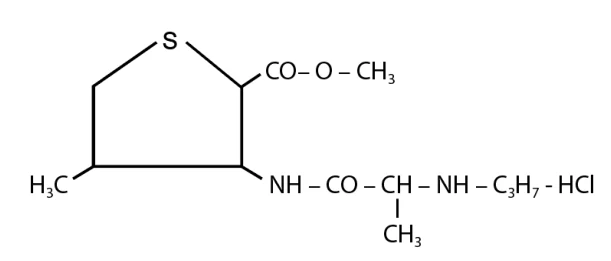
Physicochemical properties: Articaine hydrochloride is a white, fine odourless crystalline powder with a melting point of 177-178°C; soluble in water and ethanol and slightly soluble in chloroform.
Epinephrine Bitartrate
Proper name: Epinephrine bitartrate, (-)-1-(3,4-Dihydroxyphenyl)-2- methylamino-ethanol (+) tartrate (1:1) salt, is a vasoconstrictor with a concentration of 1:200,000 or 1:100,000 (expressed as free base).
Chemical Name: 1) (-)-3, 4-Dihydroxy-"-[(methylamino) methyl] benzyl alcohol (+) tartrate (1:1) salt
- 2) 1, 2-Benzenediol, 4-[1-hydroxy-2(methylamino) ethyl]-, (R)-, [R-(R*, R*)] -2, 3-dihydroxy-butane dionate (1:1) salt
Molecular formula and molecular mass: C9H13NO3C4H6O6 • 333.30
Structural formula:
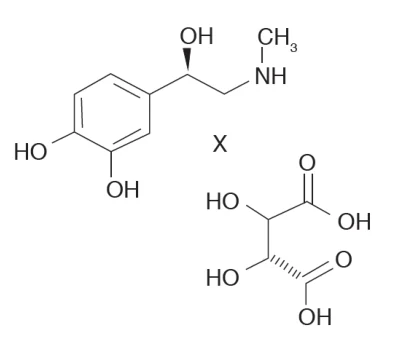
Physicochemical properties: Epinephrine Bitartrate is a white to grayish-white crystalline powder. It is freely soluble in water, slightly soluble in alcohol, practically insoluble in ether. The melting point is 147 - 152 °C.
14 CLINICAL TRIALS
The clinical trial data on which the original indication was authorized is not available.
15 MICROBIOLOGY
No microbiological information is required for this drug product.
16 NON-CLINICAL TOXICOLOGY
General Toxicology
Acute toxicity studies in the mouse, rat, rabbit, and dog along with subchronic studies in the rat and dog were performed with articaine. Studies on the local tolerance were carried out in rabbits and dogs following subcutaneous, intravenous, intramuscular, subdural and epidural administration. Maximized skin sensitivity tests were performed to evaluate the allergenic and sensitising effects following intradermal and subcutaneous application in guinea pigs.
Acute Toxicity
Acute toxicity studies have been conducted in the mouse, rat, rabbit and dog; articaine administered parenterally with also oral administration in the rat.
The symptomatology can be characterized by tremor, vertigo, tonic and clonic convulsions appearing during injection. The duration and intensity of these manifestations are dose-dependent and regress in five to ten minutes at low dosages. At autopsy, a pulmonary edema was noted in the rats. The symptoms in the rat were identical after oral administration but varied with time. A summary of the LD50 levels for the rat, rabbit and dog is found in Table 4.
Table 4
| Species | Route | % sol. | LD50 mg/kg |
| Rat | I.V. I.M. P.O. | 4 3 4 | 23.2 (22.1 –24.3) 278 (260 – 298) 978 (868 – 1102) |
| Rabbit | I.V. I.M. | 15 3 | 19.6 (18.6 – 20.7) 20.6 (18.6 – 22.8) |
| Dog | I.V. I.M. | 15 25 | Max tolerated dose 50 Min lethal dose 56 Max tolerated dose 100 Min lethal dose 160 |
A high dose of sub-cutaneous dose of articaine 4% without epinephrine was studied in Swiss mice. Five male and five female mice were administered 0 mg/kg, 100 mg/kg to 500 mg/kg diluted to 12.5 mL saline solution. The calculated lethal dose at various levels are listed in Table 5.
Table 5
| Articaine 4 per cent | Male Mice | Female Mice |
| LD 0 LD 5 LD 16 LD 50 LD 84 LD 95 LD 100 | 263 >500 >500 | 360 380 400 440 (490-404) 460 475 500 |
The LD50 for the 500 mg/kg dose could not be calculated since the maximum mortality obtained for male animals was 40%.
Subchronic Toxicity
Rat
Intramuscularly, articaine was administered as an aqueous 3 per cent solution to groups of 10 male and 10 female rats at dosages of 0, 25, 50 and 100 mg/kg/day. The drug was administered at a frequency of 5 days out of 7 for 5 weeks.
Intravenously, the drug was given in aqueous 0.3 per cent solution at doses of 0, 3, 6 and 12mg/kg/day at the rate of 5 days out of 7 for 5 weeks. The injection rate was 6 mL/min.
Lethality appeared at 50 mg/kg intramuscularly and reached 80 per cent at a dose of 100 mg/kg.
At a dose of 12 mg/kg/day intravenously the drug provoked some signs of intolerance; at a lower dose, however, no clinical or biological abnormalities were observed.
On histological examination, lesions with haematomas were observed at the site of intramuscular injection; these were sometimes infected. There was no necrosis nor damage to adjacent nerves. A dose of 100 mg/kg produced hypertrophy of the adrenals in males.
Articaine given intramuscularly is well tolerated in the rat up to a dose of 50 mg/kg/day during 5 weeks, and given intravenously, is well tolerated up to a dose of 6 mg/kg/day.
Dog
A 3 per cent solution of articaine was given intramuscularly at 25 and 50 mg/kg/day and intravenously at 5 and 10 mg/kg/day at a rate of 12 mL/min every day for 30 days to groups of three dogs, males or females in each group, with 2 animals in the control group.
Signs of acute toxicity appeared at a dose of 50 mg/kg/day given intramuscularly. These appeared at the injection site and had regressed by 45 minutes.
The symptoms persisted in an irregular manner during the study and the rate of administration of the drug affected their appearance. This was observed when a rapid intravenous injection was followed by convulsions and signs of collapse.
In conclusion, this study revealed that doses of 25 mg/kg/day given intramuscularly or 10 mg/kg/day given intravenously for 30 days were tolerated by dogs.
The experiments on subchronic toxicity demonstrated that 30 or 35 days after intramuscular or intravenous injection, the symptoms were similar to that observed for acute toxicity. Subchronic toxicity was also qualitatively identical in the two species considered.
Local Tolerance
Studies on local tolerance in the rabbit were carried out using 6 per cent solutions of articaine without vasoconstrictor, or with epinephrine (2% mg) or nonepinephrine (4.8% mg). These solutions were administered subcutaneously, intramuscularly or intravenously. The tolerance of the veins was uniformly good. Injection by the intramuscular or subcutaneous route provoked some necrosis around the injection site but these lesions consolidated themselves within two days. The articaine preparations used were regarded as tolerable since injections of NaCl solutions (0.9%) alone provoked some lesions at the injection site.
Tolerance to epidural anesthesia was studied in the beagle to which 5 mL of articaine solution (2%) containing 2 mg % epinephrine was administered into the lumbarsacral space. Histological examination of the injection site showed the solution to be well tolerated.
Tolerance to sub-dural administration was observed in dogs following injections of 200 mg of articaine in 4 mL of CSF and 200 mg of articaine in 5 mL of CSF containing 1:200,000 epinephrine into the foramen magnum sub-occipitally. Two other dogs received injections of lidocaine and two others received physiological saline under the same conditions. In none of the animals did histological examination reveal evidence of spinal or meningeal lesions.
Studies of medullary tolerance and of meningeal tolerance were carried out on ten beagles (5 males and 5 females) which received sub-occipital injections. The doses of articaine given were up to 200 mg per animal and were administered with 1:200,000 epinephrine. These doses were diluted into 4 or 5 mL of CSF which had previously been obtained by aspiration. The animals were placed under artificial respiration.
Some of the animals were sacrificed one or two days after the injection (one control and two who had received drug) and the remaining animals (one control and four who had received drug) were sacrificed eight days after the injection. In all cases, samples of medulla oblongata and cervical spinal tissue were taken at autopsy.
No articaine-induced lesion in the spinal transection or the meninges was observed.
Genotoxicity
Five standard mutagenicity tests, including three in vitro tests (the nonmammalian Ames test, the mammalian Chinese hamster ovary chromosomal aberration test, and a mammalian gene mutation test with articaine HCl) and two in vivo mouse micronucleus tests (one with articaine and epinephrine 1:100,000 and one with articaine HCl alone) showed no mutagenic effects.
Carcinogenicity
Studies to evaluate the carcinogenic potential of articaine HCI in animals have not been conducted.
Reproductive and Developmental Toxicology
No effects on male or female fertility were observed in rats for articaine and epinephrine 1:100,000 administered subcutaneously in doses up to 80 mg/kg/day (approximately 2 times the MRHD based on body surface area).
Teratogenic studies of articaine were carried out on the rat, rabbit and cat following intravenous administration and following subcutaneous administration in the cat:
Rat The dose was administered from day 7 to day 16 of gestation to groups of 20 animals, as 0; 0.8; 4 and 20 mg/kg/day in 5 mL/kg by the intravenous route. The animals were sacrificed after caesarean operation on day 21.
Examination of the maternal and fetal rats was carried out routinely. Although the dose of 20 mg/kg/day was toxic to pregnant rats, the development of the fœtus was normal.
Rabbit
Groups of 10 rabbits were dosed at 0; 0.8; 3.2 and 12.5 mg/kg/day from day 7 to day 19 of gestation. No maternal abnormalities were observed. The foetuses taken at day 29 were all normal.