


Product Monograph - Abraxane for Injectable Suspension
RECENT MAJOR LABEL CHANGES
| 4 Dosage and Administration, 4.5 Missing Dose | 08/2023 |
|---|---|
| 7 Warnings and Precautions, Reproductive Health: Female and Male Potential | 08/2023 |
TABLE OF CONTENTS
Sections or subsections that are not applicable at the time of authorization are not listed.
RECENT MAJOR LABEL CHANGES ........................................................................................... 2
TABLE OF CONTENTS ............................................................................................................. 2
PART I: HEALTH PROFESSIONAL INFORMATION ..................................................................... 4
1 INDICATIONS .............................................................................................................. 4
1.1 Pediatrics ................................................................................................................... 4
1.2 Geriatrics ................................................................................................................... 4
2 CONTRAINDICATIONS ................................................................................................. 4
3 SERIOUS WARNINGS AND PRECAUTIONS BOX ............................................................ 5
4 DOSAGE AND ADMINISTRATION ................................................................................. 5
4.1 Dosing Considerations .............................................................................................. 5
4.2 Recommended Dose and Dosage Adjustment ......................................................... 5
4.3 Reconstitution ........................................................................................................... 9
4.4 Administration ........................................................................................................ 10
4.5 Missed Dose ............................................................................................................ 11
5 OVERDOSAGE ........................................................................................................... 11
6 DOSAGE FORMS, STRENGTHS, COMPOSITION AND PACKAGING ............................... 11
7 WARNINGS AND PRECAUTIONS ................................................................................ 12
7.1 Special Populations ................................................................................................. 15
7.1.1 Pregnant Women .............................................................................................. 15
7.1.2 Breast-feeding ................................................................................................... 15
7.1.3 Pediatrics ........................................................................................................... 15
7.1.4 Geriatrics ........................................................................................................... 15
8 ADVERSE REACTIONS................................................................................................ 16
8.1 Adverse Reaction Overview .................................................................................... 16
8.2 Clinical Trial Adverse Reactions .............................................................................. 16
8.3 Less Common Clinical Trial Adverse Reactions ....................................................... 23
8.5 Post-Market Adverse Reactions .............................................................................. 25
9 DRUG INTERACTIONS ............................................................................................... 26
9.2 Drug Interactions Overview .................................................................................... 26
9.4 Drug-Drug Interactions ........................................................................................... 27
9.5 Drug-Food Interactions ........................................................................................... 27
9.6 Drug-Herb Interactions ........................................................................................... 27
9.7 Drug-Laboratory Test Interactions.......................................................................... 27
10 CLINICAL PHARMACOLOGY ....................................................................................... 27
10.1 Mechanism of Action ........................................................................................ 27
10.2 Pharmacodynamics ........................................................................................... 27
10.3 Pharmacokinetics .............................................................................................. 27
11 STORAGE, STABILITY AND DISPOSAL ......................................................................... 30
12 SPECIAL HANDLING INSTRUCTIONS ........................................................................... 30
PART II: SCIENTIFIC INFORMATION ...................................................................................... 30
13 PHARMACEUTICAL INFORMATION ........................................................................... 30
14 CLINICAL TRIALS ....................................................................................................... 31
14.1 Clinical Trials by Indication........................................................................................ 31
Metastatic Breast Carcinoma ........................................................................................... 31
Metastatic Pancreatic Cancer ........................................................................................... 34
15 MICROBIOLOGY ....................................................................................................... 39
16 NON-CLINICAL TOXICOLOGY ..................................................................................... 39
PATIENT MEDICATION INFORMATION ................................................................................. 41
PART I: HEALTH PROFESSIONAL INFORMATION
1 INDICATIONS
ABRAXANE® for Injectable Suspension (paclitaxel powder for injectable suspension) (nanoparticle, albumin-bound [nab®] paclitaxel) is indicated for:
- the treatment of metastatic breast cancer.
- the first-line treatment of metastatic adenocarcinoma of the pancreas, in combination with gemcitabine.
ABRAXANE should be administered under the supervision of a physician experienced in the use of cancer chemotherapeutic agents. Appropriate management of therapy and complications is only possible when adequate diagnostic and treatment facilities are readily available.
Note: An albumin form of paclitaxel may substantially affect a drug’s functional properties relative to those of drug in solution. Do not substitute with or for other paclitaxel formulations.
1.1 Pediatrics
Pediatrics (≤ 16 years of age): No data are available to Health Canada; therefore, Health Canada has not authorized an indication for pediatric use.
1.2 Geriatrics
Evidence from clinical studies in metastatic breast cancer suggests that use of ABRAXANE in patients over the age of 65 is associated with a higher incidence of epistaxis, diarrhea, dehydration, fatigue and peripheral edema. Evidence from the pivotal clinical study in metastatic pancreatic cancer suggest that patients 75 years or older who received ABRAXANE in combination with gemcitabine had a higher risk of serious adverse reactions and adverse reactions that led to treatment discontinuation. No survival benefit for the combination treatment of ABRAXANE and gemcitabine has been demonstrated for patients 75 years and older, however, clinical studies did not include sufficient number of patients with metastatic pancreatic cancer in this age group to determine whether they respond differently from younger patients (see 7.1.4 Geriatrics).
2 CONTRAINDICATIONS
- ABRAXANE® is contraindicated in patients who are hypersensitive to this drug or to any ingredient in the formulation, including any non-medicinal ingredient, or component of the container. For a complete listing of ingredients, see 6 DOSAGE FORMS, STRENGTHS, COMPOSITION AND PACKAGING.
- ABRAXANE for Injectable Suspension (paclitaxel powder for injectable suspension) (nanoparticle, albumin-bound [nab®] paclitaxel) is contraindicated in patients who have baseline neutrophil counts of < 1,500 cells/mm3 on day 1 of each treatment cycle.
3 SERIOUS WARNINGS AND PRECAUTIONS BOX
Serious Warnings and Precautions
|
|---|
4 DOSAGE AND ADMINISTRATION
4.1 Dosing Considerations
No premedication to prevent hypersensitivity reactions is required prior to administration of ABRAXANE® for Injectable Suspension (paclitaxel powder for injectable suspension) (nanoparticle, albumin-bound [nab®] paclitaxel).
The primary elimination pathway for ABRAXANE is hepatic metabolism followed by biliary excretion. The exposure to paclitaxel may be higher in patients with hepatic impairment than in patients with normal hepatic function. The starting dose of ABRAXANE should be reduced in patients with moderate to severe hepatic impairment (see 4.2 Recommended Dose and Dosage Adjustment). As renal excretion is a minor elimination pathway for ABRAXANE, increased exposure to paclitaxel is not expected in patients with mild to moderate renal impairment. Adjustment of the starting ABRAXANE dose is not required for patients with mild to moderate renal impairment (see 4.2 Recommended Dose and Dosage Adjustment).
Do not substitute for or with other paclitaxel formulations.
4.2 Recommended Dose and Dosage Adjustment
Metastatic Breast Cancer
The recommended regimen for ABRAXANE is 260 mg/m2 administered intravenously over 30 minutes every 3 weeks. Dose levels of mg/m2 refer to mg of paclitaxel in ABRAXANE.
Dose Adjustment for Treatment of Breast Cancer: Patients who experience severe neutropenia (neutrophil < 500 cells/mm3 for a week or longer) or severe sensory neuropathy during ABRAXANE therapy should have dosage reduced to 220 mg/m2 for subsequent courses of ABRAXANE. For recurrence of severe neutropenia or severe sensory neuropathy, an additional dose reduction should be made to 180 mg/m2. For grade 3 sensory neuropathy, hold treatment until resolution to grade 1 or 2, followed by a dose reduction for all subsequent courses of ABRAXANE.
Metastatic Pancreatic Cancer
The recommended dose of ABRAXANE is 125 mg/m2 administered as an intravenous infusion over 30-40 minutes on Days 1, 8 and 15 of each 28-day cycle. The recommended dose of gemcitabine is 1000 mg/m2 as an intravenous infusion over 30-40 minutes beginning immediately after the completion of ABRAXANE administration on Days 1, 8 and 15 of each 28-day cycle.
Dose Adjustment for Treatment of Metastatic Pancreatic Cancer:
The recommended dose reductions for ABRAXANE and gemcitabine from the clinical trial are outlined in Tables 1 to 3 below. When a dose reduction was required, no dose re-escalation was permitted during the trial (with the exception of Day 15, see Table 2 below).
Due to dose-dependent and dose-limiting myelosuppression (primarily neutropenia) with ABRAXANE in combination with gemcitabine, more conservative dose modifications may be necessary based on clinical judgment and experience with chemotherapeutic drugs. Note that the gemcitabine dose modifications used in the clinical trial differ from the recommendations in the GEMZAR product monograph.
Table 1: Dose Level Reductions for Patients with Metastatic Pancreatic Cancer
| Dose Level | ABRAXANE® Dose (mg/m2) | Gemcitabine Dose (mg/m2) |
|---|---|---|
| Full dose | 125 | 1000a |
| 1st dose level reduction | 100 | 800a |
| 2nd dose level reduction | 75 | 600a |
| If additional dose reduction required | Discontinue treatment | Discontinue treatmenta |
- a. dose modifications differ from the recommendations in the GEMZAR product monograph
Table 2: Dose Recommendation and Modifications for Neutropenia and/or Thrombocytopenia at the Start of a Cycle or Within a Cycle for Patients with Metastatic Pancreatic Cancer
| Cycle Day | ANC count (cells/mm3) | Platelet count (cells/mm3) | ABRAXANE Dose | Gemcitabine Dose | ||||||||
|---|---|---|---|---|---|---|---|---|---|---|---|---|
| Day 1 | ≥ 1500 | AND | ≥ 100,000 | Treat on time at current dose levels | ||||||||
| < 1500 | OR | < 100,000 | Delay doses until recovery | |||||||||
| Day 8 | ≥ 1000 | AND | ≥ 75,000 | Treat on time at current dose levels | ||||||||
| ≥ 500 but < 1000 | OR | ≥ 50,000 but < 75,000 | Reduce doses 1 dose level | |||||||||
| < 500 | OR | < 50,000 | Withhold doses | |||||||||
| Day 15: IF Day 8 doses were given without modification: | ||||||||||||
| Day 15 | ≥ 1000 | AND | ≥ 75,000 | Treat on time at current dose levels | ||||||||
| ≥ 500 but < 1000 | OR | ≥ 50,000 but < 75,000 | Treat at current dose level and follow with WBC Growth Factorsa, b | |||||||||
| < 500 | OR | < 50,000 | Withhold doses | |||||||||
| Day 15: IF Day 8 doses were reduced: | ||||||||||||
| Day 15 | ≥ 1000 | AND | ≥ 75,000 | Return to the Day 1 dose level and follow with WBC Growth Factorsa, b | ||||||||
| ≥ 500 but < 1000 | OR | ≥ 50,000 but < 75,000 | Treat with Day 8 dose level and follow with WBC Growth Factorsa, b | |||||||||
| < 500 | OR | < 50,000 | Withhold doses | |||||||||
| Day 15: IF Day 8 doses were withheld: | ||||||||||||
| Day 15 | ≥ 1000 | AND | ≥ 75,000 | Return to Day 1 dose level and follow with WBC Growth Factorsa, b | ||||||||
| ≥ 500 but < 1000 | OR | ≥ 50,000 but < 75,000 | Reduce 1 dose level and follow with WBC Growth Factorsa, b | |||||||||
| < 500 | OR | < 50,000 | Withhold doses | |||||||||
Abbreviations: ANC = Absolute Neutrophil Count; WBC GF = white blood cell growth factor.
- a. In the clinical trials, G-CSF was optional if descent only affected platelets.
- b. If WBC Growth Factors are not available, a reduction in dose levels is recommended. Although this option was not included in the clinical trial protocol this approach is consistent with clinical practice.
Table 3: Dose Modifications for Other Adverse Drug Reactions in Patients with Metastatic Pancreatic Cancer
| Adverse Drug Reaction | ABRAXANE Dose | Gemcitabine Dose | ||||
|---|---|---|---|---|---|---|
Febrile Neutropenia: Grade 3 or 4 | Withhold doses until fever resolves and ANC ≥ 1500; resume at reduced dose levels. | |||||
Peripheral Neuropathy: Grade 3 or 4 | Withhold dose until improves to ≤ Grade 1; resume at reduced dose level | Treat with same dose | ||||
Cutaneous Toxicity: Grade 2 or 3 | Reduce doses 1 level; discontinue treatment if ADR persists | |||||
Gastrointestinal Toxicity: Grade 3 mucositis or diarrhea | Withhold doses until improves to ≤ Grade 1; resume at reduced dose levels | |||||
Abbreviations: ADR = Adverse Drug Reaction
Hepatic Impairment
For patients with mild hepatic impairment (total bilirubin > 1 to ≤ 1.5 x ULN and aspartate aminotransferase [AST] ≤ 10 x ULN), no dose adjustments are required regardless of indication. Treat with same doses as patients with normal hepatic function.
For patients with moderate to severe hepatic impairment (total bilirubin > 1.5 to ≤ 5 x ULN and aspartate aminotransferase [AST] ≤ 10 x ULN), a 20% reduction in dose is recommended for metastatic breast cancer patients. The reduced dose may be escalated to the dose for patients with normal hepatic function if the patient is tolerating the treatment for at least two cycles. There are insufficient data to permit dosage recommendations for patients with metastatic pancreatic cancer that have moderate to severe hepatic impairment.
For patients with total bilirubin > 5 x ULN or AST > 10 x ULN, there are insufficient data to permit dosage recommendations regardless of indication.
Renal Impairment
Adjustment of the starting ABRAXANE dose is not required for patients with mild to moderate renal impairment (estimated creatinine clearance ≥ 30 to < 90 mL/min). There are insufficient data to permit dosage recommendations in patients with severe renal impairment or end stage renal disease (estimated creatinine clearance < 30 mL/min).
Pediatrics (≤ 16 years of age)
Health Canada has not authorized an indication for pediatric use (see 1.1 Pediatrics).
4.3 Reconstitution
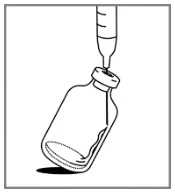
ABRAXANE is supplied as a sterile lyophilized powder for reconstitution before use. Avoid errors, read entire preparation instructions prior to reconstitution.
| Vial Size | Volume of Diluent to be Added to Vial | Approximate Available Volume | Nominal Concentration per mL |
| 50 mL | 20 mL 0.9% Sodium Chloride Injection, USP | 20 mL | 5 mg/mL |
|
|---|
The reconstituted suspension should be milky and homogenous without visible particulates. If particulates or settling are visible, the vial should be gently inverted again to ensure complete resuspension prior to use. Discard the reconstituted suspension if precipitates are observed. Discard any unused portion.
Neither freezing nor refrigeration adversely affects the stability of the product.
Stability of Reconstituted Suspension in the Vial
ABRAXANE reconstituted in the vial should be used immediately but may be refrigerated between 2 and 8°C for a maximum of 8 hours if necessary. If not used immediately, each vial of reconstituted suspension should be replaced in the original carton to protect it from bright light (see 11 STORAGE, STABILITY AND DISPOSAL). Discard any unused portion. Some settling of the reconstituted suspension may occur. If particulates or settling are visible, the vial should be gently inverted again to ensure complete resuspension prior to use. Discard the reconstituted suspension if precipitates are observed.
Inject the appropriate amount of reconstituted ABRAXANE into an empty, sterile, i.v. bag (plasticized polyvinyl chloride (PVC) containers, PVC or non-PVC type i.v. bag). No further dilution is required. The use of specialized DEHP-free solution containers or administration sets may also be used but are not required to prepare or administer ABRAXANE infusions.
The use of medical devices containing silicone oil as a lubricant (ie, syringes and IV bags) to reconstitute and administer ABRAXANE may result in the formation of proteinaceous strands.
Visually inspect the reconstituted ABRAXANE suspension in the IV bag prior to administration. If strands are observed, administer reconstituted ABRAXANE suspension through a 15 μm filter. If strands are present and a 15 μm filter is not available, discard the product. Do not use a filter with a pore size less than 15 μm.
Stability of Reconstituted Suspension in the Infusion Bag
The suspension for infusion prepared as recommended in an infusion bag should be used immediately, but may be stored at ambient temperature (approximately 20 to 25°C) and ambient lighting conditions for up to 8 hours (see 11 STORAGE, STABILITY AND DISPOSAL).
Parenteral drug products should be inspected visually for particulate matter and discolouration prior to administration whenever solution and container permit.
ABRAXANE is a cytotoxic anticancer drug and, as with other potentially toxic paclitaxel compounds, caution should be exercised in handling ABRAXANE. The use of gloves is recommended. If ABRAXANE (lyophilized cake or reconstituted suspension) contacts the skin, wash the skin immediately and thoroughly with soap and water. Following topical exposure to paclitaxel, events may include tingling, burning and redness. If ABRAXANE contacts mucous membranes, the membranes should be flushed thoroughly with water.
4.4 Administration
Given the possibility of extravasation, it is advisable to closely monitor the infusion site for possible infiltration during drug administration. Limiting the infusion of ABRAXANE to 30 minutes, as directed, reduces the likelihood of infusion-related reactions (see Injection Site Reactions).
Each mL of the reconstituted formulation will contain 5 mg/mL paclitaxel. Calculate the exact total dosing volume of 5 mg/mL suspension required for the patient:
Dosing volume (mL) = Total dose (mg)/5 (mg/mL).
Slowly withdraw the dosing volume of the reconstituted ABRAXANE suspension from the vial(s) into a syringe. Inject the appropriate amount of reconstituted ABRAXANE into an empty, sterile, intravenous infusion bag (plasticized polyvinyl chloride (PVC) containers, PVC or non-PVC type i.v. bag). No further dilution is required. The use of specialized DEHP-free solution containers or administration sets is not necessary to prepare or administer ABRAXANE infusions.
The use of medical devices containing silicone oil as a lubricant (ie, syringes and IV bags) to reconstitute and administer ABRAXANE may result in the formation of proteinaceous strands.
Visually inspect the reconstituted ABRAXANE suspension in the IV bag prior to administration. If strands are observed, administer reconstituted ABRAXANE suspension through a 15 μm filter. If strands are present and a 15 μm filter is not available, discard the product. Do not use a filter with a pore size less than 15 μm.
Do not mix any other drugs with the ABRAXANE infusion.
4.5 Missed Dose
If a planned dose of ABRAXANE is missed, it should be administered as soon as possible. The schedule of administration should be adjusted to maintain the prescribed dosing interval.
5 OVERDOSAGE
There is no known antidote for ABRAXANE® for Injectable Suspension (paclitaxel powder for injectable suspension) (nanoparticle, albumin-bound [nab®] paclitaxel) overdosage. The primary anticipated complications of overdosage would consist of bone marrow suppression, sensory neurotoxicity, and mucositis.
| For management of a suspected drug overdose, contact your regional poison control centre. |
|---|
6 DOSAGE FORMS, STRENGTHS, COMPOSITION AND PACKAGING
Table 4: Dosage Forms, Strengths, Composition and Packaging
ABRAXANE® for Injectable Suspension (paclitaxel powder for injectable suspension) (nanoparticle, albumin-bound [nab®] paclitaxel) is supplied as a white to yellow, sterile, lyophilized cake for reconstitution with 20 mL of 0.9% Sodium Chloride Injection, USP prior to intravenous infusion. Paclitaxel exists in the particle in a non-crystalline, amorphous state. Each single-use vial contains 100 mg of paclitaxel and approximately 900 mg of human albumin. Each milliliter (mL) of reconstituted suspension contains 5 mg paclitaxel. ABRAXANE is free of solvents.
ABRAXANE is available in a single-use glass vial with a stopper, individually packaged in a carton. The stopper is not made with natural rubber latex.
| Route of Administration | Dosage Form / Strength/Composition | Non-medicinal Ingredients |
| Intravenous infusion | Lyophilized powder, 100 mg paclitaxel per single-use vial. | Human albumin |
7 WARNINGS AND PRECAUTIONS
Please see 3 SERIOUS WARNINGS AND PRECAUTIONS BOX
General
Albumin (Human): ABRAXANE® for Injectable Suspension (paclitaxel powder for injectable suspension) (nanoparticle, albumin-bound [nab®] paclitaxel) contains albumin (human), a derivative of human blood and is a nanoparticle albumin-bound (nab) form of paclitaxel. Based on effective donor screening and product manufacturing processes, it carries an extremely remote risk for transmission of viral diseases. A theoretical risk for transmission of Creutzfeldt-Jakob Disease (CJD) also is considered extremely remote. No cases of transmission of viral diseases or CJD have ever been identified for albumin.
Carcinogenesis and Mutagenesis
The carcinogenic potential of ABRAXANE has not been studied.
Paclitaxel has been shown to be clastogenic in vitro (chromosome aberrations in human lymphocytes) and in vivo (micronucleus test in mice). Paclitaxel injection was not mutagenic in the Ames test or the CHO/HGPRT gene mutation assay (see 16 NON-CLINICAL TOXICOLOGY).
Cardiovascular
AV block has been reported during treatment with paclitaxel as well as with the albumin-bound [nab] paclitaxel ABRAXANE. Clinical trial information estimates the incidence of atrioventricular block (AV block) in patients treated with ABRAXANE is 1/1310 (0.08%). In the post-market setting, one patient having no confounding risk factors required pacemaker placement (see 8.5 Post-Market Adverse Reactions). ECG abnormalities were noted in 60% of patients treated with ABRAXANE in the metastatic breast cancer randomized trial. Among patients with a normal ECG prior to study entry, 35% of patients treated with ABRAXANE developed an abnormal tracing while on study (see 8.2 Clinical Trial Adverse Reactions). ECG monitoring, particularly patients who are predisposed to cardiac risks from underlying malignancy, co-morbidities or concomitant use of chemotherapeutic drugs that may be cardiotoxic, should be considered during treatment with ABRAXANE. Patients exhibiting signs and symptoms of AV block should be further monitored and appropriate medical therapy administered.
Driving and Operating Machinery
Adverse events such as fatigue, weakness and malaise may affect the ability to drive and use machines.
Hematologic
Bone marrow suppression (primarily neutropenia) is dose-dependent and a dose-limiting toxicity of ABRAXANE. In clinical studies, Grade 3/4 neutropenia occurred in 34% of patients with metastatic breast cancer and in 38% of patients with pancreatic cancer. ABRAXANE therapy should not be administered to patients with baseline neutrophil counts of less than 1,500 cells/mm3 and baseline platelet counts of less than 100,000 cells/mm3 on day 1 of each treatment cycle. In order to monitor the occurrence of myelotoxicity, it is recommended that frequent peripheral blood cell counts be performed on all patients receiving ABRAXANE. Patients should not be retreated with subsequent cycles of ABRAXANE until neutrophils recover to a level > 1,500 cells/mm3 and platelets recover to a level > 100,000 cells/mm3 (see 8 ADVERSE REACTIONS and 4 DOSAGE AND ADMINISTRATION).
Hepatic/Biliary/Pancreatic
In the randomized controlled trials, patients were excluded for elevated baseline serum bilirubin.
Exposure and toxicity of paclitaxel can increase with hepatic impairment. Patients with hepatic impairment may be at increased risk of toxicity, particularly from myelosuppression; such patients should be closely monitored for development of profound myelosuppression. ABRAXANE is not recommended in patients that have total bilirubin > 5 x ULN or AST > 10 x ULN. In addition, ABRAXANE is not recommended in patients with metastatic pancreatic cancer that have moderate to severe hepatic impairment (total bilirubin > 1.5 x ULN and AST < 10 x ULN). The starting dose should be reduced for patients with moderate or severe hepatic impairment (see 4 DOSAGE AND ADMINISTRATION).
Immune
Very rare occurrences of severe hypersensitivity reactions, including anaphylactic reactions with fatal outcome have been reported. Patients who experience a severe hypersensitivity reaction to ABRAXANE should not be re-challenged with the drug. The use of ABRAXANE in patients exhibiting hypersensitivity to paclitaxel or human albumin has not been studied.
Infection
Sepsis was reported in 5% of patients with or without neutropenia who received ABRAXANE in combination with gemcitabine. Complications due to the underlying pancreatic cancer, especially biliary obstruction or presence of biliary stent, were identified as significant contributing factors. If a patient becomes febrile (regardless of neutrophil count), initiate treatment with broad spectrum antibiotics. For febrile neutropenia, withhold ABRAXANE and gemcitabine until fever resolves and ANC ≥ 1500, then resume treatment at reduced dose levels (see 4 DOSAGE AND ADMINISTRATION).
Injection Site Reactions
Injection site reactions can occur with ABRAXANE. Given the possibility of extravasation, it is advisable to closely monitor the infusion site for possible infiltration during drug administration.
Monitoring and Laboratory Tests
In order to monitor the occurrence of bone marrow suppression, primarily neutropenia, which may be severe and result in infection, it is recommended that frequent peripheral blood cell counts be performed on all patients receiving ABRAXANE. Patients should not be retreated with subsequent cycles of ABRAXANE until neutrophils recover to a level > 1,500 cells/mm3 and platelets recover to a level > 100,000 cells/mm3 (see 4 DOSAGE AND ADMINISTRATION).
Neurologic
Sensory neuropathy occurs frequently with ABRAXANE. The occurrence of grade 1 or 2 sensory neuropathy does not generally require dose modification. When ABRAXANE is used as monotherapy, if grade 3 sensory neuropathy develops, treatment should be withheld until resolution to grade 1 or 2 followed by a dose reduction for all subsequent courses of ABRAXANE (see 4 DOSAGE AND ADMINISTRATION). For combination use of ABRAXANE and gemcitabine, if grade 3 or higher peripheral neuropathy develops, withhold ABRAXANE treatment until resolution to ≤ Grade 1 and resume at a reduced dose for all subsequent courses of ABRAXANE. The median time to first occurrence of Grade 3 peripheral neuropathy was 140 days, and the median time to improvement from Grade 3 peripheral neuropathy to Grade 0 or 1 was 29 days. Of the patients with treatment interrupted due to peripheral neuropathy, 44% (31/70 patients) were able to resume ABRAXANE at a reduced dose. No patients treated with ABRAXANE/gemcitabine had Grade 4 peripheral neuropathy (see 4 DOSAGE AND ADMINISTRATION).
Ophthalmologic
There have been reports of reduced visual acuity due to cystoid macular edema (CME) during treatment with ABRAXANE as well as with other taxanes. Most reports of CME have resolved after cessation of the taxane treatment (see 8.5 Post-Market Adverse Reactions). Patients with visual impairment during ABRAXANE treatment should seek a prompt and complete ophthalmologic examination. ABRAXANE should be discontinued if a CME diagnosis is confirmed.
Renal
The use of ABRAXANE has not been adequately studied in patients with severe renal impairment or end stage renal disease (estimated creatinine clearance <30 mL/min). In the randomized controlled trials, patients were excluded for elevated baseline serum creatinine.
Reproductive Health: Female and Male Potential
Men should be advised to use effective contraception and to avoid fathering a child while receiving treatment with ABRAXANE and up to six months after treatment. Advise females of reproductive potential to use effective contraception during treatment with ABRAXANE and for at least six months after the last dose.
Fertility
Animal studies with ABRAXANE showed irreversible, toxic effects on the male reproductive organs including testicular atrophy/degeneration and decreased germinal epithelial cells at clinically relevant exposure levels. ABRAXANE induced infertility in male rats. Administration of paclitaxel prior to and during mating produced impairment of fertility in male and female rats. Based on these findings in animals, ABRAXANE may impair fertility in females and males of reproductive potential.
As ABRAXANE may decrease male fertility, preservation of sperm may be considered for the purpose of later fatherhood (see 16 NON-CLINICAL TOXICOLOGY).
Teratogenic Risk
Based on its mechanism of action and findings in animals, ABRAXANE can cause fetal harm when administered to a pregnant woman and male with reproductive potential (see 16 NON-CLINICAL TOXICOLOGY).
Respiratory
Pneumonitis, including some cases that were fatal, has been reported in 4% of patients treated with ABRAXANE in combination with gemcitabine. Of the 17 pneumonitis ADRs in the ABRAXANE/gemcitabine arm, 2 had a fatal outcome. Due to cases of pneumonitis seen in the clinical trial, patients with a history of interstitial lung disease, multiple allergies or progressive dyspnea and unproductive cough were excluded from further enrollment, and it is recommended that such patients not be treated with ABRAXANE. Monitor patients closely for signs and symptoms of pneumonitis and interrupt treatment during evaluation of suspected pneumonitis. If a diagnosis of pneumonitis is made, permanently discontinue treatment of ABRAXANE and gemcitabine (see 8 ADVERSE REACTIONS section and GEMZAR product monograph).
7.1 Special Populations
7.1.1 Pregnant Women
ABRAXANE can cause fetal harm when administered to a pregnant woman (see 16 NON-CLINICAL TOXICOLOGY).
There are no adequate and well-controlled studies in pregnant women using ABRAXANE. Females of reproductive potential should have a pregnancy test prior to starting treatment with ABRAXANE.
If this drug is used during pregnancy, or if the patient becomes pregnant while receiving this drug, the patient should be apprised of the potential hazard to the fetus. Women of childbearing potential should be advised to avoid becoming pregnant while receiving treatment with ABRAXANE.
There was no exposure in pregnancy in the clinical trials.
7.1.2 Breast-feeding
It is not known whether paclitaxel is excreted in human milk. In rats, following intravenous administration of carbon-14 labeled paclitaxel on days 9 to 10 postpartum, concentrations of radioactivity in milk were higher than in plasma and declined in parallel with the plasma concentrations. Because many drugs are excreted in human milk and because of the potential for serious adverse reactions in nursing infants, nursing must be discontinued when receiving ABRAXANE therapy.
7.1.3 Pediatrics
Pediatrics (≤ 16 years of age): The safety and effectiveness of ABRAXANE in pediatric patients have not been evaluated.
7.1.4 Geriatrics
A pooled analysis conducted in 981 patients receiving ABRAXANE monotherapy for metastatic breast cancer, of which 15% were ≥ 65 years old and 2% were ≥ 75 years old, indicated a higher incidence of epistaxis, diarrhea, dehydration, fatigue and peripheral edema in patients ≥ 65 years. Of the 421 patients with metastatic pancreatic adenocarcinoma in the randomized study who received ABRAXANE and gemcitabine, 41% were 65 years or older and 10% were 75 years or older. Diarrhea, decreased appetite, dehydration and epistaxis were more frequent in patients 65 years or older compared with patients younger than 65 years old. In patients 75 years and older who received ABRAXANE and gemcitabine, there was a higher incidence of serious adverse reactions and adverse reactions that led to treatment discontinuation including hematologic toxicities, peripheral neuropathy, decreased appetite and dehydration, and no demonstrated survival benefit. Carefully assess patients 75 years and older for their ability to tolerate ABRAXANE in combination with gemcitabine. Give special consideration to performance status, co-morbidities and increased risk of infections.
Pharmacokinetic/pharmacodynamics modeling using data from 125 patients with advanced solid tumors indicates that patients ≥65 years of age may be more susceptible to development of neutropenia within the first treatment cycle.
8 ADVERSE REACTIONS
8.1 Adverse Reaction Overview
In the phase III study of metastatic breast cancer, the adverse events which were very common were those expected for paclitaxel and included alopecia (90%), neutropenia (80%), leukopenia (72%), sensory neuropathy (71%), asthenia (47%), arthralgia/myalgia (44%), AST (SGPT) elevations (39%), alkaline phosphatase elevations (36%), abnormal ECG [all patients (60%) and patients with normal baseline (35%)], anemia in patients with normal baseline (20%), nausea (30%), vomiting (18%), infections (24%), diarrhea (27%), dyspnea (12%), and fluid retention/edema (10%). Approximately 27% of patients receiving ABRAXANE® for Injectable Suspension (paclitaxel powder for injectable suspension) (nanoparticle, albumin-bound [nab®] paclitaxel) on a 3 weekly regimen experienced serious adverse events (SAEs). The events occurring in greater than 10 patients were grade 4 neutropenia (9%), infection (3%), and increased GGT (3%).
In the phase III study of metastatic pancreatic cancer, the most common treatment emergent adverse events (≥ 20%) in patients receiving ABRAXANE in combination with gemcitabine were: fatigue (59%), nausea (54%), peripheral neuropathy SMQ (54%), alopecia (50%), peripheral edema (46%), diarrhea (44%), anemia (42%), neutropenia (42%), pyrexia (41%), vomiting (36%), decreased appetite (36%), constipation (30%), thrombocytopenia (30%), rash (28%), abdominal pain (23%), and dehydration (21%). Approximately 50% of patients receiving ABRAXANE and gemcitabine experienced serious adverse events, including pyrexia, vomiting, dehydration and pneumonia. Adverse reactions resulting in death within 30 days of the last dose of study drug were reported for 4% of patients in the ABRAXANE and gemcitabine group and for 4% of patients in the gemcitabine group.
8.2 Clinical Trial Adverse Reactions
Clinical trials are conducted under very specific conditions. Therefore, the adverse reaction rates observed in the clinical trials may not reflect the rates observed in practice and should not be compared to the rates in the clinical trials of another drug. Adverse drug reaction information from clinical trials is useful for identifying and approximating rates of adverse drug reactions in real-world use.
Metastatic Breast Cancer
The following table shows the frequency of common important adverse events for the patients who received single-agent ABRAXANE® for Injectable Suspension (paclitaxel powder for injectable suspension) (nanoparticle, albumin-bound [nab®] paclitaxel) or Paclitaxel Injection for the treatment of metastatic breast cancer in the randomized comparative phase III trial.
| Table 5: Frequencya of Common Important Treatment Emergent Adverse Events in the Randomized Study (by MedDRA System Organ Class and Preferred Term) | ||||||||
| System Organ Class / Preferred Term | ABRAXANE® for Injectable Suspensionb 260 mg/m2/30 minutes n = 229 (%) | Paclitaxel Injectionb 175 mg/m2/3 hours n = 225 (%) | ||||||
| Blood and lymphatic system disorders | ||||||||
Neutropenia < 2.0 x 10⁹/L < 0.5 x 10⁹/L | 80 9 | 82 22 | ||||||
Leukopenia < 4.0 x 10⁹/L < 1.0 x 10⁹/L | 72 0 | 79 1 | ||||||
Thrombocytopenia 100 x 109/L < 50 x 109/L | 2 < 1 | 3 < 1 | ||||||
Anaemia (normal at baseline) <110g/L < 80g/L | 33 1 | 25 < 1 | ||||||
| Febrile neutropenia | 2 | 1 | ||||||
| Cardiac disorders | ||||||||
| Vital sign changese | ||||||||
| Bradycardia | < 1 | < 1 | ||||||
| Hypotension | 5 | 5 | ||||||
| Acute cardiac eventd | 3 | 4 | ||||||
| Gastrointestinal disorders | ||||||||
| Nausea | 30 | 22 | ||||||
| Vomiting | 18 | 10 | ||||||
| Diarrhea | 27 | 15 | ||||||
| Gastrointestinal mucosal disorder | 7 | 6 | ||||||
| General disorders and administration site conditions | ||||||||
| Generalised oedema | 10 | 8 | ||||||
| Severe Generalised oedemad | 0 | < 1 | ||||||
| Injection site reaction | < 1 | 1 |
| Asthenia | 47 | 39 |
| Severe Astheniad | 8 | 3 |
| Immune system disordersc | ||
| Hypersensitivity | 4 | 12 |
| Severe Hypersensitivityd | 0 | 2 |
| Infections and infestations | ||
| Infection | 24 | 20 |
| Investigations | ||
| Electrocardiogram abnormal | 60 | 52 |
| Electrocardiogram abnormal with normal baselinef | 35 | 30 |
| Blood bilirubin increased | 7 | 7 |
| Blood alkaline phosphatase increased | 36 | 31 |
| Aspartate aminotransferase increased | 39 | 32 |
| Musculoskeletal and connective tissue disorders | ||
| Myalgia/Arthralgia | 44 | 49 |
| Severe Myalgia/Arthralgiad | 8 | 4 |
| Nervous system disorders | ||
| Neurological symptom | 71 | 56 |
| Severe Neurological symptomd | 10 | 2 |
| Respiratory, thoracic and mediastinal disorders | ||
| Cough | 7 | 6 |
| Dyspnea | 12 | 9 |
| Skin and subcutaneous tissue disorders | ||
| Alopecia | 90 | 94 |
| Nail Disorder | 1 | 0 |
| Vascular disorders | ||
| Haemorrhage | 2 | 2 |
a. Based on worst grade.
b. Paclitaxel injection patients received premedication.
c. Includes treatment-related events related to hypersensitivity (e.g., flushing, dyspnea, chest pain, hypotension) that began on a day of dosing.
d. Severe events are defined as at least grade 3 toxicity.
e. During study drug dosing. Bradycardia defined as pulse < 50 bpm and hypotension defined as diastolic blood pressure < 40 mmHg or decrease in systolic blood pressure of ≥ 30 mmHg.
f. Out of the 60 patients, 35 patients had a normal baseline ECG.
Adverse Event Experiences by Body System: Unless otherwise noted, the following discussion refers to the primary safety database of 229 patients with metastatic breast cancer treated with single-agent ABRAXANE in the randomized controlled trial. The frequency and severity of important clinically relevant adverse events for the study are presented above in tabular form. In some instances, rare severe events observed with paclitaxel injection may be expected to occur with ABRAXANE. Refer to the following section, 8.3 Less Common Clinical Trial Adverse Drug Reactions for the adverse events that occurred at a rate of less than 1%.
Hematologic: Neutropenia, the most important hematologic toxicity, was dose-dependent and generally rapidly reversible. Among patients with metastatic breast cancer in the randomized trial, neutrophil counts declined below 500 cells/mm3 (grade 4) in 9% of the patients treated with ABRAXANE at a dose of 260 mg/m2 compared to 22% in patients receiving Cremophor®- based paclitaxel injection at a dose of 175 mg/m2.
In the randomized metastatic breast cancer study, infectious episodes were reported in 24% of the patients treated with a dose of 260 mg/m2 given as a 30-minute infusion. Oral candidiasis, respiratory tract infections and pneumonia were the most frequently reported infectious complications. Febrile neutropenia was reported in 2% of patients in the ABRAXANE arm and 1% of patients in the paclitaxel injection arm. Fever occurring at any time during the treatment course was reported in 14% of patients in the ABRAXANE arm.
Thrombocytopenia was almost never severe (< 50 x 109/L). Two percent of patients treated with ABRAXANE in the randomized trial experienced a decrease in their platelet count below 100 x 109/L at least once while on treatment. In the randomized metastatic breast cancer study, bleeding episodes were reported in 2% of the patients in each treatment arm.
Anemia (Hb <110g/L) in patients with normal baseline was observed in 20% of patients treated with ABRAXANE in the randomized trial and was severe (Hb < 80g/L) in 1% of the patients with normal baseline hemoglobin. Red cell transfusions were required in 2% of patients in the phase III study, and in 1% of those with normal baseline hemoglobin levels.
Hypersensitivity Reactions (HSRs): Hypersensitivity reactions to ABRAXANE were observed in 4% of all patients. No Grade 3 or 4 treatment-related hypersensitivity reactions occurred in the ABRAXANE treatment group. In the phase III study, the hypersensitivity reactions (i.e., those related to hypersensitivity and occurring on the day of dosing) consisted of dyspnea (1%) and flushing, hypotension, chest pain, and arrhythmia (all < 1%).
Cardiovascular: Hypotension, during the 30-minute infusion, occurred in 5% of patients treated with ABRAXANE in the randomized metastatic breast cancer trial. This vital sign change most often caused no symptoms and required neither specific therapy nor treatment discontinuation.
Severe cardiovascular events possibly related to single-agent ABRAXANE occurred in approximately 3% of patients in the randomized trial. These events included chest pain, cardiac arrest, supraventricular tachycardia, edema, thrombosis, pulmonary thromboembolism, pulmonary emboli, and hypertension.
Electrocardiogram (ECG) abnormalities were common among patients at baseline. ECG abnormalities on study did not usually result in symptoms, were not dose-limiting, and required no intervention. ECG abnormalities were noted in 60% of patients treated with ABRAXANE in the metastatic breast cancer randomized trial. Among patients with a normal ECG prior to study entry, 35% of patients treated with ABRAXANE developed an abnormal tracing while on study. The most frequently reported ECG modifications were non-specific repolarization abnormalities, sinus bradycardia, and sinus tachycardia.
Respiratory: Dyspnea (12%) and cough (7%) were reported after treatment with ABRAXANE in the randomized trial.
Neurologic: The frequency and severity of neurologic manifestations were influenced by prior and/or concomitant therapy with neurotoxic agents.
In general, the frequency and severity of neurologic manifestations were dose-dependent in patients receiving single-agent ABRAXANE. In the randomized trial, sensory neuropathy was observed in 71% of patients (10% severe) in the ABRAXANE arm and in 56% of patients (2% severe) in the paclitaxel injection arm. The frequency of sensory neuropathy increased with cumulative dose. Sensory neuropathy was the cause of discontinuation in 7/229 (3%) patients receiving ABRAXANE in the randomized trial. Severe sensory symptoms have typically improved in a median of 22 days after interrupting ABRAXANE therapy. No incidences of grade 4 sensory neuropathies were reported in the clinical trials. Reports of autonomic neuropathy resulting in paralytic ileus have been received as part of the continuing surveillance of paclitaxel injection safety.
Ocular/visual disturbances: Thirteen percent (13%) of all patients (n = 366) treated with ABRAXANE in single-arm and randomized trials reported ocular/visual disturbances, and 1% were severe. The severe cases (keratitis and blurred vision) were reported in patients in a single-arm study who received higher doses than those recommended (300 or 375 mg/m2). These effects generally have been reversible. However, rare reports in the literature of abnormal visual evoked potentials in patients treated with paclitaxel injection have suggested persistent optic nerve damage.
Arthralgia/Myalgia: Forty-four percent (44%) of patients treated with ABRAXANE in the randomized trial experienced arthralgia/myalgia; 8% experienced severe symptoms. The symptoms were usually transient, occurred two or three days after ABRAXANE administration, and resolved within a few days. There was no consistent relationship between dose of ABRAXANE and the frequency of arthralgia/myalgia.
Hepatic: Among patients with normal baseline liver function treated with ABRAXANE in the randomized trial, 7%, 36%, 39%, 36%, and 50% had elevations in bilirubin, alkaline phosphatase, AST (SGOT), ALT (SGPT) and GGT respectively. Grade 3 or 4 elevations in GGT were reported for 14% of patients treated with ABRAXANE and 10% of patients treated with paclitaxel injection in the randomized trial. Prolonged exposure to ABRAXANE was not associated with cumulative hepatic toxicity.
Renal: Eleven percent (11%) of patients treated with ABRAXANE in the randomized trial experienced creatinine elevation, < 1% severe. No discontinuations, dose reductions, or dose delays were caused by renal toxicities.
Gastrointestinal (GI): Nausea, vomiting, diarrhea, and mucositis were reported by 30%, 18%, 27%, and 7% of patients treated with ABRAXANE in the randomized trial. These manifestations were usually mild to moderate. The frequency and severity of GI adverse events were not obviously dose-related. Infrequent reports of esophagitis were reported in the clinical trials. Dehydration was reported commonly in clinical trials. Constipation and anorexia were considered very common.
Injection Site Reactions: Injection site reactions were reported in 1% of patients treated with ABRAXANE and included reactions secondary to extravasation, which were usually mild and included erythema.
Asthenia: Asthenia was reported in 47% of patients (8% severe) treated with ABRAXANE in the randomized trial. Asthenia included reports of asthenia, fatigue, weakness, lethargy and malaise.
Alopecia: Alopecia was observed in almost all of the patients.
Skin: Nail changes (changes in pigmentation or discolouration of nail bed) occurred in 1% of patients treated with ABRAXANE in the randomized trial. Transient skin changes (rash 9%; flushing 2%; pruritus 6%) were observed in the randomized trial. No other skin adverse events were significantly associated with ABRAXANE administration.
Metastatic Pancreatic Cancer
Adverse reactions were assessed in 421 ABRAXANE plus gemcitabine-treated patients and 402 gemcitabine monotherapy treated patients receiving first-line systemic treatment for metastatic adenocarcinoma of the pancreas in a multicenter, multinational, randomized, controlled, open-label trial.
Table 6 provides the frequency and severity of hematologic laboratory-detected abnormalities for the ABRAXANE/gemcitabine group and the gemcitabine group.
Table 6: Hematologic Laboratory-Detected Abnormalities in Metastatic Pancreatic Cancer Clinical Trial
| ABRAXANE(125 mg/m2)/ Gemcitabine | Gemcitabine | |||||||||
|---|---|---|---|---|---|---|---|---|---|---|
Grades 1-4 (%) | Grade 3-4 (%) | Grades 1-4 (%) | Grade 3-4 (%) | |||||||
| Anemiaa,b | 97 | 13 | 96 | 12 | ||||||
| Neutropenia a,b | 73 | 38 | 58 | 27 | ||||||
| Thrombocytopeniab,c | 74 | 13 | 70 | 9 | ||||||
- a. 405 patients assessed in ABRAXANE/gemcitabine-treated group
- b. 388 patients assessed in gemcitabine-treated group
- c. 404 patients assessed in ABRAXANE/gemcitabine-treated group
Table 7 provides the frequency and severity of adverse reactions by system organ class/preferred term that have been reported in ≥ 10% of patients with adenocarcinoma of the pancreas who received ABRAXANE and gemcitabine or gemcitabine monotherapy. Within each system organ class grouping, adverse reactions are presented in order of decreasing frequency.
Table 7: Adverse Reactions Reported in ≥ 10% of Patients in Metastatic Pancreatic Cancer Clinical Trial (by MedDRA System Organ Class and Preferred Term)
| ABRAXANE (125 mg/m2) and gemcitabine (N=421) | Gemcitabine (N=402) | |||||||||||||
|---|---|---|---|---|---|---|---|---|---|---|---|---|---|---|
| System Organ Class/ Preferred Term | All Grade | Grade 3 or Higher | All Grade | Grade 3 or Higher | ||||||||||
| Blood and Lymphatic System Disordersa | 280 (67%) | 202 (48%) | 238 (59%) | 128 (32%) | ||||||||||
| Anemia | 176 ( 42%) | 49 ( 12%) | 133 ( 33%) | 32 (8%) | ||||||||||
| Neutropenia | 175 ( 42%) | 138 ( 33%) | 122 ( 30%) | 85 ( 21%) | ||||||||||
| Thrombocytopenia | 128 ( 30%) | 53 ( 13%) | 117 ( 29%) | 33 ( 8%) | ||||||||||
| Leukopenia | 59 ( 14%) | 39 ( 9%) | 39 ( 10%) | 15 ( 4%) | ||||||||||
| Gastrointestinal disorders | 352 ( 84%) | 114 ( 27%) | 315 ( 78%) | 92 ( 23%) | ||||||||||
| Nausea | 228 ( 54%) | 27 ( 6%) | 192 ( 48%) | 14 ( 3%) | ||||||||||
| Diarrhoea | 184 ( 44%) | 26 ( 6%) | 95 ( 24%) | 6 ( 1%) | ||||||||||
| Vomiting | 151 ( 36%) | 25 ( 6%) | 113 ( 28%) | 15 ( 4%) | ||||||||||
| Constipation | 126 ( 30%) | 12 ( 3%) | 111 ( 28%) | 7 ( 2%) | ||||||||||
| Abdominal pain | 98 ( 23%) | 27 ( 6%) | 89 ( 22%) | 32 ( 8%) | ||||||||||
| Abdominal pain upper | 43 ( 10%) | 10 ( 2%) | 28 ( 7%) | 3 ( 1%) | ||||||||||
| General disorders and administration site conditions | 361 ( 86%) | 132 ( 31%) | 299 ( 74%) | 76 ( 19%) | ||||||||||
| Fatigue | 248 ( 59%) | 77 ( 18%) | 183 ( 46%) | 37 ( 9%) | ||||||||||
| Oedema peripheral | 194 ( 46%) | 13 ( 3%) | 122 ( 30%) | 12 ( 3%) | ||||||||||
| Pyrexia | 171 ( 41%) | 12 ( 3%) | 114 ( 28%) | 4 ( 1%) | ||||||||||
| Asthenia | 79 ( 19%) | 29 ( 7%) | 54 ( 13%) | 17 ( 4%) | ||||||||||
| Chills | 49 ( 12%) | 0 | 35 ( 9%) | 0 | ||||||||||
| Investigations | 186 ( 44%) | 66 ( 16%) | 172 ( 43%) | 61 ( 15%) | ||||||||||
| Weight decreased | 57 ( 14%) | 1 ( <1%) | 48 ( 12%) | 2 ( <1%) | ||||||||||
Alanine aminotransferase increased | 46 ( 11%) | 13 ( 3%) | 36 ( 9%) | 15 ( 4%) | ||||||||||
| Metabolism and nutrition disorders | 245 ( 58%) | 76 ( 18%) | 182 ( 45%) | 48 ( 12%) | ||||||||||
| Decreased appetite | 152 ( 36%) | 23 ( 5%) | 104 ( 26%) | 8 ( 2%) | ||||||||||
| Dehydration | 87 ( 21%) | 31 ( 7%) | 45 ( 11%) | 10 ( 2%) | ||||||||||
| Hypokalaemia | 52 ( 12%) | 18 ( 4%) | 28 ( 7%) | 6 ( 1%) | ||||||||||
| Musculoskeletal and connective tissue disorders | 177 ( 42%) | 19 ( 5%) | 107 ( 27%) | 12 ( 3%) | ||||||||||
| Pain in extremity | 48 ( 11%) | 3 ( 1%) | 24 ( 6%) | 3 ( 1%) | ||||||||||
| Arthralgia | 47 ( 11%) | 3 ( 1%) | 13 ( 3%) | 1 ( <1%) | ||||||||||
| Myalgia | 44 ( 10%) | 4 ( 1%) | 15 ( 4%) | 0 | ||||||||||
| Nervous system disorders | 277 ( 66%) | 82 (19%) | 149 (37%) | 19 ( 5%) | ||||||||||
| Peripheral neuropathy SMQb | 227 ( 54%) | 70 ( 17%) | 51 ( 13%) | 3 ( 1%) | ||||||||||
| Dysgeusia | 68 ( 16%) | 0 | 33 ( 8%) | 0 | ||||||||||
| Headache | 60 ( 14%) | 1 ( <1%) | 38 ( 9%) | 1 ( <1%) |
|---|---|---|---|---|
| Dizziness | 48 ( 11%) | 3 ( 1%) | 34 ( 8%) | 0 |
| Psychiatric disorders | 151 ( 36%) | 7 ( 2%) | 103 ( 26%) | 16 ( 4%) |
| Insomnia | 64 ( 15%) | 0 | 46 ( 11%) | 3 ( 1%) |
| Depression | 51 ( 12%) | 1 ( <1%) | 24 ( 6%) | 0 |
| Anxiety | 35 ( 8%) | 1 ( <1%) | 45 ( 11%) | 7 ( 2%) |
| Respiratory, thoracic and mediastinal disorders | 212 ( 50%) | 41 ( 10%) | 149 ( 37%) | 45 ( 11%) |
| Cough | 72 ( 17%) | 0 | 30 ( 7%) | 0 |
| Dyspnoea | 72 ( 17%) | 12 ( 3%) | 62 ( 15%) | 11 ( 3%) |
| Epistaxis | 64 ( 15%) | 1 ( <1%) | 14 ( 3%) | 1 ( <1%) |
| Skin and subcutaneous tissue disorders | 294 ( 70%) | 19 ( 5%) | 127 ( 32%) | 3 ( 1%) |
| Alopecia | 212 ( 50%) | 6 ( 1%) | 21 ( 5%) | 0 |
| Rash | 117 ( 28%) | 7 ( 2%) | 39 ( 10%) | 2 ( <1%) |
MedDRA = Medical Dictionary for Regulatory Activities.
- a. Events reported in this Table are ADR’s. Hematologic laboratory detected abnormalities are reported in Table 2.
- b. Peripheral neuropathy evaluated using the MedDRA v 15.0 Standardized MedDRA Query (broad scope).
8.3 Less Common Clinical Trial Adverse Reactions
Metastatic Breast Cancer
Cardiovascular: Bradycardia during the 30-minute infusion occurred in < 1% of patients in the phase III study. Cases of cardiac ischemia/infarction and thrombosis/embolism possibly related to ABRAXANE treatment were uncommon. Cases of cerebrovascular attacks (strokes) and transient ischemic attacks were uncommon.
Gastrointestinal: Rare reports of intestinal obstruction, intestinal perforation, pancreatitis, and ischemic colitis have been received as part of the continuing surveillance of paclitaxel injection safety and may occur following ABRAXANE treatment. Rare reports of neutropenic enterocolitis (typhlitis), despite the co-administration of G-CSF, were observed in patients treated with paclitaxel injection alone and in combination with other chemotherapeutic agents.
Hepatic: Rare reports of hepatic necrosis and hepatic encephalopathy leading to death have been received as part of the continuing surveillance of paclitaxel injection safety and may occur following ABRAXANE treatment.
Hypersensitivity Reactions: Flushing, hypotension, chest pain, and arrhythmia occurring on the day of dosing were all reported at < 1%.
Infections and Infestations: Sepsis and neutropenic sepsis were uncommon events in patients receiving ABRAXANE in pre-market and post-market clinical trials.
Injection Site Reactions: Rare reports of more severe events such as phlebitis, cellulitis, induration, skin exfoliation, necrosis, and fibrosis have been received as part of the continuing surveillance of paclitaxel injection safety. In some cases, the onset of the injection site reaction in paclitaxel injection patients either occurred during a prolonged infusion or was delayed by a week to ten days. Recurrence of skin reactions at a site of previous extravasation following administration of paclitaxel injection at a different site, i.e., “recall”, has been reported rarely.
Given the possibility of extravasation, it is advisable to closely monitor the infusion site for possible infiltration during drug administration.
Neurologic: Uncommon serious neurologic events following ABRAXANE administration have included ischemic stroke, metabolic encephalopathy, confusion, dizziness/light-headedness, and mood alteration/depression.
Respiratory: Reports (< 1%) of pneumothorax were uncommon after treatment with ABRAXANE in the randomized trial. Rare reports of interstitial pneumonia, lung fibrosis, and pulmonary embolism have been received as part of the continuing surveillance of paclitaxel injection safety and may occur following ABRAXANE treatment.
Metastatic Pancreatic Cancer
Additional clinically relevant adverse reactions that were reported in < 10% of the patients with adenocarcinoma of the pancreas who received ABRAXANE/gemcitabine included:
The frequency estimates for adverse reactions are defined using the following convention:
| Common (frequent): | ≥1/100 and <1/10 (≥1% and <10%) |
|---|---|
| Uncommon (infrequent): | ≥1/1000 and <1/100 (≥0.1% and <1%) |
Blood and lymphatic system disorders:
Common: Pancytopenia
Uncommon: thrombotic thrombocytopenic purpura
Cardiac disorders:
Common: Tachycardia, cardiac failure congestive
Eye disorders:
Common: Lacrimation increased
Uncommon: cystoid macular edema
Gastrointestinal disorders:
Common: Stomatitis, dry mouth, intestinal obstruction, colitis
General disorders and administration site conditions:
Common: Infusion site reaction
Hepatobiliary disorders:
Common: Cholangitis
Infections & infestations:
Common: Oral candidiasis, pneumonia, sepsis with or without neutropenia
Investigations:
Common: Aspartate aminotransferase increased, blood bilirubin increased, blood creatinine increased
Musculoskeletal and connective tissue disorders:
Common: Bone pain, muscular weakness
Nervous system disorders:
Common: Peripheral motor neuropathy
Uncommon: VIIth nerve paralysis
Renal and urinary disorders:
Common: Acute renal failure
Uncommon: Haemolytic uraemic syndrome
Respiratory thoracic and mediastinal disorders:
Common: Nasal congestion, pneumonitis
Uncommon: dry throat, nasal dryness
Skin and subcutaneous tissue disorders:
Common: Pruritus, dry skin, nail disorder, flushing
Vascular disorders:
Common: Hypotension, hypertension
8.5 Post-Market Adverse Reactions
The following adverse drug reactions have been identified during post-approval of ABRAXANE. Because these reactions are reported voluntarily from a population of uncertain size, it is not always possible to reliably estimate their frequency or establish a causal relationship to drug exposure.
Blood and Lymphatic System Disorders: Reports of pancytopenia and lymphopenia have been observed.
Cardiac Disorders: Reports of congestive heart failure, left ventricular dysfunction, and atrioventricular block (including second-degree AV block requiring pacemaker placement) have been observed. Most of the individuals had previous or concurrent exposure to cardiotoxic drugs, such as anthracyclines, or had underlying cardiac history.
Eye Disorders: Rare reports of conjunctivitis, increased lacrimation, loss of vision, macula edema, optic neuropathy, dry eye, and hypoaesthesia of the eye have been observed.
There have been reports of reduced visual acuity due to cystoid macular edema (CME) during treatment with ABRAXANE. Based on a number of well documented reports, including literature cases, an association between CME and ABRAXANE is considered to be reasonably well established. Features specific to this rare clinical entity include an absence of vascular leakage with no other precipitating factors, and positive dechallenge in most cases.
General Disorders and Administration Site Conditions: Reports of extravasation have been observed.
Injury, Poisoning and Procedural Complications: Reports of radiation recall phenomenon have been observed.
Immune System Disorders: Rare occurrences of severe hypersensitivity reactions, including anaphylactic reactions, have been reported. Very rarely, fatalities have occurred in these patients. Patients who experience a severe hypersensitivity reaction to ABRAXANE should not be re-challenged with the drug.
Metabolic Disorders: Very rare occurrences of tumor lysis syndrome, some with a fatal outcome, have been reported.
Nervous System Disorders: Reports of crania nerve palsies, vocal cord paresis and motor neuropathy have been observed.
Respiratory Thoracic and Mediastinal Disorders: Reports of pleural effusion, pulmonary edema, diffuse alveolar damage and diffuse pneumonitis have been observed as well as reports of radiation pneumonitis in patients receiving concurrent radiotherapy.
Skin/Subcutaneous Disorders: Reports of erythema, generalized or maculo-papular rash, pruritus, photosensitivity reaction, and in some patients previously exposed to capecitabine, reports of palmar-plantar erythrodyaesthesiae have been observed. Rare reports of Stevens-Johnson syndrome and toxic epidermal necrolysis have also been observed. During post-market surveillance, scleroderma-like changes preceded by chronic edema have been reported with solvent-based paclitaxel injection.
9 DRUG INTERACTIONS
9.2 Drug Interactions Overview
No drug interaction studies have been conducted with ABRAXANE® for Injectable Suspension (paclitaxel powder for injectable suspension) (nanoparticle, albumin-bound [nab®] paclitaxel).
The metabolism of paclitaxel is catalyzed by CYP2C8 and CYP3A4. In the absence of formal clinical drug interaction studies, caution should be exercised when administering ABRAXANE concomitantly with substances known to inhibit (e.g. ketoconazole and other imidazole antifungals, erythromycin, fluoxetine, gemfibrozil, clopidogrel, cimetidine, ritonavir, saquinavir, indinavir, nelfinavir, grapefruit, Seville oranges, and starfruit) or induce (e.g. rifampicin, carbamazepine, phenytoin, efavirenz, nevirapine, St. John’s Wort) either CYP2C8 or CYP3A4 (see 10 CLINICAL PHARMACOLOGY).
9.4 Drug-Drug Interactions
Interactions with other drugs have not been established.
Paclitaxel and gemcitabine do not share a common metabolic pathway. Paclitaxel clearance is primarily determined by cytochrome P450 2C8 and 3A4 mediated metabolism followed by biliary excretion, while gemcitabine is inactivated by cytidine deaminase followed by urinary excretion. Some in vitro studies have shown effects of paclitaxel on intracellular levels of the active and inactive metabolites of gemcitabine but clinical significance of those observations is unknown. Pharmacokinetic interactions between ABRAXANE and gemcitabine have not been evaluated in humans.
9.5 Drug-Food Interactions
Interactions with food have not been established. Grapefruit products, Seville oranges, and starfruit may interact with ABRAXANE, as they contain inhibitors of CYP3A.
9.6 Drug-Herb Interactions
Interactions with herbal products have not been established. St. John’s Wort may interact with ABRAXANE, as this herb is a strong inducer of CYP3A.
9.7 Drug-Laboratory Test Interactions
Interactions with laboratory tests have not been established.
10 CLINICAL PHARMACOLOGY
10.1 Mechanism of Action
Paclitaxel, the active pharmaceutical ingredient in ABRAXANE® for Injectable Suspension (paclitaxel powder for injectable suspension) (nanoparticle, albumin-bound [nab®] paclitaxel), is an antimicrotubule agent that promotes the assembly of microtubules from tubulin dimers and stabilizes microtubules by preventing depolymerization. This stability results in the inhibition of the normal dynamic reorganization of the microtubule network that is essential for vital interphase and mitotic cellular functions. Paclitaxel induces abnormal arrays or “bundles” of microtubules throughout the cell cycle and multiple asters of microtubules during mitosis.
10.2 Pharmacodynamics
In preclinical models, ABRAXANE resulted in higher intra-tumor concentrations of paclitaxel compared to paclitaxel injection. Albumin is known to mediate endothelial transcytosis of plasma constituents and, based on in vitro data, it is hypothesized that albumin-bound paclitaxel facilitates the transport of paclitaxel across the endothelial cell via an albumin-receptor (gp60) mediated pathway.
10.3 Pharmacokinetics
Absorption
The pharmacokinetics of total paclitaxel following 30- and 180-minute infusions of ABRAXANE at dose levels of 80 – 375 mg/m2 were determined in clinical studies. Following intravenous administration of ABRAXANE, paclitaxel plasma concentrations declined in a biphasic manner, the initial rapid decline representing distribution to the peripheral compartment and the slower second phase representing drug elimination.
The paclitaxel plasma exposure (AUC) was dose proportional from 2653 to 16736 h•ng/mL following administration of ABRAXANE doses from 80 to 300 mg/m2 and the pharmacokinetics of paclitaxel were independent of the duration of intravenous administration.
Distribution:
Following ABRAXANE administration to patients with solid tumors, paclitaxel is evenly distributed into blood cells and plasma and is highly bound to plasma proteins (94%). In a within-patient comparison study, the fraction of unbound paclitaxel in plasma was significantly higher with ABRAXANE (6.2%) than with solvent-based paclitaxel (2.3%). This contributes to significantly higher exposure to unbound paclitaxel with ABRAXANE compared with solvent-based paclitaxel, when the total exposure is comparable. In vitro studies of binding to human serum proteins, using paclitaxel at concentrations ranging from 0.1 to 50 µg/mL, indicate that the presence of cimetidine, ranitidine, dexamethasone, or diphenhydramine did not affect protein binding of paclitaxel.
Based on a population pharmacokinetic analysis, the total volume of distribution is approximately 1741 L; the large volume of distribution indicates extensive extravascular distribution and/or tissue binding of paclitaxel.
The pharmacokinetic data of 260 mg/m2 ABRAXANE administered over 30 minutes was compared to the pharmacokinetics of 175 mg/m2 paclitaxel injection over 3 hours. The volume of distribution and clearance of paclitaxel powder for injectable suspension were greater (by 53% and 43% respectively) than for paclitaxel injection. Differences in Cmax and Cmax corrected for dose, reflected differences in total dose and rate of infusion. There were no differences in terminal half-lives (approximately 21 hours for each).
Metabolism:
In vitro studies with human liver microsomes and tissue slices showed that paclitaxel was metabolized primarily to 6α-hydroxypaclitaxel by CYP2C8; and to two minor metabolites, 3’-p-hydroxypaclitaxel and 6α, 3’-p-dihydroxypaclitaxel, by CYP3A4. In vitro, the metabolism of paclitaxel to 6α-hydroxypaclitaxel was inhibited by a number of agents (ketoconazole, verapamil, diazepam, quinidine, dexamethasone, cyclosporin, teniposide, etoposide, and vincristine), but the concentrations used exceeded those found in vivo following normal therapeutic doses. Testosterone, 17α-ethinyl estradiol, retinoic acid, and quercetin, a specific inhibitor of CYP2C8, also inhibited the formation of 6α-hydroxypaclitaxel in vitro. The pharmacokinetics of paclitaxel may also be altered in vivo as a result of interactions with compounds that are substrates, inducers, or inhibitors of CYP2C8 and/or CYP3A4 (see 9 DRUG INTERACTIONS).
Elimination
After a 30-minute infusion of 260 mg/m2 doses of paclitaxel powder for injectable suspension, the mean values for cumulative urinary recovery of unchanged drug (4%) indicated extensive non-renal clearance. Less than 1% of the total administered dose was excreted in urine as the metabolites 6α-hydroxypaclitaxel and 3’-p-hydroxypaclitaxel. Fecal excretion was approximately 20% of the total dose administered.
At the clinical dose range of 80 to 300 mg/m2, the mean total clearance of paclitaxel ranges from 13 to 30 L/h/m2, and the mean terminal half-life ranges from 13 to 27 hours.
Possible interactions of paclitaxel with concomitantly administered medications have not been formally investigated. In a rat study in which a single dose of ABRAXANE was concurrently administered with gemcitabine, the exposure of the inactive metabolite of gemcitabine, dFdU was doubled whereas gemcitabine systemic exposure was not affected. The active metabolites of gemcitabine, dFdCDP and dFdCTP, were not measured. The exposure of paclitaxel was not affected.
Special Populations and Conditions
- Geriatrics: Population pharmacokinetic analysis for ABRAXANE included patients with ages ranging from 24 to 85 years old and show that age does not significantly influence the maximum elimination rate of paclitaxel. Pharmacokinetic/pharmacodynamics modeling using data from 125 patients with advanced solid tumors suggested that the risk of neutropenia development in the first treatment cycle is positively correlated with increasing age after adjusting for ABRAXANE exposure.
Hepatic Insufficiency: The effect of hepatic impairment on population pharmacokinetics of ABRAXANE was studied in patients with advanced solid tumors. This analysis included patients with normal hepatic function (n=130), and pre-existing mild (n=8), moderate (n=7), or severe (n=5) hepatic impairment (according to NCI Organ Dysfunction Working Group criteria). The results show that mild hepatic impairment (total bilirubin > 1 to ≤ 1.5 x ULN) has no clinically important effect on pharmacokinetics of paclitaxel. Patients with moderate (total bilirubin > 1.5 to ≤ 3 x ULN) or severe (total bilirubin > 3 to ≤ 5 x ULN) hepatic impairment have a 22% to 26% decrease in the maximum elimination rate of paclitaxel and approximately 20% increase in mean paclitaxel AUC compared with patients with normal hepatic function.
Hepatic impairment has no effect on mean paclitaxel Cmax. In addition, elimination of paclitaxel shows an inverse correlation with total bilirubin and a positive correlation with serum albumin. Pharmacokinetic/pharmacodynamic modeling indicates that there is no correlation between baseline albumin or total bilirubin level and neutropenia after adjusting for ABRAXANE exposure.
Pharmacokinetic data are not available for patients with total bilirubin > 5 x ULN or for patients with metastatic pancreatic cancer (see 4.2 Recommended Dose and Dosage Adjustment).
- Renal Insufficiency Population pharmacokinetic analysis included patients with normal renal function (n=65), and pre-existing mild (n=61), moderate (n=23), or severe (n=1) renal impairment (according to draft FDA guidance criteria 2010). Mild to moderate renal impairment (creatinine clearance ≥ 30 to < 90 mL/min) has no clinically important effect on the maximum elimination rate and systemic exposure (AUC and Cmax) of paclitaxel. Pharmacokinetic data are insufficient for patients with severe renal impairment and not available for patients with end stage kidney disease (see 4.2 Recommended Dose and Dosage Adjustment).
- Other Intrinsic Factors: Population pharmacokinetic analyses for ABRAXANE show that body weight (40 to 143 kg), body surface area (1.3 to 2.4 m2), gender, race (Asian vs White), and type of solid tumors do not have a clinically important effect on the maximum elimination rate of paclitaxel.
11 STORAGE, STABILITY AND DISPOSAL
Store the vials of ABRAXANE® for Injectable Suspension (paclitaxel powder for injectable suspension) (nanoparticle, albumin-bound [nab®] paclitaxel) in original cartons between 20 and 25°C. Retain in the original package to protect from bright light.
Neither freezing nor refrigeration adversely affects the stability of the product.
ABRAXANE reconstituted in the original vial should be used immediately, but may be refrigerated between 2 and 8°C for a maximum of 8 hours if necessary. If not used immediately, each vial of reconstituted suspension should be replaced in the original carton to protect it from bright light. Discard any unused portion. Some settling of the reconstituted suspension may occur. Ensure complete resuspension by mild agitation before use. Discard the reconstituted suspension if precipitates are observed.
The suspension for infusion prepared as recommended in an infusion bag should be used immediately but may be stored at ambient temperature (approximately 20 to 25°C) and ambient lighting conditions for up to 8 hours.
12 SPECIAL HANDLING INSTRUCTIONS
ABRAXANE® for Injectable Suspension (paclitaxel powder for injectable suspension) (nanoparticle, albumin-bound [nab®] paclitaxel) is a cytotoxic anticancer drug and, as with other potentially toxic paclitaxel compounds, caution should be exercised in handling ABRAXANE. The use of gloves is recommended.
Handling and Disposal: Procedures for proper handling and disposal of anticancer drugs should be considered. Several guidelines on this subject have been published. There is no general agreement that all of the procedures recommended in the guidelines are necessary or appropriate.
Accidental Exposure: No reports of accidental exposure to ABRAXANE have been received. However, upon inhalation of paclitaxel, dyspnea, chest pain, burning eyes, sore throat, and nausea have been reported. Following topical exposure, events have included tingling, burning, and redness. If ABRAXANE (lyophilized cake or reconstituted suspension) contacts the skin, wash the skin immediately and thoroughly with soap and water. Following topical exposure to paclitaxel, events may include tingling, burning and redness. If ABRAXANE contacts mucous membranes, the membranes should be flushed thoroughly with water.
PART II: SCIENTIFIC INFORMATION
13 PHARMACEUTICAL INFORMATION
Drug Substance
Proper name: Paclitaxel
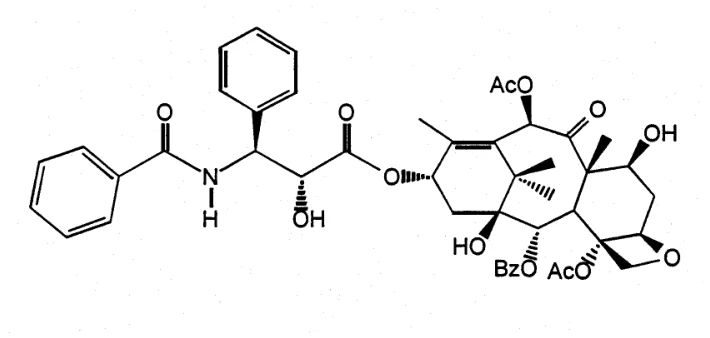
Chemical name: 5β,20-Epoxy-1,2α,4,7β,10β,13α-hexahydroxytax-11-en-9-one 4,10-diacetate 2-benzoate 13-ester with (2R,3S)-N-benzoyl-3-phenylisoserine
Molecular formula and molecular mass: C47H51NO14 853.91
Structural formula:
Paclitaxel has the following structural formula:
Physicochemical properties: Paclitaxel is a white to off-white crystalline powder. It is highly lipophilic, insoluble in water, and melts at approximately 216 to 217°C.
14 CLINICAL TRIALS
14.1 Clinical Trials by Indication
Metastatic Breast Carcinoma
Data from 460 patients enrolled in a randomized comparative study were available to support the use of ABRAXANE® for Injectable Suspension (paclitaxel powder for injectable suspension) (nanoparticle, albumin-bound [nab®] paclitaxel) in metastatic breast cancer.
Table 8: Summary of Patient Demographics for Clinical Trials in Metastatic Breast Cancer
| Study # | Trial Design | Dosage, Route of Administration and Duration | Study Subjects (n = number) | Mean Age (Range) | Gender and Race |
| CA012-0 | Pivotal: controlled, randomized, multicentre, open label phase III study of ABRAXANE for Injectable Suspension versus Paclitaxel Injection in patients with metastatic breast cancer. | ABRAXANE: 260 mg/m2 given as a 30-minute infusion vs. Paclitaxel Injection at 175 mg/m2 given as a 3-hour infusion. Each patient receives drug at 3- week intervals. | 460, divided into two arms. | 53.2 (26 - 83) | Female (100%) Caucasian: 221 (97%) Black: 1 (< 1%) Asian: 1 (< 1%) Indian-Eastern: 2 (< 1%) Hispanic: 3 (1%) Other: 1 (< 1%) |
Randomized Comparative Study - This multicentre trial was conducted in 460 patients with metastatic breast cancer. Patients were randomized to receive ABRAXANE at a dose of 260 mg/m2 given as a 30-minute infusion, or paclitaxel injection at 175 mg/m2 given as a 3-hour infusion. Sixty-four percent of patients had impaired performance status (ECOG 1 or 2) at study entry; 79% had visceral metastases; and 76% had > 3 sites of metastases. Fourteen percent of the patients had not received prior chemotherapy; 27% had received chemotherapy in the adjuvant setting, 40% in the metastatic setting, and 19% in both metastatic and adjuvant settings. Fifty-nine percent received study drug as second or greater than second-line therapy. Seventy-seven percent of the patients had been previously exposed to anthracyclines.
The primary endpoint was Target Lesion Response Rate using RECIST guidelines.
Study results
In the randomized controlled multicentre trial, patients in the ABRAXANE treatment arm had a superior investigator overall target lesion response rate of 33.2% (95% CI: 27.09 to 39.29%), compared to 18.7% (95% CI: 13.58 to 23.76%) for patients in the paclitaxel injection treatment arm. (See Table 9).
Table 9: Efficacy in Metastatic Breast Cancer
Endpoint Overall Investigator Target Lesion Response Rate | ABRAXANE® 260 mg/m2 (n = 229) | Paclitaxel Injection 175 mg/m2 (n = 225) | P Value |
|---|---|---|---|
| All Patients % | 33.2 | 18.7 | 0.001a* |
| 95% Confidence interval b | (27.09-39.29) | (13.58-23.76) | |
- a. P value from Cochran-Mantel-Haenszel (CMH) test stratified by 1st line vs > 1st line therapy; * P < 0.05.
- b. 95% binomial confidence interval of response rate.
Time to Tumor Progression (TTP) was significantly greater in the ABRAXANE group than in the paclitaxel injection group for all patients [23.0 vs 16.6 weeks (5.3 vs 3.8 months), hazard ratio (HR) = 0.726, (95% CI: 0.589-0.895), P = 0.002]. (See Table 10).
Table 10: Time to Tumor Progression
| Category | ABRAXANE 260 mg/m2 (n = 229) | Paclitaxel Injection 175 mg/m2 (n = 225) | P Valuea (Hazard Ratio) 95% CI |
|---|---|---|---|
| All Patients | |||
| Median time to disease progression (weeks) | 23.0 | 16.6 | 0.002* (0.726) 0.589 − 0.895 |
| 95% Confidence interval | 19.4 − 26.1 | 15.1 − 20.1 | |
| Median time to disease progression (months)b | 5.3 | 3.8 |
|---|---|---|
| 95% Confidence interval | 4.5 − 6.0 | 3.5 − 4.6 |
Note: Time to tumor progression is defined as the number of weeks from the first dose of study drug to the start of disease progression. Patients who did not have disease progression are censored at the last known time the patient was evaluated for response.
CI = Confidence interval
- a. P value from log-rank test. * P < 0.050.
- b. Conversion to/from weeks to months assumes 30.5 days/month or 4.3571 weeks/month.
Median Progression-Free Survival (PFS) was significantly longer for the ABRAXANE group than for the paclitaxel injection group for all patients [22.7 vs 16.6 weeks (5.2 vs 3.8 months), HR = 0.734, (95% CI: 0.597-0.903), P = 0.003]. (See Table 11).
Table 11: Progression-Free Survival
| Category | ||
|---|---|---|
| ABRAXANE 260 mg/m2 (n = 229) | Paclitaxel Injection 175 mg/m2 (n = 225) | P Valuea (Hazard Ratio) 95% CI |
| All Patients | ||
| Median progression-free survival (weeks) | 22.7 | 16.6 |
| 0.003* (0.734) 0.597 − 0.903 | ||
| 95% Confidence interval | 19.3 − 26.1 | 15.1 − 19.9 |
| Median progression-free survival (months)b | 5.2 | 3.8 |
| 95% Confidence interval | 4.4 − 6.0 | 3.5 − 4.6 |
Note: Progression-free survival is defined as the time from the first dose of study drug to the start of disease progression or patient death (which ever occurred first). Patients who did not have disease progression or have not died are censored at the last known time the patient was alive. If a patient started another oncology therapy during study follow-up prior to disease progression or death, that patient is censored at the last follow-up contact date prior to the start of the new oncology therapy. ITT = Intent-to-treat; CI = Confidence interval
- a. P value from log-rank test. * P < 0.050.
- b. Conversion from weeks to months assumes 30.5 days/month or 4.3571 weeks/month.
Median time to death for ABRAXANE and paclitaxel injection groups for all patients was 65.0 vs 55.3 weeks (14.9 vs 12.7 months) respectively, HR = 0.899, (95% CI: 0.728-1.110), P = 0.322. (See Table 12).
Table 12: Patient Survival
| Category | ABRAXANE 260 mg/m2 (n = 229) | Paclitaxel Injection 175 mg/m2 (n = 225) |
|---|---|---|
| P Valuea (Hazard Ratio) 95% CI | ||
| All Patients | ||
| Median time to death (weeks) | 65.0 | 55.3 |
| 0.322 (0.899) 0.728 − 1.110 | ||
| 95% Confidence intervalb | 53.4 − 76.9 | 48.0 − 66.4 |
| Median time to death (months) | 14.9 | 12.7 |
| 95% Confidence intervalb | 12.3 − 17.6 | 11.0 − 15.2 |
Note: Analysis includes patient survival information during study follow-up. Patients who did not die are censored at the last known time the patient was alive.
CI = confidence interval.
- a. P value from log-rank test. *P < 0.050.
- b. 95% CI for median time to death.
Metastatic Pancreatic Cancer
A multicenter, multinational, randomized, open-label study was conducted in 861 patients to compare ABRAXANE/gemcitabine versus gemcitabine monotherapy as first-line treatment in patients with metastatic adenocarcinoma of the pancreas. Patients who received adjuvant chemotherapy were not eligible for enrollment. ABRAXANE was administered to patients (N=431) as an intravenous infusion over 30-40 minutes at a dose of 125 mg/m2 followed by gemcitabine as an intravenous infusion over 30-40 minutes at a dose of 1000 mg/m2 given on Days 1, 8 and 15 of each 28-day cycle. In the comparator treatment group, gemcitabine monotherapy was administered to patients (N=430) as 1000 mg/m2 given weekly for 7 weeks followed by a 1-week rest period in Cycle 1 and in Cycle 2 and onwards was administered on Days 1, 8 and 15 of a 28-day cycle (consistent with the label recommended dose and regimen). Treatment was administered until disease progression or development of an unacceptable toxicity.
Patient demographics of the intent-to-treat population are shown in Table 13. The demographics and disease characteristics were well balanced between the two treatment groups.
Table 13: Summary of Patient Characteristics in Randomized Adenocarcinoma of Pancreas Trial (Intent-to-Treat Population)
| Patient Characteristics | ABRAXANE (125 mg/m2) and gemcitabine (N=431) | Gemcitabine (N=430) |
|---|---|---|
| Age (years) | ||
| Median (range) | 62 (27, 86) | 63 (32, 88) |
| < 65 years, n (%) | 254 (59%) | 242 (56%) |
| ≥ 65 years, n (%) | 177 (41%) | 188 (44%) |
| Gender (%) | ||
| Male/Female | 57%/43% | 60%/40% |
| Karnofsky Performance Status Baseline, n (%) | ||
| 100 | 69 (16%) | 69 (16%) |
| 90 | 179 (42%) | 199 (46%) |
| 80 | 149 (35%) | 128 (30%) |
| 70 | 30 (7%) | 33 (8%) |
| CA 19-9 Baseline, n (%) | ||
| Within normal laboratory limits | 60 (14%) | 56 (13%) |
| >ULN but <59 x ULN | 122 (28%) | 120 (28%) |
| ≥59 x ULN | 197 (46%) | 195 (45%) |
| Number of Metastatic Site(s), n (%) | ||
| 1 | 33 (8%) | 21 (5%) |
| 2 | 202 (47%) | 206 (48%) |
| 3 | 136 (32%) | 140 (33%) |
| >3 | 60 (14%) | 63 (15%) |
| Current Metastatic Site(s), n (%) | ||
| Liver | 365 (85%) | 360 (84%) |
| Lung/Thoracic | 153 (35%) | 184 (43%) |
| Pancreatic Primary Location, n (%) |
| Head | 191 (44%) | 180 (42%) |
| Body | 132 (31%) | 136 (32%) |
| Tail | 105 (24%) | 110 (26%) |
| Biliary Stent, n (%) | ||
| Present at Baseline | 80 (19%) | 68 (16%) |
| Whipple Procedure, n (%) | ||
| Performed Prior to Study Entry | 32 (7%) | 30 (7%) |
Patients received a median treatment duration of 3.9 months in the ABRAXANE/gemcitabine group and 2.8 months in the gemcitabine group.
The primary efficacy endpoint was overall survival (OS). The key secondary endpoints were progression-free survival (PFS) and overall response rate (ORR), both assessed by independent, central, blinded radiological review using RECIST guidelines (Version 1.0). Results for overall survival, progression-free survival, and overall response rate are shown in Table 14.
Table 14: Efficacy Results from Randomized Study in Patients with Adenocarcinoma of the Pancreas (ITT Population)
| ABRAXANE(125 mg/m2) and gemcitabine (N = 431) | Gemcitabine (N = 430) | |||||||
|---|---|---|---|---|---|---|---|---|
| Overall Survival | ||||||||
| Number of deaths, n (%) | 333 (77) | 359 (83) | ||||||
| Median Overall Survival (months) | 8.5 | 6.7 | ||||||
| HR (95% CI) a, P-valueb | 0.72 (0.62, 0.83), <0.0001 | |||||||
| Progression-free Survivalc | ||||||||
| Death or progression, n (%) | 277 (64) | 265 (62) | ||||||
| Median Progression-free Survival (months) | 5.5 | 3.7 | ||||||
| HR (95% CI) a, P-valueb | 0.69 (0.58, 0.82), <0.0001 | |||||||
| Overall Response Ratec | ||||||||
| Confirmed complete or partial overall response, n (%) | 99 (23) | 31 (7) | ||||||
| (95% CI) , P-valued | 3.19 (2.18, 4.66), <0.0001 | |||||||
CI = confidence interval, HR = hazard ratio of ABI-007/gemcitabine / gemcitabine, ITT = intent-to-treat population.
- a. The associated hazard ratio and 95 % CI is estimated by using stratified Cox proportional hazard model.
- b. P-value is based on a stratified log-rank test stratified by geographic region (North America versus Others), Karnofsky performance score (70 to 80 versus 90 to 100), and presence of liver metastasis (yes versus no).
- c. Based on Independent Radiological Reviewer Assessment.
- d. P-value is for response rate ratio and is based on chi-square test.
There was a statistically significant improvement in OS for patients treated with ABRAXANE/gemcitabine versus gemcitabine alone, with 1.8 months increase in median OS, 28% overall reduction in risk of death and 59% improvement in 1-year survival. The Kaplan-Meier curve for Overall Survival by treatment group is presented in Figure 1.
Figure 1: Kaplan-Meier Curve of Overall Survival (Intent-to-treat Population)
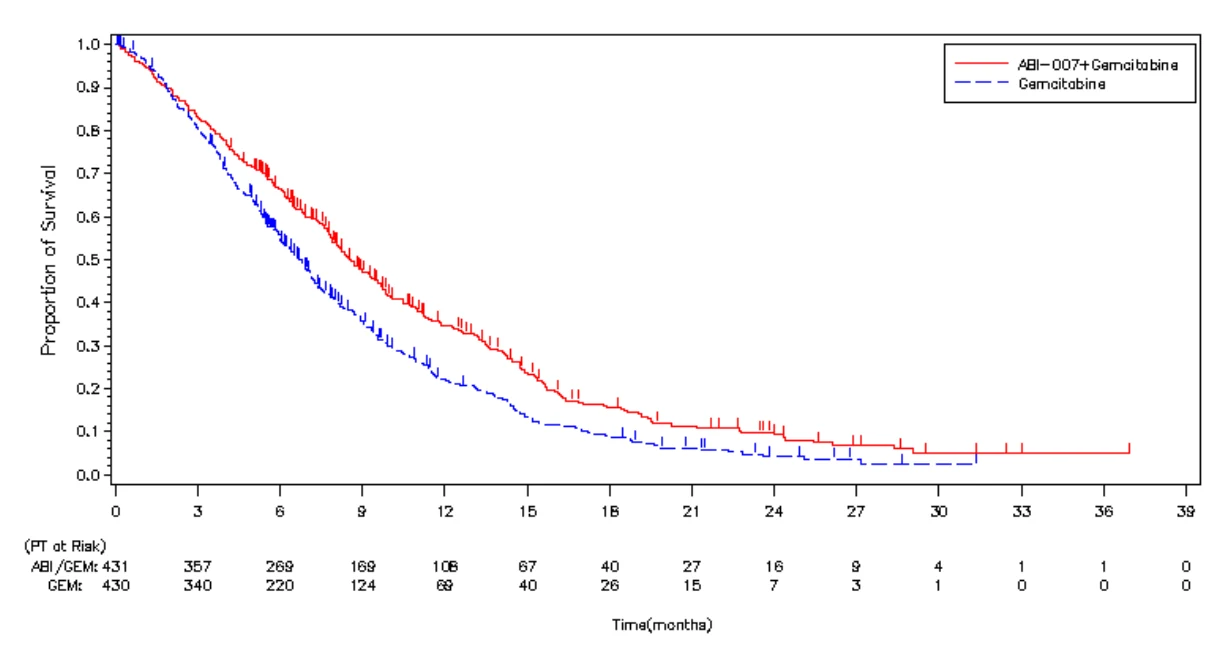
An analysis of OS by prespecified subgroups is shown in Figure 2.
Figure 2: Forest Plot for Overall Survival
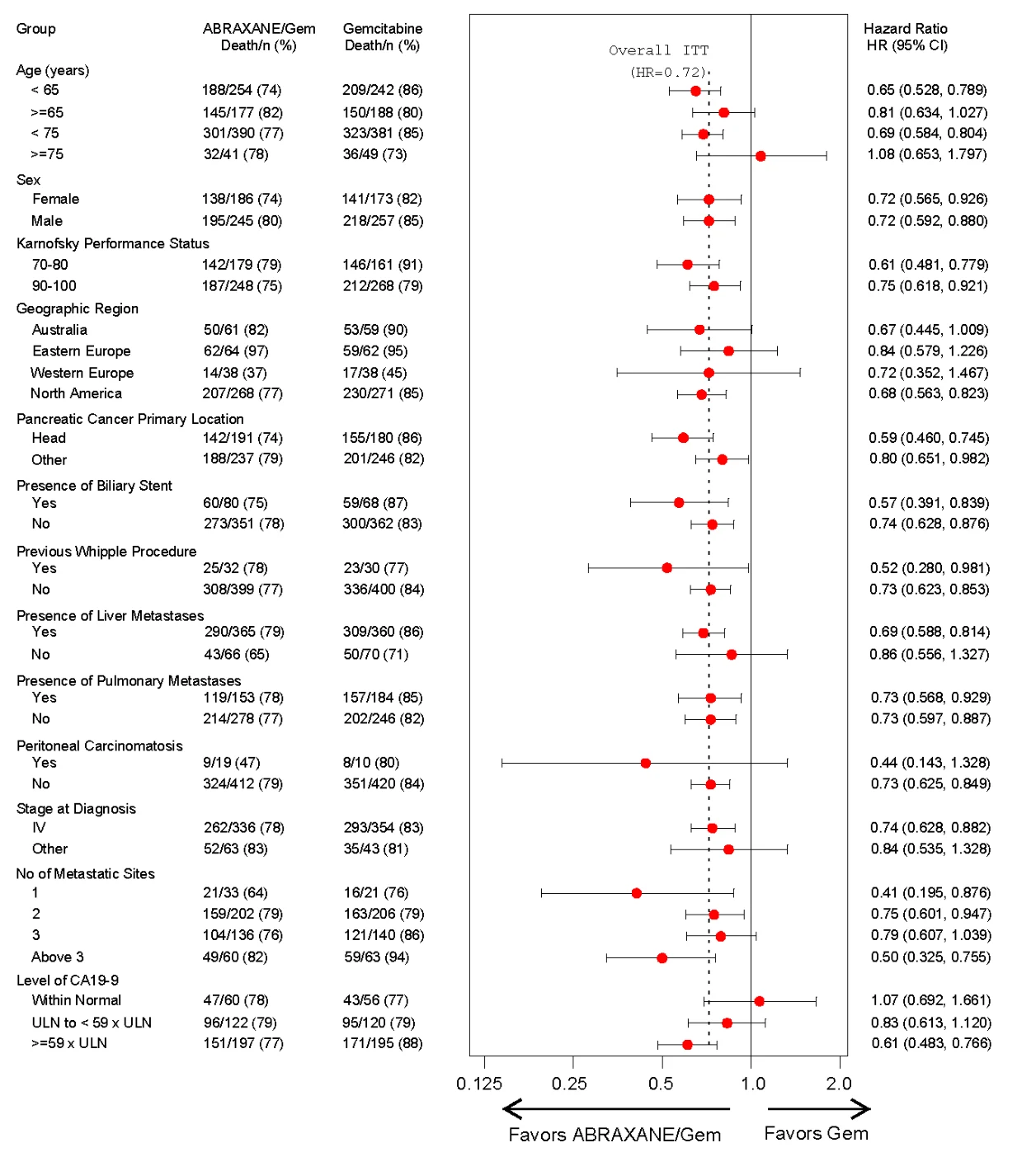
15 MICROBIOLOGY
No microbiological information is required for this drug product.
16 NON-CLINICAL TOXICOLOGY
General Toxicology
Single-dose studies: Testicular atrophy/degeneration was observed in single-dose toxicology studies in animals administered paclitaxel formulated as albumin-bound particles at doses lower than the recommended human dose; doses were 54 mg/m2 in rodents and 175 mg/m2 in dogs.
ABRAXANE caused temporary, delayed gastrointestinal symptoms, edema, vasculitis and elevated white blood cell counts in dogs at 175 mg/m2.
Repeat-dose studies: In a repeat-dose toxicity study in rats (0, 60, 120, 180 mg/m2; i.v; 6 times at 5 day intervals over 30 days), irreversible degenerative changes in the nervous system and eyes and atrophic changes in male reproductive organs were observed at dose ≥120 mg/m2. The systemic exposure at 120 mg/m2 in rats was similar to those in humans at the clinically recommended dose regimen. A NOAEL was not established as toxicity was observed in all dose groups in a dose-dependent fashion.
Testicular degeneration was seen in monkeys administered three weekly doses of 108 mg/m2 paclitaxel formulated as albumin bound particles, which is approximately one-third of the exposure in humans at the clinically recommended dose regimen.
Carcinogenicity:
The carcinogenic potential of ABRAXANE has not been studied.
Genotoxicity:
Paclitaxel has been shown to be clastogenic in vitro (chromosome aberrations in human lymphocytes) and in vivo (micronucleus test in mice). Paclitaxel injection was not mutagenic in the Ames test or the CHO/HGPRT gene mutation assay.
Reproductive and Developmental Toxicology:
Administration of paclitaxel powder for injectable suspension to rats on gestation days 7 to 17 at doses of 6 mg/m2 (approximately 2% of the daily maximum recommended human dose on a mg/m2 basis) caused embryo- and fetotoxicity, as indicated by intrauterine mortality, increased resorptions (up to 5-fold), reduced numbers of litters and live fetuses, reduction in fetal body weight, and increase in fetal anomalies. Fetal anomalies included soft tissue and skeletal malformations, such as eye bulge, folded retina, microphthalmia, and dilation of brain ventricles. A lower incidence of soft tissue and skeletal malformations was also exhibited at 3 mg/m2 (approximately 1% of the daily maximum recommended human dose on a mg/m2 basis). NOAEL was 3 mg/m2. Maternal toxicity was observed at ≥ 6 mg/m2. Teratogenic was observed at 6 -12 mg/m2 and fetal deaths was observed at ≥ 4 mg/kg/day.
Administration of paclitaxel powder for injectable suspension to male rats at 42 mg/m2 on a weekly basis (approximately 16% of the daily maximum recommended human exposure on a mg/m2 basis) for 11 weeks prior to mating with untreated female rats resulted in significantly reduced fertility accompanied by decreased pregnancy rates and increased loss of embryos in mated females. Dose levels of mg/m2 refer to mg of paclitaxel in ABRAXANE. A low incidence of skeletal and soft tissue fetal anomalies was also observed at doses of 3 and 12 mg/m2/week in this study (approximately 1 to 5% of the daily maximum recommended human exposure on a mg/m2 basis). Moribund or dead rats exhibited gastrointestinal lesions and reduction in male reproductive organ sizes observed at scheduled necropsies.
Administration of paclitaxel prior to and during mating produced impairment of fertility in male and female rats.