


Product Monograph - Absorica Ld
RECENT MAJOR LABEL CHANGES
| 7 WARNINGS AND PRECAUTIONS, Musculoskeletal | 11/2024 |
|---|---|
| 7 WARNINGS AND PRECAUTIONS, Reproductive Health: Female and Male Potential, Function | 11/2024 |
TABLE OF CONTENTS
Sections or subsections that are not applicable at the time of authorization are not listed.
RECENT MAJOR LABEL CHANGES............................................................................................ 2
TABLE OF CONTENTS .............................................................................................................. 2
PART I: HEALTH PROFESSIONAL INFORMATION ..................................................................... 4
1 INDICATIONS .............................................................................................................. 4
1.1 Pediatrics......................................................................................................... 4
1.2 Geriatrics ......................................................................................................... 4
2 CONTRAINDICATIONS ................................................................................................. 5
3 SERIOUS WARNINGS AND PRECAUTIONS BOX ............................................................ 5
4 DOSAGE AND ADMINISTRATION................................................................................. 7
4.1 Dosing Considerations...................................................................................... 7
4.2 Recommended Dose and Dosage Adjustment ................................................... 7
4.4 Administration ................................................................................................. 8
4.5 Missed Dose .................................................................................................... 9
5 OVERDOSAGE ............................................................................................................. 9
6 DOSAGE FORMS, STRENGTHS, COMPOSITION AND PACKAGING ............................... 10
7 WARNINGS AND PRECAUTIONS ................................................................................ 11
7.1 Special Populations ........................................................................................ 20
7.1.1 Pregnant Women ....................................................................................... 20
7.1.2 Breast-feeding............................................................................................ 21
7.1.3 Pediatrics ................................................................................................... 21
7.1.4 Geriatrics ................................................................................................... 22
8 ADVERSE REACTIONS ................................................................................................ 22
8.1 Adverse Reaction Overview ............................................................................ 22
8.2 Clinical Trial Adverse Reactions ...................................................................... 23
8.2.1 Clinical Trial Adverse Reactions – Pediatrics ................................................ 25
8.3 Less Common Clinical Trial Adverse Reactions ................................................ 25
8.3.1 Less Common Clinical Trial Adverse Reactions – Pediatrics .......................... 26
8.4 Abnormal Laboratory Findings: Hematologic, Clinical Chemistry and Other Quantitative Data ...................................................................................................... 27
8.5 Post-Market Adverse Reactions ...................................................................... 27
9 DRUG INTERACTIONS................................................................................................ 28
9.1 Serious Drug Interactions ............................................................................... 28
9.2 Drug Interactions Overview ............................................................................ 29
9.4 Drug-Drug Interactions................................................................................... 29
9.5 Drug-Food Interactions .................................................................................. 29
9.6 Drug-Herb Interactions................................................................................... 30
9.7 Drug-Laboratory Test Interactions .................................................................. 30
10 CLINICAL PHARMACOLOGY ....................................................................................... 30
10.1 Mechanism of Action ..................................................................................... 30
10.2 Pharmacodynamics ........................................................................................ 30
10.3 Pharmacokinetics........................................................................................... 30
11 STORAGE, STABILITY AND DISPOSAL ......................................................................... 31
12 SPECIAL HANDLING INSTRUCTIONS........................................................................... 32
PART II: SCIENTIFIC INFORMATION ...................................................................................... 33
13 PHARMACEUTICAL INFORMATION............................................................................ 33
14 CLINICAL TRIALS........................................................................................................ 33
14.1 Clinical Trials by Indication ............................................................................. 33
Severe Recalcitrant Nodular Acne .............................................................................. 33
14.2 Comparative Bioavailability Studies ................................................................ 35
15 MICROBIOLOGY ........................................................................................................ 36
16 NON-CLINICAL TOXICOLOGY ..................................................................................... 36
PATIENT MEDICATION INFORMATION ................................................................................. 41
PART I: HEALTH PROFESSIONAL INFORMATION
1 INDICATIONS
Absorica LD® (isotretinoin capsules) is indicated for the treatment of:
- Severe Nodular and/or Inflammatory Acne
- Acne Conglobata
- Recalcitrant Acne
Because of significant adverse reactions associated with its use, Absorica LD should be reserved for patients where the conditions listed above are unresponsive to conventional first line therapies. Absorica LD should not be substituted with other marketed formulations of isotretinoin.
Absorica LD should only be prescribed by physicians knowledgeable in the use of retinoids systemically, who understand the risk of teratogenicity in females of child bearing age and who are experienced in counselling young adults for whom isotretinoin is generally indicated (see 2 CONTRAINDICATIONS, 3 SERIOUS WARNINGS AND PRECAUTIONS BOX and 7.1.1 Pregnant Women).
It is strongly recommended that each Absorica LD prescription be limited to a one-month supply in order to encourage patients to return for follow-up to monitor side effects.
The pharmacist must ensure that:
- Prescriptions of Absorica LD for women of childbearing potential be limited to 30 days of treatment and continuation of treatment requires a new prescription. Ideally, pregnancy testing, issuing a prescription and dispensing of Absorica LD should occur on the same day.
- Dispensing of Absorica LD occur within a maximum of 7 days of the prescription.
1.1 Pediatrics
Pediatrics (< 12 years of age): The safety and efficacy of Absorica LD in pediatric patients less than 12 years of age have not been established. The use of Absorica LD in these patients is not recommended.
Pediatrics (12 to 17 years of age): The use of isotretinoin for the treatment of severe recalcitrant nodular acne in pediatric patients ages 12 to 17 years should be given careful consideration, especially for those patients where a known metabolic or structural bone disease exists (see 7.1.3 Pediatrics).
1.2 Geriatrics
Geriatrics (≥ 65 years of age): Clinical studies of isotretinoin-containing products did not include sufficient numbers of geriatric subjects to determine whether they respond differently from younger adults. Although reported clinical experience has not identified differences in responses between elderly and younger patients, effects of aging might be expected to increase some risks associated with isotretinoin therapy (see 7.1.4 Geriatrics).
2 CONTRAINDICATIONS
Absorica LD (isotretinoin capsules) is contraindicated in pregnancy.
|
|---|
Absorica LD is also contraindicated in:
- breast-feeding women
- hepatic insufficiency
- renal insufficiency
- hypervitaminosis A
- patients with excessively elevated blood lipid values
- patients taking tetracyclines (see 3 SERIOUS WARNINGS AND PRECAUTIONS BOX and 9.4 Drug-Drug Interactions)
- patients who are sensitive to isotretinoin or to any ingredient in the formulation, including any non-medicinal ingredient, or component of the container. For a complete listing, see Table 2.
3 SERIOUS WARNINGS AND PRECAUTIONS BOX
| The Informed Consent Form should be signed by ALL patients prior to starting therapy with Absorica LD. This consent form is designated to ensure that patients have been counselled on and understand the psychiatric and teratogenic risks associated with isotretinoin, prior to starting treatment. The consent form can be obtained by downloading it from the Absorica LD Clinical Awareness Resource and Education (C-A-R-E™) website, www.AbsoricaLD.ca, by contacting Sun Pharma Canada Customer Service at Med.InfoCanada@sunpharma.com, or by phone at 1-833-388-0532. |
|---|
Serious Warnings and Precautions
|
|---|
Females must use effective contraception without any interruption for one month before beginning Absorica LD therapy, during Absorica LD therapy and for one month following discontinuation of Absorica LD therapy. It is recommended that two reliable forms of contraception be used simultaneously. It is mandatory that all female patients of childbearing potential treated with Absorica LD have regular negative monthly pregnancy tests prior to receiving each 30-day Absorica LD prescription and an additional test one month after the discontinuation of treatment. In addition, when prescribing this drug to female patients of childbearing potential, physicians must use the Absorica LD C-A-R-E™ Program, which includes the following:
The information listed above may be obtained by accessing and downloading it from the Absorica LD C-A-R-E™ Program website, www.AbsoricaLD.ca, by contacting Sun Pharma Canada Customer Service at Med.InfoCanada@sunpharma.com, or by phone at 1-833-388-0532.
|
Sun Pharma Canada Customer Service: Toll-Free: 1-833-388-0532 Med.InfoCanada@sunpharma.com www.AbsoricaLD.ca
|
4 DOSAGE AND ADMINISTRATION
4.1 Dosing Considerations
- Reserve for patients who are unresponsive to conventional first line therapies for the indicated conditions.
- Carefully assess the patient’s mental state, including whether or not they have a history of previous psychiatric illness (see 3 SERIOUS WARNINGS AND PRECAUTIONS BOX and Psychiatric).
- Limit each prescription to 30-day treatment
- Dispense within a maximum of 7 days of the prescription
- The therapeutic response to isotretinoin is dose-related and varies between patients. This necessitates individual adjustment of dosage according to the response of the condition and the patient’s tolerance of the drug. In most cases, complete or near-complete suppression of acne is achieved with a single 15 to 20 week course of therapy. If a second course of therapy is needed, it can be initiated two months or more after completion of the first course, since experience has shown that patients may continue to improve while off the drug. Absorica LD capsules are not interchangeable with any other currently available isotretinoin-containing products.
- See 4.4. Administration, Laboratory Testing Prior to Administration.
4.2 Recommended Dose and Dosage Adjustment
The initial dose of Absorica LD should be individualized according to the patient’s weight and severity of the disease.
In general, patients should receive Absorica LD 0.4 to 0.8 mg/kg body weight daily taken with or without meals (see Table 1). During treatment, the dosage may be adjusted according to response and/or adverse reactions, some of which may be dose-related and in exceptional instances, dosage adjustments up to 1.6 mg/kg/day depending upon individual patient response and tolerance to the drug. Absorica LD should be taken in the nearest number of whole capsules, either as a single dose or in two divided doses during the day, whichever is more convenient. To decrease the risk of esophageal irritation, instruct patients to swallow the capsules with a full glass of liquid. Do not chew or open the capsules. It should be noted that transient exacerbation of acne is occasionally seen.
Health Canada has not authorized an indication for pediatric use younger than 12 years of age.
Table 1: Absorica LD Daily Dosage by Body Weight
Body Weight (Kg) | Total Daily Dosage (mg)1 | |||||||
| 0.4 mg/kg | 0.8 mg/kg | 1.6 mg/kg | ||||||
| 40 | 16 | 32 | 64 | |||||
| 50 | 20 | 40 | 80 | |||||
| 60 | 24 | 48 | 96 | |||||
| 70 | 28 | 56 | 112 | |||||
| 80 | 32 | 64 | 128 | |||||
| 90 | 36 | 72 | 144 | |||||
| 100 | 40 | 80 | 160 | |||||
1 Administer in the nearest number of whole capsules, either as a single dose or in two divided doses.
Duration of Use: A normal, complete course of treatment is 15 to 20 weeks. If the total nodule count has been reduced by more than 70% prior to completing 15 to 20 weeks of treatment, treatment with Absorica LD may be discontinued.
After a period of 2 months or more off therapy, and if warranted by persistent or recurring severe nodular acne, a second course of Absorica LD may be initiated in patients who have completed skeletal growth. The use of another course of Absorica LD therapy is not recommended before a two-month waiting period because the patient’s acne may continue to improve after a 15 to 20-week course of therapy. The optimal interval before retreatment has not been defined for patients who have not completed skeletal growth.
Long-term use of Absorica LD, even in low dosages, has not been studied, and is not recommended. The effect of long-term use of Absorica LD on bone loss is unknown (see Musculoskeletal).
4.4 Administration
Absorica LD is for oral use only.
Laboratory Testing Prior to Administration
The following laboratory testing must be completed prior to Absorica LD use:
- Pregnancy testing: Ensure patient is not pregnant prior to administering Absorica LD (see 2 CONTRAINDICATIONS, Monitoring and Laboratory Tests, and 7.1.1 Pregnant Women)
- A fasting lipid profile including triglycerides
- Liver function tests
- Renal function tests
- Blood glucose levels
(see 2 CONTRAINDICATIONS, Monitoring and Laboratory Tests)
4.5 Missed Dose
If a patient misses a dose of Absorica LD, it may be taken later the same day, but, the patient should be instructed to not take more Absorica LD in one day than what has been prescribed. The patient should then administer the next dose on the usual scheduled dosing day. The patient should not take a double dose to make up for a missed dose.
5 OVERDOSAGE
In the event of acute Absorica LD overdose, evacuation of the stomach should be considered during the first few hours after this overdose. Signs and symptoms of acute overdose of isotretinoin have been associated with headache, vomiting, facial flushing, cheilitis, abdominal pain, dizziness and ataxia. To date, all symptoms have quickly resolved without apparent residual effects and usually without treatment. Elevated intracranial pressure has been reported with patients receiving therapeutic doses of isotretinoin. Patients with an Absorica LD overdose should be monitored closely for signs of increased intracranial pressure. Signs of hypervitaminosis A could appear in cases of overdose.
Limited data exists on the pharmacokinetic characteristics of isotretinoin in an overdose situation. The absorption of isotretinoin appears to be a saturable process.
The following precautions should be taken with all female patients of childbearing potential who have taken an overdose of Absorica LD:
- At the time of the overdose, a pregnancy test must be performed and a blood sample collected for the determination of isotretinoin and metabolite concentrations.
- One complete menstrual cycle after the overdose, a second pregnancy test must be performed and a second blood sample collected for the determination of isotretinoin and metabolite concentrations.
- Effective contraception must be used for at least 30 days after the overdose and continued longer, if necessary until physiological plasma concentrations of isotretinoin and its major metabolites are reached.
Male patients who have taken an overdose of Absorica LD:
Because an overdosage would be expected to result in higher levels of isotretinoin in semen than found during a normal treatment course, male patients treated with Absorica LD should
| For management of a suspected drug overdose, contact your regional poison control centre. |
|---|
use a condom or avoid reproductive sexual activity with a female partner who is or might become pregnant, for 1 month after the overdose.
Patients who test positive on a pregnancy screen after an overdose should be fully counselled on the serious risk to the fetus from this exposure to isotretinoin and the physician and patient should discuss the desirability of continuing the pregnancy (see 2 CONTRAINDICATIONS, 7.1.1 Pregnant Women and Reproductive and Developmental Toxicology).
6 DOSAGE FORMS, STRENGTHS, COMPOSITION AND PACKAGING
Absorica LD capsules contain micronized isotretinoin in suspension filled in opaque-printed, hard gelatin capsules for oral administration.
Table 2: Dosage Forms, Strengths, and Composition
Table 3: Hard Gelatin Capsule Shell: Description and Composition
Absorica LD 8 mg, 16 mg, 24 mg, and 32 mg capsules are supplied in cartons with three blister cards of 10 capsules each.
| Route of Administration | Dosage Form / Strength | Non-medicinal Ingredients |
| Oral | Capsules 8 mg 16 mg 24 mg 32 mg | Butylated hydroxyanisole, polysorbate-80 and soybean oil Hard capsule shell: see Table 3 Imprinting ink: ammonia, butyl alcohol, dehydrated alcohol, isopropyl alcohol, potassium hydroxide, propylene glycol, shellac and titanium dioxide |
| Description | Composition |
8 mg A size 3, light green capsule with a colourless band (the cap is printed in white with “RL29” and the body is printed in white with “RL29”). | D&C Yellow #10, FD&C Blue #1, FD&C Red #40, gelatin, and titanium dioxide |
16 mg A size 2, dark blue capsule with a colourless band (the cap is printed in white with “RL30” and the body is printed in white with “RL30”). | FD&C Blue #1, FD&C Red #40, gelatin, and titanium dioxide |
24 mg A size 1, rich yellow capsule with a colourless band (the cap is printed in white with “RL31” and the body is printed in white with “RL31”). | D&C Yellow #10, FD&C Yellow #6, gelatin, and titanium dioxide |
32 mg A size 0, caramel capsule with a colourless band (the cap is printed in white with “RL32” and the body is printed in white with “RL32”). | Black iron oxide, gelatin, red iron oxide, titanium dioxide, and yellow iron oxide |
7 WARNINGS AND PRECAUTIONS
Please see 3 SERIOUS WARNINGS AND PRECAUTIONS BOX.
General
Absorica LD is contraindicated in females of childbearing potential unless ALL of the following conditions apply:
Conditions of Use
- a) The patient has severe disfiguring nodular and/or inflammatory acne, acne conglobata or recalcitrant acne that has not responded to standard therapy, including systemic antibiotics.
- b) The patient is reliable in understanding and carrying out instructions.
- c) All patients must sign the informed consent form prior to initiating therapy. This form is provided to the physician via the www.AbsoricaLD.ca website, by contacting Sun Pharma Canada Customer Service at Med.InfoCanada@sunpharma.com, or by phone at 1-833-388-0532.
- d) The patient is able and willing to comply with the mandatory effective contraceptive measures.
- e) The patient has received, and acknowledged understanding of, a careful oral and printed explanation of the hazards of fetal exposure to isotretinoin and the risk of possible contraception failure. This explanation may include showing a line drawing to the patient of an infant with the characteristic external deformities resulting from isotretinoin exposure during pregnancy.
- f) The patient has been informed and understands the need to rapidly consult her physician if there is a risk of pregnancy.
- g) The patient understands the need for rigorous follow-up on a monthly basis.
- h) The patient uses effective contraception without any interruption for one month before beginning Absorica LD therapy, during Absorica LD therapy and for one month following discontinuation of Absorica LD therapy. It is recommended that two reliable forms of contraception be used simultaneously (see Contraception).
- i) The patient has had two negative pregnancy tests in a licensed laboratory before starting Absorica LD therapy with the first pregnancy test conducted at initial assessment when the patient is qualified for Absorica LD therapy by the physician. The patient has had a second serum or urine pregnancy test with a sensitivity of at least 25 mIU/mL with a negative result within 11 days prior to initiating therapy. The patient has had two or three days of the next normal menstrual period before Absorica LD therapy is initiated.
- j) In the event of relapse treatment, the patient must also use the same uninterrupted and effective contraceptive measures one month prior to, during and for one month after Absorica LD.
(For items d to i above, please see 7.1.1 Pregnant Women).
It is mandatory that all female patients of childbearing potential treated with Absorica LD have regular negative monthly pregnancy tests prior to receiving each 30-day Absorica LD prescription and an additional test one month after the discontinuation of treatment.
Even female patients who normally do not employ contraception due to a history of infertility, or claim absence of sexual activity should be advised to employ contraception while taking Absorica LD following the above guidelines. Even female patients who have amenorrhea must follow all the advice on effective contraception unless the patient has undergone hysterectomy, bilateral oophorectomy, or has been medically confirmed to be postmenopausal.
Information concerning the Absorica LD C-A-R-E™ program (see 3 SERIOUS WARNINGS AND PRECAUTIONS BOX) is also provided directly to patients in the form of a “Patient Medication Information” leaflet included with their Absorica LD prescription packaging. This leaflet asks female patients of childbearing potential, who have not been counselled using the Absorica LD C-A-R-E™ program, to contact their physician for further information. All patient materials and physician materials can be downloaded from the program website www.AbsoricaLD.ca, by contacting Sun Pharma Canada Customer Service at Med.InfoCanada@sunpharma.com, or by phone at 1-833-388-0532.
Patients should also be informed that confidential contraception counselling (provided by a healthcare professional) is available from Sun Pharma Canada.
Absorica LD and other Isotretinoin-containing products are NOT Substitutable.
Absorica LD and other Isotretinoin-containing products can have similar strengths; however, these strengths have different bioavailability, recommended dosage, and are not substitutable.
Blood Donation
It is recommended that blood or blood product donation for transfusion purposes be deferred during therapy with Absorica LD and for one month after discontinuation of treatment. Theoretically, blood from such donors could present a small risk to the fetus if transfused to a pregnant mother during the first trimester of pregnancy.
Cardiovascular
Absorica LD is contraindicated in patients with excessively elevated blood lipid values.
Approximately 25% of patients receiving isotretinoin experienced an elevation in plasma triglycerides. Approximately 15% developed a decrease in high density lipoproteins and about 7% showed an increase in cholesterol levels. These effects on triglycerides, high-density lipoprotein (HDL) and cholesterol were reversible upon reduction of the dose or cessation of isotretinoin therapy (see 8.2 ADVERSE REACTIONS, Abnormal Laboratory Findings).
Patients with increased tendency to develop hypertriglyceridemia include those with diabetes mellitus, obesity, increased alcohol intake, lipid metabolism disorder and familial history. In these high-risk patients, more frequent checks of serum values for lipids (see Endocrine and Metabolism and Hepatic/Biliary/Pancreatic) and/or blood glucose may be necessary while undergoing treatment with Absorica LD.
The cardiovascular consequences of hypertriglyceridemia are not well understood, but may increase the patient’s risk status. Therefore, every attempt should be made to control significant triglyceride elevation (see Monitoring and Laboratory Tests). Some patients have been able to reverse triglyceride elevation by reduction in weight, restriction of dietary fat and alcohol, and reduction in dose while continuing isotretinoin. An obese male patient with Darier’s disease developed elevated triglycerides and subsequent eruptive xanthomas.
Ear / Nose / Throat
Impaired hearing, at certain frequencies, has been reported in some patients treated with isotretinoin. Patients who experience tinnitus or hearing impairment should discontinue Absorica LD treatment and be referred for specialized care for further evaluation. In some cases, the hearing impairment has been reported to persist after therapy has been discontinued. Mechanism(s) and causality for this reaction have not been established.
Endocrine and Metabolism
Patients with diabetes or a family history of diabetes may experience problems with the control of their blood sugar during Absorica LD therapy. Therefore, known or suspected diabetics should have periodic blood sugar determinations. Although no causal relationship has been established, elevated fasting blood sugars have been reported, and new cases of diabetes have been diagnosed during isotretinoin therapy (see 8.2 ADVERSE REACTIONS, Abnormal Laboratory Findings).
Gastrointestinal
Isotretinoin has been associated with inflammatory bowel disease (including regional ileitis, colitis and hemorrhage) in patients without a prior history of intestinal disorders. Patients experiencing abdominal pain, rectal bleeding or severe diarrhea should discontinue Absorica LD immediately. In some instances symptoms have been reported to persist after isotretinoin treatment has been stopped.
Hepatic / Biliary / Pancreatic
Absorica LD is contraindicated in patients with hepatic insufficiency (See 2 CONTRAINDICATIONS).
Liver function tests should be monitored before treatment and at regular intervals during treatment (one month after the start of treatment and at least three month intervals thereafter) unless more frequent monitoring is clinically indicated. Several cases of clinical hepatitis have been noted which are considered to be possibly or probably related to isotretinoin therapy. Additionally, mild to moderate elevations of liver enzymes have been observed in approximately 15% of individuals treated during clinical trials, some of which normalized with dosage reduction or continued administration of the drug. If normalization does not readily occur, or if hepatitis is suspected during treatment with Absorica LD, the drug should be discontinued and the etiology further investigated (see Monitoring and Laboratory Tests).
Acute pancreatitis, which is known to be potentially fatal, has been reported with isotretinoin use in patients with either elevated or normal serum triglyceride levels. This is sometimes associated with elevation of serum triglycerides in excess of 800 mg/dL or 9 mmol/L. Therefore, every attempt should be made to control significant triglyceride elevation (see Cardiovascular). Absorica LD should be discontinued if uncontrolled hypertriglyceridemia or symptoms of pancreatitis occur.
Immune
Anaphylactic reactions and other allergic reactions have been reported with isotretinoin use. These reactions were more serious after prior exposure to topical retinoids. Allergic cutaneous reactions and serious cases of allergic vasculitis, often with purpura (bruises and red patches) of the extremities and extracutaneous involvement have been reported. Severe allergic reactions necessitate discontinuation of therapy and careful monitoring.
Monitoring and Laboratory Tests
Pregnancy Tests
The patient should have two negative pregnancy tests (β-hCG in urine or serum) before starting Absorica LD therapy with the first pregnancy test conducted at initial assessment when the patient is qualified for Absorica LD therapy by the physician. The patient then should have a second pregnancy test with a sensitivity of at least 25 mIU/mL with a negative result, performed in a licensed laboratory, within 11 days prior to initiating therapy. The patient has had two or three days of the next normal menstrual period before Absorica LD therapy is initiated. Pregnancy test must be repeated monthly for pregnancy detection during Absorica LD treatment and at one month after discontinuation of treatment. The dates and results of the pregnancy tests should be documented.
Signs of Depression
Prior to initiation of Absorica LD therapy, patients and family members should be asked about any history of psychiatric disorder, and at each visit during therapy patients should be assessed for symptoms of depression, mood disturbance, psychosis, or aggression to determine if further evaluation is necessary (See Psychiatric).
Patients should immediately stop Absorica LD and the patient (or caregiver) should promptly contact their prescriber if the patient develops depression, mood disturbance, psychosis, or aggression. Discontinuation of Absorica LD may be insufficient; further evaluation may be necessary such as a referral to a mental health professional.
The following tests are required before starting Absorica LD at first month, then as clinically indicated:
- Serum blood lipid determinations (under fasting conditions) should be performed before Absorica LD is given and then at intervals (one month after the start of therapy) until the lipid response to Absorica LD is established (which usually occurs within four weeks), and also at the end of treatment. After consumption of alcohol, at least 36 hours should elapse before testing is performed. The incidence of hypertriglyceridemia is 25% in patients treated with isotretinoin capsules (see Monitoring and Laboratory Tests).
- Complete blood count and differential: for early detection of leukopenia, neutropenia, thrombocytopenia and anemia.
Liver function tests: Increases in about 15% of ALT, AST, ALP baseline levels have been reported. Liver function tests should be monitored before treatment and at regular intervals during treatment (one month after the start of treatment and at least three
- month intervals thereafter) unless more frequent monitoring is clinically indicated.
- Renal function tests
- Blood glucose levels: all patients and in particular patients with known or suspected diabetes should have periodic blood sugar determinations.
A Psychiatric Screening Checklist is available to assist physicians in screening patients for depression/suicidality prior to treatment and in monitoring for the development of psychiatric symptoms during treatment.
Musculoskeletal
Effects of multiple courses of Absorica LD on the developing musculoskeletal system are unknown. There is some evidence that long-term, high-dose, or multiple courses of therapy with isotretinoin have more of an effect than a single course of therapy on the musculoskeletal system (see also 7.1.3 Pediatrics). It is important that Absorica LD be given at the recommended dose for no longer than the recommended duration.
In a clinical trial in 924 patients, adverse events related to the musculoskeletal system and connective tissue were reported in approximately 37% of patients, and musculoskeletal symptoms in approximately 24% of the patients. Elevations in levels of serum creatine kinase (≥ 350 U/L) were reported in approximately 29% of patients, and the adverse event of blood creatine kinase increase was reported in 6% of patients. In the same trial, 27/306 (9%) of adolescents had bone mineral density (BMD) declines, defined as ≥ 4% lumbar spine or total hip, or ≥ 5% femoral neck, during the 20-week treatment period. Repeat scans conducted within 2 to 3 months after the post-treatment scan showed no recovery of BMD. Long-term data at 4 to 11 months showed that 3 out of 7 patients had total hip and femoral neck BMD below pre-treatment baseline, and 2 others did not show the increase in BMD above baseline expected in this adolescent population.
In an open-label clinical trial (N = 217) of a single course of therapy with isotretinoin capsules for severe recalcitrant nodular acne in pediatric patients 12 to 17 years, BMD at several skeletal sites were not significantly decreased (lumbar spine change > -4% and total hip change > -5%) or were increased in the majority of subjects. One patient had a decrease in lumbar spine BMD > 4% based on unadjusted data. Sixteen (8%) subjects had decreases in lumbar spine BMD > 4% and all the other subjects (92%) did not have significant decreases or had increases (adjusted for body mass index). Nine subjects (5%) had a decrease in total hip BMD > 5% based on unadjusted data. Twenty-one (11%) subjects had decreases in total hip BMD > 5%, and all the other subjects (89%) did not have significant decreases or had increases (adjusted for body mass index). Follow-up trials performed in 8 of the subjects with decreased BMD for up to 11 months thereafter demonstrated increasing BMD in 5 subjects at the lumbar spine, while the other 3 subjects had lumbar spine BMD measurements below baseline values. Total hip BMD remained below baseline (range −1.6% to −7.6%) in 5 of 8 subjects (62.5%).
In this clinical trial transient elevations in creatine phosphokinase (CPK) were observed in 12% of patients, including those undergoing strenuous physical activity in association with reported musculoskeletal adverse events such as back pain, arthralgia, limb injury, or muscle sprain. In these patients, approximately half of the CPK elevations returned to normal within 2 weeks and half returned to normal within 4 weeks. No cases of rhabdomyolysis were reported in this trial.
In a separate open-label extension study of 10 patients, ages 13-17 years, who started a second course of isotretinoin capsules treatment 4 months after the first course, two patients showed a decrease in mean lumbar spine BMD up to 3.3%.
Spontaneous reports of osteoporosis, osteopenia, bone fractures, and delayed healing of bone fractures have been seen in isotretinoin treated patients. While causality to isotretinoin has not been established, an effect cannot be ruled out. Longer term effects have not been studied.
Physicians should use caution when prescribing Absorica LD to patients with a genetic predisposition for age related osteoporosis, a history of childhood osteoporosis conditions, osteomalacia, or other disorders of bone metabolism. This would include patients diagnosed with anorexia nervosa and those who are on chronic drug therapy that causes drug-induced osteoporosis/osteomalacia and/or affects vitamin D metabolism, such as systemic corticosteroids and any anticonvulsant. Patients may be at increased risk when participating in sports with repetitive impact where the risks of spondylolisthesis with and without pars fractures and hip growth plate injuries in early and late adolescence are known. There are spontaneous reports of fractures and/or delayed healing in patients while on treatment with isotretinoin or following cessation of treatment with isotretinoin while involved in these activities. While causality to isotretinoin has not been established, an effect cannot be ruled out.
Myalgia and arthralgia (mild to moderate) may occur and may be associated with reduced tolerance to vigorous exercise. Instances of raised serum CPK values have been reported in patients receiving isotretinoin, particularly those undertaking vigorous physical activity. Discontinuation of Absorica LD may be required.
There have been post-marketing serious reports of rhabdomyolysis with isotretinoin use, particularly in those undergoing strenuous physical activity. Patients should abstain from vigorous exercise activity during Absorica LD treatment (see 8.5 Post-Market Adverse Reactions, Musculoskeletal and Connective Tissue).
Sacroiliitis has been reported in patients exposed to isotretinoin. To differentiate sacroiliitis from other causes of back pain, in patients with clinical signs of sacroiliitis, further evaluation may be needed including imaging modalities such as MRI. In cases reported post-marketing, sacroiliitis improved after discontinuation of isotretinoin and appropriate treatment.
Hyperostosis
Due to possible occurrence of bone changes, a careful evaluation of the risk/benefit ratio should be carried out in every patient and Absorica LD administration should be restricted to severe cases of acne. Bone changes including, premature epiphyseal closure, hyperostosis and calcification of tendons and ligaments have occurred after several years of administration at high doses for treating disorders of keratinization. The dose levels, duration of treatment and total cumulative dose in these patients generally far exceeded those recommended for the treatment of acne.
In clinical trials of disorders of keratinization, with a mean dose of 2.24 mg/kg/day of isotretinoin capsules, a high prevalence of skeletal hyperostosis was noted. Two children showed x-ray findings suggestive of premature closure of the epiphysis. Additionally, skeletal hyperostosis was noted in six of eight patients in a prospective study of disorders of keratinization.
Minimal skeletal hyperostosis and calcification of tendons have also been observed by x-rays in prospective studies of cystic acne patients treated with a single course of therapy at recommended doses. There are spontaneous reports of premature epiphyseal closure in acne patients receiving recommended doses of isotretinoin. The effect of multiple courses of isotretinoin on epiphyseal closure is unknown.
In a clinical study of 217 pediatric patients (12 to 17 years) with severe recalcitrant nodular acne, hyperostosis was not observed after 16 to 20 weeks of treatment with approximately 1 mg/kg/day of isotretinoin capsules given in two divided doses. Hyperostosis may require a longer time frame to appear. The clinical course and significance remain unknown.
In a 20-week clinical trial that included 289 adolescents on isotretinoin capsules who had hand radiographs taken to assess bone age, a total of 9 (3%) patients had bone age changes that were clinically significant and for which a drug-related effect cannot be excluded.
Neurologic
See 3 SERIOUS WARNINGS AND PRECAUTIONS BOX.
Ophthalmologic
Corneal opacities have occurred in patients receiving isotretinoin for acne and more frequently when higher drug dosages were used in patients with disorders of keratinization. Dry eyes, corneal opacities, decreased night vision, keratitis, blepharitis and conjunctivitis usually resolve after discontinuation of therapy. Due to the possible occurrence of keratitis, patients with dry eyes should be monitored. All Absorica LD patients experiencing visual difficulties should discontinue the drug and have an ophthalmological examination. In an isotretinoin study, approximately 3% of patients experienced a decrease in visual acuity that did not fully recover at the end of the study. Dry eyes, can be helped by the application of a lubricating eye ointment or by the application of tear replacement therapy. Intolerance to contact lenses may occur which may necessitate the patient to wear glasses during treatment.
A number of cases of decreased night vision have occurred during isotretinoin therapy and in rare instances have persisted after therapy. Because the onset in some patients was sudden, patients should be advised of this potential problem and warned to be cautious when driving or operating any vehicle at night. Absorica LD patients experiencing visual impairment should discontinue treatment and have an ophthalmological examination. Visual problems should be carefully monitored.
Psychiatric
See Signs of Depression above and 3 SERIOUS WARNINGS AND PRECAUTIONS BOX.
A Psychiatric Screening Checklist is available to assist physicians in screening patients for depression/suicidality prior to treatment and in monitoring for the development of psychiatric symptoms during treatment.
Renal
Absorica LD is contraindicated in patients with renal insufficiency (see 2 CONTRAINDICATIONS).
Reproductive Health: Female and Male Potential
Both male and female patients should be given a copy of the Patient Medication Information.
Contraception
Females:
Effective contraception must be used for at least one month before starting Absorica LD treatment, during treatment and for at least one month following the discontinuation of Absorica LD treatment. Any birth control method can fail. There have been reports of pregnancy from patients who have used combination oral contraceptives, as well as contraceptive vaginal systems, vaginal inserts, transdermal systems, and injections; these pregnancies occurred while taking isotretinoin. These reports are more frequent for patients who use only a single method of contraception. Therefore, it is critically important that women of childbearing potential use two effective forms of contraception simultaneously. At least 1 of these forms of contraception must be a primary form, unless the patient has undergone a hysterectomy, bilateral oophorectomy, or has been medically confirmed to be postmenopausal. Effective forms of contraception include: primary forms which are tubal ligation, partner's vasectomy, intrauterine devices, birth control pills, and topical/injectable/implantable/insertable hormonal birth control products and secondary, or barrier forms of contraception which include diaphragms, latex condoms, and cervical caps; each must be used with a spermicide.
Pregnancy occurring during treatment with isotretinoin and for one month after its discontinuation carries the risk of fetal malformation and the increased risk of spontaneous abortion (see 2 CONTRAINDICATIONS and Reproductive and Developmental Toxicology). Absorica LD treatment must be stopped and the patient should be fully counselled on the serious risk to the fetus should they become pregnant while undergoing treatment. If pregnancy does occur during this time the physician and patient should discuss the desirability of continuing the pregnancy.
If the patient has unprotected sexual contact with a partner that could result in pregnancy at any time 1 month before, during, or 1 month after therapy, the patient must:
- 1. Stop taking Absorica LD immediately, if on therapy
- 2. Have a pregnancy test at least 19 days after the last act of unprotected sexual contact with a partner that could result in pregnancy
- 3. Start using 2 forms of contraception simultaneously again for 1 month before resuming Absorica LD therapy
- 4. Have a second pregnancy test after using 2 forms of contraception for 1 month.
Males:
The extent to which isotretinoin may be found in semen is not known. Therefore, it is recommended that male patients being treated with Absorica LD use a condom or avoid reproductive sexual activity to avoid possible transmission to a female partner.
Fertility
In a trial of female acne patients (n = 79) receiving isotretinoin, the mean total ovarian volume, the total antral follicle count and mean anti-Mullerian hormone decreased at the end of the treatment (sixth month). However, the values returned to normal at the 18th month (12 months after the end of treatment). There were no statistically significant changes in terms of follicle-stimulating hormone (FSH) and luteinizing hormone (LH), both at the end of the treatment and 12 months after the end of treatment. Although the results suggest that possible deteriorative effects of isotretinoin on ovarian reserve may be reversible, the study has important methodological limitations, including a small sample size, lack of a control group, and lack of generalizability.
In trials of 66 men, 30 of whom were patients with nodular acne under treatment with oral isotretinoin, no significant changes were noted in the count or motility of spermatozoa in the ejaculate. In a study of 50 men (ages 17 to 32 years) receiving isotretinoin therapy for nodular acne, no significant effects were seen on ejaculate volume, sperm count, total sperm motility, morphology or seminal plasma fructose.
Function
Cases of sexual dysfunction including erectile dysfunction, decreased/loss of libido, vulvovaginal dryness, orgasm difficulties, and genital hypoaesthesia have been reported in patients with the use of isotretinoin. There have been reports of persistence of these events following drug discontinuation. While causality to isotretinoin could not be definitively established, an effect cannot be ruled out. When deciding on treatment with isotretinoin, patients, and where appropriate, parents or caregivers, should be informed about this potential risk. All patients should be screened and monitored, and advised to monitor themselves, for signs and symptoms of sexual dysfunction before and during therapy.
Teratogenic Risk
Embryo-Fetal Toxicity
Absorica LD is contraindicated in pregnancy (see 2 CONTRAINDICATIONS). Based on human data, there is an extremely high risk Absorica LD can cause fetal harm when administered to a pregnant patient (see 3 SERIOUS WARNINGS AND PRECAUTIONS BOX, Conditions of Use, and 7.1.1 Pregnant Women).
Male Patients
The threshold dose of isotretinoin exposure causing birth defects is not known. Since the extent to which isotretinoin may be found in semen is not known, it is recommended that male patients being treated with Absorica LD use a condom or avoid reproductive sexual activity to avoid possible transmission to a female partner.
Male patients should be reminded that they must not share their medication with anyone, particularly not females.
Skin
Acute exacerbation of acne is occasionally seen during the initial period but this subsides with continued treatment, usually 7-10 days, and usually does not require dose adjustment.
Exposure to intense sunlight or to UV rays should be avoided. When necessary a sun-protection product with a high protection factor of a least SPF 15 should be used.
It is recommended that aggressive chemical dermabrasion and cutaneous laser treatment be avoided in patients on Absorica LD and for a period of 5-6 months after the end of treatment because of the risk of hypertrophic scarring in atypical areas, and more rarely hyper- or hypo-pigmentation in treated areas.
It is recommended that wax epilation be avoided in patients on Absorica LD therapy and for a period of 5-6 months after treatment because of the risk of epidermal stripping, scarring or dermatitis.
Concurrent administration of Absorica LD with keratolytic or exfoliative anti-acne agents should be avoided as local irritation may increase.
Patients should be advised to use a skin-moisturizing ointment or cream and a lip balm from the start of treatment as isotretinoin is likely to cause dryness of the skin and lips.
There have been post-marketing reports of severe skin reactions (see Serious Skin Reactions).
Serious Skin Reactions
There have been very rare post-marketing reports of severe skin reactions (e.g., erythema multiforme (EM), Stevens-Johnson syndrome (SJS), and toxic epidermal necrolysis (TEN)) associated with isotretinoin use. These events may be serious and result in hospitalization, life threatening events, disfiguration, disability and/or death. Patients treated with Absorica LD should be monitored closely for severe skin reactions. Treatment should be discontinued if the patient develops any of the following reactions: rash, especially if associated with fever and/or malaise, conjunctivitis (red or inflamed eyes); blisters on legs, arms or face and/or sores in mouth, throat, nose or eyes; peeling skin or other serious skin reactions.
7.1 Special Populations
7.1.1 Pregnant Women
There is an extremely high risk (25% or greater) that major human fetal abnormalities will occur if pregnancy occurs during treatment with isotretinoin or up to one month following its discontinuation. Potentially any exposed fetus can be affected. These abnormalities, associated with isotretinoin administration during pregnancy, have been reported and include: CNS (hydrocephalus, hydranencephaly, microcephaly, posterior fossa abnormalities, cranial nerve dysfunction, cerebellar malformation); craniofacial (anotia, microtia, low set ears, small or absent external auditory canals, microphthalmia, facial dysmorphia, cleft palate); cardiac (septal defects, aortic arch abnormalities, tetralogy of Fallot); thymus gland abnormalities; and parathyroid hormone deficiency. Cases of IQ scores less than 85 with or without other abnormalities have been reported.
Pregnancy Tests
Female patients of childbearing potential must not be given Absorica LD until pregnancy is excluded. The patient must have two negative pregnancy tests before starting Absorica LD therapy with the first pregnancy test conducted at initial assessment when the patient is qualified for Absorica LD therapy by the physician. A second pregnancy test must be performed within 11 days prior to starting Absorica LD treatment. Absorica LD treatment should start on the second or third day of the next normal menstrual period following this negative pregnancy test.
It is mandatory that all female patients of childbearing potential treated with Absorica LD have regular monthly pregnancy tests during treatment and one month after the discontinuation of treatment. The dates and results of pregnancy tests should be documented. The blood monitoring chart can be used to document these results as well as to serve as a reminder of all the tests that should be carried out and their frequency. This physician material can be downloaded from the Absorica LD C-A-R-E™ Program website www.AbsoricaLD.ca, by contacting Sun Pharma Canada Customer Service at Med.InfoCanada@sunpharma.com, or by phone at 1-833-388-0532.
These pregnancy tests will:
- Serve primarily to reinforce to the patient the necessity of avoiding pregnancy.
- In the event of accidental pregnancy, provide the physician and patient an immediate opportunity to discuss the serious risk to the fetus from this exposure to Absorica LD and the desirability of continuing the pregnancy in view of the potential teratogenic effect of Absorica LD (see 2 CONTRAINDICATIONS and Reproductive and Developmental Toxicology).
Both female and male patients should be given a copy of the Patient Medication Information.
7.1.2 Breast-feeding
It is unknown if Absorica LD is excreted in human milk. Precaution should be exercised because many drugs can be excreted in human milk. As isotretinoin is highly lipophilic, the passage of the drug in human milk is very likely. Because of the potential for adverse effects, women must not breast-feed if they are receiving Absorica LD (see 2 CONTRAINDICATIONS), and for at least one month after the last dose of Absorica LD.
7.1.3 Pediatrics
Pediatrics (< 12 years of age): The safety and efficacy of Absorica LD in pediatric patients less than 12 years of age have not been established. The use of Absorica LD in these patients is not recommended.
Pediatrics (12 to 17 years of age): In studies with isotretinoin adverse reactions reported in pediatric patients ages 12 to 17 years were similar to those described in adults except for the increased incidence of back pain and arthralgia (both of which were sometimes severe) and myalgia in pediatric patients (see 8 ADVERSE REACTIONS).
Pediatric patients and their caregivers should be informed that approximately 29% (104/358) of pediatric patients treated with isotretinoin developed back pain. Back pain was severe in 13.5% (14/104) of the cases and occurred at a higher frequency in female patients than male patients. Arthralgias were experienced in 22% (79/358) of pediatric patients. Arthralgias were severe in 7.6% (6/79) of patients. Appropriate evaluation of the musculoskeletal system should be done in patients who present with these symptoms during or after a course of Absorica LD. Consideration should be given to discontinuation of Absorica LD if any significant abnormality is found.
Effects on Bone Mineral Density in Pediatric Subjects
The effect on BMD of a 20-week course of therapy with a non-micronized formulation of isotretinoin and another isotretinoin capsule product was evaluated in a double-blind, randomized clinical trial involving 396 adolescents with severe recalcitrant nodular acne (mean age 15.4 years old, range 12 to 17 years old, 80% males). Given that there were no statistically significant differences between the two isotretinoin capsule groups following 20 weeks of treatment, the results are presented for the pooled treatment groups. The mean changes in BMD from baseline for the overall trial population were 1.8% for lumbar spine, -0.1% for total hip and -0.3% for femoral neck. Mean BMD Z-scores declined from baseline at each of these sites (-0.053, -0.109 and -0.104 respectively). Out of 306 adolescents, 27 (9%) had clinically significant BMD declines defined as ≥ 4% lumbar spine or total hip, or ≥ 5% femoral neck, including 2 subjects for lumbar spine, 17 for total hip and 20 for femoral neck. Repeat DXA scans within 2 to 3 months after the post treatment scan showed no recovery of BMD. Long-term follow-up at 4 to 11 months showed that 3 out of 7 subjects had total hip and femoral neck BMD below pre-treatment baseline, and 2 others did not show the increase in BMD above baseline expected in this adolescent population. The significance of these changes in regards to long-term bone health and future fracture risk is unknown (see Musculoskeletal).
Epiphyseal Closure
In a 20-week clinical trial that included 289 adolescents who had hand radiographs taken to assess bone age, a total of 9 subjects had bone age changes that were clinically significant and for which an isotretinoin-related effect cannot be excluded (see Musculoskeletal).
7.1.4 Geriatrics
Geriatrics (≥ 65 years of age): Clinical studies of isotretinoin did not include sufficient numbers of subjects aged 65 years and over to determine whether they respond differently from younger subjects.
Although reported clinical experience has not identified differences in responses between geriatric and younger adults, effects of aging may increase some risks associated with Absorica LD therapy.
8 ADVERSE REACTIONS
8.1 Adverse Reaction Overview
The adverse reactions listed below reflect the experience from clinical studies of isotretinoin, and the post-marketing experience. The relationship of some of these events to isotretinoin therapy is unknown.
Many of the side effects and adverse reactions seen or expected in patients receiving isotretinoin are similar to those described in patients taking high doses of vitamin A.
Adverse reactions were generally reversible when therapy was discontinued; however, some have persisted after cessation of therapy.
8.2 Clinical Trial Adverse Reactions
Clinical trials are conducted under very specific conditions. The adverse reaction rates observed in the clinical trials; therefore, may not reflect the rates observed in practice and should not be compared to the rates in the clinical trials of another drug. Adverse reaction information from clinical trials may be useful in identifying and approximating rates of adverse drug reactions in real-world use.
The efficacy and safety of Absorica LD was based on a double-blind, randomized, Phase III, parallel group study of a non-micronized formulation of isotretinoin compared to an isotretinion Reference Product dosed under fed conditions, in 925 patients with severe recalcitrant nodular acne.
Table 4 presents common adverse events (≥ 1%) reported in the study. Almost all patients experienced at least one adverse event (AE) in both groups at similar rates (92% with isotretinoin and 90% with the Reference product (a marketed formulation of isotretinoin)). Most of these AEs were treatment related (87% with isotretinoin and 84% with the Reference product).
Adverse events related to the musculoskeletal system and connective tissues were reported in approximately 37% of the patients, and musculoskeletal symptoms in approximately 24% of the patients in both treatment groups. Elevations in levels of serum creatine kinase were reported as high alert laboratory values (≥ 350 U/L) in approximately 29% of patients, and incidence of the adverse event “blood creatine kinase increase” in approximately 6% of patients in both treatment groups.
Systematic assessment of visual acuity (Snellen chart) was performed in most patients and revealed that 20% of patients in the isotretinoin group and 15% of patients in the Reference group experienced visual acuity worsening that was reversible for most. However, 3.7% (17/464) of patients in the isotretinoin group and 3% (14/460) of patients in the Reference group did not fully recover baseline visual acuity values.
No deaths were reported during the study, and the rate of serious adverse events was relatively low in both groups (1.1% in Reference group and 1.5% in isotretinoin group). Three serious adverse events were considered to be possibly related to isotretinoin and recovered completely: severe abdominal pain, severe upper abdominal pain and moderate migraine.
Adverse events leading to discontinuation were reported in 4.1% of patients with isotretinoin, and 3.3% of patients with the Reference product. These events were classified as psychiatric and gastrointestinal events in the isotretinoin group, and as psychiatric, musculoskeletal/connective tissue and nervous system events in the Reference product group.
Table 4: Adverse Events Reported in ≥ 1% of Patients in the Isotretinoin* group versus the Reference Product Group in the Double-Blind, Phase III Study
| Adverse Event | Isotretinoin* | Reference Product | Adverse Event | Isotretinoin* | Reference Product | |
| Adverse Event | Isotretinoin* | Reference Product | Adverse Event | Isotretinoin* | Reference Product | |
| (N = 464) | (N = 460) | (N = 464) | (N = 460) | |||
| (N = 464) | (N = 460) | (N = 464) | (N = 460) | |||
| Patients with any adverse events | 428 (92.2) | 413 (89.8) | Sunburn | 10 (2.2) | 8 (1.7) | |
| Lip dry | 209 (45.0) | 210 (45.7) | Excoriation | 10 (2.2) | 4 (0.9) | |
| Dry skin | 205 (44.2) | 206 (44.8) | Eye Pruritus | 9 (1.9) | 17 (3.7) | |
| Back pain | 96 (20.7) | 89 (19.3) | Nasal congestion | 9 (1.9) | 5 (1.1) | |
| Dry eye | 87 (18.8) | 78 (17.0) | X-ray limb abnormal | 9 (1.9) | 8 (1.7) | |
| Arthralgia | 64 (13.8) | 60 (13.0) | Asparate aminotransferase increased | 8 (1.7) | 10 (2.2) | |
| Epistaxis | 54 (11.6) | 42 (9.1) | Myalgia | 8 (1.7) | 7 (1.5) | |
| Headache | 37 (8.0) | 36 (7.8) | Abdominal pain | 8 (1.7) | 3 (0.7) | |
| Nasopharyngitis | 36 (7.8) | 48 (10.4) | Cough | 7 (1.5) | 12 (2.6) | |
| Chapped lips | 34 (7.3) | 32 (7.0) | Joint sprain | 7 (1.5) | 10 (2.2) | |
| Dermatitis | 28 (6.0) | 23 (5.0) | Musculoskeletal stiffness | 7 (1.5) | 6 (1.3) | |
| Blood creatine kinase increased | 26 (5.6) | 27 (5.9) | Gastroenteritis viral | 7 (1.5) | 5 (1.1) | |
| Cheilitis | 26 (5.6) | 19 (4.1) | Vomiting | 7 (1.5) | 4 (0.9) | |
| Musculoskeletal discomfort | 25 (5.4) | 16 (3.5) | Influenza | 6 (1.3) | 11 (2.4) | |
| Upper respiratory tract infection | 25 (5.4) | 14 (3.0) | Pharyngitis | 6 (1.3) | 11 (2.4) | |
| Visual acuity reduced | 23 (5.0) | 25 (5.4) | Pharyngitis streptococca l | 6 (1.3) | 4 (0.9) | |
| Nasal dryness | 21 (4.5) | 23 (5.0) | Night blindness | 6 (1.3) | 3 (0.7) | |
| Fatigue | 20 (4.3) | 11 (2.4) | Erythema | 6 (1.3) | 2 (0.4) | |
| Musculoskeletal pain | 19 (4.1) | 23 (5.0) | Migraine | 6 (1.3) | 0 | |
| Eczema | 17 (3.7) | 20 (4.3) | Hordeolum | 5 (1.1) | 10 (2.2) | |
| Blood triglycerides increased | 17 (3.7) | 14 (3.0) | Constipation | 5 (1.1) | 8 (1.7) | |
| Rash | 17 (3.7) | 14 (3.0) | Anxiety | 5 (1.1) | 7 (1.5) | |
| Bone density decreased | 17 (3.7) | 7 (1.5) | Decreased appetite | 5 (1.1) | 7 (1.5) | |
| Neck pain | 14 (3.0) | 22 (4.8) | Diarrhoea | 5 (1.1) | 7 (1.5) | |
| Pain in extremity | 14 (3.0) | 15 (3.3) | Weight fluctuation | 5 (1.1) | 6 (1.3) | |
| Vision blurred | 14 (3.0) | 15 (3.3) | Eye irritation | 5 (1.1) | 5 (1.1) | |
| Nausea | 14 (3.0) | 10 (2.2) | Asthenopia | 5 (1.1) | 4 (0.9) | |
| Insomnia | 14 (3.0) | 9 (2.0) | Ingrowing nail | 5 (1.1) | 4 (0.9) | |
| Muscle strain | 14 (3.0) | 8 (1.7) | Pyrexia | 5 (1.1) | 4 (0.9) | |
| Oropharyngeal pain | 12 (2.6) | 8 (1.7) | Bronchitis | 5 (1.1) | 3 (0.7) | |
| Alanine aminotransferase increased | 10 (2.2) | 11 (2.4) | Conjunctivitis | 5 (1.1) | 2 (0.4) | |
| Sinusitis | 10 (2.2) | 11 (2.4) | Ear infection | 5 (1.1) | 1 (0.2) | |
| Dermatitis contact | 10 (2.2) | 9 (2.0) | ||||
*a non-micronized formulation of isotretinoin
Some adverse events tended to be reported with a difference in frequency according to gender in both treatment groups. For example, triglycerides increased, arthralgia, pain, and blurred vision tended to be more often reported in females, while chapped lips, cheilitis, epistaxis, creatine kinase increased, and bone density decreased tended to be more reported in males.
Reduced visual acuity, blurred vision, increased triglycerides, headache and fatigue tended to be more often reported in adults as compared to adolescents (12 to 17 years).
Decreased bone density was reported in adolescents of both treatment groups (4% to 8%) but not in adults.
8.2.1 Clinical Trial Adverse Reactions – Pediatrics
See 8.2 Clinical Trial Adverse Reactions.
8.3 Less Common Clinical Trial Adverse Reactions
Less common (< 1%) adverse events in subjects receiving the non-micronized formulation of isotretinoin are listed below.
Body as a Whole: Herpes simplex, irritability, oedema peripheral, thirst, chest pain, cyst, impaired healing, influenza like illness, lymphadenopathy, xerosis, discomfort, oedema, gravitational oedema, mucous membrane disorder and swelling.
Cardiovascular: Palpitations, tachycardia and coronary artery disease.
Endocrine and Metabolism: Increased appetite and thyroid disorder.
Gastrointestinal: Bleeding and inflammation of the gums, dry mouth, abdominal discomfort, dyspepsia, haemorrhoids, rectal haemorrhage, abdominal pain lower, lip swelling, mouth ulceration, oral pain, tooth impacted, abdominal distension, abdominal tenderness, anal fissure, frequent bowel movement, gastrooesophageal reflux disease, gingival recession, haematochezia, hypoaesthesia oral, lip haemorrhage, lip ulceration, oesophageal pain, painful defaecation, rectal fissure, tooth disorder and toothache.
Hearing Disorders: Tinnitus, ear pain, hypoacusis, ear discomfort, external ear inflammation, cerumen impaction, hyperacusis and vertigo.
Mucocutaneous and Dermatologic: Bruising, pruritus, alopecia, eczema nummular, scar, eczema asteatotic, acne, rash popular, skin exfoliation, acne cystic, blister, hair texture abnormal, intertrigo, pain of skin, photosensitivity reaction, pyogenic granuloma, skin discolouration, acrodermatitis, alopecia effluvium, androgenic alopecia, dermatitis atopic, dermatitis exfoliative, exfoliative rash, livedo reticularis, onycholysis, pityriasis rosea, psoriasis, rash follicular, paronychia, seborrhoea, skin depigmentation, skin fissures, skin irritation, skin infections, skin lesion, skin ulcer, swelling face and telangiectasia.
Musculoskeletal: Tendonitis, muscle spasms, arthropathy, joint stiffness, joint swelling, joint pain, muscle tightness, musculoskeletal chest pain, arthritis, bone pain, fibromyalgia, groin pain, intervertebral disc space narrowing, joint crepitation, limb discomfort, muscle atrophy, myositis, spinal osteoarthritis, synovial cyst and tendon pain.
Neurologic: Dizziness, drowsiness, malaise, memory impairment, nervousness, paresthesia, presyncope, sinus headache, syncope, weakness.
Ophthalmologic: Ocular hyperaemia, lacrimation increased, photophobia, xerophthalmia, blepharitis, eye pain, visual impairment, blepharospasm, conjunctival haemorrhage, conjunctival hyperaemia, conjunctivitis allergic, diplopia, eczema eyelids, eye haemorrhage, eye swelling, eyelid oedema, foreign body sensation in eyes, keratitis, myopia, orbital oedema, photopsia, pinguecula and punctuate keratitis.
Psychiatric Disorders: Depression, attention deficit/hyperactivity disorder, mood swings, sleep disorder, panic attack, restlessness, stress, adjustment disorder, affect lability, anger, bradyphrenia, delusion, depressed mood, disorientation, dysthymic disorder, emotional distress, hallucination auditory, libido decreased, middle insomnia, obsessive thoughts, paranoia and substance abuse.
Respiratory: Rhinorrhoea, sinus congestion, asthma, respiratory tract congestion, dry throat, nasal mucosal disorder, rales, rhinitis seasonal, sleep apnoea syndrome, throat irritation, voice hoarseness and wheezing.
Reproductive System: Metrorrhagia, menstruation irregular, vulvovaginal bleeding, vulvovaginal discomfort, amenorrhoea, breast cyst, dysmenorrhoea, epididymitis, erectile dysfunction, menorrhagia, ovarian cyst, ovarian cyst ruptured, pruritus genital, testicular cyst, vaginal discharge and vulva cyst.
Urinary System: Proteinuria, haematuria, dysuria, nephrolithiasis and polyuria
Abnormal Laboratory Findings:
Blood potassium increased, blood alkaline phosphatase increased, blood bilirubin increased, blood urea increased, elevated platelet counts, eosinophil count increased, false positive tuberculosis test, gamma-glutamyltransferase abnormal, blood cholesterol increased, glucose urine present, haematocrit decreased, protein urine, thrombocytopenia, WBC count decreased.
8.3.1 Less Common Clinical Trial Adverse Reactions – Pediatrics
See 8.3 Less Common Clinical Trial Adverse Reactions.
8.4 Abnormal Laboratory Findings: Hematologic, Clinical Chemistry and Other Quantitative Data
Clinical Trial Findings
See 8.2 Clinical Trial Adverse Reactions.
Post-Market Findings
See 8.5 Post-Market Adverse Reactions.
8.5 Post-Market Adverse Reactions
The following adverse reactions associated with the use of isotretinoin capsules were identified in clinical studies or post-marketing reports. Because some of these reactions were reported voluntarily from a population of uncertain size, it is not always possible to reliably estimate their frequency or establish a causal relationship to drug exposure.
Body as a Whole
Allergic reactions, systemic hypersensitivity, weight loss
Cardiovascular
Vascular thrombotic disease, stroke
Endocrine/Metabolism and Nutritional
Alterations in blood sugar, new cases of diabetes
Gastrointestinal
Inflammatory bowel disease, hepatitis, bleeding and inflammation of the gums, colitis, esophagitis, esophageal ulceration, ileitis
Hepatic/Biliary/Pancreatic
Pancreatitis
Hematologic
Anemia and decreased RBC parameters, severe neutropenia, rare reports of agranulocytosis
Infections and Infestations
Infections
Laboratory Abnormalities
The following lab tests were increased: low density lipoprotein (LDL), lactate dehydrogenase (LDH), fasting blood glucose, uric acid, and sedimentation rate. However, high density lipoprotein (HDL) was decreased. Urine findings included increased white cells.
A rise in serum levels of liver enzymes may occur, especially with higher dosages. Although the changes have usually been within the normal range, and may return to baseline levels despite continued treatment, significant increases have occurred in a few cases, necessitating dosage reduction or discontinuation of isotretinoin.
Musculoskeletal and Connective Tissue
Musculoskeletal symptoms (sometimes severe) including skeletal hyperostosis, calcification of tendons and ligaments, premature epiphyseal closure, transient chest pain, rhabdomyolysis
Neurological
Intracranial hypertension (pseudotumor cerebri), lethargy, seizures, stroke
Psychiatric
Suicidal ideation, euphoria, violent behaviours, emotional instability, suicide attempts, suicide, aggression, and psychosis. Of the patients reporting depression, some reported that the depression subsided with discontinuation of therapy and recurred with reinstitution of therapy.
Reproductive System
Sexual dysfunction
Respiratory
Bronchospasm (with or without a history of asthma), respiratory infection, voice alteration
Skin and Subcutaneous Tissue
Acne fulminans, alopecia (which in some cases persisted), dry nose, eruptive xanthomas, erythema multiforme (EM), erythema nodosum, exanthema, flushing, skin fragility, hair abnormalities, hirsutism, hyperpigmentation and hypopigmentation, nail dystrophy, peeling of palms and soles, photoallergic reactions, pruritus, rash (including facial erythema, seborrhea), Stevens-Johnson syndrome (SJS), increased sunburn susceptibility, sweating, toxic epidermal necrolysis (TEN), urticaria, vasculitis (including granulomatosis with polyangiitis), abnormal wound healing (delayed healing or exuberant granulation tissue with crusting)
Senses
Hearing: hearing impairment
Ocular: corneal opacities, cataracts, colour vision disorder, colour vision disturbances, decreased night vision, eyelid inflammation, optic neuritis, papilledema as a sign of benign intracranial hypertension
Renal and Urinary
Glomerulonephritis
9 DRUG INTERACTIONS
9.1 Serious Drug Interactions
Serious Drug Interactions
- Tetracyclines (see 3 SERIOUS WARNINGS AND PRECAUTIONS BOX, 9.4 Drug-Drug Interactions)
9.2 Drug Interactions Overview
Tetracyclines (e.g., minocycline, tetracycline), vitamin A-type drugs and supplements, phenytoin, and systemic corticosteroids (e.g., prednisone) may interact with isotretinoin (see 9.4 Drug-Drug Interactions).
9.4 Drug-Drug Interactions
The drugs listed below are based on either drug interaction case reports or studies, or potential interactions due to the expected magnitude and seriousness of the interaction (i.e., those identified as contraindicated).
Tetracyclines: Rare cases of benign intracranial hypertension ‘pseudotumor cerebri’ have been reported after use of isotretinoin and/or tetracyclines. Therefore, concomitant treatment with tetracyclines must be avoided (see 3 SERIOUS WARNINGS AND PRECAUTIONS BOX, Neurologic).
Vitamin A: Because of the relationship of isotretinoin to vitamin A, patients should be advised against taking vitamin supplements containing vitamin A, to avoid additive toxic effects.
Phenytoin: Isotretinoin has not been shown to alter the pharmacokinetics of phenytoin in a study in seven healthy volunteers. These results are consistent with the in vitro finding that neither isotretinoin nor its metabolites induce or inhibit the activity of the CYP 2C9 human hepatic P450 enzyme. Phenytoin is known to cause osteomalacia. No formal clinical studies have been conducted to assess if there is an interactive effect on bone loss between phenytoin and isotretinoin. Therefore, caution should be exercised when using these drugs together.
Norethindrone/ethinyl estradiol: In a study of 31 premenopausal women with severe recalcitrant nodular acne receiving norethindrone and ethinyl estradiol tablets as an oral contraceptive agent, isotretinoin at a dose of 1 mg/kg/day, did not induce clinically relevant changes in the pharmacokinetics of ethinyl estradiol and norethindrone and in the serum levels of progesterone, FSH and LH. A drug interaction that decreases effectiveness of hormonal contraceptives has not been entirely ruled out for isotretinoin.
Micro-dosed progesterone preparations (mini-pills) are not a suitable method of contraception during Absorica LD therapy.
Systemic Corticosteroids: Systemic corticosteroids are known to cause osteoporosis. No formal clinical studies have been conducted to assess if there is an interactive effect on bone loss between systemic corticosteroids and isotretinoin. Therefore, caution should be exercised when using these drugs together.
9.5 Drug-Food Interactions
Absorica LD capsules contain micronized isotretinoin, and when taken with food had comparable isotretinoin pharmacokinetics as under fasting conditions (see 10.3 Pharmacokinetics). The Absorica LD recommended dose is to be taken with or without food (see 4.2 Recommended Dose and Dosage Adjustment).
9.6 Drug-Herb Interactions
St. John’s Wort: Isotretinoin use is associated with depression in some patients (see 3 SERIOUS WARNINGS AND PRECAUTIONS BOX, Psychiatric). Patients should be prospectively cautioned not to self-medicate with the herbal supplement St. John’s Wort because a possible interaction has been suggested with hormonal contraceptives based on reports of breakthrough bleeding on oral contraceptives shortly after starting St. John’s Wort. Pregnancies have been reported by users of combined hormonal contraceptives who also used some form of St. John’s Wort.
9.7 Drug-Laboratory Test Interactions
Interactions with laboratory tests have not been established.
10 CLINICAL PHARMACOLOGY
10.1 Mechanism of Action
The exact mechanism of action of isotretinoin is unknown. Vitamin A is important for functional integrity of the skin and is known to affect the keratinization process. In acne patients, improvement occurs in association with a reduction in sebum secretion. The decrease in sebum secretion is temporary and is related to either the dose or duration of isotretinoin administration and reflects a reduction in sebaceous gland size and an inhibition of sebaceous gland differentiation.
10.2 Pharmacodynamics
The pharmacodynamics of Absorica LD is unknown.
10.3 Pharmacokinetics
No clinically significant differences in the pharmacokinetics of isotretinoin between patients with nodular acne and healthy subjects without acne were reported in published literature. Following administration of Absorica LD up to 32 mg (as the 32 mg capsule), linear isotretinoin pharmacokinetics were observed in healthy subjects.
Table 5: Summary of Absorica LD Pharmacokinetic Parameters in Adult Subjects
| Dose | Cmax (ng/mL)a | Tmax (hr)b | t½ (hr)a | AUC0-t (ng*hr/mL)a |
32 mg (Fed) | 646 | 5 | 24 | 10209 |
32 mg (Fasted) | 611 | 3.5 | 25 | 8466 |
a=arithmetic mean; b=median
Absorption: The Absorica LD median Tmax was 5 hours under fed conditions and 3.5 hours under fasting conditions following administration of a single 32 mg dose.
Effect on Food
Absorica LD capsules contain micronized isotretinoin, which provides for enhanced bioavailability resulting in comparable rate and extent of isotretinoin exposure under fasting and fed conditions. Following administration of a single 32 mg Absorica LD dose under fed (high-fat, high-calorie meal [150 calories from protein, 250 calories from carbohydrates, and 500 calories from fat; total calories 900 calories]) conditions, the mean isotretinoin AUC0-t (10209 ng*hr/mL) and Cmax (646 ng/mL) were approximately 20% and 6% higher, respectively, compared to fasting conditions. In this regard, Absorica LD can be given with or without meals (see 4.2 Recommended Dose and Dosage Adjustment).
Distribution: Isotretinoin is 99.9% protein bound in human plasma, almost exclusively to albumin.
Metabolism: Isotretinoin is primarily metabolized by CYP2C8, 2C9, 3A4, and 2B6 in vitro. Isotretinoin and its metabolites are further metabolized into conjugates.
Following oral administration of isotretinoin capsules, at least three metabolites (4-oxo-isotretinoin, retinoic acid (tretinoin), and 4-oxo-retinoic acid (4-oxo-tretinoin)) have been identified in human plasma. The extent of formation of all metabolites was higher under fed conditions. All of these metabolites possess retinoid activity in vitro. The clinical significance is unknown.
Elimination: The mean elimination half-life of isotretinoin was approximately 24 hours after a single oral Absorica LD 32 mg dose and approximately 18 hours after a single oral 40 mg dose of the non-micronized formulation of isotretinoin. The mean elimination half-life of 4-oxo-isotretinoin was approximately 38 hours after a single oral 40 mg dose of the non-micronized formulation of isotretinoin.
Following oral administration of 80 mg of 14C-isotretinoin, 14C activity in blood declined with a mean half-life of 90 hours. Approximately equal amounts of radioactivity were recovered in the urine and feces, with 65% - 83% of the dose recovered, respectively.
Special Populations and Conditions
Pediatrics: The pharmacokinetics of isotretinoin were evaluated after single and multiple doses in 38 pediatric patients (12 to 15 years) and 19 adult patients (≥ 18 years) who received isotretinoin for the treatment of severe recalcitrant nodular acne. In both age groups, 4-oxo isotretinoin was the major metabolite; tretinoin and 4-oxo-tretinoin were also observed. No clinically significant differences in the pharmacokinetics of isotretinoin were observed.
11 STORAGE, STABILITY AND DISPOSAL
Store Absorica LD at room temperature (15°C to 25°C) in the original package. Protect from light.
Keep in a safe place out of the reach and sight of children.
12 SPECIAL HANDLING INSTRUCTIONS
The release of pharmaceuticals in the environment should be minimized. Medicines should not be disposed of via wastewater and disposal through household waste should be avoided. Use established “collection systems” if available in your location.
Return any unused Absorica LD capsules to the pharmacist.
PART II: SCIENTIFIC INFORMATION
13 PHARMACEUTICAL INFORMATION
Drug Substance
| Proper name: | Isotretinoin |
|---|---|
| Chemical name: | (2Z,4E,6E,8E)-3,7-dimethyl-9-(2,6,6-trimethylcyclohex-1-enyl)nona-2,4,6,8-tetraenoic acid |
| Molecular formula and molecular mass: | C20H28O2 300.44 |
| Structural formula: | |
| Physicochemical properties: | Yellow to orange crystalline powder with faint odor. Very sparingly soluble in water, soluble in chloroform and sparingly soluble in ethanol and 2-propanol. Melting range 173°C - 178°C. |
14 CLINICAL TRIALS
14.1 Clinical Trials by Indication
Severe Recalcitrant Nodular Acne
The effectiveness of Absorica LD for the treatment of severe recalcitrant nodular acne in patients 12 years of age and older has been established and is based on a double-blind, randomized, Phase III, parallel group trial in subjects with severe recalcitrant nodular acne who received a non-micronized formulation of isotretinoin or an isotretinoin Reference product under fed conditions. A total of 925 subjects were randomized 1:1 to receive the non-micronized formulation of isotretinoin (464) or the isotretinoin Reference product (461). Study subjects ranged from 12 to 52 years of age (including 397 pediatric subjects 12 to 17 years old); 60% were male, 40% were female; and the racial groups included 87% White, 4% Black, 6% Asian, and 3% Other. Enrolled subjects had a weight of 40 to 110 kg and had at least 10 nodular lesions on the face and/or trunk. 813 patients completed the treatment phase of the study. Subjects were treated with an initial dose of 0.5 mg/kg/day in two divided doses for the first 4 weeks, followed by 1 mg/kg/day in two divided doses for the following 16 weeks. The intent-to-treat (ITT) population was defined as all randomized patients who were dispensed the study drug.
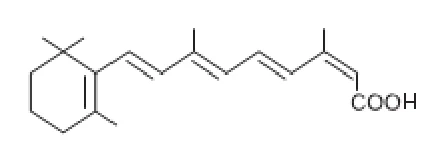 |
During the study, safety assessments included monitoring of adverse events, laboratory tests, psychiatric evaluations, BMD and bone age assessments, questions about musculoskeletal symptoms, ophthalmic and audiology testing.
Change from baseline to Week 20 in total nodular lesion count and proportion of subjects with at least a 90% reduction in total nodular lesion count from baseline to Week 20 are presented in Table 6. Total nodular lesion counts by visit are presented in Figure 1. A single course of the non-micronized formulation of isotretinoin and another isotretinoin capsule product therapy for 15 to 20 weeks was shown to result in complete and prolonged remission of acne in many patients.
Table 6: Efficacy Results in Subjects with Severe Recalcitrant Nodular Acne at Week 20:
Total nodular lesion count (facial and truncal) – ITT Population [Last observation carried forward]
Isotretinoin* N=464 | Reference Isotretinoin Capsule Product N=461 | |
Nodular Lesions Mean Baseline Count Mean Reduction | 18.4 -15.68 | 17.7 -15.62 |
| Subjects Achieving 90% Reduction, n (%) | 324 (70%) | 344 (75%) |
*a non-micronized formulation of isotretinoin
Figure 1: Total Nodular (Facial and Truncal) Lesion Count in Subjects with Severe Recalcitrant Nodular Acne by Visit [ITT Population (Last observation carried forward)]
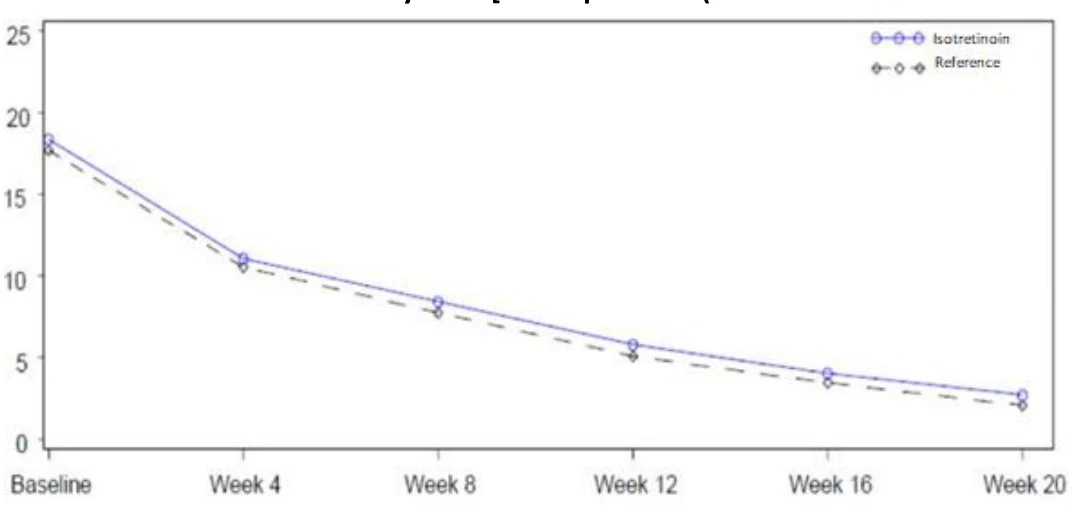
14.2 Comparative Bioavailability Studies
A randomized, three-treatment, three-period, six-sequence crossover, single dose oral comparative bioavailability study of Absorica LD (Test) 32 mg capsules (Sun Pharmaceutical Industries Limited) and Absorica® (US Reference) 40 mg capsule (Ranbaxy Laboratories Inc.) in healthy adult subjects was conducted under fed (high fat, high calorie) conditions. The comparative bioavailability study also assessed the effect of food on Absorica LD (Test) 32 mg capsules (results presented in Section 10.3 of the PM). The results from 61 subjects that completed the study are presented below.
Summary Table of the Comparative Bioavailability Data for Single Dose Fed Study
Isotretinoin (1 x 32 mg) vs. (1 x 40 mg) From measured data Geometric Mean Arithmetic Mean (CV %) | ||||
| Parameter | Test1 | Reference2 | % Ratio of Geometric Means | 90% Confidence Interval |
AUCT (ng•hr/mL) | 9959 10209.1 (19.3) | 10386 10693.0 (21.0) | 95.9 | 93.0 – 98.9 |
AUCI (ng•hr/mL) | 10702 10921.9 (19.9) | 11201 11676.6 (24.4) | 95.5 | 92.6 – 98.6 |
CMAX (ng/mL) | 599.9 645.7 (42.6) | 570.3 595.7 (30.9) | 105.2 | 97.7 – 113.3 |
TMAX3 (h) | 7.8 (59.2) | 7.8 (55.8) | ||
T½3 (h) | 23.5 (28.0) | 24.0 (29.5) | ||
1 Absorica LD (Isotretinoin Capsules), 32 mg (Sun Pharmaceutical Industries Limited).
2 Absorica (Isotretinoin Capsules), 40 mg, Ranbaxy Laboratories Inc. (now Sun Pharmaceutical Industries, Inc.), USA.
3 Expressed as the arithmetic mean (CV%) only.
A randomized, two-period, two-treatment, two-sequence crossover, single dose oral comparative bioavailability study of Absorica LD (Test) 32 mg capsules (Sun Pharmaceutical Industries Limited) and Absorica® (Reference) 40 mg capsule (Ranbaxy Laboratories Inc.) in healthy adult subjects was conducted under fasting conditions. The results from 18 subjects that completed the study are presented below.
Summary Table of the Comparative Bioavailability Data for Single Dose Fasted Study
Isotretinoin (1 x 32 mg) vs. (1 x 40 mg) From measured data Geometric Mean Arithmetic Mean (CV %) | ||||
| Parameter | Test1 | Reference2 | % Ratio of Geometric Means | 90% Confidence Interval |
AUCT (ng•hr/mL) | 7289 7485.1 (22.6) | 3670 3833.6 (30.3) | 198.6 | 175.2 - 225.2 |
AUCI (ng•hr/mL) | 7807 8016.3 (22.5) | 3977 4164.2 (31.1) | 196.3 | 172.9 – 223.0 |
CMAX (ng/mL) | 507.6 539.0 (33.5) | 231.1 238.2 (25.5) | 219.6 | 187.3 - 257.6 |
TMAX3 (h) | 3.1 (33.0) | 3.0 (50.9) | ||
T½ 3 (h) | 24.6 (21.5) | 26.0 (27.3) | ||
1 Absorica LD (Isotretinoin Capsules), 32 mg (Sun Pharmaceutical Industries Limited).
2 Absorica (Isotretinoin Capsules), 40 mg, Ranbaxy Laboratories Inc. (now Sun Pharmaceutical Industries, Inc.), USA.
3 Expressed as the arithmetic mean (CV%) only.
15 MICROBIOLOGY
No microbiological information is required for this drug product.
16 NON-CLINICAL TOXICOLOGY
General Toxicology:
Acute Toxicity Studies
| Animal model | Route | LD50 (mg/kg) | Observation Period (days) |
|---|---|---|---|
| Mouse | Oral | 3,389 | 20 |
| Mouse | Intraperitoneal | 904 | 20 |
| Rat | Oral | > 4,000 | 20 |
| Rat | Intraperitoneal | 901 | 20 |
| Rabbit | Oral | approx. 1,960 | 14 |
(Signs and symptoms: sedation and respiratory depression)
Pyramiding doses of 4.8, 13.1, 41.2 and 79.8 mg/kg of isotretinoin were administered to dogs. All dogs survived. Diarrhea occurred in dogs treated with doses of 13.1 mg/kg or higher.
Long-Term Toxicity Studies
55-week Oral Toxicity - Dog
In a 55-week toxicity study conducted in beagle dogs (9/sex/group), isotretinoin was administered as a dietary admix at doses of 3, 20 or 120 mg/kg/day. Severe toxicity developed in the high-dose group and administration was stopped at the end of week 4. Isotretinoin was restarted in this group at the end of 12 weeks, but at a reduced dosage of 60 mg/kg/day. After 7 weeks, administration again had to be stopped for 6 weeks. Administration continued uninterrupted until week 30. Thereafter, the high-dose group was maintained on a cycle of 2 weeks no treatment followed by 6 weeks of treatment with 60 mg/kg/day.
In the high-dose group (60/120 mg/kg/day), the following toxic manifestations were observed: weight loss, skin lesions, visible blood in feces, ophthalmological changes (epiphora, superficial punctate corneal opacities in the subepithelial stroma, vascularization of the subepithelial corneal stroma and congestion or hyperemia of the palpebral and/or bulbar conjunctiva), decreases in hematocrit and hemoglobin, decreased mean serum glucose levels, slight alterations in mean serum transaminase activity, elevations in mean serum alkaline phosphatase activity, and qualitative albuminuria.
Most clinical signs of toxicity disappeared or diminished when isotretinoin was withdrawn and reappeared when treatment was reactivated. Pathological changes in the high-dose group included: increased incidence of focal gross lesions in the gastrointestinal tract, testicular atrophy with evidence of spermatogenic arrest, increased mean liver weight, microscopic evidence for oedema and/or erythrophagocytosis of the lymph nodes, encephalomalacia limited to single microscopic foci in the brain of two dogs, and degeneration of elastic fibre in four dogs.
Many of the clinical and pathological signs, except for weight loss and corneal opacities, seen in the high dosage group were also evident in the dogs treated with 20 mg/kg/day. However, a tendency towards a decreased frequency and a longer time to first appearance than in the high-dose group was noted.
The low dosage (3 mg/kg/day) was well tolerated, but microscopic changes in the lymph nodes were observed in the same number of dogs as was recorded for the mid-dose group.
Two-year Oral Toxicity - Rat
Isotretinoin was administered to rats (80/sex/group) as a dietary admix for two years. All groups received 1 mg/kg/day for 13 weeks in order to avoid excessive bone fractures during the major period of growth. Thereafter, doses of 2, 8 and 32 mg/kg/day were administered. In the high-dose group, administration of drug was discontinued during Weeks 29 - 41 and 67 - 73 due to long bone fracture.
All observed side effects of hypervitaminosis A syndrome were spontaneously reversible after withdrawal of isotretinoin. Even experimental animals in a poor general state had largely recovered within 1-2 weeks.
32 mg/kg/day
Upon completion of the study, the following clinical and laboratory findings were observed in the high dose group: increased mortality, decreased body weight gain and food consumption; altered gait (related to possible long bone fracture); decreased hemoglobin and hematocrit; elevated serum alkaline phosphatase, serum triglycerides, serum phosphate, and serum urea nitrogen; exacerbated age- and sialodacryoadenitis (SDA) virus-related eye changes; skin lesions; some increased organ weights. The following histopathological findings were noted: reduplication of small bile ducts; focal fibrosis and focal chronic inflammation of the heart; focal dilation of renal tubules and focal chronic inflammation of the kidney; adrenal medullary lesions (hyperplasia and pheochromocytomas); arteritis; calcification of arteries; focal calcification in tissues; focal osteolysis of bone.
8 mg/kg/day
When isotretinoin was administered to rats at 8 mg/kg/day as a dietary admix for two years, the clinical and laboratory findings were: increased mortality; decreased body weight gain; decreased hemoglobin and hematocrit; elevated serum alkaline phosphatase and serum triglycerides; exacerbated age- and SDA virus-related eye changes; skin lesions; some increased organ weights. The histopathological findings were: reduplication of small bile ducts; focal fibrosis and focal chronic inflammation in the heart; renal tubular dilation and focal chronic inflammation in the kidney; adrenal medullary lesions (hyperplasia and pheochromocytomas); arteritis; calcification of arteries; focal calcification in tissues; focal osteolysis of bone.
2 mg/kg/day
When isotretinoin was administered to rats at 2 mg/kg/day as a dietary admix for two years, the clinical and laboratory findings were: elevated serum alkaline phosphatase values, some increased organ weights. The histopathological findings were: reduplication of small bile ducts; increased focal chronic inflammation of the kidneys; arteritis; calcification of arteries; focal calcification in tissues.
Although an increased incidence of pheochromocytomas and adrenal medullary hyperplasia were observed at the high and mid doses, no increase was observed at the low dose. It is very likely that this increase in number of adrenal medullary proliferative lesions was mediated by an effect upon hormonal status in rats that were already hormonally abnormal because of their genetic origin and overfeeding, as well as other aspects of the environment of laboratory rats. Dose-related decreases in the incidence of liver adenomas and angiomas in male rats and leukemia in female rats were also noted.
Carcinogenicity:
In male and female Fischer 344 rats given oral isotretinoin at dosages of 8 or 32 mg/kg/day (1.3 to 5.3 times the recommended clinical dose of 1 mg/kg/day, respectively, after normalization for total body surface area) for greater than 18 months, there was a dose-related increased incidence of pheochromocytoma relative to controls. The incidence of adrenal medullary hyperplasia was also increased at the higher dosage in both sexes. The relatively high level of spontaneous pheochromocytomas occurring in the male Fischer 344 rat makes it an equivocal model for study of this tumour, therefore, the relevance of this tumour to the human population is uncertain.
Genotoxicity:
The Ames test was conducted with isotretinoin in two laboratories. The results of the tests in one laboratory were negative, while in the second laboratory, a weakly positive response (less than 1.6 times background) was noted in S. typhimurium TA 100 when the assay was conducted with metabolic activation. No dose response effect was seen, and all other strains were negative. Additionally, other tests designed to assess genotoxicity (Chinese hamster cell assay, mouse micronucleus test, S. cerevisiae D7 assay, in vitro clastogenesis assay with human-derived lymphocytes, and unscheduled DNA synthesis assay) were all negative.
Reproductive and Developmental Toxicology:
Like other vitamin A derivatives, isotretinoin has been shown in animal experiments to be teratogenic and embryotoxic; however, there is a large species variation in the teratogenic effect. Rats have been reported to be less sensitive to the teratogenic effects of isotretinoin; whereas, humans have been reported to be the most sensitive. Differences in sensitivity are a result of interspecies differences in the pharmacokinetics and placental transfer of isotretinoin. The following table provides the low dose (mg/kg) reported to elicit teratogenesis in animal models.
| Species | Low dose to elicit teratogenic effect (mg/kg) |
|---|---|
| Mouse/rat | 75-150 |
| Rabbit | 10 |
| Monkey | 2.5-5 |
| Human | 0.4-1 |
Fertility and General Reproductive Performance - Rat
Isotretinoin at doses of 2, 8 or 32 mg/kg/day was administered orally to male rats for 63 days prior to mating and through the mating period and to females for 14 days prior to mating and through day 13 of gestation or day 21 of gestation or day 21 of lactation. No adverse effects on fertility and general reproductive performance were observed except for a slight reduction in the weight of weanlings in the high-dose group.
Teratology - Rat
A teratology study was conducted in rats with 5, 15 or 50 mg/kg/day of isotretinoin administered orally on gestation days 7 through 15. Doses of up to 50 mg/kg/day of isotretinoin were found to be non-teratogenic. In an earlier study a dose of 150 mg/kg/day was observed to be teratogenic.
Teratology - Rabbit
New Zealand white rabbits were administered isotretinoin at doses of 1, 3 or 10 mg/kg/day on days 7 through 18 of gestation. No teratogenic or embryotoxic effects were observed at 1 and 3 mg/kg/day. At 10 mg/kg/day, 9/13 does aborted and teratogenicity and embryotoxicity were observed in the remaining four litters.
Perinatal and Postnatal Evaluation - Rat
Rats were administered isotretinoin at doses of 5, 15 or 32 mg/kg/day orally from gestation day 14 through day 21 of lactation. Increased pup mortality, considered secondary to reduced maternal food intake, was noted in all treated groups and particularly in the high-dose group. Body weight development of pups was impaired significantly in the high-dose group. Similarly, this effect was considered due to a reduced food intake by the dams.