


Product Monograph - ACH-Hydroxychloroquine Sulfate
RECENT MAJOR LABEL CHANGES
| 4 DOSAGE AND ADMINISTRATION, 4.2 Recommended Dose and Dosage Adjustment | 01/2022 |
|---|---|
| 7 WARNINGS AND PRECAUTIONS, Hematologic | 01/2022 |
| 7 WARNINGS AND PRECAUTIONS, Musculoskeletal | 01/2022 |
| 7 WARNINGS AND PRECAUTIONS, Psychiatric | 01/2022 |
| 7 WARNINGS AND PRECAUTIONS, 7.1.1 Pregnancy | 01/2022 |
| 7 WARNINGS AND PRECAUTIONS, 7.1.4 Geriatrics | 01/2022 |
| 7 WARNINGS AND PRECAUTIONS, Skin | 01/2023 |
| 7 WARNINGS AND PRECAUTIONS, Cardiovascular | 09/2023 |
| 7 WARNINGS AND PRECAUTIONS, Musculoskeletal | 06/2024 |
| 7 WARNINGS AND PRECAUTIONS, Reactivation of Infections | 08/2025 |
| 7 WARNINGS AND PRECAUTIONS, Hematologic | 04/2026 |
TABLE OF CONTENTS
Certain sections or subsections that are not applicable at the time of the preparation of the most recent authorized product monograph are not listed.
RECENT MAJOR LABEL CHANGES ............................................................................................. 2
TABLE OF CONTENTS ............................................................................................................... 2
PART 1: HEALTH PROFESSIONAL INFORMATION ...................................................................... 4
1 INDICATIONS ................................................................................................................ 4
1.1 Pediatrics ................................................................................................................. 4
1.2 Geriatrics ................................................................................................................. 4
2 CONTRAINDICATIONS .................................................................................................. 5
4 DOSAGE AND ADMINISTRATION .................................................................................. 5
4.1 Dosing Considerations ............................................................................................. 5
4.2 Recommended Dose and Dosage Adjustment ........................................................ 5
4.5 Missed Dose ............................................................................................................ 7
5 OVERDOSE ................................................................................................................... 7
6 DOSAGE FORMS, STRENGTHS, COMPOSITION AND PACKAGING .................................. 9
7 WARNINGS AND PRECAUTIONS ................................................................................... 9
7.1 Special Populations................................................................................................ 16
7.1.1 Pregnancy ........................................................................................................ 16
7.1.2 Breast-feeding ................................................................................................. 17
7.1.3 Pediatrics ......................................................................................................... 17
7.1.4 Geriatrics ......................................................................................................... 17
8 ADVERSE REACTIONS ................................................................................................. 17
8.2 Clinical Trial Adverse Reactions ............................................................................. 17
8.5 Post-Market Adverse Reactions ............................................................................ 20
9 DRUG INTERACTIONS ................................................................................................. 20
9.2 Drug Interactions Overview ................................................................................... 20
9.4 Drug-Drug Interactions .......................................................................................... 22
9.5 Drug-Food Interactions .......................................................................................... 28
10 CLINICAL PHARMACOLOGY ........................................................................................ 28
10.1 Mechanism of Action ............................................................................................. 28
10.3 Pharmacokinetics .................................................................................................. 28
11 STORAGE, STABILITY AND DISPOSAL .......................................................................... 29
12 SPECIAL HANDLING INSTRUCTIONS ............................................................................ 29
PART 2: SCIENTIFIC INFORMATION ........................................................................................ 30
13 PHARMACEUTICAL INFORMATION ............................................................................. 30
14 CLINICAL TRIALS ......................................................................................................... 31
14.3 Comparative Bioavailability Studies ...................................................................... 31
15 MICROBIOLOGY ......................................................................................................... 31
16 NON-CLINICAL TOXICOLOGY ...................................................................................... 31
17 SUPPORTING PRODUCT MONOGRAPHS ..................................................................... 33
PATIENT MEDICATION INFORMATION ................................................................................... 34
PART 1: HEALTH PROFESSIONAL INFORMATION
1 INDICATIONS
ACH-HYDROXYCHLOROQUINE SULFATE (Hydroxychloroquine sulfate tablets) is indicated for:
- the treatment of rheumatoid arthritis, and discoid and systemic lupus erythematosus, in adult patients who have not responded satisfactorily to drugs with less potential for serious side effects.
- the suppressive treatment and treatment of acute attacks of malaria due to P. vivax, P. malariae, P. ovale, and susceptible strains of P. falciparum. ACH-HYDROXYCHLOROQUINE SULFATE is not active against the exo-erythrocytic forms of P. vivax, P. malariae and P. ovale, and therefore will neither prevent infection due to these organisms when given prophylactically, nor prevent relapse of infection due to these organisms. It is highly effective as a suppressive agent in patients with vivax or malariae malaria in terminating acute attacks and significantly lengthening the interval between treatment and relapse. In patients with falciparum malaria, ACH-HYDROXYCHLOROQUINE SULFATE abolishes the acute attack and effects complete cure of the infection, unless due to a resistant strain of P. falciparum (see 7 WARNINGS AND PRECAUTIONS, General, Malaria).
1.1 Pediatrics
Pediatrics (< 18 years of age): ACH-HYDROXYCHLOROQUINE SULFATE is contraindicated in children below 6 years of age (see 2 CONTRAINDICATIONS). The safety of hydroxychloroquine sulfate for the treatment of juvenile rheumatoid arthritis has not been established (see 4.2 Recommended Dose and Dosage Adjustment, Rheumatoid Arthritis). The safety and efficacy of hydroxychloroquine sulfate in children have not been established in rheumatoid arthritis or systemic lupus erythematosus (see 7.1.3 Pediatrics).
1.2 Geriatrics
Geriatrics (≥ 65 years of age): Clinical trials of hydroxychloroquine sulfate did not include sufficient numbers of patients 65 years of age and older to determine whether they respond differently from younger adult patients. Hydroxychloroquine sulfate can prolong the QTc interval, especially in patients with underlying risk factors, which may lead to an increased risk of ventricular arrhythmias including torsade de pointes. Risk factors for torsade de pointes in the general population include the age of ≥ 65 years (see 7 WARNINGS AND PRECAUTIONS, Cardiovascular, Electrocardiogram Changes and Potential for Cardiac Arrhythmias). Extreme caution should be taken when using ACH-HYDROXYCHLOROQUINE SULFATE in geriatric patients aged ≥ 65 years due to the drug toxicity and the greater frequency of decreased hepatic, renal or cardiac function, and of concomitant disease or other drug therapy in this population (see 7.1.4 Geriatrics).
2 CONTRAINDICATIONS
ACH-HYDROXYCHLOROQUINE SULFATE is contraindicated in:
- Patients with pre-existing retinopathy of the eye.
- Patients with known hypersensitivity to 4-aminoquinoline compounds.
- Patients who are hypersensitive to hydroxychloroquine sulfate or to any ingredient in the formulation, including any non-medicinal ingredient, or component of the container. For a complete listing, see 6 DOSAGE FORMS, STRENGTHS, COMPOSITION AND PACKAGING.
- Children below 6 years of age (200 mg tablets not adapted for weight <35 kg) (see 7.1.3 Pediatrics).
4 DOSAGE AND ADMINISTRATION
4.1 Dosing Considerations
- Absolute body weight used as a guide to dosage could result in an overdosage; daily doses should not exceed 6.5 mg (salt form)/kg ideal (lean) body weight. Exceeding the recommended daily dose sharply increase the risk of retinal toxicity as well as cardiac arrhythmias (see 7 WARNINGS AND PRECAUTIONS, Cardiovascular and Ophthalmologic).
- ACH-HYDROXYCHLOROQUINE SULFATE should be discontinued if signs and symptoms of cardiomyopathy develop, in patients who develop torsade de pointes, polymorphic ventricular tachycardia, signs/symptoms of serious arrhythmia, severe hypoglycemia, severe blood disorder, muscular weakness, or extrapyramidal reactions. ACH-HYDROXYCHLOROQUINE SULFATE dosage may need to be temporarily reduced in patients who develop impaired accommodation and blurring of vision that is not self-limiting (see 7 WARNINGS AND PRECAUTIONS, Cardiovascular, Driving and Operating Machinery, Endocrine and Metabolism, Hematologic, Musculoskeletal, and Neurologic).
- The dosages cited below are stated in terms of hydroxychloroquine sulfate. Each dose should be taken with a meal or a glass of milk.
4.2 Recommended Dose and Dosage Adjustment
Rheumatoid Arthritis
The compound is cumulative in action and will require several weeks to exert its beneficial therapeutic effects, whereas minor side effects may occur somewhat early. Several months of therapy may be required before maximum effects can be obtained. If objective improvement (such as reduced joint swelling, increased mobility) does not occur within six months, the drug should be stopped. Safe use of the drug in the treatment of juvenile rheumatoid arthritis has not been established.
Initial dosage – In adults, from 400 to 600 mg daily. In a few patients, the side effects may require temporary reduction of the initial dosage. Generally, after five to ten days the dose may be gradually increased to the optimum response level, frequently, without return of side effects.
Maintenance dosage – When a good response is obtained (usually in four to twelve weeks), the dosage is reduced by 50 percent and continued at an acceptable maintenance level of 200 to 400 mg daily. The incidence of retinopathy has been reported to be higher when the maintenance dose is exceeded.
If a relapse occurs after medication is withdrawn, therapy may be resumed or continued on an intermittent schedule if there are no ocular contraindications.
Use in Combination Therapy: ACH-HYDROXYCHLOROQUINE SULFATE may be used safely and effectively in combination with corticosteroids, salicylates, NSAIDS, and methotrexate and other second line therapeutic agents. Corticosteroids and salicylates can generally be decreased gradually in dosage or eliminated after the drug has been used for several weeks. When gradual reduction of steroid dosage is suggested, it may be done by reducing every four to five days, the dose of cortisone by no more than 5 to 15 mg; of hydrocortisone from 5 to 10 mg; of prednisolone and prednisone from 1 to 2.5 mg; of methylprednisolone and triamcinolone from 1 to 2 mg and dexamethasone from 0.25 to 0.5 mg. No definitive dose combinations have been established.
Lupus Erythematosus
Initially, the average adult dose is 400 mg once or twice daily. This may be continued for several weeks or months, depending upon the response of the patient. For prolonged maintenance therapy, a smaller dose, from 200 to 400 mg daily will suffice. The incidence of retinopathy has been reported to be higher when this maintenance dose is exceeded.
Malaria
Suppression – In adults, 400 mg on exactly the same day of each week. In children (6 years of age and older), the weekly suppressive dose is 5 mg base/kg, but should not exceed the adult dose regardless of body weight.
Suppressive therapy should begin two weeks before exposure. When not administered before exposure, give an initial loading dose of 800 mg to adults, or 10 mg base/kg to children in two divided doses, six hours apart. The suppressive therapy should be continued for eight weeks after leaving the endemic area.
Treatment of the acute attack – In adults, an initial loading dose of 800 mg followed by 400 mg in six to eight hours. This is followed by 400 mg on each of the next two days for a total of 2 g of hydroxychloroquine sulfate or 1.55 g base. Alternatively, the administration of a single dose of 800 mg has also proved effective. The dosage for adults may also be calculated by body weight.
For children (6 years of age and older) – dosage calculated by body weight is preferred. A total dose representing 25 mg of base/kg is administered over three days as follows:
First dose: 10 mg base/kg (not to exceed 620 mg base)
Second dose: 5 mg base/kg 6 hours after the first dose (not to exceed 310 mg base)
Third dose: 5 mg base/kg 18 hours after the second dose
Fourth dose: 5 mg base/kg 24 hours after the third dose
For radical cure of vivax and malariae malaria – concomitant therapy with an 8-aminoquinoline compound is necessary.
Dosing in Special Populations
Patients with Hepatic Impairment: ACH-HYDROXYCHLOROQUINE SULFATE should be used with caution in patients with hepatic impairment; a reduction in dosage may be necessary (see 7 WARNINGS AND PRECAUTIONS, Hepatic/Biliary/Pancreatic).
Patients with Renal Impairment: ACH-HYDROXYCHLOROQUINE SULFATE should be used with caution in patients with renal impairment; a reduction in dosage may be necessary (see 7 WARNINGS AND PRECAUTIONS, Renal).
Pregnant Women: ACH-HYDROXYCHLOROQUINE SULFATE should be avoided in pregnancy except when, in the judgment of the healthcare professional, the individual potential benefits outweigh the potential harms (see 7.1.1 Pregnancy).
4.5 Missed Dose
If a dose is missed, it should be taken as soon as possible. If the missed dose is within twelve hours of the next dose, the missed dose should be skipped, and the regular dosing schedule should be resumed. The patient should be advised never to take a double dose (see 5 OVERDOSE).
5 OVERDOSE
Overdosage with the 4-aminoquinolines is dangerous particularly in infants, as little as 1-2 grams having proved fatal.
Symptoms
The 4-aminoquinoline compounds are very rapidly and completely absorbed following ingestion and in accidental overdosage, toxic symptoms may occur within 30 minutes. These consist of headache, drowsiness, visual disturbances, cardiovascular collapse, hypokalemia and convulsions, rhythm and conduction disorders, including QT interval prolongation, torsade de pointes, ventricular tachycardia, ventricular fibrillation, width-increased QRS complex, PR interval prolongation, bradyarrhythmias, nodal rhythm, atrioventricular block, followed by sudden potentially fatal respiratory and cardiac arrest. Immediate medical attention is required, as these effects may appear shortly after overdose.
In the event of acute overdose, the patient should be carefully observed (e.g., ECG monitoring) and given symptomatic and supportive treatment. The ECG may reveal atrial standstill, nodal rhythm, prolonged intraventricular conduction time, and progressive bradycardia leading to ventricular fibrillation and/or arrest.
Treatment
Treatment is symptomatic and must be prompt with immediate evacuation of the stomach by emesis (at home, before transportation to the hospital), or gastric lavage until the stomach is completely emptied. If finely powdered activated charcoal is introduced by the stomach tube, after lavage and within 30 minutes after ingestion of the tablets, it may inhibit further intestinal absorption of the drug. To be effective, the dose of activated charcoal should be at least five times the estimated dose of ingested hydroxychloroquine. Convulsions, if present, should be controlled before attempting gastric lavage. If due to cerebral stimulation, cautious administration of an ultrashort-acting barbiturate may be tried but, if due to anoxia, convulsions should be corrected by oxygen administration, artificial respiration or, in shock with hypotension, by vasopressor therapy. Because of the importance of supporting respiration, tracheal intubation or tracheostomy, followed by gastric lavage, has also been advised. Exchange transfusions have been used to reduce the level of 4-aminoquiolines in the blood.
Consideration should be given to administering diazepam parenterally since studies have reported it beneficial in reversing chloroquine cardiotoxicity.
A patient who survives the acute phase and is asymptomatic should be closely observed for at least 6 hours. Fluids may be forced, and sufficient ammonium chloride may be administered for a few days to acidify the urine to help promote urinary excretion.
If serious toxic symptoms occur from overdosage or sensitivity, it has been suggested that ammonium chloride (8 g daily in divided doses for adults) three or four days a week be administered for several months after therapy has been stopped, as acidification of the urine increases renal excretion of the 4-aminoquinoline compounds by 20 to 90 percent. However, caution must be exercised in patients with impaired renal function and/or metabolic acidosis.
For the most recent information in the management of a suspected drug overdose, contact your regional poison centre or Health Canada’s toll-free number, 1-844 POISON (1-844-764-7669).
6 DOSAGE FORMS, STRENGTHS, COMPOSITION AND PACKAGING
Table – Dosage Forms, Strengths, Composition and Packaging
| Route of Administration | Dosage Form / Strength/Composition | Non-medicinal Ingredients |
|---|---|---|
| Oral | Tablets, 200 mg | Lactose monohydrate, magnesium stearate, maize starch, polyethylene glycol, povidone K30, talc and titanium dioxide |
Description
ACH-HYDROXYCHLOROQUINE SULFATE is available as: White to off-white, peanut shaped, biconvex, film-coated tablets debossed with “H11” on one side and plain on the other side.
Available in bottles of 100’s, 500’s and 10’s PVC-Alu Blister Pack.
7 WARNINGS AND PRECAUTIONS
General
Observe caution in patients with gastrointestinal or neurological disorders, in those with sensitivity to quinine, and in porphyria.
Carcinogenesis and Mutagenesis
Long-term studies in animals have not been conducted to evaluate the carcinogenic potential (see 16 NON- CLINICAL TOXICOLOGY). In humans, there are insufficient data to rule out an increased risk of cancer in patients receiving-long term treatment.
Cardiovascular
Cardiomyopathy
Cases of cardiomyopathy resulting in cardiac failure, in some cases with a fatal outcome, have been reported in patients treated with hydroxychloroquine sulfate. In multiple cases, endomyocardial biopsy showed association of the cardiomyopathy with phospholipidosis in the absence of inflammation, infiltration, or necrosis. Drug-induced phospholipidosis may occur in other organ systems. ACH-HYDROXYCHLOROQUINE SULFATE should be discontinued if signs and symptoms of cardiomyopathy develop. Chronic toxicity should be considered when conduction disorders (bundle branch block/atrio-ventricular heart block) as well as biventricular hypertrophy is diagnosed (see 5 OVERDOSE and 8.2 Clinical Trial Adverse Reactions, Cardiac Disorders). Monitor cardiac function as clinically indicated during therapy. Discontinue ACH-HYDROXYCHLOROQUINE SULFATE if cardiotoxicity is suspected or demonstrated by tissue biopsy.
Electrocardiogram (ECG) Changes and Potential for Cardiac Arrhythmias
Hydroxychloroquine sulfate can prolong the PR, QRS and QTc intervals, especially in patients with underlying risk factors. Serious adverse events, including fatal outcomes, have been reported in patients taking hydroxychloroquine sulfate including ventricular arrhythmias, heart blocks, ventricular fibrillation and torsade de pointes (see 5 OVERDOSE, 7 WARNINGS AND PRECAUTIONS, Monitoring and Laboratory Tests, 8.2 Clinical Trial Adverse Reactions, Cardiac disorders and 9 DRUG INTERACTIONS).
QTc prolongation may lead to an increased risk of ventricular arrhythmias including torsade de pointes. Torsade de pointes may be asymptomatic or experienced by the patient as dizziness, palpitations, syncope, or seizures. If sustained, torsade de pointes can progress to ventricular fibrillation and sudden cardiac death. Permanently discontinue ACH-HYDROXYCHLOROQUINE SULFATE in patients who develop torsade de pointes or polymorphic ventricular tachycardia or signs/symptoms of serious arrhythmia. If cardiac complications due to ACH-HYDROXYCHLOROQUINE SULFATE are suspected, treatment should be discontinued.
ACH-HYDROXYCHLOROQUINE SULFATE is not recommended for use in patients with baseline QTc prolongation (e.g., congenital or acquired Long QT Syndrome), second-or third-degree atrioventricular block. Electrolyte imbalances (e.g. hypokalemia/hypomagnesemia/hypocalcemia) must be corrected prior to use. Use of ACH-HYDROXYCHLOROQUINE SULFATE should be undertaken with extreme caution in patients with other risk factors for torsade de pointes.
Risk factors for torsade de pointes in the general population include, but are not limited to, the following: female gender; age ≥ 65 years; baseline prolongation of the QT/QTc interval; presence of genetic variants affecting cardiac ion channels or regulatory proteins, especially congenital long QT syndromes; family history of sudden cardiac death at <50 years of age; cardiac disease (e.g., myocardial ischemia or infarction, congestive heart failure, cardiomyopathy, conduction system disease); history of arrhythmias; electrolyte disturbances or conditions leading to electrolyte disturbances (e.g., persistent vomiting, eating disorders); bradycardia; acute neurological events (e.g., intracranial or subarachnoid haemorrhage, stroke, intracranial trauma); diabetes mellitus; and autonomic neuropathy.
Concomitant use with other QTc, PR or QRS interval prolonging drugs should be avoided or undertaken with particular caution (see 9 DRUG INTERACTIONS).
Carefully consider the benefits and risks before prescribing azithromycin or other macrolide antibiotics for any patients taking ACH-HYDROXYCHLOROQUINE SULFATE, because of the potential for an increased risk of cardiovascular events and cardiovascular mortality (see 9 DRUG INTERACTIONS).
The magnitude of QT, PR or QRS prolongation with ACH-HYDROXYCHLOROQUINE SULFATE may increase with increasing concentrations of the drug. Therefore, the recommended dose should not be exceeded (see 4 DOSAGE AND ADMINISTRATION and 5 OVERDOSE).
Driving and Operating Machinery
Patients should be warned about driving and operating machinery since hydroxychloroquine sulfate can impair accommodation and cause blurring of vision. If the condition is not self-limiting, dosage may need to be temporarily reduced (see 4 DOSAGE AND ADMINISTRATION).
Endocrine and Metabolism
Hydroxychloroquine sulfate has been shown to cause severe hypoglycemia including loss of consciousness that could be life threatening in patients treated with and without antidiabetic medications. Patients treated with ACH-HYDROXYCHLOROQUINE SULFATE should be warned about the risk of hypoglycemia and the associated clinical signs and symptoms. Patients presenting with clinical symptoms suggestive of hypoglycemia during treatment with ACH-HYDROXYCHLOROQUINE SULFATE should have their blood glucose level checked and the need for ACH-HYDROXYCHLOROQUINE SULFATE treatment reviewed as necessary. In cases of severe hypoglycemia, ACH-HYDROXYCHLOROQUINE SULFATE should be discontinued and alternative therapy should be considered. If patients use ACH-HYDROXYCHLOROQUINE SULFATE concomitantly with antidiabetic drugs, a decrease in doses of insulin or antidiabetic drugs may be required as Hydroxychloroquine sulfate may enhance the effects of hypoglycemic treatment (see 8.2 Clinical Trials Adverse Reactions and 9 DRUG INTERACTIONS).
Hematologic
Periodic blood counts should be obtained in patients requiring prolonged therapy due to the risk of bone marrow depression, including aplastic anemia, agranulocytosis, leucopenia, or thrombocytopenia (see 7 WARNINGS AND PRECAUTONS, Monitoring and Laboratory Tests, and 8.2 Clinical Trial Adverse Reactions). If any severe blood disorder appears that is not attributable to the disease under treatment, the drug should be discontinued.
Hemolytic Anemia Associated with G6PD Deficiency
Hemolysis has been reported in patients with glucose-6-phosphate dehydrogenase deficiency (G6PD). Patients should be monitored for hemolytic anemia, as this can occur, particularly in the context of concomitant administration of other drugs or underlying conditions that increase the risk of hemolysis.
Hepatic/Biliary/Pancreatic
ACH-HYDROXYCHLOROQUINE SULFATE should be used with caution in patients with hepatic disease or alcoholism, in whom a reduction in dosage may be necessary, or in conjunction with known hepatotoxic drugs. Isolated cases of abnormal liver function tests as well as fulminant hepatic failure have been reported (see 4.2 Recommended Dose and Dosage Adjustment, Dosing in Special Populations, 8.2 Clinical Trial Adverse Reactions, Hepatobiliary disorders, 8.5 Post-Market Adverse Reactions and 9 DRUG INTERACTIONS).
Use of hydroxychloroquine sulfate in patients with hepatic impairment as well as with concomitant CYP2C8 or CYP3A4 inhibitors can result in elevation of hydroxychloroquine plasma concentrations, with the magnitude of the effect depending on the degree of hepatic impairment, as well as the enzyme inhibited and the potency of the inhibitor (see 4.2 Recommended Dose and Dosage Adjustment, Dosing in Special Populations, 7 WARNINGS AND PRECAUTIONS, Cardiovascular, and 9 DRUG INTERACTIONS).
Hepatotoxicity
Serious cases of drug-induced liver injury (DILI) including hepatocellular injury, cholestasis acute hepatitis and fulminant hepatic failure (including fatal cases) have been reported during use of hydroxychloroquine sulfate. Some of the cases could be associated with risk factors that include pre-existing liver disease (e.g., hepatobiliary disorders, acute viral hepatitis), or predisposing conditions such as uroporphyrinogen decarboxylase deficiency or, concomitant hepatotoxic medications.
Prompt clinical evaluation and measurement of liver function tests should be performed in patients who report symptoms that may indicate liver injury, and repeated as clinically indicated.
For patients with significant liver function abnormalities (see 8 ADVERSE REACTIONS), Healthcare professionals should assess the benefits/risk of continuing the treatment. If active liver diseases or unexplained transaminases elevations develop during therapy, hydroxychloroquine sulfate should be discontinued.
Immune
Reactivation of Infections
Based on limited data, the reactivation of hepatitis B virus, herpes zoster virus and tuberculosis has been reported in patients treated with hydroxychloroquine administered alone or more often in combination with other immunosuppressants. Consider the risk of reactivation prior to using hydroxychloroquine in patients with previous history of these infections.
Malaria
Hydroxychloroquine sulfate is not effective against chloroquine-resistant strains of P. falciparum and is not active against the exo-erythrocytic forms of P. vivax, P. ovale and P. malarias and therefore will neither prevent infection due to these organisms when given prophylactically, nor prevent relapse of infection due to these organisms (see 1 INDICATIONS).
Monitoring and Laboratory Tests
ECG assessments are recommended at baseline and periodically during treatment with ACH-HYDROXYCHLOROQUINE SULFATE. More frequent monitoring is recommended if ACH-HYDROXYCHLOROQUINE SULFATE is administered to patients with baseline ECG abnormalities or who are being treated concomitantly with other QTc-, QRS-, or PR-interval prolonging drugs. Monitor electrolytes regularly (see 7 WARNINGS AND PRECAUTIONS, Cardiovascular, and 9 DRUG INTERACTIONS).
Periodic assessment of full blood counts should be performed in patients requiring prolonged treatment with ACH-HYDROXYCHLOROQUINE SULFATE (see 7 WARNINGS AND PRECAUTIONS, Hematologic, and 8.2 Clinical Trial Adverse Reactions).
Musculoskeletal
Skeletal muscle myopathy or neuropathy leading to progressive weakness and atrophy of proximal muscle groups, depressed tendon reflexes, and abnormal nerve conduction, have been reported. Muscle and nerve biopsies have demonstrated bodies and muscle fibre atrophy with vacuolar changes. All patients on long term therapy with this preparation should be questioned and examined periodically, including the examination of skeletal muscle function and tendon reflexes, testing of knee and ankle reflexes, to detect any evidence of muscular weakness. If weakness occurs, discontinue the drug (see 8.2 Clinical Trial Adverse Reactions, Musculoskeletal disorders).
Aggravation of Myasthenia Gravis
Aggravation of symptoms of myasthenia gravis (i.e., weakness of the skeletal muscles, shortness of breath, dysphagia, diplopia etc.) have been reported in myasthenic patients receiving hydroxychloroquine therapy.
Skeletal Muscle Myopathy or Neuropathy
Muscle and nerve biopsies have shown associated phospholipidosis. Drug-induced phospholipidosis may occur in other organ systems. Monitor muscle strength and deep tendon reflexes during therapy.
Discontinue hydroxychloroquine sulfate if muscle or nerve toxicity is suspected or demonstrated by tissue biopsy.
Neurologic
Extrapyramidal reactions have been reported in patients taking hydroxychloroquine sulfate (see 8.2 Clinical Trial Adverse Reactions, Nervous system disorders). Symptoms may persist in some patients after discontinuation of therapy.
Ophthalmologic
Irreversible retinal damage has been observed in some patients who had received long-term or high-dosage 4-aminoquinoline therapy for discoid and systemic lupus erythematosus, or rheumatoid arthritis. Before starting a long-term treatment, both eyes should be examined by careful ophthalmoscopy for visual acuity, central visual field and colour vision, and fundoscopy. Then, the examination should be repeated at least annually.
Retinal toxicity is largely dose-related. The risk of retinal damages is small with daily doses of up to 6.5 mg/kg ideal (lean) body weight. Exceeding the recommended daily dose sharply increases the risk of retinal toxicity. Significant risk factors for toxic retinopathy reported during long-term (≥5 years) treatment with hydroxychloroquine include daily doses greater than 6.5 mg/kg (5 mg/kg base) of actual body weight, subnormal glomerular filtration rate, durations of use longer than five years, and concurrent treatment with tamoxifen citrate. Concomitant use of ACH-HYDROXYCHLOROQUINE SULFATE with drugs known to induce retinal toxicity, such as tamoxifen, is not recommended.
Careful ophthalmologic examination should be more frequent and adapted to the patient, in the following situations:
- daily doses exceeding 6.5 mg (salt form)/kg ideal (lean) body weight. Absolute body weight used as a guide to dosage, could result in an overdosage in the obese;
- renal insufficiency;
- cumulative dose more than 200 g (salt form);
- elderly;
- impaired visual acuity.
If there is any indication of abnormality in the visual acuity, visual field, or retinal macular areas (such as pigmentary changes, loss of foveal reflex), or any visual symptoms (such as light flashes and streaks, abnormal colour vision) that are not fully explainable by difficulties of accommodation or corneal opacities, the drug should be stopped immediately. The patient should be closely observed for possible progression of the abnormality. Retinal changes (and visual disturbances) may progress even after cessation of the therapy (see 8.2 Clinical Trial Adverse Reactions, Eye disorders).
Methods recommended for early diagnosis of retinopathy consist of (1) funduscopic examination of the macula for fine pigmentary disturbances or loss of the foveal reflex and (2) examination of the central visual field with a small red test object for pericentral or paracentral scotoma or determination of retinal thresholds to red. Any unexplained visual symptoms, such as light flashes or streaks also should be regarded with suspicion as possible manifestations of retinopathy.
Psychiatric
Suicidal behaviour and psychiatric disorders have been reported in some patients treated with hydroxychloroquine sulfate (see 8.2 Clinical Trial Adverse Reactions, Psychiatric disorders, and 8.5 Post-Market Adverse Reactions, Psychiatric disorders). Psychiatric side effects typically occur within the first month after the start of treatment with hydroxychloroquine sulfate and have been reported in patients with no prior history of psychiatric disorders. Patients should be advised to seek medical advice promptly if they experience psychiatric symptoms during treatment.
Renal
ACH-HYDROXYCHLOROQUINE SULFATE should be used with caution in patients with renal disease, in whom a reduction in dosage may be necessary, as well as in those taking medicines known to affect this organ. During treatment and after discontinuation, monitoring for adverse reactions may be warranted in patients with severe renal impairment or end-stage renal disease (ESRD), given the long half-life of hydroxychloroquine (see 4.2 Recommended Dose and Dosage Adjustment, Dosing in Special Populations, 7 WARNINGS AND PRECAUTIONS, Cardiovascular, and 9 DRUG INTERACTIONS).
Proteinuria with or without moderate reduction in glomerular filtration rate have been reported with the use of hydroxychloroquine sulfate. Renal biopsy showed phospholipidosis without immune deposits, inflammation, and/or increased cellularity. Healthcare professionals should consider phospholipidosis as a possible cause of renal injury in patients with underlying connective tissue disorders who are receiving ACH-HYDROXYCHLOROQUINE SULFATE. Drug-induced phospholipidosis may occur in other organ systems. Discontinue ACH-HYDROXYCHLOROQUINE SULFATE if renal toxicity is suspected or demonstrated by tissue biopsy.
Reproductive Health: Female and Male Potential
Fertility
Animal studies showed an impairment of male fertility with chloroquine treatment (see 16 NON-CLINICAL TOXICOLOGY, Reproductive and Developmental Toxicology). The data in humans is insufficient for hydroxychloroquine.
Skin
Severe cutaneous adverse reactions (SCARs)
Cases of severe cutaneous adverse drug reactions (SCARs), including drug reaction with eosinophilia and systemic symptoms (DRESS), acute generalized exanthematous pustulosis (AGEP), Stevens-Johnson syndrome (SJS) and toxic epidermal necrolysis (TEN), have been reported during treatment with hydroxychloroquine. Patients with serious dermatological reactions may require hospitalization, as these conditions may be life-threatening and may be fatal. Patients should be informed about the signs and symptoms of serious skin manifestations and monitored closely. Monitor for serious skin reactions especially in patients receiving a drug that may also induce dermatitis. If signs and symptoms suggestive of severe skin reactions appear in any patients, hydroxychloroquine should be withdrawn at once and alternative therapy should be considered.
Worsening of Psoriasis and Porphyria
Hydroxychloroquine sulfate may cause acute generalized exanthematous pustulosis (AGEP). AGEP has to be distinguished from psoriasis, although hydroxychloroquine sulfate may precipitate attacks of psoriasis. It may be associated with fever and hyperleukocytosis. ACH-HYDROXYCHLOROQUINE SULFATE is not recommended for the treatment of psoriasis or porphyria as these conditions may be exacerbated by its use. Use caution in patients with psoriasis. Outcome is usually favorable after discontinuation of drug.
Patients with porphyria cutanea tarda (PCT) are more susceptible to hepatotoxicity.
7.1 Special Populations
7.1.1 Pregnancy
ACH-HYDROXYCHLOROQUINE SULFATE should be avoided in pregnancy except when, in the judgment of the healthcare professional, the individual potential benefits outweigh the potential harms.
It should be noted that 4-aminoquinolines at therapeutic doses have been associated with central nervous system damage, including ototoxicity (auditory and vestibular toxicity, congenital deafness), retinal hemorrhages and abnormal retinal pigmentation to the foetus.
Hydroxychloroquine crosses the placenta. Only limited reproductive toxicity data are available for hydroxychloroquine. However, large doses of chloroquine (with similarities in structure and pharmacological properties) were associated with embryonic deaths and ocular malformations in the offspring of pregnant rats (see 16 NON-CLINICAL TOXICOLOGY, Reproductive and Developmental Toxicology).
For hydroxychloroquine, when used on long-term therapy for auto-immune diseases: data from a population-based cohort study (Huybrechts et al. 2021) including 2045 hydroxychloroquine exposed pregnancies suggests a small increased risk of major congenital malformations associated with hydroxychloroquine exposure in the first trimester of pregnancy (n = 112 events). The adjusted relative risk (RR) was 1.26 (95% confidence interval, 1.04-1.54).
Close monitoring of pregnancy is recommended for early detection of congenital malformations. Available epidemiologic and clinical studies have methodological limitations including small sample size and study design.
7.1.2 Breast-feeding
Careful consideration should be given to using hydroxychloroquine sulfate during breastfeeding, since it is excreted in small amounts (approximately 2% of the maternal dose after bodyweight correction) in human breast milk and it is known that infants are extremely sensitive to the toxic effects of 4-aminoquinolines. There are very limited data on the safety in the breastfed infant during hydroxychloroquine long-term treatment. The prescriber should assess the potential risks and benefits of use during breastfeeding, according to the indication and duration of treatment.
Although hydroxychloroquine is excreted in breast milk, the amount is insufficient to confer any protection against malaria to the infant. Separate chemoprophylaxis for the infant is required.
7.1.3 Pediatrics
Safety and efficacy have not been established in rheumatoid arthritis or systemic lupus erythematosus in children. Children are especially sensitive to the 4-aminoquinoline compounds. The most reported fatalities follow the accidental ingestion of chloroquine, sometimes in small doses. Patients should be strongly warned to keep these drugs out of the reach of children (see 2 CONTRAINDICATIONS and 5 OVERDOSE).
7.1.4 Geriatrics
Clinical trials of hydroxychloroquine sulfate did not include sufficient numbers of patients 65 years of age and older to determine whether they respond differently from younger adult patients. Nevertheless, this drug is known to be substantially excreted by the kidney, and the risk of toxic reactions to this drug may be greater in patients with impaired renal function. In general, dose selection in geriatric patients should start with the lowest recommended dose, taking into consideration the greater frequency of decreased hepatic, renal or cardiac function, and of concomitant disease or other drug therapy.
8 ADVERSE REACTIONS
8.2 Clinical Trial Adverse Reactions
Clinical trials are conducted under very specific conditions. Therefore, the adverse reaction rates observed in the clinical trials may not reflect the rates observed in practice and should not be compared to the rates in the clinical trials of another drug. Adverse reactions information from clinical trials may be useful in identifying and approximating rates of adverse drug reactions in real-world use.
The following Council for International Organizations of Medical Sciences (CIOMS) frequency rating is used, when applicable: Very common ≥ 10 %; Common ≥ 1 and <10 %; Uncommon ≥ 0.1 and < 1 %; Rare ≥ 0.01 and <0.1 %; Very rare < 0.01 %; Not known (frequency cannot be estimated from available data).
Blood and lymphatic system disorders
Not known: Bone marrow depression, anemia, aplastic anemia, agranulocytosis, leucopenia, thrombocytopenia (see 7 WARNINGS AND PRECAUTIONS, Hematologic).
Cardiac disorders
Not known: Cardiomyopathy, which may result in cardiac failure and in some cases a fatal outcome.
Chronic toxicity should be considered when conduction disorders (bundle branch block/ atrioventricular heart block) as well as biventricular hypertrophy are found. Drug discontinuation may lead to recovery (see 5 OVERDOSE, 7 WARNINGS AND PRECAUTIONS, Cardiovascular, and 9 DRUG INTERACTIONS).
Hydroxychloroquine sulfate prolongs the QT, PR and/or QRS intervals which may lead to an arrhythmia. Ventricular arrhythmias and torsade de pointes have been reported in patients taking hydroxychloroquine sulfate (see 5 OVERDOSE, 7 WARNINGS AND PRECAUTIONS, Cardiovascular, and 9 DRUG INTERACTIONS).
Ear and labyrinth disorders
Uncommon: Vertigo, tinnitus.
Not known: Hearing loss, including cases of irreversible hearing loss.
Eye disorders
Common: Blurring of vision due to a disturbance of accommodation which is dose dependent and reversible (see 7 WARNINGS AND PRECAUTIONS, Ophthalmologic).
Uncommon: Maculopathies, which may be irreversible.
Retinopathy with changes in pigmentation and visual field defects (see 7 WARNINGS AND PRECAUTIONS, Ophthalmologic). In its early form, it appears reversible upon discontinuation of the drug. If allowed to develop however, there may be a risk of progression even after treatment withdrawal.
Patients with retinal changes may be asymptomatic initially, or may have scotomatous vision with paracentral, pericentral ring types, temporal scotomas, abnormal colour visions, reduction in visual acuity, night blindness, difficulty reading and skipping words.
Corneal changes including edema and opacities. They are either symptomless or may cause disturbances such as halos around lights especially at night, blurring of vision, vision disturbances, or photophobia. They may be transient or are reversible upon discontinuation of therapy (see 7 WARNINGS AND PRECAUTIONS, Ophthalmologic).
Not known: Macular degeneration, which may be irreversible.
Gastrointestinal disorders
Very common: Abdominal pain, nausea.
Common: Diarrhea, vomiting.
These symptoms usually resolve immediately upon reducing the dose or upon stopping the treatment.
Hepatobiliary disorders
Uncommon: Abnormal liver function tests.
Not known: Fulminant hepatic failure (see 7 WARNINGS AND PRECAUTIONS, Hepatic/Biliary/Pancreatic).
Immune system disorders
Not known: Urticaria, angioedema, bronchospasm.
Metabolism and nutrition disorders
Common: Anorexia (usually resolves immediately upon reducing the dose or upon stopping the treatment).
Not known: hypoglycemia (see 7 WARNINGS AND PRECAUTIONS, Endocrine and Metabolism).
Hydroxychloroquine sulfate may exacerbate porphyria (see 7 WARNINGS AND PRECAUTIONS, General).
Musculoskeletal and connective tissue disorders
Uncommon: Sensorimotor disorders.
Not known: Skeletal muscle palsies or skeletal muscle myopathy or neuromyopathy leading to progressive weakness and atrophy of proximal muscle groups. Depression of tendon reflexes, abnormal results of nerve conduction tests. Myopathy may be reversible after drug discontinuation, but recovery may take many months (see 7 WARNINGS AND PRECAUTIONS, Musculoskeletal).
Nervous system disorders
Common: Headache.
Uncommon: Dizziness.
Not known: Convulsions. Extrapyramidal reactions such as akathisia, dystonia, dyskinesia, gait disturbance, tremor.
Psychiatric disorders
Common: Affect/emotional lability.
Uncommon: Nervousness, irritability.
Not known: Psychosis, suicidal behavior, suicidal ideation.
Renal and urinary disorders
Not known: Renal Phospholipidosis leading to renal injury (see 7 WARNINGS AND PRECAUTIONS, Renal).
Skin and subcutaneous tissue disorders
Common: Skin rash, pruritus.
Uncommon: Pigmentary changes in skin and mucous membranes, bleaching of hair, alopecia. These usually resolve readily upon cessation of therapy.
Not known: Erythema multiforme, photosensitivity, exfoliative dermatitis, urticarial, morbilliform, lichenoid, maculopapular, purpuric, erythema annulare centrifugum, Sweet’s syndrome and severe cutaneous adverse reactions (SCARs) including toxic epidermal necrolysis (TEN), Stevens-Johnson syndrome (SJS), Drug Rash with Eosinophilia and Systemic Symptoms (DRESS), acute generalized exanthematous pustulosis (AGEP) (see 7 WARNINGS AND PRECAUTIONS, Skin).
8.5 Post-Market Adverse Reactions
The frequency of post-market adverse reactions cannot be estimated from available data.
Psychiatric disorders
Depression, hallucinations, anxiety, agitation, confusion, delusions, mania and sleep disorders.
Hepatobiliary disorders
Not known: Drug-induced liver injury (DILI) including hepatocellular injury and acute hepatitis.
9 DRUG INTERACTIONS
9.2 Drug Interactions Overview
Drugs that Prolong the PR, QRS and/or QTc Intervals
ACH-HYDROXYCHLOROQUINE SULFATE has the potential to prolong the PR, QRS and/or QTc intervals in a concentration-related manner (see 7 WARNINGS AND PRECAUTIONS, Cardiovascular). Caution is recommended if ACH-HYDROXYCHLOROQUINE SULFATE is used concomitantly with other drugs that prolong the PR, QRS and QTc intervals. Current information sources should be consulted for drugs that prolong the QTc interval, the QRS duration, or the PR interval.
Macrolide antibiotics
Observational data have shown that co-administration of hydroxychloroquine with azithromycin in patients with rheumatoid arthritis is associated with an increased risk of cardiovascular events and cardiovascular mortality. Carefully consider the balance of benefits and risks before prescribing azithromycin for any patients taking hydroxychloroquine. Similar careful consideration of the balance of benefits and risks should also be undertaken before prescribing other macrolide antibiotics for any patients taking hydroxychloroquine because of the potential for a similar risk when hydroxychloroquine is co-administered with these medicines.
Halofantrine should not be administered with ACH-HYDROXYCHLOROQUINE SULFATE.
Drugs that Affect Electrolytes
Caution is recommended if ACH-HYDROXYCHLOROQUINE SULFATE is used with drugs that have the potential to decrease electrolytes levels. Current information sources should be consulted for drugs that disrupt electrolytes.
A table with potential drug interaction with hydroxychloroquine sulfate is included below. This list of possible drug interactions is not exhaustive. ACH-HYDROXYCHLOROQUINE SULFATE should also be used with caution in patients taking medicines which may cause adverse ocular or skin reactions (see 7 WARNINGS AND PRECAUTIONS, Ophthalmologic and Skin).
Pharmacokinetic interaction
In vitro, hydroxychloroquine is metabolized by CYP2C8, CYP3A4 and CYP2D6, as well as by FMO-1 and MAO-A, with no major involvement of a single CYP or enzyme (see 10 CLINICAL PHARMACOLOGY). Therefore, inhibitors and inducers of CYP2C8 and CYP3A4 may affect hydroxychloroquine exposure.
Hydroxychloroquine inhibits CYP2D6 in vivo. In vitro, hydroxychloroquine inhibits CYP3A4/5, CYP2D6, OCT1, OCT2, MATE1, MATE2-K, is a weak inhibitor of P-glycoproteins (P-gp) and basic model calculations for these predicts the risk of in vivo interaction. Therefore co-administration of hydroxychloroquine with drugs that are primarily metabolized by CYP2D6 and CYP3A4/5 and P-gp may result in increased plasma concentrations of such drugs which could increase or prolong their therapeutic effect and adverse events (see Table 1). For substrates of OCT1, OCT2, MATE1, MATE2-K, there is insufficient data to rule out an in vivo effect.
Based on in vitro data, hydroxychloroquine does not inhibit CYP1A2, CYP2B6, CYP2C8, CYP2C9, CYP2C19 (IC50 > 200µM) and the transporters OATP1B1, OATP1B3, OAT1 and OAT3 (IC50 > 110µM). In vitro, hydroxychloroquine does not induce CYP1A2, CYP2B6 and CYP3A4 at non- cytotoxic concentrations up to 75µM.
9.4 Drug-Drug Interactions
The drugs listed in this table are based on either drug interaction case reports or studies, or potential interactions due to the expected magnitude and seriousness of the interaction (i.e., those identified as contraindicated).
Table 1 – Established or Potential Drug-Drug Interactions
| Proper/Common name | Source of Evidence | Effect | Clinical comment |
|---|---|---|---|
| Proper/Common name | Source of Evidence | Effect | Clinical comment |
| Proper/Common name | Source of Evidence | Effect | Clinical comment |
| Proper/Common name | Source of Evidence | Effect | Clinical comment |
| Proper/Common name | Source of Evidence | Effect | Clinical comment |
| Proper/Common name | Source of Evidence | Effect | Clinical comment |
| Agalsidase | T | ↓ activity of agalsidase | There is a theoretical risk of inhibition of intra-cellular α-galactosidase activity when hydroxychloroquine sulfate is co-administered with agalsidase. |
| Aminoglycoside antibiotics | T | ↑ blocking action | Hydroxychloroquine sulfate may also be subject to several of the known interactions of chloroquine, even though specific reports have not appeared, including potentiation of its direct blocking action at the neuromuscular junction by aminoglycoside antibiotics. |
Antacids (e.g., magnesium- containing antacids, kaolin) | T | ↓ absorption of hydroxy-chloroquine | As with chloroquine, co-administration with antacids (such as magnesium-containing antacids or kaolin) may result in reduced absorption of hydroxychloroquine sulfate. Per extrapolation, ACH-HYDROXYCHLOROQUINE SULFATE should therefore be administered at least two hours apart from antacids or kaolin. |
| Antidiabetic drugs and insulin | C | ↑ effect of antidiabetic | As ACH-HYDROXYCHLOROQUINE SULFATE may enhance the effects of a hypoglycemic treatment, a decrease in doses of antidiabetic drugs or insulin may be required (see 7 WARNINGS AND PRECAUTIONS, Endocrine and Metabolism). |
| Antiepileptic drugs | C | ↓ activity of antiepileptic | The activity of antiepileptic drugs might be impaired if co-administered with ACH-HYDROXYCHLOROQUINE SULFATE. |
Antimalarial drugs known to lower the convulsion threshold (e.g., mefloquine) | T | ↑ risk of convulsions | Hydroxychloroquine sulfate can lower the convulsive threshold. Co-administration of ACH-HYDROXYCHLOROQUINE SULFATE with other antimalarial drugs known to lower the convulsion threshold (e.g., mefloquine) may increase the risk of convulsions. |
CYP2C8 and CYP3A4 inducers (e.g., rifampin, St. John's Wort, carbamazepine, phenobarbital) | C | ↓ efficacy | Lack of efficacy of hydroxychloroquine sulfate was reported when rifampin, a CYP2C8 and/or CYP3A4 strong inducer, was concomitantly administered. PBPK simulations based on in vitro data support this observation, as strong CYP2C8 and/or CYP3A4 inducers showed a decrease in hydroxychloroquine exposure. Caution is advised (e.g., monitoring for efficacy) when CYP2C8 and CYP3A4 strong inducers (such as rifampin, St. John's Wort, carbamazepine, phenobarbital) are concomitantly administered. |
CYP2C8 and CYP3A4 inhibitors (e.g., cimetidine, ketoconazole, itraconazole, erythromycin, aprepitant, fluconazole, clopidogrel, teriflunomide, letermovir, | T | ↑ exposure of hydroxy-chloroquine | Concomitant use of cimetidine, a moderate CYP2C8 and CYP3A4 inhibitor, resulted in a 2-fold increase of chloroquine exposure. Per extrapolation, due to the similarities in structure and metabolic elimination pathways between hydroxychloroquine and chloroquine, a similar interaction could be observed for ACH-HYDROXYCHLOROQUINE SULFATE. PBPK simulations based on in vitro data show that strong CYP2C8 or CYP3A4 |
| gemfibrozil, ritonavir, clarithromycin) | inhibitors would increase hydroxychloroquine exposure. Co-administration of hydroxychloroquine sulfate with moderate and strong CYP2C8 and/or CYP3A4 inhibitors (such as, but not limited to, ketoconazole, itraconazole, erythromycin, aprepitant, fluconazole, clopidogrel, teriflunomide, letermovir) may result in increased plasma concentrations of hydroxychloroquine. In the absence of in vivo drug interaction studies, caution is advised (e.g. monitoring for adverse reactions). | ||
CYP3A4 substrates (e.g. midazolam, simvastatin, cyclosporine, statins) | C | ↑ exposure of drugs highly metabolized by CYP3A4 | Hydroxychloroquine inhibits CYP3A4 in vitro. An increased plasma level of cyclosporine (a CYP3A4 and p-gp substrate) was reported when cyclosporine and hydroxychloroquine were coadministered. PBPK simulations based on in vitro data support this observation as hydroxychloroquine increased the exposure of midazolam and simvastatin. Caution is advised (e.g. monitoring for adverse reactions) when CYP3A4 substrates (such as cyclosporine, statins) are concomitantly administered. |
CYP2D6 substrates (e.g. metoprolol, flecainide, propafenone) | CT | ↑ exposure of drugs metabolized by CYP2D6 | Hydroxychloroquine inhibits CYP2D6 in vitro. In patients receiving hydroxychloroquine and a single dose of metoprolol, a CYP2D6 substrate, the Cmax and AUC of metoprolol were increased by 1.7-fold, which suggests that hydroxychloroquine is a weak inhibitor of CYP2D6. However, given that metoprolol is a moderate sensitive substrate, the maximum |
increase in exposure could result in levels considered consistent with a moderate or strong inhibitor when co- administered with a sensitive substrate. Caution is advised (e.g. monitoring of adverse reactions or for plasma concentrations as appropriate) when CYP2D6 substrates with narrow therapeutic index (such as flecainide, propafenone) are concomitantly administered. | |||
Drugs that induce retinal toxicity (e.g., tamoxifen) | C | ↑ risk of retinopathy | An increased risk of toxic retinopathy was reported when hydroxychloroquine sulfate was used concurrently with tamoxifen citrate. Concomitant use of ACH-HYDROXYCHLOROQUINE SULFATE with drugs known to induce retinal toxicity, such as tamoxifen, is not recommended (see 7 WARNINGS AND PRECAUTIONS, Ophthalmologic). |
Drugs that prolong the QRS and/or QT interval and other arrhythmogenic drugs (e.g., Class IA, IC and III antiarrhythmics, certain antidepressants, antipsychotics, certain anti-infectives (e.g. macrolides including azithromycin), domperidone, 5-hydroxytryptamine (5-HT)3 receptor antagonists, kinase | C | ↑ risk of arrhythmia | Hydroxychloroquine sulfate prolongs the QT interval and should not be administered with other drugs that have the potential to induce cardiac arrhythmias. There may be an increased risk of inducing ventricular arrhythmias if hydroxychloroquine sulfate is used concomitantly with other drugs that prolong the QT interval, including, but not limited to, Class IA, IC and III antiarrhythmics; certain antidepressants, antipsychotics, and anti-infectives (e.g. macrolides including azithromycin); domperidone; 5-hydroxytryptamine (5-HT)3 receptor antagonists; kinase inhibitors; histone deacetylase inhibitors beta-2 adrenoceptor agonists (see 5 |
| inhibitors, histone deacetylase inhibitors beta-2 adrenoceptor agonists) | OVERDOSE and 7 WARNINGS AND PRECAUTIONS, Cardiovascular). | ||
Drugs that affect electrolytes (e.g., loop, thiazide, related diuretics, laxatives, enemas, amphotericin B) | T | ↑ risk of arrhythmia | Caution is recommended if ACH-HYDROXYCHLOROQUINE SULFATE is used with drugs that have the potential to decrease electrolytes levels, including, but not limited to, loop, thiazide, and related diuretics, laxatives and enemas, amphotericin B, high dose corticosteroids, and proton pump inhibitors (see 5 OVERDOSE and 7 WARNINGS AND PRECAUTIONS, Cardiovascular and Monitoring and Laboratory Tests). |
| Neostigmine | T | ↓ effect of neostigmine | Hydroxychloroquine sulfate may also be subject to several of the known interactions of chloroquine even though specific reports have not appeared including antagonism of effect of neostigmine. |
P-glycoprotein (P-gp) substrates (e.g., cyclosporine, digoxin, dabigatran) | C | ↑plasma/ serum levels | In vitro, hydroxychloroquine inhibits P-gp at high concentrations. Therefore, there is a potential for increased concentrations of P-gp substrates when hydroxychloroquine sulfate is concomitantly administered. Increased plasma cyclosporine levels were reported when cyclosporine and hydroxychloroquine sulfate were co-administered. Increased digoxin serum levels were reported when digoxin and hydroxychloroquine sulfate were co-administered. Serum digoxin levels should be closely monitored in patients receiving concomitant treatment. |
| Caution is advised (e.g., monitoring for adverse reactions or for plasma concentrations as appropriate) when P-gp substrates with narrow therapeutic index (such as digoxin, cyclosporine, dabigatran) are concomitantly administered. | |||
| Praziquantel | T | ↓ bioavailability of praziquantel | Chloroquine has been reported to reduce the bioavailability of praziquantel. Due to the similarities in structure and pharmacokinetic parameters between hydroxychloroquine and chloroquine, a similar effect may be expected for ACH-HYDROXYCHLOROQUINE SULFATE. |
| Pyridostigmine | T | ↓ effect | Hydroxychloroquine sulfate may also be subject to several of the known interactions of chloroquine, even though specific reports have not appeared, including antagonism of effect of pyridostigmine. |
Select anion/cation transporter substrates, including substrates of: OCT1, OCT2, MATE1 and MATE2-K (e.g metformin) | T | ↑ exposure of drugs which are substrates of : OCT1, OCT2, MATE1 and MATE2-K | Hydroxychloroquine inhibits OCT1, OCT2, MATE1, MATE2-K in vitro and the risk of an in vivo interaction cannot be ruled out. |
| Vaccine: Human diploid cell rabies vaccine | T | ↓ antibody response | Hydroxychloroquine sulfate may also be subject to several of the known interactions of chloroquine, even though specific reports have not appeared, including reduction of the antibody response to primary immunization with intradermal human diploid cell rabies vaccine. |
Legend: C = Case Study; CT = Clinical Trial; T = Theoretical
9.5 Drug-Food Interactions
Grapefruit products contain one or more components that strongly inhibit CYP3A4 and can increase plasma concentrations of hydroxychloroquine. Consumption of grapefruit or its juice should be avoided while taking ACH-HYDROXYCHLOROQUINE SULFATE.
10 CLINICAL PHARMACOLOGY
10.1 Mechanism of Action
Hydroxychloroquine sulfate tablets belongs to the 4-aminoquinoline class. Hydroxychloroquine sulfate has been beneficial for patients with rheumatoid arthritis and lupus erythematosus, especially chronic discoid lupus. The exact mode of action in controlling these diseases is unknown. The action of this compound against malarial parasites is similar to that of chloroquine phosphate.
10.3 Pharmacokinetics
Absorption:
Following oral administration, peak plasma or blood concentrations is achieved in approximately 3 to 4 hours. Mean absolute oral bioavailability is 79% (SD: 12%) in fasting conditions.
Distribution:
Hydroxychloroquine has a large volume of distribution (5500 L when assessed from blood concentrations, 44 000 L when assessed from plasma concentrations), due to extensive tissue accumulation (such as eyes, kidney, liver and lungs) and has been shown to accumulate in blood cells, with a blood to plasma ratio of 7.2. Approximately 50% of hydroxychloroquine is bound to plasma proteins.
Metabolism:
Hydroxychloroquine is mainly metabolized to N-desethylhydroxychloroquine, and two other metabolites in common with chloroquine, desethylchloroquine and bidesethylchloroquine. In vitro, hydroxychloroquine is metabolized mainly by CYP2C8, CYP3A4 and CYP2D6 as well as by FMO-1 and MAO-A, with no major involvement of a single CYP or enzyme.
Elimination:
Hydroxychloroquine presents a multi-phasic elimination profile with a long terminal half-life ranging from 30 (SD:9) to 50 (SD:16) days. The hydroxychloroquine dose eliminated as unchanged drug in urine is reported to range from 18% to 27%. After chronic repeated oral administration of 200 mg and 400 mg hydroxychloroquine sulfate once a day in adult patients with lupus or rheumatoid arthritis, the average steady-state blood concentrations were around 450-490 ng/mL and 870-970 ng/mL, respectively, with large inter-individual variability in concentration.
The pharmacokinetics of hydroxychloroquine appears to be linear in the therapeutic dose range of 200 to 400 mg/day.
Renal impairment
A formal study assessing the pharmacokinetics in patients with impaired renal function has not been conducted. In studies limited by the number of participants and with differently combined patients groups, hydroxychloroquine levels were assessed in patients with SLE with different stages of renal impairment. When compared to patients with normal renal function, hydroxychloroquine exposure was increased up to 46% in patients with moderate and severe renal impairment. A reduction in dosage may be necessary in patients with renal impairment (see 4.2 Recommended Dose and Dosage Adjustment, Dosing in Special Populations and see 7 WARNINGS AND PRECAUTIONS, Renal)
Hepatic impairment
The effect of hepatic impairment on hydroxychloroquine pharmacokinetics has not been evaluated in a specific PK study. (see 4.2 Recommended Dose and Dosage Adjustment, Dosing in Special Populations and 7 WARNINGS AND PRECAUTIONS, Hepatic).
Geriatric
There is insufficient clinical data to inform on hydroxychloroquine pharmacokinetics in geriatric patients.
Pediatrics
The pharmacokinetics of hydroxychloroquine in children below 18 years of age have not been established.
11 STORAGE, STABILITY AND DISPOSAL
Store at room temperature (15°C - 30°C).
Keep in a safe place out of reach of children.
12 SPECIAL HANDLING INSTRUCTIONS
Not applicable.
PART 2: SCIENTIFIC INFORMATION
13 PHARMACEUTICAL INFORMATION
Drug Substance
Non-proprietary name of the drug substance: Hydroxychloroquine sulfate
Chemical name: (RS)-2-N-[4-(7-chloro-4-quinolylamino)pentyl]-N-ethylaminoethanol sulfate
Ethanol, 2-[[4-[(7-chloro-4-quinolinyl)amino]pentyl]-ethylamino]-, (±), sulfate (1:1)
(±)-2-[[4-[(7-Chloro-4-quinolyl)amino]pentyl]-ethylamino]ethanol sulfate (1:1)
Molecular formula: C18H26ClN3O·H2SO4
Molecular mass: 433.95 g/mol
Structural formula:
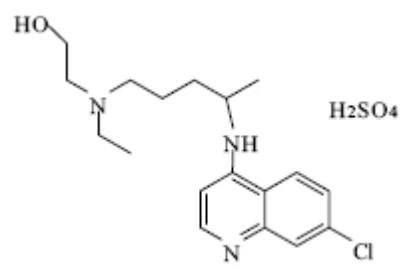
Physicochemical properties: White or practically white crystalline powder, odorless or almost odorless. Solubility: Freely soluble in water and practically insoluble in alcohol, in chloroform and in ether. Melting point: about 240°C.
14 CLINICAL TRIALS
14.3 Comparative Bioavailability Studies
A double blind, balanced, randomized, two-treatment, single-period, single oral dose, parallel, bioequivalence study comparing 1 x ACH-HYDROXYCHLOROQUINE SULFATE tablets, 200 mg (Accord Healthcare Inc.) with 1 x PrPLAQUENIL® tablets, 200 mg (sanofi-aventis Canada Inc.) was conducted on 144 healthy adult human male subjects under fasting conditions. A summary of the results is presented in the following table.
Table 2 – Summary of Results of Comparative Bioequivalence Study
Hydroxychloroquine (1 × 200 mg) Geometric Mean Arithmetic Mean (CV %) | ||||
|---|---|---|---|---|
| Parameter# | Test* | Reference† | % Ratio of Geometric Means | 90% Confidence Interval |
AUC0-72 (ng.h/mL) | 5725.22 6004.08 (31.8) | 5211.85 5471.92 (30.9) | 109.9 | 101.0 - 119.5 |
Cmax (ng/mL) | 278.03 291.89 (32.8) | 256.76 272.43 (33.6) | 108.3 | 98.8 - 118.6 |
Tmax§ (h) | 4.33 (1.00 - 7.00) | 4.00 (1.33 - 6.00) | ||
#Due to the design of the study, AUCI and T1/2 could not be accurately estimated and were not reported.
*ACH-HYDROXYCHLOROQUINE SULFATE tablets, 200 mg (Accord Healthcare Inc.).
†PLAQUENIL® tablets, 200 mg (sanofi-aventis Canada Inc.) were purchased from Canada.
§Expressed as the median (min - max).
15 MICROBIOLOGY
Not applicable.
16 NON-CLINICAL TOXICOLOGY
Carcinogenicity:
There are no data on hydroxychloroquine carcinogenicity from animal studies and insufficient data on carcinogenicity is available for chloroquine. Both drugs are not classifiable as to their carcinogenicity to humans.
Genotoxicity:
Based on the standard genotoxicity studies conducted, hydroxychloroquine is not considered to present a genotoxic risk to humans at therapeutic concentrations.
Hydroxychloroquine is not mutagenic in the bacterial reverse mutation test (i.e., five strains using the Ames test). At therapeutic concentrations of hydroxychloroquine (below 60 µg/mL), clastogenicity or aneugenicity were not observed in the in vitro micronucleus test using primary human lymphocytes. However, at concentrations at or above 60 µg/mL of hydroxychloroquine, clastogenicity/aneugenicity potency was observed at the 24+24 hours condition treatment of the in vitro micronucleus test. At hydroxychloroquine doses used up to 1000 mg/kg, clastogenicity or aneugenicity were not observed in the in vivo micronucleus test following oral administration in rats.
Reproductive and Developmental Toxicology:
There are limited data on hydroxychloroquine reproductive toxicity, therefore chloroquine data are considered due to the similarity of structure and pharmacological properties between the two products.
Supratherapeutic doses of chloroquine resulted in a fetal mortality rate of 25% and ocular malformations in 45% of fetuses. Autoradiographic studies have shown that when administered at the start or the end of gestation, chloroquine accumulates in the eyes and ears.
There are limited data on hydroxychloroquine action on fertility.
A study in male rats after 30 days of oral treatment at 5 mg/day of chloroquine showed a decrease in testosterone levels, weight of testes, epididymis, seminal vesicles and prostate, and caused production of abnormal sperm. The fertility rate was also decreased in another rat study after 14 days of intraperitoneal treatment at 10 mg/kg/day of chloroquine.
17 SUPPORTING PRODUCT MONOGRAPHS
- 1. PrPLAQUENIL® Hydroxychloroquine sulfate tablets, 200 mg, submission control 301591, Product Monograph, sanofi-aventis Canada Inc. (JAN 16, 2026)