


Product Monograph - Act Tramadol/Acet
SUMMARY PRODUCT INFORMATION
| Route of Administration | Dosage Form / Strength | All Nonmedicinal Ingredients |
| Oral | Tablets, 37.5 mg tramadol hydrochloride / 325 mg acetaminophen | Hypromellose, magnesium stearate, maize starch, polyethylene glycol, polysorbate 80, powdered cellulose, pregelatinized starch, sodium starch glycolate, titanium dioxide, and yellow iron oxide. |
INDICATIONS AND CLINICAL USE
Adults
ACT TRAMADOL/ACET (tramadol hydrochloride/acetaminophen) is indicated for the management of moderate to moderately severe pain in adults.
Tramadol hydrochloride/acetaminophen has not been systematically evaluated beyond 12 weeks in controlled clinical trials. Therefore, the physician who elects to use ACT TRAMADOL/ACET for extended periods should periodically re-evaluate the long-term usefulness of the drug for the individual patient.
ACT TRAMADOL/ACET is not recommended for minor pain that may be treated adequately through lesser means.
Geriatrics (> 65 years of age)
No overall differences with regard to safety or pharmacokinetics were noted between subjects ≥ 65 years of age and younger subjects. However, dose selection for an elderly patient should be cautious, reflecting the greater frequency of decreased hepatic, renal or cardiac function, of concomitant disease and multiple drug therapy.
Pediatrics (<18 years of age)
The safety and effectiveness of tramadol hydrochloride/acetaminophen have not been studied in the pediatric population.
Therefore, use of ACT TRAMADOL/ACET tablets is not recommended in patients under 18 years of age.
CONTRAINDICATIONS
- ACT TRAMADOL/ACET tablets should not be administered to patients who have previously demonstrated hypersensitivity to tramadol, acetaminophen, opioids or any other component of this product. For a complete listing of nonmedicinal ingredients, see the DOSAGE FORMS, COMPOSITION AND PACKAGING section of the Product Monograph.
- ACT TRAMADOL/ACET is contraindicated in any situation where opioids are contraindicated, including acute intoxication with any of the following: alcohol, hypnotics, centrally acting analgesics, opioids or psychotropic drugs. ACT TRAMADOL/ACET may worsen central nervous system and respiratory depression in these patients.
- The concomitant use of ACT TRAMADOL/ACET and MAO inhibitors (or within 14 days following discontinuation of such therapy) is contraindicated.
WARNINGS AND PRECAUTIONS
Seizure Risk
Seizures have been reported in patients receiving tramadol within the recommended dosage range. Spontaneous post-marketing reports indicate that seizure risk is increased with doses of tramadol above the recommended range. Concomitant use of tramadol increases the seizure risk in patients taking:
- selective serotonin reuptake inhibitors (SSRI antidepressants or anorectics) (see Use with Serotonin Reuptake Inhibitors);
- tricyclic antidepressants (TCAs) and other tricyclic compounds (e.g., cyclobenzaprine, promethazine, etc.); or
- other opioids.
Administration of tramadol may enhance the seizure risk in patients taking:
- MAO inhibitors (see CONTRAINDICATIONS);
- neuroleptics; or
- other drugs that reduce the seizure threshold.
Risk of convulsions may also increase in patients with epilepsy, those with a history of seizures or in patients with a recognized risk for seizure (such as head trauma, metabolic disorders, alcohol and drug withdrawal, CNS infections). In tramadol overdose, naloxone administration may increase the risk of seizure.
Anaphylactoid Reactions
Serious and, rarely, fatal anaphylactoid reactions have been reported in patients receiving therapy with tramadol. When these rare reactions do occur, it is often following the first dose. Other reported allergic reactions include pruritus, hives, bronchospasm, angioedema, toxic epidermal necrolysis and Stevens-Johnson syndrome. Patients with a history of anaphylactoid reactions to codeine and other opioids may be at increased risk and therefore should not receive ACT TRAMADOL/ACET tablets (see CONTRAINDICATIONS).
Drug Abuse, Addiction and Dependence
Tramadol has the potential to cause psychic and physical dependence of the morphine-type (µ-opioid). The drug has been associated with craving, drug-seeking behaviour and tolerance development. Cases of abuse and dependence on tramadol have been reported. ACT TRAMADOL/ACET tablets should not be used in opioid-dependent patients. Tramadol can re-initiate physical dependence in patients who have been previously dependent or chronically using other opioids. In patients with a tendency to abuse drugs or a history of drug dependence, and in patients who are chronically using opioids, treatment with ACT TRAMADOL/ACET is not recommended.
Proper assessment of the patient, proper prescribing practices, periodic re-evaluation of therapy, and proper dispensing and storage are appropriate measures that help to limit abuse of opioid drugs.
A Risk Management strategy to support the safe and effective use of ACT TRAMADOL/ACET under Schedule F has been established. The following are considered to be the essential components of the Risk Management strategy:
- a) Commitment to not emphasize or highlight the scheduling status of ACT TRAMADOL/ACET (i.e., Schedule F of the Food and Drug Regulations; not listed under a schedule to the CDSA) in its advertising or promotional activities.
- b) Inclusion of an approved fair balance statement in all ACT TRAMADOL/ACET advertising and promotional materials.
Abuse and addiction are separate and distinct from physical dependence and tolerance. In addition, abuse of opioids can occur in the absence of true addiction and is characterized by misuse for non-medical purposes, often in combination with other psychoactive substances. Tolerance as well as both physical and psychological dependence may develop upon repeated administration of opioids, and are not by themselves evidence of an addictive disorder or abuse.
Concerns about abuse, addiction, and diversion should not prevent the proper management of pain. The development of addiction to opioid analgesics in properly managed patients with pain has been reported to be rare. However, data are not available to establish the true incidence of addiction in chronic pain patients.
Careful record-keeping of prescribing information, including quantity, frequency, and renewal requests is strongly advised.
Withdrawal Symptoms
Withdrawal symptoms may occur if tramadol is discontinued abruptly. These symptoms may include: anxiety, sweating, insomnia, rigors, pain, nausea, tremors, diarrhea, upper respiratory symptoms, piloerection, and rarely, hallucinations. Other symptoms that have been seen less frequently with tramadol hydrochloride / acetaminophen discontinuation include: panic attacks, severe anxiety, and paresthesias. Clinical experience suggests that withdrawal symptoms may be relieved by reinstitution of opioid therapy followed by a gradual, tapered dose reduction of the medication combined with symptomatic support.
Risk of Overdosage
Serious potential consequences of overdosage with tramadol hydrochloride/acetaminophen are central nervous system depression, respiratory depression and death. In treating an overdose, primary attention should be given to maintaining adequate ventilation along with general supportive treatment (see OVERDOSAGE, Treatment of Overdose).
Do not prescribe ACT TRAMADOL/ACET for patients who are suicidal or addiction-prone.
ACT TRAMADOL/ACET should not be taken in doses higher than those recommended by the physician. The judicious prescribing of tramadol is essential to the safe use of this drug. With patients who are depressed or suicidal, consideration should be given to the use of non-narcotic analgesics. Patients should be cautioned about the concomitant use of tramadol products and alcohol because of potentially serious CNS-additive effects of these agents. Because of its added depressant effects, tramadol should be prescribed with caution for those patients whose medical condition requires the concomitant administration of sedatives, tranquilizers, muscle relaxants, antidepressants, or other CNS-depressant drugs. Patients should be advised of the additive depressant effects of these combinations.
Intracranial Pressure or Head Trauma
ACT TRAMADOL/ACET should be used with caution in patients with increased intracranial pressure or head injury. The respiratory depressant effects of opioids include carbon dioxide retention and secondary elevation of cerebrospinal fluid pressure and may be markedly exaggerated in these patients. Additionally, pupillary changes (miosis) from tramadol may obscure the existence, extent, or course of intracranial pathology. Clinicians should also maintain a high index of suspicion for adverse drug reaction when evaluating altered mental status in these patients if they are receiving ACT TRAMADOL/ACET (see Respiratory, Respiratory Depression).
Respiratory
Respiratory Depression
Administer ACT TRAMADOL/ACET cautiously in patients at risk for respiratory depression. In these patients, alternative non-opioid analgesics should be considered. When large doses of tramadol are administered with anesthetic medications or alcohol, respiratory depression may result. Respiratory depression should be treated as an overdose. If naloxone is to be administered, use cautiously because it may precipitate seizures (see Seizure Risk and OVERDOSAGE).
Hypersensitivity Reactions
Serious Skin Reactions
Rarely, acetaminophen can cause serious skin reactions such as acute generalized exanthematous pustulosis (AGEP), Stevens - Johnson syndrome (SJS), and toxic epidermal necrolysis (TEN), which can be fatal. It is important to recognize and react quickly to the initial symptoms of these reactions which may occur without warning but may be manifested by any serious skin reactions. Patients should be informed about the signs of serious skin reactions, and use of the drug should be discontinued at the first appearance of skin rash or any other sign of hypersensitivity.
Interaction With Central Nervous System (CNS) Depressants
ACT TRAMADOL/ACET tablets should be used with caution and in reduced dosages when administered to patients receiving CNS depressants such as alcohol, opioids, anesthetic agents, narcotics, phenothiazines, tranquilizers or sedative hypnotics. Tramadol increases the risk of CNS and respiratory depression in these patients.
ACT TRAMADOL/ACET may be expected to have additive effects when used in conjunction with alcohol, other opioids, or illicit drugs that cause central nervous system depression.
Use with Alcohol
ACT TRAMADOL/ACET should not be used concomitantly with alcohol consumption. The use of ACT TRAMADOL/ACET in patients with liver disease is not recommended.
Use in Ambulatory Patients
Tramadol hydrochloride/acetaminophen may impair mental or physical abilities required for the performance of potentially hazardous tasks such as driving a car or operating machinery. Patients using ACT TRAMADOL/ACET should be cautioned accordingly.
Use with MAO Inhibitors
Concomitant use of ACT TRAMADOL/ACET with MAO inhibitors is contraindicated (see CONTRAINDICATIONS).
Animal studies have shown increased deaths with combined administration of MAO inhibitors and tramadol. Concomitant use of tramadol with MAO inhibitors increases the risk of adverse events, including seizure (see Seizure Risk and DRUG INTERACTIONS) and serotonin syndrome.
Use with Serotonin Reuptake Inhibitors
Concomitant use of tramadol with SSRIs increases the risk of adverse events, including seizure (see Seizure Risk) and serotonin syndrome. When co-administration of tramadol and SSRIs is indicated, monitor the patient for seizures and possible early signs and symptoms of serotonin syndrome. Early symptoms of serotonin syndrome may include myoclonus, tremors, hyperreflexia, diaphoresis, fever, tachycardia, tachypnea, and altered mental status (agitation, excitement).
Gastrointestinal
Acute Abdominal Conditions
The administration of ACT TRAMADOL/ACET may complicate the clinical assessment of patients with acute abdominal conditions.
HepaticAdministration of acetaminophen in doses higher than recommended may result in hepatic injury, including the risk of severe hepatotoxicity and death. The maximum daily dose of acetaminophen includes all routes of administration (intravenous, oral and rectal) and all products containing acetaminophen (oral solutions/drops, syrup, pills, capsules, suppositories, etc.). Do not exceed the maximum recommended daily dose of acetaminophen (see DOSAGE AND ADMINISTRATION). Advise your patients to seek medical attention as soon as an acetaminophen overdose is suspected. Advise them not to wait for symptoms to appear (see OVERDOSAGE).
Use in Hepatic Disease
Tramadol hydrochloride / acetaminophen has not been studied in patients with impaired hepatic function. The use of ACT TRAMADOL/ACET tablets in patients with severe hepatic impairment is not recommended.
Theoretical risk factors for acetaminophen hepatotoxicity in patients with chronic liver disease include slower metabolism of acetaminophen, increased activity of the cytochrome P450 enzyme system, or depleted glutathione stores.
Use with Other Acetaminophen-Containing Products
Due to the potential for acetaminophen hepatotoxicity at doses higher than the recommended dose, ACT TRAMADOL/ACET should not be used concomitantly with other acetaminophen-containing products.
Renal
Use in Renal Disease
Tramadol hydrochloride / acetaminophen has not been studied in patients with impaired renal function. Experience with tramadol suggests that impaired renal function results in a decreased rate and extent of excretion of tramadol and its active metabolite, M1. In patients with creatinine clearances of less than 30 mL/min, it is recommended that the dosing interval of ACT TRAMADOL/ACET be increased to not exceed 2 tablets every 12 hours (see DOSAGE AND ADMINISTRATION).
Carcinogenesis, Mutagenesis, Impairment of Fertility
There are no animal or laboratory studies on the combination product (tramadol and acetaminophen) to evaluate carcinogenesis, mutagenesis, or impairment of fertility.
A slight but statistically significant increase in two common murine tumours, pulmonary and hepatic, was observed in a mouse carcinogenicity study, particularly in aged mice. Mice were dosed orally up to 30 mg/kg (90 mg/m2 or 0.5 times the maximum daily human tramadol dosage of 185 mg/ m2) for approximately two years, although the study was not done with the Maximum Tolerated Dose. This finding is not believed to suggest risk in humans. No such finding occurred in a rat carcinogenicity study (dosing orally up to 30 mg/kg, 180 mg/m2, or 1 time the maximum daily human tramadol dosage).
Tramadol was not mutagenic in the following assays: Ames Salmonella microsomal activation test, CHO/HPRT mammalian cell assay, mouse lymphoma assay (in the absence of metabolic activation), dominant lethal mutation tests in mice, chromosome aberration test in Chinese hamsters, and bone marrow micronucleus tests in mice and Chinese hamsters. Weakly mutagenic results occurred in the presence of metabolic activation in the mouse lymphoma assay and micronucleus test in rats. Overall, the weight of evidence from these tests indicates that tramadol does not pose a genotoxic risk to humans.
No effects on fertility were observed for tramadol at oral dose levels up to 50 mg/kg (350 mg/ m2) in male rats and 75 mg/kg (450 mg/ m2) in female rats. These dosages are 1.6 and 2.4 times the maximum daily human tramadol dosage of 185 mg/m2.
No drug-related teratogenic effects were observed in the progeny of rats treated orally with tramadol and acetaminophen. The tramadol/acetaminophen combination product was shown to be embryotoxic and fetotoxic in rats at a maternally toxic dose, 50/434 mg/kg tramadol/ acetaminophen (300/2604 mg/m2 or 1.6 times the maximum daily human tramadol/ acetaminophen dosage of 185/1591 mg/m2), but was not teratogenic at this dose level. Embryo and fetal toxicity consisted of decreased fetal weights and increased supernumerary ribs.
Tramadol alone was evaluated in peri- and post-natal studies in rats. Progeny of dams receiving oral (gavage) dose levels of 50 mg/kg (300 mg/m2 or 1.6 times the maximum daily human tramadol dosage) or greater had decreased weights, and pup survival was decreased early in lactation at 80 mg/kg (480 mg/m2 or 2.6 times the maximum daily human tramadol dosage).
Special Populations
Pregnancy:
There are no adequate and well-controlled studies in pregnant women. ACT TRAMADOL/ACET should be used during pregnancy only if the potential benefit justifies the potential risk to the fetus. Neonatal seizures, neonatal withdrawal syndrome, fetal death and stillbirth have been reported with tramadol hydrochloride during post-marketing.
ACT TRAMADOL/ACET should not be used in pregnant women prior to or during labour unless the potential benefits outweigh the risks. Safe use in pregnancy has not been established. Chronic use during pregnancy may lead to physical dependence and postpartum withdrawal symptoms in the newborn (see Drug Abuse, Addiction and Dependence). Tramadol has been shown to cross the placenta. The mean ratio of serum tramadol in the umbilical veins compared to maternal veins was 0.83 for 40 women given tramadol during labour.
The effect of tramadol hydrochloride /acetaminophen, if any, on the later growth, development, and functional maturation of the child is unknown.
Nursing Women:
ACT TRAMADOL/ACET is not recommended for obstetrical pre-operative medication or for post-delivery analgesia in nursing mothers because its safety in infants and newborns has not been studied.
Following a single 100 mg i.v. dose of tramadol, the cumulative excretion in breast milk within 16 hours post-dose was 100 μg of tramadol (0.1% of the maternal dose) and 27 μg of M1.
Pediatrics (< 18 years of age):
The safety and effectiveness of tramadol hydrochloride / acetaminophen has not been studied in the pediatric population. Therefore, use of ACT TRAMADOL/ACET tablets is not recommended in patients under 18 years of age.
Geriatrics (> 65 years of age):
In general, dose selection for an elderly patient should be cautious, reflecting the greater frequency of decreased hepatic, renal or cardiac function; concomitant disease and multiple drug therapy.
ADVERSE REACTIONS
Clinical Trial Adverse Drug Reactions
Because clinical trials are conducted under very specific conditions the adverse reaction rates observed in the clinical trials may not reflect the rates observed in practice and should not be compared to the rates in the clinical trials of another drug. Adverse drug reaction information from clinical trials is useful for identifying drug-related adverse events and for approximating rates.
Tramadol hydrochloride/acetaminophen tablets were administered to 1, 597 patients during the double-blind or open-label extension periods in studies of chronic nonmalignant pain. Of these patients, 539 were 65 years old or older. The most frequently reported events were in the central nervous and gastrointestinal systems. These are common effects associated with other drugs with opioid agonist activity.
| Table 1.1 Treatment-emergent adverse events reported in at least 2% of tramadol hydrochloride / acetaminophen patients with chronic paina and an incidence greater than with placebo | ||||
|---|---|---|---|---|
Body System Adverse Events | Tramadol Hydrochloride / Acetaminophen (N=481) % | Placebo (N=479) % | ||
Body as a Whole Fatigue Hot Flushes Influenza-like Symptoms | 7 2 3 | 2 0 2 | ||
Cardiovascular Disorders Hypertension | 3 | 1 | ||
| Table 1.1 Treatment-emergent adverse events reported in at least 2% of tramadol hydrochloride / acetaminophen patients with chronic paina and an incidence greater than with placebo |
|---|
Body System Adverse Events | Tramadol Hydrochloride / Acetaminophen (N=481) % | Placebo (N=479) % |
|---|---|---|
Central & Peripheral Nervous System Disorders Headache Dizziness Hypoesthesia | 15 11 2 | 10 4 0 |
Gastro-Intestinal System Disorders Nausea Constipation Mouth Dry Vomiting Abdominal Pain Diarrhoea | 18 16 8 5 5 5 | 5 5 1 1 4 3 |
Psychiatric Disorders Somnolence Insomnia Anorexia Nervousness | 14 5 4 2 | 2 1 1 0 |
Skin And Appendages Disorders Pruritus Sweating Increased Rash | 6 4 3 | 1 0 1 |
a in placebo controlled trials of three months in duration
Incidence at least 1% - Causal Relationship at Least Possible or Greater
The following lists treatment-emergent adverse reactions that occurred with an incidence of at least 1% in clinical trials with a population of 2,836 tramadol/acetaminophen-exposed subjects in the 18 acute and chronic pain studies combined.
Body as a Whole: asthenia, fatigue, hot flushes
Central and Peripheral Nervous System: dizziness, headache, tremor
Gastrointestinal System: abdominal pain, constipation, diarrhea, dyspepsia, flatulence, dry mouth, nausea, vomiting
Psychiatric Disorders: anorexia, anxiety, confusion, euphoria, insomnia, nervousness, somnolence
Skin and Appendages: pruritus, rash, increased sweating
Among these, the most common (≥ 5% of subjects) treatment-emergent adverse events were nausea (14%), dizziness (10%), somnolence (9%), constipation (8%), vomiting (5%), and headache (5%). These data are consistent with data presented in Table 1.1.
Clinically Relevant Treatment-Emergent Adverse Events Occurring at Less than 1%
The following lists clinically relevant treatment-emergent adverse reactions that occurred with an incidence of less than 1% in tramadol/acetaminophen clinical trials.
Body as a Whole: chest pain, rigors, syncope, withdrawal syndrome, allergic reaction
Cardiovascular Disorders: hypertension, aggravated hypertension, hypotension, dependent edema
Central and Peripheral Nervous System: ataxia, convulsions, hypertonia, migraine, aggravated migraine, involuntary muscle contractions, paresthesia, stupor, vertigo
Gastrointestinal System: dysphagia, melena, tongue edema
Hearing and Vestibular Disorders: tinnitus
Heart Rate and Rhythm Disorders: arrhythmia, palpitation, tachycardia
Liver and Biliary System: abnormal hepatic function, SGPT (ALAT)
increased, SGOT (ASAT) increased
Metabolic and Nutritional Disorders: weight decrease, hypoglycemia, increased alkaline phosphatase, weight increase
Musculoskeletal System Disorders: arthralgia
Platelets, Bleeding and Clotting Disorders: increased coagulation time, purpura
Psychiatric Disorders: amnesia, depersonalisation, depression, drug abuse, emotional lability, hallucination, impotence, bad dreams, abnormal thinking
Red Blood Cell Disorders: anemia
Respiratory System: dyspnea, bronchospasm
Skin and Appendages Disorders: dermatitis, erythematous rash
Urinary System: albuminuria, micturition disorder, oliguria, urinary retention
Vision Disorders: abnormal vision
White Cell and RES Disorders: granulocytopenia and leukocytosis
Other Clinically Significant Adverse Experiences Previously Reported in Clinical Trials or Post-marketing Reports with Tramadol Hydrochloride
Other events which have been reported with the use of tramadol products and for which a causal association has not been determined include: vasodilation, orthostatic hypotension, myocardial ischemia, pulmonary edema, allergic reactions (including anaphylaxis and urticaria, Stevens- Johnson syndrome/TENS), cognitive dysfunction, difficulty concentrating, depression, suicidal tendency, hepatitis liver failure, worsening of asthma and gastrointestinal bleeding. Reported laboratory abnormalities included elevated creatinine and liver function tests. Serotonin syndrome (whose symptoms may include mental status change, hyperreflexia, fever, shivering, tremor, agitation, diaphoresis, seizures and coma) has been reported with tramadol when used concomitantly with other serotonergic agents such as SSRIs and MAOIs. Post-marketing experience with the use of tramadol containing products included rare reports of delirium, miosis, mydriasis, and speech disorder, and very rare reports of movement disorder including dyskinesia and dystonia.
Cases of hypoglycemia have been reported in patients taking tramadol, mostly in patients with pre-disposing risk factors, including diabetes, elderly and renal insufficiency. Caution should be exercised when prescribing tramadol to diabetic patients. More frequent monitoring of blood glucose levels may be appropriate, including at initiation or dose increase.
Other Clinically Significant Adverse Experiences Previously Reported in Clinical Trials or Post-marketing Reports with Acetaminophen
Allergic reactions (primarily skin rash) or reports of hypersensitivity secondary to acetaminophen are rare and generally controlled by discontinuation of the drug and, when necessary, symptomatic treatment. There have been several reports that suggest that acetaminophen may produce hypoprothrombinemia when administered with warfarin-like compounds. In other studies, prothrombin time did not change.
DRUG ABUSE, ADDICTION AND DEPENDENCE
Tramadol may induce psychic and physical dependence of the morphine-type (μ-opioid) (see WARNINGS AND PRECAUTIONS, Drug Abuse, Addiction and Dependence). Dependence and abuse, including drug-seeking behaviour and taking illicit actions to obtain the drug are not limited to those patients with a prior history of opioid dependence. The risk in patients with substance abuse has been observed to be higher. Tramadol is associated with craving and tolerance development.
A Risk Management strategy to support the safe and effective use of ACT TRAMADOL/ACET under Schedule F has been established. The following are considered to be the essential components of the Risk Management strategy:
- a) Commitment to not emphasize or highlight the scheduling status of ACT TRAMADOL/ACET (i.e., Schedule F of the Food and Drug Regulations; not listed under a schedule to the CDSA) in its advertising or promotional activities.
- b) Inclusion of an approved fair balance statement in all ACT TRAMADOL/ACET advertising and promotional materials.
Withdrawal Symptoms
Withdrawal symptoms may occur if tramadol is discontinued abruptly. These symptoms may include: anxiety, sweating, insomnia, rigors, pain, nausea, tremors, diarrhea, upper respiratory symptoms, piloerection, and rarely, hallucinations. Other symptoms that have been seen less frequently with tramadol hydrochloride / acetaminophen discontinuation include: panic attacks, severe anxiety, and paresthesias. Clinical experience suggests that withdrawal symptoms may be relieved by reinstitution of opioid therapy followed by a gradual, tapered dose reduction of the medication combined with symptomatic support.
DRUG INTERACTIONS
Overview
In vitro studies indicate that tramadol is unlikely to inhibit the CYP3A4-mediated metabolism of other drugs when tramadol is administered concomitantly at therapeutic doses. Tramadol does not appear to induce its own metabolism in humans, since observed maximal plasma concentrations after multiple oral doses are higher than expected based on single-dose data. Tramadol is a mild inducer of selected drug metabolism pathways measured in animals.
Drug-Drug Interactions
Use with MAO Inhibitors
ACT TRAMADOL/ACET is contraindicated in patients receiving MAO inhibitors or who have used them within the previous 14 days (see CONTRAINDICATIONS, WARNINGS AND PRECAUTIONS).
Drugs that Lower Seizure Threshold
Tramadol can increase the potential for selective serotonin re-uptake inhibitors (SSRIs), tricyclic antidepressants (TCAs), anti-psychotics and other seizure threshold lowering drugs to cause convulsions. If concomitant treatment of ACT TRAMADOL/ACET with a drug affecting the serotonergic neurotransmitter system is clinically warranted, careful observation of the patient is advised, particularly during treatment initiation and dose increases (see WARNINGS AND PRECAUTIONS, Seizure Risk).
CNS Depressants
Concurrent administration of tramadol with other centrally acting drugs, including alcohol, centrally acting analgesics, opioids and psychotropic drugs may potentiate CNS depressant effects (see WARNINGS AND PRECAUTIONS, Interaction with Central Nervous System (CNS) Depressants).
Use with Carbamazepine
Patients taking carbamazepine may have a significantly reduced analgesic effect of tramadol. Because carbamazepine increases tramadol metabolism and because of the seizure risk associated with tramadol, concomitant administration of ACT TRAMADOL/ACET and carbamazepine is not recommended.
Use with Quinidine
Tramadol is metabolized to M1 by the CYP2D6 P450 isoenzyme. Quinidine is a selective inhibitor of that isoenzyme, so that concomitant administration of quinidine and tramadol results in increased concentrations of tramadol and reduced concentrations of M1. The clinical consequences of these findings are unknown. In vitro drug interaction studies in human liver microsomes indicate that tramadol has no effect on quinidine metabolism.
Use with Inhibitors of CYP2D6
In vitro drug interaction studies in human liver microsomes indicate that concomitant administration with inhibitors of CYP2D6 such as fluoxetine, paroxetine and amitriptyline could result in some inhibition of the metabolism of tramadol.
Use with Cimetidine
Concomitant administration of tramadol hydrochloride / acetaminophen and cimetidine has not been studied. Concomitant administration of tramadol and cimetidine does not result in clinically significant changes in tramadol pharmacokinetics. Therefore, no alteration of the ACT TRAMADOL/ACET dosage regimen is recommended.
Use with Digoxin
Post-marketing surveillance of tramadol has revealed rare reports of digoxin toxicity.
Use with Warfarin-like Compounds
Post-marketing surveillance of both tramadol and acetaminophen individual products have revealed rare alterations of warfarin effect, including elevation of prothrombin times.
While such changes have been generally of limited clinical significance for the individual products, periodic evaluation of prothrombin time should be performed when ACT TRAMADOL/ACET tablets and warfarin-like compounds are administered concurrently.
Drug-Food Interactions
When tramadol hydrochloride / acetaminophen was administered with food, the time to peak plasma concentration was delayed for approximately 35 minutes for tramadol and almost one hour for acetaminophen. However, peak plasma concentration and the extent of absorption of either tramadol or acetaminophen were not affected. The clinical significance of this difference is unknown.
DOSAGE AND ADMINISTRATION
Dosing Considerations
ACT TRAMADOL/ACET is not recommended for minor pain that may be treated adequately through lesser means where benefit does not outweigh the possible opioid-related side effects.
Do not co-administer ACT TRAMADOL/ACET tablets with other acetaminophen- or tramadol-containing products.
ACT TRAMADOL/ACET can be administered without regard to food.
The maximum recommended dose of ACT TRAMADOL/ACET (tramadol hydrochloride/ acetaminophen) should not be exceeded.
Recommended Dose and Dosage Adjustment
Adults
For the management of pain, the recommended dose of ACT TRAMADOL/ACET is 1 or 2 tablets every 4 to 6 hours as needed for pain relief up to a maximum of 8 tablets per day.
A titration period of several days with gradual dose increases at the initiation of ACT TRAMADOL/ACET therapy may be beneficial for some patients. Clinical studies with tramadol in patients with moderate to moderately severe chronic pain indicate that tolerability of tramadol can be improved by starting tramadol at a low dose with gradual upward dose titration to reach doses that provide sufficient pain relief.
Use in Renal Impairment
In patients with creatinine clearances of less than 30 mL/min, it is recommended that the dosing interval of ACT TRAMADOL/ACET be increased to not exceed 2 tablets every 12 hours.
Use in the Elderly
No overall differences with regard to safety or pharmacokinetics were noted between subjects ≥ 65 years of age and younger subjects. However, dose selection for an elderly patient should be cautious, in view of the greater frequency of decreased hepatic, renal or cardiac function, concomitant disease or drug therapy, and the potential for greater sensitivity to adverse events.
Pediatric Use
The safety and effectiveness of tramadol hydrochloride / acetaminophen has not been studied in the pediatric population. Therefore, use of ACT TRAMADOL/ACET is not recommended in patients under 18 years of age.
Management of Patients Requiring Rescue Medication
If tramadol hydrochloride/acetaminophen is used as rescue medication in conjunction with extended-release tramadol tablets, the total daily dose of tramadol should not exceed 300 mg (8 tablets). Fentanyl products should not be used as rescue medication in patients taking acetaminophen / tramadol hydrochloride.
Discontinuation
Withdrawal symptoms may occur if ACT TRAMADOL/ACET is discontinued abruptly. These symptoms may include: anxiety, sweating, insomnia, rigors, pain, nausea, tremors, diarrhea, upper respiratory symptoms, piloerection, and rarely, hallucinations. Other symptoms that have been seen less frequently with tramadol hydrochloride / acetaminophen discontinuation include: panic attacks, severe anxiety, and paresthesias. Clinical experience suggests that withdrawal symptoms may be avoided by tapering ACT TRAMADOL/ACET at the time of discontinuation (see DRUG ABUSE, ADDICTION AND DEPENDENCE, Withdrawal Symptoms).
OVERDOSAGE
| For management of a suspected drug overdose, contact your regional Poison Control Centre. |
ACT TRAMADOL/ACET is a combination product. The clinical presentation of overdose may include the signs and symptoms of tramadol toxicity, acetaminophen toxicity or both.
Tramadol
Serious potential consequences of overdosage are respiratory depression, lethargy, coma, seizure, cardiac arrest and death. Fatalities have been reported in post-marketing in association with both intentional and unintentional overdose with tramadol. The initial symptoms of tramadol overdosage may include respiratory depression and/or seizures. In treating an overdose, primary attention should be given to maintaining adequate ventilation along with general supportive treatment.
Acetaminophen
Serious potential consequences of overdosage with acetaminophen are hepatic centrilobular necrosis, leading to hepatic failure and death. Renal tubular necrosis, hypoglycemia and coagulation defects also may occur. The initial symptoms seen within the first 24 hours following an acetaminophen overdose are: anorexia, nausea, vomiting, malaise, pallor and diaphoresis. Clinical and laboratory evidence of hepatic toxicity may not be apparent until 48 to 72 hours post-ingestion. Emergency help should be sought immediately and treatment initiated immediately if overdose is suspected, even if symptoms are not apparent.
Treatment of Overdose
A single or multiple overdose with ACT TRAMADOL/ACET may be a potentially lethal polydrug overdose, and consultation with a regional poison control centre is recommended.
In treating an overdose of ACT TRAMADOL/ACET, primary attention should be given to maintaining adequate ventilation along with general supportive treatment. Supportive measures (including oxygen and vasopressors) should be employed in the management of circulatory shock and pulmonary edema accompanying overdose as indicated. Cardiac arrest or arrhythmias may require cardiac massage or defibrillation.
While naloxone will reverse some, but not all, symptoms caused by overdosage with tramadol, the risk of seizures is also increased with naloxone administration. In animals, convulsions following the administration of toxic doses of tramadol could be suppressed with barbiturates or benzodiazepines but were increased with naloxone. Naloxone administration did not change the lethality of an overdose in mice. Based on experience with tramadol, hemodialysis is not expected to be helpful in an overdose because it removes less than 7% of the administered dose in a 4-hour dialysis period.
Standard recommendations should be followed for the treatment of acetaminophen overdose.
ACTION AND CLINICAL PHARMACOLOGY
Mechanism of Action
Tramadol
Tramadol is a centrally acting synthetic opioid analgesic. Although its mode of action is not completely understood, from animal tests, at least two complementary mechanisms appear applicable: binding of parent and M1 metabolite to μ-opioid receptors and weak inhibition of reuptake of norepinephrine and serotonin.
Opioid activity is due to both low affinity binding of the parent compound and higher affinity binding of the O-demethylated metabolite M1 to μ-opioid receptors. In animal models, M1 is up to 6 times more potent than tramadol in producing analgesia and 200 times more potent in μ- opioid binding. Tramadol-induced analgesia is only partially antagonized by the opiate antagonist naloxone in several animal tests. The relative contribution of both tramadol and M1 to human analgesia is dependent upon the plasma concentrations of each compound (see Pharmacokinetics).
Tramadol has been shown to inhibit reuptake of norepinephrine and serotonin in vitro, as have some other opioid analgesics. These mechanisms may contribute independently to the overall analgesic profile of tramadol.
Apart from analgesia, tramadol administration may produce a constellation of symptoms (including dizziness, somnolence, nausea, constipation, sweating and pruritus) similar to that of opioids. In contrast to morphine, tramadol has not been shown to cause histamine release. At therapeutic doses, tramadol has no effect on heart rate, left-ventricular function or cardiac index. Orthostatic hypotension has been observed.
Acetaminophen
Acetaminophen is a non-opiate, non-salicylate analgesic.
Tramadol/Acetaminophen Combination
When evaluated in a standard animal model, the combination of tramadol and acetaminophen exhibited a synergistic effect. That is, when tramadol and acetaminophen were administered together, significantly less of each drug was needed to produce a given analgesic effect than would be expected if their effects were merely additive. Tramadol reaches peak activity in 2 to 3 hours with a prolonged analgesic effect, so that its combination with acetaminophen, a rapid-onset, short-acting analgesic agent, provides substantial benefit to patients over either component alone.
Pharmacokinetics
Tramadol is administered as a racemate and both the (-) and (+) forms of both tramadol and M1 are detected in the circulation. The pharmacokinetics of plasma tramadol and acetaminophen following oral administration of one tablet are shown in Table 1.2. Tramadol has a slower absorption and longer half-life when compared to acetaminophen.
Table 1.2: Summary of Mean (±SD) Pharmacokinetic Parameters of the (+) and (-)
Enantiomers of Tramadol and M1, and Acetaminophen Following a Single Oral Dose of
One Tramadol/Acetaminophen Combination Tablet (37.5 mg/325 mg) in Volunteers
| Parametera | (+)-Tramadol | (-)-Tramadol | (+)-M1 | (-)-M1 | Acetaminophen |
Cmax (ng/mL) | 64.3 (9.3) | 55.5 (8.1) | 10.9 (5.7) | 12.8 (4.2) | 4.2 (0.8) |
| Tmax (h) | 1.8 (0.6) | 1.8 (0.7) | 2.1 (0.7) | 2.2 (0.7) | 0.9 (0.7) |
CL/F (mL/min) | 588 (226) | 736 (244) | - | - | 365 (84) |
| T1/2 (h) | 5.1 (1.4) | 4.7 (1.2) | 7.8 (3.0) | 6.2 (1.6) | 2.5 (0.6) |
a For acetaminophen, Cmax was measured as μg/mL.
A single-dose pharmacokinetic study of tramadol hydrochloride / acetaminophen in volunteers showed no drug interactions between tramadol and acetaminophen. Upon multiple oral dosing to steady state, however, the bioavailability of tramadol and metabolite M1 was lower for the combination tablets compared to tramadol administered alone. The decrease in AUC was 14% for (+)-tramadol, 10.4% for (-)- tramadol, 11.9% for (+)-M1 and 24.2% for (-)-M1. The cause of this reduced bioavailability is not clear. Following single or multiple dose administration of tramadol hydrochloride / acetaminophen, no significant change in acetaminophen pharmacokinetics was observed when compared to acetaminophen given alone.
Absorption
The absolute bioavailability of tramadol from tramadol hydrochloride / acetaminophen tablets has not been determined. Tramadol hydrochloride has a mean absolute bioavailability of approximately 75% following administration of a single 100 mg oral dose of tramadol HCl tablets. The mean peak plasma concentration of racemic tramadol and M1 after administration of two tramadol hydrochloride / acetaminophen tablets occurs at approximately two and three hours, respectively, post-dose.
Peak plasma concentrations of acetaminophen occur within one hour and are not affected by co-administration with tramadol. Oral absorption of acetaminophen following administration of tramadol hydrochloride / acetaminophen occurs primarily in the small intestine.
Food Effects
When tramadol hydrochloride / acetaminophen was administered with food, the time to peak plasma concentration was delayed for approximately 35 minutes for tramadol and almost one hour for acetaminophen. However, peak plasma concentration and the extent of absorption of either tramadol or acetaminophen were not affected. The clinical significance of this difference is unknown.
Distribution
The volume of distribution of tramadol was 2.6 and 2.9 L/kg in male and female subjects, respectively, following a 100 mg intravenous dose. The binding of tramadol to human plasma proteins is approximately 20%, and binding also appears to be independent of concentration up to 10 μg/mL. Saturation of plasma protein binding occurs only at concentrations outside the clinically relevant range.
Acetaminophen appears to be widely distributed throughout most body tissues except fat. Its apparent volume of distribution is about 0.9 L/kg. A relatively small portion (~ 20%) of acetaminophen is bound to plasma protein.
Metabolism
Following oral administration, tramadol is extensively metabolized by a number of pathways, including CYP2D6 and CYP3A4, as well as by conjugation of parent and metabolites.
Approximately 30% of the dose is excreted in the urine as unchanged drug, whereas 60% of the dose is excreted as metabolites. The major metabolic pathways appear to be N- and O- demethylation and glucuronidation or sulfation in the liver. Metabolite M1 (O-desmethyltramadol) is pharmacologically active in animal models. Formation of M1 is dependent on CYP2D6 and as such is subject to inhibition, which may affect the therapeutic response (see DRUG INTERACTIONS).
Approximately 7% of the population has reduced activity of the CYP2D6 isoenzyme of cytochrome P450. These individuals are “poor metabolizers” of debrisoquine, dextromethorphan, and tricyclic antidepressants, among other drugs. Based on a population PK analysis of Phase I studies in healthy subjects, concentrations of tramadol were approximately 20% higher in “poor metabolizers” versus “extensive metabolizers”, while M1 concentrations were 40% lower. In vitro drug interaction studies in human liver microsomes indicate that inhibitors of CYP2D6 such as fluoxetine and its metabolite norfluoxetine, amitriptyline and quinidine inhibit the metabolism of tramadol to various degrees. The full pharmacological impact of these alterations in terms of either efficacy or safety is unknown. Concomitant use of serotonin reuptake inhibitors and MAO inhibitors may enhance the risk of adverse events, including seizure (see WARNINGS AND PRECAUTIONS) and serotonin syndrome.
Acetaminophen is primarily metabolized in the liver by first-order kinetics and involves three principal separate pathways:
a. conjugation with glucuronide;
b. conjugation with sulfate; and
c. oxidation via the cytochrome, P450-dependent, mixed-function oxidase enzyme pathway to form a reactive intermediate metabolite, which conjugates with glutathione and is then further metabolized to form cysteine and mercapturic acid conjugates. The principal cytochrome P450 isoenzyme involved appears to be CYP2E1, with CYP1A2 and CYP3A4 additional pathways.
In adults, the majority of acetaminophen is conjugated with glucuronic acid and, to a lesser extent, with sulfate. These glucuronide-, sulfate- and glutathione-derived metabolites lack biologic activity. In premature infants, newborns and young infants, the sulfate conjugate predominates.
Elimination
Tramadol is eliminated primarily through metabolism by the liver and the metabolites are eliminated primarily by the kidneys. The plasma elimination half-lives of racemic tramadol and M1 are approximately 5-6 and 7 hours, respectively, after administration of tramadol hydrochloride / acetaminophen. The apparent plasma elimination half-life of racemic tramadol increased to 7-9 hours upon multiple dosing of tramadol hydrochloride / acetaminophen.
The half-life of acetaminophen is about 2 to 3 hours in adults. It is somewhat shorter in children and somewhat longer in neonates and in cirrhotic patients. Acetaminophen is eliminated from the body primarily by formation of glucuronide and sulfate conjugates in a dose-dependent manner. Less than 9% of acetaminophen is excreted unchanged in the urine.
Special Populations and Conditions
Renal Insufficiency
The pharmacokinetics of tramadol hydrochloride / acetaminophen in patients with renal impairment have not been studied. Based on studies using tramadol alone, excretion of tramadol and metabolite M1 is reduced in patients with creatinine clearance of less than 30 mL/min; adjustment of dosing regimen in this patient population is recommended. The total amount of tramadol and M1 removed during a 4-hour dialysis period is less than 7% of the administered dose based on studies using tramadol alone (see WARNINGS AND PRECAUTIONS and DOSAGE AND ADMINISTRATION).
Hepatic Insufficiency
The pharmacokinetics and tolerability of tramadol hydrochloride / acetaminophen in patients with impaired hepatic function has not been studied. Since tramadol and acetaminophen are both extensively metabolized by the liver, the use of ACT TRAMADOL/ACET tablets in patients with hepatic impairment is not recommended (see WARNINGS AND PRECAUTIONS and DOSAGE AND ADMINISTRATION).
Geriatrics
A population pharmacokinetic analysis of data obtained from a clinical trial in patients with chronic pain treated with tramadol hydrochloride / acetaminophen which included 55 patients between 65 and 75 years of age and 19 patients over 75 years of age, showed no significant changes in pharmacokinetics of tramadol and acetaminophen in elderly patients with normal renal and hepatic function.
Gender
Tramadol clearance was 20% higher in female subjects compared to males on four Phase I studies of tramadol hydrochloride / acetaminophen in 50 male and 34 female healthy subjects. The clinical significance of this difference is unknown.
Pediatrics
Pharmacokinetics of tramadol hydrochloride / acetaminophen tablets have not been studied in pediatric patients below 18 years of age.
STORAGE AND STABILITY
Store at room temperature (15°C – 30°C).
DOSAGE FORMS, COMPOSITION AND PACKAGING
Dosage Forms
ACT TRAMADOL/ACET tablets combine two centrally acting analgesics, tramadol and acetaminophen.
ACT TRAMADOL/ACET are light yellow, oblong shaped, biconvex, film-coated tablets debossed with “I O3” on one side and plain on the other side.
Composition
Each ACT TRAMADOL/ACET tablet contains 37.5 mg tramadol hydrochloride and 325 mg acetaminophen as the active ingredients.
Each ACT TRAMADOL/ACET tablet also contains the following non-medicinal ingredients: hypromellose, magnesium stearate, maize starch, polyethylene glycol, polysorbate 80, powdered cellulose, pregelatinized starch, sodium starch glycolate, titanium dioxide, and yellow iron oxide.
Packaging
ACT TRAMADOL/ACET tablets are available in HDPE bottles of 100 and 500 tablets, and in Unit Dose Blisters of 10 tablets (cartons of 60’s).
PART II: SCIENTIFIC INFORMATION
PHARMACEUTICAL INFORMATION
Drug Substance
Proper name: tramadol hydrochloride
Chemical name: (±)cis-2-[(dimethylamino)methyl]-1-(3-methoxyphenyl)
cyclohexanol hydrochloride
Molecular formula: C16H26ClNO2
Molecular mass: 299.8 g/mol
Structural formula:
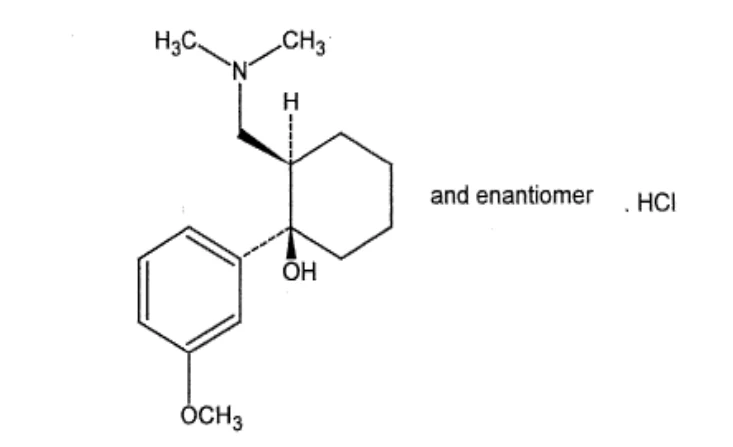
Physicochemical properties: Tramadol hydrochloride is a white, crystalline, powder with a melting point between 180-184°C.
Drug Substance
Proper name: acetaminophen
Chemical name: N-(4-hydroxyphenyl)-Acetamide
Molecular formula: C8 H9 NO2
Molecular mass: 151.17 g/mol
Structural formula:
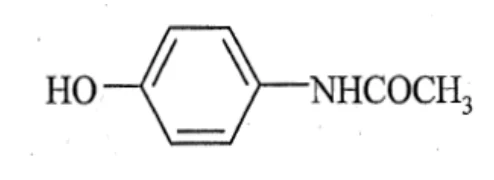
Physicochemical properties: Acetaminophen occurs as a white to almost white, crystalline, powder with a melting point between 168-172°C.
CLINICAL TRIALS
Comparative Bioavailability Studies:
(i) A double-blind, randomized, two-period, two-sequence, two-treatment, single-dose, crossover comparative bioavailability study of ACT TRAMADOL/ACET (Tramadol 37.5 mg + Acetaminophen 325 mg) tablets and the Canadian Reference Product, Tramacet® (Tramadol 37.5 mg + Acetaminophen 325 mg, Janssen-Ortho Inc.), was performed on 36 normal, healthy, adult subjects under fasting conditions. A summary of the bioavailability data is presented in the table below.
Comparative Bioavailability Data for ACT TRAMADOL/ACET 37.5/325 mg Tablets vs. TramacetTM 37.5/325 mg Tablets
Tramadol hydrochloride (1 x 37.5 mg) From measured data uncorrected for potency Geometric Least Square Mean Arithmetic Mean (CV %) | ||||
|---|---|---|---|---|
| Parameter | ACT TRAMADOL / ACETAMINOPHEN* | TramacetTM † | % Ratio of Geometric Least Square Means# | 90% Confidence Interval# |
Cmax (ng/mL) | 167.06 | 157.21 | 106.27 | 100.72 - 112.13 |
| AUC T (ng.h/mL) | 1518.53 | 1506.33 | 100.81 | 97.02 - 104.75 |
AUCI (ng.h/mL) | 1571.47 | 1560.09 | NA | NA |
Tmax§ (h) | 2.00 (0.67-3.25) | 2.00 (0.67-5.00) | NA | NA |
T½€ (h) | 7.10 (18.1) | 7.17 (14.9) | NA | NA |
* Test product: Tramadol hydrochloride/Acetaminophen 37.5/32.5 mg tablets (Actavis Pharma Company, Canada)
† Canadian Reference Product: TramacetTM (Tramadol hydrochloride/Acetaminophen 37.5/325 mg tablets), Janssen Ortho Inc. (Canada)
§ Expressed as the median (range) only
€ Expressed as the arithmetic mean (CV%) only
# Calculation based on least square estimate
Acetaminophen (1 x 325 mg) From measured data uncorrected for potency Geometric Least Square Mean Arithmetic Mean (CV %) | ||||
|---|---|---|---|---|
| Parameter | ACT TRAMADOL / ACETAMINOPHEN* | TramacetTM † | % Ratio of Geometric Least Square Means# | 90% Confidence Interval# |
Cmax (ng/mL) | 3859.34 | 3681.66 | 104.83 | 97.75 - 112.42 |
AUCT (ng.h/mL) | 14495.43 | 14958.25 | 96.91 | 93.37 - 100.58 |
AUCI (ng.h/mL) | 15687.10 | 16118.72 | NA | NA |
Tmax§ (h) | 1.17 (0.25-2.75) | 1.42 (0.50-3.00) | NA | NA |
T½€ (h) | 2.86 (24.1) | 2.88 (24.6) | NA | NA |
* Test product: Tramadol hydrochloride/Acetaminophen 37.5/32.5 mg tablets (Actavis Pharma Company, Canada)
† Canadian Reference Product: TramacetTM (Tramadol hydrochloride/Acetaminophen 37.5/325 mg tablets), Janssen Ortho Inc. (Canada)
§ Expressed as the median (range) only
€ Expressed as the arithmetic mean (CV%) only
# Calculation based on least square estimate
Single-Dose Studies
In the double-blind, placebo- and active-controlled, parallel-group, single-dose, factorial design studies, two tablets of tramadol hydrochloride / acetaminophen administered to patients with pain following oral surgical procedures provided greater relief than placebo or either of the individual components given at the same dose. The onset of pain relief after tramadol hydrochloride / acetaminophen was faster than tramadol alone. Onset of analgesia occurred in less than one hour. The duration of pain relief after tramadol hydrochloride / acetaminophen was longer than acetaminophen alone. Analgesia was generally comparable to that of the comparator, ibuprofen. In another single-dose study of subjects experiencing pain following an oral surgical procedure, there was a statistically significant dose response for pain relief over placebo, 37.5 mg tramadol HCl/325 mg acetaminophen, and 75 mg tramadol HCl/650 mg acetaminophen.
Studies for Treatment of Acute Pain
CAPSS-105 evaluated the safety and efficacy of tramadol hydrochloride / acetaminophen in the treatment of a painful flare of osteoarthritis of the knee or hip. All 308 randomized subjects were included in the Intent-to- Treat population and in the Evaluation-for-Safety population. Of these subjects, 197 were randomized to tramadol HCl/acetaminophen (102 to 37.5 mg tramadol HCl/325 mg acetaminophen; 95 to 75 mg tramadol HCl/650 mg acetaminophen for the initial dose); and 111 were randomized to placebo. The treatment groups were similar with regard to demographic characteristics such as gender and age. The majority of subjects designated the knee (77.9%) as the target joint for the study. After the initial dose, subjects received 1 to 2 tablets of 37.5 mg tramadol HCl/325 mg acetaminophen or matching placebo every 4 to 6 hours as needed. Overall, tramadol HCl/acetaminophen was more effective than placebo in helping subjects manage a painful flare of osteoarthritis. During Days 1 to 5, tramadol HCl/acetaminophen was significantly more effective than placebo in decreasing the average daily Pain Intensity Score (p<0.001) and in increasing the average daily Pain Relief Score (p<0.001).
CAPSS-115 compared tramadol HCl /acetaminophen and acetaminophen/codeine in subjects with post-surgical (orthopedic or abdominal) pain. Of the 306 randomized subjects, 98 were randomized to tramadol HCl/acetaminophen, 99 to placebo, and 109 to acetaminophen with codeine phosphate (30 mg). There were no clinically meaningful differences among the three treatment groups for any of the demographic or baseline characteristics. Tramadol HCl/ acetaminophen was statistically superior to placebo for all three primary efficacy variables, i.e., TOTPAR (total pain relief) (p=0.004), SPID (sum of pain intensity difference) (p=0.015), and SPRID (sum of total pain relief and sum of pain intensity differences) (p=0.005).
Studies for Treatment of Chronic Pain
Tramadol hydrochloride / acetaminophen (37.5 mg tramadol HCl/325 mg acetaminophen) tablet was evaluated in three placebo-controlled studies in 960 patients with osteoarthritis of hip and knee, and lower back pain.
Each of the placebo-controlled studies started with a titration period of approximately 10 days, followed by a maintenance phase with dosing of 1 to 2 tablets (37.5 mg tramadol/325 mg acetaminophen to 75 mg tramadol/650 mg acetaminophen) every 4 to 6 hours not to exceed the maximum of 8 tablets a day. All three studies had a treatment duration of 90 days. Mean tramadol hydrochloride / acetaminophen daily doses for the controlled studies ranged from 4.1 to 4.2 tablets.
Osteoarthritis Pain (CAPSS-114), Lower Back Pain (TRP-CAN-1 and CAPSS-112)
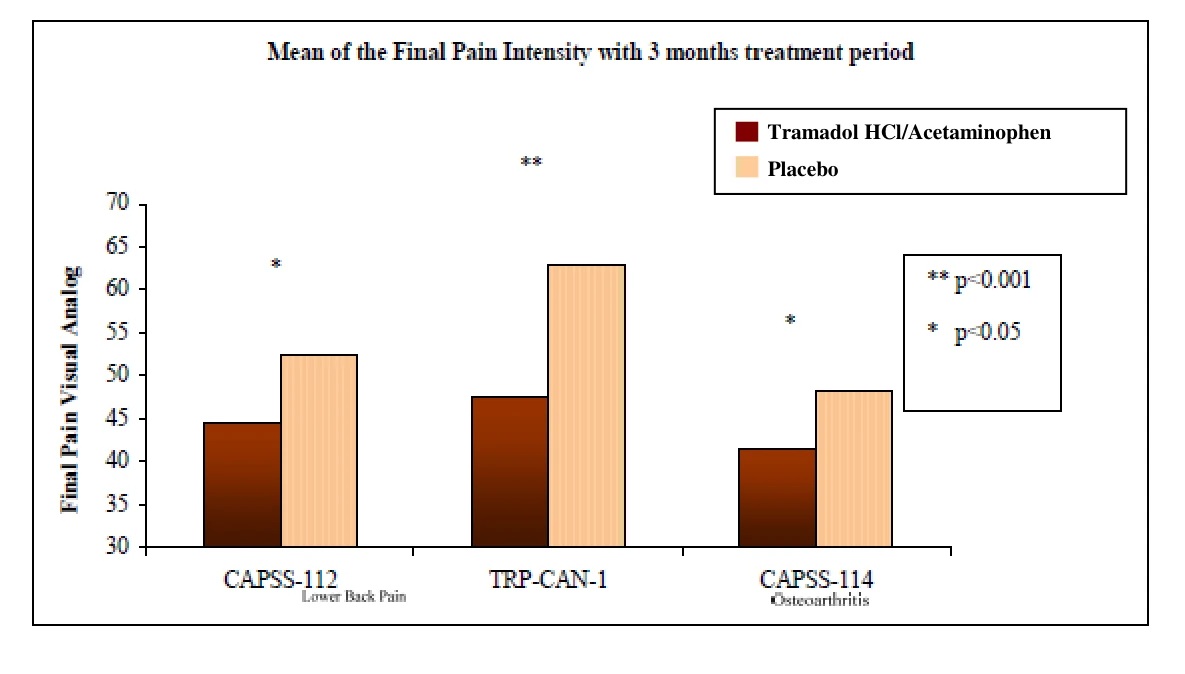
All three studies had the final pain intensity, measured by Pain Visual Analog (100 mm) Scale as the primary endpoints.
CAPSS-114
CAPSS-114 included 306 subjects who had symptomatic osteoarthritis for at least one year, and continued to experience at least moderate OA pain (≥ 50/100 mm on VAS) despite treatment with a stable dose of celecoxib (≥ 200 mg/day) or rofecoxib (25 mg/day) for at least 2 weeks. No pain medication or treatment other than the study drug and the COX 2 selective inhibitor was allowed during the course of the study. Tramadol hydrochloride / acetaminophen treated subjects received on average 155 mg tramadol/1346 mg acetaminophen during the study period.
CAPSS-112 and TRP-CAN-1
CAPSS-112 and TRP-CAN-1 enrolled 654 patients with chronic lower back pain that was severe enough to have required daily medication for the previous three months, and at least moderate pain (40/100 mm) on VAS. The average tramadol hydrochloride / acetaminophen daily dosages for CAPSS-112 and TRP-CAN-1 were 159 mg tramadol/1391 mg acetaminophen and 158 mg tramadol/1369 mg acetaminophen, respectively.
| Study No. | Mean Age (Range) | Primary Endpoints | Test | Comparator |
|---|---|---|---|---|
| Tramadol HCl / Acetaminophen | Placebo | |||
| PRI/TRP-CAN-1 | 55.7 (22-76) | Final Pain Intensity Baseline Final | 67.9±14.95 47.4±31.39 | 67.6±15.53 62.9±27.50 |
| (100 mm VAS) | Tramadol HCl / Acetaminophen vs. Placebo, p<0.001 | |||
| CAPSS-112 | 57.5 (25-82) | Final Pain Intensity Baseline Final | 71.1±14.54 44.4±30.59 | 68.8±14.87 52.3±29.11 |
| (100 mm VAS) | Tramadol HCl / Acetaminophen vs. Placebo, p=0.015 | |||
| CAPSS-114 | 49.6 (19-75) | Final Pain Intensity Baseline Final | 69.0±12.52 41.5±26.0 | 69.5±13.17 48.3±26.63 |
| (100 mm VAS) | Tramadol HCl / Acetaminophen vs. Placebo, p=0.025 | |||
Mean final pain intensity scores with three-month treatment period are depicted in the figure below.
DETAILED PHARMACOLOGY
Pharmacodynamics
Tramadol
Tramadol HCl, 2-[(dimethylamino)methyl]-1-(3-methoxyphenyl) cyclohexanol HCl, is a centrally acting synthetic analgesic compound. It is thought to produce its analgesic effect through at least two complementary mechanisms of action: agonist activity at the μ-opioid receptor and weak inhibition of neuronal monoamine reuptake. These dual activities are observed in studies conducted in vitro as well as in nonclinical animal models of antinociception.
In studies conducted in vitro, tramadol inhibited binding to native rat μ-opioid receptor at approximately the same concentration at which it blocked the reuptake of norepinephrine and serotonin. The K1 values for μ-opioid receptor affinity and monoamine reuptake inhibitory activities are 2.1 and ~ 1 μM, respectively. Tramadol affinities for recombinant human opioid receptors (K1 = 17 μM) were slightly weaker than those observed at the rat receptors. Apart from analgesia, tramadol may produce a constellation of symptoms similar to that of an opioid.
Tramadol is an efficacious analgesic in a wide variety of standard analgesic models of acute, tonic, chronic, or neuropathic pain. In some of these studies, specific antagonists were used to probe the mechanism of tramadol's antinociceptive action. In contrast to the full blockade of morphine antinociception by naloxone, the antinociceptive action of tramadol in most tests is only partially blocked by naloxone. Furthermore, although the antinociception of morphine is unaffected by the alpha2-adrenergic antagonist yohimbine or the serotonergic antagonist ritanserin, each of these antagonists reduces tramadol's antinociception. These pharmacologic

studies suggest the contribution of both opioid and monoamine mechanisms to tramadol antinociception.
In drug interaction studies carried out with tramadol, a substantial increase in toxicity was found after pretreatment with an MAO inhibitor, tranylcypromine. The antinociceptive effect of the compound was reduced by concomitant administration of barbiturates and atropine, and was virtually eliminated by tranylcypromine. Physostigmine potentiated the antinociceptive effect of a sub-maximal dose of tramadol. Other potential drug interactions based on enzyme induction or displacement from protein binding were thought to be unlikely with tramadol as no inductive effect on liver enzymes has been found for this agent and the protein binding is too low to induce relevant interference with the binding of other compounds.
Acetaminophen
Acetaminophen is another centrally acting analgesic. Although the exact site and mechanism of its analgesic action is not clearly defined, acetaminophen appears to produce analgesia by elevation of the pain threshold. The potential mechanism may involve inhibition of the nitric oxide pathway mediated by a variety of neurotransmitter receptors including N-methyl- D-aspartate and Substance P.
Tramadol/Acetaminophen Combination
Some combinations of analgesic agents with different mechanisms of action result in either enhanced analgesic effect or reduced side effects. The effectiveness of fixed-ratio combinations of tramadol:acetaminophen (1:1 through 1:1,600) were evaluated in a standard mouse antinociceptive test. The combination exhibited a synergistic antinociceptive effect in this model. That is, when tramadol and acetaminophen were administered together, significantly less of each drug was needed to produce a given analgesic effect than would be expected if their effects were merely additive.
Pharmacokinetics
Tramadol
Tramadol was rapidly absorbed after oral administration in the mouse, rat, and dog. In dogs, the mean absolute bioavailability of a single 20 mg/kg oral dose of tramadol (Avicel formulation in gelatin capsules) was 81.8%, with maximum plasma concentrations achieved in about one hour. Distribution of radioactivity into tissues was rapid following the intravenous administration of 14C-labelled tramadol to rats, with the highest concentration of radioactivity found in the liver. Radioactivity levels in the brain were comparable to plasma levels for the first 2 hours post-injection, demonstrating that the drug crosses the blood brain barrier. Concentrations in the kidneys, lungs, spleen, and pancreas were also higher than the serum concentration.
The major metabolic pathway was qualitatively similar for all species studied, including mouse, rat, hamster, guinea pig, rabbit, and man, and involved both Phase I (N- and O-demethylation and 4-hydroxylation; eight metabolites) and Phase II (glucuronidation or sulfation; thirteen metabolites) reactions. The primary metabolite mono-O-desmethyltramadol (M1) has antinociceptive activity. In biochemical studies, (±) mono-O-desmethyltramadol and its enantiomers each had greater affinity for opioid receptors and were less potent inhibitors of monoamine uptake than were the corresponding parent compounds.
Excretion was primarily by the renal route in the animal species studied. After oral administration, fecal excretion was approximately 13% in rats and dogs, and 80% of 14C-labelled tramadol doses were excreted in the urine within 72 to 216 hours of dosing. Amounts of unchanged tramadol excreted in the urine were higher in man (approximately 30% of the dose) than in animals (approximately 1%).
Tramadol is a mild inducer of ethoxycoumarin deethylase activity in the mouse and dog.
Acetaminophen
Acetaminophen is rapidly and extensively absorbed from the gastrointestinal tract following an oral dose, and that absorption occurs by passive transport. Acetaminophen appears to be rapidly and uniformly distributed throughout most body fluids, except fat and cerebrospinal fluid. Binding of acetaminophen to plasma proteins in humans is minimal under normal conditions; it is only slightly increased following overdose. Acetaminophen has been reported to bind to the plasma proteins of rats and hamsters at approximately 27 and 11%, respectively.
In most species, acetaminophen is metabolized in the liver by three distinct pathways, glucuronide conjugation, sulfate conjugation, and the hepatic cytochrome P450-dependent mixed-function oxidase system. There is, however, some variation among species in the quantities of these metabolites that can be found in the urine. Nevertheless, at low acetaminophen doses, the majority of an oral dose of acetaminophen is conjugated with glucuronic acid and/or sulfate in all species. Small amounts are oxidatively metabolized by hepatic cytochrome P450 isoforms to form the reactive alkylating metabolite N-acetyl-para-benzoquinonimine, which reacts with hepatic glutathione to form a glutathione conjugate. The glutathione conjugate is then further metabolized to cysteine and mercapturic acid conjugates which are excreted in the urine.
Although the cytochrome P450 pathway is a minor metabolic pathway, the reactive intermediate produced is believed to play an important role in acetaminophen-induced hepatotoxicity, particularly at high doses. Following large, toxic acetaminophen doses, the two main metabolic pathways become saturated, allowing more reactive metabolite to be formed, which results in a depletion of hepatic glutathione stores with subsequent hepatotoxicity resulting from the interactions of excess reactive metabolite with cellular constituents.
TOXICOLOGY
Acute Toxicity
The acute toxicity of the acetaminophen and tramadol hydrochloride combination has been examined in rat and dog. Summarized results of the three studies are presented in the following table.
Table 2.1: Acute Toxicity Studies Summary
Species/Strain Age/B.W. | No./Sex/ Group Duration | Route | Vehicle | Dosage Levels (mg/kg) | Lethality | Results |
|---|---|---|---|---|---|---|
Rat Crl: COBS® (WI) BR Age: 7 to 8 wk B.W. Range: 161 to 220 g | 5M or 8M Single dose | p.o (gavage) | 1% Aqueous HPMC | Tramadol: 150 APAP: 300 Tramadol/APAP: 150/300 Vehicle Control: 1% Aqueous HPMC (9 mL/kg) | No Mortality | No treatment-related mortality, clinical observations, or effects on body weight. |
Rat Crl:CD® BR, VAF/Plus® Age : 9 wk B.W.Range : M: 236.0 to 274.5 g F: 158.5 to 180.0 g | 5 Single dose | p.o. (gavage) | 0.5% Methocel |
0.5% Methocel (10 mL/kg)
215/1864 275/2384 340/2948 | 0/5 M, 0/5 F 0/5 M, 0/5 F 1/5 M, 1/5 F 2/5 M, 4/5 F 3/5 M, 4/5 F | 100/867.1: ↓Activity, ↑salivation and nasal discharge in both sexes; ↓feces, ↓BW gain in males; urine stained coat in females. 215/1864.0: ↓Activity, ↓feces, ↑salivation, nasal discharge, ↓respiration, urine stained coat in both sexes; ↓BW gain in males; straub tail in females 275/2384.3: ↓Activity, ↓feces, ↓salivation, nasal discharge, ↓respiration, urine stained coat, straub tail, ↓BW gain in both sexes 340/2947.8: ↓Activity, ↓feces, ↓salivation, nasal discharge, ↓respiration, urine stained coat, straub tail, ↓BW gain in both sexes; Fluid in stomach, distended urinary bladder, and lung discoloration were observed in some rats dying |
Species/Strain Age/B.W. | No./Sex/ Group Duration | Route | Vehicle | Dosage Levels (mg/kg) | Lethality | Results |
|---|---|---|---|---|---|---|
| prior to scheduled necropsy. | ||||||
Dog Beagle Age: 9 to 11 mo B.W. Range: 8.74 to 13.14 kg | 2 Single dose | p.o. (gavage) | 0.5% Methocel |
0.5% Methocel (2 mL/kg)
20/173 40/347 60/520 | No mortality | Vehicle Control: ↑salivation in females 15/130.1: ↑salivation in females 20/173.4: ↑licking, ↑salivation, in males; ↓activity, fine tremor, ↑vocalization in females 40/346.8: ↓activity, ataxia, cyanosis, ↑salivation, crusty/mucoid eye discharge in both sexes; fine tremor, coarse tremor in males; ↑vocalization, edema, reddened conjunctiva, ptosis, ↓food consumption in females 60/520.2: ↓activity, ataxia, ↑licking, ↑vocalization, cyanosis, ↑salivation, edema, reddened conjunctiva, crusty/mucoid eye discharge, dyspnea, and coarse tremor in both sexes; ptosis, clonic convulsion in males; ↑muscle tone, ↓food consumption in females |
APAP = acetaminophen; B.W. = body weight; HPMC = hydroxypropylmethylcellulose; M = male; F = female; mo = month; p.o. = oral; wk = week; ↑ = increased; ↓ = decreased
Long-Term Toxicity
Multi-dose toxicity studies were conducted in rat and dog. The following table summarizes the results of the two pivotal multi-dose studies.
Table 2.2: Multi-dose Toxicity Studies - Protocol Summaries/Results
Species / Strain Age / B.W. | No./ Group / Duration / Route | Dosage (mg/kg/day) | Evaluated Parameters | Results |
Rat Crl:CD® BR, VAF/Plus® | 10 3 mo p.o. (gavage) |
0.5% Methocel (10 mL/kg/day)
7.5/65 22.5/195 45/390
45
| Mortality, clinical observations, B.W., food consumption, ophthalmological examination, drug metabolism, hematology, coagulation, clinical chemistry, urinalysis, organ weights, gross pathology, histopathology | Vehicle Control: Four M deaths (attributed to dosing errors); alopecia in both sexes 7.5/65: Alopecia in both sexes; ↑ liver weights in males 22.5/195: One M death (cause of death not determined); alopecia in both sexes; ↑ liver weights in males; slightly ↑ urine volume in females 45/390: Alopecia, ↑ salivation, slightly higher urine volume in both sexes; mild treatment related increases in K+ concentration, slightly ↓ RBC, ↑ MCV, MCH, ↑ liver weights, slightly ↓ ALT and AST activity and ↑ ALP in females 45: Alopecia, ↑salivation, in both sexes; slightly ↓ ALT and AST activity and ↑ ALP in females. 390: ↑ salivation, slightly higher urine volume in both sexes; ↑ liver weights in males; slightly ↓ RBC, ↑ MCV, MCH in males; alopecia, mild treatment related increases in K+ concentration, slightly ↓ ALT and AST activity and ↑ALP in females. Additional findings: (1) higher kidney weights in males dosed with APAP or tramadol/APAP; (2) lower adrenal gland weights in males dosed with tramadol and/or APAP. |
ALP = alkaline phosphatase; ALT = alanine aminotransferase; APAP = acetaminophen; AST = aspartame aminotransferase; K = potassium; MCH = mean corpuscular hemoglobin; MCV = mean corpuscular volume; mo = month; p.o. = oral; RBC = red blood cell; wk = week; ↑ = increased; ↓ = decreased
Table 2.2: Multi-dose Toxicity Studies - Protocol Summaries/Results (continued)
Species / Strain Age / B.W. | No./ Group / Duration / Route | Dosage (mg/kg/day) | Evaluated Parameters | Results |
Dog Beagle | 4 3 mo p.o. (gavage) daily dose divided between two dosing sessions approx. 5.5 h apart |
0.5% Methocel (1 mL/kg/b.i.d.)
7.5/65 22.5/195
22.5
| Mortality, clinical observations, B.W., estimated food consumption, electrocardiographic/ ophthalmological/ physical examination, drug absorption, hematology. Coagulation, clinical chemistry, urinalysis, gross pathology, microscopic histopathology, organ weights. | 7.5/65: NOAEL 22.5/195: One male dog was sacrificed moribund on Day 32. ↓ activity, discoloured/food emesis, decreased/absent feces, discoloured urine, urine stained coat, jaundice, occult blood in urine, ↓ B.W. early in study related to ↓ food consumption, slightly to moderately ↓ RBC, Hb, and Hct counts, ↑ MCV, reticulocyte and platelet counts, slightly to moderately ↑ ALT, ALP, GGT, and urine bilirubin values, changes in liver, kidney, bone marrow, spleen, (males) and thymus (males) in both sexes; fine tremor, edema in males; hunched posture, emaciation, ataxia, pallor, ↑total bilirubin, in females 22.5: ↓ B.W. early in study related to ↓ food consumption in both sexes. 195: ↓ B.W. early in study related to ↓ food consumption, slightly to moderately ↓ RBC, Hb, and Hct counts, ↑ MCV, reticulocyte and platelet counts, ↑ urine bilirubin, changes in liver, kidney, bone marrow, spleen (males), and thymus (males) in both sexes; slightly ↑ ALP, GGT, and total bilirubin values in females |
a Continuation of 4 week dog study results
ALP = alkaline phosphatase; ALT = alanine aminotransferase; APAP = acetaminophen; AST = aspartame aminotransferase; K = potassium; MCH = mean corpuscular hemoglobin; MCV = mean corpuscular volume; mo = month; p.o. = oral; RBC = red blood cell; wk = week; ↑= increased; ↓ = decreased; Hb = Hemoglobin; Hct = Hematocrit; GGT = γ -glutamyl transferase
Carcinogenicity
Tramadol
Two carcinogenicity studies were conducted: a 24-month oral mouse study and a 30-month oral rat study. These studies examined approximately 4 times the human therapeutic daily dose. There was no evidence that tramadol is carcinogenic. In mice, chronic administration of tramadol at doses of 0, 7.5, 15, or 30 mg/kg/day did not affect life span or enhance tumour formation. There was a slight but statistically significant increase in the incidence of commonly occurring tumours in aged mice. Rats treated at the same dosage levels for 30 months did not show any evidence of carcinogenic potential.
Acetaminophen
In one strain of mice, acetaminophen was shown to increase the incidence of multiple benign and malignant liver tumours at a markedly toxic dose (10000 mg/kg diet); when administered to another strain of mice in two other studies, a well-tolerated dose that was about half this markedly toxic dose (6000 mg/kg diet) did not increase tumour incidence. In some strains of rats, acetaminophen administration did not appear to increase tumour incidence, while neoplastic liver nodules and bladder papillomas and carcinomas were seen in another rat strain. Due to the varied results in animal studies, the IARC has classified the evidence for the carcinogenicity of acetaminophen in experimental animals as limited.
Mutagenicity
Tramadol
Tramadol hydrochloride did not demonstrate any mutagenic activity in the Ames test, the CHO/HPRT assay, or in the mouse lymphoma assay in the absence of metabolic activation. Weakly mutagenic results were obtained in the presence of metabolic activation in the mouse lymphoma assay, but these were secondary to high levels of induced cytotoxicity. In vivo studies (micronucleus test in the mouse, rat, and hamster) were negative. A bone marrow cytogenics test in hamsters was negative, as was a dominant lethal test in mice.
Acetaminophen
The mutagenic and genotoxic potential of acetaminophen has been studied in a number of in vivo and in vitro test systems. Multiple studies have shown that acetaminophen does not induce mutations in Salmonella typhimurium or Escherichia coli in the presence or absence of metabolic activation. When fed to male Drosophila melanogaster, acetaminophen did not induce sex-linked lethal mutations.
Chromosomal aberrations were detected in human lymphocytes in vivo and in vitro, as well as micronuclei in a rat kidney cell line, and sister chromatid exchange and chromosomal aberrations in CHO cells. Genetic effects such as deoxyribonucleic acid (DNA) strand breaks and unscheduled DNA synthesis have been reported in a number of other mammalian and rodent cell systems.
Reproductive Studies
Tramadol
The potential of tramadol to produce reproductive toxicity was evaluated in a series of six main studies in mice, rats, and rabbits. The results of these studies indicated that tramadol had no effect on fertility in male or female rats, even at toxic oral dose levels (up to 50 mg/kg in males and 75 mg/kg in females). Tramadol did not induce teratogenicity in mice, rats, or rabbits given up to 140, 80, or 300 mg/kg, respectively. Embryo/fetal toxicity, consisting of slight decreases in fetal weight, and/or variations in bone ossification, occurred at tramadol doses 3 to 15 times the maximum human dose or higher, but only in the presence of maternal toxicity. Maternal toxicity generally consisted of decreased body weight gain in conjunction with decreased food consumption.
In peri- and postnatal studies in the rat, maternal toxicity occurred in dams treated with tramadol gavaged doses of 8 mg/kg and higher. Signs of toxicity included decreased body weight gain and reduced food consumption. A rebound in these parameters did occur during lactation, suggesting some adaptation to the effects of the drug, although weight gain of treated dams continued to lag behind those of the controls throughout the remainder of the study. At doses of 20 mg/kg and higher, clinical signs such as exophthalmia and dilated pupils increased; alopecia increased at doses of 40 mg/kg and greater. Progeny of dams receiving 50 mg/kg or higher had decreased body weights. At doses of 80 mg/kg or higher, decreased pup survival during early lactation was noted.
Acetaminophen
Animal studies have indicated acetaminophen was not teratogenic in mice when administered in the diet at levels up to 1430 mg/kg/day, and did not cause intrauterine growth abnormalities in Sprague-Dawley rats when administered orally at doses up to 250 mg/kg/day on Days 8 to 19 of gestation. Single-dose studies in rats (1000 mg/kg oral dose on Day 21 of gestation) and sheep (20 mg/kg intramuscular injection on Day 125 of gestation) have demonstrated that acetaminophen can be associated with premature closure of the ductus arteriosus. When orally administered to male rats at 500 mg/kg/day for 70 days, a significant decrease in testicular weight was reported in one study. Testicular atrophy was also reported in another study where approximately 765 mg/kg/day acetaminophen was given in the diet to rats for 100 days.
Tramadol/Acetaminophen Combination
A study was conducted in female rats to evaluate the developmental toxicity/teratogenic potential when administered (via gavage) on Days 6 through 17 of gestation. The protocol and results of this study are summarized in the following table.
| Table 2.3: Reproductive Study - Summary | ||||
Species/Strain (No./Group) | Route/ Duration | Dosage (mg/kg/day) | Observations | Results |
Rat Crl:CD® BR, VAF/Plus® 28/group | p.o. (gavage) Gestation Days 6 Through 17 |
(10 mL/kg/day)
10/87 25/217 50/434
50 | Maternal B.W.; food consumption, clinical signs, and post-mortem exam; number of corpora lutea, implantations, fetuses, resorptions, and pre- and postimplantation loss; fetal weight; fetal alterations | 10/87: ↓ B.W. gain during treatment; ↑B.W. gain during postdose period; ↓ food consumption during treatment 25/217: ↑ alopecia during and after treatment; B.W. loss at treatment initiation; ↓ B.W. gain during treatment; ↑ B.W. gain during postdose period; ↓ food consumption during treatment 50/434: ↑ alopecia during and after treatment; B.W. loss at treatment initiation; ↓ B.W. gain during treatment; ↑ B.W. gain during postdose period; ↓ food consumption during treatment; ↓ fetal B.W.; ↑ supernumerary ribs (attributed to maternal stress, not drug treatment) 50: ↑ alopecia during and after treatment; B.W. loss at treatment initiation; ↓ B.W. gain during treatment; ↑ B.W. gain during postdose period; ↓ food consumption during treatment; ↓ fetal B.W. Embryo/fetal NOAEL for tramadol/APAP combination: 25/217 mg/kg/day |
APAP = acetaminophen; B.W. = body weight; NOAEL = no-observed-adverse-effect level; p.o. = oral; ↑ = increased; ↓ = decreased
Dependence Liability
The physical dependence liability potential associated with the chronic use of tramadol has been evaluated in a number of animal studies, including investigations in the mouse, rat, and monkey. A slight degree of antinociceptive tolerance to tramadol evolved in the mouse studies, but there was little or no indication of the development of physical dependence. No evidence of dependence was observed in the rat study. However, in dogs addicted to morphine, withdrawal symptoms were relieved by tramadol. In primate studies, which evaluated the physical dependence and reinforcement properties of tramadol, the physical dependence of the drug was deemed to be low.
REFERENCES
- 1. Cicero TJ, Adams EH, Geller A, Inciardi JA, Munoz A, et al. A postmarketing surveillance program to monitor Ultram® (tramadol hydrochloride) abuse in the United States. Drug and Alcohol Dependence. 1999;57:7-22.
- 2. Paracetamol (acetaminophen) in: IARC monographs on the evaluation of carcinogenic risks to humans. IARC WHO. 1990;50:307-332.
- 3. Raffa RB, Friderichs E. The basic science aspect of tramadol hydrochloride. Pain Reviews. School of Pharmacy, Temple University, Penn, USA and Grünenthal GmBH, Aachen, Germany, 1996; 3:249-271.
- 4. The RWJ Pharmaceutical Research Institute. Technical Summary: Nonclinical pharmacology, toxicology, absorption, distribution, metabolism, and excretion (ADME) of tramadol/ acetaminophen (APAP) combination product. Drug Metabolism. 1999;1-270.
- 5. The RWJ Pharmaceutical Research Institute. Integrated Summary of Safety: Tramadol with Acetaminophen (RWJ-26898-002-AQ-22) for the treatment of moderate to moderately severe pain. Clinical Research and Development. July 1999;113:1-149.
- 6. The RWJ Pharmaceutical Research Institute. Integrated Summary of Effectiveness: Tramadol with acetaminophen (RWJ-26898-002-AQ-22) for the treatment of moderate to moderately severe pain. Clinical Research Development. July 1999:1-130.
- 7. Medve RA, Wang J, Karim R. Tramadol and acetaminophen tablets for dental pain. Anesth Prog. 2001;48(3):79-81.
- 8. Fricke JR Jr, Karim R, Jordan D, Rosenthal N. A double-blind, single-dose comparison of the analgesic efficacy of tramadol/acetaminophen combination tablets, hydrocodone/acetaminophen combination tablets, and placebo after oral surgery. Clin Ther. 2002;24(6):953-968.
- 9. Silverfield JC, Kamin M, Wu S-C, Rosenthal N. Tramadol/acetaminophen combination tablets for the treatment of osteoarthritis flare pain: a multicenter, outpatient, randomized, double-blind, placebo-controlled, parallel-group, add-on study. Clin Ther. 2002;24(2):282-297.
- 10. Edwards JE, McQuay HJ, Moore RA. Combination analgesic efficacy: individual patient data meta-analysis of single-dose oral tramadol plus acetaminophen in acute postoperative pain. J Pain Symptom Manage. 2002;23(2):121-130.
- 11. Ruoff GE, Rosenthal N, Jordan D, Karim R, Kamin M. Tramadol/Acetaminophen combination tablets for the treatment of chronic lower back pain. Clin. Ther. 2003; 25(4): 1123-1141.
- 12. Smith AB, Ravikumar TS, Kamin M, Jordan D, Xiang J, Rosenthal N et al. Combination tramadol plus acetaminophen for postsurgical pain. The American Journal of Surgery. 2004; 187:521-527.
- 13. Peloso PM, Fortin L, Beaulieu A, Kamin M, Rosenthal N, on behalf of the Protocol TRP-CAN-1 Study Group. Analgesic efficacy and safety of tramadol/acetaminophen combination tablets (ULTRACET®) in treatment of chronic low back pain: a multicenter, outpatient, randomized, double blind, placebo controlled trial. J Rheumatol. 2004; 31(12):2454-2463.
- 14. Emkey R, Rosenthal N, Wu SC, Jordan D, Kamin M, for the CAPSS-114 Study Group. Efficacy and safety of tramadol/acetaminophen tablets (ULTRACET®) as add-on therapy for osteoarthritis pain in subjects receiving a COX-2 nonsteroidal antiinflammatory drug: a multicenter, randomized, double-blind, placebo-controlled trial. Journal of Rheumatology. 2004; 31(1): 150- 156.
- 15. Rosenthal NR, Silverfield JC, Wu SC, Jordan D, Kamin M. Tramadol/ acetaminophen combination tablets for the treatment of pain associated with osteoarthritis flare in an elderly patient population. J Am Geriatr Soc 2004, 52:374-380.
- 16. Bourne, MH, Rosenthal NR, Xiang J, Jordan D, Kamin M. Tramadol/acetaminophen (ULTRACET®) tablets in the treatment of postsurgical orthopedic pain. Am J Orthoped. Dec 2005; 34(12):592-597.
- 17. Product Monograph for Tramacet® (tramadol hydrochloride / acetaminophen), 37.5 / 325 mg tablets. Janssen-Ortho Inc. Submission Control # 172006. Date of Revision: June 3, 2014.