


Product Monograph - Ibucodone
ACTION AND CLINICAL PHARMACOLOGY
Hydrocodone Component
Hydrocodone is a centrally acting semisynthetic opioid antitussive and analgesic. The precise mechanism of analgesic action of hydrocodone and other opioids is not known, although it is believed to relate to the existence of opiate receptors in the central nervous system. In addition to analgesia, opioids may produce drowsiness, changes in mood, mental clouding, constipation and, in overdose, respiratory depression.
Ibuprofen Component
Ibuprofen is a nonsteroidal anti-inflammatory drug (NSAID) that possesses analgesic and antipyretic activities. The mode of action, like that of other NSAIDs, is not completely understood, but may be related to inhibition of cyclooxygenase activity and prostaglandin synthesis. Ibuprofen is a peripherally acting analgesic. Ibuprofen does not have any known effects on opiate receptors.
IBUCODONE combines the analgesic effects of the centrally acting analgesic hydrocodone with the peripherally acting NSAID analgesic, ibuprofen.
Pharmacokinetics
Hydrocodone bitartrate and ibuprofen are well absorbed in the gastrointestinal tract from oral IBUCODONE. In a single oral dose study, 31 adult male and female subjects dosed with two IBUCODONE tablets gave a mean hydrocodone Cmax of 27.3 ng/mL occurring at Tmax 1.7 hours; the mean half-life was 4.5 hours and the mean AUC 0-4 was 216 ng/mL*hr. The mean ibuprofen Cmax was 30.2 mcg/mL occurring at Tmax 1.8 hours; the mean half-life was 2.2 hours and the mean AUC0-4 was 136 mcg/mL*hr.
Hydrocodone exhibits a complex pattern of metabolism including O-demethylation, N-demethylation, and 6-keto reduction to the corresponding 6-"- and 6-$-hydroxy metabolites. The effects of renal disease on the clearance of hydrocodone are unknown.
When taken with food, the rate of ibuprofen absorption is reduced but the overall extent is unchanged. Ibuprofen, given alone, is rapidly metabolized and eliminated in the urine. Two major human urinary metabolites isolated are 2 to 4' (2-hydroxy-2-methylpropyl) phenylpropionic acid and 2 to 4' (2-carboxypropyl) phenylpropionic acid. Within 24 hours of dosing, 45 to 79% of a dose is recovered as these 2 metabolites, with conjugated ibuprofen constituting the other significant urinary metabolite. Ibuprofen is 99% protein-bound.
Clinical Trials
The contribution of each component of IBUCODONE (i.e. ibuprofen and hydrocodone) to analgesic efficacy, with respect to time of onset, pain scores and duration of action, was demonstrated in randomised, controlled clinical trials; duration of action was estimated to between four to six hours.
In five pivotal randomized, double-blind, placebo-controlled, single-dose studies of post-surgical pain (abdominal/gynecological, orthopedic), 319 patients received one or two tablets of IBUCODONE. IBUCODONE produced greater efficacy, based on comparisons of pain relief scores, pain intensity difference scores, and duration of effect, than placebo or either of its individual components given alone at the same dose. In the only efficacy trial with direct comparison of the one versus two tablet dose, no difference in dose response was seen. The individual studies are described below. The primary end points were pain relief intensity difference (PRID), time to on-set of analgesic effect (on-PR) and duration of analgesia (time to remedication).
Study VP-09
The objective of this study was to compare the safety and efficacy of single, oral doses of Ibucodone, Ibuprofen (Ibu) and placebo (Pbo) in the treatment of moderate to severe post-operative pain.
Efficacy: Ibucodone was proven to be statistically superior to ibuprofen (400mg) and placebo. The PRID scores for Ibucodone were significantly higher than Ibuprofen (p<0.011) and placebo (p<0.001) at all timepoints. The estimated on-PR for Ibucodone at 11.9 minutes appears earlier than the Ibuprofen group (19.0 minutes) and markedly earlier than the placebo group (39.0 minutes). The two active treatments, Ibucodone (400/15 mg: 6 h, p<0.001 vs Pbo; p<0.002 vs Ibu) and Ibuprofen 400 mg (5.50 h), each had a significantly longer time to remedication than placebo (0.5h).
Safety: The adverse events in the study affected primarily the gastrointestinal and central nervous systems with no significant differences between Ibucodone and Ibuprofen.The PRID scores for Ibucodone were significantly higher than Ibuprofen (p<0.011) and placebo at all timepoints.
Study VP-13
The objective of this study was to compare the safety and efficacy of two single oral doses of Ibucodone (400/15 mg), Ibuprofen (400 mg), Hydrocodone bitartrate (15 mg) and placebo in the treatment of moderate to severe post-operative pain.
Efficacy: The Ibucodone (400/15 mg) and its components Ibuprofen (400 mg) and Hydrocodone (15 mg) treatment groups consistently had better scores and were significantly different then placebo in the efficacy parameters: pain intensity difference, pain relief, pain relief intensity difference, duration of analgesic effect and time to remedication. However, this analgesic model did not detect significant differences at every time points between Ibucodone and its components for the primary measures of efficacy.
Safety: There were no serious adverse events; all were mild and moderate. The most prevalent adverse events were somnolence, nausea and sweating.
Study VP-21
The objective of this study was to compare the safety and efficacy of two single oral doses of one (400/15 mg) and two tablets (200/7.5 mg) of Ibucodone to placebo in the treatment of moderate to severe post-operative pain.
Efficacy: The PRID scores for Ibucodone 400/15 were significantly higher then placebo at 1.67 through 8 hours (p<0.002) and the Ibucodone 200/7.5 scores were significantly higher then placebo at 2 through 8 hours (p<0.004). Duration of analgesia was longer with Ibucodone 400/15 (>7.7 h; p<0.001) and Ibucodone 200/7.5 (>6.7 h; p<0.001) then with placebo (2.7 h).
The Ibucodone (400/15 mg) and Ibucodone (200/7.5 mg) scored better and were significantly different then placebo in the efficacy parameters: pain intensity difference, pain relief, pain relief intensity difference, peak analgesic effect, duration of analgesic effect and time to remedication. However, this study did not detect significant differences between the two dosages of Ibucodone for the primary measures of efficacy.
Safety: The adverse events reported were similar between the treatment groups and expected for NSAID analgesia. Somnolence was the predominant adverse event.
Study VP-23
The objective of this study was to compare the safety and efficacy of single, oral doses of Ibucodone (200/7.5 mg), Ibuprofen (200 mg), Hydrocodone bitartrate (7.5 mg) and placebo in the treatment of moderate to severe post-operative pain.
Efficacy: Ibucodone was proven to be statistically superior to placebo, however no differences between groups were apparent for the estimated on-PR. The three active treatments, Ibucodone (200/7.5 mg), Ibuprofen (200 mg) and Hydrocodone (7.5 mg), each had a significantly longer time to remedication than placebo.
Safety: The adverse events reported between the groups were similar and not unexpected. None were serious or life threatening. All were mild to moderate in intensity. The events primarily affected the digestive system (e.g flatulence, nausea).
Study VP-29
The objective of this study was to compare the safety and efficacy of single, oral doses of Ibucodone (400/15 mg), Ibuprofen (400 mg), Hydrocodone bitartrate (15 mg) and placebo in the treatment of moderate to severe post-operative pain.
Efficacy: The PRID scores for Ibucodone were significantly higher then Hydrocodone, Ibuprofen and placebo. Significant differences were demonstrated between Ibucodone and monotherapy and Ibucodone and placebo for duration of analgesia and time to analgesic remedication.
Safety: There were no serious adverse events; all were mild to moderate intensity. Somnolence, flatulence, pruritus and nausea were the most frequently reported events.
In a 30-day repeat-dosing study in which 309 pain patients were taking fixed one or two tablet doses of IBUCODONE three times a day, drug-related adverse events, especially those related to the opioid component of the formulation, were significantly increased in the two tablet dosing arm of the study.
INDICATIONS AND CLINICAL USE
IBUCODONE (hydrocodone bitartrate-ibuprofen) tablets are indicated for the short term management of acute moderate pain. IBUCODONE is not indicated for the treatment of chronic pain conditions, such as rheumatoid arthritis and osteoarthritis, since the safety and efficacy of IBUCODONE have not been systematically explored in these patient populations.
CONTRAINDICATIONS
IBUCODONE (hydrocodone bitartrate-ibuprofen) contraindications are:
Hypersensitivity: Known hypersensitivity to hydrocodone and/or ibuprofen. Patients hypersensitive to other opioids or non-steroidal anti-inflammatory drugs (NSAIDs) may exhibit cross-sensitivity. Complete or partial syndrome of nasal polyps, asthma, anaphylaxis, urticaria, rhinitis or other allergic manifestations precipitated by ASA or other NSAIDs. Asthmatic patients with triad asthma (the syndrome of nasal polyps, asthma and hypersensitivity to ASA or other NSAIDs) may be at particular risk of severe hypersensitivity reactions. Fatal anaphylactoid reactions have occurred in such individuals.
Systemic Lupus Erythematosus: anaphylaxis-like reactions with fever may occur with ibuprofen treatment, particularly when ibuprofen had been administered previously. Aseptic meningitis has been reported.
Gastrointestinal: Active peptic ulcer, history of recurrent ulceration or active gastrointestinal inflammatory disease.
Hepatic Impairment: Significant hepatic impairment or active liver disease.
Renal Impairment: Severely impaired or deteriorating renal function (creatinine clearance < 30 mL/min).
Obstetrics: Ibuprofen may inhibit labour, prolong pregnancy or cause post partum bleeding.
Acute Respiratory Depression, Acute Asthma or other obstructive airway disease: Severe CNS depression, convulsive disorders, cor pulmonale, suspected surgical abdomen.
Increased cerebrospinal or intracranial pressure, head injury: in the presence of an intracranial lesion associated with increased intracranial pressure and whenever ventilatory function is depressed.
Concomitant MAO inhibitors (or within 14 days of such therapy): Opioid use in combination with MAO inhibitors has occasionally precipitated unpredictable, severe, and occasionally fatal reactions in patients who have received such agents within 14 days. The mechanism of these reactions is unclear, but may be related to pre-existing hyperphenylalaninemia.
WARNINGS
Gastrointestinal System (GI)
Serious GI toxicity, such as peptic ulceration, perforation, and gastrointestinal bleeding, sometimes severe and occasionally fatal can occur at any time, with or without symptoms, during non-steroidal anti-inflammatory drug (NSAID) treatment including IBUCODONE (hydrocodone bitartrate-ibuprofen).
Minor upper GI symptoms, such as dyspepsia, are common, usually developing early in therapy. Be vigilant for ulceration and bleeding in NSAID-treated patients even if previous GI tract symptoms were absent. The incidence of these complications increases with increasing doses; therefore do not take more than the recommended dose.
Use in the Elderly
Patients older than 65 years and frail or debilitated patients are most susceptible to a variety of adverse reactions from NSAIDs: the incidence of these adverse reactions increases with dose and duration of treatment. In addition, these patients are less tolerant to ulceration and bleeding. Most reports of fatal GI events are in this population. Older patients are also at risk of lower esophageal ulceration and bleeding.
Because the elderly may be more sensitive to the renal and gastrointestinal effects of non-steroidal anti-inflammatory agents as well as possible increased risk of respiratory depression with opioids, extra caution should be used when treating the elderly with IBUCODONE.
Patients prone to gastrointestinal tract irritation, particularly those with a history of peptic ulcer, diverticulosis or other gastrointestinal tract inflammatory diseases, such as ulcerative colitis and Crohn's disease should be under close medical supervision when using IBUCODONE. In these cases the physician must weigh the benefits of treatment against the possible hazards.
Patients taking any NSAIDS including ibuprofen should be instructed to contact a physician immediately if they experience symptoms or signs suggestive of peptic ulceration or gastrointestinal bleeding. These reactions can occur without warning at any time during treatment.
No studies, to date, have identified any other patient groups not at risk of developing ulceration and bleeding. Factors associated with increased risk include: prior history of serious GI events, excess alcohol intake, smoking, age, female gender and concomitant oral steroid and anticoagulant use. Studies to date show that all NSAIDs can cause GI tract adverse events.
There is no information on safety and efficacy during the long-term use of this combination drug.
Renal Function
Even in patients with lesser impairment (e.g. creatinine clearance >30 mL/min and <60 mL/min), NSAIDs may produce renal function deterioration.
Aseptic Meningitis
Aseptic meningitis with fever and coma has been observed on rare occasions in patients on ibuprofen therapy. Although probably more likely to occur in systemic lupus erythematosus and related mixed connective tissue diseases, it has also been reported in other patients. Therefore, be aware that signs or symptoms such as stiff neck, severe headaches, nausea and vomiting, fever or clouding of consciousness, may be ibuprofen related meningitis.
Head Injury and Increased Intracranial Pressure
The respiratory depressant effects of opioids and their capacity to elevate cerebrospinal fluid pressure may be markedly exaggerated in the presence of head injury, other intracranial lesions or a preexisting increase in intracranial pressure. Furthermore, opioids produce adverse reactions which may obscure the clinical course of head injury patients.
Acute Abdominal Conditions
Opioid administration obscures the diagnosis or clinical course of patients with acute abdominal conditions.
Abuse and Dependence
Hydrocodone can produce drug dependence, and therefore has the potential for being abused. Psychic dependence, physical dependence and tolerance may develop upon repeated administration. Prescribe and administer with the same degree of caution appropriate to other oral narcotic drugs.
Respiratory Depression
Hydrocodone produces dose-related respiratory depression by directly acting on the brain stem respiratory centres. If respiratory depression occurs, it may be antagonized by the use of naloxone and other supportive measures when indicated.
Occupational Hazards
Hydrocodone may impair the mental and/or physical abilities required for the performance of potentially hazardous tasks such as driving a car or operating machinery. Caution patients accordingly.
CNS Depression
Patients receiving other narcotic analgesics, general anaesthetics, phenothiazines or other tranquilizers, tricyclic antidepressants, sedative-hypnotics or other CNS depressants (including alcohol) concomitantly with hydrocodone may exhibit an additive CNS depression. When such combined therapy is contemplated, reduce the dose of one or both agents.
Use with other NSAIDs
Neither the safety nor efficacy of such combinations has been established.
PRECAUTIONS
General
As with any opioid analgesic agent IBUCODONE (hydrocodone bitartrate-ibuprofen) tablets should be used with caution in elderly or debilitated patients, and those with severe impairment of hepatic or renal function, hypothyroidism, Addison's disease, prostatic hypertrophy or urethral stricture. The usual precautions should be observed and the possibility of respiratory depression should be kept in mind. Patients should report to their physicians signs or symptoms of gastrointestinal ulceration or bleeding, blurred vision or other eye symptoms, skin rash or edema.
Patients with Special Diseases or Conditions
Respiratory tract
Hydrocodone suppresses the cough reflex. As with all opioids, caution should be exercised when IBUCODONE is used postoperatively and in patients with pulmonary disease.
At high doses or in opioid-sensitive patients, hydrocodone may produce dose-related respiratory depression by acting directly on the brain stem respiratory centres. Hydrocodone also affects the centre that controls respiratory rhythm, and may produce irregular and periodic breathing.
Renal Effects
Caution should be used when initiating treatment with IBUCODONE in patients with considerable dehydration. It is advisable to rehydrate patients first and then start therapy with IBUCODONE. Caution is also recommended in patients with pre-existing kidney disease (see WARNINGS - Renal Disease).
As with other NSAIDS, long-term administration of ibuprofen has resulted in renal papillary necrosis and other renal pathology changes. Renal toxicity has also been seen in patients in which renal prostaglandins have a compensatory role in the maintenance of renal perfusion. In these patients, administration of a NSAID drug may cause a dose-dependent reduction in prostaglandin formation and secondarily, in renal blood flow, which may precipitate overt renal decompensation. Patients at greatest risk for this reaction are those with impaired renal function, heart failure, liver dysfunction, those taking diuretics, and ACE inhibitors and the elderly. Discontinuation of NSAID therapy is usually followed by recovery to the pretreatment state.
Ibuprofen metabolites are eliminated primarily by the kidneys. The extent to which the metabolites may accumulate in patients with renal failure has not been studied. Patients with significantly impaired renal function should be closely monitored.
Genitourinary tract
Some NSAIDs are known to cause persistent urinary symptoms (bladder pain, dysuria, urinary frequency), haematuria or cystitis. Symptom onset may occur at any time after NSAID therapy initiation. Should urinary symptoms occur, IBUCODONE treatment must be stopped immediately to obtain recovery. This should be done before any urological investigations or treatments are carried out.
Hepatic Effects
As with other nonsteroidal anti-inflammatory drugs, ibuprofen has been reported to cause borderline elevations of one or more liver function tests in up to 15% of patients. A patient with symptoms and/or signs suggesting liver dysfunction, or in whom an abnormal liver test has occurred, should be evaluated for evidence of the development of more severe hepatic reactions while on therapy with ibuprofen. Severe hepatic reactions, including jaundice and cases of fatal hepatitis, have been reported with ibuprofen as with other nonsteroidal anti-inflammatory drugs.
Although such reactions are rare, if abnormal liver test results persist or worsen, if clinical signs and symptoms consistent with liver disease develop, or if systemic manifestations occur (e.g. eosinophilia, rash, etc.), ibuprofen should be discontinued.
Fluid and Electrolyte Balance
Fluid retention and edema have been observed in patients treated with ibuprofen. Therefore, as with many other nonsteroidal anti-inflammatory drugs, the possibility of precipitating congestive heart failure in elderly patients or those with compromised cardiac function should be borne in mind. Use IBUCODONE cautiously in heart failure, cardiac decompensation, hypertension or other conditions predisposing to fluid retention.
With nonsteroidal anti-inflammatory treatment there is a potential risk of hyperkalemia, particularly in patients with conditions such as diabetes mellitus or renal failure; elderly patients; or in patients receiving concomitant therapy with $-adrenergic blockers, angiotensin converting enzyme inhibitors or some diuretics.
Haematological Effects
Drugs inhibiting prostaglandin biosynthesis interfere with platelet function to some degree. Therefore, patients who may be adversely affected by such an action should be carefully observed when IBUCODONE is administered.
Blood dyscrasias (such as neutropenia, leukopenia, thrombocytopenia, aplastic anaemia and agranulocytosis) associated with non-steroidal anti-inflammatory drugs use are rare, but could occur with severe consequences.
Ibuprofen, like other nonsteroidal anti-inflammatory agents, can inhibit platelet aggregation but the effect is quantitatively less and of shorter duration than that seen with aspirin. Ibuprofen has been shown to prolong bleeding time (but within the normal range), in normal subjects. Because this prolonged bleeding effect may be exaggerated in patients with underlying hemostatic defects, ibuprofen should be used with caution in persons with intrinsic coagulation defects and those on anticoagulant therapy.
Infection
In common with other anti-inflammatory drugs, the antipyretic and anti-inflammatory activity of IBUCODONE may mask the usual signs of infection (fever and inflammation).
Ophthalmology
Blurred and/or diminished vision, scotomata, and/or changes in colour vision has been reported with ibuprofen and other non-steroidal anti-inflammatory drug use. If a patient develops such complaints, discontinue IBUCODONE, and obtain an ophthalmologic examination that includes central visual fields and colour vision testing.
Cross-sensitivity
Patients sensitive to any nonsteroidal anti-inflammatory drug may also be sensitive to any other NSAIDs.
Stevens-Johnson Syndrome (a severe form of erythema multiforme) and toxic necrolysis have been reported with ibuprofen therapy, but only rarely.
Use In Children
The safety and effectiveness of IBUCODONE in the pediatric population below the age of 18 has not been established.
Pregnancy
Because of the known effects of NSAIDs on the fetal cardiovascular system (closure of ductus arteriosus), use of IBUCODONE during late pregnancy should be avoided. As with other drugs known to inhibit prostaglandin synthesis, an increased incidence of dystocia and delayed parturition occurred in rats. As there are no adequate and well-controlled studies of IBUCODONE in pregnant women, this drug should be used during pregnancy only if the potential benefit justifies the potential risk to the fetus.
Teratogenic Effects
IBUCODONE, administered to rabbits at 5.72 times the maximum clinical dose based on body weight, a maternally toxic dose, resulted in an increase in the percentage of litters and fetuses with any major abnormality and an increase in the number of litters and fetuses with one or more nonossified metacarpals (a minor abnormality). IBUCODONE, administered to rats at 10 times the maximum recommended clinical dose based on body weight, a maternally toxic dose, did not result in any reproductive toxicity. There are no adequate and well-controlled studies in pregnant women.
Nonteratogenic Effects
Babies born to mothers who have been taking opioids regularly prior to delivery will be physically dependent. The withdrawal signs include irritability and excessive crying, tremors, hyperactive reflexes, increased respiratory rate, increased stools, sneezing, yawning, vomiting, and fever. The intensity of the syndrome does not always correlate with the duration of maternal opioid use or dose. There is no consensus on the best method of managing withdrawal.
Labour and Delivery
As with other drugs known to inhibit prostaglandin synthesis, an increase incidence of dystocia and delayed parturition occurred in rats. Administration of IBUCODONE is not recommended during labour and delivery.
Nursing Mothers
It is not known whether hydrocodone is excreted in human milk. Furthermore, because of the possible adverse effects prostaglandin-inhibiting drugs have on neonates, IBUCODONE is not recommended for use in nursing mothers.
Carcinogenicity, Mutagenicity and Impairment of Fertility
The carcinogenic and mutagenic potential of IBUCODONE has not been investigated. The ability of IBUCODONE to impair fertility has not been assessed.
Drug Interactions
ACE-inhibitor: Reports suggest that NSAIDs may diminish the antihypertensive effect of ACE-inhibitors. This interaction should be given consideration in patients taking IBUCODONE concomitantly with ACE inhibitors.
Acetylsalicylic acid (ASA) or other NSAIDS: Using IBUCODONE in addition to any other NSAIDs, including over the counter ASA and ibuprofen, is not recommended due to possibly additive side effects.
Anticholinergics: Concurrent anticholinergic use with hydrocodone preparations may produce paralytic ileus.
Antidepressants: MAO inhibitors or tricyclic antidepressants given with hydrocodone preparations may increase the effect of either the antidepressant or hydrocodone.
CNS depressants: Patients receiving other opioids, antihistamines, antipsychotics, antianxiety agents, or other CNS depressants (including alcohol) concomitantly with hydrocodone preparations may exhibit an additive CNS depression. When combined therapy is contemplated, the dose of one or both agents should be reduced.
Coumarin-type anticoagulants: Several short-term controlled studies failed to show that ibuprofen significantly affected prothrombin times or a variety of other clotting factors when administered to individuals on coumarin-type anticoagulants.
However, numerous studies have shown that the concomitant use of NSAIDs and anticoagulants increases the risk of GI adverse events such as ulceration and bleeding. Because prostaglandins play an important role in hemostasis, and NSAIDs affect platelet function, the physician should be cautious when administering IBUCODONE to patients on anticoagulants.
Diuretics: Because of its fluid retention properties, high doses of ibuprofen can decrease the diuretic and antihypertensive effects of diuretics and increase diuretic dosage may thus be required. Patients with impaired renal function who are taking potassium-sparing diuretics should not take ibuprofen preparations.
Furosemide: Ibuprofen reduces the natriuretic effect of furosemide and thiazide in some patients; this effect has been attributed to renal prostaglandin synthesis inhibition. During concomitant therapy, patients should be observed closely for diuretic efficacy and signs of renal failure (see PRECAUTIONS, Renal effects.)
Glucocorticoids: Numerous studies have shown that concomitant NSAID use with oral glucocorticoids increases the risk of GI side effects such as ulceration and bleeding. This is especially the case in older (>65 years of age) individuals.
H2 Antagonists: Due to the limited information available regarding the potential for interaction between H2 antagonists and opioid analgesics, the physician should exercise caution when coprescribing IBUCODONE and H2 antagonists.
Hypoglycemic agents: Ibuprofen may increase hypoglycemic effects of oral antidiabetic agents and insulin.
Lithium: Ibuprofen has been shown to elevate plasma lithium concentration and reduce renal lithium clearance. This effect has been attributed to renal prostaglandin synthesis inhibition by ibuprofen. Thus, when IBUCODONE and lithium are administered concurrently, observe patients for signs of lithium toxicity.
MAO Inhibitors: Concomitant use of opioids with MAO inhibitors (or within 14 days of such therapy) has occasionally precipitated unpredictable, severe, and occasionally fatal reactions. The mechanism of these reactions is unclear, but may be related to preexisting hyperphenylalaninemia. Some reactions have been characterised by coma, severe respiratory depression, cyanosis and hypotension and have resembled the syndrome of acute narcotic overdose. In other reported reactions, the predominant manifestations have been hyperexcitability, convulsions, tachycardia, hyperpyrexia and hypertension. It is not known that other opioids such as hydrocodone are free of such reactions. The usefulness and safety of narcotic antagonists in the treatment of these reactions is unknown.
Methotrexate: Ibuprofen, like other NSAIDS, has been reported to competitively inhibit methotrexate accumulation in vitro, indicating that ibuprofen could enhance methotrexate toxicity. Use caution when co-administering IBUCODONE and methotrexate.
Warfarin: the effects of warfarin and NSAIDs on GI bleeding are synergistic, such that users of both drugs together have a risk of serious GI bleeding higher than users of either drug alone.
Other Drugs: Although ibuprofen binds extensively to plasma proteins, interactions with other protein-bound drugs occur rarely. Nevertheless, caution should be observed when other drugs, also having a high affinity for protein binding sites, are used concurrently. Some observations have suggested a potential for ibuprofen to interact with furosemide, pindolol, digoxin, phenytoin and lithium salts. However, the mechanism and clinical significance of these observations are presently not known. No interactions have been reported when ibuprofen has been used in conjunction with probenecid, thyroxine, steroids, antibiotics or benzodiazepines.
Information to be Provided by Physicians to the Patient
Physicians are advised to discuss the following issues with patients:
Interference with Cognitive and Motor Performance
IBUCODONE, like other opioid-containing analgesics, may impair mental and/or physical abilities required for the performance of potentially hazardous tasks such as driving a car or operating machinery; patients should be cautioned accordingly.
Gastrointestinal
IBUCODONE has side effects like other drugs containing ibuprofen. These side effects can cause discomfort. Rarely, they are more serious, such as gastrointestinal bleeding, and may result in hospitalization and even fatal outcomes. If persistent dyspepsia or other symptoms or signs suggesting gastrointestinal ulceration or bleeding is experienced, instruct the patient to contact a physician immediately.
Pregnancy
Because of the known effects of NSAIDs on the fetal cardiovascular system (closure of ductus arteriosus), use during late pregnancy should be avoided. As with other drugs known to inhibit prostaglandin synthesis, an increased incidence of dystocia and delayed parturition occurred in animals.
Nursing
IBUCODONE is not recommended for nursing mothers because of possible adverse prostaglandin-inhibition effects on neonates.
Concomitant Medication
Alcohol and other CNS depressants may produce an additive CNS depression when taken with IBUCODONE, and should be avoided.
ADVERSE REACTIONS
The observed adverse events in clinical trials of IBUCODONE were as would be expected for a NSAID/opioid combination product. Adverse event rates generally increased with increasing daily dose. The most frequently observed adverse experiences in patients receiving one tablet of IBUCODONE an average of three to four times daily included headache (27%), constipation (22%), nausea (21%), dizziness (14%) and dyspepsia (12%); in addition, patients experienced the following adverse events at an incidence of between three and nine percent; abdominal pain, asthenia, infection, anxiety, insomnia, nervousness, diarrhea, dry mouth, flatulence, edema, pruritus and sweating. In trials which included active comparator, the overall incidence rates of adverse experiences for patients receiving either one tablet of IBUCODONE or acetaminophen 600 mg with codeine 60 mg were similar.
The following table highlights adverse events which were observed to occur with greater frequency in patients taking higher doses of IBUCODONE :
| Table 1 Dose-Related Adverse Reactions | |||
| Adverse Event | Observed Frequency (%) | ||
1 Tablet Ibucodone (200/7.5 mg) | 2 Tablet Ibucodone (400/15 mg) | Active Comparator | |
| Gastrointestinal | |||
| Nausea | 21.3 | 35.9 | 21.1 |
| Vomiting | 5.3 | 13.1 | 7.8 |
| Nervous System | |||
| Somnolence | 20.1 | 28.8 | 20.3 |
| Dizziness | 13 | 31.4 | 10.9 |
| Insomnia | 5.9 | 9.8 | 3.5 |
| Skin and Appendages | |||
| Pruritis | 8.3 | 18.3 | 6.6 |
| Sweating | 3.6 | 10.5 | 2.3 |
The following table summarizes adverse events, according to body system, observed in pivotal clinical trials in patients receiving single doses of study medication.
| Table 2 Counts (%) of Patients with AEs by Body System and Treatment Group | ||||
| Placebo | Hydrocodone (7.5 mg) | Ibuprofen (200 mg) | Ibucodone (200/7.5 mg) | |
| No. of Patients | 261 | 61 | 60 | 119 |
| No. of Patients with any AEs | 45 (17.2%) | 1 (1.6%) | 6 (10.0%) | 19 (16.0%) |
| Body as a Whole | 6 (2.3%) | 1 (1.6%) | 0 (0.0%) | 2 (1.7%) |
| Fever | (1.9%) | (1.6%) | (0.0%) | (0.8%) |
| Headache | (0.0%) | (0.0%) | (0.0%) | (0.8%) |
| Chills | (0.0%) | (0.0%) | (0.0%) | (0.0%) |
| Edema (Facial) | (0.0%) | (0.0%) | (0.0%) | (0.0%) |
| Pain Abdo | (0.4%) | (0.0%) | (0.0%) | (0.0%) |
| Pain Chest | (0.0%) | (0.0%) | (0.0%) | (0.0%) |
| Respiratory System | (0.4%) | (0.0%) | (0.0%) | (0.0%) |
| Dyspnea | (0.4%) | (0.0%) | (0.0%) | (0.0%) |
| Digestive System | (3.1%) | (0.0%) | (10.0%) | (3.4%) |
| Nausea | (2.3%) | (0.0%) | (1.7%) | (3.4%) |
| Flatulence | (0.4%) | (0.0%) | (8.3%) | (0.0%) |
| Dry Mouth | (0.0%) | (0.0%) | (0.0%) | (0.0%) |
| Dyspepsia | (0.0%) | (0.0%) | (0.0%) | (0.0%) |
| Nervous System | (12.6%) | (0.0%) | (0.0%) | (10.1%) |
| Somnolence | (11.1%) | (0.0%) | (0.0%) | (8.4%) |
| Dizziness | (1.1%) | (0.0%) | (0.0%) | (0.8%) |
| Anxiety | (0.0%) | (0.0%) | (0.0%) | (0.8%) |
| Abnormal Dreams | (0.0%) | (0.0%) | (0.0%) | (0.8%) |
| Tremor | (0.4%) | (0.0%) | (0.0%) | (0.0%) |
| Vertigo | (0.4%) | (0.0%) | (0.0%) | (0.0%) |
| Skin & Appendages | 1 (0.4%) | (0.0%) | (0.0%) | (0.8%) |
| Sweating | 1 (0.4%) | 0.0%) | (0.0%) | (0.0%) |
| Pruritus | 0 (0.0%) | (0.0%) | (0.0%) | (0.8%) |
| Special Senses | (0.4%) | (0.0%) | (0.0%) | (0.0%) |
| Taste Pervers | (0.4%) | (0.0%) | (0.0%) | (0.0%) |
| Table 2 Counts (%) of Patients with AEs by Body System and Treatment Group | ||||
| Placebo | Hydrocodone (7.5 mg) | Ibuprofen (200 mg) | Ibucodone (200/7.5 mg) | |
| No. of Patients | 261 | 61 | 60 | 119 |
| Urogenital/Nervous | (0.4%) | (0.0%) | (0.0%) | (0.0%) |
| Urin Retent | (0.4%) | (0.0%) | (0.0%) | (0.0%) |
| Cardiovascular System | (1.1%) | (0.0%) | (0.0%) | (0.8%) |
| Hypertension | (0.8%) | (0.0%) | (0.0%) | (0.8%) |
| Vasodilation | (0.4%) | (0.0%) | (0.0%) | (0.0%) |
| Palpitation | (0.0%) | 0.0%) | (0.0%) | (0.0%) |
SYMPTOMS AND TREATMENT OF OVERDOSAGE
Following an acute overdosage, toxicity may result from hydrocodone and/or ibuprofen.
Signs and Symptoms
Hydrocodone Component: A serious overdose with hydrocodone is characterized by respiratory depression (a decrease in respiratory rate and/or tidal volume, Cheyne-Stokes respiration, cyanosis) extreme somnolence progressing to stupor or coma, skeletal muscle flaccidity, cold and clammy skin, and sometimes bradycardia and hypotension. In severe overdosage, apnea, circulatory collapse, cardiac arrest and death may occur.
Ibuprofen Component: Symptoms include gastrointestinal irritation with erosion and haemorrhage or perforation, kidney damage, liver damage, heart damage, hemolytic anaemia, agranulocytosis, thrombocytopenia, aplastic anaemia, and meningitis. Other symptoms may include headache, dizziness, tinnitus, confusion, blurred vision, mental disturbances, skin rash, stomatitis, edema, reduced retinal sensitivity, corneal deposits, and hyperkalemia.
Treatment: Primary attention should be given to the re-establishment of adequate respiratory exchange through provision of a patent airway and the institution of assisted or controlled ventilation. Naloxone, a narcotic antagonist, can reverse respiratory depression and coma associated with opioid overdose or unusual sensitivity to opioids, including hydrocodone. Therefore, an appropriate dose of naloxone hydrochloride should be administered intravenously with simultaneous efforts at respiratory resuscitation. Since the duration of action of hydrocodone may exceed that of the naloxone, the patient should be kept under continuous surveillance and repeated doses of the antagonist should be administered as needed to maintain adequate respiration. A narcotic antagonist should not be administered in the absence of clinically significant respiratory or cardiovascular depression. Oxygen, intravenous fluids, vasopressor and other supportive measures should be employed as indicated. Gastric emptying may be useful in removing unabsorbed drug. In cases where consciousness is impaired, it may be unadvisable to perform gastric lavage. If gastric lavage is performed, little drug will likely be recovered if more than an hour has elapsed since ingestion. Ibuprofen is acidic and is excreted in the urine; therefore, it may be beneficial to administer alkali and induce diuresis. In addition to supportive measures the use of oral activated charcoal may help to reduce the absorption and reabsorption of ibuprofen. Dialysis is not likely to be effective for renal clearance of ibuprofen because it is very highly bound to plasma proteins.
DOSAGE AND ADMINISTRATION
IBUCODONE tablets are indicated for the short term management of moderate acute pain. The safety and efficacy of IBUCODONE has not been established for the management of chronic pain conditions, such as osteoarthritis and rheumatoid arthritis, and therefore IBUCODONE is not indicated for such use.
Adults: The recommended dose is one tablet every 4 to 6 hours. Dosage should not exceed 6 tablets in a 24-hour period.
| Table 3 OPIOID ANALGESICS: APPROXIMATE ANALGESIC EQUIVALENCES1 | |||
| DRUG | Equivalent Dose (mg)2 (compared to morphine 10 mg IM) | Duration of Action (hours) | |
| Parenteral | Oral | ||
Strong Opioid Agonists: Morphine (single dose) (chronic dose) Hydromorphone Anileridine Levorphanol Meperidine4 Oxymorphone Methadone5 Heroin Weak Opioid Agonists: Codeine Hydrocodone Oxycodone Propoxyphene Mixed Agonist-Antagonists7: Pentazocine4 Nalbuphine Butorphanol | 10 10 1.5-2 25 2 75 1.5 5-8 120 - 5-10 50 60 10 2 | 603 20-303 6-7.5 75 4 300 5(rectal) 10-15 200 15-30 10-156 100 180 | 3-4 3-4 2-4 2-3 4-8 1-3 3-4 3-4 3-4 3-6 2-4 3-4 3-6 3-4 |
1 References: Cancer Pain: A Monograph on the Management of Cancer Pain, Health and Welfare Canada 1984. Foley K.M., New Engl. J.Med.313:84-95,1985. Aronoff, G.M. and Evans, W.O., In: Evaluation and Treatment of Chronic Pain, 2nd Ed., G.M. Aronoff (Ed.), Williams and Wilkins, Baltimore,pp.359-368,1992. Cherny, N.I. and Portenoy, R.K., In: Textbook of Pain, 3rd Ed., P.D. Wall and R. Melzack (Eds.), Churchill Livingstone, London, pp.1437-1467,1994. 2 Most of this data was derived from single-dose, acute pain studies and should be considered an approximation for selection of doses when treating chronic pain. 3 For acute pain, the oral or rectal dose of morphine is six times the injectable dose. However, for chronic dosing, clinical experience indicates that this ratio is 2-3:1 (i.e., 20-30 mg of oral or rectal morphine is equivalent to 10 mg of parenteral morphine). 4 These drugs are not recommended for the management of chronic pain. 5 Extremely variable equianalgesic dose. Patients should undergo individualized titration starting at an equivalent to 1/10 of the morphine dose. 6 In combination with acetaminophen or ASA. For acute pain, single entity oral oxycodone is twice as potent as oral morphine. 7 Mixed agonist-antagonists can precipitate withdrawal in patients on pure opioid agonists. | |||
PHARMACEUTICAL INFORMATION
Drug Substance
Trade Name: IBUCODONE: hydrocodone bitartrate and ibuprofen fixed combination.
Common Name: Hydrocodone bitartrate
Chemical Name: 4, 5"-epoxy-3-methoxy-17-methylmorphinan-6-one
Structural Formula:

Molecular Formula: C18H21NO3 C4H6O6 2½H2O
Molecular Weight: 494.5
Drug Substance
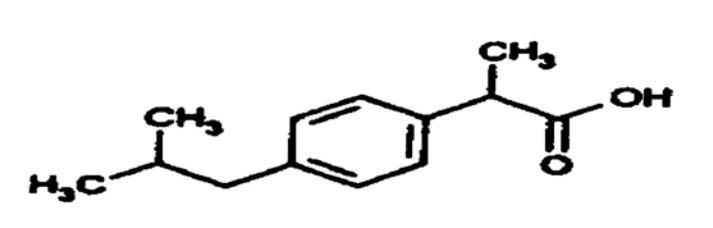
Common Name: Ibuprofen
Chemical Name: (±)-2-(p-isobutylphenyl) propionic acid
Structural Formula:
Molecular Formula: C13H18O2
Molecular Weight: 206.29
Description
Hydrocodone Bitartrate: White needle-shaped crystalline solid with a melting point of 137 to 143EC. It is insoluble in ether and chloroform and has a pH 3.6.
Ibuprofen: white crystalline solid with a melting point of 75 to 77EC and a pKa of -5.2. Solubility at 25oC: very slightly soluble in water (pH 3.4 to 7.5 at 0.04 to 6.56 mg/mL) and very soluble in alcohol, methanol, acetone and chloroform.
Composition
Each IBUCODONE tablet contains of 7.5 mg hydrocodone bitartrate USP and 200 mg ibuprofen USP. It also contains as inactive ingredients, colloidal silicon dioxide NF; microcrystalline cellulose NF; croscarmellose sodium NF, corn starch NF, hydroxypropyl methylcellulose USP and magnesium stearate NF and colouring (Opadry YS-3-7011 and Opadry YS-1-7003: Hydroxypropyl methylcellulose, titanium dioxide, polyethylene glycol, polysorbate 80 and propylene glycol).
Stability and Storage Recommendation
Store at controlled room temperature, between 15 to 30EC. Do not use beyond expiry date indicated on the label.
AVAILABILITY OF DOSAGE FORM
Each white, round, convex, IBUCODONE (hydrocodone bitartrate-ibuprofen) film-coated tablet engraved with ‘VP’ over the Knoll triangle on one side only, contains hydrocodone bitartrate 7.5 mg and ibuprofen 200 mg. IBUCODONE tablets are supplied in HDPE bottles of 100 and 500, and blister packs of 4 x 25 and 2 X 50.