


Product Monograph - AG-Amoxicillin (Angita Pharma, 250 mg)
RECENT MAJOR LABEL CHANGES
| 3 SERIOUS WARNINGS AND PRECAUTIONS BOX | 05/2024 |
|---|---|
| 7 WARNINGS AND PRECAUTIONS | 02/2026 |
TABLE OF CONTENTS
RECENT MAJOR LABEL CHANGES………………………………………………………………………………………..2
PART I: HEALTH PROFESSIONAL INFORMATION ................................................................... 3
1 INDICATIONS ................................................................................................................ 3
1.1 Pediatrics ................................................................................................................ 3
1.2 Geriatrics ................................................................................................................ 3
2 CONTRAINDICATIONS ................................................................................................... 3
3 SERIOUS WARNINGS AND PRECAUTIONS BOX .............................................................. 4
4 DOSAGE AND ADMINISTRATION .................................................................................. 4
4.1 Dosing Considerations ................................................................................................ 4
4.2 Recommended Dose and Dosage Adjustment ........................................................... 4
4.3 Reconstitution ............................................................................................................ 6
4.5 Missed Dose .............................................................................................................. 6
5 OVERDOSAGE ............................................................................................................... 6
6 DOSAGE FORMS, STRENGTHS, COMPOSITION AND PACKAGING .................................. 7
7 WARNINGS AND PRECAUTIONS .................................................................................... 7
7.1 Special Populations ................................................................................................... 10
7.1.1 Pregnant Women...................................................................................................... 10
7.1.3 Pediatrics .................................................................................................................. 10
7.1.4 Geriatrics ................................................................................................................... 10
8 ADVERSE REACTIONS .................................................................................................. 10
8.1 Adverse Reaction Overview ...................................................................................... 10
8.2 Clinical Trial Adverse Reactions ................................................................................ 10
8.5 Post-Market Adverse Reactions .............................................................................. 12
9 DRUG INTERACTIONS ................................................................................................. 12
9.4 Drug-Drug Interactions ............................................................................................. 12
9.5 Drug-Food Interactions ............................................................................................. 13
9.6 Drug-Herb Interactions ............................................................................................. 13
9.7 Drug-Laboratory Test Interactions ........................................................................... 13
10 ACTION AND CLINICAL PHARMACOLOGY .................................................................... 13
10.1 Mechanism of Action ................................................................................................ 13
10.3 Pharmacokinetics ..................................................................................................... 13
11 STORAGE, STABILITY AND DISPOSAL ........................................................................... 14
PART II: SCIENTIFIC INFORMATION .................................................................................... 15
13 PHARMACEUTICAL INFORMATION ............................................................................. 15
14 CLINICAL TRIALS ......................................................................................................... 16
14.2 Comparative Bioavailability Studies ......................................................................... 16
15 MICROBIOLOGY .......................................................................................................... 16
16 NON-CLINICALTOXICOLOGY ........................................................................................ 18
17 SUPPORTING PRODUCT MONOGRAPHS ................................................................... 21
PATIENT MEDICATION INFORMATION ............................................................................... 22
PART I: HEALTH PROFESSIONAL INFORMATION
1 INDICATIONS
AG-Amoxicillin (amoxicillin) may be indicated in the treatment of infections due to susceptible strains of the following micro-organisms: Gram-negative organisms: H. influenzae, P. mirabilis and N. gonorrhoeae.
Gram-positive organisms: Streptococci (including Streptococcus faecalis and Streptococcus pneumoniae).
Amoxicillin is not active against Pseudomonas aeruginosa, indole-positive Proteus species, Serratia marcescens, Klebsiella and Enterobacter species.
In emergency cases, where the causative organism is not yet identified, therapy may be initiated with amoxicillin on the basis of clinical judgment while awaiting bacteriologic tests to determine its antimicrobial sensitivity.
AG-Amoxicillin may be indicated as a prophylaxis against alpha-hemolytic (Viridan's group) Streptococci before dental, oral or upper respiratory tract surgery or instrumentation.
It may be also indicated as a prophylaxis of bacterial endocarditis in patients with any of the following conditions: congenital cardiac malformations, rheumatic and other acquired valvular lesions, prosthetic heart valves, previous history of bacterial endocarditis, hypertrophic cardiomyopathy, surgically constructed systemic pulmonary shunts, mitral valve prolapse with valvular regurgitation or mitral valve prolapse without valvular regurgitation but associated with thickening and/or redundancy of the valve leaflets.
To reduce the development of drug-resistant bacteria and maintain the effectiveness of AG-Amoxicillin and other antibacterial drugs, AG-Amoxicillin should be used only to treat infections that are proven or strongly suspected to be caused by susceptible bacteria. When culture and susceptibility information are available, they should be considered in selecting or modifying antibacterial therapy. In the absence of such data, local epidemiology and susceptibility patterns may contribute to the empiric selection of therapy.
1.1 Pediatrics
Pediatrics (<18): (See 4.2 Recommended Dose and Dosage Adjustment, 7.1.3 Pediatrics).
1.2 Geriatrics
Geriatrics: (See 7.1.4 Geriatrics)
2 CONTRAINDICATIONS
AG-Amoxicillin is contraindicated in:
- patients who are hypersensitive to this drug or to any ingredient in the formulation or component of the container.
- patients with a history of a previous hypersensitivity reaction to any of the penicillins or cephalosporins.
- in cases where infectious mononucleosis is either suspected or confirmed.
3 SERIOUS WARNINGS AND PRECAUTIONS BOX
Serious Warnings And Precautions Box
|
|---|
4 DOSAGE AND ADMINISTRATION
4.1 Dosing Considerations
Periodic assessment of renal, hepatic and hematopoietic functions should be made during prolonged therapy with AG-Amoxicillin (amoxicillin).
4.2 Recommended Dose and Dosage Adjustment
Usual Dosage
Infections of the upper respiratory tract (ear, nose and throat) due to susceptible strains of streptococci (beta-hemolytic and Streptococcus pneumoniae), non penicillinase-producing staphylococci and H. influenzae.
Infections of the urinary tract due to Proteus mirabilis and Streptococcus faecalis.
Infections of the skin and soft-tissues due to streptococci and staphylococci (non penicillinase producing).
Adults: 250 mg every 8 hours
Children <20 kg: 20 mg/kg/day in divided doses every 8 hours. This dosage should not exceed the recommended adult dosage.
Children weighing 20 kg or more should be dosed according to the adult recommendations.
In severe infections or infections associated with organisms where sensitivity determinations require higher blood concentrations: 500 mg every 8 hours for adults, and 40 mg/kg/day in divided doses every 8 hours for children less than 20 kg may be needed.
Infections of the lower respiratory tract, due to susceptible strains of the causative organism and acute otitis media.
Adults: 500 mg every 8 hours
Children <20 kg: 40 mg/kg/day in divided doses every 8 hours. This dosage should not exceed the recommended adult dosage.
Children weighing 20 kg or more should be dosed according to the adult recommendations.
Urethritis due to nonpenicillinase producing N. gonorrhoeae acquired in area with active monitoring for resistance to penicillin and where the percentage of penicillin-resistant isolates is <3.0%:
Adults and children >45 kg: (3 g as a single oral dose); 1 g of oral probenecid should be administered concomitantly as well as appropriate therapy for presumptive or proven infection with C. trachomatis.
Children <45 kg: a single 50 mg/kg dose (maximum 3 g) given with a single 25 mg/kg (up to 1 g) dose of probenecid. However, probenecid is not recommended in children under 2 years of age. Appropriate therapy of presumptive or proven infection with C. trachomatis should be included as well. Cases of gonorrhea with a suspected lesion of syphilis should have darkfield examinations before receiving amoxicillin, and monthly serological tests for a minimum of four months.
For prevention of endocarditis:
Adults: 3 g orally 1 hour before procedure; then 1.5 g 6 hours after the initial dose.
Children: 50 mg/kg (not to exceed adult dose) orally 1 hour before procedure; then 25 mg/kg 6 hours after the initial dose.
It should be recognized that in the treatment of chronic urinary tract infections, frequent bacteriological and clinical appraisals are necessary. Smaller doses than those recommended above should not be used. Even higher doses may be needed at times and in stubborn infections therapy may be required for several weeks. It may be necessary to continue clinical and/or bacteriological follow-up for several months after cessation of therapy. Except for gonorrhoea, treatment should be continued for a minimum of 48 to 72 hours beyond the time that the patient becomes asymptomatic or evidence of bacterial eradication has been obtained. It is recommended that there be at least 10 days treatment for any infection caused by beta-hemolytic streptococci to prevent the occurrence of acute rheumatic fever or glomerulonephritis.
Dosage Adjustment
Renal Impairment: Because amoxicillin is excreted mostly by the kidney, the dosage for patients with renal impairment should be reduced in proportion to the degree of loss of renal function.
4.3 Reconstitution
Directions for Dispensing Oral Suspension:
Prepare these formulations at the time of dispensing.
100 mL: At the time of dispensing, tap bottle to loosen powder, add 82 mL of water in two portions, shake well after each addition, to make 100 mL of the suspension.
150 mL: At the time of dispensing, tap bottle to loosen powder, add 121 mL of water in two portions, shake well after each addition, to make 150 mL of the suspension.
The reconstituted formulation is stable for 7 days at room temperature (15-30°C) or 14 days under refrigeration (2-8°C). Do not freeze.
AG-Amoxicillin Powder for Oral Suspension 250 mg / 5 mL: After reconstitution each 5 mL suspension contains amoxicillin trihydrate equivalent to 250 mg amoxicillin.
4.5 Missed Dose
Patients should be instructed to take AG-Amoxicillin at the next scheduled dose and not take two doses at the same time if they miss a dose.
5 OVERDOSAGE
Treatment of overdosage would likely be needed only in patients with severely impaired renal function, since patients with normal kidneys excrete penicillins at a fast rate. Hemodialysis would, therefore, represent the main form of treatment.
Activated charcoal may be administered to aid in the removal of unabsorbed drug. General supportive measures are recommended.
Amoxicillin crystalluria, in some cases leading to renal failure, has been observed (see section 7 WARNING AND PRECAUTIONS).
| For the most recent information in the management of a suspected drug overdose, contact your regional poison control centre or Health Canada’s toll-free number, 1-844 POISON-X (1-844-764-7669). |
|---|
6 DOSAGE FORMS, STRENGTHS, COMPOSITION AND PACKAGING
Table-1 – Dosage Forms, Strengths, Composition and Packaging
| Route of Administration | Dosage Form / Strength / Composition | Non-medicinal Ingredients |
|---|---|---|
| Oral | Powder for Oral Suspension, 250 mg / 5 mL | Anhydrous colloidal silica, cherry flavour powder, FD&C Red No. 40, raspberry dry flavour powder, saccharine sodium, silicon dioxide, sodium benzoate, sodium citrate, sucrose, and xanthan gum. |
AG-Amoxicillin Powder for Oral Suspension 250 mg / 5 mL:
Each 5 mL of reconstituted suspension contains amoxicillin trihydrate equivalent to 250 mg amoxicillin.
AG-Amoxicillin Powder for Oral Suspension 250 mg / 5 mL is white to off white free flowing powder with characteristics odour of cherry and raspberry, which on reconstitution becomes a pale red to red viscous suspension.
AG-Amoxicillin Powder for Oral Suspension 250 mg / 5 mL is supplied in bottles of 100 mL and 150 mL.
7 WARNINGS AND PRECAUTIONS
General
If superinfections with mycotic or bacterial pathogens occur (usually involving Aerobacter, Pseudomonas or Candida) treatment with AG-Amoxicillin should be discontinued and appropriate therapy instituted.
AG-Amoxicillin is contraindicated in cases where infectious mononucleosis is either suspected or confirmed (see 2 CONTRAINDICATIONS). A morbilliform rash following the use of ampicillin in patients with infectious mononucleosis has been well documented and has also been reported to occur following the use of amoxicillin.
Cardiovascular
Kounis syndrome, a serious allergic reaction that can result in myocardial infarction, can occur as chest pain in association with an allergic reaction to amoxicillin.
Gastrointestinal
Clostridium difficile-associated disease
Clostridium difficile-associated disease (CDAD) has been reported with use of many antibacterial agents, including amoxicillin (see 8 ADVERSE REACTIONS). CDAD may range in severity from mild diarrhea to fatal colitis. It is important to consider this diagnosis in patients who present with diarrhea, or symptoms of colitis, pseudomembranous colitis, toxic megacolon, or perforation of colon subsequent to the administration of any antibacterial agent. CDAD has been reported to occur over 2 months after the administration of antibacterial agents.
Treatment with antibacterial agents may alter the normal flora of the colon and may permit overgrowth of Clostridium difficile. C. difficile produces toxins A and B, which contribute to the development of CDAD. CDAD may cause significant morbidity and mortality. CDAD can be refractory to antimicrobial therapy.
If the diagnosis of CDAD is suspected or confirmed, appropriate therapeutic measures should be initiated. Mild cases of CDAD usually respond to discontinuation of antibacterial agents not directed against Clostridium difficile. In moderate to severe cases, consideration should be given to management with fluids and electrolytes, protein supplementation, and treatment with an antibacterial agent clinically effective against Clostridium difficile. Surgical evaluation should be instituted as clinically indicated, as surgical intervention may be required in certain severe cases.
Hematologic
Periodic assessment of hematopoietic function should be made during prolonged therapy with AG-Amoxicillin (amoxicillin).
Hepatic/Biliary/Pancreatic
A moderate rise in serum glutamic oxaloacetic transaminase (SGOT) has been noted. Periodic assessment of hepatic function should be made during prolonged therapy with AG-Amoxicillin (amoxicillin). (See 7.1.3 Pediatrics; 8.2 Clinical Trial Adverse Reactions)
Susceptibility/Resistance
Development of Drug Resistant Bacteria
Prescribing AG-Amoxicillin in the absence of a proven or strongly suspected bacterial infection is unlikely to provide benefit to the patient and risks the development of drug-resistant bacteria.
Immune
Hypersensitivity
Serious and occasionally fatal hypersensitivity (anaphylactoid) reactions have been reported in patients on penicillin therapy. Hypersensitivity reactions can also progress to Kounis syndrome, a serious allergic reaction that can result in myocardial infarction (see section 8.5 POST-MARKET ADVERSE REACTIONS). Although anaphylaxis is more frequent following parenteral therapy, it has occurred in patients following oral dosing of penicillins. These reactions are more likely to occur in patients with a history of hypersensitivity to beta-lactams and individuals with a history of sensitivity to multiple allergens. There have been well-documented reports of individuals with a history of penicillin hypersensitivity reactions who have experienced severe hypersensitivity reactions when treated with cephalosporins. Before initiating therapy with a penicillin, careful inquiry should be made concerning previous hypersensitivity reactions to penicillins, cephalosporins and other allergens. If an allergic reaction occurs, administration of AG-Amoxicillin (amoxicillin) should be discontinued and appropriate therapy instituted.
Serious anaphylactoid reactions require immediate emergency treatment with epinephrine. Oxygen, intravenous steroids, and airway management, including intubation, should also be administered as indicated.
Drug-induced enterocolitis syndrome (DIES)
Drug-induced enterocolitis syndrome (DIES) has been reported mainly in children receiving amoxicillin (see section 8.5 POST-MARKET ADVERSE REACTIONS). DIES is an allergic reaction with the leading symptom of protracted vomiting (1-4 hours after drug intake) in the absence of allergic skin or respiratory symptoms. Further symptoms could comprise abdominal pain, diarrhoea, hypotension or leucocytosis with neutrophilia. There have been severe cases including progression to shock.
Monitoring and Laboratory Tests
Periodic assessment of renal, hepatic and hematopoietic functions should be made during prolonged therapy with AG-Amoxicillin (amoxicillin).
Abnormal prolongation of prothrombin time (increased international normalized ratio (INR)) has been reported in patients receiving amoxicillin and oral anticoagulants. Appropriate monitoring should be undertaken when amoxicillin and oral anticoagulants are prescribed concurrently, particularly upon initiation or cessation of concurrent administration. Adjustments in the dose of oral anticoagulants may be necessary to maintain the desired level of anticoagulation.
Renal
Because amoxicillin is excreted mostly by the kidney, the dosage for patients with renal impairment should be reduced in proportion to the degree of loss of renal function
Periodic assessment of renal function should be made during prolonged therapy with AG-Amoxicillin (amoxicillin).
Skin
Severe Cutaneous Adverse Reactions
Severe cutaneous adverse reactions (SCAR) such as acute generalized exanthematous pustulosis (AGEP), drug reaction with eosinophilia and systemic symptoms (DRESS), Stevens-Johnson syndrome (SJS), and toxic epidermal necrolysis (TEN) have been reported in association with beta-lactam treatment. When SCAR is suspected, AG-Amoxicillin should be discontinued and appropriate therapy and/or measures should be taken.
7.1 Special Populations
7.1.1 Pregnant Women
The safety of amoxicillin in the treatment of infections during pregnancy has not been established. If the administration of AG-Amoxicillin to pregnant patients is considered to be necessary, its use requires that the potential benefits be weighed against the possible hazards to the fetus.
7.1.3 Pediatrics
Pediatrics (<18): A moderate rise in serum glutamic oxaloacetic transaminase (SGOT) has been noted, particularly in infants, but the significance of this finding is not known.
7.1.4 Geriatrics
Use in the Elderly: There are no known specific precautions for the use of amoxicillin in the elderly.
Amoxicillin is known to be substantially excreted by the kidney, and the risk of toxic reactions to this AG-Amoxicillin may be greater in patients with impaired renal function. Because elderly patients are more likely to have decreased renal function, care should be taken in dose selection, and it may be useful to monitor renal function.
8 ADVERSE REACTIONS
8.1 Adverse Reaction Overview
As with other penicillins, it may be expected that untoward reactions will be related to sensitivity phenomena. They are more likely to occur in individuals who have previously demonstrated hypersensitivity to penicillins and cephalosporins and in those with a history of allergy, asthma, hay fever or urticaria.
8.2 Clinical Trial Adverse Reactions
The following adverse reactions have been reported as associated with the use of amoxicillin:
Gastrointestinal - Nausea, vomiting and diarrhea, hemorrhagic and,, pseudomembranous. Clostridium difficile-associated disease (CDAD) has been reported with use of many antibacterial agents, including amoxicillin. Glossitis, black "hairy" tongue and stomatitis, mucocutaneous candidiasis, tooth discoloration (brown, yellow or gray staining); most reports occurred in pediatric patients. Discoloration was reduced or eliminated with brushing or dental cleaning in most cases.
Hypersensitivity Reactions - Skin rashes have been reported frequently. Less commonly, a few cases of serum sickness like reactions including urticaria, erythema, erythema multiforme, angioneurotic edema, and pruritus have been reported. Rarely, Stevens-Johnson syndrome, toxic epidermal necrolysis, bullous dermatitis, exfoliative dermatitis, acute generalized exanthematous pustulosis, hypersensitivity vasculitis have been reported.
Anaphylaxis is the most serious reaction experienced and has usually been associated with the parenteral dosage form.
NOTE: Urticaria, other skin rashes, and serum sickness-like reactions may be controlled with antihistamines and if necessary, systemic corticosteroids. Whenever such reactions occur, AG-Amoxicillin (amoxicillin) should be discontinued unless, in the opinion of the physician, the condition being treated is life threatening and amenable only to amoxicillin therapy. Serious anaphylactic reactions require the immediate use of epinephrine, oxygen and intravenous steroids.
Hepatobiliary - A moderate rise in serum glutamic oxaloacetic transaminase (SGOT) has been noted, particularly in infants, but the significance of this finding is not known. Transient increases in serum alkaline phosphatase and lactic dehydrogenase levels have also been observed but they returned to normal on discontinuation of amoxicillin. Reports have also been seen of hepatic dysfunction including cholestatic jaundice, hepatic cholestasis, acute cytolytic hepatitis,
Hemic and Lymphatic Systems - Anemia thrombocytopenia, thrombocytopenic purpura, eosinophilia, leukopenia, neutropenia and agranulocytosis have been reported during therapy with the penicillins. These reactions are usually reversible on discontinuation of therapy and are believed to be a hypersensitivity phenomena. Reports have also been seen of anemia including hemolytic anemia.
Central Nervous System - As with other penicillins, acute and chronic toxicity is not a clinical problem. Although penicillins do not normally cross the blood-brain barrier to any substantial extent, if massive doses are given (several grams per day) to elderly patients, patients with inflamed meninges or patients with impaired renal function, toxic reactions are likely to occur. At extremely high doses, convulsions can occur. When penicillin reaches a high concentration in the cerebrospinal fluid, neurotoxic symptoms consisting of myoclonia, convulsive seizures and depressed consciousness may occur. Unless administration of the drug is stopped or its dosage reduced, the syndrome may progress to coma and death. Dizziness, hyperkinesias, hyperactivity, agitation, anxiety, insomnia, confusion, and behavioural changes have also been reported.
Skin and Appendages - erythematous maculopapular rash.
Renal - Crystalluria (including acute renal injury) (see section 7 WARNINGS AND PRECAUTIONS and 5 OVERDOSAGE). Interstitial nephritis (oliguria, proteinuria, hematuria, hyaline casts, pyuria) and nephropathy are infrequent and usually associated with high doses of parenteral penicillins; however, this has occurred with all of the penicillins. Such reactions are hypersensitivity responses and are usually associated with fever, skin rash and eosinophilia. Elevations of creatinine or blood urea nitrogen may occur.
8.5 Post-Market Adverse Reactions
Gastrointestinal: Drug-induced enterocolitis syndrome has been reported in patients receiving amoxicillin containing drug products. (see 7 WARNINGS and PRECAUTIONS, Immune, Hypersensitivity)
Central Nervous System: Amoxicillin can lead to cases of aseptic meningitis of unknown frequency.
Other immune system disorders: Kounis syndrome
Skin and subcutaneous tissue disorders: Linear IgA disease has also been reported in patients receiving amoxicillin containing drug products.
9 DRUG INTERACTIONS
9.4 Drug-Drug Interactions
Methotrexate: Penicillins compete with renal tubular secretion of methotrexate, resulting in decreased clearance of methotrexate. Concomitant use may increase methotrexate serum concentrations, with increased risk of toxicity.
Probenecid: Probenecid inhibits the renal tubular excretion of amoxicillin. Concurrent use of amoxicillin and probenecid may result in increased and prolonged blood levels of amoxicillin.
Warfarin: Abnormal prolongation of prothrombin time (increased international normalized ratio [INR]) has been reported in patients receiving amoxicillin and warfarin. Appropriate monitoring should be undertaken when warfarin is prescribed concurrently. Adjustments in the dose of oral anticoagulants may be necessary to maintain the desired level of anticoagulation.
Oral Contraceptives: AG-Amoxicillin may affect the gut flora, leading to lower estrogen reabsorption and reduced efficacy of combined oral estrogen/progesterone contraceptives.
Tetracyclines: Bacteriostatic action of tetracyclines may inhibit bactericidal activity of penicillins.
9.5 Drug-Food Interactions
Amoxicillin is stable in the presence of gastric acid. Amoxicillin is rapidly and well absorbed after oral administration to fasting subjects. It was found in a recent study that peak serum antibiotic levels were reduced by 50% in subjects receiving amoxicillin immediately following a standard meal. Reducing the dose-water volume given with amoxicillin from 250 to 25 mL in fasted subjects also caused a significant reduction in serum amoxicillin levels. This may be due to the low water solubility of amoxicillin trihydrate (1 g in 370 mL water). In addition, food ingestion immediately before dosing also reduced the urinary excretion.
9.6 Drug-Herb Interactions
Interactions with herbal products have not been established.
9.7 Drug-Laboratory Test Interactions
Amoxicillin may:
- cause false-positive reactions when testing for the presence of glucose in urine.
- distort assay results for estriol in pregnant women.
10 ACTION AND CLINICAL PHARMACOLOGY
10.1 Mechanism of Action
Amoxicillin exerts its bactericidal action by interfering with bacterial cell wall synthesis.
10.3 Pharmacokinetics
Peak serum levels are attained between 1 and 2 hours after drug administration. Amoxicillin diffuses readily into most body tissues and fluids, with the exception of brain and spinal fluid. Amoxicillin is excreted largely unchanged in the urine while 10-25% of the administered dose is excreted in the form of penicilloic acid. The excretion of amoxicillin can be delayed by concurrent administration of probenecid. Amoxicillin is not highly protein bound. In blood serum, amoxicillin is approximately 17-1 8% protein bound compared to 59% for penicillin G.
The following amoxicillin mean serum levels were found following the administration of 250 mg capsules of amoxicillin to 12 healthy adult volunteers:

Peak blood serum levels averaged 3.8mcg/mL (range 2.35 to 6.38) and the Tmax was
1.50 hr. The mean biological half-life (t ½) was found to be 55.8 minutes with a mean elimination rate constant Kel of 0.7456 hr.-1.
Twelve normal male subjects participated in a bioavailability study amoxicillin granules for suspension. Each subject was given 5 mL (250 mg) of reconstituted amoxicillin granules for suspension in a single dose.
The following amoxicillin mean serum levels were found:

Peak plasma concentrations from 2.65 to 5.75mcg/mL were obtained with a mean Cmax of 4.24 + 0.74 mcg/mL. The time required to reach peak concentrations ranged from 0.5 to 1.5 hours, with a Tmax mean of 1 .00 + 0.21 hr.
The AUC's calculated for 0 to 7 hours ranged from 8.475 to 12.865mcg-hours/mL. The mean AUC was 10.71 3 + 1.443 mcg-hours/mL. The mean biological half-life for amoxicillin granules for suspension was 26.4 minutes. The mean elimination rate constant (Kel) was 1.57 hour-1.
The administration of 500 mg amoxicillin to healthy fasting subjects has been reported to produce peak mean serum levels of 10.8mcg/mL and 6.75mcg/mL. Additional studies in healthy volunteers with normal renal function receiving 500 mg doses, indicated that peak serum levels could vary from 5.0 to 10.8mcg/mL. Serum amoxicillin half-life values reported in the literature vary from 1-1.3 hours. About 60- 80% of an oral dose of amoxicillin is excreted in the urine. In the presence of renal impairment the serum half-life increases (between 7 and 10 hours), necessitating a reduction in the dosage administered.
11 STORAGE, STABILITY AND DISPOSAL
Store at room temperature (15-30°C). Keep bottle tightly closed.
Reconstituted Solution: The reconstituted formulation is stable for 7 days at room temperature (15-30°C) or 14 days under refrigeration (2-8°C). Do not freeze.
PART II: SCIENTIFIC INFORMATION
13 PHARMACEUTICAL INFORMATION
Drug substance:
Proper Name: Amoxicillin Trihydrate
Chemical Name: (2S,5R, 6R)-6-[[(2R)-2-amino-2-(4-hydroxyphenyl)acetyl]amino]-3,3-dimethyl-7-oxo-4-thia-1-azabicyclo[3.2.0]heptane-2-carboxylic acid trihydrate
Structural Formula:
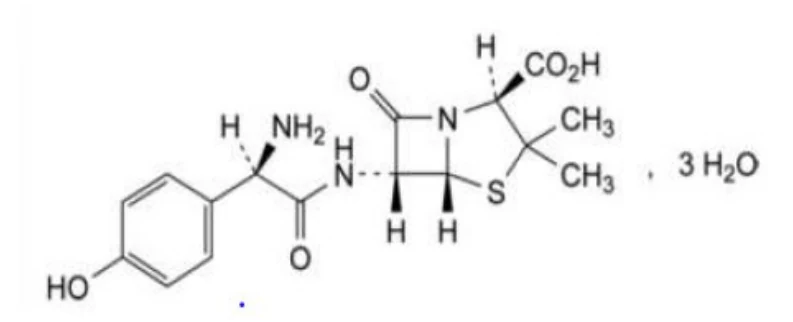
Molecular Formula and molecular mass: C16H19N3O5S•3H2O, 419.4 g/mol
Description: Amoxicillin trihydrate is a white or almost white crystalline powder / granules and slightly soluble in water, very slightly soluble in ethanol (96 percent), practically insoluble in fatty oils. It dissolves in dilute acids and dilute solutions of alkali hydroxides.
pH: 3.5 – 5.5
14 CLINICAL TRIALS
14.2 Comparative Bioavailability Studies
A randomized, double blinded, two-treatment, two-period, two-sequence, single-dose, crossover, bioequivalence study of PrAG-Amoxicillin 250 mg/5 mL powder for oral suspension (Angita Pharma Inc.) and PrNOVAMOXIN® 250 mg/5 mL granules for oral suspension USP (Teva Canada Limited) was conducted in healthy, adult, male subjects under fasting conditions. A summary of the bioavailability data from the 23 subjects who were included in the statistical analysis is presented in the following table:
SUMMARY TABLE OF THE COMPARATIVE BIOAVAILABILITY DATA
Amoxicillin (5 mL x 250 mg/5 mL) Geometric Mean Arithmetic Mean (CV %) | ||||
|---|---|---|---|---|
| Parameter | Test1 | Reference2 | % Ratio of Geometric Means | 90% Confidence Interval |
AUCT (ng∙h/mL) | 15761.75 16068.17 (19.37) | 17099.00 17373.03 (17.84) | 92.2 | 88.6 – 95.9 |
AUCI (ng∙h/mL) | 15909.81 16216.25 (19.28) | 17250.50 17525.71 (17.78) | 92.2 | 88.7 – 95.9 |
Cmax (ng/mL) | 5733.84 5969.16 (30.19) | 6445.83 6696.08 (27.09) | 89.0 | 84.5 – 97.8 |
Tmax3 (h) | 1.00 (0.75 – 1.25) | 1.00 (0.75 – 2.50) | ||
T1/24 (h) | 1.47 (11.89) | 1.51 (17.66) | ||
1 PrAG-Amoxicillin (amoxicillin as amoxicillin trihydrate) 250 mg/5 mL powder for oral suspension (Angita Pharma Inc.)
2 PrNOVAMOXIN® (amoxicillin as amoxicillin trihydrate) 250 mg/5 mL granules for oral suspension USP (Teva Canada Limited)
3 Expressed as the median (range) only
4 Expressed as the arithmetic mean (CV%)
15 MICROBIOLOGY
In vitro studies with amoxicillin have demonstrated the susceptibility of the following gram-positive bacteria: beta-hemolytic streptococci, Streptococcus pneumoniae, D. pneumoniae, non-penicillinase- producing staphylococci, and Streptococcus faecalis. It is active in vitro against many strains of Haemophilus influenzae, Neisseria gonorrhoeae and Proteus mirabilis. Because amoxicillin does not resist destruction by penicillinase, it is not effective against penicillinase-producing bacteria, particularly resistant staphylococci.
Amoxicillin is not active against all Pseudomonas aeruginosa, indole-positive Proteus species, Serratia marcescens, Klebsiella, and Enterobacter species.
Disc Susceptibility Tests: Quantitative methods that involve the measurement of the diameters of zones of inhibition can be used to estimate micro-organism sensitivity to a particular antibiotic. A procedure which involves the use of discs impregnated with a particular antibiotic has been described for the ampicillin class of antibiotics. Interpretations correlate diameters of the zones of inhibition with MIC values for amoxicillin. With this procedure, using a 10 pg disc, a zone of 29 mm or more is classified as "susceptible" and indicates that the infecting organism is likely to respond to therapy. A zone of 20 mm or less is classified as "resistant" and indicates that the infecting organism is not likely to respond to therapy. A zone of 21 -28 mm is classified as "intermediate susceptibility" and indicates that the organism would be susceptible if high dosages are used, or if the infection is confined to tissues and fluids (e.g., urine), in which antibiotic levels are attained.
The in vitro activity of amoxicillin against selected organisms has been reported by Sutherland et al. and Sabto et al. shown in the following tables:
Table I. In Vitro Activity of Amoxicillin Against Gram-Positive Cocci, H. Influenzae and N. Gonorrhoeae
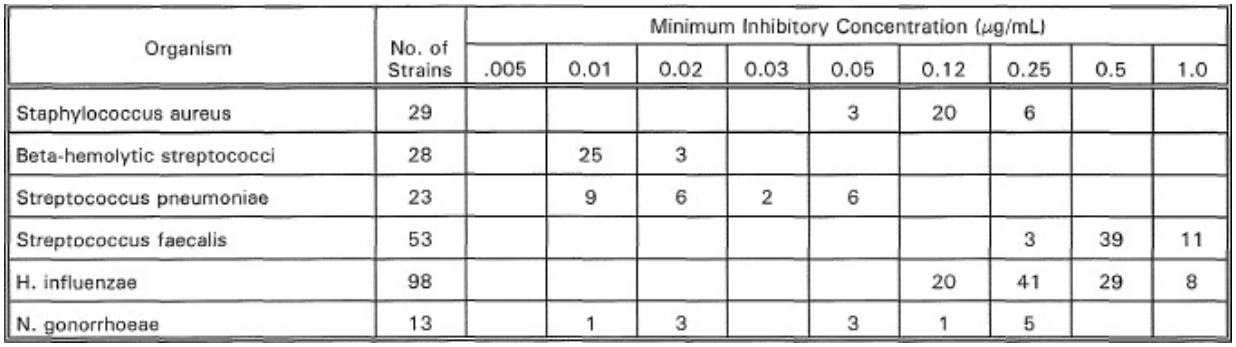
Table II. In Vitro Activity of Amoxicillin Against Gram-Negative Bacilli
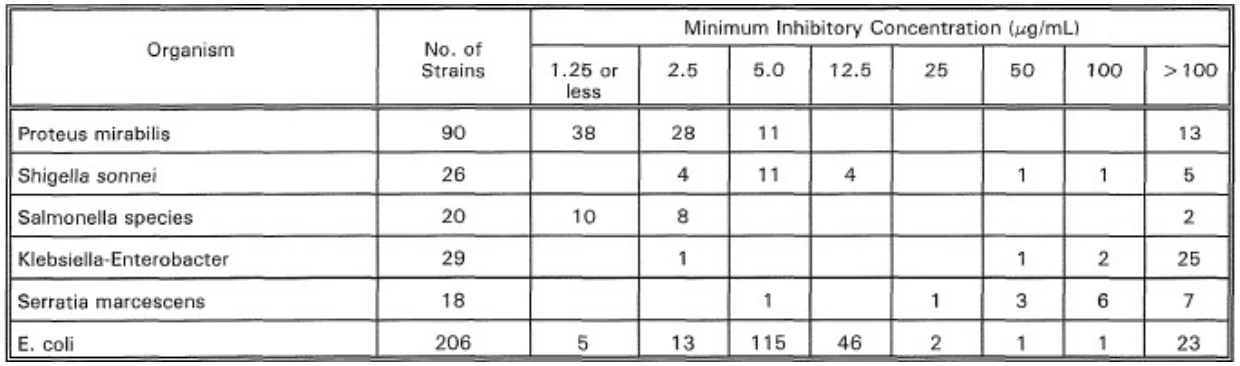
The minimum inhibitory concentrations of amoxicillin against all micro-organisms with the exception of 5 strains of Streptococcus pneumoniae were measured by serial dilution in agar.36 The minimum inhibitory concentration against these strains of Streptococcus pneumoniae was estimated using the tube dilution method with Levinthal's medium.34
16 NON-CLINICALTOXICOLOGY
Acute Toxicity
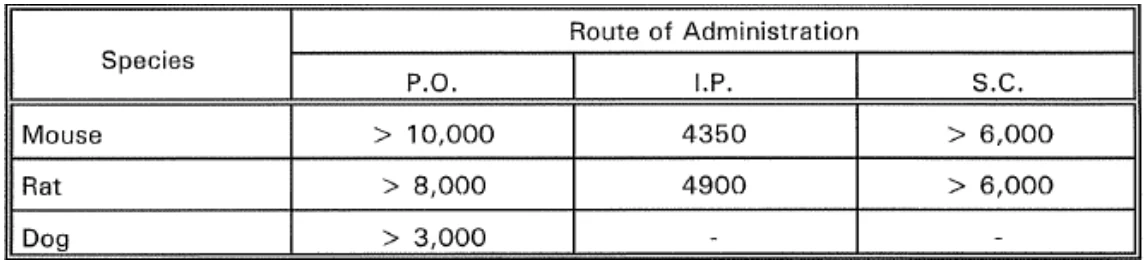
The fallowing LD50 values for amoxicillin expressed in mg/kg of body weight have been reported.
Sub-acute Toxicity
Rats:
In one study male and female rats were orally administered 500 mg/kg amoxicillin daily for 21 days. With the exception of significantly greater (p<0.01) BUN values in the female test group compared with controls, there were no toxic effects on the organs, tissues or fluids of the body, nor any adverse effects on food consumption, weight gain, or efficiency of food utilization reported in the study.
Histopathologic evaluation of tissues revealed a minimal degree of fatty change in livers of treated females. However, this finding was not considered a toxic change but related to a possible alteration in the intestinal flora.
Dogs:
One male and one female dog were dosed orally with 250 mg/kg amoxicillin daily for 14 days. During the period of observation, no deaths occurred, no adverse changes in body weight and no effect on food consumption was found. Laboratory values were found within normal limits. At post-mortem, no gross or microscopic abnormalities were reported and organ weights were within normal limits.
Chronic Toxicity
Rats:
In one study male and female rats were given oral doses of 200, 500 and 2000 mg/kg/day amoxicillin, 6 days a week for 26 weeks. No apparent disturbances in absolute organ weights of either treated male or female animals were noted nor was any histologic evidence of response to treatment observed.
In another study, 3 groups of Sprague-Dawley rats were given oral doses of 200, 500 and 2000 mg/kg of amoxicillin for a test period of 13-1 5 weeks. There were no gross or histologic changes observed in the treated rats that were considered related to the administration of amoxicillin. Some of the intermediate and low-dose groups were shown to exhibit body weight gains lower (males) or slightly higher (females) than those of the control animals.
Dogs:
It has been reported that amoxicillin was administered orally at doses of 200, 500 and 2000 mg/kg/day to male and female dogs for a period of 6 months. (Groups consisted of 6 male and 6 female dogs initially, but after 3 months dosing, each group was reduced to 3 dogs).
During the first six weeks of treatment, occasional bouts of vomiting, one to four hours after dosing, were reported in dogs receiving 2000 mg/kg/day and 4 bouts of vomiting were recorded in dogs receiving the intermediate dose of 500 mg/kg/day. Grey coloured feces were seen on very isolated occasions in dogs treated at high and intermediate dose levels only. On seven occasions it involved dogs receiving the highest dose level (2000 mg/kg/day) and on three occasions dogs receiving the intermediate dose level (500 mg/kg/day).
Body weight gains of treated males were reported to be not significantly different from those of controls, but all dosed females increased in weight at a significantly slower rate than did the controls. This factor was reported to be attributable to excessive weight gain in the control animals. Food and water consumption was not affected. No abnormalities of the eyes were observed attributable to amoxicillin.
In a second study 2 groups of Beagle dogs were given oral doses of 500 mg/kg and 200 mg/kg of amoxicillin for 13 weeks. There were no gross or histologic changes reported in the treated dogs that were considered related to the administration of amoxicillin.
Reproductive and Developmental Toxicology:
Rats:
Daily doses of 200 and 500 mg/kg amoxicillin were administered orally in one reported study. Male rats that had attained a minimum age of 40 days were treated for 63 days and sexually mature females for 14 days prior to mating. Dosing continued throughout the remainder of the investigation. The duration of gestation was unaffected by treatment at either dosage. It was noted that pregnancy rate at 500 mg/kg was slightly lower than that of controls at the first and second matings. At 200 mg/kg, the pregnancy rate was essentially comparable to control values at both matings. The chronologic sequence of mating was comparable for all groups; at 500 mg/kg the total number of animals showing evidence of mating was slightly lower than that of controls at both pairings. Pre- and post-implantation losses were comparable for all groups at the first and second pregnancies.
Among the rats allowed to rear their young, litter sizes, litter weights, mean pup weights and the pup mortality rates for the group dosed at 500 mg/kg amoxicillin were comparable to control values at birth, 4 and 21 days postpartum. Mean pup weights and pup mortality rates were similarly unaffected by 200 mg/kg amoxicillin; but litter sizes and litter weights were lower than control values from birth through lactation. These differences were considered to be unrelated to treatment. No abnormal young were observed.
Effects on Pregnancy
Mice:
It has been reported that amoxicillin administered at doses of 200, 500 and 2000 mg/kg/day orally during days 6-1 5 of pregnancy produced no obvious signs of reaction to treatment or deaths among parent animals. Body weight changes of pregnant dams were comparable for all groups, as was the pregnancy rate.
Fetal loss was significantly higher among all test groups than among controls. However, as implantation rates also tended to be higher at the 500 and 2000 mg/kg doses, litter sizes were only marginally, and not significantly, lower than the control value. Litter sizes and implantation rate also tended to lie at or above the upper limit of the laboratory range. Due to the latter factors, the biologic importance of the increased fetal loss was uncertain. It was noted that mean pup weights were comparable for all groups. The distribution of skeletal variants was considered to be unaffected by treatment at any dosage. A significantly higher proportion of pups with cervical ribs was found in the 200 mg/kg dose group. Cervical rib and 14th rib are the prolongations of the transverse processes of the cervical or lumbar vertebrae.
Supernumerary ribs have an incidence which depends on the strain of animals. Cervical ribs are not abnormalities and have no pathologic significance.
In this experiment the incidence of cervical ribs was 12% in control rats and 16% in the drug-treated groups if the three groups are calculated together. If the groups are considered individually, then in the lowest dose group (200 mg/kg) the incidence of cervical ribs was 24%, which is, statistically, significantly higher than in the controls. This finding was not considered to be drug related since at the 500 mg/kg dose level the incidence of cervical ribs was significantly lower than in controls. At the highest dose level (2000 mg/kg) the incidence of cervical ribs was 17%, similar to the controls. The incidence of visceral abnormalities was not significantly affected at any dose level.
Rats:
Amoxicillin was administered at doses of 200 mg/kg, 500 mg/kg and 1000 mg/kg orally during gestation from day 6 through 15. Amoxicillin did not modify pregnancy, percentage of resorption and did not produce fetal abnormalities as compared with negative control rats.
Effects on Peri- and Post-Natal Development of the Rat
Amoxicillin was administered orally at 200 and 500 mg/kg/day from day 15 of gestation through lactation to 21 days post-partum. Body weight gain, pregnancy rate, and the duration of gestation of parent animals were unaffected by treatment at any dosage. There was a significant dose-related trend to lower litter size and weight at birth. This persisted through lactation to weaning despite reduced pup mortality and increased mean pup weight in the test groups compared with controls. No abnormal young were observed.
17 SUPPORTING PRODUCT MONOGRAPHS
- 1. PrNOVAMOXIN (Amoxicillin Capsules; 250 mg and 500 mg, Amoxicillin Chewable Tablets; 250 mg, Amoxicillin Granules for Oral Suspension; 250 mg / 5 mL, and Amoxicillin Sugar-Reduced Granules for Oral Suspension; 250 mg / 5 mL amoxicillin [as amoxicillin trihydrate]), submission control 288472, Product Monograph, Teva Canada Limited, May 13, 2025.