


Product Monograph - AG-Escitalopram Tablets
RECENT MAJOR LABEL CHANGES
| 7 WARNINGS AND PRECAUTIONS, Hematologic | 03/2023 |
|---|---|
| 7 WARNINGS AND PRECAUTIONS, Reproductive Health: Female and Male Potential | 03/2023 |
| 7 WARNINGS AND PRECAUTIONS, 7.1.1 Pregnant Women | 03/2023 |
| 4.4 Administration |
TABLE OF CONTENTS
Sections or subsections that are not applicable at the time of authorization are not listed.
RECENT MAJOR LABEL CHANGES ……………………………………………………………..2
TABLE OF CONTENTS .......................................................................................................... 2
PART I: HEALTH PROFESSIONAL INFORMATION .................................................................. 4
1 INDICATIONS ................................................................................................................ 4
1.1 Pediatrics ................................................................................................................ 4
1.2 Geriatrics ................................................................................................................ 4
2 CONTRAINDICATIONS ............................................................................................. 4
3 SERIOUS WARNINGS AND PRECAUTIONS BOX ......................................................... 5
4 DOSAGE AND ADMINISTRATION ............................................................................. 5
4.1 Dosing Considerations ............................................................................................. 5
4.2 Recommended Dose and Dosage Adjustment ...................................................... 6
4.4 Administration ....................................................................................................... 8
4.5 Missed Dose ........................................................................................................... 8
5 OVERDOSAGE ......................................................................................................... 8
6 DOSAGE FORMS, STRENGTHS, COMPOSITION AND PACKAGING .............................. 9
7 WARNINGS AND PRECAUTIONS .............................................................................. 9
7.1 Special Populations ............................................................................................... 15
7.1.1 Pregnant Women ............................................................................................... 15
7.1.2 Breast-feeding ..................................................................................................... 16
7.1.3 Pediatrics ............................................................................................................ 16
7.1.4 Geriatrics ............................................................................................................. 16
8 ADVERSE REACTIONS ............................................................................................. 16
8.1 Adverse Reaction Overview .................................................................................. 16
| 08/2024 |
8.2 Clinical Trial Adverse Reactions ........................................................................... 18
8.2.1 Clinical Trial Adverse Reactions – Pediatrics ....................................................... 27
8.3 Less Common Clinical Trial Adverse Reactions .................................................... 27
8.3.1 Less Common Clinical Trial Adverse Reactions – Pediatrics ............................... 30
8.4 Abnormal Laboratory Findings: Hematologic, Clinical Chemistry and Other Quantitative Data ................................................................................................. 30
8.5 Post-Market Adverse Reactions ........................................................................... 30
9 DRUG INTERACTIONS ............................................................................................. 32
9.1 Serious Drug Interactions..................................................................................... 32
9.2 Drug Interactions Overview ................................................................................. 32
9.3 Drug-Behavioural Interactions ............................................................................. 32
9.4 Drug-Drug Interactions ........................................................................................ 32
9.5 Drug-Food Interactions ........................................................................................ 38
9.6 Drug-Herb Interactions ........................................................................................ 38
9.7 Drug-Laboratory Test Interactions ....................................................................... 38
10 CLINICAL PHARMACOLOGY .................................................................................... 38
10.1 Mechanism of Action ........................................................................................... 38
10.2 Pharmacodynamics .............................................................................................. 38
10.3 Pharmacokinetics ................................................................................................. 39
11 STORAGE, STABILITY AND DISPOSAL ...................................................................... 40
12 SPECIAL HANDLING INSTRUCTIONS ........................................................................ 40
PART II: SCIENTIFIC INFORMATION .................................................................................... 41
13 PHARMACEUTICAL INFORMATION ............................................................................. 41
14 CLINICAL TRIALS..................................................................................................... 41
14.1 Clinical Trial by Indication .................................................................................... 41
14.2 Comparative Bioavailability Studies .................................................................... 45
15 MICROBIOLOGY ..................................................................................................... 45
16 NON-CLINICAL TOXICOLOGY .................................................................................. 45
17 SUPPORTING PRODUCT MONOGRAPHS ................................................................. 50
PATIENT MEDICATION INFORMATION ............................................................................... 51
PART I: HEALTH PROFESSIONAL INFORMATION
1 INDICATIONS
AG-Escitalopram Tablets (escitalopram tablets) is indicated in adults for:
- the symptomatic relief of Major Depressive Disorder (MDD).
The efficacy of escitalopram oxalate in maintaining an antidepressant response, in patients with major depressive disorder who responded during an 8-week, acute-treatment phase while taking escitalopram oxalate and were then observed for relapse during a period of up to 36 weeks, was demonstrated in a placebo-controlled trial (see 14.1 Clinical Trial by Indication, Major Depressive Disorder (MDD)).
- the symptomatic relief of anxiety causing clinically significant distress in patients with Generalized Anxiety Disorder (GAD).
The efficacy of escitalopram oxalate in maintaining anxiolytic response for at least 6 months in patients with GAD was demonstrated in a long-term placebo-controlled trial (in patients who had initially responded to escitalopram oxalate during a 12-week open-label phase.
- the symptomatic relief of obsessive-compulsive disorder (OCD). The obsessions and compulsions must be experienced as intrusive, markedly distressing, time consuming or interfering significantly with the person’s social or occupational functioning.
The efficacy of escitalopram oxalate in maintaining an anti-obsessive response for up to 6 months in patients with OCD was demonstrated in a long-term placebo-controlled trial in patients who initially responded to 16 weeks of escitalopram oxalate open-label treatment (see 14.1 Clinical Trial by Indication, Obsessive Compulsive Disorder (OCD)).
Physicians who elect to use AG-Escitalopram Tablets for extended periods should periodically re-evaluate the usefulness of the drug for individual patients.
1.1 Pediatrics
Pediatrics (<18 years of age): AG-Escitalopram Tablets is not indicated for use in patients below the age of 18 (see 7 WARNINGS AND PRECAUTIONS, Psychiatric, Potential Association with Behavioural and Emotional Changes, Including Self-Harm).
1.2 Geriatrics
Geriatrics (≥65 years of age): Evidence from clinical studies and experience suggests that use in the geriatric population is associated with differences in safety and effectiveness (see 4.2 Recommended Dose and Dosage Adjustment, Geriatrics and 7.1.4 Geriatrics).
2 CONTRAINDICATIONS
- AG-Escitalopram Tablets is contraindicated in patients who are hypersensitive to this drug or to any ingredient in the formulation, including any non-medicinal ingredient, or component of the container. For a complete listing, see 6 DOSAGE FORMS, STRENGTHS, COMPOSITION AND PACKAGING.
AG-Escitalopram Tablets is contraindicated in patients with known QT interval prolongation or congenital long QT syndrome (see 7 WARNINGS AND PRECAUTIONS, Cardiovascular, QT Interval Prolongation; 8.5 Post-Market
- 9.4 Drug-Drug Interactions, QT Interval Prolongation).
Monoamine Oxidase Inhibitors
Cases of serious reactions have been reported in patients receiving selective serotonin reuptake inhibitors (SSRIs) in combination with a monoamine oxidase inhibitor (MAOI) or the reversible MAOI (RIMA), moclobemide, and in patients who have recently discontinued an SSRI and have been started on a MAOI (see 9.1 Serious Drug Interactions and 9.4 Drug-Drug Interactions, Monoamine Oxidase Inhibitors). With the co-administration of an SSRI with MAOI, there have been reports of serious, sometimes fatal reactions including hyperthermia, rigidity, myoclonus, autonomic instability with possible fluctuations of vital signs, and mental status changes, including extreme agitation progressing to delirium and coma. Some cases presented with features resembling serotonin syndrome.
Therefore, AG-Escitalopram Tablets should not be used in combination with a MAOI or within 14 days of discontinuing treatment with a MAOI (including linezolid, an antibiotic which is a reversible non-selective MAOI, and methylene blue, which is a MAOI). Similarly, at least 14 days should elapse after discontinuing AG-Escitalopram Tablets treatment before starting a MAOI.
Pimozide
AG-Escitalopram Tablets should not be used in combination with the antipsychotic drug pimozide, as results from a controlled study with racemic citalopram indicate that concomitant use is associated with an increased risk of QTc prolongation compared to pimozide alone. This apparent pharmacodynamic interaction occurred in the absence of a clinically significant pharmacokinetic interaction; the mechanism is unknown (see 9.4 Drug-Drug Interactions).
3 SERIOUS WARNINGS AND PRECAUTIONS BOX
Serious Warnings and Precautions
| Increased risk of self-harm, harm to others, suicidal thinking and behavior with antidepressant use. Closely monitor all antidepressant-treated patients for clinical worsening and for emergence of agitation-type and/or suicidal thoughts and behaviors (see 7 WARNINGS AND PRECAUTIONS, Psychiatric, Potential Association with Behavioural and Emotional Changes, Including Self-Harm). |
|---|
4 DOSAGE AND ADMINISTRATION
4.1 Dosing Considerations
- Pediatrics: AG-Escitalopram Tablets is not indicated for use in children under 18 years of age. See 7 WARNINGS AND PRECAUTIONS, Psychiatric, Potential Association with Behavioural and Emotional Changes, Including Self-Harm.
- Pregnant Women: AG-Escitalopram Tablets should not be used during pregnancy unless the benefits markedly outweigh the risks, particularly during the third trimester as there are implications for neonatal health. See 7.1.1 Pregnant Women.
Elderly - Use lower doses. Advise elderly patients of increased risk of falls. Elderly women are at increased risk of hyponatraemia, SIADH. See 7 WARNINGS AND
- ; Musculoskeletal, Bone Fracture Risk; Renal, Hyponatraemia, and 7.1.4 Geriatrics.
Reduced dosing: Use lower initial (5 mg) and maximum (10 mg) daily doses for:
- elderly patients,
- patients with mild to moderate hepatic impairment,
- CYP2C19 poor metabolizers, or those taking cimetidine, omeprazole or other CYP2C19 inhibitors.
Proceed with caution in patients with:
- higher risk of hyponatraemia (e.g. elderly females; dehydrated or cirrhotic patients)
- severe hepatic impairment,
- severe renal impairment.
- a pre-existing slow heart rate.
Interactions (See 9. DRUG INTERACTIONS.)
- Do not co-administer with Monoamine Oxidase Inhibitors (contraindicated). Allow at least 14 days to elapse when switching to or from a MAOI.
- Do not co-administer with pimozide (contraindicated), or citalopram.
Avoid or use caution if patient is concomitantly using:
- potent CYP3A4 inhibitors,
- other CNS medications,
- other serotonergic agents,
- drugs that prolong QT interval,
- drugs that affect platelet function, or
- drugs that cause hyponatraemia, or
- alcohol.
- A drug metabolized primarily by CYP2D6, if it has a narrow therapeutic index.
- Reduce dosage gradually. Do not abruptly discontinue medication. Taper gradually when reducing dose or ending SSRI treatment, and monitor for discontinuation symptoms.
4.2 Recommended Dose and Dosage Adjustment
Adults (<65 years of age)
Major Depressive Disorder
AG-Escitalopram Tablets should be administered once daily, in the morning or evening, with or without food:
- Usual adult dose: 10 mg/day, orally.
- Titration: If initial adverse events are a concern, start at 5 mg/day and titrate upwards as tolerated.
- Maximum dose: 20 mg/day (if needed, and tolerated).
- Use lowest effective dose and reassess periodically.
Generalized Anxiety Disorder
- See dose recommendations under Major Depressive Disorder, above.
Obsessive Compulsive Disorder
- See dose recommendations under Major Depressive Disorder, above.
Long-Term Treatment
During long-term therapy, the dosage should be maintained at the lowest effective level and patients should be periodically reassessed to determine the need to continue treatment.
Switching Patients To or From A Monoamine Oxidase Inhibitor (MAOI)
At least 14 days should elapse between discontinuation of a MAOI and initiation of therapy with AG-Escitalopram Tablets. Similarly, at least 14 days should be allowed after stopping AG-Escitalopram Tablets before starting a MAOI (see 2 CONTRAINDICATIONS).
Discontinuation of Escitalopram Treatment
Adverse events are common within the first few days of SSRI treatment discontinuation and have also been reported following a missed dose or dose reduction.
- Do not discontinue treatment abruptly. A gradual dose reduction over several weeks, is recommended to reduce the risk of discontinuation symptoms.
- Patients should be monitored for discontinuation symptoms when stopping treatment or during dosage reduction.
- If intolerable symptoms occur following a decrease in the dose or upon discontinuation of treatment, dose titration should be managed on the basis of the patient’s clinical response.
See 7 WARNINGS AND PRECAUTIONS, General, Discontinuation Symptoms and 8.2 Clinical Trial Adverse Reactions, Adverse Reactions following Discontinuation of Treatment (or Dose Reduction).
Special Populations
Pediatrics (<18 years of age)
Health Canada has not authorized an indication for pediatric use.
Geriatrics (≥65 years of age)
A longer half-life and decreased clearance have been demonstrated in the elderly (see
7.1.4 Geriatrics. See also 10.3 Pharmacokinetics, Special Populations and Conditions, Geriatrics). Initial dosage is 5 mg once daily. Depending on individual response and tolerance the dose may be increased to 10 mg daily.
Renal Impairment
No dosage adjustment is necessary for patients with mild or moderate renal impairment. Since no information is available on the pharmacokinetic or pharmacodynamic effects of either escitalopram or racemic citalopram in patients with severely reduced renal function (creatinine clearance <30 mL/min), AG-Escitalopram Tablets should be used with caution in these patients.
Hepatic Impairment
Dosages should be restricted to the lower end of the dose range in patients with mild to moderate hepatic insufficiency. Accordingly, an initial single oral dose of 5 mg daily is recommended. Subsequently, the dose may be increased based on the patient’s response and clinical judgement. A daily dose of 10 mg is the recommended maximum dose for most patients with hepatic impairment. No information is available about the pharmacokinetics of AG-Escitalopram Tablets in patients with severe hepatic impairment (Child-Pugh Criteria C). AG-Escitalopram Tablets should be used with additional caution in patients with severe hepatic impairment.
CYP2C19 Poor Metabolizers
The metabolism of AG-Escitalopram Tablets is mainly mediated by CYP2C19. For patients who are known to be poor metabolizers with respect to CYP2C19, an initial dose of 5 mg daily is recommended. Depending on the individual response, the dose may be increased to a maximum of 10 mg.
4.4 Administration
AG-Escitalopram Tablets should be administered as a single oral daily dose, with or without food.
Tablets should be swallowed with some water and not chewed as the taste is bitter.
As the 10 mg and 20 mg tablets are scored, they can be divided into equal parts.
4.5 Missed Dose
In the event that a dose is missed, the patient should skip the missed dose and take the next dose when it is due.
5 OVERDOSAGE
Clinical data on escitalopram overdose are limited and many cases involve concomitant overdoses of other drugs. In the majority of cases mild or no symptoms have been reported. Fatal cases of escitalopram overdose have rarely been reported with escitalopram alone (doses unknown); the majority of cases have involved multiple drug overdose. Doses up to 800 mg of escitalopram alone have been taken without any severe symptoms.
In clinical trials with racemic citalopram, there were no reports of fatal citalopram overdoses of up to 2000 mg. Post-marketing reports of drug overdoses involving racemic citalopram have included fatalities with citalopram alone. In many cases, details regarding the precise dose of racemic citalopram or combination with other drugs and/or alcohol are often lacking. However, three fatalities with known overdoses of racemic citalopram alone have been reported in the literature (doses of 2800 mg, 2880 mg, and 3920 mg), although survival has also been reported with overdoses of up to 5200 mg.
In comparing the data from racemic citalopram with that of escitalopram, it is important to be aware that the latter product is expected to have similar pharmacodynamic effects at a lower dose of the racemic product.
Fatal cases of serotonin syndrome have been reported in patients who took overdoses of moclobemide (Manerix®) and racemic citalopram. The plasma concentrations of moclobemide were between 16 and 90 mg/L (therapeutic range: 1 to 3 mg/L) and those of racemic citalopram between 0.3 and 1.7 mg/L (therapeutic concentration: 0.3 mg/L). This indicates that a relatively low dose of citalopram, given with an overdose of moclobemide represents a serious risk for the patient.
Symptoms most often accompanying overdose of racemic citalopram included dizziness, sweating, nausea, vomiting, tremor, seizure and somnolence. In more rare cases, observed symptoms included confusion, loss of consciousness, convulsions, coma, sinus tachycardia, cyanosis, hyperventilation and rhabdomyolysis and ECG changes (including QTc prolongation, nodal rhythm, ventricular arrhythmia, and one possible case of Torsades de pointes).
Management of Overdose
As with racemic citalopram, there is no specific antidote to escitalopram. Treatment is symptomatic and supportive. Establish and maintain an airway to ensure adequate ventilation and oxygenation. Gastric lavage and use of activated charcoal should be considered as soon as possible after oral ingestion. Electrocardiogram and vital sign monitoring are recommended, along with general symptomatic and supportive measures.
Due to the large volume of distribution of escitalopram, forced diuresis, dialysis, haemoperfusion and exchange transfusion are unlikely to be of benefit.
In managing overdosage, the possibility of multiple drug involvement must be considered.
| For management of a suspected drug overdose, contact your regional poison control centre. |
|---|
6 DOSAGE FORMS, STRENGTHS, COMPOSITION AND PACKAGING
Table 1 – Dosage Forms, Strengths, Composition and Packaging.
| Route of Administration | Dosage Form / Strength/Composition | Non-medicinal Ingredients |
|---|---|---|
| Oral | Tablets 10 mg and 20 mg | croscarmellose sodium, colloidal silicon dioxide, hydroxypropyl methylcellulose, hypromellose, isopropyl alcohol, macrogol, magnesium stearate, microcrystalline cellulose, and titanium dioxide |
AG-Escitalopram Tablets is available as tablets:
10 mg: White, oval shaped, biconvex, film coated tablets with “’EC’ debossed on one side separated by deep breakline and “10” on the other side. Available in blister package of 10, bottle of 100 and bottle of 500.
20 mg: White, oval shaped, biconvex, film coated tablets with “’EC’ debossed on one side separated by deep breakline and “20” on the other side. Available in blister package of 10, bottle of 100 and bottle of 500.
7 WARNINGS AND PRECAUTIONS
General
Discontinuation Symptoms
Adverse events are common when an SSRI dose is reduced and treatment discontinued, particularly if discontinuation is abrupt. When discontinuing treatment, patients should be monitored for symptoms that may be associated with discontinuation (e.g., dizziness, abnormal dreams, sensory disturbances [including paraesthesias and electric shock sensations], agitation, anxiety, emotional indifference, impaired concentration, headache, migraine, tremor, nausea, vomiting and sweating) or other symptoms that may be of clinical significance (see
8.2 Clinical Trial Adverse Reactions). A gradual reduction in the dosage over several weeks, rather than abrupt cessation is recommended whenever possible. If intolerable symptoms occur following a decrease in the dose or upon discontinuation of treatment, dose titration should be managed on the basis of the patient’s clinical response (see 8.2 Clinical Trial Adverse Reactions, Adverse Reactions Following Discontinuation of Treatment (or Dose Reduction) and 4.2 Recommended Dose and Dosage Adjustment, Discontinuation of Escitalopram Treatment).
Escitalopram Oxalate Treatment during Pregnancy- Effects on Newborns
In animal reproduction studies, escitalopram has been shown to have adverse effects on embryo/fetal and postnatal development, when administered at doses greater than human therapeutic doses (see 16 NON-CLINICAL TOXICOLOGY, Reproductive and Developmental Toxicity). There are no adequate and well-controlled studies in pregnant women; therefore, AG-Escitalopram Tablets should only be used during pregnancy if the potential benefit to the patient justifies the potential risk to the foetus.
Post-marketing reports indicate that some neonates exposed to SSRIs such as escitalopram oxalate and other antidepressants late in the third trimester have developed complications requiring prolonged hospitalization, respiratory support, and tube feeding. Such complications can arise immediately upon delivery. When treating a pregnant woman with AG-Escitalopram Tablets during the third trimester, the physician should carefully consider the potential risks and benefits of treatment (see 7.1.1 Pregnant Women and 7.1.2 Breast-feeding).
Carcinogenesis and Mutagenesis
For animal data, see 16 NON-CLINICAL TOXICOLOGY, Genotoxicity and Carcinogenicity.
Cardiovascular
Patients with Cardiac Disease
Neither escitalopram oxalate nor racemic citalopram has been systematically evaluated in patients with a recent history of myocardial infarction or unstable heart disease. Patients with these diagnoses were generally excluded from clinical trials during the drug’s premarketing assessment. In line with other SSRIs, including racemic citalopram, escitalopram oxalate causes statistically significant, but clinically unimportant decrease in heart rate. In patients <60 years old, the mean decrease with escitalopram oxalate was approximately 2.3 bpm, while in patients ≥60 years old, the mean decrease was approximately 0.6 bpm (see 8.2 Clinical Trial Adverse Reactions, Cardiovascular parameters). Consequently, caution should be observed when escitalopram oxalate is initiated in patients with pre-existing slow heart rate.
QT Interval Prolongation
Escitalopram has been found to cause a dose-dependent prolongation of the QT interval (see also 2 CONTRAINDICATIONS; 8.5 Post-Market Adverse Reactions, Cardiac Disorders; and
9.4 Drug-Drug Interactions, QT Interval Prolongation).
Driving and Operating Machinery
In a study with healthy volunteers, racemic citalopram did not impair cognitive function or psychomotor performance. However, psychotropic medications may impair judgement, thinking or motor skills. Consequently, patients should be cautioned against driving a car or operating hazardous machinery until they are reasonably certain that escitalopram oxalate does not affect them adversely.
Endocrine and Metabolism
Diabetic Patients
Neither escitalopram oxalate nor racemic citalopram has been systematically evaluated in diabetic patients; in the case of racemic citalopram, diabetes constituted an exclusion criterion. Rare events of hypoglycaemia were reported for racemic citalopram. Treatment with an SSRI in patients with diabetes may alter glycaemic control (hypoglycaemia and hyperglycaemia).
Escitalopram oxalate should be used with caution in diabetic patients on insulin or oral hypoglycaemic drugs.
Hematologic
Abnormal Bleeding
SSRIs and serotonin norepinephrine reuptake inhibitors (SNRIs), including escitalopram oxalate, may increase the risk of bleeding events by causing abnormal platelet aggregation. Concomitant use of acetylsalicylic acid (ASA), nonsteroidal anti-inflammatory drugs (NSAIDs), warfarin, and other anticoagulants may add to the risk. Case reports and epidemiological studies (case- control and cohort design) have demonstrated an association between use of drugs that interfere with serotonin reuptake and the occurrence of gastrointestinal bleeding. Bleeding events related to SSRIs and SNRIs use have ranged from ecchymoses, hematomas, epistaxis, and petechiae to life-threatening haemorrhages.
SSRIs/SNRIs, including escitalopram oxalate, may increase the risk of postpartum haemorrhage (see 7.1.1 Pregnant Women, Complications following late third trimester exposure to SSRIs).
Patients should be cautioned about the risk of bleeding associated with the concomitant use of escitalopram oxalate and NSAIDs, ASA, or other drugs that affect coagulation (see 9.4 Drug-Drug Interactions). Caution is advised in patients with a history of bleeding disorder or predisposing conditions (e.g., thrombocytopenia).
Hepatic/Biliary/Pancreatic
Hepatic Impairment
Based on a study conducted with escitalopram oxalate in patients with mild to moderate hepatic impairment, the half-life was approximately doubled and the exposure was increased by approximately two thirds, compared to subjects with normal liver function. Consequently, the use of AG-Escitalopram Tablets in hepatically impaired patients should be approached with caution and a lower dosage is recommended (see 4.2 Recommended Dose and Dosage Adjustment, Hepatic Impairment). No information is available about the pharmacokinetics of escitalopram in patients with severe hepatic impairment (Child-Pugh Criteria C). AG-Escitalopram Tablets should be used with additional caution in patients with severe hepatic impairment.
Musculoskeletal
Bone Fracture Risk
Epidemiological studies show an increased risk of bone fractures following exposure to some antidepressants, including SSRIs/SNRIs. The risks appear to be greater at the initial stages of treatment, but significant increased risks were also observed at later stages of treatment. The possibility of fracture should be considered in the care of patients treated with AG-Escitalopram Tablets.
Elderly patients and patients with important risk factors for bone fractures should be advised of possible adverse events which increase the risk of falls, such as dizziness and orthostatic hypotension, especially at the early stages of treatment but also soon after withdrawal.
Preliminary data from observational studies show association of SSRIs/SNRIs and low bone mineral density in older men and women. Until further information becomes available, a possible effect on bone mineral density with long-term treatment with SSRIs/SNRIs, including escitalopram oxalate, cannot be excluded, and may be a potential concern for patients with osteoporosis or major risk factors for bone fractures.
Neurologic
Seizures
Escitalopram oxalate has not been systematically evaluated in patients with a seizure disorder. These patients were excluded from the clinical studies. In clinical trials with escitalopram oxalate, convulsions have been reported very rarely (2 out of 3981 patients) in association with treatment with escitalopram. From post-marketing data, the reporting of seizures with escitalopram oxalate is comparable to that of other antidepressants. Like other antidepressants, AG-Escitalopram Tablets should be used with caution in patients with a history of seizure disorder.
AG-Escitalopram Tablets should be discontinued if a patient develops seizures for the first time, or if there is an increase in seizure frequency (in patients with a previous diagnosis of epilepsy). SSRIs should be avoided in patients with unstable epilepsy, and patients with controlled epilepsy should be closely monitored.
Serotonin Toxicity/Neuroleptic Malignant Syndrome (NMS)
On rare occasions, serotonin toxicity, also known as serotonin syndrome, has been reported with escitalopram oxalate, particularly during combined use with other serotonergic drugs (see 9.4 Drug- Drug Interactions).
Serotonin toxicity is characterized by neuromuscular excitation, autonomic stimulation (e.g. tachycardia, flushing) and altered mental state (e.g. anxiety, agitation, hypomania). In accordance with the Hunter criteria, serotonin toxicity diagnosis is likely when, in the presence of at least one serotonergic agent, one of the following is observed:
- Spontaneous clonus
- Inducible clonus or ocular clonus with agitation or diaphoresis
- Tremor and hyperreflexia
- Hypertonia and body temperature > 38°C and ocular clonus or inducible clonus
Neuroleptic malignant syndrome has also been rarely reported with escitalopram oxalate, particularly during combined use with neuroleptic/antipsychotic drugs. The clinical manifestations of neuroleptic malignant syndrome often overlap with those of serotonin toxicity, including hyperthermia, hypertonia, altered mental status, and autonomic instability. In contrast to serotonin toxicity, patients with neuroleptic malignant syndrome may present with “lead pipe” muscle rigidity as well as hyporeflexia.
The concomitant use of AG-Escitalopram Tablets with monoamine oxidase inhibitors, including linezolid and methylthioninium chloride (methylene blue), is contraindicated (see 2 CONTRAINDICATIONS). AG-Escitalopram Tablets should be used with caution in patients receiving other serotonergic drugs or antipsychotics/neuroleptics. If concomitant treatment with AG-Escitalopram Tablets and other serotonergic drugs and/or antipsychotics/neuroleptics is clinically warranted, careful observation of the patient is advised, particularly during treatment initiation and dose increases (see 9.4 Drug- Drug Interactions). Serotonin toxicity and neuroleptic malignant syndrome may result in potentially life-threatening conditions. If serotonin toxicity or neuroleptic malignant syndrome is suspected, discontinuation of AG-Escitalopram Tablets should be considered.
Ophthalmologic
Angle-Closure Glaucoma
As with other antidepressants, AG-Escitalopram Tablets can cause mydriasis, which may trigger an angle- closure attack in a patient with anatomically narrow ocular angles. Healthcare providers should inform patients to seek immediate medical assistance if they experience eye pain, changes in vision or swelling or redness in or around the eye.
Psychiatric
Potential Association with Behavioral and Emotional Changes, Including Self-Harm
- Pediatrics: Placebo-Controlled Clinical Trial Data
Recent analyses of placebo-controlled clinical trial safety databases from SSRIs and other newer anti-depressants suggest that use of these drugs in patients under the age of 18 may be associated with behavioral and emotional changes, including an increased risk of suicidal ideation and behavior over that of placebo.
The small denominators in the clinical trial database, as well as the variability in placebo rates preclude reliable conclusions on the relative safety profiles among these drugs.
- Adults and Pediatrics: Additional data
There are clinical trial and post marketing reports with SSRIs and other newer anti- depressants, in both pediatrics and adults, of severe agitation type adverse events coupled with self-harm and harm to others. The agitation-type events include: akathisia, agitation, disinhibition, emotional lability, hostility, aggression and depersonalization. In some cases, the events occurred within several weeks of starting treatment.
Rigorous clinical monitoring for suicidal ideation or other indicators of potential for suicidal behavior is advised in patients of all ages. This includes monitoring for agitation-type emotional and behavioral changes.
An FDA meta-analysis of placebo-controlled clinical trials of antidepressant drugs in adult patients aged 18 to 24 years with psychiatric disorders showed an increased risk of suicidal behaviours with antidepressants compared to placebo.
Suicide/Suicidal Thoughts and Clinical Worsening
Depression is associated with an increased risk of suicidal thoughts, self-harm and suicide (suicide-related events). This risk persists until significant remission occurs. As improvement may not occur during the first few weeks or more of treatment, patients should be closely monitored until such improvement occurs. It is general clinical experience that the risk of suicide may increase in the early stages of recovery. Therefore, high-risk patients should be closely supervised throughout therapy with consideration to the possible need for hospitalization. In order to minimize the opportunity for overdosage, prescription for escitalopram should be written for the smallest quantity of drug consistent with good patient management.
Other psychiatric conditions for which AG-Escitalopram Tablets is prescribed can also be associated with an increased risk of suicide-related events. In addition, these conditions may be co-morbid with major depressive disorder. The same precautions observed when treating patients with major depressive disorder should therefore be observed when treating patients with other psychiatric disorders.
Patients with a history of suicide-related events, or those exhibiting a significant degree of suicidal ideation prior to commencement of treatment, are known to be at greater risk of suicidal thoughts or suicide attempts, and should receive careful monitoring during treatment.
Close supervision of patients and in particular those at high risk should accompany drug therapy especially in early treatment and following dose changes.
Patients (and caregivers of patients) should be alerted about the need to monitor for any clinical worsening, suicidal behaviour or thoughts and unusual changes in behaviour and to seek medical advice immediately if these symptoms present (see 7 WARNINGS AND PRECAUTIONS, Psychiatric, Potential Association with Behavioural and Emotional Changes, Including Self-Harm).
Activation of Mania/Hypomania
In placebo-controlled trials of escitalopram oxalate activation of mania/hypomania was reported in one patient of the n=715, treated with escitalopram oxalate and in none of the n=592 patients treated with placebo. Activation of mania/hypomania has also been reported in a small proportion of patients treated with racemic citalopram, and with other marketed antidepressants. As with other antidepressants, escitalopram oxalate should be used with caution in patients with a history of mania/hypomania.
A major depressive episode may be the initial presentation of bipolar disorder. Patients with bipolar disorder may be at an increased risk of experiencing manic episodes when treated with antidepressants alone. Therefore, the decision to initiate symptomatic treatment of depression should only be made after patients have been adequately assessed to determine if they are at risk for bipolar disorder.
Electroconvulsive Therapy (ECT)
The safety and efficacy of the concurrent use of either escitalopram oxalate or racemic citalopram and ECT have not been studied, and therefore, caution is advisable.
Renal
Hyponatraemia
As with other antidepressants, cases of hyponatraemia and SIADH (syndrome of inappropriate antidiuretic hormone secretion) have been reported with escitalopram and racemic citalopram as a rare adverse event. The majority of these occurrences have been in elderly individuals, some in patients taking diuretics or who were otherwise volume-depleted. Elderly female patients in particular seem to be a group at risk. Caution should be exercised in patients at risk, such as the elderly, or patients with cirrhosis, or if used in combination with other medications which may cause hyponatraemia.
Renal Impairment
No information is available on the pharmacokinetic or pharmacodynamic effects of escitalopram on patients with renal impairment. Based on the information available for racemic citalopram, no dosage adjustment is needed in patients with mild to moderate renal impairment. Since no information is available on the pharmacokinetic or pharmacodynamic effects of either escitalopram or racemic citalopram in patients with severely reduced renal function (creatinine clearance <30 mL/min), AG-Escitalopram Tablets should be used with caution in these patients (see 4.2 Recommended Dose and Dosage Adjustment, Renal Impairment).
Reproductive Health: Female and Male Potential
- Fertility
Male Fertility
Animal data have shown that some SSRIs, may affect sperm quality (see 16 NON-
CLINICAL TOXICOLOGY, Reproductive and Developmental Toxicology, Male Fertility). Human case reports with some SSRIs have shown that an effect on sperm quality is reversible. Impact on human fertility has not been observed.
- Function
Selective serotonin reuptake inhibitors (SSRIs) may cause symptoms of sexual dysfunction. Patients should be informed that there have been reports of long-lasting sexual dysfunction where the symptoms have continued despite discontinuation of SSRIs. See 8.2 Clinical Trial Adverse Reactions, Male and Female Sexual Dysfunction with SSRIs.
- Teratogenic Risk
See 16 NON-CLINICAL TOXICOLOGY, Reproductive and Developmental Toxicology.
7.1 Special Populations
7.1.1 Pregnant Women
AG-Escitalopram Tablets should not be used during pregnancy, unless the potential benefit to the patient outweighs the possible risk to the foetus.
Complications following late third trimester exposure to SSRIs
Newborns should be observed if maternal use of AG-Escitalopram Tablets continues into the later stages of pregnancy, particularly in the third trimester. If AG-Escitalopram Tablets is used until or shortly before birth, discontinuation effects in the newborn are possible. Post-marketing reports indicate that some neonates exposed to SSRIs such as escitalopram oxalate and other antidepressants late in the third trimester have developed complications requiring prolonged hospitalization, respiratory support, and tube feeding. Such complications can arise immediately upon delivery. Reported clinical findings have included respiratory distress, cyanosis, apnoea, seizures, temperature instability, feeding difficulty, vomiting, hypoglycaemia, hypotonia, hypertonia, hyperreflexia, tremor, jitteriness, irritability, lethargy, constant crying, somnolence and difficulty sleeping. These symptoms could be due to either discontinuation effects or excess serotonergic activity. In a majority of instances, such complications begin immediately or soon (<24 hours) after delivery. It should be noted that, in some cases, the clinical picture is consistent with serotonin syndrome (see 7 WARNINGS AND PRECAUTIONS, Neurologic, Serotonin Toxicity/Neuroleptic Malignant Syndrome (NMS)).
Observational data indicate an increased risk (less than 2-fold) of postpartum haemorrhage following SSRI/SNRI exposure within the month prior to birth (see 7 WARNINGS AND PRECAUTIONS, Hematologic, Abnormal Bleeding).
When treating a pregnant woman with AG-Escitalopram Tablets during the third trimester, the physician should carefully consider the potential risks and benefits of treatment.
Risk of PPHN and exposure to SSRIs
Epidemiological studies on persistent pulmonary hypertension of the newborn (PPHN) have shown that the use of SSRIs (including escitalopram oxalate) in pregnancy, particularly use in late pregnancy, was associated with an increased risk of PPHN. PPHN occurs in 1-2 per 1,000 live births in the general population and is associated with substantial neonatal morbidity and mortality. In a retrospective case-control study of 377 women whose infants were born with
PPHN and 836 women whose infants were born healthy, the risk for developing PPHN was approximately six-fold higher for infants exposed to SSRIs after the 20th week of gestation compared to infants who had not been exposed to antidepressants during pregnancy (Odds Ratio 6.1, 95% CI 2.2-16.8). A study using data from the Swedish Medical Birth Register for 831,324 infants born in 1997-2005 found an increased risk of PPHN of approximately 2-fold associated with patient-reported maternal use of SSRIs in the first trimester of pregnancy (Risk Ratio 2.4, 95% CI 1.2-4.3), and an increased risk of PPHN of approximately 4-fold associated with a combination of patient-reported maternal use of SSRIs in the first trimester and an antenatal SSRI prescription in later pregnancy (Risk Ratio 3.6, 95% CI 1.2-8.3).
7.1.2 Breast-feeding
Studies with AG-Escitalopram Tablets have not been performed in nursing mothers, but it is known that racemic citalopram is excreted in human milk and it is expected that escitalopram is also excreted into breast milk. AG-Escitalopram Tablets should not be administered to nursing mothers unless the expected benefits to the patient outweigh the possible risk to the child; in which case the infant should be closely monitored.
7.1.3 Pediatrics
Pediatrics (<18 years of age): AG-Escitalopram Tablets is not indicated for use in patients below the age of 18 (see 7 WARNINGS AND PRECAUTIONS, Psychiatric, Potential Association with Behavioural and Emotional Changes, Including Self-Harm).
7.1.4 Geriatrics
Geriatrics (≥65 years of age): Approximately 5% of the 715 patients treated with escitalopram oxalate in clinical trials of depressive disorder were 60 years of age or over; elderly patients in these trials received daily doses between 10 and 20 mg. No overall significant differences in safety or effectiveness were observed between the elderly and younger subjects, but the number of elderly patients treated was insufficient to adequately assess for differential responses. Greater sensitivity of some older individuals to effects of escitalopram cannot be ruled out. In a multiple-dose pharmacokinetic study, the area under the curve (AUC) and half- life of escitalopram were increased by approximately 50% at steady-state in elderly subjects as compared to young subjects. Consequently, elderly patients should be administered lower doses and a lower maximum dose (see 10.3 Pharmacokinetics, Special Populations and Conditions, Geriatrics and 4.2 Recommended Dose and Dosage Adjustment, Geriatrics).
8 ADVERSE REACTIONS
8.1 Adverse Reaction Overview
Adverse events information for escitalopram oxalate was collected from 715 patients with major depressive disorder (MDD) who were exposed to escitalopram oxalate and from 592 patients who were exposed to placebo in double-blind, placebo-controlled trials.
During clinical trials, all treatment groups were comparable with respect to gender, age and race. The mean age of patients was 41 years (18 to 76 years). Of these patients, approximately 66% were females and 34% were males.
The adverse event information for escitalopram oxalate in patients with generalized anxiety disorder (GAD) was collected from 832 patients exposed to escitalopram oxalate and from 566 patients exposed to placebo in 8-12 week double-blind, placebo-controlled trials. A total of 187 patients exposed to escitalopram and 188 patients exposed to placebo in a 24 to 76 week double-blind phase of a placebo-controlled long-term trial were also included. The demographics of the clinical trial population in GAD were similar to the population of patients included in MDD clinical trials.
The adverse event information for escitalopram oxalate in patients with obsessive-compulsive disorder (OCD) was collected from two studies with double-blind, placebo-controlled treatment periods of up to 24 weeks. In the first study, a total of 227 patients were exposed to escitalopram oxalate and 114 patients were exposed to placebo in a 24-week double-blind, placebo- controlled, fixed-dose trial with assessments at weeks 12 and 24. In the second study, 322 patients who initially responded to 16 weeks of open-label escitalopram oxalate treatment were subsequently randomized to double-blind treatment with escitalopram (n=164) or placebo (n=158) for up to 24 weeks. In total, 391 patients were exposed to escitalopram oxalate and 272 patients were exposed to placebo in these two long-term studies. The mean age of patients with OCD included in the trials was approximately 36 to 38 years (ranging from 18 to 67 years). One trial included similar proportions of males and females and the other trial had a slightly higher proportion of females than males (57% females and 43% males).
Adverse Events Observed in Controlled Trials
Adverse Events Associated with Discontinuation of Treatment
From the short-term (8-week) placebo-controlled, phase III studies in patients suffering from MDD, the incidence of discontinuation was: 17.3% (124/715) on escitalopram oxalate, 15.7% (64/408) on citalopram and 16.4% (97/592) on placebo. Discontinuation due to adverse events was more common in the active treatment groups (5.9% in escitalopram oxalate and 5.4% in citalopram) than in the placebo group (2.2%). The events that were associated with discontinuation of escitalopram oxalate in 1% or more of patients at a rate of at least twice that of placebo were: nausea (1.5% vs. 0.2%) and ejaculation failure (1.8% vs. 0.0% of male patients).
Among the 832 GAD patients who received escitalopram oxalate 10-20 mg/day in placebo- controlled trials, 7.8% discontinued treatment due to an adverse event, as compared to 3.2% of 566 patients receiving placebo. Adverse events that were associated with the discontinuation of at least 1% of patients treated with escitalopram oxalate, and for which the rate was higher than the placebo rate, were: dizziness (1.2% vs. 0.2%), fatigue (1.1% vs. 0.2%) and nausea (1.8% vs. 0.2%).
During the first 12 weeks of treatment in the 24-week placebo controlled trial, discontinuation of treatment due to adverse events was reported for 9% and 11% of the 227 OCD patients who were treated with 10 mg/day or 20 mg/day escitalopram oxalate, respectively, compared to 5% of the 114 patients receiving placebo. All patients who discontinued treatment due to adverse events in the escitalopram oxalate groups did so in the first 12 weeks. Eight percent of patients receiving placebo discontinued treatment due to an adverse event during the 24-week period. Adverse events that were associated with discontinuation of at least 1% of patients treated with escitalopram oxalate, and for which the rate was higher than the placebo rate, were: nausea (1.8% vs. 0.0%), insomnia (1.8% vs. 0.9%), and erectile dysfunction (1.1% vs. 0.0%).
Most Frequent Adverse Events
Adverse events that occurred in escitalopram-treated patients in the course of the short-term, placebo-controlled trials with an incidence greater than, or equal to, 10% were: headache and nausea. The incidence of headache was higher in the placebo group, which suggests that this is a non-specific symptom related to the underlying condition or treatment administration. The point prevalence of nausea increased during the first week (as expected with an SSRI) and then decreased to approach placebo levels by the end of the studies.
8.2 Clinical Trial Adverse Reactions
Clinical trials are conducted under very specific conditions. The adverse reaction rates observed in the clinical trials; therefore, may not reflect the rates observed in practice and should not be compared to the rates in the clinical trials of another drug. Adverse reaction information from clinical trials is useful for identifying drug-related adverse events and for approximating rates.
Major Depressive Disorder
Table 2 enumerates the incidence of treatment-emergent adverse events that occurred in 715 depressed patients who received escitalopram oxalate at doses ranging from 10 to 20 mg/day in placebo-controlled trials of up to 8 weeks in duration. Events included are those occurring in 1% or more of patients treated with escitalopram oxalate, and for which the incidence in patients treated with escitalopram oxalate was greater than the incidence in placebo-treated patients. Reported adverse events were classified using the Medical Dictionary for Regulatory Activities (MedDRA), version 9.1.
Table 2 - Treatment-Emergent Adverse Events* Incidence in Placebo-Controlled Clinical Trials for Major Depressive Disorder
Body System Adverse Event | Percentage of Patients Reporting | |||||
|---|---|---|---|---|---|---|
| Escitalopram oxalate (n = 715) | Placebo (n = 592) | |||||
Cardiac Disorders Palpitations | 1.4 | 1.2 | ||||
| Ear and Labyrinth Disorders Vertigo | 1.4 | 0.8 | ||||
Gastrointestinal Disorders Nausea Diarrhoea Dry mouth Constipation Dyspepsia Abdominal pain upper Stomach Discomfort | 15.2 8.4 6.6 3.5 3.1 1.5 1.1 | 8.1 5.2 4.6 1.2 2.9 0.8 0.3 | ||||
General Disorders and Administration Site Conditions Fatigue Pyrexia | 4.9 1.1 | 2.7 0 | ||||
Infections and Infestations Nasopharyngitis Influenza Sinusitis Gastroenteritis Herpes simplex | 4.6 4.3 2.1 1.8 1.3 | 3.4 4.1 1.9 0.7 0.3 | ||||
Investigations Weight increased | 1.8 | 1.5 | ||||
Body System Adverse Event | Percentage of Patients Reporting | ||||
|---|---|---|---|---|---|
| Escitalopram oxalate (n = 715) | Placebo (n = 592) | ||||
Metabolism and Nutrition Disorders Decreased appetite Increased appetite | 2.4 1.7 | 0.7 1.4 | |||
Musculoskeletal and Connective Tissue Disorders Arthralgia Pain in extremity | 1.4 1.4 | 0.5 0.8 | |||
Nervous System Dizziness Somnolence Sedation Migraine Tremor Lethargy Paraesthesia Sinus headache | 6.3 4.1 2.4 1.5 1.5 1.0 1.0 1.0 | 3.6 1.2 0.7 1.5 0.7 0.2 0.7 0.3 | |||
Psychiatric Disorders Insomnia Anxiety Libido decreased Anorgasmia Abnormal dreams | 8.2 2.2 2.1 1.8 1.3 | 3.6 2.0 0.3 0.2 0.8 | |||
Respiratory, Thoracic and Mediastinal Disorders Pharyngolaryngeal pain Yawning | 2.1 1.5 | 1.0 0.2 | |||
Skin and Subcutaneous Tissue Disorders Hyperhidrosis Night sweats Rash | 3.4 1.7 1.0 | 1.4 0.3 0.8 | |||
Vascular Disorders Hot flush 2 Hot flush 1 | 2.2 1.0 | 0.0 0.7 | |||
Reproductive System and Breast Disorders Ejaculation delayed2 Ejaculation failure2 Erectile dysfunction2 Ejaculation disorder2 | 3.6 2.7 2.7 1.3 | 0.0 0.0 0.0 0.0 | |||
*Events included are those occurring in 1% or more of patients treated with escitalopram, and for which the incidence in patients treated with escitalopram was greater than the incidence in placebo- treated patients. 1Denominator used was for females only (n=490 for escitalopram; n=404 for Placebo). 2Denominator used was for males only (n=225 for escitalopram; n=188 for Placebo). | |||||
The following events had a higher incidence in the placebo group compared to the escitalopram oxalate group: vomiting, abdominal pain, flatulence, upper respiratory tract infection, bronchitis, back pain, neck pain, headache.
Adverse reactions observed with escitalopram oxalate are in general mild and transient. They are most frequent during the first and/or second week of treatment and usually decrease in intensity and frequency with continued treatment and do not generally lead to a cessation of therapy.
In a clinical trial involving patients with MDD that compared fixed doses of escitalopram (10 mg/day and 20 mg/day) with placebo, the most common adverse events that occurred in patients treated with escitalopram are shown in Table 3.
Table 3 – Incidence of Common Adverse Events1 for Major Depressive Disorder, Study MD-01
| Adverse Event | Percentage of Patients Reporting | ||
|---|---|---|---|
| Placebo (n = 122) | Escitalopram oxalate 10 mg/day (n = 119) | Escitalopram oxalate 20 mg/day (n = 125) | |
| Diarrhoea | 7.4 | 10.1 | 14.4 |
| Nausea | 6.6 | 22.7 | 13.6 |
| Insomnia | 1.6 | 10.9 | 11.2 |
| Mouth dry | 7.4 | 10.9 | 9.6 |
| Dizziness | 3.3 | 10.1 | 9.6 |
| Ejaculation failure | 0.0 | 0.0 | 7.3 |
| Nasopharyngitis | 1.6 | 5.0 | 7.2 |
| Constipation | 1.6 | 2.5 | 5.6 |
| Dyspepsia | 1.6 | 5.9 | 4.0 |
| Pharyngolaryngeal pain | 0.0 | 5.9 | 1.6 |
| 1Events included are those occurring in 5% or more of patients treated with escitalopram (10 mg/day or 20 mg/day), and for which the incidence was greater than the incidence in placebo-treated patients. | |||
Male and Female Sexual Dysfunction with SSRIs
While sexual dysfunction is often part of depression and other psychiatric disorders, there is increasing evidence that treatment with selective serotonin reuptake inhibitors (SSRIs) may induce sexual side effects. Furthermore, there have been reports of long-lasting sexual dysfunction where these symptoms have continued despite discontinuation of SSRIs. This is a difficult area to study because patients may not spontaneously report symptoms of this nature, and therefore, it is thought that sexual side effects with SSRIs may be underestimated.
Table 4 shows the incidence rates of sexual side effects in patients with MDD in placebo- controlled short-term trials.
Table 4 – Incidence of Sexual Side Effects in Placebo-Controlled Clinical Trials for Major Depressive Disorder
| Adverse Event | Percentage of Patients Reporting | |
|---|---|---|
Escitalopram oxalate (n = 715) | Placebo (n = 592) | |
| Libido decreased | 2.1 | 0.3 |
| Anorgasmia | 1.8 | 0.2 |
| In Males only | ||
| Ejaculation delayed | 3.6 | 0.0 |
| Ejaculation failure | 2.7 | 0.0 |
| Erectile dysfunction | 2.7 | 0.0 |
| Ejaculation disorder | 1.3 | 0.0 |
Generalized Anxiety Disorder
Table 5 enumerates the incidence of treatment-emergent adverse events that occurred among 832 patients who received escitalopram oxalate in placebo-controlled trials for up to 8-12 weeks in duration. Events included are those occurring in 1% or more of patients treated with escitalopram oxalate, and for which the incidence in patients treated with escitalopram oxalate was greater than the incidence in placebo-treated patients. Reported adverse events were classified using the MedDRA, version 9.1.
The most frequent adverse events that occurred in escitalopram oxalate-treated patients in the course of the short-term, placebo-controlled trials with an incidence greater than, or equal to, 10% were: nausea, headache and insomnia.
Table 5 – Treatment-Emergent Adverse Events* Incidence in Placebo-Controlled Clinical Trials for Generalized Anxiety Disorder (8-12 weeks)
Body System Adverse Event | Percentage of Patients Reporting | |||||
|---|---|---|---|---|---|---|
Escitalopram oxalate (n = 832) | Placebo (n = 566) | |||||
Cardiac Disorders Palpitations Tachycardia | 1.3 1.3 | 0.4 0.7 | ||||
Ear and Labyrinth Disorders Tinnitus Vertigo | 1.1 1.0 | 0.7 0.2 | ||||
| Gastrointestinal Disorders | ||||||
| Nausea | 19.4 | 9.0 | ||||
| Diarrhoea | 9.6 | 5.8 | ||||
| Dry mouth | 7.3 | 4.6 | ||||
| Constipation | 3.7 | 3.5 | ||||
| Vomiting | 2.8 | 1.4 | ||||
| Abdominal pain upper | 2.2 | 1.2 | ||||
| Flatulence | 1.6 | 0.9 | ||||
| Toothache | 1.3 | 0.0 | ||||
| General Disorders and Administration Site Conditions | ||||||
Body System Adverse Event | Percentage of Patients Reporting | |||||||
|---|---|---|---|---|---|---|---|---|
Escitalopram oxalate (n = 832) | Placebo (n = 566) | |||||||
Fatigue Irritability Chills | 9.9 1.9 1.2 | 2.7 0.9 0.0 | ||||||
Infections and Infestations Nasopharyngitis Sinusitis Gastroenteritis | 5.3 1.8 1.3 | 5.0 1.8 1.2 | ||||||
Investigations Weight increased | 1.1 | 0.9 | ||||||
Metabolism and Nutrition Disorders Decreased appetite Anorexia Increased appetite | 2.5 1.2 1.0 | 0.7 0.2 0.9 | ||||||
Musculoskeletal and Connective Tissue Disorders Back pain Myalgia Pain in extremity Neck pain Shoulder pain | 3.0 1.9 1.3 1.2 1.0 | 2.5 0.7 0.7 0.9 0.7 | ||||||
Nervous System Disorders Headache Dizziness Somnolence Paraesthesia Sedation Lethargy | 23.7 7.9 7.6 2.2 2.2 1.6 | 18.6 5.6 5.5 1.1 0.2 0.4 | ||||||
Psychiatric Disorders Insomnia Libido decreased Anorgasmia Abnormal dreams Loss of libido Orgasm abnormal Nightmare Restlessness Depression Sleep disorder | 10.1 3.6 2.8 1.8 1.6 1.6 1.3 1.3 1.2 1.0 | 3.7 2.1 0.4 0.9 0.0 0.0 0.7 0.0 1.2 0.5 | ||||||
Renal and Urinary Disorders Pollakiuria | 1.2 | 0.4 | ||||||
Reproductive System and Breast Disorders Ejaculation delayed1 Erectile dysfunction1 | 5.6 1.9 | 0.8 0.4 | ||||||
Respiratory, Thoracic and Mediastinal Disorders Yawning | 2.3 | 0.4 | ||||||
Body System Adverse Event | Percentage of Patients Reporting |
|---|---|
Escitalopram oxalate (n = 832) | Placebo (n = 566) |
Skin and Subcutaneous Tissue Disorders Hyperhidrosis Night sweats Pruritus | |
4.7 1.1 1.0 | 1.2 0.2 0.9 |
*Events included are those occurring in 1% or more of patients treated with escitalopram oxalate, and for which the incidence in patients treated with escitalopram oxalate was greater than the incidence in placebo-treated patients. 1Denominator used was for males only (n=324 for escitalopram oxalate; n=241 for placebo). | |
The following events had a higher incidence in the placebo group compared to the escitalopram oxalate group: dyspepsia, abdominal pain, upper respiratory tract infection, influenza, anxiety, dysmenorrhoea, pharyngolaryngeal pain, sinus congestion.
In general, the safety profile was similar in the long-term (24-76 weeks) placebo-controlled study when compared to short-term (8-12 week) trials.
In a clinical trial of patients with GAD that compared 10 mg/day and 20 mg/day escitalopram with placebo, the most common adverse events that occurred in patients treated with escitalopram oxalate are shown in Table 6.
Table 6 – Incidence of Common Adverse Events1 for Generalized Anxiety Disorder, Study 99815
| Adverse Event | Percentage of Patients Reporting | ||
|---|---|---|---|
| Placebo (n = 139) | Escitalopram oxalate 10 mg/day (n =136) | Escitalopram oxalate 20 mg/day (n =133) | |
Nausea Fatigue Dizziness Diarrhoea Insomnia Hyperhidrosis Ejaculation delayed Dry Mouth Somnolence Yawning | 12.9 4.3 5.8 4.3 2.9 2.9 0.0 2.2 2.9 0.0 | 22.1 11.0 13.2 11.8 12.5 9.6 6.7 6.6 3.7 0.7 | 23.3 17.3 13.5 10.5 10.5 9.0 7.3 6.8 6.8 5.3 |
| 1Events included are those occurring in 5% or more of patients treated with escitalopram oxalate (10 mg/day or 20 mg/day), and for which the incidence was greater than the incidence in placebo- treated patients. | |||
Obsessive Compulsive Disorder
Table 7 enumerates the incidence of treatment-emergent adverse events that occurred among 227 patients who received escitalopram oxalate in the first 12 weeks of a 24-week placebo- controlled trial. Events included are those occurring in 1% or more of patients treated with escitalopram oxalate, and for which the incidence in patients treated with escitalopram oxalate was greater than the incidence in placebo-treated patients. Reported adverse events were classified using the MedDRA, version 9.1.
The most frequent adverse events that occurred in escitalopram oxalate-treated patients in the course of the short-term, placebo-controlled trials with an incidence greater than, or equal to, 10% were: headache, nausea and fatigue.
Table 7 – Treatment-Emergent Adverse Events* Incidence in a Placebo-Controlled Clinical Trial for Obsessive Compulsive Disorder (first 12 weeks of a 24-week trial)
Body System Adverse Event | Percentage of Patients Reporting | ||||
|---|---|---|---|---|---|
| Escitalopram oxalate (n = 227) | Placebo (n = 114) | ||||
Eye Disorder Visual disturbance | 1.3 | 0.0 | |||
Gastrointestinal Disorders Nausea Diarrhoea Dry mouth Constipation Vomiting | 23.3 6.6 6.2 2.6 2.6 | 12.3 4.4 4.4 2.6 0.9 | |||
General Disorders and Administration Site Conditions Fatigue Asthenia | 14.1 1.3 | 5.3 0.9 | |||
Infections and Infestations Nasopharyngitis Sinusitis Rhinitis | 6.6 2.2 1.3 | 3.5 0.9 0.0 | |||
Investigations Weight increased | 1.3 | 0.0 | |||
Metabolism and Nutrition Disorders Decreased appetite | 2.2 | 0.9 | |||
Musculoskeletal and Connective Tissue Disorders Neck pain Back pain | 1.8 1.3 | 1.8 0.9 | |||
Nervous System Headache Dizziness Somnolence Tremor Migraine | 19.4 7.9 8.4 3.5 1.3 | 16.7 5.3 5.3 1.8 0.0 | |||
Psychiatric Disorders Libido decreased Restlessness Sleep disorder Abnormal dreams | 4.8 2.2 1.8 1.3 | 0.9 0.9 0.9 0.0 | |||
Reproductive system and breast disorders Ejaculation delayed2 Menorrhagia1 | 7.6 | 0.0 | |||
Body System Adverse Event | Percentage of Patients Reporting | |||||
|---|---|---|---|---|---|---|
| Escitalopram oxalate (n = 227) | Placebo (n = 114) | |||||
| 1.5 | 0.0 | |||||
Respiratory, Thoracic and Mediastinal Disorders Yawning | 1.8 | 0.0 | ||||
Skin and Subcutaneous Tissue Disorders Hyperhidrosis | 5.7 | 1.8 | ||||
Vascular Disorders Hot flush 1 | 1.5 | 0.0 | ||||
*Events included are those occurring in 1% or more of patients treated with escitalopram oxalate, and for which the incidence in patients treated with escitalopram oxalate was greater than the incidence in placebo-treated patients. 1Denominator used was for females only (n=135 for escitalopram oxalate; n=63 for Placebo). 2Denominator used was for males only (n=92 for escitalopram oxalate; n=51 for Placebo). | ||||||
The following events had a higher incidence in the placebo group compared to the escitalopram oxalate group: abdominal pain upper, irritability, influenza, anorexia, increased appetite, insomnia, anxiety, erectile dysfunction.
In general, the safety profile of the placebo-controlled study at 24 weeks was similar to the one observed in the first 12 weeks of the trial.
In both phases of the long-term study of patients who were randomized to receive 24 weeks of double-blind treatment with escitalopram oxalate or placebo, following response to an initial 16 weeks of open-label escitalopram oxalate treatment, the safety profile of escitalopram oxalate was similar to the safety profile in the above mentioned placebo controlled trial. Adverse events reported by at least 2% of patients after the open-label period and during the first 2 weeks after randomization were: dizziness (15.8% placebo vs. 0.6% escitalopram oxalate); nausea (5.7% placebo vs. 0.6% escitalopram oxalate); headache (4.4% placebo vs. 1.8% escitalopram oxalate); and insomnia (3.2% placebo vs. 0.6% escitalopram oxalate).
The most common adverse events that occurred during treatment with 10 mg/day and 20 mg/day escitalopram oxalate in this clinical trial are shown in Table 8.
Table 8 – Incidence of Common Adverse Events1 for Obsessive Compulsive Disorder (first 12 weeks of 24 week trial, Study 10205)
| Adverse Event | Percentage of Patients Reporting | ||
|---|---|---|---|
| Placebo (n = 114) | Escitalopram oxalate 10 mg/day (n = 113) | Escitalopram oxalate 20 mg/day (n = 114) | |
| Nausea | 12.3 | 19.5 | 27.2 |
| Fatigue | 5.3 | 11.5 | 16.7 |
| Somnolence | 5.3 | 6.2 | 10.5 |
| Ejaculation delayed | 0.0 | 4.5 | 10.4 |
| Diarrhoea | 4.4 | 4.4 | 7.0 |
| Adverse Event | Percentage of Patients Reporting | ||
|---|---|---|---|
| Placebo (n = 114) | Escitalopram oxalate 10 mg/day (n = 113) | Escitalopram oxalate 20 mg/day (n = 114) | |
| Dizziness | 5.3 | 8.8 | 7.0 |
| Nasopharyngitis | 3.5 | 7.1 | 6.1 |
| Libido decreased | 0.9 | 2.7 | 7.0 |
| Dry mouth | 3.5 | 4.4 | 5.3 |
| Hyperhidrosis | 1.8 | 6.2 | 5.3 |
| 1Events included are those occurring in 5% or more of patients treated with escitalopram oxalate (10 mg/day or 20 mg/day), and for which the incidence was greater than the incidence in placebo- treated patients. | |||
In general, the adverse event profile that occurred among the patients who received escitalopram oxalate during the 24 weeks of the trial was similar to the profile observed in the first 12 weeks of the trial.
Weight Changes
Patients treated with escitalopram oxalate in short-term controlled trials did not differ from placebo-treated patients with regards to clinically important change in body weight. In one 24-week randomized clinical trial in patients with Social Anxiety Disorder, 8.0% of patients treated with escitalopram oxalate and 3.2% of patients treated with placebo experienced weight gain of 7% or more.
Cardiovascular parameters
Escitalopram oxalate and placebo groups in MDD and GAD patients were compared with respect to mean change from baseline in vital signs (pulse, systolic blood pressure, and diastolic blood pressure) and the incidence of patients meeting criteria for potentially clinically significant changes from baseline in these variables. The analyses did not reveal any clinically important changes in blood pressure associated with escitalopram oxalate treatment. In line with other SSRIs, including racemic citalopram, escitalopram oxalate causes statistically significant, but clinically unimportant decrease in heart rate. In MDD patients <60 years old, the mean decrease with escitalopram oxalate was approximately 2.3 bpm, while in patients ≥ 60 years old, the mean decrease was approximately 0.6 bpm.
Adverse Reactions Following Discontinuation of Treatment (or Dose Reduction) There have been reports of adverse reactions upon the discontinuation of SSRIs such as escitalopram oxalate (particularly when abrupt), including but not limited to the following: dizziness, abnormal dreams, sensory disturbances (including paraesthesias and electric shock sensations), agitation, anxiety, emotional indifference, impaired concentration, headache, migraine, tremor, nausea, vomiting and sweating or other symptoms which may be of clinical significance.
These events are generally self-limiting. Symptoms associated with discontinuation have been reported for other SSRIs.
Adverse Reactions During Treatment for up to 44 weeks
The treatment-emergent adverse event incidence profile of escitalopram oxalate in a long-term study in patients with MDD consisting of a 36-week placebo-controlled relapse observation phase in responders of a preceding 8-week acute treatment phase was similar to that observed in short-term studies.
8.2.1 Clinical Trial Adverse Reactions – Pediatrics
Not applicable.
8.3 Less Common Clinical Trial Adverse Reactions
Untoward events associated with the exposure were recorded by clinical investigators using terminology of their own choosing. Consequently, it is not possible to provide a meaningful estimate of the proportion of individuals experiencing adverse events without first grouping similar types of untoward events into a smaller number of standardized event categories.
Reported adverse events were classified using the MedDRA, version 9.1.
The events listed below present treatment-emergent adverse events reported during the clinical development program of escitalopram oxalate in depressed patients (n=896), which includes a long-term clinical trial; in GAD patients included in short-term (8-12 weeks) trials (n=832) and in one GAD long-term (24-76 weeks) trial (n=187); and in OCD patients included in a long-term (24 weeks with assessments at 12 weeks and 24 weeks) trial (n=227). Excluded from this list are those already listed in Tables 2 (MDD), 5(GAD) or 7 (OCD first 12 weeks of a 24 week trial).
It is important to emphasise that, although the events reported occurred during treatment with escitalopram oxalate, they were not necessarily caused by it. The events are categorized by body system and listed according to the following criteria: frequent: adverse events that occurred on one or more occasions in at least 1/100 patients; infrequent: adverse events that occurred in less than 1/100 patients but at least in 1/1000 patients; rare: adverse events that occurred in less than 1/1000 but at least in 1/10000 patients.
Blood and Lymphatic System Disorders
Infrequent: Anaemia, lymphadenopathy. Rare: Lymphadenitis
Cardiac Disorders
Rare: Atrial fibrillation, atrial ventricular block first degree, bradycardia, extrasystoles, myocarditis, nodal rhythm, sinus bradycardia.
Congenital, Familial and Genetic Disorders
Rare: Epidermal naevus, Gilbert’s syndrome.
Ear and Labyrinth Disorders
Infrequent: Ear disorder, ear pain, tinnitus. Rare: Cerumen impaction, deafness, Meniere’s disease, motion sickness, tympanic membrane perforation.
Endocrine Disorders
Rare: Goitre, hyperthyroidism, thyroiditis.
Eye Disorders
Infrequent: Accommodation disorder, blepharospasm, conjunctivitis, dry eye, eye pain, eye pruritus, mydriasis, photopsia, vision blurred. Rare: Asthenopia, chromatopsia, eye haemorrhage, eye irritation, eye swelling, eyelid oedema, iritis, keratoconus, myopia, night blindness, retinal detachment, scotoma, vitreous detachment.
Gastrointestinal Disorders
Infrequent: Abdominal discomfort, abdominal distension, Crohn’s disease, dysphagia, enteritis, epigastric discomfort, food poisoning, frequent bowel movements, gastrointestinal pain, gastrooesophageal reflux disease, gastritis, haemorrhoids, lip dry, rectal haemorrhage. Rare: Anal fissure, colitis ulcerative, colonic polyp, eructation, gingival pain, haematemesis, haematochezia, ileitis, oral pain, pruritus ani, reflux gastritis, stomatitis, tongue black hairy, tongue disorder, tooth disorder, tooth erosion.
General Disorders and Administration Site Conditions
Infrequent: Chest discomfort, chest pain, feeling abnormal, feeling jittery, influenza like illness, malaise, oedema, oedema peripheral, pain, respiratory sighs, sluggishness, thirst. Rare: Early satiety, face oedema, feeling hot, hunger, local swelling, performance status decreased, sensation of blood flow.
Immune System Disorders
Infrequent: Anaphylactic reaction, house dust allergy, hypersensitivity, seasonal allergy. Rare:
Allergic oedema.
Infections and Infestations
Infrequent: Acute sinusitis, bronchitis acute, cystitis, ear infection, eye infection, folliculitis, fungal infection, gastrointestinal infection, laryngitis, lung infection, pelvic inflammatory disease (gs = Gender Specific), otitis media, pharyngitis, pharyngitis streptococcal, pneumonia, respiratory tract infection, skin infection, tooth abscess, tonsillitis, tooth infection, urinary tract infection, vaginal candidiasis (gs), viral infection, viral upper respiratory tract infection, vulvovaginal mycotic infection (gs). Rare: Appendicitis, bronchitis viral, carbuncle, cellulitis, dental caries, erysipelas, furuncle, genitourinary chlamydia infection, gingival infection, impetigo, infection parasitic, mastitis, onychomycosis, otitis externa, peritonsillar abcess, pyelonephritis acute, rash pustular, salmonellosis, staphylococcal infection, streptococcal infection, tracheitis, vaginal infection, varicella, wound infection.
Injury, Poisoning and Procedural Complications
Infrequent: Animal bite, ankle fracture, arthropod bite, contusion, excoriation, fall, injury, intentional overdose, joint dislocation, joint injury, joint sprain, limb injury, mouth injury, procedural pain, road traffic accident, skin laceration, sunburn, thermal burn. Rare: Arthropod sting, back injury, concussion, electric shock, eye injury, facial bones fracture, foot fracture, ligament injury, muscle rupture, neck injury, post-traumatic pain, radius fracture, rib fracture, sports injury, tooth injury, ulna fracture, whiplash injury.
Investigations
Infrequent: blood glucose increased, blood pressure increased, body temperature increased, heart rate increased, weight decreased. Rare: Arthroscopy, blood bilirubin increased, blood cholesterol increased, blood uric acid increased, blood urine present, electrocardiogram PR shortened, haemoglobin decreased, hepatic enzyme increased, pregnancy test positive (gs).
Metabolism and Nutrition Disorders
Infrequent: Food craving. Rare: Dehydration, gout, hypercholesterolaemia, hypermagnesaemia, hyperphagia, hyponatraemia, latent tetany.
Musculoskeletal and Connective Tissue Disorders
Infrequent: Arthritis, joint stiffness, muscle contracture, muscle spasms, muscle tightness, muscle twitching, muscular weakness, musculoskeletal chest pain, musculoskeletal discomfort, musculoskeletal stiffness, osteoarthritis, pain in jaw. Rare: Chest wall pain, costochondritis, exostosis, fibromyalgia, finger deformity, ganglion, intervertebral disc protrusion, musculoskeletal pain, plantar fasciitis, rheumatoid arthritis, sacroiliitis, sensation of heaviness, tendon disorder.
Neoplasms Benign, Malignant and Unspecified (incl. cysts and polyps)
Infrequent: Breast neoplasm. Rare: Benign breast neoplasm, lipoma, marrow hyperplasia, skin papilloma, uterine leiomyoma (gs).
Nervous System Disorders
Infrequent: Amnesia, balance disorder, burning sensation, carpal tunnel syndrome, coordination abnormal, dizziness postural, disturbance in attention, dysgeusia, hyperreflexia, hypersomnia, hypertonia, hypoaesthesia, memory impairment, muscle contractions involuntary, restless legs syndrome, sciatica, syncope, taste disturbance, tension headache. Rare: dysaesthesia, dysphasia, facial paresis, facial spasm, head discomfort, hypogeusia, myoclonus, paralysis, psychomotor hyperactivity, sensory disturbance, sleep talking, syncope vasovagal.
Pregnancy, Puerperium and Perinatal Conditions
Infrequent: Pregnancy (gs).
Psychiatric Disorders
Infrequent: Agitation, apathy, bruxism, confusional state, crying, depersonalization, depressed mood, derealisation, disorientation, early morning awakening, emotional disorder, hallucination auditory, initial insomnia, libido increased, mania, mental disorder, middle insomnia, mood swings, nervousness, obsessive-compulsive disorder, panic attack, suicidal ideation, suicide attempt, tension, thinking abnormal. Rare: Aggression, emotional distress, euphoric mood, flat affect, generalized anxiety disorder, hallucination, hypomania, indifference, major depression, paranoia, psychomotor retardation, tic.
Renal and Urinary Disorders
Infrequent: Dysuria, haematuria, micturition urgency, urinary hesitation. Rare: Bladder dilatation, bladder discomfort, chromaturia, nocturia, renal pain, urinary incontinence.
Reproductive System and Breast Disorders
Infrequent: Amenorrhoea (gs), epididymitis (gs), menstrual disorder (gs), menstruation irregular (gs), metrorrhagia (gs), orchitis noninfective (gs), painful erection (gs), pelvic pain, premenstrual syndrome (gs), postmenopausal haemorrhage (gs), sexual dysfunction, testicular pain (gs). Rare: Breast discharge, breast pain, breast tenderness, genital pain, menopausal symptoms (gs), uterine spasm (gs), vaginal discharge (gs), vaginal haemorrhage (gs).
Respiratory, Thoracic and Mediastinal Disorders
Infrequent: Asthma, cough, dyspnoea, epistaxis, nasal congestion, postnasal drip, rhinitis allergic, rhinorrhoea, throat irritation, wheezing. Rare: Allergic sinusitis, choking, dysphonia, nasal polyps, rhinitis perennial, throat tightness, tracheal disorder.
Skin and Subcutaneous Tissue Disorders
Infrequent: Acne, alopecia, dermatitis allergic, dermatitis contact, dry skin, eczema, increased tendency to bruise, rash, urticaria. Rare: Cold sweat, dermal cyst, dermatitis, dermatitis acneiform, dermatitis atopic, hand dermatitis, ingrowing nail, photosensitivity reaction, rash maculo-papular, skin irritation, skin nodule, skin odor abnormal, skin warm.
Social Circumstances
Infrequent: Drug abuser. Rare: Family stress, stress at work.
Surgical and Medical Procedures
Infrequent: Tooth extraction. Rare: Colon polypectomy, gingival operation, scar excision.
Vascular Disorders
Infrequent: Flushing, haematoma, hypertension, hypotension, orthostatic hypotension, peripheral coldness, varicose vein. Rare: Circulatory collapse, pallor, vein disorder.
Long-Term Trial (GAD)
In general, the safety profile was similar in the long-term placebo-controlled study (24-76 weeks). The following events (single or duplicate cases), which are not listed in Tables 5 and 6 or reported above in the short-term trials, have been reported: aneurysm, arteriosclerosis, dermatitis bullous, hypercholesterolaemia, hypocalcaemia, hypokalaemia, joint dislocation, migraine, nasal septum deviation, psoriasis, scoliosis, torticollis.
Long-Term Placebo-Controlled Trial in Escitalopram Responders (OCD)
In general, the safety profile was similar in the long-term (24-week) placebo-controlled phase of the trial in which patients who initially responded to 16 weeks of open-label escitalopram oxalate treatment were randomized to treatment with escitalopram oxalate or placebo for up to 24 weeks. The following events (single or duplicate cases), which are not reported elsewhere, have been reported: abdominal pain lower, acute tonsillitis, blood pressure decreased, dental operation, depressive symptoms, dysarthria, dyspareunia, epicondylitis, facial pain, haematochezia, hordeolum, infrequent bowel movements, laceration, lacrimation increased, limb operation, negative thoughts, neuralgia, pain inflammation activated, subcutaneous abscess, tendon injury, wisdom teeth removal.
8.3.1 Less Common Clinical Trial Adverse Reactions – Pediatrics
Not applicable.
8.4 Abnormal Laboratory Findings: Hematologic, Clinical Chemistry and Other Quantitative Data
Not applicable.
8.5 Post-Market Adverse Reactions
The following adverse events have been identified during post-approval use of escitalopram oxalate. These events are reported voluntarily from a population of uncertain size, and it is not possible to reliably estimate their frequency or establish a causal relationship to drug exposure.
Table 9 – Spontaneous Adverse Events
| System Organ Class | Adverse Event |
|---|---|
| Blood and Lymphatic Disorders | Leukocytosis, Leukopenia, Thrombocytopenia |
| Cardiac Disorders | Cardiac arrest, Electrocardiogram QT prolonged, Myocardial infarction, Myocardial ischaemia, Ventricular arrhythmia, Torsades de pointes, Ventricular tachycardia |
| Endocrine Disorders | Alanine aminotransferase increased, Aspartate aminotransferase increased, Hyperprolactinemia, SIADH |
| Eye Disorders | Amblyopia, Diplopia, Visual Disturbance |
| System Organ Class | Adverse Event |
|---|---|
| Gastrointestinal | Gastrointestinal haemorrhage, Gingival bleeding, |
| Disorders | Pancreatitis |
| General Disorders and Administration Site Conditions | Death NOS, Feeling abnormal, Gait abnormal, Irritability, Pyrexia |
| Hepatobiliary Disorders | Hepatitis |
| Investigations | Blood alkaline phosphatase increased, Drug level increased, Electrocardiogram QT prolonged, INR increased, Liver function tests abnormal, Neurotransmitter level altered, Platelet count decreased |
| Metabolism and Nutrition Disorders | Fluid retention, Hypoglycaemia |
| Musculoskeletal and Connective Tissue Disorders | Muscle cramps, Rhabdomyolysis, Trismus |
| Nervous System Disorders | Akathisia, Cerebrovascular accident, Clonic convulsion, Coma, Dysarthria, Dyskinesia, Dysphasia, Extrapyramidal disorder, Facial palsy, Grand mal convulsion, Loss of consciousness, Neuroleptic malignant syndrome, Movement disorder, Petit mal epilepsy, Serotonin syndrome, Speech disorder, Tardive dyskinesia, Vasovagal attack |
| Psychiatric Disorders | Delirium, Hallucination visual, Panic reaction, Psychomotor restlessness, Restlessness, Suicidal behavior |
| Renal and Urinary Disorders | Renal failure acute, Urinary retention |
| Reproductive System and Breast Disorders | Female: Menometrorrhagia, postpartum haemorrhage* Male: Galactorrhoea, Priapism |
| Respiratory, Thoracic and Mediastinal Disorder | Hyperventilation, Pulmonary embolism, Rhinorrhoea |
| Skin and Subcutaneous Tissue Disorders | Angioedema, Ecchymosis, Epidermal necrolysis, Stevens-Johnson syndrome |
* This event has been reported for the therapeutic class of SSRIs/SNRIs.
Cardiac Disorders
QT interval prolongation
Escitalopram has been found to cause a dose-dependent prolongation of the QT interval. Cases of QT interval prolongation and ventricular arrhythmia including torsade de pointes have been reported during the post-marketing period, predominantly in patients of female gender, with hypokalaemia, or with pre-existing QT interval prolongation or other cardiac diseases. In a double-blind, placebo-controlled ECG study in healthy subjects, the change from baseline in
QTc (Fridericia-correction) was 4.3 msec (90% CI: 2.2, 6.4) at the 10 mg/day dose and
10.7 msec (90% CI: 8.6, 12.8) at the 30 mg/day dose. Based on the established exposure-response relationship, the predicted QTc (Fridericia-correction) change from placebo arm (95% confidence interval) under the Cmax for the dose of 20 mg is 6.6 (7.9) msec. Statistically significant decreases in heart rate of mean 2-5 bpm were also observed during treatment with escitalopram oxalate at 10 mg and 30 mg in these healthy subjects (see 2 CONTRAINDICATIONS; 7 WARNINGS AND PRECAUTIONS, Cardiovascular, QT Interval Prolongation; and 9.4 Drug-Drug Interactions, QT Interval Prolongation).
9 DRUG INTERACTIONS
9.1 Serious Drug Interactions
Serious Drug Interactions |
|---|
9.2 Drug Interactions Overview
Escitalopram is the active enantiomer of racemic citalopram. The pharmacokinetic studies described in the following sections, whether using escitalopram oxalate or racemic citalopram (CELEXA), were carried out in young healthy, mostly male volunteers. In addition, many of the studies utilized single doses of the specific concomitant medication, with multiple dosing of escitalopram oxalate or citalopram. Thus, data are not available in patients who would be receiving the concomitant drugs on an ongoing basis at therapeutic doses.
9.3 Drug-Behavioural Interactions
See 7 WARNINGS AND PRECAUTIONS, Psychiatric, Potential Association with Behavioural and Emotional Changes, Including Self-Harm.
9.4 Drug-Drug Interactions
The drugs listed in the tables below are based on either drug interaction case reports or studies, or potential interactions due to the expected magnitude and seriousness of the interaction.
Monoamine Oxidase Inhibitors (MAOIs)
Combined use of escitalopram oxalate and MAOIs is contraindicated due to the potential for serious reactions with features resembling serotonin syndrome or neuroleptic malignant syndrome (see 2 CONTRAINDICATIONS, 7 WARNINGS AND PRECAUTIONS, Neurologic, Serotonin Toxicity/Neuroleptic Malignant Syndrome (NMS)). In patients receiving SSRIs in combination with a MAOI, there have been reports of serious, sometimes fatal, reactions including hyperthermia, rigidity, myoclonus, autonomic instability with possible rapid fluctuations of vital signs, and mental status changes, including extreme agitation progressing to delirium and coma. These reactions have also been reported in patients who have recently discontinued SSRI treatment and have been started on a MAOI. Some cases presented with features resembling serotonin syndrome or neuroleptic malignant syndrome. AG-Escitalopram Tablets should not be used in combination with a MAOI, (including linezolid, an antibiotic which is a reversible non- selective MAOI, and methylene blue, which is a MAOI) or within 14 days of discontinuing treatment with a MAOI. Similarly, at least 14 days should elapse after discontinuing AG-Escitalopram Tablets treatment before starting a MAOI (see 2 CONTRAINDICATIONS).
Cytochrome P450 Isozymes
Citalopram: Based on the results of broad in vitro and in vivo testing, racemic citalopram is neither the source nor the cause of any clinically important pharmacokinetic drug-drug interactions. In vitro enzyme inhibition data did not reveal an inhibitory effect of citalopram on CYP3A4, -1A2, -2D6, -2C9, -2C19 and -2E1. Accordingly, escitalopram would be expected to have little inhibitory effect on in vivo drug metabolism mediated by the cytochrome P-450 isozymes. In addition, pharmacokinetic interaction studies with racemic citalopram have also demonstrated no clinical important interactions with carbamazepine (CYP3A4 substrate), triazolam (CYP3A4 substrate), theophylline (CYP1A2 substrate), warfarin (CYP2C9 substrate), levomepromazine (CYP2D6 inhibitor).
Escitalopram: Using in vitro models of human liver microsomes, the biotransformation of escitalopram to its demethylated metabolites was shown to depend on three parallel pathways (CYP2C19, CYP3A4 with a smaller contribution from CYP2D6) (see 4.2 Recommended Dose and Dosage Adjustment, CYP2C19 Poor Metabolizers).
Studies also indicate that escitalopram is a very weak or negligible inhibitor of human hepatic isoenzyme CYP1A2, -2C9, -2C19, -2E1, and -3A4, and a weak inhibitor of -2D6. Although escitalopram has a low potential for clinically significant drug interactions, caution is recommended, when escitalopram is co-administered with drugs that are mainly metabolized by CYP2D6, and that have a narrow therapeutic index.
The possibility that the clearance of escitalopram will be decreased when administered with the following drugs in a multiple-dose regimen should be considered:
- potent inhibitors of CYP3A4 (e.g., fluconazole, ketoconazole, itraconazole, erythromycin), or
- potent inhibitors of CYP2C19 (e.g., omeprazole, esomeprazole, fluvoxamine, lansoprazole, ticlopidine). Caution should be exercised at the upper end of the dosage range of escitalopram when it is co-administered with CYP2C19 inhibitors.
In addition, a single-dose study of escitalopram co-administered with a multiple-dose regimen of cimetidine, a non-specific CYP inhibitor, led to significant changes in most of the pharmacokinetic parameters of escitalopram.
The overall metabolic pathways for escitalopram and citalopram are qualitatively similar and the interaction potential for escitalopram is expected to closely resemble that of citalopram. Thus, this allows for extrapolation to previous studies with citalopram.
Central Nervous System (CNS) drugs
Drug interactions have not been specifically studied between either escitalopram or racemic citalopram and other centrally acting drugs. Given the primary CNS effects of escitalopram, caution should be used as with other SSRIs when escitalopram is taken in combination with other centrally acting drugs.
Serotonergic Drugs:
Based on the mechanism of action of escitalopram and the potential for serotonin syndrome, caution is advised when escitalopram oxalate is co-administered with other drugs or agents that may affect the serotonergic neurotransmitter systems, such as tryptophan, triptans, SSRIs, lithium, St. John's Wort, dextrometorphan, and opioids (including methadone, buprenorphine and tramadol, fentanyl and its analogues, tapentadol, meperidine and pentazocine) (see
7 WARNINGS AND PRECAUTIONS, Neurologic, Serotonin Toxicity/Neuroleptic Malignant Syndrome (NMS)). Concomitant use of AG-Escitalopram Tablets and MAOIs (including linezolid, an antibiotic which is a reversible non-selective MAOI) is contraindicated (see 2 CONTRAINDICATIONS).
Triptans (5HT1 agonists):
Cases of life-threatening serotonin syndrome have been reported during combined use of SSRIs/SNRIs and triptans. If concomitant treatment with AG-Escitalopram Tablets and a triptan is clinically warranted, careful observation of the patient is advised, particularly during treatment initiation and dose increases (see 7 WARNINGS AND PRECAUTIONS, Neurologic, Serotonin Toxicity/Neuroleptic Malignant Syndrome (NMS)).
Drugs Affecting Platelet Function (e.g., NSAIDs, ASA and other anticoagulants) Serotonin release by platelets plays an important role in hemostasis. Epidemiological studies of the case-control and cohort design that have demonstrated an association between use of psychotropic drugs that interfere with serotonin reuptake and the occurrence of upper gastrointestinal bleeding have also shown that concurrent use of a nonsteroidal anti- inflammatory drugs (NSAID), acetylsalicylic acid (ASA) or other anticoagulants may potentiate the risk of bleeding.
Altered anticoagulant effects, including increased bleeding, have been reported when SSRIs and SNRIs are co-administered with warfarin. Patients receiving warfarin therapy should be carefully monitored when AG-Escitalopram Tablets is initiated or discontinued (see 7 WARNINGS AND PRECAUTIONS, Hematologic, Abnormal Bleeding).
Citalopram (CELEXA)
As escitalopram is the active isomer of racemic citalopram (CELEXA), the two drugs should not be taken together.
Alcohol use
The interaction between escitalopram and alcohol has not been studied. Although racemic citalopram did not potentiate the cognitive and psychomotor effects of alcohol in volunteers, the concomitant use of alcohol in depressed patients taking escitalopram is not recommended.
QT Interval Prolongation
Pharmacokinetic and pharmacodynamic studies of escitalopram combined with other medicinal products that prolong the QT interval have not been performed. An additive effect of escitalopram and these medicinal products cannot be excluded. Therefore, co-administration of escitalopram with medicinal products that have a clear QT interval prolonging effect, such as Class IA and III antiarrhythmics, certain antipsychotics (e.g., ziprasidone), tricyclic antidepressants, opioids (e.g., methadone), certain antimicrobial agents (e.g., moxifloxacin), is discouraged. The concomitant use of AG-Escitalopram Tablets with drugs that can disrupt electrolyte levels is discouraged. Drugs that decrease electrolyte levels include, but are not limited to, the following: loop, thiazide, and related diuretics; laxatives and enemas; amphotericin B; high dose corticosteroids. The above lists of potentially interacting drugs are not comprehensive (see 2 CONTRAINDICATIONS and 8.5 Post-Market Adverse Reactions, Cardiac Disorders).
Polymorphism
It has been observed that poor metabolizers with respect to CYP2C19 have twice as high a plasma concentration of escitalopram as extensive metabolizers (see 4.2 Recommended Dose and Dosage Adjustment, CYP2C19 Poor Metabolizers). Although no significant change in exposure was observed in poor metabolizers with respect to CYP2D6, caution is recommended when escitalopram is co-administered with medicinal products that are mainly metabolized by this enzyme, and that have a narrow therapeutic index.
Interaction data which include studies conducted with escitalopram oxalate
Table 10 - Established or Predicted Drug-Drug Interactions with Escitalopram
| Drug (proper/common name) | Source of Evidence | Effect | Clinical comment |
|---|---|---|---|
| cimetidine | CT | Co-administration of cimetidine (400 mg twice daily for 5 days), a moderately potent CYP2D6, 3A4 and 1A2 inhibitor, with escitalopram oxalate (single dose of 20 mg on Day 4) resulted in an increase in escitalopram AUC and Cmax of approximately 70% and 20%, respectively. | Caution should be exercised when used concomitantly with cimetidine. A reduction in the dose of escitalopram may be necessary based on clinical judgement. A maximum dose of 10 mg/day escitalopram should not be exceeded. |
| imipramine / desipramine: substrate for CYP2D6 | CT | Co-administration of escitalopram oxalate (20 mg/day for 21 days) with the tricyclic antidepressant desipramine (single dose of 50 mg), a substrate for CYP2D6, resulted in a 50% increase in desipramine concentrations. | The clinical significance of this finding is unknown. Consequently, concomitant treatment with escitalopram and imipramine/desipramine should be undertaken with caution. |
| metoprolol: substrate for CYP2D6 | CT | Co-administration of 20 mg/day of escitalopram oxalate for 21 days with metoprolol (a CYP2D6 substrate) resulted in a 50% increase in the peak plasma levels of the β-adrenergic blocker with no clinically significant effects on blood pressure or heart rate. |
| Drug (proper/common name) | Source of Evidence | Effect | Clinical comment |
|---|---|---|---|
omeprazole: CYP2C19 inhibitor | CT | Co-administration of omeprazole (30 mg once daily for 6 days), a CYP2C19 inhibitor, with escitalopram oxalate (single dose of 20 mg on Day 5) resulted in an increase in escitalopram AUC and Cmax of approximately 50% and 10%, respectively. | Caution should be exercised when used concomitantly with CYP2C19 inhibitors (e.g., omeprazole). A reduction in the dose of escitalopram may be necessary based on clinical judgement. A maximum dose of 10 mg/day escitalopram should not be exceeded. |
| ritonavir: substrate for CYP3A4 | CT | Combined administration of a single dose of ritonavir (600 mg), a CYP3A4 substrate and a potent inhibitor of CYP3A4, and escitalopram oxalate (20 mg) did not affect the pharmacokinetics of either ritonavir or escitalopram. |
Legend: CT = Clinical Trial
Interaction studies conducted with racemic citalopram
Table 11 - Established or Predicted Drug-Drug Interactions with Racemic Citalopram
| Drug (proper/common name) | Source of Evidence | Effect | Clinical Comment |
|---|---|---|---|
| carbamazepine | CT | Carbamazepine, titrated to 400 mg/day, was given for 21 days alone and then in combination with racemic citalopram (40 mg/day) for an additional 14 days. Citalopram did not affect the plasma levels of carbamazepine, a CYP3A4 substrate, or its metabolite, carbamazepine-epoxide. | Since carbamazepine is a microsomal enzyme inducer, the possibility that carbamazepine may increase the clearance of escitalopram should be considered if the two drugs are given concomitantly. |
| digoxin | CT | Administration of racemic citalopram (40 mg/day for 21 days) did not affect the pharmacokinetics of digoxin (single dose of 1 mg). The serum levels of citalopram were slightly lower in the presence of digoxin but with no clinical relevance. |
| Drug (proper/common name) | Source of Evidence | Effect | Clinical Comment |
|---|---|---|---|
| ketoconazole | CT | Combined administration of racemic citalopram (40 mg single dose) and the potent CYP3A4 inhibitor ketoconazole (200 mg single dose) decreased the Cmax of ketoconazole by 21% and did not affect the pharmacokinetics of racemic citalopram. | |
| levomepromazine | CT | Co-administration of racemic citalopram (40 mg/day for 10 days) and a CYP2D6 inhibitor, levomepromazine (single dose of 50 mg) did not affect the pharmacokinetics of either drug. | |
| lithium | CT | Co-administration of racemic citalopram (40 mg/day for 10 days) and lithium (30 mmol/day for 5 days) did not affect the pharmacokinetics of either drug. | Since lithium may increase serotonergic neurotransmission, concomitant treatment with escitalopram should be undertaken with caution. |
| pimozide | CT | In a double-blind crossover study in healthy young adults, a single dose of pimozide 2 mg co- administered with racemic citalopram 40 mg given once daily for 11 days was associated with a mean increase in QTc values at Tmax of approximately 12 msec compared to pimozide when given with placebo. | The mechanism of this apparent pharmacodynamic interaction is not known. Concomitant use of citalopram or escitalopram and pimozide is contraindicated. |
| theophylline | CT | Co-administration of racemic citalopram (40 mg/day for 21 days) with the CYP1A2 substrate theophylline (single dose of 300 mg) did not affect the pharmacokinetics of theophylline. | |
| triazolam | CT | Combined administration of racemic citalopram (titrated to 40 mg/day for 28 days) and the CYP3A4 substrate triazolam (single dose of 0.25 mg) did not significantly affect the pharmacokinetics of either drug. |
| Drug (proper/common name) | Source of Evidence | Effect | Clinical Comment |
|---|---|---|---|
| warfarin | CT | Administration of racemic citalopram (40 mg/day for 21 days) did not affect either the pharmacokinetics or the pharmacodynamics (prothrombin time) of a single 25 mg dose of warfarin, a CYP3A4 and CYP2C9 substrate. |
Legend: CT = Clinical Trial
9.5 Drug-Food Interactions
Various scientific publications have acknowledged that the main components in grapefruit juice may act as CYP3A4 inhibitors. Escitalopram is also metabolized by other isoenzymes not affected by grapefruit juice, namely CYP2C19 and CYP2D6. Although there is a theoretical possibility of pharmacokinetic drug interactions resulting from co-administration of escitalopram with grapefruit juice, the onset of an interaction is considered unlikely.
9.6 Drug-Herb Interactions
St. John’s Wort: In common with other SSRIs and newer antidepressants, pharmacodynamic interactions between escitalopram and the herbal remedy St. John’s Wort may occur and may result in undesirable side effects.
9.7 Drug-Laboratory Test Interactions
Interactions with laboratory test have not been established.
10 CLINICAL PHARMACOLOGY
10.1 Mechanism of Action
Escitalopram (S-citalopram) is the active enantiomer of the racemic drug citalopram. In vitro and in vivo studies have suggested that escitalopram is a highly potent and selective serotonin reuptake inhibitor (SSRI), which acts by specific competitive inhibition of the membrane transporter of serotonin (5-hydroxytryptophan, 5-HT). In addition to its high affinity to the primary binding site, escitalopram also binds with a 1000 fold lower affinity to a secondary binding site on the serotonin transporter. The clinical significance of this binding has not been established.
10.2 Pharmacodynamics
Escitalopram has no or very low affinity for a series of receptors including 5-HT1A, 5-HT2, dopamine D1 and D2 receptors, α1, α2, β adrenoreceptors, histamine H1, muscarinic cholinergic, benzodiazepine, gamma aminobutyric acid (GABA) and opioid receptors. Escitalopram does not bind to, or has low affinity for various ion channels including Na+, Cl-, K+ and Ca++ channels.
10.3 Pharmacokinetics
The single and multiple-dose pharmacokinetics of escitalopram are linear and dose- proportional in a dose range of 10 to 30 mg/day. With once daily dosing, steady-state plasma levels are achieved within approximately 1 week. At steady state, the plasma concentration of escitalopram in young healthy subjects was approximately 2.6 times that observed after a single dose.
Absorption:
Following the administration of an oral dose (10 mg or 20 mg) of escitalopram to healthy volunteers, peak plasma levels occur at about 4 hours after dosing. Absorption of escitalopram is expected to be almost complete after oral administration and is not affected by food.
Distribution:
After a single oral administration of escitalopram 10 mg, the apparent volume of distribution of (Vd,β,/F) is about 12 L/kg to 26 L/kg. The binding of escitalopram to human plasma proteins is independent of drug plasma levels and average 55%.
Metabolism:
Escitalopram is metabolized in the liver to S-demethylcitalopram (S-DCT) and to S- didemethylcitalopram (S-DDCT). In humans, unchanged escitalopram is the predominant compound in plasma. After multiple-dose administration of escitalopram, the mean plasma concentrations of the metabolites S-DCT and S-DDCT are usually 28-31% and <5% of the parent compound concentration, respectively. Results from in vitro studies suggest that the metabolites (S-DCT and S-DDCT) do not contribute significantly to the clinical actions of escitalopram.
In vitro studies using human liver microsomes indicated that the biotransformation of escitalopram to its demethylated metabolites depends primarily on CYP2C19 and CYP3A4 with a smaller contribution from CYP2D6. The apparent hepatic clearance of drug amounts to approximately 90% of the administered dose. Following oral administration of escitalopram, the fraction of drug recovered as escitalopram and the metabolite S-DCT is about 8% and 10% respectively.
Elimination:
Biotransformation of escitalopram is mainly hepatic with a mean terminal half-life of about 27- 32 hours.
The plasma clearance following oral administration is about 0.6 L/min with approximately 7% due to renal clearance.
Cardiac Safety:
See 8.5 Post-Market Adverse Reactions, Cardiac Disorders.
Special Populations and Conditions
- Pediatrics: AG-Escitalopram Tablets is not indicated for use in patients below the age of 18 (see 7 WARNINGS AND PRECAUTIONS, Psychiatric, Potential Association with Behavioural and Emotional Changes, Including Self-Harm).
Geriatrics: Escitalopram pharmacokinetics in subjects older than 65 years of age was
- -dose study (n=18 subjects ≥65). After a single dose, plasma escitalopram levels were similar in young and elderly subjects. At steady state in elderly subjects, escitalopram Cmax, area under the curve (AUC) and half-life values were increased by approximately 35, 50 and 50%, respectively, while the clearance values were decreased. In this population, lower doses and a lower maximum dose of escitalopram oxalate are recommended (see 7.1.4 Geriatrics and 4.2 Recommended Dose and Dosage Adjustment, Geriatrics (≥65 years of age)).
- Sex: In a multiple dose study of escitalopram oxalate (10 mg/day for 3 weeks) in 18 male (9 elderly and 9 young) and 18 female (9 elderly and 9 young) subjects, there were no differences in the weight-adjusted values of the AUC, Cmax, and half-life between the male and the female subjects. No adjustment in dosage is recommended on the basis of gender difference.
- Hepatic Insufficiency: In patients with mild to moderate hepatic impairment (Child- Pugh Criteria A and B), the half-life of escitalopram was approximately doubled (66 hours vs. 36 hours), and the exposure was about two-third higher than in subjects with normal liver function. Consequently, the doses in the lower end of the recommended range of AG-Escitalopram Tablets should be used for patients with hepatic dysfunction. No information is available about the pharmacokinetics of escitalopram in patients with severe hepatic impairment (Child-Pugh Criteria C). AG-Escitalopram Tablets should be used with additional caution in patients with severe hepatic impairment (see 7 WARNINGS AND PRECAUTIONS, Hepatic/Biliary/Pancreatic, Hepatic Impairment and 4.2 Recommended Dose and Dosage Adjustment, Hepatic Impairment).
- Renal Insufficiency: No information is available about the pharmacokinetics of escitalopram in patients with reduced renal function. In n=7 patients with mild to moderate renal function impairment, oral clearance of racemic citalopram was reduced by 17% compared to normal subjects, with no clinically significant effect on the kinetics. No adjustment of dosage is recommended for such patients. At present no information is available about the pharmacokinetics of either escitalopram or racemic citalopram for the chronic treatment of patients with severely reduced renal function (creatinine clearance <30 mL/min) (see 7 WARNINGS AND PRECAUTIONS, Renal, Renal Impairment and 4.2 Recommended Dose and Dosage Adjustment, Renal Impairment).
11 STORAGE, STABILITY AND DISPOSAL
AG-Escitalopram Tablets should be stored in a dry place at room temperature (15° to 30°C).
12 SPECIAL HANDLING INSTRUCTIONS
Not applicable.
PART II: SCIENTIFIC INFORMATION
13 PHARMACEUTICAL INFORMATION
Drug Substance
Proper name: Escitalopram oxalate
Chemical name: S(+)-1-[3-(Dimethylamino)propyl]-1-(p-fluorophenyl)-1,3- dihydroisobenzofuran-5-carbonitrile, oxalate
Molecular formula and molecular mass: C20H21FN2O , C2H2O4
414.42 g / mol
Structural formula:
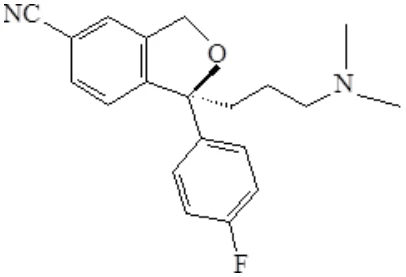
; C2H2O4
Physicochemical properties: White to off-white, crystalline material having no more than a slight odour.
Melting Point: 147°-152°C
pKa: 9.5 (microtitration)
Solubility: Water (sparingly soluble) Ethanol (sparingly soluble) Ethyl acetate (slightly soluble) Methanol (freely soluble)
Dimethyl sulfoxide (freely soluble) Isotonic saline (soluble)
Partition Coefficient: Log P (octanol/phosphate buffer pH 7.4) - 1.34
14 CLINICAL TRIALS
14.1 Clinical Trial by Indication
Major Depressive Disorder (MDD)
The efficacy of escitalopram oxalate in the treatment of depression was established in three
8-week placebo-controlled, parallel groups, multicentre studies in patients who met the DSM-IV criteria for major depression. Two of the studies included racemic citalopram as a treatment arm. The primary efficacy end-point in all 3 studies was mean change from baseline to 8-week end-point on the Montgomery Å sberg Depression Rating Scale (MADRS), adjusted for effects of baseline score, treatment and centre. All three studies consisted of a 1-week single-blind placebo lead-in period, followed by an 8-week, double-blind treatment period.
Escitalopram fixed-dose studies
Study 1
A total of 377 primary care patients with MDD were treated with 10 mg/day escitalopram oxalate (N=188) or placebo (N=189). The 10 mg/day escitalopram oxalate treatment group showed significantly greater improvement than placebo on the adjusted MADRS mean change from baseline to 8-week end-point (-16.3 vs. -13.6, respectively).
Study 2
In another study, a total of 485 outpatients with MDD were treated with 10 mg escitalopram oxalate (N=118), 20 mg escitalopram oxalate (N=123), 40 mg racemic citalopram (N=125), or placebo (N=119) for 8 weeks. Both the 10 mg and 20 mg escitalopram oxalate treatment groups showed significantly greater improvement than placebo on the MADRS mean change from baseline to 8-week end-point (-12.8 and -13.9 vs. -9.4, respectively).
Escitalopram flexible-dose study
Study 3
A total of 468 primary care patients with MDD were treated with 10-20 mg escitalopram oxalate (N=155), 20-40 mg racemic citalopram (N=159), or placebo (N=154) for 8 weeks. During the first four weeks of active treatment, all doses were fixed at 10 mg escitalopram oxalate or 20 mg racemic citalopram. A dose increase to 20 mg and 40 mg, respectively, was permitted from Week 4 onward. The escitalopram oxalate 10-20 mg treatment group showed significantly greater improvement than placebo on the adjusted MADRS mean change from baseline to 8- week end-point (-15.0 vs. -12.11, respectively).
Escitalopram long-term relapse observation study
The efficacy of escitalopram oxalate in maintaining an antidepressant response in patients with MDD was demonstrated in a long-term study consisting of a 36-week placebo controlled relapse observation phase in responders of a preceding 8-week acute treatment phase. In a long-term trial, 274 patients meeting Diagnostic and Statistical Manual of Mental Disorders (DSM-IV) criteria for MDD, who had responded during an initial 8-week, open-label treatment phase with escitalopram oxalate 10 or 20 mg/day, were randomized to continuation of escitalopram oxalate at their same dose, or to placebo, for up to 36 weeks of observation for relapse. Response during the open-label phase was defined by having a decrease of the MADRS total score to ≤ 12. Relapse during the double-blind phase was defined as an increase of the MADRS total score to ≥22, or discontinuation due to insufficient clinical response.
Patients receiving continued escitalopram oxalate experienced a significantly longer time to relapse over the subsequent 36 weeks compared to those receiving placebo.
Generalized Anxiety Disorder (GAD)
Studies 4, 5, 6
The efficacy of escitalopram oxalate in the treatment of GAD was established in three, 8-week, multicenter, flexible-dose, placebo-controlled studies that compared escitalopram oxalate 10- 20 mg/day to placebo in outpatients between 18 and 80 years of age who met the DSM-IV criteria for GAD. The primary efficacy end-point in all 3 studies was mean change from baseline to 8-week end-point on the Hamilton Anxiety Scale (HAMA) total score.
All three studies consisted of a 1-week single-blind placebo run-in period, followed by an
8-week, double-blind treatment period. During the first four weeks of active treatment, all doses were fixed at 10 mg escitalopram oxalate. A dose increase to 20 mg was permitted from Week 4 onward if clinically indicated.
The escitalopram oxalate 10-20 mg treatment group showed significantly greater improvement
(p≤0.05) than placebo on the mean change from baseline to 8-week end-point in the HAMA total score using a last-observation-carried-forward (LOCF) approach in the three studies (-9.6 escitalopram oxalate vs. -7.7 placebo [study 4]; -9.2 escitalopram oxalate vs. -7.6 placebo
[study 5]; -11.3 escitalopram oxalate vs. -7.4 placebo [study 6]).
Secondary efficacy outcomes were supportive of the primary efficacy outcome. At Week 8 there were improvements in the HAMA psychic anxiety subscale score and the Clinical Global Impression of Improvement (CGI-I) total score with escitalopram oxalate compared to placebo.
Study 7
In an additional multicenter, placebo-controlled study, escitalopram oxalate was administered at fixed doses of 5, 10 and 20 mg/day for 12 weeks following a 1-week single-blind placebo run-in period. An SSRI currently indicated for the treatment of GAD was included in the study as an active control. In this 12-week pairwise comparison of three escitalopram oxalate active treatment groups, one SSRI active control group and placebo group, there was a significant advantage on the primary measure of the mean change from baseline in HAMA total score using LOCF for escitalopram oxalate 10 and 20 mg compared with placebo (-16.8 escitalopram oxalate 10 mg vs. -14.2 placebo [p<0.01]; -16.4 escitalopram oxalate 20 mg vs. -14.2 placebo [p<0.05]). Escitalopram oxalate 5 mg as well as the active control SSRI were numerically, but not statistically significantly superior to placebo (-15.5 escitalopram oxalate 5 mg vs. -14.2 placebo; -14.7 SSRI vs. -14.2 placebo).
Secondary efficacy outcomes were supportive of the primary efficacy outcome. At Week 12 there were improvements in the HAMA anxiety item, the CGI-I total score, the HAMA1 and CGI-I responder rates2, and Sheehan Disability Scale functional impairment scores (social life, family life and work), with escitalopram oxalate compared to placebo.
Study 8
In a long-term multicenter study, 373 patients with GAD who had responded during an initial 12-week open-label escitalopram oxalate treatment phase, were randomized to placebo or escitalopram oxalate (20 mg/day) for a minimum potential double-blind treatment period of
24 weeks (with a maximum of potential treatment period of 76 weeks, depending on the date of enrolment). There were statistically significantly (p≤0.001) more relapses on placebo (56%) than on escitalopram oxalate (19%).
Obsessive Compulsive Disorder (OCD)
Study 9
The efficacy of escitalopram oxalate in the treatment of OCD was established in a multicenter 24-week placebo-controlled fixed-dose study (with efficacy assessments at Week 12 and Week 24) that compared the efficacy of 10 mg/day or 20 mg/day escitalopram oxalate with placebo in outpatients between 18 and 67 years of age who met the Diagnostic and Statistical Manual of Mental Disorders, fourth edition, text revision (DSM-IV-TR) criteria for OCD. An SSRI currently indicated for the treatment of OCD was included in the study as an active control. The primary efficacy end-point was mean change from baseline to 12-week on the Yale-Brown Obsessive Compulsive Scale (Y-BOCS) total score.
1 For the HAMA, response in the GAD studies was defined as ≥50% improvement in HAMA total score.
2 For the CGI-Improvement, response in the GAD studies was defined as “much improved” or “very much improved”.
A total of 455 outpatients with OCD were treated with 10 mg escitalopram oxalate (n=112), 20 mg escitalopram oxalate (n=114), SSRI (n=116) or placebo (n=113). At 12 weeks, escitalopram oxalate 20 mg/day and the active control SSRI showed significantly greater improvement than placebo (p=0.002 and p=0.014, respectively) on the mean change from baseline in the Y-BOCS total score using LOCF. Improvement in the 10 mg/day group was numerically, but not statistically, superior to the placebo group (p=0.052). The mean treatment differences relative to placebo were -1.97 and -3.21 for escitalopram oxalate 10 mg/day and 20 mg/day, respectively and -2.47 for the active control SSRI.
Secondary efficacy outcomes were supportive of the primary efficacy outcome. At Week 12 there were improvements in the CGI-I responder rate3 and the Sheehan Disability Scale functional impairment scores (social life, family life and work) with escitalopram oxalate and active SSRI control compared to placebo.
Study 10
The efficacy of escitalopram oxalate in maintaining an anti-obsessive response in patients with OCD was demonstrated in a long-term study in which 322 patients meeting the DSM-IV-TR criteria for OCD, who had responded during an initial 16-week, open-label treatment phase with escitalopram oxalate (10 or 20 mg/day), were randomized to continuation of escitalopram oxalate at their same dose, or to placebo, for 24 weeks.
Response during the open-label phase was defined by having a ≥25% reduction from baseline in Y-BOCS total score. Non-responders left the study.
Relapse during the double-blind phase was defined as either an increase from randomization to any single visit in Y-BOCS total score of 5 points or more or an unsatisfactory treatment effect, as judged by the investigator. Patients who relapsed were withdrawn from the study. There were statistically significantly (p≤0.001) more relapses on placebo (52%) than on escitalopram oxalate (23%).
Secondary efficacy outcomes were supportive of the primary efficacy outcome. There were improvements in CGI-I total score and the Sheehan Disability Scale functional impairment scores (social life, family life and work) with escitalopram oxalate compared to placebo.
3 For the CGI-Improvement, response in the OCD studies was defined as “much improved” or “very much improved”.
14.2 Comparative Bioavailability Studies
A randomized, single dose (1 x 20 mg), two-way crossover comparative bioavailability study of AG-Escitalopram Tablets 20 mg (Angita Pharma Inc.) with CIPRALEX tablets 20 mg (Lundbeck Canada Inc.) was conducted in healthy, adult male subjects under fasting conditions. Comparative bioavailability data from 23 subjects that were included in the statistical analysis are presented in the following table:
SUMMARY TABLE OF THE COMPARATIVE BIOAVAILABILITY DATA
Escitalopram (1 x 20 mg) Geometric Mean Arithmetic Mean (CV %) | ||||
|---|---|---|---|---|
| Parameter | Test1 | Reference2 | % Ratio of Geometric Means | 90% Confidence Interval |
AUC0-72h (ng⋅h/mL) | 812.45 854.36 (25.53) | 833.33 877.30 (25.69) | 97.5 | 94.4 - 100.7 |
Cmax (ng/mL) | 23.79 24.32 (18.68) | 25.07 25.91 (20.61) | 94.9 | 91.6 - 98.3 |
Tmax3 (h) | 4.00 (2.00 - 5.00) | 3.92 (2.00 - 5.50) | ||
1 AG-Escitalopram Tablets (escitalopram, as escitalopram oxalate) tablets, 20 mg (Angita Pharma Inc.)
2 CIPRALEX (escitalopram, as escitalopram oxalate) tablets, 20 mg (Lundbeck Canada Inc.)
3 Expressed as the median (range) only
Due to the long elimination half-life of escitalopram, AUCI and T1/2 could not be accurately calculated from the data obtained in this study.
15 MICROBIOLOGY
No microbiological information is required for this drug product.
16 NON-CLINICAL TOXICOLOGY
The studies on escitalopram were performed in one species, the rat. This species was considered the most appropriate as it has a R/S ratio for citalopram and the metabolites, DCT and DDCT, that is comparable to that found in humans. In addition, the rat has been used as an animal model to demonstrate enantiomeric stereoselectivity for SSRI pharmacological action.
Significant findings from toxicological studies with racemic citalopram in rats, mice and dogs are also described in this section.
General Toxicology:
Acute Toxicity
After gavage administration, escitalopram 500 mg/kg caused deaths, prostration and tremors, 250 mg/kg had no effect. Citalopram also had no effect at 250 mg/kg, but 500 and 1000 mg/kg were both associated with some deaths and similar clinical signs.
Bolus IV injection of escitalopram at 22 mg/kg led to breathing difficulties within 30 minutes and 30 mg/kg caused convulsions and deaths. Citalopram had similar effects at those dose levels.
Cardiotoxicity, Including Inflammation and Congestive Heart Failure
In the bridging study both escitalopram (80 mg/kg/day) and citalopram (160 mg/kg/day) were found to induce cardiotoxicity in the rat under the conditions of the study, although a higher incidence of changes was recorded in animals treated with escitalopram (2 out of 20 animals vs. 3 out of 40 animals, respectively).
The changes induced by both compounds were initially and mainly inflammatory (myocarditis) affecting the myocardium and atria in particular, and included congestive heart failure.
Male and female rats dosed with escitalopram at the high doses are affected to the same extent by myocarditis, although onset of lesions appears to be more rapid in males than in females.
The cardiotoxicity seemed to correlate with peak plasma concentrations rather than to systemic exposures (AUC). Peak plasma concentrations at NOELs were approximately 8-fold greater than those achieved in clinical use, whereas AUC for escitalopram was only 3-4 fold higher than the exposure achieved in clinical use. The findings may be secondary to the effect on biogenic amines, which results in reduction in coronary flow and potential ischaemia. However, an exact mechanism of cardiotoxicity in rats is not clear. Clinical experience with racemic citalopram, and the clinical trials experience with escitalopram do not indicate that these findings have a clinical correlate.
Cardiovascular Studies
Patch clamp experiments showed that escitalopram and racemic citalopram had some inhibitory effect on Ikr and INa channels, and on cardiac L-type calcium currents, but only at concentrations in the micromolar range.
The electrophysiological effects of escitalopram, S-DDCT, R-DDCT, racemic citalopram, DDCT and other SSRIs have been examined in the Langendorff guinea pig heart model. From 0.5-2.5 mcM all SSRIs caused an increase in the PQ interval, accompanied by negative inotropic activity. None of the SSRIs tested nor S-DDCT had an effect on the QT interval, whereas R- DDCT and DDCT did prolong it at the highest concentrations of 2.5 mcM.
Doses of escitalopram of 1, 3 or 6 mg/kg were infused i.v. over 2 hours into conscious dogs. The serum levels reached at the end of the infusion did not induce convulsive attacks. Even the highest dose of escitalopram (corresponding to 15-21 times the Cmax in human at a dose of 20 mg/day) was associated with a minor variation in the PR interval, which was considered to be within the physiological limits. The QT interval was not affected. There was no particular action on the ECG apart from some changes in the morphology of the precordial T waves, which has been seen with many other CNS drugs.
Retinal Degeneration/Atrophy in Rats Given Racemic Citalopram
In the rat carcinogenicity study, a slight, dose-related increase in lens opacity was seen, affecting males only. In addition, increased incidence/severity of retinal degeneration/atrophy was seen in the high-dose group (80 mg/kg/day). The incidence was higher in females, however, more female than male rats survived the study. It was concluded by an independent pathologist that the retinal changes were most likely related to drug-induced pupillary dilatation (mydriasis), which increased the risk of retinal damage in the already light-sensitive albino rat.
Convulsions and Death in Dogs Given Racemic Citalopram
Toxicity studies in dogs revealed that citalopram administration led to fatal ventricular arrhythmias. Consequently, studies were undertaken to elucidate the mechanism of this effect and to determine its relevance to humans.
The studies have shown that (1) IV infusion of citalopram, at a dose of 20 mg/kg, led to convulsions. The blood levels of citalopram were 1950 ng/mL at this dose. In the presence of diazepam, also infused intravenously, higher doses of citalopram could be infused, namely up to 70 mg/kg (6800 ng/mL). (2) IV infusion of the didemethyl metabolite of citalopram caused QT prolongation in a dose range of 5 to 22 mg/kg. The blood levels of the metabolite were 300 ng/mL at the 5 mg/kg dose. The QT prolongation was dose-dependent. (3) When citalopram, 20 mg/kg, and didemethylcitalopram, 5 mg/kg, were infused concomitantly (in the presence of diazepam in order to prevent convulsions), 5 out of 9 dogs died due to ventricular fibrillation. At these doses, the plasma levels of citalopram and didemethylcitalopram were 1950 ng/mL and 300 ng/mL, respectively.
As shown in the table below, there is a substantial difference in the plasma levels of citalopram and its metabolite in dogs and in humans at the recommended therapeutic doses.
| Treatment | Dog ventricular fibrillation | Patients at steady state after a 40 mg/day dose of citalopram |
|---|---|---|
citalopram, 20 mg/kg plus didemethylcitalopram, 5 mg/kg | 1950 ng/mL 300 ng/mL | 83 ng/mL 5.2 ng/mL |
In summary the safety profile of escitalopram is similar to racemic citalopram, other than a higher incidence of cardiac inflammation at proportional doses. Further, the clinical use of escitalopram is supported by the extensive clinical safety experience with the SSRIs in general and racemic citalopram in particular.
The NOEL in rats is 40 mg/kg/day PO, excluding phospholipidosis as observed with many cationic amphophilic medicines. At this dose level the Cmax plasma levels of escitalopram in the rat during a 13-week study are 1076-1383 nM, i.e. approximately 8-11 fold the human exposure of 131 nM following repeated dosing at the maximum recommended dose of
20 mg/day.
Subchronic and Repeated Dose Toxicity
Comparative 4- and 13-week and bridging oral tests have been conducted with escitalopram and racemic citalopram in the rat. A separate 60-day test was also carried out using the rat as a model.
In the 4-week experiment, the highest dose of both drugs (60 mg/kg/day) led to small retardation in weight gain, slight changes in liver function and phospholipidosis in various tissues. At a dose of 60 mg/kg/day, the signs of phospholipidosis were more marked in animals given racemic citalopram.
In the 13-week toxicity experiments in the rat, it was demonstrated that the pattern of toxic actions of escitalopram was similar to that of citalopram. Toxic actions mainly comprised hepatic enlargement and inflammation of the myocardium at high dose levels, plus typical phospholipidosis seen with many cationic amphophilic medicines. There were also clinical signs including reduced weight gain, sedation and trembling. The no-observed-effect-level (NOEL) was about 5-10 mg/kg/day for both compounds.
Toxicokinetics
The pharmaco-/toxicokinetics of escitalopram observed in the 4- and 13-week studies performed in the rat appeared comparable after administration of either escitalopram or racemic citalopram. Plasma levels were also determined in several toxicity studies. The table below summarizes the toxicokinetic parameters from a 13-week study in rats relative to pharmacokinetic parameters in humans.
| Study/ Species | Dose ESC (mg/kg/day) oral route | Gendre | Cmax (nmol/l) | AUC0-t (h·nmol/l) | Ration of AUC values animal/human | |
|---|---|---|---|---|---|---|
| 10 mg/day | 20 mg/day3 | |||||
| Cmax | AUC0-t | Cmax | AUC0-t | |||
| ESCITALOPRAM | ||||||
| 13-week rats (day 90) | ||||||
| 10 | ||||||
| M | 181 | 643 | 2.9x | 0.6x | 1.4x | 0.3x |
| 40 | 1076 | 6552 | 17x | 5.9x | 8.2x | 2.9x |
| 1201 | n.d. | n.d. | n.d. | n.d. | n.d. | n.d. |
| 10 | ||||||
| F | 775 | 1199 | 12x | 1.1x | 5.9x | 0.5x |
| 40 | 1383 | 9165 | 22x | 8.3x | 11x | 4.1x |
| 1201 | 2066 | 19609 | 33x | 18x | 16x | 8.7x |
multidose humans2 (day 24) | ||||||
| 10 mg/day | ||||||
| both | 63 | 1109 | - | - | - | - |
| 20 mg/day3 | 131 | 2250 | ||||
| S-DCT | ||||||
| 13-week rats (day 90) | ||||||
| 10 | ||||||
| M | 305 | 1094 | 13x | 2.2x | 6.9x | 1.2x |
| 40 | 1383 | 17843 | 58x | 36x | 31x | 20x |
| 1201 | n.d. | n.d. | n.d. | n.d. | n.d. | n.d. |
| 10 | ||||||
| F | 302 | 739 | 13x | 1.5x | 6.9x | 0.8x |
| 40 | 734 | 10232 | 31x | 21x | 17x | 12x |
| 1201 | 1585 | 28668 | 66x | 59x | 36x | 32x |
multidose humans2 (day 24) | ||||||
| 10 mg/day | ||||||
| both | 24 | 489 | - | - | - | - |
| 20 mg/day3 | 44 | 883 | ||||
| S-DDCT | ||||||
| 13-week rats (day 90) | ||||||
| 10 | ||||||
| M | 48 | 367 | 16x | 6.1x | 13x | 5.0x |
| 40 | 316 | 5123 | 105x | 85x | 85x | 69x |
| 1201 | n.d. | n.d. | n.d. | n.d. | n.d. | n.d. |
| 10 | ||||||
| F | 38 | 315 | 13x | 5.3x | 10x | 4.3x |
| Study/ Species | Dose ESC (mg/kg/day) oral route | Gendre | Cmax (nmol/l) | AUC0-t (h·nmol/l) | Ration of AUC values animal/human | |
|---|---|---|---|---|---|---|
| 10 mg/day | 20 mg/day3 | |||||
| Cmax | AUC0-t | Cmax | AUC0-t | |||
| 40 | 149 | 2510 | 50x | 42x | 40x | 34x |
| 1201 | 395 | 8535 | 132x | 142x | 107x | 115x |
multidose humans2 (day 24) | ||||||
| 10 mg/day | ||||||
| both | 3.0 | 60 | - | - | - | - |
| 20 mg/day3 | 3.7 | 74 | ||||
1 The 120 mg/kg/day dose was reduced to 100 mg/kg/day for males on day 13 and further for both genders to 80 mg/kg/day during Week 6. 2 n=17 (10 mg) or n=16 (30 mg) 3 The 20 mg/day dose is estimated from the mean of the 10 and 30 mg/day results. Numbers in italics refer to the NOEL (40 mg/kg/day) with respect to cardiac effects. n.d.: not determined | ||||||
Exposure margins of approximately up to 10 times the maximum therapeutic dose for the parent drug and up to about 30-140 times for the metabolites have been produced in the various toxicity tests of escitalopram. The data indicate that the rat resembles man most closely in its metabolism. The R/S ratio in rats for citalopram and the metabolites, DCT and
DDCT, is comparable to that found in humans. However, there are some quantitative differences in the pharmacokinetics and metabolism of citalopram and escitalopram in man and animals. The most important is the lesser degree of first pass metabolism in humans relative to animals, which results in proportionately lower circulating levels of S-DCT and S-DDCT in humans.
Carcinogenicity:
Comprehensive carcinogenicity tests of racemic citalopram were conducted in the mouse and rat. Racemic citalopram showed no evidence of carcinogenic potential in the NMRI/BOM strain of mice at daily doses of 40-240 mg/kg (1.5 years) and in the COBS WI strain of rats at 8-80 mg/kg (2 years) other than an increased incidence of small intestine carcinoma in rats treated with 8 and 24 mg/kg/day of racemic citalopram. The latter doses are approximately equivalent to a dose of escitalopram 2-6 times the maximum recommended human daily dose based on mg/m2 basis. No such effects were observed in rats treated with a 80 mg/kg/day dose. On the same grounds as used previously, it can be concluded that escitalopram is not carcinogenic.
Genotoxicity:
An extensive battery of in vitro and in vivo tests of racemic citalopram has been conducted. Racemic citalopram did not show mutagenic activity in most of the in vitro tests (Ames Salmonella assay; chromosome aberration assay in cultured human lymphocytes; gene mutation assay in cultured mouse lymphoma L5178Y) and in vivo tests (micronucleus test; unscheduled DNA synthesis). However, racemic citalopram was mutagenic in the in vitro bacterial reverse mutation assay (Ames test) in 2 of 5 bacterial strains (Salmonella TA98 and TA1537) in the absence of metabolic activation. Racemic citalopram was clastogenic in the in vitro Chinese hamster lung cell assay, in the presence and absence of metabolic activation.
Reproductive and Developmental Toxicology:
When racemic citalopram was administered orally to 16 male and 24 female rats prior to and throughout mating and gestation at doses of 16, 32, 48 and 72 mg/kg/day, mating was decreased at all doses and fertility was decreased at dose ≥32 mg/kg/day. Gestation duration was increased at 48 mg/kg/day.
Tests of the maternal and foetal toxicity and the peri- and post-natal toxicity of escitalopram were performed in rats. One high dose of racemic citalopram was included for comparison.
In an embryo-fetal developmental toxicity study with escitalopram (56, 112 or 150 mg/kg/day and racemic citalopram (70 mg/kg/day) in female rats during the period of organogenesis embryo-foetal effects (reduced foetal body weight and delays in ossification) were found only at doses ≥112 mg/kg/day (approximately ≥56 times the maximum recommended human dose of 20 mg/day escitalopram on a body surface area [mg/m2] basis). Similar effects were seen with racemic citalopram. These doses were also associated with maternal toxicity.
In a previous separate embryo-foetal developmental toxicity study with racemic citalopram embryo-fetal effects in terms of decreased foetal growth and survival, an increased incidence of foetal abnormalities (including cardiovascular and skeletal defects, and delays in ossification) were noted at 112 mg/kg/day (approximately 18 times the maximum recommended human dose of 60 mg/day citalopram on a body surface area [mg/m2] basis).
In an embryo-fetal developmental toxicity study with racemic citalopram (0.8, 3.2 or
12.8 mg/kg/day in female rabbits during the period of organogenesis no effects on embryo- foetal development were noted. The NOEL for maternal toxicity was 3.2 mg/kg/day and
12.8 mg/kg/day for developmental toxicity.
When female rats were orally treated with escitalopram (6, 12, 24, or 48 mg/kg/day) or racemic citalopram (12 or 48 mg/kg/day) during pregnancy and through weaning, the high doses were associated with increased offspring mortality in the first 4 days and persistent offspring growth retardation at 48 mg/kg/day for both compounds. The NOEL for maternal and reproductive toxicity of citalopram was 12 mg/kg/day. The corresponding NOEL and no-observed-adverse- effect-level for escitalopram for reproductive and maternal effects were 24 mg/kg/day, which is approximately 12 times the maximum recommended human dose on a mg/m2 basis.
Male Fertility
Animal data have shown that some SSRIs induce a reduction of fertility index and pregnancy index, reduction in number in implantation and abnormal sperm at exposure well in excess of human exposure. Citalopram was further shown to be genotoxic to mouse germ cells at the recommended human doses after 4 weeks of chronic exposure, resulting in increased sperm DNA strand breaks, aberrant primary spermatocytes and oxidative DNA damage. No animal data related to this aspect are available for escitalopram.
17 SUPPORTING PRODUCT MONOGRAPHS
- 1. CIPRALEX (Escitalopram Oxalate Tablets; 5 mg, 10 mg, 15 mg and 20 mg), submission control 274368, Product Monograph, Lundbeck Canada Inc. (SEP 01, 2023)