


Product Monograph - Riva-Fluvox
SUMMARY PRODUCT INFORMATION
| Route of Administration | Dosage Form / Strength | Clinically Relevant Nonmedicinal Ingredients |
| oral | tablet / 50 mg and 100 mg | mannitol powder, microcrystalline cellulose, pregelatinized starch, sodium starch glycolate, sodium stearyl fumarate, and Opadry II white (polydextrose, titanium dioxide, hydroxypropyl methylcellulose 2910, polyethylene glycol 400, carnuba wax, and iron oxide yellow) |
INDICATIONS AND CLINICAL USE
RIVA-FLUVOX is indicated for:
Depression:
RIVA-FLUVOX (fluvoxamine maleate) may be indicated for the symptomatic relief of depressive illness in adults.
The effectiveness of fluvoxamine maleate in long-term use (i.e., for more than 5 to 6 weeks) has not been systematically evaluated in controlled trials. Therefore, the physician who elects to use fluvoxamine maleate for extended periods should periodically re-evaluate the long-term usefulness of the drug for the individual patient.
Obsessive-Compulsive Disorder:
Fluvoxamine maleate has been shown to significantly reduce the symptoms of obsessive-compulsive disorder in adults. The obsessions or compulsions must be experienced as intrusive, markedly distressing, time consuming, or interfering significantly with the person's social or occupational functioning.
The efficacy of Fluvoxamine maleate has been studied in double-blind, placebo-controlled clinical trials conducted in obsessive-compulsive outpatients. The usefulness of Fluvoxamine maleate for long-term use (i.e. for more than 10 weeks) has not been systematically evaluated in controlled trials. Therefore, the physician who elects to use
RIVA-FLUVOX for extended periods should periodically re-evaluate the long-term usefulness of the drug for the individual patient.
Geriatrics (> 65 years of age):
Since there is limited clinical experience in the geriatric age group, caution is recommended when administering fluvoxamine maleate to elderly patients.
Pediatrics (<18 years of age):
RIVA-FLUVOX is not indicated for use in patients below the age of 18 years (see WARNINGS AND PRECAUTIONS, POTENTIAL ASSOCIATION WITH BEHAVIOURAL AND EMOTIONAL CHANGES, INCLUDING SELF-HARM).
CONTRAINDICATIONS
- Patients who are hypersensitive to this drug or to any ingredient in the formulation or component of the container. For a complete listing, see the DOSAGE FORMS, COMPOSITION AND PACKAGING section.
Coadministration of fluvoxamine maleate with monoamine oxidase (MAO) inhibitors, including methylene blue (intravenous dye) and linezolid (an antibiotic which is a reversible non-selective MAO inhibitor).
In patients receiving selective serotonin reuptake inhibitors (SSRIs) in combination with a MAO inhibitor, there have been reports of serious, sometimes fatal, reactions including hyperthermia, rigidity, myoclonus, autonomic instability with possible rapid fluctuations of vital signs, and mental status changes that include extreme agitation progressing to delirium and coma. These reactions have also been reported in patients who have recently discontinued SSRI treatment and have begun treatment on a MAO inhibitor. Some cases presented with features resembling serotonin syndrome or neuroleptic malignant syndrome.
At least two weeks should elapse after discontinuation of MAO inhibitor therapy before RIVA-FLUVOX treatment is initiated. MAO inhibitors should not be introduced within two weeks of cessation of therapy with RIVA-FLUVOX (see WARNINGS AND PRECAUTIONS, Neurologic, Serotonin Syndrome/Neuroleptic Malignant Syndrome and DRUG INTERACTIONS).
Coadministration of thioridazine, mesoridazine, pimozide, terfenadine, astemizole, or cisapride with RIVA-FLUVOX. Each of these drugs alone produces prolongation of the QTc interval, which is associated with serious ventricular arrhythmias, such as torsade de pointes-type arrhythmias and sudden death.
Fluvoxamine maleate has been shown to increase plasma levels of thioridazine, mesoridazine and pimozide (See DRUG INTERACTIONS).
Terfenadine, astemizole and cisapride plasma concentrations may also be increased when coadministered with RIVA-FLUVOX (See DRUG INTERACTIONS).
- Coadministration of tizanidine and RIVA-FLUVOX (see DRUG INTERACTIONS).
- Coadministration of RIVA-FLUVOX with ramelteon, a sleep medicine not available in Canada (See DRUG INTERACTIONS).
WARNINGS AND PRECAUTIONS
POTENTIAL ASSOCIATION WITH BEHAVIOURAL AND EMOTIONAL CHANGES, INCLUDING SELF-HARM
Pediatrics: Placebo-Controlled Clinical Trial Data
- Recent analyses of placebo-controlled clinical trial safety databases from SSRIs and other newer antidepressants suggest that use of these drugs in patients under the age of 18 may be associated with behavioural and emotional changes, including an increased risk of suicidal ideation and behaviour over that of placebo.
- The small denominators in the clinical trial database, as well as the variability in placebo rates, preclude reliable conclusions on the relative safety profiles among these drugs.
Adults and Pediatrics: Additional data
- There are clinical trial and post-marketing reports with SSRIs and other newer antidepressants, in both pediatrics and adults, of severe agitation-type adverse events coupled with self-harm or harm to others. The agitation-type events include: akathisia, agitation, disinhibition, emotional lability, hostility, aggression, depersonalization. In some cases, the events occurred within several weeks of starting treatment.
Rigorous clinical monitoring for suicidal ideation or other indicators of potential for suicidal behaviour is advised in patients of all ages. This includes monitoring for agitation-type emotional and behavioural changes.
Young Adults (ages 18 to 24 years):
A recent FDA meta-analysis of placebo-controlled clinical trials of antidepressant drugs in adult patients ages 18 to 24 years with psychiatric disorders showed an increased risk of suicidal behaviour with antidepressants compared to placebo.
Akathisia/Psychomotor Restlessness:
The use of fluvoxamine maleate has been associated with the development of akathisia, characterized by a subjectively unpleasant or distressing restlessness and need to move, often accompanied by an inability to sit or stand still. This is most likely to occur within the first few weeks of treatment. In patients who develop these symptoms, increasing the dose may be detrimental and is not recommended.
Discontinuation Symptoms:
Patients currently taking RIVA-FLUVOX (fluvoxamine maleate) should NOT be discontinued abruptly, due to risk of discontinuation symptoms. At the time that a medical decision is made to discontinue an SSRI or other newer antidepressant drug, a gradual reduction in the dose rather an abrupt cessation is recommended (See WARNINGS AND PRECAUTIONS, Dependence/Tolerance, Discontinuation of Treatment with RIVA-FLUVOX; ADVERSE REACTIONS, Adverse Reactions Following Discontinuation of Treatment (or Dose Reduction)).
Bone Fracture Risk:
Epidemiological studies show an increased risk of bone fractures following exposure to some antidepressants, including SSRIs and serotonin / norepinephrine reuptake inhibitors (SNRIs). The risks appear to be greater at the initial stages of treatment, but significant increased risks were also observed at later stages of treatment. The possibility of fracture should be considered in the care of patients treated with RIVA-FLUVOX. Elderly patients and patients with important risk factors for bone fractures should be advised of possible adverse events which increase the risk of falls, such as dizziness and orthostatic hypotension, especially at the early stages of treatment but also soon after withdrawal. Preliminary data from observational studies show association of SSRIs/SNRIs and low bone mineral density in older men and women. Until further information becomes available, a possible effect on bone mineral density with long term treatment with SSRIs/SNRIs, including RIVA-FLUVOX, cannot be excluded, and may be a potential concern for patients with osteoporosis or major risk factors for bone fractures.
General
Monoamine Oxidase Inhibitors
See CONTRAINDICATIONS and DRUG INTERACTIONS.
Potential Interactions with Thioridazine, Mesoridazine, Pimozide, Terfenadine, Astemizole and Cisapride
See CONTRAINDICATIONS and DRUG INTERACTIONS.
Potential Interaction with Tizanidine
See CONTRAINDICATIONS and DRUG INTERACTIONS.
Potential Interactions with Drugs with a Narrow Therapeutic Index
There may be a potential interaction between fluvoxamine maleate and drugs or prodrugs metabolized by CYP1A2, CYP3A4 and CYP2C that have a narrow therapeutic index [e.g., theophylline, tacrine, mexiletine, and clozapine (CYP1A2 substrates), carbamazepine, methadone, cyclosporine and sildenafil (CYP3A4 substrates), phenytoin and warfarin (CYP2C substrates)]. Patients administered these combinations should be carefully monitored and, if necessary, dose adjustment of these drugs is recommended (See DRUG INTERACTIONS).
Fluvoxamine is not recommended for patients taking prodrugs metabolized by CYP1A2 or CYP2C19 to their active metabolites as clinical significant reduction in drug levels is expected, such as the antiplatelet agent clopidogrel.
There is a potential for CYP1A2 inhibitors (e.g., fluvoxamine) to affect the circulating levels of the antineoplastic agent bendamustine and its active metabolites. Caution should be used with RIVA-FLUVOX, or alternative treatments considered in patients taking bendamustine.
Cardiovascular
Concomitant Illness
Fluvoxamine maleate has not been evaluated or used to any appreciable extent in patients with a recent history of myocardial infarction or unstable heart disease. Patients with these diagnoses were systematically excluded from pre-marketing clinical studies.
Dependence/Tolerance
Discontinuation of Treatment with RIVA-FLUVOX
When discontinuing treatment, patients should be monitored for symptoms which may be associated with discontinuation [e.g. dizziness, abnormal dreams, sensory disturbances (including paresthesias and electric shock sensations), sleep disturbances (including insomnia and intense dreams), agitation, irritability, anxiety, fatigue, confusion, emotional instability, headache, tremor, nausea, vomiting, diarrhea, sweating, palpitations or other symptoms which may be of clinical significance] (See ADVERSE REACTIONS). Generally these events are mild to moderate and are self-limiting; however in some patients they may be severe and/or prolonged. They usually occur within the first few days of discontinuing treatment, but there have been very rare reports of such symptoms in patients who have inadvertently missed a dose. A gradual reduction in the dosage over several weeks, rather than abrupt cessation, is recommended whenever possible. If intolerable symptoms occur following a decrease in the dose or upon discontinuation of treatment, dose titration should be managed on the basis of the patient’s clinical response (See ADVERSE REACTIONS, Adverse Reactions Following Discontinuation of Treatment (or Dose Reduction) and DOSAGE AND ADMINISTRATION).
If RIVA-FLUVOX is used until or shortly before birth, discontinuation effects in the newborn may occur (See WARNINGS AND PRECAUTIONS, Special Populations, Use in Pregnancy and Lactation).
Endocrine and Metabolism
Disturbance of Glycemic Control
Glycemic control may be disturbed, especially in the early stages of the treatment. Reported events include hyperglycemia, hypoglycemia, diabetes mellitus and decreased glucose tolerance;
these have been reported in both patients with and without pre-existing disturbance of glycemic control. Patients should therefore be monitored for signs and symptoms of glucose fluctuations. When RIVA-FLUVOX is given to patients with a known history of diabetes mellitus, the dosage of anti-diabetic drugs may need to be adjusted.
Hematologic
Abnormal Bleeding
SSRIs and serotonin / norepinephrine reuptake inhibitors (SNRIs), including RIVA-FLUVOX, may increase the risk of bleeding events by causing abnormal platelet aggregation. Concomitant use of acetylsalicylic acid (ASA), nonsteroidal anti-inflammatory drugs (NSAIDs), warfarin and other anticoagulants may add to the risk. Case reports and epidemiological studies (case-control and cohort design) have demonstrated an association between use of drugs that interfere with serotonin reuptake and the occurrence of gastrointestinal bleeding or gynecological hemorrhage. Bleeding events related to SSRIs and SNRIs use have ranged from ecchymoses, hematomas, epistaxis and petechiae to life-threatening hemorrhages (See ADVERSE REACTIONS).
Patients should be cautioned about the risk of bleeding associated with the concomitant use of RIVA-FLUVOX and NSAIDs, ASA, or other drugs that affect coagulation (See DRUG INTERACTIONS). Caution is advised in patients with a history of bleeding disorder or predisposing conditions (e.g. thrombocytopenia or coagulation disorders).
Hepatic/Biliary/Pancreatic
Hepatic Enzymes
Treatment with fluvoxamine maleate has been rarely associated with increases in hepatic enzymes, usually accompanied by symptoms. RIVA-FLUVOX administration should be discontinued in such cases.
Neurologic
Seizures
Seizures are a potential risk with antidepressant drugs. Convulsions have been reported rarely during fluvoxamine maleate administration, but fluvoxamine maleate has not been systematically evaluated in patients with a seizure disorder. Caution is recommended when the drug is administered to patients with a history of seizures. RIVA-FLUVOX should be avoided in patients with unstable epilepsy and patients with controlled epilepsy should be carefully monitored. Treatment with RIVA-FLUVOX should be discontinued if seizures occur or if seizure frequency increases. Seizures have also been reported as a discontinuation symptom (See WARNINGS AND PRECAUTIONS, Discontinuation Symptoms; ADVERSE REACTIONS, Adverse Events Leading to Discontinuation of Treatment).
Serotonin Syndrome/Neuroleptic Malignant Syndrome
On rare occasions, development of a serotonin syndrome or neuroleptic malignant syndrome-like events have been reported in association with treatment of fluvoxamine maleate, particularly when given in combination with other serotonergic and / or neuroleptic/antipsychotic drugs. As these syndromes may result in potentially life-threatening conditions, treatment with RIVA-FLUVOX should be discontinued if patients develop a combination of symptoms possibly including hyperthermia, rigidity, myoclonus, autonomic instability with possible rapid fluctuations of vital signs, mental status changes including confusion, irritability, extreme agitation progressing to delirium and coma, and supportive symptomatic treatment should be initiated. Due to the risk of serotonergic syndrome RIVA-FLUVOX should not be used in combination with MAO inhibitors [including linezolid, an antibiotic which is a reversible non-selective MAO inhibitor and methylthioninium chloride (methylene blue)] or serotonin precursors (such as L-tryptophan, oxitriptan) and should be used with caution in patients receiving other serotonergic drugs (e.g., triptans, lithium, tramadol, most tricyclic antidepressants), neuroleptics/antipsychotics or St. John’s Wort (See CONTRAINDICATIONS and DRUG INTERACTIONS, Serotonergic Drugs).
Cognitive and Motor Disturbances
Sedation may occur in some patients. Therefore, patients should be cautioned about participating in activities requiring complete mental alertness, judgment and physical coordination - such as driving an automobile or performing hazardous tasks - until they are reasonably certain that treatment with RIVA-FLUVOX does not affect them adversely.
Ophthalmologic
Angle-Closure Glaucoma
As with other antidepressants fluvoxamine maleate can cause mydriasis, which may trigger an angle closure attack in a patient with anatomically narrow ocular angles. Healthcare providers should inform patients to seek immediate medical assistance if they experience eye pain, changes in vision or swelling or redness in or around the eye.
Psychiatric
Suicide/Suicidal Thoughts or Clinical Worsening
The possibility of a suicide attempt is inherent in depression and other psychiatric disorders, and may persist until significant remission occurs. Patients with depression may experience worsening of their depressive symptoms and / or the emergence of suicidal ideation and behaviours (suicidality) whether or not they are taking antidepressant medications. Close supervision of patients should accompany drug therapy and consideration should be given to the need for hospitalization of high risk patients. Patients with a history of suicide-related events or those exhibiting a significant degree of suicidal ideation prior to commencement of treatment are known to be at a greater risk of suicidal thoughts or suicide attempts and should receive careful monitoring during treatment.
Physicians should encourage patients of all ages, their families, and their caregivers to be alert to the emergence of any new or worsened distressing thoughts or feelings occurring at any time, and especially when initiating therapy or during any change in dose or dosage regimen. In order to minimize the risk of overdose, prescriptions for RIVA-FLUVOX should be written for the smallest quantity of drug consistent with good patient management.
Because of the well established comorbidity between depression and other psychiatric disorders, the same precautions observed when treating patients with depression should be observed when treating patients with other psychiatric disorders, e.g. obsessive compulsive disorder (See WARNINGS AND PRECAUTIONS, POTENTIAL ASSOCIATION WITH BEHAVIOURAL AND EMOTIONAL CHANGES, INCLUDING SELF-HARM).
Mania/Hypomania
A major depressive episode may be the initial presentation of bipolar disorder. Patients with bipolar disorder may be at an increased risk of experiencing manic episodes when treated with antidepressants alone. Therefore, the decision to initiate symptomatic treatment of depression should only be made after patients have been adequately assessed to determine if they are at risk for bipolar disorder.
RIVA-FLUVOX should be used with caution in patients with a history of mania/hypomania. RIVA-FLUVOX should be discontinued in any patient entering a manic phase.
Electroconvulsive Therapy (ECT)
The safety and efficacy of concurrent administration of fluvoxamine maleate with electroshock therapy have not been studied and, therefore, caution is advisable.
Renal
Hyponatremia
As with other SSRIs, hyponatremia has been rarely reported and appeared to be reversible when fluvoxamine maleate was discontinued. Some cases were possibly due to the syndrome of inappropriate antidiuretic hormone secretion (SIADH). The majority of reports were associated with older patients. Elderly patients, patient taking diuretics, and patients who are otherwise volume depleted may be at greater risk for this event. Discontinuation of RIVA-FLUVOX should be considered in patients with symptomatic hyponatremia and appropriate medical intervention should be instituted. Symptoms may include headache, difficulty concentrating, memory impairment, confusion, weakness, and unsteadiness, which may lead to falls.
Sexual Function
See ADVERSE REACTIONS.
Special Populations
Fertility, Pregnant Women and Newborns
Fertility
Reproductive toxicity studies in rats have shown that fluvoxamine maleate impairs male and female fertility (See TOXICOLOGY, Reproduction and Teratology, Reproductive Studies). Animal data have shown that fluvoxamine maleate may affect sperm quality. Human case reports with some SSRI’s have shown that an effect on sperm quality is reversible.
Impact on human fertility has not been observed so far.
RIVA-FLUVOX should not be used in patients attempting to conceive unless the clinical condition of the patient requires treatment with RIVA-FLUVOX.
Pregnant Women and Newborns
Safe use of fluvoxamine maleate during pregnancy has not been established. Therefore, RIVA-FLUVOX should not be used during pregnancy or in women intending to become pregnant unless, in the opinion of the treating physician, the expected benefits to the patient outweigh the possible hazards to the fetus.
Patients should be advised to notify their physician if they become pregnant or intend to become pregnant. If RIVA-FLUVOX is used until or shortly before birth, discontinuation symptoms in the newborn should be considered.
Complications following late third trimester exposure to SSRIs
Post-marketing reports indicate that some neonates exposed to fluvoxamine maleate, SSRIs (Selective Serotonin Reuptake Inhibitors), or other newer antidepressants late in the third trimester have developed complications requiring prolonged hospitalization, respiratory support and tube feeding. Such complications can arise immediately upon delivery. Reported clinical findings have included respiratory distress, cyanosis, apnea, seizures, temperature instability, feeding difficulty, vomiting, hypoglycemia, hypotonia, hypertonia, hyperreflexia, tremor, jitteriness, irritability and constant crying. These features are consistent with either a direct toxic effect of SSRIs and other newer antidepressants or, possibly, a drug discontinuation syndrome. It should be noted that, in some cases, the clinical picture is consistent with serotonin syndrome (See WARNINGS AND PRECAUTIONS, Neurologic, Serotonin Syndrome/Neuroleptic Malignant Syndrome). When treating a pregnant woman with RIVA-FLUVOX the physician should carefully consider the benefit of the treatment to the mother and the potential risk to the fetus (See DOSAGE AND ADMINISTRATION).
Risk of PPHN and exposure to SSRIs:
Epidemiological studies on persistent pulmonary hypertension of the newborn (PPHN) have shown that the use of SSRIs (including fluvoxamine maleate) in pregnancy, particularly use in late pregnancy, was associated with an increased risk of PPHN). PPHN occurs in 1 to 2 per 1,000 live births in the general population and is associated with substantial neonatal morbidity and mortality. In a retrospective case-control study of 377 women whose infants were born with PPHN and 836 women whose infants were born healthy, the risk for developing PPHN was approximately six-fold higher for infants exposed to SSRIs after the 20th week of gestation compared to infants who had not been exposed to antidepressants during pregnancy. A study of 831,324 infants born in Sweden in 1997-2005 found a PPHN risk ratio of 2.4 (95% CI 1.2-4.3) associated with patient-reported maternal use of SSRIs in “early pregnancy” and a PPHN risk ratio of 3.6 (95% CI 1.2-8.3) associated with a combination of patient-reported maternal use of SSRIs in “early pregnancy” and an antenatal SSRI prescription in “later pregnancy”.
Nursing Women
Safe use of fluvoxamine maleate during lactation has not been established. Like other antidepressants, fluvoxamine maleate is excreted via human milk in small quantities. RIVA-FLUVOX should not be administered to nursing mothers unless, in the opinion of the treating physician, the expected benefits to the patient outweigh the possible risk to the child, in which case the infant should be closely monitored.
Pediatrics (<18 years of age)
Safety and efficacy in children under 18 years of age have not been established. RIVA-FLUVOX is not indicated for use in patients below the age of 18 years (see WARNINGS AND PRECAUTIONS, POTENTIAL ASSOCIATION WITH BEHAVIOURAL AND EMOTIONAL CHANGES, INCLUDING SELF-HARM).
Geriatrics (> 65 years of age)
Since there is limited clinical experience in the geriatric age group, caution is recommended when administering RIVA-FLUVOX to elderly patients.
ADVERSE REACTIONS
Adverse Drug Reaction Overview
Adverse event information for fluvoxamine maleate was collected from adult patients diagnosed with major depressive disorder (MDD) or obsessive compulsive disorder and treated with fluvoxamine maleate in controlled clinical trials.
Clinical Trial Adverse Drug Reactions
Because clinical trials are conducted under very specific conditions the adverse reaction rates observed in the clinical trials may not reflect the rates observed in practice and should not be compared to the rates in the clinical trials of another drug. Adverse drug reaction information from clinical trials is useful for identifying drug-related adverse events and for approximating rates.
In clinical trials the most commonly observed adverse events associated with fluvoxamine maleate administration, and not seen at an equivalent incidence among placebo-treated patients, were gastrointestinal complaints including nausea (sometimes accompanied by vomiting), constipation, anorexia, diarrhea and dyspepsia; central nervous system complaints, including somnolence, dry mouth, nervousness, insomnia, dizziness, tremor and agitation; and asthenia. Abnormal (mostly delayed) ejaculation was frequently reported by patients with obsessive-compulsive disorder, primarily at doses over 150 mg/day.
Adverse Events Leading to Discontinuation of Treatment
Of the 1087 patients with MDD or OCD that were treated with fluvoxamine maleate in controlled clinical trials, conducted in North America 22% discontinued due to an adverse reaction. Adverse reactions that led to discontinuation in at least 2% of fluvoxamine maleate treated patients in these trials were: nausea (9%), insomnia (4%), somnolence (4%), headache
(3%), and asthenia, vomiting, nervousness, agitation and dizziness (2% each).
Incidence of Adverse Experiences
Adverse events with an incidence of ≥ 5% reported in double-blind, placebo-controlled clinical trials in depression and in obsessive-compulsive disorder are presented in the following Table 1 for each indication.
Table 1. Treatment-emergent adverse experience incidence (≥ 5%) in placebo-controlled clinical trials for depression and obsessive-compulsive disorder*
| Percentage of Patients Reporting Event | ||||
|---|---|---|---|---|
Body System/ Adverse Event | Depression | OCD | ||
Fluvoxamine (N=222) | Placebo (N=192) | Fluvoxamine (N=160) | Placebo (N=160) | |
| Nervous System | ||||
| Somnolence | 26 | 9 | 27 | 9 |
| Agitation | 16 | 9 | 4 | 0 |
| Insomnia | 14 | 10 | 31 | 15 |
| Dizziness | 15 | 14 | 9 | 4 |
| Tremor | 11 | 5 | 8 | 1 |
| Hypokinesia | 8 | 4 | - | - |
| Hyperkinesia | 7 | 9 | - | - |
| Depression | 4 | 4 | 6 | 4 |
| Nervousness | 2 | 2 | 16 | 5 |
| Anxiety | 2 | 2 | 9 | 7 |
| Libido Decreased | - | - | 8 | 2 |
| Thinking Abnormal | - | - | 7 | 4 |
| Digestive System | ||||
| Nausea | 37 | 11 | 29 | 7 |
| Dry Mouth | 26 | 24 | 12 | 3 |
| Constipation | 18 | 7 | 14 | 9 |
| Anorexia | 15 | 6 | 5 | 3 |
| Diarrhea | 6 | 6 | 12 | 9 |
| Dyspepsia | 3 | 0 | 14 | 9 |
| Body as a Whole | ||||
| Headache | 22 | 19 | 20 | 24 |
| Pain | 6 | 4 | 4 | 1 |
| Asthenia | 5 | 3 | 29 | 9 |
| Infection | - | - | 11 | 9 |
| Abdominal Pain | 4 | 4 | 6 | 8 |
| Flu Syndrome | - | - | 5 | 4 |
| Skin | ||||
| Sweating Increased | 11 | 13 | 7 | 2 |
| Respiratory System | ||||
| Pharyngitis | - | - | 6 | 5 |
| Rhinitis | 1 | 3 | 6 | 2 |
| Special Senses | ||||
| Accommodation Abnormal | 6 | 6 | - | - |
| Taste Perversion | 3 | 3 | 5 | 0 |
| Urogenital | ||||
| Urinary Frequency | 2 | 2 | 5 | 1 |
| Abnormal Ejaculation | 1 | 0 | 18+ | 0 |
* Dosage titration at study initiation varied between the depression and OCD trials. In depression, fluvoxamine maleate was administered: Day 1, 50 mg; Day 2, 100 mg; Day 3, 150 mg then titrated to response. In OCD, fluvoxamine maleate was administered: Days 1-4, 50 mg; Days 5-8, 100 mg, Days 9-14, 150 mg then titrated to response.
+ Corrected for gender (males: n = 78)
NOTE: The results in this table have been rounded to whole numbers.
Additional AEs (with common [>1% and <10%] frequency) include: Malaise, palpitation and vomiting.
Adverse Reactions Following Discontinuation of Treatment (or Dose Reduction)
There have been reports of adverse reactions upon the discontinuation of fluvoxamine maleate, particularly when abrupt, including but not limited to the following: dizziness, abnormal dreams, sensory disturbances (including paresthesias and electric shock sensations), sleep disturbances (including insomnia and intense dreams), agitation, irritability, anxiety, fatigue, confusion, emotional instability, headache, tremor, nausea, vomiting, diarrhea, sweating, palpitations or other symptoms which may be of clinical significance. Isolated cases of withdrawal symptoms in the newborn child have been described after the use of fluvoxamine maleate at the end of pregnancy (See WARNINGS AND PRECAUTIONS Dependence/Tolerance, Discontinuation of Treatment with RIVA-FLUVOX and Special Populations, Pregnant Women and Newborns). Generally these events are mild to moderate and are self-limiting; however in some patients they may be severe and/or prolonged. They usually occur within the first few days of discontinuing treatment, but there have been very rare reports of such symptoms in patients who have inadvertently missed a dose.
Patients should be monitored for these or any other symptoms. A gradual reduction in the dosage over several weeks, rather than abrupt cessation, is recommended whenever possible. If intolerable symptoms occur following a decrease in the dose or upon discontinuation of treatment, dose titration should be managed on the basis of the patient’s clinical response. (See DOSAGE AND ADMINISTRATION).
Less Common Clinical Trial Adverse Events (<1%)
During pre-marketing and post-marketing studies, multiple doses of fluvoxamine maleate were administered to approximately 34,587 patients. All events with an incidence of > 0.01% and < 1% are listed, regardless of relation to drug, except those in terms so general as to be uninformative.
Events are further classified within body system categories and enumerated in order of decreasing frequency using the following definitions: frequent (occurring on 1 or more occasions in at least 1/100 patients), infrequent (occurring in less than 1/100, but at least 1/1000 patients) or rare (occurring in less than 1/1000 but at least in 1/10,000 patients). Multiple events may have been reported by a single patient. It is important to emphasize that although the events reported did occur during treatment with fluvoxamine maleate, they were not necessarily caused by it.
| Blood and Lymphatic System Disorders: | Rare: Anemia, cyanosis, ecchymosis, lymphadenopathy, thrombocytopenia. |
| Cardiac Disorders: | Infrequent: Angina pectoris, syncope, tachycardia. |
| Rare: Arrhythmia, bradycardia, extrasystoles, hemorrhage, myocardial infarct, shock. |
| Ear and Labyrinth Disorders: |
Infrequent: Hyperacusis. Rare: Deafness, ear pain |
| Eye Disorders: |
Infrequent: Abnormal vision, amblyopia Rare: Abnormality of accommodation, blepharitis, conjunctivitis, diplopia, dry eyes, eye pain, lacrimation disorder, mydriasis, photophobia. |
| Gastrointestinal Disorders: |
Infrequent: Colitis, dysphagia, eructation, flatulence, gastritis, gastroenteritis, thirst. Rare: Abdomen enlarged, esophagitis, fecal incontinence, gastrointestinal carcinoma, gastrointestinal hemorrhage, gingivitis, glossitis, halitosis, hematemesis, hernia, melena, mouth ulceration, rectal hemorrhage, stomatitis, tenesmus, tongue discoloration, tongue edema, tooth disorder. |
| General Disorders and Administration Site Conditions: |
Infrequent: Accidental injury, allergic reaction, chest pain, chills, fever, flu syndrome, pain, pallor, peripheral edema. Rare: Chills, edema, fever, face edema, hangover effect, neck rigidity, overdose, pelvic pain, parosmia, taste loss. |
| Hepatobiliary Disorders |
| Rare: Biliary pain, hepatitis, jaundice, liver function tests abnormal, hepatic function abnormal. |
| Infections and Infestations |
| Infrequent: Bronchitis, herpes simplex, herpes zoster, infection, pneumonia, sinusitis. |
| Metabolism and Nutrition Disorders: |
Infrequent: Increased appetite, weight loss. Rare: Alcohol intolerance, dehydration, obesity. |
| Musculoskeletal and Connective Tissue Disorders: |
Infrequent: Arthralgia, arthrosis, back pain, myalgia, myasthenia, neck pain, tetany. Rare: Arthritis, bone pain, leg cramps, pathological fracture, rheumatoid arthritis. |
| Neoplasms |
| Rare: CNS neoplasia. |
| Nervous System Disorders: |
| Infrequent: Abnormal gait, akathisia, amnesia, ataxia, confusion, cerebrovascular accident, hyperkinesia, hypertonia, hypoesthesia, hypokinesia, incoordination, increased salivation, migraine, |
paraesthesia, stupor, twitching. Rare: Akinesia, CNS stimulation, coma, convulsion, dysarthria, dyskinesia, dystonia, extrapyramidal syndrome, hemiplegia, hyperesthesia, hypotonia, myoclonus, neuralgia, neuropathy, paralysis, reflexes decreased, torticollis, trismus. |
| Psychiatric Disorders: |
Infrequent: Abnormal dreams, aggression, apathy, depersonalization, depression, drug dependence, emotional lability, euphoria, hallucinations, hostility, manic reaction, neurosis, psychotic depression, libido decreased, libido increased, suicide attempt. Rare: Anorgasmia, delirium, delusions, hysteria, paranoid reaction, psychosis, schizophrenic reaction, screaming syndrome. |
| Renal and Urinary Disorders: |
Infrequent: Dysuria, urinary frequency, urinary incontinence. Rare: Cystitis, hematuria, kidney pain, leukorrhea, nocturia, polyuria, prostatic disorder, urinary retention, urinary tract infection, urinary urgency. |
| Reproductive system and breast disorders: |
Infrequent: Abnormal ejaculation, impotence, metrorrhagia. Rare: Amenorrhea, breast pain, dysmenorrhea, female lactation, menorrhagia, vaginitis. |
| Respiratory, Thoracic and Mediastinal Disorders: |
Infrequent: Dyspnea, pharyngitis, rhinitis. Rare: Asthma, cough increased, epistaxis, hiccup, hyperventilation, laryngismus, laryngitis, voice alteration, yawn. |
| Skin and Subcutaneous Tissue Disorders: |
Infrequent: Cutaneous hypersensitivity reactions (including rash, pruritis, angioedema) Rare: Acne, alopecia, dry skin, eczema, furunculosis, maculopapular rash, psoriasis, urticaria. |
| Vascular Disorders: |
| Infrequent: Hypertension, hypotension, peripheral vascular disorder, postural hypotension, vasodilatation. |
Post-Market Adverse Drug Reactions
Spontaneous reports, from the marketplace, but not from clinical trials, have been collected for the following adverse experiences: galactorrhoea, photosensitivity, Stevens Johnson Syndrome/Toxic Epidermal Necrolysis, alopecia, taste perversion, tinnitus, psychomotor restlessness, hyperprolactinemia, micturition disorder (including pollakiuria and enuresis), menstrual disorders (such as amenorrhea, hypomenorrhea, metrorrhagia, menorrhagia), glaucoma, bone fractures, drug withdrawal syndrome (including drug withdrawal syndrome neonatal), weight gain and hemorrhagic manifestations e.g. ecchymoses, purpura, gastrointestinal bleeding and gynecological hemorrhage (See WARNINGS AND PRECAUTIONS,
Dependence/Tolerance, Discontinuation of Treatment with RIVA-FLUVOX and Hematologic, Abnormal Bleeding).
Cases of suicidal ideation and suicidal behaviours have been reported during fluvoxamine maleate therapy or early after treatment discontinuation. Rarely, serotonin syndrome, neuroleptic malignant syndrome-like events, hyponatremia and SIADH have been reported (See WARNINGS AND PRECAUTIONS, Neurologic, Serotonin Syndrome/Neuroleptic Malignant Syndrome; and DRUG INTERACTIONS, Serotonergic Drugs).
DRUG INTERACTIONS
Serious Drug Interactions
|
Overview
Metabolism of fluvoxamine maleate
Fluvoxamine is mainly metabolized by CYP2D6. CYP2D6 is responsible for the metabolism of substrates such as debrisoquine, sparteine, tricyclic antidepressants (e.g., nortriptyline, amitriptyline, imipramine and desipramine), phenothiazine neuroleptics (e.g. perphenazine and thioridazine) and Type 1C antiarrhythmics (e.g., propafenone and flecainide). In vitro data suggest that fluvoxamine maleate is a relatively weak inhibitor of CYP2D6 and hence the potential for interactions with compounds metabolized by this isoenzyme is low.
Effect of fluvoxamine on the oxidative metabolism of other drugs
Fluvoxamine maleate can inhibit the metabolism of drugs or prodrugs metabolized by certain cytochrome P450 isoenzymes (CYPs). A strong inhibition of CYP1A2 and CYP2C19 has been demonstrated in vitro and in vivo. CYP2C9, CYP2D6 and CYP3A4 are inhibited to a lesser extent. Drugs which are largely metabolized via these isoenzymes are eliminated slower and may have higher plasma concentrations when coadministered with fluvoxamine maleate. Concomitant therapy of RIVA-FLUVOX and these drugs should be initiated at or adjusted to the low end of their dose range. Plasma concentrations, effects or adverse effects of co-administered drugs should be monitored and their dosage should be reduced if necessary. For some drugs coadministration may not be recommended. This is particularly relevant for drugs with a narrow therapeutic index (Table 2).
Monoamine oxidase inhibitors (MAOIs)
RIVA-FLUVOX should not be used in combination with MAOIs, including linezolid (an antibiotic which is a reversible non-selective MAO inhibitor) and the thiazine dye methylthioninium chloride (methylene blue), due to risk of serotonin syndrome. RIVA-FLUVOX should not be used in combination with a MAOI within 14 days of discontinuing treatment with a MAOI. At least 14 days should elapse after discontinuing RIVA-FLUVOX treatment before starting a MAOI (See CONTRAINDICATIONS and WARNINGS AND PRECAUTIONS, Neurologic Serotonin Syndrome/Neuroleptic Malignant Syndrome).
Potential Interaction with Thioridazine and Mesoridazine
Thioridazine and mesoridazine administration produces a dose-related prolongation of the QTc interval, which is associated with serious ventricular arrhythmias, such as torsade de pointes-type arrhythmias and sudden death.
The effect of fluvoxamine maleate (25 mg twice daily for one week) on thioridazine steady-state concentrations was evaluated in 10 male inpatients with schizophrenia. Concentrations of thioridazine and its two active metabolites, mesoridazine and sulforidazine, increased threefold following coadministration of fluvoxamine maleate. The effect of fluvoxamine maleate may be more pronounced when it is administered at higher doses. Isolated cases of cardiac toxicity have been reported when fluvoxamine maleate was combined with thioridazine. Therefore, RIVA-FLUVOX and thioridazine or mesoridazine should not be coadministered (See CONTRAINDICATIONS).
Potential Interaction with Pimozide
Elevation of pimozide blood concentration may result in QTc interval prolongation and severe arrhythmias including torsade de pointes. Fluvoxamine maleate has been shown to increase plasma pimozide levels. Therefore, coadministration of pimozide with RIVA-FLUVOX is contraindicated (See CONTRAINDICATIONS).
Potential Interactions with Terfenadine, Astemizole, and Cisapride
Elevations in terfenadine, astemizole or cisapride plasma concentrations may result in QTc interval prolongation and severe arrhythmias including torsade de pointes. Terfenadine, astemizole and cisapride are all metabolized by CYP3A4. Because fluvoxamine maleate is known to inhibit CYP3A4, there is the potential for the plasma concentrations of these drugs to be elevated when coadministered with fluvoxamine maleate. Therefore, coadministration of RIVA-FLUVOX with terfenadine, astemizole or cisapride is contraindicated (See CONTRAINDICATIONS).
Potential Interaction with Tizanidine
Tizanidine exposure (AUC) was shown to be significantly elevated during coadministration with fluvoxamine maleate. Coadministration of RIVA-FLUVOX with tizanidine is contraindicated due to the risk of clinically significant hypotension during coadministration (See CONTRAINDICATIONS).
Ramelteon
When fluvoxamine maleate tablets 100 mg twice daily were administered for three days prior to single-dose coadministration of ramelteon 16 mg and fluvoxamine maleate tablets, the AUC for ramelteon increased approximately 190-fold and the Cmax increased approximately 70-fold compared to ramelton administered alone. .Coadministration of RIVA-FLUVOX and ramelteon is contraindicated due to significant increases in ramelteon plasma concentration and exposure (AUC) during coadministration with RIVA-FLUVOX (See CONTRAINDICATIONS).
Serotonergic Drugs
Based on the mechanism of action of fluvoxamine maleate and the potential for serotonin syndrome, caution is advised when RIVA-FLUVOX is coadministered with other drugs or agents that may affect the serotonergic neurotransmitter systems, such as tryptophan, triptans, serotonin reuptake inhibitors, MAOIs, lithium, fentanyl and its analogues, dextromethorphan, tramadol, tapentadol, meperidine, methadone, pentazocine and St. John's Wort (See WARNINGS AND PRECAUTIONS, Neurologic Serotonin Syndrome/Neuroleptic Malignant Syndrome).
Triptans (5HT1 agonists)
Cases of life-threatening serotonin syndrome have been reported during combined use of SSRIs/SNRIs and triptans. If concomitant treatment with RIVA-FLUVOX and a triptan is clinically warranted, careful observation of the patient is advised, particularly during treatment initiation and dose increases (See WARNINGS AND PRECAUTIONS, Neurologic Serotonin Syndrome/Neuroleptic Malignant Syndrome).
Drugs Affecting Platelet Function (e.g. NSAIDs, ASA and other anticoagulants)
Serotonin release by platelets plays an important role in hemostasis. Epidemiological studies of the case-control and cohort design that have demonstrated an association between use of psychotropic drugs that interfere with serotonin reuptake and the occurrence of upper gastrointestinal bleeding have also shown that concurrent use of an NSAID, ASA or other anticoagulants may potentiate the risk of bleeding.
Altered anticoagulant effects, including increased bleeding, have been reported when SSRIs and SNRIs are co-administered with warfarin. Patients receiving warfarin therapy should be carefully monitored when RIVA-FLUVOX is initiated or discontinued. (See WARNINGS AND PRECAUTIONS, Hematologic, Abnormal Bleeding).
Drugs Lowering the Seizure Threshold
Antidepressants with serotonergic effect can lower the seizure threshold. Caution is advised when concomitantly using other medicinal products capable of lowering the seizure threshold [e.g. antidepressants (tricyclics, SSRIs, SNRIs), neuroleptics (phenothiazines, thioxanthenes and butyrophenones), mefloquin, bupropion and tramadol] (See WARNINGS AND PRECAUTIONS, Neurologic, Seizures).
Lithium and tryptophan
Lithium, and possibly tryptophan, may enhance the serotonergic effects of RIVA-FLUVOX. This may, on rare occasions, result in a serotonergic syndrome. Therefore, combinations of fluvoxamine maleate with lithium or tryptophan should be used with caution.
Alcohol
RIVA-FLUVOX may potentiate the effects of alcohol and increase the level of psychomotor impairment.
As with other psychotropic drugs patients should be advised to avoid alcohol use while taking RIVA-FLUVOX.
Drug-Drug Interactions
Table 2. Established or Potential Drug-Drug Interactions
| Proper name | Ref | Effect | Clinical recommendations |
|---|---|---|---|
| Benzodiazepines (oxidatively metabolized benzodiazepines [e.g., triazolam, midazolam, alprazolam and diazepam]) | CT (for alprazolam, diazepam) | The plasma levels of oxidatively metabolized benzodiazepines are likely to be increased when co-administered with fluvoxamine maleate. Alprazolam and diazepam (see CYP3A4 Substrates in this table). | The dosage of these benzodiazepines should be reduced during co-administration with RIVA-FLUVOX. |
| Benzodiazepines (metabolized by glucuronidation [e.g., lorazepam, oxazepam, temazepam]) | The clearance of benzodiazepines metabolized by glucuronidation (e.g., lorazepam, oxazepam, temazepam) is unlikely to be affected by RIVA-FLUVOX. | ||
| CYP1A2 substrates Tricyclic antidepressants (e.g., clomipramine, imipramine, amitriptyline) and neuroleptics (e.g., clozapine, olanzapine, quetiapine) | An increase in previously stable plasma levels of those tricyclic antidepressants and neuroleptics, which are largely metabolized through CYP1A2, has been reported in patients taking fluvoxamine maleate concomitantly. | Coadministration of RIVA-FLUVOX and CYP1A2 substrates should be carefully monitored. A decrease in dose of such drugs should be considered if treatment with RIVA-FLUVOX is initiated. | |
CYP1A2 substrates with narrow therapeutic index (e.g., tacrine, theophylline, mexiletine, clozapine) | CT (tacrine) | A clinically significant interaction is possible with CYP1A2 substrates with a narrow therapeutic index. When a single 40 mg dose of tacrine was added to fluvoxamine maleate 100 mg/day administered at steady state, an associated 5 and 8-fold increase in tacrine Cmax and AUC, respectively, were observed. | Coadministration of RIVA-FLUVOX and drugs with a narrow therapeutic index should be carefully monitored (plasma levels and/or pharmacodynamic effects of coadministered drugs) when these drugs are metabolized exclusively or by a combination of CYPs inhibited by fluvoxamine. If necessary, dose adjustment of these drugs is recommended. |
| CYP2C substrates with narrow therapeutic index (e.g. diazepam, phenytoin, warfarin) | C (phenytoin) | Fluvoxamine maleate is believed to inhibit CYP2C and thus may interact with CYP2C substrates. A clinically significant | Coadministration of RIVA-FLUVOX and drugs with a narrow therapeutic index should be carefully monitored |
| Proper name | Ref | Effect | Clinical recommendations |
|---|---|---|---|
| interaction is possible with CYP2C substrates with a narrow therapeutic index, such as phenytoin or warfarin. | (plasma levels and/or pharmacodynamic effects of coadministered drugs) when these drugs are metabolized exclusively or by a combination of CYPs inhibited by fluvoxamine. If necessary, dose adjustment of these drugs is recommended. | ||
Clearance of both diazepam and its active metabolite N-desmethyldiazepam were reduced with concurrent administration of fluvoxamine maleate. Warfarin (see Warfarin in this table). | The dosage of diazepam should be reduced during co-administration with fluvoxamine. | ||
| CYP3A4 substrates (e.g. alprazolam, diltiazem) | CT (alprazolam, diltiazem) | Fluvoxamine maleate is known to inhibit CYP3A4 and thus may interact with CYP3A4 substrates. Bradycardia has been reported with coadministration of fluvoxamine maleate and diltiazem. | Coadministration of RIVA-FLUVOX and CYP3A4 substrates should be carefully monitored. A decrease in dose of such drugs should be considered if treatment with RIVA-FLUVOX is initiated. |
| When fluvoxamine maleate and alprazolam were coadministered to steady state, plasma concentrations and other pharmacokinetic parameters (AUC, Cmax, T1/2) of alprazolam were approximately twice those observed when alprazolam was administered alone; clearance was reduced by about 50%. | The initial alprazolam dosage should be reduced by half and titration to the lowest effective dose is recommended during coadministration with RIVA-FLUVOX. | ||
| CYP3A4 substrates with a narrow therapeutic index (carbamazepine, methadone, cyclosporine and sildenafil) | C (cyclosporine, carbamazepine, methadone) CT | A clinically significant interaction is possible with CYP3A4 substrates that have a narrow therapeutic index. A significantly increased | Coadministration of RIVA-FLUVOX and drugs with a narrow therapeutic index should be carefully monitored (plasma levels and/or |
| Proper name | Ref | Effect | Clinical recommendations |
|---|---|---|---|
| (sildenafil) | methadone plasma level / dose ratio was seen during concurrent administration of fluvoxamine maleate. | pharmacodynamic effects of coadministered drugs) when these drugs are metabolized exclusively or by a combination of CYPs inhibited by fluvoxamine. If necessary, dose adjustment of these drugs is recommended. | |
| Digoxin | C | Fluvoxamine maleate does not influence plasma concentrations of digoxin. | No dosage adjustment is required. |
| Lansoprazole | CT | Inhibitors of CYP2C19 such as fluvoxamine would likely increase the systemic exposure of lansoprazole. | The use of RIVA-FLUVOX should be discouraged in patients taking lansoprazole. |
| Omeprazole | T | The multi-P450 inhibitor fluvoxamine, which inhibits both CYP3A4 and CYP2C19, resulted in 5.6- (CYP2C19 EMs) and 6.3-fold (genotype not known) increases in omeprazole AUC, respectively. | The use of RIVA-FLUVOX should be discouraged in patients taking omeprazole. |
| Prodrug: Clopidogrel | CT, T | Since clopidogrel is metabolized to its active metabolite mostly by CYP2C19, use of drugs that inhibit the activity of this enzyme (e.g., fluvoxamine) would be expected to result in reduced drug levels of the active metabolite of clopidogrel. The clinical relevance of this interaction is uncertain. | The use of RIVA-FLUVOX should be discouraged in patients taking clopidogrel. |
| Prodrug: Bendamustine | T | Potential to affect the circulating levels of bendamustine and its active metabolites with CYP1A2 inhibitors (e.g., fluvoxamine). | Caution should be used with RIVA-FLUVOX, or alternative treatments considered, in patients taking bendamustine. |
| Propranolol and other beta-blockers | C (propranolol) CT (atenolol) | Plasma concentrations of propranolol are increased when coadministered with fluvoxamine maleate; a 5-fold increase in plasma levels of propranolol was seen in interaction studies. | A reduction in the initial propranolol dose and more cautious dose titration are recommended. |
| Proper name | Ref | Effect | Clinical recommendations |
|---|---|---|---|
| Fluvoxamine maleate does not influence plasma concentrations of atenolol. Unlike propranolol, which undergoes hepatic metabolism, atenolol is eliminated primarily by renal excretion. | No dosage adjustment is required for atenolol. | ||
| Ropinirole | Plasma concentrations of ropinirole may be increased in combination with fluvoxamine maleate thus increasing the risk of overdose. | Careful monitoring and reduction in the dosage of ropinirole during treatment with RIVA-FLUVOX and after its withdrawal may be required. | |
| Valproate / Valproic acid | T | Since valproate / valproic acid are metabolized almost entirely by the liver, use of fluvoxamine, inhibiting cytochromes CYP2C19, 1A2, 2C9 and 3A4 may result in increased drug levels. | Caution should be used if concomitant treatment with RIVA-FLUVOX is needed. |
| Warfarin | CT | Warfarin plasma concentrations were significantly increased and prothrombin times prolonged during concurrent administration of fluvoxamine maleate; in interaction studies a 65% increase in warfarin plasma levels was seen (See Drugs Affecting Platelet Function (e.g. NSAIDS, ASA and other anticoagulants). | Patients receiving warfarin therapy should be carefully monitored when RIVA-FLUVOX is initiated or discontinued. (See WARNINGS AND PRECAUTIONS, Hematologic, Abnormal Bleeding.) |
| Altered anticoagulant effects, including increased bleeding, have been reported when SSRIs and SNRIs are co-administered with warfarin. | |||
| Legend: C = Case Study; CT = Clinical Trial; T = Theoretical | |||
Drug-Food Interactions
Caffeine plasma levels are likely to be increased during coadministration with fluvoxamine maleate. Patients who consume high quantities of caffeinated beverages should lower their intake when RIVA-FLUVOX is administered and adverse caffeine effects (like tremor, palpitations, nausea, restlessness, insomnia) are observed.
Drug-Herb Interactions
St. John’s Wort
In common with other SSRI’s, pharmacodynamic interactions between fluvoxamine maleate and the herbal remedy St. John’s Wort may occur and may result in an increase in undesirable effects.
DOSAGE AND ADMINISTRATION
Dosing Considerations
- RIVA-FLUVOX (fluvoxamine maleate) is not indicated for use in children under 18 years of age (See WARNINGS AND PRECAUTIONS, POTENTIAL ASSOCIATION WITH BEHAVIOURAL AND EMOTIONAL CHANGES, INCLUDING SELF-HARM).
Discontinuation of RIVA-FLUVOX Treatment
Symptoms associated with the discontinuation or dosage reduction of fluvoxamine maleate have been reported. Patients should be monitored for these and other symptoms when discontinuing treatment or during dosage reduction.
A gradual reduction in the dose over several weeks rather than abrupt cessation is recommended whenever possible. If intolerable symptoms occur following a decrease in the dose or upon discontinuation of treatment, dose titration should be managed on the basis of the patient’s clinical response (See WARNINGS AND PRECAUTIONS, Dependence/Tolerance, Discontinuation of Treatment with RIVA-FLUVOX and ADVERSE REACTIONS, Adverse Reactions Following Discontinuation of Treatment (or Dose Reduction).
Use in Children
The safety and effectiveness of fluvoxamine maleate in children under 18 years of age have not been established (See WARNINGS AND PRECAUTIONS, POTENTIAL ASSOCIATION WITH BEHAVIOURAL AND EMOTIONAL CHANGES, INCLUDING SELF-HARM).
Treatment of Pregnant Women During the Third Trimester
Post-marketing reports indicate that some neonates exposed to fluvoxamine maleate, SSRIs, or other newer antidepressants late in the third trimester have developed complications requiring prolonged hospitalization, respiratory support, and tube feeding (See WARNINGS AND PRECAUTIONS, Special Populations, Pregnant Women and Newborns). When treating pregnant women with RIVA-FLUVOX the potential risks and benefits of treatment should be considered carefully. The physician may consider tapering RIVA-FLUVOX in the third trimester.
Use in Geriatrics
Since there is limited clinical experience in the geriatric age group, caution is recommended when administering RIVA-FLUVOX to elderly patients.
Recommended Dose and Dosage Adjustment
Depression
Adult Dosage
Treatment should be initiated at the lowest possible dose (50 mg) given once daily at bedtime and then increased to 100 mg daily at bedtime after a few days, as tolerated. The effective daily dose usually lies between 100 mg and 200 mg and should be adjusted gradually according to the patient’s individual response and tolerability, up to a maximum of 300 mg. Dosage increases should be made in 50 mg increments. Doses above 150 mg should be divided so that a maximum of 150 mg is given in the bedtime dose.
Obsessive-Compulsive Disorder
Adult Dosage
Treatment should be initiated at the lowest possible dose (50 mg) given once daily at bedtime and then increased to 100 mg daily at bedtime after a few days, as tolerated. The effective daily dose usually lies between 100 mg and 300 mg and should be adjusted gradually according to the patient’s individual response and tolerability, up to a maximum of 300 mg. If no improvement is observed within 10 weeks, treatment with RIVA-FLUVOX should be reassessed. Dosage increases should be made in 50 mg increments. Doses above 150 mg should be divided so that a maximum of 150 mg is given in the bedtime dose.
Use in Hepatic or Renal Insufficiency
Patients with hepatic or renal insufficiency should begin treatment with a low dose and be carefully monitored.
Missed Dose
If a dose is forgotten, the next dose should be taken at the normal time.
Administration
RIVA-FLUVOX should be swallowed whole with water and without chewing.
OVERDOSAGE
| For management of a suspected drug overdose, contact your regional Poison Control Centre. |
Symptoms
Since market introduction, reports of overdose have been rare and reports of death attributed to overdose with fluvoxamine maleate alone have been extremely rare.
The smallest estimated dose of fluvoxamine maleate alone associated with a fatal outcome is approximately 1800 mg. The highest documented dose of fluvoxamine maleate ingested by a patient is 22 000 mg. This patient recovered completely.
In the majority of reported cases the patients were taking multiple drugs in addition to fluvoxamine maleate. In such cases it is difficult to differentiate the additive drug effects or drug interactions that may have impacted patient outcome.
The most common symptoms of overdosage include gastrointestinal complaints (nausea, vomiting and diarrhea), somnolence and dizziness. Cardiac events (tachycardia, bradycardia, hypotension), liver function disturbances, convulsions and coma have also been reported.
Treatment
There is no specific antidote to fluvoxamine maleate. In situations of overdosage, the stomach should be emptied as soon as possible after tablet ingestion and symptomatic treatment initiated. The repeated use of medicinal charcoal is also recommended. Due to the large distribution volume of fluvoxamine maleate, forced diuresis or dialysis is unlikely to be of benefit.
ACTION AND CLINICAL PHARMACOLOGY
Mechanism of Action
The antidepressant and antiobsessional actions of RIVA-FLUVOX (fluvoxamine maleate) tablets are believed to be related to its selective inhibition of presynaptic serotonin reuptake in brain neurons.
There is minimum interference with noradrenergic processes and, in common with several other specific inhibitors of serotonin uptake, fluvoxamine maleate has very little in vitro affinity for α1, α2, β1, dopamine2, histamine1, serotonin1, serotonin2 or muscarinic receptors.
Pharmacodynamics
See DETAILED PHARMACOLOGY.
Pharmacokinetics
In healthy volunteers fluvoxamine maleate is well absorbed after oral administration. Following a single 100 mg oral dose, peak plasma levels of 31 to 87 ng/mL were attained 1.5 to 8 hours post-dose. Peak plasma levels and areas under the curve (AUC's) (0 to 72 hours) are directly proportionate to dose after single oral doses of 25, 50 and 100 mg. Following single doses the mean plasma half-life is 15 hours and slightly longer (17 to 22 hours), during repeated dosing. Steady-state plasma levels are usually achieved within 10 to 14 days. The pharmacokinetic profile in the elderly is similar to that in younger patients.
In a dose proportionality study involving fluvoxamine maleate at 100, 200 and 300 mg/day for 10 consecutive days in 30 normal volunteers, steady state was achieved after about a week of dosing. Maximum plasma concentrations at steady state occurred within 3 to 8 hours of dosing and reached concentrations averaging 88, 283 and 546 ng/mL, respectively. Thus, fluvoxamine maleate had nonlinear pharmacokinetics over this dose range, i.e., higher doses of fluvoxamine maleate produced disproportionately higher concentrations than predicted from the lower dose.
The two main metabolites of fluvoxamine maleate in man were tested for antidepressant activity in four relevant test models. The results indicate that these metabolites are not pharmacologically active in serotonergic or noradrenergic processes.
Absorption
Fluvoxamine is completely absorbed following oral administration. Maximum plasma concentrations occur within 3-8 hours of dosing. The mean absolute bioavailability is 53%, due to first-pass metabolism.
The pharmacokinetics of RIVA-FLUVOX is not influenced by concomitant food intake.
Distribution
In vitro binding of fluvoxamine maleate to human plasma proteins is approximately 80% over a concentration range of 20 to 2000 ng/mL. Volume of distribution in humans is 25 L/kg.
Metabolism
Fluvoxamine maleate undergoes extensive hepatic transformation, mainly via oxidative demethylation, to at least nine metabolites, which are excreted by the kidney. The two major metabolites showed negligible pharmacological activity.
Fluvoxamine is a potent inhibitor of CYP1A2 and CYP2C19. A moderate inhibition was found for CYP2C9, CYP2D6 and CYP3A4.
Excretion
Following a 14C-labelled oral dose of fluvoxamine maleate an average of 94% of the radioactive dose was recovered in the urine within 48 hours.
Special Populations and Conditions
Pediatrics
RIVA-FLUVOX is not indicated for use in patients below the age of 18 years (see INDICATIONS AND CLINICAL USE and WARNINGS AND PRECAUTIONS).
Geriatrics
Since there is limited clinical experience in the geriatric age group, caution is recommended when administering RIVA-FLUVOX to elderly patients (see INDICATIONS AND CLINICAL USE).
Hepatic Insufficiency
The metabolism of fluvoxamine is impaired in patients with liver disease. Patients with hepatic insufficiency should begin treatment with a low dose and be carefully monitored (see DOSAGE AND ADMINISTRATION).
Renal Insufficiency
Patients with renal insufficiency should begin treatment with a low dose and be carefully monitored (see DOSAGE AND ADMINISTRATION).
STORAGE AND STABILITY
Preserve in well-closed containers. Store at controlled room temperature (15°C - 30°C).
DOSAGE FORMS, COMPOSITION AND PACKAGING
Each white, round-shaped, deep scored, film-coated 50 mg tablet, debossed “FV” on one side and
50
“ > ” on the other, contains 50 mg fluvoxamine maleate. Non-medicinal ingredients: mannitol powder, microcrystalline cellulose, pregelatinized starch, sodium starch glycolate, sodium stearyl fumarate, and Opadry II white (polydextrose, titanium dioxide, hydroxypropyl methylcellulose 2910, polyethylene glycol 400, carnuba wax, and iron oxide yellow). Available in bottles of 100s.
Each white, elliptical-shaped, film-coated 100 mg tablet, debossed “FV” on one side and “ >” on 100
the other, contains 100 mg fluvoxamine maleate. Non-medicinal ingredients: mannitol powder, microcrystalline cellulose, pregelatinized starch, sodium starch glycolate, sodium stearyl fumarate, and Opadry II white (polydextrose, titanium dioxide, hydroxypropyl methylcellulose 2910, polyethylene glycol 400, carnuba wax, and iron oxide yellow). Available in bottles of 100s.
PART II: SCIENTIFIC INFORMATION
PHARMACEUTICAL INFORMATION
Drug Substance
Proper name: Fluvoxamine maleate
Chemical name: 5-methoxy-4'-(trifluoromethyl) valerophenone(E)-0-(2-aminoethyl)
oxime maleate ( 1 : 1 )
Molecular formula: C15H21F3N2O2.C4H4O4
Molecular mass: 434.4
Structural formula:
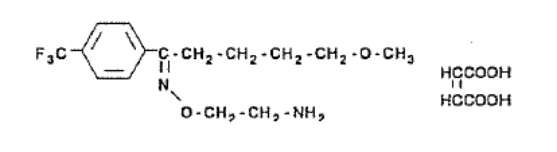
Physicochemical properties: White, odorless, crystalline powder, sparingly soluble in water, freely soluble in ethanol and chloroform and practically insoluble in diethyl ether.
CLINICAL TRIALS
A biostudy was conducted to establish the equivalence of fluvoxamine maleate tablets against a Canadian Reference Product. The biostudy was an open-label, comparative, randomized, single-dose, fasted, two-way cross-over design, comparing a single 100 mg dose of test product against the Canadian reference product. Twenty subjects completed the study. Blood samples were collected pre-dose and at 10, 20, 30, 40 and 50 minutes post-dose as well as l, 2, 3, 4, 5, 6, 7, 8, 10, 12, 24, 36, 48 and 72 hours post-dose. The wash-out was two weeks. Fluvoaxmine was measured by a validated bioanalytical method. The pharmacokinetic parameters are tabulated in the table below. On the basis of this study, the test product and Canadian reference product are judged to be bioequivalent.
SUMMARY TABLE OF THE COMPARATIVE BIOAVAILABILITY DATA Fluvaxamine Maleate Tablets (test) vs Canadian Reference Product (1 X 100 mg) From measured data Geometric Mean Arithmetic Mean (CV %) | |||
| Parameter | Test | Reference** | % Ratio of Geometric Means |
AUCT (ng.h/mL) | 886.67 76.3 ± 754.01 (70.1) | 915.68 1094.7 ± 744.44 (68.0) | 96.8 (91.6, 102.4) |
AUC1 (ng.h/mL) | 955.02 1246.7 ± 1063.69 (85.3) | 915.68 1094.7 ± 744.44 (68.0) | 97.6 (91.9, 103.8) |
| Cmax (ng/mL) | 37.88 40.03 ± 14.29 (35.7) | 39.13 41.64 ± 15.89 (38.2) | 96.8 (92.3, 101.5) |
| Tmax* (h) | 6.389 ± 1.72 (26.9) | 5.778 ± 1.26 (21.9) | |
| T1/2* (h) | 15.94 ± 10.07 (63.1) | 15.137 ± 9.08 (60.0) | |
* expressed as arithmetic mean (CV%) only.
** Reference Product is Luvox7 (Solvay Pharma Inc.). Purchased in Canada.
DETAILED PHARMACOLOGY
Animal
Pharmacodynamics
In a series of in vitro and animal in vivo experiments, fluvoxamine maleate demonstrated as its primary pharmacological effect serotonin potentiating properties due to blockade of the membrane pump mechanism responsible for neuronal serotonin reuptake. Fluvoxamine was effective in inhibiting serotonin uptake by blood platelets and brain synaptosomes. The drug prevented serotonin depletion by tyramine derivatives through its membrane-pump inhibiting properties. As a result of this interference with the neuronal serotonin reuptake mechanism, fluvoxamine produced a decreased serotonin turnover in the brain. The effects of 5-hydroxytryptophan in mice and rabbits were potentiated. Fluvoxamine, in combination with MAO inhibitors (in rats together with tryptophan), induced serotonin-like behaviour in mice and rats. In receptor binding studies, fluvoxamine is practically devoid of affinity towards cholinergic, histaminergic, adrenergic, dopaminergic and serotonergic receptors.
In contrast with tricyclic antidepressants, fluvoxamine had no antihistaminic, sedative, MAO inhibiting or amphetamine-like stimulating activities in rats and cats. The drug had little effects on noradrenaline reuptake processes and reserpine effects, such as ptosis and hypothermia, were only affected at high doses. Also, no stimulating effects were found when reserpine-like compounds were given after a dose of fluvoxamine.
Further indication of the serotonin potentiating properties of fluvoxamine was evidenced by its pharmacological effects in other animal studies. Fluvoxamine decreased REM sleep in rats and cats and reduced food consumption in rats. Intraperitoneal administration of 10 mg/kg to solitary cats did not induce a lysergic acid diethylamide (LSD)-type syndrome, but increased activated behaviour.
Investigation of the parasympatholytic activity of fluvoxamine showed that the drug possesses very low affinity for muscarinic receptors in brain. The drug showed only a weak spasmolytic activity against carbachol-induced contraction of isolated guinea pig ileum, very little effect on pupil diameter and intestinal motility in mice and did not antagonize oxotremorine-induced analgesia or pilocarpine-induced behavioural effects in mice, confirming that fluvoxamine is unlikely to cause anticholinergic effects at peripheral or central sites.
The ability of fluvoxamine maleate and other antidepressants to evoke epileptogenic electrographic signs (spindles and spikes) was evaluated in recordings taken from various regions of the brain of freely moving rats. Intravenous fluvoxamine, in doses up to 60 mg/kg, showed no tendency to induce seizures. In contrast, reference compounds including amitriptyline HCl and imipramine HCl produced serious epileptogenic responses at 10 mg/kg and seizures at 50 mg/kg.
The physical dependence liability of fluvoxamine was assessed and compared with diazepam following two 28-day periods of oral administration in monkeys. The results indicated that fluvoxamine at dose levels of 90 mg/kg twice daily has no physical dependence liability whereas diazepam in doses up to 20 mg/kg produced intermediate to severe dependence liability.
No serious effects on cardiovascular (and respiratory) parameters were observed after administration of fluvoxamine.
Oral fluvoxamine (25 mg/kg) did not affect blood pressure in hypertensive rats. Following an intravenous bolus injection in cats, a dose-dependent, transient blood pressure reduction was observed; infusions of fluvoxamine over two minutes did not influence blood pressure. On isolated rabbit hearts fluvoxamine caused coronary dilatation. Fluvoxamine affected contractility of guinea pig atria in vitro markedly less than tricyclic agents.
In conscious rabbits, ECG disturbances were only observed at nearly lethal doses. In dogs, the only ECG abnormality that was seen after intravenous fluvoxamine was a slight prolongation of the QT interval due to a reduction in heart rate at doses of 10 mg/kg or higher.
Combined administration of fluvoxamine with an MAO inhibitor (tranylcypromine sulphate) exacerbated serotonergic symptoms and a potentiation of the depressant activity of benzodiazepines and butabarbital was found when these drugs were given in combination with fluvoxamine. With amphetamine the interactions of fluvoxamine were variable depending upon test conditions. However, the drug did not have any effect upon the sympathetic blocking properties of guanethidine and did not potentiate the hypotensive activity of α-methyldopa.
Pharmacokinetics
Fluvoxamine is rapidly absorbed following oral administration. In dogs, peak plasma levels were reached in 2-4 hours; in rats and hamsters in one hour. The drug is completely absorbed but, the bioavailability of orally administered fluvoxamine in dogs was restricted to 60% at 1 mg/kg by first-pass metabolism.
The elimination rate varied from species to species. In the dog, the half-life was estimated at three hours after 1 mg/kg and appeared to increase with increasing dose. In rats the half-life was shorter than in dogs, and in hamsters it was shorter than in rats.
The excretion rates were in accordance with the plasma half-lives. In dogs, about 70% of the urinary excretion occurred within 24 hours after 1 mg/kg, but only 50% after 25 mg/kg. In mice and hamsters, excretion was rapid; 90% took place within 24 hours. The main metabolic pathway was similar in the rat, dog, hamster, rabbit and man and consisted of elimination of the methoxyl group leading to the corresponding carboxylic acid as the main metabolite. However, in the mouse, the intermediate alcohol in conjugated form is a major metabolite.
The two main metabolites of fluvoxamine maleate in man were tested for antidepressant activity in four relevant test models. The results indicate that these metabolites are not pharmacologically active in serotonergic or noradrenergic processes.
TOXICOLOGY
Acute Toxicity
The following table presents the results of the acute toxicity studies in mice, rats and dogs:
| SPECIES | SEX | ROUTE | LD50 mg/kg (95% confidence limits) |
|---|---|---|---|
| Mouse | M F M & F | Oral Oral I.V. | 1100 (550-2200) 1330 (737-2410) 61 (46-80) |
| Rat | M F M F | Oral Oral I.V. I.V. | 2000 (1370-2910) 1470 (862-2500) 43.0 (29.5-62.6) 68.1 (46.4-100.0) |
| Dog | M & F | Oral | > 464 |
The main acute toxic symptoms noted in mice and rats following oral administration of fluvoxamine occurred at lethal or near lethal dose levels and included convulsions, bradypnea, mydriasis and ataxia with increased muscle tone. In dogs, ataxia was associated with rhythmic side-to-side head movements and mydriasis. Fluvoxamine also induced emesis in the dog at dose levels of 25 mg/kg and higher. Autopsy of rats, which succumbed to the treatment, revealed marked erosion and hemorrhage of the intestinal mucosa. All symptoms were completely reversible in surviving animals.
The signs observed in rats given the drug intravenously were indicative of an effect on the central and autonomic nervous systems, muscle tone and awareness. Hemoglobinuria at concentrations of ≥ 10 mg/mL was indicative of a hemolytic effect. Mice given the drug intravenously showed signs of dyspnea.
Subacute Toxicity
Tolerance was evaluated in hamsters and mice with particular attention to lipid parameters.
In one of two studies involving hamsters, the effects of fluvoxamine, imipramine and amitriptyline on serum and liver lipids were compared. Drug was administered daily for two weeks at dose levels of 100 and 200 mg/kg for fluvoxamine, and 25, 50 and 100 mg/kg for imipramine and amitriptyline. Fluvoxamine caused a slight decrease in serum lipids and an increase in liver lipids at 200 mg/kg whereas amitriptyline 100 mg/kg caused a rise in serum cholesterol and a decrease in the relative weights of the spleen. Other effects seen with all three compounds included a decrease in body weight gain and food consumption and minor histological changes (cloudy swelling) in the liver. With fluvoxamine, these occurred at the 200 mg/kg dose level.
The second study, in which hamsters were administered oral doses of 0, 9, 36, 142 and 432 mg/kg/day fluvoxamine, was of 30 days duration. Body weight gain and food consumption were significantly lower in the high-dose group and in male hamsters receiving 142 mg/kg/day. There was a significant treatment-related decrease in serum lipid levels in all treatment groups.
However, after the 30-day recovery period, no treatment-related differences were evident except for a lower phospholipid level in the males of the high-dose group.
Analysis of liver lipids revealed a significant decrease in cholesterol levels in all treatment groups except the high-dose group and a significant increase in phospholipids and total lipids in the high-dose group. Histopathological examination of the kidneys revealed a significant increase in the incidence of renal tubular changes in the treated groups. In the liver, traces of fat droplets were observed in a proportion of both treated and control groups.
The effects of fluvoxamine (100, 200 mg/kg), imipramine and amitriptyline (25, 50, 100 mg/kg) on serum lipids were also compared in groups of mice given daily oral doses of each drug for two weeks. All three drugs exerted similar effects, with amitriptyline showing the strongest and fluvoxamine the mildest. In mice treated with 200 mg/kg fluvoxamine, there was a dose-related decrease in body weight gain and food consumption and an increase in the weights of the liver and spleen. Slight histological changes were observed in the liver, lung, spleen and mesenteric lymph nodes. In addition, a dose-related hypolipidemia and, in the high-dose group, a significant increase in liver lipids was found. However, there was no evidence of phospholipidosis.
Fluvoxamine was administered to mice in two separate studies at dose levels of 0, 75, 150, 300 and 600 mg/kg/day for four weeks.
In the first study, there was a significant increase in body weight gain in females in the 150 mg/kg group and males in the 300 mg/kg group. In addition, there was a reduction in water intake at 300 mg/kg in female mice and at 600 mg/kg in both sexes. Packed cell volume and hemoglobin content were significantly reduced in females at all dose levels and liver weight was also significantly increased in both sexes in the 150, 300 and 600 mg/kg groups. Histopathological examination of the liver indicated hypertrophy of the centrilobular hepatocytes in males in the 300 mg/kg group and in mice of both sexes receiving 600 mg/kg. There was fine vacuolation of the cytoplasm in one male mouse at the 300 and 600 mg/kg dose levels, and vacuolation and distension of the hepatocytes at 600 mg/kg.
Similar changes were observed in the second mouse study involving another mouse strain. There was a significant increase in body weight gain in males in the 75, 150 and 300 mg/kg groups and a reduction in water consumption in males in the 300 and 600 mg/kg groups. Packed cell volume was significantly reduced in males in the 300 and 600 mg/kg groups and liver weight was significantly increased in males in the 300 mg/kg group and in mice of both sexes in the 600 mg/kg group. Histopathological examination of the liver revealed hypertrophy of the centrilobular hepatocytes and vacuolation and/or distension of hepatocytes in the 300 and 600 mg/kg groups.
The toxic effects of orally administered fluvoxamine were further evaluated in mice in two additional 4-week studies involving doses ranging from 200 to 1600 mg/kg/day.
In one study, mice received 0, 200, 300 or 400 mg/kg/day. Changes observed were a decrease in the body weight gain in male mice of the high-dose group and a dose-related accentuation of hepatic lobular pattern.
Daily doses of 0, 400, 600, 800 or 1600 mg/kg were administered to mice in the other study of 4-weeks duration. Poor general body condition, piloerection, lethargy and body tremors were observed at the highest dose level and one male mouse died during week four. Examination at necropsy revealed only autolytic changes. There was an increase in body weight gain in the 800 and 1600 mg/kg groups and a decrease in food consumption in the 1600 mg/kg group.
At necropsy, there were generalized discolouration of the liver and an increase in the absolute and relative weights of the liver in all treatment groups except for the absolute weight of the liver in the 1600 mg/kg group. Also, all increases were dose related except for animals receiving the highest dosage. In addition, there was a decrease in the absolute and relative weights of the thymus in the highest dose group and treatment-related lesions were found in hepatic sections of all drug groups, possibly reflective of intracellular lipid accumulation.
Long-Term Toxicity
The long-term toxicological effects of orally administered fluvoxamine maleate were investigated in seven studies involving hamsters, rats and dogs for treatment periods ranging from 13 weeks to two years.
Hamsters
During the 13-week evaluation in hamsters, fluvoxamine was administered in the diet in doses of 0 or 233 mg/kg/day. Fluvoxamine treatment significantly reduced body weight gain and increased water consumption. Also, there was a reduction in plasma lipid concentration in male hamsters only and an increase in liver lipid concentration with a corresponding increase in fat droplets in the hepatocytes in both sexes.
Organ weight data revealed a significant decrease in the weights of the kidney (both sexes) and liver (males only) and a significant decrease in brain weight in female hamsters.
Mouse
When fluvoxamine was administered in the diet of mice at dose levels of 0, 10, 80 or 640 mg/kg/day, an increase in body weight gain was noted in the mid-dose group in male mice during the first 12 of the 21 weeks of treatment and in female mice during weeks 8-16. Lower body weight gain was recorded throughout the treatment period in the high-dose group.
Blood chemistry results revealed a significant increase in alanine amino-transferase and aspartate amino-transferase activities in the high-dose group and in male mice in the mid-dose group. Serum lipid levels were significantly lower in the high-dose group and cholesterol levels were marginally lower in the mid-dose group. Also, serum lipoprotein electrophoresis revealed an apparent lowering of the pre-ß fraction in mice of all treatment groups. In addition, there was an increase in the absolute and relative weights of the liver in mice of both sexes within the high-dose group and in male mice within the mid-dose group, and an increase in the absolute weights of the liver in female mice in the mid-dose group.
Autopsy of mice sacrificed after 10 or 21 weeks of treatment revealed an increased incidence of hepatic macropathological changes including accentuation of lobular pattern and a generalized pallor sometimes associated with yellow-green colouration. Dose-related changes in the liver of animals within the mid- and high-dose groups included fine fatty vacuolation of periacinal hepatocytes, large fatty vacuolation of centroacinar hepatocytes and pleomorphic cell inflammation.
Histopathological examination of the liver of mice allowed to recover after treatment revealed an almost total loss of the fine fatty vacuolation and loss of centroacinar hepatocytic large fatty vacuolation. However, a dose-related incidence of panacinar hepatocytic large fatty vacuolation had surfaced in the mid- and high-dose groups.
Two hours following autoradiography, radioactivity was detected within the hepatocellular cytoplasm, vascular endothelium, around and within fat vacuoles, cell borders and connective tissue around blood vessels and bile canaliculi in the mid- and high-dose groups. Twelve hours post dosing, a less distinct pattern was apparent. Significant hepatocytic enlargement was present in male mice from all treatment groups, but was virtually absent in female mice.
Analysis of liver specimens showed a significant increase in liver lipids in male animals within the mid- and high-dose groups and an increase in phospholipid levels at 10 mg/kg/day. In female mice there were significantly higher levels of total lipids, triglycerides and cholesterol in the mid- and high-dose groups and an increase in phospholipids at 80 mg/kg/day.
Rat
Daily oral doses of 0, 5, 20 and 80 mg/kg/day fluvoxamine were administered to rats for six months with the 80 mg/kg dose increased to 100 mg/kg after nine weeks then further increased to 150 mg/kg after 20 weeks. Increased food consumption and body weight gain occurred in female animals at 20 and 80 mg/kg and water consumption was higher in male rats in the 80 mg/kg group. There was an increase in the absolute weights of the liver in females and in the relative weights of the liver in males at the 80/mg/kg dose level. In addition, the relative weights of the spleen and thymus were reduced in the 80 mg/kg group. The higher liver weights in females and lower spleen weights in males in the 80 mg/kg group appeared to be drug related. However, no histopathological changes were observed in these organs.
In a special study to investigate lipid distribution in the tissues of rats, fluvoxamine was administered for 52 weeks at dose levels of 0, 10, 40 and 160 mg/kg/day with the high dose increased to 200 mg/kg/day during weeks 40 to 52. There was a dose-related decrease in food and water consumption and a decrease in body weight in animals in the high-dose group. Histopathological changes included a slight increase in the incidence of lipid-containing vacuoles in hepatocytes and a larger number of lamellar cytoplasmic inclusions in the lymphocytes of treated male rats. Further examination of the mesenteric lymph nodes by electron microscopy showed a 6-fold increase in the total number of cytoplasmic lamellar inclusions. The inclusions were of the same type as observed for phospholipidosis-inducing drugs suggesting that fluvoxamine induces a mild form of phospholipidosis.
Fluvoxamine was administered to the diet of rats at dose levels of 0, 10, 40, 160 mg/kg/day for 81 weeks with the high-dose level increased to 200 mg/kg at week 40, then further increased to 240 mg/kg at week 47. Drug-related changes were primarily confined to the high-dose group and included decreases in body weight gain (males only), food and water consumption, the absolute weights of the brain and increases in urine concentration, the relative weights of the lung and liver (males only), the relative and absolute weights of the ovaries, lymphocytic infiltrations in the kidneys, the incidence of vacuolation of hepatocytes and the incidence of macrophage aggregations in the lungs. In the mid-dose group there was a decrease in body weight gain (females only) and an increase in the incidence of vacuolation of hepatocytes (males only). No drug-related changes were observed in the low-dose group. However, there was a significant decrease in the absolute and relative weights of the thyroid in females in this group. The biological significance of this finding is not known.
Dog
Dogs were treated with fluvoxamine 0, 5, 15 or 45 mg/kg/day (capsules) for seven months, with the high dose increased to 60 mg/kg/day after seven weeks then maintained throughout the study at this level except during weeks 14 and 15 when the dose was raised to 80 mg/kg/day. Two dogs died while receiving 60 mg/kg or 80 mg/kg. At 45 mg/kg animals displayed frowning, bouts of "coughing" and rhythmic side-to-side head movements. At 80 mg/kg, ataxia, anorexia and weight loss occurred and one dog had convulsions. Mydriasis was noted at all dose levels, persisting for up to 24 hours after dosing and regressing over a period of six days after treatment was stopped.
Histopathological examination revealed the presence of foamy macrophages in the spleen, mesenteric, cervical and intestinal lymph nodes. These macrophages were observed only in animals from the high-dose group (45, 60 or 80 mg/kg). The lesions gave the appearance of lipid granulomata in which phagocytosis of lipid material had occurred and were more evident in the Peyer's patches in comparison to the other lymph organs, indicating an effect on fat metabolism.
In a second study involving beagle dogs, fluvoxamine was administered orally via capsules for 53 weeks at dose levels of 0, 10, 25 or 62.5 mg/kg/day for 53 weeks. Clinical signs following drug treatment included moderate mydriasis at all dose levels, reduced weight gain and anorexia in the high-dose group, periodic reduction in water and food consumption and slight increase in the incidence of diarrhea in males in the mid- and high-dose groups. In addition, there was an increase in the levels of plasma alkaline phosphatase, an increase in the incidence of glomerular atrophy (also present in the control group) and occasional increases in plasma urea, creatinine and urine volume in the high-dose animals. Kidney weight was increased in male dogs in the mid- and high-dose groups. A foam-cell reaction in the reticuloendothelial system was observed in the mid- and high-dose groups and the lipid content of these cells was predominantly phospholipid.
Histopathological signs of adverse effects on the kidney were confined to the high-dose group and included distension of Bowman's capsule, shrinkage of the glomerular tuft and interstitial fibrosis.
The relative weights of the liver, spleen (males) and lungs (females) were increased in animals within the high-dose group sacrificed after 53 weeks of treatment. However, these changes were not associated with any unusual histopathological changes and the weight increases were not present in animals sacrificed following withdrawal of treatment.
Mutagenicity and Carcinogenicity
Mutagenicity
Fluvoxamine did not have mutagenic activity in the Ames test with five bacterial test strains, the micronucleus test and a cytogenetic test using lymphocytes cultured in vitro.
Carcinogenicity
Rats were given fluvoxamine as a day/diet mixture at dosage levels of 0, 10, 40 and 160 to 240 mg/kg/day for 2-1/2 years. Initially, the high-dose level was 160 mg/kg/day, but this was increased to 200 mg/kg/day after 40 weeks and to 240 mg/kg/day after 53 weeks. At 160-240 mg/kg/day there was a decrease in weight gain and a dose-related increase in centrilobular hepatocyte degeneration. However, fluvoxamine did not contribute to mortality or tumour incidence.
Fluvoxamine was also given to hamsters in a lifetime study (about two years) at dosages of 0, 9, 36, 144/180/240 mg/kg/day (the high dose was raised from 144-180 mg/kg/day at week 14, then to 240 mg/kg/day at week 19 of treatment). No drug or dose-related effects on mortality rates or incidence of tumours were found.
Reproduction and Teratology
Reproductive Studies
Reproductive studies in rats revealed impaired fertility and developmental toxicity.
In a study in which male and female rats were administered fluvoxamine (60, 120, or 240 mg/kg) prior to and during mating and gestation, fertility was impaired at oral doses of 120 mg/kg or greater, as evidenced by increased latency to mating, decreased sperm count, decreased epididymal weight, and decreased pregnancy rate. In addition, the numbers of implantations and embryos were decreased at the highest dose. The no effect dose for fertility impairment was 60 mg/kg (approximately 2 times the maximum recommended human dose [MRHD] on a mg/m2 basis).
When pregnant rats were given oral doses of fluvoxamine (60, 120, or 240 mg/kg) throughout the period of organogenesis, increased embryofetal death, decreased fetal body weight and increased incidences of fetal eye abnormalities (folded retina) were observed in fluvoxamine exposures exceeding by about 4 times human exposures at maximum recommended human doses. The no-effect dose for developmental toxicity in this study was 60 mg/kg (approximately 2 times the maximum recommended human dose on a mg/m2 basis).
The effects of fluvoxamine on peri- and postnatal development of the rat were assessed in two studies. In one study, the drug was given in single daily doses of 0, 5, 20 and 80 mg/kg from day
15 of pregnancy, through lactation to 21 days postpartum. There was an increase in pup mortality at all dosages leading to a reduction in litter size.
In the second rat study daily dosages of 0 and 160 mg/kg were administered and a proportion of litters from the test group were cross-fostered with control litters on day one postpartum to distinguish between direct and indirect (maternally mediated) effects on postnatal development of offspring. Fluvoxamine was found to exert a primary toxic effect on the parent animal, rather than an effect on late fetal development and the immediate perinatal period. However, weight gain was slightly lower in fostered and non-fostered offspring from test dams during days 8-21 of lactation.
Teratology
The teratologic effects of fluvoxamine were studied in both rats and rabbits. When fluvoxamine was administered to rats from day 6-15 of gestation in single daily doses of 0, 5, 20 and 80 mg/kg/day, the drug did not affect the general health, pre- and post-implantation loss and fetal morphology of the animals.
In the two rabbit studies, oral doses of 0, 5, 10, and 20 mg/kg day (first study) and 0, 5, 10 and 40 mg/kg day (second study) were given during days 6-18 of gestation. In the first rabbit study, the incidence of minor visceral and skeletal anomalies was higher among the treatment groups than in the control group. A statistically significant incidence of skeletal variants was observed in the low-dose group, but the incidence in the mid- and high-dose groups was comparable to the controls. The rabbit teratology study was repeated and the results of the second study indicated that incidences of malformations, anomalies and skeletal variants appeared essentially unaffected by treatment with fluvoxamine for doses up to 40 mg/kg/day.
REFERENCES
- 1. Anon. Fluvoxamine (Faverin): Another Antidepressive Drug. Drug Ther Bull 1988; 26(3): 11-2.
- 2. Baldessarini RJ. Current Status of Antidepressants: Clinical Pharmacology and Therapy. J Clin Psychiatry 1989; 50(4):117-126.
- 3. Becquemont L., Ragueneau I., Le Bot M., Riche C., Funck-Brentano C., Jaillon P. Pharmacokinetics and Drug Disposition. Influence of the CYP1A2 Inhibitor Fluvoxamine on Tacrine Pharmacokinetics in Humans. Clinical Pharmacology and Therapeutics 1997; 61 (6): 619-627.
- 4. Benfield P, Ward A. Fluvoxamine. A review of its pharmacodynamic and pharmacokinetic properties, and therapeutic efficacy in depressed illness. Drugs 1986; 32:313-34.
- 5. Bertschy G., Baumann P., Eap C. B., Baettig D. Probable metabolic interaction between methadone and fluvoxamine in addict patients. Therapeutic Drug Monitoring 1994; 16: 42-45.
- 6. Berwish, NJ, Amsterdam JD. An Overview of Investigational Antidepressants. Psychosomatics 1989; 30(1):1-18.
- 7. Blumhardt C. Advances in the Diagnosis and Management of Depression. Am Pharm, Part II 1988; NS28(2):33-7.
- 8. Brosen K., Skjelbo E., Rasmussen B.B., Poulsen H.E., Loft S. Fluvoxamine is a potent inhibitor of cytochrome P4501A2. Biochemical Pharmacology 1993; 45 (6): 1211-1214.
- 9. Burrows GD, McIntyre IM, Judd FK, Norman TR. Clinical Effects of Serotonin Reuptake Inhibitors in the Treatment of Depressive Illness. J Clin Psychiatry 1988; 49(8):18-22.
- 10. Carillo JA, et al. Pharmacokinetic Interaction of Fluvoxamine and Thioridazine in Schizophrenic Patients. J Clin Psychopharmacol 1999; 19:494-499.
- 11. Claassen V. Review of the animal pharmacology and pharmacokinetics of fluvoxamine. Br J Clin Pharmacol 1983; 15:349S-55S.
- 12. Crewe H.K., Lennard M.S., Tucker G.T., Woods F.R., Haddock R.E. The effect of selective serotonin re-uptake inhibitors on cytochrome P4502D6 (CYP2D6) activity in human liver microsomes. British Journal of Clinical Pharmacology 1992; 34: 262-265.
- 13. Dallaire S. Thioridazine (Mellaril) and mesoridazine (Serentil): prolongation of the QTc interval. Canadian ADR Newsletter, Jan 2001; Vol. 11, No. 1.
- 14. Daniel D.G. et al. Coadministration of fluvoxamine increases serum concentrations of haloperidol. Journal of Clinical Psychopharmacology 1994; 14(5): 340-343.
- 15. Daniel W.A., Syrek M., Haduch A., Wojcikowski J. The influence of selective serotonin reuptake inhibitors (SSRIs) on the pharmacokinetics of thioridazine and its metabolites: in vivo and in vitro studies. Exp. Toxic Pathol. 1999; 51: 309-314.
- 16. De Bree H, Van Der Schoot JB, Post LC. Fluvoxamine maleate; Disposition in man. Eur J Drug Metab Pharmacokinet 1983; 8(2): 175-9.
- 17. Dick P, Ferrero E. A double-blind comparative study of the clinical efficacy of fluvoxamine and chlorimipramine. Br J Clin Pharmacol 1983; 15:419S-25S.
- 18. Dillenkoffer RL, et al. Electrocardiographic Evaluation of Mesoridazine (Serentil). Current Therapeutic Research 1972; 14(2):71-72.
- 19. Dominguez RA, Goldstein BJ, Jacobson AF, Steinbook RM. A double-blind placebo-controlled study of fluvoxamine and imipramine in depression. J Clin Psychiatry 1985; 46:84-7.
- 20. Ereshefsky L, Riesenman C., Lam Y.W.F. Antidepressant drug interactions and the cytochrome P450 system. The role of cytochrome P450 2D6. Clinical Pharmacokinetics 1995; 29, supp.1: 10-19.
- 21. Fleishaker J.C., Hulst L.K.; A pharmacokinetic and pharmacodynamic evaluation of the combined administration of alprazolam and fluvoxamine. European Journal of Clinical Pharmacology 1994; 46: 35-39.
- 22. Fritze J., Unsorg B., Lanczik M. Interaction between carbamazepine and fluvoxamine. Acta Psychiatr. Scand. 1991; 84 (6): 583-584.
- 23. Guelfi JD, Dreyfus JF, Pichot P. Fluvoxamine and imipramine: Results of a long- term controlled trial. Int Clin Psychopharmacol 1987; 2:103-9.
- 24. Guy W, Wilson WH, Ban TA, King DL, Manov G, Fjetland OK. A double-blind clinical trial of fluvoxamine and imipramine in patients with primary depression. Drug Dev Res 1984; 4:143-53.
- 25. Hartigan-Go K, et al. Concentration-related pharmacodynamic effects of thioridazine and its metabolites in humans. Clin Pharmacol Ther 1996; 60:543-553.
- 26. Hiemke C. et al. Elevated Levels of Clozapine in Serum After Addition of Fluvoxamine. J Clin Pyschopharmacol 1994; 14 (4): 279-281.
- 27. Lapierre YD, Browne M, Horn E, Oyewumi LK, Sarantidis D, Roberts N, Badoe K, Tessier P. Treatment of major affective disorder with fluvoxamine. J Clin Psychiatry 1987; 48(2):65-8.
- 28. Lapierre YD, Oyewumi LK, Coleman B. The efficacy of fluvoxamine as an antidepressant. Clin Trials J 1981; 18(5):313-20.
- 29. Lydiard RB, Laird LK, Morton WA, Steele TE, Kellner C, Laraia MT, Ballenger JC. Fluvoxamine, Imipramine, and Placebo in the Treatment of Depressed Outpatients: Effects on Depression. Psychopharmacol Bull 1989; 25(1):68-70.
- 30. Mallya, G, White, K, Gunderson, C. Is There a Serotonergic Withdrawal Syndrome? Biol Psychiatry 1996; 33:851-852.
- 31. Marrs-Simon PA, et al. Cardiotoxic manifestations of mesoridazine overdose. Ann Emerg Med 1988;17(10):1984-90.
- 32. Martin AJ, Tebbs VM, Ashford JJ. Affective disorders in general practice. Treatment of 6000 patients with fluvoxamine. Pharmatherapeutica 1987; 5(1):40-9.
- 33. Martin AJ, Wakelin J. Fluvoxamine - a baseline study of clinical response, long term tolerance and safety in a general practice population. Br J Clin Pract 1986; 40:95-9.
- 34. McHardy, KC. Syndrome of inappropriate antidiuretic hormone secretion due to fluvoxamine therapy. Br J Clin Pract 1993; 47(2):62-63.
- 35. Mithani, H, Hurwitz, TA. Paroxetine-Induced Angioedema and Tongue Swelling. J Clin Psychiatry 1996; 57(10):486.
- 36. Niemann JT, et al. Cardiac conduction and rhythm disturbances following suicidal ingestion of mesoridazine. Ann Emerg Med 1981; 10(11):585-8.
- 37. Nolen WA, van de Putte JJ, Dijken WA, Kamp JS, Blansjaar BA, Kramer HJ, Haffmans J. Treatment strategy in depression. Acta Psychiatr Scand 1988; 78:668-75.
- 38. Norton KRW, Sireling LI, Bhat AV, Rao B, Paykel ES. A double-blind comparison of fluvoxamine, imipramine and placebo in depressed patients. J Affective Disord 1984; 7:297-308.
- 39. Ochs HR, Greenblatt DJ, Verburg-Ochs B, Labedski L. Chronic Treatment with Fluvoxamine, Clovoxamine, and Placebo: Interaction with Digoxin and Effects on Sleep and Alertness. J Clin Pharmacol 1989; 29:91-5.
- 40. Ottevanger EA. Controlled study with Fluvoxamine in outdoor psychiatric patients diagnosed of depressive syndrome with somatization. Psiquis Rev Psiquiatr Psicol Psicosom 1988; 9(3):34-40.
- 41. Overmars H, Scherpenisse PM, Post LC. Fluvoxamine maleate: metabolism in man. Eur J Drug Metab Pharmacokinet 1983; 8(3):269-80.
- 42. Perucca E., Gatti G., Cipolla G., Spina E., Barel S., Soback S., Gips M., Bialer M. Inhibition of diazepam metabolism by fluvoxamine: A pharmacokinetic study in normal volunteers. Clinical Pharmacology and Therapuetics 1994; 56 (5): 471-476.
- 43. Rasmussen B.B., Maenpaa J., Pelkonen O., Loft S., Poulsen H., Lykkesfeldt J., Brosen K. Selective serotonin reuptake inhibitors and theophylline metabolism in human liver microsomes: potent inhibition by fluvoxamine. British Journal of Pharmacology 1995; 39: 151-159.
- 44. Sperber A.D. Toxic interaction between fluvoxamine and sustained release theophylline in an 11-year-old boy. Drug Safety 1991; 6 (6): 460-462.
- 45. Stevens, I, Gaertner, HJ. Plasma Level Measurement in a Patient With Clozapine Intoxication. J. Clin. Pharmacology 1996; 16(1):86-87.
- 46. van Harten J. Overview of the pharmacokinetics of fluvoxamine. Clinical Pharmacokinetics 1995; 29, suppl. 1: 1-9.
- 47. Vella J.P., Mohamed H.S. Interactions between cyclosporine and newer antidepressant medications. American Journal of Kidney Diseases 1998; 31(2): 320-323.
- 48. Vertees JE and Siebel G. Rapid death resulting from mesoridazine overdose. Vet Hum Toxicol 1987:29(1):65-7.
- 49. von Bahr C, et al. Plasma levels of thioridazine and metabolites are influenced by the debrisoquin hydroxylation phenotype. Clin Pharmacol Ther 1991; 49(3):234-240.
- 50. von Moltke L.L., Greenblatt D.J., Court M.H., Duan S.X., Harmatz J.S., Shader .R.I. Inhibition of alprazolam and desipramine hydroxylation in vitro by paroxetine and fluvoxamine. Comparison with other selective serotonin reuptake inhibitor antidepressants. Journal of Clinical Psychopharmacology 1995; 15 (2): 125-131.
- 51. Wagner, W, Zaborny, BA, Grat TE. Fluvoxamine. A review of its safety profile in world-wide studies. International Clinical Psychopharmacology 1994; 9:223-227.
- 52. Wakelin JS. Fluvoxamine in the treatment of the older depressed patient; double-blind, placebo-controlled data 1986. Int Clin Psychopharmacol 1986; 1:221-30.
- 53. Wakelin JS. A review of the properties of a new specific 5-HT reuptake inhibitor -fluvoxamine maleate. Front Neuropsychiatric Res 1983; 159-73.
- 54. Weiss E.L., Potenza M.N., McDougle C.J., Epperson C.N. Olanzapine addition in obsessive-compulsive disorder refractory to selective serotonin reuptake inhibitors: an open-label case series. J Clin Psychiatry 1999; 60 (8): 524-527.
- 55. Wright, S, Dawling, SF Ashford, JJ. Excretion of fluvoxamine in breast milk. Br. J. Clin. Pharmacology 1994; 31 :209.
- 56.
Yun C., Okerholm R.A., Guengerich F. P. Oxidation of the Antihistaminic Drug Terfenadine in Human Liver Microsomes. Role of Cytochrome P-450 3A(4) in N-Dealkylation and C-
- Hydroxylation. Drug Metabolism and Disposition 1993; 21 (3): 403-409.
- 57. Product Monograph for LUVOX® (fluvoxamine maleate) 50 mg and 100 mg, BGP Pharma ULC, St-Laurent, Quebec. Submission Control No. 228735, Date of Revision: August 26, 2019.