


Patient Medication Information: uses, side effects, how to take - Alomide
ABOUT THIS MEDICATION
What the medication is used for:
ALOMIDE* is used to treat the signs and symptoms of an eye allergy, such as itching, discomfort and tearing.
What it does:
ALOMIDE* contains the active ingredient lodoxamide, which acts by blocking the allergic response.
When it should not be used:
- If you are allergic (hypersensitive) to lodoxamide or any other of the ingredients of ALOMIDE* (see What the important nonmedicinal ingredients are).
ALOMIDE* should not be used in children under the age of 4 years.
What the medicinal ingredient is:
Lodoxamide tromethamine
What the nonmedicinal ingredients are:
Preservative: benzalkonium chloride
Others: citric acid, edetate disodium, hydroxypropyl methylcellulose, mannitol, sodium citrate, tyloxapol, sodium hydroxide and/or hydrochloric acid (to adjust pH), and purified water
What dosage forms it comes in:
ALOMIDE* is an eye drop solution that comes in a 10 mL plastic DROPTAINER* dispenser bottle.
WARNINGS AND PRECAUTIONS
While taking ALOMIDE*
You may experience eye discomfort, such as temporary burning or stinging, after applying ALOMIDE*. If these symptoms continue, talk to your doctor.
Contact lens wearers
ALOMIDE* contains the preservative benzalkonium chloride, which may cause eye irritation. It can also discolour soft contact lenses. Remove your contact lenses before applying ALOMIDE* and wait at least 15 minutes before putting them back in.
Driving and using machines
You may find that your vision is blurred for a time just after you use ALOMIDE*. Do not drive or use machines until your vision clears.
Pregnancy or breastfeeding
If you are pregnant, might be pregnant, are breastfeeding or planning to breast-feed, talk to your doctor before using ALOMIDE*.
INTERACTIONS WITH THIS MEDICATION
Tell your doctor or pharmacist about all the medications you are taking, recently took or planning to take, including those without a prescription.
PROPER USE OF THIS MEDICATION
Usual dose:
1 or 2 drops in each eye 4 times a day at regular intervals. It is important that you use ALOMIDE* regularly. Always follow your doctor’s instructions for how to use ALOMIDE*.
Your eye allergy symptoms should start to get better within a few days, but you may need to use ALOMIDE* for as long as 4 weeks.
How to use:
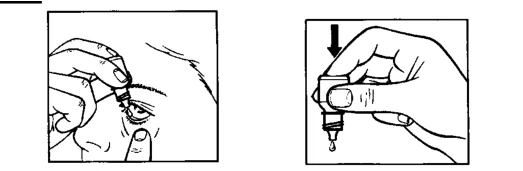
1 2
- Get the ALOMIDE* bottle and a mirror.
- Wash your hands.
- Twist off the bottle cap.
- After cap is removed: if security snap collar is loose, remove before using product.
- Hold the bottle, pointing down, between your thumb and fingers.
- Tilt you head back and look at the ceiling.
- Pull down your lower eyelid with a clean finger to form a ‘pocket’ between the eyelid and your eye. The drop will go in here (picture 1).
- Bring the bottle tip close to the eye. Do this in front of a mirror if it helps.
- Do not touch your eye or eyelid, surrounding areas or other surfaces with the dropper. It could infect the liquid left in the dispenser bottle. Gently press on the base of the bottle to release one drop of ALOMIDE* at a time.
- Do not squeeze the bottle: it is designed so that a gentle press on the bottom is all that it needs (picture 2). You may practice gently pressing on the bottom once or twice over the sink.
- If a drop misses your eye, try again.
- Repeat the steps for your other eye.
- Close the bottle cap firmly immediately after use.
Overdose:
Rinse your eye with warm water if you use more ALOMIDE* than prescribed. Do not put any more drops in until it is time for your next regular dose.
If you accidentally ingest ALOMIDE*, you may experience the following side effects:
- feeling warm
- flushing
- nausea
- vomiting
- sweating
- abdominal cramping
- headache
- dizziness
- fatigue
- loose stools
- a temporary rise in blood pressure
| In case of drug overdose, contact a health care practitioner, hospital emergency department or regional Poison Control Centre immediately, even if there are no symptoms. |
Missed Dose:
If you forget to use ALOMIDE*, use a single dose as soon as you remember. If it is almost time for your next dose, skip the missed dose and continue with your regular routine. Do not use a double dose to make up for a missed dose.
SIDE EFFECTS AND WHAT TO DO ABOUT THEM
The most common side effect is mild eye discomfort. This discomfort happens right after using ALOMIDE*. The symptoms are burning, stinging, itching or tearing.
Other side effects in the eye may include:
- blurred vision
- dry eyes
- eye redness
- eye pain
- tired eyes
- white deposits on the eye surface
- eye discharge
- eye irritation
- itchy eyes
- eye scales
- damage and scarring of the cornea
- eye and eyelid inflammation
- visual impairment
Other side effects in the rest of the body include:
- dizziness
- headache
- nausea
- feeling hot
- allergy
drowsiness
- bad taste in the mouth
- dry nose
- sneezing
- abdominal discomfort
- rash
- feeling like your heart is beating too hard or fast
This is not a complete list of side effects. For any unexpected effects while taking ALOMIDE*, contact your doctor or pharmacist.
HOW TO STORE IT
Store at room temperature (15oC-25oC). Keep out of the reach and sight of children.
Reporting Side Effects
You can help improve the safe use of health products for Canadians by reporting serious and unexpected side effects to Health Canada. Your report may help to identify new side effects and change the product safety information. 3 ways to report:
NOTE: Contact your health professional if you need information about how to manage your side effects. The Canada Vigilance Program does not provide medical advice. |
MORE INFORMATION
This document plus the full product monograph, prepared for health professionals can be found at:
www.novartis.ca
or by contacting the sponsor, Novartis Pharmaceuticals Canada Inc., at:
1-800-363-8883
Last revised: March 22, 2017
© 2016 Novartis
*a trademark of Novartis