


Product Monograph - Apo-Clobetasol Spray
RECENT MAJOR LABEL CHANGES
| INDICATIONS AND CLINICAL USE, Pediatrics | 02/2021 |
| CONTRAINDICATIONS | 02/2021 |
| WARNINGS AND PRECAUTIONS, General | 02/2021 |
| WARNINGS AND PRECAUTIONS, Endocrine and Metabolism | 02/2021 |
| WARNINGS AND PRECAUTIONS, Ophthalmologic | 02/2021 |
| WARNINGS AND PRECAUTIONS, Special Populations, Pediatrics | 02/2021 |
| DOSAGE AND ADMINISTRATION, Recommended Dose and Dosage Adjustment | 02/2021 |
| DOSAGE AND ADMINISTRATION, How to use APO-CLOBETASOL SPRAY | 02/2021 |
Table of Contents
PART I: HEALTH PROFESSIONAL INFORMATION ................................................................ 3
SUMMARY PRODUCT INFORMATION.................................................................................. 3
INDICATIONS AND CLINICAL USE ....................................................................................... 3
CONTRAINDICATIONS .......................................................................................................... 3
WARNINGS AND PRECAUTIONS ......................................................................................... 4
ADVERSE REACTIONS ......................................................................................................... 6
DRUG INTERACTIONS .......................................................................................................... 8
DOSAGE AND ADMINISTRATION ......................................................................................... 9
OVERDOSAGE..................................................................................................................... 11
ACTION AND CLINICAL PHARMACOLOGY ........................................................................ 11
STORAGE AND STABILITY ................................................................................................. 12
DOSAGE FORMS, COMPOSITION AND PACKAGING ....................................................... 12
PART II: SCIENTIFIC INFORMATION ..................................................................................... 13
PHARMACEUTICAL INFORMATION ................................................................................... 13
CLINICAL TRIALS ................................................................................................................ 14
DETAILED PHARMACOLOGY ............................................................................................. 15
TOXICOLOGY ...................................................................................................................... 17
REFERENCES ..................................................................................................................... 20
PART III: CONSUMER INFORMATION .................................................................................. 21
PrAPO-CLOBETASOL SPRAY
Clobetasol Propionate Topical Solution USP
0.05% w/w
PART I: HEALTH PROFESSIONAL INFORMATION
SUMMARY PRODUCT INFORMATION
| Route of Administration | Dosage Form / Strength | All Nonmedicinal Ingredients |
| Topical (spray) | Solution, 0.05% w/w | Ethyl Alcohol, Isopropyl Myristate, Sodium Lauryl Sulphate, Undecylenic Acid |
INDICATIONS AND CLINICAL USE
APO-CLOBETASOL SPRAY (clobetasol propionate topical solution USP), 0.05% is indicated for:
- the treatment of moderate to severe plaque psoriasis.
APO-CLOBETASOL SPRAY, 0.05% is not indicated for long-term use. Patients should be instructed to use APO-CLOBETASOL SPRAY for the minimum amount of time necessary. Intermittent use has not been studied.
APO-CLOBETASOL SPRAY is a super-high potent topical corticosteroid formulation, indicated for use in the treatment of subjects 18 years of age and older. Treatment should be limited to a maximum of four consecutive weeks, and the total dose per week should not exceed 50 mL
(50 g) per week (see DOSAGE AND ADMINISTRATION).
Geriatrics (> 65 years of age):
Limited data are available. See WARNINGS AND PRECAUTIONS.
Pediatrics (< 18 years of age):
Use in patients under 18 years of age is not recommended. Must not be used in children under 2 years of age.
CONTRAINDICATIONS
Patients who are hypersensitive to clobetasol propionate, to corticosteroids, or to any
- ingredient in the formulation or component of the container. For a complete listing, see the DOSAGE FORMS, COMPOSITION AND PACKAGING section of the Product Monograph.
- Patients with skin areas affected by bacterial or mycobacterial infections (including tuberculosis of the skin), fungal infections involving the skin, certain viral diseases such as herpes simplex, chickenpox, and vaccinia, parasitic infections or ulcerous wounds.
- Must not be applied to the eyes and eyelids (risk of glaucoma, risk of cataract).
WARNINGS AND PRECAUTIONS
General
Use in those under 18 years of age is not recommended.
Hypersensitivity to corticosteroids can be observed. APO-CLOBETASOL SPRAY (clobetasol propionate solution) 0.05% is not recommended in patients who are hypersensitive to other corticosteroids.
Topical corticosteroids are known to potentially induce post-treatment rebound, relapses, development of tolerance (tachyphylaxis) and development of local or systemic toxicity such as skin atrophy, infection (including isolated cases of systemic infections), telangiectasia of the skin or hypothalamic-pituitary-adrenal axis suppression.
In rare instances, treatment of psoriasis with corticosteroids (or its withdrawal) is thought to have provoked generalized pustular psoriasis in case of intensive and prolonged topical use.
APO-CLOBETASOL SPRAY 0.05% is not recommended in patient with Acne vulgairs, rosacea or perioral dermatitis.
APO-CLOBETASOL SPRAY, 0.05% should not be used under occlusive dressing, over extensive areas, or on the face, axillae, or scrotum, as sufficient absorption may occur to give rise to adrenal suppression and other systemic effects.
APO-CLOBETASOL SPRAY 0.05% must not applied on intertriginous areas (axillae and genitoanal regions) and on other erosive skin surfaces as this could increase the risk of topical adverse events such as atrophic changes, telangiectasia or cortico-induced dermatitis.
In the presence of fungal infections, an appropriate antifungal treatment should be instituted and APO-CLOBETASOL SPRAY, 0.05% should be discontinued until the fungal infection is cured. In the presence of a bacterial infection, an appropriate antibacterial agent should be instituted. If a favorable response does not occur promptly, APO-CLOBETASOL SPRAY, 0.05% should be discontinued until the bacterial infection is adequately controlled.
Carcinogenesis and Mutagenesis
See TOXICOLOGY.
Endocrine and Metabolism
Clobetasol propionate is a highly potent topical corticosteroid that has been shown to suppress the hypothalamic-pituitary-adrenal (HPA) axis.
Children may be more susceptible to system toxicity from use of topical corticosteroids.
Systemic absorption of topical corticosteroids has caused reversible adrenal suppression with the potential for glucocorticosteroid insufficiency after withdrawal of treatment. Manifestations of Cushing's syndrome, hyperglycemia, and glucosuria can also be produced in some patients by systemic absorption of topical corticosteroids while on treatment.
Conditions, which increase systemic absorption, include the application of the more potent steroids, use over large surface areas, prolonged use, and the addition of occlusive dressings. Therefore, patients applying a topical steroid to a large surface area or to areas under occlusion should be evaluated periodically for evidence of adrenal suppression (see Monitoring and Laboratory Tests). If adrenal suppression is noted, an attempt should be made to withdraw the drug, to reduce the frequency of application, or to substitute a less potent steroid. Recovery of HPA axis function is generally prompt upon discontinuation of topical corticosteroids. Infrequently, signs and symptoms of glucocorticosteroid insufficiency may occur, requiring supplemental systemic corticosteroids. For information on systemic supplementation, see the Prescribing Information for those products.
Two studies were conducted to evaluate the effect of twice daily applications of clobetasol propionate topical solution, 0.05% on HPA axis function in adults with plaque psoriasis covering at least 20% of their body. Study duration was two or four weeks. In the first study, four of 14 (29%) patients displayed adrenal suppression after four weeks of use. In the second study, four of 19 (21%) of patients in the two week treatment group and four of 17 (24%) of patients in the four week treatment group displayed adrenal suppression. Suppression was transient, and all patients had returned to normal within 15 to 16 days of therapy cessation.
Immune
Corticosteroids have immunosuppressive properties. Topical corticosteroids may decrease resistance to infection, increase the risk of opportunistic infection and also mask some signs of infection. With increasing doses of corticosteroids, the rate of occurrence of infectious complications increases.
Ophthalmologic
APO-CLOBETASOL SPRAY, 0.05% should not be used on plaques close to the eye because of the risk of increased intraocular pressure, glaucoma, and cataracts. Avoid any contact of the drug product with the eyes. In case of contact, the affected eye should be rinsed thoroughly with water. Prolonged corticosteroid use may produce posterior subcapsular cataracts (especially in children), increased intraocular pressure and glaucoma with possible damage to the optic nerves, or rare diseases such as central serious chorioretinopathy (CSCR). It may also enhance secondary ocular infections due to fungi or viruses.
If a patient presents with symptoms such as blurred vision or other visual disturbances, the patient should be considered for referral to an ophthalmologist.
Sensitivity/Resistance
If irritation develops, APO-CLOBETASOL SPRAY, 0.05% should be discontinued and appropriate therapy instituted. Allergic contact dermatitis with corticosteroids is usually diagnosed by a failure to heal rather than by noting a clinical exacerbation, as is the case with most products not containing a corticosteroid.
Special Populations
Pregnant Women: There are no adequate and well-controlled studies of the teratogenic potential of clobetasol propionate in pregnant women. APO-CLOBETASOL SPRAY, 0.05% should be used during pregnancy only if its benefit justifies the potential risk to the fetus. The extent of exposure during the clinical trials with clobetasol propionate topical solution, 0.05% was very limited (one case).
Nursing Women: Systemically administered corticosteroids appear in human milk and could suppress growth, interfere with endogenous corticosteroid production, or cause other untoward effects. It is not known whether topical administration of corticosteroids could result in sufficient systemic absorption to produce detectable quantities in human milk. Because many drugs are excreted in human milk, caution should be exercised when APO-CLOBETASOL SPRAY, 0.05% is administered to a nursing woman.
Clobetasol propionate should not be prescribed to breastfeeding women unless clearly indicated.
Pediatrics (< 18 years of age): Safety and effectiveness of clobetasol propionate topical solution, 0.05% have been established in patients 18 years and older. Insufficient data have been obtained in patients under the age of 18 years. Because of a higher ratio of skin surface area to body mass, pediatric patients are at a greater risk than adults for HPA axis suppression and Cushing's syndrome when they are treated with topical corticosteroids. They are therefore also at greater risk of adrenal insufficiency during and/or after withdrawal of treatment. Adverse effects including striae have been reported with inappropriate use of topical corticosteroids in infants and children.
Use in patients between 2 and 18 years of age is not recommended and is contraindicated in children below 2 years of age.
HPA axis suppression, Cushing's syndrome, linear growth retardation, delayed weight gain, and intracranial hypertension have been reported in children receiving topical corticosteroids. Manifestations of adrenal suppression in children include low plasma cortisol levels and an absence of response to ACTH stimulation. Manifestations of intracranial hypertension include bulging fontanelles, headaches, and bilateral papilledema.
Geriatrics (> 65 years of age): Clinical studies of clobetasol propionate topical solution, 0.05%, did not include sufficient numbers of patients aged 65 years and over to determine whether they respond differently than younger patients. In general, dose selection for an elderly patient should be made with caution reflecting the greater frequency of decreased hepatic, renal or cardiac function, and of concomitant disease or other drug therapy.
Hepatically Impaired: Patients with severe liver dysfunction and severe diabetes mellitus should be treated with special caution and closely monitored for side effects.
Monitoring and Laboratory Tests
The following tests may be helpful in evaluating patients for HPA axis suppression:
- ACTH stimulation test
- A.M. plasma cortisol test
- Urinary free cortisol test
ADVERSE REACTIONS
Adverse Drug Reaction Overview
The most common adverse reaction reported with clobetasol propionate topical solution, 0.05% is burning at the application site. Other common adverse reactions are local site effects as well, including pruritus, dryness, pain, hyperpigmentation around resolving plaque, irritation, and atrophy. Most local adverse events were rated as mild to moderate and were not affected by age, race or gender.
One serious, unexpected adverse event, designated as possibly related to treatment by the clinical investigator, was reported during the clinical trial programme with clobetasol propionate topical solution, 0.05%. This severe event was reported as paranoid delusions in a subject with a seven-year history of intermittent methamphetamine use. Although the event was thought to be related to methamphetamine use by the treating psychiatrist, the possibility of a treatment relationship to clobetasol propionate solution (i.e., spray) could not be absolutely ruled out by the investigator.
Systemic absorption of topical corticosteroids has produced reversible HPA axis suppression, manifestations of Cushing's syndrome, hyperglycemia, and glucosuria in some patients.
The following additional local adverse reactions have been reported with topical corticosteroids in general, and they may occur more frequently with the use of occlusive dressings, use over a prolonged period of time, or use over large surface areas, especially with higher potency corticosteroids, including clobetasol propionate. These reactions include: irritation, dryness, itching, burning, folliculitis, acneiform eruptions, hypopigmentation, perioral dermatitis, allergic contact dermatitis, skin atrophy, atrophy of subcutaneous tissues, telangiectasia, hypertrichosis, change in pigmentation, opportunistic infection, hypersensitivity, glaucoma, striae and miliaria. If applied to the face, acne rosacea or perioral dermatitis can occur. When occlusive dressings are used, pustules, miliaria, folliculitis and pyoderma may occur. In rare instances, treatment of psoriasis with systemic or very potent topical corticosteroids (or their withdrawal) is thought to have provoked the pustular form of the disease.
Rebound effect may occur upon treatment discontinuation.
Clinical Trial Adverse Drug Reactions
Because clinical trials are conducted under very specific conditions the adverse reaction rates observed in the clinical trials may not reflect the rates observed in practice and should not be compared to the rates in the clinical trials of another drug. Adverse drug reaction information from clinical trials is useful for identifying drug-related adverse events and for approximating rates.
The data presented in Table 1, below, include the combined data from two multicentre, randomized, blinded, vehicle-controlled studies conducted in patients 18 years of age or older, with moderate to severe plaque psoriasis. Clobetasol propionate topical solution, 0.05% or Spray Vehicle were applied twice daily to affected areas until healing, or for a maximum of four weeks.
Table 1: Treatment Related Adverse Events (At Least Possibly Related) Occurring at a Frequency of ≥ 1% of Subjects in at Least One Group (Clinical Studies TI01-01008 and TI01-01010 Combined)
Clobetasol Propionate Topical Solution, 0.05% n = 120 (%) | Spray Vehicle n = 120 (%) | |
|---|---|---|
| General disorders and administration site conditions | ||
| Application site atrophy | 0 (0%) | 1 (1%) |
| Application site burning | 47 (39%) | 55 (46%) |
| Application site pruritus | 3 (3%) | 3 (3%) |
| Application site dryness | 2 (2%) | 0 (0%) |
| Application site irritation | 1 (1%) | 0 (0%) |
| Application site pain | 1 (1%) | 2 (2%) |
| Application site pigmentation changes | 1 (1%) | 0 (0%) |
| Oedema peripheral | 0 (0%) | 1 (1%) |
| Sensation of pressure | 0 (0%) | 1 (1%) |
| Musculoskeletal and connective tissue disorders | ||
| Pain in extremity | 0 (0%) | 1 (1%) |
| Skin and subcutaneous tissue disorders | ||
| Eczema asteatotic | 2 (2%) | 0 (0%) |
| Psoriasis aggravated | 0 (0%) | 1 (1%) |
Abnormal Hematologic and Clinical Chemistry Findings
One subject treated for four weeks with clobetasol propionate topical solution, 0.05% experienced an elevated WBC, which was designated by the investigator as possibly related to treatment.
Post-market Adverse Drug Reactions
Eye Disorders : Blurred vision.
DRUG INTERACTIONS
Overview
To date, there have not been any documented interactions with clobetasol propionate topical solution) 0.05%.
Drug-Drug Interactions
Interactions with other drugs have not been established.
Drug-Food Interactions
Interactions with food have not been established. However, given the topical route of administration, such interactions seem unlikely.
Drug-Herb Interactions
Interactions with herbal products have not been established.
Drug-Laboratory Interactions
Interactions with laboratory tests have not been established.
DOSAGE AND ADMINISTRATION
Dosing Considerations
Treatment should be limited to adult patients aged 18 years of age and older.
Recommended Dose and Dosage Adjustment
APO-CLOBETASOL SPRAY, 0.05% should be applied to the affected skin areas twice daily and rubbed in gently and completely. Wash hands carefully with water after application.
Treatment with APO-CLOBETASOL SPRAY, 0.05% should be limited to four weeks. Treatment beyond two weeks should be limited to localized lesions of moderate to severe plaque psoriasis that have not sufficiently improved after the initial two weeks of treatment with APO-CLOBETASOL SPRAY, 0.05%.
Total dosage of the product should not exceed 50 mL per week because of the potential for the drug to suppress the hypothalamic-pituitary-adrenal (HPA) axis. Therapy should be discontinued when control has been achieved. If no improvement is seen within two weeks, reassessment of diagnosis may be necessary.
APO-CLOBETASOL SPRAY (clobetasol propionate solution), 0.05% is not indicated for long-term use. Patients should be instructed to use APO-CLOBETASOL SPRAY for the minimum amount of time necessary. Intermittent use has not been studied.
APO-CLOBETASOL SPRAY, 0.05% should not be used with occlusive dressings.
Missed Dose
In the event of a missed dose, APO-CLOBETASOL SPRAY, 0.05% should be applied as soon as possible after the missed dose is remembered. If this is close to the scheduled application time for the next dose, the subject should wait and apply the next scheduled dose. The usual schedule should be resumed thereafter.
Administration
APO-CLOBETASOL SPRAY, 0.05% should be applied to the affected skin areas twice daily and rubbed in gently and completely.
How to use APO-CLOBETASOL SPRAY:
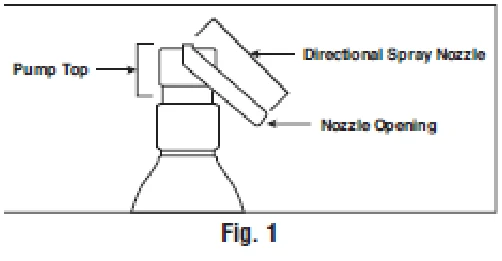
The following instructions outline the proper use of APO-CLOBETASOL SPRAY, 0.05%. The Pump Top and Directional Spray Nozzle mechanism are described in the figure below (Fig.1).
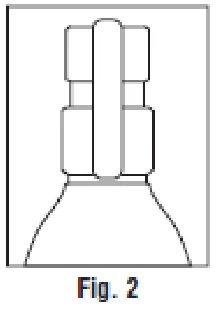
When you receive APO-CLOBETASOL SPRAY the Directional Spray Nozzle is in the “locked” position (see Fig. 2).
To use APO-CLOBETASOL SPRAY follow Steps 1 through 3.
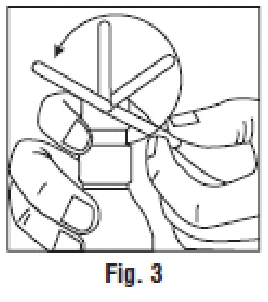
Step 1: Grip the sides of the Pump Top with one hand and use your second hand to point the Directional Spray Nozzle where you want the spray to go (see Fig. 3). The spray will be delivered through the nozzle opening at the end of the Directional Spray Nozzle.
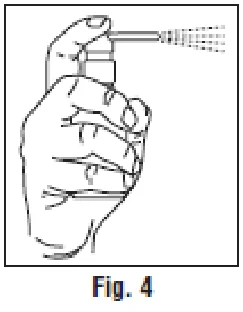
Step 2: Push down on the Pump Top to spray APO-CLOBETASOL SPRAY (see Fig.4).
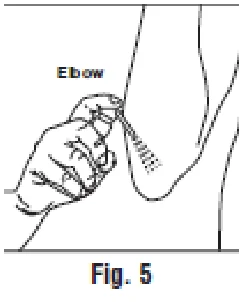
Step 3: Spray only enough to cover affected area. Rub gently to ensure even coverage. Do not apply APO-CLOBETASOL SPRAY to your face, underarms or groin and avoid contact with eyes and lips (see Fig. 5).
OVERDOSAGE
| For management of a suspected drug overdose, contact your regional Poison Control Centre. |
In case of chronic overdose or misuse, the features of hypercortisolism may appear and in this situation, treatment should be discontinued gradually. However, because of the risk of acute adrenal suppression, this should be done gradually under medical supervision (see WARNINGS AND PRECAUTIONS).
ACTION AND CLINICAL PHARMACOLOGY
Mechanism of Action
Clobetasol propionate is a super-high potency topical corticosteroid. Like other topical corticosteroids, clobetasol propionate has anti-inflammatory, antipruritic, and vasoconstrictive properties. The mechanism of the anti-inflammatory activity of the topical steroids, in general, is unclear. However, corticosteroids are thought to act by the induction of phospholipase A2 inhibitory proteins, collectively called lipocortins. It is postulated that these proteins control the biosynthesis of potent mediators of inflammation such as prostaglandins and leukotrienes by inhibiting the release of their common precursor, arachidonic acid. Arachidonic acid is released from membrane phospholipids by phospholipase A2.
Pharmacodynamics
The vasoconstriction capacity of clobetasol propionate topical solution, 0.05% is comparable to that of cream formulations of clobetasol propionate and superior to that of amcinonide cream, 0.1%.
Pharmacokinetics
The extent of percutaneous absorption of topical corticosteroids is determined by many factors, including the vehicle, the integrity of the epidermal barrier and the use of occlusive dressings. Topical corticosteroids can be absorbed from normal intact skin while inflammation and/or other disease processes in the skin may increase percutaneous absorption.
Once absorbed through the skin, topical corticosteroids are handled through pharmacokinetic pathways similar to systemically administered corticosteroids. They are metabolized, primarily in the liver, and are then excreted by the kidneys. In addition, some corticosteroids, including clobetasol propionate and its metabolites, are also excreted in the bile.
STORAGE AND STABILITY
Store at 15°- 30°C. Protect from freezing. Do not refrigerate. Keep tightly closed. Product is flammable, and should be kept away from heat or open flame. Keep in a safe place out of the reach and sight of children.
Discard 28 days after receipt from pharmacist.
DOSAGE FORMS, COMPOSITION AND PACKAGING
APO-CLOBETASOL SPRAY, 0.05% is available in 59 mL (50 g) bottles. Each gram contains
0.5 mg of clobetasol propionate, a clear, colourless liquid, in a vehicle base composed (% w/w) of ethyl alcohol, isopropyl myristate, sodium lauryl sulphate, and undecylenic acid (0.3%). Each 59 mL bottle is accompanied by a spray pump which is to be attached by the pharmacist prior to dispensing the product. Each spray from the pump delivers approximately 0.16 mL.
PART II: SCIENTIFIC INFORMATION
PHARMACEUTICAL INFORMATION
Drug Substance
Proper name: Clobetasol propionate USP
Chemical name: Pregna-1, 4-diene-3, 20-dione, 21-chloro-9-fluoro-11-hydroxy-16-methyl-17-(1-oxopropoxy)-,(11β, 16β);
21-chloro-9-fluoro-11β, 17-dihydroxy-16β-methylpregna,1, 4-diene-3,20-dione 17-propionate;
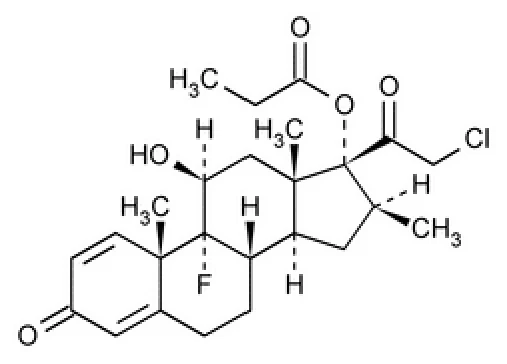
Molecular formula: C25H32ClFO5 (CAS Registry Number 25122-46-7)
Molecular mass: 466.97 grams/mole
Structural formula:
Physicochemical properties: White to practically white crystalline powder that is insoluble in water, and has a melting point of approximately 196°C.
CLINICAL TRIALS
Study demographics and trial design
Table 2: Summary of Patient Demographics for Clinical Trials in Moderate to Severe Plaque Psoriasis
| Study # | Trial Design | Dosage, Route of Administration and Duration | Study Subjects (n = number) | Mean Age (Range) | Gender |
| TI01-01008 | Multicentre, randomized, double-blind, vehicle-controlled, parallel comparison | Twice daily application of a thin film to psoriatic plaques for up to four weeks | 120 (60/arm) | 48 (21 - 76) | 72 M / 48 F |
| TI01-01010 | Multicentre, randomized, double-blind, vehicle-controlled, parallel comparison | Twice daily application of a thin film to psoriatic plaques for up to four weeks | 120 (60/arm) | 46 (18 - 81) | 36 M / 29 F |
Two multicenter, randomized, blinded, vehicle controlled studies were performed in patients with moderate to severe plaque psoriasis covering at least 2% of the body surface area. Patients were treated twice daily for up to four weeks with either clobetasol propionate topical solution, 0.05% or Spray Vehicle.
Study results
Efficacy assessments were based on Investigator assessments of the signs and symptoms of psoriasis. The primary measure of efficacy variable was the Overall Disease Severity score, dichotomized to success or failure. Success was defined as a Grade of 2 or less on a 0 to 4 point scale at Week 2 or earlier and defined as a Grade of 1 or less on a 0 to 4 point scale at the end of treatment (Week 4 or later).
Table 3: Results of Studies TI01-01008 and TI01-01010, Separately and Combined, in Moderate to Severe Plaque Psoriasis
| Study No. | Primary Endpoint | Clobetasol Propionate Topical Solution, 0.05% | Spray Vehicle | Statistical Significancec |
| TI01-01008 | Week 2 Overall Disease Severitya Success Failure Week 4 Overall Disease Severityb Success Failure | 87% 13% 78% 22% | 28% 72% 3% 97% | p < 0.001 p < 0.001 |
| TI01-01010 | Week 2 Overall Disease Severitya Success Failure Week 4 Overall Disease Severityb Success Failure | 87% 13% 82% 18% | 27% 73% 2% 98% | p < 0.001 p < 0.001 |
| Combined | Week 2 Overall Disease Severitya Success Failure Week 4 Overall Disease Severityb Success Failure | 87% 13% 80% 20% | 28% 72% 3% 97% | p < 0.001 p < 0.001 |
a Success is defined as a grade of 2 or less on the 0 - 4 point Overall Disease Severity Scale.
b Success is defined as a grade of 1 or less on the 0 - 4 point Overall Disease Severity Scale.
c P-value from a Cochran-Mantel-Haenszel test, stratified by grouped study sites. The Week 4 analysis is considered statistically significant if and only if statistical significance is achieved for both the Week 2 and Week 4 analyses.
DETAILED PHARMACOLOGY
Animal Studies
Pharmacodynamics
In Vitro Studies
Although its mechanism of action has not been established, clobetasol propionate is thought to act by induction of phospholipase A2 inhibitory proteins, collectively called lipocortins. In literature, among others by Schimmer and Parker6 it is described that these proteins control the biosynthesis of potent mediators of inflammation such as prostaglandins and leukotrienes by inhibiting the release of their common precursor, arachidonic acid. The physiological release of arachidonic acid from membrane phospholipids is under control of phospholipase A2.
In Vivo Studies
Dermatopharmacologic investigations were reported by Yawalkar et al.10 on clobetasol propionate in comparison with two other topical corticosteroids (halobetasol propionate and hydrocortisone). Several animal models as the croton oil-induced ear edema model in rats and mice, and the ultraviolet-induced dermatitis inhibition test in guinea pigs demonstrated the effects of clobetasol propionate on topical non-immune inflammation. Again, Yawalkar et al.10 demonstrated the effects of clobetasol propionate in comparison with halobetasol propionate and hydrocortisone on topical immune inflammation, in oxazolone-induced dermatitis in rats and mice. Bäck and Egelrud1 utilised a picryl chloride contact sensitivity model, demonstrating that topical application of clobetasol propionate completely suppressed the hypersensitization reaction, resulting in total inhibition of the inflammatory oedema. The inflammation was reduced to a great extent in the control ear not treated with clobetasol propionate, indicating a systemic effect of the product.
The fact that clobetasol propionate could induce a six-fold induction of ethoxycoumarin-O- dealkylase activity in skin2 indicates that there is a potential for drug-drug interaction with other topical drugs that could be metabolised by the same enzyme.
Pharmacokinetics
The metabolism of clobetasol propionate has never been fully characterized or quantified; it is assumed that its metabolism follows that of systemically administered adrenocortical steroids. The metabolism of steroid hormones involves sequential addition of oxygen or hydrogen atoms followed by conjugation to form water-soluble derivatives. The double bond at the 4, 5 position is reduced both in the liver and extrahepatically to produce inactive compounds. Reduction of the 3-ketone group to a 3-hydroxyl group occurs only in the liver. Most of these reduced compounds are subsequently conjugated with glucuronide or sulfate in the liver, and to a lesser extent in the kidney. These sulfate esters and glucuronides form water-soluble derivatives that are excreted in the urine6.
In the animal species evaluated, the primary excretion route of clobetasol propionate after dermal dosing was via feces. The totals excreted via feces and urine up to the 96th hour after administration was 9.20%, 1.22% and 8.86% of the administered radioactivity for cream, ointment and solution, respectively. The remaining amounts in the body (excluding site of application) were 0.92%, 0.42% and 2.85% of the administered amount, respectively. These results indicated that when applied dermally, the absorption was satisfactory with the cream and solution but not with the ointment, and that when the drug was administered in the form of cream or solution (dermally), a reasonable plasma concentration of the drug could be maintained for a long period of time, even after a single administration.
Human Studies
Pharmacodynamics
In Vivo Studies
Results of a study in healthy volunteers have shown the vasoconstrictive capacity of clobetasol propionate topical solution, 0.05% to be comparable to that of a cream formulation of clobetasol propionate 0.05% and superior to that of amcinonide 0.1% cream.
Pharmacokinetics
There are no human data regarding the distribution of corticosteroids to body organs following topical application. Nevertheless, once absorbed through the skin, topical corticosteroids are handled through pharmacokinetic pathways similar to systemically administered corticosteroids. Corticosteroids absorbed through the skin are metabolized primarily in the liver and are then excreted by the kidneys. In addition, some corticosteroids and their metabolites are also excreted in the bile.
If absorbed through the skin, clobetasol propionate will be metabolised by the liver and excreted primarily via bile into the feces.
TOXICOLOGY
Human Studies
A 21-day cumulative irritation test was performed to assess the potential of the test product, clobetasol propionate topical solution, 0.05%, and Spray Vehicle to induce dermal irritation as a result of repeated applications. Each subject received up to a total of 18 applications each of clobetasol propionate topical solution, 0.05%, Spray Vehicle, and the positive control 0.5% Sodium Lauryl Sulfate solution under occlusive patches over a three-week period. Patches containing test material were placed on the backs of subjects and left in place for 24 hours. After a minimum of five minutes from patch removal, the sites were graded for irritation. Based on the cumulative irritation scores recorded, clobetasol propionate topical solution, 0.05%, and Spray Vehicle were classified as somewhat irritating, while the positive control was classified as extremely irritating.
A repeated insult patch test was conducted to assess the potential of clobetasol propionate topical solution, 0.05% and Spray Vehicle to induce dermal irritation and contact allergy as a result of repeated applications. This study consisted of three phases; i) a three-week induction phase, ii) a two-week rest period, and iii) a challenge phase. During the three-week induction phase, test materials were applied three times per week (Monday, Wednesday, and Friday). After a two-week rest period, one challenge application of each test material was made. Each subject received a total of ten applications of each test article over a six-week period.
During the induction phase, the majority of reactions were rated as no sign of irritation, slight erythema or noticeable erythema with slight irritation. During the challenge phase, the both test articles typically produced slight erythema, and clobetasol propionate topical solution, 0.05% and the Spray Vehicle were considered by the investigator to be somewhat irritating and not sensitizers.
A phototoxicity study was performed to assess the phototoxicity potential of clobetasol propionate topical solution, 0.05% and of the Spray Vehicle following exposure to UVA and UVB light. There was one Grade 1 reaction at the 48 hour post irradiation grading at sites for each of the test articles. All other grades at irradiated sites were zeroes. The scores for all non-irradiated sites and the irradiated control site were also all zeroes. Both the clobetasol propionate topical solution, 0.05% and the Spray Vehicle were considered by the investigator to be "not phototoxic.”
A photocontact allergy study was performed to assess the safety and photocontact allergy potential of, clobetasol propionate topical solution, 0.05% and the Spray Vehicle. During the induction phase, all of the reactions at irradiated sites were rated as no sign of irritation, slight erythema, or noticeable erythema with slight irritation for both clobetasol propionate topical solution, 0.05% and for the Spray Vehicle. At non-irradiated sites, the majority of reactions were no sign of irritation or very slight erythema, with only few graded as noticeable erythema with slight irritation for both products.
During the challenge phase, three subjects treated with clobetasol propionate topical solution, 0.05% had slight erythema that fell to no sign of irritation at the final assessment of the irradiated sites. In the Spray Vehicle group, four subjects had a reaction graded as slight erythema at the final grading and five subjects had either slight erythema or noticeable erythema with irritation that fell to no sign of irritation at the final grading. Both clobetasol propionate topical solution, 0.05% and the Spray Vehicle were considered not to cause photoallergy reactions by the investigator.
Animal Studies
Acute Toxicity
Acute toxicity was determined in mice and rats using subcutaneous, oral, and intraperitoneal routes. The animals received a single dose of different concentrations of clobetasol propionate and were observed for three consecutive weeks. The LD50 value obtained by the subcutaneous route in mice was 81.7 mg/kg for all animals. None of the mice died after oral administration up to 3 g/kg. The LD50 value obtained by the intraperitoneal route in mice was 156 mg/kg for males and 118 mg/kg for females. The subcutaneous LD50 value for male rats was 397 mg/kg and 366 mg/kg for female rats. None of the rats died after oral administration up to 3 g/kg. The LD50 value by the intraperitoneal route for male rats was 414 mg/kg and 351 mg/kg for females rats. (Kuramoto 1975).
Repeated Dose Toxicity
Using clobetasol propionate topical solution, 0.05%, a no observed effect dose level (NOEL) of 150 mg formulation/kg/day (safety factor of 0.9) was established for systemic toxicity in a 90-day subchronic micropig study. In a dermal toxicity study with Hanford minipigs, doses of 60, 120 and 240 mg/kg/day (safety factor 0.3, 0.65, 1.3, respectively) of clobetasol propionate topical solution, 0.05%, were applied for nine months followed by a one month recovery. Treatment related decreases in body weight and histopathological findings precluded the determination of a NOEL in this study.
A 90-day dermal irritation study was conducted in Sprague Dawley rats. Concentration of clobetasol propionate was varied to produce 0.001%, 0.005%, 0.015%, and 0.05% sprays. Dosing was rotated between two 20 cm2 sites on the back and a constant volume of
0.16 mL/kg/dose (800 mg formulation/m2/dose) was chosen based on the results a vehicle dose range finding study that found 0.24 mL/kg/dose could be tolerated in rats for 14 days. Based on the results of this study, the no-observed-adverse-effect (NOAEL) level was considered to be the 0.001% or 0.13 mg/kg (safety factor of 0.007). The effects noted during or at the end of the treatment period were reversible and most resolved almost completely by the end of a one month recovery period.
Carcinogenicity
Few animal studies have been performed to evaluate the carcinogenic potential of isopropyl myristate and there are no detailed systemic absorption data for this compound in humans or animals.
No classical animal studies have been performed to evaluate the carcinogenic potential of clobetasol propionate.
One 18-month study was performed in mice to evaluate the carcinogenic potential of fluticasone propionate (medium-potency corticosteroid) when given topically as a 0.05% ointment. No evidence of carcinogenicity was found in this study. No evidence of pre-neoplastic lesions was noted in a 6-month toxicity study performed with clobetasol propionate by the subcutaneous route in rats.
Mutagenicity
Clobetasol propionate was negative in the in vivo mammalian erythrocyte micronucleus test and in the in vitro mammalian chromosome aberration test conducted.
Reproductive Toxicity
Segment I fertility studies in rats following oral administration at doses up to 50 mcg/kg per day revealed an increase in the number of the resorbed embryos and a decrease in the number of living foetuses at the highest dose.
In another Segment I study, male rats were dosed subcutaneously twice daily beginning 70 days before cohabitation and continuing through the day before sacrifice and female rats were dosed twice daily beginning 15 days before cohabitation and continuing through Day 7 of presumed gestation. A dosage level of less than 12.5 mcg/kg/day clobetasol propionate (safety factor 0.03) was considered to be the NOEL for paternal and maternal general toxicity and male reproductive toxicity. The female reproductive NOEL was 12.5 mcg/kg/day (safety factor 0.03).
Segment II teratogenicity studies in mice, rats and rabbits showed clobetasol propionate to be teratogenic when administered sub-cutaneously or topically. Abnormalities seen include fetal immaturity and several malformations, cleft palate, cranioschisis and skeletal abnormalities, in combination with maternal toxicity. There are no adequate and well-controlled studies in pregnant women.
A Segment II study was performed in rats using Clobetasol Propionate Lotion applied dermally at dose levels of 0.05, 0.15, and 0.5 mg/kg/day. Dose-related maternal and fetal toxicity was observed, and fetal immaturity was observed at all dose levels. A variety of fetal malformations were observed at 0.15 and 0.5 mg/kg/day, in combination with maternal toxicity.
In a Segment III study, females were dosed with clobetasol propionate suspended in 0.04% Tween® 80 in saline administered subcutaneously from Day 7 of presumed gestation through Day 20 postpartum or Day 24 presumed gestation for those rats that did not deliver a litter. The maternal NOEL for clobetasol propionate was less than 12.5 mcg/kg/day (safety factor 0.03) due to reduced body weight gain and feed consumption during the gestation period. The reproductive NOEL in the dams was 25 mcg/kg/day (safety factor 0.07). The NOAEL for viability and growth in the offspring was 12.5 mcg/kg/day (safety factor 0.03).
Local Tolerance
Results from special toxicity studies evaluating primary dermal and ocular irritation potential showed that clobetasol propionate topical solution, 0.05% is not a skin irritant or a skin sensitizer, but does produce moderate irritation in the Kay and Calandra Ocular Evaluation.
REFERENCES
- 1. Bäck O, Egelrud T. Topical glucocorticoids and suppression of contact sensitivity. A mouse bioassay of anti-inflammatory effects. Br. J. Dermatol 1985;112:539-545.
- 2. Finnen JM, Herdman ML, Shuster S. Induction of drug metabolizing enzymes in the skin by topical steroids. J Steroid Biochem 1984; 20:1169-1173.
- 3. Kuramoto M, Ishimura Y, Morimoto J, Lee SY, Okubo T. Study on the toxicity of clobetasol 17-propionate: 1. Acute toxicity by oral, subcutaneous and intraperitoneal applications and subacute and chronic toxicities by subcutaneous successive applications in rats. Shikoku Igaku Zhassi 1975a; 31(6):377-98.
- 4. Kuramoto M, Ishimura Y, Morimoto J, Lee SY, Okubo T. Study on the toxicity of clobetasol 17-propionate 2 - Toxicities of clobetasol 17-propionate by percutaneous successive one and three month applications in rats. Shikoku Igaku Zhassi 1975b;31(6):399-416.
- 5.
Kuramoto M, Tanaka M, Ai S, Shigemi F, Takeda K, Oguro S, Matsuura H.
Reproductive effects of clobetasol-17-propionate after administration to rats during the perinatal and lactation periods. Kosi to Rinsho 1977; 11(1):17-36.
- 6. Schimmer BP, Parker KL. Adrenocorticotropic hormone: adrenocortical steroids and their synthetic analogs; inhibitors of the synthesis and actions of adrenocortical hormones. In: Hardman JG, Limbird LE, eds. Goodman and Gilman's The pharmacological basis of therapeutics. New York: McGraw Hill, 2001:1649-77.
- 7.
Shimo T, Takahara Y, Noguchi Y, Mukawa A, Kato H, Ito Y. Comparative toxicity test of dexamethasone valerate (DV-17) and other steroid ointments in rats. J Toxicol Sci
1982;7 (Supp 1):15-33.
- 8. Study TI01-01008. A Randomized, Double Blind, Vehicle Controlled, Parallel Group Study of the Safety and Efficacy of Clobetasol Propionate 0.05% Spray versus its Vehicle Spray in the Treatment of Plaque Psoriasis. (Unpublished data)
- 9. Study TI01-01010. A Randomized, Double Blind, Vehicle Controlled, Parallel Group Study of the Safety and Efficacy of Clobetasol Propionate 0.05% Spray versus its Vehicle Spray in the Treatment of Plaque Psoriasis. (Unpublished Data)
- 10.
Yawalkar S, Wiesenberg-Boettcher I, Gibson JR, Siskin SB, Pignat W.
Dermatopharmacologic investigations of halobetasol propionate in comparison with clobetasol 17-propionate. J Am Acad Dermatol 1991; 25(6):1137-44.
- 11. Product Monograph – PrClobex® Spray (Clobetasol Propionate Solution), 0.05% w/w. Galderma Canada Inc. Date of Revision: February 1, 2021 (Control # 244309).