


Product Monograph - Apo-Indomethacin
RECENT MAJOR LABEL CHANGES
| 3 SERIOUS WARNINGS AND PRECAUTIONS BOX | 11/2023 |
|---|---|
| 7 WARNINGS AND PRECAUTIONS, Monitoring and Laboratory Tests | 11/2023 |
| 7 WARNINGS AND PRECAUTIONS, Skin | 11/2023 |
| 7 WARNINGS AND PRECAUTIONS, 7.1 Special Populations | 11/2023 |
TABLE OF CONTENTS
Sections or subsections that are not applicable at the time of authorization are not listed.
RECENT MAJOR LABEL CHANGES ............................................................................................. 2
TABLE OF CONTENTS ............................................................................................................... 2
PART I: HEALTH PROFESSIONAL INFORMATION ....................................................................... 4
1 INDICATIONS .................................................................................................................. 4
1.1 Pediatrics .................................................................................................................. 5
1.2 Geriatrics .................................................................................................................. 5
2 CONTRAINDICATIONS ..................................................................................................... 5
3 SERIOUS WARNINGS AND PRECAUTIONS BOX ................................................................ 6
4 DOSAGE AND ADMINISTRATION .................................................................................... 7
4.1 Dosing considerations .............................................................................................. 7
4.2 Recommended dose and dosage adjustment .......................................................... 8
4.4 Administration ......................................................................................................... 9
4.5 Missed dose ............................................................................................................. 9
5 OVERDOSAGE ................................................................................................................. 9
6 DOSAGE FORMS, STRENGTHS, COMPOSITION AND PACKAGING .................................. 10
7 WARNINGS AND PRECAUTIONS .................................................................................... 11
7.1 Special Populations ................................................................................................ 21
7.1.1 Pregnant Women ............................................................................................... 21
7.1.2 Breast-feeding ................................................................................................... 22
7.1.3 Pediatrics ........................................................................................................... 22
7.1.4 Geriatrics ........................................................................................................... 23
8 ADVERSE REACTIONS .................................................................................................... 23
8.1 Adverse Drug Reaction Overview ........................................................................... 23
8.2 Clinical Trial Adverse Drug Reactions ..................................................................... 23
8.5 Post-Market Adverse Reactions ............................................................................. 25
9 DRUG INTERACTIONS ................................................................................................... 26
9.3 Drug-behaviour interactions .................................................................................. 26
9.4 Drug-Drug Interactions ........................................................................................... 26
9.5 Drug-Food Interactions .......................................................................................... 29
9.6 Drug-Herb Interactions .......................................................................................... 29
9.7 Drug-Laboratory Test Interactions ......................................................................... 29
10 CLINICAL PHARMACOLOGY ........................................................................................... 30
10.1 Mechanism of Action ............................................................................................. 30
10.3 Pharmacokinetics ................................................................................................... 30
11 STORAGE, STABILITY AND DISPOSAL............................................................................. 30
12 SPECIAL HANDLING INSTRUCTIONS .............................................................................. 31
PART II: SCIENTIFIC INFORMATION ........................................................................................ 32
13 PHARMACEUTICAL INFORMATION ............................................................................... 32
14 CLINICAL TRIALS ........................................................................................................... 32
14.2 Comparative Bioavailability Studies ........................................................................ 32
15 MICROBIOLOGY ............................................................................................................ 34
16 NON-CLINICAL TOXICOLOGY ......................................................................................... 34
17 SUPPORTING PRODUCT MONOGRAPHS ....................................................................... 35
PATIENT MEDICATION INFORMATION ................................................................................... 36
PART I: HEALTH PROFESSIONAL INFORMATION
1 INDICATIONS
APO-INDOMETHACIN (indomethacin capsules) is indicated for the symptomatic treatment of the following:
Rheumatoid Arthritis
APO-INDOMETHACIN may be used singly or in combination with other agents. However, it should not be used as a drug of first choice because of the adverse reactions that may occur with its use.
Best results (relief of pain, tenderness, swelling and stiffness) have been obtained in the acute episodes of the disease. However, in many patients with chronic rheumatoid arthritis, indomethacin produces a significant lessening of pain and stiffness within 48 hours. In other patients, treatment must be continued longer before significant subjective relief or objective evidence of decreased joint swelling and tenderness occur. In some cases of chronic rheumatoid arthritis, it may be necessary to continue treatment for at least a month before concluding that it has not produced significant benefit. Use of APO-INDOMETHACIN may enable reduction of steroid dosage in patients receiving corticosteroids. In such instances, the steroid dosage should be reduced slowly.
Ankylosing (Rheumatoid) Spondylitis
APO-INDOMETHACIN frequently produces marked relief of pain and improved motion of the spine within 3 to 10 days.
Osteoarthritis
APO-INDOMETHACIN should be used in those cases of severe osteoarthritis which do not respond to treatment with such other drugs as the salicylates. In many cases prompt relief of pain is obtained.
Degenerative Joint Disease (Osteoarthritis) of the Hip
APO-INDOMETHACIN has provided relief of pain and increased range of motion in patients with degenerative joint disease of the hip.
Gout
In acute attacks of gout the response to APO-INDOMETHACIN is usually rapid and often dramatic. Marked reduction of pain may be obtained within 2 to 4 hours. Tenderness and heat subside within 24 to 36 hours, and swelling decreases over a 3 to 5 day period.
For patients with an increased risk of developing CV and/or GI adverse events, other management strategies that do NOT include the use of NSAIDs should be considered first. (See 2 CONTRAINDICATIONS and 7 WARNINGS AND PRECAUTIONS)
Use of APO-INDOMETHACIN should be limited to the lowest effective dose for the shortest possible duration of treatment in order to minimize the potential risk for cardiovascular or gastrointestinal adverse events. (See 2 CONTRAINDICATIONS and 7 WARNINGS AND PRECAUTIONS)
APO-INDOMETHACIN, as a NSAID, does NOT treat clinical disease or prevent its progression.
APO-INDOMETHACIN, as a NSAID, only relieves symptoms and decreases inflammation for as long as the patient continues to take it.
1.1 Pediatrics
Pediatrics (< 18 years of age): Safety and efficacy have not been established in the pediatric population. In a few cases of severe juvenile rheumatoid arthritis, where indomethacin was given along with other drugs, severe reactions, including fatalities, were reported. See 2 CONTRAINDICATIONS
1.2 Geriatrics
Geriatrics (> 65 years of age): Evidence from clinical studies and postmarket experience suggests that use in the geriatric population is associated with differences in safety. See 7.1.4 WARNINGS AND PRECAUTIONS, Geriatrics and 4 DOSAGE AND ADMINISTRATION.
2 CONTRAINDICATIONS
Indomethacin capsules are contraindicated in:
the peri-operative setting of coronary artery bypass graft surgery (CABG).
Although indomethacin has NOT been studied in this patient population, a selective COX-2 inhibitor NSAID studied in such a setting has led to an increased incidence of cardiovascular/thromboembolic events, deep surgical infections and sternal wound complications.
- during the third trimester of pregnancy, because of risk of premature closure of the ductus arteriosus, and prolonged parturition.
- women who are breastfeeding, because of the potential for serious adverse reactions in nursing infants
- severe uncontrolled heart failure
- known hypersensitivity to indomethacin capsules or to any of the components/excipients. For a complete listing, see 6 DOSAGE FORMS, STRENGTHS, COMPOSITION AND PACKAGING.
history of asthma, urticaria, or allergic-type reactions after taking ASA or other NSAIDs (i.e. complete or partial syndrome of ASA-intolerance - rhinosinusitis, urticaria/
- angioedema, nasal polyps, asthma). Fatal anaphylactoid reactions have occurred in such individuals. Individuals with the above medical problems are at risk of a severe reaction even if they have taken NSAIDs in the past without any adverse reaction. The potential for cross-reactivity between different NSAIDs must be kept in mind (see 7 WARNINGS AND PRECAUTIONS – Hypersensitivity Reactions - Anaphylactoid Reactions).
- active gastric / duodenal / peptic ulcer, active GI bleeding.
- cerebrovascular bleeding or other bleeding disorders
- inflammatory bowel disease
- severe liver impairment or active liver disease
- severe renal impairment (creatinine clearance <30 mL/min or 0.5 mL/sec) or deteriorating renal disease (individuals with lesser degrees of renal impairment are at risk of deterioration of their renal function when prescribed NSAIDs and must be monitored) (see 7 WARNINGS AND PRECAUTIONS - Renal).
- known hyperkalemia (see 7 WARNINGS AND PRECAUTIONS - Renal - Fluid and Electrolyte Balance).
- children and adolescents.
As with other anti-inflammatory agents, indomethacin may mask the signs and symptoms of peptic ulcer. Indomethacin itself may cause peptic ulceration or irritation of the gastrointestinal tract. For these reasons, it should not be given to patients with active peptic ulcer, gastritis, regional enteritis, ulcerative colitis, diverticulitis or with a recurrent history of gastrointestinal lesions.
The drug should not be prescribed for children because safe conditions for use have not been established. In a few cases of severe juvenile rheumatoid arthritis, where indomethacin was given along with other drugs, severe reactions, including fatalities, were reported.
3 SERIOUS WARNINGS AND PRECAUTIONS BOX
Risk of Cardiovascular (CV) Adverse Events: Ischemic Heart Disease, Cerebrovascular Disease, Congestive Heart Failure (NYHA II-IV) (See 7 WARNINGS AND PRECAUTIONS - Cardiovascular).
APO-INDOMETHACIN is a non-steroidal anti-inflammatory drug (NSAID). Use of some NSAIDs is associated with an increased incidence of cardiovascular adverse events (such as myocardial infarction, stroke or thrombotic events) which can be fatal. The risk may increase with duration of use. Patients with cardiovascular disease or risk factors for cardiovascular disease may be at greater risk.
Caution should be exercised in prescribing APO-INDOMETHACIN to any patient with ischemic heart disease (including but NOT limited to acute myocardial infarction, history of myocardial infarction and/or angina), cerebrovascular disease (including but NOT limited to stroke, cerebrovascular accident, transient ischemic attacks and/or amaurosis fugax) and/or congestive heart failure (NYHA II-IV).
Use of NSAIDs, such as APO-INDOMETHACIN, can promote sodium retention in a dose-dependent manner, through a renal mechanism, which can result in increased blood pressure and/or exacerbation of congestive heart failure. (see also 7 WARNINGS AND PRECAUTIONS - Renal - Fluid and Electrolyte Balance)
Randomized clinical trials with indomethacin capsules have not been designed to detect differences in cardiovascular events in a chronic setting. Therefore, caution should be exercised when prescribing APO-INDOMETHACIN.
Risk of Gastrointestinal (GI) Adverse Events (see 7 WARNINGS AND PRECAUTIONS, Gastrointestinal)
Use of NSAIDs, such as APO-INDOMETHACIN, is associated with an increased incidence of gastrointestinal adverse events (such as peptic/duodenal ulceration, perforation, obstruction and gastrointestinal bleeding)
Risk in Pregnancy: Caution should be exercised in prescribing APO-INDOMETHACIN during the first and second trimesters of pregnancy. Use of NSAIDs at approximately 20 weeks of gestation or later may cause fetal renal dysfunction leading to oligohydramnios and neonatal renal impairment or failure (see 7 WARNINGS AND PRECAUTIONS). APO-INDOMETHACIN is contraindicated for use during the third trimester because of risk of premature closure of the ductus arteriosus and uterine inertia (prolonged parturition) (see 2 CONTRAINDICATIONS).
4 DOSAGE AND ADMINISTRATION
4.1 Dosing Considerations
Carefully consider the potential benefits and risks of APO-INDOMETHACIN and other treatment options before deciding to use APO-INDOMETHACIN. Use the lowest effective dosage for the shortest duration consistent with individual patient treatment goals.
After observing the response to initial therapy with indomethacin, the dose and frequency should be adjusted to suit an individual patient’s needs.
Adverse reactions generally appear to correlate with the dose of indomethacin. Therefore, every effort should be made to determine the lowest effective dosage for the individual patient.
Since advancing years appear to increase the possibility of adverse reactions, APO-INDOMETHACIN should be used with greater care in the elderly.
Elderly, frail and debilitated patients appear to be at higher risk from a variety of adverse reactions from NSAIDs. For such patients, consideration should be given to a starting dose lower than usual, with individual adjustment when necessary and under close supervision.
4.2 Recommended Dose and Dosage Adjustment
In chronic disorders, treatment should be started with a dosage of 25 mg two or three times a day. By starting therapy with low dosage, increased gradually when necessary, maximum benefit will be produced with fewer adverse reactions.
Rheumatoid Arthritis and Ankylosing (Rheumatoid) Spondylitis.
Initial Dosage: 25 mg two or three times a day. If the response is not adequate, increase the daily dosage by 25 mg at about weekly intervals until a satisfactory response is obtained or a dosage of 150 to 200 mg a day is reached.
If a satisfactory response is not obtained with 200 mg a day, larger doses probably will not be effective.
If adverse reactions develop as the dosage is increased, reduce the dosage to a tolerated level and maintain this for 3 to 4 weeks. If an adequate response has not been obtained, gradually increase the daily dosage by 25 mg at about weekly intervals to 150 mg to 200 mg a day.
For patients with acute rheumatoid arthritis or with acute flares of chronic rheumatoid arthritis, increase the dosage daily by 25 mg until a satisfactory response is obtained or a total daily dosage of 150 to 200 mg is reached. If adverse effects develop as the dosage is increased, the dosage should be reduced to a tolerated level for 2 or 3 days, and then gradually increased by 25 mg every few days as tolerated. After the acute phase is under control, it is often possible to reduce the daily dosage gradually to 75 to 100 mg.
Reduction of Steroid Dosage: Use of indomethacin often will permit a gradual reduction of steroid dosage by 25 to 50 percent. In some patients steroids can be slowly discontinued over a period of several weeks or months. The usual precautions should be observed in withdrawing steroids.
Severe Osteoarthritis and Degenerative Joint Disease of the Hip.
Initial Dosage: 25 mg two or three times a day. If the response is not adequate, increase the daily dosage by 25 mg at about weekly intervals until a satisfactory response is obtained or a dosage of 150 to 200 mg a day is reached. If a satisfactory response is not obtained with 200 mg a day, larger doses will probably not be effective.
If adverse reactions develop as the dosage is increased, reduce the dosage to a tolerated level and maintain this for 3 to 4 weeks. If an adequate response has not then been obtained, gradually increase the daily dosage by 25 mg at about weekly intervals to 150 to 200 mg a day.
Gout
To Control Acute Attacks: 50 mg three times a day until all signs and symptoms subside. Definite relief of pain has been reported within 2 to 4 hours. Tenderness and heat usually subside in 24 to 36 hours, and swelling gradually disappears in 3 to 5 days.
Pediatric Use (<18 years of age):
Health Canada has not authorized an indication for pediatric use (See 2 CONTRAINDICATIONS).
Geriatrics (>65 years of age):
Consideration should be given to a starting dose lower than the one usually recommended, with individual adjustment when necessary and under close supervision (see 7.1.4 Geriatrics).
Renal impairment:
A lower daily dose should be considered in patients with mild and moderate renal impairment (see 7 WARNINGS AND PRECAUTIONS - Renal - Fluid and Electrolyte Balance).
4.4 Administration
Always give APO-INDOMETHACIN with food immediately after meals or with antacids to reduce gastric irritation.
4.5 Missed Dose
A patient missing a dose should take it as soon as it is recognized if it is within a couple of hours of the regular time. They should then return to the regular dosing schedule. The patient should be cautioned against taking two doses concomitantly.
5 OVERDOSAGE
Relatively little experience is available recording overdosage with indomethacin. Nausea, vomiting, intense headache, dizziness, mental confusion, disorientation, or lethargy might be observed. There have been reports of paresthesias, numbness, and convulsions. Signs of gastrointestinal hemorrhage could appear but have not been reported following the acute ingestion of large amounts of indomethacin accidentally or intentionally.
Treatment of overdosage: Treatment is symptomatic and supportive. The stomach should be emptied as quickly as possible if the ingestion is recent. If vomiting has not occurred spontaneously, the patient should be induced to vomit with syrup of ipecac. If the patient is unable to vomit, gastric lavage should be performed. Once the stomach has been emptied, 25 or 50 g of activated charcoal may be given. Depending on the condition of the patient, close medical observation and nursing care may be required. The patient should be followed for several days because gastrointestinal ulceration and hemorrhage have been reported as adverse reactions of indomethacin. Use of antacids may be helpful.
For management of a suspected drug overdose, contact your regional poison control centre.
6 DOSAGE FORMS, STRENGTHS, COMPOSITION AND PACKAGING
Table 1 – Dosage Forms, Strengths, Composition and Packaging
| Route of Administration | Dosage Form / Strength | Nonmedicinal Ingredients |
|---|---|---|
| Oral | Capsules 25 mg and 50 mg | Cornstarch, lactose monohydrate, stearic acid, and talc. The capsule shell includes the non-medicinal ingredients: D&C Red #28, FD&C Blue #1, FD&C Red #40, gelatin, pharmaceutical ink and titanium dioxide. The pharmaceutical ink includes the non-medicinal ingredients: D&C yellow #10 aluminum lake, FD&C blue #1 aluminum lake, FD&C blue #2 aluminum lake, FD&C red #40 aluminum lake, iron oxide black, propylene glycol and shellac glaze. |
APO-INDOMETHACIN Capsules, 25 mg: white opaque body, blue opaque cap, hard gelatin capsule, imprinted APO 25. They are supplied in bottles of 100, 500 and 1000.
APO-INDOMETHACIN Capsules, 50 mg: white opaque body, blue opaque cap, hard gelatin capsule, imprinted APO 50. They are supplied in bottles of 100 and 500.
7 WARNINGS AND PRECAUTIONS
Please see 3 SERIOUS WARNINGS AND PRECAUTIONS BOX.
General
Frail or debilitated patients may tolerate side effects less well and therefore special care should be taken in treating this population. To minimize the potential risk for an adverse event, the lowest effective dose should be used for the shortest possible duration. As with other NSAIDs, caution should be used in the treatment of elderly patients who are more likely to be suffering from impaired renal, hepatic or cardiac function. For high risk patients, alternate therapies that do not involve NSAIDs should be considered.
APO-INDOMETHACIN is NOT recommended for use with other NSAIDs, with the exception of low-dose ASA for cardiovascular prophylaxis, because of the absence of any evidence demonstrating synergistic benefits and the potential for additive adverse reactions. (See 9 DRUG INTERACTIONS - Drug/Drug Interactions - Acetylsalicylic acid (ASA) or other NSAIDs)
Cardiovascular
APO-INDOMETHACIN is a non-steroidal anti-inflammatory drug (NSAID). Use of some NSAIDs is associated with an increased incidence of cardiovascular adverse events (such as myocardial infarction, stroke or thrombotic events) which can be fatal. The risk may increase with duration of use. Patients with cardiovascular disease or risk factors for cardiovascular disease may be at greater risk.
Caution should be exercised in prescribing APO-INDOMETHACIN to patients with risk factors for cardiovascular disease, cerebrovascular disease or renal disease, such as any of the following (NOT an exhaustive list)
- Hypertension
- Dyslipidemia / Hyperlipidemia
- Diabetes Mellitus
- Congestive Heart Failure (NYHA I)
- Coronary Artery Disease (Atherosclerosis)
- Peripheral Arterial Disease
- Smoking
- Creatinine Clearance < 60 mL/min or 1 mL/sec
Use of NSAIDs, such as APO-INDOMETHACIN, can lead to new hypertension or can worsen pre-existing hypertension, either of which may increase the risk of cardiovascular events as described above. Thus blood pressure should be monitored regularly. Consideration should be given to discontinuing APO-INDOMETHACIN should hypertension either develop or worsen with its use.
Use of NSAIDs, such as APO-INDOMETHACIN, can induce fluid retention and edema, and may exacerbate congestive heart failure, through a renally-mediated mechanism. (See 7 WARNINGS AND PRECAUTIONS - Renal - Fluid and Electrolyte Balance).
For patients with a high risk of developing an adverse CV event, other management strategies that do NOT include the use of NSAIDs should be considered first. To minimize the potential risk for an adverse CV event, the lowest effective dose should be used for the shortest possible duration.
Central Nervous System
Headache may occur, usually early in treatment with indomethacin. If headache persists despite dosage reduction therapy with indomethacin should be discontinued.
Patients who suffer from dizziness, lightheadedness, or feelings of detachment on indomethacin should he cautioned against operating motor vehicles or other machinery, climbing ladders, etc., if these symptoms are present.
Indomethacin should be used with caution in patients with psychiatric disturbances, epilepsy, or parkinsonism, since it may, in some instances, aggravate these conditions.
Driving and Operating Machinery
Patients on indomethacin, who suffer from dizziness, light-headedness, or feelings of detachment, should be cautioned against operating motor vehicles or other machinery, climbing ladders, etc., if these symptoms are present.
Endocrine and Metabolism
Corticosteroids:
APO-INDOMETHACIN (indomethacin) is NOT a substitute for corticosteroids. It does NOT treat corticosteroid insufficiency. Abrupt discontinuation of corticosteroids may lead to exacerbation of corticosteroid-responsive illness. Patients on prolonged corticosteroid therapy should have their therapy tapered slowly if a decision is made to discontinue corticosteroids. (see 9 DRUG INTERACTIONS - Drug-Drug Interactions - Glucocorticoids).
Gastrointestinal (GI)
Serious GI toxicity (sometimes fatal), such as peptic / duodenal ulceration, inflammation, perforation, obstruction and gastrointestinal bleeding, can occur at any time, with or without warning symptoms, in patients treated with NSAIDs, such as APO-INDOMETHACIN. Minor upper GI problems, such as dyspepsia, commonly occur at any time. Health care providers should remain alert for ulceration and bleeding in patients treated with APO-INDOMETHACIN, even in the absence of previous GI tract symptoms. Most spontaneous reports of fatal GI events are in elderly or debilitated patients and therefore special care should be taken in treating this population. To minimize the potential risk for an adverse GI event, the lowest effective dose should be used for the shortest possible duration. For high risk patients, alternate therapies that do not involve NSAIDs should be considered (see 7 WARNINGS AND PRECAUTIONS - Special Populations - Geriatrics).
Patients should be informed about the signs and/or symptoms of serious GI toxicity and instructed to discontinue using APO-INDOMETHACIN and seek emergency medical attention if they experience any such symptoms. The utility of periodic laboratory monitoring has NOT been demonstrated, nor has it been adequately assessed. Most patients who develop a serious upper GI adverse event on NSAID therapy have no symptoms. Upper GI ulcers, gross bleeding or perforation, caused by NSAIDs, appear to occur in approximately 1% of patients treated for 3-6 months, and in about 2 to 4% of patients treated for one year. These trends continue, thus increasing the likelihood of developing a serious GI event at some time during the course of therapy. Even short-term therapy has its risks.
Peptic ulceration, perforation and gastrointestinal bleeding, sometimes severe and occasionally fatal have been reported during therapy with non-steroidal anti- inflammatory drugs (NSAIDs) including APO-INDOMETHACIN (indomethacin).
APO-INDOMETHACIN should be given under close medical supervision to patients prone to gastrointestinal tract irritation particularly those with a history of peptic ulcer, diverticulosis or other inflammatory disease of the gastrointestinal tract. In these cases the physician must weigh the benefits of treatment against the possible hazards.
Patients taking any NSAID including this drug should be instructed to contact a physician immediately if they experience symptoms or signs suggestive of peptic ulceration or gastrointestinal bleeding. These reactions can occur without warning symptoms or signs and at any time during the treatment.
Elderly, frail and debilitated patients appear to be at higher risk from a variety of adverse reactions from NSAIDs. For such patients, consideration should be given to a starting dose lower than usual, with individual adjustment when necessary and under close supervision.
If peptic ulceration is suspected or confirmed, or if gastrointestinal bleeding or perforation occurs APO-INDOMETHACIN (indomethacin) should be discontinued, an appropriate treatment instituted and patient closely monitored.
There is no definitive evidence that the concomitant administration of histamine H2 antagonists and/or antacids will either prevent the occurrence of gastrointestinal side effects or allow continuation of APO-INDOMETHACIN therapy when and if these adverse reactions appear.
Indomethacin capsules should be used with caution because of the gastrointestinal reactions which may occur. The incidence of gastrointestinal effects may be decreased by giving the drug immediately after meals, with food or with antacids. The risk of continuing therapy with indomethacin in the face of such symptoms must be weighed against the possible benefits to the individual patient.
Studies in normal subjects with radioactive chromate-tagged red blood cells indicate that large doses of indomethacin (50 mg four times a day) produce less fecal blood loss than average doses of acetylsalicylic acid (600 mg four times a day). Notwithstanding, indomethacin may cause single or multiple ulceration of the stomach, duodenum, or small and large intestine. There have been reports of severe bleeding and of perforation with a few fatalities. Patients may also develop gastrointestinal bleeding with no obvious ulcer formation. If gastrointestinal bleeding occurs, discontinue using the drug. In many patients with peptic ulceration, a history of a previous ulcer was present or they were on concomitant steroids, salicylates or phenylbutazone. A possible potentiation of the ulcerogenic effect of these drugs cannot be ruled out at present. In some patients there was no history of a previous ulcer and other drugs were not being given. As a result of obvious or occult gastrointestinal bleeding some patients may manifest anemia. For this reason appropriate blood determinations are recommended periodically.
Caution should be taken if prescribing APO-INDOMETHACIN to patients with a prior history of peptic / duodenal ulcer disease or gastrointestinal bleeding as these individuals have a greater than 10-fold higher risk for developing a GI bleed when taking a NSAID than patients with neither of these risk factors. Other risk factors for GI ulceration and bleeding include the following: Helicobacter pylori infection, increased age, prolonged use of NSAID therapy, excess alcohol intake, smoking, poor general health status or concomitant therapy with any of the following:
- Anti-coagulants (e.g. warfarin)
- Anti-platelet agents (e.g. ASA, clopidogrel)
- Oral corticosteroids (e.g. prednisone)
- Selective Serotonin Reuptake Inhibitors (SSRIs) (e.g. citalopram, fluoxetine, paroxetine, sertraline)
Genitourinary
Some NSAIDs are associated with persistent urinary symptoms (bladder pain, dysuria, urinary frequency), hematuria or cystitis. The onset of these symptoms may occur at any time after the initiation of therapy with a NSAID. Should urinary symptoms occur, in the absence of an alternate explanation, treatment with APO-INDOMETHACIN should be stopped to ascertain if symptoms disappear. This should be done before urological investigations or treatments are carried out.
Hematologic
NSAIDs inhibiting prostaglandin biosynthesis interfere with platelet function to varying degrees; patients who may be adversely affected by such an action, such as those on anti- coagulants or suffering from haemophilia or platelet disorders should be carefully observed when APO-INDOMETHACIN is administered.
Anti-coagulants:
Numerous studies have shown that the concomitant use of NSAIDs and anti- coagulants increases the risk of bleeding. Concurrent therapy of APO-INDOMETHACIN with warfarin requires close monitoring of the international normalized ratio (INR).
Even with therapeutic INR monitoring, increased bleeding may occur.
Anti-platelet Effects:
NSAIDs inhibit platelet aggregation and have been shown to prolong bleeding time in some patients. Unlike acetylsalicylic acid (ASA), their effect on platelet function is quantitatively less, or of shorter duration, and is reversible.
APO-INDOMETHACIN and other NSAIDs have no proven efficacy as anti- platelet agents and should NOT be used as a substitute for ASA or other anti- platelet agents for prophylaxis of cardiovascular thromboembolic diseases. Anti- platelet therapies (e.g. ASA) should NOT be discontinued. There is some evidence that use of NSAIDs with ASA can markedly attenuate the cardioprotective effects of ASA. (see 9 DRUG INTERACTIONS - Drug-Drug Interactions - Acetylsalicylic Acid (ASA) or other NSAIDs)
Concomitant administration of APO-INDOMETHACIN with low dose ASA increases the risk of GI ulceration and associated complications.
Blood dyscrasias:
Blood dyscrasias (such as neutropenia, leukopenia, thrombocytopenia, aplastic anemia and agranulocytosis) associated with the use of NSAIDs are rare, but could occur with severe consequences.
Anemia is sometimes seen in patients receiving NSAIDs, including APO-INDOMETHACIN. This may be due to fluid retention, GI blood loss, or an incompletely described effect upon erythropoiesis. Patients on long-term treatment with NSAIDs, including APO-INDOMETHACIN, should have their hemoglobin or hematocrit checked if they exhibit any signs or symptoms of anemia or blood loss.
Drugs inhibiting prostaglandin biosynthesis do interfere with platelet function to some degree; therefore, patients who may be adversely affected by such an action should be carefully observed when APO-INDOMETHACIN is administered.
APO-INDOMETHACIN, like other non-steroidal anti-inflammatory agents, can inhibit platelet aggregation. This effect is of shorter duration than that seen with acetylsalicylic acid and usually disappears within 24 hours after discontinuation of APO-INDOMETHACIN. Indomethacin has been shown to prolong bleeding time (but within the normal range) in normal subjects. Because this effect may be exaggerated in patients with underlying hemostatic defects, APO-INDOMETHACIN should be used with caution in persons with coagulation defects.
Hepatic/Biliary/Pancreatic
As with other NSAIDs, borderline elevations of one or more liver enzyme tests (AST, ALT, alkaline phosphatase) may occur in up to 15% of patients. These abnormalities may progress, may remain essentially unchanged, or may be transient with continued therapy.
A patient with symptoms and/or signs suggesting liver dysfunction, or in whom an abnormal liver function test has occurred, should be evaluated for evidence of the development of a more severe hepatic reaction while on therapy with this drug. Severe hepatic reactions including jaundice and cases of fatal hepatitis, liver necrosis and hepatic failure, some of them with fatal outcomes, have been reported with NSAIDs.
Although such reactions are rare, if abnormal liver tests persist or worsen, if clinical signs and symptoms consistent with liver disease develop (e.g. jaundice), or if systemic manifestations occur (e.g. eosinophilia, associated with rash, etc.), this drug should be discontinued.
If there is a need to prescribe this drug in the presence of impaired liver function, it must be done under strict observation.
Significant (3 times the upper limit of normal) elevations of SGPT (ALAT) or SGOT (ASAT) occurred in controlled clinical trials in less than 1% of patients receiving therapy with non-steroidal and-inflammatory drugs. A patient with symptoms and/or signs suggesting liver dysfunction, or in whom an abnormal liver test has occurred, should be evaluated for evidence of the development of more severe hepatic reaction while on therapy with APO-INDOMETHACIN.
Hypersensitivity Reactions
Anaphylactoid Reactions:
As with NSAIDs in general, anaphylactoid reactions have occurred in patients without known prior exposure to APO-INDOMETHACIN. In post-marketing experience, rare cases of anaphylactic/ anaphylactoid reactions and angioedema have been reported in patients receiving indomethacin. APO-INDOMETHACIN should NOT be given to patients with the ASA-triad. This symptom complex typically occurs in asthmatic patients who experience rhinitis with or without nasal polyps, or who exhibit severe, potentially fatal bronchospasm after taking ASA or other NSAIDs (see 2 CONTRAINDICATIONS).
ASA-Intolerance:
APO-INDOMETHACIN should NOT be given to patients with complete or partial syndrome of ASA-intolerance (rhinosinusitis, urticaria/angioedema, nasal polyps, asthma) in whom asthma, anaphylaxis, urticaria/angioedema, rhinitis or other allergic manifestations are precipitated by ASA or other NSAIDs. Fatal anaphylactoid reactions have occurred in such individuals. As well, individuals with the above medical problems are at risk of a severe reaction even if they have taken NSAIDs in the past without any adverse reaction (see 2 CONTRAINDICATIONS).
Cross-sensitivity:
Patients sensitive to one NSAID may be sensitive to any of the other NSAIDs as well.
Serious skin reactions:
(See 7 WARNINGS AND PRECAUTIONS - Skin)
Patients should be followed carefully to detect unusual manifestations of drug sensitivity, and since advancing years appear to increase the possibility of adverse reactions, indomethacin should be used with greater care in the elderly.
Immune
(See 7 WARNINGS AND PRECAUTIONS - Infection- Aseptic Meningitis)
Infection
APO-INDOMETHACIN, in common with other NSAIDs, may mask signs and symptoms of an underlying infectious disease. The physician must be alert to this possibility to avoid undue delay in initiating appropriate treatment of the infection.
Aseptic Meningitis:
Rarely, with some NSAIDs, the symptoms of aseptic meningitis (stiff neck, severe headaches, nausea and vomiting, fever or clouding of consciousness) have been observed. Patients with autoimmune disorders (systemic lupus erythematosus, mixed connective tissue diseases, etc.) seem to be pre-disposed. Therefore, in such patients, the health care provider must be vigilant to the development of this complication.
Indomethacin should be used with caution in patients with existing, but controlled, infections.
Monitoring and Laboratory Tests
Cardiovascular: Patients on long-term treatment with APO-INDOMETHACIN should have their blood pressure monitored regularly.
Hematology: Patients on long-term treatment with APO-INDOMETHACIN should have their hemoglobin or hematocrit checked if they exhibit any signs or symptoms of anemia or blood loss.
Concurrent therapy with warfarin requires close monitoring of the international normalized ratio (INR).
Hepatic: During long-term therapy, liver function tests should be monitored periodically. If there is a need to prescribe this drug in the presence of impaired liver function, it must be done under strict observation.
Ophthalmic: Ophthalmic examination should be carried out at periodic intervals in any patient receiving this drug for extended periods of time.
Pregnancy: If APO-INDOMETHACIN is administered in the middle (approximately 20 weeks) to the end of the second trimester, it is recommended that pregnant women on APO-INDOMETHACIN be closely monitored for amniotic fluid volume since APO-INDOMETHACIN may result in reduction of amniotic fluid volume and even oligohydramnios (see 7.1 Special Populations). APO-INDOMETHACIN is contraindicated for use in the third trimester of pregnancy.
Renal: During long-term therapy, kidney function and serum electrolytes should be monitored periodically. See 7 WARNINGS AND PRECAUTIONS – Renal.
Drug interactions: See 9 DRUG INTERACTIONS for other situations requiring monitoring.
Neurologic
Some patients may experience drowsiness, dizziness, blurred vision, vertigo, tinnitus, hearing loss, insomnia or depression with the use of NSAIDs, such as APO-INDOMETHACIN. If patients experience such adverse reaction(s), they should exercise caution in carrying out activities that require alertness.
Ophthalmologic
Blurred and/or diminished vision has been reported with the use of NSAIDs. If such symptoms develop APO-INDOMETHACIN should be discontinued and an ophthalmologic examination performed. Ophthalmologic examination should be carried out at periodic intervals in any patient receiving APO-INDOMETHACIN for an extended period of time.
Corneal deposits and retinal disturbances, including those of the macula, have been reported in some patients with rheumatoid arthritis on prolonged therapy with indomethacin. Similar eye changes have been observed in some patients with this disease who have not received indomethacin. Nevertheless, where therapy is prolonged, it is desirable to perform ophthalmological examinations at periodic intervals.
Peri-Operative Considerations
(See 2 CONTRAINDICATIONS - Coronary Artery Bypass Graft Surgery)
Psychiatric
(See 7 WARNINGS AND PRECAUTIONS – Neurologic)
Renal
Long term administration of NSAIDs to animals has resulted in renal papillary necrosis and other abnormal renal pathology. In humans, there have been reports of acute interstitial nephritis, hematuria, low grade proteinuria and occasionally nephrotic syndrome.
Renal insufficiency due to NSAID use is seen in patients with pre-renal conditions leading to reduction in renal blood flow or blood volume. Under these circumstances, renal prostaglandins help maintain renal perfusion and glomerular filtration rate (GFR). In these patients, administration of a NSAID may cause a reduction in prostaglandin synthesis leading to impaired renal function. Patients at greatest risk of this reaction are those with pre-existing renal insufficiency (GFR < 60 mL/min or 1 mL/s), dehydrated patients, patients on salt restricted diets, those with congestive heart failure, cirrhosis, liver dysfunction, taking angiotensin-converting enzyme inhibitors, angiotensin-II receptor blockers, cyclosporin, diuretics, and those who are elderly. Serious or life- threatening renal failure has been reported in patients with normal or impaired renal function after short term therapy with NSAIDs. Even patients at risk who demonstrate the ability to tolerate a NSAID under stable conditions may decompensate during periods of added stress (e.g. dehydration due to gastroenteritis). Discontinuation of NSAIDs is usually followed by recovery to the pre-treatment state.
Caution should be used when initiating treatment with NSAIDs, such as APO-INDOMETHACIN, in patients with considerable dehydration. Such patients should be rehydrated prior to initiation of therapy. Caution is also recommended in patients with pre-existing kidney disease.
Advanced Renal Disease:
(See 2 CONTRAINDICATIONS)
Fluid and Electrolyte Balance:
Use of NSAIDs, such as APO-INDOMETHACIN, can promote sodium retention in a dose-dependent manner, which can lead to fluid retention and edema, and consequences of increased blood pressure and exacerbation of congestive heart failure. Thus, caution should be exercised in prescribing APO-INDOMETHACIN in patients with a history of congestive heart failure, compromised cardiac function, hypertension, increased age or other conditions predisposing to fluid retention (See 7 WARNINGS AND PRECAUTIONS - Cardiovascular).
Fluid retention and peripheral edema have been observed in some patients taking indomethacin. Therefore, as with other non-steroidal anti-inflammatory drugs, APO-INDOMETHACIN should be used with caution in patients with cardiac dysfunction, hypertension, or other conditions predisposing to fluid retention.
Serum electrolytes should be monitored periodically during long-term therapy, especially in those patients at risk.
Use of NSAIDs, such as APO-INDOMETHACIN, can increase the risk of hyperkalemia, especially in patients with diabetes mellitus, renal failure, increased age, or those receiving concomitant therapy with adrenergic blockers, angiotensin-converting enzyme inhibitors, angiotensin-II receptor antagonists, cyclosporin, or some diuretics. Electrolytes should be monitored periodically (see 2 CONTRAINDICATIONS).
In patients with reduced renal blood flow where renal prostaglandins play a major role in maintaining renal perfusion, administration of a non-steroidal anti-inflammatory agent may precipitate overt renal decompensation. Patients at greatest risk of this reaction are those with renal or hepatic dysfunction, diabetes mellitus, advanced age, extracellular volume depletion, congestive heart failure, sepsis, or concomitant use of any nephrotoxic drug. A non-steroidal anti-inflammatory drug should be given with caution and renal function should be monitored in any patient who may have reduced renal reserve. Discontinuation of non-steroidal anti-inflammatory therapy is usually followed by recovery to the pretreatment state.
Increases in serum potassium concentration, including hyperkalemia, have been reported, even in some patients without renal impairment. In patients with normal renal function, these effects have been attributed to a hyporeninemic hypoaldosteronism state (see 9 DRUG INTERACTIONS).
Since APO-INDOMETHACIN is eliminated primarily by the kidneys, patients with significantly impaired renal function should be closely monitored; a lower daily dosage should be used to avoid excessive drug accumulation.
Reproductive Health: Female and Male Potential
See 7.1.1 Pregnant Woman.
Fertility: The use of APO-INDOMETHACIN, as with any drug known to inhibit cyclooxygenase/prostaglandin synthesis, may impair fertility and is not recommended in women attempting to conceive. Therefore, in women who have difficulties conceiving, or who are undergoing investigation of infertility, withdrawal of APO-INDOMETHACIN should be considered.
Respiratory
ASA-induced asthma is an uncommon but very important indication of ASA and NSAID sensitivity. It occurs more frequently in patients with asthma who have nasal polyps.
Skin
Serious skin reactions: Use of some NSAIDs, such as APO-INDOMETHACIN, have been associated with rare post-market cases of serious, fatal or otherwise life-threatening skin reactions, including:
- drug reaction with eosinophilia and systemic symptoms (DRESS)
- Stevens-Johnson syndrome,
- toxic epidermal necrolysis,
- exfoliative dermatitis and
- erythema multiforme.
Patients appear to be at higher risk for these events early in the course of therapy, with the onset of cases usually occurring within the first month of treatment. These reactions may be reversible if the causative agent is discontinued and appropriate treatment instituted. Patients should be advised that they should discontinue their NSAID at the first appearance of a skin rash, mucosal lesions or any other sign of hypersensitivity, and contact their physician immediately for assessment and advice, including which therapies to discontinue.
DRESS typically, although not exclusively, presents with fever, rash, lymphadenopathy, and/or facial swelling. Other clinical manifestations may include hepatitis, nephritis, hematological abnormalities, myocarditis, or myositis. Sometimes symptoms of DRESS may resemble an acute viral infection, and eosinophilia is often present. Because this disorder is variable in its presentation, other organ systems not noted here may be involved. It is important to note that early manifestations of hypersensitivity, such as fever or lymphadenopathy, may be present even though rash is not evident.
7.1 Special Populations
7.1.1 Pregnant Women
APO-INDOMETHACIN is CONTRAINDICATED for use during the third trimester of pregnancy because of risk of premature closure of the ductus arteriosus and the potential to prolong parturition (see 16 NON-CLINICAL TOXICOLOGY, Animal Toxicology).
Caution is recommended in prescribing APO-INDOMETHACIN during the first and second trimesters of pregnancy, particularly from the middle to end of the second trimester of pregnancy (onset at approximately 20 weeks) due to possible fetal renal dysfunction leading to oligohydramnios and, in some cases, neonatal renal impairment or failure.
Published studies and postmarketing reports describe maternal NSAID use at approximately 20 weeks gestation or later in pregnancy associated with fetal renal dysfunction leading to oligohydramnios, and in some cases, neonatal renal impairment or failure. NSAIDs were shown to cause significant reduction in fetal urine production prior to reduction of amniotic fluid volume. There have also been a limited number of case reports of maternal NSAID use and neonatal renal dysfunction and renal impairment without oligohydramnios, some of which were irreversible, even after treatment discontinuation.
These adverse outcomes are seen, on average, after days to weeks of treatment, although oligohydramnios has been infrequently reported as soon as 48 hours after NSAID initiation. Complications of prolonged oligohydramnios may for example, include limb contractures and delayed lung maturation. In some postmarketing cases of impaired neonatal renal function, invasive procedures such as exchange transfusion or dialysis were required.
If after careful consideration of the benefit-risk, NSAID treatment is considered necessary to be administered anywhere from the middle (onset at approximately 20 weeks) to the end of the second trimester of pregnancy, the use should be limited to the lowest effective dose and shortest duration possible. It is also recommended that ultrasound monitoring of amniotic fluid be considered if APO-INDOMETHACIN treatment extends beyond 48 hours and that NSAIDs treatment be discontinued if oligohydramnios occurs, followed by appropriate medical follow up.
Inhibition of prostaglandin synthesis may adversely affect pregnancy and/or the embryo-foetal development. Data from epidemiological studies suggest an increased risk of miscarriage and of cardiac malformation after use of a prostaglandin synthesis inhibitor in early pregnancy.
In animals, administration of a prostaglandin synthesis inhibitor has been shown to result in increased pre- and post-implantation loss and embryo-foetal lethality. In addition, increased incidences of various malformations, including cardiovascular, have been reported in animals given a prostaglandin synthesis inhibitor during the organogenetic period.
The safety of indomethacin for use in pregnancy has not been established. Indomethacin has been found to delay parturition in rats. This effect has been described with other non-steroidal anti-inflammatory agents which inhibit prostaglandin synthesis.
In rats, 4.0 mg/kg/day given during the last three days of gestation caused some maternal and fetal deaths. An increased incidence of neuronal necrosis in the diencephalon in the live-born fetuses was observed. At 2.0 mg/kg/day, no increase in neuronal necrosis was observed as compared to the control groups.
7.1.2 Breast-feeding
Indomethacin is excreted in the milk of lactating mothers. Indomethacin is not recommended for use in nursing mothers (See 2 CONTRAINDICATIONS).
7.1.3 Pediatrics
(See 2 CONTRAINDICATIONS)
7.1.4 Geriatrics
Patients older than 65 years and frail or debilitated patients are more susceptible to a variety of adverse reactions from NSAIDs. The incidence of these adverse reactions increases with dose and duration of treatment. In addition, these patients are less tolerant to ulceration and bleeding. Most reports of fatal GI events are in this population. Older patients are also at risk of lower esophageal injury including ulceration and bleeding. For such patients, consideration should be given to a starting dose lower than the one usually recommended, with individual adjustment when necessary and under close supervision.
8 ADVERSE REACTIONS
8.1 Adverse Reaction Overview
The most common adverse reactions encountered with NSAIDs are gastrointestinal, of which peptic ulcer, with or without bleeding, is the most severe. Fatalities have occurred on occasion, particularly in the elderly.
8.2 Clinical Trial Adverse Reactions
The adverse reactions for indomethacin capsules listed in the following table have been arranged into two groups: (1) incidence greater than 1%; and (2) incidence less than 1%. The incidence for group (1) was obtained from 33 double-blind controlled clinical trials reported in the literature (1,092 patients). The incidence for group (2) was based on reports in clinical trials, in the literature, and on voluntary reports since marketing. The probability of a causal relationship exists between indomethacin and these adverse reactions, some of which have been reported only rarely.
| Incidence > 1% | Incidence < 1% | |
|---|---|---|
GASTROINTESTINAL Nausea* with or without vomiting Dyspepsia* (including indigestion, heartburn and epigastric pain) Diarrhea Abdominal distress or pain Constipation | Anorexia Bloating (includes distention) Flatulence Peptic ulcer Gastroenteritis Rectal Bleeding Proctitis Single or multiple uclerations, including perforation and hemorrhage of the esophagus, stomach, duodenum or small and large intestines Intestinal ulceration | Gastrointestinal bleeding without obvious ulcer formation and perforation of pre-existing sigmoid lesions (diverticulum, carcinoma, etc.) development of ulcerative colitis and regional ileitis Ulcerative stomatitis Toxic hepatitis and jaundice (some fatal cases have been reported) |
| Incidence > 1% | Incidence < 1% | |
|---|---|---|
| associated with stenosis and obstruction | ||
CENTRAL NERVOUS SYSTEM Headache Dizziness* Vertigo somnolence Depression and fatigue (including malaise and listlessness) | Anxiety (includes nervousness) Muscle weakness Involuntary muscle movements Insomnia Muzziness Psychic disturbances including psychotic episode Mental confusion Drowsiness | Lightheadedness Syncope Paresthesia Aggravation of epilepsy and parkinsonism Depersonalization Coma Peripheral Neuropathy Convulsions Dysarthria |
DERMATOLOGIC None | Pruritus Rash; urticaria Petechiae or ecchymosis | Exfoliative dermatitis Erythema nodosum Loss of hair Stevens-Johnson syndrome Erythema multiforme Toxic epidermal necrolysis |
CARDIOVASCULAR None | Hypertension Hypotension Tachycardia Chest pain | Congestive heart failure Arrhythmia; palpitations |
SPECIAL SENSES Tinnitus | Ocular-corneal deposits and retinal disturbances, including those of the macula, have been reported in some patients on prolonged therapy with indomethacin | Blurred vision diplopia Hearing disturbances deafness |
HEMATOLOGIC None | Leukopenia Bone marrow depression Anemia secondary to obvious or occult gastrointestinal bleeding | Aplastic anemia Hemolytic anemia Agranulocytosis Thrombocytopenic purpura Disseminated intravascular coagulation |
| GENITOURINARY | Hematuria Vaginal bleeding | BUN elevation |
| Incidence > 1% | Incidence < 1% | |
|---|---|---|
| None | Proteinuria Nephrotic syndrome Interstitial nephritis | Renal insufficiency, including renal failure |
HYPERSENSITIVITY None | Acute anaphylaxis Acute respiratory distress Rapid fall in blood pressure resembling a shock-like state Angioedema | Dyspnea Asthma Purpura Angiitis Pulmonary edema |
METABOLIC None | Edema weight gain Fluid retention Flushing or sweating | Hyperglycemia Glycosuria Hyperkalemia |
MISCELLANEOUS None | Epistaxis Breast changes, including enlargement and tenderness, or gynecomastia |
*Reactions occuring in 3% to 9% of patients treated with indomethacin (those reactions occurring in less than 3% of the patients are unmarked.)
8.5 Post-Market Adverse Reactions
Additional reports of serious adverse events temporally associated with APO-INDOMETHACIN during worldwide post-marketing experience are included below. Because these events are reported voluntarily from a population of uncertain size, it is not always possible to reliably estimate their frequency or clearly establish a causal relationship to APO-INDOMETHACIN exposure.
Cardiovascular
Thrombophlebitis
Hematologic
Leukemia
Genitourinary
Urinary frequency
Skin and Subcutaneous Tissue Disorders
Photosensitivity reactions
9 DRUG INTERACTIONS
9.3 Drug-Behaviour Interactions
Excess alcohol intake or smoking may increase the risk of gastrointestinal ulceration and bleeding. See 7 WARNINGS AND PRECAUTIONS, Gastrointestinal.
Patients on indomethacin, who suffer from dizziness, light-headedness, or feelings of detachment, should be cautioned against operating motor vehicles or other machinery, climbing ladders, etc., if these symptoms are present. See 7 WARNINGS AND PRECAUTIONS, Neurologic.
9.4 Drug-Drug Interactions
Acetylsalicylic acid (ASA) or other NSAIDs:
The use of Indomethacin in addition to any other NSAID, including over-the-counter ones (such as ASA and ibuprofen) for analgesic and/or anti-inflammatory effects is NOT recommended because of the absence of any evidence demonstrating synergistic benefits and the potential for additive adverse reactions.
The exception is the use of low dose ASA for cardiovascular protection, when another NSAID is being used for its analgesic/anti-inflammatory effect, keeping in mind that combination NSAID therapy is associated with additive adverse reactions.
Some NSAIDs (e.g. ibuprofen) may interfere with the anti-platelet effects of low dose ASA, possibly by competing with ASA for access to the active site of cyclooxygenase-1.
The use of Indomethacin in conjunction with acetylsalicylic acid or other salicylates is not recommended. Controlled clinical studies have shown that the combined use of indomethacin and acetylsalicylic acid does not produce any greater therapeutic effect than the use of indomethacin alone. Furthermore, in one of these clinical studies, the incidence of gastrointestinal side effects was significantly increased with combined therapy.
In a study in normal volunteers, it was found that chronic concurrent administration of 3.6 g of acetylsalicylic acid per day decreases indomethacin blood levels approximately 20%.
Anti-coagulants:
Controlled clinical studies have shown that indomethacin did not influence the hypoprothrombinemia produced by the use of anticoagulants in patients and in normal subjects. However, when any additional drug, including Indomethacin is added to the treatment of patients on anticoagulant therapy, the patient should be observed closely for alterations of the prothrombin time. (See 7 WARNINGS AND PRECAUTIONS – Hematologic - Anti-coagulants)
Anti-hypertensives:
NSAIDs may diminish the anti-hypertensive effect of Angiotensin Converting Enzyme (ACE) inhibitors.
Combinations of ACE inhibitors, angiotensin-II antagonists, or diuretics with NSAIDs might have an increased risk for acute renal failure and hyperkalemia. Blood pressure and renal function (including electrolytes) should be monitored more closely in this situation, as occasionally there can be a substantial increase in blood pressure.
Anti-platelet Agents (including ASA):
There is an increased risk of bleeding, via inhibition of platelet function, when anti-platelet agents are combined with NSAIDs, such as APO-INDOMETHACIN (see 7 WARNINGS AND PRECAUTIONS – Hematologic - Anti- platelet Effects).
Beta-adrenergic Receptor Blocking Agents
A decrease in the antihypertensive effect of beta-adrenergic receptor blocking agents by non-steroidal anti-inflammatory drugs including indomethacin has been reported. Therefore, when using a beta blocking agent to treat hypertension, patients should be observed carefully in order to confirm that the desired therapeutic effect has been obtained.
Cyclosporin: Inhibition of renal prostaglandin activity by NSAIDs may increase the plasma concentration of cyclosporine and/or risk of cyclosporine-induced nephrotoxicity. Patients should be carefully monitored during concurrent use.
Diflunisal
The combined use of indomethacin and diflunisal has been associated with fatal gastrointestinal hemorrhage. The coadministration of diflunisal and indomethacin results in an increase of about 30 to 35% in indomethacin plasma levels and a concomitant decrease in renal clearance of indomethacin and its conjugate. Therefore, Indomethacin and diflunisal should not be used concomitantly.
Digoxin
The concomitant use of indomethacin with digoxin has been reported to increase the serum concentration and prolong the half-life of digoxin. During concomitant use of indomethacin and digoxin, monitor serum digoxin levels.
Diuretics:
Clinical studies as well as post-marketing observations have shown that NSAIDs can reduce the effect of diuretics.
In some patients, the administration of indomethacin can reduce the diuretic, natriuretic, and antihypertensive effects of loop, potassium-sparing and thiazide diuretics. Therefore, when
APO-INDOMETHACIN and diuretics are used concomitantly, the patient should be observed closely to determine if the desired effect of the diuretic is obtained.
Indomethacin reduces basal plasma renin activity (PRA), as well as those elevations of PRA induced by furosemide administration, or salt or volume depletion. These facts should be considered when evaluating plasma renin activity in hypertensive patients.
It has been reported that the addition of triamterene to a maintenance schedule of indomethacin resulted in reversible acute renal failure in two of four healthy volunteers. Indomethacin and triamterene should not be administered together.
Indomethacin and potassium-sparing diuretics each may be associated with increased serum potassium levels. The potential effects of Indomethacin and potassium-sparing diuretics on potassium kinetics and renal function should be considered when these agents are administered concurrently.
Most of the above effects concerning diuretics have been attributed, at least in part, to mechanisms involving inhibition of prostaglandin synthesis by Indomethacin.
Glucocorticoids:
Some studies have shown that the concomitant use of NSAIDs and oral glucocorticoids increases the risk of GI adverse events such as ulceration and bleeding. This is especially the case in older (> 65 years of age) individuals.
Lithium:
Monitoring of plasma lithium concentrations is advised when stopping or starting a NSAID, as increased lithium concentrations can occur.
Indomethacin 50 mg t.i.d. produced a clinically relevant elevation of plasma lithium and reduction in renal lithium clearance in psychiatric patients and normal subjects with steady state plasma lithium concentrations. This effect has been attributed to inhibition of prostaglandin synthesis. As a consequence, when indomethacin and lithium are given concomitantly, the patient should be carefully observed for signs of lithium toxicity. (Read the Product Monograph for lithium preparation before use of such concomitant therapy.) In addition, the frequency of monitoring serum lithium concentration should be increased at the outset of such combination drug treatment.
Methotrexate:
Caution should be used if Indomethacin is administered simultaneously with methotrexate.
Indomethacin has been reported to decrease the tubular secretion of methotrexate and to potentiate toxicity.
Probenecid:
When indomethacin is given to patients receiving probenecid, the plasma levels of indomethacin are likely to be increased. Therefore, a lower total daily dosage of APO-INDOMETHACIN may produce a therapeutic effect. When increases in the dose of APO-INDOMETHACIN are made under these circumstances, they should be made cautiously and in small increments.
Selective Serotonin Reuptake Inhibitors (SSRIs):
Concomitant administration of NSAIDs and SSRIs may increase the risk of gastrointestinal ulceration and bleeding (see 7 WARNINGS AND PRECAUTIONS - Gastrointestinal).
Pemetrexed
Concomitant use of indomethacin and pemetrexed may increase the risk of pemetrexed-associated myelosupression, renal, and GI toxicity. In patients with renal impairment whose creatinine clearance ranges from 45 to 79 mL/min, monitor for myelosuppression, renal and GI toxicity. Indomethacin should be avoided for a period of two days before, the day of, and two days following administration of pemetrexed.
Protein-bound agents
Indomethacin, like other NSAIDs in general, is highly protein-bound, and therefore the potential exists for drug interactions to occur when it is co-administered with other protein-bound agents.
Quinolone antibacterials
There have been isolated reports of convulsions which may have been due to concomitant use of quinolones and NSAIDs. Patients should be observed for adjustment of dose if required.
Tacrolimus
Inhibition of renal prostaglandin activity by NSAIDs may increase the nephrotoxic effect of tacrolimus. Patients should be monitored for necessary dose adjustment and for signs of worsening renal function.
9.5 Drug-Food Interactions
Interactions with food have not been established.
9.6 Drug-Herb Interactions
Interactions with herbal products have not been established.
9.7 Drug-Laboratory Test Interactions
False-negative results in the dexamethasone suppression test (DST) in patients being treated with indomethacin have been reported. Thus, results of the DST should be interpreted with caution in these patients.
10 CLINICAL PHARMACOLOGY
10.1 Mechanism of Action
Indomethacin is a non-steroidal drug that has anti-inflammatory, analgesic, and antipyretic activity. It has a unique chemical structure, which differentiates it from the salicylates, corticosteroids, phenylbutazone-like compounds and colchicine. Unlike corticosteroids, it has no effect on pituitary or adrenal function.
Indomethacin as certain other non-steroidal anti-inflammatory analgesics is an inhibitor of prostaglandin synthesis in vitro. Concentrations are reached during therapy which have been demonstrated to have an effect in vivo as well.
Although indomethacin does not alter the course of the underlying disease, it has been found effective to relieve pain, reduce fever, swelling and tenderness, and increase mobility in patients with rheumatic disorders of the types listed.
10.3 Pharmacokinetics
In man, indomethacin is readily absorbed, attaining peak plasma concentrations of about 1 and 2 mcg/mL at about 2 hours following single oral doses of 25 and 50 mg, respectively. 90 percent of the orally administered indomethacin is absorbed within 4 hours. Indomethacin is eliminated via renal excretion and biliary excretion. Indomethacin undergoes appreciable enterohepatic circulation. The mean half-life of indomethacin is estimated to be about 4.5 hours. With a typical therapeutic regimen of 25 or 50 mg t.i.d., the steady state plasma concentrations of indomethacin are on average 1.4 times those following the first dose.
Indomethacin exists in the plasma as the parent drug and its desmethyl, desbenzoyl, and desmethyl-desbenzoyl metabolites, all in the unconjugated form. About 60 percent of an oral dosage is recovered in urine as drug and metabolites (26 percent as indomethacin and its glucuronide), and 33 percent is recovered in feces (1.5 percent as indomethacin).
About 90 percent of indomethacin is bound to protein in plasma over the expected range of therapeutic plasma concentration.
11 STORAGE, STABILITY AND DISPOSAL
Store at controlled room temperature (15°-30°C).
Keep container tightly closed. Protect from light.
12 SPECIAL HANDLING INSTRUCTIONS
None
PART II: SCIENTIFIC INFORMATION
13 PHARMACEUTICAL INFORMATION
Drug Substance
Proper Name: Indomethacin
Chemical name: 1-(4-chlorobenzoyl)-5-methoxy-2-methylindole-3-acetic acid.
Molecular formula and molecular mass: C19H16ClN04 357.79 g/moL
Structural Formula:
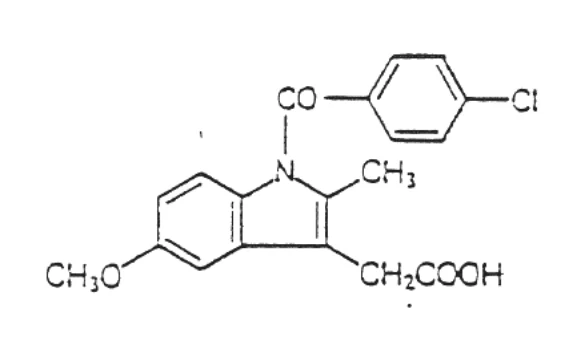
Description: Pale yellow to yellow-tan, crystalline powder, having not more than a slight odour. Is sensitive to light. Melts a> about 162°. Exhibits polymorphism. Practically insoluble in water; sparingly soluble in alcohol, in chloroform, and in ether.
14 CLINICAL TRIALS
The clinical data on which the original indication was authorized is not available.
14.2 Comparative Bioavailability Studies
A randomized, three-treatment, three-period, six-sequence, crossover, single dose (2 x 25 mg), oral comparative bioavailability study of APO-INDOMETHACIN 25 mg capsules (Apotex Inc.), NOVOMETHACIN 25 mg Capsules (Novo pharm) and INDOCID 25 mg Capsules (Merck, Sharp & Dohme) was conducted in 12 healthy, adult, male subjects under fasting conditions. Comparative bioavailability data from 12 subjects that were included in the statistical analysis are presented in the following tables:
SUMMARY TABLE OF THE COMPARATIVE BIOAVAILABILITY DATA
Indomethacin (2 x 25 mg) Geometric Mean Arithmetic Mean (CV%) | ||||
| Parameter | Test1 | Reference2 | Ratio of Geometric Means (%) | 90% Confidence Interval (%) |
AUC0-8hr (ng•h/mL) | 6374.1 6504.8 (20.4) | 6291.8 6401.9 (19.5) | 101.3 | Not available |
| AUCinf (ng•h/mL) | 7023.4 7151.6 (18.8) | 6607.8 6742.6 (20.1) | 106.3 | Not available |
| Cmax (ng/mL) | 2866.9 2979.2 (27.7) | 2507.4 2544.3 (18.2) | 114.3 | Not available |
Tmax3 (h) | 1.50 (0.50-3.00) | 1.38 (0.75-3.00) | ||
Thalf4 (h) | 2.13 (43.08) | 1.54 (25.78) | ||
1 APO-INDOMETHACIN Capsules, 25 mg (Apotex Inc.) 2 NOVOMETHACIN (Indomethacin) Capsules, 25 mg (Novo pharm) 3 Expressed as the median (range) only 4 Expressed as the arithmetic mean (CV %) only | ||||
Indomethacin (2 x 25 mg) Geometric Mean Arithmetic Mean (CV%) | ||||
| Parameter | Test1 | Reference2 | Ratio of Geometric Means (%) | 90% Confidence Interval (%) |
AUC0-8hr (ng•h/mL) | 6374.1 6504.8 (20.4) | 6027.0 6244.8 (25.3) | 105.8 | Not available |
| AUCinf (ng•h/mL) | 7023.4 7151.6 (18.8) | 6627.6 6865.4 (24.5) | 106.0 | Not available |
| Cmax (ng/mL) | 2866.9 2979.2 (27.7) | 2838.4 3107.0 (35.3) | 101.0 | Not available |
Tmax3 (h) | 1.50 (0.50-3.00) | 1.38 (0.75-4.00) | ||
Indomethacin (2 x 25 mg) Geometric Mean Arithmetic Mean (CV%) | ||||
| Parameter | Test1 | Reference2 | Ratio of Geometric Means (%) | 90% Confidence Interval (%) |
Thalf4 (h) | 2.13 (43.08) | 2.21 (30.92) | ||
1 APO-INDOMETHACIN Capsules, 25 mg (Apotex Inc.) 2 INDOCID (Indomethacin) Capsules, 25 mg (Merck, Sharp and Dohme) 3 Expressed as the median (range) only 4 Expressed as the arithmetic mean (CV %) only | ||||
15 MICROBIOLOGY
Not Applicable
16 NON-CLINICAL TOXICOLOGY
Anti - inflammatory Action
The anti-inflammatory activity of indomethacin was first demonstrated in animals, measuring the ability of the compound to inhibit either granuloma formation or edema induced by subplantar injection of carrageenin in rats. The latter appears to correlate well with anti-rheumatic activity in man. Assays of relative potency indicated that indomethacin was more potent than acetylsalicylic acid, phenylbutazone or hydrocortisone, the potency ratios varied with the test employed. Good anti-inflammatory effect is exhibited in rats at 1/20th of the average human dose.
The inhibition of carrageenin-induced edema by indomethacin is specific; the compound failed to inhibit edema induced by a variety of agents other than carrageenin, nor did it reduce edema if the drug was administered after the edema had been established.
As with other anti-inflammatory agents, the mechanism of action of indomethacin is unknown. Indomethacin is fully active in the absence of the adrenals; and its activity is readily demonstrable by direct application of the compound to the site of action. Unlike anti-inflammatory steroids, indomethacin given to intact animals did not affect the size of the adrenals or the thymus, nor did it retard gain in body weight; these are sensitive indicators of adrenal activation. The anti-inflammatory activity of combinations of indomethacin and a steroid was greater than that of either drug alone in comparable doses.
Recent experiments have shown indomethacin to have a favorable effect upon adjuvant- induced polyarthritis in rats; it was more active than phenylbutazone or acetylsalicylic acid in suppressing the delayed manifestations of disseminated arthritis. This response is said to correlate well with clinical anti-arthritic activity.
Antipyretic Activity
The antipyretic activity of indomethacin has been demonstrated in rabbits and rats injected with bacterial pyrogen, and in the classical yeast-induced fever assay in rats. A direct comparison of peak antipyretic activity in the yeast fever test showed indomethacin to be about 9 times as potent as aminopyrine, 24 times as potent as phenylbutazone, and 43 times as potent as acetylsalicylic acid.
The antipyretic activity of indomethacin has been confirmed clinically by observations in patients with a variety of febrile conditions. However, indomethacin should not be used as an antipyretic agent.
Analgesic Activity
Laboratory tests designed to detect mild analgesic activity indicate that indomethacin is more potent than acetylsalicylic acid or aminopyrine. However, indomethacin should not be given as a simple analgesic.
Animal Toxicology
Indomethacin had been given to nine species of animals in short and long term studies. However, with the exception of pigs and chickens, the human dose is not tolerated. The main toxic signs exhibited are inflammation and/or ulceration of the gastrointestinal mucosa and diarrhea. Reproduction and teratogenic studies in mice, rats and rabbits showed no effect on fetal development or the reproduction cycle. There was some decrease in fetal viability and some delay in the onset of parturition in the rat, as has been observed with other non- steroid anti-inflammatory agents. A similar delay in the onset of parturition was not observed in the rabbit. Studies in mice demonstrated that indomethacin crosses the placental barrier.
17 SUPPORTING PRODUCT MONOGRAPHS
- 1. TEVA-INDOMETHACIN (indomethacin capsules, 25 mg and 50 mg), submission control 255834, Product Monograph, Teva Canada Limited. (FEB 07, 2022)
- 2. INDOCID (indomethacin capsules, 25 mg and 50 mg), Product Monograph, Merck Frosst Canada & CIE, Merck Frosst Canada & Co. (DEC 17, 1991)