


Product Monograph - Apo-Meloxicam
SUMMARY PRODUCT INFORMATION
| Route of Administration | Dosage Form / Strength | All Non-medicinal Ingredients |
| Oral | Tablet, 7.5 mg and 15 mg | colloidal silicon dioxide, croscarmellose sodium, lactose monohydrate, magnesium stearate, microcrystalline cellulose and sodium bicarbonate. |
INDICATIONS AND CLINICAL USE
APO-MELOXICAM (meloxicam) is indicated for the symptomatic treatment of:
- Rheumatoid arthritis in adults, and
- Painful osteoarthritis (arthrosis, degenerative joint disease) in adults
Throughout this document, the term NSAIDs refers to both non-selective NSAIDs and selective
COX-2 inhibitor NSAIDs, unless otherwise indicated.
For patients with an increased risk of developing CV and/or GI adverse events, other management strategies that do NOT include the use of NSAIDs should be considered first (see CONTRAINDICATIONS and WARNINGS AND PRECAUTIONS).
Use of APO-MELOXICAM should be limited to the lowest effective dose for the shortest possible duration of treatment in order to minimize the potential risk for cardiovascular or gastrointestinal adverse events (see CONTRAINDICATIONS and WARNINGS AND PRECAUTIONS).
APO-MELOXICAM, as a NSAID, does NOT treat clinical disease or prevent its progression.
APO-MELOXICAM, as a NSAID, only relieves symptoms and decreases inflammation for as long as the patient continues to take it.
Geriatrics (> 65 years of age):
Evidence from clinical studies and post-market experience suggests that use in the geriatric population is associated with differences in safety (see WARNINGS AND PRECAUTIONS – Special Populations –Geriatrics and DOSAGE AND ADMINISTRATION – Recommended Dose and Dosage Adjustment –Geriatrics (>65 years of age)).
Pediatrics (< 18 years of age):
Safety and efficacy have not been established in the pediatric population. APO-MELOXICAM is CONTRAINDICATED in this population.
CONTRAINDICATIONS
APO-MELOXICAM is contraindicated in:
- the peri-operative setting of coronary artery bypass graft surgery (CABG). Although meloxicam has NOT been studied in this patient population, a selective COX-2 inhibitor NSAID studied in such a setting has led to an increased incidence of cardiovascular/thromboembolic events, deep surgical infections and sternal wound complications.
- During the third trimester of pregnancy, because of risk of premature closure of the ductus arteriosus, and prolonged parturition.
- women who are breastfeeding because of the potential for serious adverse reactions in nursing infants. NSAIDs are known to pass into mother’s milk.
- individuals with severe uncontrolled heart failure;
- individuals with known or suspected hypersensitivity to meloxicam or to any of the components/excipients
- individuals with a history of acute asthmatic attacks or symptoms of asthma, urticaria, nasal polyps, anaphylaxis, rhinitis, angioedema or other allergic manifestations that are precipitated by ASA or other NSAIDs, because of a potential for cross-sensitivity. Fatal anaphylactoid reactions may occur in such individuals. Individuals with the above medical problem are at risk of a severe reaction even if they have taken NSAIDs in the past without any adverse reaction. (See WARNINGS AND PRECAUTIONS - Hypersensitivity Reactions - Anaphylactoid Reactions, ASA-Intolerance).
- individuals with active or recent gastro-intestinal/gastric/duodenal/peptic ulceration/perforation, active GI bleeding;
- individuals with cerebrovascular bleeding or other bleeding disorders;
- inflammatory bowel disease (Crohn’s Disease or Ulcerative Colitis);
- individuals with severe liver impairment or active liver disease;
- individuals with severe renal impairment (creatinine clearance <30 mL/min or 0.5 mL/s) or deteriorating renal disease (individuals with lesser degrees of renal impairment are at risk of deterioration of their renal function when prescribed NSAIDs and must be monitored) (see WARNINGS AND PRECAUTIONS –Renal);
- individuals with known hyperkalemia (see WARNINGS AND PRECAUTIONS –Renal - Fluid and Electrolyte Balance);
- children and adolescents aged less than 18 years;
- rare hereditary conditions that may be incompatible with an excipient of the product (please refer to WARNINGS AND PRECAUTIONS).
WARNINGS AND PRECAUTIONS
Risk of Cardiovascular (CV) Adverse Events: Ischemic Heart Disease, Cerebrovascular Disease, Congestive Heart Failure (NYHA II-IV) (see WARNINGS AND PRECAUTIONS – Cardiovascular). APO-MELOXICAM is a non-steroidal anti-inflammatory drug (NSAID). Use of some NSAIDs is associated with an increased incidence of cardiovascular adverse events (such as myocardial infarction, stroke or thrombotic events) which can be fatal. The risk may increase with duration of use. Patients with cardiovascular disease or risk factors for cardiovascular disease may be at greater risk. Caution should be exercised in prescribing APO-MELOXICAM to any patient with ischemic heart disease (including but NOT limited to acute myocardial infarction, history of myocardial infarction and/or angina), cerebrovascular disease (including but NOT limited to stroke, cerebrovascular accident, transient ischemic attacks and/or amaurosis fugax) and/or congestive heart failure (NYHA II-IV). Use of NSAIDs, such as APO-MELOXICAM, can promote sodium retention in a dose-dependent manner, through a renal mechanism, which can result in increased blood pressure and/or exacerbation of congestive heart failure (see WARNINGS AND PRECAUTIONS –Renal –Fluid and Electrolyte Balance). Randomized clinical trials with meloxicam have not been designed to detect differences in cardiovascular events in a chronic setting. Therefore, caution should be exercised when prescribing APO-MELOXICAM. Risk of Gastrointestinal (GI) Adverse Events (see WARNINGS AND PRECAUTIONS – Gastrointestinal). Use of NSAIDs, such as APO-MELOXICAM, is associated with an increased incidence of gastrointestinal adverse events (such as peptic/duodenal ulceration, perforation, obstruction and gastrointestinal bleeding). Risk in Pregnancy: Caution should be exercised in prescribing APO-MELOXICAM during the first and second trimesters of pregnancy. Use of NSAIDS at approximately 20 weeks of gestation or later may cause fetal renal dysfunction leading to oligohydramnios and neonatal renal impairment or failure (see WARNINGS AND PRECAUTIONS). APO-MELOXICAM is contraindicated for use during the third trimester because of risk of premature closure of the ductus arteriosus and uterine inertia (prolonged parturition) (see CONTRAINDICATIONS). |
|---|
General
For relevant drug interactions that require particular attention, see DRUG INTERACTIONS section.
Frail or debilitated patients may tolerate side effects less well and therefore special care should be taken in treating this population. To minimize the potential risk for an adverse event, the lowest effective dose should be used for the shortest possible duration. As with other NSAIDs, caution should be used in the treatment of elderly patients who are more likely to be suffering from impaired renal, hepatic or cardiac function. For high risk patients, alternate therapies that do not involve NSAIDs should be considered.
APO-MELOXICAM is NOT recommended for use with other NSAIDs, with the exception of low-dose ASA for cardiovascular prophylaxis, because of the absence of any evidence demonstrating synergistic benefits and the potential for additive adverse reactions (see DRUG INTERACTIONS – Drug/Drug Interactions –Acetylsalicylic Acid (ASA) or other NSAIDs).
APO-MELOXICAM tablets 7.5 mg contains lactose. Patients with rare hereditary problems of galactose intolerance, the Lapp-lactase deficiency or glucose-galactose malabsorption should not take this medicine.
APO-MELOXICAM tablets 15 mg contains lactose. Patients with rare hereditary problems of galactose intolerance, the Lapp-lactase deficiency or glucose-galactose malabsorption should not take this medicine.
Carcinogenesis and Mutagenesis
See TOXICOLOGY section.
Cardiovascular
APO-MELOXICAM is a non-steroidal anti-inflammatory drug (NSAID). Use of some NSAIDs is associated with an increased incidence of cardiovascular adverse events (such as myocardial infarction, stroke or thrombotic events) which can be fatal. The risk may increase with duration of use. Patients with cardiovascular disease or risk factors for cardiovascular disease may be at greater risk.
Caution should be exercised in prescribing APO-MELOXICAM to patients with risk factors for cardiovascular disease, cerebrovascular disease or renal disease, such as any of the following (NOT an exhaustive list):
- Hypertension
- Dyslipidemia/Hyperlipidemia
- Diabetes Mellitus
- Congestive Heart Failure (NYHA I)
- Coronary Artery Disease (Atherosclerosis)
- Peripheral Arterial Disease
- Smoking
- Creatinine Clearance (<60 mL/min or 1 mL/s)
Use of NSAIDs, such as APO-MELOXICAM, can lead to new hypertension or can worsen pre-existing hypertension, either of which may increase the risk of cardiovascular events as described above. Thus blood pressure should be monitored regularly. Consideration should be given to discontinuing APO-MELOXICAM should hypertension either develop or worsen with its use.
Use of NSAIDs, such as APO-MELOXICAM, can induce fluid retention and edema, and may exacerbate congestive heart failure, through a renally-mediated mechanism (see WARNINGS AND PRECAUTIONS –Renal –Fluid and Electrolyte Balance).
For patients with a high risk of developing an adverse CV event, other management strategies that do NOT include the use of NSAIDs should be considered first. To minimize the potential risk for an adverse CV event, the lowest effective dose should be used for the shortest possible duration.
Endocrine and Metabolism
Corticosteroids:
APO-MELOXICAM is NOT a substitute for corticosteroids. It does NOT treat corticosteroid insufficiency. Abrupt discontinuation of corticosteroids may lead to exacerbation of corticosteroid responsive illness. Patients on prolonged corticosteroid therapy should have their therapy tapered slowly if a decision is made to discontinue corticosteroids. (See DRUG INTERACTIONS –Drug-Drug Interactions –Glucocorticoids).
Gastrointestinal (GI)
Serious GI toxicity (sometimes fatal), such as peptic/duodenal ulceration, inflammation, perforation, obstruction and gastrointestinal bleeding, can occur at any time, with or without warning symptoms in patients treated with NSAIDs, such as APO-MELOXICAM. Minor upper GI problems, such as dyspepsia, commonly occur at any time. Health care providers should remain alert for ulceration and bleeding in patients treated with APO-MELOXICAM, even in the absence of previous GI tract symptoms. Most spontaneous reports of fatal GI events are in elderly or debilitated patients and therefore special care should be taken in treating this population. To minimize the potential risk for an adverse GI event, the lowest effective dose should be used for the shortest possible duration. For high risk patients, alternate therapies that do not involve NSAIDs should be considered (see WARNINGS AND PRECAUTIONS – Special Populations – Geriatrics).
Patients should be informed about the signs and/or symptoms of serious GI toxicity and instructed to discontinue using APO-MELOXICAM and seek emergency medical attention if they experience any such symptoms. The utility of periodic laboratory monitoring has NOT been demonstrated, nor has it been adequately assessed. Most patients who develop a serious upper GI adverse event on NSAID therapy have no symptoms. Upper GI ulcers, gross bleeding or perforation, caused by NSAIDs, appear to occur in approximately 1% of patients treated for 3 to 6 months, and in about 2 to 4% of patients treated for one year. These trends continue, thus increasing the likelihood of developing a serious GI event at some time during the course of therapy. Even short-term therapy has its risks.
Caution should be taken if prescribing APO-MELOXICAM to patients with a prior history of peptic/duodenal ulcer disease or gastrointestinal bleeding as these individuals have a greater than 10-fold higher risk for developing a GI bleed when taking a NSAID than patients with neither of these risk factors. Other risk factors for GI ulceration and bleeding include the following: Helicobacter pylori infection, increased age, prolonged use of NSAID therapy, excess alcohol intake, smoking, poor general health status or concomitant therapy with any of the following:
- Anti-coagulants (e.g. warfarin)
- Anti-platelet agent (e.g. ASA, clopidogrel)
- Oral corticosteroids (e.g. prednisone)
- Selective Serotonin Reuptake Inhibitors (SSRIs) (e.g. citalopram, fluoxetine, paroxetine, sertraline)
APO-MELOXICAM should be withdrawn if gastro-intestinal ulceration or bleeding occurs (see CONTRAINDICATIONS).
Prospective, long-term studies required to compare the incidence of serious clinically significant upper gastrointestinal adverse events among patients taking meloxicam versus other NSAID products have not been performed.
There is no definitive evidence that the concomitant administration of histamine H2 receptor antagonists and/or antacids will either prevent the occurrence of gastrointestinal adverse events or allow continuation of therapy when and if these adverse reactions appear.
Genitourinary
Some NSAIDs are associated with persistent urinary symptoms (bladder pain, dysuria, urinary frequency), hematuria or cystitis. The onset of these symptoms may occur at any time after the initiation of therapy with a NSAID.
Should urinary symptoms occur, in the absence of an alternate explanation, treatment with APO-MELOXICAM should be stopped to ascertain if symptoms disappear. This should be done before any urological investigations or treatments are carried out.
Hematologic
NSAIDs inhibiting prostaglandin biosynthesis interfere with platelet function to varying degrees; patients who may be adversely affected by such an action, such as those on anti-coagulants or suffering from hemophilia or platelet disorders should be carefully observed when APO-MELOXICAM is administered.
Anti-coagulants:
Caution should be exercised in patients receiving treatment with anticoagulants. Numerous studies have shown that the concomitant use of NSAIDs and anti-coagulants increases the risk of bleeding. Concurrent therapy of APO-MELOXICAM with warfarin requires close monitoring of the international normalized ratio (INR).
Even with therapeutic INR monitoring, increased bleeding may occur (see DRUG INTERACTIONS –Drug-Drug Interactions –Anticoagulants).
Anti-platelet Effects:
NSAIDs inhibit platelet aggregation and have been shown to prolong bleeding time in some patients. Unlike acetylsalicylic acid (ASA) their effect on platelet function is quantitatively less, or of shorter duration, and reversible.
Meloxicam and other NSAIDs have no proven efficacy as anti-platelet agents and should NOT be used as a substitute for ASA or other anti-platelet agents for prophylaxis of cardiovascular thromboembolic diseases. Anti-platelet therapies (e.g. ASA) should NOT be discontinued. There is some evidence that use of NSAIDs with ASA can markedly attenuate the cardioprotective effects of ASA (see DRUG INTERACTIONS –Drug-Drug Interactions –Acetylsalicylic Acid or other NSAIDs).
Concomitant administration of APO-MELOXICAM with low dose ASA increases the risk of GI ulceration and associated complications.
For information on interaction between low dose ASA and meloxicam and any other interaction, see DRUG INTERACTIONS –Acetylsalicylic Acid (ASA) or Other NSAIDs.
Blood dyscrasias:
Blood dyscrasias (such as neutropenia, leukopenia, thrombocytopenia, aplastic anemia, and agranulocytosis) associated with the use of NSAIDs are rare, but can occur with severe consequences.
Anemia is sometimes seen in patients receiving NSAIDs, including meloxicam. This may be due to fluid retention, GI blood loss, or an incompletely described effect upon erythropoiesis. Patients on long-term treatment with NSAIDs, including APO-MELOXICAM, should have their hemoglobin or hematocrit checked if they exhibit any signs or symptoms of anemia or blood loss.
The incidence of treatment-related anemia is more frequent than 1%. The incidence of disturbances of blood count, including differential white cell count, leukopenia and thrombocytopenia, is between 0.1 and 1%.
Concomitant administration of a potentially myelotoxic drug, in particular methotrexate, appears to be a predisposing factor to the onset of a cytopenia.
Hepatic/Biliary/Pancreatic
As with other NSAIDs, borderline elevations of one or more liver enzyme tests (AST, ALT, alkaline phosphatase) may occur in up to 15% of patients. These abnormalities may progress, may remain essentially unchanged, or may be transient with continued therapy. Notable elevations of ALT or AST (approximately three or more times the upper limit of normal) have been reported in approximately 1% of patients in clinical trials with NSAIDs.
A patient with signs and/or symptoms suggesting liver dysfunction, or in whom an abnormal liver function test has occurred, should be evaluated for evidence of the development of a more severe hepatic reaction while on therapy with APO-MELOXICAM. Severe hepatic reactions including jaundice and cases of fatal hepatitis, liver necrosis and hepatic failure, some of them with fatal outcomes, have been reported with NSAIDs.
Although such reactions are rare, if abnormal liver tests persist or worsen, if clinical signs and symptoms consistent with liver disease develop (e.g. jaundice), or if systemic manifestations occur (e.g., eosinophilia, associated with rash, etc.), APO-MELOXICAM should be discontinued.
If there is a need to prescribe APO-MELOXICAM in the presence of impaired liver function, it must be done under strict observation.
Hypersensitivity Reactions
Anaphylactoid Reactions:
As with NSAIDs in general, anaphylactoid reactions have occurred in patients without known prior exposure to meloxicam. In post-marketing experience, rare cases of anaphylactic/anaphylactoid reactions and angioedema have been reported in patients receiving meloxicam. APO-MELOXICAM should NOT be given to patients with the ASA-triad. This symptom complex typically occurs in asthmatic patients who experience rhinitis with or without nasal polyps, or who exhibit severe, potentially fatal bronchospasm after taking ASA or other NSAIDs (see CONTRAINDICATIONS). Emergency help should be sought in cases where anaphylactoid reaction occurs.
ASA-Intolerance:
APO-MELOXICAM should NOT be given to patients with complete or partial syndrome of ASA- intolerance (rhinosinusitis, urticaria/angioedema, nasal polyps, asthma) in whom asthma, anaphylaxis, urticaria/angioedema, rhinitis or other allergic manifestations are precipitated by ASA or other NSAIDs. Fatal anaphylactoid reactions have occurred in such individuals. As well, individuals with the above medical problems are at risk of a severe fatal reaction even if they have taken NSAIDs in the past without any adverse reaction (see CONTRAINDICATIONS).
Cross-sensitivity:
Patients sensitive to any one of the NSAIDs may be sensitive to any of the other NSAIDs as well.
Serious Skin Reactions:
See WARNINGS AND PRECAUTIONS –Skin.
Immune
See WARNINGS AND PRECAUTIONS –Infection – Aseptic Meningitis.
Infection
APO-MELOXICAM, in common with other NSAIDs, may mask signs and symptoms of an underlying infectious disease.
Aseptic Meningitis:
Rarely, with some NSAIDs, the symptoms of aseptic meningitis (stiff neck, severe headaches, nausea and vomiting, fever or clouding of consciousness) have been observed. Patients with autoimmune disorders (systemic lupus erythematosus, mixed connective tissues diseases, etc.) seem to be pre-disposed. Therefore, in such patients, the health care provider must be vigilant to the development of this complication.
Neurologic
Some patients may experience drowsiness, dizziness, blurred vision, vertigo, tinnitus, hearing loss, insomnia or depression with the use of NSAIDs, such as meloxicam. If patients experience these side effects, they should exercise caution in carrying out activities that require alertness.
Ophthalmologic
Blurred and/or diminished vision has been reported with the use of NSAIDs. If such symptoms develop, APO-MELOXICAM should be discontinued and an ophthalmologic examination performed. Ophthalmologic examination should be carried out at periodic intervals in any patient receiving APO-MELOXICAM for an extended period of time.
Peri-Operative Considerations
See CONTRAINDICATIONS - Coronary Artery Bypass Graft Surgery.
Psychiatric
See WARNINGS AND PRECAUTIONS –Neurologic.
Renal
Long-term administration of NSAIDs to animals has resulted in renal papillary necrosis and other abnormal renal pathology. In humans, there have been reports of acute interstitial nephritis, hematuria, low grade proteinuria, glomerulonephritis, renal medullary necrosis and occasionally nephrotic syndrome.
Renal insufficiency due to NSAID use is seen in patients with pre-renal conditions leading to reduction in renal blood flow or blood volume. Under these circumstances, renal prostaglandins help maintain renal perfusion and glomerular filtration rate (GFR). In these patients, administration of a NSAID may cause a reduction in prostaglandin synthesis leading to impaired renal function. Patients at greatest risk of this reaction are those with pre-existing renal insufficiency (GFR <60 mL/min or 1 mL/s), dehydrated patients, patients on salt restricted diets, those with congestive heart failure, cirrhosis, liver dysfunction, taking angiotensin-converting enzyme inhibitors, angiotensin-II receptor blockers, cyclosporine, diuretics and those who are elderly. Serious or life-threatening renal failure has been reported in patients with normal or impaired renal function after short-term therapy with NSAIDs. Even patients at risk who demonstrate the ability to tolerate a NSAID under stable conditions may decompensate during periods of added stress (e.g. dehydration due to gastroenteritis). Discontinuation of NSAIDs is usually followed by recovery to the pre-treatment state.
The extent to which metabolites may accumulate in patients with renal failure has not been studied with meloxicam. As with other NSAIDs, metabolites of which are excreted by the kidney, patients with significantly impaired renal function should be more closely monitored.
Caution should be used when initiating treatment with NSAIDs, such as APO-MELOXICAM, in patients with considerable dehydration. Such patients should be rehydrated prior to initiation of therapy. Caution is also recommended in patients with pre-existing kidney disease. No dose reduction is required in patients with mild or moderate renal impairment (i.e. in patients with a creatinine clearance of greater than 30 mL/min or 0.50 mL/s).
Advanced Renal Disease:
See CONTRAINDICATIONS.
Fluid and Electrolyte Balance:
Use of NSAIDs, such as APO-MELOXICAM, can promote sodium retention in a dose-dependent manner, which can lead to fluid retention and edema, and consequences of increased blood pressure and exacerbation of congestive heart failure. Thus, caution should be exercised in prescribing APO-MELOXICAM in patients with a history of congestive heart failure, compromised cardiac function, hypertension, increased age or other conditions predisposing to fluid retention. For patients at risk, clinical monitoring is recommended (see WARNINGS AND PRECAUTIONS – Cardiovascular).
Use of NSAIDs, such as APO-MELOXICAM, can increase the risk of hyperkalemia, especially in patients with diabetes mellitus, renal failure, increased age, or those receiving concomitant therapy with adrenergic blockers, angiotensin-converting enzyme inhibitors, angiotensin-II receptor antagonists, cyclosporine, or some diuretics.
Electrolytes should be monitored periodically (see CONTRAINDICATIONS).
Use with Pemetrexed in Mild to Moderate Renal Insufficiency:
Caution should be used when administering APO-MELOXICAM concurrently with pemetrexed to patients with mild to moderate renal insufficiency (creatinine clearance from 45 to 79 mL/min). Patients with creatinine clearance below 45 mL/min should not administer APO-MELOXICAM concomitantly with pemetrexed (see DRUG INTERACTIONS).
Respiratory
ASA-induced asthma is an uncommon but very important indication of ASA and NSAID sensitivity. It occurs more frequently in patients with asthma who have nasal polyps.
Sexual Function/Reproduction
The use of APO-MELOXICAM, as with any drug known to inhibit cyclooxygenase / prostaglandin synthesis, may impair fertility and is not recommended in women attempting to conceive. Therefore, in women who have difficulties conceiving, or who are undergoing investigation of infertility, withdrawal of APO-MELOXICAM should be considered.
Skin
Serious skin reactions: Use of some NSAIDs, such as APO-MELOXICAM, have been associated with rare post-market cases of serious, fatal or otherwise life-threatening skin reactions, including:
- drug reaction with eosinophilia and systemic symptoms (DRESS)
- Stevens-Johnson syndrome,
- toxic epidermal necrolysis,
- exfoliative dermatitis and
- erythema multiforme.
Patients appear to be at higher risk for these events early in the course of therapy, with the onset of cases usually occurring within the first month of treatment. These reactions may be reversible if the causative agent is discontinued and appropriate treatment instituted. Patients should be advised that they should discontinue their NSAID at the first appearance of a skin rash, mucosal lesions or any other sign of hypersensitivity, and contact their physician immediately for assessment and advice, including which therapies to discontinue.
DRESS typically, although not exclusively, presents with fever, rash, lymphadenopathy, and/or facial swelling. Other clinical manifestations may include hepatitis, nephritis, hematological abnormalities, myocarditis, or myositis. Sometimes symptoms of DRESS may resemble an acute viral infection, and eosinophilia is often present. Because this disorder is variable in its presentation, other organ systems not noted here may be involved. It is important to note that early manifestations of hypersensitivity, such as fever or lymphadenopathy, may be present even though rash is not evident.
Special Populations
Pregnant Women:
APO-MELOXICAM is contraindicated for use during the third trimester of pregnancy because of risks of premature closure of the ductus arteriosus and potential to prolonged parturition (see TOXICOLOGY). Caution is recommended in prescribing APO-MELOXICAM during the first and second trimesters of pregnancy, particularly from the middle to end of the second trimester of pregnancy (onset at approximately 20 weeks) due to possible fetal renal dysfunction leading to oligohydramnios and, in some cases, neonatal renal impairment or failure.
Published studies and postmarketing reports describe maternal NSAID use at approximately 20 weeks gestation or later in pregnancy associated with fetal renal dysfunction leading to oligohydramnios, and in some cases, neonatal renal impairment or failure. NSAIDs were shown to cause significant reduction in fetal urine production prior to reduction of amniotic fluid volume. There have also been a limited number of case reports of maternal NSAID use and neonatal renal dysfunction and renal impairment without oligohydramnios, some of which were irreversible, even after treatment discontinuation.
These adverse outcomes are seen, on average, after days to weeks of treatment, although oligohydramnios has been infrequently reported as soon as 48 hours after NSAID initiation. Complications of prolonged oligohydramnios may for example, include limb contractures and delayed lung maturation. In some postmarketing cases of impaired neonatal renal function, invasive procedures such as exchange transfusion or dialysis were required.
If after careful consideration of the benefit-risk, NSAID treatment is considered necessary to be administered anywhere from the middle (onset at approximately 20 weeks) to the end of the second trimester of pregnancy, the use should be limited to the lowest effective dose and shortest duration possible. It is also recommended that ultrasound monitoring of amniotic fluid be considered if APO-MELOXICAM treatment extends beyond 48 hours and that NSAIDs treatment be discontinued if oligohydramnios occurs, followed by appropriate medical follow up.
In animals, administration of a prostaglandin synthesis inhibitor has been shown to result in increased pre- and post-implantation loss and embryo-fetal lethality. In addition, increased incidences of various malformations, including cardiovascular, have been reported in animals given a prostaglandin synthesis inhibitor during the organogenesis period.
Inhibition of prostaglandin-synthesis may adversely affect pregnancy and/or the embryo-foetal development. Data from epidemiological studies suggest an increased risk of miscarriage and of cardiac malformation and gastroschisis after use of a prostaglandin synthesis inhibitor in early pregnancy. The absolute risk for cardiovascular malformation was increased from less than 1%, up to approximately 1.5%. The risk is believed to increase with dose and duration of therapy.
During the third trimester of pregnancy all prostaglandin-synthesis inhibitors may expose the fetus to:
- cardiopulmonary toxicity (with premature closure of the ductus arteriosus and pulmonary hypertension)
- renal dysfunction, which may progress to renal failure with oligo-hydroamniosis; the mother and the neonate, at the end of pregnancy
- possible prolongation of bleeding time, an anti-aggregating effect which may occur even at very low doses
- inhibition of uterine contractions resulting in delayed or prolonged labor
The use of meloxicam may impair fertility and is not recommended in women attempting to conceive. Meloxicam may delay ovulation. Therefore, in women who have difficulties conceiving, or who are undergoing investigation of infertility, withdrawal of APO-MELOXICAM should be considered.
See CONTRAINDICATIONS and TOXICOLOGY.
Nursing Women:
APO-MELOXICAM is CONTRAINDICATED in nursing women.
APO-MELOXICAM is contraindicated for use in women who are breastfeeding because of the potential for serious adverse reactions in nursing infants. NSAIDs are known to pass into mother’s milk.
Pediatrics (<18 years of age):
See CONTRAINDICATIONS.
Safety and effectiveness of meloxicam in pediatric patients below the age of 18 years have not been evaluated.
Geriatrics (>65 years of age):
Patients older than 65 years (hereafter referred to as older or elderly) and frail or debilitated patients are more susceptible to a variety of adverse reactions from NSAIDs. The incidence of these adverse reactions increases with dose and duration of treatment. In addition, these patients are less tolerant to ulceration and bleeding. Most reports of fatal GI events are in this population. Older patients are also at risk of a lower esophageal injury including ulceration and bleeding. For such patients, consideration should be given to a starting dose lower than the one usually recommended, with individual adjustment when necessary and under close supervision.
Monitoring and Laboratory Tests
The following monitoring criteria and laboratory tests are recommended for patients taking APO-MELOXICAM. This is not an exhaustive list.
Laboratory Testing:
- Potassium (Renal function, Hyperkalemia)
- INR/effects of anticoagulants (co-prescription of oral anticoagulants)
- Serum transaminases and other liver function tests (liver function)
- Renal function parameters such as serum creatinine and serum urea (in case of Methotrexate, Diuretics, Cyclosporine, ACE-Inhibitor or ARB co-prescription, and in susceptible patients re: the renal effects of meloxicam, e.g. impaired renal function or dehydration)
- Lithium plasma concentrations (in case of Lithium co-prescription)
- Blood cell count, including differential white cell count (in case of Methotrexate co-prescription)
Monitoring Activities:
- Patients with GI symptoms
- Patients with oral anticoagulation (see above)
- Blood pressure (in case of antihypertensives co-prescription, and in susceptible patients with fluid retention)
- Periodic ophthalmologic evaluation (in patients on extended treatment)
Pregnancy: If APO-MELOXICAM is administered in the middle (approximately 20 weeks) to the end of the second trimester, it is recommended that pregnant women on APO-MELOXICAM be closely monitored for amniotic fluid volume since APO-MELOXICAM may result in reduction of amniotic fluid volume and even oligohydramnios (see Special Populations). APO-MELOXICAM is contraindicated for use in the third trimester of pregnancy.
For more information, please refer to the WARNINGS AND PRECAUTIONS and DRUG INTERACTIONS sections.
ADVERSE REACTIONS
Adverse Drug Reaction Overview
The information to compile the following data is based on clinical trials involving 14325 patients who have been treated with daily oral doses of 7.5 and 15 mg meloxicam tablets or capsules. In these clinical trials, the following indications were studied: osteoarthritis and rheumatoid arthritis (approved indications); ankylosing spondylitis, sciatica and low back pain (unapproved indications).
In the overall clinical trial database of 14325 patients, treatment exposure up to 6 weeks was obtained in 14313* patients, while exposure up to 3 months was in 2185 patients. Exposure up to 6 months was in 1642 patients, exposure up to one year was obtained in 1031 patients and 471 patients were exposed for more than one year to meloxicam.
*For 12 patients treated with meloxicam, information is missing to categorize the duration of exposure.
Frequent Adverse Events:
The following adverse events, which may be causally related to the administration of meloxicam, have a frequency of ≥1%.
| Gastrointestinal: | dyspepsia, nausea, abdominal pain, diarrhea |
|---|---|
| Skin and Appendages: | skin rash |
| Central nervous system: | light-headedness, headache |
Serious Adverse Drug Reactions:
The following serious adverse drug reactions have been reported in association with meloxicam use:
- Gastrointestinal ulceration, perforation or bleeding (see WARNINGS AND PRECAUTIONS, Gastrointestinal (GI) and DRUG INTERACTIONS, Drug-Drug Interactions - Selective Serotonin Reuptake Inhibitors (SSRIs);
- Asthma, bronchospasm (see WARNINGS AND PRECAUTIONS, Hypersensitivity Reactions - Anaphylactoid Reactions and WARNINGS AND PRECAUTIONS, Respiratory);
- Hypersensitivity reactions including angioedema, skin rash, pruritus (see WARNINGS AND PRECAUTIONS, Hypersensitivity Reactions - Anaphylactoid Reactions and Skin);
Renal failure, hematuria (see WARNINGS AND PRECAUTIONS, Genitourinary and
- Renal, DRUG INTERACTIONS, Drug-Drug Interactions – Anti-hypertensives, Cyclosporine or Tacrolimus, Diuretics and Methotrexate);
- Visual disturbances including blurred vision (see WARNINGS AND PRECAUTIONS, Neurologic and Ophthalmologic).
- Vomiting or persistent dyspepsia, nausea, abdominal pain or diarrhea (see WARNINGS AND PRECAUTIONS, Gastrointestinal (GI) and Infection – Aseptic Meningitis);
- Micturition disorders;
- Edema (see WARNINGS AND PRECAUTIONS, Cardiovascular and Renal – Fluid and Electrolyte Balance);
- Jaundice (see WARNINGS AND PRECAUTIONS, Hepatic/Biliary/Pancreatic);
- Malaise, fatigue;
- Aseptic meningitis (see WARNINGS AND PRECAUTIONS, Infection – Aseptic Meningitis);
- Confusion, depression, light-headedness (see WARNINGS AND PRECAUTIONS, Neurologic);
- Tinnitus (see WARNINGS AND PRECAUTIONS, Neurologic).
Clinical Trial Adverse Drug Reactions
Because clinical trials are conducted under very specific conditions the adverse reaction rates observed in the clinical trials may not reflect the rates observed in practice and should not be compared to the rates in the clinical trials of another drug. Adverse drug reaction information from clinical trials is useful for identifying drug-related adverse events and for approximating rates.
Adverse drug reactions (ADRs) occurring with a frequency of ≥1% in a 12 week, double-blind, randomized, placebo- and active-controlled clinical trial in osteoarthritis (Study 107.181) are presented in Table 1. Diclofenac was used as a comparator in a dose of 100 mg/day.
Table 1: Adverse Drug Reactions In A Placebo- And Active-Controlled Trial In Osteoarthritis (107.181) With Incidence ≥ 1% In Any Treatment Displayed On Preferred Term Level
| MedDRA system organ class MedDRA preferred term | Treatment at Onset | ||||||||||||||||||||||||||||||
| Placebo | Meloxicam 3.75 mg | Meloxicam 7.5 mg | Meloxicam 15 mg | Diclofenac 100 mg | Total | ||||||||||||||||||||||||||
| N | % | N | % | N | % | N | % | N | % | N | % | ||||||||||||||||||||
| Summary Data | 157 | 100.0 | 154 | 100.0 | 154 | 100.0 | 156 | 100.0 | 153 | 100.0 | 774 | 100.0 | |||||||||||||||||||
| Total Treated | |||||||||||||||||||||||||||||||
| Total with any Adverse Event | 28 | 17.8 | 34 | 22.1 | 31 | 20.1 | 26 | 16.7 | 34 | 22.2 | 153 | 19.8 | |||||||||||||||||||
| Ear and labyrinth disorders | 1 | 0.6 | 1 | 0.6 | 1 | 0.6 | 1 | 0.6 | 2 | 1.3 | 6 | 0.8 | |||||||||||||||||||
| Tinnitus | 1 | 0.6 | 1 | 0.6 | 0 | 0.0 | 0 | 0.0 | 2 | 1.3 | 4 | 0.5 | |||||||||||||||||||
| Gastrointestinal disorders | 15 | 9.6 | 19 | 12.3 | 21 | 13.6 | 14 | 9.0 | 22 | 14.4 | 91 | 11.8 | |||||||||||||||||||
| MedDRA system organ class MedDRA preferred term | Treatment at Onset | |||||||||||||||||
| Placebo | Meloxicam 3.75 mg | Meloxicam 7.5 mg | Meloxicam 15 mg | Diclofenac 100 mg | Total | |||||||||||||
| N | % | N | % | N | % | N | % | N | % | N | % | |||||||
| Abdominal pain | 3 | 1.9 | 2 | 1.3 | 2 | 1.3 | 3 | 1.9 | 2 | 1.3 | 12 | 1.6 | ||||||
| Constipation | 3 | 1.9 | 1 | 0.6 | 2 | 1.3 | 0 | 0.0 | 4 | 2.6 | 10 | 1.3 | ||||||
| Diarrhea | 4 | 2.5 | 1 | 0.6 | 8 | 5.2 | 2 | 1.3 | 4 | 2.6 | 19 | 2.5 | ||||||
| Dry mouth | 0 | 0.0 | 1 | 0.6 | 0 | 0.0 | 0 | 0.0 | 2 | 1.3 | 3 | 0.4 | ||||||
| Dyspepsia | 5 | 3.2 | 6 | 3.9 | 5 | 3.2 | 6 | 3.8 | 6 | 3.9 | 28 | 3.6 | ||||||
| Flatulence | 5 | 3.2 | 5 | 3.2 | 4 | 2.6 | 3 | 1.9 | 4 | 2.6 | 21 | 2.7 | ||||||
| Gastroesophageal reflux disease | 0 | 0.0 | 0 | 0.0 | 1 | 0.6 | 3 | 1.9 | 2 | 1.3 | 6 | 0.8 | ||||||
| Nausea | 0 | 0.0 | 7 | 4.5 | 4 | 2.6 | 1 | 0.6 | 5 | 3.3 | 17 | 2.2 | ||||||
| General disorders and administration site conditions | 4 | 2.5 | 3 | 1.9 | 4 | 2.6 | 5 | 3.2 | 4 | 2.6 | 20 | 2.6 | ||||||
| Gravitational edema | 1 | 0.6 | 1 | 0.6 | 0 | 0.0 | 2 | 1.3 | 1 | 0.7 | 5 | 0.6 | ||||||
| Peripheral edema | 0 | 0.0 | 0 | 0.0 | 1 | 0.6 | 2 | 1.3 | 0 | 0.0 | 3 | 0.4 | ||||||
| Metabolism and nutrition disorders | 2 | 1.3 | 1 | 0.6 | 2 | 1.3 | 2 | 1.3 | 1 | 0.7 | 8 | 1.0 | ||||||
| Increased appetite | 1 | 0.6 | 1 | 0.6 | 0 | 0.0 | 2 | 1.3 | 0 | 0.0 | 4 | 0.5 | ||||||
| Musculoskeletal and connective tissue disorders | 2 | 1.3 | 4 | 2.6 | 1 | 0.6 | 2 | 1.3 | 1 | 0.7 | 10 | 1.3 | ||||||
| Arthralgia | 0 | 0.0 | 2 | 1.3 | 0 | 0.0 | 1 | 0.6 | 1 | 0.7 | 4 | 0.5 | ||||||
| Nervous system disorders | 9 | 5.7 | 9 | 5.8 | 5 | 3.2 | 5 | 3.2 | 5 | 3.3 | 33 | 4.3 | ||||||
| Dizziness | 3 | 1.9 | 3 | 1.9 | 1 | 0.6 | 2 | 1.3 | 1 | 0.7 | 10 | 1.3 | ||||||
| Headache | 6 | 3.8 | 4 | 2.6 | 1 | 0.6 | 1 | 0.6 | 3 | 2.0 | 15 | 1.9 | ||||||
| Skin and subcutaneous tissue disorders | 2 | 1.3 | 3 | 1.9 | 4 | 2.6 | 5 | 3.2 | 2 | 1.3 | 16 | 2.1 | ||||||
| Hyperhidrosis | 0 | 0.0 | 1 | 0.6 | 0 | 0.0 | 2 | 1.3 | 0 | 0.0 | 3 | 0.4 | ||||||
| Rash | 1 | 0.6 | 1 | 0.6 | 2 | 1.3 | 0 | 0.0 | 0 | 0.0 | 4 | 0.5 | ||||||
| Vascular disorders | 2 | 1.3 | 1 | 0.6 | 0 | 0.0 | 2 | 1.3 | 1 | 0.7 | 6 | 0.8 | ||||||
| Hypertension | 2 | 1.3 | 1 | 0.6 | 0 | 0.0 | 1 | 0.6 | 0 | 0.0 | 4 | 0.5 | ||||||
Adverse drug reactions (ADRs) occurring with a frequency of > 1% in a 12-week double-blind, randomized, placebo- and active-controlled trial in rheumatoid arthritis (Study 107.183) are presented in Table 2. Diclofenac was used as a comparator in a dose of 150 mg/day (n = 182).
Table 2: Adverse Drug Reactions In A Placebo- And Active-Controlled Trial In Rheumatoid Arthritis (107.183) With Incidence ≥ 1% In Any Treatment Displayed On Preferred Term Level
| MedDRA’ system organ class MedDRA preferred term | Treatment at Onset | |||||||||||||||||||||||||
| Placebo | Meloxicam 7.5 mg | Meloxicam 15 mg | Meloxicam 22.5 mg | Diclofenac 150 mg | Total | |||||||||||||||||||||
| N | % | N | % | N | % | N | % | N | % | N | % | |||||||||||||||
| Summary Data | 178 | 100.0 | 176 | 100.0 | 185 | 100.0 | 177 | 100.0 | 182 | 100.0 | 898 | 100.0 | ||||||||||||||
| Total Treated | ||||||||||||||||||||||||||
| Total with any Adverse Event | 34 | 19.1 | 38 | 21.6 | 38 | 20.5 | 31 | 17.5 | 40 | 22.0 | 181 | 20.2 | ||||||||||||||
| Blood and lymphatic system disorders | 1 | 0.6 | 0 | 0.0 | 2 | 1.1 | 0 | 0.0 | 0 | 0.0 | 3 | 0.3 | ||||||||||||||
| Red blood cell abnormality | 1 | 0.6 | 0 | 0.0 | 2 | 1.1 | 0 | 0.0 | 0 | 0.0 | 3 | 0.3 | ||||||||||||||
| Ear and labyrinth disorders | 0 | 0.0 | 0 | 0.0 | 2 | 1.1 | 1 | 0.6 | 0 | 0.0 | 3 | 0.3 | ||||||||||||||
| Tinnitus | 0 | 0.0 | 0 | 0.0 | 2 | 1.1 | 1 | 0.6 | 0 | 0.0 | 3 | 0.3 | ||||||||||||||
| Eye disorders | 2 | 1.1 | 0 | 0.0 | 1 | 0.5 | 1 | 0.6 | 1 | 0.5 | 5 | 0.6 | ||||||||||||||
| Visual disturbance | 2 | 1.1 | 0 | 0.0 | 0 | 0.0 | 1 | 0.6 | 0 | 0.0 | 3 | 0.3 | ||||||||||||||
| Gastrointestinal disorders | 21 | 11.8 | 27 | 15.3 | 25 | 13.5 | 22 | 12.4 | 29 | 15.9 | 124 | 13.8 | ||||||||||||||
| Abdominal pain | 2 | 1.1 | 8 | 4.5 | 5 | 2.7 | 2 | 1.1 | 6 | 3.3 | 23 | 2.6 | ||||||||||||||
| Constipation | 1 | 0.6 | 2 | 1.1 | 3 | 1.6 | 2 | 1.1 | 4 | 2.2 | 12 | 1.3 | ||||||||||||||
| Diarrhea | 8 | 4.5 | 6 | 3.4 | 9 | 4.9 | 2 | 1.1 | 6 | 3.3 | 31 | 3.5 | ||||||||||||||
| Dyspepsia | 6 | 3.4 | 9 | 5.1 | 5 | 2.7 | 5 | 2.8 | 6 | 3.3 | 31 | 3.5 | ||||||||||||||
| Flatulence | 2 | 1.1 | 3 | 1.7 | 6 | 3.2 | 7 | 4.0 | 6 | 3.3 | 24 | 2.7 | ||||||||||||||
| Gastritis | 0 | 0.0 | 0 | 0.0 | 0 | 0.0 | 1 | 0.6 | 3 | 1.6 | 4 | 0.4 | ||||||||||||||
| Gastrointestinal hemorrhage | 0 | 0.0 | 2 | 1.1 | 1 | 0.5 | 0 | 0.0 | 1 | 0.5 | 4 | 0.4 | ||||||||||||||
| Melena | 0 | 0.0 | 2 | 1.1 | 1 | 0.5 | 0 | 0.0 | 0 | 0.0 | 3 | 0.3 | ||||||||||||||
| Mouth ulceration | 0 | 0.0 | 0 | 0.0 | 0 | 0.0 | 4 | 2.3 | 0 | 0.0 | 4 | 0.4 | ||||||||||||||
| Nausea | 4 | 2.2 | 7 | 4.0 | 7 | 3.8 | 1 | 0.6 | 3 | 1.6 | 22 | 2.4 | ||||||||||||||
| Vomiting | 2 | 1.1 | 0 | 0.0 | 1 | 0.5 | 0 | 0.0 | 0 | 0.0 | 3 | 0.3 | ||||||||||||||
| General disorders and administration site conditions | 3 | 1.7 | 4 | 2.3 | 3 | 1.6 | 4 | 2.3 | 7 | 3.8 | 21 | 2.3 | ||||||||||||||
| Fatigue | 0 | 0.0 | 1 | 0.6 | 0 | 0.0 | 0 | 0.0 | 4 | 2.2 | 5 | 0.6 | ||||||||||||||
| Gravitational edema | 0 | 0.0 | 1 | 0.6 | 0 | 0.0 | 2 | 1.1 | 1 | 0.5 | 4 | 0.4 | ||||||||||||||
| Hepatobiliary disorders | 0 | 0.0 | 0 | 0.0 | 0 | 0.0 | 1 | 0.6 | 2 | 1.1 | 3 | 0.3 | ||||||||||||||
| MedDRA’ system organ class MedDRA preferred term | Treatment at Onset | ||||||||||||||||
| Placebo | Meloxicam 7.5 mg | Meloxicam 15 mg | Meloxicam 22.5 mg | Diclofenac 150 mg | Total | ||||||||||||
| N | % | N | % | N | % | N | % | N | % | N | % | ||||||
| Hepatic function abnormal | 0 | 0.0 | 0 | 0.0 | 0 | 0.0 | 1 | 0.6 | 2 | 1.1 | 3 | 0.3 | |||||
| Investigations | 1 | 0.6 | 0 | 0.0 | 2 | 1.1 | 3 | 1.7 | 2 | 1.1 | 8 | 0.9 | |||||
| Blood urea increased | 0 | 0.0 | 0 | 0.0 | 1 | 0.5 | 1 | 0.6 | 2 | 1.1 | 4 | 0.4 | |||||
| Creatinine renal clearance decreased | 0 | 0.0 | 0 | 0.0 | 1 | 0.5 | 2 | 1.1 | 0 | 0.0 | 3 | 0.3 | |||||
| Nervous system disorders | 8 | 4.5 | 8 | 4.5 | 4 | 2.2 | 2 | 1.1 | 7 | 3.8 | 29 | 3.2 | |||||
| Dizziness | 4 | 2.2 | 4 | 2.3 | 1 | 0.5 | 0 | 0.0 | 1 | 0.5 | 10 | 1.1 | |||||
| Headache | 6 | 3.4 | 2 | 1.1 | 3 | 1.6 | 0 | 0.0 | 4 | 2.2 | 15 | 1.7 | |||||
| Somnolence | 0 | 0.0 | 0 | 0.0 | 0 | 0.0 | 1 | 0.6 | 2 | 1.1 | 3 | 0.3 | |||||
| Psychiatric disorders | 0 | 0.0 | 2 | 1.1 | 1 | 0.5 | 0 | 0.0 | 0 | 0.0 | 3 | 0.3 | |||||
| Insomnia | 0 | 0.0 | 2 | 1.1 | 1 | 0.5 | 0 | 0.0 | 0 | 0.0 | 3 | 0.3 | |||||
| Skin and subcutaneous tissue disorders | 2 | 1.1 | 8 | 4.5 | 5 | 2.7 | 2 | 1.1 | 3 | 1.6 | 20 | 2.2 | |||||
| Hyperhidrosis | 0 | 0.0 | 2 | 1.1 | 0 | 0.0 | 0 | 0.0 | 0 | 0.0 | 2 | 0.2 | |||||
| Rash | 1 | 0.6 | 2 | 1.1 | 5 | 2.7 | 0 | 0.0 | 1 | 0.5 | 9 | 1.0 | |||||
| Rash erythematous | 0 | 0.0 | 2 | 1.1 | 0 | 0.0 | 1 | 0.6 | 0 | 0.0 | 3 | 0.3 | |||||
| Vascular disorders | 1 | 0.6 | 0 | 0.0 | 1 | 0.5 | 1 | 0.6 | 2 | 1.1 | 5 | 0.6 | |||||
| Hypertension | 1 | 0.6 | 0 | 0.0 | 1 | 0.5 | 1 | 0.6 | 2 | 1.1 | 5 | 0.6 | |||||
Less Common Clinical Trial Adverse Drug Reactions (<1%)
The following is a list of adverse drug reactions regardless of causality occurring in < 1% of patients receiving 7.5 mg or 15 mg meloxicam in clinical trials involving approximately 14325 patients. In these clinical trials, the following indications were studied: osteoarthritis and rheumatoid arthritis (approved indications); ankylosing spondylitis, sciatica and low back pain (unapproved indications).
Body as a Whole:
Allergic reaction, face edema, fatigue, fever, hot flushes, malaise, syncope, weight decrease, weight increase.
Cardiovascular:
Angina pectoris, cardiac failure, hypertension (increase of blood pressure), hypotension, myocardial infarction, vasculitis, edema, flushes.
Central and Peripheral Nervous System:
Convulsions, dizziness, paresthesia, tremor, vertigo, tinnitus, drowsiness.
Gastrointestinal:
Colitis, dry mouth, duodenal ulcer, eructation, esophagitis, gastric ulcer, gastritis, gastroesophageal reflux, gastrointestinal hemorrhage (occult or macroscopic gastrointestinal bleeding), hematemesis, hemorrhagic duodenal ulcer, hemorrhagic gastric ulcer, gastro-intestinal perforation, melena, pancreatitis, perforated duodenal ulcer, perforated gastric ulcer, stomatitis ulcerative, vomiting, constipation, flatulence, gastroduodenal ulcer.
Gastro-intestinal bleeding, ulceration or perforation may potentially be fatal (see WARNINGS AND PRECAUTIONS – Gastrointestinal).
Heart Rate and Rhythm:
Arrhythmia, palpitation, tachycardia.
Hematologic:
Disturbances of blood count, including differential white cell count, leukopenia, purpura, thrombocytopenia and anemia.
Liver and Biliary System:
Hepatitis, liver function test abnormal (e.g. raised transaminases or bilirubin).
Metabolic and Nutritional:
Dehydration.
Psychiatric Disorders:
Abnormal dreaming, anxiety, appetite increased, confusion, depression, nervousness, somnolence.
Respiratory:
Asthma, bronchospasm, dyspnea.
Skin and Appendages:
Alopecia, angioedema, bullous eruption, dermatitis bullous, photosensitivity reaction (photosensitization), pruritus, sweating increased, stomatitis, urticaria.
Special Senses:
Abnormal vision (including blurred vision), conjunctivitis, taste perversion, tinnitus.
Urinary System:
Albuminuria, abnormal renal function parameters (increased serum creatinine and/or serum urea), hematuria, acute renal failure.
Abnormal Hematologic and Clinical Chemistry Findings
Few patients in clinical trials in osteoarthritis (study 107.181) and rheumatoid arthritis (study 107.183) experienced abnormal hematologic or clinical chemistry findings with potential clinical significance. There were a few instances of decreased red blood cells in both meloxicam-treated (1.1%) and placebo-treated patients (0.7%). Increased red blood cells were experienced in placebo-treated patients (0.7%). Increased serum potassium was experienced in both meloxicam treated patients (7.5 mg-0.7%, 15 mg-1.7%) and placebo-treated patients (1.3%). Increased blood urea nitrogen and increased serum creatinine was experienced in meloxicam- treated patients (1.3% and 2.0% respectively).
Post-Market Adverse Drug Reactions
Additional reports of serious adverse events temporally associated with meloxicam during worldwide post-marketing experience are included below. Because these events are reported voluntarily from a population of uncertain size, it is not always possible to reliably estimate their frequency or clearly establish a causal relationship to meloxicam exposure.
Central nervous system:
Confusion and disorientation, alteration of mood.
Dermatological:
Bullous reactions, erythema multiforme, photosensitivity reaction (photosensitization), Stevens Johnson Syndrome, toxic epidermal necrolysis.
Gastro-intestinal:
Hepatitis, gastritis.
Genitourinary:
Acute renal failure, interstitial nephritis, micturition disorders, acute urinary retention.
Hematologic:
Agranulocytosis.
Hypersensitivity reactions:
Angioedema and immediate hypersensitivity reactions, including anaphylactoid / anaphylactic reactions including shock.
Liver and Biliary System:
Jaundice, liver failure.
Reproductive System and Breast Disorders:
Female infertility, ovulation delayed.
Respiratory:
Onset of asthma attacks in individuals allergic to acetylsalicylic acid or other NSAIDs.
Vision disorders:
Conjunctivitis, visual disturbances including blurred vision.
DRUG INTERACTIONS
Overview
Cytochrome P450 Interactions:
Meloxicam is eliminated almost entirely by hepatic metabolism, of which approximately two thirds are mediated by cytochrome (CYP) P450 enzymes (CYP 2C9 major pathway and CYP 3A4 minor pathway) and one-third by other pathways, such as peroxidase oxidation. The potential for a pharmacokinetic interaction should be taken into account when meloxicam and drugs known to inhibit, or to be metabolised by, CYP 2C9 and/or CYP 3A4 are administered concurrently.
Drug-Drug Interactions
The drugs listed in this table are based on either drug interaction case reports or studies, or potential interactions due to the expected magnitude and seriousness of the interaction (i.e., those identified as contraindicated).
Table 3: Established or Potential Drug-Drug Interactions
| Meloxicam | Ref | Effect | Clinical comment |
|---|---|---|---|
| Acetylsalicylic acid (ASA) or other NSAIDs | CT | Concomitant administration of aspirin (1000 mg TID) to healthy volunteers tended to increase the AUC (10%) and Cmax (24%) of meloxicam. Concomitant administration of low-dose aspirin with meloxicam may result in an increased rate of GI ulceration or other complications, compared to use of meloxicam alone. Some NSAIDs (e.g. ibuprofen) may interfere with the anti-platelet effects of low dose ASA, possibly by competing with ASA for access to the active site of cyclooxygenase-1. | The clinical significance of concomitant administration with aspirin (1000 mg TID) is not known. Meloxicam is not a substitute for aspirin for cardiovascular prophylaxis. The use of meloxicam in addition to any other NSAID, including over-the-counter ones (such as ASA and ibuprofen) for analgesic and/or anti-inflammatory effect is NOT RECOMMENDED because of the absence of any evidence demonstrating synergistic benefits and the potential for additive adverse reactions (e.g. increased risk of gastrointestinal ulcers and bleeding). The exception is the use of low dose ASA for cardiovascular protection, when another NSAID is being used for its analgesic/anti-inflammatory effect, keeping in mind that |
| Meloxicam | Ref | Effect | Clinical comment |
|---|---|---|---|
| combination NSAID therapy is associated with additive adverse reactions | |||
| Antacids | CT | No pharmacokinetic interaction was detected with concomitant administration of antacids. | Meloxicam tablets can be administered without regard to timing of antacids (see ACTION AND CLINICAL PHARMACOLOGY –Pharmacokinetics). |
| Anti-coagulants | CT | The effect of meloxicam on the anticoagulant effect of warfarin was studied in a group of healthy subjects receiving daily doses of warfarin that produced an INR (International Normalized Ratio) between 1.2 and 1.8. In these subjects, meloxicam did not alter warfarin pharmacokinetics and the average anticoagulant effect of warfarin as determined by prothrombin time. However, one subject showed an increase in INR from 1.5 to 2.1. | Anticoagulant activity should be monitored, particularly in the first few days after initiating or changing meloxicam therapy in patients receiving warfarin or similar agents, since these patients are at an increased risk of bleeding. Caution should be used when administering meloxicam with warfarin since patients on warfarin may experience changes in INR and an increased risk of bleeding complications when a new medication is introduced (see WARNINGS AND PRECAUTIONS – Hematologic – Anti-coagulants). |
| Anti-Diabetics (sulphonylureas, meglinides) | C | Interactions via CYP 2C9 can be expected in combination with medicinal products such as oral antidiabetics (sulphonylureas, nateglinide), which may lead to increased plasma levels of these drugs and meloxicam. | Patients concomitantly using meloxicam with sulfonylureas or nateglinide should be carefully monitored for hypoglycemia. |
| Anti-Hypertensives | C | NSAIDs may diminish the anti- hypertensive effect of Angiotensin Converting Enzyme (ACE) inhibitors. NSAIDs and ACE Inhibitors or angiotensin-II receptor antagonists exert a synergistic effect on the | Combinations of ACE inhibitors, angiotensin-II antagonists, diuretics and NSAIDs might have an increased risk for acute renal failure and hyperkalemia. Blood pressure and renal function (including electrolytes) should be monitored more closely in this situation, as occasionally there can be a substantial increase in blood |
| Meloxicam | Ref | Effect | Clinical comment | |
|---|---|---|---|---|
| decrease of glomerular filtration. In patients with pre-existing renal impairment this may lead to acute renal failure. | pressure. | |||
| Anti-Platelet Agents (including ASA) | C | There is an increased risk of bleeding, via inhibition of platelet function, when anti- platelet agents, oral anticoagulants, systemically administered heparin and thrombolytics are combined with NSAIDs, such as meloxicam. | If such co-prescribing cannot be avoided, close monitoring of the effects on coagulation is required (see WARNINGS AND PRECAUTIONS - Hematologic section). | |
| Cholestyramine | CT | Pre-treatment for four days with cholestyramine significantly increased the clearance of meloxicam by 50%. This resulted in a decrease in t1/2, from 19.2 hours to 12.5 hours, and a 35% reduction in AUC. This suggests the existence of a recirculation pathway for meloxicam in the gastrointestinal tract. | The clinical relevance of this interaction has not been established. | |
| Cimetidine | CT | Concomitant administration of 200 mg cimetidine QID did not alter the single-dose pharmacokinetics of 30 mg meloxicam. | ||
| Cyclosporine or Tacrolimus | CT | Nephrotoxicity of cyclosporine or tacrolimus may be enhanced by NSAIDs via renal prostaglandin mediated effects. | During combined treatment with either of these drugs, renal function should be monitored. | |
| Meloxicam | Ref | Effect | Clinical comment |
|---|---|---|---|
| Digoxin | CT | Meloxicam 15 mg once daily for 7 days did not alter the plasma concentration profile of digoxin after b-acetyldigoxin administration for 7 days at clinical doses. In vitro testing found no protein binding drug interaction between digoxin and meloxicam. | |
| Diuretics | CT | Clinical studies, as well as post- marketing observations, have shown that NSAIDs can reduce the natriuretic effect of furosemide and thiazide diuretics in some patients. This effect has been attributed to inhibition of renal prostaglandin synthesis. Studies with furosemide agents and meloxicam have not demonstrated a reduction in natriuretic effect. Furosemide single and multiple dose pharmacodynamics and pharmacokinetics are not affected by multiple doses of meloxicam. | During concomitant therapy with furosemide and meloxicam tablets, patients should be observed closely for signs of declining renal function (see WARNINGS AND PRECAUTIONS - Renal Function), as well as to assure diuretic efficacy. |
| Glucocorticoids | C | Some studies have shown that the concomitant use of NSAIDs and oral glucocorticoids increases the risk of GI adverse events such as ulceration and bleeding via a synergistic effect. This is especially the case in older (> 65 years of age) individuals. | Use with caution (See WARNINGS AND PRECAUTIONS – Gastrointestinal). |
| Lithium | CT | In clinical trials, NSAIDs | The concomitant use of lithium and |
| Meloxicam | Ref | Effect | Clinical comment | |
|---|---|---|---|---|
| have produced a reduction in renal lithium clearance and an elevation of plasma lithium levels, which may reach toxic values. In a study conducted in healthy subjects, mean pre-dose lithium concentration and AUC were increased by 21% in subjects receiving lithium doses ranging from 804 to 1072 mg BID with meloxicam 15 mg QD as compared to subjects receiving lithium alone. These effects have been attributed to inhibition of renal prostaglandin synthesis by meloxicam tablets. | NSAIDs is NOT RECOMMENDED. If this combination is necessary, lithium plasma concentrations should be monitored carefully during the initiation, adjustment and withdrawal of meloxicam treatment. | |||
| Methotrexate | CT | A study in 13 rheumatoid arthritis (RA) patients evaluated the effects of multiple doses of meloxicam on the pharmacokinetics of methotrexate taken once weekly. Meloxicam did not have a significant effect on the pharmacokinetics of single doses of methotrexate. In vitro, methotrexate did not displace meloxicam from its human serum binding sites. Concomitant administration of NSAIDs with a potentially myelotoxic drug, such as methotrexate, appears to be a predisposing factor to the onset of a cytopenia. NSAIDs can reduce the | In case combination treatment with methotrexate and NSAIDs is necessary, blood cell count and the renal function should be monitored. Caution should be taken in case both NSAID and methotrexate are given within 3 days, in which case the plasma level of methotrexate may increase and cause increased toxicity. Although the pharmacokinetics of methotrexate (15 mg/week) were not relevantly affected by concomitant meloxicam treatment, it should be considered that the haematological toxicity of methotrexate can be amplified by treatment with NSAID drugs. For patients on high dosages of methotrexate (more than 15 mg/week) the concomitant use of NSAIDs is NOT RECOMMENDED. The risk of an interaction between NSAID preparations and | |
| Meloxicam | Ref | Effect | Clinical comment | |
|---|---|---|---|---|
| tubular secretion of methotrexate thereby increasing the plasma concentrations of methotrexate. | methotrexate, should be considered also in patients on low dosage of methotrexate, especially in patients with impaired renal function. | |||
| Oral Contraceptives | C | No drug interaction information is available for meloxicam tablets co- administered with oral contraceptives. A decrease of the efficacy of intrauterine devices by NSAIDs has been previously reported but needs further confirmation. | ||
| Oral corticosteroids | Use with caution (See WARNINGS AND PRECAUTIONS – Gastrointestinal). | |||
| Pemetrexed | CT | A study reported increases in hematotoxicity incidence rates (≥ grade 3) with concomitant use of meloxicam during pemetrexed administration. A study reported concomitant use of NSAIDs and pemetrexed can reduce the clearance of pemetrexed and increase the maximum plasma concentration of pemetrexed. | Caution should be used when administering pemetrexed in combination with meloxicam. For the concomitant use of meloxicam with pemetrexed in patients with creatinine clearance from 45 to 79 mL/min, the administration of meloxicam should be paused for 5 days before, on the day of, and 2 days following pemetrexed administration. If a combination of meloxicam with pemetrexed is necessary, patients should be closely monitored for toxicity, especially myelosuppression, renal and gastro-intestinal adverse reactions. Patients with creatinine clearance below 45 mL/min SHOULD NOT be administered meloxicam concomitantly with pemetrexed. | |
| Selective Serotonin Reuptake Inhibitors | C | Concomitant administration of NSAIDs and SSRIs may increase the risk of gastrointestinal ulceration | Use with caution (See WARNINGS AND PRECAUTIONS – Gastrointestinal). | |
| Meloxicam | Ref | Effect | Clinical comment |
|---|---|---|---|
| (SSRIs) | and bleeding. | ||
Legend: C = Case Study; CT = Clinical Trial; T = Theoretical
Other Drug Interactions
A population kinetics study with meloxicam indicated a lack of relevant interaction of sulfasalazine, gold compounds and glucocorticoids on the pharmacokinetics of meloxicam. No drug interaction data is available for meloxicam and the co-administration of the following products: phenytoin, acetaminophen, alcohol, aminoglycosides, butemide, colchicine, cyclosporin, indapamide, insulin, nephrotoxic agents, NSAIDs (other than ASA), oral contraceptives, potassium supplements, probenicid, valproic acid, zidovudine.
Drug-Food Interactions
Interactions with food have not been established.
Drug-Herb Interactions
Interactions with herbal products have not been established.
Drug-Laboratory Interactions
Interactions with laboratory tests have not been established.
Drug-Lifestyle Interactions
Effects on ability to drive and use machines:
No studies on the effect on the ability to drive and use machines have been performed. However, patients should be advised that they may experience undesirable effects like visual disturbance including blurred vision, dizziness, somnolence, vertigo and other central nervous system disturbances. Therefore, if patients experience any of these events, they should avoid potentially hazardous tasks such as driving or operating machinery.
DOSAGE AND ADMINISTRATION
Dosing Considerations
In patients with an increased risk of adverse reactions (e.g. a history of gastro-intestinal disease risk factors for cardiovascular disease, elderly or renally impaired) the treatment should be started at a dose of 7.5 mg once daily (see WARNINGS AND PRECAUTIONS).
The maximum recommended daily dose of APO-MELOXICAM tablets is 15 mg.
Recommended Dose and Dosage Adjustment
Use of APO-MELOXICAM is restricted to adults 18 years of age and older and should be limited to the lowest effective dose for the shortest possible duration of treatment (see CONTRAINDICATIONS and WARNINGS AND PRECAUTIONS).
Painful Osteoarthritis:
7.5 mg once daily. If necessary, the dose may be increased to 15 mg once daily.
Rheumatoid arthritis:
15 mg once daily. According to the therapeutic response, the dose may be reduced to 7.5 mg once daily.
APO-MELOXICAM may be taken without regard to timing of meals.
Hepatic Impairment:
No dose adjustment is necessary in patients with mild to moderate hepatic insufficiency.
APO-MELOXICAM is contraindicated in patients with severe liver impairment or active liver disease.
See CONTRAINDICATIONS, WARNINGS AND PRECAUTIONS – Hepatic/ Biliary/ Pancreatic and ACTION AND CLINICAL PHARMACOLOGY – Special Populations and Conditions – Hepatic Insufficiency.
Renal Impairment:
No dose reduction is required in patients with mild or moderate renal impairment (i.e., in patients with creatinine clearance of greater than 30 mL/min or 0.50 mL/s). APO-MELOXICAM is contraindicated in non-dialysed patients with severe renal impairment (creatinine clearance < 30 mL/min or 0.5 mL/s) or deteriorating renal disease (see CONTRAINDICATIONS). In patients with end-stage renal failure on hemodialysis, the maximum daily dose should not exceed 7.5 mg/day.
See CONTRAINDICATIONS, WARNINGS AND PRECAUTIONS – Renal and ACTION AND CLINICAL PHARMACOLOGY – Special Populations and Conditions – Renal Insufficiency.
Geriatrics (> 65 years of age):
For elderly, frail or debilitated patients, consideration should be given to a starting dose lower than the one usually recommended, with individual adjustment when necessary and under close supervision.
See CONTRAINDICATIONS, WARNINGS AND PRECAUTIONS – General and Special Populations - Geriatrics and ACTION AND CLINICAL PHARMACOLOGY – Special Populations and Conditions – Geriatrics.
Missed Dose
If a dose is missed, the usual schedule must be resumed the following day. An extra dose must not be taken.
OVERDOSAGE
There is limited experience with meloxicam overdose. Four cases have taken 6 to 11 times the highest recommended dose; all recovered. Cholestyramine is known to accelerate the clearance of meloxicam.
Symptoms following acute NSAID overdose are usually limited to lethargy, drowsiness, nausea, vomiting, and epigastric pain, which are generally reversible with supportive care. Gastrointestinal bleeding can occur. Severe poisoning may result in hypertension, acute renal failure, hepatic dysfunction, respiratory depression, coma, convulsions, cardiovascular collapse, and cardiac arrest. Anaphylactoid reactions have been reported with therapeutic ingestion of NSAIDs, and may occur following an overdose.
Patients should be managed with symptomatic and supportive care following an NSAID overdose. In cases of acute overdose, gastric lavage followed by activated charcoal is recommended. Gastric lavage performed more than one hour after overdose has little benefit in the treatment of overdose. Administration of activated charcoal is recommended for patients who present 1 to 2 hours after overdose. For substantial overdose or severely symptomatic patients, activated charcoal may be administered repeatedly. Accelerated removal of meloxicam by 4 gm oral doses of cholestyramine given three times a day was demonstrated in a clinical trial. Administration of cholestyramine may be useful following an overdose. Forced diuresis, alkalinization of urine, hemodialysis, or hemoperfusion may not be useful due to high protein binding.
| For management of a suspected drug overdose, contact your regional poison control centre. |
|---|
ACTION AND CLINICAL PHARMACOLOGY
Mechanism of Action
Meloxicam is a nonsteroidal anti-inflammatory drug (NSAID) that exhibits anti-inflammatory, analgesic, and antipyretic properties in animals. Meloxicam showed potent anti-inflammatory activity in all standard models of inflammation. NSAIDs are believed to exert their pharmacologic effects primarily through inhibition of the enzyme cyclooxygenase (COX). In turn, inhibition of this enzyme leads to an inhibition of biosynthesis of prostaglandins and other autacoids, substances which are potent biological mediators involved in diverse physiologic functions as well as pathologic conditions.
To date, two isozymes of COX have been identified and characterized, namely, COX-1 and COX-2 which have different intrinsic properties, expression controls and localization. COX-1, the constitutive form, has been described as a constitutive enzyme occurring in many tissues including the gastrointestinal tract, kidney, lungs, brain and platelets. COX-1 is found in blood vessels, platelets, stomach and kidney. In contrast, COX-2, the inducible form, is mostly an inducible enzyme, limited in distribution and expressed in high levels in inflamed tissues. COX-2 is thought to be involved in inflammatory responses. Recent studies have shown that differential inhibition of these two isozymes is associated with a different biological profile. Meloxicam has shown a selective inhibition of COX-2 in several in vitro test systems, as demonstrated by a greater dose dependent inhibition of COX-2 over COX –1 at levels similar to those seen in plasma at therapeutic steady state concentrations. The prostaglandins produced by the cyclooxygenases are not the only factors involved in the protection of the gastric mucosa.
A human pharmacology study compared the effects of meloxicam 7.5 mg once daily and indomethacin 25 mg three times daily on platelet aggregation and platelet thromboxane formation, which are exclusively COX-1 dependent, and renal prostaglandin (PGE2) excretion. Platelet aggregation and thromboxane formation were almost completely inhibited by indomethacin but remained unaffected by meloxicam. Meloxicam showed no significant effects on urinary PGE2 excretion whereas indomethacin reduced urinary PGE2 excretion by 43%.
In another study, meloxicam (7.5 and 15 mg) demonstrated a greater inhibition of COX-2 ex vivo, as demonstrated by a greater inhibition of lipopolysaccharide-stimulated PGE2 production (COX-2) as compared with serum thromboxane production (COX-1).
Meloxicam has been shown to inhibit COX-2 in several in vitro and ex vivo test systems. The inhibition of thromboxane in platelets, and consequently platelet aggregation, occurs via inhibition of COX-1. Meloxicam inhibition of thromboxane in platelets (via COX-1) is dose dependent and incomplete at anti-inflammatory doses. No significant inhibition of platelet aggregation has been observed with meloxicam at the recommended therapeutic doses of 7.5 and 15 mg once daily.
Inhibition of COX-2 also inhibits the production of systemic prostacyclin. Inhibition of prostacyclin may have a pro-thrombotic effect.
Prospective, controlled, long-term (>3 months) studies required to establish the clinical significance of these results have not been performed.
Pharmacodynamics
See ACTION AND CLINICAL PHARMACOLOGY – Mechanism of Action.
Pharmacokinetics
Absorption:
The absolute bioavailability of meloxicam capsules was about 89% following a single oral dose of 30 mg compared with 30 mg IV bolus injection. Meloxicam capsules have been shown to be bioequivalent to meloxicam tablets. Following single intravenous doses, dose-proportional pharmacokinetics were shown in the range of 5 mg to 60 mg. After multiple oral doses the pharmacokinetics of meloxicam capsules were dose-proportional over the range of 7.5 mg to 15 mg. Mean Cmax was achieved within four to five hours after a 7.5 mg meloxicam tablet was taken under fasted conditions, indicating a prolonged drug absorption. The rate or extent of absorption was not affected by multiple dose administration, suggesting linear pharmacokinetics. With multiple dosing, steady state conditions were reached by day 5. A second meloxicam concentration peak occurs around 12 to 14 hours post-dose suggesting gastrointestinal recirculation.
Once daily dosing leads to mean drug plasma concentrations with a relatively small peak-trough fluctuation in the range of 0.4 to 1.0 mcg/mL for 7.5 mg doses and 0.8 to 2.0 mcg /mL for 15 mg doses, respectively (Cmin and Cmax at steady state, correspondingly).
Table 4: Single Dose And Steady State Pharmacokinetic Parameters For Oral 15 mg Meloxicam (Mean And % Cv)1
Pharmacokinetic Parameters (% CV) | Steady State | Single Dose | |||||||||||||||||||||||||||
Healthy male adults (Fed)2 | Elderly males (Fed)2 | Elderly females (Fed)2 | Renal failure (Fasted) | Hepatic insufficiency (Fasted) | |||||||||||||||||||||||||
| 15 mg3 | 15 mg | 15 mg | 15 mg | 15 mg | |||||||||||||||||||||||||
| N | 24 | 5 | 8 | 12 | 12 | ||||||||||||||||||||||||
| Cmax | [mcg/mL] | 1.9 | -25 | 2.3 | -59 | 3.2 | -24 | 0.59 | -36 | 0.84 | -29 | ||||||||||||||||||
| tmax | [h] | 6.5 | -37 | 5 | -12 | 6 | -27 | 4 | -65 | 10 | -87 | ||||||||||||||||||
| t1/2 | [h] | 15 | -45 | 21 | -34 | 24 | -34 | 18 | -46 | 16 | -29 | ||||||||||||||||||
| CL/f | [mL/min] | 8.3 | -32 | 9.9 | -76 | 5.1 | -22 | 19 | -43 | 11 | -44 | ||||||||||||||||||
| Vz/f4 | [L] | 10 | -36 | 15 | -42 | 10 | -30 | 26 | -44 | 14 | -29 | ||||||||||||||||||
- 1) The parameter values in the Table are from various studies; 2) not under high fat conditions; 3) Meloxicam tablets; 4) V z/f =Dose/(AUC•Kel)
Food and Antacid Effects:
Drug intake after a high fat breakfast (75 g of fat) did not affect extent of absorption of meloxicam capsules, but led to 22% higher Cmax values. Mean Cmax values were achieved between five and six hours. No pharmacokinetic interaction was detected with concomitant administration of antacids. Meloxicam tablets can be administered without regard to timing of meals and antacids.
Distribution:
The mean volume of distribution (Vss) of meloxicam is approximately 10 L. Meloxicam is ~ 99.4% bound to human plasma proteins (primarily albumin) within the therapeutic dose range. The fraction of protein binding is independent of drug concentration, over the clinically relevant concentration range, but decreases to ~ 99% in patients with renal disease. Meloxicam penetration into human red blood cells, after oral dosing, is less than 10%. Following a radiolabeled dose, over 90% of the radioactivity detected in the plasma was present as unchanged meloxicam.
Meloxicam concentrations in synovial fluid, after a single oral dose, range from 40% to 50% of those in plasma. The free fraction in synovial fluid is 2.5 times higher than in plasma, due to the lower albumin content in synovial fluid as compared to plasma. The significance of this penetration is unknown.
Metabolism:
Meloxicam is almost completely metabolized to four pharmacologically inactive metabolites. The major metabolite, 5'-carboxy meloxicam (60% of dose), from P-450 mediated metabolism was formed by oxidation of an intermediate metabolite 5'-hydroxymethyl meloxicam which is also excreted to a lesser extent (9% of dose). In vitro studies indicate that cytochrome P-450 2C9 plays an important role in this metabolic pathway with a minor contribution of the CYP 3A4 isozyme. Patients’ peroxidase activity is probably responsible for the other two metabolites which account for 16% and 4% of the administered dose, respectively.
Excretion:
Meloxicam excretion is predominantly in the form of metabolites, and occurs to equal extents in the urine and feces. Only traces of the unchanged parent compound are excreted in the urine (0.2%) and feces (1.6%). The extent of the urinary excretion was confirmed for unlabeled multiple 7.5 mg doses: 0.5%, 6% and 13% of the dose were found in urine in the form of meloxicam, and the 5'-hydroxymethyl and 5'-carboxy metabolites, respectively. There is significant biliary and/or enteral secretion of the drug. This was demonstrated when oral administration of cholestyramine following a single IV dose of meloxicam decreased the AUC of meloxicam by 50%.
The mean elimination half-life (t1/2) ranges from 15 hours to 20 hours. The elimination half-life is constant across dose levels indicating linear metabolism within the therapeutic dose range. Plasma clearance ranges from 7 to 9 mL/min.
Special Populations and Conditions
Pediatrics:
In a study of 36 children, kinetic measurements were made in 18 children at doses of 0.25 mg/kg BW administered in the form of an oral suspension. Maximum plasma concentration Cmax (-34%) as well as AUC0-∞ (-28%) tended to be lower in the younger age group (aged 2 to 6 years, n = 7) as compared to the older age group (7 to 14 years, n = 11) while weight normalized clearance appeared to be higher in the younger age group. A historical comparison with adults revealed that plasma concentrations were at least similar for older children and adults. Plasma elimination half-lives (13 h) were similar for both groups and tended to be shorter than in adults (15 to 20 h).
Geriatrics:
Elderly males (≥ 65 years of age) exhibited meloxicam plasma concentrations and steady state pharmacokinetics similar to young males. Elderly females (≥ 65 years of age) had a 47% higher AUCss, 32% higher Cmax ss and longer elimination half-life as compared to younger females (< 55 years of age) after body weight normalization. Elderly females also showed higher AUC-values and longer elimination half-lives compared to younger males (< 65 years). Despite the increased total concentrations in the elderly females, the adverse event profile was comparable for both elderly patient populations. A smaller free fraction was found in elderly female patients in comparison to elderly male patients.
Mean plasma clearance at steady state in elderly subjects was slightly lower than that reported for younger subjects.
Gender:
Young females exhibited slightly lower plasma concentrations relative to young males. After single doses of 7.5 mg meloxicam, the mean elimination half-life was 19.5 hours for the female group as compared to 23.4 hours for the male group. At steady state, the data were similar (17.9 hours vs. 21.4 hours). This pharmacokinetic difference due to gender is likely to be of little clinical importance. There was linearity of pharmacokinetics and no appreciable difference in the Cmax or Tmax across genders.
Race:
Pharmacokinetic data in Japanese subjects suggest a lower clearance of meloxicam in comparison to Caucasian subjects, but is not considered to require dose-adjustment due to the high intra-individual variability observed.
Hepatic Insufficiency:
Following a single 15 mg dose of meloxicam there was no marked difference in plasma concentrations in subjects with mild (Child-Pugh Class I) and moderate (Child-Pugh Class II) hepatic impairment compared to healthy volunteers. Protein binding of meloxicam was not affected by hepatic insufficiency. No dose adjustment is necessary in mild to moderate hepatic insufficiency. Patients with severe hepatic impairment (Child-Pugh Class III) have not been adequately studied.
Renal Insufficiency:
Meloxicam pharmacokinetics have been investigated in subjects with different degrees of renal insufficiency. Total drug plasma concentrations decreased with the degree of renal impairment while free AUC values were similar. Total clearance of meloxicam increased in these patients probably due to the increase in free fraction leading to an increased metabolic clearance. There is no need for dose adjustment in patients with mild to moderate renal failure (CrCL >30 mL/min or >0.50 mL/s). Patients with severe renal insufficiency have not been adequately studied. The use of meloxicam in subjects with severe renal impairment is contraindicated. (See CONTRAINDICATIONS, WARNINGS AND PRECAUTIONS - Advanced Renal Disease, DOSAGE AND ADMINISTRATION – Renal Impairment).
In terminal renal failure, the increase in the volume of distribution may result in higher free meloxicam concentrations.
Hemodialysis:
Following a single dose of meloxicam, the free Cmax plasma concentrations were higher in patients with renal failure on chronic hemodialysis (1% free fraction) in comparison to healthy volunteers (0.3% free fraction). Hemodialysis did not lower the total drug concentration in plasma; therefore, additional doses are not necessary after hemodialysis. Meloxicam is not dialyzable.
STORAGE AND STABILITY
Store at controlled room temperature (15 – 30°C), safely out of the reach of children. Store in a dry place.
DOSAGE FORMS, COMPOSITION AND PACKAGING
APO-MELOXICAM 7.5 mg Tablets: Each pastel yellow, round, biconvex tablet. Engraved “APO” on one side and “7.5” on the other. Available in bottles of 30, 100 and 500 and blisters of 30.
APO-MELOXICAM 15 mg Tablets: Each pastel yellow, round, flat-faced, bevelled-edge tablet. Scored and engraved “MEL” over “15” on one side and engraved “APO” on the other. Available in bottles of 30 and 100 and blisters of 30.
In addition to the active ingredient meloxicam, each tablet contains the non-medicinal ingredients colloidal silicon dioxide, croscarmellose sodium, lactose monohydrate, magnesium stearate, microcrystalline cellulose and sodium bicarbonate.
PART II: SCIENTIFIC INFORMATION
PHARMACEUTICAL INFORMATION
Drug Substance
Proper name: Meloxicam
Chemical name: 4-hydroxy-2-methyl-N-(5-methyl-2-thiazolyl)-2H-1,2-benzothiazine-3- carboxamide-1,1-dioxide
Molecular formula and molecular mass: C14H13N3O4S2; 351.4 g/mol
Structural formula:
Physicochemical properties: Meloxicam is a yellow solid, practically insoluble in water, with higher solubility observed in strong acids and bases. It is very slightly soluble in methanol. Meloxicam has pKa values of 1.1 and 4.2.
CLINICAL TRIALS
Comparative Bioavailability Studies
A randomized, two-treatment, two-sequence, two-period, crossover, single dose (1 x 15 mg) oral comparative bioavailability study of APO-MELOXICAM (meloxicam) 15 mg tablets and MOBICOXTM (meloxicam) 15 mg tablets was conducted in 20 healthy, adult male subjects under fasting conditions. Comparative bioavailability data from 20 subjects that were included in the statistical analysis are presented in following table:
SUMMARY TABLE OF THE COMPARATIVE BIOAVAILABILITY DATA
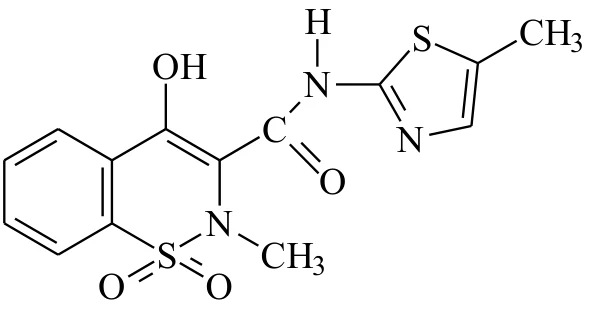
Meloxicam (1 x 15 mg) Geometric Mean Arithmetic Mean (CV%) | ||||
|---|---|---|---|---|
| Parameter | Test1 | Reference2 | % Ratio of Geometric Means | 90% Confidence Interval |
AUCT (ng·h/mL) | 32492 33769 (31) | 32654 33922 (31) | 99.5 | 96.5 – 102.6 |
AUCI (ng·h/mL) | 35438 37532 (40) | 36073 38573 (45) | 98.2 | 94.7 – 101.9 |
Cmax (ng/mL) | 1159 1176 (17) | 1175 1190 (17) | 98.7 | 93.2 – 104.5 |
Tmax3 (h) | 5.70 (46) | 5.20 (56) | ||
T1/23 (h) | 18.3 (31) | 19.5 (40) | ||
1 APO-MELOXICAM (meloxicam) tablets, 15 mg (Apotex Inc.).
2 MOBICOXTM (meloxicam) tablets, 15 mg (Boehringer Ingelheim (Canada) Ltd.).
3 Expressed as the arithmetic mean (%CV) only.
Clinical Trials
Randomized clinical trials with meloxicam have NOT been designed to detect differences in cardiovascular adverse events in a chronic setting.
Prospective, long-term studies required to compare the incidence of serious clinically significant upper gastrointestinal adverse events among patients taking meloxicam versus other NSAID products have not been performed.
Osteoarthritis
Study 107.181:
The use of meloxicam for the treatment of the signs and symptoms of osteoarthritis of the knee and hip was evaluated in a double-blind controlled trial involving a total of 774 patients randomized and treated with meloxicam (N=464), placebo (N=157) or diclofenac (N=153) for 12 weeks. Meloxicam (3.75 mg, 7.5 mg and 15 mg daily) was compared to placebo and diclofenac (100 mg) (refer to Table 5). The four primary endpoints were investigator’s global assessment, patient global assessment, patient pain assessment, and total WOMAC score (a self-administered questionnaire addressing pain, function and stiffness) (refer to Table 6). Patients on meloxicam 7.5 mg daily and meloxicam 15 mg daily showed significant improvement in each of these endpoints compared with placebo (refer to Table 6).
Rheumatoid Arthritis
Study 107.183:
A 12-week double-blind placebo- and active-controlled comparison to investigate doses of meloxicam 7.5 mg, 15 mg and 22.5 mg in the treatment of rheumatoid arthritis was also performed to investigate the full dose range of meloxicam in one trial (refer to Table 5). In this study, a total of 894 patients were randomized and treated with placebo (N=177), meloxicam (7.5 mg, 15 mg, 22 mg) (N=536) or diclofenac (2 x 75 mg) (N=181) (refer to Table 5). Diclofenac 2 x 75 mg was included as active control to assess trial sensitivity. Meloxicam 7.5 mg and 22.5 mg were statistically superior to placebo in all primary endpoints, whereas 15 mg was statistically superior in three out of five primary endpoints (refer to Table 6). Diclofenac was superior to placebo in four of the five primary endpoints. All active treatments were significantly superior to placebo in secondary endpoints such as withdrawal due to lack of efficacy, patient's and investigator's final global assessment of efficacy, the patient's assessment of status with regard to a change in the arthritic condition and after adjustment for baseline also for the modified health assessment questionnaire. Assessment of efficacy after 4 weeks revealed significant differences between the higher doses of meloxicam and placebo but not between 7.5 mg meloxicam and placebo thus indicating that 7.5 mg may be a valuable dose for the treatment of RA but that acute flares might require a higher starting dose.
Study demographics and trial design
Table 5: Summary of patient demographics for clinical trials in Osteoarthritis and Rheumatoid Arthritis
| Study # | Trial design | Dosage, route of administration, duration and comparator | Study subjects randomized and treated (n=number) | Mean age (Range) | Gender | ||
| Osteoarthritis Clinical Trial | |||||||
| 107.181 | 3.75 mg/day, 7.5 mg/day and 15 mg/day, oral, 12 weeks, diclofenac, 100 mg, placebo | 774 | 62 – 64 years | 506 females, 268 males | |||
| Rheumatoid Arthritis Clinical Trial | |||||||
| 107.183 | 7.5 mg/day, 15 mg/day and 22.5 mg/day, oral, 12 weeks, diclofenac, 150 mg, placebo | 894 | 54.74 years for diclofenac group and 56.2 years for meloxicam 22.5 mg group | 681 females, 213 males | |||
Study results
Table 6: Results of Osteoarthritis and Rheumatoid Arthritis Studies
| Study # | Primary Endpoint(s) | Efficacy Results |
| Osteoarthritis Clinical Trial | ||
| 107.181 | ||
- Investigator’s global assessment of disease activity
- Patient’s global assessment of disease activity
- Patient’s overall assessment of pain
- WOMAC (Western Ontario and McMaster University Osteoarthritis) index
| Meloxicam in doses of 15 mg and 7.5 mg was statistically significantly more effective than placebo. | |
| Rheumatoid Arthritis Clinical Trial | |
| 107.183 | |
- Number of painful or tender joints out of 28 core joints
- Number of swollen joints out of 28 core joints
- Patient’s global assessment of disease activity
- Investigator’s global assessment of disease activity
- Patient’s assessment of pain
| At study end, meloxicam 7.5 mg and meloxicam 22.5 mg were significantly better than placebo for all five primary efficacy endpoints. Meloxicam 15 mg was significantly better than placebo for the patient’s and investigator’s global assessments and patient pain. |
DETAILED PHARMACOLOGY
See ACTION AND CLINICAL PHARMACOLOGY section.
TOXICOLOGY
Oral LD50 values ranged from about 98 mg/kg in female rats up to >800 mg/kg in minipigs. Intravenous values ranged from about 52 mg/kg in rats to 100 to 200 mg/kg in minipigs. Main signs of toxicity included reduced motor activity, anemia, and cyanosis. Most deaths occurred as a consequence of gastric ulcers and subsequent perforative peritonitis.
Repeated dose toxicity studies in rats and minipigs showed characteristic changes reported with other NSAIDs e.g. gastrointestinal ulceration and erosions and in the long term studies renal papillary necrosis. Gastrointestinal side effects were observed at oral doses of 1 mg/kg and higher in rats and of 3 mg/kg and above in minipigs. After intravenous administration doses of 0.4 mg/kg in rats and 9 mg/kg in minipigs caused gastrointestinal lesions. Renal papillary necrosis occurred only in rats at doses of 0.6 mg/kg or higher after lifetime exposure to meloxicam.
Oral reproductive studies in the rat have shown a decrease of ovulations and inhibition of implantations and embryotoxic effects (increase of resorptions) at maternotoxic dose levels at 1 mg/kg and higher. The affected dose levels exceeded the clinical dose (7.5 to 15 mg) by a factor of 6.6 to 3.3-fold on a mg/kg dose basis (50 kg person). Fetotoxic effects at the end of gestation, shared by all prostaglandin synthesis inhibitors, have been described.
Studies of toxicity on reproduction in rats and rabbits did not reveal teratogenicity up to oral doses of 4 mg/kg in rats and 80 mg/kg in rabbits. Doses of 2.5 mg/kg in rats and 20 mg/kg and higher in rabbits were embryotoxic. Prolongation of gestation and labor and an increased incidence of stillbirths, which is a well-known phenomenon of prostaglandin inhibition, occurred in the peri- and postnatal study at doses of 0.125 mg/kg and above. Nonclinical studies indicate that meloxicam can be found in the milk of nursing rats.
Meloxicam was not mutagenic in the Ames test, the host- mediated assay and a mammalian gene mutation assay (V79/HPRT), nor clastogenic in a chromosome aberration assay in human lymphocytes and an in vivo micronucleus test in mouse bone marrow.
Carcinogenicity studies in rats and mice did not show any carcinogenic potential up to a dose level of 0.8 mg/kg in rats and 8 mg/kg in mice.
In the above mentioned life-time studies in rats and mice meloxicam did not damage articular cartilage, it was considered to be chondroneutral in these species.
Meloxicam did not induce immunogenic reactions in tests on mice and guinea pigs. In several tests, meloxicam proved to be less phototoxic than some older NSAIDs but similar in this respect to both piroxicam and tenoxicam.
In local tolerance studies meloxicam was well tolerated by all tested routes of administration: intravenous, intramuscular, rectal, dermal, and ocular administration.
REFERENCES
- 1) Bigby M. Nonsteroidal anti-inflammatory drugs. Uses in dermatology and cutaneous toxicity. In: Nonsteroidal anti-inflammatory drugs. Mechanisms and clinical uses. 2nd Edition. Eds. Lewis AJ, Furst DE. New York: Marcel Dekker Inc., 207-215:207-215.
- 2) Bata MS, Al-Ramahi M, Salhab AS, Gharaibeh MN, Schwartz J. Delay of ovulation by meloxicam in healthy cycling volunteers: a placebo-controlled, double-blind, crossover study. J Clin Pharmacol 2006;46:925-932.
- 3) Bird HA, Bevis PJR, Lapham G: An open study to assess the safety and tolerability of meloxicam 15 mg in subjects with rheumatoid disease and mild renal impairment. Data on file, Boehringer Ingelheim.
- 4) Bush U, Heinzel G, Narjes H: The effect of cholestiramine on the pharmacokinetics of meloxicam, a new non-steroidal anti-inflammatory drug (NSAID) in man. Eur J Pharmacol 1995; 48: 269-72.
- 5) Degner FL, Heinzel G, Narjes H et al.: The effect of meloxicam on the pharmacokinetics of beta-acetyl-digoxin. Br J Clin Pharmacol 1995; 40: 486-8.
- 6) Distel M, Muller H, Bluhmki E et al.: Global analysis of safety of a new NSAID: meloxicam. Data on file, Boehringer Ingelheim.
- 7) Engelhardt G, Homma D, Schlegel K et al.: Anti-inflammatory, analgesic, antipyretic and related properties of meloxicam, a new non-steroidal anti-inflammatory agent with favourable gastrointestinal tolerance. Inflamm Res 1995; 44: 423-33.
- 8) Engelhardt G, Homma D, Schnitzler C: Meloxicam: a potent inhibitor of adjuvant arthritis in the rat. Inflamm Res 1995; 44: 548-55.5)
- 9) Engelhardt G, Bogel R, Schnitzler C et al.: Meloxicam: Influence on ArachidonicAcid Metabolism - Part I. IN VITRO FINDINGS. Biochem Pharmacol 1996; 51:21-8.
- 10) Ericson A. Nonsteroidal anti-inflammatory drugs in early pregnancy. Reprod Toxicol 2001;15:371.
- 11) European Commission Enterprise Directorate-General. Volume 3B Guidelines: Medicinal Products for Human Use: Safety, Environment and Information - Excipients in the Labelling and Package Leaflet of Medicinal Products for Human Use. July 2003. CPMP/463/00
- 12) Hosie J, Distel M, Bluhmki E: Meloxicam in osteoarthritis: a six-months, double-blind comparison with diclofenac sodium. Data on file, Boehringer Ingelheim
- 13) Huskisson EC, Ghozlan R, Kurthen R et al.: A long term study to evaluate the safety and efficacy of meloxicam therapy in patients with rheumatoid arthritis. Data on file, Boehringer Ingelheim.
- 14) Li DK, Liu L, Odouli R. Exposure to non-steroidal anti-inflammatory drugs during pregnancy and risk of miscarriage: population based cohort study. Br Med J 2003;327(7411):368.
- 15) Linden B, Distel M, Bluhmki E: A double-blind study to compare the efficacy and safety of meloxicam 15 mg with piroxicam 20 mg in patients with osteoarthritis of the hip or knee. Data on file, Boehringer Ingelheim.
- 16) Muller FO, Schall R, de Vaal AC et al.: Influence of meloxicam on furosemide pharmaco-kinetics and pharmacodynamics in healthy volunteers. Eur J Pharmacol 1995; 48: 247-51.
- 17) Noble S, Balfour JA: Meloxicam - New Drug Profile. Drugs 1996; 51(3):424-430.
- 18) Patoia L, Santucci L, Furno P et al.: A 4-week, double-blind, parallel-group study to compare the gastrointestinal effects of meloxicam 7.5 mg, meloxicam 15 mg, piroxicam 20 mg and placebo by means of faecal blood loss, endoscopy and symptoms evaluation in healthy volunteers. Data on file, Boehringer Ingelheim.
- 19) Schmid J, Busch U, Heinzel G et al.: Meloxicam: pharmacokinetics and metabolic pattern after intravenous infusion and oral administration to healthy subjects. Drug Metab Dispos 1995; 23(11): 1206-13.
- 20) Takeuchi K, Smale S, Premchand P, Maiden L, Sherwood R, Thjodleifsson B, Bjornsson E, Bjarnason I. Department of Internal Medicine, Guy’s, King’s, St. Thomas’ Medical School, London, United Kingdom. Prevalence and mechanism of nonsteroidal anti-inflammatory drug-induced clinical relapse in patients with inflammatory bowel disease. Clin Gastroenterol Hepatol. 2006 Feb;4(2):196-202.
- 21) Tata LJ, Fortun PJ, Hubbard RB, Smeeth L, Hawkey CJ, Smith CJP, et al. Does concurrent prescription of selective serotonin reuptake inhibitors and non-steroidal anti-inflammatory drugs substantially increase the risk of upper gastrointestinal bleeding? Aliment Pharmacol Ther 2005;22(3):175-181.
- 22) Turck D, Busch U, Heinzel G et al.: Clinical pharmacokinetics of meloxicam. Eur J Rheumatol Inflamm 1996; 15: 23-30.
- 23) Turck D, Busch U, Heinzel G et al.: Effect of food on the pharmacokinetics of meloxicam after oral administration. Clin Drug Invest 1995; 9: 270-6.
- 24) Vane JR, Botting RM: New insights into the mode of action of anti-inflammatorydrugs. Inflamm Res 1995; 44: 1-10.
- 25) Verhamme KMC, Dieleman JP, Wijk MAM van, Lei J van der, Bosch JLHR, Stricker BHC, et al. Nonsteroidal anti-inflammatory drugs and increased risk of acute urinary retention. Arch Intern Med 2005;165(13):1547-1551.
- 26) Warner TD et al.: Nonsteroid drug selectivities for cyclo-oxygenase-1 rather than cyclo- oxygenase-2 are associated with human gastrointestinal toxicity: A full in vitro analysis. Proc. Natl. Acad. Sci. 1999; 96: 7563-7568.
- 27) Wojtulewski JA, Schattenkirchner M, Barcelo P et al.: A six-months double-blind trial to compare the efficacy and safety of meloxicam 7.5 mg daily and naproxen 750 mg daily in patients with rheumatoid arthritis. Data on file, Boehringer Ingelheim.
- 28) MOBICOX® Tablets, 7.5 & 15 mg, submission control 176777, Product Monograph, Boehringer Ingelheim (Canada) Ltd. (NOV 06, 2014)
- 29) pms-MELOXICAM Tablets, 7.5 & 15 mg, submission control 255832, Product Monograph, PHARMASCIENCE INC. (JAN 19, 2022)