


Product Monograph - Brexidol 20
Actions and Clinical Pharmacology
Piroxicam, the active ingredient in BREXIDOL (piroxicam-β-cyclodextrin), is a member of the oxicam family of non-steroidal anti-inflammatory drugs (NSAIDs).
Piroxicam exhibits anti-inflammatory, analgesic and antipyretic properties in animals. A common mechanism for the above effects may be, as with other NSAIDs, the inhibition of the synthesis of prostaglandins, known mediators of pain and inflammation. It has been established that piroxicam does not act by stimulating the pituitary-adrenal axis.
BREXIDOL like salicylates, piroxicam, and other NSAIDs may be associated with symptoms of gastrointestinal irritation (see Warnings).
Pharmacokinetics: Piroxicam is very slightly soluble in water and has low wettability. While it is completely absorbed after oral administration, drug plasma concentrations generally peak within two to four hours and subsequently decline with a mean elimination half-life of 50 hours.
The availability of water soluble cyclodextrins for formation of inclusion complexes provided an approach to alter the physico-chemical properties of insoluble drugs. The complexation with
β-cyclodextrin produces a five-fold increase in water solubility and an increase in wettability.
This complex, BREXIDOL (piroxicam-β-cyclodextrin) allows for a faster absorption of the active moiety, piroxicam. At the recommended therapeutic dose of BREXIDOL β-cyclodextrin was not detected in plasma or urine. BREXIDOL provided a comparable onset of pain relief as the analgesics ibuprofen, acetaminophen, and naproxen.
BREXIDOL is well absorbed following oral administration. Doses of 10, 20 and 40 mg of piroxicam equivalent were compared to 20 mg piroxicam. Plasma concentrations of piroxicam following BREXIDOL administration were proportional for 10 mg, 20 mg and 40 mg of piroxicam equivalent.
The rate of absorption of piroxicam was faster after administration of BREXIDOL 20 mg, than after administration of piroxicam, 20 mg.
| Absorption parameters following BREXIDOL (piroxicam-β-cyclodextrin) or piroxicam administration | ||
| Parameter | BREXIDOL (piroxicam-β- cyclodextrin) | Piroxicam |
| Cp, 0.25 hour (μg/mL) | 0.97 | 0.13 |
| Cp, 0.50 hour (μg/mL) | 2.22 | 0.98 |
| Cp, 1.0 hour (μg/mL) | 2.41 | 1.85 |
| Cp, 2.0 hour (μg/mL) | 2.38 | 2.22 |
| Cmax (μg/mL) | 2.61 | 2.31 |
| AUC0-2 hour (μg/mL$hour) | 4.1 | 2.9 |
| Tmax (hour) | 1.1 | 1.9 |
Mean values n = 24, crossover study Cp = Plasma concentration at listed time post-dose Cmax = Maximum plasma concentration AUC0-2 hour = Area under the plasma concentration-time curve from 0 to 2 hours post-dose Tmax = Time to maximum plasma concentration | ||
The extent of absorption, elimination rate constant (Kel) and mean residence time (MRT) of piroxicam are similar after administration of single or repeated doses of BREXIDOL 20 mg and piroxicam 20 mg. Comparable steady state plasma concentrations of piroxicam and 5'-OH-piroxicam are attained after administration of BREXIDOL and piroxicam. No detectable concentration of β-cyclodextrin was observed in either plasma or urine.
Pharmacokinetic parameters after single and repeated administration of BREXIDOL (piroxicam-β-cyclodextrin) and piroxicam | ||
| Parameter | BREXIDOL (piroxicam-β- cyclodextrin) | Piroxicam |
| Single Administration | ||
| Cmax (μg/mL) | 2.94 | 2.61 |
| AUC0-inf (μg/mL$hour) | 153.1 | 162.9 |
| Tmax (hour) | 1.67 | 2.25 |
| MRT0-inf (hour) | 64.9 | 70.6 |
| Kel (hour-1) | 0.016 | 0.015 |
| Repeated Administrationa | ||
| Cmax (μg/mL) | 9.68 | 9.18 |
| AUCt (μg/mL$hour) | 172.6 | 160.9 |
| Tmax (hour) | 2.17 | 1.67 |
| MRT0-inf (hour) | 70.3 | 75.7 |
| Kel (hour-1) | 0.015 | 0.015 |
Mean values n = 12, crossover study BREXIDOL (piroxicam-β-cyclodextrin) vs. piroxicam, n.s. a Daily oral administration for 14 days, each treatment Cmax = Maximum plasma concentration AUC0-inf = Area under the plasma concentration-time curve to time infinity AUCt = Area under the plasma concentration-time curve between two subsequent administrations (0-24h) Tmax = Time to maximum plasma concentration MRT0-inf = Mean body residence time | ||
Pharmacokinetic parameters after single and repeated administration of BREXIDOL (piroxicam-β-cyclodextrin)
and piroxicam
Kel = Elimination rate constant
The mean elimination half-life of piroxicam in plasma after BREXIDOL or piroxicam administration were comparable at 52 to 54 hours.
Absorption of BREXIDOL with food delays absorption of piroxicam but does not alter its bioavailability.
Piroxicam is extensively metabolized and less than 5% of the daily dose is excreted unchanged in urine and feces. The main metabolic pathway is hydroxylation of the pyridyl ring, followed by conjugation with glucuronic acid and urinary elimination. Approximately 5% of the dose is metabolized to and excreted as saccharin.
Well-Controlled Clinical Studies: A total of 858 patients participated in five well-controlled clinical studies of the safety and efficacy of BREXIDOL (piroxicam-β-cyclodextrin). Of these, three provided data on single-dose administration following dental surgery and two were multiple-dose (3 day) studies on primary dysmenorrhea. BREXIDOL was compared to placebo and other NSAIDs in these studies.
Randomized clinical trials with BREXIDOL have NOT been designed to detect differences in cardiovascular adverse events in a chronic setting.
Indications and Clinical Use
Adults:
BREXIDOL (piroxicam-β-cyclodextrin) is indicated for the short-term relief of mild to moderately severe acute pain.
For patients with an increased risk of developing CV and/or GI adverse events, other management strategies that do NOT include the use of NSAIDs should be considered first
(See Contraindications, Warnings, and Precautions).
Use of BREXIDOL should be limited to the lowest effective dose for the shortest possible duration of treatment in order to minimize the potential risk for cardiovascular or gastrointestinal adverse events (See Contraindications, Warnings, and Precautions).
BREXIDOL, as a NSAID, does NOT treat clinical disease or prevent its progression.
BREXIDOL, as a NSAID, only relieves symptoms and decreases inflammation for as long as the patient continues to take it.
Geriatrics: Evidence from clinical studies and postmarket experience suggests that use in the geriatric population is associated with differences in safety (See Warnings and Precautions).
Pediatrics: Safety and efficacy have not been established in the pediatric population.
BREXIDOL is not recommended for use in children under 18 years of age.
Contraindications
BREXIDOL (piroxicam-β-cyclodextrin) is contraindicated in:
the peri-operative setting of coronary artery bypass graft surgery (CABG). Although
BREXIDOL has NOT been studied in this patient population, a selective COX-2 inhibitor NSAID studied in such a setting has led to an increased incidence of cardiovascular/ thromboembolic events, deep surgical infections and sternal wound complications.
- pregnancy, because its safety in pregnancy has not been established.
- women who are breastfeeding, because of the potential for serious adverse reactions in nursing infants.
- severe uncontrolled heart failure.
- patients with known or suspected hypersensitivity to BREXIDOL or to any of the components/excipients.( See Availability for the list of excipients) .
patients with a history of asthma, bronchospasm, urticaria, or allergic-type reactions after taking ASA or other NSAIDs (i.e. complete or partial syndrome of ASA-intolerance – rhinosinusitis, urticaria/ angioedema, nasal polyps, asthma). Fatal anaphylactoid reactions have occurred in such individuals. Individuals with the above medical problems are at risk of a severe reaction even if they have taken NSAIDs in the past without any adverse reaction. The potential for cross-reactivity between different
NSAIDs must be kept in mind. (See Precautions – Hypersensitivity Reactions –
Anaphylactoid Reactions).
- active gastric/ duodenal/ peptic ulcer, active GI bleeding or in patients with a recent or recurrent history of these conditions.
- cerebrovascular bleeding or other bleeding disorders.
- inflammatory bowel disease.
with severe hepatic impairment (Child Pugh >9) or active liver disease. (See
Precautions – Hepatic/ Biliary/ Pancreatic Function).
- with severe renal impairment (creatinine clearance < 30 mL/min or 0.5 mL/sec) or deteriorating renal disease (individuals with lesser degrees of renal impairment are at risk of deterioration of their renal function when prescribed NSAIDs and must be monitored) (See Precautions - Renal Function).
with known hyperkalemia (See Precautions – Renal Function - Fluid and Electrolyte
Balance).
- in children and adolescents less than 18 years of age.
Warnings
Risk of Cardiovascular (CV) Adverse Events: Ischemic Heart Disease,
Cerebrovascular Disease, Congestive Heart Failure (NYHA II-IV) (See
Precautions – Cardiovascular)
BREXIDOL (piroxicam-β-cyclodextrin) is a non-steroidal anti-inflammatory drug
(NSAID). Use of some NSAIDs is associated with an increased incidence of cardiovascular adverse events (such as myocardial infarction, stroke or thrombotic events) which can be fatal. The risk may increase with duration of use. Patients with cardiovascular disease or risk factors for cardiovascular disease may be at greater risk.
Caution should be exercised in prescribing BREXIDOL to any patient with ischemic heart disease (including but NOT limited to acute myocardial infarction, history of myocardial infarction and/or angina), cerebrovascular disease (including but NOT limited to stroke, cerebrovascular accident, transient ischemic attacks and/or amaurosis fugax) and/or congestive heart failure (NYHA II-IV).
Use of NSAIDs, such as BREXIDOL, can promote sodium retention in a dose-dependent manner through a renal mechanism, which can result in increased blood pressure and/or exacerbation of congestive heart failure. (See Precautions – Renal Function - Fluid and
Electrolyte Balance)
Randomized clinical trials with BREXIDOL have not been designed to detect differences in cardiovascular events in a chronic setting. Therefore, caution should be exercised when prescribing BREXIDOL.
Risk of Gastrointestinal (GI) Adverse Events (See Precautions – Gastrointestinal
System)
Use of NSAIDs, such as BREXIDOL, is associated with an increased incidence of gastrointestinal adverse events (such as peptic/duodenal ulceration, perforation, obstruction and gastrointestinal bleeding).
General
Frail or debilitated patients may tolerate side effects less well and therefore special care should be taken in treating this population. To minimize the potential risk for an adverse event, the lowest effective dose should be used for the shortest possible duration. As with other
NSAIDs, caution should be used in the treatment of elderly patients who are more likely to be suffering from impaired renal, hepatic or cardiac function. For high risk patients, alternate therapies that do not involve NSAIDs should be considered.
BREXIDOL is NOT recommended for use with other NSAIDs, with the exception of low-dose
ASA for cardiovascular prophylaxis, because of the absence of any evidence demonstrating synergistic benefits and the potential for additive adverse reactions (See Drug Interactions –
Acetylsalicylic acid (ASA) or other NSAIDs).
Gastrointestinal Effects
Peptic ulceration, perforation and gastrointestinal bleeding, sometimes severe, and occasionally fatal, have been reported during therapy with NSAIDs including BREXIDOL.
Serious gastrointestinal toxicity such as bleeding, ulceration, and perforation can occur at any time, with or without warning symptoms, in patients treated with NSAID therapy such as
BREXIDOL. Although minor upper gastrointestinal problems, such as dyspepsia, are common, usually developing early in therapy, physicians should remain alert for ulceration and bleeding in patients treated with BREXIDOL even in the absence of previous GI tract symptoms. Physicians should inform patients about the signs and/or symptoms of serious GI toxicity and what steps to take if they occur.
Studies to date have not identified any subset of patients not at risk of developing peptic ulceration and bleeding. Prior history of serious GI events and other risk factors associated with peptic ulcer disease (such as alcoholism, smoking, etc.), patients over 65 years, patients taking corticosteroids, patients receiving higher doses of NSAIDs are at greater risk. Elderly or debilitated patients seem to be more exposed to risk of ulceration or bleeding than other individuals and most spontaneous reports of fatal GI events are in this population (See
Precautions – Gastrointestinal System).
Studies to date are inconclusive concerning the relative risk of various NSAIDs in causing gastrointestinal reactions. High doses of any NSAIDs probably carry a greater risk of these reactions, although controlled clinical trials showing this do not exist in most cases. In considering the use of relatively large doses (within the recommended dosage range), the physician must determine that the anticipated benefit will offset the potential increased risk of GI toxicity.
Precautions
Carcinogenesis and Mutagenesis: (See Toxicology).
Cardiovascular: BREXIDOL (piroxicam-β-cyclodextrin) is a non-steroidal anti-inflammatory drug (NSAID). Use of some NSAIDs is associated with an increased incidence of cardiovascular adverse events (such as myocardial infarction, stroke or thrombotic events) which can be fatal. The risk may increase with duration of use.
Patients with cardiovascular disease or risk factors for cardiovascular disease may be at greater risk.
Caution should be exercised in prescribing BREXIDOL to patients with risk factors for cardiovascular disease, cerebrovascular disease or renal disease, such as any of the following:
- Hypertension
- Dyslipidemia/ Hyperlipidemia
- Diabetes Mellitus
- Congestive Heart Failure (NYHA I)
- Coronary Artery Disease (Atherosclerosis)
- Smoking
- Creatinine Clearance < 60 mL/min or 1 mL/sec
Use of NSAIDs, such as BREXIDOL, can lead to new hypertension or can worsen pre-existing hypertension, either of which may increase the risk of cardiovascular events as described above.
Thus blood pressure should be monitored regularly. Consideration should be given to discontinuing BREXIDOL should hypertension either develop or worsen with its use.
Use of NSAIDs, such as BREXIDOL, can induce fluid retention and edema, and may exacerbate congestive heart failure, through a renally-mediated mechanism (See Precautions – Renal
Function – Fluid and Electrolyte Balance).
For patients with a high risk of developing an adverse CV event, other management strategies that do NOT include the use of NSAIDs should be considered first. To minimize the potential risk for an adverse CV event, the lowest effective dose should be used for the shortest possible duration.
Endocrine and Metabolism:
Corticosteroids: BREXIDOL is not a substitute for corticosteroids. It does NOT treat corticosteroid insufficiency. Abrupt discontinuation of corticosteroids may lead to exacerbation of corticosteroid-responsive illness. Patients on prolonged corticosteroid therapy should have their therapy tapered slowly if a decision is made to discontinue corticosteroids (See Drug Interactions – Glucocorticoids).
Gastrointestinal (GI) System: If peptic ulceration is suspected or confirmed, or if
gastrointestinal bleeding or perforation occurs BREXIDOL should be discontinued, an appropriate treatment instituted and patient closely monitored. There is no definitive evidence that the concomitant administration of histamine H2-receptor antagonists and/or antacids will either prevent the occurrence of gastrointestinal side effects or allow continuation of therapy when and if these adverse reactions appear.
Serious GI toxicity (sometimes fatal), such as peptic/ duodenal ulceration, inflammation, perforation, obstruction and gastrointestinal bleeding, can occur at any time, with or without warning symptoms, in patients treated with NSAIDs, such as BREXIDOL. Minor upper GI problems, such as dyspepsia, commonly occur at any time. Health care providers should remain alert for ulceration and bleeding in patients treated with BREXIDOL, even in the absence of previous GI tract symptoms. Most spontaneous reports of fatal GI events are in elderly or debilitated patients and therefore special care should be taken in treating this population. To minimize the potential risk for an adverse GI event, the lowest effective dose should be used for the shortest possible duration. For high risk patients, alternate therapies that do not involve NSAIDs should be considered (See Precautions – Geriatrics).
Patients should be informed about the signs and/or symptoms of serious GI toxicity and instructed to discontinue using BREXIDOL and seek emergency medical attention if they experience any such symptoms. The utility of periodic laboratory monitoring has NOT been demonstrated, nor has it been adequately assessed. Most patients who develop a serious upper
GI adverse event on NSAID therapy have no symptoms. Upper GI ulcers, gross bleeding or perforation, caused by NSAIDs, appear to occur in approximately 1% of patients treated for 3-6 months, and in about 2-4% of patients treated for one year. These trends continue, thus increasing the likelihood of developing a serious GI event as some time during the course of therapy. Even short-term therapy has its risks.
Caution should be taken if prescribing BREXIDOL to patients with a prior history of peptic/ duodenal ulcer disease or gastrointestinal bleeding as these individuals have a greater than 10-fold higher risk for developing a GI bleed when taking a NSAID than patients with neither of these risk factors. Other risk factors for GI ulceration and bleeding include the following:
Helicobacter pylori infection, increased age, prolonged use of NSAID therapy, excess alcohol intake, smoking, poor general health status or concomitant therapy with any of the following:
- Anti-coagulants (e.g. warfarin)
- Anti-platelet agents (e.g. ASA, clopidogrel)
- Oral corticosteroids (e.g. prednisone)
- Selective Serotonin Reuptake Inhibitors (SSRIs) (e.g. citalopram, fluoxetine, paroxetine, sertraline)
Renal Function: As with other non-steroidal anti-inflammatory drugs (NSAIDs), long-term administration of BREXIDOL to animals has resulted in renal papillary necrosis and other abnormal renal pathology.
In humans, there have been reports of acute interstitial nephritis with hematuria, low grade proteiruria and occasionally nephrotic syndrome.
Acute renal failure and hyperkalemia as well as reversible elevations of BUN and serum creatinine have been reported with piroxicam. The effect is thought to result from inhibition of renal prostaglandin synthesis resulting in a change in medullary and deep cortical blood flow with an attendent effect on renal function. Because of the extensive renal excretion of piroxicam and its biotransformation products (less than 5% of the daily dose excreted unchanged), lower doses of piroxicam should be anticipated in patients with impaired renal function and they should be carefully monitored.
Renal insufficiency due to NSAID use is seen in patients with pre-renal conditions leading to reduction in renal blood flow or blood volume. Under these circumstances, renal prostaglandins help maintain renal perfusion and glomerular filtration rate (GFR). In these patients, administration of a NSAID may cause a reduction in prostaglandin synthesis leading to impaired renal function. Patients at greatest risk of this reaction are those with pre-existing renal insufficiency (GFR < 60 mL/min or 1 mL/s), dehydrated patients, patients on salt restricted diets, those with congestive heart failure, liver cirrhosis with ascites, liver dysfunction, taking angiotensin-converting enzyme inhibitors, angiotensin-II receptor blockers, cyclosporin, diuretics, and those who are elderly. Serious or life-threatening renal failure has been reported in patients with normal or impaired renal function after short term therapy with NSAIDs. Even patients at risk who demonstrate the ability to tolerate a NSAID under stable conditions may decompensate during periods of added stress (e.g. dehydration due to gastroenteritis).
Discontinuation of NSAIDs is usually followed by recovery to the pre-treatment state.
Caution should be used when initiating treatment with NSAIDs, such as BREXIDOL, in patients with considerable dehydration. Such patients should be rehydrated prior to initiation of therapy.
Caution is also recommended in patients with pre-existing kidney disease.
Advanced Renal Disease: (See Contraindications).
Fluid and Electrolyte Balance: Fluid retention and edema have been observed in patients treated with BREXIDOL. Use of NSAIDs, such as BREXIDOL, can promote sodium retention in a dose-dependent manner, which can lead to fluid retention and edema, and consequences of increased blood pressure and exacerbation of congestive heart failure (See Warnings). Thus, caution should be exercised in prescribing
BREXIDOL in patients with a history of congestive heart failure, compromised cardiac function, hypertension, increased age or other conditions predisposing to fluid retention
(See Precautions – Cardiovascular).
Use of NSAIDs such as BREXIDOL, can increase the risk of hyperkalemia, especially in patients with diabetes mellitus, renal failure, increased age, or those receiving concomitant therapy with adrenergic blockers, angiotensin-converting enzyme inhibitors, angiotensin-II receptor antagonists, cyclosporin, or some diuretics.
Electrolytes should be monitored periodically. (See Contraindications).
Genitourinary: Some NSAIDs are associated with persistent urinary symptoms (bladder pain, dysuria, urinary frequency), hematuria or cystitis. The onset of these symptoms may occur at any time after the initiation of therapy with a NSAID. Should urinary symptoms occur, in the absence of an alternate explanation, treatment with BREXIDOL should be stopped to ascertain if symptoms disappear. This should be done before urological investigations or treatments are carried out.
Hematologic:
Although other non-steroidal anti-inflammatory drugs do not have the same direct effects on platelets that aspirin does, all drugs inhibiting prostaglandins biosynthesis do interfere with platelet function to some degree; therefore, patients who may be adversely affected by such an action, such as those on anti-coagulants or suffering from haemophilia or platelet disorders should be carefully observed when BREXIDOL is administered.
Anti-coagulants: Numerous studies have shown that the concomitant use of NSAIDs and anti-coagulants increases the risk of bleeding. Concurrent therapy of BREXIDOL with warfarin requires close monitoring of the international normalized ratio (INR).
Even with therapeutic INR monitoring, increased bleeding may occur.
Anti-platelet Effects: NSAIDs inhibit platelet aggregation and have been shown to prolong bleeding time in some patients. Unlike acetylsalicylic acid (ASA), their effect on platelet function is quantitatively less, or of shorter duration, and is reversible.
BREXIDOL and other NSAIDs have no proven efficacy as anti-platelet agents and should NOT be used as a substitute for ASA or other anti-platelet agents for prophylaxis of cardiovascular thromboembolic diseases. Anti-platelet therapies (e.g. ASA) should
NOT be discontinued. There is some evidence that use of NSAIDs with ASA can markedly attenuate the cardioprotective effects of ASA (See Drug Interactions –
Acetylsalicylic Acid (ASA) or other NSAIDs).
Concomitant administration of BREXIDOL with low dose ASA increases the risk of GI ulceration and associated complications.
Blood dyscrasias: Blood dyscrasias (such as neutropenia, leucopenia, thrombocytopenia, aplastic anemia and agranulocytosis) associated with the use of NSAIDs are rare but could occur with severe consequences.
Anemia is sometimes seen in patients receiving NSAIDs, including BREXIDOL. This may be due to fluid retention, GI blood loss, or an incompletely described effect upon erythropoiesis. Patients on long-term treatment with NSAIDs, including BREXIDOL, should have their hemoglobin or hematocrit checked if they exhibit any signs or symptoms of anemia or blood loss.
Neurologic: Some patients may experience drowsiness, dizziness, blurred vision, vertigo, tinnitus, hearing loss, insomnia or depression with the use of NSAIDs, such as BREXIDOL. If patients experience such adverse reaction(s), they should exercise caution in carrying out activities that require alertness.
Ophthalmologic: Blurred and/or diminished vision has been reported with the use of NSAIDs.If such symptoms develop BREXIDOL should be discontinued and an ophthalmologic examination performed. Ophthalmologic examination should be carried out at periodic intervals in any patient receiving BREXIDOL for an extended period of time.
Hepatic/ Biliary/ Pancreatic Function: As with other non-steroidal anti-inflammatory drugs
NSAIDs, borderline elevations of one or more liver enzyme tests (SGOT, SGPT, γGT, bilirubin,
AST, ALT and alkaline phosphatase) may occur in up to 15% of patients. These abnormalities may progress, may remain essentially unchanged, or may be transient with continued therapy.
The SGPT (ALT) test is probably the most sensitive indicator of liver dysfunction.
A patient with symptoms and/or signs suggesting liver dysfunction, or in whom an abnormal liver test has occurred, should be evaluated for evidence of the development of more severe hepatic reaction while on therapy with BREXIDOL . Severe hepatic reactions, including jaundice and cases of fatal hepatitis, liver necrosis and hepatic failure, some of them with fatal outcomes have been reported with NSAIDs.
Although such reactions are rare, if abnormal liver tests persist or worsen, if clinical signs and symptoms consistent with liver disease develop (e.g. jaundice), or if systemic manifestations occur (e.g., eosinophilia, associated with rash, etc.), BREXIDOL should be discontinued.
If there is a need to prescribe this drug in the presence of impaired liver function, it must be done under strict observation.
Hypersensitivity Reactions:
Anaphylactoid Reactions: As with NSAIDs in general, anaphylactoid reactions have occurred in patients without prior exposure to BREXIDOL. In post-marketing experience, rare cases of anaphylactic/ anaphylactoid reactions and angioedema have been reported in patients receiving BREXIDOL.
BREXIDOL should NOT be given to patients with the ASA-triad. This symptom complex typically occurs in asthmatic patients who experience rhinitis with or without nasal polyps, or who exhibit severe, potentially fatal bronchospasm after taking ASA or other NSAIDs (See Contraindications).
ASA-Intolerance: BREXIDOL should NOT be given to patients with complete or partial syndrome of ASA-intolerance (rhinosinusitis, urticaria/angioedema, nasal polyps, asthma) in whom asthma, anaphylaxis, urticaria/angioedema, rhinitis or other allergic manifestations are precipitated by ASA or other NSAIDs. Fatal anaphylactoid reactions have occurred in such individuals. As well, individuals with the above medical problems are at risk of a severe reaction even if they have taken NSAIDs in the past without any adverse reaction (See Contraindications).
Cross-sensitivity: Patients sensitive to one NSAID may be sensitive to any of the other
NSAIDs as well.
Serious skin reactions: (See Precautions – Dermatological and/or Allergic).
Immune: (See Precautions – Infection – Aseptic Meningitis).
Infection:In common with other NSAIDs, BREXIDOL , may mask signs and symptoms of an underlying infectious disease .
Aseptic Meningitis: Rarely, with some NSAIDs, the symptoms of aseptic meningitis (stiff neck, severe headaches, nausea and vomiting, fever or clouding of consciousness) have been observed.
Patients with autoimmune disorders (systemic lupus erythematosus, mixed connective tissue diseases, etc.) seem to be pre-disposed. Therefore, in such patients, the health care provider must be vigilant to the development of this complication.
Peri-Operative Considerations: (See Contraindications).
Psychiatric: (See Precautions – Neurologic).
Dermatological and/or Allergic:
In rare cases, serious skin reactions such as Stevens-Johnson syndrome, toxic epidermal necrolysis, exfoliative dermatitis and erythema multiforme have been associated with the use of some NSAIDs. Because the rate of these reactions is low, they have usually been noted during post-marketing surveillance in patients taking other medications also associated with the potential development of these serious skin reactions. Thus, causality is NOT clear. These reactions are potentially life threatening but may be reversible if the causative agent is discontinued and appropriate treatment instituted. Patients should be advised that if they experience a skin rash they should discontinue their NSAID and contact their physician for assessment and advice, including which additional therapies to discontinue.
A combination of dermatologic and/or allergic signs have occasionally occurred in conjunction with the use of BREXIDOL. These include arthralgias, pruritis, fever, fatigue and rash, including vesiculo bullous reactions and exfoliative dermatitis. The following reactions have occurred in conjunction with the use of BREXIDOL: erythema, itching, rash, sweating and urticaria.
Respiratory: ASA-induced asthma is an uncommon but very important indication of ASA and
NSAID sensitivity. It occurs more frequently in patients with asthma who have nasal polyps.
Sexual Function/ Reproduction: The use of BREXIDOL, as with any drug known to inhibit cyclooxygenase/prostaglandin synthesis, may impair fertility and is not recommended in women attempting to conceive. Therefore, in women who have difficulties conceiving, or who are undergoing investigation of infertility, withdrawal of BREXIDOL should be considered.
Special Populations:
Use during pregnancy: Like other drugs which inhibit the synthesis and release of prostaglandins, piroxicam increased the incidence of dystocia and delayed parturition in pregnant animals when piroxicam administration was continued late into pregnancy. Gastrointestinal tract toxicity was increased in pregnant females in the last trimester of pregnancy compared to non-pregnant females or females in earlier trimesters of pregnancy. Therefore, the use of
BREXIDOL during pregnancy is contraindicated as its safety in this condition has not been established in humans (See Contraindications, Toxicology).
Inhibition of prostaglandin synthesis may adversely affect pregnancy and/or the embryofoetal development. Data from epidemiological studies suggest an increased risk of miscarriage and of cardiac malformation after use of a prostaglandin synthesis inhibitor in early pregnancy.
In animals, administration of a prostaglandin synthesis inhibitor has been shown to result in increased pre- and post-implantation loss and embryo-foetal lethality. In addition, increased incidences of various malformations, including cardiovascular, have been reported in animals given a prostaglandin synthesis inhibitor during the organogenetic period.
Lactation: The use of BREXIDOL during lactation is contraindicated as its safety in this condition has not been established in humans (See Contraindications).
Children (<18 years of age): Safety and efficacy in children have not been established.
Therefore BREXIDOL is not recommended for use in children under the age of 18 (See
Contraindications).
Geriatrics (>65 years of age): Patients older than 65 years and frail or debilitated patients are more susceptible to a variety of adverse reactions from NSAIDs. The incidence of these adverse reactions increases with dose and duration of treatment. In addition, these patients are less tolerant to ulceration and bleeding. Most reports of fatal GI events are in this population. Older patients are also at risk of lower esophageal injury including ulceration and bleeding. For such patients, consideration should be given to a starting dose lower than the one usually recommended, with individual adjustment when necessary and under close supervision.
Drug Interactions:
Acetylsalicylic acid (ASA) or other NSAIDs : Plasma levels of piroxicam are depressed to approximately 80% of their normal values when administered in conjunction with ASA, but concomitant administration of antacids has no effect on piroxicam plasma levels. The use of
BREXIDOL (piroxicam-β-cyclodextrin)in addition to any other NSAID, including over-the-counter ones (such as ASA and ibuprofen) for analgesic and/or anti-inflammatory effects is NOT recommended because of the absence of any evidence demonstrating synergistic benefits and the potential for additive adverse reactions.
The exception is the use of low dose ASA for cardiovascular protection, when another NSAID is being used for its analgesic/anti-inflammatory effect, keeping in mind that combination NSAID therapy is associated with additive adverse reactions.
Some NSAIDs (e.g. ibuprofen) may interfere with the anti-platelet effects of low dose ASA, possibly by competing with ASA for access to the active site of cyclooxygenase-1.
Anticoagulants: Piroxicam is highly protein bound, and, therefore, might be expected to displace other protein-bound drugs. Interactions with coumarin-type anticoagulants have been reported with piroxicam (e.g. increase bleeding tendency by inhibiting platelet aggregation). The physician should close monitor dosage requirements of coumarin anticoagulants and other drugs that are highly protein bound when these are administered concomitantly with BREXIDOL. (See
Precautions – Hematologic – Anti-coagulants).
Anti-hypertensives: NSAIDs may diminish the anti-hypertensive effect of Angiotensin
Converting Enzyme (ACE) inhibitors.
Combinations of ACE inhibitors, angiotensin-II antagonists, or diuretics with NSAIDs might have an increased risk for acute renal failure and hyperkalemia. Blood pressure and renal function (including electrolytes) should be monitored more closely in this situation, as occasionally there can be a substantial increase in blood pressure.
Anti-platelet Agents (including ASA): There is an increased risk of bleeding, via inhibition of platelet function, when anti-platelet agents are combined with NSAIDs, such as BREXIDOL
(See Precautions – Hematologic – Anti-platelet Effects).
Lithium: NSAIDs, including piroxicam, have been reported to increase steady-state plasma lithium concentrations. It is recommended that these concentrations are monitored when initiating, adjusting and discontinuing drug treatment.
Cimetidine: Results of two separate studies indicate a slight increase in absorption of piroxicam following cimetidine administration but no significant changes in elimination parameters.
Cimetidine increases the area under the curve (AUC0-120 hours) and Cmax of piroxicam by approximately 13 to 15%. Elimination rate constants and half-life show no significant differences. The clinical significance of this small but significant increase in absorption is yet unknown.
Digoxin or Digitoxin: Concurrent therapy with piroxicam and digoxin and/or piroxicam and digitoxin did not affect the plasma levels of either drug.
Antacids: Concomitant administration of antacids had no effect on piroxicam plasma levels.
Diuretics: Clinical studies as well as post-marketing observations have shown that NSAIDs can reduce the effect of diuretics.
NSAIDs including piroxicam may cause sodium and fluid retention, and may interfere with the natriuretic action of diuretic agents. These properties should be kept in mind when treating patients with compromised cardiac function or hypertension since they may be responsible for worsening of these conditions.
Glucocorticoids: Some studies have shown that the concomitant use of NSAIDs and oral glucocorticoids increases the risk of GI adverse events such as ulceration and bleeding. This is especially the case in older (> 65 years of age) individuals.
Methotrexate: Although up to date there have been no reports of an interaction with piroxicam, isolated cases indicate that the concomitant use of some NSAIDs in patients receiving methotrexate may be associated with severe or sometimes fatal methotrexate toxicity. Until more information is available on this interaction, caution should be used if BREXIDOL as well as other NSAIDs are administered concomitantly with methotrexate, particularly in patients with pre-existing renal impairment, who may be more susceptible.
Selective Serotonin Reuptake Inhibitors (SSRIs): Concomitant administration of NSAIDs and SSRIs may increase the risk of gastrointestinal ulceration and bleeding (See Precautions –
Gastrointestinal System).
Beta-adrenergic Blockers: As with other NSAIDs, concomitant administration of piroxicam with propranolol can reduce the hypotensive effect. Patients should be monitored for altered antihypertensive or antianginal response to beta-blockers when BREXIDOL is initiated or discontinued.
Cholestyramine: Preliminary study indicates that in healthy subjects co-administration of cholestyramine to piroxicam results in enhanced elimination of piroxicam (i.e., reduction in half-life by 40% and increase in clearance by 52%). Although the magnitude of these changes in piroxicam disposition appear sufficient to inhibit its therapeutic effects, studies in patients are needed to confirm this. It is suggested that the doses of BREXIDOL and cholestyramine be separated as much as possible, and that the patients be monitored for inadequate response to therapy. If an inadequate anti-inflammatory response appears to be related to the concomitant use of cholestyramine, consideration should be given to the use of alternative hypolipidemic therapy.
Adverse Reactions
The most common adverse reactions encountered with NSAIDs are gastrointestinal, of which peptic ulcer, with or without bleeding is the most severe. Fatalities have occurred on occasion, particularly in the elderly.
In 12,703 patients treated with BREXIDOL (piroxicam-β-cyclodextrin), 1,868 reported adverse events, of which 1,217 were gastrointestinal in nature.
The most prevalent adverse events occurred in the gastrointestinal system, and the more common gastrointestinal events reported were dyspepsia, gastritis, and nausea. Other gastrointestinal events were aerophagia, anorexia, constipation, diarrhea, continuous eating, epigastritis, flatulence, gastric pyrosis, gingivitis, hemorrhoids, hyperchlorhydria, hemorrhage, abnormal liver test results, swallowing difficulties, tongue disorder, peptic ulcer and vomiting.
BREXIDOL treatment was not associated with any unexpected adverse events, and the reported events were similar to those seen with piroxicam and other NSAIDs.
Other prevalent adverse events in BREXIDOL treated patients were headache, somnolence, chills, dizziness, nervousness, vasodilation, and rhinitis.
Incidence greater than 1% (probable causal relationship)
Body as a whole: abdominal pain, headache.
Digestive system: constipation, diarrhea, dyspepsia, flatulence, gastritis, nausea, vomiting.
CNS: depression, dizziness, nervousness, somnolence.
Respiratory system: epistaxis, rhinitis.
Urogenital system: urinary tract infection, vaginitis.
Incidence 1% or less (probable causal relationship)
Body as a whole: asthenia, chills, edema, pain (abdomen, pelvis).
Digestive system: anorexia, gastroenteritis, gingivitis, hemorrhage.
CNS: dry mouth, hyperkinesia, insomnia, vasodilation, vertigo.
Respiratory system: bronchitis, cough, pharingitis.
Skin and appendages: sweating.
Other adverse events
Cardiovascular: arrhythmia, palpitations.
Digestive system: abdominal discomfort, difficulty to swallow, gastric pyrosis, hyperchlorhydria.
CNS: euphoria, mental confusion, paresthesia.
Skin and appendages: erythema, itching, rash, urticaria
Urogenital system: breast tension.
Special senses: visual disturbances.
Symptoms and Treatment of Overdosage
In the event treatment of overdosage is required, the long plasma half-life (See Action and
Clinical Pharmacology) of piroxicam should be considered. The absence of experience with acute overdosage precludes characterization of sequelae and recommendation of specific antidotal efficacy at this time. It is reasonable to assume, however, that the standard measures of gastric evacuation and general supportive therapy would apply. In addition to supportive measures, the use of activated charcoal may effectively reduce the absorption and reabsorption of piroxicam. Experiments in dogs have demonstrated that the use of multiple-dose treatments with activated charcoal could reduce the half-life of piroxicam elimination from 27 hours
(without charcoal) to 11 hours and reduce the systemic bioavailability of piroxicam by as much as 37% when activated charcoal is given as late as 6 hours after administration of piroxicam.
Dosage and Administration
Adults: The recommended daily dose is one tablet for a maximum of 7 days. In the case of moderately severe pain, the recommended starting dose is two tablets for the first day, followed by one tablet for a maximum of 7 days.
Daily doses of two tablets are not recommended beyond the first day.
Geriatrics and Debilitated: As elderly patients appear to be at a higher risk for a variety of adverse reactions from NSAIDs and as elderly, frail or debilitated patients are less tolerant of gastrointestinal side effects, consideration should be given to a starting dose that is lower than usual and to an increase of the dose only if symptoms remain uncontrolled. Such patients must be very carefully supervised.
Pharmaceutical Information
Drug Substance
BREXIDOL is an inclusion complex of piroxicam with β-cyclodextrin in an average molar ratio of 2.5. Piroxicam, the active ingredient in BREXIDOL, is a member of the oxicam family of non-steroidal anti-inflammatory drugs (NSAIDs).
Proper Name: piroxicam-β-cyclodextrin
INNM (INN modified): piroxicam betadex
USAN: piroxicam betadex
Chemical Name: piroxicam (4-hydroxy-2-methyl-N-2-pyridinyl-2H-1,2-benzothiazine- 3-carboxamide 1,1-dioxide), complexed with β-cyclodextrin (cycloheptaamylose).
Structural Formula: (Average ratio)
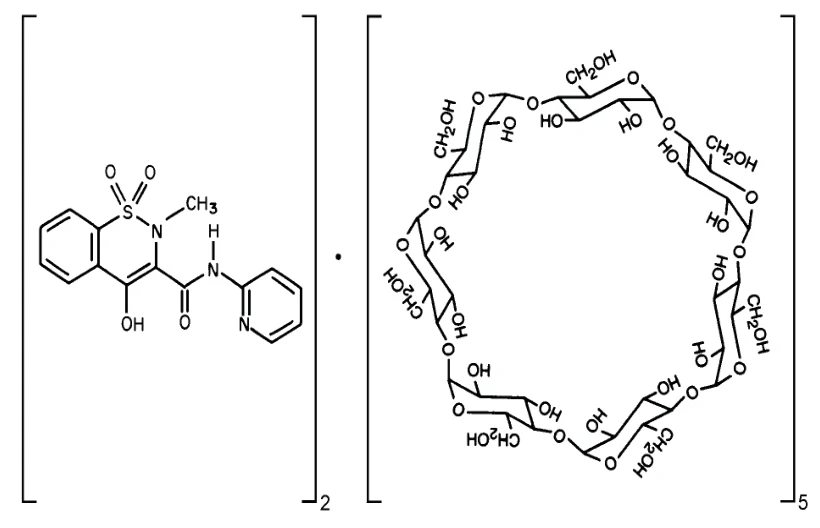
Molecular Formula: (C15H13N3O4S) 2C(C42H70O35)5 for the average ratio of P:BCD = 2:5
Molecular Weight: 6337.72 (for the average ratio P:BCD = 2:5)
Physical Form: pale yellow amorphous powder
Solubility: soluble in water ($0.4 g/100mL, expressed as piroxicam), sparingly soluble in methanol and ethanol, practically insoluble in hexane, chloroform and ethyl acetate.
pH: 5 - 7.5
Ks: 133 M-1 at room temperature and 88 M-1 at 37EC (stability constant of the complex)
Availability
Each hexagonal pale yellow tablet for oral administration contains 191.2 mg of piroxicam-β-cyclodextrin, equivalent to 20 mg of piroxicam and 171.2 mg of β-cyclodextrin. Non-medicinal ingredients: colloidal hydrated silica, lactose monohydrate, sodium starch glycolate, pregelatinized starch, magnesium stearate powder, crospovidone. Each box contains 30 tablets in blister cards of
10.
PROTECT FROM LIGHT.
Store at room temperature (15-30EC).