


Product Monograph - Apo-Methylphenidate
Recent Major Label Changes
None at time of the most recent authorization
Table of Contents
Certain sections or subsections that are not applicable at the time of the preparation of the most recent authorized product monograph are not listed.
Recent Major Label Changes ................................................................................................... 2
Table of Contents ................................................................................................................... 2
Part 1: Healthcare Professional Information ........................................................................... 4
- 1.
Indications 4
1.1. Pediatrics ..................................................................................................................... 4
1.2. Geriatrics ..................................................................................................................... 4
- 2. Contraindications ............................................................................................................ 5
- 3. Serious Warnings and Precautions Box ............................................................................ 5
- 4.
Dosage and Administration .............................................................................................. 5
4.1. Dosing Considerations ................................................................................................. 5
4.2. Recommended Dose and Dosage Adjustment ............................................................. 6
4.4. Administration ............................................................................................................. 7
4.5. Missed Dose ................................................................................................................. 7
- 5. Overdose 7
- 6. Dosage Forms, Strengths, Composition, and Packaging ................................................... 7
- 7.
Warnings and Precautions ............................................................................................... 8
General ................................................................................................................................. 8
Cardiovascular ....................................................................................................................... 8
Dependence, Tolerance and/or Abuse Liability ................................................................... 10
Driving and Operating Machinery ....................................................................................... 10
Endocrine and Metabolism ................................................................................................. 10
Monitoring and Laboratory Tests ........................................................................................ 10
Neurologic ........................................................................................................................... 11
Ophthalmologic ................................................................................................................... 12
Psychiatric ........................................................................................................................... 12
Reproductive Health ........................................................................................................... 13
7.1. Special populations .................................................................................................... 13
7.1.1. Pregnancy .................................................................................................................. 13
7.1.2. Breastfeeding ............................................................................................................. 14
7.1.3. Pediatrics ................................................................................................................... 14
7.1.4. Geriatrics ................................................................................................................... 14
- 8.
Adverse Reactions ......................................................................................................... 15
8.2. Clinical Trial Adverse Reactions ................................................................................. 15
8.5. Post-Market Adverse Drug Reactions ........................................................................ 17
- 9.
Drug Interactions ........................................................................................................... 19
9.1. Serious Drug Interactions ........................................................................................... 19
9.2. Drug Interactions Overview ....................................................................................... 19
9.3. Drug-Behaviour Interactions ...................................................................................... 19
9.4. Drug-Drug Interactions .............................................................................................. 19
9.5. Drug-Food Interactions .............................................................................................. 22
9.6. Drug-Herb Interactions .............................................................................................. 22
9.7. Drug-Laboratory Test Interactions ............................................................................. 22
- 10.
Clinical Pharmacology .................................................................................................... 22
10.1. Mechanism of Action ................................................................................................. 23
10.2. Pharmacodynamics .................................................................................................... 23
10.3. Pharmacokinetics ....................................................................................................... 23
- 11. Storage, Stability and Disposal ....................................................................................... 24
Part 2: Scientific Information ................................................................................................ 25
- 13. Pharmaceutical Information .......................................................................................... 25
- 14.
Clinical Trials .................................................................................................................. 25
14.1 Clinical trial by indication ........................................................................................... 25
14.2. Comparative Bioavailability Studies ........................................................................... 25
- 16. Non-Clinical Toxicology .................................................................................................. 26
- 17. Supporting Product Monographs ................................................................................... 27
Patient Medication Information ........................................................................................... 28
Part 1: Healthcare Professional Information
1. Indications
APO-METHYLPHENIDATE (methylphenidate hydrochloride tablets) is indicated in adults and pediatric patients aged 6 years and older for the treatment of:
- Narcolepsy
- Attention Deficit Hyperactivity Disorder (ADHD)
Need for Comprehensive Treatment Program
APO-METHYLPHENIDATE is indicated as an integral part of a total treatment program for ADHD that may include other measures (psychological, educational, social) for patients with this syndrome. Drug treatment may not be indicated for all patients with this syndrome. Drug treatment is not intended for use in the patient who exhibits symptoms secondary to environmental factors and/or other primary psychiatric disorders, including psychosis. Appropriate educational placement is essential in children and adolescents with this diagnosis and psychosocial intervention is often helpful. When remedial measures alone are insufficient, the decision to prescribe drug treatment medication will depend upon the healthcare professional’s assessment of the chronicity and severity of the patient’s symptoms.
Long-Term Use
The effectiveness of methylphenidate hydrochloride for long-term use in ADHD, i.e. for more than 4 weeks has not been systematically evaluated in placebo-controlled trials. Therefore, the healthcare professional who elects to use APO-METHYLPHENIDATE for extended periods should periodically re-evaluate the long-term usefulness of the drug for the individual patient.
1.1. Pediatrics
Pediatrics (<6 years of age): APO-METHYLPHENIDATE should not be used in children under 6 years of age. No data are available to Health Canada; therefore, Health Canada has not authorized an indication for pediatric use in patients under 6 years of age. See 7.1.3. Pediatrics.
Pediatrics (6 to 18 years of age): Based on the data submitted and reviewed by Health Canada, the safety and efficacy of APO-METHYLPHENIDATE in pediatric patients aged 6 years to 18 years has been established. Therefore, Health Canada has authorized an indication for pediatric use. See 4 Dosage and Administration.
1.2. Geriatrics
Geriatrics (>60 years of age): There is limited data in patients over 60 years of age. APO-METHYLPHENIDATE should be used with caution in geriatric patients, taking into consideration the greater frequency of decreased hepatic or renal function, of cardiovascular disease, and of concomitant disease or other drug therapy in this patient population, which may necessitate dose adjustments and additional or more frequent monitoring.
2. Contraindications
APO-METHYLPHENIDATE (Methylphenidate Hydrochloride Tablets) is contraindicated in the following conditions:
- Patients who are hypersensitive to this drug or to any other ingredient in the formulation, including any non-medicinal ingredient, or component of the container. For a complete listing, see 6. Dosage Forms, Strengths, Composition, and Packaging.
- Anxiety, tension.
- Agitation.
- Thyrotoxicosis.
- Advanced arteriosclerosis.
- Pre-existing cardiovascular disorders including moderate to severe hypertension, angina, arterial occlusive disease; heart failure, hemodynamically significant congenital heart disease, cardiomyopathies, myocardial infarction, potentially life-threatening arrhythmias and channelopathies (disorders caused by the dysfunction of ion channels). See 7. Warnings and Precautions, Cardiovascular.
- Glaucoma.
- Pheochromocytoma.
- Patients with motor tics and/or family history or diagnosis of Tourette's syndrome. See 7. Warnings and Precautions, Neurologic, Motor and Verbal Tics, and Worsening of Tourette’s Syndrome
- During treatment with monoamine oxidase (MAO) inhibitors, and/or within a minimum of 14 days following discontinuation of those drugs, due to risk of hypertensive crises. See 9.1. Serious Drug Interactions.
3. Serious Warnings and Precautions Box
Like other stimulants, APO-METHYLPHENIDATE has the potential for abuse and misuse, which can lead to the development of a substance use disorder (See 7. Warnings and Precautions, Dependence, Tolerance and/or Abuse Liability).
The misuse of methylphenidate may be associated with sudden death and other serious cardiovascular adverse events.
4. Dosage and Administration
4.1. Dosing Considerations
APO-METHYLPHENIDATE (methylphenidate hydrochloride tablets) should be administered starting at the lowest possible dose; dosage should then be individually and slowly adjusted to the lowest effective dosage since individual patient response to methylphenidate varies widely.
APO-METHYLPHENIDATE contains lactose (see 6. Dosage Forms, Strengths, Composition, and Packaging). It should therefore not be used in patients with the following hereditary problems:
- Galactose intolerance
- Lapp lactase deficiency
- Glucose-galactose malabsorption
Before initiating APO-METHYLPHENIDATE treatment, patients should be assessed for:
- the presence of cardiac disease (including family history of sudden death or ventricular arrhythmia). APO-METHYLPHENIDATE should not be used in patients with pre-existing cardiovascular disorders and should generally not be used in patients with known structural cardiac abnormalities (see 2. Contraindications and 7. Warnings and Precautions, Cardiovascular).
- pre-existing cerebrovascular conditions (see 7. Warnings and Precautions, Neurologic, Cerebrovascular Conditions)
- motor and verbal tics or Tourette’s syndrome (see 2. Contraindications and 7. Warnings and Precautions, Neurologic, Motor and Verbal Tics, and Worsening of Tourette’s Syndrome).
- pre-existing and/or family history of psychiatric disorders (see 7. Warnings and Precautions, Psychiatric).
Patients who are considered to need extended treatment with methylphenidate should undergo periodic evaluation of their cardiovascular status (See 7. Warnings and Precautions, Cardiovascular).
Caution should be exercised in prescribing concomitant drugs.
4.2. Recommended Dose and Dosage Adjustment
General
Dosage of APO-METHYLPHENIDATE (methylphenidate hydrochloride) should be individualized according to the needs and responses of the patient.
APO-METHYLPHENIDATE should not be used in children under 6 years of age, since safety and efficacy in this age group have not been established.
Dose Titration and Maintenance/Extended Treatment
Children and adolescents (6 to 18 years of age):
APO-METHYLPHENIDATE should be initiated in small doses, (e.g. 5 to 10 mg TID) with weekly increments of 5 to 10 mg in the daily dosage. Daily dosage above 60 mg is not recommended. Dosage should be individualized on the basis of factors such as age, body weight and individual response. Timing of drug administration should be aimed to coincide with periods of greatest academic, behavioural and social stress.
Adults:
Administer in divided doses 2 or 3 times daily. Average daily dosage is 20 to 30 mg. Some patients may require 40 to 60 mg daily. In others, 10 to 15 mg daily will be adequate. Daily dosage above 60 mg is not recommended. Patients who are unable to sleep if medication is taken late in the day, should take the last dose before 6 p.m.
Dose Reduction and Discontinuation
If symptoms do not improve after appropriate dosage adjustment over a one-month period, the drug should be discontinued.
If paradoxical aggravation of symptoms or other adverse effects occur, reduce the dosage, or if necessary, discontinue the drug.
APO-METHYLPHENIDATE should be periodically discontinued to assess the patient’s condition.
4.4. Administration
APO-METHYLPHENIDATE tablet is administered orally and can be taken with or without food (see 10.3. Pharmacokinetics).
4.5. Missed Dose
If a dose of APO-METHYLPHENIDATE is missed, the patient should take it as soon as possible. The remaining doses for that day should be taken at regularly spaced intervals. The patient should be instructed not to take a double dose of APO-METHYLPHENIDATE to make up the missed dose.
5. Overdose
Signs and symptoms of acute overdosage, resulting principally from overstimulation of the CNS and from excessive sympathomimetic effects, may include the following: vomiting, agitation, tremors, hyperreflexia, muscle twitching, convulsions (may be followed by coma), euphoria, confusion, hallucinations, delirium, sweating, flushing, headache, hyperpyrexia, tachycardia, palpitations, cardiac arrhythmias, hypertension, mydriasis, dryness of mucous membranes and rhabdomyolysis.
Management consists in providing supportive measures, and symptomatic treatment of life-threatening events, e.g. hypertensive crisis, cardiac arrhythmias, convulsions. For the most current guidance for treatment of symptoms of overdose, the practitioner should consult a certified Poison Control Center or current toxicological publication.
Supporting measures include preventing self-injury and protecting the patient from external stimuli that would exacerbate the overstimulation already present.
Intensive care must be provided to maintain adequate circulation and respiratory exchange; external cooling procedures may be required to reduce hyperpyrexia.
Efficacy of peritoneal dialysis or extracorporeal hemodialysis for methylphenidate hydrochloride overdosage has not been established.
For the most recent information in the management of a suspected drug overdose, contact your regional poison control centre or Health Canada’s toll-free number, 1-844 POISON-X (1-844-764-7669).
- 6. Dosage Forms, Strengths, Composition, and Packaging
Table 1 – Dosage Forms, Strengths, and Composition
Description
APO-METHYLPHENIDATE tablets 5 mg: each peach, round tablets, unscored and engraved "MTP" over “5” on one side, "APO" on the other side contains 5 mg methylphenidate hydrochloride. Available in bottles of 100.
APO-METHYLPHENIDATE tablets 10 mg: each pale blue, round, scored tablets, imprinted “APO” on one side and “MTP” bisect “10” on the other side contains 10 mg methylphenidate hydrochloride. Available in bottles of 100 and 500.
APO-METHYLPHENIDATE tablets 20 mg: each pale yellow, round, scored tablet, imprinted “APO” on one side and “MTP” bisect “20” on the other side contains 20 mg methylphenidate hydrochloride. Available in bottles of 100 and 500.
APO-METHYLPHENIDATE is a controlled drug.
7. Warnings and Precautions
See 3. Serious Warnings and Precautions Box.
General
- Fatigue
APO-METHYLPHENIDATE should not be used for the prevention or treatment of normal fatigue states.
Cardiovascular
- Sudden Death and Pre-Existing Structural Cardiac Abnormalities or Other Serious Heart Problems
Children and Adolescents
Sudden death has been reported in association with stimulant drugs used for ADHD treatment at usual doses in children and adolescents with structural cardiac abnormalities or other serious cardiac problems. Although some serious heart problems alone carry an increased risk of sudden death, APO-METHYLPHENIDATE generally should not be used in children, adolescents, or adults with known structural cardiac abnormalities (e.g., cardiomyopathy, serious heart rhythm abnormalities) or other serious cardiac problems that may increase vulnerability to the sympathomimetic effects of a stimulant
| Route of Administration | Dosage Form/ Strength/Composition | Non-Medicinal Ingredients |
| Oral | Tablets, 5 mg, 10 mg and 20 mg | 5 mg tablet: anhydrous lactose, magnesium stearate, sunset yellow aluminum lake 40%. 10 mg tablet: anhydrous lactose, D&C Yellow #10, FD&C Blue #1, magnesium stearate. 20 mg tablet: anhydrous lactose, D&C Yellow #10, magnesium stearate. |
drug (see 2 Contraindications).
Adults
Sudden deaths, stroke, and myocardial infarction have been reported in adults taking stimulant drugs at usual doses for ADHD. Although the role of stimulants in these adult cases is also unknown, adults have a greater likelihood than children of having serious structural cardiac abnormalities such as cardiomyopathy, serious heart rhythm abnormalities, coronary artery disease or other serious cardiac problems. Adults with such abnormalities should also generally not be treated with stimulant drugs (see 2. Contraindications).
Assessing Cardiovascular Status in Patients Being Treated with Sympathomimetic Medications
Theoretically there exists a pharmacological potential for all ADHD drugs to increase the risk of sudden/cardiac death. Although confirmation of an incremental risk for adverse cardiac events arising from treatment with ADHD medications is lacking, prescribers should consider this potential risk.
All drugs with sympathomimetic effects prescribed in the management of ADHD should be used with caution in patients who: a) are involved in strenuous exercise or activities, b) use ADHD drugs or c) have a family history of sudden/cardiac death. Prior to the initiation of treatment with sympathomimetic medications, a personal and family history (including assessment for a family history of sudden death or ventricular arrhythmia) and physical exam should be obtained to assess for the presence of cardiac disease. In patients with relevant risk factors and based on the clinician's judgement, further cardiovascular evaluation may be considered (e.g., electrocardiogram and echocardiogram). Patients who develop symptoms such as exertional chest pain, unexplained syncope, or other symptoms suggestive of cardiac disease during ADHD treatment should undergo a prompt cardiac evaluation.
- Hypertension and Other Cardiovascular Conditions
APO-METHYLPHENIDATE is contraindicated in patients with moderate to severe hypertension. Sympathomimetic medications can cause a modest increase in average blood pressure and average heart rate and individuals may have larger increases. While the mean changes alone would not be expected to have short-term consequences, all patients should be monitored for larger changes in heart rate and blood pressure. Caution is indicated in treating patients whose underlying medical conditions might be compromised by increases in blood pressure or heart rate, e.g., those with pre-existing hypertension (see 2 Contraindications).
- Peripheral Vasculopathy, Including Raynaud’s Phenomenon
Stimulants used to treat ADHD, such as methylphenidate hydrochloride, are associated with peripheral vasculopathy, including Raynaud’s phenomenon. Signs and symptoms are usually intermittent and mild; however, very rare sequelae include digital ulceration and/or soft tissue breakdown. Effects of peripheral vasculopathy, including Raynaud’s phenomenon, were observed in post-marketing reports at different times and at therapeutic doses in all age groups throughout the course of treatment. Signs and symptoms generally improve after reduction in dose or discontinuation of drug. Careful observation for digital changes is necessary during treatment with ADHD stimulants. Further clinical evaluation (e.g., rheumatology referral) may be appropriate for certain patients.
Dependence, Tolerance and/or Abuse Liability
APO-METHYLPHENIDATE contains methylphenidate, a Schedule III Controlled Substance. Like other stimulants, APO-METHYLPHENIDATE has the potential for abuse and misuse, which can lead to the development of a substance use disorder. Long-term use can lead to the development of tolerance. APO-METHYLPHENIDATE should be given cautiously, particularly to those with a history of substance use disorder (including alcohol use disorder), because such patients may increase dosage on their own initiative (See 3. Serious Warnings and Precautions Box).
Chronically abusive use can lead to marked tolerance and psychological dependence with varying degrees of abnormal behaviour. Frank psychotic episodes can occur, especially with parenteral abuse. Careful supervision is required during drug withdrawal, since severe depression may occur. Withdrawal following chronic therapeutic use may unmask symptoms of an underlying disorder that may require follow-up.
Clinical data indicate that treatment with methylphenidate hydrochloride during childhood and/or adolescence does not seem to result in increased predisposition for addiction.
Driving and Operating Machinery
APO-METHYLPHENIDATE may cause dizziness, drowsiness, blurred vision, hallucinations or other CNS side effects (See 8 Adverse Reactions). Patients experiencing such side effects should refrain from driving, operating machinery, or engaging in other potentially hazardous activities that require alertness and physical coordination.
Endocrine and Metabolism
- Long-Term Suppression of Growth
Suppression of growth (i.e., weight gain and/or height) has been reported with the long-term use of stimulants, including methylphenidate hydrochloride, in children (see 8 Adverse Reactions). Growth should be monitored as clinically necessary during treatment with APO-METHYLPHENIDATE, and patients who are not growing or gaining height or weight as expected may need to have their treatment interrupted.
- Lactose
APO-METHYLPHENIDATE contains lactose (see 6 Dosage Forms, Strengths, Composition, and Packaging). Patients with hereditary problems of galactose intolerance, the Lapp lactase deficiency or glucose-galactose malabsorption should not take this product.
Monitoring and Laboratory Tests
Periodic laboratory tests are advised during prolonged therapy. The tests should include, but not be limited to, hematological parameters, including complete blood count, differential and platelet counts, and liver enzymes. In the event of hematological disorders appropriate medical intervention should be considered (See 8 Adverse Reactions).
Neurologic
- Cerebrovascular Conditions
Patients should be screened for pre-existing or underlying cerebrovascular conditions before initiation of treatment with APO-METHYLPHENIDATE. Patients with pre-existing cerebrovascular abnormalities, e.g., cerebral aneurysm and/or other vascular abnormalities such as vasculitis or pre-existing stroke should not be treated with APO-METHYLPHENIDATE. Patients with additional risk factors (history of cardiovascular disease, concomitant medications that elevate blood pressure) should be assessed regularly for neurological/psychiatric signs and symptoms after initiating treatment with APO-METHYLPHENIDATE (see 7. Warnings and Precautions, Cardiovascular and 9.4 Drug-Drug Interactions).
- Seizures
There is some clinical evidence that methylphenidate hydrochloride may lower the convulsive threshold in patients with prior history of seizures, with prior EEG abnormalities in absence of seizures and, very rarely, in patients with no prior EEG evidence or history of seizures. Clinical experience has shown that a small number of patients may experience an increase in seizure frequency when treated with methylphenidate hydrochloride. If seizure frequency rises, the drug should be discontinued.
- Serotonin Toxicity / Serotonin Syndrome
Serotonin toxicity, also known as serotonin syndrome, is a potentially life-threatening condition that has been reported during the combined use of methylphenidate with serotonergic drugs (see 9.4. Drug-Drug Interactions).
Serotonin toxicity is characterized by neuromuscular excitation, autonomic stimulation (e.g. tachycardia, flushing) and altered mental state (e.g. anxiety, agitation, hypomania). In accordance with the Hunter Criteria, serotonin toxicity diagnosis is likely when, in the presence of at least one serotonergic agent, one of the following is observed:
- Spontaneous clonus
- Inducible clonus or ocular clonus with agitation or diaphoresis
- Tremor and hyperreflexia
- Hypertonia and body temperature >38°C and ocular clonus or inducible clonus
Concomitant use of methylphenidate and monoamine oxidase inhibitors is contraindicated (see 2 Contraindications). If concomitant treatment with methylphenidate hydrochloride and other serotonergic agents is clinically warranted, careful observation of the patient is advised, particularly during treatment initiation and dose increases (See 9.4 Drug-Drug interactions). If serotonin toxicity is suspected, discontinuation of the serotonergic agents should be considered.
- Motor and Verbal Tics, and Worsening of Tourette’s Syndrome
Methylphenidate hydrochloride is associated with the onset or exacerbation of motor and verbal tics. Worsening of Tourette’s syndrome has also been reported (See 8 Adverse Reactions). Family history should be assessed and clinical evaluation for tics or Tourette’s syndrome in children should precede use of methylphenidate for ADHD treatment. APO-METHYLPHENIDATE is contraindicated in case of diagnosis or family history of Tourette's syndrome (see 2. Contraindications). Patients should be regularly monitored for the emergence or worsening of tics during treatment with APO-METHYLPHENIDATE.
Ophthalmologic
- Visual Disturbance
Symptoms of visual disturbances have been encountered in rare cases. Difficulties with accommodation and blurring of vision have been reported.
Psychiatric
Co-morbidity of psychiatric disorders in ADHD is common and should be taken into account when prescribing stimulant products. Prior to initiating treatment with APO-METHYLPHENIDATE, patients should be assessed for pre-existing and/or a family history of psychiatric disorders.
Treatment of ADHD with stimulant products including APO-METHYLPHENIDATE should not be initiated in patients with acute psychosis, acute mania or acute suicidality. These acute conditions should be treated and controlled before ADHD treatment is considered.
- Pre-Existing Psychosis
Administration of stimulants may exacerbate symptoms of behaviour disturbance and thought disorder in patients with a pre-existing psychotic disorder.
- Screening Patients for Bipolar Disorder
Particular care should be taken in using stimulants to treat ADHD in patients with comorbid bipolar disorder because of concern for possible induction of a mixed/manic episode in such patients. Prior to initiating treatment with a stimulant, patients with comorbid depressive symptoms should be adequately screened to determine if they are at risk for bipolar disorder; such screening should include a detailed psychiatric history, including a family history of suicide, bipolar disorder, and depression.
- Emergence of New Psychotic or Manic Symptoms
Treatment emergent psychotic or manic symptoms, e.g., hallucinations, delusional thinking, or mania in children and adolescents without a prior history of psychotic illness or mania, can be caused by stimulants at usual doses. If such symptoms occur, consideration should be given to a possible causal role of the stimulant, and discontinuation of treatment may be appropriate. In a pooled analysis of multiple short-term, placebo-controlled studies, such symptoms occurred in about 0.1% (4 patients with events out of 3482 exposed to methylphenidate or amphetamine for several weeks at usual doses) of stimulant-treated patients compared to 0 in placebo-treated patients.
- Aggression
Aggressive behaviour or hostility is often observed in patients with ADHD, and has been reported in clinical trials and the postmarketing experience of some medications indicated for the treatment of ADHD. Patients beginning treatment for ADHD should be monitored for the appearance of or worsening of aggressive behaviour or hostility.
- Agitation
Patients with an element of agitation may react adversely; discontinue therapy if necessary.
- Suicidal Behaviour and Ideation
There have been post-marketing reports of suicide-related events in patients treated with ADHD drugs, including cases of ideation, attempts, and very rarely, completed suicide. The mechanism of this risk is not known. ADHD and its related co-morbidities may be associated with increased risk of suicidal ideation and/or behaviour.
Therefore, it is recommended that patients treated with ADHD drugs be monitored for signs of suicide-related behaviour, including at dose initiation/optimization and drug discontinuation. Patients should be encouraged to report any distressing thoughts or feelings at any time to their healthcare professional. Patients with emergent suicidal ideation and behaviour should be evaluated immediately. The healthcare professional should initiate appropriate treatment of any underlying psychiatric condition and consider a possible discontinuation or change in the ADHD treatment (See 8.5. Post-Market Adverse Reactions).
- Depression
APO-METHYLPHENIDATE should not be used to treat severe exogenous or endogenous depression.
Reproductive Health
- Function
Priapism
Prolonged and painful erections requiring immediate medical attention (sometimes including surgical intervention), have been reported with methylphenidate products, including methylphenidate hydrochloride in both pediatric and adult patients (see 8.5. Post-Market Adverse Reactions). Priapism can develop after some time on methylphenidate, often subsequent to an increase in dose. Priapism has also appeared during a period of methylphenidate withdrawal (drug holidays or during discontinuation). Patients who develop abnormally sustained erections or frequent and painful erections should seek immediate medical attention.
7.1. Special populations
7.1.1. Pregnancy
There is limited experience with use of methylphenidate in pregnant women. Methylphenidate hydrochloride has been shown to have teratogenic effects in rabbits when given in doses of 200 mg/kg/day.
Cases of neonatal cardiorespiratory toxicity, specifically fetal tachycardia and respiratory distress have been reported in spontaneous reports.
Therefore, APO-METHYLPHENIDATE should not be given to pregnant women unless the potential benefit outweighs the risk to fetus.
7.1.2. Breastfeeding
Case reports showed that methylphenidate was distributed into breast milk reaching a milk-to-plasma ratio of approximately 2.5 (see 10.3 Pharmacokinetics, Special populations and conditions).
There is one case report of an infant who experienced an unspecified decrease in weight during the period of exposure but recovered and gained weight after the mother discontinued treatment with methylphenidate. A risk to the suckling child cannot be excluded. A decision should be made whether to abstain from breast-feeding or to abstain from APO-METHYLPHENIDATE therapy, taking into account the benefit of breast-feeding to the child and the benefit of therapy to the woman.
7.1.3. Pediatrics
Pediatrics (<6 years of age): APO-METHYLPHENIDATE should not be used in children under 6 years of age, since safety and efficacy in this age group have not been established; therefore, Health Canada has not authorized an indication for use in this age group.
Pediatrics (6 to 18 years of age): Based on the data submitted and reviewed by Health Canada, the safety and efficacy of APO-METHYLPHENIDATE in pediatric patients aged 6 years to 18 years has been established.
Long-term effects of methylphenidate hydrochloride in pediatric patients have not been well established.
Drug treatment is not indicated in all cases of ADHD and should be considered only in light of the complete history and evaluation of the child. The decision to prescribe APO-METHYLPHENIDATE (methylphenidate hydrochloride) should depend on the healthcare professional’s assessment of the chronicity and severity of the child's symptoms and their appropriateness for his/her age. Prescription should not depend solely on the presence of one or more abnormal behavioural characteristics. Where these symptoms are associated with acute stress reactions, treatment with APO-METHYLPHENIDATE is usually not indicated.
7.1.4. Geriatrics
Geriatrics (> 60 years of age): There is limited data in patients over 60 years of age. APO-METHYLPHENIDATE should be used with caution in geriatric patients, taking into consideration the greater frequency of decreased hepatic or renal function, of cardiovascular disease, and of concomitant disease or other drug therapy in this patient population, which may necessitate dose adjustments and additional or more frequent monitoring.
8. Adverse Reactions
8.2. Clinical Trial Adverse Reactions
Clinical trials are conducted under very specific conditions. Therefore, the frequencies of adverse reactions observed in the clinical trials may not reflect frequencies observed in clinical practice and should not be compared to frequencies reported in clinical trials of another drug.
Adverse drug reactions are listed by MedDRA-based system organ class. Within each system organ class, the adverse drug reactions are ranked by frequency, with the most frequent reactions first. Within each frequency grouping, adverse drug reactions are presented in order of decreasing seriousness. In addition, the corresponding frequency category is based on the following convention (CIOMS III): very common ≥10 %, common ≥ 1% to < 10%; uncommon ≥ 0.1 % to < 1%; rare ≥ 0.01% to < 0.1 %; very rare < 0.01 %.
Nervousness and insomnia are very common adverse reactions, which occur at the beginning of methylphenidate hydrochloride treatment, but can usually be controlled by reducing dosage and/or omitting the afternoon or evening dose.
Decreased appetite is also very common but usually transient. Abdominal pain, nausea and vomiting are common to very common, usually occur at the beginning of treatment and may be alleviated by concomitant food intake.
In children, loss of appetite, abdominal pain, weight decrease, insomnia, and tachycardia may occur more frequently; however, any of the other adverse reactions listed below may also occur.
Blood and the lymphatic system disorders
Very rare: Leukopenia, thrombocytopenia, anemia.
Cardiac disorders
Common: palpitations, tachycardia, cardiac arrhythmia.
Rare: angina pectoris.
Eye disorders
Rare: vision blurred, visual impairment, accommodation disorder.
Gastrointestinal disorders
Very common: nausea, dry mouth.
Common: abdominal pain, vomiting, dyspepsia, toothache.
General disorders and administration site conditions
Common: feeling jittery, pyrexia.
Hepatobiliary disorders
Very rare: hepatic function abnormal, ranging from transaminases increased to coma hepatic.
Immune system disorders
Very rare: hypersensitivity reactions, including angioedema and anaphylaxis.
Infections and infestations
Very common: nasopharyngitis.
Investigations
Common: blood pressure increased/decreased, heart rate increased, weight decreased.
Metabolism and nutrition disorders
Very common: decreased appetite.
Rare: weight gain decreased and slight growth retardation during prolonged use in children.
Musculoskeletal and connective tissue disorders
Common: arthralgia.
Very rare: muscle cramps.
Nervous system disorders
Common: dyskinesia, tremor, headache, drowsiness, dizziness.
Very rare: seizure, choreoathetosis, tic or exacerbation of existing tics and Tourette's syndrome, cerebrovascular disorder (including vasculitis, cerebral hemorrhage, cerebrovascular accident), and neuroleptic malignant syndrome (NMS).
Reports of poorly documented NMS have been received. In most of these reports, patients were also receiving other medications associated with NMS. It is uncertain what role methylphenidate hydrochloride played in these cases. In a single report, a ten-year-old boy who had been taking methylphenidate for approximately 18 months experienced an NMS-like event within 45 minutes of ingesting his first dose of venlafaxine. It is uncertain whether this case represented a drug-drug interaction, a response to either drug alone, or some other cause.
Psychiatric disorders
Very common: nervousness, insomnia.
Common: anxiety, restlessness, sleep disorder, agitation.
Very rare: hyperactivity, psychosis (sometimes with visual and tactile hallucinations), transient depressed mood.
Respiratory, Thoracic and mediastinal disorders
Common: cough.
Skin and subcutaneous tissue disorders
Common: rash, pruritus, urticaria, alopecia, hyperhidrosis.
Very rare: exfoliative dermatitis, erythema multiforme with histopathological findings of necrotizing vasculitis, thrombocytopenic purpura.
8.5. Post-Market Adverse Drug Reactions
Blood and the lymphatic system disorders
Aplastic anemia, transient pancytopenia.
Gastrointestinal disorders
Pancreatitis.
General disorders and administration site conditions
Sudden cardiac death.
Immune system disorders
Stevens-Johnson Syndrome.
Metabolism and nutrition disorders
Hypoglycaemia.
Musculoskeletal and connective tissue disorders
Trismus.
Nervous system disorders
Serotonin toxicity in combination with serotonergic drugs.
Psychiatric disorders
Dysphemia, depression, aggression, bruxism
Suicidal Behaviour and Ideation: There have been post-marketing reports of suicide-related events, including completed suicide, suicide attempt, and suicidal ideation in patients treated with ADHD drugs. In some of these reports, comorbid conditions may have contributed to the event. (See 7. Warnings and Precautions, Psychiatric, Suicidal Behaviour and Ideation)
Renal and urinary disorders
Enuresis
Reproductive system and breast disorders
Priapism: Priapism has been reported with methylphenidate products, including methylphenidate hydrochloride (see 7. Warnings and Precautions, Reproductive Health).
Vascular disorders
Peripheral coldness, Raynaud's phenomenon.
Adverse Events with Other Methylphenidate Hydrochloride Products
In addition to the adverse events listed above for methylphenidate hydrochloride the following have been reported with other methylphenidate hydrochloride products based on clinical trial data and post-marketing spontaneous reports:
Cardiac disorders: Cardiac arrest, myocardial infarction.
Eye disorders: Diplopia, mydriasis.
Gastrointestinal disorders: Diarrhea, constipation.
General disorders and administration site conditions: Chest pain, fatigue.
Investigations: Cardiac murmur.
Musculoskeletal and connective tissue disorders: Myalgia, muscle twitching, rhabdomyolysis.
Nervous system disorders: Reversible ischemic neurological deficit, migraine.
Psychiatric disorders: Irritability, affect lability, abnormal behaviour or thinking, anger, mood altered, mood swings, hypervigilance, mania, disorientation, libido disorder, apathy, repetitive behaviours, over-focusing, confusional state, obsessive-compulsive disorder, dependence, cases of abuse and dependence have been described, more often with immediate release formulations.
Renal and urinary disorders: Hematuria.
Reproductive system and breast disorders: Gynecomastia.
Respiratory, thoracic and mediastinal disorders: Pharyngolaryngeal pain, dyspnea, epistaxis.
Skin and subcutaneous tissue disorders: Angioneurotic oedema, erythema, fixed drug eruption.
9. Drug Interactions
9.1. Serious Drug Interactions
- Co-Administration of Monoamine Oxidase Inhibitors: See 2. Contraindications and 9.4. Drug-Drug interactions.
- Co-Administration of Clonidine: See 9.4. Drug-Drug Interactions.
9.2. Drug Interactions Overview
Methylphenidate hydrochloride is not metabolized by cytochrome P450 to a clinically relevant extent. Inducers or inhibitors of cytochrome P450 are not expected to have any relevant impact on methylphenidate hydrochloride pharmacokinetics. Conversely, the d- and l- enantiomers of methylphenidate in methylphenidate hydrochloride did not relevantly inhibit cytochrome P450 1A2, 2C8, 2C9, 2C19, 2D6, 2E1 or 3A.
Methylphenidate hydrochloride co-administration did not increase plasma concentrations of the CYP2D6 substrate desipramine.
9.3. Drug-Behaviour Interactions
- Alcohol
Alcohol may exacerbate the adverse CNS effect of psychoactive drugs, including APO-METHYLPHENIDATE. Therefore, patients should be advised to abstain from alcohol during treatment.
- Smoking and Cannabis Use
The interaction of methylphenidate with individual behavioural risks (e.g., cigarette smoking and cannabis use) has not been studied.
9.4. Drug-Drug Interactions
The drugs listed in this table are based on either drug interaction case reports or studies, or potential interactions due to the expected magnitude and seriousness of the interaction.
Table 2 – Established or Potential Drug-Drug Interactions
| Non-proprietary names of the drug products | Source of evidence | Effect | Clinical comment |
| Non-proprietary names of the drug products | Source of evidence | Effect | Clinical comment |
| Non-proprietary names of the drug products | Source of evidence | Effect | Clinical comment |
| Monoamine oxidase inhibitors (MAOIs) | C | Hypertensive crisis may occur with the combined use of methylphenidate and MAOIs. | APO-METHYLPHENIDATE is contraindicated in patients being treated (currently or within the preceding 14 days) with MAOIs (see 2 Contraindications). |
| Clonidine | C | Serious adverse events including sudden death have been reported in concomitant use with clonidine. In these cases, no causality for the combination could be established because of insufficient data. | |
| Anesthetics | T | With halogenated anesthetics, there is a risk of sudden blood pressure and heart rate increase during surgery. APO-METHYLPHENIDATE may also antagonize the sedative effect of general anesthetics. | If surgery is planned, APO-METHYLPHENIDATE should not be taken on the day of surgery. |
| Anti-hypertensive drugs | T | APO-METHYLPHENIDATE may decrease the effectiveness of drugs used to treat hypertension. | It is recommended to monitor blood pressure and adjust the dosage of the anti-hypertensive drug as needed (see 7. Warnings and Precautions, Cardiovascular). |
| Coumarin anticoagulants (e.g., warfarin), anticonvulsants (e.g. phenobarbital, diphenylhydantoin, primidone), and some antidepressants (tricyclic antidepressants and selective serotonin reuptake inhibitors (SSRIs)) | C | Case reports suggested a potential interaction of methylphenidate hydrochloride with coumarin anticoagulants (e.g., warfarin), some anticonvulsants (e.g. phenobarbital, diphenylhydantoin, primidone), and some antidepressants (e.g., tricyclic antidepressants and SSRIs) but pharmacokinetic interactions were not confirmed when explored at larger sample sizes. An interaction with the anticoagulant ethylbiscoumacetate in 4 subjects was not confirmed in a subsequent study with a larger sample size (n=12). | Downward dosage adjustments of these drugs might be required when given concomitantly with APO-METHYLPHENIDATE. It may be necessary to adjust the dosage and monitor plasma drug concentrations (or, in the case of coumarin, coagulation times) when initiating or discontinuing concomitant methylphenidate. |
| Dopaminergic drugs | T | As an inhibitor of dopamine reuptake, methylphenidate hydrochloride may be associated with pharmacodynamic interactions when co-administered with direct and indirect dopamine agonists (including DOPA (3,4-dihydroxphenylalanine) and tricyclic antidepressants) as well as dopamine antagonists (antipsychotics, e.g. haloperidol). | Concomitant use of APO-METHYLPHENIDATE with antipsychotics is not recommended due to its counteracting mechanism of action. If upon medical assessment the combination is deemed necessary, monitoring for extrapyramidal symptoms (EPS) is warranted as the concomitant use of APO-METHYLPHENIDATE with antipsychotics may increase the risk of EPS when there is a change (increase or decrease) in dosage of either or both medications. |
| Drugs that increase blood pressure and heart rate (e.g., vasopressor agents, central nervous system stimulants, decongestants) | T | Additive cardiovascular effects may occur. | APO-METHYLPHENIDATE should be used with caution in patients being treated with other drugs that elevate blood pressure and heart rate (see 7. Warnings and Precautions, Cardiovascular and 7. Warnings and Precautions, Neurologic, Cerebrovascular Conditions). |
| Serotonergic drugs (e.g., selective serotonin reuptake inhibitors (SSRIs), serotonin and norepinephrine reuptake inhibitors (SNRIs), tricyclic antidepressants, serotonin 5-HT1 receptor agonists (triptans), and 5-HT3 receptor antagonist antiemetics) | C | Methylphenidate has been shown to increase extracellular serotonin and norepinephrine and appears to have weak potency in binding serotonin transporter. There have been reports of serotonin toxicity with the concomitant use of methylphenidate and serotonergic drugs. | If concomitant treatment with APO-METHYLPHENIDATE and other serotonergic agents is clinically warranted, careful observation of the patient is advised (see 7. Warnings and Precautions, Neurologic, Serotonin Toxicity / Serotonin Syndrome). If serotonin toxicity is suspected, discontinuation of the serotonergic agents should be considered. |
Legend: C = Case Study; T = Theoretical
Other specific drug-drug interaction studies with methylphenidate hydrochloride have not been performed in vivo.
9.5. Drug-Food Interactions
Interactions with food have not been established.
9.6. Drug-Herb Interactions
Interactions with herbal products have not been established.
9.7. Drug-Laboratory Test Interactions
Methylphenidate may induce false positive laboratory tests for amphetamines, particularly with immunoassays screen test.
10. Clinical Pharmacology
10.1. Mechanism of Action
Methylphenidate hydrochloride is a central nervous system (CNS) stimulant with more prominent effects on mental than motor activities. The mode of therapeutic action on the CNS is not completely understood, but methylphenidate is thought to act primarily through indirect mechanisms, such as blocking the reuptake of dopamine and norepinephrine into the presynaptic neuron and increasing the release of these monoamines into the extraneuronal space.
The behavioural and cognitive symptoms in ADHD and their response to stimulants are considered to reflect activity of dopaminergic and noradrenergic systems. Dopamine transporter binding sites are increased in the brains of ADHD patients and there is evidence for a genetic basis for this finding.
Methylphenidate has been shown to both increase extracellular dopamine in the human brain and to reduce the number of dopamine transporter binding sites in patients with ADHD.
10.2. Pharmacodynamics
Methylphenidate hydrochloride is a racemate consisting of a 1:1 mixture of d-methylphenidate and l-methylphenidate. The d-enantiomer is more pharmacologically active than the l-enantiomer.
10.3. Pharmacokinetics
Absorption
Methylphenidate hydrochloride is rapidly and extensively absorbed from the tablets following oral administration; however, owing to extensive first-pass metabolism, bioavailability is low (approx. 30%) and large individual differences exist (11 to 52%).
Peak plasma concentrations of 10.8 and 7.8 ng/mL were observed, on average, 2 hours after administration of 0.30 mg/kg in children and adults, respectively. Peak plasma concentrations showed marked variability between subjects. Both the area under the concentration-time curve (AUC), and the peak plasma concentrations (Cmax) showed dose-proportionality.
In one study, the administration of methylphenidate hydrochloride with food accelerated absorption, but had no effect on the amount absorbed.
Distribution
In blood, methylphenidate and its metabolites are distributed between plasma (57%) and erythrocytes (43%). Methylphenidate and its metabolites exhibit low plasma protein binding (approx. 15%).
Metabolism
Methylphenidate is metabolized primarily via de-esterification to alpha-phenyl-piperidine acetic acid (PPAA). The metabolite has little or no pharmacologic activity.
Elimination
Methylphenidate is eliminated from the plasma with a mean half-life of 2.4 hours in children and 2.1 hours in adults. The apparent mean systemic clearance after an oral dose is 10.2 and 10.5 L/h/kg in children and adults, respectively for a 0.3 mg/kg dose, and 0.565 L/h/kg after an intravenous dose of the racemate in healthy adult volunteers. These data indicate that the pharmacokinetics of methylphenidate in hyperactive children is similar to that in healthy adult volunteers. The apparent distribution volume of methylphenidate in children was approximately 20 L/kg, with substantial variability (11 to 33 L/kg). The volume of distribution after an intravenous dose (Vss) is 2.23 L/kg for the racemate in healthy adult volunteers.
Following oral administration of methylphenidate, 78 to 97% of the dose is excreted in the urine and 1 to 3% in the feces in the form of metabolites within 48 to 96 hours. The main urinary metabolite is PPAA; unchanged methylphenidate is excreted in the urine in small quantities (<1%). Peak PPAA plasma concentrations occurred at approximately the same time as peak methylphenidate concentrations, however, levels were several-fold greater than those of the unchanged drug. The half-life of PPAA was approximately twice that of methylphenidate.
Special populations and conditions
- Pediatrics: Methylphenidate hydrochloride should not be used in children under 6 years of age, since safety and efficacy in this age group have not been established. See 7.1.3. Pediatrics.
- Geriatrics: No studies have been performed in patients over 60 years of age. See 7.1.4. Geriatrics.
- Pregnancy and breastfeeding: Methylphenidate excretion into breast milk has been noted in two case reports, where the calculated relative infant dose was ≤0.2% of the weight adjusted maternal dose.
- Renal impairment: No studies have been performed in renally impaired patients.
- Hepatic impairment: No studies have been performed in hepatically impaired patients.
11. Storage, Stability and Disposal
Store between 15°C-30°C. Protect from moisture and heat.
Keep out of reach and sight of children.
Part 2: Scientific Information
13. Pharmaceutical Information
Drug Substance
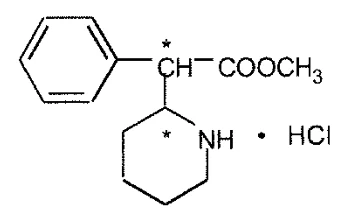
Non-proprietary name of the drug substance: Methylphenidate hydrochloride
Chemical Name: 1) 2-Piperidineacetic acid, α-phenyl-, methyl ester, hydrochloride, (R*,R*)-(±)-
- 2) Methyl α-phenyl-2-piperidineacetate hydrochloride
Molecular formula and molecular mass : C14H19NO2HCl and 269.8 g/mol
Structural Formula:
Physicochemical properties:
| Description: | White, odorless, fine crystalline powder, solutions which are acid to litmus |
| Solubility: | Freely soluble in water |
14. Clinical Trials
14.1 Clinical trial by indication
No clinical trial data is available for APO-METHYLPHENIDATE.
14.2. Comparative Bioavailability Studies
A comparative bioavailability study was performed using healthy adult volunteers. The rate and extent of absorption of methylphenidate were measured and compared following administration of a 20 mg dose of either APO-METHYLPHENIDATE 20 mg tablets or RITALIN 20 mg tablets under fasting conditions. The results from measured data are summarized as follows:
Table 3 - Summary Table of the Comparative Bioavailability Data Under Fasting Conditions
Methylphenidate (A single 20 mg dose: 1 x 20 mg) From measured data Geometric Mean Arithmetic Mean (CV %) | ||||
| Parameter | Test APO-METHYLPHENIDATE | Reference RITALIN®† | % Ratio of Geometric Means** | 90% Confidence Interval |
AUCT (pg -hr/mL) | 47382 50648 (40) | 46943 50275 (42) | 100.9 | (96.3 - 105.8) |
AUCI (pg -hr/mL) | 48383 51710 (40) | 48026 51442 (42) | 100.7 | (96.2 - 105.5) |
Cmax (pg /mL) | 9246 9780 (35) | 8786 9216 (33) | 105.2 | (96.8 - 114.4) |
| Tmax* (h) | 1.88 (42) | 2.26 (35) | ||
| T½* (h) | 3.44 (23) | 3.49 (23) | ||
* Expressed as the arithmetic mean (CV%)
** Based on the least square means.
† RITALIN® is manufactured by Novartis Pharmaceuticals Canada Inc. and was purchased in Canada.
16. Non-Clinical Toxicology
Genotoxicity
Methylphenidate was not mutagenic in the in vitro Ames reverse mutation assay or in the in vitro mouse lymphoma cell forward mutation assay. Sister chromatid exchanges and chromosome aberrations were increased, indicative of a weak clastogenic response in an in vitro assay in Chinese Hamster Ovary (CHO) cells. In an in vivo study of the effect of methylphenidate on bone marrow cells (micronucleus test) there was no evidence of clastogenic or aneugenic effects in mice, at doses up to 250 mg/kg.
Carcinogenicity
In a lifetime carcinogenicity study carried out in B6C3F1 mice, methylphenidate caused an increase in hepatocellular adenomas and, in males only, an increase in hepatoblastomas, at a daily dose of approximately 60 mg/kg/day. This dose is approximately 30 times and 2.5 times the maximum recommended human dose on a mg/kg and mg/m2 basis, respectively. Hepatoblastoma is a relatively rare rodent malignant tumor type. There was no increase in total malignant hepatic tumors. The mouse strain used is sensitive to the development of hepatic tumors, and the significance of these results to humans is unknown.
The US Food and Drugs Administration examined data from the Surveillance, Epidemiology and End Results (SEER) database for the years 1973 to 1991 and found that the estimated incidence of hepatoblastoma in the general population was not greater than 1 in 10 million person years.
A total of 174 cases of hepatoblastoma were reported by the SEER for the period 1973 to 1995. Age-adjusted incidence rate was very low (IR=0,0382 per 100,000 person years). The majority of cases (149 out of 174) were diagnosed among the age group 0 to 4 years old, which is in accordance with the natural history of the disease. For the age group 5 to 24 years old the rates of hepatoblastoma were very low with few or no cases reported.
On the basis of experience since marketing methylphenidate hydrochloride, there is no evidence that the incidence is higher in patients receiving methylphenidate hydrochloride.
Methylphenidate did not cause any increases in tumors in a lifetime carcinogenicity study carried out in F344 rats; the highest dose used was approximately 45 mg/kg/day which is approximately 22 times and 4 times the maximum recommended human dose on a mg/kg and mg/m2 basis, respectively.
Reproductive and developmental toxicology
Methylphenidate hydrochloride has been shown to have teratogenic effects in rabbits when given in doses of 200 mg/kg/day. Spina bifida with malrotated hind limb was observed in 2 (out of 18) litters.
The no effect level for embryofetal development in rabbits was 60 mg/kg/day (11 times the maximum recommended human dose [MRHD] on a mg/m2 basis).
When methylphenidate was administered to rats throughout pregnancy and lactation at doses of up to 45 mg/kg/day (4 times the MRHD on a mg/m2 basis), offspring body weight gain was decreased at the highest dose, but no other effects on postnatal development were observed.
Juvenile toxicity
Repeated oral administration of methylphenidate to young rats identified decreased spontaneous locomotor activity at 50 mg/kg/day, due to an exaggerated pharmacological activity of methylphenidate. The systemic exposure in young rats at this dose is 3.4 (male) and 18 (female) times that in children at the maximum recommended human dose (60 mg). In female rats, a deficit in the acquisition of a specific learning task was also observed at the dose of 100 mg/kg/day (the systemic exposure in young female rat at that dose is 28.5 times that in children at the maximum recommended human dose). The clinical relevance of these findings is unknown.
17. Supporting Product Monographs
- 1) RITALIN® (methylphenidate hydrochloride tablets, 10 mg), control number 260742, Product Monograph, Novartis Pharmaceuticals Canada Inc., (2022-06-22).