


Product Monograph - Apo-Nifed Pa
SUMMARY PRODUCT INFORMATION
Table 1 – Product Information Summary
| Route of Administration | Dosage Form, Strength | Nonmedicinal Ingredients |
| Oral | Prolonged action tablets 10 mg and 20 mg | carnauba wax, hydroxypropyl methylcellulose, polyethylene glycol, red ferric oxide, stearic acid and titanium dioxide. |
INDICATIONS AND CLINICAL USE
APO-NIFED PA (nifedipine) is indicated for:
Hypertension
APO-NIFED PA is indicated in the management of mild to moderate essential hypertension. APO-NIFED PA should normally be used in those patients in whom treatment with diuretics or beta blocker has been ineffective, or has been associated with unacceptable adverse effects.
APO-NIFED PA can be tried as an initial agent in those patients in whom the use of diuretics and/or beta blockers is contraindicated, or in patients with medical conditions in which these drugs frequently cause serious adverse effects.
Combination of APO-NIFED PA with a diuretic or beta blocker has been found to be compatible, and has shown added antihypertensive effect (see WARNINGS AND PRECAUTIONS). Concurrent administration of low doses of nifedipine and enalapril has been shown to produce an enhanced antihypertensive effect with no additional safety concerns when compared to that observed with either of the monotherapies.
Safety of concurrent use of APO-NIFED PA with other antihypertensive agents has not been established.
CONTRAINDICATIONS
APO-NIFED PA (nifedipine) is contraindicated in:
- Pregnancy, during lactation, and in women of childbearing potential. Fetal malformations and adverse effects on pregnancy have been reported in animals. An increase in the number of fetal mortalities and resorptions occurred after the administration of 30 and 100 mg/kg nifedipine to pregnant mice, rats, and rabbits. Fetal malformations occurred after the administration of 30 and 100 mg/kg nifedipine to pregnant mice and 100 mg/kg to pregnant rats (see TOXICOLOGY, Reproductive Toxicology).
- Patients who are hypersensitive to nifedipine, or to any ingredient in the formulation or component of the container. For a complete listing, see the DOSAGE FORMS, COMPOSITION AND PACKAGING section
- Patients with a known hypersensitivity to other dihydropyridines calcium antagonists, because of the theoretical risk of cross-reactivity
- Patients with severe hypotension or cardiovascular shock.
- Combination with rifampicin because insufficient plasma levels of nifedipine may result due to enzyme induction.
- Patients with a Kock pouch (ileostomy after proctocolectomy).
- Patients with any hepatic impairment (see WARNINGS AND PRECAUTIONS)
Patients with severe gastrointestinal (GI) obstructive disorders (see WARNINGS AND
PRECAUTIONS)
WARNINGS AND PRECAUTIONS
Cardiovascular
The safety of nifedipine prolonged release tablets has not been established in patients with malignant hypertension.
Patients Undergoing Coronary Artery Bypass Surgery
Severe hypotension and/or increased fluid volume requirements have been reported in patients receiving nifedipine, with a beta blocker, who underwent coronary artery bypass surgery using high-dose fentanyl anesthesia. The interaction with high-dose fentanyl appears to be due to the combination of nifedipine and a beta blocker, but the possibility that it may occur with nifedipine alone, with low doses of fentanyl in other surgical procedures, or with other narcotic analgesics cannot be ruled out. In nifedipine-treated patients where surgery using high-dose fentanyl anesthesia is contemplated, the physician should be aware of these potential problems, and if the patient's condition permits, sufficient time (at least 36 hours) should be allowed for nifedipine to be washed out of the body prior to surgery.
Increased Angina and/or Myocardial Infarction
Rarely, patients, particularly those who have severe obstructive coronary artery disease have developed well-documented increased frequency, duration and/or severity of angina or acute myocardial infarction on starting nifedipine or at the time of dosage increase. The mechanism of the response is not established.
Since there has not been a study of prolonged-action nifedipine in acute myocardial infarction reported, similar effects of prolonged-action nifedipine to that of immediate-release nifedipine cannot be excluded. Immediate-release nifedipine is contraindicated in acute myocardial infarction.
Beta-Blocker Withdrawal
Patients with angina recently withdrawn from beta-blockers may develop a withdrawal syndrome with increased angina, probably related to increased sensitivity to catecholamines. Initiation of nifedipine treatment will not prevent this occurrence and might be expected to exacerbate it by provoking reflex catecholamine release. There have been occasional reports of increased angina in a setting of beta-blocker withdrawal and initiation of nifedipine. It is important to taper beta blockers if possible, rather than stopping them abruptly before beginning Nifedipine.
Patients with Heart Failure
There have been isolated reports of severe hypotension and lowering of cardiac output following administration of nifedipine to patients with severe heart failure. Thus, APO-NIFED PA should be used cautiously in patients with severe heart failure. Rarely have patients receiving a beta blocker developed heart failure after beginning nifedipine therapy.
In patients with severe aortic stenosis, nifedipine will not produce its usual afterload reducing effects, and there is a possibility that an unopposed negative inotropic action of the drug may produce heart failure if the end-diastolic pressure is raised. Caution should therefore be exercised when using APO-NIFED PA in patients with these conditions.
Hypotension/Heart Rate
Because APO-NIFED PA (nifedipine) is an arterial and arteriolar vasodilator, hypotension, and a compensatory increase in heart rate may occur. Thus, blood pressure and heart rate should be monitored carefully during nifedipine therapy. Close monitoring is especially recommended for patients who are prone to develop hypotension, those with a history of cerebrovascular insufficiency, and those who are taking medications that are known to lower blood pressure.
APO-NIFED PA may potentiate the effects of other agents having antihypertensive activity. The concomitant administration of APO-NIFED PA with beta-blockers warrants caution and careful monitoring of blood pressure and pulmonary signs and symptoms of congestive failure.
Peripheral Edema
Mild to moderate peripheral edema, typically associated with arterial vasodilation and not due to left ventricular dysfunction, has been reported to occur in patients treated with prolonged action nifedipine (see ADVERSE REACTIONS). This edema occurs primarily in the lower extremities and may respond to diuretic therapy. With patients whose hypertension is complicated by congestive heart failure, care should be taken to differentiate this peripheral edema from the effects of increasing left ventricular dysfunction.
Sexual Function/Reproduction
Male Fertility
In some cases of in vitro fertilization, nifedipine has been associated with reversible spermatozoal biochemical changes. In vitro studies have shown that nifedipine may inhibit expression of mannose-ligand receptors, thus preventing the spermatozoa from attaching to the zona pellucida and impairing sperm function. In those men who are repeatedly unsuccessful in fathering a child by in vitro fertilization, and where no other explanation could be found, nifedipine should be considered as a possible cause.
Special Populations
Pregnant Women
The use of APO-NIFED PA is contraindicated during pregnancy (see CONTRAINDICATIONS).
There are no adequate and well-controlled studies of APO-NIFED PA in pregnant women. An increase in the number of fetal mortalities and resorptions occurred after the administration of 30 and 100 mg/kg nifedipine to pregnant mice, rats, and rabbits. Fetal malformations occurred after the administration of 30 and 100 mg/kg nifedipine to pregnant mice and 100 mg/kg to pregnant rats (see CONTRAINDICATIONS).
Nursing Women
The use of nifedipine is contraindicated during lactation (see CONTRAINDICATIONS).
Pediatrics (< 18 years of age)
The safety and efficacy of APO-NIFED PA in children below 18 years of age has not been established.
Geriatrics
APO-NIFED PA should be administered cautiously to elderly patients, especially to those with a history of hypotension or cerebral vascular insufficiency.
Diabetic Patients
The use of APO-NIFED PA in diabetic patients may require adjustment for their control.
Hepatic Insufficiency
APO-NIFED PA is contraindicated in patients with any impaired liver function (see CONTRAINDICATIONS). Since hepatic biotransformation is the predominant route for the disposition of nifedipine, the pharmacokinetics may be altered in patients with chronic liver disease. Pharmacokinetic studies in patients with hepatic cirrhosis showed a clinically significant prolongation of elimination half-life and a decrease in total clearance of nifedipine. The degree of serum protein binding of nifedipine is high (92 to 98%). Protein binding may be greatly reduced in patients with hepatic impairment (see CLINICAL PHARMACOLOGY).
The pharmacokinetics of APO-NIFED PA has not been investigated in patients with severe hepatic impairment.
Concomitant Use with Strong Inhibitors of CYP 3A4
Use of APO-NIFED PA with drugs that result in strong inhibition of CYP 3A4, such as ketoconazole, clarithromycin, ritonavir, may lead to increased plasma levels of nifedipine and associated serious adverse events (see DRUG INTERACTIONS). Such concomitant use should be avoided.
An observational study demonstrated an increased risk of hospitalization with acute kidney injury when nifedipine was used concomitantly with clarithromycin in elderly patients (>65 years of age) compared to when it was used concomitantly with azithromycin, odds ratio [nifedipine: 5.33 (95% C.I. 3.39 – 8.38)].
Monitoring and Laboratory Tests
Hypotension/Heart Rate
Because APO-NIFED PA is an arterial and arteriolar vasodilator, hypotension and a compensatory increase in heart rate may occur. Thus, blood pressure and heart rate should be monitored carefully during nifedipine therapy. Close monitoring is especially recommended for patients who are prone to develop hypotension, those with a history of cerebrovascular insufficiency, and those who are taking medications that are known to lower blood pressure (see WARNINGS AND PRECAUTIONS, Cardiovascular).
ADVERSE REACTIONS
Clinical Trial Adverse Drug Reactions
Because clinical trials are conducted under very specific conditions the adverse reaction rates observed in the clinical trials may not reflect the rates observed in practice and should not be compared to the rates in the clinical trials of another drug. Adverse drug reaction information from clinical trials is useful for identifying drug-related adverse events and for approximating rates.
Hypertension
In 814 hypertensive patients treated with nifedipine prolonged action tablets, either alone or in combination with other antihypertensive agents, adverse effects were reported in 32.3% of patients and required discontinuation of therapy in 3.8% of patients. The most common adverse effects were:
Flushing and heat sensation 13.9%
Headache 7.9%
Peripheral edema 4.7%
Tiredness/weakness 4.7%
Dizziness/lightheadedness 4.5%
The following percentage of adverse effects, divided by system, were reported:
Cardiovascular
Flushing, heat sensation or reddening of skin 13.9%
Peripheral edema, fluid retention or swelling 4.7%
Palpitation or tachycardia 1.2%
Hypotension 0.5%
Syncope 0.2%
In patients with angina, rarely, and possibly due to tachycardia, nifedipine has been reported to have precipitated an angina pectoris attack. In addition, more serious events were occasionally observed, not readily distinguishable from the natural history of the disease in these patients. It remains possible, however, that some or many of these events were drug related. These events include myocardial infarction, congestive heart failure or pulmonary edema, and ventricular arrhythmias or conduction disturbances.
Central Nervous System
Headache 7.9%
Tiredness or weakness 4.7%
Dizziness, lightheadedness or giddiness 4.5%
Shakiness, nervousness or jitteriness 0.6%
Gastrointestinal
Nausea or vomiting 2.2%
Abdominal discomfort or heartburn 3.3%
Constipation 0.6%
Musculoskeletal
Joint stiffness, muscle pain or cramps 2.2%
Others
Pruritis, dermatitis, urticarial or rash 1.4%
Polyuria 1.6%
The following additional adverse effects have occurred in an incidence of less than 0.5% in clinical trials: insomnia, hypokalemia, numbness/tingling, paresthesia, dry mouth, dyspnea on effort, extrasystole, chest pain, vision disturbance, nightmares, neuralgia, diminished concentration, impotence and decreased libido.
Isolated cases of angioedema have been reported. Angioedema may be accompanied by breathing difficulty.
One case of anaphylactic reaction has been reported.
Two cases of hypersensitivity have been reported following nifedipine administration, resulting in allergic hepatitis, which resolved when the drug was discontinued. In one case, recurrence was observed on rechallenge.
In a small number of patients, nifedipine has been reported to cause gingival hyperplasia similar to that caused by diphenylhydantoin. The lesions usually regressed on discontinuation of the drug. However, on occasion, gingivectomy was necessary.
Gynecomastia has been observed rarely in older men on long term therapy, but has so far always regressed completely on discontinuation of the drug.
Abnormal Hematologic and Clinical Chemistry Findings
Rare, usually transient, but occasionally significant elevations of enzymes such as CPK, AST, LDH, and ALT have been noted. The relationship to drug therapy is uncertain in most cases, but probable in some. These laboratory abnormalities have rarely been associated with clinical symptoms, however, cholestasis with or without jaundice has been reported.
An increase (5.4%) in mean alkaline phosphatase was noted in patients treated with nifedipine. This was an isolated finding not associated with clinical symptoms and rarely resulted in values which exceeded the upper limit of the normal range.
Serum potassium was unchanged in patients receiving nifedipine in the absence of concomitant diuretic therapy, and slightly decreased in patients receiving concomitant diuretics.
Nifedipine decreases platelet aggregation in vitro. Limited clinical studies have demonstrated a moderate but statistically significant decrease in platelet aggregation and increase in bleeding time in some nifedipine-treated patients. This is thought to be a function of inhibition of calcium transport across the platelet membrane. No clinical significance for these findings has been demonstrated. Positive direct Coombs tests, with or without associated hemolytic anemia, have been reported but a causal relationship between nifedipine administration and positivity of this laboratory test, including hemolysis, could not be determined.
Uncommon reversible elevations in BUN and serum creatinine have been reported in patients with pre-existing chronic renal insufficiency. The relationship to therapy with nifedipine is uncertain in most cases, but probable in some.
Post-Market Adverse Drug Reactions
The following adverse events have been reported with nifedipine rarely.
Rare instances of allergic hepatitis and cholestasis with or without jaundice have been reported in patients treated with nifedipine.
Gingival hyperplasia similar to that caused by diphenylhydantoin has been reported in patients treated with nifedipine. The lesions usually regressed on discontinuation of the drug. However, on occasion gingivectomy was necessary.
Gynecomastia has been observed rarely in older men on long-term therapy, but has so far always regressed completely on discontinuation of the drug.
Isolated cases of angioedema have been reported. Angioedema may be accompanied by breathing difficulty. Anaphylaxis has been reported rarely.
In postmarketing experience, there have been rare reports of exfoliative dermatitis and Stevens-Johnson Syndrome. Gastrointestinal irritation and gastrointestinal bleeding were also reported; however, the causal relationship is uncertain.
The following adverse events were identified only during postmarketing experience with a frequency that could not be estimated: agranulocytosis, epidermal photosensitivity allergic reaction, eye pain, gastro esophageal sphincter insufficiency, hyperglycemia, hypoaesthesia, jaundice, leukopenia, toxic epidermal necrolysis, somnolence, toxic palpable purpura, intestinal obstruction, bezoars.
DRUG INTERACTIONS
Drug-Drug Interactions
Overview
As with all drugs, care should be exercised when treating patients with multiple medications. Dihydropyridine calcium channel blockers, undergo biotransformation by the cytochrome P450 system, mainly via the CYP3A4 isoenzyme. Coadministration of nifedipine with other drugs which follow the same route of biotransformation may result in altered bioavailability. Dosages of similarly metabolized drugs, particularly those of low therapeutic ratio, and especially in patients with renal and/or hepatic impairment, may require adjustment when starting or stopping concomitantly administered nifedipine to maintain optimum therapeutic blood levels. If necessary, an adjustment in the dose of nifedipine may be considered.
Table 4 - Established or Potential Drug-drug Interactions
| Proper Name | Ref | Effect | Clinical Comment | |
| CYP3A4 Substrates | CYP3A4 substrates (eg, cisapride, tacrolimus, benzodiazepines, imipramine, propafenone, terfenadine, warfarin) | N/A | Enzyme substrates of the cytochrome P450 3A4 (CYP3A4), when coadministered with nifedipine, may act like CYP3A4 inhibitors and cause an increase in nifedipine plasma concentrations. | Dose adjustment and monitoring may be required. |
| Cisapride | CT | Simultaneous administration of cisapride and nifedipine may lead to increased plasma concentrations of nifedipine. | Upon co-administration of both drugs, blood pressure should be monitored and, if necessary, a reduction of the nifedipine dose considered. | |
| Tacrolimus | C | Tacrolimus has been shown to be metabolised via the cytochrome P450 3A4 system. Data indicate that the dose of tacrolimus administered simultaneously with nifedipine may be reduced in individual cases. | Upon co-administration of both drugs, tacrolimus plasma concentrations should be monitored and, if necessary, a reduction in the tacrolimus dose considered. | |
| CYP3A4 Inhibitors | CYP3A4 inhibitors: (eg, azole antifungals (ketoconazole, itraconazole, fluconazole), cimetidine, cyclosporine, erythromycin, fluoxetine, HIV | N/A | Enzyme inhibitors of CYP3A4 have been shown to cause an increase in nifedipine plasma concentrations, and therefore an increased hypotensive effect of nifedipine. | Dose adjustment and monitoring may be required. Avoid concomitant administration of nifedipine with strong CYP3A4 inhibitors. |
| Proper Name | Ref | Effect | Clinical Comment | |
protease inhibitors , nefazodone, quinidine) | ||||
| Azole anti-mycotics (eg, ketoconazole) | T | A formal interaction study investigating the potential of a drug interaction between nifedipine and certain azole anti-mycotics has not yet been performed. Drugs of this class are known to inhibit the cytochrome P450 3A4 system. | When administered orally together with nifedipine, a substantial increase in systemic bioavailability of nifedipine due to a decreased first pass metabolism cannot be excluded. | |
| Cimetidine and Ranitidine | CT | Pharmacokinetic studies have shown that concurrent administration of cimetidine or ranitidine with nifedipine results in significant increases in nifedipine plasma levels (ca. 80% with cimetidine and 70% with ranitidine). | Patients receiving either of these drugs concomitantly with nifedipine should be monitored carefully for the possible exacerbation of effects of nifedipine, such as hypotension. Adjustment of nifedipine dosage may be necessary. | |
| Diltiazem | CT | Diltiazem decreases the clearance of nifedipine. | The combination of both drugs should be administered with caution, and a reduction of the nifedipine dose may be considered. | |
| Erythromycin | T | No interaction studies have been carried out between nifedipine and macrolide antibiotics. Certain macrolide antibiotics are known to inhibit the cytochrome P450 3A4 mediated metabolism of other drugs. | The potential for an increase of nifedipine plasma concentrations upon co-administration of both drugs cannot be excluded | |
| Clarithromycin | T | A clinical study investigating the potential of a drug interaction between nifedipine and clarithromycin has not yet been performed. In elderly patients (>65 years of age), concomitant use of nifedipine with clarithromycin has been suggested to be associated with an increased incidence of acute kidney injury requiring hospitalization, which may have been caused by increased hypotensive reactions. | Concomitant use should be avoided. | |
| Fluoxetine | T | A clinical study investigating the potential of a drug interaction between nifedipine and fluoxetine has not yet been performed. Fluoxetine has been shown to inhibit in vitro the cytochrome P450 3A4 mediated metabolism of nifedipine. | Therefore an increase of nifedipine plasma concentrations upon co-administration of both drugs cannot be excluded | |
| HIV protease inhibitors | T | A clinical study investigating the potential of a drug interaction between nifedipine and certain anti-HIV protease inhibitors has not yet been performed. Drugs of this class are known to inhibit the cytochrome P450 3A4 system. In addition, drugs | When administered together with nifedipine, a substantial increase in plasma concentrations of nifedipine due to a | |
| Proper Name | Ref | Effect | Clinical Comment | |
| of this class have been shown to inhibit in vitro the cytochrome P450 3A4 mediated metabolism of nifedipine. | decreased first pass metabolism and a decreased elimination cannot be excluded | |||
| Nefazodone | T | A clinical study investigating the potential of a drug interaction between nifedipine and nefazodone has not yet been performed. Nefazodone is known to inhibit the cytochrome P450 3A4 mediated metabolism of other drugs. | Therefore an increase of nifedipine plasma concentrations upon co-administration of both drugs cannot be excluded | |
| Quinidine | CT | The addition of nifedipine to a stable quinidine regimen may reduce the quinidine by 50%, an enhanced response to nifedipine may also occur. The addition of quinidine to a stable nifedipine regimen may result in elevated nifedipine concentrations and a reduced response to quinidine. Some patients have experienced elevated quinidine levels when nifedipine was discontinued. | Patients receiving concomitant therapy of nifedipine and quinidine, or those who had their nifedipine discontinued while still receiving quinidine, should be closely monitored, including determination of plasma levels of quinidine. Consideration should be given to dosage adjustment. | |
| Quinupristin/ Dalfopristin | CT | Simultaneous administration of quinupristin/dalfopristin and nifedipine may lead to increased plasma concentrations of nifedipine. | Upon coadministration of both drugs, blood pressure should be monitored and, if necessary, a reduction of the nifedipine dose should be considered | |
| Valproic Acid | T | No formal studies have been performed to investigate the potential interaction between nifedipine and valproic acid. As valproic acid has been shown to increase the plasma concentrations of the structurally similar calcium channel blocker nimodipine due to enzyme inhibition, an increase in nifedipine plasma concentrations and hence an increase in efficacy cannot be excluded. | Caution and careful monitoring of patients on concomitant therapy is recommended. | |
| CYP3A4 Inducers | CYP3A4 Inducers (eg, Phenytoin, Carbamazepine , Phenobarbital, rifampicin) | N/A | Drugs that are known to induce CYP3A4 may increase the first pass effect or the clearance of nifedipine. | A pharmacodynamic interaction exists, inhibiting effective use of dihydropyridines. Need for careful clinical and laboratory monitoring of patients receiving both classes of medication. |
| Phenytoin | CT | Phenytoin induces the cytochrome P450 3A4 system. Upon co- administration with phenytoin, the bioavailability of nifedipine is reduced and thus its efficacy weakened. | When both drugs are concomitantly administered, the clinical response to nifedipine should be monitored and, if necessary, an increase of the | |
| Proper Name | Ref | Effect | Clinical Comment | |||
| nifedipine dose considered. If the dose of nifedipine is increased during co-administration of both drugs, a reduction of the nifedipine dose should be considered when the treatment with phenytoin is discontinued. | ||||||
| Carbamazepine, Phenobarbital | T | No formal studies have been performed to investigate the potential interaction between nifedipine and carbamazepine or phenobarbital. As both drugs have been shown to reduce the plasma concentrations of the structurally similar calcium channel blocker, nimodipine, due to enzyme induction, a decrease in nifedipine plasma concentrations and hence a decrease in efficacy cannot be excluded. | Caution and careful monitoring of patients on concomitant therapy is recommended. | |||
| Rifampicin | CT | Rifampicin strongly induces the cytochrome P450 3A4 system. Upon coadministration with rifampicin, the bioavailability of nifedipine is distinctly reduced and thus its efficacy weakened. | The use of nifedipine in combination with rifampicin is therefore contra-indicated | |||
| Non-CYP3A4 Interactions | Coumarin Anticoagulants | C | There have been rare reports of increased prothrombin time in patients taking coumarin anticoagulants to whom nifedipine was administered. However, the relationship to nifedipine therapy is uncertain. | Caution and careful monitoring of patients on concomitant therapy is recommended. | ||
| Beta Adrenergic Blocking Agents | CT | Concomitant administration of nifedipine and beta blocking agents is usually well tolerated, but there have been occasional literature reports suggesting that the combination may increase the likelihood of congestive heart failure, severe hypotension, or exacerbation of angina. | Caution and careful monitoring of patients on concomitant therapy is recommended (see INDICATIONS AND CLINICAL USE and WARNINGS AND PRECAUTIONS, Cardiovascular). | |||
| Digoxin | CT | Administration of nifedipine with digoxin may lead to reduced digoxin clearance and therefore an increase in the plasma digoxin level. | It is recommended that digoxin levels be monitored when initiating, adjusting, and discontinuing nifedipine to avoid possible “underdosing” or “overdosing” with digitalis. | |||
| Long-acting Nitrates | T | Nifedipine may be safely coadministered with nitrates, but there have been no controlled studies to evaluate the antianginal effectiveness of this combination. | No dosage adjustment necessary. | |||
| Theophylline | C / CT | Co-administration of nifedipine may cause alterations in theophylline levels. | When both drugs were concomitantly administered, there | |||
| Proper Name | Ref | Effect | Clinical Comment | ||
were no changes in clinical responsiveness of either of these drugs. Monitoring of theophylline serum levels should be considered. | |||||
Legend: C=Case Study; CT=Clinical Trial; T=Theoretical; N/A = Not Applicable
Drug-Food Interactions
Interaction with Grapefruit Juice
The inhibitory effect of grapefruit juice on CYP3A has been described in numerous publications and the corresponding effect on the pharmacokinetics of nifedipine is highly variable. Considering that the increase of AUC and Cmax of nifedipine may be as large as two-fold, the administration of nifedipine with grapefruit juice should be avoided (see ACTION AND CLINICAL PHARMACOLOGY, Pharmacokinetics).
Drug-Herb Interactions
Hypericum perforatum – Saint John's Wort is an inducer of CYP3A4 and has been shown to cause a decrease in plasma concentrations of nifedipine. Therefore, dosage of nifedipine may have to be increased.
Drug-Lifestyle Interactions
Ability to Drive and Use Machinery
Reactions to the drug, which vary in intensity from individual to individual, can impair the ability to drive or to operate machinery, particularly at the start of the treatment, upon changing the medication, or in combination with alcohol.
DOSAGE AND ADMINISTRATION
Dosage should be individualized depending on patient tolerance and responsiveness to APO-NIFED PA (nifedipine) and to concurrent antihypertensive medications (see INDICATIONS AND CLINICAL USE and PRECAUTIONS).
The recommended initial dose is 10 to 20 mg twice daily. The usual adult dose is 20 mg twice daily. If required, the dose may be increased to 40 mg twice daily. A maximum daily dose of 80 mg should not be exceeded.
The pharmacokinetics of nifedipine has not been investigated in patients with severe hepatic impairment. For patients with any hepatic impairment, it is contraindicated to prescribe nifedipine (see CONTRAINDICATIONS).
At a given dosage regimen of APO-NIFED PA, the full reduction in blood pressure may take at least three weeks. Therefore, in order to assess adequately the response to a particular dose level, there should be an interval of at least three weeks between increases in dose.
No “rebound effect” has been observed upon discontinuation of nifedipine. However, if discontinuation of nifedipine is necessary, sound clinical practice suggests that the dosage should be decreased gradually under close physician supervision.
OVERDOSAGE
For management of a suspected drug overdose, contact your regional Poison Control Centre.
There are several well-documented cases of prolonged-action nifedipine overdosage. The following symptoms are observed in cases of severe nifedipine intoxication: disturbance of consciousness to the point of coma, a drop in blood pressure, tachycardia/bradycardia, hyperglycemia, metabolic acidosis, hypoxia, cardiogenic shock with pulmonary oedema.
As far as treatment is concerned, elimination of the active substance and the restoration of stable cardiovascular conditions have priority. After oral ingestion, thorough gastric lavage is indicated, if necessary in combination with irrigation of the small intestine. Particularly in cases of intoxication with slow-release products like prolonged-action nifedipine, elimination must be as complete as possible, including the small intestine, to prevent the otherwise inevitable subsequent absorption of the active substance. Hemodialysis serves no purpose, as nifedipine is not dialysable, but plasmapheresis is advisable (high plasma protein binding, relatively low volume of distribution).
Clinically significant hypotension calls for active cardiovascular support including monitoring of cardiac and respiratory function including elevation of extremities and attention to circulating fluid volume and urine output.
Hypotension as a result of arterial vasodilation can also be treated with calcium (1O ml of 10% calcium gluconate solution administered slowly via intravenous route and repeated if necessary).
As a result, the serum calcium can reach the upper normal range to slightly elevated levels. If an insufficient increase in blood pressure is achieved with calcium, vasoconstricting sympathomimetics such as dopamine or noradrenaline are additionally administered as a last resort only in patients without cardiac arrhythmia or ischemic heart disease and when other safer measures have failed. The dosage of these drugs is determined solely by the effect obtained. Additional liquid or volume must be administered with caution because of the danger of overloading the heart.
Bradycardia and/or bradyarrhythmias have been observed in some cases of nifedipine overdosage. Appropriate clinical measures, according to the nature and severity of the symptoms, should be applied.
ACTION AND CLINICAL PHARMACOLOGY
Mechanism of Action
Nifedipine is a calcium ion influx inhibitor (calcium channel blocker or calcium ion antagonist) of the dihydropyridine class (L-type calcium channel blocker).
The antihypertensive actions of nifedipine are believed to be related to a specific cellular action of selectively inhibiting transmembrane influx of calcium ions into cardiac muscle and vascular smooth muscle. The contractile processes of these tissues are dependent upon the movement of extracellular calcium into the cells through specific ion channels. Nifedipine selectively inhibits the transmembrane influx of calcium through the slow channel without affecting, to any significant degree, the transmembrane influx of sodium through the fast channel. This results in a reduction of free calcium ions available within the muscle cells and an inhibition of the contractile processes. Nifedipine does not alter total serum calcium.
The specific mechanisms by which nifedipine reduces blood pressure have not been fully determined but are believed to be brought about largely by its vasodilatory action.
Pharmacodynamics
The mechanism by which nifedipine reduces arterial blood pressure involves peripheral arterial vasodilation and subsequent reduction in peripheral vascular resistance. This reduces the workload of the heart and thus, reduces myocardial energy consumption and oxygen requirements.
The negative inotropic effect of nifedipine is usually not of major clinical significance because at therapeutic doses, nifedipine's vasodilatory property evokes a baroreceptor mediated reflex tachycardia which tends to counterbalance this negative inotropic effect. Continued administration of nifedipine to hypertensive patients has shown no significant increase in heart rate.
Although nifedipine causes a slight depression of sinoatrial node function and atrioventricular conduction in isolated myocardial preparations, such effects have not been seen in studies in intact animals or in man. In formal electrophysiologic studies, predominantly in patients with normal conduction systems, nifedipine has had no tendency to prolong atrioventricular conduction or sinus node recovery time, or to slow sinus rate.
Pharmacokinetics
Absorption
Nifedipine is completely absorbed after oral administration. Plasma drug concentrations rise at a gradual, controlled rate exhibiting zero-order absorption kinetics after Nifedipine administration and reach a plateau at approximately six hours after the first dose. For subsequent doses, relatively constant plasma concentrations at this plateau are maintained with minimal fluctuations over the 24-hour dosing interval. About a four-fold higher fluctuation index (ratio of peak to trough plasma concentration) was observed with the conventional immediate-release Nifedipine capsule at t.i.d. dosing than with once-daily Nifedipine tablets. At steady state the bioavailability of the Nifedipine tablet is 86% relative to Nifedipine capsules. Administration of the Nifedipine tablet in the presence of food slightly alters the early rate of drug absorption but does not influence the extent of drug bioavailability. Markedly reduced GI retention time over prolonged periods (ie, short bowel syndrome), however, may influence the pharmacokinetic profile of the drug which could potentially result in lower plasma concentrations.
Metabolism
Nifedipine is metabolized by the cytochrome P450 enzyme system, predominantly via CYP3A4, but also by CYP1A2 and CYP2A6 isoenzymes.
Compounds found in grapefruit juice inhibit the cytochrome P450 system, especially CYP3A4. In a grapefruit-juice-nifedipine interaction study in healthy male volunteers, pharmacokinetics of nifedipine showed significant alteration. Following administration of a single dose of nifedipine 10 mg with 250 mL grapefruit juice, the mean value of nifedipine AUC increased by 34% and the tmax increased from 0.8 hours to 1.2 hours as compared to water (see DRUG INTERACTIONS: Drug-Food Interactions).
Excretion
Nifedipine is extensively metabolized to highly water-soluble, inactive metabolites accounting for 60 to 80% of the dose excreted in the urine. The remainder is excreted in the feces in metabolized form, most likely as a result of biliary excretion. The main metabolite (95%) is the hydroxycarbolic acid derivative; the remaining 5% is the corresponding lactone. Only traces (less than 0.1% of the dose) of unchanged nifedipine can be detected in the urine.
Special Populations
Hepatic Insufficiency
Since hepatic biotransformation is the predominant route for the disposition of nifedipine, the pharmacokinetics may be altered in patients with chronic liver disease. Pharmacokinetic studies in patients with hepatic cirrhosis showed a clinically significant prolongation of elimination half-life and a decrease in total clearance of nifedipine. The degree of serum protein binding of nifedipine is high (92-98%). Protein binding may be greatly reduced in patients with hepatic impairment (see CONTRAINDICATIONS and WARNINGS AND PRECAUTIONS: Special Populations: Hepatic Insufficiency).
In a study comparing the pharmacokinetics of nifedipine in patients with mild (Child Pugh A) or moderate (Child Pugh B) hepatic impairment with those in patients with normal liver function, oral clearance of nifedipine was reduced by on average 48% (Child Pugh A) and 72% (Child Pugh B). As a result AUC and Cmax of nifedipine increased on average by 93% and 64% (Child Pugh A) and by 253% and 171% (Child Pugh B), respectively, compared to patients with normal hepatic function. The pharmacokinetics of nifedipine has not been investigated in patients with severe hepatic impairment (see CONTRAINDICATIONS and WARNINGS AND PRECAUTIONS, Special Populations, Hepatic Insufficiency).
Renal Insufficiency
The pharmacokinetics of nifedipine are not significantly influenced by the degree of renal impairment. Patients in hemodialysis or CAPD (continuous ambulatory peritoneal dialysis) have not reported significantly altered pharmacokinetics of nifedipine.
STORAGE AND STABILITY
Tablets should be stored between 15°C to 30°C. Protect from light. Broken tablets should not be used.
DOSAGE FORMS, COMPOSITION AND PACKAGING
APO-NIFED PA 10 mg: each greyish-pink, round, biconvex, film-coated, prolonged action tablet engraved "APO" on one side and "10" on the other contains 10 mg nifedipine. Available in bottles of 100 and 500, unit dose packages of 100 (10 x 1Os) and Apotex Long-Term Care {Apo-LTC) Paks of 620 (20 x 31s) and 700 (20 x 35s).
APO-NIFED PA 20 mg: each greyish-pink, round, biconvex, film-coated, prolonged action tablet engraved "APO" on one side and "20" on the other contains 20 mg nifedipine. Available in bottles of 100 and 500, unit dose packages of 100 (1Ox 10s) and Apotex Long-Term Care (Apo-LTC) Paks of 620 (20 x 31s) and 700 (20 x 35s).
Composition
In addition to the active ingredient nifedipine, each prolonged action tablet contains the non-medicinal ingredients carnauba wax, hydroxypropyl methylcellulose, polyethylene glycol, red ferric oxide, stearic acid and titanium dioxide.
PART II: SCIENTIFIC INFORMATION
PHARMACEUTICAL INFORMATION
Drug Substance
Proper/Common Name: nifedipine
Chemical Name: 1,4-dihydro-2,6-dimethyl-4-(o-nitrophenyl)-3,5-pyridine-
dicarboxylic acid dimethyl ester
Structural Formula:
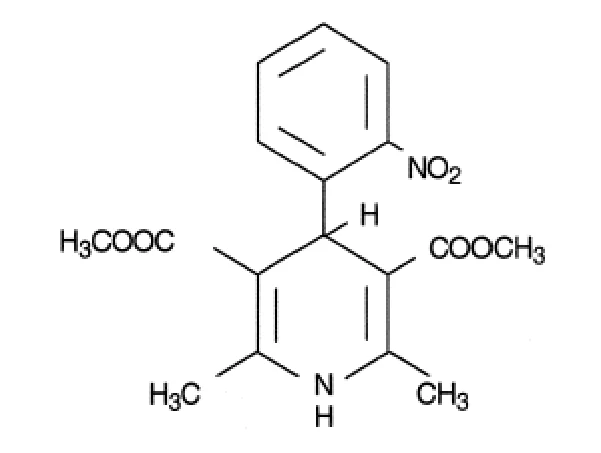
Molecular Formula: C17H18N206
Molecular Weight: 346.3 g/mol
Description: Nifedipine is a pyridine dicarboxylic acid dimethylester. It is a fine yellowish powder, practically insoluble in water but soluble in ethanol. It is light-sensitive, and when exposed, is converted to a pharmacologically inactive pyridine derivative via an intramolecular redox process.
CLINICAL TRIALS
Comparative Bioavailbility Studies
Three comparative bioavailability studies were performed using healthy human volunteers - one under fasting conditions, the second with food, and the third under steady state conditions. In studies 1 and 2, the rate and extent of absorption of nifedipine were measured and compared following administration of a single oral 20 mg dose of Apo-Nifed PA or Adalat® PA 20. In the steady state study, the volunteers received one 20 mg tablet (either Apo-Nifed PA or Adalat® PA 20) every 12 hours for 10 doses. The results of these studies are summarized as follows:
| Study 1 {Fasting} | ||
| Parameter | Geometric Mean Arithmetic Mean (C.V.) | Ratio of Means(%)** |
| Apo-Nifed PA 20 mg Adalat® PA 20 | ||
AUCr (ng.hr/mL) AUCx (ng.hr/mL) AUC1 (ng.hr/mL) Cmax (ng/mL) Tmax* (hr) tv/ (hr) | 300 291 321 (38) 314(43) 225 217 244 (43) 234 (43) 320 309 340 (36) 333 (43) 38.9 38.4 42.7 (46) 42.3 (48) 3.04 (0.91) 2.32 (1.84) 8.05 (2.34) 7.17 (1.98) | 101.3 101.4 101.8 98.1 - - |
| Study 2 {Food} | |||
| Parameter | Geometric Mean Arithmetic Mean (C.V.) | Ratio of Means(%)** | |
| Apo-Nifed PA 20 mg | Adalat® PA 20 | ||
AUCr (ng.hr/mL) AUCx (ng.hr/mL) AUC1 (ng.hr/mL) Cmax (ng/mL) Tmax* (hr} t½* (hr} | 273 297 (43) 232 249 (39) 286 311 (42) 55.9 58.3 (28} 2.44 (0.81} 6.73(1.71) | 289 309 (38) 247 262 (34) 305 325 (38} 51.0 53.0 (29} 2.44 (1.03) 6.60 (2.05) | 94.3 94.1 93.9 109.5 - - |
- For the Tmax and t½ parameters, these are the arithmetic means (standard deviations). •• Based on least square estimates of geometric means.
| Study 3 (.Steady State) | |||
| Parameter | Geometric Mean Arithmetic Mean (C.V.) | Ratio of Means(%) | |
| Apo-Nifed PA 20 mg | Adalat® PA 20 | ||
AUC't (ng.hr/ml) Cmax (ng/ml) Cmin (ng/ml) Fluctuation* (%) Tmax* (hr) | 207 223 (46) 41.6 45.5 (45) 5.77 6.36 (57) 213 (59) 2.50 (0.77) | 218 231 (42) 41.7 44.1 (37) 5.25 6.18(71) 201 (42) 2.17 (0.75) | 94.7 99.9 110.0 - - |
* For the Tmax and fluctuation parameters, these are the arithmetic means (standard deviations).
Three additional similar studies were performed using Adalat® PA 10 and Apo-Nifed PA 10 mg tablets. The same dose of 20 mg (two 10 mg tablets instead of one 20 mg tablet) was used in each of the studies. The results are summarized as follows:
| Study 4 {Fastiag} | ||
| Geometric Mean Arithmetic Mean (C.V.) | ||
| Parameter | Apo-Nifed PA 10 mg Adalat® PA 10 | Ratio of Means (%) |
AUCr (ng.hr/mL) | 214 213 226 (34) 226 (33) | 100.4 |
AUCx (ng.hr/mL) | 150 157 158 (33) 166 (31) | 95.5 |
AUC1 (ng.hr/mL) | 238 238 252 (35) 251 (31) | 99.7 |
Cmax (ng/mL) | 23.8 29.0 26.0 (42) 30.7 (33) | 82.1 |
Tmax* (hr) t½* (hr) | 5.41 (2.96) 1.69 (0.96) 7.75 (4.18) 9.98 (3.55) | - - |
| Study 5 (Food} | ||
| Geometric Mean Arithmetic Mean (C.V.) | ||
| Parameter | Apo-Nifed PA 10 mg Adalat® PA 10 | Ratio of Means(%) |
AUCr (ng..hr/ml) | 258 240 279 (39) 256 (33) | 107.3 |
AUCx (ng.hr/ml) | 204 190 219 (38) 201 (32) | 107.2 |
Aue, (ng.hr/ml) | 275 262 296 (38) 279 (32) | 104.9 |
Cmax (ng/ml) | 38.7 35.4 42.4 (44) 37.4 (33) | 109.4 |
Tmax* (hr) t½* (hr) | 4.19 (0.98) 2.87 (1.23) 6.73 (1.73) 9.62 (5.88) | - |
* For the Tmax and t½ parameters, these are the arithmetic means (standard deviations).
| Study 6 (Steady State) | |||
| Parameter | Geometric Mean Arithmetic Mean (C.V.) | Ratio of Means(%) | |
| Apo-Nifed PA 10 mg | Adalat® PA 10 | ||
AUC1: (ng.hr/ml) Cmax (ng/ml) Cmin (ng/ml) Fluctuation* (%) Tmax* (hr) | 289 312 (53) 37.2 40.0 (46) 13.9 15.6 (65) 97.1 (25.3) 3.37 (1.30) | 275 299 (57) 42.8 47.5 (63) 10.2 11.5 (65) 143 (28) 2.29 (0.72) | 105.1 86.9 136.2 - - |
* For the Tmax and fluctuation parameters, these are the arithmetic means (standard deviations).
DETAILED PHARMACOLOGY
Animal Pharmacology
In Vitro Animal Pharmacology
Inhibition of Transmembrane Ca++ Influx
Nifedipine has been shown in isolated preparations to restrict the transmembrane calcium ion influx during excitation-contraction coupling in both cardiac and vascular smooth muscles.
In cat papillary muscle under voltage clamp conditions, nifedipine at a concentration of 1o-7 to 1o-5 M did not influence the fast Na+ inward current, but depressed the slow Ca++ inward current in a dose-dependent manner without altering the kinetic control mechanism (gating mechanism).
In isolated rabbit ear perfused with tyrode solution, nifedipine has been shown to cause immediate vasodilation, loss of vascular tone and a lack of response to increases in perfusion pressure. However, subsequent neutralization of the drug effect could be achieved by an 8-fold increase in the extracellular Ca++ concentration.
Studies in vitro using rat thoracic aorta and superior mesenteric artery preparations have shown that nifedipine inhibits contractions induced by potassium and noradrenaline. Tracing the movement of 45Ca++ in these preparations showed that nifedipine 3x1o-6 M reduced the calcium influx triggered by noradrenaline or depolarization. The influx could not be completely blocked and 45Ca++ efflux remained unaffected.
Electrophysiologic Effect
In the isolated guinea-pig atria, the prolongation of the functional refractory period by nifedipine was not very pronounced, although there was a marked decrease in contractility. Even at high concentrations, nifedipine did not affect myocardial excitability.
In the conscious dog, nifedipine produced a moderate, dose-dependent PQ shortening. Only injection of large doses (0.3 to 30 mcg) of nifedipine into the posterior septal artery induced a dose-dependent increase in AV conduction. The increase in blood flow through the posterior septal artery required only 1/10 of the dose necessary to affect AV conduction.
These electrophysiologic properties of nifedipine explain in part the lack of antiarrhythmic activity of the drug.
In Vivo Animal Pharmacology
Cardiovascular Effects
In dogs under opiate analgesia (thereby maintaining practically intact regulation of the circulation), nifedipine administered sublingually at dosages of 10 to 1000 mcg/kg caused a dose-dependent increase in coronary flow, resulting in an increased oxygen supply to the heart. The peripheral flow, measured in the femoral artery, also increased in a dose-dependent manner. At low doses (10 to 31.5 mcg/kg), the cardiac contractility, measured by left ventricular dp/dt, and the end-diastolic pressure were reduced or unaffected, while at higher doses (100 to 1000 mcg/kg) there was an increase in dp/dt dependent on the increase in heart rate. Thus, low doses of nifedipine may produce a negative inotropic effect, but higher doses produce greater peripheral vasodilation, and the direct negative inotropic effect is modified by the baroreceptor mediated reflex positive inotropic response and tachycardia.
In further hemodynamic investigations conducted in conscious dogs with implanted aortic flow-probes, a reduction in total peripheral resistance was observed with nifedipine doses of only 10 mcg/kg sublingually, which did not appreciably lower the mean blood pressure. However, a decrease in the mean blood pressure occurred when doses were raised to 31.5 or 100 mcg/kg. In the higher dose range there were significant decreases in peripheral resistance, with concomitant increases in heart rate, stroke volume and cardiac output as a result of compensatory mechanisms. The drop in peripheral resistance associated with the increase in cardiac output results in a partial transformation of the pressure workload of the heart into a volume workload which is considered to be less oxygen consuming. Lowering of the peripheral resistance also indicated that nifedipine reduces the afterload.
Antihypertensive Effects
In male spontaneously hypertensive rats, nifedipine was administered in single oral doses of 0.3, 1.3, 6 or 9 mg/kg and compared to hydralazine 2.5, 6, or 7.5 mg/kg (5 animals/group). This was followed by oral administration once a day for 10 weeks of nifedipine 1, 3, 6 or 9 mg/kg/day or hydralazine 6 mg/kg/day (5 to 7 animals/group). No changes in blood pressure were seen after nifedipine 0.3 mg/kg but the 1 and 3 mg/kg doses caused maximal decrease in blood pressure 1 to 4 hours after administration. Maximal effects of the higher (6 and 9 mg/kg) doses of nifedipine were seen after 15 minutes with a slightly longer duration following 9 mg/kg. The hydralazine dose of 2.5 mg/kg was not observed to have an antihypertensive effect. Significant decrease in blood pressure were seen after 6 and 7.5 mg/kg with a maximal effect after 2 to 4 hours. In the 10 week study, nifedipine in doses of 3 mg/kg/day and over produced significant decrease in blood pressure in the first week and throughout the subsequent weeks to the end of administration. The effect of nifedipine 9 mg/kg/day was comparable to that of hydralazine 6 mg/kg/day.
NON-CLINICAL TOXICOLOGY
Acute Toxicity
Signs of toxicity were usually observed from 5 to 10 minutes after oral administration and immediately after intravenous administration. These include a reduction of spontaneous motility and apathy in association with increased frequency of respiration usually seen at the lower dosages, with saltatory and clonic spasm, cyanosis and death at the higher dosages. Post-mortem examinations revealed pulmonary edema in rats and cats.
| Table 7 - LD50 in Animal Studies | ||||
| Species | Dose Range (mg/kg) | LD50 (mg/kg) | ||
| Oral | Intravenous | Oral | Intravenous | |
| Mouse | 294-882 | 3-5 | 494 (421-572) | 4.2 (3.8-4.6) |
| Rat | 588-1323 | 10-25 | 1022 (950-1087) | 15.5 (13.7-17.5) |
| Rabbit | 100-500 | 1-4 | 250-500 | 2-3 |
| Cat | 50-250 | 0.5-8 | 100 | 0.5-8 |
| Dog | 250-2000 | 0.5-3 | >250 | 2-3 |
Subacute Toxicity
In rats, oral doses of 0.5 to 100 mg/kg/day nifedipine for 13 weeks did not induce significant adverse effects.
Similar results were obtained in dogs treated with 0.5 to 50 mg/kg/day nifedipine for thirteen weeks.
Carcinogenicity
Nifedipine was administered orally to dogs at doses of 2.5, 20 and 100 mg/kg/day for 52 weeks. No indication of toxic damage caused by nifedipine was found.
In a 2-year study, nifedipine was administered orally to male and female rats in the diet at doses of 5 to 9, 29 to 39, and 156 to 210 mg/kg/day. In the lowest dose group, nifedipine was without toxic effects. The higher doses led to dose-dependent, significant weight losses. An increased mortality was found in the 156 to 210 mg/kg dose group, especially in the females. The pathological-anatomical examination of the dead animals showed a hypotonia or atonia of the musculature of the small intestine. An increase in the weight of the adrenal glands of male rats was also observed in this dose group. Histopathological examinations revealed no organ damage related to treatment.
At the end of the study, all rats were examined histopathologically with regard to tumorigenesis. Although the animals in the highest dose group showed no uncommon tumor incidence, this group was considered not suitable for comparison with the other treatment groups because of the high mortality rate. No significant differences were found between the controls and the remaining two groups with respect to the frequency, nature, and localization of tumors.
Reproduction Studies
Pregnant mice, rats and rabbits were treated orally with 10, 30 and 100 mg/kg nifedipine from day 6 to day 15 of gestation.
In the mouse, at doses of 30 and 100 mg/kg there was an increase in the number of fetal resorptions. Fetal malformations in the form of cleft palate and rib deformities occurred at all dose levels in a dose related fashion (cleft palate occurred in 5/218 controls, 13/190 at 10 mg/kg, 22/112 at 30 mg/kg and 3/3 at 100 mg).
In the rat, the dose of 30 mg/kg was not toxic to pregnant dams, but caused reduced fetal weight and increased fetal loss. The dose of 100 mg/kg produced malformations in the fetuses from 20% of the mother animals. In a total of 11 fetuses, 10 showed malformation of the front or hind paws (ectrodactyly, oligodactyly and adactyly) and one developed a severe malformation of the sinciput.
In the rabbit, there was a dose dependent anorexia and weight loss in mothers during the dosing period. At 30 and 100 mg/kg, reduced litter size and weight and increased fetal loss were evident.
Studies on pregnant rhesus monkeys with oral doses of 2 (1 animal) or 6 mg/kg/day (4 animals) revealed no teratogenic effects. The placentas were poorly developed in dosed animals.
Pre- and post-natal studies on rats with daily doses of 3, 10, 30 and 100 mg/kg showed that nifedipine caused significant prolongation of the gestation period at dosages of 10 mg/kg upwards and a decrease in litter size. The post-natal development of the newborn animals was impaired when doses of 30 mg/kg or more had been administered. All offspring in the 100 mg/kg group died.
Mutagenesis
In the Dominant Lethal test, the oral administration of nifedipine to mice at a dose of 100 mg/kg for five consecutive days did not affect fertility rate or postimplantation loss.
In the Micronucleus test, two doses of 50 mg/kg or 100 mg/kg nifedipine given orally to mice also did not produce any mutagenic effect. Furthermore, the formation of erythrocytes was not impaired as shown by the polychromatic: normochromatic erythrocyte ratio.
In the Ames' Salmonella/microsome test, nifedipine at doses of up to 12,500 mcg per plate did not cause any bacteriotoxic effects. Also, a dose-dependent and biologically relevant increase in the number of mutants to a level double that of the negative control was not noted.
REFERENCES
- 1. Banzet 0, Colin J, Thibonnier M, Singlas E, Alexandre J, Corvol P. Acute antihypertensive effect and pharmacokinetics of a tablet preparation of nifedipine. Eur J Clin Pharmacol 1983; 24: 145-150.
- 2.
Brennan F, Flanagan M, Blake S, Cannon P. Nifedipine in the treatment of hypertension.
Eur J Clin Pharmacol 1983; 25: 713-715.
- 3. Bursztyn M, Grossman E, Rosenthal T. Long-acting nifedipine in moderate and severe hypertensive patients with serious concomitant diseases. Am Heart J i 985; 110: 96-101.
- 4. Ene MD, Roberts CJC. Pharmacokinetics of nifedipine after oral administration in chronic liver disease. J Clin Pharmacol 1987; 27: 1001-1004.
- 5.
Fleckenstein, A.: Specific Pharmacology of Calcium in Myocardium, Cardiac
Pacemakers and Vascular Smooth Muscle. Annu. Rev. Pharmacol. Toxcol. 1977; 17:149-166.
- 6. Gandhi S, Fleet JL, Bailey DG, McArthur E, Wald R, Rehman F, et al. Calcium-channel blocker-clarithromycin drug interactions and acute kidney injury. JAMA. 2013 Dec 18;310(23):2544-53.
- 7. Garthoff B., Kazda S., Knorr A., Thomas G., Factors involved in the antihypertensive action of calcium antagonists. Hypertension 1983, 5:II 34-38.
- 8.
Gunther, et al: Inappropriate Coronary Vasoconstriction in Patients with Coronary Artery
Disease: A Role for Nifedipine? Am. J. Cardiol. 1979; 44:793-797.
- 9. Hallin L., Andren L., Hansson L., Extended trial of nifedipine and bendroflumethiazide in hypertension., J. Cardiovasc. Pharmacol. 1983, 5:1083-5.
- 10. Halperin AK, Cubeddu L.X., The role of calcium channel blockers in the treatment of hypertension. Am. Heart J. 1986, 111: 363-82.
- 11. Hornung RS, Gould BA, Jones RI, Sonecha TN, Raftery EB. Nifedipine tablets for systemic hypertension: a study using continuous ambulatory intraarterial recording. Am J Cardiol 1983; 51: 1323-7.
- 12.
Jatene & Lichtlen, eds., 3rd Int. Adalat Symp., New Therapy of Ischemic Heart Disease.
Amsterdam: Excerpta Medica, 1976.
- 13.
Kenmure, A.C.F. and Scruton, J.H.: Double-blind Controlled Trial of the Anti-Anginal
Efficacy of Nifedipine Compared with Propranolol. Br. J. Clin. Prac., 1979; 33 (2): 49-51.
- 14.
Kleinbloesem CH, van Brummelen P, van de Linde JA, Voogd PJ, Breimer DD.
Nifedipine: Kinetics and dynamics in healthy subjects. Clin Pharmacol Ther 1984; 35: 742-9.
- 15. Landmark K. Antihypertensive and metabolic effects of long-term therapy with nifedipine slow-release tablets. J Cardiovasc Pharmacol 1985; 7: 12-7.
- 16.
Lochner W., Braasch W., Kroneberg, G. eds., 2nd Int. Adalat Symp., New Therapy of
Ischemic Heart Disease. New York: Springer-Verlag, 1975.
- 17.
Lund-Johansen P., Omvik P., Hemodynamic effects of nifedipine in essential
hypertension at rest and during exercise. J. Hypertension 1983, 1:159-63.
- 18.
Moskowitz, et al: Nifedipine Therapy for Stable Angina Pectoris. Preliminary Results of
Effects on Angina Frequency and Treadmill Exercise Response. Am. J. Cardiol. 1979; 44:811-816.
- 19. Myers MG, Leenen FHH, Burns R, Frankel D. Nifedipine tablets versus hydralazine in patients with persisting hypertension who receive combined diuretic and beta-blocker therapy. Clin Pharmacol Ther 1986; 39: 409-13.
- 20. Ochs HR, Ramsch KO, Verburg-Ochs B, Greenblatt DJ, Gerloff J. Nifedipine: Kinetics and dynamics after single oral doses. Klin. Wochenschr. 1984; 62: 427-29.
- 21. Oehman K.P., Weiner L., von Schenck H., Karlberg B.E., Antihypertensive and metabolic effects of nifedipine and labetalol alone and in combination in primary hypertension. Eur. J. Clin. Pharmacol. 1985, 29:149-54.
- 22.
Puech and Krebs, eds., 4th Int. Adalat Symp., New Therapy of Ischemic Heart Disease.
Amsterdam: Excerpta Medica, 1980.
- 23.
Rowland, et al: Effect of Nifedipine on Atrial Ventricular Conduction as Compared with
Verapamil. Br. H.J. 1979; 42:124-127.
- 24. Sorkin E.M., Clissold S.P., Brogden R.N., Nifedipine: A review of its pharmacodynamic and pharmacokinetic properties, and therapeutic efficacy, in ischaemic heart disease, hypertension and related disorders Drugs 1985, 30:182-274.
- 25.
Swanson D.R., Barclay B.L., Wong, P.S.L., Theeuwes F., Nifedipine Gastrointestinal
Therapeutic System. The American Journal of Medicine, 1987; 83 (6B): 3-9.
- 26. Toal, C.B. Efficacy of a low dose nifedipine GITS (20 mg) in patients with mild to moderate hypertension. Canadian Journal of Cardiology, 1997; 13 (10): 921-927.
- 27.
Product Monograph - ADALAT® XL® (Nifedipine extended-release tablets) 20 mg. 30 mg and
60 mg nifidipine. Bayer Inc. Date of Revision: September 29, 2016, Control No: 194331.