


Patient Medication Information: uses, side effects, how to take - Apo-Olanzapine
Serious Warnings and Precautions
Higher Death Rate in Elderly Patients with Dementia:
- APO-OLANZAPINE is not for use in elderly patients with dementia.
- Elderly patients with dementia have a higher death rate when taking APO-OLANZAPINE / APO-OLANZAPINE ODT and other medicines. Most deaths are caused by serious heart problems, stroke or infections.
Tell your healthcare professional right away if you have sudden weakness or numbness in the face, arms, or legs, and speech or vision problems.
What is APO-OLANZAPINE / APO-OLANZAPINE ODT used for?
APO-OLANZAPINE / APO-OLANZAPINE ODT (olanzapine tablets and olanzapine orally disintegrating tablets) is used in adults to treat symptoms of:
- schizophrenia and related psychotic disorders
- bipolar disorder
How does APO-OLANZAPINE / APO-OLANZAPINE ODT work?
APO-OLANZAPINE / APO-OLANZAPINE ODT is an antipsychotic medicine. It helps control certain natural chemicals in the brain. This will help control the symptoms of schizophrenia and bipolar mania.
What are the ingredients in APO-OLANZAPINE / APO-OLANZAPINE ODT?
Medicinal ingredient: olanzapine.
Non-medicinal ingredients of APO-OLANZAPINE:
corn starch, hydroxypropyl cellulose, hydroxypropyl methylcellulose, lactose monohydrate, magnesium stearate, microcrystalline cellulose, polyethylene glycol, and titanium dioxide.
APO-OLANZAPINE 15 mg tablets contain the following additional nonmedicinal ingredients: indigotine aluminum lake 12-14%
APO-OLANZAPINE 20 mg tablets contain the following additional nonmedicinal ingredients: iron oxide red and iron oxide yellow
Non-medicinal ingredients of APO-OLANZAPINE ODT:
carboxymethylcellulose calcium, colloidal silicon dioxide, magnesium stearate (vegetable source), mannitol, microcrystalline cellulose and sucralose.
APO-OLANZAPINE / APO-OLANZAPINE ODT comes in the following dosage forms:
APO-OLANZAPINE: tablets; 2.5 mg, 5 mg, 7.5 mg, 10 mg, 15 mg and 20 mg.
APO-OLANZAPINE ODT: orally disintegrating tablets; 5 mg, 10 mg, 15 mg and 20 mg.
Do not use APO-OLANZAPINE / APO-OLANZAPINE ODT if:
- you are allergic to olanzapine or any of the ingredients in APO-OLANZAPINE / APO-OLANZAPINE ODT or the container.
To help avoid side effects and ensure proper use, talk to your healthcare professional before you take APO-OLANZAPINE / APO-OLANZAPINE ODT. Talk about any health conditions or problems you may have, including if you:
- are pregnant or plan to become pregnant
- are breast feeding or plan on breast feeding
- have had an allergic reaction to any medicine which you have taken previously to treat your current condition
- have diabetes or a family history of diabetes
- have a history of any problems with the way your heart beats or have any heart problems
- have a history of stroke or high blood pressure
- have risk factors for developing blood clots such as: a family history of blood clots, age over 65, smoking, obesity, recent major surgery (such as hip or knee replacement), immobility due to air travel or other reason, or take oral birth control.
- are a smoker
- have ever had blackouts or seizures
- drink alcoholic beverages or use drugs
- exercise vigorously or work in hot or sunny places
- have a history of liver problems, hepatitis, or yellowing of the eyes and skin (jaundice)
- have a history of kidney problems
- have prostate or bladder problems
- have intestinal or bowel problems (paralytic ileus)
- have raised pressure within the eye (glaucoma)
- suffer from lactose intolerance because APO-OLANZAPINE tablets contain lactose
- have breast cancer
- have pituitary tumours
- have or have a history of sleep apnea
- are 65 years or older
Other warnings you should know about:
Falls: APO-OLANZAPINE / APO-OLANZAPINE ODT may cause tiredness, low blood pressure and unstable muscle coordination. This may lead to falls and injuries.
Hyperprolactinemia: APO-OLANZAPINE / APO-OLANZAPINE ODT may cause higher levels of prolactin. You may be at higher risk of breaking a bone if you have high levels of prolactin and a condition called hypogonadism.
Pregnancy, breast-feeding and newborns:
- If you plan to get pregnant, tell your healthcare professional. Your healthcare professional will decide if you should take take APO-OLANZAPINE / APO-OLANZAPINE ODT.
- If you get pregnant during treatment, tell your healthcare professional immediately. Your healthcare professional will decide if you should continue to take APO-OLANZAPINE / APO-OLANZAPINE ODT.
If you take APO-OLANZAPINE / APO-OLANZAPINE ODT during pregnancy your baby might have the following:
- difficulty breathing, are overly sleepy, have muscle stiffness, or floppy muscles (like a rag doll), are shaking, or are having difficulty feeding.
Tell your healthcare professional if your newborn baby has these symptoms. Seek emergency hospital care right away if the symptoms are serious. The symptoms may resolve on their own.
Check-ups and monitoring:
You will have regular visits with your healthcare professional, before, during and at the end of your treatment. They will:
- Check that your heart is working properly.
- blood tests to check your blood sugar levels, blood fat levels, blood and liver health.
- Monitor your blood pressure.
- Check your body weight
Tell your healthcare professional about all the medicines you take, including any drugs, vitamins, minerals, natural supplements or alternative medicines.
The following may interact with APO-OLANZAPINE / APO-OLANZAPINE ODT:
- Medicines used to treat anxiety or to help you sleep such as lorazepam
- Medicines used to treat depression or obsessive-compulsive disorder like fluvoxamine
- Medicines used to treat high blood pressure such as metoprolol
- Medicines used to treat stomach problems like omeprazole
- Medicines typically used to treat epilepsy (seizures) such as carbamazepine
- Medicines used to treat fungal infections like ketoconazole
- Medicines used to treat bacterial infections like ciprofloxacin
- Medicines used to treat symptoms in Parkinson's disease like pramipexole or levodopa
- Activated charcoal
- Drinking alcohol
- Smoking
How to take APO-OLANZAPINE / APO-OLANZAPINE ODT:
- Always take APO-OLANZAPINE / APO-OLANZAPINE ODT exactly as your healthcare professional has told you. Check with your healthcare professional if you are not sure.
- Take APO-OLANZAPINE / APO-OLANZAPINE ODT for as long as your healthcare professional prescribes it. Do not stop taking this medicine unless your healthcare professional tells you to.
- Take your prescribed dose at the same time each day.
Proper Handling Instructions
APO-OLANZAPINE:
Swallow APO-OLANZAPINE tablets whole with a glass of water. Taken with or without food.
APO-OLANZAPINE ODT:
- Handle APO-OLANZAPINE ODT carefully with dry hands.
Handling Bottle Packages:
Follow the instructions below:
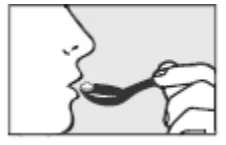
- Olanzapine ODT is sensitive to moisture.
- Carefully open the bottle with the cap facing upward.
- Gently tap the bottle to get a tablet out from the bottle onto a dry surface, such as a dry spoon.
- Avoid touching the tablets with your hands. Using the dry spoon, put the tablet directly into your mouth. It will begin to dissolve in your mouth within a few seconds. You can also place the tablet directly into a full glass of water, milk, coffee, orange juice or apple juice. Stir and drink all the contents right away.
To the pharmacist: Dispense in the original bottle.
Handling Unit Dose Blister Packages:
Follow the instructions below:
- Separate one blister cell from the strip by tearing along the perforated line.
- Gently push the tablet out from the bottom of the blister.
- Avoid touching the tablet with your hands. Put the tablet directly into your mouth. It will begin to dissolve in your mouth within a few seconds. You can also place the tablet directly into a full glass of water, milk, coffee, orange juice or apple juice. Stir and drink all of the contents right away.
Usual dose:
APO-OLANZAPINE / APO-OLANZAPINE ODT (Adults):
- Your healthcare professional will decide the best dose depending on the disease.
- Your healthcare professional will monitor your health. They may interrupt, reduce, increase or stop your dose. This may occur based on your current health, if you take certain other medications or if you have certain side effects.
Overdose:
If you think you, or a person you are caring for, have taken too much APO-OLANZAPINE / APO-OLANZAPINE ODT, contact a healthcare professional, hospital emergency department, regional poison control centre or Health Canada’s toll-free number, 1-844 POISON-X (1-844-764-7669) immediately, even if there are no signs or symptoms.
Show the healthcare professional your bottle of tablets. Do this even if there are no signs of discomfort or poisoning.
Missed Dose:
- If you miss a dose of APO-OLANZAPINE / APO-OLANZAPINE ODT by a few hours, take the dose when you remember.
- If most of the day has passed, wait until your next scheduled dose and try not to miss any more.
- Do not take 2 doses at once.
What are possible side effects from using APO-OLANZAPINE / APO-OLANZAPINE ODT?
These are not all the possible side effects you may have when taking APO-OLANZAPINE / APO-OLANZAPINE ODT. If you experience any side effects not listed here, tell your healthcare professional:
- drowsiness
- weight gain
- dizziness
- anxiety
- increased appetite
- fluid retention
- constipation
- dry mouth
- a feeling of restlessness (akathisia)
- low blood pressure upon rising from a lying or sitting position
- back pain
- stuttering (disruptive speech)
- increased salivation (salivary hypersecretion)
- memory loss
- breast enlargement in men
- milk secretion, changes in period in women
SERIOUS SIDE EFFECTS, AND WHAT TO DO ABOUT THEM
| SERIOUS SIDE EFFECTS, AND WHAT TO DO ABOUT THEM | |||
| SERIOUS SIDE EFFECTS, AND WHAT TO DO ABOUT THEM | |||
| Symptom / effect | Talk to your healthcare professional | Stop taking drug and get immediate medical help | |
| Symptom / effect | Talk to your healthcare professional | Stop taking drug and get immediate medical help | |
| Symptom / effect | Talk to your healthcare professional | Stop taking drug and get immediate medical help | |
| Only if severe | In all cases | ||
| Only if severe | In all cases | ||
| Only if severe | In all cases | ||
| COMMON | |||
| Constipation (new or worsening) | |||
| Hypotension (low blood pressure): dizziness, fainting, light-headedness, blurred vision, nausea, vomiting, fatigue (may occur when you go from lying or sitting to standing up) | |||
| Tachycardia (abnormally fast heartbeat): dizziness, light headedness, shortness of breath, racing heart | |||
| UNCOMMON | |||
| Bradycardia (slow heartbeat) | |||
| RARE | |||
| Hyperglycaemia, Glycosuria (high sugar in blood or urine): Extreme thirst, increased urination, dry mouth, tiredness, visual disturbances, nausea and vomiting, abdominal pain, increased hunger | |||
| Liver problems: fever, yellow skin or eyes, dark urine, weakness, abdominal pain, nausea, vomiting, loss of appetite, itching, light coloured stool, trouble thinking clearly | |||
| Low white blood cell count: infection, such as cold, flu-like symptoms, fever, sore throat, as well as weakness or general feeling of unwellness | |||
| Seizures: loss of consciousness with uncontrollable shaking (“fit”) | |||
| VERY RARE | |||
| Allergic reactions: skin rash, hives, swelling, difficulty breathing | |||
| Blood clots: swelling, pain and redness in an arm or leg that can be warm to touch, sudden chest pain, difficulty breathing and heart palpitations | |||
| Neuroleptic Malignant Syndrome (NMS, a nervous system disorder): High fever, muscle rigidity, rapid heartbeat, profuse sweating, irregular pulse | |||
| Pancreatitis (pancreas inflammation): severe abdominal pain, fever, nausea, vomiting | |||
| Priapism: long-lasting (greater than 4 hours in duration) and painful erection of the penis | |||
| Serious skin reactions: (Drug Reaction with Eosinophilia and Systemic Symptoms [DRESS]): skin rash or redness developing into widespread rash with blisters and peeling skin, swollen lymph nodes and fever. | |||
| Sudden cardiac death (SCD, heart failure): chest pain, shortness of breath, fainting, fast heartbeats | |||
| Cerebrovascular adverse events (disturbance of blood flow to the brain), including stroke: Sudden weakness or numbness in the face, arms, or legs, and speech or vision problems | |||
| Tardive dyskinesia: Muscle twitching or abnormal movements of the face or tongue | |||
| Thrombocytopenia (low blood platelets): Bruise easily, excessive bleeding | |||
| Rhabdomyolysis (skeletal muscle break down): Very dark (“tea coloured”) urine, muscle tenderness and/or aching | |||
| UNKNOWN | |||
| Hyponatremia (low level of sodium in the blood): lethargy, confusion, muscular twitching, achy, stiff or uncoordinated muscles, seizures, coma | |||
| SIADH—syndrome of inappropriate antidiuretic hormone secretion: concentrated urine (dark in colour), feel or are sick, have muscle cramps, confusion and fits (seizures) which may be due to inappropriate secretion of ADH (antidiuretic hormone). |
If you have a troublesome symptom or side effect that is not listed here or becomes bad enough to interfere with your daily activities, tell your healthcare professional.
Reporting Side Effects
You can report any suspected side effects associated with the use of health products to Health Canada by:
- Visiting the Web page on Adverse Reaction Reporting (canada.ca/drug-device-reporting) for information on how to report online, by mail or by fax; or
- Calling toll-free at 1-866-234-2345.
NOTE: Contact your health professional if you need information about how to manage your side effects. The Canada Vigilance Program does not provide medical advice.
Storage:
- Store APO-OLANZAPINE / APO-OLANZAPINE ODT at 15°C to 30°C, in original package, in a dry place. Protect from light.
- Keep out of reach and sight of children.
If you want more information about APO-OLANZAPINE / APO-OLANZAPINE ODT:
- Talk to your healthcare professional
- Find the full product monograph that is prepared for healthcare professionals and includes this Patient Medication Information by visiting the Health Canada website: (https://www.canada.ca/en/health-canada/services/drugs-health-products/drug-products/drug-product-database.html); the manufacturer’s website (http://www.apotex.ca/products), or by calling 1-800-667-4708.