


Product Monograph - Apo-Vilazodone
RECENT MAJOR LABEL CHANGES
Not applicable.
TABLE OF CONTENTS
Sections or subsections that are not applicable at the time of authorization are not listed.
RECENT MAJOR LABEL CHANGES ............................................................................................ 2
TABLE OF CONTENTS .............................................................................................................. 2
PART I: HEALTH PROFESSIONAL INFORMATION ...................................................................... 4
1 INDICATIONS ................................................................................................................... 4
1.1 Pediatrics ................................................................................................................. 4
1.2 Geriatrics ................................................................................................................. 4
2 CONTRAINDICATIONS ...................................................................................................... 4
3 SERIOUS WARNINGS AND PRECAUTIONS BOX ................................................................. 5
4 DOSAGE AND ADMINISTRATION ...................................................................................... 5
4.1 Dosing Considerations ............................................................................................. 5
4.2 Recommended Dose and Dosage Adjustment ........................................................ 6
4.2.1 Initiating treatment ................................................................................................. 6
4.2.2 Dosing in Special Populations and Conditions ......................................................... 6
4.2.3 Discontinuing Treatment ......................................................................................... 6
4.5 Missed Dose ............................................................................................................ 7
5 OVERDOSAGE .................................................................................................................. 7
6 DOSAGE FORMS, STRENGTHS, COMPOSITION AND PACKAGING...................................... 7
7 WARNINGS AND PRECAUTIONS ....................................................................................... 8
7.1 Special Populations ............................................................................................... 14
7.1.1 Pregnant Women .................................................................................................. 14
7.1.2 Breast-feeding ....................................................................................................... 15
7.1.3 Pediatrics ............................................................................................................... 15
7.1.4 Geriatrics ............................................................................................................... 16
8 ADVERSE REACTIONS ..................................................................................................... 16
8.1 Adverse Reaction Overview .................................................................................. 16
8.2 Clinical Trial Adverse Reactions ............................................................................. 17
8.2.1 Clinical Trial Adverse Reactions – Pediatrics .......................................................... 21
8.3 Less Common Clinical Trial Adverse Reactions (<2%) ............................................ 21
8.4 Abnormal Laboratory Findings: Hematologic, Clinical Chemistry and Other Quantitative Data .................................................................................................. 22
8.5 Post-Market Adverse Reactions ............................................................................ 22
9 DRUG INTERACTIONS ..................................................................................................... 23
9.1 Serious Drug Interactions ...................................................................................... 23
9.2 Drug Interactions Overview .................................................................................. 23
9.3 Drug-Behavioural Interactions .............................................................................. 23
9.4 Drug-Drug Interactions .......................................................................................... 23
9.5 Drug-Food Interactions ......................................................................................... 28
9.6 Drug-Herb Interactions ......................................................................................... 28
9.7 Drug-Laboratory Test Interactions ........................................................................ 29
10 CLINICAL PHARMACOLOGY ............................................................................................ 29
10.1 Mechanism of Action ............................................................................................ 29
10.2 Pharmacodynamics ............................................................................................... 29
10.3 Pharmacokinetics .................................................................................................. 31
11 STORAGE, STABILITY AND DISPOSAL .............................................................................. 34
12 SPECIAL HANDLING INSTRUCTIONS ............................................................................... 35
PART II: SCIENTIFIC INFORMATION ....................................................................................... 36
13 PHARMACEUTICAL INFORMATION ................................................................................ 36
14 CLINICAL TRIALS ............................................................................................................. 36
14.1 Clinical Trials by Indication .................................................................................... 36
Major Depressive Disorder (MDD) ...................................................................................... 36
14.2 Comparative Bioavailability Studies ...................................................................... 38
15 MICROBIOLOGY ............................................................................................................. 39
16 NON-CLINICAL TOXICOLOGY .......................................................................................... 39
17 SUPPORTING PRODUCT MONOGRAPHS......................................................................... 42
PATIENT MEDICATION INFORMATION .................................................................................. 43
PART I: HEALTH PROFESSIONAL INFORMATION
1 INDICATIONS
APO-VILAZODONE (vilazodone hydrochloride tablets) is indicated for the symptomatic relief of Major Depressive Disorder (MDD).
The short-term efficacy of vilazodone hydrochloride tablets was demonstrated in randomized, double-blind, placebo-controlled studies of 8 to 10-weeks (see 14 CLINICAL TRIALS). Long-term maintenance efficacy has not been established. Physicians should periodically re-evaluate the usefulness of the drug for individual patients.
1.1 Pediatrics
- Pediatrics (<18 years of age): Based on the data submitted and reviewed by Health Canada, the safety and efficacy of vilazodone hydrochloride tablets in pediatric patients has not been established; therefore, Health Canada has not authorized an indication for pediatric use (see 7.1.3 Pediatrics and 8.2.1 Clinical Trial Adverse Reactions - Pediatrics).
1.2 Geriatrics
- Geriatrics (> 65 years of age): No dose adjustment is recommended on the basis of age (see 7.1.4 Geriatrics, 4.2.1 Initiating Treatment, Geriatrics and 10.3 Pharmacokinetics, Geriatrics).
2 CONTRAINDICATIONS
APO-VILAZODONE is contraindicated in:
- patients with known hypersensitivity to vilazodone or any of the excipients of the drug product. For a complete listing of excipients, see 6 DOSAGE FORMS, STRENGTHS, COMPOSITION AND PACKAGING section of the product monograph.
- patients with concomitant use of Monoamine Oxidase Inhibitors (MAOIs) (see 9.4 Drug-Drug Interactions and 7 WARNINGS AND PRECAUTIONS).
Monoamine Oxidase Inhibitors (MAOIs)
APO-VILAZODONE increases serotonergic neurotransmission and must not be used in patients concomitantly taking, or having stopped taking for less than 14 days, MAOIs, including linezolid, an antibiotic, methylene blue, a dye used in certain surgeries due to the risk of serious, sometimes fatal, drug interactions. These interactions have been associated with symptoms that include tremor, myoclonus, diaphoresis, nausea, vomiting, flushing, dizziness, hyperthermia with features resembling neuroleptic malignant syndrome or serotonin toxicity, seizures, rigidity, autonomic instability with possible rapid fluctuations of vital signs, and mental status changes that include extreme agitation progressing to delirium and coma. Therefore, at least 14 days should be allowed after discontinuing treatment with a MAOI before starting treatment with APO-VILAZODONE (see 7 WARNINGS AND PRECAUTIONS and 4.1 Dosing Considerations, Switching a Patient to or from Monoamine Oxidase Inhibitors (MAOIs)).
3 SERIOUS WARNINGS AND PRECAUTIONS BOX
| Increased risk of self-harm, harm to others, suicidal thinking and behavior with antidepressants use. Closely monitor all antidepressant-treated patients for clinical worsening and for emergence of agitation-type and/or suicidal thoughts and behaviors (see 7 WARNINGS AND PRECAUTIONS, Psychiatric, Potential Association with Behavioural and Emotional Changes, Including Self-Harm). |
|---|
4 DOSAGE AND ADMINISTRATION
4.1 Dosing Considerations
APO-VILAZODONE is not indicated for use in children under 18 years of age (see 7 WARNINGS AND PRECAUTIONS).
APO-VILAZODONE should be taken with food. APO-VILAZODONE blood concentrations (AUC) in the fasted state can be decreased by approximately 50% compared to the fed state, and may result in diminished effectiveness in some patients (see 10.3 Pharmacokinetics).
Switching a Patient to or from Monoamine Oxidase Inhibitors (MAOIs)
At least 14 days must elapse between discontinuation of an MAOI and initiation of therapy with APO-VILAZODONE. Conversely, at least 14 days must be allowed after stopping APO-VILAZODONE before starting an MAOI (see 2 CONTRAINDICATIONS and 7 WARNINGS AND PRECAUTIONS).
Concomitant Use of CYP3A4 Inhibitors
The APO-VILAZODONE dose should not exceed 20 mg if co-administered with a strong inhibitor of CYP3A4 (e.g., ketoconazole). The APO-VILAZODONE dose should be readjusted to the original level when CYP3A4 inhibitors are discontinued (see 9.4 Drug-Drug Interactions).
Concomitant Use of CYP3A4 Inducers
Concomitant use of APO-VILAZODONE with a strong inducer of CYP3A4 (carbamazepine 400 mg/day) decreased vilazodone systemic exposure by approximately 45%. As knowledge of safety with doses > 40 mg is limited, no dosage adjustment is recommended (see 9.4 Drug-Drug Interactions).
4.2 Recommended Dose and Dosage Adjustment
4.2.1 Initiating treatment
Adults
The recommended dose for APO-VILAZODONE is 20 mg to 40 mg once daily with food. APO-VILAZODONE should be initiated at a dose of 10 mg once daily for 7 days, followed by 20 mg once daily. Based on individual patient efficacy and tolerability, the dose may be increased from 20 mg to 40 mg once daily after 7 days.
Therapeutic response is usually seen after 1 to 2 weeks of treatment.
Pediatrics (<18 years of age)
Health Canada has not authorized an indication for pediatric use (see 1.1 Pediatrics).
Geriatrics (> 65 years of age)
No dose adjustment is recommended on the basis of age. Greater sensitivity of some older individuals cannot be ruled out. In the context of a greater potential for other concomitant medical conditions and drug therapies in elderly patients, caution should be exercised when treating the elderly (see 7.1.4 Geriatrics and 10.3 Pharmacokinetics).
4.2.2 Dosing in Special Populations and Conditions
Hepatic Impairment
No dose adjustment is recommended in patients with mild or moderate hepatic impairment. Data in patients with severe hepatic impairment is limited; therefore caution should be exercised if patients with severe hepatic impairment are treated (see 10.3 Pharmacokinetics).
Renal Impairment
No dose adjustment is recommended in patients with mild, moderate or severe renal impairment. Patients with severe renal were not studied therefore, APO-VILAZODONE should be used with caution in these patients (see 10.3 Pharmacokinetics).
4.2.3 Discontinuing Treatment
Discontinuation symptoms have been reported with discontinuation of serotonergic drugs such as vilazodone hydrochloride tablets. Gradual dose reduction is recommended, instead of abrupt discontinuation, whenever possible. Monitor patients for these symptoms when discontinuing
APO-VILAZODONE. If intolerable symptoms occur following a dose decrease or upon discontinuation of treatment, consider resuming the previously prescribed dose and decreasing the dose at a more gradual rate (see 7 WARNINGS AND PRECAUTIONS, Discontinuation Symptoms and 8.2 Clinical Trial Adverse Reactions, Discontinuation symptoms).
4.5 Missed Dose
In the event that a dose is missed, the patient should take the missed dose as soon as they remember. If it is almost time for the next dose, the patient should skip the missed dose and take the next dose at the regular time. The patient should not take two doses of APO-VILAZODONE at the same time.
5 OVERDOSAGE
There is limited clinical trial experience regarding human overdosage with vilazodone hydrochloride tablets. The adverse reactions associated with overdose of vilazodone hydrochloride tablets at doses of 200 mg to 280 mg as observed in clinical trials included serotonin toxicity, lethargy, restlessness, hallucinations, and disorientation.
Management of Overdose
No specific antidotes for vilazodone are known. Management of overdose should consider the possibility of multiple drug involvement and should consist of treatment of clinical symptoms and relevant monitoring. Medical follow-up in a specialized environment is recommended. Removal of vilazodone by dialysis has not been studied; however, the high volume of distribution of vilazodone suggests that dialysis will not be effective in reducing vilazodone plasma concentrations.
| For management of a suspected drug overdose, contact your regional poison control centre. |
|---|
6 DOSAGE FORMS, STRENGTHS, COMPOSITION AND PACKAGING
Table 1: Dosage Forms, Strengths, Composition and Packaging
| Route of Administration | Dosage Form / Strength / Composition | Non-medicinal Ingredients |
|---|---|---|
| Oral | Tablet 10 mg, 20 mg and 40 mg | Colloidal silicon dioxide, FD&C Blue #1/brilliant blue FCF Aluminum lake (40 mg), FD&C Yellow #6/sunset yellow FCF Aluminum lake (20 mg), iron oxide red (10 mg), lactose monohydrate, magnesium stearate, microcrystalline cellulose, |
| Route of Administration | Dosage Form / Strength / Composition | Non-medicinal Ingredients | |
|---|---|---|---|
| polyethylene glycol, polyvinyl alcohol, talc and titanium dioxide | |||
APO-VILAZODONE immediate-release tablets are available as 10 mg, 20 mg and 40 mg strengths.
- 10 mg tablets: Pink colored, ellipse shaped, biconvex, film coated tablets, debossed with “MV” on one side and “14” on other side, free from physical defects. Available in bottles of 30 tablets.
- 20 mg tablets: Orange colored, ellipse shaped, biconvex, film coated tablets, debossed with “MV” on one side and “15” on other side, free from physical defects. Available in bottles of 30 tablets.
- 40 mg tablets: Blue colored, ellipse shaped, biconvex, film coated tablets, debossed with “MV” on one side and “16” on other side, free from physical defects. Available in bottles of 30 tablets.
7 WARNINGS AND PRECAUTIONS
General
- Bone Fracture Risk:
Epidemiological studies show an increased risk of bone fractures following exposure to some antidepressants, including SSRIs/SNRIs (serotonin and norepinephrine-reuptake inhibitors). The risks appear to be greater at the initial stages of treatment, but significant increased risks were also observed at later stages of treatment. The possibility of fracture should be considered in the care of patients treated with APO-VILAZODONE. Elderly patients and patients with important risk factors for bone fractures should be advised of possible adverse events which increase the risk of falls, such as dizziness and orthostatic hypotension, especially at the early stages of treatment but also soon after withdrawal. Preliminary data from observational studies show association of SSRIs/SNRIs and low bone mineral density in older men and women. Until further information becomes available, a possible effect on bone mineral density with long term treatment with SSRIs/SNRIs, including APO-VILAZODONE, cannot be excluded, and may be a potential concern for patients with osteoporosis or major risk factors for bone fractures.
- Discontinuation Symptoms
Patients currently taking APO-VILAZODONE should NOT be discontinued abruptly, due to risk of discontinuation symptoms. At the time that a medical decision is made to discontinue an SSRI or other newer antidepressant drug, a gradual reduction in the dose rather than an abrupt cessation is recommended (see 4.2.3 Discontinuing Treatment).
- Discontinuation of Treatment:
At the time that a medical decision is made to discontinue APO-VILAZODONE, a gradual reduction in the dose, rather than an abrupt cessation, is recommended.
There have been reports of adverse events occurring upon discontinuation of serotonergic antidepressants, particularly when discontinuation is abrupt, including the following: dysphoric mood, irritability, agitation, dizziness, sensory disturbances (e.g., paresthesia, such as electric shock sensations), anxiety, confusion, headache, lethargy, emotional lability, insomnia, hypomania, tinnitus, and seizures. While these events are generally self-limiting, there have been reports of serious discontinuation symptoms.
Monitor patients for these symptoms when discontinuing APO-VILAZODONE. Reduce the dose gradually whenever possible. If intolerable symptoms occur following a decrease in the dose or upon discontinuation of treatment, consider resuming the previously prescribed dose. Subsequently, the dose may be decreased, but at a more gradual rate (see 4.2.3 Discontinuing Treatment).
Carcinogenesis and Mutagenesis
For animal data see 16 NON-CLINICAL TOXICOLOGY.
Cardiovascular
- Blood Pressure:
Patients with severe cardiac function impairment or with an identified risk of a serious cardiac arrhythmia, uncontrolled hypertension, or severe or unstable coronary heart disease were excluded from clinical trials with vilazodone hydrochloride tablets. Caution should be exercised in treating patients with uncontrolled hypertension or with other cardiovascular or cerebrovascular conditions that might be compromised by increases in blood pressure (see 10.2 Pharmacodynamics and 8.2 Clinical Trial Adverse Reactions Blood Pressure).
Dependence/Tolerance
- Abuse Liability:
While vilazodone hydrochloride tablets has not been systematically studied in humans for its potential for abuse, there was no suggested evidence of drug-seeking behaviour in the clinical studies. However, it is not possible to predict on the basis of clinical experience the extent to which a CNS active drug will be misused, diverted, and/or abused once marketed. Consequently, physicians should carefully evaluate patients for a history of drug abuse and follow such patients closely, observing them for signs of misuse or abuse of APO-VILAZODONE
(e.g., development of tolerance, drug-seeking behaviour, increases in dose).
- Dependence Liability:
Vilazodone hydrochloride tablets has been systematically studied in animals and did not demonstrate dependence potential.
Driving and Operating Machinery
Any psychoactive drug may impair judgment, thinking, or motor skills. APO-VILAZODONE may be associated with undesirable effects such as sedation and dizziness. Therefore, patients should be cautioned about operating hazardous machinery, including automobiles, until they are reasonably certain that APO-VILAZODONE therapy does not affect their ability to engage in such activities.
Hematologic
- Abnormal Bleeding:
SSRIs and SNRIs, including APO-VILAZODONE, may increase the risk of bleeding events by causing abnormal platelet aggregation. Concomitant use of acetylsalicylic acid (ASA), nonsteroidal anti-inflammatory drugs (NSAIDS), warfarin, and other anticoagulants may add to this risk. Case reports and epidemiological studies (case-control and cohort design) have demonstrated an association between use of drugs that interfere with serotonin reuptake and the occurrence of gastrointestinal bleeding. Bleeding events related to SSRIs and SNRIs have ranged from ecchymosis, hematoma, epistaxis, and petechiae to life-threatening hemorrhages.
Patients should be cautioned about the risk of bleeding associated with the concomitant use of APO-VILAZODONE and NSAIDs, ASA, or other drugs that affect coagulation (see 9.4 Drug-Drug Interactions). Caution is advised in patients with a history of bleeding disorder or predisposing conditions (e.g., thrombocytopenia).
Hepatic/Biliary/Pancreatic
- Hepatic Impairment:
Based on a study conducted with vilazodone hydrochloride tablets in patients with mild to moderate hepatic impairment, no impact was observed on the pharmacokinetics of vilazodone. Subsequently no dose adjustment is recommended for patients with mild or moderate hepatic impairment.
Data in patients with severe hepatic impairment is limited; these patients were excluded from phase 3 clinical trials. Therefore, caution should be exercised if patients with severe hepatic impairment are treated (see 4.2.2 Dosing in Special Populations and Conditions, Hepatic
Impairment and 10.3 Pharmacokinetics).
Neurologic
- Seizures:
Vilazodone hydrochloride tablets has not been systematically evaluated in patients with a seizure disorder. Patients with a history of seizures were excluded from clinical studies. Seizures are a potential risk with antidepressant drugs. APO-VILAZODONE should be prescribed with caution in patients with a seizure disorder.
- Serotonin toxicity / Serotonin syndrome:
Serotonin toxicity, also known as serotonin syndrome, is a potentially life-threatening condition and has been reported with SNRIs and SSRIs, including vilazodone hydrochloride tablets.
Serotonin toxicity is characterised by neuromuscular excitation, autonomic stimulation (e.g. tachycardia, flushing) and altered mental state (e.g. anxiety, agitation, hypomania). In accordance with the Hunter Criteria, serotonin toxicity diagnosis is likely when, in the presence of at least one serotonergic agent, one of the following is observed:
- Spontaneous clonus
- Inducible clonus or ocular clonus with agitation or diaphoresis
- Tremor and hyperreflexia
- Hypertonia and body temperature >38°C and ocular clonus or inducible clonus
If concomitant treatment with APO-VILAZODONE and other serotonergic agents is clinically warranted, careful observation of the patient is advised, particularly during treatment initiation and dose increases (see 2 CONTRAINDICATIONS, 4 DOSAGE AND ADMINISTRATION, and 9.4 Drug-Drug Interactions, Serotonergic Drugs). If serotonin toxicity is suspected, discontinuation of the serotonergic agents should be considered.
- Cognitive and Motor Disturbances:
The effects of vilazodone on the ability to drive or to operate machinery were not systematically evaluated in the vilazodone development program.
Ophthalmologic
- Angle-Closure Glaucoma:
As with other antidepressants, APO-VILAZODONE can cause mydriasis, which may trigger an angle-closure attack in a patient with anatomically narrow ocular angles. Healthcare providers should inform patients to seek immediate medical assistance if they experience eye pain, changes in vision or swelling or redness in or around the eye.
- Glaucoma:
As with other SSRIs/SNRIs, APO-VILAZODONE can cause mydriasis and should be used with caution in patients with raised intraocular pressure or those with narrow-angle glaucoma.
Psychiatric
- Potential Association with Behavioural and Emotional Changes, Including Self-Harm
Pediatrics: Placebo-Controlled Clinical Trial Data
Recent analyses of placebo-controlled clinical trial safety databases from Selective Serotonin Reuptake Inhibitors (SSRIs) and other newer antidepressants suggest that use of these drugs in patients under the age of 18 may be associated with behavioural and emotional changes, including an increased risk of suicidal ideation and behaviour over that of placebo.
The small denominators in the clinical trial database, as well as the variability in placebo rates, preclude reliable conclusions on the relative safety profiles among these drugs.
Adults and Pediatrics: Additional data
There are clinical trials and post-marketing reports with SSRIs and other newer antidepressants, in both pediatrics and adults, of severe agitation-type adverse events coupled with self-harm and harm to others. The agitation-type events include: akathisia, agitation, disinhibition, emotional lability, hostility, aggression, depersonalization. In some cases, the events occurred within several weeks of starting treatment.
Rigorous clinical monitoring for suicidal ideation or other indicators of potential for suicidal behaviour is advised in patients of all ages. This includes monitoring for agitation-type emotional and behavioural changes.
An FDA meta-analysis of placebo-controlled clinical trials of antidepressant drugs in adult patients aged 18 to 24 years with psychiatric disorder showed an increased risk of suicidal behaviour with antidepressants compared to placebo.
- Suicide:
The possibility of a suicide attempt is inherent to Major Depressive Disorder (MDD) and may persist until significant remission occurs. Close supervision of patients should accompany initial drug therapy, and consideration should be given to the need for hospitalization of high risk patients.
Patients, their families, and their caregivers should be encouraged to be alert to the emergence of anxiety, agitation, panic attacks, insomnia, irritability, hostility, aggressiveness, impulsivity, akathisia (psychomotor restlessness), hypomania, mania and other unusual changes in behaviour, worsening of depression, and suicidal ideation, especially when initiating therapy or during any change in dose or regimen.
Close supervision of high-risk patients should accompany initial drug therapy. Prescriptions should be written for the smallest quantity of drug, consistent with good patient management, should be provided to reduce the risk of overdose with this drug (see 7 WARNINGS AND PRECAUTIONS, Potential association with behavioural and emotional changes, including self-harm).
- Activation of Mania/Hypomania:
Symptoms of mania/hypomania were reported in 0.1% of patients treated with vilazodone hydrochloride tablets in short-term clinical studies of patients with MDD and in which patients with bipolar disorder were excluded. Activation of mania/hypomania has also been reported in a small proportion of patients with major affective disorder who were treated with other antidepressants. As with all antidepressants, use APO-VILAZODONE cautiously in patients with a history or family history of bipolar disorder, mania, or hypomania and APO-VILAZODONE should be discontinued in any patient entering a manic phase.
A major depressive episode may be the initial presentation of bipolar disorder. Patients with bipolar disorder may be at an increased risk of experiencing manic episodes when treated with antidepressants alone. Therefore, the decision to initiate symptomatic treatment of depression should be made only after patients have been adequately assessed to determine if they are at risk for bipolar disorder. It should be noted that APO-VILAZODONE is not approved for use in treating bipolar depression.
- Electroconvulsive Therapy (ECT):
The safety and efficacy of the concurrent use of vilazodone hydrochloride tablets and ECT have not been studied, and therefore, caution is advisable.
Renal
- Hyponatremia:
Hyponatremia has occurred as a result of treatment with SSRIs and SNRIs. In many cases, hyponatremia appears to be the result of the syndrome of inappropriate antidiuretic hormone secretion (SIADH). Cases with serum sodium lower than 110 mmol/L have been reported. Elderly patients may be at greater risk of developing hyponatremia with SSRIs and SNRIs. Also, patients taking diuretics or who are otherwise volume depleted can be at greater risk.
Discontinuation of APO-VILAZODONE in patients with symptomatic hyponatremia and appropriate medical intervention should be instituted. Signs and symptoms of hyponatremia include headache, difficulty concentrating, memory impairment, confusion, weakness, and unsteadiness, which can lead to falls. Signs and symptoms associated with more severe and/or acute cases have included hallucination, syncope, seizure, coma, respiratory arrest, and death.
- Renal impairment:
The safety profile of vilazodone after a single oral dose of 20 mg did not differ in subjects with mild or moderate renal impairment when compared with subjects with normal renal function. Patients with severe renal impairment were not studied; APO-VILAZODONE should be used with caution in these patients. No dose adjustment is recommended in patients with mild, moderate or severe renal impairment.
Reproductive Health: Female and Male Potential
- Function:
Selective serotonin reuptake inhibitors (SSRIs) may cause symptoms of sexual dysfunction (see 8 ADVERSE REACTIONS, Sexual Function). Patients should be informed that there have been reports of long-lasting sexual dysfunction where the symptoms have continued despite discontinuation of SSRIs.
7.1 Special Populations
7.1.1 Pregnant Women
The safety of vilazodone hydrochloride tablets in human pregnancy has not been established. There are no adequate and well-controlled studies of vilazodone hydrochloride tablets in pregnant women. When treating pregnant women with APO-VILAZODONE, carefully consider whether the potential benefits outweigh the potential risks to the fetus (see 10.3 Pharmacokinetics and 16 NON-CLINICAL TOXICOLOGY).
Animal studies did not demonstrate a teratogenic effect of vilazodone, but lower fetal weight and delayed ossification were seen in rats at systemic exposures corresponding to approximately 48 times the Cmax at the maximum recommended human dose (40 mg/day) and in rabbits at approximately 17 times the Cmax at the maximum recommended human dose (see 16 NON-CLINICAL TOXICOLOGY).
Nonteratogenic Effects: Post-marketing reports indicate that some neonates exposed to serotonergic antidepressants late in the third trimester have developed complications requiring prolonged hospitalization, respiratory support, and tube feeding. Such complications can arise immediately upon delivery. Reported clinical findings have included respiratory distress, cyanosis, apnea, seizures, temperature instability, feeding difficulty, vomiting, hypoglycemia, hypotonia, hypertonia, hyperreflexia, tremor, jitteriness, irritability, and constant crying. These features are consistent with either a direct toxic effect of serotonergic antidepressants or, possibly, a drug discontinuation syndrome. It should be noted that, in some cases, the clinical picture is consistent with serotonin toxicity (see 7 WARNINGS AND PRECAUTIONS).
Infants exposed to SSRIs in pregnancy may have an increased risk for persistant pulmonary hypertension of the newborn (PPHN). PPHN occurs in 1 to 2 per 1,000 live births in the general population and is associated with substantial neonatal morbidity and mortality. Several recent epidemiologic studies suggest a positive statistical association between SSRI use (including vilazodone hydrochloride tablets) in pregnancy and PPHN. Other studies do not show a significant statistical association.
Patients should be advised to notify their physician if they become pregnant or intend to become pregnant during therapy. If APO-VILAZODONE is used until or shortly before birth, discontinuation symptoms in the newborn should be considered.
The effect of vilazodone hydrochloride tablets on labour and delivery in humans is unknown. APO-VILAZODONE should be used during labour and delivery only if the potential benefit outweighs the potential risk.
7.1.2 Breast-feeding
Vilazodone is excreted into the milk of lactating rats. The effect of vilazodone hydrochloride tablets on lactation and nursing in humans is unknown. Breast feeding in women treated with APO-VILAZODONE should be considered only if the potential benefit outweighs the potential risk to the child. A decision must be made whether to discontinue breast-feeding or to discontinue/abstain from APO-VILAZODONE treatment, taking into account the benefit of breast-feeding for the child and the benefit of therapy for the woman.
7.1.3 Pediatrics
Pediatrics (< 18 years of age): APO-VILAZODONE is not approved for use in pediatric patients (see 7 WARNINGS AND PRECAUTIONS).
The effectiveness of vilazodone hydrochloride tablets in pediatric patients with MDD has not been established. Efficacy was not demonstrated in two adequate and well controlled, 8-week studies including a total of 1002 pediatric patients aged 7 years to 17 years of age with MDD. The following adverse reactions were reported in at least 5% of pediatric patients treated with vilazodone hydrochloride tablets and occurred at a rate at least twice that for pediatric patients receiving placebo: nausea, vomiting, diarrhea, abdominal pain/discomfort, and dizziness. For further details see 8.2.1 Clinical Trial Adverse Reactions - Pediatrics.
7.1.4 Geriatrics
Of the 3,007 patients in clinical studies with vilazodone hydrochloride tablets, 65 (2.2%) were 65 to 70 years of age, and 378 (12.6%) were 55 to 64 years of age. An insufficient number of older patients 65 to 70 were included in the randomized, double-blind, placebo-controlled studies to conclude whether the safety and efficacy in these patients differs from younger patients.
Results from a single-dose (20 mg) pharmacokinetic study in elderly (65 to 80 years-old) vs. young (24 to 55 years-old) subjects demonstrated that the pharmacokinetics were generally similar between the two age groups. As with any medicine, in the context of a greater potential for other concomitant medical conditions and drug therapies in elderly patients, caution should be exercised when treating the elderly.
Serotonergic antidepressants have been associated with cases of clinically significant hyponatremia in elderly patients, who may be at greater risk for this adverse event (see 7 WARNINGS AND PRECAUTIONS, 4.2.1 Initiating Treatment, Geriatrics and 10.3 Pharmacokinetics).
8 ADVERSE REACTIONS
8.1 Adverse Reaction Overview
The safety of vilazodone hydrochloride tablets was evaluated in 3,007 patients (18 to 70 years of age) diagnosed with MDD, representing 676 patient-years of exposure. Of the 3,007 vilazodone hydrochloride tablets-treated patients, 2,408 were exposed to vilazodone hydrochloride tablets in short-term, placebo-controlled studies. In the phase 3 placebo-controlled studies, the mean age of patients was 41 years (18 to 70 years) and of these patients, approximately 57% were women and 43% were men. In an open-label 52-week study at 40 mg once daily, 599 patients were exposed to vilazodone hydrochloride tablets with 314 patients exposed for at least 6 months and 118 patients exposed for at least 12 months.
The most commonly observed adverse reactions in vilazodone hydrochloride tablets-treated MDD patients (n=1266) in placebo-controlled studies (incidence ≥ 5% and at least twice the rate of placebo) were: diarrhea, nausea, vomiting and insomnia.
Adverse Reactions Reported as Reasons for Discontinuation of Treatment
Overall, 7.3% of the patients who received vilazodone hydrochloride tablets discontinued treatment due to an adverse reaction, compared with 3.5% of placebo-treated patients in these studies. The most common adverse reaction leading to discontinuation in at least 1% of the vilazodone hydrochloride tablets-treated patients in the placebo-controlled studies was nausea (1.4%) and diarrhea (1.1%).
8.2 Clinical Trial Adverse Reactions
Clinical trials are conducted under very specific conditions. The adverse reaction rates observed in the clinical trials; therefore, may not reflect the rates observed in practice and should not be compared to the rates in the clinical trials of another drug. Adverse reaction information from clinical trials may be useful in identifying and approximating rates of adverse drug reactions in real-world use.
The information presented in these sections was derived from studies of vilazodone hydrochloride tablets in major depressive disorder including: 1) 4 placebo-controlled 8 to 10-week studies in 2233 patients, including 1266 receiving vilazodone hydrochloride tablets; and 2) an open-label 52-week study of 599 patients. Patients in these studies were either titrated over one week to a dose of 20 mg daily or over two weeks to a dose of 40 mg daily of vilazodone hydrochloride tablets. In these clinical trials, vilazodone hydrochloride tablets was administered with food.
Common Adverse Reactions in Placebo-Controlled MDD Studies
Table 2 shows the incidence of common adverse reactions that occurred in ≥ 2% of vilazodone hydrochloride tablets-treated MDD patients and at a greater rate than placebo-treated patients in the four placebo-controlled studies.
Table 2 presents the adverse reactions of placebo and vilazodone hydrochloride tablets as pooled data.
Table 2: Adverse Reactions Occurring in ≥ 2% of Vilazodone Hydrochloride Tablets-treated Patients and at a greater rate than Placebo-treated Patients in MDD Placebo-Controlled Studies
Vilazodone hydrochloride tablets 20 mg/day N=288 (%) | Vilazodone hydrochloride tablets 40 mg/day N=978 (%) | Placebo N=967 (%) | |
|---|---|---|---|
Cardiac disorders Palpitations | 1 | 2 | <1 |
Vilazodone hydrochloride tablets 20 mg/day N=288 (%) | Vilazodone hydrochloride tablets 40 mg/day N=978 (%) | Placebo N=967 (%) | ||||
|---|---|---|---|---|---|---|
Gastrointestinal disorders Diarrhea Nausea Dry mouth Vomiting Abdominal pain1 Dyspepsia Flatulence Gastroenteritis Abdominal distension | 26 22 8 4 7 2 3 1 2 | 29 24 7 5 4 3 3 2 1 | 10 7 5 2 3 2 1 1 1 | |||
General disorders Fatigue | 4 | 3 | 3 | |||
Investigations Increased weight | 1 | 2 | 1 | |||
Metabolism and nutrition disorders Increased appetite | 1 | 3 | 1 | |||
Musculoskeletal and connective tissue disorders Arthralgia | 2 | 1 | 1 | |||
Nervous system disorders Headache2 Dizziness Somnolence Paresthesia | 15 6 4 1 | 14 8 5 2 | 14 5 2 1 | |||
| Psychiatric disorders | ||||||
| Insomnia | 7 | 6 | 2 | |||
| Abnormal dreams | 2 | 3 | 2 | |||
| Restlessness3 | 2 | 3 | 1 | |||
1 Includes abdominal discomfort, abdominal pain upper, and abdominal pain. 2 Includes headache and tension headache 3 Includes restlessness, akathisia, and restless legs syndrome Sexual adverse reactions are presented in Table 3 | ||||||
Gastrointestinal
The most frequent gastrointestinal events reported in vilazodone treated patients were diarrhea (28.1% vs 9.5% in placebo), nausea (23.4% vs. 6.8% in placebo) and vomiting (4.7% vs 1.7% in placebo). No serious adverse reactions occurred in the four placebo-controlled studies.
The onset of diarrhea and nausea occurred mostly during the initial 2-week titration period and median duration was 5 days for nausea (mean duration of 15 days) and 8 days for diarrhea (mean duration of 19 days). Approximately half of the vomiting occurred in the initial 2 weeks of treatment and the median duration was 1 day (mean duration of 3.4 days). Adverse reactions related to gastrointestinal disorders led to discontinuation in 3.2% of all vilazodone-treated patients versus 0.6% of placebo patients.
In the 52-week open label study, the most frequently occurring adverse events were diarrhea (35.7%), nausea (31.6%), dry mouth (11.0%) and vomiting (7.3%). The majority of events were either mild or moderate in intensity. Only one patient experienced serious gastrointestinal adverse event of duodenal stenosis. Adverse Events related to Gastrointestinal Disorders led to discontinuation in 4.0% of vilazodone treated patients in this 52-week study.
Discontinuation symptoms
Discontinuation symptoms were evaluated in 4 placebo-controlled trials (8 or 10 weeks in duration) following both abrupt discontinuation (2 studies) and gradual discontinuation over a 2-week period (2 studies). Discontinuation of vilazodone was associated with a somewhat greater incidence of adverse events vs. placebo in general. No specific adverse event occurred at a rate of 1% or greater and there was no discernible pattern seen with respect to specific system, organ, or class. When discontinuing APO-VILAZODONE, a gradual reduction in the dose, rather than an abrupt cessation, is recommended whenever possible (see 4.2.3 Discontinuing Treatment).
Cardiovascular parameters
- Blood Pressure
Vilazodone hydrochloride tablets and placebo groups in MDD patients participating in the 4 placebo-controlled studies were compared with respect to mean change from baseline in vital signs (pulse, systolic blood pressure, and diastolic blood pressure) and the incidence of patients meeting criteria for potentially clinically significant changes from baseline in these variables. These analyses did not reveal any clinically important changes in blood pressure or heart rate associated with vilazodone hydrochloride tablets treatment.
In a randomized, placebo- and positive-controlled, parallel group, ECG assessment study in 157 healthy subjects, serial blood pressure assessments were conducted. Vilazodone hydrochloride tablets treatment was associated with statistically significant, dose-dependent increases in systolic blood pressure at doses of 20 mg/day and higher and statistically significant, dose-dependent increases in diastolic blood pressure at doses of 40 mg/day and higher. The maximum mean difference from placebo in systolic blood pressure of 4.4 mmHg (90% CI 1.7, 7.2) for vilazodone hydrochloride tablets 20 mg/day and 5.3 mmHg (90% CI 2.5, 8.1) for vilazodone hydrochloride tablets 40 mg/day were observed. The maximum mean difference from placebo in diastolic blood pressure of 0.8 mmHg (90% CI -1.4, 3.0) for vilazodone hydrochloride tablets 20 mg/day and 3.9 mmHg (90% CI 1.4, 6.3) for vilazodone hydrochloride tablets 40 mg/day were observed (see 10 CLINICAL PHARMACOLOGY).
In the pooled short-term studies in MDD, the mean change in systolic blood pressure from baseline to last assessment was 0.3 mmHg for all vilazodone doses combined and -0.2 mmHg for placebo. For vilazodone 20 mg alone the mean change was 0.2 mmHg. In the long term open-label 52 week study in MDD, the mean change in systolic blood pressure from baseline to last assessment was 0.4 mmHg for vilazodone 40 mg.
- Electrocardiograms
At the end of the double-blind treatment period, mean changes in all ECG parameters (ventricular heart rate, QRS, PR, and QT intervals) were similar among vilazodone- and placebo-treated patients.
The effects of vilazodone on ECG interval and haemodynamic parameters were studied in a randomized, placebo- and positive-controlled, parallel group ECG assessment study performed in 157 healthy subjects (see 10.2 Pharmacodynamics).
- Weight
In the four placebo-controlled 8 to 10-week studies, slight mean changes in body weight were observed in the vilazodone 20-mg (+ 0.59 kg) and 40-mg (+ 0.32 kg) groups compared with placebo (+ 0.22 kg).
The proportion of patients with a weight increase of ≥ 7% were 1.7% in 20 mg group, 1.3 % in 40 mg group and 1.0% in the placebo group. The proportion of patients with a weight decrease of ≥ 7% were 1.7% in 20 mg group, 0.7 % in 40 mg group and 0.7% in the placebo group.
In the 52 week open-label study, mean weight increased mildly over time. The mean increase in weight from baseline at the last visit (mean duration: 31 weeks) for all patients who entered the study was 1.0 kg. However, the mean increase in weight from baseline at Week 52 was 1.7 kg. Weight change was generally consistent with the results from the four 8 or 10-week, placebo-controlled clinical studies.
- Sexual Function
While changes in sexual function often occur as a manifestation of depression, they may also be a consequence of pharmacologic treatment. The incidence of self-reported adverse sexual reactions was low and similar to placebo in clinical studies, as measured by the total score on either the ASEX (Arizona Sexual Experiences Scale) or the CSFQ (Changes in Sexual Function Questionnaire). Reported effects were generally mild and transient in nature. Results from a 52-week open-label study were consistent with the findings from the placebo-controlled studies. Table 3 shows the incidence of adverse reactions associated with sexual dysfunction in the placebo-controlled studies.
Table 3: Common Sexual Adverse Reactions Occurring in ≥ 2% of Vilazodone Hydrochloride Tablets-treated Patients and Greater than the Rate of Placebo-Treated Patients
| Preferred Term | Males | Females | ||||||||||||
|---|---|---|---|---|---|---|---|---|---|---|---|---|---|---|
| Placebo N=416 | Vilazodone hydrochloride tablets 20 mg/day N=122 | Vilazodone hydrochloride tablets 40 mg/day N=417 | Placebo N=551 | Vilazodone hydrochloride tablets 20 mg/day N=166 | Vilazodone hydrochloride tablets 40 mg/day N=561 | |||||||||
| Abnormal Orgasm* | <1% | 2% | 2% | 0% | 1% | 1% | ||||||||
| Erectile dysfunction | 1% | 0% | 3% | - | - | - | ||||||||
| Libido decreased | <1% | 3% | 4% | <1% | 2% | 2% | ||||||||
| Ejaculation disorder | 0% | 1% | 2% | - | - | - | ||||||||
* Includes abnormal orgasm and anorgasmia | ||||||||||||||
Because adverse reactions related to sexual function are believed to be voluntarily underreported, validated measures (the Arizona Sexual Experiences Scale and the Changes in Sexual Function Questionnaire) designed to identify sexual side effects of antidepressants were used prospectively in the placebo-controlled trials. Physicians should routinely inquire about possible sexual side effects (see 14 CLINICAL TRIALS).
8.2.1 Clinical Trial Adverse Reactions – Pediatrics
Two 8-week, randomized, placebo-controlled, double-blind safety and efficacy studies and one 26-week, open-label safety study of vilazodone hydrochloride tablets in pediatric patients (aged 7 to 17) with MDD found few differences in the safety profile of adults in comparison to pediatrics. Notable differences occurring in ≥ 2% of pediatric subjects, at a greater rate than placebo, and not reported in Table 2 include nightmare, suicidal ideation, irritability, sedation, heart rate increased, and initial insomnia.
8.3 Less Common Clinical Trial Adverse Reactions (<2%)
The following listing does not include reactions: 1) already listed in previous tables or elsewhere in labeling, 2) for which a drug cause was remote, 3) which were so general as to be uninformative, 4) which were not considered to have significant clinical implications, or 5) which occurred at a rate equal to or less than placebo.
Reactions are categorized by body system according to the following definitions: frequent adverse reactions are those occurring in at least 1/100 patients; infrequent adverse reactions are those occurring in 1/100 to 1/1000 patients; rare reactions are those occurring in fewer than 1/1000 patients:
Cardiac disorders: infrequent: tachycardia, ventricular extrasystoles
Eye disorders: infrequent: dry eye, vision blurred; rare: cataract
General disorders: frequent: feeling jittery, infrequent: feeling abnormal
Metabolism and nutrition disorders: infrequent: decreased appetite
Musculoskeletal and connective tissue disorders: frequent: muscle spasm
Nervous System disorders: frequent: sedation, tremor; infrequent: dysgeusia, migraine
Psychiatric disorders: infrequent: panic attack
Skin and subcutaneous tissue disorders: infrequent: hyperhidrosis, night sweats
8.4 Abnormal Laboratory Findings: Hematologic, Clinical Chemistry and Other Quantitative Data
Clinical Trial Findings
- Laboratory Tests
Vilazodone hydrochloride tablets has not been associated with any clinically important changes in laboratory test parameters in serum chemistry (including liver function tests), hematology and urinalysis, as measured in placebo- controlled studies. Results from a 52-week open-label study were consistent with the findings from the placebo-controlled studies.
8.5 Post-Market Adverse Reactions
The following adverse reactions have been identified during post-approval use of vilazodone hydrochloride tablets. Because these reactions are reported voluntarily from a population of uncertain size, it is not always possible to estimate their frequency or establish a causal relationship to drug exposure. These events include:
Gastrointestinal system - acute pancreatitis
General disorders - irritability
Nervous System disorders - sleep paralysis
Psychiatric disorders - aggression, agitation, anxiety, hallucinations, suicide attempt, suicidal ideation
Skin and subcutaneous tissue disorders - drug eruption, generalized rash, rash, urticaria
9 DRUG INTERACTIONS
9.1 Serious Drug Interactions
Serious Drug Interactions
|
|---|
9.2 Drug Interactions Overview
Vilazodone is primarily metabolized by CYP3A4, with minor contributions from CYP2C19 and CYP2D6 (see 10.3 Pharmacokinetics and 9.4 Drug-Drug Interactions). Vilazodone is not a general inducer of CYP enzymes. In vitro studies indicate that vilazodone is a moderate inhibitor of CYP2C19 and CYP2D6 (see 9.4 Drug-Drug Interactions).
9.3 Drug-Behavioural Interactions
Alcohol: As with other psychotropic drugs, the use of alcohol by patients taking APO-VILAZODONE is not recommended (see 9.4 Drug-Drug Interactions).
9.4 Drug-Drug Interactions
Monoamine Oxidase Inhibitors (MAOIs)
APO-VILAZODONE is contraindicated in patients taking MAOIs (including the antibiotic linezolid and the dye methylene blue), or within at least 14 days of discontinuation of MAOIs (see 2 CONTRAINDICATIONS, Monoamine Oxidase Inhibitors (MAOIs), 7 WARNINGS AND PRECAUTIONS, and 4.1 Dosing Considerations, Switching a Patient to or from Monoamine Oxidase Inhibitors (MAOIs)).
Serotonergic Drugs
Based on the mechanism of action of vilazodone and the potential for serotonin toxicity, also known as serotonin syndrome, caution is advised when APO-VILAZODONE is coadministered with other drugs that may affect the serotonergic neurotransmitter systems (e.g., SSRIs, SNRIs, tryptophan, triptans, lithium, St-John’s Wort, fentanyl and its analogues, dextromethorphan, tramadol, tapentadol, meperidine, methadone and pentazocine (see 7 WARNINGS AND
PRECAUTIONS, Serotonin toxicity / Serotonin syndrome).
Triptans (5HT1 agonists)
Cases of life-threatening serotonin toxicity have been reported during combined use of SSRIs/SNRIs and triptans. If concomitant treatment with APO-VILAZODONE and a triptan is clinically warranted, careful observation of the patient is advised, particularly during treatment initiation and dose increases (see 7 WARNINGS AND PRECAUTIONS, Serotonin toxicity / Serotonin syndrome).
Lithium and tryptophan
There have been reports of enhanced effects when antidepressants with serotonergic effect have been given together with lithium or tryptophan, therefore concomitant use of vilazodone with these medicinal products should be undertaken with caution.
Central Nervous System (CNS)-Active Agents
The risk of using vilazodone hydrochloride tablets in combination with other CNS-active drugs has not been systematically evaluated. Consequently, use caution when APO-VILAZODONE is prescribed in combination with other CNS-active drugs.
Drugs Affecting Platelet Function (e.g., NSAIDs, ASA and other anticoagulants)
Serotonin release by platelets plays an important role in hemostasis. Epidemiological studies of case-control and cohort design that have demonstrated an association between use of psychotropic drugs that interfere with serotonin reuptake and the occurrence of upper gastrointestinal bleeding have also shown that concurrent use of an NSAID, ASA or other anticoagulants may potentiate the risk of bleeding. Altered anticoagulant effects, including increased bleeding, have been reported when SSRIs and SNRIs are co-administered with warfarin. Patients receiving warfarin therapy should be carefully monitored when APO-VILAZODONE is initiated or discontinued (see 7 WARNINGS AND PRECAUTIONS, Hematologic).
Potential for Other Drugs to Affect Vilazodone
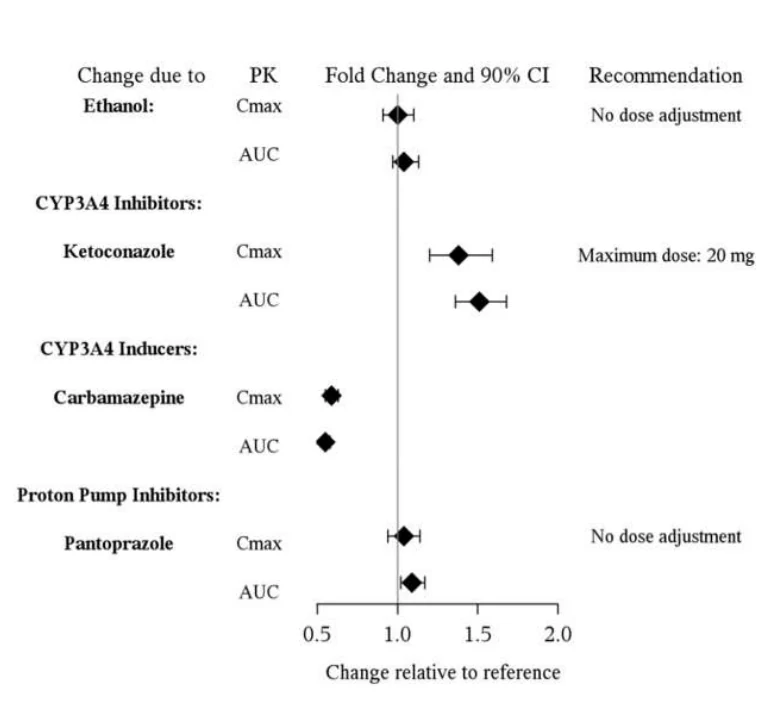
Table 4: Summary of Effect of Co-administered Drugs on Exposure to Vilazodone
| Co-administered Drug | Ref | Dose Schedule Clinical comment | Effect on vilazodone hydrochloride tablets Pharmacokinetics | Recommendation | ||
|---|---|---|---|---|---|---|
| Co-administered Drug | Vilazodone hydrochloride tablets | Cmax | AUC | |||
| Ethanol (alcohol) | CT | single 30 mL oral dose | single 40 mg dose | No change | No change | No APO-VILAZODONE dose adjustment required |
| Pantoprazole (proton pump inhibitor) | CT | 40 mg qd for 7 days | single 40 mg dose | No change | No change | No APO-VILAZODONE dose adjustment required |
| Ketoconazole (strong CYP3A4 Inhibitor) | CT | 200 mg qd for 13 days | single 5 or 10 mg dose | Increased by ~50% | Increased by ~50% | Maximum APO-VILAZODONE dose is 20 mg. Readjust to original dose when strong CYP3A4 inhibitors are discontinued. |
| Carbamazepine (strong CYP3A4 Inducer) | CT | 400 mg qd for 9 days | 20 mg qd for 2 days followed by 40 mg qd for 7 days | Decreased by 41% | Decreased by 45% | No APO-VILAZODONE dose adjustment required |
| Inhibitors of other CYP enzymes (CYP1A2, CYP2A6, CYP2C9, CYP2E1) | In vitro | N/A | N/A | N/A | N/A | In vitro studies have shown that CYP1A2, CYP2A6, CYP2C9 and CYP2E1 have minimal contribution to the metabolism of vilazodone. No APO-VILAZODONE dose adjustment required |
| Inhibitors of | In | N/A | N/A | N/A | N/A | In vitro studies |
| Co-administered Drug | Ref | Dose Schedule Clinical comment | Effect on vilazodone hydrochloride tablets Pharmacokinetics | Recommendation |
|---|---|---|---|---|
| Co-administered Drug | Vilazodone hydrochloride tablets | Cmax | AUC | |
| P-gp transporter | vitro | demonstrated that vilazodone is not a substrate of P-glycoprotein. No APO-VILAZODONE dose adjustment required | ||
| Legend: CT = Clinical Trial | ||||
Figure 1: Impact of Other Drugs on Vilazodone Pharmacokinetics
Potential for Vilazodone to Affect Other Drugs
Table 5: Summary of Effect of Vilazodone Hydrochloride Tablets on Exposure to Co-administered Drugs
| Co-administered Drug | Ref | Dose Schedule Clinical comment | Effect on Co-administered Drug Pharmacokinetics | Recommendation | ||||||||||||
|---|---|---|---|---|---|---|---|---|---|---|---|---|---|---|---|---|
| Co-administered Drug | Vilazodone hydrochloride tablets | Cmax | AUC | |||||||||||||
| Drugs metabolized by CYP1A2, CYP2C9, CYP2D6, CYP3A4 or CYP2C19 | CT | Caffeine 100 mg single dose, flurbiprofen 50 mg single dose, nifedipine, 20 mg single dose debrisoquine 10 mg single dose | vilazodone hydrochloride tablets 20 mg for 8-10 days | No change | No change | No APO-VILAZODONE dose adjustment required | ||||||||||
| Drugs metabolized by CYP2C19 | CT | Mephenytoin 100 mg single dose | vilazodone hydrochloride tablets 20 mg for 8-10 days | Mephenytoin bioconversion increased by 11%, suggestive of a minor induction of CYP2C19. | No APO-VILAZODONE dose adjustment required | |||||||||||
| Drugs metabolized by CYP2C8 | In vitro | N/A | N/A | In vitro studies suggest that vilazodone hydrochloride tablets may inhibit the biotransformation of substrates of CYP2C8. | Coadministration of APO-VILAZODONE with a CYP2C8 substrate may lead to an increase in concentration of the other drug. | |||||||||||
| Co-administered Drug | Ref | Dose Schedule Clinical comment | Effect on Co-administered Drug Pharmacokinetics | Recommendation | ||
|---|---|---|---|---|---|---|
| Co-administered Drug | Vilazodone hydrochloride tablets | Cmax | AUC | |||
| Induction of CYP isoforms | In vitro | N/A | Hepatocytes were exposed to 60 mcM vilazodone (approximately 200-times the plasma Cmax with 40 mg qd dosing in humans) for 24, 48, and 60 hours. | Vilazodone did not induce CYP1A1, CYP1A2, CYP2A6, CYP2B6, CYP2C9, CYP2C19, CYP2E1, or CYP3A5 isoforms. | No APO-VILAZODONE dose adjustment required | |
| Digoxin (Substrate of P-glycoprotein) | CT | Digoxin single 0.5 mg dose | vilazodone hydrochloride tablets 40 mg qd for 10 days | Increased by 18% | Increased by 8% | Since digoxin has a narrow therapeutic range, monitoring is recommended |
| Legend: CT = Clinical Trial | ||||||
Drugs Highly Bound to Plasma Protein
The interaction between vilazodone and other highly protein-bound drugs has not been evaluated. Because vilazodone is highly bound to plasma protein, administration of APO-VILAZODONE to a patient taking another drug that is highly protein bound may cause increased free concentrations of the other drug.
9.5 Drug-Food Interactions
APO-VILAZODONE should be taken with food. Vilazodone hydrochloride tablets blood concentrations (AUC) in the fasted state can be decreased by approximately 50% compared to the fed state, and may result in diminished effectiveness in some patients (see 10.3 Pharmacokinetics).
9.6 Drug-Herb Interactions
Interactions with herbal products have not been established.
- St. John’s Wort
Concomitant use of antidepressants with serotonergic effect and herbal remedies containing St. John´s Wort (Hypericum perforatum) may result in an increased incidence of adverse reactions including serotonin toxicity pentazocine (see 7 WARNINGS AND PRECAUTIONS, Serotonin toxicity / Serotonin syndrome). St. John’s Wort is also known as an inducer of CYP3A4 (see 9.4 Drug-Drug Interactions).
9.7 Drug-Laboratory Test Interactions
Interactions with laboratory tests have not been established.
10 CLINICAL PHARMACOLOGY
10.1 Mechanism of Action
Vilazodone hydrochloride tablets is both a selective serotonin reuptake inhibitor and a partial agonist of the 5-hydroxytryptamine1A (5HT1A) receptors. The precise mechanism of the antidepressant effect of vilazodone hydrochloride tablets is not fully understood but presumed to be related to enhancement of serotonergic activity in the central nervous system.
10.2 Pharmacodynamics
Vilazodone hydrochloride selectively binds with high affinity to, and inhibits, serotonin reuptake sites (Ki=0.1 nM; IC50=1.6 nM). Vilazodone also exhibits partial agonist activity at 5HT1A receptors (IC50=2.1 nM). Vilazodone is more selective for inhibition of serotonin reuptake than dopamine (Ki=37 nM) or norepinephrine (Ki=56 nM) reuptake.
Cardiac Electrophysiology and Haemodynamics
The effects of vilazodone on ECG interval and haemodynamic parameters were studied in a randomized, placebo- and positive-controlled (moxifloxacin 400 mg), parallel group ECG assessment study performed in 157 healthy subjects to evaluate QT prolongation. Subjects randomized to vilazodone treatment (N=66) received sequential ascending doses of 10 mg/day, 20 mg/day, 40 mg/day, 60 mg/day, and 80 mg/day over a 15 day period, with each dose being administered for three days. ECG assessments were performed at 13 timepoints at baseline and on the third day of administration of the vilazodone at therapeutic doses of 20 mg and 40 mg and at supratherapeutic doses of 60 mg and 80 mg and at corresponding days in the control groups.
Vilazodone was associated with a concentration-dependent increase in heart rate, with statistically significant differences from placebo at supratherapeutic doses of 60 mg/day and higher. On day 15, during treatment with vilazodone at supratherapeutic doses of 80 mg, statistically significant increases in ventricular heart rate were observed from 3 to 6 h post-dosing, with a maximum mean difference from placebo of 7.6 bpm (90% CI 5.9, 9.3) at 6 h.
Vilazodone was associated with shortening of the PR interval at doses of 20 mg/day and higher. On day 9, during treatment with vilazodone 40 mg, statistically significant negative mean differences from placebo were observed at 10 of 13 timepoints, with a maximum mean difference from placebo of -5.9 ms (90% CI -7.8, -3.9) at 8 h. On day 15, during treatment with vilazodone 80 mg, statistically significant negative mean differences from placebo were observed at 10 of 13 timepoints, with a maximum mean difference from placebo of -8.2 ms (90% CI -10.3, -6.1) at 6 h.
No consistent or dose-dependent effects on the QTc interval or QRS duration were observed.
Vilazodone was associated with transient increases in systolic blood pressure at doses of 20 mg/day and higher. At 30 min post-dosing on the third day of each sequential ascending dose treatment, statistically significant mean differences from placebo in systolic blood pressure were observed with vilazodone. Statistically significant and dose-dependent increases in diastolic blood pressure were observed at vilazodone doses of 40 mg/day and higher (see Table 6).
Table 6: Change from Baseline in Blood Pressurea
| Dose | Systolic BP (mmHg) Mean Change from Baseline (90% CI) | Diastolic BP (mmHg) Mean Change from Baseline (90% CI) | ||||||||||||
|---|---|---|---|---|---|---|---|---|---|---|---|---|---|---|
| Placebo | Vilazodone | Difference | Placebo | Vilazodone | Difference | |||||||||
| 20 mg | -1.1 (-3.2, 1.0) | 3.3 (1.5, 5.1) | 4.4b (1.7, 7.2) | -2.0 (-3.9, -0.1) | -1.5 (-3.1, 0.1) | 0.5 (-2.0, 3.0) | ||||||||
| 40 mg | -3.1 (-5.3, -0.9) | 2.0 (0.1, 3.8) | 5.0b (2.2, 7.9) | -3.3 (-5.3, -1.4) | -1.6 (-3.2, 0.1) | 1.7 (-0.8, 4.3) | ||||||||
| 60 mg | -1.1 (-3.3, 1.1) | 6.0 (4.1, 7.9) | 7.1b (4.2, 10.0) | -2.2 (-4.0, -0.4) | 0.8 (-0.7, 2.3) | 3.0c (0.7, 5.4) | ||||||||
| 80 mg | -4.3 (-6.6, -1.9) | 2.5 (0.5, 4.6) | 6.8b (3.7, 9.9) | -4.7 (-6.6, -2.9) | -0.1 (-1.7, 1.5) | 4.6b (2.2, 7.1) | ||||||||
a: Based on the measurement at 30 minutes post dosing on the third day of the corresponding dose. b: p < 0.01 c: p < 0.05 | ||||||||||||||
In pooled short-term studies in 2,233 MDD patients, the mean changes between baseline and end of treatment in heart rate, PR-Interval, QRS duration, QTc interval, systolic blood pressure, and diastolic blood pressure were similar in patients who received vilazodone or placebo. The mean change in systolic blood pressure from baseline to last assessment was 0.3 mmHg for all Vilazodone doses combined and - 0.2 mmHg for placebo. The mean change in diastolic blood pressure from baseline to last assessment was 0.9 mmHg for all vilazodone doses combined and 0.2 mmHg for placebo.
10.3 Pharmacokinetics
Vilazodone activity is due primarily to the parent drug. The pharmacokinetics of vilazodone (5 mg to 80 mg) are dose-proportional. Accumulation of vilazodone, after administration of once daily vilazodone hydrochloride tablets doses, does not vary with dose, and steady-state is achieved in about 3 days. Elimination of vilazodone is primarily by hepatic metabolism with a terminal half-life of approximately 25 hours. At steady-state, after daily dosing of vilazodone hydrochloride tablets 40 mg under fed conditions, the mean Cmax value is 156 ng/mL, and the mean AUC (0 to 24 hours) value is 1645 ng·h/mL.
Absorption
Vilazodone concentrations peak at a median of 4 to 5 hours (Tmax) after administration and decline with a terminal half-life of approximately 25 hours. The absolute bioavailability of vilazodone is 72% with food. Administration of vilazodone hydrochloride tablets with food (high fat or light meal) increases oral bioavailability (Cmax increased by approximately 147 to 160%, and AUC increased by approximately 64 to 85%).
Absorption is decreased by approximately 25% if vomiting occurs within 7 hours of ingestion; no replacement dose is needed.
Distribution
Vilazodone is widely distributed and approximately 96 to 99% protein-bound.
Metabolism
Vilazodone hydrochloride is extensively metabolized through CYP and non-CYP pathways (possibly by carboxylesterase) CYP3A4 is primarily responsible for its metabolism among CYP pathways, with minor contributions from CYP2C19 and CYP2D6. In vitro studies with human microsomes and human hepatocytes indicate that vilazodone is unlikely to inhibit or induce the metabolism of other CYP (except for CYP2C8) substrates; and an in vivo study with probe substrates for CYP2C19, 2D6 and 3A4 showed vilazodone did not alter the pharmacokinetics of the probe substrates. However, an in vivo study with probe substrate for CYP2C19 demonstrated a minor induction of CYP2C19. Strong inhibitors of CYP3A4 (e.g., ketoconazole) can reduce the metabolism of vilazodone in vivo and increase exposure. Conversely, inducers of CYP3A4 can decrease vilazodone exposure (see 9.4 Drug-Drug Interactions).
Elimination
Vilazodone hydrochloride is eliminated primarily by hepatic metabolism, with only 1% of the dose recovered in the urine and 2% of the dose recovered in the feces as unchanged vilazodone.
Special Populations and Conditions
- Pediatrics (< 18 years of age)
The safety and efficacy of vilazodone hydrochloride tablets in the pediatric population have not been established. APO-VILAZODONE is not approved for use in pediatric patients (see 7.1.3 Pediatrics).
- Geriatrics (> 65 years of age)
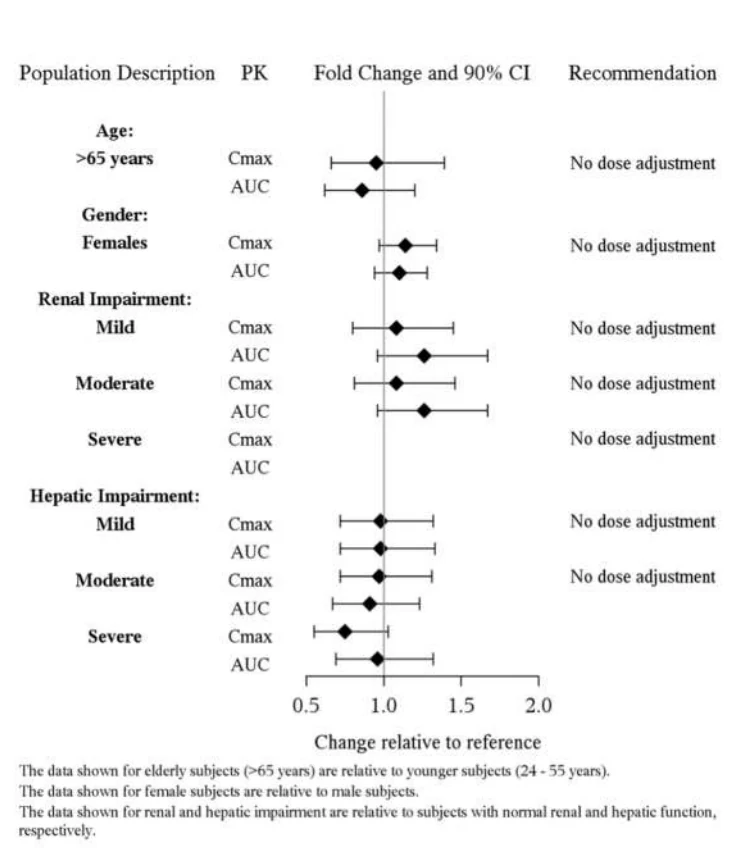
No dose adjustment is recommended on the basis of age (see Figure 2). Results from a single-dose (20 mg) pharmacokinetic study in elderly (65 to 80 years old) vs. young (24 to 55 years-old) subjects demonstrated that the pharmacokinetics were generally similar between the two age groups.
- Sex
After adjustment for body weight, the systemic exposures between males and females are similar (see Figure 2).
- Hepatic Insufficiency
After administration of a 20 mg dose to subjects with mild (Child-Pugh A: score = 5 to 6; n=8) hepatic impairment or moderate (Child Pugh B: score = 7 to 9; n=8) hepatic impairment, ratios of vilazodone Cmax and AUC relative to healthy matches were 0.977 to 0.980 for mild/healthy and 0.895 to 0.972 for moderate/healthy comparisons. After administration of a 20 mg dose to subjects with severe (Child-Pugh C: score = 10 to 15; n= 8) hepatic impairment, half (n=4) of the impaired subjects vomited within 2 to 4 hours of dosing, preventing assessment of PK in these patients. The geometric mean ratios of vilazodone Cmax and AUC were 0.750 and 0.960, respectively, for subjects with severe hepatic impairment (who did not vomit; n=4) versus subjects with normal hepatic function. In mild or moderate hepatic impairment, no dose adjustment is necessary (see Figure 2). Caution should be exercised if patients with severe hepatic impairment are treated.
- Renal Insufficiency
After administration of a 20 mg dose, the presence of mild (50 mL/min < GFR ≤ 80 mL/min) to moderate (30 mL/min< GFR ≤ 50 mL/min) renal impairment did not affect the apparent clearance of vilazodone.
Ratios of vilazodone Cmax and AUC were 1.076 to 1.286 for mildly impaired subjects relative to their matches, and 1.083 to 1.098 for moderate impairment relative to their matches. In mild, moderate or severe renal impairment, no dose adjustment is necessary (see Figure 2).
Figure 2: Impact of Intrinsic factors on Vilazodone Pharmacokinetics
Animal Pharmacology
The pharmacology of vilazodone was studied to characterize its serotonin (5-hydroxytryptamine; 5-HT) reuptake inhibition, receptor binding, regulation of 5-HT neurotransmission and effects in animal models of depression and anxiety. Vilazodone combines serotonin reuptake inhibition with partial agonism of 5-HT1A receptors.
Vilazodone inhibited 5-HT reuptake in rat brain synaptosomes with an IC50 of 0.2 nM and was relatively weaker in the inhibition of the reuptake of norepinephrine (IC50 = 60 nM) and dopamine (IC50 = 90 nM). Following oral administration, vilazodone blocked 5-HT reuptake with an ED50 = 1.4 mg/kg in mice. In an ex vivo study in rats, 3 mg/kg and 10 mg/kg of orally-administered vilazodone produced approximately 50% and 90% occupancy of cortical 5-HT1A receptors, respectively. In rat brain slices, vilazodone produced different levels of agonist activity that were region-dependent. Along with other ex vivo and in vivo studies, the findings suggest that vilazodone is a partial agonist at 5-HT1A receptors with both similarities to, and differences from, known 5-HT1A receptor agonists.
Antidepressant effects of vilazodone have been demonstrated in behavioral despair tests in both mice and rats and in the tail suspension test in mice. Vilazodone demonstrated activity in some, but not all tests, in anti-anxiety models, including footshock induced vocalizations, mouse four plate test, and light-dark box.
Safety pharmacology studies were conducted to assess central nervous system (CNS), cardiovascular, and gastrointestinal effects as well as the effects of vilazodone on isolated tissues and on drug dependence. After oral administration at 36 to 360 mg/kg, vilazodone hydrochloride showed CNS stimulation (increased locomotion) in rats and mice and had no effect on gastric transit, gastric emptying, or gastric acid secretion in rats. Vilazodone hydrochloride had no sedative or cholinergic effects in mice or effects on blood pressure or heart rate in spontaneously hypertensive rats at doses up to 100 mg/kg administered orally. In isolated tissue preparations, vilazodone had no anticholinergic or antiserotoninergic effects and showed weak antihistaminic, spasmolytic, and negative inotropic activities. There was no indication of abuse liability for vilazodone in three rodent models assessing potential for drug dependence. Plasma vilazodone hydrochloride concentrations were not determined in these studies, but oral dosing at 25 mg/kg in the rat would approximate therapeutic exposures at the MHRD.
The pharmacokinetics of vilazodone were studied in mice, rats, pregnant rats, pregnant rabbits, dogs, monkeys, and humans. Vilazodone was absorbed after oral administration with plasma exposure in all species sufficient for assessing pharmacological effects and establishing toxicological safety margins, although bioavailability in all toxicology species was low (5 to 28% compared to 72 to 81% in humans). Serum protein binding was determined in vitro using rat, dog, mouse, monkey, and human serum and was high (>96%) in all species tested. Tissue distribution of vilazodone and/or total radioactivity following a single oral or intravenous dose of 14C vilazodone was evaluated in mice and rats, with levels of vilazodone measured in select tissues as part of repeat-dose toxicology studies in mice, rats, and dogs. The volumes of distribution were greater than total body water in all species, including humans, and ranged from 4 to 8 L/kg indicating that vilazodone is widely distributed into tissues. Plasma clearance ranged from 0.2 to 3 L/h/kg. In pregnant rats administered 14C labelled vilazodone as a single oral or IV dose, 0.14 to 0.76% of was recovered in fetuses up to 24 hours post dose indicating limited placental transfer. Suckling pups contained up to 0.42% of the dose administered to lactating rats suggesting limited secretion via milk.
The biotransformation of vilazodone was studied in vitro and in vivo in mice, rats, rabbits, dogs, monkeys, and humans. In all species, including humans, vilazodone was extensively metabolized. The primary route of excretion of vilazodone-related material in the non-human species was fecal, which is the primary route in humans. Vilazodone was not a significant inducer of hepatic microsomal enzymes in mice.
11 STORAGE, STABILITY AND DISPOSAL
APO-VILAZODONE tablets should be stored at controlled room temperature 15°C to 30°C.
Keep out of reach and sight of children.
Disposal of APO-VILAZODONE tablets should be in keeping with recommendations governing the disposal of pharmaceutical biohazardous waste.
12 SPECIAL HANDLING INSTRUCTIONS
There are no special handling instructions.
PART II: SCIENTIFIC INFORMATION
13 PHARMACEUTICAL INFORMATION
Drug Substance
Proper name: Vilazodone hydrochloride
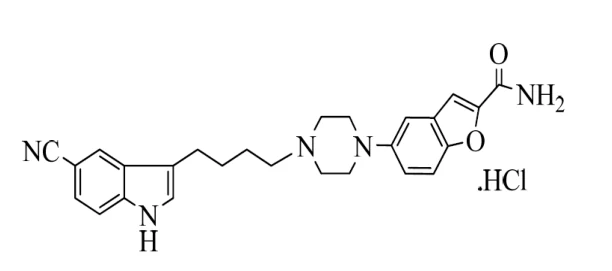
Chemical name: 2-benzofurancarboxamide, 5-[4-[4-(5-cyano-1H-indol-3-yl)butyl]-1- piperazinyl]-, hydrochloride (1:1)
Molecular formula and molecular mass: C26H27N5O2 HCl and 477.99 g/mol
Structural formula:
Physicochemical properties:
Description: White to light yellow or brown colour powder.
Solubility: Soluble in dimethyl sulphoxide, formic acid and insoluble in water.
14 CLINICAL TRIALS
14.1 Clinical Trials by Indication
Major Depressive Disorder (MDD)
The efficacy of vilazodone hydrochloride tablets as a treatment for major depressive disorder (MDD) was demonstrated in four multicenter, randomized, double-blind, placebo-controlled studies in adult (18 to 70 years of age) outpatients who met the Diagnostic and Statistical Manual of Mental Disorders (DSM-IV-TR) criteria for MDD.
Trial Design and Study Demographics in 8 to 10 week Trials in MDD
Three 8-week studies evaluated the efficacy of vilazodone hydrochloride tablets 40 mg (Studies 1 to 3) and one 10-week study (Study 4) evaluated the efficacy of vilazodone hydrochloride tablets 20 mg and 40 mg. In these studies, patients were randomized to either vilazodone hydrochloride tablets 20 mg, 40 mg, or placebo once daily with food. Patients were either titrated over 1 week to a dose of 20 mg daily or over 2 weeks to a dose of 40 mg daily of vilazodone hydrochloride tablets with food. The designs of the four studies are summarized in Table 7.
The main inclusion criteria were a HAM-D-17 score of ≥ 22 and a HAM-D item 1 (depressed mood) score of ≥ 2 at the screening and baseline visits in Studies 1 and 2 and a Montgomery-Asberg Depression Rating Scale (MADRS) score of ≥ 26 in Studies 3 and 4.
Table 7: Summary of Clinical Studies Supporting Efficacy of Vilazodone Hydrochloride Tablets in the Treatment of MDD (Intent-to-Treat Population)
| Study # | Trial Design/Duration | Oral Dosage (once daily) | Number of Study Subjects (N) [Female/Male (F/M)] | Mean Age (Range) | Mean Baseline MADRS Score |
|---|---|---|---|---|---|
| 1 | 8-week, multicenter, parallel, double-blind, randomized, placebo-controlled | Vilazodone hydrochloride tablets titrated to 40 mg, or placebo | N= 397 40 mg: n=198 Placebo: n=199 [251 F/ 146 M] | 40.1 (18-65) | 31 |
| 2 | 8-week, multicenter, parallel, double-blind, randomized, placebo-controlled | Vilazodone hydrochloride tablets titrated to 40 mg, or placebo | N= 463 40 mg: n=231 Placebo: n=232 [261 F/ 202 kM] | 41.7 (18-70) | 32 |
| 3 | 8-week, multicenter, parallel, double-blind, randomized, placebo-controlled | Vilazodone hydrochloride tablets titrated to 40 mg, or placebo | N=505 40 mg: n=253 Placebo: n=252 [272 F/233 M] | 40.1 (18-69) | 31 |
| 4 | 10-week, multicenter, parallel, double-blind, randomized, placebo-and active-controlled | Vilazodone hydrochloride tablets titrated to 20 mg or 40 mg, or Citalopram 40 mg, or placebo | N=1133 20 mg: n=288 40 mg: n=284 Citalopram: n=280 Placebo: n=281 [651 F/482 M] | 41.8 (18-70) | 31 |
The primary efficacy parameter in all studies was the change in total score from baseline to week 8 (Studies 1 to 3) or week 10 (Study 4) in the Montgomery-Asberg Depression Rating Scale (MADRS). The secondary efficacy parameter in Studies 3 and 4 was the change from baseline in the Clinical Global Impression-Severity (CGI-S) score.
Results of 8 to 10 week Trials in MDD
In the four studies, vilazodone hydrochloride tablets demonstrated superiority over placebo in the improvement of depressive symptoms as measured by the change from baseline to endpoint visit in the MADRS total score (see Table 8).
Table 8: Efficacy of Vilazodone Hydrochloride Tablets in the Treatment of MDD (Intent-to-Treat Population)
| Endpoints | Study 1 | Study 2 | Study 3 | Study 4 | |||||||||||||||||
|---|---|---|---|---|---|---|---|---|---|---|---|---|---|---|---|---|---|---|---|---|---|
| Vilazodone hydrochloride tablets 40 mg | Vilazodone hydrochloride tablets 40 mg | Vilazodone hydrochloride tablets 40 mg | Vilazodone hydrochloride tablets 20 mg | Vilazodone hydrochloride tablets 40 mg | |||||||||||||||||
| MADRS Total Scorea (Change from baseline) | |||||||||||||||||||||
| LSMD | -3.2 | -2.5 | -5.1 | -2.6 | -2.8 | ||||||||||||||||
| 95% CI | (-5.2, -1.3) | (-4.4, -0.6) | (-6.9, -3.3) | (-4.3, -0.8) | (-4.6, -1.1) | ||||||||||||||||
| p-value | 0.0010 | 0.0093 | <0.00001 | 0.0073b | 0.0034b | ||||||||||||||||
- a: Analyses for Studies 1 and 2 were based on Last Observation Carried Forward at the end of double-blind treatment. Studies 3 and 4 were based on Observed Cases at the end of double-blind treatment.
- b: Adjusted p-value to control multiplicity
- LSMD = Least Square Mean Difference; CI = Confidence Interval
14.2 Comparative Bioavailability Studies
A randomized, two-treatment, two-period, two-sequence, crossover, single dose (1 x 10 mg), oral comparative bioavailability study of APO-VILAZODONE 10 mg tablets (Apotex Inc.) and VIIBRYD 10 mg tablets (Allergan Inc.) was conducted in 28 healthy, adult, male subjects under fed conditions. Comparative bioavailability data from 27 subjects that were included in the statistical analysis are presented in the following table:
SUMMARY TABLE OF THE COMPARATIVE BIOAVAILABILITY DATA
Vilazodone (1 x 10 mg) Geometric Mean Arithmetic Mean (CV %) | ||||
| Parameter | Test1 | Reference2 | % Ratio of Geometric Means | 90% Confidence Interval |
AUC0-72h (ng∙h/mL) | 414.91 431.61 (28.88) | 410.63 427.05 (27.93) | 101.0 | 94.7 - 107.9 |
Cmax (ng/mL) | 19.46 20.38 (30.88) | 18.95 19.70 (25.48) | 102.7 | 93.6 - 112.6 |
Tmax3 (h) | 5.50 (2.50 - 12.00) | 5.50 (4.50 - 16.00) | ||
1 APO-VILAZODONE (vilazodone hydrochloride) tablets, 10 mg (Apotex Inc.).
2 VIIBRYD® (vilazodone hydrochloride) tablets, 10 mg (Allergan Inc., Canada).
3 Expressed as the median (range) only.
Due to the long elimination half-life of vilazodone, AUCI and T1/2 could not be accurately calculated from the data obtained in this study.
15 MICROBIOLOGY
- No microbiological information is required for this drug product.
16 NON-CLINICAL TOXICOLOGY
General Toxicology:
- Single-Dose Toxicity
Vilazodone has a low level of acute toxicity in mice and rats with no mortality after oral dosing of 1500 mg/kg in mice and 5000 mg/kg in rats. The dog appears more susceptible to the effects of vilazodone and intravenous administration of ≥0.25 mg/kg resulted in vocalization, full body tremors, fully dilated pupils, and agitation.
- Repeat-Dose Toxicity
Vilazodone hydrochloride was well tolerated after repeated oral dosing in mice and rats with no vilazodone-related clinical signs at 580 mg/kg/day in mice and no mortality at 1000 mg/kg/day in rats. In rats, reddening of hairless skin areas at ≥3 mg/kg/day was noted post-dose daily throughout dosing periods (up to 26 weeks). In the dog, salivation, fearfulness, hypokinesia, and/or mydriasis were observed at ≥10 mg/kg/day. The signs were transient and not present with continued dosing from Week 4 onwards. In the 52 week study, there were 4 deaths at 40 mg/kg/day occurring during Weeks 9 through 50. Convulsions preceding death were observed in 3 of these animals and vilazodone exposure at this dose was 7 to 24 times higher than that at MRHD (maximum recommended human dose).
Corneal opacities were noted in some dogs at 10 and 40 mg/kg/day. The corneal opacities were sometimes noted in one eye only and did not progress or persist with repeated dosing. No other treatment-related ocular effects were observed during ophthalmologic examinations in the dogs and there were no treatment-related ocular findings in rats.
There were no effects of vilazodone on heart rate, blood pressure, or ECG morphology and intervals collected in dogs at the approximate Cmax (2 h post dose) after repeated dosing at levels up to 40 mg/kg/day for 52 weeks.
Clinical pathology changes were generally slight, not always consistent between studies and/or seen in one sex only.
There were no test article related histopathological findings in the dog at dose levels up to 40 mg/kg/day. After 13 weeks of dosing, slight to severe histiocytosis in the intestine and abdominal lymphatic system were noted at ≥270 mg/kg/day in the mouse and ≥300 mg/kg/day in the rat. The histiocytes had a generally vacuolated cytoplasm and the vacuoles had an appearance of crystal clefts consistent with intracytoplasmic storage of vilazodone or its metabolites. In the mouse, but not the rat, erythropoiesis in the spleen and myeloid hyperplasia in the bone marrow were noted, probably a systemic reaction to the inflammatory condition. In the mouse, after 13 weeks of dosing, slight hypertrophy of the ovaries and/or increased number of corpora lutea, slight to moderate atrophy of the uterine endometrium, and mammary gland hyperplasia and ductal dilation with increased secretory material were noted at ≥135 mg/kg/day and mild hyperplasia of the mammary gland and increased number of corpora lutea were noted at 45 and 135 mg/kg/day. In the 26-week rat study, at ≥15 mg/kg/day, there was low incidence of mammary secretion in males and mammary atrophy in a single male at 75 mg/kg/day.
All adverse findings in the repeat dose toxicity studies occurred at vilazodone systemic exposures exceeding exposure after clinical use. The margin of safety for vilazodone based on exposure at the NOAEL (no-observed adverse-effect level) in the nonclinical species was ≥2 compared to vilazodone exposures at MHRD.
Carcinogenicity:
Carcinogenicity studies were conducted in which oral doses of vilazodone of 15, 45, and 135 mg/kg/day were administered to B6C3F1 mice and doses of 7.5, 25, 65, and 150 mg/kg/day were given to Wistar rats for 2 years. The high doses are approximately 16.5 and 36 times MRHD on a mg/m2 basis, in mice and rats, respectively.
In mice, the incidence of malignant mammary gland tumors was increased in females at 45 and 135 mg/kg/day with systemic exposure to vilazodone at the 15 mg/kg/day NOEL about twice that at the MRHD. Elevated prolactin levels were observed in a 2-week study of vilazodone at comparable vilazodone doses/systemic exposure. Increases in prolactin levels are known to cause mammary tumors in rodents.
The incidence of hepatocellular adenomas and/or carcinomas was increased in males and/or females at all dose levels. Increased incidences of thyroid gland follicular cell hyperplasia in males and/or females at all dose levels and adenomas in males and females given 45 and 145 mg/kg/day were observed. The low dose of 15 mg/kg/day was a NOEL for increased incidences of thyroid follicular adenomas at which systemic exposure to vilazodone was about double that at the MRHD. The mechanism for the increased hepatic and thyroid tumors in mice is not known. Thyroid tumors can result from higher plasma TSH levels in rodents, which is a mechanism that is generally considered not relevant for humans; however the evidence for increased TSH after vilazodone administration to mice was minimal and inconsistent. Vilazodone was not a significant inducer of hepatic microsomal drug metabolizing enzymes.
In the rat study, vilazodone was not carcinogenic in either sex.
Genotoxicity:
Vilazodone was not mutagenic in the in vitro bacterial reverse mutation assay (Ames test). Vilazodone was negative in the in vitro V79/HGRPT mammalian cell forward mutation assay. Vilazodone was clastogenic in two in vitro mammalian cell chromosome aberration assays. However, vilazodone was negative for clastogenic activity in both an in vivo rat bone marrow chromosome aberration assay and a micronucleus test. Vilazodone was also negative in an in vivo/in vitro unscheduled DNA synthesis assay in rats.
Reproductive and Developmental Toxicology:
Fertility was evaluated separately in male and female rats at vilazodone hydrochloride dose levels of 5, 25, and 125 mg/kg/day. Fertility was not affected in female rats at dosages as high as 125 mg/kg/day at which systemic exposure to vilazodone was estimated to be about 10 times that at the MRHD. At this same 125 mg/kg/day dose, the fertility of male rats was impaired, with systemic exposure to vilazodone at the no effect dose level of 25 mg/kg/day predicted to be about 4 times that at the MRHD.
When vilazodone was administered during the period of organogenesis to pregnant rats at dose levels of 8, 40, and 200 mg/kg/day and rabbits at 1.6, 7.8, and 35.8 mg/kg/day no teratogenic effects were observed. However, embryofetal toxicity evident from lower fetal body weight gain and delayed skeletal ossification occurred at the high dose in rats and at the mid and high dose levels in rabbits. Systemic exposure to vilazodone hydrochloride at the no-effect dose of 40 mg/kg/day in rats was about 6 times that at the MRHD and at the no-effect dose of 1.6 mg/kg/day in rabbits less than that at the MRHD.
When vilazodone was administered to pregnant rats at 5, 25, and 125 mg/kg/day during the period of organogenesis and throughout pregnancy and lactation, maternal and developmental toxicity, including reduced pup survival and delayed maturation, was observed at all dose levels and therefore a no-effect dose level was not identified. Impairment of reproductive performance in the F1 generation was confined to the high dose of 125 mg/kg/day, with systemic exposure to vilazodone hydrochloride at the no-effect dose of 25 mg/kg/day estimated to be about 4 times that at the MRHD.
In a juvenile toxicology study conducted in rats, oral vilazodone hydrochloride doses of 10, 50, and 200 mg/kg/day were administered from postnatal day 21 to 90. The 50 mg/kg/day dose was a no-effect level for physical development at which the systemic exposures to vilazodone were 10 and 15 times that at the MRHD in male and female rats, respectively. The 10 mg/kg/day dose was a no-effect level for F1 neurobehavioral development (impaired auditory startle response at higher doses) at which the systemic exposures were slightly below and above that at the MRHD in male and female rats, respectively. The 200 mg/kg/day dose was a no-effect level for reproductive toxicity at which the systemic exposures were 18 and 28 times that at the MRHD in male and female rats, respectively.
17 SUPPORTING PRODUCT MONOGRAPHS
- 1. VIIBRYD® (Vilazodone Hydrochloride Tablets, 10 mg, 20 mg, and 40 mg), submission control 275222, Product Monograph, AbbVie Corporation (DEC 08, 2023).