


Patient Medication Information: uses, side effects, how to take - Aranesp (Amgen Canada, 15 mcg, ..., 25 mcg)
What is Aranesp used for?
- Aranesp is used to treat anemia associated with chronic kidney disease (kidney failure), including patients on dialysis and patients not on dialysis
- Aranesp is used to treat anemia associated with chemotherapy administration in patients with cancer that is not involving or affecting bone marrow.
Serious Warnings and Precautions
All Patients
Chronic Kidney Disease Patients
Cancer Patients
|
What is Anemia?
Anemia is a condition where your blood does not contain enough red blood cells. Red blood cells are responsible for carrying oxygen to your organs and body tissues. If the number of red blood cells in your blood is decreased, the amount of oxygen delivered throughout your body is also decreased. This may cause several symptoms that are typical of anemia including fatigue, weakness and shortness of breath.
Anemia and kidney failure
In patients with kidney failure, the kidneys do not produce enough of the natural hormone, erythropoietin, which encourages your bone marrow to produce more red blood cells.
Anemia and cancer
When chemotherapy is given to cancer patients, the body may not be able to produce enough and/or respond adequately enough to its own erythropoietin, the natural hormone that encourages bone marrow to make more red blood cells. As a result, not enough red blood cells are produced in order to overcome the effect of chemotherapy.
How does Aranesp work?
In cancer, when chemotherapy is given to cancer patients, the body may not be able to produce enough and/or respond adequately enough to its own erythropoietin, the natural hormone that encourages bone marrow to make red blood cells. If your kidneys are no longer able to produce enough erythropoietin you may benefit by receiving Aranesp. Aranesp will stimulate your bone marrow to produce more red blood cells. Like the natural hormone erythropoietin, the active ingredient of Aranesp, “darbepoetin alfa”, travels through the blood and binds to specific cells in the bone marrow. This signals the bone marrow to produce more red blood cells and release them into the blood. As a result, the number of red blood cells circulating in the blood increases and they can deliver more oxygen to your organs and tissues. This helps in managing the symptoms that are associated with anemia. It takes a few weeks for this process to occur.
Your doctor will know when Aranesp is working because your blood tests will show an increase in the number of red blood cells. He/she may refer to the results of your blood tests as hemoglobin and/or hematocrit, and will check these tests while you are being treated with Aranesp. These blood tests may be done more often at the beginning of your treatment or if your dose of Aranesp changes. The increase in the number of red blood cells is not immediate; it may take several weeks. The amount of time it takes to reach the red blood cell level that is right for you, and the dose of Aranesp needed to make the red blood cell level rise, is different for each person. You may need several Aranesp dose adjustments before you reach your correct dose of Aranesp and the correct dose may change over time. Your doctor will also check your blood pressure regularly. In some cases, your doctor may recommend that you take iron supplements.
How long will it take to feel better?
Because it will take your bone marrow some time to make more red blood cells, it may take a few weeks before you notice any effects.
I have been treated with Epoetin alfa for my renal failure; what can I expect from Aranesp?
In clinical trials, Aranesp has proved to be as efficacious in correcting and regulating anemia as Epoetin alfa, in patients with chronic kidney disease who have been switched from Epoetin alfa to Aranesp as well as in new patients. Because Aranesp has been designed to work in your body for a longer period of time, it is possible to achieve the same results with fewer injections.
What are the ingredients in Aranesp?
Medicinal ingredients: darbepoetin alfa
Non-medicinal ingredients: Polysorbate 80, Sodium Chloride, Sodium Phosphate Dibasic Anhydrous, Sodium Phosphate Monobasic Monohydrate
Aranesp comes in the following dosage forms:
Aranesp is available as a liquid for injection, and comes in single-use vials or single-use prefilled syringes.
Single-use vials are not available in Canada.
The needle cover on the single-use prefilled syringe contains dry natural rubber (latex), which should not be handled by persons sensitive to this substance.
Do not use Aranesp if:
- You have uncontrolled high blood pressure.
- Your body makes antibodies (develop Pure Red Cell Aplasia) following treatment with any erythropoiesis-stimulating agent (ESA).
- You are allergic to Aranesp or any of the ingredients (for example, polysorbate 80) in Aranesp.
- You are allergic to other erythropoietins, or medicines made using mammalian cells.
Talk to your doctor if you have any questions about this information.
To help avoid side effects and ensure proper use, talk to your healthcare professional before you take Aranesp. Talk about any health conditions or problems you may have, including if you:
- Have a hemodialysis vascular access, continue to check the access to make sure it is working. Call your doctor or dialysis centre right away if you have any problems or questions. Always call your doctor if you do not feel well while using Aranesp.
- Are a cancer patient you should be aware that Aranesp is a red blood cell growth factor and in some circumstances your cancer may grow faster. You should discuss treatment options for your anemia with your doctor.
Other warnings you should know about:
Please tell your doctor if you are suffering or have suffered from:
- High blood pressure
- Heart disease (e.g., angina)
- Epileptic fits (seizures)
It is important to tell your doctor if you:
Are pregnant
- Think you may be pregnant
- Plan to get pregnant, or are breast-feeding
Too much Aranesp may cause your body to produce too many red blood cells too fast (lead to a hemoglobin that is too high). Producing too many red blood cells, or producing them too fast may cause serious problems. It is important that your blood pressure be monitored often and to report any changes outside of the guidelines that your doctor has given you, especially if you have heart disease. Certain laboratory tests, such as hemoglobin, hematocrit, or iron level measurements, may also need to be done more often and be reported to your doctor or dialysis centre.
It is important to keep all appointments for blood tests to allow your doctor to adjust the dosage of Aranesp as needed.
Over time, many patients also need to take iron. Your doctor will know when or if you need an iron supplement from your laboratory test results. Do not change the dose of Aranesp.
Be sure to change the site for each injection to avoid soreness at any one site. Occasionally a problem may develop at the injection site. If there is a lump, swelling, or bruising at the injection site that does not go away, talk to your doctor.
Pure Red Cell Aplasia (PRCA), in association with antibodies, has been observed in patients treated with ESAs. PRCA is a condition in which severe and sudden anemia (characterized by symptoms such as severe tiredness/fatigue, and shortness of breath on mild exertion) develops due to failure of the bone marrow to produce red blood cells. PRCA could result in a dependency on blood transfusions. Should you be diagnosed with PRCA, your doctor will stop your Aranesp therapy and may initiate treatment with blood transfusions to help increase your red blood cell count. PRCA has been reported predominantly in patients with chronic kidney disease. PRCA has been reported in a very rare number of patients exposed to Aranesp subcutaneously (under your skin).
Tell your healthcare professional about all the medicines you take, including any drugs, vitamins, minerals, natural supplements or alternative medicines.
The following may interact with Aranesp:
No drug-drug interaction studies for Aranesp have been carried out with other medications commonly used to treat chronic kidney disease or cancer.
How to take Aranesp:
IMPORTANT: TO HELP AVOID CONTAMINATION AND POSSIBLE INFECTION DUE TO INJECTION, PLEASE READ AND FOLLOW THESE INSTRUCTIONS CAREFULLY.
Aranesp is available in the presentations listed below. Your doctor will prescribe the type that is best for you.
- Single-use prefilled syringe
- Single-use vial†
†Single-use vials are not available in Canada.
If your doctor decides that you or a caregiver can give the injections of Aranesp, you or your caregiver should receive training on the right way to prepare and inject Aranesp. Do not try to inject Aranesp until you have been shown the right way by your healthcare professional.
Always follow the instructions provided by your healthcare professional concerning the dosage and administration of Aranesp. Do not change the dose or method of administration of Aranesp, without consulting your doctor. If you are not sure about giving the injection or you have any questions, please ask your healthcare professional for help.
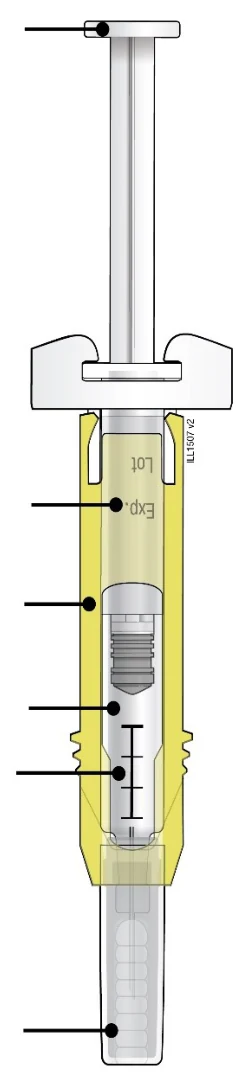
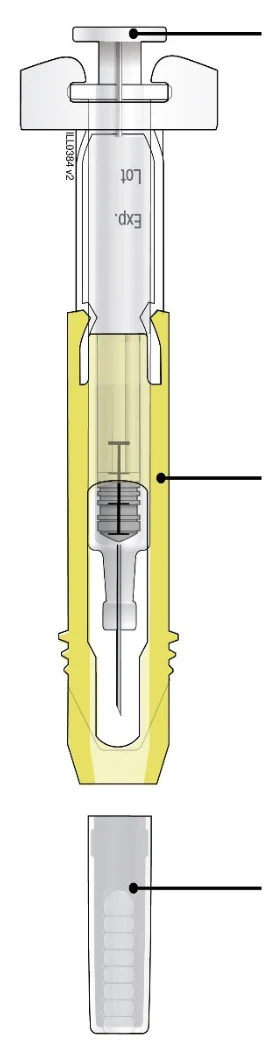
Aranesp SingleJect® Prefilled Syringe
The following instructions are for preparing and giving an injection of Aranesp using a single-use SingleJect® prefilled syringe with manual needle guard.
| Guide to parts | ||||
|---|---|---|---|---|
| Before use | After use | |||
Plunger rod Label and expiration date Yellow safety guard Syringe barrel Medicine Grey needle cap on | Used plunger rod Yellow safety guard extended Grey needle cap off | |||
| Important: Needle is inside | ||||
Important:
Before you use an Aranesp prefilled syringe, read this important information.
Storing your prefilled syringe
- Keep the prefilled syringe out of the reach of children.
 |  |
- Keep the prefilled syringe in the original carton to protect from light or physical damage.
- The prefilled syringe should be kept in the refrigerator at 2°C to 8°C (36°F to 46°F).
- Do NOT store the prefilled syringe in extreme heat or cold. For example, avoid storing in your vehicle’s glove box or trunk.
- Do NOT freeze.
Using your prefilled syringe
It is important that you do not try to give the injection unless you or your caregiver has received training from your healthcare professional.
- Make sure the name Aranesp appears on the carton and prefilled syringe label.
- Check the carton and prefilled syringe label to make sure the dose strength (number of micrograms [mcg]) matches your prescription.
- Do NOT use a prefilled syringe after the expiration date on the label.
- Do NOT shake the prefilled syringe.
- Do NOT remove the grey needle cap from the prefilled syringe until you are ready to inject.
- Do NOT use the prefilled syringe if the carton is open or damaged.
- Do NOT use a prefilled syringe if it has been dropped on a hard surface. Part of the prefilled syringe may be broken even if you cannot see the break. Use a new prefilled syringe.
- Do NOT slide the yellow safety guard over the needle before the injection. This will “activate” or lock the yellow safety guard. Use a new prefilled syringe that has not been activated and is ready to use.
In any of the above cases, use a new prefilled syringe.
- This product contains dry natural rubber, which is made from latex, within the grey needle cap. Tell your healthcare professional if you are allergic to latex.
Call your healthcare professional or Amgen Medical Information at 1-866-502-6436 if you have any questions. For more information, contact the AIDe Program at 1-866-479-6377.
Step 1: Prepare
- A. Remove the prefilled syringe carton from the refrigerator.
Remove one prefilled syringe from the carton and put the original package with any unused prefilled syringes back in the refrigerator.
- Do NOT use the prefilled syringe if the carton is damaged.
- Do NOT try to warm the prefilled syringe by using a heat source such as hot water or microwave.
- Do NOT leave the prefilled syringe in direct sunlight.
- Do NOT shake the prefilled syringe.
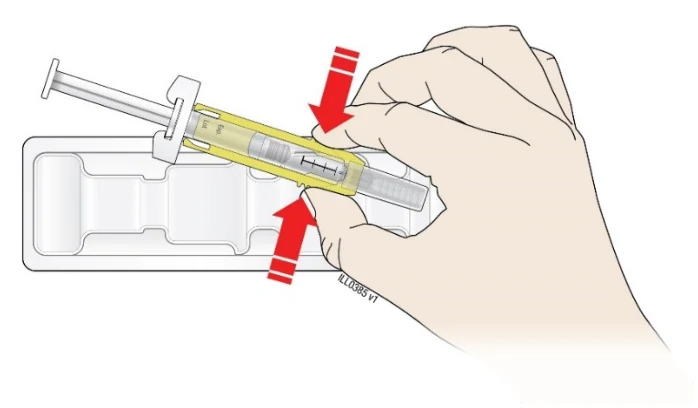
Open the tray by peeling away the cover. Grab the yellow safety guard to remove the prefilled syringe from the tray.
| GRAB HERE |
|---|
For safety reasons:
- Do NOT grab the plunger rod.
- Do NOT grab the grey needle cap.
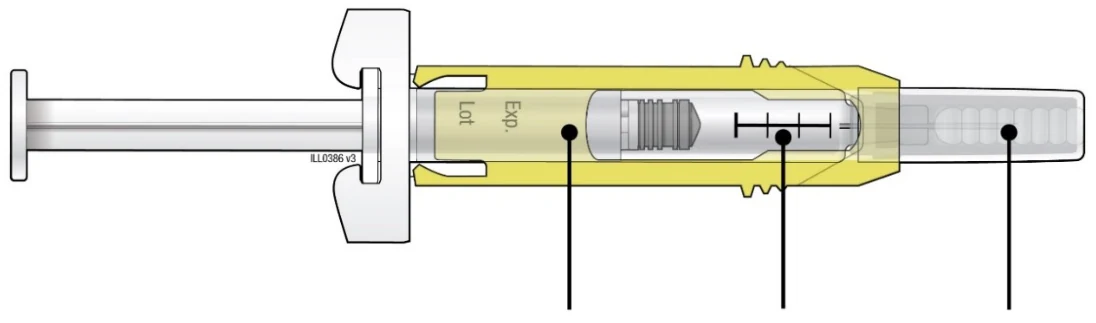
- B. Inspect the medicine and prefilled syringe
| Label and expiration date | Medicine | Grey needle cap |
|---|
Always hold the syringe by the syringe barrel.
 |
|---|
 |
|---|
Make sure the medicine in the prefilled syringe is clear and colourless.
Do NOT use the prefilled syringe if:
- the medicine is cloudy or discoloured or contains flakes or particles.
- any part appears cracked or broken.
- the prefilled syringe has been dropped.
- the grey needle cap is missing or not securely attached.
- the expiration date printed on the label has passed.
In all cases, use a new prefilled syringe and call your healthcare professional or Amgen Medical Information at 1-866-502-6436. For more information, contact the AIDe Program at 1-866-479-6377.
- C. Gather all materials needed for your injection.
Wash your hands thoroughly with soap and water.
On a clean, well-lit work surface, place the:
- Prefilled syringe
Alcohol wipe
- Cotton ball or gauze pad
- Adhesive bandage
- Sharps disposal container
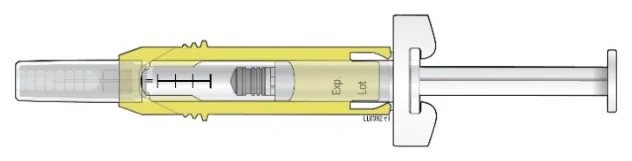 | 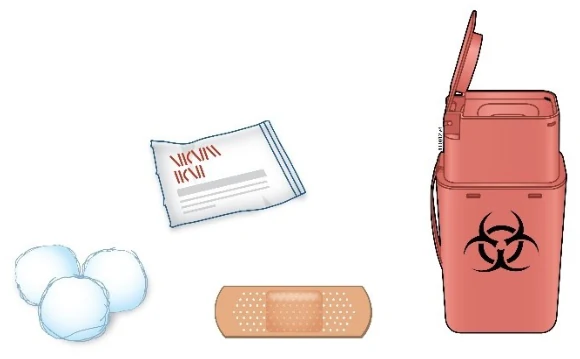 |
|---|
Step 2: Get ready
- D. Prepare and clean site for subcutaneous injection (skip this if port injection is prescribed).
Outer area of upper arm Stomach area (abdomen) Thigh | Outer area of upper arm Upper outer area of buttocks |
|---|
You can use:
- Thigh
- Stomach area (abdomen), except for a 5 cm (2-inch) area right around your navel (belly button)
- Upper outer area of your buttocks (only if someone else is giving you the injection)
- Outer area of upper arm (only if someone else is giving you the injection).
Clean the injection site with an alcohol wipe. Let your skin dry.
- Do NOT touch this area again before injecting.
- Choose a different site each time you give yourself an injection. If you want to use the same injection site, make sure it is not the same spot on the injection site area you used for a previous injection.
- Do NOT inject into areas where the skin is tender, bruised, red, or hard. Avoid injecting into areas with scars or stretch marks.
Important: Follow your healthcare professional’s instructions about selecting sites for injection appropriate to you and about changing the site for each injection.
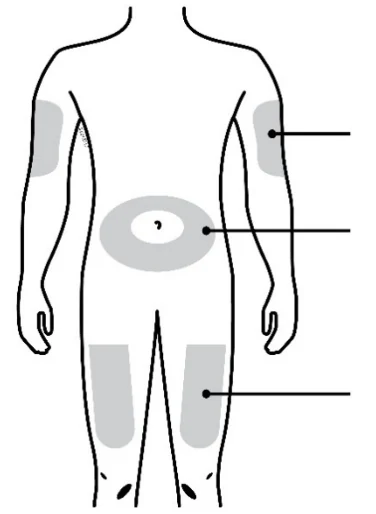 | 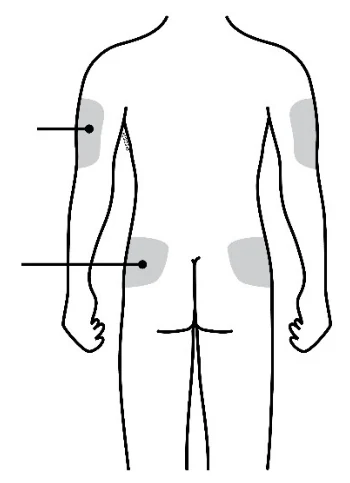 |
|---|
- E. Hold the prefilled syringe by the syringe barrel. Carefully pull the grey needle cap straight off and away from your body.
| Syringe barrel |
|---|
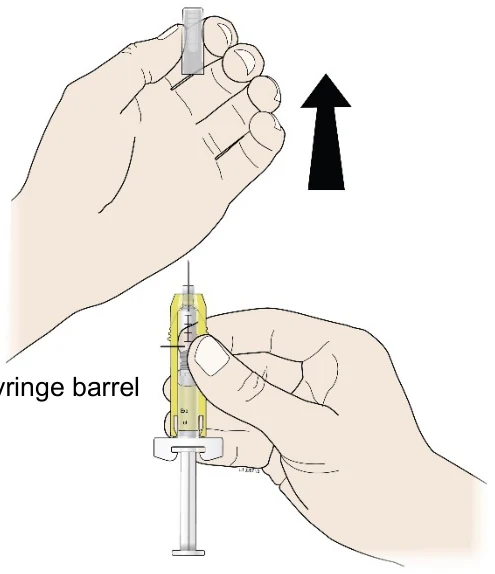
- Do NOT remove the grey needle cap from the prefilled syringe until you are ready to inject.
- Do NOT twist or bend the grey needle cap.
- Do NOT hold the prefilled syringe by the plunger rod.
- Do NOT put the grey needle cap back onto the prefilled syringe.
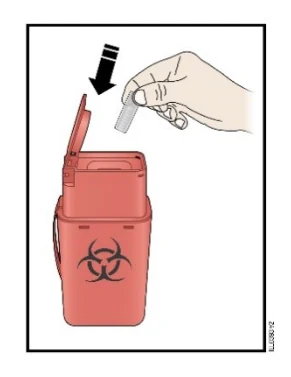
Important: Throw the grey needle cap into the sharps disposal container.
| Read this before you inject. |
|---|
In Step 3, choose between Subcutaneous (3a) OR Port injection (3b) based on your healthcare professional’s instructions.
When you feel you are ready, please continue.
 |
|---|
 |
|---|
Step 3a: Subcutaneous (under the skin) injection
- G. Pinch your injection site to create a firm surface.
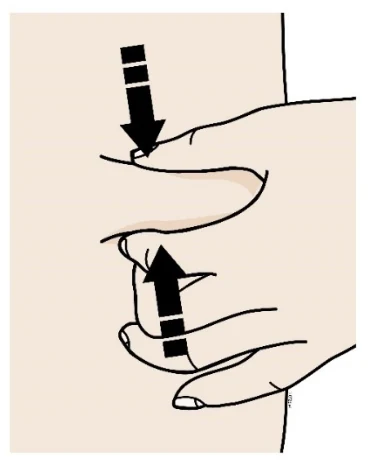
Important: Keep skin pinched while injecting.
- H. Hold the pinch. Insert the needle into the skin at 45 to 90 degrees.
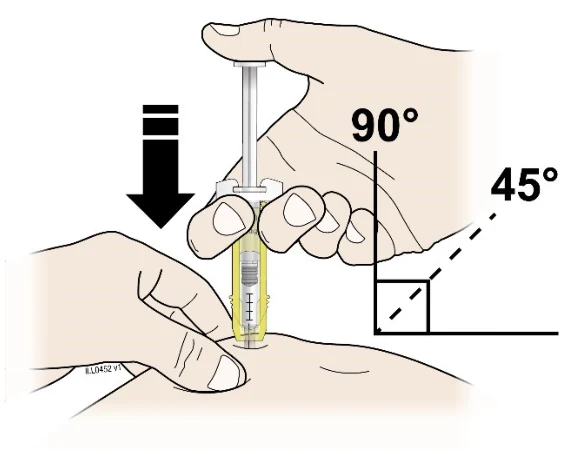
- I. Using slow and constant pressure, push the plunger rod until it reaches the bottom.
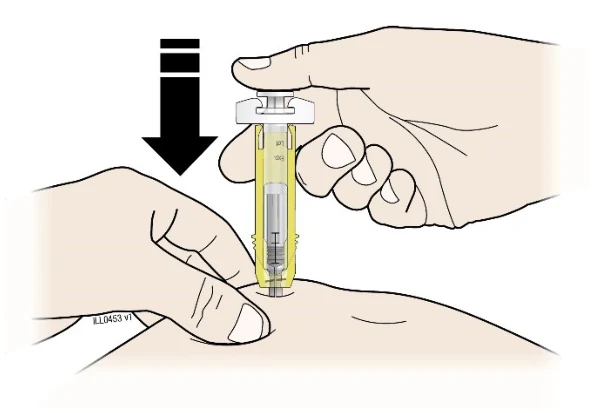
When done, gently pull the syringe off of your skin, and continue to Step 4: Finish.
Important: When you remove the syringe, if it looks like the medicine is still in the syringe barrel, this means you have not received a full dose. Call your healthcare professional immediately.

Step 3b: Port injection
If your healthcare professional has prescribed an injection into your home hemodialysis system, you should be first trained by your healthcare professional and then follow the procedure described below.
A. Locate the port on the hemodialysis tubing where your healthcare professional prescribed you to inject. Do NOT inject into the hemodialysis tubing.
B. Clean the port with an alcohol wipe.
C. Insert the prefilled syringe needle at a 90° angle, directly into the center of the rubber septum located on the cleaned port. Do NOT bend the needle. The rubber septum may require increased pressure to penetrate with the needle.
D. Push the plunger down until it reaches the bottom.
E. Remove the syringe from the port.
Now, continue to Step 4: Finish
Step 4: Finish
| Before you finish! |
|---|
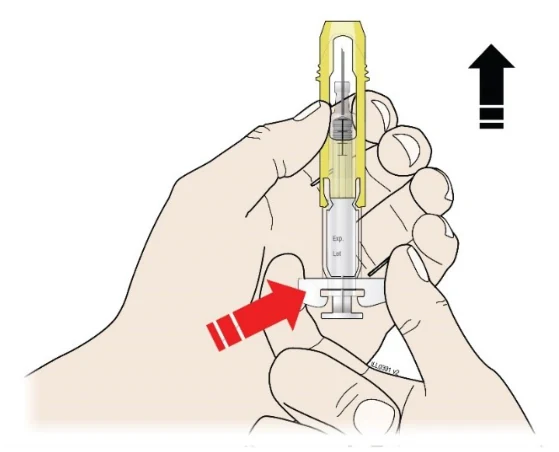
For your safety, pull the yellow safety guard until it clicks and covers the needle.
| GRAB HERE |
|---|
Once extended, the yellow safety guard will lock into position and will not slide back over the needle.
Keep your hands away from the needle at all times.
|
|---|
 |
|---|
- K. Discard (throw away) the used prefilled syringe.
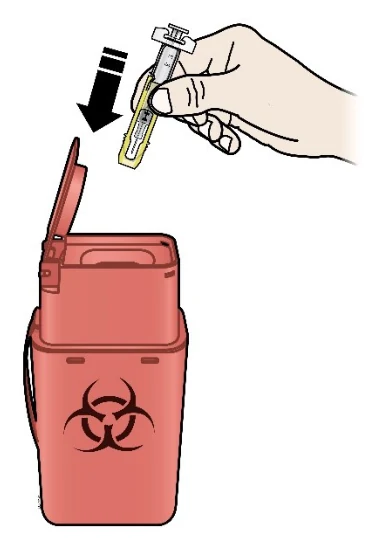
- Put the used prefilled syringe in a sharps disposal container right away after use. Do NOT throw away (dispose of) the syringe in the household trash.
If you do not have a sharps disposal container, you may use a household container that is:
- made of a heavy-duty plastic,
- can be closed with a tight-fitting, puncture-resistant lid, without sharps being able to come out,
- upright and stable during use,
- leak-resistant, and
- properly labeled to warn of hazardous waste inside the container.
- When your sharps disposal container is almost full, you will need to follow your community guidelines for the right way to dispose of your sharps disposal container. There may be provincial or local laws about how you should throw away used needles and syringes.
- Do NOT reuse the prefilled syringe.
- Do NOT recycle the prefilled syringe or sharps disposal container or throw them into household trash.
Important: Always keep the sharps disposal container out of the reach of children.
- L. Examine the subcutaneous injection site.
If there is blood, press a cotton ball or gauze pad on the injection site. Do NOT rub the injection site. Apply an adhesive bandage if needed.
Usual dose:
Aranesp is given to patients as an injection. The method of injection depends on your clinical condition as indicated below.
For patients with chronic kidney disease, one of the following methods will be used:
- under your skin (subcutaneous); or
- into the venous line connecting the hemodialysis machine to your vein (intravenous), if you are on hemodialysis
You and your doctor will determine which is best for you. Your doctor will determine how much you must take and how often you need to take it. Aranesp is given once a week or in some cases, once every two weeks. Your doctor will try to keep your hemoglobin between 100 and 115 g/L, not to exceed 120 g/L.
For cancer patients, there is only one method for injection as follows:
- under your skin (subcutaneous)
Your doctor will determine how much you must take and how often you need to take it. Aranesp is typically given once a week or in some cases, once every two or three weeks. Your doctor should use the lowest dose of Aranesp needed to help you avoid RBC transfusions. Once you have finished your chemotherapy course, Aranesp should be discontinued.
Overdose:
If self-administering this medication, be sure to adhere to the prescribed dose.
Severe hypertension (including hypertensive crisis and malignant hypertension) has been observed following overdose with Aranesp. If there is a significant increase in your blood pressure seek immediate medical attention.
| If you think you, or a person you are caring for, have taken too much Aranesp, contact a healthcare professional, hospital emergency department, or regional poison control centre immediately, even if there are no symptoms. |
|---|
Missed Dose:
You should ask your doctor what to do if you miss a dose of Aranesp.
What are possible side effects from using Aranesp?
These are not all the possible side effects you may have when taking Aranesp. If you experience any side effects not listed here, tell your healthcare professional.
If you get headaches, particularly sudden stabbing migraine-like headaches or you start to feel confused or have seizures you should tell your doctor immediately. These may be the warning signs of a sudden rise in blood pressure and may need urgent treatment.
For hemodialysis patients there may be a chance of blood clots (thrombosis) forming in your vascular access (a channel that bypasses normal blood circulation).
Patients with cancer may have an increased risk of blood clots in veins (thrombophlebitis) or the lungs (pulmonary embolus). Call your doctor if you experience pain and/or swelling in the legs or worsening in shortness of breath.
You may notice stinging around the area that you were injected. This stinging will only last for a short period of time and may be more common at the start of your treatment. Some people have also had infections, fevers, headaches, muscle aches or soreness, nausea, and chest pain. If you experience any of these symptoms, you should call your doctor. If any of these symptoms persist or you notice any side effects that are not mentioned in this leaflet, please tell your healthcare professional.
Other signs that may appear at the site of injection are redness, swelling, or itching. This may indicate an allergy to the components of Aranesp, or it may indicate a local reaction. If you have a local reaction, consult your doctor.
Serious allergic reactions have been observed, including sudden life-threatening allergic reactions with drop in blood pressure, fast pulse, difficulty breathing and sweating (anaphylaxis), swelling of the face, lips, mouth, tongue or throat (angioedema), shortness of breath (allergic bronchospasm), skin rash/rash over the whole body, hives. If you think you are having a serious allergic reaction, stop taking Aranesp and notify your doctor or emergency medical personnel immediately.
Serious side effects and what to do about them
| Symptom / effect | Talk to your healthcare professional | Stop taking drug and get immediate medical help | |
|---|---|---|---|
| Only if severe | In all cases | ||
| COMMON | |||
| Increase in blood pressure (symptoms may include headaches, confusion, seizures) | X | ||
| Diarrhea | X | ||
| Infections | X | ||
| Fever | X | ||
| Muscle aches | X | ||
| Nausea | X | ||
| Chest pain | X | ||
| UNCOMMON | |||
| Blood clots | X | ||
| Stroke | X | ||
| Allergic reaction | X | X | |
| UNKNOWN | |||
| Severe Cutaneous Reactions (symptoms may include a rash, which may be severe, may cover your whole body and can also include blisters or areas of skin coming off) | X | X | |
If you have a troublesome symptom or side effect that is not listed here or becomes bad enough to interfere with your daily activities, tell your healthcare professional.
Reporting Side Effects
You can report any suspected side effects associated with the use of health products to Health Canada by:
NOTE: Contact your health professional if you need information about how to manage your side effects. The Canada Vigilance Program does not provide medical advice. |
|---|
Storage:
You should store Aranesp in the refrigerator (between 2°C and 8°C), but not in the freezer. Do not let Aranesp freeze and do not use Aranesp if you think that it has been frozen. You can take Aranesp out of the refrigerator and let it warm to room temperature (approximately 30 minutes) before injecting it. Aranesp does not contain any preservatives so you should not use it if you have it at room temperature (up to 25°C) for longer than 24 hours.
Always keep the Aranesp vials† or syringes in the original pack and do not leave them in direct sunlight.
The expiry date for Aranesp is stamped on the pack and on the vial† or syringe label. Do not use Aranesp after the last day of the month and year shown.
As with all medicines, you should keep Aranesp out of the reach and sight of children.
| †Single-use vials are not available in Canada. |
|---|
If you want more information about Aranesp:
- Talk to your healthcare professional
- Find the full Product Monograph that is prepared for healthcare professionals and includes this Patient Medication Information by visiting the Health Canada website: https://www.canada.ca/en/health-canada/services/drugs-health-products/drug-products/drug-product-database.html; the manufacturer’s website: www.amgen.ca, or by calling 1-866-502-6436.
UltraSafe® is a registered trademark of Safety Syringes, Inc.
Last Revised: October 27, 2023
PATIENT MEDICATION INFORMATION
READ THIS FOR SAFE AND EFFECTIVE USE OF YOUR MEDICINE
PrAranesp® (Air-uh-nesp)
darbepoetin alfa injection
Single-use Vials†
†Single-use vials are not available in Canada.
Read this carefully before you start taking Aranesp and each time you get a refill. This leaflet is a summary and will not tell you everything about this drug. Talk to your healthcare professional about your medical condition and treatment and ask if there is any new information about Aranesp.
Serious Warnings and Precautions
All Patients
Chronic Kidney Disease Patients
Cancer Patients
|
What is Aranesp used for?
- Aranesp is used to treat anemia associated with chronic kidney disease (kidney failure), including patients on dialysis and patients not on dialysis
- Aranesp is used to treat anemia associated with chemotherapy administration in patients with cancer that is not involving or affecting bone marrow.
What is Anemia?
Anemia is a condition where your blood does not contain enough red blood cells. Red blood cells are responsible for carrying oxygen to your organs and body tissues. If the number of red blood cells in your blood is decreased, the amount of oxygen delivered throughout your body is also decreased. This may cause several symptoms that are typical of anemia including fatigue, weakness and shortness of breath.
Anemia and kidney failure
In patients with kidney failure, the kidneys do not produce enough of the natural hormone, erythropoietin, which encourages your bone marrow to produce more red blood cells.
Anemia and cancer
When chemotherapy is given to cancer patients, the body may not be able to produce enough and/or respond adequately enough to its own erythropoietin, the natural hormone that encourages bone marrow to make more red blood cells. As a result, not enough red blood cells are produced in order to overcome the effect of chemotherapy.
How does Aranesp work?
In cancer, when chemotherapy is given to cancer patients, the body may not be able to produce enough and/or respond adequately enough to its own erythropoietin, the natural hormone that encourages bone marrow to make red blood cells. If your kidneys are no longer able to produce enough erythropoietin you may benefit by receiving Aranesp. Aranesp will stimulate your bone marrow to produce more red blood cells. Like the natural hormone erythropoietin, the active ingredient of Aranesp, “darbepoetin alfa”, travels through the blood and binds to specific cells in the bone marrow. This signals the bone marrow to produce more red blood cells and release them into the blood. As a result, the number of red blood cells circulating in the blood increases and they can deliver more oxygen to your organs and tissues. This helps in managing the symptoms that are associated with anemia. It takes a few weeks for this process to occur.
Your doctor will know when Aranesp is working because your blood tests will show an increase in the number of red blood cells. He/she may refer to the results of your blood tests as hemoglobin and/or hematocrit, and will check these tests while you are being treated with Aranesp. These blood tests may be done more often at the beginning of your treatment or if your dose of Aranesp changes. The increase in the number of red blood cells is not immediate; it may take several weeks. The amount of time it takes to reach the red blood cell level that is right for you, and the dose of Aranesp needed to make the red blood cell level rise, is different for each person. You may need several Aranesp dose adjustments before you reach your correct dose of Aranesp and the correct dose may change over time. Your doctor will also check your blood pressure regularly. In some cases, your doctor may recommend that you take iron supplements.
How long will it take to feel better?
Because it will take your bone marrow some time to make more red blood cells, it may take a few weeks before you notice any effects.
I have been treated with Epoetin alfa for my renal failure; what can I expect from Aranesp?
In clinical trials, Aranesp has proved to be as efficacious in correcting and regulating anemia as Epoetin alfa, in patients with chronic kidney disease who have been switched from Epoetin alfa to Aranesp as well as in new patients. Because Aranesp has been designed to work in your body for a longer period of time, it is possible to achieve the same results with fewer injections.
What are the ingredients in Aranesp?
Medicinal ingredients: darbepoetin alfa
Non-medicinal ingredients: Polysorbate 80, Sodium Chloride, Sodium Phosphate Dibasic Anhydrous, Sodium Phosphate Monobasic Monohydrate
Aranesp comes in the following dosage forms:
Aranesp is available as a liquid for injection, and comes in single-use vials or single-use prefilled syringes.
Single-use vials are not available in Canada.
The needle cover on the single-use prefilled syringe contains dry natural rubber (latex), which should not be handled by persons sensitive to this substance.
Do not use Aranesp if:
- You have uncontrolled high blood pressure.
- Your body makes antibodies (develop Pure Red Cell Aplasia) following treatment with any erythropoiesis-stimulating agent (ESA).
- You are allergic to Aranesp or any of the ingredients (for example, polysorbate 80) in Aranesp.
- You are allergic to other erythropoietins, or medicines made using mammalian cells.
Talk to your doctor if you have any questions about this information.
To help avoid side effects and ensure proper use, talk to your healthcare professional before you take Aranesp. Talk about any health conditions or problems you may have, including if you:
- Have a hemodialysis vascular access, continue to check the access to make sure it is working. Call your doctor or dialysis centre right away if you have any problems or questions. Always call your doctor if you do not feel well while using Aranesp.
- Are a cancer patient you should be aware that Aranesp is a red blood cell growth factor and in some circumstances your cancer may grow faster. You should discuss treatment options for your anemia with your doctor.
Other warnings you should know about:
Please tell your doctor if you are suffering or have suffered from:
- High blood pressure
- Heart disease (e.g., angina)
- Epileptic fits (seizures)
It is important to tell your doctor if you:
- Are pregnant
- Think you may be pregnant
- Plan to get pregnant, or are breast-feeding
Too much Aranesp may cause your body to produce too many red blood cells too fast (lead to a hemoglobin that is too high). Producing too many red blood cells, or producing them too fast may cause serious problems. It is important that your blood pressure be monitored often and to report any changes outside of the guidelines that your doctor has given you, especially if you have heart disease. Certain laboratory tests, such as hemoglobin, hematocrit, or iron level measurements, may also need to be done more often and be reported to your doctor or dialysis centre.
It is important to keep all appointments for blood tests to allow your doctor to adjust the dosage of Aranesp as needed.
Over time, many patients also need to take iron. Your doctor will know when or if you need an iron supplement from your laboratory test results. Do not change the dose of Aranesp.
Be sure to change the site for each injection to avoid soreness at any one site. Occasionally a problem may develop at the injection site. If there is a lump, swelling, or bruising at the injection site that does not go away, talk to your doctor.
Pure Red Cell Aplasia (PRCA), in association with antibodies, has been observed in patients treated with ESAs. PRCA is a condition in which severe and sudden anemia (characterized by symptoms such as severe tiredness/fatigue, and shortness of breath on mild exertion) develops due to failure of the bone marrow to produce red blood cells. PRCA could result in a dependency on blood transfusions. Should you be diagnosed with PRCA, your doctor will stop your Aranesp therapy and may initiate treatment with blood transfusions to help increase your red blood cell count. PRCA has been reported predominantly in patients with chronic kidney disease. PRCA has been reported in a very rare number of patients exposed to Aranesp subcutaneously (under your skin).
Tell your healthcare professional about all the medicines you take, including any drugs, vitamins, minerals, natural supplements or alternative medicines.
The following may interact with Aranesp:
No drug-drug interaction studies for Aranesp have been carried out with other medications commonly used to treat chronic kidney disease or cancer.
How to take Aranesp:
IMPORTANT: TO HELP AVOID CONTAMINATION AND POSSIBLE INFECTION DUE TO INJECTION, PLEASE READ AND FOLLOW THESE INSTRUCTIONS CAREFULLY.
Aranesp is available in the presentations listed below. Your doctor will prescribe the type that is best for you.
- Single-use prefilled syringe
- Single-use vial
If your doctor decides that you or a caregiver can give the injections of Aranesp, you or your caregiver should receive training on the right way to prepare and inject Aranesp. Do not try to inject Aranesp until you have been shown the right way by your healthcare professional.
Always follow the instructions provided by your healthcare professional concerning the dosage and administration of Aranesp. Do not change the dose or method of administration of Aranesp, without consulting your doctor. If you are not sure about giving the injection or you have any questions, please ask your healthcare professional for help.
Step 1: Prepare
- A. Remove the Aranesp vial from the refrigerator.
Place it on a clean, well-lit working place with a flat surface such as a table. Allow it to reach room temperature. This should take about 30 minutes.
- Do NOT leave the vial in direct sunlight.
- Do NOT use it if it has been frozen.
- B. Inspect the vial.
- Check that the strength on the vial is the strength that your doctor prescribed for you.
- Check the date on the label to be sure that the product has not expired.
- Aranesp should be a clear, colourless solution. If the solution has particles or is discoloured, do not use it, and check with your healthcare professional.
- DO NOT SHAKE THE VIAL. Shaking may damage the Aranesp. If the product has been shaken vigorously, the solution may appear foamy and it should not be used.
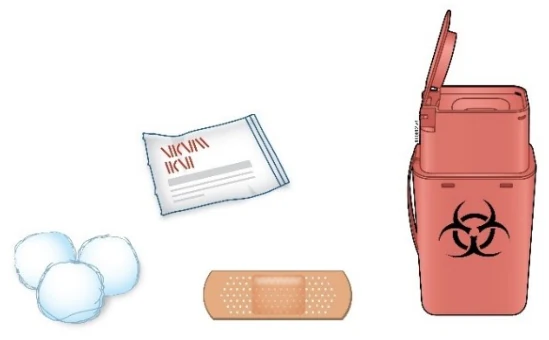
- C. Gather all materials needed for the injection.
Wash your hands thoroughly with soap and water.
Along with the Aranesp vial; on the clean, well-lit work surface, place the:
- Disposable syringe
- Alcohol wipe
- Cotton ball or gauze pad
- Adhesive bandage
- Sharps disposal container
| Vial | 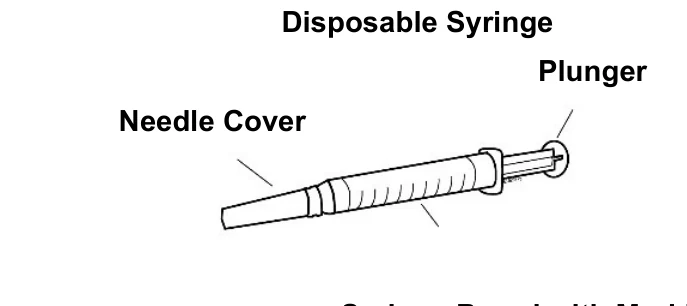 Disposable Syringe 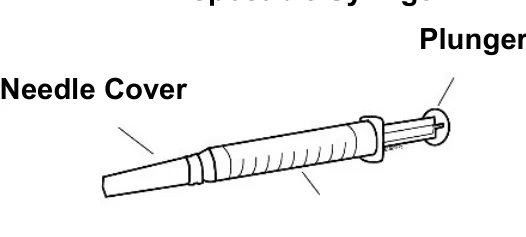 Plunger Needle Cover Syringe Barrel with Markings |
|---|
Your healthcare professional will give you instructions on how to measure your dose of Aranesp and draw it from the vial into the syringe. Only use the syringe that your doctor prescribes. This dose will be measured in millilitres. You should only use a syringe that is marked in tenths of millilitres or mL (for example, 0.2 mL). Your healthcare professional may refer to an "mL" as a "cc" (1 mL = 1 cc). Using an unmarked syringe can lead to a mistake in the dose. If you do not use the correct syringe, you could inject too much or too little Aranesp. Each Aranesp vial is designed to be used only once.
- Do NOT put the needle through the rubber stopper more than once.
- Use only disposable syringes and needles.
- Use the syringes and needles only once and dispose of them as instructed by your healthcare professional (see Step 4: Finish below).
Step 2: Get ready
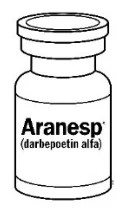
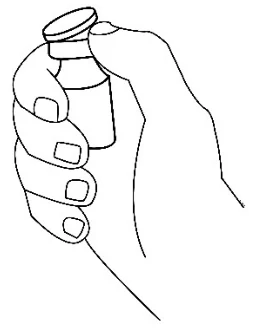
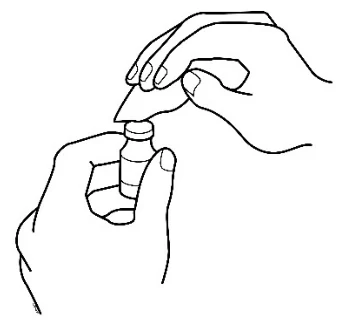
- D. Take the yellow colour cap off the vial. Clean the rubber stopper with one alcohol swab.
 | |
|---|---|
 |
 |  |
|---|
- E. Check the package containing the syringe. If the package has been opened or damaged, do not use that syringe. You should dispose of that syringe in the puncture-proof disposal container (see Step 4: Finish below). If the syringe package is undamaged, open the package and remove the syringe.
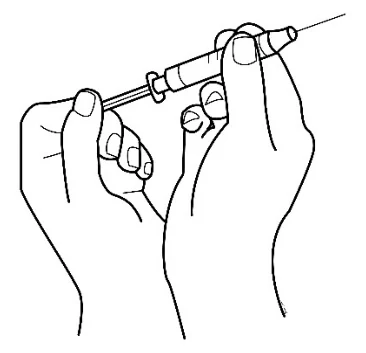
- F. Pull the needle cover straight off the syringe. Then, pull back on the plunger to draw air into the syringe. The amount of air drawn into the syringe should be the same amount (mL or cc) as the dose of Aranesp that your doctor prescribed.
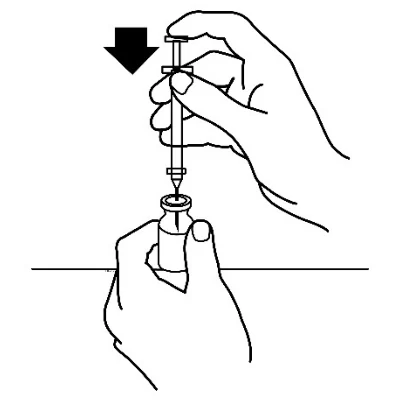
- G. Keep the vial on your flat working surface.
- • Insert the needle straight down through the rubber stopper.
- • Push the plunger of the syringe down to inject the air from the syringe into the vial of Aranesp.
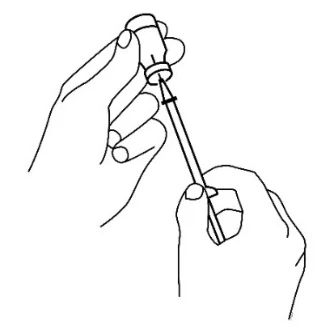
- H. Keeping the needle inside the vial, turn the vial upside down. Make sure that the tip of the needle is in the Aranesp liquid.
 |
|---|
 |
|---|
 |
|---|
Keeping the vial upside down, slowly pull back on the plunger to fill the syringe with Aranesp liquid to the number (mL or cc) that matches the dose your doctor prescribed.
Keeping the needle in the vial, check for air bubbles in the syringe. If there are air bubbles, gently tap the syringe with your fingers until the air bubbles rise to the top of the syringe. Then slowly push the plunger up to force the air bubbles out of the syringe. Keep the tip of the needle in the liquid and once again pull the plunger back to the number on the syringe that matches your dose. Check again for air bubbles. The air in the syringe will not hurt you, but too large an air bubble can reduce your dose of Aranesp. If there are still air bubbles, repeat the steps above to remove them.
Check again to make sure that you have the correct dose in the syringe. It is important that you use the exact dose prescribed by your doctor.
| Read this before you inject. |
|---|
In Step 3, choose between Subcutaneous (3a) OR Port injection (3b) based on your healthcare professional’s instructions.
When you feel you are ready, please continue.
Step 3a: Prepare injection site and Subcutaneous (under the skin) injection
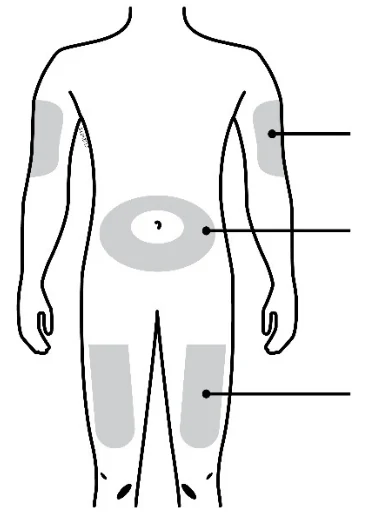
- J. Prepare and clean the injection site.
Outer area of upper arm Stomach area (abdomen) Thigh | Outer area of upper arm Upper outer area of buttocks |
|---|
You can use:
- Thigh
- Stomach area (abdomen), except for a 5 cm (2-inch) area right around the navel (belly button)
- Upper outer area of your buttocks (only if someone else is giving you the injection)
- Outer area of upper arm (only if someone else is giving you the injection).
Clean the injection site with an alcohol wipe. Let the skin dry.
 |
|---|
 | |
|---|
- Do NOT touch this area again before injecting.
- Choose a different site each time you give yourself an injection. Choosing a new site can avoid soreness at any one site. If you want to use the same injection site, make sure it is not the same spot on the injection site area you used for a previous injection.
- Do NOT inject into areas where the skin is tender, bruised, red, or hard. Avoid injecting into areas with scars or stretch marks.
Important: Follow your healthcare professional’s instructions about selecting sites for injection appropriate to you and about changing the site for each injection.
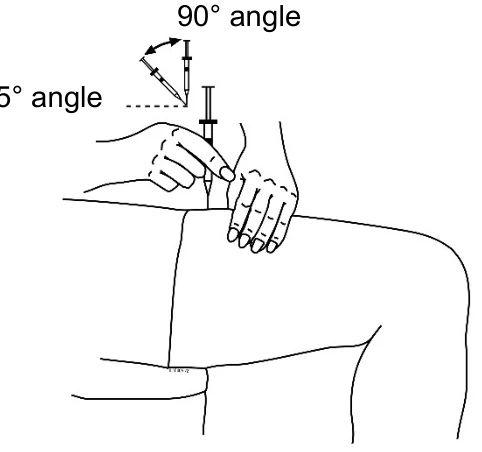
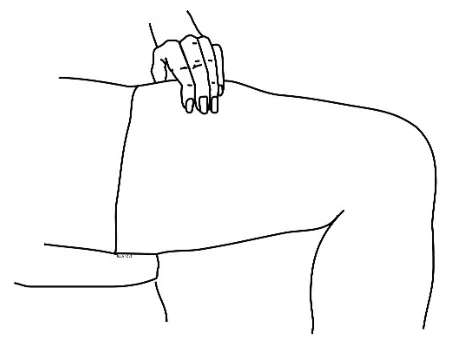
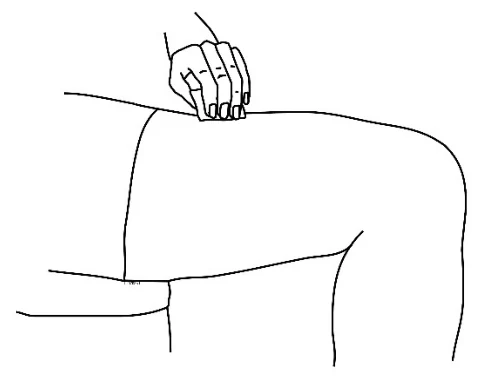
- K. Hold the syringe in the hand that you will use to inject Aranesp. Use the other hand to pinch a fold of skin at the cleaned injection site.
- L. Holding the syringe like a pencil, use a quick “dart like” motion to insert the needle either straight up and down (90 degree angle) or at a slight angle (45 degrees) into the skin.
90° angle 45° angle |
|---|
 |
|---|
- M. After the needle is inserted, let go of the skin. Inject the prescribed dose subcutaneously as directed by your healthcare professional.
- N. When the syringe is empty, pull the needle out of the skin and place a cotton ball or gauze over the injection site and press for several seconds.
You should ONLY use a syringe and vial once. You should discard the vial with any remaining Aranesp.
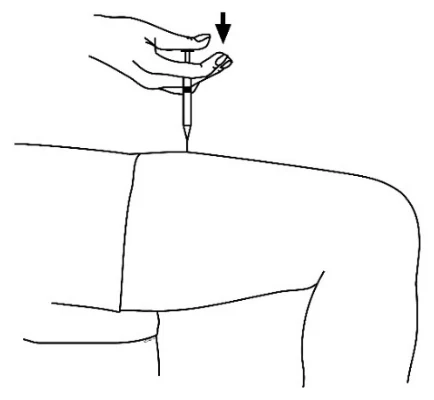
Step 3b: Port injection
If your healthcare professional has prescribed an injection into your home hemodialysis system, you should be first trained by your healthcare professional and then follow the procedure described below.
A. Locate the port on the hemodialysis tubing where your healthcare professional prescribed you to inject. Do NOT inject into the hemodialysis tubing.
B. Clean the port with an alcohol wipe.
C. Insert the syringe at a 90° angle, directly into the center of the rubber septum located on the cleaned port. Do NOT bend the needle. The rubber septum may require increased pressure to penetrate with the needle.
D. Push the plunger down until it reaches the bottom.
E. Remove the syringe from the port.
 |
|---|
 |
|---|
Now, continue to Step 4: Finish
Step 4: Finish
- O. Dispose of the syringe and needle as instructed by your healthcare professional, or by following these steps:
- • Do NOT throw the needle or syringe in the household trash or recycle.
- • Do NOT put the needle cover (the cap) back on the needle. Place all used needles and syringes in a hard plastic container, or a metal container with a plastic lid. Do not use glass or clear plastic containers, or any container that will be recycled or returned to a store.
- • Properly label the container to indicate its contents. If a metal container such as a coffee can with a plastic lid is used, cut a small hole in the plastic lid and tape the lid onto the metal container. When the container is full, cover the hole and dispose of the container according to your healthcare professional’s instructions.
- • If an opaque (do not use clear plastic), hard plastic container with a screw-on cap is used, always screw the cap on tightly after each use. When the container is full, tape around the cap or lid and dispose of the container according to the instructions provided by your healthcare professional. There may be special local laws that they will discuss with you.
- • Always store the container out of the reach of children.
- • You should always first check with your healthcare professional for instructions on how to properly dispose of a filled container. There may be local laws for disposal of used needles and syringes. Do not throw the container in household trash. Do not recycle.
Usual dose:
Aranesp is given to patients as an injection. The method of injection depends on your clinical condition as indicated below.
For patients with chronic kidney disease, one of the following methods will be used:
- under your skin (subcutaneous); or
- into the venous line connecting the hemodialysis machine to your vein (intravenous), if you are on hemodialysis
You and your doctor will determine which is best for you. Your doctor will determine how much you must take and how often you need to take it. Aranesp is given once a week or in some cases, once every two weeks. Your doctor will try to keep your hemoglobin between 100 and 115 g/L, not to exceed 120 g/L.
For cancer patients, there is only one method for injection as follows:
- under your skin (subcutaneous)
Your doctor will determine how much you must take and how often you need to take it. Aranesp is typically given once a week or in some cases, once every two or three weeks. Your doctor should use the lowest dose of Aranesp needed to help you avoid RBC transfusions. Once you have finished your chemotherapy course, Aranesp should be discontinued.
Overdose:
If self-administering this medication, be sure to adhere to the prescribed dose.
Severe hypertension (including hypertensive crisis and malignant hypertension) has been observed following overdose with Aranesp. If there is a significant increase in your blood pressure seek immediate medical attention.
| If you think you, or a person you are caring for, have taken too much Aranesp, contact a healthcare professional, hospital emergency department, or regional poison control centre immediately, even if there are no symptoms. |
|---|
Missed Dose:
You should ask your doctor what to do if you miss a dose of Aranesp.
What are possible side effects from using Aranesp?
These are not all the possible side effects you may have when taking Aranesp. If you experience any side effects not listed here, tell your healthcare professional.
If you get headaches, particularly sudden stabbing migraine-like headaches or you start to feel confused or have seizures you should tell your doctor immediately. These may be the warning signs of a sudden rise in blood pressure and may need urgent treatment.
For hemodialysis patients there may be a chance of blood clots (thrombosis) forming in your vascular access (a channel that bypasses normal blood circulation).
Patients with cancer may have an increased risk of blood clots in veins (thrombophlebitis) or the lungs (pulmonary embolus). Call your doctor if you experience pain and/or swelling in the legs or worsening in shortness of breath.
You may notice stinging around the area that you were injected. This stinging will only last for a short period of time and may be more common at the start of your treatment. Some people have also had infections, fevers, headaches, muscle aches or soreness, nausea, and chest pain. If you experience any of these symptoms, you should call your doctor. If any of these symptoms persist or you notice any side effects that are not mentioned in this leaflet, please tell your healthcare professional.
Other signs that may appear at the site of injection are redness, swelling, or itching. This may indicate an allergy to the components of Aranesp, or it may indicate a local reaction. If you have a local reaction, consult your doctor.
Serious allergic reactions have been observed, including sudden life-threatening allergic reactions with drop in blood pressure, fast pulse, difficulty breathing and sweating (anaphylaxis), swelling of the face, lips, mouth, tongue or throat (angioedema), shortness of breath (allergic bronchospasm), skin rash/rash over the whole body, hives. If you think you are having a serious allergic reaction, stop taking Aranesp and notify your doctor or emergency medical personnel immediately.
Serious side effects and what to do about them
| Symptom / effect | Talk to your healthcare professional | Stop taking drug and get immediate medical help | |
|---|---|---|---|
| Only if severe | In all cases | ||
| COMMON | |||
| Increase in blood pressure (symptoms may include headaches, confusion, seizures) | X | ||
| Diarrhea | X | ||
| Infections | X | ||
| Fever | X | ||
| Muscle aches | X | ||
| Nausea | X | ||
| Chest pain | X | ||
| UNCOMMON | |||
| Blood clots | X | ||
| Stroke | X | ||
| Allergic reaction | X | X | |
| UNKNOWN | |||
| Severe Cutaneous Reactions (symptoms may include a rash, which may be severe, may cover your whole body and can also include blisters or areas of skin coming off) | X | X | |
If you have a troublesome symptom or side effect that is not listed here or becomes bad enough to interfere with your daily activities, tell your healthcare professional.
Reporting Side Effects
You can report any suspected side effects associated with the use of health products to Health Canada by:
NOTE: Contact your health professional if you need information about how to manage your side effects. The Canada Vigilance Program does not provide medical advice. |
|---|
Storage:
You should store Aranesp in the refrigerator (between 2°C and 8°C), but not in the freezer. Do not let Aranesp freeze and do not use Aranesp if you think that it has been frozen. You can take Aranesp out of the refrigerator and let it warm to room temperature (approximately 30 minutes) before injecting it. Aranesp does not contain any preservatives so you should not use it if you have it at room temperature (up to 25°C) for longer than 24 hours.
Always keep the Aranesp vials or syringes in the original pack and do not leave them in direct sunlight.
The expiry date for Aranesp is stamped on the pack and on the vial or syringe label. Do not use Aranesp after the last day of the month and year shown.
As with all medicines, you should keep Aranesp out of the reach and sight of children.
If you want more information about Aranesp:
- Talk to your healthcare professional
- Find the full Product Monograph that is prepared for healthcare professionals and includes this Patient Medication Information by visiting the Health Canada website: https://www.canada.ca/en/health-canada/services/drugs-health-products/drug-products/drug-product-database.html; the manufacturer’s website: www.amgen.ca, or by calling 1-866-502-6436.