


Product Monograph - Aspen-Semaglutide
Recent Major Label Changes
None at time of the most recent authorization
Table of Contents
Certain sections or subsections that are not applicable at the time of the preparation of the most recent authorized product monograph are not listed.
Recent Major Label Changes ................................................................................................. 2
Table of Contents .................................................................................................................... 2
Part 1: Healthcare Professional Information ........................................................................ 4
1 Indications .................................................................................................................... 4
1.1 Pediatrics ................................................................................................................. 4
1.2 Geriatrics .................................................................................................................. 4
2 Contraindications ......................................................................................................... 4
3 Serious Warnings and Precautions Box ................................................................... 5
4 Dosage and Administration ........................................................................................ 5
4.1 Dosing Considerations ............................................................................................. 5
4.2 Recommended Dose and Dosage Adjustment ........................................................ 5
4.4 Administration .......................................................................................................... 6
4.5 Missed Dose ............................................................................................................ 6
5 Overdose ...................................................................................................................... 6
6 Dosage Forms, Strengths, Composition and Packaging ......................................... 7
7 Warnings and Precautions ......................................................................................... 8
7.1 Special Populations ................................................................................................ 11
7.1.1 Pregnancy .............................................................................................................. 11
7.1.2 Breastfeeding ......................................................................................................... 11
7.1.3 Pediatrics ............................................................................................................... 11
7.1.4 Geriatrics ................................................................................................................ 11
7.1.5 Renal Insufficiency ................................................................................................. 12
7.1.6 Hepatic Insufficiency .............................................................................................. 12
8 Adverse Reactions .................................................................................................... 12
8.1 Adverse Reaction Overview ................................................................................... 12
8.2 Clinical Trial Adverse Reactions ............................................................................. 12
8.3 Less Common Clinical Trial Adverse Reactions ..................................................... 15
8.5 Post-Market Adverse Reactions ............................................................................. 16
9 Drug Interactions ....................................................................................................... 16
9.2 Drug Interactions Overview .................................................................................... 16
9.3 Drug-Behaviour Interactions ................................................................................... 16
9.4 Drug-Behaviour Interactions ................................................................................... 16
9.4 Drug-Food Interactions ........................................................................................... 17
9.5 Drug-Herb Interactions ........................................................................................... 17
9.6 Drug-Laboratory Test Interactions .......................................................................... 18
10 Clinical Pharmacology .............................................................................................. 18
10.1 Mechanism of Action .............................................................................................. 18
10.2 Pharmacodynamics ................................................................................................ 18
10.3 Pharmacokinetics ................................................................................................... 19
10.4 Immunogenicity ...................................................................................................... 20
11 Storage, Stability, and Disposal ............................................................................... 21
12 Special Handling Instructions .................................................................................. 21
Part 2: Scientific Information ............................................................................................... 22
13 Pharmaceutical Information ..................................................................................... 22
14 Clinical Trials – Reference Biologic Drug ............................................................... 22
14.1 Clinical Trials by Indication .................................................................................... 22
15 Microbiology .............................................................................................................. 33
16 Non-Clinical Toxicology ............................................................................................ 33
17 Supporting Product Monographs ............................................................................ 36
Patient Medication Information ............................................................................................ 37
Part 1: Healthcare Professional Information
1 Indications
Aspen-Semaglutide (semaglutide injection) is indicated for the once-weekly treatment of adult patients with type 2 diabetes to improve glycemic control, in combination with:
- diet and exercise in patients for whom metformin is inappropriate due to contraindication or intolerance.
- metformin, when diet and exercise plus maximal tolerated dose of metformin do not achieve adequate glycemic control.
- metformin and a sulfonylurea, when diet and exercise plus dual therapy with metformin and a sulfonylurea do not achieve adequate glycemic control.
- metformin or a sulfonylurea and a sodium-glucose cotransporter 2 inhibitor (SGLT2i), when diet and exercise plus metformin or a sulfonylurea, in addition to an SGLT2i, do not achieve adequate glycemic control.
- basal insulin with metformin, when diet and exercise plus basal insulin with metformin do not achieve adequate glycemic control (see 14 Clinical Trials).
Semaglutide has not been studied in combination with prandial insulin (short acting). Aspen-Semaglutide is not a substitute for insulin.
Aspen-Semaglutide should not be used in patients with type 1 diabetes mellitus (formerly known as insulin-dependent diabetes mellitus or IDDM) or for the treatment of diabetic ketoacidosis.
See 4 Dosage and Administration for information on adjustment of doses of concomitant medications when adding Aspen-Semaglutide to the treatment regimen.
1.1 Pediatrics
Pediatrics (< 18 years of age): The safety and efficacy of semaglutide have not been studied in pediatric populations. Aspen-Semaglutide is not indicated for use in pediatric patients.
1.2 Geriatrics
Geriatrics (> 65 years of age): Semaglutide was studied in a limited number of patients 75 years of age or older.
2 Contraindications
- Aspen-Semaglutide is contraindicated in patients with a personal or family history of medullary thyroid carcinoma (MTC) or in patients with Multiple Endocrine Neoplasia syndrome type 2 (MEN 2). See 7 Warnings and Precautions.
- Aspen-Semaglutide is contraindicated in patients with hypersensitivity to Aspen-Semaglutide or to any of the product components. See 7 Warnings and Precautions.
- Aspen-Semaglutide should not be used during pregnancy or breastfeeding.
3 Serious Warnings and Precautions Box
Risk of Thyroid C-cell Tumours
|
|---|
4 Dosage and Administration
4.1 Dosing Considerations
Aspen-Semaglutide is to be administered once weekly, at any time of the day, with or without meals. Aspen-Semaglutide should not be administered daily.
The day of weekly administration can be changed if necessary as long as the time between two doses is at least 2 days (>48 hours).
Aspen-Semaglutide can be used as monotherapy when metformin is not tolerated or is contraindicated, or as combination therapy with one or more antidiabetic drugs (metformin, sulfonylurea [SU], basal insulin, SGLT2i). Aspen-Semaglutide should not be given in combination with other GLP-1 analogs. Combination with DPP-4 inhibitors has not been studied.
When Aspen-Semaglutide is added to existing metformin therapy, the current dose of metformin can be continued unchanged.
An increased risk of hypoglycemia was seen with concomitant use of SU or basal insulin with semaglutide. When Aspen-Semaglutide is added to existing therapy of a sulfonylurea or insulin, a reduction in the dose of sulfonylurea or insulin should be considered to reduce the risk of hypoglycemia. In clinical trials, insulin dose was decreased by 20% at onset of semaglutide treatment. See 7 Warnings and Precautions.
4.2 Recommended Dose and Dosage Adjustment
The recommended starting dose of Aspen-Semaglutide is 0.25 mg once weekly. Aspen-Semaglutide 0.25 mg is not a therapeutic dose. After 4 weeks, the dose should be increased to 0.5 mg once weekly. If additional glycemic control is needed after 4 weeks, the dose may be increased to 1 mg once weekly to further improve glycemic control. If additional glycemic control is needed after 4 weeks, the dose may be increased to 2 mg once weekly. The maximum recommended dose is 2 mg once weekly. An alternative product will be required to meet a 2 mg weekly dose.
Geriatrics (≥ 65 years old)
Based on population PK modeling, no dose adjustment is required based on age. See 10 Clinical Pharmacology.
Pediatrics (<18 years old)
The safety and efficacy of semaglutide in pediatrics aged below 18 years have not been studied. Aspen-Semaglutide is not indicated for pediatric use.
Patients with Renal Insufficiency
No dosage adjustment is required for patients with renal insufficiency. Aspen-Semaglutide is not recommended for use in patients with end-stage renal disease (see 7 Warnings and Precautions, and 10.3 Pharmacokinetics.
Patients with hepatic insufficiency
The safety and efficacy of semaglutide in patients with hepatic insufficiency has not been studied. Therefore, Aspen-Semaglutide should be used with caution in this patient population (See 10.3 Pharmacokinetics).
4.4 Administration
Aspen-Semaglutide is to be injected subcutaneously in the abdomen, in the thigh or in the upper arm. The injection site can be changed without dose adjustment.
Inspect Aspen-Semaglutide visually before use. It should appear clear and colourless. Do not use Aspen-Semaglutide if particulate matter and colouration is seen.
When using Aspen-Semaglutide with insulin, instruct patients to administer as separate injections and to never mix the products.
It is acceptable to inject Aspen-Semaglutide and insulin in the same body region but the injections should not be adjacent to each other. Rotate injection sites with each dose. Do not use the same site for each injection. Aspen-Semaglutide should not be administered intravenously or intramuscularly.
4.5 Missed Dose
If a dose is missed, it should be administered as soon as possible within 5 days after the missed dose. If more than 5 days have passed, the missed dose should be skipped and the next dose should be administered on the regularly scheduled day. In each case, patients can then resume their regular once weekly dosing schedule.
5 Overdose
Overdoses of up to 4 mg in a single dose, and up to 4 mg in a week have been reported in clinical trials. The most commonly reported adverse event was nausea. All patients recovered without complications.
There is no specific antidote for overdose with Aspen-Semaglutide. In the event of overdose, appropriate supportive treatment should be initiated according to the patient’s clinical signs and symptoms. A prolonged period of observation and treatment for these symptoms may be necessary, taking into account the long half-life of Aspen-Semaglutide of approximately 1 week.
| For the most recent information in the management of a suspected drug overdose, contact your regional poison control centre or Health Canada’s toll-free number, 1-844 POISON-X (1-844-764-7669). |
|---|
6 Dosage Forms, Strengths, Composition and Packaging
Table 1 Dosage Forms, Strengths, Composition and Packaging
| Route of Administration | Dosage Form / Strength / Composition | Non-medicinal Ingredients |
|---|---|---|
| Subcutaneous | Solution, 1.34 mg / mL | Disodium phosphate dihydrate, phenol, propylene glycol, and water for injection. |
Aspen-Semaglutide is provided in a pre-filled, multi-dose, disposable pen, which contains the drug solution, semaglutide in a 1.5 mL or 3 mL cartridge.
Each 1 mL of Aspen-Semaglutide solution contains 1.34 mg of semaglutide and the following non-medicinal ingredients disodium phosphate dihydrate, phenol, propylene glycol, and water for injection. Aspen-Semaglutide is a clear and colourless solution with a pH of 7.4.
The primary packaging contains a 1.8 mL or 3 mL glass cartridge (Type I glass) closed at the one end with a rubber plunger (bromobutyl) and at the other end with an aluminium cap with a rubber disc (bromobutyl/polyisoprene) inserted. The cartridge is assembled into a pre-filled multi-dose disposable pen made of polypropylene, polyoxymethylene, polycarbonate and acrylonitrile butadiene styrene.
There are two variants of the pre-filled multi-dose pen for Aspen-Semaglutide.
Aspen-Semaglutide 0.25 mg, 0.5 mg/dose contains 1.5 mL solution (1.34 mg/mL) equivalent to 2 mg semaglutide/pen for 4 doses (0.25 mg/dose) and 2 doses (0.5 mg/dose).
Aspen-Semaglutide 1 mg/dose contains 3 mL solution (1.34 mg/mL), equivalent to 4 mg semaglutide/pen for 4 doses.
Patients should not administer the full volume of the pen at any time.
Disposable needles are included in the Aspen-Semaglutide package. The plunger and rubber closure are not made with natural rubber latex.
Pack sizes of:
Carton of 1 Pen
- Pen delivers doses of 0.25 mg or 0.5 mg
- 6 disposable needles
- Intended to be used for dose escalation and maintenance treatment at the 0.5 mg dose
Carton of 1 Pen
- Pen delivers 1 mg doses
- 4 disposable needles
- Intended to be used for maintenance treatment at the 1 mg dose only
7 Warnings and Precautions
Please see the Serious Warnings and Precautions Box at the beginning of Part 1: Healthcare Professional Information.
General
Aspen-Semaglutide should not be used in patients with type 1 diabetes mellitus or for the treatment of patients with diabetic ketoacidosis.
Aspen-Semaglutide should not be administered intramuscularly.
Carcinogenesis and Genotoxicity
Risk of Thyroid C-Cell Tumours
In mice and rats, semaglutide caused a treatment-duration-dependent increase in the incidence of thyroid C-cell tumours (adenomas and carcinomas) after lifetime exposure at clinically relevant plasma exposures (see 16 Non-Clinical Toxicology). It is unknown whether semaglutide causes thyroid C-cell tumours, including MTC, in humans as human relevance could not be determined. Thyroid C-cell tumours in rodents are a known class effect for GLP-1 receptor agonists.
In clinical trials, there were no cases of MTC observed in patients treated with semaglutide.
Counsel patients regarding the potential risk for MTC with the use of Aspen-Semaglutide and inform them of symptoms of thyroid tumours (e.g. a mass in the neck, dysphagia, dyspnea, persistent hoarseness).
It is unknown whether monitoring with serum calcitonin or thyroid ultrasound will mitigate the potential risk of MTC, and such monitoring may increase the risk of unnecessary procedures, due to low test specificity for serum calcitonin and a high background incidence of thyroid disease. Patients with thyroid nodules noted on physical examination or neck imaging obtained for other reasons should be referred to an endocrinologist for further evaluation. Although routine monitoring of serum calcitonin is of uncertain value in patients treated with Aspen-Semaglutide if serum calcitonin is measured and found to be elevated, the patient should be referred to an endocrinologist for further evaluation (see 8.2 Clinical Trial Adverse Reactions).
Aspen-Semaglutide is contraindicated in patients with a personal or family history of medullary thyroid carcinoma (MTC) or in patients with Multiple Endocrine Neoplasia syndrome type 2 (MEN 2).
Cardiovascular
Heart Rate Increase
Semaglutide causes an increase in heart rate (see 10 Clinical Pharmacology). Caution should be observed in patients who have cardiac conditions that might be worsened by an increase in heart rate, such as tachyarrhythmias (see 9 Drug Interactions).
PR Interval Prolongation
Semaglutide causes a prolongation of the PR interval of the electrocardiogram (see 10 Clinical Pharmacology). Caution should be observed in patients with pre-existing conduction system abnormalities (e.g., marked first-degree AV block or second- or third-degree AV block) or a history of rhythm disturbances (e.g., tachyarrhythmias).
Populations not studied
There is no therapeutic experience in patients with congestive heart failure New York Heart
Association (NYHA) class IV.
Driving and Operating Machinery
Semaglutide has no or negligible influence on the ability to drive or use machines. When it is used in combination with a sulfonylurea or insulin, patients should be advised to take precautions to avoid hypoglycemia while driving and using machines.
Dizziness can be experienced initially during dose escalation. Driving or use of machines should be avoided if dizziness occurs.
Endocrine and Metabolism
Hypoglycemia with Concomitant Use of Insulin Secretagogues or Insulin
Patients receiving Aspen-Semaglutide in conjunction with sulfonylurea or basal insulin may have an increased risk of hypoglycemia. The risk of hypoglycemia may be lowered by a reduction in the dose of sulfonylurea (or other concomitantly administered insulin secretagogues) or insulin when initiating treatment with Aspen-Semaglutide. See 4 Dosage and Administration and 8 Adverse Reactions.
Other incretin drugs
Concomitant use of semaglutide with other GLP-1 analogs and DPP-4 inhibitors has not been studied. It is unknown if concomitant use of drugs acting via similar pathways affects the efficacy and safety of semaglutide.
Gastrointestinal
Use of GLP-1 receptor agonists may be associated with severe gastrointestinal disease (ileus). (see 8.5 Post-Market Adverse Reactions)
Events of delayed gastric emptying, dysgeusia, intestinal obstruction, and ileus have been reported in the post marketing database with an unknown frequency.
Patients with gastroparesis
Semaglutide treated patients with gastroparesis may experience more serious or severe gastrointestinal adverse events. Semaglutide should be used with caution in these patients.
Hepatic/Biliary/Pancreatic
Pancreatitis
Acute pancreatitis has been observed with the use of GLP-1 receptor agonists. In glycemic control trials (see Table 6), acute pancreatitis was confirmed by adjudication in 7 semaglutide-treated patients (0.3 cases per 100 patient years) versus 3 in patients treated with another GLP-1 receptor agonist (0.2 cases per 100 patient years); no cases were seen with placebo or other drug classes. One case of chronic pancreatitis was confirmed in a semaglutide-treated patient. In a 2-year trial (SUSTAIN 6), acute pancreatitis was confirmed by adjudication in 8 semaglutide-treated patients (0.27 cases per 100 patient years of observation) and 10 placebo-treated patients (0.33 cases per 100 patient years of observation), both on a background of standard of care. There were no cases of chronic pancreatitis.
Patients should be informed of the characteristic symptoms of acute pancreatitis. After initiation of Aspen-Semaglutide, observe patients for signs and symptoms of pancreatitis.
If pancreatitis is suspected, Aspen-Semaglutide should be discontinued; if confirmed, Aspen-Semaglutide should not be restarted. Consider anti-diabetic therapies other than Aspen-Semaglutide in patients with a history of pancreatitis.
Acute Gall Bladder Disease
Acute events of gallbladder disease such as cholelithiasis or cholecystitis have been reported in GLP-1 receptor agonist trials and post-market (see 8 Adverse Reactions). If cholelithiasis or cholecystitis are suspected, gallbladder studies and appropriate clinical follow-up are indicated.
Immune
Hypersensitivity
Serious hypersensitivity reactions, including anaphylaxis, may occur with any GLP-1 receptor agonist, including Aspen-Semaglutide. If a hypersensitivity reaction occurs, the patient should discontinue Aspen-Semaglutide and promptly seek medical advice. Do not use in patients with a previous hypersensitivity to semaglutide. Caution should be exercised with a history of angioedema or anaphylaxis with another GLP-1 receptor agonist because it is unknown whether such patients will be predisposed to anaphylaxis with Aspen-Semaglutide.
Monitoring and Laboratory Tests
Regular self-monitoring of blood glucose is not needed in order to adjust the dose of Aspen-Semaglutide. However, when initiating treatment with Aspen-Semaglutide in combination with a sulfonylurea or insulin, blood glucose self-monitoring may become necessary to reduce the dose of the sulfonylurea or insulin in order to reduce the risk of hypoglycemia.
However, patients should be informed that response to all diabetic therapies should be monitored by periodic measurement of A1C levels, with a goal of decreasing these levels towards the normal range. A1C is especially useful for evaluating long-term glycemic control.
Ophthalmologic
Diabetic Retinopathy Complications
In a 2-year trial involving patients with type 2 diabetes and high cardiovascular risk, more events of diabetic retinopathy complications occurred in patients treated with semaglutide (3.0%) compared to placebo (1.8%). The absolute risk increase for diabetic retinopathy complications was larger among patients with a history of diabetic retinopathy at baseline than among patients without a known history of diabetic retinopathy.
Rapid improvement in glucose control has been associated with a temporary worsening of diabetic retinopathy. Long-term glycemic control may decrease the risk of diabetic retinopathy. Patients with a history of diabetic retinopathy should be monitored for progression of diabetic retinopathy.
Non-arteritic anterior ischaemic optic neuropathy (NAION)
Data from epidemiological studies may indicate an increased risk of non-arteritic anterior ischaemic optic neuropathy (NAION) with a very rare frequency during treatment with semaglutide. There is no identified time interval for when NAION may develop following treatment start. Patients reporting a sudden loss of vision (including partial loss) should be urgently referred for ophthalmological examination and treatment with semaglutide should be discontinued if NAION is confirmed.
Perioperative Considerations
Aspiration in association with general anaesthesia or sedation
Aspen-Semaglutide delays gastric emptying. Pulmonary aspiration has been reported in patients receiving GLP-1 receptor agonists undergoing general anaesthesia or sedation. This should be considered prior to such procedures.
Renal
Renal Insufficiency
Use of GLP-1 receptor agonists may be associated with gastrointestinal adverse reactions. This should be considered when treating patients with impaired renal function as nausea, vomiting, and diarrhea, may cause dehydration which could cause a deterioration of renal function. Monitor renal function in patients with renal insufficiency reporting severe adverse gastrointestinal reactions. See 8 Adverse Reactions.
In patients treated with GLP-1 receptor agonists, there have been post-marketing reports of acute renal failure and worsening of chronic renal failure, which may sometimes require hemodialysis. Some of these events were reported in patients without known underlying renal disease. A majority of reported events occurred in patients who had experienced nausea, vomiting, diarrhea, or dehydration. Because these reactions may worsen renal function, use caution when initiating or escalating doses of Aspen-Semaglutide in patients with renal impairment. Monitor renal function in patients with renal impairment reporting severe adverse gastrointestinal reactions.
No dose adjustment of Aspen-Semaglutide is required for patients with mild, moderate or severe renal impairment. There is limited clinical experience in patients with severe renal impairment (estimated glomerular filtration rate [eGFR] <30 mL/min/1.73 m2), and caution should be used in this patient population. Aspen-Semaglutide is not recommended for use in patients with end-stage renal disease.
7.1 Special Populations
7.1.1 Pregnancy
Studies in animals have shown reproductive toxicity (see 16 Non-Clinical Toxicology). No clinical trials in pregnant women have been conducted. Therefore, semaglutide should not be used during pregnancy. Women of childbearing potential are recommended to use contraception when treated with semaglutide. If a patient wishes to become pregnant, or pregnancy occurs, semaglutide should be discontinued. Semaglutide should be discontinued at least 2 months before a planned pregnancy due to the long half-life. See 10.3 Pharmacokinetics.
7.1.2 Breastfeeding
It is not known whether semaglutide is excreted in human milk. Semaglutide was present in the milk of lactating rats. Because many drugs are excreted in human milk and the effects on the infant are unknown, Aspen-Semaglutide should not be used for the duration of breastfeeding.
7.1.3 Pediatrics
Safety and efficacy of semaglutide have not been studied in pediatric patients. Aspen-Semaglutide is not indicated for patients with Type 2 Diabetes who are under 18 years of age.
7.1.4 Geriatrics
In the pool of glycemic control trials, 1015 (24.7%) semaglutide-treated patients were 65 years of age and above and 136 (3.3%) semaglutide-treated patients were 75 years of age and above. In SUSTAIN 6, a long-term cardiovascular outcome trial, 788 (48.0%) semaglutide-treated patients were 65 years of age and above and 157 (9.6%) semaglutide-treated patients were 75 years of age and above.
No overall differences in safety or efficacy were detected between these patients and younger patients, but greater sensitivity of some older individuals cannot be ruled out due to limited data in geriatric patients.
7.1.5 Renal Insufficiency
In the glycemic control trials, at baseline, 1108 (35.2%) semaglutide-treated patients had mild renal impairment (eGFR ≥60 but <90 mL/min/1.73 m2) and 83 (2.6%) semaglutide-treated patients had moderate renal impairment (eGFR ≥30 but <60 mL/min/1.73 m2). In SUSTAIN 6, 684 (41.7%) semaglutide-treated patients had mild renal impairment, 420 (25.6%) semaglutide-treated patients had moderate renal impairment, and 41 (2.5%) semaglutide-treated patients had severe renal impairment (eGFR <30 mL/min/1.73 m2). Aspen-Semaglutide should not be used in patients with end-stage renal impairment due to very limited clinical experience with semaglutide in this population (5 patients).
7.1.6 Hepatic Insufficiency
The safety and efficacy of semaglutide in patients with hepatic insufficiency has not been studied. Therefore, Aspen-Semaglutide should be used with caution in this patient population. (See 10.3 Pharmacokinetics).
8 Adverse Reactions
8.1 Adverse Reaction Overview
The most frequently reported adverse reactions in clinical trials were gastrointestinal disorders, including nausea, diarrhea and vomiting. In general, these reactions were mild or moderate in severity. More patients taking semaglutide versus comparator drugs had severe or serious adverse events and/or discontinued treatment due to gastrointestinal disorders.
The following serious adverse reactions are described below or elsewhere in the Product Monograph:
- Risk of Thyroid C-cell Tumours (see 7 Warnings and Precautions)
- Pancreatitis (see 7 Warnings and Precautions)
- Diabetic Retinopathy Complications (see 7 Warnings and Precautions)
- Use with Medications Known to Cause Hypoglycemia (see 7 Warnings and Precautions)
- Renal Insufficiency (see 7 Warnings and Precautions)
8.2 Clinical Trial Adverse Reactions
Because clinical trials are conducted under very specific conditions, the adverse reaction rates observed in the clinical trials may not reflect the rates observed in practice and should not be compared to the rates in the clinical trials of another drug. Adverse reaction information from clinical trials is useful for identifying drug-related adverse events and for approximating rates.
Type 2 Diabetes (T2D):
In 8 phase 3a trials, 4792 patients were exposed to semaglutide (0.5 mg or 1 mg) alone or in combination with other glucose lowering medicinal products. The duration of the treatment ranged from 30 weeks to 2 years.
In a 40-week phase 3b trial, 959 patients were exposed to semaglutide 1 mg or 2 mg. The safety profile of semaglutide 2 mg was consistent with the safety profile of semaglutide seen in the phase 3a trials. Gastrointestinal disorders were reported in a slightly greater proportion of patients exposed to semaglutide 2 mg (34.0%) compared to semaglutide 1 mg (30.8%). The gastrointestinal adverse reactions led to treatment discontinuation in similar proportions in the semaglutide 1 mg (2.7%) and 2 mg (3.3%) treatment groups.
Common Adverse Reactions- Type 2 Diabetes
The numbers presented in Table 2 are based on a broad pool of seven randomised, placebo- or active-controlled phase 3a trials of 30 or 52 weeks duration, designed to evaluate the efficacy and safety of semaglutide (0.5 and 1.0 mg) in a broad population of patients with type 2 diabetes, from treatment naïve patients to patients with long-standing diabetes on insulin treatment. The pooled comparator group includes placebo and different active comparators (exenatide ER 2.0 mg, sitagliptin, and insulin glargine). The proportions (%) of patients with events presented in Table 2 are Cochran-Mantel-Haenszel adjusted to account for potential confounding by trial. The numbers are for the on-treatment observation period.
In total, the phase 3a pool included 1373 patients exposed to semaglutide 0.5 mg (1165 exposure years), 1777 patients exposed to semaglutide 1.0 mg (1548 exposure years) and 1657 patients exposed to comparator (1467 exposure years).
Table 2 shows common adverse reactions in ≥1% of semaglutide-treated patients and which occurred more frequently in semaglutide-treated patients than comparator-treated (active comparator or placebo) in 7 randomised, placebo- or active-controlled phase 3a trials. This table excludes hypoglycemia, which can be seen in Table 3.
Table 2 Adverse reactions in Active Comparator or Placebo Trials Reported in ≥1% of Semaglutide-Treated Patients with Type 2 Diabetes (T2D)
| Adverse Reaction | Comparator (N=1657) % | Semaglutide 0.5 mg (N=1373) % | Semaglutide 1 mg (N=1777) % | |||
|---|---|---|---|---|---|---|
| Adverse Reaction | Comparator (N=1657) % | Semaglutide 0.5 mg (N=1373) % | Semaglutide 1 mg (N=1777) % | |||
| Gastrointestinal disorders | ||||||
| Nausea | 6.3 | 17.0 | 19.9 | |||
| Diarrhea | 5.7 | 12.2 | 13.3 | |||
| Abdominal pain1 | 4.7 | 8.7 | 8.1 | |||
| Vomiting | 3.3 | 6.4 | 8.4 | |||
| Constipation | 2.7 | 6.9 | 6.2 | |||
| Dyspepsia | 2.1 | 4.1 | 5.2 | |||
| Abdominal distension | 0.8 | 2.3 | 2.9 | |||
| Gastro-esophageal reflux disease | 1.0 | 1.6 | 2.7 | |||
| Eructation | 0.2 | 1.3 | 1.8 | |||
| Gastritis | 0.5 | 1.6 | 1.2 | |||
| Flatulence | 0.5 | 0.5 | 1.5 | |||
| General disorders and administration site conditions | ||||||
| Fatigue2 | 1.4 | 2.6 | 3.3 | |||
| Hepatobiliary disorders | ||||||
| Cholelithiasis | 0.5 | 0.7 | 1.1 | |||
| Investigations | ||||||
| Lipase increased3 | 6.4 | 9.0 | 9.0 | |||
| Amylase increased4 | 2.6 | 3.4 | 3.0 | |||
| Weight decreased | 0.2 | 0.9 | 1.5 | |||
| Metabolism and nutrition disorders | ||||||
| Decreased appetite | 2.0 | 6.3 | 7.2 | |||
| Nervous system disorders | ||||||
| Dizziness | 1.7 | 2.8 | 3.1 | |||
1Abdominal pain, abdominal pain upper, abdominal pain lower, gastrointestinal pain, abdominal tenderness, abdominal discomfort, epigastric discomfort
2Fatigue, asthenia
3Lipase increased, lipase abnormal, hyperlipasemia, lipase
4Amylase increased, amylase, abnormal, hyperamylasemia, amylase
Gastrointestinal Adverse Reactions
In the pool of placebo- and active controlled trials, gastrointestinal adverse reactions occurred more frequently among patients receiving semaglutide than comparators (comparator 22.0%, 0.5 mg 41.7%, 1 mg 42.1%). More patients receiving semaglutide 0.5 mg (3.9%) and semaglutide 1 mg (5.9%) discontinued treatment due to gastrointestinal adverse reactions than patients receiving comparator (0.9%). Investigators graded the severity of gastrointestinal adverse reactions occurring on 0.5 mg and 1 mg of semaglutide as “mild” in 38.8% and 36.5% of cases, respectively, “moderate” in 9.8% and 12.5% of cases, respectively, or severe in 1.7% and 1.8% of cases, respectively. Most events were of a short duration. The majority of the nausea, vomiting and diarrhea events occurred during dose escalation. Subjects with lower body weight tended to have an increased incidence of gastrointestinal adverse events.
Hypoglycemia
Table 3 summarizes the incidence of severe, documented symptomatic (≤3.9 mmol/L glucose threshold) or severe, blood glucose confirmed symptomatic (≤3.1 mmol/L glucose threshold) hypoglycemia in the placebo-controlled trials. Hypoglycemia was more frequent in patients taking semaglutide and basal insulin, despite basal insulin dose being lowered by 20% at semaglutide treatment onset. Hypoglycemia was more frequent when semaglutide was used in combination with a sulfonylurea. See 7 Warnings and Precautions and 14 Clinical Trials.
Table 3 Hypoglycemia Adverse Reactions in Placebo-Controlled Trials in T2D
| Placebo | Semaglutide 0.5 mg | Semaglutide 1 mg | ||
|---|---|---|---|---|
| Add-on to Basal Insulin with or without Metformin | ||||
| (30 weeks) | N=132 | N=132 | N=131 | |
| Severe | 0% | 0% | 1.5% | |
Documented symptomatic (≤3.9 mmol/L glucose threshold) | 15.2% | 16.7% | 29.8% | |
| Severe or Blood Glucose Confirmed Symptomatic (≤3.1 mmol/L glucose threshold) | 5.3% | 8.3% | 10.7% | |
Severe hypoglycemia occurred in 0.8%, 1.2% and 0.9% of patients when semaglutide 0.5 mg, semaglutide 1 mg and comparators, respectively, was co-administered with a sulfonylurea. Documented symptomatic hypoglycemia occurred in 17.3%, 24.4% and 25% of patients when semaglutide 0.5 mg, semaglutide 1 mg and comparators respectively, was co-administered with a sulfonylurea. Severe or blood glucose confirmed symptomatic hypoglycemia occurred in 6.5%,10.4% and 14% of patients when semaglutide 0.5 mg, semaglutide 1 mg and comparators, respectively, was co-administered with a sulfonylurea. Severe or blood glucose confirmed hypoglycemia occurred in 2.7% of patients (4.3 events per 100 PYE) when semaglutide 1 mg was added to SGLT2i compared to none for placebo-treated patients. Documented symptomatic hypoglycemia occurred in 5.3% of patients (13.0 events per 100 PYE) when semaglutide 1 mg was added to SGLT2i compared to none for placebo-treated patients.
Amylase and Lipase Increase
In placebo-controlled trials, patients exposed to semaglutide had a mean increase from baseline in amylase of 13% and lipase of 22% while placebo-treated patients had no increase.
Discontinuation due to an adverse event
The incidence of discontinuation of treatment due to adverse events in placebo- and active controlled trials was 6.1% for patients treated with 0.5 mg semaglutide, 8.7% for patients treated with 1 mg of semaglutide and 3.0% for patients treated with comparator drugs. The most frequent adverse events leading to discontinuation from semaglutide treatment were gastrointestinal.
Diabetic Retinopathy Complications
In a 2-year clinical trial, involving 3,297 patients with type 2 diabetes and high cardiovascular risk, diabetic retinopathy complications were an adjudicated composite endpoint (including need for retinal photocoagulation, need for treatment with intravitreal agents, vitreous hemorrhage, and diabetes-related blindness). In this trial events of diabetic retinopathy complications occurred in more patients treated with semaglutide (3.0%) compared to placebo (1.8%). More than 80% of patients with an event of diabetic retinopathy complications had a documented history of diabetic retinopathy at baseline. See 7 Warnings and Precautions. In patients that did not have a documented history of diabetic retinopathy the number of events were similar for semaglutide and placebo.
In clinical trials up to 1 year involving 4,807 patients with type 2 diabetes patients, adverse events related to diabetic retinopathy were reported in similar proportions of subjects treated with semaglutide (1.7%) and comparators (2.0%).
Heart Rate Increase
In placebo- and active-controlled trials, semaglutide 0.5 mg and 1 mg resulted in a mean increase in heart rate of 1-6 beats per minute. There was a mean decrease in heart rate of 0.3 beats per minute in placebo-treated patients. In a 2-year trial in patients with cardiovascular risk factors, 28.8% of semaglutide-treated subjects had an increase in pulse rate of >5 bpm compared to 22.1% on placebo.
8.3 Less Common Clinical Trial Adverse Reactions
Cardiovascular: Increased heart rate (tachycardia, heart rate increased, sinus tachycardia)
Gastrointestinal: Abdominal distension, dyspepsia, and gastritis.
General: Injection site reactions, weight decreased
Immune-system: Anaphylactic reaction (anaphylactic reaction, anaphylactic shock)
Nervous system: Dysgeusia, dizziness
Injection Site Reactions
In placebo-controlled trials, injection site reactions (e.g. injection-site discomfort, erythema) were reported in 0.2% of semaglutide-treated patients and 0.8% of placebo-treated patients.
8.5 Post-Market Adverse Reactions
The following additional adverse reactions have been reported during post-approval use of semaglutide. Because these events are reported voluntarily from a population of uncertain size, it is generally not possible to reliably estimate their frequency or establish a causal relationship to drug exposure.
Gastrointestinal disorders: pancreatitis, delayed gastric emptying, intestinal obstruction (grouped term covering Intestinal obstruction, Ileus, small intestinal obstruction)
Hepatobiliary disorders: cholecystitis
Metabolism and nutrition disorders: dehydration, diabetic ketoacidosis and ketosis
Nervous system disorders: hypoglycemic unconsciousness, headache
Ocular disorder: Non-Arteritic Anterior Ischemic Optic Neuropathy (NAION)
Renal and urinary disorders: acute kidney injury, renal impairment and renal failure
Skin and subcutaneous tissue disorders: angioedema
9 Drug Interactions
9.2 Drug Interactions Overview
The delay of gastric emptying with semaglutide may influence the absorption of concomitantly administered oral medicinal products. In clinical pharmacology trials assessing the effect of semaglutide 1 mg on the absorption of co-administered oral medications at steady state no clinically relevant drug-drug interactions with semaglutide was observed based on the evaluated medications.
9.3 Drug-Behaviour Interactions
Interactions with behaviour/lifestyle have not been studied.
9.4 Drug-Behaviour Interactions
The drugs listed in this table are based on either drug interaction case reports or studies, or potential interactions due to the expected magnitude and seriousness of the interaction (i.e., those identified as contraindicated).
Table 4 Established or Potential Drug-Drug Interactions
| Semaglutide | Source of Evidence | Effect | Clinical comment | ||
|---|---|---|---|---|---|
| Atorvastatin | CT | No clinically relevant change in AUC or Cmax | None | ||
| Oral Contraceptives (containing ethinylestradiol and levonorgestrel) | |||||
| Digoxin | CT | Semaglutide did not change AUC or Cmax | None | ||
| Metformin | |||||
| Warfarin (S-warfarin and R-warfarin) and other coumarin derivatives | CT | Semaglutide did not change AUC or Cmax | Cases of decreased INR have been reported during concomitant use of acenocoumarol and semaglutide. Upon initiation of semaglutide treatment in patients on warfarin or other coumarin derivatives, frequent monitoring of INR is recommended | ||
Legend: C = Case Study; CT = Clinical Trial; T = Theoretical
No dose adjustment is required for these oral medications when co-administered with semaglutide.
Drugs that Increase Heart Rate
Semaglutide causes an increase in heart rate (see 7 Warnings and Precautions & 10 Clinical Pharmacology). The impact on heart rate of co-administration of semaglutide with other drugs that increase heart rate (e.g., sympathomimetic drugs) has not been evaluated in drug-drug interaction studies. As a result, co-administration of Aspen-Semaglutide with these drugs should be undertaken with caution.
Drugs that Cause PR Interval Prolongation
Semaglutide causes an increase in the PR interval (see 7 Warnings and Precautions & 10 Clinical Pharmacology). The impact on the PR interval of co-administration of semaglutide with other drugs that prolong the PR interval (including, but not limited to, antiarrhythmics, calcium channel blockers, beta-adrenoceptor blockers, digitalis glycosides, HIV protease inhibitors) has not been evaluated. As a result, co-administration of Aspen-Semaglutide with these drugs should be undertaken with caution.
9.4 Drug-Food Interactions
Interactions with food have not been studied.
9.5 Drug-Herb Interactions
Interactions with herbal products have not been studied.
9.6 Drug-Laboratory Test Interactions
Interactions with laboratory tests have not been studied.
10 Clinical Pharmacology
10.1 Mechanism of Action
Semaglutide is a GLP-1 analogue with 94% sequence homology to human GLP-1.
Semaglutide acts as a GLP-1 receptor agonist that selectively binds to and activates the GLP-1 receptor. The GLP-1 receptor is the target for native GLP-1, an endogenous incretin hormone that potentiates glucose-dependent insulin secretion from the pancreatic beta cells. Unlike native GLP-1, semaglutide has a pharmacokinetic profile in humans suitable for once weekly administration. Following subcutaneous administration, the protracted action profile is based on binding to albumin which reduces the renal clearance and increased enzymatic stability towards the dipeptidyl peptidase (DPPIV) enzyme resulting in a long plasma half-life of approximately one week.
Semaglutide action is mediated via a specific interaction with GLP-1 receptors, leading to an increase in cyclic adenosine monophosphate (cAMP). Semaglutide stimulates insulin secretion in a glucose-dependent manner. Simultaneously, semaglutide lowers glucagon secretion, also in a glucose-dependent manner. Thus, when blood glucose is high, insulin secretion is stimulated and glucagon secretion is inhibited. Conversely, when blood glucose is low semaglutide diminishes insulin secretion and does not impair glucagon secretion. The mechanism of blood glucose lowering also involves a delay in gastric emptying.
10.2 Pharmacodynamics
All pharmacodynamic evaluations were performed after 12 weeks of treatment (including dose escalation) at steady state with semaglutide 1 mg once weekly.
Fasting and Postprandial Glucose
Semaglutide reduced fasting and postprandial glucose concentrations. In patients with type 2 diabetes, treatment with semaglutide 1 mg resulted in reductions in glucose in terms of absolute change from baseline (mmol/L) and relative reduction compared to placebo (%) for fasting glucose (1.6 mmol/L) (22%), 2 hour postprandial glucose (4.1 mmol/L) (37%), mean 24 hour glucose concentration (1.7 mmol/L) (22%), and postprandial glucose excursions over (3 meals) (0.6-1.1 mmol/L) compared to placebo.
Semaglutide lowered fasting glucose after the first dose.
First and Second Phase Insulin Secretion
Both first and second phase insulin secretion were increased in patients with type 2 diabetes treated with semaglutide compared to placebo.
Glucagon Secretion
Semaglutide lowered the fasting and postprandial glucagon concentrations. In patients with type 2 diabetes, treatment with semaglutide resulted in the following relative reductions in glucagon compared to placebo, fasting glucagon (8-21%), postprandial glucagon response (14-15%), and mean 24 hour glucagon concentration (12%).
Glucose dependent insulin and glucagon secretion
Semaglutide lowered high blood glucose concentrations by stimulating insulin secretion and lowering glucagon secretion in a glucose dependent manner. With semaglutide, the insulin secretion rate in patients with type 2 diabetes was comparable to that of healthy subjects.
During induced hypoglycemia, semaglutide compared to placebo did not alter the counter regulatory responses of increased glucagon, and did not impair the decrease of C-peptide in patients with type 2 diabetes.
Gastric emptying
Semaglutide caused a minor delay of early postprandial gastric emptying, thereby reducing the rate at which glucose appears in the circulation postprandially.
Cardiac electrophysiology (QTc)
Semaglutide did not prolong QTc intervals at dose levels up to 1.5 mg at steady state dosing up to 16 weeks in 83 healthy patients in a QTc trial. The effect of 2 mg subcutaneous semaglutide on cardiac repolarization has not been directly tested in a QTc trial.
Heart Rate: In clinical trials, semaglutide treatment was associated with an increase in heart rate at all dose levels (see 7 Warnings and Precautions, 8 Adverse Reactions and 9 Drug Interactions).
PR Interval: Semaglutide causes PR interval prolongation, with no evidence of dose-dependency over the 0.5 to 1.5 mg dose range studied (see 7 Warnings and Precautions and 9 Drug Interactions).
QTcI Interval: Semaglutide at doses of 0.5, 1.0, and 1.5 mg was associated with a QTcI-shortening effect over the 0-48 h time frame studied, with no evidence of dose-dependency.
10.3 Pharmacokinetics
Table 5 Summary of semaglutide pharmacokinetic parameters in patients with Type 2 Diabetes at dose levels of 1 mg and 2 mg derived from population PK modelling
| Cmax | tmax | t1/2 | AUC0-168h | CL/F | Vss/F | |
|---|---|---|---|---|---|---|
| Steady state 1 mg | 30 | 48 | Approximately 1 week | 4516 | 0.05 | 12.5 |
| Steady state 2 mg | 62 | 40 | Approximately 1 week | 9031 | 0.05 | 12.5 |
Absorption: Absolute bioavailability of s.c semaglutide was 89%. Maximum concentration was reached 1 to 3 days post dose. Semaglutide exposure increased in a dose proportional manner for doses of 0.5 mg, 1 mg and 2 mg.
Steady-state exposure was achieved following 4-5 weeks of once-weekly administration. In patients with type 2 diabetes, the mean steady state concentrations following s.c. administration of 0.5 mg and 1 mg semaglutide were approximately 16 nmol/L and 30 nmol/L, respectively. In the trial comparing semaglutide 1 mg and 2 mg, the mean steady state concentrations were 27 nmol/l and 54 nmol/l, respectively.
Similar exposure was achieved with s.c. administration of semaglutide in the abdomen, thigh, or upper arm.
Distribution: The mean volume of distribution of semaglutide following s.c. administration in patients with type 2 diabetes was approximately 12.5 L. Semaglutide was extensively bound to plasma albumin (>99%).
Metabolism: Semaglutide is metabolised through proteolytic cleavage of the peptide backbone and sequential beta-oxidation of the fatty acid sidechain.
Elimination: The primary excretion routes of semaglutide related material were via the urine and faeces. Approximately 3% of the dose was excreted as intact semaglutide via urine.
Clearance of semaglutide in patients with type 2 diabetes was approximately 0.05 L/h. With an elimination half-life of approximately 1 week, semaglutide will be present in the circulation for about 5 weeks after the last dose.
Special Populations and Conditions
Based on a population pharmacokinetic analysis, age, sex, race, ethnicity, renal impairment (mild or moderate), and glycemic status do not have a clinically meaningful effect on the pharmacokinetics of semaglutide. The exposure of semaglutide increases with decreasing body weight and is associated with an increase in gastrointestinal adverse events. Semaglutide doses of 0.5 mg, 1 mg and 2 mg provide adequate systemic exposure over a body weight range of 40-198 kg.
Hepatic Insufficiency: Hepatic insufficiency did not have any impact on the exposure of semaglutide in a single-dose 0.5 mg study. The pharmacokinetics of semaglutide were evaluated in patients with different degrees of hepatic insufficiency (mild, moderate, severe) compared with subjects with normal hepatic function in a study. No Phase 3 trials were conducted with subjects with hepatic insufficiency and type 2 diabetes.
Renal Insufficiency: Renal insufficiency did not impact the pharmacokinetics of a single dose of semaglutide in a clinically relevant manner. This was shown in a study with a single dose of 0.5 mg semaglutide in patients with different degree of renal insufficiency (mild, moderate, severe, End-Stage Renal disease (ESRD)) compared with subjects with normal renal function. This was also shown for subjects with type 2 diabetes and with mild, moderate or severe renal insufficiency based on data from phase 3 studies.
10.4 Immunogenicity
The detection of antibody formation is highly dependent on the sensitivity and specificity of the assay. Additionally, the observed incidence of antibody (including neutralizing antibody) positivity in an assay may be influenced by several factors including assay methodology, sample handling, timing of sample collection, concomitant medications, and underlying disease. For these reasons, the incidence of antibodies to semaglutide cannot be directly compared with the incidence of antibodies of other products.
Across the glycemic control trials in which patients were administered up to 1 mg semaglutide, 32 (1%) semaglutide-treated patients developed anti-drug antibodies (ADAs) to the active ingredient in semaglutide injection (i.e., semaglutide). Of these, 19 patients (0.6% of the overall population) developed antibodies cross-reacting with native GLP-1 and none developed semaglutide-neutralizing antibodies or semaglutide ADAs with endogenous GLP-1 neutralizing effect.
The presence of semaglutide ADAs did not correlate with reduced efficacy or safety of semaglutide in this limited patient population.
11 Storage, Stability, and Disposal
Keep away from the cooling element. Protect from excessive heat and light. Do not freeze Aspen-Semaglutide and do not use Aspen-Semaglutide if it has been frozen.
Keep the pen cap on when Aspen-Semaglutide is not in use in order to protect from light.
Recommended Storage Conditions for Aspen-Semaglutide
| Prior to first use | After first use | ||
|---|---|---|---|
Refrigerated (2°C to 8°C) | Room Temperature (15°C to 30°C) | Refrigerated (2°C to 8°C) | |
| Until expiration date | 8 weeks | ||
Always remove the injection needle immediately after each injection and store Aspen-Semaglutide without a needle attached. This may prevent blocked needles, contamination, infection, leakage of solution and inaccurate dosing.
12 Special Handling Instructions
Each Aspen-Semaglutide pen is for use by a single patient. A Aspen-Semaglutide pen must never be shared between patients, even if the needle is changed.
Substances added to Aspen-Semaglutide may cause degradation of semaglutide. Aspen-Semaglutide must not be mixed with other medicinal products, e.g. infusion fluids.
The patient should be advised to discard the injection needle after each injection in accordance with local requirements.
Aspen-Semaglutide should not be used if it does not appear clear and colourless.
Aspen-Semaglutide can be administered with needles up to a length of 8 mm. The pen is designed to be used with Unifine® Pentips 4 mm, 32G (0.23 mm) disposable needles.
Part 2: Scientific Information
13 Pharmaceutical Information
Drug Substance
Proper name: Semaglutide Injection
Chemical name: semaglutide
Molecular formula and molecular mass: C187H291N45O59 and 4113.58 g / mol
Structural formula:
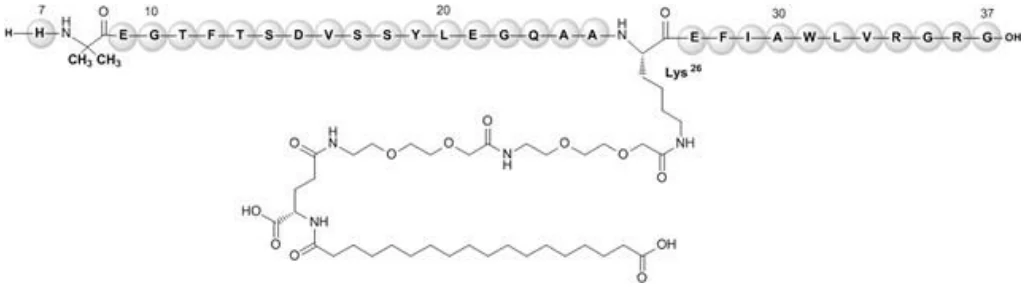
Physicochemical properties: Each 1 mL of Aspen-Semaglutide solution contains 1.34 mg of semaglutide. Each pre-filled pen contains either 1.5 mL solution of Aspen-Semaglutide equivalent to 2 mg semaglutide, or a 3 mL solution of Aspen-Semaglutide equivalent to 4 mg semaglutide.
Product Characteristics
Aspen-Semaglutide is a clear, colorless solution. Semaglutide is produced by chemical synthesis using solid phase synthesis.
14 Clinical Trials – Reference Biologic Drug
14.1 Clinical Trials by Indication
Type 2 Diabetes
The efficacy and safety of semaglutide 0.5 mg and 1 mg once-weekly were evaluated in six randomized controlled phase 3a trials. Of these, four trials [3626, 3624, 3625, and 3627 (SUSTAIN 2-5)] were combination trials that had glycemic efficacy assessment as the primary objective, while one 2-year trial 3744 (SUSTAIN 6) had safety (cardiovascular risk assessment) as the primary objective. Two additional Phase 3b trials have been conducted. The first included 1201 patients and was conducted to compare the efficacy and safety of semaglutide 0.5 mg and 1 mg once weekly versus dulaglutide 0.75 mg and 1.5 mg once weekly (SUSTAIN 7). The second included 302 patients and was conducted to compare the efficacy and safety of semaglutide 1.0 mg once weekly versus placebo in combination with an SGLT2i (SUSTAIN 9).
The efficacy and safety of semaglutide 2 mg once weekly was evaluated in a phase 3b trial (SUSTAIN FORTE) including 961 patients.
Table 6 summarises the trial designs and study demographics of the four pivotal Phase 3a combination trials and the three Phase 3b comparative safety and efficacy trials (SUSTAIN 7,
SUSTAIN 9 and SUSTAIN FORTE).
Table 7 summarises the trial designs and study demographics for the cardiovascular safety study (SUSTAIN 6).
Table 6 Summary of patient demographics for clinical trials in specific indication –
Type 2 Diabetes
| Study # | Trial design and duration | Dosage and route of administration | Background therapy | Study subjects (n = number)a | Mean age (Range) | Gender N (%) |
|---|---|---|---|---|---|---|
| Study # | Trial design and duration | Dosage and route of administration | Background therapy | Study subjects (n = number)a | Mean age (Range) | Gender N (%) |
| 3626 (SUSTAIN 2) | Semaglutide 0.5 mg SC once-weekly + sitagliptin placebo once-daily Or Semaglutide 1 mg SC once-weekly + sitagliptin placebo once-daily Or sitagliptin 100 mg once-daily + Semaglutide placebo 0.5 mg SC once-weekly Or sitagliptin 100 mg once-daily + Semaglutide placebo 1 mg SC once-weekly | Metformin, thiazolidinedione or Metformin + thiazolidinedione | 1225 | Mean (SD) 55.1 (10.0) Range 23-83 | Female: 605 (49.4) Male: 620 (50.6) | |
| 3624 (SUSTAIN 3) | Multicentre, multinational, 56-week, randomised, open-label, parallel-group, active-controlled trial | Semaglutide 1 mg SC once-weekly Or exenatide ER 2 mg once-weekly | 1-2 OADs (metformin, thiazolidinedione or sulphonylurea) | 809 | Mean (SD) 56.6 (10.7) Range 20-83 | Female: 362 (44.7) Male: 447 (55.3) |
| 3625 (SUSTAIN 4) | Multicentre, multinational, 30-week, randomised, open-label, parallel-group, active-controlled trial | Semaglutide 0.5 mg SC once-weekly Or Semaglutide 1 mg SC once-weekly Or Insulin glargine started at 10 IU SC, thereafter titrated to target once-daily | Metformin with or without sulphonylurea | 1082 | Mean (SD) 56.5 (10.4) Range 22-82 | Female: 508 (47.0) Male: 574 (53.0) |
| 3627 (SUSTAIN 5) | Multicentre, multinational, 30-week, randomised, double-blind, parallel-group, | Semaglutide 0.5 mg SC once-weekly Or Semaglutide 1 mg SC once-weekly Or | Basal insulin with or without metformin | 396 | Mean (SD) 58.8 (10.1) Range 19-86 | Female: 174 (43.9) Male: 222 (56.1) |
| placebo-controlled trial | placebo 0.5 mg SC once-weekly Or placebo 1 mg SC once-weekly | |||||
| 4216 (SUSTAIN 7) | Multicentre, multinational, 40-week, randomised, open-label, parallel-group, active-controlled trial | Semaglutide 0.5 mg SC once-weekly Or Semaglutide 1.0 mg SC once-weekly Or Dulaglutide 0.75 mg SC once-weekly Or Dulaglutide 1.5 mg SC once-weekly | Metformin | 1201 | Mean (SD) 56 (10.6) Range 22 - 84 | Female: 537 (44.8) Male: 662 (55.2) |
| 4269 (SUSTAIN 9) | Multicentre, multinational 30-week randomised, double-blind, placebo-controlled, two arm, parallel-group trial | Semaglutide 1.0 mg SC once-weekly Or Placebo | SGLT2i either with or without Metformin or Sulfonylurea | 302 | Mean (SD) 57 (9.5) Range 25 – 83 | Female: 126 (41.7) Male: 176 (58.3) |
| 4506 (SUSTAIN FORTE) | Multicentre, multinational, 40 week randomised, double-blind, active-controlled trial | Semaglutide 1.0 mg SC once-weekly + Semaglutide 1.0 mg SC once-weekly Or Semaglutide 1.0 mg SC once-weekly + placebo 1 mg SC once-weekly | Metformin with or without Sulfonylurea | 959 | Mean (SD) 58 (10.0) Range 27 - 85 | Female: 398 (41.4) Male: 563 (58.6) |
aRandomized subjects exposed to at least one dose of semaglutide. For SUSTAIN 9 this includes all randomized subjects including one un-exposed subject
OAD = Oral anti-diabetic
SD = Standard Deviation
SC = subcutaneous
SGLT2i = sodium-glucose cotransporter 2 inhibitor
Table 7 Summary of patient demographics for clinical trials – Cardiovascular Safety
| Study # | Trial design | Dosage, route of administration and duration | Study subjects (n) | Mean age (Range) | Sex |
| 3744 (SUSTAIN 6) | Multicentre, multinational, 104- week, randomized, double-blind, parallel-group, placebo-controlled cardiovascular outcomes trial | Semaglutide 0.5 mg SC once-weekly + standard of care Or Semaglutide 1 mg SC once-weekly + standard of care Or placebo 0.5 mg SC once-weekly + standard of care Or placebo 1 mg SC once-weekly + standard of care | 3297a | Mean (SD) 64.6 (7.4) Range 50-89 | Female: 1295 (39.3) Male: 2002 (60.7) |
aAll Randomized subjects.
Study Results
Combination with metformin and/or thiazolidinediones - SUSTAIN 2
In a 56-week randomized, double-blind double-dummy, active-controlled, parallel-group trial, 1231 patients were randomized 2:2:1:1 to semaglutide 0.5 mg/sitagliptin placebo, semaglutide 1 mg/sitagliptin placebo, sitagliptin/semaglutide 0.5 mg placebo or sitagliptin/semaglutide 1.0 mg placebo, all in combination with metformin (94%) and/or TZD (6%). Subjects continued pre-trial background medication throughout the entire trial. The primary objective was to compare the effect of once weekly dosing of 2 dose levels of semaglutide vs sitagliptin 100 mg once-daily on glycemic control after 56 weeks of treatment.
Patients had a mean age of 55 years and a mean duration of type 2 diabetes of 6.6 years, race: 68% White, 5% Black or African-American and 25% Asian, ethnicity: 17% were Hispanic or Latino (n=209). 51% were males and the mean BMI was 32 kg/m2.
Treatment with semaglutide 0.5 mg and 1 mg once-weekly for 56 weeks resulted in a statistically superior reduction in HbA1c compared to sitagliptin (see Table 8 and Figure 1).
Table 8 Results at Week 56 in a Trial of Semaglutide Compared to Sitagliptin-
Combination with metformin and/or thiazolidinediones
Semaglutide 0.5 mg | Semaglutide 1 mg | Sitagliptin 100 mg | ||||||||||||||
|---|---|---|---|---|---|---|---|---|---|---|---|---|---|---|---|---|
Semaglutide 0.5 mg | Semaglutide 1 mg | Sitagliptin 100 mg | ||||||||||||||
| Intent-to-Treat (ITT) Population (N)a | 409 | 409 | 407 | |||||||||||||
| HbA1c (%) | ||||||||||||||||
| Baseline (mean) | 8.0 | 8.0 | 8.2 | |||||||||||||
| Change from baseline at week 56b | -1.3 | -1.5 | -0.7 | |||||||||||||
| Difference from sitagliptinb [95% Confidence Interval] | -0.6 [-0.7; -0.4] | -0.8 [-0.9; -0.6] | - | |||||||||||||
| p-valuec | <0.0001 | <0.0001 | - | |||||||||||||
| Patients (%) achieving HbA1c <7% | 66 | 73 | 40 | |||||||||||||
| Fasting Plasma Glucose (mmol/L) | ||||||||||||||||
| Baseline (mean) | 9.3 | 9.3 | 9.6 | |||||||||||||
| Change from baseline at week 56b | -1.95 | -2.41 | -1.25 | |||||||||||||
| Body weight (kg) | ||||||||||||||||
| Baseline (mean) | 89.9 | 89.2 | 89.3 | |||||||||||||
| Change from baseline at week 56b | -4.2 | -5.5 | -1.7 | |||||||||||||
aThe intent-to-treat population includes all randomized and exposed patients. At week 56 the primary HbA1c endpoint was missing for 7%, 5% and 6% of patients and during the trial rescue medication was initiated by 5%, 2% and 19% of patients randomized to semaglutide 0.5 mg, semaglutide 1 mg and sitagliptin, respectively. Missing data were imputed using multiple imputation based on retrieved dropouts.
bIntent-to treat analysis using ANCOVA adjusted for baseline value and country.
c 2-sided p-value for non-inferiority (margin 0.3%) and superiority, tested hierarchically
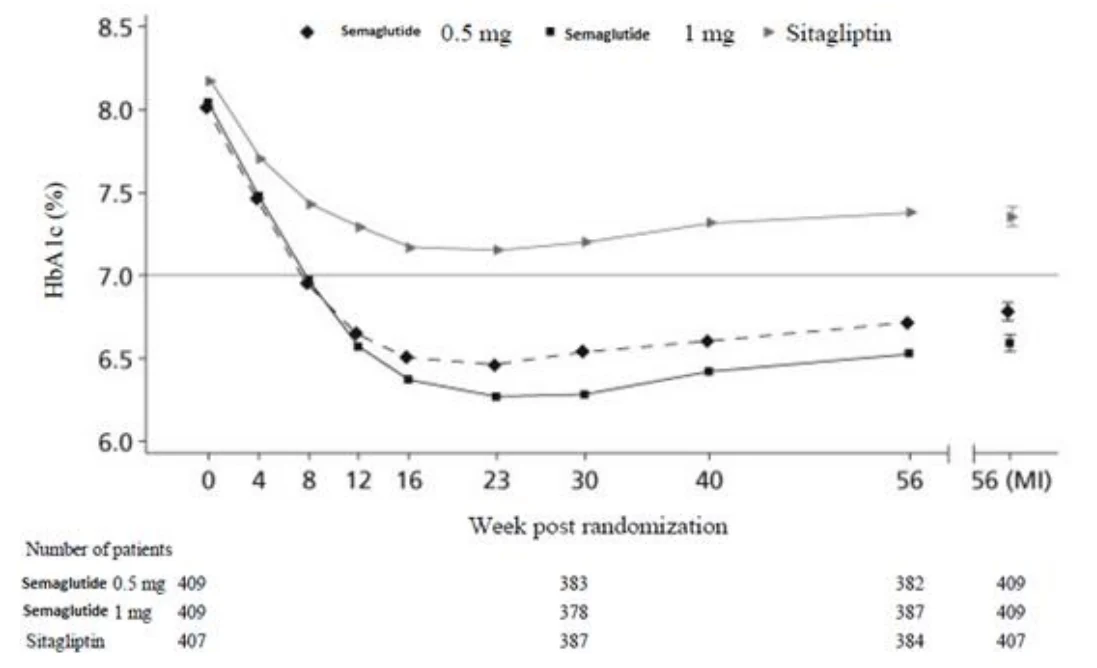
Observed mean HbA1c at scheduled visits and retrieved dropout multiple imputation (MI) based estimate at week 56 with standard error
Figure 1 Mean HbA1c (%) over time - baseline to week 56 (SUSTAIN 2)
Combination with metformin or metformin with sulfonylurea - SUSTAIN 3
In a 56-week randomized open-label active-controlled trial, 813 patients on metformin alone (49%), metformin with sulfonylurea (45%) or thiazolidinediones (6%) were randomized 1:1 to semaglutide 1 mg once-weekly or exenatide ER 2 mg once-weekly. Subjects were to continue pre-trial background medication throughout the entire trial.
The primary objective was to compare the effect of semaglutide 1.0 mg once-weekly vs exenatide ER 2.0 mg once-weekly on glycemic control after 56 weeks of treatment.
Patients had a mean age of 57 years and a mean duration of type 2 diabetes of 9 years, race: 84% White, 7% Black or African-American and 2% Asian, ethnicity: 24% (n=197) Hispanic or Latino. 55% were males and the mean BMI was 34 kg/m2.
Treatment with semaglutide 1 mg once-weekly for 56 weeks resulted in a statistically superior reduction in HbA1c compared to exenatide ER 2 mg once-weekly (see Table 9).
Table 9 Results at Week 56 in a Trial of Semaglutide Compared to Exenatide 2 mg once-weekly - Combination with metformin or metformin with sulfonylurea
Semaglutide 1 mg | Exenatide ER 2 mg | |||||||||
|---|---|---|---|---|---|---|---|---|---|---|
| Intent-to-Treat (ITT) Population (N)a | 404 | 405 | ||||||||
| HbA1c (%) | ||||||||||
| Baseline (mean) | 8.4 | 8.3 | ||||||||
| Change at baseline week 56b | -1.4 | -0.9 | ||||||||
Difference from exenatide ERb [95% Confidence Interval] | -0.5 [-0.7; -0.3] | - | ||||||||
| p-valuec | <0.0001 | |||||||||
| Patients (%) achieving HbA1c <7% | 62 | 40 | ||||||||
| Fasting Plasma Glucose (mmol/L) | ||||||||||
| Baseline (mean) | 10.6 | 10.4 | ||||||||
| Change from baseline at week 56b | -2.47 | -1.87 | ||||||||
| Body weight (kg) | ||||||||||
| Baseline (mean) | 96.2 | 95.4 | ||||||||
| Change at baseline week 56b | -4.8 | -2.0 | ||||||||
aThe intent-to-treat population includes all randomized and exposed patients. At week 56 the primary HbA1c endpoint was missing for 9% and 11% of patients and during the trial rescue medication was initiated by 5% and 10% of patients randomized to semaglutide 1 mg and exenatide ER 2 mg, respectively. Missing data were imputed using multiple imputation based on retrieved dropouts.
b Intent-to-treat analysis using ANCOVA adjusted for baseline value and country.
c2-sided p-value for non-inferiority (margin 0.3%) and superiority, tested hierarchically
Combination with 1-2 oral antidiabetic drugs: metformin monotherapy or metformin and sulfonylurea- SUSTAIN 4
In a 30-week open-label active-controlled, parallel-group trial, 1089 patients were randomised 1:1:1 to semaglutide 0.5 mg once-weekly, semaglutide 1 mg once-weekly, or insulin glargine once-daily on a background of metformin (48%) or metformin and sulfonylurea (51%). Subjects were to continue pre-trial background medication throughout the entire trial. Patients on insulin glargine started on 10 U injected once-daily. The insulin dose adjustment aimed to reach a pre-breakfast FPG of 4.0 to <5.5 mmol/L (71- <100 mg/dL), with no maximum dose specified. The mean daily insulin dose at the end of the trial was 29 U per day.
The primary objective was to compare the effect of once-weekly dosing of 2 dose levels of semaglutide vs insulin glargine once-daily on glycemic control after 30 weeks of treatment.
Patients had a mean age of 57 years and a mean duration of type 2 diabetes of 8.6 years, race: 77% White, 9% Black or African-Americans and 11% Asian, ethnicity: 20% (n=213) Hispanic or Latino. 53% were male and the mean BMI was 33 kg/m2.
Treatment with semaglutide 0.5 mg and 1 mg once-weekly for 30 weeks resulted in a statistically superior reduction- in HbA1c compared to insulin glargine (see Table 10).
Table 10 Results at Week 30 in a Trial of Semaglutide Compared to Insulin Glargine - Combination with 1-2 oral antidiabetic drugs: metformin monotherapy or metformin and sulfonylurea
Semaglutide 0.5 mg | Semaglutide 1 mg | Insulin Glargine | |||||||||||||
|---|---|---|---|---|---|---|---|---|---|---|---|---|---|---|---|
| Intent-to-Treat (ITT) Population (N)a | 362 | 360 | 360 | ||||||||||||
| HbA1c (%) | |||||||||||||||
| Baseline (mean) | 8.1 | 8.2 | 8.1 | ||||||||||||
| Change from baseline at week 30b | -1.2 | -1.5 | -0.9 | ||||||||||||
| Difference from insulin glargineb [95% Confidence Interval] | -0.3 [-0.5; -0.1] | -0.6 [-0.8; -0.4] | - | ||||||||||||
| p-valuec | <0.0047 | <0.0001 | |||||||||||||
| Patients (%) achieving HbA1c <7%c | 55 | 66 | 40 | ||||||||||||
| Fasting Plasma Glucose (mmol/L) | |||||||||||||||
| Baseline (mean) | 9.6 | 9.9 | 9.7 | ||||||||||||
| Change from baseline at week 30b | -1.93 | -2.56 | -2.06 | ||||||||||||
| Body weight (kg) | |||||||||||||||
| Baseline (mean) | 93.7 | 94.0 | 92.6 | ||||||||||||
| Change from baseline at week 30b | -3.2 | -4.7 | 0.9 | ||||||||||||
aThe intent-to-treat population includes all randomized and exposed patients. At week 30 the primary HbA1c endpoint was missing for 8%, 6% and 6% of patients and during the trial rescue medication was initiated by 4%, 3% and 1% of patients randomized to semaglutide 0.5 mg, semaglutide 1 mg and insulin glargine, respectively. Missing data were imputed using multiple imputation based on retrieved dropouts.
bIntent-to-treat analysis using ANCOVA adjusted for baseline value, country and stratification factors.
c2-sided p-value for non-inferiority (margin 0.3%) and superiority, tested hierarchically
Combination with basal insulin - SUSTAIN 5
In a 30-week randomized double-blind parallel-group trial, 397 patients inadequately controlled with basal insulin with or without metformin were randomized 2:2:1:1 to semaglutide 0.5 mg once-weekly, semaglutide 1 mg once-weekly or placebo 0.5 mg or placebo 1.0 mg once-weekly as add-on to the pre-trial background medication. Patients with HbA1c ≤ 8.0% at screening reduced the insulin dose by 20% at start of the trial to reduce the risk of hypoglycemia.
The primary objective was to demonstrate superiority of once-weekly dosing of 2 dose levels of semaglutide vs placebo on glycemic control in subjects with T2D on basal insulin.
Patients had a mean age of 59 years and a mean duration of type 2 diabetes of 13 years, race: 78% White, 5% Black or African-American, 17% Asian, ethnicity: 12% (n=46) Hispanic or Latino. 56% were male and the mean BMI was 32 kg/m2.
Treatment with semaglutide 0.5 mg and 1 mg resulted in a statistically superior reduction in HbA1c after 30 weeks of treatment compared to placebo (see Table 11).
Table 11 Results at Week 30 in a Trial of Semaglutide in Combination with Basal Insulin With or Without Metformin
Semaglutide 0.5 mg | Semaglutide 1 mg | Placebo | |||||||||||||
|---|---|---|---|---|---|---|---|---|---|---|---|---|---|---|---|
| Intent-to-Treat (ITT) Population (N)a | 132 | 131 | 133 | ||||||||||||
| HbA1c (%) | |||||||||||||||
| Baseline (mean) | 8.4 | 8.3 | 8.4 | ||||||||||||
| Change from baseline at week 30b | -1.3 | -1.7 | -0.2 | ||||||||||||
| Difference from placebob [95% Confidence Interval] | -1.1 [-1.4; -0.8] | -1.6 [-1.8; -1.3] | - | ||||||||||||
| p-valuec | <0.0001 | <0.0001 | |||||||||||||
| Patients (%) achieving HbA1c <7% | 56 | 73 | 13 | ||||||||||||
| Fasting Plasma Glucose (mmol/L) | |||||||||||||||
| Baseline (mean) | 8.9 | 8.5 | 8.6 | ||||||||||||
| Change from baseline at week 30b | -1.55 | -2.17 | -0.45 | ||||||||||||
| Body weight (kg) | |||||||||||||||
| Baseline (mean) | 92.7 | 92.5 | 89.9 | ||||||||||||
| Change from baseline at week 30b | -3.5 | -6.0 | -1.2 | ||||||||||||
aThe intent-to-treat population includes all randomized and exposed patients. At week 30 the primary HbA1c endpoint was missing for 7%, 5% and 5% of patients and during the trial rescue medication was initiated by 14%, 2% and 1% of patients randomized to placebo, semaglutide 0.5 mg and semaglutide 1 mg, respectively. Missing data were imputed using multiple imputation based on retrieved dropouts.
bIntent-to-treat analysis using ANCOVA adjusted for baseline value, country and stratification factors.
c2-sided p-value for superiority, tested hierarchically
Semaglutide vs. dulaglutide both in combination with Metformin - SUSTAIN 7
In a 40-week, open-label trial, 1201 patients were randomized 1:1:1:1 to once-weekly semaglutide 0.5 mg, dulaglutide 0.75 mg, semaglutide 1.0 mg, or dulaglutide 1.5 mg. Subjects continued pre-trial background medication of daily metformin throughout the entire trial.
The primary objective was to compare the effect of once-weekly dosing of two dose levels of semaglutide versus once-weekly dosing of each of the two dose levels of dulaglutide on glycemic control in subjects on a background treatment with metformin.
Patients had a mean duration of type 2 diabetes of 7.4 years and a mean BMI of 33.5 kg/m2. Patients were 77% White, 6% Black or African-American, 16% Asian ethnicity, 11% (n=138) were Hispanic or Latino.
Treatment with semaglutide 0.5 mg and 1 mg resulted in a statistically superior reduction in HbA1c after 40 weeks of treatment compared to dulaglutide (see Table 12).
Table 12 Results at Week 40 in a Trial of Semaglutide compared to dulaglutide in Combination with Metformin
Semaglutide 0.5 mg | Dulaglutide 0.75 mg | Semaglutide 1 mg | Dulaglutide 1.5 mg | ||||||||||||||
|---|---|---|---|---|---|---|---|---|---|---|---|---|---|---|---|---|---|
Semaglutide 0.5 mg | Dulaglutide 0.75 mg | Semaglutide 1 mg | Dulaglutide 1.5 mg | ||||||||||||||
| Intent-to-Treat (ITT) Population (N)a | 301 | 299 | 300 | 299 | |||||||||||||
| HbA1c (%)d | |||||||||||||||||
| Baseline (mean) | 8.3 | 8.2 | 8.2 | 8.2 | |||||||||||||
| Change from baseline at | -1.4 | -1.1 | -1.6 | -1.3 | |||||||||||||
| week 40b | |||||||||||||||||
| Difference from dulaglutide [95% CI]b | -0.3 [-0.4; -0.1] | - | -0.3 [-0.5; -0.1] | - | |||||||||||||
| p-valueb | 0.0017 | 0.0004 | |||||||||||||||
| Patients (%) achieving HbA1c <7% | 65c | 51 | 73c | 63 | |||||||||||||
| FPG (mmol/l) | |||||||||||||||||
| Baseline (mean) | 9.8 | 9.7 | 9.8 | 9.6 | |||||||||||||
| Change from baseline at week 40b | -2.0 | -2.0 | -2.6 | -2.0 | |||||||||||||
| Body weight (kg) | |||||||||||||||||
| Baseline (mean) | 96.4 | 95.6 | 95.5 | 93.4 | |||||||||||||
| Change from baseline at week 40b | -4.2 | -2.1 | -5.8 | -2.8 | |||||||||||||
| Difference from dulaglutide [95% CI]b | -2.1 [-3.0; -1.3] | - | -3.1 [-3.9; -2.3] | - | |||||||||||||
aThe intent-to-treat population includes all randomized and exposed patients. At week 40 the primary HbA1c endpoint was missing for 8%, 9%, 5% and 6% of patients and during the trial rescue medication was initiated by 1%, 2%, 5% and 2% of patients randomized to semaglutide 0.5 mg, semaglutide 1.0 mg, dulaglutide 0.75 mg and dulaglutide 1.5 mg, respectively. Missing data were imputed using multiple imputation based on retrieved drop outs.
bIntent-to-treat analysis using ANCOVA adjusted for baseline value and country.
c2-sided p-value < 0.01, logistic regression analysis adjusted for baseline value and region.
d2-sided p-value <0.0001 for non-inferiority (margin 0.4%) and superiority, tested hierarchically within dose level in the primary mixed model of repeated measurement analysis.
Semaglutide vs. placebo as an add on to SGLT2i with or without metformin or sulfonylurea - SUSTAIN 9
In a 30-week randomized, double-blind, placebo-controlled, multicentre, multinational, two-arm, parallel-group trial, 302 patients were randomized 1:1 to semaglutide 1.0 mg or placebo both in combination with an SGLT2i. Subjects continued pre-trial background medication of metformin or a sulfonylurea throughout the entire trial. The randomization was stratified based on anti-diabetic background medication at screening (subject using SU or not using SU) and country (Japan/other). The primary objective was to compare the effect of once weekly dosing of semaglutide in combination with an SGLT2i on glycemic control after 30 weeks of treatment.
Patients had a mean age of 57 years and a mean duration of type 2 diabetes of 9.7 years, race: 69% White, 4% Black or African-American and 24% Asian, ethnicity: 7% were Hispanic or Latino (n = 22). 58% were males and the mean body weight and mean BMI were 89.6 kg and 31.1 kg/m2 respectively in the semaglutide group and 93.8 kg and 32.7 kg/m2 in the placebo group.
In this trial, 99.7% of subjects were on SGLT2i, 71.5% were on metformin and 12.9% were on SU. The most commonly used SGLT2i in this trial were empagliflozin (33.8%), dapagliflozin (35.1%) and canagliflozin (22.5%).
Treatment with semaglutide 1 mg once-weekly in combination with an SGLT2i for 30 weeks resulted in a statistically superior reduction in HbA1c compared to placebo.
Table 13 Results at Week 30 in a Trial of Semaglutide vs. placebo as an add on to SGLT2i with or without metformin or sulfonylurea
Semaglutide 1 mg | Placebo | |||||||
|---|---|---|---|---|---|---|---|---|
| Intent-to-Treat (ITT) Population (N)a | 151 | 151 | ||||||
| HbA1c (%) | ||||||||
| Baseline (mean) | 8.0 | 8.1 | ||||||
| Change at baseline week 30b | -1.3 | -0.2 | ||||||
| Difference from Placebob [95% Confidence Interval] | -1.14 [-1.37; -0.92] | |||||||
| p-valueb | <0.0001 | |||||||
| Patients (%) achieving HbA1c <7% | 70 | 20 | ||||||
| Fasting Plasma Glucose (mmol/L) | ||||||||
| Baseline (mean) | 9.11 | 8.94 | ||||||
| Change from baseline at week 30b | -1.69 | -0.08 | ||||||
| Body weight (kg) | ||||||||
| Baseline (mean) | 89.6 | 93.8 | ||||||
| Change at baseline week 30b | -4.1 | -1.0 | ||||||
aThe intent-to-treat population includes all randomized patients. At week 30 the primary HbA1c endpoint was missing for 5.3% and 6.6% of patients and during the trial rescue medication was initiated by 0.7% and 5.3% of patients randomized to semaglutide 1.0 mg and placebo, respectively. Missing data were imputed using multiple imputation based on retrieved drop outs.
bIntent-to-treat analysis using ANCOVA adjusted for baseline value, stratification (diabetic background medication at screening: using SU or not using SU) and region.
Semaglutide 2.0 mg vs. Semaglutide 1.0 mg as add on to metformin with or without a sulfonylurea – SUSTAIN FORTE
In a 40-week double-blind trial, 961 patients inadequately controlled with metformin with or without sulfonylurea were randomised to semaglutide 1 mg once weekly or semaglutide 2 mg.
Patients had a mean age of 58 years and a mean duration of type 2 diabetes of 9.5 years, 88.1% were White, 4.5% were Black or African-American and 7.2% were Asian. For ethnicity, 11.5% of patients (n = 111) were Hispanic or Latino. Mean BMI was 34.6 kg/m2.
Treatment with semaglutide 2 mg resulted in a statistically superior reduction in HbA1c after 40 weeks of treatment compared to semaglutide 1 mg.
Table 14 Results at Week 40 in a Trial of Semaglutide 2 mg vs. Semaglutide 1 mg in combination with metformin, with or without sulfonylurea
Semaglutide 1 mg | Semaglutide 2 mg | |||||||
|---|---|---|---|---|---|---|---|---|
Semaglutide 1 mg | Semaglutide 2 mg | |||||||
| Intent-to-Treat (ITT) Population (N)a | 481 | 480 | ||||||
| HbA1c (%) | ||||||||
| Baseline (mean) | 8.8 | 8.9 | ||||||
| Change at baseline week 40b | -1.9 | -2.1 | ||||||
| Difference from 1 mgb [95% Confidence Interval] | -0.18 [-0.31; -0.04] | |||||||
| p-valueb | 0.0098 | |||||||
| Patients (%) achieving HbA1c <7% | 57.5 | 67.6 | ||||||
| Fasting Plasma Glucose (mmol/L) | ||||||||
| Baseline (mean) | 10.9 | 10.7 | ||||||
| Change from baseline at week 40b | -3.07 | -3.39 | ||||||
| Body weight (kg) | ||||||||
| Baseline (mean) | 98.6 | 100.1 | ||||||
| Change at baseline week 40b | -5.6 | -6.4 | ||||||
aThe intent-to-treat population includes all randomized patients. At week 40 the primary HbA1c endpoint was missing for 5.0% and 3.1% of patients and during the trial rescue medication was initiated by 1.7% and 4.2% of patients randomized to semaglutide 2.0 mg and semaglutide 1.0 mg, respectively. Missing data were imputed using multiple imputation based on retrieved drop outs.
bIntent-to-treat analysis using ANCOVA adjusted for baseline value, country and stratification factors.
c2-sided p-value for superiority.
Cardiovascular Outcomes in Patients with Type 2 Diabetes and High Cardiovascular Risk
SUSTAIN 6
SUSTAIN 6 was a 104-week, double-blind trial in which 3,297 patients with type 2 diabetes and high risk of cardiovascular events were randomized to semaglutide 0.5 mg once weekly, semaglutide 1 mg once weekly, or placebo in addition to standard-of-care. The primary objective of the trial was to confirm that treatment with semaglutide does not result in any unacceptable increase in cardiovascular risk as compared to placebo in adults with type 2 diabetes. This was done by demonstrating that the upper limit of the two-sided 95% confidence interval (CI) of the hazard ratio for semaglutide versus placebo is less than 1.8 when comparing time to first occurrence of a major adverse cardiovascular event (MACE).
In total, 2,735 (83%) of the patients had a history of cardiovascular disease and 562 (17%) were at high risk but without known cardiovascular disease. The mean age at baseline was 65 years, and 61% were men. The mean duration of diabetes was 13.9 years, and mean BMI was
33 kg/m2. Overall, 83% were White, 7% were Black or African American, and 8% were Asian; 16% identified as Hispanic or Latino ethnicity. Concomitant diseases of patients in this trial included, but were not limited to, heart failure (24%), hypertension (93%), history of ischemic stroke (12%) and history of a myocardial infarction (33%).
In total, 98.0% of the patients completed the trial and the vital status was known at the end of the trial for 99.6%. The primary composite endpoint was the time from randomization to first occurrence of a major adverse cardiovascular event (MACE): cardiovascular death, non-fatal myocardial infarction or non-fatal stroke. The total number of primary component MACE endpoints was 254 (108 [6.6%] with semaglutide and 146 [8.9%] with placebo). The estimated hazard ratio of MACE associated with semaglutide relative to placebo was 0.74 with a 95% confidence interval of (0.58, 0.95). No increased risk for MACE was observed with semaglutide.
In the SUSTAIN 6 study, based on a post-hoc test for superiority once non-inferiority had been demonstrated, treatment with semaglutide showed a statistically significant reduction in the occurrence of MACE. The overall MACE reduction was driven by the non-fatal stroke and non- fatal myocardial infarction components of MACE.
The results of SUSTAIN 6, including the contribution of each component to the primary composite endpoint, are shown in Figure 2.
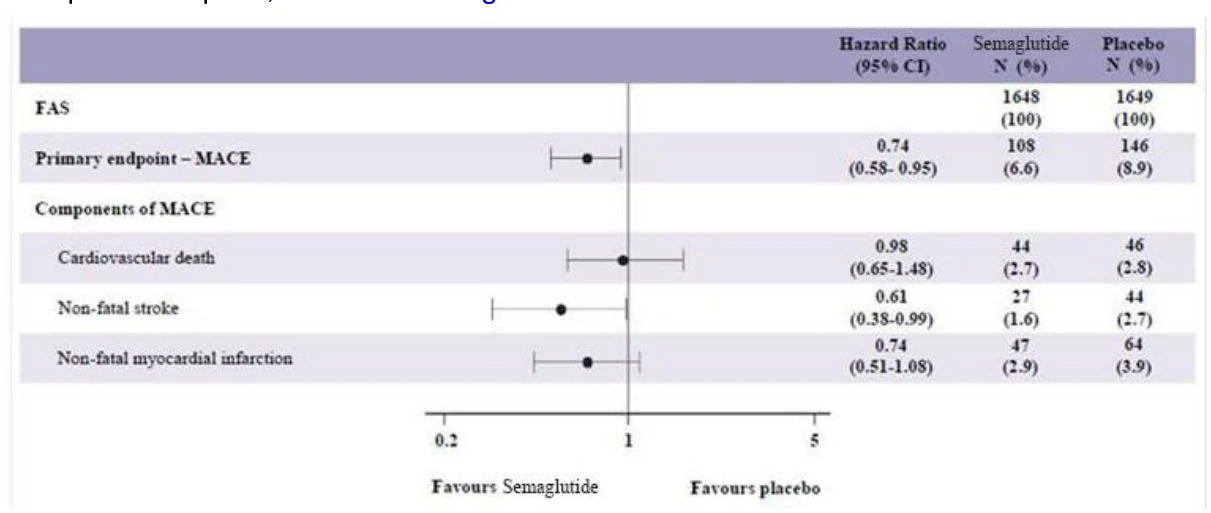
Figure 2 Forest plot: analyses of each individual cardiovascular event (SUSTAIN 6)
15 Microbiology
Not Applicable.
16 Non-Clinical Toxicology
Safety Pharmacology
Acute effects of semaglutide on vital organ function (central nervous system, cardiovascular system and respiration) and renal function were evaluated following subcutaneous dosing in rats or telemetered conscious unrestrained cynomolgus monkeys. Semaglutide was generally well tolerated, but displayed pharmacologically-mediated effects of abnormal gait (walking on toes), decreased touch response, passivity, dirty muzzle, lethargy, piloerection, and increased acute transient diuresis in the rat, at doses below the human Cmax exposure at the maximal recommended human dose (MRHD). In the monkey, no adverse effects were identified on acute cardiovascular function, at doses up to 7-fold the Cmax exposure at the MRHD. In vitro investigations (hERG ion channel assay and isolated rabbit Purkinje fibres) indicated no effects on cardiac repolarisation.
General Toxicology
Repeat dose toxicity studies were conducted in mice, rats and monkeys. Generally, decreased food consumption was observed in all studies and was accompanied by reduced body weight gain and body weights. Secondary to these effects, non-adverse clinical pathology and organ weight changes were observed across species. Clinical signs of decreased activity, hunched posture, and piloerection were also observed, during the first few weeks of dosing at the highest doses.
In a 13-week repeat-dose toxicity study, mice were dosed subcutaneously with 1, 3 and 10 mg/kg/day (9, 30 and 90-fold the human exposure at the MRHD based on animal AUC, respectively). Thyroid C-cell hyperplasia was observed at all dose levels and consequently, a no observed adverse effect level (NOAEL) could not be identified for this study.
In a 26-week repeat-dose toxicity study, rats were dosed subcutaneously with 0.03, 0.13, and 0.6 mg/kg/day (below, 3-, and 14-fold the human exposure at the MRHD based on AUC, respectively). In the absence of any adverse findings, the NOAEL was determined to be 0.6 mg/kg/day.
In a 52-week repeat-dose toxicity study, cynomolgus monkeys were dosed subcutaneously with 0.01, 0.06, and 0.36 mg/kg/day (below, 2-, and 14-fold the human exposure at the MRHD based on AUC, respectively). Electrocardiography (ECG) recordings revealed a continuous left-bundle-branch-block ECG recording in Weeks 26 and 52 in one high-dose female. In addition, histopathology revealed multifocal myocardial vacuolation, with karyomegaly, in the left ventricle of one high-dose male. As it could not be excluded that these findings were treatment related, 0.06 mg/kg twice-weekly was determined to be the NOAEL.
Carcinogenicity
Non-lethal thyroid C-cell tumours observed in rodents are a class effect for GLP-1 receptor agonists. In a 2-year carcinogenicity study in CD-1 mice, subcutaneous doses of 0.3, 1 and 3 mg/kg/day (2-, 9-, and 31-fold the human exposure at the MRHD based on AUC, respectively) was administered to the males, and 0.1, 0.3 and 1 mg/kg/day (below, 2-, and 9-fold the human exposure at the MRHD based on AUC, respectively) was administered to the females. High incidence rates of focal/multifocal C-cell hyperplasia and C-cell adenoma were observed in both sexes at all doses. In control animals, the incidence rate of C-cell hyperplasia was very low and no incidences of C-cell adenoma were observed. The increase in thyroid C-cell adenomas was statistically significant in both sexes at all doses. A numerical increase in C-cell carcinomas was observed in males and females at all doses, while no incidences of C-cell carcinomas were observed in control animals. A NOAEL could not be identified for this study.
In a 2-year carcinogenicity study in Sprague Dawley rats, subcutaneous doses of 0.0025, 0.01, 0.025 and 0.1 mg/kg/day were administered (below, below, below, and 3-fold the human exposure at the MRHD based on AUC, respectively). An increase in incidence of focal C-cell hyperplasia of the thyroid was observed in males at all doses. A statistically significant increase in thyroid C-cell adenomas was observed in males and females at all doses, and a statistically significant increase in thyroid C-cell carcinomas was observed in males at ≥0.01 mg/kg/day, and in females at 0.1 mg/kg/day. The increases in the incidences of thyroid C-cell adenomas and carcinomas were largely dose-dependent. A NOAEL could not be identified for this study.
In both studies, the increased incidences of thyroid C-cell hyperplasia, adenoma, and carcinoma were determined to be treatment-related. Thyroid C-cell tumours are rare findings during carcinogenicity testing in mice and rats. The human relevance of thyroid C-cell tumours in these rodent species is unknown and could not be determined based on the results of the clinical or nonclinical studies (see 7 Warnings and Precautions, Carcinogenesis and Genotoxicity).
No other treatment-related tumours were observed in the carcinogenicity studies.
Genotoxicity
Semaglutide was not mutagenic or clastogenic in a standard battery of genotoxicity tests (bacterial reverse mutation test, in vitro chromosomal aberration test in human peripheral blood lymphocytes, and in vivo rat bone marrow micronucleus test).
Reproductive and Developmental Toxicology
In a combined fertility and embryo-fetal developmental toxicity study in rats, subcutaneous doses of 0.01, 0.03 and 0.09 mg/kg/day (all below the human exposure at the MRHD based on AUC, respectively) were administered to male and female rats. Males were dosed for 4 weeks prior to mating, and females were dosed for 2 weeks prior to mating and throughout organogenesis until Gestation Day (GD) 17. No effects were observed on mating performance or male fertility. In females, an increase in estrus cycle length was observed at all dose levels, together with a small reduction in numbers of corpora lutea (ovulations) at ≥0.03 mg/kg/day. Semaglutide caused embryotoxicity below clinically relevant exposures. Semaglutide caused reductions in maternal body weight, and reduction in number of corpora lutea, leading to fewer implantations and reduced fetal growth. In fetuses, increased incidences of skeletal and visceral malformations were observed at the mid and high dose, consisting of short tibia/malrotated hindlimb at the high dose and retro-oesophageal aortic arch (cardiovascular malformation) in combination with variation in the origin of the right subclavian artery observed at the two highest doses.
Increased incidences of minor abnormalities were also observed at the high-dose, including skeletal variations (partially fused, misaligned, or reduced ossification of skeletal components) and dilated lateral brain ventricles. Thus, the NOAEL for the embryo-fetal toxicity of semaglutide in rats was determined to be 0.01 mg/kg/day.
In an embryo-fetal developmental toxicity study in rabbits, subcutaneous doses of 0.001, 0.0025 and 0.0075 mg/kg/day (below, below, and equal to the human exposure at the MRHD based on AUC, respectively) were administered to female rabbits throughout organogenesis i.e. from GD6 to GD19. Semaglutide markedly reduced maternal body weight gain and food and water consumption. Semaglutide caused increased post-implantation losses and an increased incidence of incomplete ossification of metacarpals (skeletal variation) at the mid and the high dose, and increased incidences of other minor, non-adverse skeletal abnormalities at all dose levels. There was also an increased incidence of minor visceral abnormalities, consisting of dilated renal pelvis at the high dose, and increased incidences of forelimb/paw flexure at the mid and high doses. An increased number of visceral malformations were also observed at the mid and high dose that were not observed in controls, and consisted of multiple folded retina: absent vitreous humour, misshapen heart: dilated pulmonary trunk, absent kidney/ureter, absent adrenals, and bent scapula: hyperextension of the forelimb. Thus, the NOAEL for the embryo-fetal toxicity of semaglutide in rabbits was determined to be 0.001 mg/kg/day.
In an embryo-fetal developmental toxicity study in cynomolgus monkeys, subcutaneous doses of 0.015, 0.075, and 0.15 mg/kg (below, 3-, and 8-fold the human exposure at the MRHD based on AUC, respectively) were administered to pregnant monkeys from GD 20 to 50 every 3 days. Marked maternal body weight loss and reduced food consumption was observed at all doses during the dosing period. A slightly increased incidence of fetal malformations was observed at the mid- and high-dose. The fetal abnormalities included skeletal abnormalities, consisting of shifts in the alignment of the vertebrae, ribs, and sternebrae at the cervico-thoracic border observed in one fetus of each of the mid- and high-dose groups, a misshapen right brain hemisphere, which was due to accumulation of blood between the dura mater and the brain, in a high-dose fetus, fused kidneys in a mid-dose fetus, and liver cysts in another mid-dose fetus. Thus, the NOAEL for the embryo-fetal toxicity of semaglutide in cynomolgus monkeys was determined to be 0.015 mg/kg administered every 3 days.
In a combined embryo-fetal and pre- and postnatal developmental toxicity study in cynomolgus monkeys, subcutaneous doses of 0.015, 0.075, and 0.15 mg/kg (below, 2-, and 4-fold the human exposure at the MRHD based on AUC, respectively) were administered to pregnant monkeys from GD 20 to 140 every 3 days. A higher incidence of pre-natal loss was observed in the mid- and high-dose groups. The incidence of pre-natal loss was 5/24 (21%), 5/22 (23%), 7/22 (32%), and 10/24 (42%) in the control, low-, mid-, and high-dose groups, respectively, with the most losses occurring between GD 20 and 50; early pre-natal loss was 2/24 (8.3%), 1/22 (4.5%), 5/22 (23%), and 8/24 (33%) in the control, low-, mid-, and high-dose groups, respectively. A higher incidence of post-natal loss was also observed at all doses. The incidence of post-natal loss was 0/19 (0%), 5/17(29%), 3/15(20%), and 3/14(21%) in the control, low-, mid-, and high-dose groups, respectively. Infants were also slightly smaller at delivery in the two highest dose groups, but recovered during the lactation period. The NOAEL for the developmental toxicity of semaglutide in cynomolgus monkeys was determined to be 0.015 mg/kg administered every 3 days.
Juvenile Toxicity
In a juvenile toxicity study in rats, subcutaneous doses of 0.02, 0.13 and 0.6 mg/kg/day (below, 3-, and 12-fold the human exposure at the MRHD based on AUC, respectively) were administered to young rats from Postnatal Day 21 to 98. As in other studies, lower body weight gain, body weights, and food consumption were observed in animals administered semaglutide when compared to control animals. Semaglutide also caused a delay in sexual maturation in both males and females. There were no consequential effects on estrus cycle length, the reproductive organs of either sex, the reproductive capacity of either sex, or on the ability of the females to maintain pregnancy.
17 Supporting Product Monographs
- 1. OZEMPIC® (solution; 0.68 mg/mL, 1.34 mg/mL and 2.68 mg/mL), control 295858, product monograph, Novo Nordisk Canada Inc. (2026-04-14).