


Patient Medication Information: uses, side effects, how to take - Atrovent HFA
ABOUT THIS MEDICATION
What the medication is used for:
ATROVENT HFA is used to treat the wheezing or shortness of breath caused by COPD (chronic obstructive pulmonary disease which includes chronic bronchitis and emphysema).
What it does:
ATROVENT HFA belongs to a group of medicines known as “bronchodilators” which make breathing easier by opening your narrowed airways.
When it should not be used:
Do not use ATROVENT HFA if you:
- are allergic to ipratropium bromide or other drugs which are anticholinergic (contain atropine or its derivatives), or to any component of ATROVENT HFA (see “What the non-medicinal ingredients are”).
- are under 18 years of age.
ATROVENT HFA should not be used for the treatment of acute episodes of bronchospasm where rapid response is required. If you get a sudden attack of breathlessness, then you should use an additional fast-acting relief medication which has been provided to you by your doctor.
What the medicinal ingredient is:
Ipratropium bromide
What the non-medicinal ingredients are:
Citric acid, ethanol, propellant (1,1,1,2 - Tetrafluoroethane (HFA 134a)), nitrogen and water.
What dosage forms it comes in:
Pressurized Inhalation Solution 20 mcg/metered dose
WARNINGS AND PRECAUTIONS
BEFORE you use ATROVENT HFA talk to your doctor or pharmacist if you:
are pregnant or intend to become pregnant;
- are breast feeding;
- have any other health problems;
- have eye problems, such as glaucoma, or eye pain;
- are taking any other medications including eye drops or those you can buy without a prescription;
- have difficulty urinating;
- have cystic fibrosis;
- have any allergies or reactions to foods, drugs or aerosols.
ATROVENT HFA is not recommended for use in children and adolescents under 18 years of age.
Contact your doctor immediately if:
- you require more than one dose to relieve your breathing problems;
- your shortness of breath becomes worse;
- you don’t get the same benefit from your medicine as you did before;
- you have breathing difficulties and chest pain;
- you experience difficulty with urination.
ATROVENT HFA may cause dizziness, difficulty in focusing the eyes, dilated pupils, and blurred vision. You should not drive or operate machinery if this occurs.
INTERACTIONS WITH THIS MEDICATION
As with most medicines, interactions with other drugs are possible. Tell your doctor, nurse, or pharmacist about all the medicines you take, including drugs prescribed by other doctors, vitamins, minerals, natural supplements, or alternative medicines.
The following may interact with ATROVENT HFA:
- other anticholinergic drugs, such as ipratropium bromide, tiotropium, glycopyrronium, aclidinium, umeclidinium;
- xanthine derivatives such as theophylline;
- beta2-adrenergic agents such as salbutamol.
PROPER USE OF THIS MEDICATION
- ATROVENT HFA pressurized inhalation solution has been prescribed to treat your current condition. DO NOT give it to other people.
- DO NOT exceed the number of puffs prescribed by your doctor.
- DO NOT use the inhaler more often than your doctor recommends.
- DO NOT take any other medication without your doctor’s advice. Tell any other doctor, dentist, or pharmacist with whom you consult that you are using ATROVENT HFA pressurized inhalation solution.
- When using your ATROVENT HFA pressurized inhalation solution with the standard mouthpiece, make sure you do not spray the aerosol into your eyes.
- The container is under pressure and should not be opened by force or exposed to temperatures above 50oC.
Usual adult dose:
The usual dose is 2 puffs taken up to 3 or 4 times daily. Doses must be taken at least 4 hours apart. Some people may need up to 4 puffs at a time during early treatment. Do not use more than 12 puffs per day.
How to Use Your ATROVENT HFA Pressurized Inhalation
Solution:
The plastic mouthpiece has been especially designed for use with ATROVENT HFA pressurized inhalation solution to ensure that you always get the right amount of the medicine. The mouthpiece must never be used with any other pressurized inhalation solution nor must the ATROVENT HFA pressurized inhalation solution be used with any mouthpiece other than the one supplied with the product.
If you are troubled with mucus try to clear your chest as completely as possible by coughing before you use ATROVENT HFA pressurized inhalation solution. This will allow the ATROVENT HFA pressurized inhalation solution to pass more deeply into your lungs.
- 1. Remove the protective cap from the inhaler.
- 2. Press down on the top of the inhaler twice to release 2 puffs into the air before the inhaler is used for the first time. If you have not used the inhaler for more than 3 days then only one puff needs to be released before the inhaler is ready to use.
| 3. | 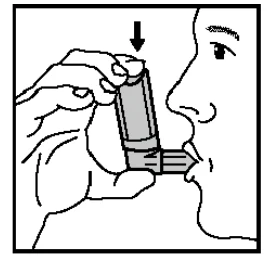 | Breathe out as completely as possible.
|
- 4. Hold your breath for a few seconds, then breathe out slowly.
- 5.
If your doctor has recommended a second puff, wait about one minute and then repeat steps 3 and 4.
- 6. Replace the protective plastic cap.
Care of the Mouthpiece/Canister:
The container is not transparent. It is therefore not possible to see when it is empty. The inhaler will deliver 200 doses. When the labelled number of doses have been used (usually after 3 weeks when used as recommended) the inhaler may still appear to contain a small amount of fluid. The inhaler should, however, be replaced so that you can be certain that you are getting the right amount of your medicine in each actuation.
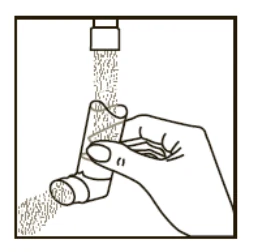 | Clean your mouthpiece at least once a week. It is important to keep the mouthpiece of your inhaler clean to ensure that medicine does not build up and block the spray. For cleaning, first take off the dust cap and remove the canister from the mouthpiece. Rinse warm water through the mouthpiece until no medication build-up and/or dirt is visible. |
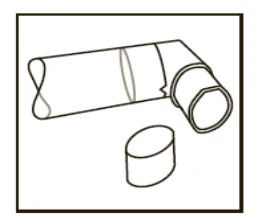 | After cleaning shake out the mouthpiece and let it air-dry without using any heating system. Once the inhaler is dry, replace the canister and the dust cap. |
Overdose:
| If you think you have taken too much ATROVENT HFA, contact your healthcare professional, hospital emergency department or regional poison control centre immediately, even if there are no symptoms. |
Missed Dose:
If you forget to take your dose, don’t worry. Take your next dose as usual. Do not double your dose.
SIDE EFFECTS AND WHAT TO DO ABOUT THEM
Side effects may include:
- Headache, dizziness;
- Nausea (feeling sick), digestive problems like constipation, diarrhea, vomiting;
- Impaired voice sounds;
- Throat irritation, cough, dry mouth or throat, bad taste – sucking on a sour candy or rinsing your mouth may help.
If any of these affects you severely, tell your doctor, nurse or pharmacist.
Check with your doctor if the dry mouth or bad taste persist or if you experience constipation for a prolonged period of time.
Stop taking the medication and tell your doctor immediately if you notice any of the following:
- you are wheezy or have any other difficulties in breathing;
- you are having an allergic reaction – the signs may include skin rash, itching and nettle rash. In severe cases the signs include swelling of your tongue, lips and face, sudden difficulties in breathing and reduction of your blood pressure.
| SERIOUS SIDE EFFECTS, HOW OFTEN THEY HAPPEN AND WHAT TO DO ABOUT THEM | ||||||
|---|---|---|---|---|---|---|
| Symptom / effect | Talk with your doctor or pharmacist immediately | Stop taking drug and and seek immediate medical help | ||||
| Only if severe | In all cases | |||||
| Uncommon | Bronchospasm: increased wheezing or tightness in the chest, difficulty in breathing, coughing bouts | ✓ | ||||
| Shortness of breath | ✓ | |||||
| Skin rash | ✓ | |||||
| Allergic reaction: rash, hives, swelling of the face, lips, mouth, tongue or throat, difficulty swallowing or breathing, choking due to swelling of the muscles around the voice box | ✓ | |||||
| Fast or irregular heart beat: a feeling that your heart is beating fast, or skipping a heartbeat | ✓ | |||||
| SERIOUS SIDE EFFECTS, HOW OFTEN THEY HAPPEN AND WHAT TO DO ABOUT THEM |
|---|
| Symptom / effect | Talk with your doctor or pharmacist immediately | Stop taking drug and and seek immediate medical help |
|---|
| Only if severe | In all cases | ||
|---|---|---|---|
Eye Disorders: new or worsened pressure in your eyes, eye pain or discomfort, blurred vision, seeing halos or rainbows around items or red eyes | ✓ | ||
Urinary Retention: difficulty and pain when passing urine, urinating frequently, urination in a weak stream or drips | ✓ | ||
This is not a complete list of side effects. For any unexpected effects while taking ATROVENT HFA contact your doctor or pharmacist.
HOW TO STORE IT
- Keep this medication out of the reach and sight of children.
- Store at room temperature (15-30oC). Keep from freezing.
- Container may explode if heated. Contents under pressure. Do not place in hot water or near radiators, stoves, or other sources of heat. Do not puncture or incinerate container or store at temperatures over 30oC.
- The expiry date of this medicine is printed on the label. Do not use the medicine after this date.
Reporting Side Effects
You can report any suspected side effects associated with the use of health products to Health Canada by:
NOTE: Contact your health professional if you need information about how to manage your side effects. The Canada Vigilance Program does not provide medical advice. |
MORE INFORMATION
If you want more information about Atrovent HFA:
- Talk to your healthcare professional.
- Find the full product monograph that is prepared for healthcare professionals and includes this Consumer Information by visiting the Health Canada website (https://health-products.canada.ca/dpd-bdpp/index-eng.jsp), the manufacturer’s website (https://www.boehringer-ingelheim.ca), or by calling the manufacturer, Boehringer Ingelheim (Canada) Ltd., at: 1-800-263-5103, extension 84633.