


Product Monograph - Auro-Cefixime (Auro Pharma, 100 mg)
SUMMARY PRODUCT INFORMATION
Route of Administration | Dosage Form / Strength | All Nonmedicinal Ingredients |
| oral | Powder for Oral Suspension / 100 mg / 5 mL | None. For a complete listing see the Dosage Forms, Composition and Packaging section of the Product monograph. |
INDICATIONS AND CLINICAL USE
AURO-CEFIXIME (cefixime) is indicated in the treatment of the following infections caused by susceptible strains of the designated microorganisms:
Upper Respiratory Tract:
Pharyngitis and tonsillitis caused by S. pyogenes.
Middle Ear:
Otitis media caused by S. pneumoniae, H. influenzae (beta-lactamase positive and negative strains), M. catarrhalis (former B. catarrhalis) (beta-lactamase positive and negative strains) and S. pyogenes.
Paranasal sinuses:
Sinusitis caused by S. pneumoniae, H. influenzae (beta-lactamase positive and negative strains), and M. catarrhalis (former B. catarrhalis) (beta-lactamase positive and negative strains).
Lower Respiratory Tract:
Acute bronchitis caused by S. pneumoniae, M. catarrhalis (former B. catarrhalis) (beta-lactamase positive and negative strains) and H. influenzae (beta-lactamase positive and negative strains).
Urinary Tract:
Acute uncomplicated cystitis and urethritis caused by E. coli, P. mirabilis, and Klebsiella species.
Uncomplicated Gonorrhea:
Uncomplicated gonorrhea (cervical/urethral and rectal) caused by Neisseria gonorrhoeae, including penicillinase (beta-lactamase-positive) and non-penicillinase (beta-lactamase-negative) producing strains.
Appropriate cultures should be taken for susceptibility testing before initiating treatment with AURO-CEFIXIME. If warranted, therapy may be instituted before susceptibility results are known; however, once these are obtained, therapy may need to be adjusted.
To reduce the development of drug-resistant bacteria and maintain the effectiveness of AURO-CEFIXIME and other antibacterial drugs, AURO-CEFIXIME should be used only to treat infections that are proven or strongly suspected to be caused by susceptible bacteria. When culture and susceptibility information are available, they should be considered in selecting or modifying antibacterial therapy. In the absence of such data, local epidemiology and susceptibility patterns may contribute to the empiric selection of therapy.
Geriatrics (≥65 years of age):
The safety and efficacy of cefixime in patients aged 65 and older have not been established.
Pediatrics (<18 years of age):
The safety and efficacy of cefixime in children less than six months old have not been established.
CONTRAINDICATIONS
AURO-CEFIXIME is contraindicated in patients with known allergies to the cephalosporin or penicillin antibiotics or to any ingredients in the formulation or component of the container. For a complete listing, see the Dosage Forms, Composition and Packaging section of the product monograph.
WARNINGS AND PRECAUTIONS
General
If an allergic reaction to AURO-CEFIXIME occurs, the drug should be discontinued, and, if necessary, the patient should be treated with appropriate agents, e.g., pressor amines, antihistamines, or corticosteroids.
The possibility of the emergence of resistant organisms, which might result in overgrowth, should be kept in mind, particularly during prolonged treatment. In such use, careful observation of the patient is essential. If superinfection occurs during therapy, appropriate measures should be taken.
Broad-spectrum antibiotics such as AURO-CEFIXIME should be prescribed with caution in individuals with a history of gastrointestinal disease.
Once daily dosing only must be used for urinary tract infections, since twice daily dosing was shown to be not as effective in clinical studies.
Do not use AURO-CEFIXIME to treat Staphylococcus aureus as this strain of staphylococcus is resistant to cefixime.
AURO-CEFIXIME Powder for Oral Suspension contains sucrose. Patients with hereditary problems of fructose intolerance, glucose-galactose malabsorption or sucrase-isomaltase insufficiency should not take this medicine.
Severe Cutaneous Adverse Reactions:
Severe cutaneous adverse reactions (SCAR) such as acute generalized exanthematous pustulosis
(AGEP), drug reaction with eosinophilia and systemic symptoms (DRESS), Stevens-Johnson syndrome (SJS), and toxic epidermal necrolysis (TEN) have been reported in association with beta-lactam treatment. When SCAR is suspected, AURO-CEFIXIME should be discontinued and appropriate therapy and/or measures should be taken.
Bioavailability Differences between Tablet and Suspension:
The area under the time versus concentration curve is greater by approximately 26.4% and the Cmax is greater by approximately 20.7% with the oral suspension when compared to the tablet after doses of 400 mg. This increased absorption should be taken into consideration if the oral suspension is to be substituted for the tablet. Because of the lack of bioequivalence, tablets should not be substituted for oral suspension particularly in the treatment of otitis media where clinical trial experience with the suspension only is available (see DOSAGE AND ADMINISTRATION and ACTION AND CLINICAL PHARMACOLOGY).
Gastrointestinal
Clostridium Difficile-Associated Disease:
Clostridium difficile-associated disease (CDAD) has been reported with use of many antibacterial agents, including cefixime (see ADVERSE REACTIONS). CDAD may range in severity from mild diarrhea to fatal colitis. It is important to consider this diagnosis in patients who present with diarrhea, or symptoms of colitis, pseudomembranous colitis, toxic megacolon, or perforation of colon subsequent to the administration of any antibacterial agent. CDAD has been reported to occur over 2 months after the administration of antibacterial agents.
Treatment with antibacterial agents may alter the normal flora of the colon and may permit overgrowth of Clostridium difficile. C. difficile produces toxins A and B, which contribute to the development of CDAD. CDAD may cause significant morbidity and mortality. CDAD can be refractory to antimicrobial therapy.
If the diagnosis of CDAD is suspected or confirmed, appropriate therapeutic measures should be initiated. Mild cases of CDAD usually respond to discontinuation of antibacterial agents not directed against Clostridium difficile. In moderate to severe cases, consideration should be given to management with fluids and electrolytes, protein supplementation, and treatment with an antibacterial agent clinically effective against Clostridium difficile. Surgical evaluation should be instituted as clinically indicated, as surgical intervention may be required in certain severe cases.
Hematologic
Hemolytic Anemia:
AURO-CEFIXIME SHOULD NOT BE USED IN PATIENTS WITH A HISTORY OF CEPHALOSPORIN-ASSOCIATED HEMOLYTIC ANEMIA SINCE THE RECURRENCE OF HEMOLYSIS IS MUCH MORE SEVERE.
An immune mediated hemolytic anemia has been observed in patients receiving cephalosporin class antibacterials, including cefixime. Severe cases of hemolytic anemia, including fatalities, have been reported with cephalosporins in both adults and children. If a patient develops anemia anytime during, or within 2-3 weeks subsequent to the administration of AURO-CEFIXIME, the diagnosis of a cephalosporin-associated anemia should be considered and the drug discontinued until the etiology is determined.
Patients may benefit from periodic monitoring for signs and symptoms of hemolytic anemia, including measurement of hematological parameters or drug-induced antibody testing, where appropriate (see ADVERSE REACTIONS).
Immune
Hypersensitivity:
IN PENICILLIN-SENSITIVE PATIENTS, AURO-CEFIXIME (CEFIXIME) SHOULD BE ADMINISTERED CAUTIOUSLY. PATIENTS MAY BE SENSITIVE TO PENICILLINS AND NOT TO CEPHALOSPORINS SUCH AS AURO-CEFIXIME OR BE SENSITIVE TO BOTH. MEDICAL LITERATURE INDICATES THAT PATIENTS SENSITIVE TO CEPHALOSPORINS ARE VERY LIKELY TO BE PENICILLIN SENSITIVE.
Anaphylactic/anaphylactoid reactions (including shock and fatalities) have been reported with the use of cefixime.
Antibiotics, including AURO-CEFIXIME, should be administered cautiously to any patient who has demonstrated some form of allergy, particularly to drugs. If this product is to be given to penicillin-sensitive patients, caution should be exercised because cross hypersensitivity among beta-lactam antibiotics has been clearly documented and may occur in up to 10% of patients with a history of penicillin allergy. If an allergic reaction to cefixime occurs, discontinue the drug.
Neurologic
Several cephalosporins, including cefixime, have been implicated in triggering seizures, particularly in patients with renal impairment when the dosage was not reduced. If seizures associated with AURO-CEFIXIME occur, the drug should be discontinued. Anticonvulsant therapy can be given if clinically indicated (see DOSAGE AND ADMINISTRATION and OVERDOSAGE).
Renal
Acute Renal Failure:
As with other cephalosporins, AURO-CEFIXIME may cause acute renal failure including tubulointerstitial nephritis. When acute renal failure occurs, AURO-CEFIXIME should be discontinued and appropriate therapy and/or measures should be taken.
Renal Impairment:
Experience in children with renal impairment is very limited. The use of cefixime in these patients is not recommended.
Susceptibility/Resistance
Development of Drug Resistant Bacteria
Prescribing AURO-CEFIXIME in the absence of a proven or strongly suspected bacterial infection is unlikely to provide benefit to the patient and risks the development of drug-resistant bacteria.
Special Populations
Pregnant Women: The safety of cefixime in the treatment of infection in pregnant women has not been established.
Reproduction studies have been performed in mice and rats at doses up to 400 times the human dose and have revealed no evidence of impaired fertility or harm to the fetus due to cefixime. Because animal reproduction studies are not always predictive of human response, this drug should be used during pregnancy only if the likely benefits of using AURO-CEFIXIME outweigh the potential risk to the fetus and/or the mother.
Cefixime has not been studied for use during labour and delivery.
Nursing Women: It is not known whether cefixime is excreted in human milk. Because many drugs are excreted in human milk, caution should be exercised when AURO-CEFIXIME is administered to a nursing woman. A decision on whether to continue/discontinue nursing or to continue/discontinue therapy with cefixime should be made taking into account the benefit of nursing to the child and the benefit of cefixime therapy to the woman.
Pediatrics (< 18 years of age): Safety and effectiveness of cefixime in children less than six months old have not been established.
Geriatrics (≥65 years of age): Safety and effectiveness of cefixime in patients aged 65 and older have not been established.
Monitoring and Laboratory Tests
A false-positive reaction for ketones in the urine may occur with tests using nitroprusside but not with those using nitroferricyanide.
The administration of beta-lactams may result in a false-positive reaction for glucose in the urine using Clinitest1, Benedict’s solution, or Fehling’s solution. It is recommended that glucose tests based on enzymatic glucose oxidase reactions (such as Clinistix*) be used.
A false-positive direct Coombs test has been reported during treatment with cephalosporin antibiotics; therefore, it should be recognized that a positive Coombs test may be due to the drug.
ADVERSE REACTIONS
Clinical Trial Adverse Drug Reactions
Because clinical trials are conducted under very specific conditions the adverse reaction rates observed in the clinical trials may not reflect the rates observed in practice and should not be compared to the rates in the clinical trials of another drug. Adverse drug reaction information from clinical trials is useful for identifying drug-related adverse events and for approximating rates.
Five percent (5%) of patients in the clinical trials discontinued therapy because of drug-related adverse reactions. Thirty-six percent of the pediatric patient population experienced at least one adverse reaction (mild 25%, moderate 9%, severe 2%). Forty-seven percent of the adult patients experienced at least one adverse reaction (mild 24%, moderate 19%, severe 4%). The most commonly seen adverse reactions in the clinical trials of the tablet formulation were gastrointestinal events, which were reported in 37% of all adult patients treated (mild 21%, moderate 13%, severe 3%). The predominant adverse events seen in adults in clinical trials with cefixime were diarrhea 15%, (mild 7.2%, moderate 6.2%, severe 1.5%), headache 11%, stool changes 12%, nausea 9%, abdominal pain 5%, dyspepsia 3%, flatulence (3%), dizziness (3%) and vomiting (2%). The rates of the most prevalent adverse reactions were similar in the once a day and twice a day dosing regimens with the exception of headache, which appears slightly more frequently in adults, dosed once a day (12.9%) versus twice a day (8%). Other than for generally mild rashes or emesis, which were each observed in 5% of children treated, the incidence of adverse reactions in pediatric patients receiving the suspension was generally comparable to the incidence seen in adult patients receiving tablets.
These symptoms usually responded to symptomatic therapy or ceased when cefixime was discontinued.
Several patients developed severe diarrhea and/or documented pseudomembranous colitis, and a few required hospitalization.
When cefixime was used as single 400 mg tablet dose therapy in clinical trials in the treatment of uncomplicated gonorrhoea, adverse reactions which were considered to be related to cefixime therapy, were reported for 5.9% (21/358) of patients. Clinically mild gastrointestinal side effects occurred in 3.7% of all patients, moderate events occurred in 0.9% of all patients and no adverse reactions were reported as severe. Individual event rates included diarrhea 1% and loose or
1Reg. Trademark of Bayer Healthcare LLC subsidiary of Bayer Corporation
frequent stools 1%. Incidence rates for all other adverse reactions reported for adults in these trials were less than 1%.
Clinical Trial and Post-Market Adverse Drug Reactions
The following adverse reactions have been observed during clinical trial studies and/or during marketed use.
Blood and lymphatic system disorders:
Thrombocytopenia, thrombocytosis, leucopenia, eosinophilia, neutropenia, agranulocytosis, immune hemolytic anemia (see WARNINGS AND PRECAUTIONS, Hemolytic).
Gastrointestinal disorders:
Diarrhea, stool changes, nausea, abdominal pain, dyspepsia, flatulence, vomiting.
General disorders and administration site conditions:
Drug fever, face oedema.
Hepatobiliary disorders:
Jaundice (cholestatic and/or hepatocellular).
Immune system disorders/Hypersensitivity reactions:
Serum sickness-like reaction, anaphylactic reactions (urticaria and angioedema).
Infections and infestations:
Vaginitis, candidiasis, pseudomembranous colitis.
Investigations:
Elevations of alanine aminotransferase (ALT or SGPT), aspartate aminotransferase (AST or SGOT), alkaline phosphatase and bilirubin.
Elevations in Blood Urea Nitrogen (BUN) or creatinine. Prolongation in prothrombin time.
Nervous system disorders:
Headaches, dizziness, convulsions.
Renal and urinary disorders:
Acute renal failure including tubulointerstitial nephritis.
Reproductive system and breast disorders:
Genital pruritus.
Respiratory, thoracic and mediastinal disorders:
Dyspnea, respiratory distress.
Skin and subcutaneous tissue disorders:
Skin rashes, pruritus, urticaria, toxic epidermal necrolysis (TEN), drug rash with eosinophilia and systemic symptoms (DRESS), bullous skin reactions (erythema multiforme and Stevens-Johnson syndrome).
In addition to the adverse reactions listed above which have been observed in patients treated with cefixime the following adverse reactions and altered laboratory tests have been reported for cephalosporin-class antibiotics: superinfection, renal dysfunction, toxic nephropathy, hepatic dysfunction including cholestasis, aplastic anemia, hemorrhage, elevated lactate dehydrogenase (LDH) and pancytopenia.
DRUG INTERACTIONS
Drug-Drug Interactions
Carbamazepine
Elevated carbamazepine levels have been reported in post-marketing experience when cefixime is administered concomitantly. Drug monitoring may be of assistance in detecting alterations in carbamazepine plasma concentrations.
Warfarin and Anticoagulants
AURO-CEFIXIME should be administered with caution to patients receiving coumarin-type anticoagulants such as warfarin potassium. Since AURO-CEFIXIME may enhance effects of the anticoagulants, prolonged prothrombin time with or without bleeding may occur (see ADVERSE REACTIONS).
Drug Interactions
A four-way crossover study in 12 healthy men evaluated the pharmacokinetics of cefixime when administered with, before, and after aluminum/magnesium containing antacids. The administration of antacid did not significantly alter the pharmacokinetic parameters of cefixime.
In a protein-binding interaction study using human serum, there was no statistically significant change in the fraction of unbound cefixime with the addition of acetaminophen, heparin, phenytoin, ibuprofen, furosemide or diazepam at their reported maximum therapeutic concentrations. With salicylic acid there was a significant, approximately two fold increase from 35% to 66% in the unbound fraction. When the interaction was studied in dogs, it was confirmed that ASA-related products (i.e. salicylic acid) caused an increase in the unbound fraction of cefixime, which ultimately resulted in an increase in the volume of distribution and the clearance of the drug. However, since the volume of distribution and clearance increased to the same extent, there was no net effect on the elimination half-life of cefixime.
An open-label, randomized, crossover study in 15 healthy men found that concomitant administration of ASA (650 mg) with cefixime 400 mg tablet had no effect on protein binding, half-life, or renal clearance of cefixime. ASA did, however, appear to decrease absorption of cefixime as evidenced by a 26% reduction in Cmax and 19% reduction in AUC values.
Drug-Food Interactions
Cefixime powder for oral suspension can be taken with or without food.
Drug-Herb Interactions
Interactions with herbal products have not been established.
Drug-Laboratory Interactions
A false-positive reaction for ketones in the urine may occur with tests using nitroprusside but not with those using nitroferricyanide.
The administration of beta-lactams may result in a false-positive reaction for glucose in the urine using Clinitest1, Benedict’s solution, or Fehling’s solution. It is recommended that glucose tests based on enzymatic glucose oxidase reactions (such as Clinistix*) be used.
A false-positive direct Coombs test has been reported during treatment with cephalosporin antibiotics; therefore, it should be recognized that a positive Coombs test may be due to the drug.
Drug-Lifestyle Interactions
Interactions with lifestyle have not been established.
DOSAGE AND ADMINISTRATION
Recommended Dose and Dosage Adjustment
Pediatrics (≥ 6 months):
The recommended dose of AURO-CEFIXIME is 8 mg/kg/day once daily. When necessary, a dose of 4 mg/kg given twice daily may be considered except for urinary tract infections where once daily dosing must be used.
Table 1-Pediatric dosage chart
1Reg. Trademark of Bayer Healthcare LLC subsidiary of Bayer Corporation
PEDIATRIC DOSAGE CHART Doses are suggested for each weight range and rounded for ease of administration | ||
|---|---|---|
| Cefixime for Oral Suspension 100 mg / 5 mL | ||
Patient Weight (Kg) | Dose/Day (mg) | Dose/Day (mL) |
5 to 7.5 7.6 to 10 10.1 to 12.5 12.6 to 20.5 20.6 to 28 28.1 to 33 33.1 to 40 40.1 to 45 45.1 or greater | 50 80 100 150 200 250 300 350 400 | 2.5 4 5 7.5 10 12.5 15 17.5 20 |
Children weighing more than 45 kg or older than 12 years should be treated with 400 mg AURO-CEFIXIME. Safety and effectiveness in infants aged less than six months have not been established.
Otitis media should be treated with the suspension. Clinical studies of otitis media were conducted with the suspension only and the suspension results in higher peak blood levels than the tablet when administered at the same dose. Therefore, the tablet should not be substituted for the suspension in the treatment of otitis media (see WARNINGS AND PRECAUTIONS and ACTION AND CLINICAL PHARMACOLOGY).
Duration of Therapy:
Duration of dosage in clinical trials was 10 to 14 days. The duration of treatment should be guided by the patient’s clinical and bacteriological response.
In the treatment of infections due to Streptococcus pyogenes, a therapeutic dose of AURO-CEFIXIME should be administered for at least 10 days.
Renal Impairment:
Experience in children with renal impairment is very limited. The use of cefixime in these patients is not recommended.
NOTE: Neither hemodialysis, nor peritoneal dialysis remove significant amounts of cefixime from the body.
Missed Dose:
If a dose of AURO-CEFIXIME is missed by a few hours, the patient should take the dose as soon as possible when they remember. If most of the day has passed, the patient should wait until the next scheduled dose. The patient should try not to miss any more doses. The patient should not take a double dose to make up for a missed dose.
Reconstitution Directions for Oral Suspensions:
Bottle:
SIZE RECONSTITUTION DIRECTIONS
50 mL Suspend with 33.5 mL water.
100 mL Suspend with 67 mL water.
| Method: | Tap the bottle several times to loosen powder contents prior to reconstitution. Add 33.5 mL and 67 mL of water in TWO PORTIONS for 50 mL and 100 mL respectively. Mix well after each addition. Provides 20 mg/mL. |
After mixing, the suspension may be kept for 14 days at room temperature (15-25°C) or under refrigeration. Keep container tightly closed. Shake well for at least 30 seconds before using. Discard unused portion after 14 days.
The product is supplied with the oral syringe for accurate administration as per the pediatric dosage chart. Wash the syringe with hot or warm water in between use (after and prior to use).
OVERDOSAGE
Activated charcoal may be administered to aid in the removal of unabsorbed drug. General supportive measures are recommended.
No specific antidote exists. General supportive measures are recommended.
Cefixime is not removed in significant quantities from the circulation by hemodialysis or peritoneal dialysis.
For management of a suspected drug overdose, contact your regional Poison Control Centre.
ACTION AND CLINICAL PHARMACOLOGY
Cefixime exerts its bactericidal effect by attaching to penicillin-binding proteins (PBP) and inhibiting peptidoglycan synthesis, thus causing damage to the bacterial cell wall.
Following oral dosing, cefixime attains peak serum levels in approximately 4 hours. The half-life is about 3 to 4 hours and is not dose dependent. Cefixime is excreted by renal and biliary mechanisms. About 50% of the absorbed dose is excreted unchanged in the urine within 24 hours. There is no evidence of metabolism of cefixime in vivo.
Human Pharmacokinetics
Absorption: Cefixime, given orally, is about 40% to 50% absorbed.
In adults a single 200 mg tablet of cefixime produces an average peak serum concentration of approximately 2 µg/mL (range 1 to 4 µg/mL); a single 400 mg tablet produces an average concentration of approximately 3.5 µg/mL (range 1.3 to 7.7 µg/mL). The oral suspension, in adults, following 200 mg and 400 mg doses produces average concentrations of 2.8 µg/mL (range 1 to 4.5 µg/mL) and 4.4 µg/mL (range 1.9 to 7.7 µg/mL), respectively. The area under the time versus concentration curve is greater by approximately 26.4% with the oral suspension than with the tablet after doses of 400 mg. This increased absorption should be taken into consideration if the oral suspension is to be substituted for the tablet. Because of the lack of bioequivalence, tablets should not be substituted for oral suspension in the treatment of otitis media (see WARNINGS AND PRECAUTIONS and DOSAGE AND ADMINISTRATION). Cross-over studies of tablet versus suspension have not been performed in children.
Peak serum concentrations occur between 2 and 6 hours following oral administration of a single 200 mg tablet, a single 400 mg tablet or 400 mg suspension of cefixime. Peak serum concentrations occur between 2 and 5 hours following a single administration of 200 mg suspension. See Table 2.
Table 2 - Serum Levels of Cefixime in Adults after Administration of Oral Suspension (µg/mL)
| DOSE | 1hr | 2hr | 4hr | 6hr | 8hr | 12hr | 24hr |
| 100 mg | 0.7 | 1.1 | 1.3 | 0.9 | 0.6 | 0.2 | 0.02 |
| 200 mg | 1.2 | 2.1 | 2.8 | 2.0 | 1.3 | 0.5 | 0.07 |
| 400 mg | 1.8 | 3.3 | 4.4 | 3.3 | 2.2 | 0.8 | 0.07 |
The serum half-life of cefixime in healthy subjects is independent of dosage form and averaged 3 to 4 hours but may range up to 9 hours in some normal volunteers.
Effect of Food on Absorption:
There was no clinically significant effect of food on the absorption of cefixime. Cefixime was administered as a single 400 mg dose with and without food in a crossover study in 20 healthy men. Cmax values were 4.22 and 4.24 µg/mL in the fed and fasted states, respectively. Food slowed the time to reach Cmax by about 1 hour (3.8 hours versus 4.8 hours). This effect is of no clinical significance and probably reflects a small delay in gastric emptying due to the presence of food. Urinary recovery was unaffected by the presence of food: 18.4% (fed) and 17.7% (fasted) of the doses were recovered in 24 hours.
Distribution: Cefixime appears to be widely distributed, however, adequate tissue concentration data relating to tablet and suspension are not available.
Serum protein binding is concentration independent with a bound fraction of approximately 65%.Multiple dose studies conducted with 200 mg or 400 mg tablets in normal volunteers showed there was little or no accumulation of drug in serum or urine after dosing for 14 days.
Adequate data on cerebrospinal fluid (CSF) levels of cefixime are not available.
Metabolism: There is no evidence of metabolism of cefixime in vivo.
Excretion: Cefixime is excreted by renal and biliary mechanisms.
The urinary recoveries of orally administered 200 mg and 400 mg doses of cefixime in 12 healthy men are presented in Table 3. Over a 24 hour period, approximately 20% and 16% of a 200 mg and 400 mg dose of cefixime, respectively was excreted in the urine. An additional 10% or more was recovered from bile.
Table 3 - Mean urinary excretion of cefixime after 200 and 400 mg dose in 12 healthy men
| DOSE | 24-h Urinary Recovery of Cefixime (% of administered dose) | Maximum Concentration of Cefixime in Urine (µg/mL) |
| 200 mg | 20.0 | 107 |
| 400 mg | 16.1 | 164 |
Special Populations and Conditions
Pediatrics: The dose proportionality of cefixime suspension was evaluated in 42 pediatric patients who were 6 months of age or older. With doses of 4, 6, and 8 mg/kg, serum concentrations at a single time point after administration (3.5 hours) increased with dose but not in a dose-proportional manner. In particular, the 8 mg/kg dose did not produce twice the serum level observed with the 4 mg/kg dose. The mean serum concentrations following the 4 mg/kg dose were2.2 to 2.6 µg/mL. The serum concentrations after the 6 and 8 mg/kg doses were 2.5 to 4.8 µg/mL (Table 4).
Table 4 - Mean pharmacokinetic values in 42 pediatric patients following administration of a single dose of cefixime suspension
| Mean Serum Concentration (µg/mL) at 3.5 h after administration at the following age ranges (yr) | ||||||||
| DOSE | 0.5 to 2 | > 2 to < 6 | > 6 | All Patients | ||||
| 4 mg/kg | 2.56 | 2.51 | 2.22 | 2.44 | ||||
| 6 mg/kg | 4.48 | 2.51 | 4.82 | 4.07 | ||||
| 8 mg/kg | 3.40 | 3.55 | 4.79 | 3.91 | ||||
Renal Insufficiency: In patients with moderate impairment of renal function (20 to 40 mL/min creatinine clearance), the average serum half-life of cefixime is prolonged to 6.4 hours. In severe renal impairment (5 to 20 mL/min creatinine clearance), the half-life increased to an average of 11.5 hours. The drug is not cleared significantly from the blood by hemodialysis or peritoneal dialysis.
STORAGE AND STABILITY
Dry Powder : Store at room temperature (15°C to 30°C).
Reconstituted Suspension: Suspension may be kept for 14 days at room temperature (15°C-25°C) or under refrigeration. Discard unused portion after 14 days.
SPECIAL HANDLING INSTRUCTIONS
None.
DOSAGE FORMS, COMPOSITION AND PACKAGING
| Dosage form | Suspension | |
| Strength | 100 mg / 5 mL | |
| Description | For dry powder: Off-white to pale yellow coloured powder. For Reconstituted suspension: Off-white to pale yellow suspension with strawberry flavor. | |
| Composition | Non-medicinal Ingredients: Silica Colloidal Anhydrous, Strawberry Guarana Flavor, Sucrose and Xanthan Gum. | |
| Reconstitution solution | Once reconstituted as directed, the suspension contains 100 mg / 5 mL cefixime | |
| Packaging | Medium Weight HDPE | 50 mL : Each bottle contains 1.11919 g of cefixime trihydrate equivalent to 1 g of cefixime. |
| 100 mL.: Each bottle contains 2.23838 g of cefixime hydrochloride equivalent to 2 g of cefixime. | ||
| Amber Glass Bottle | 50 mL: Each bottle contains 1.11919 g of cefixime trihydrate equivalent to 1 g of cefixime | |
| 100 mL.: Each bottle contains 2.23838 g of cefixime hydrochloride equivalent to 2 g of cefixime. | ||
PART II: SCIENTIFIC INFORMATION
PHARMACEUTICAL INFORMATION
| Drug Substance | ||
| Proper name: | Cefixime | |
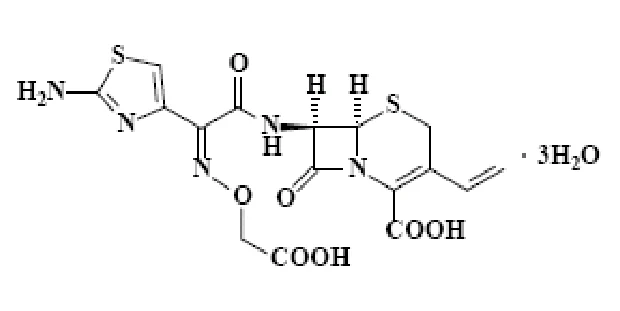
| Chemical name: | (6R,7R)-7-[[(Z)-2-(2-aminothiazol-4-yl)-2-[(carboxymethoxy)imino]acetyl]amino]-3-ethenyl-8-oxo-5-thia-1-azabicyclo[4.2.0]oct-2-ene-2-carboxylic acid trihydrate. | |
Molecular formula: C16H15N5O7S2.3H20, Molecular mass : 507.5 g/mol | ||
| Structural formula: | ||
| Physicochemical Properties: | ||
| Description: | A white or almost white powder. Slightly soluble in water, soluble in methanol, sparingly soluble in ethanol, practically insoluble in ethyl acetate. | |
CLINICAL TRIALS
Comparative Bioavailability Studies
A double blind, randomized, two-period, crossover, single-dose oral comparative bioavailability study of AURO-CEFIXIME (cefixime) 100 mg / 5 mL Powder for Oral Suspension (Auro Pharma Inc.) versus SUPRAX (cefixime) 100 mg / 5 mL Powder for Oral Suspension (Astellas Pharma S.p.A. Italy) was conducted in 27 healthy adult human male subjects under fasting conditions. A summary of the bioavailability data is presented in the following table.
 |
Summary Table of the Comparative Bio-availability Data
Cefixime (100 mg dose – 1 x 5 mL) From measured data Geometric Mean Arithmetic Mean (CV %) | ||||
|---|---|---|---|---|
| Parameter | Test* | Reference† | % Ratio of Geometric Means | 90% Confidence Interval |
AUC0→t (hr. ng/mL) | 17095.0 18076.7 (31.3) | 17953.0 18678.5 (28.4) | 95.22 | 90.8 - 99.9 |
AUC0→∞ (hr. ng/mL) | 17540.1 18522.7 (31.0) | 18404.8 19134.7 (28.1) | 95.30 | 90.9 - 99.9 |
Cmax (ng/mL) | 2109.3 2232.7 (33.2) | 2190.0 2284.7 (31.1) | 96.31 | 91.9 - 101.0 |
| Tmax§ (h) | 4.0 (3.0-5.0) | 4.0 (3.0-5.0) | ||
| T½$ (h) | 4.1 (14.0) | 3.92 (10.5) | ||
*AURO-CEFIXIME (cefixime) 100 mg / 5 mL Powder for Oral Suspension (Auro Pharma Inc.)
†SUPRAX® (cefixime) 100 mg / 5 mL Powder for Oral Suspension (Astellas Pharma S.p.A. Italy, manufactured by Titolare A.I.C.).
§ Expressed as the median (range) only.
$ Expressed as arithmetic mean (CV %) only.
DETAILED PHARMACOLOGY
Animal Pharmacology
Tissue Distribution/Accumulation:
In rats, 14C-labelled cefixime was distributed (in order of descending amounts) to the kidneys, lungs, liver, heart, spleen, and brain at 1 hour following a single oral dose of cefixime and to the kidneys, urinary bladder, blood, liver, and lungs at 5 minutes after a single intravenous dose. In dogs, tissue radioactivity was noted in bile, kidney, liver, lung, testes, heart, and brain after single or multiple intravenous dosing with 14C-labelled cefixime.
After multiple oral dosing, accumulation of cefixime was negligible in the serum and urine of adult rats and dogs. The doses used in these studies were 100 and 1000 mg/kg/day administered for 1 month to rats and up to 400 mg/kg/day (100, 200 and 400 mg/kg/day) for 53 weeks to dogs. In addition, there was no evidence of drug accumulation in serum or urine after two weeks of intravenous dosing (320 and 1000 mg/kg/day) in adult dogs.
In animal studies, it was noted that cefixime is excreted in the bile in excess of 10% of the administered dose.
MICROBIOLOGY
Mechanism of Action
Cefixime is a semisynthetic cephalosporin antibacterial drug. As with other cephalosporins, the bactericidal action of cefixime results from inhibition of cell wall synthesis.
Resistance
Resistance to cefixime in isolates of Haemophilus influenzae and Neisseria gonorrhoeae is most often associated with alterations in penicillin-binding proteins (PBPs). Cefixime may have limited activity against Enterobacteriaceae producing extended spectrum beta-lactamases (ESBLs). Pseudomonas species, Enterococcus species, strains of Group D streptococci, Listeria monocytogenes, most strains of staphylococci (including methicillin-resistant strains), most strains of Enterobacter species, most strains of Bacteroides fragilis, and most strains of Clostridium species are resistant to cefixime.
In vitro activity of cefixime against various gram-positive and gram-negative organisms is presented in Table 5.
Table 5 - Activity of cefixime against clinical isolates of bacteria
| Organism | Number of isolates | MIC50a (µg/mL) | MIC90 (µg/mL) |
|---|---|---|---|
| GRAM-NEGATIVE | |||
| Acinetobacter calcoaceticus | 434 | 9.07 | 19.41 |
| Moraxella catarrhalis | 108 | 0.14 | 0.40 |
| (formerly Branhamella catarrhalis) | |||
| Campylobacter jejuni | 10 | 1.60 | 1.60 |
| Citrobacter amalonaticus | 56 | 0.32 | 1.54 |
| Citrobacter diversus | 154 | 0.12 | 0.16 |
| Citrobacter Freundii | 766 | 2.01 | 57.40 |
| Enterobacte raerogenes | 644 | 0.85 | 38.30 |
| Enterobacter agglomerans | 63 | 0.40 | 25.70 |
| Enterobacter cloacae | 1532 | 2.48 | 48.40 |
| Enterobacter species | 442 | 3.27 | 20.00 |
| Escherichia coli | 6190 | 0.19 | 0.71 |
| Haemophilus influenzae | 751 | 0.04 | 0.13 |
| H. influenzae, Ampicillin-susceptible | 2236 | 0.03 | 0.12 |
| H. influenzae, Ampicillin-resistant | 30 | 0.08 | 0.08 |
| Organism | Number of isolates | MIC50a (µg/mL) | MIC90 (µg/mL) |
|---|---|---|---|
| H. influenzae, Beta-lactamase-negative | 82 | 0.05 | 0.05 |
| H. influenzae, Beta-lactamase-positive | 188 | 0.03 | 0.06 |
| H. parainfluenzae | 2 | 0.05 | 0.05 |
| Klebsiella oxytoca | 490 | 0.04 | 0.06 |
| Klebsiella pneumoniae | 2760 | 0.06 | 0.10 |
| Klebsiella species | 128 | 0.08 | 0.34 |
| Morganella morganii | 741 | 0.74 | 17.00 |
| Neisseria gonorrhoeae | 325 | 0.15 | 0.15 |
| Neisseria gonorrhoeae Beta-lactamase-negative | 325 | 0.008 | 0.015 |
| Neisseria gonorrhoeae Beta-lactamase-positive | 195 | 0.008 | 0.03 |
| Neisseria gonorrhoeae Tetracycline-resistant | 99 | 0.008 | 0.015 |
| Neisseria gonorrhoeae Chromasomally-resistant | 173 | 0.015 | 0.06 |
| Neisseria meningitis | 19 | 0.06 | 0.06 |
| Pasteurella multocida | 1 | 0.06 | 0.06 |
| Proteus mirabilis | 1983 | 0.05 | 0.06 |
| Proteus vulgaris | 658 | 0.03 | 0.10 |
| Proteus, indole-positive | 118 | 0.06 | 5.91 |
| Proteus species | 4 | 0.25 | 0.25 |
| Providencia rettgeri | 346 | 0.05 | 0.37 |
| Providencia stuartii | 241 | 0.10 | 0.67 |
| Providencia species | 15 | 0.40 | 2.15 |
| Pseudomonas aeruginosa | 2003 | 47.00 | 53.10 |
| Pseudomonas cepacia | 132 | 2.42 | 6.87 |
| Salmonella enteriditis | 27 | 0.17 | 0.34 |
| Salmonella species | 337 | 0.09 | 0.21 |
| Serratia marcescens | 1552 | 0.71 | 12.90 |
| Shigella species | 327 | 0.12 | 0.48 |
| Yersinia enterocolitica | 62 | 0.37 | 1.62 |
| GRAM-POSITIVE | |||
| Enterococcus faecalis | 161 | 65.60 | 100.00 |
| Enterococcus species | 988 | 33.00 | 33.00 |
| Staphylococcus aureus | 1949 | 17.50 | 36.50 |
| Staphylococcus epidermidis | 438 | 10.80 | 61.80 |
| Organism | Number of isolates | MIC50a (µg/mL) | MIC90 (µg/mL) |
|---|---|---|---|
| Streptococcus agalactiae | 48 | 0.21 | 0.32 |
| Streptococcus pyogenes | 830 | 0.11 | 0.16 |
| Streptococcus Group B | 112 | 0.17 | 0.22 |
| Streptococcus pneumoniae | 547 | 0.13 | 0.29 |
| Streptococcus viridans | 42 | 0.84 | 26.70 |
- Geometric mean MIC for 50% and 90% of the isolates.
- Abbreviation: MIC, minimal inhibitory concentration.
The following organisms are resistant to cefixime:
. Pseudomonas species
. strains of group D streptococci (including enterococci)
. Listeria monocytogenes
. most strains of staphylococci (including methicillin-resistant strains)
. most strains of Enterobacter
. most strains of Bacteroides fragilis and Clostridia.
Susceptibility Test Methods
When available, the clinical microbiology laboratory should provide cumulative reports of in vitro susceptibility test results for antimicrobial drugs used in local hospitals and practice areas to the physician as periodic reports that describe the susceptibility profile of nosocomial and community-acquired pathogens. These reports should aid the physician in selecting an antibacterial drug for treatment.
Dilution Techniques:
Quantitative methods are used to determine antimicrobial minimum inhibitory concentrations (MICs). These MICs provide estimates of the susceptibility of bacteria to antimicrobial compounds. The MICs should be determined using a standardized test method (broth and/or agar). The MIC values should be interpreted according to criteria provided in Table 6.
Diffusion Techniques:
Quantitative methods that require measurement of zone diameters give an estimate of antibiotic susceptibility. One such procedure has been recommended for use with disks to test susceptibility to cefixime. Interpretation involves correlation of the diameters obtained in the disk test with the minimum inhibitory concentration (MIC) for cefixime.
Reports from the laboratory giving results of the standard single-disk susceptibility test with a 5 µg cefixime disk should be interpreted according to the following Table 6:
Table 6 - Susceptibility Interpretive Criteria for Cefixime
| Pathogen | Minimum Inhibitory Concentrations (µg/mL) | Disk Diffusion Zone Diameter (mm) | ||||
| S | I | R | S | I | R | |
| Enterobacteriaceae1 | ≤ 1 | 2 | ≥ 4 | ≥ 19 | 16 to 18 | ≤ 15 |
| Haemophilus influenzae2, 3 | ≤ 1 | NA | NA | ≥ 21 | NA | NA |
| Neisseria gonorrhoeae3, 4 | ≤ 0.25 | NA | NA | ≥ 31 | NA | NA |
1 Do not test Morganella species by disk diffusion.
2 Test Haemophilus influenzae using Haemophilus Test Medium (HTM).
3 The current absence of resistant isolates precludes defining any results other than "susceptible" Isolates yielding results other than susceptible should be subjected to additional testing.
4 Test Neisseria gonorrhoeae using GC agar base and 1% defined growth supplement. Minimum inhibitory concentrations are determined using the agar dilution method.
A report of Susceptible (S) indicates that the antimicrobial drug is likely to inhibit growth of the pathogen if the antimicrobial drug reaches the concentration usually achievable at the site of infection. A report of Intermediate (I) indicates that the result should be considered equivocal, and, if the microorganism is not fully susceptible to alternative, clinically feasible drugs, the test should be repeated. This category implies possible clinical applicability in body sites where the drug is physiologically concentrated or in situations where a high dosage of the drug can be used. This category also provides a buffer zone that prevents small uncontrolled technical factors from causing major discrepancies in interpretation. A report of Resistant (R) indicates that the antimicrobial drug is not likely to inhibit growth of the pathogen if the antimicrobial drug reaches the concentration usually achievable at the infection site; other therapy should be selected.
Quality Control:
Standardized susceptibility test procedures require the use of laboratory controls to monitor and ensure the accuracy and precision of supplies and reagents used in the assay, and the techniques of the individuals performing the test. Standard cefixime powder should provide the following range of MIC values noted in Table 7. For the diffusion technique using the 5 µg disk, the criteria in Table 7 should be achieved.
Table 7 - Acceptable Quality Control Ranges for Cefixime
| Quality Control Organisms | Minimum Inhibitory Concentrations (µg/mL) | Disk Diffusion Zone Diameter (mm) |
| E. coli ATCC 25922 | 0.25 to 1 | 23 to 27 |
| H. influenzae ATCC 49247 | 0.12 to 1 | 25 to 33 |
| N. gonorrhoeae ATCC 49226 | 0.004 to 0.03 | 37 to 45 |
| S. pneumoniae ATCC 49619 | NA | 16 to 23 |
| S. aureus ATCC 29213 | 8 to 32 | NA |
ATCC = American Type Culture Collection
TOXICOLOGY
Single-Dose Toxicity:
Oral LD50 values were > 10 g/kg for mice (5-10/sex/group), rats (5-10/sex/group) and rabbits (5/sex/group). In 13 dogs, lethal dose determination was limited by emesis occurring at a single oral dose of 0.32 g/kg or higher; there was no mortality among these dogs. After intravenous, intraperitoneal, or subcutaneous injection, LD50 values were greater than 3, 7, or 10 g/kg, respectively, for mice (5-10/sex/group), and 5, 8 or 10 g/kg, respectively for rats (5-10/sex/group). The tolerated intravenous dose in rabbits (3M/group) was 0.32 g/kg. In one male dog, a total intravenous infusion dose of 5.5 g/kg was not associated with lethality. Signs of toxicity in this dog were decreased blood pressure and respiratory rate, emesis, and electrocardiogram abnormalities.
Following oral dosing in young animals (10/sex/group), LD50 values were 3 g/kg in 4-day old mice, 7 g/kg in 4-day old rats, and > 10 g/kg in 20- and 34-day old rats. Oral doses of 3.2 g/kg in 2 week old dogs (2M/1F) and 8-week old dogs (1M/2F) were not lethal, did not affect body weight and were not associated with gross postmortem or histopathologic changes. Young dogs were able to tolerate higher doses of cefixime without emesis than were older dogs due to the incomplete maturation of the emetic centre in young dogs.
Multiple-Dose Toxicity:
Multiple-dose oral toxicity studies were conducted for periods of 4 weeks to 1 year in rats and dogs. Studies in rats utilized doses up to 3200 mg/kg administered once daily (15-20/sex/group) or up to 500 mg/kg given twice daily (12/sex/group). Studies in dogs (4-5/sex/group) employed doses up to 200 mg/kg administered twice daily. In addition, studies of 2 weeks duration were conducted in rats (10/sex/group) and dogs (2/sex/group) to assess the effects of daily intravenous administration of cefixime. An 8-day study in dogs (3/sex/group) utilizing ascending intravenous doses of 80 to 2500 mg/kg was conducted to assess the nephrotoxic potential of cefixime. The results of these studies follow.
Soft feces, enlargement of the cecum and increased cecal weights were seen across all rat studies. These are common findings in rats following treatment with antibiotics. Decreased urobilinogen was also observed and is considered to be related to changes in the intestinal flora resulting in reduced production of urobilinogen from bilirubin. The chronic nephropathy of aging rats was exacerbated following administration of high doses of cefixime (1000 mg/kg/day) for 53 weeks. In dog studies, emesis, which was related to treatment, was noted in some animals receiving cefixime orally; there were no other findings related to cefixime following oral administration. In an 8-day, ascending intravenous dose study in dogs, cefixime was not lethal at a cumulative dose of 7295 mg/kg. In this study, emesis and nephrotoxicity (i.e. elevated blood urea nitrogen and serum creatinine; protein, glucose, and ketones in the urine; tubular degeneration and necrosis of kidneys) were seen.
The multiple-dose oral toxicity of cefixime was also investigated in young rats (15/sex/group) and dogs (3/sex/group) at doses up to 3200 mg/kg and 400 mg/kg, respectively, administered once daily for 5 weeks. In addition, the oral toxicity of cefixime was investigated in young dogs (7/sex/group) at single daily doses of up to 180 mg/kg or 60 mg/kg administered twice daily for 5 weeks. The rat study showed cecal effects similar to those seen in the studies with adult animals. Soft feces were noted in all dose groups. Results of the dog studies showed no drug-related toxicity at doses up to 400 mg/kg/day in adult animals and up to 180 mg/kg/day in young animals.
Mutagenicity:
Cefixime did not exhibit mutagenic or clastogenic potential in a battery of genetic toxicology tests. Drug concentrations of 0.001 to 1.0 µg/plate were used in microbial mutagencity tests, 3200 µg/mL in a mammalian point mutation assay, 1 to 2500 µg/mL in an unscheduled DNA synthesis test, and 6000 to 10 000 µg/mL in an in vitro cytogenetics test. Two investigational product (IP) doses of 100 to 3200 mg/kg were given to mice in an in vivo micronucleus test.
Reproductive Toxicity:
Fertility and general reproductive performance, teratology, and perinatal/postnatal studies were conducted in animals. In the fertility and reproductive performance study in rats, no difference between control and drug-treated animals was detected in mating behavior, pregnancy rate, litter parameters (determined at sacrifice on day 13 of pregnancy), length of pregnancy or delivery at oral doses up to 1000 mg/kg/day administered to males (for 68 days prior to pairing and during the cohabitation period) and females (for 14 days before pairing to weaning). The results of teratology studies in mice and rats show that cefixime, at doses up to 3200 mg/kg/day is not teratogenic. In these studies in mice and rats, cefixime did not affect postnatal development or reproductive capacity of the F1 generation or fetal development of the F2 generation. In studies designed to assess the teratogenic potential of cefixime in rabbits, cefixime at doses of 3.2, 10 or 32 mg/kg given daily on days 6 through 18 of pregnancy was not teratogenic in this species. Toxic responses (abortions and/or maternal deaths) typically associated with the administration of antibiotics in this species were elicited at > 10 mg/kg. The results of studies in rats designed to assess the effect of cefixime administered to dams during the perinatal and postnatal periods, at oral doses up to 3200 mg/kg/day, show that cefixime does not affect the duration of pregnancy, process of parturition, or development and viability of offspring. In addition, reproductive capacity of the F1 generation and development of their fetuses (F2) were not affected.
Antigenicity:
Results of tests in mice, rats, rabbits, and guinea pigs show that cefixime alone has no antigenic potential when administered orally and only weak antigenic potential when administered parenterally with adjuvants or carrier proteins. There was no cross-reactivity detected between cefixime and several other cephalosporin antibiotics.
Carcinogenesis:
Lifetime studies in animals to evaluate carcinogenic potential have not been conducted.
REFERENCES
- 1. Asmar, B., Barone, J., Clark, P., Simpkins, D. A comparative trial of cefixime and amoxicillin in the treatment of acute otitis media with effusion. Workshop, l5th International Congress of Chemotherapy, July l987. Advances in Experimental and Clinical Chemotherapy l988; l: 44-48.
- 2. Barry, A.L., Jones, R.N. Cefixime: spectrum of antibacterial activity against l6,0l6 clinical isolates. Pediatric Infectious Disease l987; 6: 954-957.
- 3. Beumer, H.M. Cefixime versus amoxicillin/clavulanic acid in lower respiratory tract infections. International Journal of Clinical Pharmacology l989; 27: 30-33.
- 4. Bergeron, M.G., Lavoie, G.Y., Boucher, F.D.W. Comparative bactericidal activity of cefixime, carumonan, enoxacin and roxithromycin with those of other antibiotics against resistant Haemophilus influenzae including beta-lactam tolerant strains. Journal of Antimicrobial Chemotherapy l987; 20: 663-669.
- 5. Bialer, M., Tonelli, A.P., Kantrowitz, J.D., Yacobi, A. Serum protein binding of a new oral cephalosporin, CL 284,635, in various species. Drug Metabolism and Disposition l986; 14: 132-136.
- 6. Bialer, M., Wu, W.H., Faulkner, R.D., Silbert, B.M., Yacobi, A. In vitro protein binding interaction studies involving cefixime. Biopharmaceutics and Drug Disposition l988; 9: 3l5-320.
- 7. Bowie, W.R., Shaw, C.E., Chan, D.G.W., Boyd, J., Black, W.A. In vitro activity of difloxacin hydrochloride (A566l9), A56620 and cefixime (CL 284,635; FK027) against selected genital pathogens. Antimicrobial Agents and Chemotherapy l986; 30: 590-593.
- 8. Brittain, D.C., Scully, B.E., Hirose, T., Neu, H.C. The pharmacokinetic and bactericidal characteristics of oral cefixime. Clinical Pharmacology and Therapeutics l985; 38: 590-594.
- 9. Carenfelt, C. Melen, I., Odkvist, L., Olsson, O., Prellner, K., Rudblad, S., Savolainen, S., Skaftason, S., Sorri, M., Synnerstad, B. Treatment of Sinus Empyema in Adults: A Coordinated Nordic Multicenter Trial of Cefixime vs Cefaclor. Acta Oto-Laryngologica (StockH) 1990; 110: 128-135.
- 10. Centers of Disease Control. Plasmid-mediated antimicrobial resistance in N. gonorrhoeae - United States; 1988 and 1989. MMWR 1990; 39:284-293.
- 11. Counts, G.W., Baugher, L.K., Ulness, B.K., Hamilton, D.J. Comparative in vitro activity of the new oral cephalosporin cefixime. European Journal of Clinical Microbiology and Infectious Disease l988; 7: 428-431.
- 12.
Cullman, W., Dick, W., Opferkuch, W. Antibacterial activity of cefixime with regard to plasmid and chromosomally mediated beta-lactamases. Workshop, l5th International
- Congress of Chemotherapy, July l987. Advances in Experimental and Clinical Chemotherapy l985; l: 9-14.
- 13.
Dornbusch, K. Kronvall, G., Goransson, E. Comparative in vitro antibacterial activity and
beta-lactamase stability of cefixime. Workshop, l5th International Congress of Chemotherapy, July l987. Advances in Experimental and Clinical Chemotherapy l988; l: 1-8.
- 14. Dorow, P. Safety and efficacy of cefixime in comparison to cefaclor in respiratory tract infections. Workshop, l5th International Congress of Chemotherapy, July l987. Advances in Experimental and Clinical Chemotherapy l988; l: 33-37.
- 15. Easmon, C.S.F., Ison, C.A. Neisseria gonorrhoeae: a versatile pathogen. Journal of Clinical Pathology 1987; 40:1088-1097.
- 16. Faulkner, R.D., Bohaychuk, W., Desjardins, R.E., Look, Z.M., Haynes, J.D., Weiss, A.I., Silber, B.M. Pharmacokinetics of cefixime after once-a-day and twice-a-day dosing to steady state. Journal of Clinical Pharmacology l987; 27: 807-812.
- 17. Faulkner, R.D., Bohaychuk, W., Haynes, J.D., Desjardins, R.E., Yacobi, A., Silber, B.M. Pharmacokinetics of cefixime in the fasted and fed state. European Journal of Clinical Pharmacology l988; 34: 525-528.
- 18. Faulkner, R.D., Bohaychuk, W., Lane, R.A., Haynes, J.D., Desjardins, R.E., Yacobi, A., Silber, B.M. Pharmacokinetics of cefixime in the young and elderly. Journal of Antimicrobial Chemotherapy l988; 21: 787-794.
- 19. Faulkner, R.D., Fernandez, P., Lawrence, G., Sia, L.L., Falkowski, A.J., Weiss, A.I., Yacobi, A., Silber, B.M. Absolute bioavailability of cefixime in man. The Journal of Clinical Pharmacology l988; 28: 700-706.
- 20. Faulkner, R.D., Yacobi, L.A., Barone J.S., Kaplan S.A., Silber, B.M. Pharmacokinetic profile of cefixime in man. Pediatric Infectious Disease l987; 6: 963-970.
- 21. Finegold, S.M., Ingram-Drake, L., Gee, R., Reinhardt, J., Edelstein, M.A.C., MacDonald, K., Wexler, H. Bowel flora changes in humans receiving cefixime (CL 284,635) or cefaclor. Antimicrobial Agents and Chemotherapy l987; 3l: 443-446.
- 22. Fuchs, P.C., Jones, R.N., Barry, A.L., Thornsberry, C., Ayers, L.W., Gavan, L., Gerlach, E.H. In vitro evaluation of cefixime (FK 027, FR l7027, CL 284,635): Spectrum against recent clinical isolates, comparative antimicrobial activity, beta-lactamase stability and preliminary susceptibility testing criteria. Diagnostic Microbiology and Infectious Diseases l986; 5: l5l-l62.
- 23. Greene, D., Anslow, J., Bohaychuk, W., Faulkner, R., Silber, M., Woodward, D, Dabrowski, J., Kibbe, A. Pharmacokinetics of cefixime in the fed and fasted state. Workshop, l5th International Congress of Chemotherapy, July, l987. Advances in Experimental and Clinical Chemotherapy l988; l: 2l-23.
- 24. Hegran, D.W., Lefebvre, K., Willetts, V., Bowie, W.R. Single-dose oral cefixime versus amoxicillin plus probenecid for the treatment of uncomplicated gonorrhea in men. Antimicrobial Agents and Chemotherapy 1990; 34:355-357.
- 25. Hook, E.W. III, Holmes, K.K., Hansfield, H.H. Division of Infectious Diseases, Department of Medicine, University of Washington, Harborview Medical Center, Seattle, Washington. Letter of January 7, 1985 addressed to Al Dornbush with data.
- 26. Howie, V.M., Owen, M.J. Bacteriologic and clinical efficacy of cefixime compared with amoxicillin in acute otitis media. Pediatric Infectious Disease l987; 6: 989-99l.
- 27. Iravani, A., Richard, G.A., Johnson, D., Bryant, A. A double-blind, multicenter comparative study of the safety and efficacy of cefixime versus amoxicillin in the treatment of acute urinary tract infections in adult patients. American Journal of Medicine l988; 85 (Suppl. 3A): 27-25.
- 28. Janda, Wm., Department of Medical Laboratory Sciences, The University of Illinois at Chicago, Chicago, Ill. Letter of September 23, 1988 addressed to Lynne Fredericks, with data.
- 29. Jones, R.N., Department of Pathology, The University of Iowa Hospitals and Clinics, Iowa City, Iowa. Letter of October 4, 1990 addressed to Lynne Fredericks, with data.
- 30. Kamidono, S., Arakawa, S., Kataoka, N., Hikosaka, K., Mita, T., Ishigami, J. In vitro and clinical evaluation of FK027 for the treatment of urinary tract infections. l4th International Congress of Chemotherapy, Kyoto, 23-28 June, l985. Japan Convention Services, Inc., l985.
- 31. Kamimura, T., Kojo, H., Matsumoto, Y., Mine, Y., Goto S., Kuwahara, S. In vitro and in vivo antibacterial properties of FK027, a new orally active cephem antibiotic. Antimicrobial Agents and Chemotherapy l984; 25: 98-l04.
- 32. Kawamura, S., Fujimaki, Y., Sugita, R., Watanabe, I., Nakamura, M., Asai, S. Tissue distributions and clinical results with cefixime for ENT infections. Workshop, l5th International Congress of Chemotherapy, July l987. Advances in Experimental Clinical Chemotherapy l988; l: 24-32.
- 33. Kenna, M., Bluestone, C.D., Fall, P., Stephenson, J., Kurs-Lasky, M., Wucher, F.P., Blatter, M.M., Reisinger, K.S. Cefixime vs cefactor in the treatment of acute otitis media in infants and children. Pediatric Infectious Disease l987; 6: 992-996.
- 34. Kiani, R., Johnson, D., Nelson, B. Clinical results of cefixime 200mg bid in the treatment of patients with acute respiratory tract infections. Workshop, l5th International Congress of Chemotherapy, July l987. Advances in Experimental and Clinical Chemotherapy l988; l: 38-43.
- 35. Kiani, R., Johnson, D., Nelson B. Comparative multicentre studies of cefixime and amoxicillin in the treatment of respiratory tract infections. American Journal of Medicine l988; 85: 6-l3.
- 36.
Krepel, C.J., Schopf, L.R., Gordon, R.C., Edmiston, C.E. Comparative in vitro activity of
- cefixime with eight other antimicrobials against Enterobacteriaceae, streptococci and Haemophilus influenzae. Current Therapeutic Research l988; 43: 296-302.
- 37. Kuhlwein, A., Hies, B.A. Efficacy and safety of a single 400 mg oral dose of cefixime in the treatment of uncomplicated gonorrhea. European Journal of Clinical Microbiology and Infectious Diseases 1989; 8:261-262.
- 38. Kumar, A., Kelly, K.J. In vitro activity of cefixime (CL 284635) and other antimicrobial agents against Haemophilus isolates from pediatric patients. Chemotherapy l988, 34: 30-35,
- 39. McLinn, S.E. Randomized, open label, multicenter trial of cefixime compared with amoxicillin for treatment of acute otitis media with effusion. Pediatric Infectious Disease l987; 6: 997-l00l.
- 40. Nakashima, M., Uematsu, T., Takiguchi, Y., Kanamaru, M. Phase l study of cefixime, a new oral cephalosporin. Journal of Clinical Pharmacology l987; 27: 425-43l.
- 41. Neu, H.C. In vitro activity of a new broad spectrum beta-lactamase-stable oral cephalosporin, cefixime. Pediatric Infectious Disease l987; 6: 958-962.
- 42. Neu, H.C., Chin, N.X., Labthavikul, P. Comparative in vitro activity and beta-lactamase stability of FR l7027, a new orally active cephalosporin. Antimicrobial Agents and Chemotherapy l984; 26: l74-l80.
- 43. Powell, M., Kentsia-Carouzou, C., Voutsinas, D., Williams, J.D. A comparison of the in vitro activity of ampicillin and cefixime against 2458 clinical isolates of Haemophilus influenzae. Workshop, l5th International Congress of Chemotherapy, July, l987. Advances in Experimental and Clinical Chemotherapy l988; l: l5-l7.
- 44. Risser, W.L., Barone, J.S., Clark, P.A., Simpkins, D.L. Noncomparative open label multicentre trial of cefixime for treatment of bacterial pharyngitis, cystitis, pneumonia in pediatric patients. Pediatric Infectious Disease l987; 6: l002-l006.
- 45. Silber, D.M., Bohaychuk, W., Stout, M., Haynes, J.D., Schneider, J., Woodward, D.L., Look, Z.M., Weiss, A.I., Yacobi, A., Faulkner, R.D. Pharmacokinetics of cefixime in young and elderly volunteers. Workshop, l5th International Congress of Chemotherapy, July l987. Advances in Experimental and Clinical Chemotherapy l988; l: l8-20.
- 46. Smith, S.M., Eng, R.H.K. Activity of Cefixime (FK027) for resistant gram-negative bacilli. Chemotherapy l988; 34: 455-46l.
- 47.
Stone, J.W., Liong, G., Andrews, J.M., Wise, R. Cefixime, in vitro activity, pharmacokinetics and tissue penetration. Journal of Antimicrobial Chemotherapy l989; 23: 22l-228.
- 48. Tally, F.P., Desjardins, R.E., McCarthy, E.F., Cartwright, K. Safety profile of cefixime. Pediatric Infectious l987; 6: 976-980.
- 49. SUPRAX®, Cefixime for oral suspension, Mfr. Std., 100 mg/5 mL, Control No.: 233967 Product Monograph, ODAN LABORATORIES LTD. Date of Revision: March 17, 2020
- 50. AURO-CEFIXIME, Tablets 400 mg, Submission Control No.: 217813, Product Monograph, Auro Pharma Inc. Canada, Date of Revision: July 27, 2018.