


Product Monograph - Auro-Cefprozil (Auro Pharma, 500 mg, 125 mg, 250 mg)
SUMMARY PRODUCT INFORMATION
| Route of Administration | Dosage Form / Strength | All Nonmedicinal Ingredients |
|---|---|---|
| Oral | Tablets / 250 mg, 500 mg | Cefprozil tablets 250 mg Microcrystalline cellulose, Sodium starch glycolate, Magnesium stearate, Titanium dioxide, Hypromellose, Polyethylene glycol, Polysorbate 80, FD&C yellow No. 6/Sunset yellow FCF aluminium lake, Shellac glaze, Iron oxide black and Ammonium hydroxide. Cefprozil tablets 500 mg Microcrystalline cellulose, Sodium starch glycolate, Magnesium stearate, Titanium dioxide, Hypromellose, Polyethylene glycol, Polysorbate 80, Shellac glaze, Iron oxide black and Ammonium hydroxide. |
| Oral | Powder for Oral Suspension 125 mg/5 mL, 250 mg/5 mL | Sucrose, Sodium chloride, Citric acid monohydrate, Simethicone emulsion, Polysorbate 80, Aspartame, Glycine, Sodium benzoate, Carboxymethylcellulose sodium, Microcrystalline cellulose and Carboxymethylcellulose sodium, Colloidal silicon dioxide, Modified food starch, FD&C Red No: 3 and artificial bubble gum flavour. |
INDICATIONS AND CLINICAL USE
AURO-CEFPROZIL (cefprozil) is indicated for the treatment of the following infections caused by susceptible strains of the designated microorganisms:
Upper Respiratory Tract
Pharyngitis / tonsillitis caused by group A β-hemolytic (GABHS) Streptococcus pyogenes. Substantial data establishing the efficacy of cefprozil in the subsequent prevention of rheumatic fever are not available at present, although no case was reported during its evaluation in over 978 pediatric and 831 adult patients in controlled clinical trials.
Otitis media caused by Streptococcus pneumoniae, Haemophilus influenzae, Moraxella (Branhamella) catarrhalis.
Acute sinusitis caused by Streptococcus pneumoniae, Haemophilus influenzae, (beta-lactamase positive and negative strains), and Moraxella (Branhamella) catarrhalis.
Skin And Skin Structure
Uncomplicated skin and skin-structure infections caused by Staphylococcus aureus (including penicillinase-producing strains) and Streptococcus pyogenes.
Urinary Tract
Uncomplicated urinary tract infections (including acute cystitis) caused by Escherichia coli,
Klebsiella pneumoniae, Proteus mirabilis.
Cultures and susceptibility studies should be performed when appropriate.
To reduce the development of drug-resistant bacteria and maintain the effectiveness of AURO-CEFPROZIL and other antibacterial drugs, AURO-CEFPROZIL should be used only to treat infections that are proven or strongly suspected to be caused by susceptible bacteria. When culture and susceptibility information are available, they should be considered in selecting or modifying antibacterial therapy. In the absence of such data, local epidemiology and susceptibility patterns may contribute to the empiric selection of therapy.
CONTRAINDICATIONS
AURO-CEFPROZIL (cefprozil) is contraindicated in patients with known allergy to the cephalosporin class of antibiotics or to any component of the cefprozil preparations (see PHARMACEUTICAL INFORMATION, Composition).
WARNINGS AND PRECAUTIONS
Serious Warnings and Precautions Hypersensitivity Before therapy with AURO-CEFPROZIL (cefprozil) is instituted, careful inquiry should be made to determine whether the patient has had previous hypersensitivity reactions to AURO-CEFPROZIL, cephalosporins, penicillins or other drugs. If this product is to be given to penicillin-sensitive patients, caution should be exercised because cross-sensitivity among beta- lactam antibiotics has been clearly documented and may occur in up to 10% of patients with a history of penicillin allergy. |
|---|
| If an allergic reaction to AURO-CEFPROZIL occurs, discontinue the drug. Serious acute hypersensitivity reactions may require treatment with epinephrine and other emergency measures, including oxygen, intravenous fluids, intravenous antihistamines, corticosteroids, pressor amines, and airway management, as clinically indicated. |
|---|
General
Prolonged use of AURO-CEFPROZIL may result in the overgrowth of nonsusceptible organisms. Careful observation of the patient is essential. If superinfection occurs during therapy, appropriate measures should be taken.
Positive direct Coombs tests have been reported during treatment with cephalosporin antibiotics.
Severe Cutaneous Adverse Reactions
Severe cutaneous adverse reactions (SCAR) such as acute generalized exanthematous pustulosis
(AGEP), drug reaction with eosinophilia and systemic symptoms (DRESS), Stevens-Johnson syndrome (SJS), and toxic epidermal necrolysis (TEN) have been reported in association with beta-lactam treatment. When SCAR is suspected, AURO-CEFPROZIL should be discontinued and appropriate therapy and/or measures should be taken.
Gastrointestinal
Clostridium difficile-associated disease
Clostridium difficile-associated disease (CDAD) has been reported with use of many antibacterial agents, including cefprozil. CDAD may range in severity from mild diarrhea to fatal colitis. It is important to consider this diagnosis in patients who present with diarrhea, or symptoms of colitis, pseudomembranous colitis, toxic megacolon, or perforation of colon subsequent to the administration of any antibacterial agent. CDAD has been reported to occur over 2 months after the administration of antibacterial agents.
Treatment with antibacterial agents may alter the normal flora of the colon and may permit overgrowth of Clostridium difficile. C. difficile produces toxins A and B, which contribute to the development of CDAD. CDAD may cause significant morbidity and mortality. CDAD can be refractory to antimicrobial therapy.
If the diagnosis of CDAD is suspected or confirmed, appropriate therapeutic measures should be initiated. Mild cases of CDAD usually respond to discontinuation of antibacterial agents not directed against Clostridium difficile. In moderate to severe cases, consideration should be given to management with fluids and electrolytes, protein supplementation, and treatment with an antibacterial agent clinically effective against Clostridium difficile. Surgical evaluation should be instituted as clinically indicated, as surgical intervention may be required in certain severe cases (see
ADVERSE REACTIONS).
Hemolytic Anemia
AURO-CEFPROZIL SHOULD NOT BE USED IN PATIENTS WITH A HISTORY OF CEPHALOSPORINASSOCIATED HEMOLYTIC ANEMIA SINCE THE RECURRENCE OF HEMOLYSIS IS MUCH MORE SEVERE.
An immune mediated hemolytic anemia has been observed in patients receiving cephalosporin class antibacterials. Severe cases of hemolytic anemia, including fatalities, have been reported in both adults and children. If a patient develops anemia anytime during, or within 2 to 3 weeks subsequent to the administration of AURO-CEFPROZIL (cefprozil), the diagnosis of a cephalosporin-associated anemia should be considered and the drug discontinued until the etiology is determined.
Patients may benefit from periodic monitoring for signs and symptoms of hemolytic anemia, including measurement of hematological parameters or drug-induced antibody testing, where appropriate (see ADVERSE REACTIONS).
Phenylketonurics
AURO-CEFPROZIL for oral suspension contains aspartame, a source of phenylalanine
Renal
Evaluation of renal status before and during therapy is recommended, especially in seriously ill patients. In patients with known or suspected renal impairment (see DOSAGE AND ADMINISTRATION), careful clinical observation and appropriate laboratory studies should be done prior to and during therapy. The total daily dose of AURO-CEFPROZIL (cefprozil) should be reduced in patients with creatinine clearance values ≤30 mL/min because high and/or prolonged plasma antibiotic concentrations can occur from usual doses in such individuals. Cephalosporins, including AURO-CEFPROZIL, should be given with caution to patients receiving concurrent treatment with potent diuretics since these agents are suspected of adversely affecting renal function.
Prolonged use of AURO-CEFPROZIL may result in the overgrowth of nonsusceptible organisms. Careful observation of the patient is essential. If superinfection occurs during therapy, appropriate measures should be taken.
Positive direct Coombs tests have been reported during treatment with cephalosporin antibiotics.
Cefprozil should be prescribed with caution in individuals with a history of gastrointestinal disease particularly colitis.
Special Populations
Use in Pregnancy
Reproduction studies have been performed in mice, rats, and rabbits at doses 14, 7 and 0.7 times the maximum human daily dose (1000 mg) based upon mg/m2, and have revealed no evidence of harm to the fetus due to cefprozil. There are, however, no adequate and well-controlled studies in pregnant women. Because animal reproduction studies are not always predictive of human response, this drug should be used during pregnancy only if the potential benefit justifies the potential risk.
Nursing Mothers
Less than 1.0% of a maternal dose is excreted in human milk. Caution should be exercised when cefprozil is administered to a nursing mother. Consideration should be given to temporary discontinuation of nursing and use of formula feeding.
Pediatric Use
The use of cefprozil in the treatment of acute sinusitis in these age groups is supported by evidence from adequate and well-controlled studies of cefprozil in adults and from pediatric pharmacokinetic studies.
Safety and effectiveness in children below the age of 6 months have not been established. Accumulation of other cephalosporin antibiotics in newborn infants (resulting from prolonged drug half-life in this age group) has been reported.
Geriatric Use
Cefprozil has not been studied in the chronically ill or institutionalized elderly subjects. In these subjects, drug clearance by the kidney may be reduced even with normal serum creatinine clearance. Reduction of dose or of frequency of administration may be indicated.
ADVERSE REACTIONS
Clinical Trial Adverse Drug Reactions
Because clinical trials are conducted under very specific conditions the adverse drug reaction rates observed in the clinical trials may not reflect the rates observed in practice and should not be compared to the rates in the clinical trials of another drug. Adverse drug reaction information from clinical trials is useful for identifying drug-related adverse events and for approximating rates.
The adverse reactions to cefprozil are similar to those observed with other orally administered cephalosporins. Cefprozil was usually well tolerated in controlled clinical trials. Approximately 2% of patients discontinued cefprozil therapy due to adverse events.
Most Common Clinical Trial Adverse Drug Reactions (> 1%)
| Body System | Adverse Events considered likely to be Drug-Related (n = 4227) |
|---|---|
| Event | Percentage of Patients with ADR |
| Gastrointestinal System | |
| Diarrhea Nausea Vomiting | 2.7 2.3 1.4 |
| Skin/Hypersensitivity | |
| Rash | 1.2 |
Less Common Clinical Trial Adverse Drug Reactions (<1%)
Hepatobiliary: As with some penicillins and some other cephalosporin antibiotics, cholestatic jaundice has been reported rarely.
Hypersensitivity: Erythema (0.1%), pruritus (0.3%) and urticaria (0.07%). Such reactions have been reported more frequently in children than in adults. Signs and symptoms usually occur a few days after initiation of therapy and subside within a few days after cessation of therapy.
Gastrointestinal: Abdominal pain (0.9%)
CNS: Dizziness, hyperactivity, headache, nervousness, insomnia, confusion, and drowsiness have been reported rarely (<1%) and causal relationship is uncertain. All were reversible
Other: Genital pruritus (0.8%) and vaginitis (0.7%).
Abnormal Hematologic and Clinical Chemistry Findings
Laboratory abnormalities
Transitory abnormalities in clinical laboratory test results of uncertain etiology have been reported during clinical trials as follows:
Hepatobiliary: Elevations of AST, ALT, alkaline phosphatase, and bilirubin.
Hematopoietic: Transiently decreased leukocyte count and eosinophilia.
Renal: Slight elevations in BUN and serum creatinine.
Post Market Adverse Drug Reactions
Adverse reactions reported from post-marketing experience and which were not seen in the clinical trials include anaphylaxis (see WARNINGS), angioedema, serum sickness, colitis including pseudomembraneous colitis (see WARNINGS), erythema multiforme, fever, Stevens-Johnson syndrome, thrombocytopenia and exfoliative dermatitis. Tooth discoloration has been reported during post-marketing surveillance. The association between these events and cefprozil administration is unknown.
Hepatotoxicity, including hepatitis, has been reported during post-marketing surveillance, including cases in which a causal role of cefprozil could not be excluded.
In addition to the adverse reactions listed above which have been observed in patients treated with cefprozil, the following adverse reactions and altered laboratory tests have been reported for cephalosporin-class antibiotics. Toxic epidermal necrolysis, renal dysfunction, toxic nephropathy, aplastic anemia, hemolytic anemia (see WARNINGS), hemorrhage, prolonged prothrombin time, positive Coombs’s tests, elevated LDH, pancytopenia, neutropenia, agranulocytosis, thrombocytopenia.
Several cephalosporins have been implicated in triggering seizures, particularly in patients with renal impairment, when the dosage was not reduced (see DOSAGE AND ADMINISTRATION and OVERDOSAGE). If seizures associated with drug therapy occur, the drug should be discontinued. Anticonvulsant therapy can be given if clinically indicated.
Susceptibility/Resistance
Development of Drug Resistant Bacteria
Prescribing AURO-CEFPROZIL in the absence of a proven or strongly suspected bacterial infection is unlikely to provide benefit to the patient and risks the development of drug- resistant bacteria.
DRUG INTERACTIONS
Drug-Drug Interactions
Nephrotoxicity has been reported following concomitant administration of aminoglycoside antibiotics and cephalosporin antibiotics. Concomitant administration of probenecid doubled the area under the curve for cefprozil.
If an aminoglycoside is used concurrently with cefprozil, especially if high dosages of the former are used or if therapy is prolonged, renal function should be monitored because of the potential nephrotoxicity and ototoxicity of aminoglycoside antibiotics.
Drug/Laboratory Interactions
Cephalosporin antibiotics may produce a false positive reaction for glucose in the urine with copper reduction tests (Benedict’s or Fehling’s solution or with Clinitest tablets), but not with enzyme-based tests (glucose oxidase) for glycosuria. A false negative reaction may occur in the ferricyanide test for blood glucose. The presence of cefprozil in the blood does not interfere with the assay of plasma or urine creatinine by the alkaline picrate method.
DOSAGE AND ADMINISTRATION
AURO-CEFPROZIL (cefprozil) is administered orally (with or without food), in the treatment of infections due to susceptible bacteria in the following doses:
Adults (13 years and older)
Upper respiratory tract (Pharyngitis / Tonsillitis) 500 mg q24h Acute sinusitis 250 mg or 500 mg q12h
Skin & skin structure 250 mg ql2h or 500 mg q24h Uncomplicated urinary tract 500 mg q24h
Children (2 years - 12 years)
Skin & skin structure 20 mg/kg q24h
| Age * (years) | Weight (kg) | Multi-dose bottle | ||||||||||||||
| 125 mg / 5 mL | 250 mg / 5 mL | |||||||||||||||
| tsp/dose | mL/dose | tsp/dose | mL/dose | |||||||||||||
| 2 - 3 | 11 - 14 | 2.0 | 10.0 | 1.0 | 5.0 | |||||||||||
| 4 - 6 | 15 - 21 | 3.0 | 15.0 | 1.5 | 7.5 | |||||||||||
| 7 - 8 | 22 - 26 | --- | --- | 2.0 | 10.0 | |||||||||||
| 9 - 10 | 28 - 31 | --- | --- | 2.5 | 12.5 | |||||||||||
| 11 | 35 | --- | --- | 3.0 | 15.0 | |||||||||||
* Ages given are a useful guide only. Correct dosage should be determined by weight.
Infants and children (6 months - 12 years)
Otitis media 15 mg/kg q12h
| Age * (years) | Weight (kg) | Multi-dose bottle | |||
| 125 mg / 5 mL | 250 mg / 5 mL | ||||
| tsp/dose | mL/dose | tsp/dose | mL/dose | ||
| 6 mos. - 1 yr | 7 - 9 | 1.0 | 5.0 | 0.5 | 2.5 |
| 2 | 11 - 12 | 1.5 | 7.5 | 0.75 | 3.75 |
| 3 - 4 | 14 - 15 | --- | --- | 1.0 | 5.0 |
| 5 - 6 | 17 - 21 | --- | --- | 1.25 | 6.25 |
| 7 - 8 | 22 - 26 | --- | --- | 1.5 | 7.5 |
| 9 - 10 | 28 - 31 | --- | --- | 1.75 | 8.75 |
| 11 - 12 | 35 - 39 | --- | --- | 2.0 | 10.0 |
Upper respiratory tract (pharyngitis / tonsillitis) 7.5 mg/kg q12h
| Age * (years) | Weight (kg) | Multi-dose bottle | |||
| 125 mg / 5 mL | 250 mg / 5 mL | ||||
| tsp/dose | mL/dose | tsp/dose | mL/dose | ||
| 6 mos - 1 yr | 7 - 9 | 0.5 | 2.5 | --- | --- |
| 2 - 6 | 11 - 21 | 1.0 | 5.0 | 0.5 | 2.5 |
| 7 - 9 | 22 - 28 | --- | --- | 0.75 | 3.75 |
| 10 - 11 | 31 - 35 | --- | --- | 1.0 | 5.0 |
| 12 | 41 | --- | --- | 1.25 | 6.25 |
*Ages given are a useful guide only. Correct dosage should be determined by weight.
Acute sinusitis 7.5 mg/kg q 12h or 15 mg/kg q 12h
Follow dosing instructions as for otitis media and upper respiratory tract presented above.
The maximum pediatric daily dose should not exceed the maximum daily dose recommended for adults (i.e. 1 g per day).
Duration of Therapy
Duration of therapy in the majority of clinical trials was 10 to 15 days. The duration of treatment should be guided by the patient’s clinical and bacteriological response. In the treatment of acute uncomplicated cystitis, a 7 day oral therapy is usually sufficient. In the treatment of infections due to Streptococcus pyogenes, a therapeutic dosage of cefprozil should be administered for at least 10 days.
Renal Impairment
Cefprozil may be administered to patients with impaired renal function. No dosage adjustment is necessary for patients with creatinine clearance values >30 mL/min. For those with creatinine clearance values ≤30 mL/min, 50% of the standard dose should be given at the standard dosing interval. Cefprozil is in part removed by hemodialysis; therefore, cefprozil should be administered after the completion of hemodialysis.
OVERDOSAGE
| For management of a suspected drug overdose, contact your regional Poison Control Centre Immediately. |
|---|
Since no case of overdosage has been reported to date, no specific information on symptoms or treatment of overdosage is available. In animal toxicology studies, single doses as high as 5000 mg/kg were without serious or lethal consequences.
Cefprozil is eliminated primarily by the kidneys. In case of severe overdosage, especially in patients with compromised renal function, hemodialysis will aid in the removal of cefprozil from the body.
ACTION AND CLINICAL PHARMACOLOGY
Mechanism of Action
Cefprozil is a semi synthetic broad spectrum cephalosporin antibiotic intended for oral administration. It has in vitro activity against a broad range of gram positive and gram-negative bacteria. The bactericidal action of cefprozil results from inhibition of cell-wall synthesis.
Pharmacokinetics
Cefprozil is well absorbed following oral administration in both fasting and non-fasting subjects. The oral bioavailability of cefprozil is about 90%. The pharmacokinetics of cefprozil are not altered when administered with meals, or when co-administered with antacid. Average plasma concentrations after administration of cefprozil to fasting subjects are shown in the following table. Urinary recovery accounts for 60% of the administered dose.
| Dosage | Mean Plasma Cefprozil* Concentrations (mcg/mL) | 8-hour Urinary Excretion | |||||
Peak ∼1.5 hr | 4 hr | 8 hr | |||||
250 mg 500 mg 1 g | 6.2 10.5 18.3 | 1.7 3.2 8.4 | 0.2 0.4 1.0 | 60% 62% 54% | |||
* Data represent mean values from 12 healthy, young male volunteers.
During the first four-hour period after drug administration, the average urine concentrations following the 250 mg, 500 mg, and 1 g doses were approximately 170 mcg/mL, 450 mcg/mL and 600 mcg/mL, respectively.
The average plasma half-life in normal subjects is 1.3 hours. Plasma protein binding is approximately 36% and is independent of concentration in the range of 2 mcg/mL to 20 mcg/mL. There is no evidence of accumulation of cefprozil in the plasma in individuals with normal renal function following multiple oral doses of up to 1 g every 8 hours for 10 days.
Special Populations and Conditions
Renal Insufficiency
In patients with reduced renal function, the plasma half-life prolongation is related to the degree of the renal dysfunction and may be prolonged up to 5.2 hours. In patients with complete absence of renal function, the plasma half-life of cefprozil averaged 5.9 hours. The half-life is shortened during hemodialysis to 2.1 hours. Excretion pathways in patients with markedly impaired renal function have not been determined. (See WARNINGS AND PRECAUTIONS and DOSAGE AND
ADMINISTRATION).
Hepatic Insufficiency
In patients with impaired hepatic function, no differences in pharmacokinetic parameters were observed, when compared to normal control subjects.
Geriatrics
Following administration of a single 1 g dose of cefprozil, the average AUC observed in healthy elderly subjects (≥65 years of age) was approximately 35 to 60% higher than that of healthy young adults and the average AUC in females was approximately 15 to 20% higher than in males. The magnitude of these age and gender-related variations in the pharmacokinetics of cefprozil are not sufficient to necessitate dosage adjustments.
Pediatrics
Comparable pharmacokinetic parameters of cefprozil are observed between pediatric patients (6 months - 12 years) and adults following oral administration. The maximum plasma concentrations are achieved at 1 to 2 hours after dosing. The plasma elimination half-life is approximately 1.5 hours. The AUC of cefprozil to pediatric patients after 7.5, 15 and 30 mg/kg doses is similar to that observed in normal adult subjects after 250, 500 and 1000 mg doses, respectively.
A. RECONSTITUTION
Prior to dispensing, the pharmacist must constitute the dry powder with water as follows:
| Cefprozil powder for oral suspension | Bottle size (mL) | Diluent (water) added to bottle (mL) | Approximate available volume (mL) | Final concentration |
| 125 mg/5mL | 75 | 54 | 75 | 125mg/5mL |
| 100 | 72 | 100 | 125mg/5mL | |
| 250 mg/5mL | 75 | 54 | 75 | 250mg/5mL |
| 100 | 72 | 100 | 250mg/5mL |
For ease in preparation, the water can be added in two portions. Shake well after each addition and prior to use.
B. STORAGE AND STABILITY
AURO-CEFPROZIL tablets: store at room temperature (15 - 30°C) and protected from light and excessive humidity
AURO-CEFPROZIL oral suspension:
- Powder: store at room temperature (15 - 30°C). Protect from light and excessive humidity
- Reconstituted suspension: must be stored in the refrigerator (2°C – 8°C) for up to 14 days. Keep container tightly closed. Discard unused portion after 14 days.
C. DOSAGE FORMS, COMPOSITION AND PACKAGING
AURO-CEFPROZIL TABELTS:
Cefprozil tablets 250 mg. Each Tablet contains:
- Medicinal ingredient: 250 mg of cefprozil (as cefprozil monohydrate).
- Non medicinal ingredients: Microcrystalline cellulose, Sodium starch glycolate, Magnesium stearate, Titanium dioxide, Hypromellose, Polyethylene glycol, Polysorbate 80, FD&C yellow No. 6/Sunset yellow FCF aluminium lake, Shellac glaze, Iron oxide black and Ammonium hydroxide.
Cefprozil tablets 500 mg: Each Tablet contains:
- Medicinal ingredient: 500 mg of cefprozil (as cefprozil monohydrate).
- Non medicinal ingredients: Microcrystalline cellulose, Sodium starch glycolate, Magnesium stearate, Titanium dioxide, Hypromellose, Polyethylene glycol, Polysorbate 80, Shellac glaze, Iron oxide black and Ammonium hydroxide.
Cefprozil tablets 250 mg are Orange colored, biconvex, film coated capsule shaped tablets, imprinted “C16” on one side, contains 250 mg of cefprozil for administration by oral route.
Cefprozil tablets 500 mg are White biconvex, film coated capsule shaped tablets, imprinted “C17” on one side contains 500 mg of cefprozil for administration by oral route.
Cefprozil tablets 250 mg and 500 mg are available in HDPE bottle of 100’s count.
AURO-CEFPROZIL POWDER FOR ORAL SUSPENSION:
AURO-CEFPROZIL Powder for Oral Suspension is Light pink granular powder with Modified food starch.
AURO-CEFPROZIL powder for oral suspension is available in:
- Cefprozil for Oral Suspension 125 mg/5 mL
- Cefprozil for Oral Suspension 250 mg/5 mL
AURO-CEFPROZIL Powder for Oral Suspension 125 mg/5 mL and 250 mg/5 mL) is available in 75 mL and 100 mL HDPE bottles.
Cefprozil powder for oral suspension 125 mg/5 mL
- Medicinal ingredient: Each 5 mL of reconstitute oral suspension contains: 125 mg of cefprozil (as cefprozil monohydrate)
- Non medicinal ingredients: Sucrose, Sodium chloride, Citric acid monohydrate, Simethicone emulsion, Polysorbate 80, Aspartame, Glycine, Sodium benzoate, Carboxymethylcellulose sodium, Microcrystalline cellulose and Carboxymethylcellulose sodium, Colloidal silicon dioxide, Modified food starch, FD&C Red No: 3 and artificial bubble gum flavour.
Cefprozil powder for oral suspension 250 mg/5 mL
- Medicinal ingredient: Each 5 mL of reconstitute oral suspension contains: 250 mg of cefprozil (as cefprozil monohydrate)
- Non medicinal ingredients: Sucrose, Sodium chloride, Citric acid monohydrate, Simethicone emulsion, Polysorbate 80, Aspartame, Glycine, Sodium benzoate, Carboxymethylcellulose sodium, Microcrystalline cellulose and Carboxymethylcellulose sodium, Colloidal silicon dioxide, Modified food starch, FD&C Red No: 3 and artificial bubble gum flavour.
PART II: SCIENTIFIC INFORMATION
PHARMACEUTICAL INFORMATION
Drug Substance
Proper Name: Cefprozil
Chemical Name: (6R, 7R)-7-[(R)-2-amino-2-(p-
hydroxyphenyl) acetamido]-8-oxo-3-propenyl-5- thia-1-azabicyclo[4.2.0]oct-2-ene-2-carboxylic acid
Molecular Formula: C18H19N305S·H2O
Structural Formula:
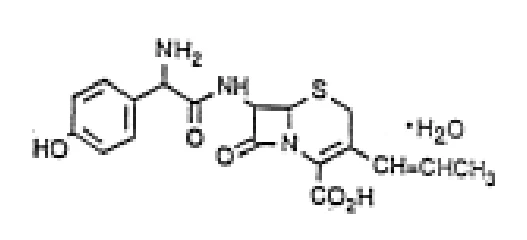
Molecular Weight: 407.44 g/mol
Physicochemical properties: Cefprozil is a cis and trans isomeric mixture in a 9:1 ratio. It is a white to yellowish crystalline powder with a melting point of 197°C. It is poorly soluble (< 1mg/mL) in acetone, chloroform, ethanol and isopropanol and has an approximate solubility of 11 mg/mL in methanol and 1.6 mg/mL in demethyl sulfoxide. Cefprozil has an apparent octanol / water partition coefficient of 0.01 at pH6 and 22°C.
CLINICAL TRIALS
Comparative Bioavailability Studies
An open label, randomized, two-treatment, two-sequence, two-period, cross-over, single-dose, comparative oral bioavailability study of Auro-Cefprozil (Cefprozil) 500 mg tablets (manufactured by Aurobindo Pharma Ltd., India for Auro Pharma Inc., Canada) and CefzilTM 500 mg tablets (Bristol-Myers Squibb Canada Inc.) was conducted under fasting conditions with 24 healthy, adult, male, human subjects.
Summary Table of the Comparative Bioavailability Data
Cefprozil (1 × 500 mg) From measured data Uncorrected for potency Geometric Mean Arithmetic Mean (CV %) | ||||
| Parameter | Test1 | Reference2 | % Ratio of Geometric Means | 90 % Confidence Interval |
AUCT (mg.hr /mL) | 42.1265 42.5878 (15.2) | 41.1254 41.5491 (14.9) | 102.43 | 100.21-104.71 |
AUCI (mg.hr /mL) | 42.4603 42.9275 (15.3) | 41.4560 41.8832 (14.9) | 102.42 | 100.23-104.67 |
CMAX (mg/mL) | 12.5337 12.6772 (15.5) | 12.2172 12.3592 (15.2) | 102.59 | 97.01-108.49 |
TMAX3 (h) | 1.75 (1.25-3.50) | 1.75 (1.00-3.50) | ||
T½4 (h) | 1.405 (12.2) | 1.381 (12.0) | ||
1 Auro-Cefprozil 500 mg tablets manufactured by Aurobindo Pharma Limited., India for Auro Pharma Inc., Canada.
2 CefzilTM 500 mg tablets (Bristol-Myers Squibb Canada Inc.) were purchased in Canada.
3 Expressed as the median (range) only.
4 Expressed as arithmetic mean (CV%) only.
Comparative Bioavailability Studies
An open label, randomized, two-treatment, two-sequence, two-period, cross-over, single-dose, comparative oral bioavailability study of Auro-Cefprozil (Cefprozil) 250 mg/5 mL powder for oral suspension (manufactured by Aurobindo Pharma Ltd., India for Auro Pharma Inc., Canada) and CefzilTM 250 mg/5 mL powder for oral suspension (Bristol-Myers Squibb Canada Inc.) was conducted under fasting conditions with 14 healthy adult male human subjects.
Summary Table of the Comparative Bioavailability Data
Cefprozil A single 250 mg dose; 5 mL of 250 mg/ 5mL powder for oral suspension From measured data Uncorrected for potency Geometric Mean Arithmetic Mean (CV %) | ||||
| Parameter | Test1 | Reference2 | % Ratio of Geometric Means | 90 % Confidence Interval |
AUCT (mg.hr/mL) | 19.22 19.441 (15.82) | 18.03 18.192 (13.64) | 106.62 | 102.69- 110.70 |
AUCI (mg.hr /mL) | 20.97 21.143 (13.44) | 19.70 19.814 (10.77) | 106.44 | 103.80- 109.15 |
CMAX (mg/mL) | 7.84 7.881 (10.81) | 6.94 6.991 (12.10) | 112.87 | 108.81- 117.09 |
TMAX3 (h) | 1.13 (0.75-2.50) | 1.25 (1.00-2.50) | ||
T½4 (h) | 1.12 (9.99) | 1.14 (9.35) | ||
1Auro-Cefprozil 250 mg/5 mL powder for oral suspension manufactured by Aurobindo Pharma Limited., India for Auro Pharma Inc., Canada.
2CefzilTM 250 mg/5 mL powder for oral suspension (Bristol-Myers Squibb Canada Inc.) was purchased in Canada.
3Expressed as the median (range) only.
4Expressed as arithmetic mean (CV%) only.
MICROBIOLOGY
Cefprozil has in vitro activity against a broad range of gram-positive and gram-negative bacteria. The bactericidal action of cefprozil results from inhibition of cell-wall synthesis. Cefprozil is more stable than cefaclor to beta lactamase hydrolysis by plasmid-encoded penicillinases including TEM and S. aureus enzymes as well as class Ia, Ib, Ic and Id enzymes.
The in vitro activity of cefprozil against clinical isolates is shown below:
| Organism | Number of Isolates | Low MIC mcg/mL | High MIC mcg/mL | MIC50 mcg/mL | MIC90 mcg/mL |
|---|---|---|---|---|---|
| Corynebacterium Sp. | 13 | ≤0.008 | 4.000 | <0.008 | 0.104 |
| S. faecalis | 77 | 0.500 | 16.000 | 5.369 | 8.211 |
| Strep. (Group A) | 309 | ≤0.008 | 1.000 | 0.015 | 0.088 |
| Strep. (Beta hemolytic) | 1 | 0.016 | 0.016 | ||
| S. agalactiae | 1 | 0.250 | 0.250 | ||
| S. intermedius | 1 | 0.125 | 0.125 | ||
| Strep. (Group G) | 32 | ≤0.008 | 0.500 | 0.025 | 0.150 |
| Strep. (Group C) | 28 | 0.016 | 0.500 | 0.018 | 0.339 |
| Enterococcus | 2 | 8.000 | 8.000 | ||
| Strep. (Group F) | 8 | 0.064 | 1.000 | 0.157 | |
| S. salivarius | 1 | 0.064 | 0.064 | ||
| Strep. (Group B) | 48 | 0.016 | 0.500 | 0.084 | 0.287 |
| S. mitis | 13 | ≤0.008 | 2.000 | 0.117 | 0.451 |
| S. constellatus | 1 | 0.500 | 0.500 | ||
| S. sanguis | 17 | 0.064 | 2.000 | 0.149 | 1.110 |
| S. aureus | 344 | 0.064 | 8.000 | 0.863 | 2.109 |
| S. epidermidis | 145 | 0.016 | 32.000 | 0.341 | 3.123 |
| S. saprophyticus | 21 | 0.500 | 4.000 | 0.728 | 1.653 |
| S. hominis | 21 | 0.032 | >128.000 | 0.375 | 1.932 |
| S. capitis | 9 | 0.016 | 0.125 | 0.025 | |
| S. simulans | 6 | 0.032 | 0.500 | 0.125 | |
| S. haemolyticus | 15 | 0.032 | >128.000 | 0.445 | 3.364 |
| S. cohnii | 3 | 0.250 | 1.000 | ||
| S. warneri | 8 | 0.016 | 0.500 | 0.091 | |
| S. xylosus | 2 | 0.250 | 0.500 | ||
| Micrococcus Sp. | 2 | 0.032 | 0.250 | ||
| Aerococcus Sp. | 1 | 1.000 | 1.000 | ||
| S. pneumoniae | 126 | ≤0.008 | 1.000 | 0.042 | 0.316 |
| P. aeruginosa | 35 | >128.000 | >128.000 | >128.000 | >128.000 |
| P. maltophilia | 9 | >128.000 | >128.000 | >128.000 | |
| P. fluorescens | 2 | >128.000 | >128.000 | >128.000 | 4.948 |
| P. paucimobilis | 1 | 2.000 | 2.000 | ||
| P. vesicularis | 1 | 32.000 | 32.000 | ||
| P. putida | 5 | >128.000 | >128.000 | ||
| P. cepacia | 1 | >128.000 | >128.000 | ||
| Pseudomonas Sp. VE-2 | 1 | >128.000 | >128.000 | ||
| P. mendocina | 1 | >128.000 | >128.000 | ||
| P. acidovorans | 1 | >128.000 | >128.000 | ||
| E. coli | 551 | 0.064 | >128.000 | 1.223 | |
| C. freundii | 14 | 0.500 | >128.000 | 11.314 | >78.793 |
| C. diversus | 9 | 0.500 | 8.000 | 0.749 | |
| K. pneumoniae | 68 | 0.032 | 32.000 | 0.660 | 1.711 |
| K. ozaenae | 1 | 4.000 | 4.000 | ||
| K. oxytoca | 11 | 0.125 | 32.000 | 1.122 | 7.464 |
| E. cloacae | 38 | 8.000 | >128.000 | 38.055 | >128.000 |
| E. aerogenes | 15 | 16.000 | >128.000 | 24.675 | >76.109 |
| E. sakazakii | 1 | 8.000 | 8.000 | ||
| E. geroviae | 2 | 2.000 | 8.000 | ||
| H. alvei | 1 | 16.000 | 16.000 | ||
| S. marcescens | 10 | 4.000 | >128.000 | >128.000 | >128.000 |
| P. mirabilis | 66 | 0.250 | 8.000 | 3.143 | 6.662 |
| P. vulgaris | 3 | >128.000 | >128.000 | ||
| M morganii | 7 | 4.000 | >128.000 | >128.000 | |
| P. stuartii | 1 | 16.000 | 16.000 | ||
| E. agglomerans | 8 | 0.500 | >128.000 | 2.000 | |
|---|---|---|---|---|---|
| H. influenzae | 11 | 0.125 | 8.000 | 0.771 | 3.864 |
| H. influenzae (P+) | 14 | 1.000 | 16.000 | 2.692 | 6.964 |
| H. influenzae (P-) | 77 | 0.250 | 32.000 | 0.887 | 4.550 |
| H. parainfluenzae | 9 | 0.016 | 1.000 | 0.223 | |
| H. parainfluenzae (P+) | 1 | 1.000 | 1.000 | ||
| Flavobacterium Sp. | 1 | 1.000 | 1.000 | 84.449 8.980 0.917 0.707 0.045 | >128.000 >95.339 2.297 |
| A. anitratus | 22 | 4.000 | >128.000 | ||
| A.lwoffi | 17 | 1.000 | >128.000 | ||
| A. haemolyticus | 1 | 64.000 | 64.000 | ||
| M. catarrhalis | 9 | 0.500 | 4.000 | ||
| M. catarrhalis (P+) | 32 | 0.064 | 4.000 | ||
| M. catarrhalis (P-) | 4 | 0.032 | 2.000 | ||
| A. hydrophilia | 1 | 1.000 | 1.000 | ||
Cefprozil is inactive against methicillin resistant Staphylococci, Enterococcus faecium, most strains of Acinetobacter, Enterobacter, Morganella morganii, Proteus vulgaris, Providencia, Pseudomonas and Serratia.
Susceptibility tests
Diffusion Techniques
Quantitative methods that require measurement of zone diameters give the most precise estimate of the susceptibility of bacteria to antimicrobial agents. Interpretation involves correlation of the diameter obtained in the disk test with the minimum inhibitory concentration (MIC) for cefprozil.
The class disk for cephalosporin susceptibility testing (the cephalothin disk) is not appropriate because of spectrum differences with cefprozil. The 30 mcg cefprozil disk should be used for all in vitro testing of isolates and should be interpreted according to the following criteria:
| Zone diameter (mm) | Interpretation |
|---|---|
≥18 15-17 ≤14 | (S) Susceptible (MS) Moderately Susceptible (R) Resistant |
A report of “Susceptible” indicates that the pathogen is likely to be inhibited by generally achievable blood concentrations. A report of “Moderately Susceptible” indicates that the organism would be susceptible if high dosage is used or if the infection is confined to tissues and fluids (e.g., urine) in which high antibiotic levels are attained. A report of “Resistant” indicates that the achievable concentration of the antibiotic is unlikely to be inhibitory.
Standardized procedures require the use of laboratory control organisms. The 30-mcg cefprozil disk should give the following zone diameters:
| Organism | Zone diameter (mm) |
|---|
Escherichia coli ATCC 25922 Staphylococcus aureus ATCC 25923 | 21 – 27 27 - 33 |
|---|
Dilution Techniques
Use a standardized dilution method (broth, agar, microdilution) or equivalent with cefprozil powder. The MIC values obtained should be interpreted according to the following criteria:
| MIC (mcg/mL) | Interpretation |
|---|---|
≤18 16 ≥14 | (S) Susceptible (MS) Moderately Susceptible (R) Resistant |
As with standard diffusion techniques, dilution techniques require the use of laboratory control organisms. Standard cefprozil powder should give the following MIC values:
| Organism | MIC (mcg/mL) |
|---|---|
| Enterococcus faecalis ATCC 29212 | 4 – 16 |
| Escherichia coli ATCC 25922 | 1 – 4 |
| Pseudomonas aeruginosa ATCC 27853 | >32 |
| Staphylococcus aureus ATCC 29213 | 0.25 - 1 |
TOXICOLOGY
Acute Toxicity
| Species/Strain | Sex (N) | Route | Estimated LD50 (mg/kg) |
|---|---|---|---|
Mouse Swiss-Webster | M (5) F (5) | Oral gavage (200 mg/mL suspension) | >5000 |
Rat Sprague-Dawley | M (5) F (5) | Oral gavage (200 mg/mL suspension) | >5000 |
Rat Sprague-Dawley | M (15)** F (15)** | Oral gavage (250 mg/mL suspension) *CMC 0,5% | >5000 |
Monkey Cynomolgus | M (1) F (1) | Oral gavage (200 mg/mL suspension) | >3000 |
Mouse Swiss-Webster | M (5) F (5) | I.P. | >5000 |
Mouse Swiss-Webster | M (5) F (5) | Subcutaneous | >5000 |
- * CMC = Carboxymethyl cellulose
** Includes 5 neonates, 5 weanlings and 5 adults
No deaths occurred.
The only sign of toxicity in mice was a decreased body weight gain in males given cefprozil by oral gavage.
There were no signs of toxicity in neonatal (5 days of age), weanling (23 days of age) or adult (7 weeks) rats following administration of cefprozil 5000 mg/kg by oral gavage.
Signs of toxicity in monkeys included soft or liquid stools and sporadically disturbed appetite.
Subacute Toxicity
| Species/Strain | Sex | N/Group | Cefprozil Dosage (mg/kg/day) | Route | Duration | Effects |
|---|---|---|---|---|---|---|
Rat (CD/Charles River) | M F | 10 10 | 0, 250, 750, 1500 (*CMC 0.5%) | Oral gavage | 4 weeks | Slight increase in kidney weight with reduction in serum creatinine and BUN but no corresponding urinalysis, or microscopic pathology in (M) given 750 or 1500 mg/kg. Minimal focal erosion of gastric mucosa for 3 of 20 rats at 1500 mg/kg. Transient soft stools during second week and gross and microscopic dilatation of colon and cecum attributed to enteral antibiotic effect. |
| Monkey (Cynomolgus) | M F | 2 2 | 0, 50 200, 600 | Oral gavage | 1 month | Salivation after dosing at 600 mg/kg/day. No consistent pathologic changes. Dose related incidence of soft or liquid stools attributed to enteral antibiotic effect. |
Rat (CD/Charles River) | M F | 20 20 | 0, 250, 750, 1500 (CMC 0.5%) | Oral gavage | 3 months + 1 month recovery | Reversible slight increases in serum creatine kinase and alanine transaminase and in kidney weights at 750 and 1500 mg/kg. No morphologic gross or microscopic pathology. |
| Monkey (Cynomolgus) | M F | 3 or 4 3 or 4 | 0, 50, 150, 600 (CMC 0.5%) | Oral gavage | 3 months + 1 month recovery | No consistent toxicologic change. Transient body weight loss for 2 males at 600 mg/kg dose level. No pathologic changes. Dose related incidence of diarrhea (reversible, and attributed to enteral antibiotic effect). |
| Monkey (Cynomolgus) | M F | 2 2 | 0, 25, 50 (0.9% sodium chloride) | I.V. | 2 weeks | No consistent toxicologic change. No morphologic gross or microscopic pathology. Transient mild to moderate discoloration was noted at injection sites across all treated and control groups. |
- * CMC = Carboxymethylcellulose
Chronic Toxicity
| Species/Strain | Sex | N/Group | Cefprozil Dosage (mg/kg/day) | Route | Duration | Effects |
|---|---|---|---|---|---|---|
Rat (Sprague-Dawley) | M F | 25 25 | 0, 150, 300, 900 (*CMC 0.5%) | Oral gavage | 26 weeks + 12-13 week recovery | No evidence of overt toxicity. Transient increase in food (M and F) and water (M) consumption at start of dosing and increased food consumption in (M) at end of dosing. Reversible kidney weight increase. No clinicopathologic or histopathologic changes. |
| Monkey (Cynomolgus) | M F | 4 or 6 4 or 6 | 0, 50, 150, 600 (CMC 0.5%) | Oral gavage | 26 weeks + 4 week recovery | Reversible diarrhea, rectal prolapse, emesis, salivation upon dosing at 600 mg/kg. Menstrual cycle, body weight, and food consumption unaffected. No consistent change in clinical pathology, necropsy or histopathology. Diarrhea during first month at 50 and 150 mg/kg doses attributed to enteral antibiotic effect. |
- * CMC = Carboxymethylcellulose
Reproduction and Teratology
| Species/Strain | No. of Animals and Sex/Dose | Cefprozil Doses and Frequency | Route | Results |
|---|---|---|---|---|
| SEGMENT I | ||||
Rat (Sprague-Dawley) | 20M, 35F | 0, 250, 750 or 1500 mg/kg as follows: M: at least 70 days before mating and during mating. F: 14 days before mating through Day 21 pregnancy or Day 21 postpartum. | Oral gavage* | Gestation and parturition unaffected. Copulation index slightly lower than controls for treated rats but with no dose relationship. Minor decreases in food consumption before mating, during gestation and in body weight during lactation. No signs of teratogenicity. Higher postnatal mortality in treated groups. Slight growth inhibition in pups (M) during lactation and postweaning. No adverse effect on F1 generation reproductive performance. |
| Rat (Crl:CoBSCD(SD)Br) | 30F | 0, 100, 250 and 500 mg/kg as follows: F: 15 days prior to mating with untreated M through Day 20, of gestation or Day 21 postpartum. | Oral gavage* | No effect on reproduction of F and their offspring. Incidence of alopecia was increased at 500 mg/kg dose level. Maternal body weight gain during gestation diminished at 250 and 500 dose levels. |
| SEGMENT II | ||||
| Mouse (Crl:CD(ICR)Br) | 43F | 0, 250, 750 and 1500 mg/kg from day 6 through day 15 of gestations | Oral gavage* | No evidence of teratogenicity or embryotoxicity. |
Rat (Sprague-Dawley CD) | 35F | 0, 250, 750 and 1500 mg/kg from day 7 through 17 of gestation | Oral gavage* | No teratogenic or embryotoxic effects. Reduced implantation with increasing dose. No effects on fetuses, on offspring and on development of pups during lactation and post-weaning. |
- * Suspending vehicle: Sodium carboxymethylcellulose 0.5%
Reproduction and Teratology (Cont’d)
| Species/Strain | No. of Animals and Sex/Dose | Cefprozil Dosage and Frequency | Route | Results |
|---|---|---|---|---|
| SEGMENT II (Cont’d) | ||||
Rabbit (New Zealand White) | 22F | 0, 5, 20, 40 mg/kg from day 6 through 18 of gestation | Oral gavage* | Live fetuses / implantation decrease with increasing doses of cefprozil. No evidence of teratogenicity and embryotoxicity. No effect on reproductive function and body weights. No maternal toxicity. |
| SEGMENT III | ||||
Rat (Sprague-Dawley CD) | 22F | 0, 150, 300 and 900 mg/kg/day from day 17 through post-partum day 21 | Oral gavage* | No overt maternal toxicity. Increased postnatal mortality and slight growth inhibition for suckling pups from dams given 300 or 900 mg/kg/day. Physical development, neuromuscular, sensorial functions and reproduction of F1 pups were unaffected. |
- * Suspending vehicle: Sodium carboxymethylcellulose 0.5%
Special Studies
There were no testicular changes noted in special screening studies conducted with cefprozil.
No evidence of nephrotoxicity or systemic toxicity was apparent in rabbits given cefprozil by oral gavage with single doses up to 1000 mg/kg. Cefprozil administered orally at doses up to 500 mg/kg/day to neonatal male rats on postnatal days 6 through 11 resulted in neither testicular toxicity nor systemic toxicity.
In rats given either cefprozil (cis/trans isomers in a 9:1 ratio), the cis isomer or the trans isomer at 1500 mg/kg/day by oral gavage for one month, alopecia, salivation, reduced body weight in males, decreased litter weight and increased kidney weight were observed. No clinical pathology or gross or microscopic pathology was observed.
There were no remarkable differences in the toxicity of the cis isomer, the trans isomer, or cefprozil (the isomeric mixture) in rats given 1500 mg/kg/day by oral gavage for one month.
Mutagenicity and Genotoxicity
Cefprozil (cis isomer) was not mutagenic in the Ames Microbial mutagen test with S. thyphimurium and the microbial reverse mutation assay using E. coli. Cefprozil (cis/trans isomers) was also not mutagenic in the forward gene mutation assay using Chinese Hamster ovary cells.
Unscheduled DNA synthesis in rat hepatocytes in vitro and clastogenecity in Chinese Hamster ovary cells in vitro or in rat bone marrow cells in vivo were unaffected by cefprozil (cis/trans isomers).
REFERENCES
- 1) Arguedas AG, Zaleska M et al, Comparative Trial of Cefrozil vs Amoxicillin Clavulanate Potassium in the Treatment of Children with Acute Otitis Media with Effusion Pediatr. Infect. Dis. J. 10:375-380,1991
- 2) Aronovitz GH, Doyle CA et al, Cefprozil vs Amoxicillin / Clavulanate in the Treatment of Acute Otitis Media Infections in Medicine. Supplement C:19-32, January 1992
- 3) Chin NX and Neu HC Comparative Antibacterial Activity of a New Oral Chephalosporin Antimicrob. Agents Chemother. 31:480-483,1987
- 4) Doyle CA, Durham SJ et al, Cefprozil vs Cefaclor in the Treatment of Pharyngitis and Tonsillitis in Adults Infections in Medicine. Supplement E: 1-2, February 1992
- 5) Gehanno P, Depondt J et al,Comparison of Cefpodoxime Proxetil with Cefaclor in the Treatment of Sinusitis J. Antimicrobiol. Chemother. 26(E):87-91,1990
- 6) Hiraoka M, Masuyoshi S, Tomatsu K, Inoue M, Mitsuhashi S In Vitro Activity and Beta- Lactamase Stability of the Oral Cephalosporin BMY 28100 Eur. J. Clin. Microbiol. 6:559- 563,1987
- 7) Jones RN, Barry AL and the Collaborative Antimicrobial Testing Group BMY 28100, A New Oral Cephalosporin: Antimicrobial Activity Against Nearly 7,000 Recent Clinical Isolates, Comparative Potency with Other Oral Agents, and Activity Against Beta- Lactamase Producing Isolates Diagn. Microbiol. Infect. Dis. 9:11-26,1988
- 8) Kessler RE and Fung-Tomc JC In Vitro Activity of Cefprozil Compared with other Cephalosporins Infections in Medicine. Supplement C:10-18, January 1992
- 9) Leitner F et al, BMY 28100, a New Oral Cephalosporin Antimicrobiol. Agents & Chemother. 31:238-243,1987
- 10) McCarty JM, Renteria A et al, Cefrozil vs Cefaclor in the Treatment of Pharyngitis and Tonsillitis Infections in Medicine. Supplement C:33-43, January 1992
- 11) National Committee for Clinical Laboratory Standards Methods for Dilution Antimicrobial Susceptibility Tests for Bacteria that Grow Aerobically Second Edition Approved Standard NCCLS Document M7-A2 10(8), NCCLS, Villanova, PA, April 1990
- 12) Nolen T, Conetta BJ et al, Safety and Efficacy of Cefprozil vs Cefaclor in the Treatment of Mild to Moderate Skin and Skin Structure Infections Infections in Medicine. Supplement C:56-67, January 1992
- 13) Nye K, O’Neill JM et al, Pharmacokinetics and Tissue Penetration of Cefprozil J. Antimicrobiol. Chemother. 25:831-835,1990
- 14) Sáez-Llorens X et al, Pharmacokinetics of Cefprozil in Infants and Children Antimicrobiol. Agents Chemother. 34:2152-2155,1990
- 15) Scribner RK, Marks MI and Finkhouse BD In Vitro Activity of BMY 28100 Against Common Isolates from Pediatric Infections Antimicrobiol. Agents Chemother. 31:630- 631,1987
- 16) Wilber RB, Hamilton H et al, Cefprozil vs Cefaclor in the Tratment of Lower Respiratory Tract Infections in Medicine. Supplement C:44-55, January 1992
- 17) World Almanac® and Book of Facts 1994, Mahwab, N.J.
- 18) Product Monograph - Cefzil (cefprozil) 250 mg and 500 mg Tablets and 125 mg/5 mL and 250 mg/5 mL Powder for Oral Suspension. Bristol-Myers Squibb Canada Inc. Date of Revision: 14 August 2012.
- 19) APO-CEFPROZIL, Tablets 250 mg and 500 mg, Control Number 235587, Product Monograph, Apotex Inc. Date of Revision: June 3, 2020.
- 20) PrAPO-CEFPROZIL (Cefprozil for Oral Suspension 125 mg and 250 mg / 5 mL), Submission Control No: 235590, Product Monograph, APOTEX INC., Date of Revision: June 03, 2020.